
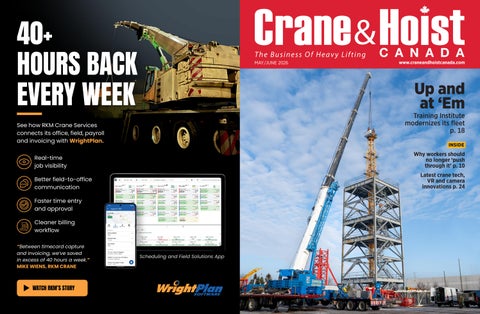

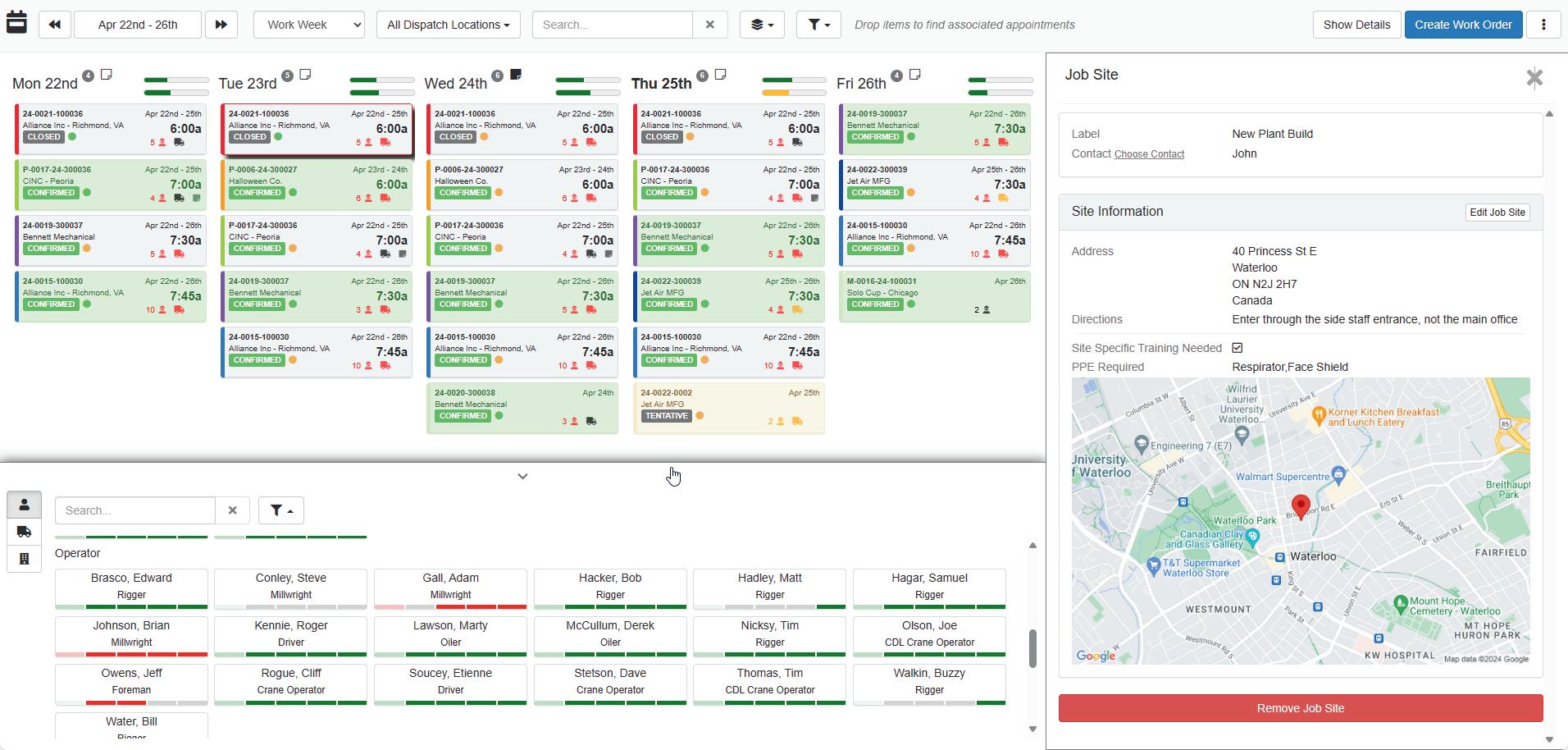
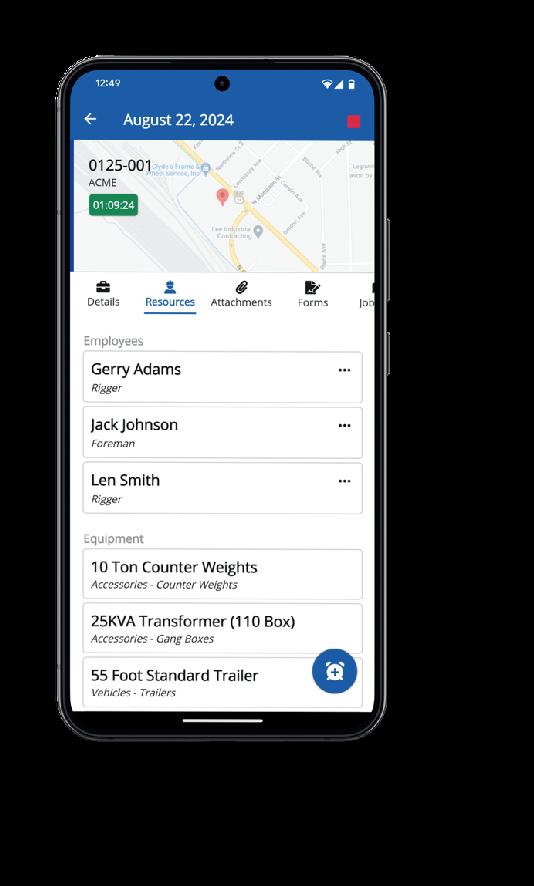
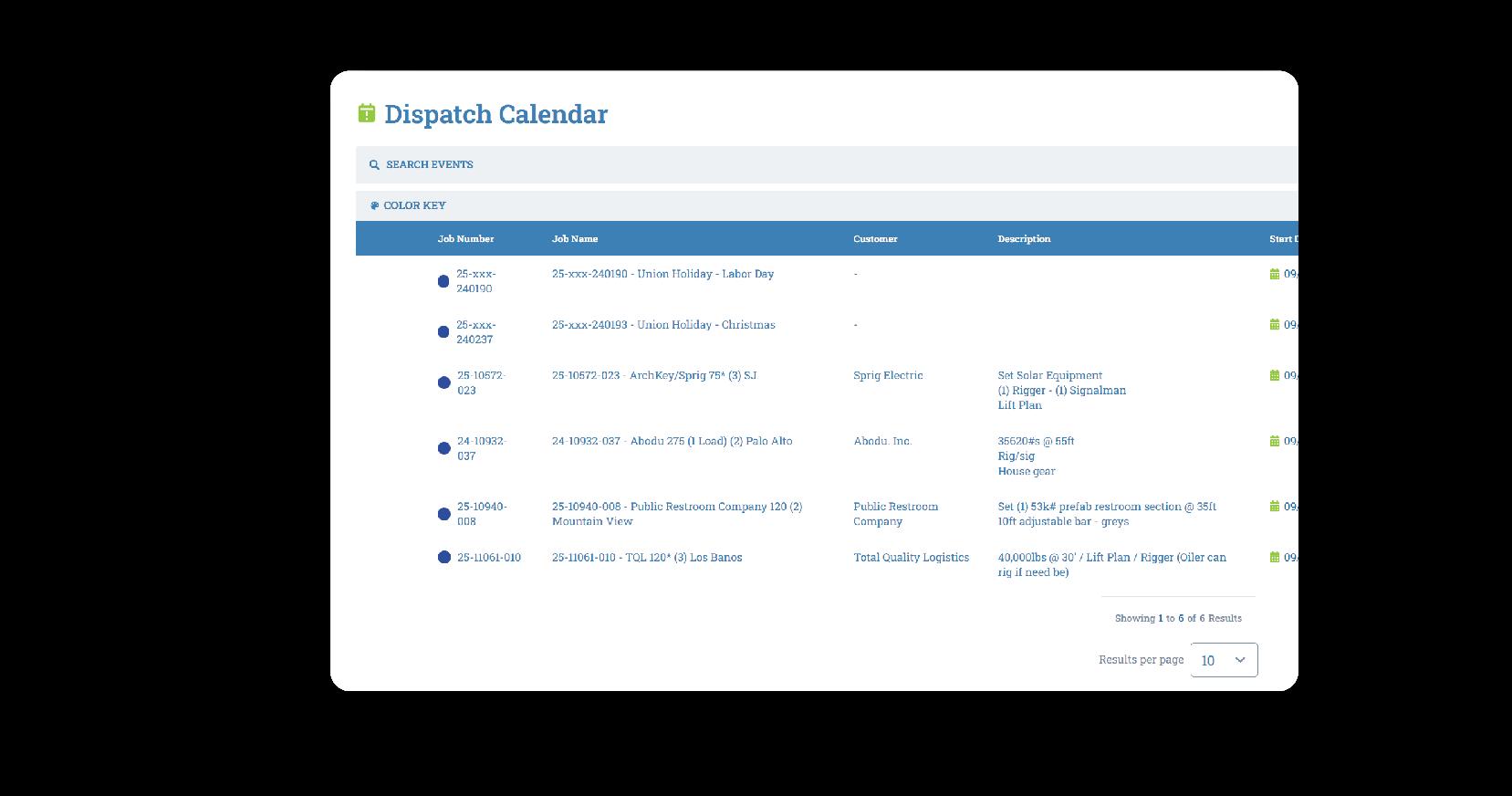
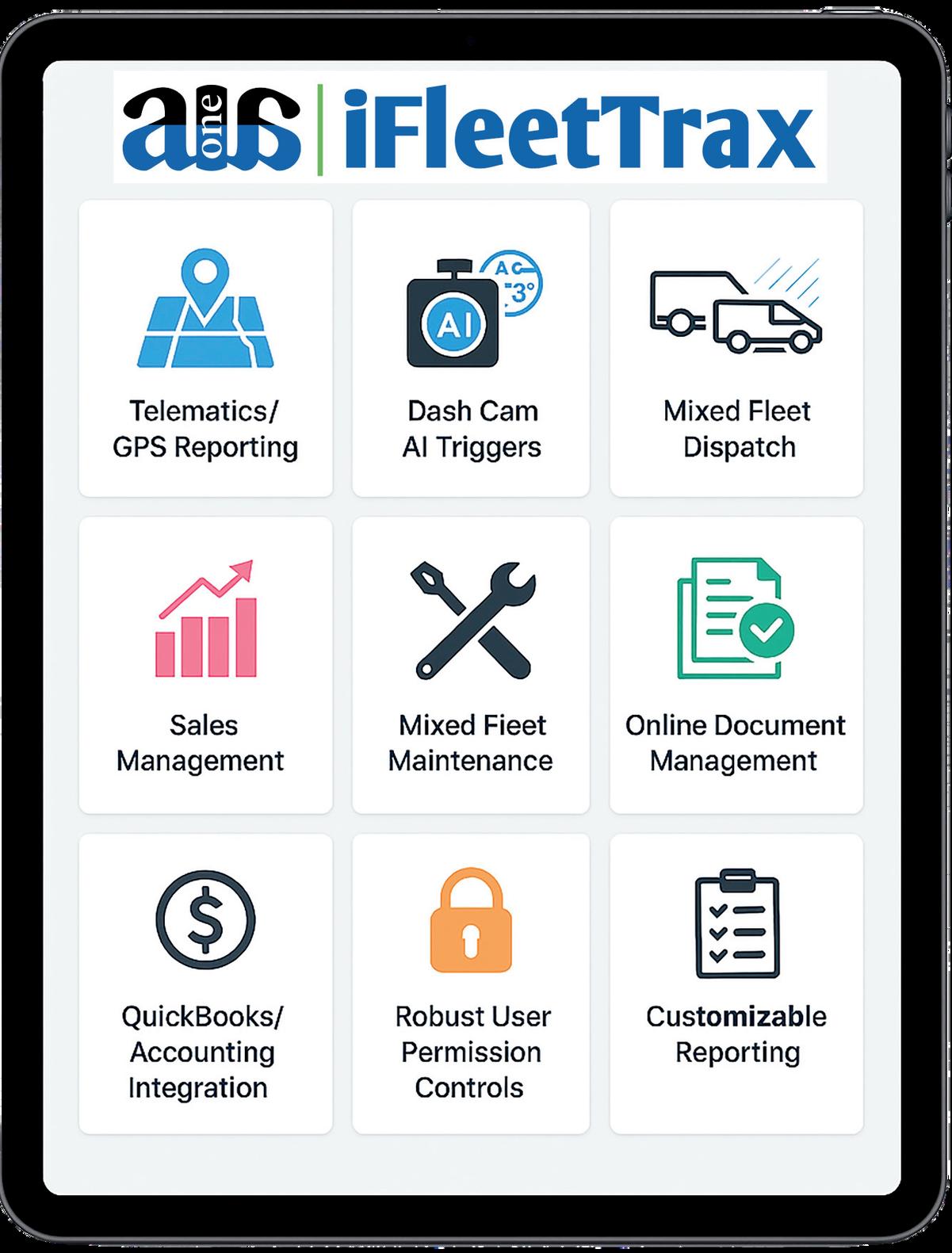
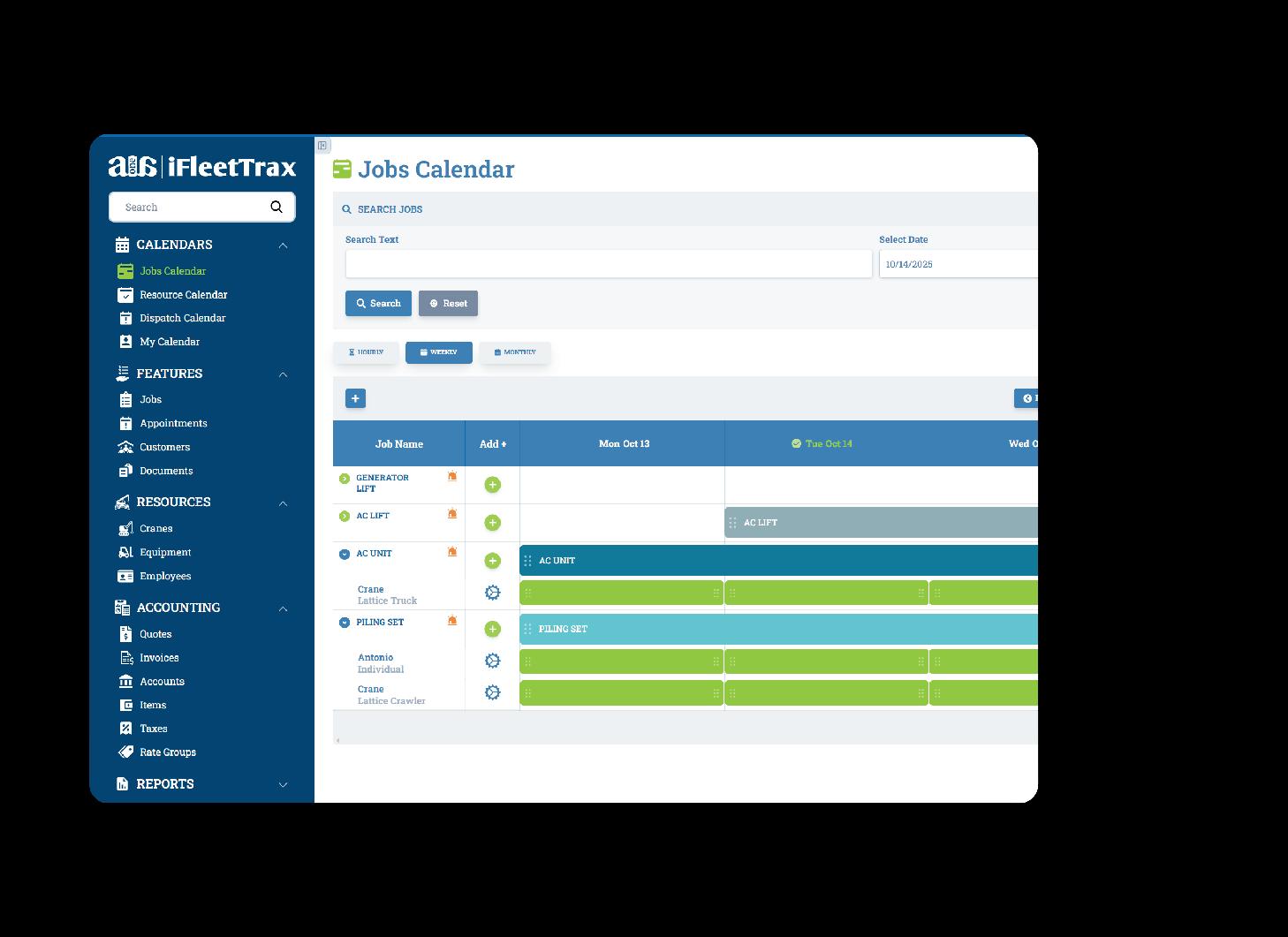
Institute modernizes its fleet p. 18 Real-time job visibility Better field-to-office communication Cleaner billing workflow Faster time entry and approval
“Between timecard capture and invoicing, we’ve saved in excess of 40 hours a week.”

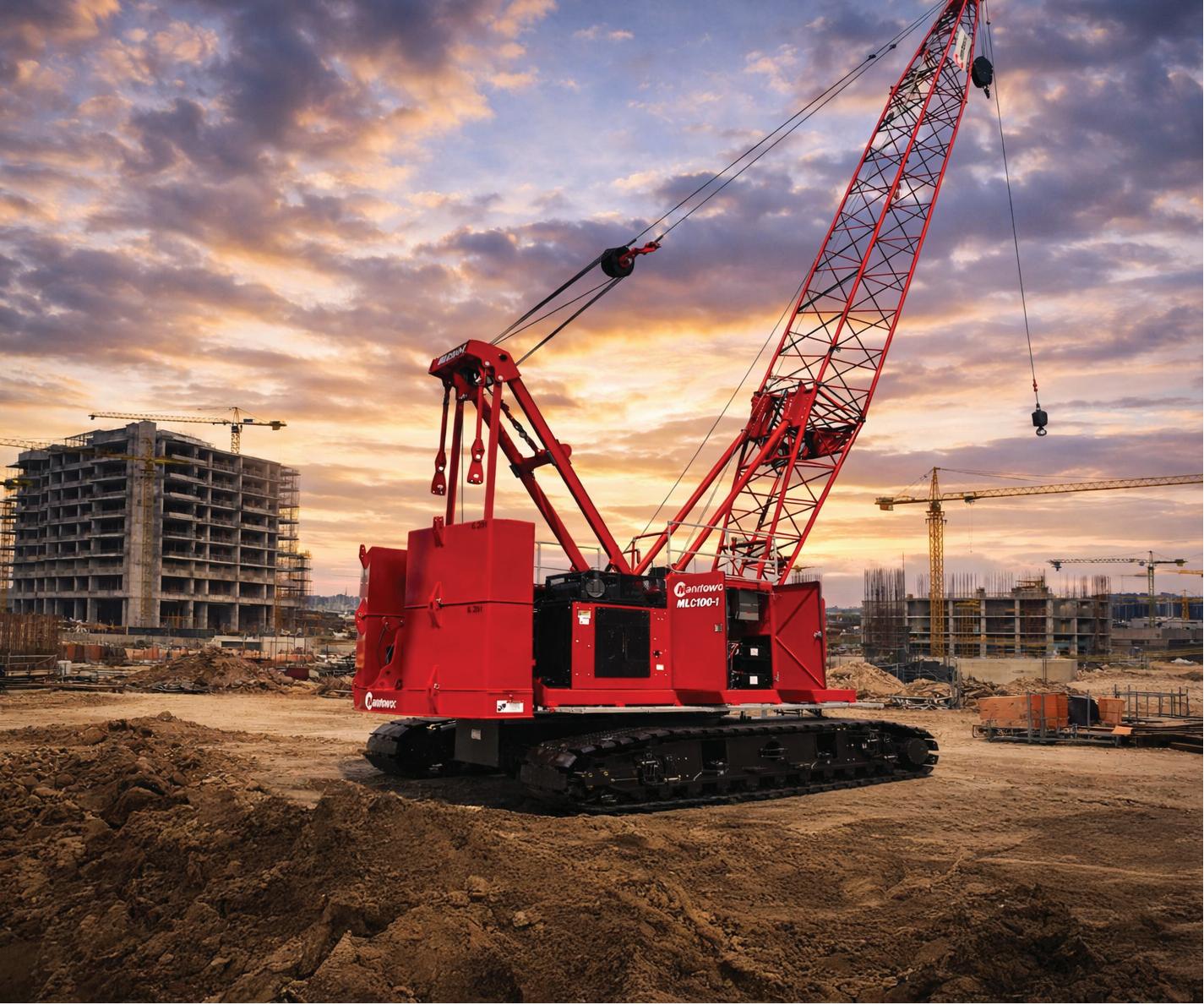
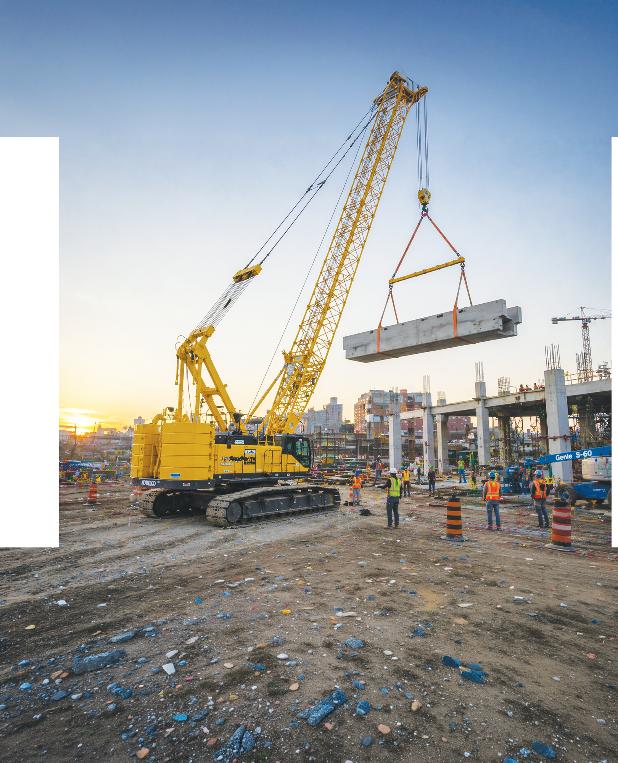
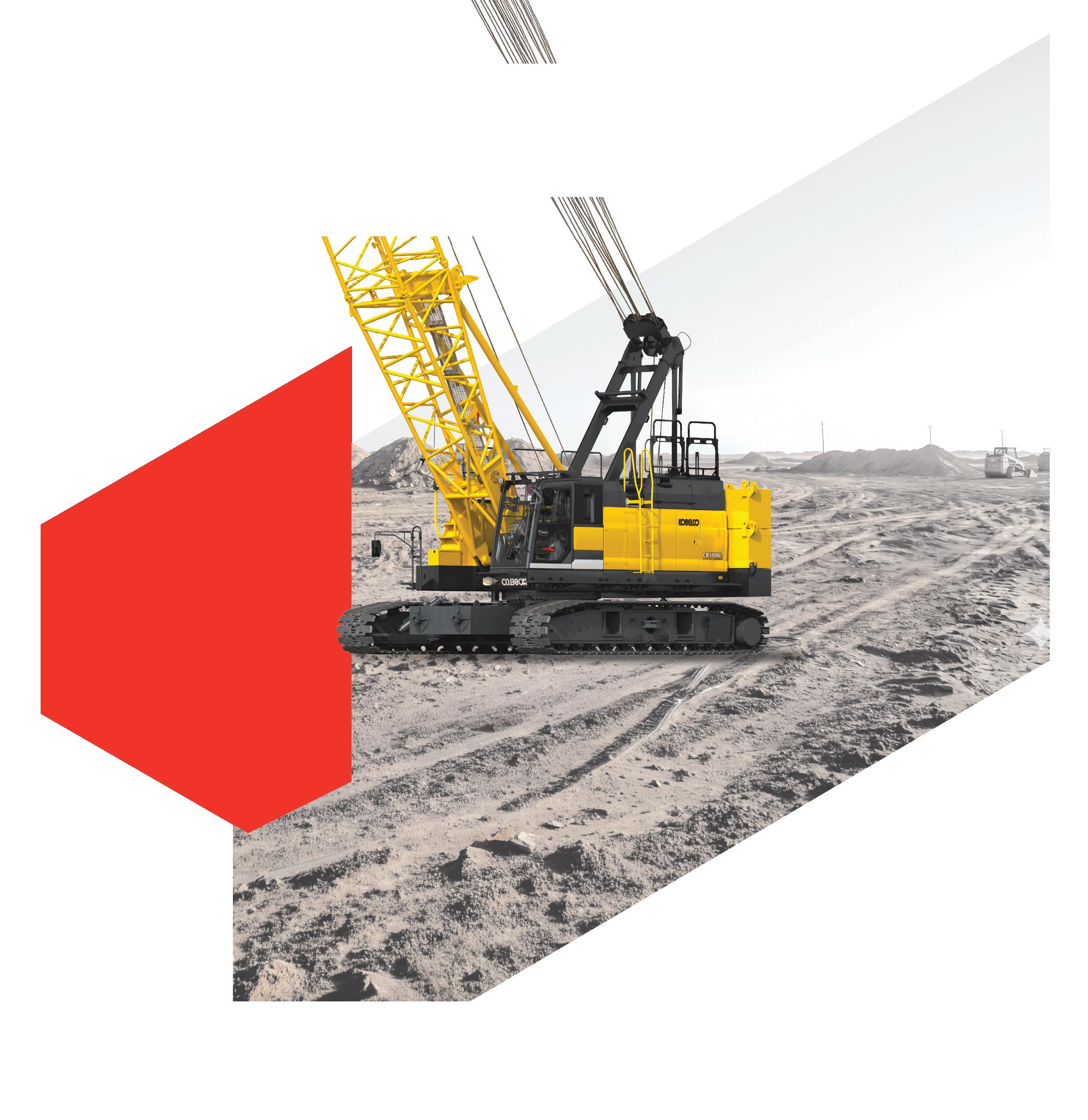
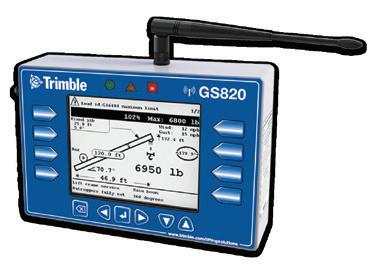
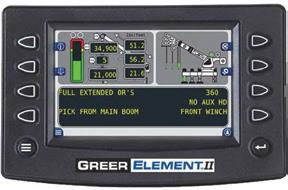
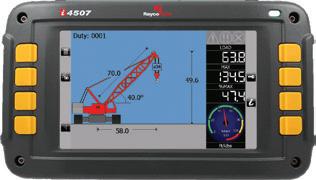
120-Ton| 110 mt Telescopic Crawler Crane
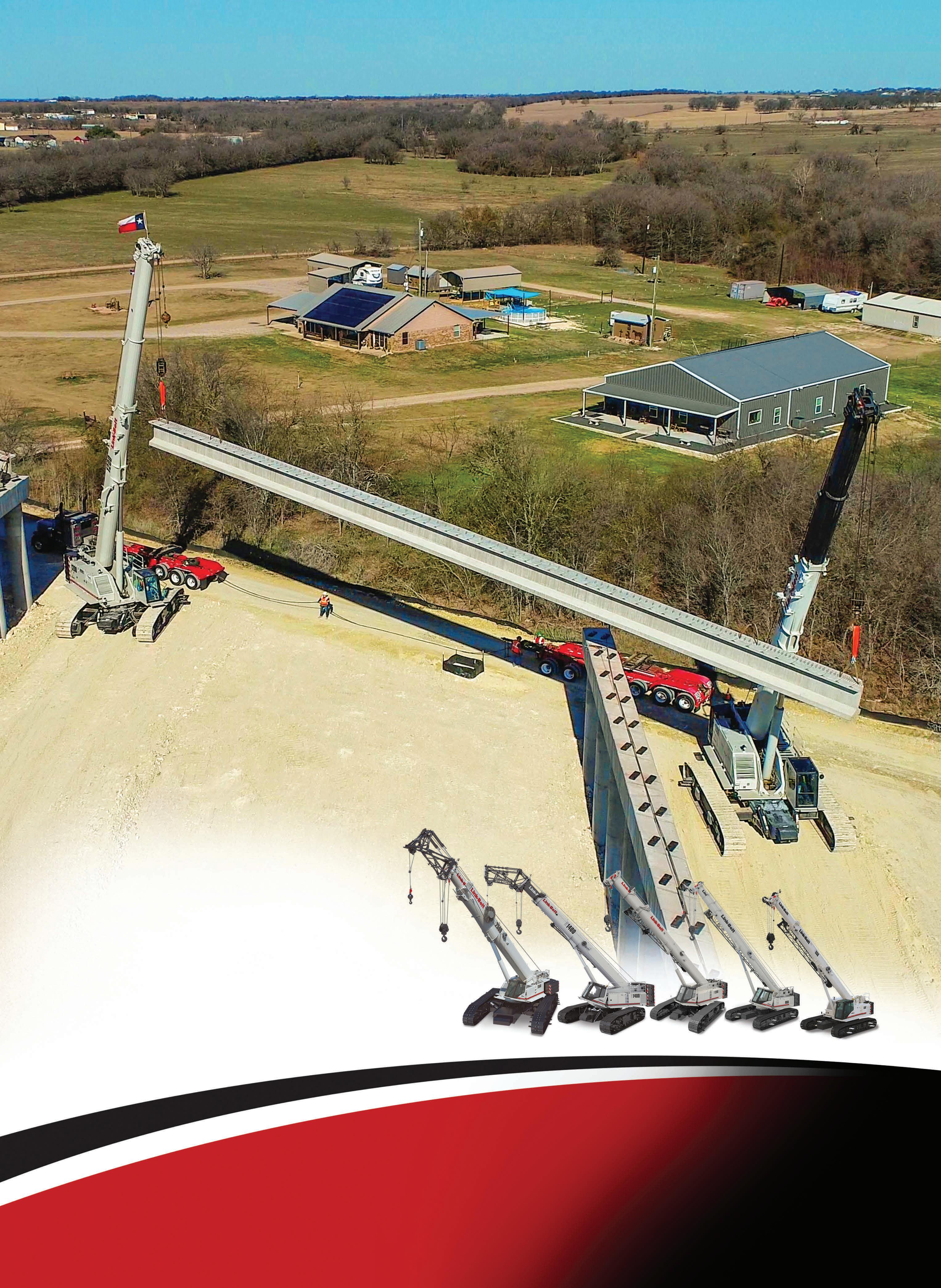
• Greaseless 40 ft -150 ft (12.2m - 45.7m) full-power boom
• Available three-piece manual offsettable fly
• Maximum tip height 211 ft (64.3m)
• Link-Belt Pulse RCL
• Live Ground Bearing Pressures
• Incredible 1° – 4° list charts
• Unbeatable pick and carry capacities
• Heavy-Duty undercarriage
• Telematics equipped
• Simple self-assembly
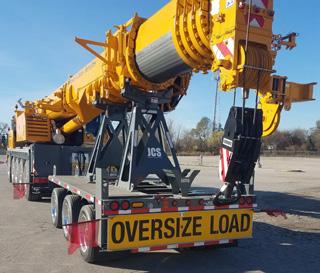
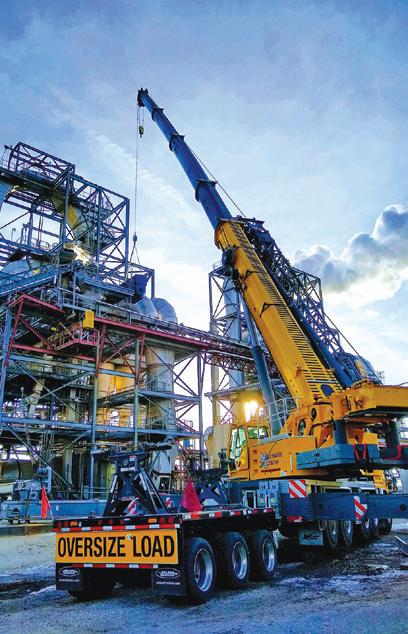
• Transports At 89,000 lbs (40 370kg) with 3 overflow loads QUICK MOBILIZATION & SUPERB JOB SITE MOBILITY
10: ‘Just push through it’ It’s time to talk about
14: Sustainable lifting
Liebherr’s Julian Rapp discusses how sustainability in the present involves telemetry and precision planning software working alongside hybrid tech to reduce the carbon footprint of every lift.
18:
24:


BY MIKE LACEY
When a jurisdiction’s regulatory framework becomes overly burdensome it can serve as a brake on economic growth.
By equal measure, when such regulations are lax, they can result in unsafe workplaces and negative impacts on the broader community.
Finding the correct balance is always the struggle of government. And often, politicians are trying to hit a moving target.
That’s because regulations do not exist within a vacuum. They come about because of problems a jurisdiction is facing. For the crane industry, these are often safety related. The work is dangerous. People have suffered severe injuries or even died. That has led to a series of regulations across the country intended to make the work, and those around it, safer.
Other regulations spring up because of damage done to the broader community. Polluted drinking water or the loss of habitats leading to damaging floods are just two examples.
Regulations are not, by themselves, bad. As such, I tend to be skeptical when I hear corporate complaints about red tape. I ask myself: what red tape do they want to remove and what are the potential consequences to workers and the community?
However, it’s clear Canada has a regulatory problem. That has become more pronounced in the past two years. After all, how many hoops does one need to jump through simply to move a crane from one jurisdiction to another?
Now, with our country facing strong headwinds due to the United States creating economic uncertainty through tariffs and now the Iran War, the nation’s plan, as stated by Prime Minister Mark Carney, to build at speeds once thought impossible, cannot happen without changes to our regulatory framework.
A recent article in the Financial Post noted that many industry groups see our country’s red tape as more damaging to our economic growth than the United States tariffs.


The key problem is an overlap of federal, provincial and municipal regulations, much of which fall on the environmental side. Streamlining these processes needs to happen as soon as possible. Why does a project have to receive environmental approval from three levels of government? Can’t they work together? Is there not a more efficient way to handle this?
But we also must knock down interprovincial trade barriers that make it difficult for some people to ply their trade in other provinces. The federal government has removed the barriers it is responsible for, but the provinces still need to act.
A silver lining in all of this is that it appears the federal government is aware of this. Its new Major Projects Office was created to remove much of the duplication when it comes to regulatory approvals. Now, I can hear many argue, rightfully, why are we creating another bureaucracy when the problem is too much bureaucracy?
However, the Major Projects Office does provide an opportunity to develop a new framework for the country while also moving big, nation-building projects along at a more rapid pace. As these major projects shift from development to completion, we can learn what works and what doesn’t. We don’t need to spend time studying how to implement a streamlined regulatory system. Ultimately, the lessons learned at the Major Projects Office can be applied to new legislation simplifying our overregulated economy.
At least, that’s my hope.
But it’s important to remember, there is no regulatory equilibrium. The pendulum will always swing back and forth. Regulations exist to solve a problem. And while often we overregulate, there is also an equal danger we will underregulate. That is something we should be on guard for.
Mike Lacey mlacey@annexbusinessmedia.com

Reader Service
Print and digital subscription inquiries or changes, please contact customer service
Angelita Potal
Tel: (416) 510-5113
Fax: (416) 510-6875
Email: apotal@annexbusinessmedia.com
Mail: 111 Gordon Baker Rd., Suite 400, Toronto, ON M2H 3R1
EDITOR | MIKE LACEY mlacey@annexbusinessmedia.com
NATIONAL ACCOUNT MANAGER | LAURA GOODWIN lgoodwin@annexbusinessmedia.com • 289-928-8543
MEDIA DESIGNER | JAIME RATCLIFFE jratcliffe@annexbusinessmedia.com
ACCOUNT COORDINATOR | BARB COMER bcomer@annexbusinessmedia.com
AUDIENCE DEVELOPMENT MANAGER | URSZULA GRZYB ugrzyb@annexbusinessmedia.com • 416-510-5180
CONTRIBUTORS | Saul Chernos
GROUP PUBLISHER | DANIELLE LABRIE dlabrie@annexbusinessmedia.com
CEO | SCOTT JAMIESON sjamieson@annexbusinessmedia.com
PUBLISHED BY ANNEX BUSINESS MEDIA 105 Donly Drive South, Simcoe, ON N3Y 4N5
Crane & Hoist Canada is published six times a year by Annex Business Media. Reference to named products or technologies does not imply endorsement by the publisher.
Subscription rates (six issues)
Canada: $39.25 (per year + tax)
Canada: $67.36 (2 years + tax)
USA: $50.92 (CAD per year)
Send cheque or VISA/Mastercard number to Subscription Department, Crane & Hoist Canada, 111 Gordon Baker Rd., Suite 400, Toronto ON M2H 3R1. Fax orders to 416-510-6875. Or subscribe online at www.craneandhoistcanada.com
RETURN UNDELIVERABLE CANADIAN ADDRESSES TO: Crane & Hoist Canada. CIRCULATION DEPT. 111 Gordon Baker Rd., Suite 400, Toronto ON M2H 3R1
PRINTED IN CANADA ISSN 1923-788X
Publications Mail Agreement #PM40065710
Annex Privacy Officer
Privacy@annexbusinessmedia.com Tel: 800-668-2374
The contents of Crane & Hoist Canada are copyright ©2026 by Annex Business Media and may not be reproduced in whole or part without written consent. Annex Business Media disclaims any warranty as to the accuracy, completeness or currency of the contents of this publication and disclaims all liability in respect of the results of any action taken or not taken in reliance upon information in this publication.
Next Advertising Deadline: June 26, 2026. Don’t miss the opportunity to be part of this exciting industry publication. For more information, or to reserve space in the next issue, call Laura Goodwin at our Advertising Department Tel: +1-289-928-8543 lgoodwin@annexbusinessmedia.com
Next Editorial Deadline: June 26, 2026. For writers’ guidelines and submission requirements get in touch with the editor, Mike Lacey, at mlacey@annexbusinessmedia.com
MEMBER OF: MEDIA PARTNER:



The Government of Canada has approved the Sunrise Expansion Program in British Columbia, a $4-billion natural gas expansion of Enbridge’s Westcoast pipeline system.
The government says the expansion will help meet growing energy needs in the province by providing up to 300 million cubic feet per day of additional transportation capacity on B.C.’s major natural gas transmission system.
The project will begin construction this summer. The government says it will help meet natural gas demand from Asian markets anticipated to add more than $3 billion to Canada’s GDP.
The project will also generate over $700 million in federal and provincial tax revenue for new roads, hospitals and schools, and create 2,500 jobs during peak construction, including for local Indigenous communities.
The project would expand the existing natural gas pipeline system in British Columbia, adding approximately 139 kilometres of new pipeline by constructing 11 pipeline looping segments parallel to the existing line. It will also supply additional natural gas compression, upgrades and modifications to existing facilities.
The Canada Energy Regulator has recommended approval, subject to 47 binding conditions related to environmental protection, safety and Indigenous engagement.
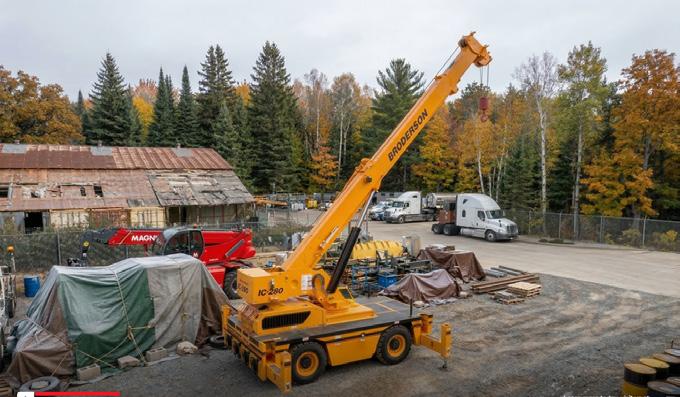
Cropac Equipment Inc. has been appointed an authorized dealer and distributor for Broderson carry deck and rough terrain cranes in British Columbia, Alberta, and Quebec.
Additionally, Cropac will also support Broderson owners with parts and service across Canada, helping customers reduce downtime and keep work moving. Cropac has six locations across Canada and an almost 50-year track record in the crane and lifting industry
Cropac sales, parts, and service support for Broderson Cranes:
• Sales support for new Broderson carry deck cranes
• Sales support for new Broderson rough terrain cranes
• Support for used Broderson carry deck and rough terrain cranes
• Genuine Broderson OEM parts sales and support
• Nationwide service support for Broderson equipment
“We’re thrilled to represent the line in our dealer territory, backed by parts and service support across Canada,” said Andy Whitehouse, vice president & GM Western Division, Cropac Equipment Inc.
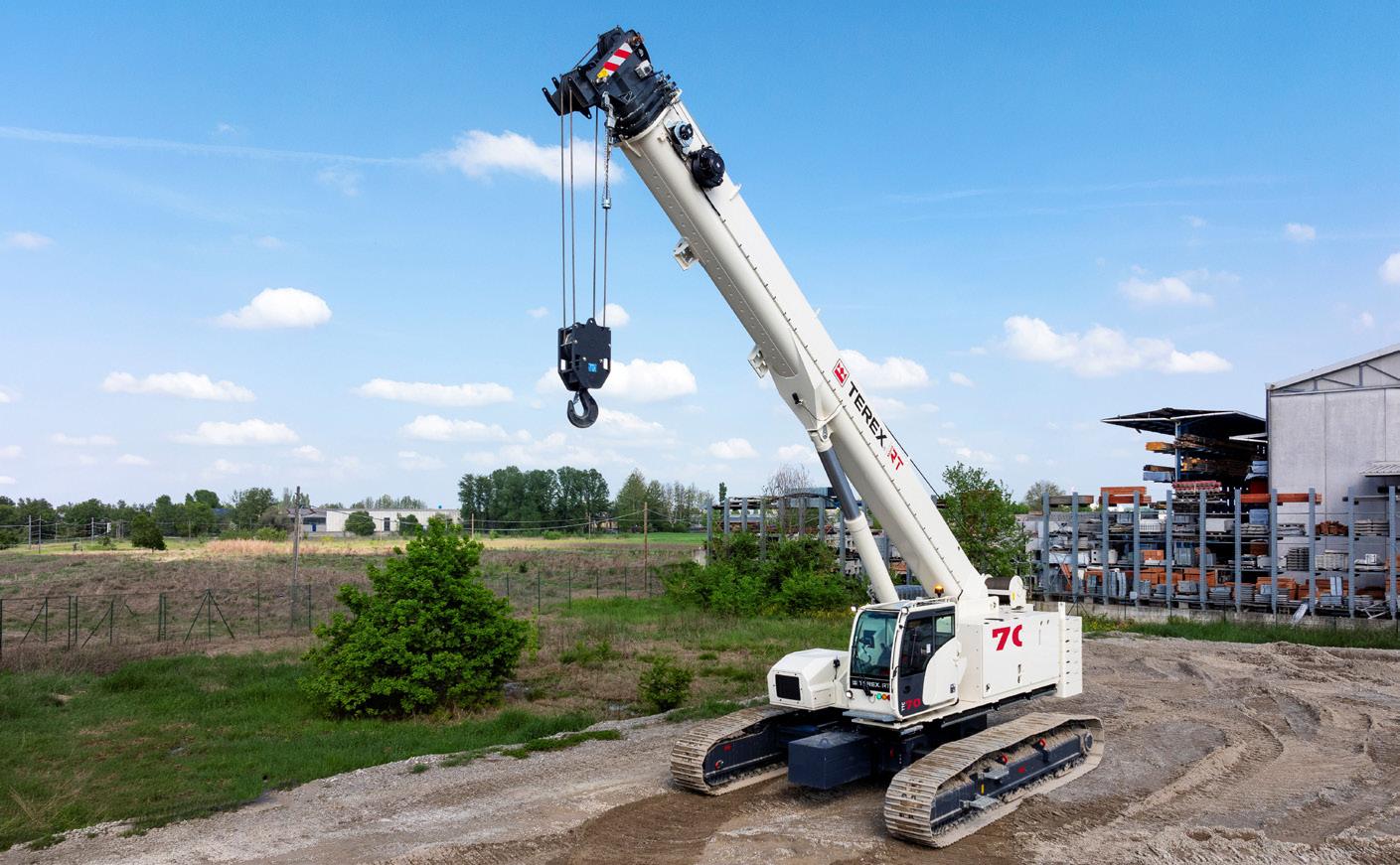
Terex Rough Terrain Cranes, a Raimondi business division, is returning to the crawler segment with the launch of a new telecrawler crane line.
The new line debuts with the TTC 70, a telecrawler crane designed, engineered, and manufactured at the company’s rough terrain headquarters in Crespellano, Italy.
The model is the foundation of a renewed product category, with additional models planned in the near future.
The new telecrawler line bridges a gap in the market, the company states, by offering customers a solution that combines the mobility of crawler cranes with the operational efficiency and ease of use typically associated with rough terrain machines.
Unlike traditional rough terrain cranes, which rely on outriggers and require fully levelled conditions to operate at maximum capacity, these cranes offer enhanced operational flexibility.
Mounted on crawler tracks, the TTC 70 eliminates the need for outriggers and operates
on slopes of up to 4 degrees, significantly reducing setup time and increasing jobsite flexibility.
Its lower ground pressure enables work on less compact terrain, while maintaining higher lifting capacities while travelling compared to wheeled counterparts; making it particularly suited for compact jobsites, uneven ground conditions, and critical infrastructure or energy-related applications.
Increasing demand across infrastructure, energy, and complex construction projects has highlighted the need for lifting solutions capable of operating efficiently on uneven or low-bearing terrain, while maintaining high lifting performance.
The TTC 70 features a maximum lifting capacity of 70 tonnes, a maximum boom length of 36.8 m, and a drum capacity of 215 m lifting rope. The telecrawler is powered by an engine available in Stage V and Stage IIIA configurations, both equipped with a 300-liter fuel tank. The Stage V engine delivers 168kW at 2,200 round per minute (rpm), while the Stage IIIA version provides the same rpm at 164kW.
The model also incorporates a range of advanced technologies aimed at enhancing performance, safety, and operator experience. These include the TEOS operating system adapted for crawler cranes, T-Link connectivity, and an electronic dynamic management system for the main hydraulic pump, optimizing both performance and fuel consumption.
Designed and built in compliance with EU safety standards, the TTC 70 has a maximum width of 3 meters and reduced transport weight when configured without counterweights.
The first units of the TTC 70 are expected to be delivered within 2026, following an extensive testing program that includes both internal validation and field trials to ensure performance and reliability in real-world conditions.











Canadian ports and marine shipping handle $113 billion of our exports and $138 billion of our imports
It’s no secret that Canada needs to diversify its trade with countries outside of the U.S. For this to be possible, the country requires significant investments in its port infrastructure.
How important are the ports for Canada’s trade? Well, according to the “Port Infrastructure Needs Assessment” report, prepared for the Association of Canadian Port Authorities by CPCS last year, Transport Canada’s Port Modernization Review estimated that ports and marine shipping handled nearly $113 billion (19 per cent) of Canada’s exports and $138 billion (23 per cent) of Canada’s imports.
Of all of those goods flowing back and forth, the 17 Canada Port Authorities (CPAs) handle 60 per cent of this traffic, which totals more than 340 million tonnes of cargo annually. The 17 CPAs are based in British Columbia (Nanaimo, Port Alberni, Prince Rupert, Vancouver Fraser); Ontario (Hamilton-Oshawa, Thunder Bay, Toronto, Windsor); Quebec (Montreal, Quebec, Saguenay, SeptÎles, Trois-Rivières); New Brunswick (Belledune, Saint John); Nova Scotia (Halifax); and Newfoundland and Labrador (St. John’s).
The country’s 17 Canada Port Authorities (CPAs) identified $10 billion in capital investment for projects between 2024 and 2040. Of the investments that were identified, 61 per cent of the capital spending required lacked funding (although it is important to note that some of the projects identified in the report are in very early stages).
The good news is that some of Canada’s ports are in the process of getting some of those much-needed upgrades and expansions, and this should keep some of our members busy in the near future.
The Port of Montreal’s Contrecœur expansion project is one of the largest port infrastructure projects underway, which will expand the port’s annual capacity by upwards of 1.15 million


twenty-foot equivalent units (TEUs). This project broke ground in October 2025 and is expected to generate approximately 4,000 jobs during its construction. Commercial operations are expected to commence in 2030. This past April, the Canada Infrastructure Bank (CIB) announced a $1.16-billion loan to the Montreal Port Authority for the project; which is also receiving $130 million in funding from the Government of Quebec and $150 million from Transport Canada.
In Vancouver, work is being done to move ahead with the massive Roberts Bank Terminal 2 expansion project, which would add 2.4 million TEUs of container capacity to the port. This past April, the Vancouver Fraser Port Authority (VFPA) announced that it has entered into a Memorandum of Understanding (MOU) to explore partnership to advance the Roberts Bank Terminal 2 (RBT2) with GCT Global Container Terminals (GCT) and the Government of Canada’s Major Projects Office (MPO).
There are also major port projects that have been announced in the north. The federal government and the Province of
Manitoba recently entered into a new co-operation agreement to speed up infrastructure projects, including the Port of Churchill Plus, which is listed on the MPO’s transformative strategies list. Currently Canada’s only deep-water seaport, the Port of Churchill could potentially be used for efficient shipping of critical minerals, liquified natural gas (LNG), and other products to customers across the Atlantic Ocean. The Government of Canada and the Province of Manitoba have invested over $262 million into capital improvements in and around the port over the past five years. These projects are only a few examples of the work currently being planned and underway to expand our country’s ability to import and export much-needed goods across the country and around the globe. Hopefully, the MPO continues to work with the provinces and port authorities to make all of the much-needed upgrades. The reality is that Canada risks losing trade to U.S. ports, so these upgrades are absolutely necessary for our economic prosperity.
For more information on the CCRA’s initiatives and upcoming events, visit www.ccra.aclg.ca
Long and Strong
Long reach and strong charts throughout the GR-Series lineup
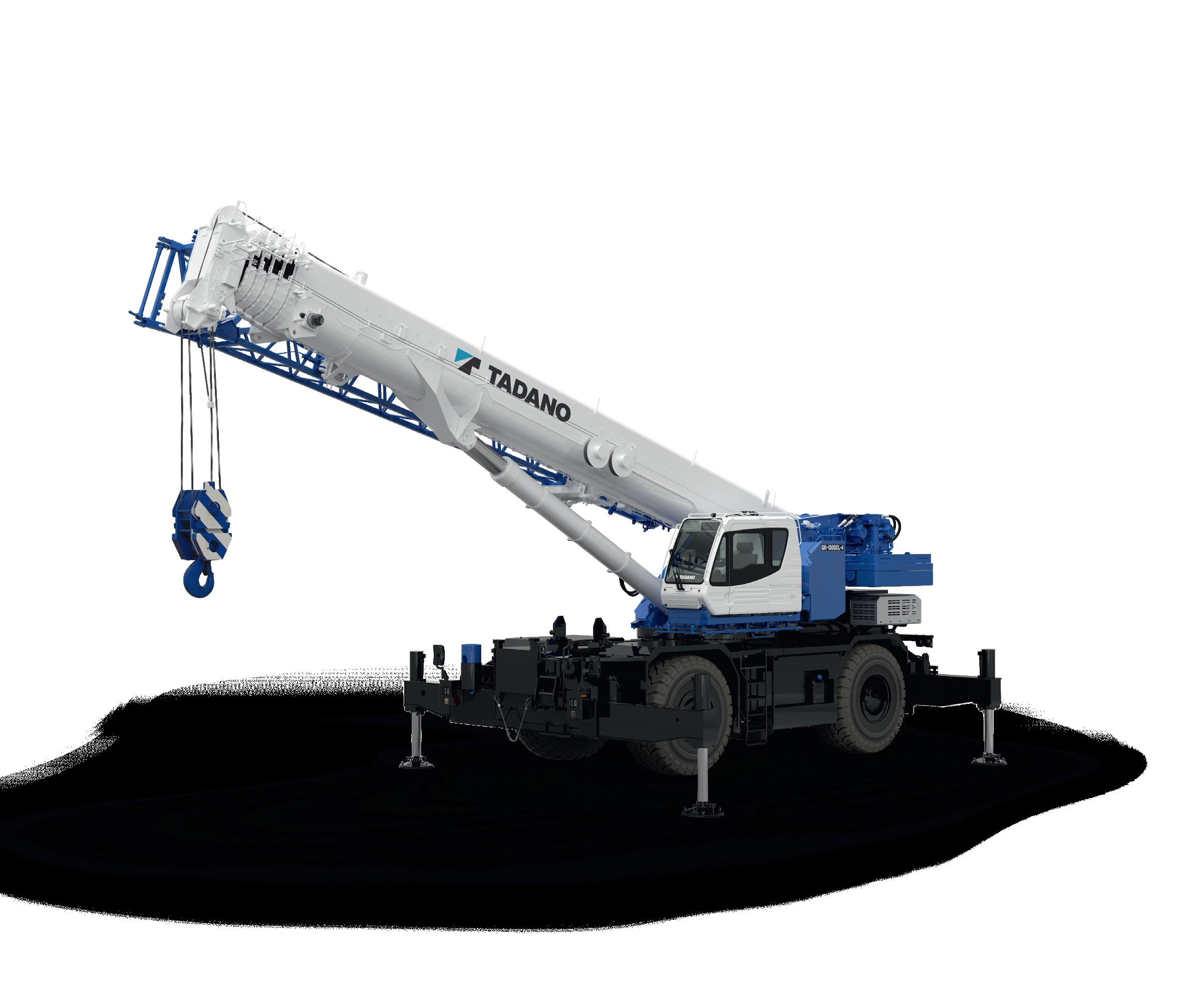
Unrivaled Quality & Reliability
Smart Chart
Maximize the capacity and radius for your set up
AML-E
Large, intuitive multi-function display with enhanced features such as SmartChart
Reduced Fuel Consumption
• Fuel Monitoring
• Eco Mode System
• Automatic Pump Disconnect
Tadano RT cranes give your business the next-generation features you need to work safer, faster and more efficiently than ever. Integrated camera displays in the AML-E make it easy for operators to monitor the winches and blind spots. Reduce fuel consumption with Fuel Monitoring, Eco Mode and Automatic Pump Disconnect. Expand the working range to get the best performance in any outrigger setup with Smart Chart. Take a closer look at what Tadano can do for your business.
By Macenzie Rebelo
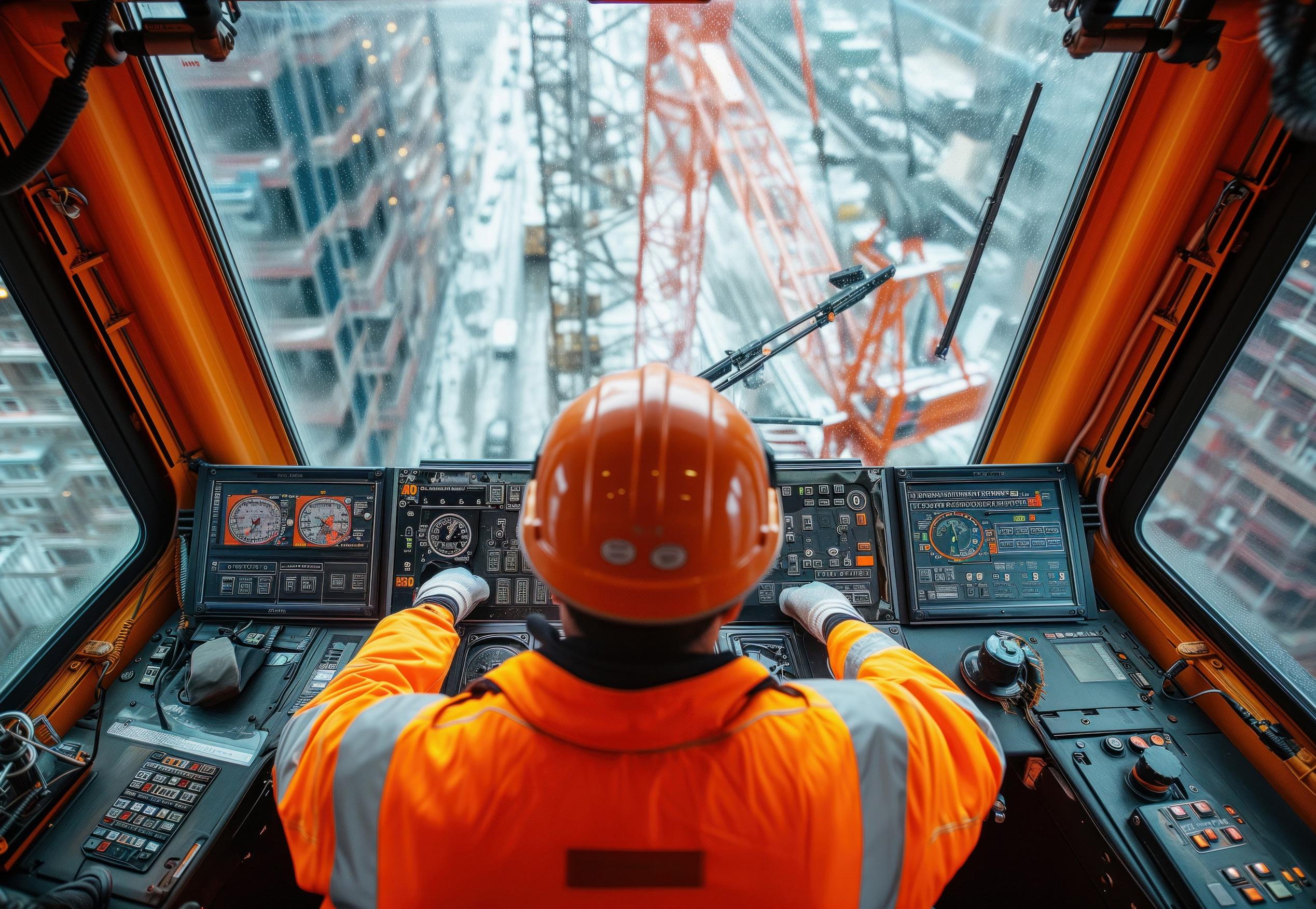
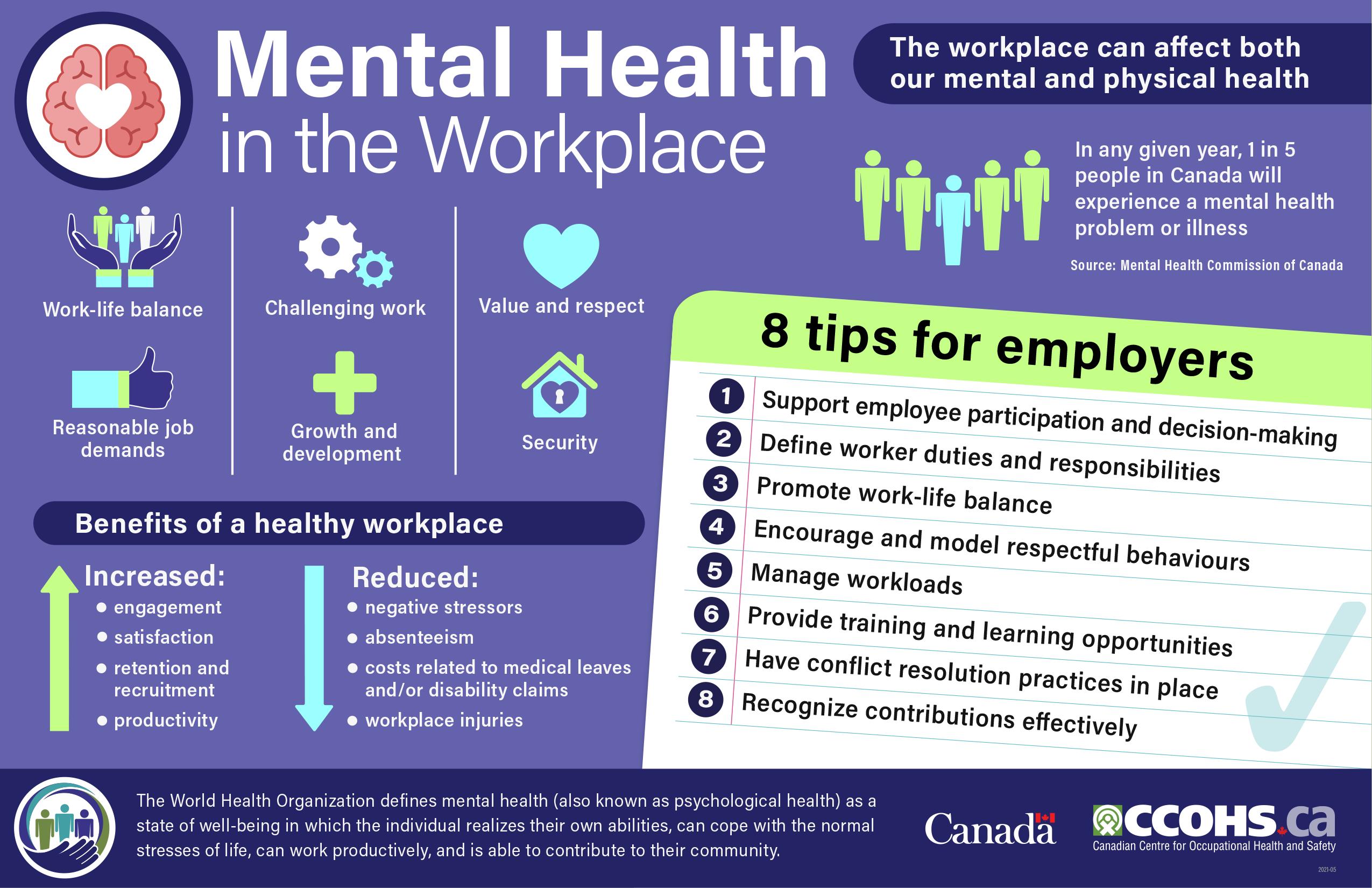
It is no secret that mental health remains an undercurrent within the construction and heavy lifting sectors. In an old school culture of “grin and bear it,” those who are struggling often do so in silence.
According to Statistics Canada, 33 per cent of those in the construction industry report poor mental health and a staggering 64 per cent wish their employers did more to address the topic.
Long hours, tight deadlines, and fatigue often take a toll on workers’ mental health and quality of life – and long hours and tight deadlines are the name of the game, aren’t they?
Well, not necessarily.
Lin Yu, an occupational health and safety specialist with the Canadian Centre for Occupational Health and Safety (CCOHS), suggests the industry would benefit from a fundamental shift in how work is approached–placing as much emphasis on
psychological and mental health as on physical safety.
“Long hours and lack of work-life balance can lead to physical and mental fatigue, and some of the ways companies can avoid this is by adopting strategies like staggering shifts and avoiding inefficiencies at the project planning stage,” she explains.
Tight deadlines can also lead to anxiety and stress, shares Yu, “so it is important to make sure enough time is allocated from the outset of a project to avoid having to choose between physical and mental safety and productivity.”
According to a 2024 study conducted by Canada’s Building Trades Unions (CBTU), representing 600,000 members across 60 skilled trades, 62 per cent of workers report their mental
health is less than good, and is significantly affected by their job.
“It is important that workers have a safe environment to be vulnerable and seek support. When employers share their own experiences with mental health, it really sets the tone. Awareness campaigns during training in combination with leader action really set a precedent.”
Many construction unions and crane associations across Canada are campaigning to address the mental health crisis.
In 2024, Construction Safety Nova Scotia conducted a comprehensive study of mental health in Nova Scotia’s construction industry. The research found that 50 per cent of workers do not feel comfortable discussing mental health with colleagues.
Similarly, WorkSafe BC found a 118 percent increase in approved psychological injury claims between 2018 and 2022.
Other groups, such as the Building & Construction Trades Council of Ontario, the Commission de la construction du Québec, and the Alberta Construction Training Institute, are working to address mental health as a hazard through educational initiatives.
The Construction Safety Association of Manitoba even coined the phrase “A hazard is a hazard” in an effort to normalize psychological health as much as physical.
Just as site assessments regularly conducted to identify haz-
“Some jurisdictions also have specific legislation in some jurisdictions addressing harassment, bullying and violence prevention, and the right to disconnect outside of work, because both factors do impact workplace mental health.” - Lin Yu, occupational health and safety specialist
ards, psychosocial hazards should also be addressed, explains Yu.
Bullying, harassment, lack of support, job insecurity and excessive workloads are all examples of psychosocial hazards – and can be quite common depending on the work environment.
“Over the years, we have heard of many psychosocial hazards from construction workplaces, including harassment and


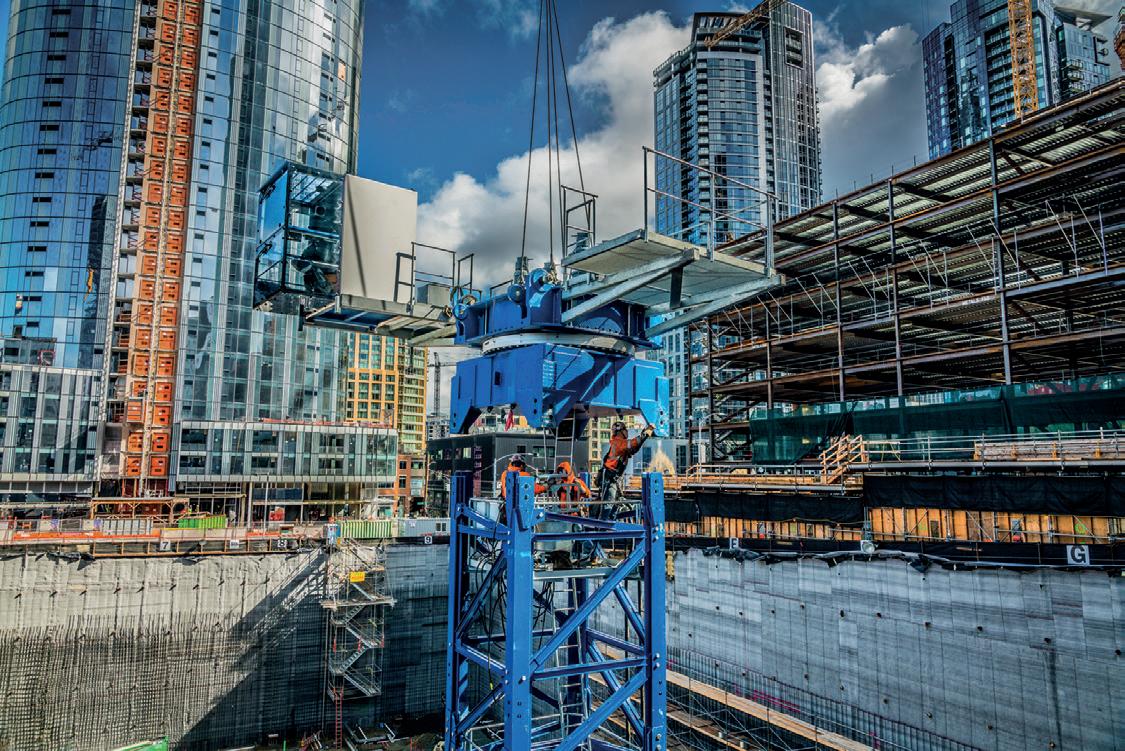

bullying,” she says.
Bullying, which is often disregarded as playful banter, is frequently normalized in the construction industry. The Canadian Construction Association (CCA) reports that between 15-19 per cent of working adults are victims of workplace bullying.
“Just as we encourage people to speak up if they have a physical injury, it’s important to put mechanisms in place to help workers reach out if it’s mental health-related,” says Yu.
“One of the ways to achieve this is by equipping leaders with competencies to support their team, including emotional intelligence too, and skills for having difficult conversations, navigating conflict and providing constructive feedback.”
She emphasizes that when those in authority model their behaviour for openness and accountability, and mistakes are used for growth rather than shame, they set the tone for the rest of the organization.
If a crane operator feels their job is not secure, “oftentimes they will feel less safe to raise concerns about their physical safety, let alone mental safety at work,” states Yu.
When an operator is far away from their network, it can contribute to feelings of anxiety and isolation. This is why a workplace culture of support and understanding is key.
“This needs to be addressed because the Association of Workers’ Compensation Boards of Canada reported that mental health is one of the rising causes of workplace disability claims in Canada,” says Yu. “Promoting healthy habits and coping mechanisms improves individual resilience. Preventing workplace hazards that impact mental health addresses hazard sources. Together, a resilient workforce and a healthy workplace can prevent work from causing mental harm.”
Last April, the Infrastructure Health & Safety Association (IHSA) wrote an open letter to the Canadian construction in -
dustry to participate in Mental Health Awareness Week in May.
“One life lost to suicide is one too many. By unmasking mental health and creating space for open connection between people, we can create change in every Canadian workplace. Join us to build a future where no worker feels alone,” stated the letter.
Poor mental health and workplace injury are known pathways for substance abuse, as pain is rarely just physical.
The CBTU notes that the mental strain of recovery often leads workers to self-medicate, using substances to ease both their pain and their anxiety about returning to the job.
The union reports that 42 per cent of those in the trades are using drugs or alcohol daily or weekly to manage their mental health.
The Canadian Centre on Substance Use and Addiction (CCSA) echoes this, finding that study participants empha -
sized using substances to cope with job-related anxiety and stress.
In addition to an increasing number of associations and unions advocating for change, there has been an amount of health and safety legislation addressing workplace mental health.
“We are seeing a growing body of health and safety legislation that addresses workplace mental health either directly or through broader occupational health and safety duties. Some jurisdictions also have specific legislation in some jurisdictions addressing harassment, bullying and violence prevention, and the right to disconnect outside of work, because both factors do impact workplace mental health,” shares Yu.
Last year, BC Crane Safety, in collaboration with the Canadian Mental Health Association, hosted a conference on this very issue, offering practical conversations and activities to develop and implement proactive solutions to psychological harm in the workplace.
Some of the practical solutions include:
• Civility and respect
• Clear leadership and expectations
• Psychological and social support
• Effective workload management
There are many ways to create a mentally healthy workplace because psychological hazards can differ from site to site, explains Yu. But offering those who may suspect are dealing with mental health struggles with effective resources for support, such as an employee assistance program, online platforms and in-person networks.
“It’s so important to establish trust every day. Not just through a one-and-done interaction, but through workplace culture.”
It’s clear there is a growing call to action within the industry to drive meaningful, actionable change.
“We need to support the folks who are supporting a team. We need to equip leaders


to recognize when someone might be struggling and provide them with the skills to respond with understanding.”
If someone may be struggling with mental health, here are some signs to watch for:
• Changes in appearance or personal hygiene
• Fatigue or low energy levels
• Changes in behaviour and mood
• Expressing hopelessness
• Problems focusing or paying attention
So, what’s the next step? As Yu explains it, consistently checking in and raising a concern.
“It could even be an issue in their personal life that’s affecting their work. Creating an environment of encouragement to disclose issues when they’re happening is an opportunity for connection and support.”
For more information about dealing with mental health in the workplace, visit www.ccohs.ca


Liebherr’s Julian Rapp discusses how sustainability in the present involves telemetry and precision planning software working alongside hybrid tech to reduce the carbon footprint of every lift
By Colin Leggett and Macenzie Rebelo
Sustainability is a major driver in decision-making, especially in the construction industry.
Liebherr is just one company steering its business toward more sustainable options, including e-fuels, electrification and hybrid cranes. Crane and Hoist spoke with Liebherr Product Manager Julian Rapp about what the company is offering its customers and how its sustainable options can benefit their operations.
How is Liebherr utilizing alternative fuels in its cranes?
Alternative fuels currently represent one of the most effective levers for reducing emissions in heavy mobile cranes. For Liebherr, hydrotreated vegetable oil (HVO) plays a central role in this strategy. Every mobile crane leaving the production
facility today is filled with HVO instead of conventional diesel. This change alone reduces CO₂ emissions by up to 74 per cent, without requiring any technical modifications to the machine.
A key advantage of HVO is its compatibility with existing diesel engines. Liebherr has extensively tested the fuel across its entire engine portfolio, enabling customers to use HVO not only in new cranes but also throughout their existing fleets. In this way, the sustainability benefit extends far beyond new equipment and immediately impacts the overall fleet in operation.
Despite ongoing developments in electrification, diesel engines remain essential for mobile cranes due to their size, weight and axle load requirements, particularly for road travel. HVO therefore offers a pragmatic and immediately available solution to significantly lower emissions while retaining the
performance needed for real-world crane operations.
How is Liebherr using electrification in its cranes?
Electrification at Liebherr has developed step by step, starting with mobile construction cranes in the MK series. These cranes can be connected directly to the power grid on site, allowing zero-emission operation of the superstructure during lifting operations.
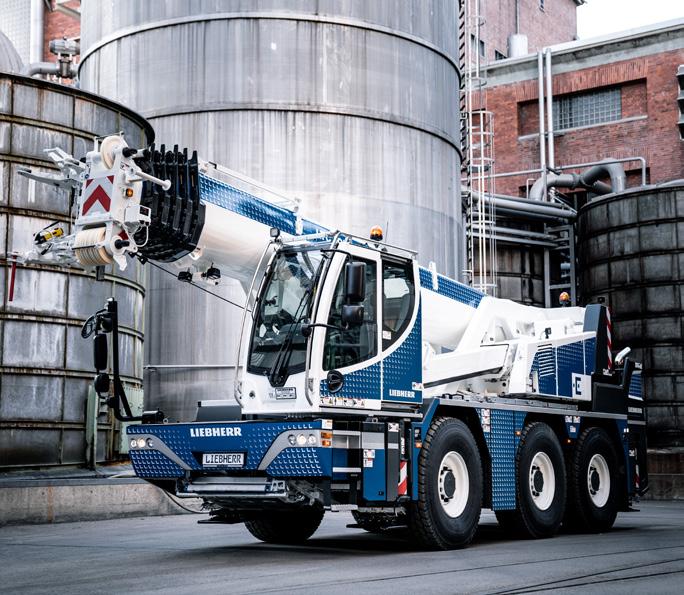
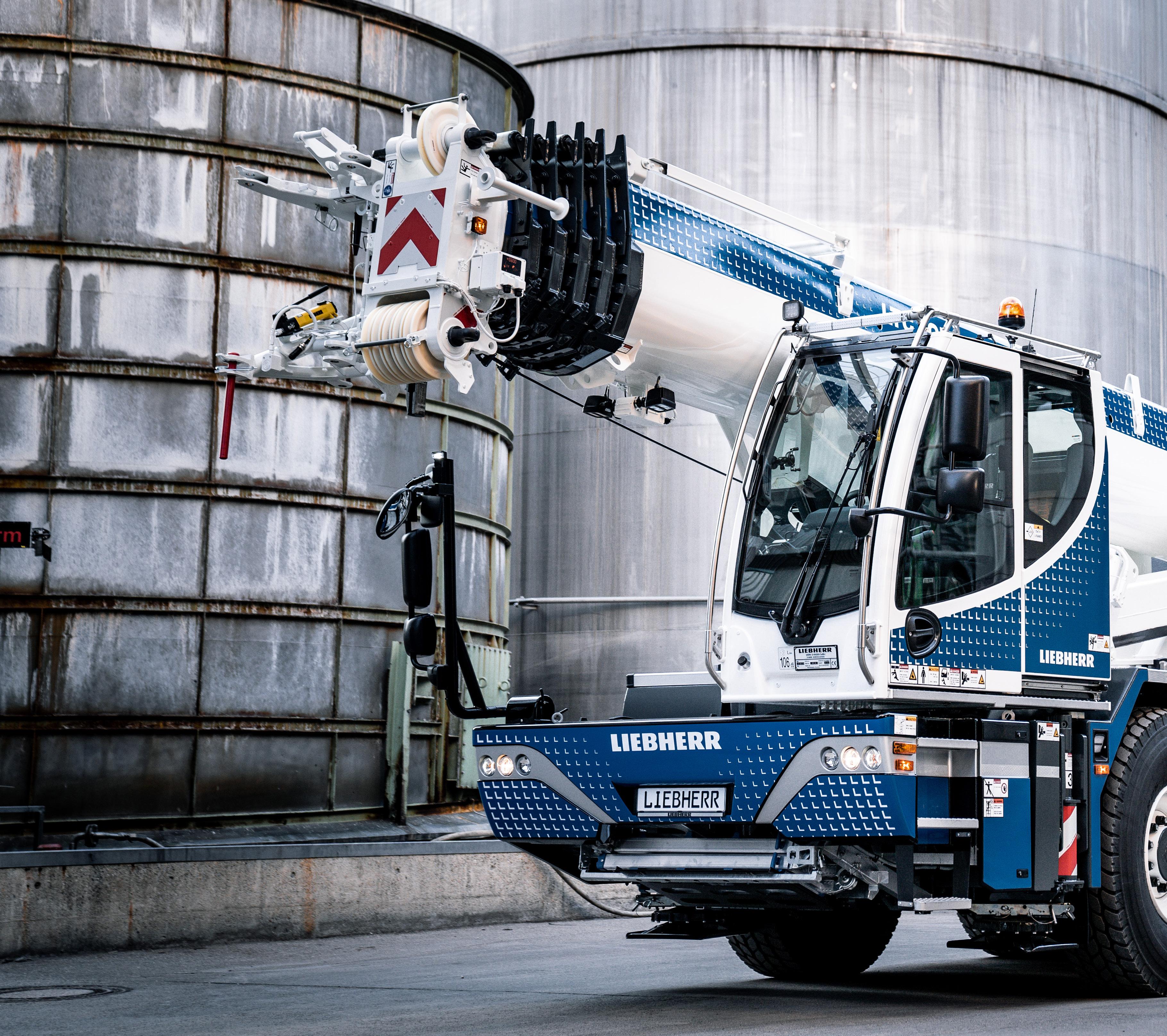
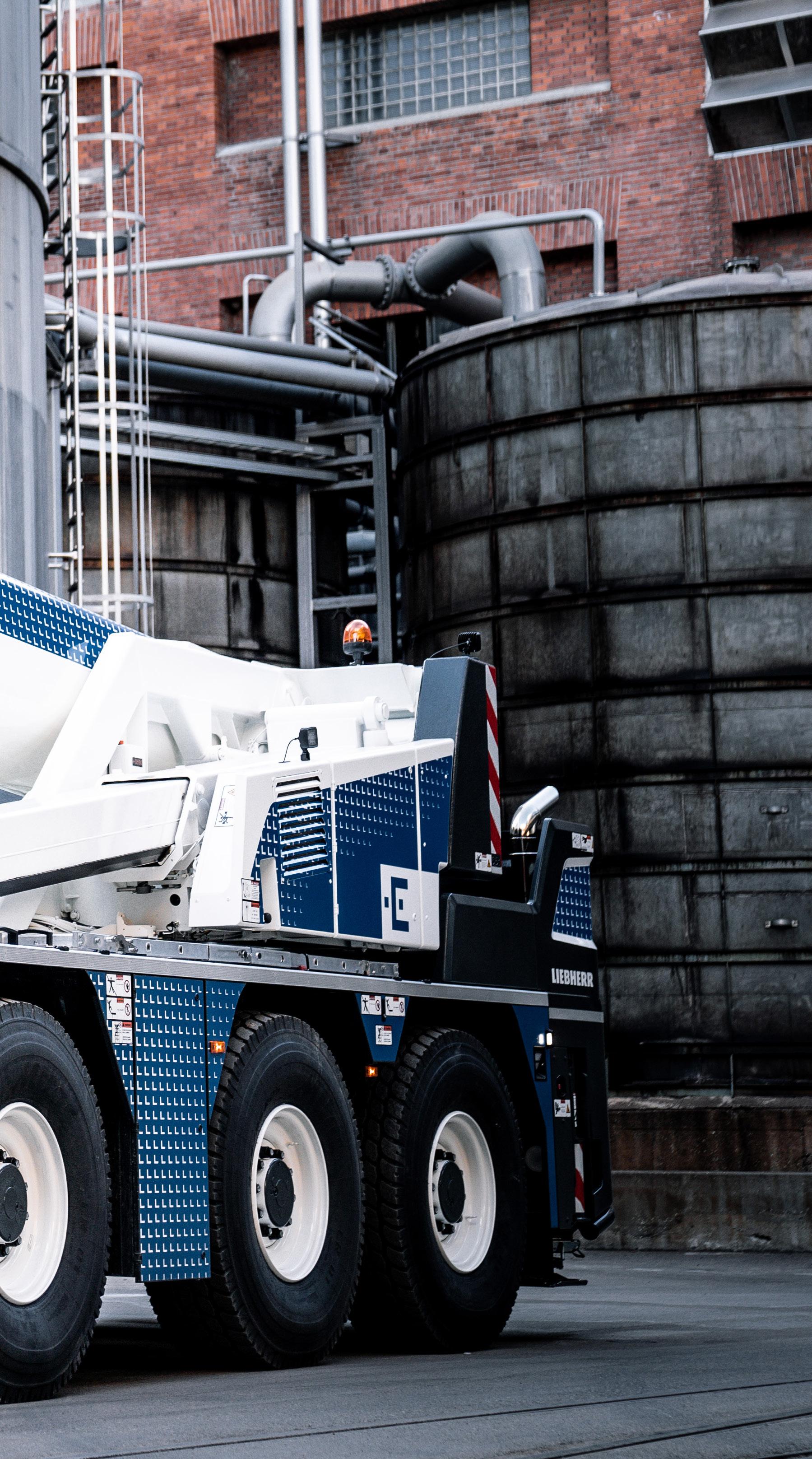
This hybrid concept has since been transferred to other crane types. While the carrier remains diesel-powered for road travel, crane operations on site can be performed electrically where infrastructure and regulations allow. One example is the compact three-axle LTC 1050-3.1E, which offers fully electric crane operation while maintaining full mobility.
For customers, flexibility is the decisive benefit. Operators can continue working conventionally with diesel power, or switch to electric operation at the push of a button whenever local regulations, environmental requirements or site conditions demand it.
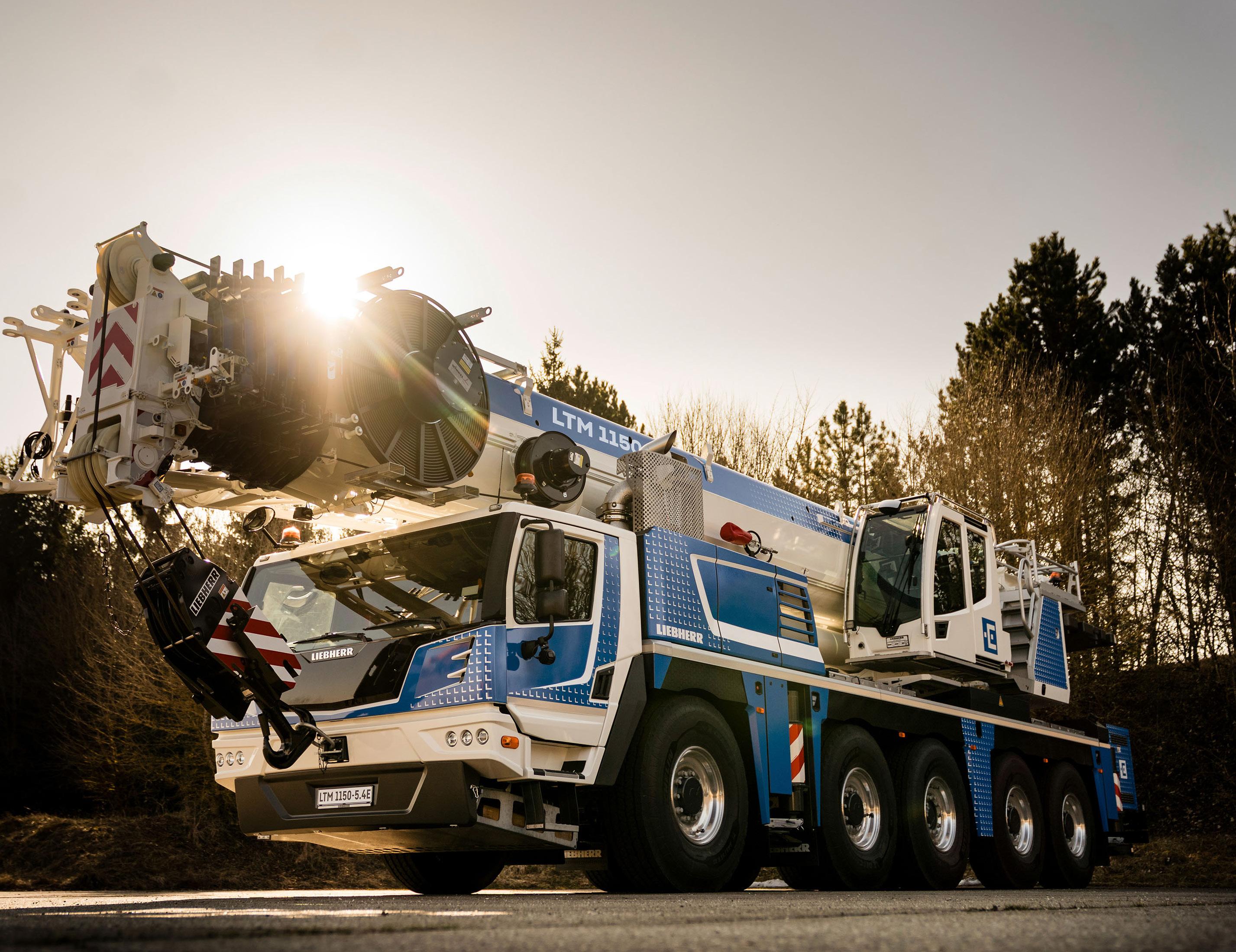
What are some of the benefits of the new LTM 11505.4E?
The LTM 1150-5.4E was developed in direct response to market demand. Five-axle cranes in the 150-tonne class represent the most popular segment worldwide, with particularly strong demand in markets such as Scandinavia and the Netherlands, where strict emissions regulations are increasingly shaping job site requirements.
At the heart of the concept is a battery system with a capacity of around 100 kilowatt-hours. This allows the crane to operate electrically for approximately four to five hours without needing to be connected to an external power source. Multiple operating and charging modes ensure that the battery can be used efficiently under a wide range of conditions.
In addition to zero-emission crane operation, the battery can also support road travel. In boost mode, the electric motor assists the diesel engine during driving, providing smoother acceleration and improved performance. The system can even recharge the battery while the crane is on the road, ensuring full electric operating time once it reaches the job site.
Above all, the LTM 1150-5.4E is designed for maximum flexibility. Operators can decide at any moment whether to work in electric, emission-free mode or continue with diesel operation, depending on regulations, infrastructure or project requirements.
Another important aspect is service life. Mobile cranes often remain in operation for several decades, frequently moving into secondary or tertiary markets. By combining diesel and electric capabilities, the crane remains fully usable even in regions where electrification is not yet required, ensuring longterm investment security.
Have customer attitudes been leaning more toward sustainable options?
Customer interest in sustainable crane solutions has clearly increased. Many operators recognize that future projects will increasingly require low- or zero-emission equipment, and they
want to be prepared. At the same time, economic realities remain decisive.
Crane rental prices are still largely based on hourly rates, and in many markets customers are not yet willing to pay a premium for electrified equipment. From an operator’s perspective, this makes fully electric solutions without a diesel alternative difficult to justify economically.
This is precisely where Liebherr’s hybrid concepts resonate with customers. The combination of diesel and electric operation offers a future-proof solution without forcing a complete commitment to
one power source. Operators can invest today, meet emerging environmental requirements, and remain competitive and flexible as market conditions evolve.
How are digital tools from Liebherr making mobile and crawler crane operations even more efficient?
Sustainability is not achieved through renunciation, but through better decisions. With the digital tools Crane Finder, Crane Planner and Performance (telemetry), Liebherr supports its customers in planning, executing and analyzing crane
operations more precisely, efficiently and resourceconsciously. Throughout the entire lifecycle of an operation, from preselection to actual operation, time, energy and materials are saved in a targeted manner.
Crane Finder helps customers at a very early stage to select the optimal crane in the right configuration. Instead of relying on experience alone, decisions are based on real technical data. And the operation is extremely simple: enter load, radius and height, and Crane Finder delivers the perfect result within seconds.
The result is:
• Less over dimensioning and therefore reduced energy and fuel consumption;
• Reduced transport effort, as unnecessarily large cranes or excessive ballast are avoided;
• Faster decisions that prevent planning errors and subsequent corrections.
By objectifying the preselection process, Crane Finder makes a direct contribution to more efficient operations and lower emissions – even before the crane is moved.
Crane Finder is available to our customers free of charge via the MyLiebherr customer portal or as an app for Apple and Android smartphones and tablets.
Crane Planner consistently builds on this approach and enables
detailed 3D planning of the specific lifting operation. Load capacities, utilization, ground pressures, slewing ranges and environmental conditions can be realistically simulated in advance.
This increases sustainability in several ways:
• Avoidance of unnecessary reconfigurations on the job site;
• Less downtime and idle time of cranes and personnel;
• Optimized workflows that reduce energy consumption and time expenditure.
Clean and precise planning not only reduces risk but also lowers resource consumption per lift. Every avoided corrective operation saves fuel, material, and time – and therefore CO₂.
While Crane Finder and Crane Planner optimize planning, Performance ensures transparency during actual operation. Through telemetry, real usage and operating data of the crane are recorded and made available to customers via the MyLiebherr customer portal – from fuel consumption and operating hours to the crane’s geoposition, or information on whether the crane operator is currently working particularly efficiently in EcoMode or EcoDrive.
For customers, this means:
• Transparency regarding actual fuel consumption;
• Identification of inefficient operating patterns;
• Optimized fleet utilization instead of deploying additional machines.
Based on real data, operations can be managed more sustainably, fleets can be allocated more efficiently and unnecessary movements can be avoided. As a result, sustainability becomes measurable and controllable.
By Saul Chernos
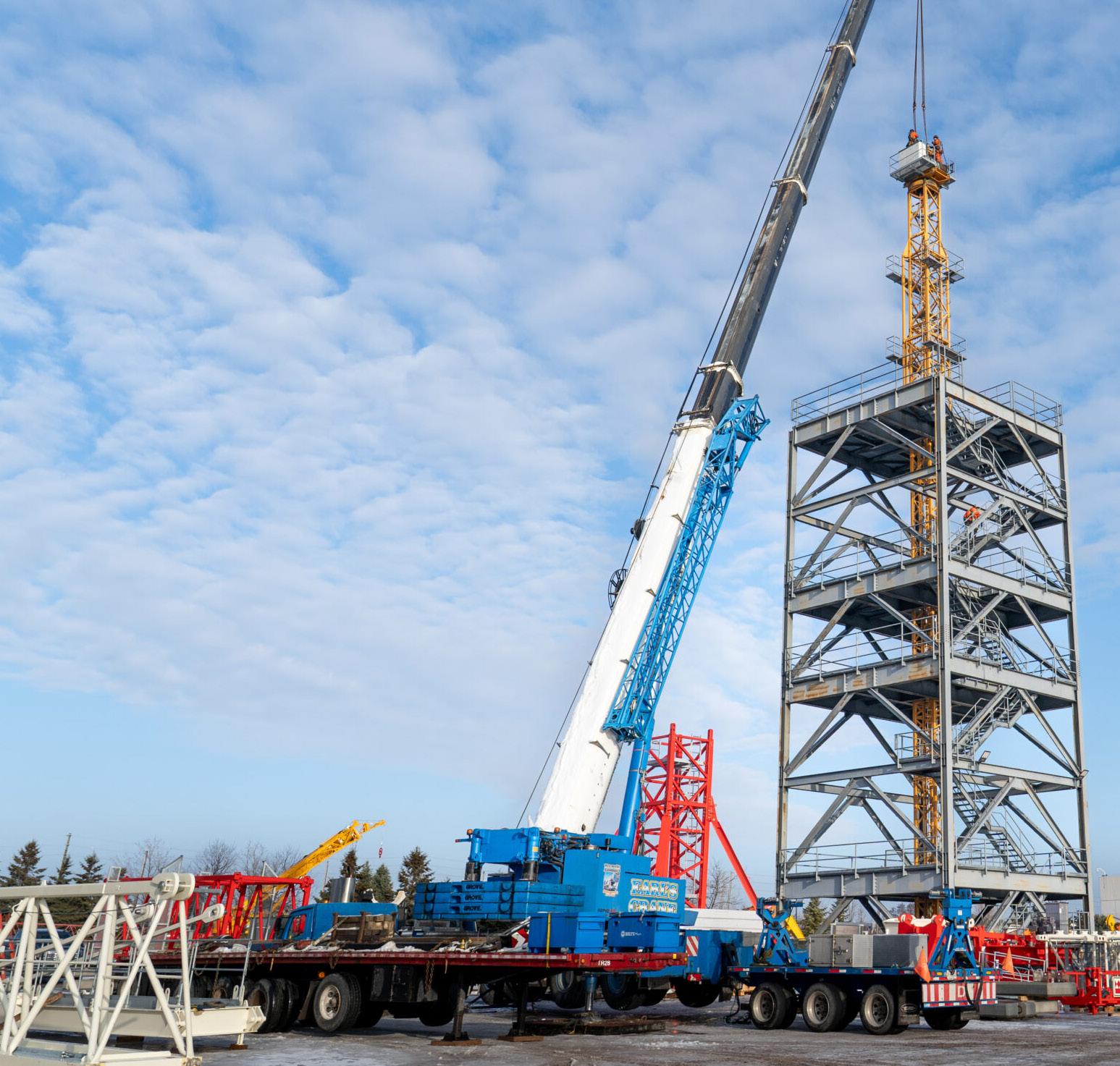
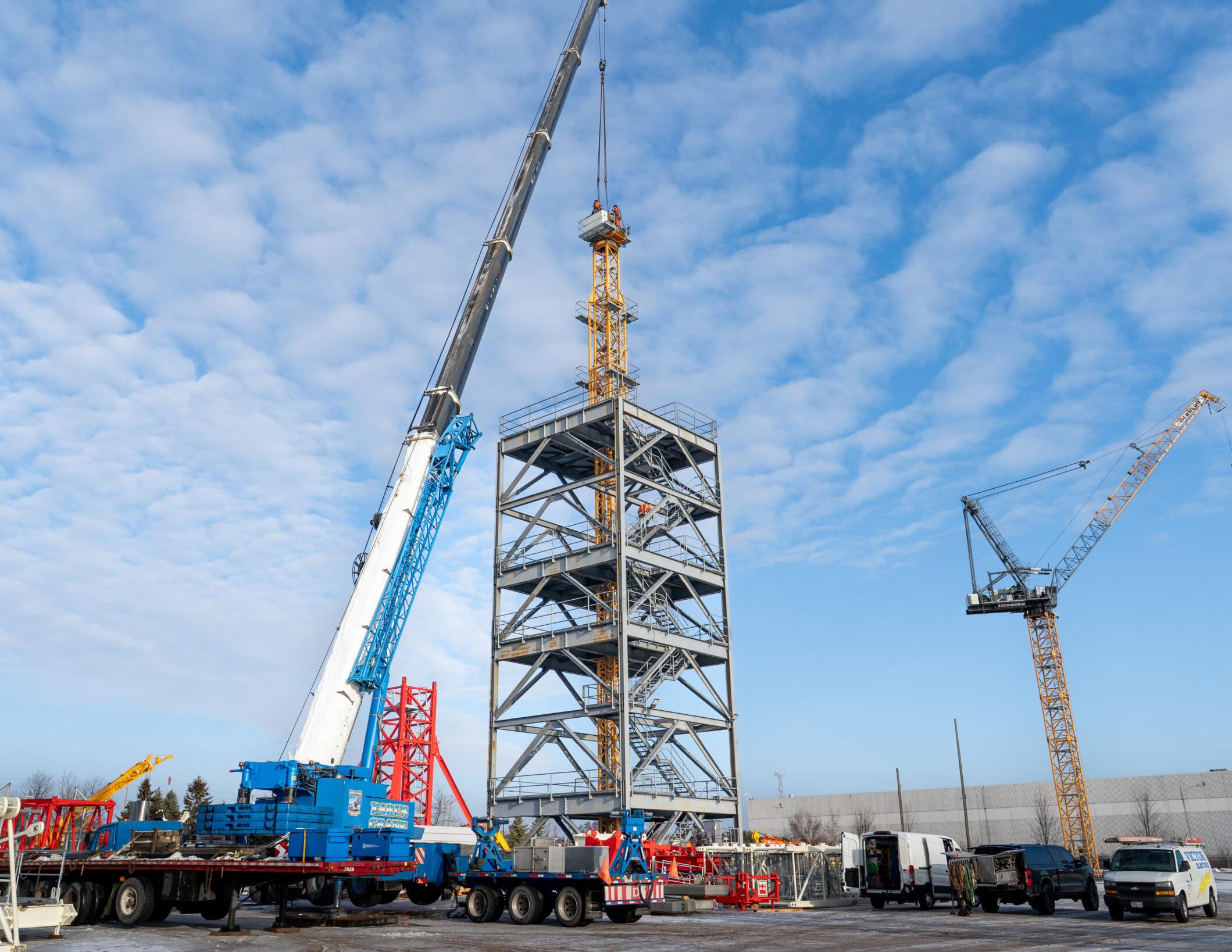
Anew bird has nestled in at the Operating Engineers Training Institute of Ontario’s Oakville (OEITO) campus.
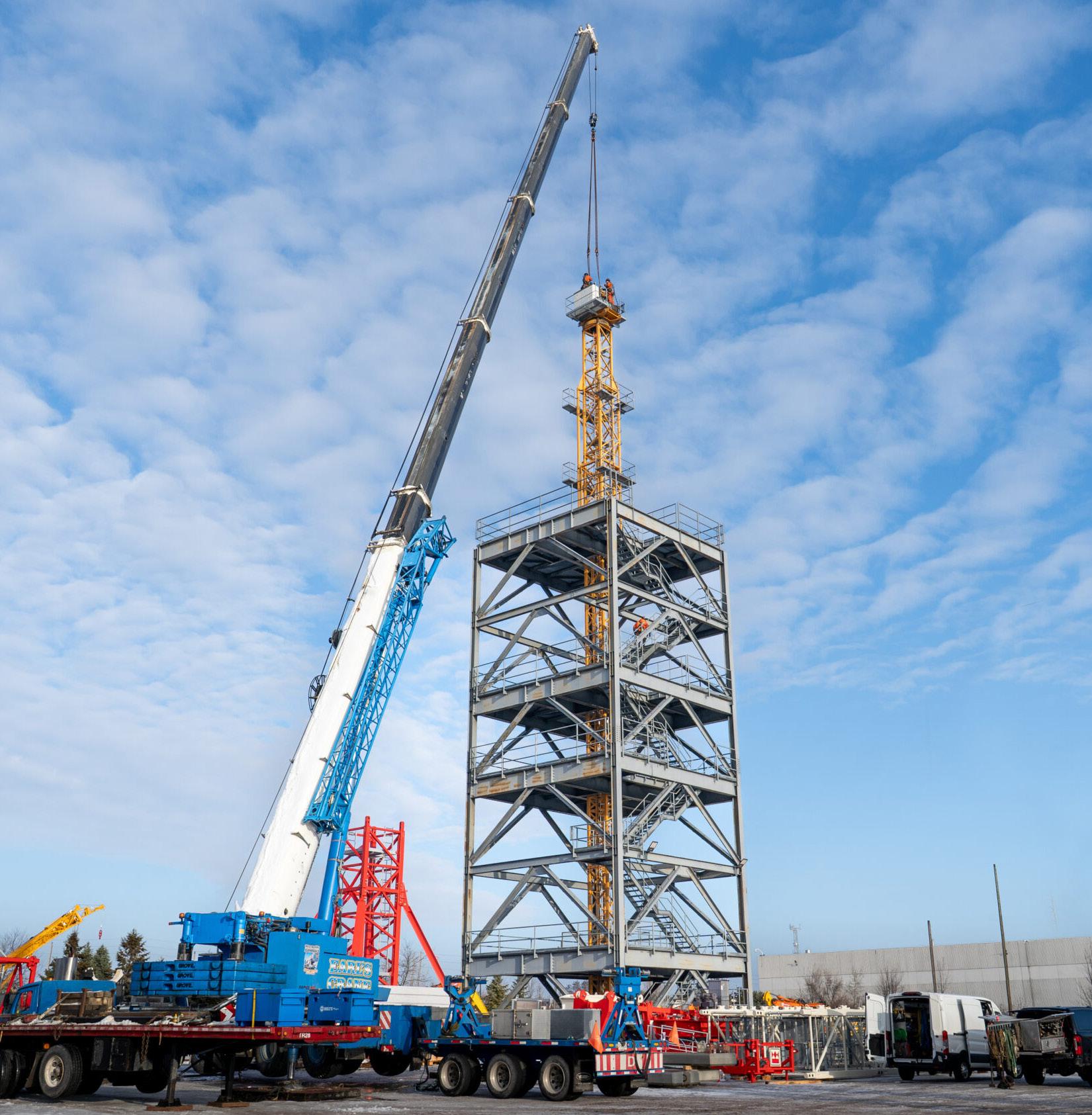
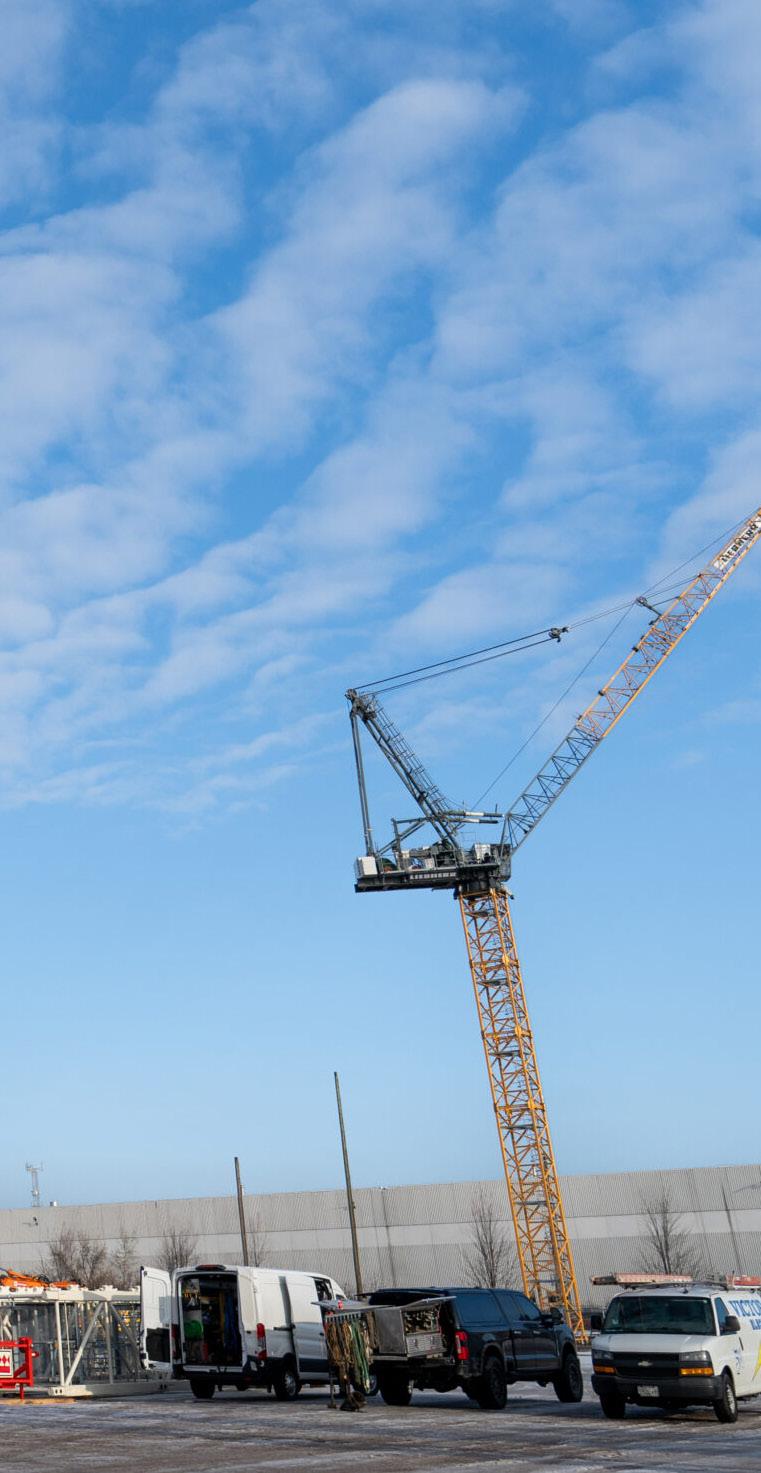
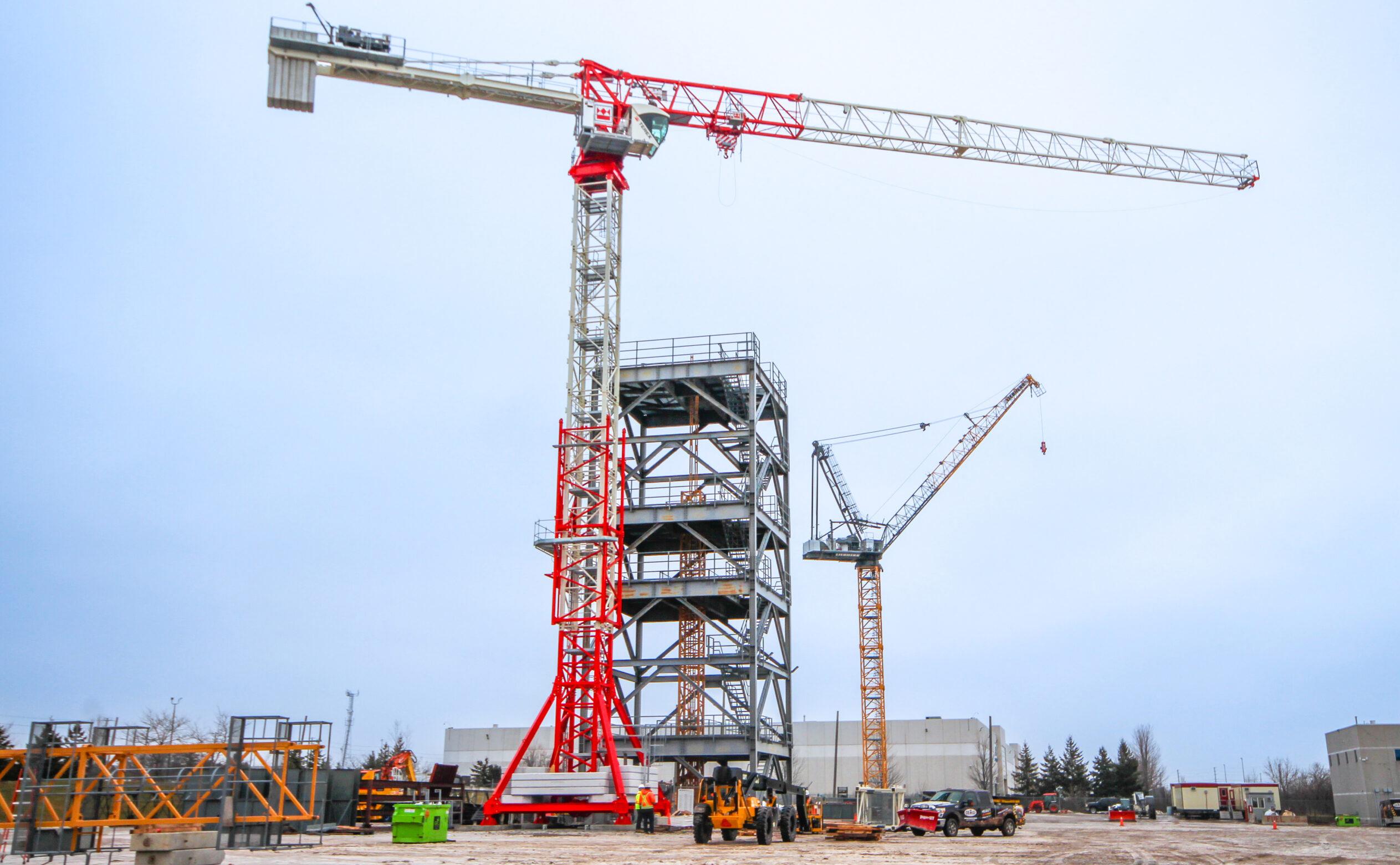
The OETIO maintains two tower cranes, one luffer and one hammerhead, at its yard in Oakville, west of Toronto, and replaced its Liebherr 85 EC-B hammerhead with a new state-of-the-art CTT 332-16 early this year.
The Liebherr 85 EC-B had been on site since 2017, but OETIO director of training and apprenticeship Jeff Hewitt says crane technology has advanced considerably in recent years, and the Institute decided to upgrade.
“Even though the Liebherr wasn’t an old tower crane by industry standards, we were having a hard time finding parts,”
Hewitt shares, adding that the Italian-made Terex was picked for its versatility, safety features, and ease of use.
“Its computer systems are updated and modernized, it’s got more safety features than what we previously had, and it’s much more common throughout the industry.”
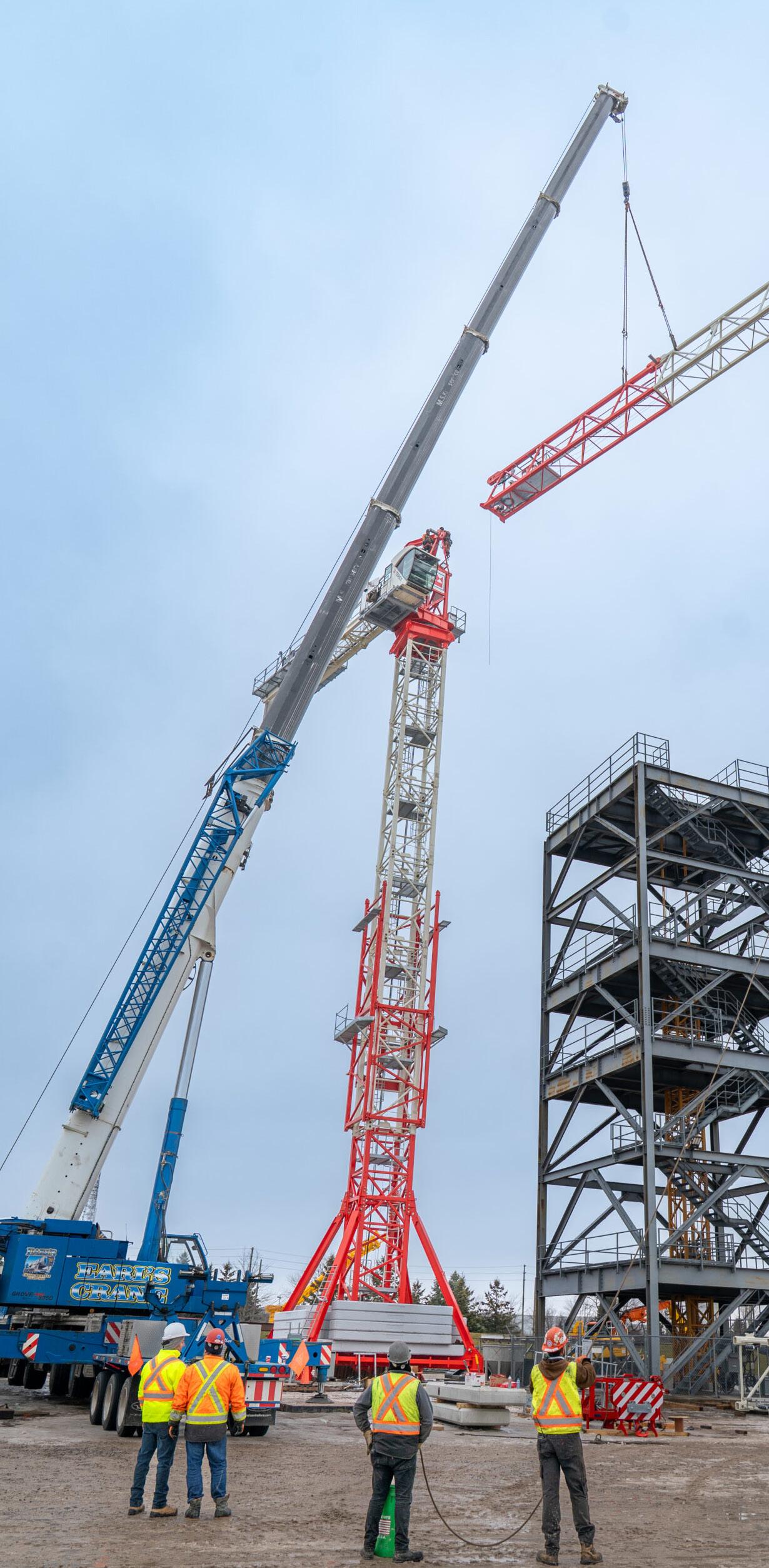
Resting on a cruciform base, the Terex flat-top crane rises 120 feet, can top-climb to 145 feet, has a 40-metre jib that can max out at 75 metres, and offers a lifting capacity of eight metric tonnes in two parts of line.
Whereas the Liebherr was anchored into the ground, the Terex rests on a fixed pedestal. “The cruciform base that the new crane is erected on is different from the bases that OETIO’s other cranes utilize,” Hewitt says. “This type of base is
becoming more common in the industry, and having a crane with this type of base puts the students ahead of the curve.”
Another advantage, Hewitt says, is Terex maintains the same computer interface across its entire range of cranes. “Students will leave the training institute being familiar with the interface, controls and operator aids that they will encounter across all models of Terex tower cranes.”
The top-climbing system on the acquired Terex will also provide the training needed for this high-risk procedure. “Without this equipment, training apprentices in the proper procedure for top-climbing would be impossible,” Hewitt says. Furthermore, the top-climbing system is the same not only across Terex systems, but matches those on other machines



such as Comedil, Moritsch and Raimondi. “The skills and knowledge students will learn on this equipment will be directly transferrable to the field regardless of what make or model of crane they will be climbing,” Hewitt explains.
The OETIO, the training arm of the International Union of Operating Engineers Local 793, serves as a training delivery agent for the Ministry of Labour Immigration Training Skills and Development, and the Ontario government’s Skills Development Fund fully financed the $1.2 million purchase price for the new crane.
“OETIO is approved to deliver the mobile and tower crane, as well as the concrete pump and heavy equipment apprenticeship programs,” states Hewitt.
Prospective tower crane operators need to complete a 3,000-hour apprenticeship. The in-class training in Oakville mixes classroom theory with hands-on experience, covering rules and regulations, safety checks and inspections, spotting, rigging, climbing, working with counterweights, and otherwise running the machines. The curriculum addresses high voltage and other hazards, rescue techniques, signals, and components.
“Level 1 training is a six-week course, three weeks inside the classroom and then three weeks in the training yard,” Hewitt shares. “By the fourth week, you’ll have the apprentices on the ground hooking up loads for the apprentices who are being trained up in the cab.”
OETIO follows the Skilled Trades Ontario standards for theoretical and practical training. Following Level 1, apprentices return for Level 2/3, a threeweek course offered in either in Oakville or at a second OETIO training yard in Morrisburg, south of Ottawa. Apprentices then write the Red Seal Certificate of Qualification exam, a Canadian-wide test. “When apprentices earn that, they’re licensed to operate,” Hewitt says.
The OETIO is ground zero for crane operator training in Ontario, but its apprentices weren’t involved in dismantling the old Liebherr and erecting the new Terex. The transition was done in late December and early January, when classes weren’t in session, and was handled by Viking Tower Crane Services, which specializes in erecting and dismantling big birds. Still, crane operators were needed, so Local 793 members and even
a few instructors participated.
Hewitt says crews used a 300-tonne GMK 6300 mobile crane to dismantle the Liebherr.
“They started with the counterweights, then took off the boom section, the back jib, the apex, and the turntable, and then they took out some of the tower sections.”
This kind of work would be complicated and present safety and logistical challenges in a crowded downtown, but in a secure, spacious training yard things went smoothly. Hewitt says crews needed just a couple days to remove the Liebherr and installed the Terex pedestal in a comparable time frame, with the remaining pieces, including the turntable, back jib and boom, all placed in a single day.
While the Liebherr is history, it won’t be completely forgotten.
It was both a top and bottom climber, and crews left the bottom portion intact for courses in bottom climbing, which will continue to be relevant in the industry.
“The Liebherr was inside a steel structure here, so we just took the top portion off,” Hewitt says. “We’ll continue to use the bottom cylinder to teach future erectors.”
Jonathan Cristao, an OETIO apprentice, says having the chance to learn the trade on the very latest equipment is a massive advantage.
“Cranes are so much more technologically advanced than they were just five or ten years ago,” explains Cristao.
“I know that what I learn during my training at OETIO will make me feel confident and that I can have a great career doing something I love.”


Pre-operation checks on cranes are a critical step for safety and performance
The pre-operation checks for cranes are vital in ensuring workplace safety and operational efficiency.
On a construction site, operational pressure, tight deadlines and routine can sometimes lead to overlooking certain essential steps. Pre-operation checks on cranes are among them. Well-known to operators and crews, they can be perceived as repetitive. Yet it is precisely this routine that plays a significant role in accident prevention and operational reliability.
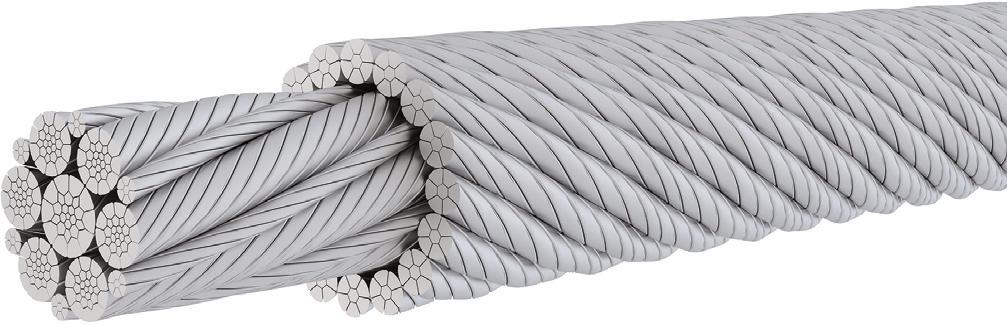
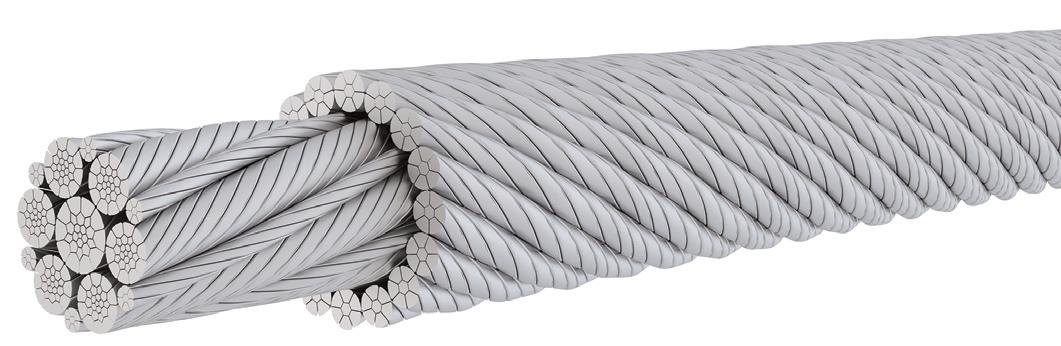
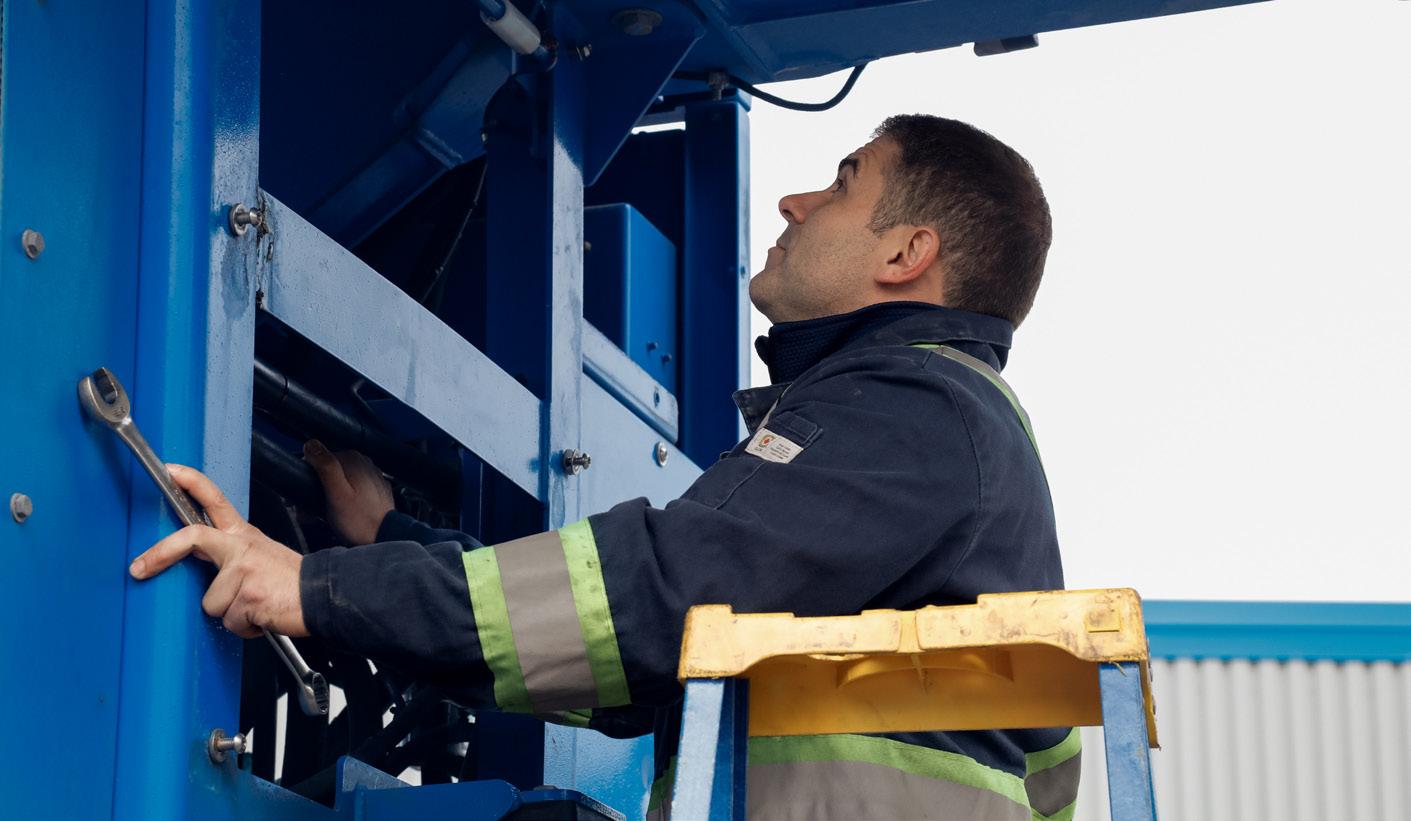
Before starting up, the operator must conduct a thorough inspection of several critical components. This process requires methodical attention and a good understanding of the equipment. Examine items such as cables, hooks, pulleys, hydraulic systems, safety devices, controls and, in the case of mobile cranes, tires. A failure, even a minor failure, can have serious consequences, ranging from property damage to accidents involving injuries or loss of life. Inspecting lifting cables remains a priority. They must be inspected for any signs of wear, twisting, corrosion, or broken strands. A weakened cable can fail under load, causing a lifted object to fall suddenly. The hook must also be examined to ensure it shows no deformation or cracks and that the safety latch is functional. These components play a key role in securing loads.
In the case of mobile cranes, tire inspection is often underestimated, yet it is essential. Tires do more than just support the machine’s weight. Their overall condition must be carefully inspected for cracks, uneven wear, visible damage and, most importantly, proper tire pressure.
Improper tire pressure can have dramatic consequences, leading to loss of control. A weakened or underinflated tire can burst violently, generating a shock wave and dangerous debris.
An incident in the Gaspé in Quebec clearly illustrates these risks. While on the move, a tire on a mobile crane burst because its condition and pressure had not been prop-
erly checked. The operator lost control of the machine, causing it to veer toward a telephone pole; the impact was fatal —the man was seriously injured and lost his life.
Analyses conducted following this accident showed that an incomplete pre-operation check had contributed to the situation. This type of incident serves as a reminder that factors sometimes perceived as minor can pose a critical danger when neglected. Tire pressure, seemingly trivial, thus becomes a major risk factor if not rigorously monitored.
Hydraulic and mechanical systems also require special attention. A hydraulic leak can compromise lifting capacity. Fluid levels, pressure, and the overall condition of components must be functional. Brakes, stabilizers, and lights must also be tested before departure.
Built-in safety devices must be checked systematically. Load limiters, alarms, torque indicators, and emergency stop systems play a crucial role in preventing incidents. Ensuring they function properly supports the operator and reduces the risk of errors.
The work environment must also be assessed. Weather conditions, ground conditions and the presence of obstacles or power lines can affect operational safety. A preliminary analysis allows for the adapta-
tion of work methods and the mitigation of risky situations.
Beyond regulatory requirements, pre-operation checks are part of a genuine culture of prevention. Their effectiveness depends on the diligence of the operators. A neglected inspection can render all safety measures in place ineffective.
These checks also contribute to the performance and longevity of the equipment. By quickly detecting anomalies, it is possible to intervene before a problem worsens, thereby reducing costs and downtime.
Finally, operator training remains essential for optimal safety. A thorough understanding of procedures and constant vigilance help prevent potentially serious situations.
Pre-operation inspections of cranes are essential and must never be overlooked. They serve as a fundamental safeguard against accidents. The example of tire-related incidents serves as a stark reminder that every detail matters. In an industry where consequences can be irreversible, prevention remains the key to safe, efficient operations.
Sebastien Girard-Page is the owner-technician of SGP Crane Repairs, bringing over 20 years of technical expertise to delivering reliable, high-quality crane repair services across Canada.

BY
ALBERT WANG
The landscape of construction and heavy lifting continues to evolve.
Worksites are becoming more congested, vertical construction is reaching new heights and regulatory bodies are sharpening their focus on accountability. Despite the industry’s rigorous attention to mechanical failures, rigging protocols and operator competence, one category of risk remains persistently dangerous and frequently misunderstood: electrical hazards.
Electrical risks are silent and invisible until the moment of contact. Electrical exposures continue to account for a significant share of crane-related incidents, often with catastrophic results. Tower cranes and mobile cranes operate under fundamentally different electrical profiles, yet both converge on a single, deadly reality: the risk of contact with energized systems.
Tower cranes are essentially permanent high-voltage installations for the duration of a project. They rely almost exclusively on a continuous electrical supply, which is derived from city power grids or dedicated generators.
A critical focus in 2026 is the integrity of temporary electrical systems. Generators supplying tower cranes must meet specific installation codes. In many jurisdictions, these generators must be grounded and bonded to the same standard as a permanent substation.
Furthermore, the risk of arc flash is gaining long-overdue attention in the sector. Operators and maintenance staff working on the crane’s electrical panels are exposed to potential arc flash incidents. Safety protocols demand clear labeling of arc flash hazards on crane panels and the provision of appropriate Personal Protective Equipment (PPE) for anyone interacting with the high-voltage cabinet.
The steel skeleton of a tower crane makes it a massive conductor. Without
proper grounding and bonding, the crane structure can become energized, endangering anyone who touches the base or the load. Standards such as CSA Z24817 (Code for Tower Cranes) mandate rigorous grounding requirements. These checks require verification during installation and periodic testing.
As the tallest structure on most construction sites, tower cranes act as natural lightning rods. However, lightning doesn’t need to strike directly to be dangerous. A nearby strike can induce high voltage into the crane’s structure or power cables. Proper grounding and surge protection devices are the only defence against induced voltage.
Mobile cranes operate on a different standard. Many run on fuels or hybrid drivetrains, isolating them from electrical power sources, and their primary risk factor is mobility.
Contact with overhead lines remains the leading cause of crane-related electrocutions. Mobile cranes move, their booms extend and they often operate in congested environments where powerlines are unavoidable. Operators focused on the load may lose track of the “danger zone” surrounding overhead conductors.
Modern mobile cranes rely on electronics for safety. Load Moment Indicators (LMIs) and Anti-Two-Block systems are a last line of defence. However, these systems are vulnerable to electrical failures, such as short circuits, severed sensor cables or moisture intrusion. A LMI system electrical failure can render the crane “blind” to an overload, triggering a cascading failure. Regular inspection and testing of these low-voltage safety systems is as critical as checking the hydraulic fluid.
When mobile cranes work near substations or process equipment, the stakes change. Unlike overhead lines, these facilities may have exposed busbars or complex grounding grids. Additional
precautions, including dedicated spotters and insulated barriers, are mandatory when operating within these highrisk footprints.
Despite their differences, tower and mobile cranes share identical regulatory requirements regarding proximity to power lines.
B.C. Occupational Health & Safety Regulation 19.24 sets out the Limits of Approach that apply to all crane types. These distances are not suggestions, they are legal minimums. If a crane must encroach on these limits, the utility company must de-energize or relocate the lines.
Ignorance of line voltage is not a defence. OHSR 19.25 requires an “Assurance in Writing” — commonly known as the 30M33 form in British Columbia — before commencing work near high-voltage conductors. This documentation confirms the crane operator and site supervisor have identified the hazards and know the voltage of the lines. This administrative control is a vital step in pre-job planning.
Electrical risk fluctuates with the weather. Rain, fog and high humidity reduce the insulation value of air, increasing the likelihood of arcing. High winds can cause booms or suspended loads to drift into conductors. Smart anemometers and weather stations integrated into cranes are becoming standard to automate “stop work” triggers when conditions degrade.
Finally, the condition of the equipment itself is paramount. B.C. OHSR Part 14 requires cranes to be inspected and maintained, including the electrical system. A frayed cable on a tower crane or a damaged wiring harness on a mobile unit can be the spark that leads to tragedy.
Albert Wang is Quality Control Policy EngineerHS&E at BC Crane Safety.
Festival Lot in Las Vegas, Nevada, 2026.
By Macenzie Rebelo

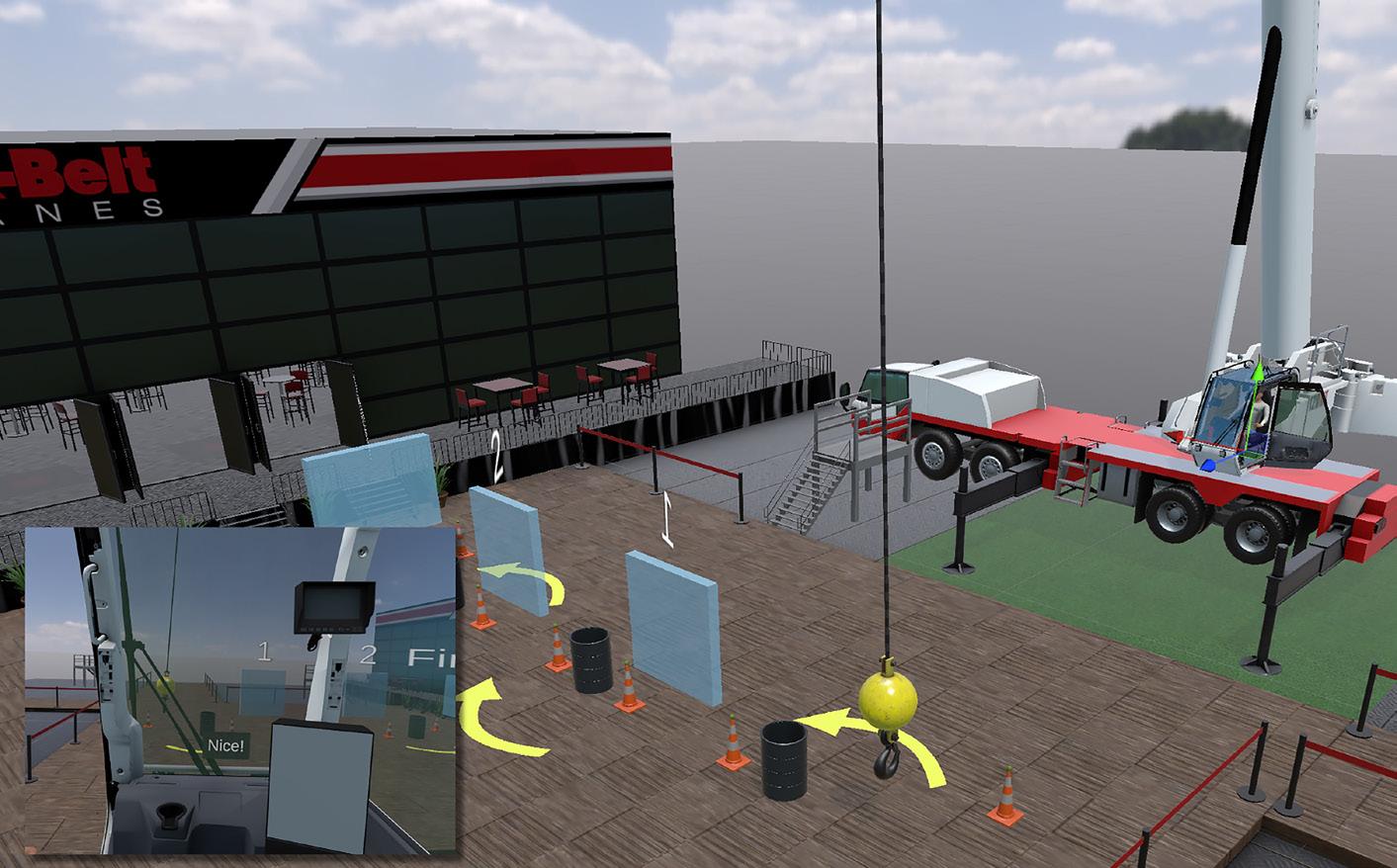
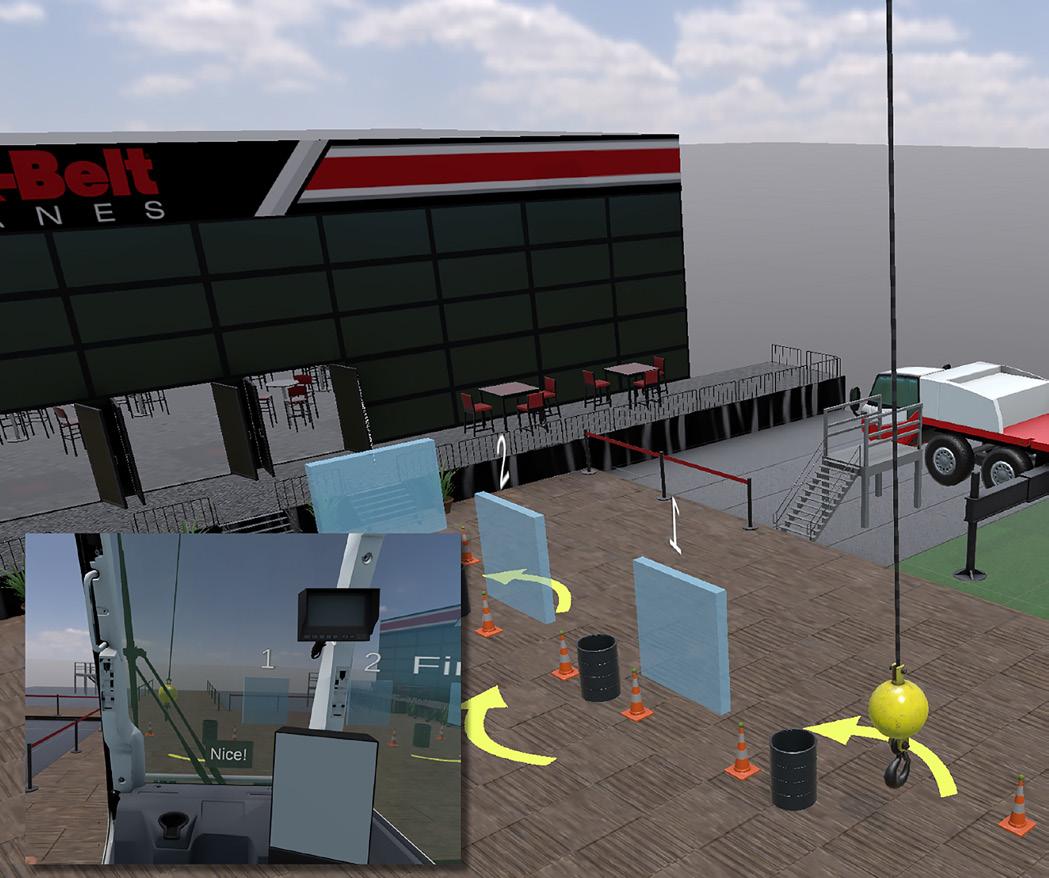
A1A Software introduces a new product, 3D Lift Vision, bringing a new approach to crane planning and visualization as the industry’s first virtual crane simulator built directly from real lift plans. By transforming lift data into an immersive environment, users can experience a jobsite before work begins—operating a virtual crane with realistic controls and sound while gaining a clearer understanding of site conditions. Each simulation reflects the specifics of an individual lift plan, making it a practical tool for sales presentations, project communication, training, and risk assessment. Crane and rigging teams can review equipment and personnel placement and rehearse complex lifts in a controlled, virtual setting, improving coordination and planning outcomes.
Beyond project execution, the technology also helps engage the next generation of crane operators through its interactive, game-like experience, offering an accessible introduction to the field at job fairs and training events. Applicable to crane providers, contractors, and project owners, 3D Lift Vision demonstrates how simulation technology is becoming an integral part of modern lift planning while supporting future workforce development.
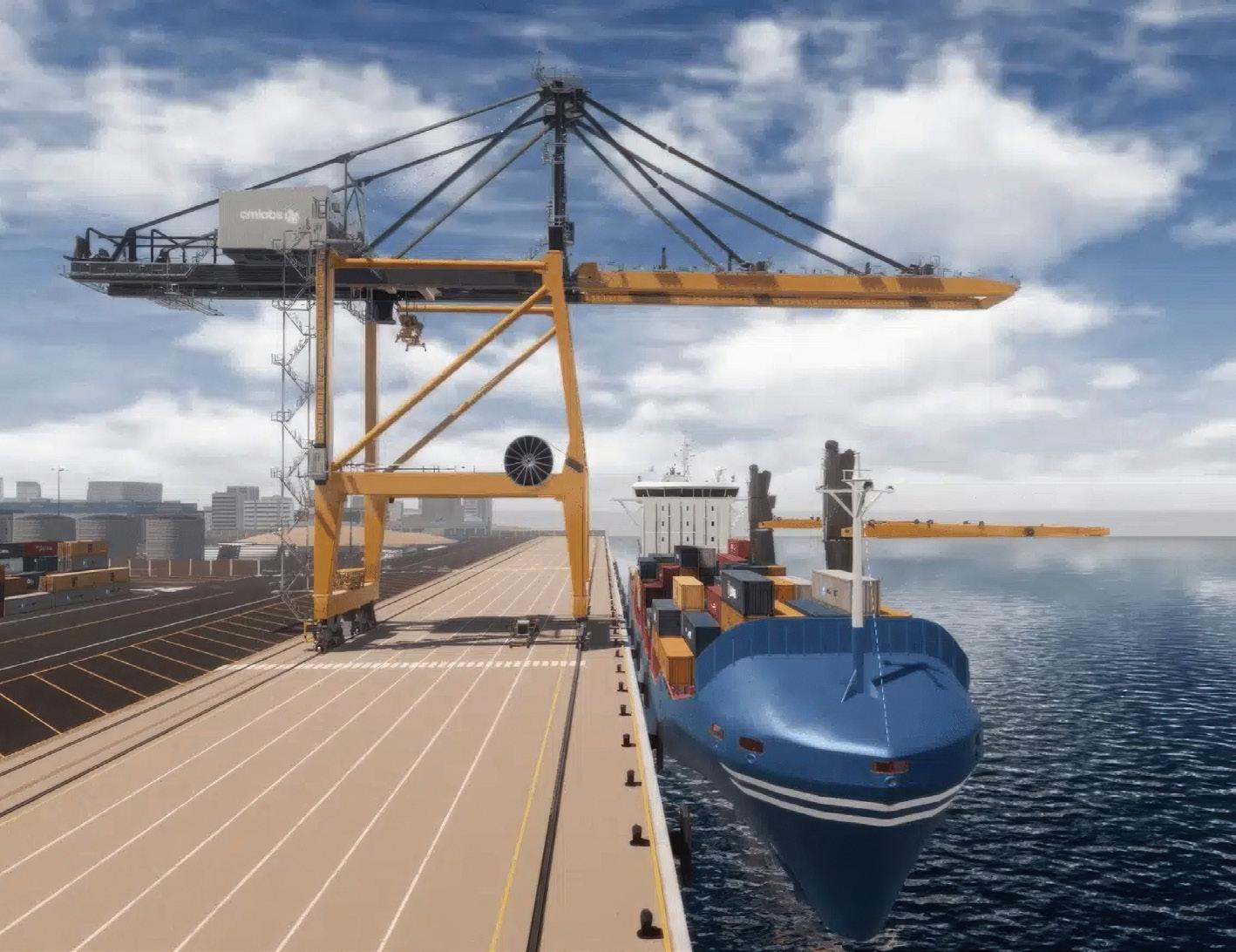
CM Labs Simulations continues to expand its ports training capabilities with new features for Ship-to-Shore (STS) crane training. Updates include an AI Assistant for real-time instructional support, CMS-driven voice guidance, and enhanced After
Action Review for detailed replay and evaluation. A new Scenario Editor and skill-building exercises give instructors greater control over training conditions, while increased traffic and equipment density improve realism. CM Labs is also extending its Remote Operating Station (ROS) training to include STS cranes.
Beyond the simulator, CM Labs has also introduced Intellia Trainee as part of the Intellia Workforce Training System, enabling self-directed learning through standardized online modules. Trainees can complete foundational knowledge, walkarounds, and safety concepts outside the simulator, allowing more time for handson training. Integrated instructional videos reinforce key concepts and support progression into simulator-based learning.

HIAB’s HiSkill uses virtual reality (VR) technology to create a safe and realistic learning environment for operators of HIAB knuckle boom cranes. Operators can learn the basics of crane operation without the risk of personal injury or damage to equipment or the surrounding environment. HiSkill also tracks and analyzes operator movements to provide actionable improvement suggestions. HiSkill is a SaaS solution tailored for repetitive training. With a yearly subscription fee per operator and a lightweight and easy-to-transport simulator kit, HiSkill enables flexible and convenient crane operator training sessions anytime, anywhere.
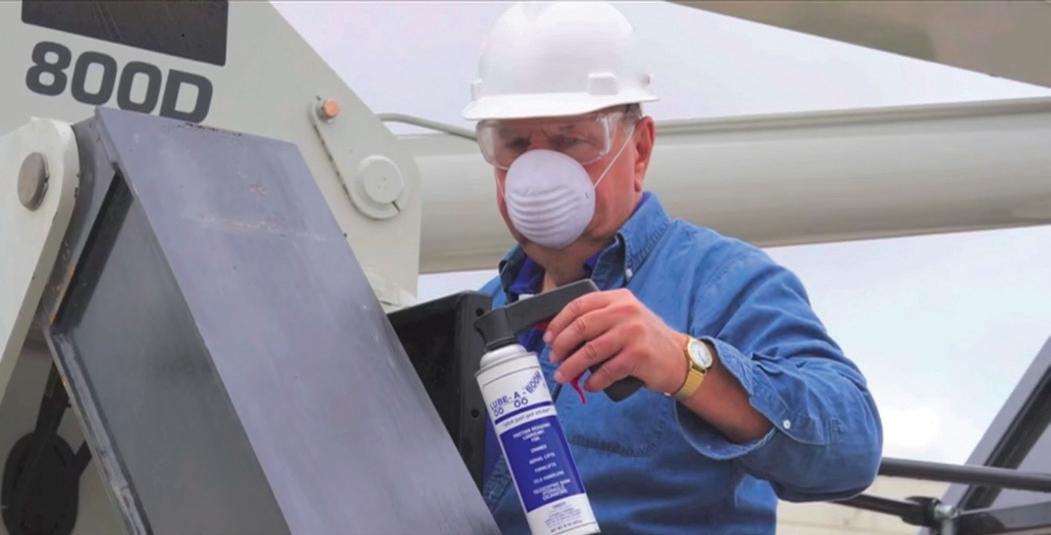





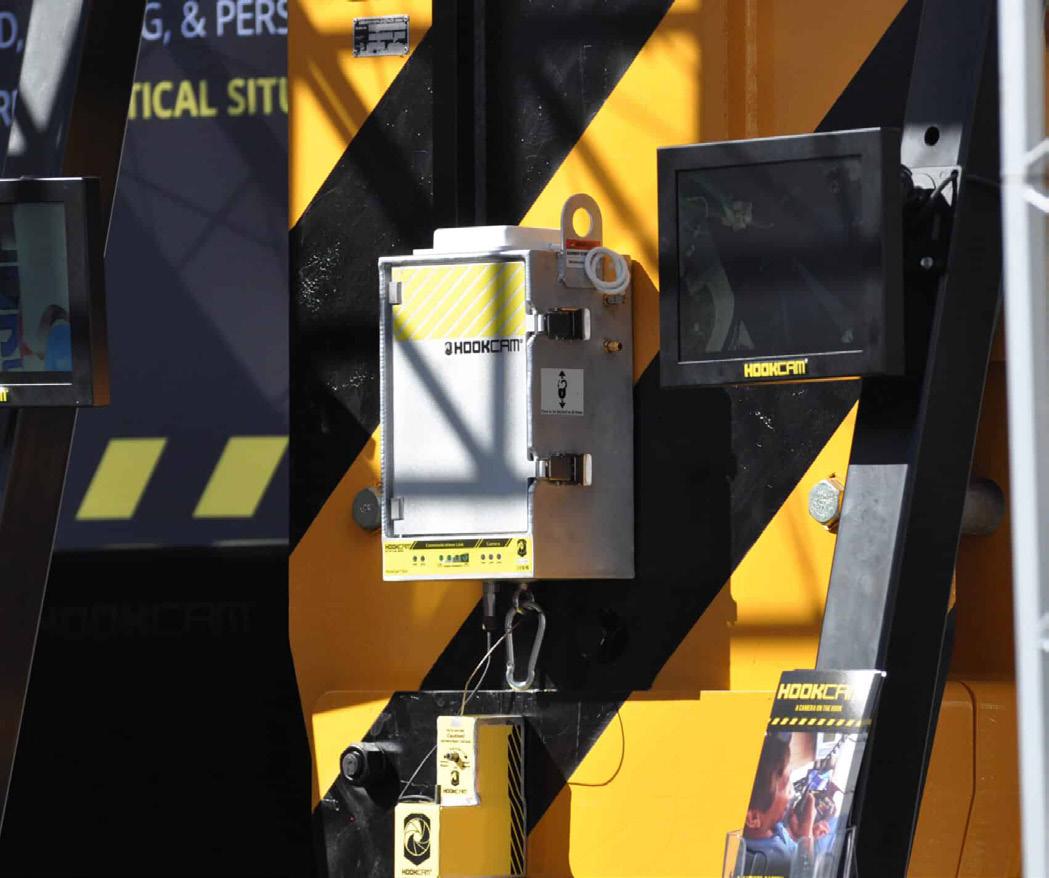
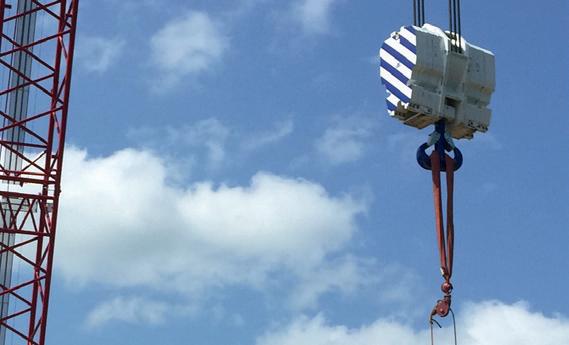
HookCam offers an adaptable mounting system, a sleek, ergonomic design, and advanced battery technology across its product line. Unlike boom- or cab-mounted cameras, HookCam travels with the hook block, providing a direct and unobstructed view of the load. The system is engineered for stable wireless transmission, even in environments where interference is common. It is easy to install and features a 10-inch LCD monitor housed in a weatherproof casing. HookCam can be fitted to a wide range of cranes and adjusted to ensure optimal visibility. Designed to take up minimal space on the hook or boom tip, the unit is secured using a 400 lb.-capacity switchable neodymium magnet. The product line includes 7, 10, and 15-inch monitors, with a 10-inch tablet-style monitor featuring 2.4K resolution as the standard offering. The system’s colour display enhances visibility of fine details, while video feeds can be viewed remotely, streamed, and recorded for up to 30 days. Remote diagnostics are also available. The camera itself can be mounted on various crane components, including the hook, trolley, and boom tip.
Training the next generation of crane operators starts in a safer, smarter virtual environment. Palfinger’s professional training tool, the Palfinger VR2 Training Simulator, brings virtual knuckle boom and material handling crane training to a new level. By immersing themselves in scenarios that reflect a variety of real jobsite challenges, operators can combine realistic crane physics, Paltronic control logic, and risk-free repetition, in a safe environment. This virtual experience helps operators develop confidence, precision and control before stepping into an actual machine. Integrated in the VR2 experience is Paltronic control logic, used in all Palfinger Tec and PW crane lines as an intelligent, sensor-driven electronic control system that acts as the brain of the crane, managing load safety and stability. This integration gives VR2 users real-world experience without visiting the jobsite.
Palfinger Connected software provides
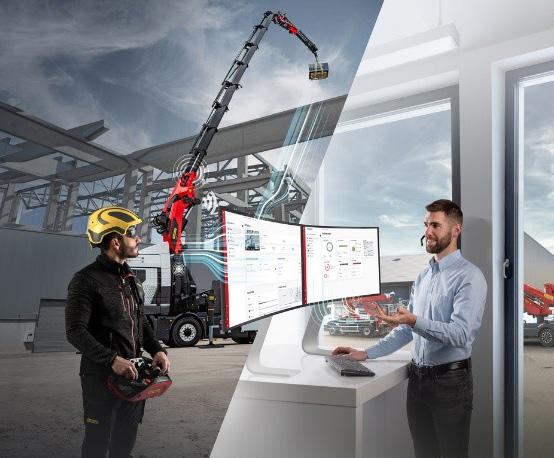
advanced digital operations to connect operators and fleet managers to a central data platform for decision-making that impacts safety, efficiency and performance. It offers helpful features including service and maintenance scheduling, real-time operations data, and faster fault resolution for maximized uptime. Connected helps operators take control of their fleets and supports all Palfinger telematics-equipped solutions, including knuckle boom and material handling cranes, truck-mounted forklifts and hooklifts. To take things up a notch, operators can opt-in to Connected plus+, an optional upgrade of Palfinger Connected on a number of Palfinger products. This upgrade enables real-time data transfer that helps fleet managers, operators and service partners monitor the machine’s status while providing advanced features such as the Job Planner – which helps operators plan a job thoroughly and visualize the outcome before commencing the job. Also included is the standardized AEMP 2.0 data interface, which enables integrations with external fleet management systems and more.
Contact Laura now at+1-289-928-8543 or lgoodwin@annexbusinessmedia.com

@craneandhoistca /CraneHoistCanada


craneandhoistca /company/crane-hoistcanada





JUSTIN BROWN
Early impact may draw attention, but it’s precision, consistency and execution that ultimately determine success
Iwas talking to a budding golfer at a recent business event, organized by Associated Wire Rope Fabricators (AWRF), about the problems he is experiencing on the putting green.
“I repeatedly three-putt,” he exclaimed.
“That’s the first thing you need to fix,” I replied. “It might be worth spending some time on the putting green, just to turn those three-putts into two-putts more consistently.”
Interestingly though, our conversation had started with the longest drive competition at the convention’s golf and networking day. It’s where most discussions about the sport usually begin. It’s big, fast and easy to understand. Distance can be measured, compared and celebrated. For spectators and broadcasters, it’s a clear, dramatic moment: one swing, one outcome, often with a visual payoff as the ball travels a long way. In short, it’s a spectacle.
However, the real artistry of golf tends to sit elsewhere, particularly on and around the green, as my associate has discovered. That’s where precision, judgment and control come into play. Putting, chipping and approach play require reading subtle slopes, managing pace and executing under far tighter margins. There’s less room for error and less forgiveness. Readers have probably heard the phrase, ‘Drive for show, putt for dough’. And proof of it was in Rory McIlroy’s recent retention of the Masters; despite driving poorly at times, by his incredibly high standards, he claimed his second green jacket with mesmerizing stroke-play deeper in the heart of Augusta National. It struck me as the aforementioned conversation meandered back to the workplace; just how similar golf and business are. Good business gets you to the green. Great business knows how to sink the putt under pressure. Getting to the green is strategy. Sinking the putt is execution. The putt looks simple from a distance, but it exposes touch, focus and composure under pressure.
Three elements of this recent expo, and an open house event at my own company,

reiterated how, just like a golfer’s drive is loud and visible but not the most important shot, we must always make sure that our strategies and concepts are meaningful versus merely attention-grabbing.
Firstly, a new single-day registration was created for attendees to what was a multi-day conference. As a standalone notion, it would be ineffective, like a 300-plus-yard drive preceding a threeputt. What such a construct must do (and did) is force each day to stand on its own merits. It must also lower barriers to entry, bringing certain participants who may not commit to multiple days, adding diversity without overwhelming the event. Good events have natural peaks in energy, with fresh perspectives each day and more purposeful networking.
Secondly, the event once again incorporated an emerging leadership group. I’ve heard of many that serve only to optically enhance an association but here we consistently see facilitation of fresh perspectives alongside established experience. It strengthens the talent pipeline by giving newer voices visibility and a platform to contribute. To make these groups genuinely productive, they need clear objectives, integration into the main program, and meaningful interaction with senior participants.
Thirdly, exhibitions that are primarily sales-driven rather than insight-led are pointless. Size can sometimes be the differentiator. As participants at this event demonstrated, small-scale, tabletop-style
exhibitions are a strong fit for meeting-based trade events because they complement rather than compete with the core purpose of the gathering, which is direct business conversation. By removing the complexity and cost of large booths, they create a more focused environment where discussions and product engagement happen quickly and efficiently.
Finally, and somewhat of a segue from the point above, an open day or open house only works if it delivers genuine value because attendees are effectively investing their time, attention, and often travel cost in exchange for insight, not a sales pitch. Hopefully, at our Mississauga-based facility, we showcased the manufacture, distribution, testing, certification, and inspection of high-performance wire rope and rigging products, but also offered education, dialoge, and problem-solving.
Clearly, in both golf and business, outcomes are shaped far more by execution than intention or presentation. A powerful drive, a bold concept, or an impressive gala occasion, may capture attention, but it is the quieter elements that ultimately determine value. Impact is not defined by what is announced, but by what is achieved.