




We’re nearly a month into 2026, and Canadians are already facing some tough realities. As members of public safety, you’re also seeing challenging times ahead and are looking for new ways to support those in need. There are growing concerns south of the border that are capturing the attention of all Canadians, a topic that will continue to evolve and be an ongoing conversation for the public safety sectors in the U.S. and Canada.
But, with the opioids making it onto our streets and into the hands of our communities being more dangerous than ever, especially when combined with more lethal components like fentanyl, an ever-growing homelessness crisis and the widespread mental health challenges associated with both these areas, our focus must remain here at home.
officers serve these communities better? Not just in British Columbia, but across Canada, in both large cities and small rural villages. Maybe. But the harsh reality is these innovations are advancing so rapidly that public safety struggles to keep up. Often, this technology is too cost-prohibitive and must go through endless policy discussions and logistical hurdles before being implemented service-wide.
There are growing concerns south of the border that are capturing the attention of all Canadians … but … our focus needs to remain here at home.
While these challenges are deeply concerning for first responders, the government and the general Canadian public, they are not new. So why revisit it now? In mid-January, the British Columbia government, which had run a three-year drug decriminalization pilot project aimed at tackling the overdose crisis, ended the pilot and will no longer pursue an exemption from Health Canada under the Controlled Drugs and Substances Act. After seeing unintended consequences, the government had to confront the reality that the pilot had failed, leaving the police to transition back to previous approaches. This pilot program unfortunately did not stop the evolution of this crisis, and while the laws are now back in enforcement, police are going to need to search for new ways serve these communities and guide them to resources where help can be provided when it’s wanted.
As problems evolve, so must their solutions. Could some form of technology help
This is where our first cover story of the year comes into play. Aiming to better serve Canadians, from those with a roof over their heads to those living on the streets or in parks, and from individuals facing mental health or substance abuse issues to victims of crime, first responders— police, fire and paramedics—are urging the government to create a national public safety broadband network (PSBN). In a discussion with Deputy Chief Anthony Odoardi and Senior Director of Technology and Innovation Tony Ventura from Peel Regional Police, they explained that a national PSBN is no longer a technological innovation project, but an operational necessity. You can read the full story on page 10.
As we deal with these new realities as Canadians and members of public safety, I encourage you to reach out to me, because your input is invaluable in helping Blue Line cover the issues that matter most to this community. If there’s a topic you believe deserves attention, an officer you think should be featured, or a new initiative your police service has launched, please connect with me. I can be reached at bschroeder@ annexbusinessmedia.com.
Until next time, happy reading and be well.


www.BlueLine.ca
Reader Service
Print and digital subscription inquiries or changes, please contact customer service
Angelita Potal
Tel: 416-510-5113
Fax: (416) 510-6875
email: apotal@annexbusinessmedia.com
Mail: 111 Gordon Baker Rd., Suite 400 Toronto, ON M2H 3R1
GROUP PUBLISHER | ADAM SZPAKOWSKI aszpakowski@annexbusinessmedia.com
EDITOR | BRITTANI SCHROEDER bschroeder@annexbusinessmedia.com
EDITORIAL DIRECTOR
PUBLIC SAFETY GROUP | LAURA AIKEN laiken@annexbusinessmedia.com
ACCOUNT MANAGER | JANICE EATON jeaton@annexbusinessmedia.com
MEDIA DESIGNER | CURTIS MARTIN cmartin@annexbusinessmedia.com
ACCOUNT COORDINATOR | KATHRYN NYENHUIS knyenhuis@annexbusinessmedia.com
AUDIENCE DEVELOPMENT MANAGER BEATA OLECHNOWICZ | (416) 510-5182 bolechnowicz@annexbusinessmedia.com
CEO | SCOTT JAMIESON sjamieson@annexbusinessmedia.com
ANNEX BUSINESS MEDIA
111 Gordon Baker Road, Suite 400 Toronto, ON M2H 3R1 Tel. 416-442-5600 • Fax 416-442-2191
Publication Mail Agreement No. 40065710
ISSN 0847-8538 Printed in Canada
SUBSCRIPTION RATES
Canada — 1 Year $33.42; 2 Year $55.69 USA — 1 Year $144.80 CAD
Occasionally, Blue Line will mail information on behalf of industry-related groups whose products and services we believe may be of interest to you. If you prefer not to receive this information, please contact our circulation department in any of the four ways listed above.
Annex Privacy Officer Privacy@annexbusinessmedia.com; Tel: 800-668-2374
© 2026 Annex Business Media. All rights reserved. Printed in Canada. No part of the editorial content of this publication may be reprinted without the publisher’s written permission. Opinions expressed in this magazine are not necessarily those of the editor or the publisher. No liability is assumed for errors or omissions. Readers are cautioned and advised that articles presented herein are edited and supplied for your personal awareness and should not be used for further action until appropriate guidance is received from a supervisor, Crown Attorney or other persons in authority. All advertising is subject to the publisher’s approval. Such approval does not imply any endorsement of the products or services advertised. The publisher reserves the right to refuse advertising that does not meet the standards of this publication.


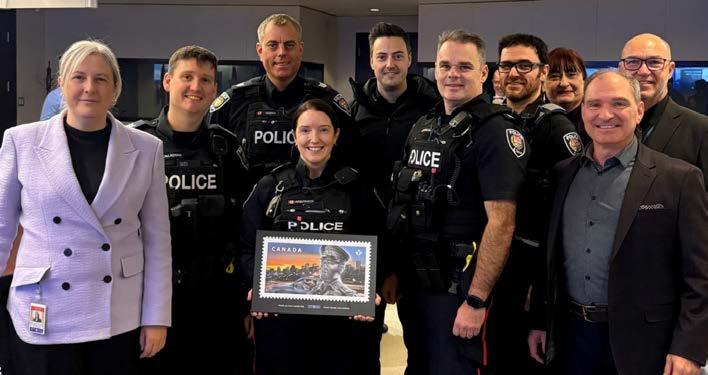
Canada Post Security & Investigation Services has presented the Ottawa Police Service with the 2025 Law Enforcement Ally of the Year Award. This national recognition celebrates partnership and meaningful collaboration between policing agencies and Canada Post operations and reflects the work carried out over the past year to support employee safety, community well-being and secure mail service for residents.
This award acknowledges the close working relationship between Canada Post and the OPS Event Management Section and Police Liaison Team (PLT), who have provided ongoing support, guidance and operational coordination on a range of situations affecting postal services in Ottawa. From proactive planning to incident response and community engagement, these teams have worked together to ensure safe and reliable operations during a period of increasing demand on public services.
Canada Post emphasized that OPS played a key role in addressing emerging challenges, providing timely assistance and contributing to a safer environment for both staff and the public.
The Alberta Next Panel has officially recommended that the provincial government continue work on establishing an Alberta Police Service (APS) to take over duties currently handled by the RCMP in rural areas and small cities.
The proposal is one of seven recommendations included in a final report delivered to the government on Dec. 19, 2025.
Beyond direct policing, the panel also recommended that Alberta pursue constitutional amendments through a provincial referendum. These amendments would include granting the province the authority to appoint its own King’s Bench and Court of Appeal Justices.
The government caucus is slated to review these recommendations over the coming months to determine which will be formally adopted. At this time, no final decisions have been made.
The panel’s findings were based on 10 in-person town halls held in 2025, which saw participation from more than 5,000 Albertans, alongside thousands of online survey responses. The engagement sessions were held in various communities, including Edmonton, Calgary, Red Deer and Fort McMurray.

The New Brunswick Integrated Enforcement Unit (NBIEU) has been named the national unit winner of the RCMP’s 2024 Innovation in Crime Reduction Award. The award recognizes individuals and units across Canada who demonstrate innovative approaches to preventing and reducing crime in their communities.
The NBIEU was recognized for its work in developing effective information- and resource-sharing processes, strengthening collaboration among agencies and advancing intelligence-led policing strategies. The unit’s coordinated efforts have led to several significant seizures of illicit materials and numerous high-profile arrests, contributing to safer communities across New Brunswick.
The unit includes members of the New Brunswick RCMP, municipal police services and the provincial Department of Justice and Public Safety. Its focus is to improve coordinated enforcement responses to issues related to drugs, firearms and organized crime.
Some provinces have looked to the NBIEU as a model for innovative, integrated enforcement, applying its best practices to enhance crime prevention and reduction efforts in their own jurisdictions.
As the 2024 Unit winner, the NBIEU’s name will be added to the national Innovation in Crime Reduction Award plaque on display at RCMP National Headquarters in Ottawa.
In December 2025, Statistics Canada released recent data on Homicides in Canada. For more information, please visit www150.statcan.gc.ca.
29% of victims of 2024 homicides identified as racialized persons.
81 women were victims of spousal or intimate partner homicide in 2024, up from 53 in 2023.
1 in 3
of those accused of homicide were already under some form of justice system supervision at the time of the offense.
287 firearm-related homicides in 2024.

Landon Yuill was officially named chief of the Kensington Police Service in 2025, after Chief Sutherland officially retired following many years of dedicated service.

Sean Aune has been selected to lead the Morden Police Service as its new chief. Aune has served the City of Morden with dedication for the past 25 years, most recently in the role of inspector. He brings to this position a deep commitment to the community and a clear vision for the continued growth and success of the service.

The Windsor Police Service Board has selected Jason Crowley as the new chief of police. Crowley brings more than 32 years of service to the role and has served in senior leadership since 2016. Throughout his career, Crowley has
been recognized for modernizing operational practices, strengthening coordination across the service and enhancing member safety and support.
Steve Bogart was appointed to the role of deputy chief of the St. Thomas Police Service in September 2025. He brings nearly 28 years of experience to the administrative team. His background includes frontline patrol, drug investigations, supervisory positions and senior leadership responsibilities, all of which have prepared him well for this next chapter of service.
CACP Information and Technology Summit Feb. 22 – 25, 2026
Location: Vancouver, B.C. cacp.ca
35th Annual Police Employment Conference Feb. 24 – 25, 2026
Location: Toronto, Ont. pao.ca
Emergency Services Career Expo –Toronto Date: Mar. 31, 2026
ai17683210689_KLE-BlueLine_Canada_7.125x4.75.pdf 1 1/13/2026 11:17:54 AM


Chief Supt. Gurmakh (Bill) Parmar was selected to be the new officer in charge of the Burnaby RCMP Detachment. Parmar brings nearly three decades of service with the RCMP. His career has spanned frontline patrol, major crime investigations, operational leadership and strategic transition planning.

Location: Toronto, Ont. emergencyservicesexpo.ca
OACP & Blue Line Expo
Date: Apr. 29, 2026
Location: Toronto, Ont. bluelineexpo.com

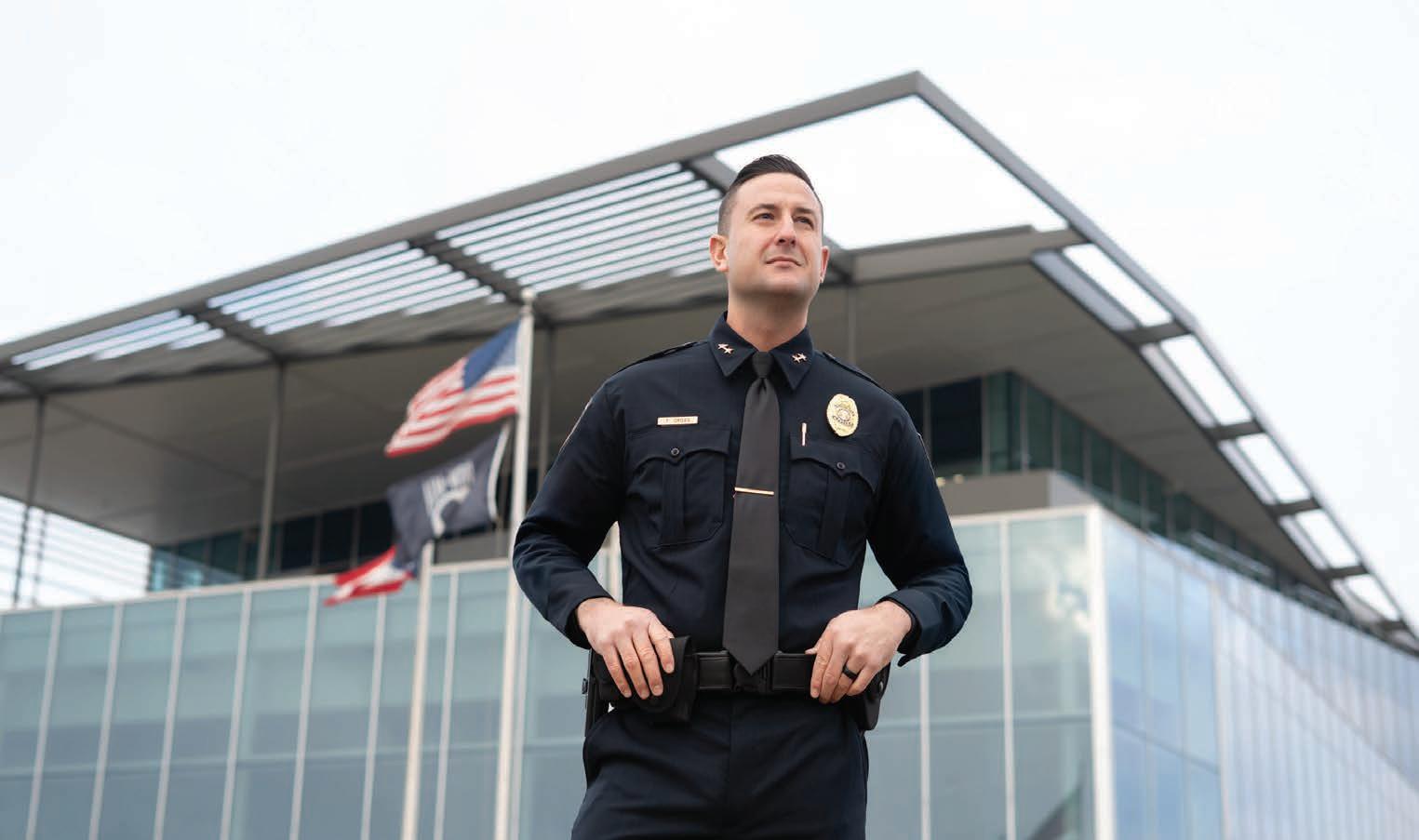






The creation of a national Public Safety Broadband Network (PSBN) is a vital need in Canada today. In Blue Line’s 2025 Policing In A Digital Age symposium, we dedicated a panel discussion to this topic. Recognizing that this is an area that requires ongoing attention until the goal is achieved, Blue Line spoke with long time leaders and advocates, and one of the nation’s only operators of a PSBN, Deputy Chief Anthony Odoardi and Senior Director of Technology and Innovation Tony Ventura from Peel Regional Police, to discuss why this is critically important for first responders to be able to meet the demands for community safety and wellbeing in Canada.
A brief PSBN history
The motivation to create a national PSBN is not new. In fact, it started in the United States shortly after the events of Sep. 11, 2001. The tragedy revealed the fundamental issues with how first responders communicated
and showed that their radio systems could not be relied on during a largescale emergency. From this came the 9/11 Commission Report, which identified gaps in emergency communication methods and called for a nationwide network for public safety agencies. This eventually led to the establishment of the First Responder Network Authority (FirstNet Authority) in 2012 and the awarding of the network contract to AT&T in 2017.
In Canada, the Temporary National Coordination Office (TNCO) was established in 2018 to develop options for a PSBN. Shortly afterward, Innovation, Science and Economic Development Canada (ISED) allocated 20 MHz of the valuable and reliable 700 MHz spectrum for public safety broadband use.
“The Government of Canada said, ‘We have this dedicated spectrum for you. What are you going to do with it?’ They were looking for public safety agencies to step up and experiment with it to provide information on how public safety agencies across
the country wanted to see this data communications network proctored,” said Odoardi.
20 MHz of the 700 MHz spectrum has been allocated specifically for the PSBN.
In a profession where seconds matter and living in a world where outages could last hours, days or weeks, it’s unacceptable not to have a way to communicate.”
~ Deputy Chief Anthony Odoardi
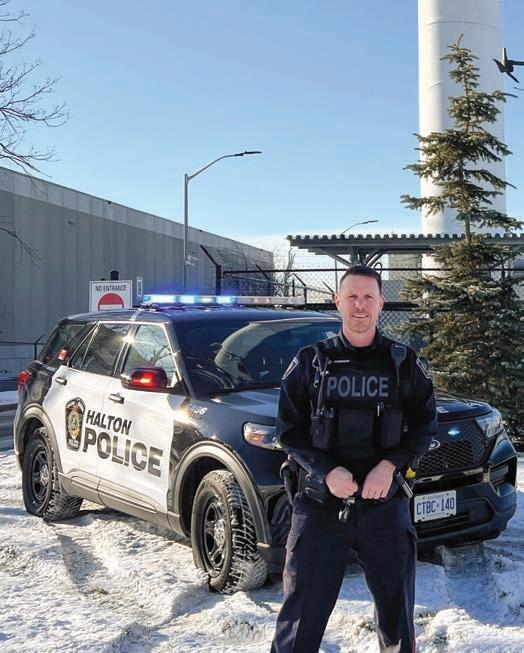
Ontario’s Peel and Halton regions were the first public safety agencies to volunteer to test and innovate on a Canadian-made PSBN. They moved forward with the support of their leadership, Chief Nishan Duraiappah and Chief Stephen Tanner, as well as their key project team members and approved funding from their Boards.
Odoardi admitted that when this project started, it was driven by innovation and modernization of critical data communications. Since then, it has become a necessity.
“The PSBN has shifted from an innovation initiative to an operational imperative that is now a reality in Peel and Halton,” stated Odoardi.
Everything predicted in the 9/11 Commission Report regarding the need for a broadband network is now being realized, Odoardi shared. These predictions included large, complex data-driven emergencies, major service disruptions and escalating border security pressures.
“These have reinforced a simple truth: that reliable, secure, interoperable communications are needed. Emergencies are exposing communication gaps.”
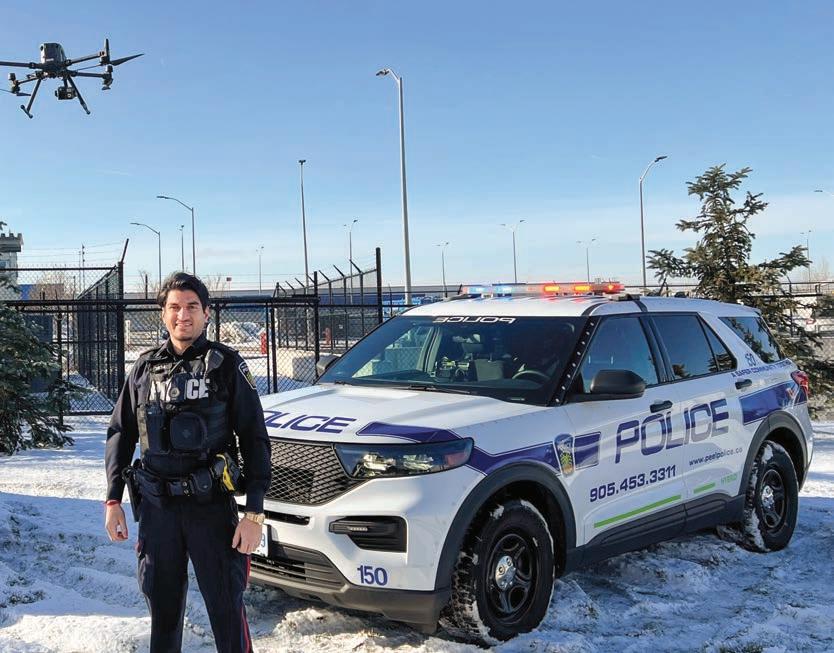
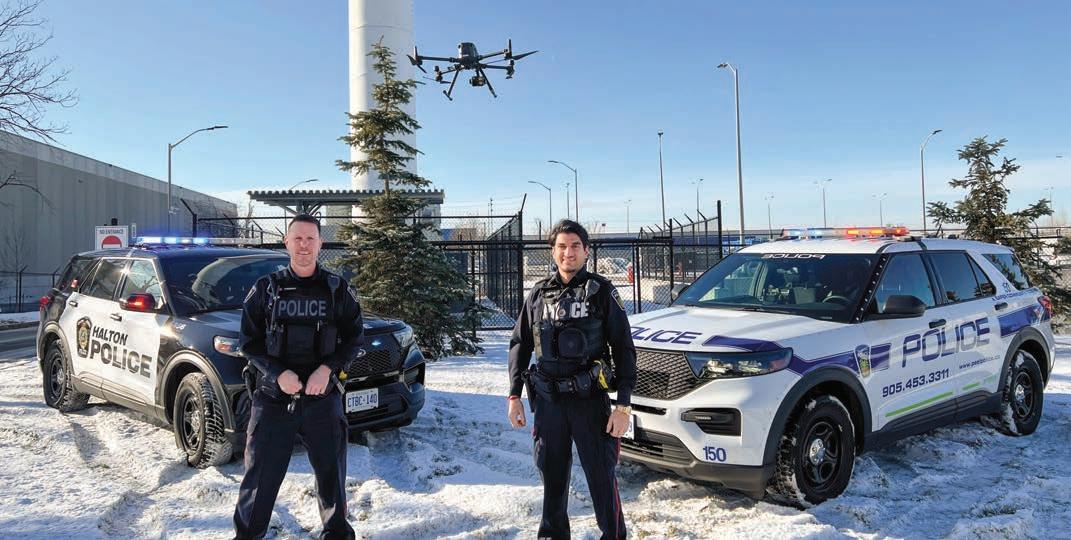
These larger public safety incidents require a police, fire and/or emergency medical response that extends beyond obtaining information from a radio. Some of this data could come from an officer’s body-worn camera, a drone as first responder (DFR) program, live mapping situational tools, Next Generation 911 and more.
“Response is now predicated on access to all available data,” shared Ventura.
Peel Regional Police was the first and largest Canadian police service to implement Next Generation 911 in Canada, and they quickly realized the potential for a “tsunami” of data coming in. That new data then needs to be provided to first responding members over a network that is safe, reliable and secure. “Our partners and communities expect that we have these tools already, and we don’t necessarily have them in most regions in Canada,” said Odoardi.
Now, for a moment, let’s focus on escalating border security pressures. After the change in United States leadership, Canada has faced criticism for its border security measures and has been told, in short, to do better. These measures encompass land, airports, rail hubs, ports, postal facilities and trade corridors. Peel
Region has the largest international airport in Canada and ranks second only to Los Angeles as a major trucking hub. This makes border security a top priority for PRP, as they see “billions of dollars a day running through the region.” Having critical communication links connecting police, border service agencies, homeland security, the RCMP and all municipal and provincial policing networks is of vital importance.
A PSBN is also required to support agencies in properly securing largescale enforcement operations and enabling reliable communication between first responders. In 2024, the Toronto area benefited from months of planning prior to the Taylor Swift concerts. Major commercial carriers collaborated to ensure concert attendees could send texts, make calls and send photos and videos in real time without delays. This same system will face its next test later this year as FIFA arrives in Toronto and Vancouver.
“Who ever thought we’d be comparing border security with a Taylor Swift concert?” laughed Odoardi. But as Odoardi went on to share, everyone is good at planning for the expected, but you can’t plan for all the threats that may arise. At the time of this interview, the attack at Bondi Beach in Australia had just occurred, highlighting the import-
ance of being able to respond to threats in real-time.
Public private partnerships matter
Odoardi and Ventura expressed support for FirstNet Authority in the U.S. and learned a lot from their visits with them, but they wouldn’t consider it 100 per cent successful.
“A single commercial carrier alone is not designed for public safety risk handling,” said Odoardi.
The Peel and Halton regions have gained a lot from the commercial carriers, especially in understanding how the technology works and how to get the most out of a PSBN.
“Not everyone has a Tony Ventura working for their police agency,” Odoardi admitted. “Police across the country can’t rely solely on Tony and our team. We need more subject matter experts across Canada to be innovating, and right now, that falls to the commercial carriers.”
One challenge with commercial carriers is a lack of resilience during emergencies. If a natural disaster or terrorist attack occurs that doesn’t allow time for planning, there needs to be a multi-RAN and multi-carrier PSBN in place to support public safety needs. By enabling automatic failover and access to multiple networks, this ensures uninterrupted, priority communications and reduces the risk of service disruption when any single carrier or radio access network becomes unavailable or congested. “It happens with all carriers; outages are realities. When it happens, people can’t call 911, and police, fire and EMS can’t respond with the data they need because there’s no network. We can’t have that kind of failure and risk at this point,” said Odoardi. Without a PSBN, there’s also no guaranteed priority for first responders.
Unfortunately, public safety agencies need the carriers for the PSBN to work effectively, but the profit margin for carriers to invest in the coverage and infrastructure needed for public safety is limited. This is a critical reason why there needs to be
a partnership between private and public entities, including the government, for the establishment of the PSBN. The other critical need is governance. It is imperative that the governance and service standards of the PSBN are led by the first responders and governments charged with keeping communities safe.
A unified call
In 2025, public safety agencies across Canada collectively recognized the importance of establishing a national PSBN and have repeatedly called on the government to act. These calls have been made by the Ontario Association of Chiefs of Police, Canadian Association of Chiefs of Police, Ontario Association of Fire Chiefs, Canadian Association of Fire Chiefs, Ontario Association of Paramedic Chiefs, Police Association of Ontario, Guardian Safety Net and Telesat, with more provinces and associations expected to join the call soon.
“This isn’t just a police issue. It’s a first responder issue, and this call is coming from all of us,” said Ventura. “These groups
mentioned represent tens of thousands of frontline personnel across Canada.”
These calls have yet to prompt the government to take concrete action, even following a public commitment to the project. The most recent development occurred in March 2025, when the government released the “What We Heard Report” on the results of the 2024 consultation on the Governance Framework.
Meanwhile, Odoardi explained that private companies have been approaching PRP and putting aside profit to help build the network. But he knows it will take public safety, private companies, commercial carriers and the government to get it off the ground.
“The question is: how can we ensure this is top of mind for all governments across Canada and every public safety agency, so they recognize this can no longer be just an experiment? For every day that we don’t have it as a functional reality, we’re risking community safety,” said Odoardi.
“From what the public believes our capabilities are in communications and
where we currently stand, those two things are completely separate, and we need to fix that. It’s right in front of us, and we need to unite to make it happen without delay.”
The next evolution
For Ventura, we are at a critical point in the evolution of public safety in Canada. “Historically, police evolved from being on foot, to being on horseback, to being in cars. This is just another one of those evolutions that will be critical going forward,” he said.
If there were an emergency at Odoardi’s home, he would expect all responding agencies to have the necessary information to treat or respond in real time.
“In this day and age of innovation, there’s no choice. Let me double down on that and say it’s the only choice that public safety agencies have when responding to critical, more complex, large-scale and day-to-day issues. This is the reality,” said Odoardi.
With support and a unified call from public safety agencies across Canada and in the United States, there’s no other option but to get the network moving.



Recently, editor Brittani Schroeder spoke with Chief Warren Driechel of the Edmonton Police Service about his first few months in his new position, what he has observed in the Canadian policing sector lately and what he hopes for next.
Q: How did you feel being appointed co-interim chief, and then officially taking on the role in September?
When Chief Dale McFee told me he was retiring, my first reaction was borderline panic. But when you get to the senior ranks, you know that the chief role could be a possibility. Suddenly, I found myself facing McFee’s departure and I asked myself whether I was prepared for it. The imposter syndrome set in. But I asked myself, “If not me, who?” And after many conversations with my family, I decided to go for it.
Deputy Chief Laforce and I took on the co-interim positions, and we learned very quickly that if you break something, you can’t run home and tell dad to fix it. We were now the people who had to fix it.
Then I got the call telling me the position was officially mine, and I had a “gulp” moment. Getting past that, on day one, I pulled in the leadership team and we hit the ground running. But I also knew I couldn’t just step into the role and keep acting the way I always had, especially as the first internally selected chief at EPS in two decades. This role comes with high expectations and significant stress, but it is a privilege.
Q: Over the past year, what did you notice was impactful for EPS, for the city of Edmonton and for the greater Canadian policing community?
Over the past few years, there has been a lot of political tension around policing in the city, from
the defund movement to encampments in public spaces, and I’m proud to see that tension has decreased over the last 12 months. As chief, I’ve also heard more from city council, the police commission, the public and our members. I’ve learned that we need to find and maintain a balance among all of these groups. And, quoting Chief Mark Neufeld, we need to be the police without apology. In the last year, I think we’ve been rediscovering our identity in this new environment and getting back to what we do best.
For Canadian policing, it’s always a pendulum swinging. We’ve all been under criticism, where we’ve had to defend and explain quite a bit, but now, I think there’s more room for the police to truly establish their mandate as police organizations. We also see bail reform being discussed more often, and collaborative work is happening to create a productive public safety solution. Then, of course, we also have new technologies making an impact, but we need to figure out what this new tech means in the policing context.
Another thing police are being asked to embrace is efficiencies. Policing is very traditional—some things haven’t changed since I started—but our cities are growing, and we’re not growing and evolving at the same pace. How can we start relieving members of administrative tasks? How can we free them up so that they can be more proactive and visible in our communities? How can we, as police leaders across Canada, change things to break away
And finally, member wellness is and should be top of mind. We’re good at the acute trauma moment, right when it happens, but then it becomes an administrative process behind the scenes and people fall off the page. So what can we do up front to prevent it? How can we build resilience?
Q: In your first weeks as chief, you took a stance on a court case of a woman accused of murdering an eight-year-old girl in 2023. Can you tell me why that was important to you?
Let me start by saying that, over the years, communication between police and prosecutors has broken down. We’re all very busy, so we just assume that if we’re charging people, they’re prosecuting them, and they assume that they’ll prosecute when we charge what they want us to. But as an example, let’s say there are 30,000 domestic
violence charges in a year. Their team of 100 or so can’t possibly prosecute all those charges. So how do we triage and prioritize?
In this particular case, we found out very informally that a plea of manslaughter was going to be entered. To us, it didn’t make sense based on what we’d seen in the past with other child homicides. Weeks in advance, we started asking what was going on and the reasoning behind it, just trying to understand, and from my perspective, I needed to know if we had done something wrong, something that needed to change in our investigation processes. Maybe it was an issue with the evidence or the witnesses. But we didn’t get any answers back. So when the plea was about to be entered, I spoke out.
We’ve seen charges dropped or withdrawn over the years, and we’re never told why. So, it’s hard to motivate an entire organization to continue doing this work when I constantly hear, “Well, the Crown isn’t going to prosecute anyway.” This could eventually lead to de-policing, where members aren’t arresting, not charging and not getting involved because they don’t feel supported. So there is a larger strategic issue that needs to be addressed.
The other part of this story was that the family of the little girl wasn’t even notified that this plea was happening. So, looking at the whole situation, maybe something could have been done differently. We received a lot of criticism for speaking out, myself and the organization, but
what stood out to me was when the family told me that the police found her, brought her home, and were now fighting for her. That’s an important point, because this was an Indigenous family that hasn’t felt supported by the police in the past. That’s all we were trying to do, and to ask for a bit of transparency. In the end, it led to many conversations with the prosecutors on what we can all do better going forward.
Q: In 2026, what do you want to see in Canadian public safety?
I’d like to see policing move away from a very reactive model and go back to a proactive model. Officers need to get back into the community, be highly visible and engaging. Do it without apology, and do it legitimately and responsibly. We also need to be fiscally
responsible. The cost of policing continues to go up, but when I look at the organization from top to bottom, we need to think of what our priorities are. We also need to communicate clearly down the line why we may not be able to purchase something in a given year. Think want versus need.
The world has also gotten very big, and we’re not very effective in the cyber world and its criminal element. I think that’s one of our biggest corporate risks. How do we break down the traditional mould and start to deal with crime differently? The fact that we’re not able to investigate all of those crimes and bring them to a conclusion bothers me—it honestly keeps me up at night sometimes.
I think people have a lot of trust in policing in Canada. What’s declining is confidence.
Q: What are your hopes for EPS and the city over the next few years, as chief? I have three things I’m really focusing on.
First, the customer service delivery model. Getting proactive, less reactive, more visible in the community and more engaged. That’s what the people want, and I think that’s what the police want as well. They don’t want to be sitting in the station or in their cars. They want to be interacting on the streets.
Number two is getting back to using a data-driven crime management model. This will move us away from the reactive model to stay right where crime is. How can we deploy that cohesiveness across the organization and have a less siloed approach to it? It would help us become more effective around crime.
And finally, the third thing
focuses on intensive leadership development. Unfortunately, most leaders—me included— don’t have any kind of transition binder. They’re promoted, and we expect them to hit the ground running. We thrust them into a position, and then we say, “We hope you’re successful!” But then we criticize them when they’re not.
So, I look at those and see them as the three pillars that I brought to the police commission. I can’t do numbers one and two until I get number three, the leadership development.
I’ve never really been unsuccessful at anything in this job, but now the organization’s success is tied to mine, and it relies on the performance of my team as leaders. So, my main focus is to get them up to where they need to be, because I’d love to see the next chief come from within EPS as well.






By Brittani Schroeder
You’re a police officer, whether you’re new or experienced, who might not know the answer to this question: What is your police service union or association (which we’ll call a “police association” for simplicity) doing for you? What you don’t realize is that they’re doing much more for you behind the scenes than you may think.
Advocacy and representation
Police associations have a long history in Canada, with some of the first being established more than a century ago. As Tom Stamatakis, President of the Canadian Police Association (CPA), shared, “In my own organization, the Vancouver Police Union was first certified in 1918. In most cases, they were initially established to support members in the absence of adequate sick pay provisions, other important health benefits and workplace issues related to employment where there were shortcomings.”
Today, the purpose of a police association is to represent and protect the interests of police officers. This could be further broken down into categories, such as labour rep-
resentation, advocacy and policy input, member welfare, and professional standards and public image.
Simply put, “The main goal of police unions is to give officers a collective voice and ensure they’re treated fairly by their employers,” said Victoria City Police Union President Angela Van Eerd.
For Graham Ernst, director of the Calgary Police Association and president of the Alberta Federation of Police Associations, providing a platform where officers can be heard by someone who understands the situation is the most important role an association can play for its members.
“Members appreciate knowing their perspectives are shared with decision-makers who can drive positive change. Many feel their voices are overlooked, which can lead to disconnection and mistrust.”
Besides providing officers with a platform to be heard, the associations boost members’ confidence as they are out on the streets making split-second decisions.
“Police are under scrutiny from many different sides, so it’s important to have someone who stands with you in the work-
place on elements such as collective agreements, professional standards investigations and inquests,” shared Saskatoon Police Association President Chris Rhodes. Another important aspect is the emphasis on officers’ mental health and well-being. A priority for Jason Chan, who recently became president of the Vancouver Police Union, is the mental and physical health of officers, because healthy, supported members are essential to keeping communities safe. He said, “As associations navigate oversight processes, it’s important to reduce unnecessary stressors that compound the challenges of the policing profession. We need to establish systems where officers feel valued, and the public feels heard.”
Crucial interagency collaboration
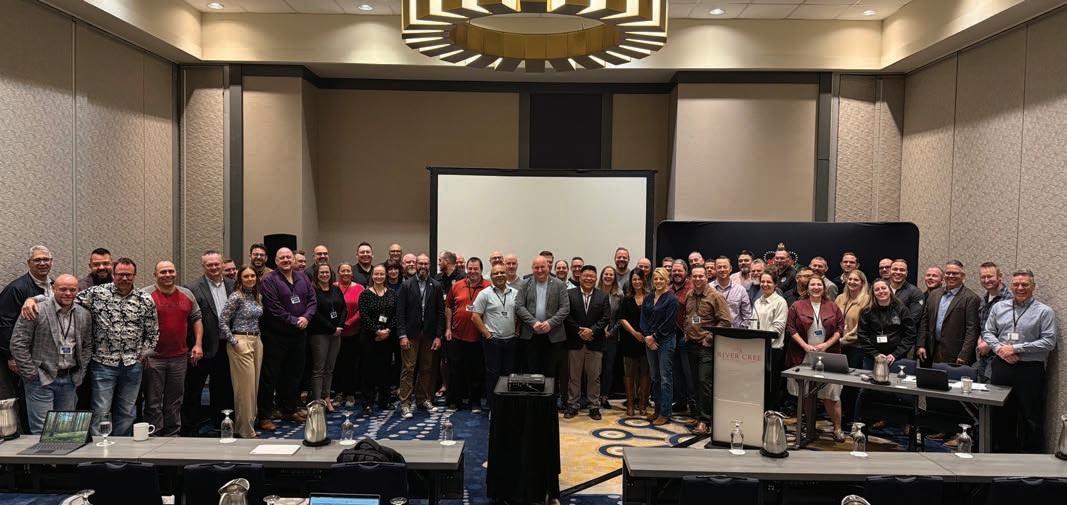
In Fall 2025, Blue Line was invited to attend the Western Wage conference in Edmonton, Alta. Cory Kerr, vice president of the Edmonton Police Association (EPA) and the event’s organizer, put a lot of thought into how the 2025 meeting could provide key takeaways for association members. “Conferences such as this are crucial, as
Eventide Communications Critical Insights AI, delivered by Cartel Communication Systems, helps PSAP leaders spend less time on call searches, Quality Assurance (QA), and training administration.
Supervisors are constantly balancing QA, coaching, training, and urgent audio requests, often under intense time constraints. Critical Insights AI (CI AI) transforms this challenge by shortening the path from “I need it” to “I found it.” It enables your team to concentrate on work that requires reasoning and follow-through while automating the rest.
CI AI delivers real-time insights, rapid search capabilities, automated transcription, audio redaction, and intelligent content categorization, all designed to make your operations faster, smarter, and more efficient.
Empower your team to work at their best with CI AI.
TRAIN: EVALUATE:
Automated QA scores 100% of calls in real time, validates CAD data, tracks evaluator consistency, and delivers timely coaching through integrated feedback workflows.

CI AI’s Training Simulator and E-Learning Modules remove roleplay training, provide instant feedback, and accelerate onboarding and skill development.
ASSIST:
Role-based dashboards, realtime alerts, and transcript-driven tools provide supervisors and administrators with the insight and support needed.
Cartel is Canada’s master distributor of Eventide’s digital voice logging systems, with over 25 years of experience implementing recording systems and over 40 years of doing business in Canada: www.cartelsys.com/solutions/recording
Cartel Communication Systems, Inc.
9415 – 202 Street, Langley, BC V1M 4B5
Tel: 604.888.9711 | 1.800.663.0070 Toronto Office
41 – 750 Oakdale Road, Toronto, ON M3N 2Z4
Tel: 416.747.6444
they can generate robust discussion between associations that will have an impact on their bargaining teams when it comes time for them to negotiate new contracts for their membership. Everyone in association work wants to ensure they are doing what’s best for their respective memberships as a whole,” he shared.
Western Wage unites multiple organizations “to exchange ideas and expertise— sharing success stories, addressing grievances, and discussing working conditions across agencies—while also coordinating collective support toward broader goals,” said Van Eerd. As a member of the CPA’s Board of Directors, she finds these kinds of events help provide insight into issues and concerns on a national level.
Both smaller and larger associations find value in these meetings. As Rhodes shared, smaller associations can strategically plan and discuss issues without incurring high costs to their groups, and larger associations can address trends and develop contingencies to benefit their memberships proactively. He continued, “Having the luxury of so many people sharing their experience and knowledge has resulted in many of the successes police associations have seen across Western Canada.”
For Stamatakis, these meetings are especially important in Canada, given its large geographic size and many jurisdictional challenges in policing.
This year’s conference featured formal sessions on information tracking, indexing, accessible collective bargaining databases and labour issues in policing. Following these sessions, the rest of the event included the always-important roundtable discussions.
In the planning stages, Kerr’s top priority was to ensure the event had engaging, informative and relevant speakers. With a strong focus on collective bargaining, the EPA wanted to feature various speakers from police associations, as well as presenters from outside policing, to generate ideas. The speakers included Todd Schierling, a suppression captain at Surrey Fire Service and president of the BC Professional Fire Fighters’ Association, and Mike Carter, a member of the Calgary Fire Department and vice president of the International Association of Fire Fighters (IAFF) 6th District.
“For me, the highlight was witnessing the strength of coordinated bargaining, most impressively demonstrated by our spirited rivals, the IAFF. Their effective cross-border
collaboration has clearly benefited their members and underscored the importance of regular communication among colleagues nationwide to boost bargaining power,” shared Ernst.
In the case of Curtis Hoople, who was then finishing his term as president of the EPA (2023-2025), the importance of networking and leaning on fellow associations is what shines through at this conference. “Capitalizing on the experience in the room while finding time for reflection and understanding; this is critical for growth in our roles as association executives.”
“Association work provides calm in times of chaos while giving police members a voice and a sense of care.” – Curtis Hoople
Chan’s main takeaway from the 2025 event centred on succession planning. “In today’s environment, police staffing has never been more mobile or competitive, and intentional strategies are imperative to retain experienced talent and develop future leaders.” In his view, by providing structured career pathways, mentorship opportunities and professional development, services can strengthen organizational stability and ensure continuity in leadership. “Retention is more than keeping employee numbers—it’s about preserving institutional knowledge while mentoring future members to maintain the quality of service we are expected to deliver.”
Stamatakis considers these meetings critically important for informing CPA priorities, both in terms of advocacy and in annual research. One discussion topic he plans to follow up on in future meetings is the state of benefits for retiring members across the country, as they differ from province to province. “Especially given the well-documented mental health challenges in public safety that don’t end when a person retires. The second action item is to develop a ‘training module’ that we can add to future meetings for new association executives, with a goal of supporting them as they take on these important roles.”
A productive partnership
A key role for police associations is to advocate for their members. The list includes
issues such as the hours officers work, the wages they earn, office and vehicle ergonomics, uniforms, training and health benefits.
Stamatakis shared that, historically, these are all areas where police services had fallen short or, in some cases, had ignored the issues entirely, for various reasons. “By their very nature, associations are structured in such a way that their obligation is to their members, so their role can be quite focused on member-related issues, whereas a chief, police board or city council can have other interests that they need to be responsive to. That can sometimes create challenges,” he admitted.
In a conversation with Edmonton Police Chief Warren Driechel, he understood the importance of police associations, having been represented by one for most of his career. He said, “We, police leaders, need to find ways to work with the associations more closely and not be in opposition. I think it’s important to have a dialogue with them and understand each other’s roles. We need to have a cohesive relationship—we can’t be combative.”
Employers often receive the association they deserve, as Stamatakis believes. He said, “Where a service’s leadership team communicates well, collaborates and is responsive to concerns, generally you’ll find a really strong, meaningful relationship between the service and police association, and a strong and positive workplace culture. However, where there is a lack of communication, little or no collaboration and the service’s leadership team is not responsive to concerns or is dismissive, you will find the opposite.”
At the start of this article, we considered that some new and experienced officers might not fully understand the purpose of their police association. In essence, these associations aim to serve their members’ best interests and work tirelessly to advocate on their behalf.
As Hoople stated, “I have learned that association work provides calm in times of chaos while giving police members a voice and a sense of care. In addition to representation and advocacy, the association promotes esprit des corps for all members and their families.”
This steady dedication to the team is what builds resilience in the policing profession. You may not always see the work they’re doing for you, but it’s always there, supporting you on the streets, in the department, in investigations and more.
BY MIKE NOVAKOWSKI
For the first time, the Supreme Court of Canada interpreted the limitations imposed by s. 495(2) of the Criminal Code on the broad power of arrest, and whether an arrest which did not comply with the provision was presumptively lawful in all criminal proceedings, including those against the arrestee.
In R. v. Carignan, 2025 SCC 43, the accused was arrested without warrant under s. 495 for an alleged sexual assault. He was taken to the police station and interviewed, where he provided an incriminating statement. Now charged with sexual assault, Carignan brought a motion challenging his warrantless arrest. He argued the arrest breached s. 9 of the Charter, the right not to be arbitrarily detained, because the police failed to comply with the public interest and court appearance requirements under s. 495(2). As a result, he wanted his statement excluded as evidence from the trial.
“This provision requires peace officers ... to assess whether the arrest is justified in the public interest.” – Supreme Court of Canada
A judge of the Court of Quebec summarily dismissed Carignan’s application, holding that s. 495(3) renders non-compliance with s. 495(2) inconsequential for the purposes of a Criminal Code proceeding, so long as the warrantless arrest met the requirements of s. 495(1). The judge refused to hold a voir dire, Carignan’s statement was admitted and he was convicted of sexual assault. He was sentenced to 15 months’ imprisonment and placed on probation for a period of two years. Carignan appealed the trial judge’s ruling to the Quebec Court of Appeal, which found the trial judge erred in not holding a voir

dire. After reviewing the entirety of s. 495, the Court of Appeal concluded s. 495(3) expressly grants a person arrested without a warrant the opportunity to challenge the legality of their arrest by alleging and proving its unlawfulness. By not holding a voir dire, Carignan was deprived of the opportunity. His appeal was allowed and a new trial was ordered.
The Crown appealed to Canada’s top court. Using the modern rules for statutory interpretation, which require that the meaning of the provisions be determined in light of their text, their context and their purpose, the Supreme Court found the following:
• s. 495(1) is the foundation for the power of arrest without warrant. The provision uses the phrase “may arrest”, which generally connotes discretion.
• s. 495(2) then places an obligation on a peace officer not to arrest a person for a

The Royal Cayman Islands Police Service (RCIPS) is seeking applications from suitably qualified, experienced officers to join our frontline operational teams. Within this role, selected officers will provide support in both response and community policing functions, serving as mentors to guide and develop new officers.
CRITERION: Interested candidates must have a minimum of three (3) years of continuous, full-time police experience and current employment with an established police service, with a minimum of three (3) years of policing experience in any of the following areas: Community Policing & response policing; Investigations; Intelligence; Tactical Firearms’; Child Protection and Child Safeguarding (Qualification: Advanced Interview Training and Accreditation); Qualified Detectives; Public Order, CBRN & Protective Security; Contingency Planning & Testing; Digital Forensic; Surveillance; Tactical Flight Officers; Financial Investigators and Roads Policing.
Experienced Police Officers who have recently left policing within the last 5 years are welcome to apply. The Commissioner is especially keen to hire officers (or former officers) with a passion for and previous experience with mentoring and tutoring probationary constables in their continued professional development.
BENEFITS: Will be determined in accordance with the Police Act (2021 revision) and Police Regulations (1996 revision), Public Service Pensions Act (2023 Revision) with 12% contribution towards the Pension Scheme, CINICO Health Plan (100% coverage) and CI$200 Monthly Rent Allowance. No income tax on salary.
TO APPLY: This is a rolling deadline. Applications start immediately and close on 28 February, 2026.
Apply via: www.careers.gov.ky Only shortlisted candidates will be contacted.
BY MIKE NOVAKOWSKI
limited number of offences (s. 553 indictable, dual and summary conviction offences) if certain circumstances exist (public interest and court appearance requirements). If these requirements are met, an officer cannot make an arrest without warrant. Unlike 495(1), which uses “may arrest”, s. 495(2) uses “shall not arrest”. The choice of language “shall not” makes it obligatory on the police not to make an arrest when both the public interest and court appearance requirements are satisfied. “This provision requires peace officers, in order to properly exercise their discretion to arrest a person without warrant, to assess whether the arrest is justified in the public interest and whether there is a risk that the accused will not appear,” said the Supreme Court. “When the conditions set out in para. (d), para. (e) and any of paras. (a) to (c) of s. 495(2) Cr. C. are met, an arrest without warrant is prohibited. Thus, peace officers contravene s. 495(2) Cr. C. where they fail to assess these criteria before acting or where
they — wrongly — make an arrest without warrant when the conditions (if they are met) do not permit them to do so.” Because s. 495(2) is mandatory and binding, failure to comply with it can make the arrest arbitrary under s. 9 of the Charter and provide a basis for a constitutional remedy under s. 24.
• The presumption of lawfulness set out in s. 495(3)(a) only protects a peace officer making an arrest without warrant in a criminal proceeding against the officer, such as an allegation of unlawful confinement, or of a person responsible for that officer. The provision prevents “a peace officer or any person to whom the officer reports from being held liable in a proceeding under the Criminal Code or any other Act of Parliament for non-compliance with s. 495(2)” but does not apply to all criminal proceedings, such as those of a person whom a police officer has arrested. It does not foreclose the right of an arrestee to raise a defence in the course of their own criminal trial to charges, such as resisting
arrest, due to noncompliance with s. 495(2), nor does it prevent the raising of a motion that their arrest constituted an infringement of their Charter rights.
• s. 495(3)(b) limits the possibility of a peace officer being held civilly liable for breaching the requirements of s. 495(2) unless the person bringing the civil suit establishes that the officer did not comply with the public interest and court appearance requirements. This provision places the onus on the person alleging that their arrest was contrary to 495(2) to prove it. So, what was the outcome? The Supreme Court dismissed the Crown’s appeal and upheld the Quebec Court of Appeal’s order for a new trial. It found s. 495(3) did not apply to the facts of this case. The trial judge should have held a voir dire to determine the lawfulness of the arrest and his refusal to do so warranted a new trial.



Annex Bookstore
105 Donly Dr. S., PO Box 530 Simcoe ON N3Y 4N5
Tel: 877-267-3473
Email: info@annexbookstore.com www.annexbookstore.com
The Annex Bookstore provides education and training materials to industry professionals across Canada, providing the information they need to train, operate, and successfully grow in their careers and industry.

Axon Public Safety Canada Inc.
16 Four Seasons Place, Suite 110 Toronto ON M9B 6E5
Tel: 800-978-2737
Email: canadasales@axon.com ca.axon.com
Axon is a technology leader in global public safety. Axon is building the public safety operating system of the future by integrating a suite of hardware devices and cloud software solutions that lead modern policing. Axon’s suite includes TASER energy devices, body cameras, in-car cameras, cloud-hosted digital evidence management solutions, productivity software and real-time operations capabilities. Axon’s growing global customer base includes first responders across international, federal, state and local law enforcement, fire, corrections and emergency medical services, as well as the justice sector, enterprises and consumers.

Canadian Safety Equipment Inc.
#3 2865 Argentia Ave
Mississauga ON L5N 8G6
Tel: 905-826-2740
Toll Free: 800-265-0182
Email: info@cdnsafety.com cdnsafety.com
We offer a complete line of Respiratory equipment for protection in Clan labs, confined spaces etc. We are also a major supplier of Hazmat/Decon equipment, High Angle fall protection including ropes, gloves and harnesses, ballistic and non-ballistic helmets, thermal imaging, portable gas detection and intrinsically safe electronic road flares. Also in addition to all of the above we carry a full line of ventilators and decon and command shelters.

Custom Diecast
(TechComm International)
1243 Brillinger St
Oakville ON L6M 3T2
Tel: 416-518-4761
Email: sales@customdiecast.ca
customdiecastdotca.square.site
Customdiecast.ca provides scale replicas of service vehicles. We specialize in the Ford Interceptor Utility, Ford Interceptor Sedan, Ford F-150, Dodge Charger Pursuit, Chev Tahoe PPV amongst others. We work with minicipal clients, police services, EMS and private companies. Our products are unique gifts for retirements, employee awards, gifts for visiting dignitaries, and marketing/branding initiatives. We produce small and large quantity quantities to suit every need. Contact us to see if we can produce your service vehicles, the recipient will love having this unique gift.
D&R Electronics Co Ltd
8820 George Bolton Parkway
Bolton ON L7E 2Y4
Tel: 905-951-9997
Toll Free: 800-538-7338
Fax: 905-951-0019
Email: ebruce@dandrelectronics.com www.dandrelectronics.com
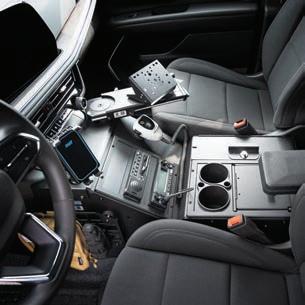
D & R Electronics a Canadian manufacture of equipment for emergency service vehicles.
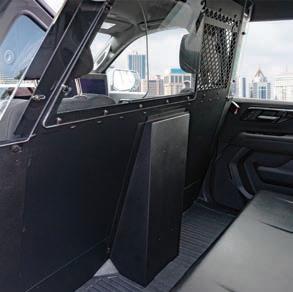
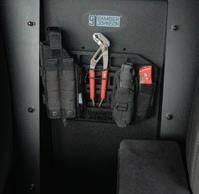
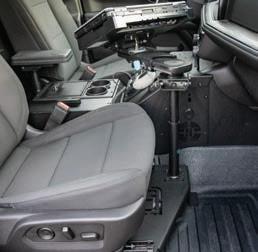
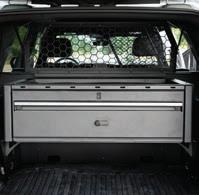
Lighting, lighting controllers, sirens, power distribution units as well as in vehicle storage solutions. D & R offers custom solutions for vehicles. Our new product line Wireless Remote lighting packages.
D & R prides itself in manufacturing the best products ensuring reliability and trusted operation.
D & R Sales representatives will work to understand your requirements and advise as to the best solutions to meet your requirements.
Defense Aerosols
PO Box 13
Chilliwack BC V2P 6H7
Tel: 604-701-6495
Toll Free: 888-233-3340
Fax: 866-899-8884
Email: sales@defenseaerosols.com www.defenseaerosols.com

Drone Action 360
4-25 de Lauzon
Boucherville QC J4B1E7
Tel: 514-993-2949
Toll Free: 844-519-4184
Email: slaurin@droneaction360.ca droneaction360.ca

FACE Inc
Unit 10, 5100 South Service Road
Burlington ON L7L 6A5
Tel: 647-338-4379
Email: sales@faceaiinc.com
FACE Inc. is an integrator of advanced facial recognition solutions based in Halton, ON, Canada. We specialize in delivering innovative technologies for seamless identity verification markets, centering around the creation of consent-based digital identities. We offer supporting technologies that enhance security through face recognition applications, including, license plate detection /object and redact. We have a strong emphasis on AI, machine learning, and biometrics, Our goal is to streamline user experiences while ensuring secure identity verification.

Fundy Tactical & Uniforms Ltd
48 Galaxy Blvd., Unit 417
Etobicoke ON M9W 6C8
Tel: 416-675-0430
Toll Free: 833-239-1495
Fax: 902-897-0944
Email: sales@fundytactical.com www.fundytactical.com
We are one of the leading tactical gear providers for first responders in Eastern Canada. We provide purpose-built gear for the most demanding missions.The products have been built to enhance safety, performance, durability, and above all, health and wellness.
Hexagon
305 Intergraph Way
Madison AL 35758
Tel: 256-730-2000
Email: marketing.sig@hexagon.com hexagon.com/company/divisions/ safety-infrastructure-geospatial

KLE Canada Inc
115 Saltsman Drive, Unit C-12
Cambridge ON N3H 4R7
Tel: 519-740-5003
Toll Free: 888-753-7417
Fax: 519-740-1801
Email: sales@klecanada.com www.klecanada.com
FSET Inc
201-610 Lakeview Dr Kenora ON P9N 3P7
Tel: 833-321-3738
Email: connectedofficer@fset.ca fset.inc/law-enforcement LinkedIn: www.linkedin.com/ company/fsetinc/ YouTube: www.youtube.com/@fsetinc
FSET Inc is an ISO 27001:2022
certified Canadian Managed Services Provider specializing in law enforcement technology since 1999. Our patented ConnectedOfficer® program and Private Community Cloud for Law Enforcement (PCCLE) deliver secure, NCACR approved, RCMP NPSNet compliant mobility and infrastructure solutions to police services from coast to coast.

Mobile Innovations Corp.
5833 Marshall Rd
Niagara Falls ON L2G 0M5
Tel: 416-889-9997
Email: gary.bauer@mobinnoco.com www.mobinnoco.com
OPERATIONS & ADMIN SOLUTIONS FOR MOBILE LAW ENFORCEMENT
Cloud-OSL delivers secure, SOC2-attested scheduling, time management, and logistics with mobile and self-serve tools.
eTICKET enables fast, accurate digital ticketing with smartphone printing and real-time links to RMS, CAD, and DEMS.

NANUK Gear Protection Inc.
1059 Blvd des Entreprises
Terrebonne QC J6Y1V2
Tel: 438-508-4192
Toll Free: 800-783-6883
Email: mefiliatrault@nanuk.com nanuk.com
NANUK is a global leader in professional protective cases, trusted by law enforcement, military, and security agencies worldwide. Our crushproof NK-7 cases, tested to MIL-SPEC and NATO standards, deliver superior impact, vibration, and waterproof protection to keep mission-critical equipment secure in the harshest environments.
PROUDLY MADE IN CANADA, NANUK is the only protective case brand designed and manufactured locally— supporting Canadian industry while ensuring top quality, faster delivery, lower transport costs, and no cross-border delays.
A sustainability leader, NANUK is the only manufacturer offering eco-friendly resin cases that cut carbon footprint by over 50% without compromising strength or performance.
Driven by Canadian engineering, we provide fully customizable protective solutions backed by a transparent, sustainable, and resilient supply chain that ensures reliable availability even during global disruptions.
Trust NANUK to protect what matters most.

Niche Technology Inc.
629 McDermot Ave.
Winnipeg MB R3A 1P6
Tel: 204-786-2400
Email: info@nicherms.com nicherms.com

Outdoor Outfits
372 Richmond Street West, suite 400 Toronto ON M5V1X6
Tel: 416-598-4111
Email: franklin@outdooroutfits.com
www.outdooroutfits.com
Outdoor Outfits has been manufacturing uniforms since 1945 and remains family-owned. Our business has been built on attaining the highest level of customer satisfaction through the manufacture, service, and supply of quality, innovative and value-added uniform garments.
Garments are manufactured to meet the high-performance needs of Law Enforcement and First Responders through our extensive line of protective outerwear: including duty-jackets, hi-visibility traffic vests and rainwear. We also manufacture and carry uniform cargo trouser, shirts, sweaters and ties. We have a special line of Special Constable uniforms, Tactical-operations clothing and Bicycle officers uniforms and outerwear. We are Ontario’s leading supplier of Uniform Headwear; peaked, baseball, toques and Yukon hats.
We are certified for Hi-Vis Safety Apparel (CSA-Z96), Viral-Protection (NFPA-1999), Emergency Services Apparel (NFPA-1975) and Quality Assurance (ISO-9001) and Environmental (ISO-14001).

Provix Inc
3 Greengage Rd
New Lowell ON L0M 1N0
Tel: 705-424-9960
Toll Free: 888-434-0253
Fax: 705-435-6419
Email: sales@provix.net provix.net
Provix specializes in video solutions including FLIR thermal imaging and PTZ camera systems for tactical and command vehicles. We have designed,
ACCESS CONTROL
FSET Inc
Real Time Networks | Intelligent Asset Management for Law Enforcement AIR GUNS
NANUK Gear Protection Inc.
ARMOURED VEHICLES
D&R Electronics Co Ltd
ASSET MANAGEMENT SYSTEM
Real Time Networks | Intelligent Asset Management for Law Enforcement
built and supported customized mast camera systems for police forces across North America. We will work with your vehicle builder or retrofit your existing vehicle. We also supply handheld thermal cameras, vehicle cameras, LED lighting and LED Flares. We specialize in Night Vision equipment and supply mobile gas detection systems for police vehicles. We provide encrypted video communication tools and remote viewing solutions for tactical teams ,headquarters and command vehicles. We specialise in Design, Build , Install and Support of all of our systems. Provix is an approved Controlled Goods importer and can work with your department to facilitate the acquisition of specialized police and military equipment. Provix supplies and installs Escort Van camera systems, RED/BLUE lighting from CODE 3, Whelan, SWS, and other OEM emergency lighting.

Real Time Networks | Intelligent Asset Management for Law Enforcement
1833 Coast Meridian Rd #16
Port Coquitlam BC V3C 6G5
Tel: 800-991-0783
Toll Free: 800-991-0783
Email: info@realtimenetworks.com www.realtimenetworks.com/ industries/law-enforcement
The Vertex Technologies
899 Connors Landing, Milton, ON, L9T 5C2, Canada
milton ON L9T 5C2
Tel: 416-625-1500
Email: thevertextechnologies@gmail.com thevertextechnologies.com

Trident Training Solutions, Inc. 5145 Pinedale Avenue
Burlington ON L7L 3V3 Tel: 416-268-9703
Email: info@tridenttrainingsolutions.ca tridenttrainingsolutions.ca
Trident Training Solutions Inc. is a Canadian consulting and training firm specializing in operational training, risk assessment, and policy development for police services, law enforcement, regulatory agencies, and other public-facing organizations. Trident delivers practical, defensible, and mandate-specific solutions that enhance safety, professionalism, and organizational accountability. We provide customized training in de-escalation and communication strategies, personal safety concepts, defensive tactics, use-of-force certification, scenario-based training with live role players, officer safety, and report writing essentials. Programs meet or exceed provincial standards and align with agencyspecific policies and operational realities.
Trident also delivers threat and risk assessments, operational risk reviews, and policy development, supporting police and special constable services, by-law enforcement, transit agencies, healthcare and post-secondary institutions.

TrimTag Trading Inc.
15 WERTHEIM COURT, SUITE 704
Richmond Hill ON L4B 3H7
Tel: 905-763-7300
Fax: 905-889-6409
Email: info@trimtag.com
WWW.TRIMTAG.COM
TrimTag supplies insignia and regalia. Our expertise enables us to convert your brand into product. We supply product in metal; fabric, both woven and embroidered, as well as bullion finishes. Crests, Billboards, Badges, Wallets, Toques and Ballcaps are some of our product range. Please visit our website www.trimtag.com and click the subscribe button to stay connected with us.
ASSET TRACKING Real Time Networks | Intelligent Asset Management for Law Enforcement
AUDIO/VIDEO AIDS
Axon Public Safety Canada Inc.
AWARDS
Custom Diecast (TechComm International)
AWARDS, BADGES, PINS
Custom Diecast (TechComm International)
TrimTag Trading Inc.
BADGES
KLE Canada Inc
BINOCULARS & TELESCOPES
NANUK Gear Protection Inc.
Provix Inc
BODY ARMOUR
Canadian Safety Equipment Inc.
Fundy Tactical & Uniforms Ltd
KLE Canada Inc
BODY WORN TECHNOLOGY
Axon Public Safety Canada Inc.
Canadian Safety Equipment Inc.
BOOTS, SHOES & FOOTWEAR
Fundy Tactical & Uniforms Ltd
KLE Canada Inc
BULLET TRAPS
KLE Canada Inc
CAMERAS
FACE Inc
NANUK Gear Protection Inc.
Provix Inc
CASES & POUCHES FOR A MOLLE VEST
KLE Canada Inc
CASES, DUTY BAGS, STORAGE
Canadian Safety Equipment Inc.
Fundy Tactical & Uniforms Ltd
KLE Canada Inc
NANUK Gear Protection Inc.
CCTV, FILM
FACE Inc
FSET Inc
CLOTHING & OUTERWEAR
Fundy Tactical & Uniforms Ltd
KLE Canada Inc
Outdoor Outfits
COMMUNICATIONS - HANDHELD
FSET Inc
COMMUNICATIONS - MOBILE
Axon Public Safety Canada Inc.
FSET Inc
Mobile Innovations Corp.
Provix Inc
COMPUTER - ACCESSORIES
D&R Electronics Co Ltd
FACE Inc
COMPUTER - FORENSICS
FACE Inc
NANUK Gear Protection Inc.
COMPUTER - HARDWARE
FACE Inc
FSET Inc
COMPUTER - RECORDS / MANAGEMENT
Axon Public Safety Canada Inc.
Hexagon
COMPUTER - SOFTWARE
FSET Inc
Hexagon
Mobile Innovations Corp.
COMPUTER - STORAGE DEVICES
D&R Electronics Co Ltd
FACE Inc
NANUK Gear Protection Inc.
CONFLICT RESOLUTION
Trident Training Solutions, Inc.
COOLING VESTS
Canadian Safety Equipment Inc.
Fundy Tactical & Uniforms Ltd
CYBER SECURITY
FACE Inc
FSET Inc
DATA COLLECTION
Axon Public Safety Canada Inc.
Mobile Innovations Corp.
DATA DESTRUCTION
FACE Inc
DATA STORAGE
Axon Public Safety Canada Inc.
FACE Inc
DEFENSIVE TACTICS TRAINING
Trident Training Solutions, Inc.
DISASTER PLANNING & RECOVERY
Trident Training Solutions, Inc.
DOG TRAINING & SUPPLIES
NANUK Gear Protection Inc.
E-SERVICES
FSET Inc
ENCRYPTED HARD DRIVES
FACE Inc
ERGONOMIC DUTY BELT
KLE Canada Inc
ERGONOMIC DUTY BELTS & ACCESSORIES
KLE Canada Inc
EVIDENCE NOTEBOOKS
Axon Public Safety Canada Inc.
KLE Canada Inc
Mobile Innovations Corp.
EVIDENCE/EXHIBIT STORAGE
Axon Public Safety Canada Inc.
Real Time Networks | Intelligent Asset Management for Law Enforcement
EYE, EAR & SKIN PROTECTION
Canadian Safety Equipment Inc.
FACILITATORS
Trident Training Solutions, Inc.
FIREARMS - ACCESSORIES
NANUK Gear Protection Inc.
FIREARMS - LOCKS
D&R Electronics Co Ltd
Real Time Networks | Intelligent Asset Management for Law Enforcement
FIREARMS - TRAINING EQUIPMENT
NANUK Gear Protection Inc.
FLASHLIGHTS
Canadian Safety Equipment Inc.
Fundy Tactical & Uniforms Ltd
KLE Canada Inc
FORENSIC AIDS & INVESTIGATIONS
FACE Inc
FORENSIC SERVICES & EQUIPMENT
FACE Inc
GLOVES
Canadian Safety Equipment Inc.
Fundy Tactical & Uniforms Ltd
KLE Canada Inc
GUN LOCKERS
NANUK Gear Protection Inc.
Real Time Networks | Intelligent Asset Management for Law Enforcement
HAZMAT EQUIPMENT
Canadian Safety Equipment Inc.
HOLSTERS & ACCESSORIES
KLE Canada Inc
ID HOLDERS
Fundy Tactical & Uniforms Ltd
KLE Canada Inc
TrimTag Trading Inc.
IN-CAR VIDEO
Axon Public Safety Canada Inc.
Provix Inc
IT / SOFTWARE
Axon Public Safety Canada Inc.
FACE Inc
FSET Inc
The Vertex Technologies
K9
D&R Electronics Co Ltd
LIGHTS - PORTABLE
Canadian Safety Equipment Inc.
D&R Electronics Co Ltd
KLE Canada Inc
NANUK Gear Protection Inc.
MARINE ELECTRONICS
Provix Inc
MEDICAL EQUIPMENT
Canadian Safety Equipment Inc.
MEMO BOOKS
Fundy Tactical & Uniforms Ltd
MOTORCYCLES & SUPPLIES
D&R Electronics Co Ltd
NIGHT VISION EQUIPMENT
Canadian Safety Equipment Inc.
NANUK Gear Protection Inc.
Provix Inc
ONLINE TRAINING
Axon Public Safety Canada Inc.
Trident Training Solutions, Inc.
PHOTO IDENTIFICATION
FACE Inc
PUBLISHERS, BOOKS, PRINTING
Annex Bookstore
RADAR / LIDAR
NANUK Gear Protection Inc.
RANGE SUPPLIES
NANUK Gear Protection Inc.
RECORDS MANAGEMENT
Axon Public Safety Canada Inc.
Mobile Innovations Corp.
Niche Technology Inc.
RIFLESCOPES
NANUK Gear Protection Inc.
SAFETY & RESCUE EQUIPMENT
Canadian Safety Equipment Inc.
NANUK Gear Protection Inc.
SCHOOLS / INSTITUTIONS
Trident Training Solutions, Inc.
SECURITY - CONSULTING & SYSTEMS
FSET Inc
Trident Training Solutions, Inc.
SECURITY - IDENTIFICATION
FACE Inc
SECURITY - PRODUCTS
Canadian Safety Equipment Inc.
FSET Inc
NANUK Gear Protection Inc.
SECURITY - TRAINING
Trident Training Solutions, Inc.
SIRENS & EMERGENCY LIGHTING
Canadian Safety Equipment Inc.
D&R Electronics Co Ltd
Provix Inc
SPORTING/HUNTING
NANUK Gear Protection Inc.
SURVEILLANCE
FACE Inc
SYSTEMS INTEGRATION / SUPPORT
FACE Inc
FSET Inc
TACTICAL TEAM EQUIPMENT
Canadian Safety Equipment Inc.
KLE Canada Inc
TELESCOPING MASTS & ANTENNAS
Provix Inc
THERMAL IMAGING
Canadian Safety Equipment Inc.
NANUK Gear Protection Inc.
Provix Inc
TRAFFIC SAFETY
Canadian Safety Equipment Inc.
D&R Electronics Co Ltd
KLE Canada Inc
TRAINING COURSES & SERVICES
Trident Training Solutions, Inc.
UNIFORMS & ACCESSORIES
Fundy Tactical & Uniforms Ltd
KLE Canada Inc
Outdoor Outfits
TrimTag Trading Inc.
UNMANNED AERIAL VEHICLES AND TRAINING
Drone Action 360
Provix Inc
VEHICLES - ACCESSORIES
Custom Diecast (TechComm International)
D&R Electronics Co Ltd
VEHICLES - FLEET
Axon Public Safety Canada Inc.
Custom Diecast (TechComm International)
D&R Electronics Co Ltd
VEHICLES - LIGHTBARS
Canadian Safety Equipment Inc.
D&R Electronics Co Ltd
Provix Inc
VEHICLES - MANUFACTURER
Custom Diecast (TechComm International)
VEHICLES - OFF ROAD
D&R Electronics Co Ltd
VEHICLES - SPECIALTY
Custom Diecast (TechComm International)
D&R Electronics Co Ltd
FSET Inc
VIDEO - MOBILE & SURVEILLANCE
Axon Public Safety Canada Inc.
Provix Inc
WEAPONS - ACCESSORIES
D&R Electronics Co Ltd
NANUK Gear Protection Inc.
WEAPONS - NON-LETHAL
Axon Public Safety Canada Inc.
Defense Aerosols
KLE Canada Inc
WEAPONS - SECURITY
D&R Electronics Co Ltd
NANUK Gear Protection Inc.
Real Time Networks | Intelligent Asset Management for Law Enforcement
Trident Training Solutions, Inc.
WEAPONS - TRAINING
NANUK Gear Protection Inc.
Trident Training Solutions, Inc.
WORKFORCE MANAGEMENT
Trident Training Solutions, Inc.
BY CHRIS D. LEWIS
There was a time in Canadian policing when the larger police services conducted major investigations independently of neighbouring agencies. Some of the smaller services were reluctant to ask larger departments for investigative help unless the chief knew the case was broader or more complex than they could handle. It was often a matter of not wanting to admit that it was simply beyond their resources and expertise, and, at times, undoubtedly the fear of an OPP or RCMP ‘takeover’ of mid-sized or small services weighed heavily in the decision-making process.
The 1990s Campbell Commission review of the investigation into serial killer Paul Bernardo resulted in recommendations as to how police services should share and manage information, communicate and work more cooperatively on major cases, which were long overdue.
Since the 1960s, Criminal Intelligence Service Ontario (CISO) has encouraged law enforcement agencies at all levels to share intelligence information and work together to fight organized crime. In fact, CISO funding for such investigations is contingent on Joint Forces Operations (JFOs), meaning impacted agencies work under a written agreement as a team, with defined objectives, an established command structure and detailed resource commitments from all. Some tremendous investigations have occurred under the CISO umbrella for several decades. CISO’s mandate has increased since that time to include terrorism investigations and more.
However, the threat of terrorism in Canada was infinitesimal then, and organized crime in Canada was really only motorcycle gangs and the mafia. In the mid-1990s, Criminal Intelligence Services Canada (CISC) identified only five organized crime groups in Canada.
Around the same time, during a meeting of police chiefs from across Canada about a proposed National Strategy to Combat Outlaw Motorcycle Gangs, then OPP Commissioner Thomas O’Grady made a point regarding police services working together. He said:
“No one agency has all the resources and

“Alone we can do so little; together we can do so much.”
- Helen Keller
expertise to fight organized crime alone. It doesn’t matter if it’s municipal, provincial or federal police services; they are all paid for by the taxpayers. We owe it to them to work together as effectively as possible.”
He was right! Regardless of their size, all law enforcement agencies bring different levels of expertise, legislated mandates and authorities, resources and breadth to an investigation. Why wouldn’t we capitalize on that and work together to investigate these groups in the interest of all communities that they impact? That includes First Nations police services, provincial and federal agencies, such as Natural Resources, corrections, customs, Revenue Canada, CSIS, the military and more.
Where are we today?
CISC now reports that there are 668 organized crime groups in Canada.
Over the past year alone, numerous short-term JFOs have successfully arrested many crime groups operating across numerous municipal, provincial and international boundaries, while trafficking guns, narcotics, stolen vehicles and humans. In Ontario, gang members have been arrested for violent carjackings, as well as many brazen liquor and jewelry store heists. Fentanyl labs have been taken down in a few provinces involving local criminals, organized crime groups and even Mexican cartels. Groups targeting South Asian
businesses through extortion and violent crimes have been arrested through a JFO between Peel Region and British Columbia police agencies. Child pornography investigators across the country work cooperatively 24/7 through provincial and national strategies.
National and provincial standing joint investigative teams that target the commodities and groups mentioned above continue to do great work across the country.
On the terrorism front, the RCMP leads Integrated National Security Teams (INSET) in several provinces, which unite investigators and security experts at all levels to protect Canada’s national security by detecting and preventing terrorist activities. Much of this collaborative effort emerged from and continued after the 9/11 attacks, followed by the Toronto 18 investigation – during which many lives were undoubtedly saved.
The Greater Vancouver area has an Integrated Homicide Investigation Team (IHIT) that collectively serves over 30 RCMP and municipal police communities.
In Ontario, the lessons learned from the Bernardo investigation review were quite obviously in place on Dec. 11, 2025, when Toronto Police and the OPP jointly announced the solving of three cold cases by working together in conjunction with the Centre of Forensic Sciences, to identify the now deceased killer of three young women. In recent years, we’ve seen a number of similar joint investigative successes in homicide cases across Canada.
Winston Churchill once said, “There is only one thing worse than fighting with allies, and that is fighting without them.”
It makes me proud to see law enforcement agencies putting aside some of those old protectionist mindsets and working together as allies, rather than competing entities. Crime knows no boundaries, nor should law enforcement.


FOR BETTER SPEED, ACCURACY, AND EFFICIENCY
Virtual Front Counter
Transform service delivery with an intelligent platform that simplifies the intake of screening requests.
» Virtual assisted forms
» Flexible ID verification
» Automatic jurisdiction check
Speed up hiring with smarter, faster recruiting decisions powered by advanced screening technology.
» 48-hour turnaround
» High-volume processing
» Cost-effective pricing
Online Public Safety Reporting
Capture non-emergency reports and evidence online through a single, secure, user-friendly system.
» Virtual response
» Template builder
» Location intelligence
Scan the QR code to discover how Triton can help modernize your operations and strengthen community engagement.
There are 4,000 commissionaires supporting law enforcement across the country so sworn officers can focus on the job only they can do.


Il y a 4 000 commissionnaires qui soutiennent les services de police à travers le pays, afin que les agents puissent se concentrer sur le travail dont ils sont les seuls à pouvoir s’acquitter.
commissionnaires.ca commissionaires.ca