




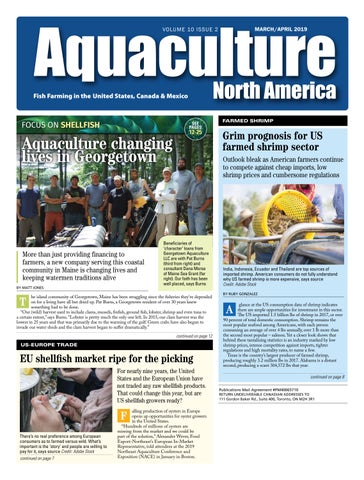

More than just providing financing to farmers, a new company serving this coastal community in Maine is changing lives and keeping watermen traditions alive
BY MATT JONES
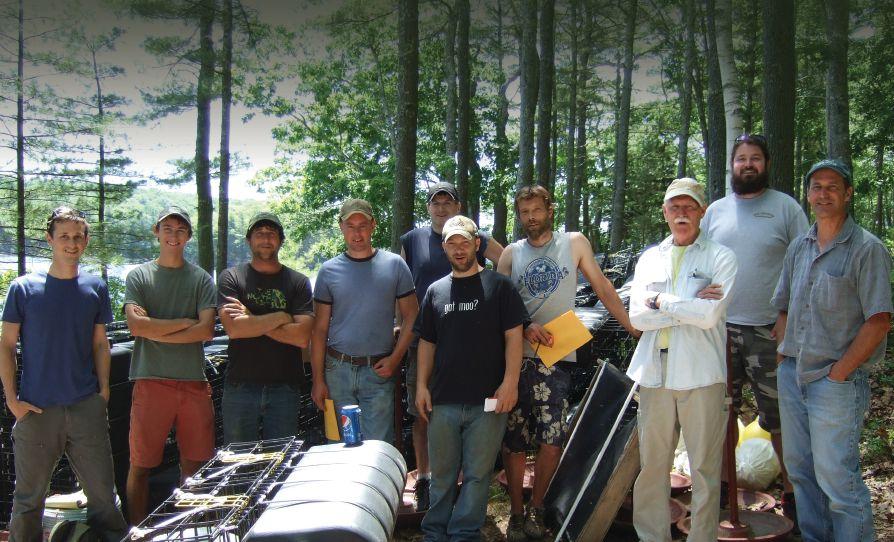
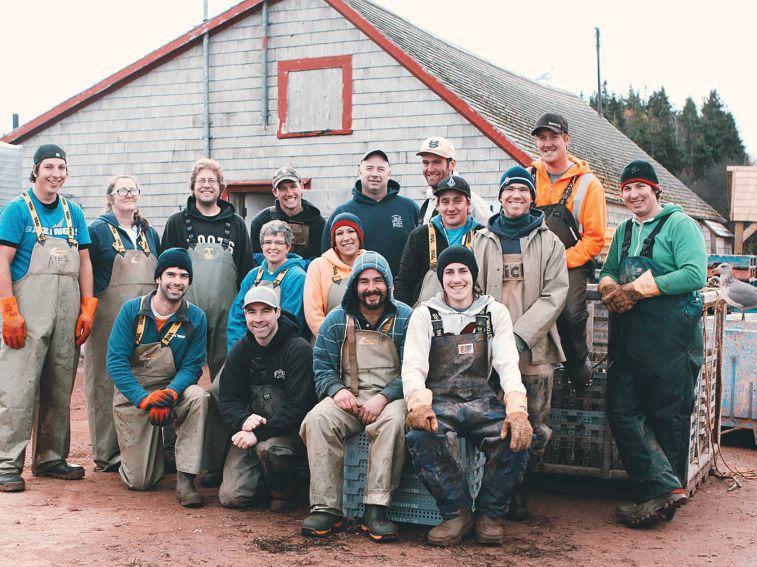
TBeneficiaries of ‘character’ loans from Georgetown Aquaculture LLC are with Pat Burns (third from right) and consultant Dana Morse of Maine Sea Grant (far right). Our faith has been well placed, says Burns
he island community of Georgetown, Maine has been struggling since the fisheries they’ve depended on for a living have all but dried up. Pat Burns, a Georgetown resident of over 30 years knew something had to be done.
“Our (wild) harvest used to include clams, mussels, finfish, ground fish, lobster, shrimp and even tuna to a certain extent,” says Burns. “Lobster is pretty much the only one left. In 2015, our clam harvest was the lowest in 25 years and that was primarily due to the warming of the gulf. Green crabs have also begun to invade our water sheds and the clam harvest began to suffer dramatically.”
US-EUROPE TRADE
continued on page 12
For nearly nine years, the United States and the European Union have not traded any raw shellfish products. That could change this year, but are US shellfish growers ready?
Falling production of oysters in Europe opens up opportunities for oyster growers in the United States.
“Hundreds of millions of oysters are missing from the market and we could be part of the solution,” Alexander Wever, Food Export-Northeast’s European In-Market Representative, told attendees at the 2019 Northeast Aquaculture Conference and Exposition (NACE) in January in Boston.
Outlook bleak as American farmers continue to compete against cheap imports, low shrimp prices and cumbersome regulations
BY RUBY GONZALEZ
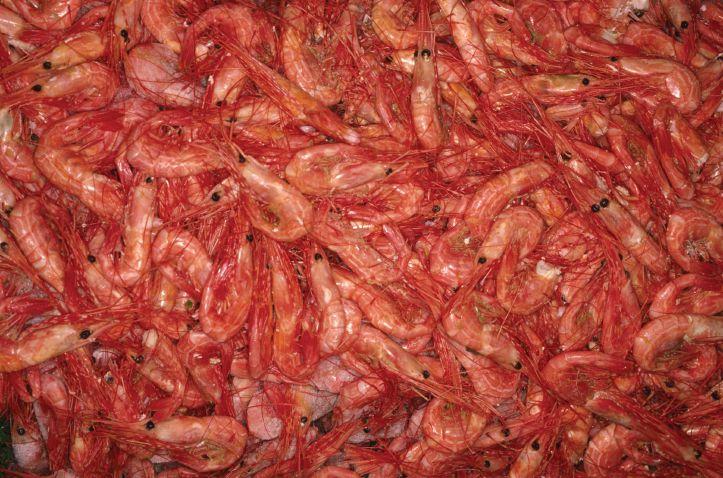
Aglance at the US consumption data of shrimp indicates there are ample opportunities for investment in this sector. The US imported 1.5 billion lbs of shrimp in 2017, or over 90 percent of total domestic consumption. Shrimp remains the most popular seafood among Americans, with each person consuming an average of over 4 lbs annually, over 1 lb more than the second most popular – salmon. Yet a closer look shows that behind these tantalizing statistics is an industry marked by low shrimp prices, intense competition against imports, tighter regulations and high mortality rates, to name a few.
Texas is the country’s largest producer of farmed shrimp, producing roughly 3.2 million lbs in 2017. Alabama is a distant second, producing a scant 304,572 lbs that year.
continued on page 8
Publications Mail Agreement #PM40065710
RETURN UNDELIVERABLE CANADIAN ADDRESSES TO 111 Gordon Baker Rd., Suite 400, Toronto, ON M2H 3R1


Biosecure measures within a RAS facility are neccessary to produce a quality end-product.
Veolia’s RAS2020TM is built with multiple elements to help ensure biosecurity of the modular fish farm. These features include the comprehensive treatment of the incoming and recirculated water, a biosecure gate for personnel entering the facility, and a separation between biosecure and non-critical areas.
We are Ready to Help You
Our team of global aquaculture experts will help you maximize fish quality and production yield, while delivering a cost-effective and environmentally responsible solution.


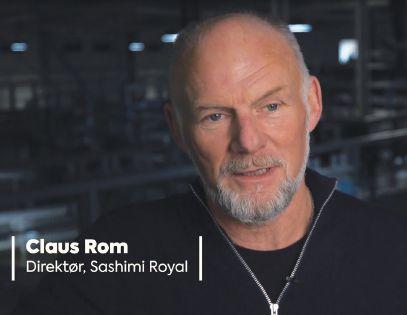
how Sashimi Royal is relying on the biosecurity of the RAS2020TM to quality end-product
Will consumers “fall in love” with edible insects? Perhaps in the long term, says RaboResearch. For now, the think-tank sees more potential for insect proteins as aquaculture feed than food.
“Many insect technology companies are currently focused on the aquafeed market, where there is a clear need for a high-qualityprotein alternative to fishmeal,” RaboResearch says.
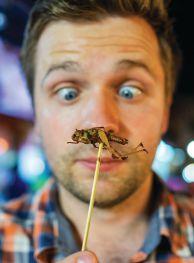
Edible insects tick all the boxes when it comes to nutrition and sustainability but they have more potential as aquafeed than food, for now, says RaboResearch
But for insects to compete with fishmeal and other alternatives, producers need to “upscale,” meaning supply should be consistent and be able to meet demand, says the think-tank. Insect protein should also allow seafood producers to reduce production costs. Insect protein producers may however be able to justify high costs because of certain attributes of insects – their nutritional benefits and the fact that they decrease dependency on marine ingredients, it says. Its verdict: insects have higher potential as feed than food in the near term.
The European Union allowed insect proteins to be incorporated in aquafeed formula in July 2017. In Canada, Enterra of Langley, BC became the first to market and sell whole dried black soldier fly larvae as ingredient for salmonid feed in early 2017. It received a similar approval in the United States in 2016.
Salmon is winning consumers’ hearts but the salmon industry should continue to innovate to reinforce its current value proposition as a healthy and sustainable product, says RaboResearch.
“Salmon has competed successfully with other animal proteins for the centre of the plate. It has outpaced growth in pork, poultry, beef, and wild-caught seafood,” says Beyhan de Jong, Associate Analyst - Animal Protein at RaboResearch.
However, she noted that “the competition for the centre of the plate is getting tougher as the consumer trends that favored salmon also favor the new range of alternative proteins.”
She said the same three factors that have contributed to the growth of salmon demand so far could also support further growth. These are: consumer trends favoring salmon consumption; unique features of the salmon supply chain compared with other seafood categories (for instance, salmon ensures consistent supply with consistent quality so it has become a key raw material for the processing industry); and growth strategies through new markets and new value-added product.

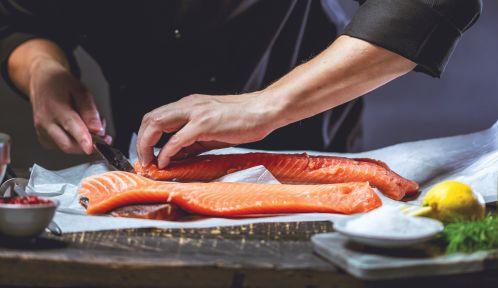
“For the foreseeable future, Rabobank expects strong salmon demand to continue, which will keep prices at their current highs,” says de Jong.
There are now over 2,290 aquaculture facilities worldwide certified by the Best Aquaculture Practices (BAP) thirdparty certification program. That figure is up almost 30 percent from the number of BAPcertified facilities in 2017, and a whopping 227 percent from just four years earlier.
In terms of geographical reach, the certified facilities as of 2018 were in 33 countries on six continents. They represent an impressive 29 species, including abalone, barramundi, bream, carp, catfish, char, clams, cobia, crab, crawfish, grouper, milkfish,
mussels, oysters, pangasius, pomfret, pompano, red drum, salmon, scallops, seabass, seriola, shrimp, snapper, striped bass, sturgeon, tilapia, trout and turbot.
BAP certifications are awarded to environmentally and socially responsible aquaculture companies that are committed to raising all-natural products in a clean, healthy and sustainable manner. A division of the Global Aquaculture Alliance, the BAP program covers the entire aquaculture production chain – processing plants, hatcheries, farms and feed mills.


Piscine Orthoreovirus (PRV) transfer from Atlantic salmon farms poses minimal risk to wild Fraser River sockeye, according to a peer review conducted in January by Fisheries and Oceans Canada (DFO).
The announcement of the peer review follows a federal court ruling on February 6 that DFO must test juvenile salmon for PRV before allowing salmon farmers to transfer them from land-based hatcheries to open net pens in the ocean. DFO is responsible for the regulation and management of the aquaculture industry in British Columbia, including licensing the transfer of farmed fish from land to marine net pens.
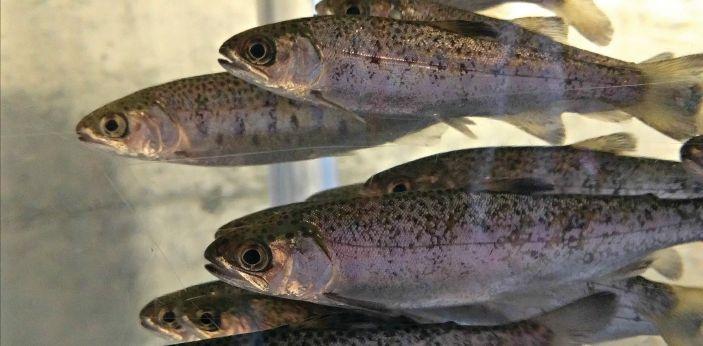
The peer-review findings are consistent with a 2015 Canadian Science Advisory Secretariat (CSAS) report, which stated that based on available knowledge, there’s “a low likelihood that the presence of this virus in any life stage of farmed Atlantic and Pacific Salmon would have a significant impact on wild Pacific Salmon populations.”
Whether PRV causes heart and skeletal muscle inflammation disease (HSMI) in wild salmon in BC remains a sticking point. A 2018 study conducted by DFO’s own scientist that blamed PRV for the disease was criticized as being speculative, and goes against previously conducted studies.
One of those studies is the 2015 CSAS report, which stated: “There is agreement that PRV is present in farmed and wild salmon populations on the West Coast of North America collected from marine and freshwater, and that these infections are not a new occurrence. However, the prevalence of infection in different species and populations within and among years is poorly understood for farmed and wild fish.”
DFO, in releasing the peer-review results, acknowledged: “As there are still some knowledge gaps in our understanding of this virus, Fisheries and Oceans Canada will continue to be vigilant, and support further scientific research on PRV.
“It will also rely on domestic and international experts in this field, and the peer review process, to obtain the best science available to inform evidence-based decisions on the management and regulation of Canada’s aquaculture sector.
The BC Salmon farmers Association says it is reviewing the federal court’s decision and looks forward to seeing the full report of the risk assessment by the CSAS due in Spring 2019. “ Supporting good science into the health of both wild and farm-raised salmon and working closely with First Nations and coastal communities are cornerstones of responsible salmon farming in BC,” BCSFA spokesman Shawn Hall told Aquaculture North America.
– Liza Mayer

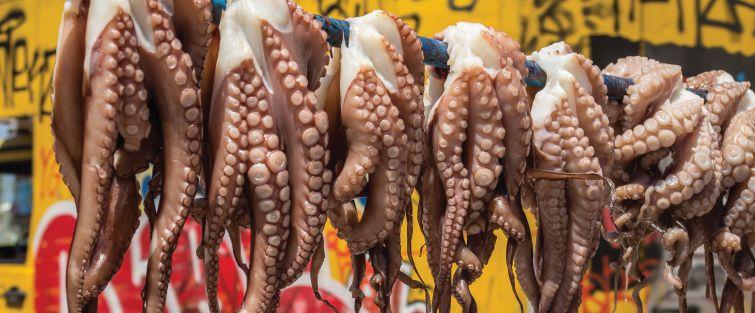
ommercial octopus farming is being explored on multiple continents as a potential new avenue for aquaculture. However, a team of researchers led by Jennifer Jacquet of New York University’s Department of Environmental Studies are concerned about potential negative impacts on sustainability and animal welfare.
C“We are living during the rapid domestication of aquatic species and research is almost entirely around the question of which aquatic animals we can farm, rather than which animals we should farm,” Jacquet told Science Daily. “Mass producing octopus would repeat many of the same mistakes we made on land in terms of high environmental and animal welfare impacts, and be in some ways worse because we have to feed octopus other animals.”
Spain, Mexico, Japan and China are increasing their effort to develop knowledge and techniques for commercial-scale octopus farming. A Japanese-based seafood company called Nissui is predicting farmed octopus will be ready for the market by 2020.
The researchers’ examination of existing scientific research has raised several concerns. Octopus farming would produce high levels of nitrogen and phosphorus pollution, contributing to oxygen depletion. Octopi have also been shown to have cognitive and behavioral complexity, making them ill-suited to the enclosed environments common in farming. Further, the researchers also raised concern over adding another species to an industry already struggling to reduce the amount of fishmeal used.
Without farming, it is unlikely that many people will continue to eat octopus. However, unlike discussions around some other farmed species, this does not present a concern from a food security perspective – the main markets which consume octopus such as Japan, South Korea, the US and Australia, are food secure.
Octopus farming is currently constrained by technological limitations, but advances could make industrial-scale farming a reality in the future. Jacquet says she hopes that when that opportunity comes, that animal welfare and associated environmental problems will be taken into account.


Editor Liza Mayer
Tel: 778-828-6867 lmayer@annexbusinessmedia.com
Advertising Manager Jeremy Thain
Tel: (250) 474-3982 Fax: (250) 478-3979 Toll free in N.A. 1-877-936-2266 jthain@annexbusinessmedia.com
Media Designer Svetlana Avrutin
Circulation Manager Barb Adelt Tel: 416-442-5600 ext. 3546 badelt@annexbusinessmedia.com
Subscriptions Angie Potal apotal@annexbusinessmedia.com Tel. 416-510-5113 Fax: 416-510-6875 or 416-442-2191
RETURN UNDELIVERABLE
CANADIAN ADDRESSES TO: Aquaculture North America. CIRCULATION DEPT. 111 Gordon Baker Road, Suite 400, North York, ON M2H 3R1
United States Mailing Address Aquaculture North America, 815 1st Ave, #93, Seattle, WA, 98104


www.aquaculturenorthamerica.com
Regular Contributors: Ruby Gonzalez, John Nickum, Matt Jones, Tom Walker
Annex Privacy Officer
Privacy@annexbusinessmedia.com
Tel: 800-668-2384
Group Publisher - Scott Jamieson sjamieson@annexbusinessmedia.com
President & CEO – Mike Fredericks

Cermaq Canada to test technology in 2020 following success in Norway
Three months after Atlantic salmon were stocked in a new closed containment system, test shows that the fish are adapting well, Cermaq reports.
The new technology is named Certus, which means “safe” in Latin and is located just north of the Polar circle in the Horsvaagen region in Norway.
“With its bright orange ring, it stands out from the other pens in the region. Under water, it is different as well since it has both a flexible composite wall and a traditional net, providing protection from predators and fish escapes,” the company states in a release.
“After three months in the closed system, we are excited to see that the fish are not only healthy, but are also thriving. The fish in this new system are actually growing better than our fish in the traditional net pen structures located in the same region. We are seeing minimal mortality’s and we have had no problems with sea lice,” says Kjell Hansen, the regional project coordinator. “Certus also takes the safety of employees into account and makes moving around the system for employees safe and easy.”
Cermaq says the technology is proving to live up to its name and is functioning perfectly. “The system needs to ensure the maintenance of adequate water exchange from deeper waters, as well as lighting and water oxygen levels,” the company states.
“The health and growth of the fish, partnered with the limited interaction with wild populations make this an exciting possibility for us here in Canada. The development of new technology is continually improving the way we operate and these latest results are really exciting,” says Cermaq Canada’s managing director David Kiemele. “We hope to potentially have this technology in the water here in Canada by as early as next year.”
The fish will remain in the closed pen until June, and then moved to an ordinary net pen for the last growth phase until harvesting.

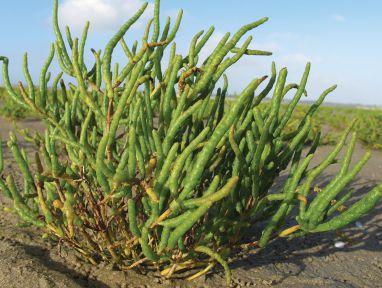
Etihad Airways Boeing 787 flight from Abu Dhabi to Amsterdam on January 15 is historic because of the type of biofuel used
Credit: Adobe Stock
The aviation fuel was derived from salicornia plants, which were watered with fish wastewater
I
s there anything farmed fish can’t do? Latest news has it that biofuel extracted from a desert plant called salicornia has powered a commercial airplane, a first in aviation history. So where does our hero come in? The fish fertilized the plant, making the biofuel even more sustainable.
“Etihad Airways is the world’s first airline to fly a passenger flight using biofuel made from desert plants grown in saltwater. The project…demonstrates how fish, farming and flight come together to provide food security and cleaner skies,” said Boeing, which manufactured the Boeing 787-9 Dreamliner that made the historic flight.
The company added: “Fish raised in a unique United Arab Emirates ecosystem further sustainability by fertilizing the plants while also providing food for neighboring communities, reducing the UAE’s need to import 85 percent of its food. Using sustainable feedstock to produce the fuel significantly reduces life-cycle carbon emissions compared to fossil fuel.”
UAE’s Minister of State for Food Security, Mariam bint Mohammed Saeed Hareb Al, says the initiative is “an important specialized initiative under the aquaculture umbrella, with the UAE recognizing that this sector represents one of the best uses of what is the region’s most precious resource and has consequently established its aquaculture sector with an investment of more than AED 100 million ($27.2 million) to develop hatcheries and fish farms.”



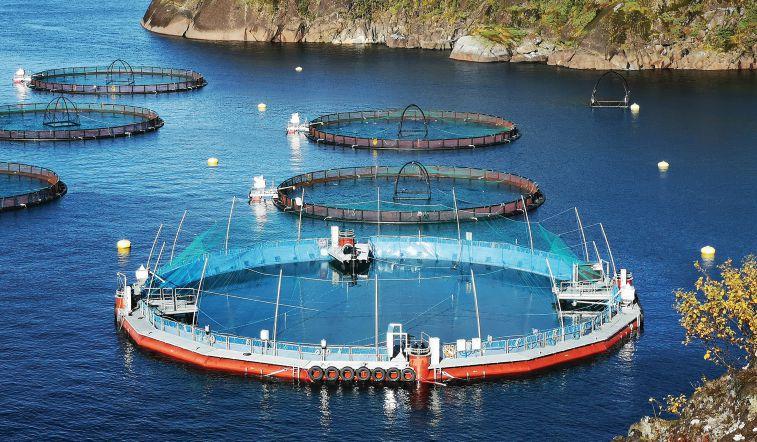
“The first data from Certus supports the potential of producing salmon in closed systems in the ocean during the first phase of growth in saltwater. Our further ambition is to develop our closed containment concept which we have named “Flexifarm,” in which we use modern cleaning technology for the intake water to prevent intake of pathogens and thus infectious diseases,” says Harald Takle, Cermaq’s research manager for aquaculture technology.












A comparison of the production cycle in the sea and on land for 28,000 tonnes of salmon per annum
TData: Salmon Evolution AS Graphic: Aquaculture North America
The potential rewards (see infographic) of land-based aquaculture have attracted another player. An ambitious startup firm, Salmon Evolution AS, is planning to build “Europe’s largest land-based salmon.”
Based in Harøysund, Norway, the company prides itself for its “heavyweight expertise.” The managing director is a former regional manager at SalMar and Marine Harvest, Ingjarl Skarvoy, and the rest of its owners and founders “have several decades of experience from successful fishing and aquaculture companies,” it said.
The project is designed to have an annual production capacity of 28,800 metric tons, and a maximum standing biomass of 13,300 tonnes. The $377-million project is targeted for completion by 2023.
It raised $5.8 million (NOK 50 million) through a private placement in January, which it said it will use to fund the design the first construction phase.
he hurdles on the path to the commercial rollout of Aquabounty’s genetically engineered salmon are many yet bit by bit those hurdles are starting to get cleared. With an eye on the prize that is the US salmon market, the Massachusetts biotechnology company has beefed up its team with the appointment of a new CEO, Sylvia Wulf.
Wulf was most recently senior vice president at one of the country’s leading food distributors, US Foods Inc. AquaBounty believes her “wide and deep experience in the food industry in North America and its fish sector is a vital asset in the production and marketing of AquAdvantage salmon.”
Wulf, who started tenure in January, said “AquAdvantage salmon is the type of innovation necessary to meet the rising consumer demand for a healthy source of protein, and salmon in particular, without placing further pressure on the sea and coastal environments.”
Former CEO Ronald Stotish will remain with the company as an executive director with responsibility for research and regulatory affairs, the company said. “I look forward to working with Dr Stotish and the team to successfully commercialize it both in North America and abroad,” Wulf added.
The latest regulatory hurdle cleared in December pertains to the labeling of food products that’s genetically modified or have ingredients that are genetically modified.
The US Department of Agriculture (USDA) says the final rule is “intended to provide a mandatory uniform national standard for disclosure of information to consumers about the bioengineered status of foods.” Mandatory compliance date begins on January 1, 2022.

Despite this development, AquaBounty still cannot proceed with the commercial production of AquAdvantage salmon until another US agency, the Food and Drug Administration (FDA), issues its own labeling guildelines for the salmon. The company is prevented from importing its AquAdvantage salmon eggs from its Canadian facility due to the FDA ban or “Import Alert.” The lifting of that ban will clear the way for the company to bring those salmon eggs into the US and raise them at its farm in Albany, Indiana.
“Our Albany, Indiana RAS production facility is currently growing conventional Atlantic salmon while we wait for the FDA to issue its labeling guidelines and lift the import alert,” Dave Conley, AquaBounty communications director, told Aquaculture North America (ANA).
In Canada, AquAdvantage has been approved for sale since 2016. Conley said the company had one sale of 4.5 tonnes of fresh fillets in 2017 and one sale of 4.5 tonnes of frozen fillets in 2018. “The salmon was produced in our R&D facility in Panama, which has limited production capacity. Our production will increase after our RAS production facility in Rollo Bay, Prince Edward Island (Canada) is completed in Q1 of 2019,” he said.
Diseases caused the European market to lose 300-400 million oysters, or roughly 35 percent of local production, said Wever. Production has yet to recover. From the mid -‘80s to mid -2000s European production has been stable at about 130,000 to 140,000 tons. This is equivalent to roughly 1.3 billion oysters. France is EU’s leading oysterproducing member state and it is also the biggest market for oysters.
“European production volume is fully consumed. So there is really no export. There is a very little bit of premium oysters that goes to the Middle East. But normally, what we have, we consume,” Wever said.
The EU is seeking alternative sources outside the region.
The US and the EU are mulling the resumption of shellfish trade between them. The steps to the reopening of both markets was set in motion in March 2018, when both parties reviewed each other’s food safety standards. The US Food and Drug Administration (FDA) expects to announce progress on the resumption of “mutually beneficial trade in this area” this year.
The states of Massachusetts and Washington will be the first to send bivalve molluscan shellfish to the European market once trade resumes. The FDA had worked with the Interstate Shellfish Sanitation Conference and the Pacific Coast and East Coast shellfish associations to identify interested US states that wanted to participate voluntarily. Both states passed on-site audits that verify the robustness of existing food safety programs and safety measures for shellfish.
DUTCH CONNECTION
On a recent visit to the Netherlands, Wever noted interest in oysters from northeastern US among Dutch seafood importers. A handful of companies concentrated in the same area of the Netherlands that Wever visited conduct roughly 90 percent of the lobster, mussel, and oyster distribution. These Dutch importers
are the primary outside suppliers of oysters to the French market, which represents at least 80 percent of the EU market, Wever said. Other major markets for oysters in Europe are Belgium and Germany.
“They know that there is still a ban but they are very interested,” he said. For now, these companies “have two to three airfreight shipments of mainly live lobster every week from Boston.”
Wever predicted trade with the EU will be a “gradually growing business.” But there is some real potential, he said, “and we should be prepared.” (See page 19 for story ‘Is the export market for you?’)
“If someone wants to export, he has to reserve part of his volume for the export market even if the order is coming every second day,” he said. “The European importer expects that if he places an order, he gets his oysters a few days later,” he advised.
The oyster must have the same shelf life as those produced in Europe. Wever estimated this as adding eight to 10 days to the packaging day.
The exporter must pass food standards to get health certificates.
“These are the things that we have to solve here on our side of the ocean…It will be a step-by-step growing process,” he said.
There is high seasonality in the European market, where consumption peaks during Christmas season and other cold months.
Oyster consumption in Europe is still quite traditional – shucked and drizzled with a little lemon or vinaigrette, he said.
In terms of demographics, young consumers are a major target market. “There are quite a number of young consumers. And they don’t want to eat the same things that their grandparents have been eating,” he observed.
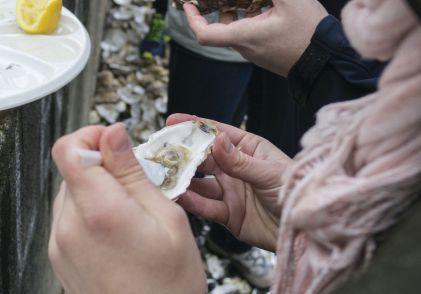
Ninety percent of oysters sold in Europe are farmed, Wever said. “I don’t think there’s real preference among consumers as to farmed versus wild. What’s important is the ‘story’ and people are willing to pay for it.”
– Ruby Gonzalez and Liza Mayer






















“To sum up the Texas shrimp farming industry is to sum up the US industry -- it is struggling and facing difficulty at every turn,” Granvil Treece, Texas Aquaculture Association board member and aquaculture consultant at Treece and Associates, tells Aquaculture North America (ANA).
Robert Adami Jr, Natural Resource Specialist at the Texas Parks and Wildlife Department (TPWD), says the inability to compete with cheaper imports has caused some farmers to get out of the business.
“There are only about six or so shrimp producers in Texas that are left. There used to be more, but cheap shrimp imports caused a lot of them to leave shrimp production and move to finfish,” Adami says.
In “The Changing US Shrimp Farming Industry 1988 – 2016,” Treece, who wrote the report, cited other factors that have been pulling back industry growth. These include low shrimp prices and high feed prices, high mortality rates on most of the farms, post-larval quality and increasing regulations from federal and state governments such as the Environmental Protection Agency, the Texas Commission on Environmental Quality and TPWD.
How much has changed since?
“A few things have changed in the last few years,” Treece tells ANA. “There have been a few changes in the federal and state regulations of aquaculture. Regulations on all aquaculture, not just shrimp, are getting more cumbersome over time, and there seems to be no reversal of that trend forthcoming.”
Texas shrimp farmers are already reporting production data to the TPWD annually as part of their exotic species permit. But recently, the National Oceanic and Atmospheric Administration (NOAA) implemented a seafood monitoring and traceability program that requires domestic shrimp farmers to submit yet another report, says Treece.
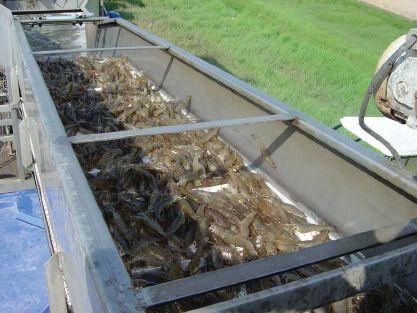
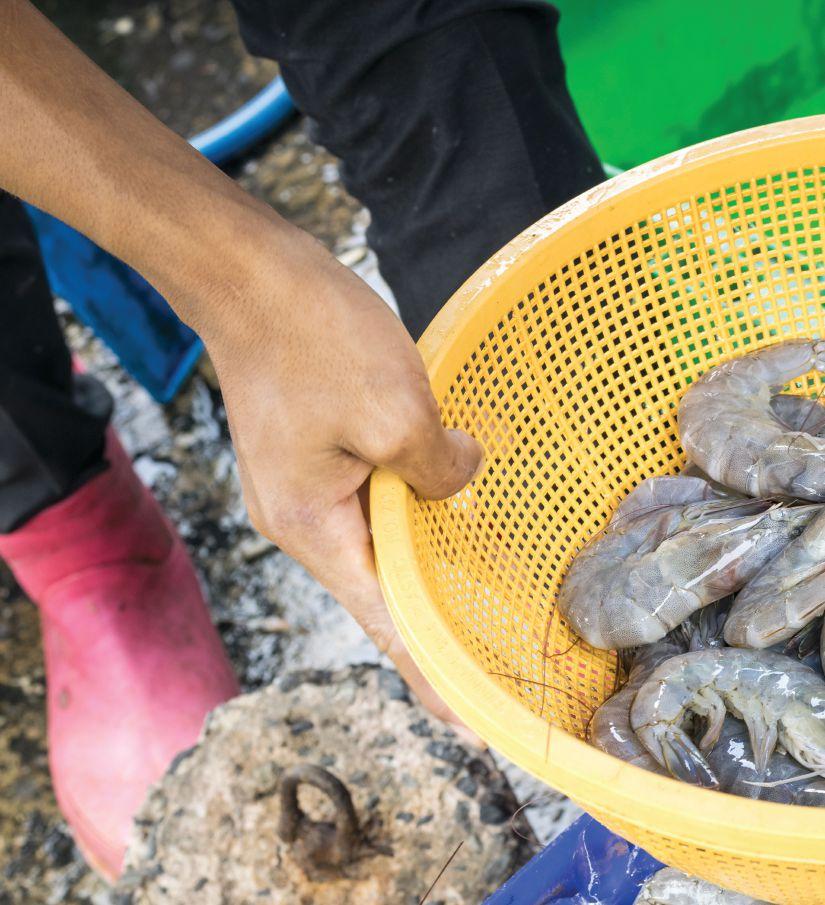

“The National Aquaculture Association opposed this and wrote several letters to NOAA, to no avail. The public comment period elicited many negative comments, but NOAA is still requiring this new layer of regulations, which is going to be time-consuming and expensive for farmers who are already struggling to stay afloat.”
DISMAL SURVIVAL RATES
Low survival rates, meanwhile, have put farmers on a waitand-see stance when it comes to the bottom line results. In Texas, the 2017 survival rates of stocked shrimps ranged from 4 to 68 percent. On average, farmers see survival rates of 56 percent, data from TPWD show.
The common practice throughout the country is to grow one crop of larger shrimp to get better price, but late-stage mortality in ponds leads to low survival rates.
One farmer that stands out is Bowers Shrimp Farm because it generally has the best survival rate in the state, says Treece. He says the country’s largest producer of farmed shrimp has found a different formula that’s paying off. “Reed [Bower] has found that two crops of smaller shrimp produce a better survival rate. He puts shrimp into a temperature-controlled biofloc nursery in February and stocks ponds with advanced juveniles as soon as temperatures allow it. He then restocks the nursery for the second crop to be stocked in mid-summer.”
ANA requested the farm owner, Reed Bowers, for comments but he took a raincheck. He was busy putting up a shrimp hatchery.
A confluence of factors has made it imperative for some producers to build their own hatcheries to have access to adequate and quality seeds. They are forced into this “very expensive process in order to survive,” says Treece.
Two farms in Texas have shut down since 2017. “Most small farms make just enough to get by. I know several farmers who want to retire and have put up their farms for sale.”
CONSUMER AWARENESS
The lack of awareness among US consumers is also working against the industry. They do not fully understand why locally farmed shrimp is more expensive than shrimp
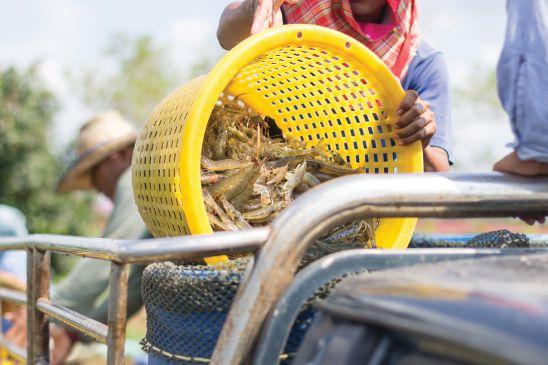
There is still a lack of awareness among US consumers why domestic shrimp is more expensive than its imported counterpart
from India, Indonesia, Ecuador and Thailand, the leading exporters to the US.
“Monterey Bay Aquarium has a Seafood Watch Program that tries to educate seafood consumers and has rated the US farmed shrimp industry as Green, a good classification, whereas it has rated sources of imported shrimp as poor,” he explained.
GOVERNMENT SUPPORT
Treece acknowledged the US government’s assistance “on very rare occasions” to aquaculture producers. One of them was the USDA Trade Adjustment Assistance Program, where he had participated as a business planning specialist. It only lasted a few years and was terminated.
Another was the USDA Marine Shrimp Farming Program at the Oceanic Institute in Hawaii. The program was an integrated multi-state research consortium that developed and transferred “technologies, products, and services necessary for domestic shrimp farming industry to
become competitive in the world market.”
The US Congress terminated the program in 2011. What was interesting, Treece says, was what transpired after the program was discontinued. “The Oceanic Institute sold the technology and shrimp bloodlines, paid for by US tax payers, to China,” he says.
Treece believes having fewer regulations would drastically help farmers, but he understands these serve to protect the environment. “The farms have been forced to go to recirculation or zero-water exchange in some cases. The EPA and TCEQ could relax the discharge regulations and it would help increase production in Texas, but the regulations serve to protect the environment, so it is not likely to change.”
He suggested that “some type of tariff” be placed on shrimp from countries that do not have the same level of regulations as US shrimp farmers. The proceeds from the imposed tariff “need to go back to the shrimp farmer and not the US Government,” he suggested, otherwise those tariffs would only serve to raise shrimp prices for consumers, he said.
You take pride in your operations and the health of every fish matters. Infectious Hematopoietic necrosis (IHN) is highly dangerous and unpredictable and now, more than ever, it is imperative that your fish stocks are protected. With one small dose of Apex-IHN you can help protect your fish against this deadly disease by stopping it before it starts.


BY TOM WALKER
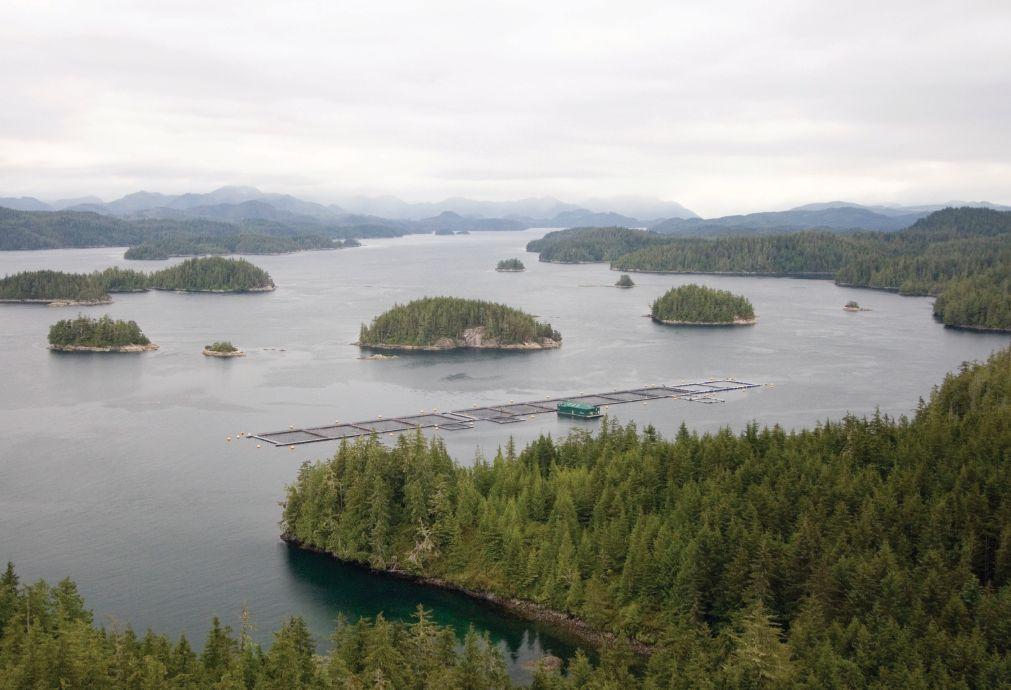
Two Atlantic salmon farms owned by Mowi (formerly Marine Harvest) in British Columbia’s Broughton archipelago have already been shut down. Fifteen more, owned by Mowi and Cermaq, are slated for closure. The decommissioning of the farms follows the groundbreaking agreement between the BC provincial government and First Nations in December, wherein the First Nations that own the land where the salmon farms operate decided to not renew the leases of the farms, which are in wild salmon migration routes.
Mowi Canada and Cermaq own 12 and five of those farms, respectively. The companies see the orderly phaseout plan as positive for the industry. They believe it will end controversy in a region that has seen protests, occupation of farms, police monitoring of fish transfers and court injunctions to prevent activists from occupying the salmon farms’ properties.
They gave credit to the BC government for taking leadership in the year-long discussions. “Truth was required,” says David Kiemele, managing director of Cermaq Canada. “The steering committee (made up of government, First Nations and the fish farm companies) created the conditions for an open and respectful dialogue.”
Jeremy Dunn, Public Affairs Director for Mowi Canada concurs. “We had the opportunity to listen to First Nations, but also they took a good approach in listening to us as well, about our business, about how it works and about the people involved,” says Dunn. “Through that listening we were able to have good engagement. We were able to review their recommendations in advance. We agreed with the recommendations that the committee put forward.”
“These discussions between our company and First Nations were a long time coming,” Dunn adds. “We believe this will provide us with a pathway forward in the Broughton.”
Kiemele says the agreement reflects Cermaq’s on-going approach to doing business in the First Nations’ territories that it operates in.
Indeed prior to this development, the four companies that farm along the BC coast, except those in the Broughton archipelago, have operating agreements with some 20 First Nations that own the territories where those farms operate. In many cases these include benefit agreements.
SHUTDOWN IN PROGRESS
The closure of the first four farms has already begun. Two of Mowi’s farms where closed in January and February and a third will close by June 30. Cermaq has one to decommission by March 31.
Six farms will be phased out over the next four years. For the last seven remaining after the fourth year, there is a possibility that they will continue to operate if the companies are able to secure operating agreements with the area First Nations and obtain operating licenses from Fisheries and Oceans Canada. Those are the two criteria that salmon farms operators need to fulfil if they wish to renew or apply for new leases from June 2022 onwards.
POST-SHUTDOWN ACTION PLAN
Mowi and Cermaq aim to maintain harvest volumes by shifting production to other sites, applying for licence and tenure amendments to increase production at some current sites, or developing new farm sites in areas where there is First Nations interest.
“We will seek agreement with our First Nations partners to apply to expand operations in some areas” as well as discuss with them about new farm sites, says Dunn.
He says “there are no changes to employment anticipated at this time.”
As part of the transition plan, the federal and provincial governments along with First Nations will be developing a monitoring program to oversee the transition of farms out of Broughton. To decommission a farm, the floating infrastructure including the net pen system and the barge that houses mechanicals, feed storage and offices will be removed, as well as the anchoring system on the bottom. An ROV is sent underwater to video record the cleared site.
Dunn says that this process will involve considerable company expense, but they have an operations staff of over 100 that is constantly moving equipment and materials between ocean locations.
The government did not offer any compensation for this expense or the possible loss of revenue through interruptions in the supply chain, nor did Mowi ask, says Dunn. “We have asked for funding from both levels of government to be put into wild salmon restoration and wild salmon research, which is where we believe government funding is best spent.”
Dunn emphasizes the importance of community relationships. “The community needs to see that the operations are something that they benefit from,” he says. “That relationship is partly created through openness and transparency but also through employment economic development and in many areas we play a significant role in the overall economy of the community.”
There are complex legal issues surrounding land use in British Columbia. Only 5 percent of the land base in BC is privately owned. The other 95 percent is managed by the government as “crown land.” The fish farm companies operate under land-use-tenures that gave them permission to conduct business on that crown land.
There are only 13 treaties in BC that give actual ownership of land to First Nations, however, the BC and Canadian court systems are giving increasing importance to First Nation title over their traditional territories and requiring that they be consulted in land use matters. Further, the recent adoption of the United Nations Declaration of the Rights of Indigenous Peoples (UNDRIP) recognizes the right of First Nations to participate in decision making.
“We engage with our First Nations partners on a very regular basis,” Dunn points out. “We have a very good idea of where they all stand with respect to potentially having more production in their territories. We would secure their partnership and support first, and only then would we bring an application forward.”

continued from cover
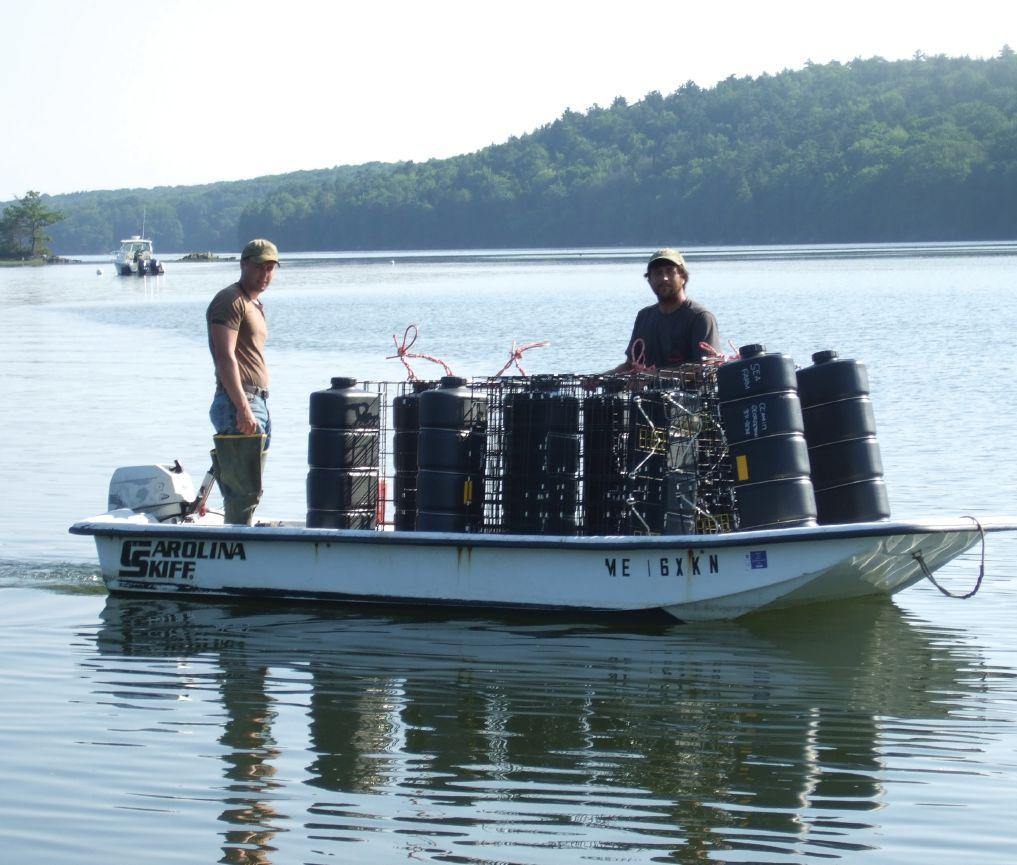
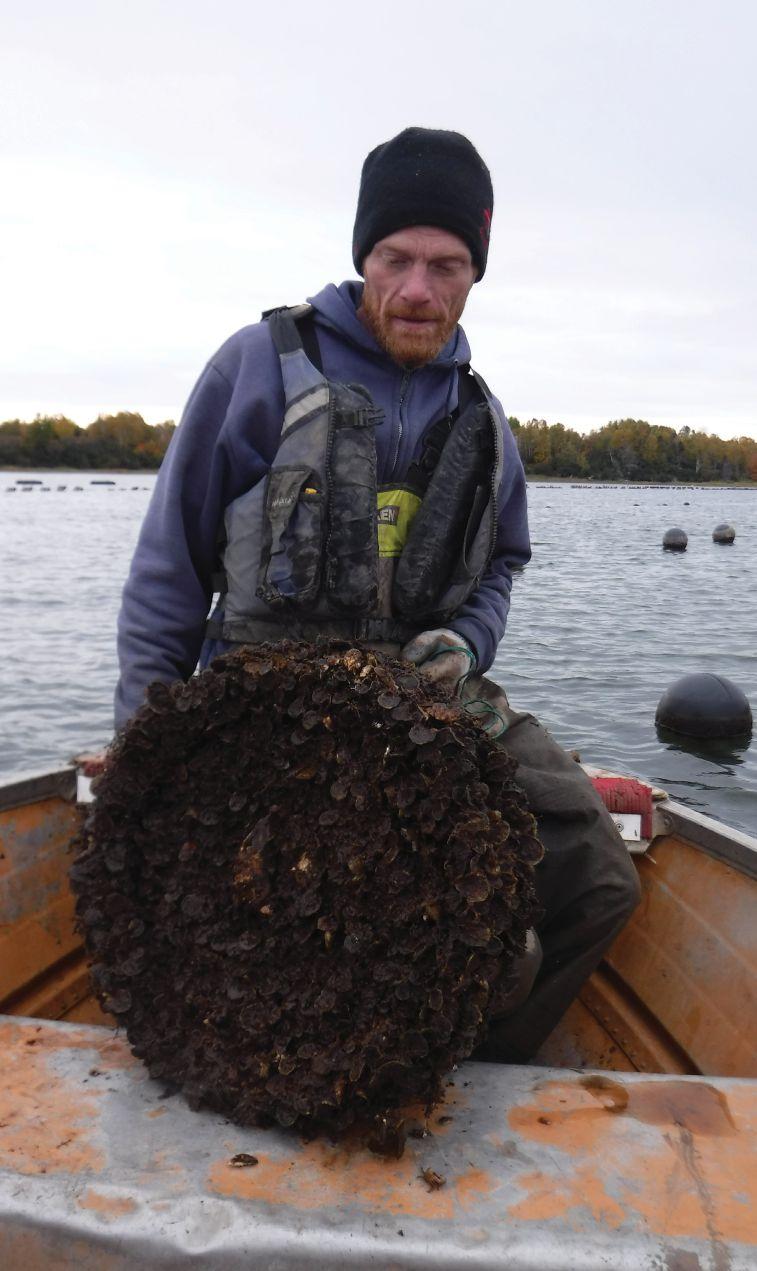
In addition to the environmental issues, the island’s population engaged in fisheries is aging. Although some younger people are going into aquaculture, they are the exception rather than the rule. Burns sees oyster aquaculture as a great way to help maintain and restore the marine economy. But he knew the start-up costs could be prohibitively expensive. Enlisting the help of investor Michael Bonny, Burns used his background in finance to establish Georgetown Aquaculture LLC in 2016. The company aims to kick start oyster farming on the island by offering farmers financing to help them with startup costs. Within five months, five new oyster farms were born.
“We started the LLC to provide microloans to five farmers initially, but now we’re up to eight farmers. We pledged to fund them for approximately five years at two percent, as low an interest rate as we could provide. In the first five years, they’re only responsible for repaying the two-percent interest rate. At the end of the five years, they will begin to repay the principal plus interest rate. The goal is for them to be completely out of debt at the end of 10 years. By that time, they would be completely independent and owning their own oyster farms,” Burns tells Aquaculture North America (ANA). He hopes that by that time, the farmers would also have the capability to finance any expansion.
“This form of financing is into perpetuity. These funds will be paid back into the pool by the current farmers and then reloaned again to new farmers who perhaps want to raise seaweed or to raise scallops, or to add to the current crop of oyster farmers,” Burns told the local paper The Times Record.
“We are now in a position, with the repayment of the interest on these loans, to be able to fund future farmers for literally forever, or as long as we continue to have the repayment on those loans,” Burns tells ANA. “In most philanthropy, it’s one off; you really don’t see it continuing and going into the future. Ours is a rather unique funding model.”
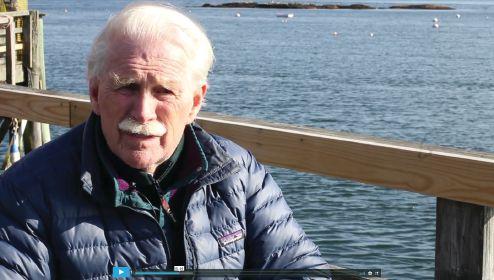
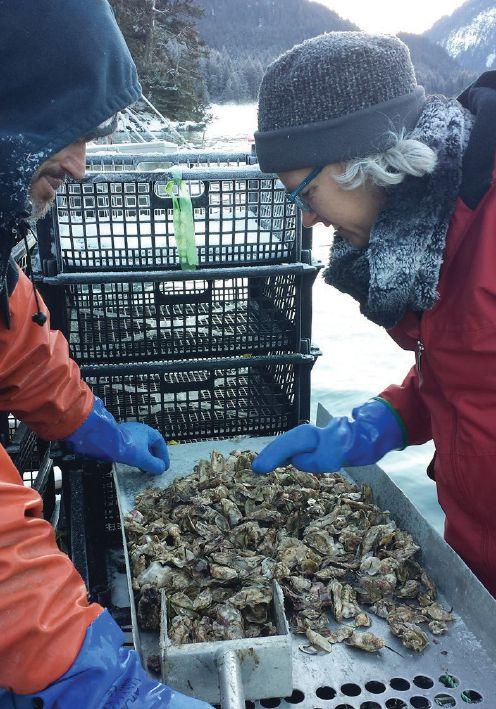
The hoops farmers need to jump through and the commitments required to obtain loans from other financial institutions deter them from even getting started, said Pat Burns. He co-founded Georgetown Aquaculture LLC to offer farmers an easier route to financing Credit: Screen grab from The Watermen of Georgetown by Annie Lee
Partnerships with a variety of educational institutions around the state have enabled the company to provide farmers with additional support. Dana Morse of Maine Sea Grant has offered workshops to educate farmers to help them avoid beginner mistakes. Most of the farmers are “watermen” – having spent most of their lives on the water, harvesting wild lobster, clams and quahogs – so they have adapted to the industry quickly. However there is a certain amount of technical knowledge required to make any aquaculture operation work.
Farmer Ken McIntyre is one of the beneficiaries. “This is something my wife and I thought about getting into for a really long time, but we could never come up with the money to do it.
“People contributing money into this with a very low interest rate made everything doable. They helped us in every step of the process, from figuring out how many cages we needed to how much seed to buy, to filling out application forms. It really worked out great for us,” he says.
“The marine economy is just dwindling here,” said farmer Chad Campbell, who has become co-manager of Georgetown Aquaculture. “I’ve been a wild shellfish harvester for 20-something years full time and relied on it. Now, you have no choice other than aquaculture if you want to stay in the shellfish business.”
Credit: Thierry Chopin
The farmers have impressed Burns. He says he now knows all the loan applicants personally and he believes in them. “You could call these character loans more than anything,” Burns says. “We’re now on our second year of financing and no one has missed a single interest payment to date. Our faith, I think, has been well placed. They have a unique character here. They do not like debt and they believe in a handshake.”
Georgetown Aquaculture sees aquaculture growing on the island. To prepare for this growth, the company has applied to reserve 27 acres of land with the Maine Department of Marine Resources for future farms sites. They were approved for only 14 acres.
“We were disappointed not to get it all,” says Burns, who plans to reapply for additional acreage. “But we’re pleased with the roughly 688,000 square feet we currently have. This gives us room for new farms within the next five to 10 years.”
Burns says they are also in the process of forming a co-op with their farmers and several other independent farmers in the area. Research is also underway on quahog farming, although for now, production is focused on oysters. “One lesson I learned early on was to focus on one effort and succeed in it before venturing into something else. Now that we’re going into our third year, we’d very much like to look at quahogs as our next enterprise sometime this year or next.”
In a short film called The Watermen of Georgetown by Colby College student Annie Lee, Burns acknowledged that “the full measure of the impact (of their efforts) has yet to come.”
“But I think it’s a start, and with any great journey I think it has to start somewhere,” he says. “Long after I have gone my hope is that this aquafarming will have grown to have a very positive effect not only in the financial aspect of this community but in the cultural adhesion and the interrelationships of the individuals who live here.”
BY LIZA MAYER
Shellfish growers in the United States are seeking to have an antiquated law amended to protect them from potentially crippling lawsuits.
The federal law that regulates maritime commerce in the United States, the Jones Act, deals mainly with “cabotage,” for instance how much US steel needs to be in a US-flagged vessel and tariffs on non-US-flagged vessels transporting goods between states. But a little-known provision of the law is the insurance aspect revolving around how employers deal with injured seamen.
While the definition of “seaman” has been established in a Supreme Court decision a few years ago, that definition is open to interpretation and the uncertainty exposes shellfish growers to lawsuits, said Bob Rheault, executive director of the East Coast Shellfish Growers Association (ECSGA). The association is leading the move to have the law changed.
“The guidance is you are a seaman if 30 percent of your time is ‘in the service of a vessel.’ But does that include maintenance workers, loaders, unloaders, painters? Is the guy who takes a skiff to a harvest flat where he spends the time walking around in shallow water a seaman?,” asked Rheault. “So typically you will buy a property and indemnity (P & I) insurance on your vessel in case you run over a swimmer or damage another boat, or something like that. And then you would buy what’s called a Jones Act endorsement for each seaman that’s working on that vessel. And that endorsement can again vary widely in cost from state to state. But if you go down to Florida, they tell you you’re an aquaculture worker, you don’t need it, but if you are in Massachusetts you need to buy both the Jones Act endorsement and pay into state workers comp,” he said.
Speaking at the Northeast Aquaculture Conference & Exposition in Boston in January, Rheault cited a case that could keep any business owner awake at night. “One of my members in Virginia, one of the largest clam growers in the country, was recently presented with a Jones Act lawsuit that threatened to run them out of business. A Jones Act lawsuit can come with unlimited liability – so even if you paid for $1 million in JA insurance – you are still toast if you get sued for $2-5 million. Thankfully they were able to demonstrate that the employee was drunk on the job and were able to get out from under it, but it was a real eyeopener,” he said.
Rheault noted that law, which is also known as the Merchant Marine Act of 1920, was introduced “when there
wasn’t a lot of aquaculture going on.” “So we’ve been looking into the possibility of trying to get out from under this. We’ve submitted a bill (H.R. 5061 or the Shellfish Aquaculture Improvement Act of 2018) in Congress to try and exempt agriculture aquaculture workers from the Jones Act. We need a clear line. Who’s a seaman and who’s not, so we can avoid all this gray area. We need consistency around the country.”
“We think it’s very important to cut down on liability for our members,” Rheault added. “The prospect of the unlimited liability lawsuit, which is potentially crippling, is something that none of us should have to face. We believe
that we’re farmers and we should be covered by workers’ comp. Our bill says that you can get workers’ comp in the state and you should not be considered a seaman if you’re an aquaculture worker.”
Rheault acknowledged that the bill’s wording needs tweaking to increase its chances of getting passed. ECSGA is now working trying to work with the Seafarers Union in developing a definition of seaman that works for them so that they can get behind the bill, he said. He also hopes to find a Democratic senator who is willing to co-sponsor the bill.


Florida oyster industry competing for share of recovery funds from BP, whose oil spill in 2010 sped up the decline of oyster beds in Apalachicola
Projects in Florida’s Franklin and Wakulla counties are vying for over $49 million in recovery funding from the 2010 Deepwater Horizon oil spill. An application by the Panacea Oyster Co-op is looking to create a multi-purpose sustainable hatchery/ nursery processing facility to benefit the industry in the Apalachee Bay, and to expand educational efforts.
CEO Katherine Waldron says that the funding will help the re-growth of the oyster industry after wild harvesting’s devastation by the oil spill and various other factors.

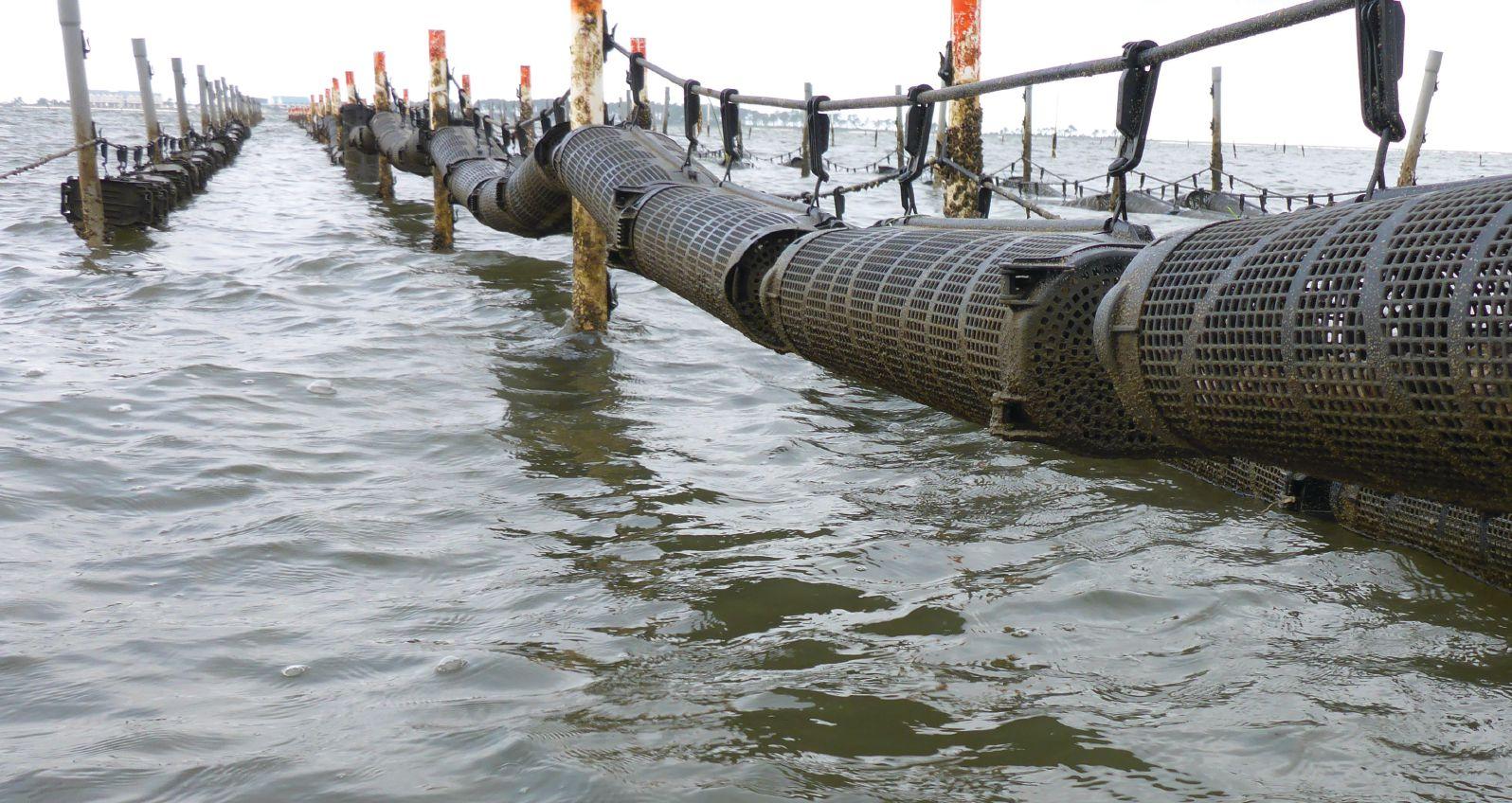
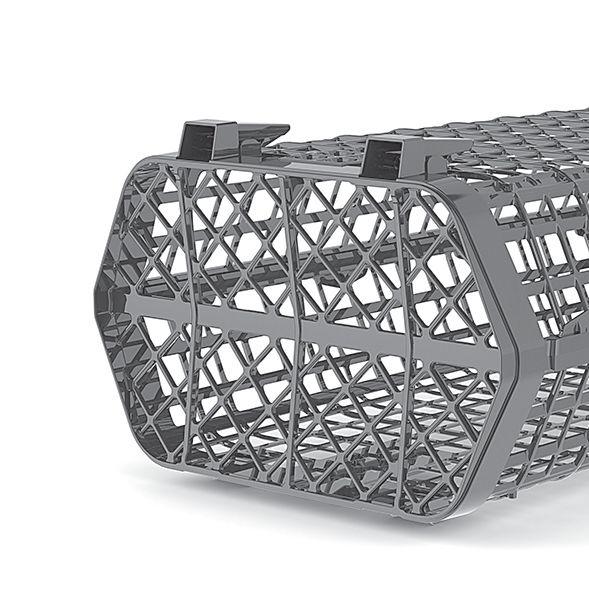


















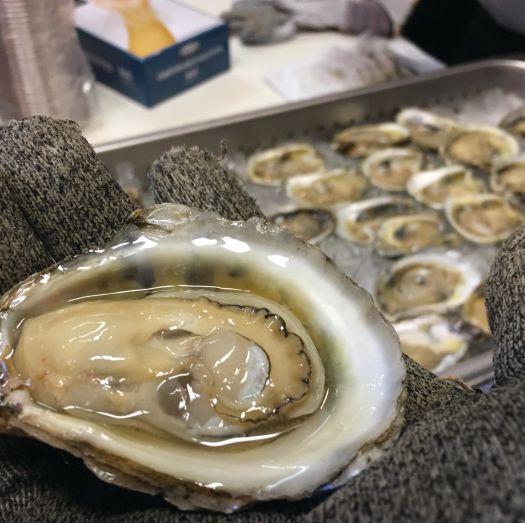
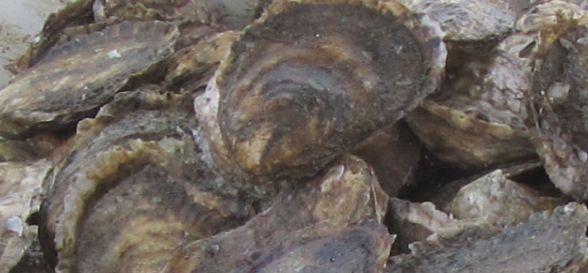
Succulent oysters from a Panacea Oyster Co-op member. The funds will fund the construction of a hatchery and nursery for oysters and an algae farm
Credit: Panacea Oyster Co-op
“The decline in the oyster beds in Apalachicola was accelerated because of the spill in 2010,” says Waldron. “It also didn’t help that the fresh water coming in from the streams and rivers in Georgia were lessening due to development up there. And then, of course, Hurricane Michael ended up being the trifecta. The ecological events really devastated those oyster-related jobs and also impacted the viability of the Florida oyster industry as a whole.”
The proposed facility will serve as a hatchery and nursery for oysters and an algae farm. The facility will also include pasteurization and flash freezing processing equipment, which will help expand the markets where oysters can be sold by expanding shelf life. Waldron says that the Coop has passed the pre-application stage and is in the process of filing a full application with their partner, the Florida Agriculture and Mechanical University.
“I would like it to be up and running within a year because it’s all about the jobs and ensuring that we have a ready supply of oyster seeds to our local ranchers,” says Waldron. “If possible, we’d be producing and processing with the large pasteurization and flash freezing within a year, if not sooner.” Panacea marketing director Rob Olin describes their goal as the resurrection of the coastal community. With the damage to the wild oyster industry, aquaculture becomes an important opportunity to continue the tradition of oyster work in the area. But local growers have had to rely on seed from out-of-state sources for years and have failed to meet targets as a result.
“We need to be able to control our own seed supply,” says Olin. “We need to grow it in our own waters so we have a higher percentage of healthy seed when it comes to maturity. We need to be able to better support all the ranchers, not just the coopers, but all the ranchers down here with their own seed, locally grown at their own hatchery. If we can do that, then everything else that goes with the fund – the pasteurization processing plant, the flash freeze processing plant and all the other marketing avenues that will open up for us – will help everyone down here. It’s going to ensure the long term health of this industry. Without it, I don’t see that we can make it quite frankly. We have to have our own hatchery.”
– Matt Jones



From its modest start in the 90s, this Canadian oyster farmer has grown to become one of the largest in the province worldrenowned for its Malpeque oysters
BY ANDY WALKER
W
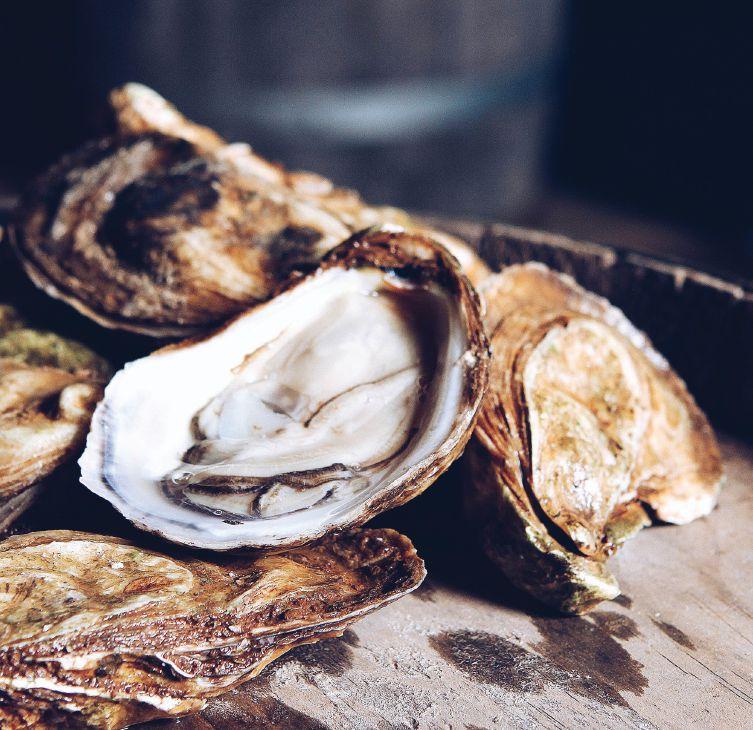
hen he thinks about the first harvest of the Raspberry Point Oyster Co, general manager James Power can’t help but laugh. “We sold six boxes of 300 oysters to Rodney’s Oyster House,” he recalled. “I can’t remember the year exactly but it was in the early 1990s.”
That lease in New London Bay, Prince Edward Island, Canada is one of the most northern stocks of oysters in North America. Because of this, the oysters typically take six or seven years to reach market size of 3 to 3.5 inches. While the longer growing period means a lot more work until the oysters head to market, Power says the feedback they have
received from the marketplace tells them it is time and money well spent.
“We were just selling under the generic PEI Malpeque oyster brand at first, but we needed to differentiate ourselves in the marketplace,” he says.
Raspberry Point, one of the company’s six brands, grows in water with 2.6-percent salinity on a clean, sandy bottom with eelgrass. The New London Bay lease, located on the north shore of Canada’s smallest province near a national park, comprises approximately 200 acres.
The company is one of the largest oyster farms in the province, but Power stops short
of confirming they are the biggest. “I really don’t know what kind of volume the other companies do,” he says.
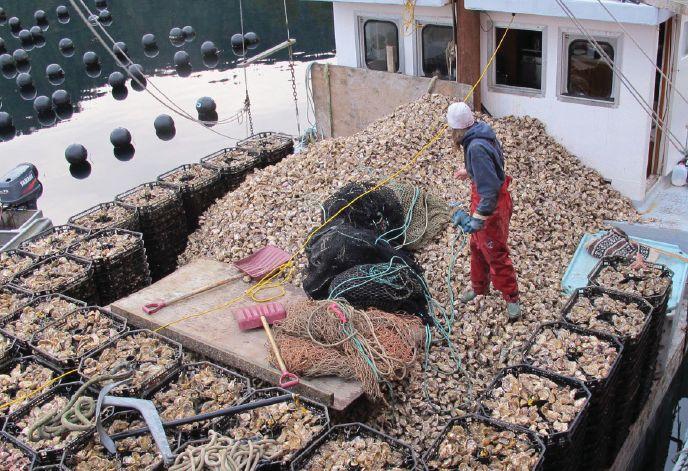
Harvesting is a year-round operation; fourby-four pods containing approximately 7,000 oysters each are used for winter farming. Power explained the location of the pods is marked and “we just cut a hole through the ice to bring them up.” The company typically puts out 1,200 pods for the winter harvest.
There has been a steady climb in both sales and production since those first harvest of six boxes. In 2017, the company shipped over 14 million lbs to markets around the world, marking its highest production ever. Power says they saw the chance to increase their market share so they increased production.
He is convinced that demand will keep growing. Recently, the company purchased 200 acres of mussel leases in Cymbria. The
plan is to convert them into oyster leases within the next five years. “We estimate the cost of establishing those leases will be about $50,000 an acre so it is a long-term project,” Power says. “It will be at least three years before we can harvest the first oysters.” When the leases are fully developed, he says they have the potential to produce close to 10 million lbs annually.
While the new leases are only about a 15-minute drive from the original leases in New London Bay, the water flows much faster. The faster the water flows, the more quickly the oyster goes to market, Power explained. He says the water flow also has major impact on taste. “The oysters from our three locations all taste very different,” he says. “It is really our first experience with Rustico Bay and it has been a learning curve.”
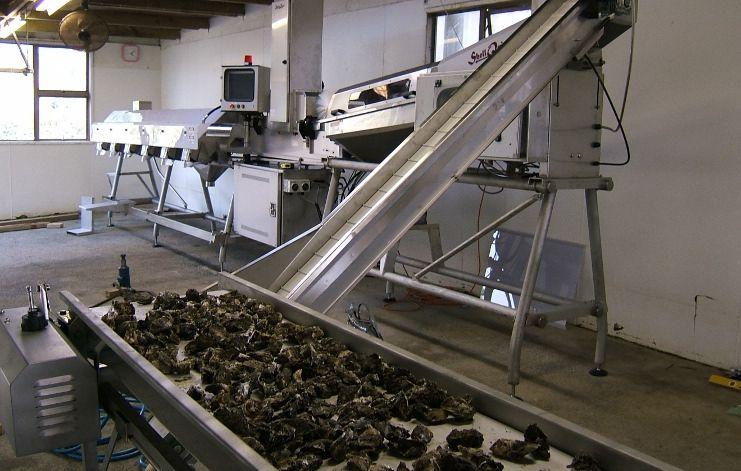
The company is now in the final stages of building a two-storey, 6,000-square-foot oyster-grading shed that will service the new leases when they go into production.
Power explained the company has three other grading stations for its two established leases. “We want that oyster graded for size as soon as possible after it comes out of the water.”
Since all of the farm’s leases are located in a prime tourism area, Power’s long-term vision is to make the leases into a prime tourist destination. “We get requests from people all the time to go out and see the leases but we just don’t have the time or manpower right now,” he says.
Eventually he would like to offer tours to the leases in much the same way as many lobster fishermen who have their home near the newest lease in Cymbria offer deep-sea fishing excursions after the lobster fishery closes.
The introduction of limited-purpose aquaculture (LPA) licenses in Maine has driven interest in shellfish farming and established it in communities where it was not allowed before, said Sebastian Belle, executive director of the Maine Aquaculture Association.
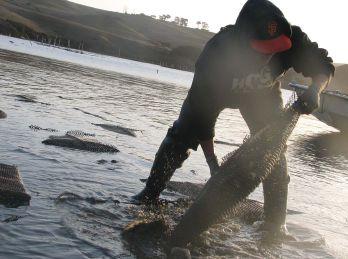
LPAs allow people to “try out” shellfish or seaweed farming to see if they have what it takes to succeed. The permit is good for one year and allows farming in designated areas of no more than 400 square feet.
Less than 10 years since the program’s introduction, there are now 800 LPAs in Maine, said Belle.
“The LPA program has proven to be a very successful program. Many of the LPAs are being used by people who are prospecting for sites, looking for whether a site can be a good farm for whatever species they are growing.
“LPAs have also been used to rev up companies by clustering LPAs together in order to build enough critical mass and have the beginnings of a business,” he said.
But while the program has reduced barrier to entry into aquaculture, Belle said it has also allowed people to go areas where aquaculture was not present before, prompting the public to ask questions.
“We literally have aquaculture in every coastal town along the coast of Maine right now. Those who meet folks who work in aquaculture are hearing about it and are asking questions. And so for us, from the association’s point of view, the focus of our work over the next couple of years will be public education, and that will be communicating both the individuals and communities around what aquaculture is, what it isn’t, which is really important,” he said.



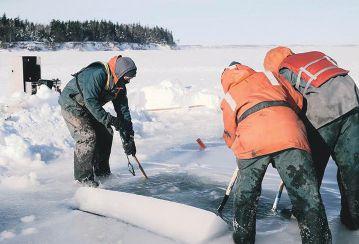
“We could take them out to see the leases and perhaps have a restaurant where you have a bucket of oysters and a glass of wine overlooking the water. There are all kinds of possibilities.”
While the company’s main markets remain Canada and the United States, Power says he sees virtually “unlimited potential” in China. He has been to the world’s most populated country on several occasions, most recently on a trade mission organized by the Canadian government in early November.
“The emerging middle class wants North American products like oysters to show they have arrived,” he says.
Having consistent and reliable source of seed is one the biggest issues across the farmed shellfish sector and Nova Scotia’s farmed shellfish industry is certainly no exception.
“Oyster seed security is a concern in the industry,” said Dr Isabelle Tremblay, R&D coordinator for the Aquaculture Association of Nova Scotia (AANS). “We are at the point where we need to have a strategic plan for the industry completed to determine how we will address this challenge in the short and long term.”


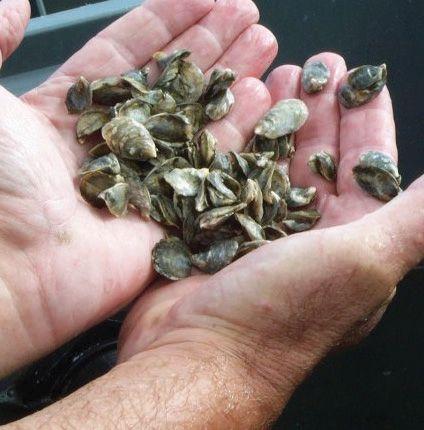
Shellfish growers in the province are currently sourcing oyster seeds from various sources, including natural wild spat from either Nova Scotia or Prince Edward Island, and New Brunswick for both wild and hatchery seeds.
“There are very few small shellfish hatcheries in Nova Scotia. Sometimes, they sell some of their seeds to local sea farmers however, consistency of supply is a concern,” said Tremblay, who spoke at the 2019 Northeast Aquaculture Conference & Exposition (NACE) in Boston, Massachusetts.
“Discussion will certainly include natural spat collection and hatchery capacity development,” she said.
Tremblay also gave an update on the recovery of shellfish farming in the Bras d’Or Lake, situated in the province’s Cape Breton Island. MSX (Haplosporidium nelsoni) infected oyster beds in the area in the early 2000s, causing the industry to collapse.
“There used to be 57 leases where oysters were cultivated on the bottom of the lake. Since then, some oyster survived and started to reproduce again, but the industry is not back yet. Sea farmers are concerned about growing oysters on the bottom like they used to, because the chance of the oysters dying from MSX is still present,” she said.
Various initiatives to address that Bras d’Or Lake challenge include hatchery production from surviving broodstock and using floating cages to grow oysters to see whether this will increase oyster survival and grow them to market size faster.
“The goal is to find a way to mitigate for MSX disease and re-engage oyster aquaculture on the leases in the Bras d’Or Lake.
“As for mainland Nova Scotia, we want to help existing shellfish growers expand their operations and attract new entrants to the industry.”
Nova Scotia’s farmed shellfish industry accounted for 4.5 percent of the province’s total aquaculture sales in 2017. Farmers cultivate three major shellfish species, led by American oyster, blue mussel and Bay Quahog in terms of sales. Production of the three species totalled about 1.6 million kilograms, or $5.3 million in farm gate value in 2017. Other shellfish, but of smaller importance, are razor clam, soft shell clam and sea scallop.



Non-profit extends services to aquaculture industry to help potential exporters
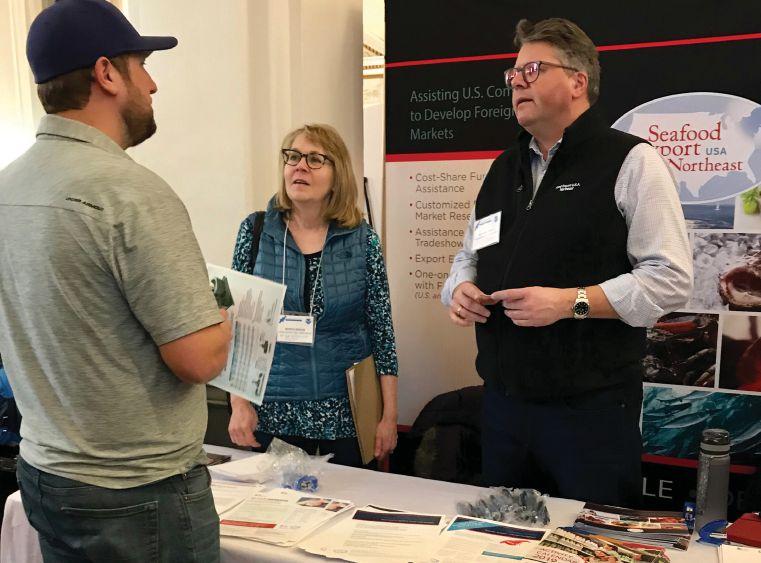
An organization that promotes the export of US food and agricultural products has introduced its services to the aquaculture industry.
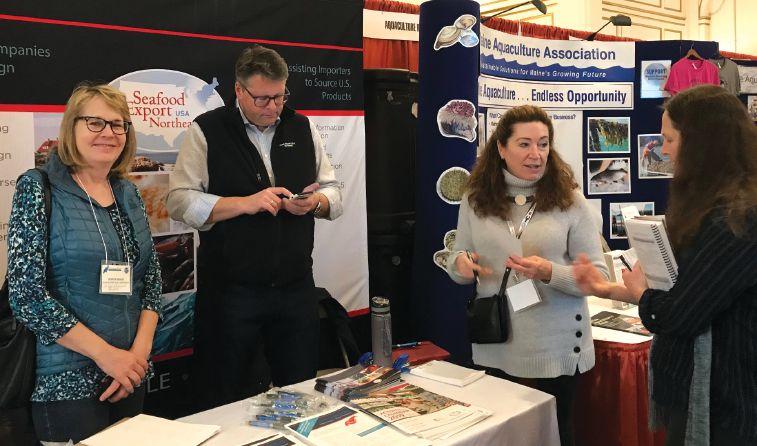
USDA-funded Food Export USA-Northeast participated at the Northeast Aquaculture Conference & Exposition (NACE) in Boston, Massachusetts in January, its maiden appearance at an aquaculture trade show.
“This is a new initiative for us,” Colleen Coyne, seafood program coordinator told Aquaculture North America (ANA). “We’ve been working with the wild harvest side of the seafood industry for many years. Now that there’s aquaculture operations in the region with a sizeable enough production to have exportable supplies, we thought it made sense to do outreach work to inform these aquaculture operations what kind of support services and funding is available if they want to sell in foreign markets.”
Launched in 1973, Food Export USA’s services include export promotion, customized export assistance and a cost-share funding program. It has offices around the world, including in Hong Kong, from which extensive promotion work of other seafood products from the northeast region was done.
“We have good success introducing US seafood products to China and we could definitely help shellfish growers. We helped introduce lobster to China a few years ago and it’s now the top market for lobsters until the tariffs retaliation situation.”
At the January event in Boston, Coyne was pleased with the warm reception to the team’s presence. She made a presentation of their mission and services to a packed room. “We’ve had a lot of conversations here. This is our first actual big outreach attempt and we’ve made a lot of great connections and we already have companies, mostly oyster growers, signing up for meeting with buyers and activities we have in spring,” she said.
She and her team will be back in Boston for the Seafood Expo North America event in March with a delegation of seafood buyers from around the world. “We’ll be doing a seminar on oysters for foreign buyers to provide them an overview of the northeast industry. There’ll be mixers so they can meet with oyster farmers here.”
The anticipated resumption of shellfish trade between the United States and the European Union this year (see page 1) could make the non-profit’s services even more attractive for US shellfish farmers.
Coyne acknowledged however that the export market might not be for everyone. “We have learning tools for people to see whether exporting their products makes sense for them,” she said. She invited aquaculture producers in the northeast to contact the Food Export USA – Northeast office. “And if you’re outside the northeast we have counterpart organizations around the country that administer the same funding,” she said. More information is available at www.Foodexport.org.




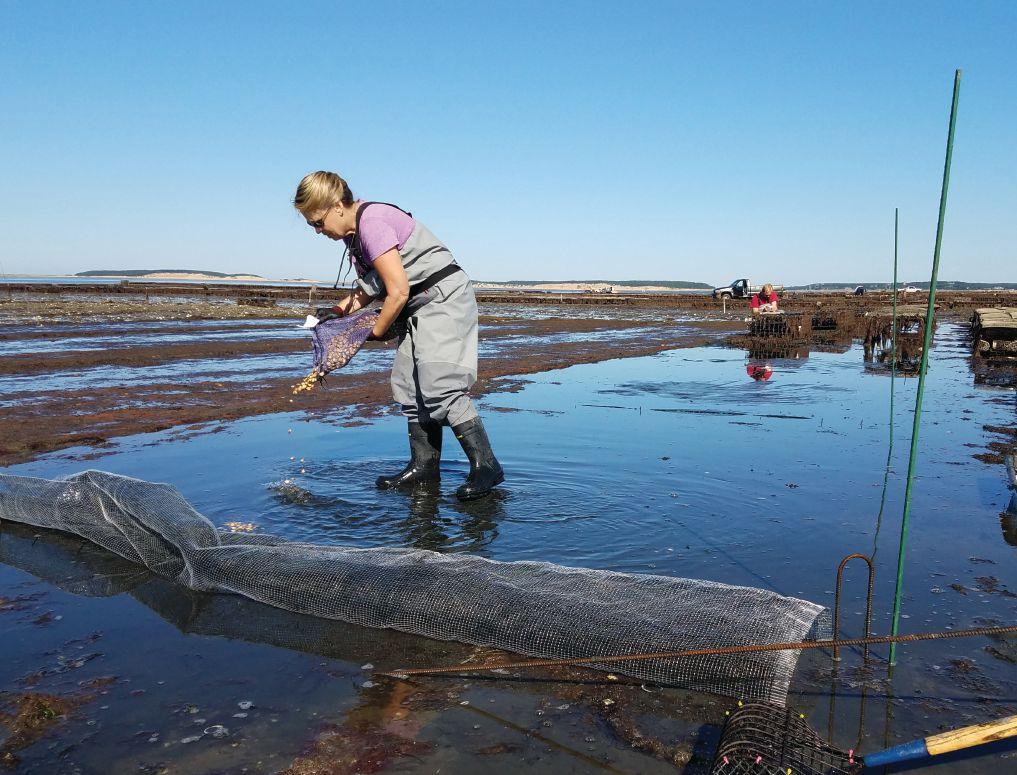
Interest is increasing in adding new species to the list of products available through the shellfish aquaculture industry. Over the last several years the Cape Cod Cooperative Extension, Woods Hole Sea Grant, the Cape Cod Commercial Fisherman’s Alliance, Roger Williams University, and the Aquacultural Research Corporation (ARC) have teamed up with Massachusetts shellfish growers to test different potential methods for production of Atlantic surf clams (Spisula solidissima). The studies have shown potential for reliable seed production and a marketable product after just a year in grow-out.
The fast growth of surf clams is not a new finding but rather confirmed indications from early pilot studies, in the 1980s and the 90s. Production methods were never fully explored though, in part because the legal size for sale of surf clams in the state was set at 5 inches in length based on management of the offshore fishery. The other point early studies made was the potential market for smaller surf clams, sometimes called butter clams, at 1.5-2.5 inches in length, both cooked or on the half
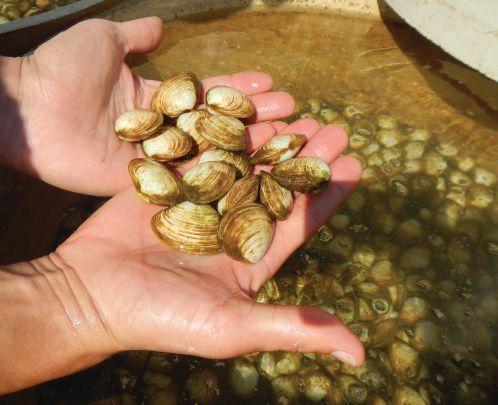
Atlantic surf clams (Spisula solidissima) from an upweller system. Growth was best in grow-out conditions that allowed clams to dig into the sediment, planting clams under net or in bags that filled with sand, study finds
Credit: Diane Murphy
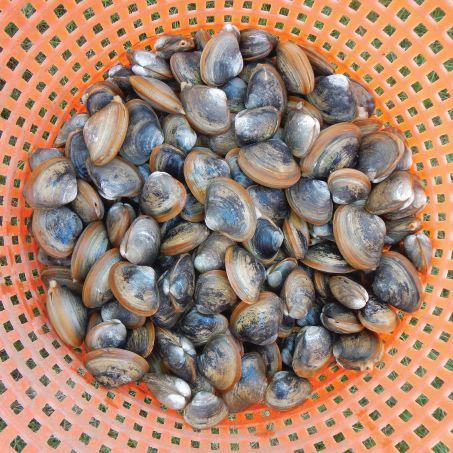
Surf clams, sometimes called butter clams. Earlier studies pointed to the market potential of smaller clams, measuring1.5-2.5 inches in length. Massachusetts allowed their sale in 2016 provided they’re clearly marked as ‘farm raised’
Credit: Abigail Archer
shell along the lines of soft-shell clams and littlenecks. This hurdle was addressed in 2016, allowing an exemption for aquaculture-reared product in Massachusetts to be sold at much smaller sizes if clearly marked as “farm raised.”

A local hatchery, ARC, has been able to consistently produce seed surf clams and received funding from a NOAA Saltonstall-Kennedy grant to further explore aquaculture methods in 2017. The study used four existing aquaculture sites ranging from intertidal to subtidal. Seed was deployed in three treatments -- planting in the sediment under protective netting; in soft nylon mesh bags; and lastly, in rigid plastic mesh oyster bags in cages off-bottom or attached to lines along the bottom. Survival and growth varied by site and grow-out methodology, but prolonged exposure during extreme hot or cold weather events caused significant mortality at higher intertidal site locations.
Growth was best in grow-out conditions that allowed clams to dig into the sediment, planting clams under net or in bags filled with sand. One site had clams reach a harvestable size in a single growing season and all sites within a calendar year, which is much faster than quahog growth in the same area.
“Another big lesson learned, and an important one with any new product, is people really seem to like them. The small surf clam product raised has been trialed at several chef and seafood events and all those that try them want more. The little surf clams are described as delicious raw or cooked, briny, slightly sweet and very rich,” says Joshua Reitsma of the Cape Cod Cooperative Extension, who worked on the field portion of the study, “Piloting Surf Clam Aquaculture Techniques to Create Commercial Opportunities.”
“This project parallels efforts ongoing by folks at Rutgers University in New Jersey to establish aquaculture recommendations for surf clams and the combined efforts seem to be having some impact. Shellfish growers are planting surf clam seed, so we hope to soon see these clams enjoyed as a new product,” he says.
Non-profit helps the state’s fairly young oyster industry to reach its full potential by addressing a problem most oyster growers find relatable
Alaska’s farmed oyster industry has grown rapidly over the past 10 years. The state’s 29 permitted operators produced over 1.8 million units in 2017, up 36 percent from the previous year. Compared to 10 years prior, growth was 86 percent, data from the Alaska Department of Fish and Game show. Further pointing to a dynamic industry are the 12 new oyster farm applications the state received over the past two years.
But beneath these developments is a perennial problem for oyster growers: lack of seed supply. Enter OceansAlaska, a non-profit comprised of Alaskan educators, scientists, fishermen and business leaders. The group’s vision is to expand the state’s mariculture industry and wild stock enhancement for oyster, geoducks and kelp, in line with Alaska’s goal to grow its mariculture industry to $100 million in 20 years. Specifically, OceansAlaska’s goal is to ensure the availability of commercial quantities of seed.
“Seed availability has always been an issue in Alaska,” says hatchery manager Conor Eckholm. “It is the goal of OceansAlaska to solve this problem. There are currently only two hatcheries that supply eyed larvae/seed to the Alaskan market and it’s not always available when growers or hatcheries need it.”
CHANGE IN FOCUS
Eckholm says the non-profit was originally envisioned in the 1990s as a Marine Science Center with an upscale aquarium. OceansAlaska’s mission has changed over the years. Their fo-
cus now is on running a self-sustaining hatchery and nursery for shellfish and kelp, and running the science center.
Alaska’s fairly young oyster industry still has room to grow. The 12 new oyster farm applications the state received in 2017 and 2018 will need a consistent supply of seed. Two of them alone are projected to require an additional 50-60 million oyster seed per year. Whether there will be enough seed available remains to be seen.
“We are expanding currently and with the help of other hatcheries and nurseries, we intend to meet the goals of the industry,” says Eckholm.
The OceansAlaska Shellfish Hatchery is working on developing best practices and technology to help reach the goal of building capacity in hatcheries to independently produce seed. The non-profit is currently striving towards producing 40 million Pacific oyster seed, two million geoduck seed and enough kelp to result in one million lbs of kelp. They are also considering expanding their operations to a second site south of Ketchikan to help reach production goals.
Eckholm says that the non-profit has experienced learning curve and challenges since changing to their current mission four years ago. “We are still trying to get larger seed supplies for our oyster farmers at the specific times that they request it,” says Eckholm. “We are also currently trying to spawn our own oysters in order to be more self-reliant as an industry, still in collaboration with other hatcheries in Hawaii and Oregon.”
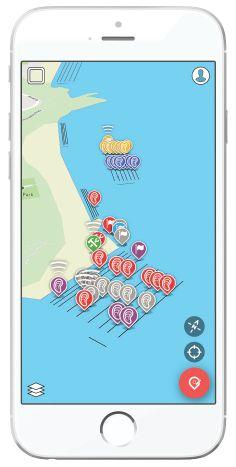
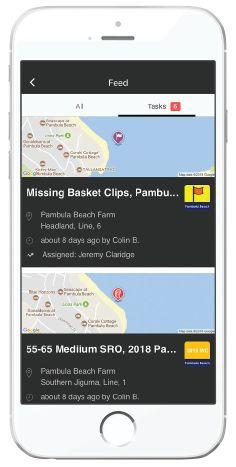


Could this course be the start of a new industry in Mississippi? Response to the Mississippi Department of Marine Resources maiden offering of an Oyster Farming Fundamentals course last summer has been very good, according Russell Grice, Oyster Aquaculture Business Specialist for Auburn University and Mississippi Alabama Sea Grant Consortium.
Fourteen of the 20 students in the first class have moved on to the next phase of the program – raising their own oyster seed on site at the Deer Island Oyster Park. Planning for the second year for the course is underway.
The course was led by Grice, Dr Bill Walton of the Auburn University Shellfish Lab and Jason Rider of the Mississippi Department of Marine Resources. Grice says that the course’s first phase comprises five classroom sessions, both held in class and on site at the Oyster Park, covering all aspects of oyster aquaculture. Students are taught the off-bottom technique (on-bottom is challenging in the area due to predation), and are able to consult with gear manufacturers and others on aspects of running an oyster farm, such as budgeting and crop management.
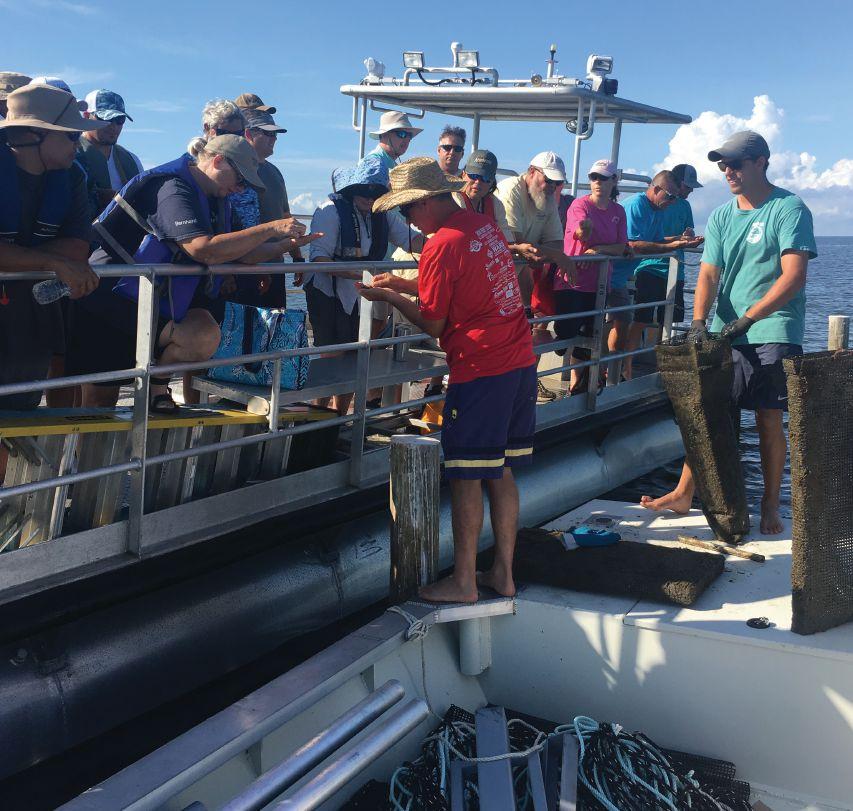
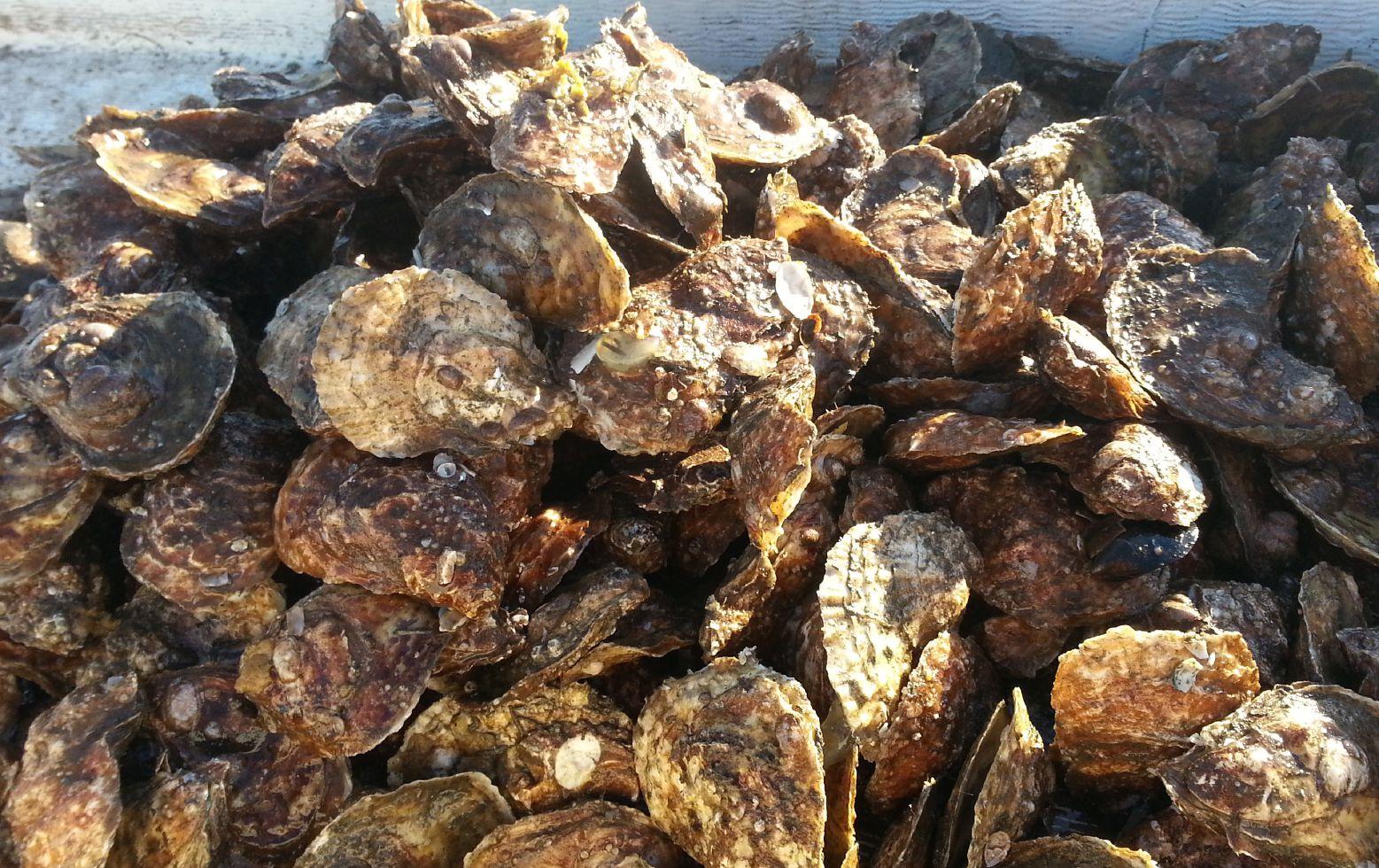

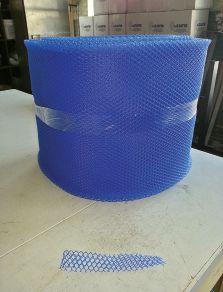

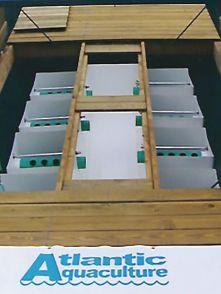

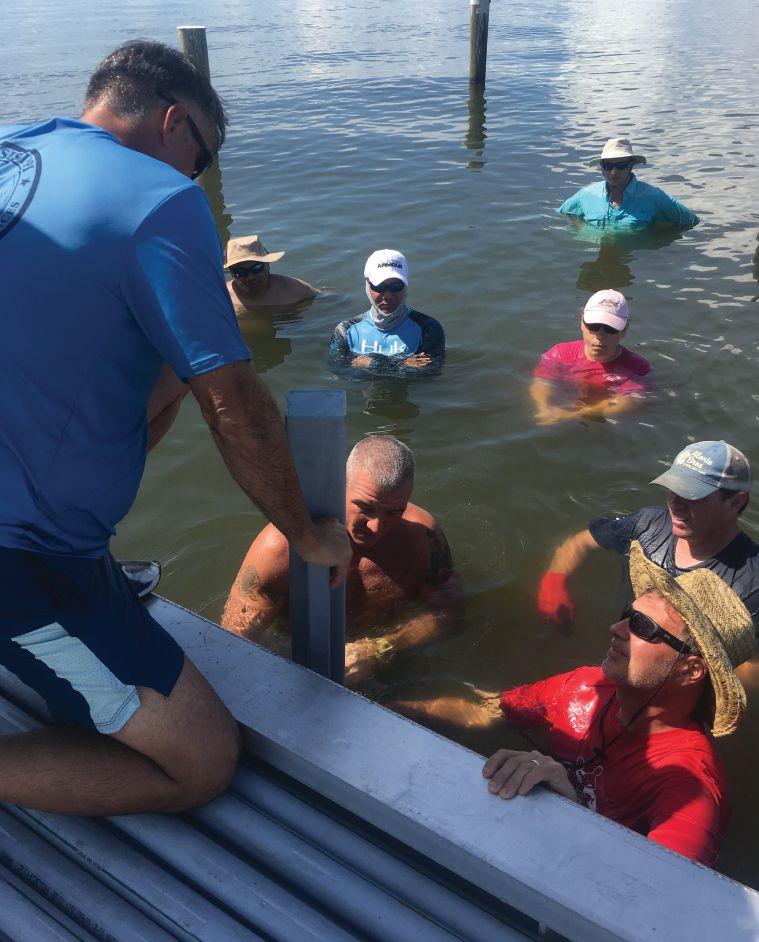
“We completed the course in August and 14 of the students continued to the next phase, where they received about 10,000-12,000 oyster seeds and then the state provided different gear types such as floating and long line systems,” says Grice. “Then at the end of it, when they’ve grown out to market size, they can move them on to a lease of their own or they can sell them to a processor after starting their commercial operation.”
The first class’s oysters are due for harvest as of press time. Not all members of the first class advanced to the second phase, but the goal of the course is not to have every single student start a farm but to give them the tools to help them make informed decisions.
“We’d rather the students decide the industry is not for them rather than try to make a go of it even if their heart isn’t in it. It can be very expensive to get a farm started and working on the open water is not for everyone,” says Grice. “Dr Walton tells them in the first class, ‘it’s okay if you don’t pursue this.’ That’s good to understand. If you go through this and you learn and you understand that it’s not for you because of expense or because it’s a lot of work and there’s a significant amount of risk, then that’s ok.”
Interest in the course was very high and attracted a wide variety of potential farmers: male and female, young and old, seasoned waterfront workers and people with no experience at all. Some students sought to supplement their existing work in crabbing or shrimping or other fisheries. The class included some restaurant owners as well.
“But one thing I noticed about the people that were in the class, they’re all very sincere about their community of the local fishery there, the cultural history and a sense of place, what the oyster industry and the history means to Mississippi,” says Grice.
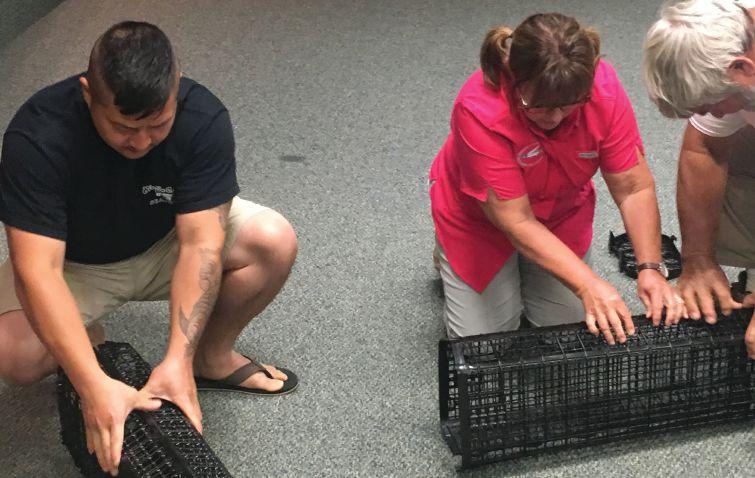
Fourteen of the 20 students in the first class have moved on to the next phase of the program – raising their own oyster seed on site at the Deer Island Oyster Park. Planning for the second year for the course is underway.
The next class is likely to begin in early Spring, as that is when the waters of the Gulf of Mexico warm up, and the hatcheries are brought back online. Registration for the second class will be announced soon.
This project was paid for (in part) with federal funding from the Department of the Treasury under the Resources and Ecosystems Sustainability, Tourist Opportunities, and Revived Economies of the Gulf Coast States Act of 2012 (RESTORE Act).
The statements, findings, conclusions, and recommendations are those of the author(s) and do not necessarily reflect the views of the Department of the Treasury.









The colonial law allows a property owner to say ‘I don’t want this in my front yard.’
Soft shell clam farming presents locals a supplementary means of livelihood or alternative to the declining clam fishery
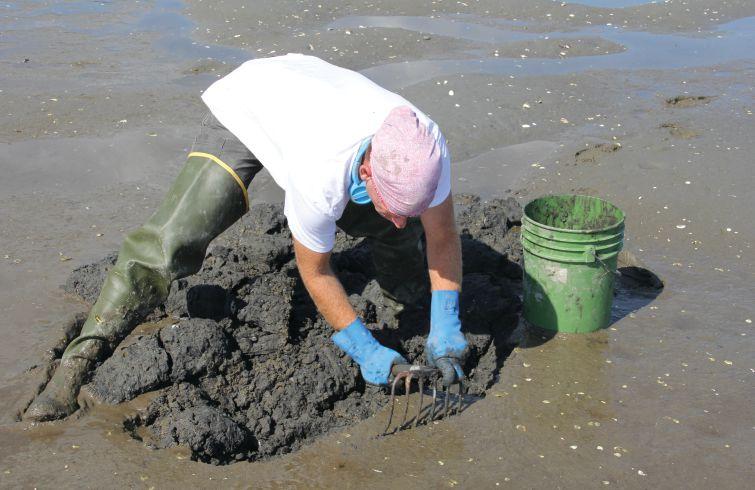
he declining clam fisheries because of climate change presents opportunities for softshell clam (Mya arenaria) aquaculture in Maine, but archaic laws defining property rights in the intertidal zone are preventing aquaculture development, says Dr Brian Beal of the University of Maine.

YSI’s new AquaViewer II app brings water quality data direct to your mobile device.
Now you can manage your aquaculture facility from anywhere. Just one more reason your livestock and investment thrives with YSI.


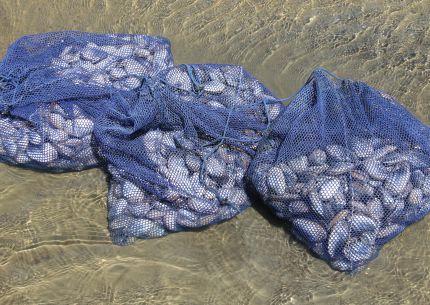
T“We have a perfect storm for clam farming: there’s not a lot of wild clams, price per bushel is high, an aging clammer population, warming water temperature, and higher incidents of predation. You add all those things up and you get a good potential for economic development in the intertidal,” Beal told participants at the Northeast Aquaculture Conference & Exposition (NACE) in Boston, Massachusetts in January.
He notes, however, that 1641 colonial property laws are in the way of growth. “The same laws that set up death for witchcraft and sodomy are the same laws that created private property in the intertidal. They’re holding up progress.”
He explained: “Colonial laws give private property owners the right to intervene or negate the whole leasing issue in the intertidal. A property owner can say ‘I don’t want this in my front yard,’ and that’s what the state has to do. In order to lease land, farmers must find someone to allow farming on the intertidal in front of their house. It could be by a handshake agreement or something very legal, but if a new owner doesn’t want them there, they can force the farmers to leave. That hinders the economic development in Maine.”
Gaining momentum for changing the laws has proven difficult due to a lack of awareness and support. “Clammers are not looked at the same way lobster fishermen are. Their skills are not viewed through the same lens as people who own large boats. It seems to be a class issue, the way this particular industry is looked upon by industry and the general public, whether or not they know they are doing that.” In reality, soft-shell clamming was the largest fishery in the 1950s, ’60s, and ’70s until lobster fishing dominated.
Accessible soft-shell clam farming would help with the predator threat. Setting up a farm is cheap; an experimental farm established in 2014 in at Heal’s Eddy in Georgetown has proven that using net as protective cover against epibenthic predators like green crabs allows clam plots to thrive (ANA, March/April 2016, page 1). In some areas, the milky ribbon worm’s (Cerebratulus lacteus) density has grown to almost epidemic proportions, to the point where Beal can uncover one portion of mud with a clamming hoe and find sevenfoot worms. Modifying the design to a box with netting on the top and bottom can deter burrowing predators.
As Beal continues to give talks to scientists, industry workers, and legislators, he hopes to raise awareness and garner support for soft-shell clam farming. To maintain a viable clam market, aquaculture should expand to supplement the fishery, not replace it. Wild-caught clams are sparse, and if the clamming industry hopes to survive, it must adapt through modern legislation that adapts to modern environmental and social issues, he says.
—
Joseph Barnes

Fishery infrastructure in this Massachusetts city bodes well for seafood farming
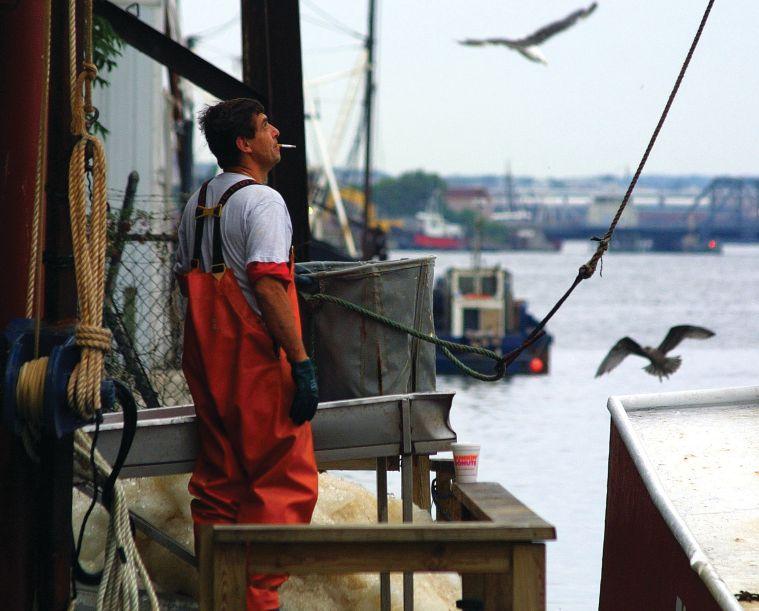
New Bedford’s industrial waterfront contains an astounding resource of seafood infrastructure that certainly could be integrated into a burgeoning aquaculture industry, says study
Credit: MA Office of Travel and Tourism/Flickr
The city of New Bedford has the strongest potential for commercial-scale aquaculture in the entire region of the Massachusetts South Coast, says a study.
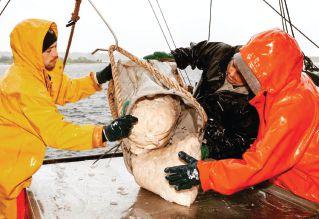
Scallopers unload their haul. New Bedford is the leading seafood hub on the East Coast, bringing in $9.8-billion in 2016 mainly from the scallop fishery
Credit: Phil Mello/Flickr
The city’s proposed allotment of almost 8,400 acres for aquaculture and the infrastructure serving the wild seafood industry have been identified as two of the city’s advantages.
Although it doesn’t have any aquaculture now, “the city presents the biggest opportunity for commercial scale-growth, with the potential to attract larger-scale, multiple worker farms to the area,” said the study, Opportunities for aquaculture on the Massachusetts South Coast: A sector analysis.
The 2018 report is intended to lay a foundation for regional stakeholders and communities to consider several possible initiatives that proponents believe could help expand the local economy in the South Coast. The region comprises Dartmouth, Fairhaven, Marion, Mattapoisett, Wareham, Westport and the city of New Bedford.
READY INFRASTRUCTURE
New Bedford is the most valuable fishing port in the US and the leading seafood hub on the East Coast. Wild seafood, mainly scallops, accounted for the majority of the city’s $9.8-billion GDP in 2016. That figure accounted for two percent of Massachusetts’ entire GDP that year.
“As the leading seafood hub on the East Coast, New Bedford’s industrial waterfront contains an astounding resource of seafood infrastructure that certainly could be integrated into a burgeoning aquaculture industry. Resources such as a labor force, fuel, ice, packaging, cold storage, vessel repair and aquaculture equipment supplies are already abundant to scale in the city,” said the study.
It added: “Access to marketplace is a daily occurrence, with a large number of established seafood processors and wholesale dealers offloading, processing, storing and shipping tons of products annually, with channels ranging from regional to international.”
However, the study cited challenges to aquaculture development in the region, among them NIMBYism, or the “not-in-my-backyard” attitude. Municipal control of the permitting process makes aquaculture growth vulnerable to NIMBYism and detractors; and requirement that farmers be a town resident is a barrier to commercial-scale operations, the study said.
The South Coast is also comprised of relatively small owner-operated farms, which are often treated only as a hobby or source of secondary income.
– Ruby Gonzalez
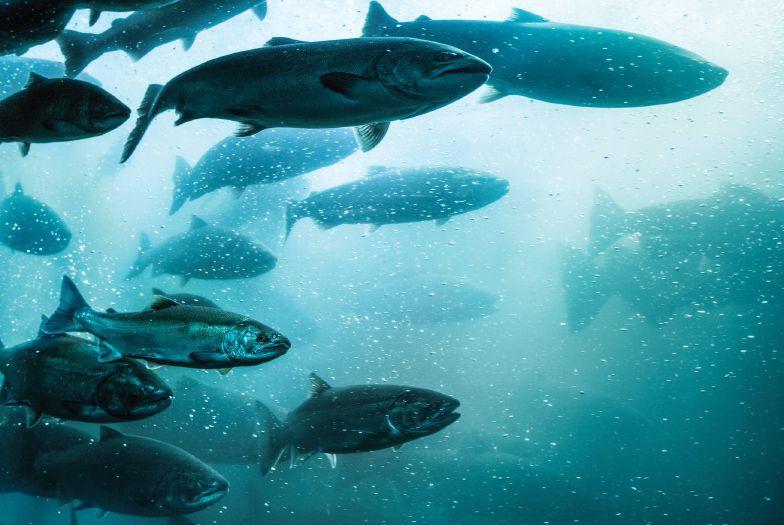
We understand the problems in choosing cost-e ective protein sources. Our enzymatic protease increase raw material stability, keep our partners competitive and are environmentally responsible.
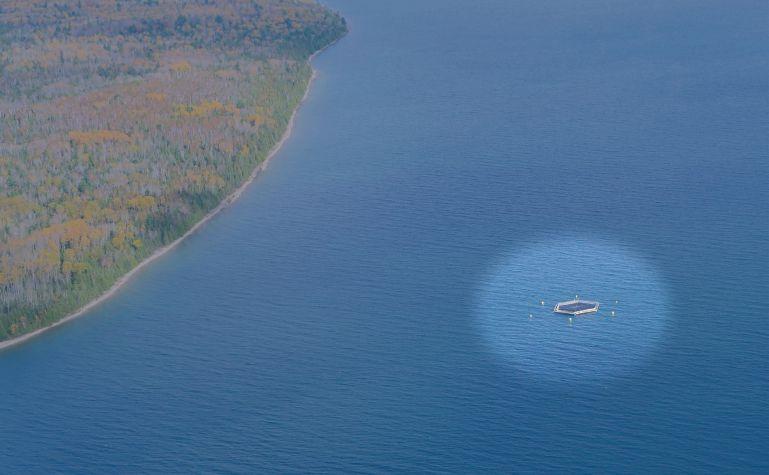
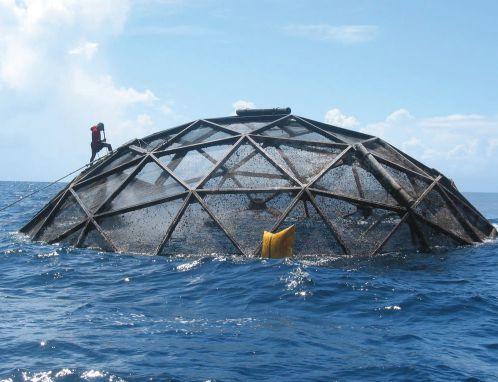
Structurally strong and stable in surface operating position
Feeding and harvesting safe and easy
Simple, quick and failsafe submerging

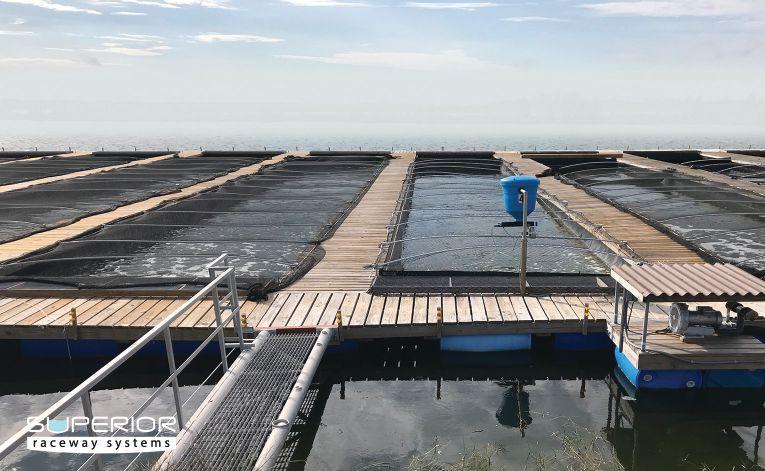

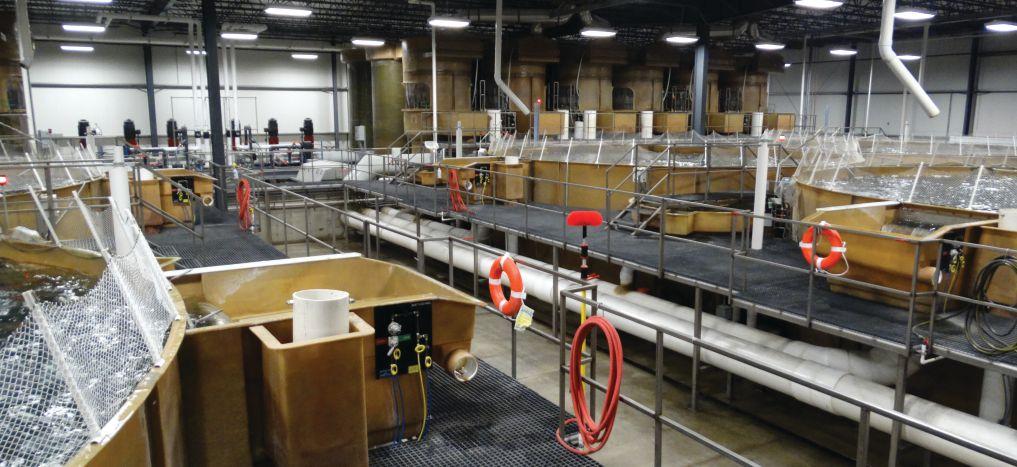
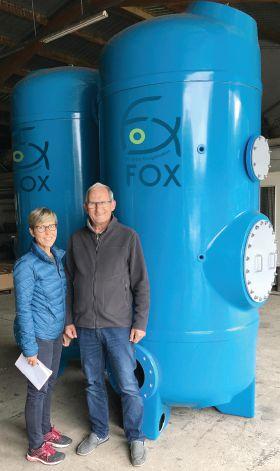
InnovaSea, an expert in the design and manufacture of innovative open-ocean aquaculture systems, has entered the RAS space with its acquisition of all of the outstanding shares of Water Management Technologies Inc (WMT) of Baton Rouge, LA.
For 25 years, WMT has designed and supplied Intake, Effluent and Complete Recirculating Aquaculture Systems (RAS) to commercial fish farms, aquaculture research entities and government hatcheries worldwide.
“The acquisition of WMT adds nursery/hatchery solutions to our existing open ocean grow-out systems. This enables Innovasea to provide complete egg to harvest solutions for our clients,” said David Kelly, CEO of Innovasea.
WMT will become a new business unit, named Land Systems, within Innovasea. It will operate alongside the existing Farm Systems, Instrumentation and Fish Tracking business units.
Terry McCarthy, president of WMT, will lead the new Land Systems business unit as vice president and general manager. “ With the vigorous growth underway within the recirculating aquaculture systems sector, becoming part of the Innovasea team will significantly broaden our capability and also provide the needed resources to grow and capitalize on the opportunities presently in the marketplace,” said McCarthy.

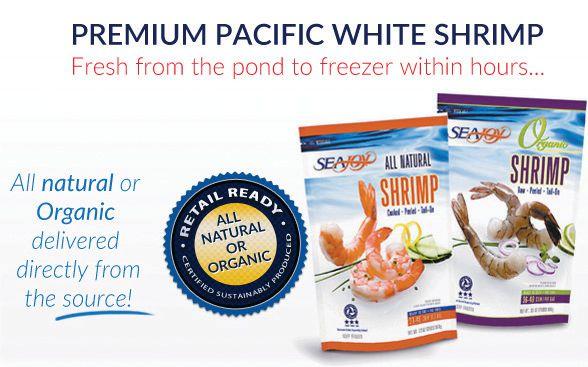
Cooke Inc of New Brunswick, Canada has acquired Seajoy Seafood Corp, described as one of the largest vertically integrated shrimp farms in Latin America.
Seajoy produces organic Pacific white shrimp (Litopenaeus vannamei) and sells to customers in Europe, the Americas and Asia, said Cooke. The company is an “egg-to-plate” operation with 1,400 employees in its processing plants, hatcheries, and breeding programs in Honduras and Nicaragua.
“The acquisition of Seajoy is an important element in our focus on product diversification to meet our customers’ needs,” said Glenn Cooke, CEO of Cooke Inc, parent company of Cooke Aquaculture. “Seajoy is a world-leading shrimp producer utilizing the highest quality and food safety standards and newest available technology. This aligns perfectly with our existing aquaculture and wild seafood fishery divisions. We feel Seajoy’s entrepreneurial drive, industry knowledge and care for their communities has made them successful and a big reason why we feel this is an incredible cultural fit.”
The terms of the transaction have not been disclosed, as both companies are private family-owned businesses.
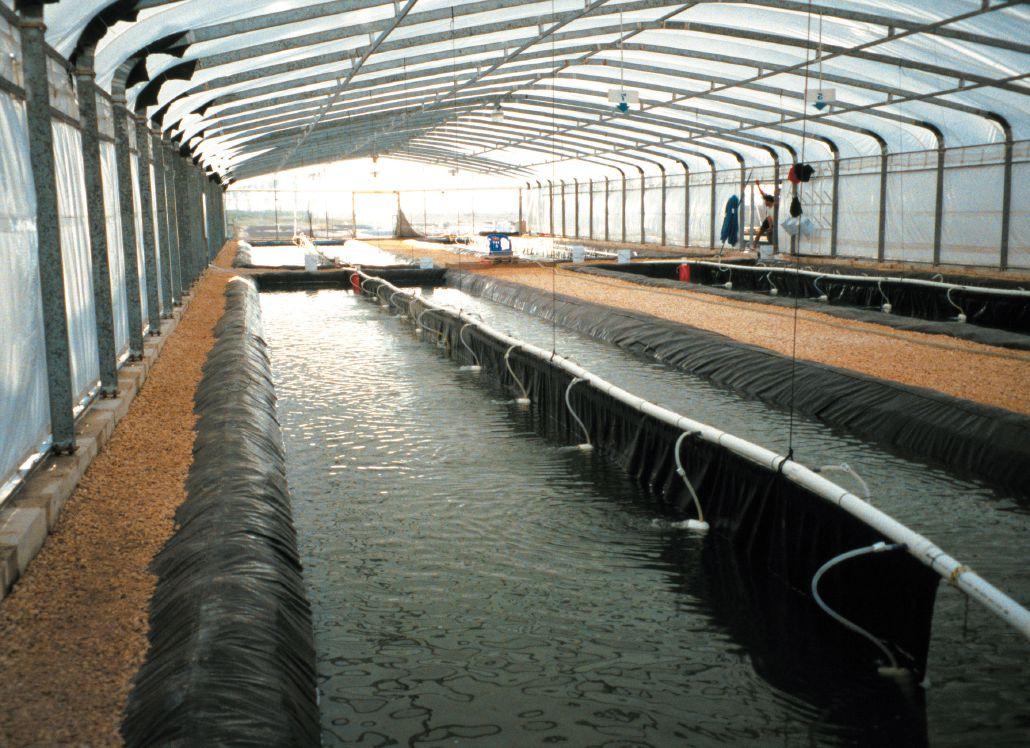
Animal feed producer ADM has completed its $1.76 billion (€1.544 billion) acquisition of Neovia.
Neovia has seven business lines: complete feed, aquaculture, pet care, premix/firm services, additives and ingredients, animal health and analysis laboratories. It has 75 production sites and 8,300 employees in 28 countries.
With the addition of Neovia, ADM Animal Nutrition now spans the globe, offering premixes, complete feed, ingredients, pet care solutions, aquaculture, additives and amino acids to our customers, ADM said. It calls this latest acquisition as the largest since 2014. “The addition of Neovia represents a major milestone in the execution of our strategic plan to become a global leader in nutrition,” said ADM Chairman and CEO Juan Luciano.
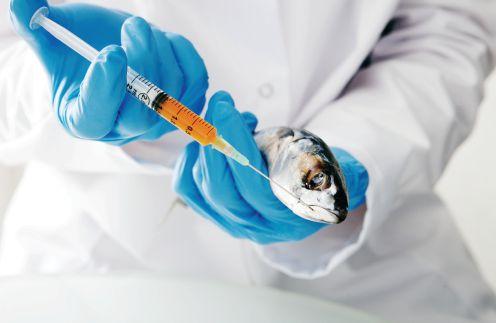
Phibro Animal Health Corp has acquired the assets of KoVax Ltd, an Israel-based developer and manufacturer of vaccines for the global aquaculture market.
The acquisition strengthens Phibro’s position in fish vaccine innovation and expands its portfolio of aquaculture products.
KoVax’s research and development team has joined Phibro’s biological R&D team, and will focus on developing a pipeline of innovative vaccines for the aquaculture market.
Phibro’s first commercial aquaculture vaccine is KoVax’s “KV3” vaccine, which helps prevent Koi Herpes Virus, a highly contagious disease that can cause significant mortality in common carp farms.


The basic reality of a temporary curtailment in Federal aquaculture programs because of the “partial shutdown” is that there were few day-to-day effects for producers
The federal government’s “partial shutdown” has ended… for now. All available evidence indicates that a majority of Americans were, and continue to be unhappy with one side or the other, and often both sides, in this “Federal Fiasco.” TV news anchors, columnists, commentators, and everyday citizens in their letters to the editor, frequently compared the opponents in this “Great American Embarrassment” to children on a playground arguing over some mundane matter in a game of kickball, baseball, or other playground activity. It’s not my place, nor my intent, to enter into this political argument, but it does seem appropriate and timely to examine whether or not the shutdown had, and continues to have effects on aquaculture and associated fisheries programs.
A brief review of the history of the Federal departments involved with aquaculture will help readers assess the effects, and/or lack of effects that the partial shutdown of our Federal Government had on private sector aquaculture.
The place of fish, fisheries, and aquaculture within American governments seems strange to many people, especially foreign observers encountering it for the first time. The framers of the American Constitution were especially concerned about placing too much power in the hands of a central government, even if that government consisted of representatives elected by the people. They definitely did not want a king or emperor or any form of monarchy. The 10th amendment to the US Constitution, part of the Bill of Rights, established a basic principle of American government: all authority rests with the people and the respective States, except for those authorities/ powers expressly given to the Federal Government. Matters pertaining to fish, fisheries, and aquaculture are not mentioned specifically in the Constitution; therefore, such matters are the purview of States, unless the matter falls under some other authority that has been designated as a Federal responsibility, such as interstate trade.
The National Aquaculture Act of 1980 and the National Aquaculture Improvement Act of 1985 established the importance of aquaculture to the Federal Government, the American economy, and the American people. Although these Acts identified departments and agencies that should assist with the development of American aquaculture, they did not provide them with specific authorities for accomplishing the broad goal of enhancing American aquaculture. Research, technology transfer, technical assistance, and coordination among Federal agencies have emerged as the focus of Federal aquaculture activities. Regulatory functions, such as, pollution control, limiting the effects of non-native species, including pathogens and parasites, and support for State wildlife regulations have evolved as Federal responsibilities, but are based on the authorities derived from an array of laws not specifically focused on fish, fisheries, and aquaculture.
The Subcommittee on Aquaculture (SCA), a function of the Office of Science and Technology in the Executive Office of the President, is the primary group responsible for coordinating Federal matters pertaining to aquaculture. Although the basic responsibilities of the SCA have remained the same since 1980, its membership today is
roughly half what it was during the first 15 years of its existence. The SCA was chaired initially by a representative from the Department of Agriculture, with co-Vice Chairs from the Department of Commerce and the Department of the Interior. These Departments had primary Federal responsibilities, facilities, and experience related to actual production of aquatic/marine animals. In those early days the SCA was called the Joint Subcommittee on Aquaculture (JSA) and subsequently the Interagency Working Group on Aquaculture (IWGA). I had the privilege and responsibility of representing the Department of the Interior as one of the vice-chairs of the JSA.
In the early 1990s, the Department of the Interior had a slogan “Helping Aquaculture Grow” and focused its efforts on research and technical assistance designed to accomplish that goal. Fish technology centers, fish health centers, cooperative research units, research centers, and the system of National Fish Hatcheries all provided services and technical advice based on many years of experience (over 100 years operating fish hatcheries).
The Department of Agriculture has long considered private sector aquaculture to be a form of agriculture and offered research support, technical advice, and veterinarybased-assistance to the developing American aquaculture industries. The Department of Commerce had years of experience with crustacean and shellfish research, as well as production hatcheries, to support its roles in helping aquaculture grow.

During the last 20 years things have changed. The Department of Agriculture and the Department of Commerce have increased their efforts to support aquaculture, while the Department of the Interior (Fish and Wildlife Service) has evolved into a focus on regulation. The results of these changes are reflected in the effects of the “shutdown.”
The abilities of Agriculture and Commerce to transfer information and provide prompt, appropriate technical assistance were severely limited. Research went on, but at a diminished level, and results were essentially unavailable. Scientists and administrators were prevented from traveling and/or attending conferences where they could confer with aquaculturists. This was evident at the Northeast Aquaculture Conference & Exposition (NACE) in Boston, Massachusetts in January, where 50 federal employees couldn’t attend. Some of them were scheduled to deliver presentations. The Department of the Interior faced similar constraints, but also suffered from the inability to provide appropriate advice relative to the array of regulations facing growers and shippers of aquaculture products in interstate commerce.
The basic reality of a temporary curtailment in Federal aquaculture programs because of the “partial shutdown” is that there were few day-to-day effects for producers. However, the effects of the public’s embarrassment and anger, caused by the inability of their elected officials to move beyond “playground politics,” remains to be seen.

Norway’s new government sees further growth potential in the country’s Atlantic salmon farming industry but emphasized it should not come at the expense of the environment.
It said technological innovations will allow the farming of salmon in other locations, such as offshore, and will reduce risks of escapes, but it nonetheless called on the industry to intensify its efforts to combat escapes and disease.
The new government came into power in January. Among its aquaculture policies are to further develop the “traffic light scheme” designed to regulate the growth of the Norwegian aquaculture sector. Implemented in October 2017, the system was modeled on the colors of traffic lights—green meant areas where growth could take place, yellow indicated areas to watch, and red was for areas that should reduce production.
“Our new government is following up and implementing the main policy established in the 2015 white paper. This includes increased research funding, innovation and technology development to optimize the use of the sea area, and control of the environmental footprint,” Jon Arne Grøttums, aquaculture director
of the Norwegian Seafood Federation, tells Aquaculture North America (ANA).
Since several of innovative production concepts are being developed for offshore aquaculture, there is an initiative by the new government to evaluate the regulation of activities offshore, he says. “The Norwegian Seafood Federation welcomes this process because there are severe regulatory uncertainties related to run these operations.”
The issuance of so-called “development licenses” have spurred industry innovations and the new government is now considering to extend the development licenses scheme, but the criteria is still not decided, says Grøttums.
“In addition to development licenses, significant amount of resources from the public and the industries own research fund are put into new research projects. One of the main objectives of this research is to increase the knowledge about salmon lice, the biology and how to keep the parasite under control.”
EFFECTIVE COLLABORATION
He noted the close collaboration between the national authorities and the industry to combat sea lice, diseases and escapes have
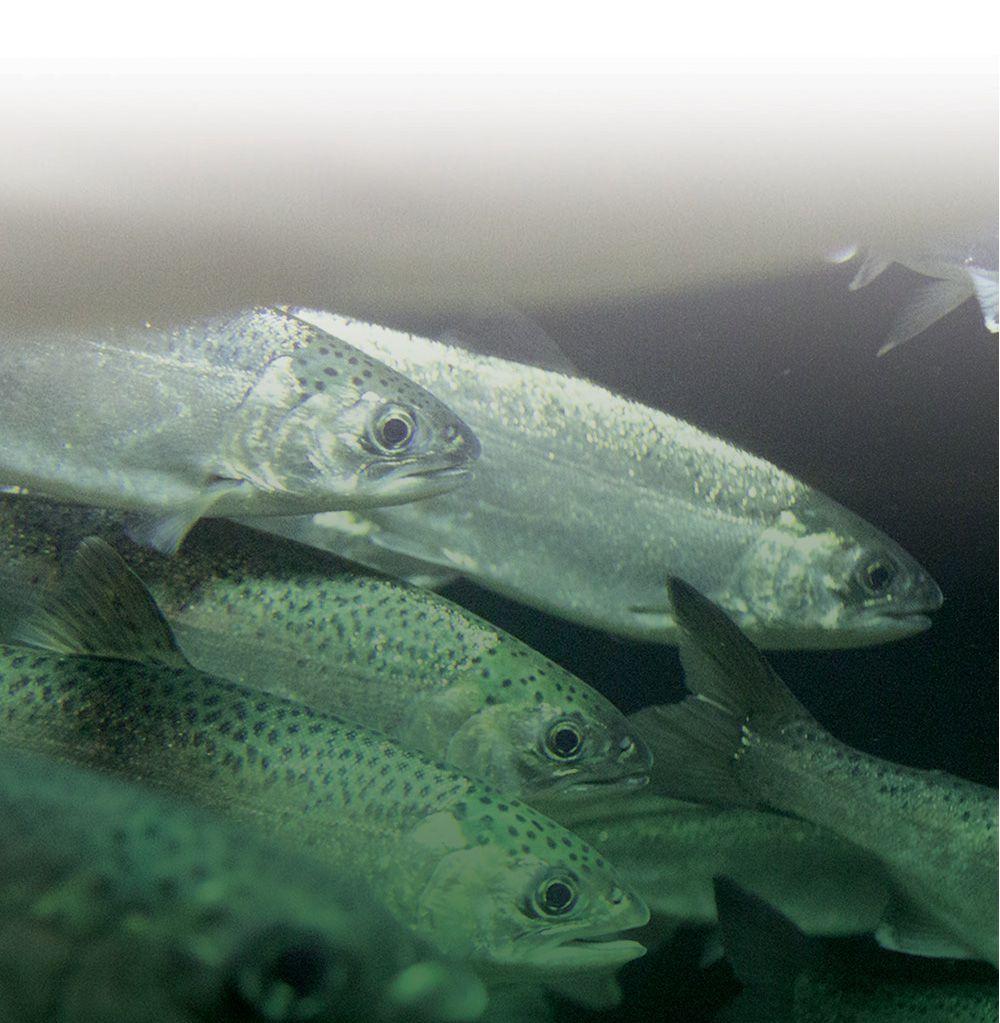
EWOS ADAPT PARR’s unique fatty acid blend imitates the natural diet of pre-smolt salmonids in freshwater. With a specialized formulation and optimal functional ingredient mix, EWOS ADAPT PARR ensures best health prior to saltwater transfer and supports osmoregulation and saltwater adaptation in combination with EWOS ADAPT MARINE post-transfer.


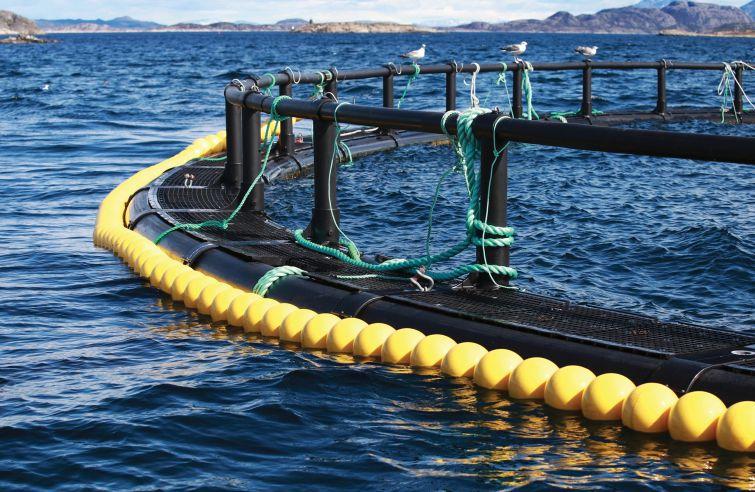
the Norwegian Seafood Federation Credit: Adobe Stock
proven effective.
“We see that this collaboration, and the significant investment done by the industry, gives results. The sea lice levels are reduced, and in the last couple of years there is a significant decrease in the use of anti-sealice medication. This is a result of a targeted strategy to make the industry more robust against the parasite, and to find alternative
methods to remove sea lice from the fish.”
“Also, for the number of escapees there is positive trend with a reduction in number of fish escaping from the cages. There is a very restrictive line regarding environmental requirements for the aquaculture industry and the management of production,” Grøttums says.

A rendition of Nordic Aquafarm’s 33,000 mt/year land-based Atlantic salmon farm in Belfast, Maine. The California farm is designed to have an annual production capacity of 55 million lbs Credit: Nordic Aquafarms
Nordic Aquafarms has announced plans to build a land-based Atlantic salmon farm in California to be close to the regional markets it plans to serve.
The facility will be built in Humboldt County, located about 270 miles north of San Francisco. It will be Nordic Aquafarms’ second land-based salmon farm in the United States and its first in the West Coast.
“The Humboldt location will enable us to reach more than 50 million people within a 12-hour drive or less, which reduces the cost and environmental impact of transportation while supplying the market with super-fresh, sustainably raised local fish,” said Marianne Naess, Commercial Director at Nordic Aquafarms.
The $400-million RAS facility is expected to create up to 80 new jobs and is designed to have a production capacity of 55 million lbs. The company said that a final decision on which species to raise – salmon or steelhead – will be based on market considerations and further discussions with the local permitting authorities.
On February 11, Nordic Aquafarms through its subsidiary California Marine Investments entered into an exclusive option agreement with the Humboldt Bay Harbor District to lease 30 acres on the Samoa peninsula near Eureka in Humboldt County. Key permits such as aquaculture licences are already in place, the company said.
“This site meets all of our criteria for building a safe, clean, and sustainable fish farm, and we have been welcomed by local authorities who are excited about the many benefits this project can bring to the area,” said Erik Heim, president of Nordic Aquafarms Inc.
The company is currently building a 40-acre land-based Atlantic salmon farm in Belfast, Maine, to serve the east coast market. That project is now in the permitting phase and plan to start construction later this year.
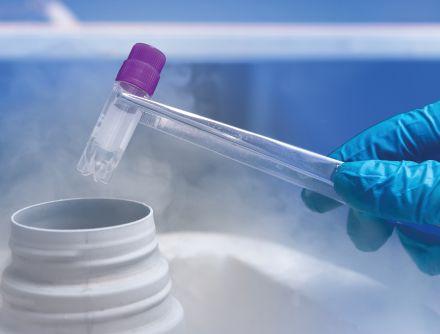
Cryopreservation is a valuable tool in aquaculture but lack of standardization prevents it from being applied on a commercial scale, a study says
Cryopreservation is a valuable tool in preserving living cells or tissues of aquaculture species but lack of standardization makes it an underutilized technique, says a study.
Among its uses in aquaculture is preserving milt (fish semen) for use at a later time for fertilization.
The lack of standardized procedure, standardized terminology and standardized reporting guidelines prevent the technique from being applied on a commercial scale, the study said. Non-standardized terminology and reporting systems could also cause mis-interpretation and irreproducibility of experiments among labs, it added.
Non-standardized terminology and reporting systems could also cause mis-interpretation and irreproducibility of experiments among labs.
To address the lack of standardization, the study recommended the implementation of standard operating procedures, support of stock centers and internet content for development of training programs, and strengthening of the role of scientific journals and reviewers in reducing the frequency of irreproducible outcomes.
Leticia Torres and Terrence R. Tiersch of the Louisiana State University Agricultural Center authored the study, titled “Addressing Reproducibility in Cryopreservation, and Considerations Necessary for Commercialization and Community Development in Support of Genetic Resources of Aquatic Species.”
At Canada Cryogenetics Services, cryopreservation is widely used in finfish aquaculture and cryoconservation, says manager Maureen Ritter. “It can be used for genetic backup and production backup for fish production. It is done on commercial-scale using Square Packs, which hold enough sperm cells to fertilize 5,000 salmon eggs.”
The Norway-based company has branches in the US, Canada and Chile. “We are the only company that does it on a commercial scale and we standardized the process through our procedures and protocols,” she says.

Carteret Community College (CCC) in Morehead City, North Carolina, is building a 2,500-squarefoot mariculture demonstration facility that will serve the state’s growing shellfish mariculture industry.
To be called the North Carolina Shellfish Mariculture Demonstration Center, the facility will provide training opportunities for students of the college’s aquaculture program and new growers.
“The shellfish mariculture industry in North Carolina is growing really quickly, and there’s a need for more training opportunities,” says CCC Aquaculture Department chairman Dave Cerino. “We do offer that kind of training, but we didn’t have really strong opportunities to do hands-on grow-outs here.”
The facility includes a covered pavilion area that will shelter nursery systems and flow-through sea water systems, and an outdoor work area for building gear, sorting and performing maintenance on bags and cages. It also has a 2.6-acre lease for on-bottom grow-out, where demonstrations of various gear types for oyster aquaculture will also be held.
“We will have a more fully integrated system where we teach the hatchery portion of shellfish aquaculture in our curriculum programs,” says Cerino. He said the college plans to expand its continuing-education programs for shellfish aquaculture. ”They’ll have good facilities to get the hands-on experience to accompany the classroom curriculum they’ll be learning here,” he said.
The facility is a result of partnership between CCC, North Carolina Sea Grant and the North Carolina State University Center for Marine Science and Technology. The $200,000 project was funded by NOAA Sea Grant. Construction is expected to finish this spring.
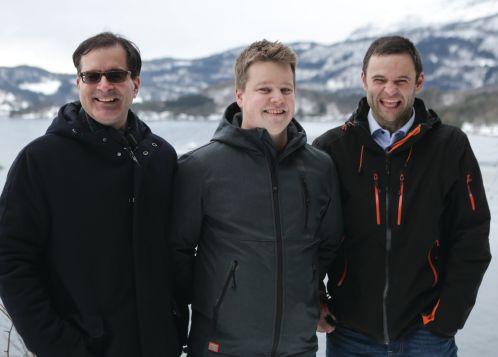
The quest to make salmon aquaculture more sustainable has gotten a boost from an innovative feed that uses Omega-3 fatty acid products derived from natural marine algae.
Norwegian salmon farmer Lingalaks says it is first company to feed its Atlantic salmon with this feed. The algal oil replaces fish oil, making it more sustainable, and allows the company to differentiate itself and its products from the rest, it said.
“Omega-3 EPA + DHA from natural marine algae allows us to produce healthier and better salmon. It also gives us the unique opportunity to differentiate our company within a competitive market. Our courage to pioneer a new and more sustainable production method using algal oil resonated well with our philosophy,” says Lingalaks owner Erlend Haugarvoll.
He added: “By being the early adopter of this new technology, we found partners along the seafood value chain who supported us in realizing our vision of superior, sustainable salmon quality and finding new outlets for it.”
Those “partners” are Skretting, which produced the feed; Veramaris, which produced the Omega-3 EPA + DHA algal oil from natural marine algae; and German retailer Kaufland, which will retail the salmon locally this year.

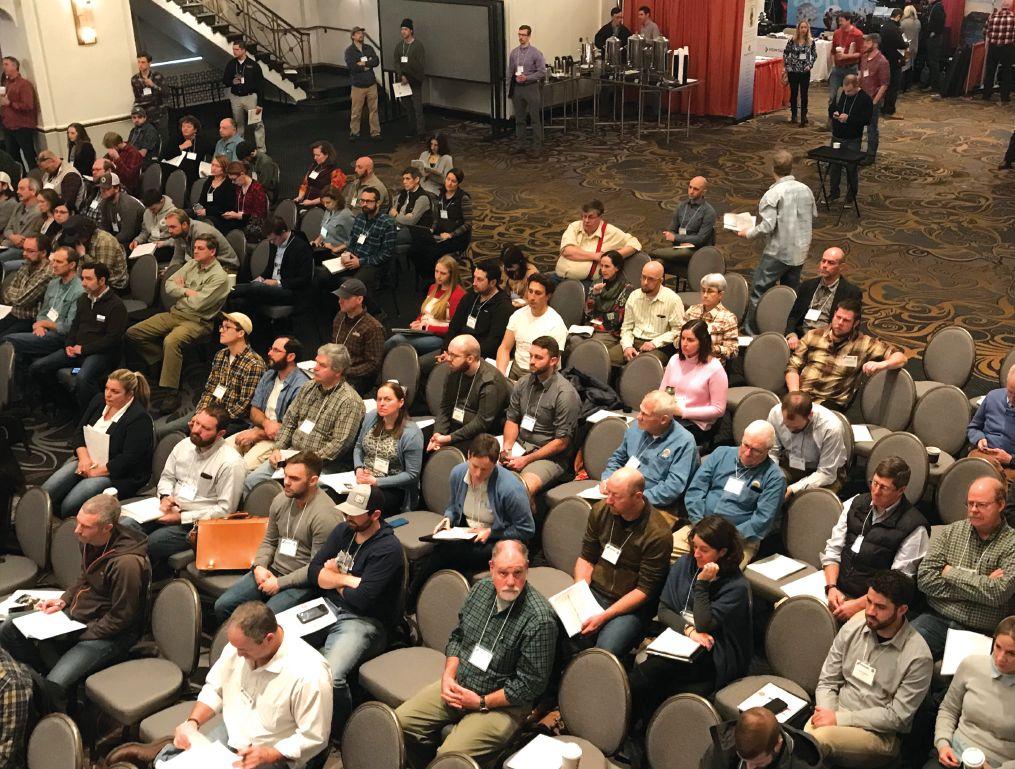
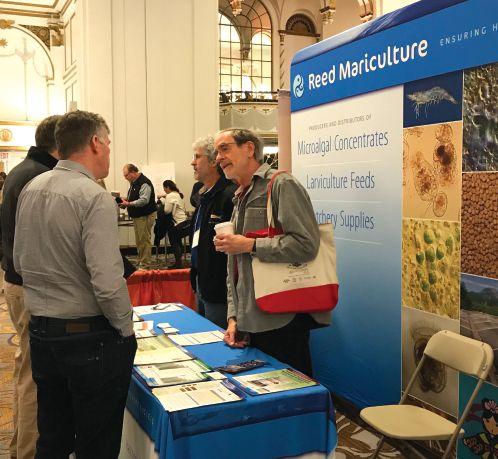
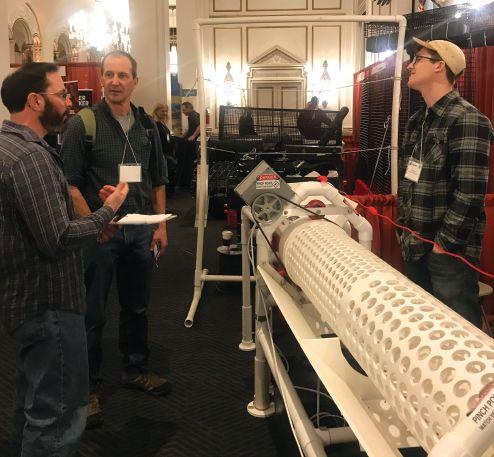
The biennial Northeast Aquaculture Conference & Exposition (NACE) in Boston, Massachusetts concluded on a high note on January 11 with higher attendance numbers than the previous edition despite the partial government shutdown.
“The aquaculture industry is growing and there’s been phenomenal interest. The biggest problem has been the absence of some of our key speakers, but despite the difficulties with the shutdown it’s been a great turnout,” said Chris Davis of the Maine Aquaculture Innovation Center, who led the organizing committee. (The partial government shutdown has since been lifted by the Trump administration on 25 January.)
Among the roughly 575 participants, 50 were federal employees who couldn’t attend. These included staff of the Milford Laboratory, which convenes the Milford Aquaculture Seminar (MAS) with NACE.
“We estimate we would have had roughly 15-percent increase in the number of attendees if the federal employees were here. Some were presenting. But they can’t answer emails, answer the phone. It was difficult for planning purposes but the shutdown really severed the connection,” Davis said on the event’s last day.
The conference brings together producers, service providers, vendors, researchers, students and managers from across the northeast region to discuss pressing issues and relevant research on aquaculture. Over 30 exhibitors displayed the latest innovations in seafood farming, particularly shellfish.
Climate science and ocean acidification were at the forefront of conference topics and the sessions were very well attended. Maine State climatologist Sean Birkel gave the lunch crowd a look at plausible future climate scenarios well into 2050 during his keynote address. Despite “depressing” data showing rising sea levels and warming temperatures, the good news is that humans can adapt to a changing environment, he said. “Just as we are having a significant impact on global climate system and environment, we can also minimize the worse outcomes in the future,” he said.
The abundance of new products and innovations was evident throughout the event. Not only were there intensive dialogs at the trade fair stands, participants discussed and witnessed industry trends and market developments at the knowledge seminars.
Interest in oyster farm equipment was high, with the session “Down on the Oyster Farm: Graders, Tumblers

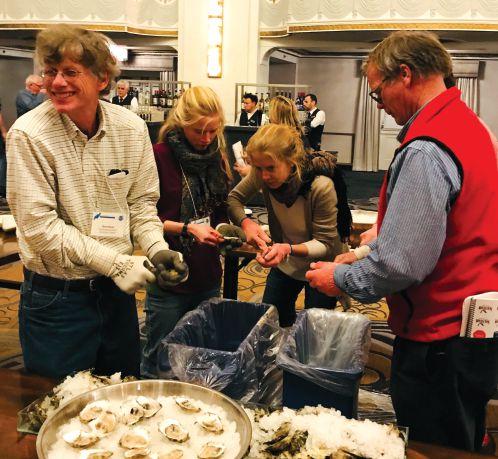
and Solar Power” seeing a standing-room-only crowd. Technology suppliers discussed the latest production equipment and the benefits and drawbacks of their usage.
A session on oyster marketing to the European market was also well attended, in anticipation of the opportunities that will open up upon the resumption of shellfish trade between the US and the European Union. (See related report on page 1).
The next NACE/MAS Aquaculture Conference will be held in 2021.
Technology effectively eliminates one of the historically most difficult problems in shrimp aquaculture,
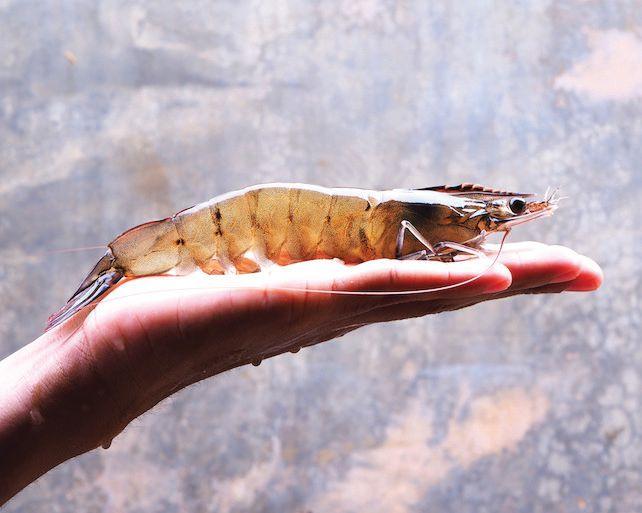
Atechnology that keeps indoor shrimp farms safe from bacteria has been awarded a US patent. NaturalShrimp, a publicly traded agro-tech company, and wastewater treatment company F&T Water Solutions, LLC developed the system. They said it is the “first commercially viable system to produce fresh, never frozen, naturally grown shrimp without the use of antibiotics or toxic chemicals.”
“We have accomplished a revolution in growing the world’s most popular seafood,” said company chairman and CEO Bill G. Williams.
The technology “effectively eliminates water-borne bacteria and other harmful organisms and keeps ammonia at safe concentration levels, thus eliminating one of the historically most difficult problems in shrimp aquaculture,” NaturalShrimp said on its website.
“The capability to sustainably harvest indoor farm raised shrimp and other aquatic species for consumption to any city regardless of location to water will increase fresh food supplies with locally grown products,” stated Peter Letizia, CEO of F&T Water Solutions.
Award-winning marine biologist Selina Stead is taking on a new role as head of Stirling University’s Institute of Aquaculture (IoA) on March 1. Stead, who serves as a chief scientific advisor to the UK government, has held a number of high-profile positions during her career.

She takes over leadership of the research centre at an exciting time – with ministers recently announcing $22-million (£17 million) new aquaculture facility at Stirling and the IoA preparing to celebrate its 40th anniversary next year.
Stead’s research specialty is international sustainable development of seas and oceans. She joins Stirling from Newcastle University where she was dean, public orator and professor of marine governance and environmental science. She remains active in field-based academic work in East Africa and the Indian Ocean, publishing widely on marine ecosystems and human interactions.
In 2016, she received a Distinguished Services Award from the European Aquaculture Society for her contributions in fisheries and aquaculture.
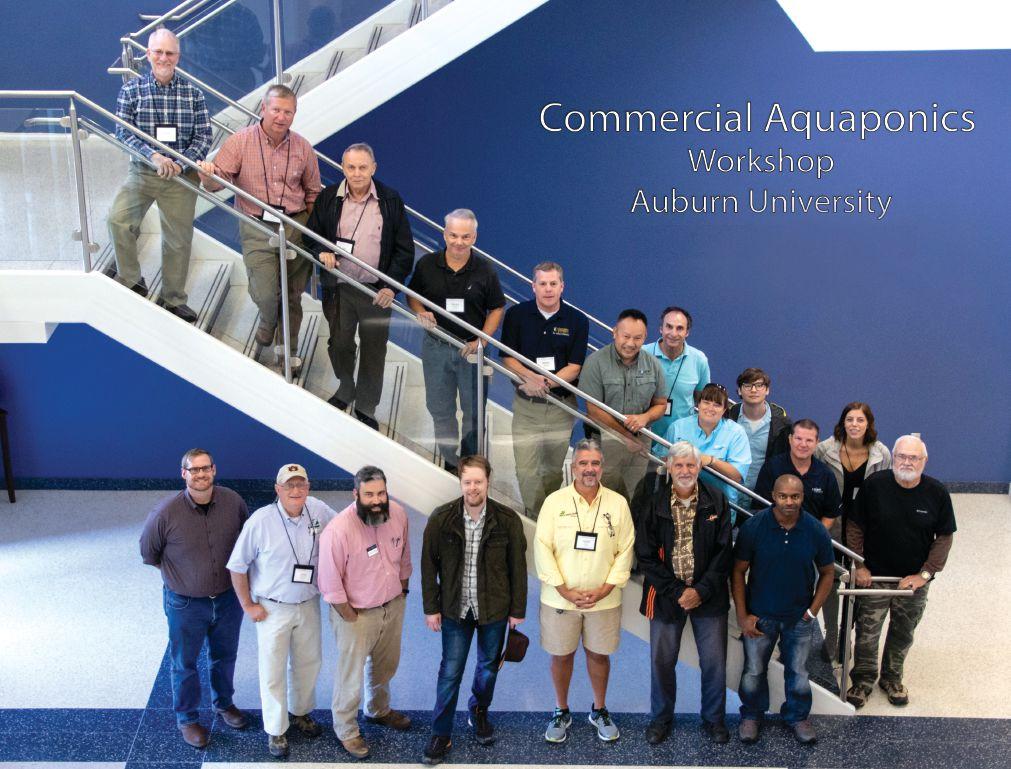
April
Auburn University’s Aquaculture and Fisheries Business Institute is holding a Commercial Aquaponics Workshop in Auburn, Alabama from 9-11 April.
With one day of hands-on activities and two days of lecture, attendees will have the opportunity to learn about commercial aquaponic systems and their operations, said the institute. Presenters include Dr James Rakocy, Huy Tran, Dr Jesse Chappell and Dr Terry Hanson. Interested parties can contact Amy Stone at Amy@aquaticed.com.
Bühler Inc has named Andy Sharpe as president and CEO effective January 1, 2019. Sharpe succeeds René Steiner, who has retired following a 50-year career at Bühler. The company specializes in process engineering and food, feed and advanced industrial materials technology.
“It’s an exciting time to take over the helm of Bühler North America as we advance a phase of equipment solutions and digital innovations that allow our customers to satisfy the basic food, mobility, and communications needs for billions of people, every day,” said Sharpe.
“As president and CEO, my goal is to perpetuate Bühler’s world-class expertise, to help our customers grow their businesses across all industries, as well as create a workplace where our employees can thrive and do their very best,” he added.
Sharpe has more than 20 years’ experience with Bühler, working across all functions of the organization, including sales, marketing, R & D, engineering, manufacturing and executive leadership. Most recently, he served as president and CEO of Bühler Aeroglide in Raleigh, NC.
Red Lobster Seafood Co’s executive vice-president and general counsel Horace Dawson is joining the Global Seafood Assurances (GSA) board of directors.
Dawson came to Red Lobster from Hard Rock Cafe International, where he was the company’s first in-house attorney. He is a graduate of Harvard University, where he received his undergraduate, law and masters of business administration degrees.

BioMar Group has announced a new vice president of the salmon division and a new managing director in Norway. Both Paddy Campbell and Håvard Jørgensen were promoted internally from other executive management positions.

Campbell, the new vice president of the salmon division, was the managing director of the Scottish business unit and has previously been heading the global R&D function within the BioMar Group. He has also been one of the main drivers establishing a solid BioMar business footprint in Australia, said the company. He has been with BioMar since 1998, where he started as product developer.

The new managing director in Norway, Jørgensen, will be promoted from his role as Global R&D director. Based in Trondheim, he has been heading the global R&D organization since 2015. He has solid insight into the Norwegian industry through his R&D work within the salmon sector as well as through his work heading the Norwegian industry organization “Sjømatbedriftene,” the company said in a release.

Physical damage due to treatments and handling, or the effects of environmental and disease challenges, such as sea lice and winter sores, impact fish health and growth performance.
EWOS Dermic is designed to support the immune response during such events, and reinforces skin and scale integrity by combining prebiotics, optimized vitamins, minerals and amino acids.
Available as a functional pack, EWOS Dermic can be added to any EWOS diet.
“The Salmon Division comprises a very important part of our business and we consider the division a vital driver of our innovation and sustainability efforts,” said Carlos Diaz, CEO, BioMar Group. “I look very much forward to continuing the positive development of our products and services within the world of salmon.”
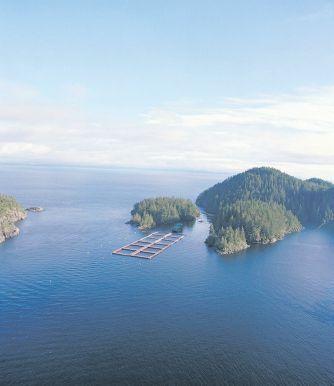

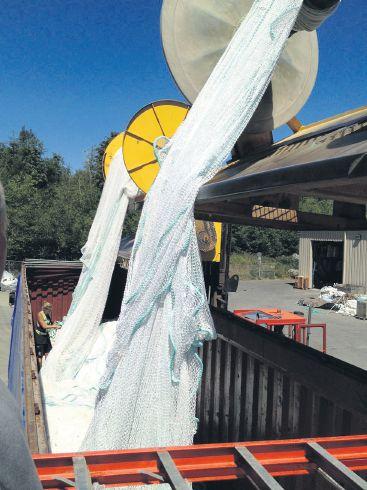


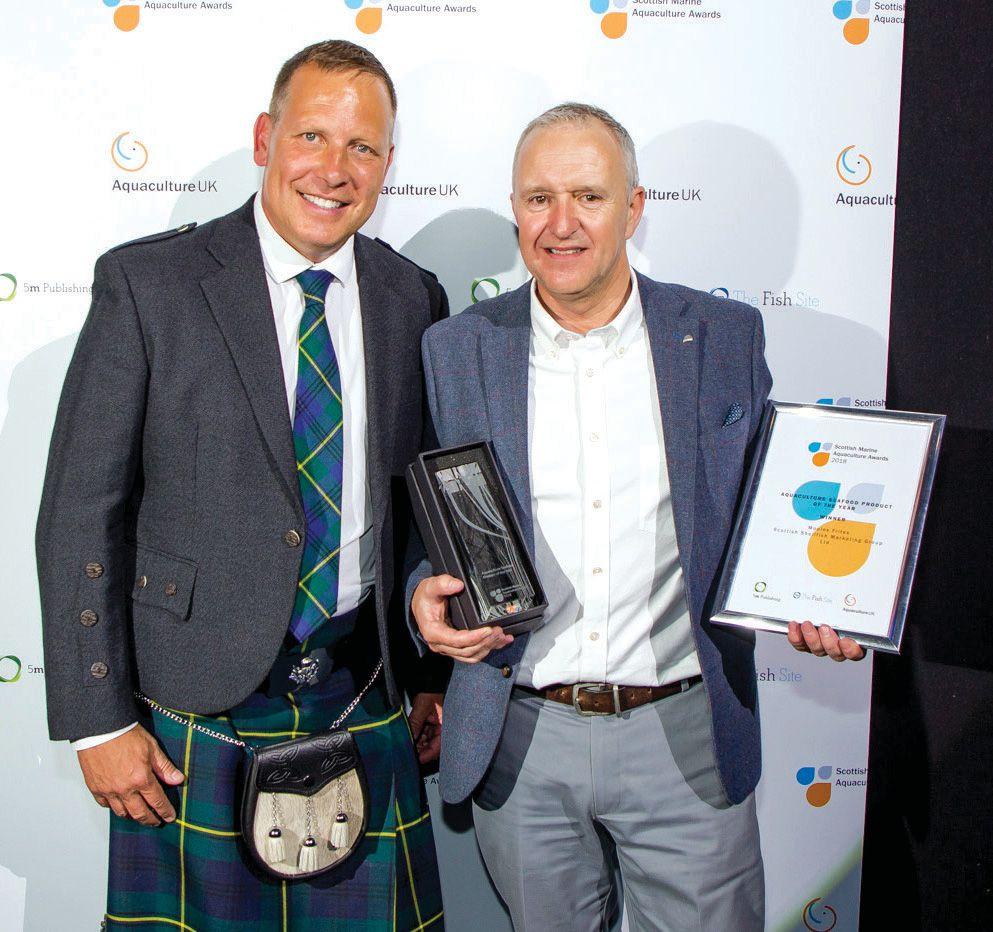
The awards program celebrates innovation in aquaculture. Shown here is 2018 Aquaculture Seafood Product of the Year Winner, Moules Frites (at right) of the Scottish Shellfish Marketing Group Ltd, with John Williamson, general manager of Skretting UK, who presented the award
An annual awards program that celebrates innovation in aquaculture is well underway. Aquaculture UK recently announced the members of the judging panel. It said they have been selected for the breadth of their knowledge of the international aquaculture sector and they come from industry and academia.
The award judges are Alex Adrian, aquaculture operations manager of Crown Estate Scotland; Martin Gill, head of aquaculture and fisheries at Lloyds Register; Rob Fletcher, senior editor of The Fish Site; Nicki Holmyard, head of corporate communications for Offshore Shellfish Ltd; Professor Dave Little, head of research at the Institute of Aquaculture at the University of Stirling; and event organiser Susan Tinch.
The awards are open to anyone involved in aquaculture and feature categories on applied research, animal welfare, international impact and more.
The shortlists will be announced in early April. The awards presentation dinner will be held at Dynamic Earth, Edinburgh on May 29.













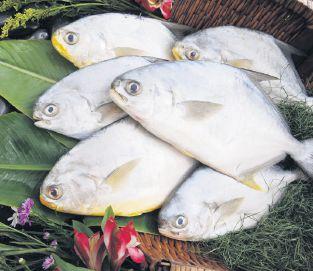
Aquaculture 2019
Mar 7-11
New Orleans, LA, USA
https://www.was.org/
Seafood Expo North America
March 17-19
Boston, MA, USA
https://www.seafoodexpo.com/northamerica/
NC Aquaculture Development Conference
Mar 28-30
New Bern, NC, USA http://www.ncaquaculture.org


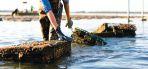
37th Annual Salmon Restoration Conference
April 23-26
Santa Rosa, CA, USA https://www.calsalmon.org
Aquaculture Canada 2019
May 5-8
Victoria, BC, Canada http://aquacultureassociation.ca/
RAStech 2019 May 13-14
Washington DC, USA https://www.ras-tec.com/





www.aquaculturenorthamerica.com
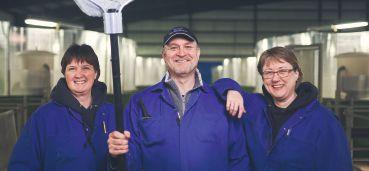
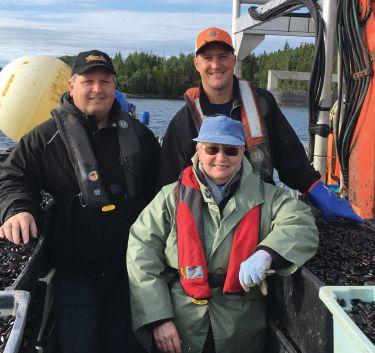
26th ANNUAL CONFERENCE & TRADE SHOW
Delta Hotel, St. John’s, NL, Canada • September 24 - 26
On behalf of the Newfoundland and Labrador aquaculture industry, we invite you to join us for our 26th Annual Cold Harvest Conference and Trade Show; full of exciting and informative discussions related to aquaculture and its potential in our province. With world class keynote speakers and guests, sessions and panel discussions related to aquaculture innovation, technology, human resources and consumer trends. The 2018 event was a record breaker in Canada with a sold-out trade show and more than 450 guests in attendance. We hope to exceed this at Cold Harvest 2019! This event should not be missed.
To register, exhibit, sponsor the event or for more information, please contact: Roberta Collier, Conference Coordinator 709-538-3454 • roberta@naia.ca

www.coldharvest.ca www.naia.ca
June 21,
Winter Oct 11, 2019 Subscribe to Hatchery International or Aquaculture North America and get RASTECH free with your






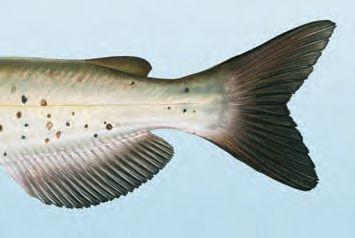

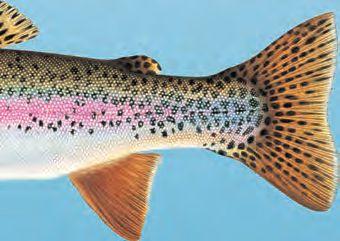
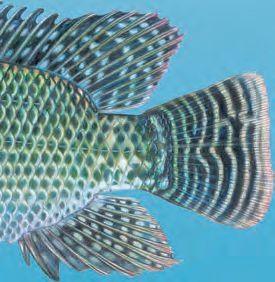
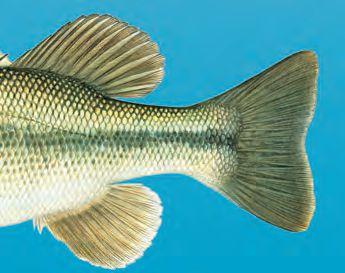
Aquaflor® is now approved for use in all freshwater-reared finfish at dose rates of up to 15 mg/kg*. I t ’s cleared for use in recirculating aquaculture systems, too.
S o whether you raise trout, tilapia, bass, c atfish or even baitfish or ornamentals, you can turn to Aquaflor for managing the toughest bac terial diseases of farm-raised fish.*
For the full stor y, call our fish-health specialist, K asha Cox, at 662.907.0692 or visit our new website at Aquaflor-USA.com.
It just keeps getting better A Q U AF L O R ®
* In the USA, Aquaflor is approved for use at 10-15 mg/kg in freshwater-reared salmonids for the control of mor tality due to furunculosis associated with Aeromonas salmonicida and coldwater disease associated with Flavobacterium psychrophilum; in catfish for the control of mor tality due to enteric septicemia of catfish associated with Edwardsiella ictaluri; and in all freshwater-reared finfish for the control of mor tality due to columnaris disease associated with Flavobacterium columnare At 15 mg/kg, Aquaflor is also approved in freshwater-reared warmwater finfish for the control of mor tality due to streptococcal septicemia associated with Streptococcus iniae. LABEL CLAIMS NOT APPROVED IN CANADA.
CAUTION: Federal law restricts medicated feed containing this veterinary feed directive (VFD) drug to use by or on the order of a licensed veterinarian.
© 2015 Inter vet Inc., doing business as Merck Animal Health, a subsidiar y of Merck & Co Inc All rights reser ved MAH-AQF-38 ( or fenicol) T