




CAGE CULTURE




























BY LYNN FANTOM
Innovations in cage systems are spawning hope for a sustainable future in net pen farming. From core cage designs that combat threatening weather to ancillary systems that fight parasites and predators, both veteran European manufacturers and inspired Canadian start-ups are tackling the challenges.




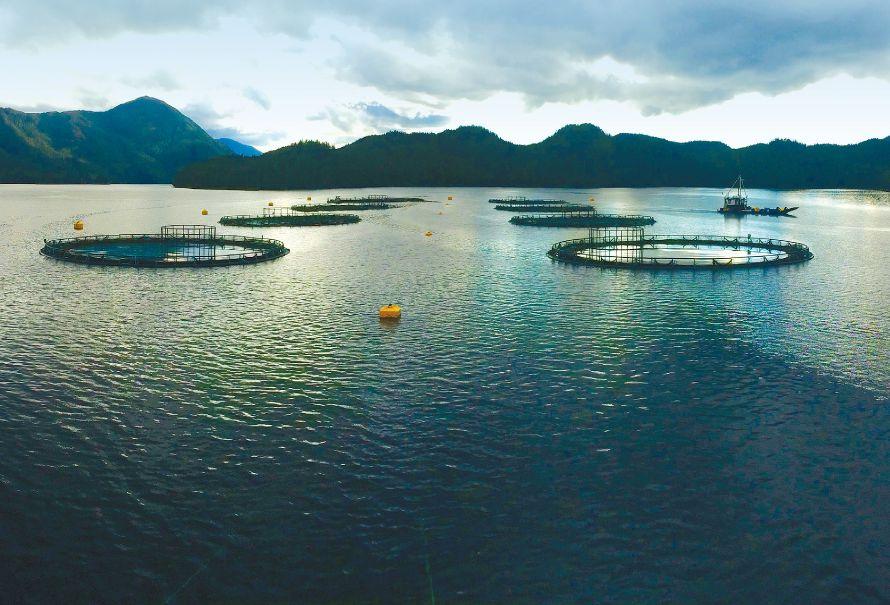
Complacency is not an option for salmon aquaculture, but instead of disruptive innovations the industry is advancing with ‘measured and responsible’ adaptations to existing technology
But, as committed as the industry is to solve its most intractable problems, its approach has been one that David Kiemele, managing director of Cermaq Canada, characterizes as “measured and responsible.” Aquaculture is not a business rabid for “disruptive technologies.” The stakes are too high.
continued on page 8
The path to success had difficult twists and turns for the first mover in US offshore aquaculture, but its triumph paves the way for other industry players
BY LIZA MAYER
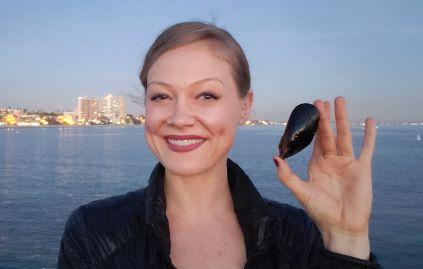
Gold mine or money pit? One can’t blame CEO Phil Cruver if the thought crossed his mind during the early years he was trying to get Catalina Sea Ranch (CSR) off the ground. The odds were stacked against it. For instance, the mussel farm was ready to market its first harvest in June 2017 but the lack of FDAcertified biotoxin testing labs in California prevented that harvest from reaching the market.
BY MATT JONES
The recent arrival of two new shrimp growing operations in Ontario, Canada could mark the beginnings of a farmed shrimp industry for the province, if not for the country. Shrimp farming is a major industry worldwide, but in Canada, production on a commercial scale is yet to be seen.
Consumer demand for sustainably farmed food and their negative perception of imported shrimp are behind this development. Early this year, an investigation by state-owned broadcaster CBC has found that Canadian grocery stores are selling imported shrimp containing antibiotic-resistant bacteria.
“We see headlines of imported products as carrying some sort of residue of medication or antibiotic-resistant bacteria and things like that,” says RJ Taylor, marketing director of the Ontario Aquaculture Association. “When we’re talking about the trend towards shrimp, you definitely see that on the consumer side.”
continued on page 14
Publications Mail Agreement #PM40065710
RETURN UNDELIVERABLE CANADIAN ADDRESSES TO 111 Gordon Baker Rd., Suite 400, Toronto, ON M2H 3R1


Opportunity to work down under l Located in Tasmania, Australia l Career enhancing positions l Competitive salary package
Currently operating Australia’s biggest and best Atlantic salmon hatchery, jump on board our team at Tassal Group Ltd (ASX: TGR). Currently employing 1500 people around ourteamatTassalGroupLtd(ASX:TGR).Currentlyemploying1500peoplearound Australia, we’re looking for more great staff to join our growing teams!
Our hatcheries are all located in a truly spectacular part of the world. Tassal continues to invest strongly in its state-of-the art freshwater RAS hatcheries. We are looking for experienced and passionate individuals for various roles at different levels to contribute to our freshwater expansion strategies into the future including:
Hatchery Manager
Tertiary qualification(s) and a minimum of 5 years’ experience in a leadership role within the aquaculture industry with extensive experience in freshwater salmon farming. You will also have proven expertise in broodstock management and/or selective breeding, incubation and fry systems and intensive RAS smolt systems. You will possess a complete understanding of the requirements of cultured salmonoid and a demonstrated ability in the development of improved management and production strategies.
Assistant Hatchery Manager
Tertiary qualification(s) in aquaculture or related discipline and/or a minimum of 3 years’ experience in hatchery/leadership environment. You will possess strong people leadership skills and A1 aquaculture technical experience in incubation systems and intensive RAS smolt systems.
The successful candidates for these positions will have the following attributes:
• Ability to create a broad range of innovative solutions to maximise opportunities and minimise challenges based on your broad breadth and depth of fresh water experience;
• Commercially capable;
• A dogged focus on achieving goals;
• Unwavering resilience;
• Highly self-motivated, persuasive and passionate influencer and leader of team members and other business stakeholders; and
• A natural desire to lead
In joining our team you will be offered not only a fantastic career related challenge and journey but also lifestyle advantages. An attractive remuneration package will be offered to reflect the level of experience you can bring on board.
If you are looking for that next challenge and you are a driven and innovative operator then we want to hear from you!
If this is an opportunity too good to ignore and you are interested and want to work with a passionate, dedicated, strong and growing team, apply now by emailing your CV and a cover letter through to Ange Quinn at angela.quinn@tassal.com.au
Fisheries and Oceans Canada (DFO), the federal agency responsible for regulating Canada’s aquaculture industry, will soon test British Columbia fish farms for foreign strains of a virus deemed harmful to fish.
Jonathan Wilkinson, minister of DFO, said the screening for the non-native Icelandic and Norwegian strains of piscine orthoreovirus (PRV) at BC hatcheries is part of a proposed risk management policy that aims to protect wild salmon and the health of farmed fish.
“Science tells us there are different strains of PRV around the world, and that the one in BC is naturally here and benign. Requiring farmers to test for foreign strains of this virus is a responsible approach,” said the BC Salmon Farmers Association (BCSFA), in response to the news.
The association added that its members are already testing for a number of known pathogens before smolts are transferred from hatcheries to the saltwater environment. “Testing for this additional virus will now be part of an already rigorous process,” it said.
The public has 60 days to comment on the DFO proposal, called “Framework on the Transfer of Live Fish.”
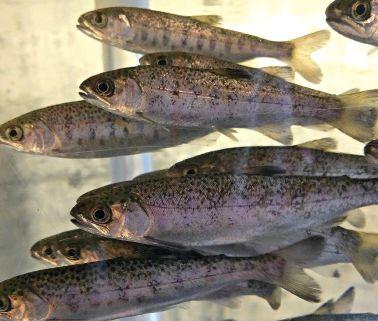
DFO will soon test for the PRV virus at BC hatcheries before juveniles are moved to open-net pens

Eel and yellowtail farmers to build land-based facilities in the state
The vision for Maine to become America’s RAS hub is gaining traction with the announcement of two new players joining the growing field.
American Unagi, a Maine-based company farming and selling live, locally sourced Maine eels throughout the United States, will break ground on Maine’s first land-based eel aquaculture facility this summer.
Dutch company Kingfish Zeeland also plans to build a recirculating aquaculture systems (RAS) operation in Maine, although it hasn’t announced where. Kingfish raises yellowtail at its RAS farm in the Netherlands.

“The Government of Canada is committed to following the precautionary approach, which recognizes that the absence of full scientific certainty shall not be used as a reason for postponing decisions where there is a risk of serious or irreversible harm,” DFO said in a statement.
Two new studies released early this year have suggested that the PRV is not as harmful as some believe (see ANA May/June 2019 page 7).
In the interim, DFO said that as a precaution, it will be requiring enhanced testing and reporting of any instances of heart and skeletal muscle inflammation (HSMI) and jaundice syndrome in fish farms. It said it will also invest additional resources to test farm sites to ensure proper monitoring and enhanced monitoring of farmed fish health.
American Unagi’s new $7-million, 27,000-square-foot Waldoboro facility will be located at the Waldoboro Business Park and expand the company’s current production. The facility will be the first of its kind in the US to grow Maine eels to market size.
Sara Rademaker, American Unagi’s founder and president, says the RAS facility will be the first of its kind in the US to grow eels to market size Credit: American Unagi
The company already has all the necessary permits, according to Sara Rademaker, American Unagi’s founder and president. “We are shovel ready,” she said, adding that the company will produce 240 metric tons of eels at the new facility and will create 14 new jobs.
The company currently raises its eels to market size on the Maine coast. It said demand for US cultivated eels is strong because the majority of eels imported into the US market are not traceable.
The RAS facility will expand the current operation and is part of the company’s long-term strategic plan, the company added.
FORTE micro® the first ever reduced dose salmonid vaccine for North America. Multiple disease protection in a new smaller 0.05ml dose.

Aquaculture projects are among the potential alternative uses for decommissioned offshore oil and gas platforms at the Santa Barbara Channel in California.
Potential projects for alternate uses for the platforms, including aquaculture, scientific and oceanographic research, renewable energy and desalination will be the subject of an exhibition in November at the Santa Barbara Maritime Museum (SBMM).
Operators of six of the 20 platforms in the area have announced that they will not restart production. While decommissioning of the platforms will require several years, the process has begun, and the oil companies are preparing their plans now.
“Well-designed projects, from both environmental and economic standpoints, need to be developed and discussed quickly, or this opportunity may be lost,” George Steinbach, volunteer consultant working for the Santa Barbara Chamber of Commerce and the SBMM, told Aquaculture North America (ANA).
Exhibits from the aquaculture industry are expected to be in the categories of commercial net pen aquaculture, on-
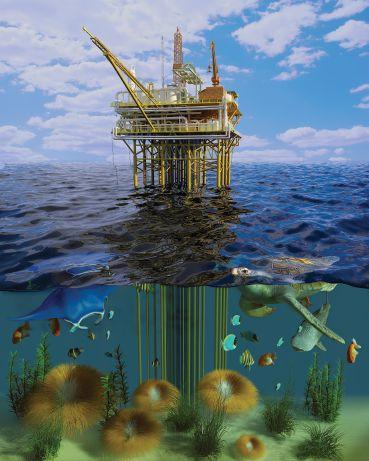
structure hatchery for habitat restoration projects, commercial shellfish production, and commercial harvesting of shellfish from the structure’s legs.
The platforms offer many advantages for offshore aquaculture. “They are fixed and stable sites in the open ocean, some in very deep water, that have significant deck areas for equipment, housing and infrastructure. Some have electric cables from shore that could be used to import power. This infrastructure will need to be maintained, but it is uniquely situated and irreplaceable,” Steinbach said. – Ruby Gonzalez
Blue mussels, the predominant shellfish cultured in Maine, may be tougher against increased seawater acidity than other cultivated species, a new study says Credit: CC0 public domain
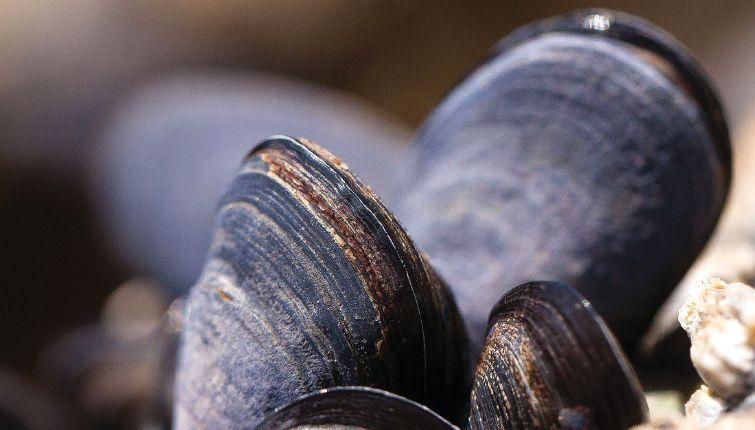
Blue mussels (Mytilus edulis) are resilient to ocean acidification, a new study suggests.
Ocean acidification refers to the increasing acidity of seawater. The phenomenon appears not to have any impact on blue mussels, said the University of Maine researchers behind the study, The impact of ocean acidification on the byssal threads of the blue mussel (Mytilus edulis).
This possibility was based on results of experiments on how ocean acidification can affect the byssal threads, which are produced by blue mussel to anchor itself to the substrate.
“These threads are always exposed to the surrounding environmental conditions. Understanding how environmental pH affects these threads is crucial in understanding how climate change can affect mussels,” said study
authors Dickey G, Preziosi BM, Clark CT, and Bowden TJ.
“Even if the results described in the current study are due to the mussels having an acute response to this increase in CO2, it is evident that these organisms are fully equipped to deal with an increase in ocean acidity and will be unaffected by an acidity increase of this magnitude in the natural environment,” they wrote.
The results contradict those of previous studies that have shown that the byssal thread strength of some Mytilid species can be negatively impacted by decreasing pH. In another study, by Scottish and Australian scientists, ocean acidification was found to lead to diminishing size and falling population of oysters among Sydney rock oysters in New South Wales.
– Ruby Gonzalez
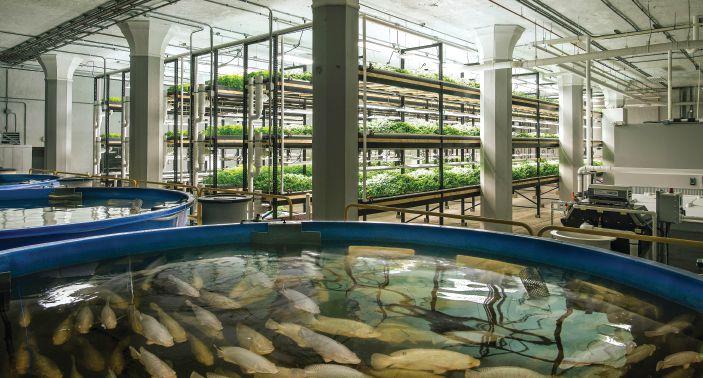
Water treatment specialist Pentair Plc is existing the aquaculture business and selling related units to focus its strength on the residential and commercial pool segments.
A spokesperson for the Minneapolis-headquartered company said the firm will sell the Vaki business unit under the Aquatic Eco-Systems Division, which is specialized in aquaculture-related products and services. Vaki provides fish handling, counting and grading solutions. Pentair will also divest itself of the Chile operations and the online catalog operation.
“While we believe the aquaculture business offers attractive long term opportunities, the short term business model does not meet our expectations. Pentair will not have any business related to aquaculture once the sale process is complete,” spokesperson Rebecca Osborn told Aquaculture North America (ANA)
About 35 employees in the Pentair Aquatic Eco-Systems Division were let go on June 5 as a result of the decision.
“We plan to operate the business as usual as we navigate through the sale process. We are dedicated to ensuring a smooth transition for our customers, and will be communicating with them,” Osborne added.
Reacting to news of Pentair’s departure from the industry, the executives at Aquatic Equipment and Design (AED) gave assurance to the aquaculture industry it still has “a partner in aquaculture supplies and design.”
AED was formed after the Pentair merger with Aquatic Eco-Systems (AES) in 2012, and provides aquaculture equipment and designs to aquaculture companies worldwide.
AES was established in 1978 by Robert “Bob” Heideman, a former Navy SEAL. AED co-owners Amy Riedel-Stone and Huy Tran, president and vice-president, respectively, both learned the business from Heideman, prior to establishing AED.
“Huy and I are proud to have been able to learn from Bob and continue his mission and values today,” Riedel-Stone said in a statement.


Editor Liza Mayer
Tel: 778-828-6867 lmayer@annexbusinessmedia.com
Advertising Manager Jeremy Thain
Tel: (250) 474-3982 Fax: (250) 478-3979 Toll free in N.A. 1-877-936-2266 jthain@annexbusinessmedia.com
Media Designer Svetlana Avrutin
Circulation Manager Barb Adelt Tel: 416-442-5600 ext. 3546 badelt@annexbusinessmedia.com
Subscriptions Angie Potal apotal@annexbusinessmedia.com Tel. 416-510-5113 Fax: 416-510-6875 or 416-442-2191
815 1st Ave, #93, Seattle, WA, 98104


www.aquaculturenorthamerica.com
Regular Contributors: Ruby Gonzalez, John Nickum, Matt Jones, Lynn Fantom, Andy Walker
Annex Privacy Officer
Privacy@annexbusinessmedia.com
Tel: 800-668-2384
Group Publisher - Todd Humber thumber@annexbusinessmedia.com
COO - Scott Jamieson
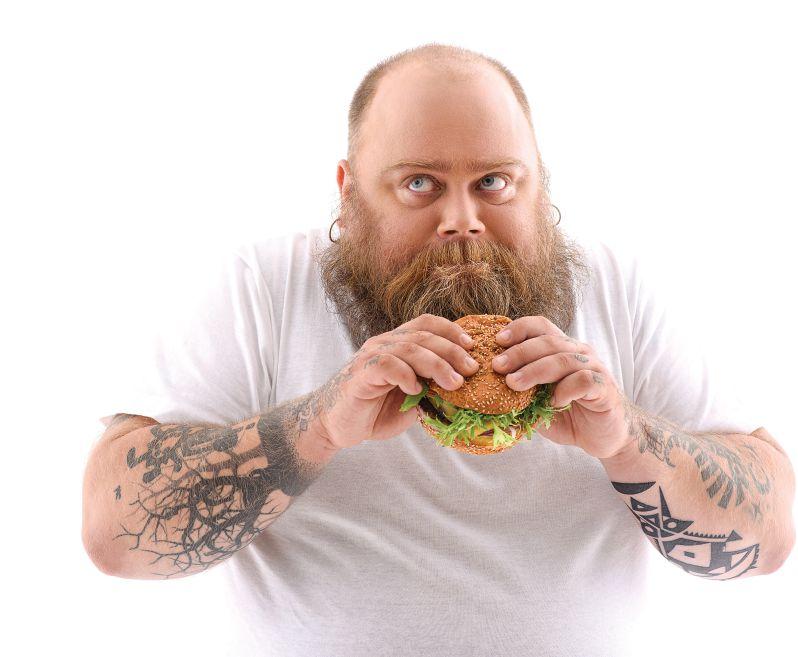
Fifty grams of protein from beef has an average greenhouse gas impact of 17.7 kg of CO2, compared to only 3 kg of CO2 for the same amount of farmed fish
Credit: Adobe Stock
Eating less meat and dairy from cows and incorporating more clams, oysters and scallops into one’s diet are two of the many recommendations of a New York Times piece on how our food choices affect climate change and what each of us can do about it.
Titled “Your questions about food and climate change, answered–How to shop, cook and eat in a warming world,” the piece acknowledged the role of aquaculture in feeding the world’s growing population.
It said farmed fish could “sometimes” be a climate-friendly option, depending on farming practices and geography. “There are plenty of promising efforts underway to clean up fish farming and make it more climate-friendly, but there’s still a long way to go in many parts of the world,” it said.
The visual story, a first such collaboration by New York Times staff (a food reporter, a climate change reporter and two multimedia journalists) illuminates the relationship between what we eat and how their production impacts the environment through science-based information. The piece refreshingly dishes out, using accessible language and enticing images, the kind of information that could help consumers sort out though the myriad of food choices available.
It cited, for instance, that 50 grams of protein from beef has an average greenhouse gas impact of 17.7 kg of CO2, compared to only 3 kg of CO2 for the same amount of farmed fish. While many in the aquaculture industry are aware that farmed fish is greener than other animal proteins, the broader public may not.
The director of Seafood for the Future program at the Aquarium of the Pacific, Kimberley Thompson, put in a nut shell why there’s a need for raising public awareness: “If you’re eating hamburger and you’re complaining about salmon, you’ve got a conflict there,” she told delegates at the 2019 Aquaculture Canada in Victoria, BC.
At the same event, Fisheries and Oceans Canada (DFO) scientist Dr Simon Jones made a clarion call to the industry and scientific community: “We need to find ways to communicate science to a much broader audience that is beyond the audience [here] that’s pretty much converted already to the belief that this [aquaculture] is a good thing. We need to communicate to the broader public that, quite frankly, need to be convinced that it’s not all about sea lice, it’s not all about viruses from Norwegian salmon,” he said. Highlights of the conference begin on page 18.)
– Liza Mayer























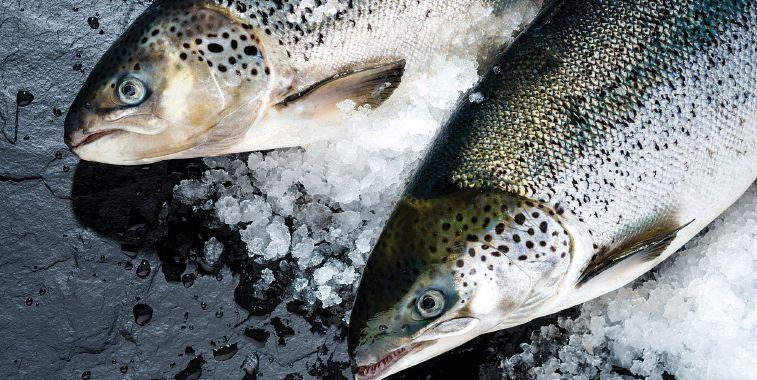
Emergent Holdings, the parent company of Whole Oceans, has offered to buy a majority stake in Kuterra, the British Columbia-based pioneer of growing Atlantic salmon on land.
The Namgis First Nation, owner of Kuterra, is expected to make a decision on the offer this July.
The deal will help Emergent Holdings capture at least 10 percent of the North American market for Atlantic salmon by developing vertically integrated facilities close to consumers, the company based in Birmingham, AL said.
Its other aquaculture asset, Whole Oceans, is building a land-based Atlantic salmon farm in Bucksport, Maine.
“Kuterra’s expertise in growing fish will support Whole Oceans’ operations on the East Coast. And when Kuterra’s expertise is combined with Emergent’s new production systems, we’ll have a strong base of operations from which we can build our West Coast capacity,” says Jacob Bartlett of Emergent Holdings.
Mowi achieves ASC multi-farm certification
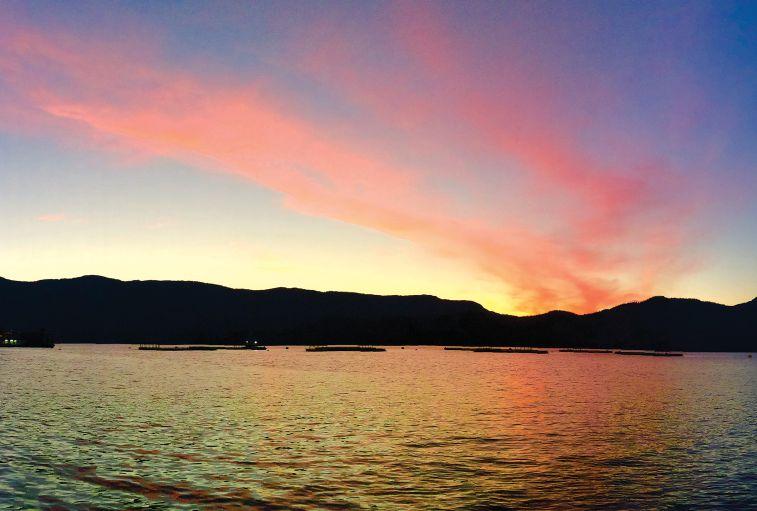
Mowi’s site on Alexander Inlet in Klemtu, BC is one of the three Mowi farms in the area that received ASC certification Credit: Mowi Canada West
Mowi Canada West has become the world’s first aquaculture company to achieve certification under the Aquaculture Stewardship Council (ASC) multi-site certification methodology that was launched in August 2017.
ASC said it developed the multi-site methodology to enable companies owning five to 50 sites within the same jurisdiction to achieve certification for all locations in one go. This allows for a “maximum level of assurance that is credible yet affordable” for both the companies and certification companies, it said.
Independent third-party auditors certified Mowi’s three Klemtu, British Columbia salmon farms--Alexander Inlet, Goat Cove and Kid Bay--to the ASC Salmon Standard. To achieve certification under the ASC Salmon Standard, farms are audited against 500 separate aspects of the sites performance.
Mowi Canada West now has 23 salmon farms certified to the ASC Salmon Standard, representing about 75 percent of the company’s production. It said its goal is to achieve ASC certification for all of its farms by 2020.
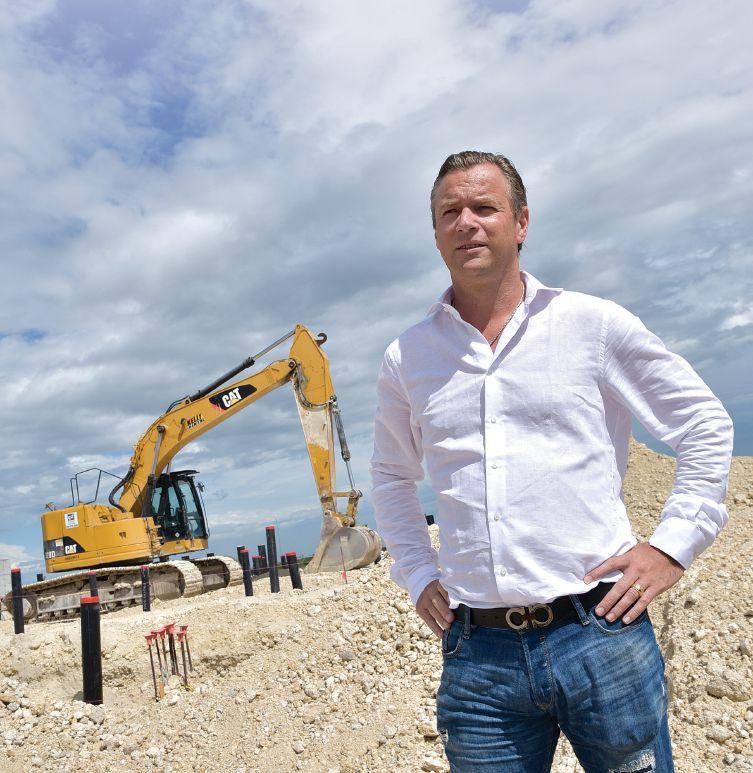
ACEO Johan Andreassen says Atlantic Sapphire is well placed to serve the US market
Credit: Atlantic Sapphire
tlantic Sapphire has its sights on reaping 220,000 MT of head-on-gutted Atlantic salmon from its land-based farm near Miami by 2030, a significantly higher target than the 90,000 MT it was initially aiming for by 2026.
The Norwegian-owned company, which is behind the world’s first land-based salmon farm, located in Denmark, made the announcement during an investor road show in Miami in May.
The company said the performance of its Denmark operations and the progress in the construction of its so-called Bluehouse in Miami “are driving business plan acceleration.” Even mid-construction, the US facility was already housing 1.6 million fish (up to parr) as of May, and its completion expected to be on time, the company said.
It believes it is well placed to serve the 380,000 MT fresh, farmed Atlantic salmon market in the US. “We are able to produce our fish cheaper than Norwegian counterparts or Chilean. From Miami to New York, our fish can be there within 24 hours. Others (Norway, Chile) will take up to five days. This cuts down costs for the company,” Atlantic Sapphire CEO Johan Andreassen told the audience at the 2018 Aquaculture Innovation Workshop.
The company expects harvest to commence in mid-2020.
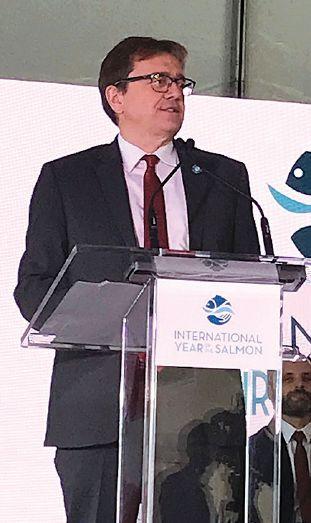
Canada’s aquaculture regulator led by Minister Jonathan Wilkinson is forming an external advisory committee on aquaculture science
Credit: Liza Mayer
anada is creating a five-member committee that will advise it on the development and implementation of scientifically sound aquaculture policies.
C“Our Government of Canada is committed to advancing an evidence-based aquaculture sector that is both responsible and sustainable,” said Jonathan Wilkinson, Minister of Fisheries and Oceans (DFO) and the Canadian Coast Guard.
The committee will comprise Canadian and international scientific experts, as well as an Indigenous representative. DFO was calling for nominations and expressions of interest for the positions as of press time.
Earlier, DFO created a Departmental Science Advisor role and launched the State of Salmon Aquaculture Technology Study. The latter aims to provide viable technology options for salmon farming in BC. Results are expected this summer.
















Instead, Kiemele is more inclined to talk about “precision aquaculture,” where innovations in technology and engineering move purposefully from observation and interpretation to decisions and actions.
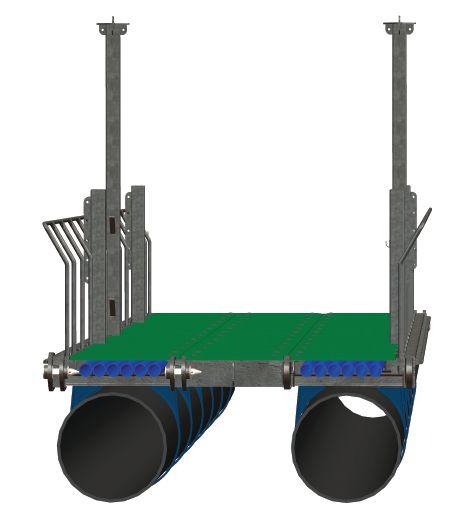
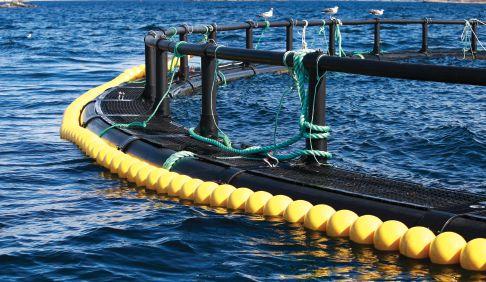
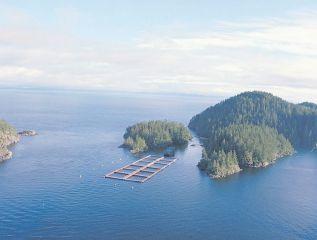
A three-year-old company in British Columbia is a good example. Started by a marine engineer, Poseidon Ocean Systems has designed a new cage system called the Trident Hybrid Steel Cage System that combines the benefits of steel cage farming with the enhanced stability of rounded continuous pipe traditionally used in circular pens.
“So many of its features are incremental that we consider the system an evolution in cage system design, not a revolution,” says Poseidon CEO Matt Clarke. “But, all together, this is a big step forward.”
Gael Force Group’s newest mooring system sounds similar: step-by-step improvements to yield new levels of performance. The system, branded SeaQureMoor, was introduced in Scotland in 2016 and has just recently been installed at a farm in Newfoundland and Labrador—a first in Canada. Gael Force established a new operation in Grand Falls-Windsor in April this year.
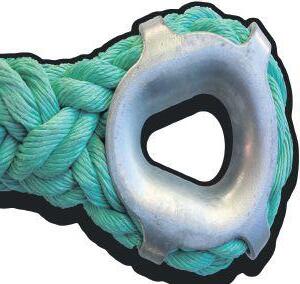
Engineers of mooring systems traditionally have depended on metal shackles to connect nodes to ropes, according to an FAO technical paper from 2015. But Gael Force did something new: it replaced these shackles with fiber ropes attached directly to the circular metal node below the mooring buoy. That reduces the wear and tear from metal-on-metal friction.
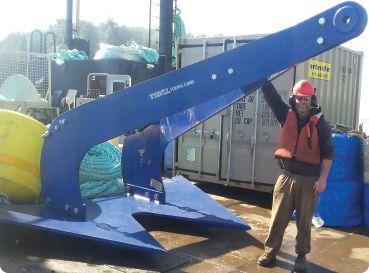
Gael Force also developed a new rope with a smaller diameter to further reduce abrasion. The lighter-weight line does not compromise on strength, the company says. And their anchor, with its twin shank and twin point fluke design, rather than a conventional spade shape, offers twice the holding power.
Jamie Young, Gael Force Group’s sales director, echoes the responsibility the industry feels, when he recalls the failure of a pen in 2017 that led to the Atlantic salmon farming ban in Washington State. “Companies recognize the importance of containment,” Young says. “Situations like Seattle make the industry realize if someone gets

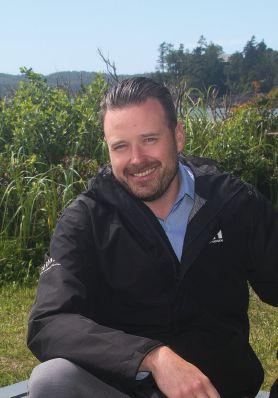
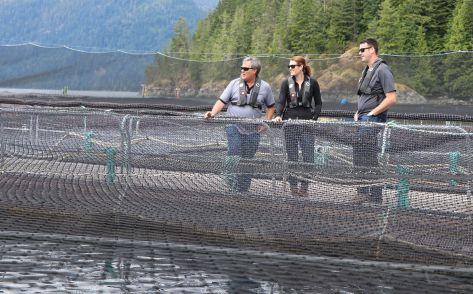
David Kiemele, managing director of Cermaq Canada, describes the industry’s approach to challenges as ‘measured and responsible’
it wrong, the impact is not on the farm alone—the implications are potentially massive.”
Young also emphasizes that the adoption of innovation is not a static act. The level of security a mooring provides starts with initial system design, of course, but is also affected by what happens after that. When a farm opts for deeper nets, adds a lice barrier, or expands its pen sizes, that can challenge the mooring. And so can biofouling. “Any of these factors can potentially lead to component damage,” he says.
“Large-scale escape events have not occurred in recent years in BC,” according to the most recent Seafood Watch report from the Monterey Bay Aquarium. “Nonetheless, they continue to occur globally from similar production systems, and the potential remains for escapes due to human error or bad weather.”
One way to reduce human error is to mechanize certain daily operations at the farm site.
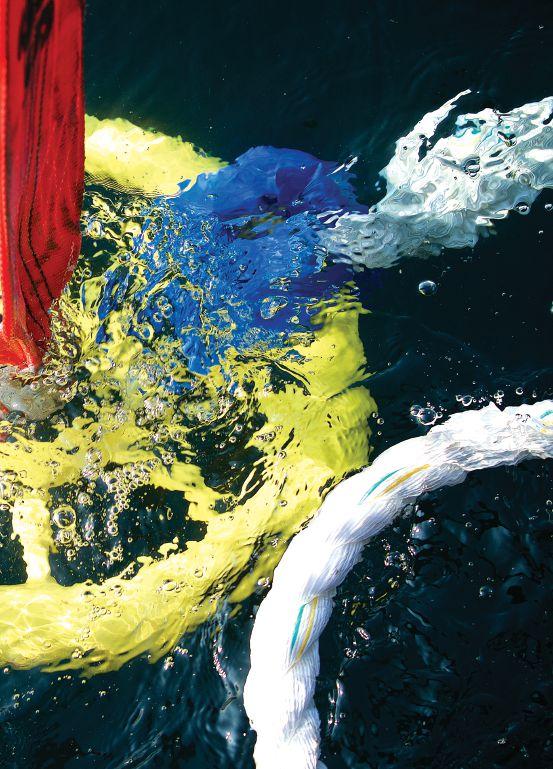
In 2015, Aqualine was the first company to introduce a winch system to raise and lower nets. It eliminated the need for a boat, crane, and chains to do so.
Winches are placed around the pen and operated from a single power unit, often part of the digital control system on a nearby barge. Because the winches are all synchronized, net handling during smolt delivery or harvesting becomes less risky.
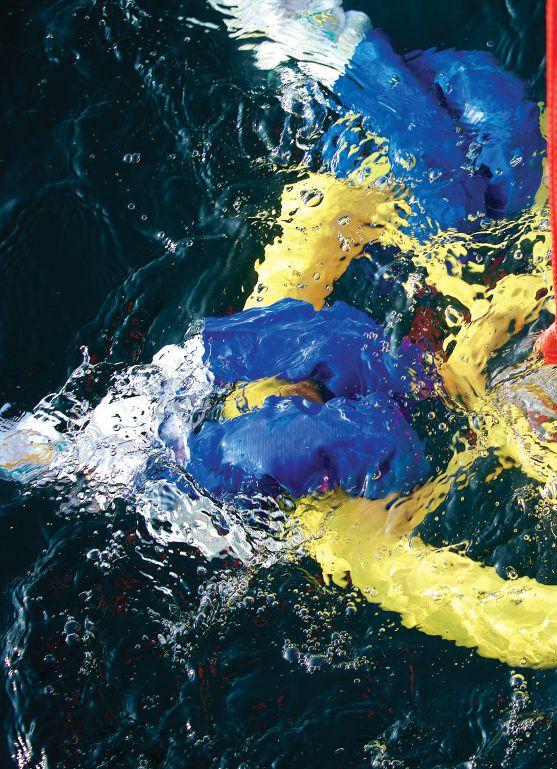
With the winch system, the net movement is also steadier and the sound is reduced to a low buzz. Says Aqualine’s CTO Martin Soreide, “It is less stressful for the fish. That is the important thing.”
Aqualine has won a number of innovation awards in Norway for its Midgard System and has sold over 3,000 winch systems worldwide, according to Soreide. (None of the cages Aqualine has installed in Canada to date has included the winch system.)
Canadian efforts to adopt new containment systems and successfully maintain them undoubtedly have paid off. “We can run net pens in a way that keep fish in the pens where they are supposed to be,” says Jeremy Dunn, Director of Community Relations and Public Affairs at Mowi Canada West.
But there’s no complacency in his attitude. “Based on polls and just talking to people, the key concern about salmon farming in British Columbia is for the well-being of wild salmon,” he continues. “Anything that is or is perceived to be a threat to wild salmon is a risk. So, we have implemented innovations that have significantly reduced escapes.”
Many of these have to do with nets: nets made of advanced materials, dual net systems to keep fish in and predators out, HD camera systems not only to monitor fish during production but also net conditions, and ROV technology for further surveillance.
A net manufacturer increasing its presence in Canada is Badinotti. The Milan-based operation, which has been making nets since 1910, recently announced the addition of a general manager, Simon Proctor, in Campbell River, BC, where the company is moving to a new location.
The biggest change in nets for salmon farming during the last 10 years, according to Ingolf Goetz, Badinotti’s sales manager for the US and Canada, is the switch from copper-coated nylon nets to those made of high-density polyethylene (HDPE). The benefit of HDPE is there is no copper coating agent, which is a potential source of metal accumulation in cultured fish.
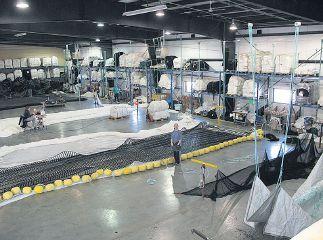
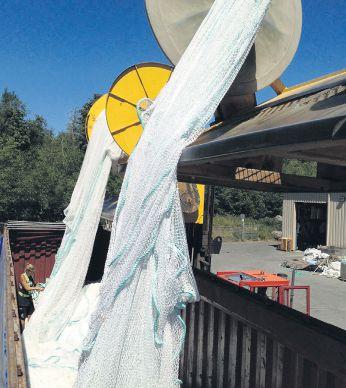
But the HDPE nets are heavier and bulkier— and require washing. Badinotti has made a “sizable investment” to provide washing while nets are in the water. (They own eight boats, according to Goetz.)
An advance that Badinotti is excited about is a new net that mixes textile fibers with steel or copper. Called Combinet, it has been designed to reduce biofouling and offer strength. According to Goetz, it has recently
been installed in the Gulf of California at the Kampachi Company farm in Mexico—where sharks are predators. The company is monitoring performance and, with good results, expects adoption of this innovation to move beyond Mexico.
For years, the challenge of sea lice in salmon farms was pretty much under control, until evidence showed that emamectin benzoate, marketed by Merck Animal Health as SLICE, was becoming less effective against the parasite. In the last decade, the industry has responded with increased R&D.
In April, Mowi Canada West launched Aqua Tromoy, the largest and most technologically advanced vessel equipped with an on-board water treatment process for sea lice. The process involves lifting salmon aboard and immersing them in freshwater to remove sea lice and other parasites. Managing director Dr Diane Morrison calls it “a game-changer for our business.” (See page XX for insight into Mowi Canada West’s sea lice arsenal.)
Salmon farmers are also combating sea lice through the use of tarpaulins. For example, Botngaard, a Norwegian company founded in 2009, creates custom tarps for aquaculture, including lice skirts and both delousing and disinfectant tarps.
But when a farmer lowers tarps to wall off the cages for protection from sea lice, the oxygen available to the salmon may drop because water is not flowing through to deliver it. If this happens, fish appetites decrease…and so does growth.
A new way to ensure salmon get the oxygen levels they need is through a nanobubble generator. This emerging technology is based on the discovery of nanobubbles, which are so tiny that 8,000 of them equal the width of a human hair.
Unlike microbubbles, which rise and burst on the surface, nanobubbles remain stable in water for prolonged periods. They can be injected at any level and provide oxygenation at all depths. “They hang where the fish live,” says Cermaq’s Kiemele. That’s their beauty.
This very efficient delivery, part of “precision aquaculture” that Kiemele likes to talk about, can target particular problems at particular times on particular sites.
Fish farmers seeking such aeration systems should do their homework, though, to ensure they get what they want.
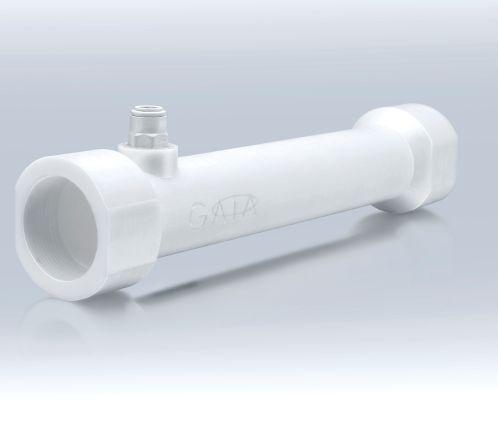
Gaia Water, the privately held company that helps
Cermaq Canada boost low dissolved oxygen levels where they occur, started strengthening its development research about three years ago. Its R&D team went to a leading university in Japan that specializes in nano technology to validate Gaia was actually producing ultra-fine bubbles. Botngaard, the tarpaulin maker, now integrates Gaia’s technology into its systems.
“We spent a lot of time and resources in the early days qualifying it with academic studies and field trials with our clients,” says Tom Richardson, vice president of Technology. For quality control, Gaia later invested in its own Malvern Particle Analyzer to conduct testing of their UFB (Ultra-Fine Bubbles) Generators on an ongoing basis.
Cermaq also taps nanobubble technology to manage phytoplankton blooms, by installing tubes around the perimeter of the cages, says Kiemele. These harmful blooms, such as the one that suffocated about eight million farmed salmon in northern Norway in late May, are predicted to increase worldwide as waters continue to warm.
Closed cage systems are also on the Canadian horizon to manage multiple challenges that the industry faces.
Last December, Cermaq announced that its trial with a closed cage for post-smolt in northern Norway was a success. “Here the fish are thriving, and have grown better than the fish in the cages around the area, mortality is minimal, and lice are no problem,” said Kejell Hansen, the project coordinator. Technology produces waterflow into the cage from deep below, thus ensuring the requisite level of oxygen. The tarp wall is made of strong and flexible composite, according to Cermaq, and is surrounded by a traditional net.
In the Norway trial, smolts are grown to 2 kilograms, then transferred to open cages. David Kiemele hopes to move another step forward with the system in 2020, launching it in Canada and growing them all the way to harvest size.
It is not surprising that the name Cermaq chose for this cage system is Certus, which, according to its press release, means “safe” in Latin. But Latin students know that “certus” also means “resolved,” “determined,” and “reliable”—all apt descriptions for how the aquaculture industry is seeking to deal with its challenges.

Agrimarine’s floating closed containment system is installed in a farm in Gulklakken, Smøla, Norway by Smøla Klekkeri og Settefiskanlegg AS. The technology is currently used for salmonids but can be applied to other coldwater species with minimal modification Credit: Agrimarine Holdings
ABritish Columbia-based company at the forefront of floating closed containment systems is confident the time will come when it will see a more widespread adoption of the technology.
Sean Wilton, director and CEO of Agrimarine Holdings Inc, acknowledged there isn’t as much buzz around floating closed containment technology—at least in the West Coast— as there is around recirculating aquaculture systems (RAS).
“From our point of view we believe a bit of that is regional,” Wilton says. “It has become very topical in Norway. For example, there’s a lot of floating closed containment research going on, heavily funded by the farmed salmon industry and the Norwegian government, that’s looking particularly at solutions for post-smolt production.”
The technology is less costly than RAS systems but more expensive than net pens. It offers solutions for sea lice, toxic algae blooms, low dissolved oxygen water and high temperatures to salmon farmers in certain environments.
“It is a little bit of a niche,” Wilton says. “It’s a specialty technology that solves some issues if you are in highsurface water temperatures or have surface algae issues, but it doesn’t have the same level of absolute control as landbased RAS. It’s lower cost but offers slightly less control, and so it’s in a specialty application setup.”
He says AgriMarine TechnoIogies, which pioneered the development of marine-grade floating closed containment systems over 10 years ago, would obviously like to see it more widely adopted. But it would take time. Like the ambitious RAS farms currently being built around the world, AgriMarine’s technology needs to prove itself over several production cycles before people will accept that it might actually work, admits Wilton.
Agrimarine has deployed the technology at a steelhead farm in Powell River, BC, which, prior to Agrimarine acquiring it in 2012 saw high mortality rates in the summer.
“Having our own farm and our own engineering group in-house allows us to learn what it takes to use floating closed containment in a real-world commercial environment,” Wilton told Aquaculture North America (ANA) in an earlier interview.
The farm produces 1,200 MT of steelhead annually and has now seen six full production cycles at commercial production scale. “That’s only just starting to scratch the surface of being an acceptable base case of information for people to need to look at it because it has to continue to produce ‘all the time’ and not just ‘most of the time’,” Wilton says.
“So we’ve had to keep refining, keep showing that we’re actually doing business. There have been various tombstones written about us many, many times saying we would go away, but we didn’t. And slowly it will get a little bit more acceptance and seeing it now, as people are adopting it for the post-smolt world, some operators will get comfortable with it that they would just leave some of the fish in and grow them in there to full size,” he continues.
“So think it will find its legs at some point. We’d like to see some trials happening here in BC like those that are happening in Norway. That would be awesome if we could get some of that happening. I think we’ll see that at some point.”
— Liza Mayer
Poseidon Ocean Systems of Campbell River, British Columbia will install its new cage system design for the first time at Cermaq Canada’s Fortune Channel site. It will be in the water in August and stocked with Atlantic salmon in November, says David Kiemele, managing director of Cermaq Canada.
“I’m excited to be buying from a local company,” he adds. The new product, called the Trident Hybrid Steel Cage System, introduces a unique design that combines the rectangular or square configuration of standard steel cages with the continuous high-performance polypropylene (HDPE) pipe characteristic of circular pens.
“People see it as a new type of system,” says Joe Sillitti, Poseidon’s vice president of Business Development. Substituting rounded, continuous pipe for the traditionally used rectangular floating billets reduces the impact of wave and current action on the cage, according to Poseidon. For farming operations that prefer steel platforms, this design gives them the flexibility to move into more extreme waters.
A second new design feature is that power and feed lines, as well as air hoses, run underneath the deck instead of on top of it. Clearing the walkways is a plus for workplace safety and makes it easier to accommodate different types of equipment, like forklifts, on deck.
The newly conceived system is engineered so that nets attach to brackets built into the steel frame underneath the deck, rather than the inside rails of the cage. This disperses the weight of the nets evenly around the entire cage and helps thwart an inward pull which would create unwanted stress on the cage structure.
Poseidon Ocean Systems was founded by Matt Clarke and his wife, Heather, just over three years ago.
The company won the 2018 awards for Excellence in Innovation and Technology, as well as New Business of the Year from the Campbell River Chamber of Commerce.
Prior to Poseidon, Matt Clarke was a marine engineer manager at Marine Harvest (now Mowi) for four years. He has had hands-on experience retrofitting older cage systems for what goes on at a farm today. In this new design, Clarke was able to anticipate a lot of details, down to creating uniformly spaced sockets into which predator net support frames can be placed.
“So many things that add up to a really big change” is how Clarke describes the system.
Poseidon had worked with Cermaq on other projects prior to the Trident system, according to Kiemele. This new system has been “engineered to a very high level,” he says. Clarke adds that it is “backward-compatible”— engineered to take advantage of current investments, but able to integrate future features.
There’s no shortage of concepts that push the envelope in fish farming. Will they succeed in the deep sea?
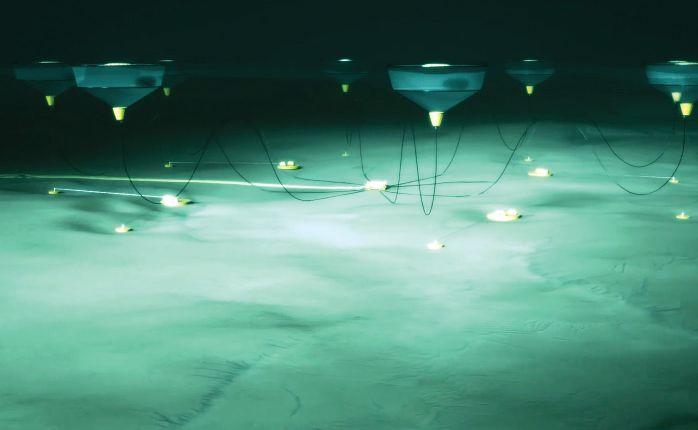
As the need for aquaculture to produce more fish is increasing, the availability of suitable sites off Norway’s coast is decreasing, according to Ola Helge Hjetland, group communications director of Mowi. But if companies can engineer cages that can withstand the beatings of the open ocean, they will open up vast new areas for farming.
And, in the process of rethinking cage design and moving towards closed containment systems in the ocean, innovators may also solve some of the problems of sea lice and fish escapes.
Locating aquaculture facilities farther out to sea also has less immediate environmental impact on coastal ecosystems with a much cleaner and temperature-stable environment for the fish, says Chris Sworder, an industry analyst at the Cleantech Group.
Before solving the engineering challenges, however, the first hurdle leading Norwegian salmon producers face is obtaining a development license from the Norwegian Directorate of Fisheries. A program launched in November 2015 manages these licenses to promote “technology that can solve the environmental and acreage problems facing the aquaculture sector,” according to Norway Exports.
SOME RECENT ADVANCES AND SETBACKS
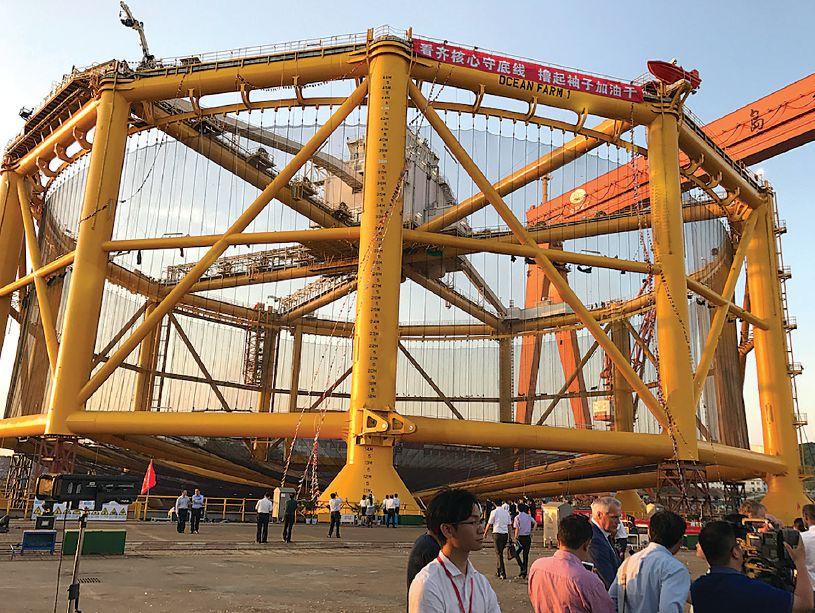
In 2018, Norway’s SalMar completed its first 15-month production cycle at Ocean Farm 1, the world’s first deep-sea aquaculture farm, and announced not a single delousing treatment was required. Despite a structural tilt resulting in fish escapes, the company concluded overall, “Such promising results boost our confidence as we embark on the next phase of our strategy of farming fish in locations farther out in the ocean.”
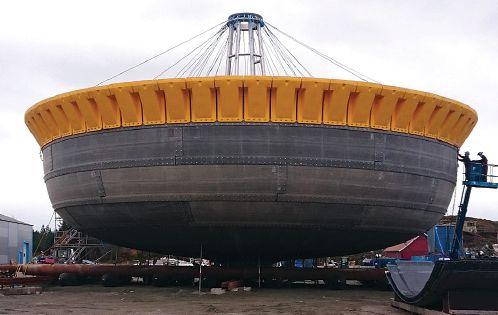
That advance will continue with MariCulture, which began operating as a SalMar subsidiary last year. In February, it received eight licenses, out of 16 for which it applied, to develop the “Smart Fish Farm” concept. The semi-submersible steel structure of a spoke-andwheel design will be engineered to endure the “harsh environments” of the open ocean, the company said.
Last year, a Norwegian venture between Midt-Norsk Havruk and Seafarming Systems (now re-branded “Aquatraz” after the high-security prison) brought forth another new design: a semi-closed cage with solid walls in the top eight meters to protect salmon from sea lice (which live closer to the water’s surface). Operators lift
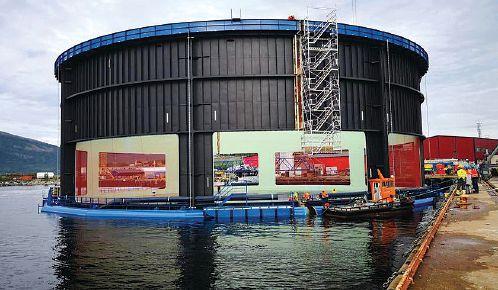
up the net pens inside the steel wall for maintenance and harvesting, reducing the risk of fish escapes.
Just in April of this year, Mowi announced a new cage concept called AquaStorm that features a submerged, offshore farm controlled through an onshore control center. The fish pens would be positioned 15m below the surface of the sea, where the fish are protected from sea lice and disease, but they could be sunk to a depth of 50m if weather conditions require. But the Norwegian Directorate of Fisheries, which must approve technology before a company proceeds with development, rejected the proposal in May because “it lacked details supporting the technologically demanding concept.” Mowi will appeal the decision, according to a spokesperson.
By Brad Hicks
Aquaculture North America (ANA) welcomes guest columnist Dr Brad Hicks. Brad has been working in the fish farming industry for over 40 years, has raised six species on a commercial basis and helped pioneer rearing of sablefish. He has been involved with fish farming operations throughout Canada, the US and Chile and fish feed operations in Canada. Brad has also been intimately involved in the farmed seafood market and has worked extensively in the development of a variety of standards and certifications for farmed products. Pertinent to this current discussion, he was responsible for the decision to install the first RAS smolt rearing facility in British Columbia in the mid-1990s. Dr Hicks holds degrees in fish and wildlife biology BSc, veterinary pathology MSc and veterinary medicine DVM.
Anon-profit dedicated to advancing sustainability in British Columbia’s Fraser River recently published a report on the potential economic impact of the development of a fantasy 50,000-tonne Atlantic salmon recirculating aquaculture system (RAS) industry on northern Vancouver Island.
When I read the report, “RAS Atlantic Salmon Industry on Vancouver Island—Financial Model & Economic Impact Analysis” commissioned by the Fraser Basin Council, the proverb “If wishes were horses then beggars would ride,” immediately came to mind because of its fantastical nature. Just because one would like it happen, it does not mean it will. Its fanciful nature is also captured in a quote from the report itself:
“We developed a financial model to estimate the revenues and expenditures arising from a 50,000-tonne industry and chose to assess the industry at an unspecified date in the future when production efficiencies had been realized, and steady-state (ongoing) performance achieved.”
In other words, the report describes a mystical industry in a far, far away future time with an analysis based on mythical and wishful performance data. This criticism may not be entirely the fault of the authors of this report. They were following the mandate from their funders (Tides Canada) and relying on published data from other mythical literature produced as blue-sky promotional material from a variety of prospectuses designed to entice capital for various RAS ventures. The authors were also cautious enough upfront to throw in their own disclaimer of the mythical nature of the report:
“The analysis is not intended or designed to assess the feasibility of RAS technology for growing Atlantic salmon nor to gauge the probability or timing of the development of RAS-based Atlantic salmon production on Vancouver Island.”
After admitting that the contents of the report are both fantastical and mythical, the authors then continue on to accept both the fantasy and the myth and plug their data into a model to produce “realistic” expectations for the economic contribution of such a mythical industry. The model is like a magician on the stage. It produces an illusion of a reality when no such realty exists. Out of thin
air it produces GDP and employment—in this case GDP of $407.5 million and 4,000 mythical jobs.
This report also illustrates the risk of building one’s house on quick sand. The authors seem a little confused on the strength of the data used to build this report. In the Executive Summary the authors admit the data used for the report is highly speculative: “Conducting an economic impact assessment for a nascent industry is challenging, since there is no concrete data to draw upon.”
But there is data, in the public domain, from producers with actual experience with RAS growing Atlantic salmon to market size. For instance, Atlantic Sapphire is a public company and has been reporting financials for quite a while, which include financial data on the more mature operations in Denmark. The report would have been more realistic if the authors compared and contrasted the actual financial data from the Atlantic Sapphire prospectus from a couple of years ago. Kuterra’s financial data, BC’s only land-based Atlantic salmon farm growing market-size fish, is also available publicly and showed quite a dismal performance. In addition, there should be data available from a number of governmentsponsored ventures such as the Nanaimo land-based fish farm Taste of BC Aquafarms and the land-based Canadian Model Aqua-Farm in Manitoba. It is also well known that many land-based Atlantic salmon farms have failed and none of this information has been acknowledged in the report. Instead the authors chose to rely on data from the blue-sky proposals.
Yet in the text of the report these authors assure the reader the data is sound: “We considered concrete financial data found in the following articles or publications.”
The articles it referred to were, again, all speculative. The actual financial data that is available would not have supported their thesis that such an industry is anything more than fantasy.
Their own advisory committee told them the data they were using was nonsensical: “The members of the Advisory Committee generally found that our model was too optimistic.”
So the authors modified their data based on an average of the mythical data rather than use real data.
Even with reliance on the toned-down data, the financial model used in the report could barely squeak out a profit,

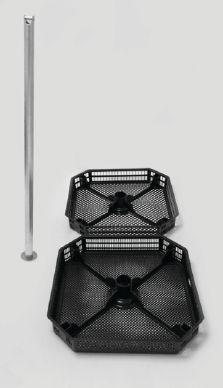
For over 30 years oyster growers worldwide have trusted our S1000 Oyster Tray and S4000 nursery tray, to produce the highest quality half-shell oyster for today's demanding consumers. Featuring our 6061 T-6 aluminum suspender pole which stands up to the harshest of salt water environments.
Phone: 604-926-1050 Cell: 604-833-5311
the risk of insolvency was very high and the fanciful rates of return on deployed capital would not be sufficient to attract serious investment.
Since investors would be difficult to attract on the basis of such poor financial performance, the report suggests that the government risk taxpayers’ money instead by providing a number of incentives to attract investment. The assumption being, it is okay to use taxpayers’ money to invest in fantasies.
I am not against RAS. When I was in salmon farming we built the first RAS system on Vancouver Island in the 1990s to successfully help with the production of Atlantic salmon smolts and we invested in RAS for the production of tilapia. What distresses me is the use of speculative data to produce a report, which presents an unrealistic possibility in an effort to manipulate public policy. According to the Fraser Basin website the purpose of the report was to have the information used by another consultant “undertaking a broader study of aquaculture technologies being led by Fisheries and Oceans Canada (DFO).” It will be fascinating to see how the consultant working with the DFO will incorporate this report into the DFO report and to see if DFO has the intestinal fortitude to use such fanciful dogma to create public policy.
Aquaculture North America (ANA) welcomes critical debate between opposing perspectives. Any viewpoint that you wish to submit will be much appreciated as it will contribute to the conversation around the industry’s development. Email your ideas to ANA Editor Liza Mayer at lmayer@annexbusinessmedia.com.
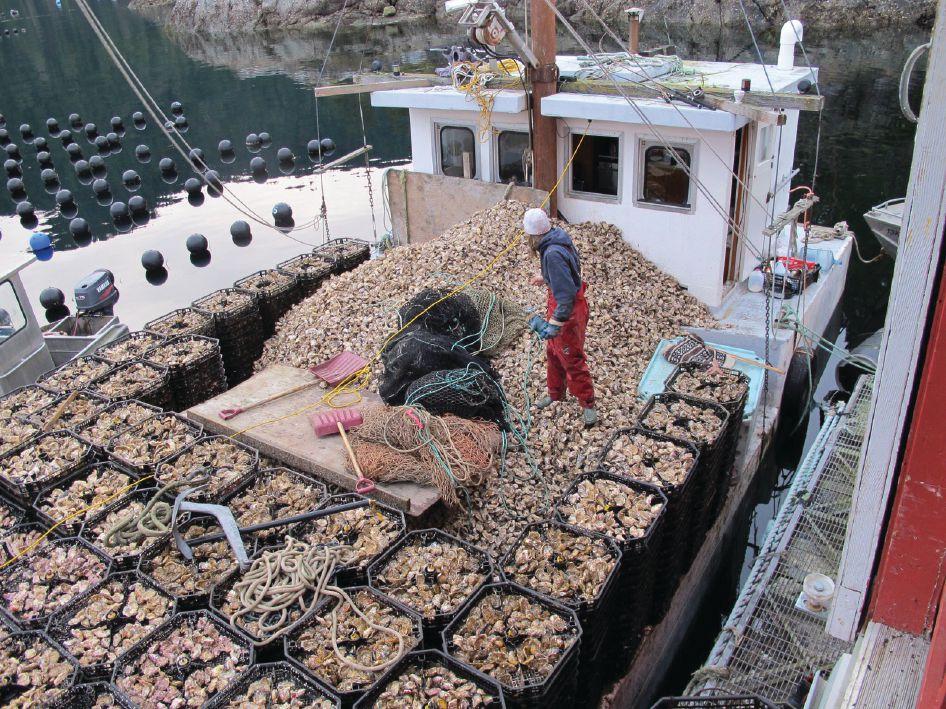
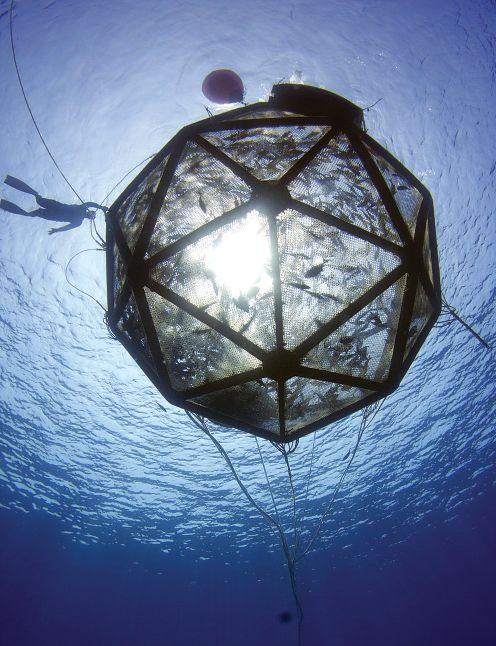
The potential of offshore aquaculture to sustainably produce finfish, seen here in an Aquapod net pen, has been demonstrated in aquaculture trials in Federal waters around Hawaii and the Gulf of
Agroup is spearheading coalition building with NGOs to advance the nascent offshore aquaculture sector.
The science that supports offshore aquaculture as a promising option for expanded sustainable seafood production in the United States is available, but lack of policy support is holding up advancement, says Neil Sims, president of the Ocean Stewards Institute (OSI).
“We should be growing seafood consumption because if we’re going to feed nine billion people with hamburgers the way that Americans eat beef, we’re going to end up with soil that looks more like Mars with an atmosphere that looks more like Venus,” Sims told delegates at Aquaculture America 2019 conference in New Orleans.
Sims noted that many NGOs, including the World Wildlife Fund and the Nature Conservancy, have been supportive of the idea of offshore aquaculture, and even some who had been against aquaculture in the 90s and 2000s have been swayed by the science. He called on them to partner with the industry in advocating for supportive offshore policies by partnering in an offshore aquaculture advocacy alliance, which OSI is spearheading.
And, if they still have concerns about an offshore industry, “work with industry to address those concerns,” he said. “If you acknowledge the science, then what else do you want to see? Are there other constraints? Are there other improvements that you would like to see? What else do you need to be convinced that offshore aquaculture really is something that should be scaled and should be supported?”
Sims would like the alliance to promote recognition that consumer health would be greatly improved with increased seafood consumption, and, since global wild fisheries are over exploited, properly sited and managed offshore aquaculture is one of the few effective means of achieving that. The most pressing concerns about the industry have been addressed by the United States’ robust regulatory system, and by industry innovations, such as the development of new feeds to reduce fishmeal usage.
Sims, co-founder and chief scientific officer of The Kampachi Company, an offshore farm in the Gulf of California that grows Almaco jack, also noted that offshore aquaculture would be a very efficient use of a very small area of the ocean. “We would require less than 0.15 percent of ocean space to produce the total amount of wild capture seafood at the moment,” he said. “That’s an area about the size of Lake Michigan.”
– Matt Jones
Using paddlewheels for aeration in split ponds brings down costs and is also much more effective than using pumps, research shows.
A team at the Mississippi State University’s (MSU) Delta Research and Extension Center produced a “very robust design” to improve circulation between the split pond’s waste-treatment area and the fish area.
“My work recognizes the paddlewheel as being far superior to any other pump option. Correct sizing of the return flow pipes can reduce cost and improve performance,” said Dr Jonathan Pote, head of the Department of Agricultural and Biological Engineering at MSU.
Pole said the split-pond aquaculture system has been proven to have advantages over traditional ponds in terms of cost, production and operation. It produces more pound of fish per area. It is also easier to manage in terms of stocking, feeding and harvesting because these are done in a much smaller area. Aeration is also less costly since the volume aerated is much smaller. However, additional investment is needed for the construction and controls.
Aeration in split ponds is critical, especially towards the end of production cycle. “In the late season, when the fish are extremely large, the nutrient and algae concentration are at their maximum. The system becomes unstable,
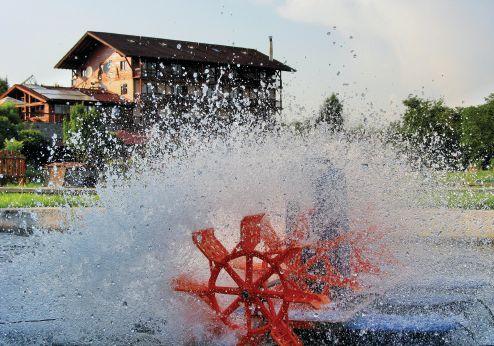
Paddlewheel aerators are superior to pumps in aerating ponds, research shows Credit: Adobe
reaching extremely high and low dissolved oxygen concentrations. It is critical that the produce is harvested on time. Any delay contributes to fish losses and poor quality fish and endangers the whole system,” Pole said.
Organizers of RAStech tradeshow and conference are already making plans for next year’s edition, to be held from November 16-17, 2020 at the Westin Hilton Head Island Resort in South Carolina.
At the 2019 inaugural event, roughly 275 aquaculture professionals from 21 countries gathered in Washington, DC, for two days of RAS-focused education sessions and networking opportunities. Over 70 speakers from around the world presented latest industry intelligence on fish and shrimp farming in RAS, energy optimization, engineering innovations, feed management as well as health and disease management in RAS.
RAStech is hosted by Hatchery International in cooperation with Virginia Tech. Visit www.ras-tec.com regularly for updates.
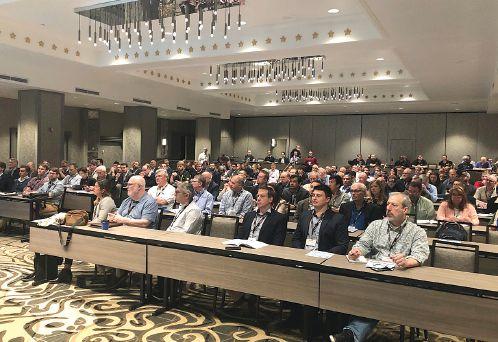
The next RAStech is on November 16-17, 2020 in South Carolina
continued from cover
Kerry LeBreton, president of Good4Ushrimp, one of the two new shrimp farmers, agrees with Taylor’s observation. “Consumers are becoming more aware and more interested in eating better quality food. Know your farmer and know your food. People are more interested and concerned with the supply. We have people come right to the farm. They know exactly what we’re doing here. They know how the shrimp are being raised and they can feel comfortable about it,” he said.
The company runs an 18,000-sq-foot facility near Sudbury using a biofloc system. LeBreton says the farm does not use pesticides, cleaning agents or chemicals and has low environmental impact.
Good4Ushrimp is focused on providing high-quality shrimp for the local community and developing a model that can be replicated elsewhere. “Our intention is to replicate this facility in some of the harshest environments around the world and not just grow shrimp close to the equator or close to oceans, even,” says LeBreton.
The facility will be capable of producing 1,500 lbs of shrimp per week at full capacity but production has been suspended until the construction of a hatchery is complete. The farm has been importing post-larval shrimp from facilities in Texas or Florida but extreme weather conditions in those states can cause supply disruptions and delays. The new hatchery will produce post-larvae for Good4Ushrimp’s own use and for other shrimp farms.
PLANET SHRIMP
Planet Shrimp Inc is the other new player in the field but it can’t be any more different in farming technique and business philosophy.
Planet Shrimp is pursuing full commercial-scale production for the domestic and export markets. Its 65,000-sq-foot facility in the town of Aylmer is capable of producing 300,000 lbs of shrimp per year. The facility uses a closed-loop recirculating system, which

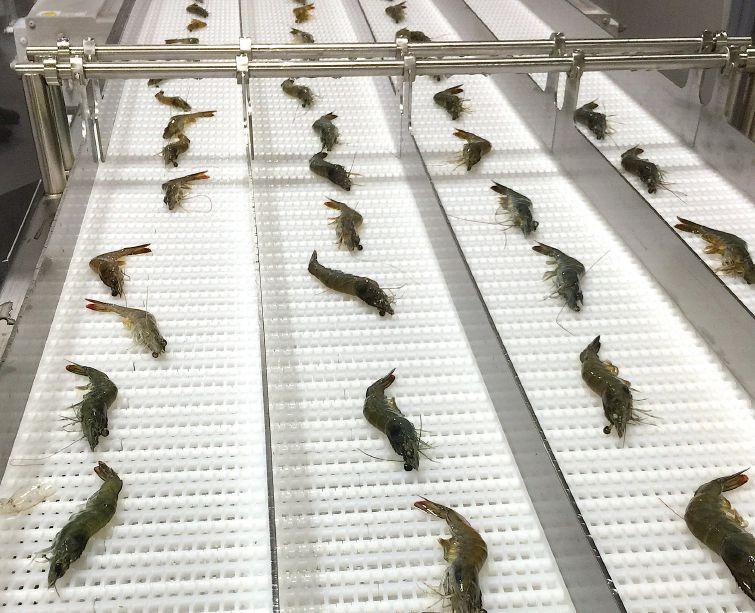
does not use chemicals, pesticides, fungicides, antibiotics or hormones, says company president Marvyn Budd.
“All we do is add salt to the water. The shrimp are raised in this clear, pristine, clean, pure water and, consequently, they come out on the other end with exactly the same taste [as wild shrimp],” he says.
Aquaculture Technology at Brunswick Community College Certificate, Diploma, and Associate Degree with online options.
Classes include:
• Aquaculture I & II
• Aquaculture Facilities
• Aquaculture Practicum I-VI
• Aquaculture Project
• Aquaponics
• Aquariology

• Fish Genetics & Breeding
• Fish Nutrition & Diseases
• Hatchery Management
• Invertebrate Culture
• Limnology & Water Quality
• Water Gardens

• Work-Based Learning

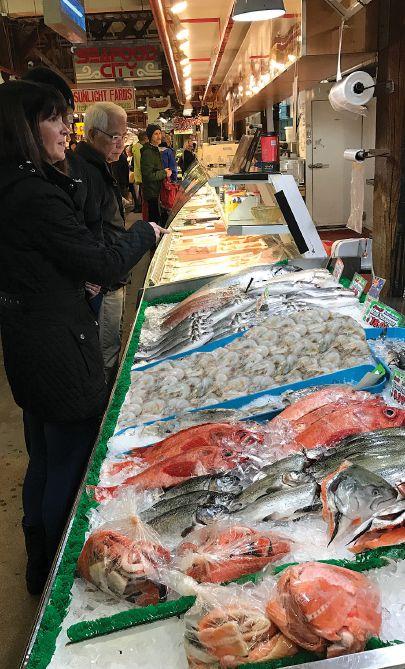
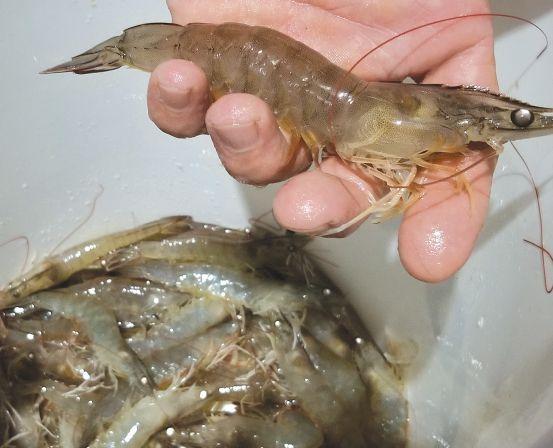
Consumer demand for sustainably farmed food is trending up Credit: Liza Mayer
Planet Shrimp uses a proprietary technology that supports the automation of their facility and optimizes production by monitoring and analyzing data collected.
“We are able to be nimble and make informed decisions based on the data,” says Planet Shrimp CEO Sheldon Garfinkle. “That’s a leg up for us. This is very innovative and one has to be nimble to make adjustments when finding the most optimal way of doing things. It also provides endto-end traceability, which is important for consumers to know that we are tracking the data the moment the post-larvae comes into our facility right until they are put into boxes.”
It took the company a difficult three-and-a-half years to develop its technology because there was no template available, and there were no shrimp farms pursuing a similar approach whose successes and failures could be learned from.
Budd is quick to distance Planet Shrimp from those using biofloc systems. For him, biofloc systems do not meet the definition of recirculating aquaculture systems (RAS) technology.
He explained: “What we describe as RAS technology is the ability to take water and filter it and treat it naturally, and making sure waste is separated from the water. Some would say that the systems that are being used all over North America, the biofloc systems, are RAS technology. I’m not so sure about that. There’s only a half a dozen companies that I can think of in North America that are using RAS the way we’re talking about it, which is water treatment and filtration.”
Planet Shrimp currently ships its harvest to Quebec, but it is looking at supplying the rest of Canada and the international market at some point. However, shipping shrimp around the world is a secondary goal behind the expansion of the proprietary technology, in which they believe so strongly.
“We probably have a responsibility to take this technology and have it used around the world because if we’re producing such an important and pure protein, the world should be able to have that,” says Budd. “We anticipate that our major expansion will be the technology, whether we license it or enter into a joint venture with other groups around the world. We’re a technology company that’s producing shrimp – that’s probably a good way to look at it.”
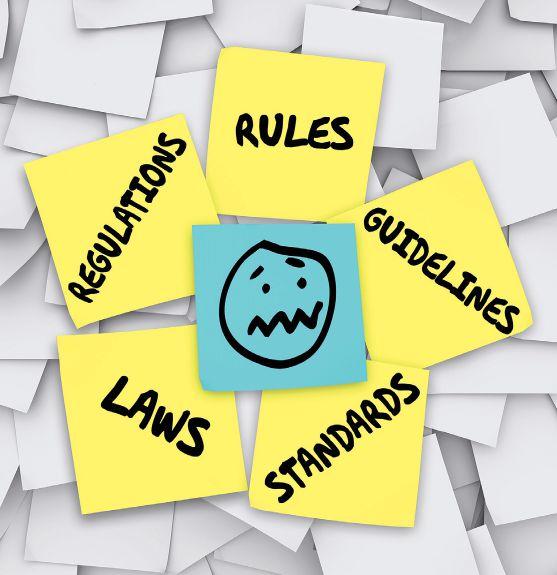
Aquaculture regulations have a long history of controversy. Several years ago, I wrote a two-part article dealing with chaotic conditions created by many regulations pertaining to fish farming. In that piece, I acknowledged that regulations are necessary in our modern world. They are essential when people refuse to recognize the rights and welfare of others. They are essential to protect the environment, wild fish populations, and public health. That acceptance does not mean, however, that 50 to 70 separate State and Federal regulations on fish farming are needed to maintain the “common good.” Depending on which State and which species are involved, American fish farmers are faced with the nearly impossible task of complying with every regulation promulgated by governments all the way from local to federal.
And while they are as necessary now as 10 years ago when I first wrote about the topic, questions remain as to what needs to be regulated, how many regulations are needed to accomplish appropriate objectives, and whether every perceived “risk” warrants a regulation. I am saying “objectives,” not “goals” because objectives are specific, measurable, and time-limited, while goals are general, broad, and not limited in time. Well-designed, timely evaluations can determine whether or not objectives are met. On the other hand, determining whether goals have been attained is not as clear-cut; discernment often rests in the “eye of the beholder.” The adage: “Good regulations apply to someone else; bad regulations apply to me,” is spot-on in expressing the subjective nature of evaluating whether goals were achieved.









I will argue that regulations without specific measurable objectives are ill-conceived. A former colleague’s statement provides an example of the mindset of activists opposed to “all things not natural” (which includes fish farming): “We just have to regulate those damn fish farmers out of business!” he once told me. He walked away before I could respond. At the time, I was the National Aquaculture Coordinator for the US Department of the Interior (DOI) and part of my job was to support and “help aquaculture grow.” I interpreted that goal to mean fish farming was understood by DOI officials to be good as long as it was conducted in such ways as to not harm our Nation’s species and ecosystems entities whose survival and welfare are responsibilities of DOI. Regulations designed to force any legitimate enterprise (be it individual, small business, or corporate) to collapse are not a responsibility of DOI and can be classified as “bad.”
In recent months American fish farmers and organizations representing them have spoken out repeatedly about the cost of regulations, mainly the cost of compliance for individual farmers. Several peer-reviewed articles by Dr Carole Engle and associates have identified costs, primarily related to environmental protection rules and fish health issues that cost individual farms thousands of dollars annually. In some cases the costs were estimated to exceed $1,000 per acre. These numbers were based on rigorously designed surveys and interviews with hundreds of fish farmers. Costs of compliance included such things as modifications to facilities, salaries and wages for
additional workers, additional equipment and supplies, and lost sales opportunities. Although the surveys were produced and administered by experienced survey designers and subjected to rigorous statistical analyses, it must be acknowledged that estimates and summary estimates were involved. Despite potential for error, critics, including me, must remember that these articles were peer-reviewed by professional specialists.

































































































































By John Nickum
Controversy over regulations has intensified in recent years. The situations related to these controversies include far more than fish farming, but generally share real and/ or perceived effects on someone’s bottom line. Among President Donald Trump’s many campaign promises were the elimination of regulations that are perceived to affect the operating costs of businesses from giant corporations to family farms. Anti-regulation rhetoric appears to the opposite of a former colleague’s sentiment that all aquaculture is bad. Apparently, in the minds of those supporting totally unfettered, free-market capitalism, regulations are socialistic-communistic efforts to impose inefficiency and strangle efficient production and free markets. The concept of regulations supporting the “common good” by preventing consumer fraud, environmental pollution, and public health disasters is totally foreign to anti-regulation advocates. Regulations, at their core, address perceived risks. In the case of aquaculture, regulators need to evaluate fish farming’s risks to the environment, to other aquatic animals and plants, and to public health and safety. Then they need to weigh those risks against the perceived benefits of the regulations. Will the regulations accomplish the objectives identified? Or will they merely increase the costs of producing fish and prevent the farmer from competing against the products of farmers in other areas of the world with unregulated industries?
I suggest at least two steps to resolving the issues facing American fish farmers: Face-to-face dialogue between the farmers and regulators; and stronger import regulations supported by vigorous inspection programs on products produced in foreign nations. These steps should lead to accepting regulations that are perceived as “fair.” Fair to everyone involved.
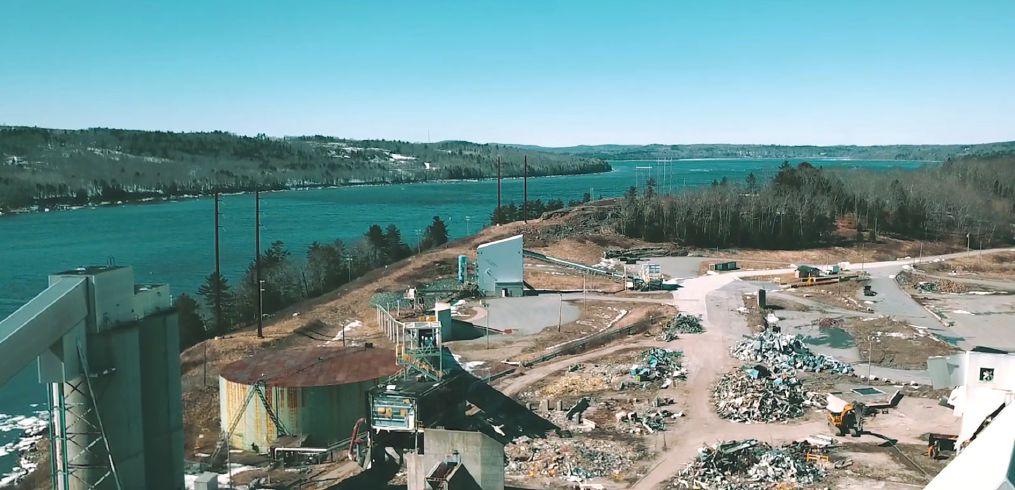
WA former paper mill in Bucksport, Maine, is being torn down to make way for a landbased Atlantic salmon farm
Credit: Whole Oceans/Youtube
hole Oceans expects to break ground this year on a land-based Atlantic salmon farm in Bucksport, Maine, where it will initially produce 5,000 MT of Atlantic salmon annually.
Over time, the company plans to increase capacity to 10,000 metric tons annually, and eventually to 20,000 metric tons on the Bucksport site. The facility is one of the many recirculating aquaculture system (RAS) facilities that Whole Oceans is planning in Maine. It hopes to see a combined 50,000 MT of salmon production capacity from those facilities in the long term.
Progress in the Bucksport project came in May after Whole Oceans closed on the sale of property at the former Verso paper mill. Repurposing the paper mill into a RAS farm has saved the company a lot of money because of its existing infrastructure, head of Business Development Ben Willaeur told Aquaculture North America earlier.
Whole Oceans is also actively seeking sites for production on the West Coast.


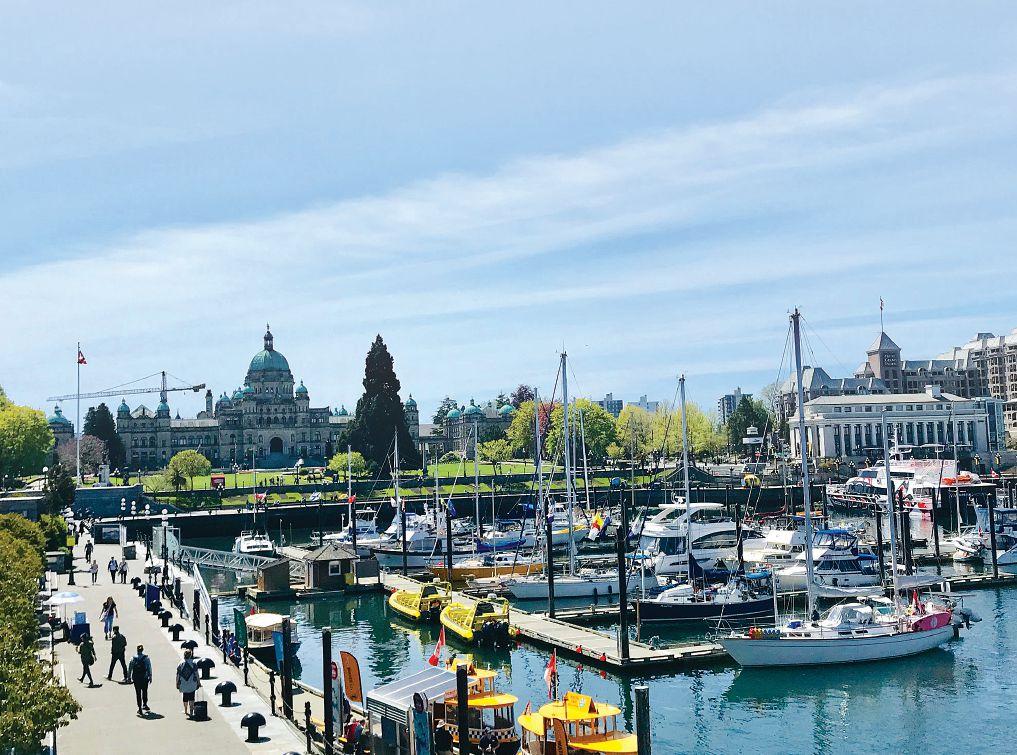

The scientific community should communicate the value of their research to the broader community, suggests DFO research scientist Dr Simon Jones Credit: BCSFA
Canadian conference highlights industry’s progress in addressing the public’s concerns but also the difficulty of communicating that progress to the broader public
BY LIZA MAYER
Clear signals that the aquaculture industry is robust and is on course for continued growth emerged at Aquaculture Canada 2019, but the event also highlighted the areas of concern that continue to dog the industry.
Roughly 350 delegates–30 percent more than last year’s– attended the four-day event held in picturesque Victoria, BC in the spring. The event’s theme, “Partnering for a Sustainable Tomorrow,” provided the unifying thread among the representatives from industry, academia, governments and communities and served as foundation for key messages.
Keynote speaker Kimberley Thompson, director of Seafood for the Future program at the Aquarium of the
Pacific in Long Beach, California, called on the industry stakeholders to be “hands on deck” in rejecting popular yet misguided narratives about aquaculture, by sharing accurate, science-based information more consistently and by owning up to past mistakes.
“More collectively and broadly, we have to acknowledge aquaculture is a great tool and it can do great things but it has done bad things in the past. We’ve got to be honest about the fact that mistakes happen and if an event happens, own up to it–‘this happened and it sucks but here’s what we’re doing to move forward,’” Thompson said.
She emphasized the need for cross-sector collaboration if the industry is to dispel misconceptions driven by a small group of educated and affluent “concerned citizens and environmental groups” yet who are so influential that they sway policies, she said.

“There’s room for everyone at the table,” she emphasized. “I can’t say this enough: if we’re not all working on this together we may as well maybe not do it at all. I don’t want it to be all doom and gloom because there’s still things we can do, but we really do need to be working together and be more transparent with each other as well as with our intended publics.”
ENHANCING COMMUNICATION
Conference sessions showcased the progress in addressing headline-grabbing concerns, such as sea lice and farmedand-wild-salmon interactions, but it is a challenge when it comes to communicating the value of scientific research to the broader community, said Dr Simon Jones, who is this year’s AAC Research Award of Excellence honoree (see story on page 25).
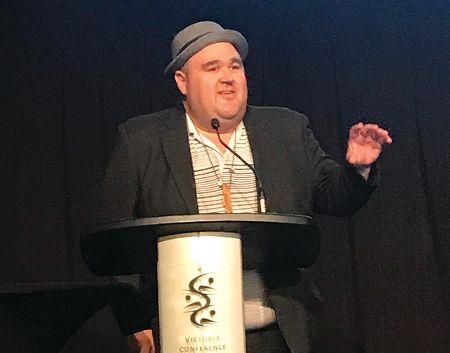
“We need those proteins to come with small environmental footprint and I’m really pleased to support this industry that’s providing them.”
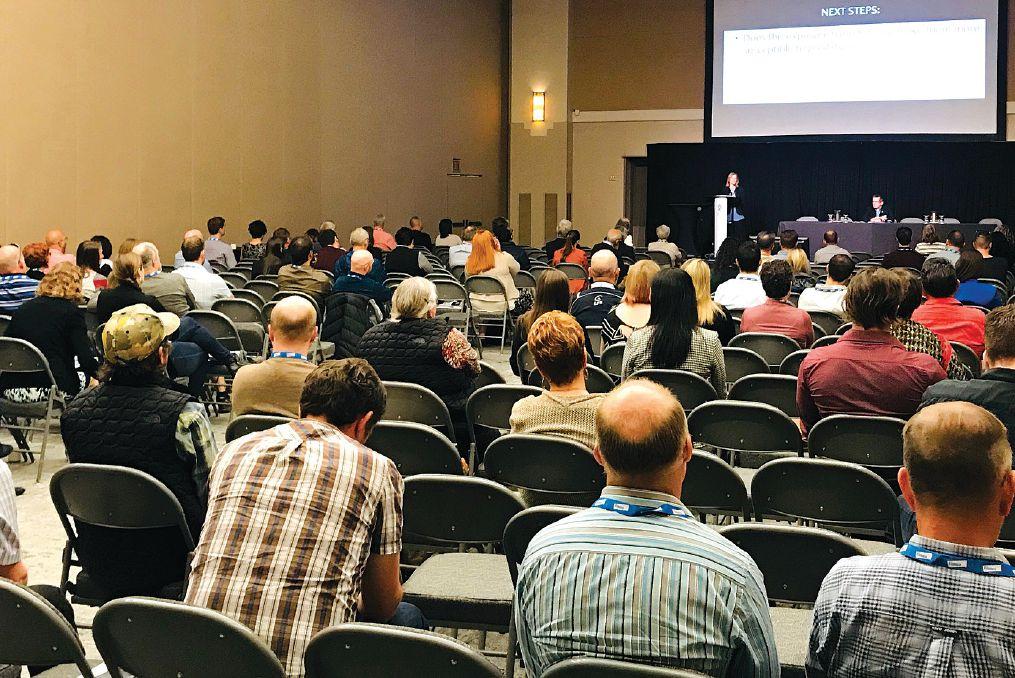
Around 350 delegates, 30 percent more than last year’s, attended the four-day event
“We’re good at discussing our work with each other but perhaps one of the ways that science and research can actively contribute to the decisions that are made concerning the growth of the industry is to find ways to communicate science to a much broader audience, the broader public that quite frankly needs to be convinced that it’s not all about sea lice, it’s not all about viruses from Norwegian salmon that are somehow present in BC killing wild salmon,” said Jones, a research scientist with Fisheries and Oceans Canada (DFO).
It is “unfortunate” that the scientific community finds itself in this situation, he added, but he is convinced that “science needs to consider the role of communications beyond the scientific community as part of the work that we do.”
“It would be through that level of communication that we can best serve our managers and decision-makers and more fully extract the value of the investment that we make in the scientific process,” he said.
AQUACULTURE: A LOADED WORD
In welcoming conference delegates to Victoria on behalf of the First Nations, advocate for First Nations and coastal communities Dallas Smith acknowledged that “aquaculture has been a loaded word for a number of years” in BC, the country’s largest producer of farmed salmon. Smith noted that aquaculture in BC has “turned the page” with the groundbreaking memorandum of understanding signed last year between the federal government,
First Nations government and provincial governments that address First Nations’ long-standing concerns.
“We’ve seen economics as the only driver on how decisions are made when it comes to resource development and management, and I’m proud to come from a province where we’ve managed to change that balance now,” he said. “We need those proteins to come with small environmental footprint and I’m really pleased to support this industry that’s providing them.”
“I just get a sense of enthusiasm and excitement for the industry now,” commented Joanne Liutkus, president of the Aquaculture Association of Canada (AAC), which organized the event. “The aquaculture industry is working towards ways of building partnerships and educating the public more and
we’re really open to that. So it’s just very positive outlook.”
Aside from the growth in delegate numbers, Liutkus also noted the growth in participation from overseas exhibitors. There were companies from Norway and Scotland among the 39 exhibitors, she said. “There are new, smaller suppliers, companies from different areas of the industry coming through that you wouldn’t have seen in the past, such as feed ingredient suppliers, for example, and new technologies.”
“We’re really happy with how everything has gone and we feel that it’s a big success,” she added.
Next year’s edition of Aquaculture Canada will be held jointly with World Aquaculture Society-North America in St John’s, Newfoundland and Labrador, from 30 August to 2 September.

Hydrogen peroxide plays key role but timely permits for its use are crucial, company says
BY LIZA MAYER
Hydrogen peroxide has proven to be an effective component of Mowi Canada West’s suite of sea lice management tools since its introduction five years ago, but the company acknowledged acquiring the permit for its use in a timely manner is crucial.
Speaking at Aquaculture Canada 2019 held in Victoria, BC, in the spring, Mowi Canada West’s managing director Diane Morrison shared insights gleaned from roughly five years of experience in using the non-medicinal treatment, which is applied as a diluted bath to a group of salmon to remove sea lice attached to them.
“We were the first company to successfully gain access and be able to use hydrogen peroxide (Interox Paramove 50) in 2014. Peroxide has been really effective for us. The goal is to have active permits in every area for every farm in our operations,” says Morrison. But acquiring the permit for its use can be complex and time-consuming, acknowledged Morrison. She appealed to regulators to streamline the application process.
“The permitting process is quite laborintensive from a manpower point of view both for the companies and for the Ministry of Environment, and the permit is only good for three years. So it’s a fairly short time span for a permit and it requires a lot of work. I know




(regulators) are looking at this process and seeing if they can help us out there. But really we need to be able to use peroxide as part of our management plan in all farms at all times. So being able to know that one permit is expiring, that you can now have a new one in a timely fashion is really important,” she said.
Prior to 2014, BC’s farmed salmon industry had access to only one sea lice treatment—emamectin benzoate—which is sold under the brand, SLICE. “Ideally in every well established and successful Integrated Pest Management program, you have multiple control interventions that you can take; they can be therapeutic or nontherapeutic,” she said.



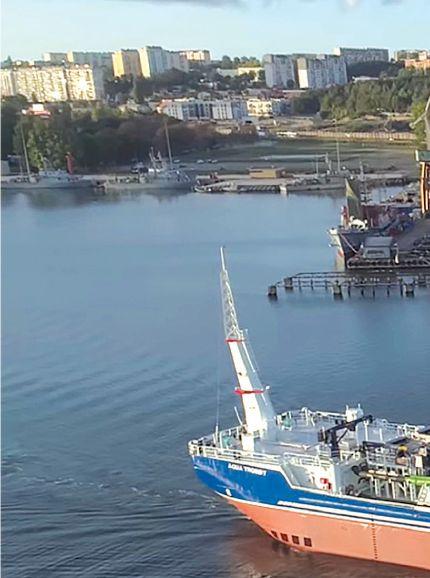

The 77-metre-long, 15-metre-wide Aqua Tromoy is equipped with an on-board water treatment process that allows for sea lice treatment with both freshwater bath and hydrogen peroxide Credit: Mowi


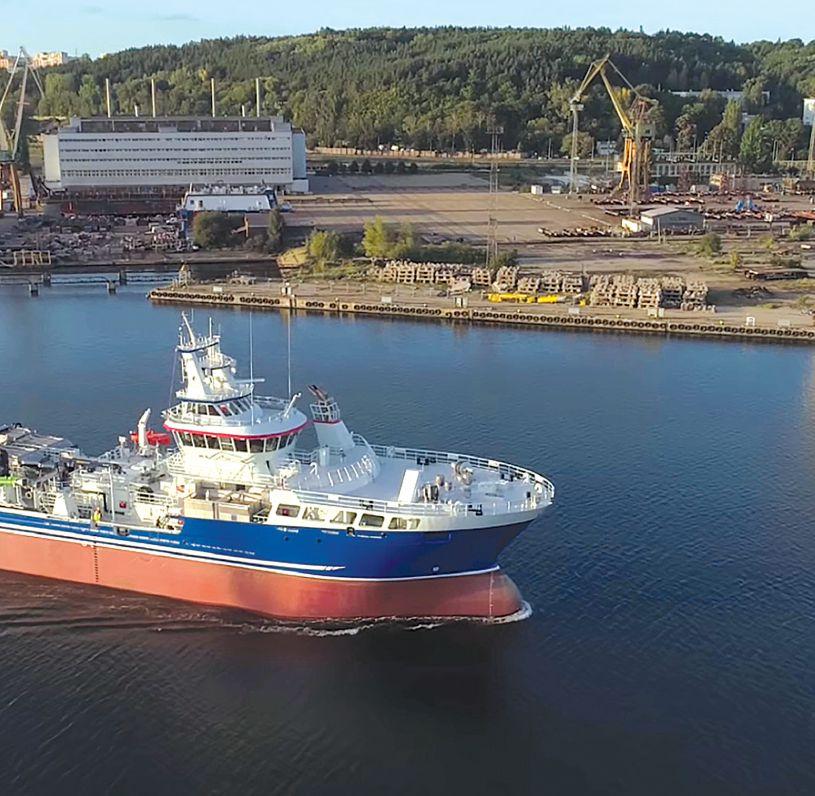
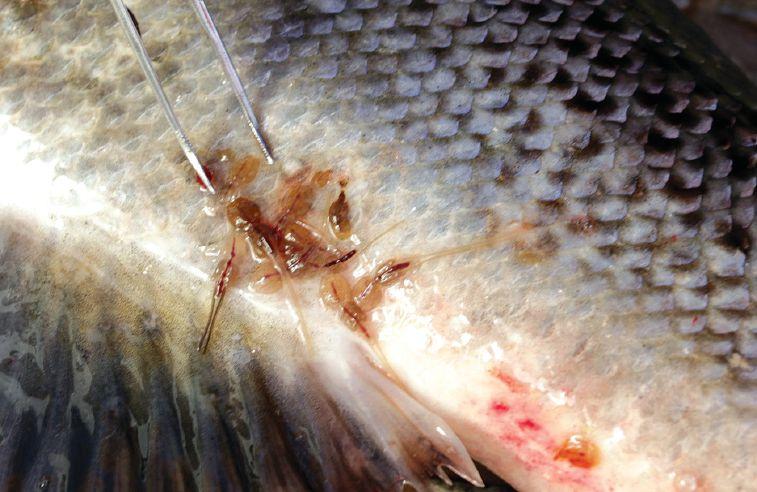
Salmon with sea lice. Hydrogen peroxide plays a key role in Mowi’s sea lice treatment program
After convincing regulators of the need for hydrogen peroxide as additional treatment option, the company “quickly acted upon that permit and started using it in Klemtu,” Morrison said.
SLICE has remained a viable and effective treatment option, but the company has reduced its use after hydrogen peroxide showed it effectively manages sea lice. Morrison said Mowi Canada West now has four treatment options on the BC coast: one medicinal treatment (emamectin benzoate), two bath treatments (hydrogen peroxide and the Aqua Tromoy freshwater treatment system), and one mechanical (hydrolicer).
“If we use these treatments in rotation, we are well placed to be able to maintain sensitivity for all of these. So it’s only when you focus on only using one or you
We understand the problems in choosing cost-e ective protein sources. Our enzymatic protease increase raw material stability, keep our partners competitive and are environmentally responsible.
only have one to use that you get into trouble and of course, we will continue to look for new and different treatments and options for reducing lice as we go forward,” she said.
She concluded by circling back to the need for government support so salmon farmers can be reassured the investments they make are not in vain. “We want the assurance from our governments, from our First Nations, from our partners, that we can use these tools. When we make the investments, we do that with the plan of using them, and using them everywhere and using them as they need to be used. So we need the government’s support, all the governments, and when I say all the governments, there’s three governments— I think about provincial, federal and First Nations.”







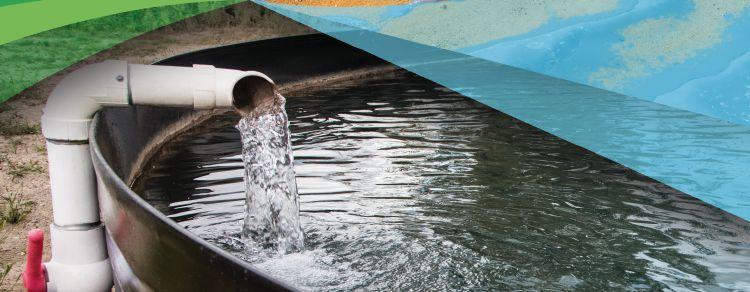
The specially formulated PVC of Plastatech® Fish Grade geomembrane provides a flexible, resilient tank and pond liner with no toxic effect on known aquatic species. It offers you superior durability, flexibility and lay-flat characteristics and is ideal for factory prefabrication — which can reduce installation challenges and cost.


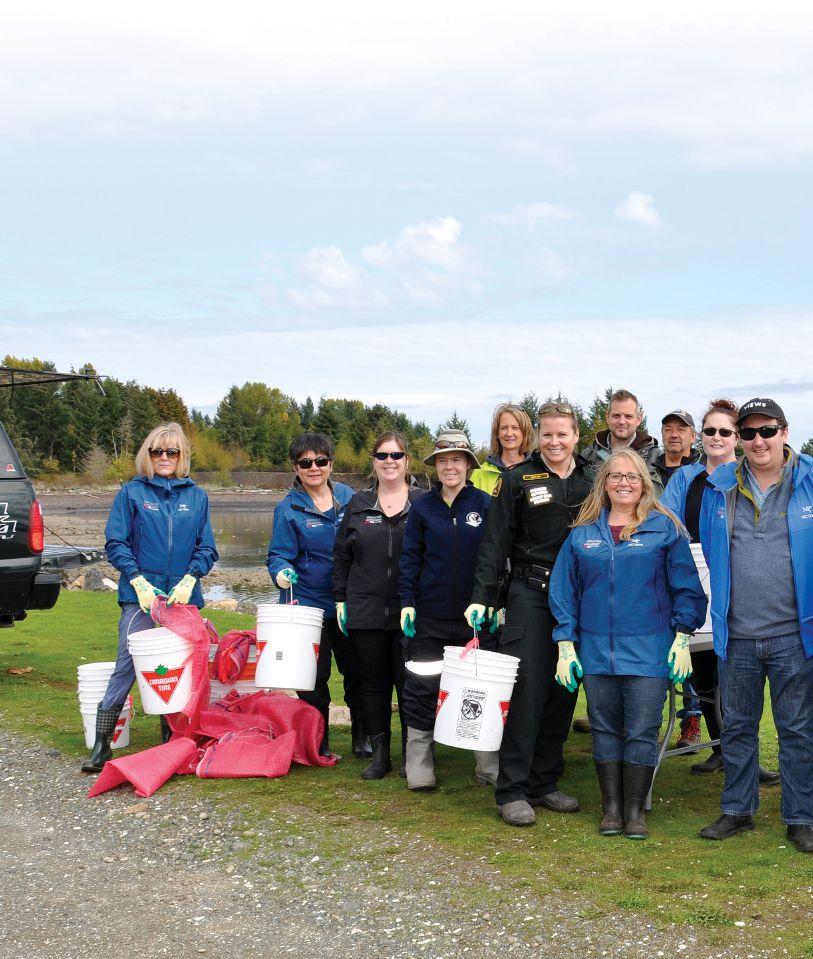
Some progress have been achieved in addressing marine debris from shellfish aquaculture activities in British Columbia, Canada but more needs to be done if the sector is to regain community support, said Chris Marrie, senior shellfish biologist with Fisheries and Oceans Canada (DFO).
Shellfish growing operations have historically enjoyed support in the province but areas that have problems with marine debris washing up “are starting to really push back,” Marrie told delegates at Aquaculture Canada 2019 in Victoria, BC.
“We’re seeing 500 to a thousand letters voicing concerns about plastic when it comes to this industry. Out of the three sectors that DFO manages for aquaculture (freshwater, finfish, and shellfish) shellfish aquaculture vastly outweighs the other sectors in terms of the amount of debris that’s generated,” he said.
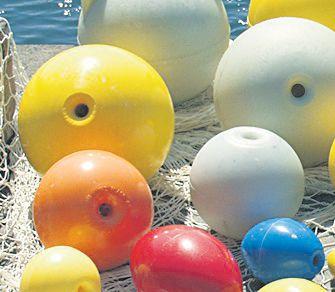
He acknowledged that the sector has been and continues to be very dependent on plastic and Styrofoam but he says better management by shellfish growers should enable them to get a handle on debris—baskets, rope, predator netting, and buoys—that break free from their sites.
Styrofoam comprises 28 percent of the visible ocean debris per a United Nations study, and it is one of the biggest components of marine debris from the shellfish aquaculture sector, he said.
“There’s a lot of oyster culture in BC as I’m sure there is on the East Coast as well, and
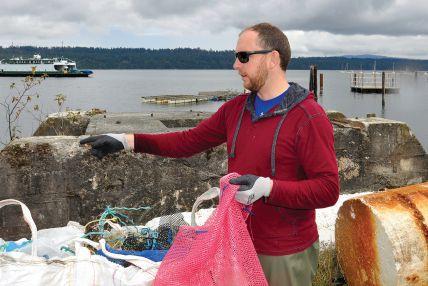
‘I am hoping that there is a culture change within this industry in that we don’t have the plastic debris crisis that we have now,’ says DFO senior shellfish biologist Chris Marrie
Styrofoam historically has been the preferred flotation method but containment has just been poor, at best.”
“Unfortunately, from my point of view, it’s pretty cheap to replace these materials so it’s just ineffective lifecycle management,” he continued. “If not maintained on a fairly regular basis, like weekly, we have big storms, big currents and winds that break apart the nets, which then roll up and down the beach and trap crabs, herring and anchovies so they can become a bit of a quasi fishing gear.”
DFO manages the problem by making the issue a condition of license. “We have a condition that says: you shall secure it and
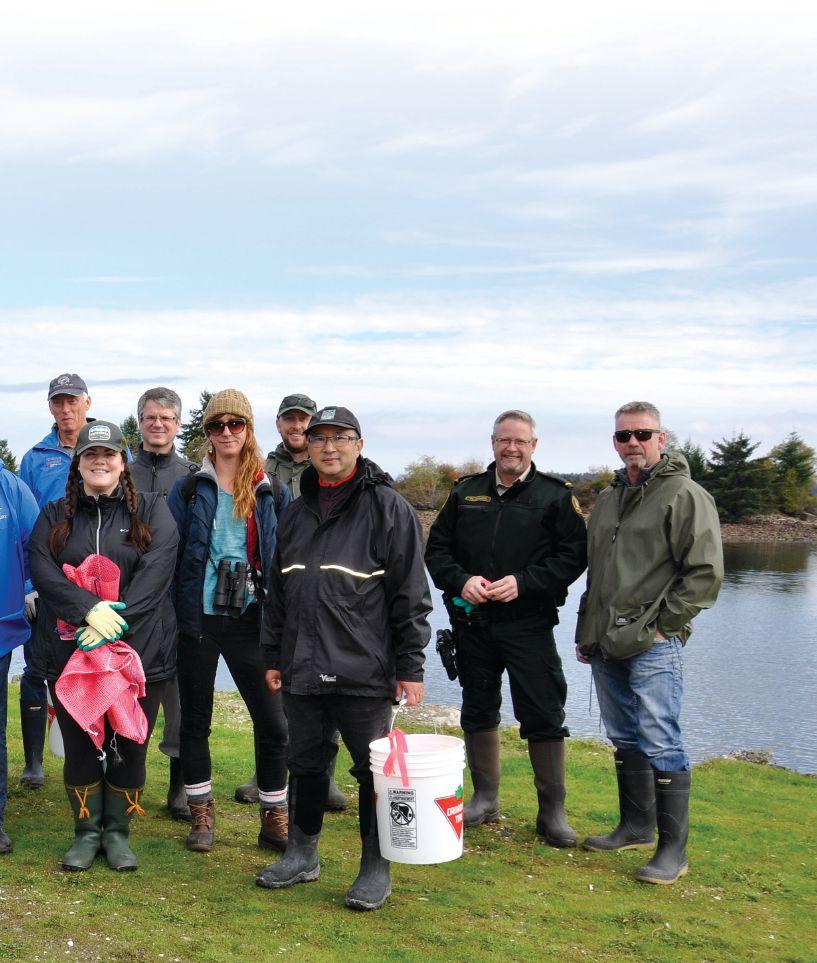
Heavily dependent on plastic and Styrofoam materials, shellfish farming in BC generates more marine debris
than other
types of aquaculture, says a shellfish biologist
We o er:
• Extensive technical support with access to juveniles and seed
• Academic partnerships with the University of Maine
• Entrepreneurial training & business counseling
• RAS and ow-thru culture facilities from 50-1000 sq meters
• State-of-the-art culture systems
• Business support facilities and networking opportunities
We provide entrepreneurs and business startups professional support and excellent facilities to develop their aquaculture ideas.
• Assistance in grant writing and identifying funding opportunities
• Plus exceptionally high quality sources of water!
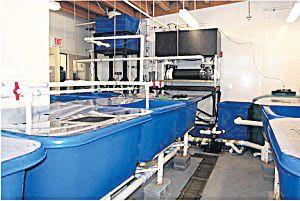
For more information, contact: Chris Davis, Maine Aquaculture Innovation Center 193 Clarks Cove Road, Walpole, ME 04573 Phone: (207) 832-1075, cdavis@midcoast.com
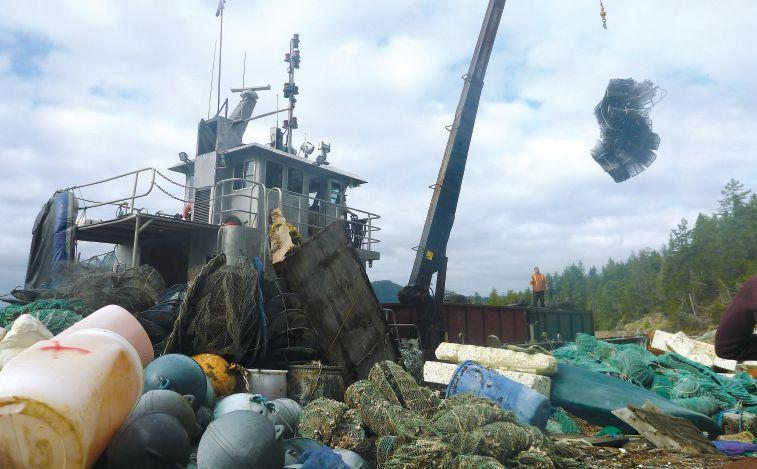
A landing craft vessel chartered as part of “Turn it in Week,” which saw the shellfish aquaculture industry across the south coast of BC turn in 130,000 kg of broken aquaculture gear and exposed Styrofoam
prevent it from being thrown into the ocean and becoming garbage. We do find violations and we call them on it.” Offenders are given a timeframe to rectify the violation.
In 2018, DFO put 33 shellfish farming sites as “high priority” for inspection. “All 33 had one or more violations, but the good news is that 31 out of the 33 today or to date have cleaned up or rectified their violations,” Marrie said. For the two offenders, a dedicated aquaculture enforcement team follows up.
Going forward, DFO will enhance enforcement efforts in the shellfish sector by redeploying compliance officers from
the finfish industry to the shellfish industry. “At the beginning of our program when DFO took over the management and regulation of aquaculture in BC in 2010, we focused all of our enforcement efforts on the finfish industry. Compliance was found to be very high in that industry for just a variety of reasons. They’re well organized. They typically have more resources, third-party certifications and all these other things that drive innovation and compliance above and beyond our regulations. We’ve now redeployed these officers to the shellfish industry,” he said.
– Liza Mayer


- Non-Corrosive schedule 80 PVC reactor bodies are stronger and handle higher internal pressures compared to HDPE and Polypropylene. Schedule 80 reactor bodies are seawater safe and will not corrode in harsh environments, unlike stainless steel
- Single end glassware access makes for easy maintenance when replacing lamps and quartz sleeves
- Thermoplastic or Fiberglass NEMA 12 Power supply enclosures with Standard HMI control package or optional HMI Pro Series control package.
- Electronic ballasts matched to the performance of the specific lamp for optimal UV-C output and longest useful lamp life
- Standard Over Temperature Safety Cutoff Switch thermally protects reactor when water temperature reaches 120 Degrees F
-

Latest research exploring the stomach contents of farmed salmon in British Columbia found very little evidence that they have preyed on wild populations.
T
he study is relevant because of concerns that farmed salmon could eat wild fish, as Atlantic and Chinook salmon naturally prey upon fish in the wild, says Canada’s Department of Fisheries and Oceans (DFO), which conducted the study.
“The intention was to collect new current data looking at all areas in BC at all seasons so we could potentially look at any differences between when the lights are on at Atlantic salmon farms in winter months to prevent sexual maturation and when they’re off in the summer,” says Kerra Shaw, Senior Biologist – Marine Finfish at DFO, told delegates at Aquaculture Canada 2019.
Between spring 2017 and winter 2019, Shaw and her team assessed 14,100 Atlantic and Chinook salmon from almost 50 farms in BC. The team chose to analyze harvested salmon at processing plants as they would be most likely to have preyed on wild fish, due to their larger size, and the fact that they are taken off feed towards the end of the production cycle, making them hungrier. Assessing already harvested fish also meant not having to kill additional fish for the study.
Of those 14,100 fish, only 11 of them (0.08 percent) showed evidence that they had preyed on wild fish. Ten of the fish that had been eaten were identified as herring and one was likely a sand lance, but that could not be confirmed. And, as these figures reflect full-sized harvested fish, the predation rate for younger, smaller fish would presumably be even smaller.
“I think it definitely indicates that predation is low,” says Shaw. “When you extrapolate that out to all farms, even though the predation rate was low, it still would be some amount of, mostly, Pacific herring that are being eaten. The amount will be very small compared to the commercial fishery. So the impact is going to be pretty low compared to other impacts.”
Shaw noted they discovered more fish in the stomachs from seasons when the lights had been off (seven, compared to four when lights were on), but with such low numbers it is impossible to infer any sort of meaningful analysis on that aspect of the study.
The study results reflect those of similar studies in 2004 and 2006. A final report on the research is expected later this year.
– Matt Jones
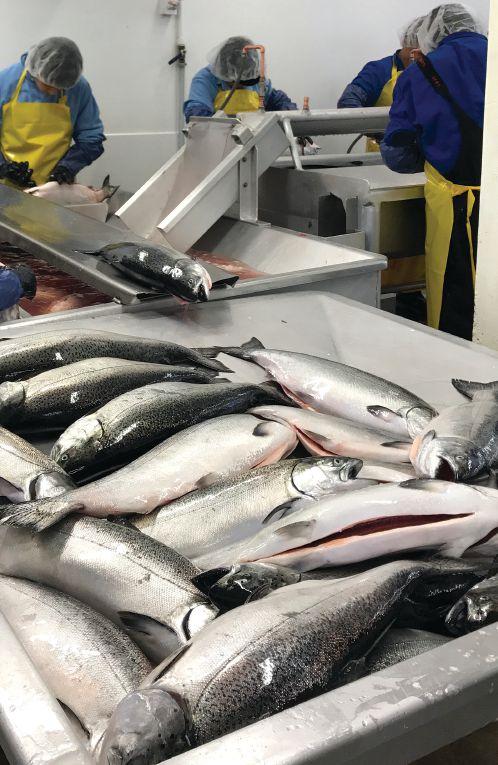
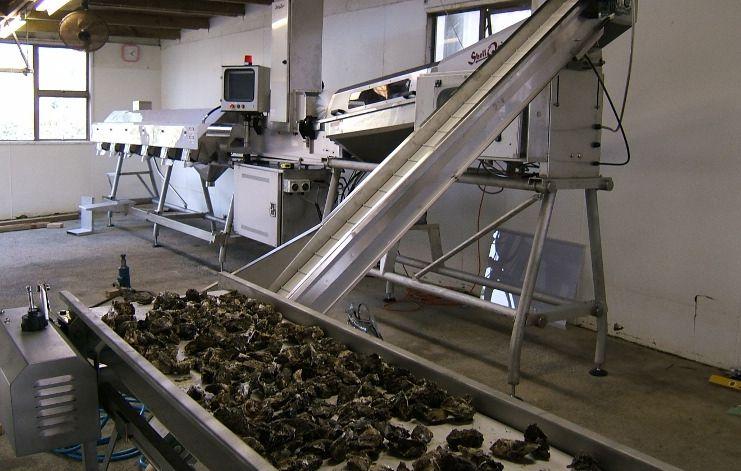
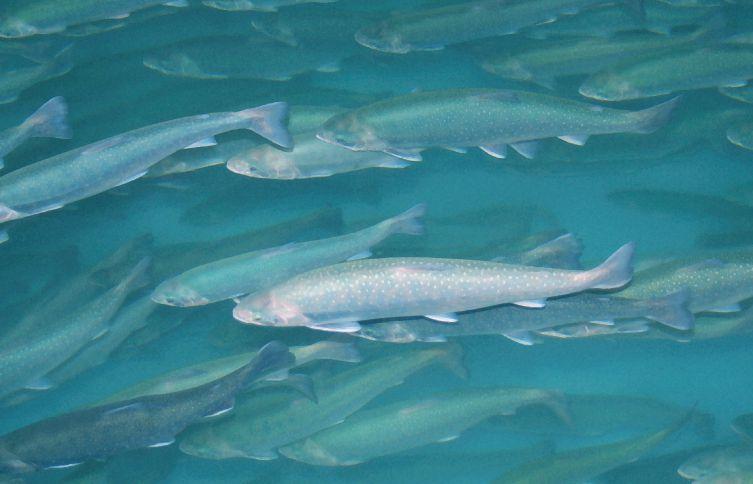
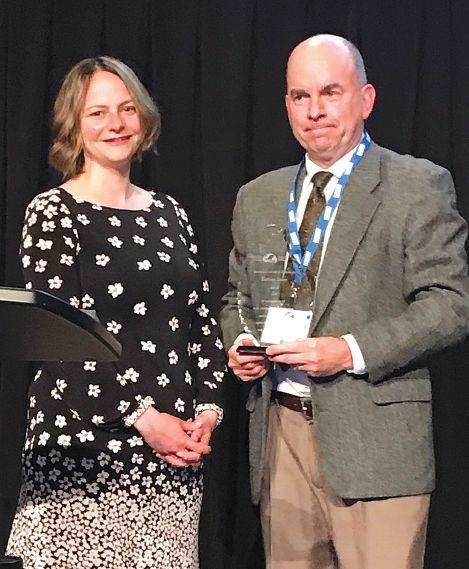
Dr Simon Jones accepting the Research Award of Excellence from Joanne Liutkus, AAC outgoing president Credit: Liza Mayer
Dr Simon Jones, lead scientist in the finfish parasitology program at Fisheries and Oceans Canada (DFO)-Pacific Biological Station in Nanaimo, British Columbia, was awarded the Research Award of Excellence by the Aquaculture Association of Canada (AAC).
The award recognises high quality, innovative and current research that has had a significant impact on the country’s aquaculture industry.
Jones’ diverse background and research interests are in pathogen diversity, host interactions and disease mitigation. Earlier in his career, he was awarded an NSERC industrial fellowship in Charlottetown, Prince Edward Island, where he spent eight years researching the development of commercial vaccines for use in salmon aquaculture against piscirickettsiosis, infectious salmon anaemia and cold water vibriosis, among others. At the gala dinner at Aquaculture Canada 2019 in the spring in Victoria, BC where Jones was fêted for his contributions to the industry, he called on fellow scientists to communicate the value of their scientific research to a broader audience.
“It would be through that level of communication that we can best serve our managers and decisionmakers and more fully extract the value of the investment that we make in the scientific process,” he said (see more details on page 18.)
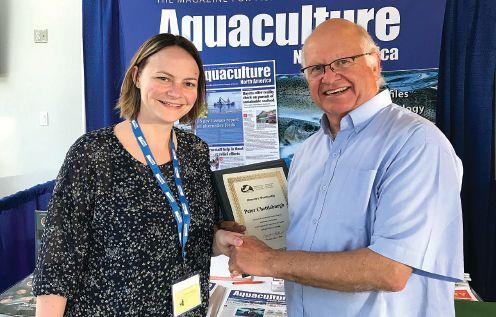
Peter Chettleburgh, the founder and former owner of Aquaculture North America (ANA), and fellow industry veteran, aquaculture research scientist Cyr Couturier, were honored by the Aquaculture Association of Canada (AAC) at its annual conference for their contributions to the aquaculture industry.
Chettleburgh and Couturier were awarded honorary memberships to the AAC.
Chettleburgh was ANA publisher from 1985 to 2017. “Peter has flown the flag for Canadian aquaculture publishing, providing fish farmers in the region with Aquaculture North America, and fish hatchery managers in over 90 countries with Hatchery International,” said Joanne Liutkus, outgoing AAC president.
“Sticking closely to the publishing formula that made Peter so successful, both publications are now under the new ownership of Annex Business Media and remain the go-to industry news resources for aquaculture professionals,” Liutkus added.
Chettleburgh traced his start in publishing to AAC.
“The farmed salmon industry was growing very quickly in 1984, ‘85, ‘86. It was quite remarkable. So I knew about aquaculture when I got approached to take over the
publishing of AAC’s official organ. Life is so often that way; I just happened to be at the right place,” he says.
He transformed AAC’s official bulletin into a national industry publication and renamed it Canadian Aquaculture “I thank the AAC for the beginning of my career. That AAC magazine became Northern Aquaculture from 1991 to 2009, and ultimately Aquaculture North America,” said Chettleburgh.
Chettleburgh was also instrumental in the launch of RASTECH, a new international magazine dedicated to recirculating aquaculture systems.
COUTURIER: LEADER AND MENTOR
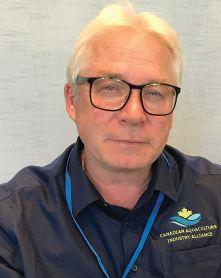
Cyr Couturier, chair of Aquaculture Programs at the Marine Institute of Memorial University of Newfoundland, was fêted by the AAC for becoming a pillar of the organization since its early days. He holds the distinction of being the first ever student elected to the board of AAC in 1990, and for the multiple leadership roles he held over the past 27 years in the association, including as president-elect for four terms.
“Cyr has encouraged and found ways to get as many of his former and current students as possible to attend Aquaculture Canada and make it affordable to them,” Liutkus said.
“Personally, Cyr has been mentor to myself and many students from the Marine Institute at Memorial University. He inspired our continued participation in the AAC. He’s done the same for countless other students since the 1990s. He has been a major supporter and advocate for the success of AAC and students, and his vast array of volunteering speaks to this. We cannot think of anyone else more deserving of this award,” she added.

Visit www.aquaculturenorthamerica.com

The Smart Flow System uses software to gather and store
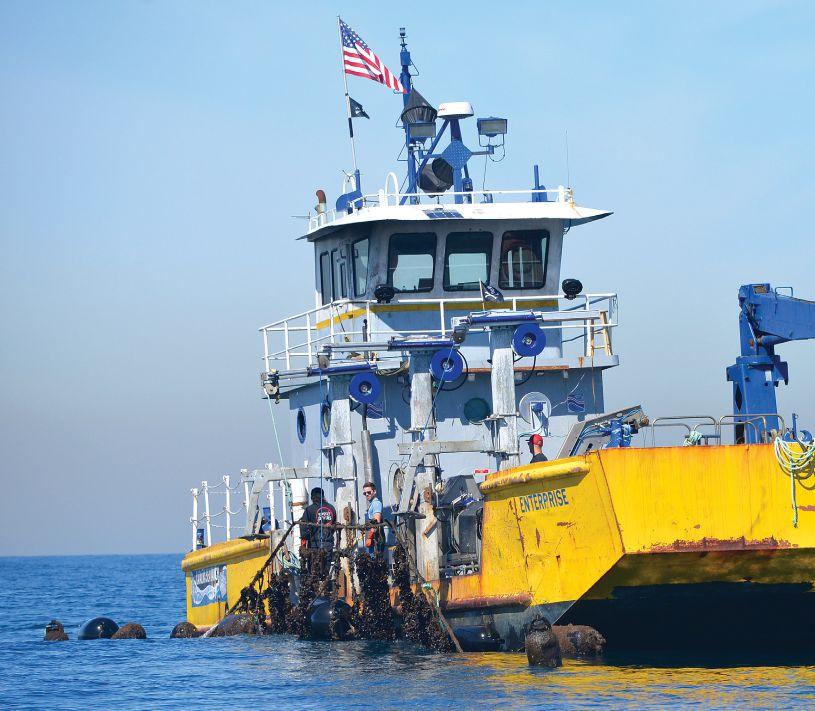
As the first offshore shellfish farm permitted in US federal waters, the 100-acre “ranch,” located about six miles off the coast of Huntington Beach, CA, had to traverse a new landscape. Offshore aquaculture, as an emerging sector, is fraught with uncertainty. There’s a myriad of regulatory challenges that accompany it and potential conflicts with other user groups such as fisheries or tourism, and anti-aquaculture activists.
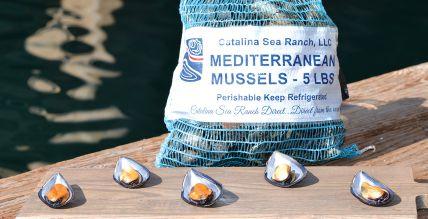














Lindsay Cruver, head of R & D and the CEO’s daughter, recalls the early days of the eight-year-old company. “Offshore aquaculture has never been done before in the United States and, legally, it’s completely different than farming in state waters. So we were the ones who had to put the painstaking effort of learning how to coordinate with all these new regulatory agencies and also dealing with the opposition of installing the first offshore aquaculture facility,” she said.
Among the user groups opposed to the farm were the state’s $70-million squid fishery and $1-billion recreational fishery. “They did put up a fight initially, but we were able to prove that they don’t fish in our particular area,” she said of the squid fishers. Conflict with the other group has also been overcome as the farm has actually attracted marine life and enhanced recreational fishery.
“There was really nothing out there when we started on the San Pedro shelf, it’s all sandy bottom and pelagic fish coming through. But now that we have a permanent structure out there with mussels growing, we’re finding some fish are becoming permanent residents so Catalina Sea Ranch is now the hottest new fishing spot in southern California and we get a lot of support from the recreational fishery,” Cruver explained.
The nascent sector also requires huge R & D effort and costly technology that would help minimize and monitor environmental impact. At Catalina Sea Ranch, the latter came in the form of an environmental monitoring tool called NOMAD, short for Navy Oceanographic Meteorological Automatic Device. The boat-shaped NOMAD buoys, supplied by the National Oceanic and Atmospheric Administration (NOAA) gather and transmit bathymetric data such as water
Catalina Sea Ranch harvested its ‘first’ crop on July 30, 2018. Its initial crop in June 2017 did not reach the market because of the lack of FDA-certified biotoxin testing labs at the time
temperature, salinity, and pH, as well as vital phytoplankton density. They are also equipped with a radar system to provide ranch security, and underwater acoustic cameras to detect seals and sea lions.
The decision to grow mussels as its cash crop instead of the more popular oysters also presented challenges, but growing interest in “impact investing” has put the farm in investors’ radar. “Not that many people wanted to invest in a mussel farm because mussels are seen as mostly bait rather than food. They don’t really have the cachet that oysters do,” said Cruver. To illustrate the point, she said Americans eat only 0.15 lbs of mussels per capita, a dismal figure compared to 5 lbs and 33 lbs per capita in Europe and New Zealand, respectively.
“We started with mussels because they’re easy to grow and they’re profitable. But back in 2012, raising money for a mussel farm was nearly impossible. However, there is a rising trend in recent years called ‘impact investment’. And these investors are very excited about the possibility of investing in not only sustainable but, also, regenerative crops,” she said. The farm also received R & D grants from agencies such as NOAA, the USDA and the US Department of Energy in later years. Regulatory challenges were par for the course in any new sector, Cruver acknowledged. “The regulatory agencies are just doing their job and they want to be cautious and make sure that our ranch has no negative impact in the surrounding environment,” she said.
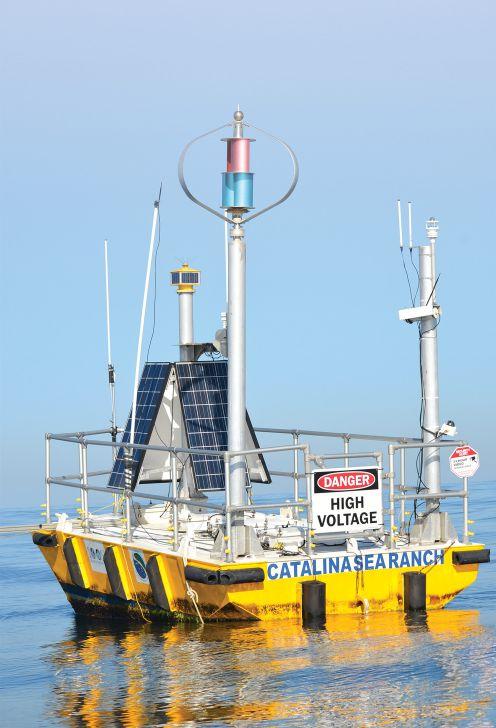
The aforementioned lack of FDAapproved biotoxin testing labs to test shellfish safety was a huge setback, but it was resolved a year later. Cruver noted that the State Department of Health is typically the authority for testing shellfish safety but in federal waters, the Food and Drug Administration (FDA), a federal agency, is in charge. “Because we’re a new entity in federal waters, there was no lab approved by the FDA that we could use in California or nearby. It took us a year, but we were able finally able to find a lab that was able to cooperate with us with the FDA certification and could work with our requirements. That allowed us to start selling.”
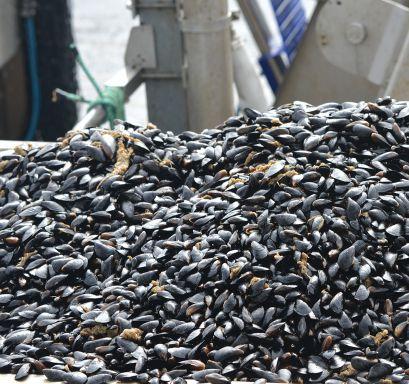
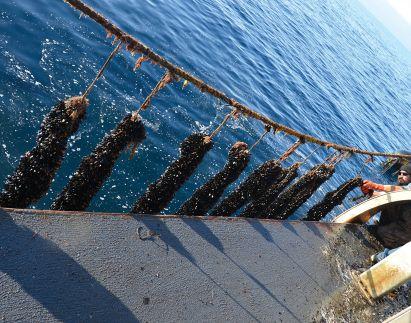
That lab, located in Washington State, now tests the farm’s mussels before they’re shipped off to the market. “We are now selling our mussels to the local Southern California market and things are going really well,” she says.
The expansion of an onshore processing facility is in the works at the farm to allow it to boost its production from the current “several thousand pounds” to reach the 2-million-pound capacity the farm is designed for. But a more ambitious plan is forthcoming; the farm is waiting for permits to expand by another 2,900 acres to allow for an additional 1,000 acres for mussels, 1,000 acres for seaweed, and the rest for cage culture of other crops, such as purple hinge, rock scallops, triploid Pacific oysters and kelp, that it currently farms in small quantities.
CEO Phil Cruver clearly did not let the abundant challenges stand in the way of his ambition to build the ranch. Its success could help change people’s views of aquaculture and pave the way for other players.
“We’ve taken a lot of arrows for the offshore aquaculture industry. And this is really the only chance that we have and putting a dent sustainably in the $15-billion seafood trade deficit in the United States,” says the younger Cruver.
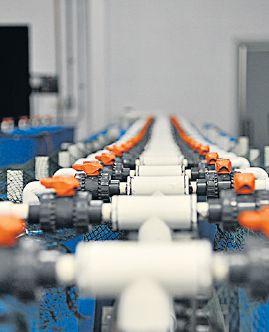






























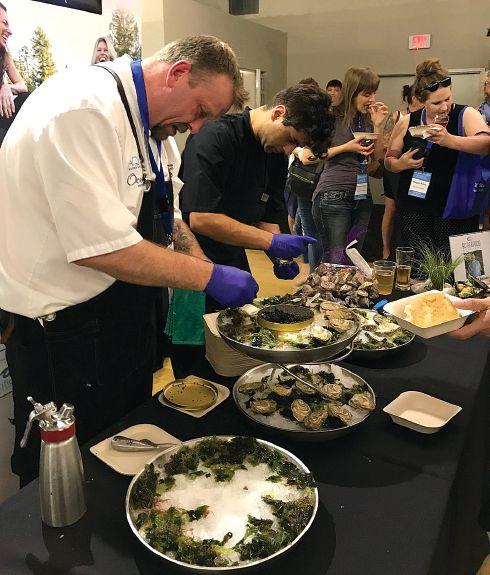
BY LIZA MAYER
‘Farmed versus wild’ is often heard in the seafood industry but for 10 days in British Columbia’s Comox Valley the farmed and wild seafood sectors came together under one banner to promote BC seafood.
Roughly 50 seafood exhibitors participated in the two-day BC Seafood Expo, the trade show and conference program within the 10-day BC Seafood Festival that celebrated the province’s seafood bounty from June 7-16.
The event welcomed a record 5,000, mostly local consumers, but also overseas attendees that included around 80 buyers representing major seafood suppliers from Europe and Asia, according to the event organizer, the Comox Valley Economic Development Society.
“All of our free and ticketed events such as plant tours, wharf tours, and an incredible range of educational interactive
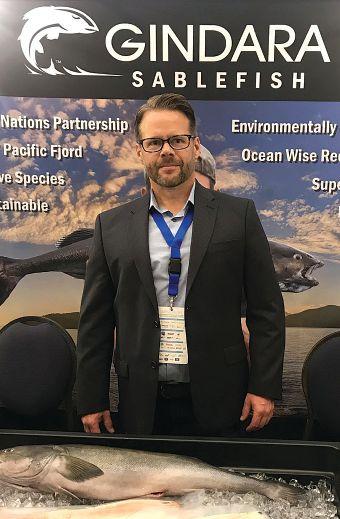

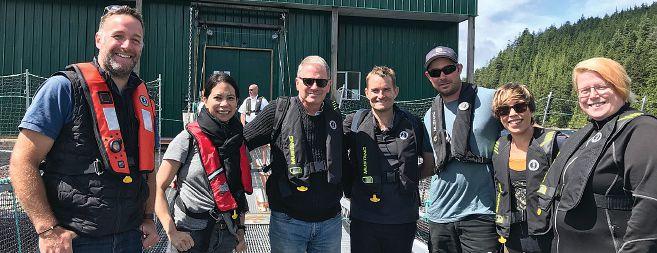
programs for the trade and consumers–we saw through the entire festival close to 5,000 individuals taking part in something,” John Watson, executive director of the non-profit society, told Aquaculture North America (ANA)
“The record attendance tells me that people are starting to realize that it’s important for British Columbia’s seafood industry to come together once a year as a group and support the entire BC seafood industry,” he added.
Deputy Minister of Agriculture Wes Shoemaker said the event was “our chance to really shine on the global stage because of the quality premium products that we offer in British Columbia.”
“What we’re seeing here are a lot of our producers and harvesters. They have a personal story to tell and they care about the way the product is harvested sustainably and care about the reputation of British Columbia as a producer of quality product,” Shoemaker added.
The trade show and conference program presented seafood suppliers and buyers platform to conduct business on site and the opportunity for face-to-face interactions. Around 500 individual meetings occurred between different buyers and suppliers during the event, thanks to a streamlined matchmaking system that the organizer launched more than a month prior to the event.
“We wanted to ensure that when people come for the first time to Canada, they have access to a direct supplier of the product that they’re looking for. We can make those connections online, so those resulted in hundreds of meetings that have now been scheduled over the course of their time here,” Watson said. First-time attendee Chris Hanselman of Hong Kong-based Pacific Rich Resources said the trade show was much smaller than he expected. “But not at a derogatory sense. The trade fairs that we go to in Asia are massive but that’s not necessarily good. Here it’s much more intimate, everyone’s made such an effort to make us feel at home. I came here expecting to find a really good supplier, but actually I also learned a lot about the industry, the problems that people are facing, which is very important for me to know, as a seller,” said Hanselman, whose clientele includes airline catering companies.
Representatives of the seafood industry, academia, governments and environmental groups had the opportunity to discuss those pressing issues. Topping the agenda was the industry’s sustainability. “Not one industry should shoulder all the blame” in the marine pollution crisis, acknowledged Josh Temple, co-founder of the Coastal Restoration Society. He called on everyone to pitch in to the efforts to clean up the coasts. “It’s important to recognize that we’ve kind of entered a new era in terms of cooperation. This is a very real crisis that’s going to affect us for many, many generations to come and it’s only getting worse every year,” he said.
A session on innovations in farmed, harvest and wild fisheries offered insights into recirculating aquaculture systems (RAS). There’s been a lot of buzz on the promise of RAS but the consensus among the panelists was that the proof would be in the pudding. “We won’t know if these are truly successful businesses until they’ve done three or four cycles through and they’ve got a stable base of production,” said Jeremy Dunn, Mowi’s director of community relations and public affairs. Fellow panellists Sean Wilton, Agrimarine Holdings CEO, and Steve Atkinson, president of Taste of BC Aquafarms echoed Dunn’s sentiment.
Watson believes the event has shown BC’s seafood industry is capable of producing far more product. “Canada can be a big player in driving increased production in seafood, both wild and farmed, in a world that needs protein,” he said.
The next edition of the BC Seafood Festival is June 5-14, 2020.
Two tech companies with roots in Canada and the United States triumphed at the 2019 Aquaculture Awards, the first edition that accepted nominees outside the UK.
The Technical Innovation award went to Canada’s XpertSea for its platform that eliminates the need for farmers to manually count aquatic organisms such as shrimp larvae and live feed. The company’s XperCount technology uses artificial intelligence and computer vision to count and size early-stage organisms. This enables farmers to make informed data-driven decisions and maximize profitability. The invention has been widely adopted by the shrimp sector in Southeast Asia and the Americas since its launch in November.
Manolin, a US-based tech firm whose health analytics software enables salmon farmers measure the effectiveness of their sea lice treatments, was the other North American winner. It was awarded the Most Promising New Entrant. Although it has its beginnings in the US, the company is currently focused on the Norwegian salmon
Anew breed of pumps has been engineered to eliminate the need for separate water circulation and aeration systems in aquaculture operations.
The FloMov family of pumps from Ontario-based FloNergia Inc provides water circulation and aeration in a single device by using a single air source to perform both functions simultaneously.
The patent-pending solution, developed at the Gryph Energy Lab at the University of Guelph in Ontario, is aimed at aquaculture, aquaponic and hydroponic applications.
“They offer a well-engineered, patent pending, dual-injector airlift pump solution that uses 50- to 70-percent less
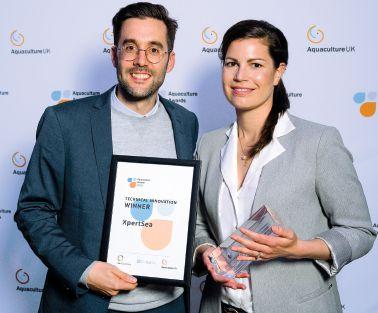
with their Technical Innovation trophy Credit: 5m Publishing
industry (see company’s expansion plans on the next page).
Aquaculture Awards 2019 was organized by 5m Publishing and held in Edinburgh, Scotland in May. The next edition will take place at Aquaculture UK trade show in Aviemore on 19-21 May 2020.
FloMov pumps provide water circulation and aeration in a single device
energy than conventional centrifugal pumps,” says the company.
It says the pumps improve water aeration, are efficient in handling solid water mixtures and are easy to maintain.
“FloMov pumps are best integrated with regenerative blowers to maximize energy savings. Regenerative blowers provide the required air-flow rates at the required pressure range with higher efficiency than alternatives such as compressed air,” it added.
Issue Advertising Deadline Winter Oct 11, 2019


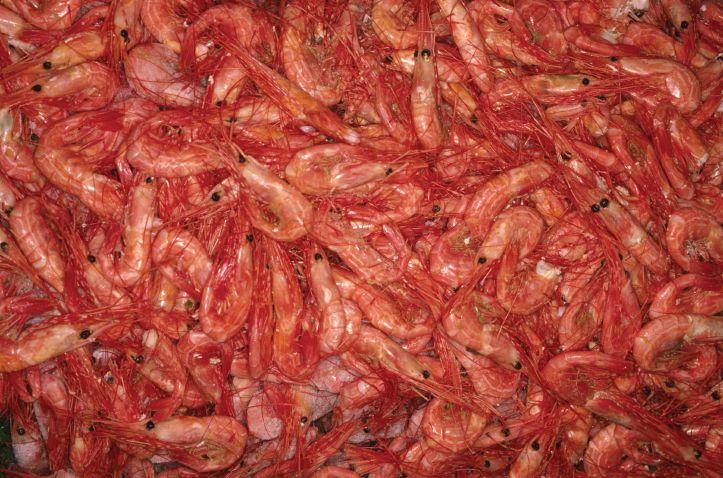
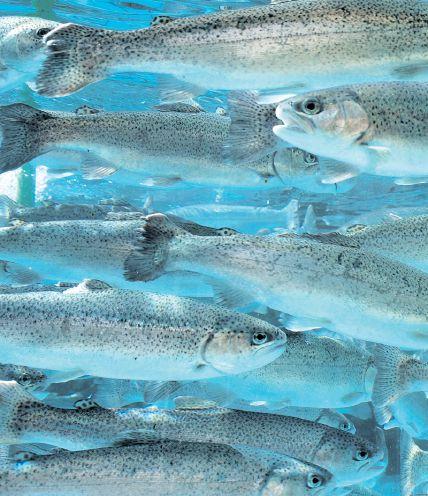
Aqua Nor 2019
Aug 20-23
Trondheim, Norway
www.aqua-nor.no
SEPTEMBER
US Trout Farmers Fall Meeting
Sept 4-6
Seattle, WA https://ustfa.org/
Aquaculture Innovation Europe
Sept 10-11
London, UK https://aquaculture-innovation.com
VICTORIA, CANADA
DECEMBER 3 – 5, 2019
Northwest Fish Culture Concepts, Annual Meeting & Workshops
73rd Pacific Shellfish Growers Association Annual Meeting
Sept 17-19, Portland, Oregon https://pcsga.org/
Cold Harvest 2019
Sept 24-26
Newfoundland and Labrador, Canada https://coldharvest.ca
American Fisheries Annual Meeting
Sept 29-Oct 3
Reno, NV
http://afstws2019.org/

gofishbc.com/nwfcc
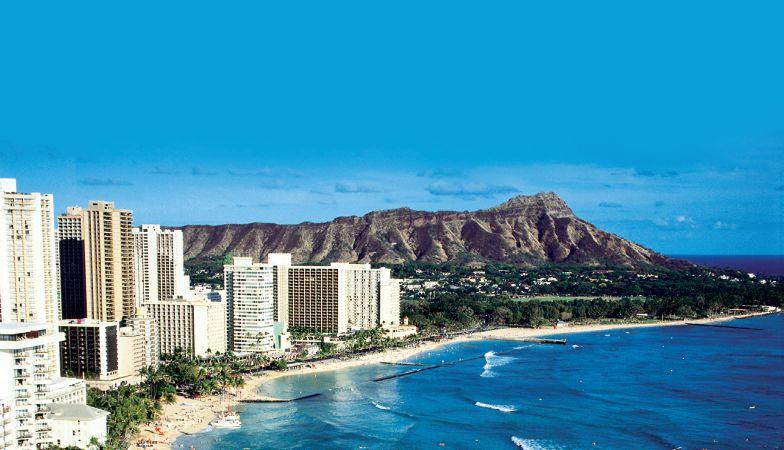





The aquaculture industry is undergoing significant change, with businesses consolidating or exiting the sector. Aquatic Equipment & Design would like to reassure all readers that it is fully committed to the future of the aquaculture industry and looks forward to working with its existing customers and new clients. When you partner with Aquatic Equipment & Design, you can rely on us to be there for you and your colleagues over the long term.
About Aquatic Equipment & Design: Aquatic Equipment and Design, Inc. is your source for professional aquatic & aquaculture products & services, serving aquaculture needs globally. The online catalog is available at www.aquaticed.com, and a customer service team is ready to assist by phone 407-995-6490.
Having launched in 2014, Aquatic Equipment & Design is proud to support the aquaculture industry with a wide selection of equipment and design services to customers around the world. With over 30 years combined industry experience, owners, Amy Riedel Stone and Huy Tran, guarantee that they can accurately and affordably source any products for their clients’ needs no matter their location. “I have always taken great pride in the designs which I provide my clients with” says Tran, VP & Owner of Aquatic Equipment & Design. “My hands-on experience in this industry has proven resourceful time and time again.”
Both owners having originally worked together in Apopka at Aquatic Eco-Systems, Tran and Riedel-Stone dedicate much of their current success and core company values at Aquatic Equipment & Design to that of the original AES founder, Robert “Bob” Heideman, a former Navy SEAL. “His values and mission were to bring the most experienced customer service and affordable products to the aquaculture industry”, says Riedel-Stone, President & Owner of Aquatic Equipment & Design. “Huy and I are proud to have been able to learn from Bob and continue his mission and values today.”
As tides continue to change, and aquaculture suppliers come and go, one thing is a constant: Aquatic Equipment and Design remains dedicated to servicing the aquaculture Industry. Whether it’s providing designs for new builds, consulting on a facility refurbishment or simply supplying equipment, whatever your need, the Aquatic Equipment & Design team are available to help fish growers with their operation and supply them with the latest equipment and technology the sector has to offer.
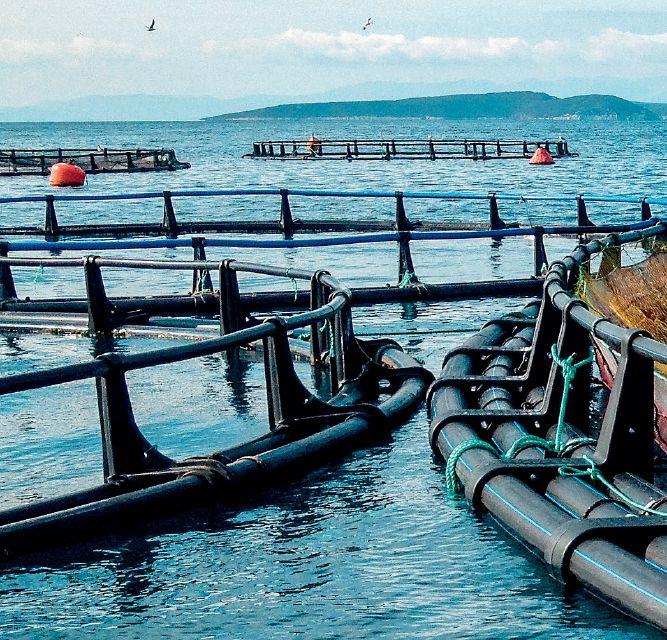
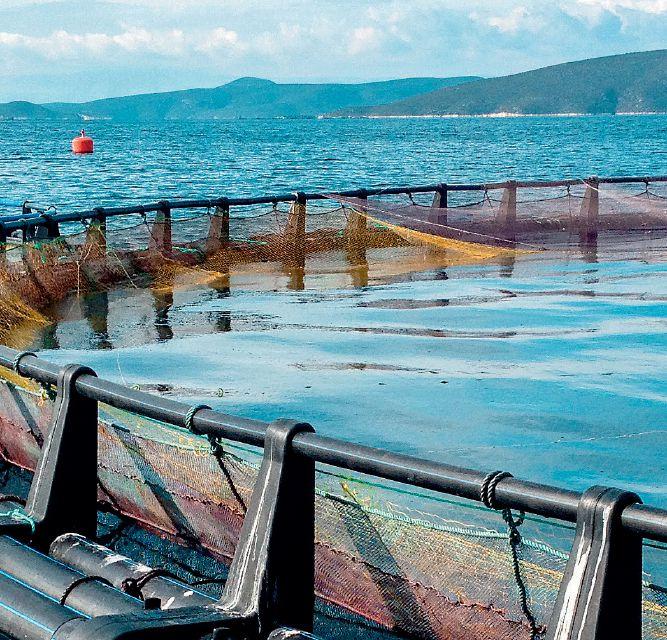

Reliability in water jetting pumps t whole new meaning when you’re in th of cleaning net pens in the fish farmin










Our pump systems, specifically designe aquaculture market, address the demand conditions of open seas, foul weather and effects of salt water while delivering the performance and durability NLB has been since 1971.
NLB pump units also offer compatible inte the industry’s leading head cleaning system






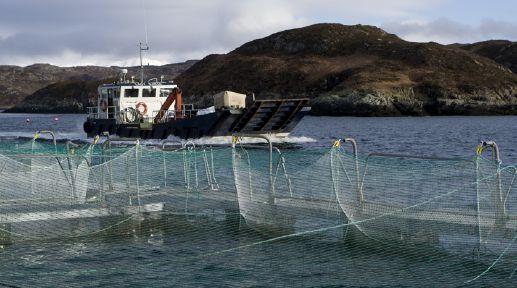
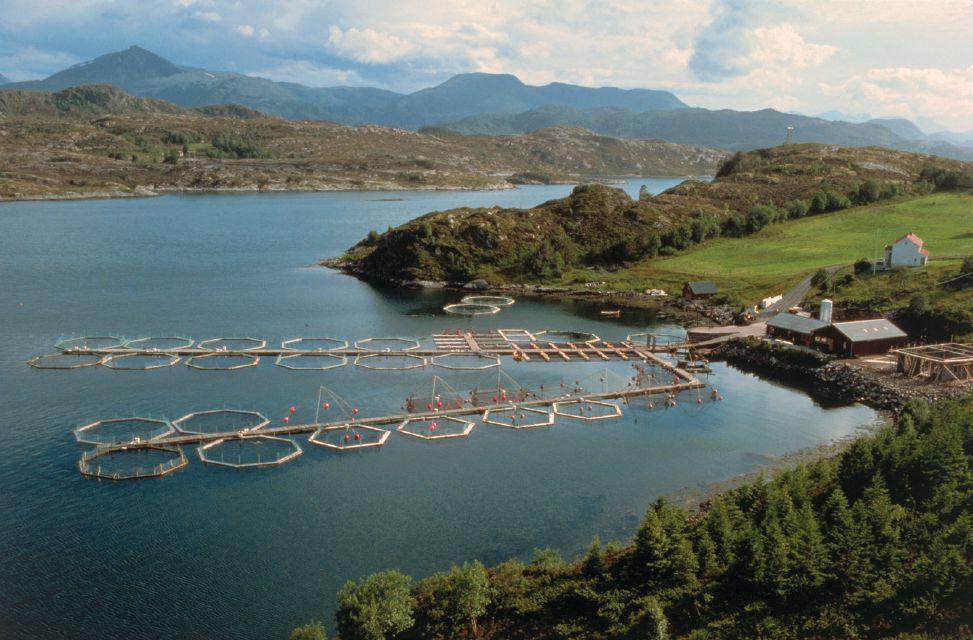
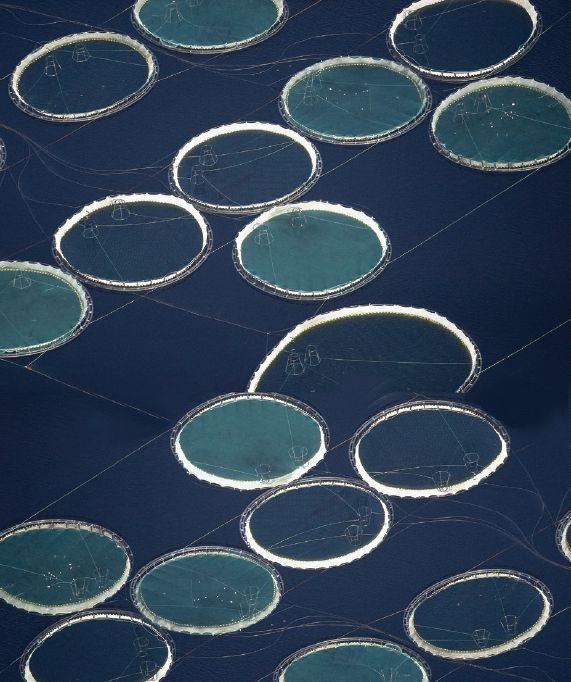






The SLICE® Sustainability Project is the latest global initiative from Merck Animal Health — the world’s leader in health management tools for farm-raised fish.
Based on four core actions — Protect, Conserve, Renew, and Succeed — the field-proven, science-driven program is helping the world’s salmon farmers develop long-term, sustainable control programs for sea lice.
To help ensure success, The SLICE Sustainability Project also involves a global network of analytical laboratories that conduct bioassays, feed and tissue analysis, and other tests needed to implement the program effectively.
Your Merck Animal Health representatives are ready to take an active role in your sea lice control program — training farm personnel and developing site-specific strategies that ensure product efficacy and longevity. Canada +1.866.683.7838
http://aqua.merck-animal-health.com