










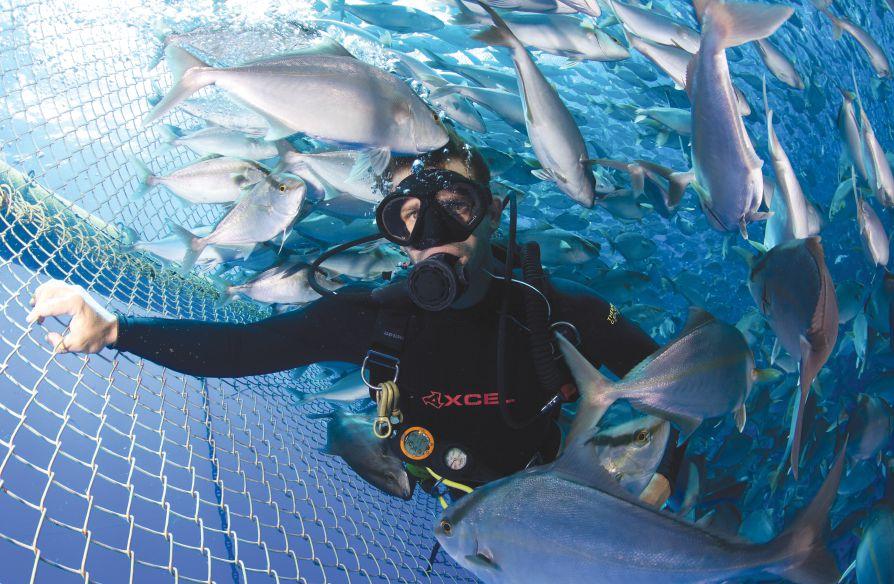
New report says mariculture could inspire a shift in conversations from devastation and losses to resilience and growth
BY LALOU RAMOS
Climate change is a great equalizer for everyone involved in ocean-focused industries. Economies big and small are reeling from its impact and grappling to mitigate its threat to industries and global food production.
In his recent tour of the South Pacific, UN Secretary-General Antonio Guterres warned that the world “was not on track” to limiting global temperature rises and that it is “losing its political will to tackle climate change.”
Stakes are particularly high in the ocean economy, which contributes hundreds of millions of jobs and approximately $2.5 trillion to the global economy yearly, making it the world’s seventh-largest economy compared with national gross domestic products.
Decrease in production of aquatic plants and animals, as well as changes to their habitats due to climate change, impact a broad ecosystem that farms, processes, transports and consumes aquatic resources.
continued on page 11
‘An
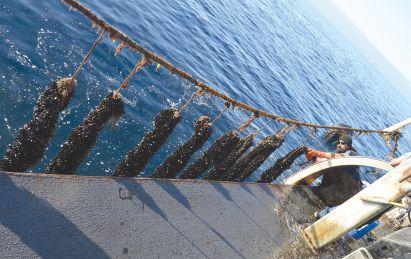
Calling it “an opportunity too good to ignore,” NOAA scientists are giving a thumbs-up to offshore mussel farming in the Northeast United States based on new research and a trove of data. The news signals a step forward on how to chip away at the $15 billion US seafood trade deficit.
Serial entrepreneur Phil Cruver claimed “first mover” status in the space in 2012 when he founded the 100-acre Catalina Sea Ranch off Long Beach, California. Despite waves of publicity since, regulatory and funding concerns have given entrepreneurs the jitters such that only research trial farms have followed.
But this new strong scientific basis for offshore mussel farming could be the first step in changing all that.
More efforts are needed to fill knowledge gaps in mitigating climate change, say stakeholders
BY LYNN FANTOM
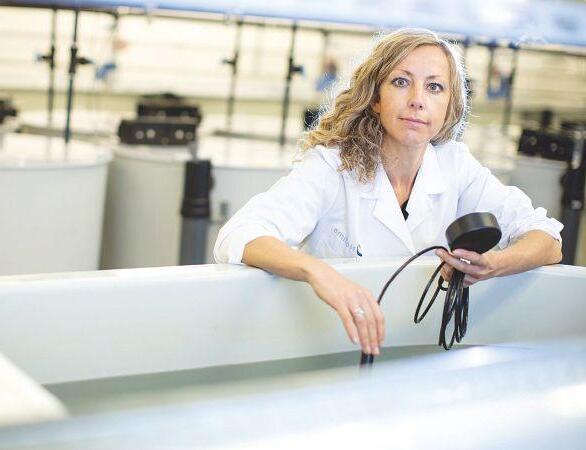
With the south-coast beaches and coves of Newfoundland caked in salmon fat last October, it became easier for everyone—scientist, salmon farmer, and citizen—to imagine the unimaginable impact of climate change, which will only get worse, according to the lead researcher of a new study.
“The industry is now waking up to climate change. It hasn’t been that much of a focus until now,” says Dr Elisabeth Ytteborg, researcher at Nofima, a Norwegian research institute specializing in fisheries, aquaculture, and food.
The crisis at Northern Harvest, purchased by Mowi last year, sharpened attention when 2.6 million salmon died as a result of low oxygen. The “temperature event,” as Mowi officials called it, occurred after 11 to 13 days of temperatures in the range of 17 to 21C throughout the water column. Seeking relief, salmon retreated deeper into the net pens in Fortune Bay, crowding together and depleting their oxygen supply.
continued on page 10
Publications Mail Agreement #PM40065710 RETURN UNDELIVERABLE CANADIAN ADDRESSES TO 111 Gordon Baker Rd., Suite 400, Toronto, ON M2H 3R1


Credit: AquaBounty
milestone is in the offing for the company known for the first genetically modified (GM) salmon.
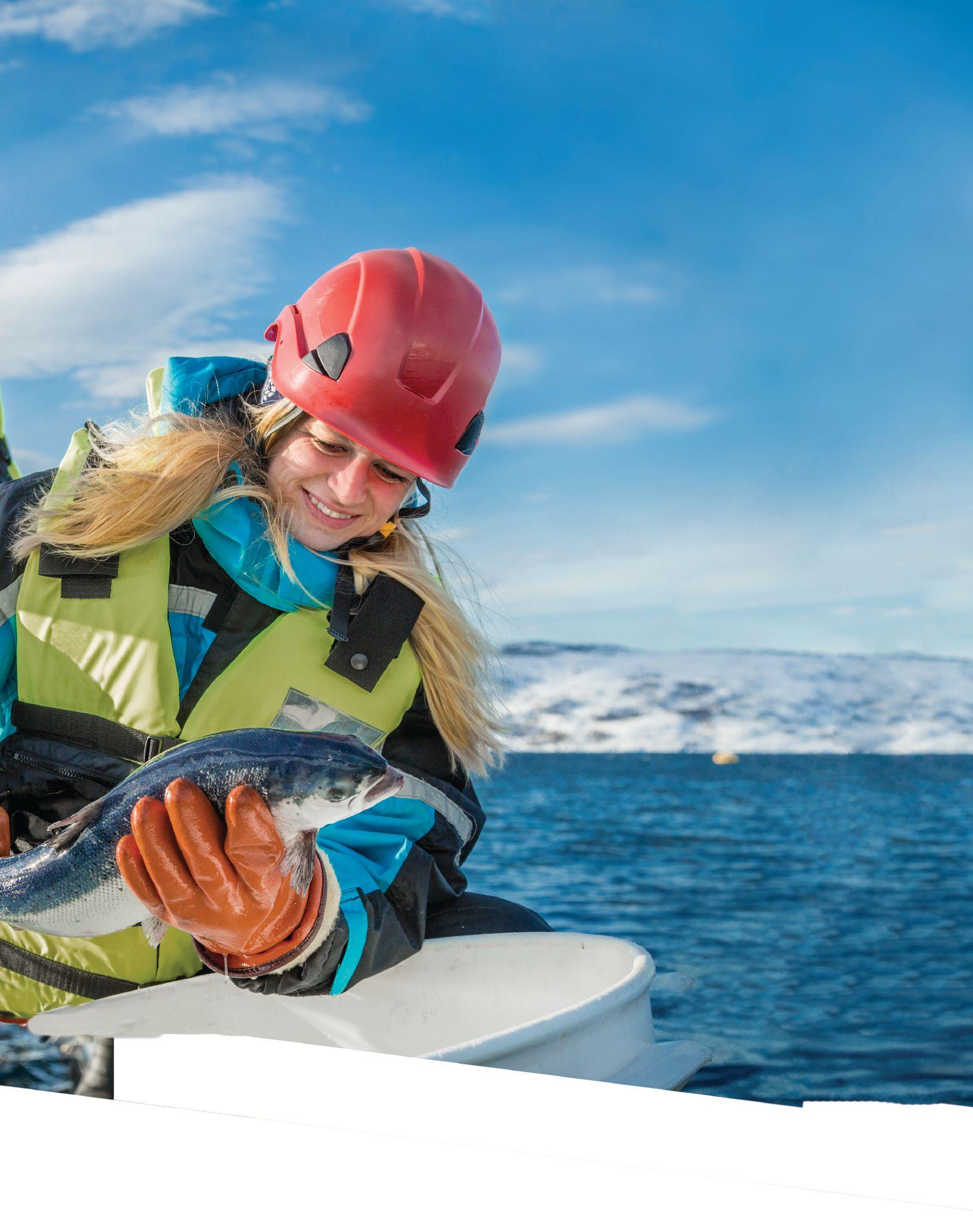
AquaBounty Technologies of Maynard, Massachusetts says it expects to harvest this fall its first crop of GM-salmon at its land-based aquaculture facility in the United States.
In June 2020, the company also expects to harvest its first crop of conventional (non-GM) Atlantic salmon.
In total, the company forecasts harvests totalling 450-500MT (conventional and GM Atlantic salmon) in the US in 2020.
The harvests will come roughly three years following AquaBounty’s acquisition of the Bell Fish Company based in Albany, Indiana in 2017. AquaBounty at the time was banned from importing GM salmon eggs from its Canadian operations, prompting it to farm conventional Atlantic salmon in the interim. The FDA lifted the ban in March 2019.
“We are still considering our options with this facility,” says Dave Conley, AquaBounty communications director, when asked if the Indiana facility will continue to farm both GM and non-GM salmon.
Meanwhile, major shareholder Intrexon announced in November it has sold all of its shares in AquaBounty. The sale will have no impact on AquaBounty’s operations, said Conley.
‘Genetically engineered’ label unnecessary, says AquaBounty
The requirement to label bioengineered salmon as “genetically engineered” is unnecessary and sets a dangerous precedent for all bioengineered foods, says AquaBounty.
The provision, sponsored by Republican Senator Lisa Murkowski, was passed as a rider on the 2020 US Spending Bill.
“AquaBounty has always supported clear, transparent labeling of our bioengineered salmon, even before federal disclosure requirements were put in place, and while this new language will finally allow us to commercialize our FDAapproved bioengineered salmon, we believe it is completely unnecessary,” the company said. AquaBounty has developed the industry’s first genetically modified salmon, AquAdvantage.
Murkowski says it is “absolutely essential” to inform consumers about the products they are buying.
Feed alternatives key to expanding segment sustainably, say scientists
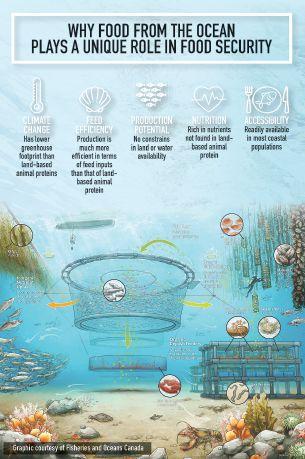
Farming seafood in the open ocean could contribute significantly to food production given the right policy support and incentives, according to a scientific paper called “The Future of Food from the Sea.”
Open-ocean aquaculture, also known as mariculture, is underutilized. However, it could produce six times more food than it does today “if we make rapid and far-reaching changes in the way we manage ocean-based industries while nurturing the health of its ecosystems,” the paper suggested.
It estimated the projected boost in production from the ocean to being equivalent to roughly 70 percent of the animal protein needed to feed the future global population.
“As the global human population grows and average incomes rise, the demand for ocean-derived food will continue to increase. By some estimates, nearly 500 million metric tons of protein will be required to feed the global population in 2050—food from the sea has a large potential to meet the majority of this need,” it said.
It says fast tracking the development of feed that do not rely on fishmeal and fish oil is needed to sustainably expand finfish and shrimp mariculture.
It also endorsed the farming of bivalves and seaweeds, which unlike finfish and other species, do not need to be fed; they even clean the water and “may in some cases enhance wild fisheries by creating artificial habitats.”
It called on world leaders to improve ocean governance, carefully considering the “scientifically informed pros and cons” associated with different policy options and how these may affect stakeholders. It stressed that actions and reform within the fisheries and aquaculture sector are also needed.
“The Future of Food from the Sea” is authored by a group of scientists in support of the coalition of 14 world leaders representing Australia, Canada, Chile, Fiji, Ghana, Indonesia, Jamaica, Japan, Kenya, Mexico, Namibia, Norway, Palau and Portugal. The coalition calls itself the High Level Panel Advisory Network.


• Develop regulatory frameworks and revise existing regulations to address uncertainties and current barriers to sustainable mariculture expansion
• Actively update agencies and consumers about state-of-the-art sustainable mariculture practices
• Evaluate barriers to technological innovations in mariculture feed, husbandry and farm design
• Consider incentives such as taxes, subsidies, zoning and research that would remove barriers to innovations






SUPPORTING YOUR SUSTAINABILITY GOALS AND NUTRITIONAL NEEDS
Darling Ingredients is a leading global supplier of animal nutrition solutions for aquaculture. We offer consistent, nutritional and reliable ingredients for the best aqua feed.
With a keen understanding of today’s markets, we can provide you with essential proteins that will enhance the quality and value of your product.
Visit us at darlingii.com/solutions/feed
February 10-12,
The Maine Aquaculture Association has launched a new video series titled, “The Faces of Maine’s Working Waterfront.”
The videos tell the stories of aquatic farmers in Maine, underscoring how aquaculture complements existing marine industries and works to diversify and strengthen the state’s coastal economy.
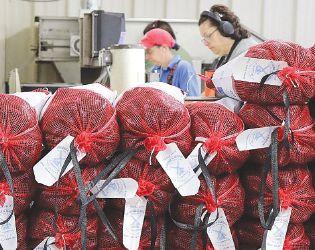
Aquatic farmers in Maine are the focus of a new video series from the Maine Aquaculture Association Credit: Acadia Aquafarms/Maine Aquaculture Association Facebook page
The first film released in the series features Cooke Aquaculture, the only net-pen salmonfarming company in Maine. The Cooke video highlights how declining fisheries in Maine led to commercial fishermen leaving the waterfront in search of mill jobs. Dave Morang was impacted by these changes, but working for Cooke gave him the chance to work on the water again and “live the American dream.”
The second video in the series features Josh Conover, a long time Islesboro lobsterman who owns and operates Marshall Cove Mussel farm with his wife Shey. The mussel farm is an environmentally and economically sustainable method of protein production, improving water quality and keeping four to five workers employed year-round.
The association is planning to release more videos in the coming months, which can be viewed on the Maine Aquaculture Association’s Instagram and Facebook pages as well as on its YouTube channel.
Judge rules current permit doesn’t do enough to protect environment, orders revision
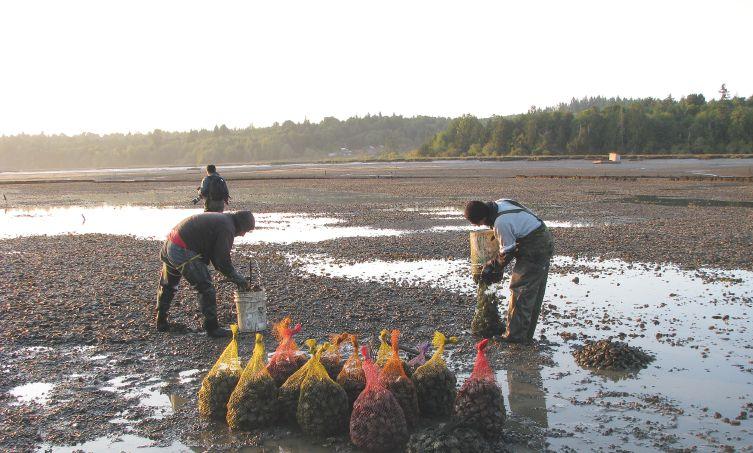
AShellfish growers in Washington State nervously await a judge’s decision on shellfish permitting Credit: Taylor Shellfish
federal permit that authorizes most of the shellfish operations in the State of Washington is under review after a judge ruled it fails to provide enough environmental protection.
Judge Robert Lasnik found that Nationwide Permit 48 (NWP 48) issued by the US Army Corps of Engineers (USACE) was not in compliance with the Clean Water Act and the National Environmental Policy Act.
The decision to review the permit stemmed from three lawsuits filed individually by the Coalition to Protect Puget Sound Habitat, the Center for Food Safety and the Swinomish Indian Tribal Community. Among the allegations in the complaints were the contamination of Puget Sound waters with plastic debris from shellfish farms and the potential harm to eelgrass beds.
The judge has yet to rule whether to declare the permit null and void, or leave it in place, while the Army Corps remedies its deficiencies.
The Pacific Coast Shellfish Growers Association (PCSGA) is against the permit being vacated while it is under review because that could mean shutting down farming operations. That move will have significant impact on the livelihoods of workers in the state’s more than 300 farms. Those farms, most notably Taylor Shellfish Farms, have propelled Washington State into becoming the largest producer farmed shellfish in the US. Collectively, the farms account for 25 percent of the total domestic production by weight and an annual farm-gate value exceeding $108 million, according to the Pacific Shellfish Institute.
“We expect the judge to make some sort of decision soon,” says Margaret Pilaro, executive director, PCSGA.
“The most important thing to remember is that growers cannot afford to compromise the health of the environment in which they grow shellfish. That’s how they make their living. And about three quarters are multigenerational–farms that their parents, grandparents and great-grandparents have operated. They all feel like they are stewards because they have to be. They can’t produce this shellfish unless the environment can support it.”
— Matt Jones
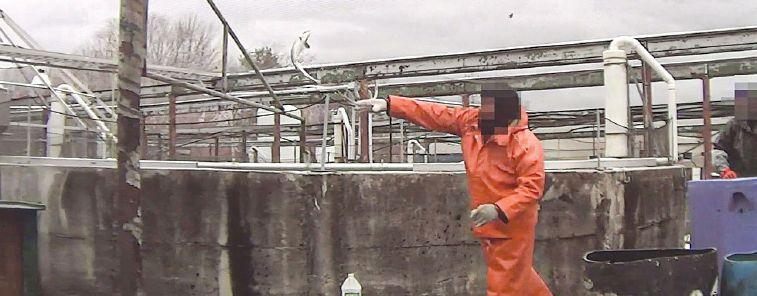
The investigation into animal cruelty allegations against Cooke Aquaculture last winter found that lack of formal training in fish handling procedures among the staff, and not an ill intent to cause suffering to the fish, as the culprit.
Maine authorities investigated Cooke Aquaculture over a four-month period after Compassion Over Killing (COK), a non-profit animal protection organization, filed a complaint of animal cruelty against the company. The complaint was backed by an undercover video taken by a COK activist employed in the Cooke hatchery in Bingham, Maine, which showed at one point a worker smashing fish against a post.
Maine Animal Welfare Program (AWP) director Liam Hughes, who conducted the investigation, said in his report that “all training was done peer to peer” at the hatchery. “During the course of this inquiry I noted a workplace culture where bad techniques for handling and euthanasia were being taught by staff member to another with no formal structure,” he wrote.
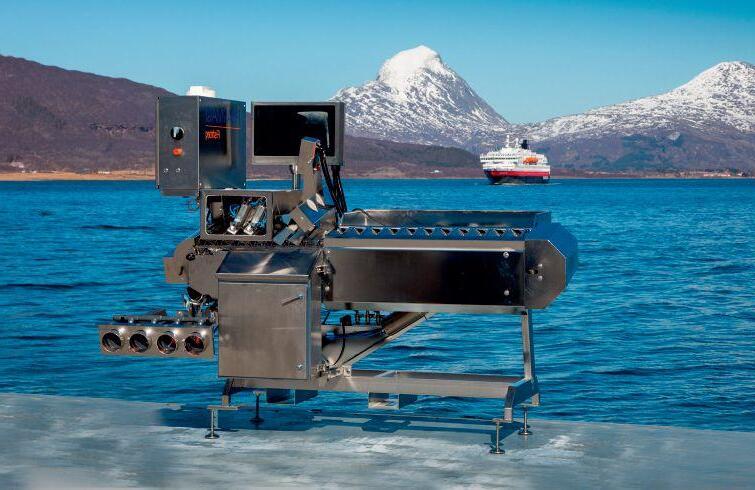
Cooke has apologized for the mishandling of the fish. The company has since implemented changes based on the report’s recommendations, including updating protocols in euthanasia, safe handling and disease recognition. All 12 staff at the facility have undergone formal training on proper fish handling techniques, including how to operate a new machine used to kill fish that the company acquired since the exposé. “Several human resources matters” have also been dealt with internally at Cooke, the report added.
The investigation was something of a baptism of fire for the Maine Animal Welfare Program. The agency adopted the Best Aquaculture Practices standards set out by the Global Aquaculture Alliance because the State of Maine doesn’t have Best Management Practices (BMPs) in place for land-based aquaculture. “This type of aquaculture is very different from other types of farming operations that AWP regularly interacts with,” the report said.
The report recommended that a state agency specializing in aquatic animals look into developing oversight in animal care in land-based aquaculture facilities to ensure compliance with BMPs. “Having other agencies such as DMR or IF&W oversee these operations with regular inspections could help prevent these kinds of complaints in the future,” the report said.


Editor Liza Mayer
Tel: 778-828-6867
lmayer@annexbusinessmedia.com
Advertising Manager Jeremy Thain
Tel: (250) 474-3982
Fax: (250) 478-3979
Toll free in N.A. 1-877-936-2266
jthain@annexbusinessmedia.com
Media Designer Svetlana Avrutin
Audience Development Manager / Subscriptions
Urszula Grzyb
Tel: 416-510-5180
ugrzyb@annexbusinessmedia.com Fax: 416-510-6875 or 416-442-2191
ON M2H 3R1
United States Mailing Address Aquaculture North America, 815 1st Ave, #93, Seattle, WA, 98104
subscribe go to


www.aquaculturenorthamerica.com
Regular Contributors: Ruby Gonzalez, John Nickum, Matt Jones, Lynn Fantom
Annex Privacy Officer
Privacy@annexbusinessmedia.com
Tel: 800-668-2384
Group Publisher - Todd Humber
thumber@annexbusinessmedia.com
COO - Scott Jamieson
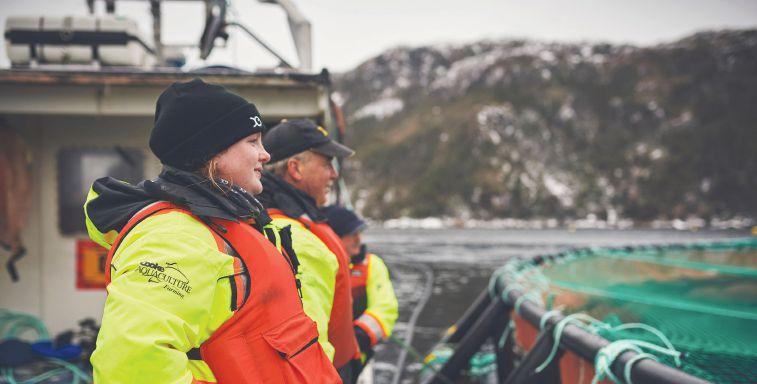
Canadian farmers expect to expand over the next five years to meet the strong demand for seafood but labor shortage could prevent or delay those plans
Canada’s aquaculture sector could miss out on growth opportunities over the next 10 years if it doesn’t find enough workers.
According to the Labor Market Forecast to 2029 released by the Canadian Agricultural Human Resource (CAHR) Council, there will be 600 fewer people in the aquaculture workforce over the next 10 years, leaving 470 more jobs than the domestic workforce could fill. Around 36 percent of the 600 workers are projected to retire during the period.
Labor shortages could limit future growth by preventing or delaying expansion plans over the next five years that’s needed to meet the strong market demand for seafood, the farmers said.
In 2017, 63 percent were unable to find the workers they needed, leaving 127 jobs in farms unfilled.
Sales have also suffered because of manpower shortage. The report said the sector lost $34 million (roughly 2.5 percent) in total sales in 2018 because of it.
“Increases in innovation and technology
would help close the labor gap and mitigate losses. On the other hand, retirements would widen the gap. So when we consider the two opposing forces, it would be safe to say that the trend in lost sales would continue if the labor shortfall is not addressed,” said Debra Hauer, LMI Project Manager at CAHR.
A top problem highlighted in attracting and retaining workers was the declining population in rural areas, where most aquaculture operations are located. Other concerns include the manual and the seasonal nature of farm work.
Canada’s aquaculture industry employed 4,650 people in farms (operators of processing facilities were not surveyed) in 2017. The workers were mostly in British Columbia and Atlantic Canada, where seafood farming is concentrated.
Aquaculture has the most positive growth forecast of any in the Canadian agriculture sector—3.9 percent annually compared to 2.1 percent for agriculture as a whole. The main species grown by Canada’s aquaculture industry are salmon, mussels, oysters and trout.
Bernadette Jordan will oversee Canada’s aquaculture industry as the new Minister of Fisheries, Oceans and the Canadian Coast Guard Credit: Liberal Party of Canada

Canadian Prime Minister Justin Trudeau has appointed Nova Scotia’s Bernadette Jordan as the new Minister of Fisheries, Oceans and the Canadian Coast Guard, the position responsible for regulating the aquaculture industry.
During her first four years as Member of Parliament in Ottawa, Jordan spent much of it as a member of the standing committee on fisheries and oceans. She chaired the committee during five of those 32 months, according to a CBC report. Most recently, she was the Minister of Rural Economic Development.
Jordan replaces Jonathan Wilkinson, who is now the Minister of Environment and Climate Change.
The Canadian Aquaculture Industry Alliance (CAIA) welcomed Jordan’s appointment. The group expressed “enthusiasm to work together to realizing the opportunities for Canada through sector development.”
“Seafood farming is a key driver of economic growth in Canadian rural, coastal and indigenous communities, and is the fastest growing food production sector globally. We look forward to working to develop a strong partnership with Minister Jordan to help Canada’s aquaculture sector thrive,” said Timothy Kennedy, president and CEO of CAIA.

Algicides are much more effective in eliminating predominant algae species that cause pre-harvest off-flavors in pond-raised catfish, an expert said.
Certain types of algae and bacteria in catfish production ponds could cause flavor problems in catfish. It is a perennial problem for farmers and managing it adds 1020 percent to their production costs.
Dr Jimmy Avery, Extension Aquaculture Professor at the Mississippi State University, said small doses of algicide over several applications usually kill the target algae. “Once it has been verified microscopically that the algae are no longer in the pond, the fish will purge the compounds,” he said.
Another method—although less effective—requires changing the pond environment through nutrient management, biocontrol, or water circulation. Reducing the levels of the offending algae, however, takes time and yields inconsistent results.
The off-flavors are caused by common natural phenomena that cannot be prevented and can only be addressed when fish test positive, Avery said.
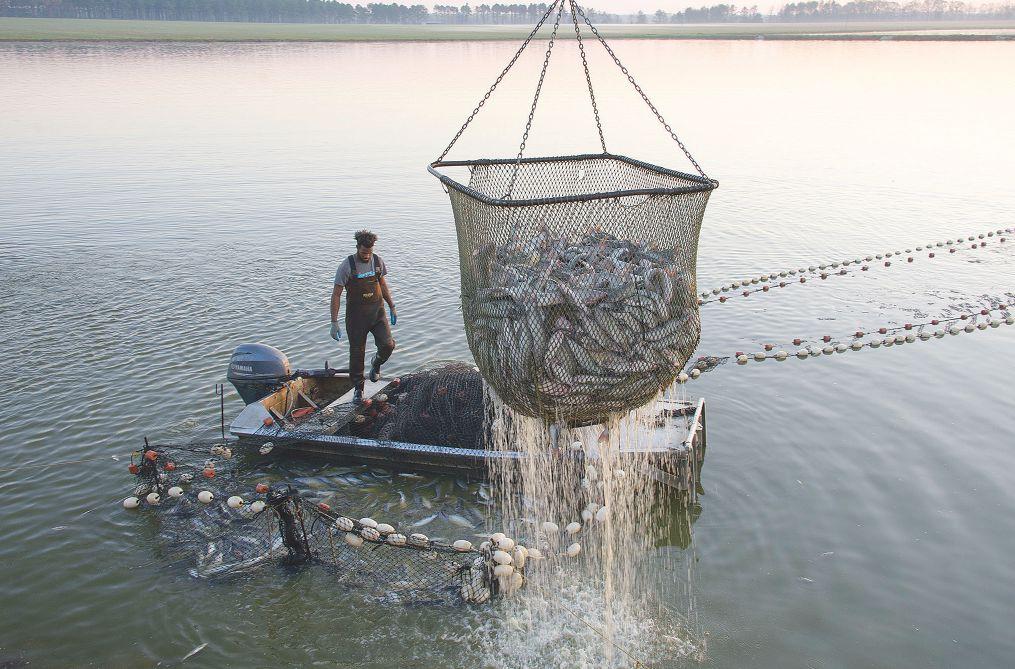
Catfish being seined at a Mississippi farm. Several applications of small doses of algicide usually kill the algae that causes flavor problems in catfish, says an MSU professor Credit: MSU Extension Service/ Kevin Hudson
“Fish are tested for flavor characteristics when they are scheduled for sale to the processor. Fish are re-checked typically one week before harvest and again at the day of delivery to the processor. If at any point they are determined to be off-flavor, they are removed from the processing schedule or returned to the pond.
“Once these compounds are in the fish, they can only be purged by the fish’s own metabolism. Purging of algaerelated compounds occur rapidly in warm water but are slowly purged in cold water. First, the producer should determine if the causative organism—primarily two species of algae—is still present in the pond. If it is, the algae must be removed before effective purging can begin,” he said.
The highest prevalence of off-flavors is observed during the summer. It is usually algae-related around this time and can last for “days to weeks.” Off-flavor problems are less frequent in the winter but can last for “weeks to months.”
Members of the Catfish Farmers of America (CFA) have been using federally approved algicides since 2008. — Ruby Gonzalez

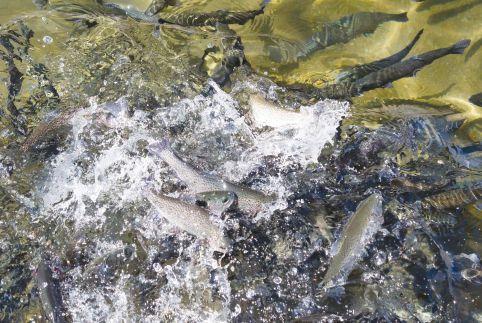
Rainbow trout fed with an enhanced soybean-based fish feed outperformed the group fed with regular soybeanmeal, trials show Credit: ©karagrubis / Adobe Stock
An enhanced soybean-based fish feed called EnzoMeal has improved the performance of rainbow trout compared to fish that consumed regular soybean meal (SBM), trials show.
“These findings suggest that EnzoMeal shows promise as an alternative to SBM in rainbow trout diets,” said study team leader Dr Vikas Kumar of the University of Idaho.
“At low fishmeal replacement, the EnzoMealfed group showed 51-percent higher growth than the soybean-meal-fed group. At high fishmeal replacement, the EnzoMeal-fed group had 166-percent higher growth than the soybean meal-fed group,” Kumar told Aquaculture North America (ANA) The EnzoMeal-fed group also showed less inflammation of the intestines, or enteritis, a condition associated with SBM. “In terms of distal intestinal histology of fish, the soybean meal-fed group showed enteritis, whereas the EnzoMeal-fed group showed less enteritis.”
SBM is the most commonly used plant protein in aquafeeds due to its high protein content, availability, and competitive price. Its nutritional value, however, is limited by amino acid deficiencies and anti-nutritional factors.
Wenger innovative extrusion solutions deliver clean, durable, nutritional feeds specifically designed for the most e cient RAS operations. Feeds produced on Wenger systems maintain their integrity better and longer, for clean and clear water. So you feed the fish, not the filter.
Learn more about the Wenger RAS advantage. Email us at aquafeed@wenger.com today.



EnzoMeal’s nutritional qualities were enhanced using a bioprocessing technology developed by the Ohio Soybean Council. The patented technology removes non-digestible carbohydrates and increases crude proteins in the soybean meal. This does not compromise the amino acid composition and makes the soybean meal easier for the fish to digest.
The council has licensed the technology to Matrix Sea Foods India Ltd. The company’s goal is to produce 50,000 tons of EnzoMeal annually by 2020.
— Ruby Gonzalez
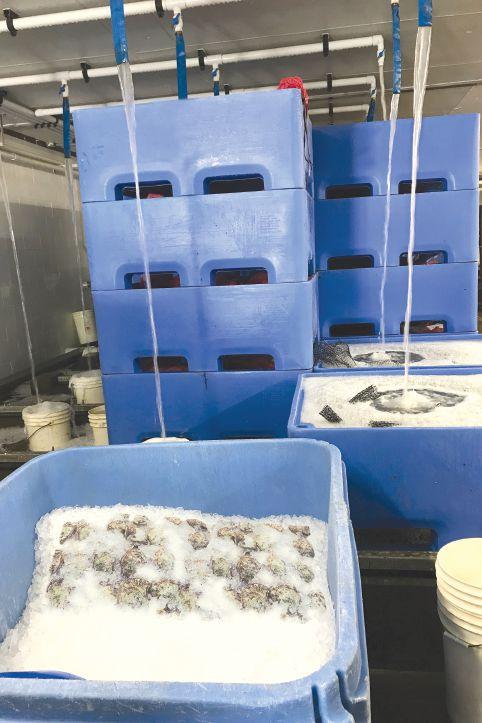
Anew study reinforces what some oyster farmers may think is common sense in food safety: using ice slurries or layered ice for cooling oysters combined with refrigeration at post-harvest is more effective in controlling the growth of Vibrio bacteria than using each method on its own.
Vibrio causes food-borne illnesses in people who eat raw or undercooked shellfish.
The United States has Vibrio Control Plans in place to help farmers mitigate risks associated with the bacteria. It includes time and temperature (10 °C or 50 °F) requirements for post-harvest processing and maintaining an unbroken cold chain.
The most critical windows in which to control the growth of Vibrio bacteria in the supply chain are immediately after harvesting and during post-harvest processing, researchers emphasize.
They said it is crucial to ensure that Hazard Analysis and Critical Control Point (HACCP) plans are being followed and are working appropriately to reduce Vibrio bacterial growth caused by time and temperature abuse.
“Use temperature sensors within your facility and in shipments one-up and one-down in your supply chain to verify that procedures and practices are working properly and are in compliance with food safety guidelines,” said the research team behind the study, “Performance of cold chains and modeled growth of Vibrio parahaemolyticus for farmed oysters distributed in the United States and internationally.”
But the responsibility to make food safe does not only fall on farmers and processors, the team said. The government and the industry have roles to play. They recommend developing guidelines for the shellfish industry regarding best practices for domestic and international airfreight shipments and developing tools to assist shippers in making packaging decisions.
“One option is an online calculator where shippers could manipulate input variables to determine what combinations of variables would meet oyster temperature criteria during shipping,” the researchers said.
— Ruby Gonzalez

“When you ask someone in America to picture a farm, they close their eyes and see undulating hills, a setting sun, a red barn,” Maine-based Barton Seaver, renowned chef, author and advocate for sustainable seafood, once said.
That image “is the thread by which we wove the social fabric of our country–the small American family farm. Ask them to picture a fishery, you get curious looks,” he told delegates at the Seafood West Summit in Campbell River, British Columbia in 2018.
Like many in the industry, Seaver believes something needs to be done about it.
“We need a paradigm shift,” said Mark Lane, executive director of the Newfoundland Aquaculture Industry Association. “I equate it with recycling. When I was growing up, it was the beginning of the paradigm shift in the way of thinking about recycling. For my kids, it’s a no-brainer; they don’t think about it, it’s just the way we do things. We want aquaculture to be like that.”
“Children need to know where their food comes from,” said New Brunswick journalist Deborah Irvine Anderson. “More than half of the seafood we eat today comes from aquaculture. Children are often taught about farms on land but not about farms on the ocean.”
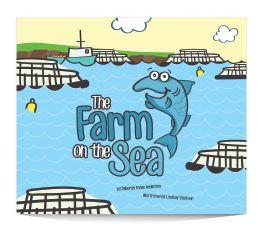
This winter, Anderson approached the Atlantic Canada Fish Farmers Association (ACFFA) and pitched the idea of a book to help expose young people to aquaculture. Titled “The Farm on the Sea,” the book tells the story of a rare blue salmon named Sunny, who guides children through the stages of salmon farming. It is aimed at readers from ages six to eight.
“We loved her idea and her passion for educating children about salmon farming,” says Susan Farquharson, ACFFA’s executive director. “The book is engaging and informative, and our members are proud to partner with the book’s creators on this project and to raise money for local food banks too.”
In Newfoundland, the initiative to spread the word about aquaculture goes even further. Efforts are underway to make aquaculture a standard part of the province’s curriculum in primary, elementary and high school classrooms within the next few years. The industry and the province are working together to ensure young people are aware of the opportunities in the aquaculture industry.
“Once you’re on the farm, you’ll see all these people–you’ll see the captain of a crew boat, you see the farm technician, the farm manager, the nutritionist, the veterinarian. We want to show people the different selection of job opportunities out there,” said Lane.
• 100% Titanium Heat Exchangers
• Salt & Fresh Water Safe
• Available with Tube Sheet, Helical Coil, or Plate
• Hot & Cold Water Loop Systems
• Compact Designs
• Easy Installation
• Incubator Rack Systems
• Gas Boilers
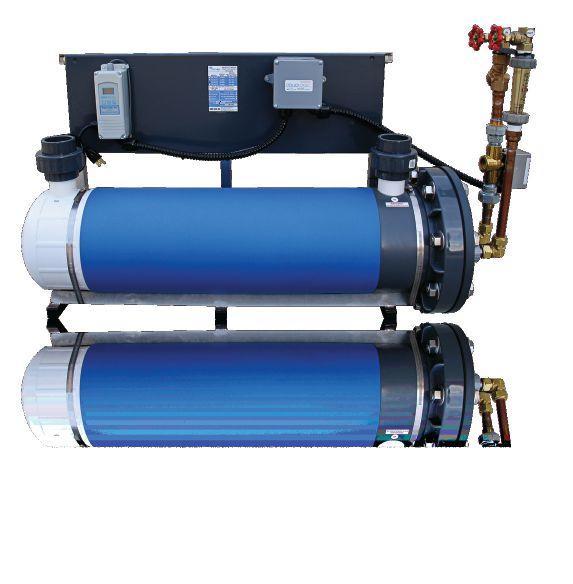
• Designed to maximize space and energy efficiency and minimize maintenance
• Preassembled, skid-mounted Life Support System with multiple options
• Full system monitoring available
• Salt water and fresh water versions available to suit any species e.g. crab, lobster, geoduck, tilapia and more






Businesses could become collateral damage during times of conflict, as seen in Chile and Hong Kong
BY MATT JONES
ne doesn’t have to go very far back in time to realize that disruptions in business operations could happen anytime, be it due to natural disasters or man-made ones. Protests in Chile and Hong Kong have left businesses vulnerable. Salmon processing plants in Chile became collateral damage in the civil unrest since October, fuelled by the population’s resentment against income inequality. Workers and supplies unable to reach salmon processing plants because of road blockades caused significant losses to the country’s aquaculture industry. Some media reports estimated the volume of decayed fish in processing plants at roughly 320 tons, not to mention the thousands of fish that waited to be fed at the height of the unrest.
a well-known international protest group, the Sea Shepherd Society. Cermaq accused protesters of trespassing and harassment of employees.
“We experienced protesters entering our sea sites and approaching our employees in a way they were not comfortable with,” says Cermaq Corporate Affairs Director Lise Bergan. “In such situations, our employees are instructed to be calm and respectful and move indoors at the barge if they do not feel safe, and of course, alert their managers as well as authorities.”
The climate issue, if it continues to worsen, that’s one where I could imagine it stemming from.
— Prof. Jeremy Pressman, University of Connecticut
In the event of a protest, Bergan emphasizes support for employees, ensuring that they know they are safe and supported by the company.
While the plants have resumed activity since, it is reasonable to wonder if aquaculture operations in North America are ready with a plan should massive disruptions arise. After all, the industry is an easy target among environmental activists.
A large-scale civic protest and a protest directed specifically at an aquaculture company would adversely impact operations in varying degrees, but the experiences of companies that have been the subject of protests could nonetheless be informative.
In 2016, Cermaq’s operations in British Columbia were the target of weeks-long protests by activists, including members of
“It is also important that employees are knowledgeable on the operations, and well-informed about the concerns and the performance so that they can be on top of the situation,” says Bergan.
Another company that has faced protests in the past is Mowi, which ended up suspending construction of a fish farm in Campbell River, British Columbia amidst protests driven by the Homalco First Nation in May 2019. A flotilla of protesters in at least 15 boats rallied at the proposed site. Representatives for Mowi did not provide comment for this article, but the then-Director of Community Relations and Public Affairs, Jeremy Dunn, said in a statement to media at that time

Credit: ©MARCOS
OSORIO osorioartist.com / Adobe Stock

Protesters that become more confrontational are likely to target the economic sector, including disrupting pipelines, train routes and roads, says Dana Fisher, professor of sociology at the University of Maryland
Sustained mass protests in the United States are improbable, but not impossible, says Prof Jeremy Pressman
that the company was attempting to engage in dialogue with the protesters.
“Mowi has engaged in constructive discussions with local First Nations and Electoral Area C about our Cyrus Rocks salmon farm over the past week, since concerns were first raised,” said Dunn in the statement. “It is through regular dialogue that we will continue to find the right balance.”
And perhaps, in that statement, there is a lesson for aquaculture companies as it relates to their relationships with the communities they inhabit. In the circumstances of a mass, sustained protest designed to disrupt business, perhaps supply chain lines will be impacted regardless. But, the actions of a business dictate whether residents feel that a company is truly a part of their community, or it is there simply to use the community’s resources. It follows logically those businesses that behave like a productive and respectful part of a community would be a less desirable target of protest.
Seeing how the disruptions in Chile have affected operations, companies could also perhaps do well to examine their supply chains, consider how their practices could be affected, and to determine what, if any, measures could be taken if their operations were disrupted by protests.
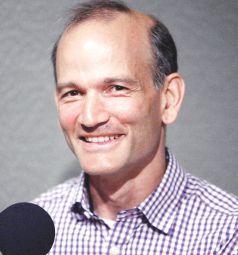
Jeremy Pressman, associate professor of political science at the University of Connecticut, believes that sustained mass protests in the United States are improbable, but not impossible. “The climate issue, if it continues to worsen, that’s one where I could imagine it stemming from,” he says.
As for civil unrest, Dana Fisher, professor of sociology at the University of Maryland and author of “American Resistance,” believes that a large-scale, sustained protest is unlikely as long as citizens feel that they are able to participate normally in democracy. However, if there’s a sense that the system is failing, a more sustained and confrontational protest would be more likely. And in that case, protesters are likely to target the economic sector, including disrupting pipelines, train routes and roads.
“That’s just standard practice when you’re trying to be confrontational,” says Fisher. “We can completely imagine a time where frustrated people decide they want to go that route. If they do, they could definitely disrupt goods and services being transported around the United States.”
Which again begs the question: do aquaculture companies have a plan?

Now, a new study led by Ytteborg, with cooperation from the University of Stirling and leading salmon companies in Norway, is shedding light on what a mitigation agenda for such ocean warming might look like. It encompasses not only research knowledge gaps but also farm management protocols, although it’s not as easy as ticking off the boxes.
“There are a lot of challenges in climate change with regard to aquaculture, and among the problems are the unknowns. We don’t know all of the things that we should look for,” says Ytteborg.
Nofima scientists began working on this issue threeand-a-half years ago, as part of the EU-funded project ClimeFish. Their hypothesis was that the temperature projections in global models might not tell an accurate story about what could happen in the bays and coves where salmon farms are sited. They were right.
In fact, examining temperature data from 52 sites in 13 regions between 2007-2017, they found that daily average farm measurements differed frequently from the average daily modelled temperatures—by up to six degrees.
“If coarse resolution climate model temperatures were used directly, then the impacts on salmon culture could be severely over- or underestimated,” resulting in serious biological and economic implications, the study concluded.
Researchers took an important next step and recalibrated the climate projections to farm level, which they provided to study participants. Findings were presented at Aquaculture Europe 2019 last October.
“The challenges in the future will probably be much worse than what we saw in this project. This is more to exemplify the importance of looking at temperature data at the local scale. If you want to adapt to climate change, this is the level we must examine,” Ytteborg says.
BREEDING RESILIENT FISH
In Australia, salmon farmers in Tasmania and researchers at national science research agency CSIRO have collaborated in
For over three decades, Aqua Ultraviolet has been the premier manufacturer of ultraviolet sterilizers and bio-mechanical filtration.

a selective breeding program to produce a more resilient fish. The waters in the island state of Tasmania are among the warmest in the world for salmon culture. They have warmed by 2ºC in the past 60 years and will warm by another 3ºC in the next 50.
The program selectively bred salmon for commercial traits, including increasing seawater growth, resistance to amoebic gill disease (AGD) and decreasing early maturation in seawater.
In 2009, roughly five years since the program started, the first commercial production from select salmon broodstock commenced. Providing Australian farmers with salmon families with those traits equates to production efficiencies worth millions of dollars each year, says CSIRO.
The agency adds: “CSIRO’s research has the potential to help global salmon production as AGD is now emerging as a significant health issue in commercial salmon populations in Scotland, Ireland and Norway as seawater temperatures increase.”
In another program called “sentinel testing,” Hendrix Genetics is ranking the performance of salmon families in local waters from Scotland to Chile. “You see a really big difference in the optimal families for each environment,” says Dr Robbert Blonk, R&D Director, Aquaculture. But, thinking about the massive loss in Canada, he adds, “20ºC is quite extreme for salmon. It is far from optimal.” And the main issue there was the fluctuation in temperature. “It will take some time before we are able to breed an animal that is able to perform 100 percent in this kind of highly changing environment. Genetics definitely has a role in this, but there’s also management and nutrition.”
FARM-SPECIFIC INITIATIVES
The diversity of farming sites makes it difficult to generalize adaption strategies. It all boils down to knowing your site, says David Kiemele, managing director of Cermaq Canada, who advocates “precision aquaculture.” Farm-specific environmental monitoring, as well as enhanced monitoring of fish health, are both vital.
An initiative at Grieg Seafood in BC is addressing a core problem of climate-change mitigation. There’s “huge gaps in data,” according to Dean Trethewey, seawater production director. Since 2015, sensors in all net pens and on barges have been automatically uploading data into the Cloud 24/7, amassing 2.2 million data points each year to compare to historical metrics. Manual measurements of temperatures at different depths are also captured, as well as data from the Harmful Algae Monitoring Program (HAMP).
Trethewey’s team is now mining the data, which has yielded discoveries about the cyclical presence of plankton and oxygen level swings during tidal changes. These insights inform the actions they take. “Accurate data drives sustainable decisions” has become a mantra.
Eager for collaboration, Trethewey foresees the possibility to develop important climate insights across countries where salmon producers operate.
Cermaq’s Kiemele spent 11 years growing salmon in Tasmania, where surface waters have warmed 2C over the past 60 years—two to three times the global rate, according to government data. “So, I know what warm water is,” he says.
“There are always ways to help our animals through difficulties and environmental challenges,” he continues, whether threats emanate from temperature, algal blooms, storms, or oxygen levels. “There are proper ways to move through the site selection process and complement your sites with the right production schedules for that site.”
Deeper nets, oxygenation systems, changes in stocking strategy, and use of different feeds may all play a role. If a farm anticipates warmings, Ytteborg adds, it might avoid stressors, such as treating or handling the fish, so that they are more robust to endure challenges.
Most studies up to this point have focused on finding the temperature and feeding regimes for optimal growth, Ytteborg points out. But more work must be done now, combining the effects of temperature with other environmental factors (low oxygen, salinity, and reduced pH) and fish stressors, including disease. “That’s one of the major knowledge gaps, as I see it,” she says. “We need more research. This is aquaculture for food production, and it will be very important in the future.”
— With files from Liza Mayer

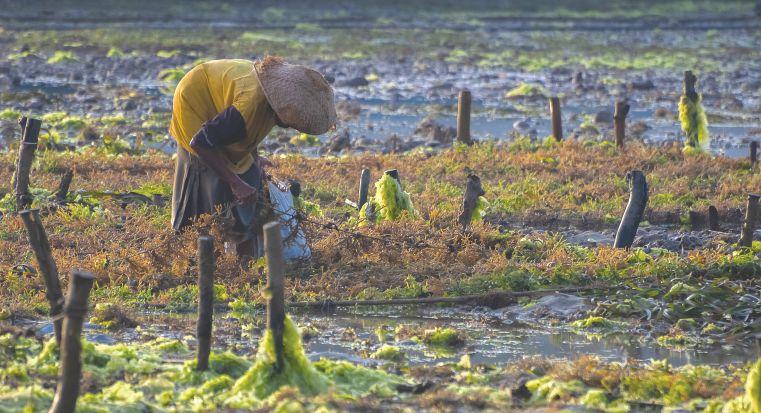
Rising ocean temperatures have been blamed for the decline in the production of some aquatic plants and animals
Credit: ©LoweStock / Adobe Stock



For instance, to the seaweed farmers in Southern Philippines the negative impact of climate change is real, and it is affecting their livelihood. Rising ocean temperatures are being blamed for a new disease locally known as “ice-ice,” so named because of the characteristic white spots in the seaweed. The disease has reduced farmers’ harvest of healthy seaweed fit for producing carrageenan, a food additive. To see profits, they need their harvest to be 70 percent disease-free, but today only 40 percent of their harvest is healthy.
“The optimal temperature of farmed seaweeds must be between 22°C to 31°C range. Ice-ice starts to manifest when temperature reaches beyond 31°C, ” said local carrageenan expert Dr Danilo Largo in an interview with Business Mirror
In Australia, climate change is seen impacting the production of Atlantic salmon, which supports the highly profitable ocean-based industry in Tasmania. Ocean temperatures are believed to be stressing fish and stunting their growth. This prompted companies involved in salmon production to seek other means of managing the problem, including breeding fish tolerant to warmer waters (see farmed salmon industry initiatives on page 1).
OPPORTUNITIES AMIDST CLIMATE CHANGE
There is a positive angle to the climate change story and aquaculture. Mariculture, in particular, can potentially inspire a shift in conversations from devastation and losses to resilience and growth.
This was one of the key messages of the recently released report titled “The Expected Impacts of Climate Change on the Ocean Economy,” commissioned by the High Level Panel for a Sustainable Ocean Economy (HLP). HLP is an initiative of 14 serving heads of government committed to drive bold, pragmatic solutions for ocean health. Like most reports on climate change, the paper reiterates the impacts of warming ocean temperature, increased ocean acidity and rising sea levels on farmers and the broader community. However, it also puts a spotlight on the importance of alternative human responses “which could either limit or exacerbate the impacts of climate change on society.”
It urges industry players to build “socioeconomic resilience” even as they struggle with reduced productivity and
altered distribution of important marine species and habitats.
The report made a special mention of the potential of marine aquaculture (mariculture), which is expected to remain buoyant in the face of climate change. Mariculture presents opportunities for farmers to test climateadaptive aquaculture practices.
“With careful planning, mariculture could offset losses in food and income from capture fisheries in those countries that will experience losses in that sector,” the report said. (See related report, “Ocean farming could play wider role,” on page 3).
It is worth noting that aquaculture is now the fastest growing food-production industry in the world. Marine aquaculture, which currently accounts for one-third of the total aquaculture industry, is predicted to grow its share as aquaculture producers around the world begin to realize its potential.
In the United States, lawmakers and industry stakeholders are pushing for a National Standard for Aquaculture, a legislation expected to help advance US offshore aquaculture by providing a clear process for permitting aquaculture in federal waters.
In Vietnam, the country’s recently drafted sustainable marine aquaculture strategy includes policies and programs promoting marine aquaculture. It initially involves building 270,000ha of marine farms, 6,000ha of which will be located offshore. Interestingly, offshore farming is also one of the approaches being explored by seaweed producers in the Philippines in order to sustain production and meet the increasing global demand for carrageenan.
Largo, the carrageenan expert, suggests that farmers explore growing seaweeds in deeper waters that have more optimal conditions for seaweed farming.
The aquaculture industry’s receptiveness to climate-adaptive farm management practices is expected to benefit the industry over the long term. The HLP report maintains that even countries experiencing declines in fisheries productivity and catch potential would derive more catch and profits through climate-adaptive management than through business-as-usual management.
The report said that in many countries adaptive management would not only reduce the impacts of climate change, but actually increase catch and profits compared to today.


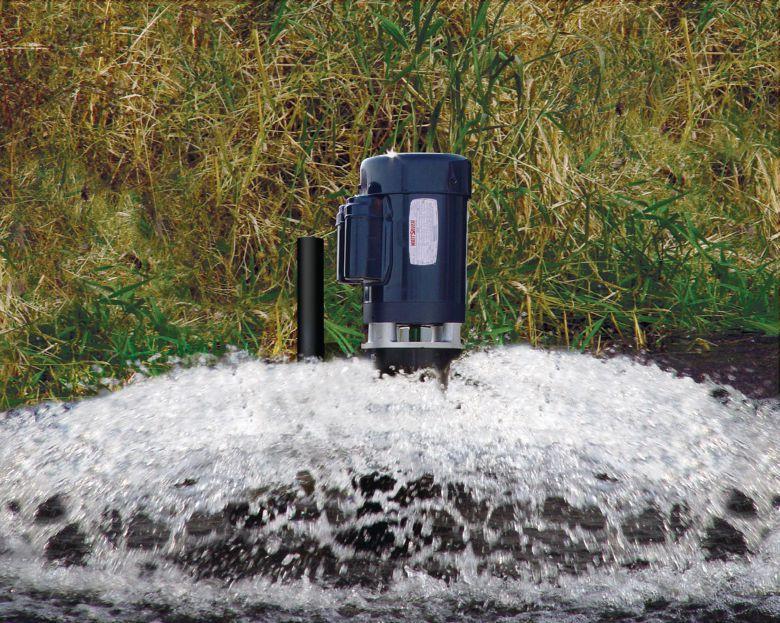
Oxygen is critical to fish. Our line of patented aerators have proven dependable for over 60 years to assure better fish production, reduced loss, and improved growth.
our aerators to work in rearing habitats and for fish transport.

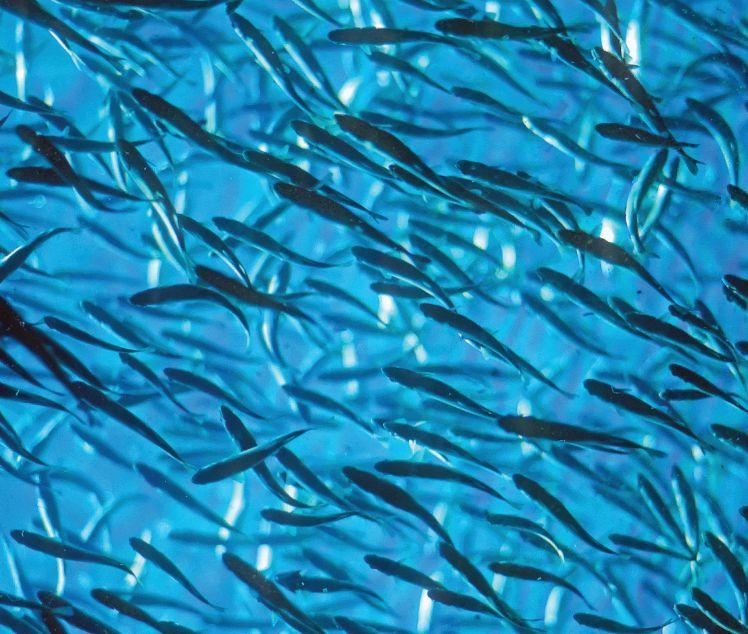
They may be invisible to the naked eye, but the negative effects are hard to miss.
AB20® nutritional specialty product is designed to help lower the available moisture – and potential for mold and hazardous mycotoxins – in your fish feed. With the right solutions in place, you can help protect fish health and help maintain their performance. AB20 is backed by our Dynamic Quality Assurance® program.
AB20—The best value in binding solutions.


continued from cover
‘An opportunity too good to ignore’
The researchers at the Milford Laboratory, part of NOAA’s Northeast Fisheries Science Center, have authored a series of papers—including one yet-tobe-published—that give prospective aquaculture entrepreneurs “fundamental knowledge” for farm planning, as well as a broad overview of environmental, economic, and social issues.
Notable in the research is a study that assessed water temperature, currents, and food availability in the Exclusive Economic Zone (EEZ) off Long Island, New York, Rhode Island, Massachusetts, and New Hampshire. The lab believes that this is “the first work that uses historical series of environmental data and examines a large extension of the Northeast US coastal shelf ecosystem.”
“The exciting finding was that every latitude and longitude is suitable for mussel farming at some depth, with optimal depth varying according to location and season,” says Dr Gary Wikfors, lab director and one of the authors. One result of the study is a prescription of sorts for the best depth at which to submerge longline and mussel ropes. To validate the recommendations, researchers measured mussel performance at an experimental farm offshore Cape Ann in Massachusetts.
“We also recognized the potential to use depth adjustment of farm design to mitigate expected warming from climate change,” adds Wikfors. “So, we found a larger-than-expected opportunity with what appears to be long-term sustainability.”
Another paper published in the series examines the risk from harmful algal blooms (HABs), concluding that “blue mussel farms in federal waters can thrive in spite of blooms initiation offshore.” When exposed to toxins, researchers have learned, blue mussels recover more quickly than other bivalves, such as oysters.
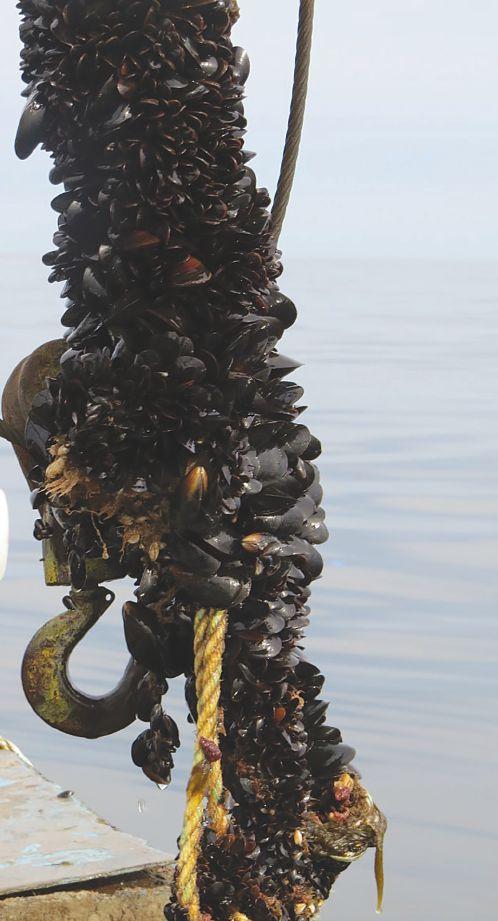
One study recommends the best depth at which to submerge longline and mussel ropes
Photo: NOAA Fisheries/Mark Dixon
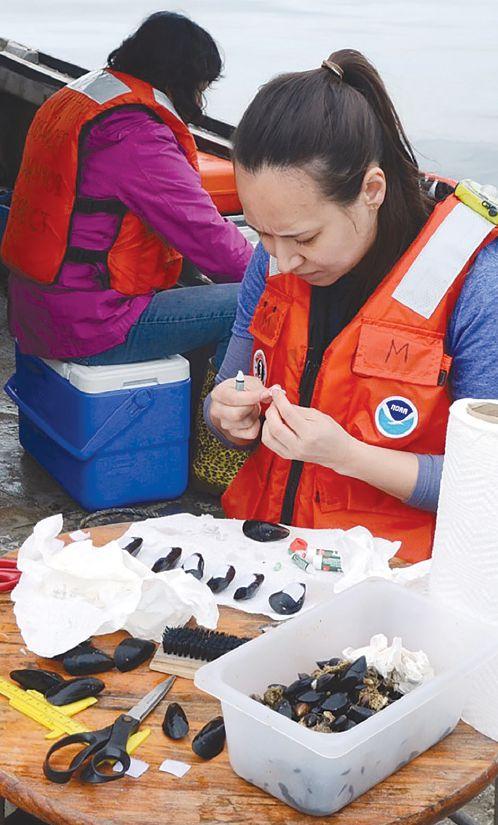
the lead author of a new study that yielded fundamentals for farm planning Credit: Milford Lab
NOAA’s 360-view of issues is good news for New Englanders, whose fishing heritage—both jobs and local culture—may be threatened by climate change and a growing waterfront population. “Growth in seafood production is dependent upon aquaculture,” the authors argue.
And going offshore reduces the competition for space

along the coast, pushback about visual impact, and concerns about water quality. Issues about damaging bottom sedimentation are mitigated at greater depths with higher water circulation, they note. The probability of disease spread is also diminished.
In a win-win scenario for clean energy and aquaculture in New England, the Milford authors envision a co-siting, in which mussel growers could take advantage of wind farm platform structures and use space between turbines. Rhode Island currently hosts an active windfarm, with such facilities in Maine, New Hampshire, and Massachusetts in various stages of leasing and construction planning.
The NOAA researchers buttress Catalina Sea Farms’ assessment of blue mussels as a suitable species for offshore aquaculture. Cruver has called blue mussels a “cash crop”— easy to grow and profitable. Mussels can finance the expansion into production of multiple species at different trophic levels. (Cruver’s ambitions include kelp, rock scallops, Pacific oysters, and abalone.)
AND FRUSTRATIONS
But, as Cruver has learned, the myriad of regulations can be frustrating. For example, because there is no consistent requirement, the depth of submerged farming structures must be decided case-by-case during permit review. Other impediments exist, including the availability of mussel seed, but the largest question is: If Northeast farmers grow more mussels, will consumers buy them? Currently, American appetite for the bivalves significantly lags that of other markets. As reported in Aquaculture North America (ANA), US annual consumption is only 0.15 lbs per capita, compared to 5 lbs in Europe and 33 lbs in New Zealand. But in this area, too, Wikfors is optimistic. “The success of Prince Edward Island mussel farming has created a new market for mussels in the northeast US that is growing beyond the production capacity of PEI,” he says. “This is the dynamic making domestic mussel farming attractive economically.”
The conclusion: It’s not a question of “whether to,” but “how to.”
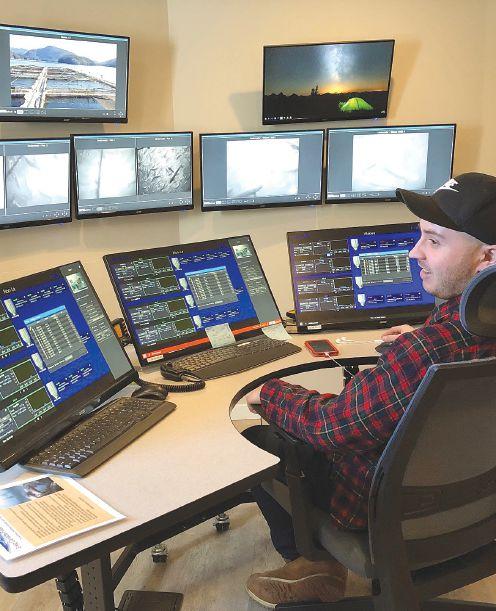
The days of jotting OxyGuard probe readings into a little notebook are long gone, says Dean Trethewey of Grieg Seafood, where farm sensors now automatically upload metrics into a cloud-based system.
Much of the data—water temperature, salinity, oxygen levels, presence of algae and sea lice—promises to play a critical role in managing the impact of climate change.
“When we have the real facts, it takes us to a new level of how we farm and the decisions we make. It’s going to be important to better understand our oceans,” Trethewey says.
The first benefit of data capture is that it moves individual observations into verifiable patterns. Growers can acknowledge seasonal rhythms and long-term cycles and take actions based on them. “You start to move away from being reactive to proactive,” says Trethewey.
Based on 20 years of data on plankton, for example, he anticipates that in the spring, there will be diatom blooms. Farmers can be ready with aeration equipment before that occurs. “We don’t need the fish to get stressed,” he adds.
Data also guide long-term production cycles. For example, in different locations, smolts are raised so that harvests occur prior to their riskier second summer of plankton.
When Trethewey overlaid tide tables on temperature and oxygen saturation data, he was surprised to see “massive swings” in a 24-hour period. Since fish appetite is directly connected to oxygen saturation, that variation explained why fish that were fed earlier in the day were hungrier than those that were fed later. Grieg changed the regimen to ensure an initial pass of all pens at roughly the same tidal point.
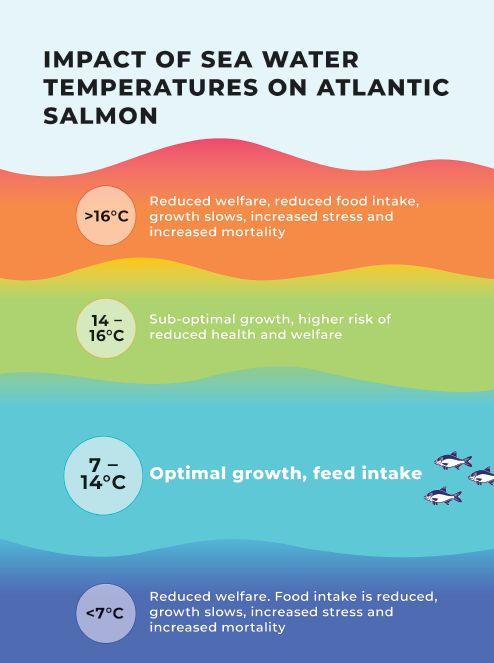
Another maxim of salmon farming is not to feed fish during harmful algae blooms. But making that decision can be difficult and costly. So, for plankton analysis, Grieg has equipped all farmers with Internet-enabled microscopes. After uploading the data, they speak with a specialist in the environmental department who will make the final decision to continue feeding or not. If aquaculture’s progress with data continues—from capture to analytics to predictive capabilities—it may even help avoid the type of mortalities that occurred in Newfoundland last fall. For short-term temperature events, semi-closed pen systems can be a remedy. In a trial this year for a temperature-challenged area, Grieg installed waterproof tarps 20 meters deep and aerated deep water up. The entire system was digitalized. “We brought it from 20 degrees down to less than 14 degrees, a perfect condition for those salmon,” says Trethewey.
Demand for Canadian seafood in the world’s most populous country has been growing in recent years and 2019 was no exception.
Canadian seafood suppliers that participated in the recent China Fisheries and Seafood Expo 2019 held in Qingdao, China reported increased sales of salmon and oysters, while Canadian lobster, offshore clams, crab, shrimp, sea cucumbers, geoduck and shrimp also saw increased interest from Chinese buyers.
Some discussions at the seminars held during the event centered around the ongoing trade dispute between China and the United States, and that American companies sourcing seafood from China are moving out into neighbouring countries, like Vietnam, for their processing requirements to mitigate huge duties on imported seafood products to the US.
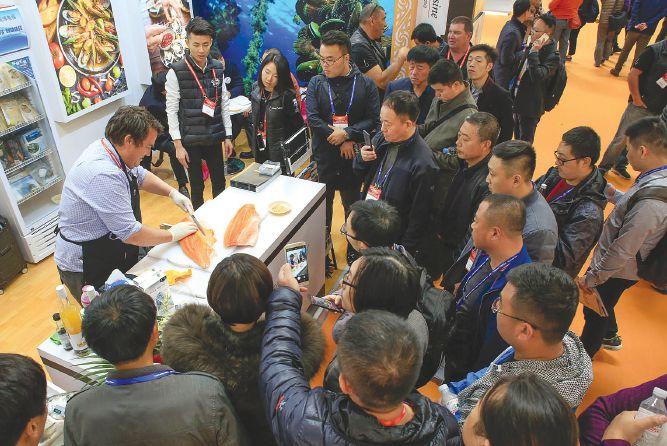
“This may augur well for Canadian producers once the current trade agreement is ratified with the US, and that is expected soon,” said Cyr Couturier, Aquaculture Scientist at the Marine Institute of Memorial University, who attended the event.
Couturier observed that Canadian seafood of the farmed and wild varieties continue to be in great demand in the rest of Asia. “Hopefully we can continue to supply more of it to these newer markets. The demand always exceeds the supply of farmed seafood, salmon in particular, so there is a glaring need to expand Canadian production to access these newer market opportunities,” he said.
Exports of Canadian seafood to China saw the largest growth (25 percent) at $194 million in 2017, followed by Japan (13 percent) at $40 million, according to latest data available from Fisheries and Oceans Canada (DFO). Overall seafood exports in 2017 totalled $6.9 billion, of which farmed Atlantic salmon accounted for $909 million.
The Canadian contingent at the China Fisheries & Seafood Expo (CFSE) was the largest group of exhibitors from outside China. Farmed seafood companies, among them Cooke Aquaculture and Fanny Bay Oysters, accounted for approximately a quarter of the floor space in the Canadian pavilion. Dozens of farmed seafood sales staff represented more than 10 Canadian farmed seafood categories in attendance.
CFSE is now the largest seafood trade show in the world, surpassing Seafood Expo North America (SENA) in Boston and Seafood Expo Global (SEG) in Europe held each year. So much so, that the show will move in 2020 to a new venue in the city of Qingdao with 140,000 square meters of floor space to accommodate the 1,600 exhibitors and 40,000-plus visitors expected to attend.
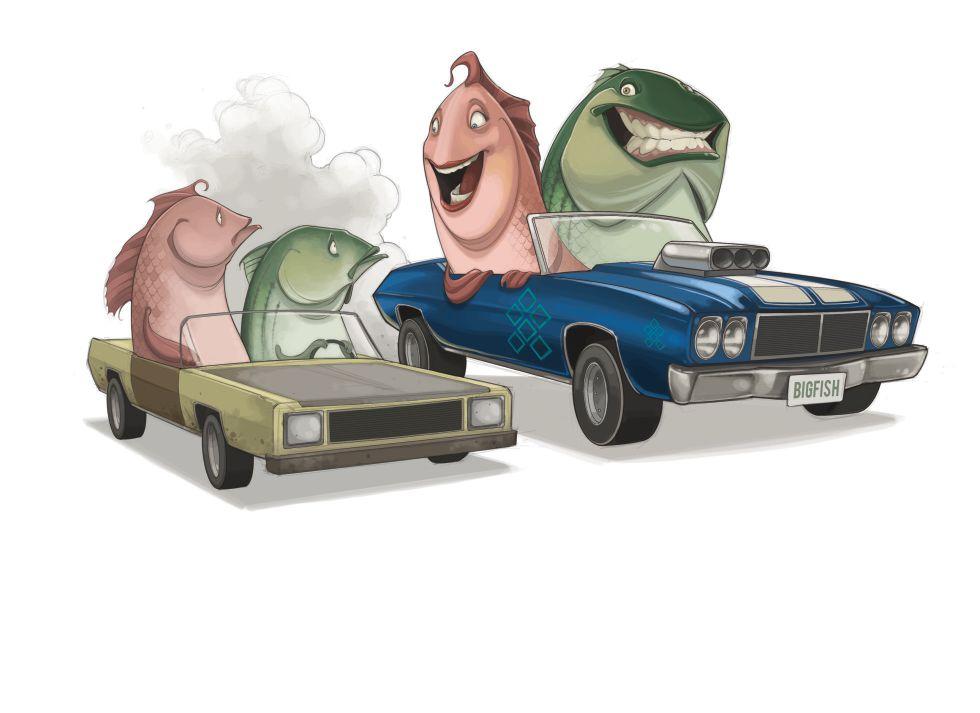
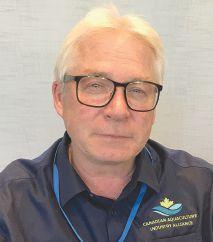
By Cyr Couturier
Cyr Couturier is a long time fisheries “observer,” an academic and scientist at the Memorial University of Newfoundland. He has worked on fisheries and aquaculture science since 1980, collaborating with fish harvesters and farmers in over 20 countries towards sustainable aquaculture.
Aquaculture in Canada has just gone through the “silly” election season, as some refer to it.
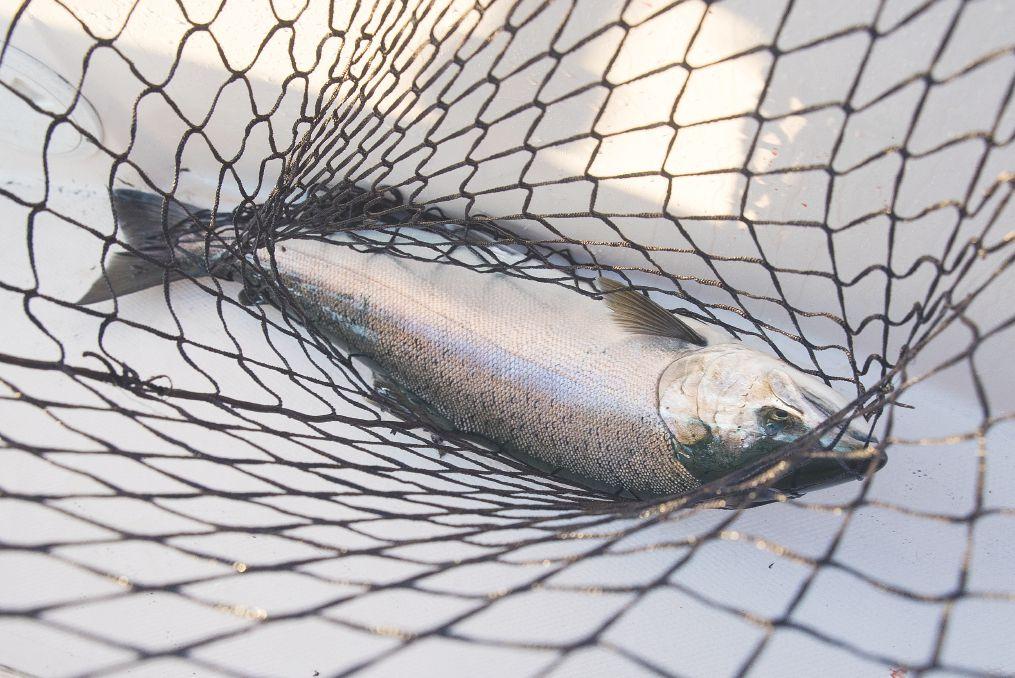
The federal election on 21 October 2019 saw three federal parties, including the incumbent party, promise to put BC salmon net-pen farming into closed containment no later than 2025. This was pure politics, designed to gain support in hotly contested electoral districts. Funny thing is, not one party actually provided a plan as to how this would be done. The average Canadian would not really understand this nor would they understand why such a policy would even be coming during an election period. Why anyone would propose a policy that will increase greenhouse gas emissions in today’s world of climate change is beyond me.
Moving to closed containment is something that realistically cannot be done in the period of time committed–which is roughly six years– regardless if there was a real intent to do so (thus, the reference to the silly
election season). One would be hard pressed to find backers given the energy costs, increased carbon impacts, market access issues, land costs, costs to First Nations’ sovereignty and negotiations required to put installations on unceded land, not to mention loss of sustainably farmed seafood in high demand around the planet. I doubt if the Province of British Columbia would step in and take charge of regulating the sector. As some may recall, the province refused to defend and argue to keep it under its jurisdiction in a court challenge not too long ago.
I also doubt whether the politicians understand that laws would have to be created or probably repealed in order to designate net-pen farming as not permissible under the Fisheries Act. Moreover, an “on land” move would result in upwards of 7,000 Canadian jobs lost to the rural, coastal economy of British Columbia if this were to come
Why anyone would propose a policy that will increase greenhouse gas emissions in today’s world of climate change is beyond me.
to pass in the next six years. If it was all moved to land (paraphrasing policy here), who would be in charge of regulating it? Would it be the province? At the moment the Federal Regulator (Fisheries and Oceans Canada or DFO) regulates aquaculture in the public coastal waters of the province. Would DFO be willing to give up its control? Is that the intent of these spurious election promises?
The policy to move to closed containment is directed on British Columbia, Canada’s largest producer of farmed salmon. What if the ruling party decided to move the entire sector across the country onto land? What message would that be saying to the 25,000-plus Canadians working in 10 provinces and one territory, and to the roughly 40 First Nations with whom partnerships are already established? All of this year-round employment is based in much needed, resource-replete areas of the country. In any event, these sorts of promises made during an election campaign are often made in haste, not thoughtout, and for simple political gain, without any thought of the people they will affect. It truly was a silly season, and unfortunately Canadians and their families suffer when these platforms are espoused, even if done purely for political gain.
It is unfortunate that aquaculture in Canada has become a “political football,” kicking it away as if it was an incurable contagion. It is too bad because Canada once was, some 40 years ago, in the top 10 fishery nations in the world. We could regain former glory for the sake of our rural economy, with the help of a sector that can and does farm responsibly in our oceans. If Norway, Scotland, Iceland and Australia can do it, why can’t Canada “own” the sector? Interestingly, this debate has been ongoing for nearly 40 years. The feds recognized in a national forum in 1983 (led by DFO) that the laws of the land do not recognize aquaculture as a legitimate endeavor in coastal areas of the country. Since then, innumerable studies by parliamentarians have been conducted, successive federal regulators have recognized the need for a policy on aquaculture, starting with the Aqua Strategy 1995 by the then DFO Minister Brian Tobin, culminating by yet another study by parliamentarians of all parties in 20152016. That umpteenth study concluded that aquaculture needs to have its own Act, in collaboration with the Provinces as full partners, and should provide support to farmers of the sea for innovation and so on. Yet here we are being kicked around the country like a football while the rest of the world embraces fish farming as the future of food (incidentally, 180 plus nations around the globe apparently do as well, according to the United Nations).



BY LIZA MAYER
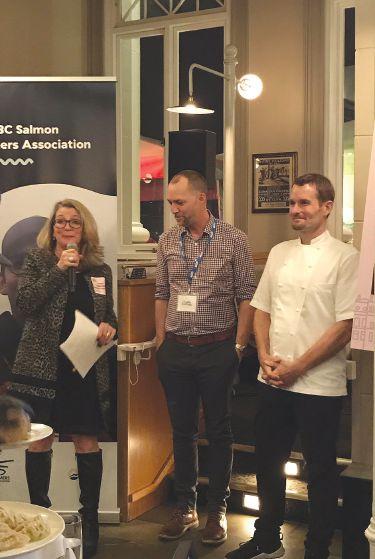
British Columbia salmon farmers, industry officials and indigenous community representatives met with lawmakers in November to discuss their dismay with the Canadian Government’s commitment to move salmon farming to closed containment by 2025.
BC Salmon Farmers Association (BCSFA) executive director John Paul Fraser said the industry was “blindsided” by Prime Minister Justin Trudeau’s campaign promise in September to phase out salmon net-pen farming if he is reelected. Trudeau’s Liberal party has since won a second term in office.
“There was a lot of optimism about the future but then we got completely blindsided because the commitment from the federal government was so utterly different than the work that we’ve been doing with them and their officials over the last year,” Fraser told Aquaculture North America (ANA).
He said the meeting in Victoria with representatives of the provincial government and with the opposition is to make legislators understand that the Trudeau government’s plan is “extremely unwelcome” among both the industry and indigenous communities.
Fraser said they have asked both the government and the opposition in British Columbia to make it clear to Ottawa that all stakeholders in the industry disagree with Ottawa’s plans. Meetings on this issue with British Columbia elected representatives on both sides of the house were constructive.
“There’s no mistaking where we stand on any issue with this (provincial) government and I will say that our relationship with this government is very positive. The Broughton experience, while challenging, has really created an opportunity for dialogue that wasn’t there before.
“They, like us, see that there is a tremendous opportunity in indigenous communities for our industry. There’s a lot of work to do, a lot of trust to build, but we feel really good about that,” he said.
The delegation also met with BC Agriculture Minister Lana Popham. “This is a minister who has demonstrated a lot of openness and willingness to listen and we’re very appreciative of it.
“We really like working with her and we think that if she sees aquaculture as a part of agriculture, as part of food production--the idea that land farming and water farming are the same thing, that you’re putting food on people’s tables--it doesn’t matter what environment it comes in as long as you do it sustainably. I think she’s for us, she is being very constructive and we’re very appreciative.”
The meeting with legislators was part of the activities lined up for the Annual General Meeting of the BCSFA.
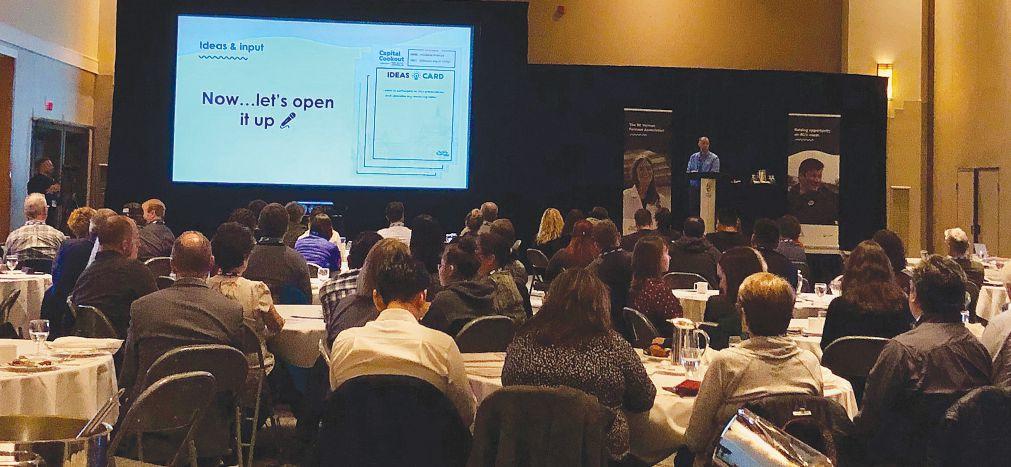
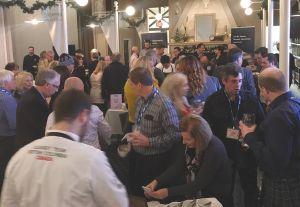
In a planning exercise during the AGM, around 150 delegates attended the community engagement session where they networked, shared ideas and expressed support for the industry.
“I’m here to support Grieg Seafoods. They are a partner of our community,” said Mayor Brad Unger of Gold River, BC. “We have had a good relationship with them for 20 years and we just signed a new tenure agreement with them so we’re partners in the future to come in the community.”
Terry Brooks, president of Gindara Sablefish, left the meeting with the notion that “everybody wants to work together and really work to build the industry.”
“I think today was a great opportunity for the Salmon Farmers Association to get in front of the government and have some good, open conversations about the future,” Brooks said. “I really feel that we’re going to be able to work with this government in the future to provide a lot of good full-time jobs and continue to provide good full time jobs in rural communities.”




BY LIZA MAYER
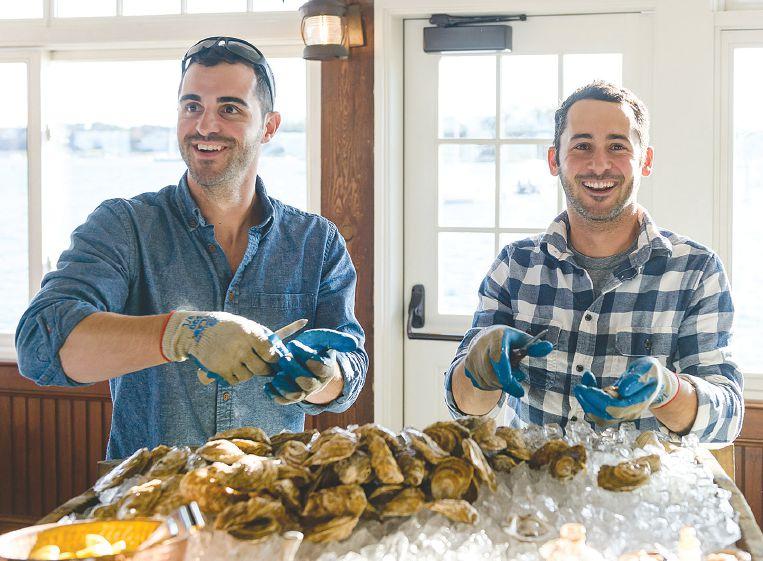
Oyster farmers are taking a leaf out of winemakers’ playbook by offering farm tours to the public, a trend strengthening on the back of consumers’ quest to know the origin of their food.
Data from Sustainable Travel International show there are 105.3 million “eco-tourists” in the United States. These are broadly defined as travelers that take vacations dedicated to giving back to the environment—quality that oysters and other shellfish possess.
“When it comes to thinking about climate change, people hear how good oysters are and they want to go see for themselves,” says Greg Martino of Cottage City Oysters on Martha’s Vineyard.
Oyster farms tours sprung up a few years ago but the numbers of eco-tourists is climbing, anecdotal evidence suggests.
“When it comes to thinking about climate change, people hear how good oysters are and they want to go see for themselves.”
— Greg Martino, co-owner, Cottage City Oysters
Search “oyster farm tours” on the Internet and one will find a cluster of them in Maine and Massachusetts, and a few others sprinkled in the rest of New England as well as in California. The period May to October is high season for farm tours.
“It’s been bigger than we could have imagined,” says Greg, who co-owns the farm with his brother Dan. They’re going on their fifth year of offering tours. The siblings were inspired to start an oyster farm years ago after they themselves went on a farm tour.
“We’ve learned over the years that people are willing to pay for it. We thought: why don’t we see if we can create a business model behind this,” says Dan.
They offer private tours for small groups of up to six people three times a week during tour season, which always sells out, they said. Each tourist pays $150 for the tour and eat-all-you-can oysters. A “less hands-on” but nonetheless similarly satisfying is one for a bigger group of 25 to 30 people, where each person pays $125. Running the bigger tours two to three times a day during tour season is testament to the robust demand, said Greg.
They believe the tours are an opportunity for consumers “to see for themselves if oysters are really as good as they’re made out to be.” “A lot of the younger people are very foodconscious. They can feel good about eating shellfish or seaweed because they’re actually benefitting the environment instead of harming it,” said Dan.
But while the science and economics behind oyster farming are great talking points during the tour, “what blows them away is the moment when they realize that one can just grow these oysters in the water, with zero input, and now they’re about to have the freshest food they could ever want,” the brothers noted.
GM Brian Yip discussing farm operations with food bloggers, chefs and media. Lack of personnel prevents the farm from offering tours on a regular basis
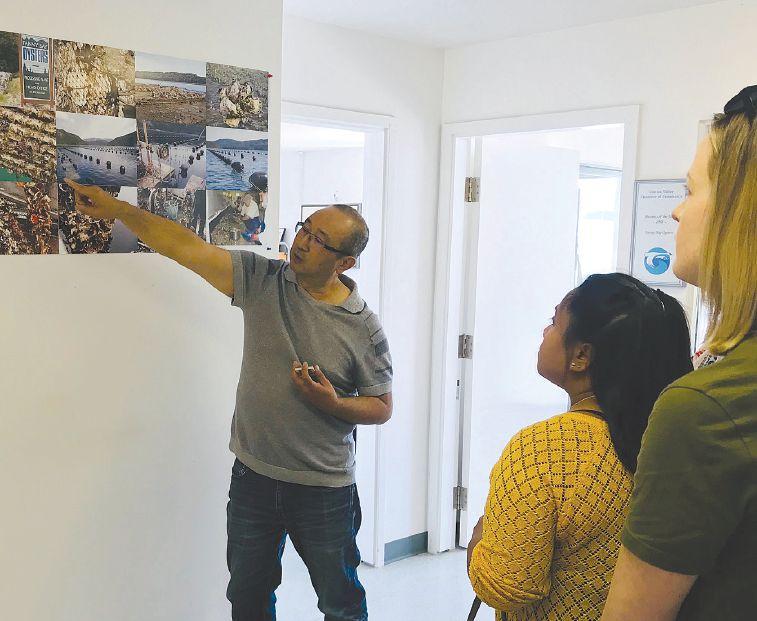
“It’s that moment that’s really worth it for them,” said Dan. “That’s what they’re really paying for. We kind of joke that we ruined the oyster experience for people because they’ll never have it that fresh again.”
The only drawback is finding the right balance to host the tours while keeping the farm running. “That’s the hard part. You have to manage the farm and find the labor to get the work done on the farm while the tours are happening,” he said.
Indeed, it is the lack of personnel that prevents Fanny Bay Oysters in British Columbia from offering tours on a regular basis, according to general manager Brian Yip. Fanny Bay



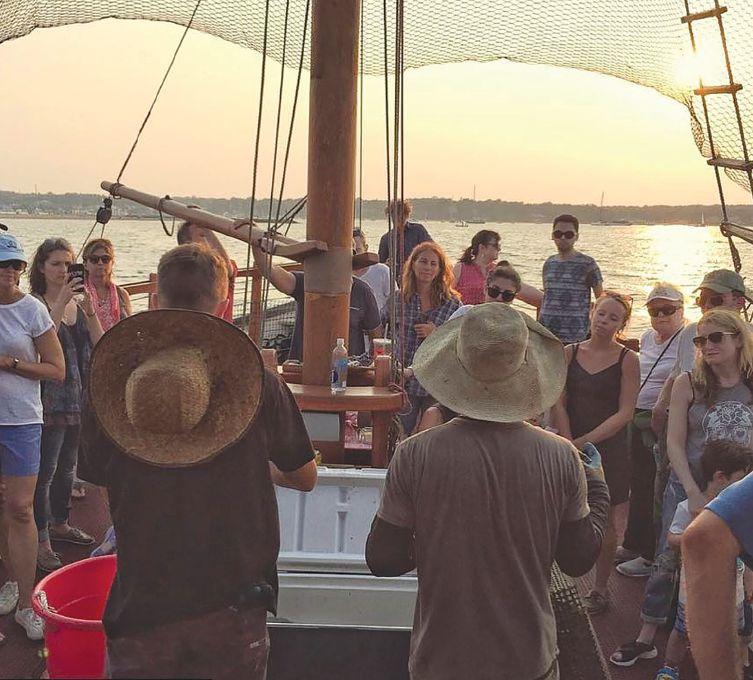
offers them only on special occasions, such as those it held for members of the media and chefs during the 2019 BC Seafood Festival.
Taylor Shellfish Farms in Washington State, the largest shellfish farmer in the US and owner of Fanny Bay, has meanwhile put tours “on hold” since April 2017 due to “new food safety and restrictions,” it announced on its website.
“We know that this is a favorite stop for many during spring and summer trips through the area, and we look forward to offering this fun and educational experience again soon,” when expansion of its facility makes it better equipped to receive individuals or groups, it said.












































































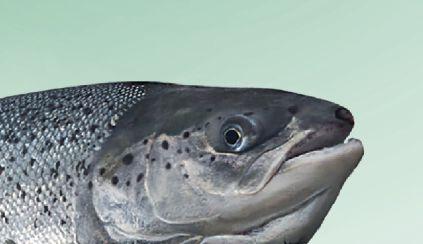




























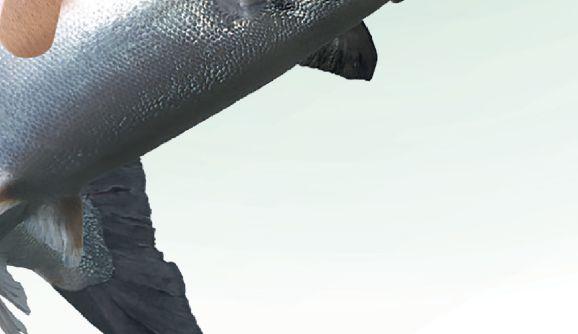
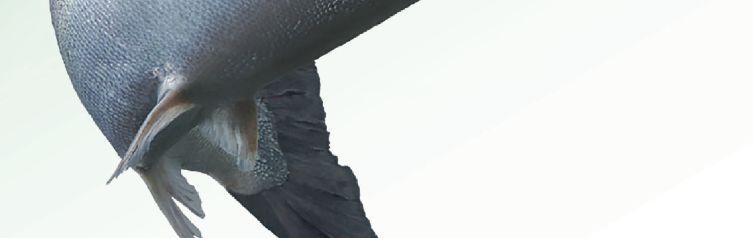



















































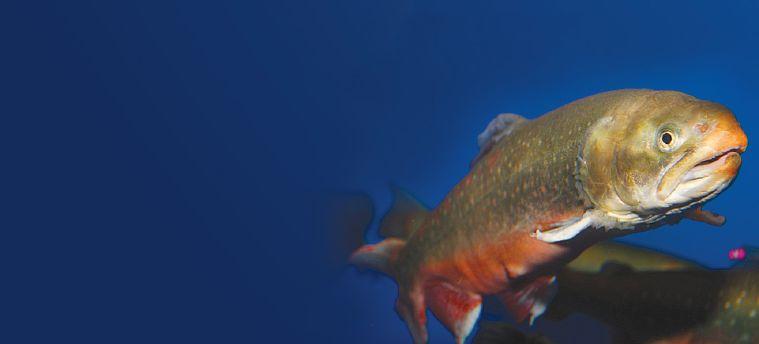



Utilizing a mix of emerging techniques could help address a longstanding problem in Arctic char aquaculture
Credit: Martin Cathrae
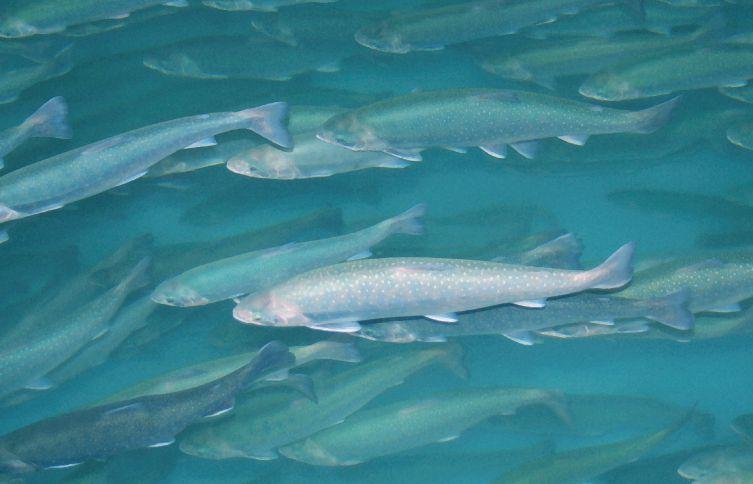
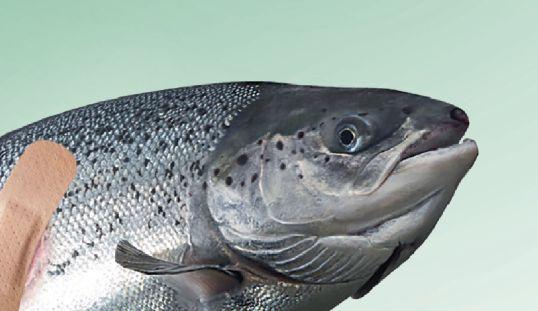
When Arctic char reach sexual maturity prior to harvest, meat yield and quality decrease. This problem has dogged Canadian attempts to expand profitable production of this promising candidate for aquaculture. But new and encouraging strategies both at the hatchery level and grow-out phase are emerging, according to experts.
For example, in tests simulating natural light, 77 percent of Arctic char mature at two years old. But if they are exposed to light 24 hours a day from October to April, that rate drops to 20 percent.
Feed restriction was also shown to reduce the incidence of pre-harvest maturation. Researchers from the Coastal Zones Research Institute, University of Guelph, Dalhousie University, New Brunswick Research and Productivity Council, and University of New Brunswick summarized global research findings “from the Canadian perspective” in a paper published in The Journal of the World Aquaculture Society.
From an encyclopedic knowledge of the research, they urge a combination of techniques, starting with genetic selection for later maturation. Several studies, as far back as 2007, have documented evidence of a genetic component for the age of sexual maturation in Arctic char. On the other hand, the selection for fast growth may also increase the incidence of early maturity, the authors warn.
Another route to delaying maturity is the production of all-female populations, since males are especially prone to preharvest sexual maturation. This has been done by exposing fish to agents, such as steroids, when the fish are undergoing sexual differentiation. The technique has been used extensively with rainbow trout and Atlantic salmon, but only one study has been published on Arctic char, although it was promising.
“At least one commercial char producer in Canada, Icy Waters Ltd, routinely produces all-female populations of Arctic char, but the detailed methods used to produce neomales are proprietary,” notes the article, titled “Controlling preharvest maturity in farmed Arctic char: A review from the Canadian perspective.”
Scientists can also successfully produce sterile populations of Arctic char by inducing triploidy or three sets of chromosomes instead of the normal two. Diploids have significantly faster growth rates than triploids, but this size advantage is lost because triploids continue to grow through the diploid spawning period.
Tests inducing sterility by inactivating genetic molecules essential for sexual development have been successfully conducted for Atlantic salmon and other species and represent opportunities for Arctic char, as well.
No doubt farmers have long seen the possibilities of Arctic char, with its tolerance of high rearing density and superior flesh texture and flavor. Yet, since the mid-1980s, Arctic char farms in Newfoundland, Prince Edward Island, and Nova Scotia have failed. A farm survey by the authors in 2017 pegged Canadian commercial production at only 750 to 850 MT. But with the practical approaches laid out in this paper, new potential is on the horizon.
— Lynn Fantom
Astudy that aimed to assess the quality of fillets of Atlantic salmon fed solely or partially with black soldier fly (Hermetia illucens) larvae meal found no adverse effect on the quality and taste of the fillets.
Researchers in Italy led by University of Florence doctoral student Leonardo Bruni said the fish were fed a meal comprising of black soldier fly larvae reared on 60-percent algae (Ascophyllum nodosum) and 40 percent organic wastes.
“Our main findings showed that a complete dietary substitution of fishmeal with H. illucens larvae meal did not impair the physico-chemical quality of Atlantic salmon fillets,” the researchers said in the study, first published in the journal Science of Food and Agriculture.
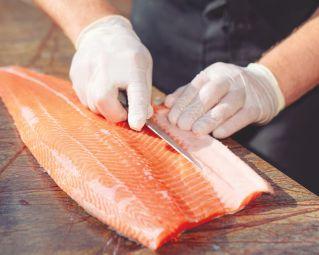
A diet of black soldier fly meal had no impact on fillet of Atlantic salmon, says study Credit: ©davit85 / Adobe Stock
Consumers that participated in the taste-test liked the salmon and plan to eat them again if they become commercially available.
“Tailoring the insect fatty acid profile by rearing the larvae on a polyunsaturated fatty acids (PUFA)-rich substrate, coupled with a dietary modulation of the oily source, can successfully maintain or even increase the cardio-protective characteristics of fillets,” the researchers concluded.
In the past, Infectious Hematopoietic Necrosis (IHN) has resulted in devastating economic losses to the Canadian salmon industry.1
The success of APEX-IHN® vaccination programs has meant that the risk of IHN is not often spoken about, and yet the potential threat of infection from wild fish remains ever present.
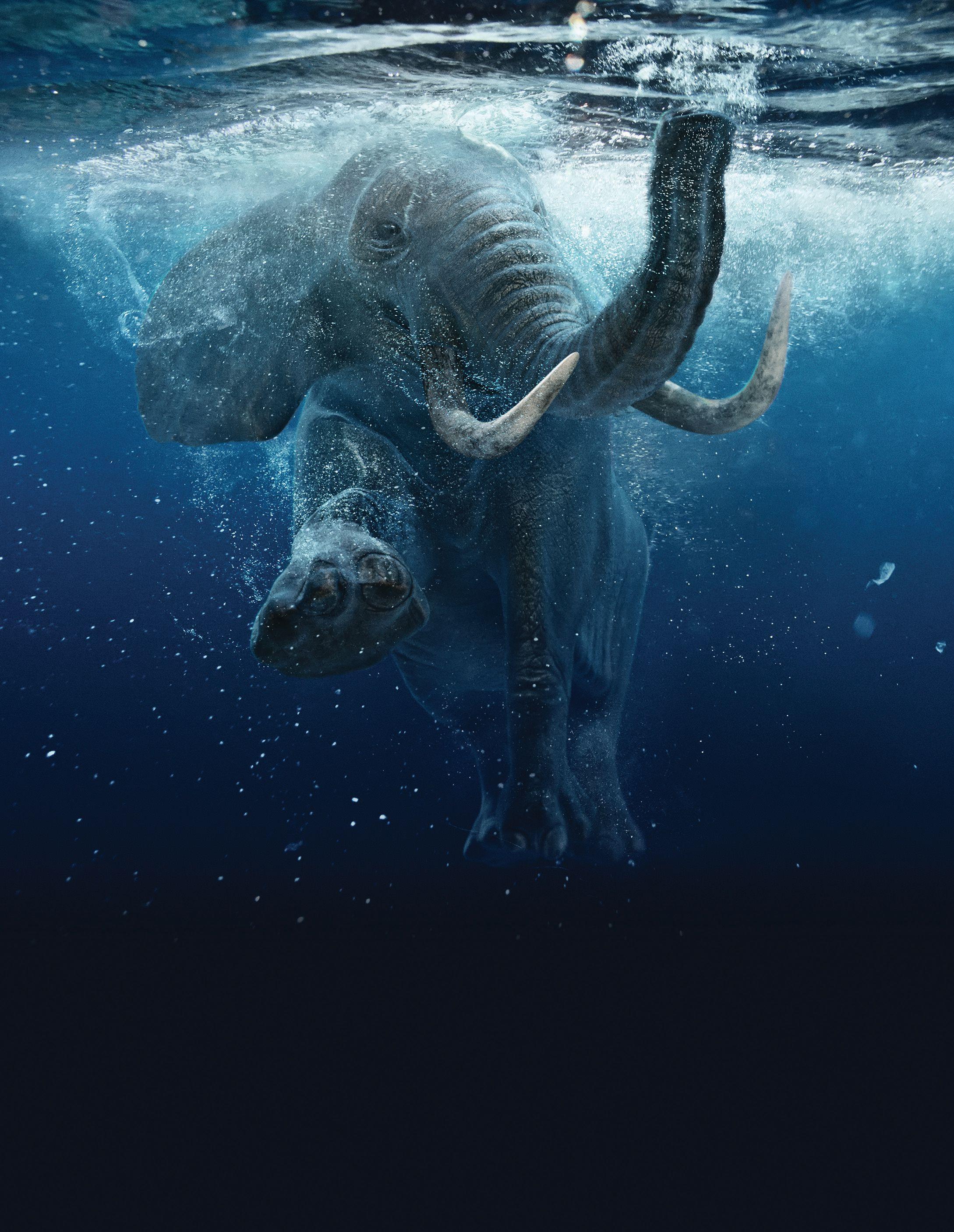
Don’t let IHN become the ‘elephant in the room’, keep protecting your salmon, and your profits, with APEX-IHN®




BY LIZA MAYER
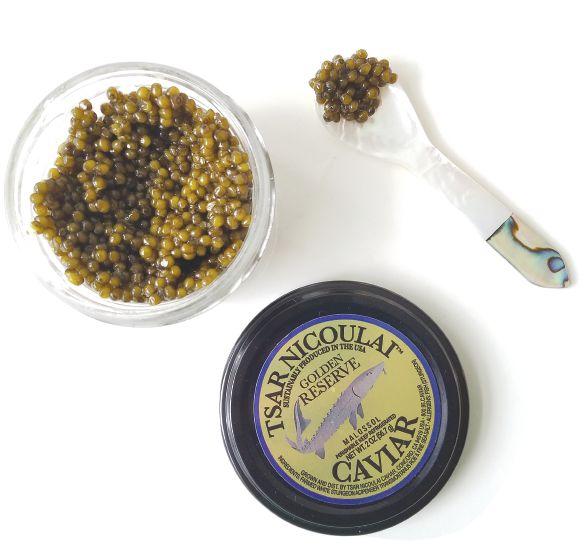
“Golden” colored caviar generally make it into the Reserve grade, the highest in Tsar Nicoulai’s grading system
ne can’t blame marine biologist Hana Wilms for fondly referring to her father and co-worker as “caviar master.” After all, Auggie Wilms does more than manage the day-to-day operations of Tsar Nicoulai Caviar Farm as farm manager; he also samples regularly one of the world’s most expensive food, all in the line of duty.
If that sounds like a dream job, it doesn’t mean it’s an easy one. It takes years to develop the skills to determine the sturgeon roe’s readiness for harvesting by examining its most basic qualities – taste, color and size. The wrong choice can hit the company’s bottom line. One also has to have patience because caviar production takes over eight years from start to finish.
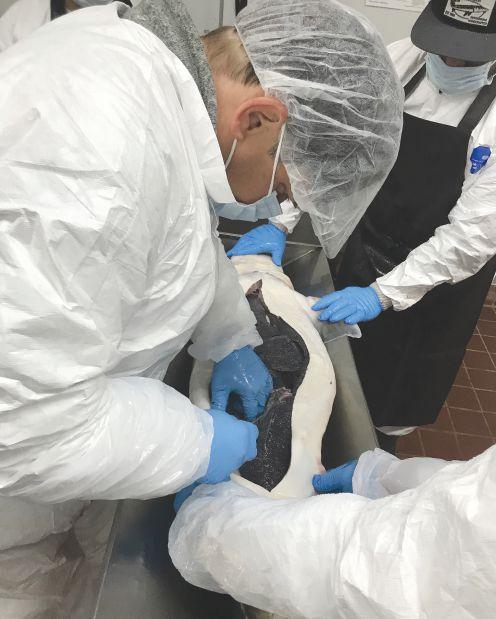
Given the size of this prehistoric fish (they can grow up to 7-feet long) it takes up to four people to harvest one. On the day of the harvest, Wilms and his team go into a 50-foot diameter tank containing a number of sturgeon with total biomass of 16,000 to 20,000 lbs. The fish in the tank have been pre-selected to be good for caviar for that year. The four grab the fish and turn it upside-down to expose its belly, where Wilms makes a very small incision.
“We’re very fast. We do a very small incision right over the ovaries. We’re staying away from the middle of the fish where the GI tract is. You don’t want to go too high where the other organs such as liver and spleen are. You want to stay in the lower third of the fish on either side of the GI tract,” Wilms says.
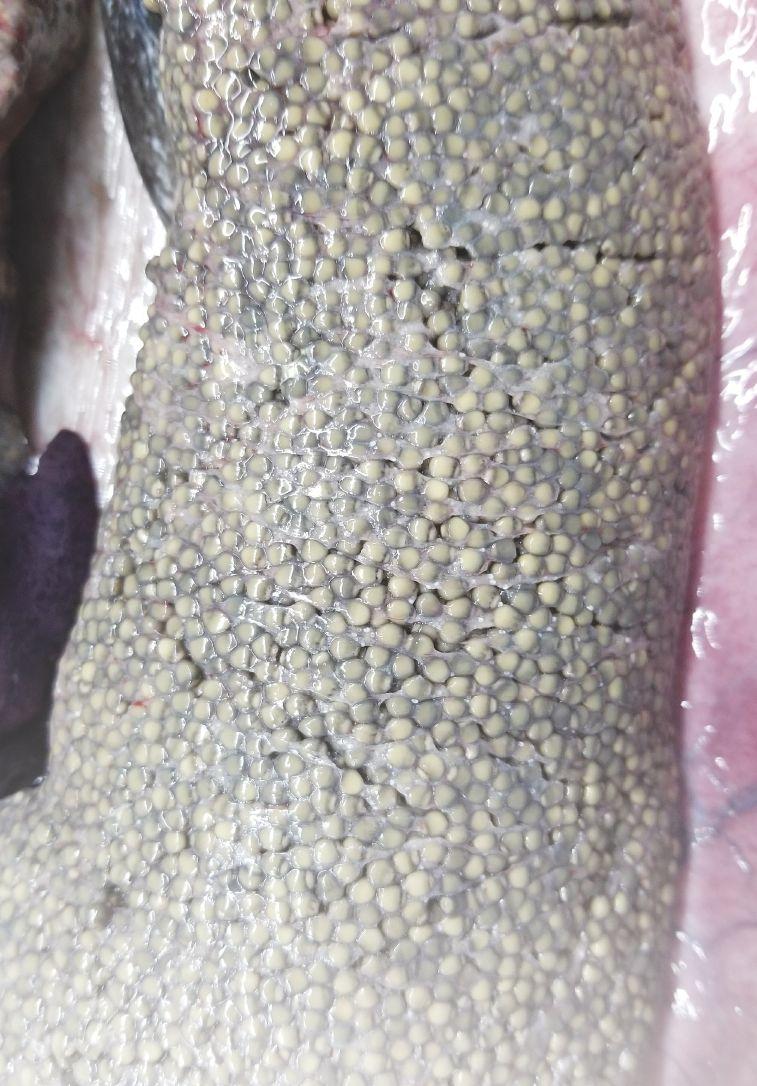
He then sticks into the incision a tube smaller in diameter than a drinking straw and sucks up a small amount of eggs. Like a diamantaire examining a diamond for color, clarity, cut and carat, Wilms carefully inspects the precious roe under good light and checks them for readiness.
“You’re looking for eggs that have a good texture and size of at least 3mm or up. You’re looking for good color. Our color spectrum is anything from a marbled tan, golden to a very dark black and in that palette you have very dark black, greyish black, some very light tan and marbled ones, then we have some very light golden ones too, which are pretty rare.”
The team also looks at the fat in the ovaries; leaner ovaries make processing of the roe much easier and the final product better.
And then he checks for what is arguably the most important quality of all: taste. “You put them in your mouth, roll them around, see if they’re firm. You want to make sure it’s not off-flavor. It should taste buttery.”
“And then I eat it,” he laughs, but he’s serious. His pride in the end product, sold under the regally named brand Tsar Nicoulai Caviar is undeniable. “If you selected correctly, it’s not hard to eat,” he says.
If the caviar passes the quality test, the fish are moved out of the production tank into a purge tank where they will stay for about 10 days to two weeks in pure, fresh well water. “This is to clean their system out and to make sure there’s no off-flavor,” says Wilms.
The farm harvests 20 to 30 fish a day during harvest season from January to early March. “We sample them one last time just to make sure that our selection was correct if they taste good and if they look good,” he says.
The team also checks to ensure the fish have not re-absorbed their eggs (a process called atresia). It is a capability unique to sturgeons under conditions of environmental stress. “Because of the season changing, say, the days are getting longer and it’s getting warmer, the fish can re-absorb their eggs,” Wilms says.
Farm manager
Auggie Wilms harvesting delicate roe. ‘You want to touch the roe as little as possible while keeping the ovary intact,’ he says
When the fish pre-selected for harvesting end up getting rejected because the roe doesn’t meet the criteria, they are given an additional two years to mature. “Each time they go into a cycle without being harvested, the ovaries come back leaner. There would be very little fat in the ovaries and the eggs are bigger. So it’s a good thing if you can give your fish a couple of years more after they mature and they do their cycle a couple of times. You’ll end up with a much better product and a much better yield.”
Marketers love to use the word “handmade” or “hand-harvested” to imply artisan craftsmanship behind
Tsar Nicoulai’s signature grade has rich buttery flavors with a hint of brine. Whole Foods stores and high-end restaurants in the US sell the company’s caviar production
products, and at Tsar Nicoulai, the words are more than a promotional maneuver.
“Our focus is and always will be craft, not volume. We obsess on producing the world-finest white sturgeon caviar. If our quality is large, great; if it’s medium or small that’s just fine as well. Our foodie compass is always pointed to healthy and delicious caviar. It has helped us grow as a business for the last 20 years. That one key value always resonates with our patrons and in the end they are the ones that support our success,” says Ali Bolourchi, vice president at Tsar Nicoulai Caviar Farm.

Although raised in the United States, Ali and his father Mark who owns the farm grew up proud of their Persian heritage. Ali fondly recalls visiting his grandfather’s sour cherry farm in Iran as a young boy of 10. “Eating a sour cherry rice dish as a kid was a key influencer. It gathered friends and family to share the delicious farm-to-table bounty,” he says. In his mid-20s, Ali and his father visited the caviar-producing areas of North Iran, home of the legendary Beluga caviar.















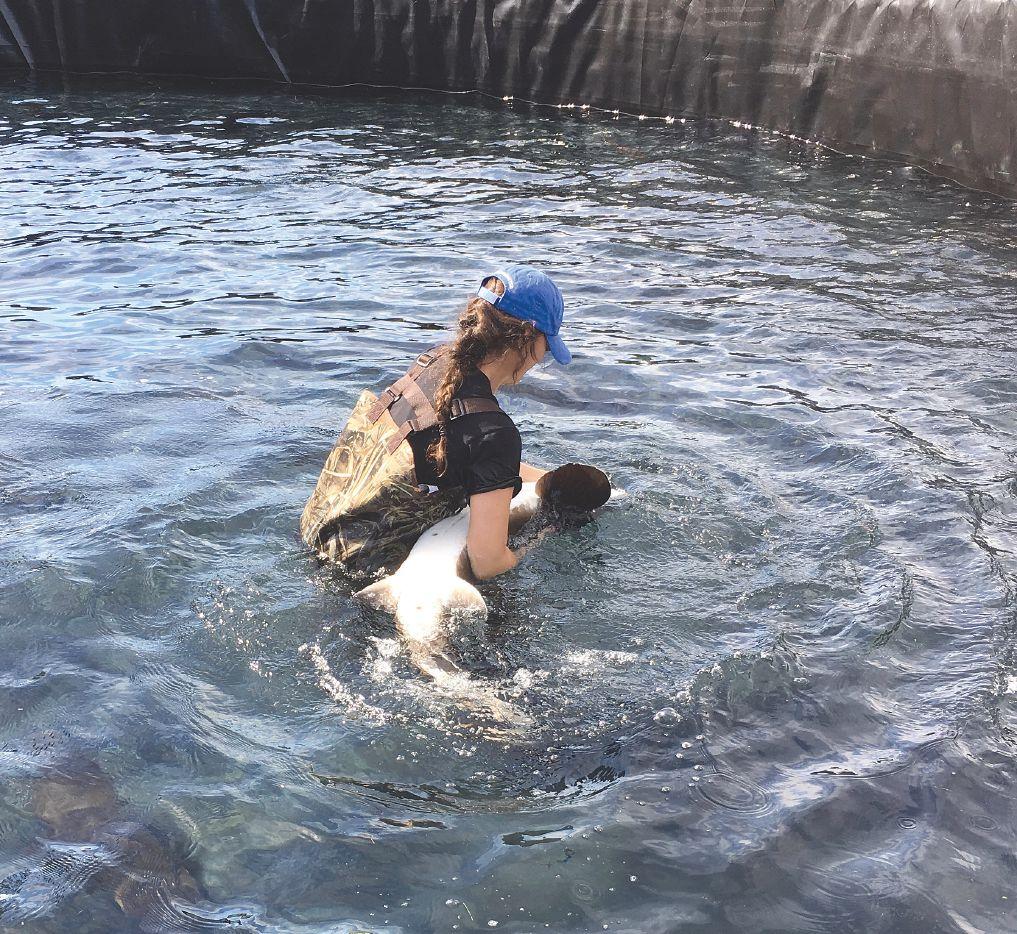
Marine biologist Hana Wilms selecting males in the purge tank that have already been sexed to process for meat. The females are moved into another holding tank. Flipping them over onto their backs makes them calm, making it easier to move them
Their heritage and those experiences perhaps made them realize they’re destined for a career in farming. While they went on to pursue other careers, the two eventually made their way to caviar.
“Previous to our farm acquisition we had a food business that sourced similar products locally and internationally. Ultimately we felt that farming done by our team would produce superior product quality and better sustainable efforts. When my family was forced to leave Iran in 1979/1980, we brought with us a passion for farming to the USA. Our hope as our food business grew was to one day get back to our roots in farming and do so under California sunshine. It reflects our new home and we wanted to give back to our land and our community,” Ali says.
The opportunity presented itself when the owners of Tsar Nicoulai in Wilton, California sold the business in 2015. Says Wilms: “They (the previous owners) had such a hard time getting the fish to spawn. It takes a lot of time to choose the right females to begin with, more so to get them to the state where you actually have eggs hatching. Once you have these hundreds of thousands of little fry, the work continues
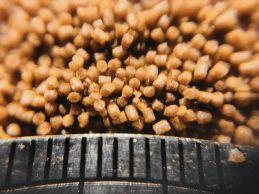
for seven years keeping them alive, happy, and eating well. It’s a difficult, time-consuming process. You’ve got to know what you’re doing, and you have to understand your system. We’ve been spawning every year since we took it over, which has been a huge plus for this farm.” Aquaculture experts at the University of California-Davis, who in the 1980s started conservation efforts in the state by breeding indigenous white sturgeon (Acipenser transmontanus) in captivity, provided the farm with science-based support, says Wilms.
He adds that farming a species native to the area was a plus. “Inherently, our conditions are well suited for the white sturgeon. They also produce more eggs than, say, green sturgeon that produce really beautiful, large eggs, but their yield is so small that to raise them commercially really isn’t the most practical option.”
Wilms says advances in feed technology have been a gamechanger. “There’s been a change in the last three years to feed that’s being fed to females that you’re going to harvest for their
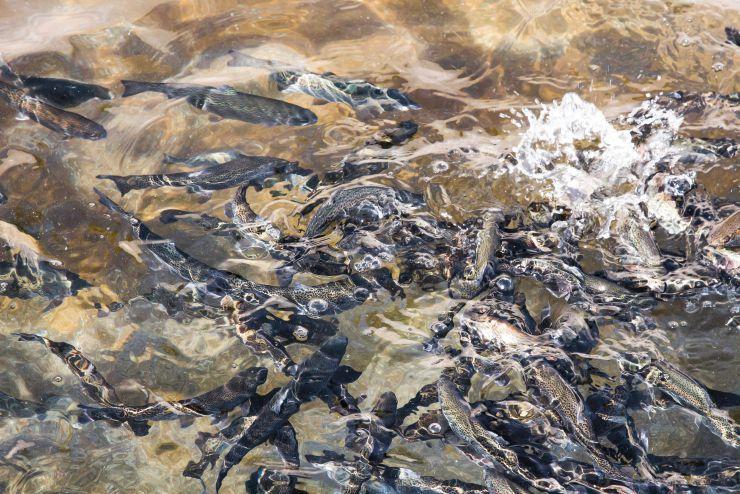
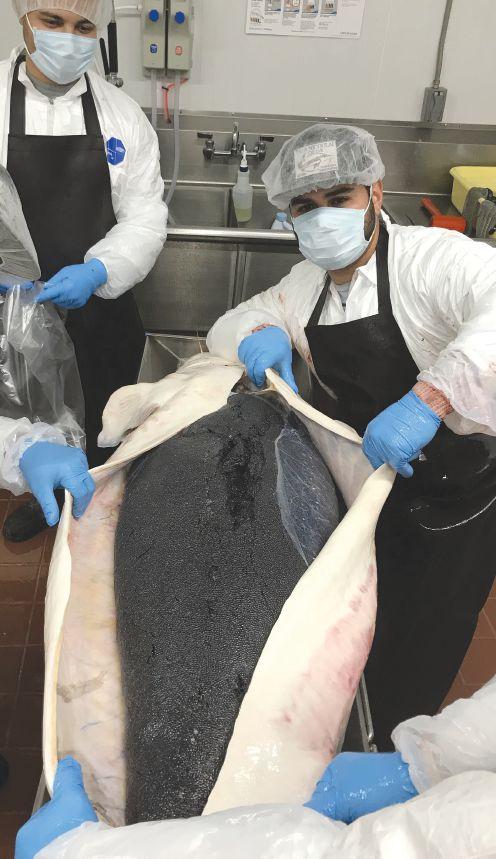
ovaries. Feed can reduce the amount of fat on the ovaries to some degree. But that’s important, that speaks to a much better endproduct. That’s pretty new over the last three years.”
“After water, feed is the next most important component,” he adds. “That was one of the biggest hurdles the industry had when they first started how to feed the fish. Let alone how to feed the larvae and the small fish when they were first hatched.”
Describing the advances in nutrition in broad terms, Wilms says: “It’s just how the feed has changed, for instance in the percentage of fat to protein. Every sturgeon farmer will relate to this.”
“We use what’s called ‘no-LAP’ (no-land-animal product) feed from EWOS. It has no poultry or other animal byproducts, just fish such as menhaden or anchovy as its base. It is really a clean, beautiful feed, and the fish love it.
“It also speaks to our demographic,” he continues. “The people we’re selling our caviar to want to know we’re not using something that might have chicken meal or pork blood. That’s important to who we sell to. We like using a feed like that too. It’s clean.”
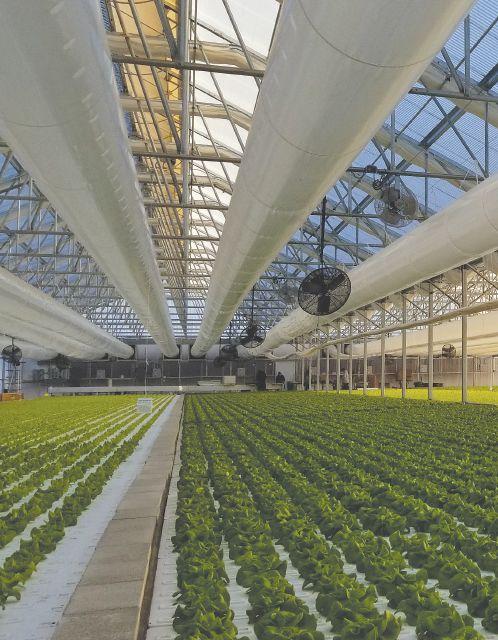
Aside from successfully getting the sturgeon to spawn, the Bolourchis and their team have transformed Tsar Nicoulai into a fully integrated operation that utilizes all parts of the fish. Three years after acquiring the farm, they built a smoke house to smoke sturgeon meat, now sold at Costco in the United States. Tsar Nicoulai Caviar is sold at Whole Foods and at high-end restaurants in the country. “Every last bit of the fish is
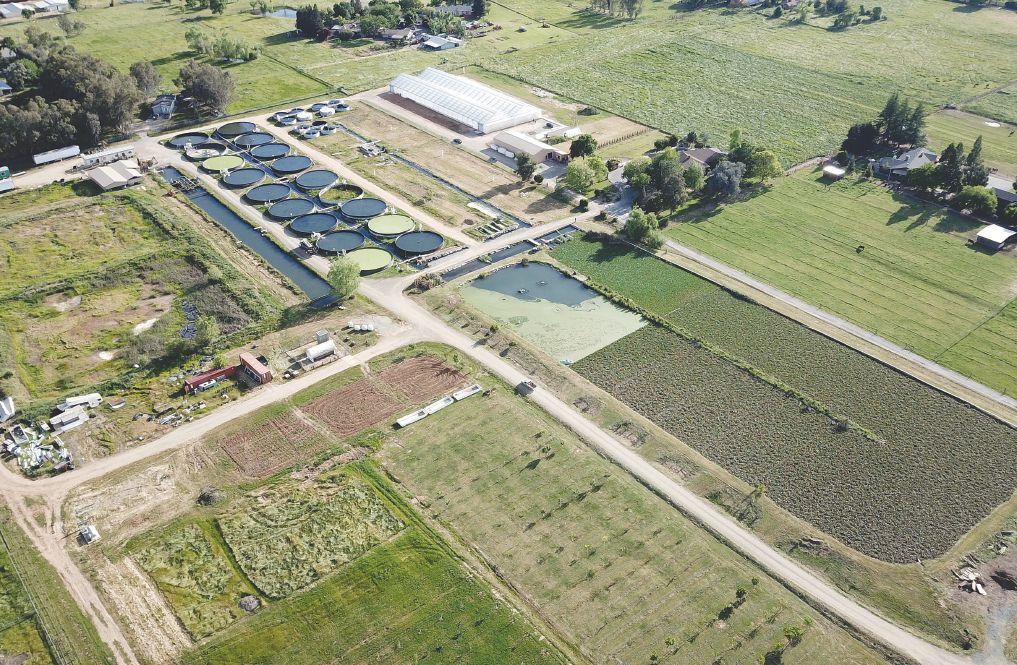
completely utilized. It worked out really well,” says Wilms. Tsar Nicoulai boosted its efforts toward sustainable aquaculture with the installation of an aquaponic system. “We have two greenhouses that went up just over a year ago. We’re using the aquaponics system to filter out our fish water and to use those nutrients to grow butter lettuce,” says Wilms. Ali adds: “We produce a thousand heads of lettuce a day and are testing many exciting new herbs and microgreens for our client base. You can currently find our lettuce at Bi-


New products being added daily! If you don’t see what you need, let us know. There is nothing we can’t source! Subscribe to our newsletter to receive

Total acreage of the facility is 25 acres
Rite markets in San Francisco; they feature local delicious food items. Thankfully our lettuce has been a hit and most importantly each head of lettuce we sell reduces our farm’s discharge and keeps our whole environment working together.” Another innovation in the works is the installation of solar panels to power the farm. “So the only input to success outside of mother nature’s bounty would be the talented staff that make the farm the award-winning land it is,” says Ali.

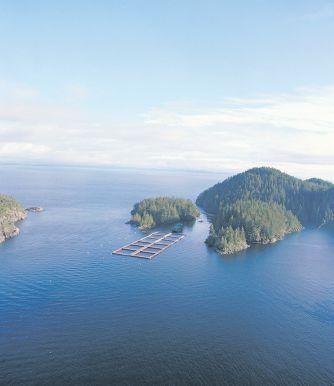
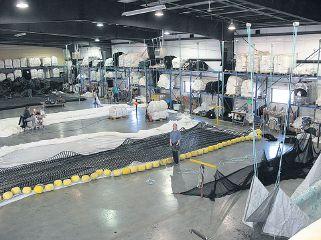
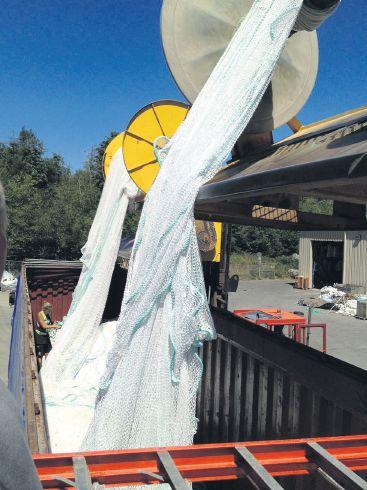


The Van Gaalen Fish Egg Sorter uses the most current technology to bring you an egg sorter that offers: variable egg sizes, speed, accuracy, egg counts, safety and versatility.
VMG Industries Inc.
2972 Bellmeade Way Longmont, CO 80503 USA
T: 303.682.8890 F: 303.682.8892 www.vmgindustries.com




Change is inevitable; however, evaluating the pros and cons of changes often depends on the perspective of the individual who assesses the benefits versus the costs and problems created by the changes. Some people embrace change and point out the fact that without change there is no progress. On the other hand, many people find change to be very uncomfortable and agree with the 95-year-old North Woods codger who had been asked about the changes he had seen over the years: “Yep, I’ve seen a lot a changes in my lifetime and I been against every one of them.”
I have attended aquaculture conferences for roughly 40 years and seen substantial changes in the number of attendees, the content of the technical presentations, and the nature of the trade shows. Most of the changes can be, in my opinion, considered to be progress, but a few have been problematic for me. As I and other members of the aquaculture community look forward to Aquaculture America 2020 in Honolulu, we can expect relatively few changes, other than some focus on Hawaiian culture and aquaculture, from the last Aquaculture America conference in Las Vegas. Viewed in a longer perspective, a comparison with the Aquaculture ‘95 Triennial Conference in San Diego shows substantial changes have occurred in the aquaculture conferences held in the United States.
LOOKING BACK
In the 1980s and early 1990s fish farming organizations, such as Trout Farmers, or Catfish Farmers, or Shellfisheries held annual meetings for their members and selected guests from government and/or academia. The Fish Culture Section of the American Fisheries Society, and the World Mariculture Society (forerunner to the World Aquaculture Society) held conferences that stretched across multiple species and aquaculture issues, and were attended primarily by academicians and government workers connected to state and federal fish hatcheries. Very few private sector fish farmers attended these science and technology focused conferences. The need for conferences that brought producers, researchers, regulators, and government officials together to hear presentations and discuss matters of common interest was recognized, but progress toward such conferences was slow. Perhaps Dr Nick Parker’s visionary concept of an “Intergalactic Aquaculture Conference” in which all aquaculture organizations would participate every third year provided the impetus for conferences designed to bring together the various interest groups. The conferences now known as “The Triennial” started to take shape in the 1980s through cooperative efforts
By John Nickum


The greater role of producers in aquaculture conferences is a major influence in the changing character of American aquaculture conferences, says columnist
by the World Aquaculture Society, the National Shellfisheries Association, and the Fish Culture Section of the American Fisheries Society. Species-focused producer organizations and their associated partners, such as the Aquaculture Suppliers Association, were starting to become involved, but were still largely peripheral.
By 1995 the National Aquaculture Association (NAA) was established to provide a voice for all forms of private sector commercial aquaculture. Joe McCraren, an old colleague and friend of mine, was the executive director. As the chair for Aquaculture ‘95, I presided over the first aquaculture conference held in San Diego. Joe and I, with the cooperation of Dr Sandra Shumway (NSA), Dr Joe Tomasso (WAS) and the conference management skills of John Cooksey, newly hired at that time as conference manager, saw an opportunity to bring the vision of Nick Parker to fruition. We would organize a conference that addressed the interests and issues of producers, academicians, government officials, industry suppliers, and state/federal hatchery personnel in one major conference. Approximately 4,000 attendees supported the concept. The program focused on the broad, across-the-board topics of current interest to fish farmers and their academic and government colleagues. Hosted by the California Aquaculture Association, the 1995 Triennial was a rousing success.
A guiding principle for the program of the 1995 Triennial was a limit on the number of concurrent sessions to no more than eight sessions per time slot. Topics for sessions largely reflected the interests of managers of state and federal fish hatcheries and academic researchers influenced by the needs of those hatcheries.
In contrast, Aquaculture America 2020 will have up to 14 concurrent sessions. While the 1995 program was built around broad topics and categories of animals, such as coldwater fish, nutrition, disease, salmonids, catfish, and hybrid striped bass, to name a few, the 2020 program has narrower topics that address the specific interests of producers. Subjects include technology, alternate emerging feed ingredients, aquaculture for conservation, macroalgae, functional genomics, and epigenetics, as well as old stalwart topics, such as catfish, striped bass, and fish physiology.
I think the greater role of producers (especially the National Aquaculture Association as a full partner) in aquaculture conferences is a major influence in the changing character of these conferences. The events have placed greater emphasis on the needs and interests of producers. Whether or not individual conference attendees, and/or potential attendees like the changes over the last 25 years depends on the interests and viewpoints of each individual. The changes seem to have exceeded the visions that Joe McCraren and I had in the early 1990s. I’m grateful for that and only wish Joe was here to enjoy the success.
We o er:
• Extensive technical support with access to juveniles and seed
• Academic partnerships with the University of Maine
• Entrepreneurial training & business counseling
• RAS and ow-thru culture facilities from 50-1000 sq meters
• State-of-the-art culture systems
• Business support facilities and networking opportunities
We provide entrepreneurs and business startups professional support and excellent facilities to develop their aquaculture ideas.
• Assistance in grant writing and identifying funding opportunities
• Plus exceptionally high quality sources of water!
For more information, contact: Chris Davis, Maine Aquaculture Innovation Center 193 Clarks Cove Road, Walpole, ME 04573 Phone: (207) 832-1075, cdavis@midcoast.com
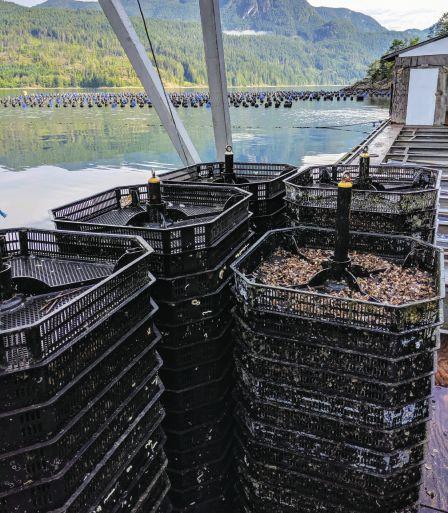
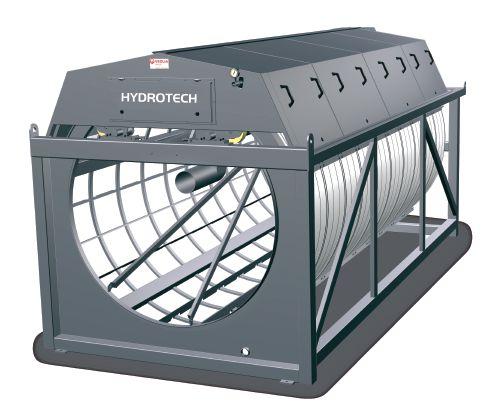
The world’s largest Atlantic salmon producer has named Ivan Vindheim as CEO effective 12 November 2019.
Vindheim, 48, was Mowi’s CFO since 2012. He has extensive experience in the seafood industry and has held various executive positions, including as CFO of Lerøy Seafood.
He succeeds Alf-Helge Aarskog, who stepped down in November after almost 10 years as CEO.
Aarskog has been credited for positioning Mowi as the world’s leading seafood company. “Some of the key achievements under his leadership have been the creation of Mowi’s own fish feed operations, significant growth in value-added processing, substantial farming volume growth and, most recently, the launch of the company’s branding strategy. During this period, Mowi has delivered stellar shareholder returns,” said the company.
“Alf-Helge has been a great leader and colleague over the years and I would also like to take the opportunity to thank him for making such a valuable contribution,” added Vindheim.
Aarskog’s departure has been planned several months prior to the announcement, the company told CBC News, and had nothing to do with the crisis in Newfoundland, Canada, where millions of salmon died as a result of a “climate event.”
ermaq is set to launch its revolutionary iFarm project in January, with the first transfer of fish to the sea planned for Autumn 2020 in Steigen, Norway, where the the first iFarm facility will be installed.

CThe Norwegian salmon farmer believes its iFarm technology will transform fish farming from stock management to individualized farming. The tool is based on photo recognition of the fish. This will bring fish welfare and fish health to a new level as each fish is being individually monitored, the company said.
Four development licenses have been approved for the project, which means commercial testing is still not on the horizon, Cermaq said. Rather, the goal of the iFarm project is “to develop prototypes with the central functions of iFarm to clarify whether it is technologically possible to operate individual salmon farming in net pens in the sea,” explained Karl Frederik Ottem, the fish health manager at Cermaq who will lead the project.
“An important part of the iFarm project is to document how the fish’s behavior and welfare will interact with the new technological solutions and functionalities,” he said.
Salmon producers in British Columba will now have access to innovative DNA sequencing for pathogen screening closer to home.
The British Columbia Centre of Aquatic Health Sciences (BCCAHS) in Campbell River, BC, has acquired a DNA sequencing tool called MinION Sequencer, which means the lab will no longer outsource genomic analysis. This will shorten the turnaround time and cut costs for salmon farmers that avail of the service.
“Following the partnership with Elanco, we are now able to offer our industry stakeholders in-house genomic analysis services at more affordable costs and quicker turnaround than previous techniques, hence responding to an increasing demand for genomic sciences to support fish health and fisheries management programs in BC,” said Jim Powell, CEO of BC-CAHS.
The genome-sequencing tool offers rapid pathogen detection and high-precision genome characterization of single organisms and complex samples. Testing will provide salmon farmers additional insight into pathogenicity, strain diversity, phylogenomic evolution and spatial distribution of microorganisms.
“The MinION Sequencer allows BC-CAHS to quickly generate a high volume of valuable information to support Elanco Aqua’s global pathogen screening program and research efforts,” said Jose Rodriguez, global technical services manager at Elanco Aqua.
The MinION Sequencer was first developed at Oxford University in the United Kingdom. Its applications range from microbial identification, viral and bacterial phylogenomics, population genomics, metagenomics and monitoring of antibiotic resistance.
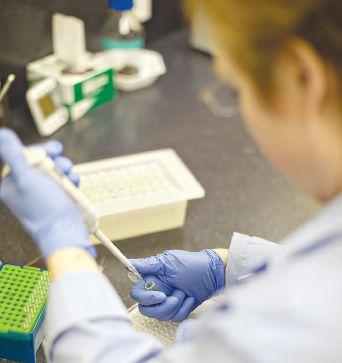

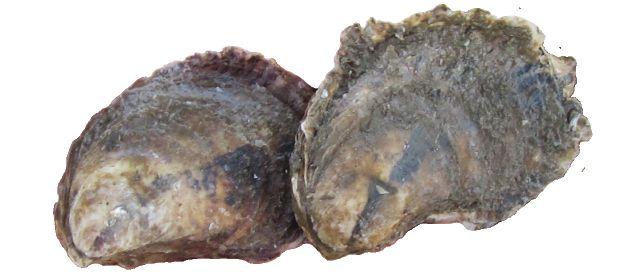
quatic
Design Inc, a supplier of aquaculture equipment and designs to aquaculture companies worldwide, has signed a distribution deal with FIAP GmbH.
The Florida-based AED said it is distributing FIAP GmbH’s full product line, including repair parts for the original belt feeders, new FIAP GmbH Pro Series belt feeders and parabolic screen filters.
“We strive to make sure that our industry can continue to get the products that they had previously purchased elsewhere,” said AED co-owner Amy Stone, alluding to Pentair’s exit from the aquaculture industry that was announced in June 2019. “It is critical that the supply chain is not interrupted as ongoing changes are happening within the supply industry,” she said.
AED was formed after Pentair’s merger with Aquatic Eco-Systems (AES) in 2012. AED’s website is at www.aquaticed.com.
Merck Animal Health, known as MSD Animal Health outside the US and Canada, has acquired Vaki from global water treatment company, Pentair Plc.
Vaki is a unit under Pentair’s Aquatic Eco-Systems portfolio of products. It specializes in fish farming and wild fish conservation monitoring equipment and real-time video monitoring technology.
The acquisition comes roughly seven months since Pentair announced it is leaving the aquaculture industry in order to focus its strength on the residential and commercial pool segments.
Vaki will be a leading brand under the Biomark business within Merck Animal Health, the company said.
“We are excited to take this step forward with Vaki, as we add leading technology and services, which extend the range of solutions in aquaculture we can provide to our customers,” said Merck Animal Health president, Rick DeLuca.
new company called Scale AQ North America has opened an office in Grand Falls-Windsor, a town in Newfoundland that’s positioning itself as an aquaculture service hub for the province.
AScale AQ was borne out of the merger in August of three technology and equipment suppliers to the global aquaculture industry–Aqualine, AquaOptima and Steinsvik, all founded in Norway.
“Grand Falls-Windsor is well situated for Scale’s offices and warehouse, allowing for quick response times to customers around the province and providing a central location for equipment servicing and efficient logistics,” the company said in a statement.
It recently hired two full-time field-service technicians–Paul King and Roy Brockerville–to support customers in the province.
“This is an exciting development for us at Scale. We have been working with customers in the province of Newfoundland and Labrador for several years and are committed to providing a full level of local technical
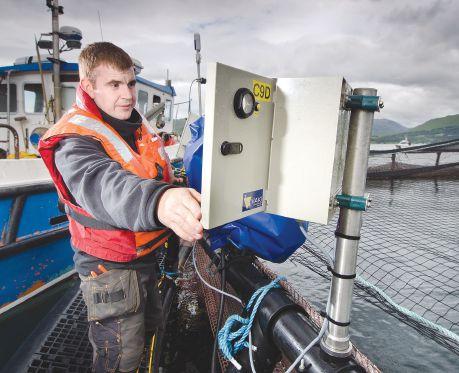
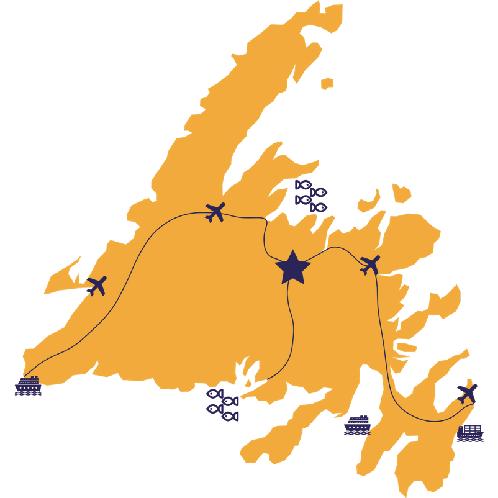
Credit: Grand Falls-Windsor municipality
support for our existing customers and also for upcoming projects,” said Gary Knowles, general manager at Scale AQ North America.
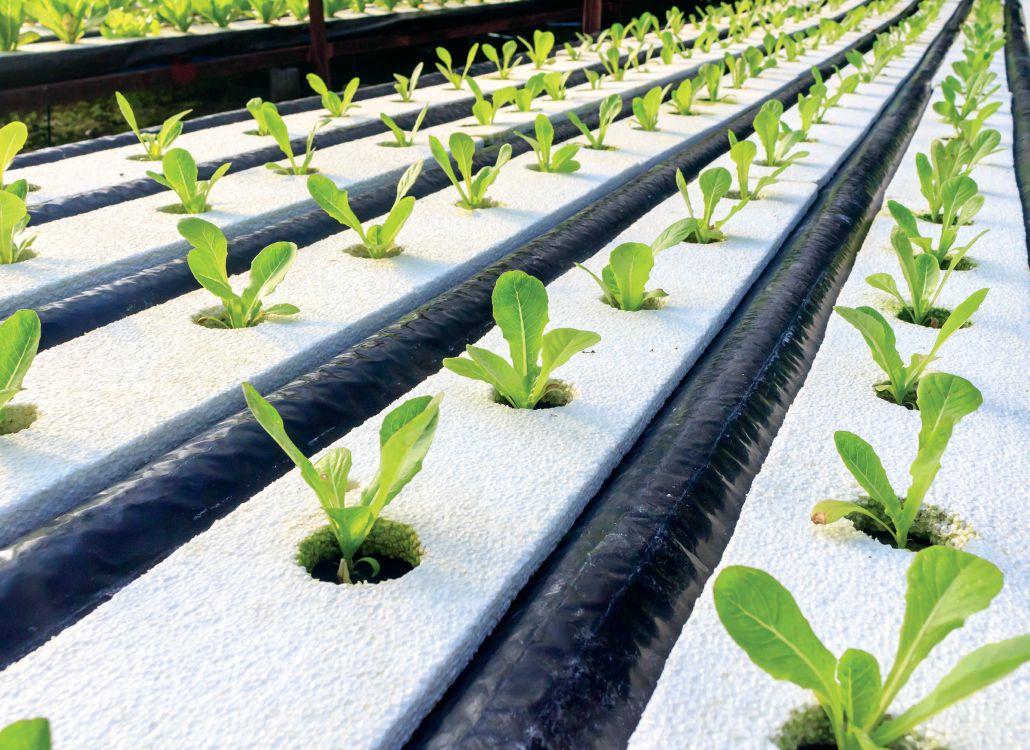
JANUARY
Jan 13-15, 2020
40th Milford Aquaculture Seminar Shelton, CT www.fisheries.noaa.gov
Jan 17
4th Maine Aquaculture Research, Development and Education Forum Belfast, ME www.umaine.edu/aquaculture/event/ maine-aquaculture-rd-education-forum
FEBRUARY
Feb 9–12, 2020
Aquaculture America 2020 Honolulu, Hawaii https://www.was.org/meeting/code/AA2020
Feb 20-22
52nd Catfish Farmers of America Convention Las Vegas, NV www.catfishfarmersofamerica.com/events
Feb 25-27
Nova Scotia Minister’s Conference 2020 Halifax, Nova Scotia http://seafarmers.ca/
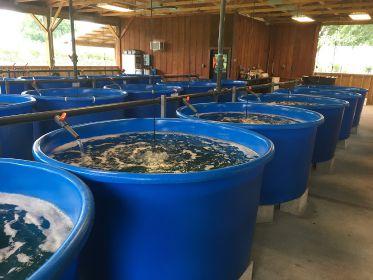

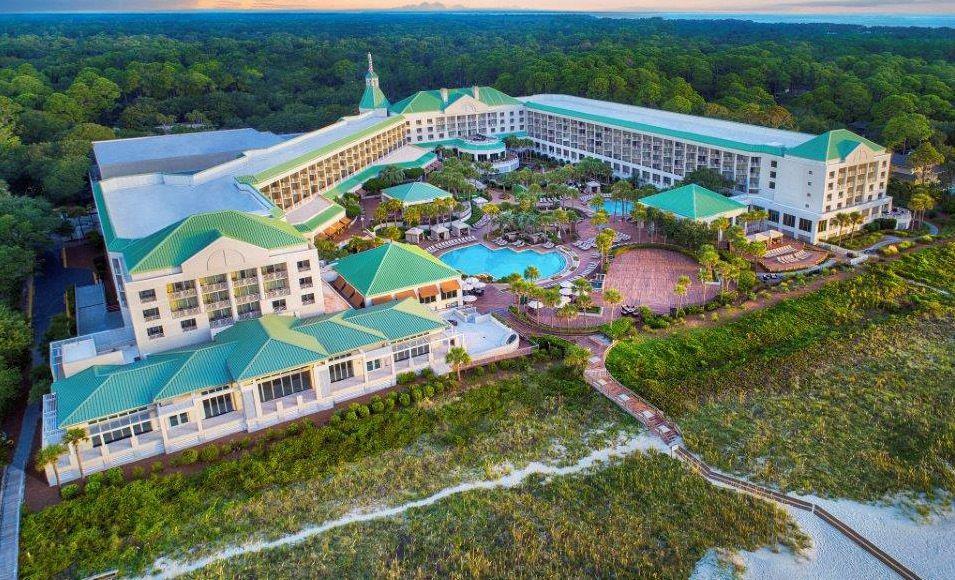




































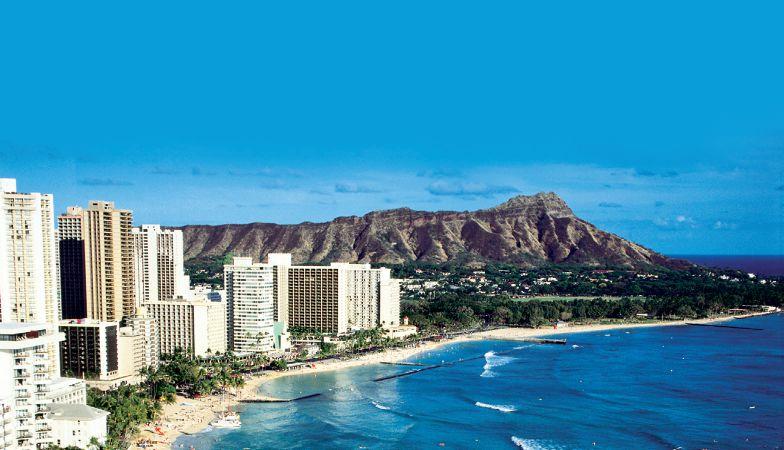








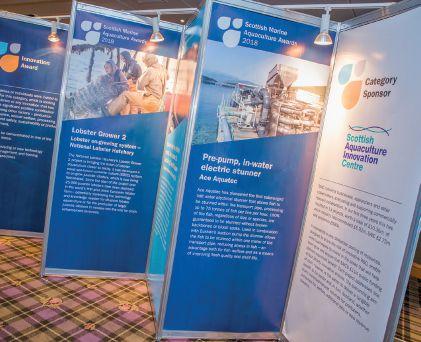
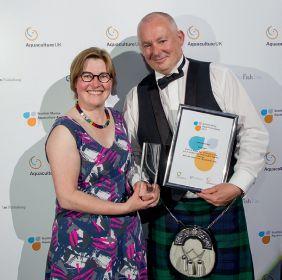








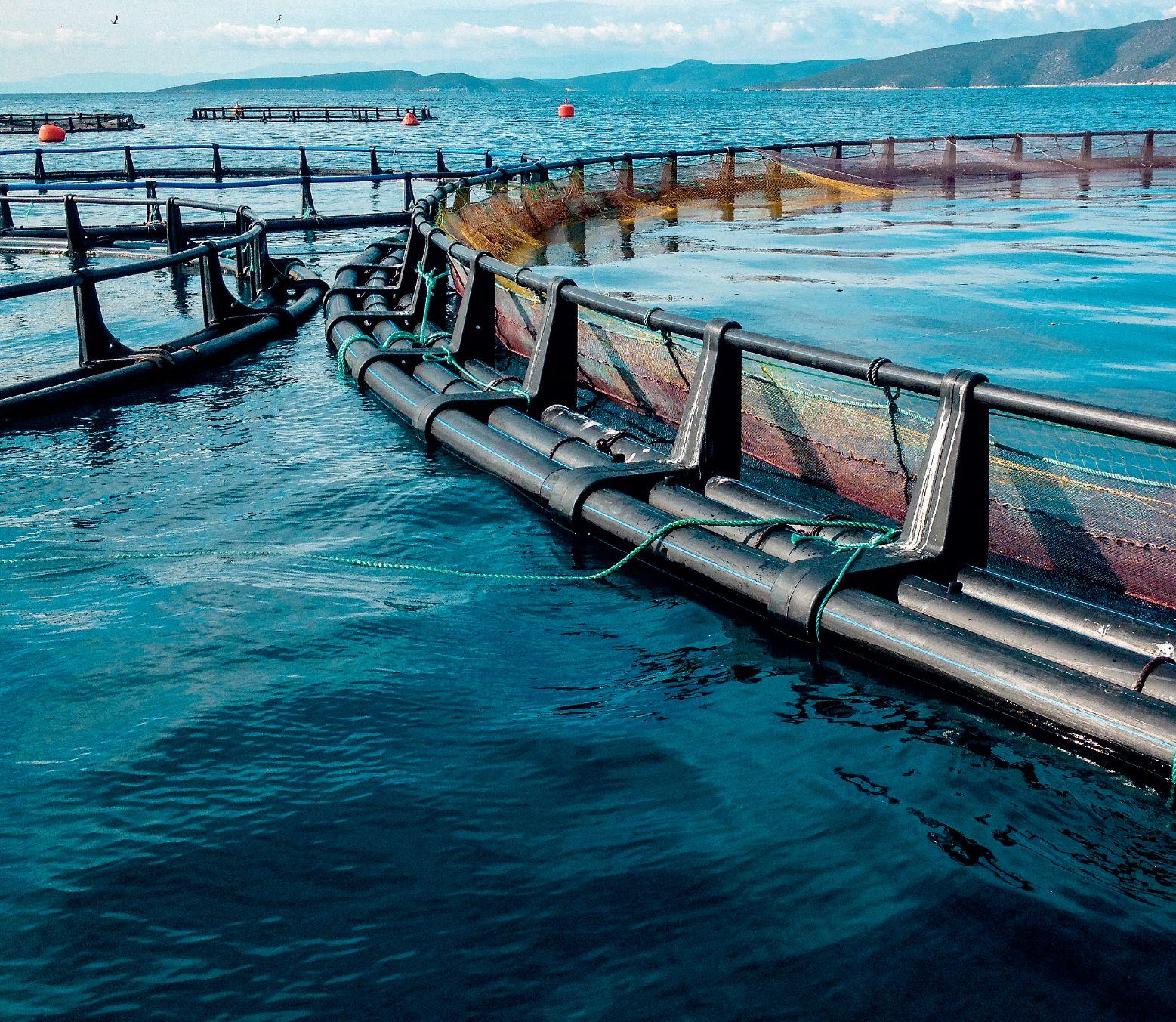
Reliability in water jetting pumps takes on a whole new meaning when you’re in the business of cleaning net pens in the fish farming industry. Our pump systems, specifically designed for the aquaculture market, address the demands of harsh conditions of open seas, foul weather and corrosive effects of salt water while delivering the renowned performance and durability NLB has been known for since 1971.
NLB pump units also offer compatible interface with the industry’s leading head cleaning systems.
WANT TO LEARN MORE?
Visit NLBCORP.COM or call us at (248) 624-5555.