REMEDY Annual report 2025

Page 1


REMEDY – Center for Treatment of Rheumatic and Musculoskeletal Diseases is a Center for Clinical Treatment Research. The Center was established in 2022 with funding from the Research Council of Norway (NOK 128 million) as a targeted, long-term investment to strengthen and further develop outstanding research and innovation environments to improve treatment. In addition, REMEDY is supported by a generous grant from the Olav Thon Foundation (NOK 32 million).

Our aim is to evolve patient care in the field of rheumatology and musculoskeletal diseases, with significant impact on individuals and society. We seek to develop novel therapies and excellent treatment strategies by adopting a comprehensive research approach to the field. We strive to conduct clinical studies that have the potential to change clinical practice.

DESIGN: Anagram Design

PHOTOS: Nicolas Tourrenc/Diakonhjemmet Hospital, unless other wise credited PRINT: Konsis

01 Introduction

Rheumatic and musculoskeletal diseases affect one in four people and are associated with morbidity, reduced quality of life, increased mortality, and severe long-term pain and disability. The large individual and societal impact of these conditions underlines the need for comprehensive and coordinated actions to improve patient outcomes.

Directors’ Comments

We are proud to present the annual report for 2025. As the year is ending, we are about to complete the first half of the center’s lifetime. We are pleased to report that the center is progressing steadily, delivering on all important aspects of our mandate.

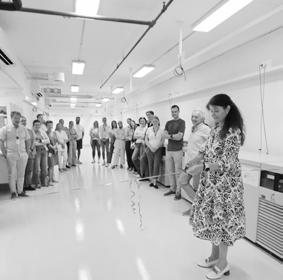
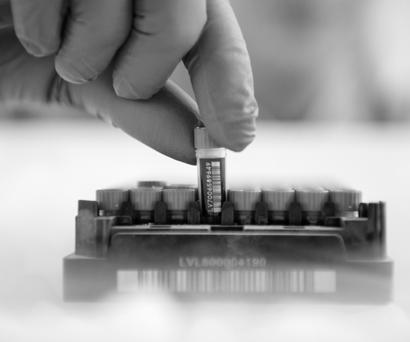
The establishment of REMEDY was a targeted, long-term investment to strengthen research and innovation within rheumatic and musculoskeletal diseases. Today, we see the results of that investment as we have moved from the establishment phase into a phase of high production. A major highlight of 2025 has been the significant progress in our infrastructure. We were thrilled to celebrate the official opening of a brand-new state-of-the-art biobank facility. Combined with the opening of a new building dedicated to scientific work at Diakonhjemmet Hospital, we now are much better suited to support

our researchers in untangling the causes and characteristics of these diseases for years to come.

Our scientific output remains high, and the quality of our researchers continues to be recognized. We were particularly proud to see our PhD candidate Marthe K. Brun honored with His Majesty the King’s Gold Medal. This prestigious recognition is a testament to the high standard of research being conducted within REMEDY. Furthermore, we have strengthened our academic environment by the appointment of new professors within the center.

Our Principal Investigators are the driving force behind our large clinical trials, and their dedication is instrumental in developing novel therapies and treatment strategies.

In this report, we also wish to highlight the vital work of our senior researchers. Our principal investigators are the driving force behind our large clinical trials, and their dedication is instrumental in developing novel therapies and treatment strategies. We encourage you to read on to learn more about their specific projects and the scientific deliveries that have defined our year.

The generous grants from the Research Council of Norway and the Olav Thon Foundation remains the foundation of our activities, and we are deeply grateful for their continued support. Finally, we extend our heartfelt thanks to everyone involved in the center – our partners, researchers, clinical personnel, administrative staff, and patient partners. We especially wish to thank the patients

who participate in our research projects; your contribution is essential to advancing medical knowledge and patient care. Your collective dedication is the reason we are taking significant steps toward improving the lives of patients with rheumatic and musculoskeletal diseases.

Sincerely,

Vision and Goals

Research Area

REMEDY is a Norwegian Center for Clinical Treatment Research focusing on rheumatic and musculoskeletal diseases. These diseases constitute a heterogeneous group of diseases associated with significant morbidity, reduced quality of life, and increased mortality. The conditions have major consequences for society and the individual.

Vision

Our vision is to be a world-leading center developing state-of-the-art treatment and management strategies across rheumatic and musculoskeletal diseases, to benefit the individual and society.

Aims of the Center

The overarching aim of the REMEDY Center is to improve treatment of rheumatic and muscul o skeletal diseases by randomized clinical trials assessing novel treatment and treatment strategies, in combination with research and innovation to untangle the causes and characteristics of these diseases.

The seven work packages approach the knowledge gaps within the field from different angles, ensuring that the research results will benefit patients in all stages of the diseases.

Impact

Impact of the REMEDY Center

Ground-breaking research that will change national and international treatment recommendations

For Patients

• Increased quality of life

• Improved physical function

• Sustained work participation

• Personalized treatment strategies

• Enhanced patient empowerment

• Shared decision-making and active user involvement in research

For Healthcare Systems

• Improved treatment

• Fast-track from research to implementation

• Evidence-based treatment guidelines

• Decision support tools and digitalization

• Remote and decentralized healthcare

• Education of highly qualified researchers and healthcare personnel

For Industry

• Implementation of digital platforms

• Study-ready research environments for trials

• Performing phase II–IV trials

• Test-bed facilities for health tech

• Developing innovative technologies

• Public-private partnerships

For Society

• Improved outcomes for large patient populations

• Rapid implementation of research findings

• Sustainable healthcare solutions

• Utilization of real-world data

• Use of registries to create big data

• Translational value for other chronic diseases

Organization

REMEDY has a clear governance and advisory structure with active engagement from Diakonhjemmet Hospital, the four partner institutions, international collaborators and users to ensure strong oversight and optimal performance. All partners engage in the center’s organization, management and research activities, as well as national and international dissemination and implementation.

Board

Center Executive Committee

Center Management Committee Work Packages

WP1 Optimized Medical Interventions

WP2 Phenotyping for Personalized Medicine

WP3 Pain Mechanisms and Management

WP4 Managing Comorbidities

WP5 Innovative Approaches to Remote Care

WP6 Deciphering Long-term Outcomes

WP7 Empowering the Individual

• Oslo University Hospital

• MAGIC

• The Norwegian Rheumatism Association

• Institute of Clinical Medicine (University of Oslo)

Kari-Jussie Lønning Chair of the Board, Chief Executive Officer of Diakonhjemmet Hospital

Shuo-Wang Qiao Board Member, Deputy Head, Institute of Clinical Medicine, The University of Oslo

Center Board Center Leadership

Espen A. Haavardsholm

Center Director, Professor, MD, PhD

Siri Lillegraven Vice Director, Senior Researcher, MD, MPH, PhD

Kjetil Bergsmark Board Member, Head of Division of Rheumatology and Research, Diakonhjemmet Hospital

Ingeborg Dybvig Board Member, General Secretary, The Norwegian Rheumatism Association

John-Anker Zwart Board Member, Head of Research, Division of Clinical Neurology, Oslo University Hospital

Per Olav Vandvik Board Member, Chief Scientist, MAGIC Evidence Ecosystem Foundation

Anne Therese Tveter Vice Director, Professor, Physical Therapist, PhD

Ida K. Bos-Haugen Vice Director, Professor, MD, PhD

Guro Søe Eriksen Special Advisor, PhD

Partners

MAGIC Evidence Ecosystem Foundation (MAGIC)

MAGIC Evidence Ecosystem Foundation is a non - profit organization dedicated to increasing value and reducing waste in healthcare through a digital, trustworthy evidence ecosystem. At the core of this work is MAGICapp, an openaccess platform for authoring, publishing, and continuously updating clinical guidelines accessible on all devices for clinicians and patients.

MAGIC has become an international hub for rapid, transparent guideline development. In REMEDY, MAGIC provides methodology and infrastructure to translate practice-changing clinical trials into reliable recommendations, e.g. via The BMJ Rapid Recommendations.

When REMEDY trials prompt changes in practice, MAGIC convenes independent expert panels and patient partners to develop guideline recommendations supported by linked systematic reviews, which are published in MAGICapp and The BMJ.

An example is the recommendation on proactive therapeutic drug monitoring (TDM) of biologic therapies for immunemediated diseases, following the NOR-DRUM trial. This Rapid Recommendation was published in 2024, coordinated with an adapted Norwegian version in partnership with the Norwegian Society of Rheumatology.

Norwegian Rheumatism Association (NRF)

The Norwegian Rheumatism Association (NRF) is a nationwide non-profit organization supporting people with rheumatic and musculoskeletal conditions. With about 30,000 members and a network of county branches and local branches, NRF provides courses, guidance, and social activities while advocating for health and social policy improvements.

NRF is closely involved in REMEDY, actively supporting research and user involvement initiatives and promoting holistic health and quality of life for people with rheumatic diseases.

The association facilitates knowledge dissemination and imple mentation through seminars, webinars, podcasts,

and international engagement. NRF also supports user-led intervention projects such as “Sykt Aktiv,” demonstrating that patient-organized programs can help people with chronic pain and rheumatic conditions live active lives.

In late 2025, the results from the NRF led James-Lind Alliance Priority Setting Partnership project on research priorities in rheumatoid arthritis were published.

Through advocacy, dissemination, and active partnership, NRF ensures the patient’s perspective remains central to REMEDY’s research and implementation efforts.

Oslo University Hospital

FORMI (Musculoskeletal Health Research and Communication Unit)

FORMI is a research unit within the Department of Research and Innovation, Division of Clinical Neuroscience. The unit conducts multidisciplinary research on musculoskeletal injuries, diseases as well as neuroscience, including clinical, epidemiological, genetic, health economic and basic studies.

A core priority is systematic patient and public involvement (PPI). FORMI maintains a network of trained patient representatives and integrates PPI throughout the research lifecycle to improve relevance and implementability.

FORMI collaborates with REMEDY on training and capacity building, co-delivering courses that provide practical methods for involving patients in research design, conduct and dissemination. The combination of strong clinical research expertise and established PPI practice makes FORMI a key partner for patientcentered research within REMEDY.

Rikshospitalet, Department of Rheumatology

The Department of Rheumatology at Rikshospitalet hosts three research groups – Nor-FIORD (fibrotic inflammatory rheumatic diseases), Epidemiology and Outcomes, and Pediatric Rheumatology – focusing on clinical and translational research in systemic inflammatory conditions.

The department prioritizes clinical treatment research aimed at addressing unmet needs and generating evidence that can change practice. Its strategic aims are to: (1) study epidemiology, gene–environment interactions and disease trajectories through prospective cohort studies; (2) investigate organ-specific injury and progression in the heart, lungs, joints, and gastrointestinal tract; and (3) test new treatments in randomized controlled trials.

Department of Medical Biochemistry, Radiumhospitalet

The Radiumhospitalet Department of Medical Biochemistry develops in-house immunoassays and, over the past decade, has implemented assays to measure biologic drugs and anti-drug antibodies for therapeutic drug monitoring (TDM). These assays support routine care and research and have been key analytical components to REMEDY-related studies (e.g., NOR-DMARD, RA-DRUM, NOR-DRUM).

In the SQUEEZE consortium, the department has defined therapeutic ranges for subcutaneous TNF inhibitors to inform European trials. Its analytical capacity and biobank expertise make it a clinical resource for implementing TDM in clinical research and practice.

Institute of Clinical Medicine, Faculty of Medicine, University of Oslo

IMMGEN Research Group – Molecular and Cellular Mechanisms in Inflammatory Arthritis

The IMMGEN group investigates the molecular and cellular mechanisms that drive rheumatoid arthritis and juvenile idiopathic arthritis, with an emphasis on factors that determine treatment response and the breakdown of self-tolerance. The primary goal is to define pathogenic cell states and pathways that initiate and sustain joint inflammation, and to translate these insights into biomarkers and targets to improve diagnosis, prognosis, and therapy selection. The IMMGEN group integrates multiple layers of biological information to resolve disease biology at single-cell resolution.

Deep molecular profiles are linked with detailed clinical phenotypes to identify cell-intrinsic programs, intercellular communication networks, and treatment - respon sive signatures.

In parallel, the group studies extracellular vesicles and their protein cargo as mediators of cell–cell signaling during inflammation, aiming to uncover non-cellular biomarkers and mechanisms that modulate immune responses.

The collaboration between IMMGEN and the rheumatology departments enables integrated translational studies that combine robust clinical cohorts with advanced molecular analysis, translating mechanistic discoveries into precision medicine tools that can guide patient stratification and therapeutic decisions.

Facts and Figures

NOK 63.7 million NOK 74.8 million

Own financing

Other financing

Grant from The Research Council of Norway

South-Eastern Norway Regional Health Authority

Other national funding

Other international funding

REMEDY Funding 2025 Obtained Grants 2025

This figure shows the total costs for 2025 and how these costs are funded. Total costs for 2025 are NOK 63.7 million. Own financing includes funds provided by the host institution and partners. Other financing includes funding secured before 2022 from public funding schemes, mainly from the regional health authorities, interregional authorities, the DAM Foundation, and other publicly available grants.

REMEDY researchers have obtained a number of grants during 2025 for projects in the coming years. The total amount obtained is NOK 74.8 million. This funding is mainly from the South-Eastern Norway Regional Health Authority, as well as other national funding schemes such as the DAM Foundation and additional grants/legacies.

User Involvement in Research

Leader

In 2025, the center further strengthened and expanded patient involvement in research, building on foundations established in previous years. Awareness of the value of collaboration with Patient Research Partners (PRPs) continued to grow among researchers, PhD fellows, and collaborating institutions. Structured collaboration with PRPs across research projects remained a key priority to ensure relevance, quality, and societal value of research outcomes.

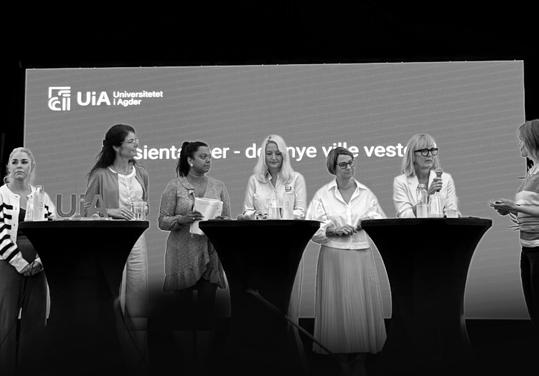
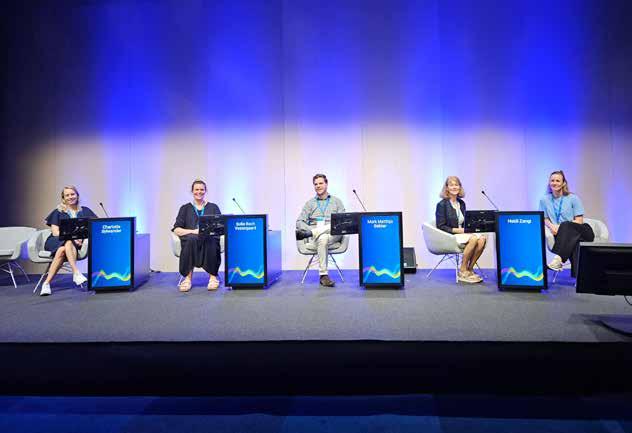
Increased visibility of patient involvement in research was achieved through presentations at external symposia, participation in panel discussions, and contributions to an international congress focusing on collaboration with PRPs in research.

Courses and Training

For the second consecutive year, REMEDY was a partner in an accredited course course on Patient and Public Involvement in Medical and Health Research, developed in collaboration with the University of Bergen and leading national research environments. The course continued to be an important arena for competence building, bringing together researchers, PhD fellows, and PRPs, and contributing to increased understanding of roles, responsibilities, and collaboration in research projects.

Advisory and Mentoring Services

In 2025, four structured guidance sessions were offered to PhD fellows focusing on collaboration with PRPs in research projects. In addition, the advisor for user involvement in research provided individual mentoring to members of

the REMEDY Patient Advisory Board, supporting their roles and contributions in ongoing research collaborations.

These activities aimed to clarify expectations, strengthen mutual understanding, and enhance the quality of partnerships between researchers and PRPs.

Collaboration and Networking

The REMEDY Patient Advisory Board continued to play a central role in ensuring relevance and quality in the center’s research. Five advisory board meetings were held during the year, focusing on sharing experiences, role clarification, and collaboration processes within projects.

Collaboration within the network of advisors in patient involvement in research was further strengthened in 2025, with new participants joining. The network serves as a platform for support, exchange of experiences, and competence development across institutions.

EULAR’s Recommendations

Through a collaborative effort involving researchers, PhD fellows, and members of the REMEDY Patient Advisory Board, a Norwegian translation of EULAR’s updated recommendations for the involvement of PRPs in rheumatology research was completed and approved by EULAR.

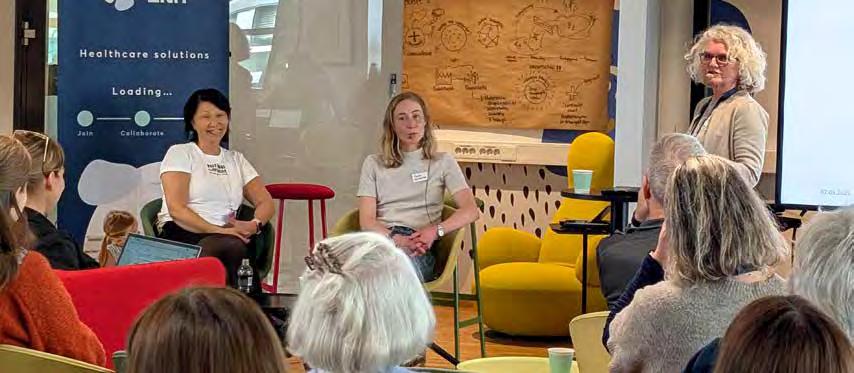
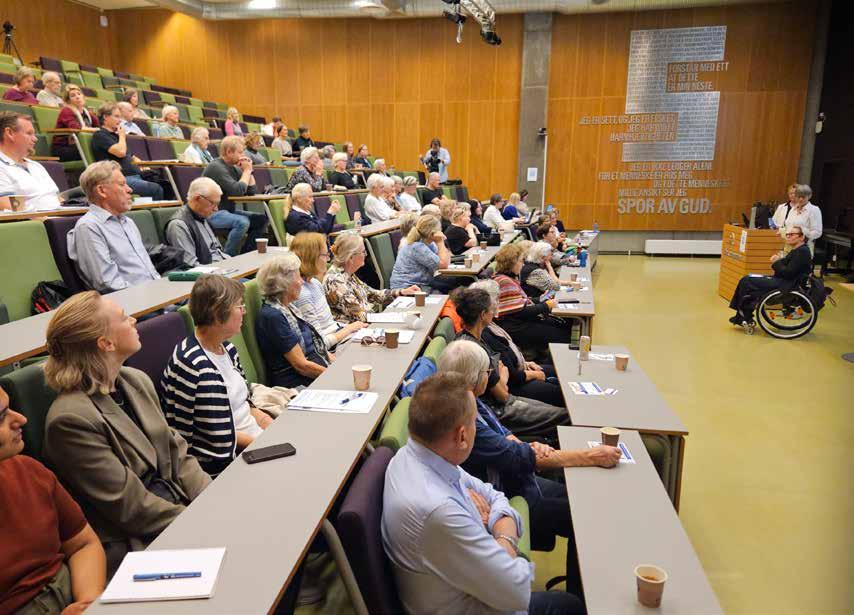
Rheumatic Diseases Dialogue Seminar 2025

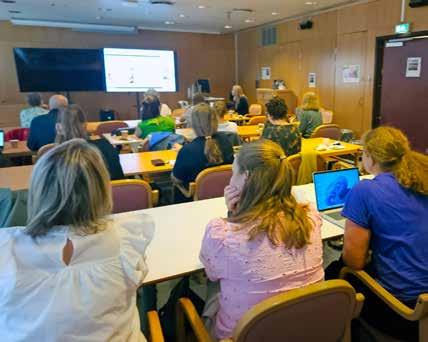
In September 2025, REMEDY hosted the Rheumatic Diseases Dialogue Seminar, bringing together researchers, health professionals, and patients for an open exchange of knowledge and experience.

The seminar addressed key aspects of living with rheumatic disease, with particular emphasis on medical treatment, physical activity, and mental health.

Long-Term Perspectives on Medical Treatment

A central theme was medical treatment of rheumatic conditions, illustrated by long-term research on gout. Results from a five-year follow-up study highlighted how sustained treatment and close monitoring can lead to effective disease control and, for some patients, remission. The discussions focused on realistic treatment goals and the importance of adherence to treatment over time.

Exercise as an Integral Part of Treatment

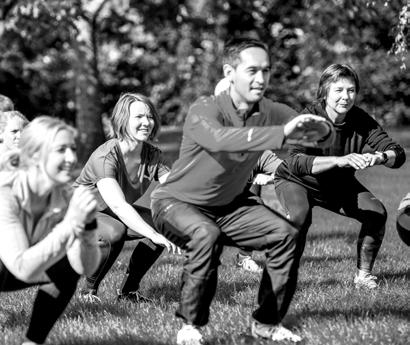
Physical activity was another major topic, with a particular focus on high-intensity exercise for people with inflammatory joint disease. Research findings were presented alongside patient experiences, showing that demanding exercise can be both safe and beneficial when appropriately tailored. The sessions reinforced the role of exercise not only in improving physical function, but also in supporting overall health.

Mental Health and Engagement in Meaningful Activities

Mental health and psychosocial aspects of rheumatic disease were explored in depth. Presentations examined the links between chronic illness, pain and low mood, and highlighted approaches to recognizing and addressing psychological distress. Engagement and participation in meaningful activities were presented as key factors in maintaining health and quality of life.

Dialogue Between Research, Practice, and Patients

Interaction between speakers and participants was a defining feature of the seminar. Questions submitted in advance and during the sessions ensured that discussions reflected patient perspectives and real-life challenges, strengthening the connection between research findings, clinical practice, and lived experience.

Collaboration and Strategic Relevance

The Dialogue Seminar was jointly organized by the REMEDY Research Center and the Norwegian Rheumatism Association.

Read more

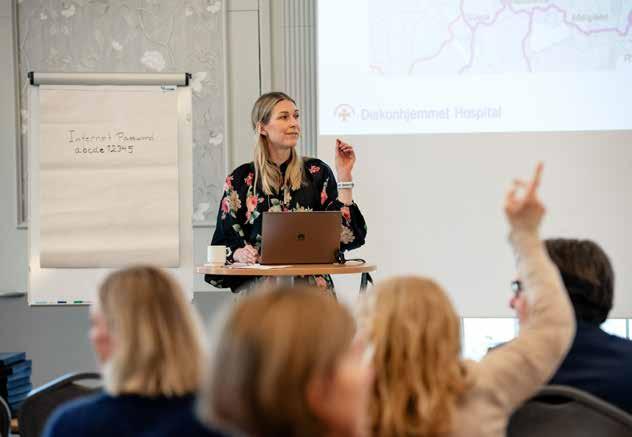
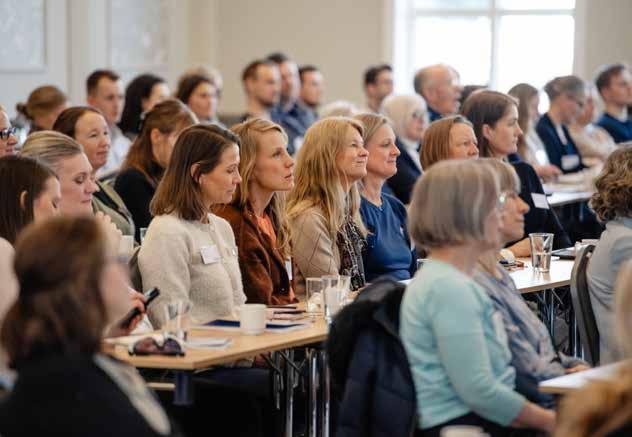
Interaction between speakers and participants was a defining feature of the seminar
Photo: Kathrine Daniloff.

Climate and Sustainability

Climate change poses a significant challenge to global health and risks exacerbating existing health inequalities. The healthcare sector contributes substantially to global greenhouse gas emissions, accounting for approximately 5% of total emissions – exceeding those from aviation and shipping combined. Scientific research also entails environmental impacts. REMEDY aims to contribute to a transition toward more sustainable research and clinical practice.

REMEDY undertakes measures to reduce the environmental impact of its research activities and conducts research intended to support a shift towards low-carbon clinical solutions. For example, REMEDY’s projects on remote care seek to minimize emissions associated with hospital visits.

Green Congress

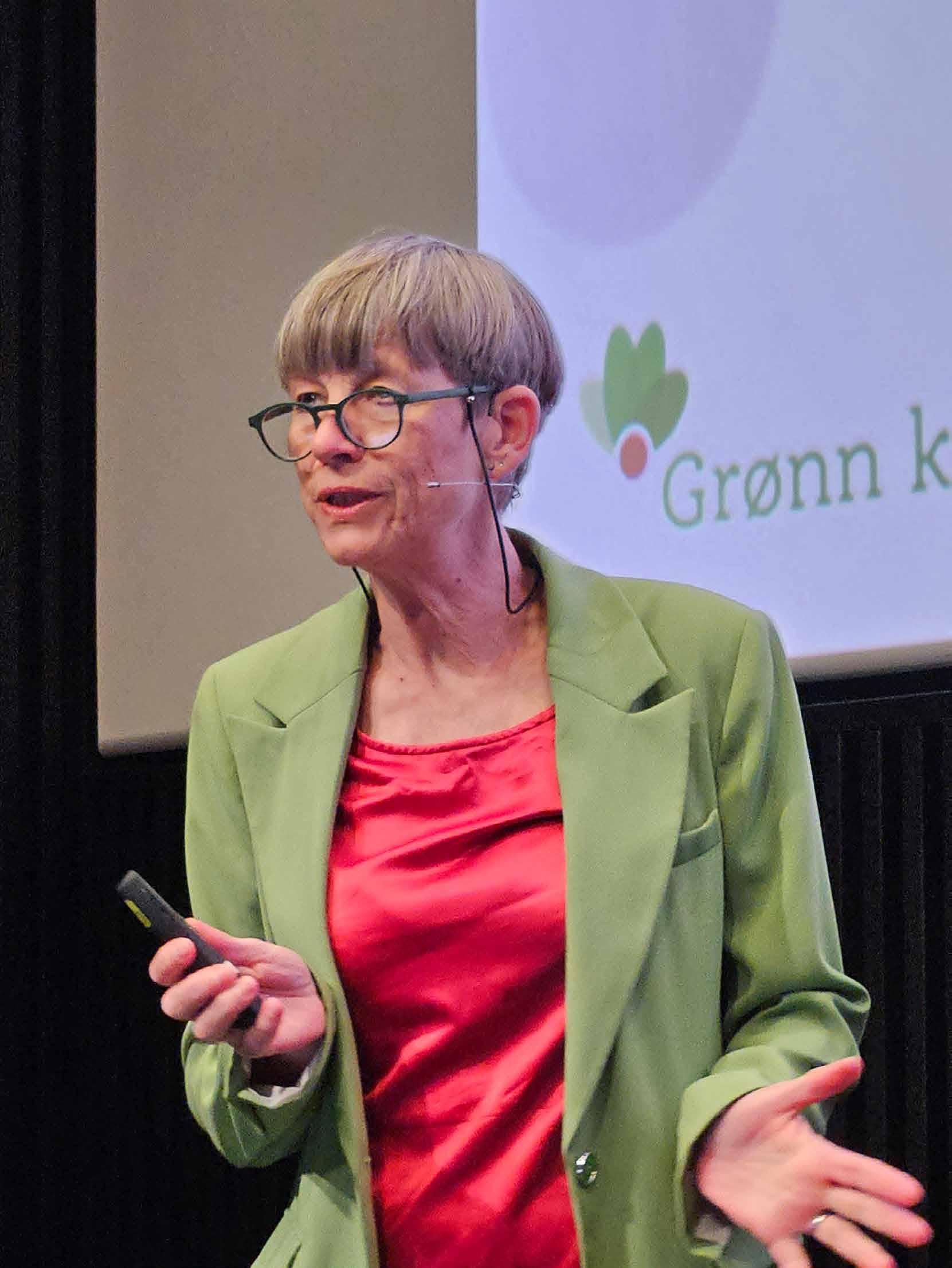
In June 2025, REMEDY co-organized the Green Congress (Grønn Kongress), an annual national conference for the Norwegian rheumatology community. The conference provides an overview of international research developments while reducing emissions related to travel to international scientific meetings.

Each year, a climate scientist is invited to deliver a state-of-the-art lecture. In 2025, the invited speaker was Professor Dag O. Hessen from the University of Oslo, who addressed nature and climate change, implications for global health,

and the need for societal transformation to address the climate crisis.

REMEDY works to limit the environmental impact of the Green Congress through the implementation of sustainable measures. From 2022, the event has been certified as an environmentally approved event by the Foundation for Environmental Education. The hybrid conference format has attracted broad participation, with more than 500 attendees in 2025.

Integration of Environmental Endpoints in Clinical Trials

During the past two years, researchers at REMEDY, in collaboration with the Clinical Effectiveness Group at the University of Oslo and Oslo University Hospital, have initiated a project to integrate environmental endpoints into clinical trials. This includes the use of life-cycle assessments to quantify and compare the environmental impact of trial interventions. The aim is to provide

decision-makers, including clinicians, regulators, and policymakers, with a stronger evidence base for selecting clinical practices with a lower environmental impact. The approach was presented in a commentary published in The New England Journal of Medicine in May 2024.

Lectures on Climate Change and Sustainable Healthcare

In 2025, REMEDY researchers delivered invited lectures on climate change and sustainable healthcare at The Research Council of Norway, Oslo University Hospital, Diakonhjemmet Hospital, and at a health leadership course organized by the University of Oslo. Read more

Photo: Kathrine Daniloff

02 Center Highlights

Timeline

Highlights 2025

The REMEDY Center has had a productive fourth year. In this section, we highlight key achievements from 2025, including awards, national and international collaborations, secured funding, and various center and network activities.

As we cross the halfway mark of the center’s funding period, we turn our attention to the people and projects driving our success. We dedicate special focus to our Principal Investigators (PIs), exploring their perspectives on the leadership required to drive large-scale clinical trials from conception to practice-changing results.

We honor the legacy of three distinguished senior researchers who are stepping down this year. Their contributions have been important for the current work within REMEDY. Furthermore, we look outward, reporting on international mobility and strengthened ties with worldleading research environments in Sydney and Boston.

We further present new professors affiliated with REMEDY, and share updates from our annual retreat.

JANUARY

New PhD on Patient Journeys

Hege Johanne Magnussen defended her thesis Patient pathways for hand osteoarthritis

JANUARY Innovation Partnership

Diakonhjemmet became a partner in Health2B. For REMEDY, this opens a new arena for publicprivate partnerships and open innovation across businesses and technology.

FEBRUARY Patient Involvement Guidelines

The Launch of the Norwegian version of EULAR’s recommendations for involving patient research partners in rheumatology research, translated by researchers and patient research partners from REMEDY.

FEBRUARY

New PhD on PatientReported Data

MARCH Symposium

A symposium on pain was arranged in honor of Professor Hilde Berner Hammer’s partial retirement, focusing on pain mechanisms and management.

Karen Holten defended her thesis Modern treatment strategies in rheumatoid arthritis – associations between patient-reported outcomes and disease activity measures

FEBRUARY Milestone for START

The very first synovial joint biopsies were collected in the START project, marking the operational launch of this ambitious research effort to stratify patients with acute arthritis.

MARCH

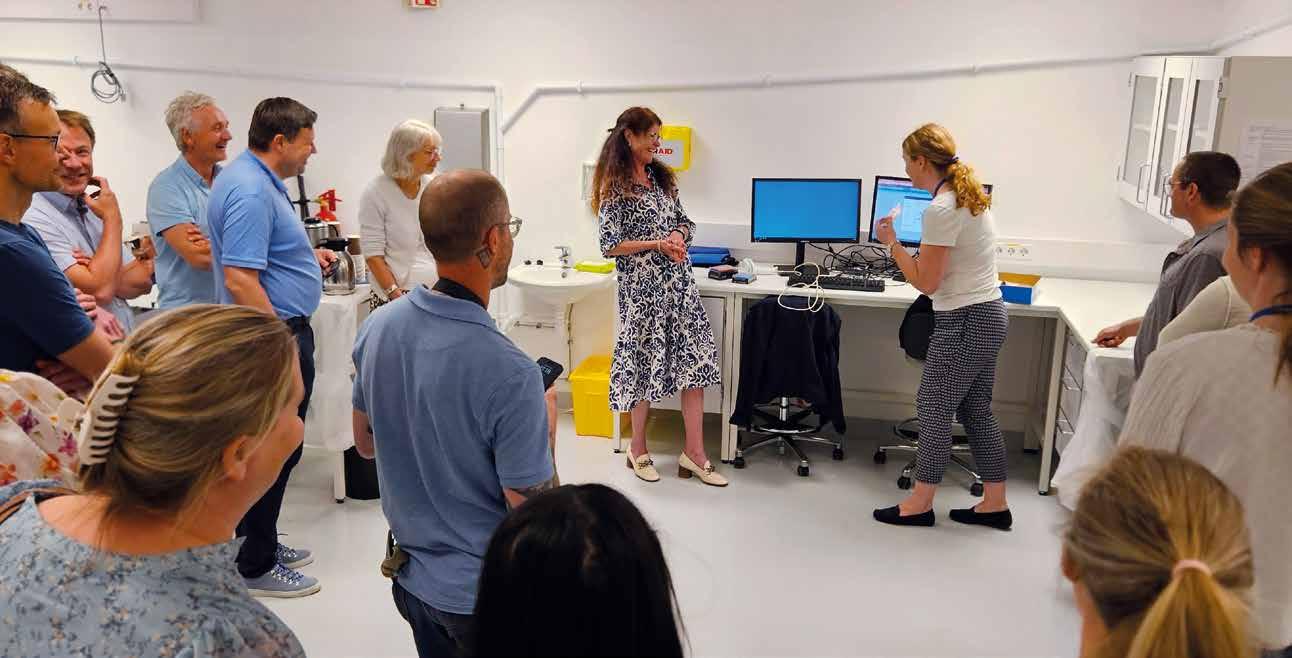
Opening of “Eplehagen”

The new scientific building was officially opened by hospital CEO Kari-Jussie Lønning, providing the research environment with 400 square meters of modern facilities.

MARCH

Internal Research Funding

Diakonhjemmet Hospital’s research fund financed internal PhD positions for the first time, with the START project receiving funding for one PhD position.

APRIL

Outstanding Academic Quality

The Evaluation of Medicine and Health, a national assessment commissioned by the Research Council of Norway, confirmed the REMEDY research environment’s very high international academic quality.

MAY

APRIL

Decentralized Trials

RECONNECT seminar on planning of decentralized studies, addressing planning and digital solutions to make clinical trials more accessible.

Course in Patient Involvement in Research

MAY

Biobank Opening

Official opening of the new state-of-the-art biobank facility, designed for safe storage of biological material, with space for up to 35 ultra freezers.

JUNE

PICASSO Milestone

The PICASSO trial reached the halfway mark in patient recruitment, a significant achievement for the study on hand osteoarthritis.

JUNE

An accredited course in patient involvement in medical and health research was arranged for PhD fellows, researchers, and patient research partners. The course was held in Bergen, with REMEDY as an organizing partner

New PhD on Digital Follow-up

Emil Eirik Kvernberg Thomassen defended his thesis Digital remote follow-up in axial spondyloarthritis

JUNE

EULAR 2025

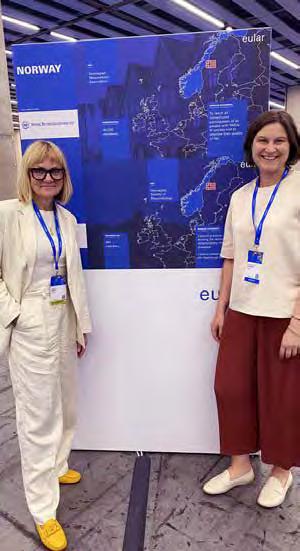
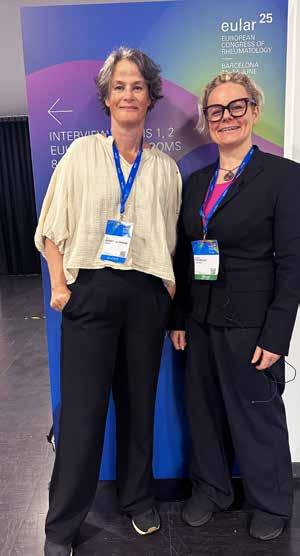
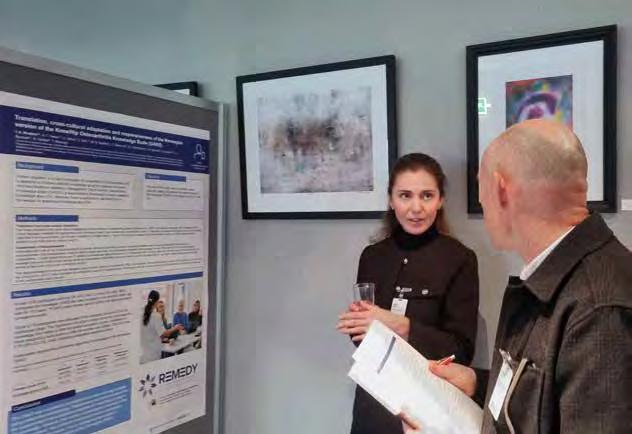
REMEDY was strongly represented at EULAR 2025 in Barcelona. Researchers and patient representatives contributed to lectures, posters, and debates among 14,000 delegates.

JUNE Green Congress

REMEDY was co-organizer of the annual Green Congress for Rheumatology, summarizing highlights from EULAR 2025 within a climate-friendly framework.

JUNE New Global Guidelines for Lung Disease

Professor Hoffmann-Vold co-chaired the ERS/EULAR Clinical Practice Guidelines for CTD-ILD.

AUGUST Cardio-Rheumatology

Seminar on Cardio-Rheumatology: An Unmet Need for Prevention of Cardiovascular Disease, marking Senior Researcher Anne Grete Semb’s partial retirement.

JULY

Innovative Follow-up

AUGUST

Visiting Professor Lecture

Open public lecture by Visiting Professor Désirée van der Heijde on Clinical trials: novel aspects of design, analysis and presentation.

The ReMonit trial was published in Annals of the Rheumatic Diseases, showing remote monitoring or patient-initiated care to be comparable to usual care with outpatient visits, supporting the implementation of novel follow-up strategies for patients with axial spondyloarthritis.

SEPTEMBER

King’s Gold Medal

Marthe K. Brun was honored with H.M. the King’s Gold Medal for her PhD research on biological medicines. Her work has led to new treatment guidelines.

AUGUST

New Treatment Pathway

Publication in The Lancet Rheumatology: “Occupational therapist-led versus rheumatologist-led care in people with hand osteoarthritis in Norway.”

SEPTEMBER

Visiting Professor Lecture

Open public lecture by Visiting Professor Kim Bennell on The future of osteoarthritis treatment.

SEPTEMBER

SEPTEMBER

National strategy meeting on CAR-T and BiTE

REMEDY co-organized the meeting, bringing together stakeholders from industry, hospitals, and academic centers to discuss clinical trials in this novel field.

Research Award

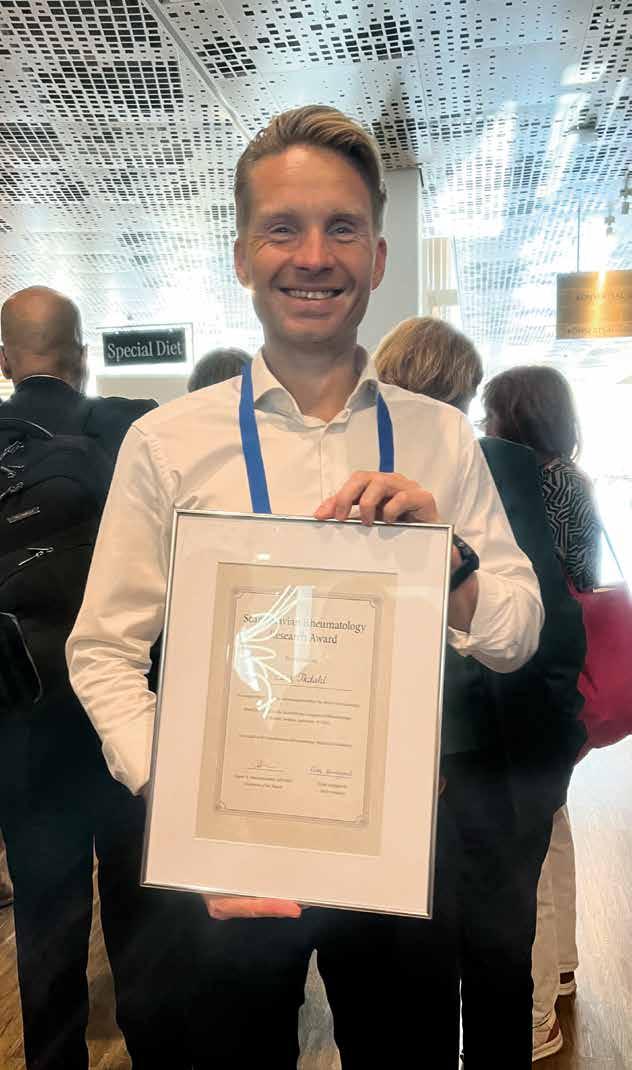
Eirik Ikdahl was honored with the prestigious Scandinavian Rheumatology Research Award for his work on comorbidities in rheumatic diseases.

OCTOBER

SEPTEMBER

New PhD on Chronic Low Back Pain

Elisabeth Gjefsen defended her PhD thesis Chronic low back pain; Modic changes and inflammation

OCTOBER

Orthopedics Award

Mads Sundet received the prize for best free lecture in the Foot and Ankle category at the Norwegian Society for Orthopedic Surgery Annual Meeting.

Immunology Award

Asbjørn Christophersen received the Scandinavian immunology Young Investigator 2025 Award for his research on disease-specific T cells.

SEPTEMBER YRP Seminar

The annual Young Researchers Program seminar was held at Oscarsborg Fortress, gathering early-career researchers for two days of lectures and networking.

SEPTEMBER

Dialogue Seminar

Researchers, professionals, and patients met at Diakonhjemmet to discuss medications and coping strategies.

OCTOBER

A new Diagnostic Test for RA

In collaboration with industry partner Age Labs, we published a paper on a DNA methylationbased algorithm for early diagnosis of rheumatoid arthritis – with promising findings regarding seronegative RA.

OCTOBER

SQUEEZE General Assembly

REMEDY hosted the general assembly for the EU-funded SQUEEZE project in Oslo, gathering over 60 leading researchers from across Europe.

NOVEMBER

MUSS Conference

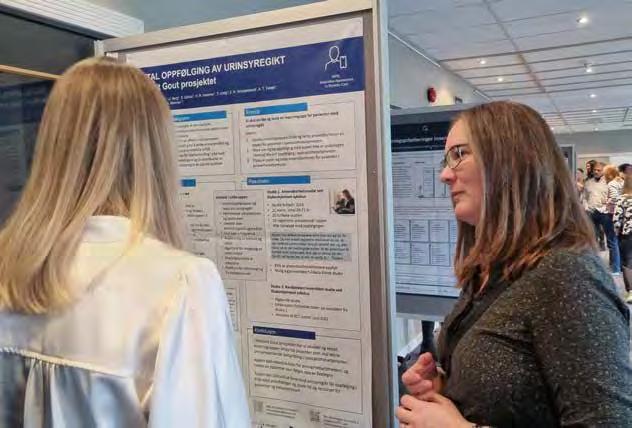
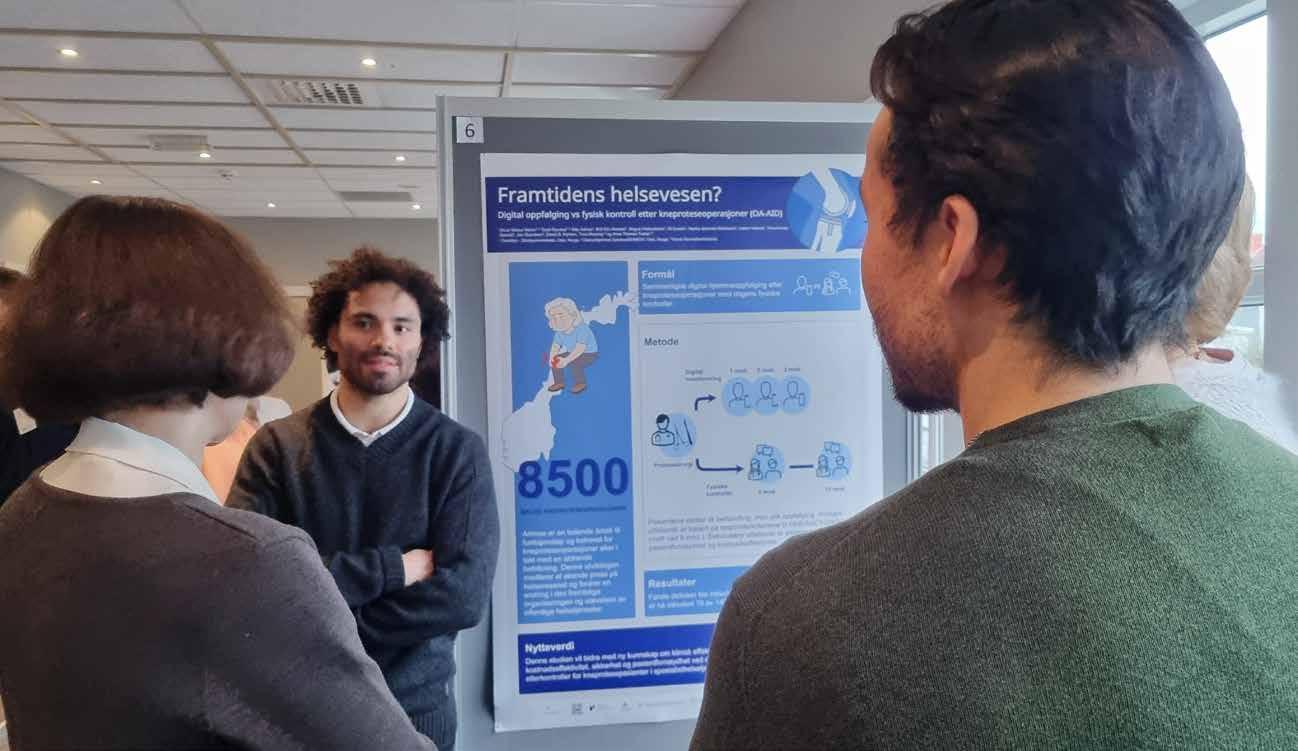
The National Research Conference on Musculoskeletal Health (MUSS), with REMEDY as co-organizer provided a unique arena for networking and sharing experiences. Marius Nøren received the Best Poster Award.

NOVEMBER

Best Abstract

Anna-Birgitte Aga received the Best Abstract Award and Vilde Øverlien Dåstøl the Best Poster Award at the annual meeting of the Norwegian Society of Rheumatology.

NOVEMBER

New Funding

Two projects received funding from the DAM Foundation, and three projects received support from the Norwegian Rheumatism Association Research Fund.

NOVEMBER

Patient Research

Priorities

A joint publication by patient research partners and REMEDY researchers: Mapping the future: identifying research priorities in rheumatoid arthritis with the James Lind Alliance approach.

NOVEMBER

New PhD on Early RA

Anne Rydland defended her PhD thesis Extracellular vesicles and their protein cargo in early rheumatoid arthritis and response to methotrexate treatment

DECEMBER

New Professor

Professor Ida K. Bos-Haugen was inaugurated, strengthening the center’s research focus on osteoarthritis.

DECEMBER

Funding from South-Eastern Norway Regional Health Authority

Nine projects within REMEDY were awarded more than NOK 50 million for the coming years, a significant achievement in competition for regional research funds.

Principal Investigators’

Perspectives

PI Perspectives: Anna-Maria Hoffmann-Vold

Home-Based Monitoring of Interstitial Lung Disease – Earlier Signals, Faster Action

Interstitial lung disease (ILD) is one of the most serious complications of systemic rheumatic diseases. In many patients, significant lung damage has already occurred by the time clear symptoms appear. ILD progression can be slow in many patients, but rapid and unpredictable in others. This variability makes early detection of progressive disease and close follow-up essential.

The mILDer-RMD project explores whether home-based digital monitoring can detect ILD progression earlier than conventional hospital follow-up and support more timely, personalized disease management. The project is led by Anna-Maria Hoffmann-Vold, MD, PhD, professor of rheumatology at University of Zurich and senior consultant at Oslo University Hospital.

“Earlier detection may allow for more targeted management, fewer unnecessary hospital visits and better use of specialist healthcare resources,” Hoffmann-Vold says.

Why ILD Requires Close Monitoring

ILD is characterised by inflammation and fibrosis of lung tissue, leading to structural damage and impaired oxygen uptake. Typical symptoms include increasing shortness of breath, dry cough

and reduced exercise tolerance, but many patients have few or no symptoms in early stages.

Once fibrosis is established, lung damage is largely irreversible, making timely treatment decisions critical. Conventional hospital follow-up every six to twelve months may be too infrequent for a condition that can progress rapidly in some patients.

From Clinical Challenges to Research Innovation

Throughout her career, Hoffmann-Vold has combined clinical practice with translational research and international collaboration. Born and educated in Berlin, she moved to Norway in 2001 and began her clinical career in internal medicine at Larvik Hospital, before specialising in rheumatology at Rikshospitalet/Oslo University Hospital.

She completed her PhD in rheumatology in 2014, followed by two postdoctoral positions, including work in the Belperio laboratory at UCLA. This experience at the interface of rheumatology, immunology and pulmonary medicine has shaped a long-term research focus on ILD.

The development of digital, home-based monitoring solutions emerged directly from clinical needs: identifying deterioration earlier, before permanent functional loss occurs.

Home-based Monitoring

In mILDer-RMD, patients are followed at home using a structured digital monitoring programme. Every other week, patients measure lung function with a Bluetooth-enabled spirometer, perform a one-minute sit-to-stand test with oxygen saturation measurement, record body temperature, report symptoms through tailored questionnaires and take

blood samples at home. Data are transmitted to the dedicated digital platform, Zeen, developed for the study, enabling algorithm-based monitoring and clinical follow-up when predefined thresholds are exceeded.

“The aim is to detect progression early –ideally before patients themselves experience symptoms,” Hoffmann-Vold says.

Broad Recruitment and Patient Safety

Patients are recruited through both established registries and routine clinical care. To date, 90 of 120 eligible patients have been included. The study is supported by a dedicated clinical team, including rheumatology specialist and PhD fellow Emily Langballe and study nurse Mona-Lovise Talaro Ramsli. Participants receive thorough training before starting home monitoring, all devices

are CE-marked, and alert thresholds are individually adapted.

Clinical Impact and Future Perspectives

If successful, the project may inform new follow-up models for patients with ILD and rheumatic disease, where monitoring intensity is tailored to individual risk and disease course. REMEDY provides the scientific and strategic framework for the project, supporting methodological development, collaboration and implementation of results into clinical practice.

“The ambition is for home-based monitoring to become part of routine care for selected patients with ILD and rheumatic disease – supporting earlier intervention, better patient experience and more targeted use of specialist healthcare resources”, Hoffmann-Vold explains.

Earlier detection may allow for more targeted management, fewer unnecessary hospital visits and better use of specialist healthcare resources.

Read more

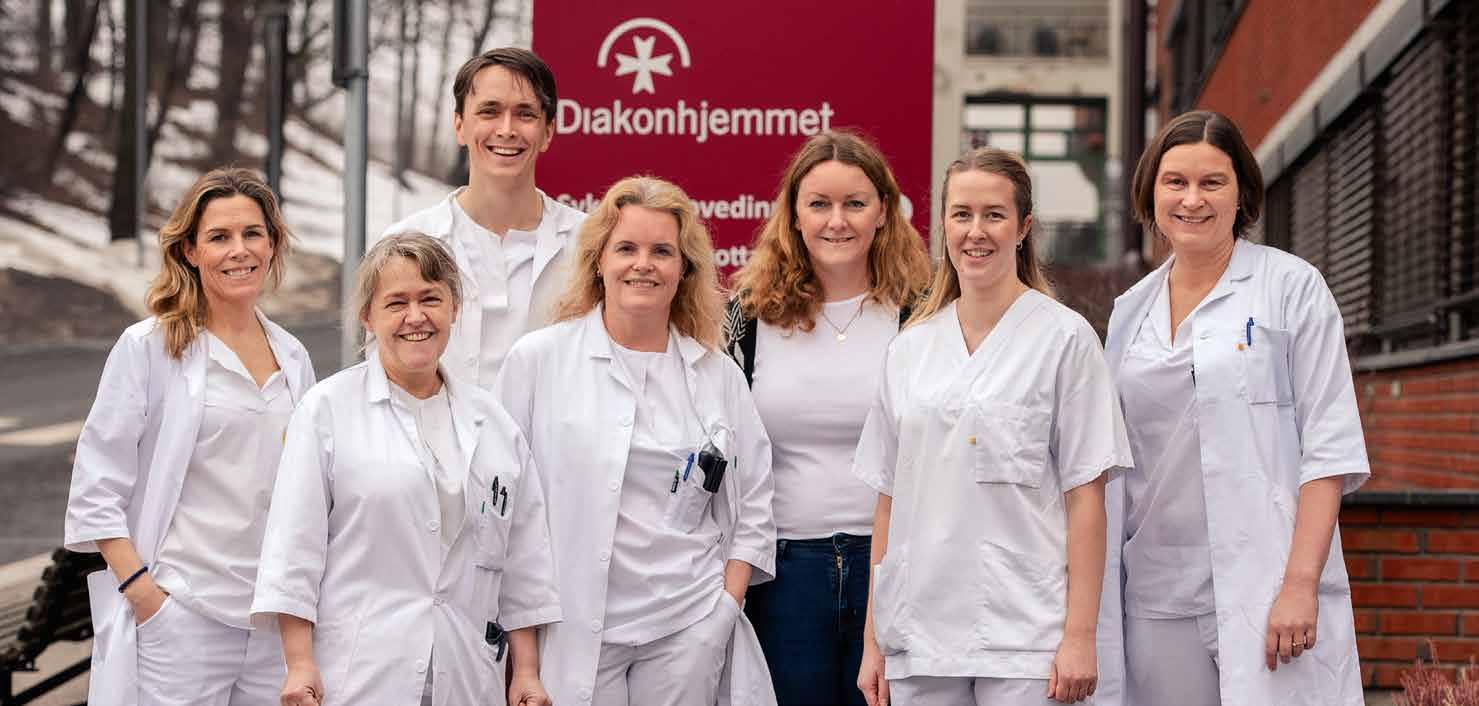
Members of the Nor-FIORD research group. From left: Phuong Phuong Diep, Emily Violette Eng Langballe, Hilde Jenssen Bjørkekjær, Imon Shoumitra Barua, Maylen Nordgård Carstens, Mona-Lovise Talaro Ramsli, Øyvind Molberg, Anna-Maria Hoffmann-Vold, Øyvind Midtvedt, Henriette Didriksen, Ragnar Gunnarsson, Håvard Fretheim and Helena Andersson. Photo: Øystein Horgmo, UiO.

Mads Sundet

Testing A New Surgical Approach for Hip Fractures

A hip fracture can change an older person’s life in a moment. Mobility is reduced, independence is often lost. For consultant orthopedic surgeon and postdoctoral researcher Mads Sundet at Diakonhjemmet Hospital, this reality is the reason behind the HIFSAT trial. The study investigates whether a newer way of operating can improve outcomes for one of the most fragile patient groups.

“Many frail older people fracture their hips. We must be sure we are using the best surgical method when treating these patients,” Sundet says.

From Clinical Work to Research – And Back Again

His path into orthopedics began in Tromsø, where he completed medical school in 2003. Six years in Hammerfest shaped his early clinical career before further specialization at Oslo University Hospital, Ullevål, and Martina Hansens Hospital.

Research followed him throughout. As a student, he worked with the Tromsø Mine Victim Resource Center, and later with orthopedic surgeon Sven Young in Malawi. These experiences led to a PhD on traffic injuries, completed in 2022.

Research

Shaped by Practice and Experience

Today, his research focuses on hip fractures, supported by REMEDY and mentor Siri Lillegraven.

Sundet splits his week between operating room, outpatient clinic and research. “Clinical work gives me new questions, and research lets me test whether our routines actually work.”

HIFSAT grew directly out of this combination of practice and inquiry.

Two

Surgical Methods – One Unanswered Question

The study compares two surgical approaches when someone has a femoral neck fracture. The traditional method opens the hip from the side and requires moving a strong hip muscle. It is well tested and recommended in international guidelines.

The newer SPAIRE approach avoids disturbing these muscles as far as possible. It may give less pain and weakness but has not yet been studied with strong scientific methods – despite rapid implementation in Norway. HIFSAT aims to fill that gap.

How the HIFSAT Trial Is Conducted

Patients over 50 who need hemiarthroplasty at one of the three study hospitals are invited to participate. Those who consent – or whose relatives consent on their behalf – are randomly assigned to either the traditional or the SPAIRE method. They are followed through clinical assessments, functional tests, and questionnaires.

What Matters Most in Everyday Life After Surgery

The study measures pain, function, and limping using the Harris Hip Score, as well as length of stay, quality of life and

physical performance through the Short Physical Performance Battery. “We want to see who actually manages best in their daily life, not just who walks first after surgery,” Sundet says.

Collaboration Across Hospitals and Disciplines

HIFSAT is a collaboration between Diakonhjemmet Hospital, Akershus University Hospital (Ahus) and Oslo University Hospital (Ullevål). “Ahus and Ullevål are leading centers for randomized hip fracture studies. Being part of that environment raises the quality of our work.”

REMEDY as a Driver of Clinical Research

The REMEDY Center provides essential expertise.

“Without REMEDY, busy clinicians like us could not have planned or carried out

a study of this size. The center gives us the methods, support and infrastructure we need,” Sundet explains.

The data will strengthen future research across geriatrics, physiotherapy, nutrition, and nursing at Diakonhjemmet Hospital.

Findings That May Shape Future Guidelines

Sundet believes the findings will matter regardless of outcome. “If the two methods are equally good, hospitals can continue with the approach they know. But if SPAIRE proves better, it may change international guidelines and become the preferred technique,” he says.

For Sundet, the aim is clear: better documentation, better decisions – and better futures for patients facing one of the most life-changing injuries of old age.

Clinical work gives me new questions, and research lets me test whether our routines actually work.
Read more
Some of the researchers involved in the HIFSAT Trial; Haldor Valland, Maren Paus, Siri Lillegraven, Mads Sundet, Ulf Sundin.

PI Perspectives: Siri Lillegraven

Early and Precise Treatment in Psoriatic Arthritis

What provides the best early treatment for patients with psoriatic arthritis? This is the key question in NOR-SPRINT, a national clinical trial led by Siri Lillegraven at Diakonhjemmet Hospital.

The study investigates whether the use of magnetic resonance imaging (MRI) and ultrasound in the follow-up of patients with psoriatic arthritis leads to better disease control than standard clinical assessment alone. Participants have recently been diagnosed and are starting their first disease-modifying treatment, aiming for control of inflammation and excellent long-term patient outcomes.

“When we started the NOR-SPRINT trial, the main question was whether improved understanding of where inflammation is located in the individual patient would lead to better treatment outcomes,” says Lillegraven.

A Central Role in Clinical Research

Siri Lillegraven is Head of the Unit for Clinical Research at Diakonhjemmet Hospital, and Vice Director of the REMEDY research center. She has extensive experience with large treatment trials in rheumatology and orthopedics and has played a key role in developing investigator-initiated clinical studies in this field in Norway.

Her interest in randomized controlled trials was strongly influenced by the ARCTIC study, a clinical trial in early rheumatoid arthritis that demonstrated how clinical research can change practice and generate long-lasting scientific value.

“Fifteen years after ARCTIC started, we are still publishing new results with clinical impact,” she says.

From Clinical Practice to Clinical Trials

Lillegraven began her research career working on observational studies before becoming involved in intervention trials. During her PhD, she spent two years in the United States working with Professor Daniel H. Solomon and his research group in Boston, and studying at Harvard School of Public Health.

The stay provided training in study design, methodology and statistics, and shaped her later work with large randomized controlled trials. Collaboration with international partners has continued after her return to Norway.

Why NOR-SPRINT?

Psoriatic arthritis can affect joints, entheses, skin, nails, sacroiliac joints and spine. Disease presentation varies widely between patients. This can make the disease challenging to assess through clinical examination alone.

The main aim of NOR-SPRINT is to determine whether more precise information about the location of inflammation improves treatment decisions. MRI and ultrasound can detect inflammation not always identified clinically, but are timeand resource-intensive.

“It is essential to clarify whether imaging actually improves patient outcomes,” Lillegraven says.

Study Design and Follow-up

NOR-SPRINT include patients with psoriatic arthritis who are starting their first disease-modifying treatment. Patients are followed for two years with twelve scheduled visits. Treatment is adjusted if predefined targets are not met, with the goal of achieving very good disease control as early as possible.

It is essential to clarify whether imaging actually improves patient outcomes.

Participants receive close follow-up, which can be demanding but also reassuring. “We are very grateful to all patients who take part in the study,” says Lillegraven.

Two Follow-up Strategies

All patients follow a structured treatment algorithm. In one group, physicians also receive systematic input from MRI and ultrasound. In this group, absence of inflammation on ultrasound is an additional treatment target.

Whether this approach leads to better long-term disease control is a central question in the study. Many patients find ultrasound motivating, as they can see inflammation decrease as treatment becomes effective.

A

Large Study Relying on National Collaboration

NOR-SPRINT is conducted at twelve hospitals across Norway, ensuring sufficient recruitment and broad relevance. The study requires close collaboration between rheumatologists, radiologists, laboratories and research staff.

NOR-SPRINT is a large effort within REMEDY. Three PhD fellows are now associated with NOR-SPRINT; Even Lillejordet, Linde Steenvoorden and Sveinung Hoel. “These PhD fellows are talented young researchers, and they are central in the conduct of NOR-SPRINT. We are now entering a new phase of the trial, with analysis of initial baseline data, which is exciting,” says Lillegraven.

Some of the researchers involved in NOR-SPRINT: Linde Steeenvoorden (PhD fellow), Sveinung Hoel (PhD fellow), Siri Lillegraven (PI), Fredrik Korssjøen Storløkken (coordinator), Even Lillejordet (PhD fellow).

Broader Impact

Experience from rheumatoid arthritis shows that early, targeted treatment can lead to excellent outcomes. For psoriatic arthritis, important questions remain, but the potential for improvement is substantial.

The aim of NOR-SPRINT is to provide knowledge that can support more precise treatment and inform future clinical recommendations, nationally and internationally. Both positive and negative findings are valuable, as they help guide effective and efficient patient care.

Read more

Understanding Joint Inflammation from the START PI Perspectives: Silje Watterdal Syversen

Referred to a rheumatologist with swollen joints, patients want to understand what is happening and how it will impact their lives in the long run. For rheumatologist and senior researcher Silje Watterdal Syversen, these questions have been a driving force throughout her career.

She now leads the START study, following patients with early-onset joint inflammation within weeks of their first symptoms.

“The study includes all forms of acute arthritis, including joint inflammation triggered by infections elsewhere in the body. These patient groups have often been excluded from previous research,” Syversen explains.

From Clinical Frustration to Research Questions

“Early in my clinical career, I was often frustrated by not being able to give patients a clear answer about what lay ahead,” she says.

“We know that early and appropriate treatment can be crucial for patient outcomes, but we still lack sufficient knowledge to confidently identify who needs rapid intervention – and who does not.”

Syversen started her clinical career at Diakonhjemmet Hospital in 2002. Although she originally planned to pursue internal medicine, coincidences brought her into rheumatology after internship. “But there is no coincidence that I chose to stay in the field,” she says.

Encounters with patients with long-lasting and unclear joint complaints gradually sparked her interest in research.

Rheumatology as a Turning Point

“I found it unsatisfactory not being able to explain why the disease developed so differently from one patient to another.”

Her doctoral work focused on biomarkers in rheumatoid arthritis – biological characteristics found, for example, in blood or synovial fluid. Since then, her work has remained at the intersection of clinical practice and biology, guided by a clear ambition: research must be relevant to patients and applicable in everyday clinical care.

Bridging the Gap Between Biology and the Patient Encounter

“There is a gap in knowledge between what is biologically going on in the joint and what we use in the management of patients. Much of my research aims to bridge that gap.”

This perspective has shaped her work on therapeutic drug monitoring and her leadership of large clinical trials such as NOR-DRUM and RA-DRUM. These

experiences have been decisive in the design of the START study.

“Complex studies only succeed if they work in real-life clinical settings. If they become too complicated or too far removed from everyday practice, the risk is that the results will never be useful.”

START: Following Patients

Before the Diagnosis Is Clear

Patients with a variety of joint inflammation at a very early stage are followed for one year with thorough clinical examinations, imaging and systematic collection of biological samples, including blood, synovial fluid, synovial tissue and stool samples. “That is what makes START unique”.

“Our aim is to identify early markers that can predict who will develop chronic inflammatory joint disease – and who will not.”

From Samples to Knowledge – And Reassurance

“Most of what we collect is already part of standard diagnostic work-up. The difference is that we systematize the samples and use them to generate knowledge,” Syversen says.

START is one of the studies within REMEDY and lies at the intersection of precision medicine and treatment research. For Syversen, REMEDY has been essential in enabling long-term and ambitious thinking.

REMEDY Center as a Driver of Ambitious Clinical Research

“REMEDY provides a framework where clinical researchers and basic scientists can plan together from the outset, facilitated by biobank infrastructure and research support.”

The center is also an important arena for the recruitment of new researchers. PhD fellows and postdoctoral researchers are given clearly defined roles and close supervision.

Teamwork and the Future of Rheumatology

“Large studies are never solo projects. They depend on teamwork, trust and shared goals – and on building competence for the future.” In START, data collection takes place in parallel with patients receiving high-quality treatment and follow-up and close collaboration between the project team and the

clinical environment has been crucial. Syversen also wishes to commend her clinical colleagues for how quickly this complex study has been successfully launched.

Today, Silje Watterdal Syversen combines her role as a consultant rheumatologist with positions as senior researcher, research leader within REMEDY, and a leadership role in the Norwegian Society of Rheumatology.

From Uncertainty to Knowledge-Based Action

“Clinical practice provides the questions, research provides the answers and leadership is about translating knowledge into practice.”

Looking ten years ahead, Syversen hopes START will have contributed to a clear shift in management of patients with new-onset arthritis.

“I hope we have moved from uncertain waiting to knowledge-based action –with faster clarification, more targeted treatment and greater reassurance for patients, right from the start.”

I hope we have moved from uncertain waiting to knowledgebased action – with faster clarification, more targeted treatment and greater reassurance for patients, right from the start.
Read more
Some of the contributors to START are Marthe Schrumpf Heiberg, Guro Løvik Goll, Erlend Holm-Nordli, Maria Dahl Mjaavatten, Katrine Nergård Bjerkan, and Julie Røkke Osen, with Silje Watterdal Syversen as project lead.

PI Perspectives: Øyvind Molberg

CAR-T in Rheumatology: Towards a New Treatment Paradigm

Over the past decades, treatment outcomes for patients with severe autoimmune diseases have improved substantially. Still, some patients fail to achieve long-term remission, despite advanced therapies. It is in this clinical gap that interest in CAR-T therapy within rheumatology has emerged.

Unmet Needs in Severe Autoimmune Disease

“Although many of our most severely ill patients do relatively well, I have never before seen anyone achieve lasting remission after a single treatment,” says Professor and rheumatologist Øyvind Molberg at Oslo University Hospital.

“CAR-T represents something fundamentally new – potentially transformative for both researchers and clinicians.”

In CAR-T therapy, a patient’s own T cells are changed to target and eliminate specific immune cells, most often B cells. These cells are involved in several autoimmune diseases. The treatment aims to remove the cells that drive harmful immune reactions more precisely than existing options.

Originally developed for hematological malignancies, CAR-T therapy has in recent years shown encouraging results in selected autoimmune diseases. In Norway, clinical and research initiatives in this field are now underway.

From Immunology to Clinical Innovation

For Molberg, the engagement in CAR-T represents a return to his earlier work in human cellular immunology, following many years focused on clinical rheumatology research. The strongest motivation, however, comes from clinical practice and the need to offer new options to patients with life-threatening disease that cannot be adequately controlled with current therapies.

The Study That Changed the Field

A decisive turning point came in 2022, when a study published in Nature Medicine described the safety, clinical, and biological effects of a single infusion of autologous CD19 CAR-T cells in five patients with severe, refractory systemic lupus erythematosus.

“That study convinced me that the potential is real,” he says. For the first time, sustained disease remission was documented in patients who had previously shown no response to available treatments.

Building a Norwegian CAR-T Initiative

At Oslo University Hospital, an industry-sponsored study in patients with lupus nephritis is currently underway, and a corresponding study in ANCAassociated vasculitis is being planned. In parallel, work is ongoing on an investigator-initiated study using locally manufactured CAR-T cells.

“Our primary goal is to establish a multidisciplinary academic environment with both clinical and research expertise in advanced cell therapy for autoimmune diseases,” he explains. The ambition is to complement, not compete with, industry-led studies by addressing research questions that are difficult to explore in large commercial trials.

Which Patients May Benefit First

At present, younger patients with severe, refractory systemic lupus appear to derive the greatest benefit from CD19 CAR-T therapy. Promising effects have also been observed in selected patients with severe forms of systemic sclerosis, myositis and possibly rheumatoid

arthritis. Like many other rheumatologists, Molberg expects that CAR-T may eventually be introduced earlier in the treatment course for patients with severe disease and poor prognosis.

Balancing Scientific Promise and Caution

At the same time, expectations must remain realistic. “The number of patients treated so far is small, long-term safety data are lacking, and we do not yet know whether simpler forms of B-cell–depleting therapy could achieve similar effects.”

Before large efficacy studies can be undertaken, Norwegian research must first demonstrate feasibility: the ability to produce autologous CD19 CAR-T cells of sufficient quality and to deliver the full treatment safely and responsibly.

Norway has strong immunology environments, extensive CAR-T experience from oncology, and a rheumatology community with solid expertise in long-term follow-up.

Molberg notes a lack of a clear signal from Health Authorities that national efforts in CAR-T and other advanced therapies should extend beyond cancer to include severe autoimmune diseases.

Looking 10–15 years ahead, he hopes that increased knowledge of the role of B cells in autoimmune disease will enable more precise and tailored treatment strategies.

While CAR-T currently represents the most powerful B-cell–targeted approach available, Molberg emphasizes that this may not necessarily be the case in the future.

Our primary goal is to establish a multidisciplinary academic environment with both clinical and research expertise in advanced cell therapy for autoimmune diseases.

Read more

Participants at the national strategy meeting on CAR-T cell therapy and bispecific antibodies (BiTE) in rheumatology, discussing how collaborative efforts can prepare Norway for future clinical studies. From left: Espen A. Haavardsholm, Silje Watterdal Syversen, Øyvind Molberg og Jens Vikse. Photo: Eline Feiring.

PI Perspectives: Anne Therese Tveter

Digital Health with a Clinical Purpose

As project lead for several digital health studies, professor and physiotherapist Anne Therese Tveter approaches digital innovation with a clear principle: digital solutions do not, in themselves, lead to better care. To become part of clinical practice, they must be driven by clinical needs and supported by robust research.

“Digitalisation alone does not improve treatment,” she says. “Our aim is to investigate whether patients can be monitored in new ways that are just as safe and effective as current practice –and potentially more cost-efficient. Only then can such approaches become a meaningful part of clinical care.”

From a health service perspective, Tveter notes that digital follow-up may help relieve pressure on services – but only when its safety and effectiveness are clearly documented.

When Clinical Needs Shape Digital Innovation

Tveter’s interest in research was shaped early by a curiosity about patterns, outcomes and improvement, first developed through systematic analysis of training data as a young athlete. Following her physiotherapy education, this interest evolved into a research career focused on the interface between clinical practice and systematic investigation.

After completing her doctoral work, she joined the research environment at Diakonhjemmet Hospital, where she now is co-lead of two work packages and the vice director of the REMEDY Center, and where two of her research tracks gradually have converged: osteoarthris and digital follow-up.

OA-AID: Digital Support

One of the projects Tveter leads is OA-AID, which examines how digital follow-up can be used at different stages of the care pathway for patients with knee osteoarthritis. The project builds on experience from earlier digital interventions, including research in hand osteoarthritis.

“We saw how valuable it was for patients with hand osteoarthritis to have access to knowledge and exercise programmes in a digital format,” Tveter explains. “This experience led us to ask whether similar support could be useful for patients with knee osteoarthritis.”

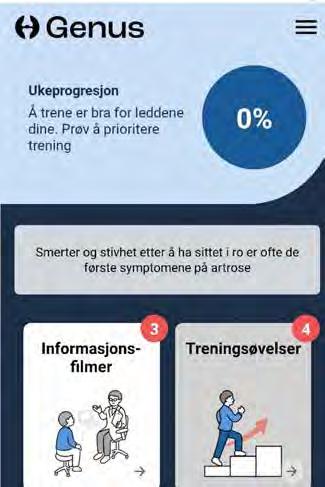
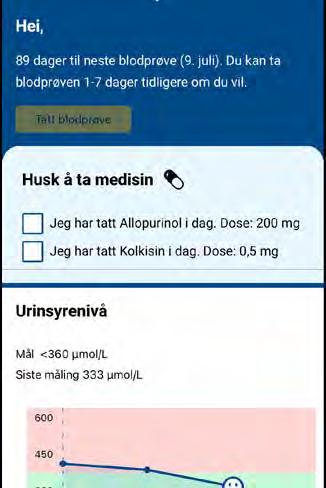
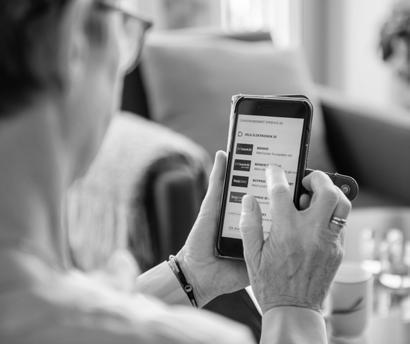
This resulted in the development of Genus, a digital information and selfmanagement app accessed by patients prior to their first hospital consultation. The aim of this OA-AID sub-study is to better prepare patients for specialist care through structured information, exercises and questionnaires.

Additionally, clinicians get access to patient-reported information before the consultation, supporting more focused dialogue and informed treatment decisions. The app has been tested in a feasibility study with positive results, and is currently being evaluated in a randomized controlled trial with 225 participants.

Digital Follow-up After Surgery

Another OA-AID sub-study focuses on digital follow-up after knee replacement surgery, comparing standard in-person follow-up with digital monitoring over a one-year period.

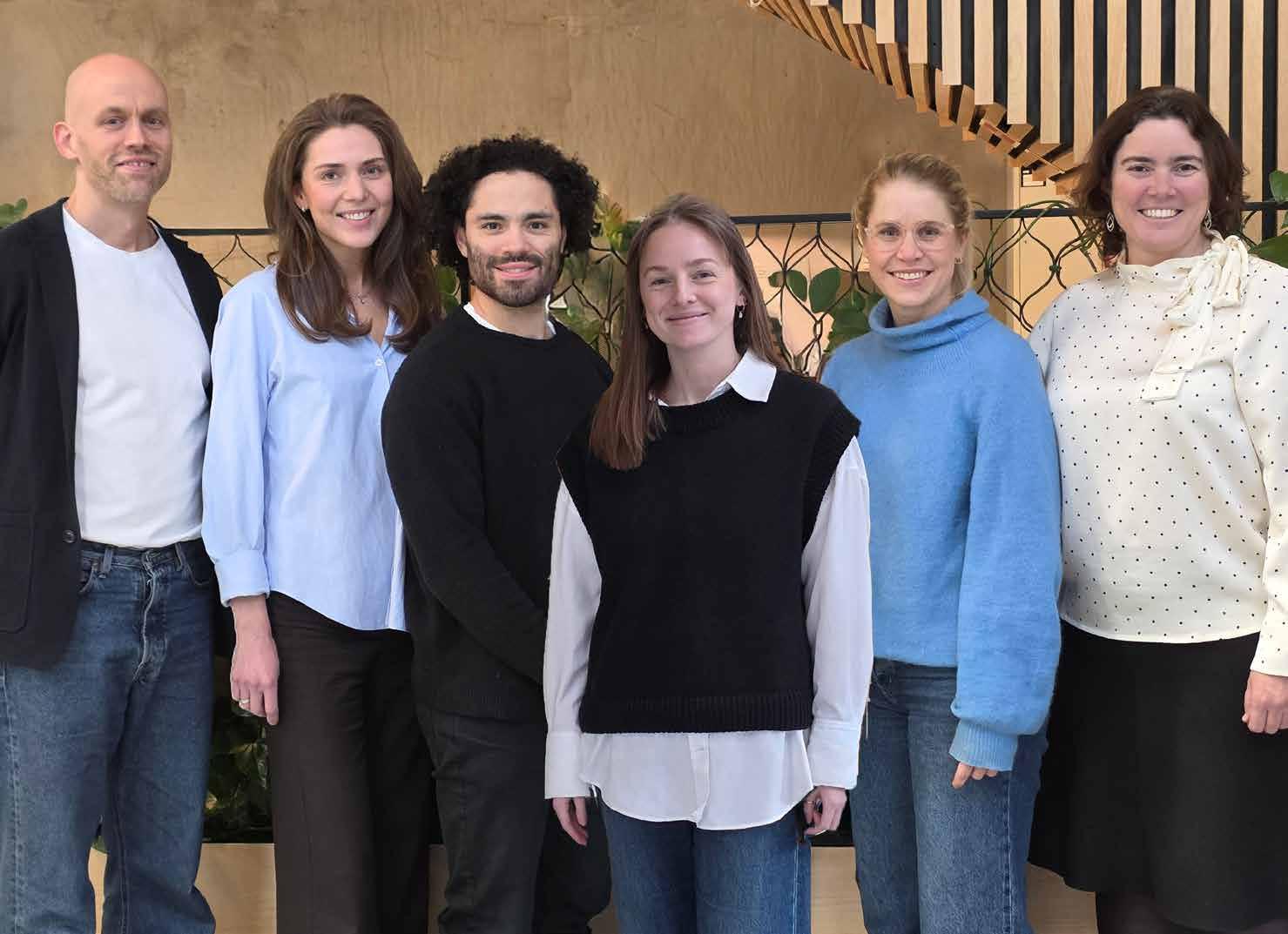
Postdoctoral researcher Tarjei Rysstad, PhD fellows Ingrid Kismul Nordmo and Marius Nøren, and research coordinator Silje Søhus are central to the conduct of the studies in the OA-AID project together with supervisors and project leaders Tuva Moseng and Anne Therese Tveter. Supervisor Ulf Sundin was not present in the picture. Photo: Kathrine Daniloff.

Patients in the digital follow-up group complete regular questionnaires and are invited for hospital consultations only if recovery does not progress as expected. In total, 140 patients will be included in this study.

“Our objective is to determine whether digital follow-up can be as safe and effective as current practice,” Tveter says. “If patients are doing well, routine hospital visits may be unnecessary. Specialist resources should be reserved for those who truly need them.”

Evidence Before Implementation

User involvement has been an integral part of the OA-AID project, with patient representatives contributing to both the content of the Genus app and the selection of outcomes considered most relevant after treatment.

Looking ahead, Tveter hopes the project will contribute to more sustainable and evidence-based osteoarthritis care.

“Five to ten years from now, I hope we will have helped change how osteoarthritis treatment is organized – placing greater emphasis on self-management, patient involvement and more appropriate use of specialist health services.”

Our aim is to investigate whether patients can be monitored in new ways that are just as safe and effective as current practice – and potentially more cost-efficient.

Read more

Passing on a Legacy

Hilde Berner Hammer, Anne Grete Semb, and Hanne Dagfinrud have all reached retirement age and are gradually stepping down after long and distinguished careers.

Hilde Berner Hammer is a senior researcher in rheumatology, and professor at the University of Oslo. She is a pioneer in ultrasound and pain research within rheumatology.

Anne Grete Semb combines cardiology and rheumatology in her role as senior consultant and senior researcher. She founded and led the Preventive CardioRheuma Clinic – and was probably the first cardiologist working full time in a rheumatology department.

Hanne Dagfinrud is a physiotherapist, senior researcher, and professor at the University of Oslo. She has dedicated her career to developing exercise and rehabilitation as treatment for rheumatic diseases.

Hanne Dagfinrud
Hilde Berner Hammer and Anne Grete Semb
Both photos: Kathrine Daniloff

Hanne Dagfinrud

– A Pioneer in Exercise Medicine

Senior researcher Hanne Dagfinrud has been a driving force in integrating physiotherapy and rehabilitation as essential components of modern rheumatology care.

At Diakonhjemmet Hospital and as Professor II at the University of Oslo, she has led pioneering studies showing how exercise benefits patients with inflammatory joint diseases.

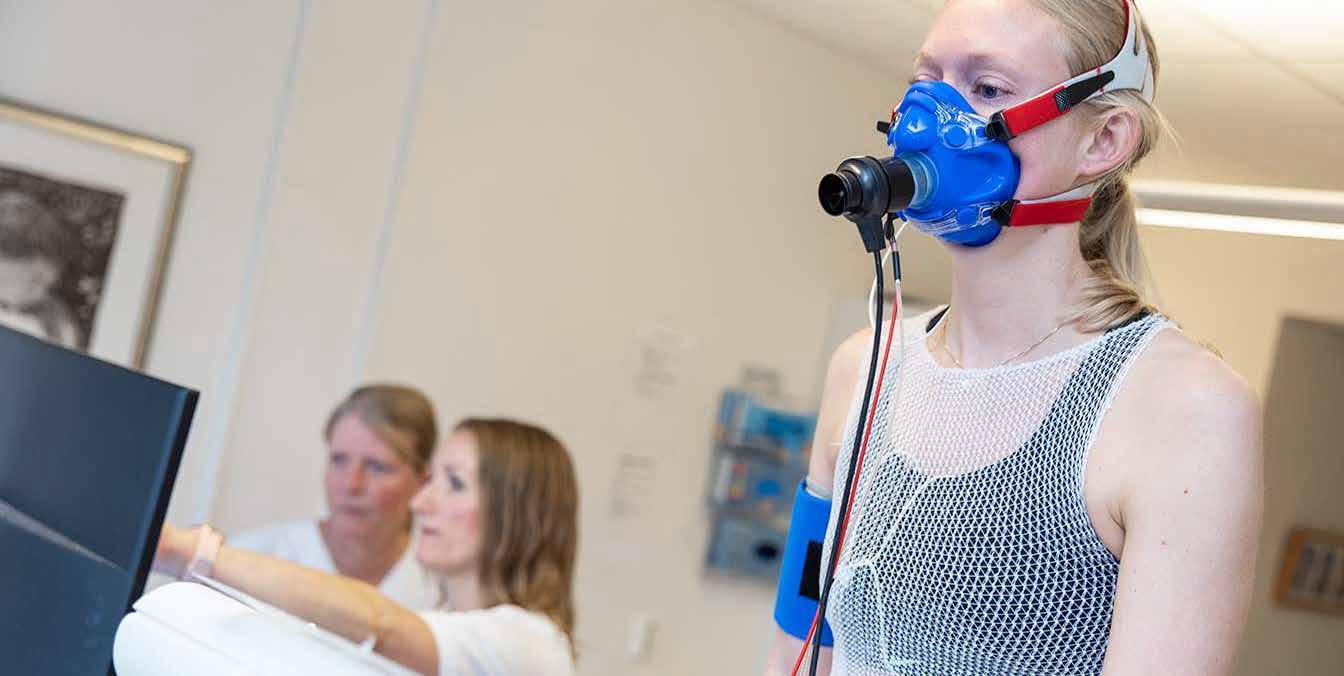
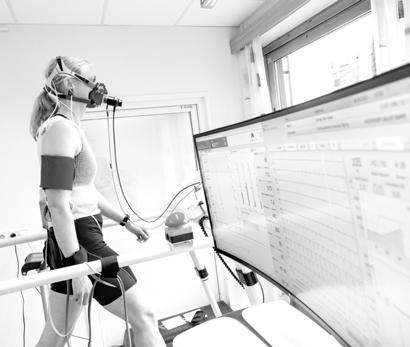
Her research has helped establish exercise as an evidence-based part of treatment. The hospital’s advanced CardioPulmonary Exercise Testing (CPET) laboratory for testing physical capacity is also largely thanks to her efforts.

What made you move from clinical work to research?

“I worked as a clinician for 20 years with both rheumatic patients and elite athletes. Those experiences sparked my curiosity about how exercise works and how treatment could be made more targeted”.

How can exercise actually act as medicine?

“We’ve shown that high-intensity exercise reduces disease activity, pain and fatigue in people with active dis-

ease – even those already on effective medication. We have also demonstrated that such training is effective, safe and feasible when performed under proper guidance”.

What impact has your research had on clinical practice?

“Our findings strengthened the scientific basis for including exercise in national and international treatment guidelines”.

“High-intensity training is not only effective but also manageable. Participants have been highly motivated and report lasting benefits”.

Why has collaboration been crucial to your results?

“Understanding the biological mechanisms behind exercise has required collaboration across disciplines. In the ESpA and ExeHeart studies, we worked closely with rheumatologists and cardiologists – a collaboration that made our results stronger”.

“The CPET lab is a cornerstone for both clinical work and research, reinforcing Diakonhjemmet’s leading position in evidence-based rheumatology”.

What do you see as the next big challenges?

“The healthcare system faces major resource challenges. This makes selfmanagement, physical activity and tailored rehabilitation more important than ever”.

What advice would you give to the next generation – and to policymakers?

“Pushing the boundaries of one’s field and working across disciplines are what drive progress”.

“For sustainable healthcare, authorities should invest in effective, evidence-based strategies for self-management and physical activity”.

Hilde Berner  Hammer

– Leading the Way in Ultrasound and Precision Medicine

Hilde Berner Hammer has played a key role in shaping modern rheumatology in Norway. As senior consultant at Diakonhjemmet Hospital and Professor II at the University of Oslo, she has left a lasting mark on research, education, and clinical practice.

Internationally, she is recognized as one of the world’s foremost experts on ultrasound in rheumatology and has led landmark projects such as NORCACTUS and precision medicine studies at the REMEDY research center.

How did ultrasound become such a central part of your career?

“Early in my medical training, I saw how radiologists used ultrasound to visualize pathology and thought the same could transform rheumatology. When I started working at Diakonhjemmet Hospital, I began scanning my own joints. Understanding what I saw took time, but I quickly realized the enormous potential for detecting disease“.

What marked the real breakthrough?

“There was no single turning point –progress came through persistence and daily experience. At first, many senior colleagues saw ultrasound as unnecessary, convinced clinical examination was enough. But I wanted more precision and consistency. Over time, ultrasound

became a natural part of rheumatology, and today most Norwegian rheumatologists use it routinely. I believe our level of expertise is among the best worldwide“.

Which studies stand out for you?

“Following arthritis patients with ultrasound during biological treatment provided invaluable insight. A later study on gout showed how urate deposits disappeared with proper therapy – motivating patients to continue treatment.

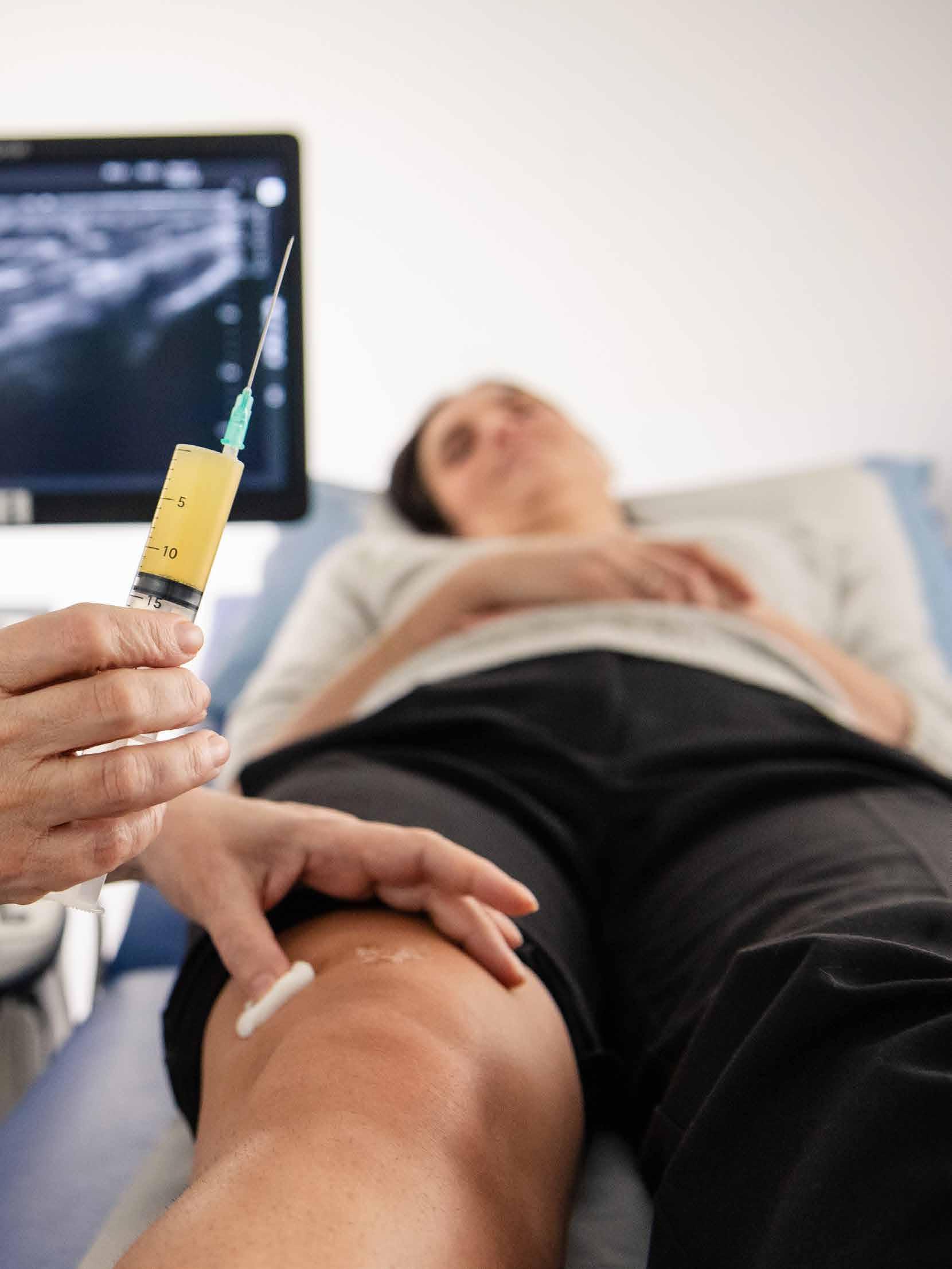
The ongoing NOR-CACTUS trial, comparing ultrasound-guided injections with surgery for carpal tunnel syndrome, also shows the strength of collaboration between rheumatologists and orthopedic surgeons“.

How has REMEDY changed the field?

“REMEDY brought together researchers in seven focus areas, from basic science and precision medicine to digital tools and patient engagement. This structure has created a unique collaborative environment and remarkable scientific progress“.

What will drive rheumatology forward?

“Precision medicine will transform care. With biopsies, synovial samples and molecular analyses, we’ll be able to match treatment to each patient’s inflammation type“.

And your advice for the future?

“Listen to experienced professionals –they often see where improvements in healthcare are truly needed. And never lose curiosity; it’s the source of every breakthrough“.

Read more

Anne Grete Semb

– A Pioneer at the Intersection of Cardiology and Rheumatology

Cardiologist Anne Grete Semb established the Preventive CardioRheuma Clinic at Diakonhjemmet Hospital – the first of its kind in the world. Since then, several similar clinics have been established in North America and Europe.

With a PhD from the University of Oslo, she has led pioneering research on preventing cardiovascular disease in patients with inflammatory joint diseases, built the NOKAR registry, and led international research networks.

She now steps down as senior consultant but continues as senior researcher.

What led you to specialize in cardiology – and what brought you into rheumatology?

“As a medical student, I was invited to take part in research on cardiac physiology and later completed my PhD in this field. The path toward cardiology was therefore natural. Over time, I saw the need for systemizing the relation between cardiovascular disease and rheumatic diseases.”

How has the field evolved, and what has the closer link between cardiology and rheumatology meant?

“Establishing the Preventive CardioRheuma Clinic has been important for

both patients and for the development of cardiovascular prevention in this patient group. Still, the need for prevention remains considerable. I’m proud that the clinic continues as a Comorbidity Clinic with a strong focus on cardiovascular risk.”

Which results are you most proud of?

“We’ve taken a holistic approach, ensuring that high-risk patients receive targeted preventive care. Around 90 percent of our patients reach recommended cholesterol and blood pressure levels after about three consultations – compared with only 30–40 percent in primary care.”

What are the main challenges ahead?

“Patients with inflammatory joint diseases have about a 40 percent higher risk of cardiovascular disease than patients without inflammatory joint diseases. The main challenge is low awareness of this risk – both among healthcare providers and patients. Too few receive

proper preventive treatment or long-term follow-up.”

What should health authorities do?

“Invest more in prevention. Norway ranks low compared to other European countries in funding preventive care. Prevention is more effective and cost-efficient than curative medicine.”

What will you miss the most – and what are you looking forward to?

“I’ll miss the patients. Many live with chronic pain and comorbidities, yet face life with optimism and resilience. I’m also grateful to my colleagues in Norway and abroad – especially the 11 PhD candidates I’ve had the privilege to work with.”

International Research Stays

The following three stories highlight how research stays abroad have strengthened both individual projects and the broader research environment.

Together, they show the value of international collaboration – from methodological development and scientific output to personal growth and long-term partnerships that will shape future research.

An experience for life

With support from the South-Eastern Norway Regional Health Authority, Hilde Ørbo spent ten months in Boston at a leading rheumatology research environment. Support from the Young Researchers Program will enable her to continue the projects.

She gained new expertise, built collaborations, and achieved research results.

Vaccines and Cancer Risk in Rheumatic Disease

Ørbo’s research focuses on vaccine effectiveness in patients with rheumatic diseases using immunosuppressive treatment. During her stay, she also studied cancer risk and cancer-related mortality in this patient group.

“My main focus is how vaccines work in patients on immunosuppressive therapy. During the stay, I also worked on cancer risk,” she says.

Her original project examined cervical cancer and the effect of the HPV vaccine. In Boston, the scope expanded to include additional cancer types.

Research in a Leading International Environment

The main goal was to gain experience with epidemiological methods used to analyze large population-based datasets.

“I wanted to learn how to study causal relationships at the population level.

Researchers at Harvard are world-leading in this field”.

Ørbo was affiliated with Professor Daniel H. Solomon’s research group at Brigham and Women’s Hospital and Harvard University, a research environment with long-standing traditions in clinical rheumatology.

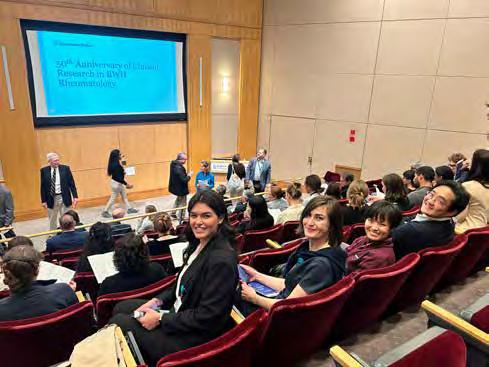
“The department celebrated its 50th anniversary while I was there. It gave me a clear sense of the impact their research has had over time”.

Results, Networks, and New Perspectives

While in Boston, Ørbo attended courses at Harvard University and received close supervision from Professor Solomon.

“The projects would never have progressed this far in such a short time without his guidance.”

The work will result in three papers, with a fourth in progress. One was presented at the European Congress of Rheumatology (EULAR) in Barcelona. She also

established collaborations with researchers from Japan and South Korea.

Ørbo found the work culture in the U.S. more competitive than in Norway.

“Feedback is more direct and expectations are higher. Working with researchers from around the world was very inspiring”.

An experience for life

The hospitality made a strong impression. Ørbo and her husband met caring neighbors and colleagues. They explored the U.S. during weekends and spent a memorable Christmas on Cape Cod.

“Spending an academic year in Boston was an experience for life. I wouldn’t have done anything differently”.

At the Cutting Edge of Arthritis Research

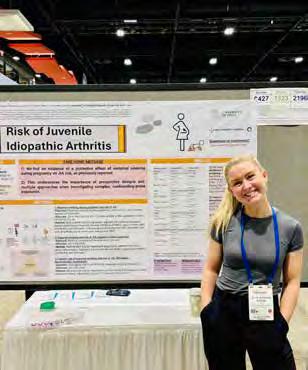
Vilde Øverlien Dåstøl, MD and PhD fellow, studies how genes and environmental factors interact in the development of juvenile idiopathic arthritis (JIA) – an area that has received limited attention within this disease field.

Seeking Expertise Beyond Norway

During a six-month research stay at Brigham and Women’s Hospital (BWH) in Boston, she joined one of the world’s leading environments for rheumatic disease research.

“There are very few research groups worldwide using observational studies to understand how genetic and environmental factors interact to influence JIA risk,” she says. That gap led her to seek expertise abroad.

After reading the work of Professor Karen H. Costenbader, a leading expert in adult rheumatology research, Dåstøl contacted her directly.

“Boston is at the absolute forefront of the methods I need for my PhD project,” she explains.

Studying Early-Life Risk Factors

“I have learned much more about how these exposures can be analyzed robustly in large epidemiological studies.”

She has been included in both Costenbader’s research group and the pediatric rheumatology community at Boston Children’s Hospital.

“Being guided by researchers with extensive experience in these methods has given my project a real lift. These are contacts I will rely on for many years.”

A Different Research Culture

The work culture is more hierarchical and fast-paced than in Norway.

“It is inspiring, but also different,” she says.

While social activities are frequent, building close relationships takes time in such an international environment.

Life in Boston with a Young Family

Dåstøl travelled with her husband and their two-year-old son. While they enjoy living in Boston, the cost of living came as a surprise.

“Daycare, rent, and food are far more expensive than expected. The REMEDY Mobility Program has been crucial in making the stay possible.”

She has also grown fond of Cambridge, the vibrant city just across the river from Boston, where the Harvard main campus is located.

“The mix of historic universities and a European feel has made a strong impression. And it is inspiring to bike past Harvard every day.”

Looking Ahead

The stay has strengthened both her academic confidence and personal outlook.

“I have learned the importance of seizing opportunities,” she says. “If you get the chance to go abroad, take it – and bring your family.”

Her only regret is not staying longer. “Six months go by quickly.” She completes her research stay in March 2026.

Read more

Innovative digital health in Australia

What happens when a researcher passionate about digital patient follow-up visits some of the world’s most innovative

environments?

“The trip broadened my perspectives in ways I couldn’t have achieved at home,” says Tuva Moseng. Supported by the REMEDY Mobility Program, she traveled to Australia to advance research on digital follow-up for people with rheumatic diseases.

Moseng is a researcher at REMEDY and Diakonhjemmet Hospital and an associate professor at OsloMet. Her PhD focused on implementing evidence-based treatment for hip and knee osteoarthritis. Today she works on digital tools for patients with rheumatic diseases and leads RECONNECT, a regional network for decentralized clinical studies. The YRP stay enabled her to move three projects forward: NOR-Flare, OA-AID and RECONNECT.

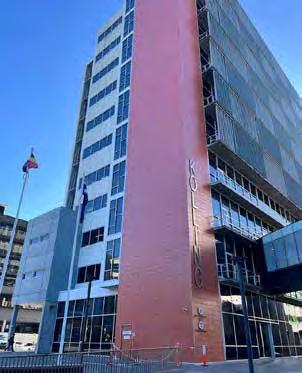
Her visit included The Australian e-Health Research Centre in Brisbane and the Osteoarthritis Research Group at the Kolling Institute at the University of Sydney. “These groups are ahead in digital health. I wanted to learn from them and explore new collaborations.”

Australia offered valuable insights. “They have progressed further in digital health and decentralized studies. Even though the country is larger, we share challenges related to distance and the need for flexible, high-quality services.” The experience sparked new ideas for developing Norwegian solutions, including expanding OA-AID to improve treatment access across different stages of osteoarthritis.

The research environments were open and generous. “I was included from day one. They connected me with people they thought could become important partners.” She also noticed how widespread remote work was: “Many met almost entirely online, which was different from what I’m used to.”

The stay also had a strong social dimension. She was invited to seminars, outings, and dinners. Her family joined part of the trip, and they spent a few weeks of holiday together. “Discovering new places together – both at work and on holiday – added something unique to the experience.”

The visit strengthened her motivation and broadened her network. “This opportunity will stay with me for the rest of my career.” Her advice to other young researchers is clear: “Just do it. You won’t regret it. And bring your family if you can.”

The only thing she would have changed was the length of the stay. “I would gladly have stayed longer, but with children in school it wasn’t possible. I’m grateful that REMEDY supports shorter research visits too,” Moseng says.

Read more

Professor Appointment Strengthens Osteoarthritis Research

Ida Kristin Bos-Haugen describes the Professor appointment as a milestone and a recognition of the work invested over many years. At the same time, the role represents a responsibility to continue developing the field. She adds that she is proud and grateful for the trust placed in her.

A Stronger Foundation for Research and Teaching

The new position gives her more focused research time. It also strengthens her connection to the education of future physicians. Her affiliation with the University of Oslo offers broader networks and, valuable opportunities to share knowledge with future doctors. Teaching plays a central role for her.

“It challenges me academically and sharpens my thinking in both clinical practice and research.”

New Insights into Hand Osteoarthritis

In her inaugural lecture, The Path Towards Better Treatment of Hand Osteoarthritis, Bos-Haugen presented what research has revealed so far. “Hand osteoarthritis is far from fully explored,” she notes, “even though it affects many and shapes daily life for a growing patient group.”

Studies from Diakonhjemmet Hospital and REMEDY show how common joint inflammation is and how strongly it relates to pain and disease progression. The research has also expanded knowledge of pain mechanisms.

“Pain has many causes,” she says. Psychological factors and changes in the nervous system are important. She points to the link between overweight and hand pain as one of the more unexpected findings.

Clinical Studies Aiming for Better Treatment

Bos-Haugen leads several major studies, including MERINO and PICASSO. These trials test methotrexate and corticosteroid injections in hand osteoarthritis. She looks forward to results expected in 2027. “They may open the door to more targeted treatment options,” she says.

In the Nor-Pain study, she and her colleagues explore why some patients continue to experience pain even when inflammation is well controlled. She also contributes to international treatment recommendations and sees interdisciplinary collaboration as a cornerstone of progress.

Research with Direct Impact

What drives her is the possibility of real benefit for patients. “It is meaningful that what we discover can matter for patients,” she says. “If we find more precise treatment, it can translate into better lives for people living with osteoarthritis.”

Read more

Professorship Further Increases Focus on Pediatric Rheumatology

The appointment of Helga Sanner as Professor at the University of Oslo represents both professional recognition and a strengthening of REMEDY’s research on severe rheumatic diseases in children.

“The position is recognition of many years of hard work and is highly motivating,” says Sanner.

Although she has held a professorship at Oslo New University College since 2020, returning to the University of Oslo is particularly meaningful. She completed her medical degree there and later worked as a clinical research fellow. The professorship provides protected time for research, combined with teaching medical students in pediatric rheumatology.

“In teaching, it is not only about professional knowledge, but also about being good role models,” she says.

Long-Term Perspectives and Early Prevention

Sanner’s research is based on the premise that children with severe, chronic rheumatic diseases live long lives with both the disease and its consequences. Prevention, early risk assessment and

targeted treatment are therefore central themes.

“There are still major knowledge gaps, especially regarding interactions between genetics and early-life environmental factors,” she notes.

From Clinician to Research Leader

A turning point came in 2005, when she became a clinical research fellow at the University of Oslo, affiliated with the Department of Rheumatology at Rikshospitalet. Her PhD project on juvenile dermatomyositis laid the foundation for a national cohort that has since contributed to doctoral theses and international guidelines.

Large Projects and National Infrastructure

Today, Sanner leads several major projects closely linked to REMEDY, including PREVENT-JIA, which examines earlylife environmental factors and genetic

risk in juvenile idiopathic arthritis. The project includes two PhD fellows and two postdoctoral researchers.

She also leads Nor-JDM, a national research cohort for juvenile dermatomyositis, and the development of NOBAREV, a national quality and research registry for pediatric rheumatology with an associated biobank, now being rolled out nationally.

Research for Patients’ Futures

With this professorship, REMEDY strengthens its national and international position in pediatric rheumatology.

“What motivates me most are the patients and the opportunity to contribute knowledge that can benefit children with rheumatic disease,” says Helga Sanner.

Patient Apps

Norway aims to provide equal, high quality healthcare to all citizens, but limited access to healthcare personnel make it necessary to find new ways of organizing care. Digitalization is highlighted as an important strategy, and patient apps can improve access to treatment and support more efficient use of resources, especially for common conditions where self-management is key.

Three such apps have been developed in REMEDY:

• Happy Hands for hand osteoarthritis

• Genus for knee osteoarthritis

• Urika for gout

These apps offer information, exercises, and reminders to strengthen patients’ selfmanagement. Studies show that patients find them helpful and that the apps improve symptoms and daily functioning, reducing the need for healthcare services. One of the apps is being translated into other languages and they are all undergoing further research, including randomized controlled trials.

Happy Hands Genus Urika

Patient Apps Can Ease Pressure on the Health Service – But Few Reach Patients

At Arendalsuka 2025, the REMEDY Center and the University of Agder hosted a debate on how patient apps with documented effect can be implemented in healthcare. Such apps may strengthen patient empowerment and reduce the need for health services, but few reach clinical use.

Documented Effect, Limited Uptake

Nina Østerås presented experiences from patient apps developed at Diakonhjemmet Hospital. She highlighted their potential to support self-management and reduce pressure on health personnel, but also major barriers.

ARENDALSUKA 2025

• Hosted 11–15 August 2025 in Arendal

• A national arena where politicians, organisations, professional communities, and citizens discuss key societal issues

• Includes around 1,700 events annually during week 33

• Diakonhjemmet Hospital participated with a debate on patient apps.

Even when research shows clear effect, current medical device regulations make implementation difficult. A large randomized controlled trial of an app for patients with hand osteoarthritis showed reduced pain and improved function, yet the app cannot be used in practice without CE-marking – a costly and resource-intensive process. As a result, effective solutions risk being shelved.

Structural Barriers and Funding Gaps

Østerås also pointed to the lack of funding models for maintaining approved apps. Once an app is on the market, responsibility for updates, security, and compliance remains, without dedicat-

ed financial support. She called for national frameworks to ensure that safe, research-based apps actually reach patients.

Political Consensus and the Way Forward

Despite differing political backgrounds, the panel agreed on several points. High-quality patient apps should be considered part of healthcare services. Norway should introduce “apps on prescription” and a fast-track approval system similar to Germany’s. The panel also agreed that Norway should learn from countries with more mature digital health systems, while ensuring patient safety, quality, and user involvement.

• THE PANEL CONSISTED OF:

» Tone Trøen – Member of Parliament (Conservative Party – Høyre), then Chair of the Standing Committee on Health and Care Services

» Kari-Jussie Lønning – Hospital CEO, Diakonhjemmet Hospital

» Kamzy Gunaratnam – Member of Parliament (Labour Party –Arbeiderpartiet).

Read more

» Anette Jørve Ingjer – Senior Adviser, Norwegian Directorate of Health

» Ingeborg Dybvig – SecretaryGeneral, Norwegian Rheumatism Association

» Mirell Høyer-Berntsen – (Socialist Left Party –Sosialistisk Venstreparti)

» Siri Gulliksen Tømmerbakke – Kruse Larsen (Moderator)

Annual Retreat: Advancing Research Through Collaboration

The REMEDY Annual Retreat 2025 brought together 130 researchers, clinicians, and patient research partners for two days of scientific exchange at Sanner Hotel. The fourth annual retreat reaffirmed REMEDY’s role as a key arena for advancing research in rheumatic and musculoskeletal diseases through interdisciplinary collaboration.

Center Status and Strategic Importance

The annual retreat was opened by Vice Director Ida K. Bos-Haugen, who thanked the program committee for its contribution to a strong academic program. REMEDY Director Professor Espen A. Haavardsholm presented the center’s status and key achievements from 2024, highlighting scientific progress and collaboration. CEO of Diakonhjemmet Hospital, Kari-Jussie Lønning, emphasized REMEDY’s strategic importance and leading role in the research area.

International Scientific Contributions

International experts shared perspectives from their research fields. Emma Dures (UWE Bristol, UK) demonstrated how qualitative and mixed-methods research improves understanding of patient experiences. Camilla Svensson (Karolinska Institutet, Sweden) explored immune mechanisms in chronic pain.

Désirée van der Heijde (Leiden University, the Netherlands) reviewed developments in axial spondyloarthritis. Christina Bergmann (University of Erlangen, Germany) presented the potential of CAR-T therapy for autoimmune rheumatic diseases. Ian Wallace (University of New Mexico, USA) discussed osteoarthritis as a lifestyle-related mismatch disease, and Robert Landewé (Amsterdam University Medical Center, the Netherlands) shared insights on the value of real-world data compared to data from RCTs.

Research Communication and Workshops

Research communication was addressed in a lecture by author and linguist Helene Uri, who highlighted the importance of clear, audience-adapted communication.

The program included interactive workshops on spondyloarthritis, qualitative research, chronic pain mechanisms

and CAR-T therapy. Poster sessions and small-group discussions allowed REMEDY researchers to present projects and receive constructive feedback.

Early-Career Researchers and Closing Debate

The Young Researcher Program grant recipients showcased work on the carbon footprint of clinical trials and new approaches to immunophenotyping and juvenile idiopathic arthritis.

The annual retreat concluded with a debate on treating comorbidity in rheumatic diseases, comparing medication and lifestyle interventions and highlighting the value of combining both approaches.

Looking Ahead

Participants emphasized the value of interdisciplinary dialogue. REMEDY continues to strengthen its research agenda through knowledge exchange, innovation, and international cooperation.

03 Work Packages

The seven work packages in REMEDY have a broad interdisciplinary focus on all aspects of rheumatic and musculoskeletal diseases – from epidemiology, pathogenesis and disease mechanisms to factors that promote health and wellbeing.

Overview of Work Packages

Work Packages

The overarching aim of the REMEDY Center is to improve treatment of rheumatic and musculoskeletal diseases (RMDs) by randomized clinical trials assessing novel treatment and treatment strategies, in combination with research and innovation to untangle the causes and characteristics of RMDs.

The seven work packages approach the knowledge needs within RMD treatment from different angles, ensuring that the research results will benefit patients in all stages of the diseases. This multifaceted construct will result in high quality in all aspects of comprehensive treatment courses.

We will conduct clinical trials to test new therapies and treatment strategies.

Translational research activities will improve understanding of disease mechanisms and identify potential novel targets for treatment of diseases and pain.

Development of precision medicine means that the patient will receive the correct treatment earlier in the disease course, optimizing the chance of treatment response and reducing irreversible damage.

Increased knowledge about how to identify and treat co-morbid conditions is expected to have direct consequences for mortality and morbidity.

Use of remote monitoring, supported by artificial intelligence (e.g., through machine learning), will provide more flexible care for the patients, while detecting important changes in disease activity with less use of healthcare resources.

Health registries are national assets, giving a unique opportunity for real-

world data and linkage of health information, and may be used to improve long-term outcomes in patients with RMDs.

The development of empowermentoriented self-management interventions may contribute to reduce variability and ensure health equity for people with RMDs.

WP7

To empower patients and enhance their ability and self-efficacy to deal with medical, role and emotional management.

WP1

To develop, assess and implement innovative interventions and treatment strategies to optimize patient outcomes in RMDs.

WP2

To improve precise diagnosis, characterize and stratify RMDs into clinically relevant subgroups and to develop the necessary tools to offer personalized treatment.

WP6

To disentangle the longitudinal disease course of RMDs in order to understand the disease- and treatment-associated outcomes, including work ability and health economics.

WP5

To develop, assess and implement feasible, effective and cost-effective approaches to remote monitoring and follow-up, tailored to the individual patient.

WP4

WP3

To better understand underlying pain mechanisms in order to optimize pain management.

To reduce the burden of comorbidities in people with RMDs with a special focus on cardiovascular diseases.

WP1: Optimized Medical Interventions

Optimized Medical Interventions Work Package 1

Leader

Silje W. Syversen, Senior Researcher, MD PhD

Co-Leader

Siri Lillegraven, Senior Researcher, MD MPH PhD (Parental leave to Sept.)

Co-Leader

Anna-Birgitte Aga, Senior Researcher, MD PhD (Jan. to Sept.)

Viewpoint

Randomized controlled trials (RCTs) are crucial for informing sustainable evidence-based medical practices. In REMEDY, work package 1 focuses on clinical trials with potential to optimize existing treatments, explore novel strategies, and improve patient care. Ongoing trials assess a broad range of interventions such as drugs, surgical techniques, approaches to organization of healthcare, diet, physical exercise, and decision-support tools for treatment allocation. Examples of the latter include imaging-informed treatment strategies and algorithms based on therapeutic drug monitoring. Key priorities include facilitating knowledge sharing across studies, strengthening collaboration between clinicians and researchers, and improving trial infrastructure.

A focus in 2025 has been to secure timely patient recruitment across several large multicenter RCTs. Key inclusion milestones have been reached in ongoing trials such as MERINO and PICASSO (hand osteoarthritis), HIFSAT (surgical approaches for hip fractures), NOR-SPRINT (psoriatic arthritis), RA-DRUM (therapeutic drug monitoring of adalimumab), NOR-CACTUS (carpal tunnel syndrome) and MOVE-JIA (tapering of medication in juvenile idiopathic arthritis).

Securing funding has been another key priority. The TODAY trial (on-demand therapy with TNF-inhibitors in spondyloarthritis), the TREATJIA trial (tapering of TNF-inhibitors in JIA) and a clinical trial focusing on treatment of obesity in hand osteoarthritis received large project grants, and additional funding was obtained in other ongoing trials such as RA-DRUM and ARCTIC. Such funding ensures continuity of high-quality academic trials and strengthens recruitment of PhD fellows and postdoctoral researchers linked to WP1.

In parallel with recruitment and trial initiation, WP1 has maintained a strong focus on analysis and publication of data from completed studies. Several publications from the work package have presented novel results with clear potential clinical value. Recruitment of new PhD fellows and postdoctoral researchers has been instrumental in sustaining this high level of scientific productivity.

There has been an increased focus on industrycollaborative studies, including novel CAR-Tbased approaches. Initiatives for structured collaboration with industry partners have been taken, including a seminar in collaboration with Nor-Trials and the Norwegian Society for Rheumatology.

WP1 continues to organize semiannual seminars, with programs focusing on cross-cutting topics of relevance across diseases and projects.

The large-scale randomized clinical trials in WP1 are only made possible through close and continuous collaboration between clinicians, researchers, and patient research partners – at the host institution, across partner institutions, and within national and international multicenter networks. This collaboration is also essential to ensure that new knowledge is effectively disseminated to clinical staff and patients.

Highlights of the Year

Award: Marthe K. Brun received the H.M. the King’s gold medal for her thesis based on the NOR-DRUM (NOrwegian DRUg Monitoring) trials.

Results: Three-year results from ARCTICREWIND (assessing tapering of diseasemodifying antirheumatic drugs in rheumatoid arthritis) and main results from the ReMonit (Follow-Up of Patients With Axial Spondyloarthritis in Specialist Health Care With Remote Monitoring and Self-Monitoring Compared With Regular Face-to-Face Follow-Up

Visits) and BackToBasic (effect of infliximab in patients with chronic low back pain and Modic changes) have been published.

Inclusion milestones: Key milestones have been milestones have been reached in several large ongoing trials including MERINO, HIFSAT, NOR-SPRINT, RA-DRUM, NOR-CACTUS and MOVE-JIA.

Key Publications

Kjørholt KE et al. Three-Year Results of Tapering Tumor Necrosis Factor Inhibitor to Withdrawal Compared to Stable Tumor Necrosis Factor Inhibitor Among Patients With Rheumatoid Arthritis in Sustained Remission: A Multicenter Randomized Trial. Arthritis Rheumatol. 2025 Oct;77(10):1327-1336.

Berg IJ et al. Remote monitoring or patientinitiated care in axial spondyloarthritis: a 3-armed randomised controlled noninferiority trial. Ann Rheum Dis. 2025 Jul;84(7):1140-1150.

Gjefsen E et al. Efficacy of a Tumor Necrosis Factor Inhibitor in Chronic Low-Back Pain With Modic Type 1 Changes: A Randomized Controlled Trial. Arthritis Rheumatol. 2025 May;77(5):615-623.

Aim

The main aim of Work Package 1 is to develop, assess and implement innovative interventions to optimize patient outcomes in rheumatic and musculoskeletal diseases. This includes investigation of personalized treatment strategies, novel drugs, surgical procedures, imaging-guided interventions, and non-pharmacological therapies.

Read more

WP2: Phenotyping for Personalized Medicin

Phenotyping for Personalized Medicine Work Package 2

Leader

Guro Løvik Goll, Senior Researcher, MD PhD

Co-leader

Benedicte Lie, Professor, PhD

Viewpoint

Work Package 2 (WP2) promotes collaboration between clinicians, clinical scientists, and laboratory researchers to achieve our key aim of personalized treatment. We facilitate the exchange of results and ideas between translational science and clinicians to benefit our patients.

Many clinical studies within REMEDY collect samples of blood and tissue to address key questions within rheumatic and musculoskeletal diseases. WP2 aims to strengthen expertise in biomarkers and translational research among REMEDY personnel. To this end, we organize regular, open seminars focusing on translational and basic medicine as one of our core functions. Also, we highlight translational medical topics in project discussions and at the annual REMEDY retreat.

Synovial biopsies are central to several ongoing and planned national and international collaborations in the next few years. Three different projects involving synovial biopsies are currently running in WP2: START, BioTest and MoRA. Several more are being planned. We have a strong collaborative network within the Oslo area combining expertise in rheuma-

tology, immunology, genomics, and single-cell and spatial biology for in-depth studies of the underlying pathological processes, uncovering biomarkers, predicting treatment outcomes and finding new treatment targets. Working with world-leading research groups has enabled us to plan for ambitious projects assessing the molecular characteristics of arthritis subgroups.

Throughout 2025, a large number of patients were included in the study Early STratification of patients with ARThritis (START). The primary aim of this cohort study is to identify markers in early inflammatory arthritis to ensure a correct diagnosis as early as possible and the optimal initial treatment. The study includes a broad assessment of laboratory variables, immune cell characterizations, and genetics to identify potential markers in blood and biopsies. A large network of collaborators is involved, across several disciplines. The study is embedded in daily clinical practice, and the contribution of clinical rheumatologists is key. With over 150 patients included, the study has had a highly successful first year.

REMEDY is world leading in research on therapeutic drug monitoring of biologic drugs. Building on this expertise, we have

established collaboration with national and international scientists to explore the feasibility of measuring methotrexate in blood.

Highlights of the Year

Project initiation: Initiation of the EU Horizon-funded MDR-RA project was marked in January. REMEDY is one of the partners of this ambitious project on difficult-to-treat RA, with WP2 in a key role to ensure Norway’s contribution.

Seminars: Together with WP 3, we organized a seminar in March to honor professor Hilde Berner Hammer, focusing on how we can understand the mechanisms of pain. In October, Dr Felice Rivellese from Queen Mary University, London was the main speaker at an afternoon seminar on the promise and pitfalls of synovial biopsies.

Dissertation: Anne Rydland defended her thesis involving the NOR-VEAC cohort. Her studies showed how proteins transported in vesicles in blood are altered at onset of rheumatoid arthritis and that these vesicle proteins change in patients who respond to methotrexate treatment.

Funding: In December 2025, the START observational cohort study on very early arthritis was awarded a major project grant of NOK 3 million per year for the next three years, securing funding for data collection and data analysis for this large WP2 study.

Key Publications

Vigeland, MD et al. Gene Expression Correlates with Disability and Pain Intensity in Patients with Chronic Low Back Pain and Modic Changes in a Sex-Specific Manner. Int J Mol Sci. 2025, 18;26(2):800

Riskedal E et al. A DNA methylation-based algorithm for diagnosing rheumatoid arthritis. Arthritis Res Ther. 2025 17;27(1):192

Rydland A et al. Newly-diagnosed rheumatoid arthritis patients have elevated levels of plasma extracellular vesicles with protein cargo altered towards inflammatory processes. Sci Rep 2025, 15(1):11632.

Aim

The main aim of Work Package 2 is to identify novel biomarkers for diagnosis, disease severity, and treatment responses, which can be used for the characterization and stratification of early rheumatic and musculoskeletal diseases, as well as for improvement of treatment response.

Read more

WP3: Pain Mechanisms and Management

Pain Mechanisms and Management Work Package 3

Leader

Ida K. Bos-Haugen, Professor, MD, PhD

Co-leader

Kaja Selmer, Senior Researcher, MD, PhD

Viewpoint

Better understanding of pain etiology is needed for personalized pain management and better care for patients with chronic pain. We aim to identify factors outside the joint, that clinicians should keep in mind when treating patients with pain due to musculoskeletal and rheumatic diseases. The identification of key biopsychosocial factors, such as altered pain modulation in the central nervous system, emotional factors, cognitive functioning, and genetic factors, that contribute to pain is important. Additionally, the work package focuses on classification of people into different pain phenotypes and endotypes, as these may require tailored management.

In 2025, we continued our work looking at factors, both within and outside the joint that could explain part of the pain experience in people with osteoarthritis. In the Nor-Hand study, we found that both structural pathology in terms of osteophytes and synovitis were important for the pain experience in the hands in people with osteoarthritis. In addition, a close relationship was found between sleep problems and pain, calling for a holistic approach to pain management.

Interesting results regarding the stability of pain phenotypes in people with hand osteo-

arthritis were presented by PhD fellow Daniel Huseby Bordvik at the Osteoarthritis Research Society International (OARSI) conference in Incheon, South Korea.

In line with these results, an important publication was published from the APPROACH study – a European knee osteoarthritis consortium in which Diakonhjemmet Hospital is one of the partners. The longitudinal stability of disease phenotypes based on soluble biomarkers was explored.

In November 2025, we started the data collection of Nor-Pain, which represents one of the key studies in WP3. Patients with systemic inflammatory joint diseases who are included in the NOR-DMARD register are invited to participate in this study on pain sensitization and cognitive factors, and how these factors affect response to biological treatment. The recruitment of approximately 350 patients is expected to take around two years.

During 2025, Mari Spildrejorde (MSc, PhD), postdoctoral researcher in WP3, published the main results from her genome-wide association study (GWAS) on chronic neuropathic pain in the journal PAIN. The results of her study implicated AMPA receptor-related pathways in the development of chronic neuropathic pain, providing important new

insight into underlying molecular mechanisms. The results were presented at the MUSS conference in November 2025. Work on complementary epigenome-wide association analyses (EWAS) is ongoing, with results expected following Spildrejorde’s maternity leave, ending ultimo 2026.

Highlights of the Year

New insight: Analyses of the follow-up data of the Nor-Hand study continued, focusing on the consequences and potential risk factors for pain and pain sensitization in people with hand osteoarthritis.

New funding: Two new randomized trials received funding in 2025, both focusing on pain reduction in people with hand osteoarthritis. The trial on weight reduction in patients with hand osteoarthritis was funded by the South-Eastern Norway Regional Health Authority, while the trial on topical non-steroidal anti-inflammatory drugs was funded by the DAM Foundation. Both trials will be fundamental in shaping the guidelines for the management of hand osteoarthritis.

Outreach: Ida K. Bos-Haugen and Ingvild Kjeken presented the management of hand

osteoarthritis in a public webinar arranged by the Norwegian Rheumatism Association.

Bos-Haugen and Selmer both presented at the MUSS Conference (National Research Conference on Musculoskeletal Health), with Bos-Haugen presenting on the management of hand osteoarthritis and Selmer on the molecular mechanisms of neuropathic pain.

Key Publications

Bordvik, DH et al. The associations between sleep problems and pain outcomes in people with hand osteoarthritis – Data from the Norhand study. Osteoarthr Cartil Open. 2025. 5;7(1):100579

Spildrejorde M et al. Genome-wide association study of neuropathic pain. Pain. Epub 2025 Nov 21.

Dekkerhus CH et al. The frequency and severity of ultrasound-detected osteoarthritis features in the knees and their associations with pain: Cross-sectional analyses of the Nor-Hand study. Osteoarthr Cartil Open, 2025 Jun 5;7(3):100640.

Aim

The primary aim of Work Package 3 is to increase the understanding of the complexity of pain and the variety of different factors that can contribute to pain. Additionally, we aim to identify subgroups of patients with similar characteristics and clinical outcomes.

Read more

Managing Comorbidities Work Package 4

Leader

Anna-Maria

Hoffmann-Vold, Professor, MD PhD

Co-leader

Eirik Ikdahl, Postdoctoral Researcher MD PhD

Viewpoint

Patients with inflammatory rheumatic diseases are at increased risk of comorbidities and organ manifestations. Despite advancements in treatment, significant knowledge gaps persist in effectively managing these complex conditions, highlighting the need for ongoing research and innovation to optimize patient outcomes and improve overall care.

In 2025, Work Package 4 maintained its high standing in international research. The group operates with a strong dual focus: Professor Anna-Maria Hoffmann-Vold leads the initiatives on pulmonary involvement, while Anne Grete Semb continues to drive the agenda for cardiovascular prevention at the highest European level. The year was characterized by extensive involvement in global policy. Our researchers held central roles in developing the new ERS/EULAR Guidelines for lung disease and the 2025 ESC Guidelines for inflammatory heart conditions.

A substantial part of our portfolio involves patient-centered clinical trials. The Better Diet study has now reached its recruitment target, setting the stage for data analysis in 2026. Simultaneously, we are advancing several key studies to address critical gaps in care: Optimizing Pulmonary Arterial Hypertension (PAH) Management in Systemic Sclerosis, Deciphering a Contemporary Approach to Management for Interstitial Lung Disease in Rheumatic Conditions and the Nor-mILDer project, focusing on home-based disease monitoring for ILD. Work is also ongoing to design a designated comorbidity clinic and research registry within the rheumatology outpatient clinic at Diakonhjemmet Hospital.

Furthermore, the group delivered new therapeutic evidence, ranging from the publication of the FIBRONEER trial in the New England Journal of Medicine to register-based studies on myocardial infarction, providing the evidence needed to refine patient care across organ systems.

Highlights of the Year

International Cardiology Leadership: Dr. Semb continues to shape European cardiology standards. This year, she represented the field in the 2025 ESC Guidelines for the management of myocarditis and pericarditis and contributed to key European consensus statements regarding the implementation of cardiovascular prevention in primary healthcare and the management of heart failure.

New Global Guidelines for Lung Disease: Prof. Hoffmann-Vold co-chaired the task force behind the ERS/EULAR Clinical Practice Guidelines for CTD-ILD. Published simultaneously in the European Respiratory Journal and Annals of the Rheumatic Diseases, this document establishes a comprehensive evidence-based framework for screening and treating lung involvement across the entire spectrum of rheumatic conditions.

Scandinavian Research Award: Co-leader Eirik Ikdahl received the Scandinavian Rheumatology Research Award at the 40th Scandinavian Congress of Rheumatology in Malmö. The award recognizes his work on mapping and preventing comorbidities.

Key Publications

Maher TM et al. Nerandomilast in Patients with Progressive Pulmonary Fibrosis. N Engl J Med. 2025;392:2203-2214.

Schulz-Menger J et al. 2025 ESC Guidelines for the management of myocarditis and pericarditis. Eur Heart J. 2025;46:3952-4041.

Hoffmann-Vold AM et al. Predicting the risk of subsequent progression in patients with systemic sclerosis-associated interstitial lung disease. Lancet Rheumatol. 2025;7:e463-e471.

Read more

Aim

The main aim of Work Package 4 is to develop and evaluate strategies for optimal management of comorbidities and organ manifestations in patients with rheumatic and musculoskeletal diseases. Our mandate includes the prevention of cardiovascular disease and the identification and management of other important comorbidities and organ manifestations such as lung diseases and diabetes mellitus.

WP5: Innovative Approaches to Remote Care

Innovative Approaches to Remote Care Work Package 5

Co-leader

Tveter,

Viewpoint

Demographic shifts and an anticipated shortage of healthcare personnel necessitate smarter work strategies within the healthcare sector. Prioritizing digitalization, technology, and remote care may be essential for achieving sustainability. Regional Health Trusts are directing specialist healthcare to adopt remote care strategies for personalized patient follow-up. However, further research is needed to establish the efficacy and safety of these strategies. Included in work package 5 are six randomized controlled trials (ReMonit, NORFlare, ReMonit Gout, OA-AID TKR, OA-AID Genus, and ReMonit JIA) and one qualitative study (RemoteUX) as primary initiatives, alongside three additional associated randomized controlled trials.

The main publication from the ReMonit study, which enrolled 243 patients with axial spondyloarthritis, was published in Annals of the Rheumatic Diseases. The results showed that remote monitoring or patient-initiated follow-up were non-inferior to usual care with pre-scheduled in-person follow-up in maintaining low disease activity over 18 months. Complementary qualitative research from the same study (RemoteUX), published in the Journal of Medical Internet Research, found that remote monitoring and patient-initiated

care can reduce unnecessary visits and enhance patients’ self-efficacy while adequately meeting the needs of those with low disease activity. The authors note, however, that these approaches should not be applied as a onesize-fits-all solution.

A systematic review of 40 randomized controlled trials on the cost-effectiveness of remote care in patients with non-communicable diseases was published. The review found that remote patient monitoring may slightly reduce the proportion of hospital stays but may have little or no effect on the number and lengths of hospital stays, outpatient visits, or emergency department visits.

Work Package 5 has hosted two visiting international researchers: Dr. Johannes Knitza, PhD (Marburg, Germany) and Senior Researcher Lise Verhoef (Nijmegen, the Netherlands). Their visits included joint presentations, in-depth project discussions of ongoing and planned studies, and the development of plans for networking and future collaboration.

During Arendalsuka 2025, work package 5 arranged a well-attended debate on the challenges of implementing patient apps, attracting many in-person attendees and additional viewers via digital streaming.

The RECONNECT webpage has been expanded and updated, and meetings for individual work packages have taken place. In April, RECONNECT convened its second network conference, focusing on health literacy and digital solutions for data collection.

One PhD fellow and one postdoctoral researcher have started their work in OA-AID. Additionally, one PhD fellow and a postdoctoral researcher have been recruited for the ReMonit JIA study.

Highlights of the Year

New funding: The three patient apps have received in total about NOK 1.5 million in funding from different sources (foundations, internal funding and from EULAR). Additionally, two innovation research grants were received from South-Eastern Norway Regional Health Authority for two of the patient apps (1 million NOK).

New PhD thesis: In June, Emil E.K. Thomassen defended his thesis: Remote Care and Monitoring in Rheumatology Care: Willingness, Facilitators and Barriers, Adherence and Feasibility to the use of Digital Health Technology.

New network collaboration: Visits by two international researchers fostered valuable network collaborations.

Initiated randomised controlled trials: The ReMonit Gout study, comparing nurse-led vs appbased follow-up of patients with gout, begun recruitment with a target of 168 participants. Two OA-AID randomized controlled studies were launched to evaluate digital follow-up before and after total knee joint replacement surgery compared to usual care, aiming to recruit 225 and 140 participants, respectively.

Key Publications:

Berg IJ et al. Remote monitoring or patientinitiated care in axial spondyloarthritis: a 3-armed randomised controlled noninferiority trial. Ann Rheum Dis. 2025 Jul;84(7):1140-1150

Hestevik CH et al. Perspectives on and Experiences With Remote Monitoring and Patient-Initiated Care Among Norwegian Patients With Axial Spondyloarthritis: Qualitative Study. J Med Internet Res. 2025 Mar 28;27:e63569.

Smedslund G et al. Effects of Remote Patient Monitoring on Health Care Utilization in Patients With Noncommunicable Diseases: Systematic Review and Meta-Analysis. JMIR Mhealth Uhealth. 2025 Oct 1;13:e68464.

Aim

The main aim of Work Package 5 is to determine the feasibility, efficacy, safety, user satisfaction, and costeffectiveness of remote care.

Read more

Deciphering Long-term Outcomes Work Package 6

Leader

Co-Leader

Viewpoint

To achieve our aims, we have chosen to focus our work in three key areas.

Epidemiological Data

The epidemiological studies of Work Package 6 utilize data from several cohorts owned by members of the REMEDY Center, both at Diakonhjemmet Hospital and Oslo University Hospital, together with data from collaborating centers in Norway and abroad. The largest cohorts are the NOR-DMARD, NOR-GOUT, and RehabNytte. In NOR-DMARD, we have continued to share data with Nordic and European partners, including one EU project, resulting in several publications. We also successfully renewed our linkages to national Norwegian registries. One master student, three PhD fellows, and one postdoctoral researcher are currently working on NOR-DMARD data. NORGOUT has completed the 5-year follow-up of patients with gout who are “treated to target” and the data collection is coming to an end. Eleven papers have been published from NOR-GOUT, and there are still two more papers in the pipeline. In RehabNytte, patients

who have participated in national rehabilitation programs have been linked to the National Welfare Agency (NAV) register. A PhD fellow is currently exploring work productivity and welfare benefit expenditure in response to rehabilitation with her team of supervisors.

Health Economic Evaluations

Within health economics, Work Package 6 has provided support to several projects that wish to include health economic outcomes and analyses. Four master’s students from the health economics studies at the Department of Health Management and Health Economics at the University of Oslo completed their thesis during 2025 and scientific papers based on these theses are currently being completed. We thus solidified our collaborations with the University of Oslo and prepared the ground for new publications.

Novel Trial Design and Big Data

We collaborate with the Department of Research Support for Clinical Trials at Oslo University Hospital in comparing the efficacy of biologic disease-modifying anti-rheumatic drugs in a target trial emulation. Lastly, Work

Package 6 received funding for an Open Project Support from the South-Eastern Norway Regional Health Authority for the TODAY trial. This randomized controlled trial is embedded in the NOR-DMARD cohort and will hopefully pave the way for exciting new opportunities.

Highlights of the Year

Study completed: The 5-year follow-up of the NOR-Gout study was completed.

Funding: The TODAY study received funding from the South-Eastern Norway Regional Health Authority.

Key Publications

Hammer HB et al. Ultrasound-detected crystal depositions and clinical flares dissolve during successful urate-lowering therapy: 5-year follow-up results from the treat-to-target NORGout study. Ann Rheum Dis. 2025 Nov 20.

Uhlig T et al. Remission in gout is possible: 5-year follow-up in the NOR-Gout study. Semin Arthritis Rheum. 2025 Jun, 72:152698

Moe SR et al. Accrual of thromboembolic events and antiphospholipid syndrome in new-onset systemic lupus erythematosus: a population-based inception cohort study. RMD Open. 2025, Sept 2; 11 (3):e005795

Aim

The aim of Work Package 6 is to examine the longterm efficacy, safety, work participation, and health economic consequences associated with novel drugs and treatment strategies through linkage to national and international registry data.

Read more

Empowering the Individual Work Package 7

Leader

Ingvild Kjeken,

Co-leader

Viewpoint

Empowerment and self-management are central in all activities in the work package, rooted in an understanding that the origins of good health are not necessarily the same as the origins of poor health. Effective health promotion interventions therefore need to build on patients’ strengths and resources and be adapted to their level of self-efficacy and health literacy, and their social, economic and cultural context. A total of 11 studies are primarily affiliated to this work package, among them five studies aimed at developing effective interventions and ensuring high quality of care for people with osteoarthritis, and two studies focusing on improved quality and coordination in rehabilitation. The development of innovative eHealth interventions such as apps and web-based programs is a common focus across most of these studies.

With a steadily growing immigrant population, there is also an increasing need to ensure that health services are equipped to meet the needs of immigrant patients with RMDs. This is the focus of the ALERT study, which aims to identify the information and support needs of migrants with inflammatory rheu-

matic diseases who have limited Norwegian language proficiency, and to develop practical measures that help health services, improve health literacy and support patients in managing their condition.

Work Package 7 also hosts the REMEDY Patient Advisory Board. The patient research partners are involved in all new projects from the initial phase, when research questions are developed, to the implementation of results and interventions in clinical practice.

The output in 2025 included 11 scientific articles, one PhD thesis, several presentations at international and national conferences, and the Dialogue Seminar in collaboration with the Norwegian Rheumatism Association. Through these efforts, we build important expertise to meet future needs for flexible, sustainable, and cost-effective healthcare services.

Highlights of the Year

Thesis Completed: PhD candidate Hege Johanne Magnussen defended her thesis, Between patient participation and healthcare standardization. The ordering of work in managing hand osteoarthritis.

New Funding: The study “Implementing a care pathway for hand osteoarthritis” received funding from South-Eastern Norway Regional Health Authority for a postdoctoral researcher. We also received funding from the DAM Foundation for the translation of the Happy Hands app to English, and an EULAR HPR Grant for translating it into Dutch and Swedish.

Patient Involvement in Research: The creditawarding course on Patient and Public Involvement in Medical and Health Research was arranged in collaboration with the University of Bergen, the Norwegian Health Association, and five other research centers and networks.

Two Completed Studies: The DigiOA study on digital treatment for hip and knee osteoarthritis resulted in three publications (one published in 2025) and a PhD thesis. The

study on the development of quality indicators for hand osteoarthritis resulted in one publication.

Key Publications

Polster A et al. Occupational therapist-led versus rheumatologist-led care in people with hand osteoarthritis in Norway: an open-label, multicentre, randomised controlled, non-inferiority trial. Lancet Rheumatol. 2025 Aug;7(8):e533-e543.

Sand-Svartrud, A-L et al. Impact of provider feedback on quality improvement in rehabilitation services: an interrupted time series analysis. Front Rehabil Sci, 2025 Mar 6;6:1564346.

Bordvik, D.H et al. Development of quality indicators for hand osteoarthritis care – Results from a European consensus study. Osteoarthr Cartil Open, 2025 Feb 5;7(1):100578.

Aim

The primary aim of Work Package 7 is to empower patients and enhance their ability and selfefficacy to deal with medical, role, and emotional management of their disease.

Read more

Clinical Trial Unit

Viewpoint

Clinical Trials Units are specialized units that provide expert methodological advice and coordination required to undertake successful clinical trials. The Clinical Trial Unit at Diakonhjemmet Hospital was established in 2023 and encompasses a diverse group of research coordinators, biobank coordinators, statisticians and data managers as well as study nurses.

In 2025, our research coordinators have provided support and expert guidance to both ongoing and planned clinical trials and developed and maintained standard operating procedures and routines essential for high-quality trial conduct. The biobank coordinators have managed the new modern biobank and research laboratory facilities, as well as the implementation of the newly acquired sample management inventory solution. Our study nurses have been important contributors to numerous clinical trials, providing essential expertise in the clinical setting.

Statisticians within the Clinical Trial Unit are key resources in REMEDY’s research environment. They have provided extensive support, including large-scale data management, data interpretation, study design and statistical analyses. They have also strengthened statistical competence across professions by offering guidance and training throughout 2025.

In addition, the Clinical Trial Unit has managed the European Medicines Agency clinical trial systems, CTIS and EudraVigilance and has handled external feasibility requests and collaborative network activities. Internal development and capacity building within the unit have remained a continuous priority, supported by broad participation in courses and congresses covering clinical trials, statistics, privacy regulations, translational medicine, and biobanking.

Highlights of the Year

Organization: New colleagues were successfully recruited, bringing valuable expertise to the team.

Biobank and Research Laboratory: The Clinical Trial Unit implemented a modern sample management inventory solution and hosted the official opening celebration of the new biobank facilities at Diakonhjemmet Hospital on the International Clinical Trials Day in 2025.

New Biobank at Diakonhjemmet Hospital

In 2025, Diakonhjemmet Hospital established a new, state-of-the-art biobank. It marks an important milestone for the hospital’s research activity and is closely linked to the REMEDY Center.

The opening took place on May 20, coinciding with the International Clinical Trials Day, which provided an appropriate occasion to highlight the role of clinical research.

The hospital’s Chief Executive Officer and Chair of the REMEDY Board, Kari-Jussie Lønning emphasized that the establishment of a modern biobank represents a significant investment in research infrastructure and will contribute substantially to future research activities at the hospital.

Purpose-Built Facilities for Safe and Sustainable Storage

The new biobank facilities are purposebuilt to ensure safe, secure, and sustainable storage of biological material such as blood, tissue and synovial fluid.

The facilities meet national recommendations for safety and storage standards and have capacity for up to 35 ultra-low temperature freezers.

High-Quality Samples Enable Advanced Research

High technical and operational standards are essential to ensure high-quality biobank material, which in turn strengthens the scientific value of the research and enables participation in national and international research projects.

A Foundation for Personalized Medicine

Head of the Division of Rheumatology and Research Kjetil Bergsmark highlighted the importance of the biobank for advancing personalized medicine. He underlined that access to high-quality biological samples makes it possible to gain deeper insight into disease mechanisms, develop new treatment methods and tailor therapies to individual patients.

Strong Collaboration Across the Hospital

The biobank project has involved close collaboration across several units. Head of the Clinical Trial Unit (CTU), Line Melå Jacobsen described the extensive development process and the successful cooperation between the Department of Construction and Technical Services and the CTU.

Strengthening Clinical Research for the Future

Diakonhjemmet Hospital is among the most active hospitals in Norway in clinical research, with a growing number of patients participating in studies. Many of these studies involve biobank material, which provides valuable knowledge about biomarkers related to treatment effects, safety, prognosis, and response.

According to the Head of Research and Director of REMEDY, Professor Espen A. Haavardsholm, the biobank initiative and increased research activity underline the hospital’s strong commitment to improving patient care through new knowledge, in close collaboration with REMEDY.

Photo: Kathrine Daniloff

The National Clinical Consortium

Leader Rheumatology

Anna-Birgitte Aga, Senior Researcher, MD, PhD

Leader Rehabilitation

Rikke Helene Moe, Senior Researcher, Physical Therapist, PhD

Viewpoint

Over the past years, cross-regional collaboration within rheumatic and musculoskeletal disease research has been strengthened. With REMEDY, the national collaboration has been extended and formalized by the establishment of a national clinical consortium. All rheumatology hospital departments, as well as rheumatologists in private practice, and several rehabilitation institutions representing all Norwegian health regions are represented in the consortium.

The Green Congress was held in Oslo on June 20, reviewing the latest developments in international rheumatic and musculoskeletal disease research. This annual congress has a green profile and a strong focus on climate and sustainability. The Green Congress in 2025 was highly successful with 536 on-site and virtual attendees.

A digital consortium meeting was held on November 27. An updated status from REMEDY was presented as well as several new research projects, inviting consortium members to participate in planned multicenter studies.

The National Clinical Consortium, together with the Norwegian Society of Rheumatology), is for the first time in 2025 offering a seed grant for the best clinical research idea to support the development of a multisite clinical study. The winner receives NOK 100,000, attendance at REMEDY’s research seminar, and support from REMEDY work

Aim

The aim of the National clinical consortium is to promote and facilitate national multicenter trials, ensuring equal opportunities for healthcare providers and patients in Norway to participate in clinical trials.

packages and the Clinical Trial Unit to develop the project. Applicants must originate from participating network units.

Highlights of the Year

• Green Congress took place in June.

• The annual meeting in the National Clinical Consortium was held in November.

• The REMEDY & Norwegian Society of Rheumatology network grant was announced.

• Results from several multicenter clinical trials conducted within the National Clinical Consortium were presented at international congresses, along with publications in major medical journals.

Specialist Healthcare

• Stavanger University Hospital

• Haukeland University Hospital

• Førde Hospital

• Haugesund Rheumatism Hospital

Rehabilitation Institutions

• Haugland Rehabilitation Center

• Åstveit Rehabilitation Center

• Ravneberg Rehabilitation Center

Specialist Healthcare

• The University Hospital of North Norway HF

• Finnmark Hospital Hammerfest

• Helgeland Hospital Trust

• Nordland Hospital Bodø

Rehabilitation Institutions

• Helsepartner Rehabilitation Center

Specialist Healthcare

• St. Olavs Hospital

• Ålesund Hospital

• Nord-Trøndelag Hospital Trust

Rehabilitation Institutions

• Selli Rehabilitation Center

• Muritunet

• Meråker Kurbad

Specialist Healthcare

• Diakonhjemmet Hospital

• Oslo University Hospital, Rikshospitalet

• Oslo University Hospital, Ullevål

• Martina Hansens Hospital

• Betanien Hospital

• Lillehammer Rheumatism Hospital

• Østfold Hospital

• Sørlandet Hospital, Kristiansand

• Drammen Hospital

• Akershus University Hospital

• Kongsvinger Hospital

• Oslo Rheumatology Practice

• Humana Helse

• The Rheumatologists in Tollbodgata

Rehabilitation Institutions

• Skogli Health and Rehabilitation Center

• Unicare Norway

• Unicare Jeløy

• Unicare Landaasen

• Unicare Hokksund

• Unicare Friskvern

• Vikersund Rehabilitation Center

• The Hernes Occupational Rehabilitation Center

• CatoSenteret Rehabilitation Center

Young Researcher Program

Leader

Alexander Mathiessen, Postdoctoral Researcher, MD PhD

Leader

Tuva Moseng

Associate Professor, PT, PhD

Viewpoint

In 2025, REMEDY continued to develop and run its career development and training program for early-career researchers, the Young Researcher Program (YRP). The program focused on strengthening core research skills and supporting young researchers in transition phases moving from PhD to postdoctoral roles, and further to independent research careers.

REMEDY also continued to support young researchers financially at key stages. Five projects were awarded seed grants of NOK 133,000–134,000 each, aimed at helping researchers get ideas off the ground, generating pilot data, and building momentum for larger applications.

Annual YRP Seminar

The annual two-day YRP seminar was held in September at Oscarsborg Fortress, with a record of more than 60 participants. This year’s theme was career transitions: what happens after the PhD, what postdoctoral life is actually like, and how to build a sustainable path toward becoming a principal investigator and research leader.

The program mixed scientific sessions with informal networking and time for discussion. Topics included research methodology, funding opportunities, leadership, and the use of AI in research and communication.

Guest Professor Kim Bennell (University of Melbourne, Australia) participated and contributed throughout the seminar. Feedback highlighted the relevance of the sessions, but also how valuable it was to meet peers across projects and career stages.

Mentoring and Networking Opportunities

In addition to the seminar, our guest professors Kim Bennell and Désirée van der Heijde provided mentoring sessions this fall, both individually and in groups. The Patient Advisory Board also continued to provide mentoring to young researchers. Throughout the year, the online overview of relevant courses and seminars at REMEDY’s website was updated to improve access to relevant training opportunities. Regular PhD and postdoctoral meetings were arranged throughout the year.

Successful YRP seminar with Guest Professor Kim Bennell, who shared her experience in research leadership and conducting high-quality clinical trials.

Five YRP Grants Awarded

(NOK 133,000–134,000 each)

GRANT RECIPIENTS

Hilde Ørbo Diakonhjemmet Hospital

Malignancies and cancer mortality in the immunosuppressed arthritis population (WP6)

NOK 134,000

Kristine R. Nordén Diakonhjemmet Hospital

Establishing a NORwegian CPET database: NOR-CPET (WP4)

NOK 133,000

Nina Sundlisæter Diakonhjemmet Hospital

Start of the ARCTIC REWIND extension study (WP1/WP4)

NOK 133,000

Fiona Aanesen Diakonhjemmet Hospital

Self-management app for patients with gout in primary care – a mixed method feasibility study connected to the ReMonit Gout project (WP5)

NOK 134,000

Martine Mesel Isom Oslo University Hospital

Completion of PhD (WP2)

NOK 133,000

International Collaboration

REMEDY is involved in numerous large international collaborations. International mobility and partnerships are essential for maintaining high scientific quality and ensuring that our research benefits patients globally.

In 2025, we were proud to appoint Professor Kim Bennell from the University of Melbourne as a new Visiting Professor at REMEDY. Professor Bennell is a world-leading physiotherapist and researcher in musculoskeletal health, with a specific focus on non-pharmacological management of osteoarthritis. In September, she visited the Center and delivered an inspiring open lecture titled The Future of Osteoarthritis Treatment.

European Consortia

The SQUEEZE project, funded by Horizon Europe, aims to maximize the impact of prescription drugs in rheumatoid arthritis. In October 2025, REMEDY hosted the SQUEEZE General Assembly in Oslo, gathering more than 60 leading researchers from across Europe. REMEDY plays a pivotal role in the consortium, particularly through the coordination of the RA-DRUM trial and as clinical site for two other international clinical trials:

• RA-DRUM: A trial assessing the efficacy of therapeutic drug monitoring.

• BioTest: A trial investigating biomarker-based treatment selection.

• MethMax: A trial optimizing methotrexate delivery.

REMEDY is a key partner in the MDR-RA consortium, an ambitious Horizon Europe project dedicated to understanding and managing “difficult-to-treat” rheumatoid arthritis. In July 2025, our researchers attended the General Assembly in beautiful Verona, Italy. Work package 2 plays a central role in ensuring Norway’s contribution to this project. Currently, the consortium is in the advanced planning stages of two new clinical trials designed to address multi-drug resistance in this challenging patient group.

Thematic Collaborations

In June, Dr. Johannes Knitza, a leading international figure in digital rheumatology, visited REMEDY. He delivered a keynote at the work package 5 summer seminar regarding the digital future of patient care. This collaboration strengthens our efforts in Innovative Approaches to Remote Care, providing valuable insights into how digital tools can be implemented in clinical pathways.

Work package 3 contributed to a significant publication from the APPROACH study, a European knee osteoarthritis consortium where Diakonhjemmet Hospital/REMEDY is a partner. The

study explored the longitudinal stability of disease phenotypes based on soluble biomarkers, providing crucial knowledge for the development of personalized medicine in osteoarthritis.

Our researchers continue to hold central roles in developing international treatment guidelines. Professor Anna-Maria Hoffmann-Vold co-chaired the task force behind the new ERS/EULAR Clinical Practice Guidelines for CTD-ILD (Connective Tissue Disease-associated Interstitial Lung Disease). Published simultaneously in the European Respiratory Journal and Annals of the Rheumatic Diseases, this document establishes a comprehensive, evidence-based framework for screening and treating lung involvement across the entire spectrum of rheumatic conditions.

Main International Collaborators

The main international collaborators in the map below represent major institutions across the globe that significantly strengthen the research conducted in the REMEDY Center:

Parker Institute, Denmark

• Prof. Henning Bliddal

Keele University, UK

• Prof. Krysia Dziedzic

University of Iceland, Iceland

• Prof. Saedis Saevarsdottir

Leiden University, the Netherlands

• Prof. Désirée van der Heijde

• Prof. Tom Huizinga

• Prof. Margreet Kloppenburg

Queen Mary University of London, UK

• Prof. Costantino Pitzalis

Harvard University, USA

• Prof. Daniel H. Solomon

Boston University, USA

• Prof. Tuhina Neogi

• Prof. David Felson

University of Toronto, Canada

• Prof. Gillian Hawker

Lund University, Sweden

• Prof. Martin Englund

Karolinska University, Sweden

• Prof. Johan Askling

• Prof. Jon Lampa

University of Oulu, Finland

• Prof. Simo Saarakkala

Copenhagen University, Denmark

• Prof. Mikkel Østergaard

• Prof. Merete Hetland

• Prof. Lene Terslev

Aarhus University, Denmark

• Prof. Annette de Thurah

Vienna Medical University, Austria

• Prof. Daniel Aletaha

Free University Berlin, Germany

• Prof. Xenofon Baraliakos

Sorbonne University, France

• Prof. Laure Gossec

• Prof. Jérémie Sellam

Escola Superior de Enfermagem de Lisboa, Portugal

• Researcher Ricardo Ferreira

Melbourne University, Australia

• Prof. Kim Bennell

Visiting Professor

Désirée van der Heijde

A Leading International Expert at REMEDY

Professor of Rheumatology at Leiden University Medical Center, Désirée van der Heijde has since 2024 also been a visiting professor at REMEDY.

She is one of the world’s leading experts in rheumatology and outcome assessment.

With a medical degree from Nijmegen and a PhD on disease activity and outcome in rheumatoid arthritis, she has built a career that has shaped the way inflammatory rheumatic diseases are evaluated and treated.

van der Heijde is internationally recognized for developing methods to measure disease activity and progression. She played a key role in developing the Disease Activity Score (DAS) for rheumatoid arthritis and the Sharp–van der Heijde radiographic scoring method, both of which are now gold

standards worldwide and used by regulatory authorities such as the EMA and FDA. Under her leadership, numerous other validated instruments have been developed, including ASDAS, RAQoL, ASQoL, MASES, ASAS Health Index and the mSASSS.

Her work has influenced international recommendations and clinical trials, and she has authored more than 1,100 scientific publications. She has received numerous awards, including the Carol Nachman Award, honorary membership in EULAR, and the ACR Distinguished International Rheumatology Professional Award in 2024.

What motivated you to accept the position of Visiting Professor at REMEDY?

I have been in close collaboration with many of the researchers in the Diakonhjemmet Hospital since 2007. This has always been very stimulating and enjoyable. The new structure of REMEDY has largely professionalized the research and brought great opportunities to strengthen the research further.

It was very nice to see this growth happening over the years. It is with great admiration that I see what the relatively new, young team is doing. It is a great pleasure to be a member of the group and now have an official position at the University of Oslo.

Looking back at your career, which study or scientific breakthrough do you consider a milestone – one that significantly shaped the field of rheumatology?

For me, there are two, both already part of my PhD thesis: the development of the DAS and the modified Sharp score. This made it possible to have a standardized assessment of disease activity and damage in RA. It also paved the way to assess the efficacy of all the new drugs that have been developed for RA.

In addition, the development of the ASDAS, the DAS for axial spondyloarthritis, made it possible for the first time to show the (long hypothesized but never proven) link between inflammation and new bone formation in axial spondyloarthritis.

Mentorship is an important part of your academic life. What advice do you most often share with young researchers?

I really like mentoring, and with more experience it is becoming even nicer.

My main advice is ‘try to do what you like – not to improve your CV’.

This is based on the fact that I have seen many persons trying to achieve a certain goal/position and if this fails, they are very frustrated.

And sometimes also if they succeed, as it does not always live up to the expectations. However, if the work that you did was nice along the way, this frustration is hopefully less. Enjoy the journey, focus not too much on the destination.

In your view, what makes international collaboration – like the one with REMEDY – essential for advancing research?

Collaboration is very important. Both at the national and international level. Working internationally enriches the experience as it brings in various views.

Even in very similar countries as Norway and the Netherlands, healthcare is organized differently. The standard of care is different. This makes you wonder

why this is and also which would be the best. For example, the ARCTIC study started from wonderment about such differences in the use of ultrasound in daily clinical practice.

With such a demanding career, how do you find time to unwind and recharge outside of work? What I really like is cooking and baking. That is completely relaxing for me. Moreover, I am fond of traveling. But also, just being with family. I always tried to work very efficiently. Rather long hours during the day and work while traveling to save time for leisure when at home.

Implementation

Co-Leader

Leticia Kawano-Dourado, Senior Researcher, MD PhD

Co-Leader

Eirik Klami Kristianslund, Senior Consultant, MD PhD

Aims

To bridge the gap between new research findings and clinical practice through BMJ Rapid Recommendations, including their adaptation for national contexts and practical implementation.

These recommendations also provide a valuable opportunity to deliver trustworthy, accessible, and timely guidance to a global audience, particularly in the realm of personalized medicine.

Viewpoint

REMEDY is committed to translating findings from its clinical research program into practice.

In partnership with Diakonhjemmet Hospital, the Norwegian Rheumatism Association, and MAGIC Evidence Foundation, clinical practice guidelines are developed based on high-quality clinical trials conducted by REMEDY. An example is the guideline on proactive

therapeutic drug monitoring of biologic drugs for immune mediated inflammatory diseases, successfully published in the BMJ in 2024. The translation of REMEDY research results into clinical practice guidelines employs advanced standards and methods to produce trustworthy guidelines. Guideline development is triggered by the results from REMEDY randomized controlled trials with the potential to significantly impact clinical practice.

Local Implementation

Further integration into the Norwegian healthcare context was achieved through a collaboration with the Norwegian Society of Rheumatology that translated and adapted the proactive clinical practice guideline on therapeutic drug monitoring to the Norwegian setting. Data collection for the E3 implementation study is ongoing. Finalization of the analysis and submission of the main manuscript is planned before September 2026, aligned with the completion of a PhD project within the team.

Looking ahead, integrating evidence-based decision support into digital patient systems, including electronic health records, is a primary goal. This aligns with MAGIC Evidence’s mission, and REMEDY collaborates with external partners to advance this objective.

• Ongoing guideline development on tapering DMARDs in rheumatoid arthritis, informed by the ARTIC REWIND trials

• Design of a large values and preferences survey targeting more than 2,000 patients to inform guideline development

• Planned online implementation of the survey within the randomized controlled PARTNER-RA trial, to evaluate whether education improves patients’ comprehension of values and preferences elicitation

Highlights of the Year Implementation seminar

• Global online educational webinar conducted, reaching thousands of patients, providing patient education and generating empirical data on patient understanding, experiences, values, and preferences to inform the ongoing BMJ Rapid Recommendation on tapering DMARDs in rheumatoid arthritis

Implementation research is a rapidly growing field attracting increasing interest interest from researchers, clinicians, and decision-makers. However, many still find it challenging to fully understand, as its concepts and approaches can seem complex and difficult to distinguish from other types of health services research.

To address this, a mini-seminar on implementation research, arranged by Work Package 5, was held at Diakonhjemmet Hospital, featuring key experts in the field. Participants learned what implementation research is and how it is applied in practice, both from a qualitative and quantitative perspective.

Implementation Research in Remote Care

Currently, researchers at REMEDY are working on a qualitative evidence synthesis to understand what helps or hinders the implementation of remote patient monitoring for people with chronic diseases. Although remote monitoring has strong potential to improve care and reduce strain on health services, its realworld use is often challenging. Thus, it is important to identify barriers and fascilitators to improve implementation.

05 Research Projects

Overview of Research Projects

The REMEDY project portfolio reflects the broad approach to improved treatment of rheumatic and musculoskeletal diseases. More information about the specific projects can be found at en.remedy-senter.no/

ALERT

Health literacy in immigrants with inflammatory joint disease

A qualitative study exploring health literacy in immigrants with inflammatory joint disease

ARCTIC

Remission in patients with rheumatioid arthritis

A randomized controlled trial investigating the use of ultrasound in clinical follow-up

ARCTIC FORWARD

10-year follow-up of patients with rheumatoid arthritis receiving early treat-to-target treatment

The project aims to explore the long-term consequences of current recommended treatment

ARCTIC REWIND

Treatment strategies in rheumatoid arthritis after achieving long-term disease control

A randomized controlled trial comparing the tapering or discontinuation of disease-modifying drugs with stable treatment

ARES

A follow-up study of the randomized controlled ARCTIC REWIND trial (ARCTIC REWIND Extension Study)

The project aims to explore the longterm consequences of remission and flares in rheumatoid arthritis

BackToBasic

Anti-inflammatory drugs for long-term low back pain and Modic changes

A randomized controlled trial to explain a possible effect of infliximab treatment

Better Diet Study

Dietary advice to patients with inflammatory joint diseases with increased risk of cardiovascular disease

Randomized controlled trial assessing whether a 4-min information about heart-friendly diet is as effective as individually adapted 60-minute dietary guidance

BioTest

Experimental precision medicine

Observational study investigating whether biopsies from joints can help predict who will benefit from specific treatment

BOOGIE

Dynamics in bone turnover markers in relation to glucocorticoid treatment in patients with an inflammatory joint disease

Observational study investigating changes in bone markers during and after treatment

BRIDGE

Continuity and quality in the r ehabilitation of patients with musculoskeletal diseases

A multicenter randomized controlled trial to improve continuity and quality in rehabilitation of people with rheumatic and musculoskeletal diseases

Care Pathway

Development of a treatment pathway for patients with hand osteoarthritis

A randomized controlled trial, and a qualitative study assessing the effect and experience with task shifting in hand osteoarthritis

Diagnostic Puzzle

A digital tool to improve disease perception and health literacy in patients with autoimmune rheumatic diseases

Development of a web-page with information on different autoimmune rheumatic diseases

DigiOA

Digital osteoarthritis treatment

A randomized controlled trial comparing an exercise program provided through an app with regular followup with a physical therapist in patients with hip or knee osteoarthritis

DRIVE

Digital rehabilitation and innovative enterprises

A feasibility study of a mobile app designed for good workflow in the rehabilitation process

ExeHeart

Improved cardiovascular health for patients with inflammatory joint disease

A randomized controlled trial investigating whether 12-week high-intensity training improves cardiovascular health and provide better risk factor control than current practice

Exercise in SpA

An overview of reporting of exercise interventions in spondyloarthritis

A systematic review with meta-analyses

Happy Hands

An app for digital self-management of hand osteoarthritis

A multicenter randomized controlled trial assessing the effecacy, cost-effectiveness and user experiences with the Happy Hands app

HIFSAT

Hip fracture surgical approach trial

A randomized controlled trial comparing two different surgical procedures in patients with hip fracture

Hip Fracture Database

Diakonhjemmet hip fracture database

A database with over 7000 hip fracture patients collected since 2006

HOA-QI

Quality indicators for hand osteoarthritis

Development and testing of a questionnaire to assess patient-reported quality of hand OA care

MERINO

Methotrexate in the treatment of erosive hand osteoarthritis

Randomized controlled trial on the efficacy of methotrexate for pain in people with hand osteoarthritis

MethMax

Maximixing treatment effect

A clinical trial assessing if providing methotrexate subcutaneously is more effective than tablets

MDR-RA

EU-funded study on difficult to treat rheumatoid arthritis

Analyses of available data, a prospective study, and a randomized controlled trial will be conducted

MOVE-JIA

Best management of juvenile ideopathic arthritis

Randomized controlled trial assessing optimal management of patients with juvenile idiopathic arthritis

MyJIA

Strategies towards personalised treatment in juvenile ideopathic arthritis

A multicenter randomized controlled trial investigating different treatments in patients with juvenile ideopathic arthritis

NCR

The Norwegian Cardio-Rheuma register

A register on the incidence, prevalence and mortality of cardiovascular disease in patients with inflammatory joint disease

NOECON

Health economics in the treatment of patients with inflammatory joint disease

A register study assessing the health economics of treat-to-target treatment in patients with inflammatory joint disease

NOR-CACTUS

Comparison of treatment strategies for carpal tunnel syndrom

A multicenter randomized controlled trial comparing injection treatment and surgery in patients with carpal tunnel syndrom

NOR-DMARD

The Norwegian Antirheumatic Drug Register

An observational study of patients with inflammatory joint disease treated with biological drugs in clinical practice

NOR-DRUM

The Norwegian therapeutic drug monitoring study

A randomized controlled trial investigating the effectiveness of therapeutic drug monitoring for achieving remission in patients receiving infliximab treatment

NOR-Flare

Remote monitoring of patients with rheumatoid arthritis

A randomized controlled trial comparing remote monitoring with standard follow-up at the hospital in patients with rheumatoid arthritis

NOR-Gout

Gout in Norway

A cohort study investigating outcomes after intensive treatment with the objective to lower serum urate in gout patients

Nor-Hand

Longitudinal observational study of people with hand osteoarthritis

An observational study of people with hand osteoarthritis aiming for increased understanding of pain

NOR-PAIN

Pain in people with inflammatory joint disease

An observational study on people with systemic inflammatory joint disease, looking at how biopsychosocial factors are relevant to patient-reported outcomes and treatment response

NOR-SPRINT

Follow-up of newly diagnosed patients with psoriatic arthritis with and without imaging

A randomized controlled trial assessing whether structured imaging contributes to significantly improved disease control in patients with psoriatic arthritis

NORD-STAR

The Nordic Rheumatic Disease Strategy Trials and Registries study

A multicenter randomized trial in the Nordic countries investigating the effect of active conventional treatment compared three different biologic drugs in early rheumatoid arthritis

OA-AID

Decision aids and remote monitoring to support shareded decision-making

A randomized controlled trial evaluating a self-management app to increase knowledge and facilitate shared decision-making in patients with knee osteoarthritis

Nor-vaC

Immunological response to COVID-19 vaccines in patients on immunosuppressive therapy

A large cohort study ealuating the immunological response to COVID-19 vaccines in people receiving immunosuppressive treatment due to chronic gastrointestial or inflammatory joint disease

QI-OA

Quality indicators for hip and knee osteoarthritis

Update, revision, and testing of a questionnaire to assess patientreported quality of hip and knee osteoarthritis care

PICASSO

Painful inflammatory carpometacarpal-1 osteoarthritis treatment with intraarticular corticosteroids saline or occupational therapy

A randomized controlled trial assessing the effect of corticosteroid injections, saline injections and non-pharmacological treatments

RELIEF

Topical NSAIDs in hand osteoarthritis

A double-blind, randomized placebo-controlled trial comparing the effect of topical diclofenac or placebo gel on pain in patients with hand osteoarthritis

RA-DRUM

Therapeutic drug monitoring in RA

A clinical trial assessing whether therapeutic drug monitoring improves efficacy of biological treatment in RA

RehabNytte

Specialised rehabilitation in patients with musculoskeletal diseases

A longitudinal multicenter study aiming for better and more efficient rehabilitation services

ReMonit

Follow-up of patients with spondyloarthritis

A randomized controlled trial comparing two new remote follow-up strategies with standard follow-up at the hospital

ReMonit Gout

Remote monitoring and self-management of gout

A randomized controlled trial investigating a self-management app in patients with gout starting medical treatment to lower their serum uric acid level

RemoteUX

User experience with remote monitoring for patients with inflammatory joint diseases

A qualitative study assessing patients’ and health professionals’ experiences of remote care from the ReMonit trial and the NOR-Flare trial

RIMRA

Rheumatic immune-related adverse events in patients treated with immunotherapy

A study aiming to describe the clinical presentation and disease course of rheumatic immune-related adverse events in patients treated with immunotherapy

SPACE

Spondyloarthritis caught early

A study examining outcomes of spondylarthritis from early disease onset

SPARK

Cardiorespiratory fitness in spondyloarthritis

Development and evaluation of a personalised digital exercise intervention in patients with spondyloarthritis in a randomized controlled trial

SOHO

Efficacy of GLP-1 receptor agonist in patients with painful hand osteoarthritis and overweight/obesity

Randomized controlled trial on the effect of semaglutid in overweight or obese patients with hand osteoarthritis

SQUEEZE

Maximising the impact of prescription drugs in rheumatoid arthritis

A large European consortium comprising several projects addressing different approaches to rheumatoid arthrtitis treatment

START

Stratification of acute inflammatory arthritis

An observational study of patients with new-onset arthritis with the aim of identifying markers for rapid diagnosis and personalised treatment

SURF-RA

Survey of risk factors in rheumatoid arthritis

Survey of cardiovascular disease and risk factor management in patients with rheumatoid arthritis across world regions

TODAY

Treatment on-demand in axial spondyloarthritis

A randomized controlled trial assessing the effect of patient-initiated versus pre-scheduled use of TNF-inhibitors in patients with axial spondyloarthritis

Zebra

Better prevention of hip fractures

A randomized controlled trial to assess whether immediate or delayed treatment of zoledronic acid is equally effective after hip fracture

06 Outreach

and Publications

Research Webinars – Connecting Science and Patients

In 2025, REMEDY and its partner, the Norwegian Rheumatism Association (NRA), strengthened their collaboration through a series of digital research webinars aimed at improving dialogue between researchers and people living with rheumatic and musculoskeletal diseases.

Bridging the Gap Between Research and Everyday Life

Despite rapid progress in rheumatology research, many patients still lack access to reliable, understandable information about ongoing studies and their relevance to everyday life. Anna Fryxelius, who led and moderated the webinar series on behalf of the NRA, identifies this gap as a key motivation for the initiative.

“Patients are highly interested in research, but the language and formats are often difficult to understand,” Fryxelius says. “The webinars were designed to open up the research process and allow direct dialogue between researchers and participants.”

An Accessible and Interactive Format

In 2025, eight webinars were delivered, engaging more than 3,800 participants from across Norway. Each session featured two REMEDY researchers and an expert patient. As a REMEDY partner, NRA structured and moderated the webinars, translating complex scientific topics into clear, patient-oriented language while maintaining scientific integrity.

Patients as Active Contributors

Live Q&A sessions and moderated discussions enabled participants to ask questions, share experiences, and reflect on how research connects to their own lives. Fryxelius highlights this interaction as essential.

“When patients feel their questions matter, it builds trust and provides researchers with valuable insight into patient priorities and lived experience,” she says.

A Scalable Model for Patient Involvement

Participant feedback showed increased understanding of research, greater trust in researchers, and stronger motivation to engage in activities such as advisory boards and patient partnerships. This collaboration demonstrates how partnerships between research centers and patient organizations, supported by digital platforms, can promote transparency, trust, and meaningful patient involvement, and offers a scalable model for strengthening the societal impact of rheumatology research.

Media Coverage

In 2025, REMEDY’s research featured widely in national media. The examples below illustrate how scientific findings were translated into accessible insights for patients and the public.

JANUARY

Allers

A feature on new research findings on gout. A large study shows that this disease is largely due to genetic factors affecting how the body handles uric acid, rather than primarily diet-related. Around 1–2 percent are affected. The findings may lead to more precise and targeted treatment.

FEBRUARY

Dagbladet

Professor Hilde Berner Hammer believes that no medication works well for fibromyalgia. Medications generally have limited effect, and treatment should instead focus on non-pharmacological measures.

MARCH

Dagbladet

According to Till Uhlig, current treatment for gout works well. The medication allopurinol lowers uric acid levels and prevents new attacks in most patients. The treatment is preventive, and many people use the medication long-term and can completely avoid further attacks.

Marthe Kirkesæther Brun has been awarded the King’s Gold Medal for her outstanding research in personalised treatment. The medal, established in 1907, is given annually to younger researchers for scientific work of exceptionally high quality.

JULY VG

Birgitte Nellemann explains that osteoporosis is often first detected after a fracture. The risk increases after menopause but can be reduced through early intervention, proper nutrition, physical activity, including exercise that strengthens balance and muscles. Medications can reduce the risk of fractures.

Nina Østerås recommends regular, tailored exercise (strength and aerobic training), weight loss in cases of overweight (small changes can have a large effect). Daily activities such as stair climbing and walking can reduce osteoarthritis pain by strengthening the joints, improving function, and reducing inflammation.

SEPTEMBER VG

A feature on gout that offers new hope for patients. Norwegian researchers have developed the Urika app, which can support more targeted treatment to reduce symptoms and prevent attacks. The article highlights the importance of knowing one’s uric acid level and combining proper medication with knowledge about what triggers attacks.

AUGUST

Sandnesposten

The article discusses gout and how certain foods and alcohol, especially shrimp and alcohol, can trigger very painful attacks. Around one in ten men are affected. The article points out that proper treatment and control of uric acid levels can prevent attacks, meaning it is not necessarily required to give up all food and drink.

NOVEMBER

Dagbladet

The article summarizes a recent study showing that fibromyalgia can be treated more effectively than previously thought. In the study, 76 percent of patients experienced improvement after a specially tailored treatment approach. The findings challenge the view of fibromyalgia as a purely psychological condition and point to the need for more targeted treatment.

SEPTEMBER

Dagbladet

A new study shows that more than 80 percent of patients with gout can become free of attacks with proper and targeted treatment. The treatment lowers uric acid levels and prevents new attacks but does not cure the disease. Experts emphasize that close follow-up and good adherence to treatment are crucial for effectiveness.

DECEMBER VG

The article focuses on the treatment of psoriatic arthritis, and the challenges related to the heterogenous nature of the diseases. The NOR-SRPINT study, a large national clinical trial, studies whether structured use of MRI and ultrasound can improve treatment in this patient group.

Posters and Presentations

EULAR Annual Congress 2025

Location: Barcelona, Spain

Dates: June 11–14, 2025

REMEDY researchers participated in the EULAR Congress in Barcelona in 2025, sharing recent results from the center through oral and poster presentations, invited talks, and workshops.

The congress provided opportunities to gain input from clinicians, researchers, and patient representatives on ongoing projects. Conversations during the meeting helped identify potential collaborators and ideas for future multicenter studies and data sharing.

The event increased visibility of early-career investigators and reinforced REMEDY’s ongoing commitment to practical, evidence-based improvements in rheumatology care.

MUSS Conference 2025

Location: Gardermoen, Oslo, Norway

Dates: November 13–14, 2025

The MUSS Conference 2025 was co-organized by REMEDY and focused on multidisciplinary approaches in the management of musculoskeletal diseases. REMEDY had a strong presence through scientific presentations, interactive workshops, and expert panel discussions, emphasizing integrated care strategies and the latest technological innovations in treatment. Marius Nøren was awarded the Best Poster Prize.

Scandinavian Congress of Rheumatology 2025

Location: Malmö, Sweden

Dates: September 3–6, 2025

The Scandinavian Congress of Rheumatology (SCR) is held every other year, rotating between the Nordic countries. In 2025, the congress took place in Malmö in Sweden, and REMEDY was strongly represented through plenary talks, oral presentations, and poster presentations. Eirik Ikdahl was awarded the prestigious Scandinavian Rheumatology Research Award during the meeting. SCR is especially important as a networking opportunity, as many of the projects in REMEDY are based on Nordic collaboration.

Other national and international meetings

REMEDY has been present at several other large national and international meetings during 2025. Highlights include the Osteoarthritis Research Society International (OARSI) World Congress on Osteoarthritis, the American College of Rheumatology (ACR) Convention, the Norwegian annual meeting for physiotherapists, the Norwegian Society of Rheumatology annual meeting, and the Norwegian Orthopedic Society annual meeting. Continued participation in national and international arenas is important to establish novel collaborations and communicating research findings to ensure clinical impact.

Publications

Alsing, C. L., Igland, J., Nystad, T. W., Midtbo, H., Ikdahl, E., Naess, H., Zarar, S., & Fevang, B. S. (2025). Data-driven identification of subgroups in early rheumatoid arthritis: mortality and cardiovascular disease in a cohort from western Norway. RMD Open, 11(3). https://doi.wzorg/10.1136/rmdopen-2025-005905

Andreasen, C., Dahl, C., Frihagen, F., Borgen, T. T., Basso, T., Gjertsen, J. E., Figved, W., Wisløff, T., Hagen, G., Apalset, E. M., Stutzer, J. M., Lund, I., Hansen, A. K., Nissen, F. I., Joakimsen, R. M., Syversen, U., Eriksen, E. F., Nordsletten, L., Omsland, T. K., Bjørnerem, Å., & Solberg, L. B. (2025). Fracture liaison service (FLS) is associated with lower subsequent fragility fracture risk and mortality: NoFRACT (the Norwegian capture the fracture initiative). Osteoporos Int, 36(3), 501-512. https://doi.org/10.1007/s00198-024-07376-y

Antoniou, K. M., Distler, O., Gheorghiu, A. M., Moor, C. C., Vikse, J., Bizymi, N., Galetti, I., Brown, G., Bargagli, E., Allanore, Y., Corte, T. J., Dieudé, P., Cottin, V., Fisher, B. A., Fabre, A., Giles, J. T., Kreuter, M., Lundberg, I. E., Poletti, V., Maurer, B., Renzoni, E. A., Müller-Ladner, U., Strek, M. E., Sverzellati, N., Studenic, P., Mohammed, J., Nagavci, B., Stamm, T., Tonia, T., Crestani, B., & Hoffmann-Vold, A. M. (2025a). ERS/EULAR clinical practice guidelines for connective tissue disease-associated interstitial lung disease. Eur Respir J, 67(1). https://doi.org/10.1183/13993003.02533-2024

Antoniou, K. M., Distler, O., Gheorghiu, A. M., Moor, C. C., Vikse, J., Bizymi, N., Galetti, I., Brown, G., Bargagli, E., Allanore, Y., Corte, T. J., Dieudé, P., Cottin, V., Fisher, B. A., Fabre, A., Giles, J. T., Kreuter, M., Lundberg, I. E., Poletti, V., Maurer, B., Renzoni, E. A., Müller-Ladner, U., Strek, M. E., Sverzellati, N., Studenic, P., Mohammed, J., Nagavci, B., Stamm, T., Tonia, T., Crestani, B., & Hoffmann-Vold, A. M. (2025b). ERS/EULAR clinical practice guidelines for connective tissue disease-associated interstitial lung disease developed by the task force for connective tissue disease-associated interstitial lung disease of the European Respiratory Society (ERS) and the European Alliance of Associations for Rheumatology (EULAR) Endorsed by the European Reference Network on rare respiratory diseases (ERN-LUNG). Ann Rheum Dis, 85(1), 22-60. https://doi.org/10.1016/j.ard.2025.08.021

Askeli, A., & Osteras, N. (2025). Workplace violence towards healthcare workers in Norwegian psychiatric inpatient units: a cross-sectional study. Nord J Psychiatry, 1-9. https://doi.org/10.1080/08039488.2025.2599798

Ayan, G., de Bruin, L., van Lunteren, M., de Hooge, M., Bento da Silva, A., Marques, M. L., Reijnierse, M., Navarro-Compán, V., van de Sande, M., Berg, I. J., Ramonda, R., Exarchou, S., van der Heijde, D., van Gaalen, F., & Ramiro, S. (2025). Differences in spinal structural lesions between patients with early axSpA and non-axSpA chronic back pain: 2-year SPACE cohort results. Rheumatology (Oxford) https://doi.org/10.1093/rheumatology/keaf500

Aymon, R., Mongin, D., Guemara, R., Salis, Z., Askling, J., Choquette, D., Codreanu, C., Di Giuseppe, D., Flouri, I., Huschek, D., Hyrich, K. L., Iannone, F., Kvien, T. K., Leeb, B. F., Nordstrom, D., Otero-Varela, L., Pavelka, K., Pombo-Suarez, M., Rodrigues, A., Rotar, Z., Sidiropoulos, P., Provan, S. A., Strangfeld, A., Nina, T., Zavada, J., Kearsley-Fleet, L., Courvoisier, D. S., Finckh, A., & Lauper, K. (2025). Incidence of Major Adverse Cardiovascular Events in Patients With Rheumatoid Arthritis Treated With JAK Inhibitors Compared With Biologic Disease-Modifying Antirheumatic Drugs: Data From an International Collaboration of Registries. Arthritis Rheumatol, 77(9), 1194-1204. https://doi.org/10.1002/art.43188 B

Bardan, I., Uhlig, T., Sexton, J., Kvien, T. K., Bakland, G., Mielnik, P., Hu, Y., Molberg, O., Aga, A. B., & Kristianslund, E. K. (2025). Healthrelated Quality of Life in DMARD-treated adults with Juvenile Idiopathic Arthritis Compared to Rheumatoid Arthritis and the General Population. J Rheumatol https://doi.org/10.3899/jrheum.2025-0384

Bax, E. A., Custers, R. J. H., van Egmond, N., Kruyt, M. C., Rayegan, H., Kloppenburg, M., Blanco, F. J., Haugen, I. K., Berenbaum, F., Roemer, F. W., Weinans, H., Mastbergen, S. C., & Jansen, M. P. (2025). Unicompartmental versus bicompartmental joint space width measures: Which reflect whole joint structural damage better? Data from IMI-APPROACH. Osteoarthritis Cartilage https://doi.org/10.1016/j.joca.2025.11.011

Bax, E. A., Kerkhof, J. A. J., van Egmond, N., Kuiper, R. J. A., Rayegan, H., Kloppenburg, M., Blanco, F. J., Haugen, I. K., Berenbaum, F., Mastbergen, S. C., Eckstein, F., Wirth, W., Roemer, F. W., Kruyt, M. C., Weinans, H., & Custers, R. J. H. (2025). The Impact of varus and valgus alignment on knee cartilage quality assessed by magnetic resonance imaging: insights from the IMI-APPROACH cohort. Knee, 57, 477-487. https://doi.org/10.1016/j.knee.2025.10.005

Bentvelzen, M. L. M., Welsing, P. M. J., Moingeon, P., Mastbergen, S. C., Kloppenburg, M., Blanco, F. J., Haugen, I. K., Berenbaum, F., Uh, H. W., Jansen, M. P., & El Bouhaddani, S. (2025). Genetic markers for knee osteoarthritis presence are not associated with disease progression – data from the IMI-APPROACH cohort. PLoS One, 20(6), e0325819. https://doi.org/10.1371/journal.pone.0325819

Berg, I. J., Kristianslund, E. K., Tveter, A. T., Sexton, J., Bakland, G., Gossec, L., Hakim, S., Macfarlane, G. J., Moholt, E., Provan, S. A., Thomassen, E. E. K., de Thurah, A., Haavardsholm, E. A., Lillegraven, S., & Osteras, N. (2025). Remote monitoring or patient-initiated care in axial spondyloarthritis: a 3-armed randomised controlled noninferiority trial. Ann Rheum Dis, 84(7), 1140-1150. https://doi.org/10.1016/j.ard.2025.04.019

Bjorkekjaer, H. J., Bruni, C., Broch, K., Brunborg, C., Carreira, P. E., Airo, P., Simeon-Aznar, C. P., Truchetet, M. E., Giollo, A., Balbir-Gurman, A., Martin, M., Denton, C. P., Gabrielli, A., Del Galdo, F., Vonk, M. C., Fretheim, H., Bitter, H., Midtvedt, O., Andreassen, A., Hoie, S., Tanaka, Y., Riemekasten, G., Muller-Ladner, U., MatucciCerinic, M., Castellvi, I., Siegert, E., Hachulla, E., Molberg, O., Distler, O., Hoffmann-Vold, A. M., & Collaborators, E. (2025). A comparative analysis of risk stratification tools in SSc-associated pulmonary arterial hypertension: a EUSTAR analysis. Rheumatology (Oxford), 64(6), 3643-3656. https://doi.org/10.1093/rheumatology/keaf053

Bolla, E., Semb, A. G., Petri, M., Sfikakis, P. P., Artim-Esen, B., Hernandez-Molina, G., Hachulla, E., Direskeneli, H., Karpouzas, G. A., Zucchi, D., Goyal, M., Costedoat-Chalumeau, N., Tincani, A., Yazici, A., Lerang, K., Troldborg, A., Ajeganova, S., Popkova, T. V., Svenungsson, E., Pantazis, N., & Tektonidou, M. G. (2025). Cardiovascular risk factor control in antiphospholipid syndrome, and differences between primary and systemic lupus erythematosus-related antiphospholipid syndrome (SURF-SLE and APS project): a cross-sectional study of 1003 individuals from 11 countries. Lancet Rheumatol https://doi.org/10.1016/s2665-9913(25)00257-7

Bordvik, D. H., Prior, Y., Bamford, R., Berenbaum, F., Bjork, M., Blanck, T., Christensen, B. S., Dziedzic, K., Edwards, J., Gilanliogullari, N., Graham, C., Haugen, I. K., Kloppenburg, M., Laheij, H., Ritt, M., Stamm, T., Tveter, A. T., Osteras, N., & Kjeken, I. (2025). Development of quality indicators for hand osteoarthritis care – Results from an European consensus study. Osteoarthr Cartil Open, 7(1), 100578. https://doi.org/10.1016/j.ocarto.2025.100578

Bordvik, D. H., Steen Pettersen, P., Gloersen, M., Mulrooney, E., Neogi, T., Kjeken, I., & Haugen, I. K. (2025). The associations between sleep problems and pain outcomes in people with hand osteoarthritis – Data from the Nor-hand study. Osteoarthr Cartil Open, 7(1), 100579. https://doi.org/10.1016/j.ocarto.2025.100579

Bruni, C., Tofani, L., Fretheim, H., Liem, S. I. E., Velauthapillai, A., Bjorkekjaer, H., Barua, I., Galetti, I., Garaiman, A., Becker, M. O., Hoffmann-Vold, A. M., de Vries-Bouwstra, J., Vonk, M. C., Distler, J. H. W., Matucci-Cerinic, M., & Distler, O. (2025). A screening tool to detect interstitial lung disease in systemic sclerosis: the ILD-RISC score. Rheumatology (Oxford), 64(12), 6285-6293.

https://doi.org/10.1093/rheumatology/keaf445

C

Christensen, I. E., Lillegraven, S., Sexton, J., Kvien, T. K., Uhlig, T., & Provan, S. A. (2025). Longitudinal risk of serious infections in patients with inflammatory arthritis on immunomodulating therapy compared to controls. Rheumatol Adv Pract, 9(1), rkaf017. https://doi.org/10.1093/rap/rkaf017

Ciurea, A., Kissling, S., Gotschi, A., Ornbjerg, L. M., Rasmussen, S. H., Tamasi, B., Moller, B., Nissen, M. J., Glintborg, B., Loft, A. G., Scherer, A., Bram, R., Pavelka, K., Zavada, J., Dias, J. M., Valente, P., Gudbjornsson, B., Palsson, O., Rantalaiho, V., Peltomaa, R., Codreanu, C., Mogosan, C., Iannone, F., Sebastiani, M., Jones, G. T., Macfarlane, G. J., Castrejon, I., Rotar, Z., Michelsen, B., Wallman, J. K., van der HorstBruinsma, I., Distler, O., Ostergaard, M., Hetland, M. L., Micheroli, R., & Ospelt, C. (2025). Differences in the response to TNF inhibitors at distinct joint locations in patients with psoriatic arthritis: results from nine European registries. Arthritis Res Ther, 27(1), 18. https://doi.org/10.1186/s13075-025-03488-w

Collins, K. H., Haugen, I. K., Neogi, T., & Guilak, F. (2025). Osteoarthritis as a systemic disease. Nat Rev Rheumatol https://doi.org/10.1038/s41584-025-01332-8

DDalbeth, N., Stewart, S., Gamble, G. D., Mihov, B., Stamp, L. K., Haslett, J., Taylor, W. J., Merriman, T. R., Tabi-Amponsah, A. D., Horne, A., Neogi, T., Pascart, T., Andres, M., Peral-Garrido, M. L., Norkuviene, E., Mellado, J. V., Uhlig, T., Sun, M., Li, C., & Petrie, K. J. (2025). Perceptions about asymptomatic hyperuricemia and views about urate-lowering therapy in people with asymptomatic hyperuricemia. Arthritis Care Res (Hoboken) https://doi.org/10.1002/acr.25639

Dekkerhus, C. H., Mathiessen, A., Fjellstad, C. M., Slatwkosky-Christensen, B., Hammer, H. B., & Haugen, I. K. (2025). The frequency and severity of ultrasound-detected osteoarthritis features in the knees and their associations with pain: Cross-sectional analyses of the Nor-Hand study. Osteoarthr Cartil Open, 7(3), 100640. https://doi.org/10.1016/j.ocarto.2025.100640

Del Galdo, F., Lescoat, A., Conaghan, P. G., Bertoldo, E., Čolić, J., Santiago, T., Suliman, Y. A., Matucci-Cerinic, M., Gabrielli, A., Distler, O., Hoffmann-Vold, A. M., Castellví, I., BalbirGurman, A., Vonk, M., Ananyeva, L., Rednic, S., Tarasova, A., Ostojic, P., Boyadzhieva, V., El Aoufy, K., Farrington, S., Galetti, I., Denton, C. P., Kowal-Bielecka, O., Mueller-Ladner, U., & Allanore, Y. (2025). EULAR recommendations for the treatment of systemic sclerosis: 2023 update. Ann Rheum Dis, 84(1), 29-40. https://doi.org/10.1136/ard-2024-226430

Dengler, H., Vonow-Eisenring, M., Becker, M. O., Dobrota, R., Mihai, C., Muraru, S., HoffmannVold, A. M., Distler, O., Bruni, C., & Elhai, M. (2025). The serum levels of specific autoantibodies in systemic sclerosis predict a more severe skin involvement. J Scleroderma Relat Disord, 23971983251357991. https://doi.org/10.1177/23971983251357991

Driban, J. B., Rokoff, L. B., Lu, B., McAlindon, T. E., Eaton, C. B., Roberts, M. B., Mathes, D., Lestician, C., Xu, Z. C., Fan, Z. T., O’Leary, S. P., Haugen, I. K., Sellam, J., Courties, A., & Fleisch, A. F. (2025). Per- and polyfluoroalkyl substances and hand osteoarthritis: data from the Osteoarthritis Initiative. Arthritis Rheumatol https://doi.org/10.1002/art.70026

Drude, B., Maugesten, O., Werner, S. G., Klotsche, J., Burmester, G. R., Kronke, G., Backhaus, M., Berger, J., Haugen, I. K., & Ohrndorf, S. (2025). Differential diagnosis between psoriatic arthritis and hand osteoarthritis using indocyanine green-based fluorescence optical imaging. Front Med (Lausanne), 12, 1581265.

https://doi.org/10.3389/fmed.2025.1581265

Esbensen, B. A., Thomsen, T., Roelsgaard, I. K., Ostergaard, M., Hetland, M. L., Andersen, L., Tonnesen, H., Semb, A. G., & Christensen, R. (2025). Effect of an intensive smoking cessation intervention on smoking cessation and disease activity in patients with rheumatoid arthritis: a randomised controlled trial. Rheumatology (Oxford)

https://doi.org/10.1093/rheumatology/keaf448

Esposito, A. J., Selvan, K. C., Richardson, C., Khanna, D., Bemiss, B. C., Bernstein, E. J., Chung, J. H., Cox, C. W., Dematte, J. E., Denton, C. P., Distler, O., Hinchcliff, M. E., Smith, V., Strek, M. E., Varga, J., Hoffmann-Vold, A. M., & Volkmann, E. R. (2025). Systemic SclerosisAssociated Interstitial Lung Disease: What We Know and How to Incorporate Guidelines into Clinical Practice. Chest

https://doi.org/10.1016/j.chest.2025.11.047

F

Fatima, T., Zhang, Y., Vasileiadis, G. K., Rawshani, A., van Vollenhoven, R., Lampa, J., Gudbjornsson, B., Haavardsholm, E. A., Nordstrom, D., Grondal, G., Horslev-Petersen, K., Lend, K., Heiberg, M. S., Hetland, M. L., Nurmohamed, M., Ostergaard, M., Uhlig, T., Sokka-Isler, T., Rudin, A., & Maglio, C. (2025). Disease activity and treatment response in early rheumatoid arthritis: an exploratory metabolomic profiling in the NORD-STAR cohort. Arthritis Res Ther, 27(1), 156.

https://doi.org/10.1186/s13075-025-03616-6

Feldhaus, C., Vedøy, I. B., Kleppang, A. L., Halvorsen Sveaas, S., Danielsen, K. K., Litleskare, S., & Provan, S. A. (2025). The aftermath of the pandemic: how the COVID-19 pandemic affected physical activity, fitness, health, and body fat in first-year students in Norway. Front Sports Act Living, 7, 1719951. https://doi.org/10.3389/fspor.2025.1719951

Frederiksen, B. A., Hammer, H. B., Terslev, L., Ammitzboll-Danielsen, M., Savarimuthu, T. R., Weber, A. B. H., & Just, S. A. (2025). Automated ultrasound system ARTHUR V.2.0 with AI analysis DIANA V.2.0 matches expert rheumatologist in hand joint assessment of rheumatoid arthritis patients. RMD Open, 11(3). https://doi.org/10.1136/rmdopen-2025-005805

Fretheim, H., Barua, I., Bakland, G., Dhainaut, A., Halse, A. K., Carstens, M. N., Didriksen, H., Midtvedt, O., Lundin, K. E. A., Aabakken, L., Sarna, V. K., Zare, H. K., Khanna, D., Distler, O., Midtvedt, T., Baekkevold, E. S., Olsen, I. C., Domanska, D., Pesonen, M. E., Molberg, O., & Hoffmann-Vold, A. M. (2025). Faecal microbiota transplantation in patients with systemic sclerosis and lower gastrointestinal tract symptoms in Norway (ReSScue): a phase 2, randomised, double-blind, placebo-controlled trial. Lancet Rheumatol, 7(5), e323-e332. https://doi.org/10.1016/S2665-9913(24)00334-5

Frid, P., Halbig, J. M., Alstergren, P., Berstad, J. R., Cetrelli, L., Feuerherm, A. J., Flato, B., Rosen, A., Rosendahl, K., Rygg, M., Rypdal, V., Songstad, N. T., Tommeras, B., Nordal, E., & Al-Haroni, M. (2025). Cytokines in saliva, serum, and temporomandibular joint synovial fluid in children with juvenile idiopathic arthritis: An explorative cross-sectional study. Pediatr Rheumatol Online J, 23(1), 66. https://doi.org/10.1186/s12969-025-01118-y

Fuggle, N. R., Chapurlat, R., Laslop, A., Al-Daghri, N., Alokail, M., Thiyagarajan, J. A., Balkowiec-Iskra, E., Berenbaum, F., Bemden, A. B., Borg, J. J., Bruyere, O., Burlet, N., Cavalier, E., Rosa, M. M., Conaghan, P. G., Cooper, C., Dennison, E. M., Englund, M., Im, G. I., Haugen, I. K., Hiligsmann, M., Kurth, A., Lane, N., Lories, R., Marlovits, S., Matijevic, R., Mobasheri, A., Ormarsdottir, S., Yerro, M. C. P., Radermecker, R. P., Rannou, F., Sepodes, B., Silverman, S., Torre, C., Veronese, N., Rizzoli, R., Reginster, J. Y., & Harvey, N. C. (2025). Novel approaches to the stratified management of knee osteoarthritis. Nat Rev Rheumatol, 21(11), 684-695. https://doi.org/10.1038/s41584-025-01305-x

Georgiadis, S., Di Giuseppe, D., Scherer, A., Hetland, M. L., Jones, G. T., Glintborg, B., Loft, A. G., Wallman, J. K., Michelsen, B., Kristianslund, E. K., Yazici, A., Birlik, M., Závada, J., Nissen, M. J., Ciurea, A., Gudbjornsson, B., Palsson, O., Rotar, Z., Tomšič, M., Relas, H., Huhtakangas, J., Rodrigues, A. M., Santos, M. J., Castrejon, I., Díaz-González, F., van de Sande, M., Hellamand, P., & Ørnbjerg, L. M. (2025). Interchangeability of patient pain, fatigue and global scores in patients with spondyloarthritis – a registry-based simulation study. BMC Rheumatol, 9(1), 75. https://doi.org/10.1186/s41927-025-00527-6

Georgiadis, S., Ornbjerg, L. M., Michelsen, B., Kvien, T. K., Shoae Kazemi, M., Zavada, J., Pavelka, K., Glintborg, B., Loft, A. G., Reich, A., Regierer, A. C., Rodrigues, A. M., Santos, M. J., Rutanen, J., Kuusalo, L., Ciurea, A., Nissen, M. J., Gudbjornsson, B., Palsson, O., Rotar, Z., Perdan Pirkmajer, K., Di Giuseppe, D., Ostergaard, M., & Hetland, M. L. (2025). Defining Bath Ankylosing Spondylitis Disease Activity Index Cut-off Values for Disease Activity States in a Multinational European Cohort of Patients With Axial Spondyloarthritis. ACR Open Rheumatol, 7(12), e70125. https://doi.org/10.1002/acr2.70125

Georgiadis, S., Pons, M., Rasmussen, S., Hetland, M. L., Linde, L., di Giuseppe, D., Michelsen, B., Wallman, J. K., Olofsson, T., Zavada, J., Glintborg, B., Loft, A. G., Codreanu, C., Melim, D., Almeida, D., Provan, S. A., Kvien, T. K., Rantalaiho, V., Peltomaa, R., Gudbjornsson, B., Palsson, O., Rotariu, O., MacDonald, R., Rotar, Z., Pirkmajer, K. P., Lass, K., Iannone, F., Ciurea, A., Ostergaard, M., & Ornbjerg, L. M. (2025). Challenge of missing data in observational studies: investigating cross-sectional imputation methods for assessing disease activity in axial spondyloarthritis. RMD Open, 11(1). https://doi.org/10.1136/rmdopen-2024-004844

Goni, E., Vikse, J., Lanzillotta, M., Fevang, B. S., Midtvedt, O., Mahajne, J., Batani, V., Benanti, G., Beyer, G., Dagna, L., Molberg, O., Norheim, K. B., Schonermarck, U., Regel, I., Mayerle, J., Hoffmann-Vold, A. M., & Della-Torre, E. (2025). Effectiveness and safety of rituximab across the four phenotypes of IgG4-related disease: a European multi-center cohort study. Eur J Intern Med, 143, 106459.

https://doi.org/10.1016/j.ejim.2025.106459

Gyllensten, K. S., Sundin, U., Storronning, I., Husby, I. E., Haavardsholm, E., Hammer, H. B., Lillegraven, S., Eriksen, M. L., & Sundet, M. (2025). Short-Term Clinical and Radiological Results of the Infinity Ankle Arthroplasty: A Prospective Study. Foot Ankle Spec, 19386400251330086.

https://doi.org/10.1177/19386400251330086

Gyorfi, A. H., Filla, T., Polzin, A., Tascilar, K., Buch, M., Trobs, M., Matei, A. E., Airo, P., Balbir-Gurman, A., Kuwert, F., Mihai, C., Kabala, A., Grasshoff, H., Callaghan, J., Isomura, Y., Mansour, J., Spierings, J., Tennoe, A. H., Selvi, E., Riccieri, V., HoffmannVold, A. M., Bergmann, C., Schett, G., Hunzelmann, N., van Laar, J. M., Saketkoo, L. A., Kuwana, M., Siegert, E., Riemekasten, G., Distler, O., du Four, T., Smith, V., Truchetet, M. E., Distler, J. H. W., & collaborators, E. (2025). Evaluation of Systemic Sclerosis Primary Heart Involvement and Chronic Heart Failure in the European Scleroderma Trials and Research Cohort. J Am Heart Assoc, 14(5), e036730. https://doi.org/10.1161/JAHA.124.036730

H Hammer, H. B., Karoliussen, L., Terslev, L., Haavardsholm, E. A., & Uhlig, T. (2025). Ultrasound-detected crystal depositions and clinical flares dissolve during successful urate-lowering therapy: 5-year follow-up results from the treat-to-target NOR-Gout study. Ann Rheum Dis https://doi.org/10.1016/j.ard.2025.10.029

Happe, J., Bruni, C., Jungblut, L., Landini, N., Strappa, C., Bluethgen, C., Elhai, M., Dobrota, R., Mihai, C., Muraru, S., Hoffmann-Vold, A. M., Larici, A. R., Frauenfelder, T., Distler, O., & Kroschke, J. (2025). Automated lung texture analysis for assessing interstitial lung disease in systemic sclerosis: Diagnostic accuracy in photon-counting-detector and conventional energy-integrating-detector CT. Eur J Radiol, 195, 112605. https://doi.org/10.1016/j.ejrad.2025.112605

Harlianto, N. I., de Jong, P. A., Foppen, W., Bennink, E., Bunk, S., Mastbergen, S. C., Vorselaars, A. D. M., Voortman, M., Kloppenburg, M., Blanco, F. J., Haugen, I. K., Berenbaum, F., Popuri, K., Beg, M. F., & Jansen, M. P. (2025). Aortic, musculoskeletal and organ characteristics on computed tomography in knee osteoarthritis – an explorative study in the IMI-APPROACH cohort. Rheumatol Int, 45(3), 62. https://doi.org/10.1007/s00296-025-05817-3

Haugen, I. K., Gloersen, M., Mulrooney, E., & Mathiessen, A. (2025). Inflammation as a Treatment Target in Hand Osteoarthritis: A Review of Previous Studies and Future Perspectives. J Rheumatol https://doi.org/10.3899/jrheum.2025-0206

Hawker, G. A., King, L. K., Liew, J. W., Wang, Q., Mahmoudian, A., Jansen, N. E. J., Stanaitis, I., Berenbaum, F., Das, S., Ding, C., Emery, C. A., Filbay, S. R., Hochberg, M. C., Ishijima, M., Kloppenburg, M., Lane, N. E., Losina, E., Mobasheri, A., Runhaar, J., Appleton, C. T., Turkiewicz, A., Englund, M., Lohmander, L. S., Haugen, I. K., & Neogi, T. (2025). OARSI initiative to develop classification criteria for early-stage symptomatic knee OA (EsSKOA): What conditions should be considered in the differential diagnosis of EsSKOA? Osteoarthritis Cartilage, 33(9), 1141-1146. https://doi.org/10.1016/j.joca.2025.05.005

He, Y., Sareila, O., Johansson, L., Agelii, M. L., Cheng, L., Lundquist, A., Lonnblom, E., Grondal, G., Gudbjornsson, B., Horslev-Petersen, K., Lampa, J., Lend, K., Hetland, M. L., Nordstrom, D., Nurmohamed, M., Rudin, A., Uhlig, T., Ostergaard, M., Gjertsson, I., RantapaaDahlqvist, S., & Holmdahl, R. (2025). Epitopes targeted by autoantibodies in presymptomatic individuals predict early rheumatoid arthritis. Ann Rheum Dis, 84(7), 1090-1103. https://doi.org/10.1016/j.ard.2025.04.013

Hestevik, C. H., Varsi, C., Osteras, N., Tveter, A. T., Skandsen, J., & Eik, H. (2025). Perspectives on and Experiences With Remote Monitoring and Patient-Initiated Care Among Norwegian Patients With Axial Spondyloarthritis: Qualitative Study. J Med Internet Res, 27, e63569. https://doi.org/10.2196/63569

Hetland, M. L., Heiberg, M. S., Sokka-Isler, T., Rudin, A., Ostergaard, M., Haavardsholm, E., Rutanen, J., van Vollenhoven, R., Grondal, G., Ornbjerg, L. M., Boyesen, P., Lampa, J., Nurmohamed, M., Gudbjornsson, B., Uhlig, T., Kononoff, A., Lend, K., Krabbe, S., Olsen, I. C., Sexton, J., & Horslev-Petersen, K. (2025). Treatment with methotrexate plus oral prednisolone versus triple therapy (methotrexate/ sulfasalazine/hydroxychloroquine) plus intra-articular glucocorticoids in early rheumatoid arthritis: a prespecified nonrandomised subgroup analysis of clinical and radiographic data at 48 weeks from the NORD-STAR trial’s conventional treatment arm. Ann Rheum Dis, 84(6), 937-948.

https://doi.org/10.1016/j.ard.2025.03.002

Hjermundrud, V., Kjeken, I., & Gjovaag, T. (2025). Enhancing independence: Experiences of lower limb prosthesis users. Prosthet Orthot Int https://doi.org/10.1097/PXR.0000000000000505

Hoffmann-Vold, A. M., Petelytska, L., Fretheim, H., Aalokken, T. M., Becker, M. O., Jenssen Bjorkekjaer, H., Brunborg, C., Bruni, C., Clarenbach, C., Diep, P. P., Dobrota, R., Durheim, M. T., Elhai, M., Frauenfelder, T., Huang, S., Jordan, S., Langballe, E., Midtvedt, O., Mihai, C., Mulcaire-Jones, E., Pugashetti, J. V., Sprecher, M., Oldham, J., Molberg, O., Khanna, D., & Distler, O. (2025). Predicting the risk of subsequent progression in patients with systemic sclerosis-associated interstitial lung disease with progression: a multicentre observational cohort study. Lancet Rheumatol, 7(7), e463-e471.

https://doi.org/10.1016/S2665-9913(25)00026-8

IIkdahl, E., Kerola, A., Myhre, P. P. L., Sollerud, E., & Semb, A. G. (2025). Similar myocardial infarction characteristics and short-term outcomes in patients with and without inflammatory joint diseases: A nationwide Norwegian study. Semin Arthritis Rheum, 73, 152760. https://doi.org/10.1016/j.semarthrit.2025.152760

Ikdahl, E., & Mangseth, H. (2025). Are we screening effectively? A systematic review and meta-analysis of proposed risk factors for rheumatoid arthritis-associated interstitial lung disease screening. Scand J Rheumatol, 1-9. https://doi.org/10.1080/03009742.2025.2538946

JJansen, M. P., Turmezei, T. D., Dattani, K., Kessler, D. A., Mastbergen, S. C., Kloppenburg, M., Blanco, F. J., Haugen, I. K., Berenbaum, F., Wirth, W., Eckstein, F., Roemer, F. W., & MacKay, J. W. (2025). Cartilage thickness distribution and its dependence on demographic, radiographic, and MRI structural pathology in knee osteoarthritis-data from the IMI-APPROACH cohort. Skeletal Radiol, 54(10), 2025-2034. https://doi.org/10.1007/s00256-025-04907-4

Jones, G. T., Rotariu, O., MacDonald, R., Michelsen, B., Glintborg, B., van der HorstBruinsma, I., Gudbjornsson, B., Geirsson, A. J., Relas, H., Isomaki, P., Zavada, J., Pavelka, K., Rotar, Z., Tomsic, M., Nissen, M. J., Ciurea, A., Codreanu, C., Wallman, J. K., Kristianslund, E. K., Rasmussen, S. H., Ornbjerg, L. M., Santos, M. J., Ostergaard, M., Hetland, M. L., & Macfarlane, G. J. (2025). The relationship between lifestyle factors and outcome of treatment with TNFalpha inhibitors in axial spondyloarthritis – results from 14 European countries. BMC Rheumatol, 9(1), 88. https://doi.org/10.1186/s41927-025-00529-4

Jorgensen, J. B., Christensen, K. B., Michelsen, B., Loft, A. G., Horskjaer Rasmussen, S., Heberg, J., Hetland, M. L., Zavada, J., Pavelka, K., Iannone, F., Conti, F., Borges, J., Codreanu, C., Mogosan, C., Glintborg, B., Ciurea, A., Nissen, M. J., Nordstrom, D., Kuusalo, L., Laas, K., Vorobjov, S., Gudbjornsson, B., Love, T. J., Ostergaard, M., & Ornbjerg, L. M. (2025). Assessing internal construct validity of DAPSA and DAPSA28 in psoriatic arthritis: a European observational study using confirmatory factor analysis and additional psychometric testing. RMD Open, 11(4).

https://doi.org/10.1136/rmdopen-2025-006104

K

Karpouzas, G. A., Gonzalez-Gay, M. A., Corrales, A., Myasoedova, E., Rantapaa-Dahlqvist, S., Sfikakis, P. P., Dessein, P., Hitchon, C., PascualRamos, V., Contreras-Yanez, I., ColungaPedraza, I. J., Galarza-Delgado, D. A., AzpiriLopez, J. R., Semb, A. G., van Riel, P., Misra, D. P., Patrick, D., Bridal Logstrup, B., Hauge, E. M., Kitas, G., Ormseth, S. R., & for An inTernationAl Cardiovascular Consortium for Rheumatoid, A. (2025). Influence of body mass index on cardiovascular risk in rheumatoid arthritis varies across anti-citrullinated protein antibody status and biologic use. RMD Open, 11(2). https://doi.org/10.1136/rmdopen-2025-005464

Karpouzas, G. A., Ormseth, S. R., Van Riel, P., Myasoedova, E., Gonzalez-Gay, M. A., Corrales, A., Rantapaa-Dahlqvist, S., Sfikakis, P., Dessein, P., Hitchon, C. A., Pascual-Ramos, V., Yanez, I. C., Colunga-Pedraza, I. J., Galarza-Delgado, D. A., Azpiri-Lopez, J., Semb, A. G., Misra, D. P., Kitas, G. D., & Hauge, E. M. (2025). Methotrexate associates with ischemic cardiovascular risk reduction in males but not females: a transatlantic cardiovascular consortium for people with rheumatoid arthritis observational study. Rheumatol Int, 45(5), 106. https://doi.org/10.1007/s00296-025-05838-y

Kerami, Z., van de Sande, M., Fagerli, K. M., Ramonda, R., Weel, A., van der Heijde, D., Landewe, R., & de Hooge, M. (2025). Sacroiliac damage on MRI in axial spondyloarthritis and chronic back pain, women with postpartum back pain, runners and healthy subjects. RMD Open, 11(2).

https://doi.org/10.1136/rmdopen-2025-005555

Kilian, K. R., Brunborg, C., Holme, S. S., Torhild, G., Gunnarsson, R., & Molberg, O. (2025). Incidence and prevalence of ANCA-associated vasculitis in Oslo, Norway, applying different criteria-based case definitions: a populationbased cohort study. RMD Open, 11(3).

https://doi.org/10.1136/rmdopen-2025-005526

King, L. K., Mahmoudian, A., Liew, J. W., Wang, Q., Stanaitis, I., Schiphof, D., Callahan, L. F., Hunter, D. J., Appleton, C. T., Turkiewicz, A., Englund, M., Lohmander, L. S., Haugen, I. K., Hawker, G. A., Neogi, T., Runhaar, J., & Initiative, O. E.-s. S. K. O. (2025). Elucidating the initial symptoms and experiences of knee osteoarthritis: An international patient survey. Osteoarthritis Cartilage, 33(9), 1147-1152. https://doi.org/10.1016/j.joca.2025.05.008

Kjeken, I., Bordvik, D. H., Osteras, N., Haugen, I. K., Aasness Fjeldstad, K., Skaalvik, I., Kloppenburg, M., Kroon, F. P. B., Tveter, A. T., & Smedslund, G. (2025). Efficacy and safety of non-pharmacological, pharmacological and surgical treatments for hand osteoarthritis in 2024: a systematic review. RMD Open, 11(1). https://doi.org/10.1136/rmdopen-2024-004963

Kjorholt, K. E., Sundlisaeter, N. P., Aga, A. B., Sexton, J., Olsen, I. C., Lexberg, A. S., Madland, T. M., Fremstad, H., Hoili, C. A., Bakland, G., Spada, C., Haukeland, H., Hansen, I. M., Moholt, E., Holten, K., Uhlig, T., Kvien, T. K., Solomon, D. H., van der Heijde, D., Haavardsholm, E. A., & Lillegraven, S. (2025). Three-Year Results of Tapering Tumor Necrosis Factor Inhibitor to Withdrawal Compared to Stable Tumor Necrosis Factor Inhibitor Among Patients With Rheumatoid Arthritis in Sustained Remission: A Multicenter Randomized Trial. Arthritis Rheumatol https://doi.org/10.1002/art.43199

Klungsøyr, O., & Sexton, J. (2025). Kan vi bli SMARTere? Tidsskr Nor Laegeforen, 145(12). https://doi.org/10.4045/tidsskr.25.0326

Kurpas, D., Petrazzuoli, F., Shantsila, E., Antonopoulou, M., Christodorescu, R., Korzh, O., Kumler, T., Kyriakou, M., Neubeck, L., Papakonstantinou, P. E., Richter, D., Semb, A. G., Vargas, M. F., & Ferrini, M. (2025a). From consensus to action: Implementing cardiovascular prevention guidelines in primary healthcare. Adv Clin Exp Med https://doi.org/10.17219/acem/213742

Kurpas, D., Petrazzuoli, F., Shantsila, E., Antonopoulou, M., Christodorescu, R., Korzh, O., Kumler, T., Kyriakou, M., Neubeck, L., Papakonstantinou, P. E., Richter, D., Semb, A. G., Vargas, M. F., & Ferrini, M. (2025b).

Implementation of prevention guidelines in primary healthcare: a scientific statement of the European Association of Preventive Cardiology of the ESC, the ESC Council for Cardiology Practice, the Association of Cardiovascular Nursing & Allied Professions of the ESC, WONCA Europe, and EURIPA. Eur J Prev Cardiol https://doi.org/10.1093/eurjpc/zwaf384

Kvien, T. K., Betteridge, N., Bruckmann, I., Bodenmuller, W., Bryn, G., Danese, S., Goncalves, J., Maravic, Z., Thorne, C., Wingate, L., & Cornes, P. (2025). Beyond Cost: Observations on Clinical and Patient Benefits of Biosimilars in Real-World Settings. BioDrugs, 39(4), 537-553. https://doi.org/10.1007/s40259-025-00727-z

Kvien, T. K., Hansen, J. L., Bottger, R., Freitas, R., Jastorff, J., Mascia, E., & Gross, M. (2025). NSAID Use, Gastrointestinal Complications, and Burden of Disease in Osteoarthritis: Nordic Registry Study with Emphasis on Patients Below 60 Years. Rheumatol Ther https://doi.org/10.1007/s40744-025-00803-4 L

Lend, K., Twisk, J. W., Kumar, N., Dijkshoorn, B., Lampa, J., Rudin, A., Hetland, M. L., Uhlig, T., Nordstrom, D., Ostergaard, M., Gudbjornsson, B., Sokka-Isler, T., Grondal, G., Horslev-Petersen, K., Nurmohamed, M. T., Frostegard, J., & van Vollenhoven, R. F. (2025). Glucocorticoid treatment in early rheumatoid arthritis is independently associated with increased PCSK9 levels: data from a randomised controlled trial. RMD Open, 11(2).

https://doi.org/10.1136/rmdopen-2024-005129

Li, G., Kolan, S. S., Grimolizzi, F., Sexton, J., Malachin, G., Goll, G., Kvien, T. K., Paulshus Sundlisaeter, N., Zucknick, M., Lillegraven, S., Haavardsholm, E. A., & Skalhegg, B. S. (2025). Development of machine learning models for predicting non-remission in early RA highlights the robust predictive importance of the RAID score-evidence from the ARCTIC study. Front Med (Lausanne), 12, 1526708.

https://doi.org/10.3389/fmed.2025.1526708

Lorentsen, J. L. L., Brunborg, C., Aasebo, A. T., Valeur, J., Haavardsholm, E. A., Molberg, O., Palm, O., & Lerang, K. (2025). Incidence and prevalence of Behcet’s disease in Oslo, Norway: a two-decade population-based analysis. Rheumatology (Oxford), 64(8), 4703-4712. https://doi.org/10.1093/rheumatology/keaf224

Luedde, M., Agewall, S., Ambrosio, G., Bayes-Genis, A., Borghi, C., Cerbai, E., Dan, G. A., Drexel, H., Ferdinandy, P., Grove, E. L., Kaski, J. C., Klingenberg, R., Morais, J., Parker, W., Petrie, M. C., Rocca, B., Semb, A. G., Senni, M., Sohns, C., Sulzgruber, P., Tamargo, J., Metra, M., Bohm, M., Dobrev, D., & Sossalla, S. (2025). European Journal of Heart Failure consensus statement. Heart failure pharmacotherapy for patients with heart failure with reduced ejection fraction and concomitant atrial fibrillation: Review of evidence and call to action. Eur J Heart Fail, 27(11), 2198-2210. https://doi.org/10.1002/ejhf.70069

Lundquist, H. K., Oiestad, B. E., Sexton, J., Risberg, M. A., & Osteras, N. (2025). Minimal important change of the knee injury and osteoarthritis outcome score in patients with mild to moderate knee osteoarthritis – using three different anchor-based methods. Osteoarthr Cartil Open, 7(4), 100699. https://doi.org/10.1016/j.ocarto.2025.100699

M

Maher, T. M., Assassi, S., Azuma, A., Cottin, V., Hoffmann-Vold, A. M., Kreuter, M., Oldham, J. M., Richeldi, L., Valenzuela, C., Wijsenbeek, M. S., Clerisme-Beaty, E., Coeck, C., Gu, H., Ritter, I., Schlosser, A., Stowasser, S., Voss, F., Weimann, G., Zoz, D. F., Martinez, F. J., & Investigators, F.-I. T. (2025). Nerandomilast in Patients with Progressive Pulmonary Fibrosis. N Engl J Med, 392(22), 2203-2214. https://doi.org/10.1056/NEJMoa2503643

Mahmoudian, A., King, L. K., Liew, J. W., Wang, Q., Berenbaum, F., Das, S., Ding, C., Emery, C. A., Filbay, S. R., Hochberg, M. C., Ishijima, M., Kloppenburg, M., Lane, N. E., Losina, E., Mobasheri, A., Thomas Appleton, C., Englund, M., Stefan Lohmander, L., Runhaar, J., Turkiewicz, A., Hawker, G. A., Neogi, T., & Haugen, I. K. (2025). Reframing early-stage symptomatic knee osteoarthritis (EsSKOA): A strategic lens for trial design. Osteoarthritis Cartilage https://doi.org/10.1016/j.joca.2025.12.016

Martinsen, L., Osteras, N., Moseng, T., & Tveter, A. T. (2025). Adherence to in-person and app-based exercise for patients with hip or knee osteoarthritis; secondary analyses from a randomized controlled trial. Rheumatol Int, 45(9), 208. https://doi.org/10.1007/s00296-025-05967-4

Mathiessen, A., Gaundal, L., Sexton, J., Sjolie, D., Steen Pettersen, P., Slatkowsky-Christensen, B., & Haugen, I. K. (2025). Protocol for the MERINO study: A randomized placebocontrolled trial assessing the efficacy, safety, and cost-effectiveness of methotrexate in people with erosive hand osteoarthritis. Osteoarthr Cartil Open, 7(1), 100558. https://doi.org/10.1016/j.ocarto.2024.100558

Mathsson Alm, L., Westerlind, H., Gehring, I., Hansson, M., Ghasemzadeh, N., RojasRestrepo, J., Saevarsdottir, S., Sexton, J., Lillegraven, S., Haavardsholm, E., Glintborg, B., Hammer, H. B., Kvien, T. K., Hetland, M. L., Padyukov, L., Swedish Rheumatology Quality Register Biobank Study Group, T. D. R. B. S. G., Askling, J., & Gronwall, C. (2025). Recognition of Glycine Versus Nonglycine Citrulline Motifs Dictating the HLA Class II Association of Anticitrullinated Protein Antibodies: Insights From Autoantibody Profiling of 6,900 Scandinavian Patients With Rheumatoid Arthritis. Arthritis Rheumatol, 77(9), 1179-1193. https://doi.org/10.1002/art.43161

Matos, C., Livermore, P., Ortiz-Pina, M., El Aoufy, K., Buerki, K., Agoston-Szabo, A., Batsinskaja, D., Melicharova, J., Karlsson, M. L., Claes, K., Rodriguez Vargas, A. I., Moholt, E., Ludvigsen, A., Martin, U., Erstling, U., Camon, A., Pais, A., Konstantinou, M., Nikoloudaki, M., Makri, S., Silva, B., Paiva, C., Nikiphorou, E., Marques, A., & Ferreira, R. J. O. (2025). Patients’, caregivers and clinicians’ perspectives on education and support about methotrexate: survey to 26 European Countries. ARP Rheumatol, 4(2), 91-105.

https://www.ncbi.nlm.nih.gov/pubmed/40629818

McGrath, S., Sundbeck, B., Thorarinsdottir, K., Jonsson, C. A., Camponeschi, A., Agelii, M. L., Ekwall, A. H., Hetland, M. L., Ostergaard, M., Uhlig, T., Nurmohamed, M., Lampa, J., Nordstrom, D., Horslev-Petersen, K., Gudbjornsson, B., Grondal, G., van Vollenhoven, R., Rudin, A., Martensson, I. L., & Gjertsson, I. (2025). Transitional and CD21(-) PD-1(+) B cells are associated with remission in early rheumatoid arthritis. BMC Rheumatol, 9(1), 45. https://doi.org/10.1186/s41927-025-00487-x

Michelsen, B., Ostergaard, M., Nissen, M. J., Ciurea, A., Moller, B., Midtboll Ornbjerg, L., Horak, P., Glintborg, B., MacDonald, A., Laas, K., Sokka-Isler, T., Gudbjornsson, B., Iannone, F., Hellamand, P., Kvien, T. K., Rodrigues, A. M., Codreanu, C., Rotar, Z., Castrejon, I., Wallman, J. K., Pavelka, K., Loft, A. G., Heddle, M., Vorobjov, S., Relas, H., Grondal, G., Gremese, E., van der Horst-Bruinsma, I., Kristianslund, E. K., Santos, M. J., Mogosan, C., Tomsic, M., Diaz-Gonzalez, F., Giuseppe, D. D., Nielsen, S. W., & Hetland, M. L. (2025). Disparities in the organisation of national healthcare systems for treatment of patients with psoriatic arthritis and axial spondyloarthritis across Europe. Health Policy, 156, 105311.

https://doi.org/10.1016/j.healthpol.2025.105311

Moe, R. H., & Vliet Vlieland, T. P. M. (2025). Rehabilitation for People with Inflammatory Arthritis: Meeting the Challenges of a Changing Healthcare Landscape. J Clin Med, 14(16). https://doi.org/10.3390/jcm14165677

Moe, S. R., Haukeland, H., Brunborg, C., Botea, A., Damjanic, N., Wivestad, G. A., Ovreas, H. K., Boe, T. B., Orre, A., Torhild, G., Provan, S. A., Molberg, O., & Lerang, K. (2025). Accrual of thromboembolic events and antiphospholipid syndrome in new-onset systemic lupus erythematosus: a population-based inception cohort study. RMD Open, 11(3). https://doi.org/10.1136/rmdopen-2025-005795

Moor, C. C., Kreuter, M., & Hoffmann-Vold, A. M. (2025). ILA or ILD in CTD: The Alphabet Soup Continues. Am J Respir Crit Care Med https://doi.org/10.1164/rccm.202506-1373LE

Mørk, R., Bøyesen, P., Kindem, I. A., Lilleby, J., Gunnarsson, R., Molberg, Ø., & Lilleby, V. (2025). Avacopan as an add-on therapy in a paediatric patient with new-onset granulomatosis with polyangitiis and acute kidney injury: a case report. Rheumatology (Oxford) https://doi.org/10.1093/rheumatology/keaf523 O

Oiestad, B. E., Maas, E., Aanesen, F., Tingulstad, A., Rysstad, T., van Tulder, M., Tveter, A. T., Hagen, M., Berg, R. C., Foster, N. E., WynneJones, G., Sowden, G., Bagoien, G., Hagen, R., Storheim, K., & Grotle, M. (2025). Effectiveness of two vocational interventions on sickness absence and costs for people with musculoskeletal disorders: 12 months results from the MI-NAV multi-arm randomized trial. Scand J Work Environ Health, 51(6), 505-515. https://doi.org/10.5271/sjweh.4248

Paus, M., Sundin, U., Sydnes, K., Martinsen, M., Valland, H., Sunde, S., Sexton, J., Lillegraven, S., & Sundet, M. (2025). Functional outcomes and complication rates of the SPAIRE approach compared to the direct lateral approach in hemiarthroplasty for displaced femoral neck fractures. Injury, 56(6), 112339. https://doi.org/10.1016/j.injury.2025.112339

Pedretti, R. F. E., Asteggiano, R., Gevaert, A. B., Bowen, T. S., Caselli, S., Cornelissen, V. A., Christodorescu, R., Derosa, G., Dievart, F., Kurpas, D., Osto, E., Richter, D., Semb, A. G., Steca, P., Guasti, L., & Ferrini, M. (2025).

Cardiovascular risk factors management in older adults: a clinical consensus statement from the European Association of Preventive Cardiology of the ESC and the ESC Council for Cardiology Practice. Eur J Prev Cardiol https://doi.org/10.1093/eurjpc/zwaf175

Polster, A., Olsen, U., Asphaug, L., Bergsmark, K., Christensen, B., Haugen, I. K., Hennig, T., Hermann-Eriksen, M., Hove, A., Sjovold, T., Sexton, J., Tveter, A. T., & Kjeken, I. (2025). Occupational therapist-led versus rheumatologistled care in people with hand osteoarthritis in Norway: an open-label, multicentre, randomised controlled, non-inferiority trial. Lancet Rheumatol, 7(8), e533-e543. https://doi.org/10.1016/S2665-9913(25)00040-2

Polysopoulos, C., Georgiadis, S., Ornbjerg, L. M., Scherer, A., Di Giuseppe, D., Hetland, M. L., Nissen, M. J., Jones, G. T., Glintborg, B., Loft, A. G., Wallman, J. K., Pavelka, K., Zavada, J., Yazici, A., Santos, M. J., Ciurea, A., Moller, B., Michelsen, B., Mielnik, P., Huhtakangas, J., Relas, H., Pirkmajer, K. P., Rotar, Z., MacDonald, R., Gudbjornsson, B., van der Horst-Bruinsma, I., van de Sande, M., & Riek, M. (2025). Handling of missing component information for common composite score outcomes used in axial spondyloarthritis research when complete-case analysis is unbiased. BMC Med Res Methodol, 25(1), 55. https://doi.org/10.1186/s12874-025-02515-3

Pons, M., Georgiadis, S., Hetland, M. L., Ahmadzay, Z. F., Rasmussen, S., Christiansen, S. N., Di Giuseppe, D., Wallman, J. K., Pavelka, K., Zavada, J., Codreanu, C., Glintborg, B., Loft, A. G., Santos, H., Lourenco, M. H., Nissen, M. J., Ciurea, A., Kuusalo, L., Rantalaiho, V., Michelsen, B., Mielnik, P., Pirkmajer, K. P., Rotar, Z., Gudbjornsson, B., Palsson, O., van der Horst-Bruinsma, I., van de Sande, M., Castrejon, I., Macfarlane, G. J., Laas, K., Ostergaard, M., & Ornbjerg, L. M. (2025). Predictors of Secukinumab Treatment Response and Continuation in Axial Spondyloarthritis: Results From the EuroSpA Research Collaboration Network. J Rheumatol, 52(6), 572-582. https://doi.org/10.3899/jrheum.2024-0920

Provan, S. A., Berner-Hammer, H., & Kleppang, A. L. (2025). Psychometric evaluation of the Norwegian version of the Revised Fibromyalgia Impact Questionnaire. Scand J Rheumatol, 1-8. https://doi.org/10.1080/03009742.2025.2573532

Provan, S. A., Calogiuri, G., Roset, L., Mariussen, M., Rosoy, I., Johnsen, T. J., Johansen, T., Flaten, O. E., & Litleskare, S. (2025). VR-guided exercise and mindfulness program for people with chronic pain: a randomised controlled cross-over pilot trial. BMC Sports Sci Med Rehabil, 17(1), 55. https://doi.org/10.1186/s13102-025-01102-9

R

Reid, S., Sandling, J. K., Pucholt, P., Sayadi, A., Frodlund, M., Lerang, K., Gunnarsson, I., Jönsen, A., Syvänen, A. C., Molberg, Ø., Rantapää-Dahlqvist, S., Rudin, A., Sjöwall, C., Svenungsson, E., Bengtsson, A. A., Rönnblom, L., & Leonard, D. (2025). Genetic risk factors and clinical manifestations of systemic lupus erythematosus: Large-scale analysis of genetic predisposition and disease subtypes. J Intern Med, 299(1), 95-108. https://doi.org/10.1111/joim.70040

Rimehaug, S. A., Moe, R. H., Dagfinrud, H., Fischer, F., Johansen, T., Kjeken, I., Klokkerud, M., Fossmo, H. L., Lyken, A. D., Kvalheim, T. R., Soldal, S., Sand-Svartrud, A. L., & RehabNytte, C. (2025). Measurement properties of the PROMIS-29 profile v2.1 in a Norwegian rehabilitation context. J Patient Rep Outcomes, 9(1), 98. https://doi.org/10.1186/s41687-025-00929-7

Riskedal, E., Jugessur, A., Syversen, S. W., Hadley, C. L., Harris, J. R., Mjaavatten, M. D., Sexton, J., Neumann, J., Brinkmann, G. H., Goll, G. L., Stenvik, G. E., Boas, H., Soraas, A., Kalleberg, K. T., Lillegraven, S., & Haavardsholm, E. A. (2025). A DNA methylation-based algorithm for diagnosing rheumatoid arthritis. Arthritis Res Ther, 27(1), 192. https://doi.org/10.1186/s13075-025-03649-x

Roemer, F. W., Jansen, M., Maschek, S., Mastbergen, S., Wisser, A., Weinans, H. H., Blanco, F. J., Berenbaum, F., Kloppenburg, M., Haugen, I. K., Hunter, D. J., Guermazi, A., & Wirth, W. (2025). Do rates of femorotibial cartilage loss in Kellgren-Lawrence 2 and 3 knees differ between those with mild-moderate vs. severe patellofemoral structural damage? –Data from the FNIH and IMI-APPROACH cohorts. Osteoarthritis Cartilage https://doi.org/10.1016/j.joca.2025.10.003

Roth, E., Bruni, C., Petelytska, L., Becker, M. O., Dobrota, R., Jordan, S., Mihai, C., Muraru, S., Carreira, P. E., De Vries-Bouwstra, J., BraunMoscovici, Y., Liakouli, V., Moroncini, G., Bergmann, C., Mouthon, L., Denton, C. P., De Santis, M., Cauli, A., Adler, S., Bernardino, V., Truchetet, M. E., Vonk, M., Del Galdo, F., Hoffmann-Vold, A. M., Distler, O., & Elhai, M. (2025). Gastroesophageal reflux disease is associated with a more severe interstitial lung disease in systemic sclerosis in the EUSTAR cohort. Rheumatology (Oxford), 64(Si), Si63-si72. https://doi.org/10.1093/rheumatology/keaf016

Rydland, A., Heinicke, F., Nyman, T. A., Troseid, A. S., Flam, S. T., Stensland, M., Gehin, J., Eikeland, J., Ovstebo, R., Mjaavatten, M. D., & Lie, B. A. (2025). Newly-diagnosed rheumatoid arthritis patients have elevated levels of plasma extracellular vesicles with protein cargo altered towards inflammatory processes. Sci Rep, 15(1), 11632. https://doi.org/10.1038/s41598-025-96325-8

Rysstad, T., Grotle, M., Traeger, A. C., Aasdahl, L., Vigdal, O. N., Aanesen, F., Oiestad, B. E., Pripp, A. H., Wynne-Jones, G., Dunn, K. M., Fors, E. A., Linton, S. J., & Tveter, A. T. (2025). Predicting prolonged work absence due to musculoskeletal disorders: development, validation, and clinical usefulness of prognostic prediction models. Int Arch Occup Environ Health, 98(4-5), 385-397. https://doi.org/10.1007/s00420-025-02129-8

Røym, A. L., Halse, A. K., Nordal, H. H., Eidsheim, M., Brokstad, K. A., Bolton-King, P., & Hammer, H. B. (2025). Calprotectin (S100A8/A9) is not associated with ultrasound-detected synovitis in a longitudinal study of patients with psoriatic arthritis treated with biological disease-modifying anti-rheumatic drugs. Scand J Rheumatol, 1-8. https://doi.org/10.1080/03009742.2025.2523667

S

Sabanovic, H., Pauling, J. D., Baron, M., Clemens, L., Del Galdo, F., Denton, C. P., Distler, O., Frech, T., Hoffmann-Vold, A. M., Hudson, M., Khanna, D., Maltez, N., Medsger, T. A., Merkel, P. A., Nikpour, M., Pope, J., Steen, V. D., Stevens, W., Volkmann, E. R., & Ross, L. (2025). ‘Am I doing this right?’ Physician perceptions of the global assessment in clinical trials of systemic sclerosis. Rheumatology (Oxford), 64(11), 5844-5852. https://doi.org/10.1093/rheumatology/keaf377

Safar, S., & Uhlig, T. (2025). Let us avoid fluctuations in serum urate in gout. Clin Rheumatol https://doi.org/10.1007/s10067-025-07629-z

Salzlechner, C., Wirth, W., Mastbergen, S. C., Kloppenburg, M., Blanco, F. J., Haugen, I. K., Berenbaum, F., & Jansen, M. P. (2025). Does spontaneous cartilage thickening occur in osteoarthritic knees? Data from IMI-APPROACH and the OAI. Osteoarthritis Cartilage https://doi.org/10.1016/j.joca.2025.12.002

Sand-Svartrud, A. L., Dagfinrud, H., Fossen, J., Framstad, H., Irgens, E. L., Morvik, H. K., Sexton, J., Moe, R. H., & Kjeken, I. (2025). Impact of provider feedback on quality improvement in rehabilitation services: an interrupted time series analysis. Front Rehabil Sci, 6, 1564346. https://doi.org/10.3389/fresc.2025.1564346

Sauer, G. M., Kas, F., Mihai, C. M., Elhai, M., Dobrota, R., Becker, M. O., Muraru, S., Hoffmann-Vold, A. M., Distler, O., & Bruni, C. (2025). Emphysema elevates the DETECT scores: impact on pulmonary hypertension screening and diagnosis in systemic sclerosis. Rheumatology (Oxford), 64(12), 6132-6141. https://doi.org/10.1093/rheumatology/keaf410

Schulz-Menger, J., Collini, V., Gröschel, J., Adler, Y., Brucato, A., Christian, V., Ferreira, V. M., Gandjbakhch, E., Heidecker, B., Kerneis, M., Klein, A. L., Klingel, K., Lazaros, G., Lorusso, R., Nesukay, E. G., Rahimi, K., Ristić, A. D., Rucinski, M., Sade, L. E., Schaubroeck, H., Semb, A. G., Sinagra, G., Thune, J. J., & Imazio, M. (2025). 2025 ESC Guidelines for the management of myocarditis and pericarditis. Eur Heart J https://doi.org/10.1093/eurheartj/ehaf192

Secher, A. E. P., Granath, F., Remaeus, K., Glintborg, B., Rom, A. L., Michelsen, B., Hetland, M. L., & Hellgren, K. (2025). Preterm birth in women with psoriatic arthritis: what are the risks and risk factors? A collaborative cohort study from Sweden, Denmark and Norway. RMD Open, 11(4).

https://doi.org/10.1136/rmdopen-2025-005614

Sellden, T., Andersson, K., Gjertsson, I., Hultgard Ekwall, A. K., Lend, K., Lund Hetland, M., Ostergaard, M., Uhlig, T., Schrumpf Heiberg, M., Nurmohamed, M. T., Lampa, J., Sokka Isler, T., Nordstrom, D., Horslev-Petersen, K., Gudbjornsson, B., Grondal, G., van Vollenhoven, R., Maglio, C., Lundell, A. C., & Rudin, A. (2025). Low Th2 and high PD1+ TFh cells in blood predict remission after CTLA-4Ig treatment for 48 weeks in early rheumatoid arthritis. PLoS One, 20(8), e0330823. https://doi.org/10.1371/journal.pone.0330823

Sellden, T., Lend, K., Lampa, J., Lund Hetland, M., Ostergaard, M., Uhlig, T., Nordstrom, D., Horslev-Petersen, K., Gudbjornsson, B., Grondal, G., Gjertsson, I., van Vollenhoven, R., Maglio, C., Andersson, K., Hultgard Ekwall, A. K., Lundell, A. C., & Rudin, A. (2025). Association of Soluble Immune Checkpoint Molecules PD1 and 4-1BB With CTLA-4Ig Treatment Response in Early Rheumatoid Arthritis. ACR Open Rheumatol, 7(7), e70069. https://doi.org/10.1002/acr2.70069

Smedslund, G., Osteras, N., & Hestevik, C. H. (2025). Effects of Remote Patient Monitoring on Health Care Utilization in Patients With Noncommunicable Diseases: Systematic Review and Meta-Analysis. JMIR Mhealth Uhealth, 13, e68464. https://doi.org/10.2196/68464

Sobanski, V., de Vries-Bouwstra, J., HoffmannVold, A. M., Huscher, D., Alves, M., MatucciCerinic, M., Riemekasten, G., Li, M., Czirják, L., Kowal-Bielecka, O., Allanore, Y., Schoof, N., & Distler, O. (2025). Lung function and skin fibrosis changes as predictors of survival in SScassociated interstitial lung disease: a EUSTAR study. Rheumatology (Oxford), 64(10), 5344-5353. https://doi.org/10.1093/rheumatology/keaf264

Sollerud, E. P., Ikdahl, E., Kerola, A., Sexton, J., & Semb, A. G. (2025). Assessment of lipidlowering therapies in high-risk patients with inflammatory joint diseases-Insights from a preventive cardio-rheuma clinic. J Clin Lipidol, 19(3), 649-658.

https://doi.org/10.1016/j.jacl.2025.02.002

Spildrejorde, M., Dunker, Ø., Allen, S. M., Kvaløy, M. B., Uglem, M., Hjelland, I., Løseth, S., Bennett, D. L., Zwart, J. A., Winsvold, B. S., Gervin, K., Selmer, K. K., & Nilsen, K. B. (2025). Genomewide association study of neuropathic pain. Pain https://doi.org/10.1097/j.pain.0000000000003848

Stumper, N., Berger, J., Klotsche, J., Gedat, E., Hoff, P., Schmittat, G., Burmester, G. R., Kronke, G., Backhaus, M., Haugen, I. K., & Ohrndorf, S. (2025). To optimise the diagnostic process of rheumatic diseases affecting the hands using fluorescence optical imaging (FOI). RMD Open, 11(3). https://doi.org/10.1136/rmdopen-2024-005372

Sundet, M., Martinsen, M., Paus, M., Valland, H., Halvorsen, H. H., Sexton, J., Sundin, U., & Lillegraven, S. (2025). Predictors of 1-year mortality in a clinical cohort of hip fracture patients. Eur J Trauma Emerg Surg, 51(1), 147. https://doi.org/10.1007/s00068-025-02812-y

TTamargo, J., Agewall, S., Ambrosio, G., Borghi, C., Cerbai, E., Dan, G. A., Drexel, H., Ferdinandy, P., Grove, E. L., Klingenberg, R., Morais, J., Parker, W., Rocca, B., Sulzgruber, P., Semb, A. G., Sossalla, S., Kaski, J. C., & Dobrev, D. (2025). New pharmacological agents and novel cardiovascular pharmacotherapy strategies in 2024. Eur Heart J Cardiovasc Pharmacother, 11(3), 292-317.

https://doi.org/10.1093/ehjcvp/pvaf012

Tengesdal, S., Molberg, O., Holme, O., Gran, J. T., & Myklebust, G. (2025). Mortality in polymyalgia rheumatica: a 38-year prospective population-based cohort study from Southern Norway. Arthritis Res Ther, 27(1), 154. https://doi.org/10.1186/s13075-025-03613-9

Terslev, L., & Hammer, H. B. (2025). Monitoring gout with ultrasound: is it useful in daily practice? Joint Bone Spine, 105965. https://doi.org/10.1016/j.jbspin.2025.105965

Thomassen, E. E. K., Tveter, A. T., Berg, I. J., Kristianslund, E. K., Reiner, A., Hakim, S., Gossec, L., G, J. M., de Thurah, A., & Osteras, N. (2025). Feasibility of Long-Term Physical Activity Measurement With a Wearable Activity Tracker in Patients With Axial Spondyloarthritis: 1-Year Longitudinal Observational Study. JMIR Hum Factors, 12, e68645. https://doi.org/10.2196/68645

Trottet, C., Schurch, M., Allam, A., Petelytska, L., Castellvi, I., Becvar, R., de Vries-Bouwstra, J., Iannone, F., Carreira, P., Truchetet, M. E., Cuomo, G., Rezus, E., Cantatore, F. P., Simeon-Aznar, C. P., Parvu, M., Dzhus, M., Distler, O., HoffmannVold, A. M., Krauthammer, M., & Collaborators, E. (2025). Deep hierarchical subtyping of multi-organ systemic sclerosis trajectories – a EUSTAR study. NPJ Digit Med, 8(1), 563. https://doi.org/10.1038/s41746-025-01962-y

Tschaler, L., Jordan, S., Aalokken, T. M., Becker, M., Brunborg, C., Bruni, C., Clarenbach, C., Dobrota, R., Durheim, M. T., Elhai, M., Frauenfelder, T., Fretheim, H., Garen, T., Midtvedt, O., Mihai, C., Molberg, O., Distler, O., & Hoffmann-Vold, A. M. (2025). Validation of a semi-quantitative method to assess interstitial lung disease severity and progression in systemic sclerosis by standard and low-dose HRCT scans. RMD Open, 11(1). https://doi.org/10.1136/rmdopen-2024-004938

Tveter, A. T., Fjeldstad, K. A., Varsi, C., Maarnes, M. K., Pedersen, S. J., Christensen, B. S., Blanck, T., Nyheim, S. B., Prior, Y., Bjork, M., Pelle, T., & Kjeken, I. (2025). Evaluation of an e-self-management intervention (Happy Hands app) for hand osteoarthritis: Study protocol for a multicentre randomised controlled trial. Rheumatol Int, 45(1), 30. https://doi.org/10.1007/s00296-025-05787-6

UUhlig, T., Stjarne, J., Karoliussen, L. F., Sexton, J., Eskild, T., Provan, S. A., Haavardsholm, E. A., & Hammer, H. B. (2025). Remission in gout is possible: 5-year follow-up in the NOR-Gout study. Semin Arthritis Rheum, 72, 152698. https://doi.org/10.1016/j.semarthrit.2025.152698

V

Vanhaverbeke, T., Miller, G., Ukonu, N. C., Wittoek, R., Haugen, I. K., & Felson, D. (2025). Presence of erosions is not a risk factor for the development of knee OA in a hand OA population: Results from the Framingham OA study. Osteoarthr Cartil Open, 7(2), 100591. https://doi.org/10.1016/j.ocarto.2025.100591

Vasileiadis, G. K., Zhang, Y., Laudette, M., Fatima, T., Hultgard Ekwall, A. K., Sureshkumar, R., van Vollenhoven, R., Lampa, J., Gudbjornsson, B., Haavardsholm, E. A., Nordstrom, D., Grondal, G., Horslev-Petersen, K., Lend, K., Hetland, M. L., Nurmohamed, M., Ostergaard, M., Uhlig, T., Sokka-Isler, T., Rudin, A., Boren, J., Guma, M., & Maglio, C. (2025). Acylcarnitine enrichment as a characteristic of rheumatoid arthritis fibroblast-like synoviocyte metabolic fingerprint. J Transl Autoimmun, 11, 100310. https://doi.org/10.1016/j.jtauto.2025.100310

W

Wallace, I. J., Felson, D. T., Kraus, V. B., Neogi, T., Haugen, I. K., Huebner, J. L., Sena, C. M. T., Kivell, T. L., Holowka, N. B., Worthington, S., Lim, Y. A. L., Venkataraman, V. V., Kraft, T. S., & Lea, A. J. (2025). Dampened inflammation and reduced risk of osteoarthritis among nonindustrialized societies. Osteoarthritis Cartilage https://doi.org/10.1016/j.joca.2025.09.014

Wiedermann, C. J., van der Zee-Neuen, A., Marino, P., Mahlknecht, A., Wildburger, S., Fuchs, J., Dejaco, C., di Lernia, M., Piccoliori, G., Engl, A., Ritter, M., & Osteras, N. (2025). Feasibility and Reliability of the Osteoarthritis Quality Indicator Questionnaire for Assessing Osteoarthritis Care in Bilingual General Practices in South Tyrol/Alto Adige, Italy. Medicina (Kaunas), 61(11). https://doi.org/10.3390/medicina61111921

Wuyts, W. A., Richeldi, L., Assassi, S., Azuma, A., Cottin, V., Hoffmann-Vold, A. M., Kreuter, M., Oldham, J. M., Martinez, F. J., Valenzuela, C., Wijsenbeek, M. S., Kanakapura, M., James, A., Weimann, G., Drzewuski, C., Coeck, C., & Maher, T. M. (2025). Design of an open-label extension trial of nerandomilast (BI 1015550) in patients with idiopathic pulmonary fibrosis and progressive pulmonary fibrosis (FIBRONEER™ON). BMC Pulm Med, 26(1), 10. https://doi.org/10.1186/s12890-025-03973-7

Y Yan, Q., Bruni, C., Garaiman, A., Mihai, C., Jordan, S., Becker, M. O., Elhai, M., Dobrota, R., Liubov, P., Henes, J., Hachulla, E., Siegert, E., Balbir-Gurman, A., Cuomo, G., Riemekasten, G., Heitmann, S., Beigi, D. M. R., Ullman, S., Sfikakis, P., Ingegnoli, F., Bernardino, V., Truchetet, M. E., Vonk, M., Galdo, F. D., Hoffmann-Vold, A. M., Shuang, Y., Distler, O., & collaborators, E. (2025). Post hoc comparison of the effectiveness of tocilizumab, rituximab, mycophenolate mofetil, and cyclophosphamide in patients with SSc-ILD from the EUSTAR database. Ann Rheum Dis, 84(4), 620-631. https://doi.org/10.1016/j.ard.2025.01.014

Yoshida, Y., Hammer, H. B., Sexton, J., Nordberg, L., Aga, A. B., Terslev, L., Lillegraven, S., & Haarvardsholm, E. A. (2025). How to score the wrist joint by ultrasound: exploration of the most sensitive joint assessment during follow-up of early or established rheumatoid arthritis. Arthritis Res Ther, 27(1), 200. https://doi.org/10.1186/s13075-025-03668-8

Z

Zangi, H. A., Haugmark, T., & Provan, S. A. (2025). Can mindfulness have long-term impact on patients with fibromyalgia? A two-year prospective follow-up study of a mindfulnessbased intervention. Rheumatol Int, 45(1), 19. https://doi.org/10.1007/s00296-024-05778-z

Zheng, S., Zhou, Z., Du, G., Chen, Q., Chen, S., Lin, J., Hu, S., Zhang, W., Zheng, K., Zhuang, J., Huang, M., Ruaro, B., Bruni, C., Hoffmann-Vold, A. M., Matucci-Cerinic, M., Furst, D. E., & Wang, Y. (2025). The diagnostic utility of lung ultrasound in the assessment of interstitial lung disease associated with rheumatoid arthritis. Arthritis Res Ther, 27(1), 159. https://doi.org/10.1186/s13075-025-03626-4

Zink, S., Feiring, M., & Kjeken, I. (2025). Factors influencing task-shifting between rheumatologists and occupational therapists in hand osteoarthritis care: A qualitative study. Scand J Occup Ther, 32(1), 2572343. https://doi.org/10.1080/11038128.2025.2572343

The REMEDY Center is funded by a large grant (128 million NOK) from the Research Council of Norway and generous funding (32 million NOK) from the Olav Thon Foundation.

The individual research projects conducted within the REMEDY Center are wholly or partly funded by:

• Research Council of Norway (different programs/grants)

• South-Eastern Norway Regional Health Authority

• Program for Clinical treatment research (KLINBEFORSK)

• Horizon Europe

• The Coalition for Epidemic Preparedness Innovations (CEPI)

• DAM Foundation

• Norwegian Health Association

• Diakonhjemmet Hospital Research Fund

• Norwegian Women’s Public Health Association (NKS)

• Norwegian Rheumatism Association Research Fund

• Anders Jahre´s Foundation for the Promotion of Science

• The Norwegian Fund for PostGraduate Training in Physiotherapy

• Dr. Trygve Gythfeldt and Wife’s Research Foundation

• Pahles Legacy

• Eckbos Legacy

• Grethe Harbitz Legacy

• Karen Fossum Legacy

• NordForsk

• EULAR

• Scandinavian Rheumatology Research Foundation

• The EuroSpA Coordinating Centre

• Klaveness Innovation Support

• Pharmaceutical IIR grants (Novartis Norway AS, Galapagos Biopharma Norway AS, Pfizer AS, Boehringer Ingelheim Norway KS, Bristol-Myers Squibb SARL)

• Own contribution from the Host and Partner institutions
Turn static files into dynamic content formats.
Create a flipbook