APRIL / MAY 2026 | VOLUME 26, NO.2 ISSN 2744-7308 (ONLINE) ISSN 1175-4621 (PRINT)
Celebrating 20 years of NZOZ: sensory and consumer science comes alive in Melbourne
Dr Julia Low and Dr Djin
Otago lab addresses the
University of Otago
Food
Agrifood
Training
David Lowry, FNZIFST, Co-chairperson, EHEDG New Zealand
Contacts
Foodcom www.foodcom.nz
FoodNZ is distributed online to all members of the New Zealand Institute of Food Science and Technology. An online edition is shared internationally. Visit www.foodnz.co.nz to subscribe.
John D Brooks, Vincent Arbuckle, Raewyn Bleakley, John Lawson, Nerida Kelton
Published by NZIFST
Notice to
Contributors
When submitting editorial for Food New Zealand please observe the following, Editorial to be submitted as plain text files, NO FORMATTING please. Images should be sent as high resolution .jpg or .tiff files. Do not embed images in word documents, send separate files. Any images smaller than 500 kb may not be printed as the clarity of the print may be compromised.
Advertisers
Material specification sheet and rate card on website, www.foodnz.co.nz
Welcome to a jam-packed issue! We’ve filled this edition with our regular columns, and special features, that will keep you engaged from cover to cover. Our In Focus section showcases the latest trends and information on ingredients and flavours.
Rising fuel prices have been on everyone’s minds lately, and for good reason. They’re affecting the food sector at every level, from farms and factories to transport and storage. It’s a challenging time. Higher energy costs ripple through decisions about ingredients, sourcing, packaging, and distribution. At times like this, staying connected as a community feels more important than ever. Sharing insights, solutions, and lessons learned helps to adapt and innovate together. If you'd like to share how rising fuel costs are affecting your work, and any strategies you’re using to respond, we’d love to hear from you.
From our regular columns, the New Zealand Food Safety Science & Research Centre shares an interesting article on foodborne diseases. It’s encouraging to see real progress over the years - rates of illnesses like campylobacteriosis have dropped, but the piece reminds us that foodborne disease is still a persistent challenge.
The NZ Food and Grocery Council share details about their Leaders Webinar Series. It’s encouraging to see this and other initiatives supporting the next generation of leaders in the food science community.
The AIP’s work on food loss and packaging waste highlights the increasingly important role of the packaging industry in shaping more sustainable food systems.
Continuing our series on change management, John Lawson shares that change is something most of us are open to but can quickly become exhausting if it’s not managed well.
We hope you enjoy our ‘Meet a Member’ section. It’s always fascinating to read about the journeys, passions, and experiences of others in the food science community. It’s a great reminder of the people behind the science and innovation we all value.
Enjoy this issue, and as always, we welcome your stories and perspectives.
Chantell Bramley Food New Zealand Editorial Team foodnzeditor@nzifst.org.nz
It has been a busy and really encouraging start to the year for NZIFST. There’s plenty happening at local committee level with event planning, and we’ve got an exciting lineup coming together for our conference at the end of June.
Our Strategic Workstreams are progressing well, and we’re starting to see the benefits in member engagement. A few of you often ask me how the branding work is going, and I am pleased to say it’s moving along nicely. You’ll be receiving a survey soon because, as a member-focused Institute, your input is key to shaping our future direction.
Another piece of Workstream activity nearing completion sits under the Networked Community pillar. We’re finalising a Partnerships Coordinator (contract role) to help us manage relationships with sponsors and supporters and to help coordinate events. This will ease the load on volunteers and help us make the most of opportunities that come our way. Conference planning for 2026 is well underway, and the prospectus is now available. All programme details and key dates are on the conference page. For students, Student Member Conference Scholarships are open until 30 April, so please share the link with anyone who would benefit. Applications for NZIFST Awards are also open until 30 April, and details are now live on the NZIFST homepage.
If you’ve ever thought about joining our Board, Executive, local committees or lending a hand with Workstreams, now’s a great time. This year we’ll be calling for nominations for the Honorary Treasurer (three-year term) and an Elected Officer (three-year term) on the Executive. Local branches will also open nominations soon. It’s a very real way to contribute and help shape the future of NZIFST.
We also have several Workstream teams looking for support, especially while parts of our industry remain stretched. If you have some capacity, even in a small or very specific way, please get in touch. Your practical experience really does make a difference. Just drop me or Wendy an email to let us know you’re interested.
Lastly, this is your Institute. Our focus is on delivering value for you, and we’re always keen to hear your feedback or ideas on how we can continue to improve.
Bob Olayo MNZIFST NZIFST President
Newsbites
National and global news and items of interest that have caught our attention at Food New Zealand.
Amcor wins two WorldStar Global Packaging Awards for recycleready shredded cheese packs
Amcor (NYSE: AMCR, ASX: AMC), a global leader in developing and producing responsible packaging solutions, has won two WorldStar Global Packaging Awards 2026 for its AmPrima® Recycle-Ready packaging for shredded cheese.
The awards, presented by the World Packaging Organisation, recognised the solution in both the Food and Packaging Materials and Components categories. The award-winning packaging brings together the expertise of Amcor’s Asia Pacific and North American teams, and is now in market with Fonterra Oceania, one of the region’s leading dairy producers. The solution is used for shredded cheese applications in both retail and foodservice markets.
“By transitioning our shredded cheese range including well-known brands such as Perfect Italiano to Amcor’s AmPrima recycle ready packaging, we’re helping to ensure more of our packaging can be recycled after use, while maintaining the high product quality our customers expect”, says Fonterra Oceania GM Sustainability, Rosie Cotter.
International Food Information Council (IFIC) survey Americans’ perceptions of fiber and whole grains
The International Food Information Council (IFIC) commissioned an online survey among U.S. consumers to measure knowledge, attitudes, and beliefs about carbohydrates, including dietary fiber and whole grains. 1006 adults aged 18 years and older completed the online survey during October 2025 and were weighted to ensure proportional results. Finding included:
• Nearly one in three Americans say they consume fewer than 20 grams of fiber per day (well under recommended amount).
• Nearly half of Americans say fruits and/or vegetables are the best source of fiber.
• Top barriers to increasing fiber intake include knowledge, cost, and taste of high-fiber foods.
Feast opens its doors to food innovators with monthly sensory sessions
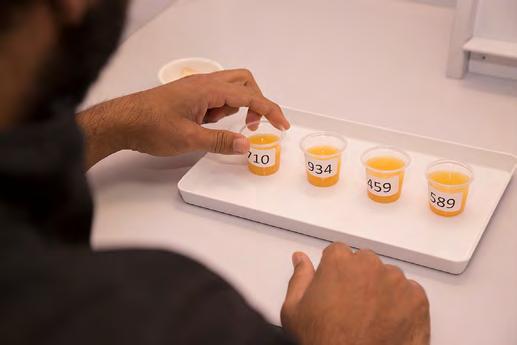
Massey University’s Food Experience and Sensory Tasting (Feast) Lab is opening its doors to food innovators with monthly TasteBench sessions, offering a practical, cost-effective alternative to traditional consumer testing.
The sessions give companies the chance to test up to five products with 50-70 general consumers and receive actionable insights within five days, helping refine products and reduce market risk before launching.
Sessions take place in Feast’s dedicated sensory space on Te Kunenga ki Pūrehuroa Massey University’s Palmerston North campus, with access to booths or immersive environments depending on study requirements. Participants are untargeted general consumers, offering unbiased feedback representative of the broader market.
Director of Feast, Professor Joanne Hort says, “we know that evaluating products with target consumers is costly, but only testing via team consensus and family opinions can produce biased results that don’t reflect real-world purchasing behaviour. TasteBench provides authentic market feedback, giving companies the insights they need to make confident, consumer-backed decisions.”
We are pleased to now offer ISO referenced method microbiological testing for a comprehensive range of dairy commodity products, including milk powders, liquid milk, ice cream, cheese, and butter/AMF.
Our expanded capabilities encompass an extensive suite of microbiological analyses, including Aerobic Plate Count, E. coli, Salmonella, and many others, supporting both domestic compliance and export market requirements.
With industry‑leading turnaround times and a commitment to accuracy, we deliver reliable results so you can move forward with confidence.
Talk to one of our helpful team to find out more. 0508 HILL LABS | 0508 44 555 22
SAVE FOOD expands global alliance to tackle food loss
The SAVE FOOD Initiative has strengthened its global collaboration through a new official partnership with the United Nations Industrial Development Organization (UNIDO) and the World Packaging Organisation (WPO), reinforcing international efforts to reduce food loss and waste.
Founded in 2011, SAVE FOOD works with international organisations, industry and research institutions to reduce food loss across the entire value chain. The new partnership brings greater technical expertise, global reach and policy influence to the initiative, with a focus on the role of packaging, processing and industrial innovation in strengthening food systems.
The collaboration also continues the initiative’s long-standing work with
the Food and Agriculture Organization of the United Nations (FAO), which contributes expertise in food security, sustainable agriculture and policy development.
Together, the partners will focus on practical solutions including improved packaging design, climate-smart processing, and education and training programmes. Particular attention will be given to the ‘midstream’ of the food supply chain such as storage, processing and distribution, where much food loss occurs.
The strengthened partnership will be highlighted at interpack 2026 in Düsseldorf, Germany, from 7–13 May. SAVE FOOD will host expert talks, a highlight route showcasing industry solutions, and its annual awards recognising innovations that help reduce food loss worldwide.
New bread recipe developed to reduce high blood pressure
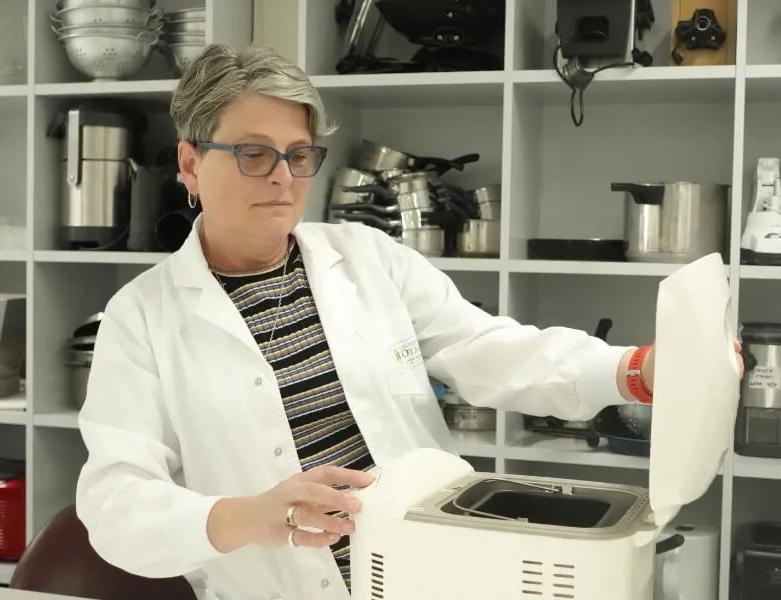
With funding from the Heart Foundation in 2024, Professor Rachael McLean and her team from the University of Otago have created bread with reduced sodium and more potassium, without compromising on flavour or texture.
“We used the food science laboratory to test several concentrations of potassium salt substitute in bread and formally assess the physical qualities of the bread as well as its taste,” says Professor Rachael McLean.
She says potassium, while beneficial, can sometimes leave a metallic aftertaste, so fine-tuning the recipe was essential. After formal sensory testing in the lab, the next step is to trial the bread in the community.
The team will work with Puketeraki Marae, north of Dunedin, where local kaumātua and whānau will incorporate the new bread into their meals.
Professor Rachael McLean
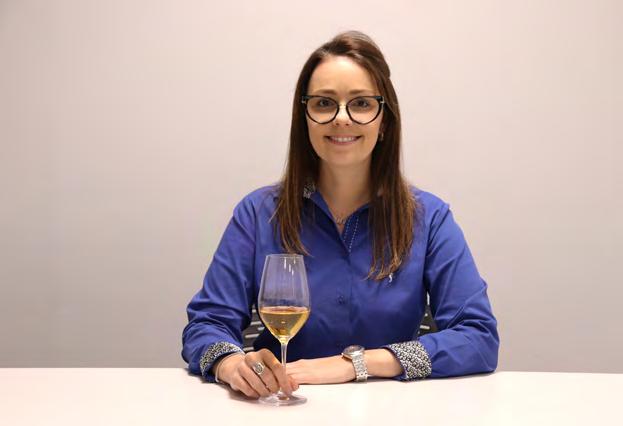
More not always better: Research finds limits to white wine flavour intensity
New research suggests that pushing the signature aromas of New Zealand white wines too far may reduce enjoyment and alter how consumers perceive varietal character. A study led by Te Kunenga ki Pūrehuroa Massey University’s Food Experience and Sensory Testing (Feast) Laboratory, with Lincoln University and the Bragato Research Institute, examined how varying levels of key aroma compounds influence preference and perceived typicity in Sauvignon Blanc, Chardonnay and Pinot Gris.
At the center of the research are varietal thiols - volatile sulphur compounds best known for delivering tropical fruit, citrus and green aromas within the wine. In the right balance, thiols are part of what makes Marlborough Sauvignon Blanc famous worldwide, contributing to freshness and appeal. But like seasoning in a meal, more is not always better.
The results revealed there was a clear sensory ceiling for Sauvignon Blanc. Wines with high thiol levels were perceived as less typical than those with lower concentrations and were sometimes mistaken for Chardonnay when tasted blind. High-thiol Sauvignon Blancs also triggered negative descriptors such as ‘sweaty’ and ‘cooked vegetable’. In contrast, thiol levels did not significantly change perceptions on whether the wines tasted like their grape variety of Chardonnay or Pinot Gris.
Researchers say the findings can help winemakers fine-tune aroma intensity to enhance flavour and consumer enjoyment.
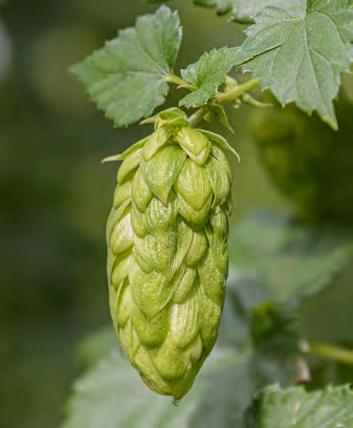
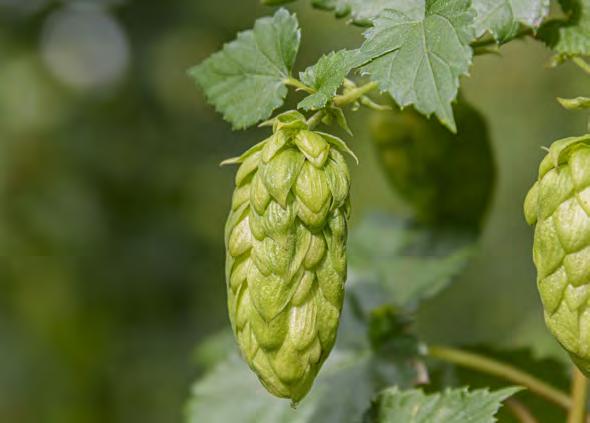
New variety of hop to help strengthen New Zealand's presence in the global hop market
Tasman based Clayton Hops has been working in partnership with the Bioeconomy Science Institute's hop breeding team to bring new and exciting hop varieties to market exclusively as part of a joint initiative called the Clayton Innovation Project (CIP).
The newly commercialised variety - NZ Rhapzody™ (CIP014 NZ), has undergone over five years of trialing and sensory testing and is the first exclusive hop variety to come from the CIP. Trial brewing identified the hop as having intense tropical and citrus notes.
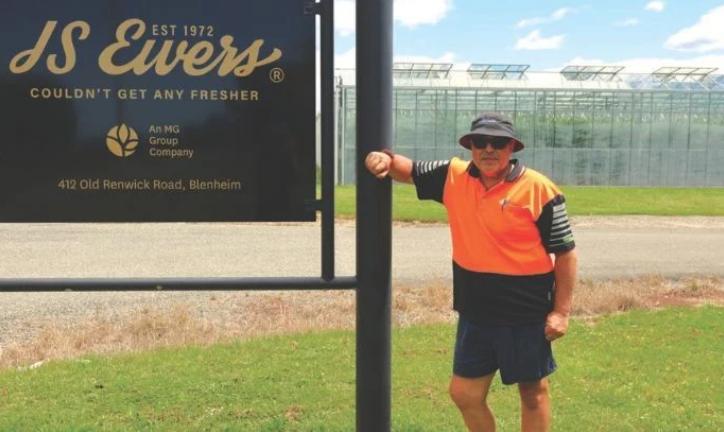
Frank Zydenbos, manager of rebranded Kinzett, stands by the tomato-growing facility near Blenheim.
Century-old Kinzett tomato operation enters new chapter under MG Group
The Kinzett family’s century-old tomato operation on Old Renwick Road in Marlborough is entering a new chapter, with the business now merged into the MG (Market Gardeners) Group under a lease agreement. The change transfers full management and day-to-day operations of the two-hectare glasshouse producing hydroponic tomatoes year-round, to Nelson-based JS Ewers, which is wholly owned by MG.
Principal researcher Amanda Dupas de Matos
Celebrating 20 years of NZOZ: sensory and consumer science comes alive in Melbourne
Dr Julia Low and Dr Djin Gie Liem
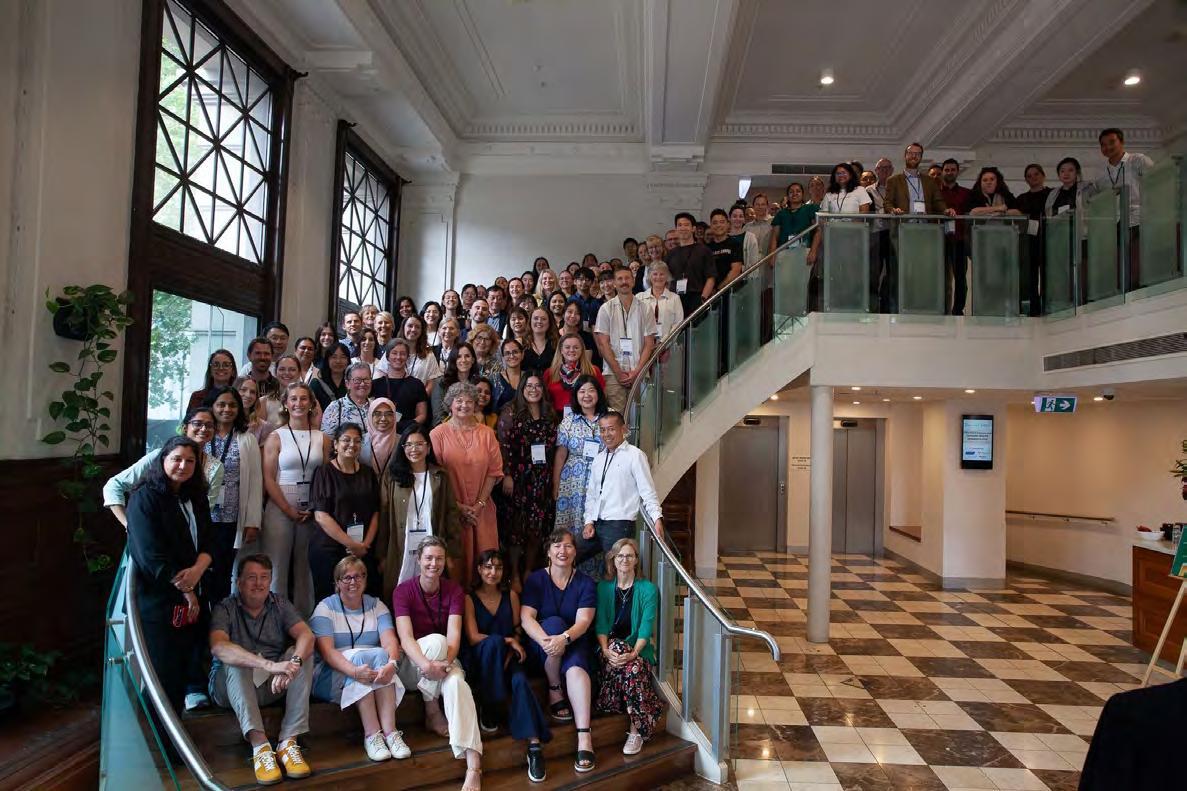
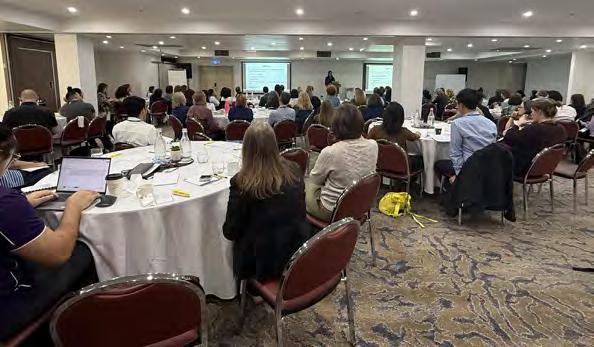
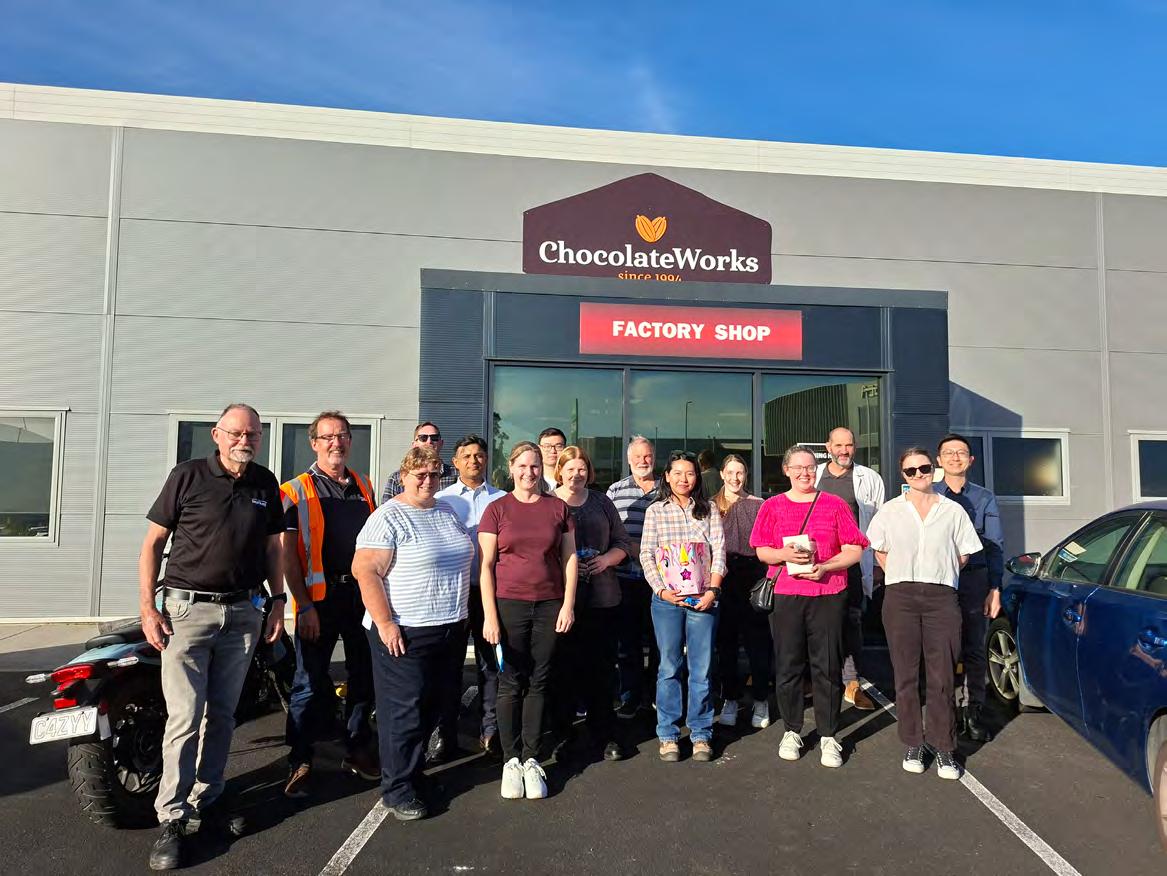
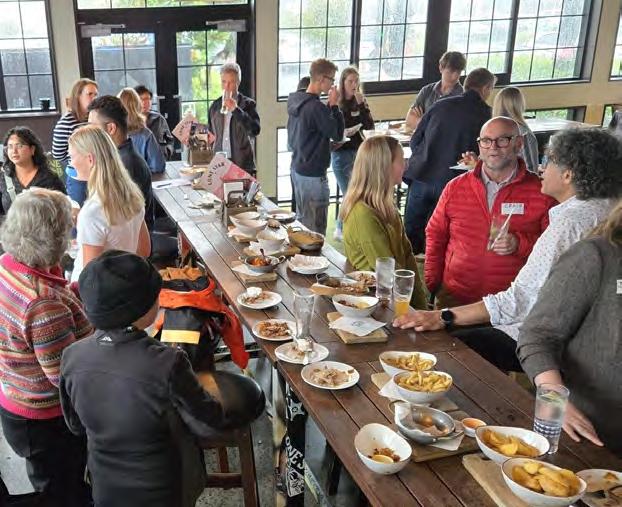
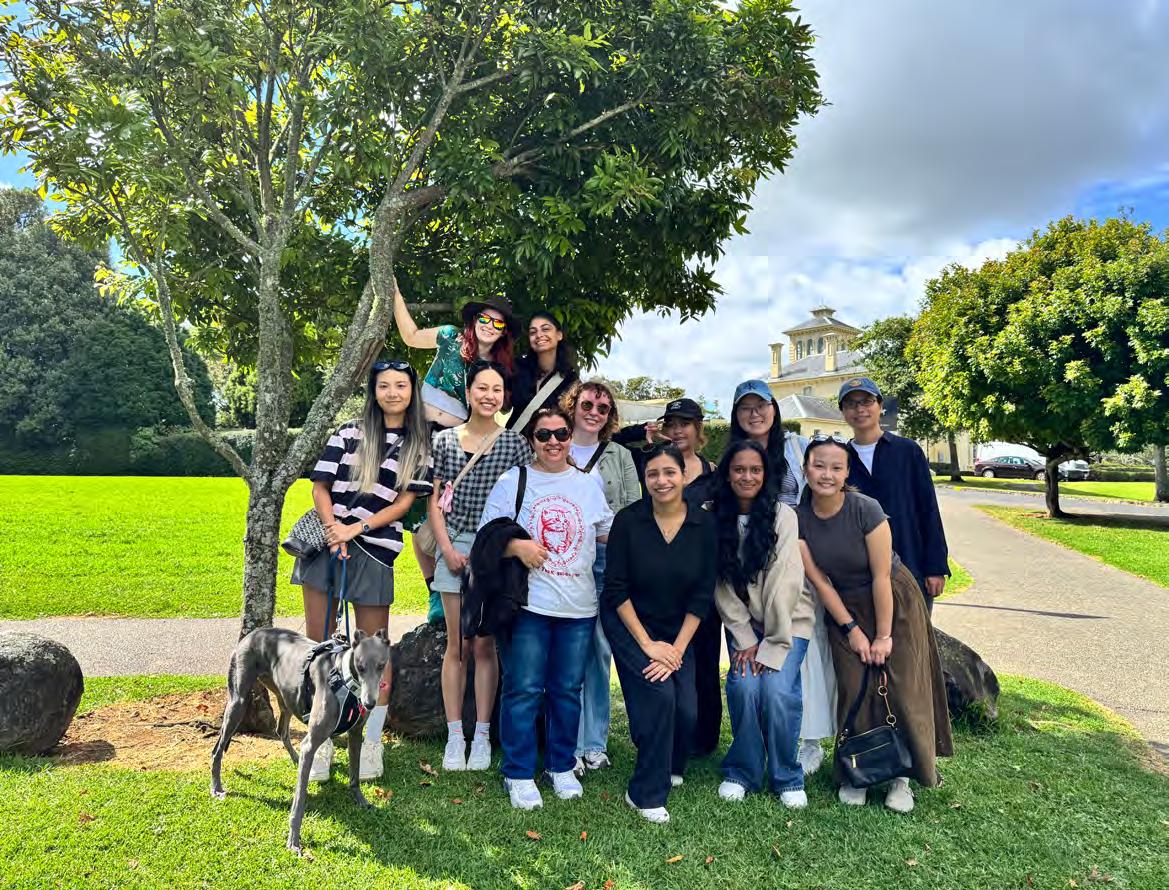
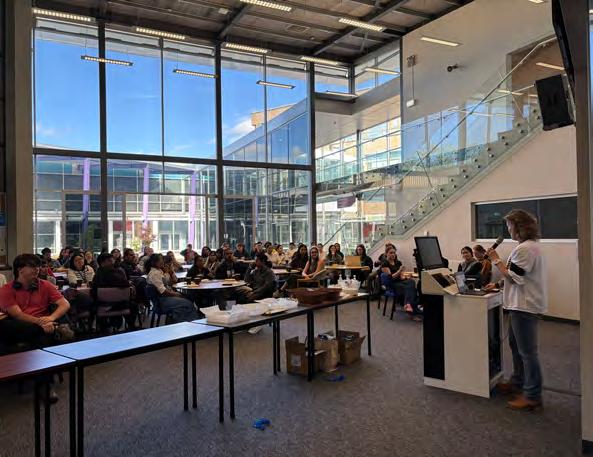
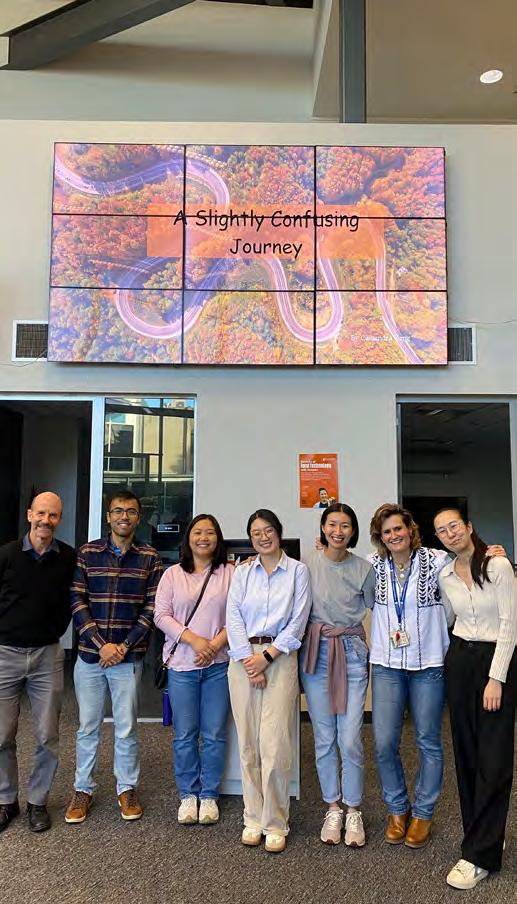
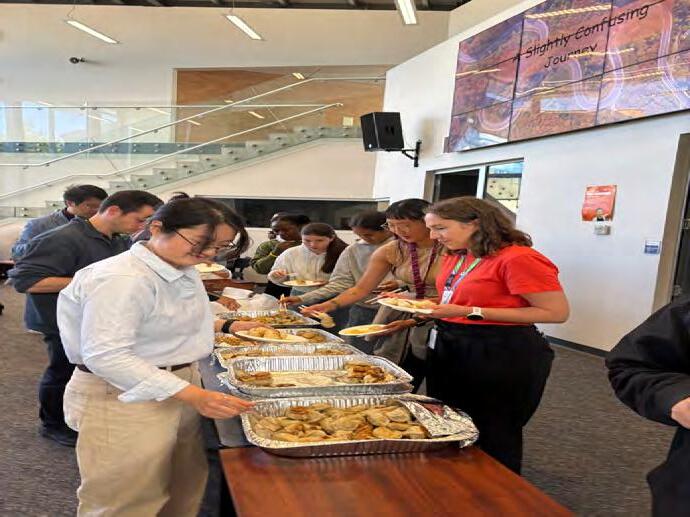
Melbourne hosted a significant milestone this February as the NZOZ Sensory and Consumer Science Symposium celebrated its 20th anniversary. The event brought together 112 delegates from six different countries to hear from more than 40 presenters. Participants came from across Australia, New Zealand and the wider Asian region reflecting an increasingly engaged Asian Sensory Network. What began two decades ago as a modest gathering at a rural campsite has evolved into one of the region’s most influential platforms for advancing sensory and consumer science.
Despite its growth, the heart of NZOZ remains unchanged: a welcoming and collaborative environment where people share ideas, learn from one another and discuss real-world industry challenges. The symposium’s vision has always been to support the sensory and consumer science community across Australia and New Zealand while strengthening connections with the wider Asia-Pacific region.
The theme for this year’s symposium – Exploring the Experience, made it clear that sensory science is no longer a niche discipline. It is a strategic tool for addressing some of the food industry’s most complex challenges, from health and sustainability to product relevance, emotional engagement and consumer behaviour.
The symposium opened with keynote presentations from Professor Liesbeth Zandstra (Unilever & Wageningen University, the Netherlands), a leading figure in multisensory design and food reward research. Drawing on her 26 years with Unilever R&D and her academic role at Wageningen University, she offered a rare dual industry and academic perspective on how advanced sensory and consumer science can deliver meaningful, scalable impact.
Professor Zandstra acknowledged the challenges of working across both worlds, noting that “In industry you are sometimes seen as the academic who asks difficult questions. At the same time, in academia you can be seen as that industry person.” Her example of global salt reduction research, which began as a modest collaboration with Deakin University and Deakin Centre for Advanced Food Science (DeCAF), before expanding worldwide, illustrated how transparent communication and cross-sector partnerships can produce tangible benefits for consumers. For industry, her message was clear: companies must reduce sugar, salt, and saturated fat while maintaining indulgence, and multisensory design offers some of the most powerful tools available. Professor Zandstra
demonstrated how cues such as colour, aroma, sound and texture can be leveraged to shape positive eating experiences, support behaviour change and create healthier products that consumers genuinely enjoy. Sensory science, she emphasised, has moved well beyond just measuring liking. It helps design foods that consumers feel good about choosing. She also shared a resonant message for students and early-career researchers, particularly around addressing gender imbalance within the field. Notably, her second keynote coincided with the International Day of Women and Girls in Science, making her message especially timely. She encouraged young researchers to speak up, recognise their strengths and pursue the work they believe in. With a good sense of humour, she reflected on the importance of being authentic, working around challenges where possible and continuing to advocate for the work and ideas you believe in.
Alongside keynote sessions, the symposium featured several workshops that highlighted how sensory science is applied in different contexts.
In the first session, Senior Curator Elizabeth Anya-Petrivna from the National Trust of Australia, explored dining through a cultural and historical lens, challenging delegates to rethink how context shapes perception. Using heritage plates, cutlery, and table settings, delegates reimagined meal environments for different consumer groups, reinforcing the idea that even the most well-formulated product can falter if it does not align with cultural expectations, eating environments, or behavioural habits. As companies expand into diverse and rapidly evolving markets, understanding these contextual cues becomes critical. In a second workshop, led by Allan Yeh, the Head Roaster at Code Black Coffee Roasters, delegates explored the challenges the coffee industry faces in describing flavour in specialty coffee, particularly when deciding which flavour notes should appear on packaging. Participants
cupped multiple roasts, noted their flavour profiles, and compared their observations with the descriptors typically written on coffee packaging. This sparked discussion about how coffee professionals interpret flavour compared with how consumers understand those descriptors. The session highlighted an important gap between industry expertise and consumer perception and demonstrated how sensory science can help bridge it. By aligning sensory methods with industry practice, the workshop highlighted how collaboration can support clearer communication and ultimately maintain consumer trust.
A third workshop, led by Associate Professor Emma Stirling and Dr Emma Beckett from Australian Catholic University, explored culinary nutrition. Participants were encouraged to think about how sensory and nutritional considerations might change across different environments and populations. Discussions included how food experiences could be adapted for demographic groups such as older adults, and what elements in the eating environment might help improve appetite and enjoyment. For companies innovating in plant-based, reduced-sugar, or functional foods, this fusion of nutrition and sensory science offers a powerful pathway to products that are both good for consumers and genuinely enjoyable.
Looking ahead, sensory and consumer science will continue to play an important role in shaping the future of food development. Whether improving the appeal of healthier products, supporting sustainability goals or understanding how context influences eating behaviour, the discipline remains central to food innovation.
Acknowledgement
We extend our sincere thanks to the AIFST team for their invaluable support in the lead-up to the conference and to Wendy Bayliss (NZIFST) for her assistance throughout the event.
We also extend our gratitude to our fellow members of the NZOZ 2026 Committee, Jodie Hill (Sensory Solutions), Professor Joanne Hort (Massey University), Associate Professor Mei Peng (University of Otago), Professor Heather Smyth (The University of Queensland) and Annesley Watson (Pepsico Australia and New Zealand) whose dedication and hard work made this conference possible. ■
Dr Julia Low is Senior Lecturer at RMIT University and Dr Djin Gie Liem is Associate Professor in the Deakin Centre for Advanced Food Science (DeCAF) at Deakin University.
Otago lab addresses the people-side of food safety
University of Otago
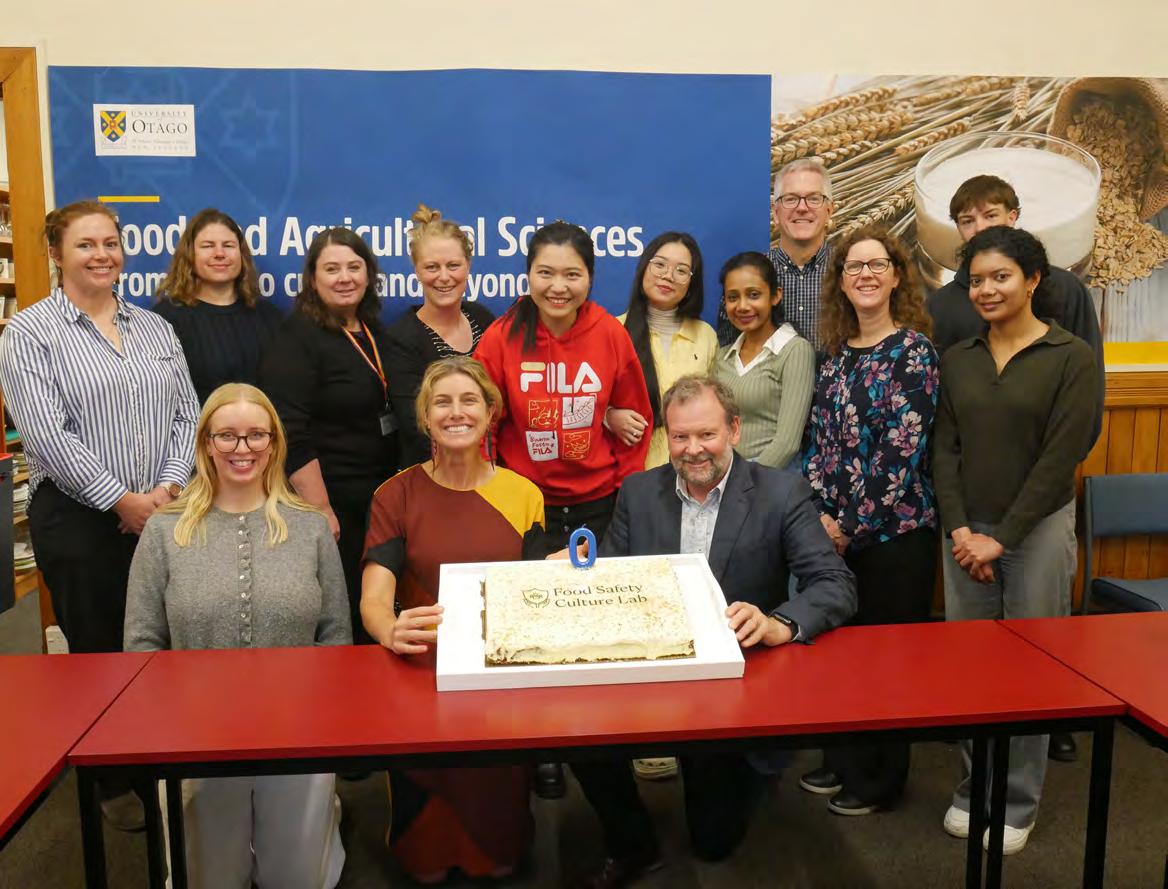
A new University of Otago – Ōtākou Whakaihu Waka initiative aims to improve food safety in Aotearoa New Zealand. Just launched, the Food Safety Culture Lab is a multidisciplinary research group that focuses on human behaviours in the food industry which can lead to foodborne illnesses. The first of its kind in Aotearoa New Zealand, the Lab will investigate how people working in the food industry navigate safety systems, balance operational pressures, deal with uncertainty, and respond to risk.
Co-lead Professor Miranda Mirosa, a behavioural scientist from Otago’s Department of Food Science, says while the industry has strict rules and policies around safety, staff don’t always adhere to them.
“When we look at how people get sick, it is often because someone hasn’t followed the rules.
“It may be that they don’t have the knowledge or skills, there may be language barriers, they may have no motivation to follow the rules, or their workplace set-up doesn’t make doing the right thing the easy option.”
The Lab will provide evidence-based insights into how food safety culture can be most effectively measured, actioned and sustained across New Zealand’s food sector. The research team will work with companies to determine any issues and what can be done about them.
“It could be developing and testing different interventions to improve the food safety culture, like a training module, point-of-decision prompts, and short safety-focused huddles.”
Professor Mirosa says there is a strong focus globally on food safety culture, and the Lab will work to support the long-term development of this as a collective, evidence-informed practice throughout Aotearoa. The Lab is co-led by Distinguished Professor Phil Bremer, a food safety and microbiology expert and the Chief Scientist at the New Zealand Food Safety Science & Research Centre (NZFSSRC), and includes researchers and postgraduate students, including Dr Wendy NewportSmith, Manager of the NZFSSRC, who specialises in food safety culture and ethical leadership. ■
Safety Culture Lab co-leads
For more information, please visit: www.foodsafetyculturelab.com
Follow us on LinkedIn: Food Safety Culture Lab - University of Otago Or contact:
Professor Miranda Mirosa
Food Safety Culture Lab Co-Lead University of Otago
Professors Miranda Mirosa (front centre) and Phil Bremer (front right) celebrate the launch of the Lab with their team. Photo credit: University of Otago.
In Focus:
Featuring supplier-provided insights, emerging trends, and the latest offerings.
Beyond GLP1: BENEO’s holistic approach to weight management nutrition
As the use of GLP1 medications grows, consumers’ eating habits are shifting in ways that will shape the future of food and beverage innovation. Appetite suppression, changing taste perceptions, and a stronger focus on nutrient density are redefining what people look for in everyday foods. This transformation isn’t a passing trend – it’s a long–term shift toward smarter, more purposeful nutrition.
BENEO is uniquely positioned to help manufacturers meet these evolving needs. With decades of expertise in digestive health, blood sugar management, and sustained energy, the company offers a comprehensive toolbox of science-backed functional ingredients that naturally align with weight management priorities. Its portfolio enables brands to adapt both existing products and new formulations with ease. Prebiotic chicory root fibers support satiety, digestive comfort, and mood; slow release carbohydrates provide balanced, sustained energy. Plant-based proteins round off the portfolio with regard to nutrient-dense foods. Because, as consumers eat less, what they eat matters more. Smaller, nourishing portions, convenient formats, and balanced sensory experiences are essential – areas where BENEO’s solutions deliver clear advantages.
Whether developing meal replacements, snacks, baked goods, (alternative) dairy products, better-for-you confectionery or sports nutrition, manufacturers can rely on market, application and regulatory know-how, and strong scientific foundation.
In a rapidly evolving nutrition landscape, BENEO stands out as a leading partner for companies looking to support metabolic health, weight management, and overall wellbeing – today and for the future.
Functional
ingredients for weight wellness Support the GLP-1 journey, every step of the way
Developing for the weight loss segment isn’t a ‘one-size-fits-all’ solution. Whether consumers are relying on natural approaches to lose weight, or are supported by GLP-1 medication, BENEO’s functional ingredients of proteins, fibres and smart carbohydrates can help their personal needs. Weight management often comes with challenges such as low energy, digestive discomfort and even mood. Across multiple applications, going from bakery and beverages, to dairy solutions and beyond, our smart ingredients provide targeted benefits that seamlessly integrate into daily eating habits. This empowers product developers to create tailored and tasty solutions that consumers can enjoy long-term. Create solutions that make weight management a lasting success, for consumers and for you.
How PROVA and Hibiscus Solutions support practical innovation for local manufacturers
New Zealand food manufacturers operate in a market where global trends move quickly - but successful product development depends on how well those trends are translated locally.
The partnership between PROVA and Hibiscus Solutions is focused on bridging that gap. By combining global flavour expertise with in-market knowledge, the collaboration supports manufacturers in developing products that are not only on-trend, but technically and commercially viable.
Founded in 1946, PROVA is a French family-owned flavour house known for its expertise in vanilla extraction and sweet brown flavour systems, including cocoa, coffee and caramel. Its global footprint now includes a production facility in Thailand, strengthening supply capability across the Asia-Pacific region and improving responsiveness for customers in New Zealand.
Hibiscus Solutions complements this with local technical and commercial insight. Working closely with customers, the team supports ingredient selection, formulation, and regulatory considerations to ensure flavour systems perform effectively across a range of applications. Emerging flavours such as matcha continue to gain interest beyond
its traditional use in tea, with familiar indulgent profiles remaining relevant. Coffee and caramel combinations, continue to perform strongly across bakery, dairy and beverage categories when delivered with balance and consistency.
“Global trends provide inspiration, but success comes from making them work in a local context,” says Cam Clayton of Hibiscus Solutions. By aligning global capability with local expertise, PROVA and Hibiscus Solutions are helping New Zealand manufacturers innovate with confidence in an increasingly competitive landscape.
Freemen Nutra – transforming client ideas into reality
Freemen Nutra is dedicated to assisting clients in the food and beverage industry in transforming their innovative ideas into reality. Here are three popular ingredients:
Vegan Collagen
Composed of hydrolyzed peptides from a collagen-like protein and sourced from organic hibiscus. Beauty blooms with VC-H1 Botanic Collagen Peptides.
• Remarkably superior Type I collagen synthesis compared to animal-derived sources
• Odorless with a clean taste and certified Vegan, Halal, Kosher and pending Non-GMO.
Chicory Inulin
Chicory inulin is a naturally sourced soluble dietary fibre, obtained from chicory roots through a pure physical extraction process. It is presented as a fine granulated powder and has a slightly sweet taste. It is the only plant-based prebiotic verified by ISAPP and can be easily incorporated into a wide range of food applications.
Creatine
Creatine speeds up muscle recovery between workouts by reducing damage and muscle cramping. Creatine increases strength, power, and muscle mass, especially during high-intensity, short-duration activities like weightlifting and sprinting. Creatine helps counteract age-related muscle loss (sarcopenia) and increases bone mineral density.
From specific ingredient orders to custom premix blends, Freemen Nutra’s seamless global supply chain and diverse product portfolio provide you with the products you need, backed by a competitive and efficient guarantee. With over 30 years of experience, and partnerships with key global manufacturers, Freemen Nutra also maintains warehouses in Brisbane, Auckland, Sydney, and Melbourne.
Leading products consist of Vitamins B, C, D, E, and K, along with MCT powder, caffeine, creatine, citric acid, malic acid, taurine, sucralose, Vegan and Animal collagen.
Contact Freemen Nutra to lower your ingredient costs, source the latest, trending, ingredient samples, and ensure efficient customer service.
IN FOCUS: FOOD INGREDIENTS
Trendspotting: using colour to connect with APAC consumers
Miguel Bielders, GNT’s Marketing Manager – APAC, explains how plant-based EXBERRY® colours can help satisfy modern consumer desires to gather together
At GNT, we get ahead of new colour trends by analysing emerging consumer behaviour.
Gather Together is our latest research project. It shows how, in today’s challenging times, consumers are coming together through food and drink to experience moments of joy and connection.
The report dives down into the new and exciting ways people are uniting through consumption – and how colour can help spark these moments. It provides practical insights into how brands can deliver what consumers are craving: meaningful moments that bring people back to each other in a world that’s increasingly digital and uncertain.
How colour can help
Colour is a tool for brands to create products that people want to experience together. It sets the mood, signals flavour, and helps make the moment memorable.
Our analysis shows how brands can use different colour palettes to connect with the new ways consumers are coming together. It sets out four colour-led sub-trends, from Cultural Celebration to Sensory Escape. Each is associated with specific behaviours and emotions. For Gen Z and Millennials, the focus is on bold, shareable moments. For them, gathering is about excitement, adventure and seeing something you can capture and post.
Gen X and Baby Boomers, meanwhile, are leaning into comfort and nostalgia. For them, gathering is about reassurance and familiarity.
Local knowledge, local expertise
There are multiple benefits to working with a local supplier of quality global ingredients. Invita’s well established and long-term relationships with international suppliers allows us to pass the advantages on to you.
Invita works with you to develop concepts and fine-tune technical and nutritional ingredients for our Kiwi tastes. Our experienced Aucklandbased team provides you with guidance to navigate your entire NPD process, offering a uniquely holistic service, including local technical support and invaluable regulatory expertise.
Our access to market information and technical know-how supports you with knowledge from abroad before the latest NPD trends reach our shores. Plus, the question of long lead times is answered with local warehousing and supply, enabling you to be the market leading brand that is first on shelf.
Invita’s knowledge of local and export markets combined with our ingredients’ capabilities gives New Zealand manufacturers an ideal platform to develop successful products.
Whether used on their own or in combination, Invita’s portfolio of nutritional and technically functional ingredients offers you a toolbox of solutions: Prebiotics – Probiotics – Nutritional Premixes – Fruit & Vegetable Powders – Chia Ingredients – Colours – Flavours – Taste Modulation – Masking Flavours – Sweeteners – Starches – Hydrocolloids – Emulsifiers and Texturising Systems.
Support from GNT
Based on our research, we can provide expert advice on how to create cutting-edge products that tap into the trend using plant-based EXBERRY® colours.
Ready to find out more? The full, interactive Gather Together report covers the latest trends, colour palettes and real-world examples to inspire your next innovation.
Download the report now at: www.exberry.com/en/gather-togethercolor-trends
Invita is a New Zealand-born company, now part of the DKSH family. We welcome the opportunity to share our market intelligence and ingredient innovations, ensuring you are always at the forefront of industry developments.
Invita. Global reach, local delivery.
Chicory root fiber: nutritional support for individuals using weight management medications
With the rapid rise in the use of weight management medications across Australia and New Zealand, consumers are seeking nutrition solutions that may support their wellbeing while using these treatments. GLP1 therapies can play an important role in weight management, but they are often accompanied by digestive and nutritional considerations such as constipation, reduced appetite, and an increased risk of micronutrient
deficiencies. This creates an opportunity for well-tolerated natural ingredients such as Sensus chicory root fibers, which support digestive comfort while enabling great taste and enjoyable products within GLP-1 nutrition and modern weight management routines.
As a plant-based prebiotic, Sensus chicory root fiber may support digestive comfort by stimulating beneficial gut bacteria and promoting softer stools and more regular bowel movements. Through fermentation, chicory root fiber also helps produce short-chain fatty acids (SCFAs), which are linked to satiety and may support balanced metabolic processes. Additionally, chicory root fiber may help improve calcium absorption, an important consideration when energy intake decreases or when individuals adjust their diets during weight-loss efforts.
Because protein plays a key role in supporting muscle maintenance, combining chicory root fiber with high-quality plant proteins may offer a balanced approach for GLP1–oriented applications. This complementary combination is reflected in joint concepts from Cosun Protein and Sensus, where Tendra® fava bean protein isolate and Sensus chicory root fiber work well together in applications such as RTDs, RTMs, and bars to deliver convenient, great-tasting and nutritionally balanced solutions for consumers focused on weight management.
Sensus offers Frutafit® inulin and Frutalose® oligofructose, recognised prebiotic fibers suitable for a wide range of food and beverage applications. These ingredients may support digestive comfort, microbiome balance, and natural nutritional wellbeing, making chicory root fiber a smart choice to foster modern food innovation.
Sensient’s annual Colour of the Year - a campaign that aims to represent the mood of the consumer in that moment.
In 2025, Sensient’s selected colour was Zesty Yellow, which represented a renewed zest for life, hope, vigor, and exploration. With the pace of the past 12 months, the speed of geopolitical, tech and social change, Sensient felt the consumer was tired, required a breath, and a moment to restore and reconnect with oneself.
Sensient has therefore launched 2026 Color of the Year: Reverie Pink, a soft, comforting pink shade designed to promote serenity, mindfulness, and mental well-being in a chaotic world. It reflects a desire to slow down, offering a gentle, optimistic, and calming hue, suitable for beauty, food, and fashion consumer trends.
The colour shade reflects a shift towards holistic self-care, and intentional living, where consumers consider their mood, health, and wellbeing, in every moment, and before every purchase.
In the beverage space, we may see this colour presenting in soft, pastel pink health and wellness tonics, or light sparkling refreshing pale pinks, but ultimately 2026 products will be purposefully purchased. Whether it’s to help with achieving a calm and relaxed state when at home, or joyful energy when out and about and socialising - products will be purchased with intention. Sensient feels that Reverie Pink perfectly represents this movement.
From a natural products perspective, Sensient New Zealand continues to invest in this space, and have extended their range of natural functional caffeine containing products. This range fits with consumers’ need to find products that meet their physical and emotional state, in that moment.
They now offer a range of tea-based products, including Matcha, and White tea, in addition to some of their more traditional functional products, such as Guarana.
Continuing with their Toitu Net Carbon Zero journey, Sensient have also extended their range of Natural local fruit extracts. In addition to upcycled citrus extracts, they now offer Otago stone fruits, utilising ugly fruit that would ordinarily have had no retail use.
Sensient feel it is an exciting time to be part of the food and beverage industry and as always, they remain focused on the end consumer, addressing their needs first and foremost.
Essential's flavours to watch
With more than 10,000 flavours in its catalogue, Australian flavour house Essential has a strong understanding of where flavour trends are heading. A preview of its latest flavour trends report highlights several flavours shaping what we will be eating and drinking in 2026 and beyond.
Pistachio, for one, has joined the ranks alongside chocolate, vanilla and strawberry as a true mainstay flavour.
Matcha is another standout. Its striking green colour, perceived health benefits and versatility have turned it into a favourite, while its influence continues to extend into desserts, snacks and drinks.
Coffee is entering a new era. As Gen Z drinks less alcohol, coffee is being reinvented with inspiring new twists and is expected to reach higher heights beyond 2026.
Bakery trends are driving flavour shifts. The popularity of cinnamon scrolls and Belgium spice biscuits, for example, has brought spice flavours back into the spotlight.
“Dirty sodas” are all over social media, with Gen Z embracing ‘& cream’ flavours and new combinations.
Ube, with its subtle vanilla-like sweetness and natural creaminess, continues to win fans across desserts and beverages.
Essential also notes that “migratory mashups” - with roots in comfort and nostalgia - remain a prevailing food trend from last year and one likely to continue for the foreseeable future. Flavours from the past can still be relevant today, and food and drink is offering a way to explore the cuisines and cultures of places around the globe. Think pineapple cake flavour, pairing cheesecake with pineapple, or sticky tamarind, blending tamarind with English toffee.
Flavours that comfort, surprise and transport, such as tropical flavours, cherry, pink lemonade, passionfruit, brown sugar and pandan, are bringing a sense of escapism and novelty to everyday eating in 2026.
Essential flavours are available in liquid and powder format, exclusively through Sherratt Ingredients.
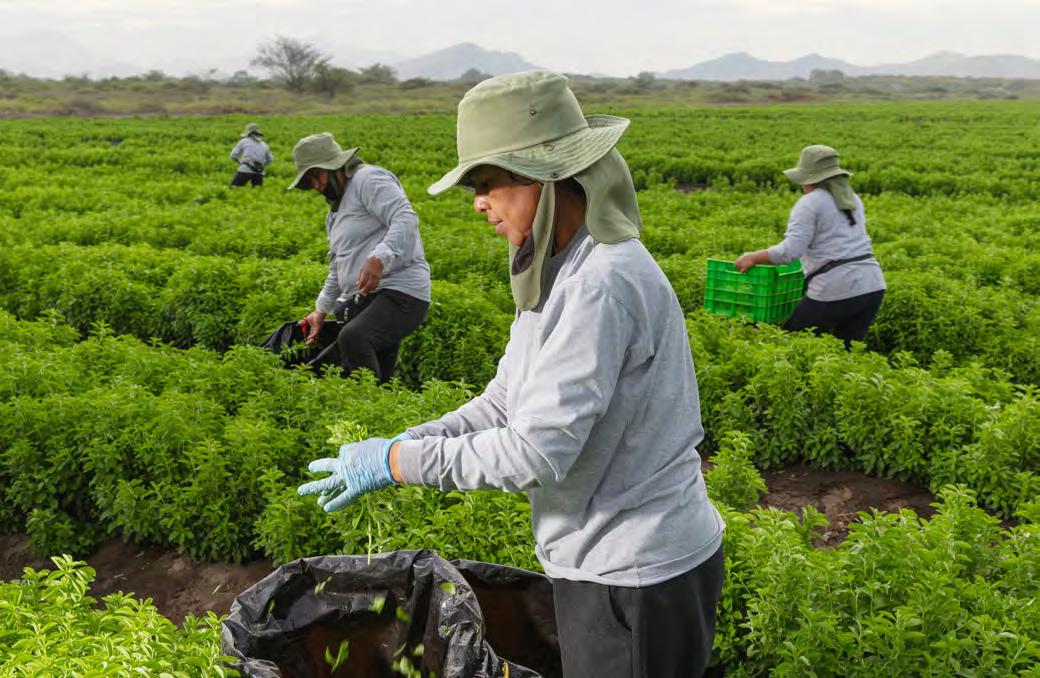
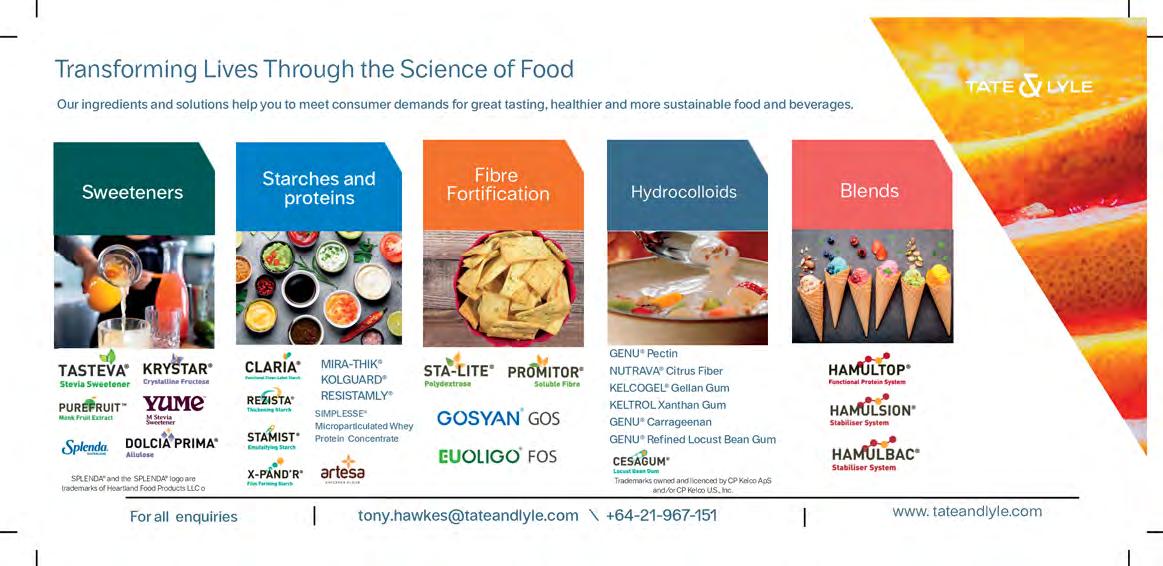
As demand for great tasting, lower sugar products accelerates across Australia and New Zealand, Tate & Lyle has launched YUME™ M Stevia Sweetener – a next generation ingredient solution designed to meet the region’s evolving formulation needs. This smart supply chain ensures full traceability, secure supply and reduced agricultural risk, giving manufacturers greater visibility into stevia supply chain and sourcing. For formulators, the value proposition is clear: clean, sugar-like taste without bitterness, even at high levels of sugar reduction. YUME™ M Stevia delivers a rounded, satisfying sweetness profile that supports product innovation across beverages, dairy, nutrition, bakery, confectionery and better-for-you snacking, categories seeing growing consumer interest in New Zealand and Australia, as consumers actively cut back on sugar.
YUME™ M Stevia’s cleaner, aqueous only extraction process eliminates chemical solvents while improving consistency and quality. This technology enables manufacturers to manage costs while delivering premium sensory experiences.
For New Zealand and Australian food and beverage manufacturers navigating tightening sugar guidelines, increasing health consciousness plus consumer demand for clean label, plant-based ingredients, YUME™ M Stevia offers a sweetness solution designed for where food and beverages are heading.
Contact us to find out how Tate & Lyle can support your product formulation work with solutions.
YUME™ M Stevia: scientifically advanced, secure sustainable supply, superior sweet taste.
YUME™ M Stevia: a new approach to sugar reduction for Australia and New Zealand food and beverage manufacturers
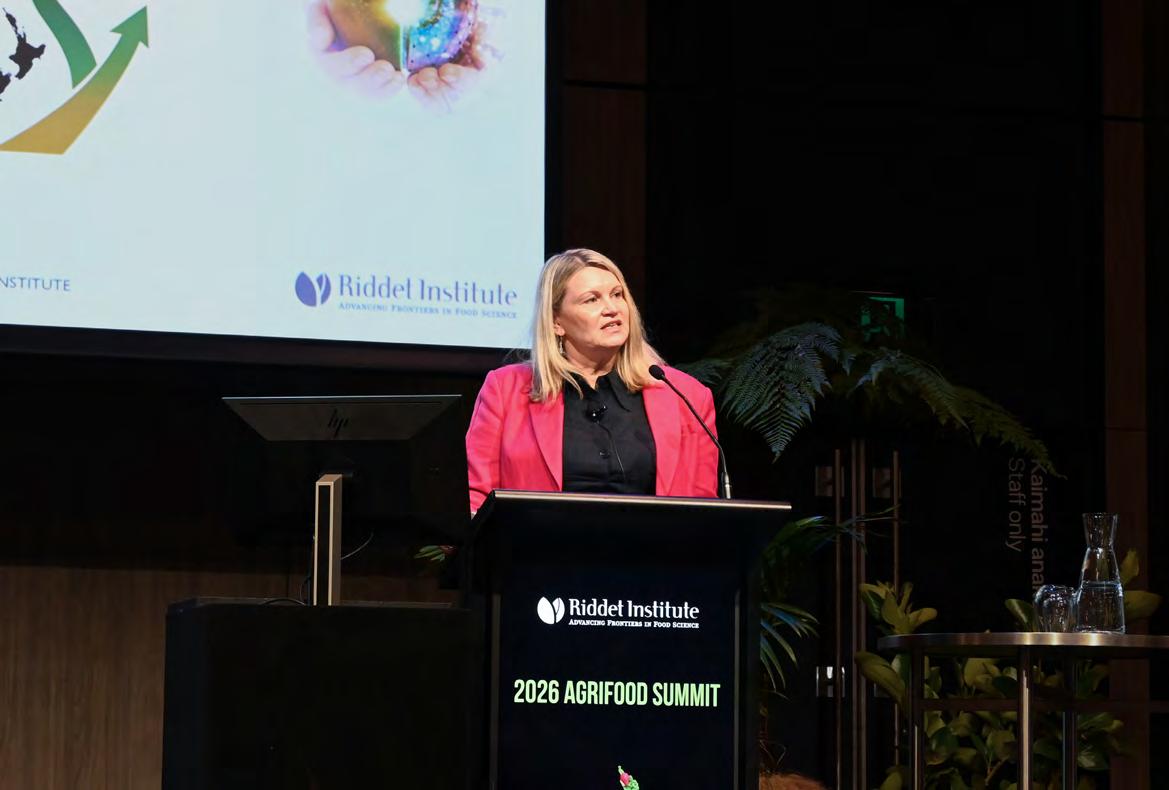
Agrifood Summit explores science solutions for feeding 10 billion by 2050
New Zealand is well poised to navigate the challenge of feeding a growing and ageing world population, according to international food system and sustainability experts.
Several speakers at the 2026 Riddet Institute Agrifood Summit held in Wellington in February flagged a future population approaching 10 billion in 2050, and a globe hungry for more and better food. Among the challenges facing humanity were the two sides of lack: malnutrition from food scarcity, and nutrient deficiencies - often accompanied by obesity or type 2 diabetes - from eating too much of the wrong foods. Other problems facing the food system were climate change and the need for science investment to provide solutions that would future-proof food supply.
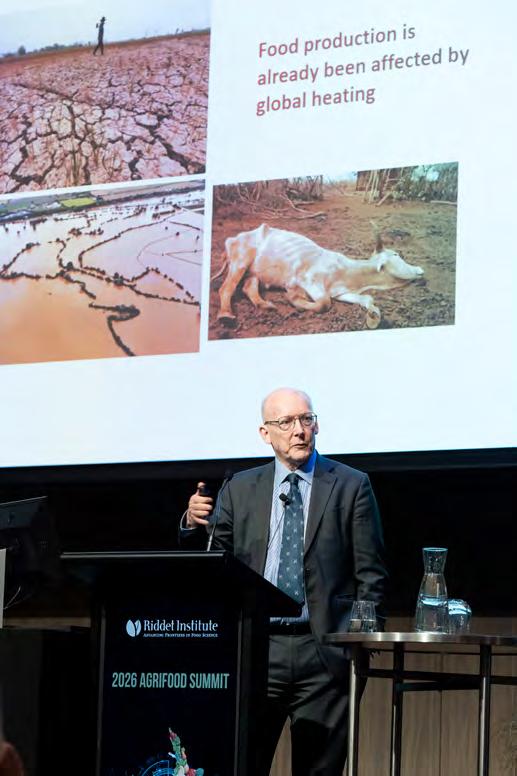
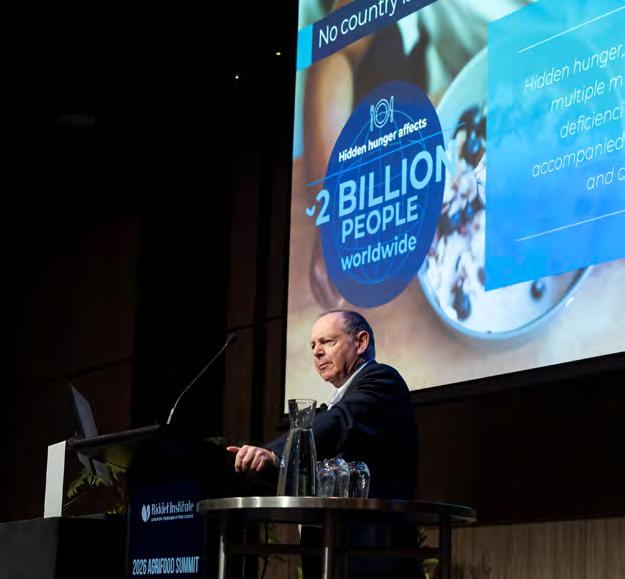
Professor Sir Charles Godfray, from the Oxford Martin School at the University of Oxford, and the Global Dairy Platform’s Executive Director Donald Moore were among the line-up of speakers presenting the challenges for the global food system at the summit.
Both spoke of the importance of the research being carried out by the Riddet Institute, particularly in putting nutrition to the fore in sustainability debates.
The nine speakers presented on a range of topics, along the broad themes of food security and sustainability, the future of food, disruptive
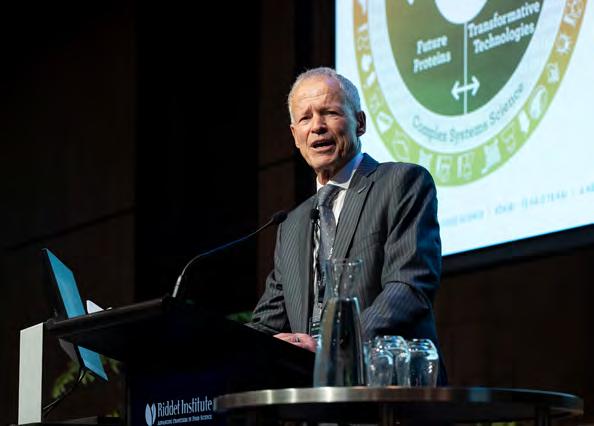
Professor Joanne Hort. Image credit Wendy Shailer-Knight
National food strategy needed
Protein expert and Riddet Institute Acting Director Distinguished Professor Paul Moughan called for a cohesive national food strategy in his presentation. He said for the agrifood sector to continue to advance, there needed to be co-operation between sectors and government as well as sustained investment in scientific research.
“Very few developed economies worldwide maintain high living standards embedded in agriculture.
“New Zealand does this through a sophisticated network of farming, science and business, based on competitive advantage: a good natural environment for growing agricultural products, world-class research and a well-developed agricultural trade sector.”
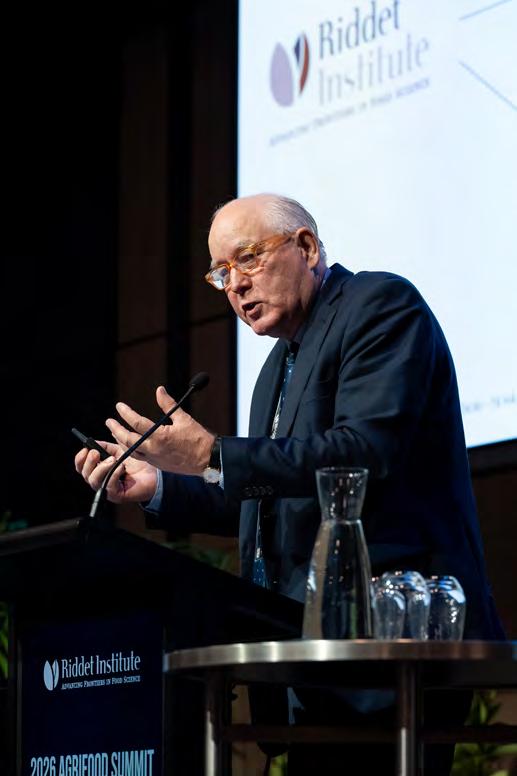
Riddet Institute Board Chair Sir Lockwood Smith also pointed out the importance of scientific leadership.
“In two decade’s time the world will need to feed a quarter more people and meet their nutritional needs, while improving the environment. Planting trees won’t do that.”
He said emissions from ruminant animals should be linked to the production of nutrition. New Zealand produced far more food than it needed, and in a more efficient and sustainable way than other countries but was under pressure to reduce methane emissions.
“What is being measured and how it is measured matters.”
biotechnologies and the importance of scientific discovery. Sir Charles said it was dangerous to think only about the environment or only about food. It had to be both.
“The food system inevitably is going to have to change if we are going to arrest runaway global warming,” he said.
The professor of population biology explored the broad drivers of change in the food system in his presentation. Sustainability, health and economic and socio-cultural drivers were all intertwined. Global demographics were changing as birth rates slowed and people lived much longer.
The Global Dairy Platform’s Mr Moore said New Zealand was well positioned to contribute to food solutions as it was uniquely exportdriven and had achieved significant pasture-based production efficiency. New Zealand was also a leader in genetic research and in finding scientific answers to the problem of ruminant animal-derived methane emissions. But health span, not just life span, needed to be a key consideration of food intake, he said. Meat and dairy were essential components as they provided highly bioavailable nutrients.
“In low- and middle-income countries the challenge is about nutrient sufficiency not sustainability; in high-income countries the challenge is healthy aging. The common denominator is that nutrient density matters.”
Food production did have a cost to the environment, but nutrition needed to come from somewhere.
University of Oxford Professor of Population Biology Sir Charles Godfray presents an address on Food Security and Sustainability. Image credit Rebecca McMillan
Distinguished Professor Paul Moughan. Image credit Rebecca McMillan Photography
The future includes new foods and new processing methods
Other speakers spoke about the importance of sensory and consumer research in determining if new food products would succeed in the marketplace.
Fonterra-Riddet Chair in Consumer and Sensory Science Professor Joanne Hort said new disruptive technologies were coming in food, like synthetic biology, block chain traceability, 3D printing and climatesmart agriculture. Consumer and sensory testing would be critical for the industry to understand the consumer response to these foods.
“Twenty-five per cent of the population will not try new foods or new technologies,” she said.
“Unless a consumer can see the personal benefits of consuming a product, they will stick to what they know.”
Neophobia (fear of anything new) and technophobia were more common than most realised, but consumer and sensory scientists could measure these traits.
“At the Riddet Institute we are able to understand the consumer, which is a powerful place to be. We are able to turn human perception into measurable data.”
Sensory science and eating behaviour expert Wageningen University Professor Ciarán Forde said ultra processed foods were often blamed for obesity, but they were not necessarily the nasties they had been made out to be.
Instead, the problem may lie with the texture of many ultra processed foods. Many were made to be soft and easier to eat. This, coupled with high fat and sugar content, caused some weighty problems.
“We often think of ultra processed foods driving obesity, diabetes and metabolic diseases. But studies show people eat more on an ultraprocessed diet than a minimally processed diet,” he said.
“In two decade’s time the world will need to feed a quarter more people and meet their nutritional needs, while improving the environment. Planting trees won’t do that.”
“Ultra processed foods were higher density, and softer and easier to chew, therefore you can eat them faster and consume more calories more quickly.”
He said studies had shown that changing food texture so meals could not be eaten so quickly resulted in lower body fat composition among participants. Reducing the energy density from the high fat and sugar content was also key.
One solution to future-proofing food supply was the development of alternative proteins, alongside traditional agriculture, according to Professor Munish Puri. Professor Puri is an industrial biotechnologist and occupies a joint Chair of Alternative Proteins role shared between the Riddet and the Bioeconomy Science Institutes. In his presentation
Professor Puri revealed significant advances in lab-grown food.
“Biology is becoming programmable. Molecular manufacturing and precision fermentation, combined with artificial intelligence, moves food production from harvesting to design.”
Chief Insight Officer from the Ministry for Primary Industries Jarred Mair also spoke about big changes ahead in food production.
“10 billion is probably as high as the global population will get. We are ageing and not replacing the population. The rapidly ageing population will change how we eat and what we eat.”
He said two large converging forces were coming together: the elderly who like nutrition and want to live longer; and young people who are wanting to be healthy. Both will demand better quality food.
“There is a global race to make alternative proteins to solve climate problems, and science is delivering the tools rapidly.” ■
Riddet Institute Board Chair Sir Lockwood Smith. Image credit Rebecca McMillan Photography
Global Dairy Platform Executive Director Donald Moore speaks on the importance of meat and dairy in feeding 10 billion. Image credit
Rebecca McMillan Photography
European Hygienic Engineering & Design Group
David Lowry, FNZIFST, Co-chairperson, EHEDG New Zealand
Advanced design course
As I write this column, we are only 10 days away from running the first EHEDG Advanced Hygienic Design Training Course for 2026 in Hamilton from 23 – 26 March. It’s always an exciting time for Shane (Engineering Manager for Pentair NZ) and myself to be meeting new faces from the food industry, keen to upskill on the reasons for, and the practices for, Hygienic Design management regardless of which sector of the food industry they belong to. This course is fully subscribed with 24 delegates and a broad representation of engineers and quality personnel from the dairy industry in particular, service suppliers to food manufacturing operations, and equipment suppliers and project managers. This is now the eighth Advanced Hygienic Design Course that Shane and I will have personally delivered since 2020, including the enforced break from COVID.
It is great to see a focus on hygienic design for safe food production becoming much more a part of companies’ business management ethos as the result of these courses. However, we’d still like to increase the rate at which we can broaden the awareness of the importance of hygienic design – not only in food safety but also productivity (a plant which is easy to clean and maintain not only costs less to clean, but is also less prone to breakdown and has a longer functional life expectancy) and sustainability.
One-day course
EHEDG is also running a one-day classroom course which can cater for up to 60 registrants and is an ideal introduction to the key principles of hygienic design and risk management for management, quality, and engineering staff.
The EHEDG Hygienic Design Fundamentals Course aims to:
• explain the benefits and importance of hygienic design
• provide a general understanding of the key hygienic design criteria for equipment and facilities
• create awareness of EHEDG and the benefits that the organisation can offer to food industry stakeholder companies.
Topics covered include: hygienic design criteria, hazards in hygienic engineering, materials of construction, building and process layout and cleaning and disinfection.
The course will likely be held in a main centre within July to September. Please scan the attached QR code for more information and provide your feedback. A decision on whether to run the course will be made based on your response. Discounts will apply for students, EHEDG member companies and for multiple registrants from a company.
Hygienic Design World Congress - Vienna
2026 is a banner year for EHEDG with the running of the Hygienic Design World Congress in Vienna, Austria on 7 – 8 October. The EHEDG World Congress, run every alternate year, is a premier event in hygienic design and food safety. It brings together over 300 global experts, innovators, and professionals to explore the latest advancements in ensuring product safety and quality. From enlightening seminars to engaging workshops, attendees gain insights into cutting-edge technologies and collaborate to elevate standards in hygienic design. Join us and shape the future of hygienic excellence by design. The theme for this year’s Congress is Ensuring Food Safety & Optimising Hygienic Production. For more information on the Congress and registration details visit the EHEDG website - https://www.ehedg. org/congress-2026/
Guideline releases
Two recent guideline releases from EHEDG in December worth investigating are:
1. EHEDG White Paper – Impact of Hygienic Engineering and Design on Sustainability in Food Production, and
2. Guideline 28 (new edition) – Safe and Hygienic Treatment, Storage and Distribution of Water in Food and Beverage Factories
The Sustainability White Paper connects hygienic engineering and design to key sustainability objectives in the food sector – always taking food safety as a given. Led by a diverse group of experts from leading companies and academia, this initiative outlines how hygienic design can drive reductions in energy, water, chemicals, and product waste – without compromising food safety. The White Paper is the first structured EHEDG initiative to formalise these links, laying the groundwork for future standards, guidance and training. The document focuses on four key sustainability elements where hygienic design can have the greatest impact: energy consumption, water usage, chemical input, and product loss and waste. The White Paper is a free download from the website – www.ehedg.org
The other update, a revision of Guideline 28, Safe and Hygienic Treatment, Storage and Distribution of Water in Food and Beverage Factories, also focuses on increasing sustainability goals, and the growing need for clear hygienic design principles in water systems throughout food production environments, as well as recent technological advances. The revised guideline responds to a growing need for improved water stewardship, especially in light of sustainability pressures. In recent years, water reuse has become a critical area of interest for food producers.
The updated document now includes:
• guidance on water reuse from sources like condensate, stormwater, and process water,
• expanded risk assessment procedures
• considerations for non-traditional water sources
• identification of relevant contaminants for each application, and
• practical advice on monitoring and treatment systems.
Guideline 28 is free to EHEDG Members, or available to purchase from the EHEDG website – www.ehedg.org for non-members.
For information on EHEDG membership or any matters relating to the information in this column, please contact David Lowry at info@ehedg. co.nz
David Lowry, Co-chairperson, EHEDG NZ Regional Section. ■
Novel bacterial culture enriches yogurt with bioactive peptides for healthy ageing
Julie Dalziel, and Co-Authors Paul Maclean and Evelyne Maes Bioeconomy Science Institute, Palmerston North.
As consumers demand more ‘natural’ minimally processed foods with health benefits, new knowledge on bioactive peptides produced through fermentation can be helpful for product design.
Yogurt producers tend to use tried and tested bacterial starter culture strains. This provides a repeatable fermentation, ensuring acidification occurs for thickening, mouthfeel, flavour and food safety of the final product. A downside in using a standard starter culture is that the composition of bioactive peptides released from the milk proteins can be limited. To overcome this, researchers identified innovative bacterial cultures that are rich in protein-degrading enzymes and used them in combination with standard starter cultures.
This work was part of Horizon Europe – a Joint Programme Initiative Consortium ‘Food Processing for Health Longlife Project.’ A collaboration between the project team at the Bioeconomy Science Institute (formerly AgResearch) funded by the AgResearch Strategic Science Investment Fund, and researchers at Teagasc and University College Cork and APC Microbiome (Ireland), with a jointly funded Walsh Fellowship.
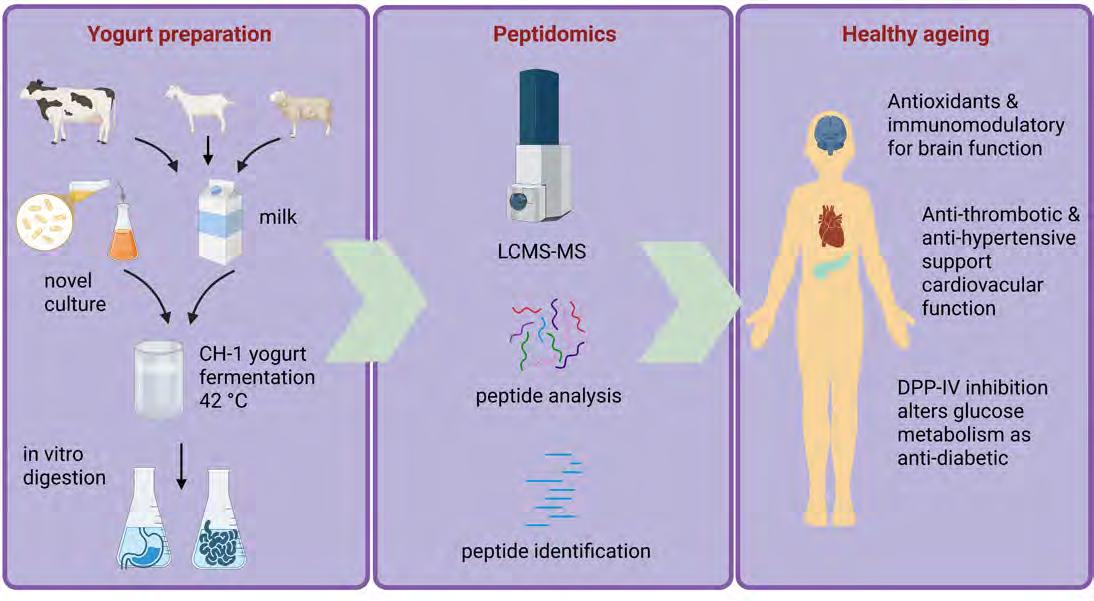
Figure 1. Yogurt preparation and analysis to identify bioactive peptides.
Julie Dalziel
From culture to function
• Novel bacterial cultures can enhance yoghurt with bioactive peptides
• Linked to benefits including metabolic health and healthy ageing
• Demonstrated across cow, goat and sheep milk systems
• Offers potential for added-value dairy product development
The study examined whether the simple addition of a novel culture for co-fermentation during traditional yogurt making can enrich the resulting dairy product in peptides that may confer health benefits for healthy ageing. This exemplar used fermentation to produce a proof of concept for an ‘added-value food’.
Yogurt made with innovative bacterial culture
A novel test culture (LABn) was added to a commercially available culture (CH-1, Chr. Hansen) and used together with plain cow milk (see Figure 1). The team investigated whether this LABn + CH-1 yogurt would produce more bioactive peptides than either CH-1 yogurt or plain cow milk.
Yogurt digestion and peptidomic analysis
Human digestion through the stomach and small intestine was mimicked using in vitro methods, where enzymes break down milk proteins and release peptides. Peptidomic analysis was then conducted on a Liquid Chromatography-Tandem Mass Spectrometry (LCMS-MS) machine for protein identification and analysis. Finally, results were compared against a database of known bioactive peptides that come from milk proteins.
Innovative culture enhanced bioactive peptide levels in yogurt
Addition of the innovative culture (LABn) increased the level of seven bioactive peptides over and above that of the commercial starter culture CH-1 yogurt, or plain milk (Table 1). These bioactive peptides originated from proteins in milk casein and have some different and overlapping biological properties.
Goat and sheep yogurt release different bioactive peptides than cow
The proteins that make up goat and sheep milk casein differ in sequence from that of cow, so the experiment was repeated using these to see if they might release different peptides. LABn + CH-1 yogurt was compared with either CH-1 yogurt or plain milk, for goat or sheep. For both goat and sheep the novel culture LABn + CH-1 enhanced levels of a peptide, from the kappa-casein milk protein, that has Dipeptidyl Peptidase-IV (DPP-IV) inhibitory activity. This means that it slows down the DPP-IV enzyme which results in prolonging the effectiveness of GLP-1 at insulin secretion. It also decreases glucagon release and slows gastric emptying. Together these lower blood glucose and promote a sense of fullness which assists in metabolic regulation, especially for type 2 diabetes.
Health implications for biofunctionality of fermented dairy food for consumers
The research shows the potential of an innovative culture used in combination with a commercial yogurt culture to increase bioactive peptides with antioxidant, immunomodulatory, anti-hypertensive, antithrombotic and anti-microbial properties.
Goat and sheep yogurts with the novel culture increased abundance of an anti-diabetic bioactive peptide.
The findings demonstrate a proof of concept for assessing the use of novel bacterial cultures alongside commercial yogurt cultures to enrich for potential bioactive peptides that support healthy aging.
This innovative approach to developing added-value naturally fermented foods is available for use by the NZ food industry to support targeted health outcomes for particular market segments. ■
Table 1. Bioactive peptides enriched by innovative culture
Growing FMCG leaders: building capability and talent
Raewyn Bleakley, Chief Executive, New Zealand Food & Grocery Council
Developing future ready leaders is one of the most important responsibilities we share as an industry. In 2026, the New Zealand Food & Grocery Council (NZFGC) is continuing to invest in practical, accessible capability development that supports people at every stage of their FMCG careers. Through our Leaders Webinar Series, partnership with the Kaleidoscope programme, and supporting the FMCG Intern Programme, we’re strengthening the sector’s talent pipelinefrom early career professionals to emerging leaders and those in senior roles.
These initiatives are shaped with invaluable guidance from our Talent & Diversity Working Group. This group of senior representatives from across the FMCG sector ensures our leadership programmes reflect the real needs of our workforce and remain aligned with the skills our industry will require in the years ahead. Their insights help keep our work grounded, forward-thinking, and closely connected to the realities our members face.
The NZFGC Leaders Webinar Series
I’m delighted that we have launched the NZFGC Leaders Webinar Series, designed to give FMCG professionals practical, applied leadership development that directly reflects the operating environment they work in every day. This series is complimentary for NZFGC members and is delivered in partnership with leadership coach Robin Davies, who brings deep expertise in leadership, inclusive culture, and personal development.
Running monthly from February to November, these sessions equip our people with the tools they need to lead confidently in a fast-changing environment. Topics cover inclusive leadership, organisational change, preparing for regulatory shifts, and creating psychologically safe, high performing teams.
One thing we wanted to ensure is that these sessions are accessible to all. The online format enables regional manufacturers, small-medium
sized businesses, and frontline leaders to participate alongside larger organisations - helping lift capability across the entire sector. If you or your teams would benefit from joining us, please reach out. We want as many people as possible to take advantage of this resource.
Supporting emerging leaders
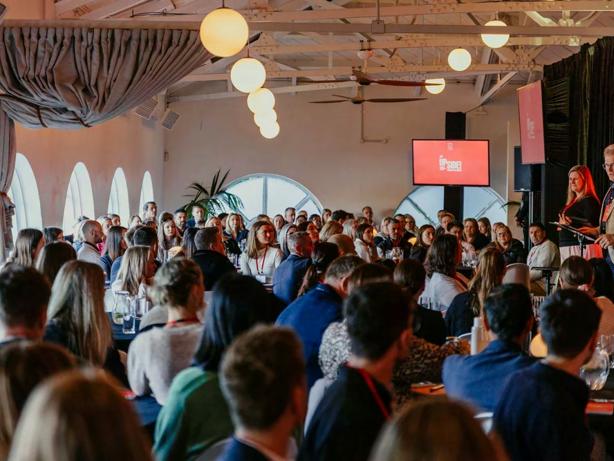
The Kaleidoscope Forum continues to be a standout opportunity for emerging FMCG leaders. It’s a day designed to challenge, support, and energise the next generation of FMCG leaders from across the spectrum of FMCG roles. This continues to build momentum across our sector, with senior leaders facilitating tables to lead the day’s conversations.
The forum plays a crucial role in strengthening the succession pipeline across our industry. This year’s theme Take the Lead invites participants to embrace possibility and build clarity around their personal leadership identity, to step forward with confidence. Make sure to check out the details here.
Developing future talent
At the start of the talent pipeline, the FMCG Futures Intern Programme offers university students structured placements across commercial, operational, and technical disciplines. These internships, supported by Biz Advisor and Talent Solutions, introduce young people to the breadth and pace of FMCG and provide a powerful pathway into long term careers within our industry. With full wraparound support and a dedicated external learning programme in place, employers are supported to take on an intern, or interns, for the summer months.
For companies, the programme offers a meaningful way to develop future talent while showcasing the innovation, scale, and complexity that defines our sector. ■
Robin Davies, NZFGC Leaders Webinar series
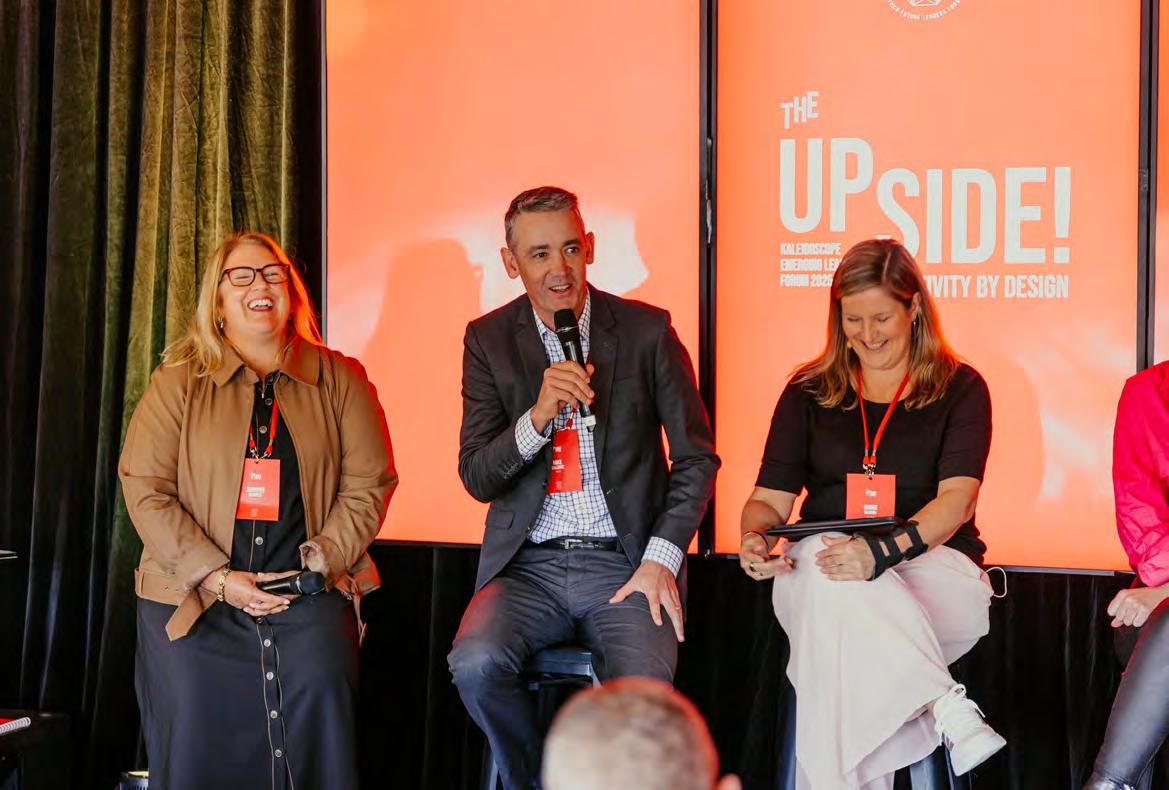
On stage with NZFGC Chair Mike Cullerne and NZFGC Board member Janine Baldwin
Navigating the food loss and packaging waste paradox
Nerida Kelton FAIP, Executive Director AIP, Vice President Sustainability & Save Food WPO
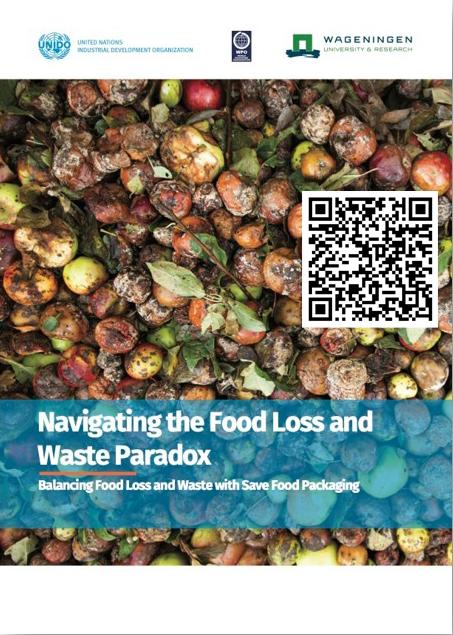
The United Nations Industrial Development Organisation (UNIDO), the World Packaging Organisation (WPO) and Wageningen University & Research have collaborated on a position paper titled ‘Navigating the Food Loss & Waste Paradox: Balancing Food Loss & Waste with Save Food Packaging ’.
This position paper explores the complex interactions that exist between sustainability challenges posed by food loss and waste, and the environmental impact of food packaging.
The position paper was co-authored by Eelke Westra (Wageningen University & Research), Nerida Kelton (World Packaging Organisation) and Aleksa Mirkovic (UNIDO).
Packaging plays an important role in minimising food loss and waste
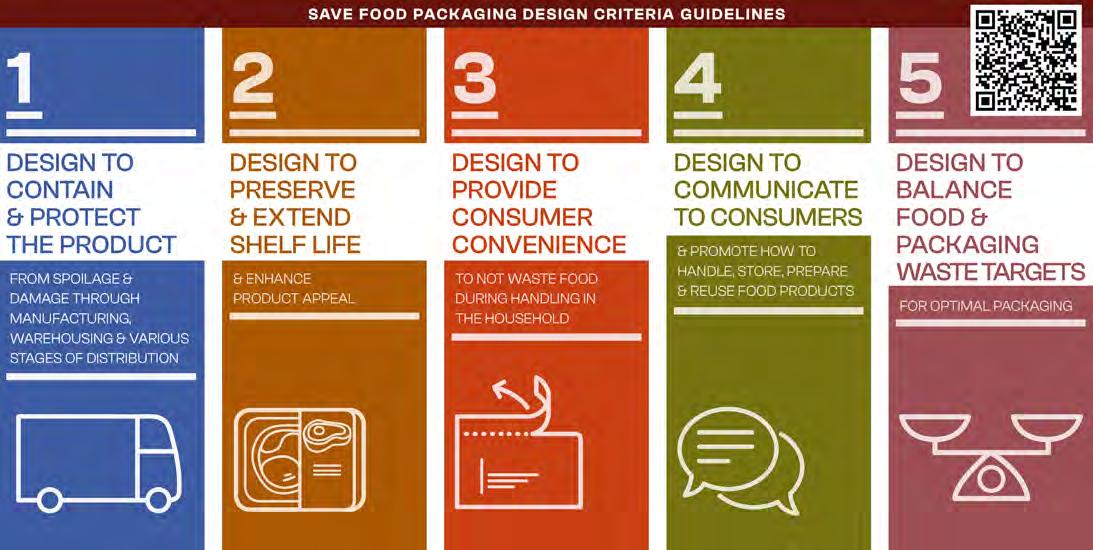
First and foremost, the true role of packaging is its functionality. Packaging needs to be designed to ensure that a product is protected, preserved, contained and transported all the way through the value chain from production until it is used in the household.
When re-designing packaging to meet global and local packaging waste and sustainability targets, the functionality simply cannot be ignored. ‘Sustainable Packaging’, in the simplest of terms, is packaging that performs the primary role of functionality, but is also designed with the lowest possible environmental impact when compared to an existing or conventional pack. Finding the balance between functionality, commercial reality, consumer demands, and environmental criteria is the real challenge for packaging technologists across the globe. If the balance is tipped either way, it will create unintended consequences which could result in over packing (wasting packaging materials) or under packing (wasting food). Finding the perfect balance can be challenging and requires technical knowledge and understanding of packaging design.
Save Food Packaging is designed to minimise or prevent food waste from paddock to plate using innovative and intuitive design features that can contain and protect, preserve, extend shelf life, easily open and reseal, provide consumer convenience, and portion control; all the while meeting global sustainable packaging targets. (Francis, C., Kelton, N., Ryder, M., Lowenstern, B. Lockrey, S., Verghese.K, 2023)
The new position paper touches on a broad range of Save Food Packaging examples from across the globe that have been awarded WorldStar Packaging Awards (coordinated by the World Packaging Organisation (WPO)), including two from Australia; ThermoShield Temperature Monitoring System by Caps & Closures and Junee Prime Lamb by Sealed Air.
Global perspectives on sustainable food systems
Sustainable and inclusive industrial development plays a critical role in building food systems that are resilient and resource efficient.
This position paper explores the complex interactions that exist between sustainability challenges posed by food loss and waste, and the environmental impact of food packaging.
These efforts are particularly important for supporting livelihoods and improving food security in developing countries, where communities often face heightened vulnerabilities related to poverty and food scarcity. This approach not only supports food security and economic development but also contributes to broader climate and sustainability goals.
Coinciding with the development of the position paper, UNIDO brought together representatives from across sectors and regions for critical dialogue to identify concrete priorities, challenges, and opportunities within global food systems. The global consultation journey reached 147 representatives from 53 different countries.
The consultation journey highlighted the need for a comprehensive, systems-based approach addressing the entire food supply chain, with targeted focus on food processing and packaging technologies. This is essential for building effective, resilient and sustainable food supply chains that minimise food loss and waste.
To achieve this, the following areas of action are recommended:
• Strengthening ‘centres of excellence’ on packaging
• Public awareness and education
• Quantification and a systematic global approach
• Partnerships
• Global outreach and advocacy
• Support in developing realistic national and regional policies.
Navigating the food loss and packaging waste paradox is a challenging landscape for governments, and therefore requires tailored support to develop actionable, coherent, and context-specific policies. Aligning national regulations with international frameworks, whilst considering local production and waste, along with recovery and recycling infrastructure, is critical to ensure effective implementation and sustainable industrial development.
Collaboration across the supply chain, from producers to retailers and consumers, is essential to implementing effective and scalable solutions. As the industry struggles with the food loss and packaging waste paradox, a delicate equilibrium between consumer demands, industry innovations, and environmental sustainability emerges as a crucial imperative.
If more packaging professionals, researchers and food organisations across the globe follow the same guidance and use the Save Food Packaging Design Guidelines, the ability to improve the food loss and packaging waste paradox will become possible.
The position paper and global consultation report is available for download via the link below. ■
Click here to view.
Finding the perfect balance can be challenging and requires technical knowledge and understanding of packaging design.
Why change management didn’t work, and why that matters for you
John Lawson, FNZIFST, Lawson Williams Consulting Group
Most people have a fairly consistent reaction when they hear the words ‘change management’.
Another rollout. Another set of slides. Another workshop that explains what is already happening.
It is not that people think change management is pointless. It is that it often feels disconnected from reality. Slow. Process-heavy. Focused on messaging rather than what actually makes work easier.
That has led to a common conclusion. Change management does not work. The truth is more frustrating than that. Change management was not designed for the world we are now working in.
How change started happening to people, not with them
For a long time, change followed a predictable pattern. Decisions were made somewhere up the line. Systems were chosen. Structures were adjusted. Then people were told what was changing and trained on how to use it.
Change management showed up late in the process, usually to explain the impact and manage reactions. That worked, sometimes, when change was occasional and contained. It does not work when change keeps coming and overlaps. When that happens, change stops feeling purposeful and starts feeling like something being done to you.
John Lawson is founder of Lawson Williams Consulting Group. He initially studied Biotechnology at Massey and is a Fellow of NZIFST. He now enjoys leading a team of recruitment consultants, helping people like you develop satisfying careers.
Digital change made this worse
Nothing has exposed the limits of old change approaches more than digital change. New systems. New platforms. Automation. Data tools. AI features. Security requirements. Process changes layered on top of process changes.
Digital change does not arrive as one big event. It keeps coming, often before the last change has settled. And digital change does not just affect tools. It changes how work gets done:
• decisions are faster
• information is more visible
• roles overlap more
• expectations shift without job titles changing.
Traditional change approaches struggle here because they assume there is a clear end point. Digital change rarely has one. People are left trying to keep up inside systems that are constantly moving. That is not resistance. That is overload.
Why it often feels exhausting
You will often hear this described as change fatigue. Most people are not tired of change itself. They are tired of unclear priorities, half-finished transitions, and being asked to adapt without the space or support to do so properly.
Old change models assumed things would settle again. Today, they often do not. The result is a sense of permanent transition without a clear sense of progress.
Where responsibility gets lost
Another reason change feels frustrating is that responsibility often feels distant. Change is treated as a programme or a project, rather than part of how work is designed. That can leave people feeling like they are expected to cope, rather than being set up to succeed. No framework or communication plan can make constant change easier if:
• workloads keep increasing
• learning is squeezed into spare time
• mistakes during transition are punished
• feedback does not change decisions.
Change does not fail because people are unwilling. It fails because systems are not built to support ongoing adjustment.
“It is not that people think change management is pointless. It is that it often feels disconnected from reality.”
What usually gets measured, and what does not
Most change efforts focus on visible metrics. Did you attend the training? Are you using the system? Are the new processes being followed? What rarely gets measured is whether people feel more capable of handling the next change. That is why many workplaces go through repeated waves of change without it feeling any easier the second or third time around. Nothing fundamental improves.
Why this matters now
This shift is no longer just about workplace experience. It is becoming formalised. Upcoming updates to ISO 9001 in 2026 are placing more emphasis on how organisations manage change, particularly in response to digitalisation, sustainability pressures, and risk. That might sound abstract, but the message is simple. Change is no longer seen as a side issue. It is becoming part of how quality, safety, and performance are judged. For employees, that means adaptability is no longer just a niceto-have skill. It is becoming part of what good work looks like.
From coping with change to being capable of it
The workplaces that feel less chaotic are not the ones with less change. They are the ones where people are supported to adjust. That shows up when:
• learning is part of the job, not an extra
• people understand why priorities shift
• feedback actually leads to changes
• teams have room to experiment and adjust
• leaders acknowledge uncertainty rather than pretending it is not there.
In these environments, change still happens, but it feels manageable rather than overwhelming.
What this means for you
If change management has felt disappointing, it is not because you failed to adapt. It is because many systems were designed for a world where change stopped. That world no longer exists. The more useful question now is not, “When will things settle?” It is, “What helps me adapt without burning out?” That is where this series is heading next. ■
Elevating our export reputation with Grass-Fed Administrative Standards
Vincent Arbuckle, Deputy Director General, New Zealand Food Safety
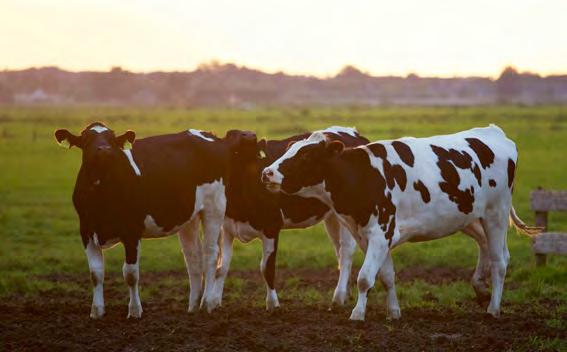
Grass-based farming systems are New Zealand’s natural farming advantage. While some overseas countries’ animals spend much of the year indoors and rely on grain-based diets, New Zealand’s temperate climate and plentiful sunshine make our environment perfect for animals to graze on grass year-round. As such, New Zealand’s pasturebased animals are perfect for premium dairy, and red meat production. Globally, consumers’ attitudes are shifting. We see that consumers want to understand how their food is produced and are willing to pay more for high-quality products. Grass-fed dairy and meat products offer an opportunity to meet this demand.
Noting the increased global interest for grass-fed meat and dairy products, and the potential for misleading claims, the Ministry for Primary Industries (MPI) worked with the dairy and red meat sectors to develop the New Zealand Grass-Fed Administrative Standards for dairy and red meat producers. Launched in 2025, the GrassFed Administrative Standards provide a consistent and meaningful definition, include robust controls to ensure the integrity of the claims, and build trust across the value chain.
What are the Grass-Fed Administrative Standards?
The Grass-Fed Administrative Standards provide a consistent and meaningful definition of ‘grass-fed’ in New Zealand. Details of the Standards include the types of food animals eat, and how much time they have access to pasture.
Two standards were developed: one for red meat and one for dairy, with ‘grass-fed’ defined for the respective industry. The Grass-Fed Administrative Standards reflect the differences between the two sectors and make it easier for applicants to understand the definitions.
• Red meat: New Zealand Grass-Fed means animals must enjoy a diet that is predominantly grass-fed and free to roam outside all year round.
• Dairy: New Zealand Grass-Fed means animals must enjoy a diet that consists of an average of 90% grass and free to roam 340 days of the year for at least 8 hours per day.
The Grass-Fed Administrative Standards are voluntary, allowing organisations to opt in to use them. If an organisation chooses to join the standard, their operations (known as ‘schemes’) could include claims about the grass-fed status of their products.
There are three ways that organisations can use the Grass-Fed Administrative Standards:
1. By using the definition: A scheme owner can incorporate the definition of New Zealand grass-fed from the administrative standards into their scheme.
2. Be recognised by MPI: An organisation can apply to MPI for recognition that it meets the government-backed definition. MPI uses robust controls to ensure the integrity of claims that an organisation’s grass-fed schemes are recognised by the New Zealand Government.
3. Use the Grass-Fed FernMark logo: Organisations can apply to New Zealand Story to use the unique Grass-Fed FernMark Logo.
Grass-Fed Administrative Standards are the benchmark for high-quality products
New Zealand’s ability to have animals graze and live on grass year-round is our country’s point of difference, and many of New Zealand’s leading companies are opting into these standards.
If you would like to read more about the Grass-Fed Administrative Standards, you can find information on the MPI website: New Zealand Grass-Fed Administrative Standards ■
On farmed fish
John Brooks' view of the food world through the lens of a microbiologist.
Professor John D Brooks, FNZIFST
I recently found a review paper that discussed bacterial pathogens in fish and aquaculture systems in Kenya. Fish farming has intensified globally, and aquaculture is now responsible for 51% of fish production. Intensive fish farming has led to the emergence and spread of bacterial pathogens that threaten fish health1, while zoonotic pathogens raise serious concerns for food safety and public health. Listeria monocytogenes and Yersinia spp. have been identified as natural microflora of aquatic systems because of their ability to survive outside host organisms for a long time. Raw fish can be safe to eat for most healthy individuals if it has been properly frozen at -20°C for at least seven days to kill parasites. Thus, fish to be eaten raw should be purchased from a reputable source.2
Aquaculture growth and emerging risks
Because of its tropical climate and plentiful water sources enabling year-round production, Thailand produces large amounts of prawns, both marine (Litopenaeus vannamei (whiteleg shrimp)) and freshwater, mainly the giant freshwater prawn (Macrobrachium rosenbergii). 270,000t of shrimps were produced in 2025, though disease outbreaks and unstable weather affected the quality of post-larvae and farming conditions. Floods in southern Thailand have had a total impact of about $31m with consequent reduction in exports of about 6%.
Antibiotic use and alternatives
Some farms globally have resorted to the use of antibiotics to control fish pathogens. Antibiotic use in fish farming can lead to antibiotic residues in the fish, which pose potential health risks to consumers, including the development of antibiotic resistance. This can make bacterial infections harder to treat in humans and raises concerns about food safety due to chemical contamination.
The EU regulates antibiotic use in aquaculture through strict requirements set by Regulation (EU) 2019/6 and Regulation (EU) 2019/4, which prohibit their use for growth promotion. The EU also emphasises prevention, biosecurity, and improved animal welfare to minimise antibiotic reliance in fish farming. However, the growing, often
unregulated use of antibiotics in low- and middle-income countries exacerbates concerns over food safety. Alternatives to antibiotics in fish farming include vaccination strategies, phage therapy, probiotics, prebiotics, and the use of pathogen-free seeds.
Probiotics and production gains
A former PhD student of mine, Dr. Sirirat Deeseenthum, studied the use of probiotic bacteria in the food of Macrobrachium rosenbergii de Mann. Two bacilli were isolated from the intestinal tract of Giant Freshwater Prawns and identified as Bacillus cereus and Bacillus megaterium Both the probiotic strains produced amylase and protease. These extracellular enzymes are also the main enzymes in the digestive tract involved in breaking down organic material in the feed. The isolates were incorporated into prawn feed in feeding trials. The growth yield increased 160% with the probiotic strains compared with the standard feed, possibly because of better digestion and assimilation of nutrients in the feed resulting from the exoenzymes produced by the modified gut microflora. Survival rate also increased. However, an alternative explanation for the increased yields observed is the suppression of pathogenic microorganisms in the gut by the probiotic strains.
China is a leading producer of shrimp, generating over 2 million tonnes annually, primarily through conventional farming in earthen ponds and increasingly through innovative greenhouse and recirculating aquaculture systems. This market is estimated to rise to USD 20.56 billion in 2026.3
Food safety risks in farmed and imported seafood
There have been occasions when farmed crustaceans have been imported into New Zealand and found to be contaminated with pathogenic bacteria. A key risk factor for ready-to-eat cooked prawns and shrimp is post-process microbiological contamination following cooking by using contaminated sea or fresh water for cooling. There may also be an opportunity in poorly controlled operations for crosscontamination between cooked and raw products, and temperature abuse during handling and transport. Bacteria in contaminated prawns can be destroyed by heating to >72°C for at least two minutes, but there is a chance of cross contamination in the kitchen and direct contamination from the cook’s hands.4
Disclosure: My preference is for prawns, Terakihi, Orange Roughy, and Gurnard to be battered and deep fat fried at 180°C. ■
“The growing, often unregulated use of antibiotics in low- and middle-income countries exacerbates concerns over food safety.”
4. Major foodborne pathogens in fish and fish products: a review. DOI 10.1007/s13213-015-1102-5
Pattani Coastal Aquaculture Research and Development Centre, Thailand
Foodborne disease – is the dial stuck?
The latest statistics on foodborne disease in New Zealand are out. The ‘ Annual Report Concerning Foodborne Diseases in New Zealand 2024 ’ has been expertly compiled by Isabelle Pattis, Beverley Horn, Joanne Kingsbury, Peter Cressey, and Liza Lopez at PHF Science, together with Tanya Soboleva from New Zealand Food Safety.
Chief Scientist of the NZ Food Safety Science & Research Centre, Distinguished Professor Phil Bremer, calls a spade a spade.
“Despite the best efforts of scientists, regulators, and the food industry over many years, we have not managed to shift the dial on the incidence of many foodborne diseases.
“Campylobacteriosis is the notable exception, with the number of cases decreasing in line with the target set by New Zealand Food Safety in 2020 - a 20% reduction by 2024. Good news.
“But before jumping to conclusions about how well or poorly ‘NZ Inc’ is doing in reducing the incidence of foodborne diseases, it is important to first understand some of the assumptions made in determining the numbers.”
Counting the unseen
Consider norovirus, which is generally considered to be the most common foodborne disease. While norovirus typically makes people sick for about 12 - 60 hours – a very unpleasant time – the symptoms start to pass before most sufferers get round to going to a doctor, and
so fecal samples are not collected, and neither the illness nor its cause is recorded. Given this lack of hard evidence, health professionals must make an educated guess about how many people contract norovirus each year. In 2010, the New Zealand Food Safety Authority, in a report on ‘the economic cost of foodborne disease in NZ’, estimated that for every reported case of norovirus, 1,000 go unreported. Of course, not every case is foodborne – there are other transmission routes, such as contact with contaminated water or surfaces, or direct person-to-person contact. So then scientists have to further estimate the fraction of cases resulting directly from eating contaminated food. In New Zealand it has been estimated by expert consultation that 32.7% of norovirus infections are due to foodborne transmission. Such estimates must be made for every potentially foodborne disease, though it is assumed that all reported cases of listeriosis are due to eating contaminated food. For example, with Campylobacter, it was estimated in the 2010 report that for every reported foodborne case, 10 cases go unreported. In 2020, expert consultation calculated that 75% of the total cases of Campylobacteriosis in New Zealand are due to domestically acquired foodborne transmission. It is worth noting that the 2024 report
NZ Food Safety Science & Research Centre
on foodborne disease in New Zealand states that, worldwide, the percentage of cases of Campylobacteriosis estimated to be due to foodborne transmission ranges from 42-80%. While this may seem a wide range of estimates, they may all be reasonably accurate for the country in question, as differences in environmental conditions, food production practices and consumer behaviour will affect the rate of foodborne transmission.
Over and above the assumptions and uncertainty associated with estimating the number of cases of foodborne illness, it is possible to speculate on reasons why the numbers detected may be increasing or decreasing, including:
• the adoption of better detection methods (traditional culture-based methods being replaced by molecular-based, culture-independent diagnostic testing methods)
• an ageing, and therefore more susceptible, population
• changing consumer eating habits, including the consumption of more raw or minimally processed foods, and the ill-advised trend to drink raw milk
• economic pressures which may result in a reluctance to throw out food which is ‘past its best’ and an increased reliance on the gathering of wild food
• a decreased understanding by consumers on how to safely prepare and store food at home
• an increase in the virulence of some bacteria and viruses, leading to more infections, worse symptoms, and hence higher reporting and hospitalization rates
• a greater willingness for people to report symptoms
• less access to healthcare resulting in people reporting later with more severe symptoms
• changes in transmission routes (water, environment, animal contact, human-to-human, or food) may also mean a higher or lower proportion directly attributable to food.
It is also worth noting that for the cases estimated to be foodborne, there is little data to determine if the illness was contracted from home or commercially prepared food as most cases of illness are sporadic, which makes source attribution difficult.
Turning the dial
Phil says, “Despite the level of uncertainty inherent in the estimation of foodborne illness, the question we need to ask is ‘why is our food still making us sick?’. Are we (consumers, researchers, the food industry and regulators) normalising a certain level of foodborne illness in our community? We know that when we focus our efforts on a disease we can make a difference, as evidenced by the dramatic reduction in the cases of Campylobacteriosis from 2006, when New Zealand had 15,873 reported cases (340 per 100,000 population) and we were labelled the ‘Camplyobacter capital of the world’!, to 2024 when there were 70.2 cases of foodborne Campylobacteriosis per 100,000 population.
“How many cases of foodborne illness are acceptable from a human health or an economic perspective?
“We need to get much better at determining the source of foodborne illnesses. Once we have a better understanding of where the controls in the food system that are meant to protect us are failing, the better placed we will be to remedy them.
“What I keep front and centre in my mind are the people who lose lives or babies due to Listeriosis, which invariably lands infected people in hospital. Foodborne disease can be a lot more serious than a miserable night in the bathroom.
“Scientists at the Centre and our funder, New Zealand Food Safety, are most definitely on the case and will be doing our utmost to move the dial. But we need your engagement too, so if you’re not already a member of the NZ Food Safety Science & Research Centre, give us a call. Our industry research liaison manager, Kyla Archer (k.archer@ massey.ac.nz), can explain all the services we have to offer to keep your business as well as your customers safe.” ■
Quick summary from the NZFS-MPI annual report of foodborne disease for 2024
The campylobacteriosis notification rate decreased from 116.1 cases per 100,000 population in 2023 to 108.7 cases per 100,000 population in 2024. This equates to 5801 total cases of which 3750 (70.2 cases per 100,000 population), were estimated to be foodborne.
The number of notified cases of listeriosis was 36 cases, following on the somewhat disappointing trend of notification rates being relatively stable over the last six years with between 0.6 and 0.8 listeriosis cases per 100,000 population. All of these are assumed to be from eating contaminated food.
The number of notified cases of salmonellosis was 844, with 288 cases estimated to be foodborne. The notification rate of 15.8 cases per 100,000 population (7.5 cases per 100,000 population being foodborne) was equal to the 2023 rate.
The number of notified cases of STEC infection were 1115, with 401 cases estimated to be foodborne. The notification rate of 20.9 cases per 100,000 population (7.5 cases per 100,000 population being foodborne) was an increase from the 2023 rate of 19.2 per 100,000 population.
The number of notified cases of yersiniosis notification was 1140 with 798 cases estimated to be foodborne. The notification rates decreased from 26.8 per 100,000 in 2023 to 21.4 cases per 100,000 population (14.9 per 100,00 population being foodborne) in 2024.
Welcome Dr Marie Bradley, Director, NZFSSRC
Meanwhile, the Centre has welcomed a new Director to take on the challenge of bringing those numbers down. Dr Marie Bradley relishes the opportunity to bring together everything she has learnt over the last 25 years into this role, where the stakes for New Zealand are so high. “The Centre has convening power in the sweet spot where the interests of industry, government, Māori, and science intersect,” says Marie.
Marie has horticulture in her blood. She grew up in Motueka, where her grandparents settled and were orchardists, and her father was a MAF horticultural adviser. Her university holidays were spent at the local DSIR Motueka research centre.
Marie studied molecular biology at the University of Canterbury, at a time when it was just beginning to revolutionise biological research. She went on to be a research technician at the first molecular biology laboratory, with MAF Technology in Levin. There, they tested new gene technologies – turning genes on and off – by changing flower colours, including petunias and lisianthus. MAF funded her PhD in plant science at Norwich University, UK – “a wonderful time with many other international students for company”.
Skipping forward a few years, Marie spent a solid 12 years at the Foundation for Research, Science and Technology in a range of roles, which gave her an overview of the science sector, working with industry and government and her first taste of science and research management. At one point, Marie moved to Blenheim where she was FRST ‘handler’ for Cawthron, giving her great insights into the seafood industry, which is a big part of the Centre’s work.
Then a stint at the Environmental Protection Authority, where she was well placed to deal with the knotty, controversial issues around new gene technologies. She has since had roles at MBIE, Plant and Food Research, and most recently on AgResearch’s senior leadership team as Director of Strategy and Communications.
Outside of work, Marie spends as much time outdoors as possible, kayaking in Wellington Harbour, and tramping.
You can meet Marie at the 2026 NZIFST conference, where there will be a rich food safety programme. ■
Workstream update
Kia ora koutou,
In February, I joined the workstream leads (Grant Boston, John Lawson, Paulette Elliott and Marcus Loi), along with President Bob Olayo, Executive Manager Wendy Bayliss, and Auckland Branch Chair Neala Hart for a full-day, in-person workshop in Auckland to map out the year’s workstream plan. This approach worked well last year and allowed us to build a shared vision moving forward.
The workshop resulted in an agreed, prioritised roadmap that guides the Institute’s next phase of delivery. Although much of the progress occurs quietly, driven by volunteers alongside their regular jobs, every workstream shows strong momentum and clear responsibility for activities. Some initiatives are centrally coordinated and supported by different workstreams, which keeps our efforts focused and expectations realistic while still demonstrating clear progress. If you’re interested in contributing or have ideas for a particular project, please reach out to Wendy – we’d love for you to get involved.
The plan outlined on the right highlights our achievements and details the priorities we’re tackling now. With the conference coming up and expanding partnership activities, our current priority is onboarding the coordinator and supporting a swift transition. We’re also increasing efforts around remote branches, continuing pilot projects, and embracing test-and-learn opportunities. As part of our membership
Esraa El Shall, NZIFST Immediate Past President
campaign, we’re exploring various options to adapt to the evolving food industry and plan to recommend the best approaches to the executive team.
Progress continues on the visual identity programme, with more updates to be shared soon. We’ve developed a communication plan from the workshop and will implement it with ongoing refinement as we learn what works best. The team is also identifying promotional activities needed throughout the year to support other workstreams and boost member engagement. A perception survey was created to set a baseline for future activities.
With awards season approaching, we’re excited to encourage nominations and try out new nomination form formats. Additionally, we’re committed to appointing volunteer education coordinators in each branch to consistently promote food science and technology as a rewarding career across the country.
Professional development is an ongoing focus, particularly unlocking mentorship opportunities for mentors and mentees in New Zealand through collaboration with AIFST. We invite you to become a mentor or mentee and help lay the groundwork for a lasting mentorship programme.
Above all, we look forward to keeping you engaged and continually delivering value.
Ngā mihi, Esraa El Shall Immediate Past President
NZIFST Conference 2026
Conference Panel discussion: Mis-information about food – sources, impacts and possible solutions
Does it drive you crazy, hearing your friends and family express wrong opinions about food as if they are facts?
Have you tried to tell them they are wrong and been ignored, or worse, told you don’t know what you are talking about?
We have gathered a highly qualified and vocal team to discuss this issue, to answer questions and to solicit suggestions from the floor.
The panel discussion will explore consumer exposure to food nutrition mis-information: the sources, the impacts and possible solutions. The panel will be facilitated by Donnell Alexander, Health and Regulatory Manager, NZ Food and Grocery Council.
Participants are:
• Niki Bezzant, Journalist, advocate and speaker
• Dave Monro, Chief Advisor Food & Nutrition at Heart Foundation NZ
• Ashley Wilson, Head of FoodGroup (NZRD), Network Communications
Donnell will open the session by asking each panellist in turn to present their perspective on the problem, its impacts and how the food industry may work collaboratively to counter misinformation.
Niki
This will be followed by a facilitated discussion and invitation for questions from the floor.
This panel will help you counter ignorance and change minds. You will discover tools to help you correct these, often dangerous, beliefs.
The Panel is in Session G, Wednesday 2 July, 2.00 pm, after the J C Andrews Address.
There is still lots of time to submit your abstracts for Concurrent Session presentations but it’s a good idea to start planning now.
Registration now open
Please use this QR code to link to the registration form or go to https://nzifst.org.nz/conference-2026/registration
More information available from the programme now on the website.
Anne Scott, 2026 NZIFST Conference Committee Chair
Panel Facilitator: Donnell Alexander, Health and Regulatory Manager, NZ Food and Grocery Council
Panellist Ashley Wilson, Head of FoodGroup (NZRD), Network Communications
Dave Monro, Chief Advisor Food & Nutrition, Heart Foundation NZ
I am the Regional Technical Manager of Tegel Foods Limited in Christchurch. I oversee Food Safety, Quality Management, Technical Services, and Animal Welfare for this region.
What is your career history and biggest achievements?
I have been working in the food industry for over two decades now and have been in various sectors – meat, poultry, diagnostics, and bakery. I started as a Quality Controller then Diagnostics/Technical Officer, then Quality Manager, and most recently as Regional Technical Manager. My biggest achievement is inspiring many young people to pursue a career in the food industry. It is rewarding to see them flourish and enjoy their career journey.
What keeps you interested in the food industry?
There is always something new in the food industry – ingredients, flavours, packaging, processes, machines, standards, and requirements. Something new will always lead to challenges, learning, growth, and leadership.
What has inspired you?
Since I was a kid, I have been deeply fascinated and curious about food. From where it began from seed, to farm, harvest, processing, and on to the supermarket shelves, and then finally the eating experience. I tend to reverse engineer back to the food chain what has attributed to the mouthfeel, texture, and flavours in my mouth. Pursuing a Food Technology degree is quite aligned with my passion. I later decided to take an MBA to enhance and equip myself with commercial sense in food processing and business operations. What problem is your current research trying to solve, and why does it matter for New Zealand’s food industry right now?
I believe every food safety and quality practitioner will need to be vigilant and ensure that their food fraud and food defense plan is in place and still current, relevant, appropriate and fit for purpose. This is crucial to ensuring food protection, consumer safety, and supply chain integrity.
Where are the biggest opportunities for New Zealand producers to add value
Sustainability and investing in AI and robotics to improve efficiency in food processing.
For students or early-career professionals interested in food science, what skills or experience make someone stand out today?
Curiosity and resilience. What advice would you give any early-career professionals or students in the food industry?
Be curious, keep an open mind, embrace all experiences, even tough ones. The food industry is the future. ■
NZIFST Student Essay Competition
The goal of the NZIFST Student Essay Competition is to provide university students undertaking study in Food Science and Technology with the opportunity to communicate their opinions on scientific developments to consumers in a clear and interesting manner and to promote the development of their communication skills. Authors of winning entries will be awarded one-year complimentary NZIFST membership and have their essay published in Food New Zealand – the official journal of NZIFST.
The competition is open to all students studying Food Science, Food Technology, Food Innovation, Food and Agricultural Innovation, Consumer Food Science or similar degrees, who are either: in their final year of a four-year degree programme; in a one-year honours degree or postgraduate diploma; in the first year of a two-year research MSc; or in the first year of a taught (applied) MSc or MAppSci degree.
Students may write on any technical subject or latest development in Food Science and Technology that they consider of interest to consumers. The article must be written in a readable fashion, minimising jargon, such that someone with a basic scientific education can understand the article. The essay must be no longer than 1200 words (excluding references) and include at least five scientific or technical references using the APA style.
Students submit their essay to a panel set up by their tertiary institute by a date of its choosing. Their tertiary institute selects up to three essays to forward to the NZIFST Publications Committee by 15 May 2026.
Winners of the essay competition will be announced at the NZIFST Conference on 30 June – 2 July 2026.
Students interested in submitting an essay are advised to contact the relevant university contact to confirm their eligibility and to find out when they need to submit their essays for assessment.
Click here for more information, or scan the QR code.
Last year’s essay first prize winner Carly Smith from University of Otago, being presented with the award by Conference Chair Don Otter.
NZIFST Awards 2026: time to shine a light on our industry’s best
Nominations are now open for the 2026 NZIFST Awards – our annual opportunity to celebrate the people and teams who help make Aotearoa’s food industry thrive. Each award highlights a different kind of contribution, recognising everyone from long-serving industry champions to the next generation of innovators.
If you know someone who has spent years contributing to the growth, safety, innovation or reputation of the New Zealand food sector, the Lifetime Achievement Award is designed with them in mind. For early career talent already showing leadership and promise, the Emerging Leader Award is a perfect fit.
NZIFST continues to honour exceptional professional impact through Fellowship (FNZIFST), and the Institute’s highest honour, the J C Andrews Hall of Fame Award, recognises Fellows whose influence and leadership have shaped the direction of our industry.
Leadership appears in many forms across our sector, and the Exceptional Leadership Award acknowledges those who’ve stepped up during challenging moments or guided major initiatives. Mentorship is also a critical part of our industry’s strength, and the Mary Earle Mentorship Award recognises those who’ve gone the extra mile to support the development of others.
The Institute is also fuelled by its volunteers. The Ron Hooker Significant Service Award celebrates members who have dedicated time and energy to NZIFST through governance, branch involvement, committee work or advocacy.
Deadlines:
• 30 April - all awards except the Mary Earle Mentorship Award
• 31 May - Mar y Earle Mentorship Award.
And for the teams driving innovation through partnership, the Collaboration Award highlights the power of industry – research collaborations that deliver real world benefits for New Zealand’s food sector.
Ready to nominate?
If someone comes to mind – a colleague, collaborator, team member or mentor, we’d love to hear about them. This year, we’re making it even easier for you to nominate deserving colleagues. Click here to use the JotForm.
Nominating is a simple way to recognise the people who are lifting our industry and shaping its future.
Branch news
Updates from around Aotearoa New Zealand
Catch up on the latest happenings from our national branches — from recent events and speaker sessions to prizegivings and member gatherings, this section showcases the vibrant activity and community spirit across our network.
waikato
auckland
Waikato & Bay of Plenty
ChocolateWorks factory tour
The NZIFST Waikato & Bay of Plenty Branch organised a factory tour to ChocolateWorks in Horotiu on 4 March 2026. A total of 15 members and friends from the Waikato and Bay of Plenty food sector joined the visit, providing a valuable opportunity for local food professionals to connect and gain insights into chocolate manufacturing in the region. ChocolateWorks is a leading contract manufacturer of premium chocolate and confectionery products in the Waikato region. During the tour, participants saw firsthand how chocolate ingredients are commercially processed into high-quality products, from manufacturing through to packing and storage. Attendees also learned about the company’s approach to food safety, innovation, and production systems that support consistent product quality and scalable manufacturing. NZIFST extends its sincere thanks to Jeff Anderson and the ChocolateWorks team for hosting the visit and sharing their expertise. Appreciation is also extended to Colin Pitt from the NZIFST Waikato & Bay of Plenty Committee for coordinating the event.
Marcus Loi
L-R back: Colin Pitt, Dave Wyllie, Daniel Smith, Amit Taneja, Matthew Anderson Setiawan, Richard Gray, Amanda Nottage, Jeff Anderson, Marcus Loi. L-R front: Karen Roberts Thomson, Lily Benton, Rachel Hoyle, Meuanprae Techapitaktham, Sara Walden, Anna van Ameringen
Canterbury-Westland
The NZIFST Canterbury Branch had their first networking meeting for 2026 at Lone Star Spitfire, Memorial Avenue on Monday 17 February. There were almost 30 members and student members attending. We welcomed back some previous members who have moved to other food industries. The evening was fun with a twist by one of our committee members, who set up a pairing session to ensure better mixing rather than just the familiar groups we can slip into! We enjoyed tasty finger food and wholesome conversations.
Jasmin Estera
Canterbury-Westland Branch members kicking-off their 2026 events calendar with a convivial networking evening at Lone Star Spitfire
Otago-Southland
Gelato tasting brings Otago food science students together
An afternoon of delicious flavours and velvety textures brought together over 40 current Food Science and Agriculture Innovation students at the University of Otago. On 13 March, the Otago/Southland Branch of NZIFST hosted a gelato tasting to promote the benefits of joining the institute and getting involved with local branch activities. The branch partnered with Dunedin’s very own, local manufacturer and retailer of gelato, Gelato Junkie to make the event a success.
Leni Bebensee, entrepreneur and founder of Gelato Junkie, spoke at the event describing the process she goes about developing gelato flavours and selecting the best ingredients. Leni also spoke about the role culture plays in driving what flavours consumers like. To demonstrate this, Leni generously brought along four different flavours of gelato: chocolate, hokey pokey, strawberry sorbet and … durian and jackfruit sorbet! The durian and jackfruit sorbet was created in part to celebrate Chinese New Year and was certainly a novel flavour with an amazing smooth and silky texture.
Undergraduate and postgraduate students enjoyed the opportunity to hear about flavour development and tasting it first-hand! If you come to Dunedin, a stop at Gelato Junkie in the Octagon is a must – not only for their delicious gelato, but for their continued support of the Otago/ Southland branch of NZIFST.
Karen Lusk
Enjoying tasting gelato
Leni Bebensee, founder of Gelato Junkie, second from left
Auckland
Coffee and connect in the park
The NZIFST Auckland Branch recently hosted a Coffee and Connect in the park on Sunday 1 March - bringing together members of the local food industry for a morning of conversations, networking, and fresh air. Held at Monte Cecilia Park in Auckland, it provided an opportunity for professionals from across the food sector to step away from their usual workplaces and connect in a friendly, low-pressure setting.
The combination of good coffee, ice breakers and enthusiastic conversation made for a refreshing way to share experiences, discuss current industry topics, and build relationships that support collaboration across New Zealand’s food sector.
The Auckland Branch looks forward to hosting more opportunities for members to come together throughout the year. Thank you to everyone who attended and helped make the event an enjoyable and welcoming catch-up for the local food industry community.
Rhiannon Hudson
Auckland Branch in the park
Central
Highlights from the welcome event for Food Technology students, Massey University, Palmerston North
On 5 March 2026, the NZIFST Central Branch, in conjunction with the Massey University College of Sciences, held a Welcome Event for Food Technology students at Massey University. This annual event is timed around the start of the academic year and is open to Food Technology students from Years 1 to 4. The evening featured dumplings, cheeses, and crackers, and around 70 students with hearty appetites! Branch committee members and several lecturers also attended.
Craig Honoré FNZIFST, gave a brief introduction to NZIFST, including an overview of where the other branches operate. Lara Matia Merino spoke about the range of activities NZIFST is involved in – past visits to food plants, talks from industry speakers, and social events, and showed how straightforward it is to become a member.
Guest speaker, Cassandra Yang shared her career story, encouraging students to join professional organisations like NZIFST as a way to gain insight and a head start in the food industry. Her journey illustrated how careers can take unexpected turns: she began as a food process engineering student at Massey, working on product development and food preservation, before moving into the water sector, where she now leads multimillion-dollar projects as a Senior Process Engineer at Lutra. As she noted, while the subject matter differs, the underlying principles are the same and highly transferable, a connection that also reflects how closely the food sector relies on water.
It was a great evening and an excellent opportunity for students to connect with industry professionals, learn about NZIFST, and discover how membership could benefit them as they begin their careers.
Martia Alico
New members
NZIFST welcomes the following new members.
Standard members
Chris Bryant, Food Technology Consultant, Navigate Food Alistair Carr, Associate Professor Dairy Science and Technology, Massey University
Roberto Coetzee, Group Food Safety and Quality Manager, Tahua Group Ltd
Greta Knarston, Innovation Project Manager, Ziwi Ltd
Siew Lee, Fonterra
Amanda Nottage, Senior Technologist, Fonterra Manufacturing and Supply Chain
Vu Tran, New Product Development Project Manager, Hellers Ltd. Lisa Walker, Business Development Manager, J C Sherratt Co Ltd
Philip Watkinson, Senior Scientist, Fonterra Research and Development
Graduate members
Ella McBreen, Food Technologist, Van Dyck Fine Foods
Kate Fitzpatrick, Food Technologist, Original Foods Baking Co.
University of Auckland: Laxmi Adappagoudar, Cynthia Andriani, Nikita Bhatkar, Celia Chan, Shreya Satyappa Dudyal, Yunji Lee, Kaveesha Liyanage, Yilin Liu, Wuhuan Qi, Mohammadsadegh Salimian, Anagha Sankaranarayanan, Litian Su, Neil Caesar Tado, Greta Taruc, Wisnu Samuel Atmaja Triwarsita, Yuan Wang, Runji Zhao.
University of Otago: Emily Dunkel, Irene George, Mae Grinlinton, Laura Hamill, Xiaochen Liu, Annabel McArthur, Chathumadhuri Jananileeka Thennakoon Pathirana Hewage, Elena Piere, Cara Prest, Bonnie Rattray, Bonnie Rhodes, Maia Scott, Sherna Shabnam Nazar, Hamish Tanner.
WINTEC: Maria Rose.
Eastern Institute of Technology: Sahan Gunawardena, Biju Shrestha.