HAUNTED
ANNE MIYADI
INVOCATION
FRACTURED TIME AND SUMMONING
INVOCATION
INTRODUCTION TO HAUNTING
To invoke haunting and the specter is to challenge the hegemonies of history, foregrounding marginalized pasts. To build spaces that house ghosts is to contest assumptions of linear time, honoring the circuitous individual process of grief. This design investigates the role of haunting as an experiential and spatial quality in memorials, focusing on how environmental design can evoke spectral presence, absence, and memory in public spaces.
Landscapes are haunted by both ghosts of the past and lost futures. The concept of haunting extends beyond Ghostbusteresque popular media and speaks to broken temporalities and the occupation of memory. The research around haunting rests primarily in contemporary philosophers, sociologists, and anthropologists. The concept of hauntology originates with the post-structuralist philosopher Derrida following the fall of the Soviet Union. Over time, the concept of haunting and related memory and trauma work has been adopted by people in other fields – pop cultural philosophers like Mark Fisher, sociologists like Avery Gordon and Michael Bell, and architectural historians such as Anthony Vidler.
What places are more haunted than memorials and monuments, sites built around stories which exist in the imagination fueled by explanatory plaques and history books? Monuments are enduring reminders meant to glorify large and important people, events, and ideologies from the past.
Memorials are centered around maintaining memory. American monuments and memorials are overwhelmingly focused on memorializing war and conquest and presidents and generals and battles. The National Monument Audit is a survey of overall trends and patterns in American monument design. Partnering with the Andrew W. Mellon foundation, the authors’ quantitative assessment of subject matter reveals the extent of what is instinctually known about the nation’s monuments: an overwhelming focus on war and white men. There were 22 monuments of mermaids and only two for congresswomen. But there is more to American history than a chronological list of skirmishes lead by wealthy white males. 1
Monuments and memorials are material representations of an area’s values, an assertion of narrative, and an anchor point for memory.
TIME/LINES
PARTIS OF CHRONOLOGY
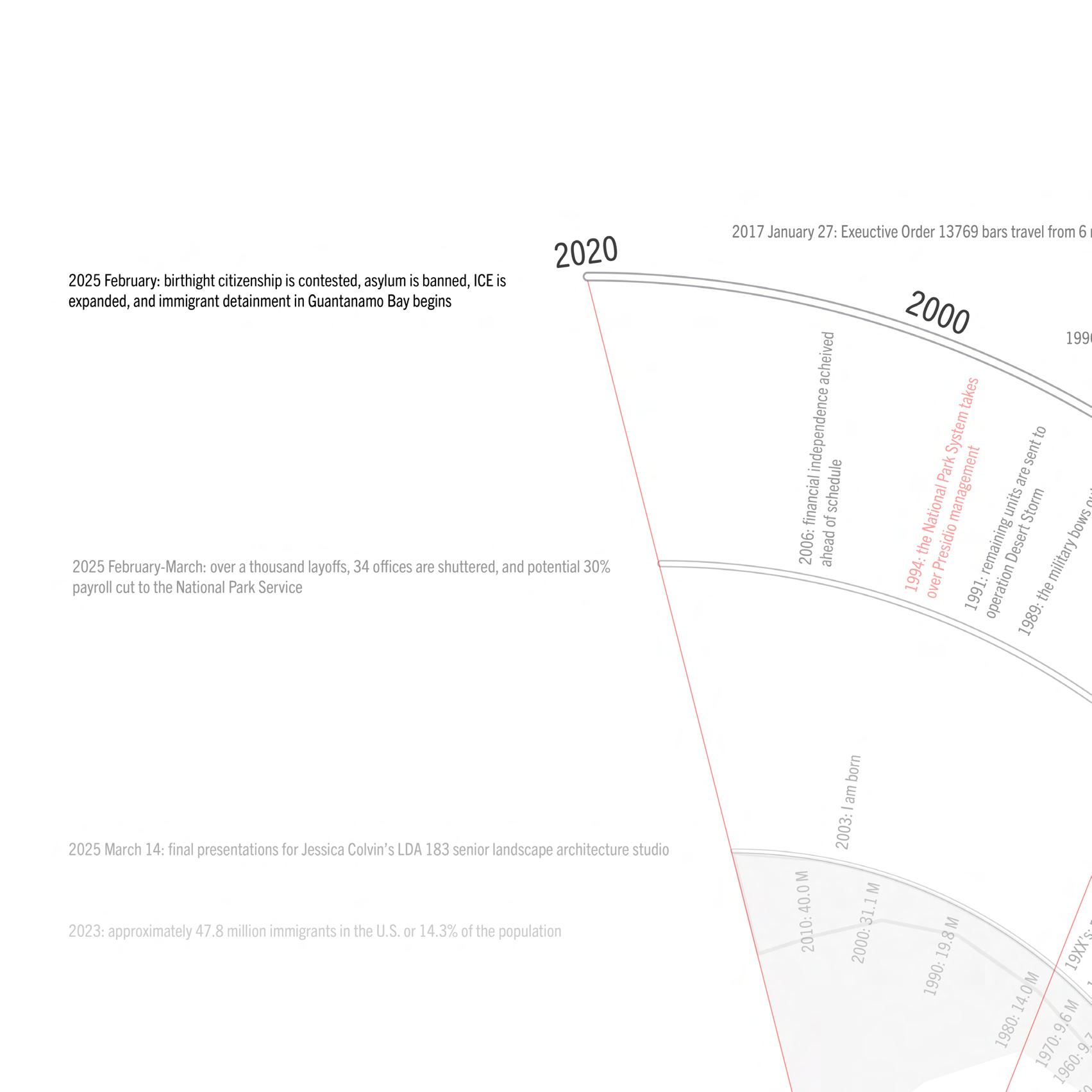
A disruption of time is where the specters of haunting emerge.
1 Monument Lab, “National Monument Audit,” 17. 2 Tuck, Ree, “A Glossary of Haunting,” 641.
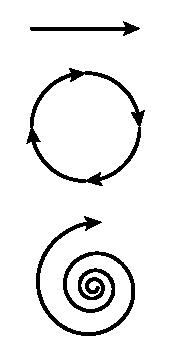

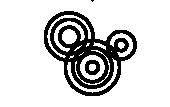
With haunting, linear time is broken, “out of joint.” Chronological cause and effect is disrupted. A traditional timeline is insufficient.
With a circular timeline, history repeats itself literally. There is no escape. “[Haunting does not] hope for reconciliation. Haunting lies precisely in its refusal to stop. Alien (to settlers) and generative (for ghosts), this refusal to stop is its own form of resolving.” 2 Still, it does not verbatim recycle itself.
A spiral timeline does incorporate recursion and difference. But the harmony and order of the Fibonacci spiral implies that haunting (violence, cruelty, atrocity) is an invevitable part of the natural order, rather than a disturbance and a wrongdoing.
Fractals are endless repetitions from a single point. Haunting is often incited from a collection of key moments, with its ramifications felt in the butterfly effect of chaos and disorder. But the binary branches of the fractal form imply that haunting’s effect is either/or.
A multitude of ripples encapsulate the intersection of many lives and narratives. Haunting expresses itself at the scale of the individual, the communal, and the national alike. But its form suggests that the effect of haunting dissipates in a linear fashion.
PALIMPSEST
SITE CONTEXTS AND LAYERED HISTORIES
PALIMPSEST

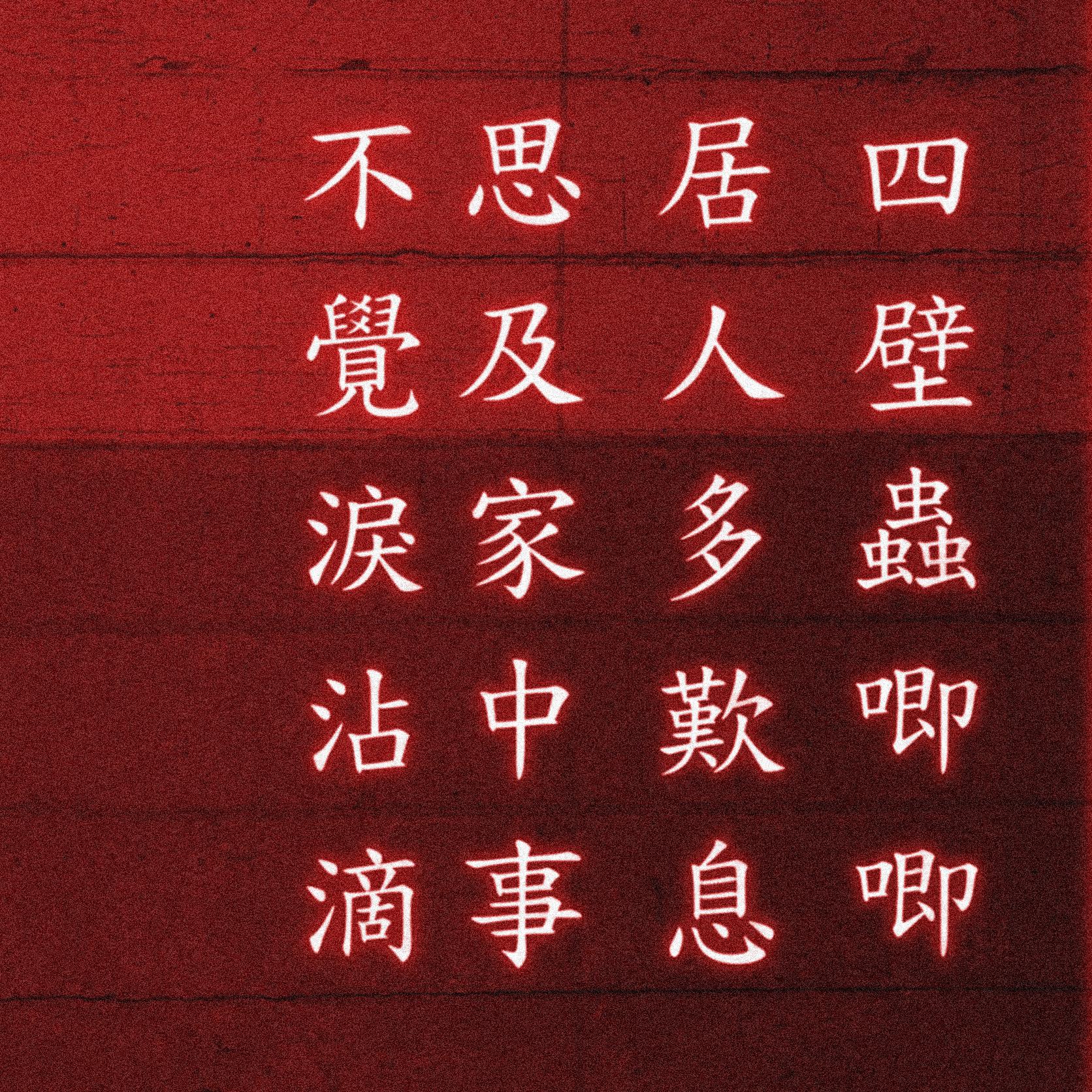
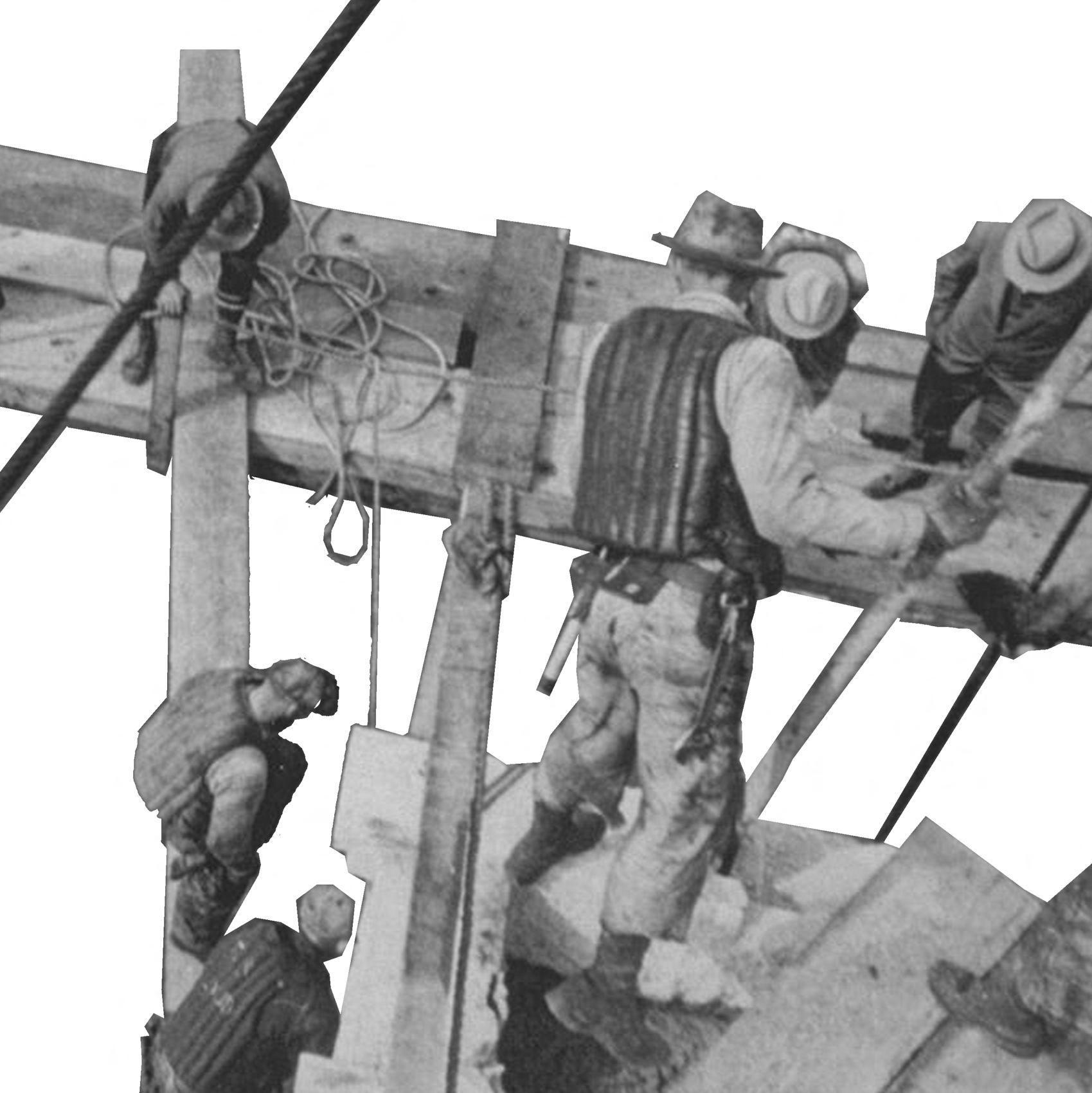
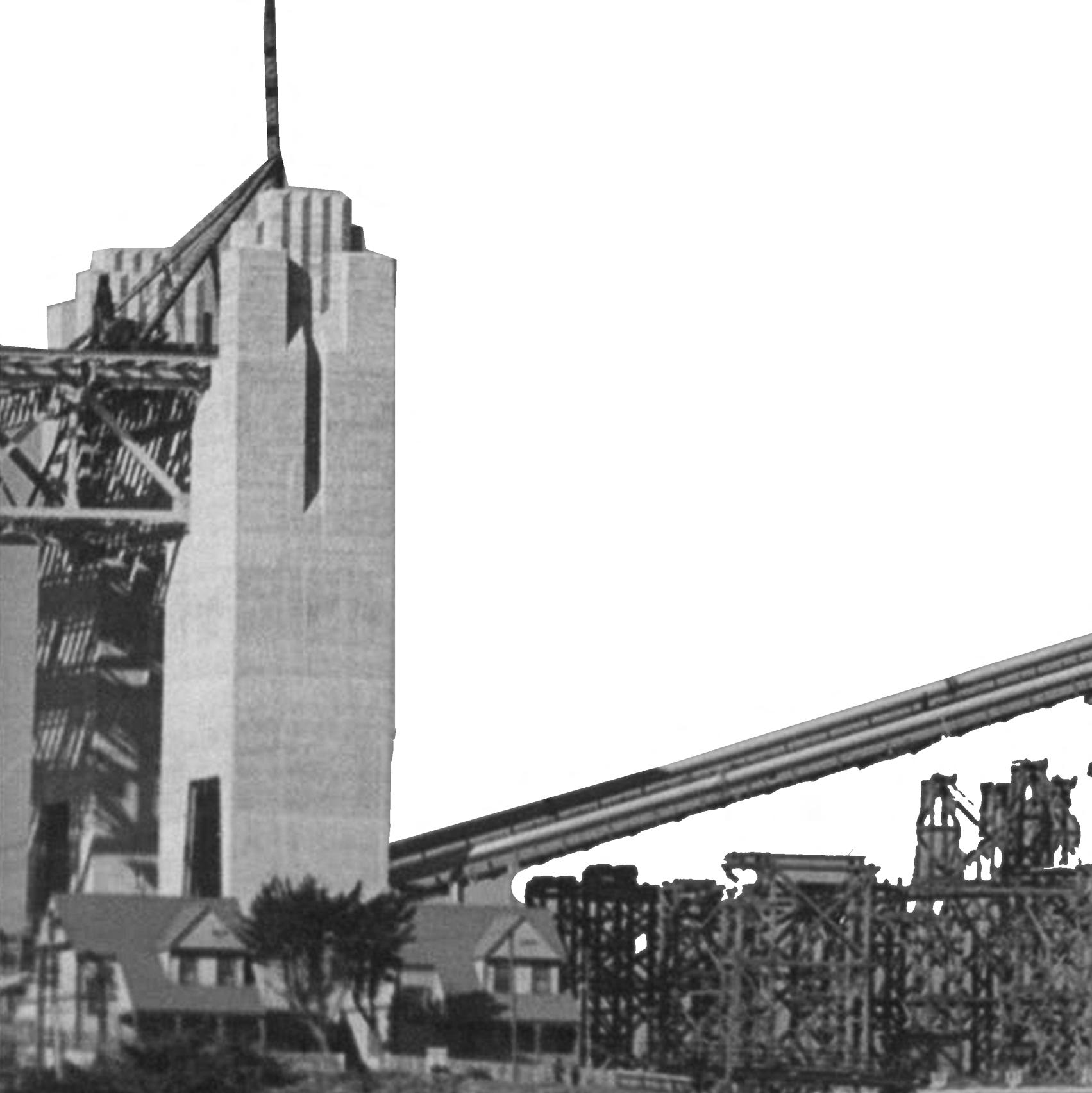
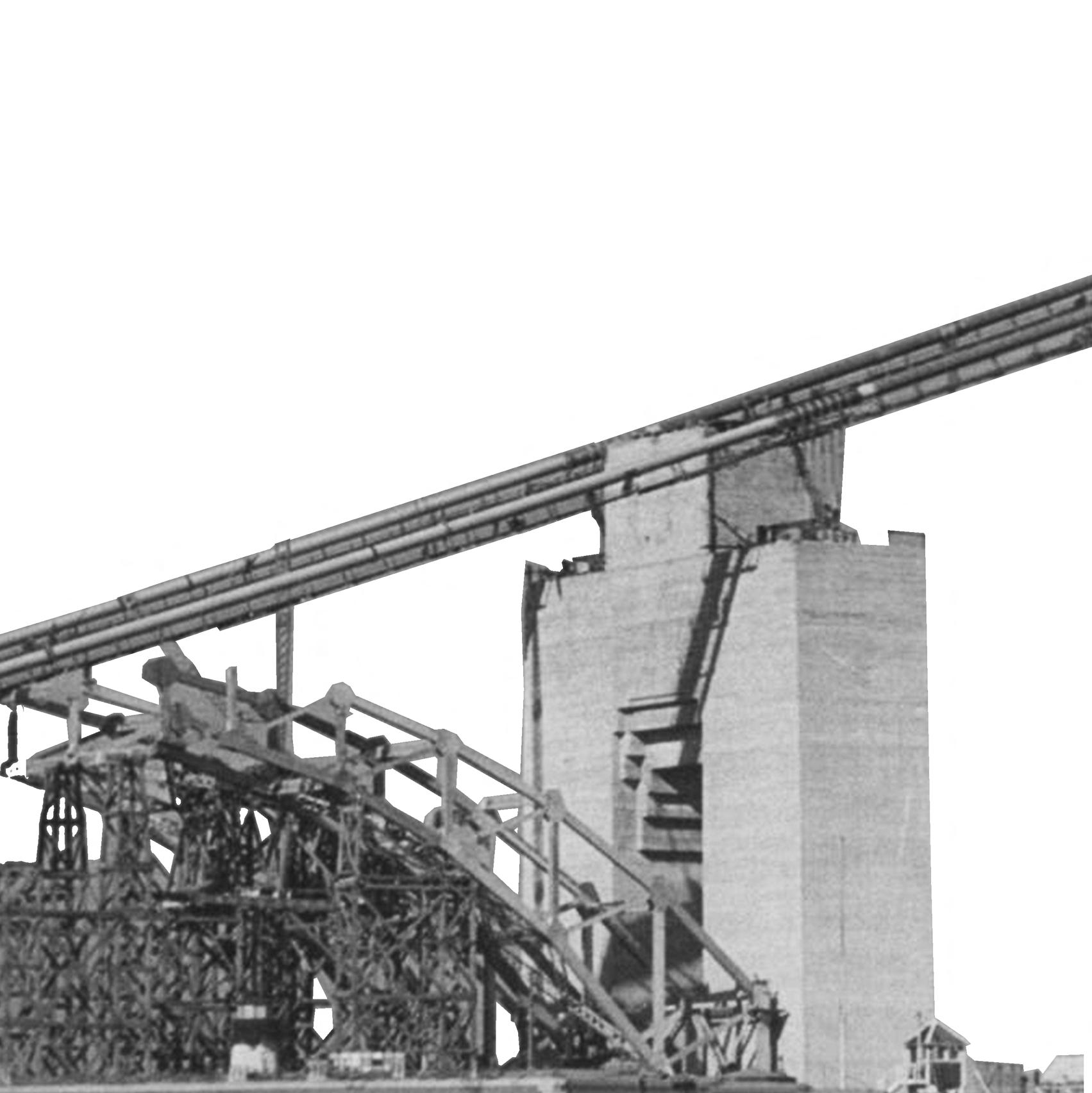
The insects chirp outside the four walls. The inmates often sigh.
Thinking of affairs back home, Unconscious tears wet my lapel.
- Anonymous Chinese Immigrant 1
FORT AND GATE VIEWPOINTS
VISIBILITY
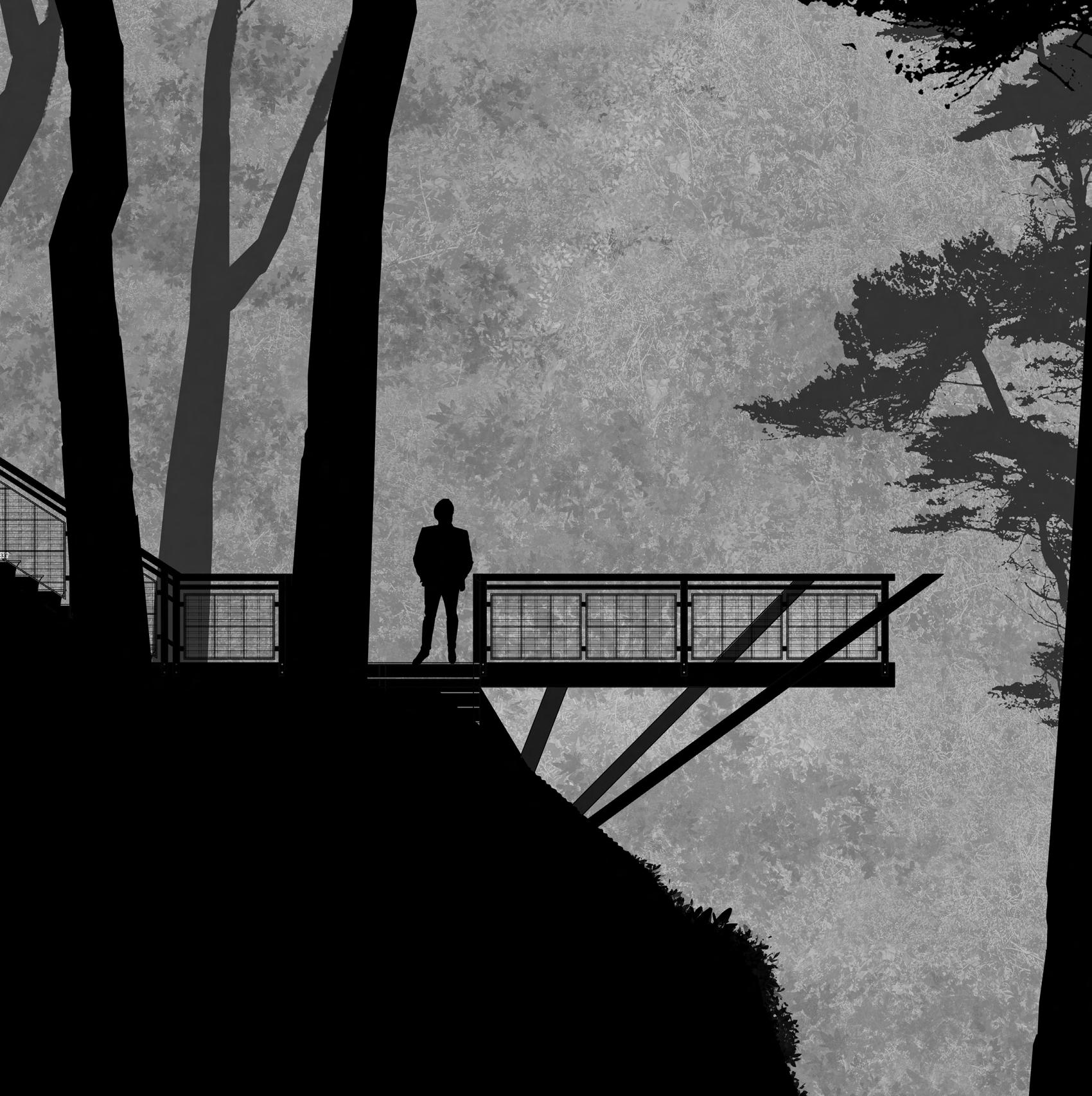
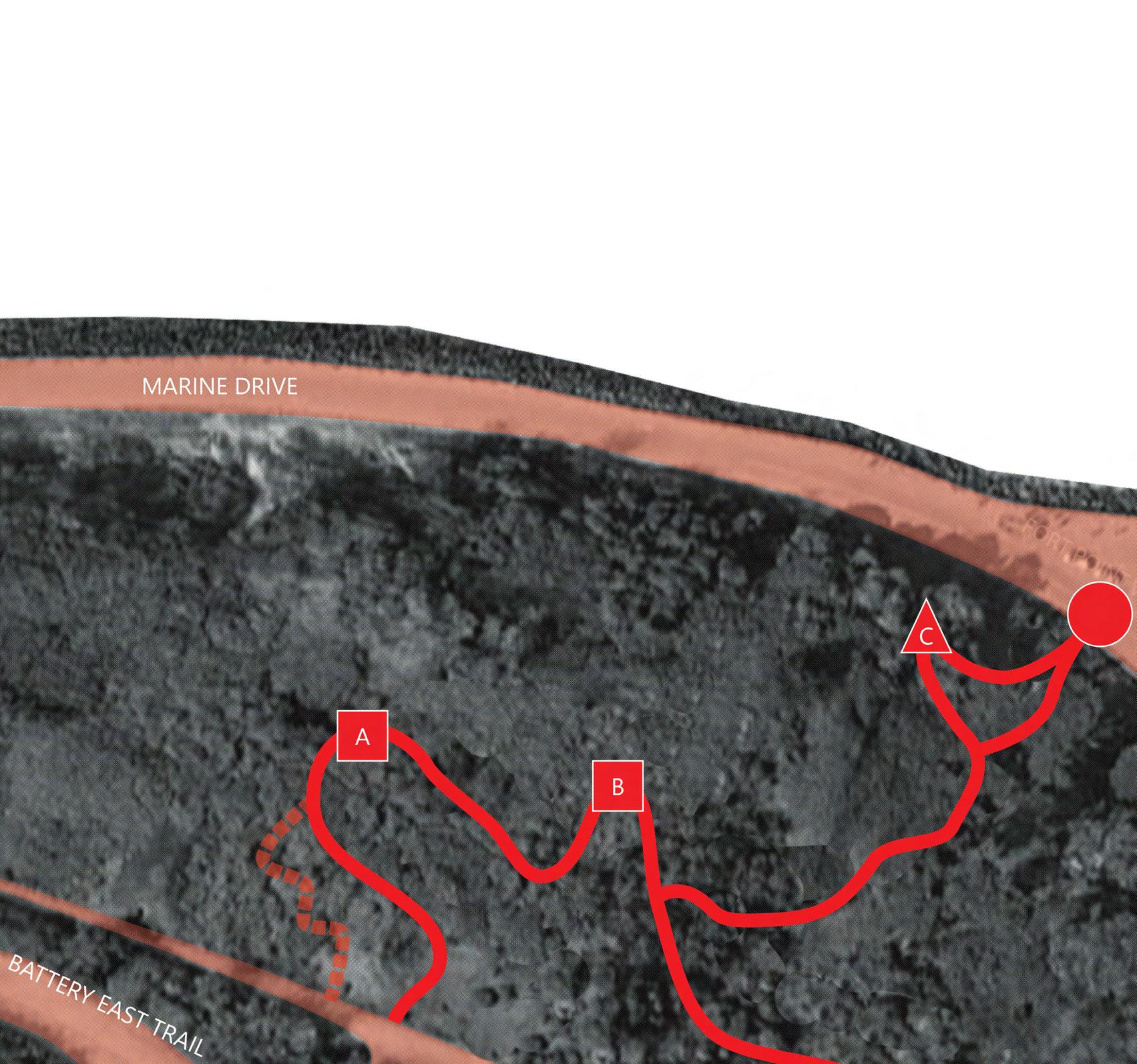
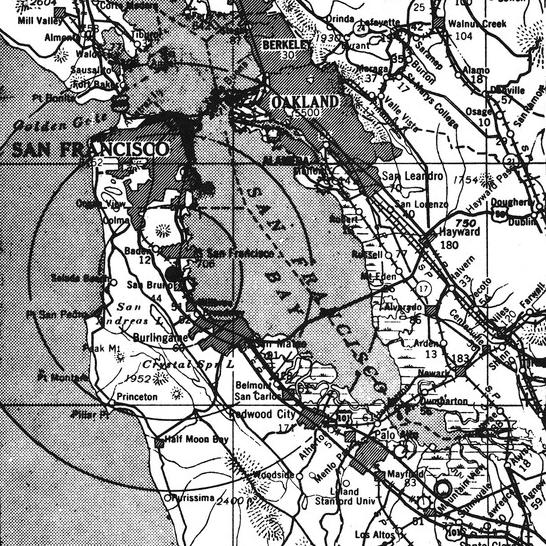
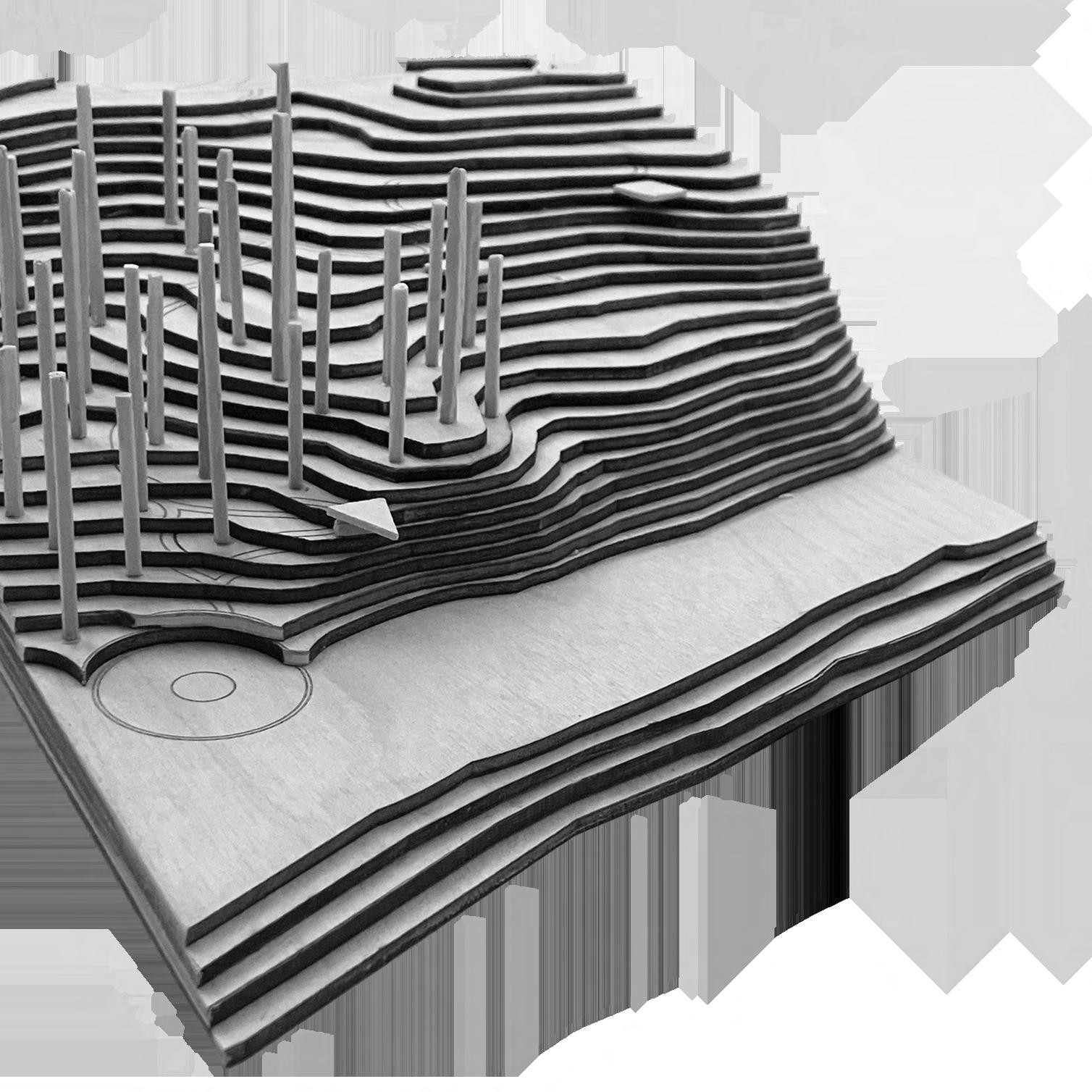
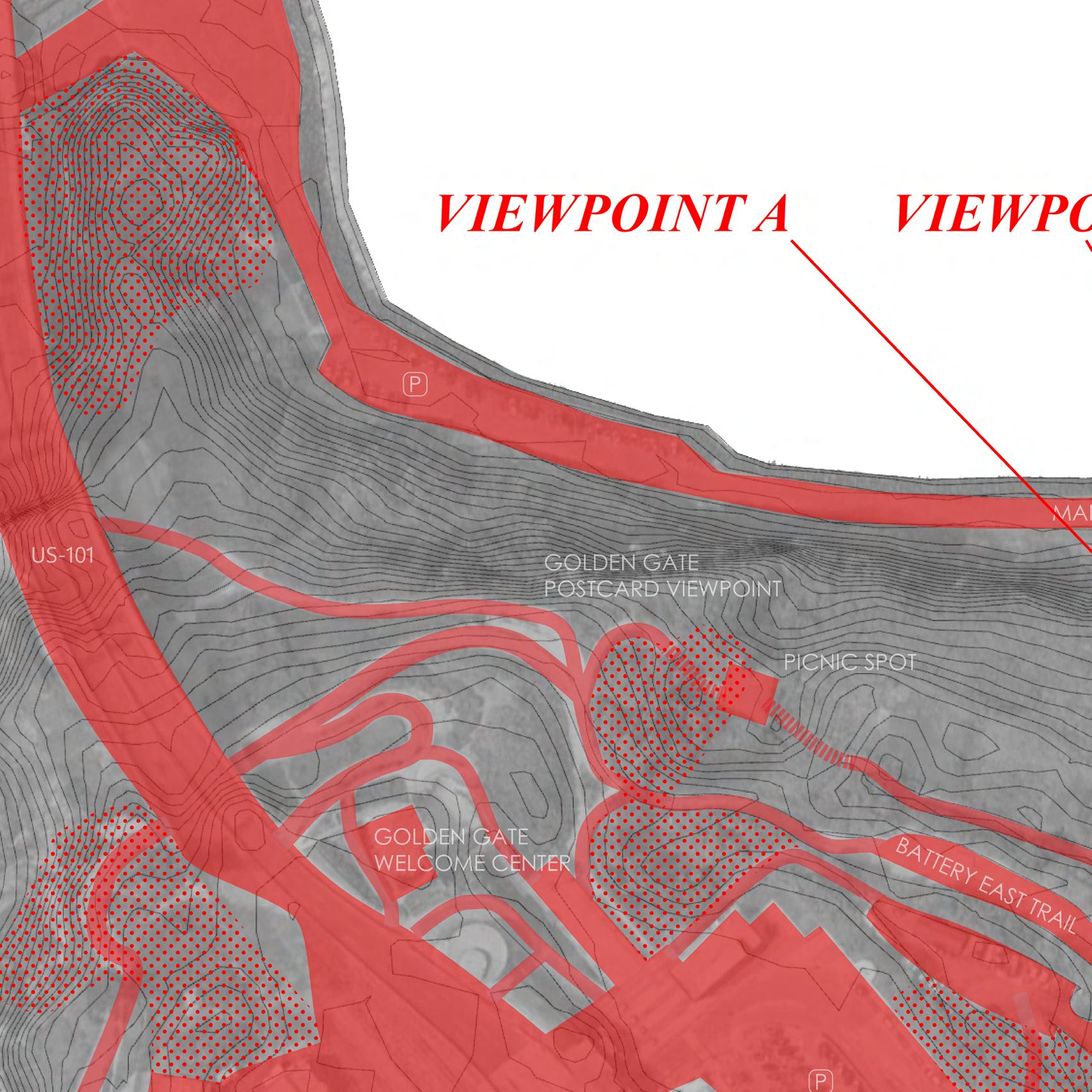
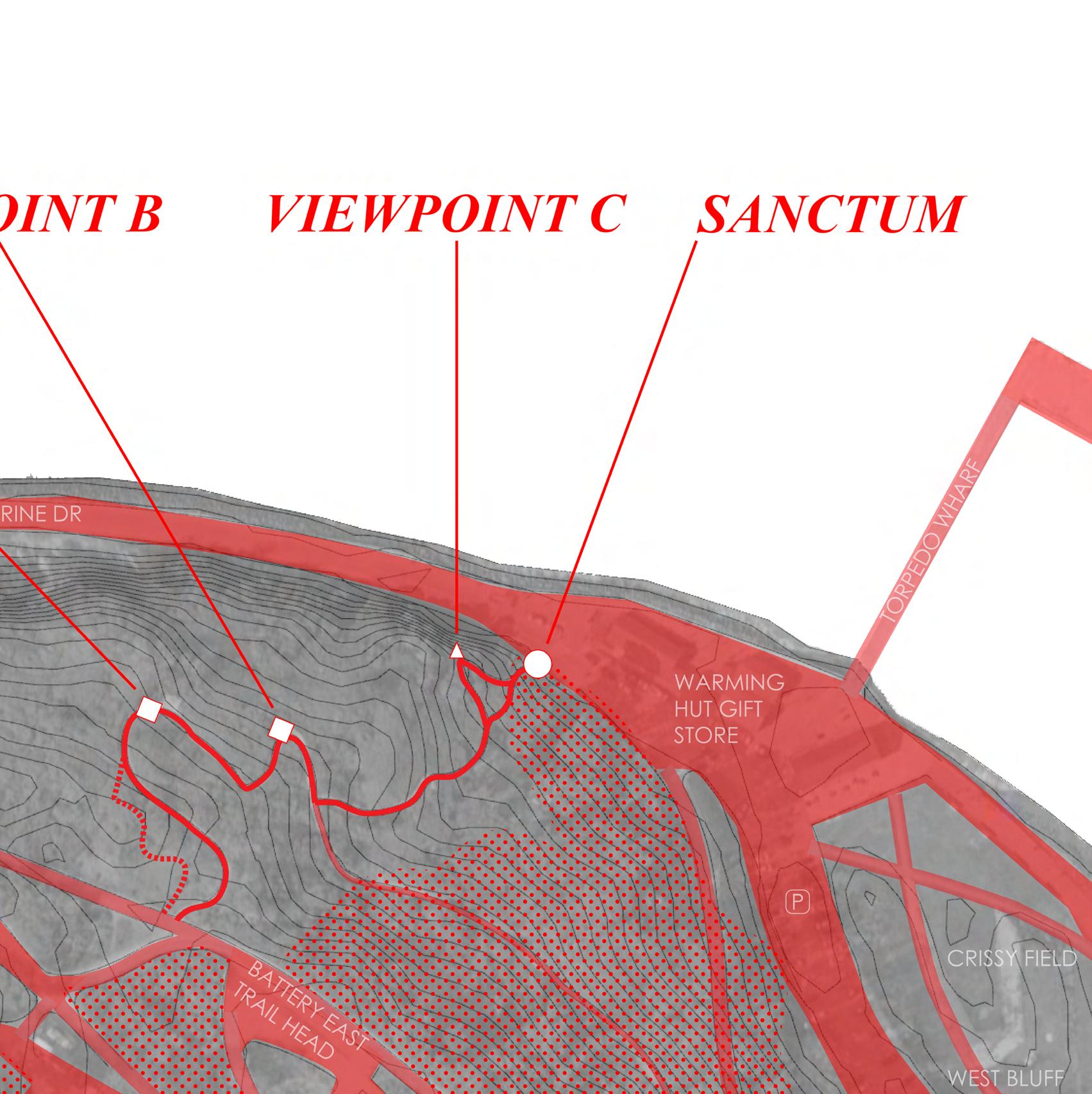
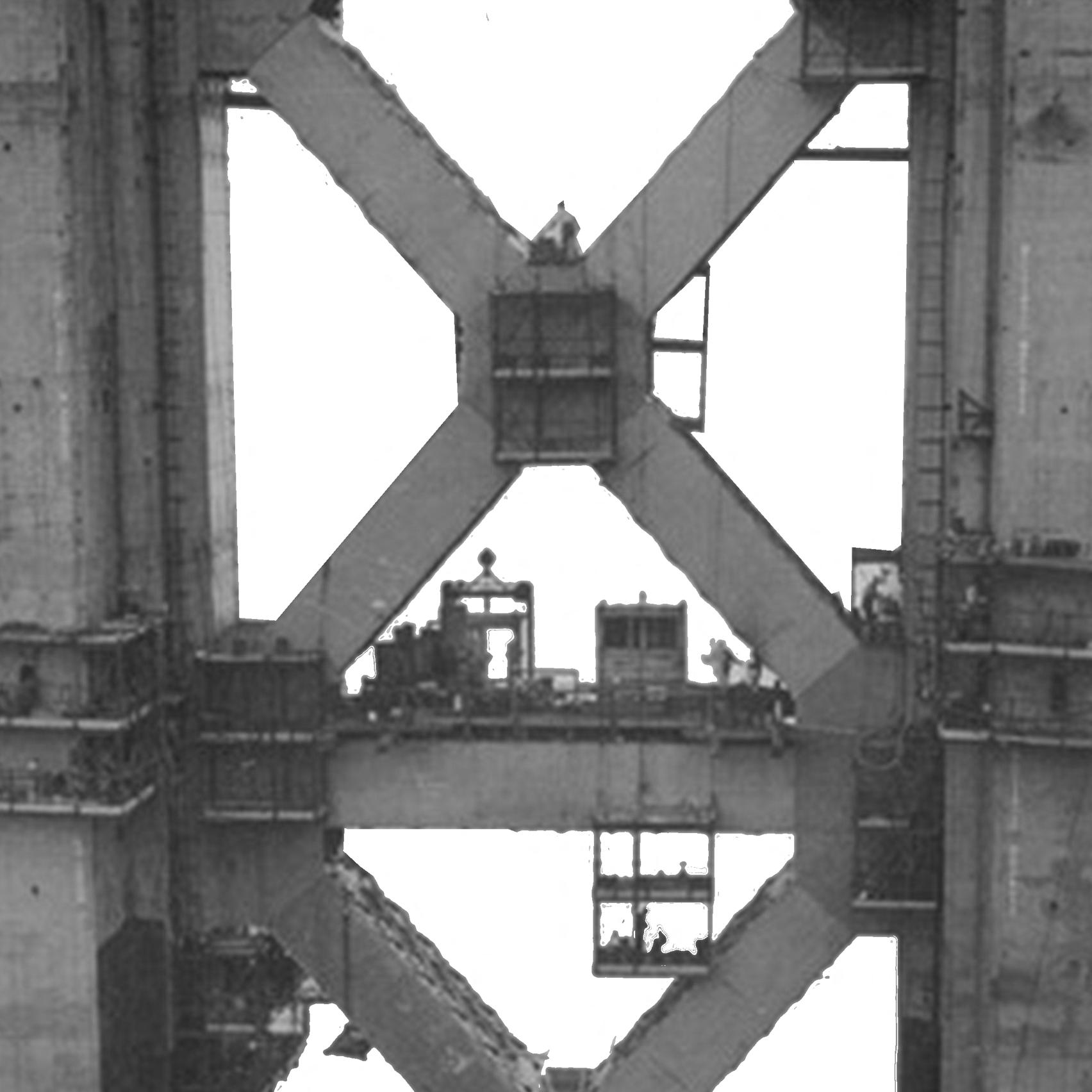
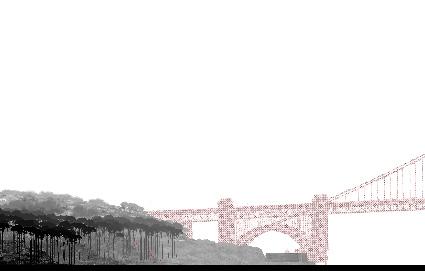
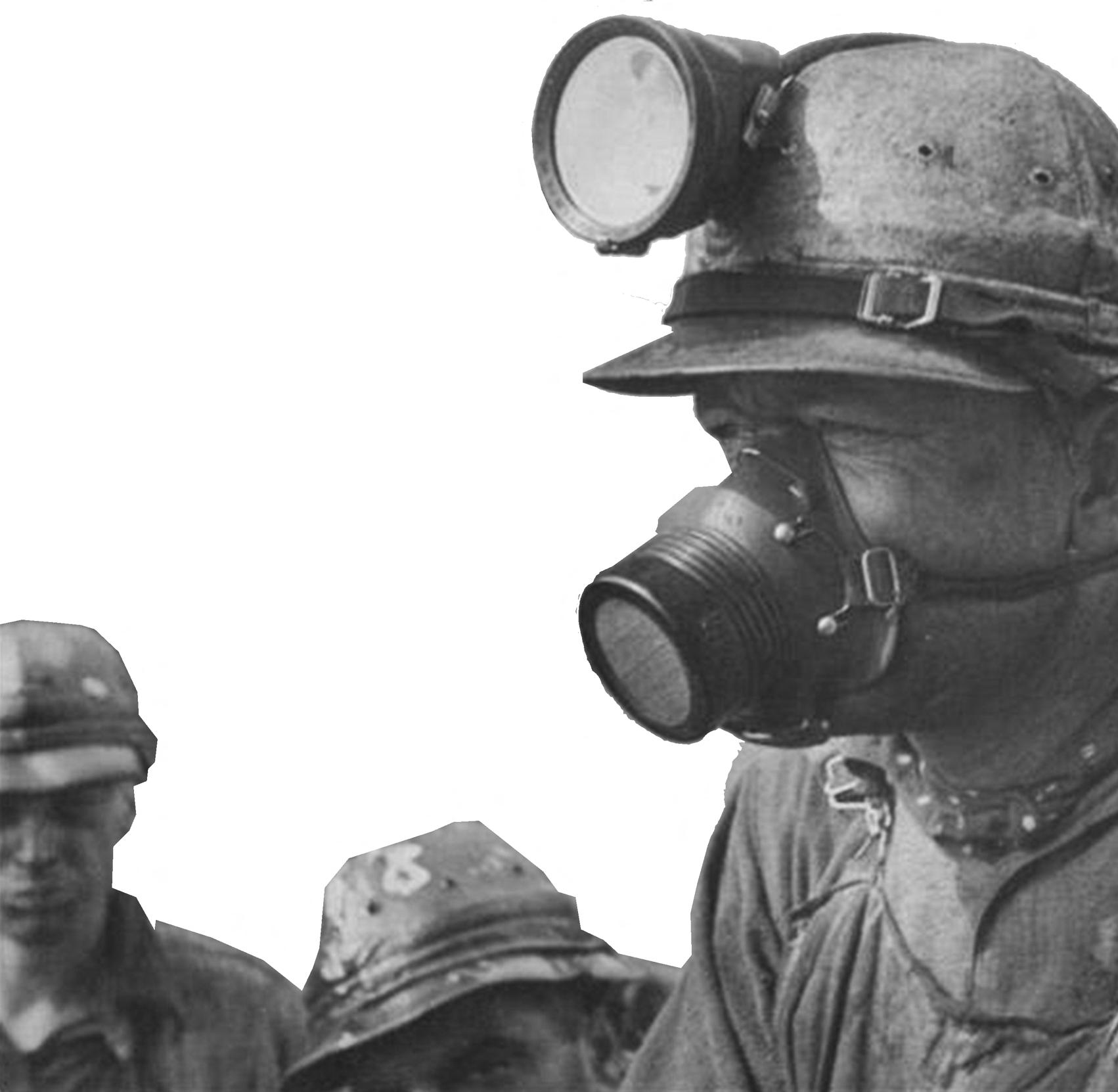
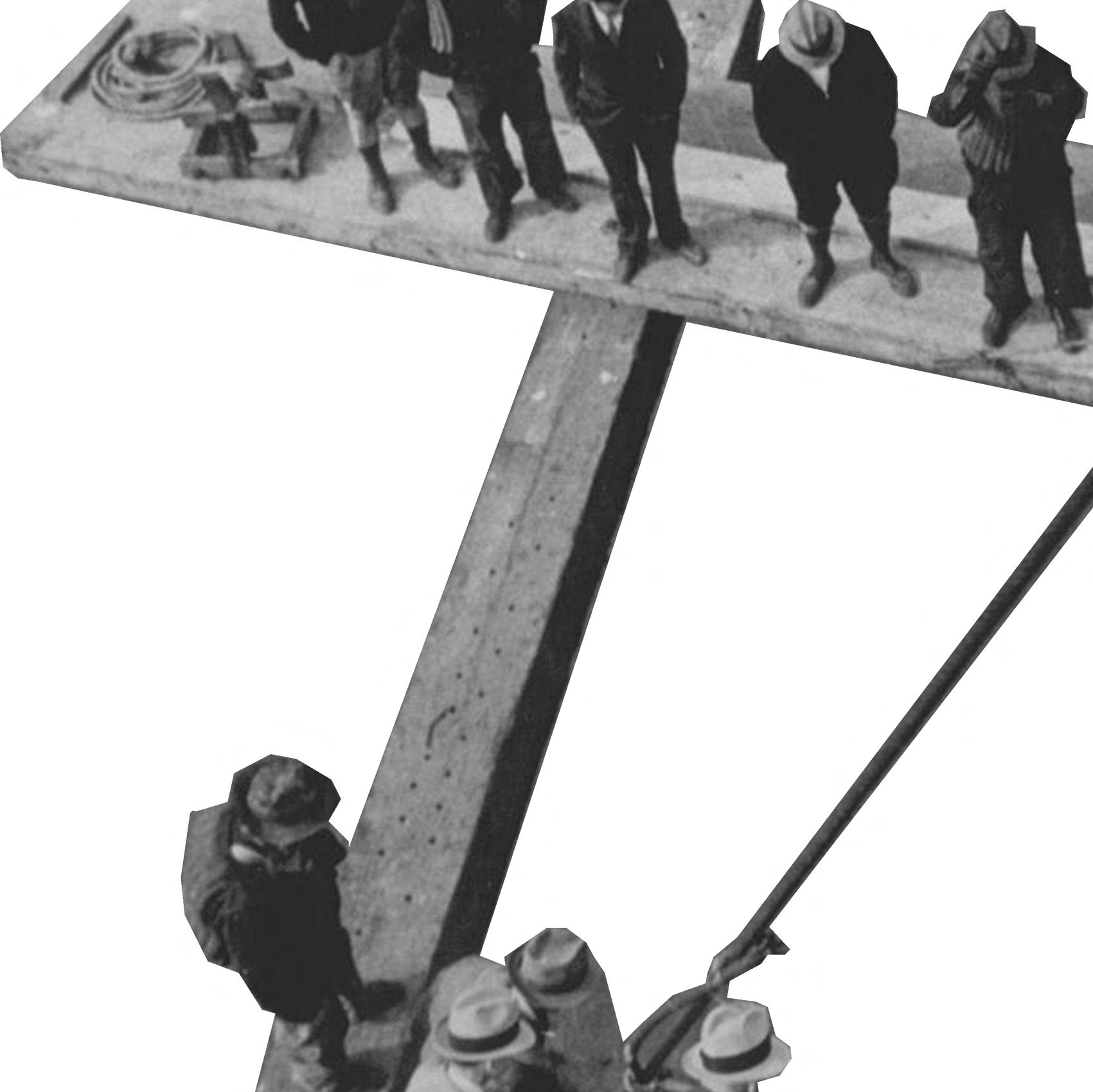
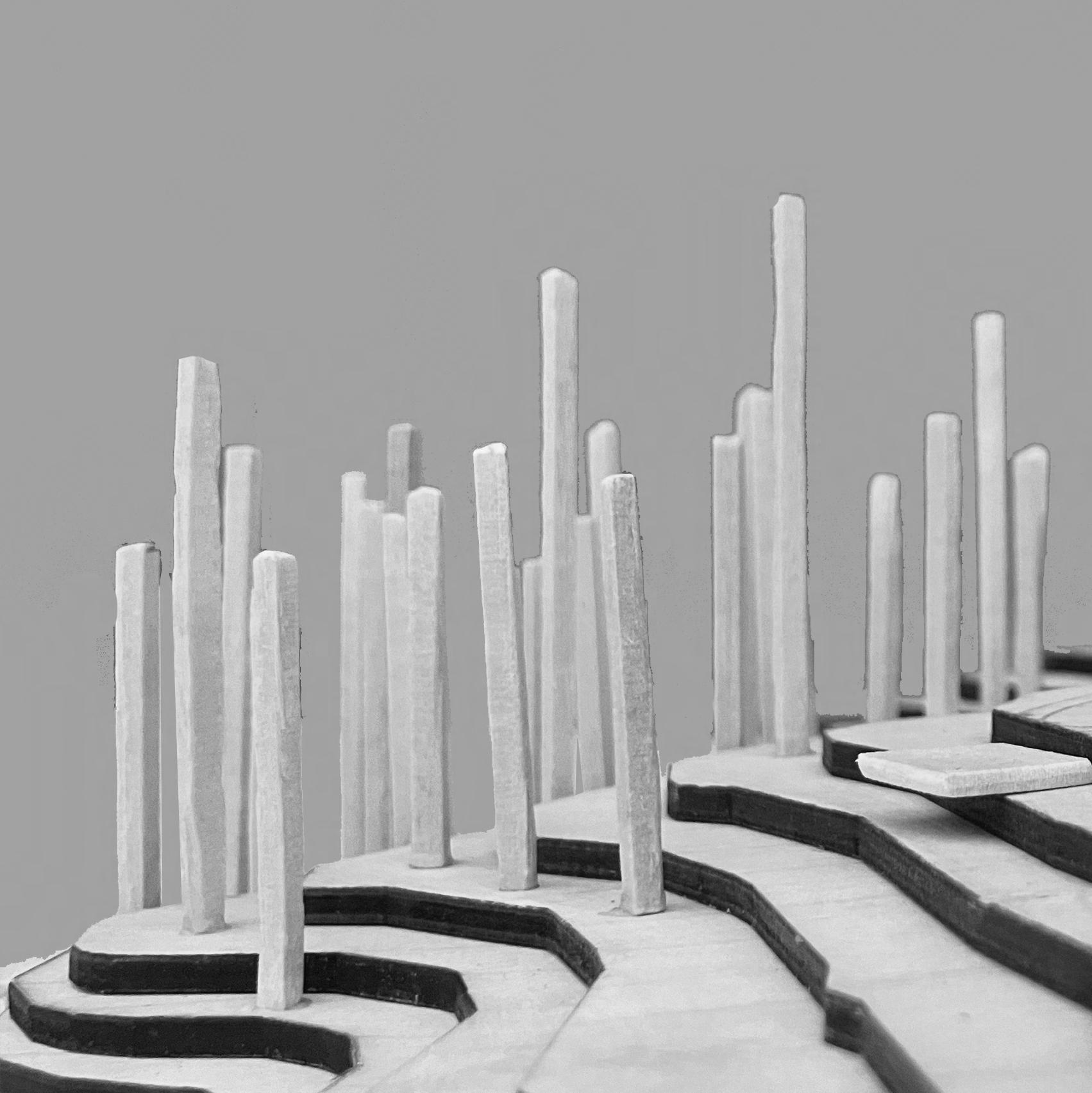
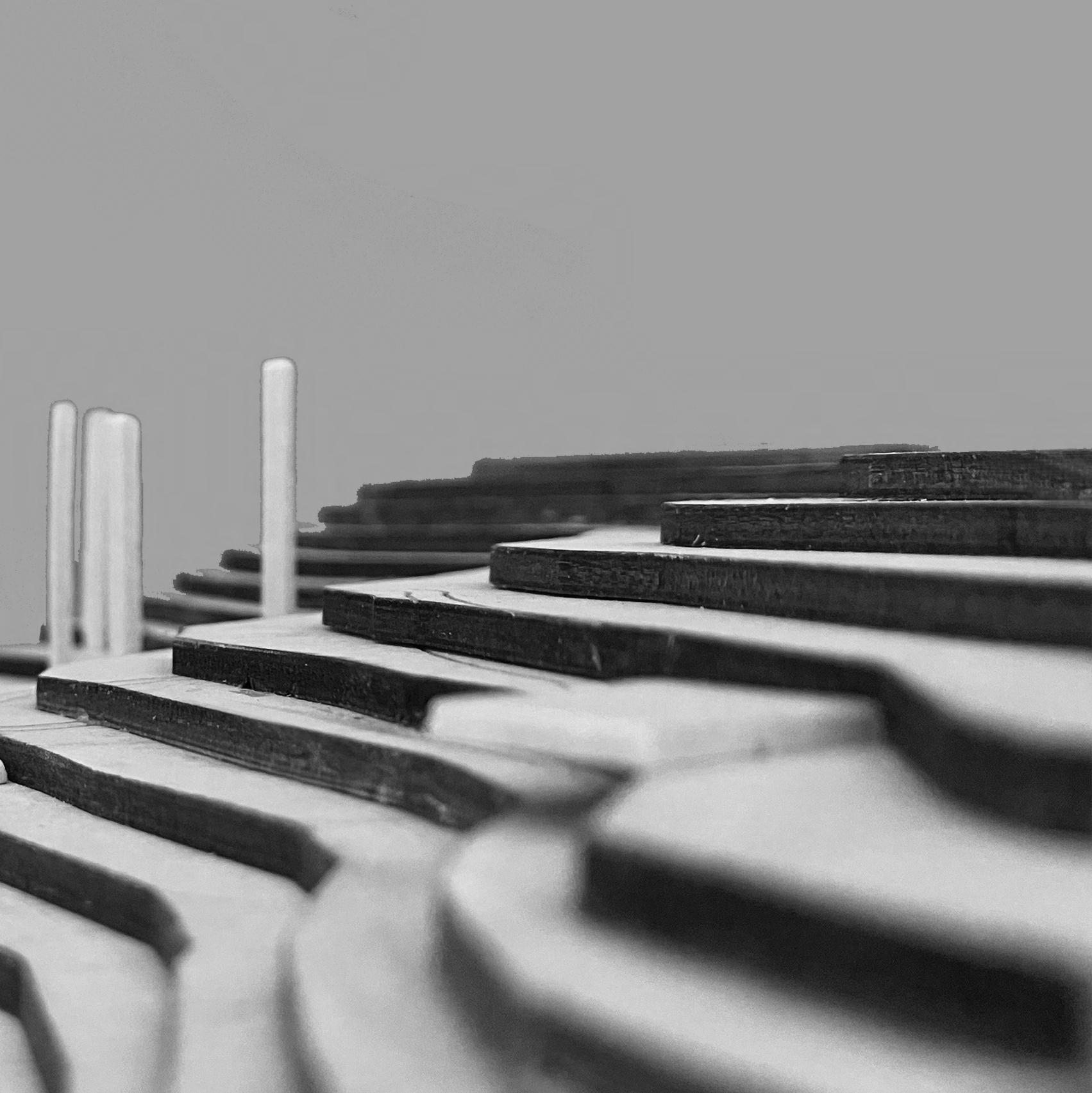
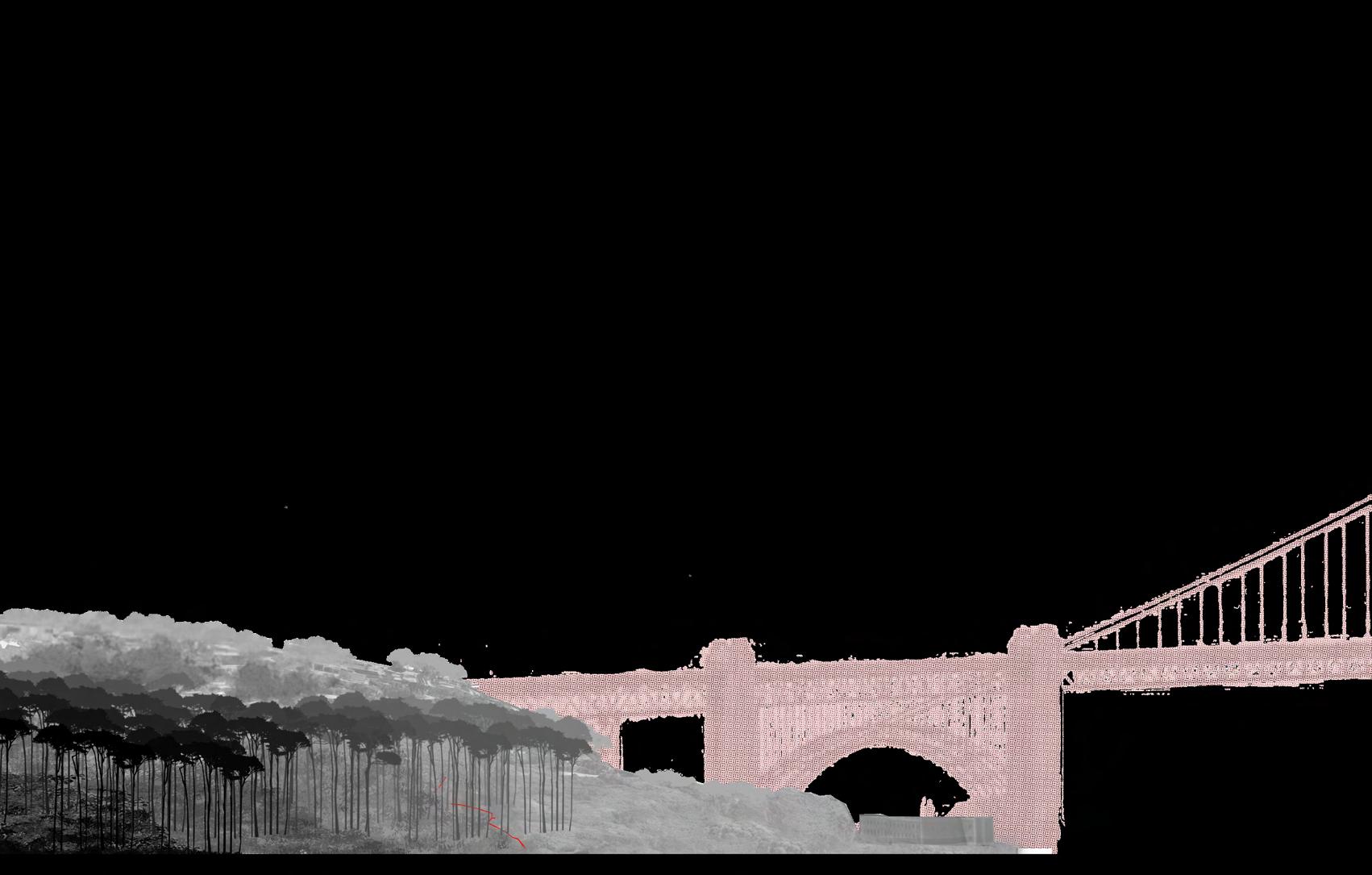
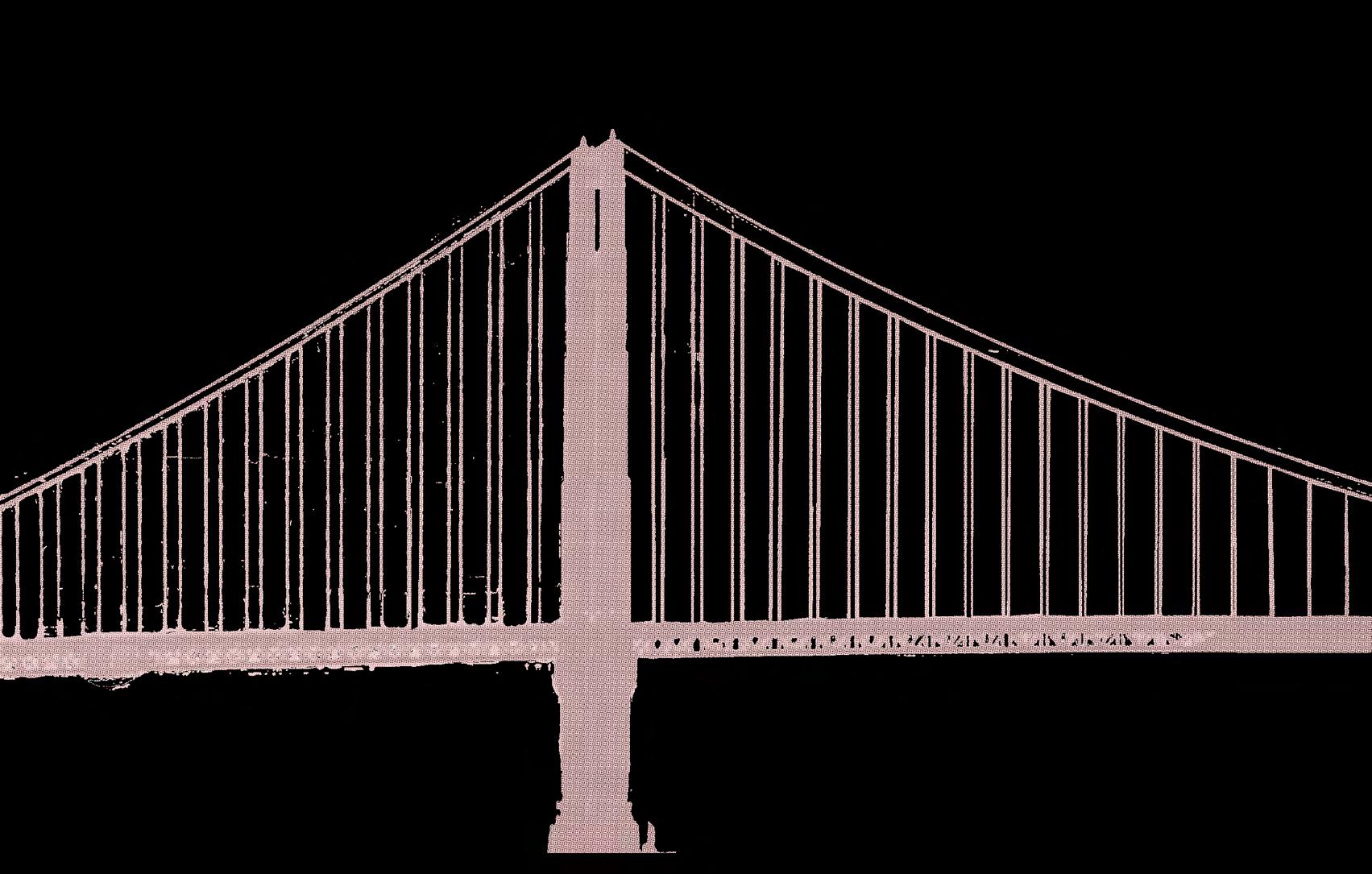
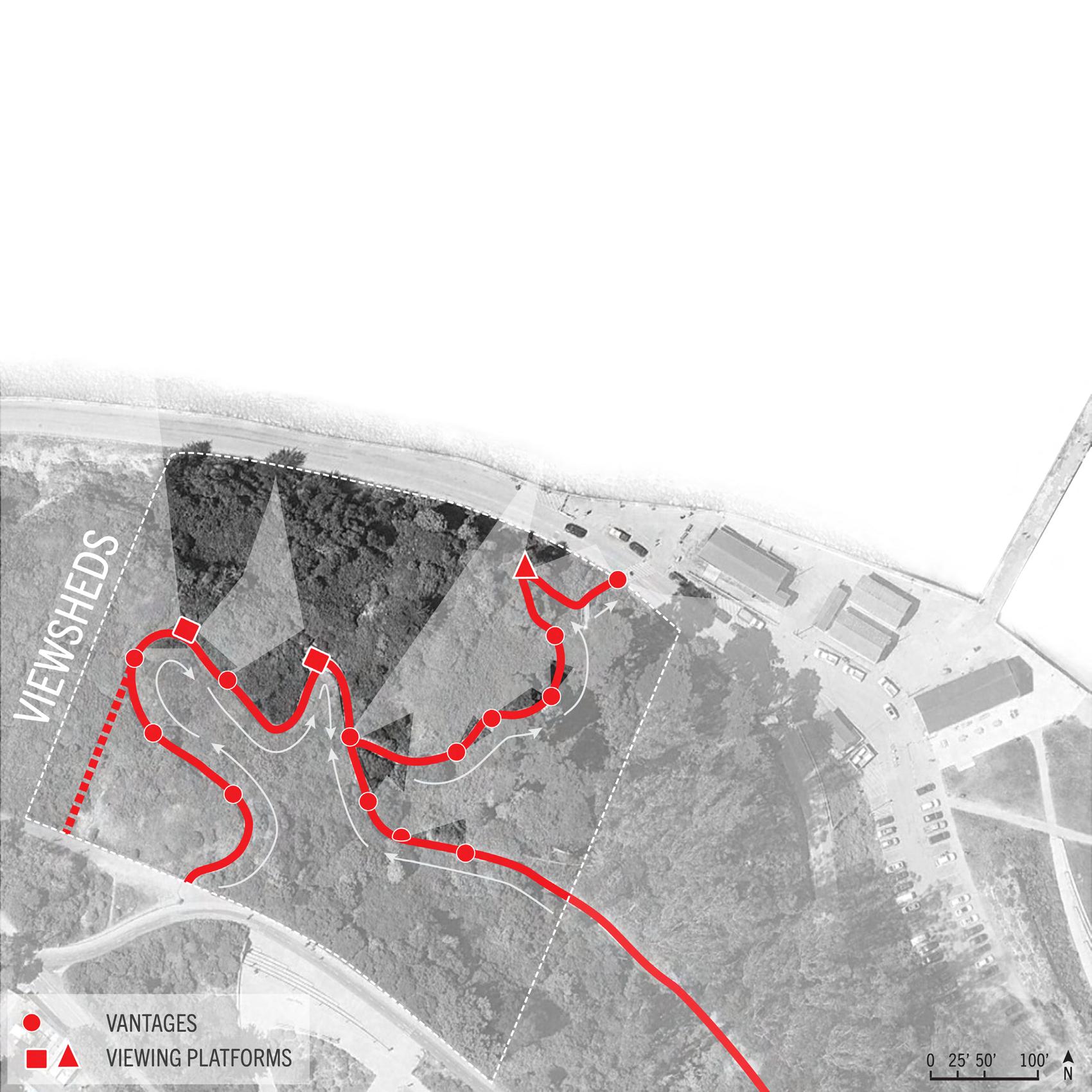
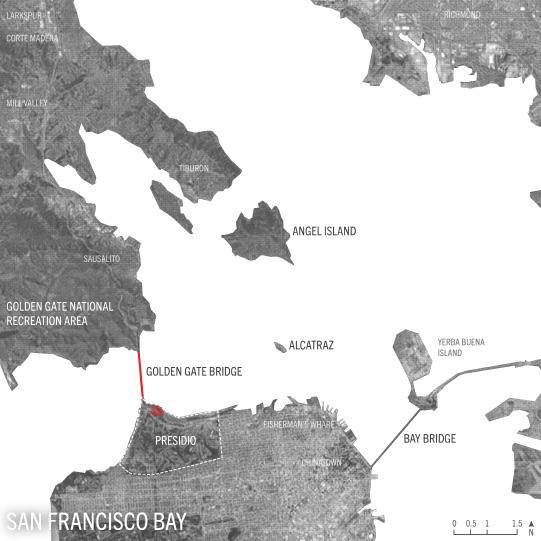
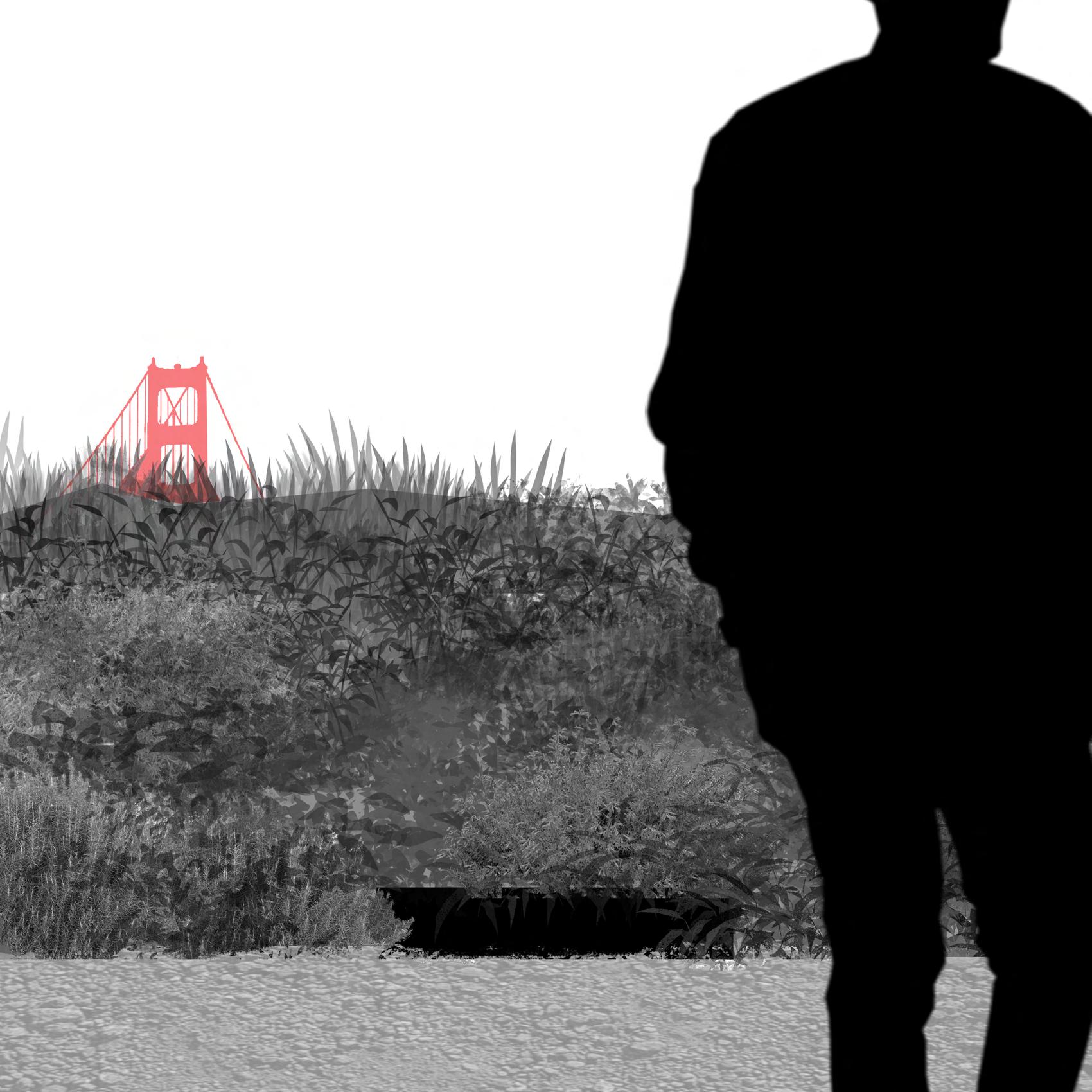
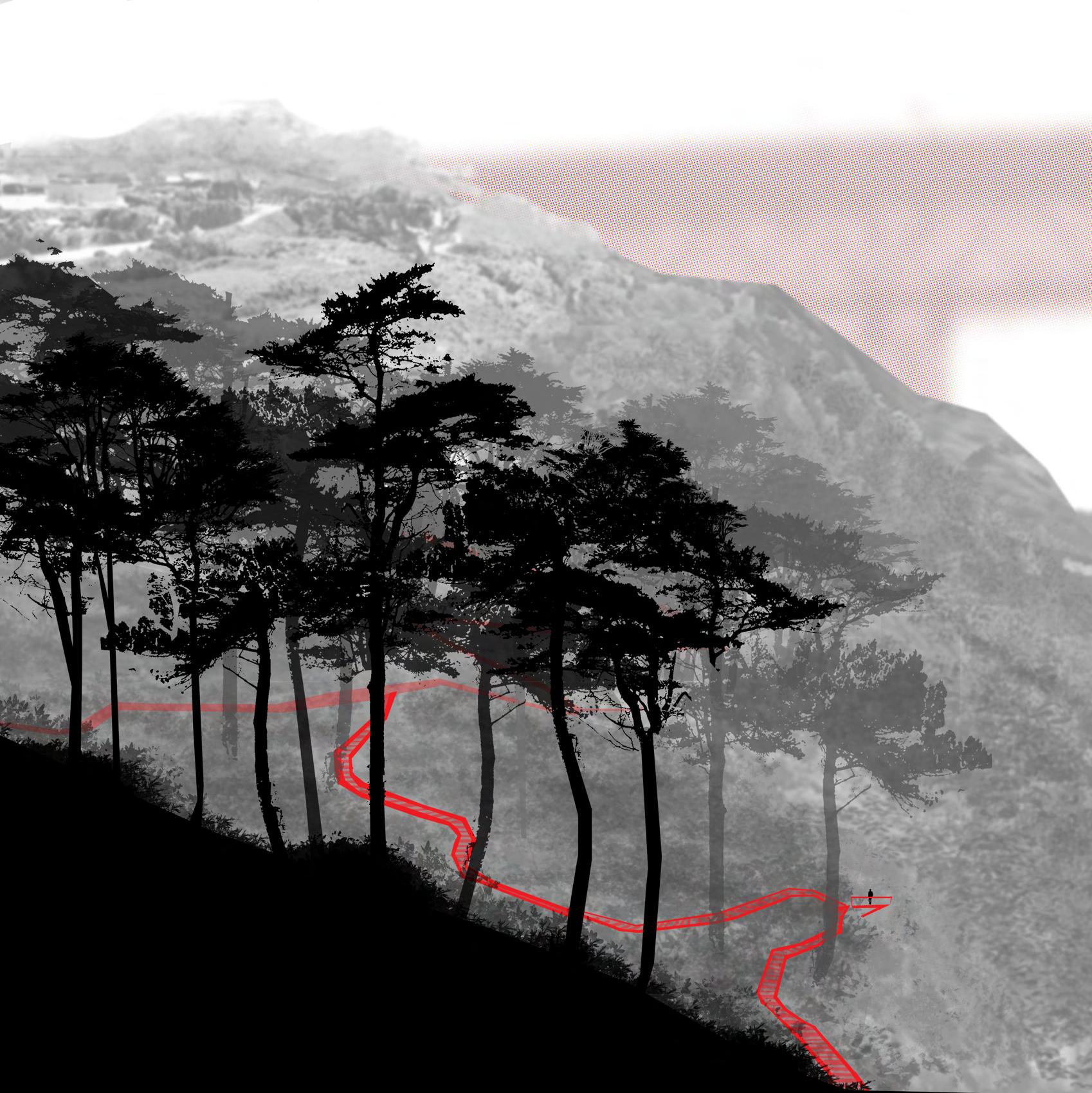
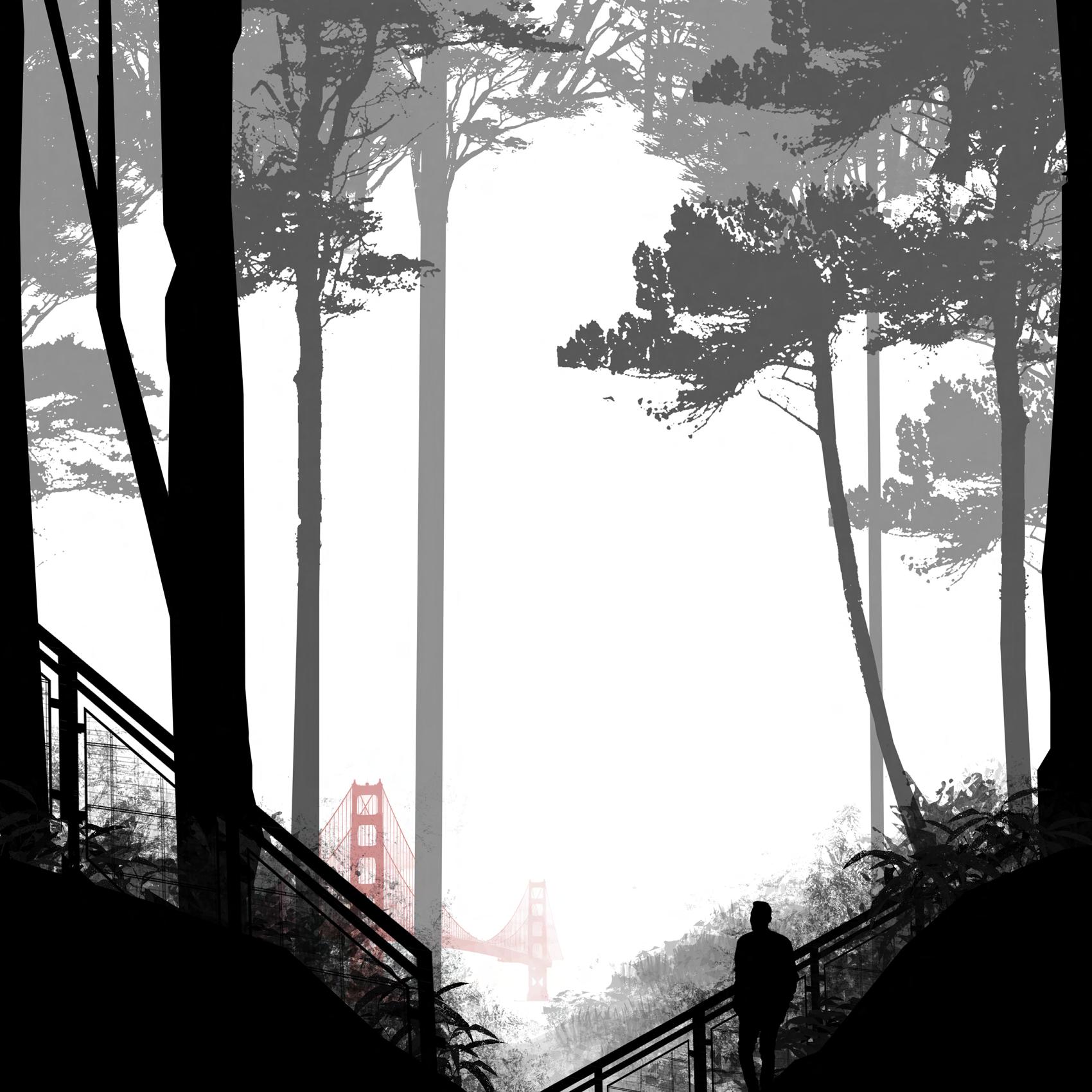
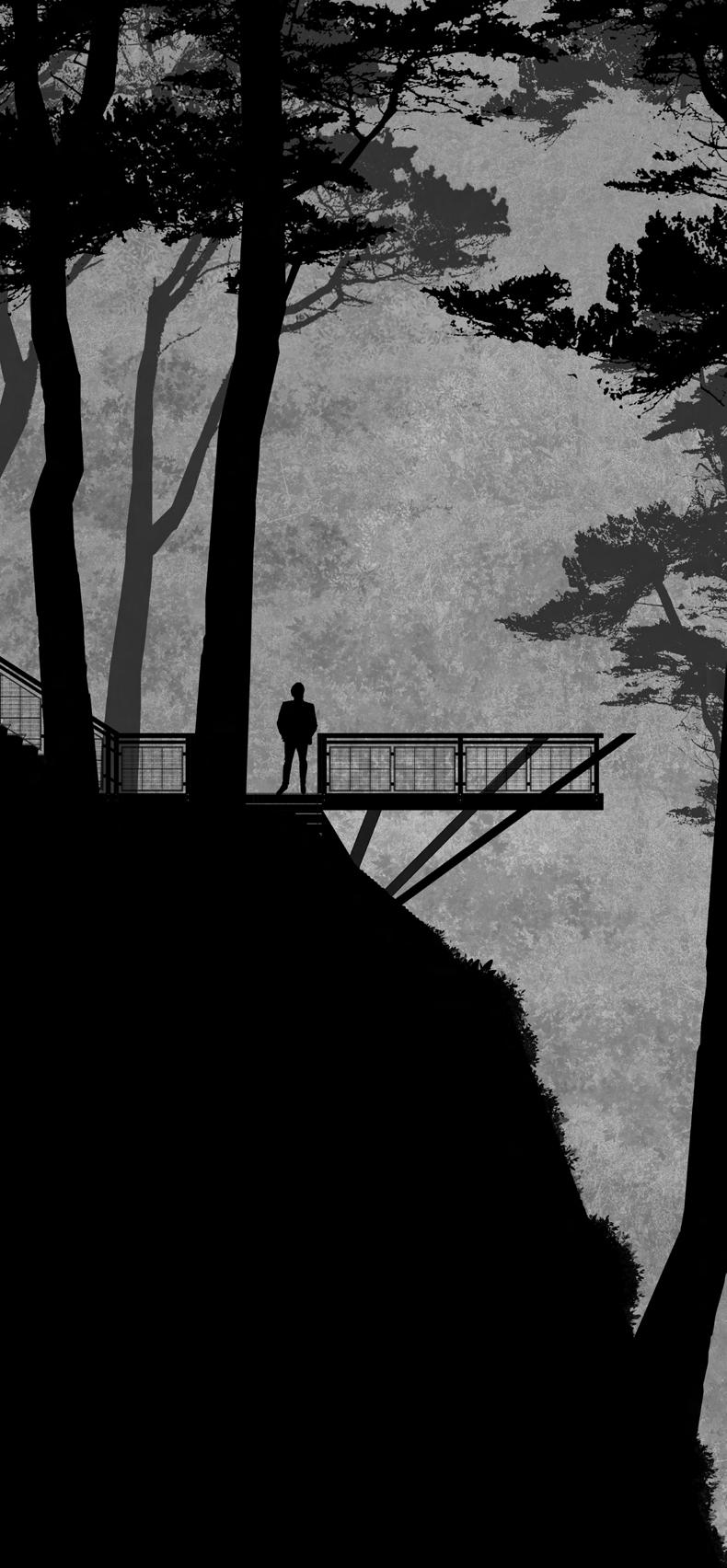
Palimpsest function through a visual overlap. The tug-of-war between different tellings and the underlying power struggle is captured through careful control over what is and is not visible. This project is sited at a portion of the Presidio with astonishing views of the Bay. Through planting (both understory and canopy) and elevations, the view along the trail is constantly shifting. In doing so, extra gravity is given to the dramatic vistas permitted by the three main viewing platforms. With every photo-op, visitors are knowingly and unknowingly adding additional layers to the Presidio and Bay’s palimpsest.
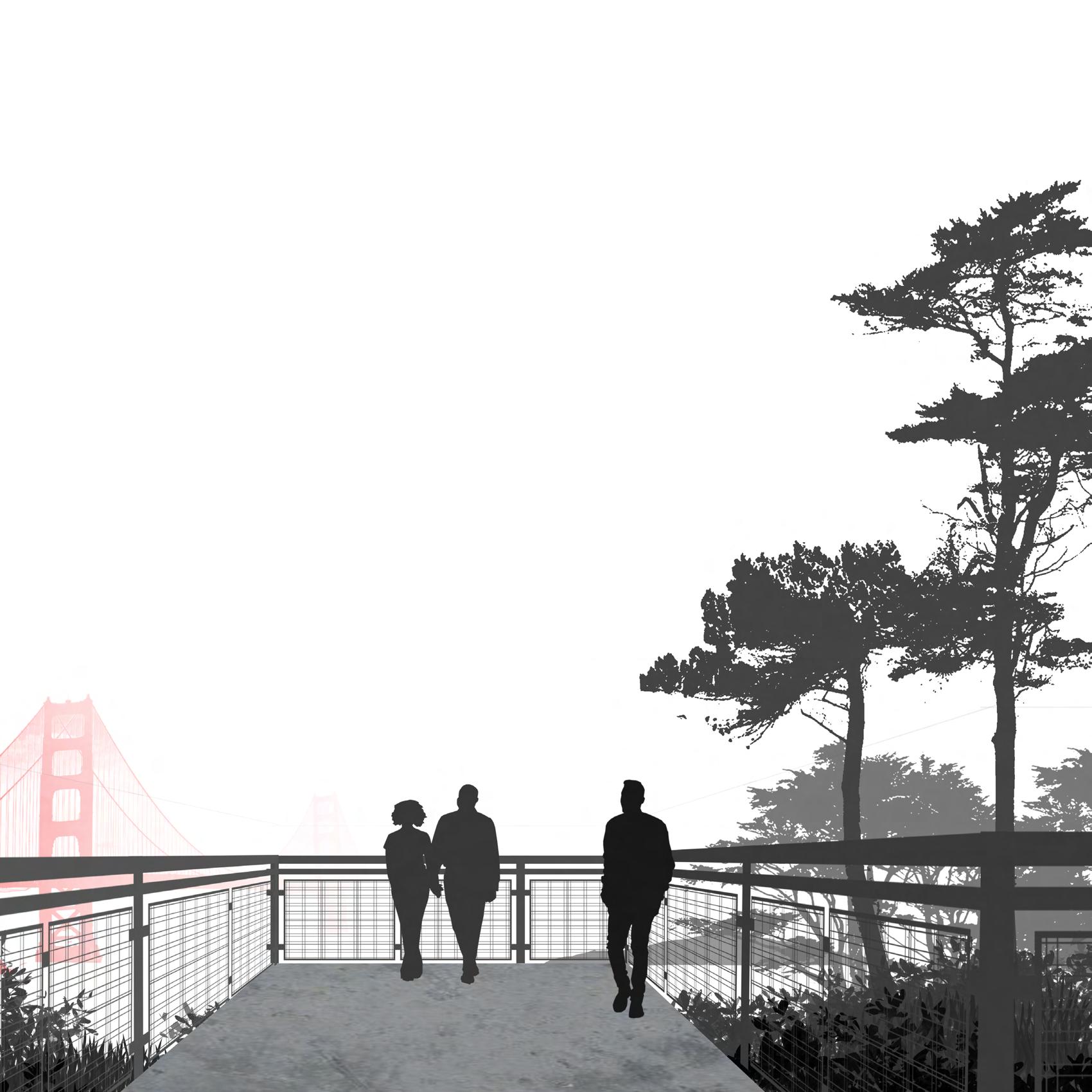
Nothing exists in isolation. In literature “every text (the hypertext) either imitates or seeks to transform an earlier one (the hypotext)…[T]ext is not in a fixed, closed system that references only itself…they inescapably yet fluidly reference, rewrite, reread, and reject each other.” 5 If all of literature is hypertextual then so is all of space.
We exist in the context of all in which we live and what came before us.
Palimpsest landscapes are a manifestation of haunting -- of a spirit who re-occurs, despite attempts at exorcism and erasure.
The strength of the palimpsest as theory and methodology is in “focusing on the disruptions of meanings...[bringing our] analytical gaze to the power dynamics that define an object’s meanings and the semiotic ideologies that surround it.” 6
In untangling these contestations and contextualizing the landscape, it is possible to disrupt imperialist powers and give voice to the subaltern and suppressed.
1 Anonymous, “Poem 26.”
2 Redman, “Have You Ever Been on the Bridge?,” 92.
3 Redman, 93.
4 Redman, 91.
5 Colwell, “A Palimpsest Theory of Objcts,” 131
6 Colwell, 144
UNHOMELY
UNHOMELY
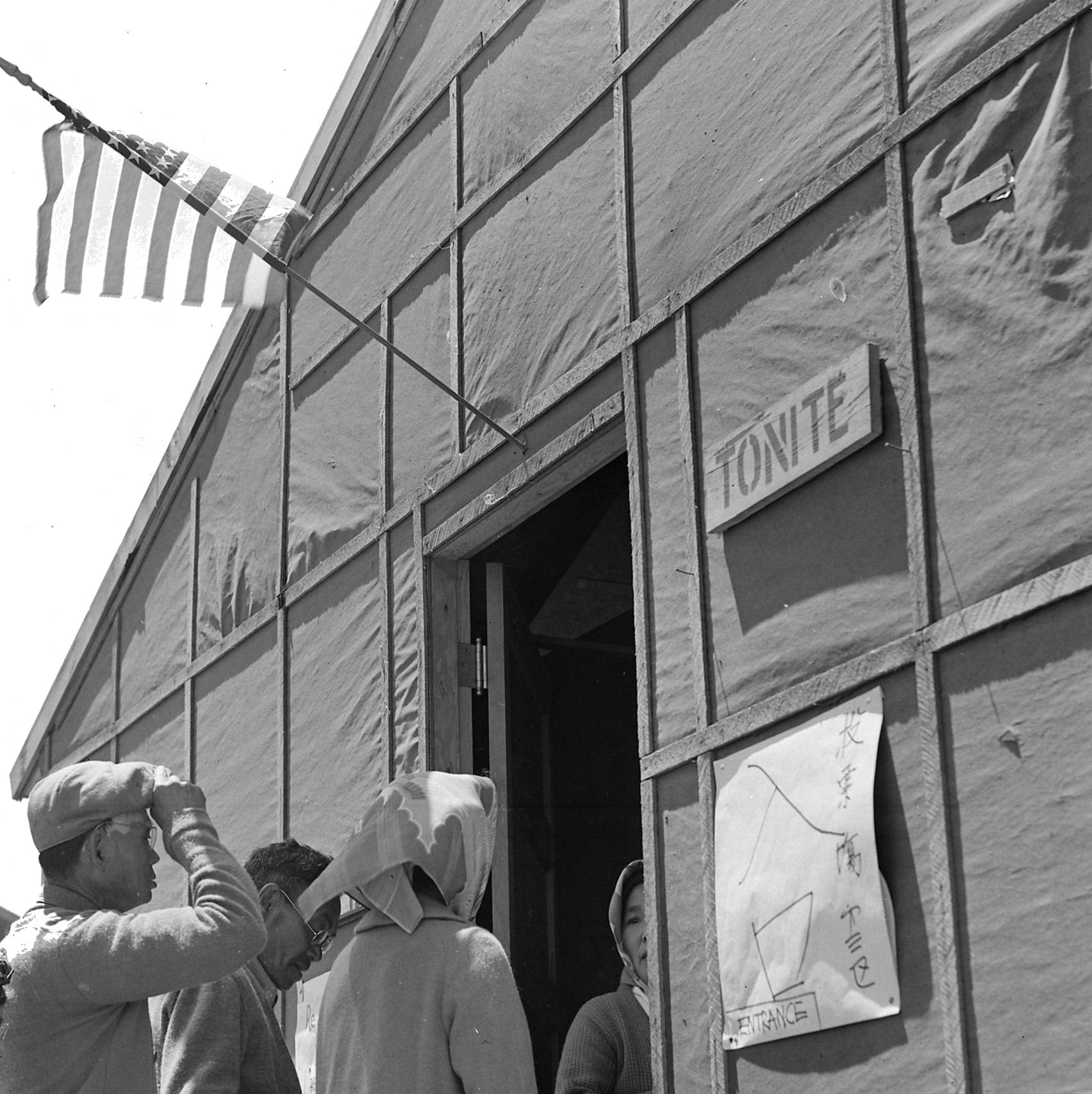
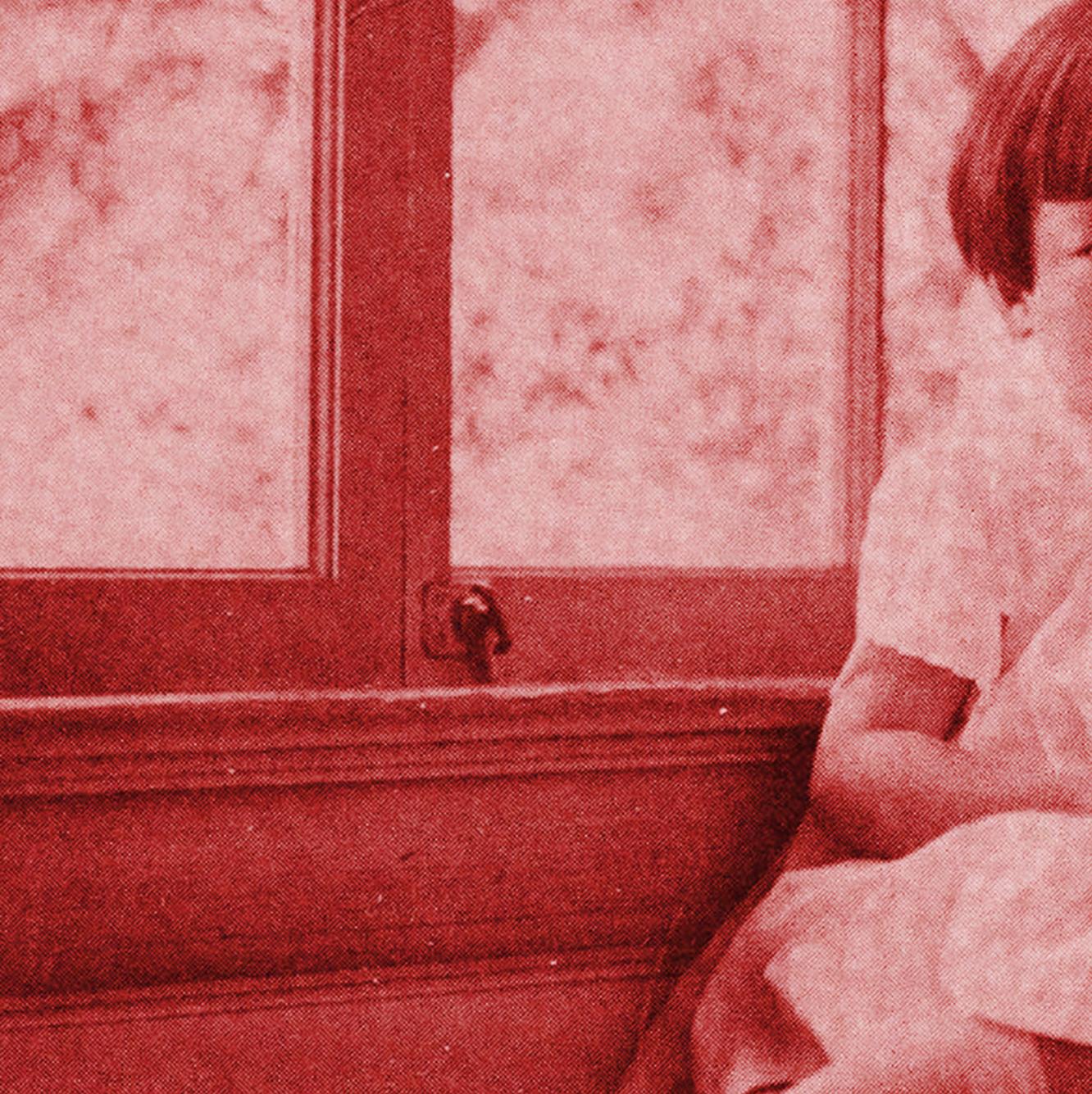
Plate in hand, I stand in line, Losing my resolve
To hide my tears.
I see my mother In the aged woman who comes, And I yield to her My place in line.
Four months have passed And at last I learn
To call this horse stall My family’s home
- Yukari 1
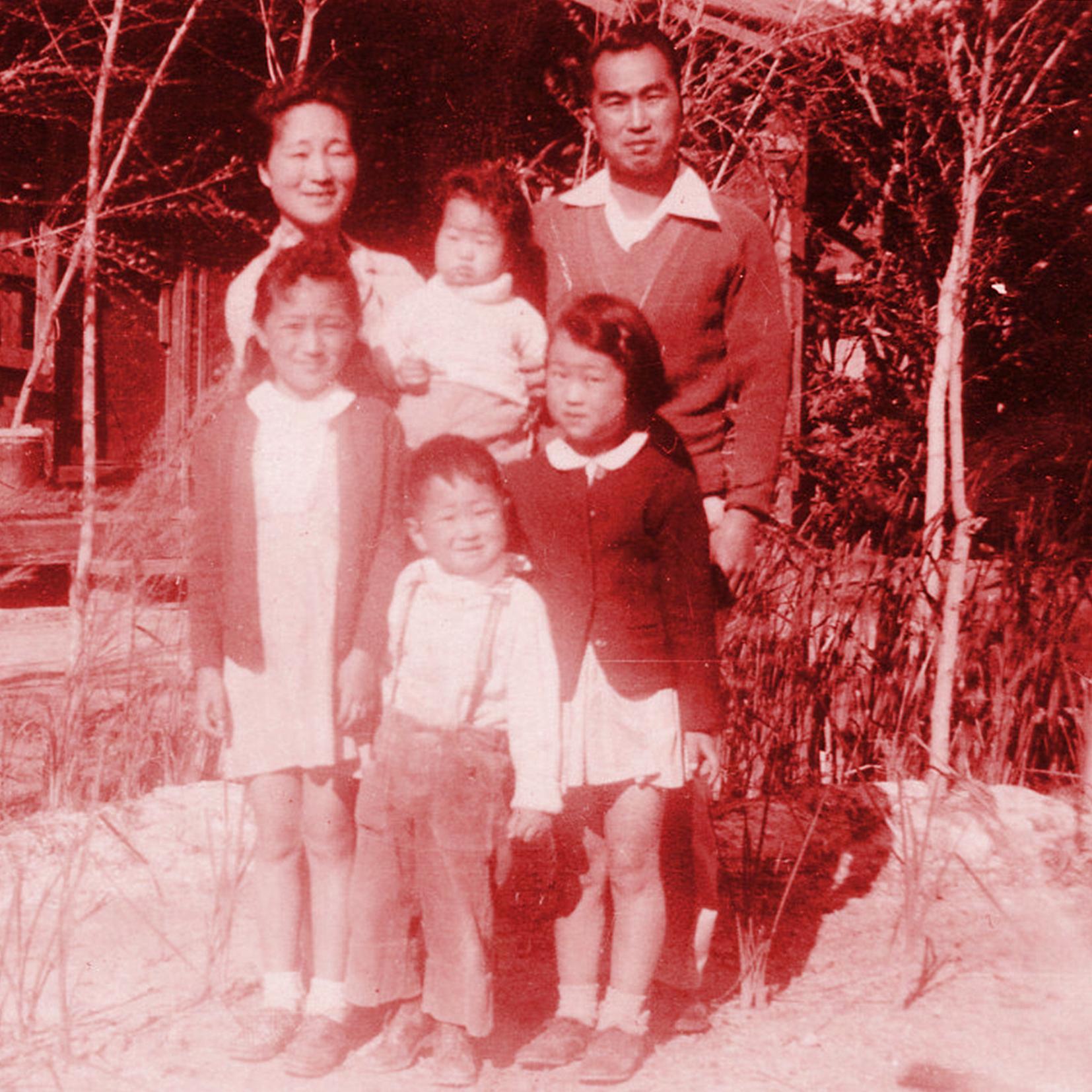
Yoshiko Uchida at 3 years old (left), and her home on Stuart Street prior to forced relocation.

WHEN HOME IS A HORSE STALL
TO REPRESSION TO ALIENATION TO DISPLACEMENT TO INTERNMENT FROM FEAR HOME IS NO LONGER “HOME”
IS NO LONGER FAMILIAR
IS NO LONGER KNOWN THE HOME IS UNCANNY. THE HOME IS HAUNTED.
STALL BEHIND BARBED WIRE
As people are repressed, places of belonging become unhomely and uncanny and unfamiliar. “Poltergeist” (1982) feels uncanny and haunted because an ordinary suburban home is disrupted by a violent past reaching into the domestic present.
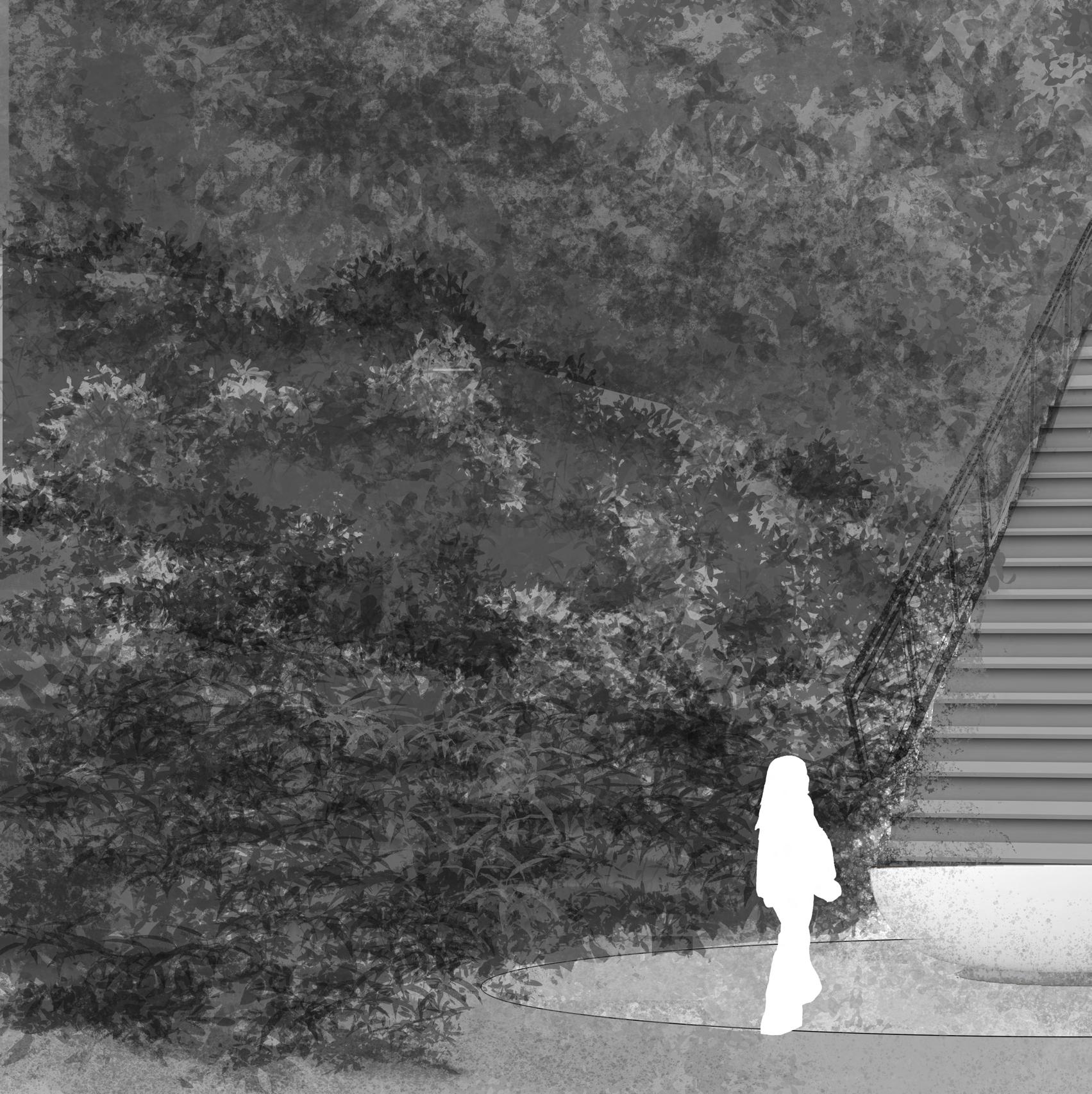
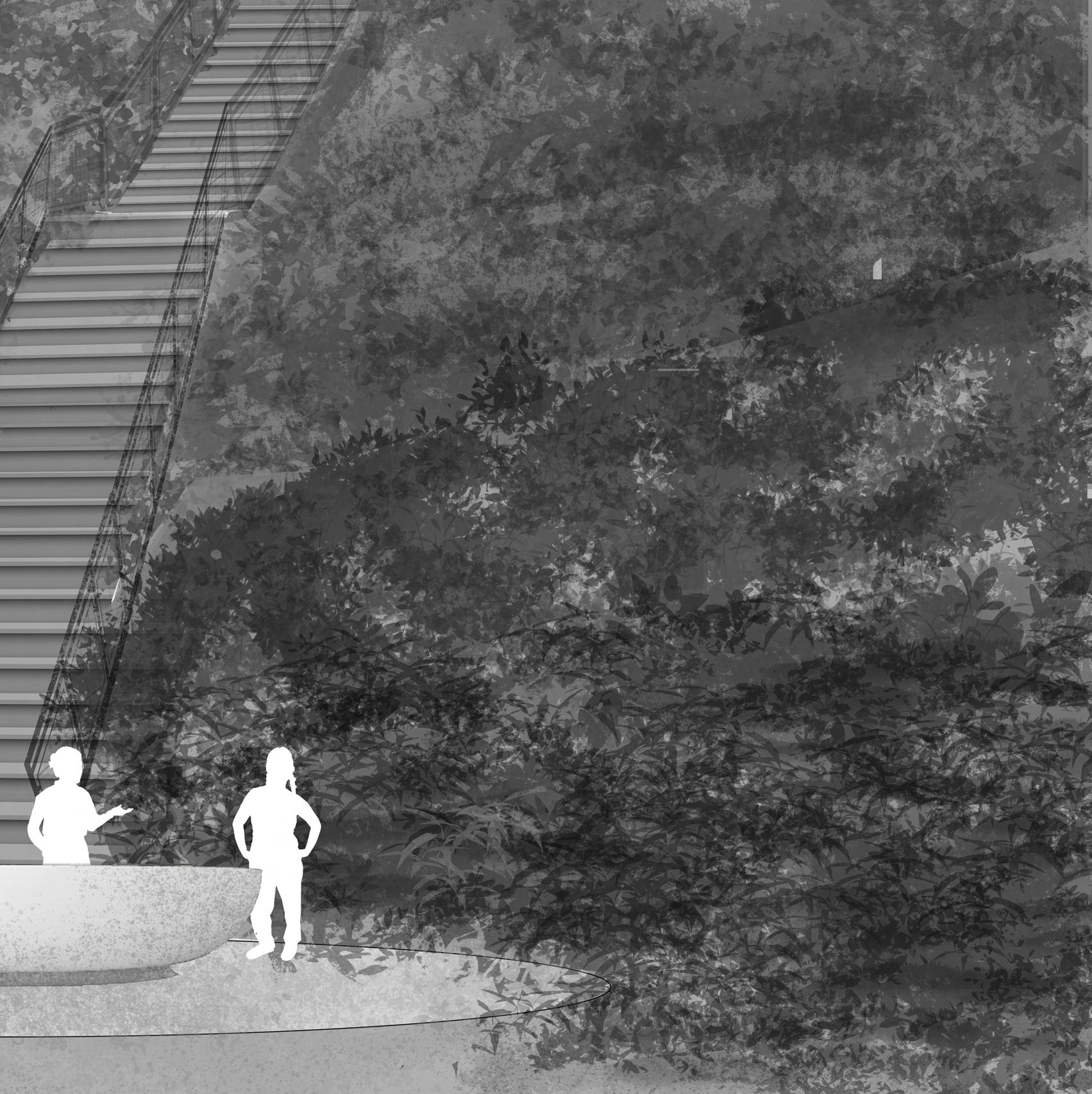
This memorial feels uncanny because it disrupts preconceived notions of trail design.
The disturbance of people and place incites haunting.
This repetition of repression results in a new unsettling familiarity (hasn’t this happened before?) and the perpetuation of haunting.
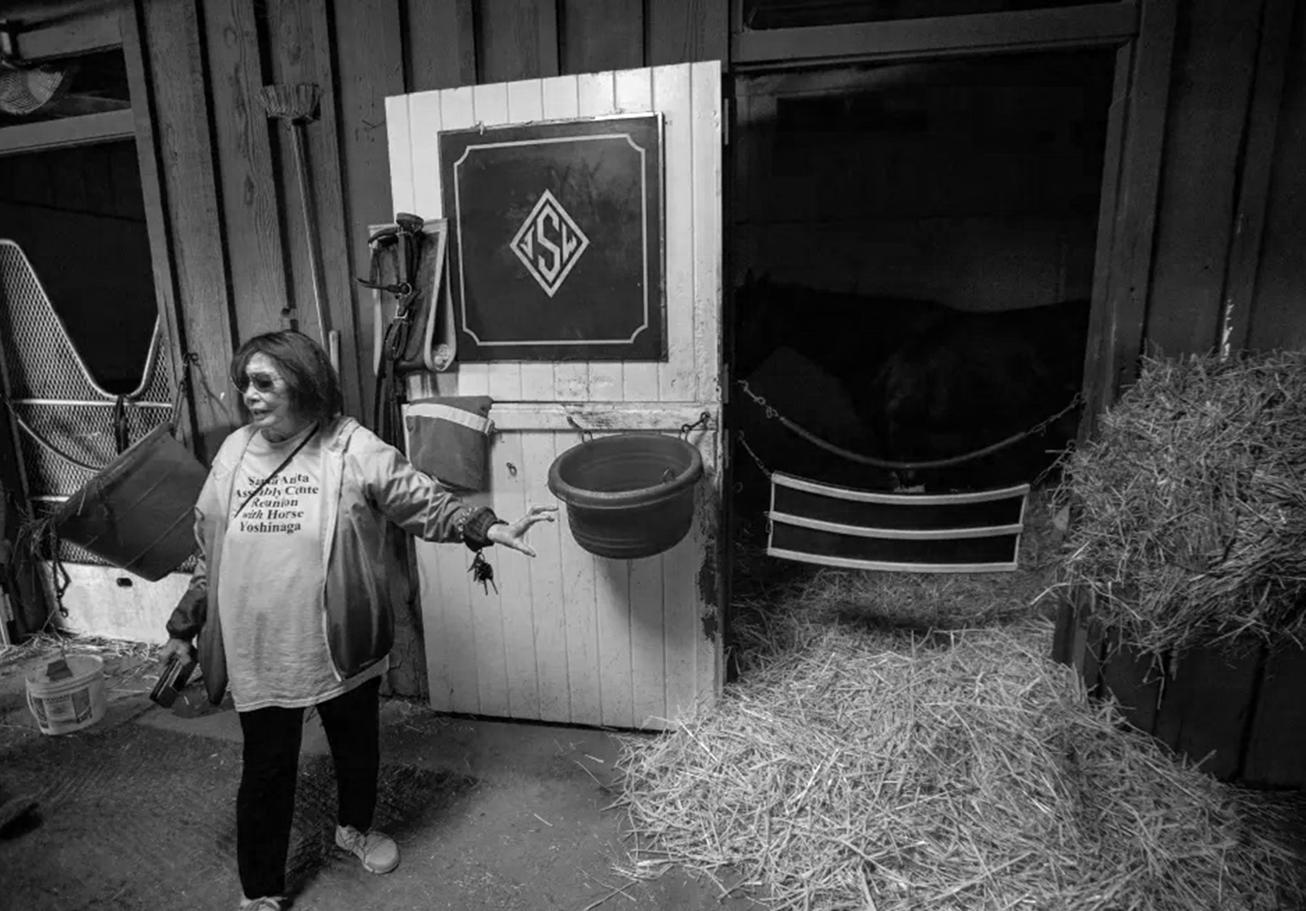
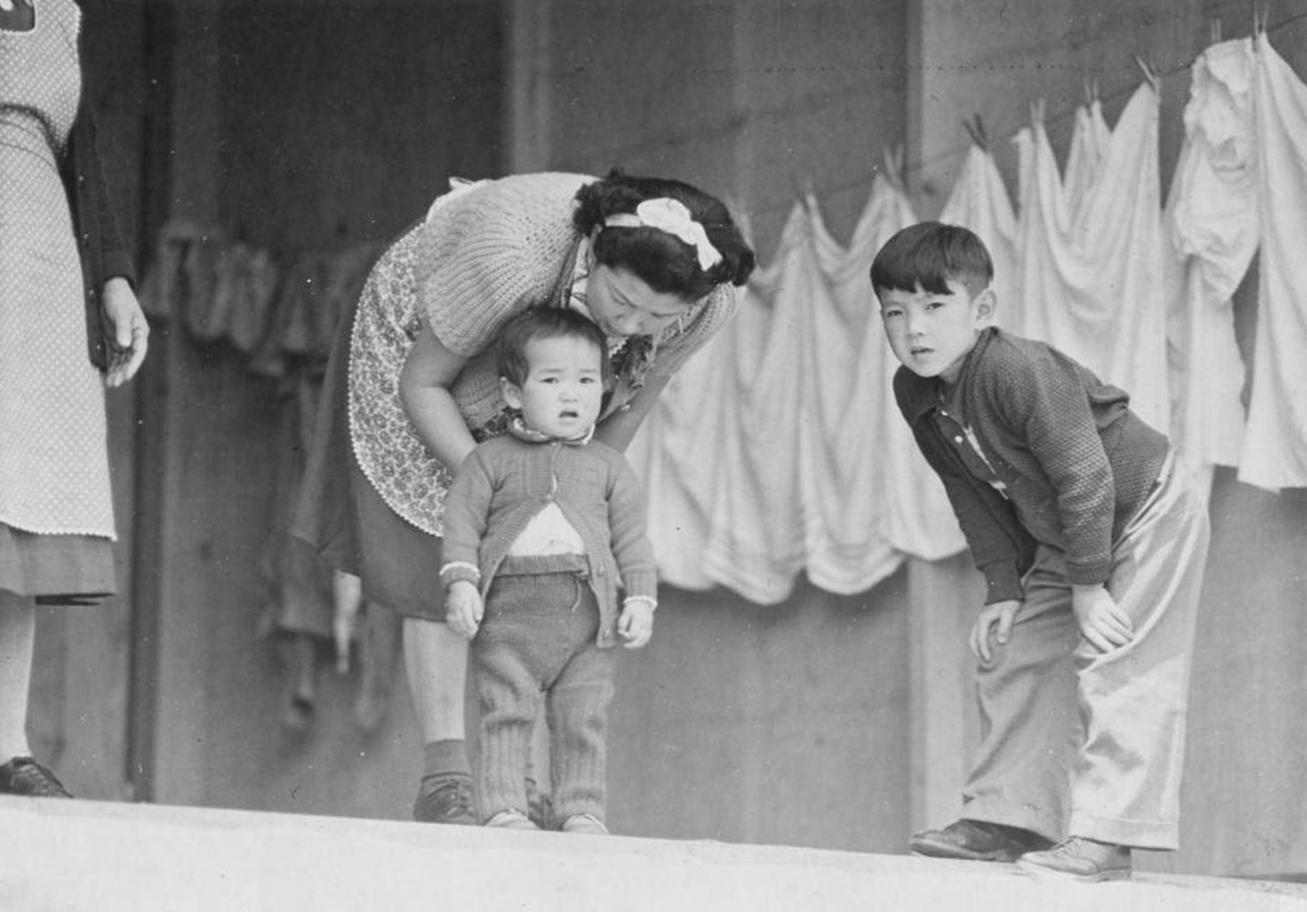
At 10 years old, this horse stall was June Berk’s home.2
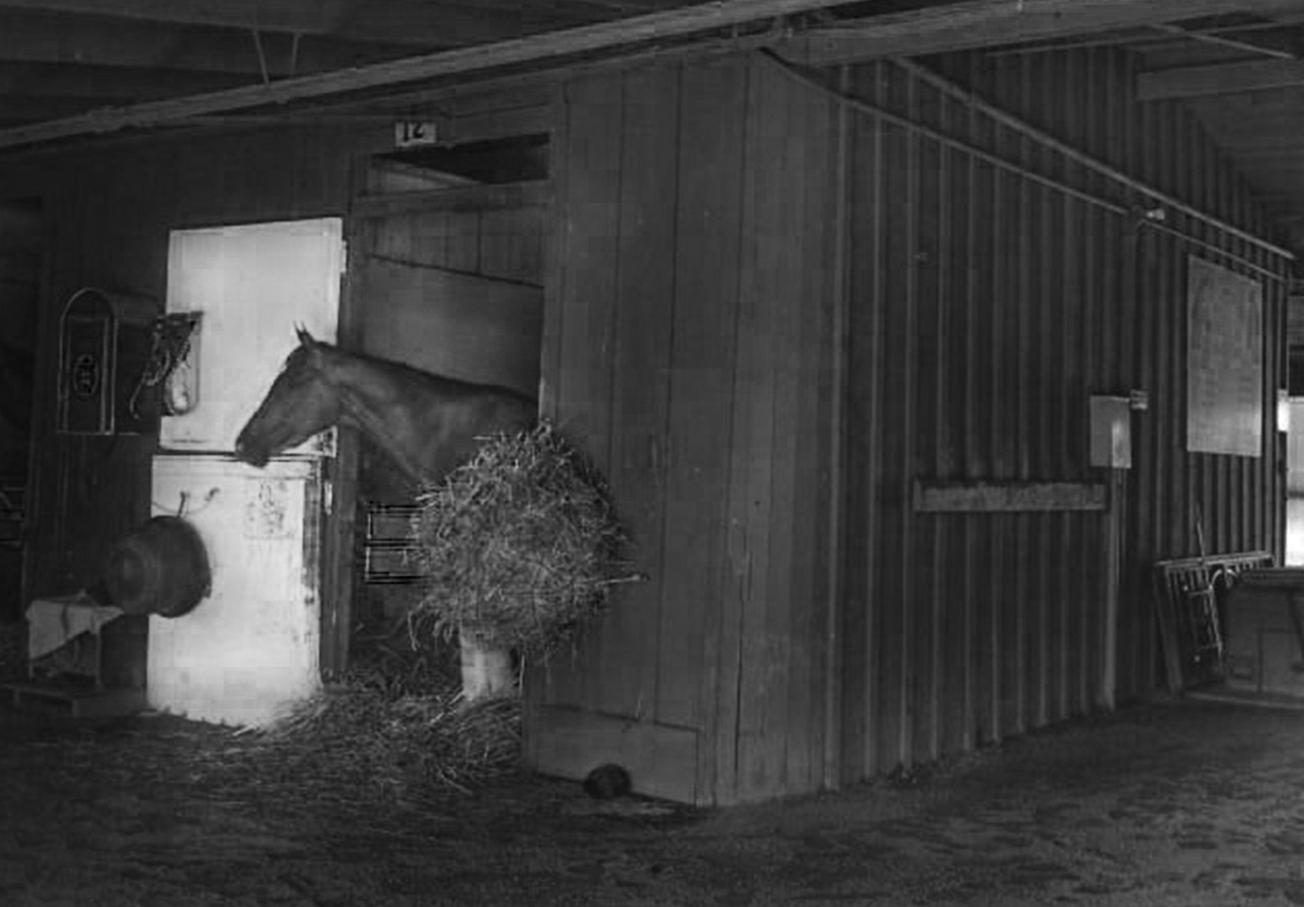
No. 934 Santa Anita Assembly Center
In Libeskind’s Berlin Museum, the Holocaust’s forced removal and extermination of the Jewish people, the identification of Jews as “Other,” entangle to form the psychopathological space of the unheimlich. The Freudian uncanny, or unhomely.3 It is difficult to talk about designing memorial spaces about forced displacement without considering this unheimlich. On a metaphorical/psychological level, the uncanny is colloquially understood of as the unsettling (i.e. the “uncanny valley” of eerie not-quite human not-quite inanimate robots). The Freudian unheimlich/uncanny/unhomely is “that class of the terrifying which leads back to something long known to us, once very familiar.” 4
What should be the most frightening about this memorial is not a gauche haunted house of barbed wire and guard towers. What should be the most terrifying, most uncanny, is the fact that it is something long known to us and familiar. The unsettling quality of the uncanny comes from the fact that it is estranged and repressed. 4 The segregation of one demographic (Jewish, Japanese, immigrant, Muslim, etc.) as Other, is an act of repression which forms an uncanny space. It is the familiarity of this repression which results in haunting.
What is cruel, unsettling, uncanny, and frightening about Santa Anita is how quickly the familiar -- stable families, communities, kitchens, and bathrooms -- is disturbed and inverted. Racist repression turns a home into a horse stall smelling of horse shit and urine with bed sacks of straw and 150 showers for 18,000 people.
1 Yushiko, Yukari, “Desert Exile,” 83
2 Kunitomi, “Forced to Live in Horse Stalls”
3 Lahiji, “Void and Memory”
4 Freud, “The Uncanny”

WHAT IS HAUNTING IS HOW RACISM TURNS HOME INTO A HORSE STALL PRISON CELL.
WHAT IS HAUNTING IS THAT THIS IS FAMILIAR.
TECTONIC
CONSTRUCTING IN CONTEXT
TECTONIC
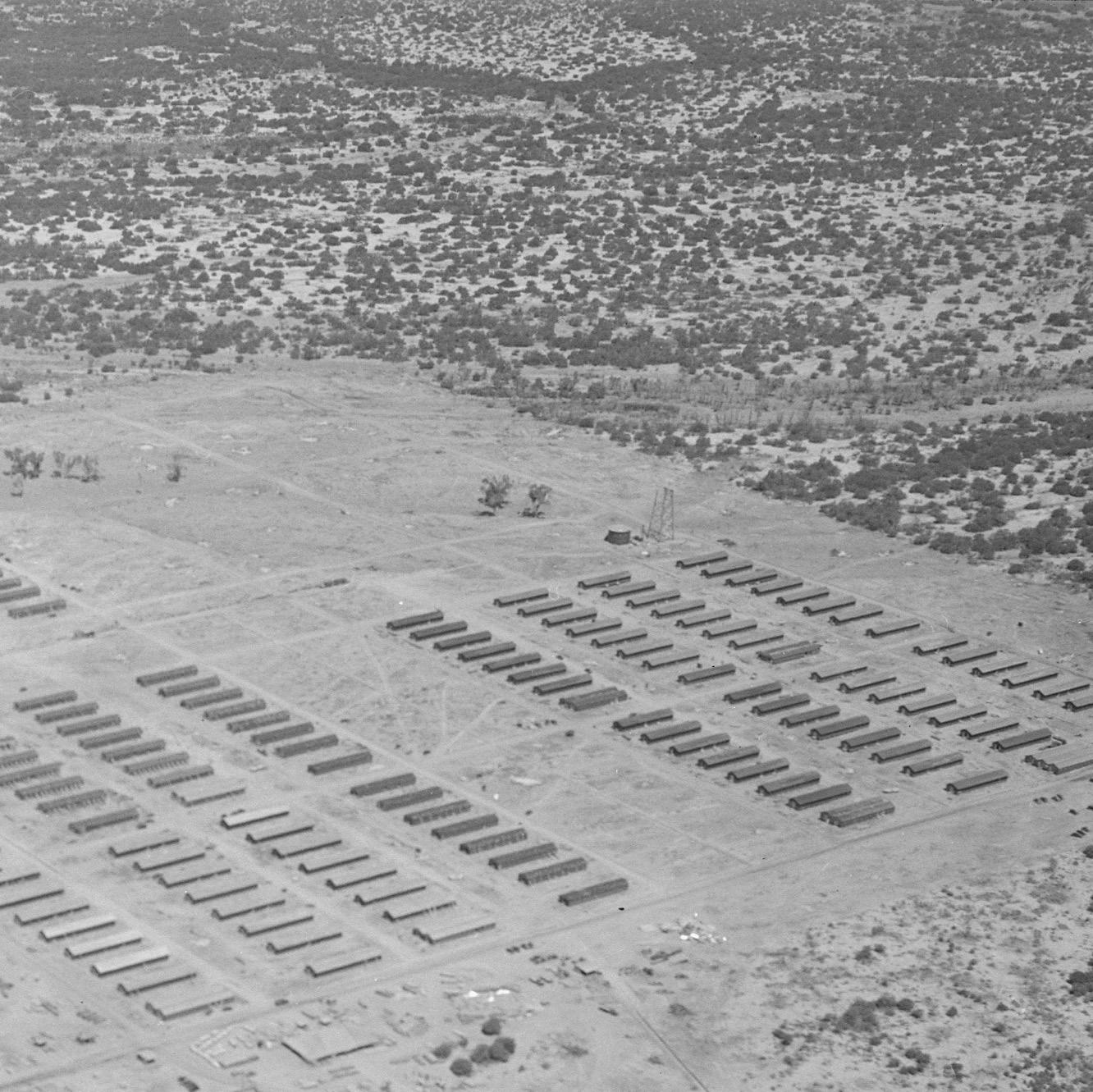
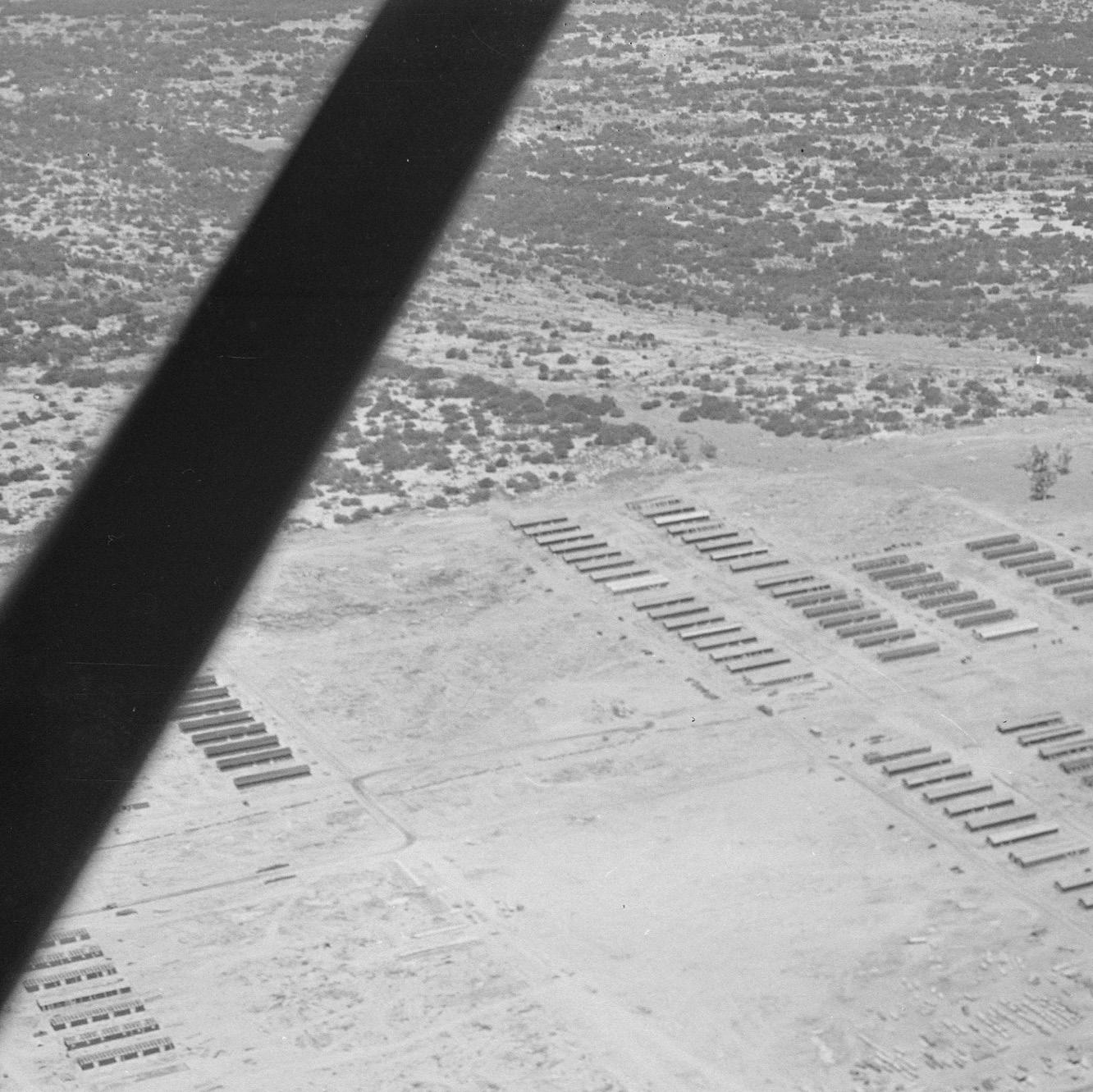
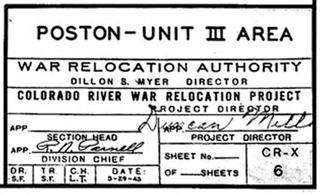
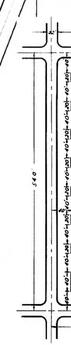
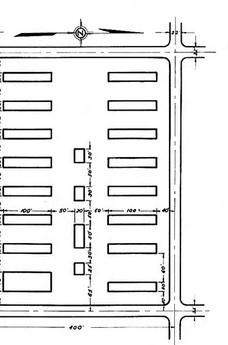
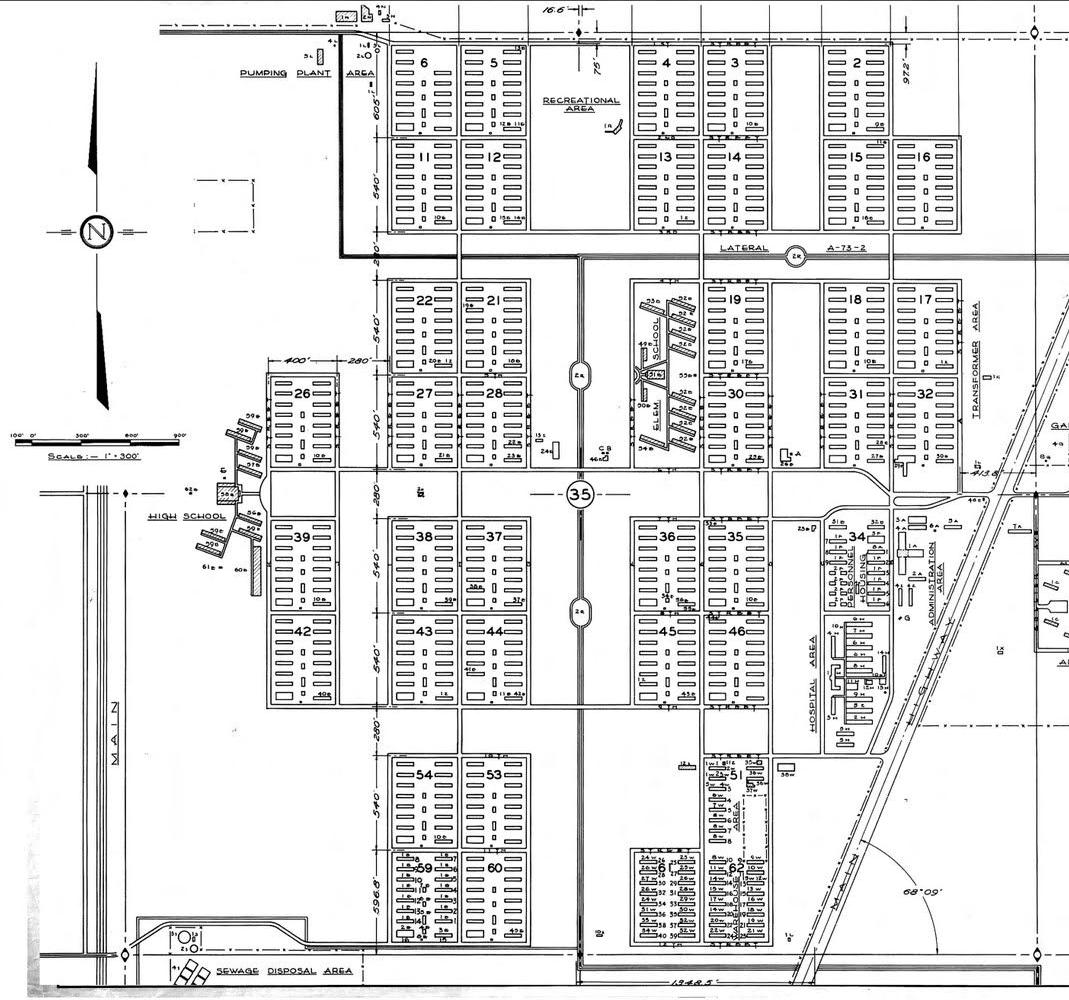
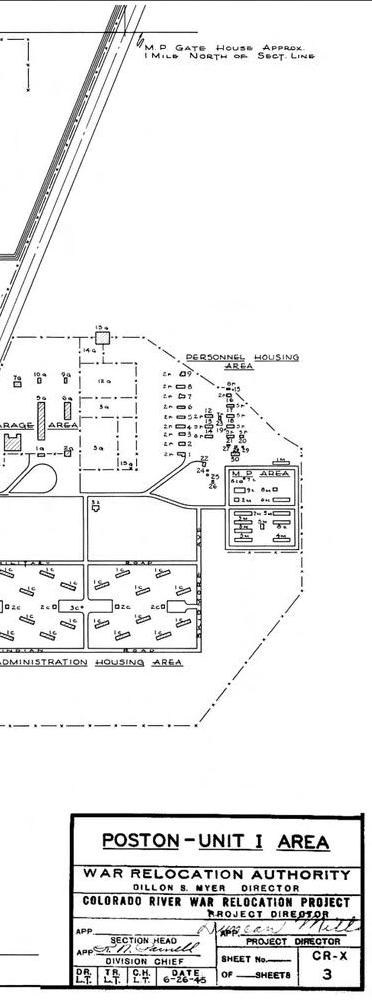
The shacks were built of one thickness of pine planking covered with tarpaper. They sat on concrete footings, with about two feet of open space between the floorboards and the ground. Gaps showed between the planks, and as the weeks passed and the greenwood dried out, the gaps widened. Knotholes gaped in the uncovered floor.
Each barracks was divided into six units, sixteen by twenty feet, about the size of a living room, with one bare bulb hanging from the ceiling and an oil stove for heat.
Outside the sky was clear, but icy gusts fo wind were buffetting our barracks every few minutes, sending fresh dust puffs up through the floorboards. May’s broom could barely keep up with it, and our oil heater could scarcely hold its own against the drafts.
“We’ll get this whole place as tight as a barrel, Mama. I already met a guy who told me where they pile all the scrap lumber.”
“Scrap?”
“That’s all they got. I mean, they’re still building the camp, you know. Sixteen blocks left to go. After that, they say maybe we’ll get some stuff to fix the insides a little bit.”
Her eyes blazed then, her voice quietly furious. “Woody, we can’t live like this. Animals live like this.”
It was hard to get Woody down. He’d keep smiling when everybody else was ready to explode. Grief flickered in his eyes. He blinked it away and hugged her tighter. “We’ll make it better, Mama. You watch.”
- Jeanne Wakatsuki Houston 1




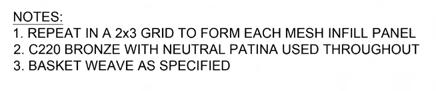
THE PATINA IS THE POINT
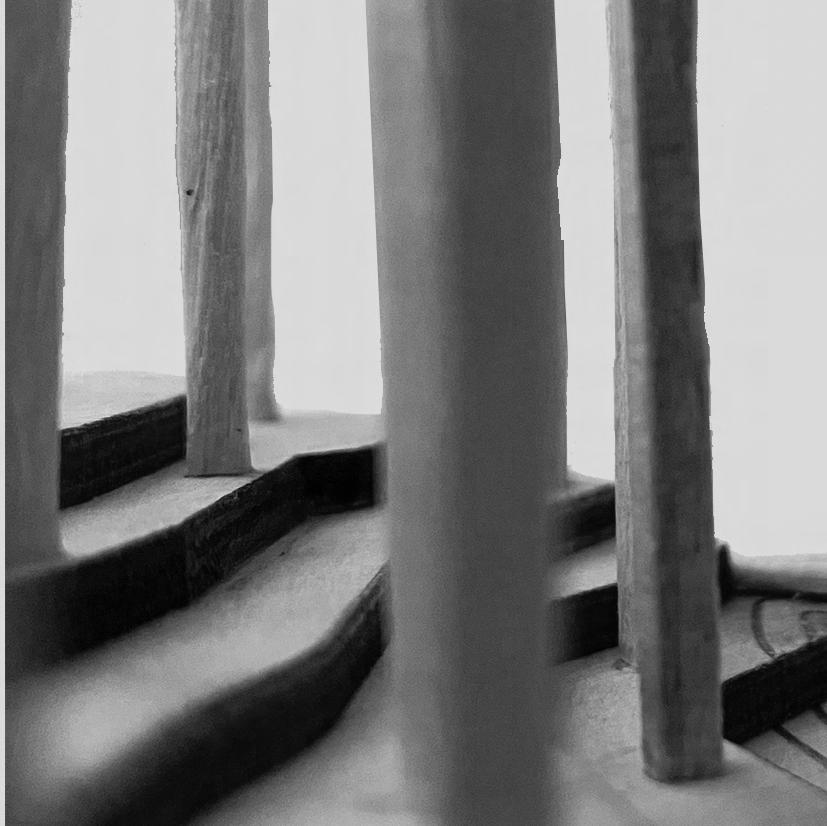
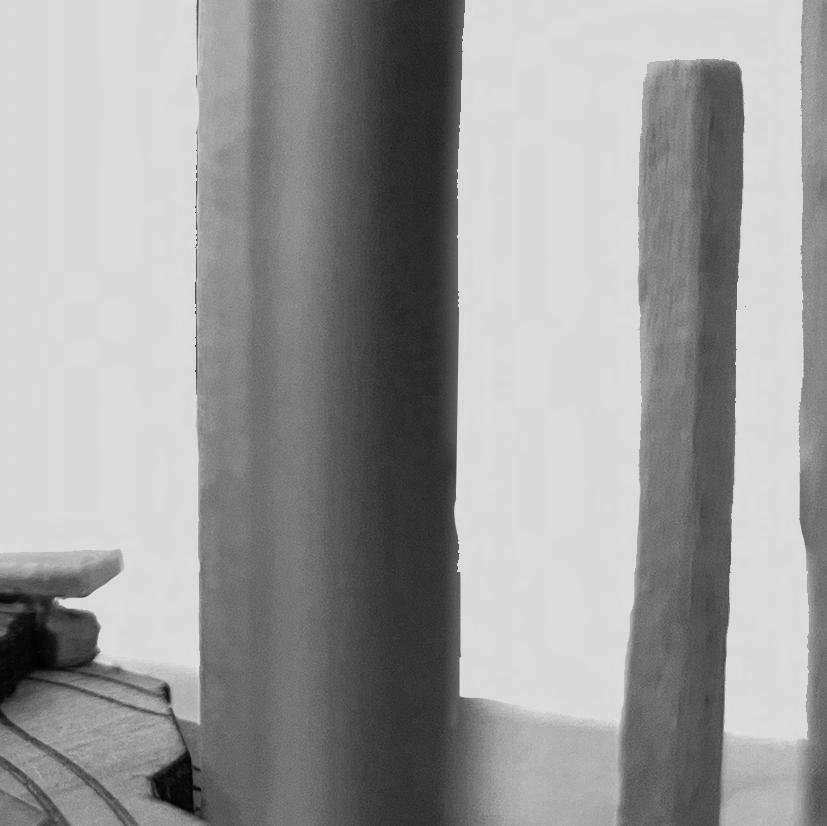
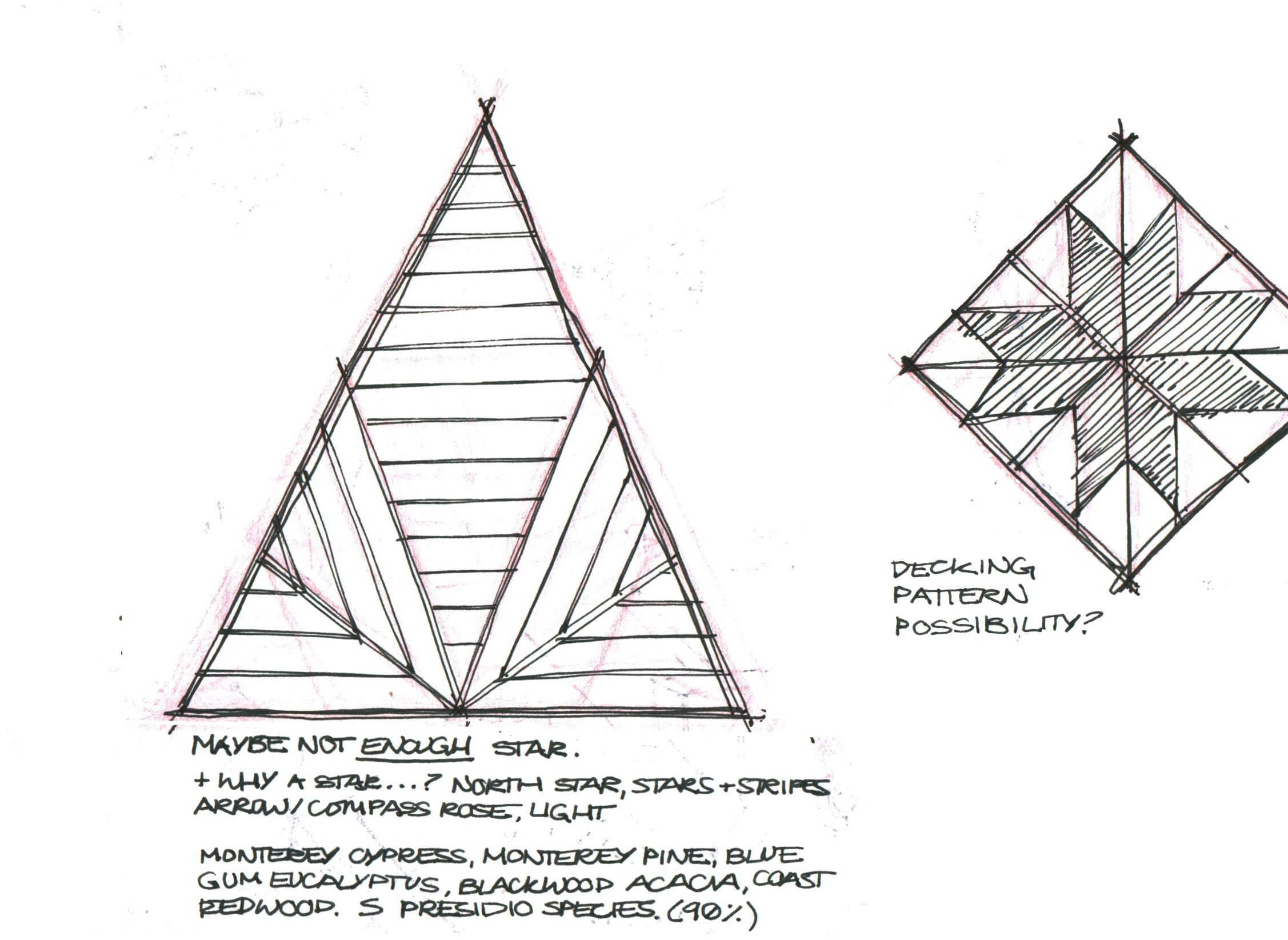
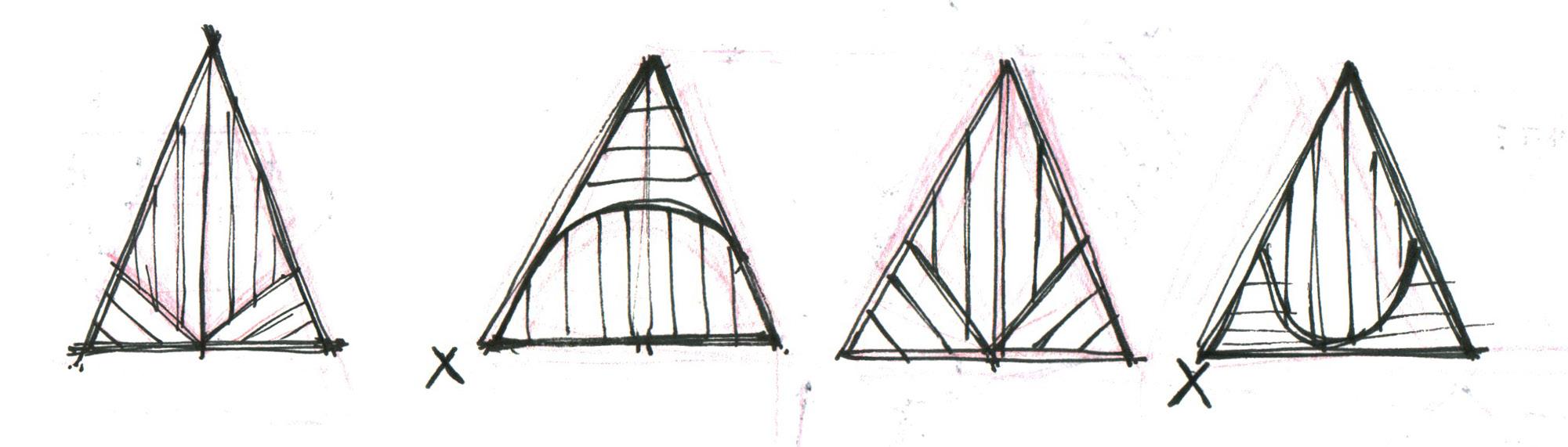
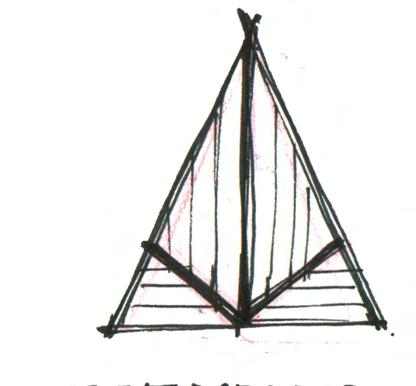
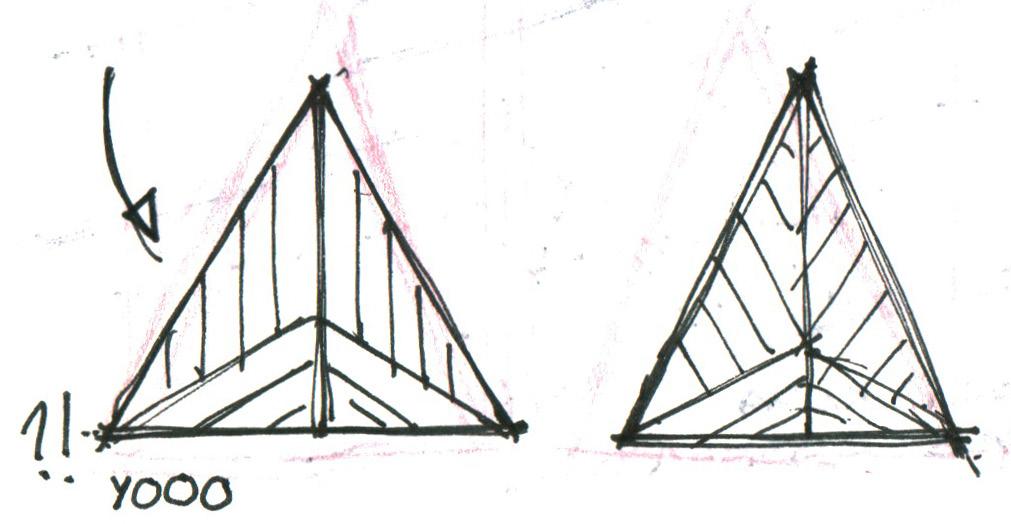
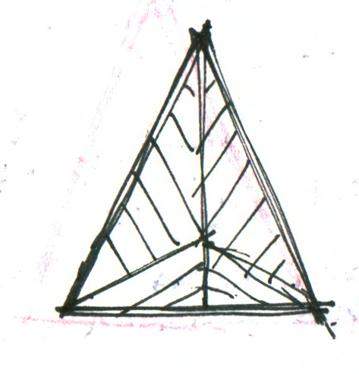
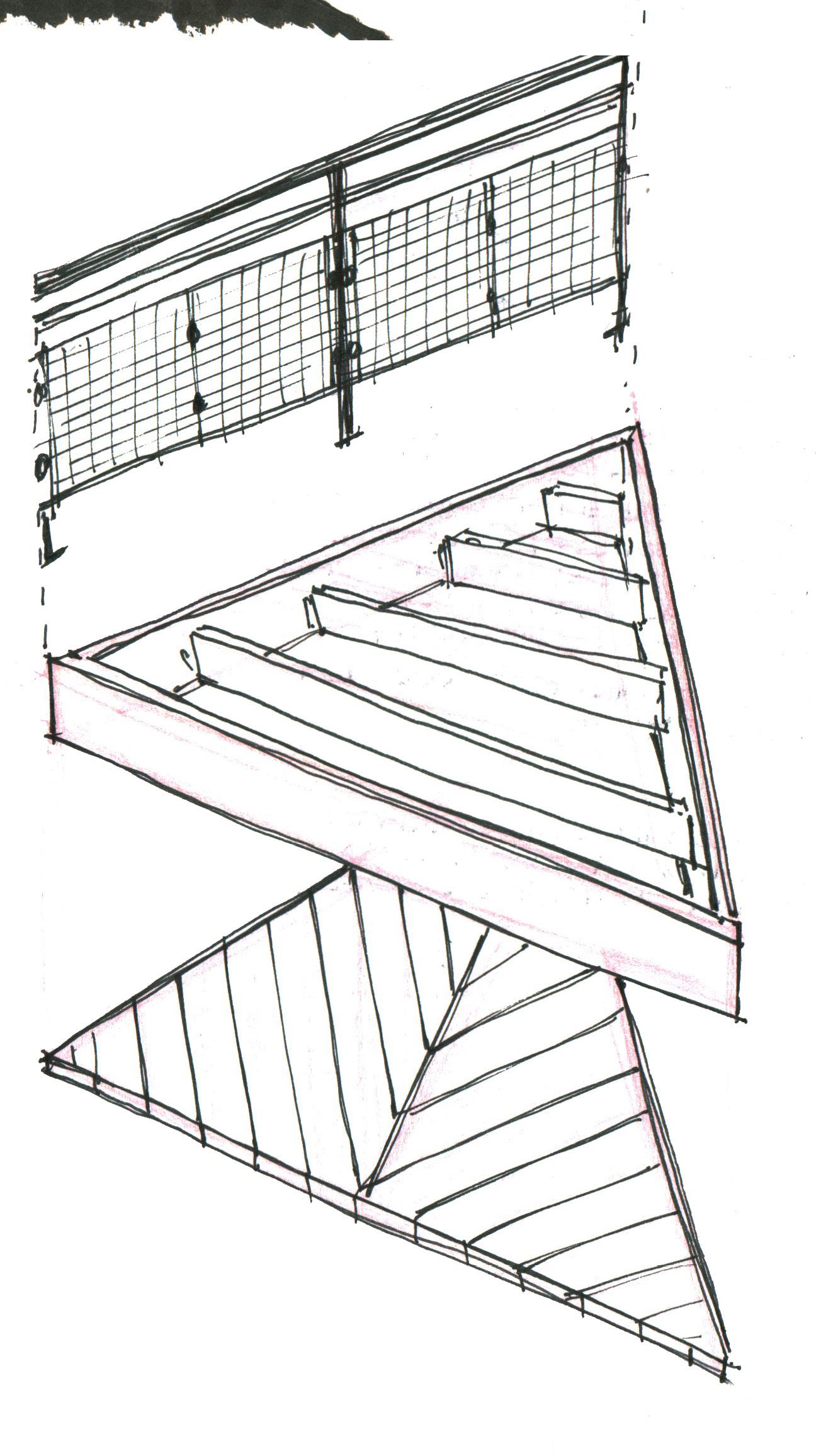
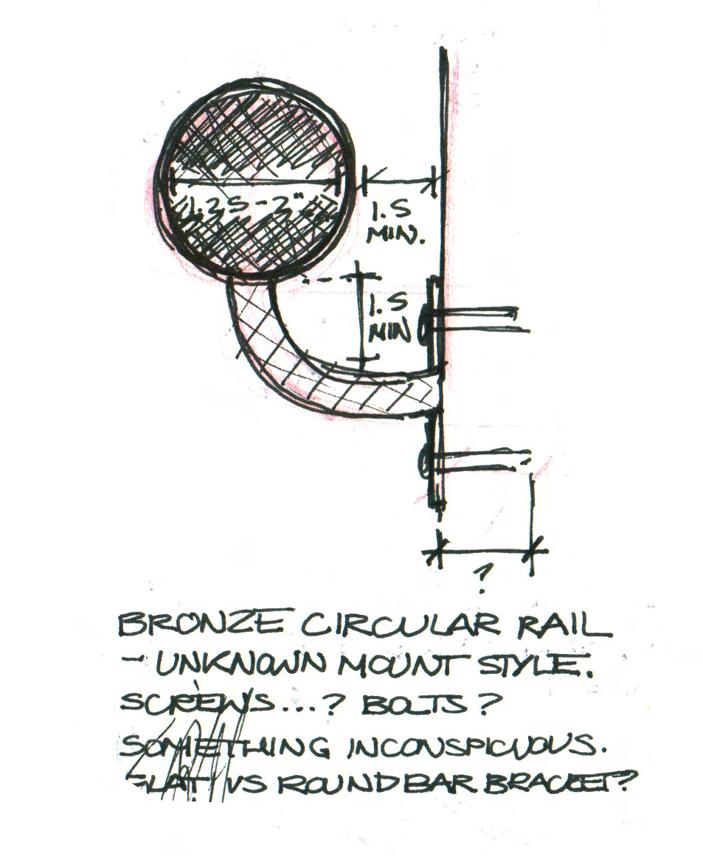
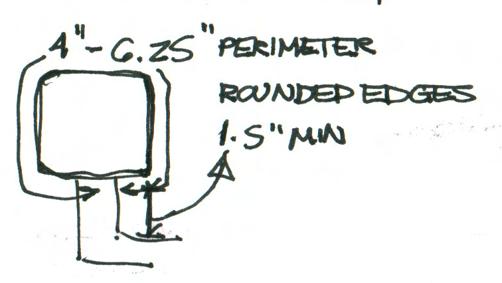
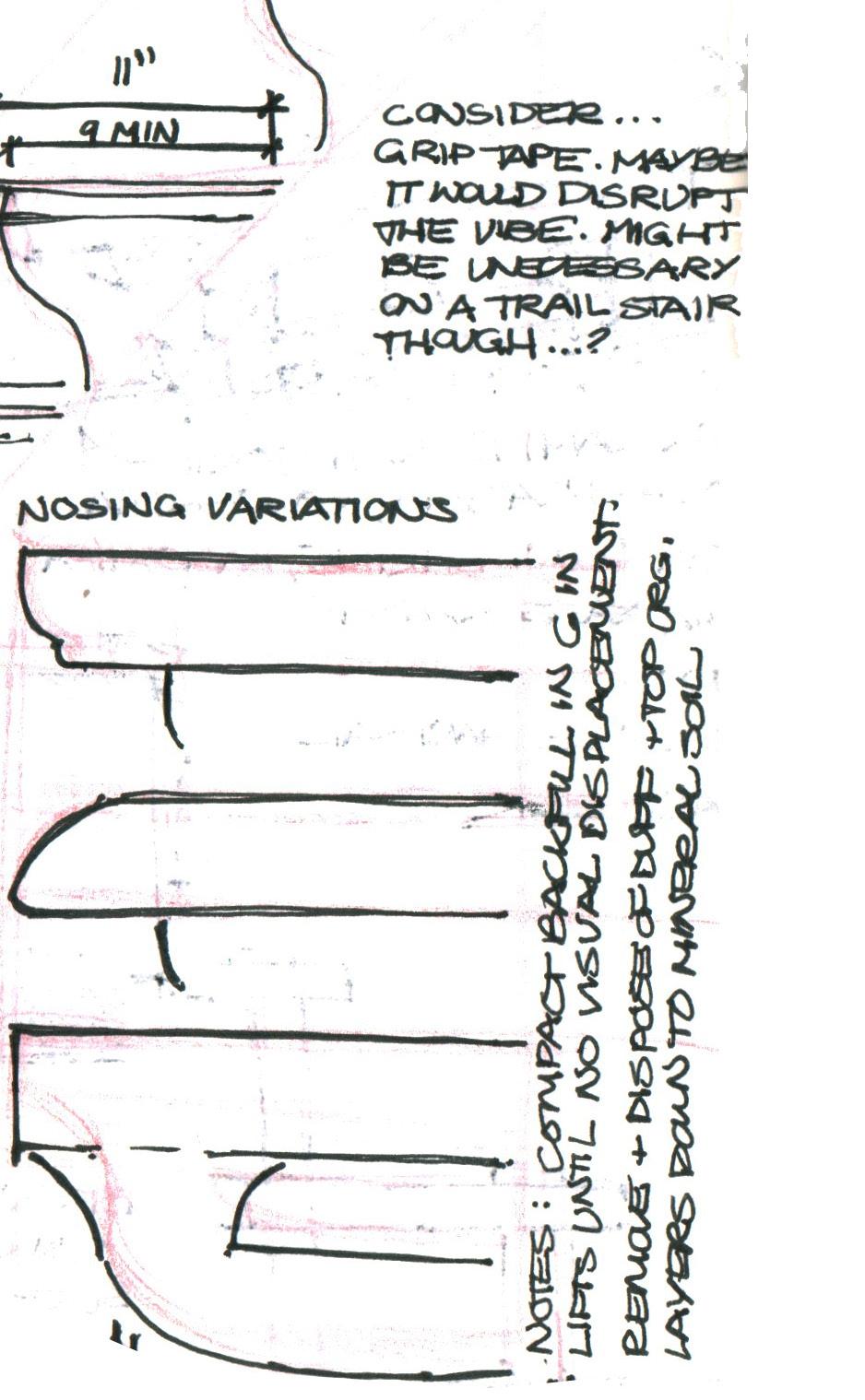
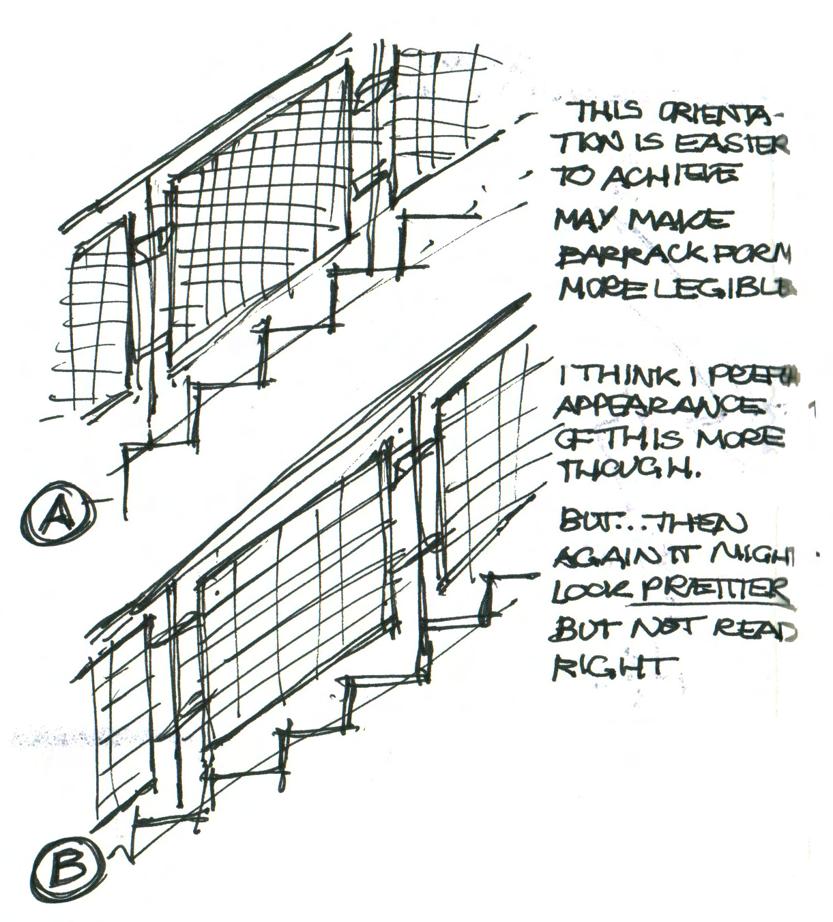
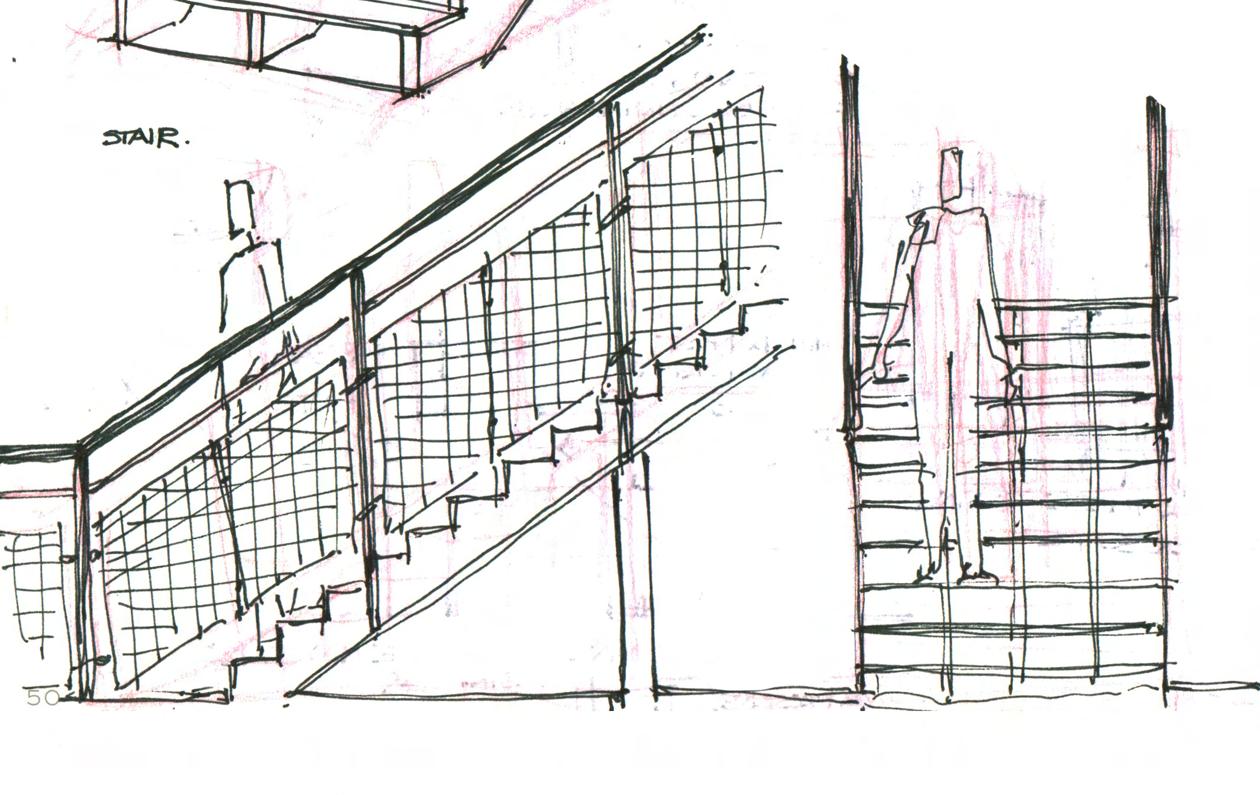
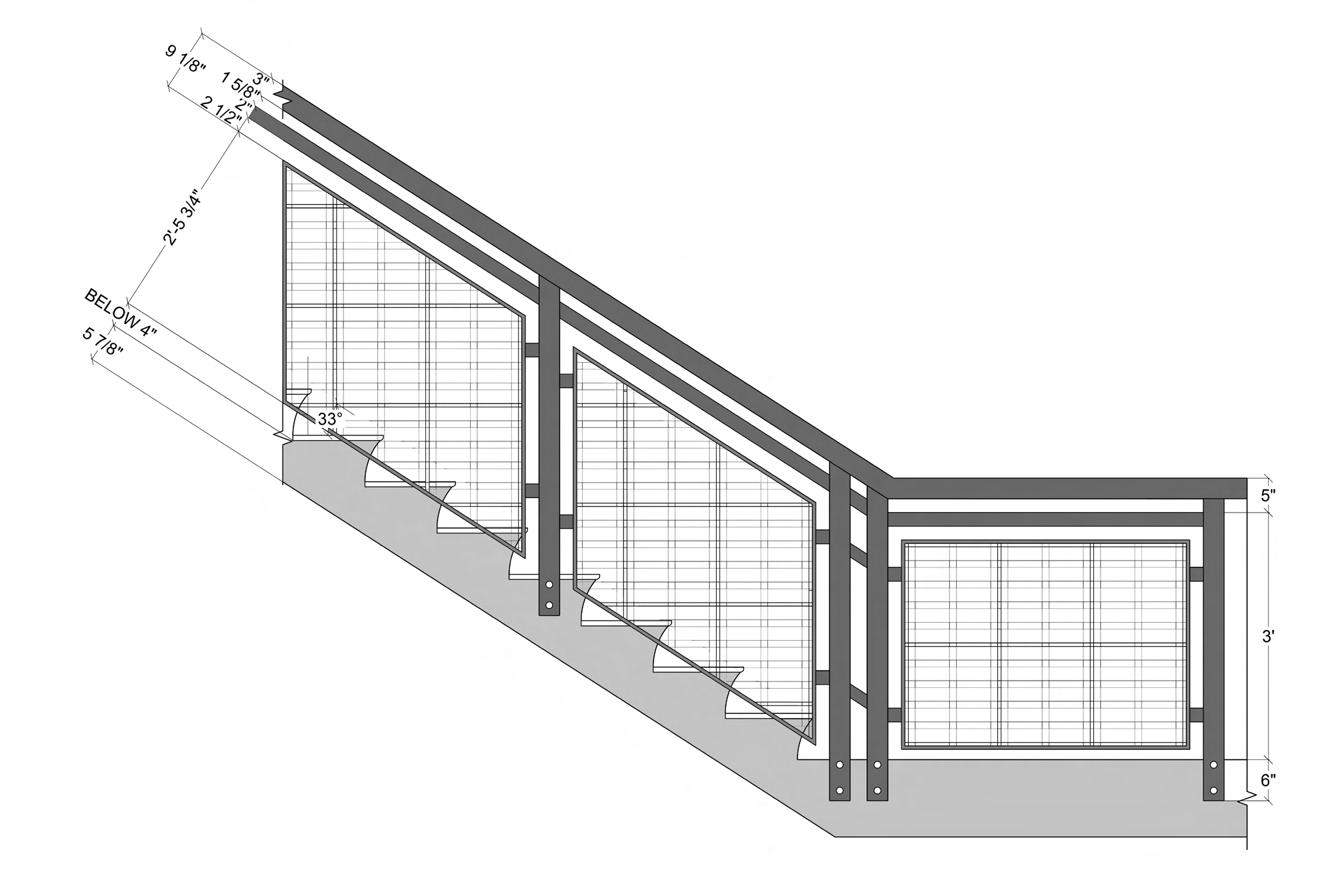
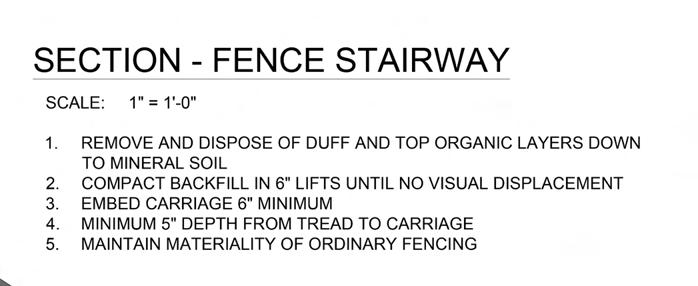
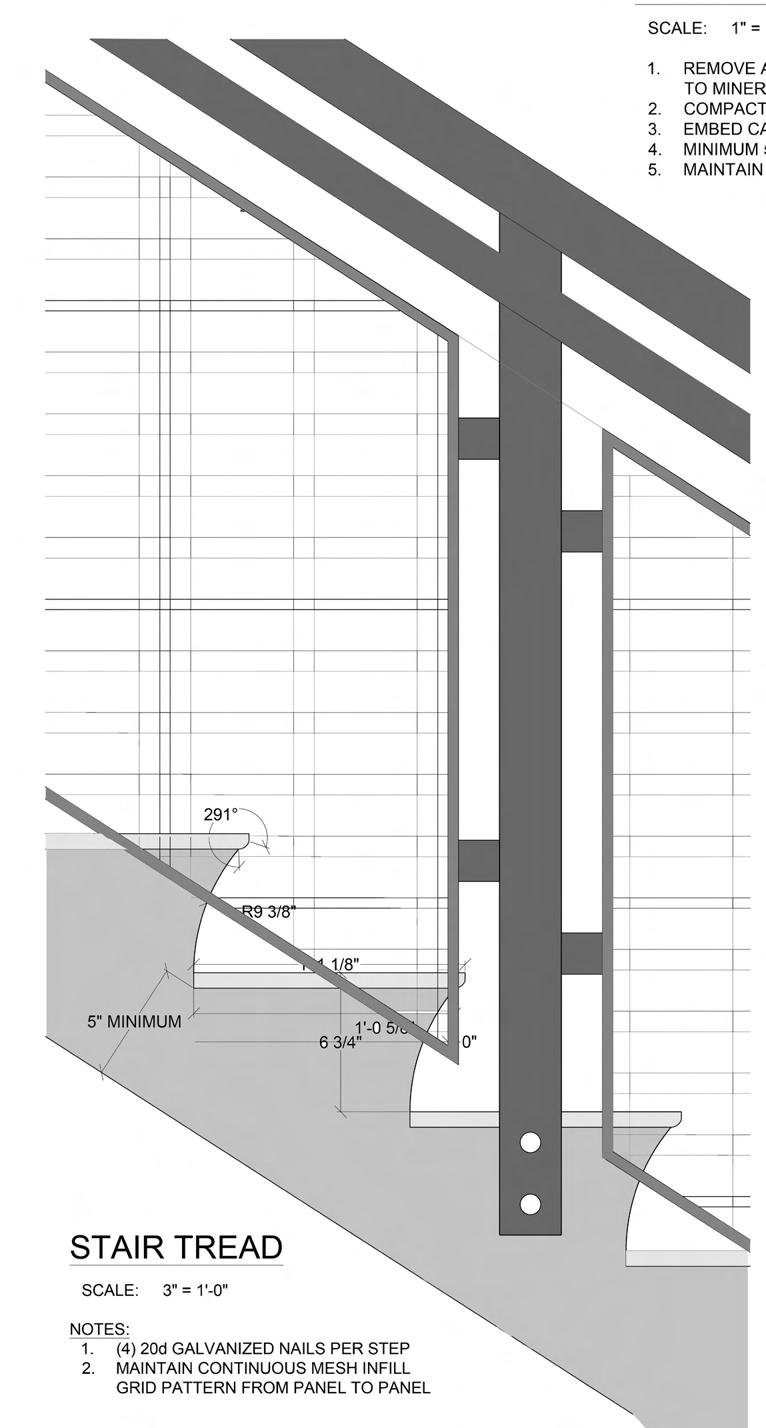
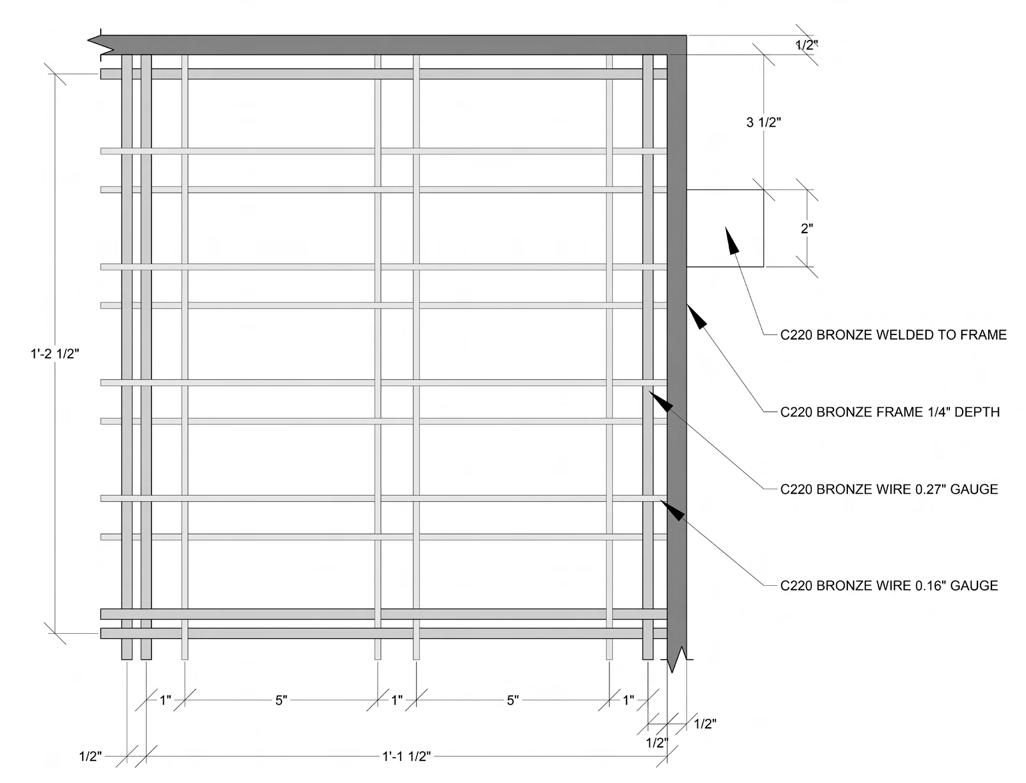
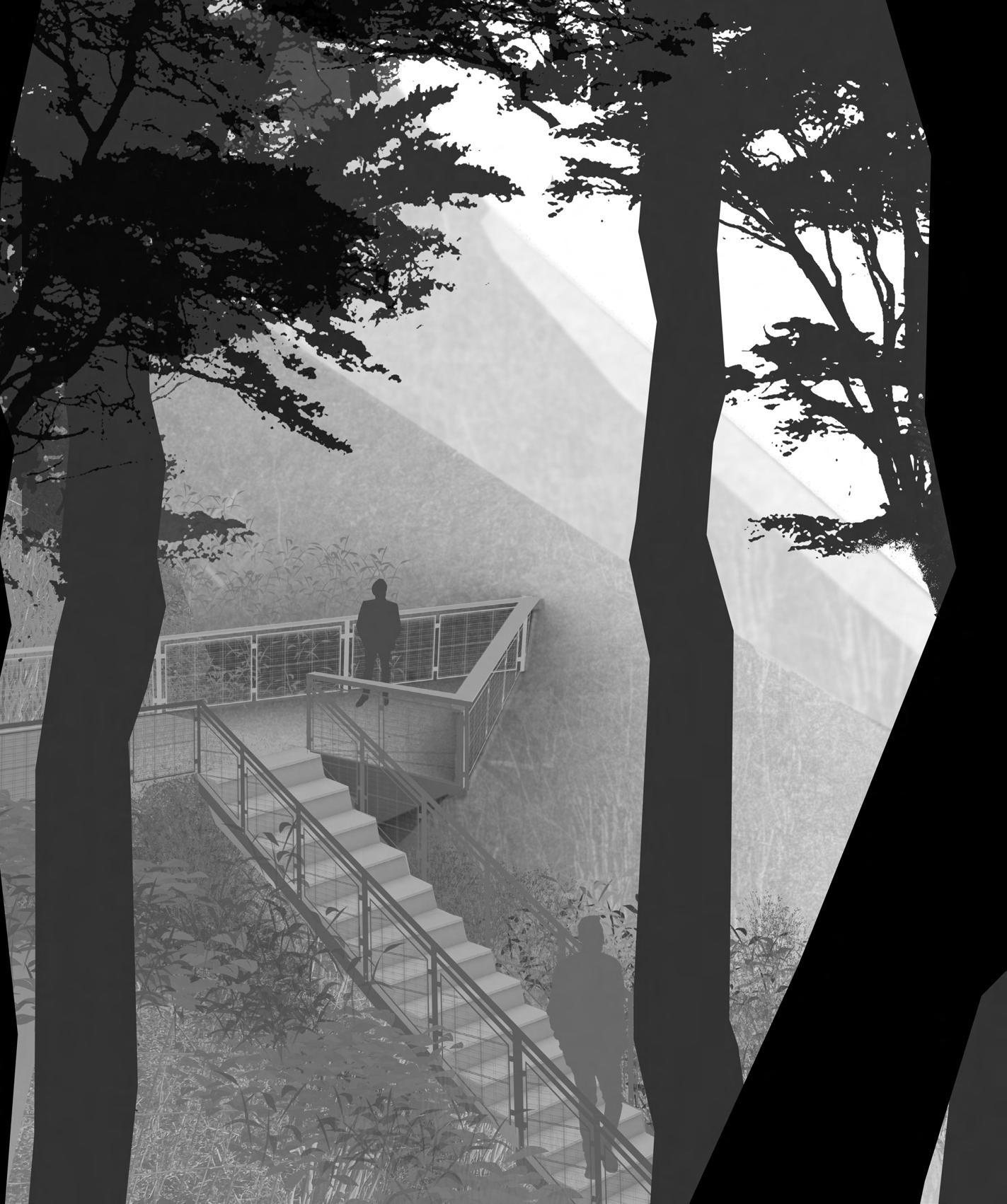
Here the dehumanizing scale of internment is translated from regimented barracks and iron barbed wire into intricate bronze fencing. Wabi-sabi celebrates the transient, flawed beauty found in things like fallen leaves, rust, and aged wood. Embracing the patina of bronze means both acknowledging wrongdoing and celebrating the persistence of internees.
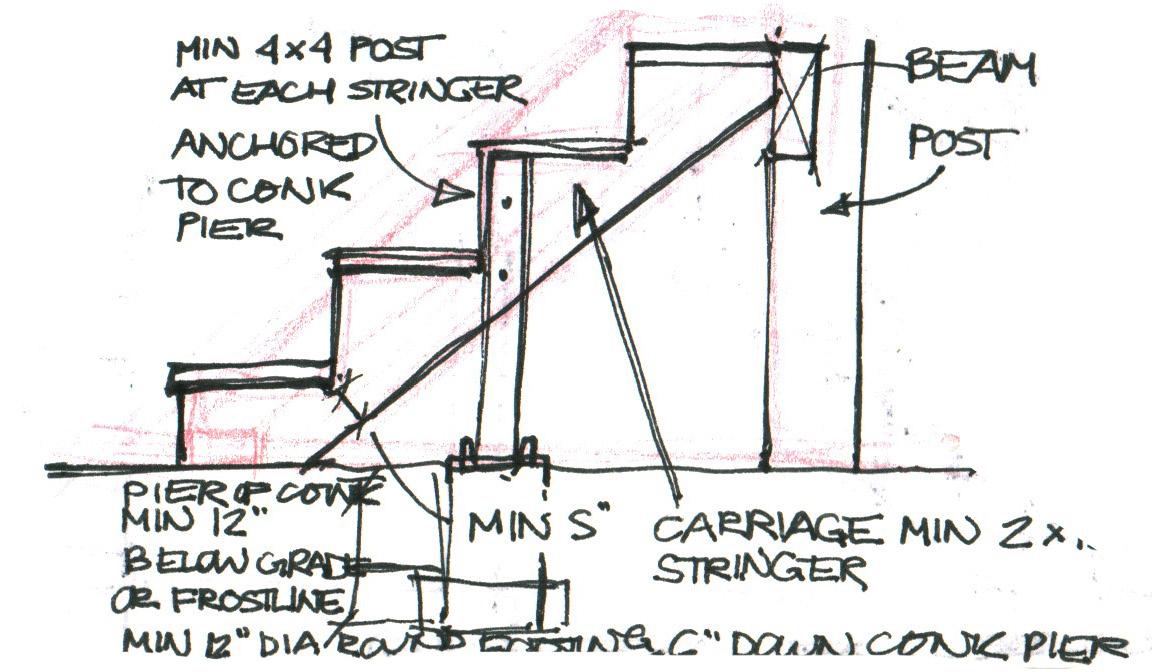
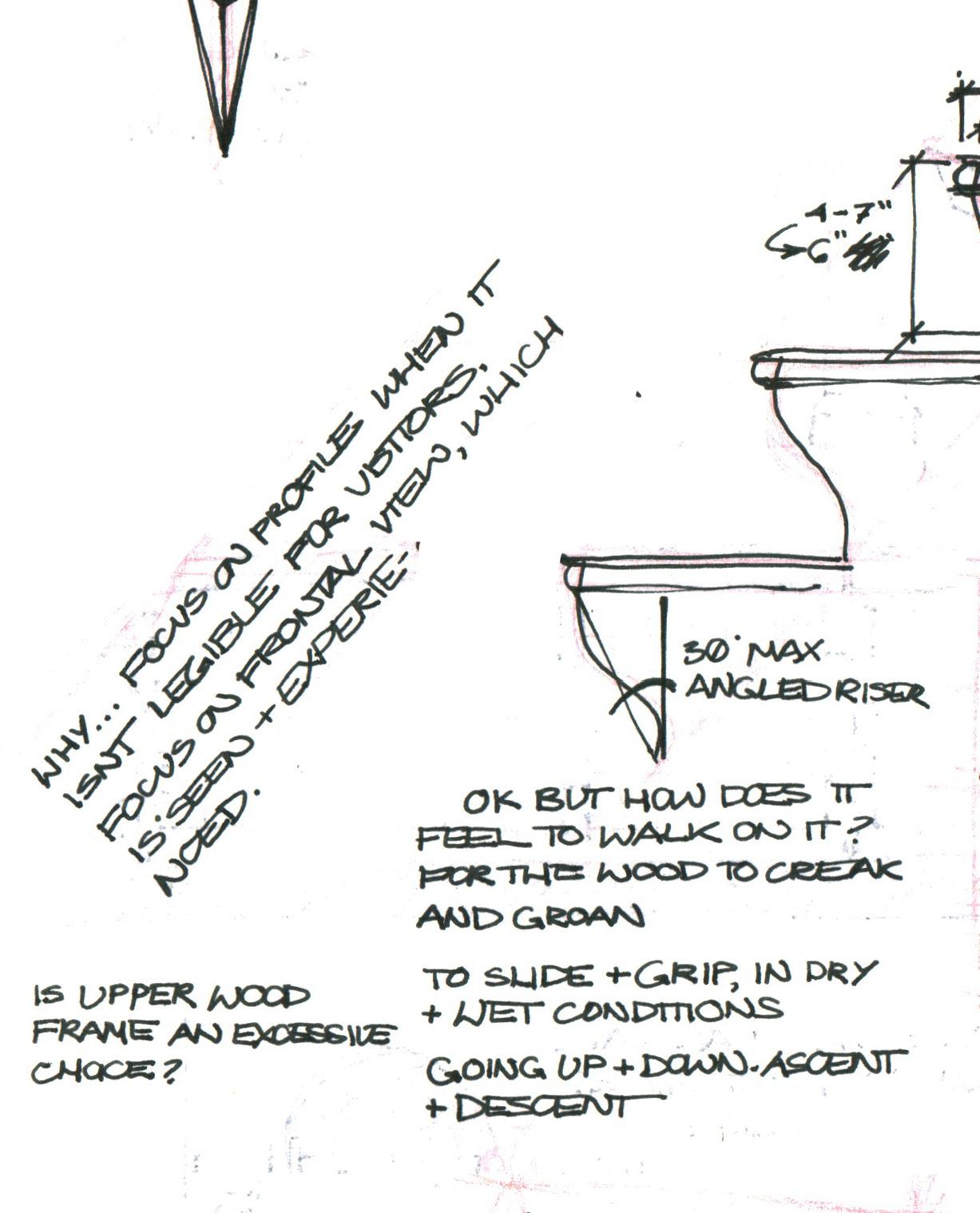
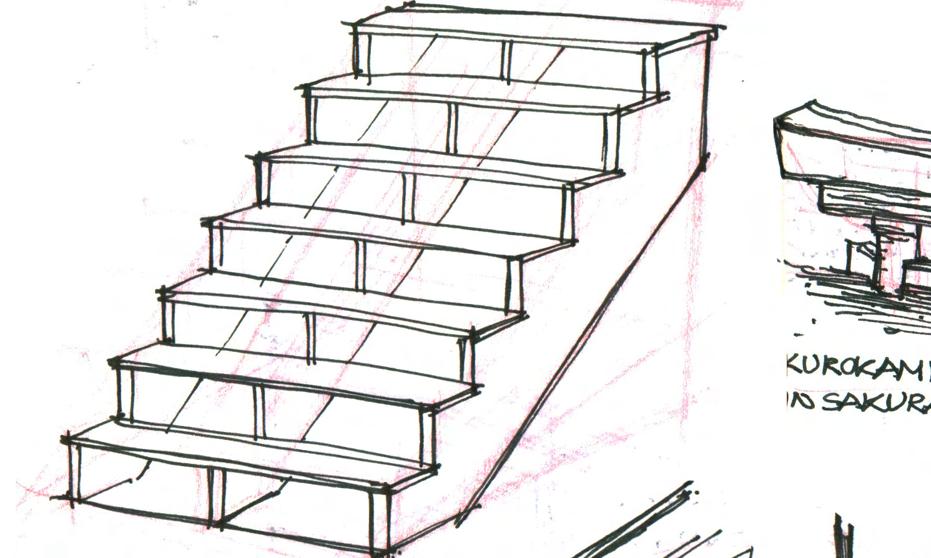
WHY SPEND SO MUCH TIME ON RAILINGS, STAIRS, AND DETAILS?
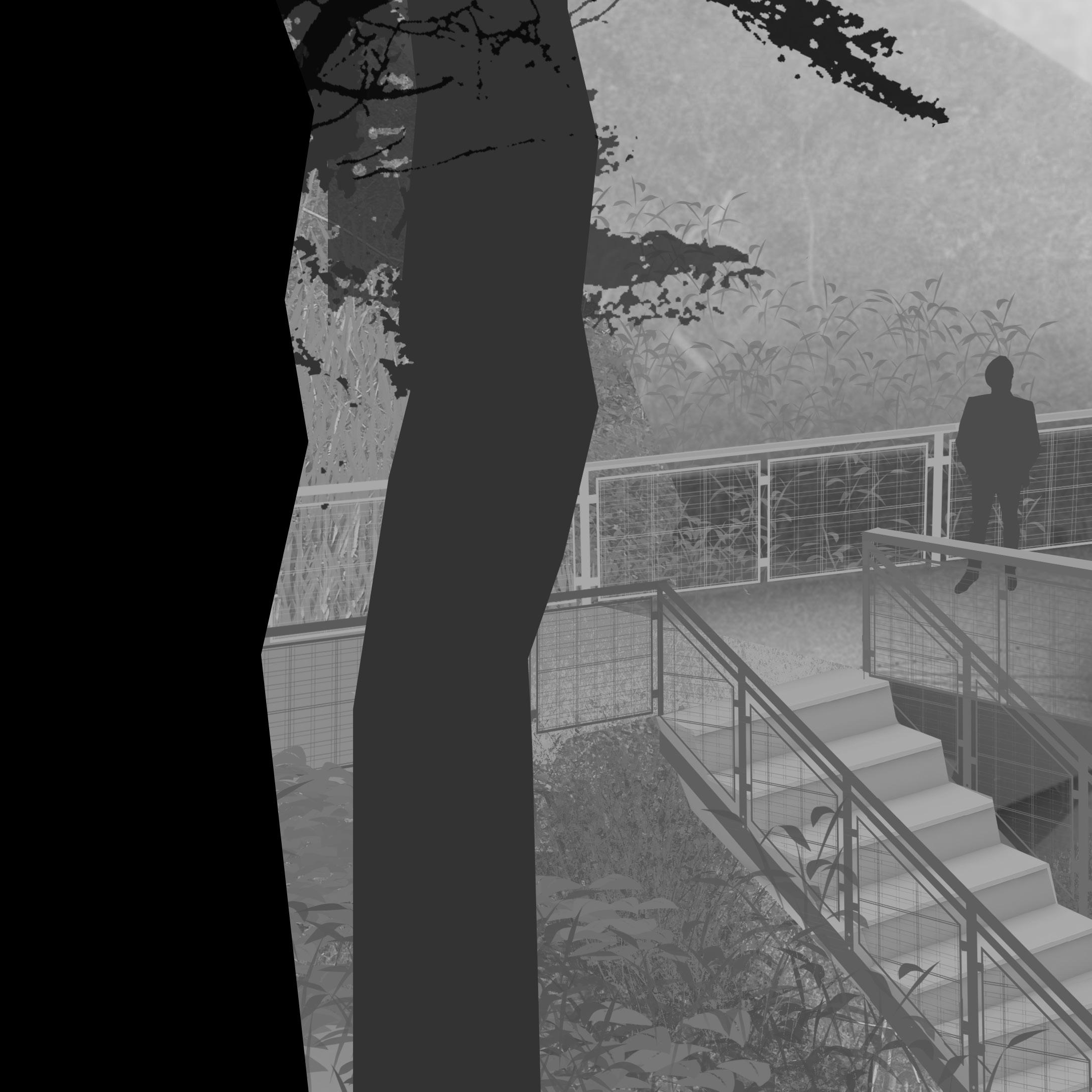
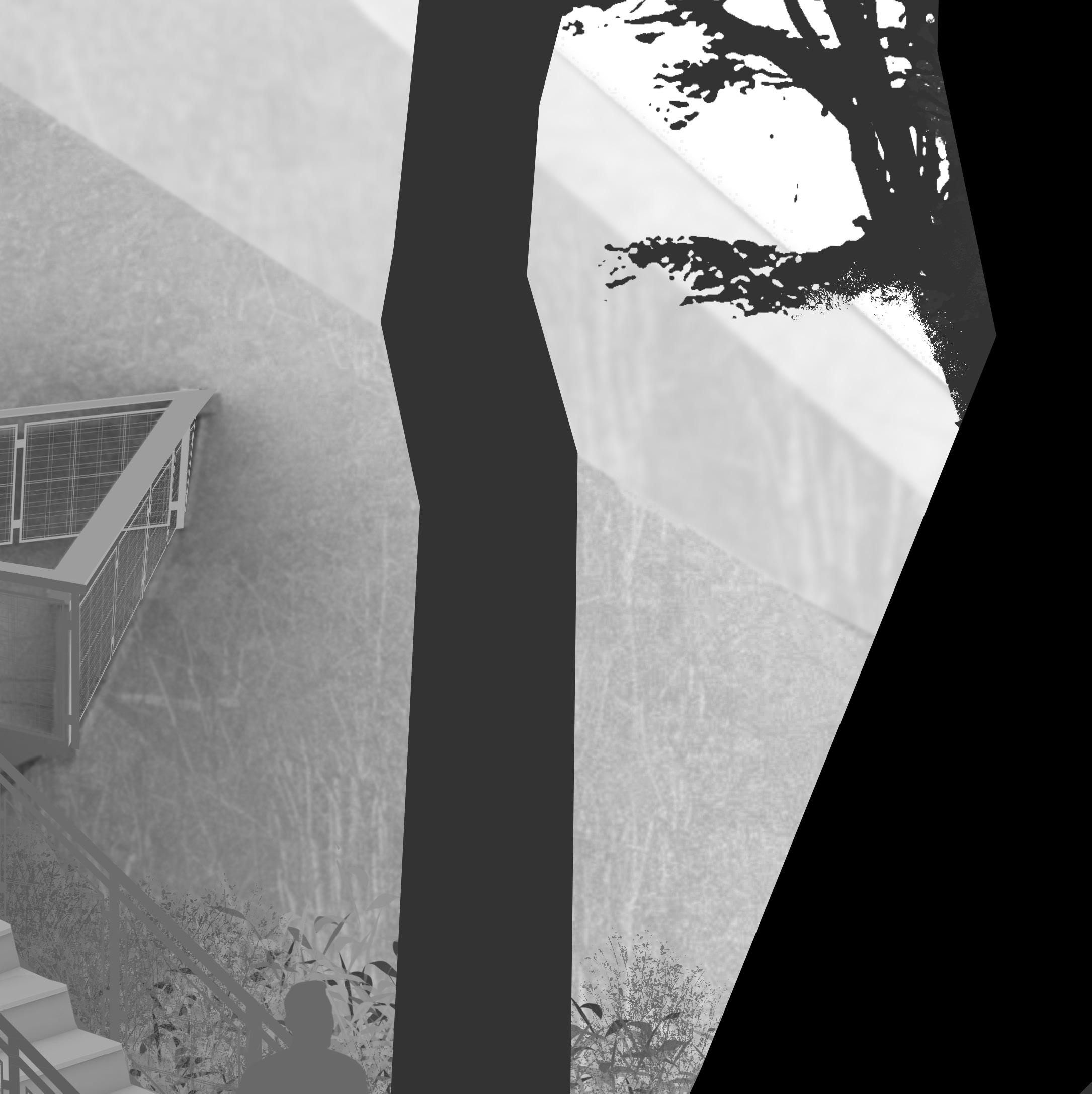
Because specificity is a form of resistance. Universality demands homogeneity. To survive and flourish means, “…learning how to take our differences and make them strengths. For the master’s tools will never dismantle the master’s house. They may allow us temporarily to beat him at his own game, but they will never enable us to bring about genuine change.” Designing in detail is an assertion of agency. The way wood meets metal meets earth matters because, “[architectural] autonomy is embodied in the revealed ligaments of the construction and in the way in which the syntactical form of the structure explicitly resists the action of gravity.” 3 Defiance, resistance, autonomy. There is liberation to be found in alternatives and specificity, in forms literally large and small.
Critical regionalism demands resistance to placelessness, tabula rasa modernism, and the erasure of the past. People and places are not computers. It is radical for designs to not only say their narrative with surface-level frosting-on-the-cake signage, but also to declare from the very joints, bones, and ligaments that they embody place, past, and people.
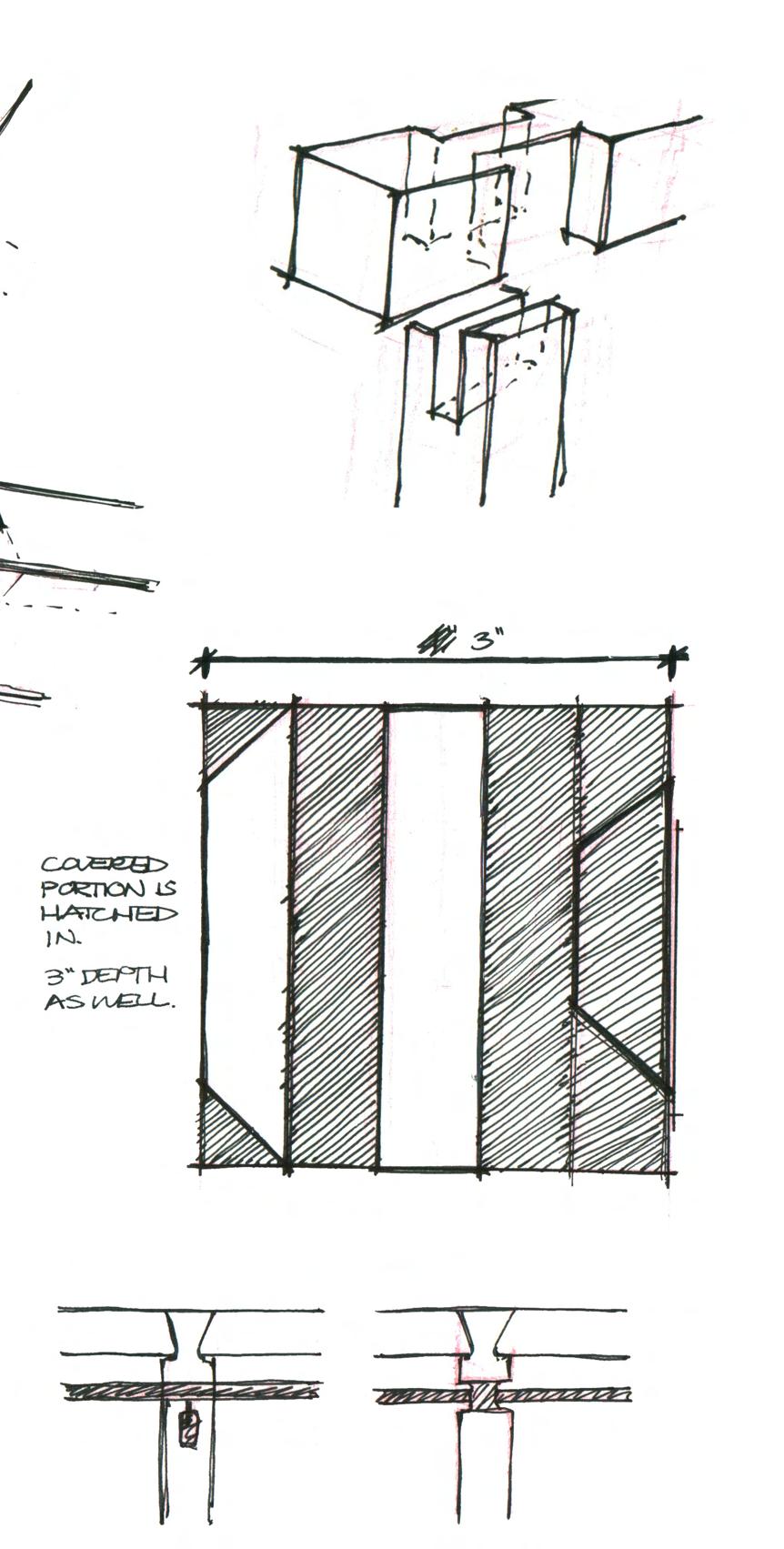
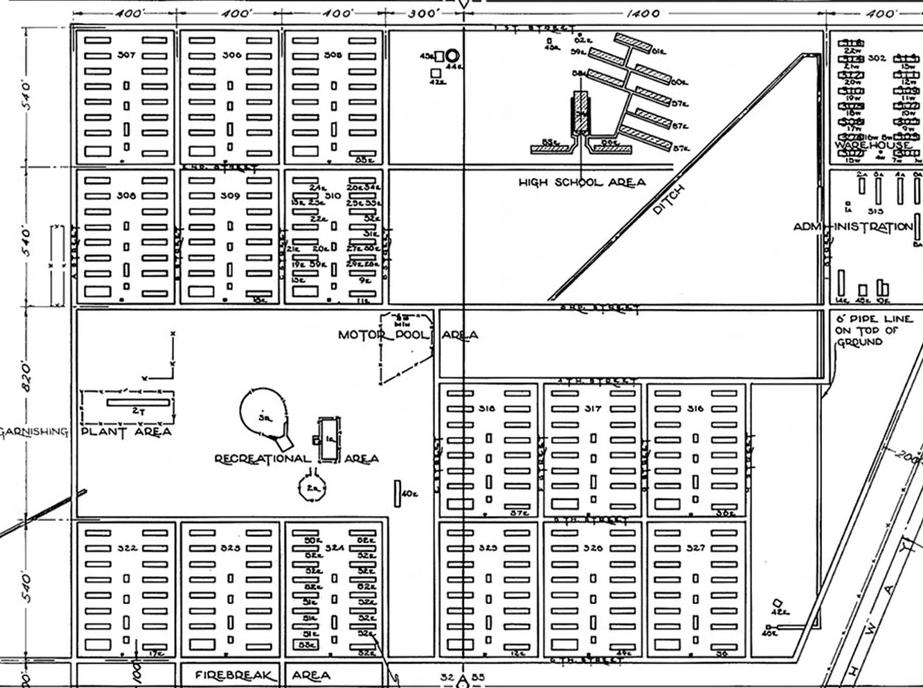
Across state lines, elevations, and biomes, barracks construction was nothing but uniformly poor. This work is a direct rebuttal of the hasty and negligent construction of the horsestalls and half-finished barracks that housed internees.
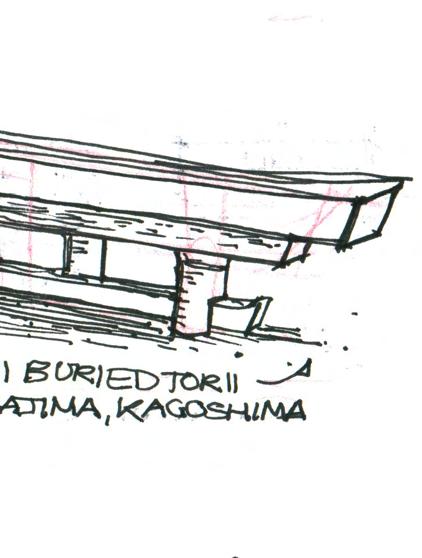
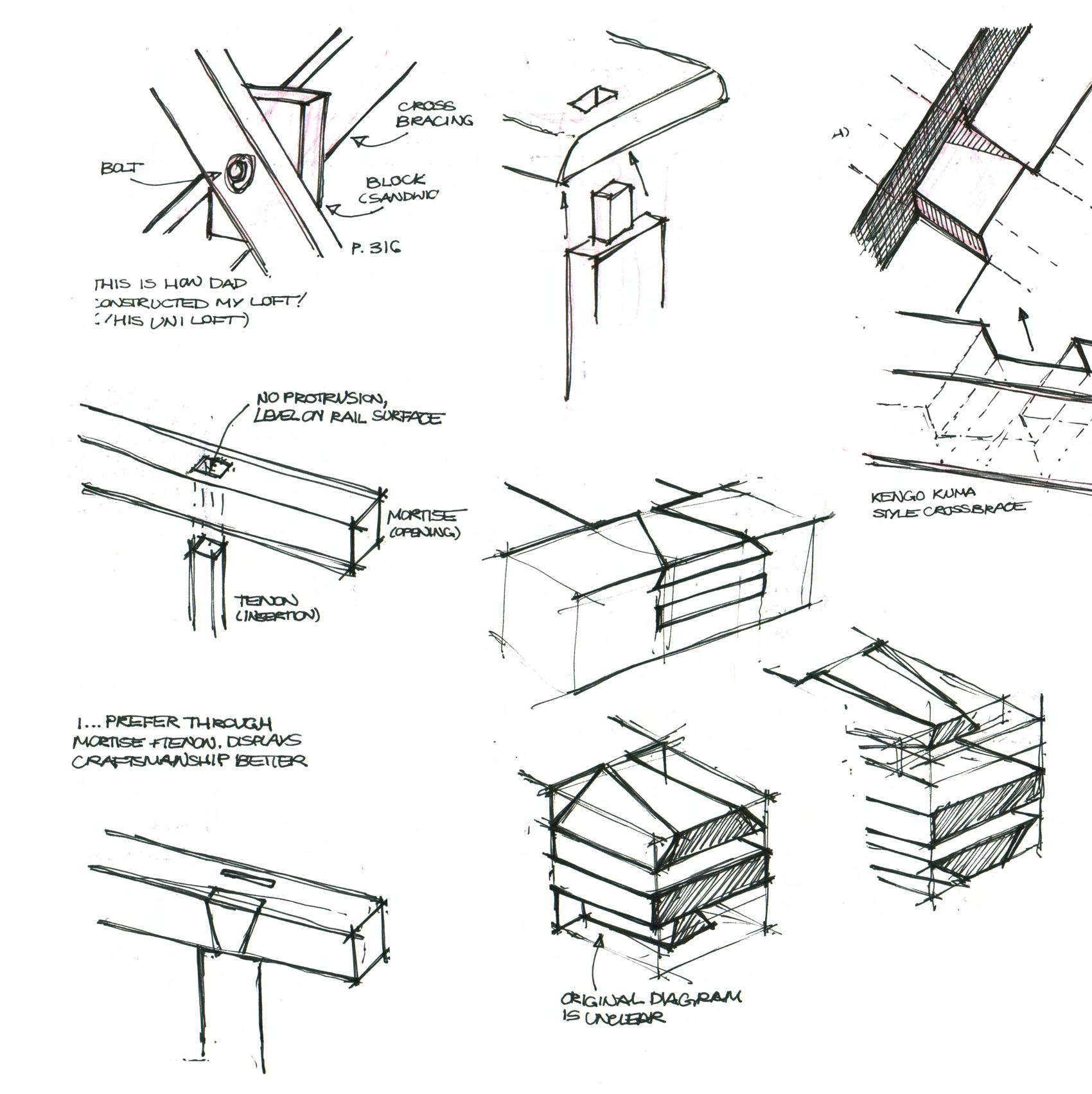
Calling upon the Japanese tradition of tsugite woodcarving, the complex intermeshing of the mortise and tenon joints defies easy solutions. Instead of hammering planks of wood together, the connection points between post and lintel become culturally specific examples of craftsmanship. From Kengo Kuma to Shigeru Ban, tectonics have articulated the context, care, and culture associated with design.
The tactility of hand-planed wood, meticulously woven bronze, and smooth stone are opportunities for materiality and joinery to transcend pragmatic assembly into pure art.
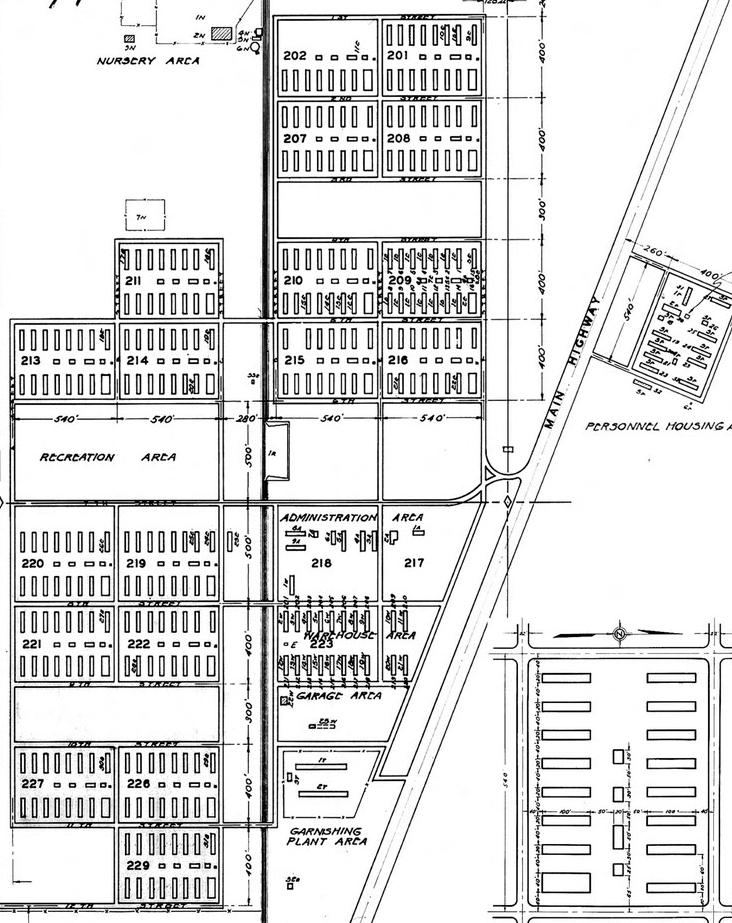
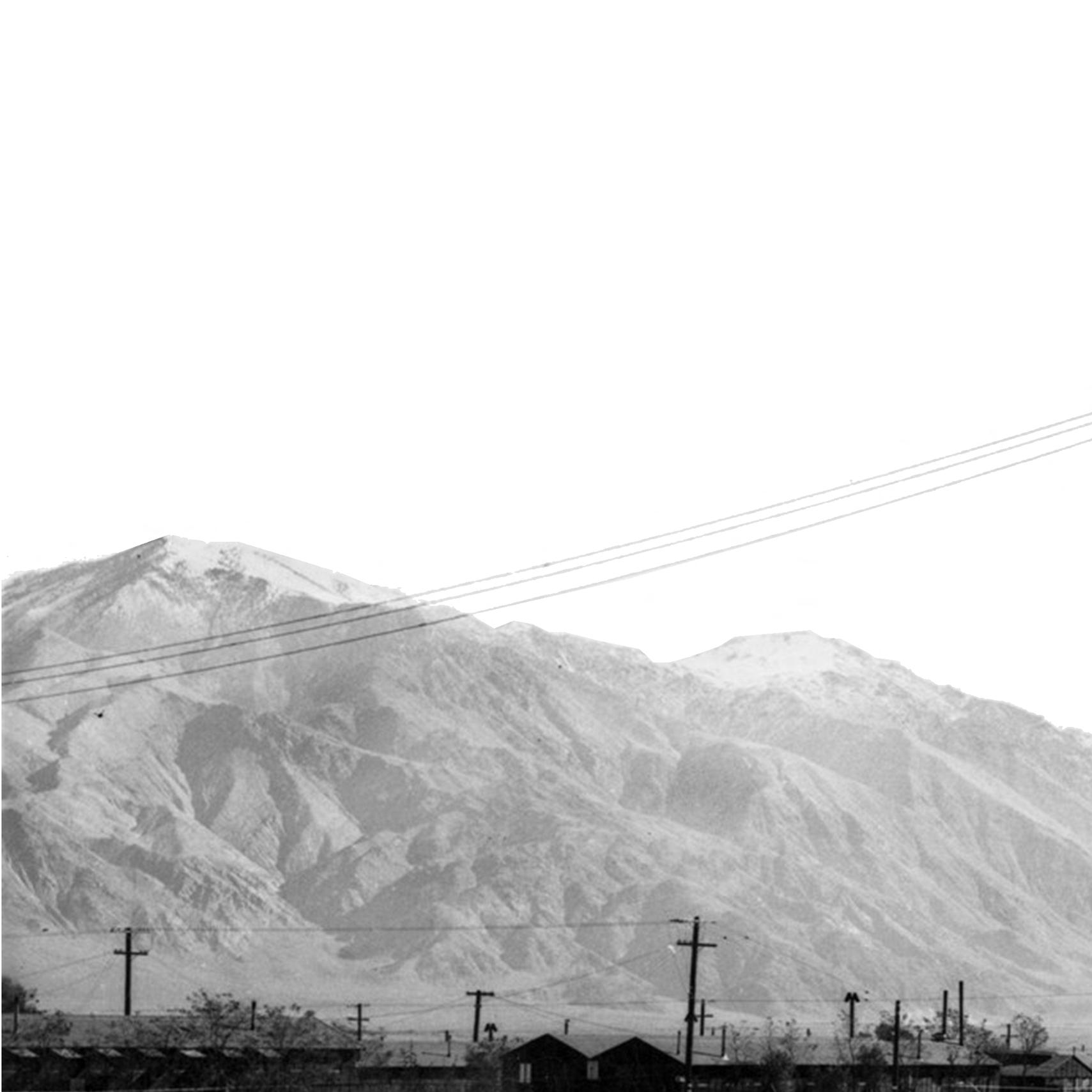
Cultural regionalism is a framework for dismantling hegemony and constructing place imbued with meaning. Part of what makes haunting powerful is its specificity. A stance oft repeated by Mark Fisher and other theorists is that haunting is, “intrinsically resistant to the contraction and homogenization of time and space. It happens when a place is stained by time, or when a particular place becomes the site for an encounter with broken time.” 4 Part of creating a haunted space is reflecting the particulars of the spectral. Critical regionalism and haunting are inextricable. To implement it in architecture, “is to mediate the impact of universal civilization with elements derived indirectly from the peculiarities of a particular place…It may find its governing inspiration in such things as the range and quality of the local light, or in a tectonic derived from a peculiar structural mode, or in the topography of a given site.” 5 By inviting haunting through an embrace of site characteristics and construction details, by emphasizing the specifics of context, this memorial is grounded in internment’s past (the collision of Japanese and American culture, simultaneous cruelty and resilience) and in the spatial present.
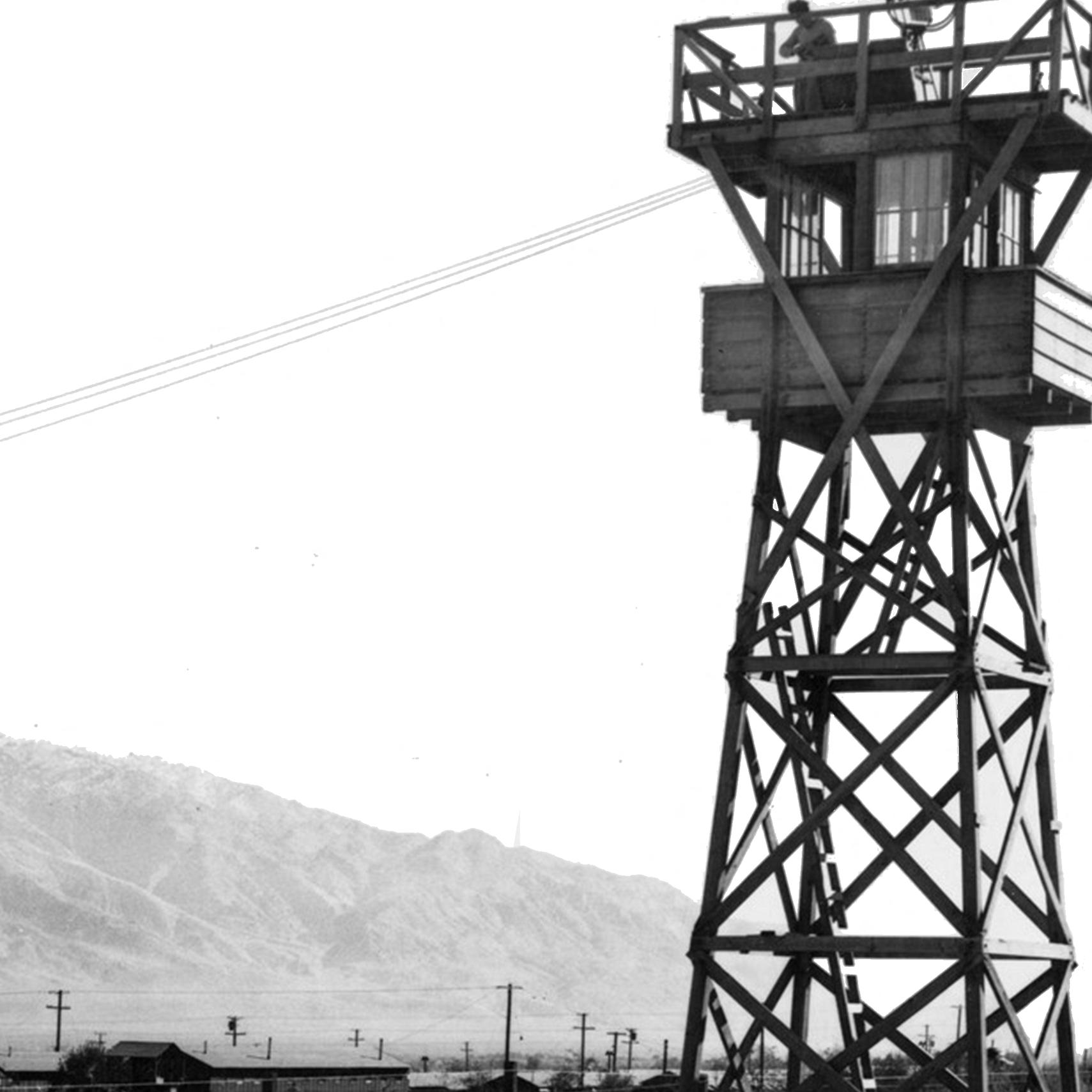
“The tower represents what the whole thing was about: imprisonment, loss of civil liberties, loss of identity. The tower was the only icon--that and the barbed wire.”
- Sue Kunitomi Embrey, at the 2005 dedication of the replica tower in Manzanar
1 Houston, “Farewell to Manzanar”, 27-29
2 Lorde, “Master’s Tools”, 111
3 Frampton, “Towards a Critical Regionalism,” 4
4 Fisher, “What is Hauntology?,” 19
5 Frampton, 1

SANCTUM
THRESHOLDS AND SEPERATION
SANCTUM
Mr. Commissioner ...
So when you tell me I must limit testimony to 5 minutes, when you tell me my time is up, I tell you this: Pride has kept my lips pinned by nails my rage coffined.
But I exhume my past to claim this time. My youth is buried in Rohwer, Obachan’s ghost visits Amache Gate, My niece haunts Tule Lake. Words are better than tears, so I spilled on. I killed this, the silence.

- Janice Mirikitani 1

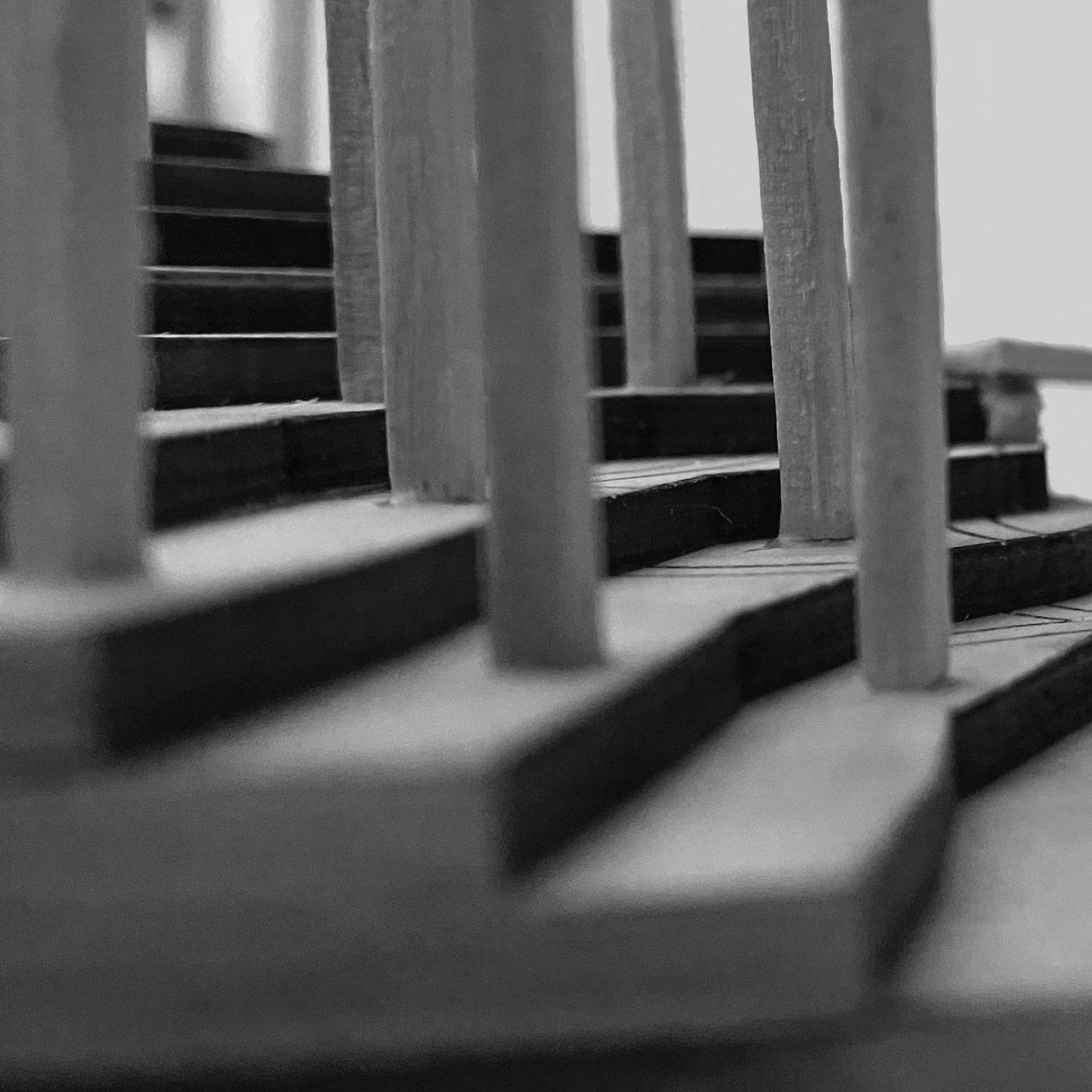
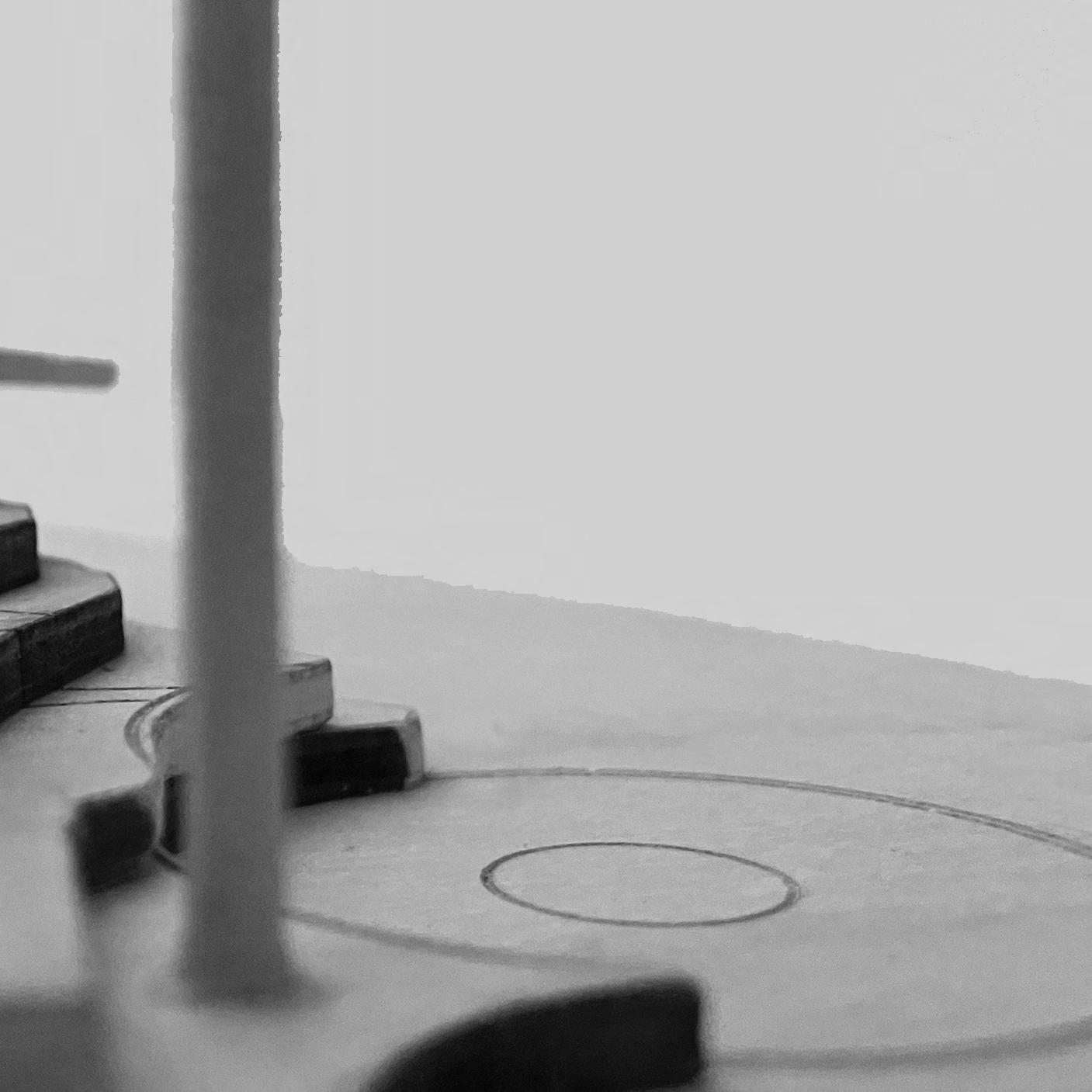
HETEROTOPIAS: THEORIZING AN “OTHER” SPACE
Though not explicitly linked to haunting, heterotopias are a framework for spatializing a phenomenom (specter) that is not wholly present nor absent.
Foucault’s definition of heterotopias involves real spaces in relation to other sites which “suspect, neutralize, or invert the set of relations they happen to designate, mirror, or reflect.” 2 Heterotopias are spaces which are distinct from their surroundings. Utopias exist in imagination alone, while heterotopias straddle the border between real and unreal in a way that distinguishes them from normality. Using six criteria, Foucault counts brothels, festivals, temples, museums, and cemeteries as heterotopias (among others). This memorial also counts as one.
Foucault’s fourth principle of heterotopias links it to heterochronies, or breaks in time, which neatly maps onto Derrida’s understanding of how “time is out of joint.” 3 Foucault describes how museums pause and accumulate time and how festivals are transitory. These distinct, but equally non-linear, approaches to time reflect the fractured dichotomy of the monument and anti-monument, traditional and revolutionary environmental design, and the idealized versus real process of grief. In memorializing internment, this design encompasses its generational trauma on internees, their families, and those experiencing similar xenophobia today. Its palimpsest surroundings immerse visitors in the decades of immigrant detentions on Angel Island. Its claustrophobic passages transition between horse stall assembly centers and the touristic present. The monument’s viewpoints juxtapose internment barracks and photo ops. When visitors are on site, they stand at a fracture in time infinitely split between the 1940’s, 1890’s, 2020’s, and everything in between. The process of honoring the past inspires reflection and forms a space imbued with meaning and distinction.
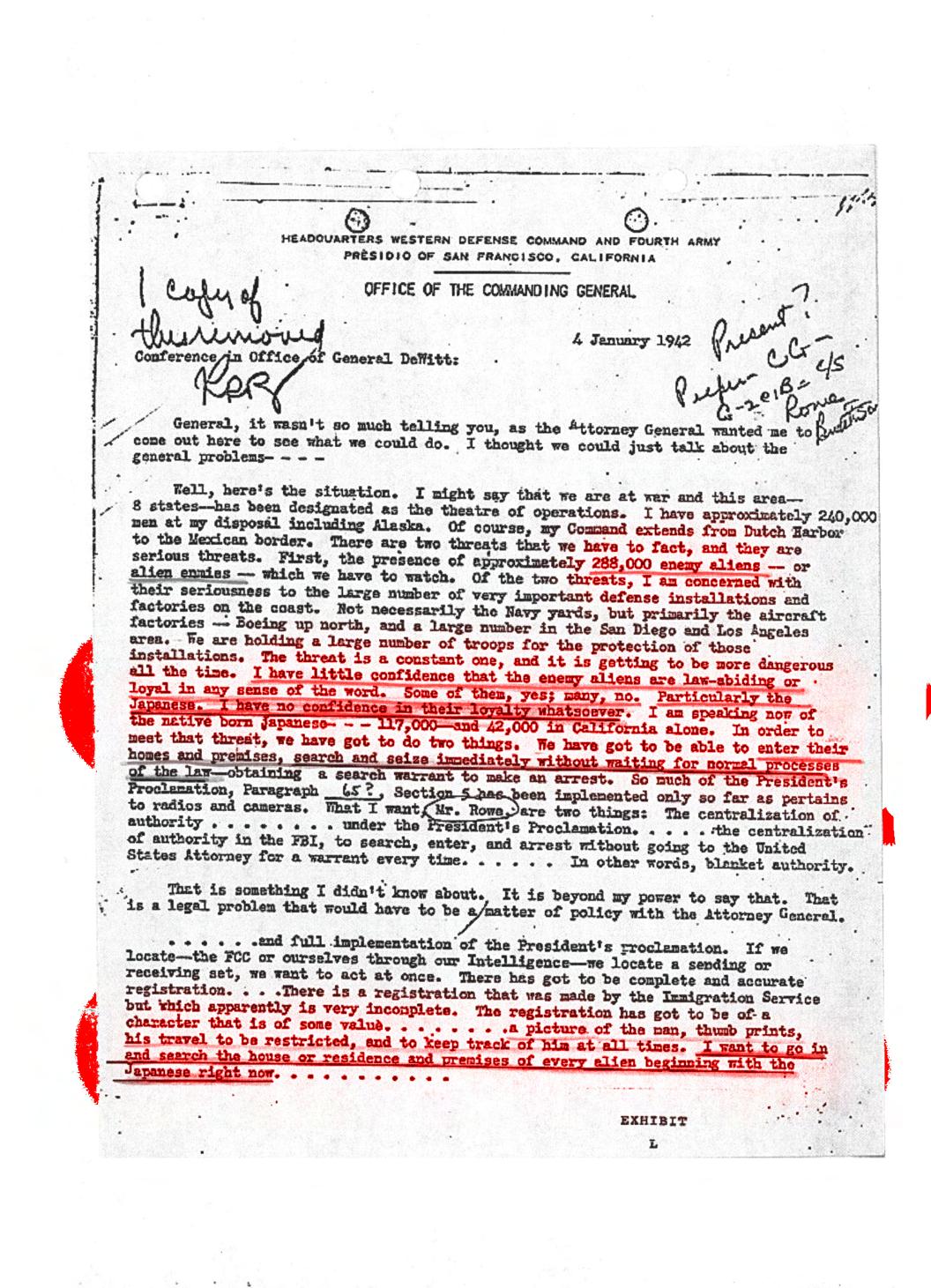
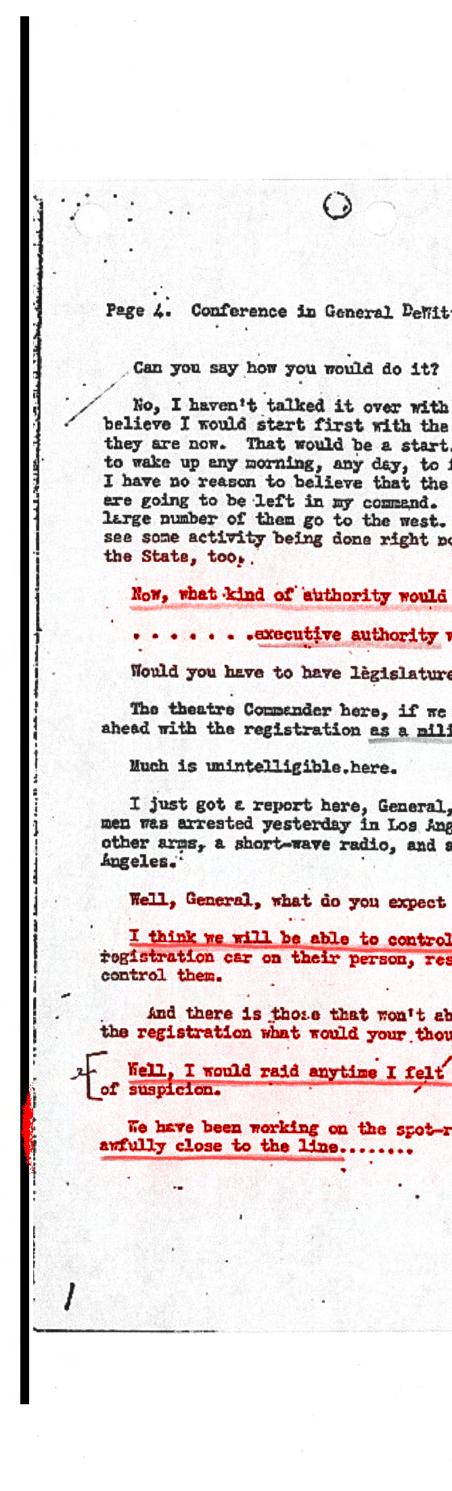
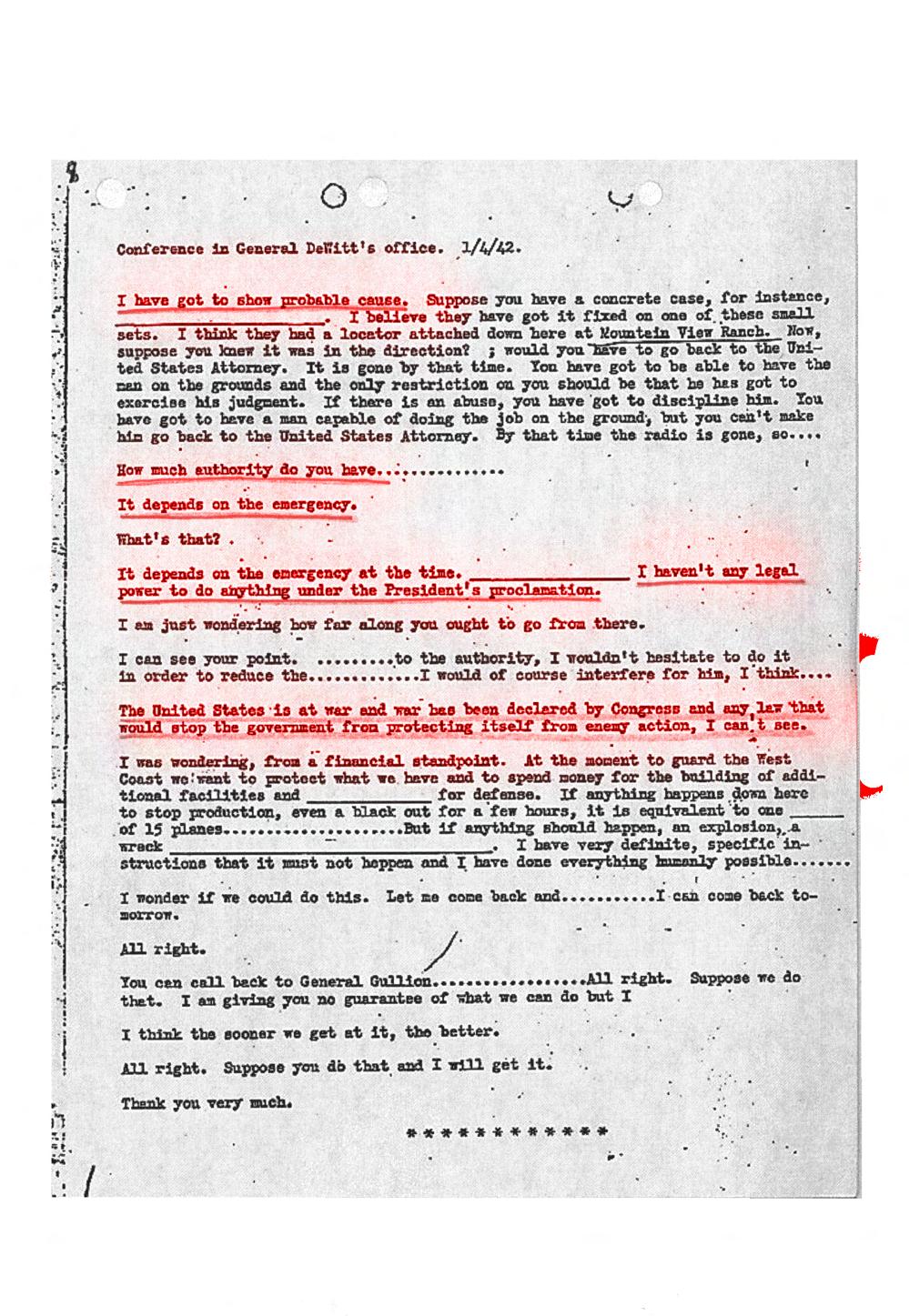
CONFERENCE IN GENERAL DE WITT’S
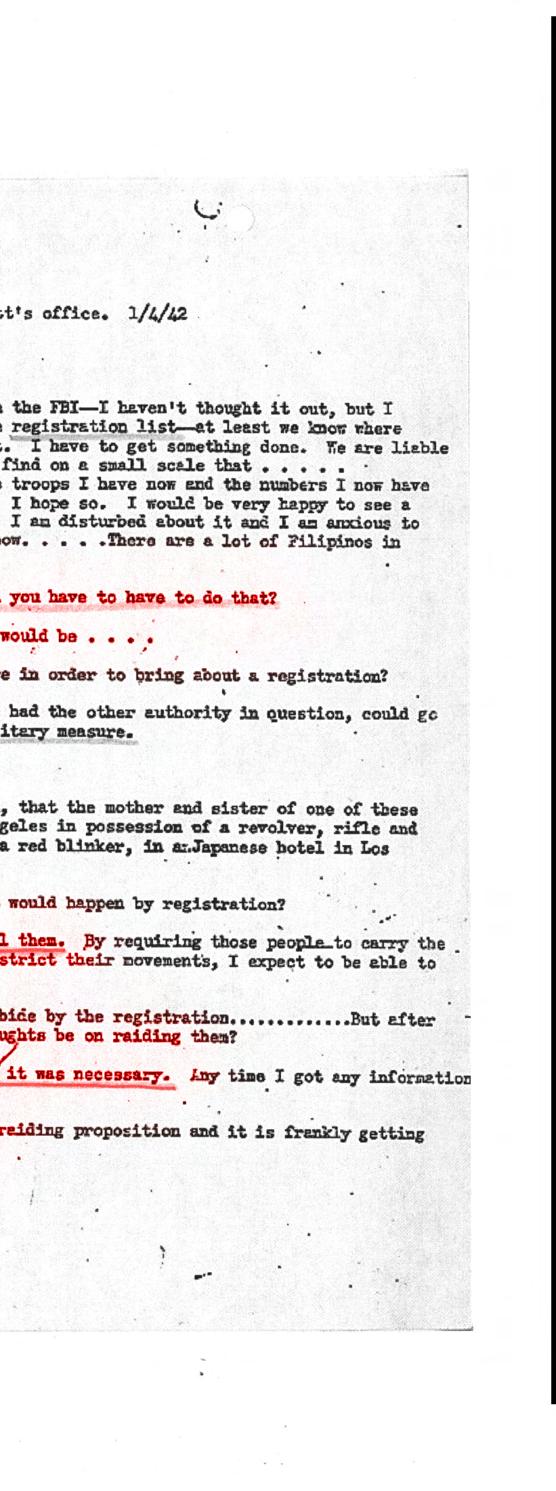
“I HAVE LITTLE CONFIDENCE THAT THE ENEMY ALIENS ARE LAWABIDING OR LOYAL IN ANY SENSE OF THE WORD...PARTICULARLY THE JAPANESE. I HAVE NO CONFIDENCE IN THEIR LOYALTY WHATSOEVER.”
“WE HAVE GOT TO BE ABLE TO ENTER THEIR HOMES AND PREMISES, SEARCH AND SEIZE IMMEDIATELY WITHOUT WAITING FOR NORMAL PROCESES OF THE LAW”
“I THINK WE WILL CONTROL THEM.”
“WELL, I WOULD RAID IT WAS NECESSARY. ANY INFORMATION “WE HAVE BEEN SPOT-RAIDING PROPOSITION IT IS FRANKLY GETTING CLOSE TO THE LINE...”
WILL BE ABLE TO THEM.”
RAID ANYTIME I FELT NECESSARY. ANY TIME I GOT INFORMATION OF SUSPICION.”
WORKING ON THE PROPOSITION AND GETTING AWFULLY LINE...”
“HOW MUCH AUTHORITY DO YOU HAVE?
“IT DEPENDS ON THE EMERGENCY...I HAVEN’T ANY LEGAL POWER TO DO ANYTHING UNDER THE PRESIDENT’S PROCLAMATION.”
“THE UNITED STATES IS AT WAR AND WAR HAS BEEN DECLARED BY CONGRESS AND ANY LAW THAT WOULD STOP THE GOVERNMENT FROM PROTECTING ITSELF FROM ENEMY ACTION, I CAN’T SEE.”
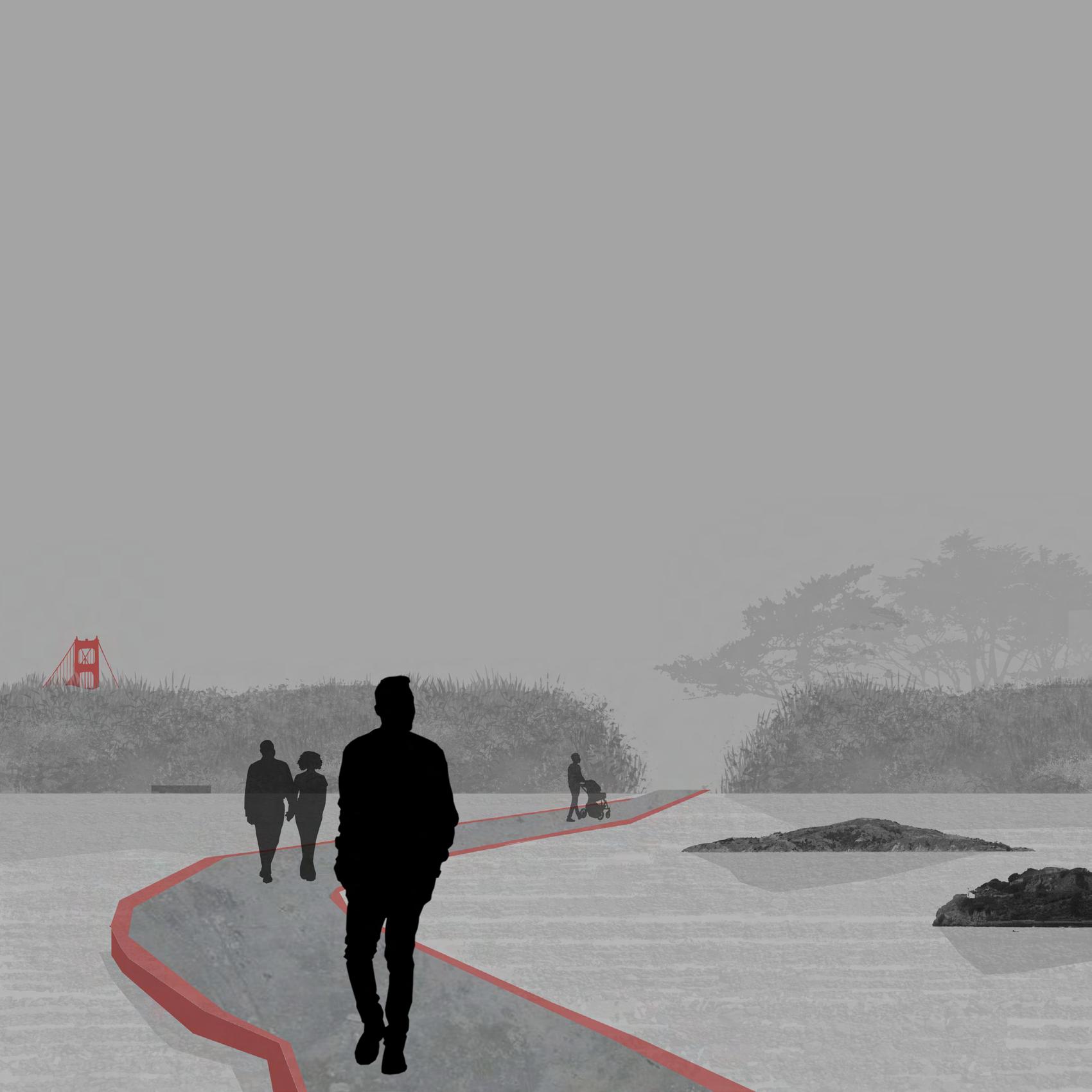
SEPARATION
Coupling heterotopias with haunting provides another dimension for discussion: how such spaces are delineated from the so-called “normal” world and how fractured temporalities are an intrinsic quality of haunting.
What is the semi-permeable membrane, that nebulous demarcation seperating temporalities? What divides the past from present and present from future and future from past?
Foucault: “We do not live in a space that is neutral and blank; we do not live, we do not die, we do not love within the rectangle of a sheet of paper. We live, we die, we love in a space that is gridded, cut up, muddled, with zones that are light and dark, of varying levels, with flights of stairs, hollows and mounds, areas that are hard and others that are friable, penetrable, porous. There are areas of passage…and then there are the closed areas where we rest, that we call home.” 4
Foucault also demands a heterotopia have a “system of opening and closure which isolates them in relation to the surrounding space.” 5 The same way the cemetery gates distinguish the land of the living versus the necropolis, the same way bearing a pall is a form of toll, adding ritual in the form of a crossed threshold to a memorial helps imbue it with meaning. Frampton adds that, “Heidegger goes on to state that the condition of ‘dwelling’ and hence ultimately of ‘being’ can only take place in a domain that is clearly bounded.” 6
This site’s boundaries end at the waterfront. This site’s boundaries end at the bay. This site’s boundaries encompass all of the fractured, disastrous, beautiful, mournful time spent by those in internment. The site’s boundaries enfold all of America. The paradox of the ghost is that it in its ambiguous existence, it is both tied to the home it is haunting and omnipresent.
Tuck and Ree ask, “How does one get rid of a monster?” The response is that, “There is no permanent vanquishing of a monster; monsters can only be deferred, disseminated; the door to their threshold can only be shut on them for so long.” 7
The threshold of this memorial is as paradoxical as the rest of this design.
This memorial is a space which fails to neatly fit into reality or into imagination. It is at once specific and general. Establishing (ambiguous) boundaries gives the site’s design specificity. Embracing the expansive vistas and panoramas gives it breadth. It has both construction documents and a master plan.
Japanese American identity is equally impossible to categorize. Are they Japanese? Are they American? Are they neither, both? What are we?
The racist General DeWitt has his opinions. We are enemy aliens, dangerous, and deplorable. It is black and white.
This memorial radically counters any simplistic notions of space and people.
1 Mirkitani, “Breaking Silence,” 35
2 Foucault, “Of Other Spaces,” 24.
3 Derrida, “Specters of Marx,” 26.
4 Vidler, Foucault, “Heterotopias,” 20.
5 Foucault, “Of Other Spaces,” 26.
6 Frampton, “Towards a Critical Regionalism,” 2.
7 Tuck, Ree, “Glossary of Haunting,” 649.
RECKONING
RECKONING


“They called us the enemy, but I knew we were not the enemy...We were American citizens by birthright, and yet treated as the enemy or foreign foreigners...They didn’t know, or didn’t care, about the Constitution that protects all citizens’ rights, regardless of their ancestry.”
- George Takei “They Called Us Enemy”
They cannot be cryogenically frozen then snapped off like an unwanted skin tag attached to the epidermis of an otherwise “unblemished” tourist site.
THE GHOSTS OF JAPANESE INTERNMENT CANNOT BE THE WRONGDOINGS OF INTERNMENT CANNOT BE ERASED.
Attempts to censure the pat only result in a palimpsest. Wiping the parchment clean does not remove the indentations below it. On Angel Island, the lamentations and rage of detained immigrants and prisoners of war leave their scar on the walls. Likewise, the voices of those who were interned will not be silenced.
THERE IS NO PUTTING TO REST. THERE IS NO BURIAL.
The ghosts of this American mistake will not be mollified by paltry monetary attempts at restitution or the erection of a handful of insufficient plaques.
The persistence of haunting is its resolution. (642)
THE GHOSTS OF THE PRESIDIO
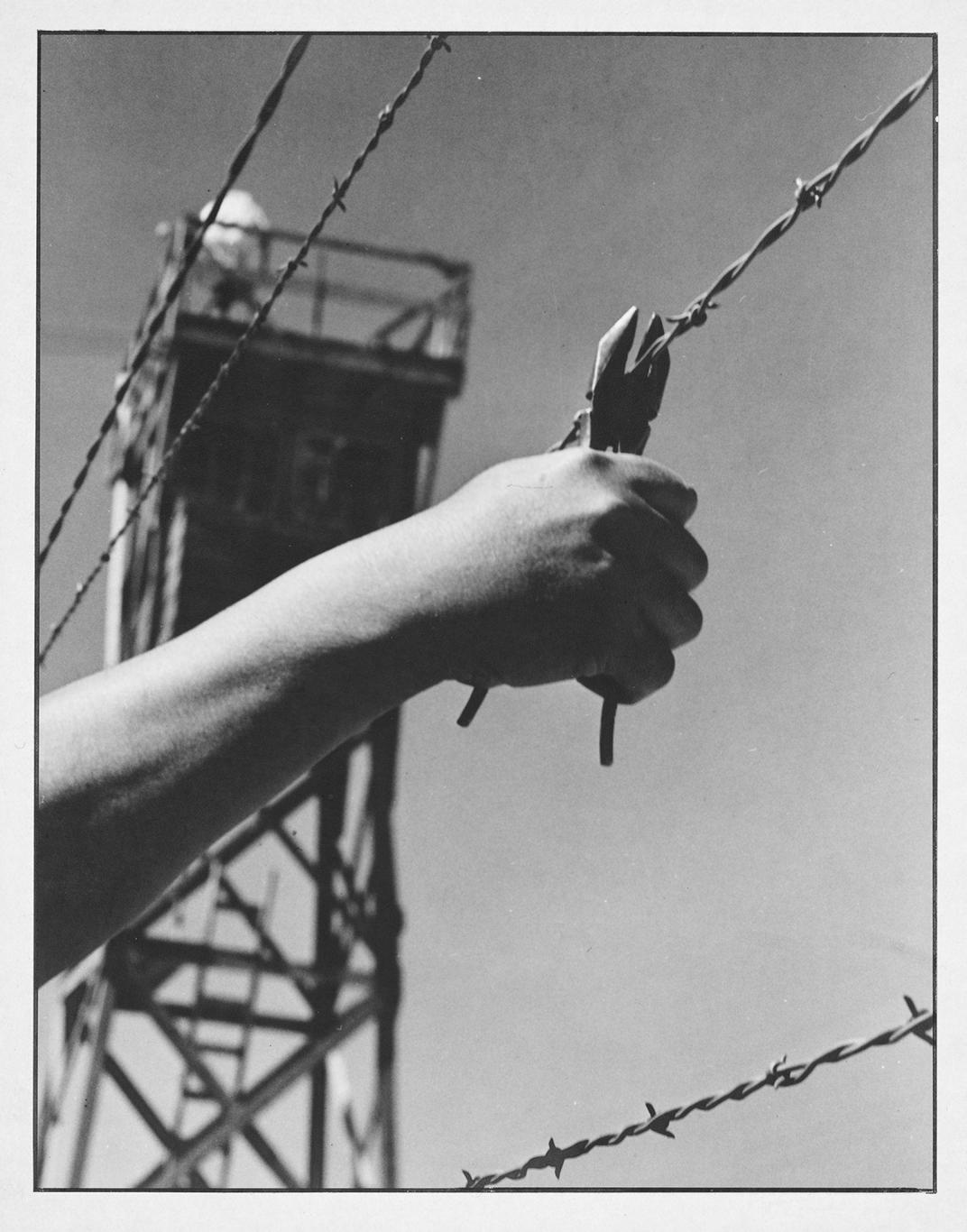
Miyatake, Untitled
BIBLIOGRAPHY
Anonymous, Chinese Immigrant. “Poem 26.” Angel Island Immigration Station Foundation. Accessed June 11, 2025. https://www.aiisf.org/chinesepoetry/island26.
Colwell, Chip. “A Palimpsest Theory of Objects.” Current Anthropology 63, no. 2 (2022): 129–57. https://doi.org/https://doi.org/10.1086/719851.
Derrida, Jacques. Specters of Marx: The State of the debt, the work of mourning and the new international. Hoboken: Taylor and Francis, 2012.
Fisher, Mark. “What Is Hauntology?” Film Quarterly 66, no. 1 (2001): 16–24. https://doi.org/https://doi. org/10.1525/fq.2012.66.1.16.
Foucault, Michel, and Jay Miskowiec. “Of Other Spaces.” Diacritics 16, no. 1 (1986): 22–27. https://doi. org/https://doi.org/10.2307/464648.
Frampton, Kenneth. “Towards a Critical Regionalism: Six Points for an Architecture of Resistance.” GSD 7212 Issues in the Practice of Architecture, 1981, 1–5.
Freud, Sigmund. The “Uncanny.” Translated by Alix Strachey, 1919.
Houston, Jeanne Wakatsuki, and James D Houston. Farewell to Manzanar. New York City, New York: Clarion Books, 1973.
Kunitomi, Darrell. “Forced to Live in Horse Stalls. How One of America’s Worst Injustices Played out at Santa Anita.” Los Angeles Times, March 16, 2023.
Lahiji, Nadir. “Void and Memory: The Architecture of Libeskind in Berlin.” ACSA European Conference, 1997, 148–52.
Lorde, Audre. “The Master’s Tools Will Never Dismantle the Master’s House.” Essay. In Sister Outsider: Essays and Speeches, 110–14. Berkeley, California: Crossing Press, 1979.
Mirikitani, Janice. “Breaking Silence.” Essay. In Shedding Silence, 33–36. Berkeley, California: Celestial Arts, 1987.
Miyatake, Toyo. Untitled (Opening Image from Valediction). Photograph. New York, 1944. New York. National Monument Audit. Philadelphia, Pennsylvania: Monument Lab, 2021.
Redman, Samuel J. “‘Have You Ever Been on the Bridge? It Has a Heartbeat’: Oral Histories of San Francisco’s Bay Bridge and Golden Gate Bridge, 1933-1989.” Oral History 46, no. 1 (2018): 91–101. http://www.jstor.org/stable/44993459.
Takei, George, Justin Eisinger, Steven Scott, and Harmony Becker. They Called Us Enemy. San Diego, CA: Top Shelf Productions, 2019.
Tuck, Eve, and C. Ree. “A Glossary of Haunting.” Essay. In Handbook of Autoethnography, 639–58. Walnut Creek, California: Left Coast Press, 2013.
Uchida, Yoshiko, and Yukari. Desert Exile: The uprooting of a Japanese American family. Seattle, Washington: University of Washington Press, 2015.
Vidler, Anthony, Michel Foucault, and Pamela Johnston. “Heterotopias.” AA Files, no. 69 (2014): 18–22. http://www.jstor.org/stable/43202545.
WITH GRATITUDE
To Mom, Dad, and Grey -- thank you always, for everything.
To Jessica for your mentorship and Haven for your patience.