JUNE 1, 2026, 8:00 PM | JOSEPH MEYERHOFF SYMPHONY HALL
ASO’s Debut Performance at The Meyerhoff also featuring Annapolis Symphony Academy
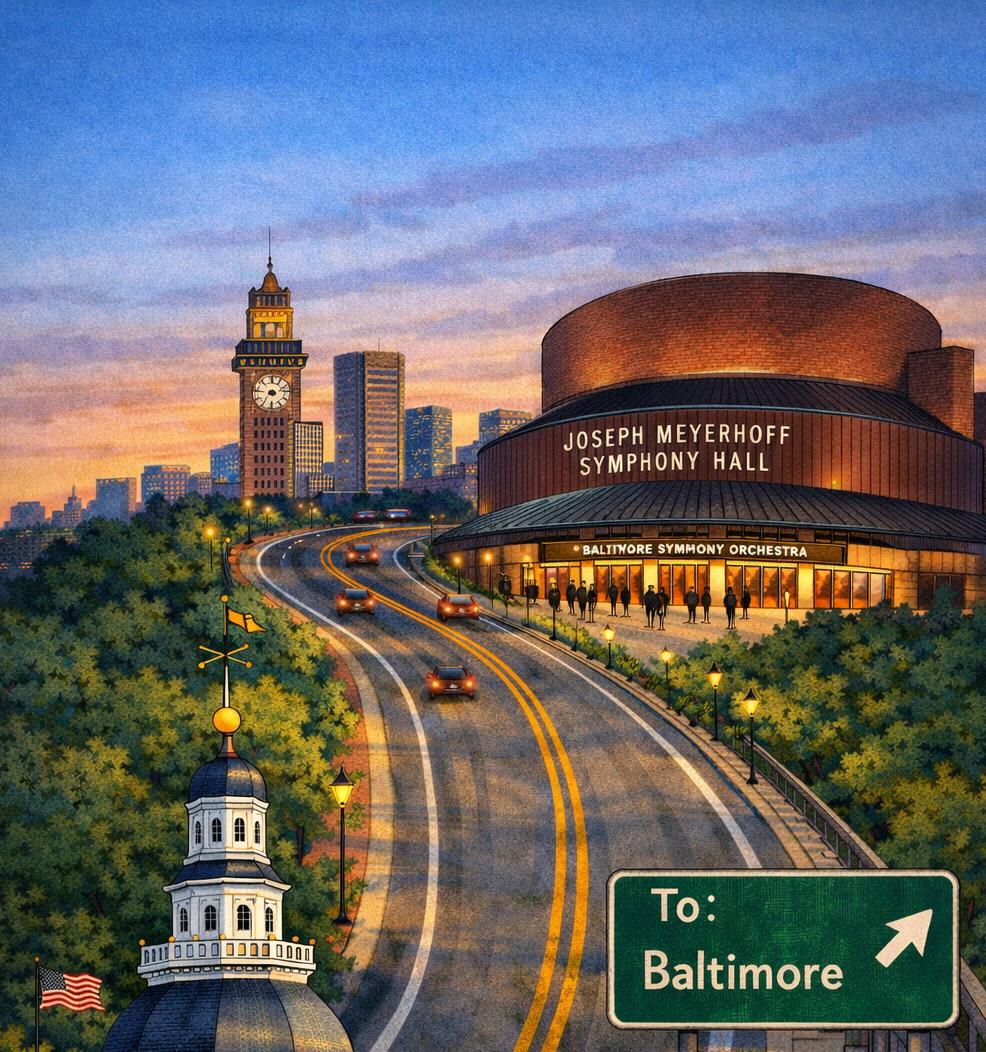

Annapolis Symphony Academy Orion Youth Orchestra
Nancy Galbraith
Midnight Stirring, conducted by ASA Assistant Conductor Claire Lewis
Annapolis Symphony Orchestra
Shostakovich Symphony No. 5 Reinaldo Moya Polo Romanesco
Conducted by ASO Artistic Director, Maestro José-Luis Novo

Tickets for this performance must be purchased through the Meyerhoff Symphony Hall website
https://my.bsomusic.org/20282/20283
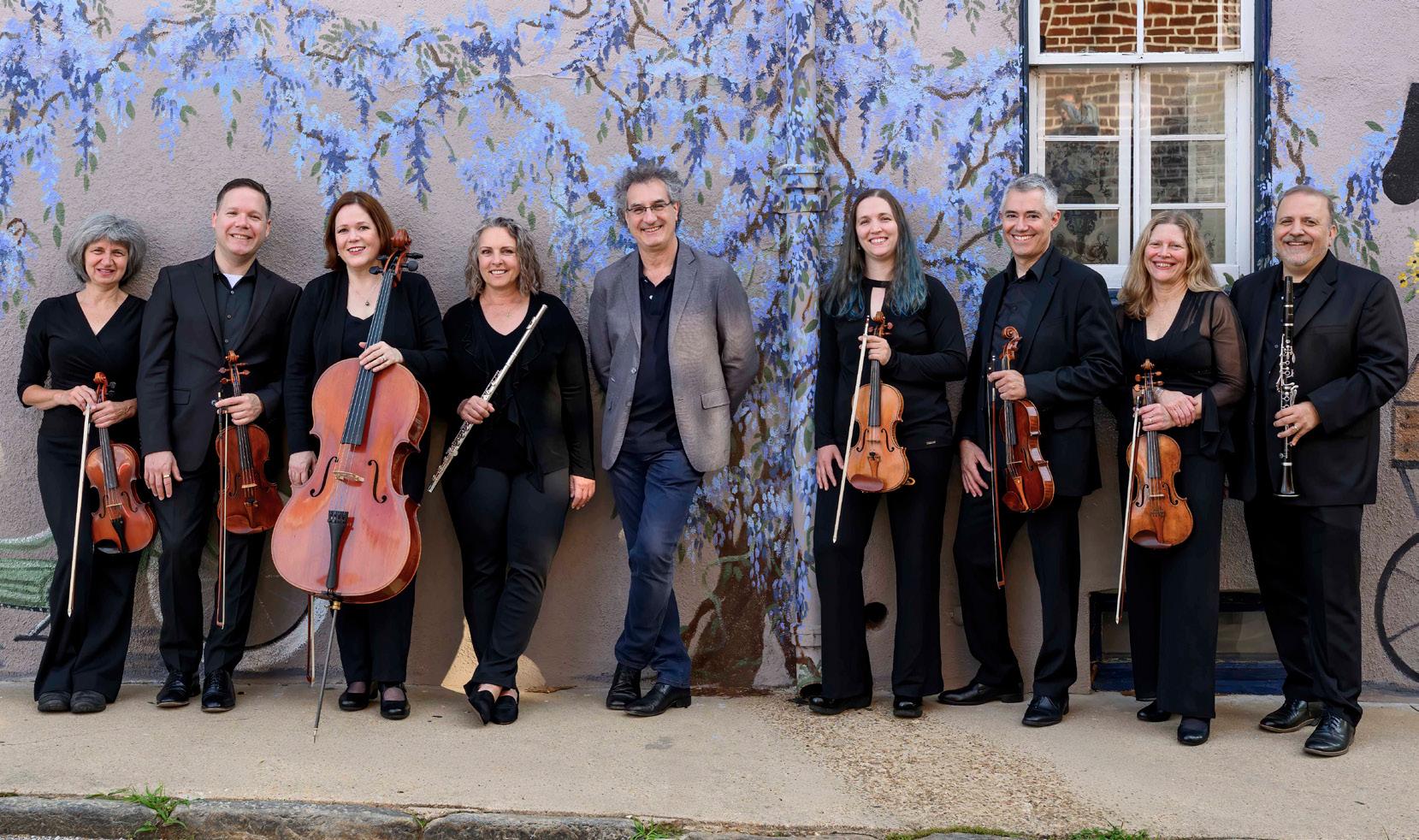
Executive Director ERICA BONDAREV RAPACH
ebr@AnnapolisSymphony.org 410-267-3635
JAKE FEWX
Discovery Coordinator, Annapolis Symphony Academy
jfewx@AnnapolisSymphony.org
SARAH JOHANSEN
Director of Business & Finance Operations
sjohansen@AnnapolisSymphony.org 410-267-3637
Development Manager
kburdick@annapolissymphony.org
Director of Artistic Operations
mfogel@AnnapolisSymphony.org 410-267-3632
DIANA LOVE
Director of Marketing & Communications
dlove@AnnapolisSymphony.org 410-267-3621
Founder & Director, Annapolis Symphony Academy
ndraiblate@AnnapolisSymphony.org 443-454-0609
Director of Artistic Operations, Annapolis Symphony Academy
hhaughn@AnnapolisSymphony.org
Administrative Coordinator MAYA MCATEE
mmcatee@AnnapolisSymphony.org 410-267-3636
Assistant Director, Annapolis Symphony Academy, Director, Community Engagements & Grants
JULIE NOLAN jnolan@AnnapolisSymphony.org 443-223-8445
Sales & Marketing Manager
cwright@annapolissymphony.org
Artistic Director & Annapolis Symphony Academy Director of Orchestral Activities
jlnovo@AnnapolisSymphony.org 410-267-3634
Orchestra Librarian OLIVIA REN oren@AnnapolisSymphony.org 410-267-3647
801 Chase Street, Suite 204 Annapolis, MD 21401 410-263-0907 Box Office | 410-269-1132 Admin
* in alphabetical order
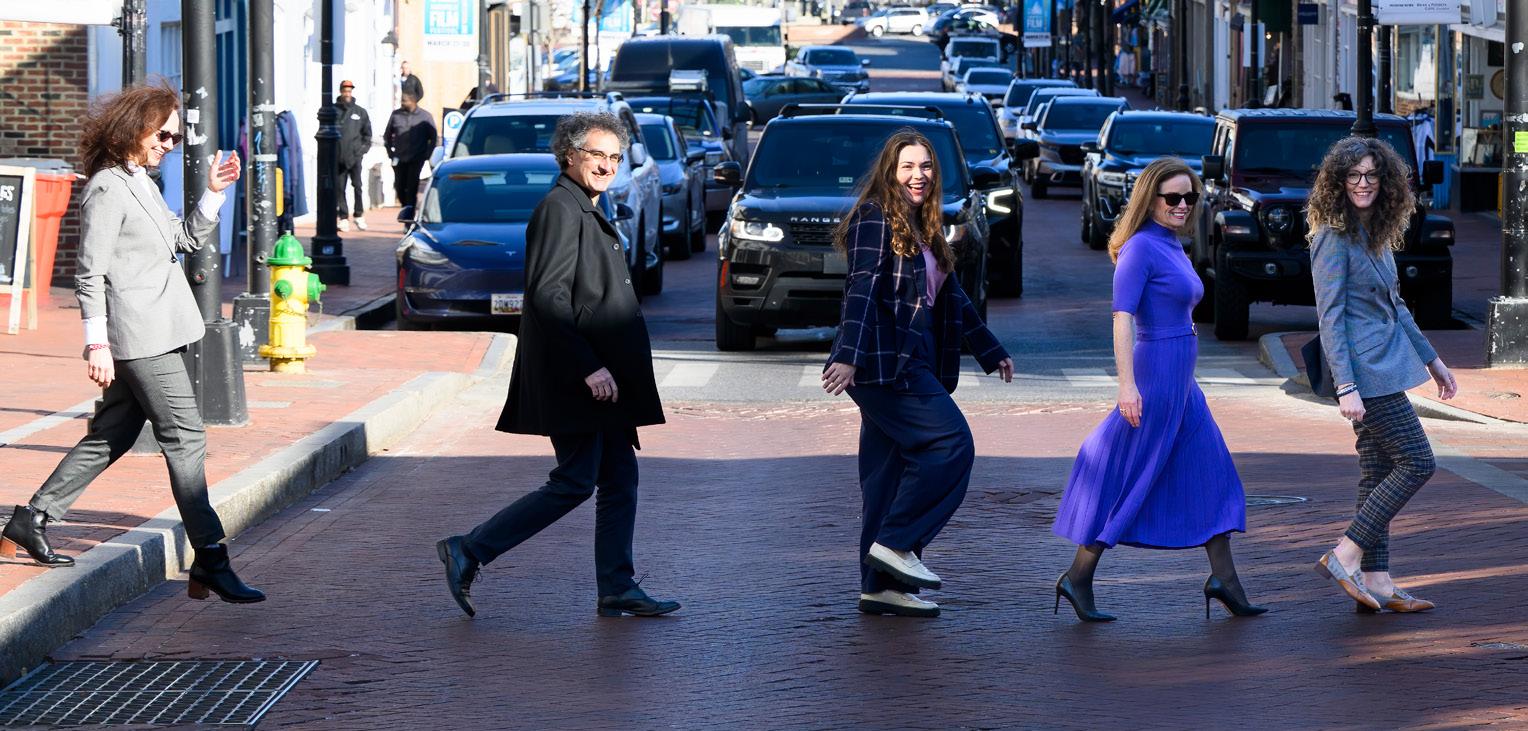
KATHERINE EDWARDS, MD Chair
MICHELLE HELLSTERN Vice Chair
ANN WHITCOMB Vice President-Finance
ROBERT ARIAS
MARGUERITE (MAGGIE) COLE
GEORGIANNA CROSBY
WILLIAM DAVIS
GINGER FROM SONJA GLADWIN
STEPHEN SOTACK Treasurer
MONIQUE Y. LANGSTON Secretary
CHARLIE GRUDZINSKAS COLLOT GUERARD
WILLIAM HOFF
GERALDINE “MIMI” LADD JONES
JEANNE KELLY
ELIZABETH MAXWELL-SCHMIDT, MD
MARY MCKIEL, PHD
LISA NOLAN
SHELLEY ROW
JEFFREY H. SCHERR, ESQ.
ANN TRAN, MD
MARIE TREANOR
JOSÉ-LUIS NOVO
Artistic Director & Conductor
STEPHEN HOLT
FASO Board Representative
ERICA BONDAREV RAPACH Executive Director
ALEXANDRA MIKHLIN Musicians’ Representative, Players’ Committee
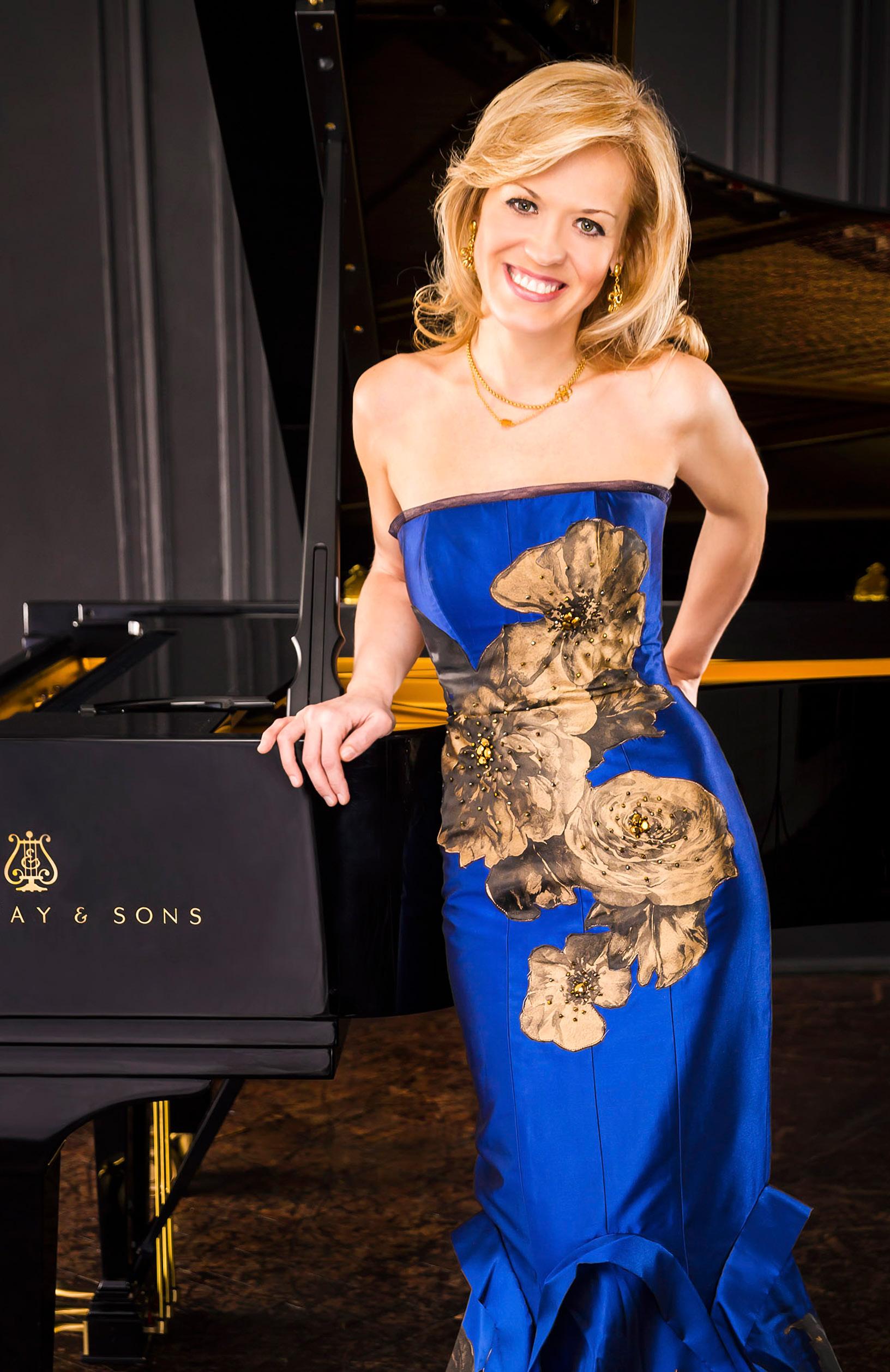

Rachmaninoff Piano Concerto Nº2 with Olga Kern, piano
FR IDAY, FEBRUARY 27, 2026 & SATURDAY, FEBRUARY 28, 2026
MARYLAND HALL | 7:30 PM
SUNDAY, MARCH 1, 2026
MUSIC CENTER AT STRATHMORE | 3:00 PM
SILVESTRE REVUELTAS
J anitzio
SERGEI RACHMANINOFF
Piano Concerto No. 2 in C minor Op. 18, Olga Kern, piano
WILLIAM DAWSON
Negro Folk Symphony

Sponsored by Peter Evans Group
TICKETS STARTING AT JUST $25
Get your tickets today.

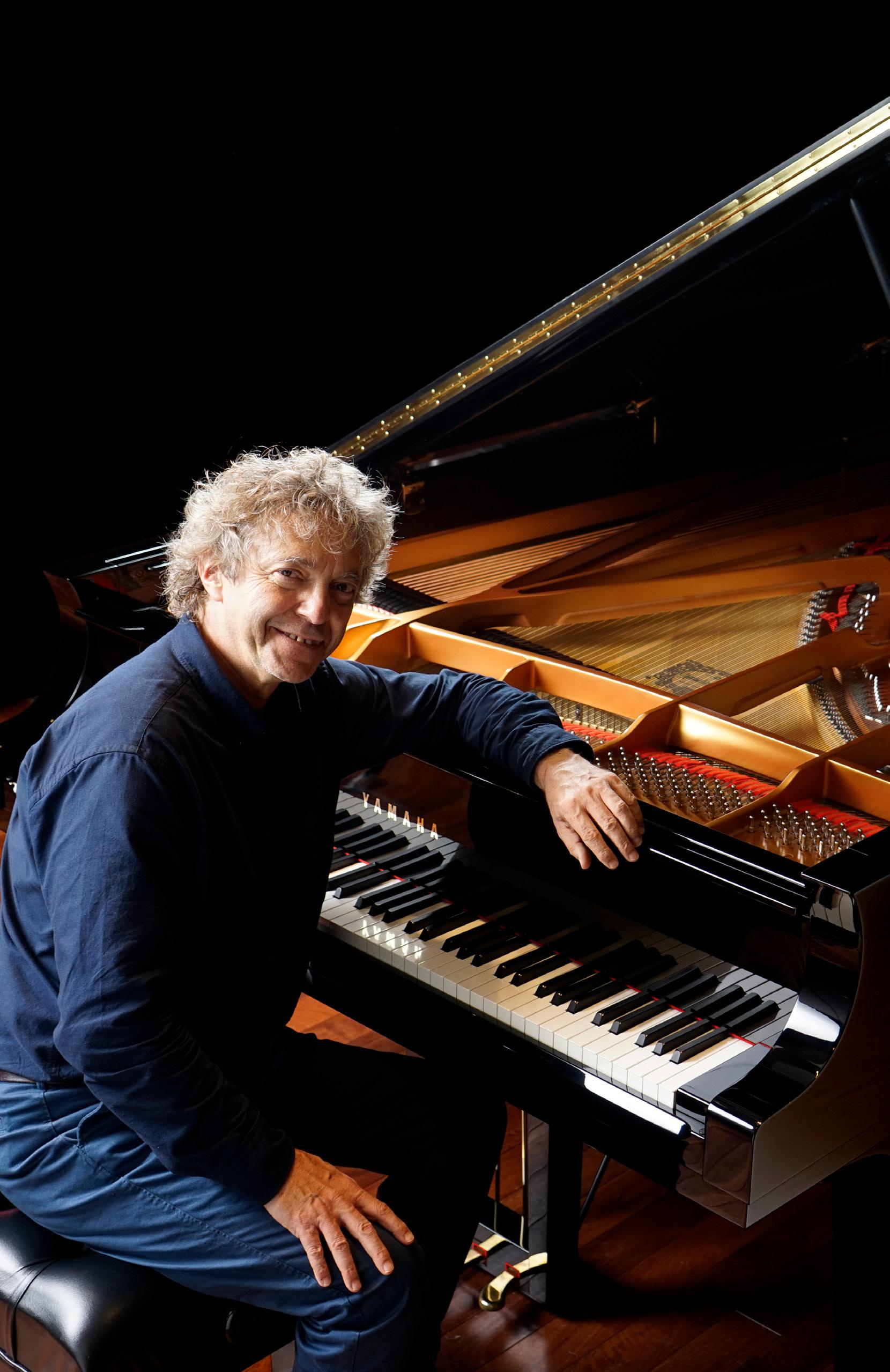
Ravel Piano Concerto in G major with Pascal Rogé, piano
FRIDAY, APRIL 10, 2026
SATURDAY, APRIL 11, 2026
MARYLAND HALL | 7:30 PM
GABRIELA ORTIZ
Antrópolis
MAURICE RAVEL
Piano Concerto in G major, Pascal Rogé, piano
DMITRI SHOSTAKOVICH
Symphony No. 5 in D minor, Op. 47
TICKETS STARTING AT JUST $25 Get your tickets today.








Under writer, The Philip Richebourg Ar tistic Director and Conductor ’s Chair
THE PHILIP RICHEBOURG ENCORE CIRCLE honors multi-annual pledges of $100,000+
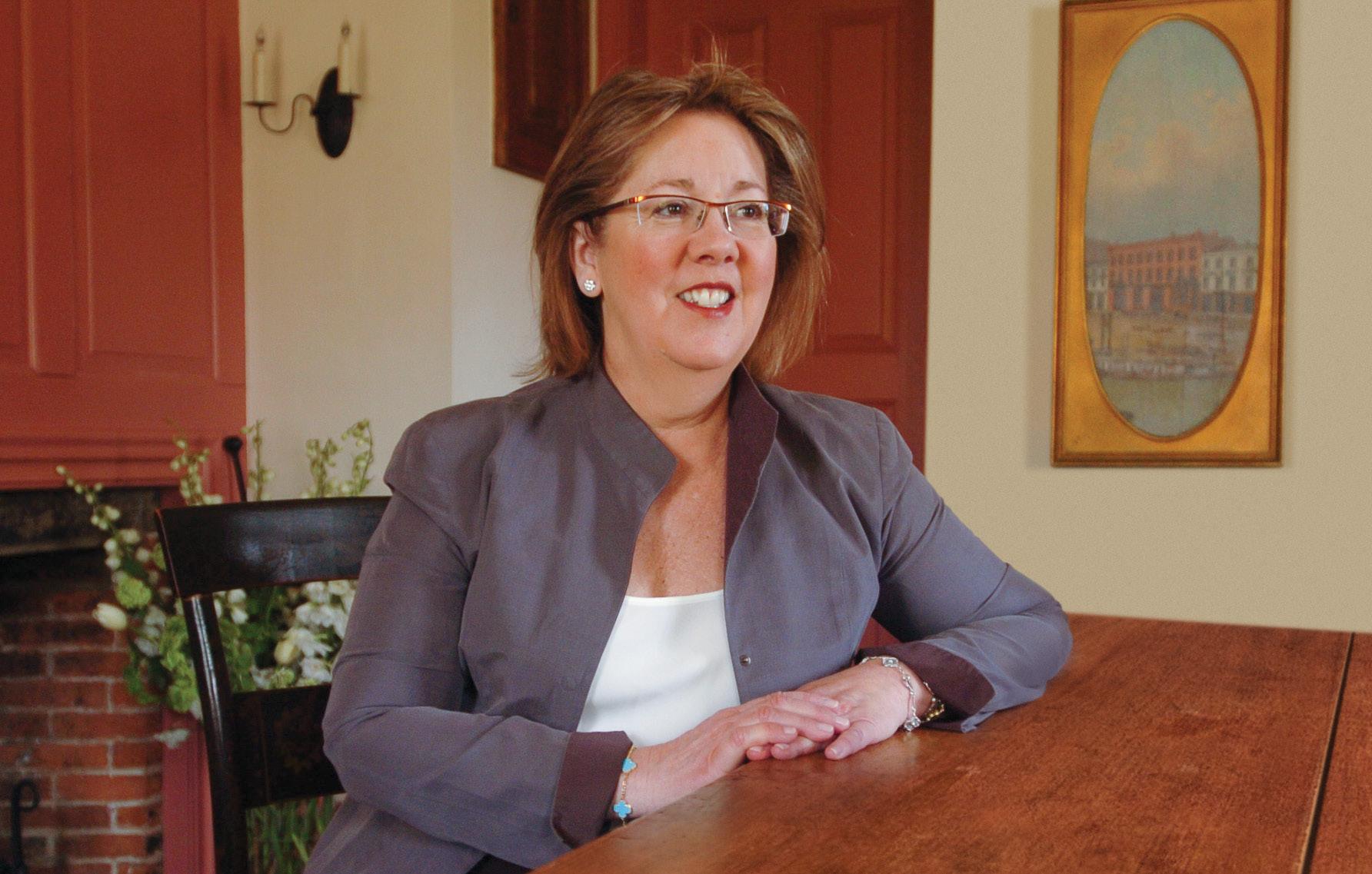
Elizabeth Richebourg Rea, in honoring the legacy of her father, Co-Founder of the Annapolis Symphony Orchestra, created a legacy of her own. In 2011, she donated the largest single contribution in the history of the orchestra for the 50th Anniversary Season. This generosity transformed giving by inspiring future endowments of substantial amounts in addition to pledges spanning multiple years. Her pioneering leadership has created new levels of support, enabling the A SO to expand our work on stage and in the community. Elizabeth is underwriter of the Artistic Director and Conductor’s Chair in her father’s name and in addition is the founding member of the Philip Richebourg Encore Circle.
Elizabeth Rea is a fine ar t photographer and curator She has curated numerous Joseph Cornell exhibitions and two Roy Lichtenstein Retrospectives. Elizabeth is President of the Dungannon Foundation, sponsor of the Rea Award for the Shor t Stor y. She ser ves on the Peggy Guggenheim Advisor y Board and is an Honorar y Trustee of the Solomon R Guggenheim Foundation.
Co-Founder and First Board President Annapolis Symphony Orchestra
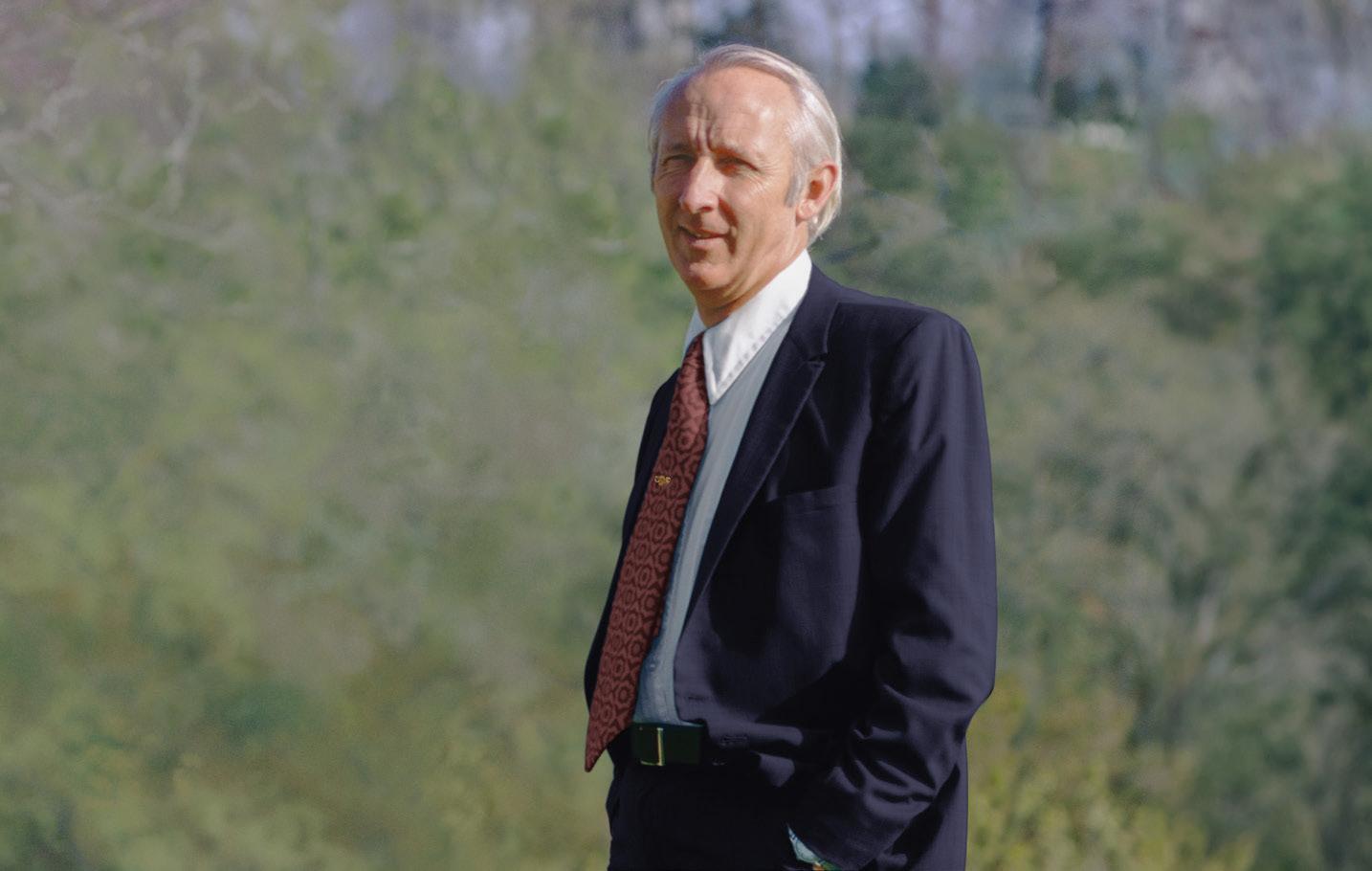
1972
“My father Philip Richebourg conducted his own orchestra ever y da y of his life. He personified exactitude and precision in business; in ser vice to his community and in leadership on numerous Boards. He was meticulous in his passions as pilot, musician, archi vist. Dedicated to each task at hand my father approached all things in life as if resolute in achieving one goal, that of per fect harmony ” professional orchestra, Philip was at the helm every step of the way. His commitment, dedication, and passion for musical awareness leaves an indelible mark on the history of the A SO. The Annapolis Symphony Orchestra would not be what it is today without him.
The Annapolis Symphony Orchestra is indebted to Philip Richebourg, Co-Founder and First Board President (1967-1974). Philip Richebourg ’s stalwart support, organizational vision and strong leadership during its formative years helped solidify the orchestra financially and administratively, ensuring its longevity and signature as one of Maryland’s most distinguished performing arts organizations. Philip passionately supported the Annapolis Symphony Orchestra as it sought to enrich the lives of the community through classical music and educational programs. From the modest beginnings of a small community ensemble to the present acclaimed

JANUARY 30 & 31, 2026 AT 7:30PM | MARYLAND HALL
FEBRUARY 1, 2026 AT 3:00PM | MUSIC CENTER AT STRATHMORE
José-Luis Novo, Artistic Director & Conductor
The Philip Richebourg Chair
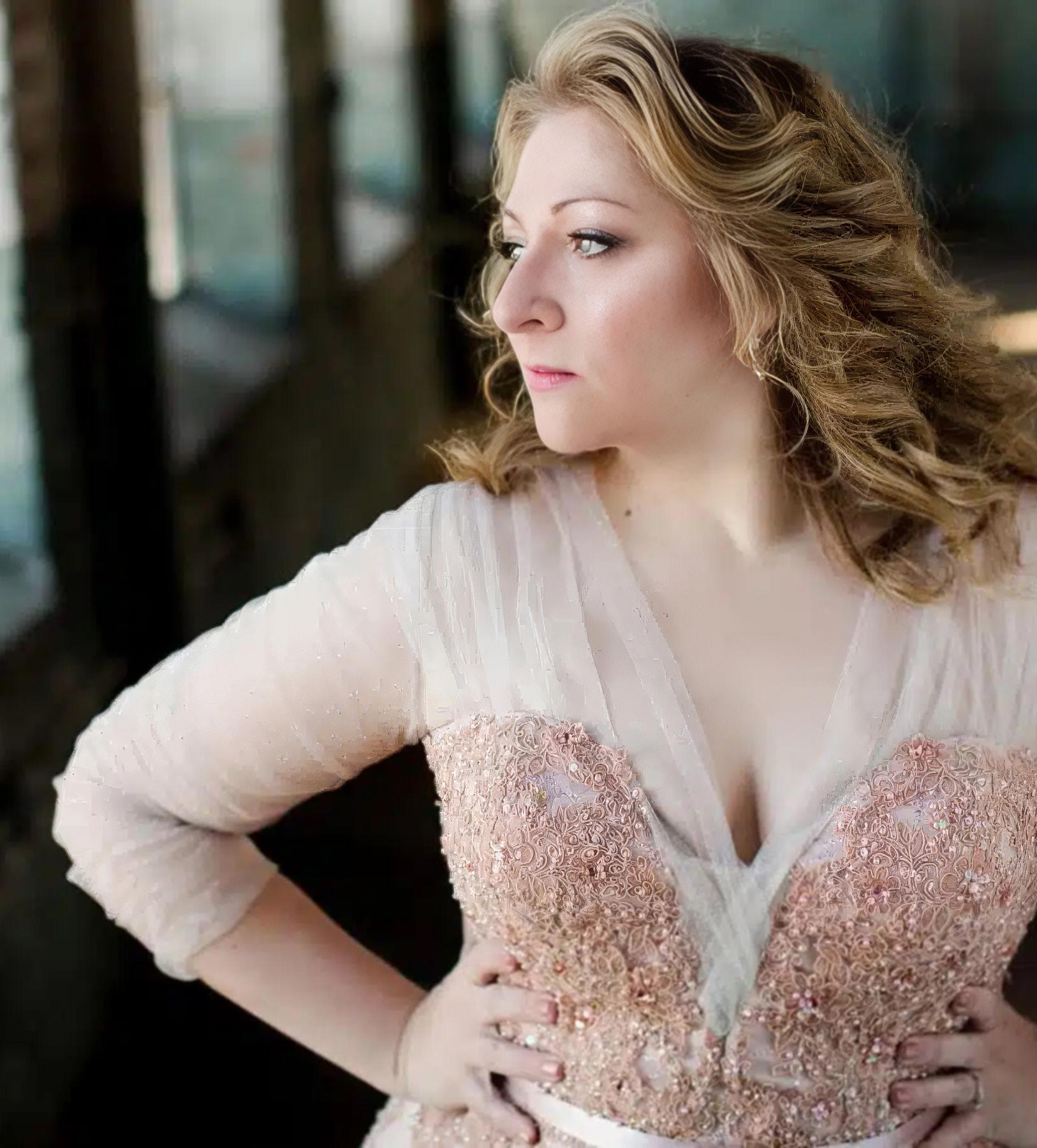
Christine Goerke, soprano
Prélude à l’après-midi d’un faune Claude Debussy (Prelude to the Afternoon of a Faun) (1862–1918)
Vier letzte Lieder (Four Last Songs) Richard Strauss (1864–1949)
I. Frühling (Spring)
II. September
III. Beim Schlafengehen (While Going to Sleep)
IV. Im Abendrot (In the Twilight)
Christine Goerke, soprano
- INTERMISSION -
Don Juan, Op. 20 Richard Strauss
Billy the Kid Suite Aaron Copland (1900–1990)
The Open Prairie — Street in a Frontier Town — Card Game at Night — Gun Battle — Celebration after Billy’s Capture — Billy’s Demise — The Open Prairie (epilogue)
Because of our contractual agreement with our musicians, photography and video/audio recording are not permitted in the concert hall. Please silence all electronic devices. Thank you.
VIOLIN I
Nicholas Currie, Acting Concertmaster
Heather Haughn, Acting Associate Concertmaster
William Wang, Acting Assistant Concertmaster
Yoon Young Bae
Rachael Stockton
Abby Armbruster
Qian Zhong
Claudia Chudacoff
Leila Fanien
CELLO
Todd Thiel, Principal
Daniel Shomper, Acting Associate Principal
Nicole Boguslaw
April Studeny
Alison Bazala Kim
MaryAnn Perkel
Fiona Thompson
Katlyn DeGraw
BASS
Patrick Raynard, Principal
HORN
Alex Kovling, Principal
Shane Iler, Associate Principal
Ho Hin Kwong
Anthony Valerio
Kevin Grasel
T RUMPET
Christopher Sala, Principal
Christopher Buchanan
Thomas Bithell
Yan Izquierdo
Katelyn Lyons Peaden
Tong Li
VIOLIN II
Christian Tremblay, Principal
Kristin Bakkegard, Associate Principal
Musician Roster
Megan Gray
Madalyn Navis
Karin Kelleher
Alexandra Mikhlin
Glen Kuenzi
Zoe Kushubar
Robin Tozzie
Evan Ducreay
VIOLA
Derek Smith, Acting Principal
Brian Shoop, Acting Associate Principal
Susan Taylor Dapkunas
Kate Zahradnik
Rachel Holaday
Heidi Remick
Sinan Wang
Michael Sinni
Benjamin Crofut, Associate Principal
Brandon Smith
Broc Mertz
Peter Cohn
Adriane Irving
FLUTE
Kimberly Valerio, Principal
Lauren Sileo
Lori Kesner
Nicolette Driehuijs
Oppelt
OBOE
Fatma Daglar, Principal
Amanda Dusold
Joseph DeLuccio
CLARINET
Robert DiLutis, Principal
Brian Eldridge
Emma Selmon
BASSOON
Asha Kline, Principal
Jimmy Ren
Lynn Moncilovich
TROMBONE
David Perkel, Principal
David Sciannella
Kaz Kruszewski
TUBA
Jake Fewx, Principal
TIMPANI
Thomas Maloy, Acting Principal
PERCUSSION
William Kan, Principal
Anthony Asero
Andrew Henry
Robert Jenkins
HARP
Katherine Ventura, Principal
Astrid Walschot-Stapp
PIANO/CELESTE
Tomoko Kanamaru, Acting Principal
Vier letzte Lieder (Four Last Songs)
Frühling
In dämmrigen Grüften
Träumte ich lang
Spring
Von deinen Bäumen und blauen Lüften, Von deinem Duft und Vogelsang.
Nun liegst du erschlossen
In Gleiß und Zier, Von Licht übergossen
Wie ein Wunder vor mir.
Du kennst mich wieder, Du lockest mich zart, Es zittert durch all meine Glieder
Deine selige Gegenwart.
–Hermann Hesse
September
Der Garten trauert, Kühl sinkt in die Blumen der Regen.
Der Sommer schauert
Still seinem Ende entgegen.
Golden tropft Blatt um Blatt
Nieder vom hohen Akazienbaum.
Sommer lächelt erstaunt und matt
In den sterbenden Gartentraum.
Lange noch bei den Rosen
Bleibt er stehen, sehnt sich nach Ruh.
Langsam tut er die großen Müdgewordnen Augen zu.
–Hermann Hesse
In dusky vaults I have long dreamt of your trees and blue skies, of your scents and the songs of birds.
Now you lie revealed in glistening splendour, flushed with light, like a wonder before me.
You know me again, you beckon tenderly to me; all of my limbs quiver from your blissful presence!
– Translation © by Emily Ezust, reprinted with permission from the LiederNet Archive
September
The garden mourns, the cool rain sinks into the flower, Summer shudders, quietly to its close.
Leaf after golden leaf falls from the tall acacia. Summer smiles, astonished and drained, into the garden’s dying dream. For a long time it lingers by the roses, yearning for rest. Slowly it closes its now wearied eyes.
–Translation © Richard Stokes, author of: The Book of Lieder (Faber); The Complete Songs of Hugo Wolf (Faber), provided via Oxford International Song Festival (www.oxfordsong.org).
Beim Schlafengehen
Nun der Tag mich müd gemacht, Soll mein sehnliches Verlangen
Freundlich die gestirnte Nacht Wie ein müdes Kind empfangen.
Hände, laßt von allem Tun, Stirn vergiß du alles Denken, Alle meine Sinne nun
Wollen sich in Schlummer senken.
Und die Seele unbewacht
Will in freien Flügen schweben, Um im Zauberkreis der Nacht Tief und tausendfach zu leben.
–Hermann Hesse
Im Abendrot
Wir sind durch Not und Freude Gegangen Hand in Hand, Vom Wandern ruhen wir Nun überm stillen Land.
Rings sich die Thäler neigen, Es dunkelt schon die Luft, Zwei Lerchen nur noch steigen Nachträumend in den Duft.
Tritt her, und laß sie schwirren, Bald ist es Schlafenszeit, Daß wir uns nicht verirren In dieser Einsamkeit.
O weiter stiller Friede! So tief im Abendrot, Wie sind wir wandermüde — Ist dies etwa der Tod?
– Joseph Freiherr von Eichendorff
Now that the day has made me so tired, my dearest longings shall be accepted kindly by the starry night like a weary child.
Hands, cease your activity, head, forget all of your thoughts; all my senses now will sink into slumber.
And my soul, unobserved, will float about on untrammeled wings in the enchanted circle of the night, living a thousandfold more deeply.
– Translation © by Emily Ezust, reprinted with permission from the LiederNet Archive
Through adversity and joy
We’ve gone hand in hand; We rest now from our wanderings Upon this quiet land.
Around us slope the valleys, The skies grow dark; Two larks alone are just climbing, As if after a dream, into the scented air.
Come here and let them whir past, For it will soon be time to rest; We do not wish to get lost In this solitude.
O wide, quiet peace, So deep in the twilight... How weary we are of our travels — Is this perhaps - Death? —
– Translation © by Emily Ezust, reprinted with permission from the LiederNet Archive
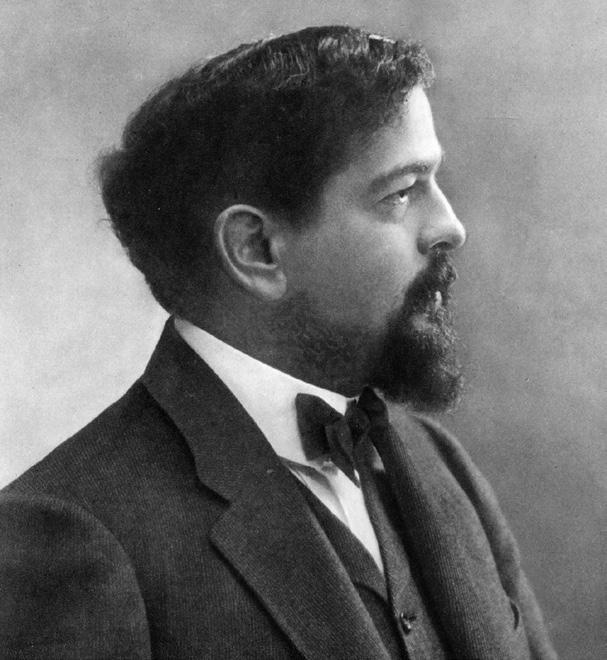
Prélude à l’après-midi d’un faune (Prelude to the Afternoon of a Faun)
Born August 22, 1862, St Germain-en-Laye
Died March 25, 1918, Paris
Achille-Claude Debussy was born in a Paris suburb to a family of peasant heritage. His father, Manuel-Achille, wished for his son to become a sailor, but fate had other plans; in 1870, during the FrancoPrussian War, the family relocated to Cannes with Manuel’s sister, Clementine, who started Claude on the piano. Within two years, he was preparing for entrance into the Paris Conservatoire, where he would quickly excel as a composer (though his hopes of becoming a virtuoso pianist were ultimately dashed by average marks).
By the age of eighteen, he was traveling in Italy and Russia working for Nadezhda von Meck, the wealthy widow patron of composer Pyotr Tchaikovsky. Debussy was greatly
inspired by the Russian music he heard, which eschewed many conventions of the German classical tradition. Notably, Debussy was taken with the sound of the whole tone scale. The whole tone scale is an alternative means of arranging pitches in which each pitch is one whole step away from its neighbors (unlike the major or minor scales, which are based on patterns of whole and half steps). The resulting sound is ethereal and ambiguous, or, in the words of Debussy’s composition teacher Ernest Giraud, “meandering.” Debussy was also inspired by the music of East and Southeast Asia, such as Javanese gamelan and its cyclical approach to rhythm and form.
Debussy thus developed his signature style, driven by whole tone scales, special attention to timbre, and musical themes that repeat with small changes rather than traveling from one place to another. Legend has it that when his teacher complained that what he was doing was theoretically absurd, Debussy responded, “There is no theory. You only have to listen. Pleasure is the law!” It is for this reason Debussy’s music is often called impressionist, a label which Debussy himself hated. Impressionism is the name for a style of painting, exemplified by Claude Monet (1840–1926), that captured fleeting sensory impressions of movement or changing light, using subtle modulations of color and texture and thin, visible brush strokes. Like
Debussy’s music, impressionist art was initially criticized for being vague, formless, and confusing. The turn-of-the-century art movement more directly associated with Debussy was Symbolism . Symbolist art and poetry sought to communicate hidden truths and unconscious knowledge of the universe through the use of visual metaphor and occult imagery. Or, as Jean Moréas wrote in his 1886 Symbolist Manifesto, “in this art movement, representations of nature, human activities, and all real life events don’t stand on their own; they are rather veiled reflections of the senses pointing to archetypal meanings through their esoteric connections.” In the 1890s, Debussy was living in Montmartre, a bohemian neighborhood that was home to symbolist authors, artists, and occultists. Debussy became fast friends with this crowd, and often attended the salon of the famous symbolist poet, poet Stéphane Mallarmé.
Prélude à l’après-midi d’un faune (Prelude to the Afternoon of a Faun) is an orchestral piece inspired by one of Mallarmé’s poems, composed in 1894 and adapted for ballet in 1912 with choreography by Vaslav Nijinsky. The titular faun is a creature from Greek mythology, associated with the Greek god Pan, a figure of special interest to fin de siècle artists and occultists. Half-goat and halfman, often depicted playing reed pipes (or panpipes), fauns symbolize shepherds, rustic settings, and
fertility. The plot of the poem is simple: the faun half-wakes up, and begins fantasizing about nearby forest nymphs. After a while, he goes back to sleep. About his own composition, Debussy wrote: “The music of this prelude is a very free illustration of Mallarmé’s beautiful poem. By no means does it claim to be a synthesis of it. Rather there is a succession of scenes through which pass the desires and dreams of the faun in the heat of the afternoon. Then, tired of pursuing the timorous flight of nymphs and naiads, he succumbs to intoxicating sleep, in which he can finally realize his dreams of possession in universal Nature.”
Debussy’s musical orientation toward pleasure is perfectly suited for the subject matter. From the famous opening flute solo, whose highly chromatic melody seems to hang languidly in the air, the music floats and billows, asking listeners to experience “dreams and desires” as they pass. The piece also demonstrates Debussy’s distinct use of timbre: harp glissandos sound like moving in and out of a dream; light tremolo in the strings put us in the midst of an atmospheric haze; and muted brass create the illusion that we are listening from afar. Midcentury avant-garde composer Pierre Boulez later considered Debussy’s Prélude to be the beginning of modern music, claiming that “the flute of the faun brought new breath to the art of music.”
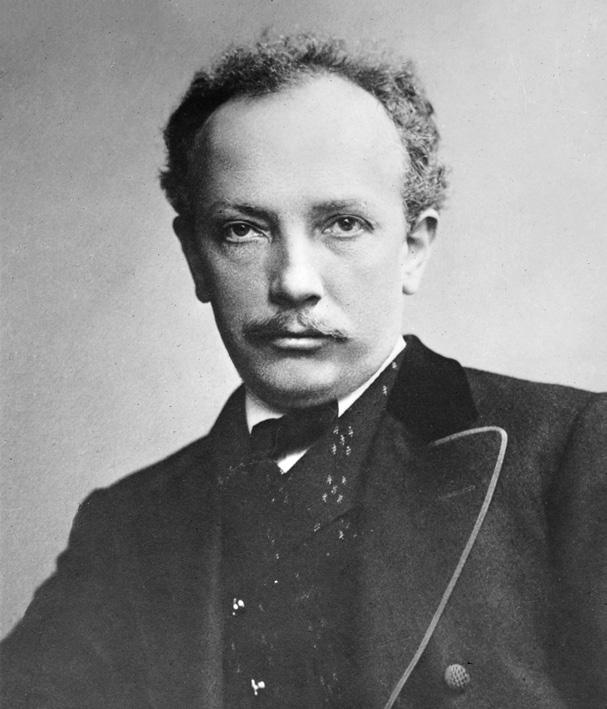
RICHARD STRAUSS
Born June 11, 1864, Munich Died September 8, 1949, Garmisch-Partenkirchen
Rising in the wake of the behemoth Richard Wagner, whose operas redefined the scope and harmonic possibilities of nineteenth-century music, Richard Strauss was one of the first German composers who would come to be known as modernist . His orchestral tone poems created soundscapes befitting of the new century, and his operas shocked audiences with their musical dissonance and dark psychological subject matter.
Richard Strauss completed the posthumously-titled Vier letzte Lieder (Four Last Songs) during the final years of his life, between 1946 and 1948. After World War II, the octogenarian composer found himself weary, disillusioned, and
faltering. Strauss was a complicated figure in Nazi Germany. Though Strauss was ultimately absolved of any ties to the Nazi regime in his trial following the war, he was thought by many to be a Nazi sympathizer. His investment in German musical culture had led him to be appointed President of the Reich Chamber of Music in 1933. This affiliation soon grew tense when Strauss refused to blacklist Jewish musicians. After the Nazi Party intercepted a letter in which Strauss claimed to have accepted his role in order to prevent worse things from happening, he was fired. But Strauss responded by penning a letter to Hitler, proclaiming his loyalty to the regime in an attempt to earn back his good graces. Strauss was also motivated by fear. His daughter-in-law, Alice, was Jewish, and so were his grandchildren; many times, he leveraged his association with the Nazis to ensure their safety. By the war’s end, Strauss’s reputation was tarnished.
In addition to grappling with the unthinkable violence of the Third Reich and the mass destruction of the war, Strauss was also mourning the loss of the cultural institutions that had long been central to his life. Notably, the Munich Opera had been demolished in an aerial bombing—the theater where Strauss had heard his first opera, and where his father had played principal French horn. At a loss, Strauss began obsessively writing letters
to cultural officials, advocating for the rebuilding of European art and music in the aftermath of the war. His son, Franz, was upset to watch his father wasting away his final years pursuing what was, by all appearances, a futile effort. In an attempt to pull him out of his rut, Franz encouraged his father to write music instead, suggesting he revisit the lieder (German art songs) of his younger years. Strauss begrudgingly agreed, and thus began composing music for Im Abendrot (In the Twilight), a poem by Joseph Freiherr von Eichendorff.
Over the next two years, Strauss composed three more songs, all settings of poems by Hermann Hesse. Though lieder are traditionally scored for voice and piano, Strauss was among the handful of modernist composers who scored their songs for orchestra. The poems in this collection all meditate on death. The first two, Frühling (Spring) and September, are about the passage of time in nature, comparing death to the peaceful transition between seasons. The second two, Beim Schlafengehen (While Going to Sleep) and Im Abendrot , are about much-needed sleep after a long journey. As Strauss’ parting work, Vier letzte Lieder is heavy with autobiographical references. The songs, all for soprano, were likely composed with Strauss’ wife, soprano Pauline de Ahna, in mind. At the end of September, with the words “large eyes grown
weary,” we hear a French horn solo, representing Strauss’ father. And with the final word of Im Abendrot , “ tod ” (“death”), we hear a theme from Strauss’ earlier work, Death and Transfiguration , an orchestral piece about the death of an artist and his final merging with eternity. These songs paint death not as something to be feared, but as a natural stage of life to be welcomed with calmness and acceptance. The work also evokes Strauss’ lifelong and often fraught dedication to German music and culture, inviting listeners to reflect upon the complicated relationship between personal values, musical aesthetics, and political action.
Despite Strauss’ enduring reputation as a defining composer of the modern era, his beginnings were relatively conservative. Strauss was born into a musical family; his father, Franz, played principal French horn in the Munich Court Orchestra and was a professor at the Königliche Musikschule. Franz started his son on the piano at four and composition at eleven, ensuring that Richard was well-familiar with the classic works of Haydn, Mozart, Beethoven, and Schubert. His first compositions included lieder, chamber music, and piano pieces. After briefly attending the University of Munich, where he was introduced to Shakespeare, art history, and philosophy, Richard devoted himself
to composition full time. Then, in 1885 came his “conversion” (in his own words) to the music of Wagner and the Hungarian virtuoso pianist Franz Liszt. Their extreme innovations in form, harmony, and orchestration resonated with themes in contemporary culture, notably “decadence” and the emergence of Freudian psychoanalysis. Enchanted by this “music of the future” (in Wagner’s words), Strauss set out to do the same, using maximalist orchestration and experimental harmonies to elicit sensations— pleasurable and uncomfortable—in listeners. He thus made his foray into the Lisztian genre of the tone poem, a single-movement piece for orchestra that depicts a poetic idea, story, or scene, often based on literature.
Don Juan, premiered in 1889, is among the most well-known of Strauss’ tone poems and propelled Strauss into fame as a mature composer. The Don Juan legend originated in seventeenth-century Spain and has inspired many works, including Mozart’s 1787 opera Don Giovanni and Lord Byron’s epic poem Don Juan. The plot varies from version to version, but is always based on the same basic premise: Don Juan is a womanizer; he lies, cheats, and disguises himself in order to seduce women; he becomes violent; he kills a man; and, ultimately he is forced to reckon with his wrongdoings.
The Don Juan who inspired Strauss was in a play, Don Juans Ende , based on fragments of an 1884 work by the poet Nikolaus Lenau. In this version, Don Juan is a relatively sympathetic character. His promiscuity is driven by his desire to find the perfect woman; upon realizing he is chasing an impossible goal, he allows himself to be killed in a duel. Strauss did not provide a script or program for the piece, but some interpretations have become common wisdom among musicians after years of performance. The notoriously difficult opening, a flurry of notes leading into a bombastic heroic theme, is said to represent Don Juan himself and his swashbuckling ways. The theme flirts with both major and minor sonorities, perhaps indicative of the protagonist’s dubious morality. After the introduction, the music retreats— dissolving into a shimmering backdrop reminiscent of a Wagner opera and foreshadowing Hollywood film scores. Out of this texture emerges a solo violin, said to represent the first woman who Don Juan pursues. Soon, the heroic theme returns, and a musical “chase” ensues. The next solo appears in the oboe, reedier and more emotionally involved than the violin, suggesting a second woman of a different character. But the horn returns with another soaring theme, as if Don Juan has tossed aside this other romantic partner in favor of his own self-interest, and the strings
recommence their galloping and racing.
The piece alternates between Don Juan’s “heroic” themes and the secondary “love” themes, growing increasingly frenzied until it reaches an anticlimax—a grand pause, depicting the moment in Don Juan’s final duel when, emotionally defeated, he allows himself to lose. With two short, final musical interjections like a death rattle, the piece ends.
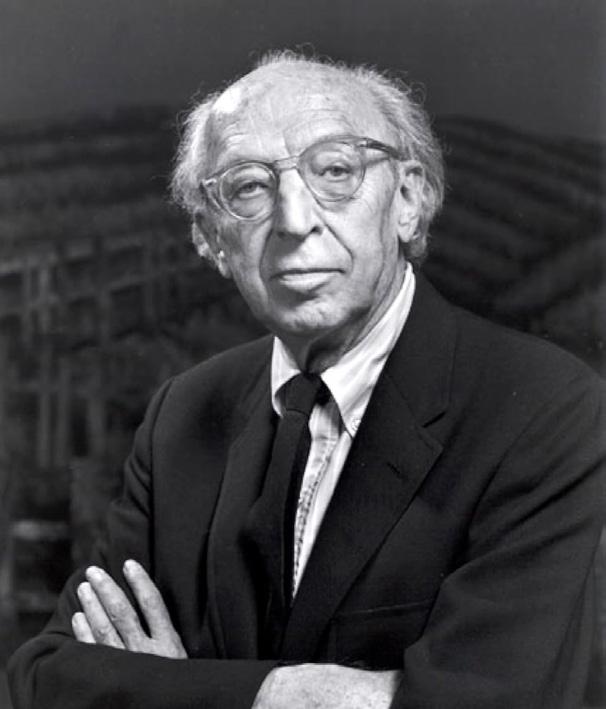
Born November 14, 1900, Brooklyn, NY
Died December 2, 1990, North Tarrytown, NY
Aaron Copland is the composer most closely connected with the “American sound” in concert music. His distinctive style is a product of his interest in folk and popular music, as well as his left-wing politics. Born in New York to Jewish
immigrant parents from Lithuanian Russia, Copland was introduced to ragtime and other contemporary popular music at a young age. By the age of twelve Copland was writing music, and upon finishing high school in 1918, he pursued private composition studies instead of attending university. His early works were experimental and strongly influenced by jazz, but by the 1930s, his leftist politics had come to the forefront of his life and his music. The Great Depression had accelerated Copland’s disillusionment with capitalism. There is significant evidence to suggest the composer supported communism, though he denied this charge when questioned by the House Un-American Activities Committee in 1953. He composed a May Day song, “Into the Streets May First,” that won a Communistsponsored songwriting competition, and published an article about proletarian music in the journal The New Masses . In 1932, Copland traveled to Mexico and was moved by the culture and revolutionary government, leading him to compose his orchestral suite, El Salón México (1932–36). He made several return visits for extended writing retreats. Copland was homosexual and lived with his partner, the photographer Victor Kraft, in the 1930s; this brought him under more intense scrutiny during the McCarthy Era, as homosexuals
were targeted for their suspected ties to communism.
Copland’s leftist politics are reflected in his musical style. He sought to develop a modern sound that would be both accessible to a broad audience, and playable by amateur performers. This sound would eventually become the musical emblem of “America,” recognizable today in film and television soundtracks. It is characterized by open sonorities with mild dissonance, long, sustained notes, and clear, transparent textures. He was especially interested in incorporating American folksong into his compositions, including the folk music of Mexico.
Billy the Kid (1938) is a ballet set in the American West that incorporates all of these musical elements. The production is based on the legend of Billy the Kid, a real nineteenth-century American outlaw and gunfighter who has been a popular subject of Hollywood Westerns. Commissioned by the Ballet Caravan in New York City, the ballet follows the life of Billy the Kid in a succession of scenes in the Wild West. After a gunfight in which Billy’s mother is killed by a stray bullet and Billy stabs the gunman, the boy goes on the run. Subsequent episodes lead to his eventual capture and shooting by Sheriff Pat Garrett.
The first section of the suite, The Open Prairie, features the static, widely spaced sonorities that
Copland famously used to depict the American frontier. This scene in the ballet shows pioneers migrating westward. Copland’s musical image of vast, open space can be heard as representing the nineteenth-century belief in “manifest destiny”—the myth that the American West was empty and awaiting European occupation. But the music has dark, ominous undertones, perhaps reminding listeners of the violent reality of westward expansion and the mass displacement of Indigenous Americans from their ancestral homeland. Copland incorporated a number of cowboy songs and American folksongs into the ballet, including “Git Along, Little Dogies” and “Goodbye Old Paint.” Copland also included “Jarabe Tapatío” (also known as the Mexican hat dance), the national dance of Mexico, revealing both Copland’s admiration of Mexican culture and its prevalence in the southwestern United States. In the scene depicting Billy’s capture, listeners will hear a musical gunfight, represented by fast, dissonant, staccato notes. Afterwards, the townspeople celebrate with a song that features a piano that sounds deliberately out-of-tune—a nod to the amateur musician, and a testament to Copland’s investment in music that represents the average working people of America.
Program notes by James Ace, Ph.D.

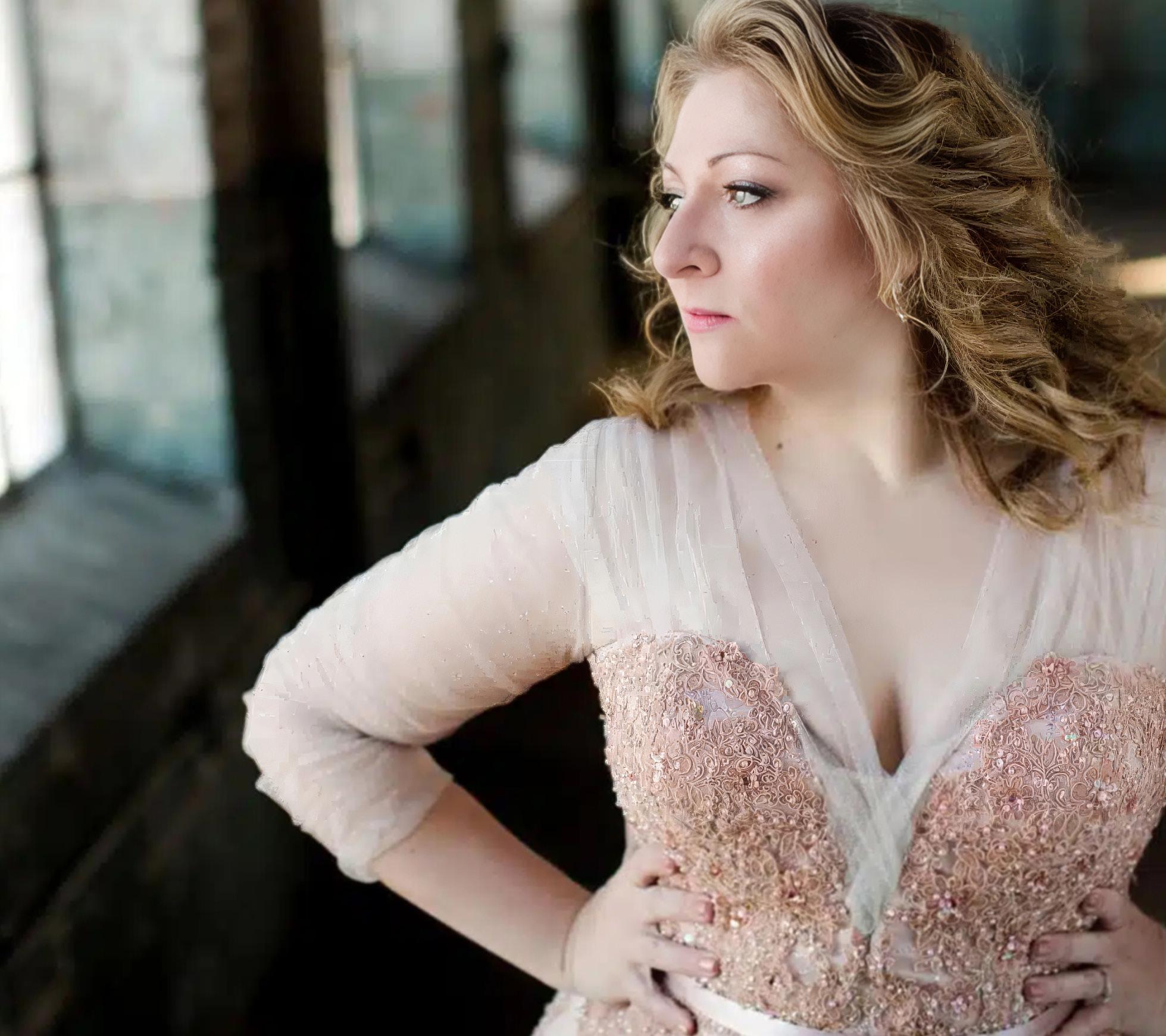
Soprano Christine Goerke is the recipient of the Richard Tucker Award, the Musical America Vocalist of the Year Award, and the Opera News Award. In the 25/26 season Christine will return to Bayerische Staatsoper in Elektra (title role) and Los Angeles Philharmonic for a fully staged production of Die Walküre (Brünnhilde) conducted by Gustavo Dudamel. On the concert stage, Christine returns to the St. Louis Symphony Orchestra for Britten’s War Requiem, Oregon Symphony for a Wagner concert highlighting the Liebestodt and Immolation scenes,
Boston Lyric Opera for their annual gala, and Wichita Symphony for Verdi’s Messa da Requiem.
She has appeared at many of the world’s leading opera houses, including the Metropolitan Opera, Lyric Opera of Chicago, Bayerische Staatsoper, San Francisco Opera, Santa Fe Opera, Washington National Opera, Houston Grand Opera, Seattle Opera, Opera Philadelphia, Pittsburgh Opera, New York City Opera, Glimmerglass Festival, Royal Opera House Covent Garden, Opéra national de Paris, Théâtre du Châtelet, Théâtre du
Capitole, Deutsche Oper Berlin, La Scala, Maggio Musicale Fiorentino, Teatro Real, Teatro Municipal de Santiago, and the Saito Kinen Festival.
Ms. Goerke began her career singing the works of Mozart and Handel, and has since earned international acclaim for her portrayals of the powerful dramatic heroines of Strauss and Wagner. Notable performances include the title roles in Elektra, Turandot, and Ariadne auf Naxos; Der Ring des Nibelungen (Brünnhilde); Parsifal (Kundry); Lohengrin (Ortrud); Fidelio (Leonore); Don Carlos (Eboli); Die Frau ohne Schatten (Die Färberin); Wozzeck (Marie); Les Troyens (Cassandre); Peter Grimes (Ellen Orford); The Rape of Lucretia (Female Chorus); Falstaff (Alice); and Dialogues des Carmélites (Madame Lidoine).
She has appeared with many of the world’s foremost orchestras, including the New York Philharmonic, Boston Symphony Orchestra, Chicago Symphony Orchestra, Cleveland Orchestra, Los Angeles Philharmonic, National Symphony Orchestra, Radio Vara at the Concertgebouw, Sydney Symphony Orchestra, New World Symphony, Minnesota Orchestra, New Zealand Symphony Orchestra, Orchestra of the Age of Enlightenment, BBC Symphony Orchestra at the BBC Proms, NDR Elbphilharmonie Orchestra, Hallé Orchestra at the Edinburgh
International Festival, and the Bayreuth Festival Orchestra. She has collaborated with many of today’s leading conductors, including James Conlon, Sir Andrew Davis, Sir Mark Elder, Christoph Eschenbach, Claus Peter Flor, James Levine, Sir Charles Mackerras, Kurt Masur, Zubin Mehta, Andris Nelsons, Seiji Ozawa, David Robertson, Donald Runnicles, Esa-Pekka Salonen, Robert Shaw, Patrick Summers, Jeffrey Tate, Christian Thielemann, Michael Tilson Thomas, Alan Gilbert, and Edo de Waart.
Her discography includes the GRAMMY® Award-winning recording of Vaughan Williams’ A Sea Symphony with Robert Spano and the Atlanta Symphony Orchestra (Best Classical Album and Best Choral Performance), and the GRAMMY® nominated Stabat Mater by Dvorˇák. Her long collaboration with Robert Shaw also yielded acclaimed recordings of Brahms’ Liebeslieder Waltzes, Poulenc’s Stabat Mater, and Szymanowski’s Stabat Mater. Other notable recordings include Iphigénie en Tauride (title role, Telarc) and Britten’s War Requiem, which won the GRAMMY® Award for Best Choral Performance.
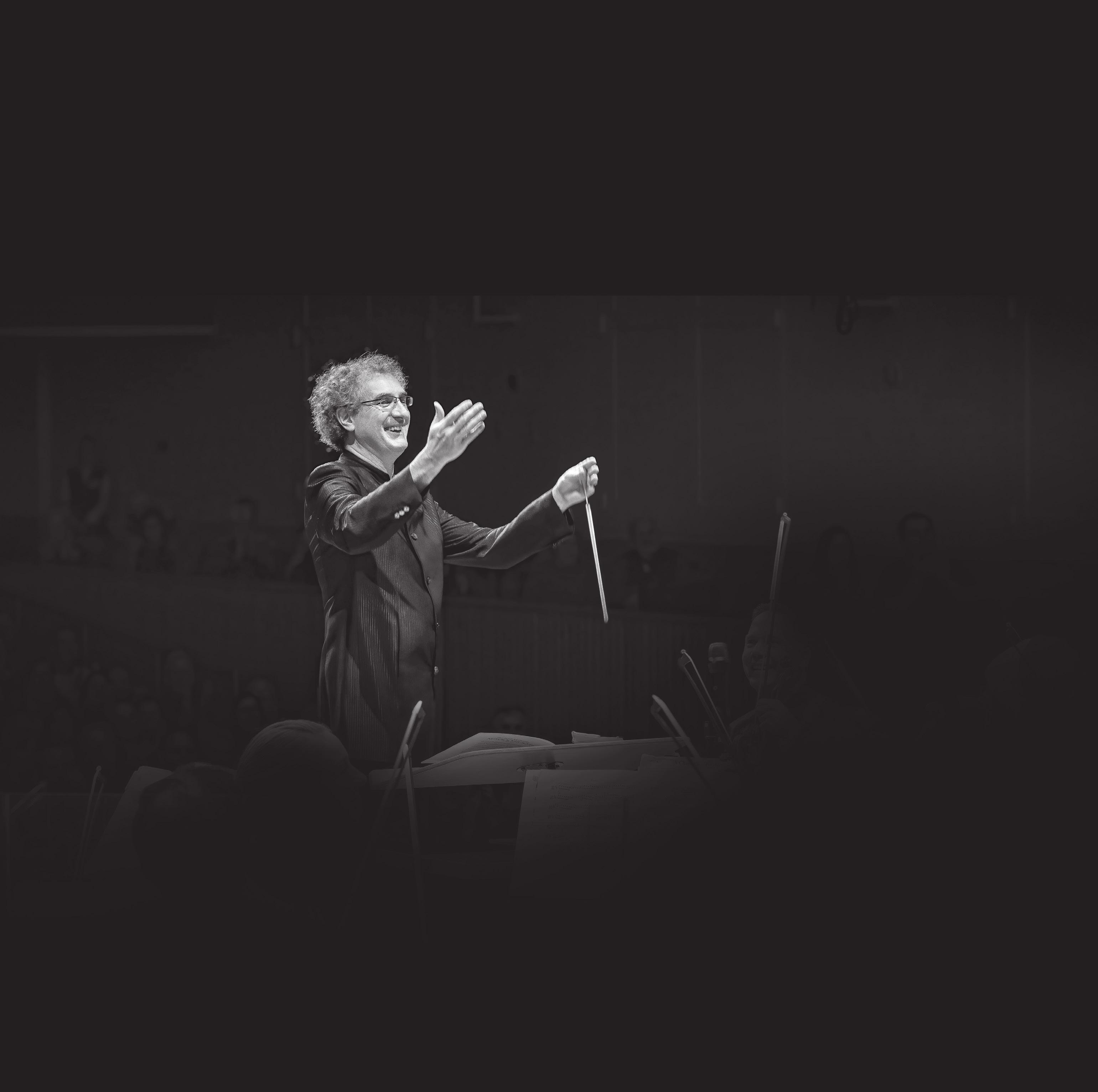
José-Luis Novo, Philip Richebourg Artistic Director Chair, is in his 21st season as Artistic Director and Conductor of the Annapolis Symphony Orchestra (ASO). Since his appointment in 2005, Maestro Novo has shaped the ASO with a bold artistic vision, fostering continuous growth, dynamic collaborations, and adventurous programming. His leadership has earned the orchestra widespread acclaim, including a 2008 ASCAP Adventurous Programming Award, a national broadcast on NPR’s Performance Today, and regular features on Baltimore’s WBJC classical station.
Artistic Director & Conductor
Under his baton, the ASO has collaborated with many of the world’s leading musicians, including cellists Steven Isserlis and Lynn Harrell; violinists James Ehnes, Midori, Anne Akiko Meyers, Noah BendixBalgley, Vadim Gluzman, CheeYun, and Esther
Yoo; guitarists Pepe Romero and Manuel Barrueco; and pianists Leon Fleisher, Peter Serkin, Pascal Rogé, Gabriela Montero, Olga Kern, Brian Ganz, and Jon Nakamatsu. Milestone performances were the orchestra’s 50th Anniversary Gala Concert in 2012 with mezzo-soprano Denyce Graves and an astounding international tour to Spain in 2022.
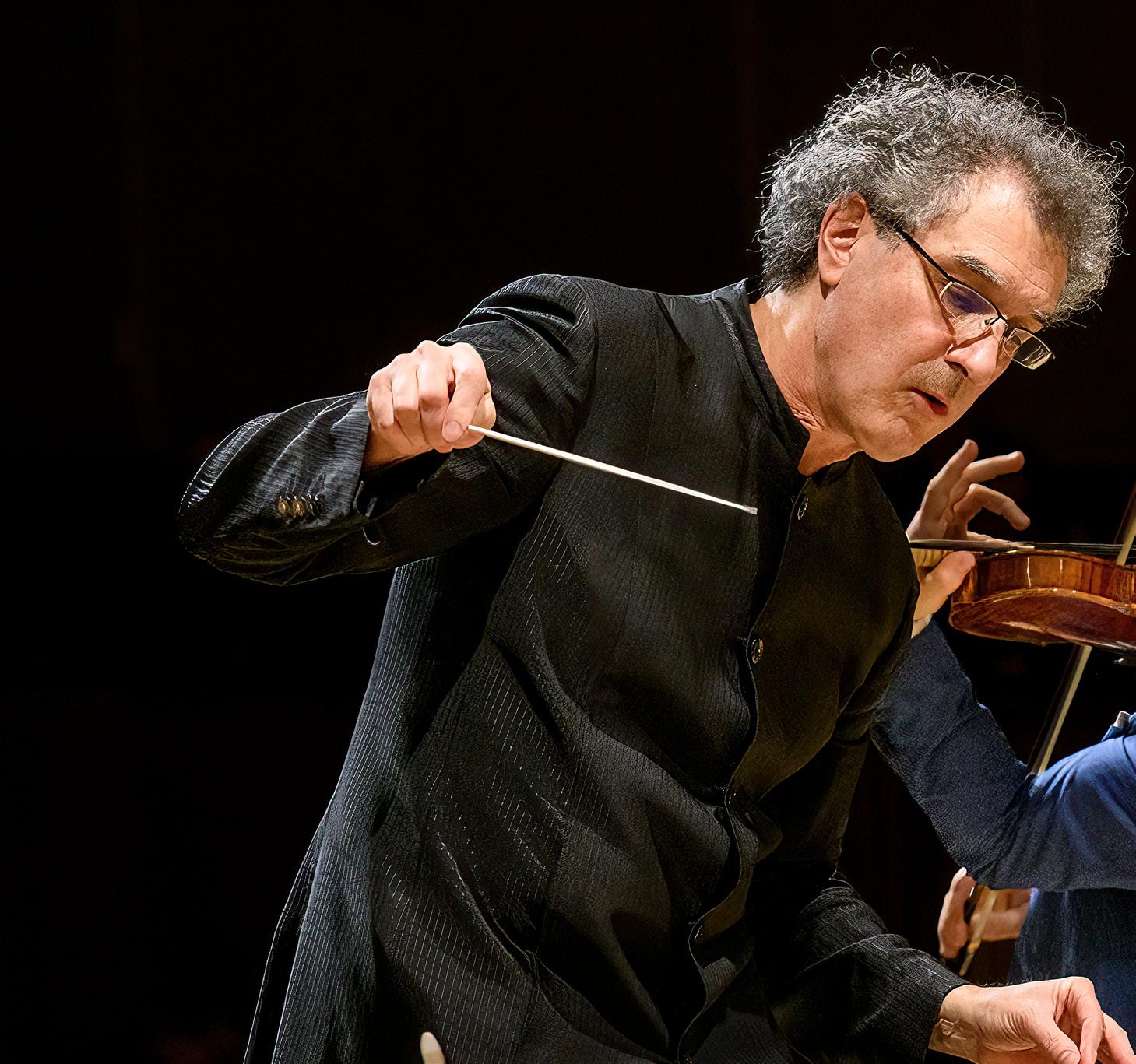
A strong advocate for contemporary music, Maestro Novo has championed numerous premieres, including works commissioned through Embracing 21st Century Voices , a multi-year initiative with the Gabriela Lena Frank Creative Academy of Music. Born in Valladolid, Spain, José-Luis Novo earned the degree of Profesor Superior de Violín with honors before receiving a Spanish Ministry of Culture scholarship to study at the Royal Conservatory of Music in Brussels, where he won a First Prize in violin. In 1988, he came to the U.S. as a Fulbright Scholar, completing master’s degrees at Yale University with top honors, followed by conducting studies at the Cleveland Institute of Music and the University of Cincinnati College-Conservatory of Music.
From 2003 to 2016, Maestro Novo was Music Director and Conductor of the Binghamton Philharmonic Orchestra in New York. He has guest-conducted leading orchestras across the U.S. and Europe and made a highly acclaimed debut with the Thailand Philharmonic Orchestra at the 2015 Thailand International Composition Festival, returning multiple times. His operatic work includes The Bartered Bride with the late Julius Rudel, as well as productions of Britten’s Albert Herring , Menotti’s The Old Maid and the Thief, and Vaughan Williams’ Riders to the Sea.
An accomplished educator, Maestro Novo has held conducting positions with the Cincinnati Symphony Youth Orchestra, University of Maryland Symphony Orchestra, Miami University Symphony Orchestra, and National Repertory Orchestra. He has been on the faculty of the Eastern Music Festival since 1999, and has led ensembles at institutions such as the Curtis Institute, Cleveland Institute of Music, Bard Conservatory, and Venezuela’s El Sistema.
In 2017, he helped establish the Annapolis Symphony Academy (ASA) and continues to guide its development as Director of Orchestral Activities. He led the debut of the ASA’s Orion Youth Orchestra in 2022 and, in 2025, served as resident conductor of Carnegie Hall’s National Youth Orchestra (NYO2), preparing the ensemble for performances at Carnegie Hall and on tour at the Edinburgh International Festival.
His honors include the 2010 Annie Award in Performing Arts from the Arts Council of Anne Arundel County, the 2008 ASCAP Adventurous Programming Award, and the 2005 Broome County Arts Council Heart of the Arts Award.
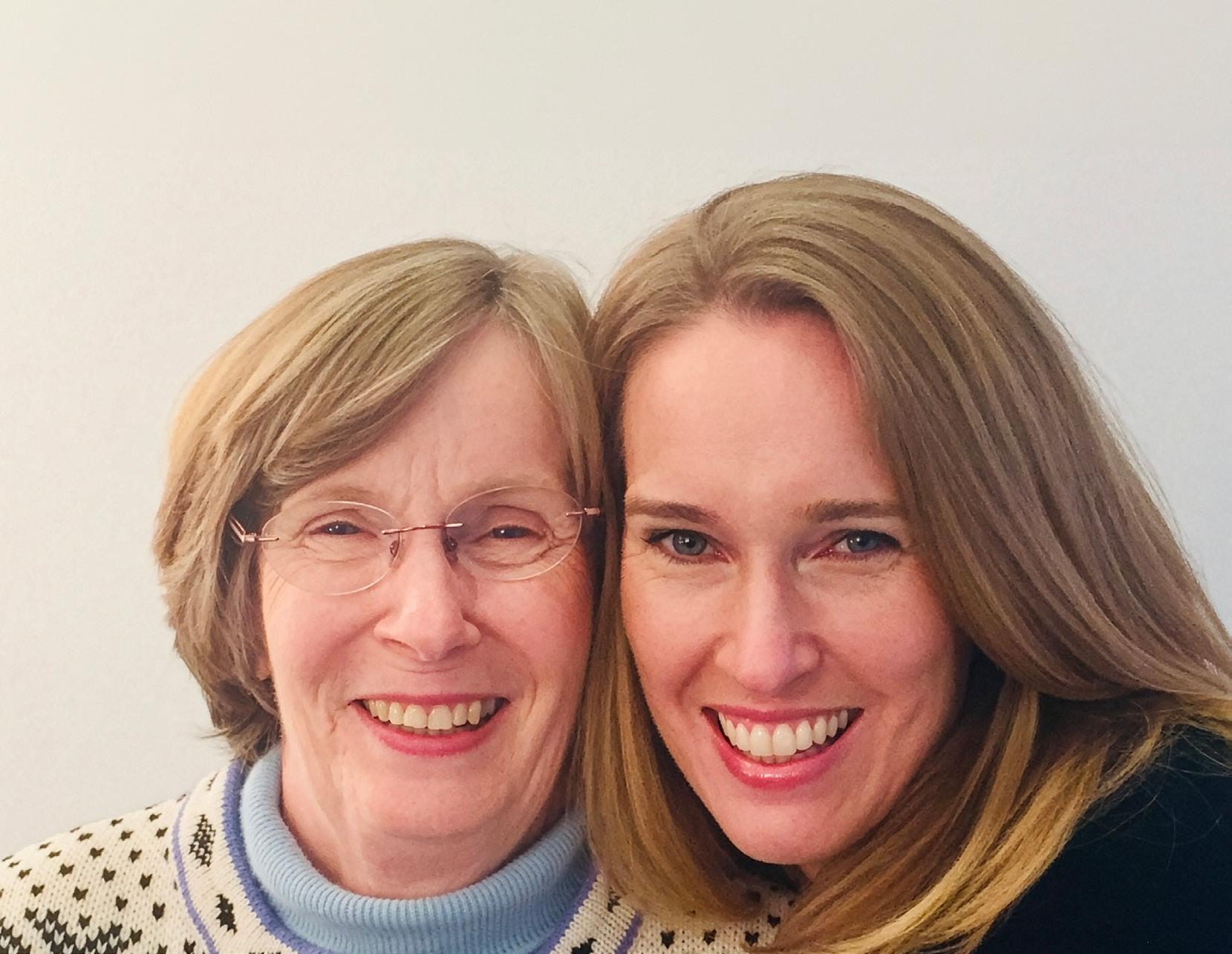
For decades, Sage Mumma ’s presence shaped our community in ways both visible and transformative. Originally from Darien, Connecticut, Sage moved to Anne Arundel County with her husband Michael in the 1970s. She immediately became active in the civic and social life of her new home. She co-founded the Junior League of Annapolis and the Arnold Preservation Council, and was a Deacon of Woods Memorial Presbyterian Church in Severna Park. Her story — one of curiosity, generosity, leadership, and deep love for music — lives on through The Sage Tower Mumma Chair for Principal Oboe at the Annapolis Symphony Orchestra,
a permanent endowed fund established by her family to honor her extraordinary commitment to sustaining live orchestral music and the artistry of our organization.
Music was a central interest throughout Sage’s life. In college she was a founding member of the Midnight Ramblers folk trio and later sang soprano with the U.S. Naval Academy Chapel Choir, the Senior Choir at Woods Church, the Encore Chorale for older Adults, and the Chorale at Willow Valley Communities, among others. Sage’s connection to symphonic music began during graduate school in Pittsburgh, when she and her then boyfriend, Michael Mumma ,
attended concerts regularly while he pursued his Ph.D. in physics. The couple married, and after settling in Maryland became devoted ASO subscribers, maintaining season tickets for 39 consecutive years. Sage joined Friends of the Annapolis Symphony Orchestra (FASO), in 2004, serving in many leadership roles until 2016. Her ideas and generosity helped shape initiatives that remain vital components of the ASO’s fundraising strategy even today. “Sage was a person with great ideas who was able to pass them on to a larger group and have them become wellsprings of good things for the organization,” her husband Michael reflects.
One of those ideas — musician sponsorship — fundamentally changed how donors could connect personally with the orchestra. Sage championed the concept that individuals could financially support seats for ASO musician, thus offsetting the costs of musician salaries, while providing an opportunity to build relationships that deepened a mutual respect between the art, the artists, and listeners. The ASO Musician Sponsorship program has since grown into one of ASO’s most meaningful donor engagement opportunities.
“Sage was very engaged and had smart, well-intentioned opinions,” recalls Anna Greenberg, former Chair of the ASO Board of Trustees and longtime member of FASO. “She
“Our family had a vested interest in perpetuating the health and welfare of something that meant so much to Sage. I was extremely pleased in not only the manner our gift was handled, but the ASO’s careful stewarding of our donation so it can support the organization for years to come. I have confidence that the ASO understands the importance of the donation. Together we can ensure that the Annapolis Symphony Orchestra not only endures, but flourishes for generations.”
—
Michael Mumma
was dedicated to whatever project she was working on. She and her husband were very supportive, which is exactly what we needed at the time to perpetuate the artistry and success of the orchestra.”
Our community lost Sage to a terminal illness on March 1, 2024. After her passing, Michael and their children sought a lasting way to honor her life and values. Their choice to permanently endow the
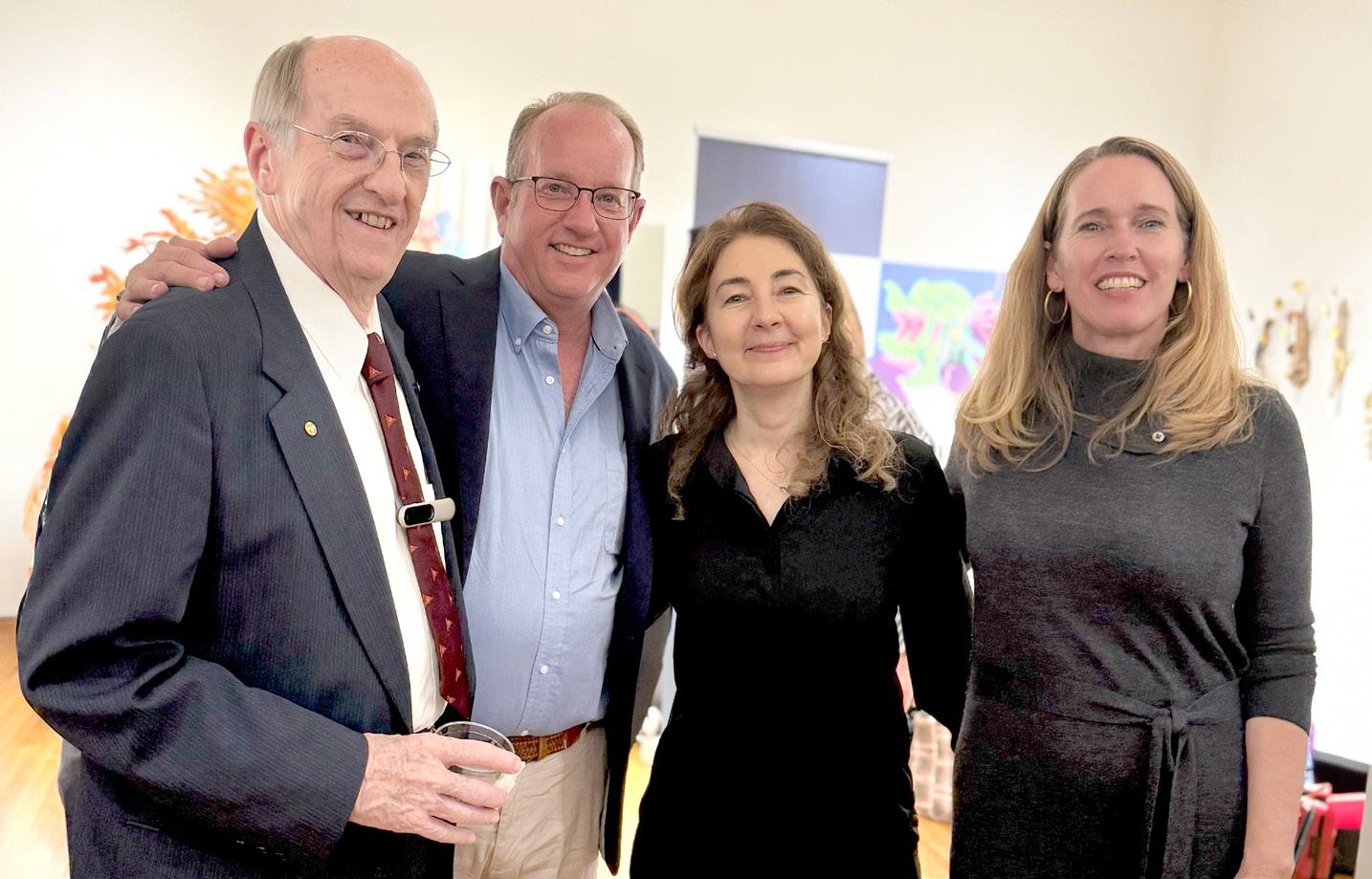
Principal Oboe Chair — currently held by longtime ASO musician Fatma Daglar — reflects Sage’s passion for artistry, innovation, and personal connection. “To create something enduring felt essential,” Michael explains. “Because we had known Fatma for many years as sponsors and friends, it felt natural to support her seat into perpetuity. Even if we did not know her, we would have wanted to endow an ASO musician, because we wanted to support the important roles that musicians play in the artistry of the orchestra.”
The Sage Tower Mumma Chair for Principal Oboe endowment is the first of its kind for the ASO; it is a perpetual fund that supports a specific chair. The endowed Principal Oboe Chair now stands as a visible and lasting tribute to ensure sustained artistic excellence that honors Sage’s remarkable legacy.
Live music possesses a rare power to transcend age, class, race, culture, and background, uniting the audience in a shared experience. You can get lost in a symphony concert. Let everything that worries you outside the concert hall be forgotten. Become swept away by what you see and hear. Belief in this unparalleled power lies at the heart of everything we do at the ASO.
The ASO seeks to provide extraordinary musical experiences with uncompromising artistic excellence that are relevant to our community. Fulfilling that mission requires significant resources. Our work is supported through a combination of ticket revenue, institutional grants, and philanthropic giving from individuals.
In particular, endowments, a special form of individual giving, helps provide crucial long-term financial stability to the ASO. Endowed gifts create reliable, sustainable support that enables artistic innovation, protects against economic fluctuations, and strengthens educational and community outreach efforts.
“Endowments give the orchestral organization durability and endurance,” says ASO Executive Director Erica Bondarev Rapach “Sage Mumma’s legacy ensures that we can protect the artistry we present to audiences, and makes it possible for our musicians to thrive and for the music to play on.”
Establishing an endowment is a way to carry personal values and meaning forward by creating something lasting. Endowments can support principal chairs, educational programs, or community initiatives — each shaped by the donor’s unique values and vision. Donors may choose to honor a spouse, family member, friend, mentor, or personal hero.
To explore opportunities, patrons are encouraged to connect with Erica, Board Chair Katie Edwards, MD, or any member of the ASO Board of Trustees, who can guide donors through the process with care and transparency. “An endowment gift to the ASO is an incredibly impactful way to support
our mission. It can form a deep and personal connection between our artists and the audience, sustaining Annapolis’s cultural vitality for generations to come.” says Edwards.
For Fatma Daglar, the impact of the Mumma family’s generosity is both an honor and an inspiration. “The endowment for perpetuity is such a generous gift; I’m incredibly grateful,” she says. “When I heard about the endowment, I was humbled, but then especially motivated to practice more and play my best.”
Michael hopes The Sage Tower Mumma Chair for Principal Oboe serves as both a tribute and an invitation: a tribute to the musicians whose artistry enriches our lives, and an invitation for others to imagine how their own legacy might live on through music.
We extend heartfelt gratitude to the Mumma family for their visionary leadership, enduring generosity, and profound commitment to artistic excellence. Through the Sage Tower Mumma Chair for Principal Oboe, Sage’s love of music continues to inspire — resonating in every note, and in every audience member who experiences our Annapolis Symphony Orchestra.


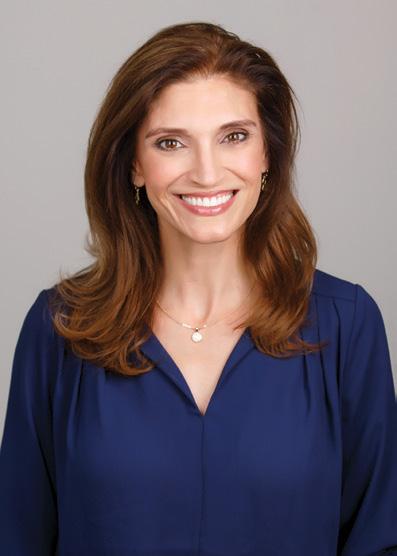

LATEST TECHNOLOGY: First in AA County to offer contrast-enhanced mammography (CEM) for dense breasts: 2-3x more detection and fewer false alarms.
DEDICATED, FELLOWSHIP-TRAINED MDs: All trained at top programs (Hopkins, Yale, Harvard, Mayo Clinic).
PROMPT ANSWERS: All patients can consult directly with our physicians if needed.
PATIENT FOCUSED: Spa-like office with soft fluffy robes. Your comfort and peace of mind are our priority.
Call 410-544-3331 to schedule an appointment or learn more at www.bay-radiology.com.

7 P M
T I C K E T S : M A RY L A N D H A L L .O R G

J A Z Z L E G E N D S
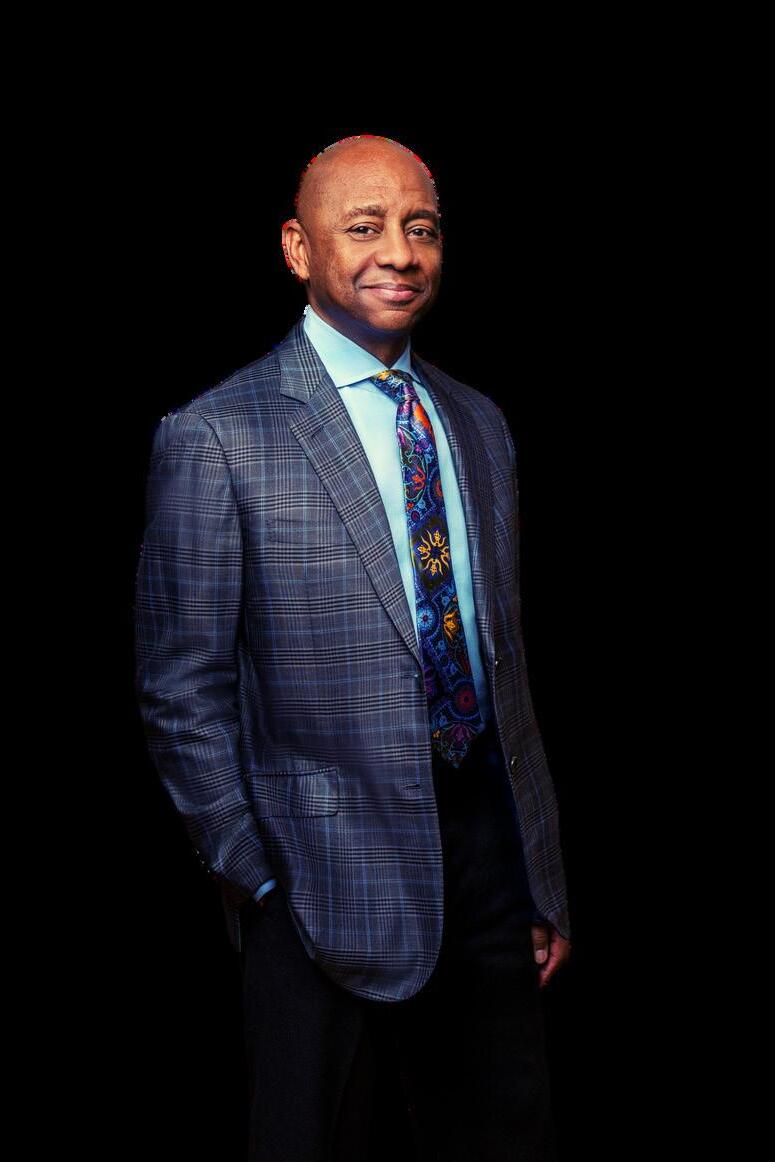

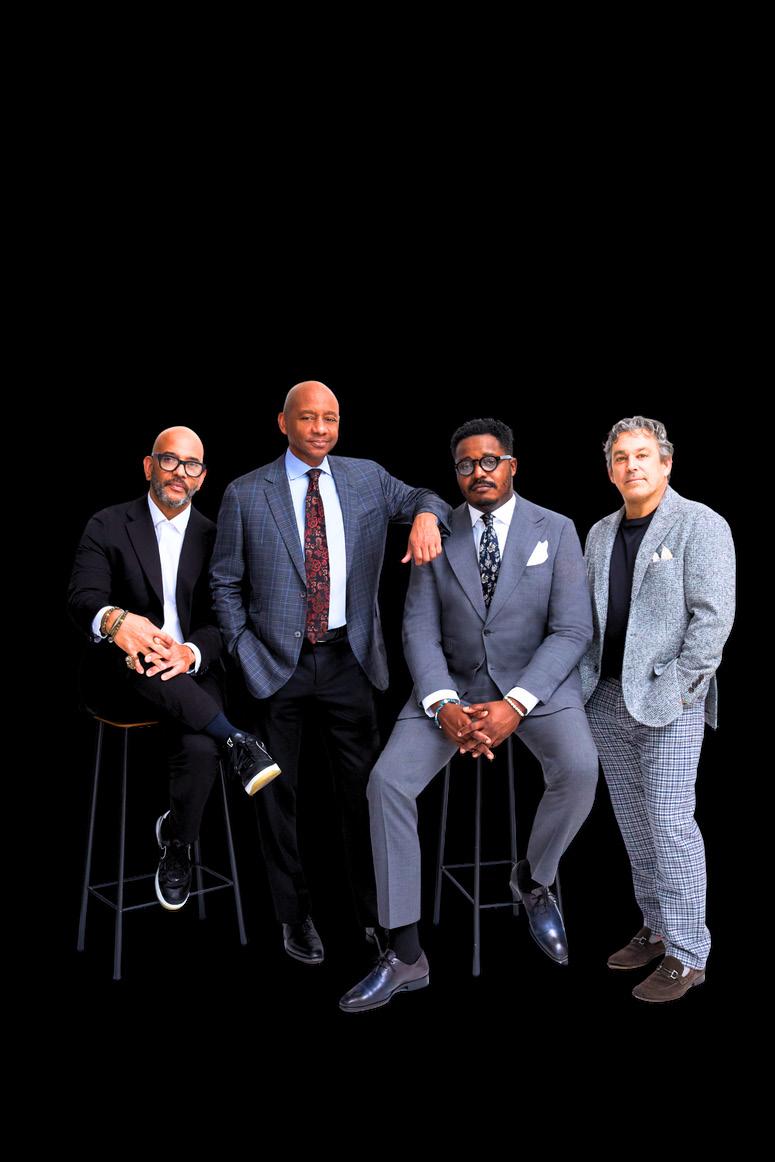



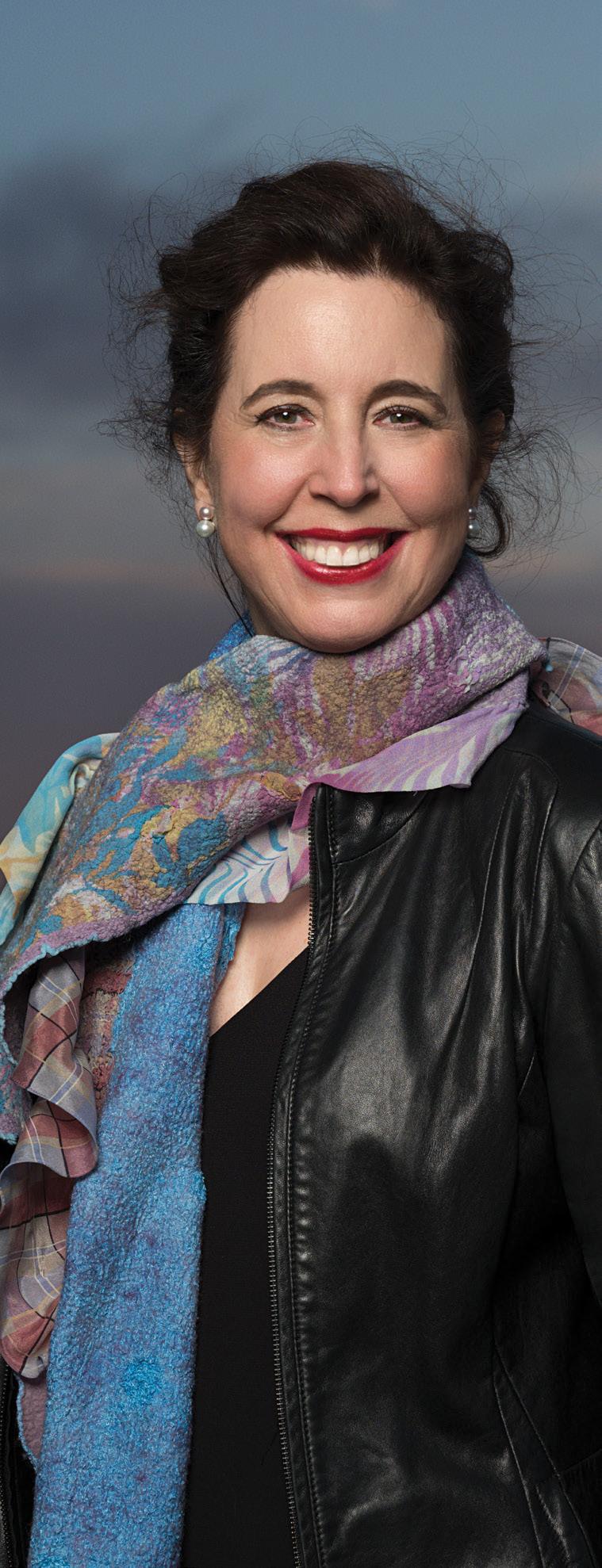
SUN, FEB 22 | 5:30 PM
ANGELA HEWITT PIANO
Works by Bach, Rameau, Scarlatti
LIMITED AVAILABLITY
SUN, MAR 8 | 5:30 PM
ISIDORE STRING QUARTET
JEREMY DENK PIANO
Works by Haydn, Billy Childs (Baltimore premiere, SHCS co-commission), R. Schumann
SUN, MAR 22 | 5:30 PM
GOLDA SCHULTZ SOPRANO
JONATHAN WARE PIANO
Works by Crumb, C. Schumann, Price, Brahms, Strohl, Strauss
SUN, APR 26 | 5:30 PM
STEVEN ISSERLIS CELLO
CONNIE SHIH PIANO
Works by Beethoven, R. Schumann,
IMPORTER
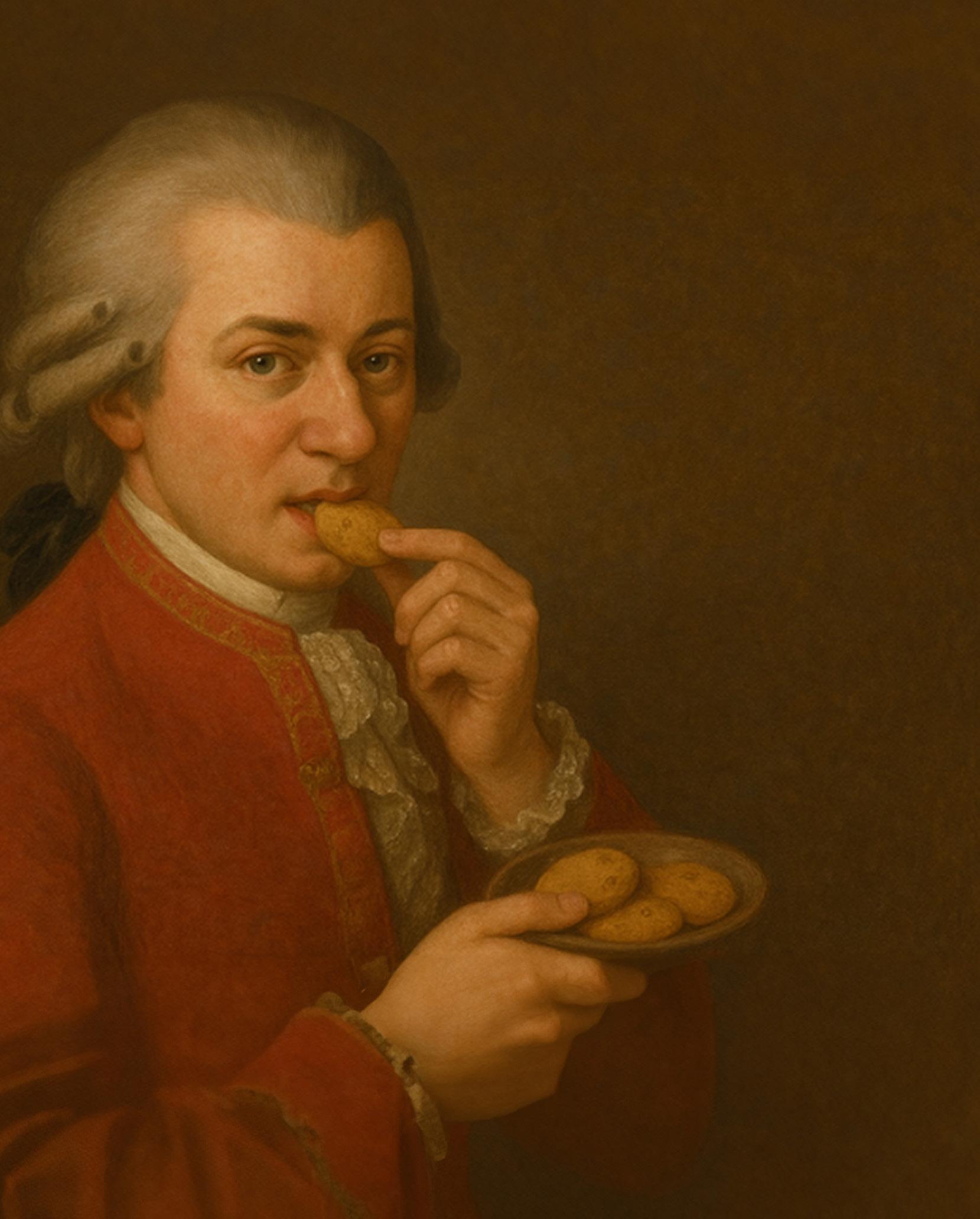

A Chamber Orchestra Concert C onducted by José-Luis Novo SUN, APR 26, 2026 3:30 PM AT THE BYZANTIUM EVENT
Joaquín Turina La oración del torero (The Bullfighter’s Prayer), Op. 34
Malcolm Arnold Sinfonietta No. 1, Op. 48
Wolfgang Amadeus Mozart Symphony No. 29 in A major
ALL TICKETS $25! RESERVE YOUR SEATS NOW.
*Enjoy FREE cookies after the show

MARCH 18 & 19, 2026
MARYLAND HALL | 10:00 AM & 11:30 AM SOLD OUT!
Join the wait list! Email info@annapolissymphony.org with your school’s information.
MARCH 21, 2026
MARYLAND HALL | 11:00 AM
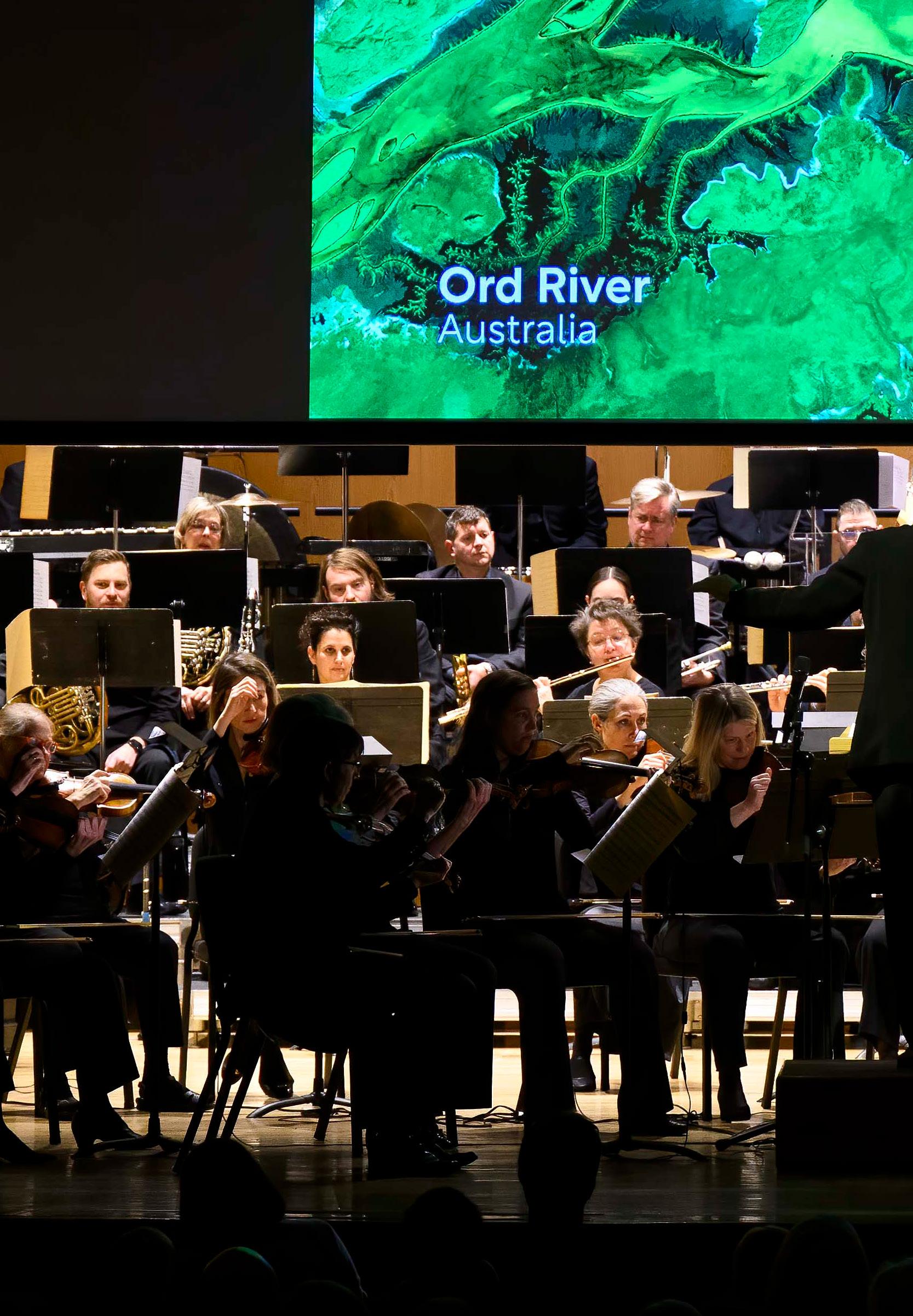
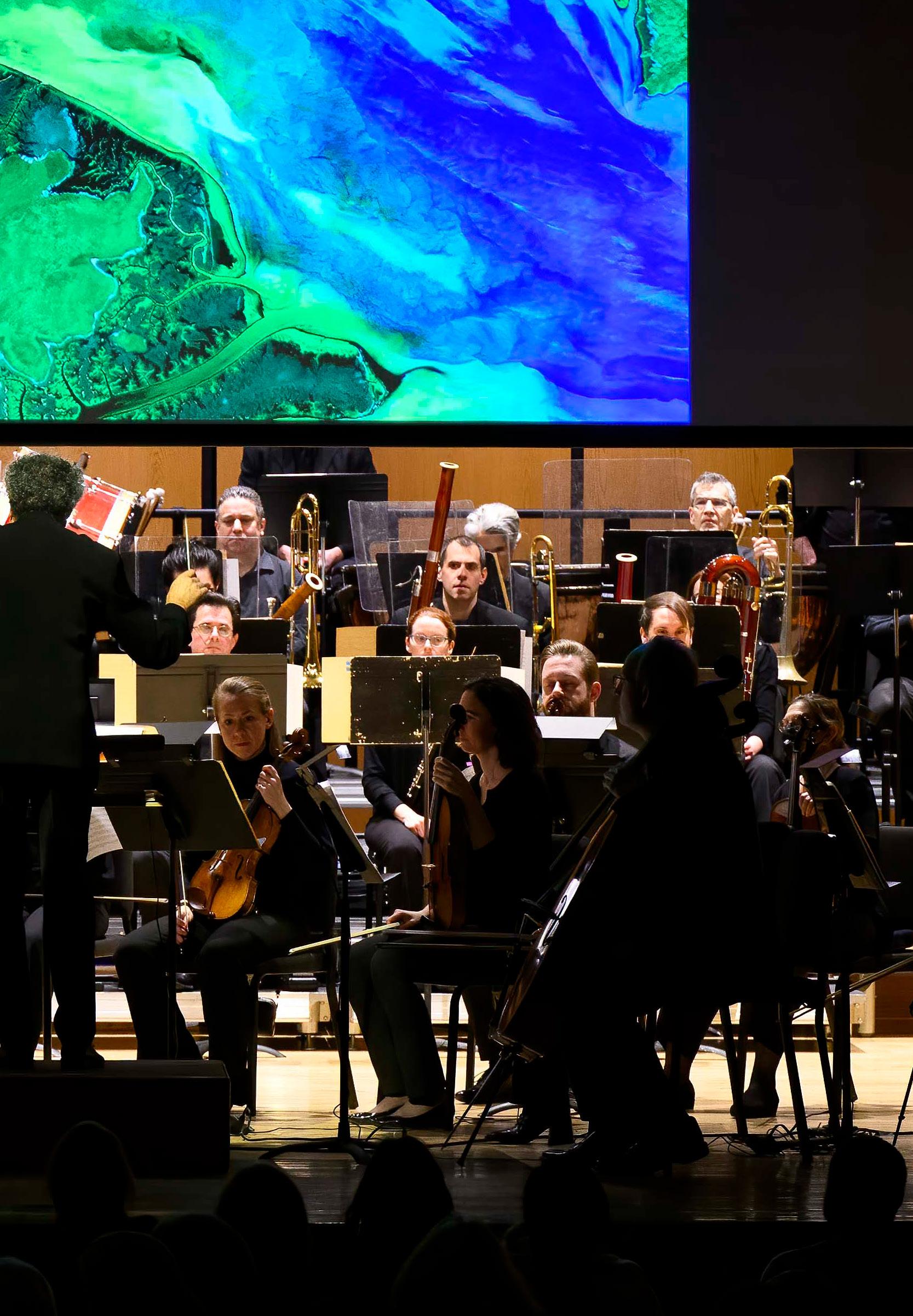
J oin the ASO for an exploration of deep space and planet Earth in this stunning performance , featuring music that reflects the magic, mystery , and majesty of space, narrated by NASA Goddard, and including satellight photos amd videos of geologic wonders taken from space.. This multi-media presentation is one a family-friendly concert you absolutely should not miss!
ALL TICKETS $10. Reserve your tickets online at annapolissymphony.org or call the Box Office at 410-263-0907.
Bedrˇich Smetana
Gustav Holst
James Horner
John Williams
The Moldau with stunning NASA Goddard footage of Earth’s waterways
The Planets (Neptune, Mars, Jupiter, Mercury) featuring NASA visuals of our solar system
Music from Apollo 13 featuring NASA imagery of deep space and astrophysics
Adventures on Earth (from E.T. the Extra-Terrestrial )
Discover the future of classical music with Annapolis Symphony Academy.
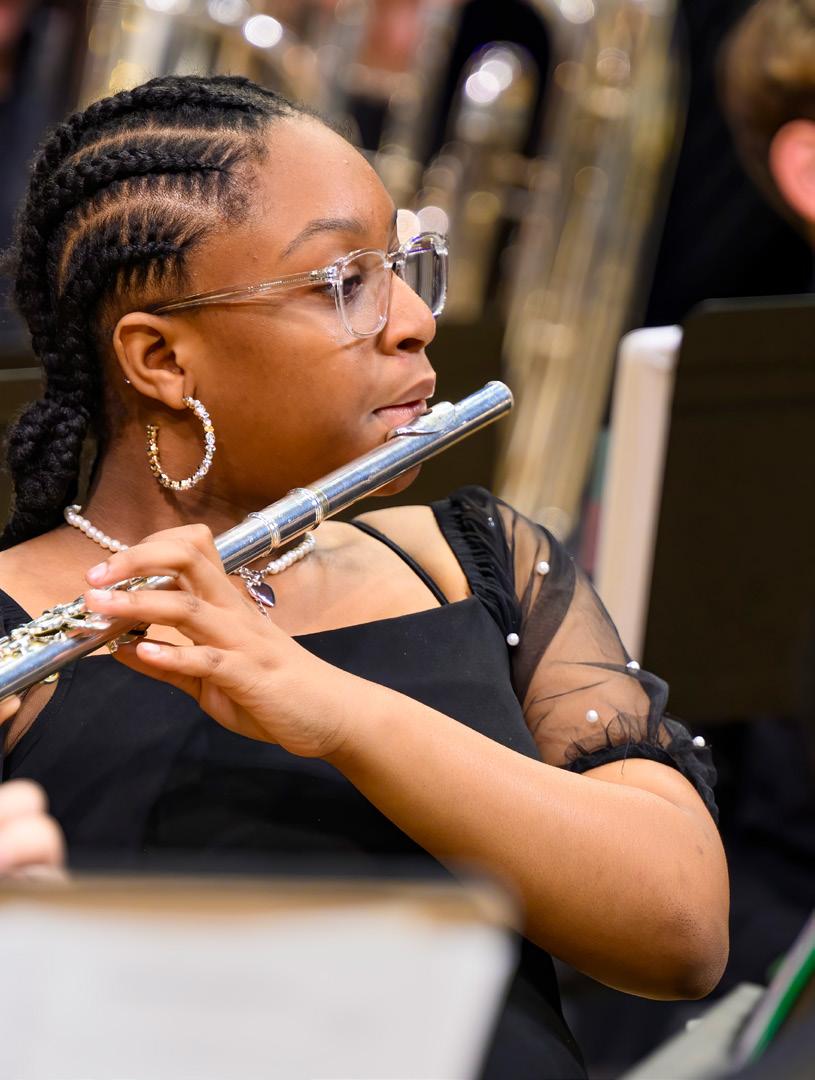
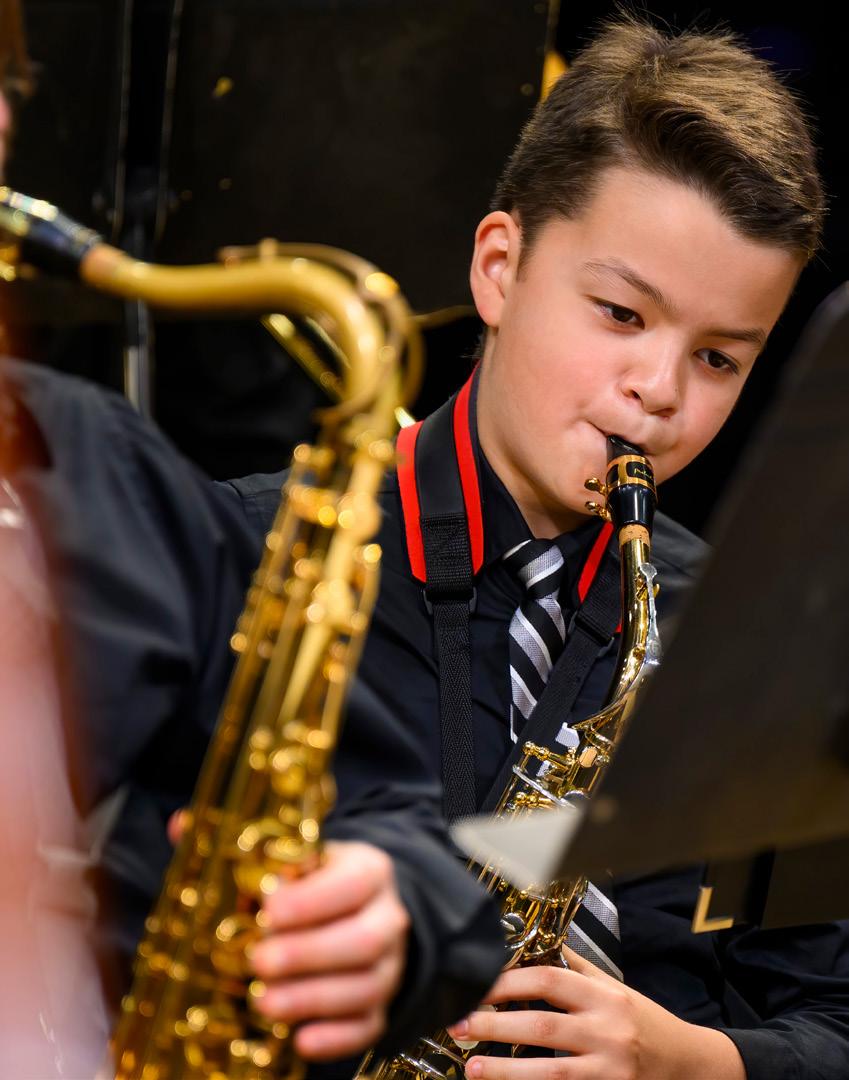
The Academy is transforming lives by providing world-class musical training to students of all cultural and economic backgrounds— building a new generation of artists who reflect the diversity of our community. Half of our student body comes from groups underrepresented in U.S. orchestras, and thanks to generous donor support, need-based scholarships open doors for all who aspire. Orion Youth Orchestra performances include ASO musicians who perform side-by-side with the students, providing instruction and mentorship. We offer programs and ensembles for every aspiring young musician.

New Beginner Violin, Cello, Clarinet classes New adult private lessons program And everything in between…
March 22, 2026 | 4:00 pm
The Cecilia Wyatt Honors Recital at Temple Beth Shalom, Arnold, MD All ASA recitals are FREE and open to the public. Please check our website for event updates.
May 17, 2026 | 9 am-5 pm
ASA Day at Maryland Hall, including Lyra, Aquarius, Aries & Orion performances
June 1, 2026 | 8:00 pm
Orion Youth Orchestra debuts at Meyerhoff Symphony Hall with the ASO. This is a ticketed event, open to the public and members of the League of American Orchestras.
Annapolis Bows & Violins
Annapolis Friends of Lafayette
Annapolis Heritage Society
Annapolis Moms Media
Annapolis Musicians Fund for Musicians
Anne Arundel County Public Schools (AACPS) -
APEX Arts Magnet Program
Anne Arundel Recreation & Parks Department
Arts Council of Anne Arundel County
Ballet Theatre of Maryland
Banneker DouglassHarriett Tubman Museum
Baywoods of Annapolis
Bowie State University
Chesapeake Arts Center
Chesapeake Inspired & Donna Jefferson
City of Annapolis Heritage Commission
City of Laurel Health & Wellness Fair
Community Foundation of Anne Arundel County
Cultural Office of the Embassy of Spain
Elville Center for the Arts
Friends of Annapolis Symphony Orchestra (FASO)
Ginger Cove Retirement Community
Historic Annapolis Hospice of Chesapeake
Luminis Health Anne Arundel Medical Center
Luminis Health Doctors
Community Medical Center, Lanham
Luminis Health McNew Mental Health Center
Luminis Health Pathways
Substance Use Services
Marshall Hope Learning Center
Maryland Commission on Middle Eastern Affairs
Maryland Council for Civic & History Education
Maryland Hall for the Creative Arts
Maryland State Arts Council
Maryland State Government House
Naptown Sings
Park Rangers & Staff at Quiet Waters Park & Downs Park
St. John’s University
Temple Beth Shalom
The Annapolis Opera
The Salvation Army
The Talent Machine Company, Inc
Wellness House of Annapolis What’s Up Media


The Annapolis Symphony Orchestra is more than music. When you support the ASO, you’re investing in a cultural institution that educates, heals, inspires, invests in our youth, reaches out to those struggling, and connects with our community.
While your subscription lays the foundation, additional gifts further the ASO’s mission to inspire, educate, and connect.
By making a tax-deductible donation, you can enjoy exclusive benefits:
$100+ – Program Recognition
Be acknowledged in our Signature Series concert programs.
$500+ – Dress Rehearsal Invitations
Attend select Thursday night rehearsals for an insider’s view.
$1,000+ – Crescendo Club Access
Join our post-concert donor lounge to mingle with musicians and leadership.
$2,500+ – Music at Midmorning & Musician Dinner
Enjoy intimate performances and dine with ASO musicians, deepening your connection to the orchestra.
It is with our deepest gratitude that we acknowledge the following Legacy Circle Members for their commitment to the future of the Annapolis Symphony Orchestra and its place in our community.
Anonymous (3)
Melvin &
*Judy Bender
Bud & *Bee Billups
Elana Rhodes Byrd
James W. Cheevers
Elizabeth Colandro
Ronald E. Council
*Forbes Leland & *Marilyn Eason
*Patricia Edwards
*Colonel Allan & *Audrey English
Patrick M. Green
Anna E. Greenberg
*Joe Bales Gruber
*Nancie Kennedy
*Dr. Michael Kurtz
Dr. Mary C. McKiel
*Mr. John P. McKim
Anne S. Potter
Evelin Reynolds*
Susan Rosenfeld
Shelley Row
Stephen A. Sotack
Marion & Norbert Zacharias
To discuss including the Symphony in your Estate Plans, please contact development@annapolissymphony.org Annapolis Symphony Orchestra Inc. Tax I.D. 23-7001357
*Deceased
We gratefully acknowledge these generous donors to the Annapolis Symphony Orchestra who have contributed within the last calendar year as of Sept 15, 2025.
The Annapolis Symphony Orchestra is sustained through your generous support. We are indebted to you for supporting our music making, education programs, and community initiatives.
GIFTS OF $1 MILLION +
John McKim*
Joyce Pratt & Jeff Harris + William Seale & Marguerite Pelissier
GIFTS OF
$25,000–$49,999
Anonymous
Anne Arundel County
Gifts Of $10,000–$24,999 cont.
Judy Templeton + What's Up Media, Inc
THE PHILIP RICHEBOURG
CIRCLE GIFTS OF $500,000–$999,999
Elizabeth Richebourg Rea +
GIFTS OF $150,000–$249,999
Robert & Kathleen Arias
Jillinda Kidwell + Maryland State Arts Council
Michael J. Mumma, Peter R. Mumma, & Amy Mumma Raskopf +
GIFTS OF $50,000–$149,999
Anonymous + Anonymous
Paula Abernethy + James W. Cheevers +
Sylvia & James* Earl
Mr. Arthur Edwards & Dr. Katherine Edwards +
Impact100
Anne S. Potter + Shelley Row +
Stephen A. Sotack +
*Deceased
Recreation & Parks
Arts Council of Anne Arundel County
Steve Cohen
Peter & Sarah Evans +
Friends of the Annapolis Symphony Orchestra
Al & Ginger From +
David & Eleanor Huggins
Patricia & David Mattingley + Joan Ruhl
Martha & John T. Schwieters +
GIFTS OF $10,000–$24,999
Anonymous
Susan & Jess Behringer
Peter Bungay, Joy Chambers & Ellen Posten
Florence Calvert + Jane Campbell-Chambliss & Peter Chambliss
Enser & Marguerite Cole
Collot Guerard
William H. Hoff + Deb Howe & Nati Draiblate + Mimi Jones
Elizabeth MaxwellSchmidt & Steve Schmidt + Clay & Carol Richards
Diane Steed
Stella May Contracting Inc.
Ann & Robert Whitcomb + Cecelia Wyatt
GIFTS OF $5,000–$9,999
Anonymous
Herb* & Sallie Abeles
Richard Brown Council Family Foundation
William & Renata Davis + Norman J.Fisher & Doris Fisher Foundation
Capt. Mark & Michelle Hellstern (USN Retired) + Lawrence & Jeanne Kelly
Elizabeth Mainiero
Mary C. McKiel
Jeffrey Scherr & Wendy Jachman
In Memory of Louise A. Snyder
Russ Stevenson & Margie Axtell
Multiyear pledges support the Orchestra’s strategic vision while ensuring a sustained level of funding. Thank you to everyone for signing pledge commitments of three years or more. These donors are recognized with a + beside their name.
GIFTS OF $2,500–$4,999
A nonymous
Annapolis Moms Media
Prue Clendenning
Carole & Richard Falk
Dea Code Family Foundation
Patrick M. Green
Anna E. Greenberg + Pierre & Danalee Henkart
Richard & Lisa Hillman
Jan & David Hoffberger
Karl & Marge Hoke
José-Luis Novo & Lori Kesner
Steve Root & Nancy Greene
Joan Ruhl
Raymond R. Ruppert & Molly M. Ruppert
Constance & William Scott
Doug & Karen Smith + Fred Stielow & Susan Rosenfeld
Bill & Marilynn Sweetser
Drs. Mark C Davis & Ann A Tran
GIFTS OF
$1,000–$2,499
Anonymous (3)
Michael Alin & Ann Carroll
Laura Amodei
Jack & Leslie Andryszak
Stephen Booth
Ann Burchard
David Bush
Dr. Mark Cinnamon
Ms. Sandy Cohen
Mr. & Mrs. Andrew Lynch
Cole
Jane Danowitz
Scott Gregory & Angela
Eggleston
Renee Ehler & George Bentley
Mary Anne Felger
Scott Gregory & Angela
Eggleston
Elizabeth Gordon-Bluntschli
Patty Harris
Bob & Diane Heaney
Mr. & Mrs. Robert M. Hecht
David R. Herron, Ph.D.
Hugh & Deborah Houghton
James Laite
Dr. Monique Y. Langston
Rosalie Lijinsky
Janet Little
David McGill
The Johansen Family
Laura Murray
Music Educators of Greater Annapolis
Cathryn O’Donova
James D. Parker, M.D.
Patricia Petrou
Barbara W. Pittman
John T. Quinn
Colin & Valerie Rees
Marilyn Rees
Curtis Ritter & Cory Amron
Pamela Roeming
Mr. & Mrs. Michael T. Schuncke
Robert W Sherer
Jill Simon
Bruce Slaff
M & L Sullivan Giving Fund
West Family Trust
Adm & Mrs. William O. Studeman
Mrs. Tamara & Dr. Stephan Tymkiw
GIFTS OF $100–$999
Anonymous (3)
Michael & Judy Ackerman
Anne Agee
Jacqueline Agnew
Linda Allen
Philip Allen
Sandra Collyear Altherr
Sally Amass
Ms. Susan Armstrong
Ann J. Baker
Karen Bakkegard
Adele Baron
Julie Belkin
Randall Bell
Susan Benac
Edward Bergman
Mary Jo Bieberich
Randal Billingsley
Martha Blaxall & Joe Dickey
Mary Beth Blessing
Ray Boedecker
Elaine Bower
Sunny Bowers
Daniel Bowler
Carmen & Nancy Brun
Kathleen & Robert Burke
Barbara Burroughs
Rebecca A Byrd
Cindy Carlton
Mr. & Mrs. Robert J. Caverly
Barbara Ceruzzi
David Clawson
Brad Clink & Linda Sexton
Elizabeth Colandro
Steven Collier & Elizabeth
Jones
Petey Cosby
Laudine Creighton
Ray & Jean Curry
Barry Dalnekoff
Cynthia Danjczek
Mr. & Mrs. Robert Demoyer
James & Debra Dillon
David Doetschman
Marc Donohue
Judith Duckett-Winnefeld
Fred & Susan Eckert
Earl & Sharon Engelhard
Janet & Dave Ewing
Pauline Farmer
Mr. & Mrs. Millard Firebaugh
Miriam Fogel
Anne Foster
Frederick R. Galloway
Charitable Trust
TJ Furlong
Laura & Jack Van Geffen
Ann Gere
Susan Gilson
Sonja Gladwin & Rod Straw
Michael J. Gray
Carol Gruen
Frances R. Hall
Georgina Hammond
Alicia Hardisky
Jeffrey Harvey
D. Gayle Hensley
Arturo Hervada
Jerry* & Lynne Hoot
Margaret Hosmer
Andrew House
Dr. & Mrs. William Hunter
Sally W. Iadarola
Beth Jacaruso
Beth D. Jacob
Mark & Barbara Jacobs
Bruce & Danna Jones
Matthew Jones
Mr. & Mrs. Jordan
Ms. Tomoko Kanamaru
Kurt Karsten
Christine Kelsey
Nicholas Kemp & Ms.Kay Osburnsen
Jack Kersh
Marvin & Nina Kesner
Leon & Barbara Kestenbaum
Getha Klejnot
Julia Krause
Scott & Cynthia Kuenzi
Alice F. Kurs
Drs. Frank LaScala & Gladys Rivera-LaScala
Dr. & Mrs. Norman Lerner
Ellen Levin
Susan Levine
Jennifer Lewis
Lewis Family Fund
Diana Love
Timothy & Katherine Lynch
Robert W Madden Jr
Pat Mager
Lynne Malley
David Marcic
The Martinson Family
Sandra Mayo
Philip Meredith
Elaine Mines
Priscilla Mitchell
Francisco Montero
Cheryl & James Morgan
Betty Morganstern
Don & Carol Nelson
Maureen & Glen Nemece
David & Carol Newman
Nancy Nicoll & Richard
Wagner
Patrick J. Nugent & Mary
Kay Rehard
Mr. John O`Connell
Erin O’Neill & Richard
Bernstein
Ed & Jeanne Paglee
James E & Cheryl H Painter
Stanton D Palmer
William & May Parks
Fariba Partawi
Anonymous
Bob & Cookie Pollock
Alison Porter
Michael & Margret Rauh
Marilyn Rees
Ken & Maureen Reightler
Phil & Ilse Reynolds
Mr. & Mrs. Daniel Risher
Christopher & Anita Rizek
Jack Roadhouse
John & Constance Robinson
Mr. & Mrs. Russ Rosenberger
Lorraine Ross
Glen L. Rotner
Amy & Joe Rubino
Joan Russell
Barbara & Everett Santos
Michael & Anne Saul
Chris & Donna Schein
John & Devona Schiller
Ken & Elaine Schmidt
Mr. & Mrs. Randy Schmitt
Bob Schnabel
Scott & Virginia
Schollenberger
Allison Shobe
Catherine Shultz
Leslie Skibo
Gwynneth Smith
Roderick & Joann Smith
Julie Snyder & Shawn
Messer
Bernadette Solomon
Carol & David Stern
Julia Stoshak
Anne K Stratton
Harvey Stromberg
Judy Sullivan
Tom Taneyhill
Michael Taylor
Brian Thiel
Paula Thistle
Carol Thompson
Peter Threadgill
Barbara Torreon
Emily Van Essen
Ellen von Seggern Richter
Mark Walter
Mr. & Mrs. Damien Wanner
Cynthia Wells
Elisabeth Wells
Mr. & Mrs. Earl S.
Wellschlager
Sibyl B. Wisch
Peter Wolfe
Mr. & Mrs. Clifford
Woodward, Jr.
Martha Wooldridge
Francis & Maureen Wright
Bernard & Louis Wulff
Barbara & Mark Wynn
Marion & Norbert Zacharias
Pat Zeno & Frank Parent
In memory of Barry Amass
Sally Amass
In honor of John Andryszak & Carol Richards
Curtis Ritter & Cory Amron
In honor of Argie & Angela
Catherine Shultz
In memory of Maria Baker Kersh
Jack Kersh
In memory of Ralph Bluntschli
Elizabeth Gordon-Bluntschli
In memory of Ronald Bower
Elaine Bower
In honor of James W. Cheevers Anonymous
In honor of James W. Cheevers
Jack Kersh
In honor of Betsy Chotin & Carol
Richards
Curtis Ritter & Cory Amron
In memory of James Earl
James W. Cheevers
In memory of Marc & Kirk Elvy Remembrance
Cecelia Wyatt
In honor of Miriam Fogel
Beth D. Jacob
In honor of Anna Greenberg
Jack Kersh
In honor of Mimi Jones
Pat Zeno & Frank Parent
In memory of Don Lee
James W. Cheevers
In honor of Illa Nelson Anonymous
In honor of José-Luis Novo
Marvin & Nina Kesner
In honor of José-Luis Novo
Patrick J. Nugent & Mary Kay Rehard
In memory of Joyce Ramsey Kersh
Jack Kersh
In memory of Lorraine Sotack
Michael Assad
In memory of Mrs. Sotack
J ames W. Cheevers
In memory of Lorraine Mary Sotack
Shelley Row
In memory of Mary Walton Anonymous
Generous friends of Howard and Thea Pinskey established a scholarship fund in their memory dedicated to providing financial assistance to students in the Annapolis Symphony Academy. The Annapolis Symphony Academy will also add funds given in memory of Howard and Thea Pinskey to this scholarship fund in their memory. If you would like to contribute to this fund, visit www.annapolissymphony.org/support.
The Novo Visionaries Fund honors Maestro José-Luis Novo’s extraordinary 20-year artistic leadership with the Annapolis Symphony Orchestra. This fund fuels bold artistic ideas and special projects that extend his vision, ensuring the ASO continues to inspire, innovate, and flourish for years to come.
Anonymous
Mr. Arthur Edwards & Dr. Katherine Edwards
Jillinda Kidwell
William Seale & Marguerite Pelissier
Elizabeth Richebourg Rea
Robert & Kathleen Arias
Stella May Contracting Inc
Anonymous
David Bush
Florence Calvert
James W. Cheevers
Tara Balfe Clifford
Anna E. Greenberg
Russ Stevenson & Margie Axtell
Dr. Mark Cinnamon
Ms. Tomoko Kanamaru
Patrick J. Nugent & Mary Kay Rehard
James E & Cheryl H Painter
Join us in a campaign to get all 55 of our tenured musicians sponsored! Sponsoring a musician is a transformative way to show your support for the Annapolis Symphony Orchestra. It is a special opportunity to personally connect with an individual musician and deepen your connection to the symphony.
ARTISTIC DIRECTOR & CONDUCTOR
José-Luis Novo
The Philip Richebourg Chair
VIOLIN I
Netanel Draiblate, Concertmaster
Sponsored by Jillinda Kidwell
Abby Armbruster
Sponsored by Mimi Jones
Yoon Young Bae
Sponsored by Drs. Mark Davis & Ann Tran
Susan Benac
Sponsored by Herb* & Sallie Abeles
Heather Haughn
Sponsored by Constance & William Scott
Rachael Stockton
Sponsored by Tara Balfe
Clifford
William Wang
Sponsored by Dr. Mary C. McKiel
VIOLIN II
Kristin Bakkegard , Associate Principal
Sponsored by
Stephen A. Sotack
Sally Stallings Amass
Co-sponsored by Dr. Mary C. McKiel & Rosalie Lijinsky
Megan Gray
Sponsored by Lawrence & Jeanne Kelly
Karin Kelleher
Sponsored by Prudence Clendenning
VIOLA
Sarah Hart, Principal
Sponsored by Julie & Charles Grudzinskas
Derek Smith, Associate Principal
Sponsored by Al & Ginger From
Daphne Eller
Sponsored by Katherine Edwards
Susan Taylor Dapkunas
Sponsored by Beth Mainiero
Kate Zahradnik
Sponsored by Donald Silawsky
CELLO
Todd Thiel , Principal
The Hildegard Strothman
Martin Chair
Alison Bazala Kim
Sponsored by Dr. Elizabeth Maxwell-Schmidt & Mr. Steve Schmidt
Nicole Boguslaw
Sponsored by Norman J.Fisher & Doris Fisher Foundation
Catherine Mikelson
Sponsored by Patrick M. Green
MaryAnn Perkel
Sponsored by Florence Calvert
Daniel Shomper
Sponsored by Paula Abernethy
April Studeny
Sponsored by Judith Templeton
BASS
Patrick Raynard, Principal
Sponsored by Collot Guerard
Peter Cohn
Sponsored by Anne S. Potter
Broc Mertz
Sponsored by Fred Stielow & Susan Rosenfeld
Kimberly Valerio, Principal
Sponsored by William Seale & Marguerite Pelissier
Genevieve Eichman
Sponsored by Russ Stevenson & Margie Axtell
OBOE
Fatma Daglar, Principal
The Sage Tower Mumma Endowed Chair
Rick Basehore
Sponsored by William & Renata Davis
CLARINET
Robert DiLutis, Principal
Sponsored by Shelley Row
BASSOON
Patricia Morgan
Sponsored by Ann & Robert Whitcomb
HORN
Alex Kovling, Principal
Sponsored by Martha & John T. Schwieters
Anthony Valerio
Sponsored by Carole & Richard Falk
TRUMPET
Christopher Sala , Principal
The Philip Richebourg Chair
TROMBONE
David Perkel, Principal
Sponsored by David & Eleanor Huggins
David Sciannella
Sponsored by Robert & Kathleen Arias
Jay Heltzer
Sponsored by Peter Bungay, Joy Chambers & Ellen Posten
*Deceased
Thank you to our generous sponsors. If you’re interested in sponsoring a musician, please visit www.annapolissymphony.org/support or email development@annapolissymphony.org.
When you sponsor an Annapolis Symphony Orchestra musician, you become an essential part of sustaining our community.
Your support ensures that the ASO continues to attract and retain exceptional, professional musicians who bring passion, artistry, and excellence to every performance. It is an investment in the long-term, artistic integrity of the orchestra.
What does sponsorship cost?
All sponsorships are 100% tax-deductible.
Section Musicians: $2,500
Associate Principal Musicians: $5,000
Principal Musicians: $7,500
Learn More and Sponsor Online at: annapolissymphony.org/sponsoramusician

What’s Up? Media has been a proud supporting partner of the Annapolis Symphony Orchestra for over 25 Years.
Seattle & Victoria July 18-25, 2026
Join 25 friends, fellow travelers, and music lovers for an epic trip including deluxe lodging, fine cuisine, world class art and spectacular natural scenery!
Don’t miss the opportunity to experience two of North America’s most unique and beautiful cities. Lodging is at the Fairmont Olympic, Seattle and Fairmont Empress , Victoria, BC


Highlights include:
Private tour of Dale Chihuly’s fabulous Museum of Glass
Private tours of Seattle’s Asian Art Museum
Seattle’s renowned Chamber Orchestra Summer Festival
Breathtaking Snoqualmie Falls, Mt Baker and Mt Rainier
High Tea at the Fairmont Empress, Victoria Beautiful Butchart Gardens
Jazz in Pioneer Square
Ferry through Juan de Fuca Strait All Inclusive Cost
$5975
Cost includes donation to FASO
To purchase, contact Grand Tours at 800-727-2995 or info@thegrandtour.com, or email friends@annapolissymphony for more information
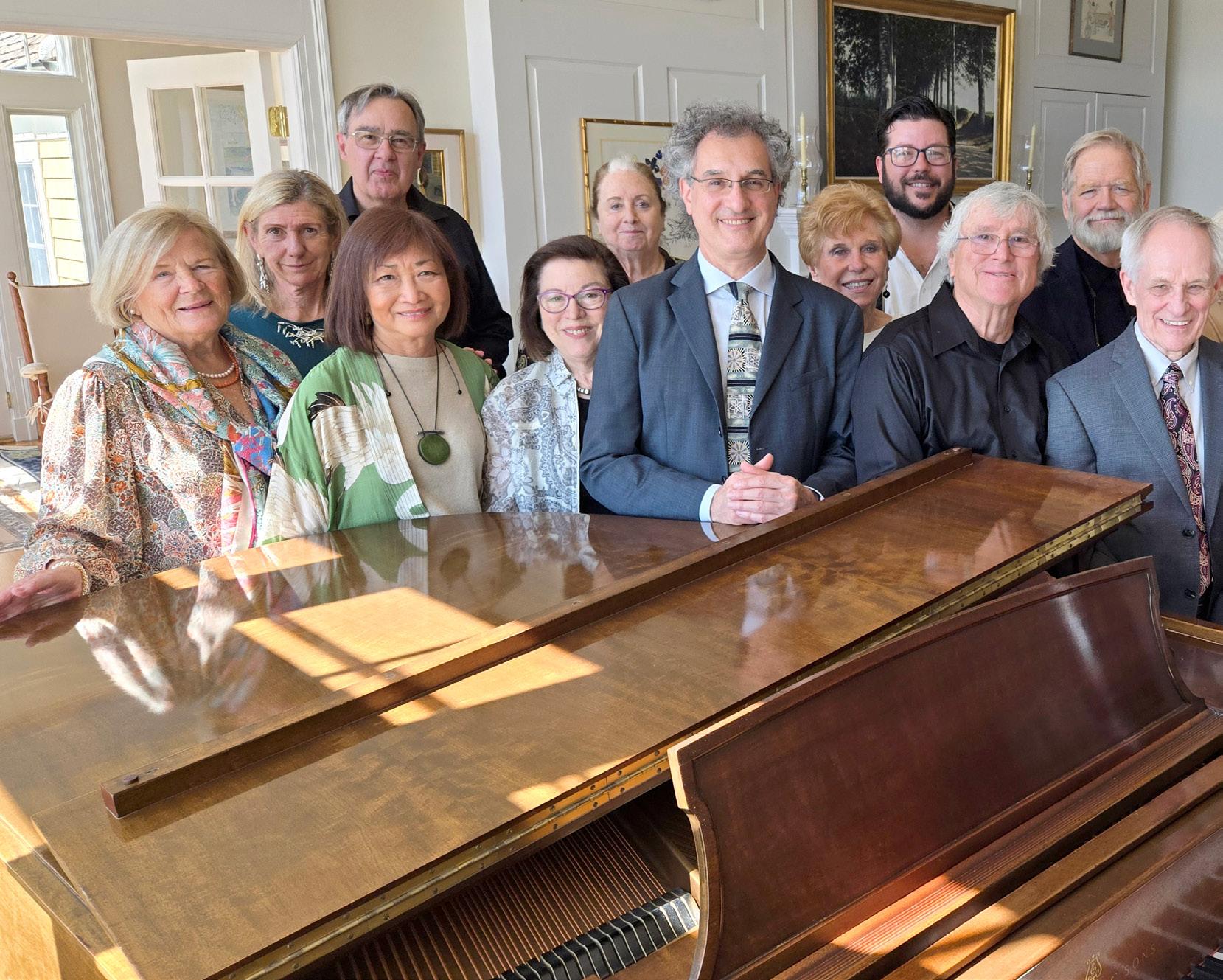
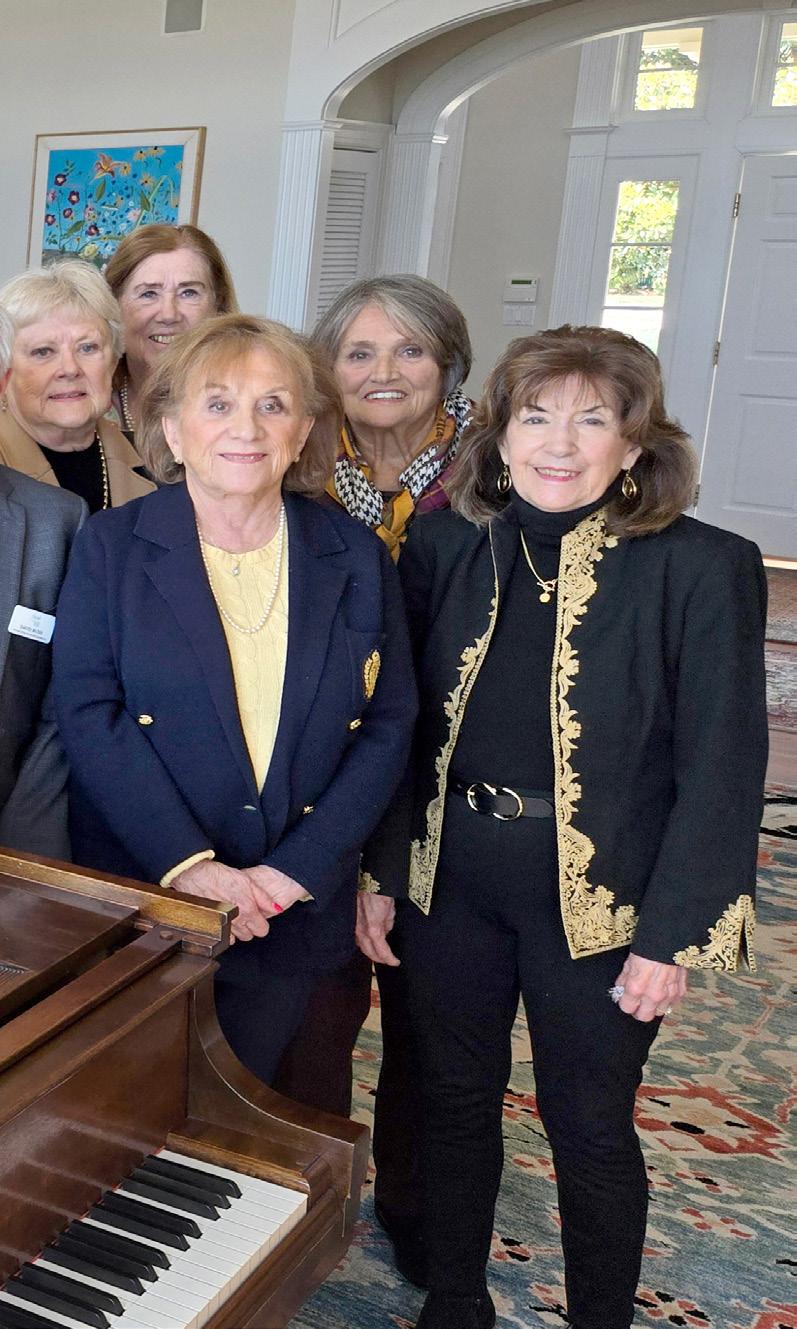
FASO is a dynamic group of music lovers who support the Annapolis Symphony Orchestra. FASO fundraising events include the Concert of Tastes, Historical Happy Hour, themed dinners, Dine-to-Donate, Movie & Trivia Nights, wine tastings at local vineyards, international trips and much more. FASO collaborates with the Annapolis Symphony Academy to provide grants that expand programming and provide scholarships. FASO efforts expand beyond Annapolis. FASO recently sponsored the feature-length film Sing to Me Sylvie, which won the Spotlight Award from the Volunteer Council of the League of American Orchestras. Join us! Become part of the fun while helping to benefit the Annapolis Symphony Orchestra and rising artists.
It is easy to join! Visit annapolissymphony.org
Membership: $50 per person | $75/couple
Contact info: 410-267-3646 friends@annapolissymphony.org
Officers/Executive Committee:
Stephen Holt, president
Bob Foye, vice president
Ways & Means
Maggie Cole, vice president
Membership
David Bush, recording secretary
Renee Ehler, corresponding secretary
Julie Grudzinskas, treasurer
Directors:
Paula Abernethy
John Adryszak
Betsy Chotin
Kathy Clatanoff
Elizabeth-Gordon-Bluntschli
Diane Green
Patrick Green
Anna Greenberg, Emeritus
Valerie Gutterson
Marilyn Lyons
Barbara Merke
Lynne Maichle
Carol Richards
Rick Sullivan
Carol R. Richards
The Friends of the Annapolis Symphony Orchestra is a 501(c)(3) organization. Dues and donations are tax deductible to the fullest extent of the law, providing no goods or services are realized by joining.
Use of cameras or recording devices during the performance is strictly prohibited.
Latecomers will only be seated at the conclusion of a musical selection.
Please note the nearest exit to your seat. In the event of fire or another emergency, WALK — do not run — to that exit.
In the event of severe weather, every effort will be made to continue with scheduled concerts. No refunds will be given if a concert is performed during severe weather but not attended by the ticket holder.
Maryland Hall is a smoke-free facility. Smoking is prohibited in and on the grounds of the building.
Enjoy a beer or glass of wine before the concert and at intermission in the Earl Gallery. Cash and credit cards are accepted and drinks are allowed in the concert hall.
Subscribing to the Signature Series at the Annapolis Symphony Orchestra is the best deal around! As a subscriber you get exclusive access to a 20% discount on single tickets, priority seating, and free exchanges. Subscriptions are available for all 5 Signature Series concerts as a full series or 3 or 4 concerts as a Flex Pass. Learn more at annapolissymphony.org/ subscribe.
Parking, ramp, and elevator facilities are available at the entrance nearest Spa Road. Wheelchair accessible seating is also available. Please call 410-263-0907 to make arrangements.
Whether it’s your first or fifth time at the Symphony, single tickets are always available for purchase! Tickets can be purchased online at annapolissymphony.org/events or by calling the Symphony Box Office at 410-263-0907.
We are dedicated to making your group‘s visit to the Annapolis Symphony a memorable experience. With a group of 10 or more, receive a 15% discount on all tickets.
Subscribers may exchange their tickets for the alternate performance of the same concert only. Exchanges are subject to availability.
Subscribers may donate tickets back to the Symphony as a tax-deductible contribution. We will mail you an acknowledgement letter for your donation.
There are no refunds and all ticket sales are final. If there are changes to the program, ticket holders will be contacted with options.

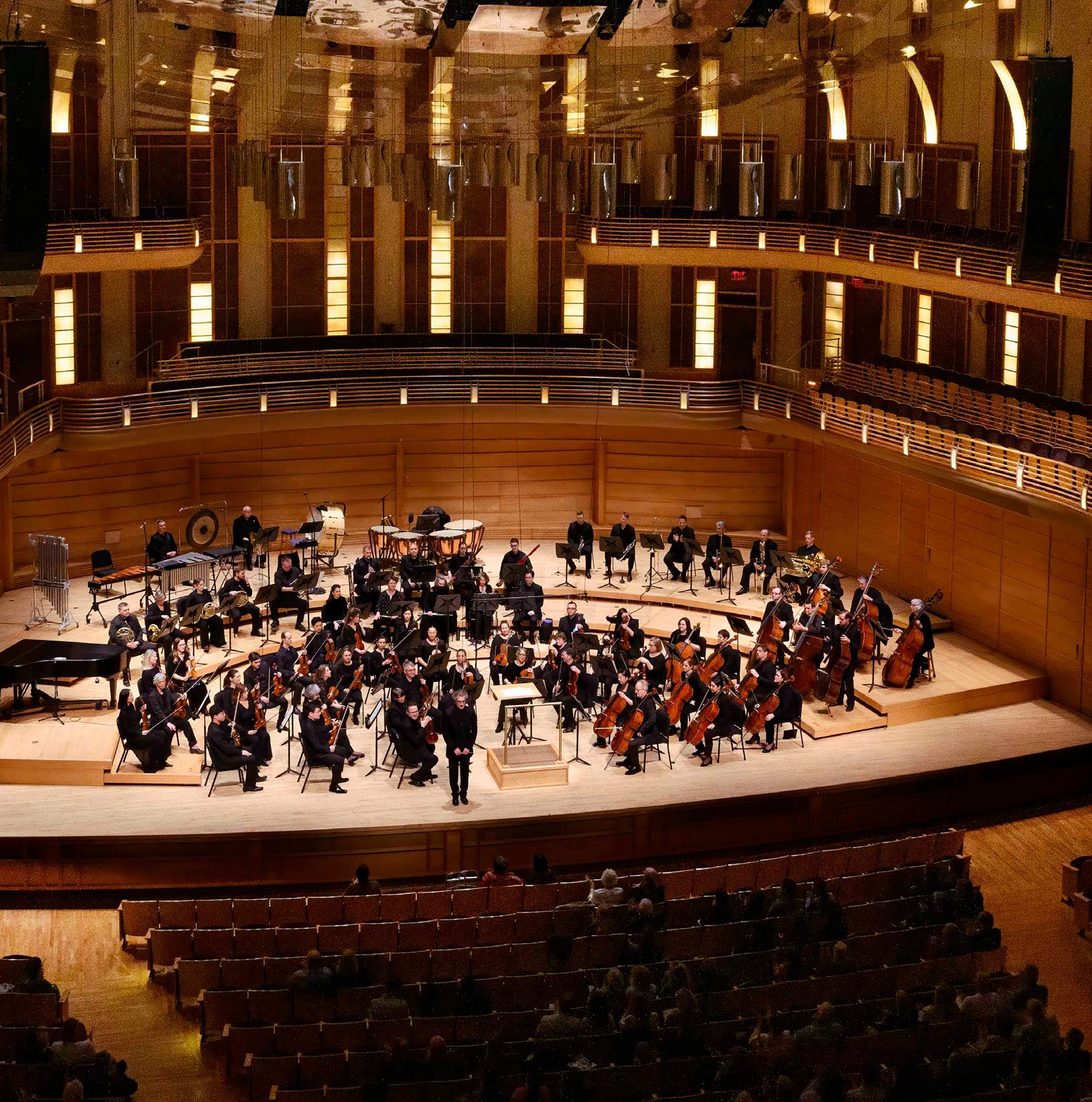
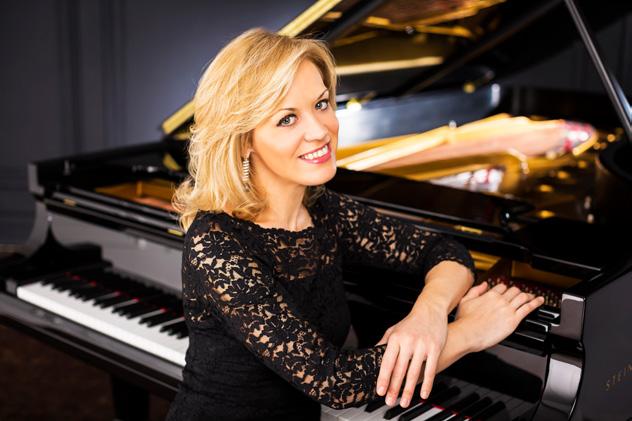
YOUR LAST CHANCE TO HEAR US AT THE MUSIC CENTER AT STRATHMORE THIS SEASON! Echoes of
WITH OLGA KERN, PIANO
MARCH 1, 2026 |MUSIC CENTER AT STRATHMORE, 3:00 PM
SILVESTRE REVUELTAS J anitzio
SERGEI RACHMANINOFF Piano Concerto No. 2 in C minor Op. 18, Olga Kern, piano

WILLIAM DAWSON Negro Folk Symphony