
RFOLIO
MAI NGOC ANH
SELECTED WORKS 2020-2023
Application to MA Interior, Architectural and Spatial Design
The University of Edinburgh
UUN: s2592644
Telephone: +84 834068734
Email: annamino98@gmail.com
EDUCATION
Hanoi, Vietnam/ Vietnamese (+84) 834068734/ annamino98@gmai.com
Hanoi University of Civil Engineering
Bacherlor of Architecture| GPA: 3.61/4 (Rank 1/500)
PROFESSIONAL EXPERIENCE
NH village architects (nhvillage.net)
Internship/Modelmaking,Technical design
Oddo architects (cargocollective.com/oddoarchitect)
Internship/Modelmaking,Technical design,Concept design
AGC Global (https://www.agc.com)
nternship-Fulltime/Researcher
Vinaconex Coporation (vinaconex.com.vn)
Junior Architect at Conceptual Design Department

Takashi Niwa architects (takashiniwa.com)
Junior Architectat at Architecture Department
WORKSHOPS
Traditional and Modern Bamboo Structure Workshop 2018
University of Tasmania, Australia
Malaysia heritage walks & towntrails 2018
Univeristi Teknologi Malaysia, Malaysia
2016-2021
COMPETITIONS
Student Science Research 2018
2ndprize|The application of module furniture into small living space
Student Science Research 2019
1stprize|Furniture and Interior design for Officetel
Bus stop design competition
March 2019-July 2019
Consolation prize
Haven-Koala Habitat Design challenge
Feburary 2020-December 2020
Organizer’s choice Award| Hula village
Hanoi Green Design competition 2020
Architectural design ideas in Revitalising public market in Hanoi
Hanoi Architectural University & Hanoi univercity of Civil Engineering, Vietnam
Discovery sustainable urban & rural development
Tongji University, China
Bamboo and sustainability workshop 2020
KU Leuven, Belgium
Promoting the efficiency of the ruins value in Ba Vi National Park
Hanoi univercity of Civil Engineering, Vietnam
SOFTWARE LANGUAGE
Photoshop, Indesign, Microsoft Office
Autocad, Sketchup, Lumion, Vray, Revit
Vienamese English
Top20|Kim Nguu river revitalization
Asia young designer awards 2020/21
1st Prize - National Final Best Design Impact - International Final
July 2022-Present
January 2021-March 2021 August 2018
July 2021-April 2022 August 2019
Using legal timber in construction, architecture and interior
1st Prize
AWARDS
January 2018
Valedictorian
Nationwide entrance exam of Hanoi university of Civil Engineering
INAX scholarship - Lixil Coporation
Scholarship for students with the Best Academic Performance
DO QUOC SAM sholarship
Scholarship for students with the Excellent Academic Performance
CSC Award
The most excellent student in Hanoi university of Civil Engineering
Hanoi Green Design competition 2020
August 2020
Top20|Kim Nguu river revitalization
EXTRACURRICULAR ACTIVITIES
President of Architecture Student Club
The biggest student organization in Department of Architecure
MAI NGOC ANH
September 2018 September 2018 September 2018 September 2019
2019
September
Feburary 2018
August 2020 August 2020
September 2020 September 2020 September 2021
February 2020 February 2020
August 2020
April 2021
Native Fluent (7.5 Ielts)
PERSONAL STATEMENT
As an interior architecture major with experience in adaptive reuse projects, I believe that building reuse is an important approach for preserving the cultural and historical values of indigenous architecture in Vietnam, where hundreds of historic buildings are being replaced by new constructions in the name of modernization. Therefore, I desire to broaden my knowledge of building reuse to facilitate adaptive reuse projects in my hometown.
In my fourth year at university, as the president of the architecture student club, I organized a workshop on promoting French-Colonial ruins in Ba Vi mountain. Throughout the workshop, my team and I assessed the value of the French remnants and proposed solutions to preserve the exterior architectural features while repurposing the inside to adapt to modern uses. As the result, our research was published in the Architecture magazine of the Vietnam Association of Architects and was usedby Melia Hotel International as guidelines to design ecotourism destinations in Ba Vi mountain.
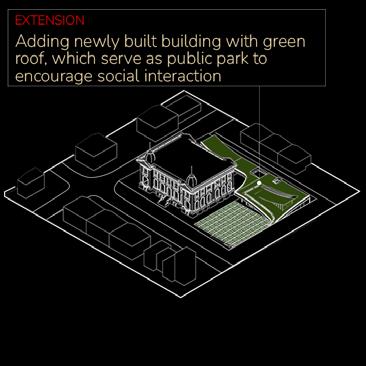
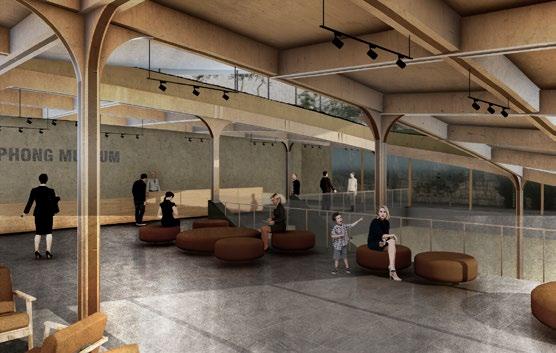
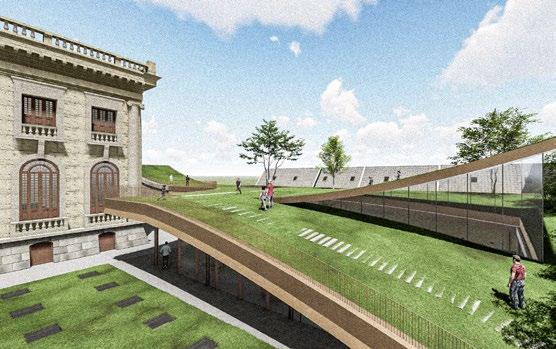
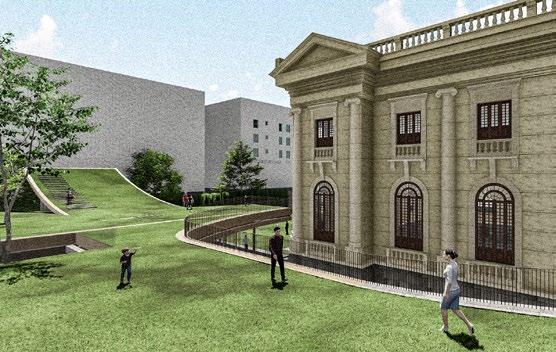
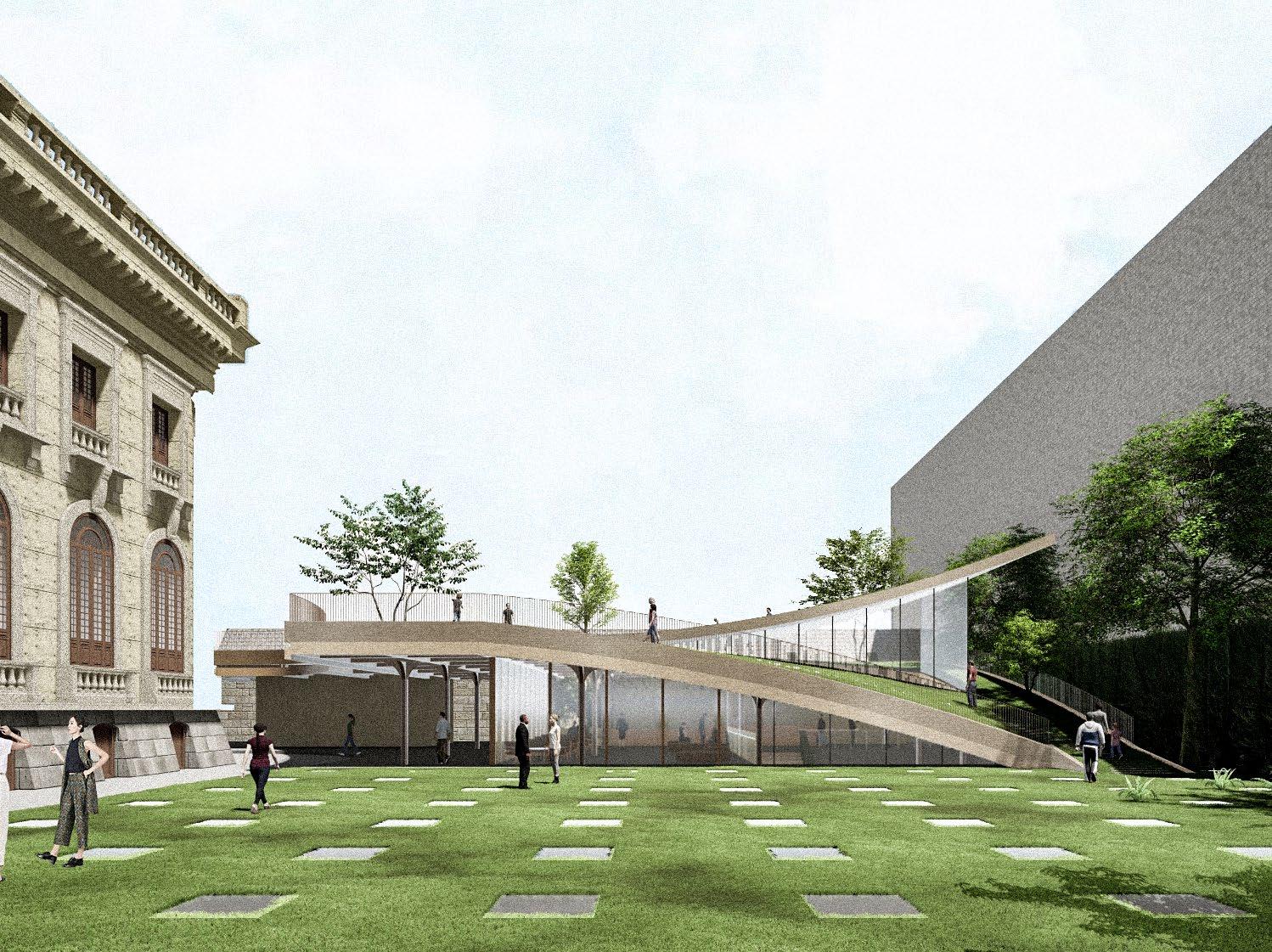
Subsequently, I implemented the same design principles in my graduation project regarding the renovation and extension of Hai Phong museum - a French Colonial Heritage site in Vietnam. Specifically, I proposed the addition of a newly built underground exhibition while preserving the exterior of the existing building and the surrounding landscape. This landscape would then serve as a small park, facilitating social encounters and making the museum more visitor-friendly. Fruitfully, my project earned the highest final grade in my year and was nominated for the Loa Thanh award - the national award for the best architecture graduation projects in Vietnam.
Since my graduation, I have been working as a junior architect at Takashi Niwa Architects and had the opportunity to join the renovation project of a heritage building in Hanoi’s Old Quarter. However, as Vietnam and Japan are both beginning to expand into adaptive reuse, our architects lack the necessary experience to develop a suitable approach. These lessons have motivated me to further broaden my knowledge about building reuse outside of Asia.
Therefore, I hope to continue my education in the master’s program in Interior, Architectural and Spatial Design at Edinburgh College of Arts. This program is distinctive due to its systematic theoretical fundamentals with a strong emphasis on adaptive reuse projects in Edinburgh - a city of heritage and castle-like structures. The opportunity to be involved in the adaptive reuse of Edinburgh’s historic buildings will enhance my practical expertise in heritage renovation and enable me to find innovative solutions for adapting building issues in my country.
Furthermore, as my long-term plan is to become a professional architect specializing in adaptive reuse, the combination of the Adapting Interiors and Reading Interiors Modules, which aim to develop both theoretical and practical knowledge, will also strengthen my professional research in an interdisciplinary level. At the same time, I hope that my knowledge of Vietnam’s unique architectural heritage will bring interesting insights about the challenges and opportunities of adaptive reuse in developing countries to the program.
CONTENTS
MULTI-HOUSING
Housing workshop/ Third Prize
Group work /Year 5/2020.11-2020.12/ Group leader, concept design, visualiztion, model making
YEN POTTERY
An Cuong Interior Design Award 2022/ Consolation Prize
Group work /Professional/2022.9-2022.11/ Group leader, concept design, visualiztion, model making

HAI PHONG MUSEUM - RENOVATION AND EXTENSION
Graduation project/ Loa Thanh Award Nomination
Individual work /Year 5/2021.2-2021.7
HULA VILLAGE
Koala Habitat Design Competition
Group work/Year 4/ 2020.2-2020.5/ Concept Design , visualiztion
FISH SAUCE SPIRIT
Asia Young Designer Award 2020/ First Prize/ Best Design Impact
Individual work /Year 5/2020.10-2021.3
SUSHI HOKKAAIDO SACHI RESTAURANT
Professional Work at Takashi Niwa architects/Under Construction


Group work /Professional/2022.10-2023.2

01 05 02 03 04 06
PROECTS PROECTS
This is a house for three generations: a grandmother, and the elder son’s family of four.
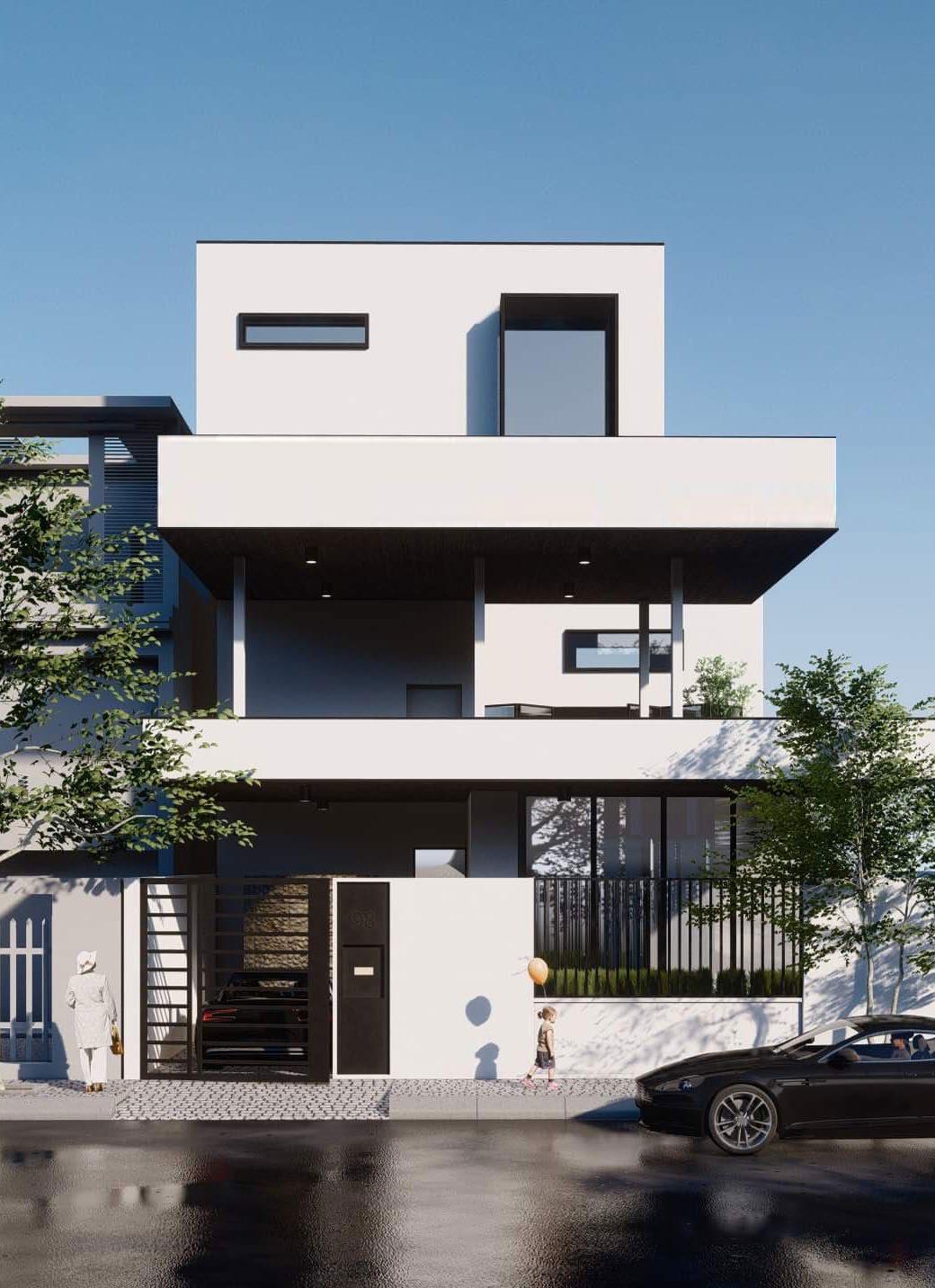

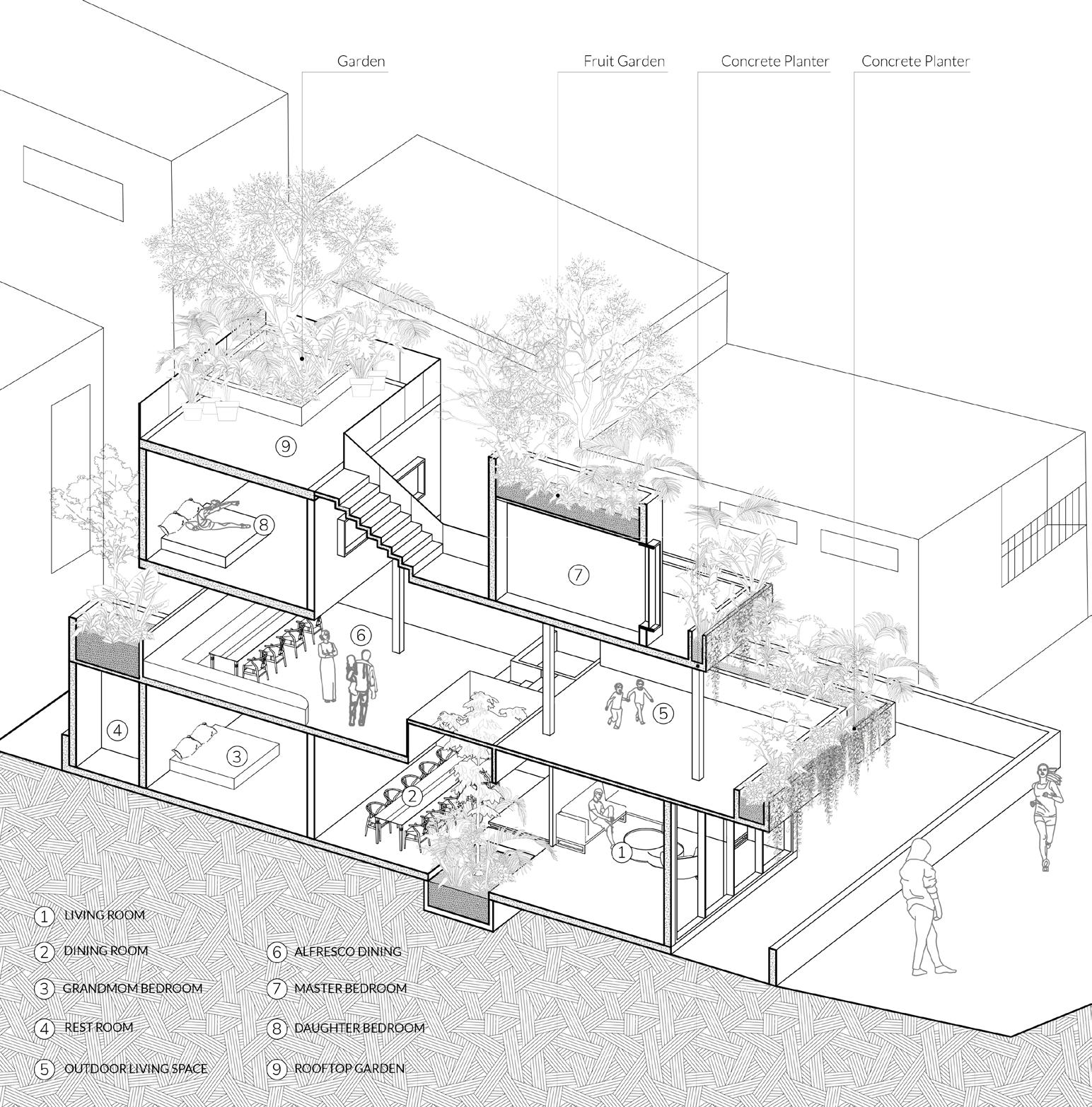
Because each person has their own characteristics and living habits, the project’s challenge is to create a living space that can harmonize all different personalities and, at the same time, connect all family members. Therefore, we propose to divide the functional spaces by floor. The first floor is the guest area and the grandmother’s room. The second floor is a large garden, as well as the main living area for all family members. It also serves as the central space, connecting all private spaces of the parents and daughter on the second and third floors. The rooftop garden is a vegetable and fruit garden of the mother, where she teaches her daughter agricultural skills and helps the whole family live closer to nature.
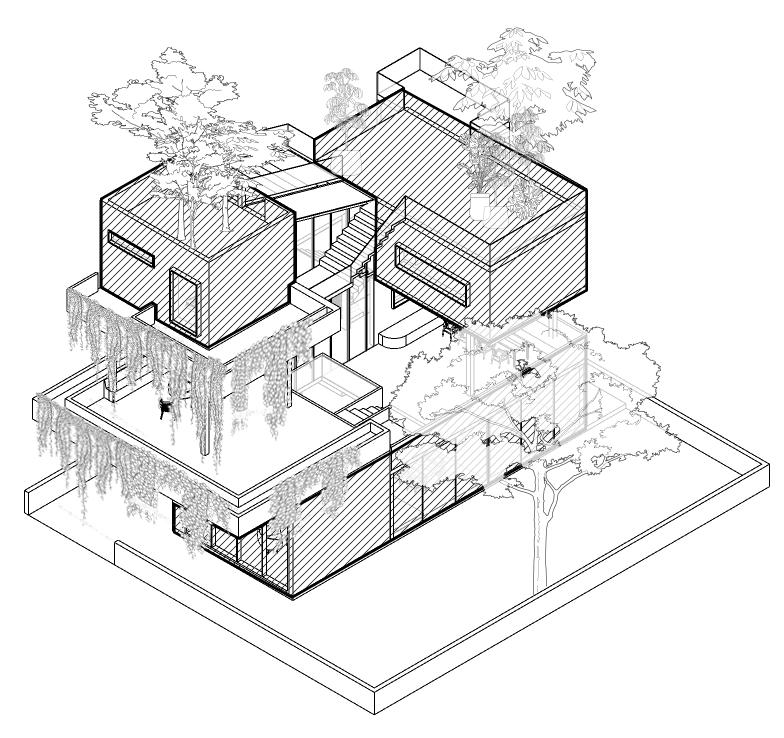
MULTI-HOUSING Group Project Concept Design Visualization Housing workshop Third Prize
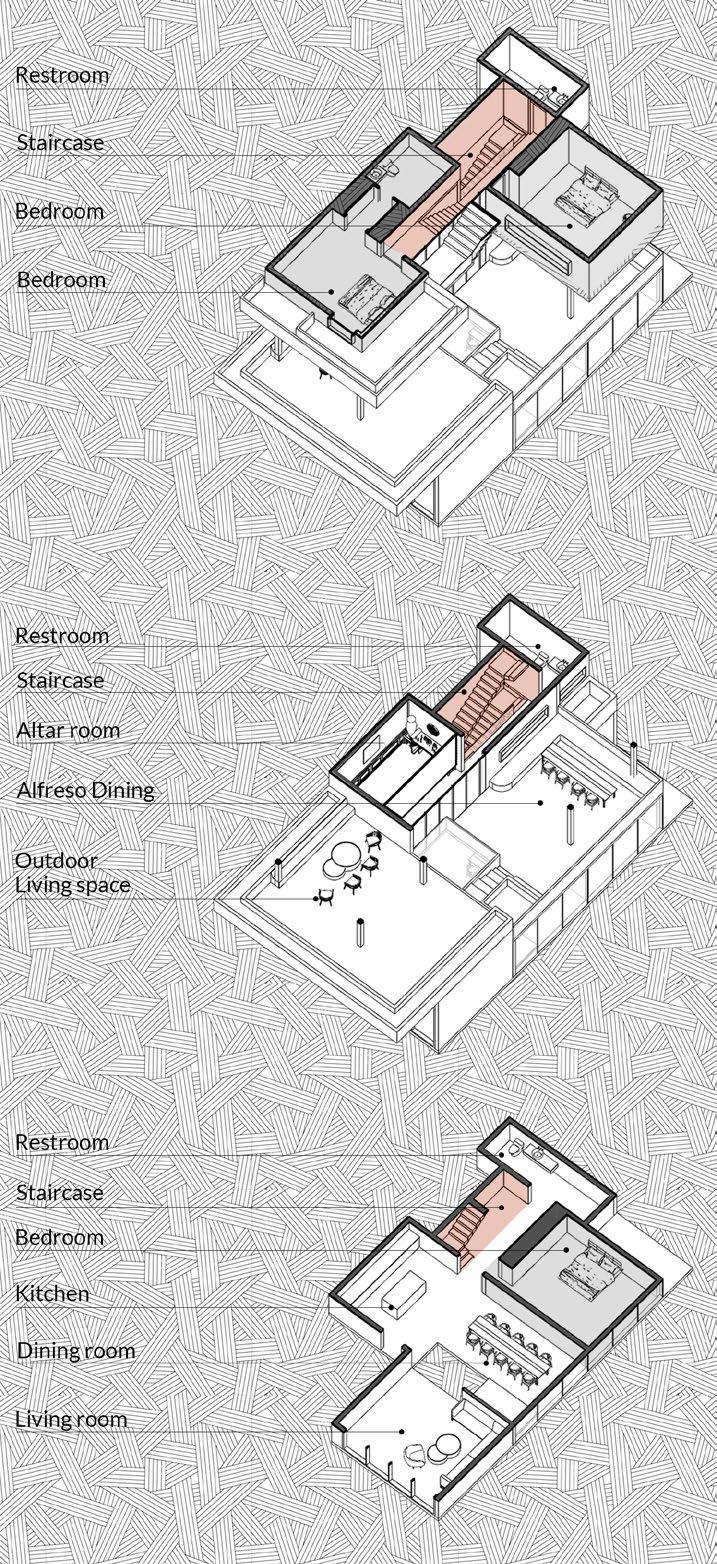
The project involves designing a shop house with a ground floor for commercial purposes and upper floors for living. The owner of the house is a family of three members, including the father, mother, and daughter. The father and mother are ceramic artists from An Phuoc village, Mang Thit district, Vinh Long province. Our design was inspired by the red-brick kilns characteristic of Vinh Long, also known as the “Red Kingdom,” and the abundant natural beauty of the region with its harmonious blend of rivers, water, and greenery, the space is accentuated by the use of raw brick material as a characteristic feature of the ceramic kilns in Vinh Long. This space also incorporates greenery, which recreates the serenity and beauty of the region. This design concept not only reflects the owner’s identity but also reminds guests of
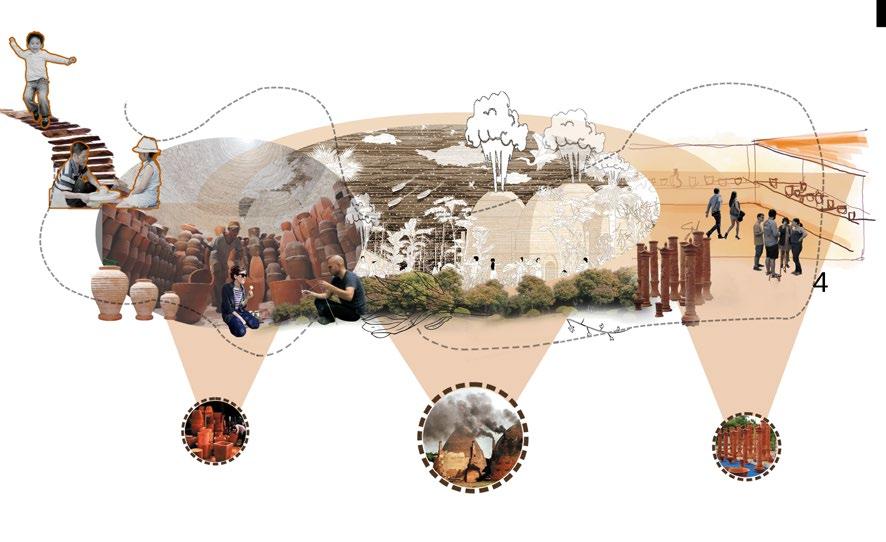
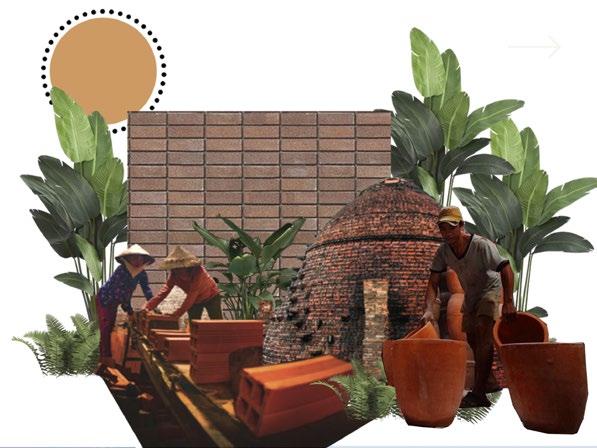
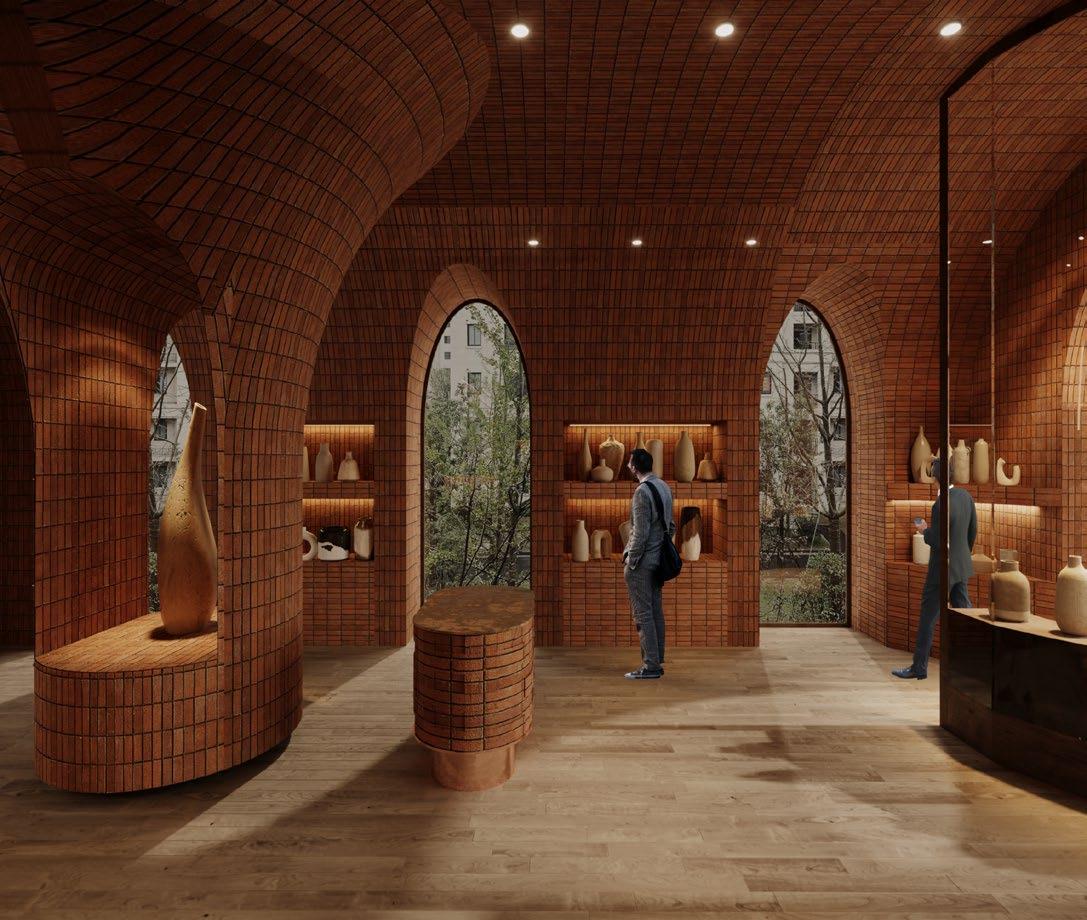
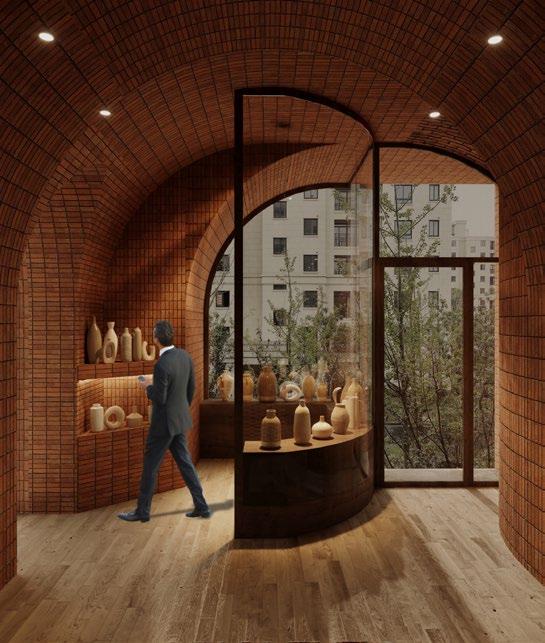
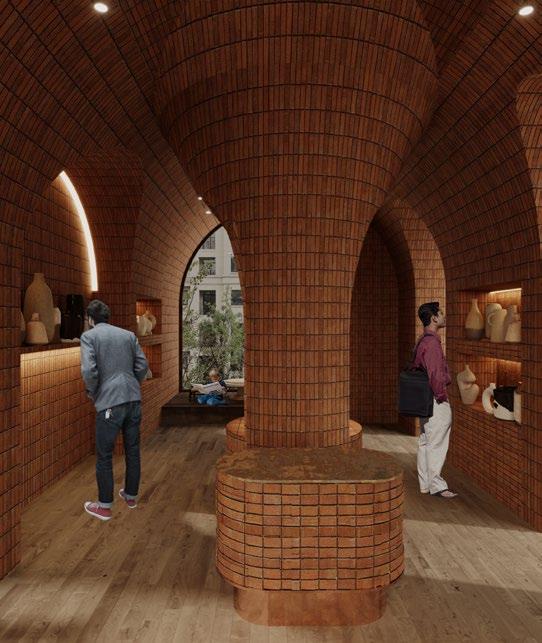
In recent years, the ceramic handicraft village in Vinh Long province has gradually declined due to fierce competition in the market. This has forced many ceramic artisans to leave their homeland and move to big cities to make a living. Along with their daughter, the couple of ceramic artists also left their homeland to come to Hanoi with a desire to build a Yen ceramic brand that promotes the image of their hometown’s ceramic products and revives their traditional handicraft village.

YEN POTTERY Group Project Team Management Concept Design, Visualization AC interior design Consolation Prize
Pottery shop
Pottery shop
Pottery shop
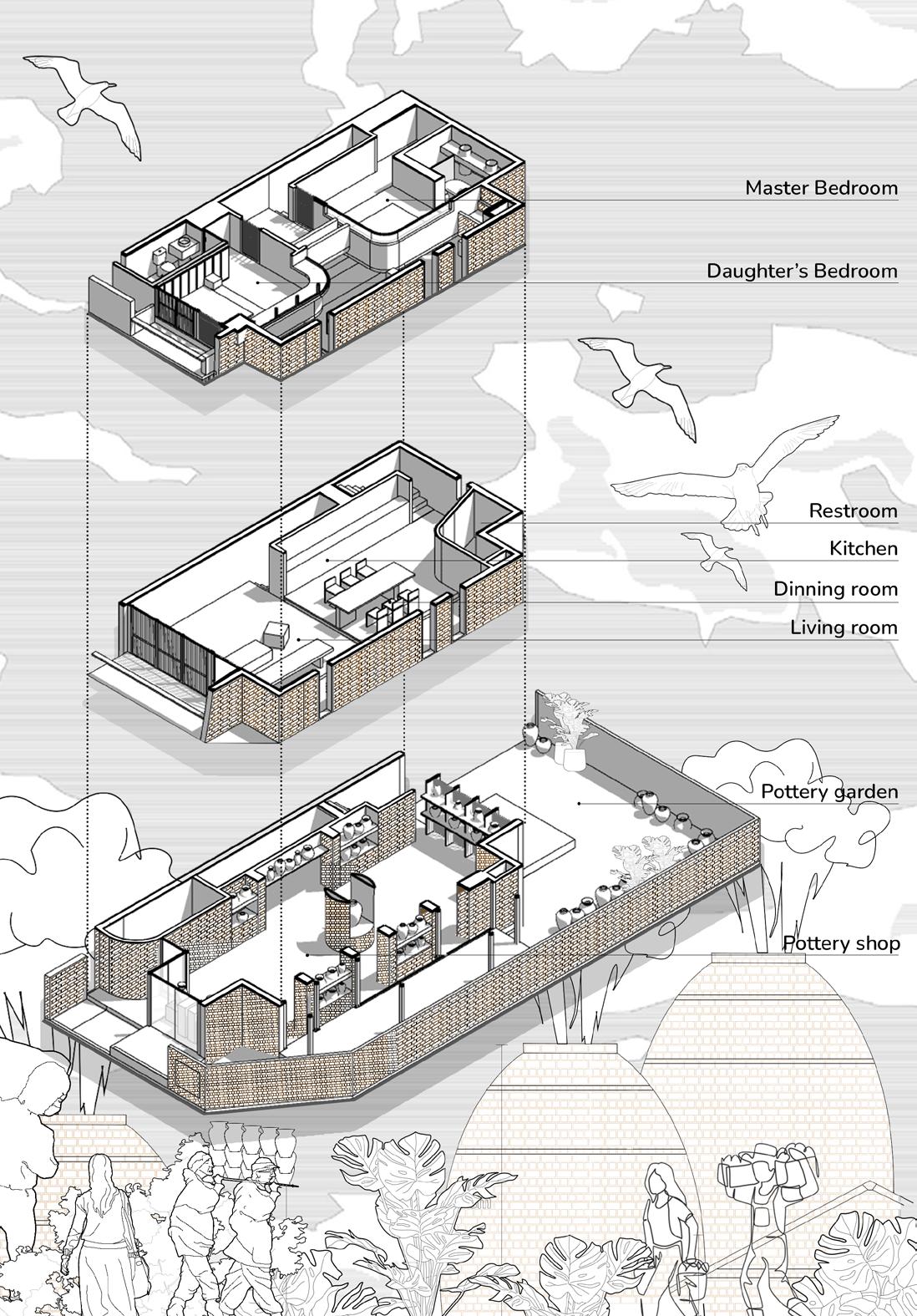
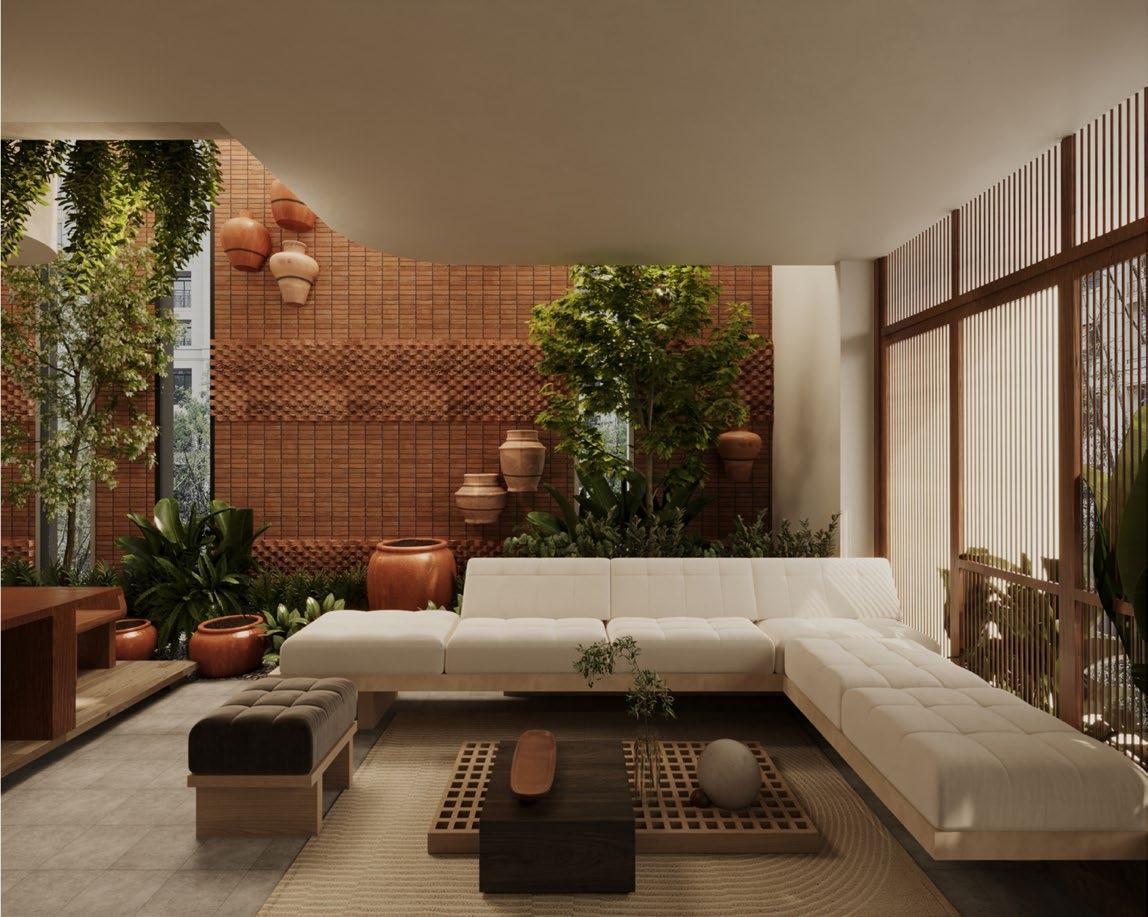
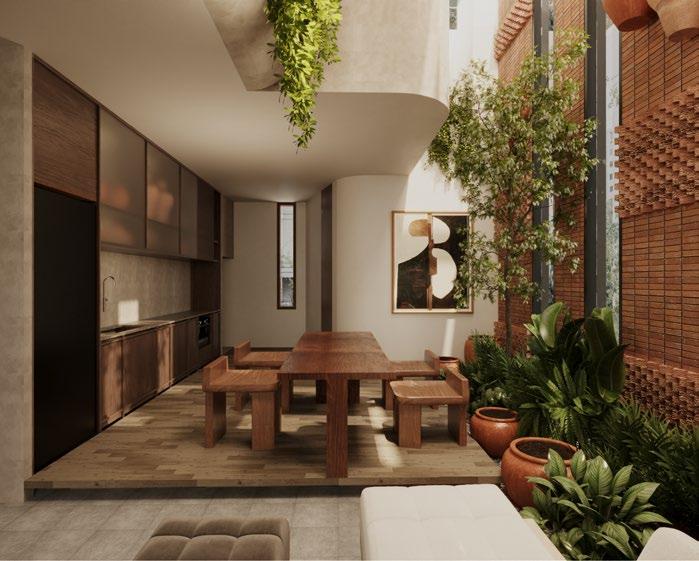
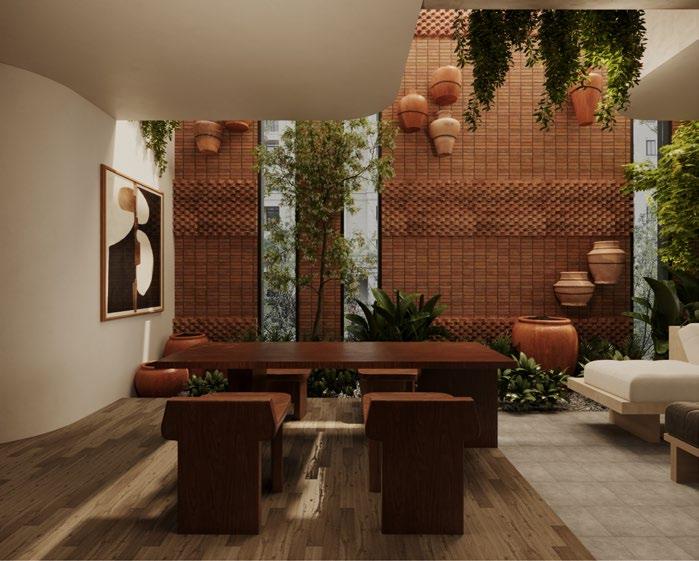
Dinning room Dinning room & Kitchen Living room
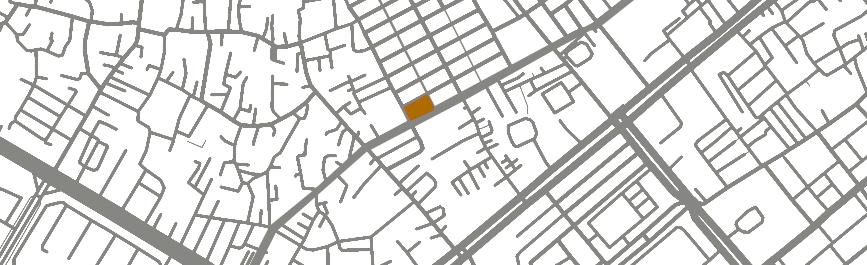
The project is a townhouse located in a new urban area on the outskirts of Hanoi
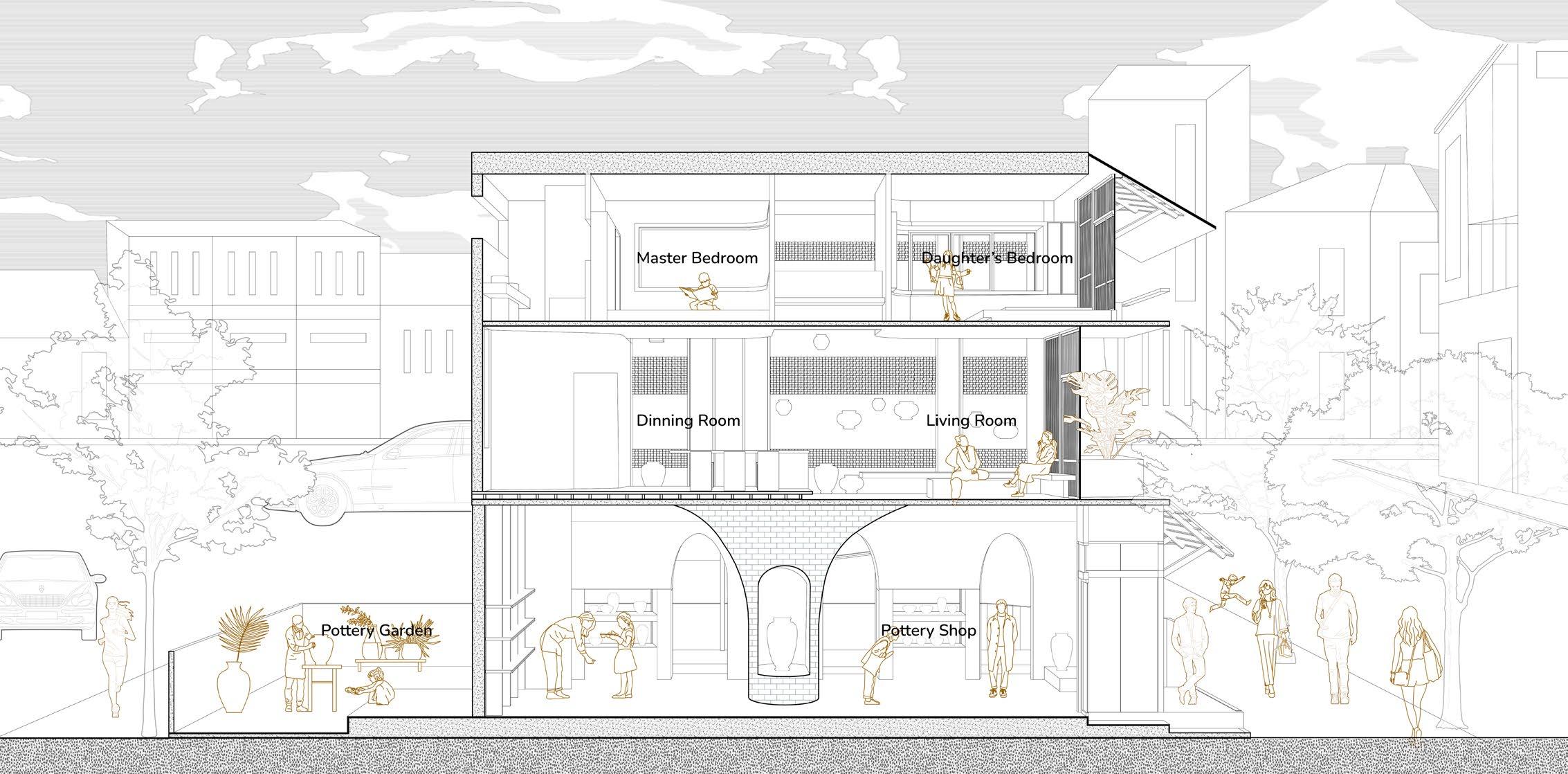
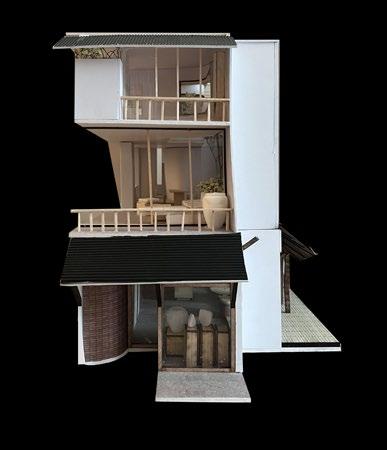
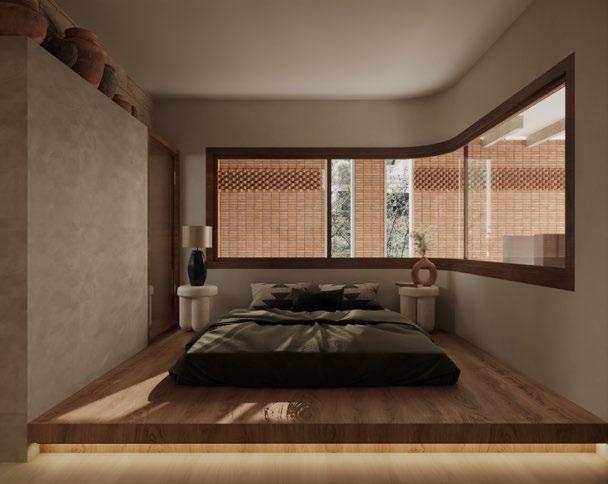
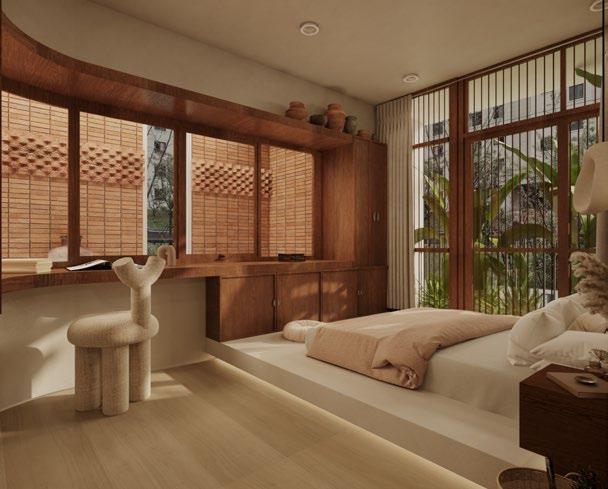
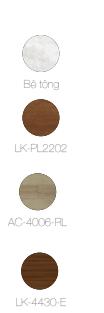
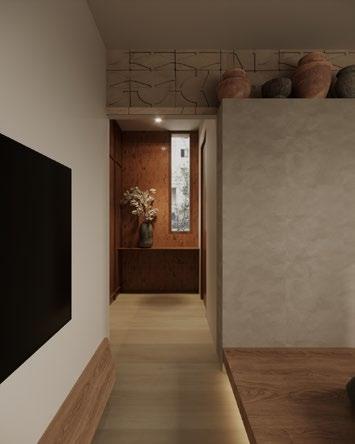
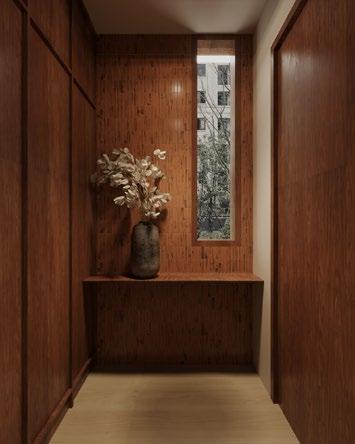
A n C ư ờ n g n e r i o r D e s g n A w a r d 2 0 2 2 2 5 G ố m Y ê n Model Master Bedroom Master Bedroom Daughter Bedroom
HAI PHONG MUSEUM Graduation project
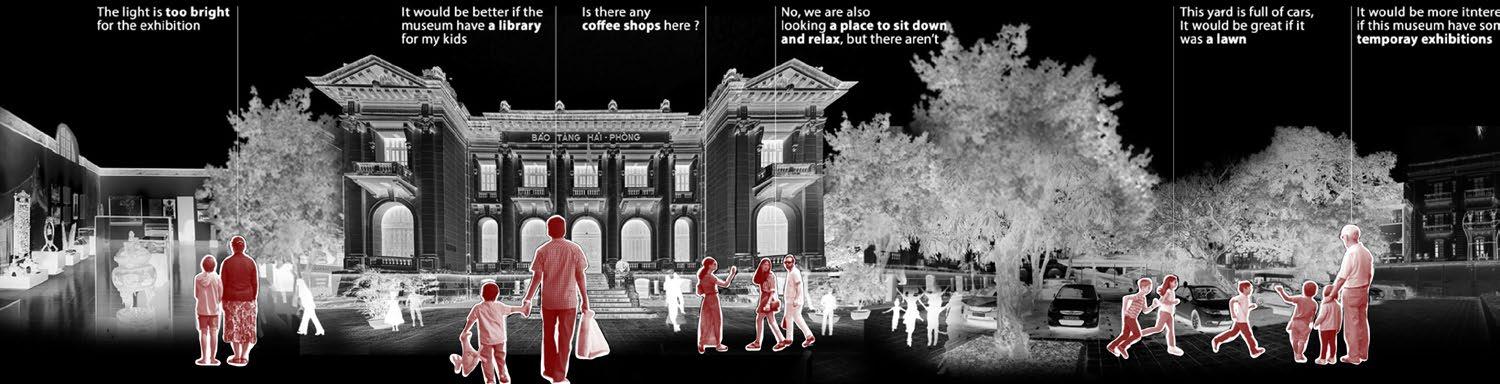
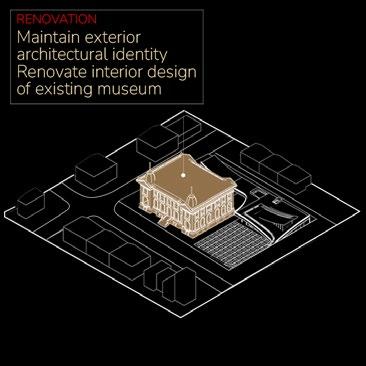
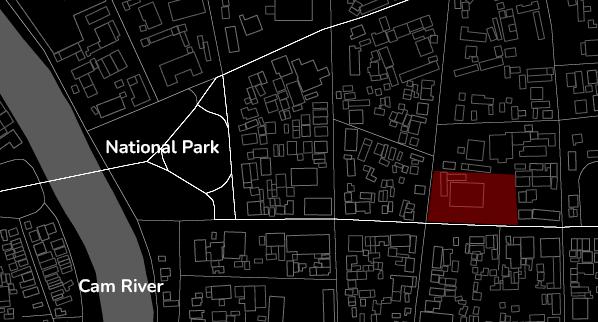
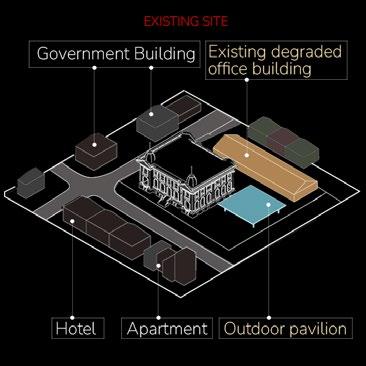
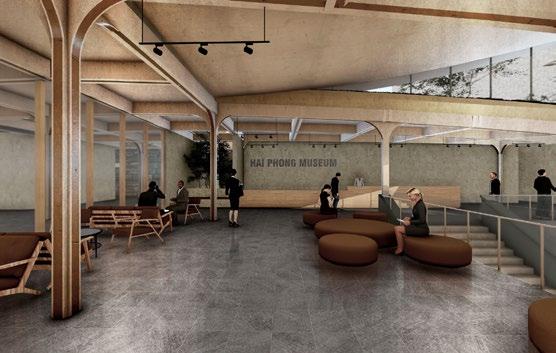
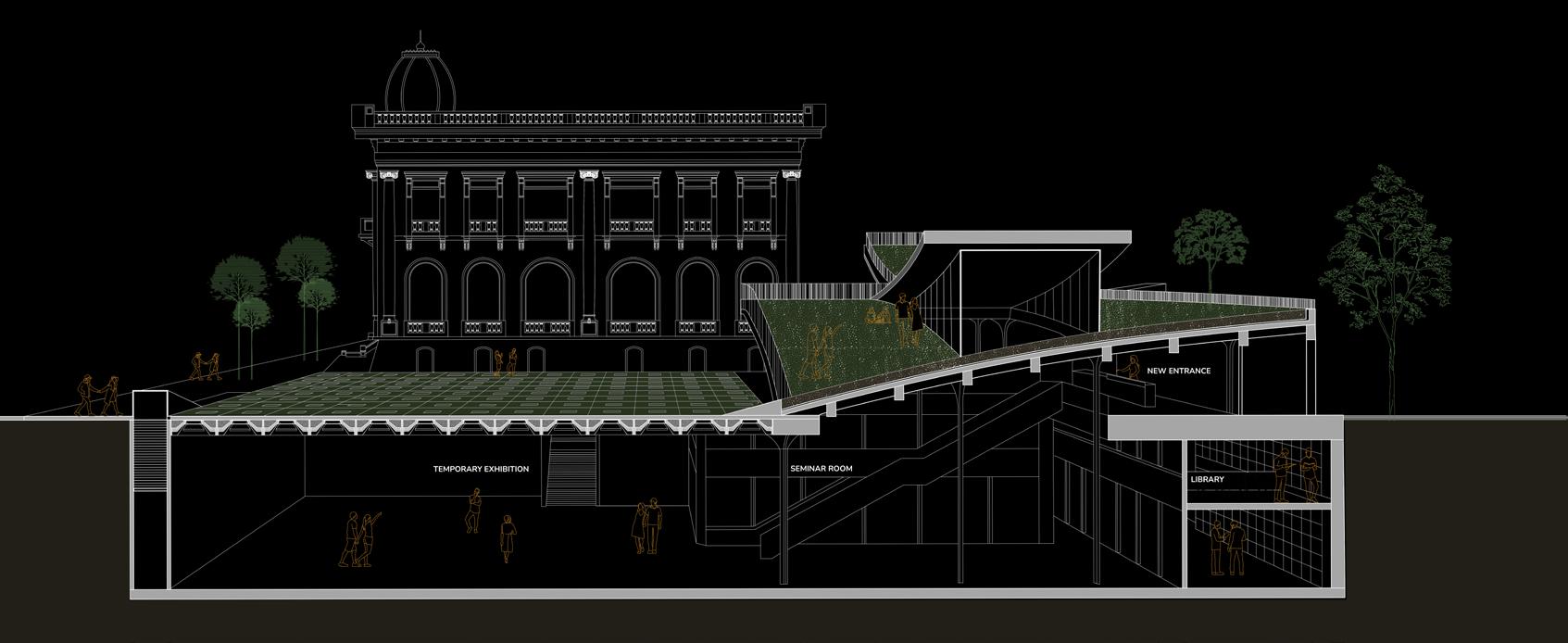
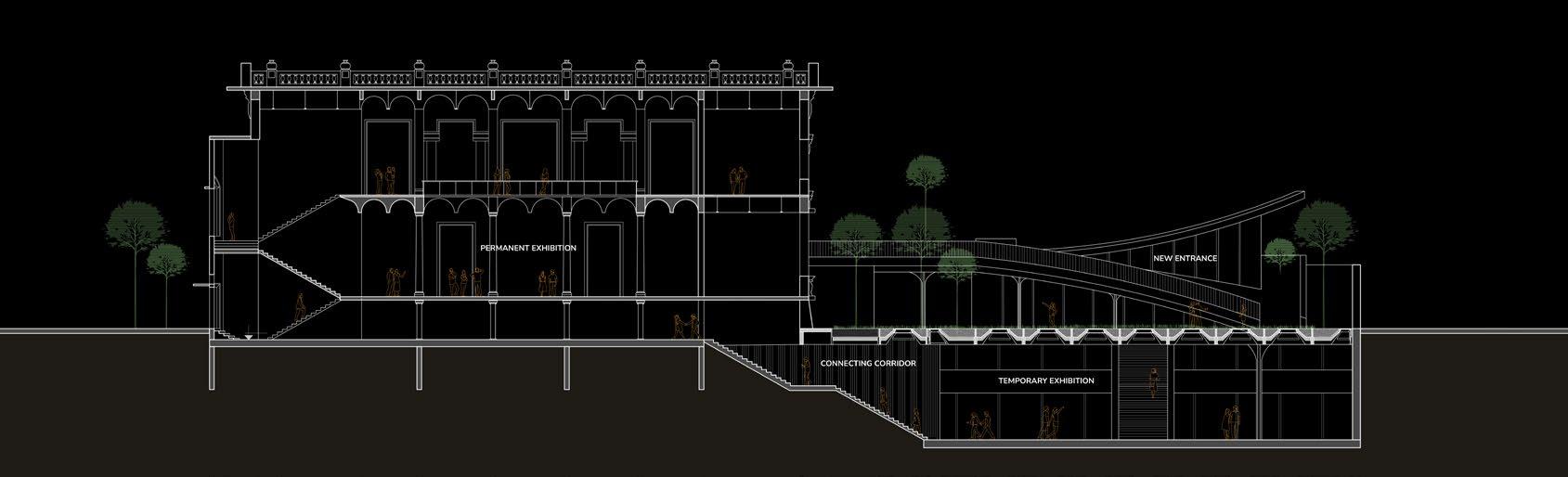
Located in the center of HaiPhong, HaiPhong museum is regarded as a historical buildings which was built by French as the Indo-China Bank when they colonised Vietnam during 1990s. After gaining independence, the government decided to repurpose this building into local museum which exhibit historical and cultural attracts of Hai Phong city. However these days, the museum struggle to connect with the rapidly changing and increasingly diverse communitiese around them. The biggest challenge is refurbish historical museum to adapt to the young generation and strengthen its links to their communities.
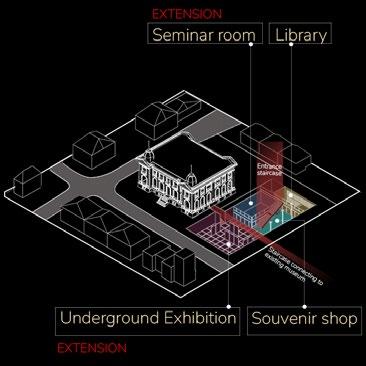
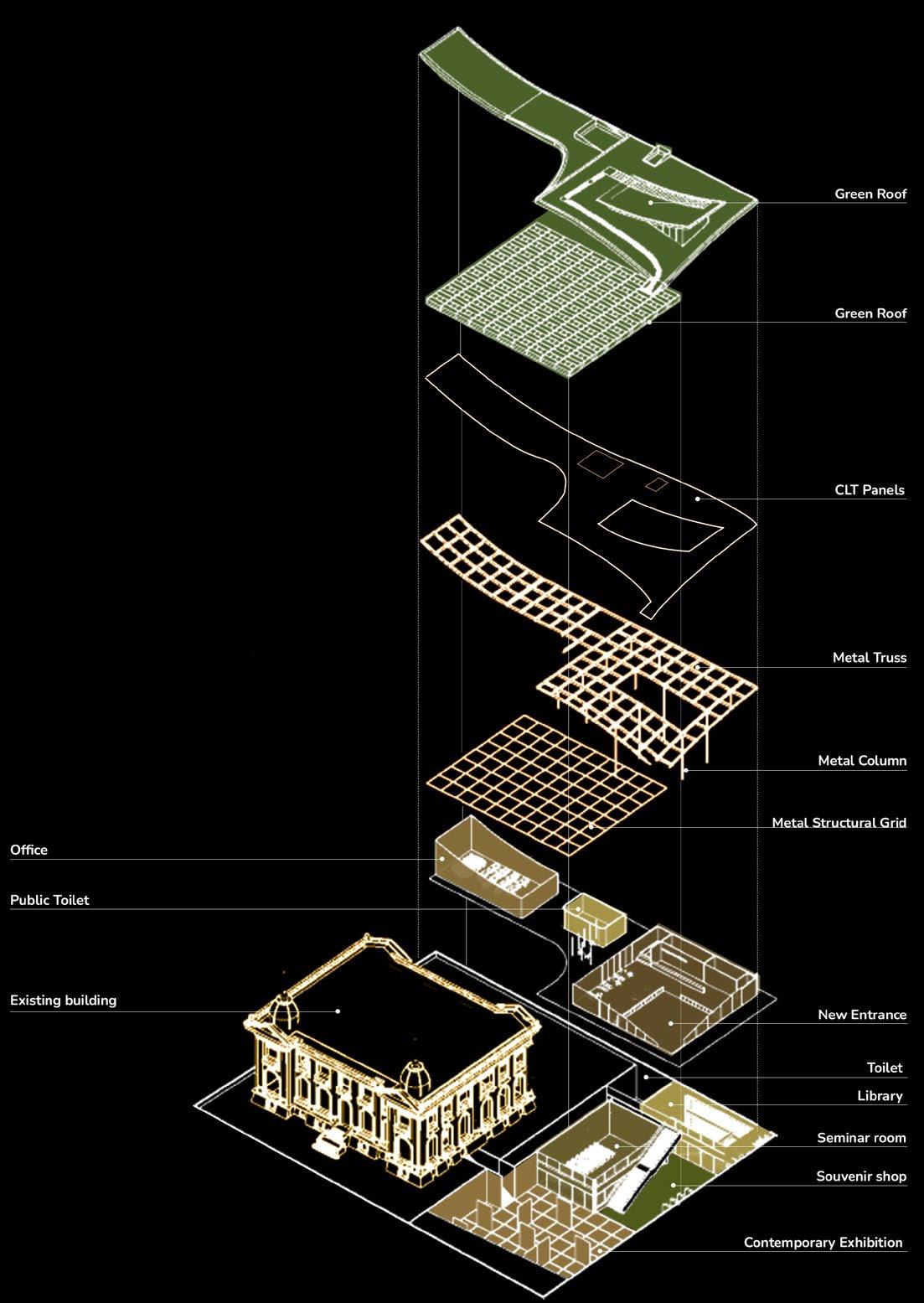
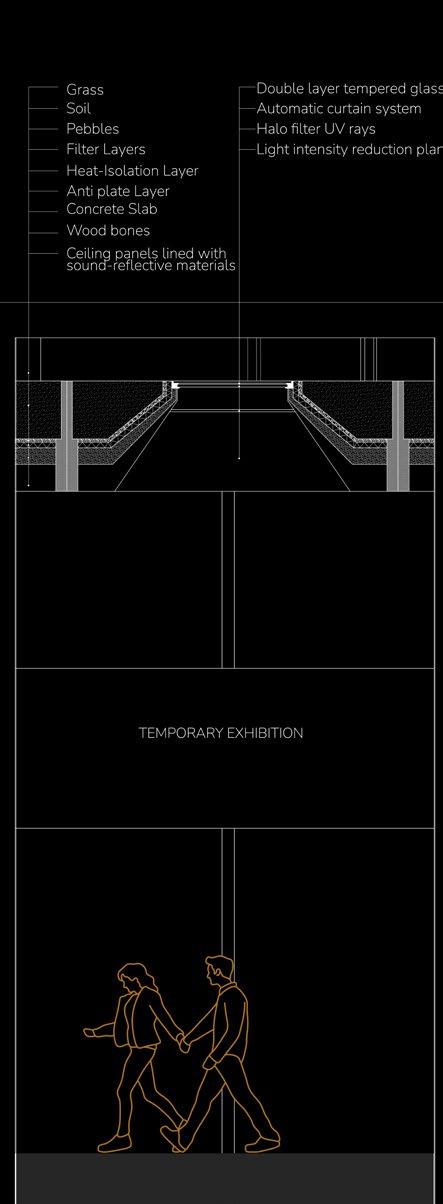
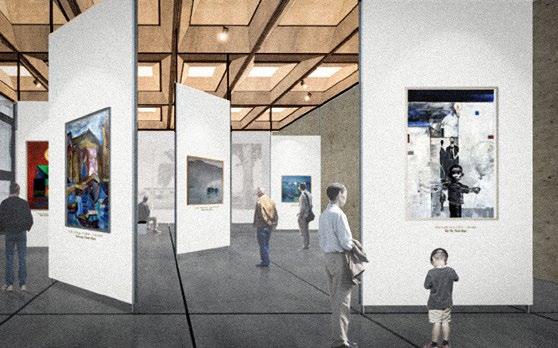
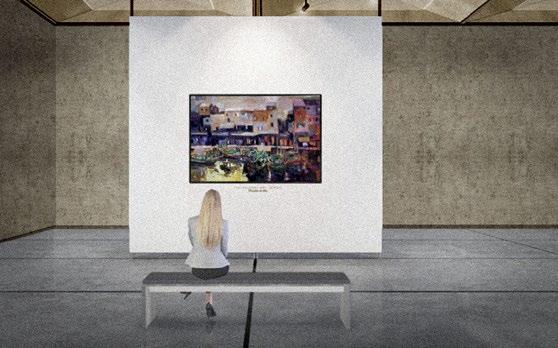
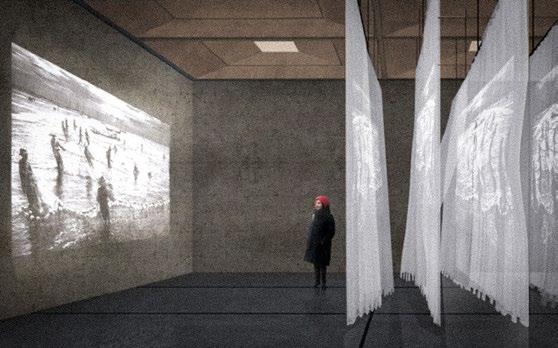
The project of Hai Phong museum renovation and expansion aim to add more functional spaces to existing museum, including coffee shop, library, seminar room, contemporary exhibition, which are more attractive to residents. All these new funtions are built underground to keep outdoor space as a public park, where people can gather and increase social interaction.
History of Museum
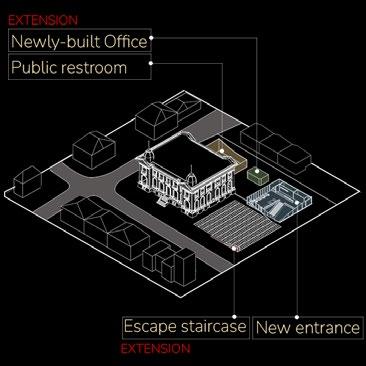
Site Demand Analysis

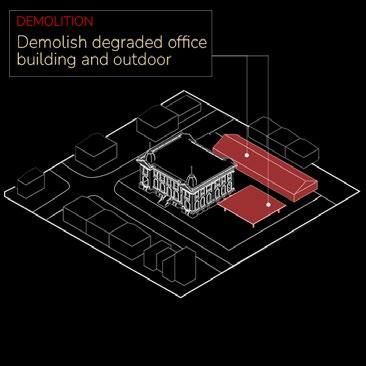
RENOVATION AND EXPANSION
Loa Thanh Award Nomination
01 02 04 03
Award Individual work
Concept Diagram
01 05 Funtions Diagram
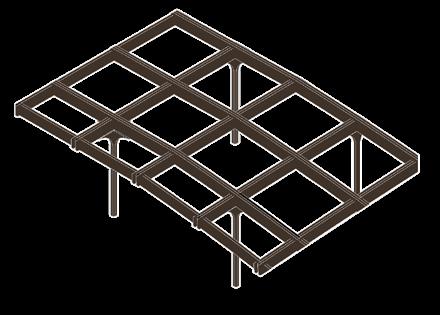
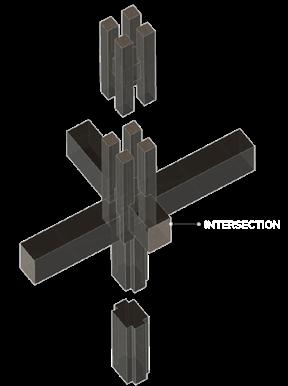
Roof Structura Detail
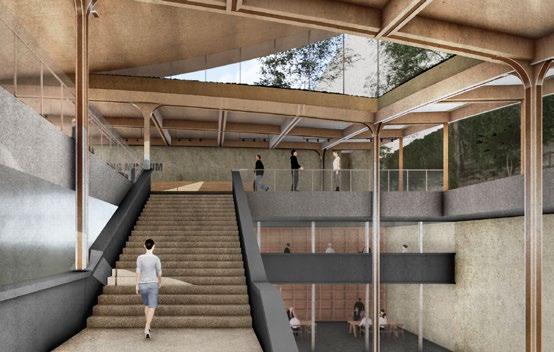
06 Roof Structure Analysis
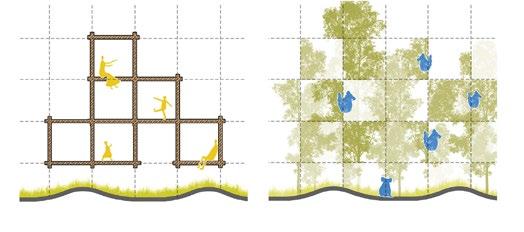
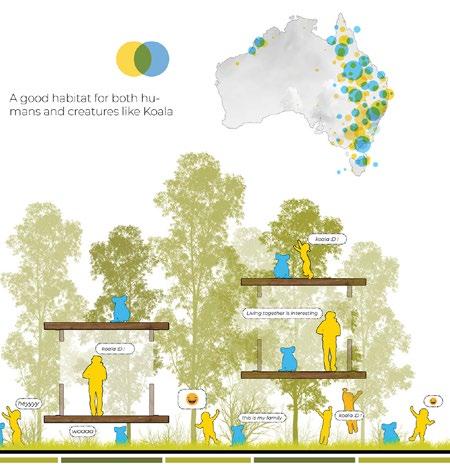
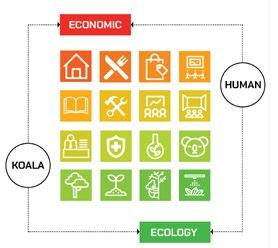
Human Habitat
Koala Habitat
Shared Habitat Between Human and Koala
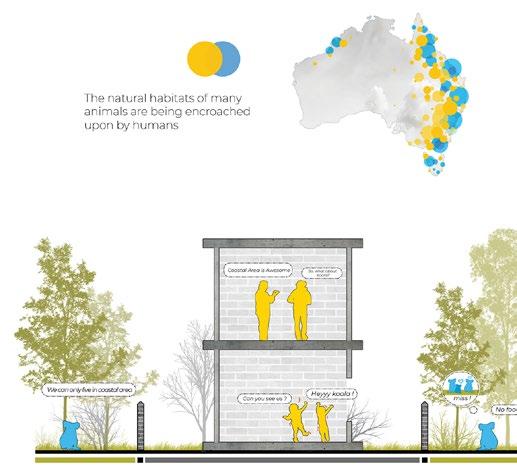
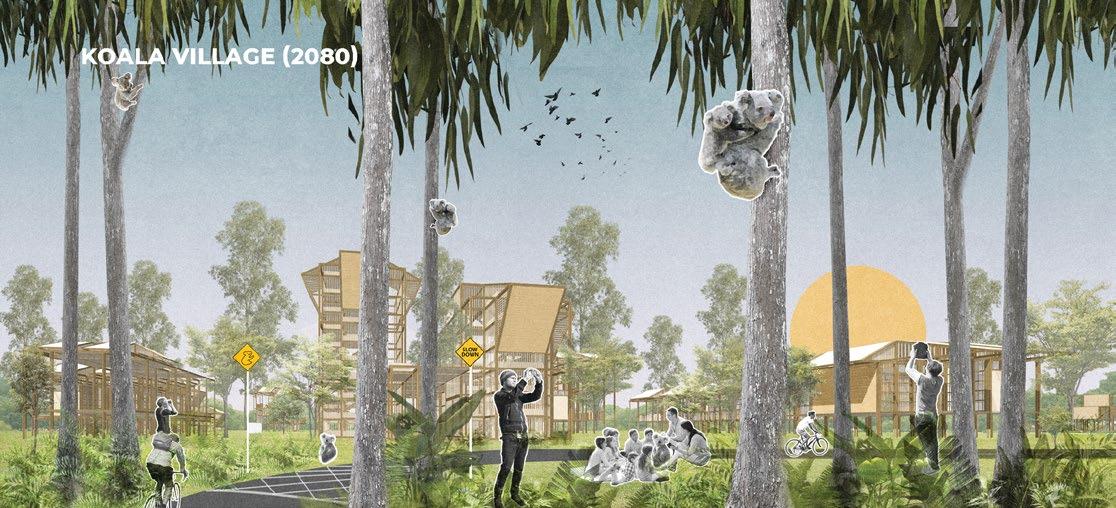
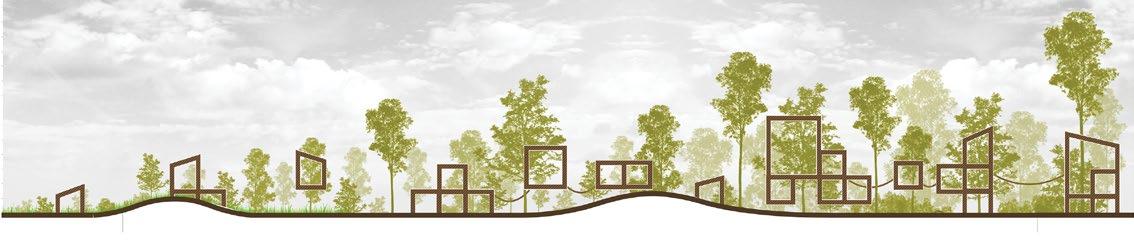
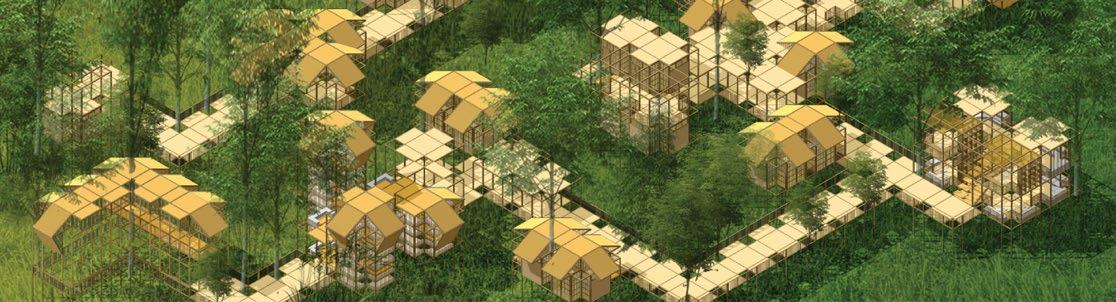
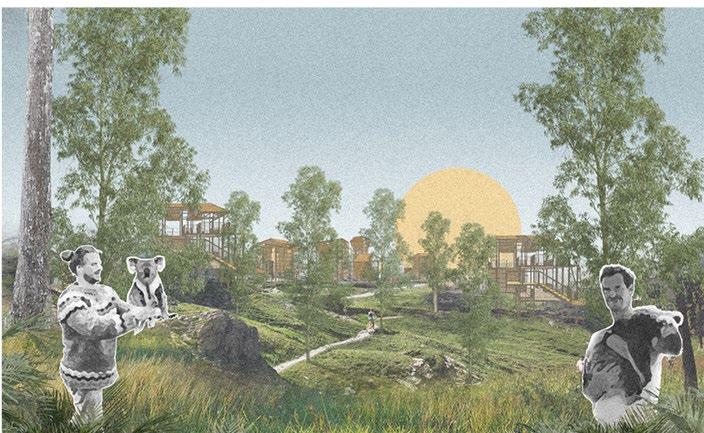
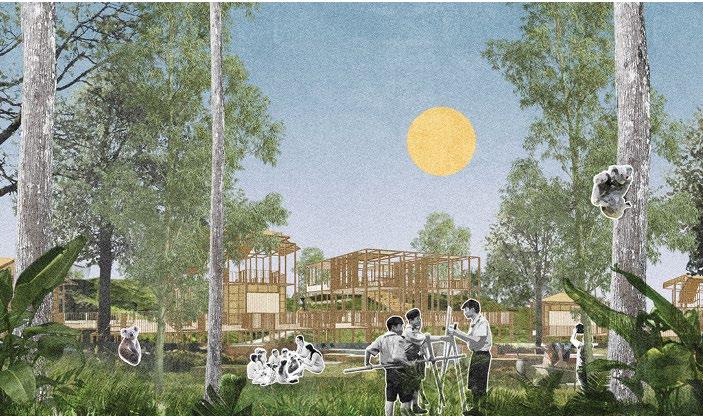
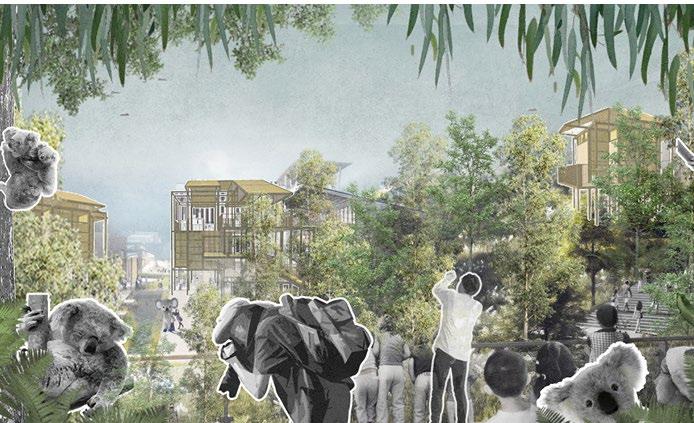
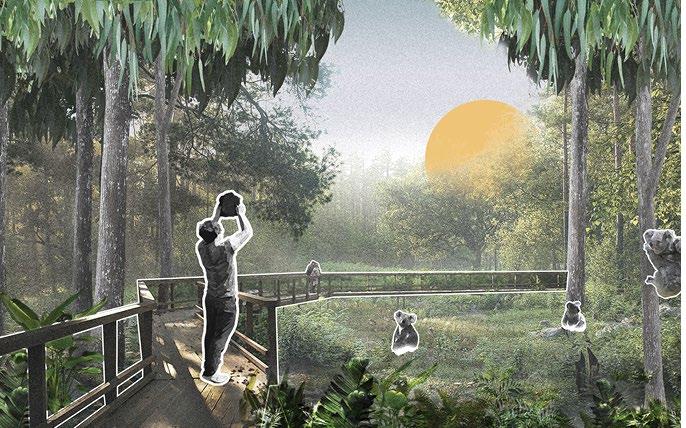
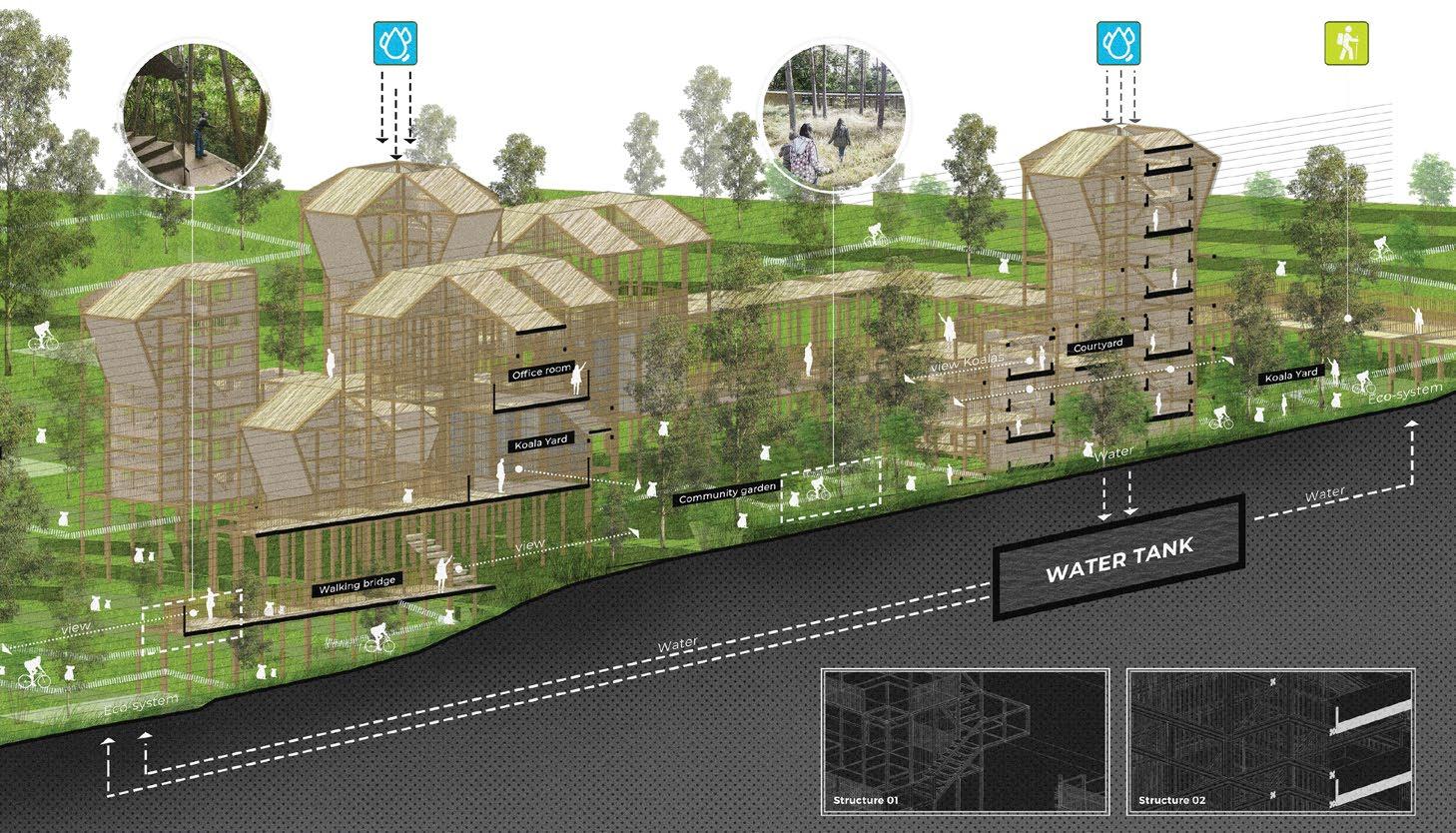
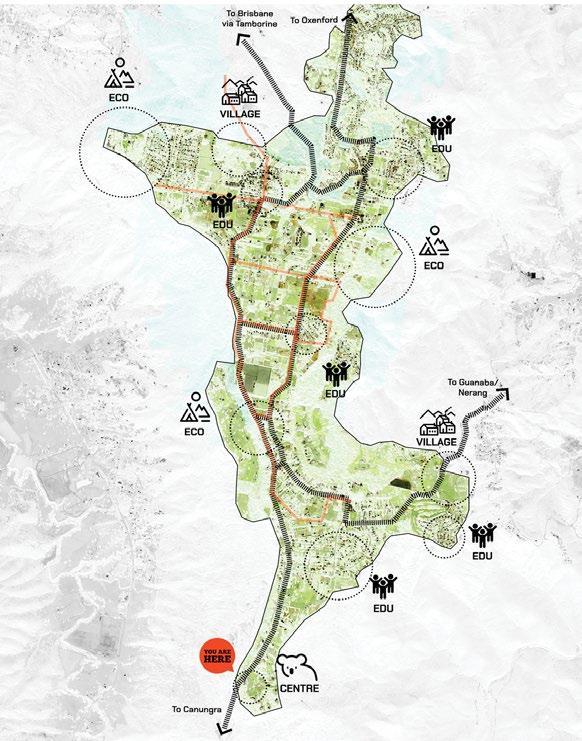
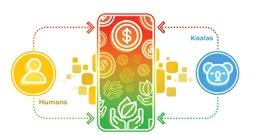
A Future for Human and Koala - By studying an eco-system for Koala’s sustainable development and modular building systems which can change over time. Humans can be proactive in conserving Koala meanwhile Koala also learn how to adapt to living conditions with humans. This is the ultimate goal of Koala conservation

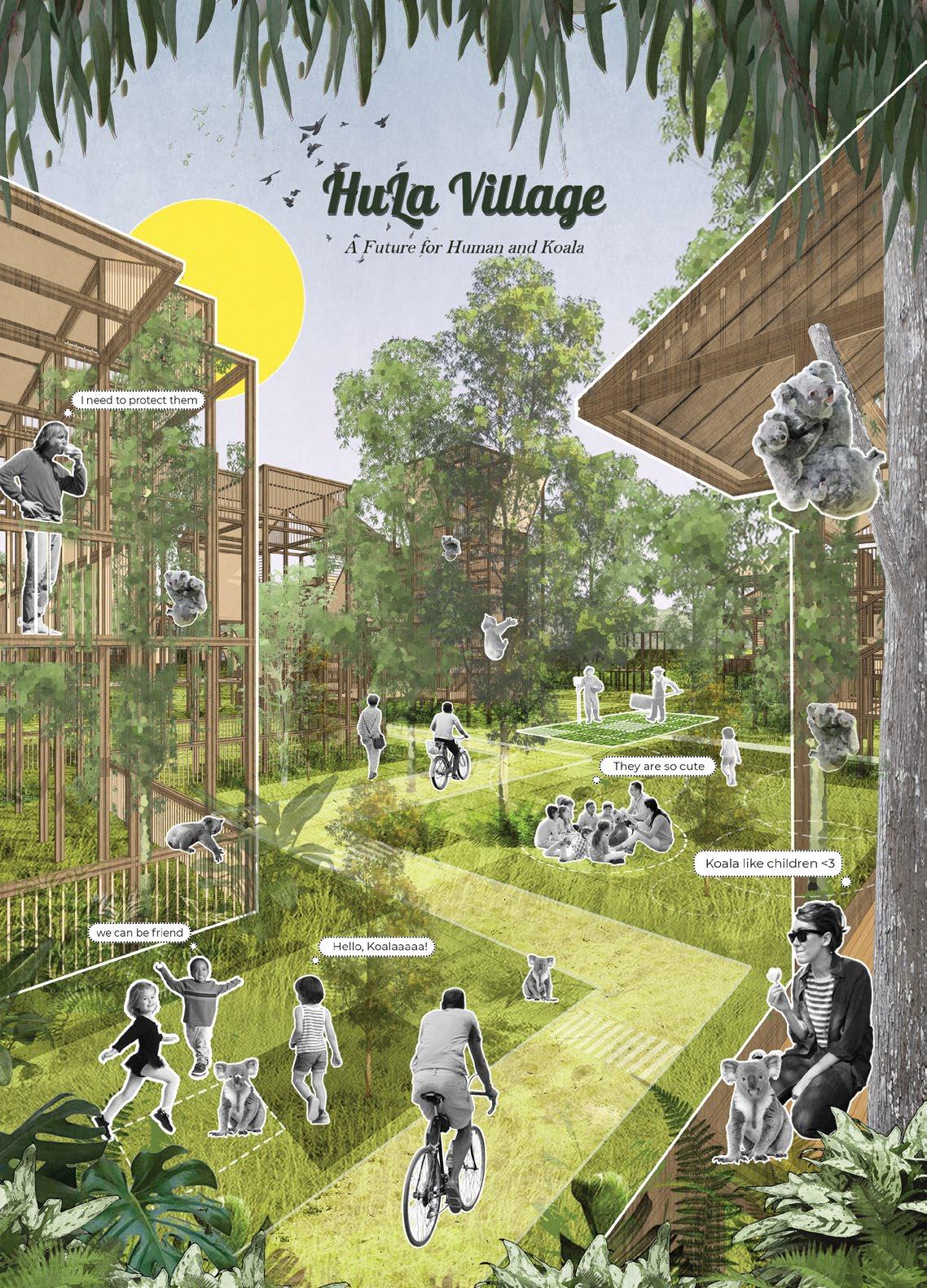
HULA VILLAGE Group Project Concept Design Visualization Haven competition Organizer Choice
Laying foundation for building and nature
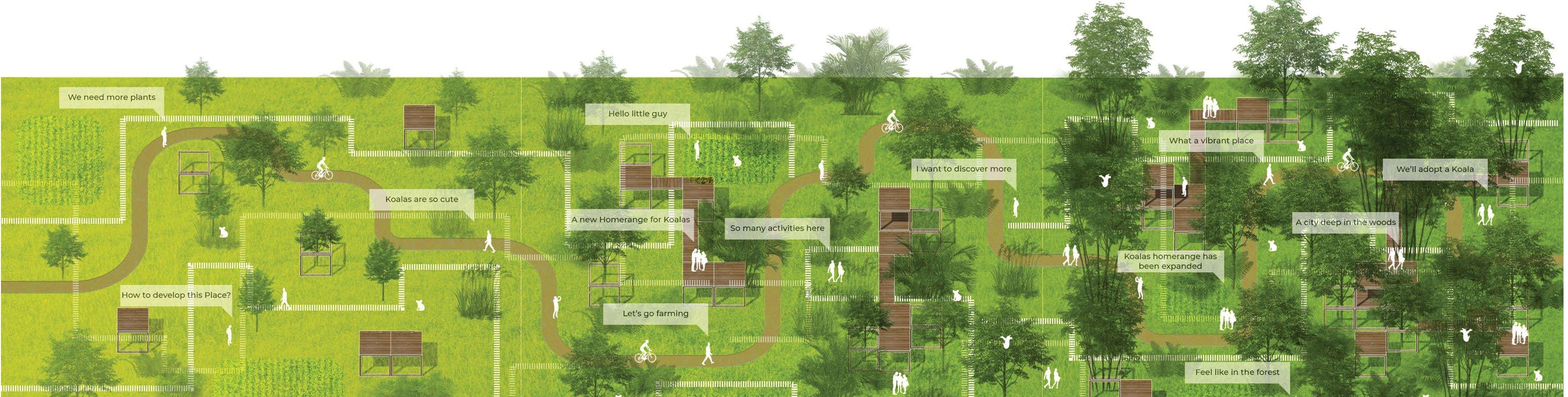
Adding new functional models
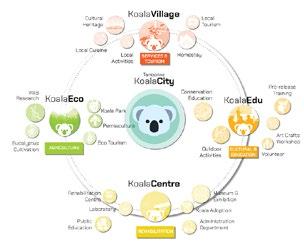
Upgrading funtional architecture models Making the city of human and koala
STAGES OF FOREST SUCCESSION FOREST LAYERS
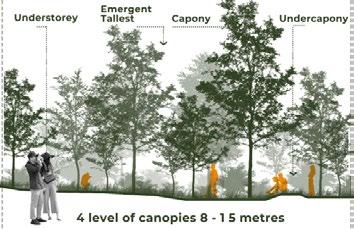
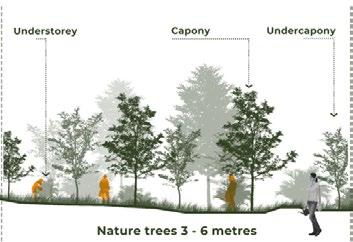
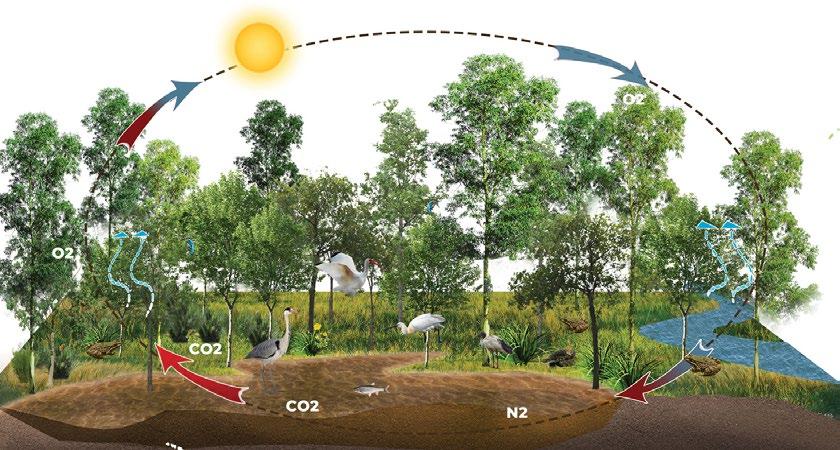
Forests are made up of many layers. A typical forest consists of four layers. These layers enable many different types of plants and animals to live in a small area. Eucalypt open-forests occure over a large area of estern Queensland from the New South Wales border to Cape York Peninsula. Regrowing eucalypt open forests will benefit biodiversity, especially animals such as birds, reptiles, and mammals that are strongly dependent upon eucalypt open-forests for habitat.
Inital Stage Intermidiate Stage Final Stage
Anual plants grow and are succeeded by grasses and perenials Shrubs, then pines, and young tree begin to grow
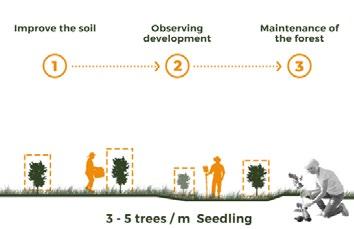
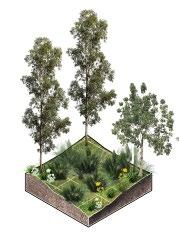
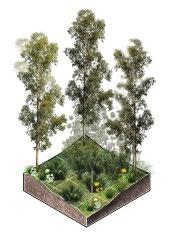
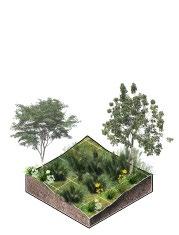
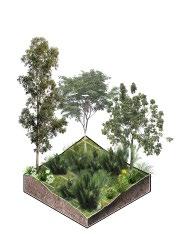
The mature eucalyptus forest remain stable until the next disturbance
NATURE MODULE
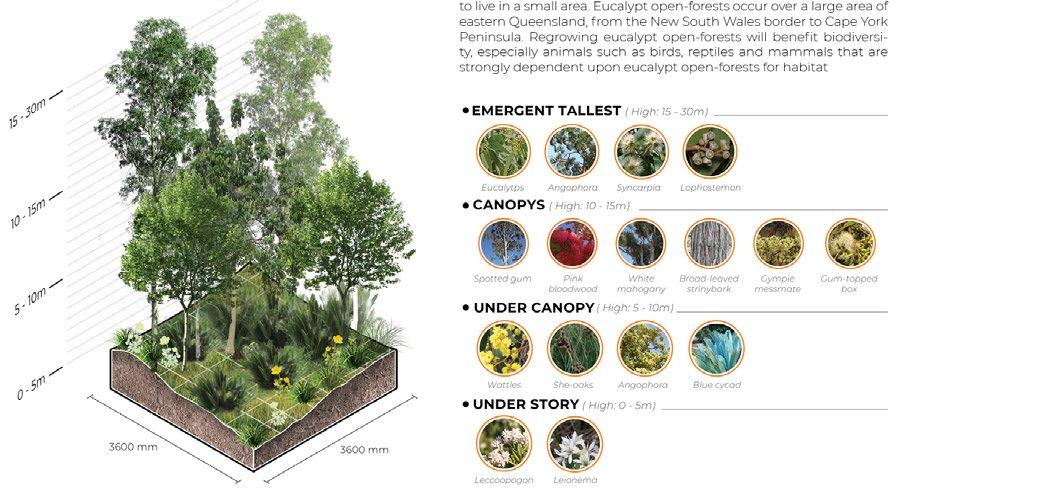
2025 2030 2040 2020
PROCESS
DEVELOPMENT
EUCALYPTUS AND CANOPY COVER OPEN FOREST WITH SHRUB COVER CANOPY TREE AND LOW SHRUB MATURE OPEN FOREST
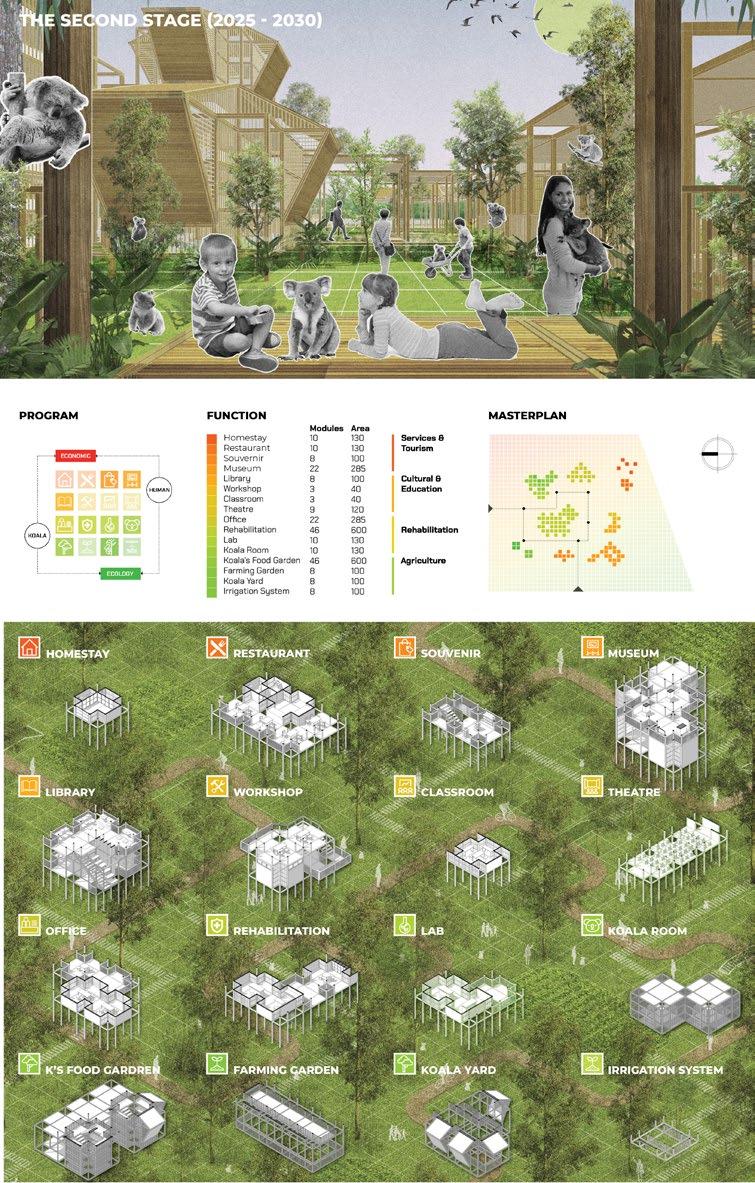
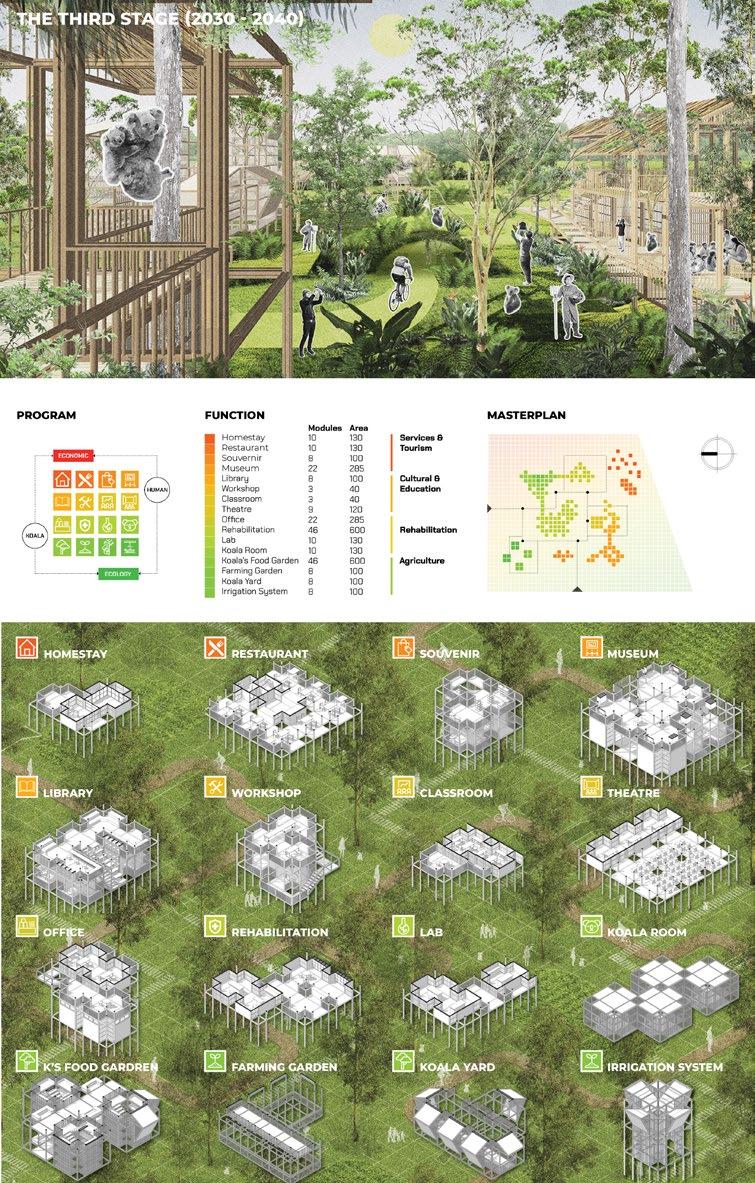
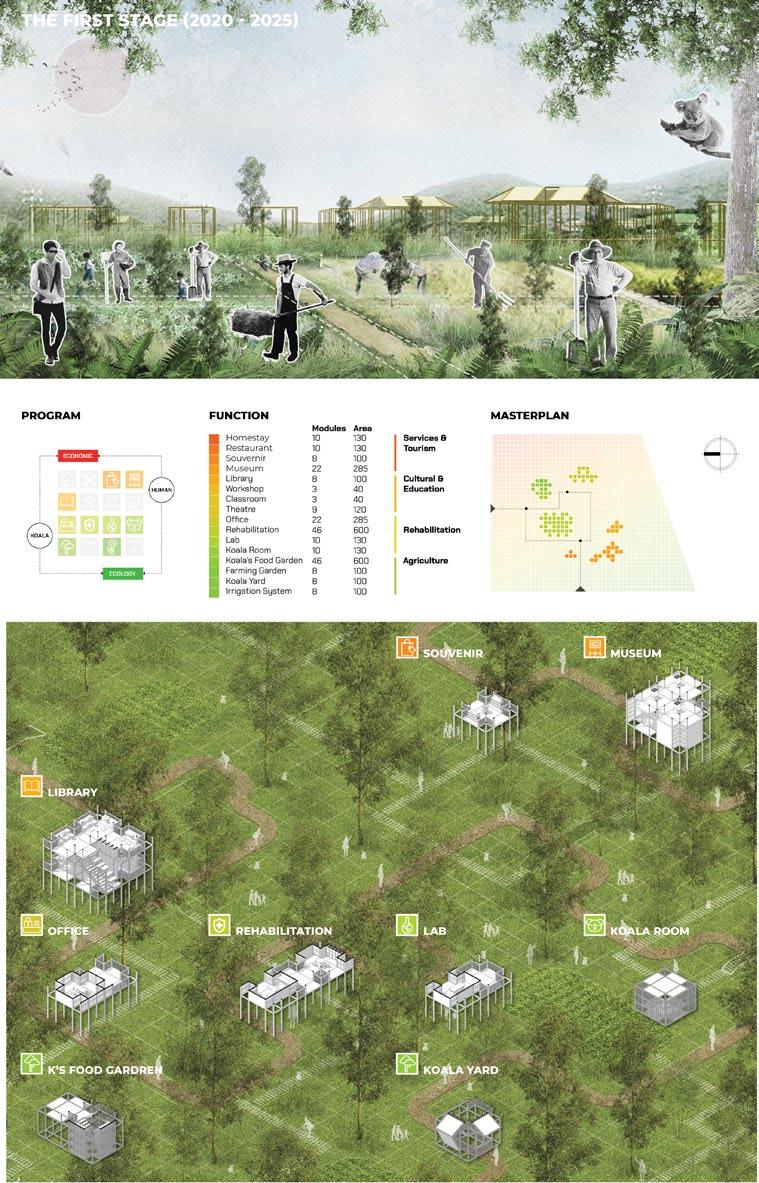
Program Program Program Function Function Function Master Plan Master Plan Master Plan
MODULAR ARCHITECTURE DEVELOPMENT PROCESS
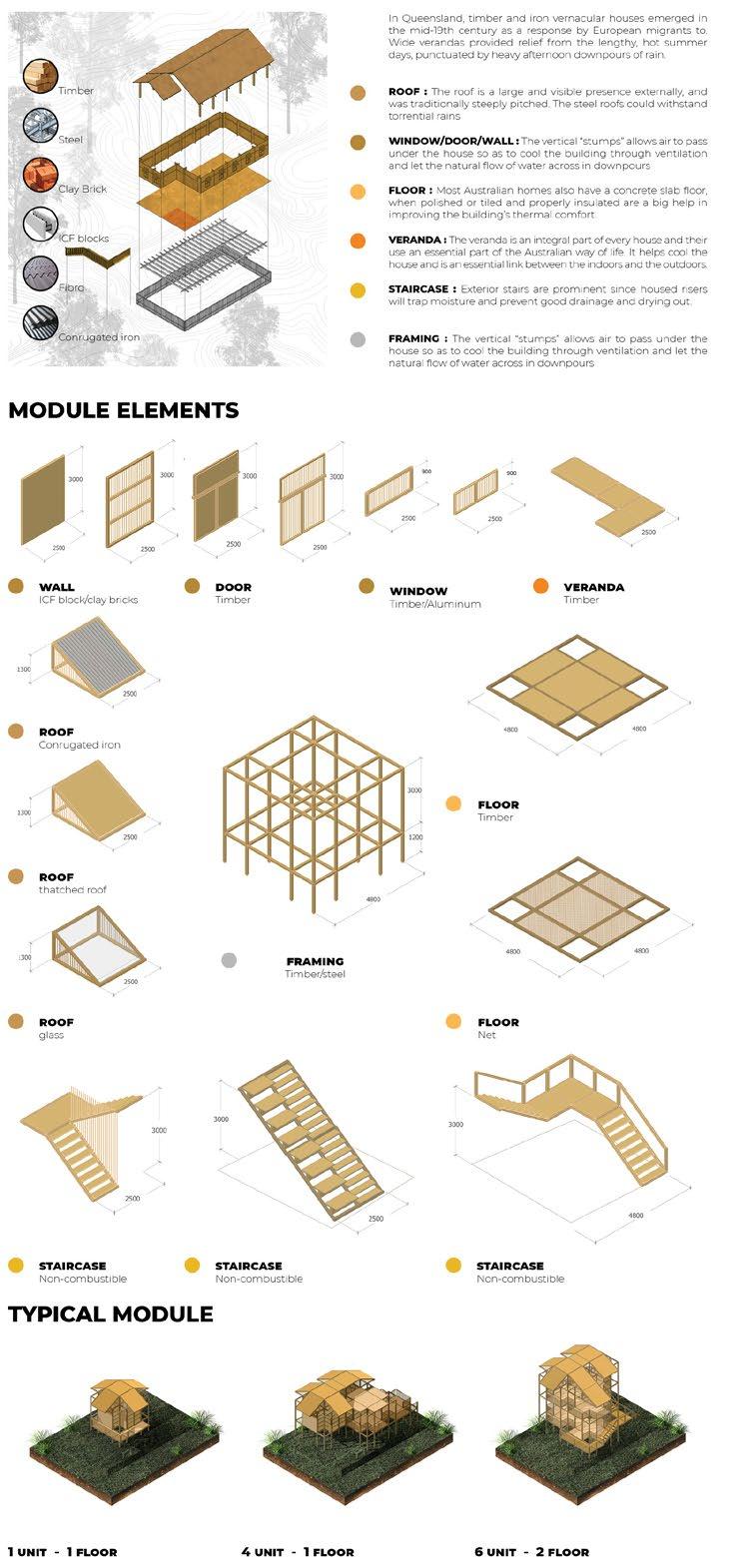
QUEENSLANDERS ARCHITECTURE
ARCHITECTURE MODULAR ELEMENTS
EUCALYPTUS NATURE ECOSYSTEM
TYPICAL MODULE
FISH SAUCE SPIRIT

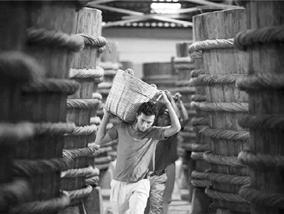
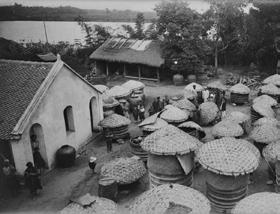
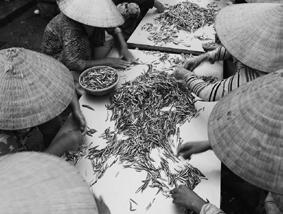
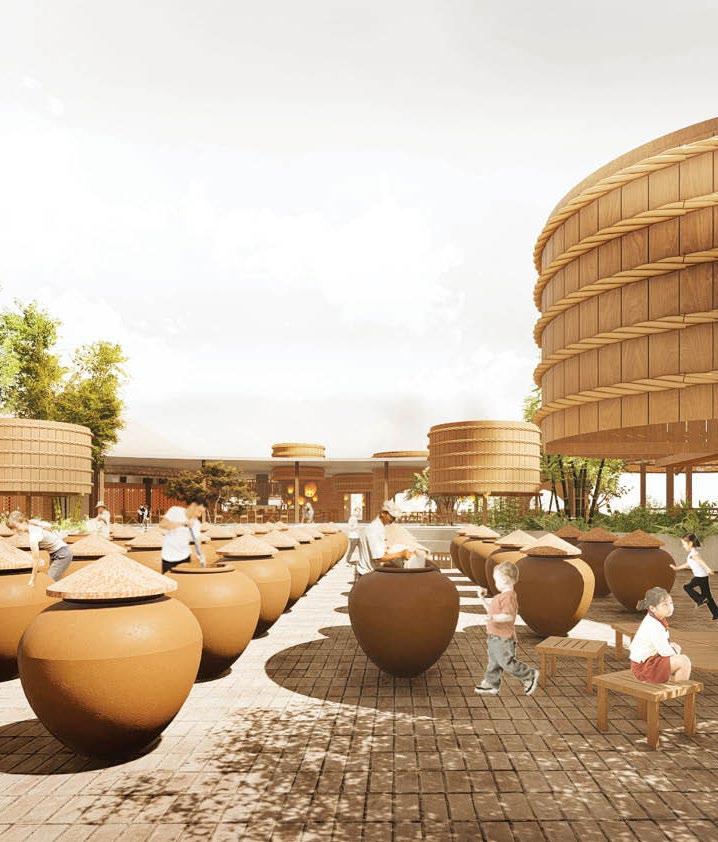
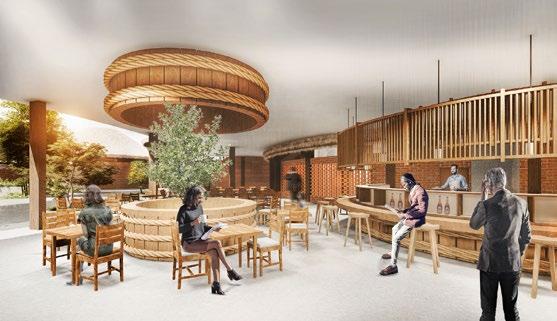
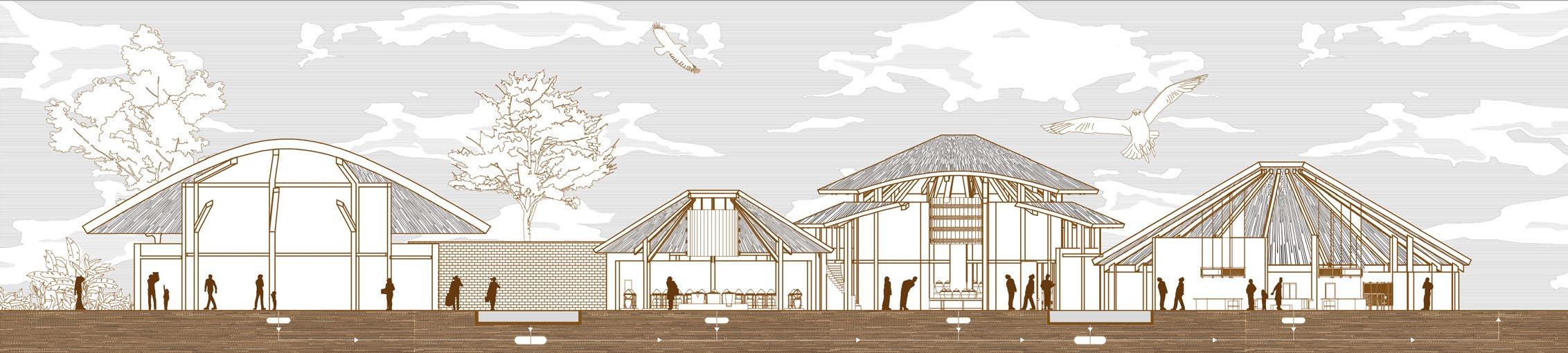
“Fish sauce spirit” is a project combining a traditional fish sauce production villages with a tourism-experienced village model.
The big idea of this project comes from the desire to revive the traditional fish sauce villages, which are gradually being lost due to competition with the industrial fish sauce products. Due to the weakness of production facilities, the support of machines, the traditional fish sauce have a higher cost and a longer production time than the industrial fish sauce products, so it gradually loses its advantage in the market. This leads to many traditional fish sauce families give up their jobs, even many people fall into unemployment and economic difficulties.
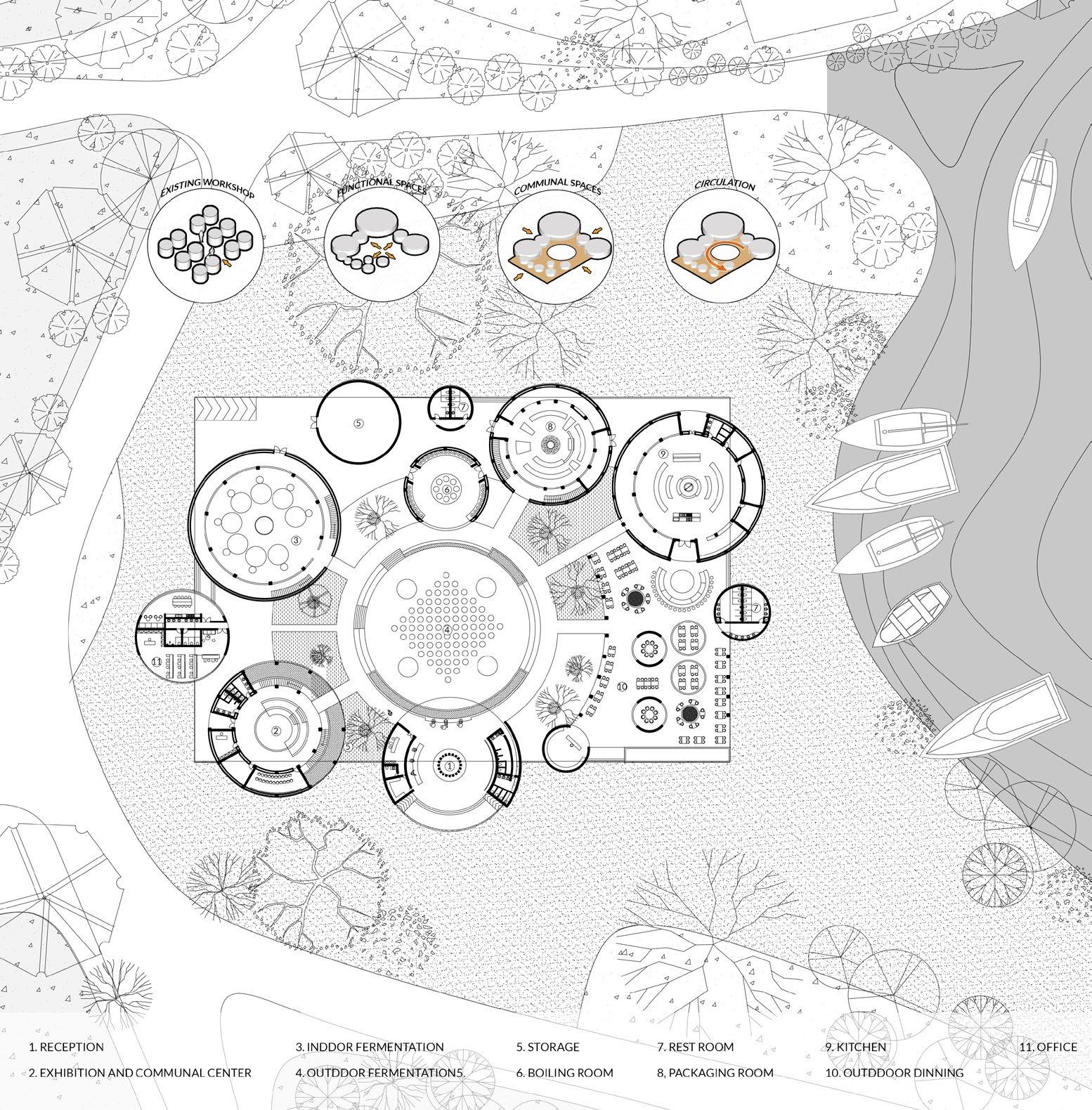
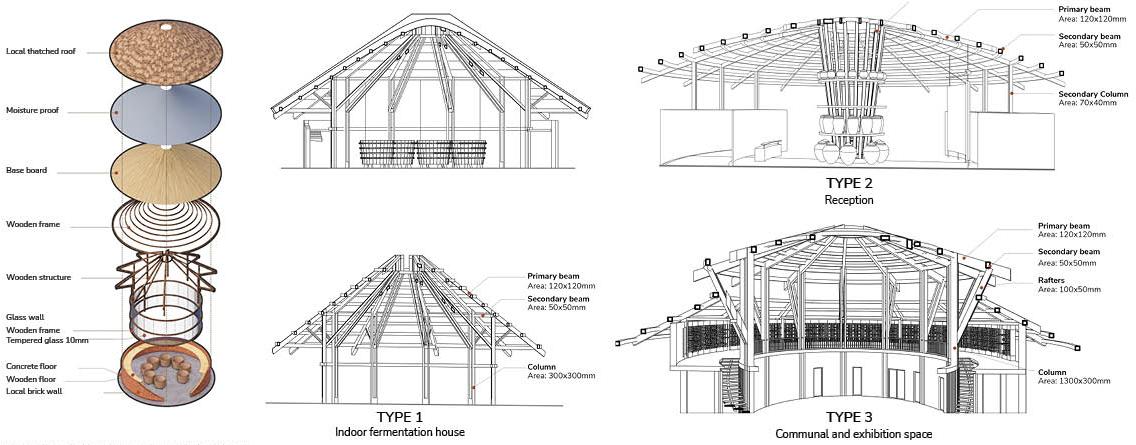
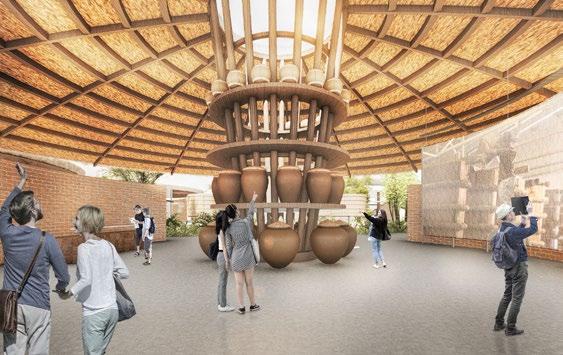
With the purpose of lifting fish makers out of poverty, as well as preserving the beauty of labor and culinary culture imbued with Vietnamese identity, this project aims to design a craft village space in the model of “co-operative” with the name is called “Fish sauce spirit”. Instead of working individually at home, the owners of fish sauce households will cooperate and share benefits through the connected community space. In here, everyone will come together to share the secrets of making the traditional fish sauce, educate young people about the traditional craft of their ancestors, and promote their products to domestic and international tourists. Using local materials such as Phan Thiet red brick and wooden frame structure, traditional architectural trusses of houses and factories, the architectural space is designed to retain the local character. In addition, Fish Sauce Craft Village
Individual Project Asia Young
Desiner Award Best Design Impact Gold Award
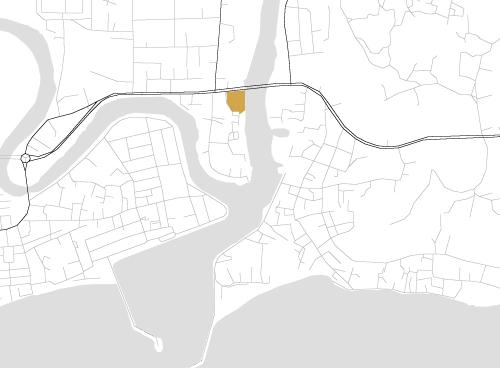
The people in Phan Thiet have been making a living from fish sauce production for over 300 years. The craft is closely associated with the Thanh Hai river, where fishing boats carrying fish sauce traded throughout the city and the country.
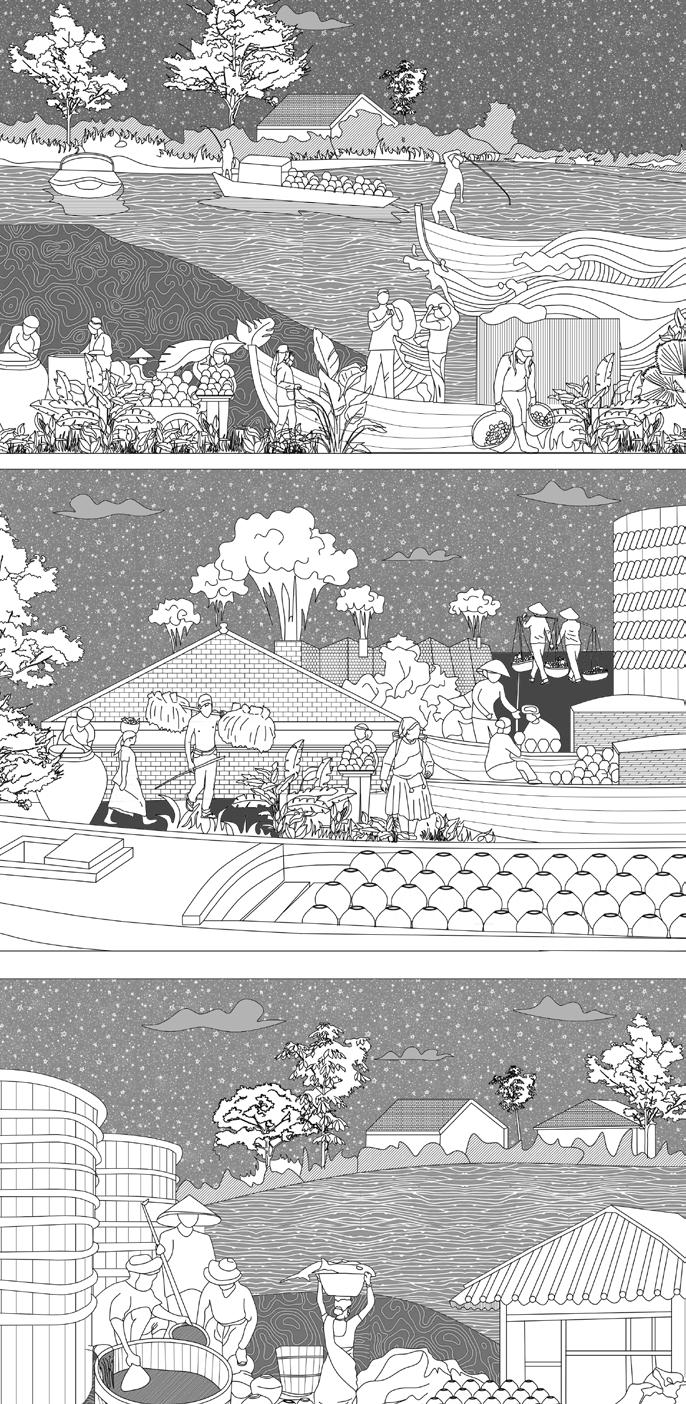
THE STORY
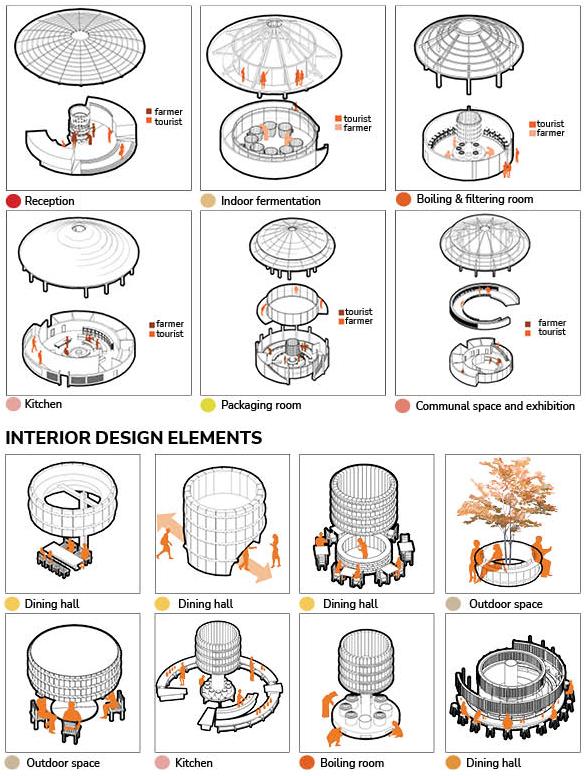
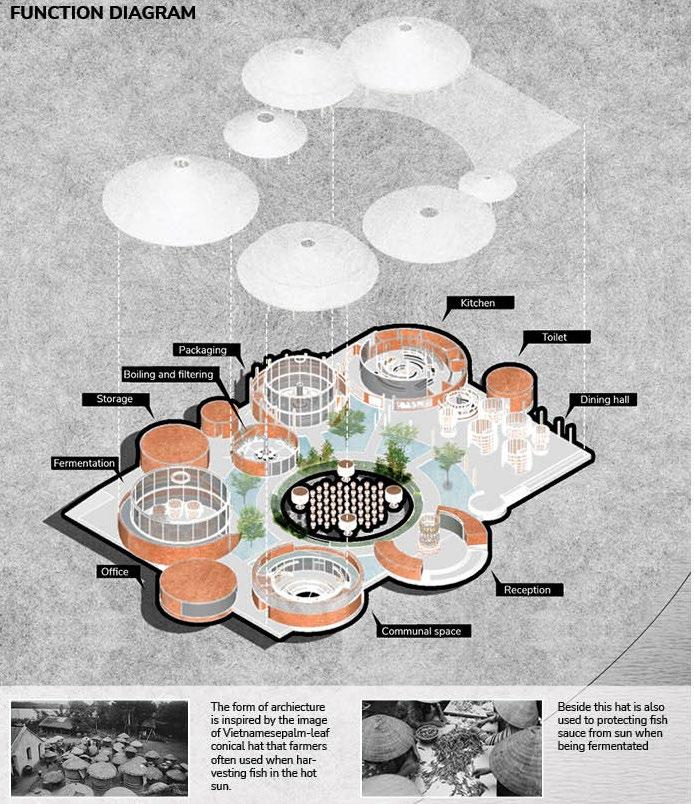
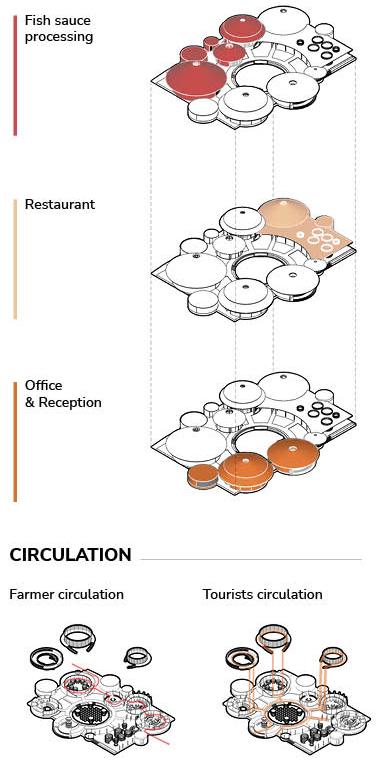
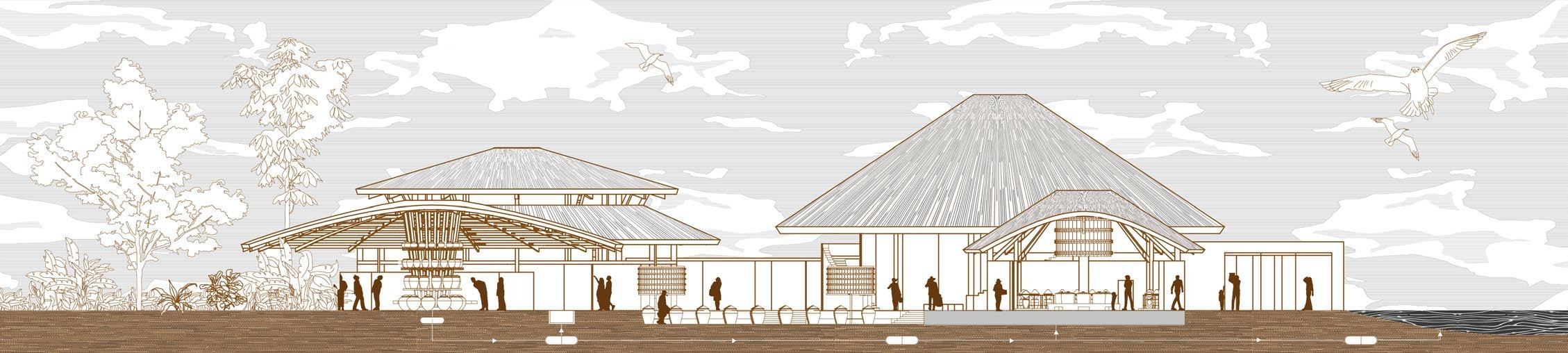
ZONING DIAGRAM FUNCTIONAL BUILDINGS
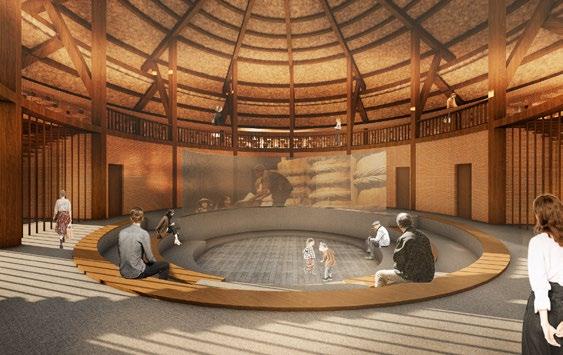
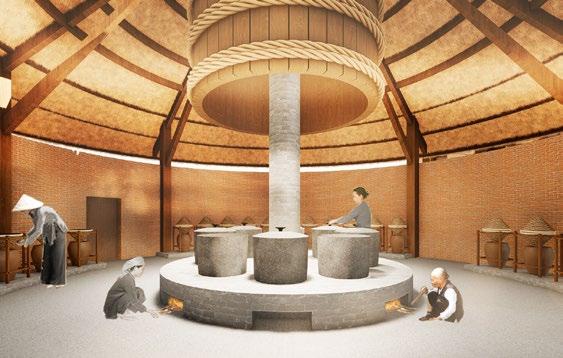
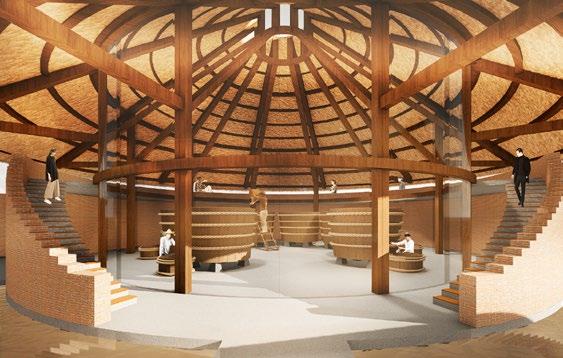
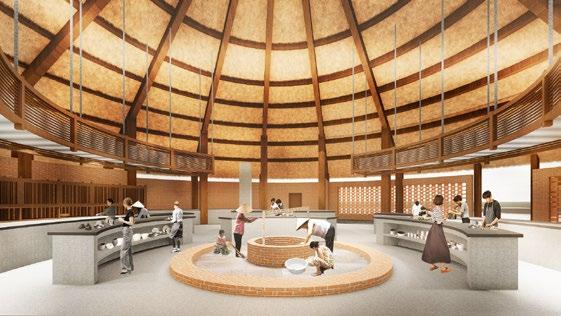
ENTRANCE
INDOOR
HALL COMMUNAL SPACE AND EXHIBITION BOILING ROOM
FERMENTATION KITCHEN RESTAURANT
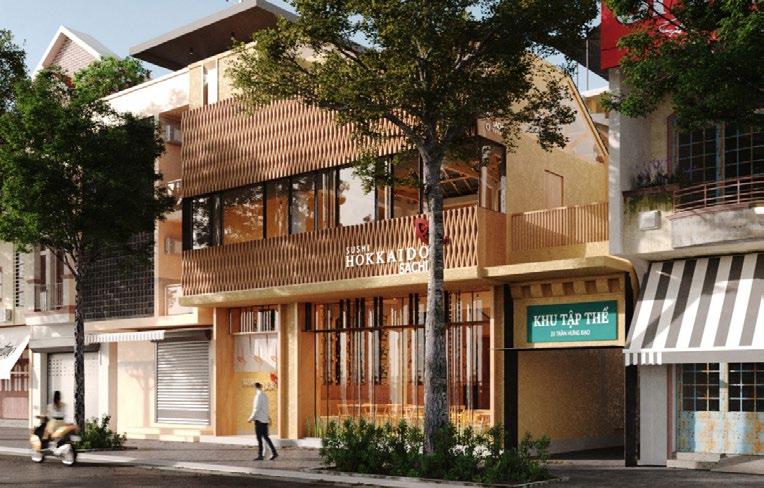
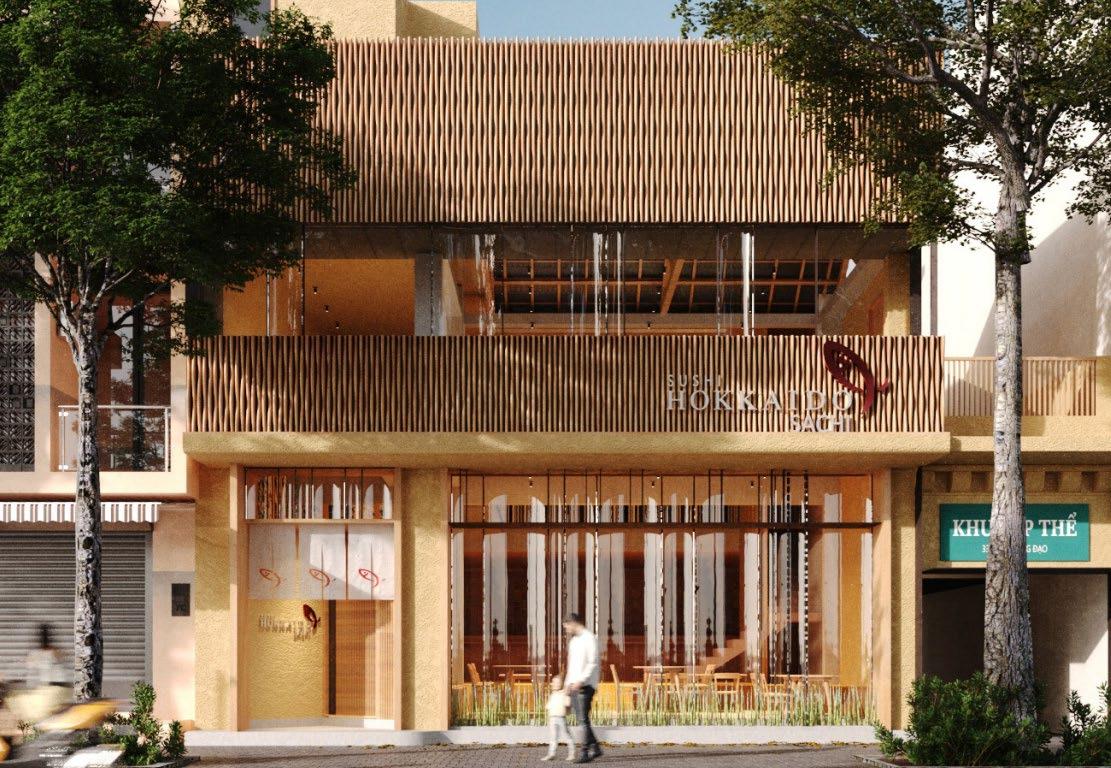
HOKKAIDO SACHI RESTAURANT
Professional work at Takashi Niwa architects
Project Leader
Project Team
Scope of work
Architecture & Interior Concept Design

Details Design - Visualization
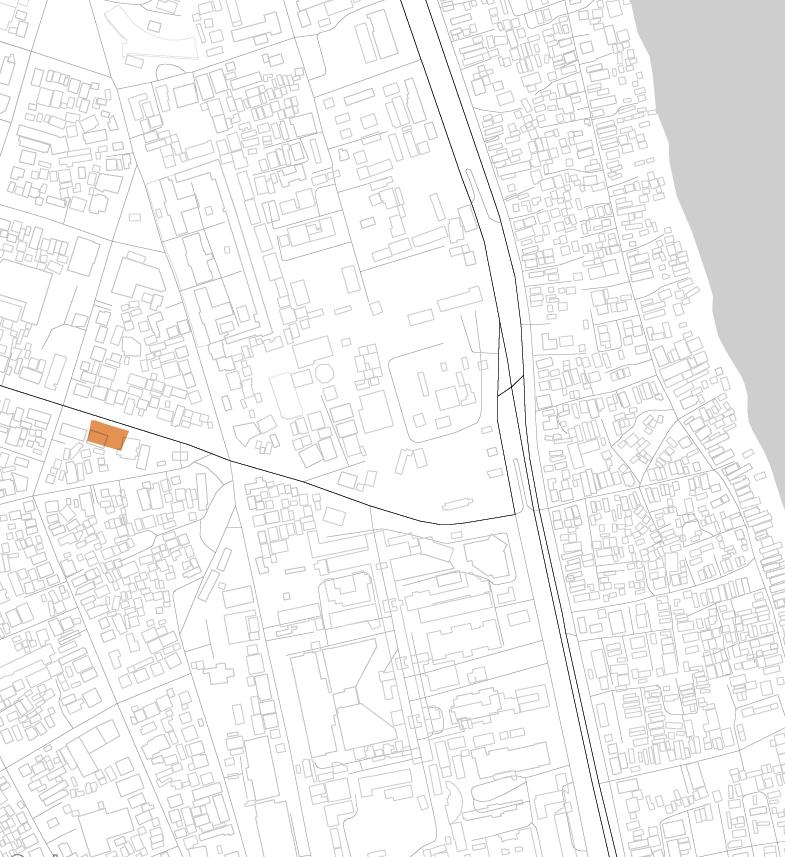
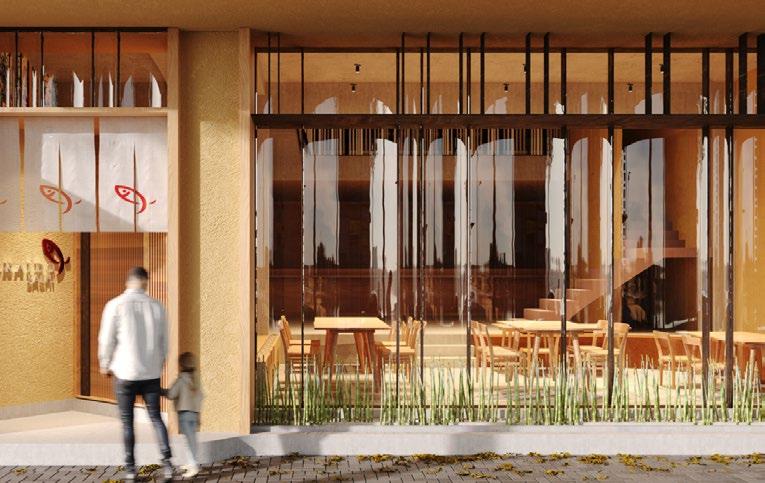
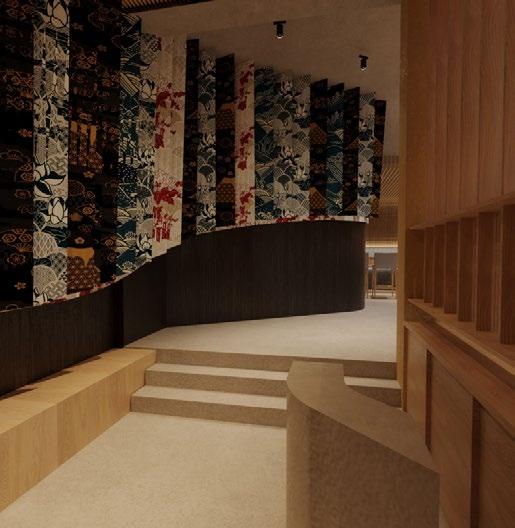
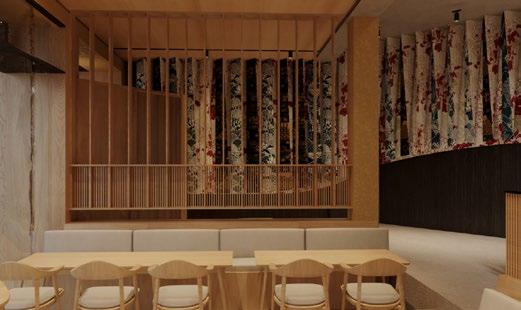
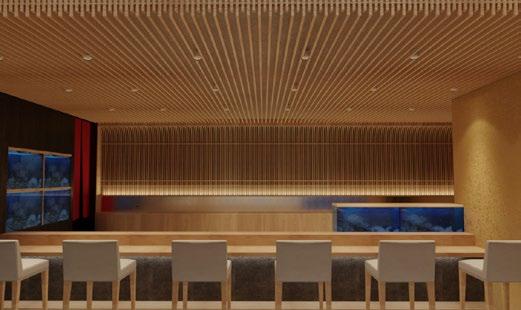
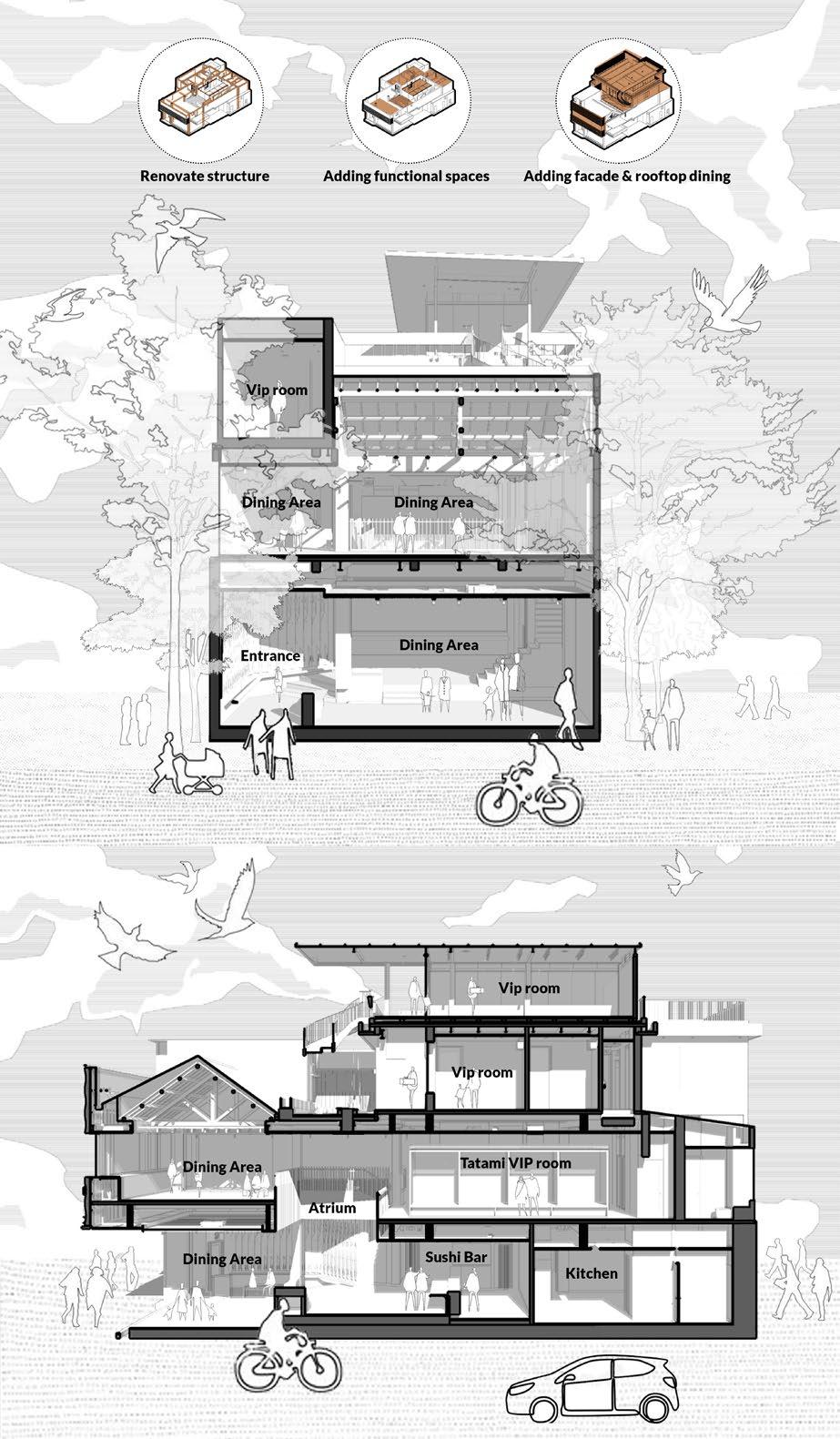
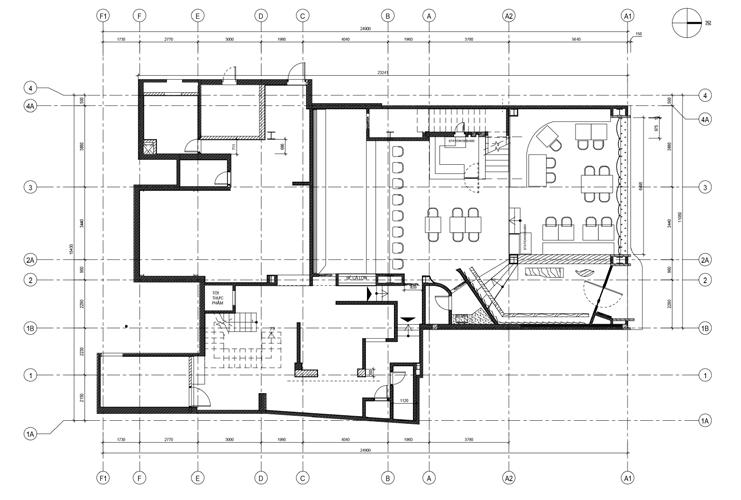
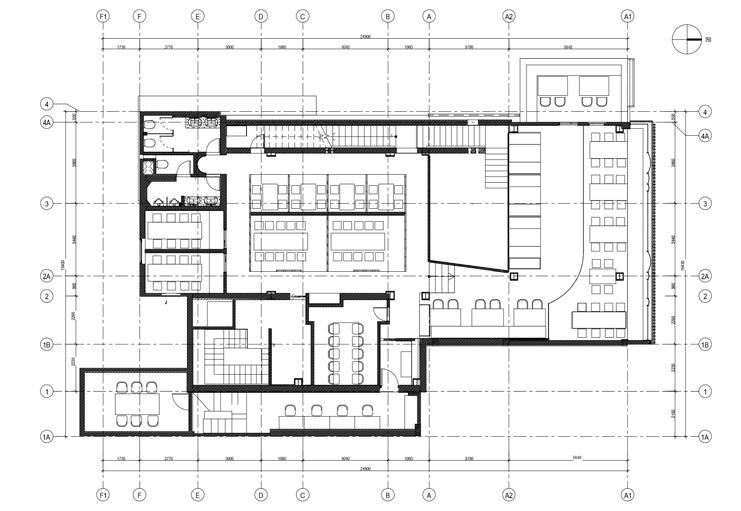
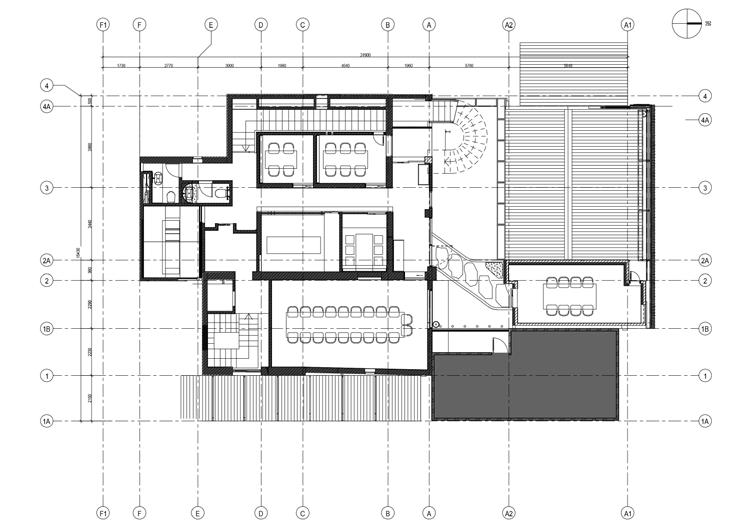
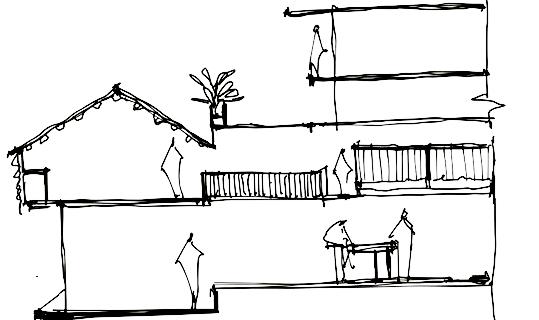
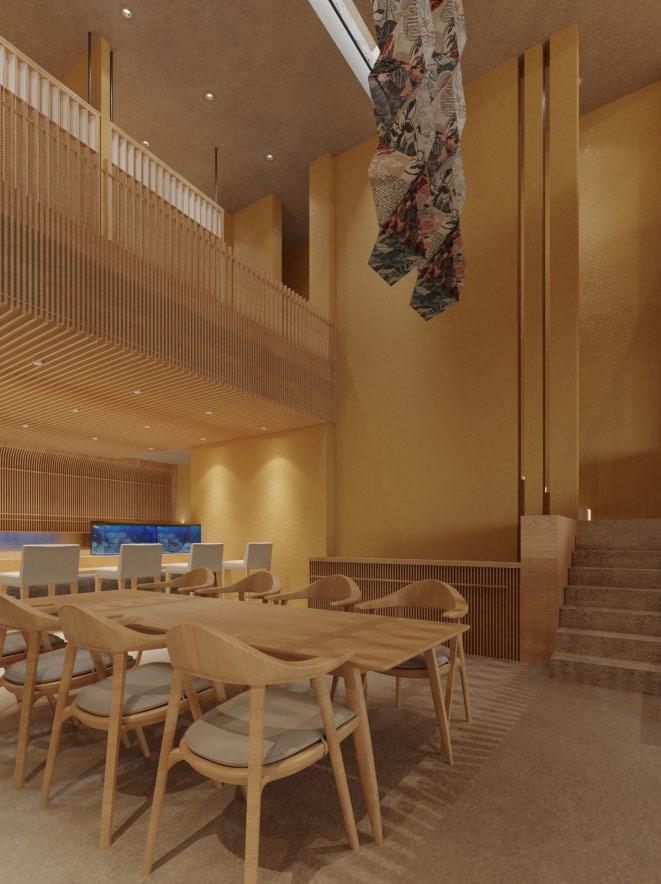
This is the adaptive reuse project of a French-style mansion into a Japanese Sushi restaurant. With the notable structure of the mansion being load-bearing walls, the layout space was not suitable for the restaurant, so we proposed a new structure reinforcement plan. At the same time, creating atrium helps connect dining spaces.
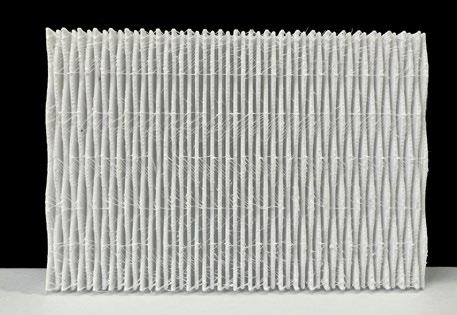
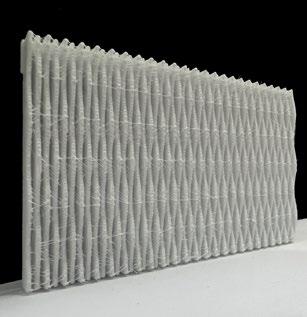
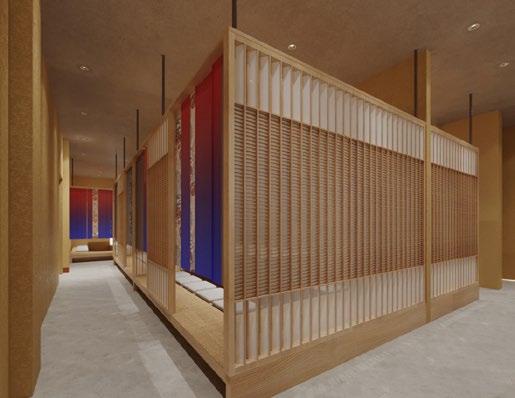
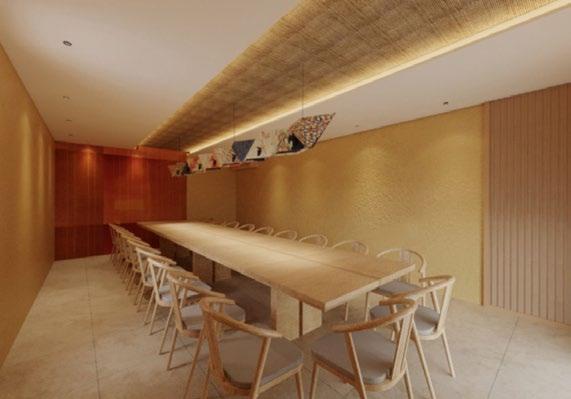
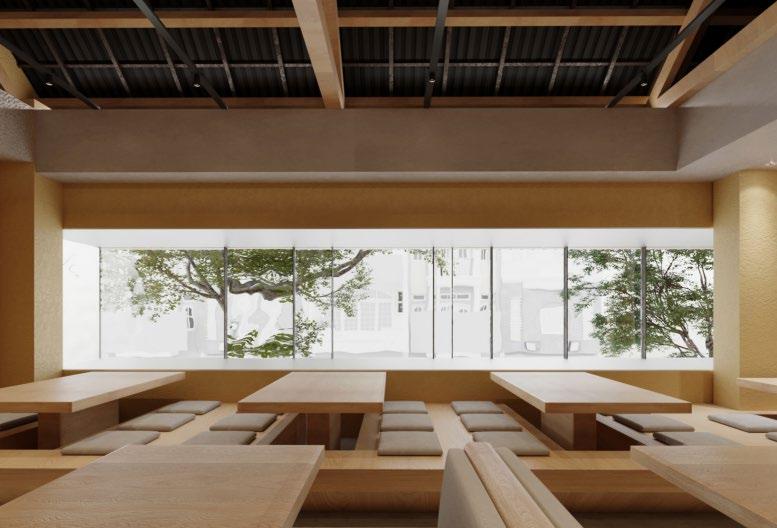
The interior space incorporates the elements of the vertical axis, along with Japanese cultural features such as Kanji script and Kimono fabric, bringing the distinctive features of Japan into the traditional Vietnamese house
 Tran Thanh Tung, Mai Ngoc Anh,Nguyen Phuong Anh
Takashi Niwa
Tran Thanh Tung, Mai Ngoc Anh,Nguyen Phuong Anh
Takashi Niwa
Entrance Dinning Area
Sushi Bar
Tatami VIP rooms
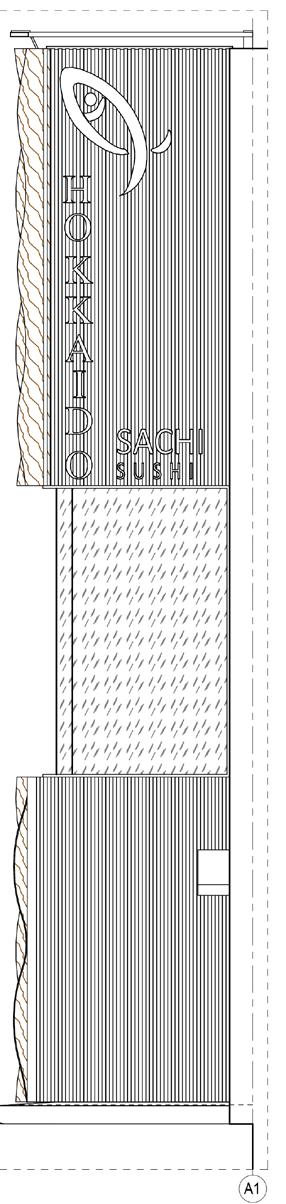
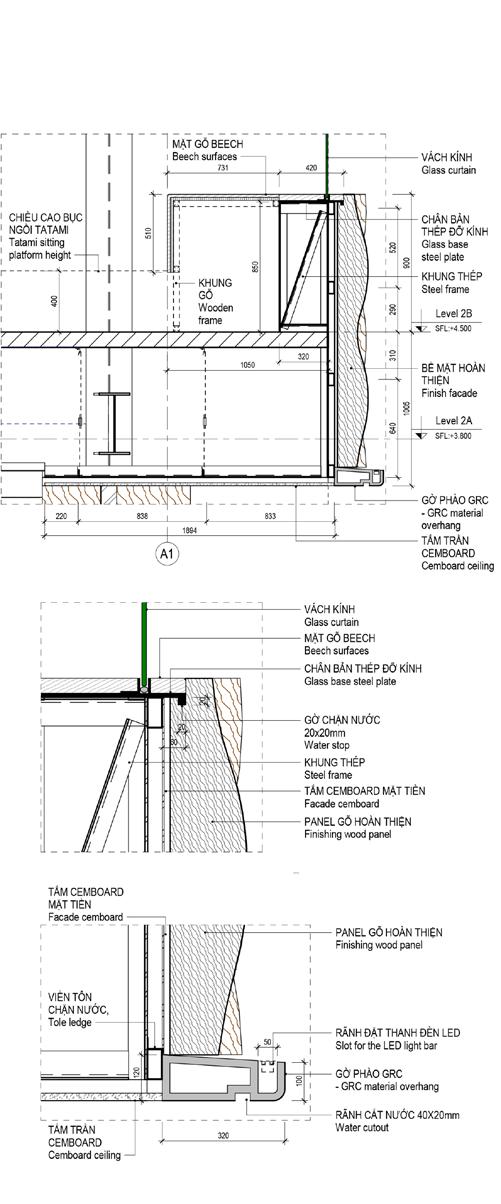
FACADE
AND TECTONICS
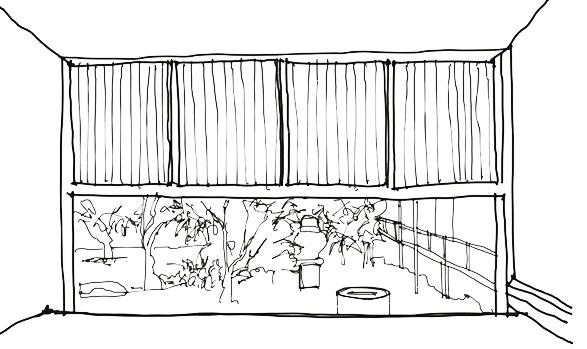
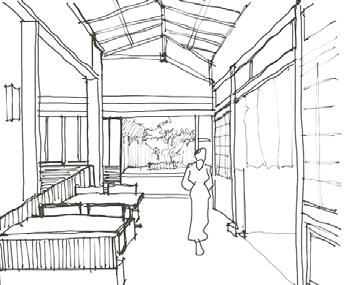
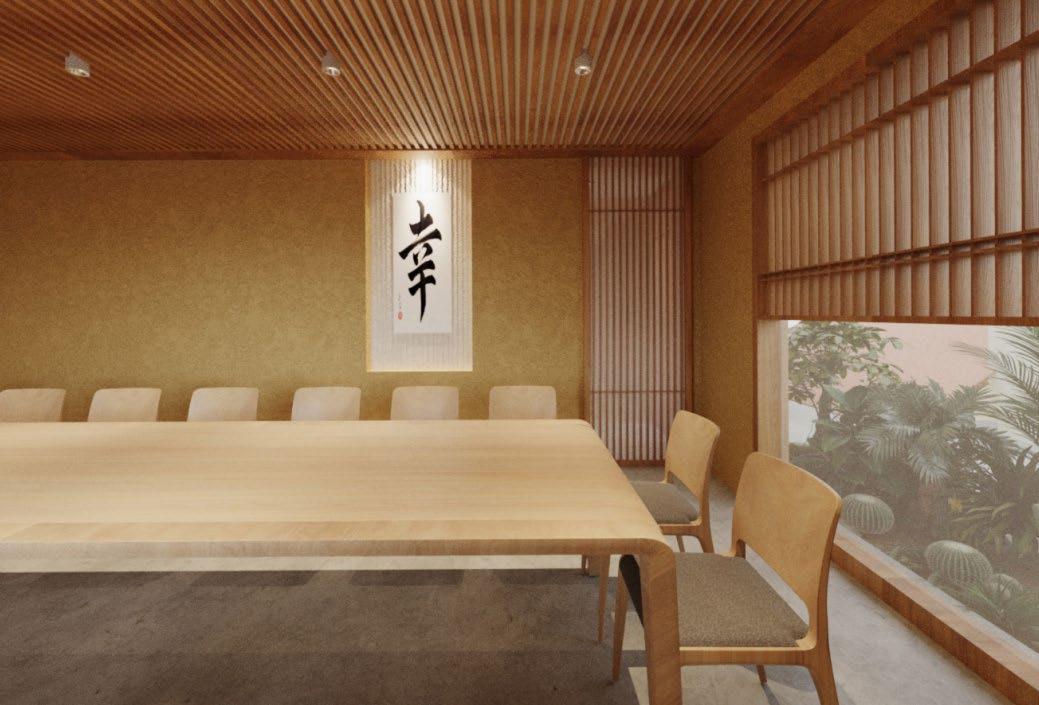 Horizontal Shoji Layers of space in Japanese culture
Create Japanese space in Vietnamese house
Horizontal Shoji Layers of space in Japanese culture
Create Japanese space in Vietnamese house
VIP room VIP room
The interior space was inspired by Japanese traditional interior elements
Dining space
Dining space