ANNABELLE FUNG
Portfolio
My name is Annabelle Fung and I am currently studying Civil Engineering and Architectural studies. I am passionate about exploring how thoughtful design can create safe, resilient infrastructure that supports both people and the environment. This portfolio highlights a selection of my architecture projects, reflecting my curiosity, technical skills, and design process. I hope you enjoy exploring my work!

education
2028 Northeastern University
Candidate for Bachelor of Civil Engineering and Architectural Studies
2024 Minnetonka High School
Honors: Summa Cum Laude, A Honor Roll, Victoria Lions Scholarship
Boston, MA
Minnetonka, MN
Boston Children’s Museum
Fun Lab Exhibit Project Designer
Frito-Lay
Sustianability Consultant
Hennepin County Libraries
Technology Intern
Feb 2025 - Apr 2025
Feb 2024 - May 2024
May 2022 - Feb 2025
courses
Site, Space, Program
Zorana Matic Isautier
Structural Analysis
Dionisio Bernal
Materials For the Built Environment
Nancy Varney
Fundamental Architectural Design
Mary Hale
Statics & Solid Mechanics
Luca Caracoglia
Architectural Topics Abroad
Michelle Laboy
Spring 2026
Spring 2026
Spring 2026
Fall 2025
Fall 2025
Summer 2025
parallel living 02 shifted elevations 03 independent cores
common ground
miscellaneous
parallel living urban development project
01
design concept
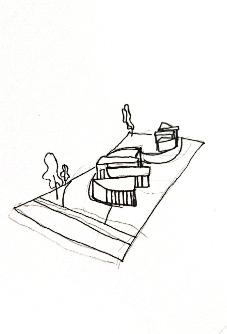
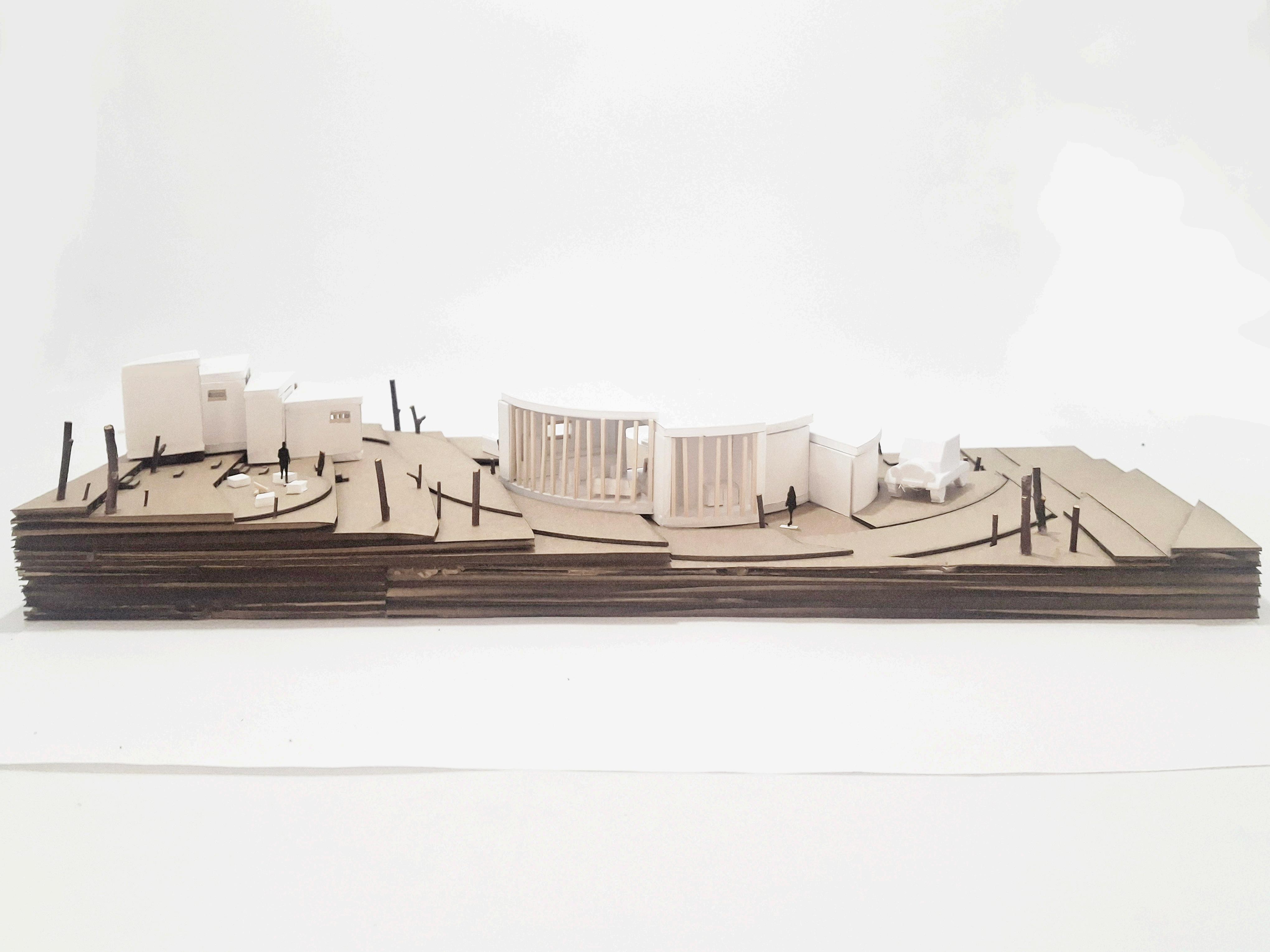
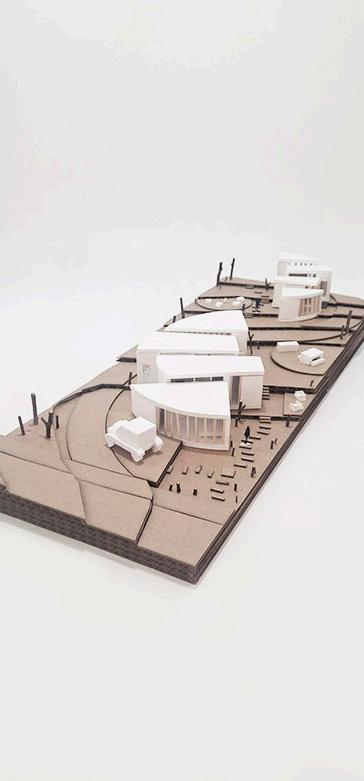
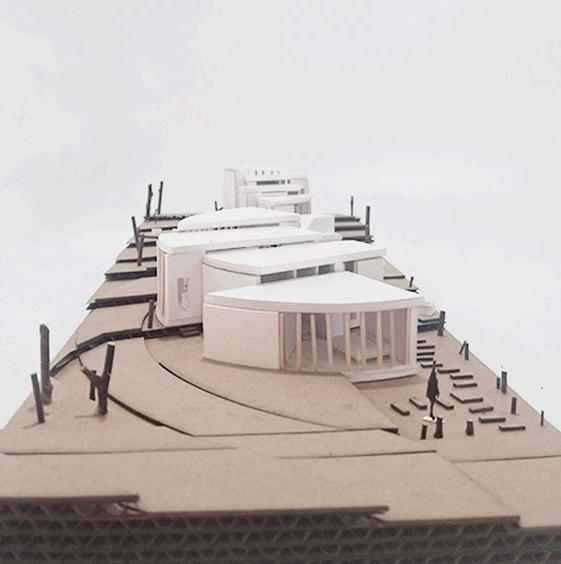
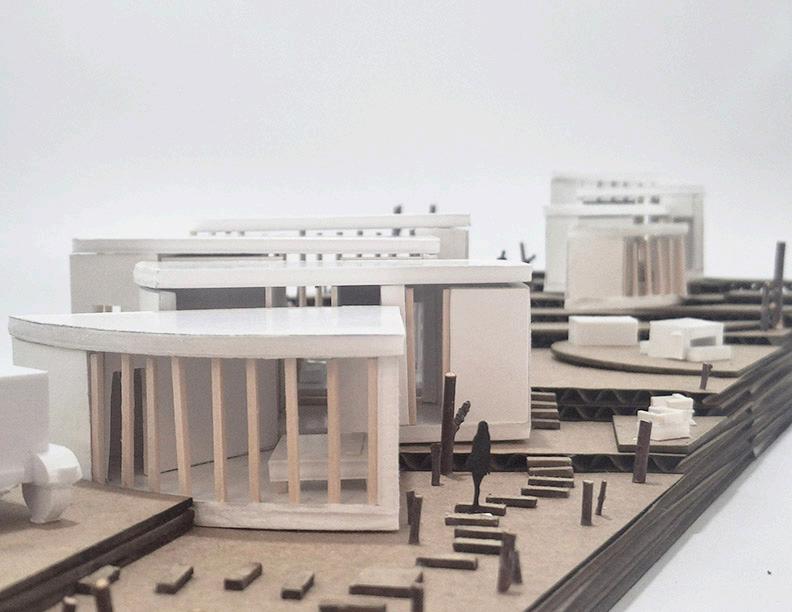
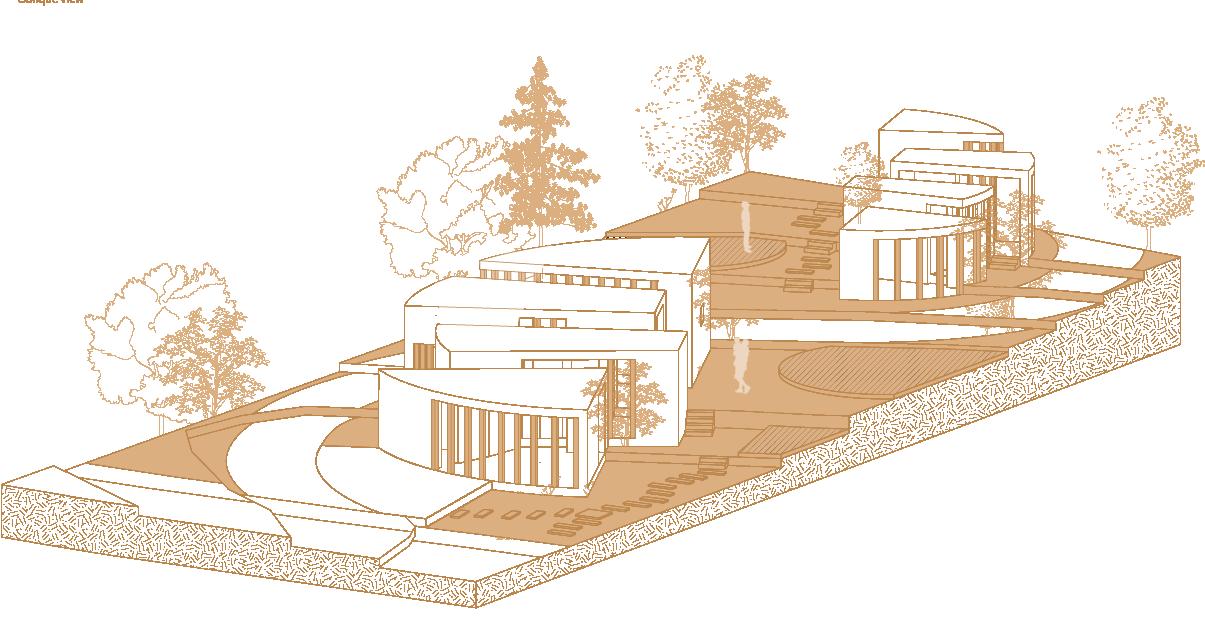
The purpose of this design was to support high desnity urban development by allocating two, distinct living spaces on the same piece of land. My clients which I was asisgned for this project was a family of five and an astronomer. The main challenge with this was to provide two seperate living areas that work for clients with such contrasting spatial and lifestyle needs.
I began my design by allocating different portions of the site to each client, naturally, the family required more space, so they were given the larger area. Designing two separate residential homes on the same site also required a clear circulation path, which led me to introduce a curved driveway. This created two semi-circular implied volumes that became the foundational forms for the buildings.
I refined these forms by slicing the semicircles and shifting each segment. This allowed for greater opportunities for sunlight and spatial distinction. I also staggered the volumes vertically to follow the site’s existing topography and to create discrete skylights that bring light into areas that would otherwise be dim, such as hallways. I also designed the heights to gradually increase for each section, placing the tallest volumes in the spaces where residents spend the most time. This strategy made these areas feel larger and more open. For the family of five, the dining and living rooms occupy the tallest spaces to support daily gathering and interaction. For the astronomer, the study was given greater height.

02
shifted elevations residence design

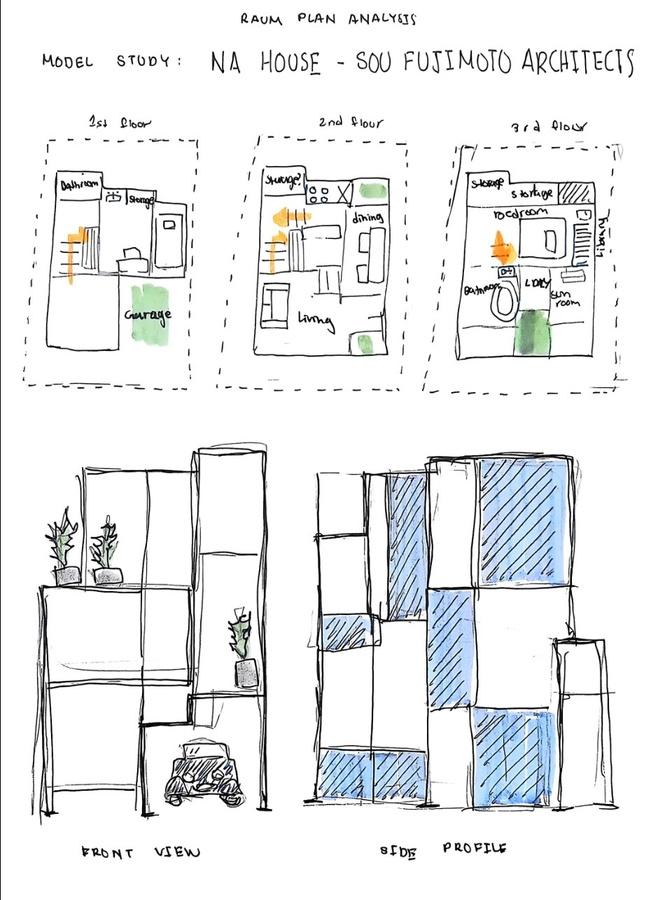
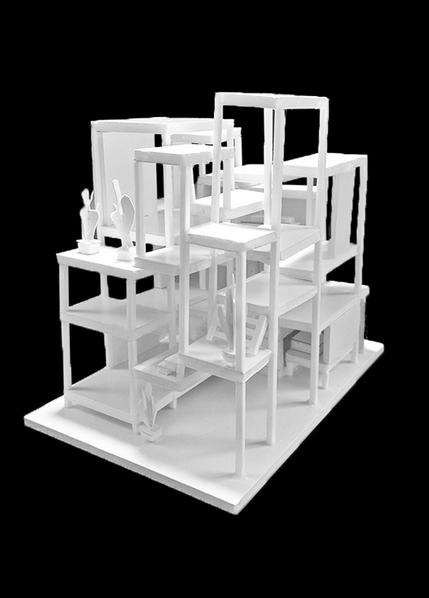
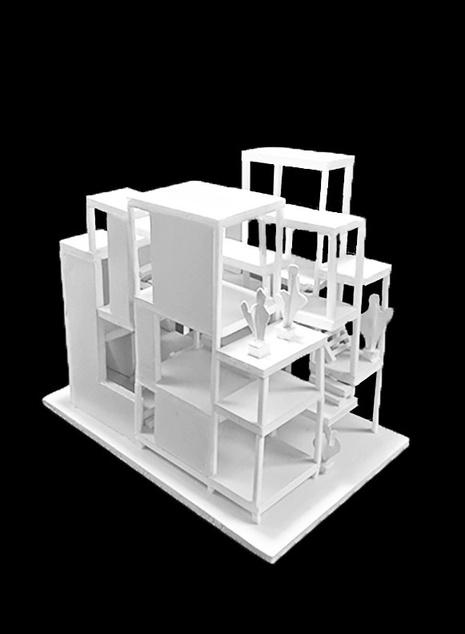
Through a series of drawings and a model analysis, I studied the circulation and Raum plan of the
house. I observed the selective use of solid walls and unique spatial organization which created an innovative approach to creating structural design that illustrates the concept of transparent living
Through a series of drawings and a model analysis, I studied the circulation and Raum plan of the NA house. I observed the selective use of solid walls and unique spatial organization which created an innovative approach to creating structural design that illustrates the concept of transparent living
precedent study
Through a series of drawings and a model analysis, I studied the circulation and Raum plan of the Na house. I observed the selective use of solid walls and unique spatial organization which created an innovative approach to creating structural design that illustrates the concept of transparent living.
Through a series of drawings and a model analysis house. I observed the selective use of solid walls a innovative approach to creating structural design th
NA
design concept
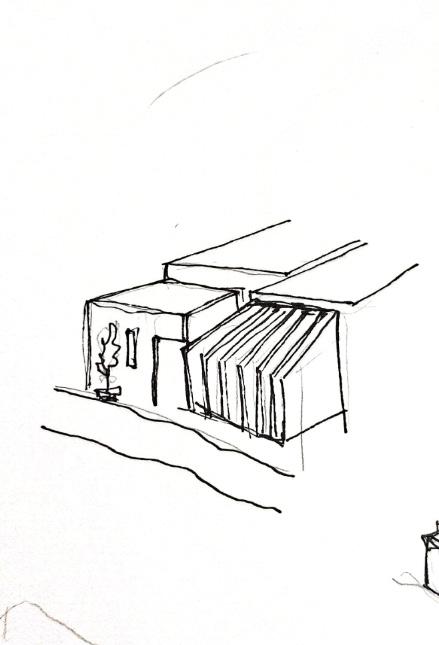
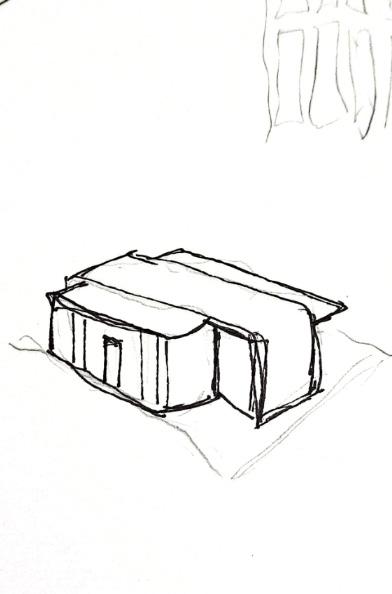
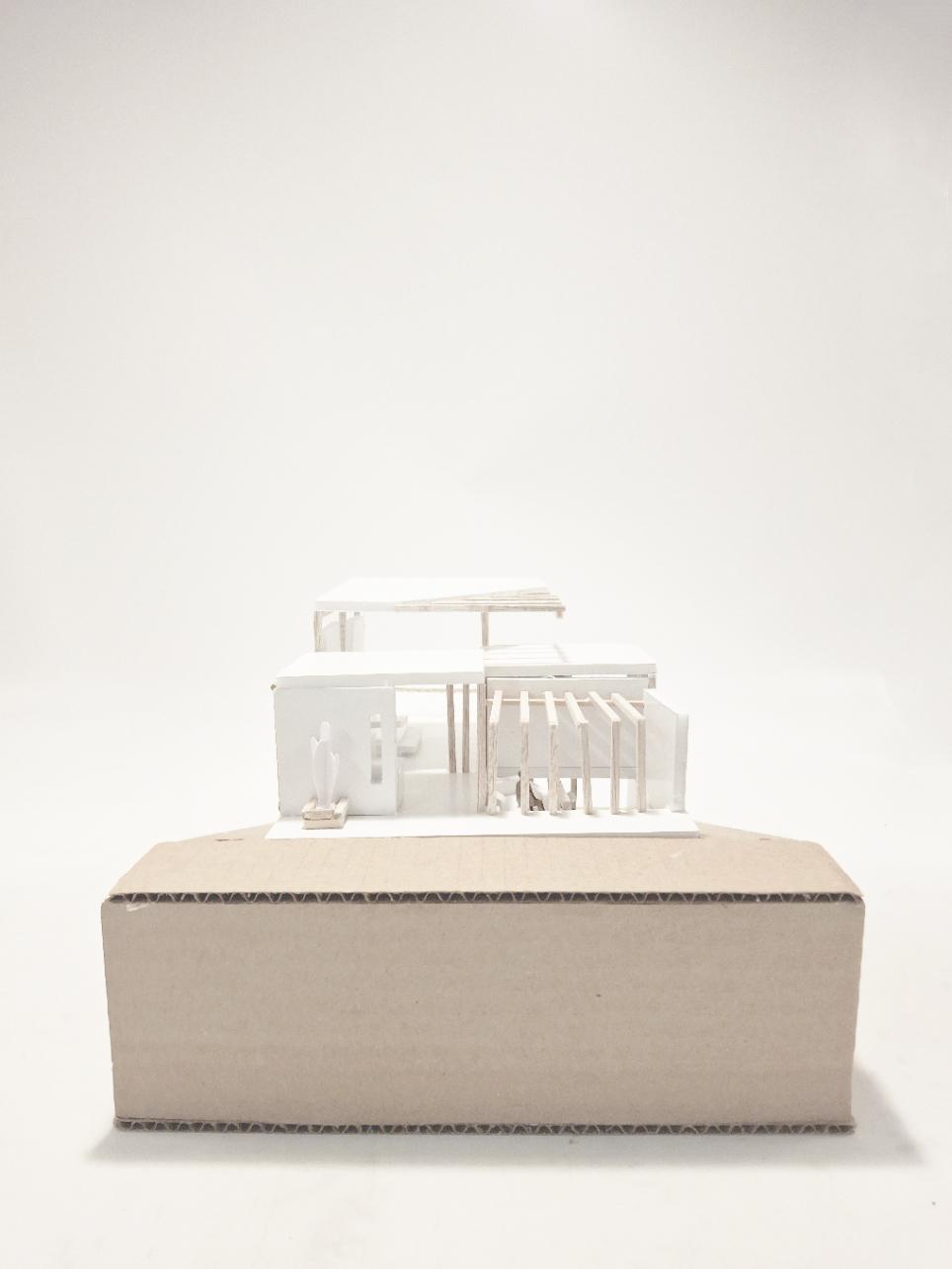
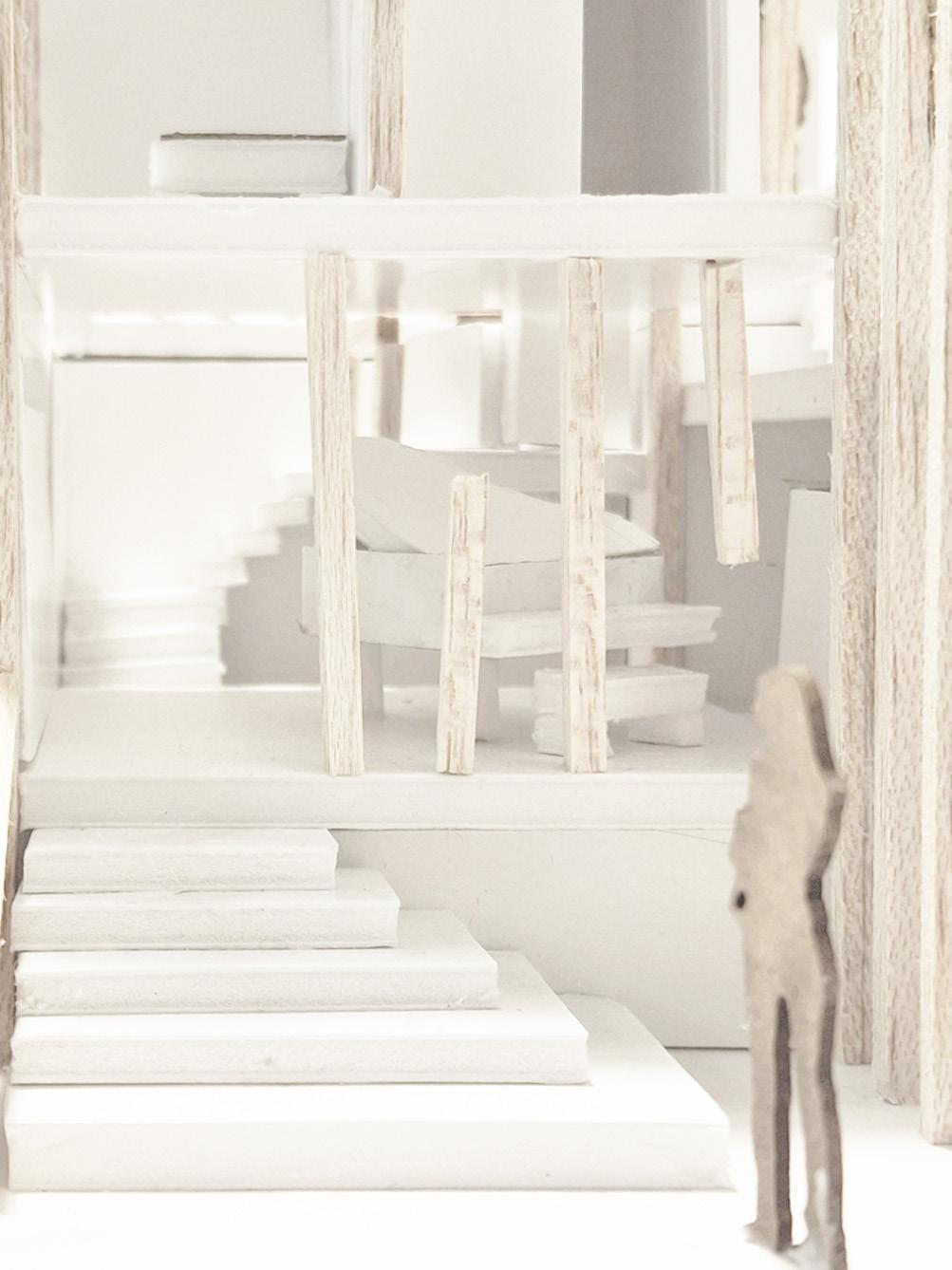
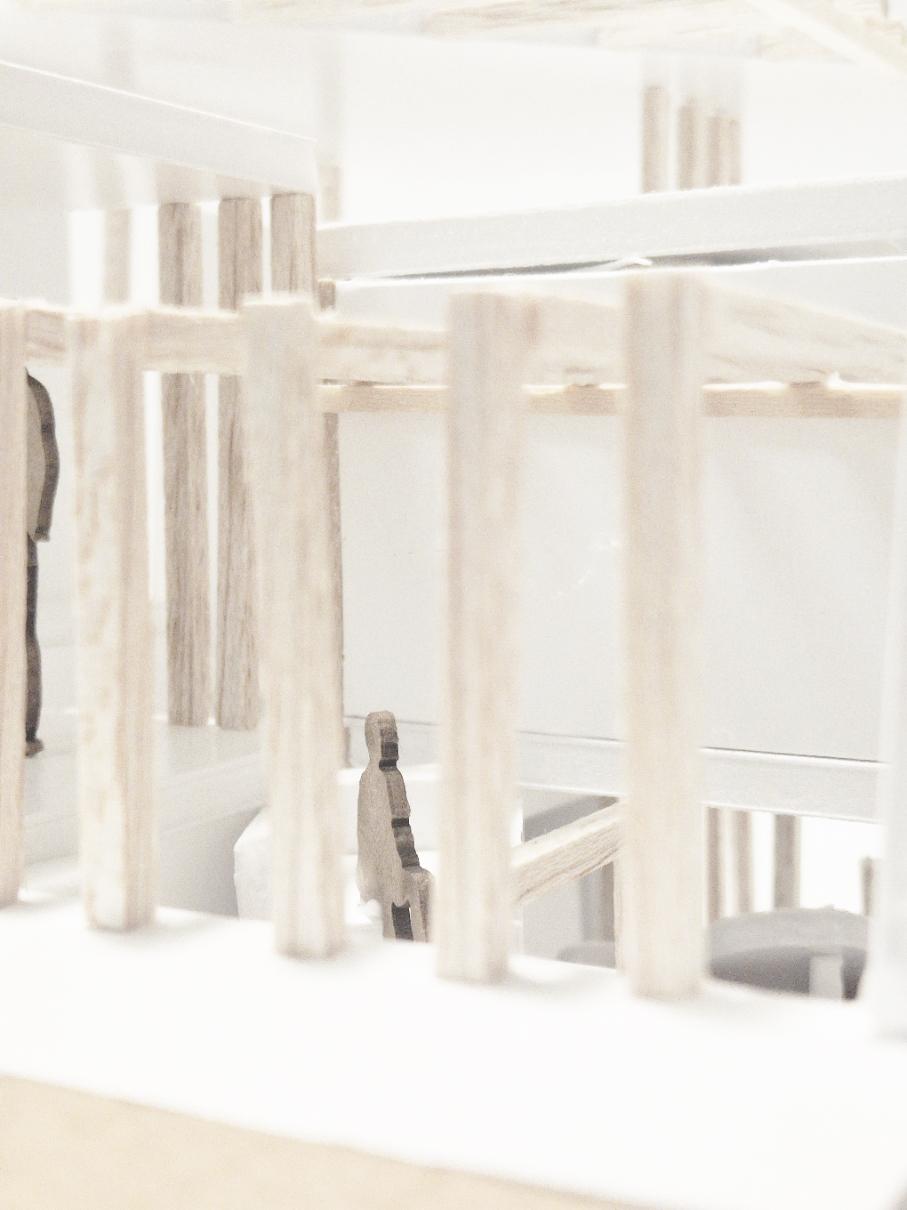
This project explored the concept of the Raum plan which focuses on internal programming separated by shifts in elevation. The main challenge was designing a building that fit with the site as it included a 12-foot decline from the main road. As stated earlier, I addressed this by applying the Raum plan approach, drawing inspiration from the Na House where shifting, elevated floor plates are used to define transitions between public and private spaces. Adapting this technique, I combined shifting floor levels with post-and-beam structures to design a residential home equipped with spaces made for comfortable living.


Section BB
0’ 8’
Section AA
0’ 8’
03independent cores
free plan study
design concept
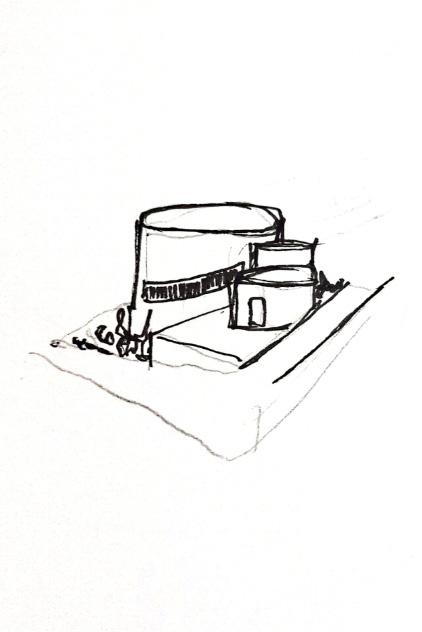
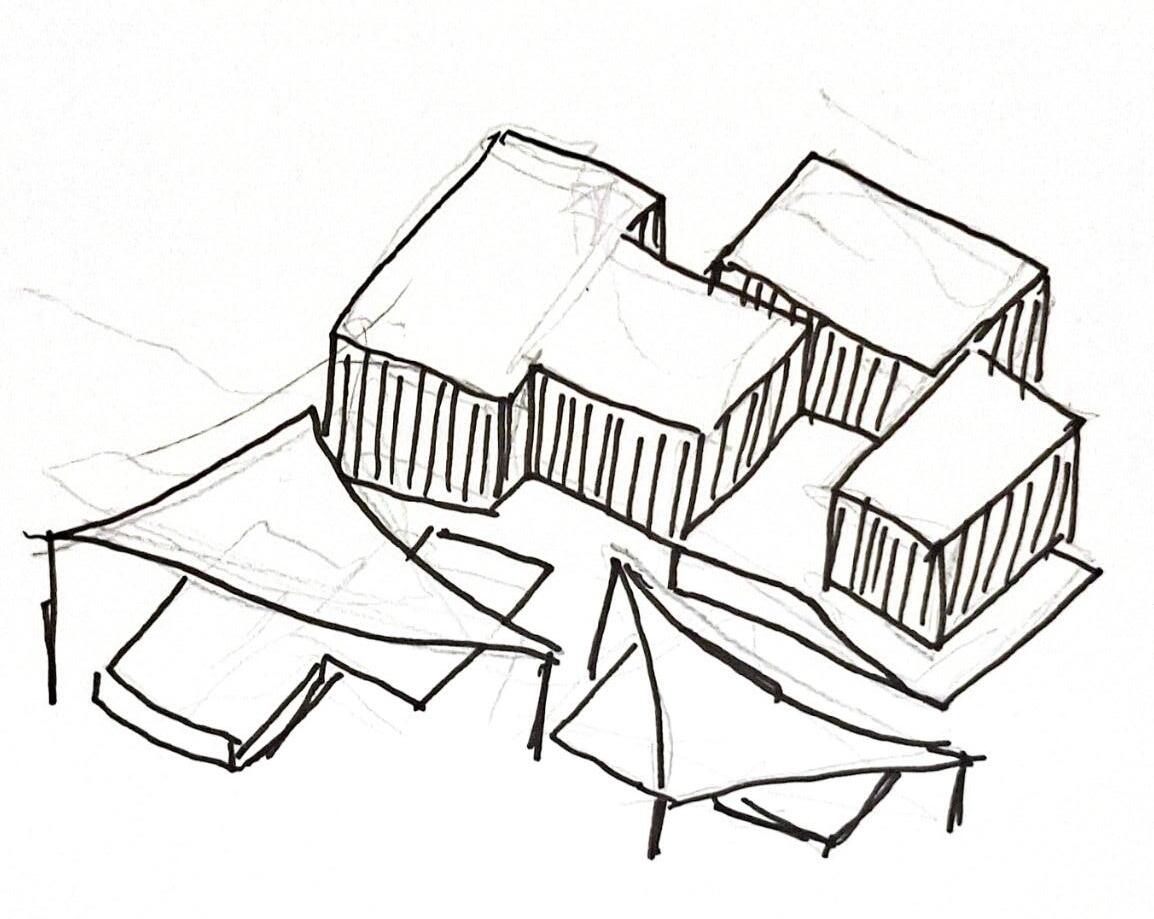
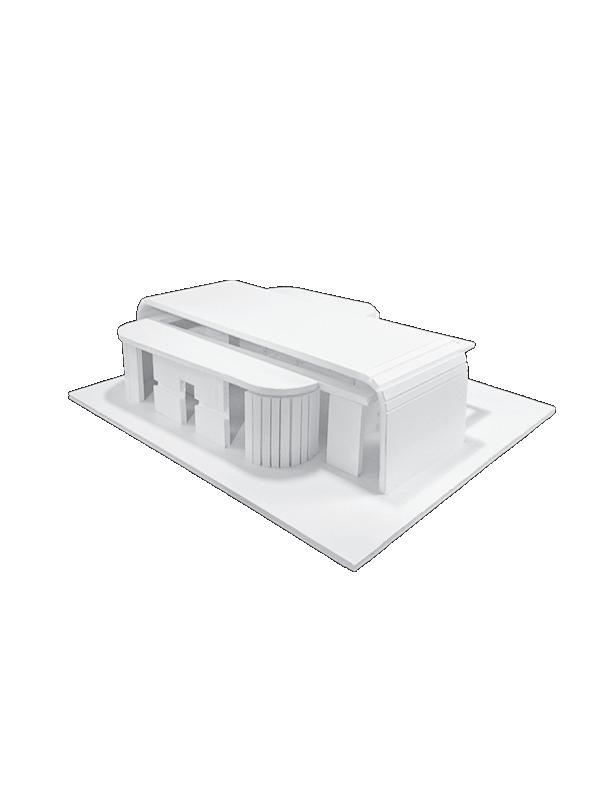
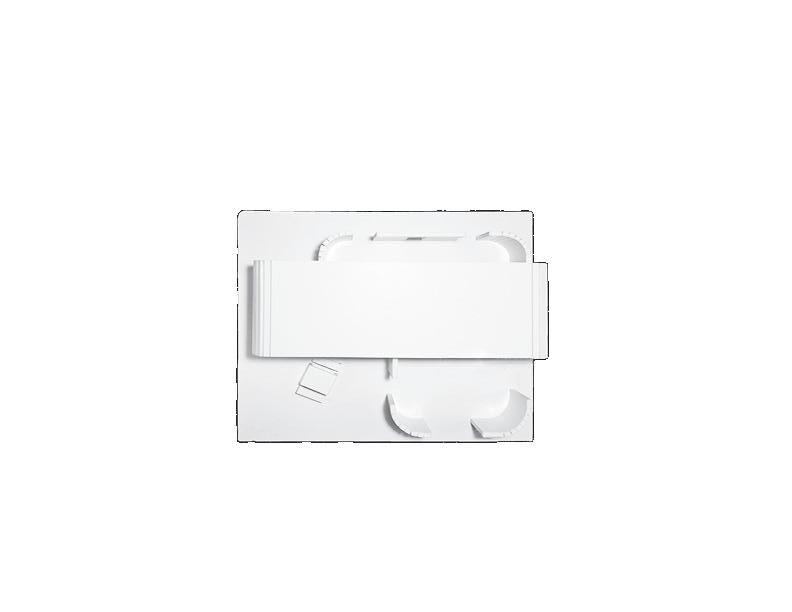
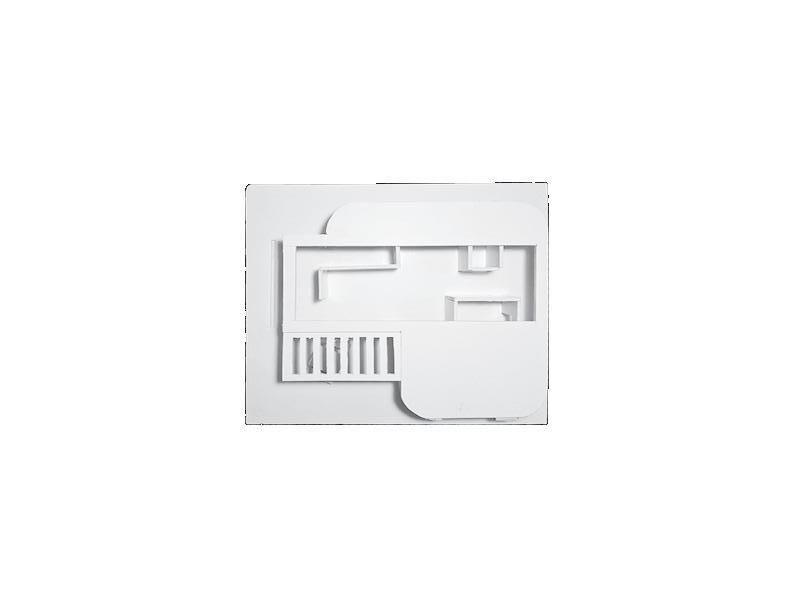
For this project, I explored the idea of a free plan by organizing space through implied volumes. The greatest obstacle with this design was creating distinct living spaces without connecting the interior and exterior walls. To approach this problem, I followed a similar layout to the Retirement House by Allison and Peter Smithson (1969), which consists of independent cores for private spaces combined with skylights that bring light to those enclosed rooms.
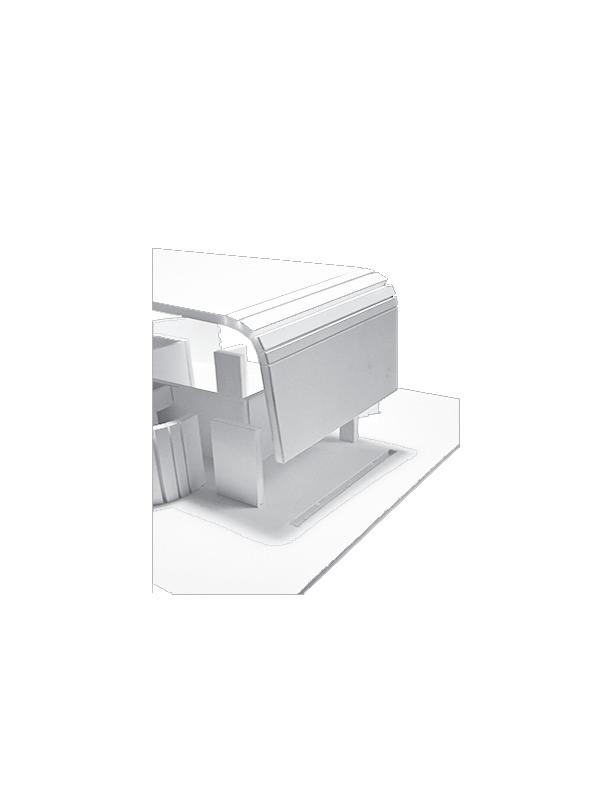
A main design component of this project is the layered roof structure, which consists of a tiered roof that models the discrete skylight used to illuminate the cores while also being removable to display the free plan interior. showcasing the main technical aspects without compromising the aesthetics of the design.
04 common ground
public pavillion design
design concept
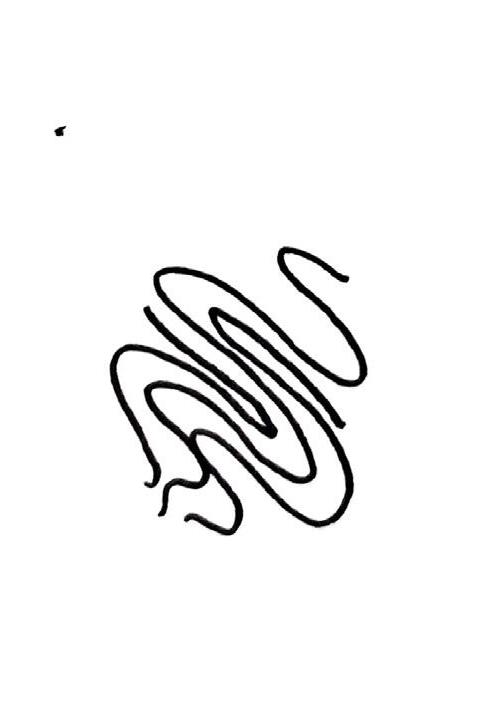
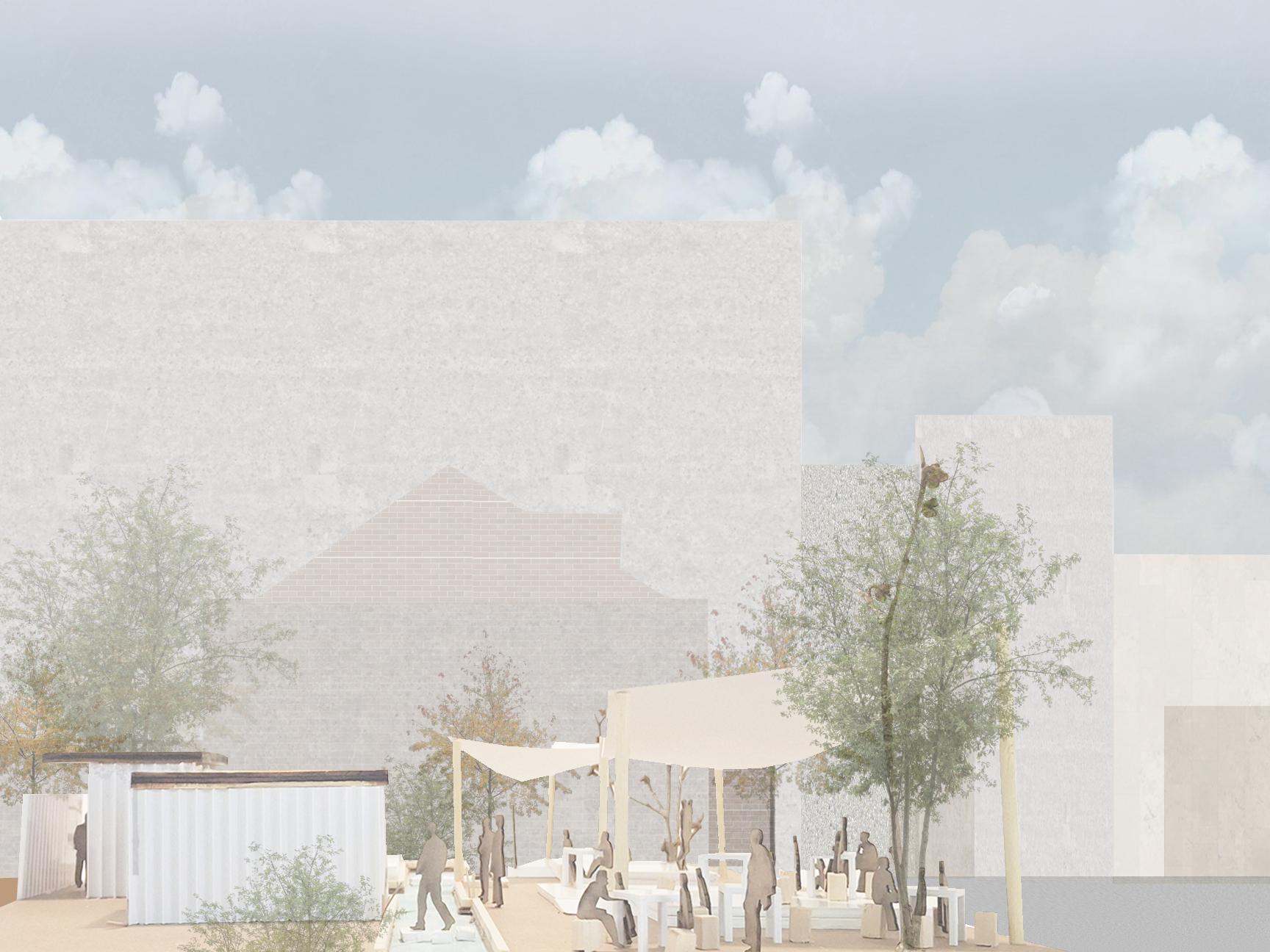
This project proposes an intergenerational gathering space that connects with the culture and community of Boston’s Chinatown. Inspired by the traditional Chinese game Mahjong, tile-like forms organize the site into spaces for social interaction and play. By separating and changing the heights of these forms, areas for seating, circulation, and water features emerge, allowing multiple generations to share the space.
Massing Axon Diagram
The side closest to Mary Soo Hoo Park extends the existing social environment with seating areas for elderly users, while the opposite side supports families and children through interactive water elements. Vertical bamboo-like lines reference Mahjong tile patterns, and translucent materials reveal silhouettes inside the pavilion, strengthening the connection between interior and exterior space.
design process
The design process began with site observation and analysis of community activity near Mary Soo Hoo Park, one of Chinatown’s primary gathering spaces. Observations showed that elderly residents frequently use the park for to play traditional Chinese games such as Mahjong.
These patterns informed a design that extends existing activities while supporting intergenerational use. Iterative studies of Mahjong-inspired tile forms explored how separation and elevation could define gathering spaces while maintaining an open and flexible environment.
麻将 (Mahjong)
Hudson



05 micellaneous
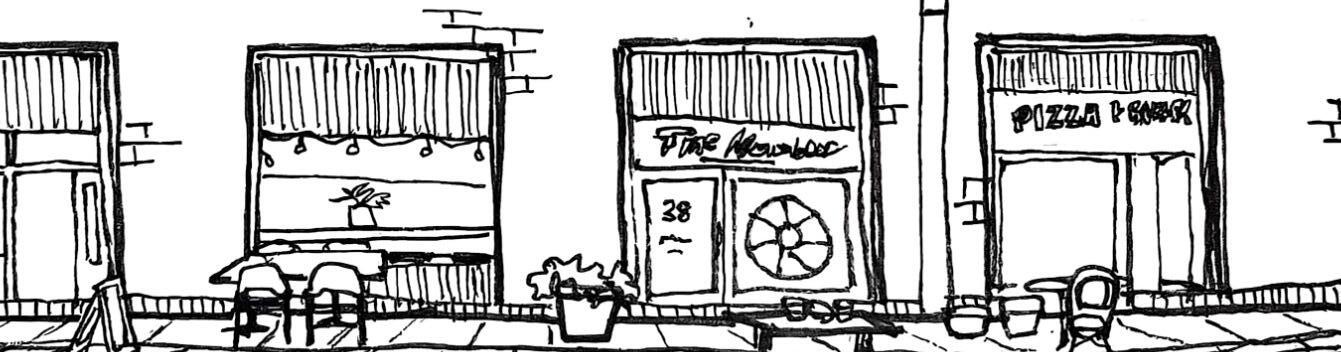
topography map
Through using a total station to survey the area between Snell Engineering Center and Shillman hall, this topography map was created. Using the horizantal ange, Zenith angle, and slope distance of each point in relation to a benchmark point, calculated values of the x, y, z coordinates were imported into CIvil 3D to develop this map.


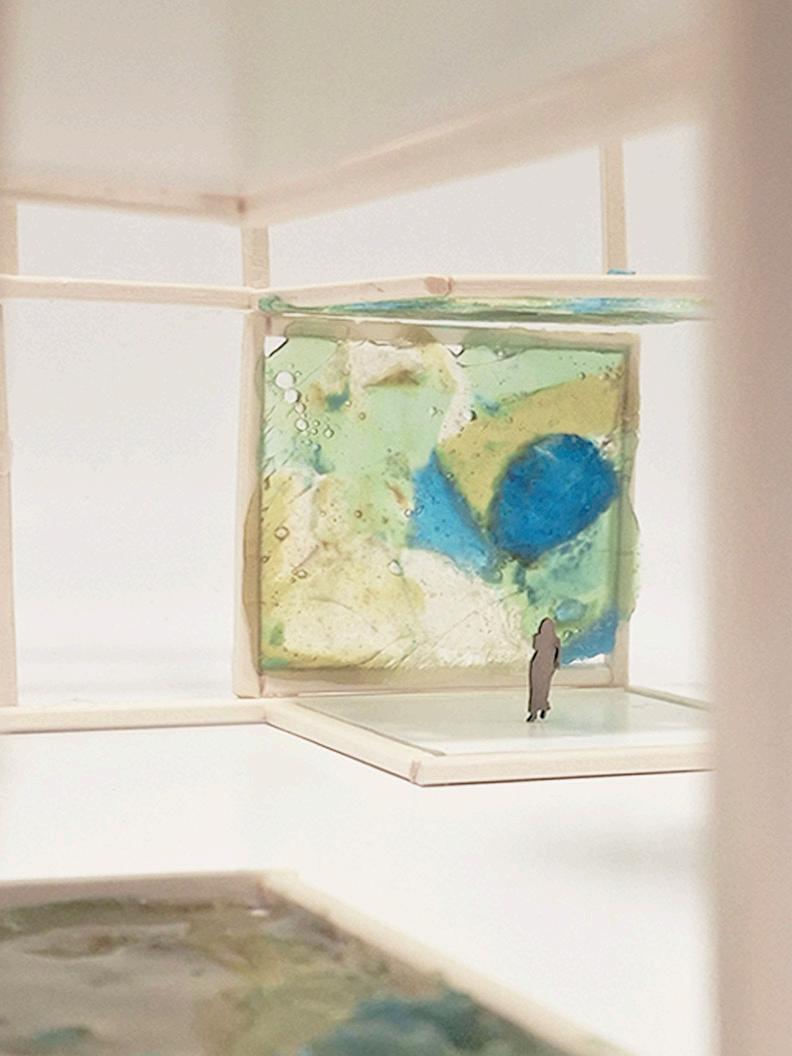
abstract cube
Made of sugar, this 10” x 10” x 10” abstract cube reflects the materiality and structural qualities of the Idea Store designed by Adjaye Associates on Whitechapel Street in London, UK. The model serves as a diagram representing the inspiration behind the building’s façade, which draws from the blue and green striped fabric used by local street vendors. By incorporating these colors into the sugar model, the design expresses the building’s translucency and its visual connection to the surrounding streetscape. The cube demonstrates how the building’s infrastructure relates to and interacts with its urban environment.
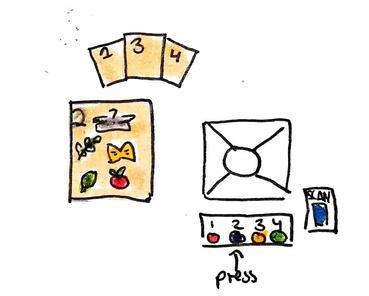
Player se ects a recipe card and presses button corresponding to selected recipe to initiate the game
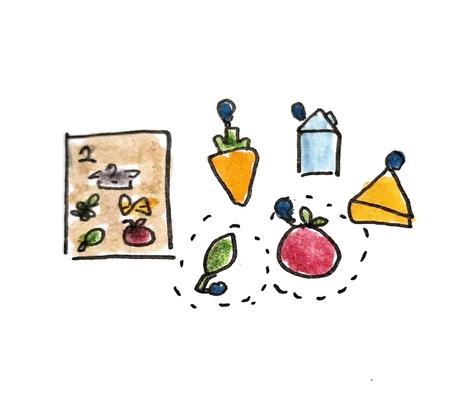
Player searches for ingredients listed on the recipe card.

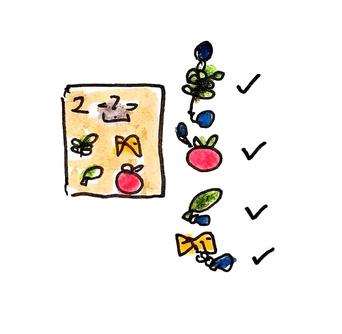
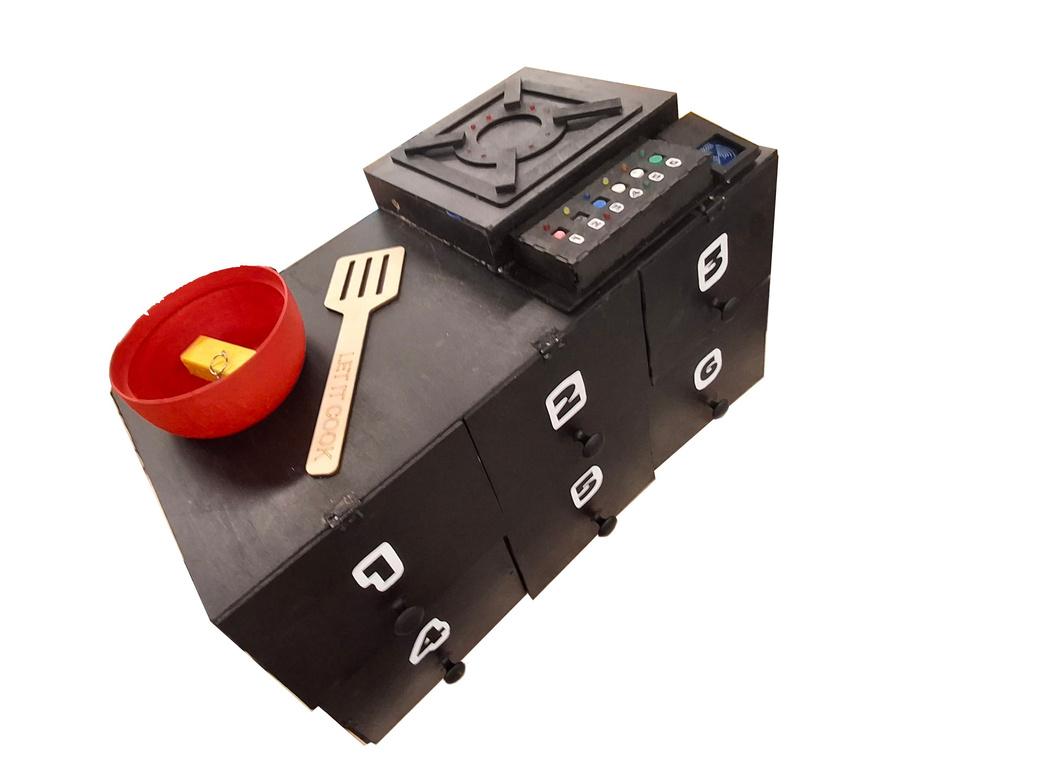
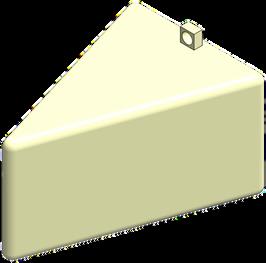
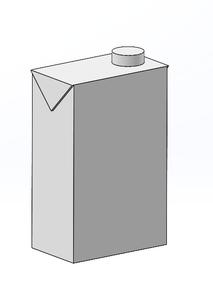
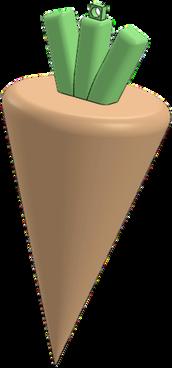
Attached to each ingredient is a blue (RFID) tag, which is instructed to be scanned at the labeled scanner located in front of the stove.
boston children’s museum exhibit
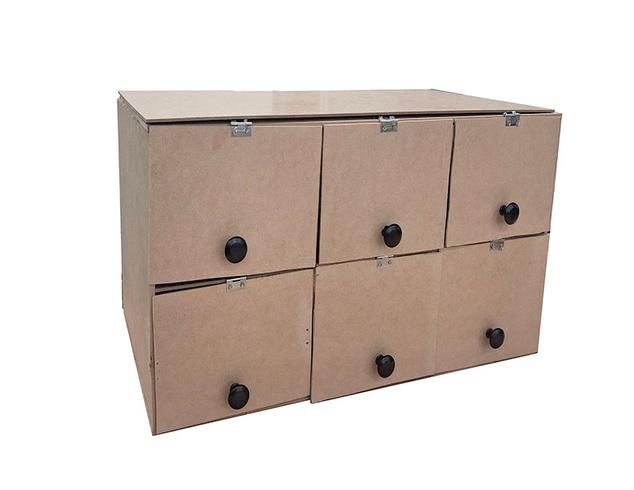
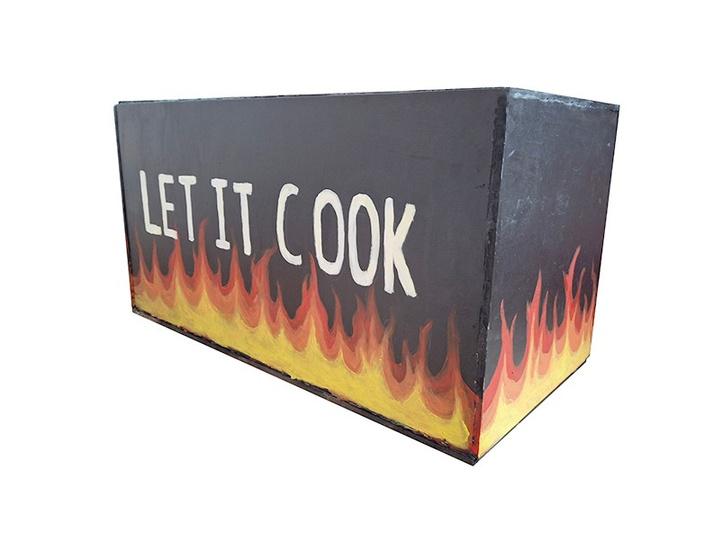
“Let it cook” is an educational and interactive game designed for kids ages four to eight, which was presented at the Boston Children’s Museum. Inspired by the rich cultural cuisine of Boston’s North End, the game immerses kids in the process of cooking recipes. The game is designed to integrate hands-on activities, collaboration, and culturally enriching content that fosters teamwork, critical thinking, and cultural appreciation.
There will be a sound and light indicating if the player selected the correct ingredient Repeat until al ingredients are found
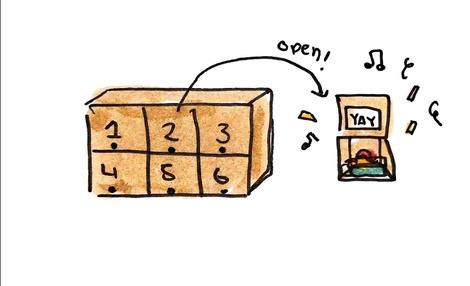
Once all required ingredients are scanned celebratory music plays and players can open a locker corresponding to the number on the recipe card to reveal their completed dish
Game Play






email: fung.ann@northeastern.edu
phone: +1 612-222-1925