
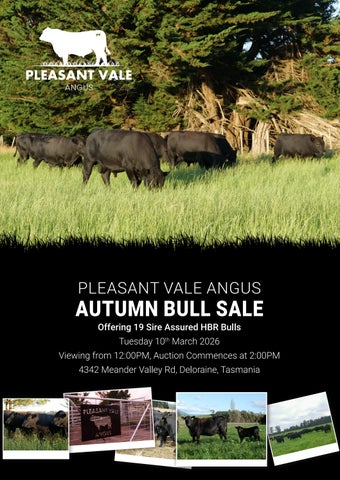

Offering 19 Sire Assured HBR Bulls
Tuesday 10th March 2026
Viewing from 12:00PM, Auction Commences at 2:00PM 4342 Meander Valley Rd, Deloraine, Tasmania
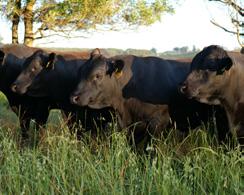
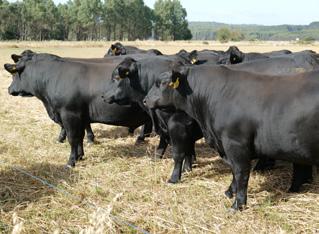
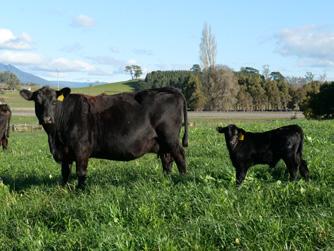
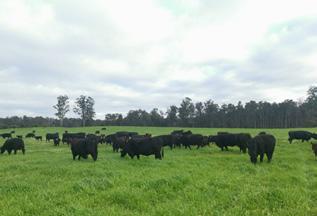




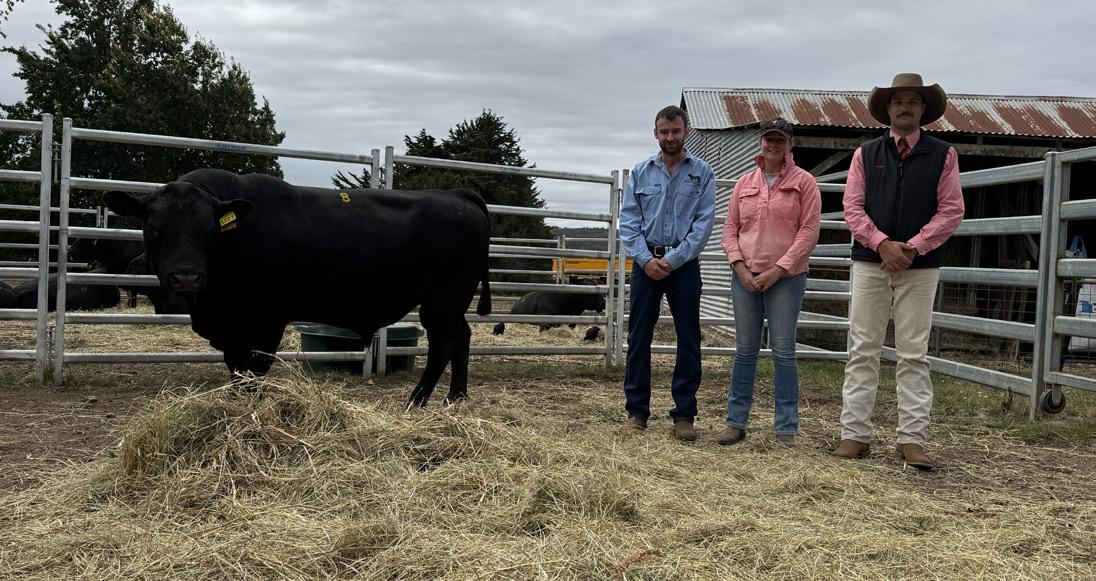
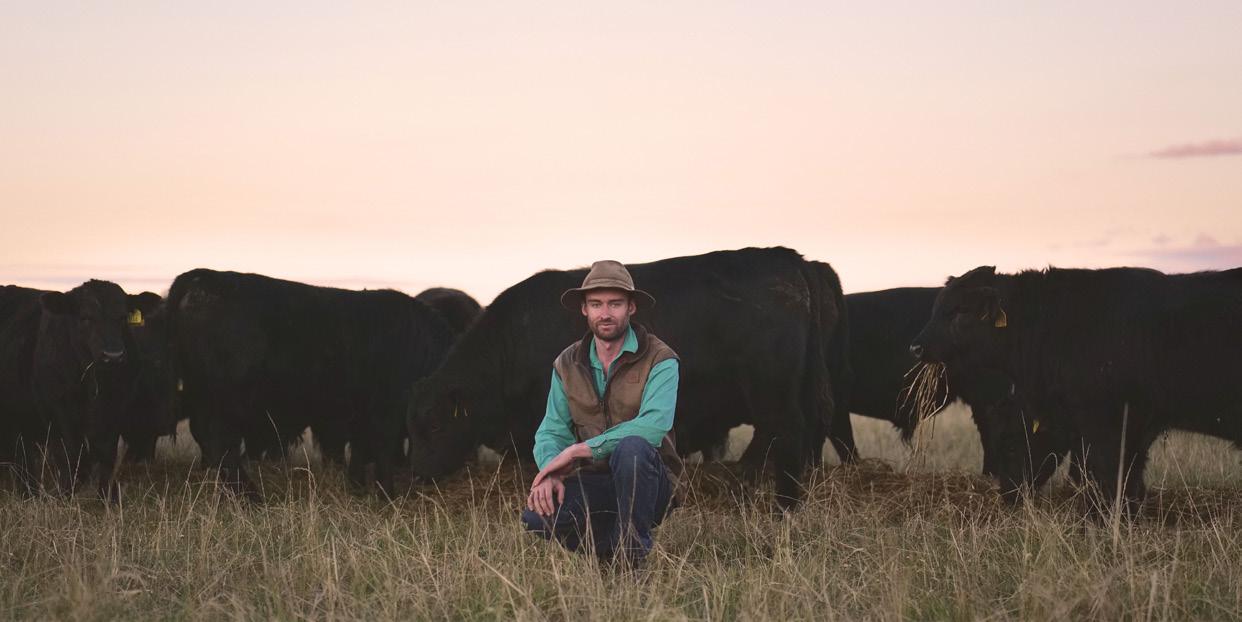
Pleasant Vale Farm would like to welcome you to our fifth annual on farm Autumn Bull Sale! Where we will be offering 19 HBR Bulls!
Last year we held our fourth annual on farm bull sale. Similar to the year prior the beef market was somewhat in a state of disrepair. The national herd was still in liquidation, markets were flooded & the cattle job was struggling to make ends meet. Exceptionally dry conditions & poor yielding harvests locally were major contributors. Personally I would like to reiterate how thankful we were for both our long term clients & to new clientele who had confidence in our breeding program. We were still very humbled to have a clearance of 14/16 bulls on sale day. I would like to thank the Crowden family for their continual support purchasing one of two top priced bulls for $6,500; Lot 8 U21 a cracking Three Rivers Son. Our other top priced bull went to the Loane family – Ormley Trust, I hope this young sire breeds on well for you as I’m sure he will, we are forever thankful for your support! Lot 6, U59 became my favorite sire from this draft, sporting impeccable docility and an impressive dataset. I would like to thank both our winning bidders, under bidders & those who viewed what was on offer in 2025!
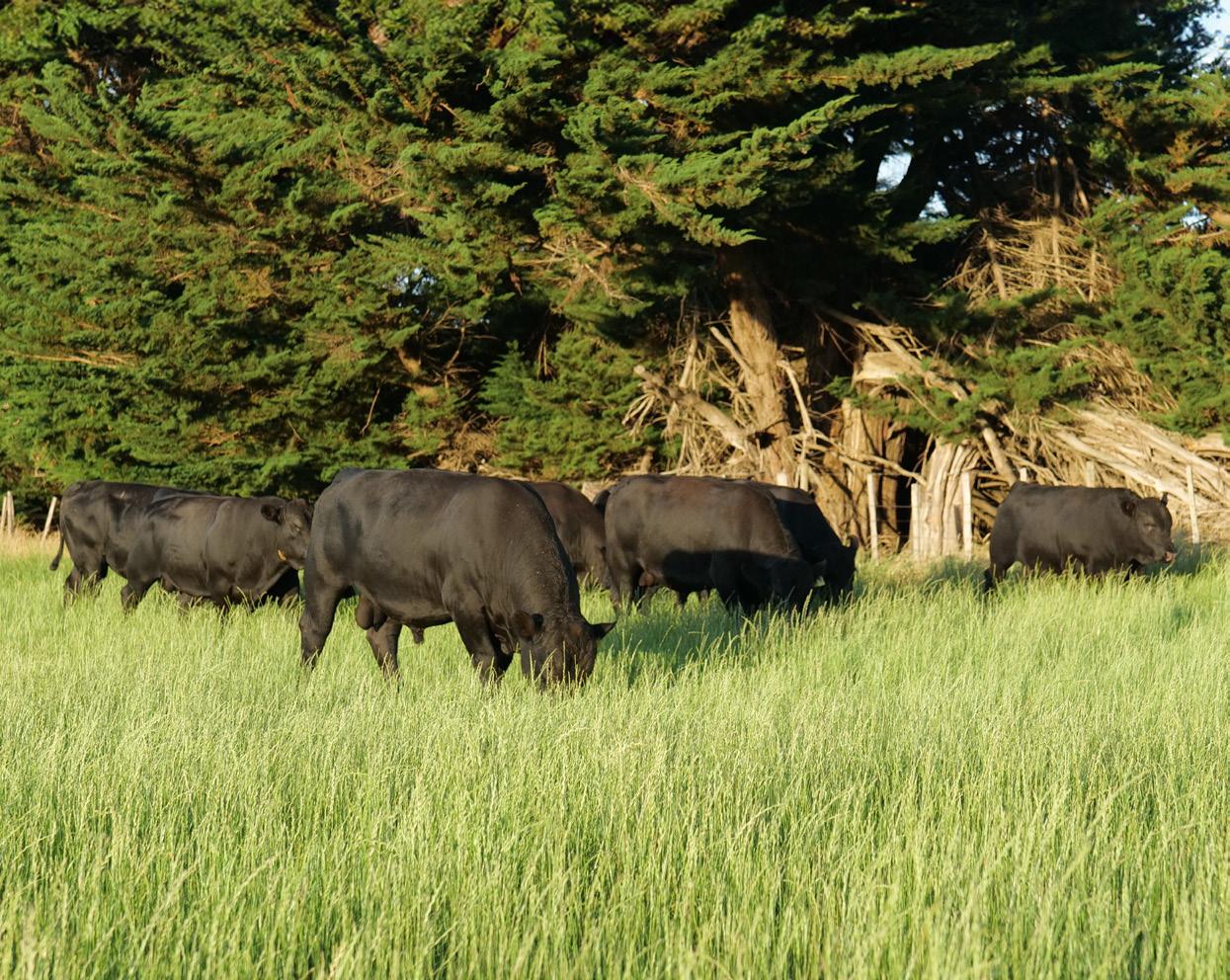
We are really excited with how this year’s sale team is shaping up & cannot wait to share this line up with you. We have another exciting offering from key sire lines such as Tehama Patriarch, Baldridge 38 Special, Sterling Pacific & some stand out home bred sires. I have great confidence that there is a bull to satisfy everyone’s breeding objectives. Lotting up bulls this year proved a difficult exercise due to the consistency & uniformity of type within this contemporary group. I would like you all to be assured that only the very best makes it to our sale team & for this to happen they have to be strongly aligned with our breeding fundamentals.
Baldridge 38 Special was used in our Fixed Time program more so for his maternal backing; hoping to develop some exceptional replacement females for our herd & he did exactly that. What he also did was produce some exceptional son’s which make up a large portion of our offering this year. A very proven bull, 38 Special has impressive data with next to perfect structure. He ticks a lot of boxes and aligns well with our breeding fundamentals.
Patriarch another American Sire who has two son’s in this year’s sale. He became a turn too sire for our heifer mating program for a number of reasons. Patriarch’s calving ease and birthweight gave us peace of mind. He is a bull who offers plenty of growth with flawless structure; we wanted longevity and we know his progeny will fulfil this.
Sterling pacific is the last AI sire who needs little introduction, we offered some sensational son’s in last year’s sale. His offspring offer great doing ability & are easy to handle. Pacific stands in the top 1 percent for
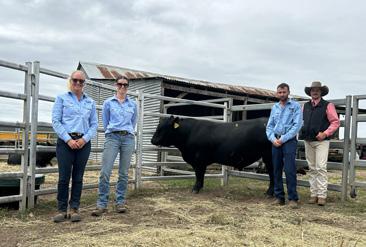
200 day growth and his calves weaning weights reflect this perfectly. A bull who is a great value adding option in any production system.
I would like to make mention that our operation doesn’t solely focus on genotype or phenotype. I have a strong belief that there has to be focus on both. EBV accuracies are vastly improving; the more data from each generation of progeny recorded means more precision for these breeding values. Some of these AI Sires being used have approximately 3500 progeny registered. From a phenotypical point of view these bulls have to present well with observable characteristics just as important as their figure set. The 19 bulls offered in this year’s sale have been selected on both. All of the bulls have been meticulously handled over their lifetime with any presentation of temperament issues being removed from our offering. Our two major fundamental traits we select on here at Pleasant Vale are structure & docility.
Although things have dried off here locally the past few months it sounds as though a lot of fellow producers have returned to a successful Silage & Hay harvest which is great to hear. We have received a few minor rain events which is hopefully pointing towards a timely autumn break for many, which we have not seen for quite some time. This time last year the weaner job was down and cull cow prices were dismal. This year is quite the opposite and it was very odd not to see the traditional market drop through December. There’s plenty of market positivity with wellbred weaner cattle paying upwards of 600c per kg & this has been said to be the new norm making it a very sustainable time to be a breeder. Personally I think we are in for a good few years! Our national herd rebuild is starting after two years of liquidation & other factors like the Amercian herd being at a 70 year low will give us access to some great market opportunities.
It’s been another massive 12 month’s here at Pleasant Vale & I was very grateful to be given the opportunity to host the 2025 GenAngus Cohort. One of my biggest achievements to date and it was a privilege to showcase our operation & have the ability to network with some of Australia’s future industry leaders. Opening up the doors to both personal & business growth!
On a final note I would like to thank our existing clients for your ongoing support & welcome any prospective clients, we would love to have you in attendance at our fifth on farm sale!
Kind Regards,
Cody Best
Our Autumn Bull Sale will be held on the 10th of March 2026 & located on property at 4342 Meander Valley Road, Deloraine. All bulls will be penned for inspection at 1:00PM & sale will commence at 3:00PM. Buying format at the sale will be Online Helmsman interfaced with auctions plus, we think this gives everyone the best opportunity to make their purchase.
Buyers will have the ability to either bid on their own electronic device on the Auctions Plus platform or bid directly through one of the many Elders agents at the sale. The sale will run for 30 minutes then a countdown timer will run until the conclusion of the sale.
3% Commission will be offered to participating agents introducing buyers to the sale. Please notify Thomas Febey0437538278, Elders Livestock prior to sale.
Elders Livestock Tasmania will be conducting the sale. Any queries in relation to the sale please contact Thomas Febey –0437538278.
All animals are sold exclusive of GST.
All Bulls have received the following treatments
• Ultravac 7 in 1 – 10th October 2024, Booster 16th November 2024, Annual Booster 15th February 2026
• Multimin Evolution – 5th June 2025
• Virbamec Plus Injectable – 5th June 2025
• Oxfen LV Oral – 12th December 2025
• Zoetis Vibrovax – 23rd January 2026, Booster 27th February 2026
• Zoetis Pestigard – 23rd January 2026, Booster 27th February 2026
All sale bulls have been tested for BVDV (Pestivirus) & returned negative results. They have also been vet checked & semen tested.
Transport costs will be covered by the vendor for all bulls sold within Tasmania. This is provided bulls are delivered within two weeks of sale date. If insurance is required this will be the buyer’s responsibility.
Although all bulls have displayed great temperament & are regularly handled, care must be taken. However a change in environment & other pressures can cause a bull to become agitated. We ask for no children to enter pens on sale day. We ask for no children to enter pens on sale day.
The vendor will transfer ownership of the bull to the purchaser on the Angus Australia database. The following information needs to be supplied on the buyers slip (page 8); Name of the owner, address and PIC number.
Animal details included in this catalogue, including but not limited to pedigree, DNA information, Estimated Breeding Values (EBVs) and Index values, are based on information provided by the breeder or owner of the animal. Whilst all reasonable care has been taken to ensure that the information provided in this catalogue was correct at the time of publication, Angus Australia will assume no responsibility for the accuracy or completeness of the information, nor for the outcome (including consequential loss) of any action taken based on this information.
The animals listed within this catalogue including its pedigree, are displaying a Parent Verification Suffix which indicates the DNA parent verification status that has been conducted on the animal. The Parent Verification Suffixes that will appear at the end of each animal’s name.
PV: both parents have been verified by DNA.
SV: the sire has been verified by DNA.
DV: the dam has been verified by DNA.
#: DNA verification has not been conducted.
E: DNA verification has indentified that the sire and/or dam may possibly be incorrect, but this cannot be confirmed conclusively.
CatalogueDisclaimer:
Whilst all due care and attention has been paid to accuracy in the compilation, neither the vendor, the selling agents or representatives thereof assume responsibility for the correctness, use or interpretation of the information on animals included in this catalogue.
“Pressure is the shadow of a great opportunity”
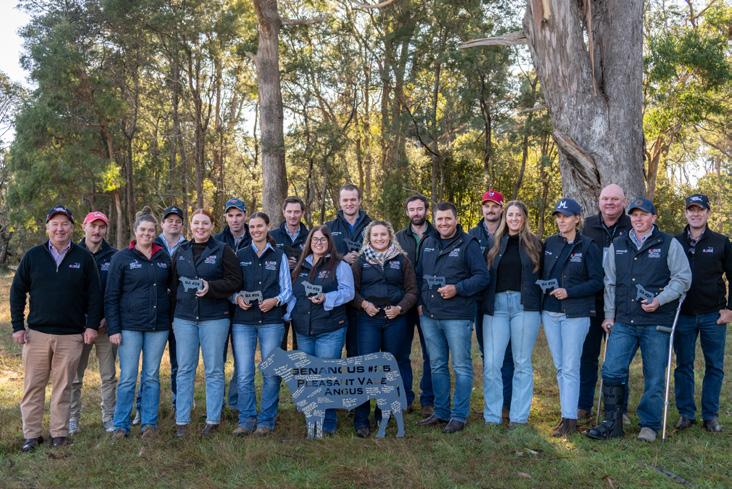
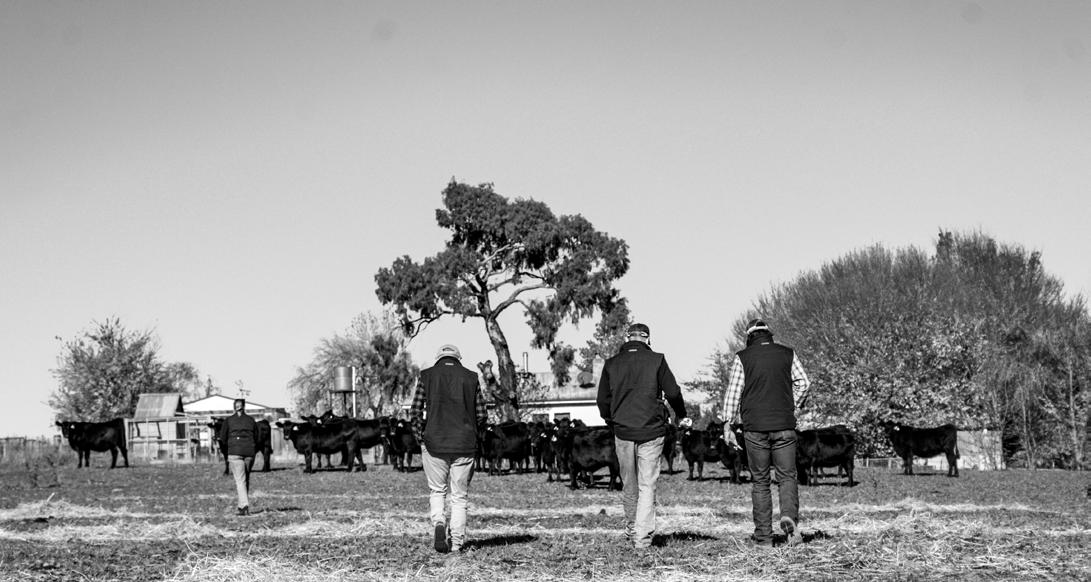
As most of you would know I’m not the most outspoken type of person so when asked by Nancy Crawshaw if I would host the 2025 GenAngus Cohort it came with a lot of pressure. I wanted to be certain that I could facilitate a day that would have some sort of impact on not only the 2025 GenAngus Cohort but all in attendance. All the pressure this put on me told me this was going to be a great opportunity, so without any doubt I said yes. I was proudly the first of any cohort to host such a significant part of the program since its inception in 2019 & it was my privilege.
What an amazing experience & absolute privilege it was to share our story here at Pleasant Vale Angus with this amazing group. The amount of opportunity our breed society Angus Australia provides is unbelievable, it truly is a great family to be a part of. It was overwhelming some of the people that were on farm for this program. Starting off with the 2025 cohort who were aged from 20 to 37. From very diverse backgrounds & already kicking goals in their respective areas, this being their opportunity to take it to the next level. Having James Knight in attendance meant a lot to me, he was the founder of the GenAngus Program & operates the Sisters Pastoral. A bloke who’s presentation in New Zealand really resonated with me; speaking with honesty, humility & transparency thanks for being a part of this special day. Milly Nolan & Nancy Crawshaw have both been pivotal with the facilitation and evolution of the program. I truly don’t know how they do it but each year just keeps getting better, a little like our breed society which has the ability to continually value add. Three other significant attendees include Sinclair Munro who is the President of Angus Australia, Scott Wright the CEO & part of my Cohort & now a great friend Elliot Connors the Accountant at Angus Australia. It was great to welcome you all on farm.
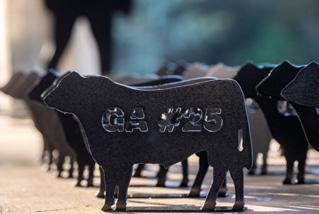
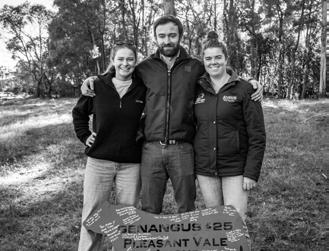
As a gift from myself to the group & with my fabrication background in mind I decided to make each individual a keepsake. This was a metal cut out of a bull with GenAngus #25 stencilled in the centre. I also made a larger one for my own keepsake which lives in the pool room, having each attendee sign it; a very special memento.
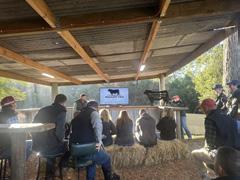
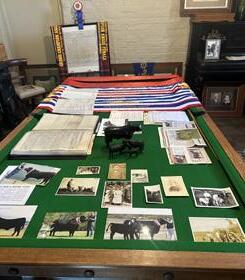
I provided the group with a raw, emotional & somewhat humorous presentation on where the business started, where it is now & what’s planned for the future. I showed them my love for designing equipment to make cumbersome tasks easier & reiterated how important it is to embrace technology. After the presentation I had the group look over some innovations I had built, shared some future breeders & lined the pool room with some of Pleasant Vales History, dating back to the late 1800’s. It was a very wholesome and fulfilling day, an opportunity I’m glad I took. The high calibre of future leaders this program unearths really excites me for the future of our industry. After hosting this event, my cup is full. Please enjoy some photos from this special day that I’m very excited to share with you all!
The TransTasman Angus Cattle Evaluation is the genetic evaluation program adopted by Angus Australia for Angus and Angus influenced beef cattle. The TransTasman Angus Cattle Evaluation uses Best Linear Unbiased Prediction (BLUP) technology to produce Estimated Breeding Values (EBVs) of recorded cattle for a range of important production traits (e.g. weight, carcase, fertility).
The TransTasman Angus Cattle Evaluation is an international genetic evaluation and includes pedigree, performance and genomic information from the Angus Australia and Angus New Zealand databases, along with selected information from the American and Canadian Angus Associations.
The TransTasman Angus Cattle Evaluation utilises a range of genetic evaluation software, including the internationally recognised BLUPF90 family of programs, and BREEDPLAN® beef genetic evaluation analytical software, as developed by the Animal Genetics and Breeding Unit (AGBU), a joint institute of NSW Agriculture and the University of New England, and Meat and Livestock Australia Limited (MLA).
An animal’s breeding value can be defined as its genetic merit for each trait. While it is not possible to determine an animal’s true breeding value, it is possible to estimate it. These estimates of an animal’s true breeding value are called EBVs (Estimated Breeding Values).
EBVs are expressed as the difference between an individual animal’s genetics and a historical genetic level (i.e. group of animals) within the TACE genetic evaluation, and are reported in the units in which the measurements are taken.
TACE EBVs can be used to estimate the expected difference in the genetics of two animals, with the expected difference equating to half the difference in the EBVs of the animals, all other things being equal (e.g. they are joined to the same animal/s).
For example, a bull with a 200 Day Growth EBV of +60 would be expected to produce progeny that are, on average, 10 kg heavier at 200 days of age than a bull with a 200 Day Growth EBV of +40 kg (i.e. 20
kg difference between the sire’s EBVs, then halved as the sire only contributes half the genetics).
Or similarly, a bull with an IMF EBV of +3.0 would be expected to produce progeny with on average, 1% more intramuscular fat in a 400 kg carcase than a bull with a IMF EBV of +1.0 (i.e. 2% difference between the sire’s EBVs, then halved as the sire only contributes half the genetics).
EBVs can also be used to benchmark an animal’s genetics relative to the genetics of other Angus or Angus infused animals recorded with Angus Australia. To benchmark an animal’s genetics relative to other Angus animals, an animal’s EBV can be compared to the EBV reference tables, which provide:
• the breed average EBV
• the percentile bands table
The current breed average EBV is listed on the bottom of each page in this publication, while the current EBV reference tables are included at the end of these introductory notes.
For easy reference, the percentile band in which an animal’s EBV ranks is also published in association with the EBV.
An accuracy value is published with each EBV, and is usually displayed as a percentage value immediately below the EBV. The accuracy value provides an indication of the reliability of the EBV in estimating the animal’s genetics (or true breeding value), and is an indication of the amount of information that has been used in the calculation of the EBV.
EBVs with accuracy values below 50% should be considered as preliminary or of low accuracy, 50-74% as of medium accuracy, 75-90% of medium to high accuracy, and 90% or greater as high accuracy.
EBVs are calculated for a range of traits within TACE, covering calving ease, growth, fertility, maternal performance, carcase merit, feed efficiency and structural soundness. A description of each EBV included in this publication is provided on the following page.
CEDir %
Genetic differences in the ability of a sire’s calves to be born unassisted from 2 year old heifers.
CEDtrs %
GL days
BW kg
200 Day kg
400 Day kg
600 Day kg
MCH cm
MBC score
MCW kg
Milk kg
DtC days
SS cm
CWT kg
EMA cm2
Rib Fat mm
P8 Fat mm
RBY %
IMF %
NFI-F kg/day
Doc %
Claw Set
Foot
Leg
Genetic differences in the ability of a sire’s daughters to calve unassisted at 2 years of age.
Genetic differences between animals in the length of time from the date of conception to the birth of the calf.
Genetic differences between animals in calf weight at birth.
Genetic differences between animals in live weight at 200 days of age due to genetics for growth.
Genetic differences between animals in live weight at 400 days of age.
Genetic differences between animals in live weight at 600 days of age.
Genetic differences between animals in the height of mature females.
Genetic differences between animals in the body condition of mature females.
Genetic differences between animals in live weight of cows at 5 years of age.
Genetic differences between animals in live weight at 200 days of age due to the maternal contribution of its dam.
Genetic differences between animals in the time from the start of the joining period (i.e. when the female is introduced to a bull) until subsequent calving.
Genetic differences between animals in scrotal circumference at 400 days of age.
Genetic differences between animals in hot standard carcase weight at 750 days of age.
Genetic differences between animals in eye muscle area at the 12/13th rib site in a 400 kg carcase.
Genetic differences between animals in fat depth at the 12/13th rib site in a 400 kg carcase.
Genetic differences between animals in fat depth at the P8 rump site in a 400 kg carcase.
Genetic differences between animals in boned out saleable meat from a 400 kg carcase.
Genetic differences between animals in intramuscular fat (marbling) at the 12/13th rib site in a 400 kg carcase.
Genetic differences between animals in feed intake at a standard weight and rate of weight gain when animals are in a feedlot finishing phase.
Genetic differences between animals in temperament.
score Genetic differences in claw set structure (shape and evenness of claws).
Genetic differences in foot angle (strength of pastern, depth of heel).
Genetic differences in rear leg structure when viewed from the side (angle at front of the hock).
Higher EBVs indicate fewer calving difficulties in 2 year old heifers.
Higher EBVs indicate fewer calving difficulties in 2 year old heifers.
Lower EBVs indicate shorter gestation length.
Lower EBVs indicate lighter birth weight.
Higher EBVs indicate heavier live weight.
Higher EBVs indicate heavier live weight.
Higher EBVs indicate heavier live weight.
Higher EBVs indicate taller mature females.
Higher EBVs indicate more body condition of mature females.
Higher EBVs indicate heavier mature weight.
Higher EBVs indicate heavier live weight.
Lower EBVs indicate shorter time to calving.
Higher EBVs indicate larger scrotal circumference.
Higher EBVs indicate heavier carcase weight.
Higher EBVs indicate larger eye muscle area.
Higher EBVs indicate more fat.
Higher EBVs indicate more fat.
Higher EBVs indicate higher yield.
Higher EBVs indicate more intramuscular fat.
Lower EBVs indicate more feed efficiency.
Higher EBVs indicate better temperament.
Lower EBVs indicate less curl of the claw set.
Lower EBVs indicate more heel depth.
Lower EBVs indicate a less angular leg angle.
$A $
$A-L $
Genetic differences between animals in net profitability per cow joined in a typical commercial self replacing herd using Angus bulls. This selection index is not specific to a particular market end-point, but identifies animals that will improve overall net profitability in the majority of commercial, self replacing, grass and grain finishing beef production systems.
The $A-L index is similar to the $A index but is modelled on a production system where feed is surplus to requirements for the majority of the year, or the cost of supplying additional feed when animal feed requirements increase is low.
While the $A aims to maintain mature cow weight, the $A-L does not aim to limit the increase in mature cow weight as there is minimal cost incurred if the feed maintenance requirements of the female breeding herd increase as a result of selection decisions.
Higher selection indexes indicate greater profitability.
Higher selection indexes indicate greater profitability.
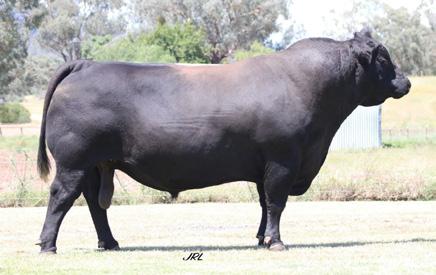
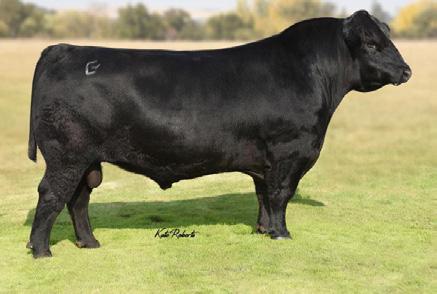
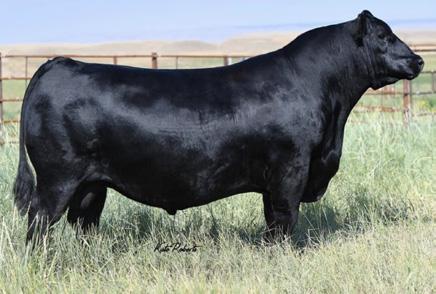
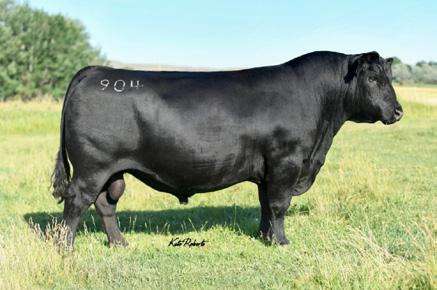
We are excited to share with you raw data on each of the 19 sale bulls. Scan data for P8 Fat, Rib Fat, EMA & IMF was conducted by Roger Evans of Bovine Scanning Services on the 12th of January 2026. Scrotal circumferences were conducted by Deep Creek Cattle Services on the 29th of January 2026. Weights are relative to when semen testing was conducted on the 29th of January. There will be a supplementary sheet included with more recent weights on sale day. All birthweights are collected within 24 hours of calf being born. Lot 1 Raw Data

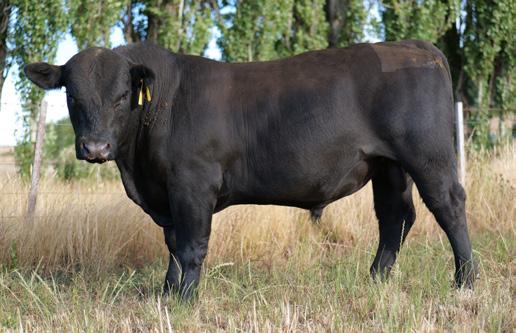
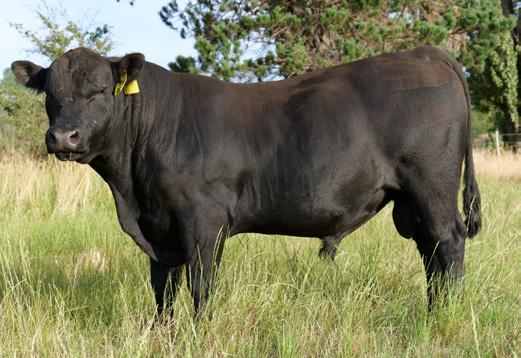
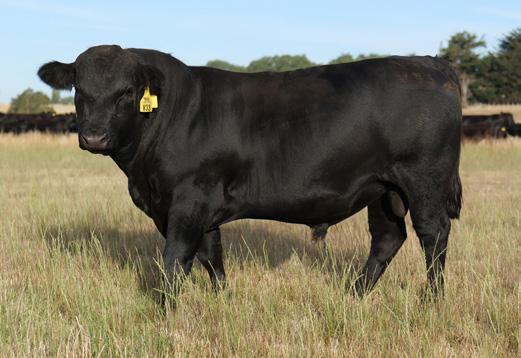
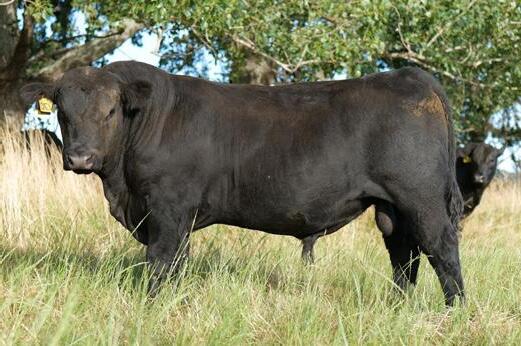
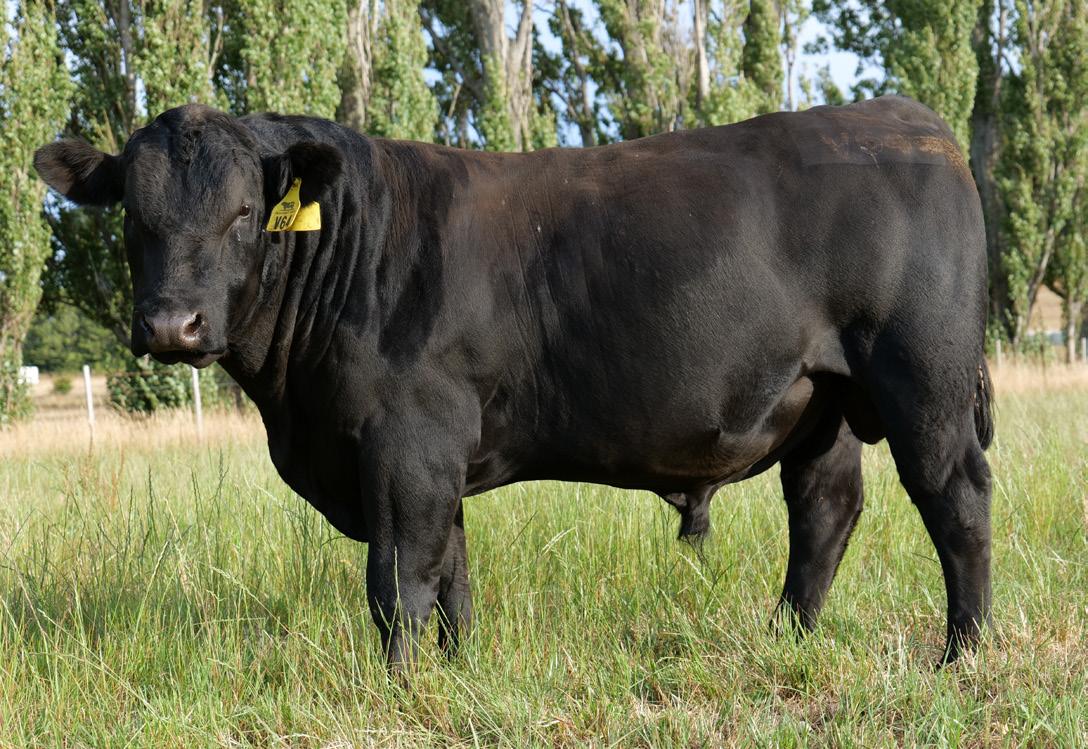

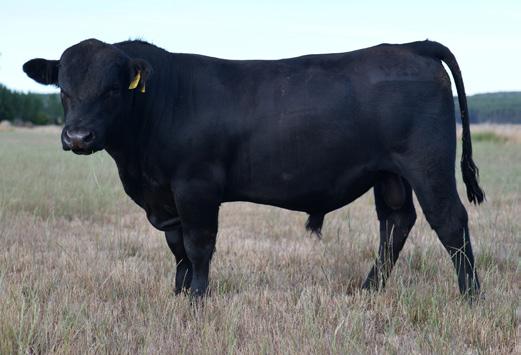
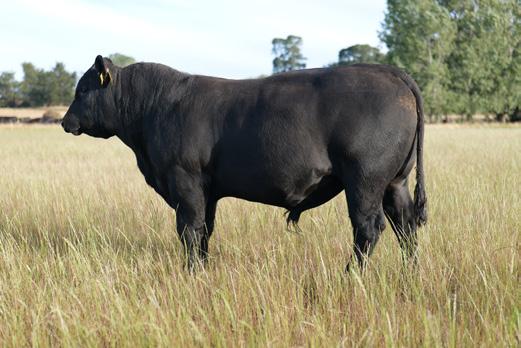
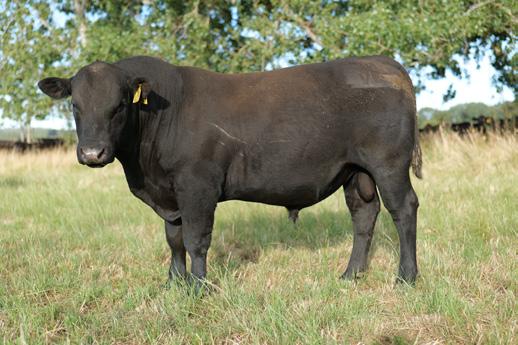
Mid February 2026 TransTasman Angus Cattle Evaluation
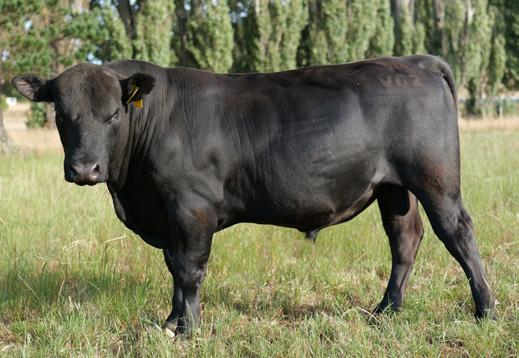
Notes: Respectfully in lot number one we have V65, a phenotypically pleasing bull with data to match! Plenty of growth with this guy and he is a great option if you are wanting to add some frame to your herd. Our confidence in this young sire saw his use in our 2025 joining & we look forward to welcoming his progeny next year.
DOB: 30/07/2024 Registration Status: HBR Mating Type: AI Genetic Status: AMFU,CAFU,DDFU,NHFU
EF COMMANDO 1366PV PLEASANT VALE DUSTY R22SV
Sire: USA18229487 BALDRIDGE 38 SPECIALPV Dam: TGU22T84 PLEASANT VALE T84#
Mid February 2026 TransTasman Angus Cattle Evaluation
Traits Observed: GL,CE,BWT,Genomics
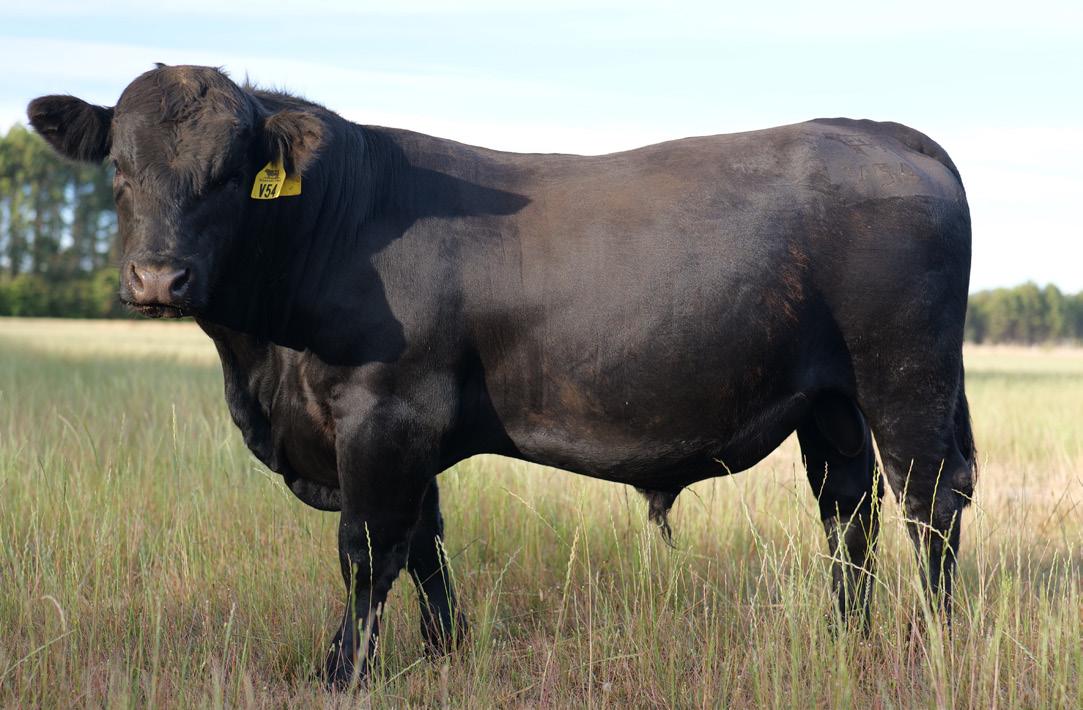
Notes: A great heifer mating option recording an actual birthweight of 28KGS which is also reinforced by his data. Despite his ease of calving this does not hinder his growth; posting an impressive 200, 400 & 600 day growth figure in the top third percentile of the breed. A 38 special son sure to draw some attention.
DOB: 03/08/2024 Registration Status: HBR Mating Type: AI
Mid February 2026 TransTasman Angus Cattle Evaluation
Notes: This 38 special son has plenty of sire appeal about him & was the heaviest when raw data weights were taken. A short gestation bull which will close up your calving window; helping add uniformity & weight to his progeny come weaning. A heifer safe sire with plenty of vigour.
DOB: 07/08/2024
Sire: USA18981191 TEHAMA PATRIARCH F028PV Dam: TGUP68 PLEASANT VALE ELLEN P68# S S NIAGARA Z29SV PLEASANT VALE DURHAM J27SV
TEHAMA ELITE BLACKBIRD D826#
Mid February 2026 TransTasman Angus Cattle Evaluation
VALE ELLEN H66#
Traits Observed: GL,CE,BWT,Genomics
Notes: Here we have one of two Tehama Patriarch son’s offered in this years sale. Plenty of softness & he presents with great natural doing ability. Ranked in the top 20th percentile for docility he’s a bull that will be very easy to handle. We used him so why don’t you?
Mid February 2026 TransTasman Angus Cattle Evaluation
Notes: A Sterling Pacific son with impeccable data. Theres a direct correlation with fertility and scrotal circumfrence, this bull recorded the highest circumfrence of 44CM so you can rest assured that he will get the job done. A sire who’s combination of data and phenotype saw him used in our own program, returning a very good conception rate.
Notes: Plenty of length in this Sterling Pacific Son! Offering plenty of growth & very positive fat data. A versatile option for any cow or heifer mating program & would add great value to a breeder weaner operation. Mid February 2026 TransTasman Angus Cattle Evaluation
EF COMMANDO 1366PV PLEASANT VALE DURHAM J27SV
Sire: USA18229487 BALDRIDGE 38 SPECIALPV Dam: TGUQ6 PLEASANT VALE FEDERATION Q6#
BALDRIDGE ISABEL Y69#
Mid February 2026 TransTasman Angus Cattle Evaluation
VALE FEDERATION M51#
Traits Observed: GL,CE,BWT,Genomics
Notes: V64 is a 38 Special son with plenty to offer. He offers a balance of fats, positive growth & impeccable structure data all in one package. An attractive sire from a phenotypical point of view who is sure to pass this on to his offspring. The positive outlook this bull gave us saw his use in part of our 2025 breeding program.
Notes: This bull is an early maturing
Mid February 2026 TransTasman Angus Cattle Evaluation
Notes: A full brother to the previous lot V118 stands up exceptionally well given he is the youngest bull in our offering. A well structured bull who will add some longevity to his progeny backed by his maternal pedigree. His dam is a tried and tested L cow who is still producing in our herd to date.
07/08/2024
EF COMMANDO 1366PV PLEASANT VALE DURHAM J27SV
Sire: USA18229487 BALDRIDGE 38 SPECIALPV Dam: TGUQ44 PLEASANT VALE CRISTO Q44SV
BALDRIDGE ISABEL Y69# PLEASANT VALE CRISTO C1#
Mid February 2026 TransTasman Angus Cattle Evaluation
Notes: An exceptional growth bull, with one of our key fundamentals - structure. This guy is better suited for any cow joining program & his progeny will hit the ground running! We had plenty of assurance in using this young sire in our 2025 program.
Mid February 2026 TransTasman Angus Cattle Evaluation
Notes: V67 is a short gestation option better suited for a cow mating program. A 38 special son who from a genotype point of view can be described as an allrounder.
DOB: 06/08/2024 Registration Status: HBR Mating Type: AI
Z29SV PLEASANT VALE DURHAM J27SV
Mid February 2026 TransTasman Angus Cattle Evaluation
Traits Observed: GL,CE,BWT,Genomics
Notes: The second Patriarch son to be offered who will definetly add some frame to his offspring. Despite being a very good calving ease bull he still offers growth in droves. We used him for some select mating within our 2025 mating program.
Mid February 2026 TransTasman Angus Cattle Evaluation
Notes: An exceptional heifer bull who recorded an actual birthweight of 32kgs, offering plenty of peace of mind. A key fundamental in our breeding philosophy is structure and he’s got it. V17 will produce some high yielding progeny.
DOB: 08/08/2024 Registration Status: HBR Mating Type:
Mid February 2026 TransTasman Angus Cattle Evaluation
Traits Observed:
Notes: A very easy going lad who will calve down well. His docility & structure saw his use in a select joining within our 2025 program.
Contact Name
This is information for bull buyers about the recessive genetic conditions, Arthrogryposis Multiplex (AM), Hydrocephalus (NH), Contractural Arachnodactyly (CA) and Developmental Duplications (DD).
All animals, including humans, carry single copies (alleles) of undesirable or “broken” genes. In single copy form, these undesirable alleles usually cause no harm to the individual.
But when animals carry 2 copies of certain undesirable or “broken” alleles it often results in bad consequences. Advances in genomics have facilitated the development of accurate diagnostic tests to enable the identification and management of numerous undesirable or “broken” genes.
Angus Australia is proactive in providing its members and their clients with relevant tools and information to assist them in the management of known undesirable genes and our members are leading the industry in their use of this technology.
AM, NH, CA and DD are all recessive conditions caused by “broken” alleles within the DNA of individual animals. When a calf inherits 2 copies of the AM or NH alleles their development is so adversely affected that they will be stillborn.
In other cases, such as CA and DD, calves carrying 2 copies of the broken allele may reach full-term. In such cases the animal may either appear relatively normal, or show physical symptoms that affect their health and/or performance.
Carriers, will on average, pass the undesirable allele to a random half (50 %) of their progeny.
When a carrier bull and carrier cow is mated, there is a 25% chance that the resultant calf will inherit two normal alleles, a 50% chance that the mating will result in a carrier (i.e. with just 1 copy of the undesirable allele, and a 25% chance that the calf will inherit two copies of the undesirable gene.
If animals tested free of the undesirable gene are mated to carrier animals the condition will not be expressed at all. All calves will appear normal, but approximately half (50%) could be expected to be carriers.
DNA-based diagnostic tests have been developed which
can be used to determine whether an individual animal is either a carrier or free of the alleles resulting in AM, NH, CA or DD.
Angus Australia uses advanced software to calculate the probability of (untested) animals to being carriers of AM, NH, CA or DD. The software uses the test results of any relatives in the calculations and the probabilities may change as new results for additional animals become available.
The genetic status of animals is being reported using five categories:
AMF
AMFU
Tested AM free
Based on Pedigree AM freeAnimal has not been tested
AM_% _% probability the animal is an AM carrier
AMC
AMA
Tested AM-Carrier
AM-Affected
For NH, CA and DD, simply replace AM in the above table with NH, CA or DD.
Registration certificates and the Angus Australia webdatabase display these codes. This information is displayed on the animal details page and can be accessed by conducting an “Database Search” from the Angus Australia website or looking up individual animals listed in a sale catalogue.
Your decision on the importance of the genetic condition status of replacement bulls should depend on the genetics of your cow herd (which bulls you previously used) and whether some female progeny will be retained or sold as breeders.
Most Angus breeders are proactive and transparent in managing known genetic conditions, endeavouring to provide the best information available. The greatest risk to the commercial sector from undesirable genetic recessive conditions comes from unregistered bulls with unknown genetic background. The genetic condition testing that Angus Australia seedstock producers are investing in provides buyers of registered Angus bulls with unmatched quality assurance.
For further information contact Angus Australia (02) 6773 4600.