Best Face Forward
Treat skin with care Catching Better Z’s
How to ensure a more restful night’s sleep
Getting Over the Hurdle
How to overcome common roadblocks to weight loss

How to ensure a more restful night’s sleep
How to overcome common roadblocks to weight loss
More milage for your joints
Why dental hygiene is essential for overall health
What to know about cervical cancer screening
Diabetic vision changes
Treat skin with care
How to ensure a more restful night’s sleep
How to overcome common roadblocks to weight loss











Contributed by Sean McGarrity, Pt, DPT
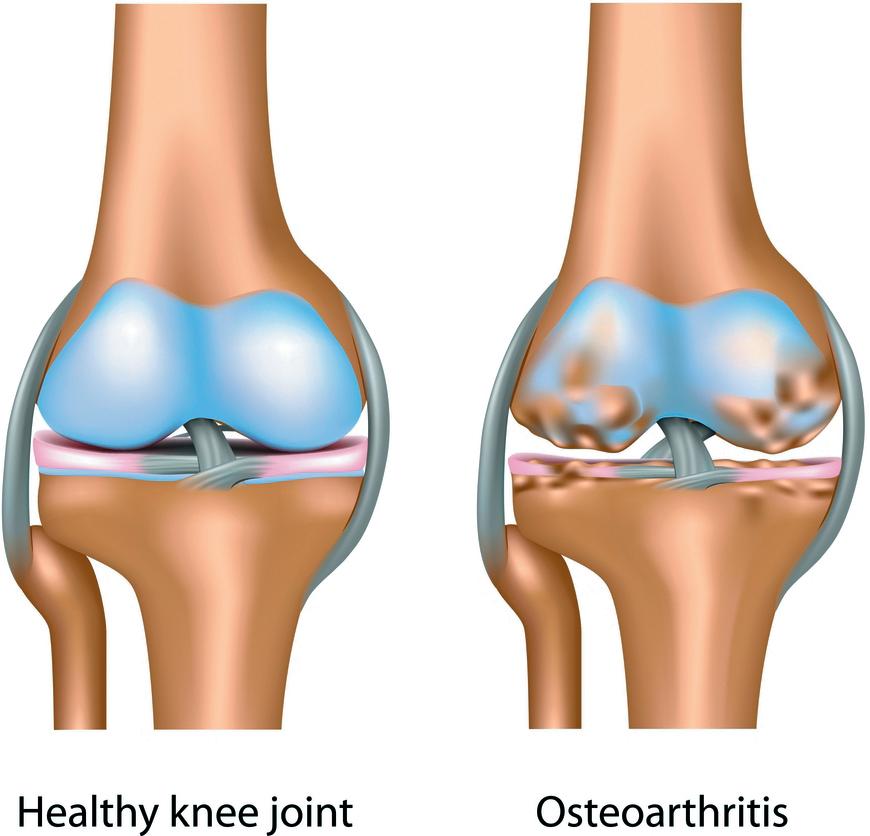

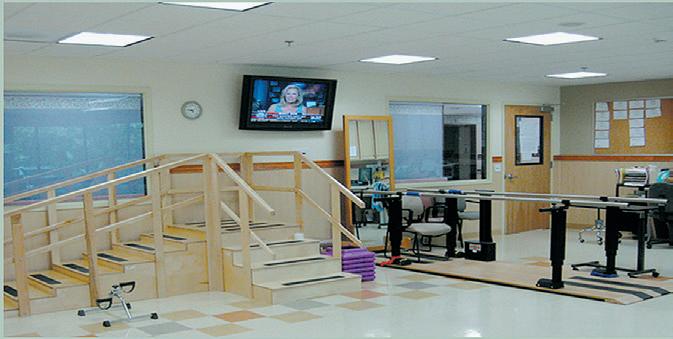
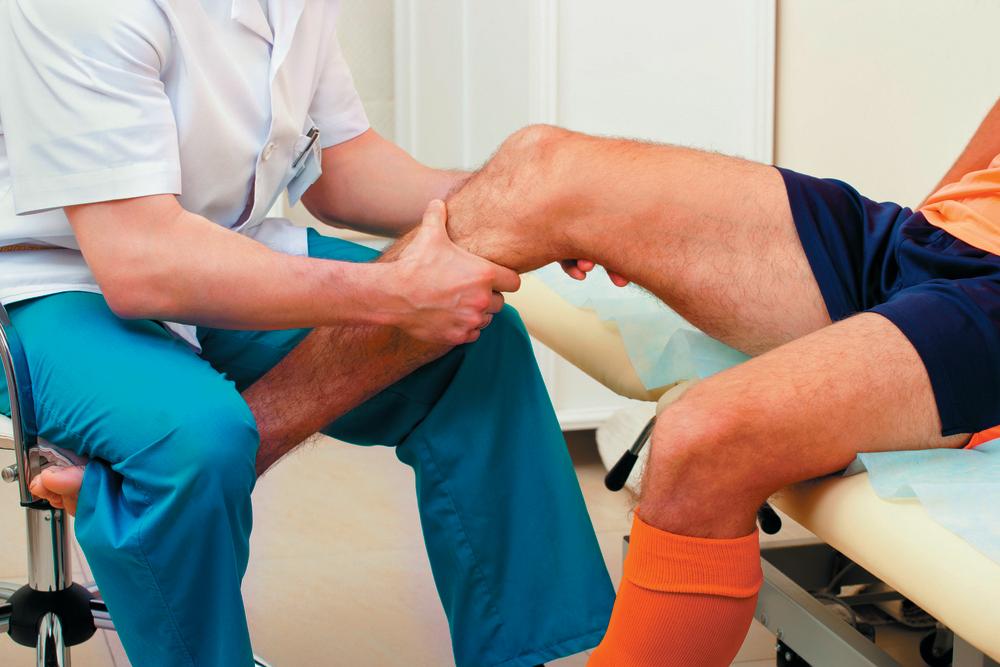
Osteoarthritis, also called “wear and tear” arthritis, is an inevitable result of repeated compression and shear within weight-bearing joints. The cartilage that lines the joint surfaces is only so thick, and when it wears away, it does not grow back. The good news is that there are steps that can be taken to protect and preserve our cartilage.
First and foremost, we need to keep our body weight down. Biomechanical laboratory experiments clearly show that with every extra pound of body weight, there are significantly increased compressive forces at the hips, knees and ankles. Five pounds means a lot!
Next, we need to use caution when working and exercising. Repeated squatting, kneeling, stair and ladder climbing, and jumping will put more pressure on the joints and contribute to wearing away the cartilage. Modify your worksite so as to minimize the frequency of having to perform these stressful activities. When exercising, don’t rely on walking or running alone for cardiovascular training. Make sure to use a bike, or
swim, or use an elliptical or stair climber. Runners that are successful into their seventies and eighties probably have not trained for running by only running; they use some form of unloaded aerobic exercise to decrease exposure of the joints to repetitive compression and grinding. Of course, stretching and strengthening exercises for the legs is important as well. Finally, maintaining good biomechanical form during activity is essential. Footwear with good arch support and pronation control is one example of improving biomechanics externally. Learning good biomechanical form when working or exercising, for example when running, is an example of internal control.
Keep in touch with your doctor, and let him/her know of any joint problems you are having. Early intervention through physical therapy and medications, coupled with the above mentioned items, might help you get more mileage from your joint cartilage.
Sean
McGarrity,
PT, DPT Doctor of Physical Therapy

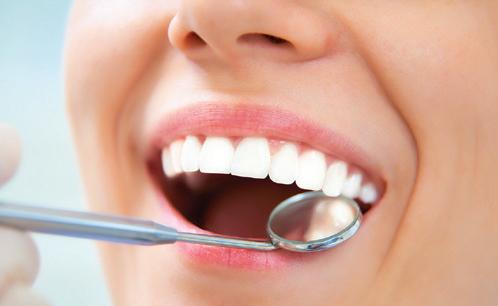
The health of teeth and gums can impact other parts of the body. The importance of maintaining clean teeth and healthy gums goes beyond having fresh breath and a white smile. Many people are surprised to discover that oral hygiene plays an integral role in overall health.
Research indicates that oral health mirrors the condition of the body as a whole. Also, regular dental visits can alert dentists about overall health and pinpoint if a person is at a risk for chronic disease. An oral health check-up also may be the first indication of a potential health issue not yet evident to a general medical doctor.
Heart disease
According to the Academy of General Dentistry, there is a distinct relationship between periodontal disease and conditions such as heart disease and stroke. Joint teams at the University of Bristol in the United Kingdom and the Royal College of Surgeons in Dublin, Ireland, found that people with bleeding gums from poor dental hygiene could have an increased risk of heart disease. Bacteria from the mouth is able to enter the bloodstream when bleeding gums are present. That
bacteria can stick to platelets and subsequently form blood clots. This interrupts the flow of blood to the heart and may trigger a heart attack. Brushing and flossing twice daily and rinsing with mouthwash can remove bacteria and keep gums healthy.
Facial pain
The Office of the Surgeon General says infections of the gums that support the teeth can lead to facial and oral pain. Gingivitis, which is an early stage of gum disease, as well as advanced gum disease, affects more than 75 percent of the American population. Dental decay can lead to its own share of pain. Maintaining a healthy mouth can fend off decay and infections, thereby preventing pain.
Pancreatic cancer
In 2007, the Harvard School of Public Health reported a link between gum disease and pancreatic cancer. In the ongoing study, 51,000 men were followed and data was collected beginning in 1986. The Harvard researchers found that men with a history of gum disease had a 64 percent increased risk of pancreatic cancer compared with men who had never had gum disease. The greatest risk for pancreatic cancer among
this group was in men with recent tooth loss. However, the study was unable to find links between other types of oral health problems, such as tooth decay, and pancreatic cancer.
Various health ailments, including poor oral health, have been linked to a greater risk of developing Alzheimer's disease. In 2010, after reviewing 20 years' worth of data, researchers from New York University concluded that there is a link between gum inflammation and Alzheimer's disease. Follow-up studies from researchers at the University of Central Lancashire in the United Kingdom compared brain samples from 10 living patients with Alzheimer's to
samples from 10 people who did not have the disease. Data indicated that a bacterium - Porphyromonas gingivaliswas present in the Alzheimer's brain samples but not in the samples from the brains of people who did not have Alzheimer's. P. gingivalis is usually associated with chronic gum disease. As a result of the study, experts think that the bacteria can move via nerves in the roots of teeth that connect directly with the brain or through bleeding gums.
These health conditions are just a sampling of the relationship between oral health and overall health. Additional connections also have been made and continue to be studied.










Awoman's first cervical cancer screening and Pap test should take place at age 21. After that, the screening frequency may be between every three and five years, depending on age and risk factors.
Cervical cancer screenings are an important component of preventative healthcare for women. Such screenings are often conducted at the same time as other routine checks performed by a woman's primary care physician or gynecologist.
Cervical cancer screenings are two-fold. A doctor or nurse will examine the cervix to visually look for any indications of change, and he or she also will take a sampling of
cervical cells to conduct a Pap test. These screenings are some of the most effective cancer screening tests available. Some women also get tested for the human papillomavirus, or HPV, a common sexually transmitted disease, during the same visit. The Centers for Disease Control and Prevention state cervical cancer is the easiest gynecologic cancer to prevent, noting that screening is highly effective at detecting the presence of cervical cancer, even if it is in its early stages.
While cervical examinations are recommended every year, in 2012 the American Cancer Society changed the rate of frequency for Pap tests. That's because cervical
cancer is a slow-developing cancer (sometimes taking 10 to 20 years to appear), and frequent testing is not always necessary.
Today, women should get their first Pap tests at age 21. Patients who have never had a positive cervical cancer result and are between ages 21 and 29 should get a Pap test every three years. An HPV test is not necessary unless there is an abnormal Pap test result. Women between the ages of 30 and 65 should receive both a Pap and HPV test every five years. Women also can receive a Pap test every three years.
According to The American Congress of Obstetricians and Gynecologists, women
who have had their uteruses and cervixes removed in hysterectomy procedures who have no history of cervical cancer do not require screening. Also, after a woman reaches age 65 and has had no abnormal results, she no longer needs to be screened for cervical cancer.
Women who are at a high risk for cervical cancer may need to be screened more often. Such women include individuals who have HIV, have undergone organ transplants or have had abnormal results from past screenings.




Dr. Morris Cavalieri
Dr. Henna Sheikh
Dr. Mary Rykert-Wolf
Dr. Tariq Sheikh Angel Macko, PA







Routine eye examinations can help doctors diagnose diabetes early. Such examinations also are important in the management of the disease and the prevention of vision loss.
Diabetes affects 23.6 million people in the United States and close to three million people in Canada. While diabetes can be accompanied by many different symptoms, some people are surprised to learn that diabetes can affect the eyes and vision.
Changes in vision are sometimes the earliest warning signs of the presence of diabetes or prediabetes. Diabetic eye disease is its own stand-alone condition, and the National Eye Institute points out that diabetic eye disease comprises a group of eye conditions that affect people with diabetes. These may include retinopathy, macular edema, cataracts and glaucoma. All forms of eye disease can potentially cause severe vision loss or blindness.
Those with diabetes also can experience xanthelasma, or yellowish collections of cholesterol around the eye area. What's more, diabetes can put individuals at risk of developing conjunctival bacterial infections (pink eye), as well as corneal erosions, corneal defects and subsequent dry eyes.
According to the American Diabetes Association, people with diabetes are at a 40 percent greater risk of suffering from glaucoma than people without diabetes. The longer someone has had diabetes, the more common glaucoma is. Diabetics also are 60 percent more likely to develop cataracts. Vision checkups and care are an important part of living with diabetes. Routine eye examinations can head off potential vision problems and have been known to alert doctors to the presence of diabetes before patients know they have it. During a comprehensive dilated eye exam, eye doctors will examine all areas of the eye to check for illness. Pressure on the eye will be tested, as glaucoma can cause elevated pressure. The doctor also will check for any clouding of the eye lens.
When an eye is dilated, doctors can examine the retina at the rear of the eye. Points that will be checked include:
· changes to blood vessels, including any leaking blood vessels or fatty deposits
· swelling of the macula · damage to nerve tissue
· health of the retina, and whether there are any tears or detachments
While many of the vision loss problems associated with diabetes are irreversible, early detection and treatment can
reduce the risk of blindness by 95 percent, advises the NEI. Controlling diabetes slows the onset and worsening of visual symptoms. People with diabetes may need to see their eye doctors more frequently and have a greater number of dilated exams to ensure eyes are still in good health.
To keep diabetes in check, follow a doctor-recommended diet, monitor your bloodsugar levels and get plenty of exercise. Eye doctors and primary care providers can work together to ensure that all symptoms of diabeteswhether visual or otherwiseare treated effectively.

10504 Main Street • North Collins, N.Y. 14111

716-337-2992 Fax: 337-3090 e-mail: NCollinRX@gmail.com Mon. - Fri. 9-7 Sat. 9-2
According to the National Institute of Mental Health, panic disorder is a type of anxiety disorder characterized by recurrent, unexpected panic attacks. Panic attacks occur suddenly and are periods of intense fear that may include palpitations, pounding heartbeat and/or accelerated heart rate. People in the midst of a panic attack may also experience shortness of breath or feel as though they are choking or being smothered. Feelings of impending doom may also occur during a panic attack. Anxiety disorders, including panic disorders, may be caused by the interaction of certain genetic and environmental factors. These factors include behavioral inhibition in childhood, exposure to stressful life events in childhood and adulthood, anxiety disorders in close biological relatives and a parental history of mental disorders. Anxiety disorders are generally treated with psychotherapy or medication, or a combination of both.
According to the American Cancer Society, skin cancer accounts for the largest number of cancer diagnoses in the United States. Each year, nearly five million Americans are treated for skin cancer, with most cases being nonmelanoma skin cancer, typically diagnosed as basal cell carcinoma or squamous cell carcinoma.
But skin cancer is not the only condition that can affect the skin. From rosacea to eczema to acne to psoriasis, the skin can be affected by numerous conditions, many of which can be both uncomfortable and embarrassing. Keeping skin healthy requires effort, and there are many things men and women can do to protect their skin and reduce their risk for various conditions.
· Schedule routine visits to a dermatologist. Dermatologists can treat and help prevent disorders of the skin, and men and women should make annual visits to their dermatologist to ensure their skin is healthy. Dermatologists can diagnose if a mark or a blemish is something benign or serious and provide information on various courses
of treatment. As with any specialist, dermatologists may be well versed on new and innovative care. If anything on your skin seems suspect, visit a dermatologist right away.
· Protect yourself from the sun. The single best thing you can do for your skin is to protect it from the sun. Not only can a lifetime of sun exposure cause wrinkles and age spots, it can lead to cancer. Use a broadspectrum sunscreen with an SPF of at least 15. Apply it every two hours or more often. Make sunscreen a part of your daily regimen, applying it as you would moisturizer or antiperspirant.
· Quit the habit. The Mayo Clinic says smoking narrows tiny blood vessels in the outermost layers of skin, which decreases blood flow. This robs the skin of oxygen and nutrients it needs to stay healthy. Smoking also can damage the collagen and elastin in the skin, which promotes elasticity.
· Be gentle to the skin. Use mild cleansers and limit showers and baths to warm water. Moisturize dry skin if it is problematic. Pat skin dry after washing and do not tug or rub skin excessively.
· Inspect skin regularly. Routinely check your skin for any changes and share any concerns with your doctor. Schedule annual skin checks as part of yearly physical examinations.
Taking these steps can help you maintain healthy skin and prevent ailments in the years to come.


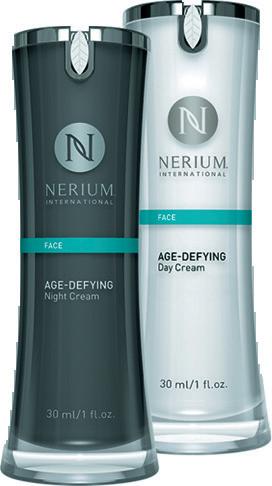




Exclusive products that deliver exceptional results. At Nerium, we provide best-in-class, age-fighting products tailor-made to deliver visible results while also fitting your lifestyle. This means we invest our research and development into creating products that not only offer exceptional results, but are also multifunctional - addressing many different signs of aging at once.

Adequate sleep is an essential element of a healthy lifestyle. But as beneficial as a good night’s rest is, restful sleep is proving elusive for millions of people across the globe.
According to the American Academy of Sleep Medicine, 10 percent of adults in the United States have a chronic insomnia disorder. That translates to roughly 32 million people in the United States. alone who struggle to fall asleep or stay asleep at least three times per week for at least three months. Sufficient sleep boosts energy levels and makes it easier to focus and concentrate, while insomnia contributes to poor memory, disturbs mood and leads to daytime sleepiness. But insomnia is not just harmful to individuals. The AASM notes that researchers estimate that insomnia costs an estimated $63 billion in lost work
performance each year in the U.S. Combating insomnia is no small task, but the following healthy sleep habits may help men and women overcome their bouts of insomnia and get more restful sleep.
· Avoid too many beverages before bedtime. Drinking water or beverages that include caffeine or alcohol too close to bedtime can interrupt sleep or make it difficult to fall asleep. Too much water before going to bed may lead to nightly bathroom breaks that interrupt your sleep. Along those same lines, alcohol consumed too close to bedtime may make it easy to fall asleep fast, but you’re likely to wake up once the effects of the alcohol wear off, which can be very soon after your head hits the pillow. In addition, avoid caffeinated beverages in the late afternoon or evening, as caffeine stimulates the central nervous system and may compromise your
ability to fall asleep. Nicotine also serves as a stimulant, so smokers fighting insomnia should avoid tobacco products in the hours before they plan to go to bed.
· Get out of bed if you can’t fall asleep. The AASM recommends getting out of bed if you haven’t fallen asleep within 20 minutes of lying down. The longer you lay in bed without falling asleep, the more likely you are to dwell on your sleeping problems. If you need to get out of bed, spend some quiet time reading a book in another room before returning to bed.
· Dim the lights inside your home. Two to three hours before bedtime, dim the lights in your home. Dim lighting signals to your brain that it should begin making melatonin, a hormone that is closely associated with sleep.
· Eliminate potentially distracting
sounds. A poor sleep environment can contribute to insomnia, and distracting sounds can make it hard to fall asleep. Fix distractions such as leaky faucets and close bedroom windows if nearby traffic is compromising your ability to fall asleep at night. If necessary, use a white noise machine that blocks out distractions but contributes to a consistent sleep environment.
· Use your bed only for sleep and sex. Resist the temptation to finish watching a movie, television show or ballgame in bed, using your bed only for sleep and sex. If you grow accustomed to working in bed or watching television in bed, you may have trouble falling asleep once you turn the lights off and close your eyes.
More information about combatting insomnia is available at www.sleepeducation.org.
























Diet, exercise and maintaining a healthy weight are essential elements of a healthy lifestyle. Adapting to a new diet and embracing a new exercise regimen requires a strong commitment, but so, too, does maintaining a healthy weight once those pounds have been shed.
Losing weight can be difficult, and many people who set out to shed a few extra pounds encounter a handful of

common obstacles along the way. These roadblocks do not disappear once weight has been lost, which only highlights the long-term approach men and women must take as they look to lose weight and keep pounds off for the long haul. The following are a handful of obstacles men and women may face as they look to lose weight and keep weight off for years to come.
Snacks: Snacking is perhaps the
snacks can compromise your efforts to lose weight, but the right snacks can provide energy boosts without negatively impacting your waistline. Rather than highcalorie snacks that offer little nutritional value, choose low-calorie alternatives. For example, instead of fried tortilla chips, opt for reducedsodium baked chips instead. In lieu of ice cream on a warm afternoon, choose low-fat yogurt, which can be just as refreshing without all those empty calories.
Restaurants:
Dining out is another potential obstacle for men and women trying to lose weight. Avoid buffet-style restaurants or those establishments you know serve especially large portions. When dining out, ask to swap high-calorie side dishes with vegetables when possible, and choose nutritional, low-calorie entrées that won’t compromise the hard work you put in all week eating at home.
Busy schedules:
One common obstacle that compromises even the most dedicated weight loss efforts is a hectic schedule. Commitments to career and family can make it easy to veer off course with regard to diet. Planning is often an effective way to overcome a hectic schedule. Plan meals in advance so you are not tempted to order takeout or delivery after a long day at the office. Use weekends to schedule and plan your weeknight meals, preparing meals in advance when possible and using a slow cooker so your meals are cooking while you’re at the office and ready to eat the moment you arrive home at night.
Setbacks:
Setbacks are another common obstacle that can threaten weight loss goals. Everyone experiences a setback or two as they attempt to lose weight and keep that weight off. Don’t allow such setbacks to derail your weight loss efforts, and don’t beat yourself up when a setback occurs. Respond by rededicating yourself to your weight loss efforts, and before you know it, you will be back on track.
Men and women can expect to face some common obstacles as they attempt to lose weight. Anticipating those obstacles is a great way to ensure they don’t derail your weight loss efforts.