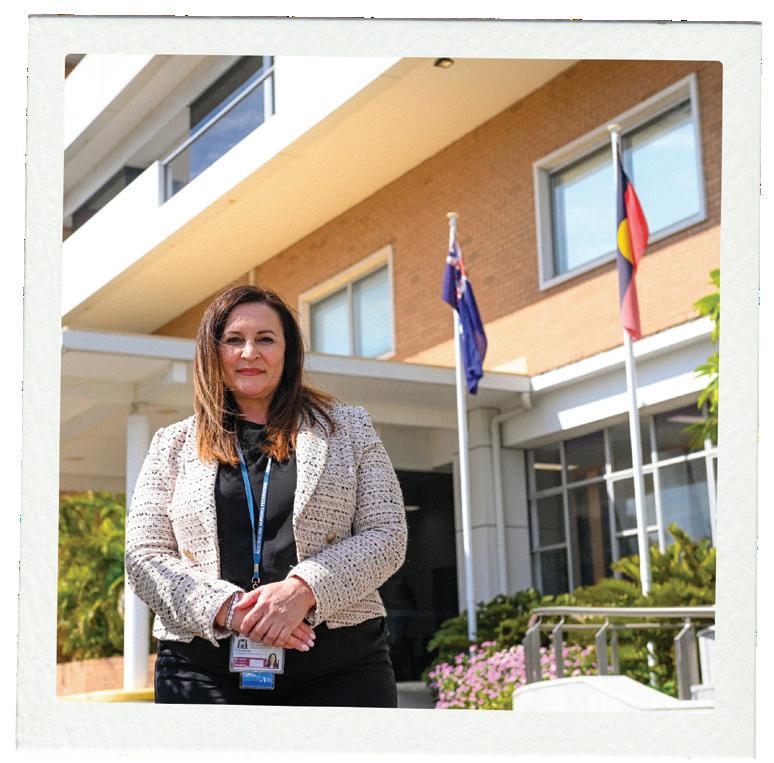
The Australian Nursing and Midwifery Federation WA (ANMF WA) is the brand name that represents two entities: the Australian Nursing Federation Industrial Union of Workers Perth and the Australian Nursing and Midwifery Federation WA Branch. Romina Raschilla (RN MBA) is State Secretary of both entities. Acknowledgement
The Australian Nursing and Midwifery Federation Western Australia acknowledges the Traditional Custodians of the Lands on which our services operate throughout WA. We pay our respects to Elders past, present and emerging. We are committed to walking alongside all First Nations Peoples on our journey of reconciliation.
Membership: (08) 6218 9444
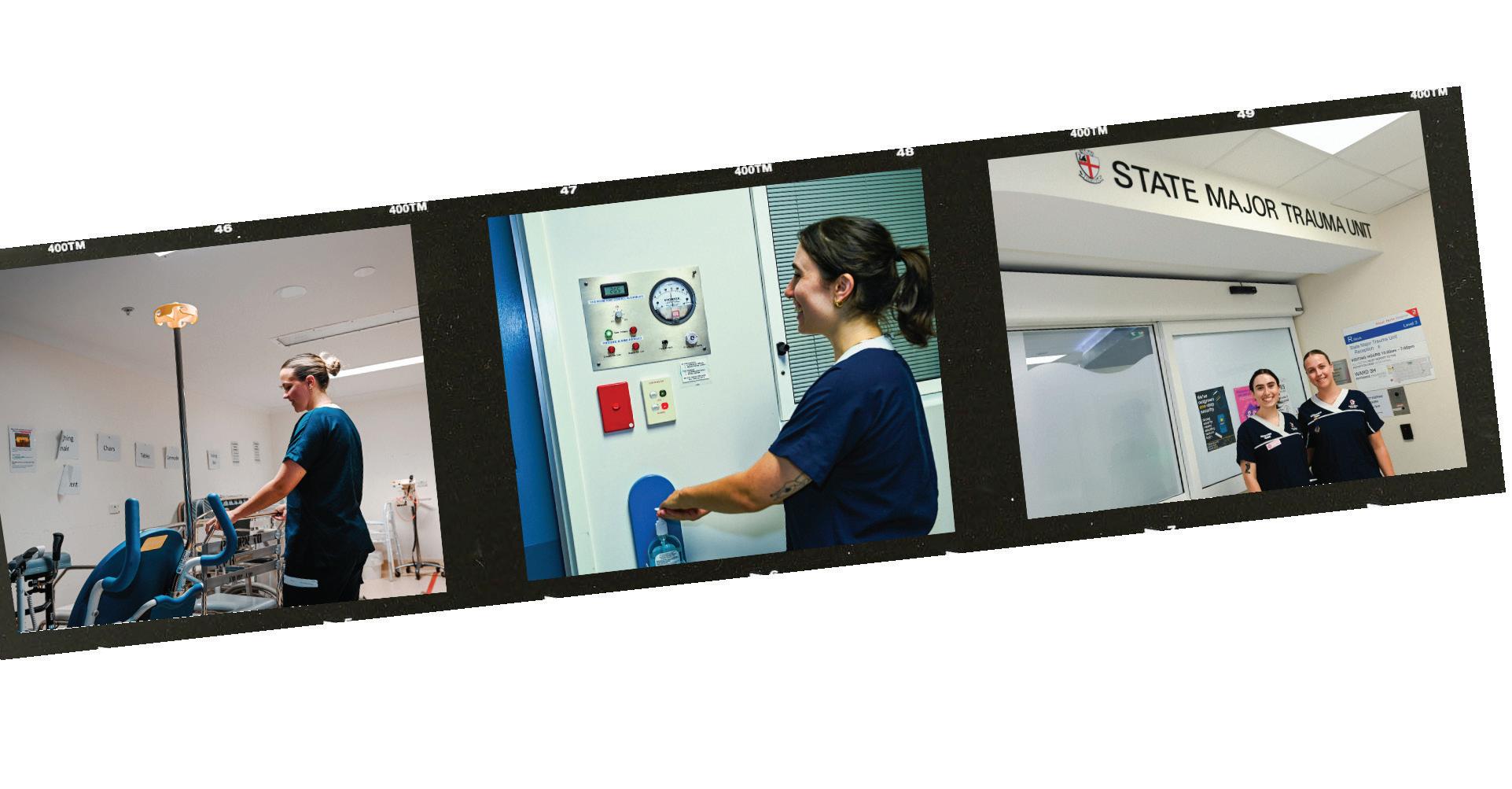
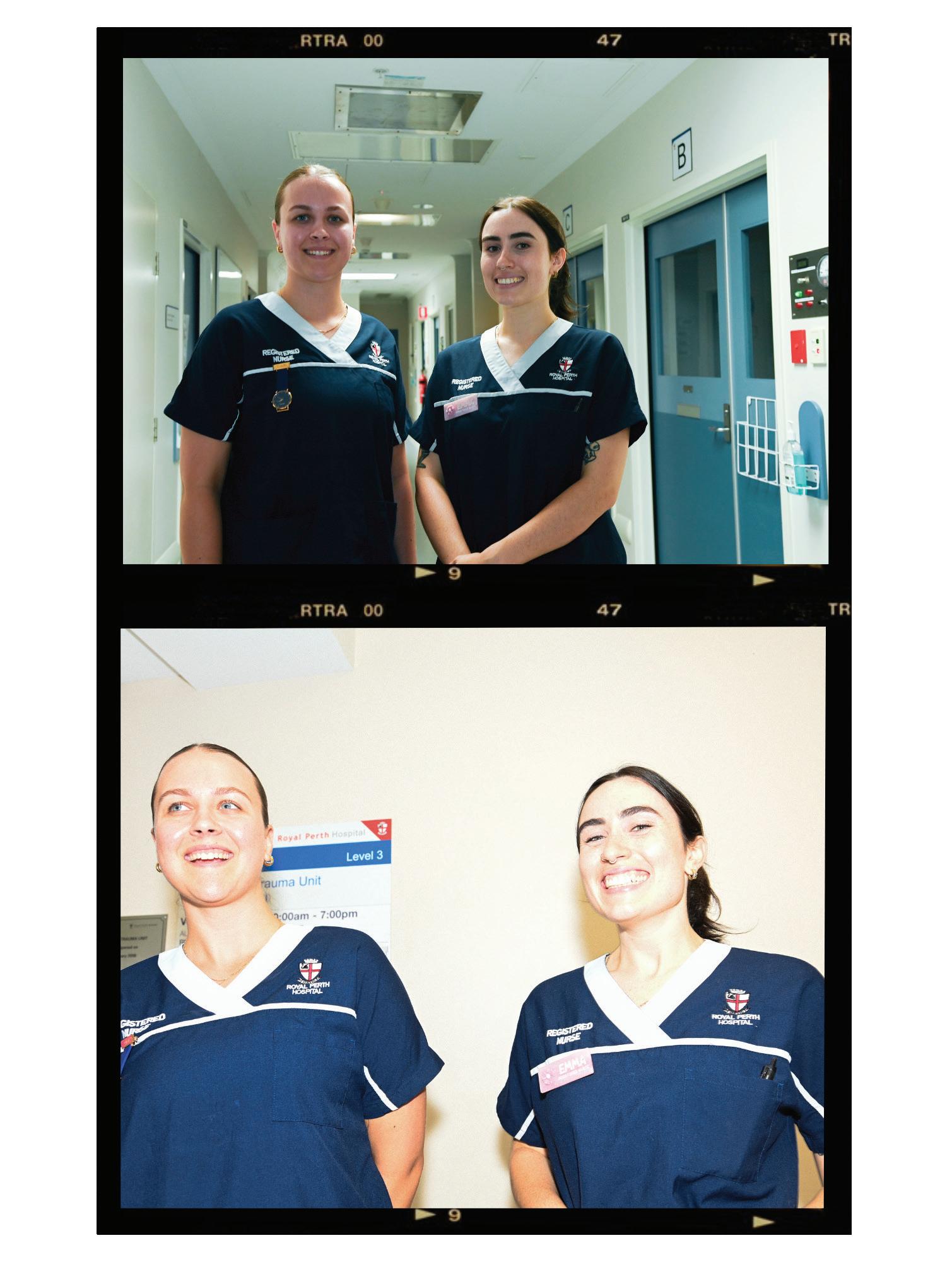
Member spotlight: Emma Duncan and Molly Williams Major trauma unit nurses
Secretary’s report
This edition comes during a time of global conflict and instability. Where our news feeds are filled with terrible stories, and rising fuel costs are putting pressure on everyone. It’s understandable that many of us feel anxious about the state of the world, but in times like these we also see the difference made by people who step up to support others. As the saying goes, “Look for the helpers.”
We don’t have to look far. As nurses and midwives, we do this every day. While we may not be working on the frontline of a conflict zone, we are supporting people through life’s biggest moments. I don’t think any of us choose this profession for glory and recognition, yet as I write this, both International Day of the Midwife and International Nurses Day are fast-approaching and it feels like an important opportunity to take a moment to reflect on what we do.
On an ordinary day “at the office” you could be supporting someone through the life-changing experience of birth or caring for patients and their families during some of the most challenging moments of their lives. Although it may be an ordinary day for you, your work makes a real difference and it’s something to be very proud of. The fact that you’re doing this while dealing with increasing workloads, insufficient staffing and a lack of resources makes your efforts even more remarkable.
Midwives and nurses across the state continue to be asked to do more with less and that’s why it’s so important for us to keep standing together and advocating for the working conditions you need and deserve.
Members at St John of God Mt Lawley Hospital recently did just that, using collective power to influence the WA Government to recognise prior service and leave entitlements for employees transferring as part of the hospital’s transition into public ownership. This is a huge win which you can read more about on pages 10 to 11.
We’re continuing to transform and modernise our union so that together, we can achieve more results like that. This work includes expanding our team of industrial advisors and organisers, building our workplace delegate program and upgrading our membership system. While system changes may not sound exciting, and they don’t happen overnight, you will soon start to see differences, including a new website and member portal, an upgraded continuing professional development (CPD) offering, smoother payment processes, and easier ways to find information and support.
As you know, a series of rule changes have also been proposed as an important step towards securing a section 71 certificate to formally align the Councils of our two entities (the state union and the WA branch of the federation). This would remove unnecessary complexity and, while midwives have always been covered, this would include midwives in our
name and rules. I started this message on a sombre note but I’ll finish on the other end of the scale, with a few things I’m looking forward to.
This year, I’m travelling across regional WA as much as I can, visiting workplaces in Bunbury, Albany, Kalgoorlie, Geraldton and Port Hedland in the first instance. I’m eager to meet as many of you as possible during these trips so I can hear first-hand about the issues impacting you and your communities, from the need to expand patient ratios across the regions to the effects of the WA Country Health Service restructure.
In June, we will host our first delegates’ annual conference in many years, where we will bring together our newly-endorsed workplace delegates for training and an opportunity to connect. For me, this is a wonderful sign that we are moving towards a better and stronger future, where the voice of our members truly drives everything we do.
Together, we’re growing stronger.
Romina Raschilla, RN MBA ANMF WA State Secretary
Transforming our union
Transforming our union
There’s a lot of work underway to modernise our union and strengthen the support available to you – whether that’s helping with individual workplace issues or standing together to advocate for much-needed changes. After years of decisions being made without members at the centre, it’s taking time to rebuild, but we’re making progress every day. Below is a snapshot of what’s in development.
A new membership system to improve case management, payment processes and member communications.
An upgraded continuing professional development (CPD) offering that is simple to access with up-to-date information.
Improving member experiences
Advocating for what matters
A new website and member portal so you can easily find the information you need, access support and update your details.
Proactive campaigns on issues that affect you, such as safer workloads, safer working hours, increased staffing levels, flexible work arrangements, scope of practice, and conversion to permanency.
Expanding nurse and midwife-to-patient ratios across the state, including regionally, and counting babies in patient numbers.
Proactive bargaining with member input built in throughout, so we can advocate together for the things that matter most and ultimately, achieve better pay and working conditions.
Expanding workplace delegate program and recruiting more industrial advisors and organisers so we can provide better support and be active in more workplaces.
A regular program of visits across the state to better understand the issues facing regional members.
Improved inductions and support for nurses and midwives entering the workforce. Better connections in workplaces
Updating our rules and securing a section 71 certificate to formally align the Councils of our two entities (state union and WA branch of the federation).
Reviewing and updating our policies and procedures across all areas of the union, to streamline and improve terms and conditions, payment processes, and more.
Stronger governance for a stronger union
Strengthening financial management and operational reporting so our Executive and Council can make well-informed decisions.
Response to our five-point-plan
$140 million investment into WA hospitals
In February, the WA Government announced a comprehensive plan to help support the public health system ahead of winter. This addressed some of the measures highlighted in the five-point-plan that we presented along with other health unions to government during 2025. The 2026 Winter Strategy comes after one of the worst winters on record last year for WA hospitals.
The government plan includes investment for an additional 200 beds for WA’s public hospital system and a dedicated response team of senior health officials to support nurses, midwives and health workers to manage seasonal demands.
The strategy also includes a focus on preventative health and aged care services, with $14 million in funding for immunisation initiatives, and the expansion of dedicated programs to provide specialist care for older people in their own homes.
New winter care teams will operate seven days a week from June to September, to help patients receive care earlier, and appropriately discharge from Sir Charles Gairdner Hospital, Fiona Stanley Hospital and Royal Perth Hospital.
ANMF WA State Secretary
Romina Raschilla welcomed the announcement and said she hoped the commitment would create more sustainable workloads for nurses and midwives across the state.
Romina said having a dedicated team to manage high demand across our busy public hospitals will help to reduce the time patients are waiting to be seen and treated, and support hardworking nurses and midwives.
“I look forward to seeing how this investment will be delivered across WA, ensuring there is a focus on
workforce development to meet the growing demand for experienced and skilled nurses and midwives across our state,” she said.
The government plan comes less than six months after we joined other health unions to create a five-pointplan to tackle ambulance ramping and hospital overcrowding.
‘
The plan was delivered to Health Minister Meredith Hammat in September, after ambulance ramping hit an all-time high of more than 7000 hours for the month.
Romina said it was good to see the government taking a proactive approach and adopting some of the measures outlined in the five-pointplan.
“I want to congratulate my fellow health unions and the health workforce for this win. It shows what can be achieved when we work together.
“This investment is a great step forward, but there is more work to be done to support our nurses, midwives and health care workers. This union is continuing to advocate for improved conditions across our hospital system.”
“Nurses and midwives have continued to provide the best care through some of the toughest conditions, and we hope this investment will ease some of that pressure”
-Romina Raschilla
‘
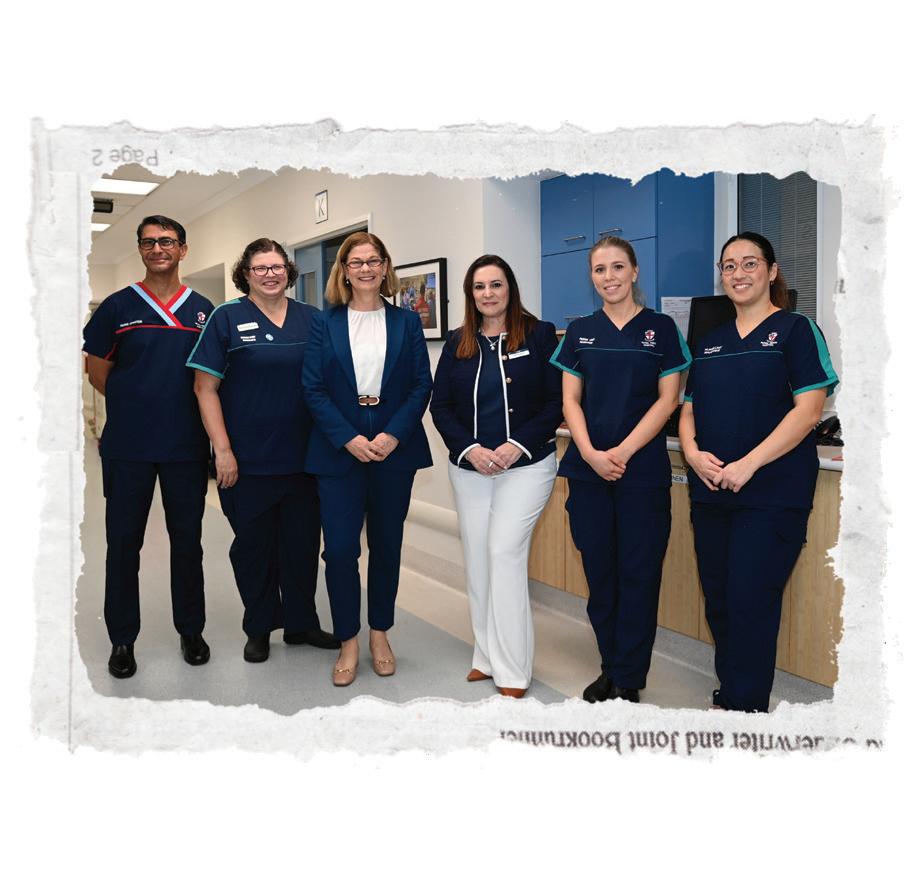
AMA WA President Dr. Kyle Hoath, ANMF WA State Secretary Romina Raschilla, UWU WA Secretary Carolyn Smith and HSU WA Secretary Naomi McCrae.
The road to ratios in WA
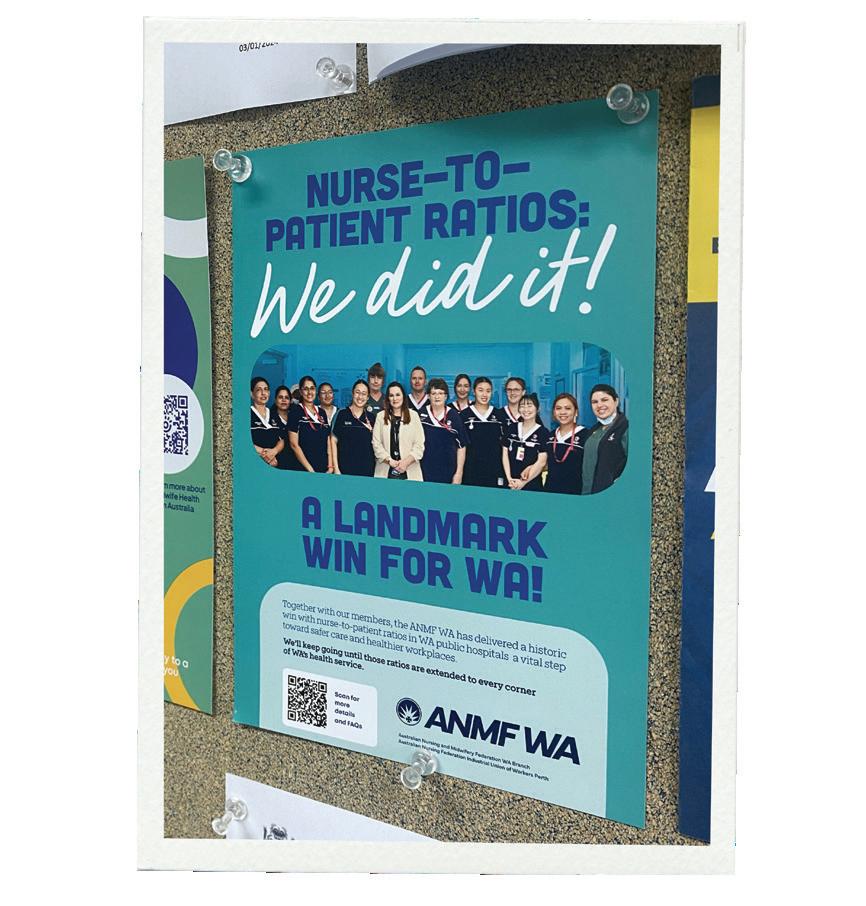
This year, nurse and midwife-to-patient ratios have continued to roll out across Western Australia’s public hospitals, bringing safer, more transparent workloads and improving outcomes for patients, but we won’t stop advocating for ratios until they’re implemented in every corner of the state.
We’re taking a moment to reflect on the journey so far, acknowledge those who fought for change and celebrate the progress achieved together, before focusing on the work still ahead.
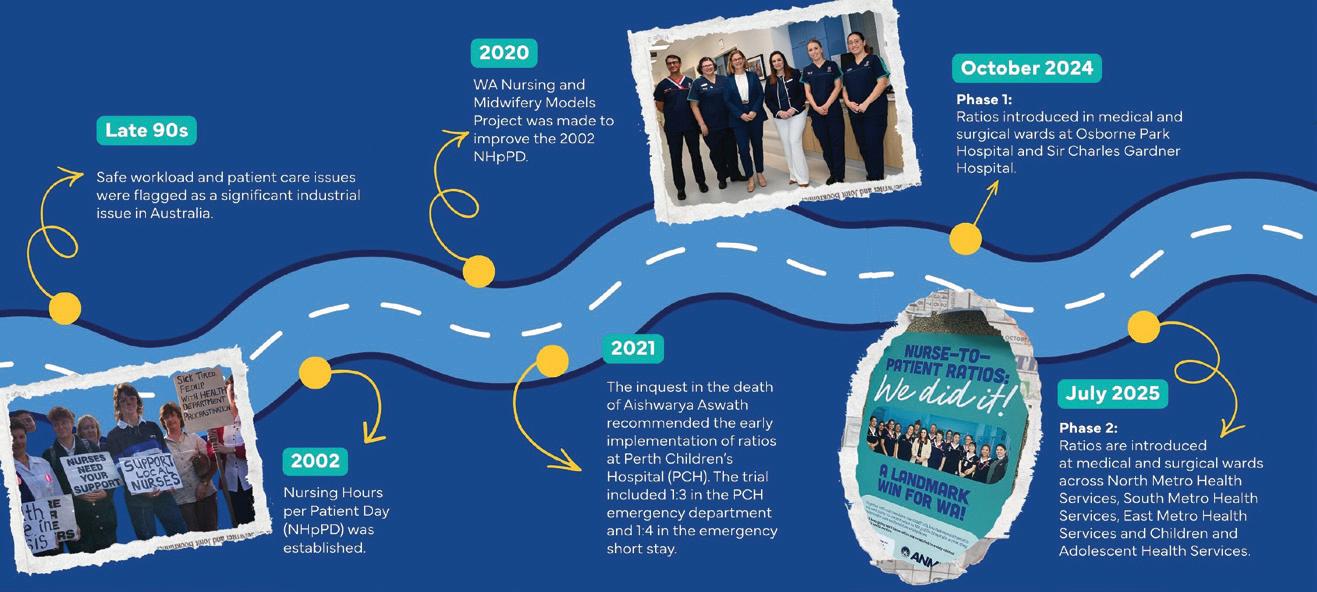
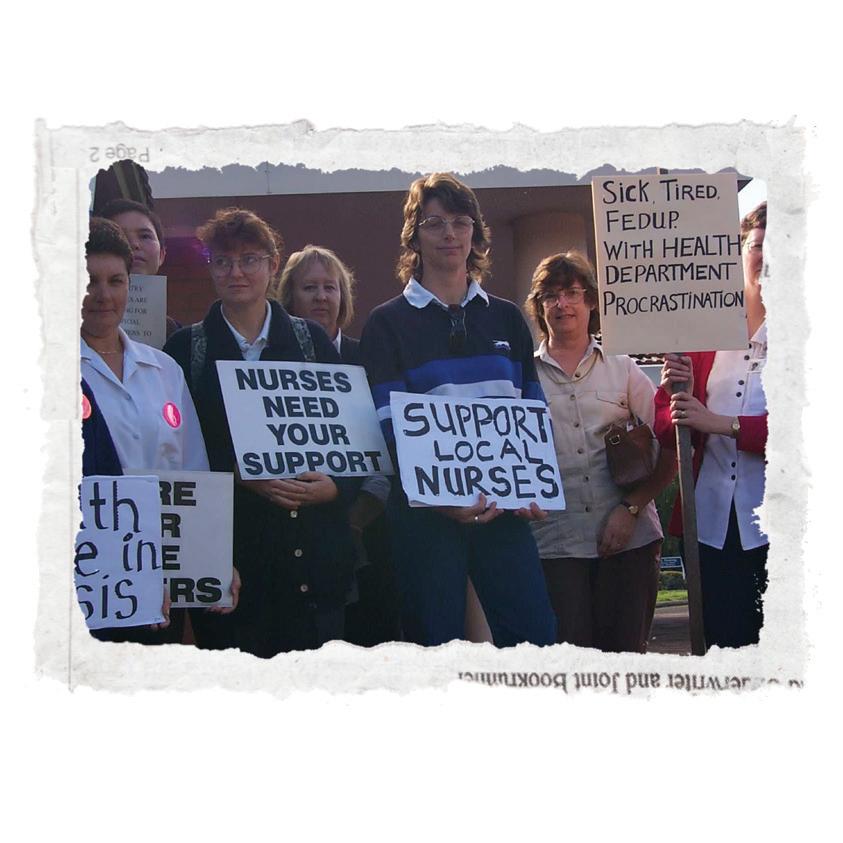
In the late 1990s, nurses and midwives raised concerns about unsustainable workloads and unsafe staffing levels across Western Australia’s public health system.
Their advocacy ultimately led to the full bench of the Australian Industrial Relations Commission issuing the Nurses (WA Government Health Services) Exceptional Matters Order (EMO) 2001. This decision introduced Nursing Hours per Patient Day (NHpPD) as a method for calculating staffing requirements for patient care.
Late 90s
Safe workload and patient care issues were flagged as a significant industrial issue in Australia.
However, over time concerns grew about the limitations of the NHpPD model. Following recommendations from the WA Nursing and Midwifery Workload Models Project, ANMF WA members secured a commitment during bargaining for the 2020 Industrial Agreement to undertake an independent review of the system. The Agreement included a clause requiring the review to consider translating NHpPD into transparent minimum staffing levels.
Launched in October 2021, the review included consultation with key stakeholders such as the ANMF WA, employers, the Department of Health and the Chief Nursing and Midwifery Officer.
2002
Nursing Hours per Patient Day (NHpPD) introduced.
Led by Professor Phillip Della, the 12-month review described the existing system as “clunky” and “cumbersome” and recommended that WA examine the Victorian nurseto-patient ratios model as a potential alternative.
In February 2023, the inquest into the tragic death of seven-year-old Aishwarya Aswath at Perth Children’s Hospital (PCH) brought renewed public attention to the issue of safe staffing. The Deputy State Coroner concluded that earlier medical treatment may have altered the outcome and recommended the early implementation of nurse-topatient ratios.
July 2023
ED Ratios introduced at PCH.
2020
WA Nursing and Midwifery Models Project introduced to improve the 2002 NHpPD.
For many nurses and midwives, this was a heartbreaking reminder of what the profession had been warning about for decades and that safe staffing helps to save lives.
Following the inquest, ratios were introduced at PCH in July 2023.
After the successful pilot program, the first phase of the broader rollout began in October 2024, with ratios implemented in medical and surgical wards at Osborne Park and Sir Charles Gairdner Hospitals. The rollout continued in July 2025 with ratios extended to all general medical and surgical wards across metropolitan hospitals. More recently, ratios were introduced in intensive care, neonatal intensive care, and coronary care units across metro facilities in February 2026.
October 2024
Phase 1: Ratios introduced in medical and surgical wards at Osborne Park Hospital and Sir Charles Gardner Hospital.
WA is now joining other states in implementing safer and enforceable staffing standards. While significant progress has been made, members continue to highlight areas where pressure remains.
Every nurse, midwife, patient, mother and baby deserves safe staffing, which is why we’re continuing to work with the government to ensure ratios are rolled out across all areas of the health service, including WA Country Health Service, private hospitals and counting babies in patient numbers.
There are now over 50 wards across metropolitan Perth with ratios in place. To ensure that nurse and midwife-to-patient ratios improve patient safety, staff workloads and clinical outcomes, it’s crucial that members working on ratio wards raise concerns with their manager,
July 2025
Phase 2: Ratios are introduced at medical and surgical wards across North Metro Health Service, South Metro Health Service, East Metro Health Service and Children and Adolescent Health Service.
where ratios exceed safe levels, using the internal escalation policy.
If you’re working on a ward without ratios and you have concerns about the workload, please follow internal processes to report a workload grievance.
Today
We won’t stop until ratios are rolled out in all wards across the state, including WA Country Health Service wards, mental health and maternity wards. This includes following Queensland’s lead in counting the babies in nurse and midwive-to-patient ratios.
February 2026
Phase 3: Ratios are being rolled out at ICU, CCU and NICU.
Western Nurse
One million more midwives: a global call that reflects local reality
Midwife and ANMF WA Professional Officer Donna Brooking shares her thoughts on why we’re supporting the global campaign for more investment in midwifery and how everyone benefits from continuity of care.
As midwives, we know the work we do makes a difference. From the first antenatal appointment through to birth and the early parenting journey, we’re there providing skilled and compassionate care in moments that really matter. But here in Western Australia and around the world, our profession is under pressure.
We’re facing workforce shortages and rising attrition, with students and new graduates leaving midwifery at alarming rates. An increasing number of our most experienced midwives are also choosing to leave the profession, taking irreplaceable wisdom with them. When we lose these mentors and leaders, we don’t just lose numbers, we lose the clinical expertise and support they provide for our next generation. We’ve all had our moments of feeling exhausted and undervalued, and it’s a global problem.
The growing loss of experienced midwives, clinicians, mentors and leaders, is not easily replaced. Their departure reduces not just numbers, but also erodes expertise, continuity of care and the clinical support needed to guide the next generation. Strengthening and retaining this workforce is essential to sustaining the profession.
The International Confederation of Midwives (ICM) estimates there’s a worldwide shortage of almost one million midwives, affecting countries of all income levels. They’ve issued
a powerful global campaign urging governments and employers to invest in education and workforce supply, safe working conditions, leadership opportunities and models of care that enable midwives to work to full scope.
The ANMF WA proudly supports the ICM’s campaign because it echoes the reality here and we’re already seeing the positive impacts of continuity of midwifery care models being expanded across the state.
The case for continuity of care
When working within continuity of care models, we can be there alongside a woman throughout her pregnancy, at her birth and in those early days postpartum – and the difference in outcomes is profound. Research consistently shows that under continuity models, women experience lower rates of caesarean section and instrumental birth, fewer obstetric interventions, better neonatal outcomes and greater satisfaction with their care.
Importantly, it’s also better for us Midwives working in continuity of care models report higher job satisfaction and lower burnout. When we can practice across our full scope, exercise clinical autonomy and build sustained relationships with those in our care, we remember why we chose this profession and feel much more fulfilled.
The good news is that continuity of care is growing in WA. Programs are operating in regional areas like
Narrogin, Bunbury and Margaret River, as well as metropolitan hospitals such as King Edward Memorial Hospital, Osborne Park Hospital, Armadale Health Service and St John of God Midland.
However, access remains uneven, and workforce capacity continues to limit how much further the model can be implemented. This is why it’s so important for us to stand together and collectively advocate for our profession.
Every midwife matters
Every midwife matters. Whether you are working in continuity models, busy hospital wards and clinics, community, regional, rural and remote services, education, research, or leadership, your knowledge, skills and presence shape outcomes for women, babies and families every single day. Across every setting in
our state, midwives are making a profound difference – often in ways that cannot be measured, but are always felt. Your work is powerful, it is essential, and it is changing lives.
International Day of the Midwife on 5 May is an opportunity not only to celebrate the profession, but to stand together in recognition of the impact we have and the future we are building.
This day belongs to every midwife –wherever you practice – and honours the collective strength, compassion and expertise that define our profession.
Collective advocacy
Our union has a seat at the table on key working groups and committees and we’re actively advocating for:
Expanded opportunities to work in continuity of care across metropolitan, regional and rural settings.
Safe midwife-to-patient ratios —including counting babies in workload measures, consistent with legislative reform achieved in Queensland.
Stronger transition-to-practice pathways for graduates.
Safe staffing, professional recognition and sustainable working conditions.
Supporting experienced midwives to remain in the profession through flexible roles, mentorship and leadership opportunities, and workload and role diversification.
When midwives are supported, outcomes improve for everyone so we’ll keep standing alongside the ICM as they call for one million more midwives so that more people around the globe can access safe, respectful, life-saving care.
For more information on the global petition, visit millionmore.org.
Antenatal clinics: providing comprehensive assessment, education and continuity
Birth suites: where midwives lead labour and birth care, supporting physiological processes.
Postnatal wards: supporting recovery, infant feeding, bonding and early parenting.
Home birth services: offering safe and planned options for eligible women.
Community midwifery: improving access and continuity.
Continuity of care models: supporting women through pregnancy, birth and the postnatal period with a known midwife or small team.
Shared care models: collaboration between community providers and hospital staff.
BECAUSE YOUR EYES HAVE SEEN IT
A win for nurses at St John of God Mt Lawley
After months of uncertainty, nurses at St John of God (SJOG) Mt Lawley Hospital received fantastic news when the WA Government announced it would recognise prior service and leave entitlements for staff transferring as part of the hospital’s transition to public ownership later this year.
In November 2025, the government announced plans to purchase the hospital as part of a broader investment into public health infrastructure to expand hospital capacity in WA. While the news was welcomed as an opportunity to strengthen the public health system, some concerns started to emerge about what the transition would mean for staff currently working at the hospital.
Concerns about entitlements
In January, workers were informed that if they were to cease employment with SJOG and apply for a position with East Metropolitan Health Service (EMHS) that continuity of service and leave entitlements would not be recognised.
For long-serving staff, this raised serious concerns that hard-earned personal leave, parental leave and other accrued benefits would be lost.
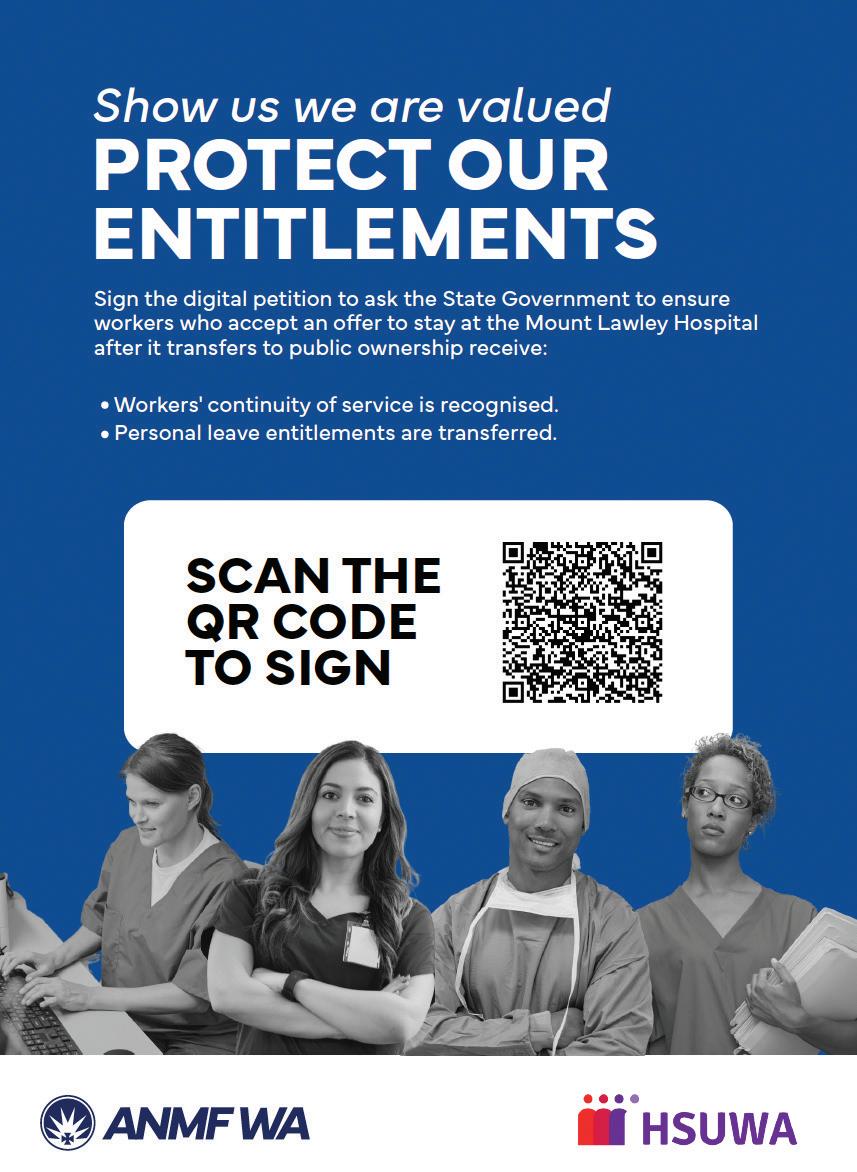
In response, the ANMF WA and the Health Services Union WA supported workers to launch a petition calling on Health Minister Meredith Hammat and Industrial Relations Minister Simone McGurk to protect the entitlements.
The petition highlighted the important role workers have played in supporting the community and
asked the government to recognise workers’ years of service and ensure their leave entitlements were protected during the transition.
More than 300 workers and supporters signed the petition, which was delivered to Minister Hammat and Minister McGurk in February.
Keeping members informed
Since the transition announcement, State Secretary Romina Raschilla has visited members at the hospital and attended townhall meetings, and union organisers have been on site regularly to support members and answer questions about the transition process.
In February, union representatives attending meetings with members and EMHS to find out more about the possible employment pathways for workers.
Many members expressed concerns about the level of consultation and the short deadline to respond to options, so Romina wrote to SJOG Healthcare urging them to extend the timeframe for employees to make decisions, and provide meaningful and individual consultation with members. SJOG responded by extending the deadline.
A win for members
In April, Minister Hammat approved our request to recognise prior service and specified leave entitlements for employees who accept a position within the EMHS.
‘“This is a huge win for union members across both the ANMF WA and HSU WA. You stood together, took action, shared stories and signed a joint petition to advocate for workers and the community that depends on you – congratulations on collectively achieving this result,” said Romina.
‘Although this is a fantastic win, we recognise that the transition will affect members differently and many workers are facing difficult decisions about their future. We will continue to work with the government and SJOG to see the best outcome for members at Mt Lawley.
ANMF WA State Secretary Romina Raschilla meeting with members at St John of God Mt Lawley.
Ratios rollout
The third phase of nurse and midwife-to-patient ratios has been rolled out in select ICU, CCU, and NICU wards across WA.
Department of Justice nurses approve offer
Nurses at the Department of Justice (DoJ) have accepted an offer to replace their expired agreement. Members showed incredible leadership during months of negotiations in advocating for correctional nurses across WA.
The offer delivers:
A 12.5% salary increase over three years.
Salary adjustments in addition to salary increases.
Cumulative pay increases between 13% and 18.2%
All pay increases and salary adjustments to be back paid to October 2024.
Clarification regarding expectations of nurses start/ finish times.
Commitments for future rounds of bargaining, including to commence bargaining at least six months prior to expiry and to bargain in good faith.
Enhancements to on-call allowances, long service leave and access to reproductive health leave.
Member WINS
Working conditions and staffing concerns
A member raised concerns that poor working conditions and staffing shortages were impacting patient care. Our industrial team supported the member to lodge a workplace grievance. The matter was successfully resolved and the member’s proposed solutions are now being implemented.
Reduction of hours
A long-serving member contacted the union after their hours were reduced without consultation. Our industrial team advised that this significant change could amount to unfair dismissal. Following a series of meetings, the member secured a five-figure redundancy payout.
Underpaid allowances
Our team assisted a group of members with their concerns about being underpaid their allowances. The members received a positive outcome when their employer back paid them for the full previous six months.
!
Paid parental leave
After an initial denial, our industrial team supported a member to successfully secure paid parental leave, so he could spend time with his newborn baby.
Allegations dismissed
A member who was facing 12 allegations worked with an industrial advisor to respond to their employer. This resulted in 11 out of the 12 allegations being dismissed. The remaining allegation was substantiated but only resulted in counselling.
Increased offer for members
The industrial team worked with an employer who was initially resistant to increasing an offer to members, but thanks to the hard work of the unionised workforce banding together to create collective change, they revised the offer to match the asks from members.
Advertise in the Western Nurse & Midwife
Promote your organisation and reach more than 44,000 members across Western Australia through print and digital.
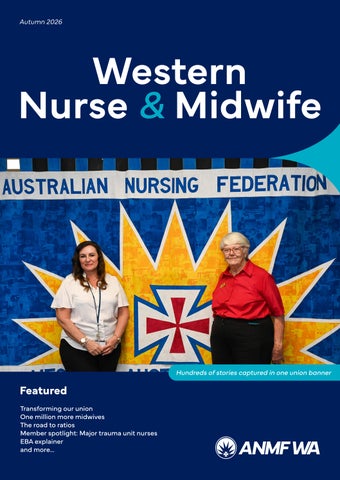
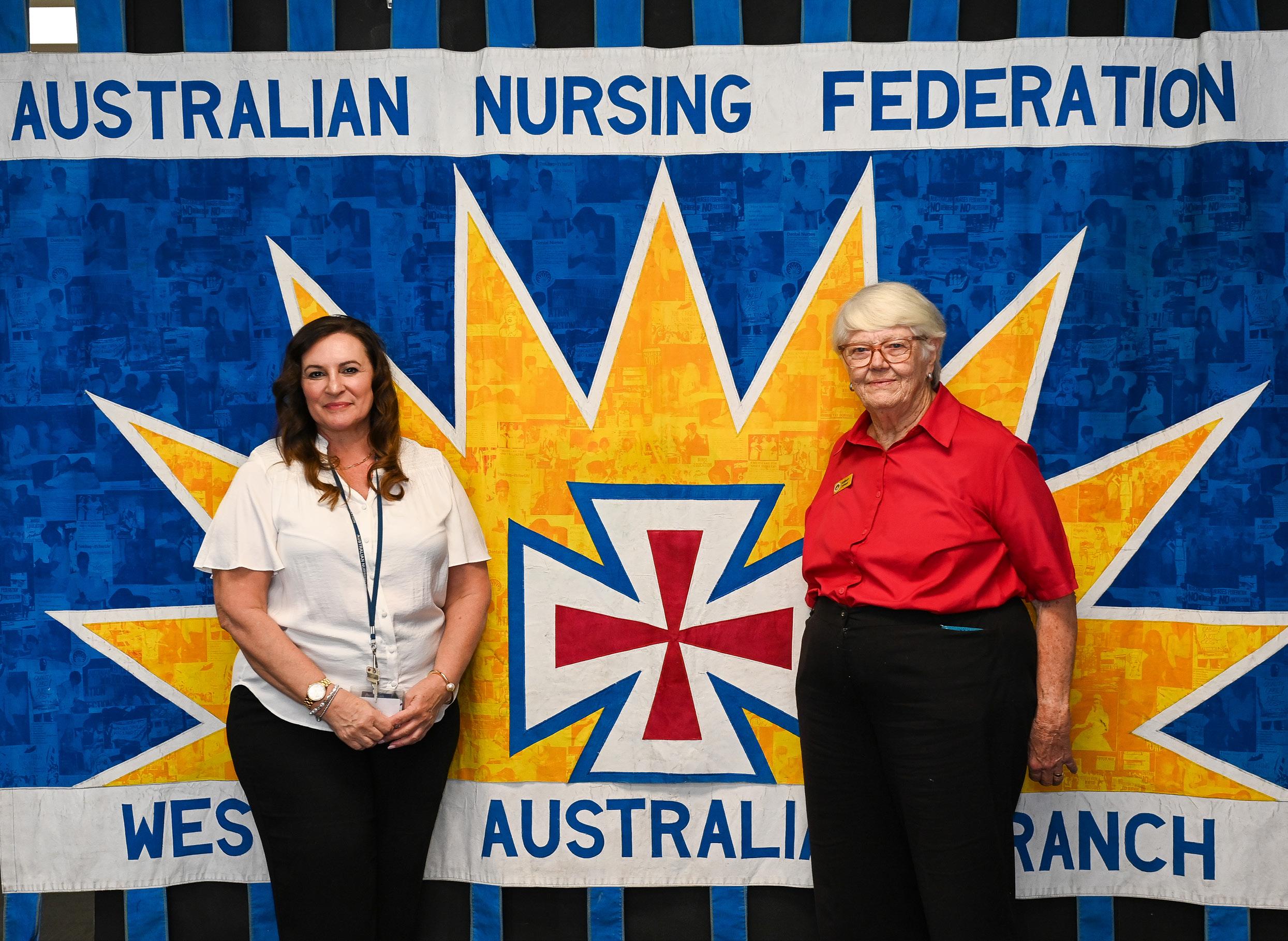
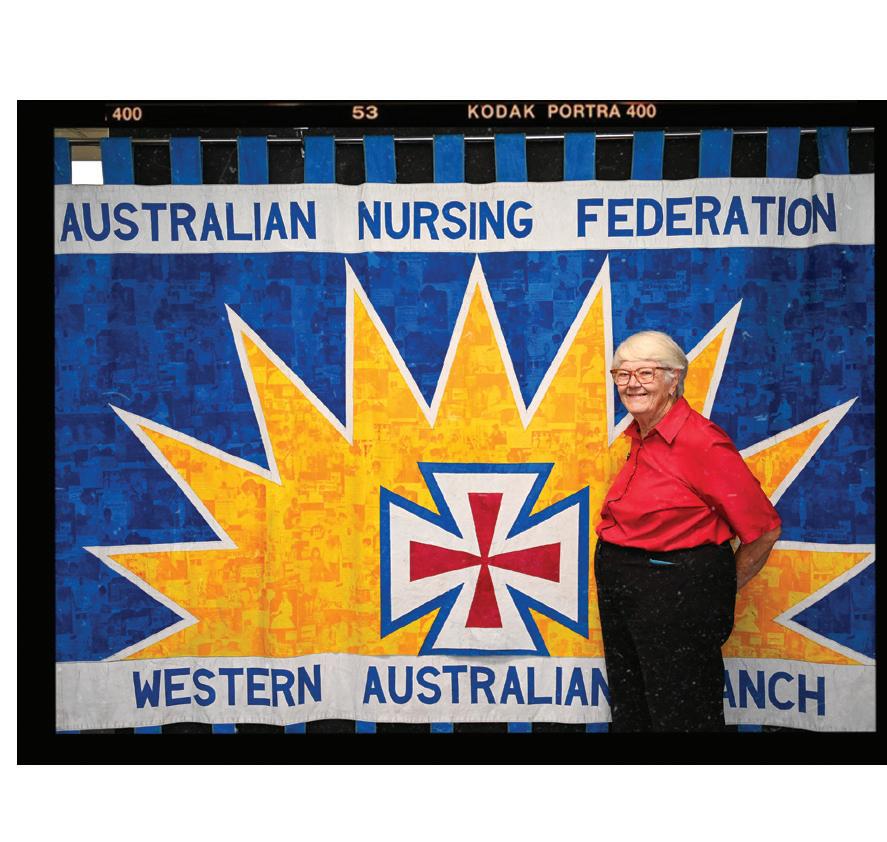
Hundreds of stories in one banner
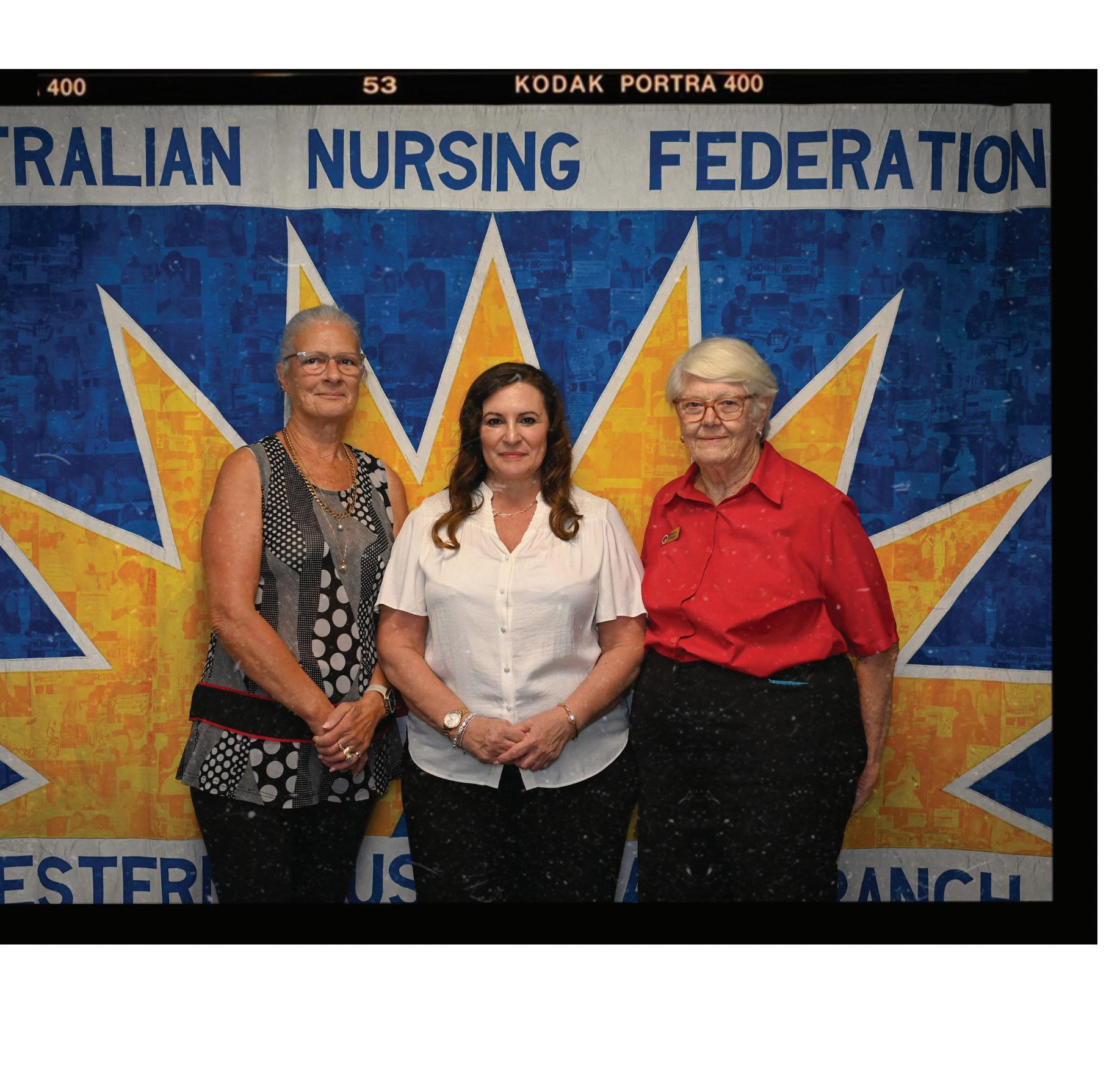
After a visit to the trades hall in the late 1980s, former union President and Councillor Rosemary Lorrimar was inspired. One thing was abundantly clear, the union needed a rally banner.
At the time, unions and artists across WA were actively producing a wide range of artistic works in their banners.
The Australian Council of Trade Unions (ACTU) and the Australia Council for the Arts had jointlyfunded the Art and Working Life Policy, allowing unions to express individual messages using different forms of art.
Rosemary said she saw this as an opportunity to create a piece of history.
“I saw these wonderful banners speaking to the history of their trades, and I knew we had to have a marching banner.”
Rosemary enlisted the help of visual artist Paula Hart, who was no stranger to this kind of work, having been involved with rally banners previously.
Paula understood the value and symbolism of a rally banner, so for her designing the banner was a part of a broader movement.
“The union banner revival was a major art movement,” Paula said.
With no background in healthcare, Paula worked closely with members and staff when designing the banner.
The artist felt that nursing and midwifery encompassed far too many stories for one big image, so instead she included hundreds of smaller images to display as many narratives as possible.
“It was exciting to be a part of something that felt like a global movement,” Paula said.
State Secretary Romina Raschilla was thrilled to meet with Rosemary and hear about the part she played in the banner, saying it had been a key part of the union’s history.
“A huge amount of work went into designing and creating our rally banner. I’m so grateful for Rosemary’s determination in getting it approved, and Paula’s beautiful design,” Romina said.
“It’s something that will stay in the union for generations, and I think we should all feel so proud of it.”
The rally banner represents an important period for our union, and tells the story of hundreds of trailblazing nurses and midwives who paved the path for where we are today.
Rosemary said it was a reminder to all the incredible members who had been part of the union over the years.
“We grow to greatness by remembering the greatness of the people before us,” Rosemary said.
Former union President and Councillor Rosemary Lorrimar next to the union banner.
Enterprise bargaining Agreements Explainer
You’ve probably heard about the term Enterprise Bargaining Agreement, or EBA, especially when it’s time to vote on pay and conditions. But what exactly is it and why does it matter?
An Enterprise Bargaining Agreement (EBA), also known as an enterprise agreement, is a legally binding agreement made between employers, employees, and their union about the terms and conditions of their employment.
EBAs are negotiated under Australia’s national workplace laws and must be approved by the Fair Work Commission or WA Industrial Relations Commission before they come into effect.
In unionised workplaces, your union represents members in negotiations, informed directly by workplace delegates and members, and are based on their endorsed claims captured in a log of claims.
Put simply, an EBA secures the wages and conditions that underpin your work.
What does an EBA cover?
An EBA can include:
Pay rates and wage increases
Hours of work and rostering
Penalty rates and allowances
Overtime provisions
Leave entitlements
Workload and staffing arrangements
Consultation and dispute resolution processes
Rather than relying solely on the minimum standards in an award, an EBA secures clear, agreed conditions tailored to your workplace.
Importantly, an enterprise agreement must pass what’s known as the Better Off Overall Test (BOOT). This means employees must be better off overall under the agreement compared to the relevant award.
How does bargaining work?
Enterprise bargaining begins when an agreement is due to expire or when workers organise to collectively seek improvements to their workplace. Employees have the right to be represented during bargaining, and many choose their union to act on their behalf.
Members identify priorities, develop a log of claims and elect representatives. Negotiations then take place between the employer and employee representatives.
Stronger together
Bargaining is collective. When workers stand together, they have more bargaining strength.
That collective voice is what drives improvements in wages, workloads and protections.
Once negotiations conclude, the proposed agreement is put to a vote of members.
Members have the final say
An EBA only comes into effect if a majority of members who vote approve it.
If you support the agreement, you vote yes.
If you don’t believe it delivers enough, you can vote no.
If approved, the agreement is then lodged with the Fair Work Commission for review.
The commission checks that the agreement meets legal requirements, including that it passes the Better Off Overall Test, before formally approving it.
This ensures that enterprise agreements are not imposed on workers. They must be voted and legally validated.
Why do EBAs matter?
Union-negotiated EBAs typically deliver:
Better wages
Safer workloads
Stronger workplace protections
Because conditions are negotiated collectively, they reflect the real experiences of nurses and midwives on the floor. EBAs provide certainty and transparency, setting enforceable standards that employers are legally required to follow.
Without an EBA, workers rely on minimum award conditions and employer policies. With an EBA, your pay and conditions are collectively negotiated and protected by law.
This is why enterprise bargaining remains one of the most powerful tools that workers have to secure better conditions at work.
When we work collectively we have more bargaining strength.
AHPRA notifications
Practical tips
Eureka Lawyers works closely with the ANMF WA and is WA’s largest trade union legal practice, providing expert advice, support and representation to members on a variety of workplace issues, including workers compensation.
Your registration is your livelihood, so it’s no surprise that many nurses feel as though the threat of an Ahpra notification is constantly looming over them. However, as long as you know your rights, there’s usually no reason to stress. That’s why the team at Eureka Lawyers have given us their top practical tips for staying on Ahpra’s good side.
What are my self-reporting obligations?
You are only under an obligation to self-report ‘relevant events’ to Ahpra.
‘Relevant events’ is a defined term in the national law that includes a list of specific events.
For example:
Being charged with, or being found to have committed, a scheduled medicine offence, or any offence punishable by 12 months’ imprisonment or more. Not being appropriately insured.
Relevant events also include certain actions taken by other authorities.
If something has happened in your personal life or professional practise that you think might need to be reported to Ahpra, collect all of the relevant information and contact the ANMF WA to discuss your reporting obligations.
What’s the first thing I should do if I receive a notification?
Make sure you read the information Ahpra gives you carefully, so you understand what the notification is about, what information they want, and any relevant deadlines. If you intend to seek advice or help preparing a response, ask for an extension of time, then contact the ANMF WA as soon as you can.
How can I avoid common errors in the early stages of a notification process?
Ahpra’s first step after receiving a notification is usually to assess how it should be dealt with. Ahpra may ask you to provide information about the circumstances that led to the notification and your reflections on what occurred. Depending on the type of notification, Ahpra may also ask you questions about your health.
The main error you can commit at this initial stage is doing nothing. You may have a short window of time to seek help from the ANMF, gather information and supporting documents, and put in a response. Contacting the ANMF as quickly as possible for assistance with your response or representation will give you the best chance of avoiding issues with your registration.
What should I do while I’m waiting for assistance?
It’s always useful to prepare a detailed written chronology of relevant events to the best of your recollection, and to obtain supporting documents.
Ahpra usually attaches to its written notifications a guide to preparing your response. In that guide, you should be able to find a list of topics to address. It’s a good idea to write a draft of things you might include in your response for each of those topics so you can provide it to your representative when they’re ready to assist.
Finally, try to find and sign up for CPD that might be relevant to the notification. Ahpra may look favourably on any such training in considering your response.
For a referral to Eureka Lawyers, call the ANMF WA Helpline on 6218 9459 or email anfindustrial@anmfwa.org.au
For free, confidential peer counselling contact Nurse Midwife Health Program
1800 001 060 info@nursemidwifehpa.org.au
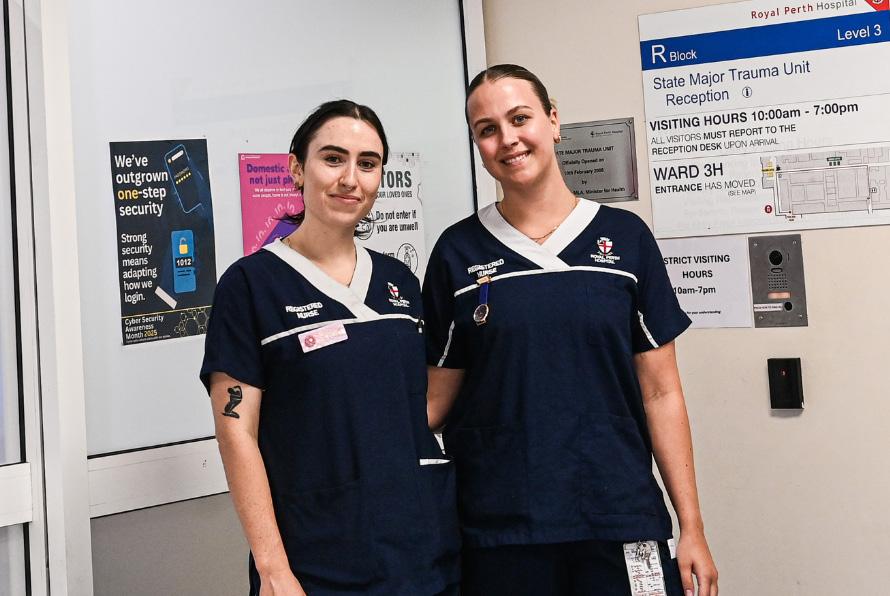
MEMBER SPOTLIGHT
Emma Duncan and Molly Williams
Major trauma unit nurses
Working in the major trauma unit at Royal Perth Hospital (RPH) is not for the weak. Nurses in this area require a level of stamina and calmness that is hard to find outside the healthcare world. For many, this kind of unpredictable workplace is overwhelming, but for Emma Duncan and Molly Williams, it’s what they love most about their jobs.
Molly grew up in Geraldton and moved to Perth with no clear idea of what she wanted to study. She was drawn to working in a fast-paced environment, and helping people through the worst pain of their lives.
“I like the idea of bringing joy to people when they are at their worst,” she said.
Similarly, Emma was inspired to get into major trauma nursing because of the complex and unpredictable nature of the profession. As a new graduate, she was also interested in broadening her skillset.
“I wanted to challenge myself in a fast-paced environment and grow my skills quickly,” she said.
Like every other nursing profession, working in the major trauma unit requires exceptional communication and problem-solving skills. Nurses working in these units require fastpaced, critical thinking to deal with rapidly deteriorating patients.
Many of the patients cared for by Molly and Emma have been injured in motorcycle or car accidents, and may have horrible injuries. This makes everyday tasks
harder to carry out independently, adding an extra level of responsibility for nurses.
“Patients on trauma (wards) have been through a normally life-altering event and are extensively injured, so it can be difficult supporting these patients, mentally and physically. Sometimes it feels like there is not enough time or staff in a shift to get everything done,” Emma said.
As the only adult trauma ward in the state, the unit is often inundated with high acuity patients.
These patients usually require more emotional support due to the severe nature of their injuries, and with limited resources and staff to care for them, this can lead to burnout and stress for nurses. The ward relies on nurses, doctors and allied health professionals collaborating to provide quality care for the patients.
“All nurses want to give their best care possible, but factors outside of our control can make it hard.” Molly said.
“Nurse-to-patient ratios are too large, which requires us to do double the amount of activities of daily living (ADLs), documentation and assessment than other wards.”
-Molly Williams.
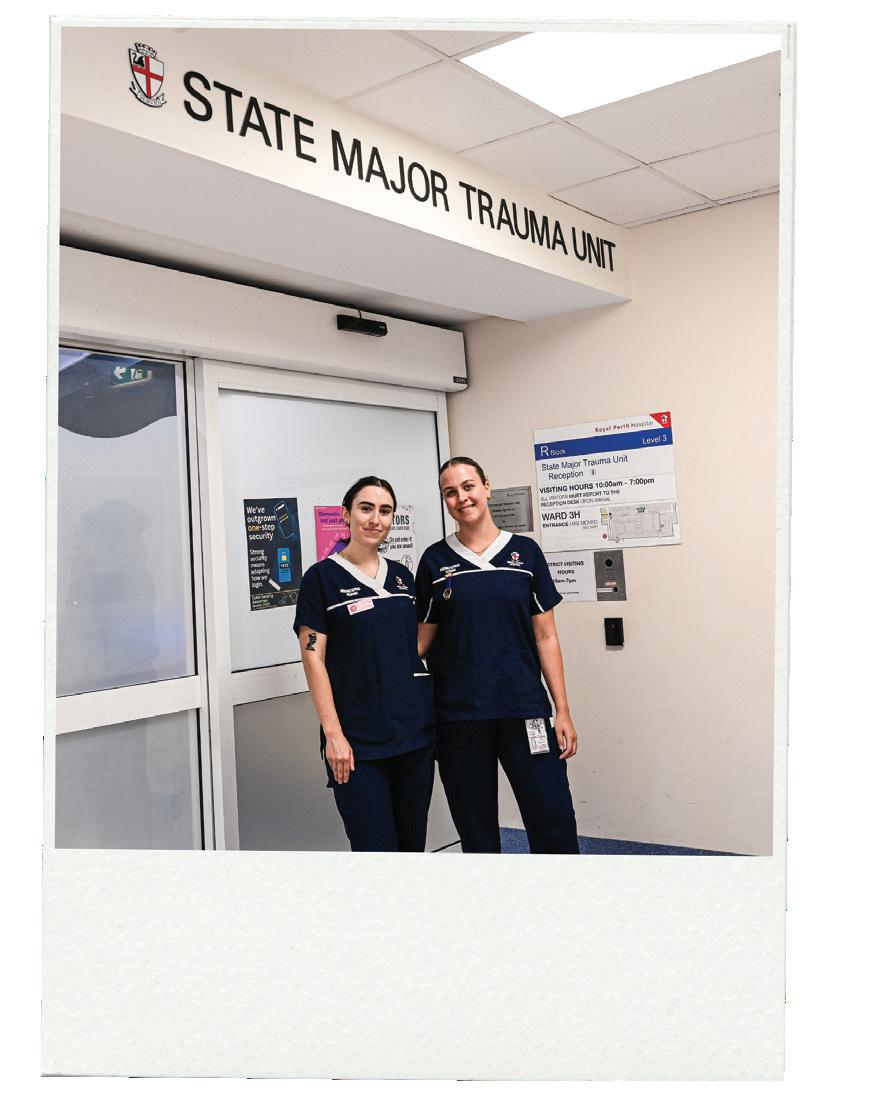
Emma Duncan and
Molly
Williams at the RPH State Major Trauma Unit.
patient’s condition was worsening and needed to be transferred to the ICU. When the patient had stabilised and returned back from the ICU, they were very grateful for Emma’s quick thinking, and said they felt well looked after and safe in her care.
“It was nice to be recognised and know that you can make people feel like that while in hospital,” Emma said.
In high stress environments like the major trauma unit, both nurses recognise the importance of being a union member.
“In trauma, collective advocacy supports nurses by strengthening our ability to push for safe staffing levels and manageable workloads. The trauma unit is a highstress place to work, and advocacy gives nurses a unified voice when raising concerns about patient safety and staff burnout.”
-Emma Duncan.
Thank you to Molly, Emma and all major trauma unit staff. Your hard work doesn’t go unnoticed.
NEWS bites
New website aims to boost healthcare access
As part of its 2026 Winter Strategy, the State Government launched a new website, Access Health WA, which aims to make it easier for people to find the right care, at the right time.
The campaign website guides users through available healthcare options, including urgent care clinics, virtual emergency departments, GPs and the 1800MEDICARE service.
By helping people better understand where to go for treatment, Access Health WA aims to empower informed choices and ease pressure on emergency departments this winter.
RSV immunisation option for over 65s
From mid-May, Western Australians aged 65 and over living in residential aged care will be eligible for a free respiratory syncytial virus (RSV) vaccination.
RSV is a highly infectious respiratory virus that can cause serious illness in older adults. In 2025, WA recorded 12,804 cases, with many people over 65 requiring hospitalisation.
The vaccine, which costs around $300 privately, is expected to protect around 15,000 aged care residents across the state and reduce the risk of severe illness and complications.
WA parents urged to check immunisation status of teenagers
Western Australian parents and carers are being encouraged to check their teenagers’ vaccination status as part of a new adolescent immunisation campaign running from February to November.
The campaign supports uptake of free, school-based vaccines for year 7 and year 10 students, including the HPV vaccine, a diphtheria-tetanus-pertussis booster, and the meningococcal ACWY vaccine.
Parents are encouraged to complete the online consent forms provided by schools to ensure students receive their scheduled vaccinations.
CAREER COMPASS
Expert advice
It’s no secret that nurses and midwives love their jobs, but we also know that inadequate staffing and excess workloads are leading to stress and burnout. It’s important to take time to reflect on what self-care looks like for you and how you can be more fulfilled in your role. Our member-exclusive Career Compass sessions provide a framework with the tools to allow you to self-reflect and clarify your career goals and support you with career objectives.
Mapping your next move with workshops exclusive to members
1
Welcome feedback
Often people are fearful of feedback, but it’s a great opportunity to further identify and acknowledge your strengths, as well as areas for growth. If you’re the one giving the feedback, try to avoid unsolicited advice and provide lots of context as to why you’re giving feedback.
3
Reframe your challenges
It’s easy to dwell on areas we may be struggling with and to question our work, but it’s far more productive to reframe these challenges into opportunities for growth. Think about the impact you can have, and how you can influence positive outcomes in a team setting. This mindset will help to expand your unique skillset.
2
Prioritise self-care
Self-care is completely subjective, so it’s important to identify what it means to you. This might look like setting clearer boundaries, spending time alone, asking for help, or putting yourself first. Remember, you cannot properly care for others without caring for yourself first.
4
Understand the interview process
Being properly prepared for a job interview is crucial in minimising anxiety and putting your best self forward. Always ensure you have researched the workplace, are aware of the interview process, and rehearse potential interview questions.
Not-for-profit calls for more sexual assault nurse examiners
In Western Australia, the reality is that where someone lives can determine whether they are able to access timely forensic medical care after a sexual assault. Specialist nurses with additional training could be part of a solution that gives victim survivors access to timely support.
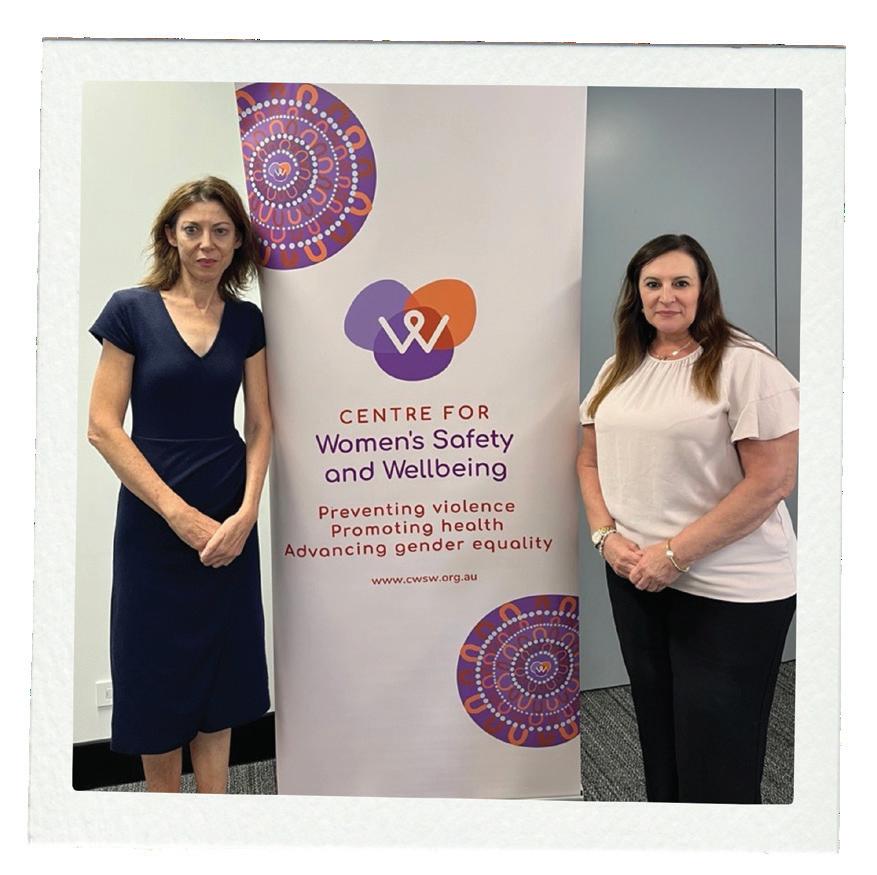
The Centre for Women’s Safety and Wellbeing (CWSW) is the leading voice for women and children affected by domestic and family violence and sexual violence in Western Australia. CWSW is the peak representative body for women’s specialist domestic and family violence, community-based women’s health, and sexual assault services in Western Australia.
In many regional areas, victim-survivors must travel long distances to obtain a forensic medical examination. This can make people feel unseen and unheard at the very moment they most need support. It also risks sending a message that sexual violence is not treated with the urgency and care it deserves.
Sexual violence affects one in four women in WA from the age of 15, and almost one in three Australians will experience childhood sexual abuse.
Despite this, there are only six specialist adult sexual assault support services across the entire state. Five of these services cover regional areas, yet between them they have only around 12 full-time equivalent staff to cover vast distances across the state.
One of the most practical ways to improve responses for regional communities is to expand the use of specialist trained nurses in regional hospitals and health services.
Sexual Assault Nurse Examiners (SANEs) are specially trained nurses who conduct forensic examinations, provide trauma-informed care, and support victim-survivors through what is often one of the most difficult experiences of their lives.
International evidence shows that SANE programs improve the quality of forensic evidence collection, increase victim-survivor engagement with care, and improve coordination between health services, police and support agencies.
Western Australia already has a foundation for this workforce. The Sexual Assault Resource Centre (SARC) delivers a specialised forensic training program for doctors, midwives and registered nurses, including courses delivered in regional locations that qualify clinicians to collect forensic specimens following sexual assault. With the right investment, this existing training infrastructure could support a larger regional workforce of forensic nurses embedded within local hospitals and health services.
Importantly, SANE models also make better use of health system resources. By having trained forensic nurses available locally to conduct examinations, it allows doctors to be freed up in hospital emergency departments.
Instead, patients can receive timely care from specialist nurses with the specific expertise required. For regional communities, the benefits are particularly significant.
Local forensic nurses mean victimsurvivors can receive care closer to home, reducing delays and improving the quality of evidence collected.
Ensuring people are treated with dignity and compassion during an extremely vulnerable time.
Expanding SANE’s across WA is an opportunity to create workforce development and expand the skills of nurses and midwives. It’s also an opportunity to bridge the gap between the health system and special support services, ensuring victim-survivors are connected with counselling, advocacy and ongoing care.
For regional communities, where services are already stretched, this model offers a practical and achievable way to strengthen responses. This integration between health services and the specialist sexual violence sector is essential to ensuring that the response to sexual assault is not limited to evidence collection alone, but supports recovery.
The Centre for Women’s Safety and Wellbeing is working to ensure WA can build a system that supports victim-survivors rather than compounding their trauma. That means ensuring people in regional areas have access to the same level of care and expertise as those in metropolitan Perth.
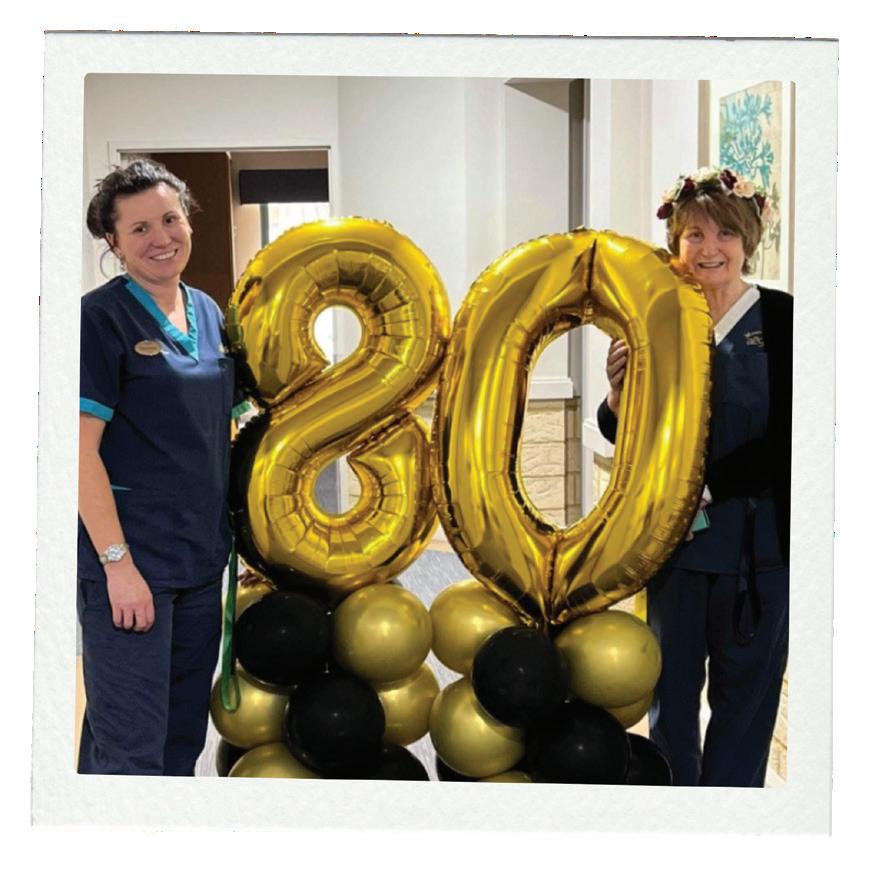
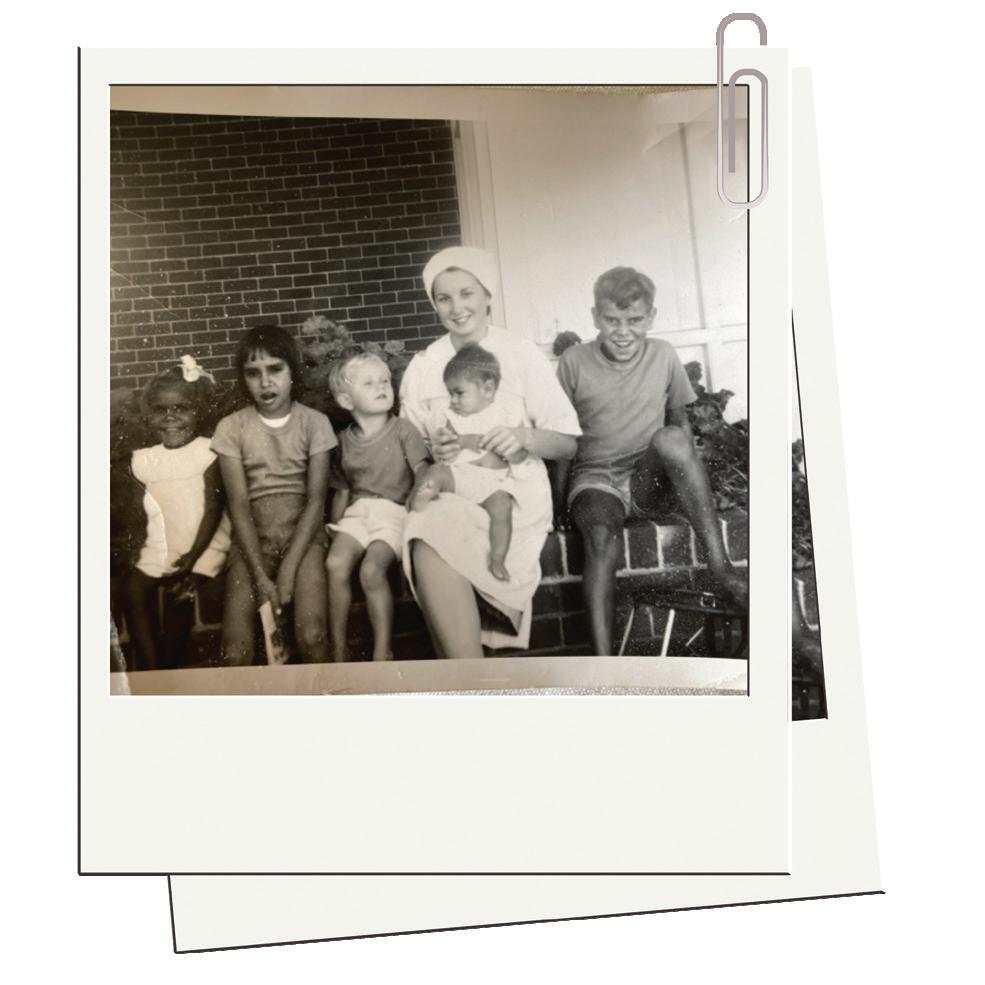
At 84, Merryn closesa60-year nursingcareer
After giving 60 years of her life to the nursing profession, Merryn Cullen has retired at the age of 84, leaving behind a legacy of resilience and dedication.
Inspired by her sister-in-law and brother, who were studying medicine, Merryn entered nursing in an era when training was demanding and hands-on. Her journey began in an old security hotel in Leederville, where student nurses completed practical and theory training before stepping onto the wards.
Over more than six decades, Merryn witnessed an extraordinary change in nursing, from hospital-based training and on-site sterilisation to the introduction of computers and disposable equipment. But the things that mattered most to her never changed —caring for patients and working alongside colleagues as a team.
Sexual Assault Awareness Month reminds us that sexual violence remains a serious and pervasive issue. But it is also an opportunity to improve the systems so that no victim-survivor is left to navigate the aftermath of sexual violence alone.
For immediate help and support please contact 1800 Respect (1800 737 732)
For free peer counselling support contact Nurse Midwife Health Program Australia on 1800 001 060.
To find out more about the work CWSW do in preventing violence, promoting health, and advancing gender equality visit www.cwsw.org.au
Those early years required hard work and humility. Alongside caring for patients, student nurses prepared meals for children, cleaned wards and scrubbed walls. As a country student, Merryn faced a strict curfew and regular warden checks, a routine that shaped both discipline and camaraderie.
Merryn said she was grateful for a profession that gave her lifelong friendships, purpose and the privilege of caring for others.
“I look back on my nursing with pride and great satisfaction. Nursing has been my life,” Merryn said.
When asked her advice to new nurses, she said:
“Be kind to each other, seek knowledge and listen to your patients.”
“I look back on my nursing with pride and great satisfaction.”
Winning back time: nurses and working time, from past to future
Sean Scalmer is professor of history at the University of Melbourne and author of A Fair Day’s Work: The Quest to Win Back Time (Melbourne University Press).
In the first years of the 20th century a path-breaking young female journalist, Beatrix Tracy, took on a new assignment for the adventurous Australian journal, The Lone Hand.
Ms Tracy would work undercover at a range of occupations — factory worker, shop girl, domestic servant, waitress - and would share her experiences with interested readers.
Her report on her period as a nurse, The Ministering Angel, was published in July 1908. It would without doubt provoke nods of recognition among contemporary readers. She described the hours as long, the pay as poor and the apprenticeship as hard. The hours worked by nurses were especially taxing: a working day that ran from 6am to 5.30pm or 6am to 8pm, alternating, with half an hour only for each of the three meals. Nurses also took a week of night duty in rotation, working from 8pm and relieved only at 6am each morning.
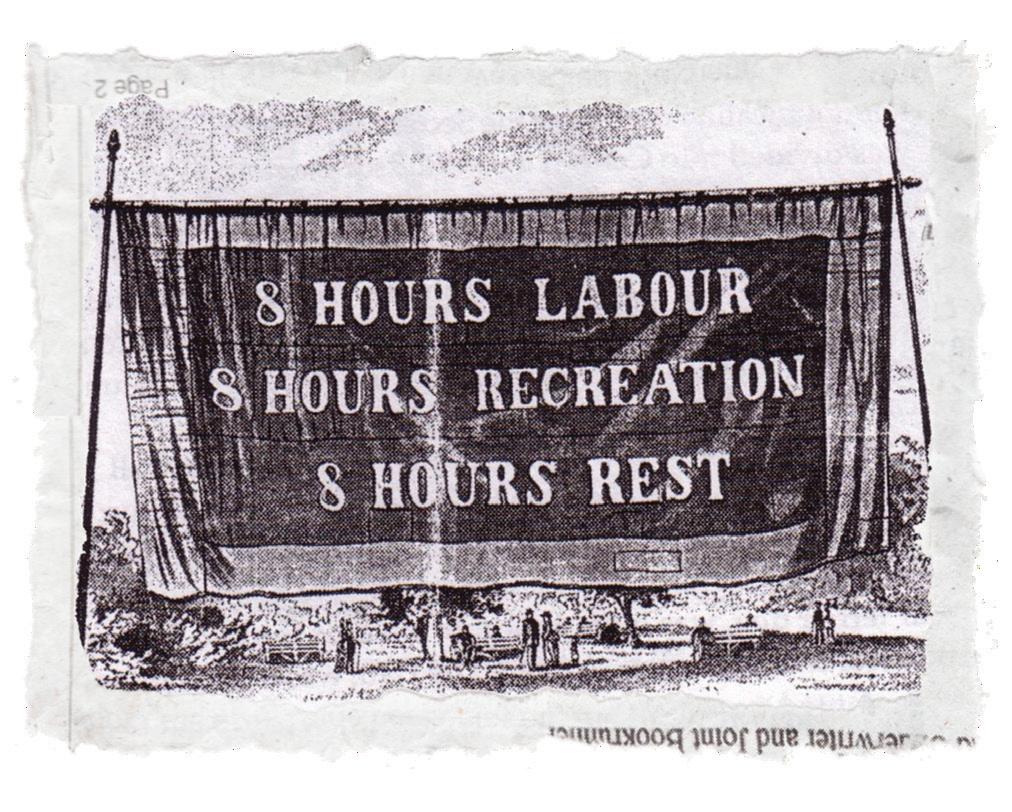
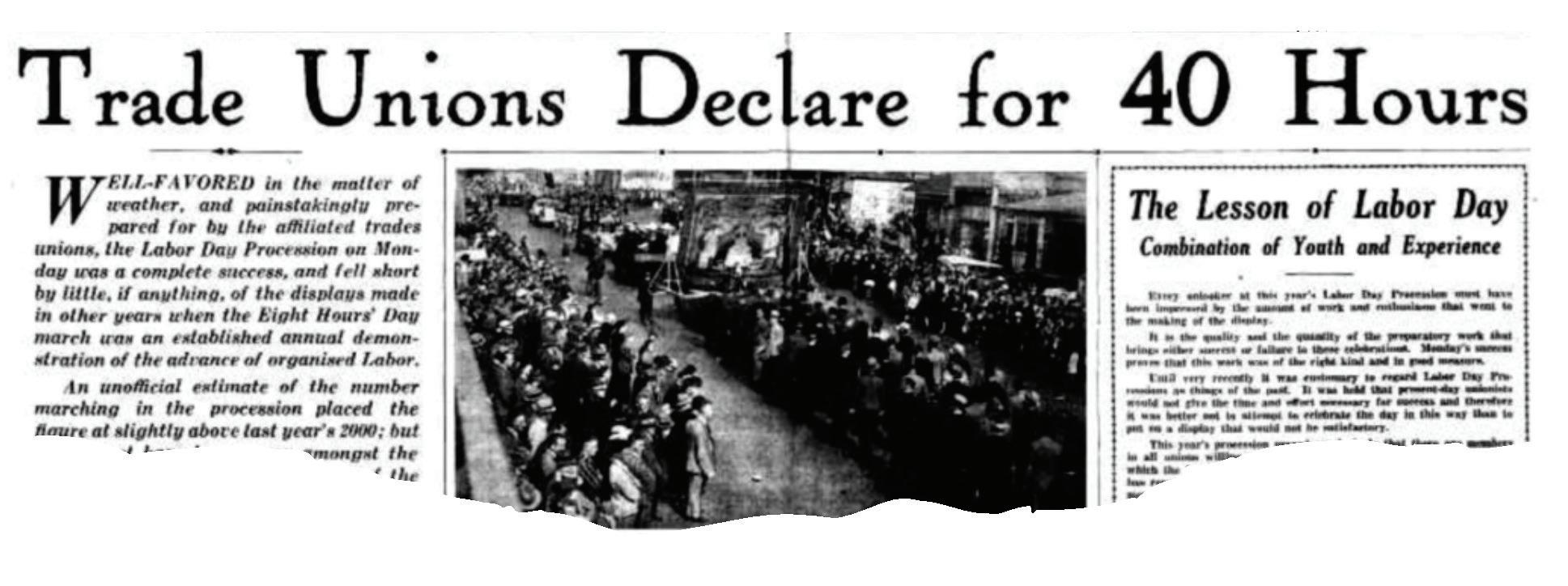
In 1908, the year of her investigation, Australia was widely hailed as a workers’ paradise, and an eight-hour day was proclaimed by industrial courts as an Australian standard. Each year Australian unionists marched on eight-hour day to celebrate their triumphs. And yet many Australian employees, especially female employees, did not enjoy these vaunted conditions.
The situation is in many ways comparable to our own industrial world. The standard full-time employee in Australia works a 38-hour week. However, the standard is often breached. The Australian Bureau of Statistics found in 2024 that 32 per cent of Australian employees worked extra hours or overtime. A survey conducted by Unions NSW in 2023-24, found that 85 per cent of respondents work unpaid overtime every week, with an average of 9.08 unpaid hours.
These matters are clearly acute for many nurses and midwives. A workforce crisis has placed unreasonable demands on employees and rostering is a major problem.
The commitment of nurses and midwives to their patients has often come at the cost of their own health, precipitating exhaustion and burnout and many devoted employees have been forced from their profession.
Lessons from history
Though the work of the contemporary nurse or midwife unfortunately shares much in common with Ms Tracy’s experiences in 1908, the continuities should not obscure the important differences. Looking over the long-term, Australian workers have undoubtedly managed to win a much better work-life balance.
The victories are striking. In the middle of the 19th century, standard working hours for a skilled tradesman were 60 per week: a 10-hour day, with only Sundays free from labour. By 1948, this had been reduced to a 40-hour week, with a full weekend the national norm.
These attainments were not granted willingly by employers. Every advance was opposed as a technical impossibility or a harbinger of economic doom.
Neither were these advances quickly nor easily secured. The battle for an eight-hour day won breakthroughs in Melbourne’s building industry from 1856, but this still meant a 48-hour week, with a full day of work on
Saturday. It took many further struggles to win a halfday holiday on Saturday (a 44 - hour week), a struggle that extended in earnest from the 1910s until the cusp of World War II. The achievement of the 40-hour week, and the full weekend, followed more than a decade of intense campaigning.
The capacity to ‘win back time’ from the boss required persistent and creative struggle. Supporters of reduced hours waged a long-term cultural battle to outline key principles of justice, that a worker was a human being, whose life should be defined by more than toil. That the benefits of new technologies, that saved on labour, should not be channeled wholly to the employer, but should be shared with the employee, in the form of reduced time at work.
Rational arguments were not enough to win change. Unions led industrial campaigns on these matters, ranging from strikes, work-to-rule and boycotts. They led marches, pressured the political parties and lobbied.
At times they compelled governments to pioneer reductions in working time for government employees and to pass legislation mandating a shorter working week.
An urgent cause
Successful struggles up until the early 1980s managed to reduce the working week to 38 hours, with some employees even enjoying a 35-hour week and a nineday fortnight. 40 years ago, the imminent arrival of a 35hour week was widely expected, even business leaders conceded its apparent inevitability.
In the more than 40 years since, the long-term momentum has shifted. Working time has increased. This has been accompanied by greater stresses on families, with nearly everyone in the formal workforce needing to combine caring roles at home with work-forpay. As Australia’s population ages, these pressures will only become more acute. Women still carry the bulk of domestic labours. Their burdens are therefore especially great.
History teaches that reductions in working time have only been possible when employees have bound together in trade unions and when they have together sought collective control over their hours of work. It is through union power that working time can be limited, so that our lives are defined by more than the demands of employers.
This path remains open for Western Australian nurses and midwives today, just as it was to the stonemasons of the 19th century, who pioneered the eight-hour day, and the metal workers of the 20th century, who led the battle for a forty-hour week.
Go digital with the Western Nurse & Midwife Journal
Switch to the digital edition and enjoy the journal in your inbox while helping reduce paper use.
Make the switch today:
1. Log in to iFolio
2. Go to My Account
3. Select Edit Preferences
4. Tick Digital Subscription Only
Out and about
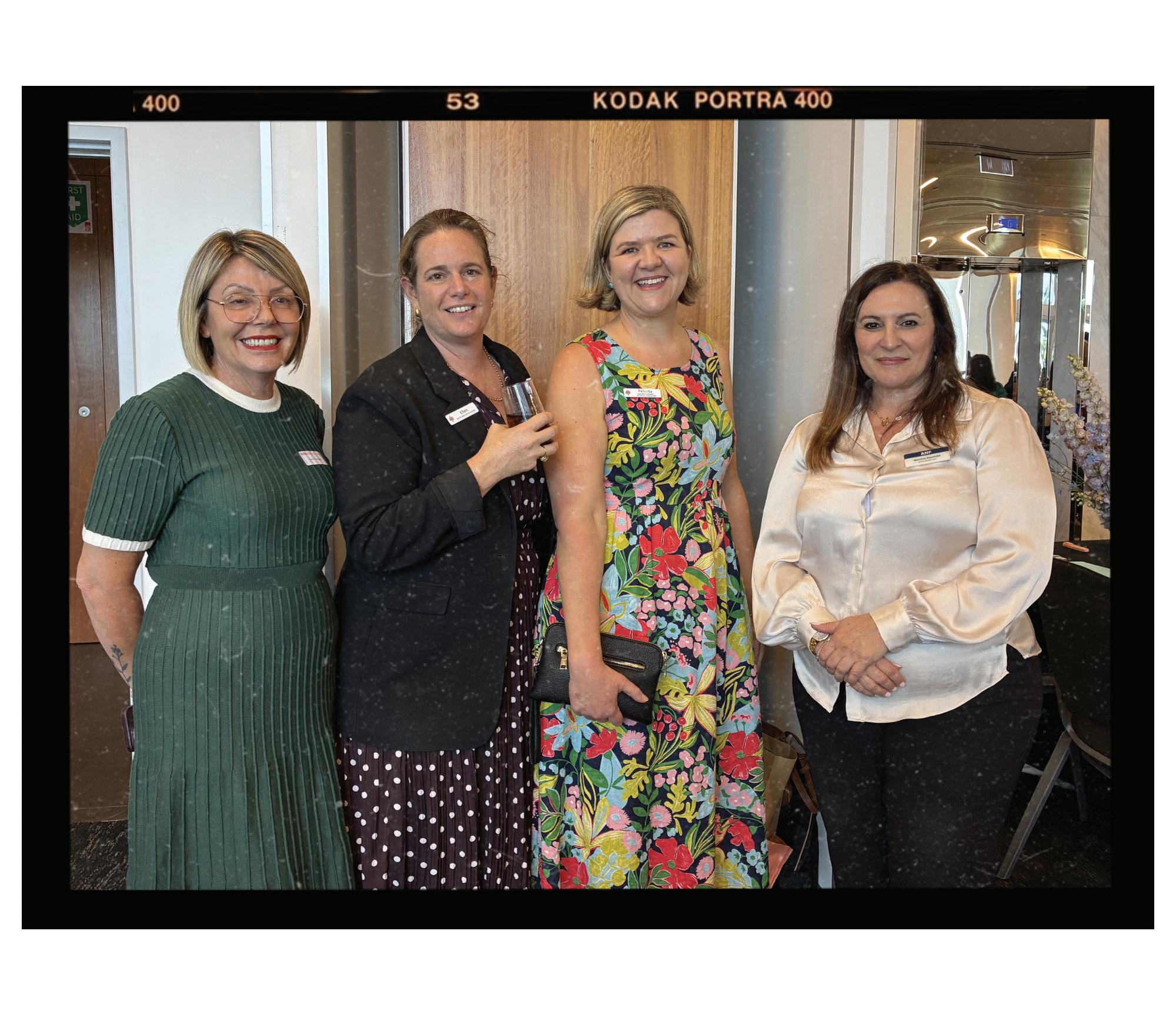
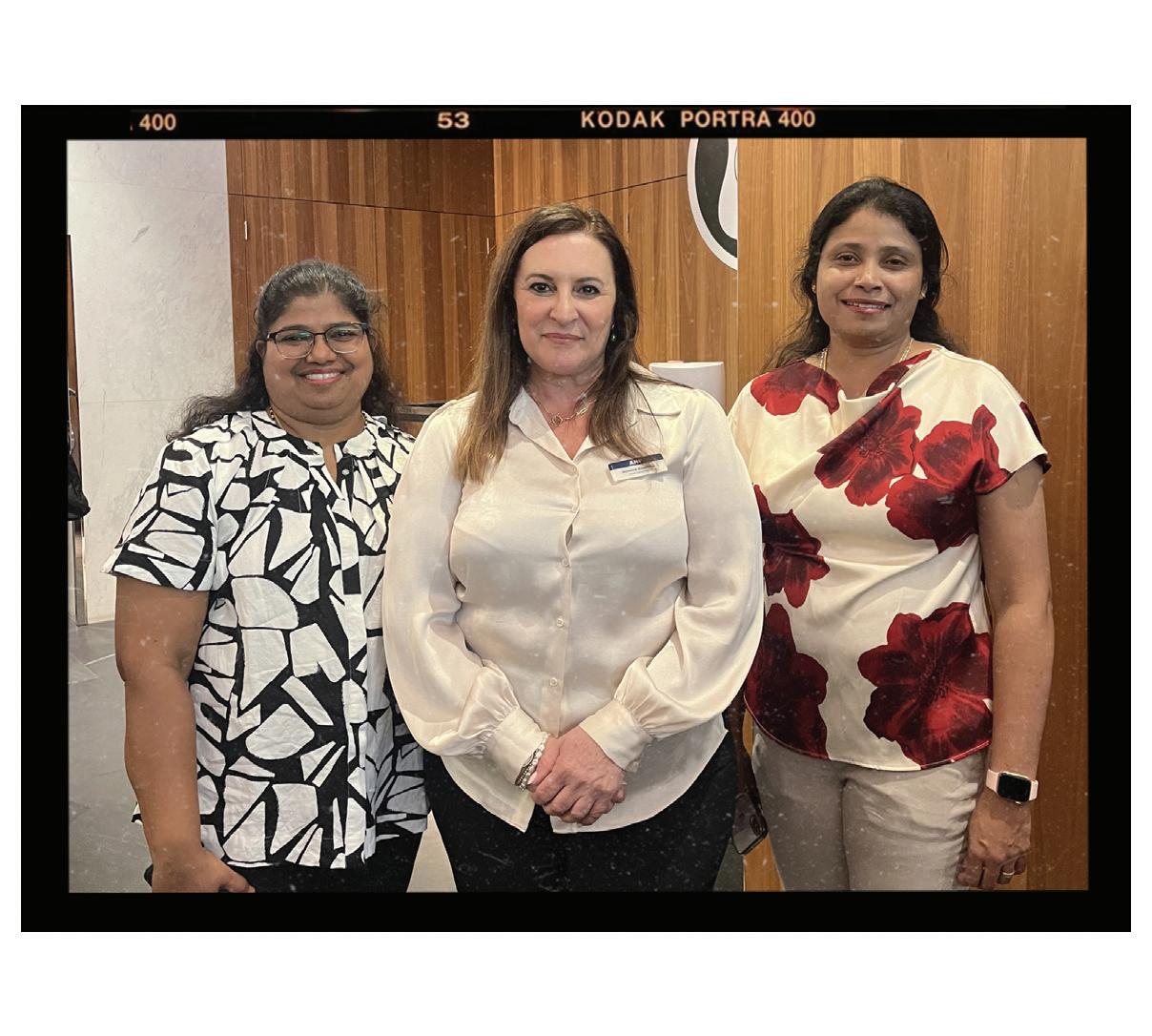
In March, Romina attended the WA Nursing and Midwifery Excellence Awards Finalist Afternoon Tea.
This event celebrated nurses and midwives across WA, who are excelling in their careers and patient care.
More than 44 nurses and midwives have been nominated for 14 awards, across Aboriginal health, education, graduates, enrolled and registered nursing, leadership, research, midwifery, as well as rural and regional nursing.
It was great to hear their stories, and why they’re being recognised for their work.
Congratulations to all the nominees.
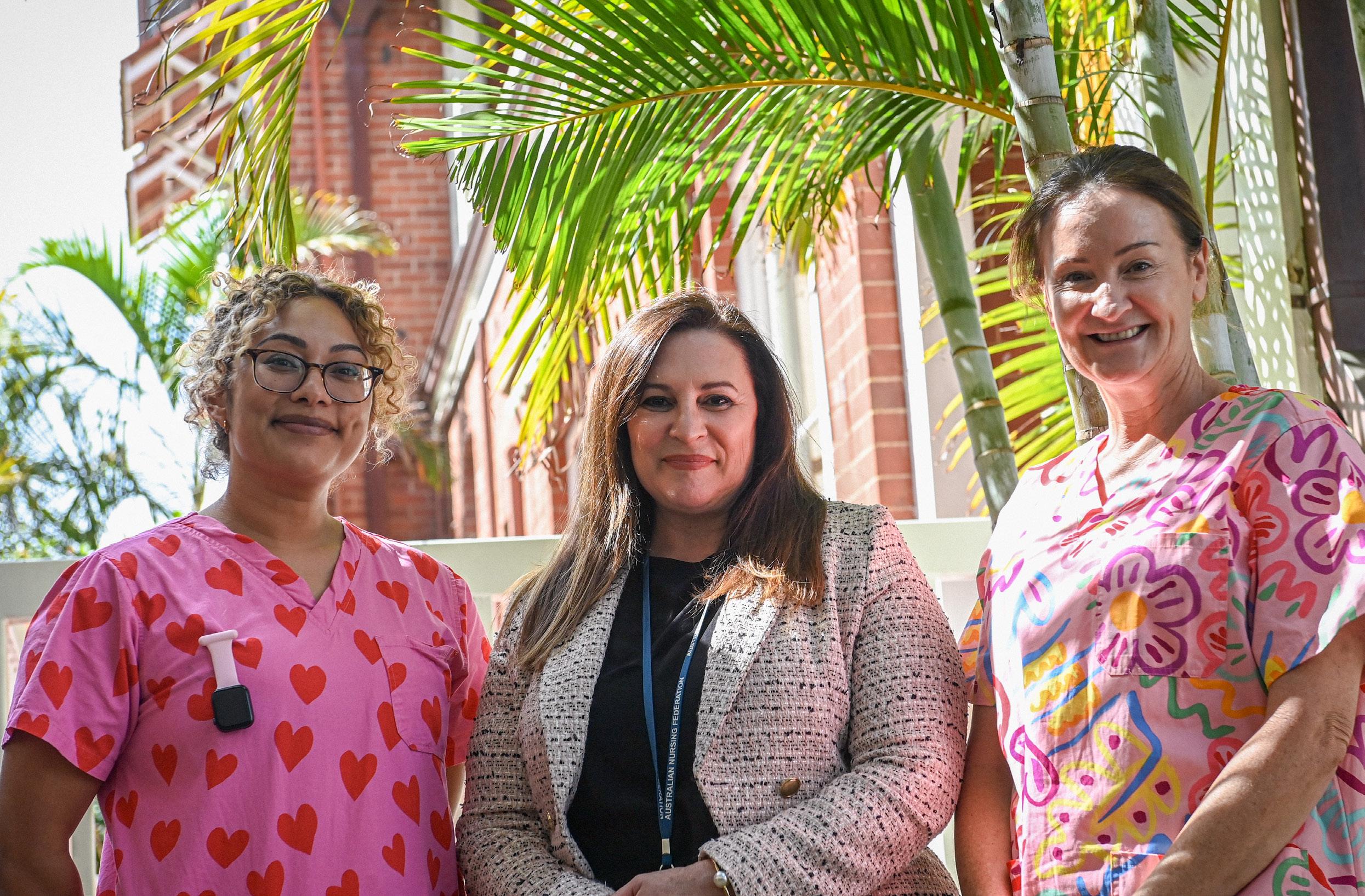
Romina met with members at the afternoon tea.
Romina got to spend time with nurses and midwives at the afternoon tea.
Romina at Casuarina Prison after a meeting with Department of Justice members.
Council Vice President Kim Luby, Romina and former President Rosemary Lorrimar next to the union banner.
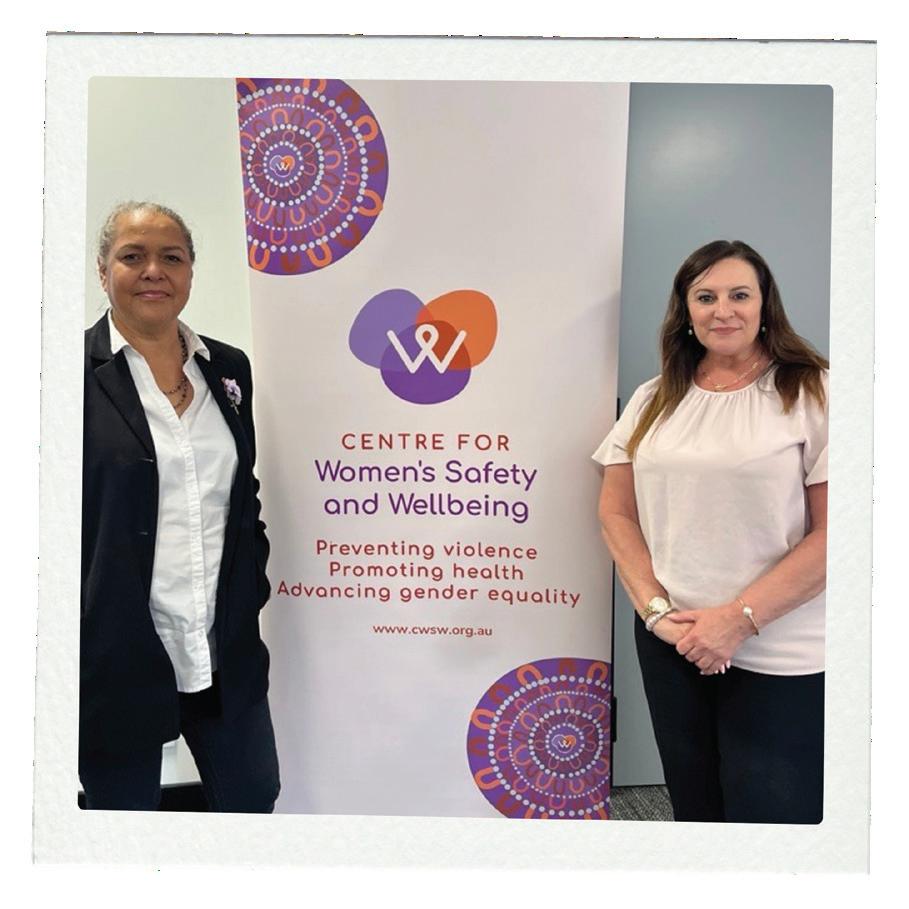
Dr Alison Evans, CEO of the Centre for Women’s Safety and Wellbeing and Romina.
Dr Victoria Hovane, Ngarluma, Jaru and Gooniyandi psychologist and researcher and Romina.
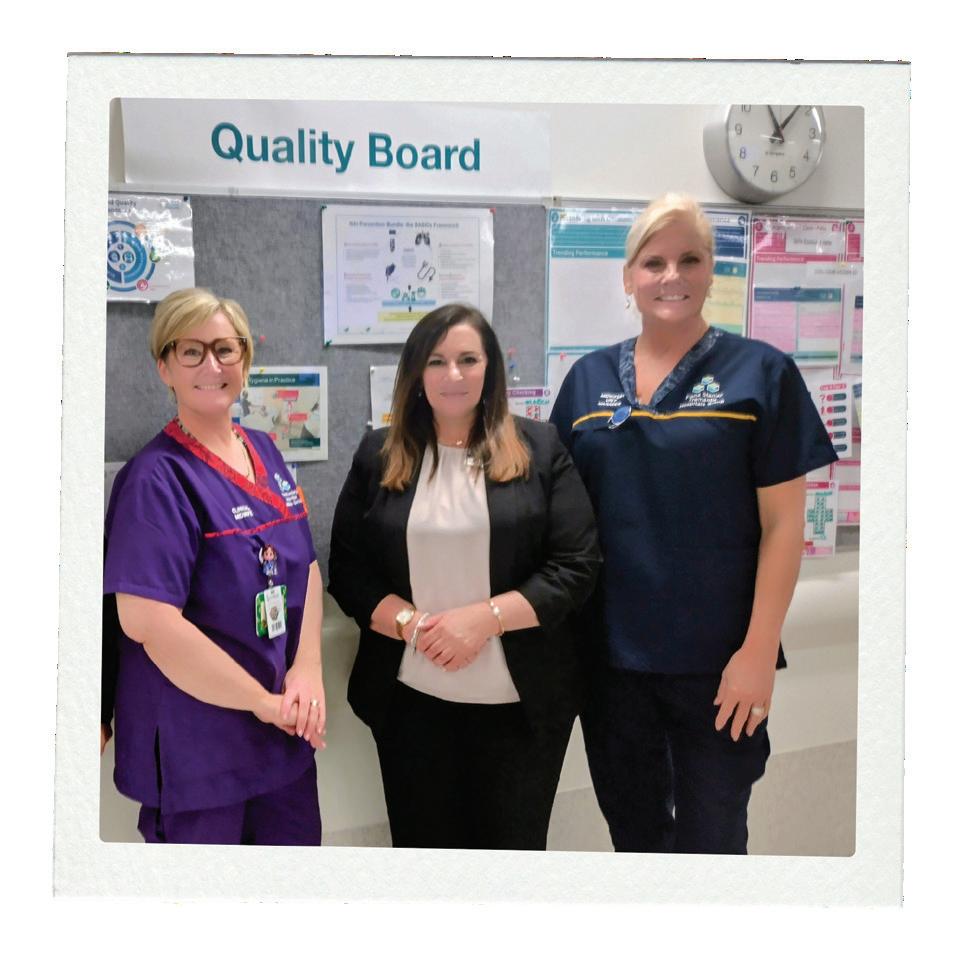
Romina spent time with staff in the birthing suite, paediatric, and NICU wards at Fiona Stanley Hospital.
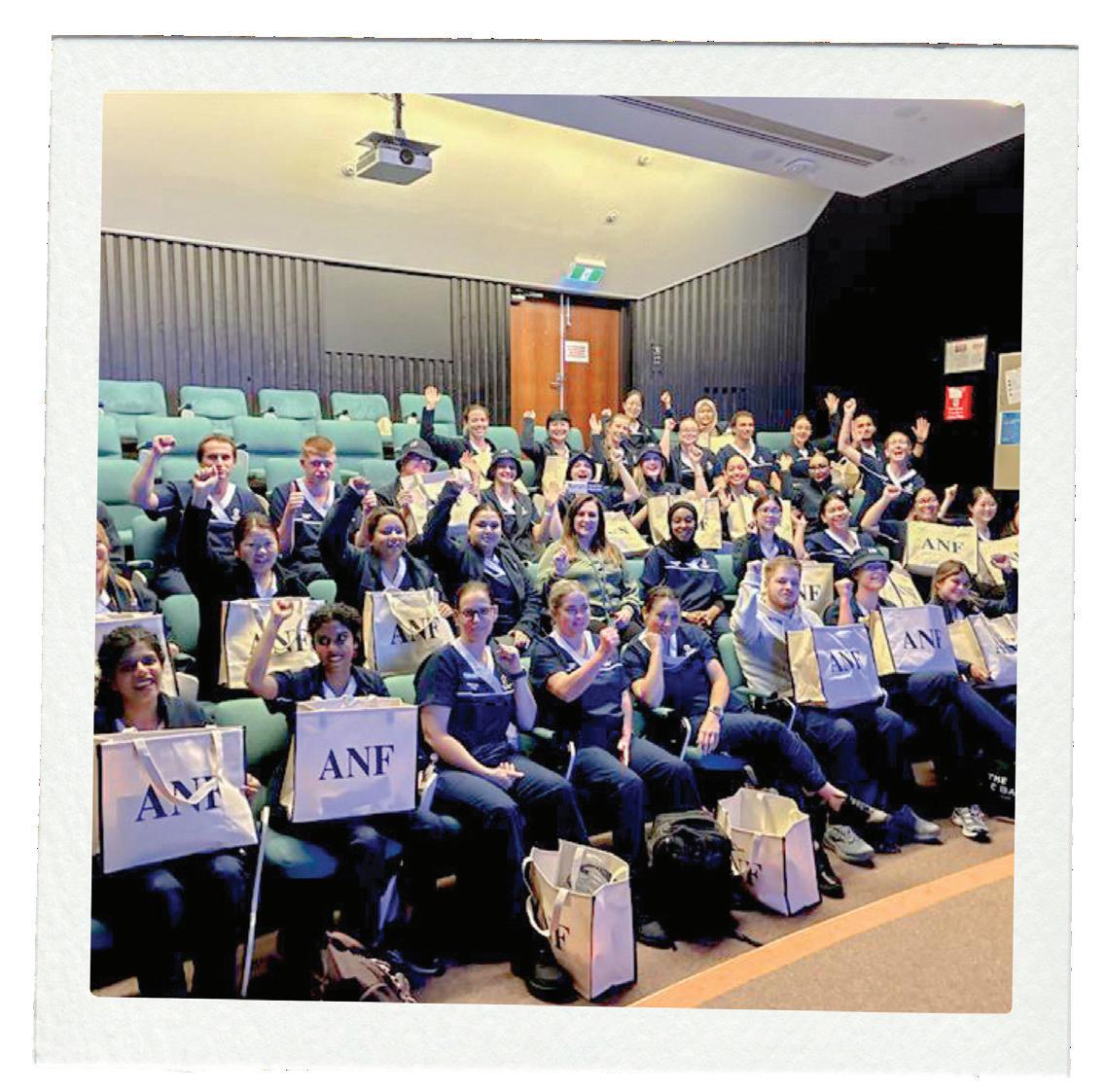
Romina and union officials attended an induction at Royal Perth Hospital to meet with graduate nurses.
Osteoarthritis: a clinical update
Osteoarthritis is a chronic degenerative joint condition.1,2 It can affect any joint but most commonly affects the hips, knees, hands, and the lumbar and cervical spine.1-4
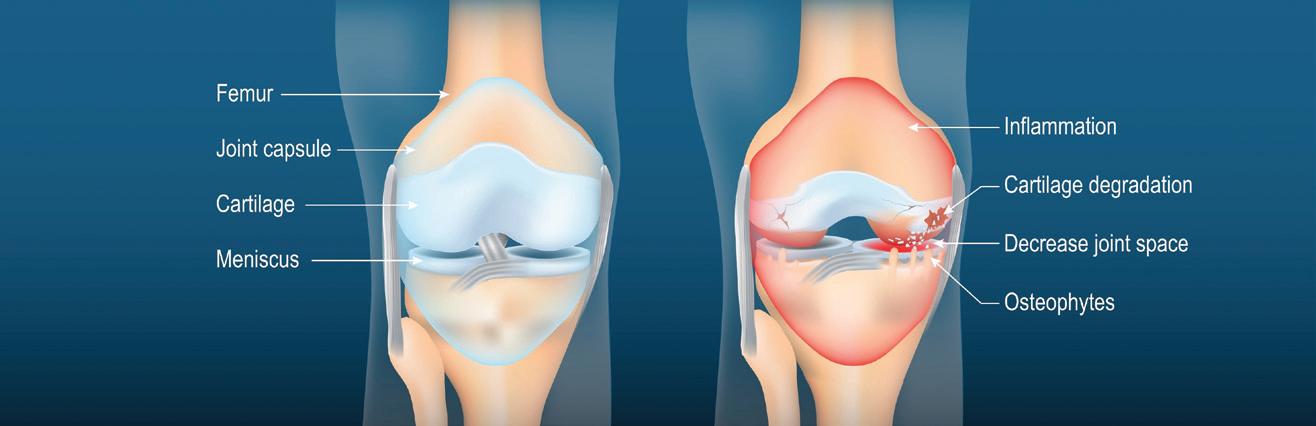
Osteoarthritis affects the entire joint including the cartilage, bone, synovial membrane and fluid, ligaments, and tendons.3-5 It leads to the breakdown of cartilage in the joint, osteophytes, sclerosis and eburnation of the subchondral bone, subchondral cysts, and the deterioration of ligaments and tendons (see Illustration 1).1,4,5
Osteoarthritis is a significant cause of morbidity.6 It can compromise a person’s quality of life through chronic pain, physical limitations, loss of independence and productivity, self-limitation caused by a fear of falling, and psychological distress, such as depression.2,6 Osteoarthritis can affect an individual’s ability to engage in social, leisure, cultural, and occupational activities.1,2 Osteoarthritis is the most common chronic joint condition in Australia. It can develop in patients of any age but is more common in older people; one in five people over 45 have osteoarthritis.3,7
Causes and risk factors
There are two categories of osteoarthritis: primary and secondary. Primary osteoarthritis is idiopathic. Secondary osteoarthritis is an antecedent to joint injury, congenital abnormality, such as hip dysplasia, or inflammatory conditions, such as chronic gout and rheumatoid arthritis.4,8
Osteoarthritis is a complex and multifactorial disease with numerous biological, biochemical, and genetic components.4 The exact aetiology of osteoarthritis remains unknown.3,4
Factors that may increase the risk of developing osteoarthritis include:1,3,4,8
• Age – prevalence of osteoarthritis substantially increases with age
• Sex – women are more likely to develop osteoarthritis.
• Overweight and obesity – knee and hip osteoarthritis are more likely to develop in overweight and obese people.
• Family history of osteoarthritis.
• Metabolic diseases, such as diabetes.
• Inflammatory joint conditions, such as chronic gout or rheumatoid arthritis.
• Previous joint injury, such as dislocation.
• Overuse of the joint, such as strenuous or repetitive physical activities or occupations that can lead to joint damage.
Signs and symptoms
The most common symptoms of osteoarthritis are joint pain and stiffness.3,4,7
Other symptoms include swelling, joint instability, reduced range of motion, crepitus (a crinkly, crackling or grating sensation in the joint), malalignment of the joint, bony deformities, and muscle weakness.3,4,8,9
The symptoms of osteoarthritis generally progress slowly over months or years.3,7
Diagnosis
Osteoarthritis is diagnosed by clinical assessment. The assessment should include:4,5,7,10
• Medical history to identify past joint injury or trauma, comorbidities, modifiable risk factors, and response to symptom treatment.
• Detailed history symptoms, with particular attention to joint pain, stiffness and movement.
• Physical examination and functional assessment of the affected joint, including range of motion, tenderness, malalignment or deformities, effusion, crepitus, and gait.
• Physical examination and functional assessment of the affected joint, including range of motion, tenderness, malalignment or deformities, effusion, crepitus, and gait.
• Identification of atypical features that indicate alternative or additional diagnosis, including recent joint trauma, palpable warmth over the joint, rapid worsening of symptoms, and prolonged morning joint-related stiffness.
Imaging is not routinely required to confirm a diagnosis of osteoarthritis.3,4,10 However, x-ray imaging may be warranted for patients with atypical signs and symptoms.4,10 Radiographic diagnosis of osteoarthritis includes narrowing of the joint space, subchondral cysts, subarticular sclerosis, and osteophytes.⁴
Treatment
There is no cure for osteoarthritis.2,7 The goals of osteoarthritis treatment are to manage joint pain and stiffness, increase mobility and function, and maximise quality of life.2,4
Treatment should be patient-centred and individualised considering the needs, goals, values and preferences of the patient.11
Education and empowerment
Patient education is essential to optimise the effective management of osteoarthritis.4,9,11 Patients should be informed about:9,11
• Causes of osteoarthritis and risk factors particularly modifiable risk factors.
• Treatment options, including the benefits and risks of each option
• Interventions that have been shown not to work or for which there is no clear evidence of their effectiveness.
• Living with and managing osteoarthritis, including the importance of maintaining general fitness, eating healthily, reducing sedentary lifestyle habits, and managing weight.
Patient education helps to counter common misconceptions about osteoarthritis and encourage the patient to take an active role in the management of their condition.11 Patients should be reassured that exercise, such as resistance training, tai chi, yoga, walking, cycling, or swimming, is not harmful to the joints.4,12
Illustration 1: Normal joint compared to a joint with osteoarthritis
Lifestyle interventions
Extra body weight increases stress on joints, hips, knees, and the lower back.³ Weight loss is recommended for patients with hip, knee, and spine osteoarthritis who are overweight or obese.3,4 Weight loss can reduce pain and limit further joint damage.3,5
Regular exercise is important for all patients with osteoarthritis, particularly for patients with osteoarthritis of the knee or hip.3,4,9
Exercise keeps joints and muscles healthy and flexible and can improve quality of life for patients with osteoarthritis by reducing pain and improving joint symptoms, mobility, and function.3,4,13
Insufficient physical activity causes a loss of muscle strength, which exacerbates pain, reduces function, and can accelerate structural joint deterioration.12 An exercise program should be tailored to the individual needs and goals of the patient.9,12 Low-impact activities that place minimal stress on the joints are generally recommend.3 Exercise for patients with osteoarthritis can include:3,12
• Strength training, such as exercises with weights and resistance bands, to improve muscle strength, which takes pressure off joints, strengthens bones and improves balances.
• Aerobic exercises, such as walking, cycling or swimming, to improve general fitness.
• Stretches or yoga to help maintain or improve flexibility.
Assistive devices
Walking aids, such as walking sticks, and braces may improve pain for patients with lower limb osteoarthritis and should be considered as an adjunct treatment.3,4,7,11
Pharmacological treatment
Pharmacotherapy for pain management is indicated for patients whose symptoms are not adequately controlled by non-pharmacological interventions. Pharmacotherapy should be used as an adjunct to non-pharmacological interventions.4
Topical non-steroidal anti-inflammatory drugs (NSAIDs) are recommended for pain relief in patients with osteoarthritis of the hand or knee. Topical capsaicin may also relive pain associated with osteoarthritis of the knee.4,13
Oral NSAIDs are recommended as first-line oral pharmacological treatment and may be considered for patients with refractory pain or signs of inflammation.4,8,10,13
The lowest effective dose should be used for the shortest possible duration.4,10,13 Topical non-steroidal anti-inflammatory drugs (NSAIDs) are recommended for pain relief in patients with osteoarthritis of the hand or knee. Topical capsaicin may also relive pain associated with osteoarthritis of the knee.4,13
Oral NSAIDs are recommended as first-line oral pharmacological treatment and may be considered for patients with refractory pain or signs of inflammation.4,8,10,13 The lowest effective dose should be used for the shortest possible duration.4,10,13
Duloxetine may be considered as an adjunct treatment to oral NSAIDs where other interventions are ineffective.4,10
Paracetamol is less effective than NSAIDs but may be considered for patients at risk of harm from NSAID use.8,10
Intra-articular corticosteroid injections may be use as an adjunctive, shortterm treatment for pain relief to support therapeutic exercise or when other pharmacological treatments are ineffective or unsuitable.4,10
Surgery
Patients with osteoarthritis generally do not require surgery.3,4,9
Joint replacement surgery or joint conserving surgery should be considered for patients with severe pain and persistent functional impairment that persists despite optimal non-surgical interventions.2,4,10
Monitoring
Periodic clinical assessments should be regularly performed to assess the effects of treatment on symptoms and joint mobility and function.11
REFERENCES
1. World Health Organization. Factsheets [Internet]. Osteoarthritis; 2023 [cited 2024 Aug 24]. Available from: https://www.who.int/news-room/fact-sheets/detail/ osteoarthritis
2. Australian Institute of Health and Welfare. Chronic musculoskeletal conditions: Osteoarthritis [Internet]. Canberra (Australia): Australian Institute of Health and Welfare; 2024 [cited 2024 Aug 24]. Available from: https://www.aihw.gov.au/reports/chronicmusculoskeletal-conditions/osteoarthritis
3. Healthdirect Australia. Healthdirect [Internet]. Osteoarthritis; 2024 [cited 2024 Aug 24]. Available from: https://www.healthdirect.gov.au/osteoarthritis
4. BMJ Best Practice. Osteoarthritis [Internet]. London: BMJ Publishing Group Ltd; 2024 [cited 2024 Aug 24]. Available from: https://bestpractice.bmj.com/topics/ en-gb/192/pdf/192/Osteoarthritis.pdf
5. Arthritis Australia. Arthritis Information Sheet: Osteoarthritis [Internet]. Glebe (Australia): Arthritis Australia; 2024 [cited 2024 Aug 24]. Available from: https://arthritisaustralia.com.au/wordpress/wpcontent/uploads/2024/04/4042-AA-Info-SheetOsteoarthritis-AA005-0124-ISS1.pdf
6. March L, Cross M. Epidemiology and risk factors for osteoarthritis. 2023 [cited 2024 Aug 24]. In: UpToDate [Internet]. Waltham (MA): UpToDate Inc. Available from: https://www.uptodate.com/contents/epidemiologyand-risk-factors-for-osteoarthritis
7. Arthritis Australia. Arthritis Australia [Internet]. Osteoarthritis; 2024 [cited 2024 Aug 24]. Available from: https://arthritisaustralia.com.au/types-of-arthritis/ osteoarthritis/
8. NPS MedicineWise. NPS MedicineWise [Internet]. Osteoarthritis explained. 2021 [cited 2024 Aug 24]. Available from: https://www.nps.org.au/consumers/ osteoarthritis-explained
9. State Government of Victoria. Better health channel [Internet]. Osteoarthritis; 2019 [cited 2024 Aug 24]. Available from: https://www.betterhealth.vic.gov.au/ health/conditionsandtreatments/osteoarthritis
10. Australian Commission on Safety and Quality in Health Care. Osteoarthritis of the Knee: Clinical Care Standard [Internet]. Sydney (Australia): Australian Commission on Safety and Quality in Health Care; 2024 [cited 2024 Aug 24]. Available from: https://www.safetyandquality.gov. au/sites/default/files/2024-08/osteoarthritis-kneeclinical-care-standard-2024.pdf
11. Deveza LA. Overview of the management of osteoarthritis. 2023 [cited 2024 Aug 24]. In: UpToDate [Internet]. Waltham (MA): UpToDate Inc. Available from: https://www.uptodate.com/contents/overview-of-themanagement-of-osteoarthritis
12. Hinman RS, Hall M, Comensoli S, Bennell KL. Exercise & Sports Science Australia (ESSA) updated Position Statement on exercise and physical activity for people with hip/knee osteoarthritis. J Sci Med Sport [Internet]. 2023 [cited 2024 Aug 24];26(1):34-45. doi: 10.1016/j. jsams.2022.11.003
13. Yaseen K. Osteoarthritis. 2024 [cited 2024 Aug 24]. In: MSD Manual Professional Version [Internet]. Kenilworth (NJ): Merk Sharp & Dohme Corp. Available from: https://www.msdmanuals.com/en-au/professional/ musculoskeletal-and-connective-tissue-disorders/ joint-disorders/osteoarthritis-oa
Serum tumour markers for breast cancer: a clinical update
Read this article and complete the quiz to earn 0.5 iFolio CPD hour
Serum tumour markers are substances, usually glycoproteins, associated with tumour development, progression and metastasis.1
Serum tumour markers may be produced by the cancer or by the body in response to the cancer, and secreted into the blood.1,2 Some tumour markers are specific to a particular type of cancer while others may be associated with several types of cancer.2
Types of serum tumour markers
The most commonly used serum tumour markers for breast cancer are carcinoembryonic antigen (CEA) and cancer antigen 15-3 (CA 15-3).1,3,4,5
Carcinoembryonic antigen
CEA a glycoprotein derived from embryonic entodermal epithelium in the fetus.⁶ Everyone is born with high levels of serum CEA with levels decreasing as people age.⁷ In normal adults, CEA is present in low levels in mucosal tissue.³ Some malignancies and non-malignant conditions may increase serum CEA levels.⁷
CEA is a non-specific serum tumour marker that is elevated in patients with various malignancies.⁶
CEA is raised in up to 65% of patients with metastatic breast cancer.³
Cancer antigen 15-3
CA 15-3 is an epithelial glycoprotein localised to the apical membrane.⁸ It is a normal cellular glycoprotein, however some malignancies and non-malignant conditions may increase serum CA-15 levels.8,9
CA 15-3 is a more sensitive and specific serum tumour marker for breast cancer than CAE.⁵
CA 15-3 levels can indicate the extent and severity of breast cancer.³ CA 15-3 levels are elevated in 8-20% of patients with localised breast cancer, and 70-90% of patients with metastatic breast cancer.⁵
Indications
Serum tumour marker tests for CAE and CA 15-3 are used in patients with histologically diagnosed breast cancer to monitor responses to treatment and to detect breast cancer recurrence and Serum tumour marker tests are not recommended as screening test or diagnostic test for breast cancer.4,5,10
Procedure
A blood specimen for laboratory testing should be collected from venous blood. The specimen should be collected directly into a serum separating tube/ serum tube or a tube containing lithium heparin.4,5,10
Serum separating tubes/serum tubes contain coagulation activator that separates the serum and blood cells. Lithium heparin acts as anticoagulant that prevent activation of the coagulation cascade, keeping the specimen in stasis until it is tested.11
Interpreting results
Serum tumour markers are only present in minor concentrations and test results are reported in nanograms per millilitre or micrograms per litre.¹
Serum tumour markers test results should be interpreted in the context of the clinical setting and the reason for the test.10,12 General principles for interpreting test results include:12
• For testing prior to a tissue diagnosis, consideration should be given to the likelihood of a malignancy and possible benign causes of elevated serum tumour marker levels.
• For testing for the purpose of monitoring treatment response, the results and any changes in serum tumour marker levels should be compared with the change expected with successful treatment.
• For testing for the purpose of assessing possible tumour recurrence or growth, the results and any changes in serum tumour marker levels should be assessed against the expected variation.
Carcinoembryonic antigen
The normal reference interval for CEA is less than 2.5µg/L for non-smoking patients and less than 5µg/L for smoking patients.⁴
Increasing levels of CEA in patients with a history of histologically diagnosed breast cancer suggest breast cancer recurrence or metastatic disease.⁴
Cancer antigen 15-3
The normal reference interval for CA 15-3 is less than 30µg/L, however the interval may vary with age, sex, and laboratory testing methods.5,13
In general, higher CA 15-3 serum levels are associated with more advanced breast cancer and larger tumours. In metastatic breast cancer, the highest levels of CA 15-3 are associated with bone and/or the liver metastases.⁹
Limitations
A range of lifestyle, health, and testing factors can elevate serum tumour marker levels and interfere with test results.12
Elevated CEA levels may be associated with smoking cigarettes, hepatitis, colitis, pancreatitis, inflammatory bowel disease, and chronic obstructive pulmonary disease, as well as cancers of the breast, liver, thyroid, pancreas, bowel, cervix, bladder, and lung.2,4
Elevated CA 15-3 levels may be associated with pregnancy, hepatitis, cirrhosis, autoimmune disorders, pelvic inflammatory disease, endometriosis, and benign diseases of the breast or ovary, as well as cancers of the breast, uterus, ovary, lung, liver, pancreas, and stomach.2,5,8
Additionally, a normal serum tumour marker test result does not exclude the presence of breast cancer.9,10 Serum tumour marker levels may not be elevated in some patients who have cancer.12
REFERENCES
1. Schröder L, Mallmann MR, Domroese CM, Wefers N, Dolscheid-Pommerich, Stoffel-Wagner B, et al. Method Comparison and Clinical Performance of Breast Cancer Tumor Markers on Novel Multiplex Immunoassay and Automatized LOCI Technology Platforms. Diagnostics [Internet]. 2023 [cited 2024 May 29];13(9):3101. doi: 10.339/diagnostics13193101
2. Pathology Tests Explained. Pathology Tests Explained [Internet]. Tumour markers; 2023 [cited 2024 May 29]. Available from: https://pathologytestsexplained.org.au/ ptests-pro.php?q=Tumour%20markers
3. Gaughran G, Aggarwal N, Shadbolt B, Stuart-Harris R. The Utility of the Tumor Markers CA15.3, CEA, CA-125 and CA19.9 in Metastatic Breast Cancer. Breast Cancer Manag [Internet]. 2020 [cited 2024 May 29];9(4):17581931. doi: 10.2217/bmt-2020-0015
4. The Royal College of Pathologists of Australasia (RCPA). RCPA Manual. Carcinoembryonic Antigen; 2024 [cited 2024 May 29]. Available from: https://www.rcpa.edu. au/Manuals/RCPA-Manual/Pathology-Tests/C/ Carcinoembryonic-Antigen
5. The Royal College of Pathologists of Australasia (RCPA). RCPA Manual. CA 15-3; 2024 [cited 2024 May 259]. Available from: https://www.rcpa.edu.au/Manuals/ RCPA-Manual/Pathology-Tests/C/CA-15-3
6. Kankanala VL, Mukkamalla SK. Carcinoembryonic Antigen. 2023 [cited 2024 May 29]. In: StatPearls [Internet]. Treasure Island (FL): StatPearls Publishing LLC. Available from: https://www.ncbi.nlm.nih.gov/ books/NBK578172
7. Cleaveland Clinic. Health Library [Internet]. CEA Test (Carcinoembryonic Antigen); 2022 [cited 2024 May 29]. Available from: https://my.clevelandclinic.org/health/ diagnostics/22744-cea-test-carcinoembryonic-antigen
8. Bell DJ. Radiopaedia [Internet]. CA 15-3; 2022 [cited 2024 May 29]. Available from: https://radiopaedia.org/ articles/ca-15-3
9. Pathology Tests Explained. Pathology Tests Explained [Internet]. Cancer antigen 15-.3 (CA15-3); 2023 [cited 2024 May 29]. Available from: https://pathologytestsexplained.org.au/ptests-pro.php?q=Cancer%20antigen%2015-3%20(CA15-3)
10. The Royal College of Pathologists of Australasia (RCPA). RCPA Manual. Tumour Markers; 2024 [cited 2024 May 259]. Available from: https://www.rcpa.edu.au/Manuals/ RCPA-Manual/Pathology-Tests/T/Tumour-markers
11. Jo SJ, Chae H, Lee YW, Seo JD, Song SH, Lee J. Evaluation of the quick-clotting serum separator tube, VQ-Tube, for clinical chemistry and thyroid hormone assays. Ann Clin Biochem [Internet]. 2021 [cited 2024 May 29];58(5). doi: 10.1177/00045632211018245
12. The Royal College of Pathologists of Australasia (RCPA). Position Statement. Serum Tumour Marker Requesting, Testing and Reporting of Results; 2020 [cited 2024 May 29]. Available from: https://www.rcpa.edu.au/getattachment/4b603b63-29f8-4f9b-856f-4141ffed9749/ Serum-Tumour-Marker-Requesting,-Testing-and-Report.aspx
13. Mayo Clinic Laboratories. Test Catalogue. Test Definition: CA153 - Cancer Antigen 15-3 (CA 15-3), Serum; c2024 [cited 2024 May 29]. Available from: https://www.mayocliniclabs.com/api/sitecore/TestCatalog/DownloadTestCatalog?testId=81607
Identifying, responding to, and reporting elder abuse: a clinical update
Elder abuse is a complex social issue with significant health implications.1 It can have serious physical and mental health implications, including physical injury, cognitive decline, psychological distress, and premature mortality.2,3
Elder abuse is an act or failure to act within a relationship of trust that results in harm or distress to an older person.2,4 It is most commonly committed by family members, including intimate partners, siblings, and children, but may also be committed by friends, neighbours, carers, and healthcare professionals.4,5
Elder abuse occurs in community and institutional settings, including the home, healthcare settings, and residential aged care facilities.1,5,6
In Australia, it is estimated that 15% older people living in the community have experienced elder abuse and 39.2% of older people living in residential aged care facilities have experienced elder abuse.⁴
Types of abuse
Elder abuse can take various forms.5,6,7
There a five commonly recognised types of elder abuse: physical abuse, psychological or emotional abuse, sexual abuse, financial abuse, and neglect.4,5,6
Physical abuse is an intentional act that causes physical pain or injury.⁶ It includes actions such as hitting, kicking, pushing, or roughly handling an older person.6,7 The inappropriate use of a restrictive practice is also physical abuse.6,7
Psychological or emotional abuse is behaviour intended to cause emotional pain or injury.6 It includes threatening, humiliating, or disrespecting an older person, and behaviours intended to manipulate, isolate, or control.6,7,8
Sexual abuse is behaviour of a sexual nature without an older person’s consent.⁶ It includes inappropriate sexual contact, depriving an older person ofprivacy, and using sexually offensive language or watching sexually explicit material in an older person’s presence.7,8
Financial abuse is the improper use of an older person’s money or assets.⁶ It includes stealing, refusing to repay a loan, and forcing an older person to sign a contract, will, or power of attorney.6,7
Neglect is failing to meet an older person’s basic needs, such as proper food, clothing, shelter, personal care, healthcare, and emotional support.6,8
Risk factors for elder abuse
Elder abuse occurs across all demographic and socioeconomic groups.5,9 However, some people are more at risk of elder abuse. Risk factors associated with greater susceptibility to elder abuse include:1,2,6,9
• Cognitive impairment
• Functional dependency
• Disability or frailty
• Poor physical health
• Mental health conditions, such as depression and psychological distress
• Low socioeconomic status
• Social isolation
Identifying elder abuse
As older people are frequent users of healthcare services, healthcare professionals play a vital role in identifying older people who are experiencing, or are at risk of experiencing, elder abuse.1,10
Elder abuse affects people physically, psychologically, and behaviourally.³ There is no standard experience of elder abuse, and individuals will be affected differently depending on the type of abuse and their personal circumstances and characteristics.10
Elder abuse may be identified through self-disclosure, observed indicators, and screening.³
Indicators
A range of indicators are associated with elder abuse.³ Indicators may be obvious or subtle, and some older people will actively attempt to mask or hide them.10 Some signs of elder abuse are set out in Table 1.
Screening
Healthcare professionals who have concerns that an older person is experiencing elder abuse should speak to the older person in a safe and confidential environment.3,10 Screening should not be done in the presence of other people.³
Healthcare professionals should use their professional judgement and skills to screen for elder abuse by asking simple direct questions:³
Broad questions may be used to start a conversation about the older person’s experience, such as:
• How are things at home (residential aged care facility)?
• How do you feel your (household member or caregiver) is managing?
If appropriate, more direct questions may be asked, such as:
• Has anyone recently threatened or hurt you?
• Has anyone failed to help you or take care of you?
• Has anyone recently taken anything of yours without your permission?
• Have you recently signed any documents you didn’t understand?
If specific clinical symptoms are observed, specific questions may be asked, such as:
• When I see injuries like this I wonder if someone could have hurt you?
• Has anyone recently touched you without consent?
Using an interpreter may be beneficial for older people who do not speak English or for whom English is their second language.³
Not all older people experiencing elder abuse will disclose the abuse.3,10 If the older person does not disclose elder abuse but it is suspected they may be at risk healthcare professionals should:³
• Respect their choices (if they have decision-making capacity and their safety is not immediately at risk).
• Provide information, if it is safe and appropriate, about help that is available if they ever require it.
• Make a note in their patient record to screen for elder abuse at future presentations.
Responding to elder abuse
The way that healthcare professionals respond to disclosure of elder abuse makes a difference. A professional and supportive response can make the older person feel believed and supported. Professional and sensitive responses involve:3,10
• Non-judgemental and careful listening.
• Validating the older person’s experience and decision to disclose.
• Affirming that any abuse is unacceptable behaviour
• Showing support.
Healthcare professionals must determine the older person’s capacity for decision making. The issue of the older person’s capacity to make informed decisions is critical to deciding on the appropriate response.10 If it is determined that the person does not have decision making capacity, the person legally responsible for giving consent for their healthcare must be identified. A referral to an advocacy agency will be necessary if the person with legal responsibility is the perpetrator of the abuse.3,10
Healthcare professionals must conduct a preliminary risk assessment to ascertain the level of immediate risk for the older person.3
Support for older people experiencing elder abuse may include referral to appropriate specialist support and services, such as social workers, legal services, elder abuse services, and mental health services.10
In circumstances where a crime may have been committed it may be appropriate to report a suspicion or disclosure of elder abuse to the police.3,10
It is preferrable that referrals and reports are made with the older person’s consent, however taking action without consent may be necessary in some circumstances to protect their immediate safety.3
Reporting elder abuse
There are compulsory reporting requirements for older people receiving Commonwealth funded aged care services, under the Serious Incident Response Scheme (SIRS). Incidents that are reportable under SIRS are:11
• Unexpected death.
• Unreasonable use of force.
• Inappropriate use of restrictive practices.
• Unlawful sexual contact or inappropriate sexual conduct.
Table 1: Indicators of elder abuse 3,9,10
• Injuries that do not fit the explanation given.
• Delays in seeking care or reporting an injury.
• The older person being described as ‘accident prone.’
Physical abuse
• History of injuries or unexplained or untreated injuries.
• Bruises of various stages of healing.
• Frequent presentations to health services.
• Shame or low self esteem.
• Anxiety, depression, or feelings of helplessness.
• Confusion and social isolation.
Psychological or emotional abuse
Sexual abuse
Financial abuse
Neglect
• Excessive fear or unexplained paranoia. Prominent passivity or anger.
• Bruising around genitals, anus or on the inner thighs.
• Unexplained sexually transmitted infections.
• Torn or bloody underwear.
• Apparent inability to afford adequate food, clothing, housing, or social activities.
Unable to pay normal accounts and an accumulation of unpaid bills.
• Sudden and unexpected changes in financial status.
• Anxiety, stress and fear.
• Malnourishment, weight loss, and dehydration.
• Inappropriate or dirty clothing.
• Poor personal hygiene.
• Untreated injuries or medical conditions.
• Inappropriate supervision.
• Psychological or emotional abuse.
• Stealing or financial coercion by a staff member.
• Unexplained absence from care.
• Neglect.
Priority 1 incidents must be reported to the Aged Care Quality and Safety Commission within 24 hours. An unexpected death or unexplained absence, unlawful sexual contact or inappropriate sexual conduct, and physical or psychological injury or discomfort that needs medical or psychological treatment are priority 1 incidents.11
All other incidents (priority 2 incidents) must be reported to the Aged Care Quality and Safety Commission within 30 days.11
Documentation
All of the issues considered and discussed in association with suspected or disclosed elder abuse should be comprehensively and accurately document including:3,10
• Signs, symptoms, and indicators of injury or harm.
• Disclosures made by the older person, in their own words.
• Information provided to the older person.
• Decisions and the basis for the decisions.
• Actions taken including responses, referrals, and any information shared with other agencies.
• All contact and communication with specialist elder abuse services or providers.
REFERENCES
1. Government of Western Australia Department of Communities. WA Strategy to Respond to the Abuse of Older People (Elder Abuse) 2019–2029 [Internet]. East Perth (Australia): Government of Western Australia Department of Communities; 2019 [cited 2024 Oct 20]. Available from: https://www.cotawa.org.au/wpcontent/uploads/2021/05/WA-Strategy-to-Respondto-Abuse-of-Older-People-2019-2029-DoC.pdf
2. World Health Organization. Factsheets [Internet]. Scabies; 2024 [cited 2024 Oct 20]. Available from: https://www.who.int/news-room/fact-sheets/detail/ abuse-of-older-people
3. Government of Western Australia Department of Health. Guideline: Responding to the Abuse of Older People (Elder Abuse) [Internet]. Perth (Australia): Government of Western; 2022 [cited 2024 Oct 20]. Available from: https://www.health.wa.gov. au/~/media/Files/Corporate/Policy-Frameworks/ Clinical-Services-Planning-and-Programs/Policy/ Responding-to-the-Abuse-of-Older-People-Policy/ Supporting-Information/Guideline-Responding-tothe-Abuse-of-Older-People.pdf
4. Qu, L, Kaspiew R, Carson R, Roopani D, De Maio J, Harvey J, et al. National Elder Abuse Prevalence Study: Final Report [Internet]. Canberra (Australia): Australian Institute of Family Studies; 2021 [cited 2024 Oct 20]. Available from: https://aifs.gov.au/sites/default/files/ publication-documents/2021_national_elder_ abuse_ prevalence_study_final_report_0.pdf
5. Australian Institute of Health and Welfare. Family, domestic and sexual violence [Internet]. Canberra (Australia): Australian Institute of Health and Welfare; 2024 [cited 2024 Oct 20]. Available from: https://www. aihw.gov.au/family-domestic-and-sexual-violence/ population-groups/older-people
6. Dean A. Elder Abuse: Key issues and emerging evidence (Child Family Community Australian Paper No. 51) [Internet]. Canberra (Australia): Australian Institute of Family Studies; 2019 [cited 2024 Oct 20]. Available from: https://aifs.gov.au/sites/default/files/publicationdocuments/51_elder_abuse_0_0.pdf
7. Healthdirect Australia. Healthdirect [Internet]. Elder abuse; 2024 [cited 2024 Oct 20]. Available from: https:// www.healthdirect.gov.au/elder-abuse
8. Legal Aid Western Australia. Legal Aid WA [Internet]. Elder abuse; 2024 [cited 2024 Oct 20]. Available from: https://www.legalaid.wa.gov.au/find-legal-answers/ your-rights/elder-abuse
9. State Government of Victoria. Better health channel [Internet]. Elder abuse; 2021 [cited 2024 Oct 20]. Available from: https://www.betterhealth.vic.gov.au/ health/servicesandsupport/elder-abuse#risk-factorsfor-elder-abuse
10. Queensland Government, Queensland Health. Understanding Domestic and Family Violence [Internet]. Brisbane (Australia): Queensland Health; 2020 [cited 2024 Oct 20]. Available from: https://www.health. qld.gov.au/__data/assets/pdf_file/0025/952072/1_ Understanding-DFV-Booklet.pdf
11. Australian Government. Aged Care Quality and Safety Commission [Internet]. The Serious Incident Response Scheme; c2024 [cited 2024 Oct 20]. Available from: https://www.agedcarequality.gov.au/providers/seriousincident-response-scheme
Tell us what matters most to you
We want to make sure this journal reflects the issues, stories and priorities that are important to you.
Click here to answer the short survey
KEEP YOUR DETAILS UP TO DATE!
If your workplace has changed or you have a new personal email address, please let us know.
Without up-to-date details, we may not be able to reach you about important information relating to your workplace.
Login to iFolio to update your details or contact our Membership Team at membership@anmfwa.org.au or call 6218 9444 for assistance.