ANDREI KHATCHATOUROV
ANDREI KHATCHATOUROV
ANDREI KHATCHATOUROV
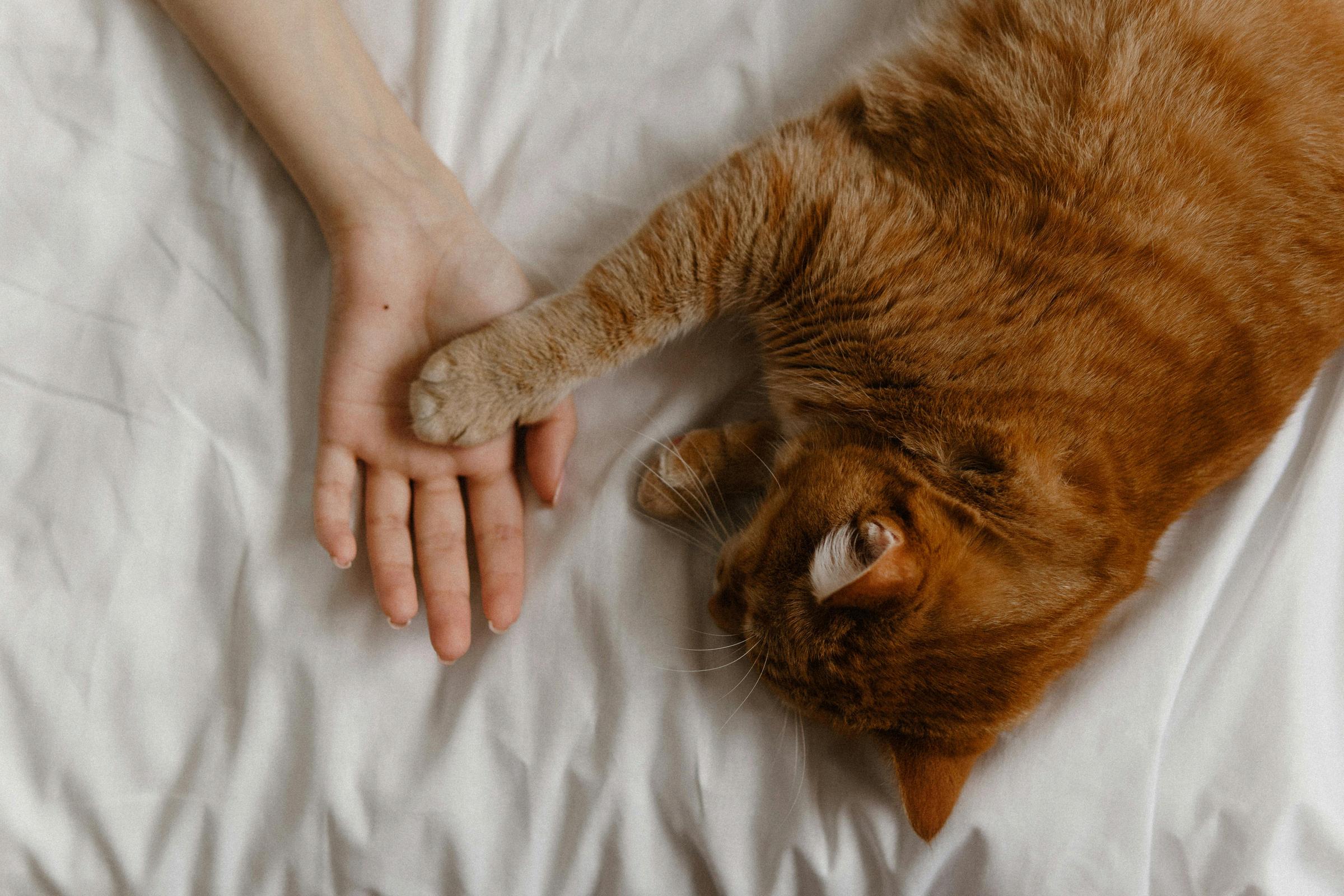
Emotional intelligence, a trait found in cats, involves recognizing and responding to emotions in themselves and others. This intelligence is rooted in their evolutionary history, which allows them to balance independence and connection, making them adept at recognizing emotional cues without becoming overly dependent.
ANDREI KHATCHATOUROV
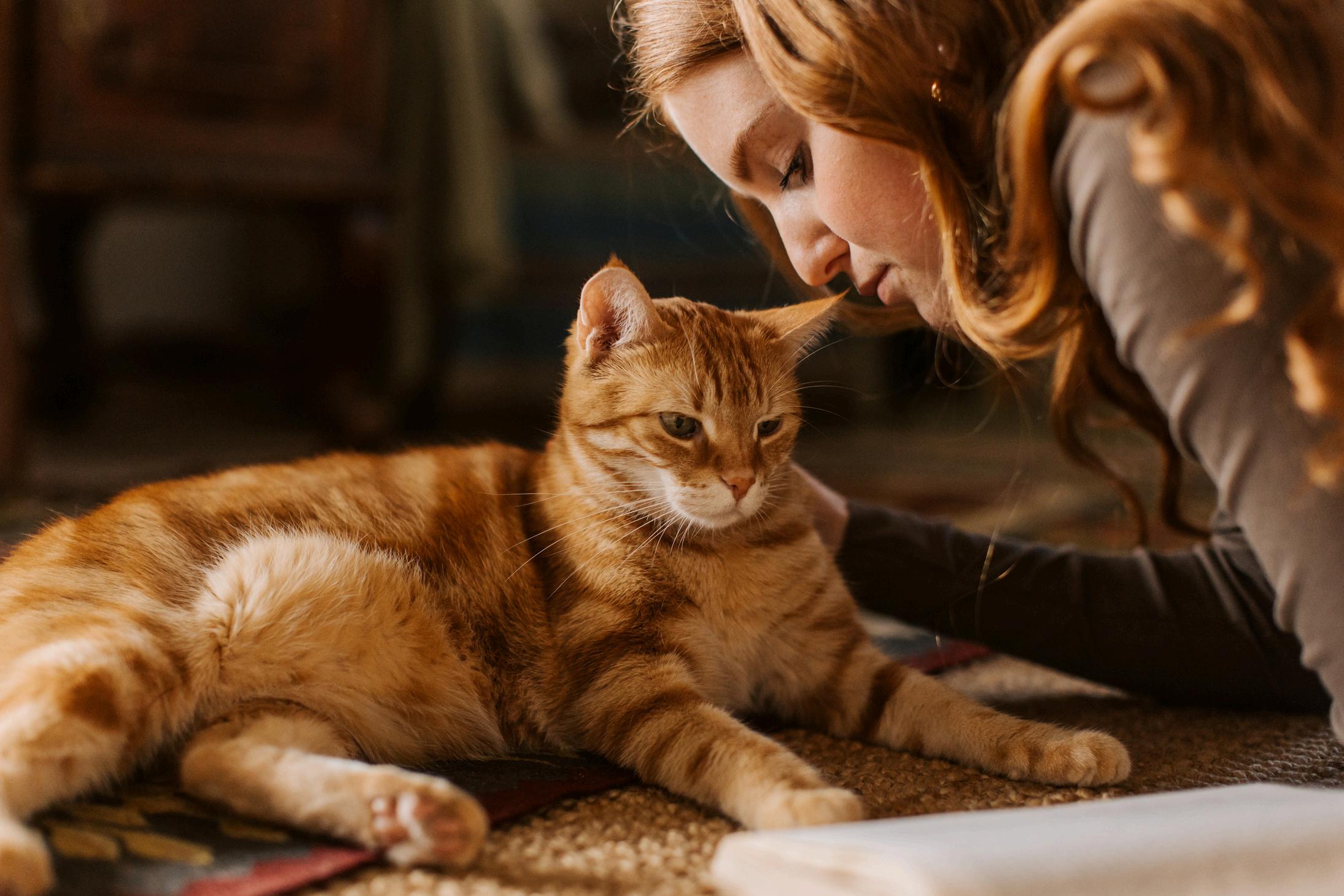
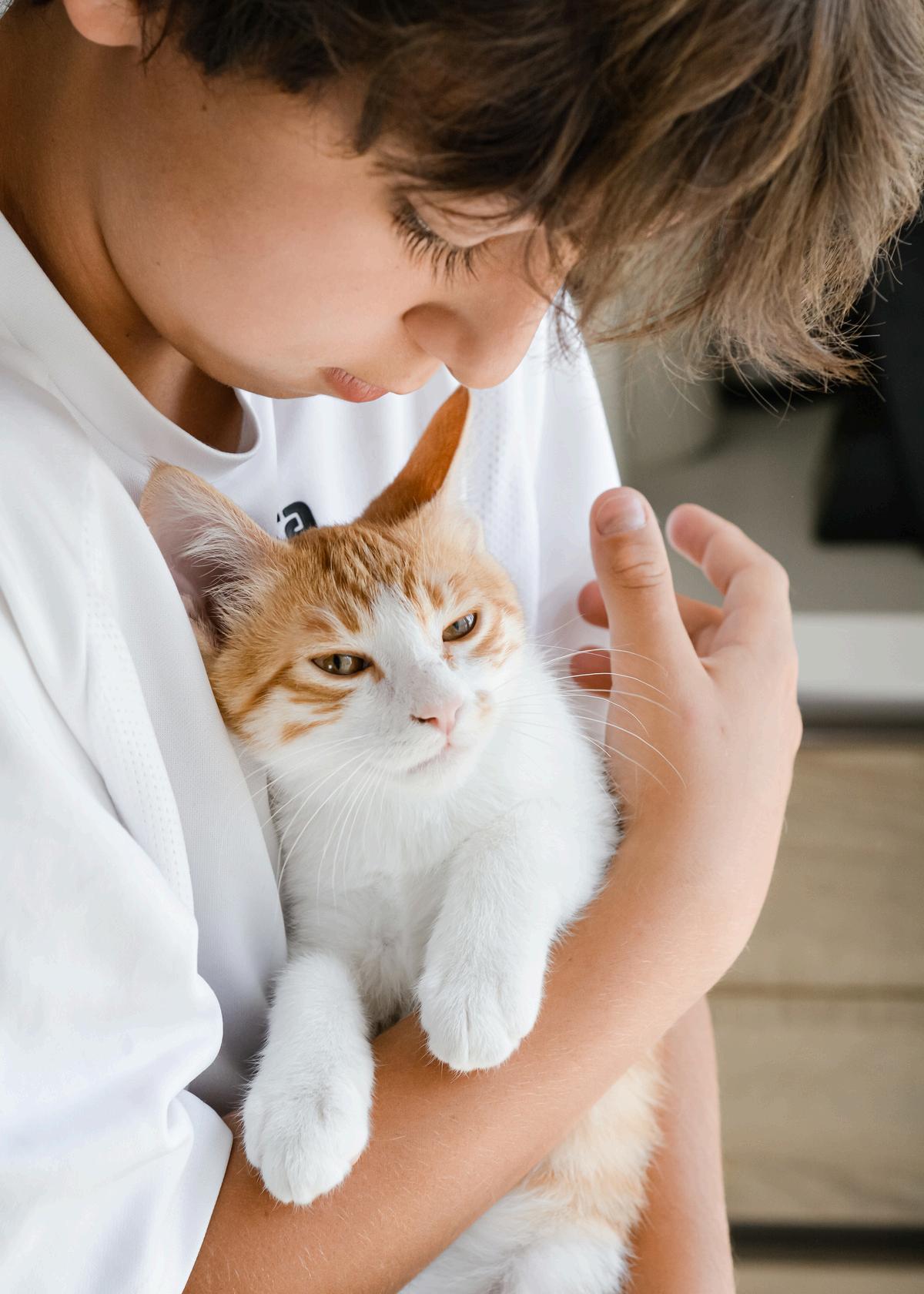
Cats are skilled observers, noticing voice tones, body language, and daily routine changes. They can associate sounds with emotions and distinguish between facial expressions, especially from their owners. This deep sensitivity makes the bond between cat and human feel intuitive and personal.
ANDREI KHATCHATOUROV

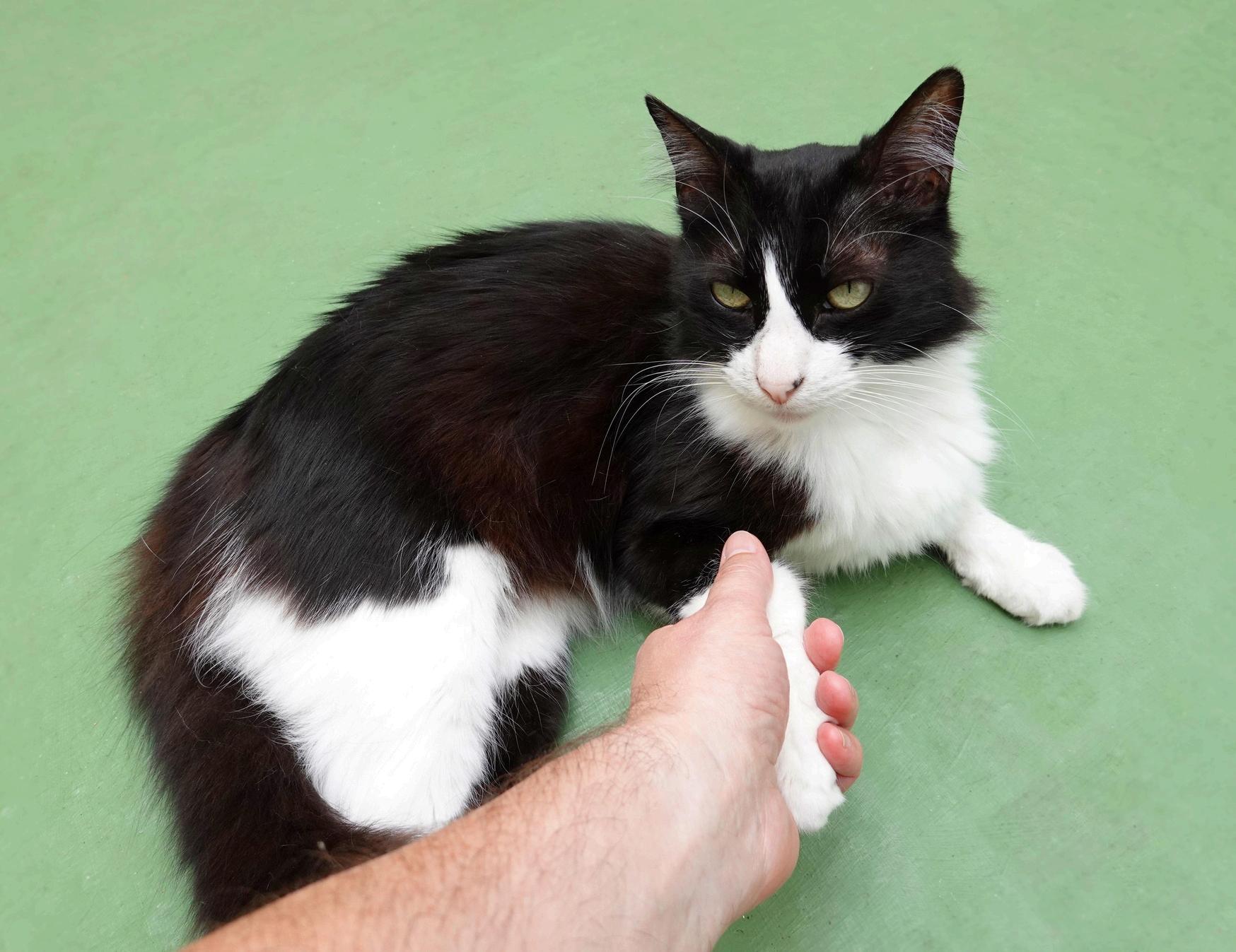
Purring is a common form of cat communication, often associated with happiness but also used for anxiety, pain, or seeking comfort. It's a multi-purpose emotional tool, connecting the cat's inner state with the outside world, strengthening the bond between pet and owner, according to Andrei Khatchatourov.
ANDREI KHATCHATOUROV

To identify emotional intelligence in a cat, observe empathy, adaptability, social awareness, and problemsolving. Cats also exhibit emotional intelligence in their interactions with other animals, adjusting their behavior to avoid conflict or encourage play.
ANDREI KHATCHATOUROV
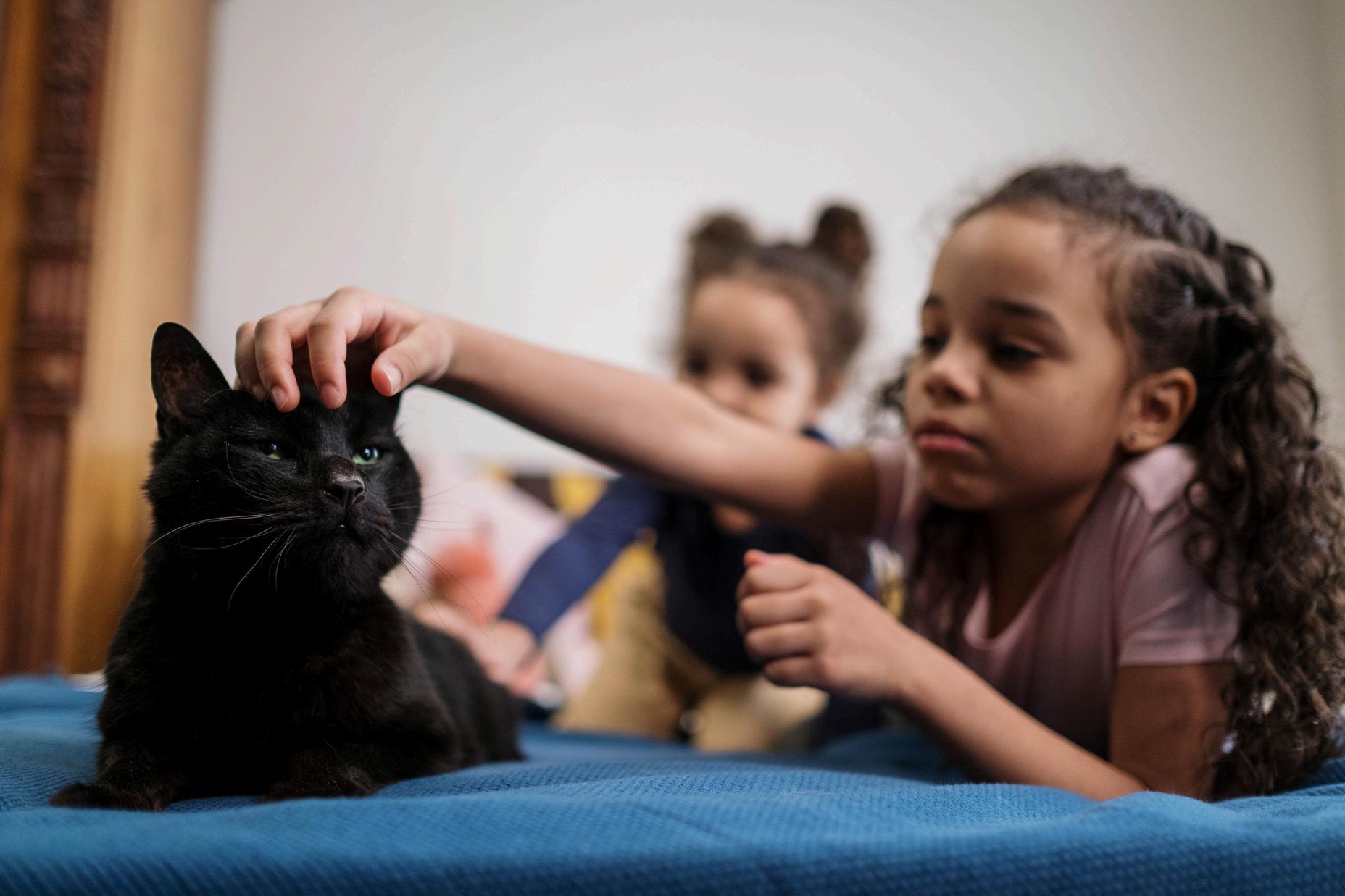
To help your cat develop emotional intelligence, spend quality time with them through play, grooming, and gentle petting. Respect their space, maintain a flexible routine, and reward calm, empathetic behaviors. This creates a safe space for them to express emotions.
ANDREI KHATCHATOUROV