Architecture Portfolio ANDREA CAUDILLO







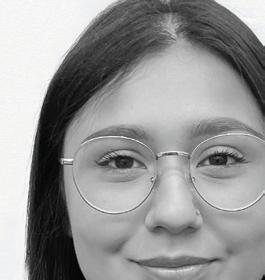



Hello! I’m Andrea Caudillo, a fifth-year architecture student at Oklahoma State University. I have a strong interest in designing thoughtful, functional spaces that enhance everyday life. I’m especially drawn to residential architecture and the way it can create environments where people feel comfortable, inspired, and at peace. I enjoy bringing curiosity and creativity into each project while focusing on purposeful, well-crafted design. As I prepare to graduate, I’m excited to continue learning and growing through real-world experience in a professional setting.
Collaboration: Cole Bass (Structural); Keenan Bouska (CPM); Alex Coreman (Architect)

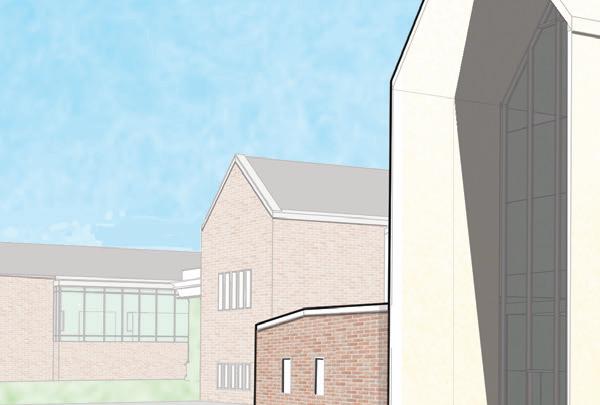

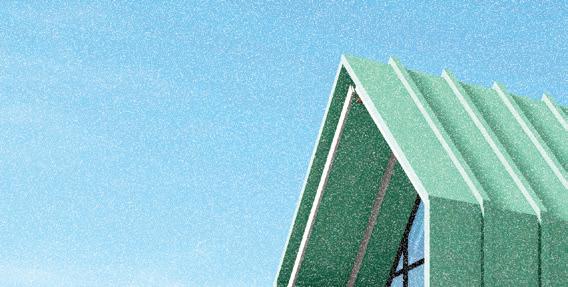
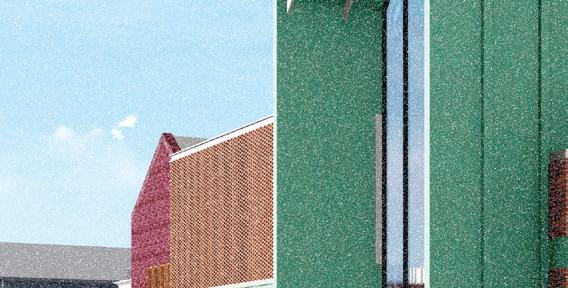
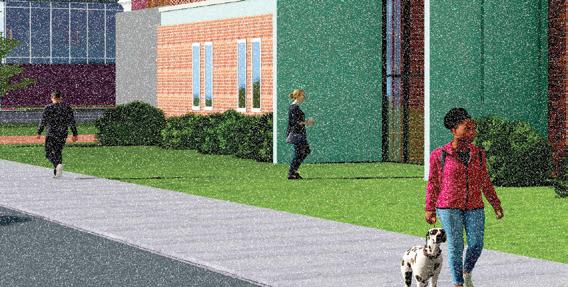
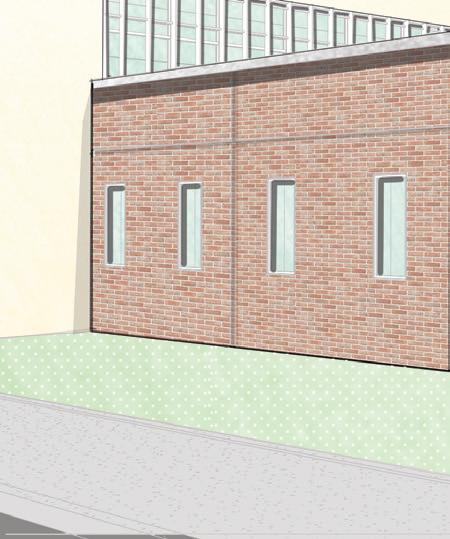

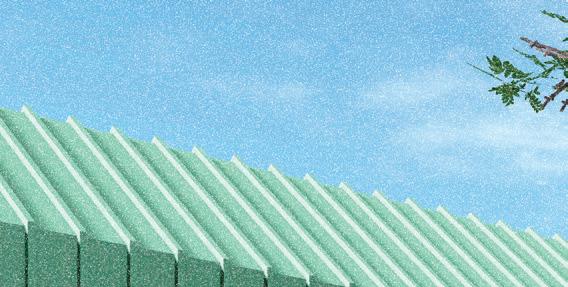
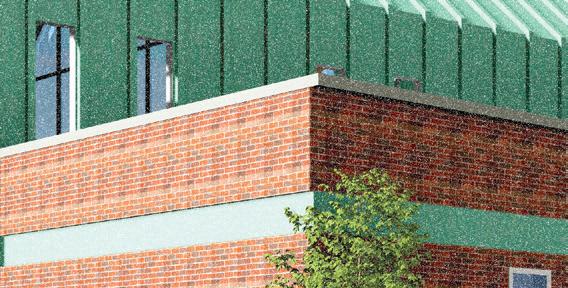
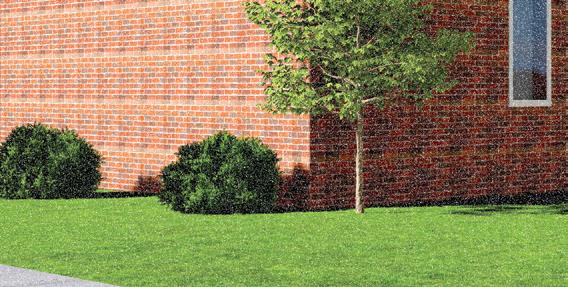

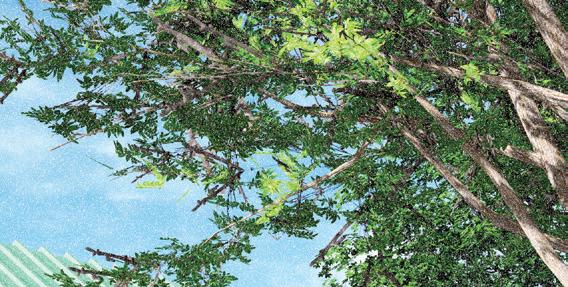
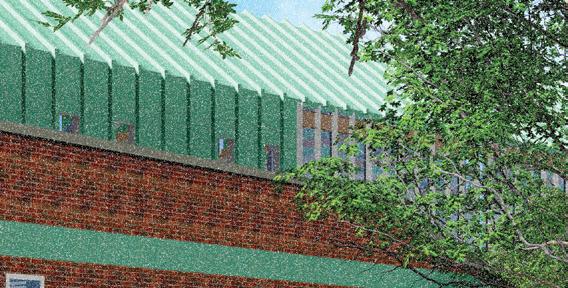
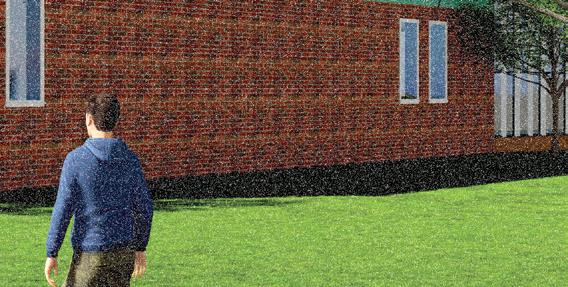
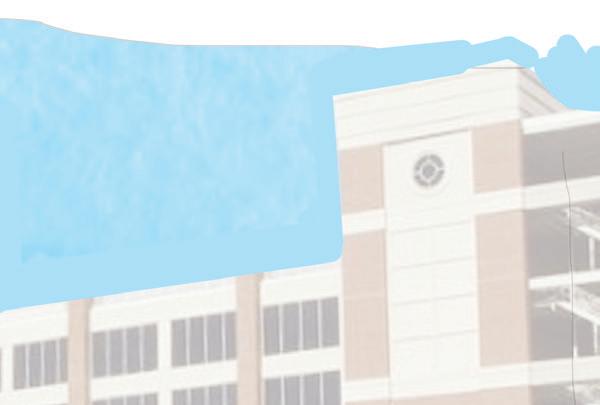
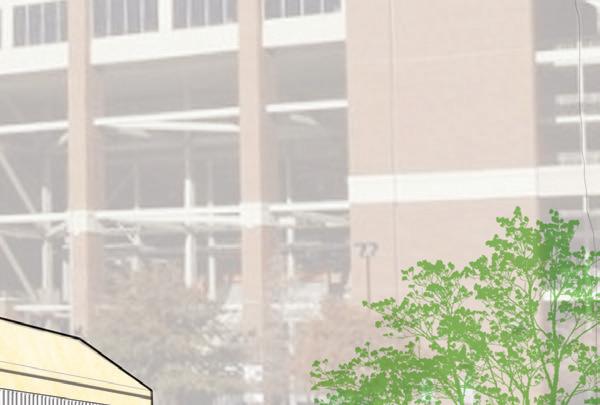
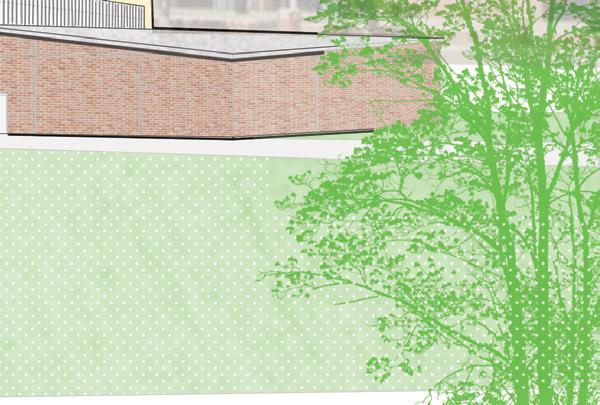
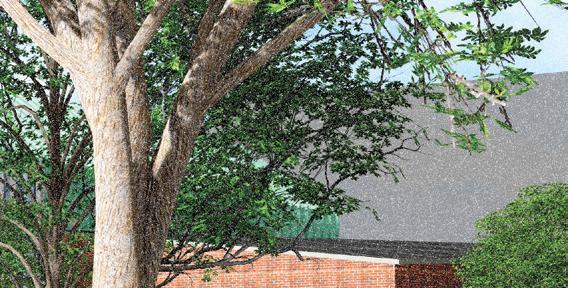
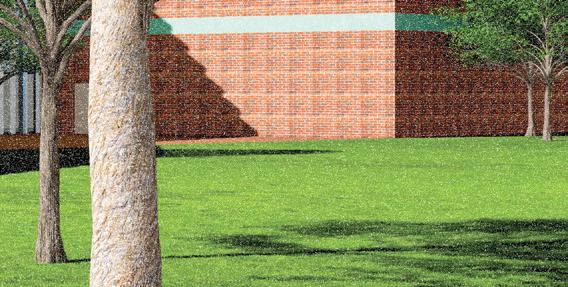


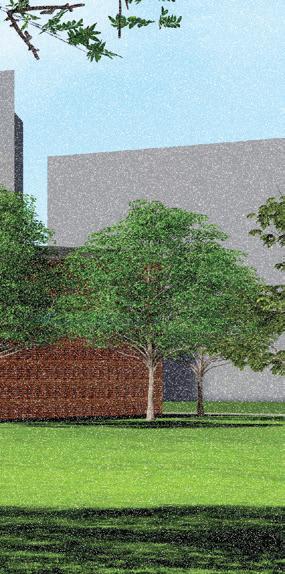
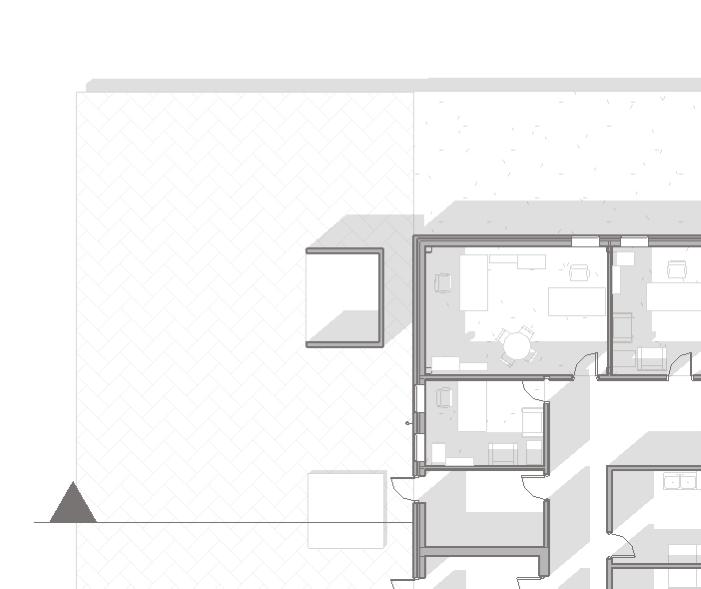
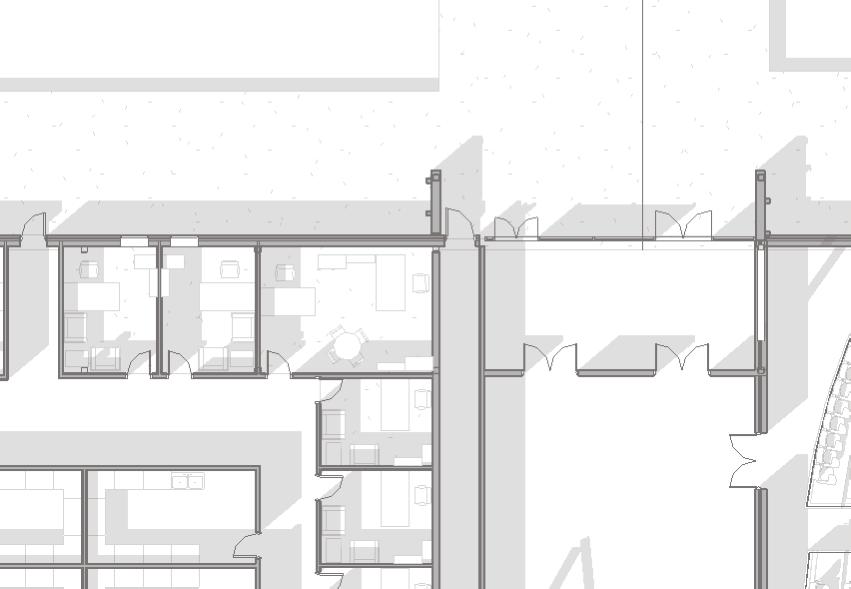
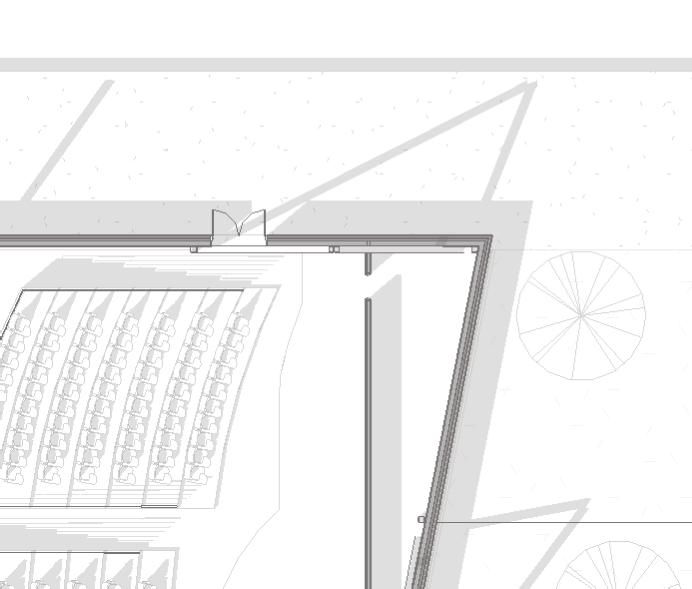
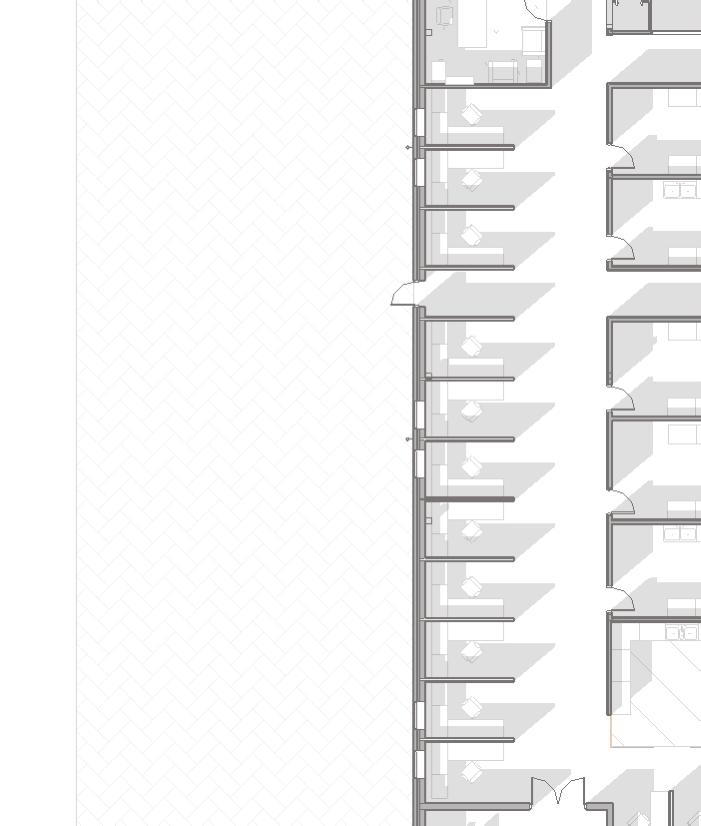
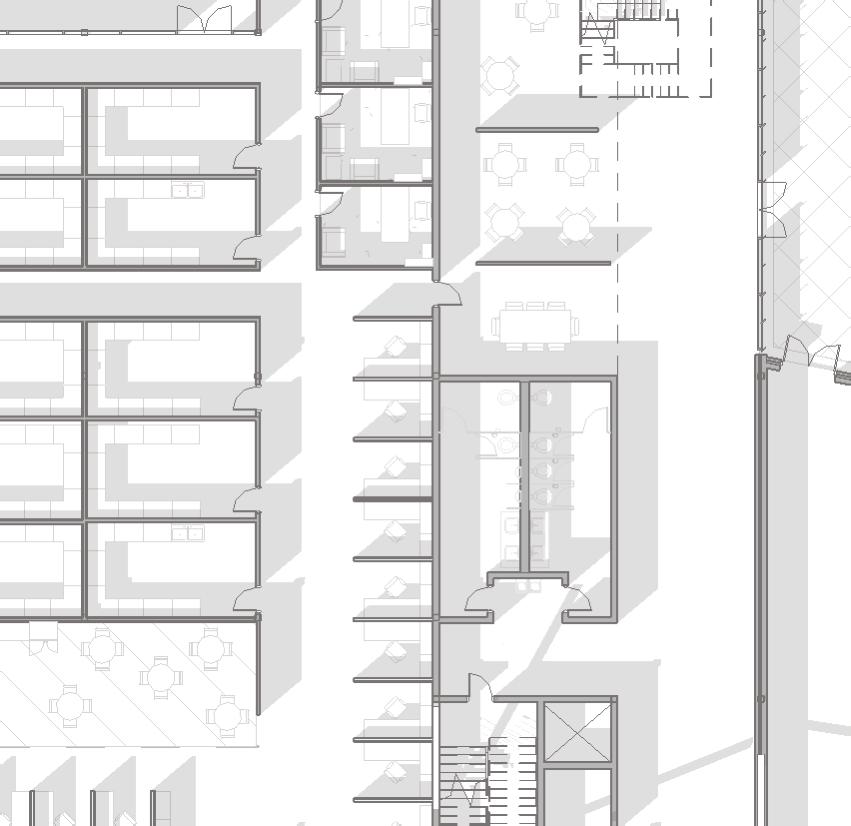
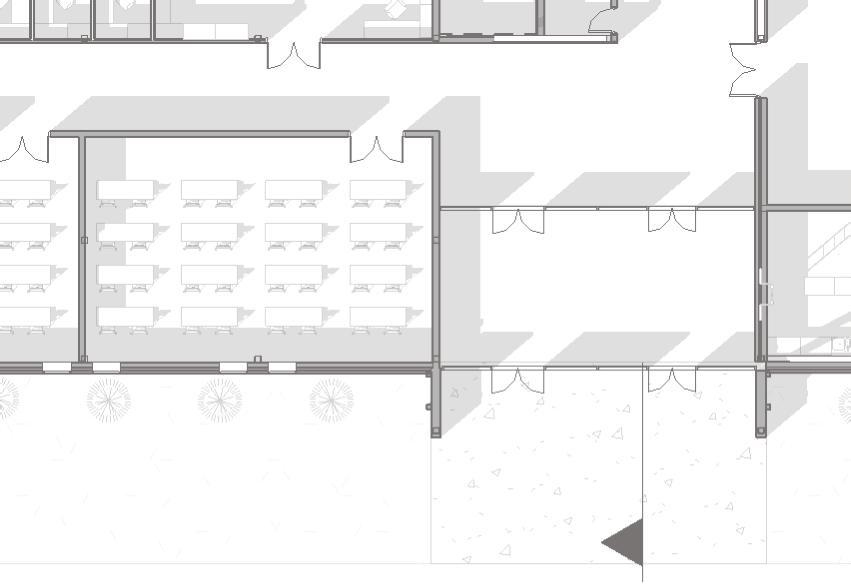
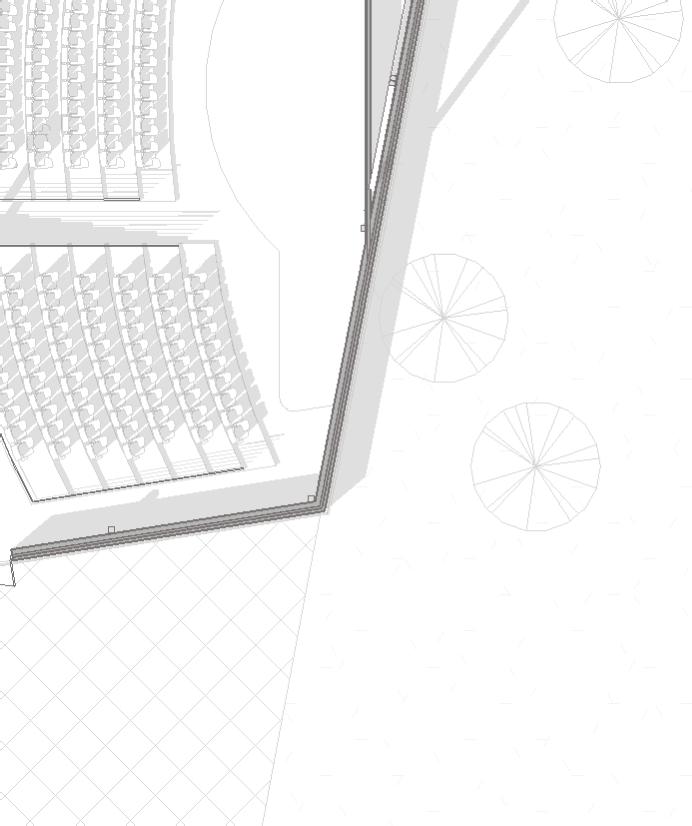
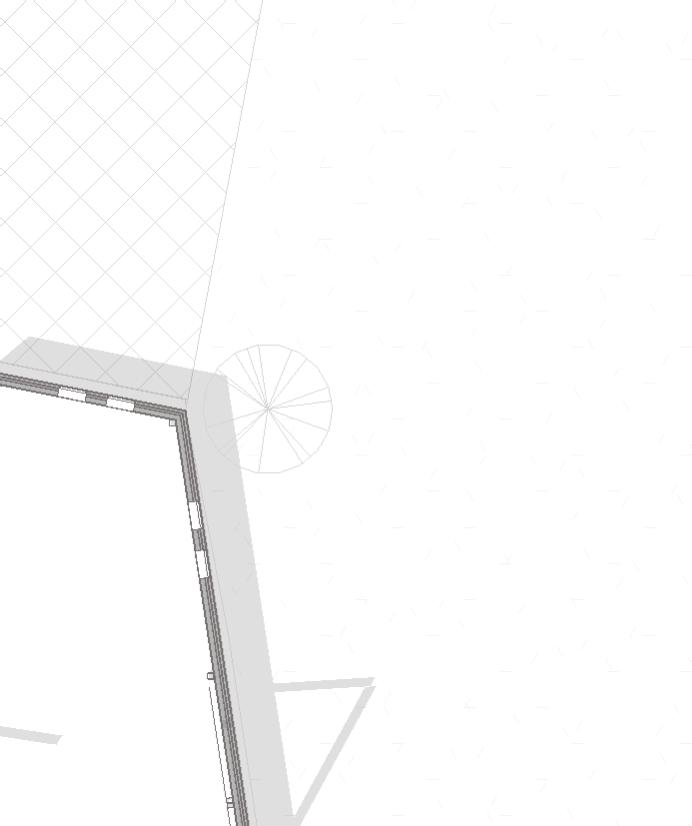
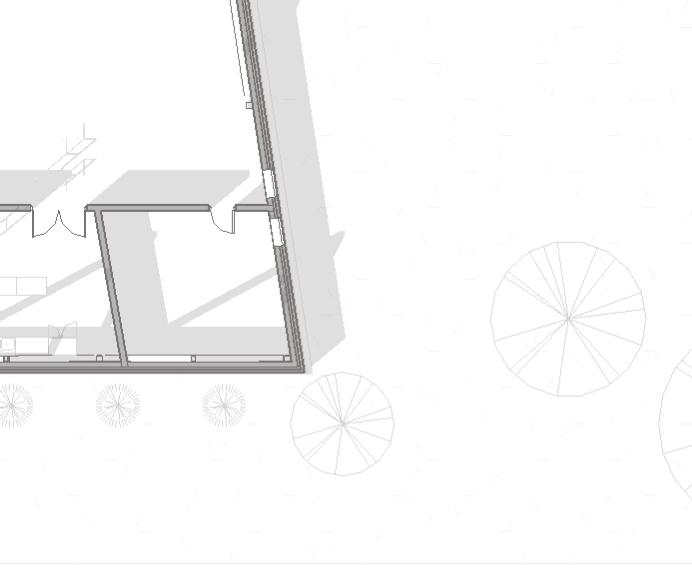
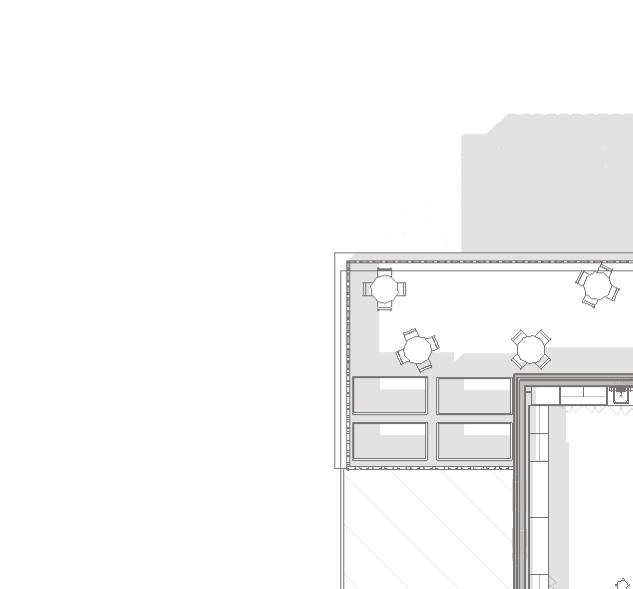
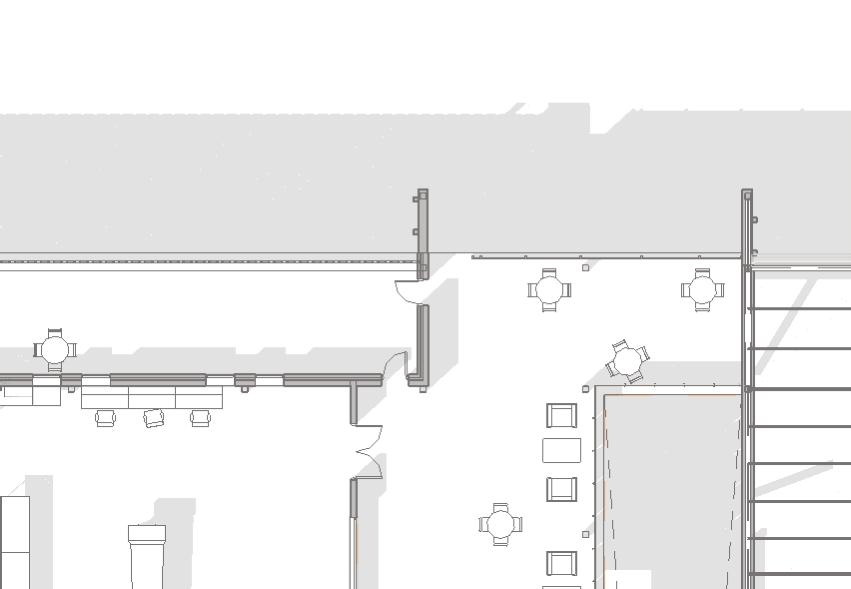
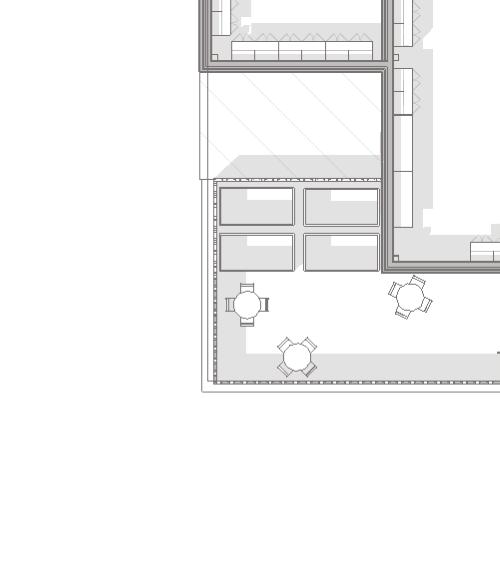
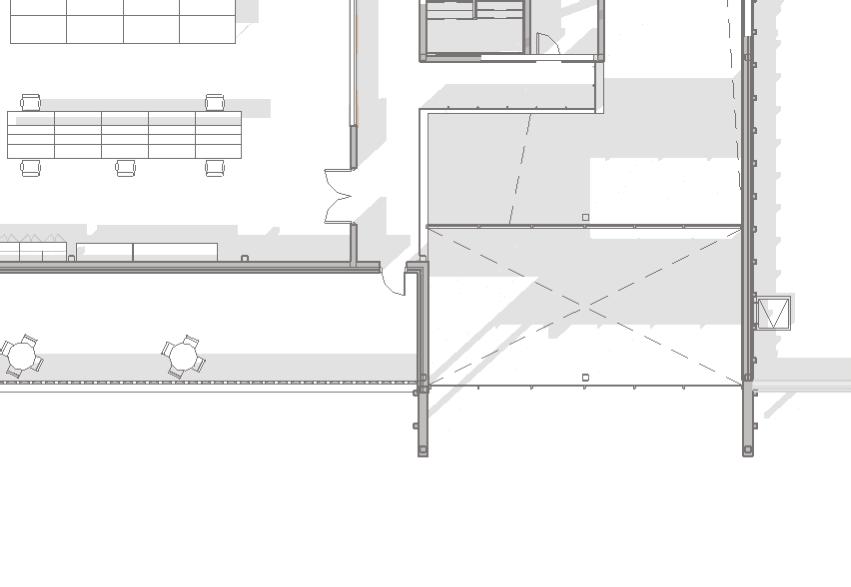
Engineering East is structured around a continuous central spine, a linear circulation hall that acts as both connector and spatial register. This axis rises through the building, threading together a series of programmatic forms that branch outward. Each form serves a distinct function, yet all remain tethered to the shared core.


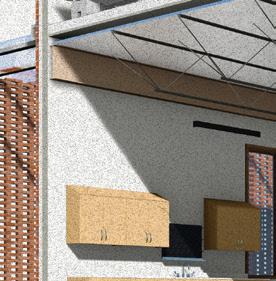
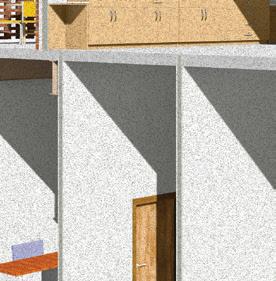

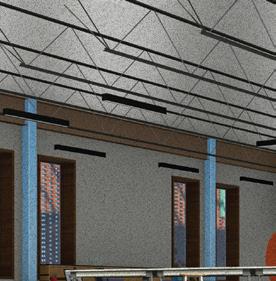

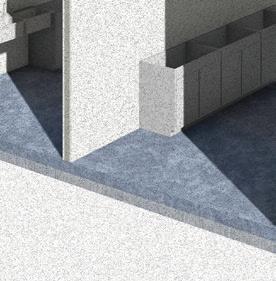
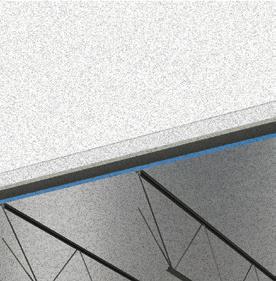
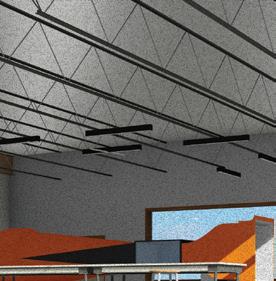
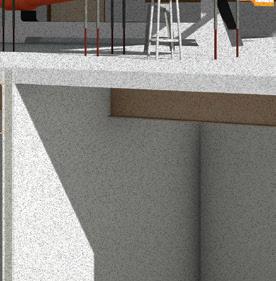
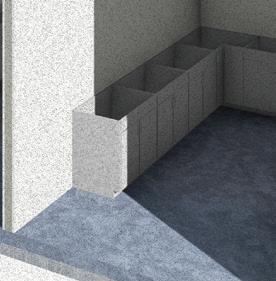
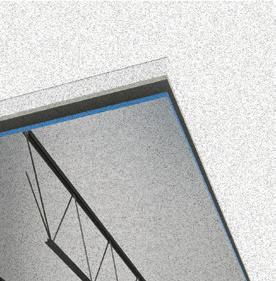
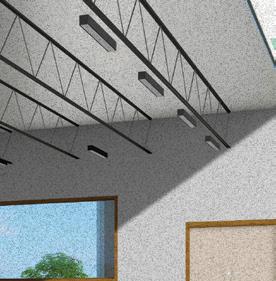
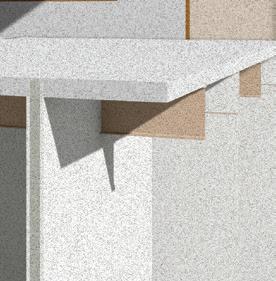
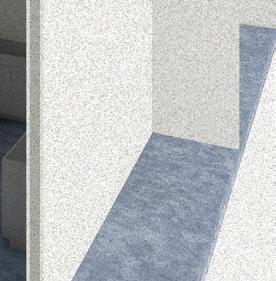



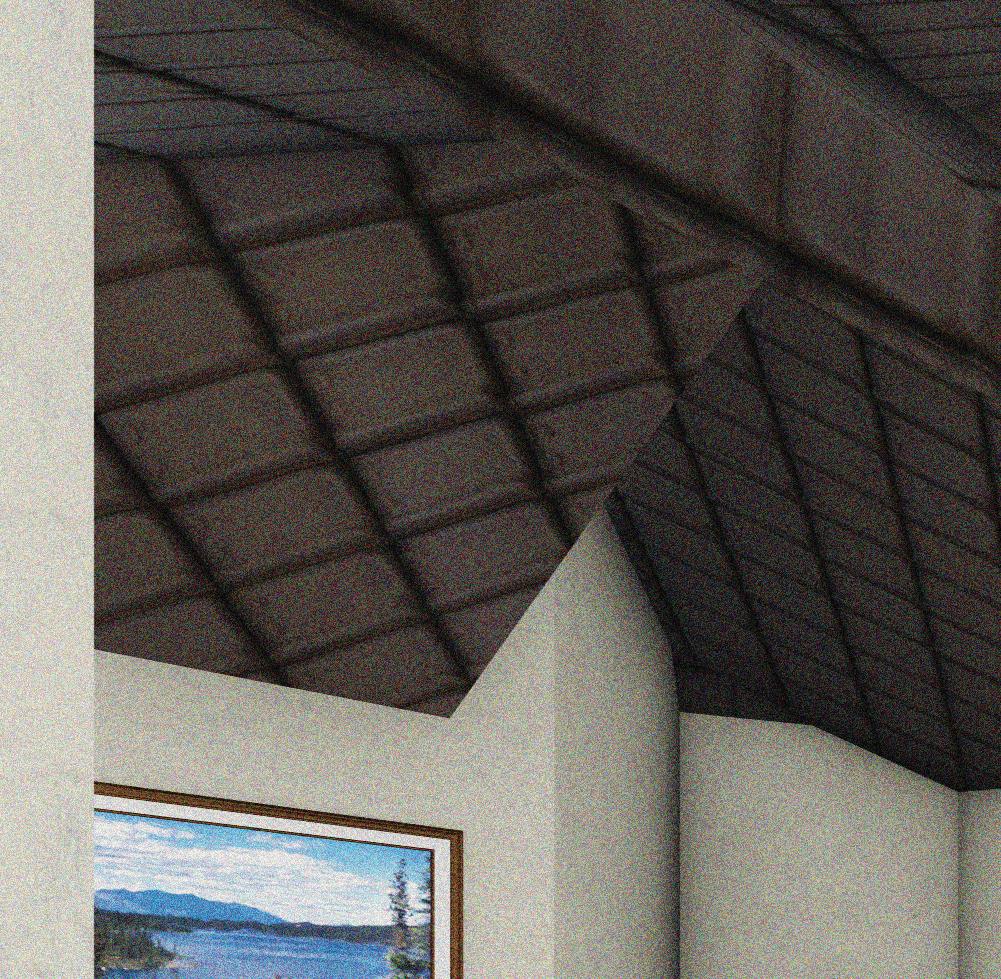
The tectonics of the spine are made explicit. Exposed steel trusses span the gabled roof above the corridor, creating a disciplined rhythm of columns that defines its spatial cadence. Structure is not hidden but expressed, aligning with the ethos of engineering: precision, performance, and clarity. At the center of the spine, a full-height glass curtain wall frames the building’s courtyard, drawing natural light deep into the corridor and visually anchoring the interior to the landscape beyond. Inside this transparent threshold becomes a moment of pause, both a visual release and an invitation outward. While outside when approaching Miller, it becomes a space that draws you inward while offering a place to pause, reflect, and relax, soaking in both the sun and the surroundings.
Double-height volumes and balconies create vertical dialogue across floors, encouraging informal exchange between disciplines and users.
In this fusion of structure and space, enclosure and exposure, the building becomes a teaching moment in itself, a lived demonstration of engineering’s poetics.
DUMPSTER ENCLOSURE
TRANSFORMER PAD
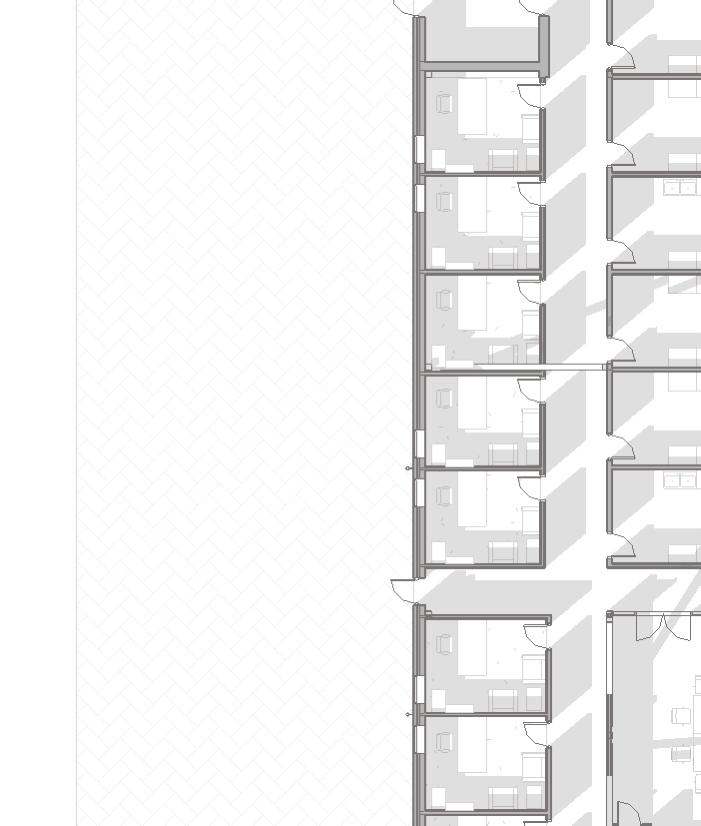
RESEARCH LABS
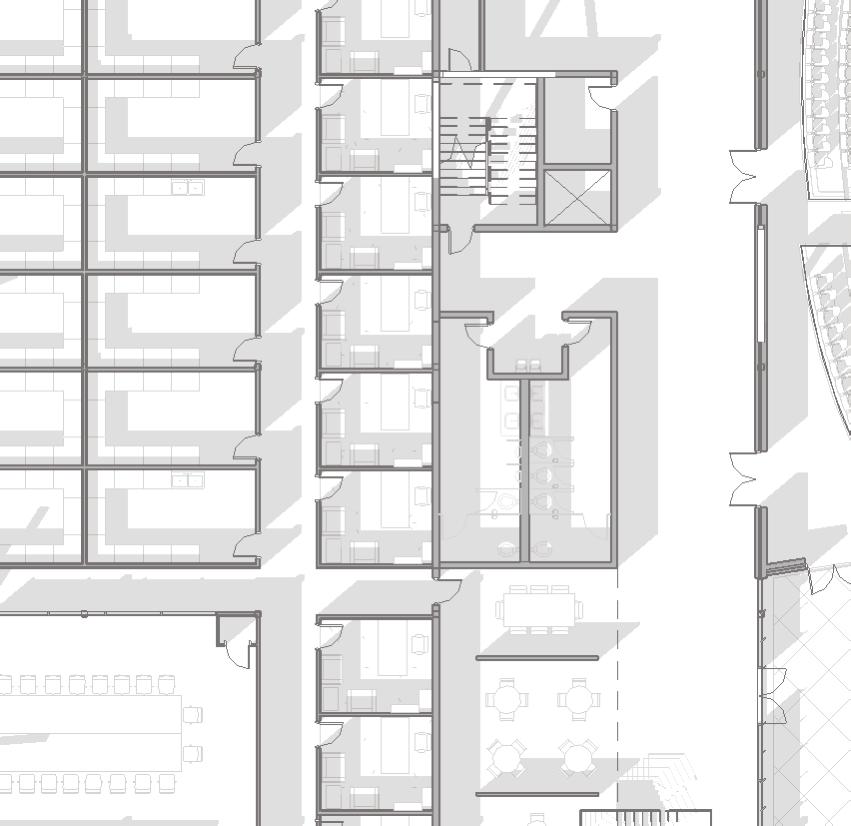
CONFERENCE
RESEARCH LABS
RESEARCH LABS
KITCHENETTE
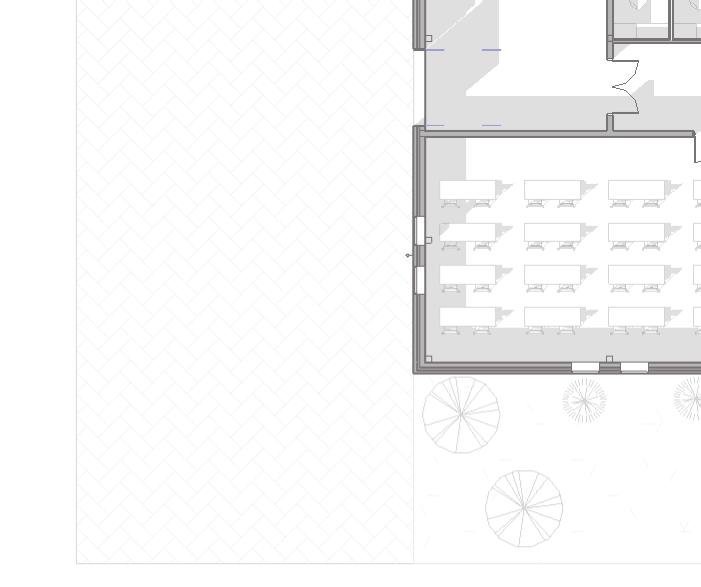
GRAD STUDENTS








NORTH PREP ROOM


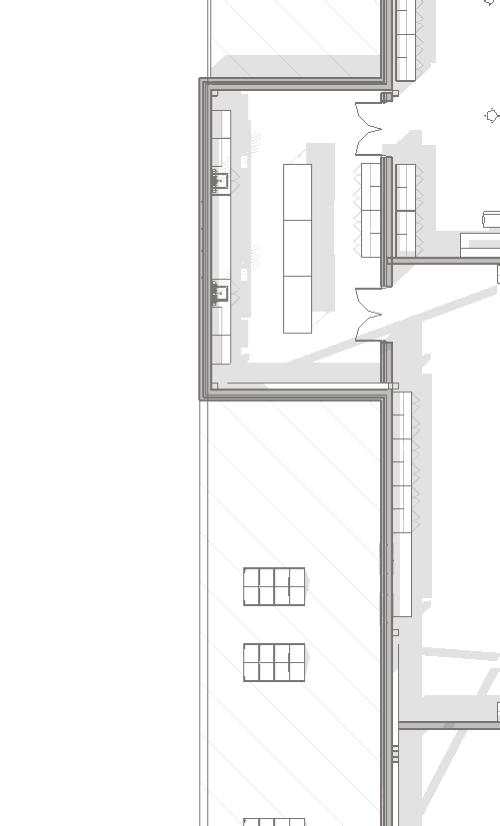

TEACHING LAB
NORTH PREP ROOM
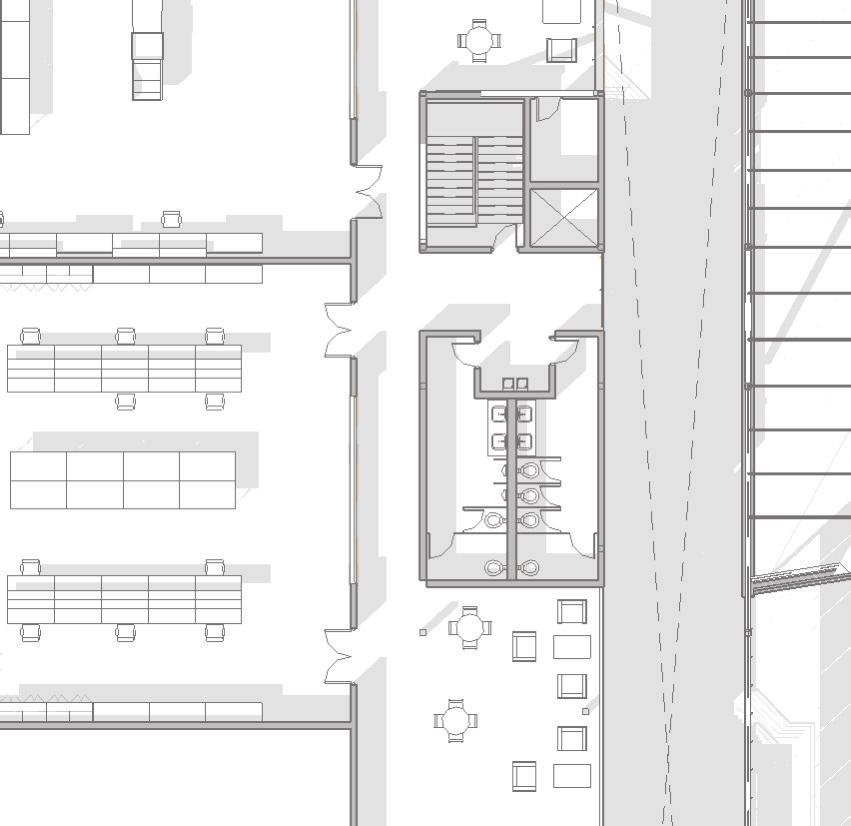
TEACHING LAB


SOUTH LAB PREP

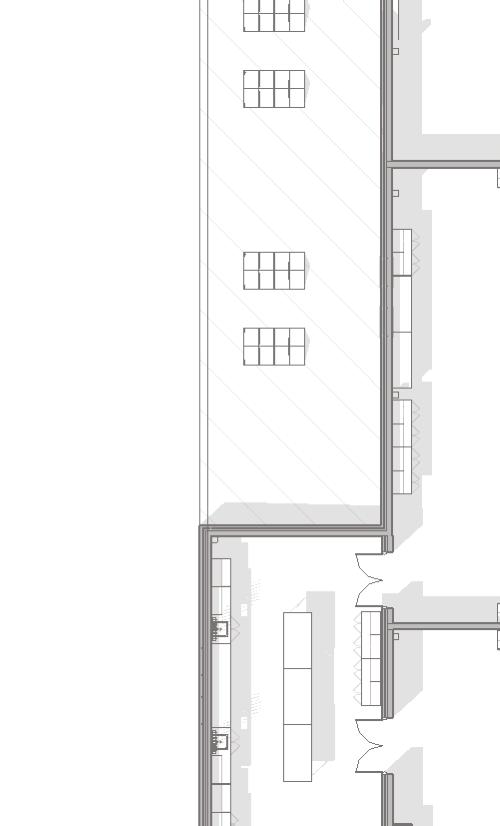

FAN ROOM
BREAKOUT
OPEN TO BELOW
TEACHING LAB
SOUTH LAB PREP

TEACHING LAB
TEACHING LAB
OPEN TO BELOW






1"
2 IN PAVER
ANCHOR BOLTS THREADED IN TO CONCRETE BLOCK SECURING THE STEEL PLATE
CONCRETE BLOCK PLACED
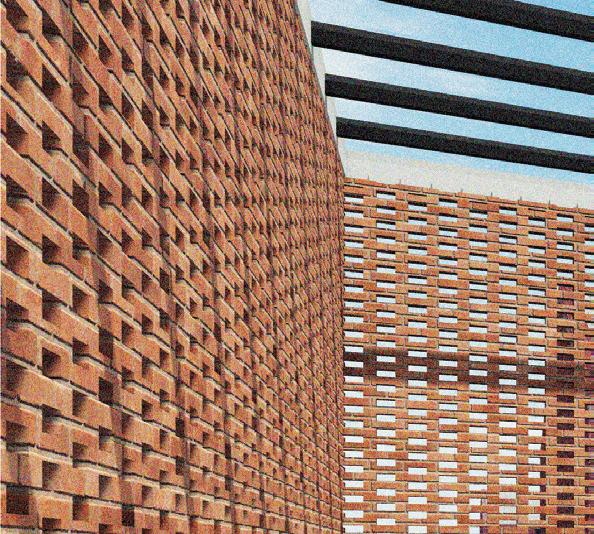
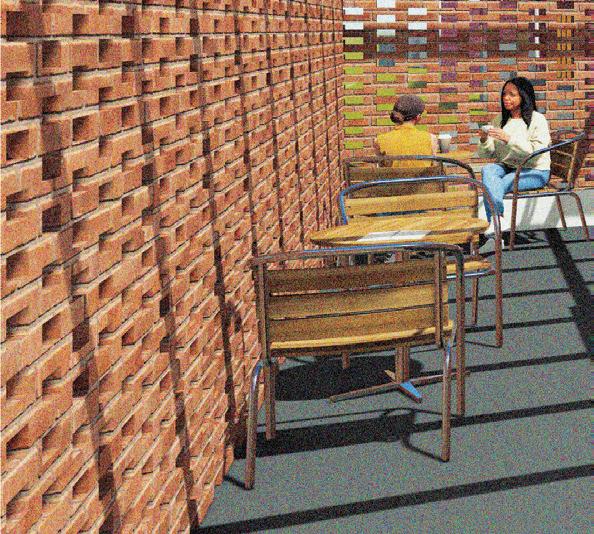
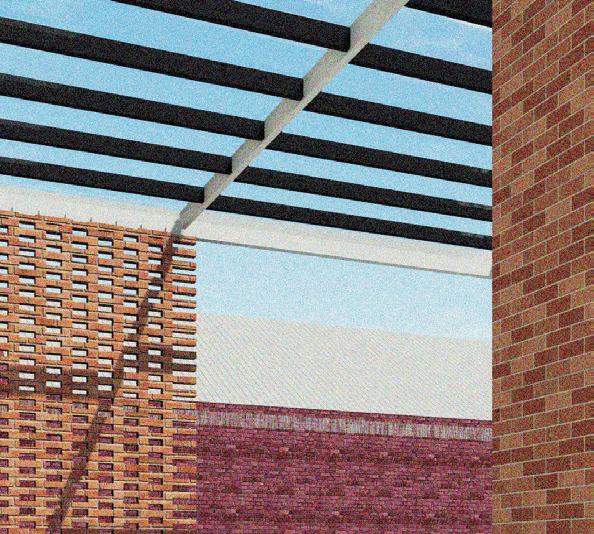
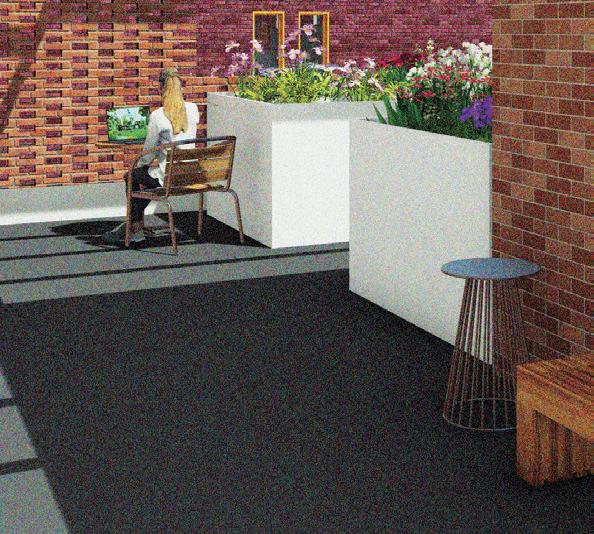
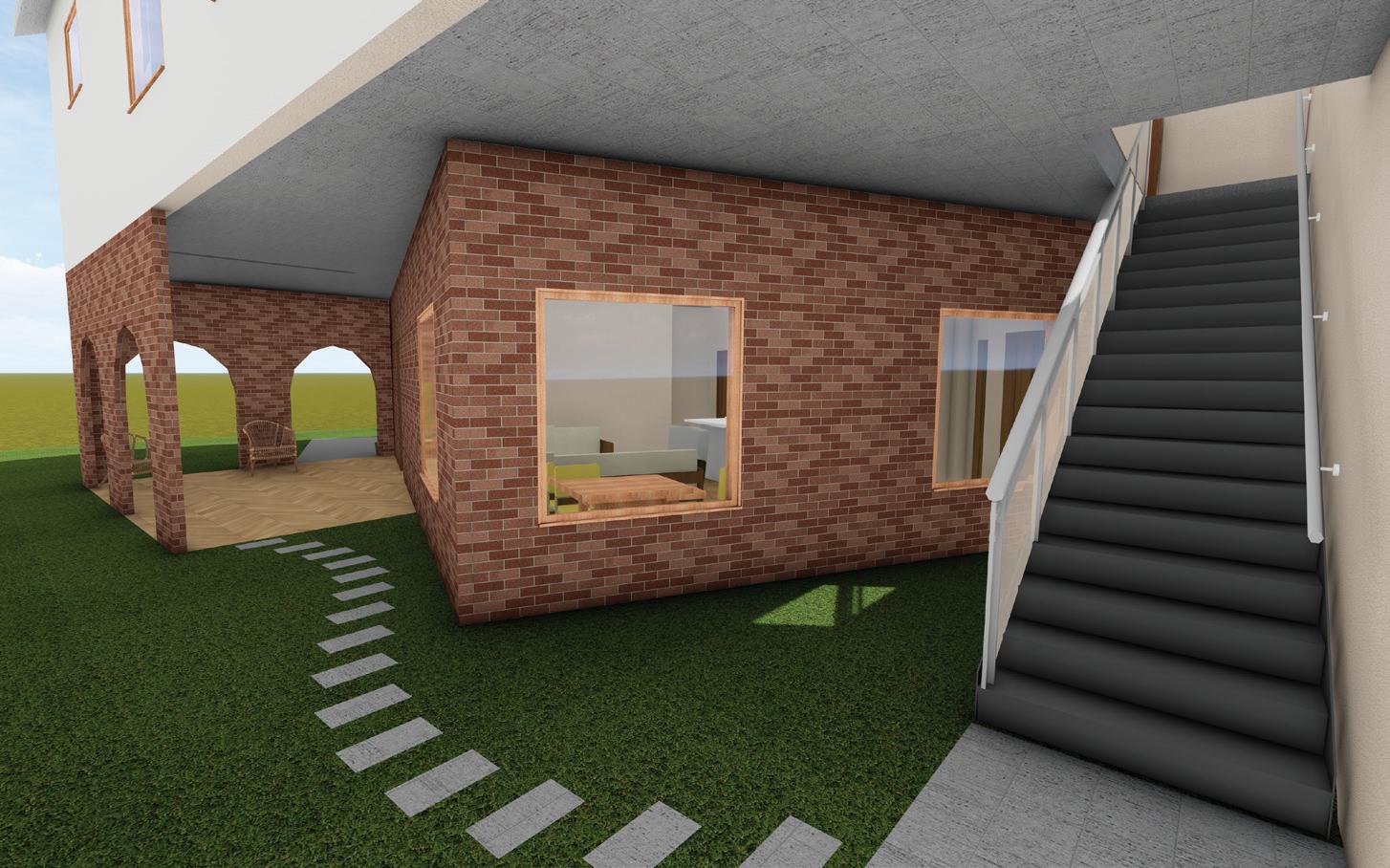
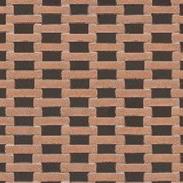
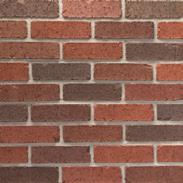
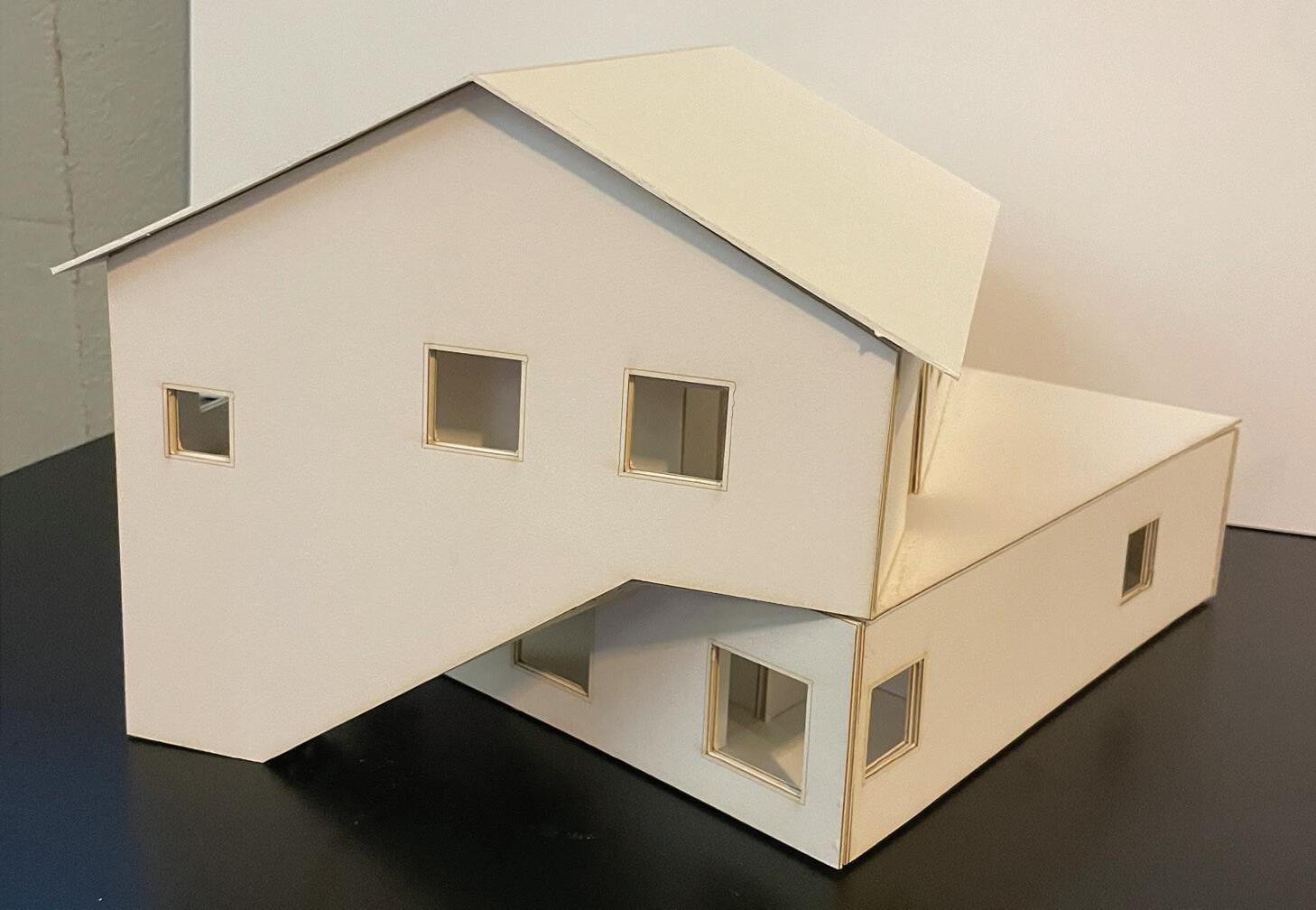
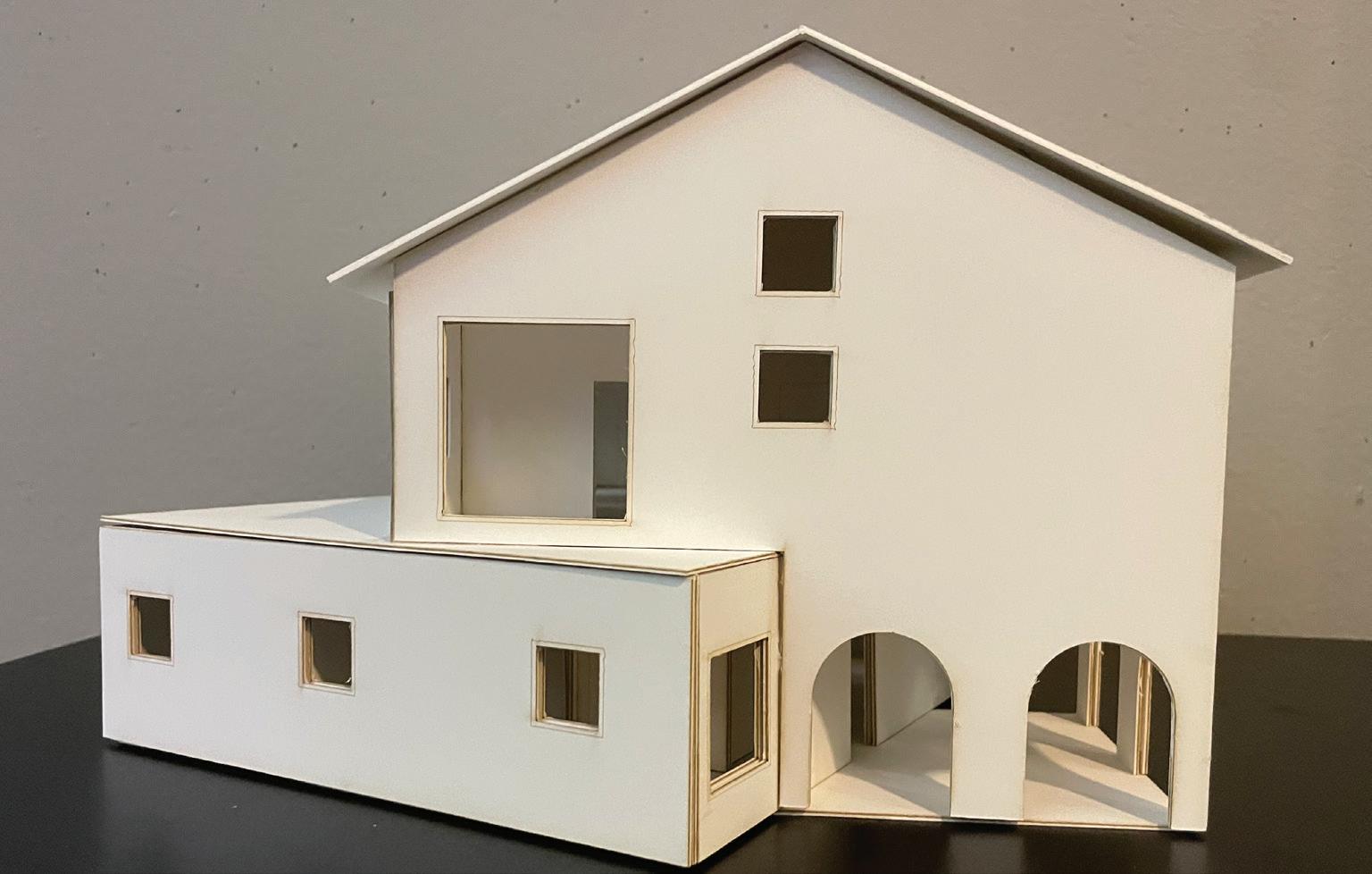
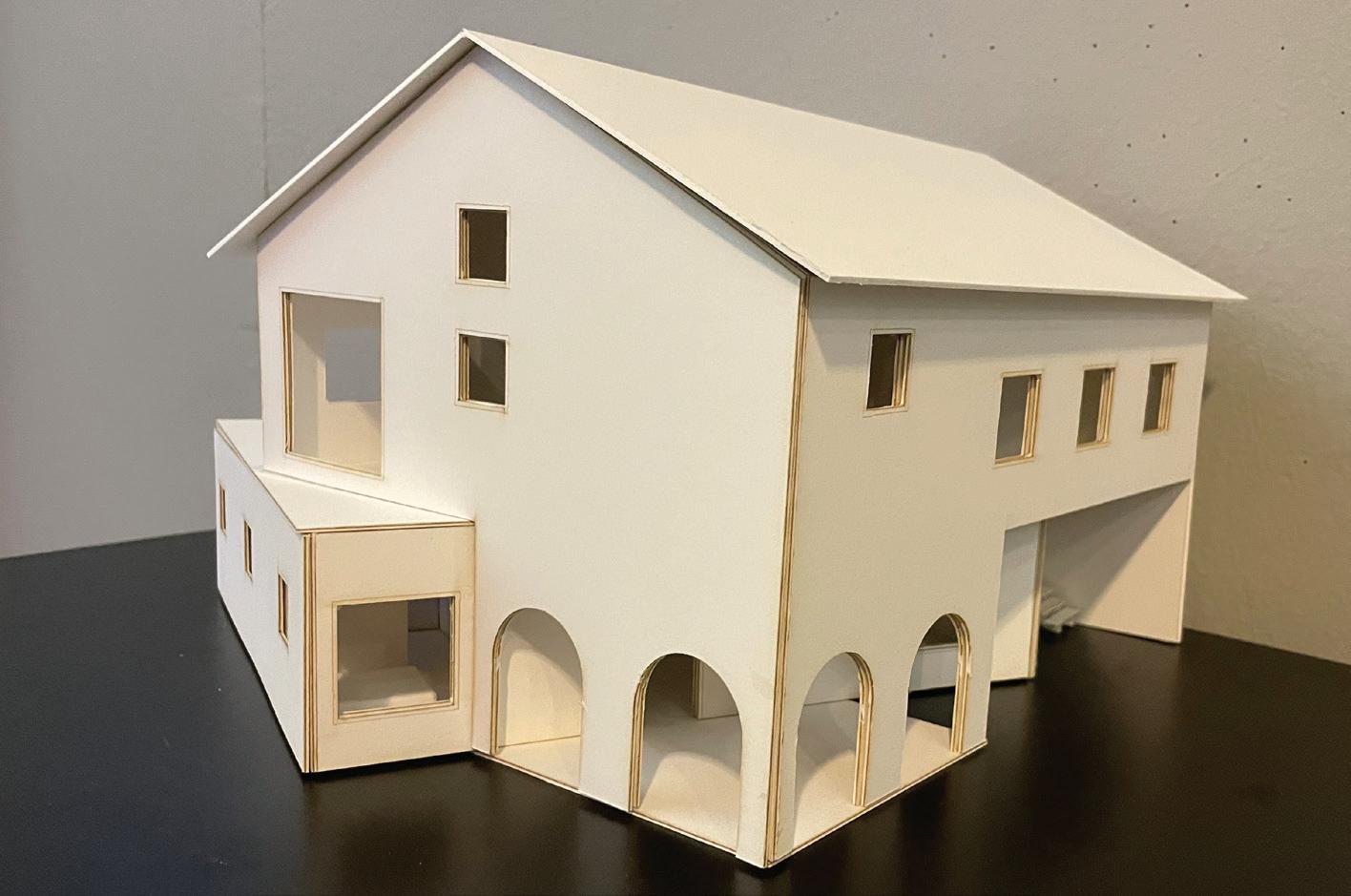
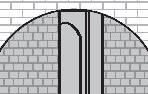
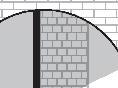
The Front Porch Project aims to create a collective residential space on a smaller and more personalized scale. Living Double is about two user groups inhabiting a structure within a singlefamily neighborhood located in OKC’s Asian District. The first floor is designed with a Fixed Income Elderly user in mind and includes ample space for accessibility and places for hobbies and storage. The second floor is inhabited by a Dual Income No Kids couple and includes a main balcony for hosting friends, and a smaller balcony accessed from the home office. The rotation of the second floor has the intention of optimizing privacy and creating separate entryways. While these two user groups have different needs and lifestyles, there are also design considerations applied to bring them together. The front porch, bordered by arched brick, is a place for elderly and DINKS for rest and converse: a shared experience for sharing experiences. Additionally, the central gardens are meant for both users to engage in mild and rewarding activity while enjoying the outdoors. These spaces facilitate companionship and support for both groups, as well as offering respite from work or loneliness.
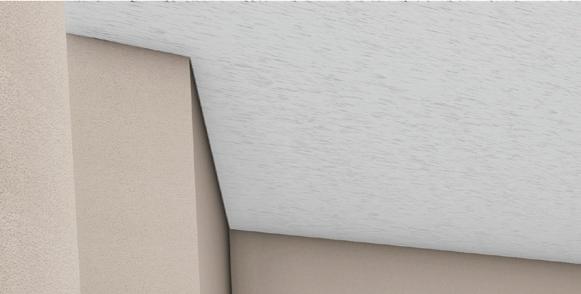
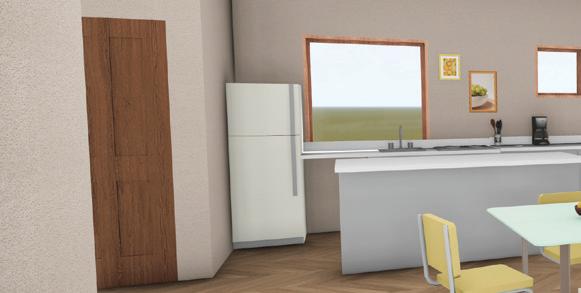
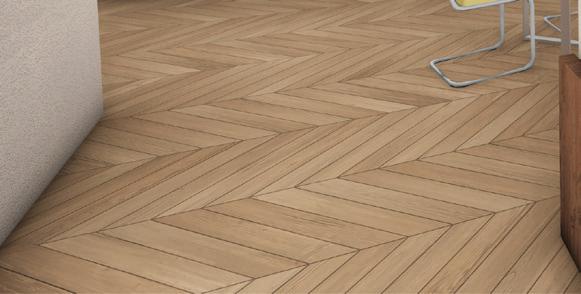



Located across the street from OKC’s Scissortail Park. The structure consists of two distinct towers, which are physically separated but united by a central bridge, embodying the concept of pushing and pulling. This design serves as a metaphor for the balance between individuality and community. The building’s layout encourages community interaction, with the first floor offering public spaces such as shops or restaurants, inviting both locals and visitors to engage with the space. The remainder of the building, is reserved for residents, creating a sense of exclusivity while maintaining a connection to the surrounding community. Each floor is designed to foster moments of gathering and interaction, allowing residents and visitors to experience a dynamic and vibrant atmosphere. This innovative design not only prioritizes connectivity between the public and private spheres but also creates a lasting bond with the community and the natural landscape.
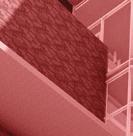

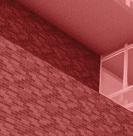
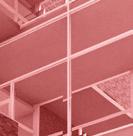
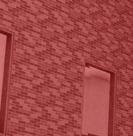
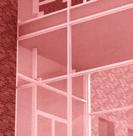

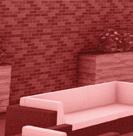
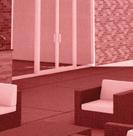

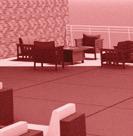
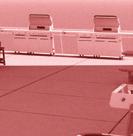


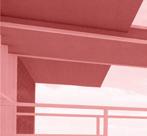
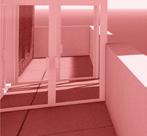





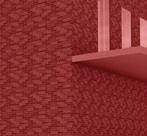
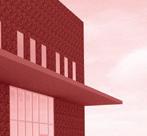
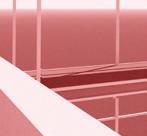
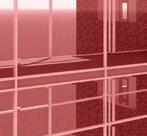



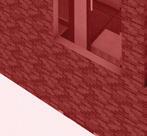











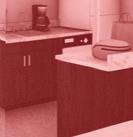

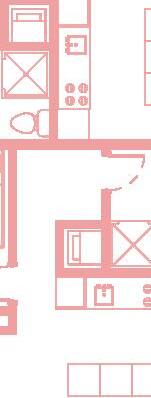
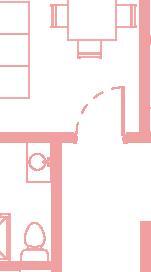
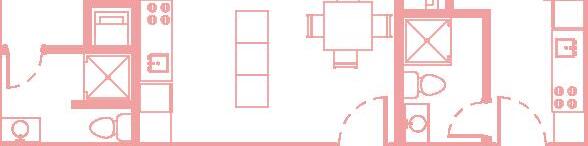
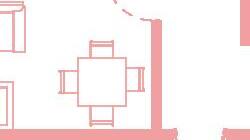

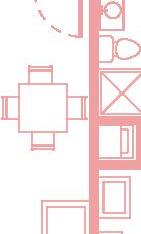
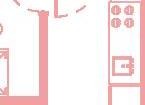
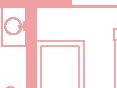

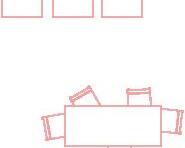
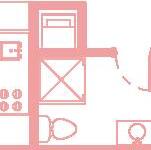
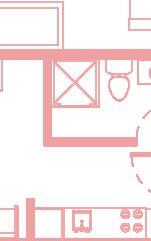


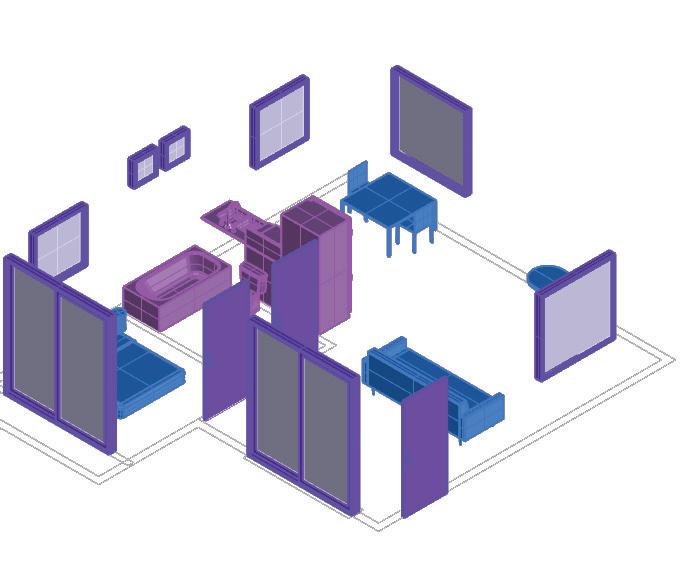
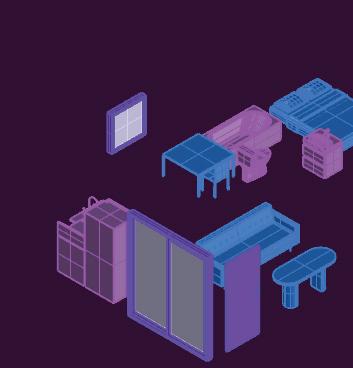
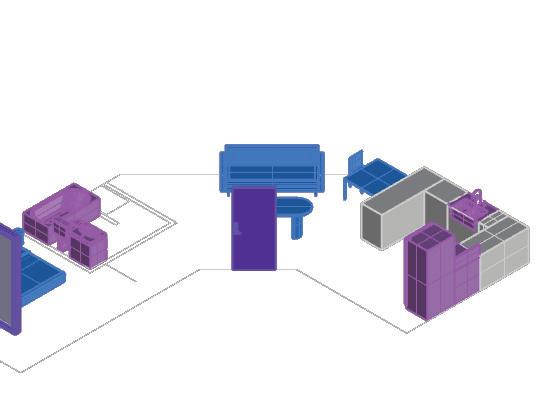
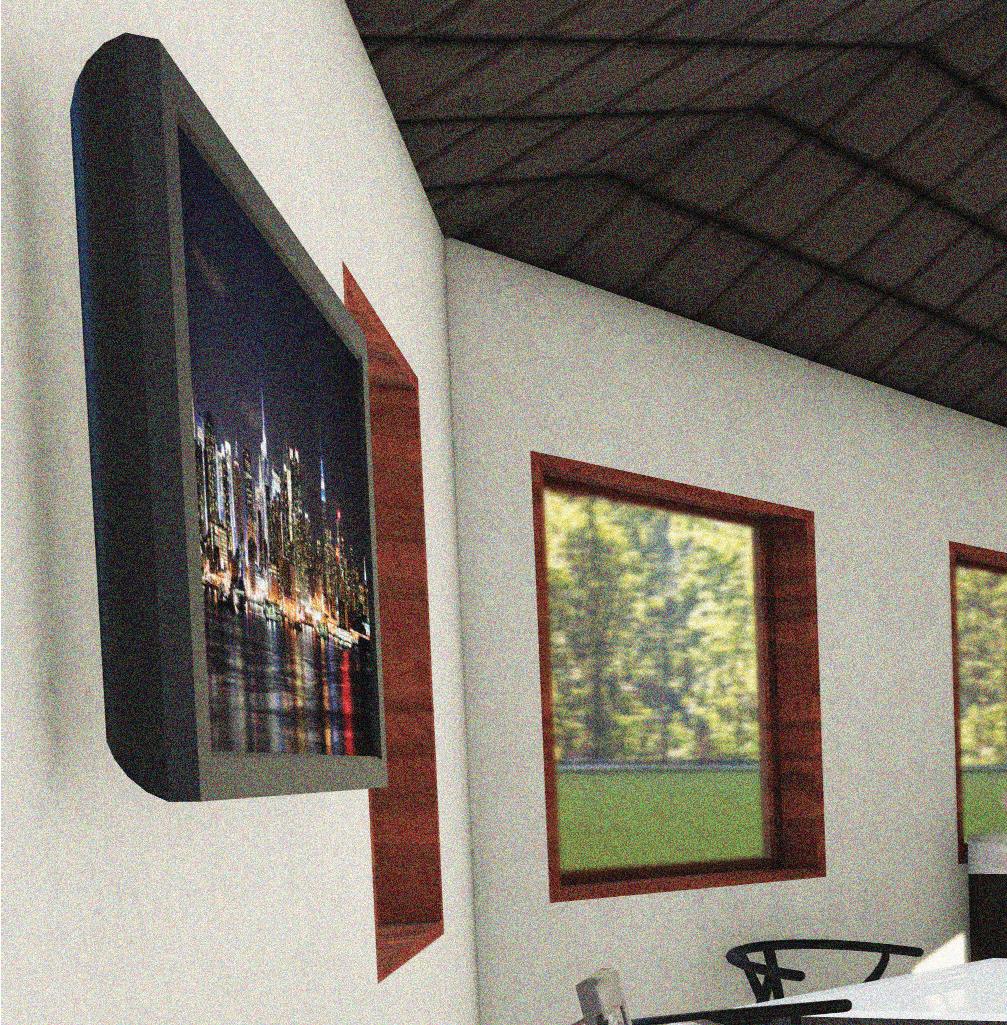
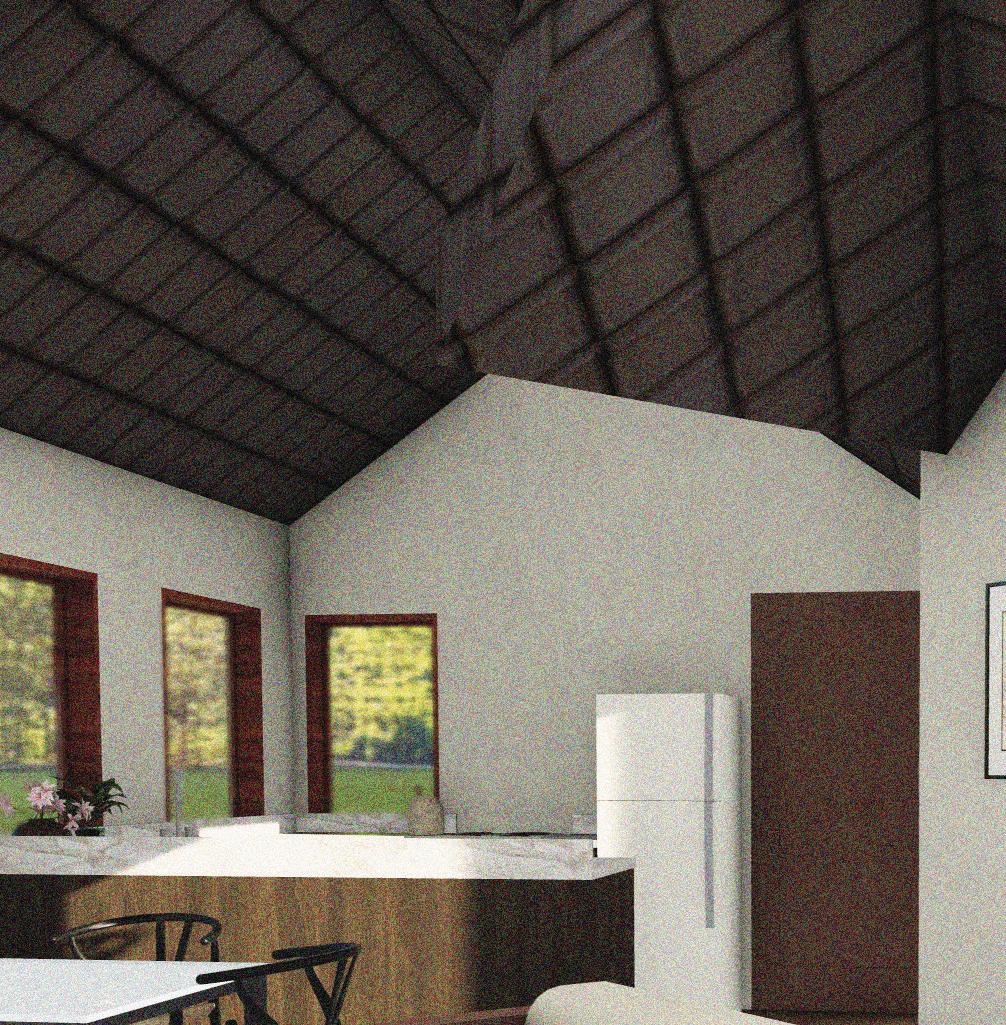
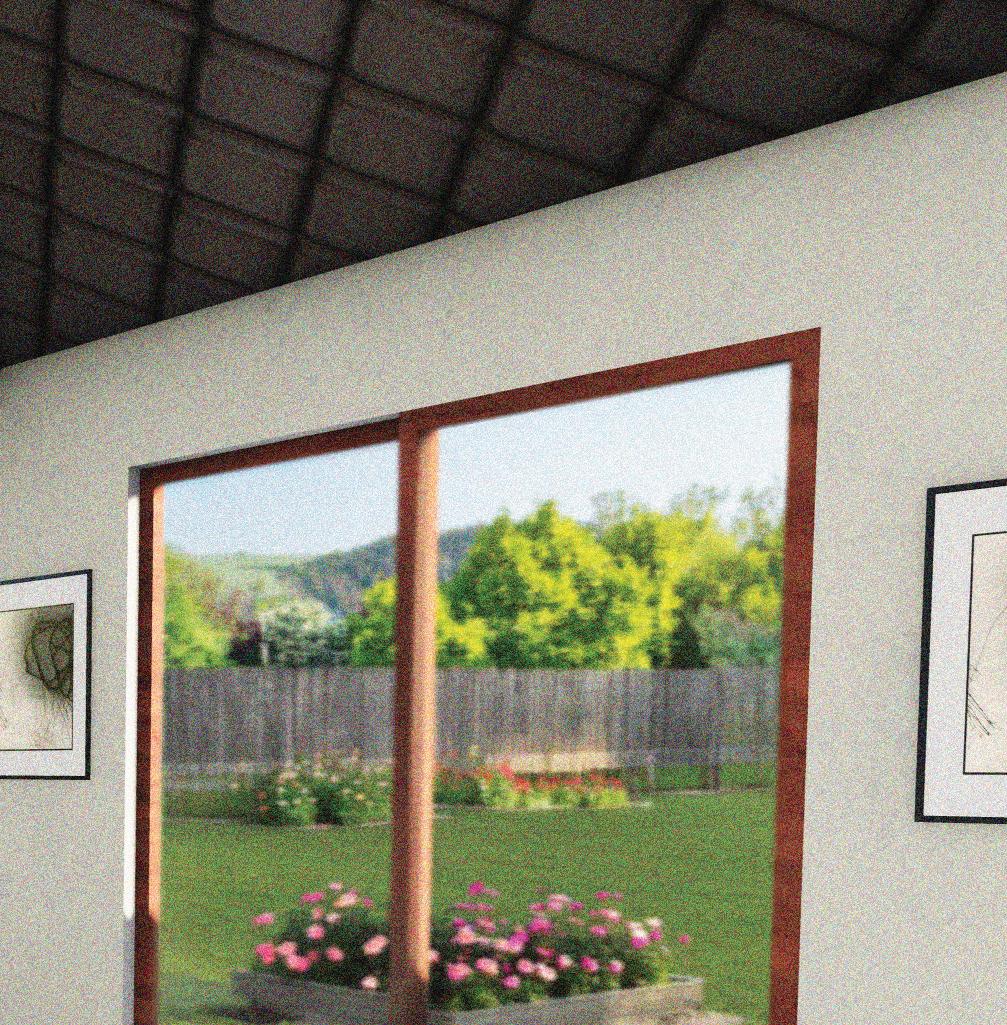
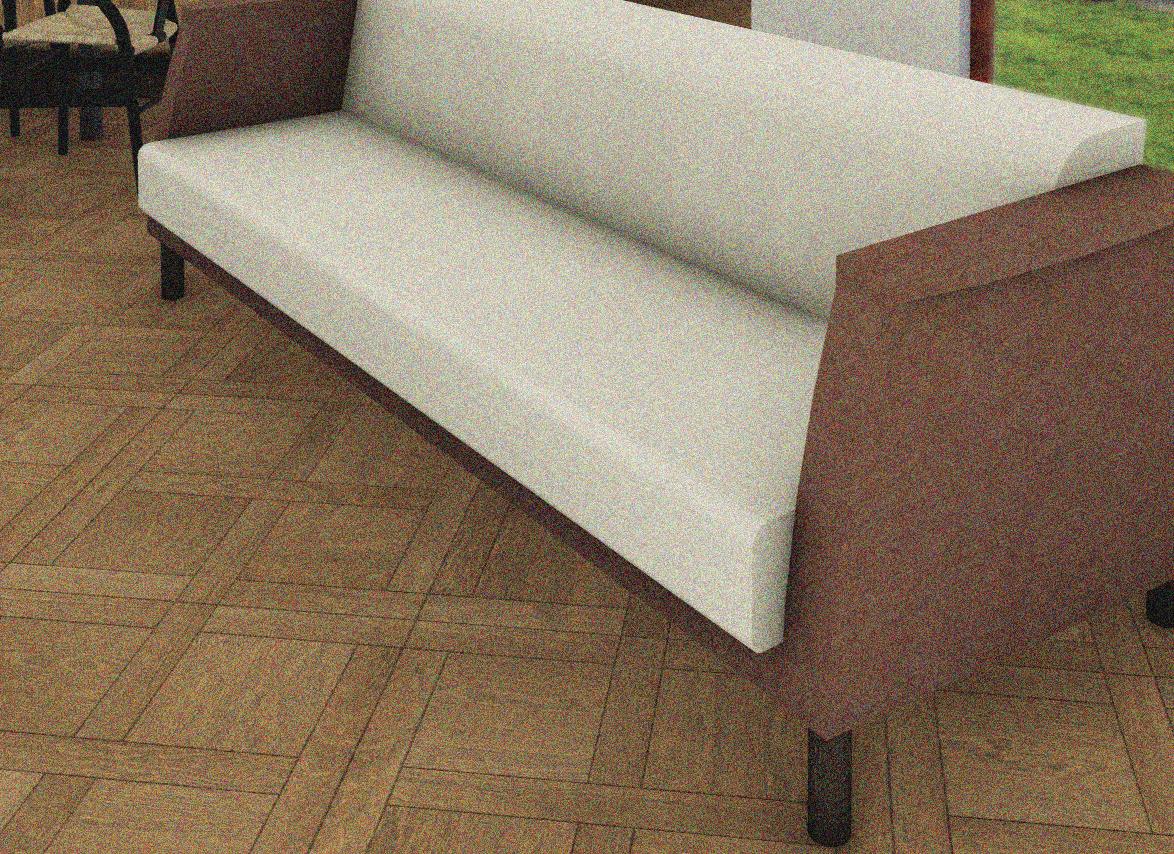
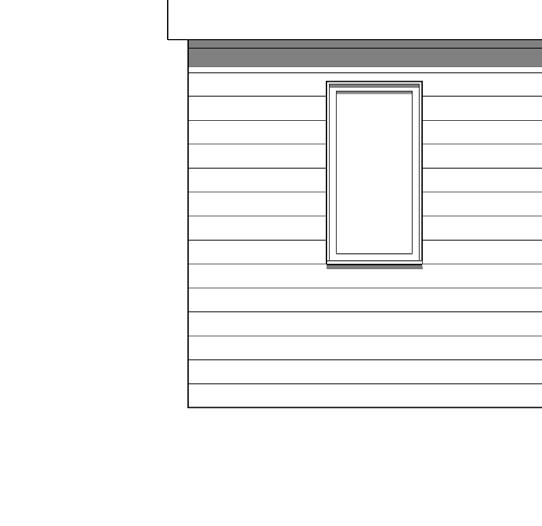
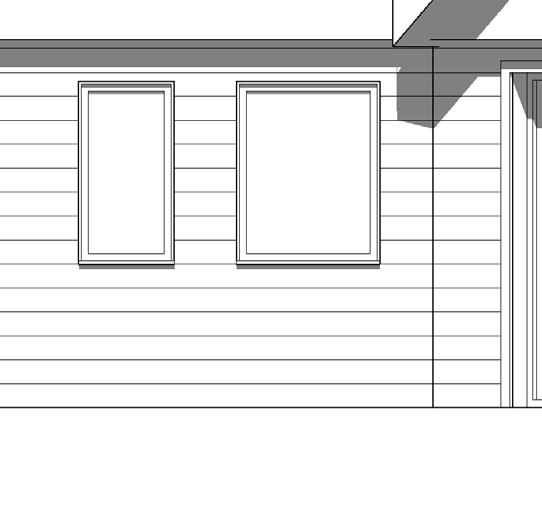
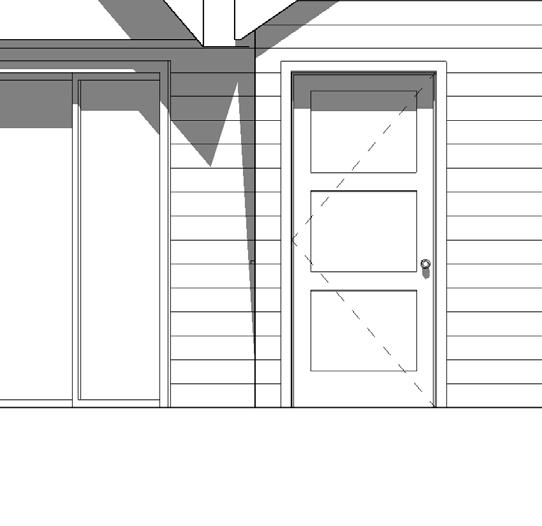
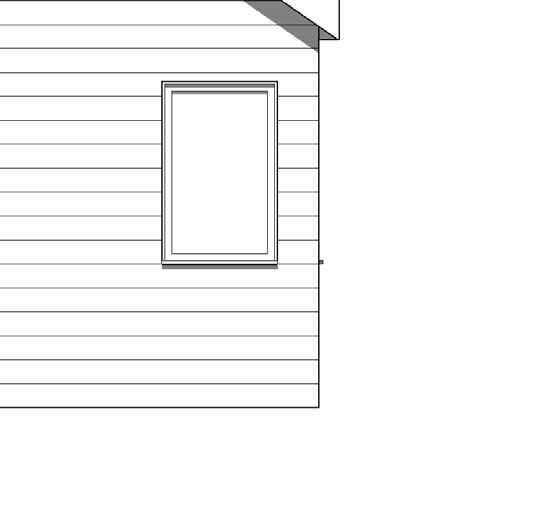
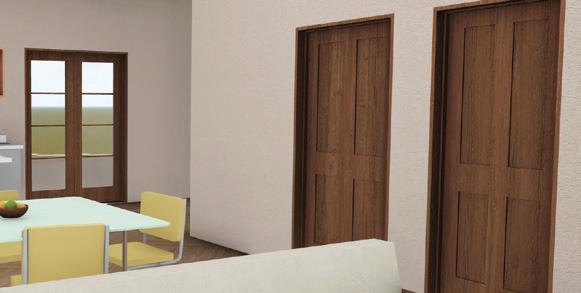
My objective is to tailor a project specifically for Dual Income No Kids (DINK) households residing in Accessory Dwelling Units (ADUs). DINKs often choose their lifestyle for personal reasons, which makes their preferences for living space quite diverse. Some may prefer larger spaces, while others might lean towards smaller, more efficient homes. The primary focus for DINKs is to have sufficient space for entertaining guests or pursuing hobbies. Therefore, the goal is to design an ADU that offers flexible, open spaces to accommodate these needs, allowing for adaptability whether it’s for social gatherings or personal activities.