




got to be
Racehorses with gastric ulcers showed marked improvement in racing form, after treatment with GastroGard® 1
1. Franklin, S.H., Brazil, T.J. and Allen, K.J. (2008) Poor performance associated with equine gastric ulceration syndrome in four Thoroughbred racehorses. Equine Vet. Educ. 20, 119–124. *UK and Ireland Kynetec VetTrak Data Value Sales MAT February 2025. GastroGard® 370 mg/g oral paste contains omeprazole. UK: POM-V IE: POM. Further information available in the SPC or from Boehringer Ingelheim Animal Health UK Ltd., RG12 8YS, UK. UK Tel: 01344 746960 (sales) or 01344 746957 (technical), IE Tel: 01 291 3985 (all queries). Email: vetenquiries@boehringer-ingelheim.com. GastroGard® is a registered trademark of Boehringer Ingelheim Animal Health France SCS, used under licence. ©2025 Boehringer Ingelheim Animal Health UK Ltd. All rights reserved. Date of preparation: March 2025 UI-EQU-0039-2025. Use Medicines Responsibly.






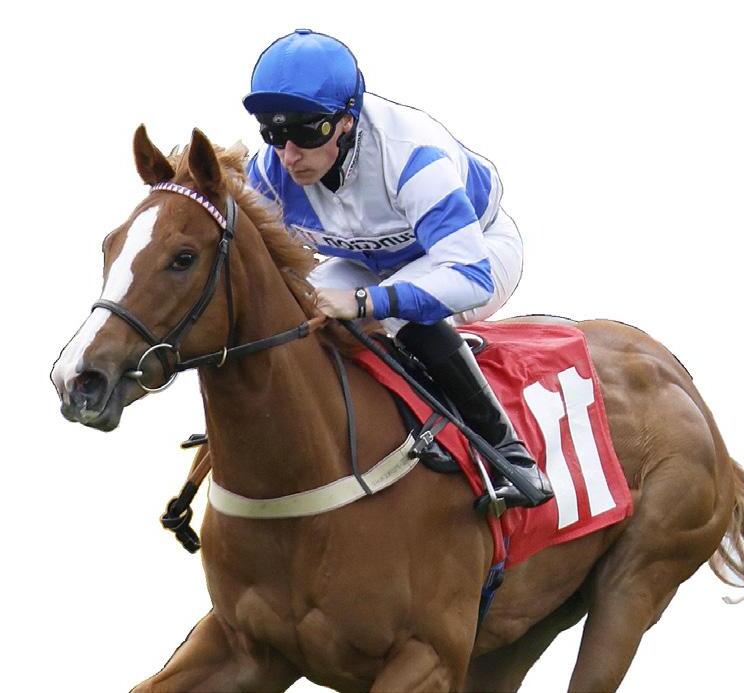

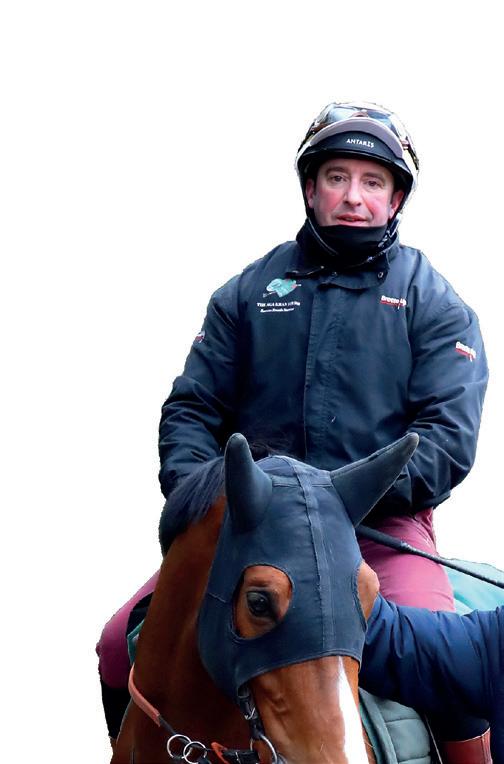
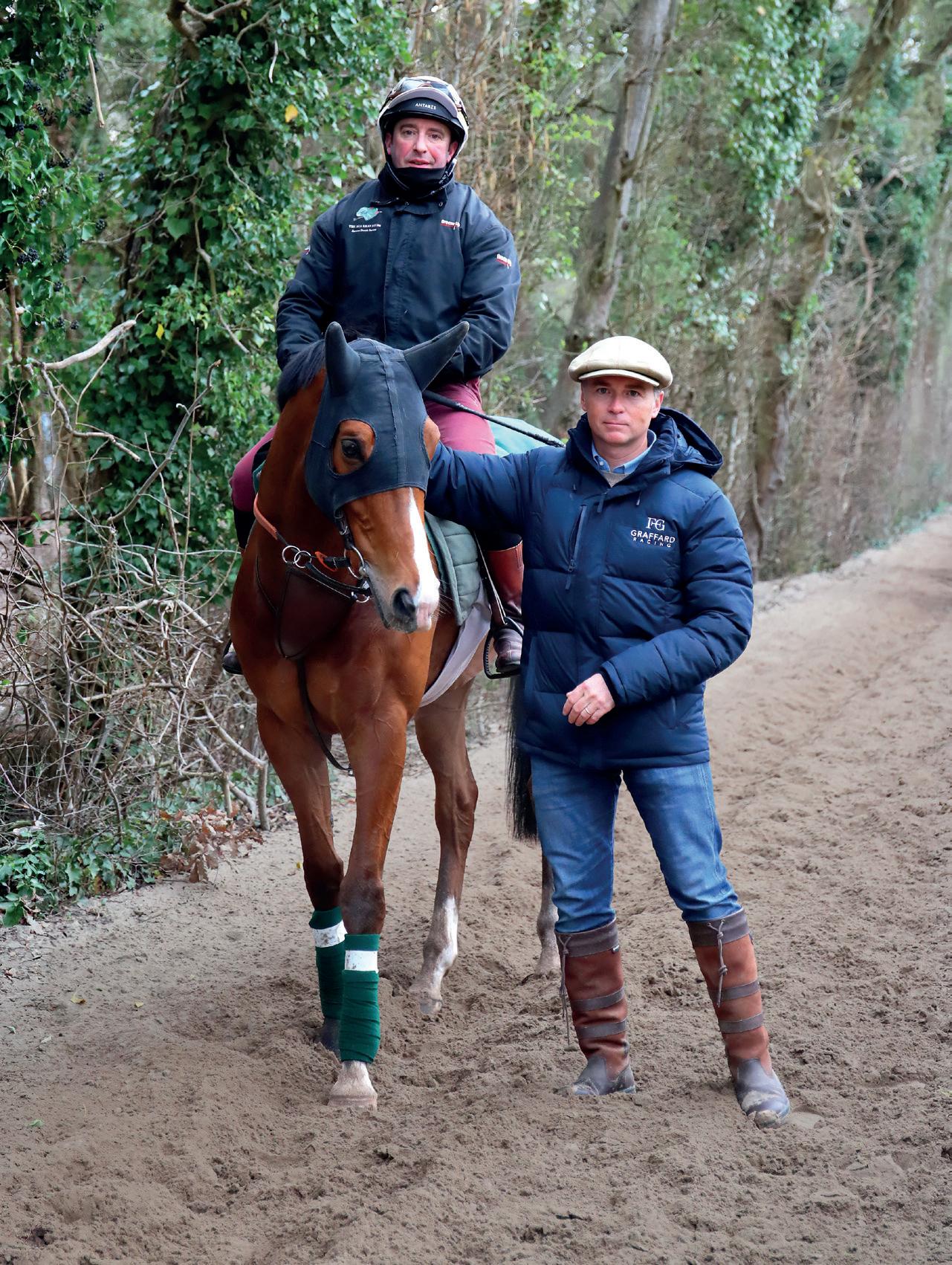
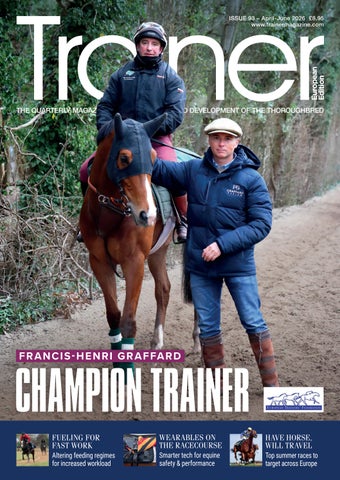
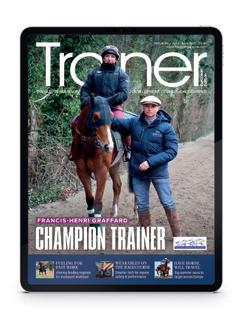
In this issue we profile French Champion Trainer Francis-Henri Graffard. In 2025, Graffard enjoyed a record-breaking season, which included no less than fourteen Group 1 victories around the world.
It was underpinned by what he characterises as a “military organisation”. This structure relies on a clear delegation of responsibility through a hierarchy of assistants and head staff, allowing him to manage upwards of 200 horses across two separate training arms in Chantilly.
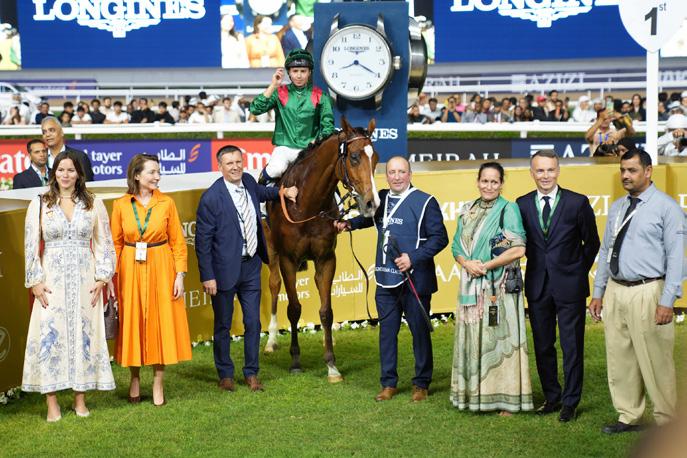
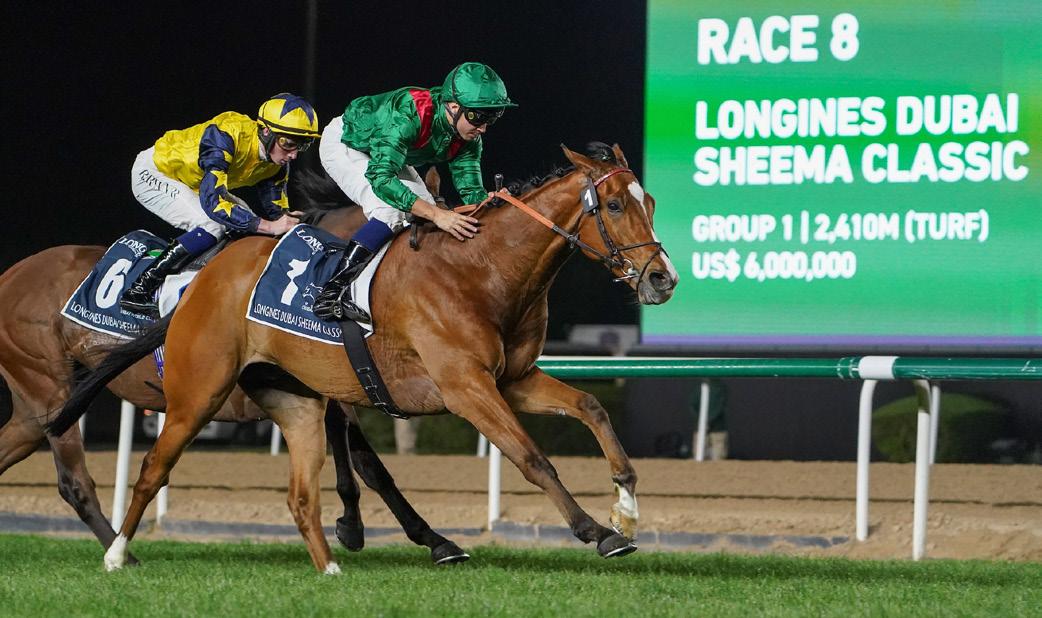
For Graffard, 2026 has already started where 2025 left off, with Calandagan’s victory in the Gp.1 Dubai Sheema Classic.
Graffard addresses a broader need for structural evolution within the sport. He argues that the industry must relaunch its ‘sporting side’ rather than focusing solely on betting quantity. He advocates for a two-tier system that clearly distinguishes from an ‘alimentary category’ for everyday racing to a ‘selection category’ designed to highlight elite stars. This proposal aims to make racing more accessible and engaging by prioritising storytelling and the promotion of human and equine champions, much like the successful marketing model seen in Formula 1.

This theme of modernisation extends to the economic resilience of trainers at the grassroots level. As operational costs for fuel and feed escalate, trainers in Britain, Ireland, and France are being forced to reshape their business models. For some, this involves diversifying income through renting yard space or utilising innovative ownership syndicates like the Marnane Racing Club (MRC), which focuses on training and trading young horses to maintain cash flow. There is a growing consensus among these professionals that racing must prioritise ‘entertainment’ and ‘fun’ to attract a wider, more diverse audience.
Technological and scientific advancement also plays a central role in this issue, specifically through the integration of datadriven welfare and performance tools. A landmark pilot scheme in Britain is now permitting the use of wearable heart monitors on the racecourse. This initiative provides trainers with realtime biometric data under true race conditions, offering new insights into cardiac health and recovery that were previously only available during training gallops. Simultaneously, the potential for Artificial Intelligence to assist handicappers is being explored, but I would argue that human visual judgement remains essential for interpreting the complex context of every race.
Practical management and veterinary innovation further round out the issue’s comprehensive overview. Features offer guidance on tailoring nutrition for high-intensity work and implementing targeted, test-based deworming strategies to combat rising drug resistance. Additionally, new research into minimally invasive surgical procedures for ’roarers’ suggests a future where equine respiratory issues can be treated with greater precision and fewer complications. Together, these perspectives illustrate an industry striving to protect its heritage while aggressively adopting the tools necessary for a sustainable future.
Wherever your racing takes you this spring – good luck!


08 Cavalor Trainer of the Quarter
Simon and Ed Crisford are the first joint trainers to receive the Cavalor Trainer of the Quarter award after an impressive winter campaign in Dubai, which included a Dubai Gold Cup win and several notable World Cup night performances.
Katherine Ford profiles the French trainer whose record-breaking season, meticulous organisation, and strong team structure underpin one of the most successful and consistent operations in global racing.
24 Stepping up a gear?
Fuelling for fast work
Dr. Edd Knowles and Vanessa Allen from Spillers explain how higher training intensity increases demands on energy, nutrition, and management, making a balanced diet essential for performance and overall health.
34 Have horse, will travel
Lissa Oliver highlights key fixtures trainers should target — focusing on races closing for entries or run between April & June, marking the start of the European turf flat season.
44 Trainers surviving at the grassroots level
Katherine Ford speaks with trainers in Britain, Ireland and France as rising costs and limited prize money are prompting smaller operations to adapt and reshape their business models.
Sally Taylor and Celia Marr examine how wearable technology is delivering new insights into equine performance and welfare, with the potential to improve safety and support better decision-making.
56 The racecourse experience
Virginia Lisco examines how racecourses are redefining raceday by combining toplevel sport with entertainment, innovation, and accessibility to create more engaging and memorable experiences.
62 Review of roaring and possible new surgical procedures
Jackie Bellamy-Zions interviews Professor Taralyn McCarrel on developing a surgical procedure that could revolutionize the treatment of tie-back surgery.
66 The use of AI in handicap races
Ilaria Botti examines how increasing interest in AI demonstrates its potential to assist handicappers through data analysis, while emphasizing that human judgment remains essential in this complex process.
70 The 2025 Champions
Dr. Marian Surda provides his annual tables of the leading champion trainers and jockeys across Europe.
76 Do horses in training need regular deworming?
Professor Jacqui Matthews explains how increasing resistance to wormers is leading to targeted, test-based parasite control, reducing routine treatments while maintaining horse health and performance.

PERFORMANCE
PRE-FUEL your horse with the energy needed for peak performance. Energy supplement containing a source of essential BCAAs to support stamina & performance
FEATURES & BENEFITS
To maintain performance, stamina, and power
• Supports the intake of branch chain amino acids (BCAAs) to support stamina and performance
• Formulated with hydrolysed plant protein to aid digestion and utilisation
• Palatable liquid for daily use during busy periods
• Also available as a gel syringe for targeted single use, with added Vitamin E and B-vitamins

“
PRE-FUEL has added another dimension to our race-day preparation. You can see the horses maintain their performance for longer, whatever the ground, and they’re bouncing out of their races afterwards. When you find something that helps both performance and recovery, it’s a bit of a game changer and that’s exactly what it’s been for us. I couldn’t be without it now.
“
Nick
Scholfield
CONTACT OUR SPECIALIST THOROUGHBRED TEAM:
UK: Adam Johnson T: +44 7860 771063
Ire: Nicole Groyer T: +353 83 477 3873
Email: info@foranequine.com www.foranequine.com
Editorial Director/Publisher
Giles Anderson
Sub-Editor
Virginia Lisco
Design/Production
Damian Browning
Advert Production
Nico Jeeves
Circulation/Website
Nico Jeeves / Virginia Lisco
Advertising Sales
Giles Anderson
Cover Photograph
Clementine Veret / APRH
Trainer magazine is published by Anderson & Co Publishing Ltd.
This magazine is distributed for free to all ETF members. Editorial views expressed are not necessarily those of the ETF. Additional copies can be purchased for £8.95 (ex P&P). No part of this publication may be reproduced in any format without the prior written permission of the publisher.
Printed in the European Union
For all editorial and advertising queries please contact:
Anderson & Co. Publishing
Tel: +44 (0) 1380 816777
Fax: +44 (0) 1380 816778
email: info@trainermagazine.com www.trainermagazine.com
Issue 93
Vanessa Allen has been a nutrition advisor for Mars Horsecare in the UK since 2013. Prior to joining Mars, Allen was a research assistant at the University of Cambridge for nine years. She also has experience in the horse racing industry and a background in top-level eventing.
Jackie Bellamy-Zions is communications manager at Equine Guelph for the past ten years. Jackie has over 30 years of experience in the horse industry in the capacity of coach, trainer, stable manager, competitor, judge and journalist.
Ilaria Botti is a journalist and presenter on Italian horse racing television for nearly 15 years. She also works alongside her husband in the training of racehorses and oversees the stable’s media presence. For the last year, she has been collaborating with the French magazine Galorama and has recently been appointed racing correspondent to the municipal council of Chantilly.
Katherine Ford was born in Yorkshire where she was raised with ponies, hunting and point-to-pointing. After completing a degree in languages and the BHA Graduate Development programme, she moved to France for a season with the International Racing Bureau’s Paris office. Three years later she joined French racing channel Equidia’s international department which took her on travels to racecourses from Brazil to Japan, California to Cape Town. She now splits her time between Equidia, Sky Sports Racing’s French coverage and freelance writing and translating, and dreams of future successes for the progeny of her two broodmares
Dr Edd Knowles graduated from the University of Cambridge in 2005 and began his veterinary career in small-animal practice before switching to equine practice in 2007. He subsequently served at Bell Equine Veterinary Clinic, completing an Equine Internal Medicine residency in 2013 and earning the Diploma of the European College of Equine Internal Medicine in 2014. He completed his PhD in 2021 at the Royal Veterinary College (RVC) with research focused on laminitis prediction in ponies. In 2025 he was appointed Global Science & Nutrition Director at Mars Horsecare and Head of the Equine Studies Group at the Waltham Petcare Science Institute in the UK.
Virginia Lisco is an Italian-based journalist with a strong focus on the horse racing world. With hands-on experience in Italian racing stables and a lifelong passion for horses, she is dedicated to advancing industry knowledge and promoting horse welfare.
Celia Marr is an RCVS recognised Specialist in Equine Internal Medicine. She works independently and with Rossdales Equine Hospital and Diagnostic Centre, Newmarket. She has extensive experience in both clinical aspects and research of cardiovascular disorders of the horse.
Prof. Jacqui Matthews qualified as a vet before completing a PhD in parasitology. She worked in academia for over 25 years, leading projects valued in excess of £14m. Outputs include over 150 peer-reviewed papers, plus patents and lay articles. She is a fellow of the RCVS and Royal Society of Edinburgh and an RCVS Specialist in Parasitology.
Lissa Oliver lives in Co. Kildare, Ireland and is a regular contributor to The Irish Field and the Australian magazine, Racetrack. Lissa is also the author of several collections of short stories and two novels.
Sally Taylor is Head of Equine Regulation, Safety and Welfare at the British Horseracing Authority. She joined the BHA in 2016 as a Veterinary Officer and was promoted to her current leadership role in 2021. Her work focuses on maintaining and improving horse welfare standards across British racing through several key initiatives.
new targeted PEMF
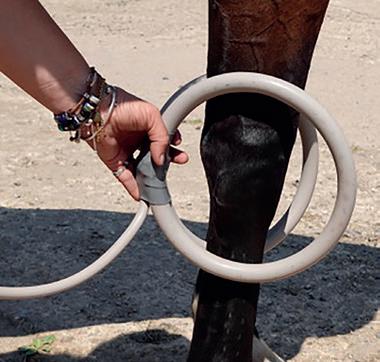
Accelerate recovery. Optimise performance. Support your horse’s natural healing—before, after, and beyond the track.
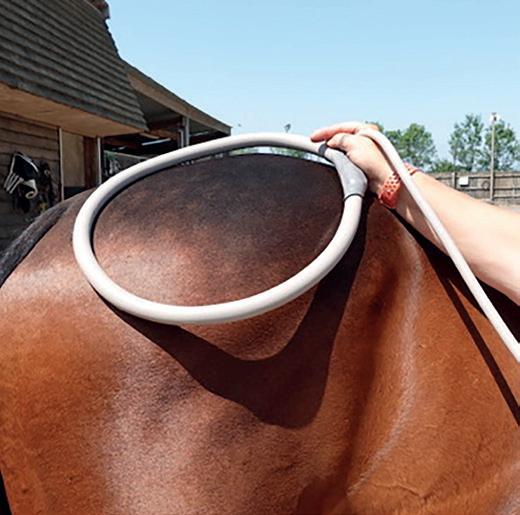
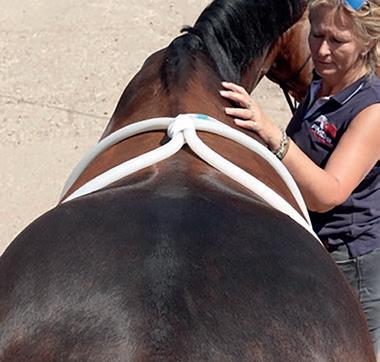
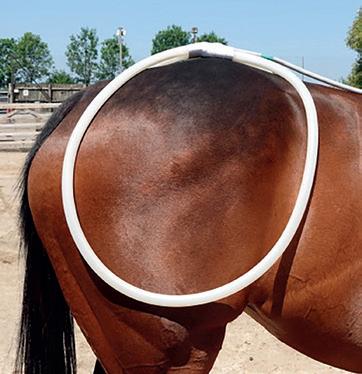
The FMB s POWERMAG , utilises pulsed electromagnetic fields to interact with cells and tissues in the horse’s body. These electromagnetic pulses stimulate cellular activity and can enhance the natural healing process post training, race or injury and for general wellness and performance.
The PowerMag is the first system of it’s kind to offer:
• Dual signals meaning both high intensity PEMF and lower intensity Schumann resonance at the same time
• Easily portable – battery operated so you can walk around the horse with the complete system as you apply the therapy
• Separate devices available for qualified physios / vets and trainers /owners
• Try before you buy available
• Trained and supported by industry qualified equine professionals i.e. vets, physiotherapists, chiropractors and osteopaths.

AIMS and OBJECTIVES of the ETF:
AIMS andOBJECTIVES of theETF:
a) To represent theinterests of allmembertrainers’ associationsinEurope.
a) To represent the interests of all member trainers’ associations in Europe.
b) To liaise with political and administrative bodies on behalf of European trainers.
b) To liaise with politicaland administrative bodies on behalf of European trainers.
c) To exchange information betweenmembers forthe benefitofEuropeantrainers.
c) To exchange information between members for the benefit of European trainers.
d) To provide anetwork of contacts to assist each member to developits policyand services to member trainers.
d) To provide a network of contacts to assist each member to develop its policy and services to member trainers.

Chairmanship:
GuyHeymans (B elgium)
CHAIRMANSHIP: Gavin Hernon (France)
Tel:+32(0)495389140
tel: +33 (0)7 87 16 02 48 email: contact@aedg.fr
Email: heymans1@telenet.be

Vice Chairmanship:
NicolasClément(France)
Tel:+33(0)344572539
Fax:+33(0)344575885
Email:entraineurs.de.galop@wanadoo.fr
VICE CHAIRMANSHIP: Paul Johnson (United Kingdom)
tel: +44 (0) 1488 71719 email: p.johnson@racehorsetrainers.org
Mrs Živa Prunk
Tel: +38640669918
Email: ziva.prunk@gmail.com

ITALY
Joseph Vana
Tel:+42(0)602429629
Ottavio Di Paolo
Email: horova@velka-chuchle.cz
tel: +39 328 355 95 81 email: ottaviodipaolo@gmail.com
Aggeliki Amitsis
Tel:302299081332+
Email: angieamitsis@yahoo.com

SWEDEN
GERMANY
Jessica Long
ErikaMäder
email: jplong@live.se
Tel:+49(0)2151594911
Fax:+49(0)2151590542
Email: trainer-und-jockeys@netcologne.de

Vice Chairmanship:
Christianvon derRecke (Germany)
Tel:+49(02254)845314
Fax:+49(02254)845315
VICE CHAIRMANSHIP: Christian von der Recke (Germany)
Email: recke@t-online.de
tel: +49 171 542 5050 email: recke@t-online.de
HUNGARY
Mr Botond Kovács
Email: botond.kovacs@kincsempark.hu

ITALY
BELGIUM
Agostino Affe
Email: affegaloppo@gmail.com
tel: +32 (0) 495389140 email: heymans1@telenet.be
Geert van Kempen
Mobile: +31 (0)6 204 02 830
Email: renstalvankempen@hotmail.com
GERMANY
Erika Mäder
Are Hyldmo
Mobile: +47 984 16 712
tel: +49 (0) 2151594911
Email: arehyldmo@hotmail.com
www.trainersfederation.eu

Treasureship:
MichaelGrassick(Ireland)
TREASURERSHIP:
Tel:+353(0)45522981
Mobile:+353(0)872588770
Fax:+353(0)45522982
Feidhlim Cunningham (Ireland)
Email:office@irta.ie
tel: +353 (0) 45522981
email: office@irta.ie
Rupert Arnold
Tel:+44(0)148871719
Fax:+44(0)148873005
Email: r.arnold@racehorsetrainers.org

RUSSIA
Olga Polushkina
NETHERLANDS
Email:p120186@yandex.ru
Birkje Hoorens Van Heyningen
tel: +31 (0) 250 930 016 email: birkjehvh@gmail.com
Jaroslav Brecka
Email: jaroslav.brecka@gmail.com

NORWAY
Tom Lühnenschloss
SWEDEN CarolineMalmborg
mobile: +47 (0) 46445345
Email: caroline@stallmalmborg.se
email: lynet3108@yahoo.no















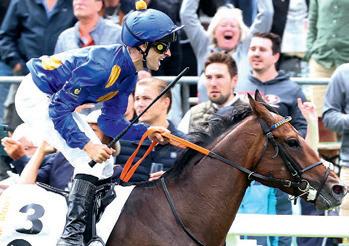
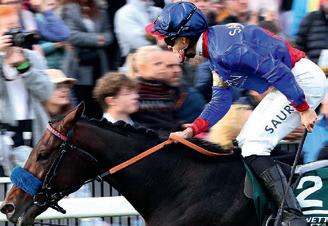




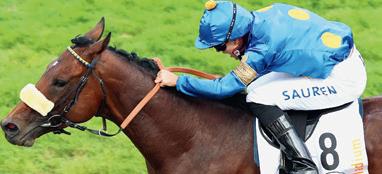





Entries close: Thursday, 30th April
Entries close: Friday, 24th April
October Mixed Sales: Friday, 16th October and Saturday, 17th October
Entries close: Monday, 7th September



Spring Breeze Up & HIT Sale: Friday, 5th June
Premier Yearling Sale: Friday, 4th September









LEADING THE WAY IN RACEHORSE WELFARE AND
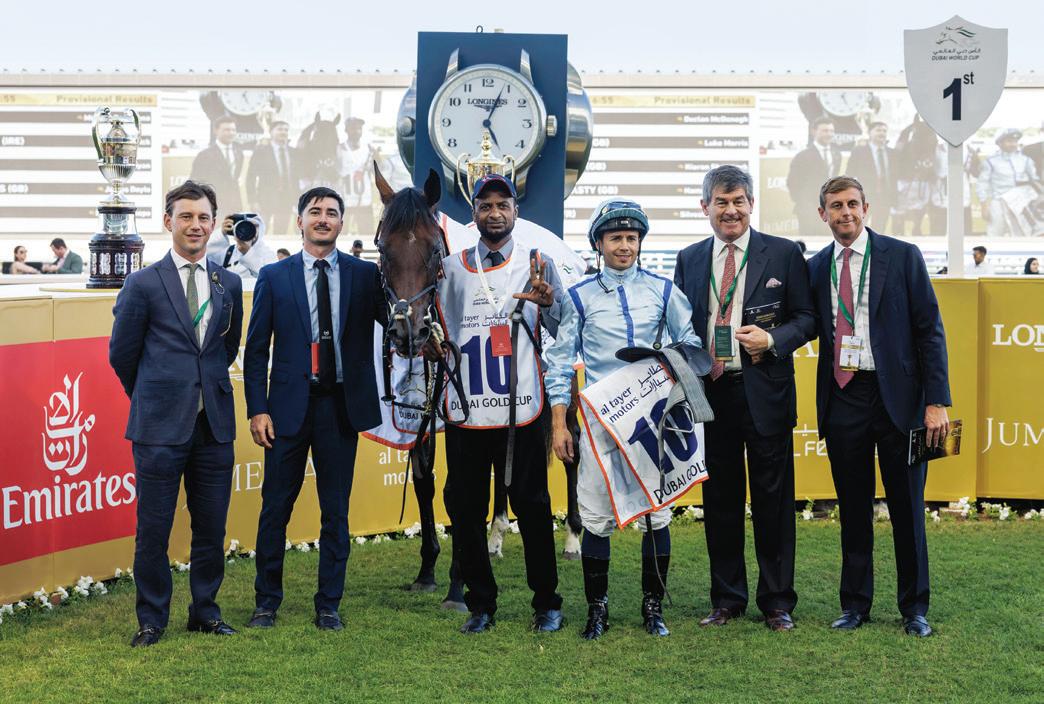
The Cavalor Trainer of the Quarter award has been won by Simon and Ed Crisford. The Crisfords and their team will receive a Cavalor voucher of €1,000 for Cavalor supplements and care products as well as a consultation with one of their senior product specialists.
WORDS: LISSA OLIVER PHOTOGRAPHY: DUBAI RACING CLUB
n May 2020 Ed and his father Simon Crisford became the first trainers in Britain to be granted a joint licence. Now, thanks to an excellent winter in Dubai culminating with a win in the Gp.2 Dubai Gold Cup, they become our first joint Trainers of the Quarter. Their six runners on Dubai World Cup night earned €3.4m (£2.97m), doubling their British earnings gained in a highly successful 2025 campaign.
ITelemark started proceedings with seventh place in the Gp.2 Godolphin Mile which earned him €8,500 (£7,400), Cover Up earned €12,800 (£11,100) finishing eighth in the Gp.1 Al Quoz Sprint, Quddwah picked up €851,900 (£740,700) with a second in the Gp.1 Dubai Turf, West Wind Blows got to within threeparts of a length of Calandagan in the Gp.1 Sheema Classic to
net just over €1m (£888,900), and in the Gp.1 Dubai World Cup itself, Meydaan finished third to claim another €1m for the team.
Icing on the cake was a win, when progressive five-year-old mare Fairy Glen took some notable scalps when she landed the 3200m (two miles) Dubai Gold Cup, which was not only an unknown trip for her but a big step up from her successful prep race over 1800m (9f) in February’s Gp.2 Balanchine Stakes.
Speaking from Dubai on the night, Simon Crisford said of their winning mare, “She’s got a nice turn of foot and showed it tonight. She’s very honest, very brave, a good filly and now a dual Group Two winner. She’ll probably go back and run in the Middleton Stakes next. That’s back over a mile and a quarter and I wouldn’t rule out at all trips like this again, but I think we can pick and choose our spots from now on.”
Fairy Glen is certainly versatile, having won in Listed company in November in the 3000m (15f) River Eden Fillies Stakes, a distance she seemed to be suited to at three and four, although she had won at 2400m (12f) as a three-year-old. By coincidence, her dam, Natural Scenery, had also run in the Dubai Gold Cup, back in 2018.
Ed Crisford, a former pupil-assistant to John Gosden before joining his father, reflected, “She was coming off a win in the Balanchine over 1800m, a distance clearly short for her, but she has improved immensely since then.”
“I think we were stretching our luck going up to two miles but, the way the race set up, it worked really well for the closers,” Simon Crisford added.
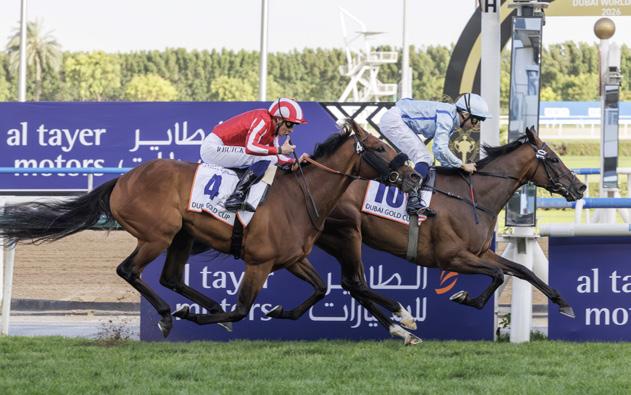
The father and son team are based in Gainsborough Stables on Newmarket’s Hamilton Road, with excellent facilities such as an equine swimming pool, spa, treadmill, and sea walker; with access to 1,200 acres of grass gallops on Racecourse Side and the longest all-weather gallop in Newmarket, the Cambridge Road Polytrack.
Vandeek’s win the 2023 Prix Morny provided them with their first Gp.1 success. Ed Crisford said at the time, “It makes it more personal to have done it with Dad.”
They both acknowledge they are only as good as their team, their staff described as their “eyes and ears on the ground”, but they run a tight ship, and point out there is no substitute for good stable management. Nevertheless, as with Fairy Glen, they allow the horses to guide them to the right races, and Simon Crisford says, “That’s one of the best things about training horses. It becomes an adventure.”
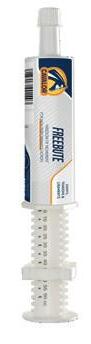



CAVALOR FREEBUTE & CAVALOR LACTATEC
Cavalor FreeBute supports muscles and joints for improved mobility. FreeBute will offer relief from discomfort in the recovery process after heavy effort. Cavalor LactaTec is a complete supplement that supports muscle activity, stimulates muscle recovery and prevents stiffness, damage, and fatigue in a variety of ways.
WORDS: KATHERINE FORD
PHOTOGRAPHY: CLEMENTINE VERET / APRH, DUBAI RACING CLUB, GALOPPFOTO.DE
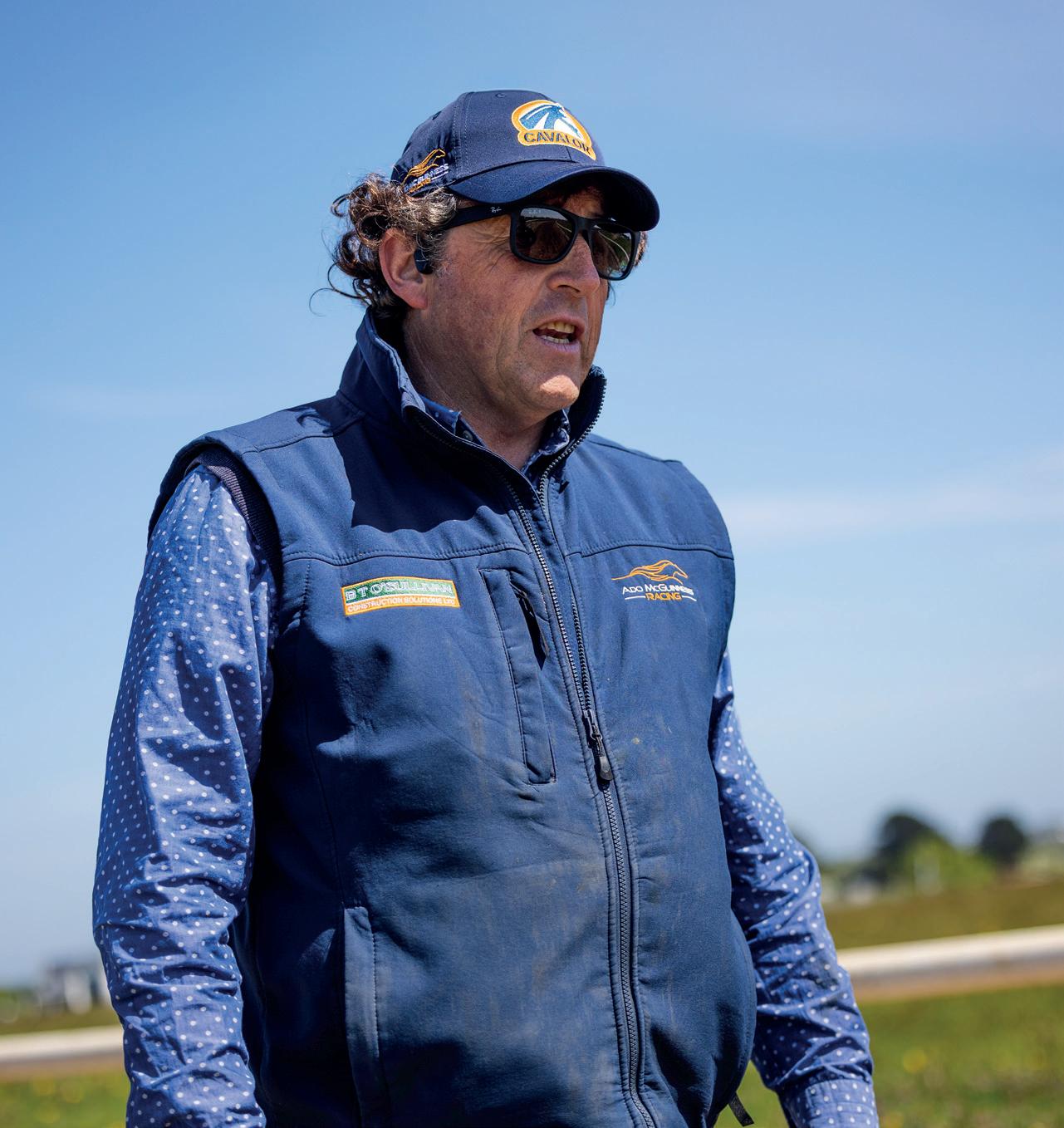
Hasn’t everyone seen and heard enough of me recently?” After a headline season which saw him set a new record for the number of Group 1 winners in a year by a French handler and a first title in the national trainers’ championship, the 48-year-old is aware that the name “Graffard” has been among the most cited in the racing press over the past 12 months.
Deservedly so, as his 14 top-level successes during 2025 included some of racing’s most prestigious prizes, such as the Qatar Prix de l’Arc de Triomphe, Japan Cup in association with Longines, a Breeders’ Cup, French Classics, plus two of Ascot’s biggest pots in the King George and Champion Stakes to name but a few. And understandably so too, as the professional has fully grasped the importance of communication in today’s sport and is always ready and available for measured comment and analysis, pre- and postrace, in French or in English. A reporter’s dream and a blessing for racing, but Graffard himself is keen to avoid giving both his peers and fans an overdose.
Fast forward to March 2026 and the Graffard bandwagon has kept rolling with Calandagan recording his fifth win at the highest level in the Longines Dubai Sheema Classic.
When I caught up with Francis-Henri Graffard at his Chantilly stable in February, the euphoria of 2025 had dimmed. Globetrotter Goliath has just run well but settled for second in Qatar’s Amir Trophy, while the stable’s dozen or so winners for the year so far include a couple of well-bred debutantes who hold entries in June’s Prix de Diane Longines.
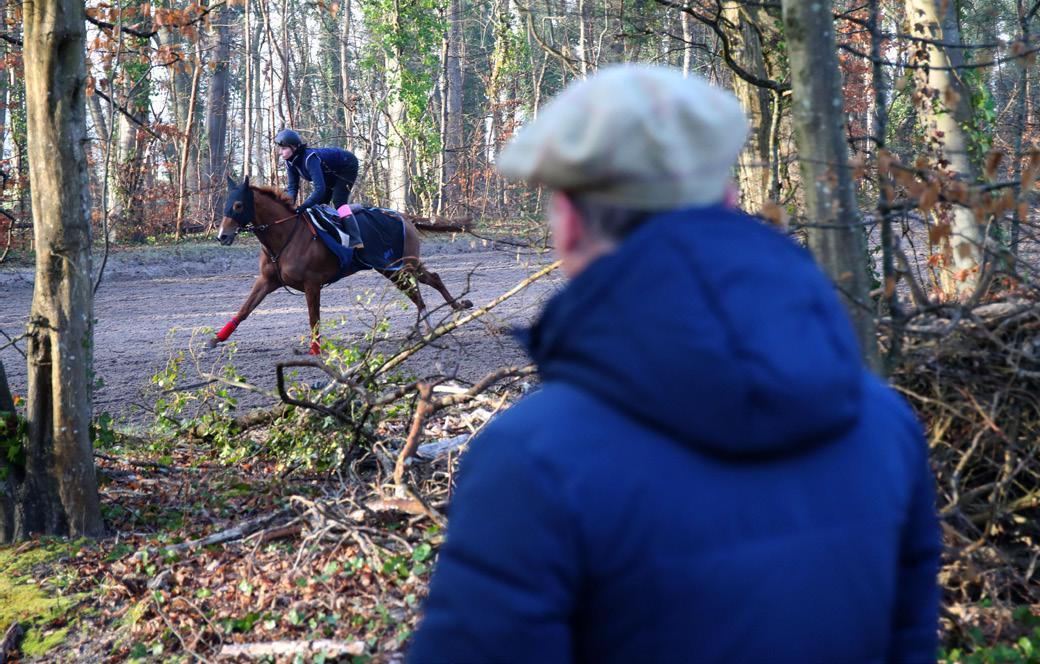
The trainer’s feet are firmly on the ground as we step out to see his second lot in action on a rare dry morning. “I thought I’d be more stressed about starting back from scratch on 1st January with zero winners but in the end I’m quite relaxed. I don’t imagine that I’ll repeat the same year, and I’m not putting pressure on myself to do so. I’m fortunate to have some new clients and my string has improved again in both quality and quantity. I haven’t changed my system so it should continue working, but I just need the luck that means that the head in the photos for Group 1 wins goes in our favour…”
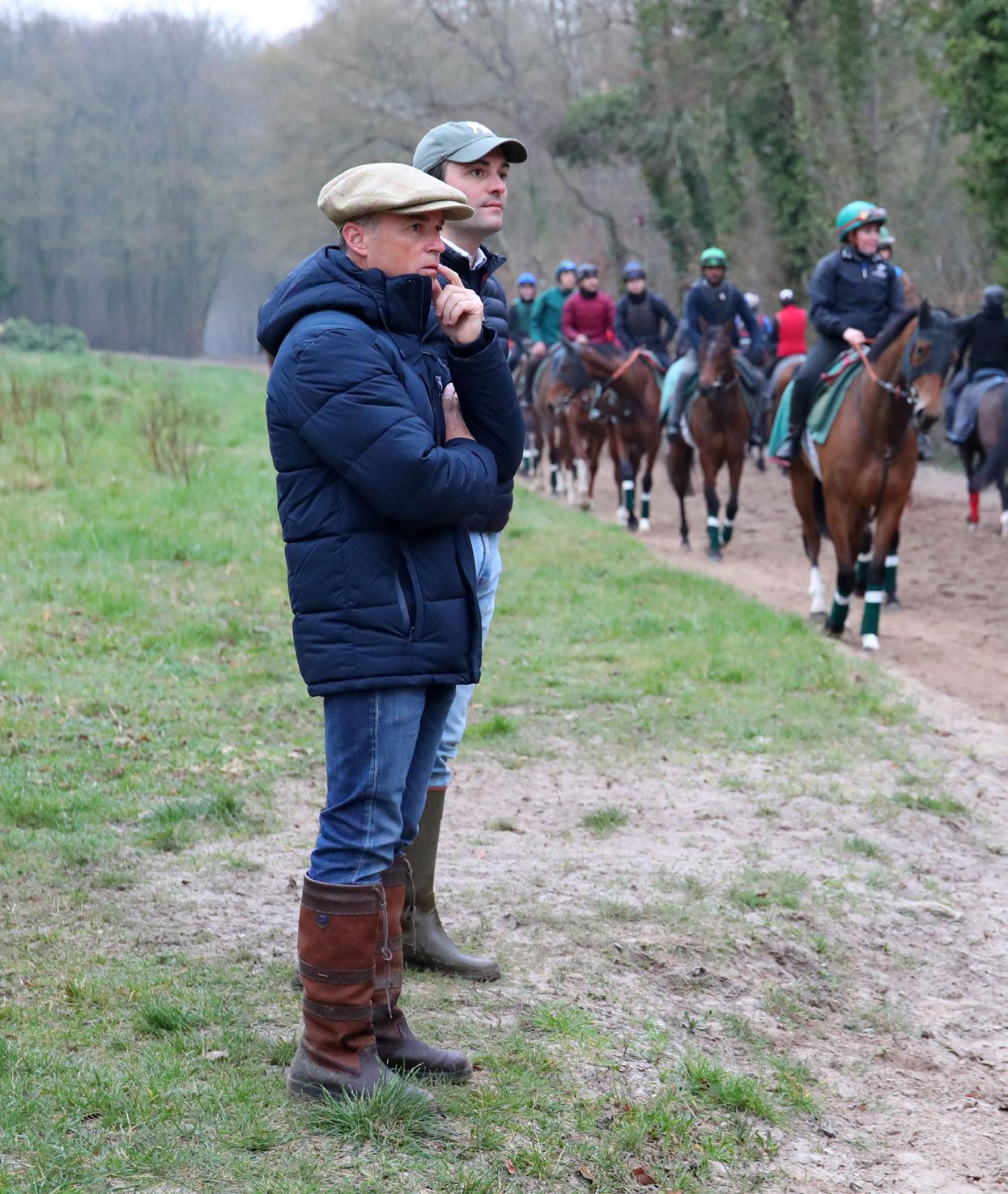
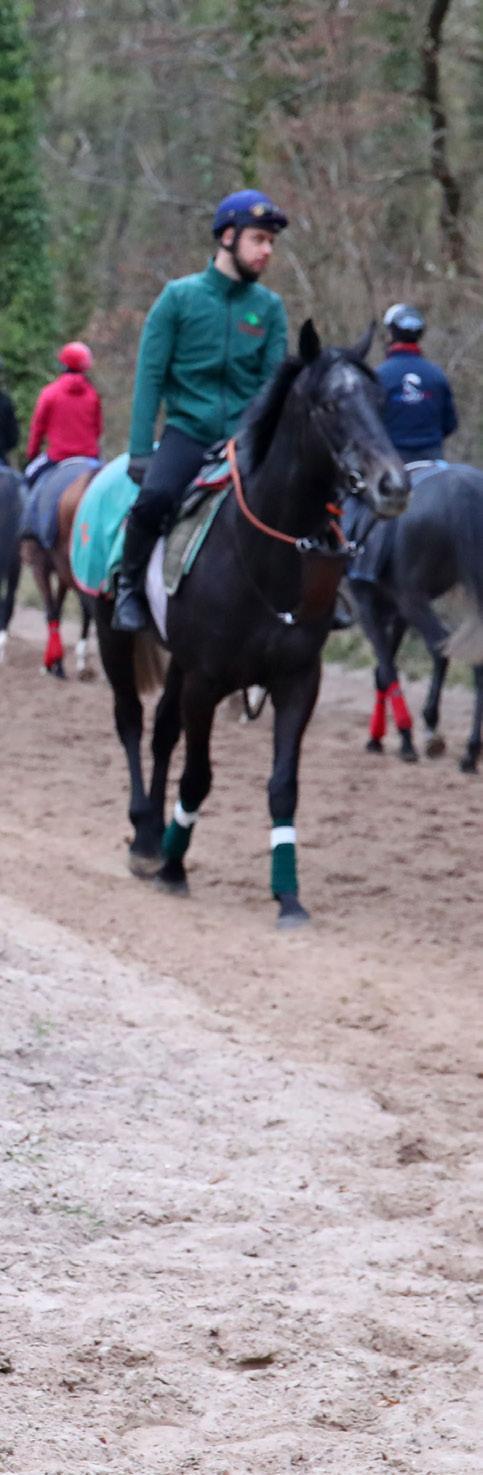
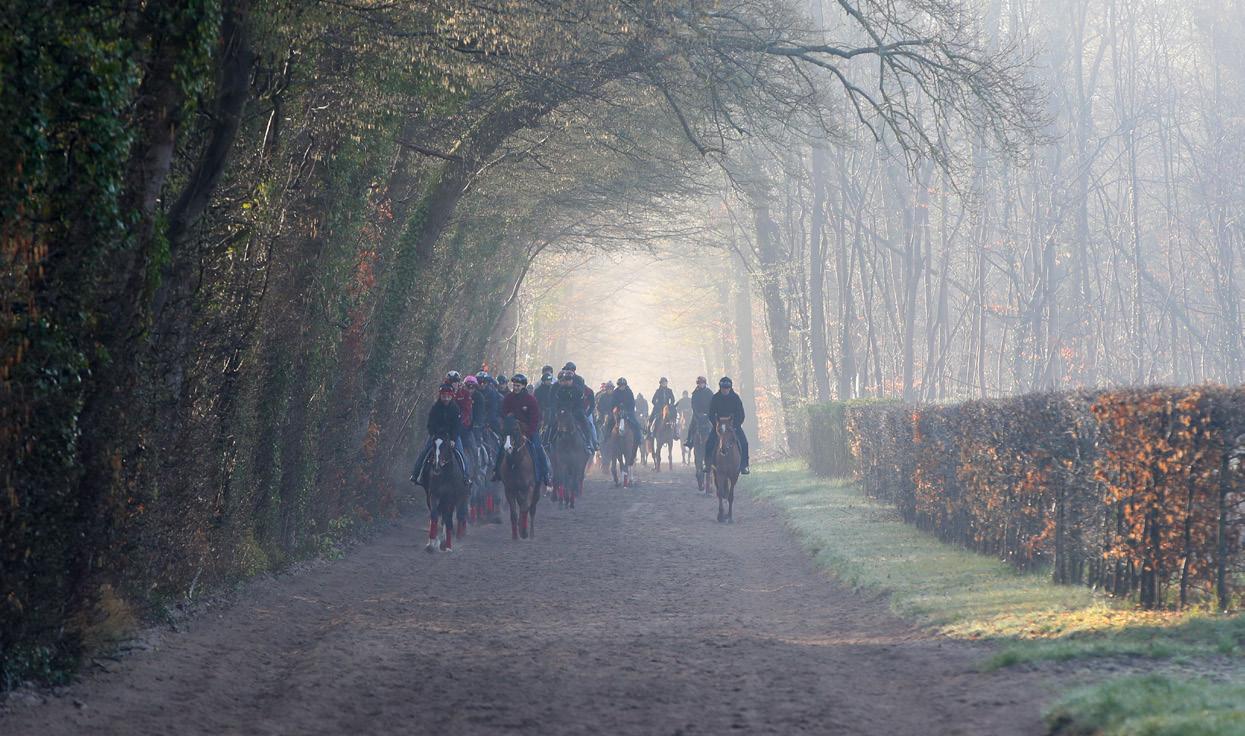
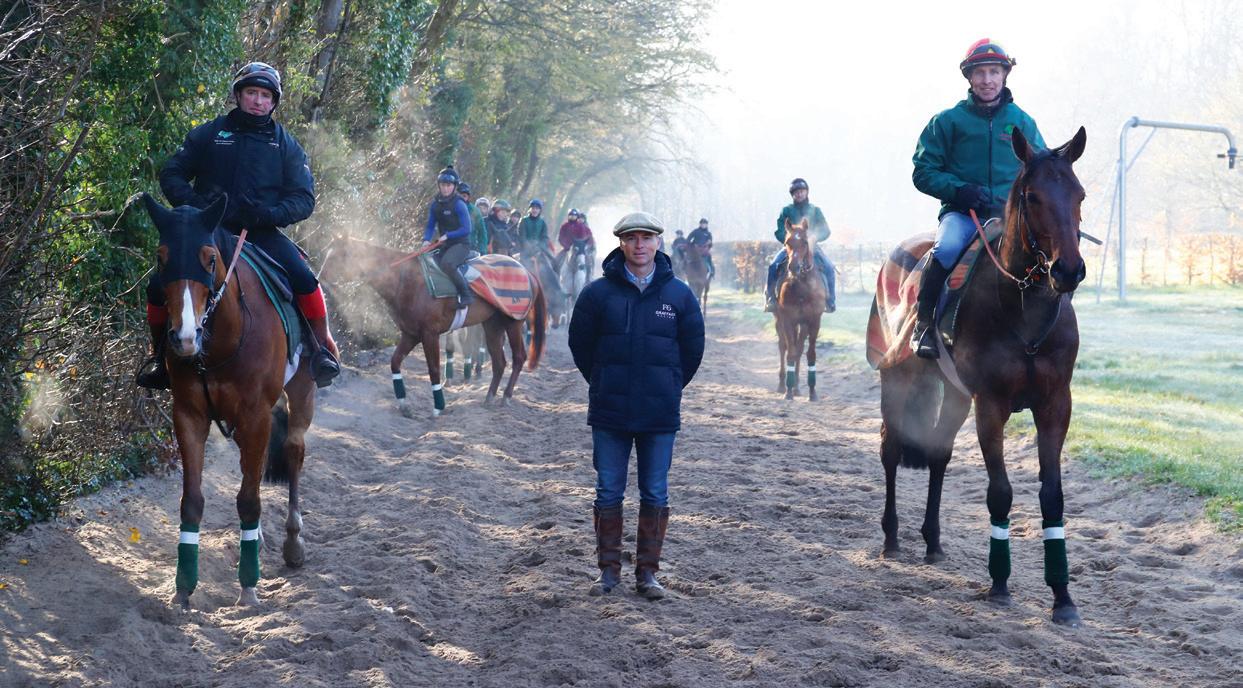
There is plenty in his favour as two seemingly never-ending strings emerge from the Chantilly forest and file in front of Graffard’s keen eye. From the right, around 30 thoroughbreds based at his public yard, headed by Gp.1 Prix Jean Prat scorer Woodshauna, and from the left, a similar number decked out in the green and red livery of the Aga Khan Studs, which have arrived from the operation’s private Aiglemont stable.
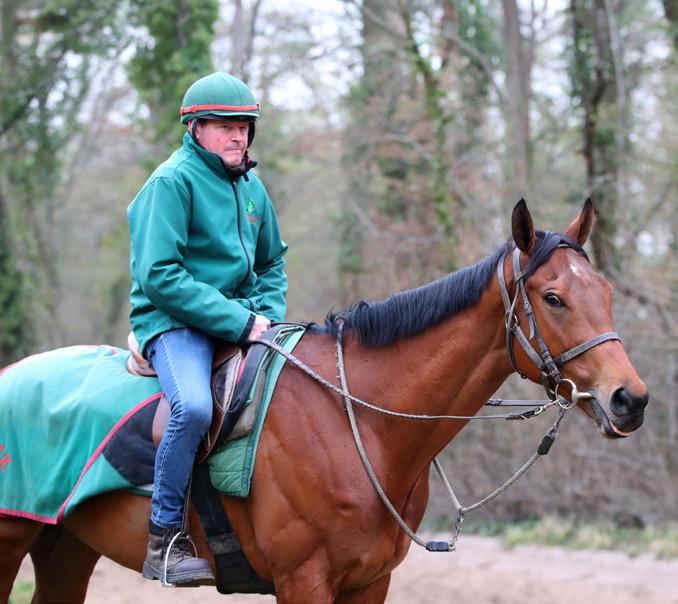
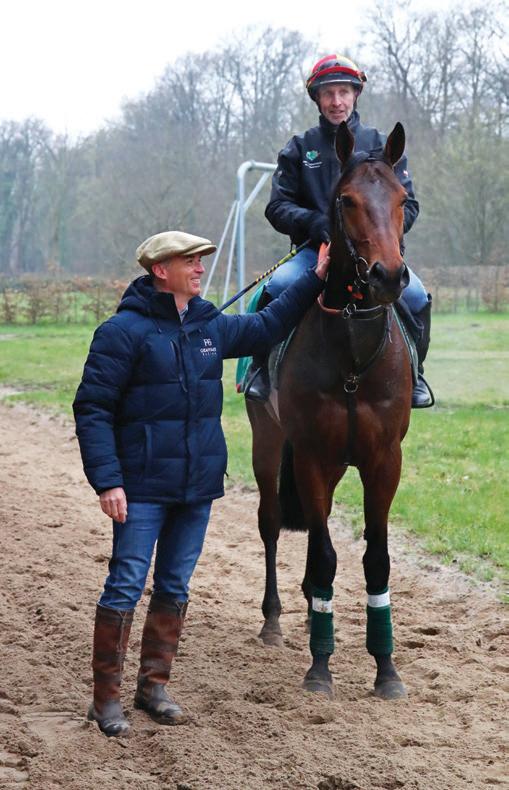
In this line, Calandagan leads Daryz as the superstars gear up for their first Group 1 objectives of the season. The meeting point is equidistant from each stable and the timing is impeccable. A mounted assistant accompanies each string and Francis quietly and meticulously surveys each equine as they walk by. “Weigh that filly today—we need to check how she’s progressing after her gallop. Take that breastplate off; it might be restricting her movement. Has he eaten up?” Nothing revolutionary, certainly, but when applied to upwards of
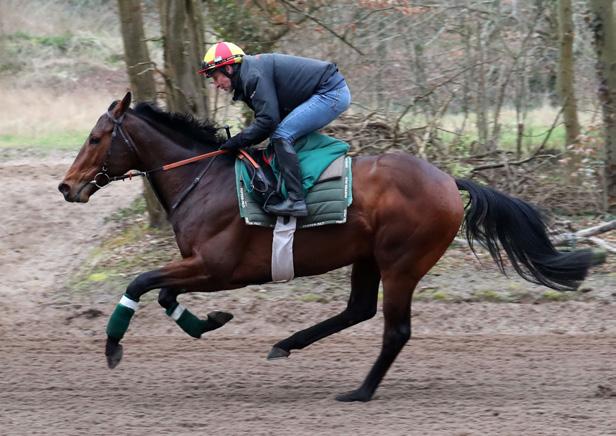
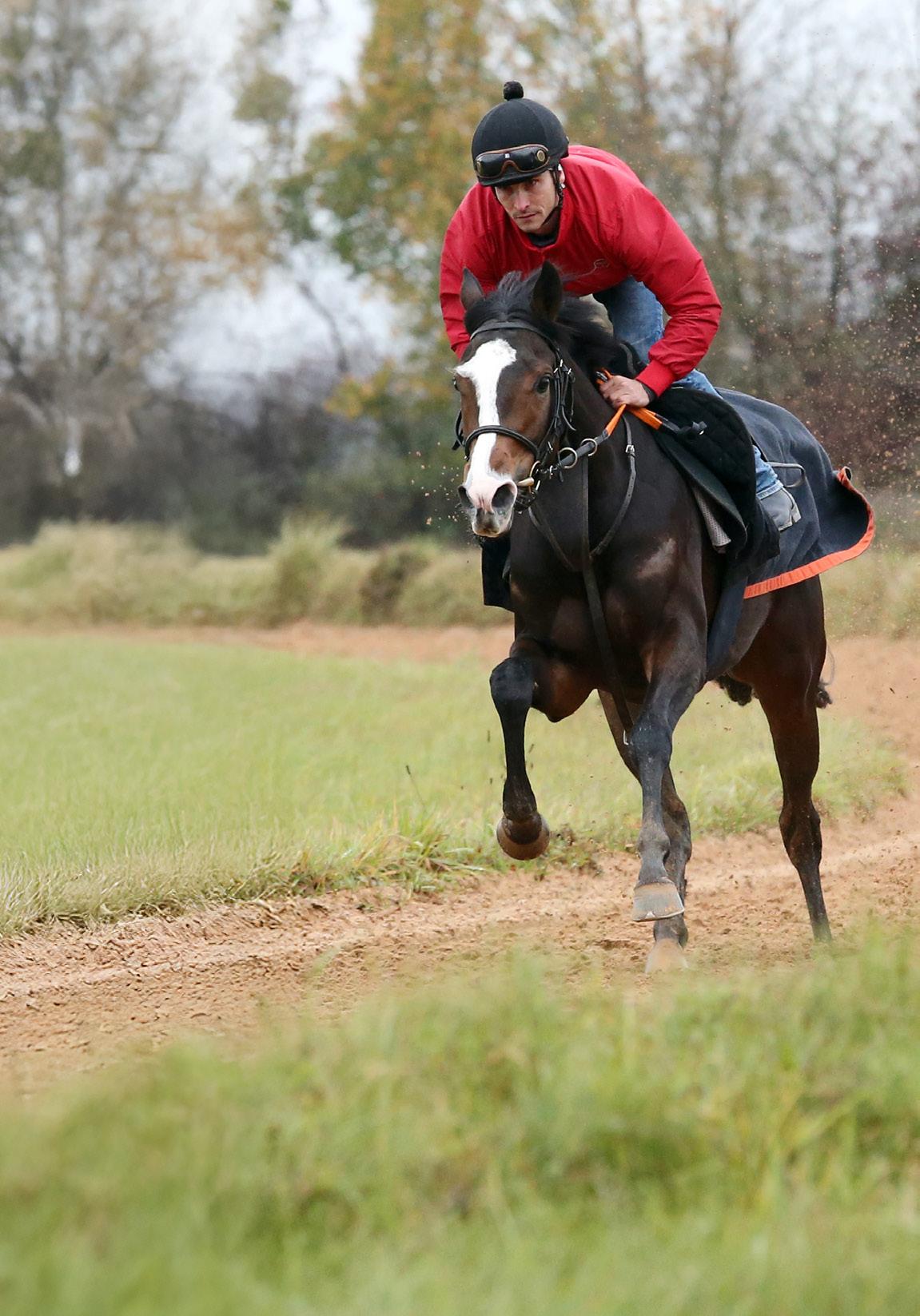
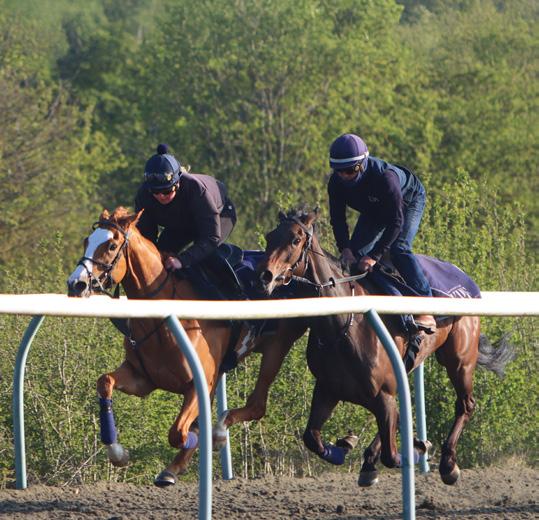
Chantilly boasts a varied network of 145km of walkways, tracks and gallops for the racehorse population, but the Graffard system focuses on one training track, the straight “Gouvieux” gallop with a surface of local natural sand. Each horse does two daily canters over around four and a half furlongs.
200 horses under the Graffard banner, each horse’s individual needs are considered, and a well-calibrated system has been key to the stable’s success.
“There are several factors behind our breakthrough season last year. I’ve had years of experience to organise my structure, and the machine works smoothly now. Concerning the Aga Khan Studs horses, I was fortunate to take these on four years ago and it took a little time to comprehend the families and the horses, and establish a method. Last year everything fell into place, along with the quality of the horses, and contributed to the consistency of our results.”
“I adapted my training method two years ago and that is another reason for the competitiveness of my horses. I like to see my horses often and I put in place a system which generates a high level of fitness, without letting the horses become too fresh. The daily regime is tough and selective but you need to be demanding to race at a high level or indeed at any level. Despite the number we do adapt to each horses’ needs for an à la carte schedule. If I feel a horse needs more time to recover from a race or a piece of work, then there’s no hesitation in only doing one canter or just a steady hack canter. With the number of horses I have I am obliged to have a military organisation and when the horses are at exercise, they stay together. Otherwise we would be completely overwhelmed.”
It is also to Graffard’s credit that he acknowledges another reason to stick to just one of Chantilly’s many gallops with his powerhouse operation, to avoid creating chaos for his colleagues. “If I suddenly change my plans and send more than 50 horses to a different track, everyone else’s schedule would go completely awry. As it is, everyone knows exactly where my horses will be, at what time, and they can work around that.”
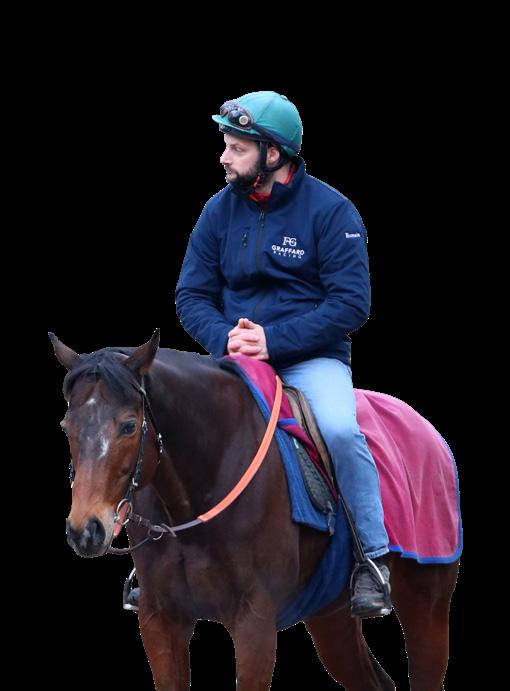
It is no surprise to learn that the organisation of Graffard’s staff is equally meticulous, and he learnt from a master on the subject during his time working for Godolphin. “I took a lot of inspiration from how Mark Johnston ran his yard and managed his business. I’ve always had a clear structure and delegated responsibility to key members of staff. I have a great team, led by my assistant Romain Dupasquier and then under his responsibility there are six more head lads. There’s a travelling team for the races, and I am currently restructuring the office team because we were a little short staffed on that side. And
then I have an identical structure for the Aga Khan Studs’ stable, Aiglemont, which is totally independent from my public yard, Graffard Racing. His Highness allowed me a clean sheet to restructure the team, and so I have an assistant, Willy Loncke, with four head lads under his responsibility.”
Last but certainly not least, Francis’s wife Lisa-Jane, whom he met on the Flying Start programme and who was for several years the French representative for Godolphin, plays a vital role. “Lisa-Jane is extremely well-respected in the industry. She is very involved in the office, and with owners, both as a first point of contact and at the races or when travelling abroad. She’s also a real pillar to me; she reads all the business correspondence and can do a lot of the groundwork and is a great sounding board. Finally, she is excellent with the staff in a pastoral capacity.”
In 2025, Graffard was represented on the track in France by 191 individual horses. He placed an impressive ten of his charges in the IFHA Longines World’s Best Racehorse Rankings of 3yo and over with a rating of 115 or more, and these carried the colours of six different owners. According to the France Galop website, he currently trains for over 100 different owners (this figure includes minority shareholders in horses in associated ownership). Beyond the organisation of staff and horses, the management of owners and their expectations carries high stakes.




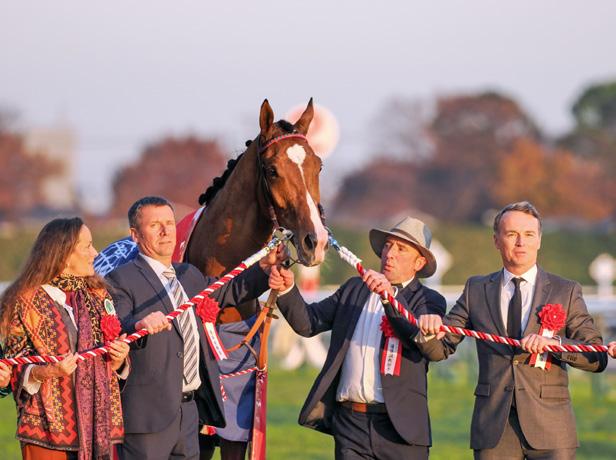
“I was brought up in a competitive environment. When I was young, I used to compete in motorbiking events with my dad and we were always focused on winning. I do this job because I love the competition. I certainly couldn’t manage a stud or anything like that, it’s the sporting aspect of the profession, combined with this extraordinary animal, which exhilarates me. Taking risks and trying challenges is exhilarating. When you get it wrong, you analyse what went amiss and you learn from the mistakes and move on. And when you pull off a big win, it’s an amazing feeling. It can be a very solitary profession, setting up challenges and exposing ourselves to potential failure... Even with a great team, a supportive wife, and clients who put their trust in me, it can be lonely. Sometimes you just need to take stock and assess the options on your own, and decide whether to take the risk.” He shrugs, “But that’s what I enjoy. I’m quite relaxed on that score.”
“Until last year I had managed to place my horses to avoid racing against each other, but as the stable has grown it has become more complicated. I remember a Group race at Saint-Cloud where I had the two favourites, the owners were teasing each other about who would win, but in the end we finished second and fourth. So we didn’t manage to win and I didn’t even get black type for one of the fillies. That served as a lesson, that you never know what may happen. With the number of horses I have in training I won’t have any choice. Each horse runs in the most logical race for his profile and if that means I have three runners, then so be it. I can’t give one horse, or one owner, preferential treatment. I was concerned when I took on the Aga Khan Studs horses that some of my owners may have feared that those horses would be favoured. What happened when Zarigana was beaten (by a nose by 33/1 stable second string Vertical Blue) in the Marcel Boussac showed that they are all given their chance.”
This provides an insight into the competitive side of Graffard. The smartly-turned out, well-spoken professional is driven by a ferocious will to win.
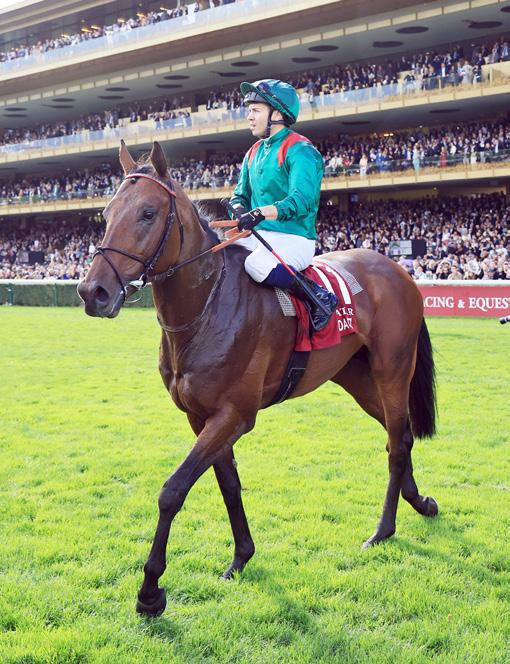
Thinking logically through a problem and formulating an effective plan seems to have become a speciality for Graffard, as seen by his two biggest successes from 2025. Daryz went to York for what could have been considered a disastrous outing in a tactical Juddmonte International Stakes, but in the immediate aftermath on the Knavesmire, the trainer’s reaction was, “He will have learnt a lot from today.” Indeed, the Aga Khan Studs colt was a different, more mature animal six weeks later when recording an emotional victory in the Arc. French observers commented that many less courageous handlers would have sent the blue-blooded son of Sea The Stars for a break after his British beating, and never attempted the ParisLongchamp showpiece.
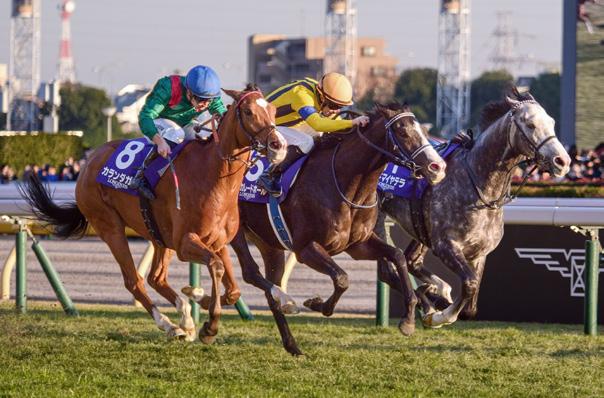
Similarly, Calandagan’s historic success in the Japan Cup, a race which international horsemen had almost accepted was no longer winnable for visitors, was carefully thought through. Convinced he had a suitable horse to take on the challenge, Graffard took on board experiences gleaned the previous year in Tokyo to take aim at the race several months out and meticulously plan a winning route to glory.
However the elite international scenes of Tokyo and ParisLongchamp are a far cry from his early interest in horses and ambitions in life.






































































































































TARGETED AT


Digestive upsets or hind gut

Those with loose droppings Those that have been on antibiotics Horses in training/racing Those on box rest Those receiving low
Scouring foals (consult
vet) Underweight horses




































unique support package (prebiotics, probiotics and postbiotics) for the horse’s microbiome to help promote optimum gut health



“My grandfather was a doctor and had a farm in the Charolais region where he kept a few jumps mares. We lived close by and he was the one who took me racing. I loved working with the horses, even cleaning out the stables, making everything look perfect as though it was a classic stable. Before I was born, he had won the Prix Vermeille with a filly he bought out of a field as a foal, so I was always aware of the significance of that race, but jumping was more accessible to him and he had a few horses with Jehan Bertran de Balanda, and a few AQPS at his farm which ran at local tracks such as Paray le Monial, so that provincial scene was my environment. We always watched races like the Arc on the TV at home.
At that time I had never raised the idea of pursuing a career in racing. I studied law, and went through all the stages of going into a “normal” career. My plan was to be a lawyer specialising in racehorses. I had the impression that I was too far removed from the racing industry and the doors seemed closed to me. That began to change when I did an internship with
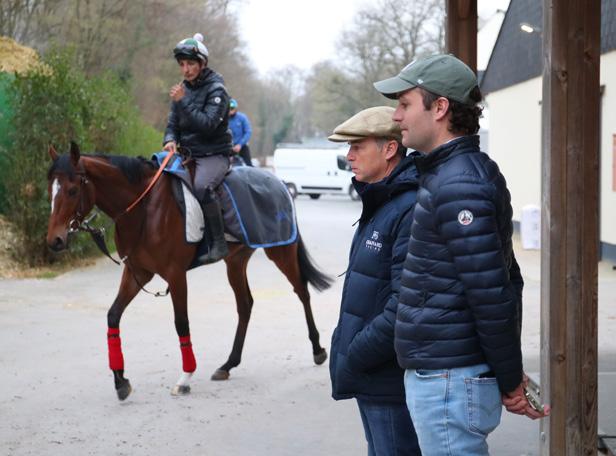
Goffs France, as it was called at the time, with Eric Hoyeau. I remember waiting for almost an hour behind the rostrum at Saint Cloud sales, to be able to approach him, with my dad waiting… I was about 20 at the time, and studying law, so not so young… I got on with Eric straight away and he became a mentor to me. I have a lot of respect for him, and my father had always impressed upon me the value of hard work.”
Graffard utilised his time at Goffs to prepare a dissertation on the changing face of racehorse auctions, and completed his four-year law course, but by then the writing was on the wall for a career as a lawyer. “I felt drawn to the competitive aspect and I felt that horses would allow me to meet incredible people and travel, to reach a high level in sport that I would not be able to achieve myself as a rider or a sportsman such as tennis player.”
Through Hoyeau, Graffard travelled to Florida to spend time with breeze-up consigner Nick de Meric and while he was Stateside he heard about the first edition of the Darley Flying Start.
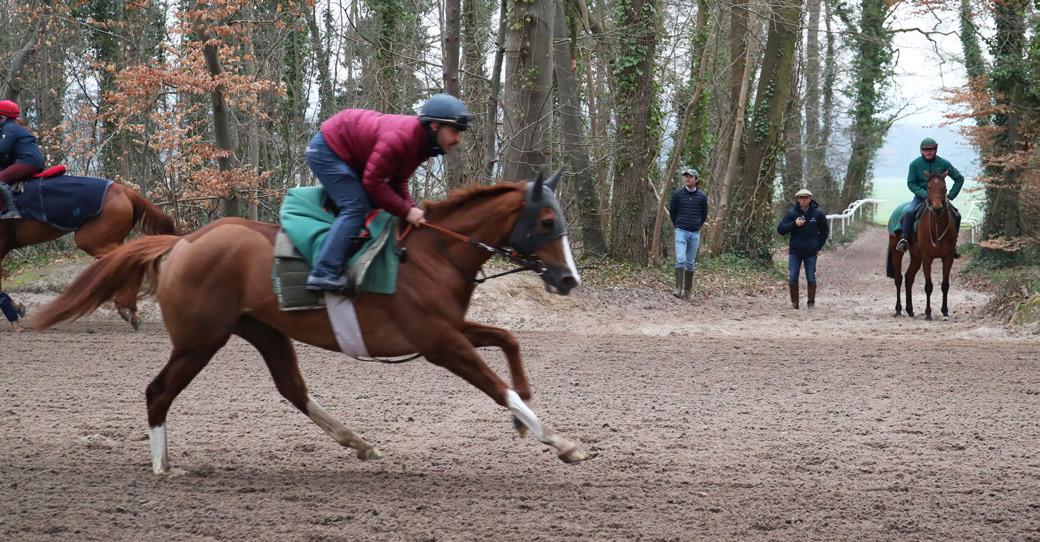













“I wanted to travel and learn English so I was very lucky to be accepted and that’s how it all started for me. I learnt all my answers for the interview by heart in English because I couldn’t speak very well, but fortunately they gave me my chance, and that was also thanks to my law degree, which gave me an unusual CV. If I hadn’t had that opportunity, I think my life would be different today.”
After the two-year Flying Start programme, during which he spent time with André Fabre and Gai Waterhouse, Graffard remained in Newmarket to work with John Ferguson for Godolphin. He explains that this experience further widened his horizons and raised his expectations.
“From being someone who didn’t have an entry ticket into the industry, I went to having all the doors opened to me. I’m not saying that people respected me particularly, my English still wasn’t perfect, and I’ve never been a geek for racing history or knowledge of pedigrees and all that. But I had the opportunity to be on the podiums at Ascot and all the big meetings, and collect the trophies. It sounds silly but I think that helped me with my approach to the big races, to see them as being accessible. If you spend all your career in France and then one day decide to run in the King George, it’s a big step, but I had been exposed to that kind of events. For me it was just like going to Vichy! So that was a real help to me, and it gave me the desire to return to England for these big meetings. The British have a great approach to sport, they like sport, horses, racing. The racecourses are atypical and I love their system of festivals, with great atmosphere, dress code, and quality of racing. To go over there and beat the British is always a fantastic challenge.”
Now that he has ticked off arguably the world’s biggest turf races in the Arc and Japan Cup, within a few weeks of each other last year, in addition to the King George, Champion Stakes and Breeders’ Cup Filly & Mare Turf, Graffard could widen his ambitions to a different sphere. “It would be great to win big races on the dirt. The Japanese have managed it, but then they have a dirt sector of their breeding industry. It is


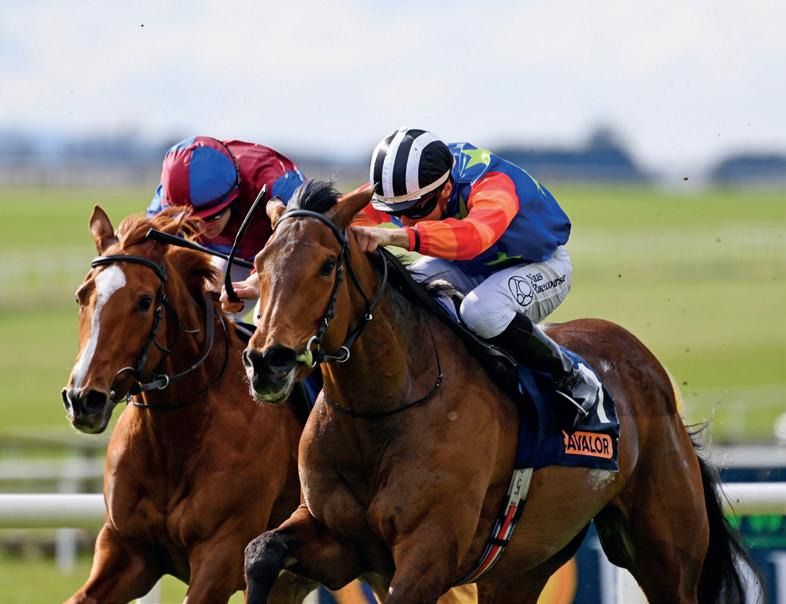
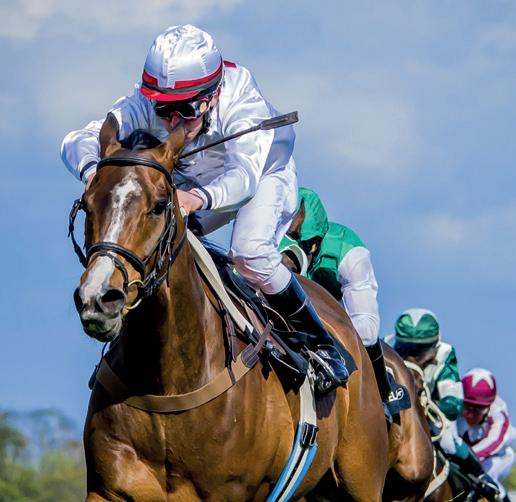
ABOVE: Francis-Henri Graffard’s Gezora, with Mickael Barzalona up, wins the 2025 Maker’s Mark Breeders’ Cup Filly & Mare Turf on Breeders’ Cup Championship Saturday at Del Mar Thoroughbred Club.
possible to train both and I have a very global vision of training and racing and that’s what inspires me. Winning a major race on the dirt would be an amazing challenge. André Fabre succeeded with Arcangues and it was extraordinary. But you need the right horse. I can’t say I overestimate my horses but my method is I like to find them easy races for their morale and then when I have confidence in my horse and I know that he is in top form physically and mentally, I’ll give it a go and it doesn’t worry me if I’m the outsider.”
Closer to home, after his record campaign last year, the logical lawyer side of Graffard has been analysing the possibility of equalling or improving on that score in 2026.
“André Fabre held the record for winning 13 Group 1 races since 1992 so that shows how hard it is to do. When you think about it, 14 is mind-blowing. Except for Aidan O’Brien who amasses Group 1 wins every year, it’s very hard for anyone to do. Aidan always wins a lot of Group 1s with his two-year-olds and the only area in which I was lacking last year was with my juveniles, so I say to myself that I still have room for improvement.


THE QUEEN ANNE STAKES (1m) STRAIGHT | £800,000
THE KING CHARLES III STAKES (5f ) | £700,000
THE ST JAMES’S PALACE STAKES (1m) ROUND | £700,000
THE PRINCE OF WALES’S STAKES (1m 2f ) | £1,000,000
THE GOLD CUP (2m 4f ) | £700,000
THE COMMONWEALTH CUP (6f ) | £700,000
THE CORONATION STAKES (1m) ROUND | £700,000
THE QUEEN ELIZABETH II JUBILEE STAKES (6F) | £1,000,000
For further information contact: Adrian Beaumont IRB, adrian@irbracing.com, +44 (0) 7808 903158
Chantal Chappuis, chantalchappuis@orange.fr, +33 6 07 763234 (French runners)



WE NEED A RETHINK ON HOW WE ARE GOING TO MARKET RACING. STORIES ABOUT OUR CHAMPIONS ARE THE KEY TO ENSURING A FUTURE FOR RACING.”
With the quality of bloodstock I now have in my stable I should be able to be competitive at the top level with my juveniles, and that would complete my results.
I just hope the success continues. When I win, I think a lot about the team. When you employ so many staff there are a lot of families who depend upon our results. The results of the stable have human implications and that’s why I put pressure on myself.” He smiles, “but, ça va aller…” (it will be OK)
If Graffard is quietly confident about the continuing success of his stable, how does he feel about the wider state of the racing industry, notably in France where betting turnover is in decline, prize money cuts were made in 2025 and the sport struggles for media attention?
“Part of me is negative, as we are facing so many challenges with the diminishing number of punters and fans, and a general lack of interest in racing here in France. It’s certainly largely the fault of the racing industry but the world overall is in an alarming situation. France, like Europe as a whole, is in a worrying state. With the country in such financial difficulty, how can racing hope to function successfully? I can’t say it’s all our fault.”
“There are many factors but we need to relaunch the sporting side of our activity and not just betting. We need to make stars out of horses and people like Formula 1 did so successfully, rather than concentrating on quantity and burying people in non-stop racing with little sporting interest. In Asia there is
less racing and people have time to become fans. We are lucky to have so many centres of interest which can draw people to become fans of racing, whether it be pedigrees, stories, the different aptitudes of all the horses for each race, and of course an extraordinarily beautiful animal. Racing is an intelligent sport and there is a potential to generate interest”.
“We need to relaunch our sport and to do that we can’t be racing all over the place at all times of day. We should consider a system with two levels, an alimentary category and a selection category. One can’t exist without the other but one should not crush the other. To sell our sport and attract new bettors and fans, we need to value the top level. We need a good two-tier system, and to offer more data and information to punters. It’s not easy as we all train differently, you can’t show all the gallops, but the public need access to more data to make betting more interesting, and here in France we should focus more on the names of the horses rather than the numbers and complicated betting combinations which make the sport seem inaccessible”.
“I must admit, I was a little bit disappointed by the lack of interest of the French media in the exploits of Calandagan. That should be a wake-up call to the institutions here in France to say if we can’t sell that story, we need a rethink on how we are going to market racing. Stories about our champions are the key to ensuring a future for racing.”
With a lead protagonist like Graffard, and his supporting cast of equine and human champions, the story of racing has a solid team of advocates to defend racing in France and around the world.

Breeze Up sales the source of 46 Gr.1 winners for a median price of £81,000!*
Source of recent Classic winners
RULING COURT, NATIVE TRAIL, CACHET, ELDAR ELDAROV, WAR OF WILL...
Plus Classic prospects for 2026...
GEWAN 1st Gr.1 Dewhurst Stakes
DISTANT STORM 1st Gr.3 Tattersalls Stakes and 3rd Gr.1 Dewhurst Stakes
ZANTHOS 1st Gr.2 Rockfel Stakes
Don’t miss out this year! Stay up-to-date with the upcoming



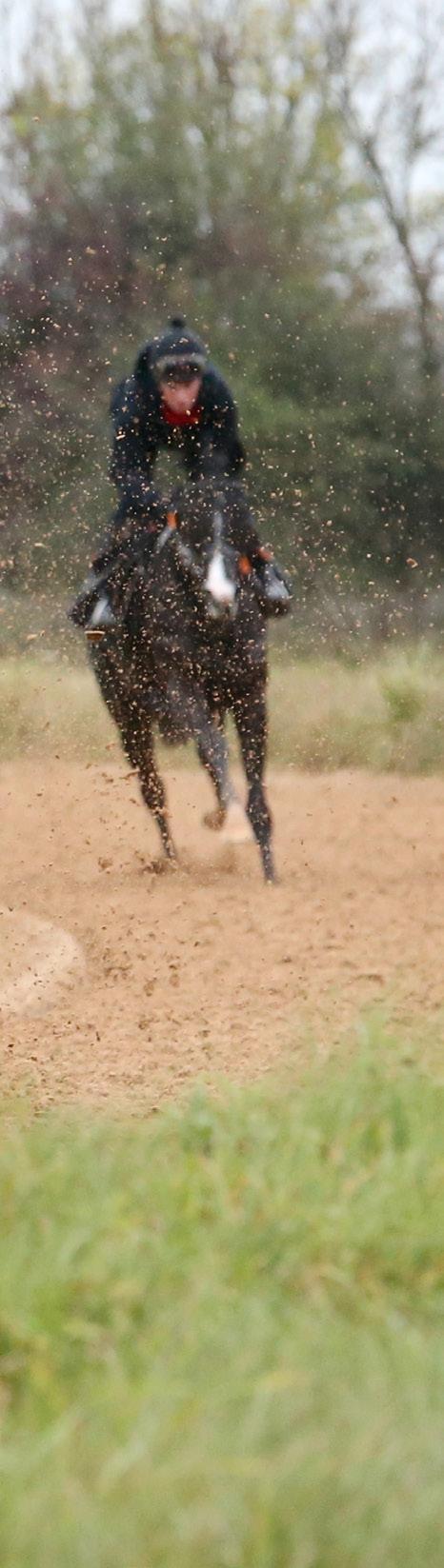
For racehorses, the demands of stabling and intense work can prove an additional burden to digestive, respiratory, muscle and mental health - ultimately impacting performance. Horses are remarkably adaptable athletes but it’s essential to get the basics right to help reduce the risk of health problems once training gets dialled up a gear.
Making the step up to fast work successfully doesn’t just happen. Months of steady work, building strength, condition and fitness are required. Fuelling the workload correctly helps make the step up to faster work a greater success and improves long term performance. But how are evolution, workload, nutrition and peak performance interlinked?
Energy is not a nutrient but is derived from the nutrients in food. The main sources of energy in the horse’s diet being fibre, oil, sugar and starch (found largely in cereals). Protein is not a primary energy source but forms the building blocks of body tissues such as muscle and is generally only used for energy by horses without sufficient energy from other sources, where lean tissue is broken down to try and meet demand. National Research Council data (2007) suggests a horse in heavy work needs up to 75% more energy than a horse in light work, with protein requirements around 50% higher.
The term ‘energy’ is often associated with performance or behaviour and ‘calories’ with weight, but they are the same thing, calories simply measure energy. As workload increases so does the need for more calories - or fuel. There may be a temptation to try to increase the amount of energy in the diet by simply increasing cereal levels (e.g. oats), historically a common strategy, however this can cause unintended adverse consequences. Modern racing feeds utilise a blend of energy sources, providing a far more sympathetic way of feeding. Racehorse diets should be adapted gradually, with new feeds phased in as workload increases – not in anticipation of what’s to come or behind the curve.
An EU forage consensus statement (Harris et al, 2016) concluded that a lack of forage “may adversely affect the health, welfare, behaviour and even performance” of the horse. It was agreed that a lower amount of 1.5% or absolute minimum of 1.25% bodyweight of forage in dry matter should be fed to horses even in hard training. To optimise digestive health, 500kg horses should consume at least 9kg of hay or 11-12kg of haylage per day on an as fed basis (the amount weighed out), and all horses should have the option to eat forage for at least 8 hours a day, preferably 12. Racehorses fed less than 6.8 kg/day of forage showed a significant increase in abnormal ‘stress’ behaviours (McGreevy et al., 1995).
INCREASES IN: BENEFITS:
Chewing time
Chewing time
Saliva production
Fibre intake
Fibre intake
Fibre Intake
Gut motility
Fibre intake
Mental wellbeing
Saliva production
Gastric health
Gut motility
Hydration levels
Diversity & stability of gut microbiome
Nutrient synthesis & absorption
Consistent source of fuel
These benefits should not be overlooked when it comes to maximising health, performance and recovery.
‘Dry matter’ refers to what is left of forage once the water has been accounted for, the chart above shows how much a 500kg racehorse should be fed each day.
Stress, intense work and high starch, low forage diets have been associated with an increased risk of gastric ulcers.
Bicarbonate ions in saliva provide a natural buffer to gastric acid. Horses only produce saliva when they chew but gastric acid is produced continuously. Horses on low forage diets with reduced chewing time have a reduced capacity to neutralise this acid.
The stomach becomes more acidic (a lower pH) in horses who have not eaten for several hours, and the acidity can be further exacerbated by the effects of starch fermentation in the stomach (releasing volatile fatty acids) if meals are high in starch and low in fibre. When these horses are worked, abdominal pressure increases resulting in gastric acid ‘splashing’ on to the upper (non-glandular) region of the stomach, where it can contribute to ulcer formation. Feeding short chopped fibre before exercise may help create a ‘mat’ over the stomach contents and reduce gastric splashing.
In addition to the negative effects on the stomach, feeding large, high starch meals can also contribute to problems further along the digestive tract. After passing through the stomach, partially digested food passes into the small intestine. The horse did not evolve to consume large amounts of starch and the capacity of the small intestine to digest large starch meals can be exceeded relatively easily. Undigested starch can therefore pass through into the large intestine (or hindgut) which can be highly detrimental to the microbial population that is vital to the proper function of the hindgut and to the horse’s health.
Some studies have shown probiotic live yeast can maintain a healthy hindgut pH and support fibre digestion; prebiotics provide ‘food’ for beneficial gut bacteria. A healthy and efficient digestive system is essential for horses to absorb the nutrients in their diets and may also be associated with support for the immune system. Choosing feeds including these ingredients, or supplementing them, may be worth considering, especially during times of stress from intense work.
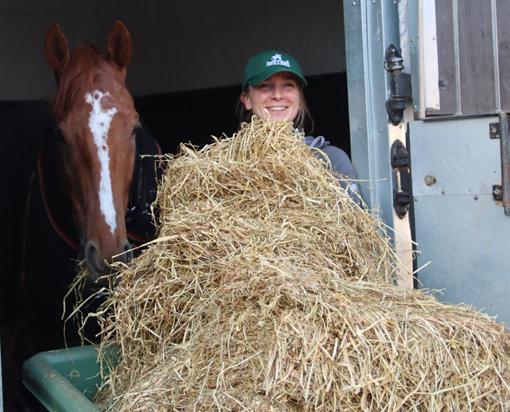
• Keep meal size to a maximum of 2kg.
• Avoid sudden changes to diet - replace up 0.5kg current feed for 0.5kg of new feed every other day.
• Choose restricted starch feeds - ≤20%.
• Feed less than 1g of non-structural carbohydrate (NSC: starch + water soluble carbohydrate) or ‘starch and sugar’ per kilogram bodyweight per meal and ideally less than 2g NSC per kilogram bodyweight per day. For a 500kg horse this equals <500g of NSC per meal and <1kg of NSC per day.
• Add short chopped fibre, ideally containing alfalfa, to every meal. The high protein and calcium content in alfalfa is thought to help buffer stomach acid.
• Feed approx. 1 Stubbs scoop of short chopped fibre 30 mins before exercise.
• Avoid periods more than 4-6 hours without forage especially during day. Luthersson et al. (2009), found gastric ulcers risk was approximately 4 times higher in horses left for >6 hours without forage.
• Over-feeding horses with large bucket meals may reduce appetite for forage intake.
• Allow periods of turnout where possible.


“Since




- Karl Burke


While work and training are crucial for muscle development, the amount of protein (crude protein) and the quality of protein (the amino acid profile) in the diet play a pivotal role. Horses utilise protein continuously to build and repair tissues, particularly muscles. Proteins are made up of building blocks known as amino acids. Twenty-one different amino acids are used in the horse’s body but nine are essential amino acids which the horse cannot make by converting other amino acids and these must be provided in the diet. Of these, lysine is in the highest demand and most likely to limit the horse’s ability to develop muscle and repair its tissues. Performance feeds are carefully formulated to help provide the essential amino acids required to support muscle development, function, and recovery.
The horse has evolved an outstanding capacity for repeated muscle contraction and hard physical exercise. Readiness of equine muscle contraction (and therefore work) is a great asset but may also make the horse at higher risk of muscle disorders when compared with other species. Affected muscle rupture in a process known as rhabdomyolysis or colloquially as ‘tying up’. There are different types and severity of rhabdomyolysis. Episodes can be severe and obvious or a more subtle stiffness or reluctance to work; some horses may only suffer a single episode whilst others have repeated bouts. In racehorses in training most episodes of rhabdomyolysis occur in relation to exercise (exertional) and episodes are most prevalent in young, nervous Thoroughbred fillies. Key risk factors include intense exercise, high fitness, stress, irregular training, being restrained during gallop, and pain from lameness. Recurrent Exertional Rhabdomyolysis (RER) refers to repeated episodes due to an underlying muscle condition (that do not have another definitively identified form of rhabdomyolysis) and is thought to relate to defective calcium regulation in the muscle cell. Dietary management plays an important role in control of RER.
Dietary recommendations focus on reducing starch and sugar and for horses with high energy demands, replacing energy from cereals with oil - use compound or fibre feeds high in oil. The main advantage is minimizing excitability by lowering starch, rather than a direct ‘protective’ effect from oil itself.
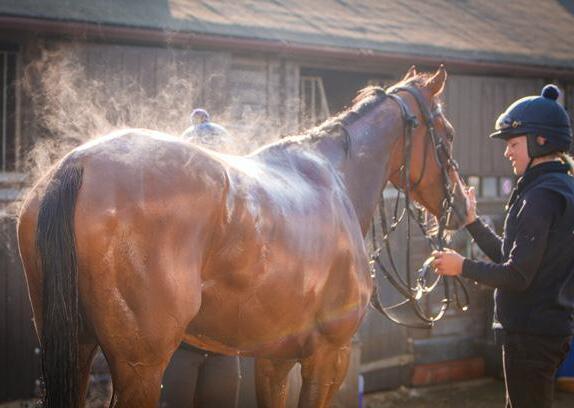

Starch tolerance varies, but cereal-based feeds should be halved on rest days - ideally reduced by half from the evening before to the evening after. High-fibre, low-starch feeds are less concerning, even if energy-dense. The benefit of restricting water-soluble carbohydrates (WSC) from forage is unclear, but low-moderate WSC hay/haylage may help some horses.
In horses, without underlying muscle conditions, an episode of rhabdomyolysis can be triggered by over-exercising after rest, overfeeding, high starch and sugar intake, low forage diets, electrolyte imbalances, sudden feed changes or illness. Management strategies are similar to those for RER. Also aim to avoid box rest days, reduce stress during work, travel, and at the yard.
Water accounts for around 65% of body mass and maintaining hydration is key to both health and performance. Water losses through sweat can be as high as 10-15l/hr, with electrolytes lost alongside, particularly sodium, potassium and chloride. These are essential for muscle contractions (amongst many other functions) and replacing those lost will rehydrate the horse more effectively than drinking water alone.
Depending on the diet, gastrointestinal fluid accounts for approximately 19-21% of the horse’s bodyweight. This ‘reservoir’ in the large intestine is thought to provide a source of water and electrolytes to draw upon during exercise - vital for muscle function.

Some nutrient requirements increase as work increases. Others do not. Providing excess won’t always benefit the horse, sometimes the contrary. ‘Essential’ nutrients are those which must be supplied by the diet. Other nutrients are produced by the horse itself, although further dietary provision may still be beneficial.
Providing increased calcium has been shown to increase bone density, essential for young growing horses working intensely. Optimum intakes are up to 50% higher than standard requirements when they first start training, especially when stabled following free paddock exercise (Geor et al 2013).
Vitamin C is required for normal growth and development, formation of collagen, cartilage, bones, teeth, and wound healing. Produced from glucose in the liver, healthy horses don’t generally need additional vitamin C. Research shows that high vitamin C levels can support lung health, this may benefit horses working at maximum capacity, travelling frequently and spending extended periods in suboptimal stable air.
B vitamins are produced during fibre fermentation in the large intestine and are crucial for energy metabolism and reducing oxidative stress in athletic horses; they may also support appetite. While forage and natural synthesis usually meet requirements, many performance feeds contain added B vitamins to provide extra support and to help compensate for possible deficiencies from low forage diets or poor hindgut health.
Vitamin E and selenium are important antioxidants which work together and play a key role in supporting nerve and muscle health and function. Vitamin E is important for immune health, with young racehorses in intense environments particularly susceptible to ‘viruses’ which may impact performance of the whole string.
Vitamin E requirements increase in line with work with optimal levels thought to be considerably higher than published requirements. Including some natural vitamin E in the diet (which is more readily absorbed) may offer health and performance benefits, especially in horses without access to green pasture. A study by Fagan et al. 2019, showed less evidence of oxidative stress, likely less muscle damage and less reduction in stride duration when horses were supplemented with high levels of natural vitamin E vs synthetic.
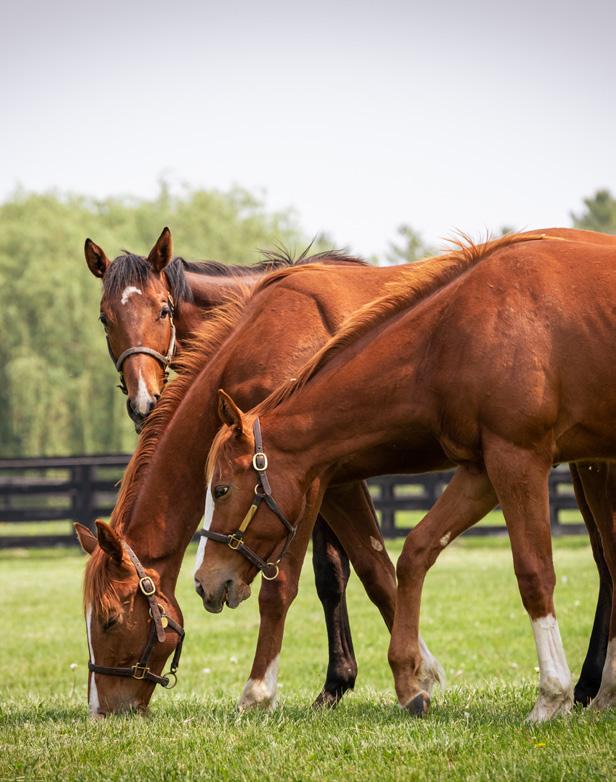
Fed in excess or out of balance , some nutrients can have a negative impact on health and performance. For example, the calcium: phosphorus ratio should ideally be maintained at 1.52:1, and the ratio of zinc: copper at around 3-4:1. Excess iron can inhibit the absorption of copper and zinc, and high levels of zinc can inhibit the absorption of copper.
Iron is often oversupplied from just a few kilos of forage, so care should be taken using feeds with added iron. Toxicity can also cause diarrhoea, depression, dehydration and an increased risk of bacterial infections. Supplementing iron does not boost energy levels, improve performance, support recovery or act as a ‘tonic’.
Though important, no more than 5mg per day of Selenium should be fed to a 500kg horse. Chronic toxicity by feeding multiple supplements (especially on top of an already balanced diet) can increase the risk of alopecia and hoof issues.
Remember - More does not always equal better when it comes to supporting performance.
Although balancing these nutrients seems complex, modern performance horse feeds are formulated with the challenges racehorses face front of mind. Reputable branded feeds, fed alongside suitable forage, should meet requirements without the need for owners and trainers to worry about supplementation or balancing nutrients which are crucial for success. And don’t forget - nutrition specialists are available for consultation to ensure your horses are getting what they need, when they need it, to help fuel your success.
PHOTOGRAPHY: GALOPPFOTO.DE, SPILLERS®

The leading company in Ireland for Biosecurity and Equine health.

• Kills Parvovirus to >4 log reduction
STERI-7 Equine with RBT; a DEFRA Approved, high level, broad spectrum, cleaner disinfectant, signals the end of most harmful Viruses, Spores, Moulds and Bacteria
For more information please contact Pat @ 083 3765928 or David @ 086 4697447 Visit our website at www.sentinelireland.ie
• Kills Rhodococcus Equi to >7 log reduction
• Kills Streptococcus Equi to >7 log reduction
• Kills MRSA to >11 log reduction
• Kills Salmonella SP. to >7 log reduction
• Kills Aspergillus Niger to >6 log reduction

The leading company in Ireland for Biosecurity and Equine health.

AirlightPLUS is the excellent solution for the following;
• Inflammatory Airway Disease (IAD)
• Exercise Induced Pulmonary Haemorrhage (EIPH)
• Bleeding
• Respiratory Problems
• Poor or Reduced Performance
For more information please contact Pat @ 00 353 83 3765928 or David @ 00 353 86 4697447
Visit our website at www.sentinelireland.ie

For generations, wooden hurdles have been a familiar part of National Hunt racing. But their drawbacks are well known: splintered rails, exposed end posts, broken tops, and constant repairs. They are labour-intensive, costly to maintain, and, crucially, they no longer meet the safety and welfare standards expected in modern racing.
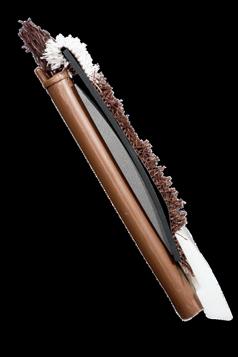
The EASYFIX Equine Traditional Style Hurdle has been developed to solve these problems, retaining the trusted mechanical attributes of timber while delivering the safety, performance, and durability required today.
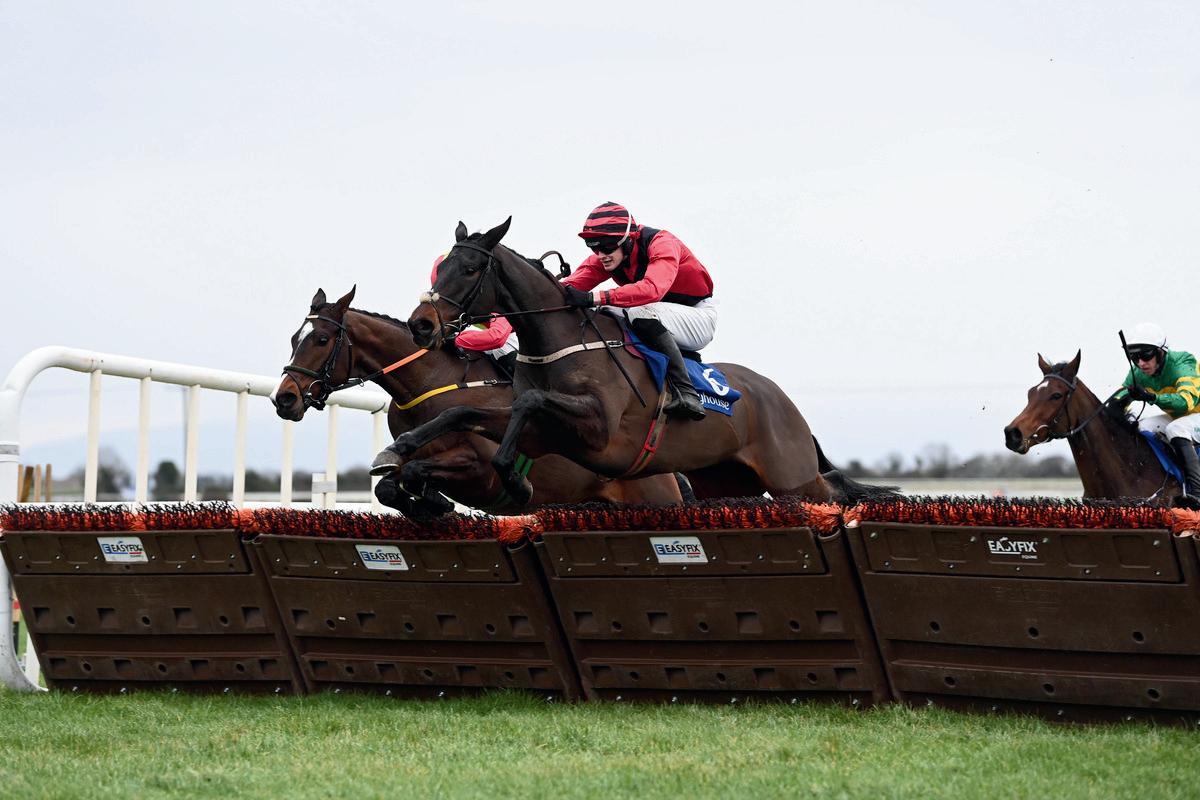

Injury risk: splinters and sharp edges from broken rails can cause serious harm.
Leg entrapment: broken timber and birch allow legs to go through the frame, increasing the chance of falls and serious injury to horse and rider.
High maintenance: constant painting, repairing and replacing is required.
Labour & cost: large numbers of spares must be kept on hand for repairs adding expense at a time when labour is increasingly had to get and comes at a large cost financially.
Weather damage: timber warps and rots in wet conditions.
Outdated: they fall short of the welfare and performance expectations of modern racing.
The new hurdle has been engineered to replicate the look and feel of a traditional hurdle while eliminating its weaknesses:
Safe & splinter-free: no sharp edges or broken rails.
No exposed end posts: reducing the risk of impact injuries.
Leg protection: moulded plastic body prevents legs from going through.
Improved visibility: a 3D high-impact toe board offers clearer sightlines for horses.
Consistent set-up: a 60° ground line helps ground staff achieve the correct angle every time.
Weatherproof & maintenance-free: no painting, no repairs, no rot.
Cost-effective: fewer spares needed, saving time and labour.
Easy handling: lightweight, simple to stack, store, and install. They include 8 in-built handles for ease of handling .
Approved for Racing by:


The EASYFIX Equine Traditional Style Racecourse Hurdle wasn’t developed overnight. It is the result of extensive research, rigorous testing, and close collaboration with the racing community. From design trials at Tipperary, Fairyhouse, and Galway, to feedback from trainers, jockeys, clerks of the course, ground staff and veterinary surgeons, every detail has been refined to deliver the safest and most reliable hurdle possible.
By working alongside our peers in the racing industry, we’ve ensured the hurdle meets not just EASYFIX’s high standards, but the expectations of the entire racing community.
Feedback from across the industry has been overwhelmingly positive. The hurdles have been trialled at Tipperary, Fairyhouse, Galway and beyond, with trainers, jockeys, ground staff, and vets all impressed.
“I love them, they are the future… They look like the real deal. Horses are more inclined to jump these ones.”
-Noel Meade, Trainer
“I’m a massive fan of them, they are lovely to ride down to, horses have respect for them. A great Job!”
-Jack Kennedy, Jockey

Leading trainers Gordon Elliott, Paul Nicholls, Dan Skelton and Gavin Cromwell have also praised the hurdle’s safety, durability, and horse-friendly design
Veterinary opinion has been equally encouraging. After observing more than 120 horses school over the hurdles in February 2023, William Sharp, BVM&S MRCVS, Lisadell Equine Hospital, reported:
“I was impressed with these new hurdles… A very impressive thing was the flexibility and rebound. It meant all horses had a similar jump all through the race. From my view as a Veterinary Surgeon I didn’t see anything that would concern me.”
-William Sharp, BVM&S MRCVS
By combining the familiar profile of the wooden hurdle with modern materials and design, the EASYFIX Racecourse Hurdle honours racing’s heritage while delivering the safety, consistency, and durability demanded by the sport today.
Already endorsed by leading trainers, jockeys, and veterinary surgeons, it is widely regarded as the future of National Hunt hurdling.
EASYFIX Equine, Our passion is to protect yours.
For more information on our hurdles, or indeed our extensive range of rubber matting solutions, contact us today!
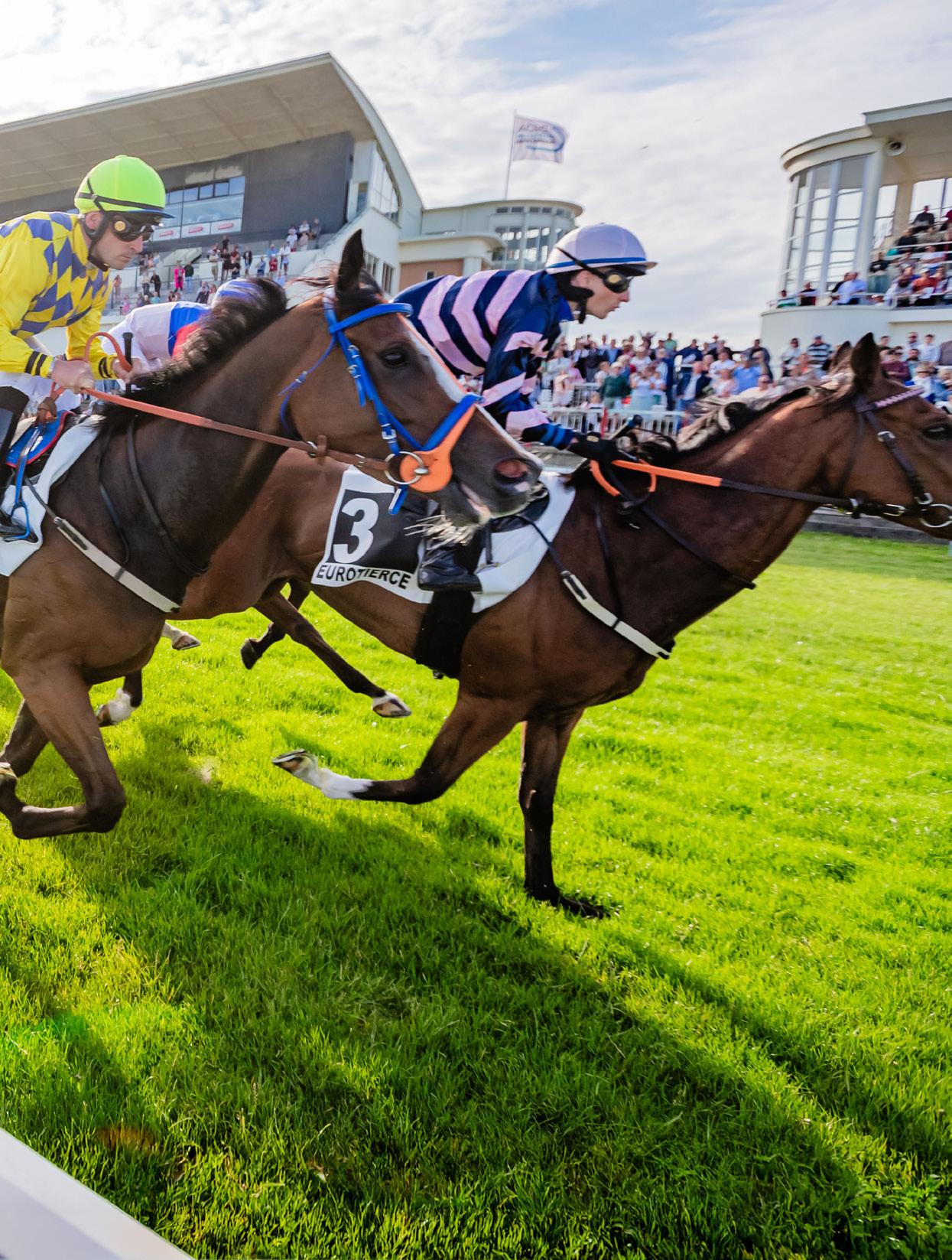


Across Europe a total of four Pattern races have been downgraded, with three Listed races losing their status. In Italy, downgraded to Gp.3 are the Premio Dormello (Milan), Premio Lydia Tesio (Rome), Premio Roma (Milan) and losing Listed status the Botticelli (Rome), Repubbliche Marinare (Rome), and Vittorio Riva (Milan).
In Denmark at Copenhagen the Gp.3 Scandinavian Open Championship has been downgraded to Listed. In addition, the Gp.3 Prix Pénélope, Saint-Cloud, Listed Prix Scaramouche, Saint-Cloud, Listed Spring Mile, Jägersro and Listed Swedish Open Mile, Bro Park were all voluntarily deleted from the Black Type programme.
Reflecting on these downgrades, with particularly reference to Italy, Jason Morris, Chair of the European Pattern Committee, explains, “The EPC has reduced the number of scheduled
Black Type races for a fifth year in a row, with the total falling from 853 races in 2021 to 811 races in 2026. This reflects the collective responsibility that the EPC member countries share towards enforcing quality control. The EPC also recognises the challenges being faced with falling foal populations and a diminishing supply of high-quality horses throughout Europe, and it will continue to work collaboratively to keep this critical issue under review. In this regard, the EPC has warmly welcomed MASAF’s [Italian Ministry of Agriculture] commitment to revitalise and relaunch the Italian racing and breeding industry, which includes ambitions for securing an upgrade of an existing race to Group 1 status in the future. The prize money of the Group 2 Premio del Jockey Club at Milan in October has been doubled to €500,000 (£433,625) for 2026 as a race that Italy is targeting for potential promotion.”
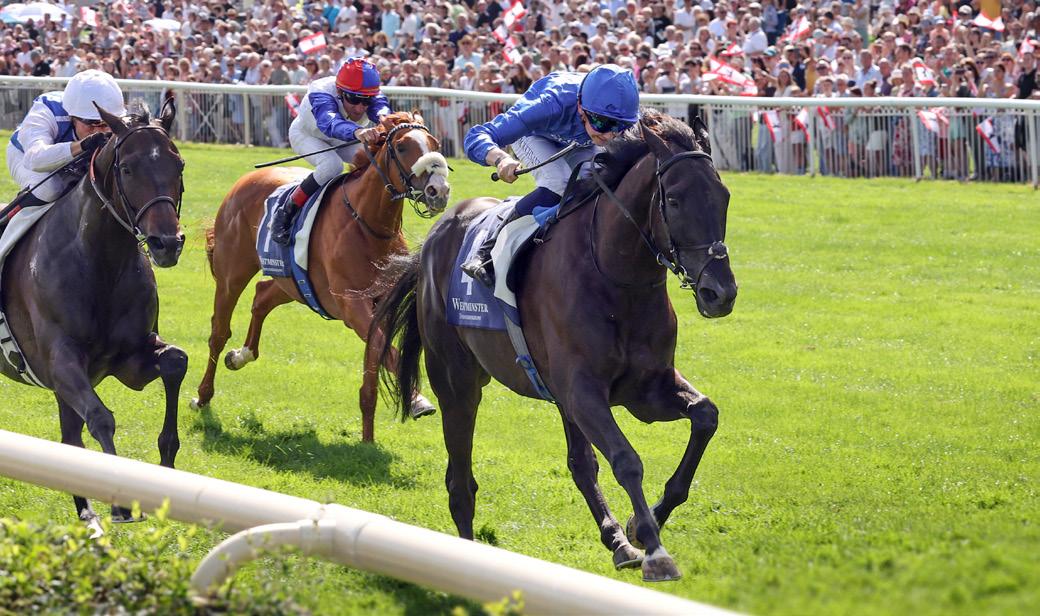

Belgium’s premier meeting is at Ostend Monday 20th July, featuring the €16,000 (£13,876) Prix Prince Rose, 2100m (10f) for four-year-olds and up who have never been placed in the first five of a Class A race and to whom the handicapper has assigned a value of 20k or more.

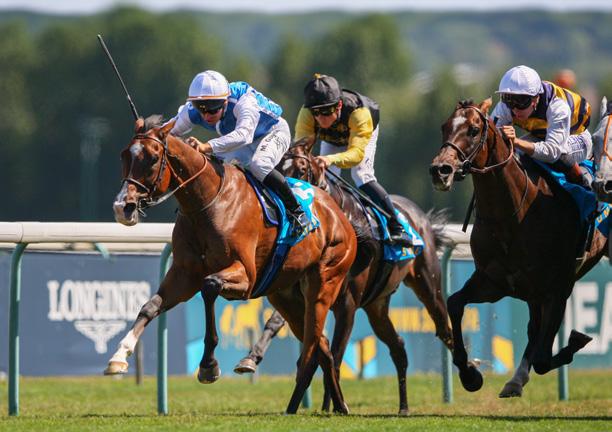
Although entries have now closed for the Gr.1 €650,000 (£569,000) Deutsches Derby, 2400m (12f) Hamburg 5th July, there is free late entry offered to the four first placed horses in The Derby, Epsom, Prix du Jockey Club, Chantilly, Japanese Derby, Tokyo, The Oaks, Epsom, and Prix de Diane, Chantilly. Free late entry is also offered to the winners of the Dante Stakes, York, and King Edward VII Stakes, Royal Ascot. Late entry is possible until 29th June. On the supporting card are two €52,000 (£45,500) auction races for three-year-olds offered as yearlings at a BBAG or partners’ public auction in 2024, the BBAG Meiler Auction Race 1600m (8f) and the BBAG Steher-Auktionsrennen 2200m (11f).
In a change to the Baden-Baden Festival in September, the traditional Wednesday meeting has been moved to an evening meeting on Tuesday 30th September, with nine races scheduled. Stephan Buchner, Managing Partner, explains, “We are pleased to implement a concept that is new to us on this day. Our thanks also go to our partners, especially Coolmore Stud, who support the change of date and support us in the further development of this event. On the occasion of the Coolmore Stud BadenBaden Cup, Coolmore invites its clients to a reception after the race. We hope that the new after-work format will also offer the opportunity to address even more guests and clients who would like to use the early evening to visit.”
At Hoppegarten Sunday 19th July sees a day in celebration of all sport and the feature race is the 2400m (12f) Gp.3 BBF Grand Prix Fürstenberg worth €55,000 (£47,565), when threeyear-olds meet the older horses. The start is directly in front of the grandstand, making it a popular spectacle. The highlight of the Berlin season is Sunday 9th August and the Gp.1 2400m (12f) Grand Prix de Berlin worth €155,000 (£134,047). The supporting programme includes three Listed races, the 1200m
(6f) Fliegerpreis, the 1800m (9f) Mare’s Prize and the 2800m (14f) Steherpreis. Concluding the season at Hoppegarten is the most popular day’s racing in Germany, the Day of German Unity Saturday 3rd October, with its highlight the 1800m (9f) Gp.2 Preis der Deutschen Einheit. 15,000 fans from all over Germany make the pilgrimage to this cult race day every year to celebrate the fall of the Berlin Wall, which made it possible for people and horses from all parts of Berlin, Germany and abroad to come together at the largest and most beautiful racecourse in the country.
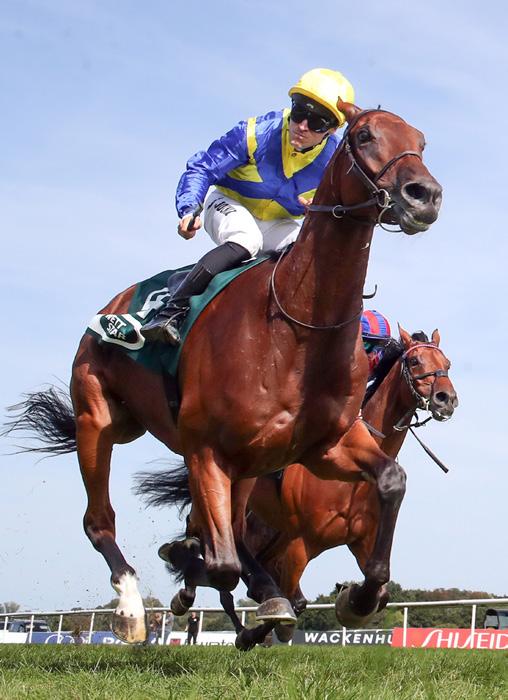


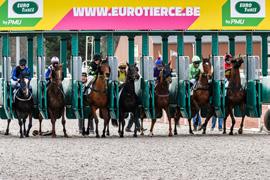

Belgium is at the crossroads of horse racing in Europe: UK, Netherlands, Germany, France are only a stone’s throw from our training centers!
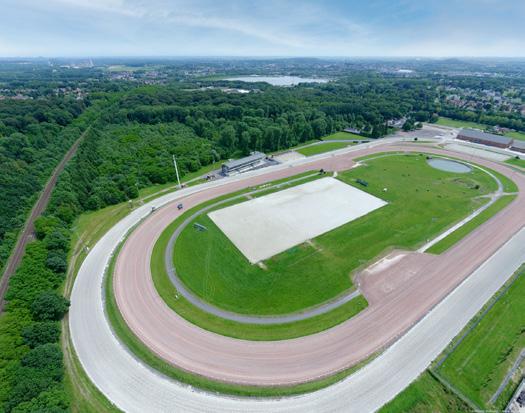
To learn more about the opportunities to train & race in Belgium this year contact Bernard Stoffel +32 475 933 457 or by email contact@bgalopf.be
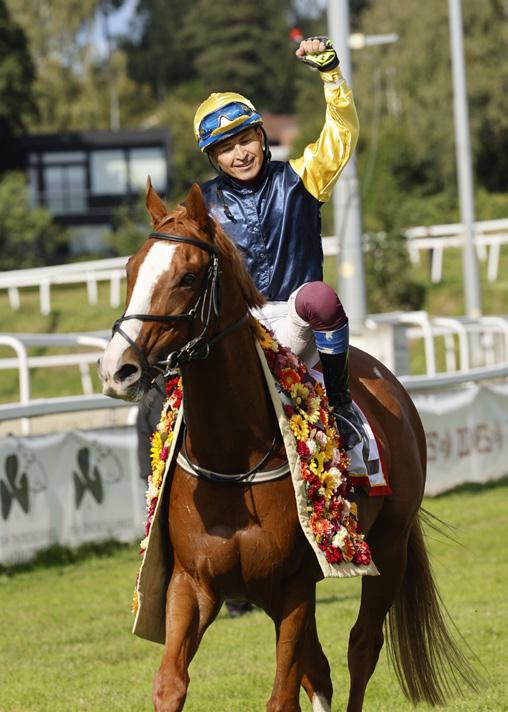
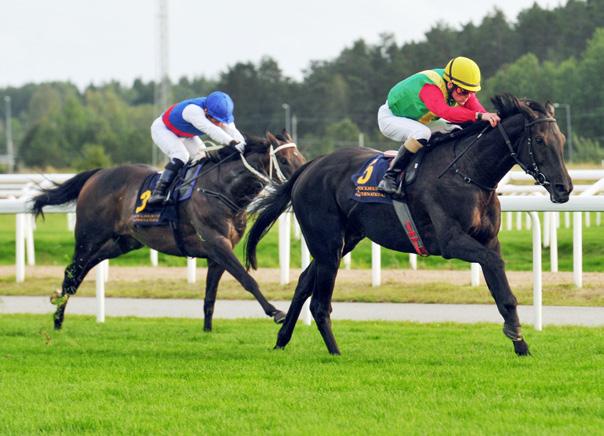

Øvrevoll Racecourse is the only racecourse in Norway, with a turf track and a dirt track. It’s the perfect destination for a city break, situated at the head of the stunning Oslo Fjord and just 10 minutes from Oslo City centre. The biggest event of the year is Norsk Derby Day, Sunday 23rd August, and includes on the card the 1800m (9f) Marit Sveaas Minneløp, Norway’s only Group 3 race and one of the highlights of the Scandinavian racing season, with a purse of €106,000 (£92,000).
Also on the card are the €40,000 (£35,000) Listed Polar Cup, 1370m (7f), and the €35,000 (£30,000) Listed Lanwades Stud Fillies And Mares Stakes, 1600m (8f). The latter no longer carries a free nomination, but Lanwades offers a voucher to the winning owner of the race. Travel allowances are available, subject to agreement. Trainers are reminded that jockeys cannot carry whips in races for three-year-olds and upwards.
In Sweden, the €78,000 (£67,500) Gp.3 Stockholm Stora Pris, 1750m (9f), kicks off the black type at Bro Park, Sunday 7th June. Sweden’s showcase meeting takes place at Bro Park 13th September with a card that includes the Gp.3 Stockholm Cup International over 2400m (12f) for three-year-olds and up and worth €91,700 (£76,900).
The three Listed races on the supporting card are each worth €50,500 (£42,350) and open to three-year-olds and up, namely the Bro Park Sprint Championship 1200m (6f), the Tattersalls Nickes Minneslöpning 1600m (8f) and the Lanwades Stud Stakes for fillies 1600m (8f). Later Listed opportunities for three-yearolds up, each worth €36,700 (£30,800), are the 2400m (12f) Skånska Fältrittklubbens Jubileumslöpning and the Peas and Carrots Mile over 1600m (8f) at Jägersro Galopp 6th October, and the 2100m (10.5f) Songline Classic at Bro Park 27th October.
Denmark’s highlight is the 2400m (12f) Scandinavian Open Championship, run at Copenhagen 23rd May and is worth €60,000 (£52,000).
The €164,600 (£142,500) Prix Kergorlay, one of the highlights of the Deauville Summer Meeting in August, has become a Golden Ticket race for the Melbourne Cup for 2026. As part of the partnership between France Galop and the VRC, the Gp.2 Prix Kergorlay, 3000m (15f), will now grant its winner automatic entry into the Melbourne Cup and the winner will also receive a ballot exemption.
A total of €1.3m (£1.12m) French EBF (FEE) prize money is planned in France for 2026. FEE President, Arnaud de Seyssel, says, “The objective for 2026 is to maintain what was planned for 2025, to give greater visibility to the distribution of FEE incentives by targeting a limited number of races. The other objective for 2026 is to communicate more broadly about the contribution of FEE to the French racing sector.” Races carrying a FEE Bonus include Gp.1 Prix Rothschild (1600m/8f, fillies and mares), Gp.3 Prix de Cabourg (1200m/6f, two-year-olds), Gp.3 Prix de Psyché (2000m/10f three-year-old fillies) and Gp.3 Prix Six Perfections (1400m/7f two-year-old fillies) at the Deauville August meeting, and at Chantilly 19th September the Gp.3 races Prix Bertrand de Tarragon (1800m/9f fillies and mares), Prix Eclipse (1200m/6f, two-year-olds) and Prix des Chênes (1600m/8f two-year-olds).
5/9/26
5/9/26
5/9/26

The Marit Sveaas Minneløp is Norway’s only Group 3 race and one of the highlights of the Scandinavian racing season.

To be run at Øvrevoll, in the suburbs of Oslo, on Sunday 23rd August 2026.
Entries close on Monday 29th June. Supplementary entries close on Monday 10th August.
THE MARIT SVEAAS MINNELOP (Group 3) 1800m (about 1m1f) 3yo+, 1,200,000 NOK (c. €106,000/£92,000) total purse
THE POLAR CUP (Listed) 1370m (about 7f) 3yo+, 455,000 NOK (c. €40,000/£35,000) total purse
LANWADES STUD FILLIES AND MARES STAKES (Listed) 1600m (about 1m) 3yo+ f & m, 400,000 NOK (c. €35,000/£30,000) total purse
Please note that jockeys cannot carry whips in races for three-year-olds and upwards.
Travel allowances subject to agreement.
For further information, please contact Liv Kristiansen, Norsk Galopp’s director of racing: liv.kristiansen@norskgalopp.no / +47 97518458
Max Pimlott, International Racing Bureau: max@irbracing.com / +44 7950 861939
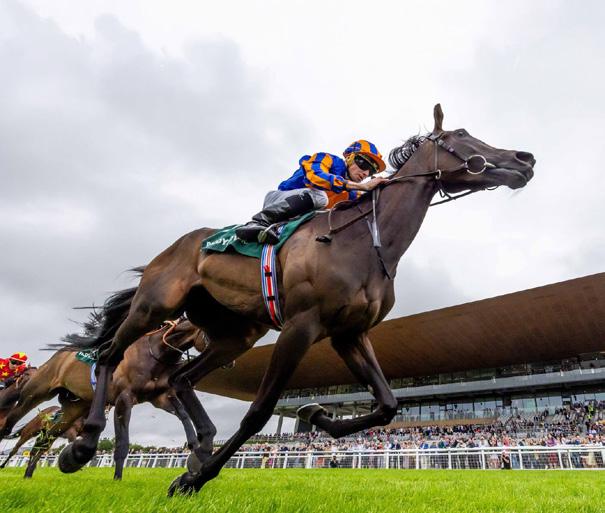

The Curragh sees increased prize money this year. Evan Arkwright, Racing and Sponsorship Manager, reveals, “2026 promises an exciting line up of 24 race meetings with record prize money of €15.5m (£13.5m) with notable increases across a variety of races. Both the Gp.1 Keeneland Phoenix Stakes (1200m/6f two-yearolds) and Gp.1 Paddy Power Pretty Polly Stakes (2000m/10f fillies and mares) will be run with total prize money of €400,000 (£348,260) for the first time this year.”
All Irish Premier Handicaps carry a minimum value of either €50,000 or €100,000, and the early closers in June are those at the Curragh during the Irish Derby Festival and the Nasrullah Premier Handicap at Leopardstown 9th July. The €100,000 races include Leopardstown’s 1800m (9f) Nasrullah Handicap and at the Curragh the 1600m (8f) Dubai Duty Free Handicap, 1800m (9f) Maddenstown Handicap, 2400m (12f) Ragusa Handicap, 1000m (5f) Rockingham Handicap and 1400m (7f) Summer Fillies Handicap.
The Curragh also hosts three Breeders’ Cup “Win and You’re In” races, the Moyglare Stud Stakes, Vincent O’Brien National Stakes and Flying Five Stakes. Winners of the Flying Five, Irish 1000 and 2000 Guineas, Pretty Polly Stakes, Tattersall Gold Cup, Irish Derby, Irish Oaks and Irish St Leger will also receive free
entries to several of Japan’s most prestigious Gr.1s, including the Japan Cup. At the Curragh, all owners, their guests and syndicate members have access to the Tattersalls Owners and Trainers Club, a restaurant and bar with a terrace overlooking the parade ring. Complimentary tea and coffee are available throughout the day, but dining is restricted to four meals per owner.
The IRE Incentive will extend to Italy for the first time this year to reward Irish-bred winners of designated races in the country. The sales initiative, run by Irish Thoroughbred Marketing (ITM), has been in operation since 2021, since when over 1,000 IRE Incentive races in Ireland and Britain have been run with over €5m (£4.3m) in bonuses spent at Irish auctions. Figures from Weatherbys show that Italy is the third biggest market for Ireland in Europe after Britain and France in terms of quantity of horses sold. The number of horses sold to Italy through Irish sales has grown 92% in two years to 256 in 2025. ITM will sponsor approximately 10 races in Italy, each carrying an IRE Incentive bonus. Bonuses of €2,500 (£2,161) and €5,000 (£4,322) will be awarded if a designated race is won by an Irish-bred IRE qualified horse and may be redeemed on Irish-bred IRE qualified horses at any Irish-based auction.
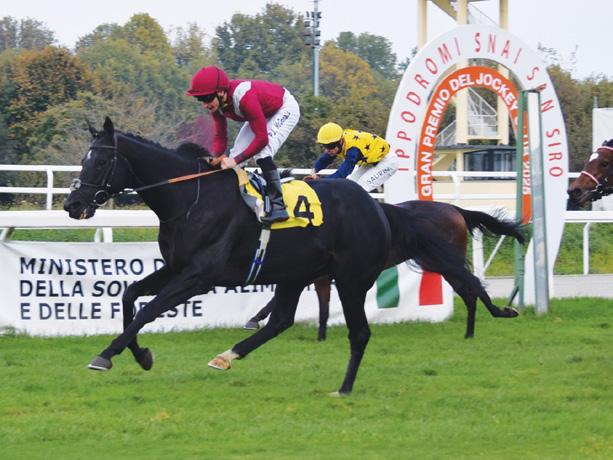

MASAF and the Directorate General for Horse Racing has approved the quality control procedure of facilities and services dedicated to racing, the public and training in racecourses for 2026. The measure is part of the classification criteria of racecourses and will be applied by the Evaluation Commissions, which will carry out a visit to each racecourse to ascertain the quality. There is also an average increase of prize money of around 10%, with a reduction in the number of fixtures and increase in races per meeting. The allocation of resources has ensured yearround racing and a closer correlation between prize money levels and the actual presence of horses in training. To promote equine welfare and a reduction in travel costs, greater resources have been allocated to areas with a higher concentration of horses. At the same time, the reduced number of fixtures, with unchanged overall funding, allows for stronger race meetings.
An increase in the prize money of the Gran Premio del Jockey Club in Milan aims to restore the race to Gp.1 status within two years. The 2026 calendar includes 341 Flat racing fixtures and 40 National Hunt meetings, with total prize money of €21.9m (£19m). Owing to the current closure of Capannelle racecourse in Rome, San Siro in Milan has temporarily become home to the country’s elite races, including the Parioli, the Regina Elena, the Derby Italiano, the Premio Presidente della Repubblica, the Carlo d’Alessio, the Listed Tudini and the Mauro Sbarigia. The location of the major autumn races are still to be decided.

Prize money has more than doubled at Epsom for the €1.15m (£1m) Coronation Cup and the €2.3m (£2m) Derby, with the Gp.3 John Of Gaunt Stakes (1400m/7f) moving from Haydock Park to Epsom and renamed the Tattenham Corner Stakes. There have also been some tactical adjustments to the age conditions for a handful of races. At Windsor in late-August the Gp.3 Winter Hill (2000m/10f) has been moved back by one week and amended to three-year-olds only, and the Listed August Stakes (2400m/12f) is now for four-year-olds and upwards. The Listed Godolphin Stakes, late-September at Newmarket (2400m/12f) is now for three-year-olds only and Ascot’s Gp.3 Cumberland Lodge (2400m/12f) in early-October is now for older horses.
High Value Developmental Races on the Flat will continue this season, with 76 races programmed carrying a total value of more than €3.2m (£2.8m), thanks to the support of British Stallion
Studs (EBF), Darley, Juddmonte and Tattersalls, who combine with the BHA Development Fund to provide financial support for the initiative. The programme of races to support promising young horses runs from April to December, with open races each offering at least €46,200 (£40,000) and restricted races worth a minimum of €36,600 (£30,000). Richard Wayman, Director of Racing at the BHA, reflects, “The High Value Developmental races are not only helping to incentivise the racing and breeding of talented horses in Britain, but we are now seeing increasing examples of the positive role they are playing in the development of young horses with graduates going on to succeed at the very highest level.”
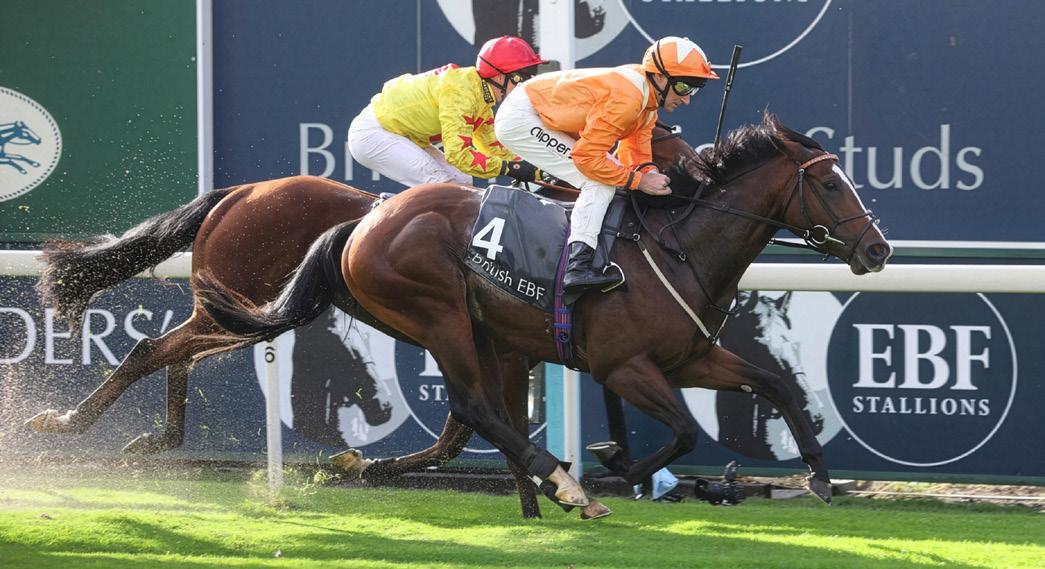
The British EBF is continuing its support of 800 races in Britain, with a contribution of £2m (€2.3m) to prize money. It is continuing the £2.3m (€2.6m) British EBF 2yo Series and remains the main contributor to the £2.8m (€3.2m) High Value Novice and Maiden programme. Britain’s prize money profile is beginning to rival those of its European counterparts and the British EBF’s enhancements mean there are now more than 35 Listed opportunities being run at £70,000 (€80,941) or more, and a further 30 non-Stakes races run at £50,000 (€57,815) or above.
Emma Berry, Chair of the British EBF, says, “The trustees of the British EBF have chosen four projects to promote the endeavours of our generous contributing stallion owners at this crucial time, including enhancing the focus on stallions during the middle weekend of the Tattersalls December Sale, which draws breeders from all over the country and internationally. For 2026, we hope to secure a satellite yard where regional stallion studs can bring their horses for a couple of days to benefit from this concentration of potential customers.”
Headlining the Flat racing initiatives is the British EBF £100,000 (€115,630) 2yo Series and two finals worth £100,000 (€115,630) each, for fillies at Goodwood 23rd September, and colts and geldings at York 9th October. There will be 200 Restricted Maiden and Novice qualifiers worth up to £30,000 (€34,689) each. Any EBF-eligible horse who finishes in the top six of a qualifier can enter one of the finals with no early closing restrictions and no staged entry fees. Rachael Linsell from the British EBF explains, “The restricted races provide excellent prize pots of £30,000 and above for trainers to focus on, while the open novice and maidens are becoming an excellent proving ground for top-level performers. Venetian Sun won a £40,000 maiden at Carlisle in May and went on to win Gp.1 Prix Morny. The same Carlisle race also produced Argentine Tango, who, after winning the Hilary Needler just five days later, also achieved winning black type later in the season.”
Chester Racecourse and The New York Racing Association (NYRA) have announced an alliance linking the world’s oldest racecourse with one of America’s oldest sporting venues, Saratoga, creating a new international pathway from the Boodles May Festival to elite racing in New York. The partnership provides a new qualifying route, offering winners at Chester guaranteed entry and travel incentives to compete in leading races in New York. Under the initiative, the winner of the Gp.3 Ormonde Stakes will receive automatic entry into the $250,000 (€215,000/£185,766) Gr.2 Belmont Gold Cup Thursday 4th June. British and Irish based trainers have enjoyed notable success in the Belmont Gold Cup in recent years with Charlie Appleby, Joseph O’Brien and William Haggas all tasting success since 2018. The Belmont Gold Cup, which has been won by European runners in six of the last eight runnings, has served as a ‘Golden Ticket’ qualifier for the Gp.1, AUD$8.4m (€5.9m/£5.1m) Lexus Melbourne Cup in each of the last two years.
The winner of the Gp.2 Huxley Stakes will secure guaranteed entry into the prestigious Gr.1 Resorts World Casino Manhattan Stakes, valued at $1m (€860,240/£743,229), on Saturday 6th June. Charlie Appleby and William Buick combined for success in the Manhattan Stakes in 2024, as Measured Time defeated stablemate Nations Pride to land the spoils.
Chester Racecourse Racing Director, Patrick Chesters, says, “We’re delighted to be partnering with the New York Racing Association on this exciting new initiative. Bringing together two of the most historic venues in racing creates a fantastic opportunity to strengthen international connections within racing and showcase the quality of our racing programme at Chester. The Ormonde Stakes and the Huxley Stakes have long been important middle-distance contests in the early part of the season, and this partnership enhances their international significance. To offer guaranteed entry into races of the calibre of the Belmont Gold Cup and
the Manhattan Stakes, with the added incentive of travel support, gives owners and trainers a very real and attractive opportunity to campaign horses on the global stage. The potential pathway from the Ormonde through to Belmont is particularly exciting. We will certainly be hoping to tempt some great horses to the Roodee that might have a future trip to America on their radars.”
Andrew Offerman, NYRA Senior Vice President of Racing and Operations adds, “We appreciate the partnership with Chester Racecourse and look forward to a fantastic summer at Saratoga.”
The Royal Ascot Group 1 races close 28th April, the Hunt Cup 12th May and the Wokingham 19th May. The Eclipse closes 5th May, the July Cup 19th May and the Northumberland Plate 12th May. In June, the King George VI & Queen Elizabeth Stakes closes 9th, and up to the end of the month sees the closing of the majority of the prestige races at Newmarket’s July meeting, the Goodwood summer festival and the York Ebor meeting.
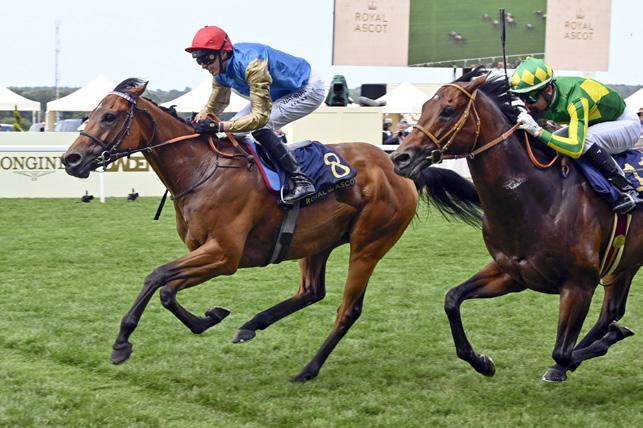
£275,000
Total Prize Money
S AT 18 JUL
(Class 2) (5f) (2-year-olds)
Next entries stage: April 28th
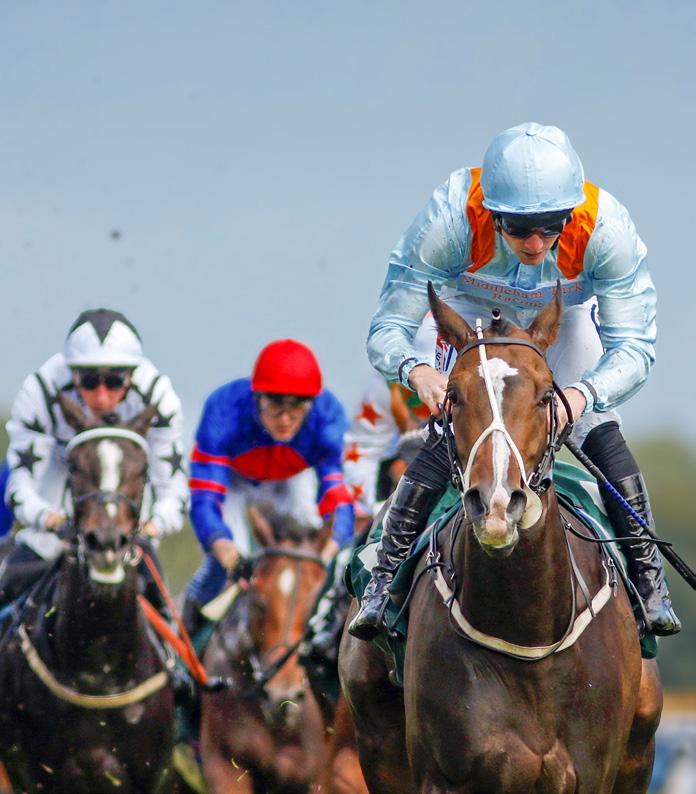



WORDS: KATHERINE FORD
As costs escalate in all spheres and prize money lags far off the pace, many trainers are finding times extremely tough. We spoke to three professionals, from Britain, Ireland and France, who represent a large majority of trainers without the funds to purchase six-figure yearlings, to discuss how they have adapted their businesses to the economic climate.

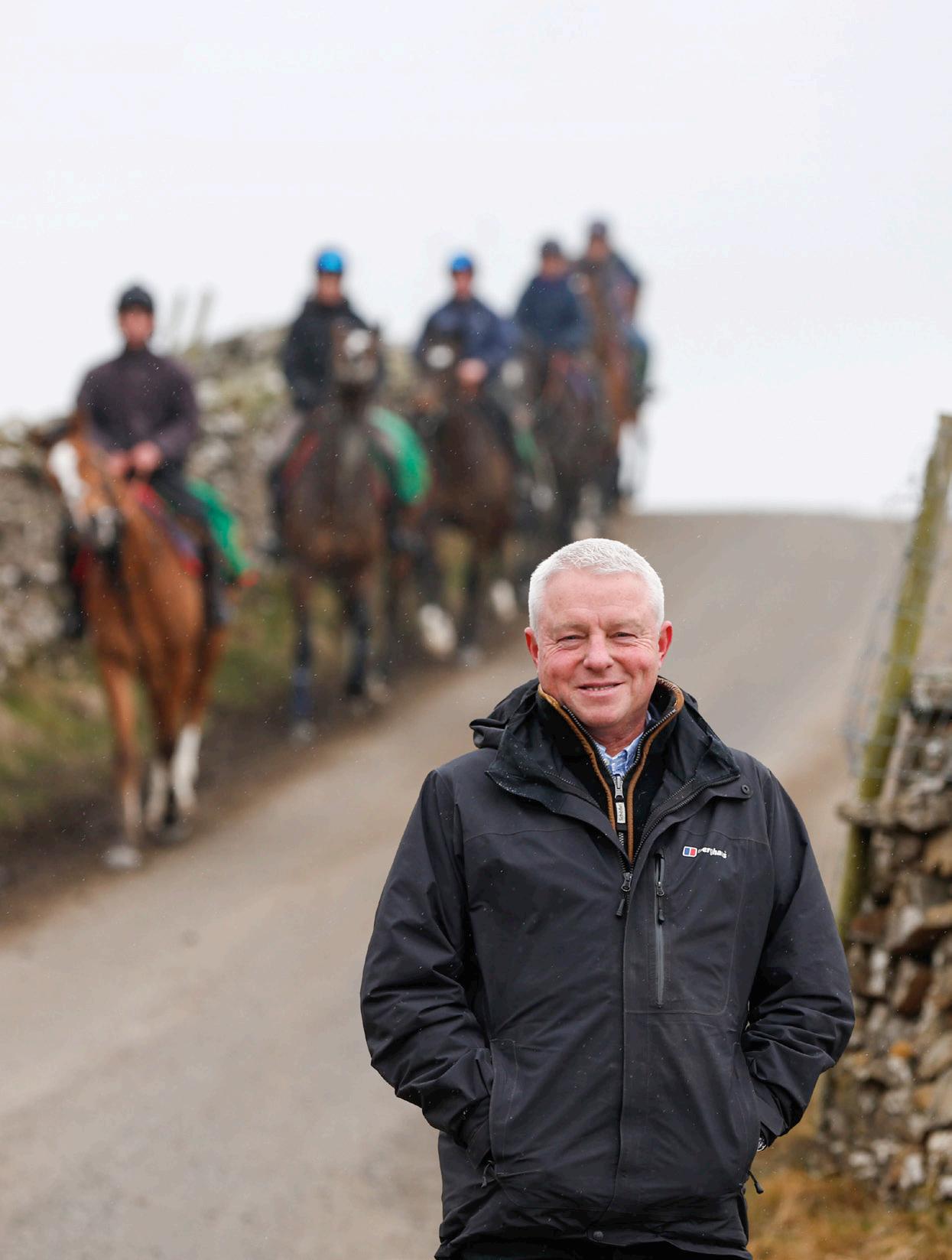
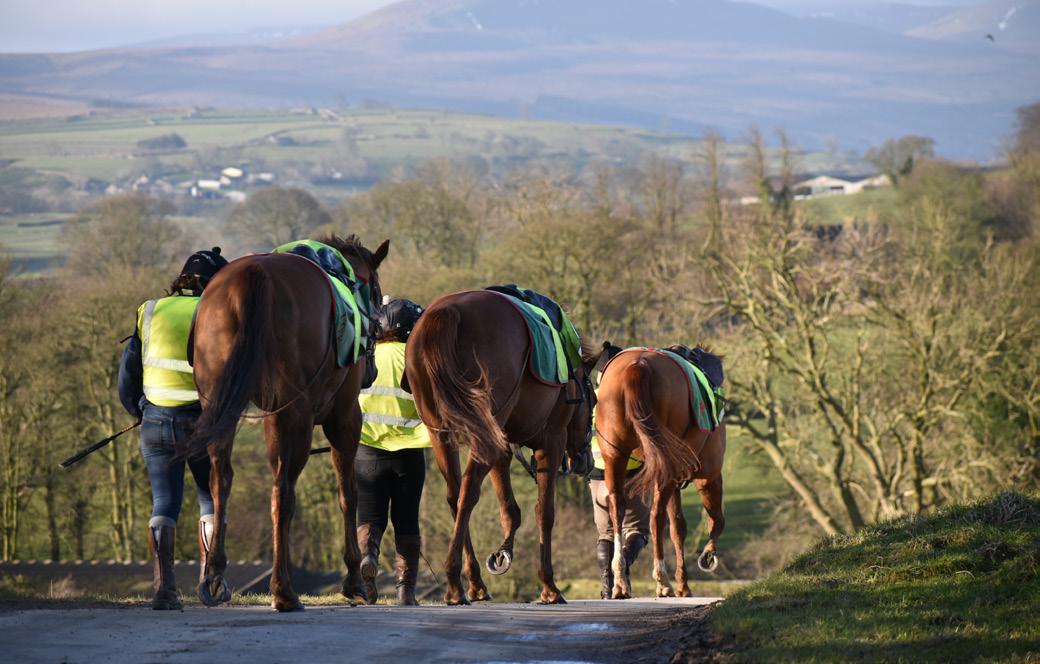
Jedd O’Keeffe has been training in Middleham since 2000, mainly on the flat although his biggest victory to date came over jumps thanks to Sam Spinner in the Gr.1 Long Walk Hurdle. Former top amateur rider David Marnane has transformed his business model in Tipperary with the creation of MRC syndicate which has been successful both on the track and with private and public sales, while followers of French racing will be familiar with the name of Didier Prod’homme who is regularly represented in the country’s most valuable handicaps. Didier took over the family operation from his father Maurice in Maisons-Laffitte back in 1981 and now trains on a dual licence with daughter Pauline.
The three have in common a positive outlook, and a hands-on, family operation.
Q: How has racing’s financial climate evolved since you began training and how has this affected your business?
Jedd O’Keeffe (JO’K): It’s affected many businesses, and not just smaller trainers. Since I began, the costs of having a horse in training and of being an employer have risen exponentially. We used to say that if a horse of average ability won three average races in a season, it would cover its training costs. Now, you would have to win a race a month. And which horse of average ability does that?
The Middleham public gallops fees have gone up but they’re still very sensible in comparison with other centres. We don’t have the facilities of Newmarket, but we are a lot cheaper. Karl Burke is doing great with his horses and he’s using the same gallops as the rest of us, so that proves that we’re blessed with what we’ve got.
David Marnane (DM): Costs are rising there’s no doubt about that, fuel to the races, feed, hay, everything is on the increase. However, we’re quite lucky as we have our own farm here in Tipperary with our own gallops and barns. We have a very selfcontained unit, with no rent to pay and we aren’t reliant on anyone else so we manage to keep control of costs.

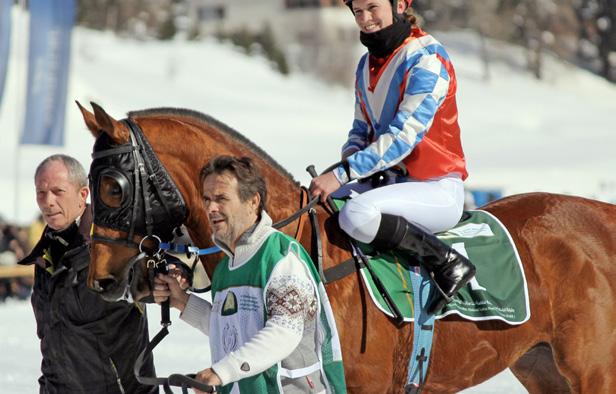

Didier Prod’homme (DP): Back in my early days, in MaisonsLaffitte, the butcher, the bistrot owner, all the locals had a share in a racehorse. Financial pressure, notably from social charges on staffing has brought an end to that.
Gallop fees for Maisons-Laffitte have increased and I see this as a major problem for larger trainers, especially ones who own or part-own a lot of their horses. It will certainly lead to more use of pre-trainers and reduce the overall number of horses in training, and inevitably affect field sizes. It will be essential in the future to develop group ownership to make the sport accessible to French owners.
Q: How have you adapted to the difficult financial situation?
JO’K: The size of our business has been slashed by about half. COVID had a lot to do with that. We developed our yard in 2017 and built it up to 60 boxes, all of which were full, and now we’re down to 25 or 30. Our yard is easily divided so we rent out one barn to another trainer and the income makes all the difference.
My wife Andrea used to work full-time for our business and she now has various other activities to bring in outside income. And right now I’m driving the horsebox to Southwell on a Saturday night. If I had 60 horses, I wouldn’t be doing that.
DM: We used to buy a lot of horses in training and these would go on to be handicappers, but they were struggling to pay the bills. About ten years ago I would just buy a handful of yearlings, from 10,000€ to 30,000€ and we were successful with the likes of Settle For Bay who was bought in Germany and won at Royal Ascot. Since then we’ve gone further down the yearlings route and now buy around 15 each year for an average of 30,000€ apiece, and we set up the MRC (Marnane Racing Club) syndicate to train them for two seasons, and then sell them at the end of their three-year-old season, if they haven’t been sold in the interim. I’m certainly not convinced that you have to spend 100,000€ to find nice horses. We have a very good buying team with Con’s daughter Amy who looks at them all and my brother Ed who is great on the pedigrees and the form. The syndicate has been a game changer for us.
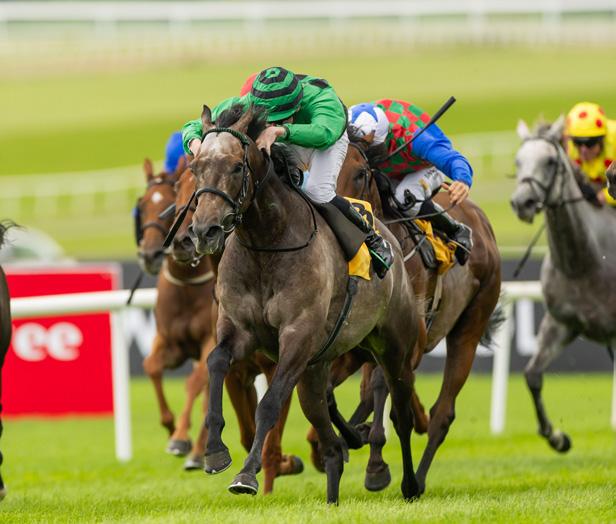
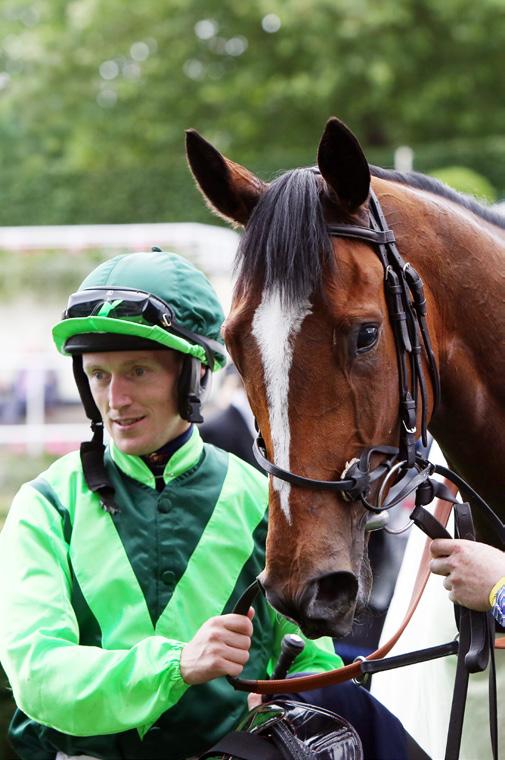
DP: We choose to maintain a small stable. This enables us to manage costs and take less risks.
Our choice is also dictated by the fact that each winter we close the Maisons-Laffitte stable and take a string of 15-20 horses to Cagnes-Sur-Mer for the winter meeting. We are fortunate in that we can decide to do as we please, and the seven weeks on the French Riviera is like a holiday for us!
We specialise in handicaps and so I try to avoid them starting out with too high a mark. We’ll take our time and bring them on slowly. With budgets being tighter, it’s important to aim accurately to maximise earning potential, and at the same time this method has allowed us to produce Listed and Group winners which have graduated from the handicap ranks.
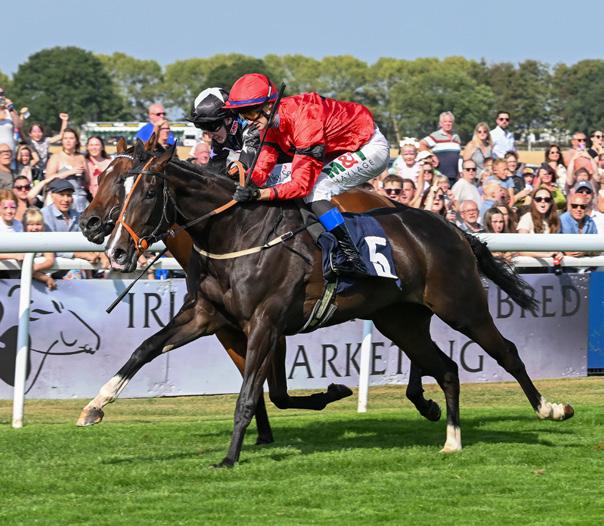
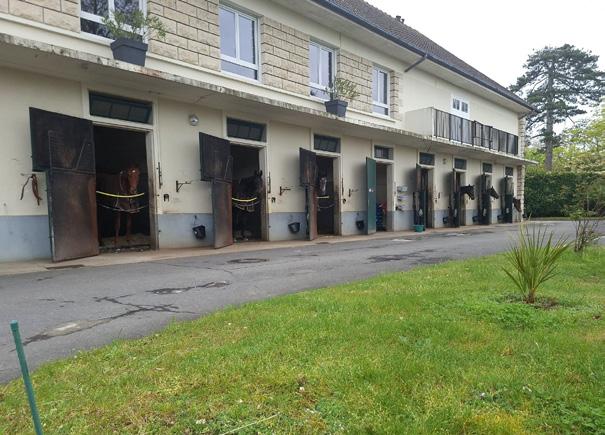
Q: What methods have you used to attract new owners and retain exisiting ones?
JO’K: We try to remain attractive by basically being good value for money. A lot of owners have been with me since I started, so they know I’m extremely hungry to get the best out of every horse. We’re not the only ones having problems attracting new owners. In the current economic climate, there just aren’t the people that want to buy a horse for £15,000 to £25,000 and then spend £30,000 a year on having it trained. It’s not just about the prize money, but that is a major factor.
I’m a dinosaur when it comes to social media, so my son Joe does most of that and it’s just a case of keeping your name out there next to a winner or two and hoping that you’re going to attract attention.
The Middleham Open Day is always a big event for the yard. It’s now run in support of Racing Welfare and that’s something that we feel quite passionate about. They’ve helped members of my staff and my family numerous times, so we’re always very active on that front.
DM: About 80% of our horses are now MRC horses. The syndicate started with existing owners from the yard and now we have a real international flavour with people from America, Dubai, Australia, Luxembourg, Ireland, the UK… We sell the stock as a whole so people have anything from 1% to 15%, and that includes all the horses recruited in a year, with a syndicate for each crop.
What I see from our syndicate is that everything’s brand new for the members, so buying at the sales is exciting, naming the yearlings is exciting, and obviously racing them for a couple of seasons is exciting. And even the sales at the end are exciting as we’ve had some great results.
I’m old fashioned, and never really advertised, but we might look at doing so. It’s just been a networking thing so far, but plenty of people from around the world are showing interest, and I hope to build on that. I’ve invested in the syndicate myself, which shows that I’m putting my money with my mouth is.
DP: Social media isn’t my generation! My client relations involve going out for a drink or for lunch, and my old-school approach does still appeal to some clients! Our owners have two trainers for the price of one and Pauline is more modern and can use all the technology and communication tools.
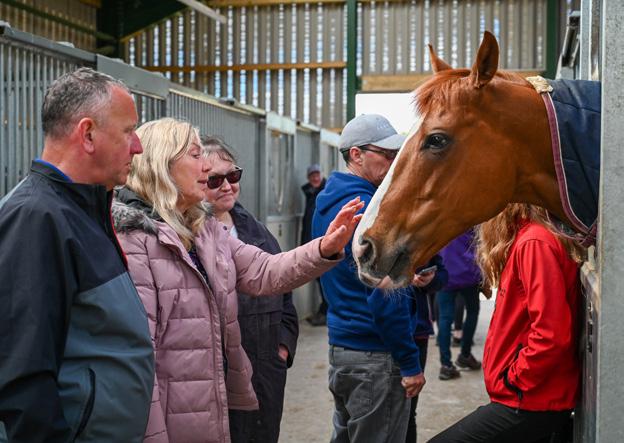
Q: From a staffing perspective, how do you establish and retain a good team?
JO’K: We like recruiting young staff straight from the racing colleges. We accept that they’re going to need a lot of work and education and we’re prepared to invest time in them. Once they’ve worked for us for a few years, they get itchy feet and want to try somewhere else, but often they end up coming back which is flattering. We have a really loyal team and my assistant Leanna has been with me since before I got my license. We try to nominate people every year for the Thoroughbred Industry Awards, however the only person who has actually won one is Andrea who won the community award a few years ago. We’ve had several staff get into the top ten and even the final three over the years. It’s a means to reward them and to encourage them to learn and work hard as part of a team.
DM: We have very good riders, probably some of the best in Ireland, but it might be a different story if I had another 60 horses and I was trying to get ten more staff. I’m very lucky that our staff have been with us for a long time, and it’s a big hands-on family operation as well, with my wife pretty much running the yard.
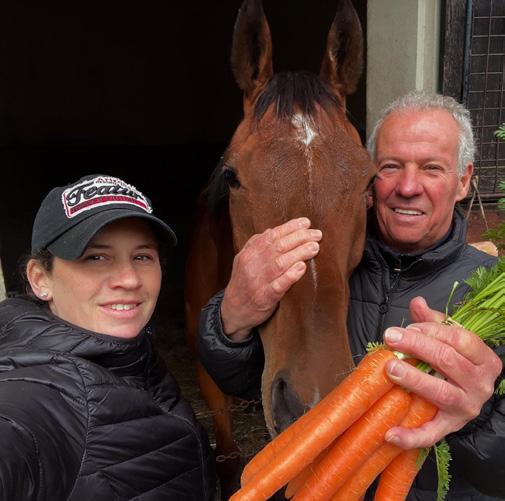
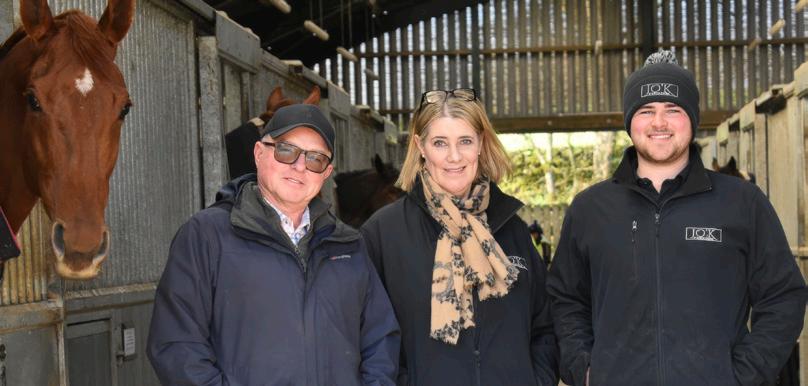
DP: This is another reason for limiting our numbers. Pauline rides at least four lots every day, she is a very good organiser and we are always looking to gain in efficiency. We have recently recruited a team of staff from Madagascar. Only one member of staff works evening stables and they do one week in four. We use a stabling system with rubber flooring and just a small amount of shavings, which makes mucking out quicker and easier, and while that’s being done the horses are exercised on the walker. It’s natural for both Pauline and myself to be hands-on when needed. If we need to start earlier to get everything done, then we do so.
Q: Is there one measure that the authorities could take to support small to medium-sized trainers?
JO’K: I don’t think there’s much they can do to target smaller yards. The root of most of our problems is the level of prize money, which is uncompetitive. We train for owners with horses in the UK and in France and we can’t compete with the money in France. But it’s a different model and I’m not so naive to think that we could have the equivalent of a tote monopoly here.
DM: Racing is an entertainment game and it needs to be fun. That’s where the improvements can come. If you look at Australia, where ownership is huge, the prize money is great, but it’s also good fun. If there’s one key factor we can improve on, especially in Ireland, it is to make racing more fun.
DP: The role of France Galop isn’t to help trainers. However, they do have the obligation to make racegoers welcome and not lose our clients. A small trainer and small owner should be treated with the same respect as larger operators. I have one owner who brings a dozen family or friends every time he comes to the races, and this generates conviviality. More efforts should be made to make racing an enjoyable and festive experience and this would help smaller trainers to promote ownership.
JO’K: My eldest son Joe graduated from Newcastle University with a business degree and is my pupil assistant. He’s always wanted to come into the family business, and I wouldn’t put him off a career as a trainer. He’s only 23, so he’s got a long way to go and he’ll probably travel and gain a good portfolio of experience. I imagine in 10 years’ time, we will be working together here on a joint license.
DM: The MRC syndicate is a great system for the stable and it’s been really successful for the business. I’m looking to keep that on an upward trajectory and maybe increase by 10 or 15 horses, and we’re also looking to branch out with runners in Meydan from next year.
DP: If we’re the same as we are now that would suit me fine! Today I share the workload with Pauline but if she wants to expand the business in the future, she can do so, and I might have handed over fully by then. I used to recruit a lot of handicappers from the claiming ranks, but the race programme has changed and so I’ve had to change my bargain-hunter methods. There are fewer opportunities but I hope to be able to leave Pauline with some useful horses so that she can enjoy training. That’s the most important thing.
PHOTOGRAPHY: GALOPPFOTO.DE, HANNAH ALI, INPHO / MORGAN TREACY JEDD O’KEEFFE, PAULINE PROD’HOMME, RACING WELFARE
Through the professionalism and expertise of our staff, together with the fantastic range of facilities, our goal for rehabilitation is to return every horse to its owner/trainer with the optimum chance of fulfilling its potential.
Louise Collinson mobile +44 (0)7792 260666 email lou@lcequinerehab.co.uk www.lcequinerehab.co.uk
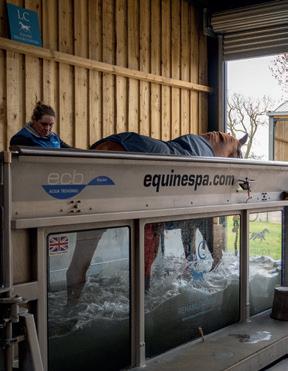
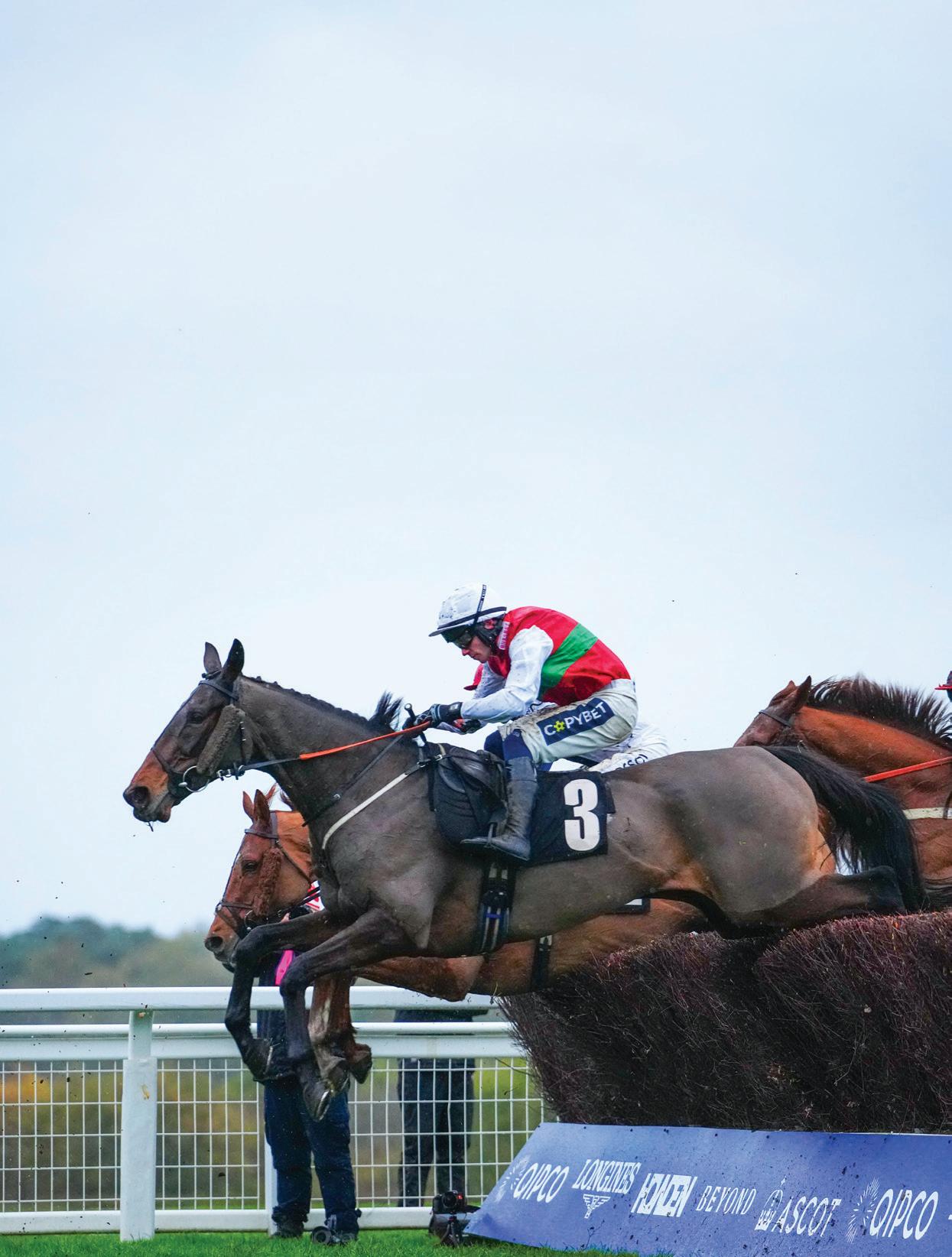

In May 2025, Britain became the first horseracing jurisdiction to permit the use of equine heart monitors on the racecourse, as part of a pilot scheme to test the use of the technology under race conditions. This has involved working closely with Max Kendrick and the team at Fergal O’Brien Racing, who have played a valuable and instrumental role in informing, shaping, and delivering the trial.
Wearable biometric devices are widely used by racehorse trainers for routine exercise and on the gallops. This tech tracks a horse’s heart rhythm and activity through electrocardiograms (ECG) to provide an insight into its health and performance and support data-driven decision-making that can help prevent otherwise undetectable injury.
The proliferation of wearable devices in training yards has prompted requests from racehorse trainers for the use of the technology to be extended to the racecourse. This can help trainers match data from race day with their horses’ work record to evaluate whether or not the specific race format is optimal for the horse and measure the horse’s recovery post-exercise.
For the British Horseracing Authority (BHA), the use of these ‘equine fitbits’ on the racecourse can make an important contribution as part of wider efforts to continually improve equine safety and welfare. The hope is that the collection and analysis of cardiac data can help support ongoing work to better identify and screen those horses at increased risk of experiencing cardiac issues.
Advances in technology and refinements in data collection and analysis are playing an essential role in enhancing safety, reducing the risk of injury and supporting improved welfare outcomes for horses in Britain and across the globe.
Over the past 25 years, British racing has invested more than £63million in equine health, veterinary science and education – including research into cardiac rhythm and irregularities.
Cardiac rhythm irregularities can lead to poor performance in racehorses, and it is believed that cardiac arrest may account for as many as half the exercise-associated sudden death cases which occur during racing. EASD is extremely rare, affecting just 0.04 per cent of runners each year, but the more information we can gain about a horse’s cardiac activity, the better our ability to screen horses and identify those at increased risk.
Equine athletes commonly display minor rhythm interruptions – both at rest and during all phases of exercise. The challenge is separating what is simply a minor variation of no clinical consequence from rhythm irregularities that are more concerning. To do so, we need to more accurately characterise what can be considered ‘normal’ for horses at exercise.
The BHA – with support from the industry’s Horse Welfare Board and with generous funding from the Racing Foundation – is working in collaboration with equine clinicians and researchers based in Professor Kamalan Jeevaratnam’s group at the University of Surrey to expand knowledge in this area through the pilot of wearable devices.
Over the last year, the BHA has engaged extensively with trainers, jockeys, racecourses and stakeholders from across the industry to establish and deliver the pilot scheme. Central to this has been developing a system to allow wearable devices to be used on the racecourse in line with the Rules of Racing in Britain.
The integrity of the race and the safety of horse and jockey are paramount considerations. In addition to approval from the BHA’s ethics committee and legal department, dispensation has been provided to allow the equipment to be carried in a race.
Before a wearable device is approved for use on the racecourse it needs to be evaluated by a BHA veterinary officer and a BHA course inspector. This includes the device being worn by horses in a mock race setting, on the flat and over obstacles.
To date, two devices widely available in the UK have completed this safety check; the Arioneo Equimetre and Equimetrics Vpro devices. Both record data to a small data logger from which the data is extracted after the race. The Arioneo product is incorporated into a surcingle which sits under the normal saddle and girths, while the Equimetrics system is based on a specially adapted saddle pad with integral sensors. In pilot trials, both have been used successfully in 10 horses each.
Both manufacturers are continuing to refine their design with racecourse use in mind and the main goal of making the set-up smaller, lighter and as easy as possible for trainers to use. Because the devices contribute to the weight carried, they have to be accounted for during the weighing in and out process. Currently, this means that the devices are taken off horses a little sooner than some trainers might like for monitoring recovery, but the BHA has also granted permission for trainers to place monitoring devices on their horses after the saddle is removed for weighing in, which allows capture of the post-exercise recovery phase.
By using their own devices, trainers can access all the biometric information they would normally see after a training session. A requirement of using these devices on the racecourse involves trainers committing to share the data collected from their horses with the researchers at the University of Surrey. With the Equimetrics system, the manufacturer cannot access any data collected while the product is in use. Data logged within the Arioneo system is accessible to the manufacturers as well as the trainers. Both companies have non-disclosure agreements with the BHA.
influence the horse’s physiology and mental state. A disruption in daily flow

TIME (HOURS:MINUTES:SECONDS)

ABOVE: An ECG, shown at the top, from a gelding that won its race. There is a slight rhythm interruption shown by the arrow. The lower panel shows a plot of heart rate over time. The upward and downward spikes indicate further rhythm interruptions. There is some loss of signal quality due to movement of the horse and device, particularly during the later stages of the race; these are indicated by the pink bars. This horse had no rhythm interruptions during training gallops.
Importantly, the BHA does not have access to any of the data collected, except where there is a horse fatality. As a condition of consent to use the device, the trainer is obliged to provide BHA with all ECG and stride data that has been logged, along with other medical information, as part of their racecourse fatality review process. Therefore, trainers can feel confident that when they use a wearable device during racing, the data are primarily for their own use and to support research that can benefit the long-term welfare of racehorses.
In the small number of horses reviewed so far, all of whom raced without incident, it is already clear that rhythm interruptions are more prevalent under race conditions when compared to ECGs recorded from the same horses training at home.
This may be explained simply because the peak heart rate during racing is around 5% higher than that seen in the same horses during training gallops (228 bpm compared to 217 bpm).
But this observation is important, because it highlights that fast work at home does not necessarily challenge the horse as much as a race and therefore monitoring heart rate recovery after racing is likely to be more valuable than similar metrics from training gallops.
Interestingly, in the pilot group of 20 runners, there did not appear to be any direct link between the cardiac rhythm found during the race and the horse’s performance on that day, with one of the horses which had the highest variation in rhythm also being the only horse in the small study group which won its race. Clearly there is still a lot to learn about cardiac rhythm during exercise before we can expect to make any headway on understanding its relevance.
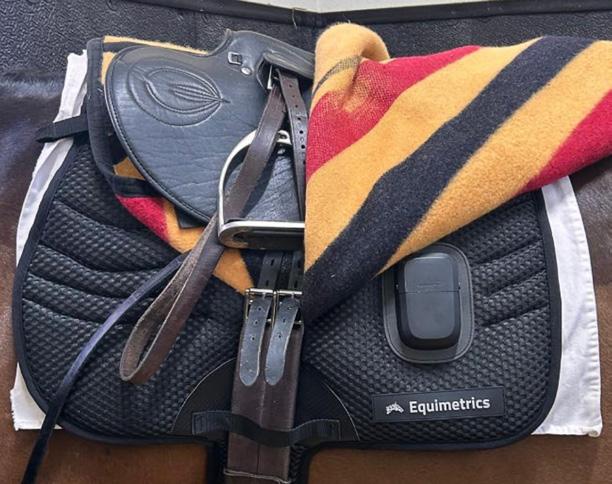
In the initial pilot phase of this project, the main objective has been simply to refine the practicalities of using the kit on a raceday. This included checking that the equipment itself was safe and practical to use on the racecourse, but also that it was feasible to collect high quality ECGs before, during and after the race.
Now that we are confident this can be achieved, the next phase of the pilot will soon be underway, with more trainers invited to participate by applying to the BHA.
The application process involves completing an online form which allows the BHA to easily and rapidly communicate with all the officials for whom the information is necessary. Trainers must also confirm that the person saddling the horse is familiar with its use and can be available if any concerns arise before the start. The application form also provides information on how trainers are expected to transmit the data to the research data archive.


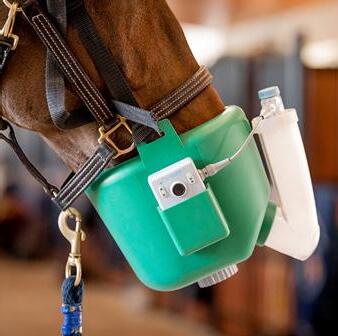
In return for sharing the ECG data, trainers and their usual vet, will be provided with a brief summary of the ECG findings with an interpretation of whether further investigations are warranted. If potential problems are detected, trainers can then discuss the report with their own vet and decide their next course of action.
Although the current project in the UK does not address stride analysis, the importance of this emerging science should not be overlooked. There are already several research groups working in this area: In Australia, Prof Chris Whitton’s research team at the University of Melbourne have applied accelerometerbased inertial measurement (IMU) sensors, developed by StrideMASTER, to look for direct relationships between changes in stride characteristics over time to racehorse injury.
They monitored over 2800 horses over multiple races and showed that decreasing speed and stride length over multiple races is associated with musculoskeletal injury. This group has expanded its work to apply artificial intelligence to developing predictive models for enforced rest and retirement fusing stride patterns with other factors such as horse age and race characteristics. Another research group, based in Washington State University recently published case histories of three horses in which IMU sensors flagged abnormal stride patterns which, when investigated further by diagnostic imaging, confirmed the horses had abnormal bone scans placing them at very high risk of catastrophic injury had they not been withdrawn from exercise.
The same team, collaborating with colleagues in New York, have developed a stride-based risk scoring system. Risk score and probability of fatal injury were exponentially related and the horses with the highest risk score had a 45 times greater probability of fatal injury than horses in the lowest risk score category. Trainers using wearables in Britain can access to stride data on the apps provided by the device manufacturers and should be alert to any changes in stride patterns, whether occurring in training gallops or racing, and flag the horse for further veterinary investigations to ensure early signs of musculoskeletal injury are not overlooked.
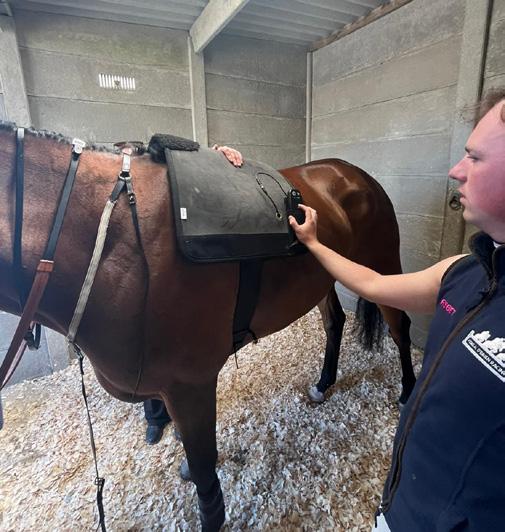
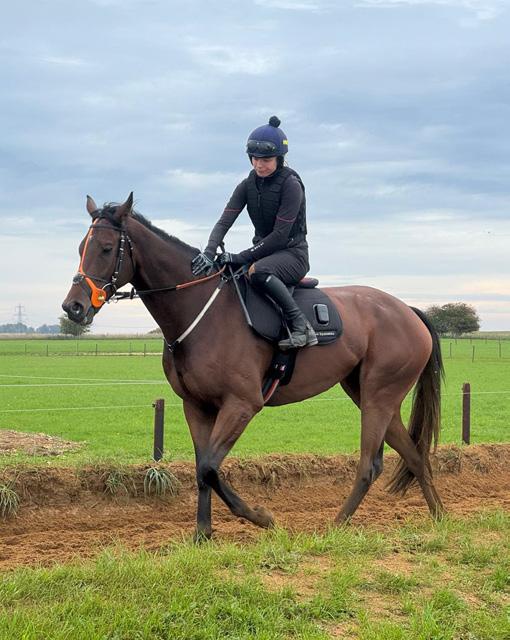
For British racing, the goal is always to improve horse welfare through increased safety and by reducing reasonably avoidable risk. The pilot of wearable devices on British racecourses is another example of the sport being at the forefront of embracing the latest innovations in data, technology and scientific research.
Wearable devices have been used in training yards and on the gallops for some time, but testing them under race conditions offers another vital insight into a horse’s heart rhythm and activity – and therefore into their health and performance.
The early signs from the study are encouraging. It has been established that the technology is safe and practical to use on the racecourse and that it can gather clear ECG readings under race conditions.
The expansion of the pilot will give us an even greater insight into the cardiac activity of horses during exercise and, in the long-term, has the potential to help support data-driven decision making and continually improved welfare outcomes for Thoroughbred racehorses.
PHOTOGRAPHY: ARIONEO, BRITISH HORSERACING AUTHORITY, CELIA MARR, EQUIMETRICS
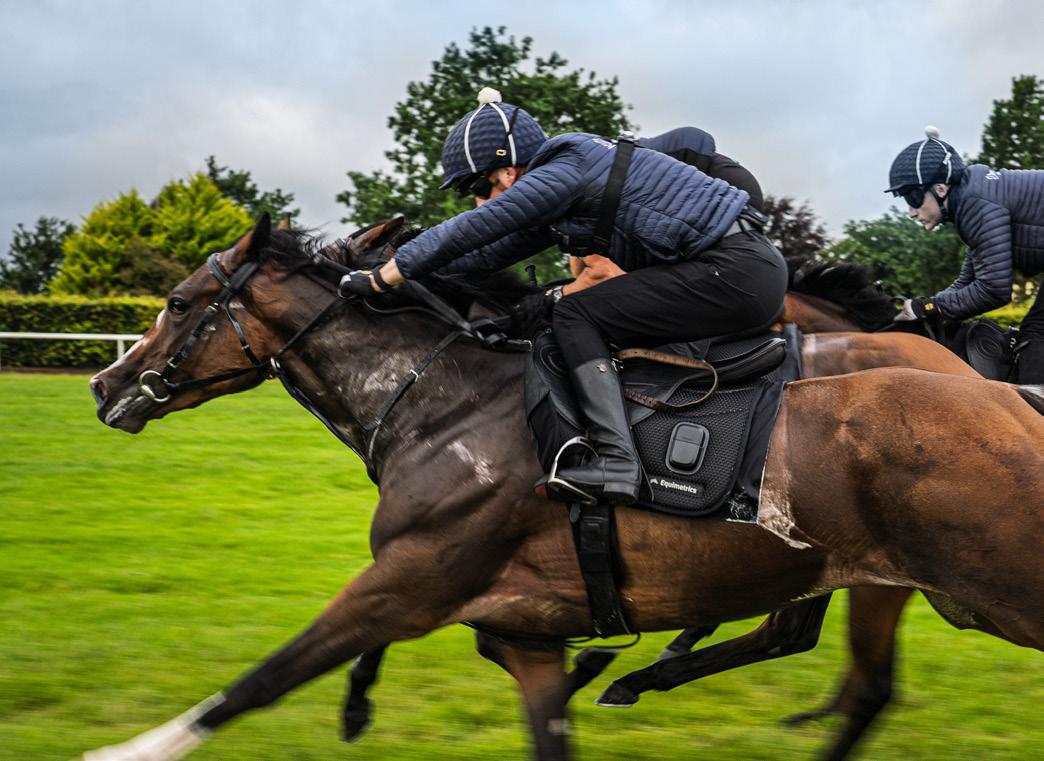
ADVERT BOOKING DEADLINE
WEDNESDAY, JUNE 24, 2026
ADVERT MATERIAL DEADLINE FRIDAY, JUNE 26, 2026
E-ZINE PUBLISHED ONLINE TUESDAY, JUNE 30, 2026
PRINTED MAGAZINE MAILED TUESDAY, JULY 07, 2026



Racing & Harness Breakthrough
Racing & Harness Breakthrough
Say goodbye to tongue ties! If you’ve tried the rest, now try THE BEST.
Say goodbye to tongue ties! If you’ve tried the rest, now try THE BEST.
Unlike others, our BEST straight design sits further back, requiring only a small bar preventing tongue pinching, pulling, head tossing, tongue over the bit and lugging, fixing the toughest cases. Horses love it!
Unlike others, our BEST straight design sits further back, requiring only a small bar preventing tongue pinching, pulling, head tossing, tongue over the bit and lugging, fixing the toughest cases. Horses love it!
Our kind rubber cover protects their teeth.
Our kind rubber cover protects their teeth.
Proven to prevent soft palate displacement.
Proven to prevent soft palate displacement.
Trainers, riders, and drivers are amazed. The straight bit ensures even pressure across the tongue, while the hanging bar prevents bit side movement, and lugging giving superior control.
Trainers, riders, and drivers are amazed. The straight bit ensures even pressure across the tongue, while the hanging bar prevents bit side movement, and lugging giving superior control.
Make the winning gear change to THE BEST Tongue Control Lugging Bit, the ultimate solution for a happier, more controlled ride and drive.
Make the winning gear change to THE BEST Tongue Control Lugging Bit, the ultimate solution for a happier, more controlled ride and drive.
Check out our other award-winning products.
Check
ORDER NOW! at your saddlery or E
The appeal of sporting events now extends beyond competition. Audiences have evolved, expecting experiences that combine sport with atmosphere, engagement, and involvement. This shift has prompted organisers to create more immersive environments. Racecourses are no exception. As Laurent Dupont, Commercial and Marketing Director of France Galop, notes, “we cannot propose only horses nowadays — people, when they buy a ticket, want more, they want to be surprised and have a wonderful day.” To stay relevant, racecourses must modernise their offerings and craft experiences that are dynamic, intriguing, and aligned with contemporary audiences.
Some racecourses have responded to this shift by introducing initiatives throughout the experience. While approaches vary, many venues follow similar models. Many racecourses agree on the need to rethink activities beyond the races. Leading venues like Longchamp, Deauville, Ascot, and The Curragh recognise a unique challenge in horse racing. According to Dupont, “our case is even more specific than other sports: a race day typically lasts six to seven hours, while each race only takes a few minutes. This means there are long intervals to fill, and in order to make the event appealing, it is essential to create engaging activities alongside the races.”
At The Curragh Racecourse, the focus is on enhancing quality while expanding entertainment. Evan Arkwright, Racing and Sponsorship Manager, notes, “we are very lucky here, we have high-class races with top horses and jockeys, so from that point of view we already have a strong quality product. But we still have to broaden the entertainment experience, particularly in food, restaurants, bars, and especially music, which plays a key role in what we want to add to our race days—alongside style and a growing focus on families during selected events. For us, concerts and after-parties are a big part of that.”
France Galop also focuses on the broader experience. Food, restaurants, and music are key components, similar to The Curragh Racecourse. Each race day is designed with a specific atmosphere and audience in mind.
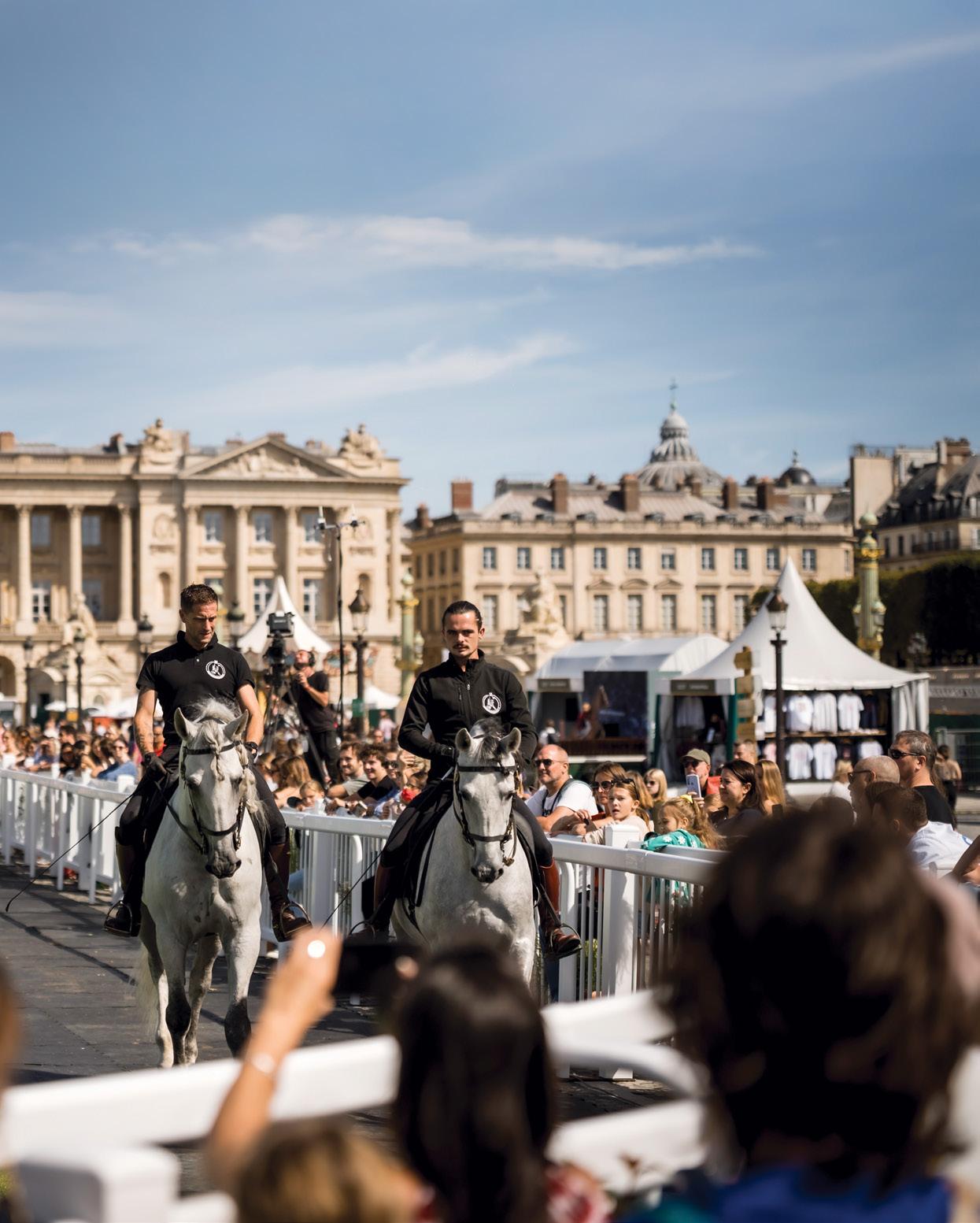
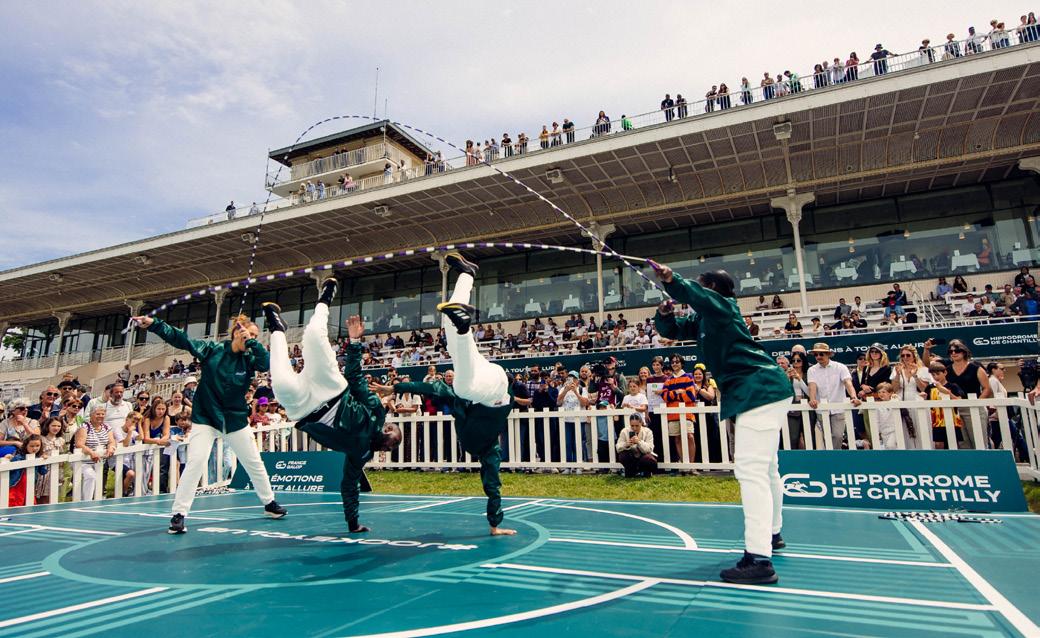
Dupont explains, “there will be different types of day, around which we create certain atmospheres and tailor different activities. For example, the Prix de Diane day focuses on style and elegance, creating a poetic feeling. Other days target younger generations, like ‘JeuXdi’ at ParisLongchamp, featuring live DJ sets in an after-work format combining racing and music. During winter, we celebrate Christmas and recreate a mountain atmosphere with typical foods such as cheese and raclette. When people realise that, for a relatively small price, they can buy a ticket that offers a full day of experiences— concerts, entertainment and racing—it becomes something truly remarkable. Where else can you find something like that?”
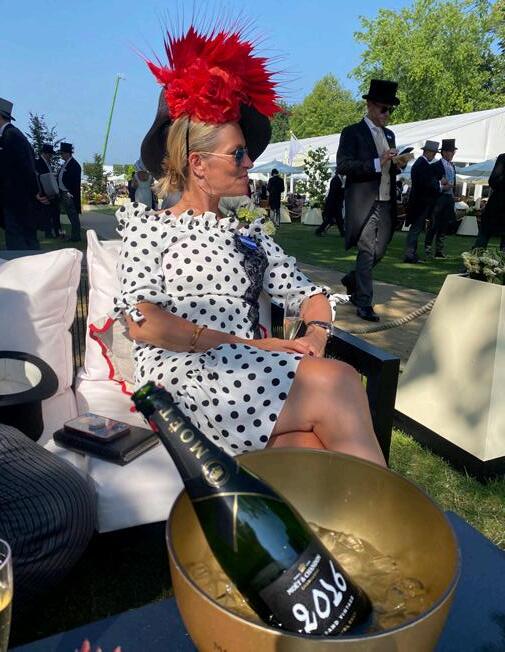
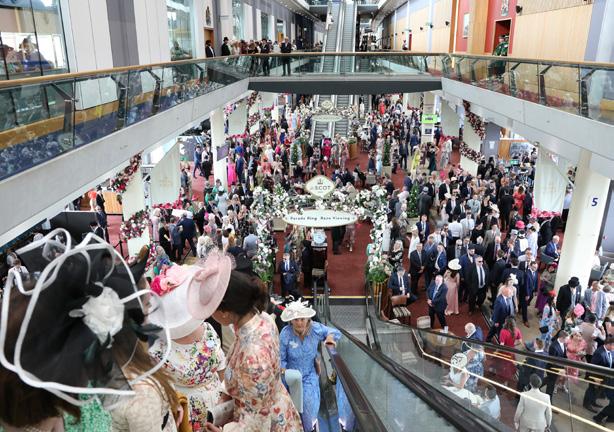
At Ascot, there is a clear commitment to continually enhancing the race day experience. Their recently appointed Commerical Director, Tom Johnson, tells us, “we’ve got a strong brand, and of course that helps—a 300-year-old brand—but we still challenge ourselves every year to improve the experience for people at Ascot.”
The racecourse layout supports this ambition by offering diverse spaces for various activities and experiences. Ascot also values its heritage, a distinctive and appealing element, especially for international visitors.
Johnson adds, “we are internationally known for our very traditional English atmosphere, which is a key appealing element for the international public, and that’s why we continue to value it—the picnics, the stylish atmosphere, especially during Royal Ascot. But even though it’s a solid foundation for us, we also look to introduce innovative elements, such as the ‘Ascot You’ initiative, designed to celebrate individuality and position race day as a broader lifestyle experience, not just a sporting event. We also invest in large-scale concerts while maintaining a strong focus on families, particularly on Sunday race days”.
An example of this was found at their family raceday held on Sunday 29th March, which was themed around Enid Blyton’s book - The Magic Faraway Tree. The film version of the book is due to be released this year.
Enhancing the race day experience is not just about adding entertainment around the sport. It is crucial to keep racing at the centre. The challenge is to create a richer environment while helping audiences connect more deeply with the sport.
For many, especially those less familiar with horse racing, the issue is not interest but understanding. Without proper tools or guidance, key aspects may be missed, reducing appreciation of the race. Therefore, making racing more accessible, understandable, and engaging is a vital part of the strategy.
At France Galop, for example, this has translated into practical tools designed to simplify the experience without losing depth.
As Dupont explains, “for someone who doesn’t know much about racing, looking at a traditional racecard can be quite confusing. For this reason, we decided to create two different types of racecards: one for those who are familiar with the sport and want specific details, and another one that is simpler and more engaging for those who are new to racing, helping them to better understand what is happening and enjoy the races more.”
Alongside tools that simplify the understanding of racing, another way to strengthen the connection with the sport is to bring audiences closer to its key moments and make them more visible and engaging.
This is the direction taken by Ascot Racecourse, which has chosen to place greater emphasis on the parade ring, turning it into a more central part of the overall experience.
As Johnson highlights, “we recently introduced the concept of what we call ‘Live from the Parade Ring’. The parade ring is a key part of any racing venue, and we wanted to put it more at
“At
The Curragh Racecourse we already offer top-quality racing, but we’re focused on expanding the experience—through food, music, style, and family-friendly events, with concerts and after-parties playing a major role.”
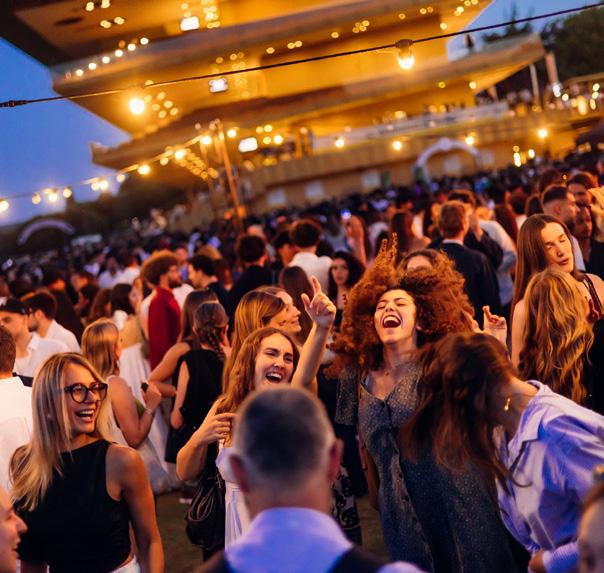
the heart of the experience. So before racing, on a number of race days, we created a live show that takes place around half an hour beforehand: we have presenters, we interview jockeys, we invite guests and organise prize giveaways. The show is broadcast across the venue screens, and people are welcome to come into the parade ring and watch it. It’s an initiative we’re really proud of, and we’ve already received very positive feedback.”
Beyond what happens inside the racecourse, another important dimension to consider is how easily people can access the racecourse in the first place. While affordability has already emerged as a key factor—with many racecourses working to keep ticket prices accessible—practical aspects such as location and transport can have an equally strong impact on attendance.
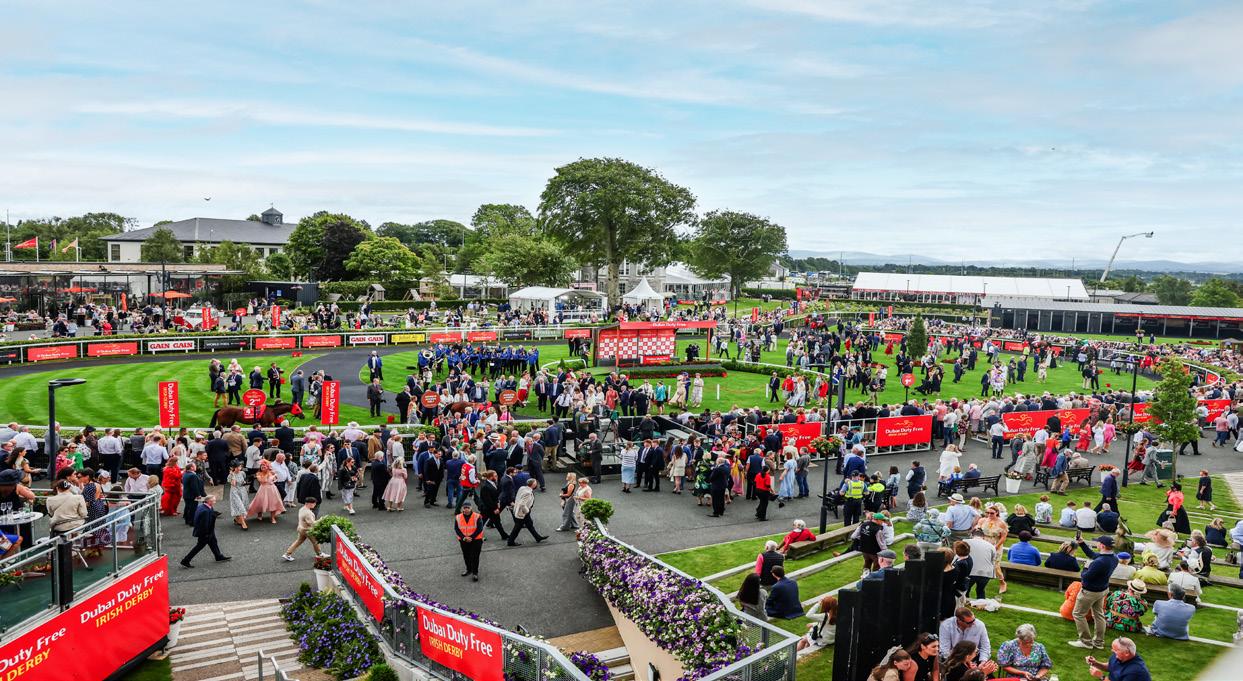
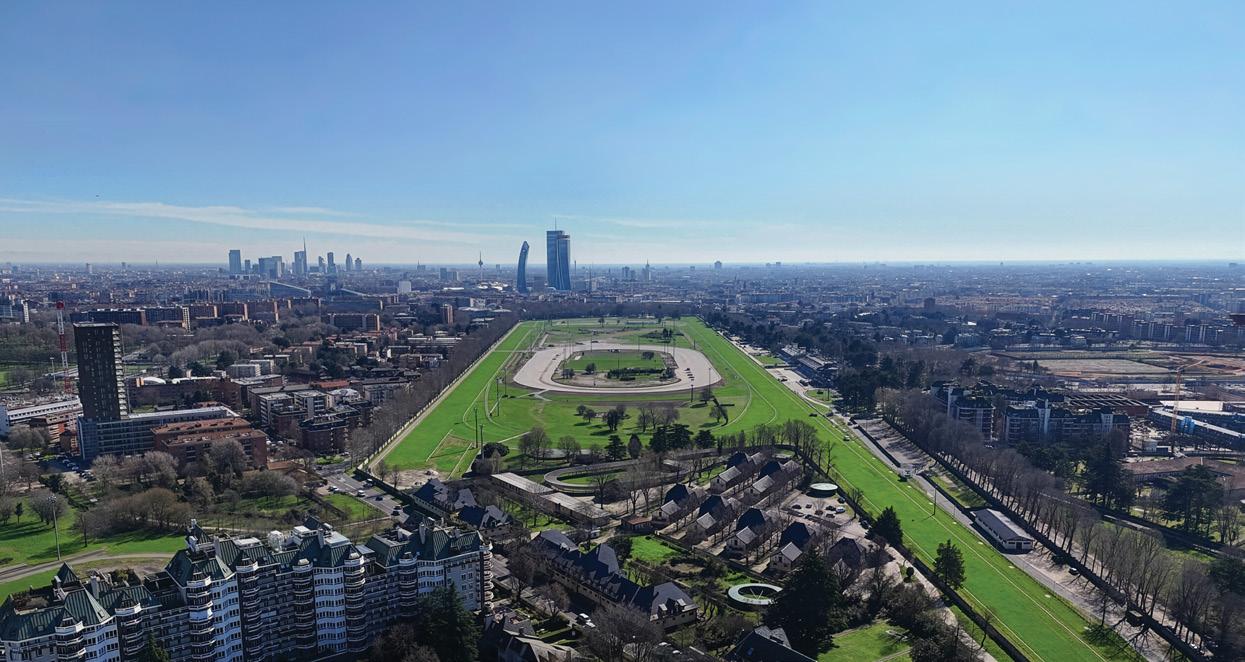
Racecourses are often situated outside major cities, and the need to travel, sometimes over longer distances, can become a barrier, especially when it affects how freely visitors can enjoy the day as a whole.
This is a challenge clearly acknowledged at Curragh Racecourse, where improving accessibility has become an integral part of the overall experience strategy. As Arkwright explains, “it has been a key focus for us. We know that sometimes it can be discouraging for people to think about having to drive for a while to get to the racecourse, and also not being able to fully enjoy the experience because they have to drive back afterwards. For this reason, we introduced shuttle services from key towns. This allows our audience to enjoy the day to the fullest, without worries, respecting the rules, but also being able to relax and perhaps enjoy an extra pint.”
While many racecourses are already actively exploring new ways to enhance and reframe the race day experience, others are now entering a new phase of transformation. This is the case of Ippodromo Snai San Siro, which has recently undergone a change in management following its acquisition by Flutter Entertainment. The transition marks the beginning of a new chapter, bringing with it a renewed vision and a fresh approach. The ambition is clear: to revitalise the atmosphere, make it more dynamic and engaging, and ultimately attract a wider and more diverse audience.
Ippodromo Snai San Siro stands out as a particularly interesting case. Beyond the quality of its architectural and artistic setting, what makes it truly distinctive is its location. Situated within Milan’s vibrant urban context, it is easier to reach than many other racecourses. Well connected and integrated into the city, it offers a destination people can access spontaneously as part of their daily urban life.
The new strategy builds on these strengths. Marco Chantre, racecourse manager, explains, “we are positive about the future and our plans for race day entertainment. Our core concept is the racecourse as a ‘park in the city.’ We want it to be a family space with activities for children, like pony experiences, and also a place for younger generations to enjoy music and other
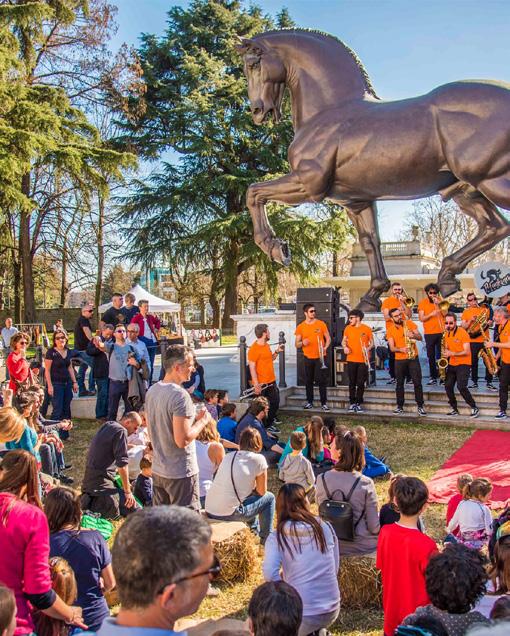
and entertainment for younger generations alongside
entertainment alongside racing. Many race days will be linked to major city events.” This marks a new phase aiming to reposition the Milan racecourse as a lively, accessible, and multifaceted urban destination.
These examples reveal a shared direction rather than a single formula. Through new formats, curated atmospheres, improved accessibility, and tools that engage audiences, racecourses are evolving to meet a common challenge. The future of racecourses lies not in moving away from racing but in making it meaningful, appealing, and accessible to a broader audience. Balancing innovation with identity will allow racecourses to grow while preserving their uniqueness.
PHOTOGRAPHY: FLORIAN LEGER & GUILLAUME BRUNET / FRANCE GALOP, GALOPPFOTO.DE, NICO JEEVES, SNAITECH, THE CURRAGH RACECOURSE




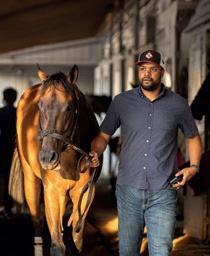









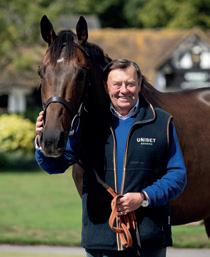
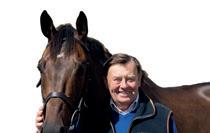









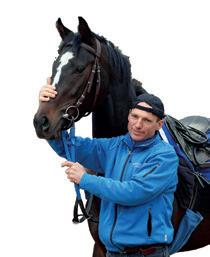


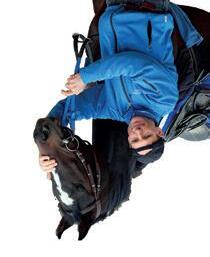

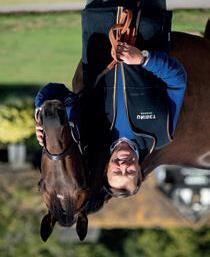


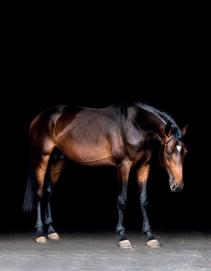

Roaring in horses is not just a loud, rasping noise made during exercise; it is a disorder of the upper airway that restricts airflow and can limit performance in large breeds such as Thoroughbreds, Standardbreds and warmbloods. Ontario Veterinary College Associate Professor of Large Animal Surgery, Taralyn McCarrel, is seeking to develop a surgical procedure that could revolutionise treatment following tie-back surgery, offering new hope for affected horses.
Roaring, or recurrent laryngeal neuropathy, is a condition in which one of the nerves controlling the muscles of the throat becomes dysfunctional. This commonly results in paralysis of the left arytenoid cartilage.
McCarrel provides a brief anatomy lesson, comparing the trachea to a castle: “The airway is made up of two cartilages called the arytenoids. The arytenoids close like doors to cover the trachea, and then the epiglottis is like the drawbridge that comes up and covers them.” With recurrent laryngeal neuropathy, control of the ‘doors’ opening is abnormal and, overwhelmingly, it is the left side that becomes affected.
When the nerve fails, the muscle atrophies and the horse struggles to open the left ‘door’ of the airway because it lacks the stimulus to contract. Due to the inability of the left arytenoid to be held open, the tissue is left flapping and causes the ‘roaring’ noise. Laryngeal neuropathy limits the volume of air available for oxygen exchange, which can significantly impact the horse’s exercise tolerance, causing it to tire quickly.
McCarrel points out, “This condition has long been recognised, with scientific reports dating back to before the formal establishment of veterinary medicine.” Affected horses often exhibit signs of nerve abnormalities throughout their bodies, though these do not have observable consequences aside from the paralysis of important laryngeal muscles. The most noticeable sign is the loud noise produced during exercise if airflow is restricted.
Roaring is most common in large breeds, with draught horses estimated at around 33% prevalence. Thoroughbreds have a lower prevalence, ranging from 2% to 8%, while warmbloods are also affected. The condition is often detected early in racehorses due to routine endoscopic examination, but in warmbloods it may go unnoticed until they are older and working more intensely. Interestingly, some high-level dressage horses can have a completely paralysed arytenoid cartilage yet make minimal noise, possibly due to head position, speculates McCarrel.
Prosthetic laryngoplasty, commonly known as tie-back surgery, is the current gold standard for treating roaring. This involves making an incision beneath the horse’s neck and suturing the paralysed cartilage to keep the airway open. Incisional healing typically takes 10–14 days. McCarrel recommends at 30 days post-surgery the horse is scoped to ensure proper healing.
Some surgeons recommend waiting six weeks for the position of the arytenoid cartilage to stabilise following tie-back surgery. McCarrel explains, “We try to place the cartilage in a certain open position but there’s a strong tendency for it to collapse back to some degree and there is some resetting. Most horses will settle into their final position at around six weeks.”
Success rates vary widely in the literature, with nonracehorses generally having a better prognosis due to their lower dependence on maximal sprint-level athletic effort.
Complications can include coughing, nasal discharge from food aspiration, and surgical failure, but new techniques may offer improved stability and hope for affected horses.
The tie-back procedure, performed to improve airflow in horses with unilateral laryngeal paralysis, has shown variable outcomes that may be influenced by the surgeon’s expertise. While the complication rate is not especially high, identifying new ways to minimise complications and optimise results increases the likelihood of horses returning to peak performance.
One of the most common complications is the arytenoid cartilage not remaining as open as intended. McCarrel says, “If we model airflow, then in theory we need to achieve 88% of maximum to restore airflow to a level similar to normal.”
Many horses fall below this threshold, raising questions as to whether they can reach their full competitive or racing potential.
The current tie-back procedure involves sutures that can stretch, slip or cut into the cartilage (causing a loose loop), leading to inconsistent results. “The back of the cartilage to which we secure the arytenoid flap is very thin,” says McCarrel, citing another challenge of the current surgical approach.
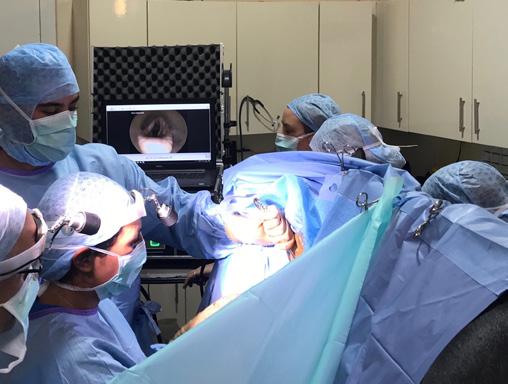
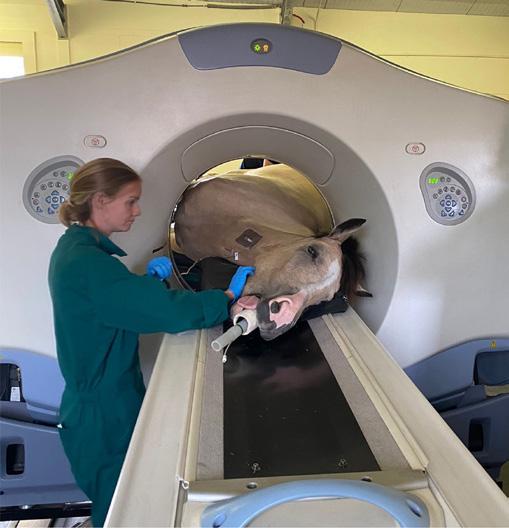
It was while examining a CT (computed tomography) scan of a skull, extending as far back as the larynx, that inspiration struck McCarrel. Observing the cricoid, which has thicker cartilage where it contacts the arytenoid cartilage, McCarrel conceived a surgical method that could eliminate the need for a knot and sutures and instead use a screw, potentially resulting in greater stability. McCarrel also recognised the potential for this new surgery to become minimally invasive, requiring only a small incision similar to that used in arthroscopy. This would minimise soft tissue trauma that can interfere with the lining of the oesophagus, which most often occurs when placing sutures. “If we can place this screw through a small stab incision, we can potentially avoid impinging on and damaging the muscles and nerves in that area,” hypothesises McCarrel. This could reduce some of the less common complications of tie-back surgery such as chronic cough or dysphagia (feed entering the airways), abnormal swallowing leading to lower airway contamination and reflux of saliva from the oesophagus.
The initial step, already published, demonstrated the ability to CT-scan the equine throat and produce models for measuring the desired parameters. The dimensions of pins and screws were also modelled to ensure they could fit across the targeted area.
Phase two was carried out by McCarrel’s former resident, creating models with a screw rather than a suture holding the arytenoid cartilage open to the thicker cricoid cartilage. These were then exposed to negative pressures in an airflow chamber for basic proof of concept.
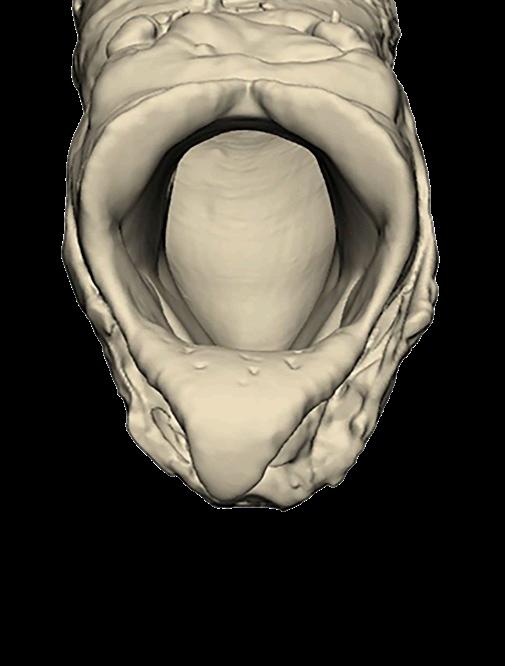
ABOVE: This is a 3D model of the equine larynx produced from CT images and includes all of the soft tissues covering the cartilages of the larynx. The arytenoid cartilages have been secured in an open position using suture to represent the open position of an exercising horse. The model is viewed from the same perspective as would be seen on an endoscopic image of the larynx and will be used along with a model of the airspace within the model to make a device to hold the cartilages open in the desired position while the implants are being placed.
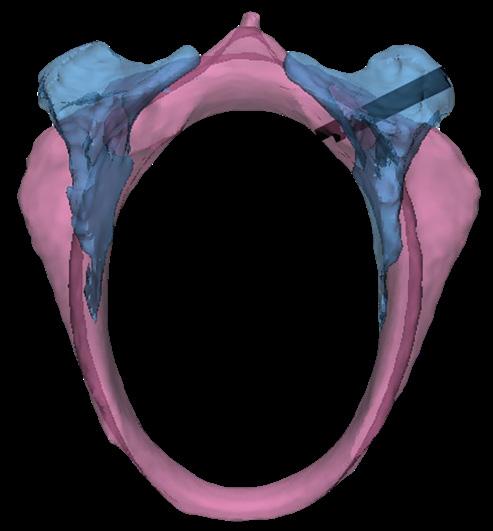
ABOVE: Cartilage model with implants: This is a 3D model of the cricoid (pink) and arytenoid cartilages (blue – commonly referred to as “flaps” in lay language) produced from CT scans of the equine larynx and viewed from the same perspective as if you were looking at an endoscopic (ie. upper airway scope) image of the throat. Sutures were placed (as done in the “tie-back” surgery) to hold the arytenoid cartilages in the open position of normal functioning horses when exercising. Implants were modelled (green arrow) and positioned across the joint between the cricoid and arytenoid to hold the left arytenoid in place.
The next step, funded by Equine Guelph, aims to develop a minimally invasive surgical technique for positioning cartilage through a small incision. The current project involves modelling the shape and size of equine airways to create inserts that fit over standard intubation tubes. Via the mouth, these inserts will push the arytenoid cartilage into the desired position, as confirmed on CT prior to surgery.
This requires CT scans of multiple specimens to create models and determine how many different insert sizes are required. The goal is to select the appropriate insert size for each horse during surgery, ensuring precise abduction and airway opening.
Future steps will include developing a surgical approach and guide to pre-plan screw size and exact placement to ensure accuracy and avoid penetrating the airway.
Introducing CT-based 3D guidance will be a key component in developing a less invasive procedure. “We can complete all the planning before making the incision,” says McCarrel, “so when it comes time to perform the surgery, the surgical approach will be very small and the operative time short.”

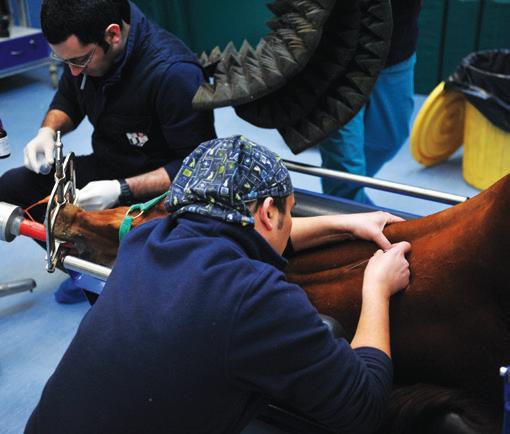
The tie-back procedure is performed to improve airflow in horses with one-sided laryngeal paralysis.
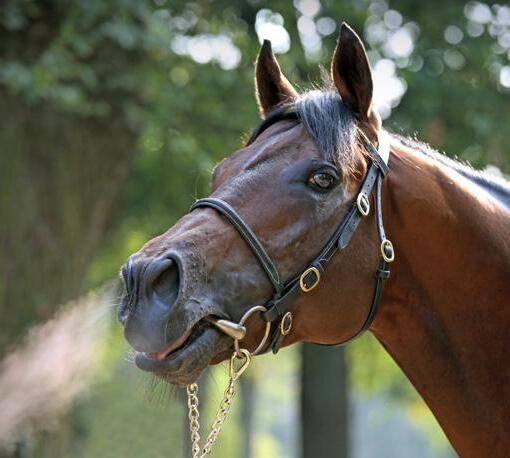
Roaring is not just a loud, raspy noise made during exercise; it is an issue in the upper airway that restricts airflow and can limit performance.
“For years we have seen a move in human surgery towards increasing the use of imaging guidance in order to enable smaller incisions and more precise, minimally invasive procedures,” says McCarrel.
This new approach aims to provide more accurate implant placement with less disruption of the muscles and nerves in the larynx, minimise complications and improve outcomes for horses with laryngeal paralysis.
Equine Guelph is the horse owners’ and carers’ centre at the University of Guelph in Canada. It is a unique partnership devoted to the health and wellbeing of horses, supported and guided by equine organisations. It is the hub for academia, industry, and government – for the good of the equine industry overall.
VIDEOS

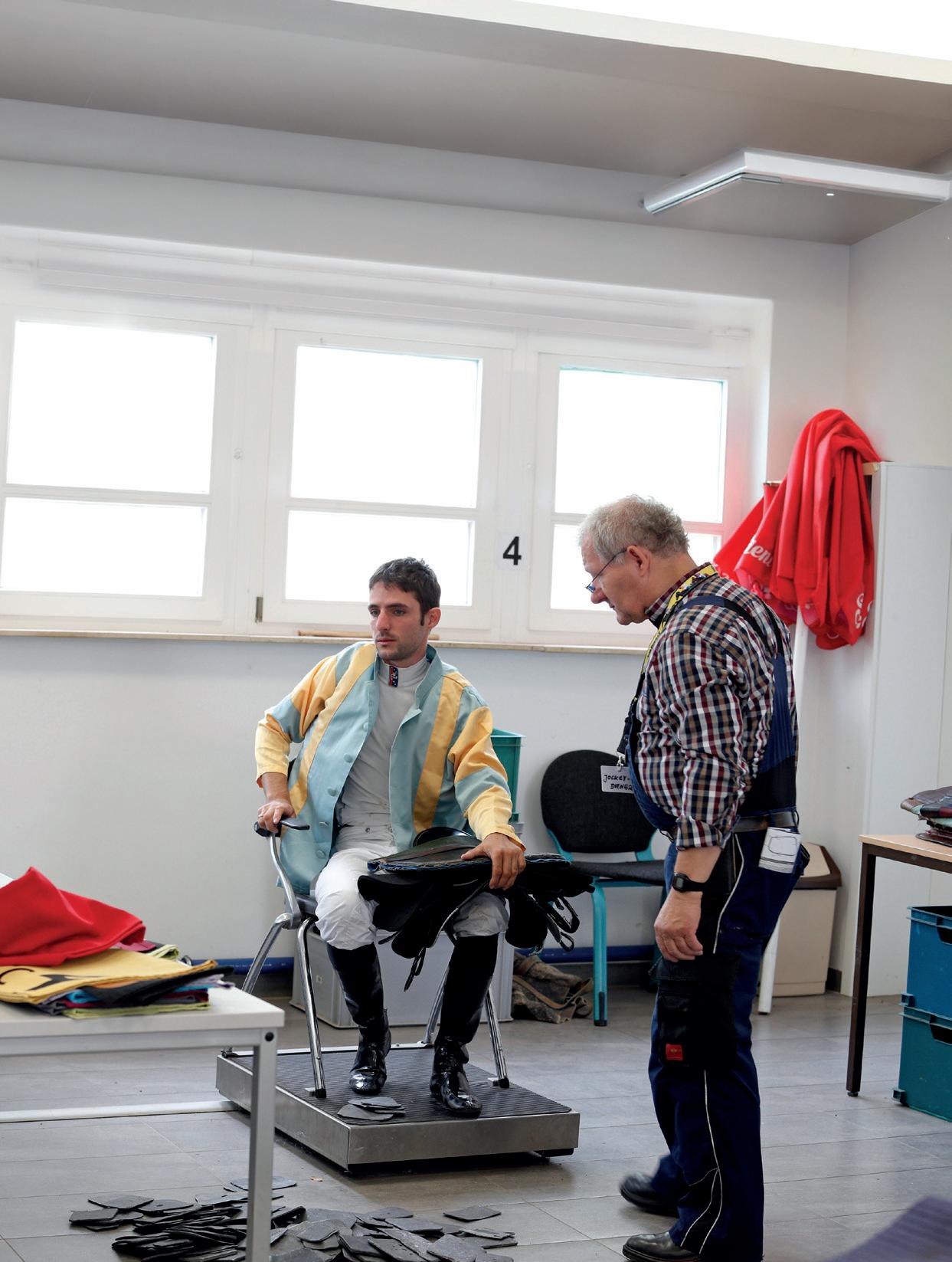


Artificial intelligence is steadily finding its place within the horse racing world, with its ability to process vast datasets and identify patterns invisible to the human eye. Could these same technologies extend into one of the sport’s most nuanced and debated areas: handicap ratings?
In theory, AI offers a level of consistency and data-driven objectivity that could enhance the assessment of a horse’s performance over time. But the reality is far more complex.
Handicap systems must account for a multitude of variables: race conditions, pace dynamics, track bias, progression curves, and even intangible elements such as temperament and race positioning. While other sports, such as football, have successfully integrated data models to evaluate player performance and market value, translating this approach to horse racing raises fundamental questions.
Can an algorithm truly interpret context in the same way as an experienced handicapper? And, perhaps more importantly, can it balance objectivity with the necessary flexibility required in such a deeply interpretative discipline?
Some countries are already looking into this idea, trying to figure out if and how they can use this technology with the systems they already have. They’re not trying to completely replace the person who decides how good each horse is, but instead want to see how computers can help: like finding patterns in lots of horses, pointing out things that don’t seem right, or giving another opinion to consider along with what the human expert thinks.
In France, for example, where the racing tradition is among the most established in Europe, a debate has begun to emerge, with experts remaining cautious. Eric Le Guen, the senior French handicapper, notes that despite growing interest, international trials have not produced convincing results. “In Chile,” he recalls, “an experimental software failed to deliver reliable data. In the United States, tests launched last year were met with resistance from trainers and owners, disappointed by the lack of consistency in the ratings.”
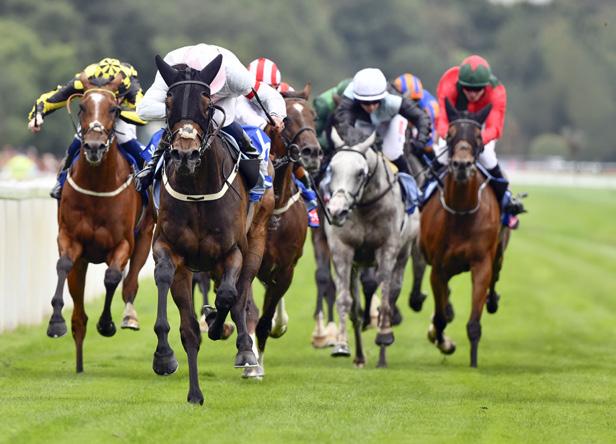
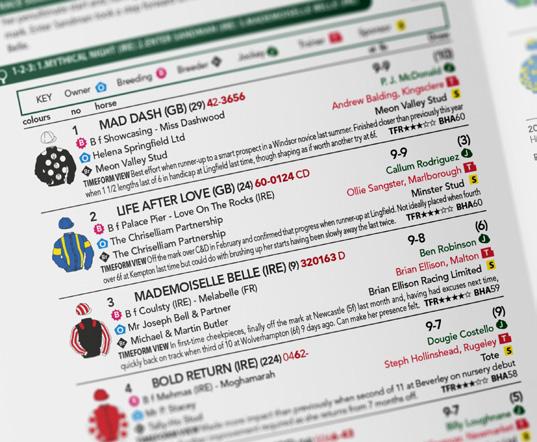
The reason is clear: the parameters underpinning race assessments involve a multitude of variables that are difficult to capture in an algorithm. Carried weight, going description, distance between horses, race tempo: many of these factors can be entered into a calculation system, but a large part of the assessment still depends on the human eye. “Visual judgement remains irreplaceable,” Le Guen stresses. “A horse may finish third, yet its true performance may have been affected by interference, a troubled run, an uninspired ride and many other factors. These elements are beyond the reach of any software.”
This view is shared by other handicappers including Benoit Legault, head of the handicapping department in France, who confirms that AI is not currently used in the process of allocating ratings. “International studies have rejected full-AI solutions for handicap marks due to technical challenges and transparency risks,”
VISUAL JUDGEMENT REMAINS IRREPLACEABLE… A HORSE’S TRUE PERFORMANCE MAY BE AFFECTED BY MANY FACTORS BEYOND THE REACH OF ANY SOFTWARE.”
Legault explains. “Automated interpretation of visual information is still not sufficiently reliable, and the opacity of algorithmic processes could compromise the integrity and regularity of races.”
On top of this come the usual technology-related concerns: cybersecurity, the risk of errors, loss of skills and dilution of professional responsibility.
There’s an important issue at the heart of this discussion. While AI is extremely good at working with organized data and spotting repeating patterns, it still has trouble understanding things like context or subtle differences, especially when personal experiences, cultural background, or race come into play.
On the technical side, a lot of today’s advanced AI models use very complicated systems, like deep neural networks. The way these systems reach conclusions isn’t always clear, so it’s hard to see exactly how a decision was made. This lack of transparency is a problem if you need to check, explain, or defend individual scores, which is often necessary when rules and regulations are involved.
Another thing to keep in mind is that these models sometimes make mistakes or produce answers that sound right but aren’t actually based on real information. This makes it harder to fully trust the results, especially when the decisions are important.
Some progress, however, still appears possible. The use of tracking systems – recording times, distances and trajectories – could allow for more objective analyses. If, for example, the runner-up covers a significantly longer distance than the winner, its actual merit could be considered superior.
“Perhaps one day,” Le Guen concedes, “we will be able to integrate this information into official ratings. But human input will always be required to interpret the data feed in the information and place it in the right context. We constantly monitor developments and upgrade our IT tools, ready to integrate artificial intelligence as soon as it can genuinely support human judgement – not replace it.”
AUTOMATED INTERPRETATION OF VISUAL INFORMATION IS STILL NOT SUFFICIENTLY RELIABLE, AND THE OPACITY OF ALGORITHMIC PROCESSES COULD COMPROMISE THE INTEGRITY AND REGULARITY OF RACES.”
A similarly cautious yet open approach is evident elsewhere in Europe. Italy’s recent reforms have made its handicapping system more transparent, merit-based, and aligned with international standards, bringing it closer to the models in France and the UK and reconnecting it with the broader European racing framework.
This change shifts away from a “distributive” system that often penalised in-form horses toward a model that evaluates performance dynamically based on actual ability. Public ratings and a clearer, tiered handicap structure have made the system more accessible and transparent, strengthening trust among professionals and the racing community.


In conversation with a newly appointed Italian handicapper, the discussion expanded to the use of artificial intelligence in horse racing, reflecting the growing importance of data, form analysis, and precision.
“I use AI tools to analyse data from handicaps,” he explains. “In the first three months of the year, I record details like race type, jockey, finishing position, margin, number of runners, weight, and ratings before and after the race. Over two to three months, I run comparative analyses to assess horses’ overall progression.”
This approach mirrors the logic of future algorithmic systems. By structuring and analysing detailed data, the Italian handicapper is building a database infrastructure that could eventually support AI in performance assessment or race condition formulation.
When asked about the potential role of AI in his field, he offers a measured and balanced perspective: “I’m open to innovation and see AI as a valuable tool, though with clear limits. It cannot fully replace human judgment, especially visual cues that reveal if a jockey gave their best or if factors like interference or track conditions affected performance. I prefer to make my own forecast, then compare it with AI’s analysis using all available data. I must say, it performs remarkably well. For bookmakers and punters, if used wisely, AI could be an extraordinary asset.”
It’s clear, then, that there is a strong focus on finding ways to integrate these tools into the existing framework. In fact, attention to this issue seems to be growing, with an emphasis on using technology to support, not overshadow, the expertise that professionals bring to the sport.
In the end, artificial intelligence in handicap ratings is more likely to be evolutionary rather than revolutionary. The question is no longer whether the technology will enter the field, but under what conditions it can be used in a sensible and responsible way.
As things move forward, it will be essential to find a balance— using technology to gain better insights, while still making sure the process stays open, fair, and trustworthy. For this reason, the role of the handicapper may not diminish, but rather evolve relying not only on their judgment but also on what the data has to offer, combining it with their own experience to make sense of each unique race.
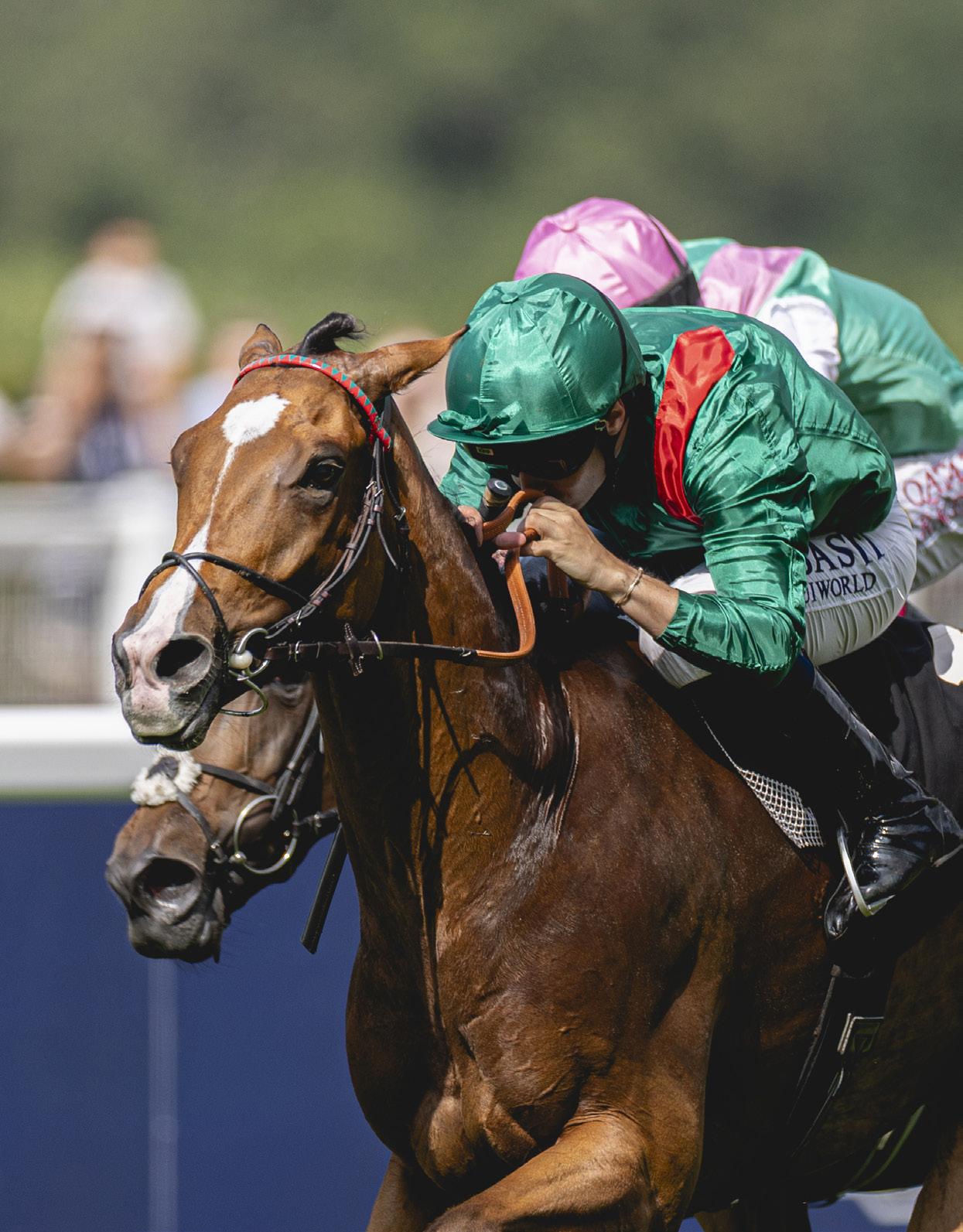
Dr. Marián Šurda has once again compiled his fascinating tables of Champion Trainers and Jockeys across a range of European countries. Alongside the latest 2025 edition, we have also published the tables for 2023 and 2024, and comparing them reveals some intriguing insights.
European flat racing continues to demonstrate both depth and diversity, as reflected in the latest tables of champion trainers and jockeys from 2023 to 2025. Across the continent, performance metrics such as wins, strike rates and total earnings reveal not only consistent dominance by established figures, but also the emergence of new talent in smaller racing nations. The data highlights how leading operations in France, Great Britain and Ireland continue to set the financial benchmark, with trainers like Aidan O’Brien and Francis-Henri Graffard achieving high win percentages alongside multi-million euro earnings .
At the same time, the tables show notable competitive balance. Countries such as Spain, Germany and Poland regularly produce trainers with strike rates exceeding 25%, suggesting efficiency can rival scale. Average statistics further underline this trend: between 2023 and 2025, trainer win rates remain relatively stable around 20–21%, while earnings show a gradual upward trajectory, pointing to increased prize money and investment in the sport .
The jockey rankings reinforce similar patterns. While high-volume riders dominate total wins, exceptional strike rates from jockeys in nations like Serbia and Denmark demonstrate that success is not solely dependent on opportunities. Overall, the tables present a dynamic and evolving European racing landscape, where elite consistency and emerging excellence coexist.
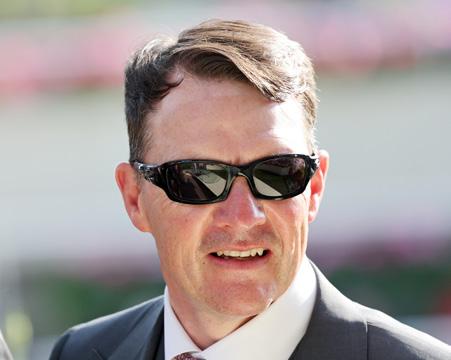



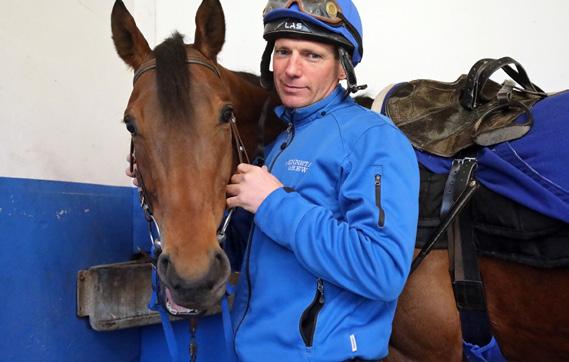
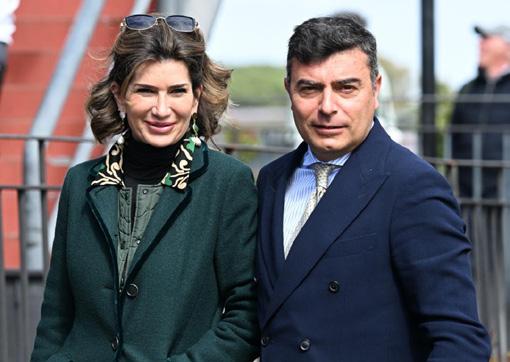
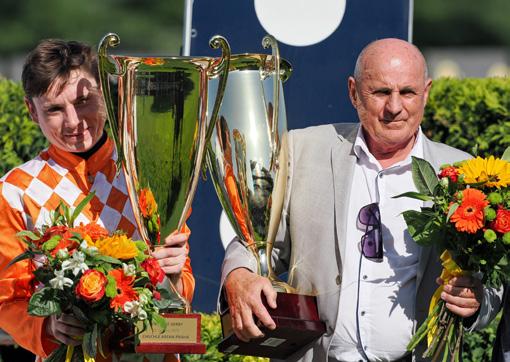

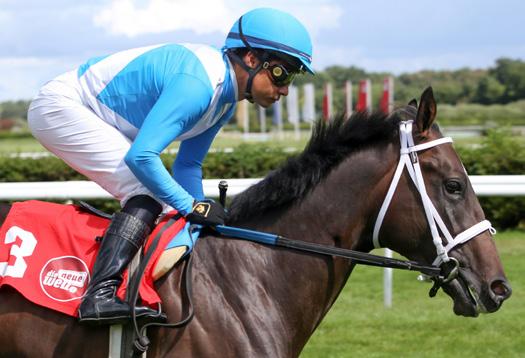

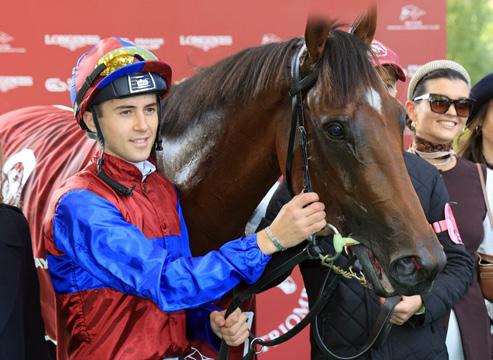
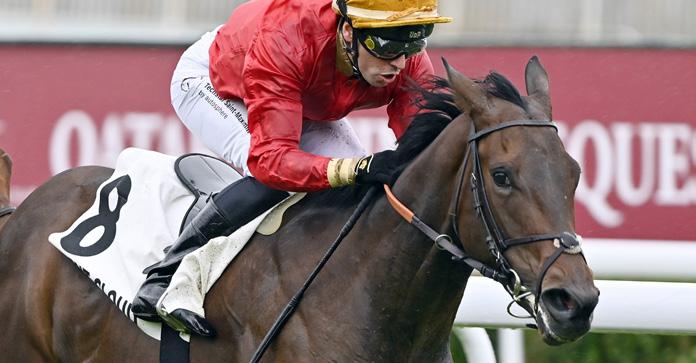

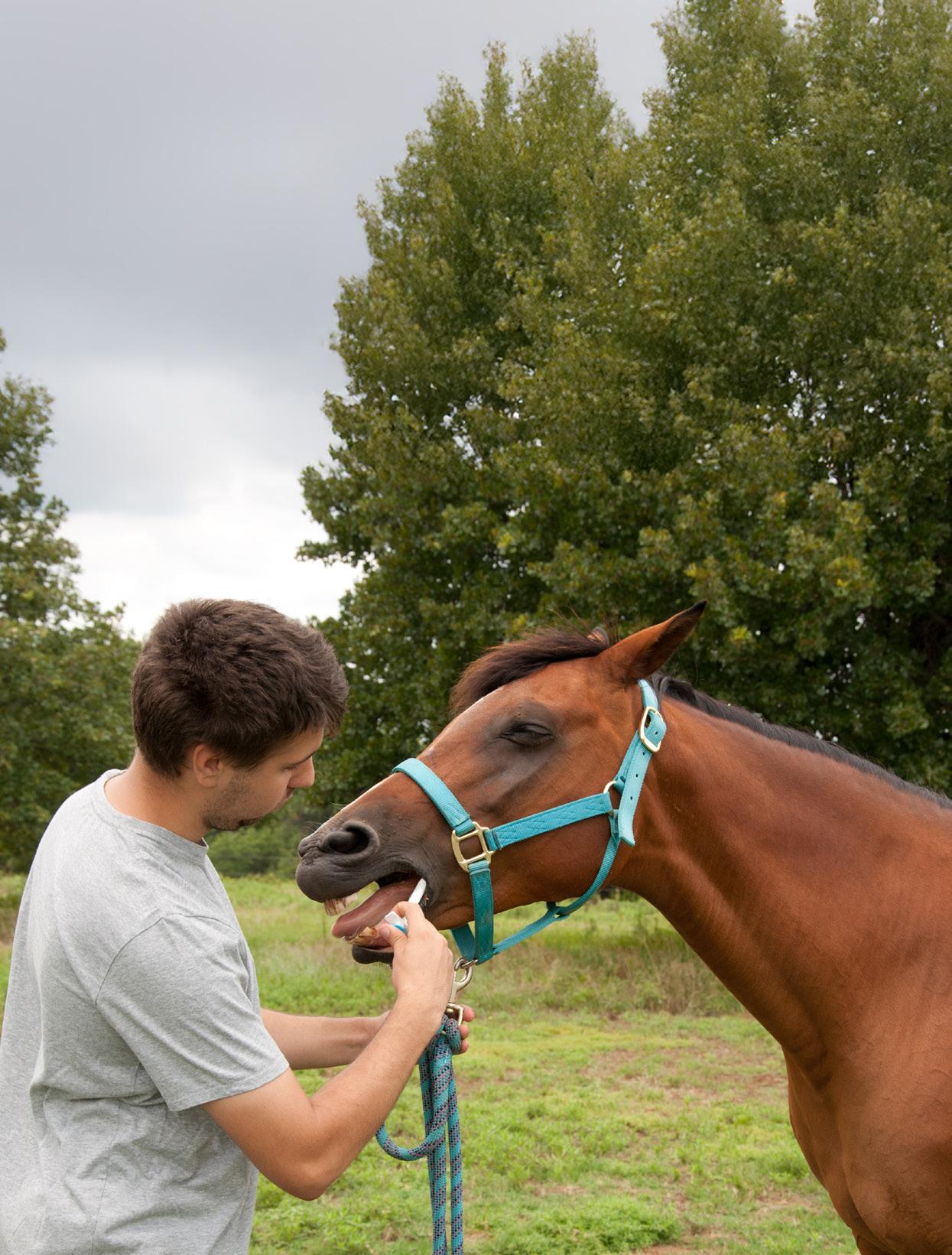


With wormer resistance increasing and no new products expected soon, targeted parasite control is now essential for all horses. This approach combines risk assessment, diagnostic testing, and paddock management to reduce infection levels and ensure only those horses that need treatment are wormed. This article outlines practical strategies for sustainable worm control in horses in training.
Almost every horse will encounter parasitic worms in its life. While it is unnecessary to completely eradicate worms from groups of horses, larger burdens can lead to disease, especially in young or older individuals. Traditionally, control involved giving wormers to all horses in a group without considering individual requirements or risks. This one-size-fitsall approach has contributed to the development of resistance to wormers (anthelmintics) over the past forty years. Today, these medications are less effective against all major types of worms and cases of multi-drug resistance are on the rise, posing serious challenges for the future control of these important pathogens. With no new wormers expected in the foreseeable future, maintaining the effectiveness of the current anthelmintics is essential.
Small redworms (cyathostomins) and tapeworms ( Anoplocephala perfoliata) are the most important parasites affecting horses. Even horses in training, with limited grazing, can be exposed to these infections. Young horses (≤2 years), particularly those recently arrived from breeding farms, often carry higher parasite burdens. These animals are of particular concern, as breeding farms are commonly where wormer resistance first emerges, meaning new arrivals may introduce parasites that are more difficult to treat.
Nearly all horses are infected with small redworms at some point. Most infections are sub-clinical, but heavy burdens of encysted larvae in the intestinal wall (Fig. 1) can cause weight loss, diarrhoea, colic and, in severe cases, life-threatening larval cyathostominosis. Outbreaks of this disease have been reported on farms where Thoroughbred yearlings were grazed on poorlymanaged paddocks (Byrne et al. 2025). Encysted larvae are less susceptible to most wormers, with only moxidectin and
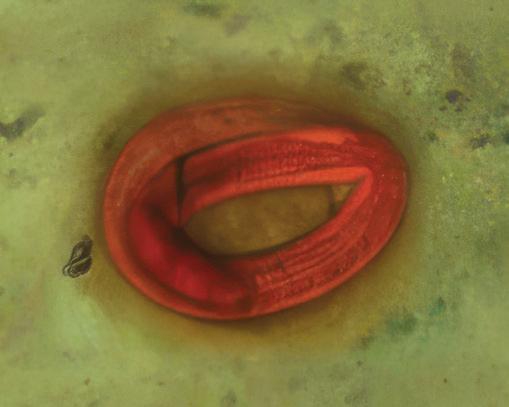
a five-day course of fenbendazole licensed in the UK/EU for activity against all stages. However, fenbendazole resistance is now widespread, and reduced effectiveness of moxidectin is increasingly reported (Nielsen 2022), making it essential to preserve these treatments for horses with significant burdens. In most healthy adult horses, particularly those in training with no/limited grazing or turned out to well-managed paddocks, small redworm burdens are generally low, with only a small proportion of individuals carrying higher infection levels. While the impact of subclinical infections on performance remains unclear, it is likely that higher parasite burdens are more likely to have negative effects.
The common equine tapeworm, Anoplocephala perfoliata , can affect horses of all ages and may cause colic even at relatively low burdens; as few as 20 worms can damage the intestine, particularly at the small–large intestinal junction (Matthews et al. 2024). Infection levels vary between groups, but tapeworms are especially common on breeding farms. Their life cycle involves soil-dwelling mites as intermediate hosts, making control challenging as these mites can spread infection around paddocks and harbour infective stages for prolonged periods. There is also growing concern about reduced effectiveness of the two wormers licensed for tapeworm treatment.
Other worms infect horses but are generally less relevant on training yards. Ascarids mainly affect foals (4–8 months), though older or immunocompromised horses can be infected. Pinworms can cause tail itching, signalling hygiene issues. The large strongyle, Strongylus vulgaris, is generally rare but can cause severe colic or peritonitis and should be monitored in high-risk groups on poorly managed paddocks.
A range of wormers is available for horses, including benzimidazoles (fenbendazole), tetrahydropyrimidines (pyrantel) and macrocyclic lactones (ivermectin, moxidectin) for small redworms, ascarids, and other roundworms. Pyrantel, at a double dose, is also licenced for tapeworm treatment, as is praziquantel, which specifically targets tapeworms. Resistance to these drugs is increasingly reported. Small redworms are of particular concern: benzimidazole resistance is widespread, pyrantel resistance is likely and reports of reduced effectiveness of macrocyclic lactones are growing (Nielsen 2022). In ascarids, resistance to macrocyclic lactones is common, with reduced sensitivity to benzimidazoles and pyrantel occasionally reported. More recently, reduced effectiveness of double-dose pyrantel and praziquantel against A. perfoliata was reported in the US (Nielsen 2023), with anecdotal cases emerging in Europe. For horses in training, these trends are important. Even with limited grazing, they can pick up worms at turnout, on training tracks or while grazing paddocks during rest periods. Furthermore, new infections, including resistant parasites, may be introduced by horses coming from breeding premises.
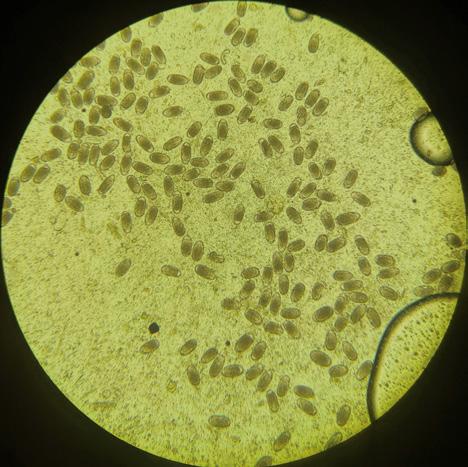
If resistance continues to rise, heavy parasite infections will become increasingly difficult to treat. This makes it essential to avoid unnecessary worming and to base treatments on risk assessment and testing.
Effective parasite control begins with a thorough assessment of infection risk at both the individual and group level. This allows targeted interventions to be implemented and their effectiveness monitored over time. Online tools such as WhatsYourWormRisk.com provide a structured way to assess risk profiles and support evidence-based decision-making. Key factors influencing risk include age, grazing exposure, pasture management and yard biosecurity. Most adult horses (>4 years) develop some immunity, reducing their susceptibility to high worm burdens, while younger horses are more likely to carry heavier infections and are therefore at higher risk. Older horses (>20 years), particularly those with PPID, may also be
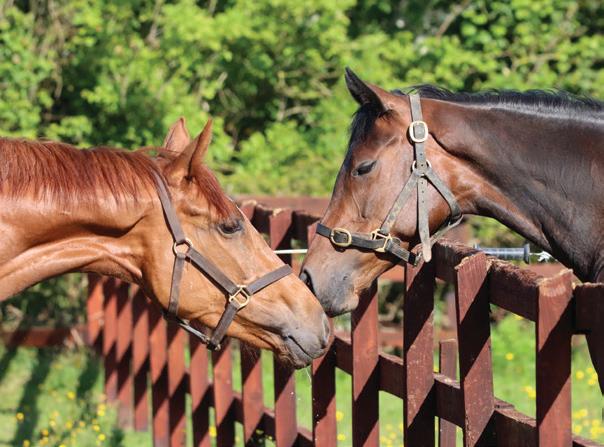
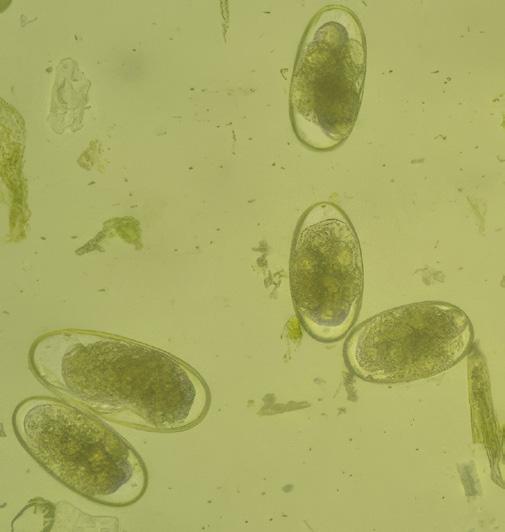
more vulnerable. Regular risk assessment with a veterinary surgeon helps trainers identify management practices that could inadvertently increase infection risk. Even short daily turnout on paddocks without dung removal, or shared grazing during rest periods, can facilitate parasite transmission. Horses kept as companions under less intensive management can also act as sources of infection. A critical part of any assessment is reviewing recent test results, which can reveal whether the estimated risk matches reality; for example, multiple horses present with high faecal egg counts (FECs) despite a presumed low-risk status.
Diagnostic testing is central to parasite control, providing objective data to guide treatment decisions and reduce unnecessary wormer use. By identifying which horses excrete worm eggs or carry parasite burdens, trainers can target treatments more effectively while reducing selection pressure for anthelmintic resistance. The tests available include FECs and antibody-based assays for tapeworms and small redworms. FECs estimate the number of parasite strongyle (Fig. 2) or ascarid eggs a horse is shedding in dung, providing insight into its potential to contaminate the environment. In horses in training, FECs should be performed every 12–24 weeks as determined by veterinary risk assessment. Egg shedding is uneven between horses: in low-risk groups, fewer than 20% of horses account for ~80% of eggs excreted, while many shed a few/no eggs and do not require treatment. Treatment thresholds usually fall between 200-500 eggs per gram. FECs only detect eggs from adult females and provide no information on male or immature/encysted stages, so they are not a complete measure of parasite burden. If several horses show unexpectedly high FECs, this may indicate a management issue (access to contaminated paddocks, emergence of resistance). FEC reduction tests can help assess whether wormers are effective by comparing egg counts before and 2 weeks after treatment.
FECs have low sensitivity for detecting tapeworms. Infections are better assessed using saliva or blood tests which measure A. perfoliata-specific antibodies that correlate with tapeworm burden level (Lightbody et al. 2016). Testing can be carried out at any time of year. In horses with access to paddocks, spring testing is useful to identify infected horses that will shed eggs in spring/summer when intermediate host mites are most active (Wickenden et al. 2025). End-of-summer testing is important for horses that have grazed during a rest period, as it can identify those that have acquired tapeworm burdens that put them at risk of colic. Testing can be done three months after the last treatment with saliva tests or four months with blood tests.

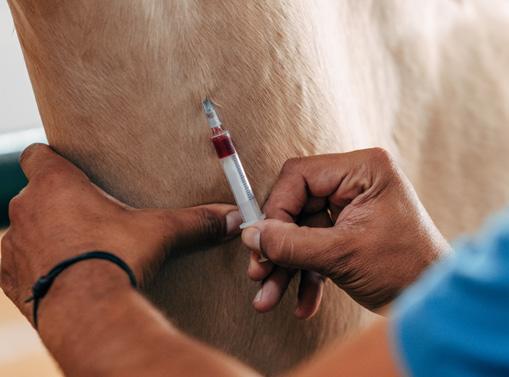
FECs do not reliably reflect small redworm burdens, particularly encysted larvae. Instead, the small redworm blood test is available that measures antibodies to all parasite stages, including encysted larvae (Lightbody et al. 2024). In horses in training, this test can be performed at any time of year, but is especially useful when considering encysted larvae treatments in autumn/winter. This test can help avoid unnecessary blanket treatments. For example, in a cohort of over 900 sport horses, more than 80% had small redworm blood test results below the 10,000-worm threshold, and over 60% were below the 1,000 worm-threshold, indicating very low parasite levels (Matthews et al. 2024). Using the test in such situations can therefore significantly reduce treatment frequency compared with worming the entire group.
A case study using a testing approach in National Hunt horses is shown below in Fig. 3. FIG 3
BACKGROUND: Winter monitoring of a cohort of National Hunt racehorses that underwent blood testing for small redworm and tapeworm infection.
FINDINGS: Many horses fell below test thresholds (small redworm blood test 68.9%, tapeworm blood test 62.2%). Around a third of horses exceeded the test thresholds, indicating parasite burdens that require treatment.
INVESTIGATION: A review of management and history identified factors contributing to infection in the horses with higher burdens:
• Access to grazing. Some fields were not subjected to regular dung removal.
• Recently acquired horses that had not been tested or treated for parasites during quarantine.
• The presence of young horses that were more likely to carry higher parasite burdens due to age-related susceptibility.
CONCLUSION: This case study underscores the importance of proper pasture management, quarantine testing and treatment of new arrivals, and regular targeted monitoring of young horses. Using blood tests for small redworms and tapeworms allowed identification of horses that required treatment, avoiding blanket worming and supporting evidence-based parasite management to reduce unnecessary treatments.
Moderate/ high infection risk?
Assess risk level of incoming horse
Low infection risk?
Treat for small redworm & tapeworm
Treat for ascarids if < 2 years
FEC or small redworm blood test
Tapeworm blood or saliva test
• Use blood tests at least 4 months after last known treatment
• Use saliva tests at least 3 months after last known treatment
Ascarids: treat with pyrantel or fenbendazole
Small redworm: treat with moxidectin
Tapeworm: treat with praziquantel
Conduct a baseline FEC at treatment
FEC or small redworm blood test positive/ tapeworm test negative – moxidectin
FEC or small redworm blood test positive/ tapeworm test positive – moxidectin/praziquantel
FEC or small redworm blood test negative/ tapeworm test positive – praziquantel
If FEC positive, re-test 2 weeks later to check wormer has worked
If FEC positive, re-test 2 weeks later to check wormer has worked
Ideal quarantine period is 2-3 weeks For horses that require worming, do not allow access to paddocks until 3 days after treatment
Effective parasite control depends on excellent pasture management to reduce environmental contamination. Key strategies include regular dung removal, maintaining low stocking densities, avoiding overgrazing, and, where suitable, co-grazing with other species. Dung removal is the most effective method as it removes eggs before they develop to infective stages. Removal should be conducted at least twice weekly. Keeping stocking densities to at least one acre/horse helps limit parasite build-up. Resting paddocks for six months or more, or using rotational grazing further reduces infection. Harrowing should be used cautiously.
In the UK, conditions are usually not hot or dry enough to kill parasite stages; harrowing merely spreads the worms across paddocks. If harrowing, it is recommended that the paddock remain without horses for a minimum of six months prior to reintroducing them.
Appropriate quarantine measures for new arrivals are essential to prevent the introduction of new infections or drug-resistant parasites. All new horses should be isolated and tested or treated according to their assessed risk (Fig. 4), and any treatment should be followed up with efficacy testing to assess wormer effectiveness.
Despite increasing awareness of sustainable parasite control, overuse of wormers remains common, particularly in the Thoroughbred racing sector. A diagnostic-led, risk-based approach, combining targeted testing, careful risk assessment and effective management practices, can reduce reliance on anthelmintics and help preserve their long-term effectiveness.
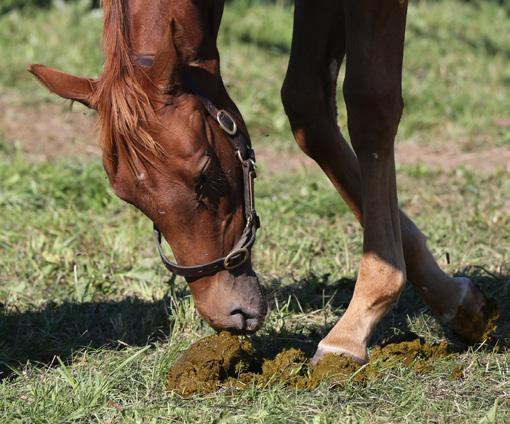
ABOVE: Regular dung removal is one of the most effective parasite control methods, as it removes eggs before they develop into infective stages.
References:
• Byrne et al. 2025. Vet Rec Case Rep. 13:e70222.
• Lightbody et al. 2024. Int J Parasitol. 54:23-32.
• Lightbody et al. 2016. Vet Clin Pathol. 45:335–346.
• Matthews et al. 2024. Pathogens. 12:1233.
• Matthews et al. 2024. In Practice 46:34-41.
• Nielsen. 2022 Int J Parasitol: Drugs Drug Res. 20:76–88.
• Nielsen. 2023. Int J Parasitol: Drugs Drug Res. 22:96–101.
• Wickenden et al. 2025. Int. J. Parasitol. 14:783-794.

Apply best practice worm control for horses in training
New guidelines advise diagnostic-led programmes for worm control in horses1
Horses in training are generally at low risk of worm infection*
Testing low infection-risk horses results in substantial reductions in wormer use, reducing selection pressure for drug resistance
* When at pasture, apply excellent paddock management, including daily dung removal and low stocking densities


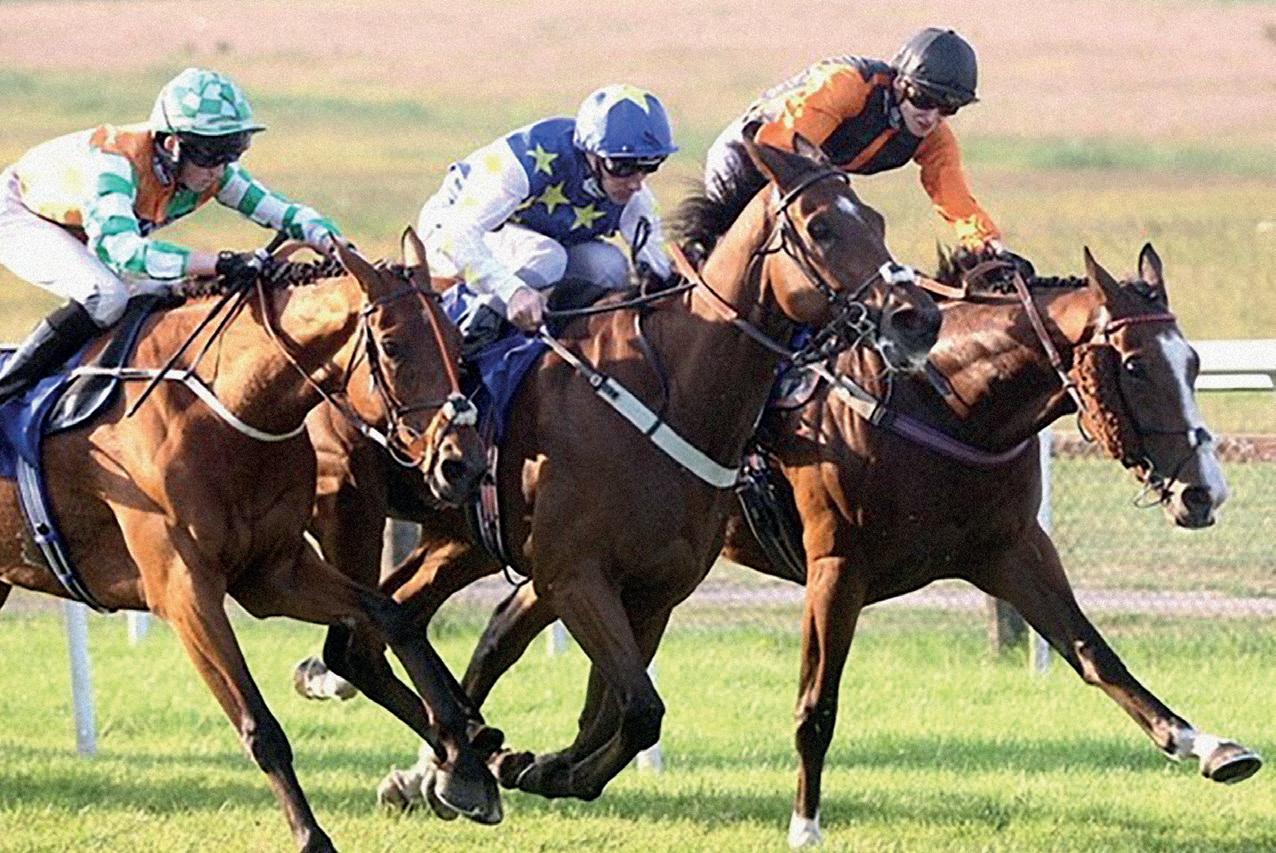
Strongyle worm egg shedding (FEC) patterns in adult horses mean that >70% of those tested do not need worming2


In low-risk groups, >60% of horses fall under the lowest small redworm burden threshold3 Only 1/3 of UK horses tested using the EquiSal saliva test have tapeworm infections that require treatment3
1 BEVA Anthelmintic Toolkit (beva.org.uk), 2 Relf et al. 2013. Parasitology 140:641-652, 3 Matthews et al. 2024. In Practice 46:34-41.
Diagnostic-led programme for horses in training


















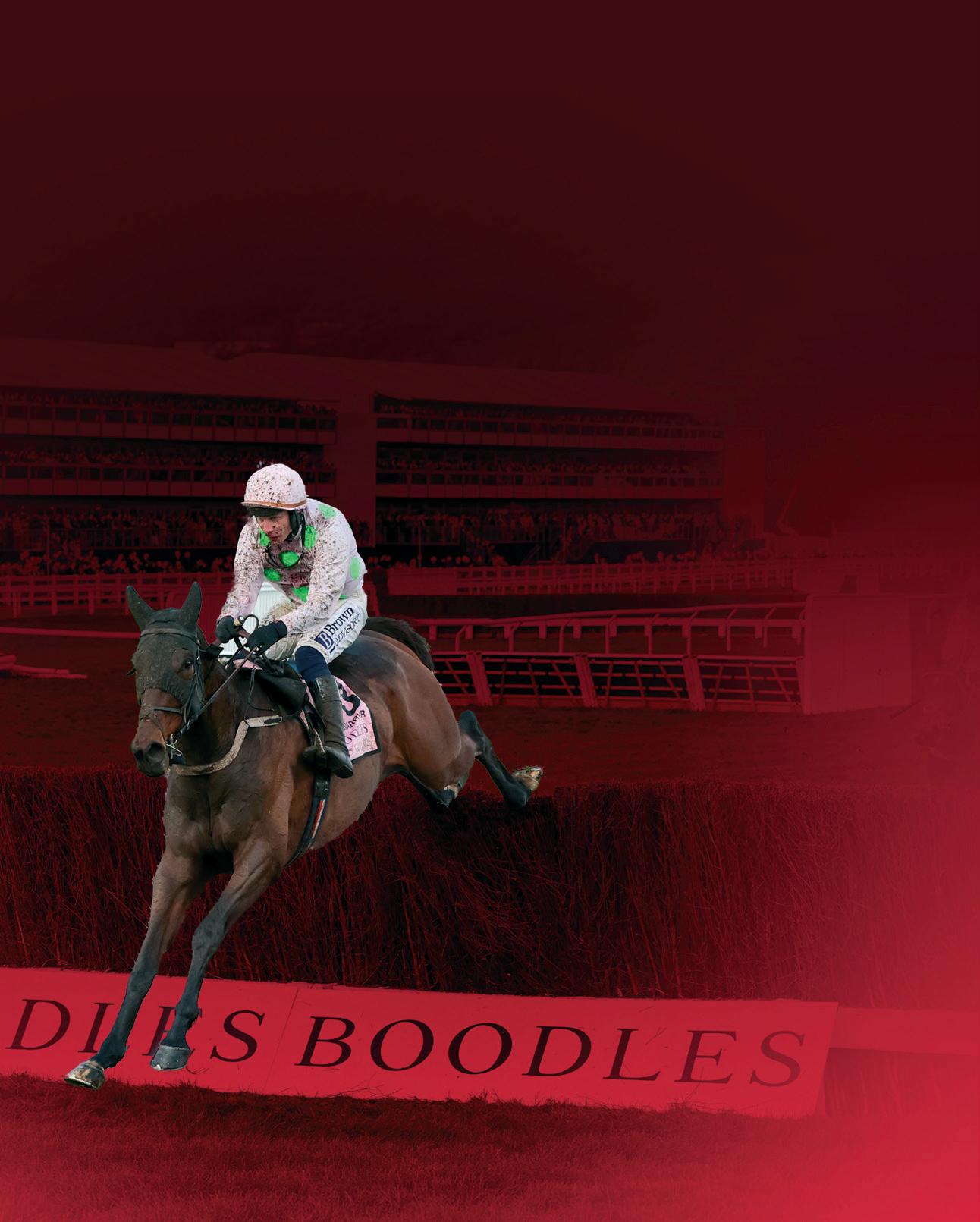








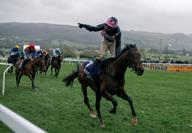

Goresbridge, Co. Kilkenny, Ireland
Tel: +353 599 775 800
Email: info@redmills.com
Woodland Granaries, Narrow Lane, Wymeswold, Loughborough LE12 6SD
Tel: +44 1386 552066
Email: info@redmills.co.uk