Digital Marketing: The Future of Business Growth
In today’s fast-paced, technology-driven world, digital marketing has become the backbone of modern business strategies. From small startups to multinational corporations, businesses are turning to digital platforms to reach their audiences, increase brand visibility, and drive sales. With more than five billion people actively using the internet worldwide, digital marketing provides unparalleled opportunities to engage customers where they spend most of their time.

↪What is Digital Marketing?
Digital marketing course refers to the use of digital channels, platforms, and technologies to promote products, services, or brands to consumers. Unlike traditional marketing, which relies heavily on print, television, or billboards, digital marketing leverages online platforms such as social media, search engines, email, and websites.
It allows businesses to target specific demographics, measure campaign performance in realtime, and build personalized experiences that drive customer loyalty. In simple terms, digital marketing is about connecting with the right audience, at the right time, through the right digital channels.
↪Importance of Digital Marketing
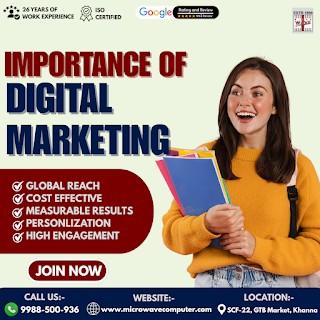
1. Global reach– Businesses can transcend geographical boundaries and access audiences across the world.
2. Cost-Effectiveness – Compared to traditional advertising, digital campaigns are more affordable and scalable.
3. Measurable Results– Tools like Google Analytics allow marketers to track clicks, conversions, and engagement instantly.
4. Personalization – Brands can tailor messages to individuals based on their browsing history, preferences, and behavior.
5. High Engagement– Digital channels like social media foster two-way communication between brands and consumers.
↪Key Components of Digital Marketing
1. Search Engine Optimization (SEO)
SEO is the process of optimizing websites to rank higher on search engine results pages (SERPs). A well-implemented SEO strategy improves organic traffic by focusing on:
Keyword research
On-page optimization (content, meta tags, images)
Off-page optimization (backlinks, authority building)
Technical SEO (site speed, mobile-friendliness, indexing)
For example, if a user searches best smartphones 2025, businesses that have optimized their content for that query are more likely to appear at the top of results.
2. Content Marketing
An audience is drawn to and kept by valuable, pertinent, and high-quality material. Forms of content include:
Blogs and articles
Info graphics
Videos and podcasts
E-books and whitepapers
3. Social Media Marketing (SMM)
Social media platforms like Facebook, Instagram, LinkedIn, TikTok, and X (formerly twitter) are powerful tools for engaging audiences. Businesses use them to:
Build brand awareness
Run paid ad campaigns
Foster customer relationships
Drive traffic to websites.
4. Pay-Per-Click Advertising (PPC)
PPC involves paid ads that appear on search engines or social media platforms. Only when people click on the advertisement do advertisers get paid. Google Ads is the
most widely used PPC platform. Instant visibility, reaching a specific audience, and quantifiable return on investment is the main advantages.
5. Email Marketing
Email marketing is still very successful even though it's one of the more traditional types of digital marketing. It is employed in:
Newsletters
Promotional offers
Customer retention campaigns
Personalized product recommendations
With automation tools, businesses can segment their email lists and deliver customized content at scale.
6. Affiliate Marketing
Businesses use affiliate marketing, a performance-based approach, to compensate third parties (affiliates) for increasing traffic or sales through their advertising. By developing a win-win revenue model, it helps affiliates as well as businesses.
↪Benefits of Digital Marketing
1. Data-Driven Decisions – Real-time analytics provide insights into customer behavior, enabling informed strategies.
2. Targeted Reach – Businesses can focus on specific demographics, locations, and interests.
3. Flexibility: Depending on performance indicators, campaigns can be rapidly modified.
4. Higher ROI– Digital campaigns often deliver better returns compared to traditional methods.
5. Customer Interaction – Through reviews, comments, and direct messaging, brands maintain close relationships with their customers.
↪ Challenges in Digital Marketing
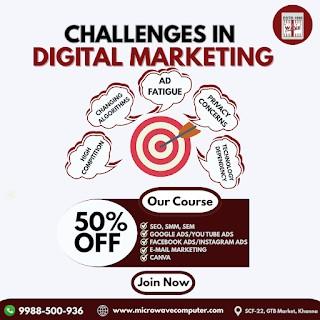
Despite the enormous opportunities it presents, digital marketing is not without its difficulties:
1. High Competition– With millions of businesses online, standing out can be difficult.
2. Changing Algorithms – Platforms like Google and Facebook frequently update their algorithms, impacting visibility.
3. Ad Fatigue – Consumers often ignore repetitive ads, reducing effectiveness.
4. Privacy Concerns– Stricter data protection regulations, like GDPR, require businesses to handle customer data carefully.
5. Technology Dependency – Over-reliance on tools and platforms may make businesses vulnerable to disruptions.
↪Future Trends in Digital Marketing
The digital landscape is evolving rapidly, and businesses must stay ahead of the curve. Key trends include:
1. Artificial Intelligence (AI) and Automation
AI tools like chatbots, predictive analytics, and content generators streamline marketing efforts and improve personalization.
2. Voice Search Optimization
Learning with smart speakers like Alexa and Google Home, optimizing for voice search is becoming essential.
3. Video Marketing Dominance
Consumer interaction is being revolutionized by short-form films on YouTube Shorts, Instagram Reels, and TikTok.
4. Metaverse Marketing
Virtual reality (VR) and augmented reality (AR) are opening new avenues for immersive brand experiences.
5. Sustainability Marketing
Consumers are increasingly favoring brands that promote eco-friendly practices, making green marketing more relevant.
↪Conclusion
Digital marketing is no longer an optional business strategy—it is a necessity for survival and growth in the modern marketplace. It enables businesses to reach global audiences, foster engagement, and achieve measurable results in ways that traditional
marketing cannot. However, to succeed, companies must adapt to challenges such as evolving algorithms, rising competition, and data privacy concerns.
As technology continues to advance, digital marketing will only grow in complexity and opportunity. By embracing innovation, prioritizing customer experiences, and staying online updated on trends, businesses can leverage digital marketing to secure long-term growth and competitiveness in an ever-changing digital world.