Growth
& Wellbeing Department
& Wellbeing Department
Dear members of the Anatolia community, partners and friends,
It is my pleasure to present the implementation of the Wellbeing Strategic Plan of Anatolia College and the initiatives developed through the Growth and Wellbeing Department in collaboration with internal and external partners
In response to the growing emotional and social needs of young people, our actions focus on promoting mental and physical wellbeing, resilience, inclusion, and positive relationships within our educational community Extensive research links student wellbeing to higher academic engagement, motivation, school connectedness, long-term success, and wellbeing in adult life. At our institution, wellbeing is embedded in everyday school life and serves as a shared responsibility across the educational community. It creates the conditions that allow students to learn, flourish, and feel connected.
Through research-informed practices, targeted support, and collaborative initiatives across all divisions, we aim to strengthen a culture of care for students, educators, and families alike. This presentation highlights the key actions, milestones, and achievements of the past three years, reflecting our ongoing commitment to creating a healthy, inclusive, and supportive learning environment
We hope this material will provide inspiration and valuable insight to educators, specialists, and educational organizations seeking to foster psychological resilience and emotional balance among young people.
We warmly thank everyone who contributed to the implementation of this project and remain committed to continuing our efforts in support of mental and physical wellbeing within our educational community.
With appreciation,
Maria Akritidou Head of Wellbeing
Wellbeing is not separate from learning. It is the prerequisite for learning and human flourishing.
At Anatolia College, student wellbeing shapes the way we teach, connect, and grow as a community
This whole-school model actively integrates prevention, early identification, and targeted intervention to support every member of the community.
We deliver universal wellbeing practices for all students, while ensuring timely, individualized support for those at greater risk.
Ongoing evaluation and student feedback help us strengthen practices, monitor impact, and respond to the evolving needs of the school community.
A Shared Responsibility
By empowering educators, engaging families, and strengthening partnerships, we honor wellbeing as a shared creation across our entire school ecosystem.
A Developmental Continuum of Support
A coordinated wellbeing model across primary, secondary, and tertiary education ensures continuity of care, smooth transitions, and developmentally aligned support throughout the student journey.
Across Anatolia, wellbeing is visible in how we learn, connect, and care for one another, strengthening individual potential and cultivating a community where everyone belongs.
The following guiding principles are the foundational values that shape the implementation of our wellbeing approach across all divisions of the institution
1
Wellbeing at Anatolia College is driven by a multidisciplinary team collaborating across all educational levels.
1
Head of Wellbeing
Provides strategic leadership, overseeing the development of school-wide wellbeing vision and services
Wellbeing Coordination Officer
Coordinates wellbeing initiatives, communication, and the implementation of programs across divisions
Scientific Advisor
Dr Chryse (Sissy) Hatzichristou, Professor of School Psychology, NKUA, provides strategic guidance and scientific supervision for the development and implementation of the wellbeing framework
9
Psychologists - Counselors
Deliver comprehensive counseling, prevention, assessment, classroom support, parent consultation, and crisis intervention services
8
Learning Specialists
Guide students with learning differences through assessment, individualized interventions, and collaboration with teachers and families
A cross-divisional committee with representatives from each division that meets monthly to coordinate wellbeing initiatives, strengthen collaboration, and support the consistent implementation of the wellbeing framework across the institution.
Our Effort
Wellbeing at Anatolia College is not delivered by individuals alone, but through a coordinated network of professionals working together to support every student across all stages of development.

Creating a positive school culture requires more than isolated interventions; it requires a whole-school commitment to wellbeing, inclusion, prevention, and meaningful relationships.
Guided by the Three-Tier Model of Prevention, we invest in universal practices that strengthen belonging, emotional safety, resilience, and student engagement across all educational levels.
Through preventive, relationship-centered, and community-based initiatives, we aim to build environments where every student can feel supported, connected, and empowered to thrive

Our Social and Emotional Learning (SEL) program, based on the CASEL framework, equips students with essential life skills to navigate challenges, build resilience, and thrive, both in school and beyond.
Tailored across grade levels, moving from fostering a growth mindset to strengthening conflict resolution and responsible decision-making in later grades
Delivered regularly and integrated seamlessly into classroom teaching and the broader school curriculum.
Conducted by specialists and by trained educators, supported through ongoing supervision and reflective practice with the SEL coordinators and the school psychologists
Experiential Learning Service as Action and Social Responsibilities Program, enable students to apply SEL skills through real-life social engagement and volunteering
Annual student feedback informs continuous improvement and ensures the program remains relevant and impactful
Self-Awareness: Understanding our emotions, thoughts, values, and strengths.
Self-Management: Managing our emotions, thoughts, and behavior
Relationship Skills: Establishing and maintaining healthy and supportive social relationships
Social Awareness: Understanding others' perspectives and demonstrating empathy
Responsible Decision-Making: Making constructive choices regarding personal behavior and social interactions
We implement PBIS (Positive Behavioral Interventions & Supports), an evidence-based, school-wide framework that promotes positive behavior, social-emotional development, and student wellbeing through prevention, consistency, and relationship-centered practices.
Grounded in our core school values respect, responsibility, safety, kindness, and belonging PBIS helps create a shared language and culture across everyday school life. Through explicit teaching, positive reinforcement, and collaborative partnerships with families, students develop empathy, self-awareness, and responsible decision-making through explicit teaching and positive reinforcement.
Research consistently highlights that PBIS contributes to improved school climate, stronger student engagement, reduced behavioral difficulties, and more positive relationships within the school community
Behavioral expectations and social-emotional skills are systematically taught across classrooms and school settings, helping students understand what respectful, responsible, and safe behavior looks like in practice.
Students are recognized and encouraged through positive reinforcement practices that strengthen motivation, belonging, and positive behavior
A shared framework and common language promote consistency among educators, students, and families, strengthening communication and creating predictable, supportive environments.
PBIS emphasizes proactive and preventive strategies that support students early, reducing the likelihood of behavioral difficulties and fostering emotional regulation and self-management skills
Close collaboration with families reinforces school values beyond the classroom and strengthens the connection between home and school.
Strengthening relationships, fostering accountability and building a culture of belonging
In our Secondary and Tertiary divisions, we are gradually integrating restorative approaches that promote meaningful relationships, empathy, accountability, and constructive conflict resolution Restorative conversations are used to help students reflect on conflict, repair relationships, and rebuild trust after interpersonal difficulties
Rather than focusing solely on punitive responses, restorative practices encourage dialogue, reflection, and reconnection, helping students develop social-emotional awareness while strengthening trust and belonging within the school community.
Research consistently highlights that restorative approaches foster a positive school climate, reduce exclusionary practices and strengthen student engagement and emotional resilience
Restorative practices support conflict resolution, empathy, communication, and accountability. They help create environments where students feel heard, respected, and valued.
Ongoing training for staff strengthens restorative mindsets, relationshipcentered communication, and practical strategies that build connection and belonging across our community.
Through peer mediation, advisory sessions, and residential community support for our board and study abroad students, students learn to repair relationships, and take responsibility contributing to a positive community climate
Relational Wisdom was at the heart of Pinewood School’s three-year Action Research project within the Middle States Association accreditation process, focusing on the measurement of Emotional Safety and Autonomy, Student Voice and Trust, and Dialogue and Intellectual Transparency.
At Anatolia College we actively invest in peer support initiatives because we strongly believe in their positive impact on student confidence, school connection, and peer relationships. By training and supporting students in the roles of School Buddies, Mentors, and Wellbeing Ambassadors, we empower them to become active contributors to a caring and connected school community.
ELEMENTARY SCHOOL
MIDDLE SCHOOL
HIGH SCHOOL
Research on school connectedness highlights that peer programs strengthen students’ sense of belonging, improve school climate, promote social inclusion, increase access to support, and help reduce bullying, ultimately fostering emotional resilience.
For Peer Leaders: Students develop empathy, communication, leadership, responsibility, and selfconfidence
For Supported Students: Students experience connection, emotional safety, inclusion, and accessible peer support.
For the School Community: Peer initiatives foster belonging, strengthen school climate, and reduce bullying and social exclusion.
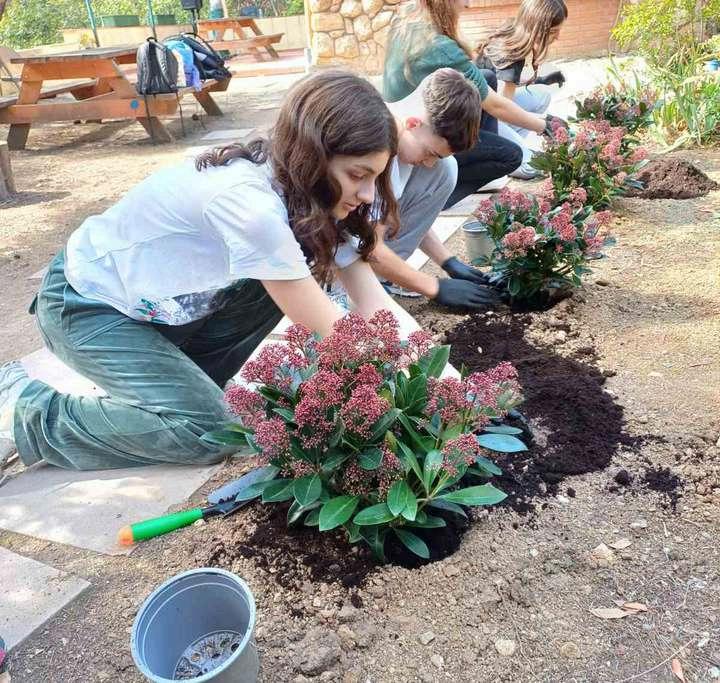
We cultivate a culture of mental health awareness and mutual respect across all divisions of the institution. On key awareness days, students from Pre-K through University participate in coordinated activities and shared initiatives, reflecting the alignment and continuity of our wellbeing services across all educational levels. Through these collective actions, we promote a strong sense of community.
Experiential activities that promote awareness, self-care, and help-seeking, reducing stigma around mental health.
20-24/10 Wellness Week - ACT/AAU
Activities aimed at raising awareness about the prevalence and impact of violence against women worldwide.
Various seminars, workshops, and crafts designed to raise students’ awareness of physical and emotional wellness, expand their understanding of wellbeing, and provide tips for maintaining healthy daily routines
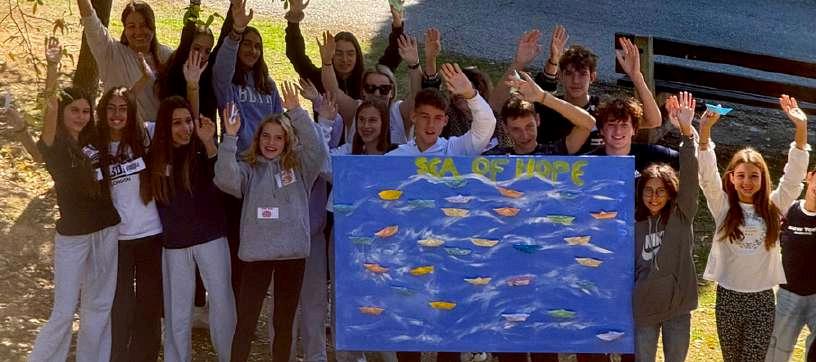
12
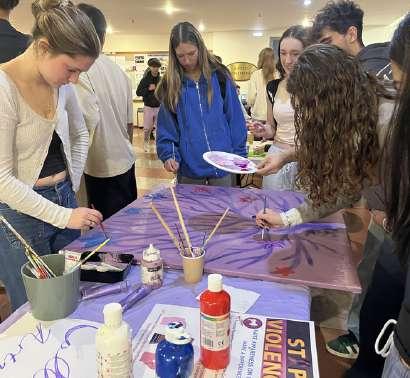
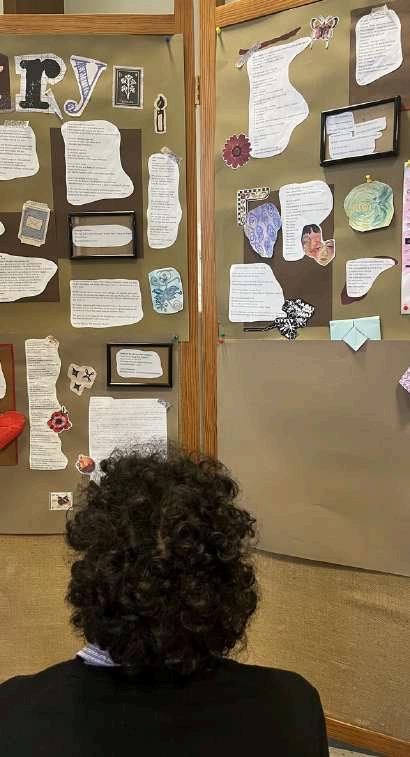
Collaborative actions that strengthen student voice, promote inclusion, and reinforce a zero-tolerance stance on bullying 6/3
Awareness initiatives that celebrate neurodiversity, foster empathy and acceptance.
Activities that foster empathy, kindness, and meaningful peer connections within the school community.
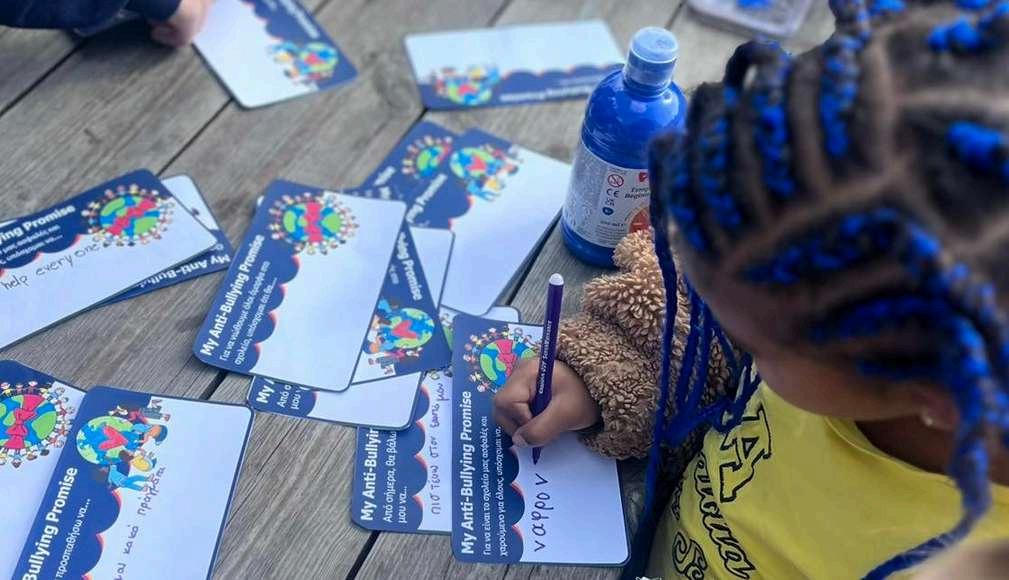
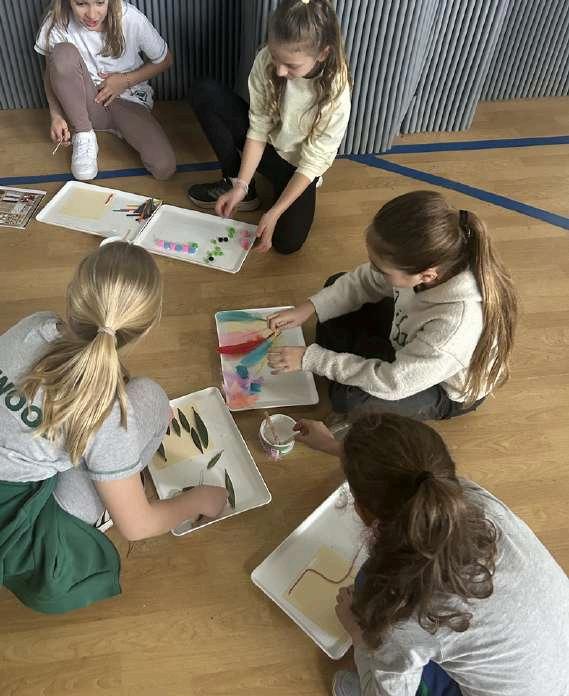
13
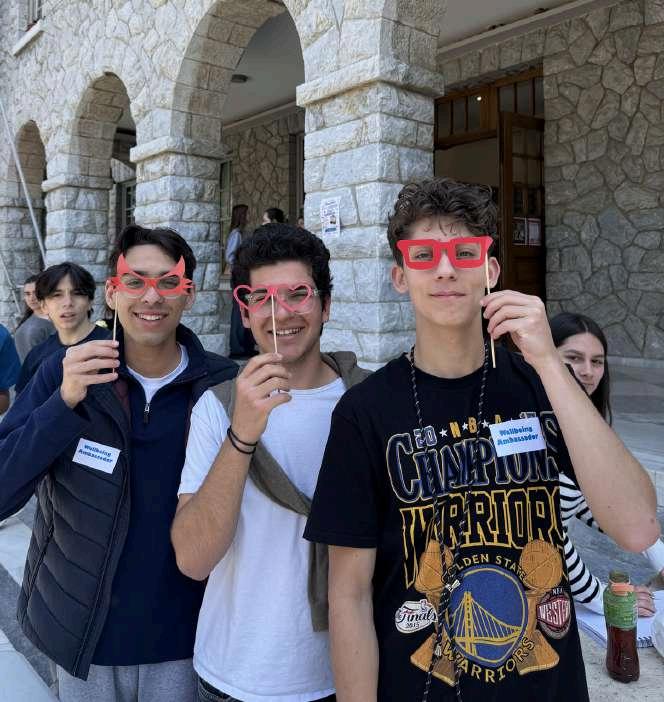
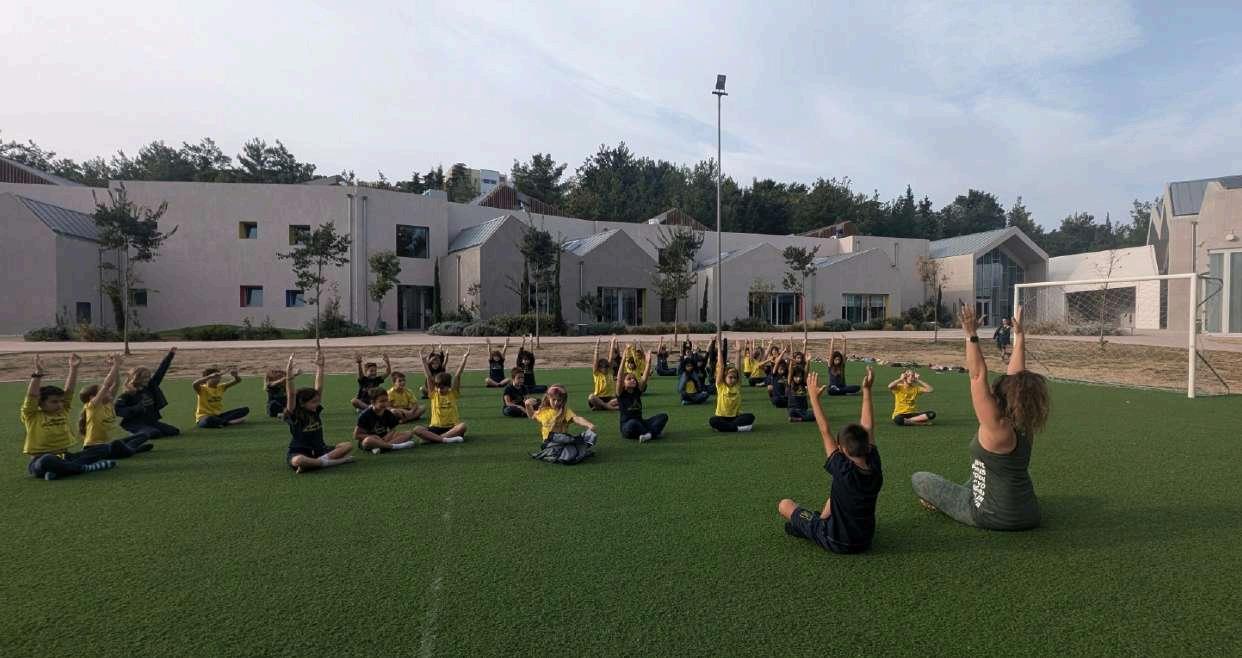
Across all educational levels we promote a culture of health, movement, safety, and self-care, helping students build lifelong habits that promote healthy development, balance, and self-awareness.
Active Living & Movement
Wellbeing walks across campus, recreational sports, intercollegiate athletics, and field days encourage movement, teamwork, connection and active lifestyles across the school community
Health & Medical Support Wellness Education
Students have access to medical support services, health guidance, and a coordinated emergency response network focused on safety and wellbeing.
Mindfulness & Self-care
Experiential workshops, including mindfulness and yoga activities, support emotional balance, relaxation and healthy coping strategies
Seminars on sleep, nutrition, stress management and healthy habits promote informed and balanced wellbeing choices
Health Awareness & Prevention Initiatives
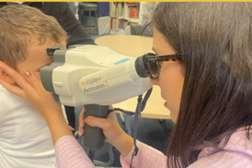
Health-focused awareness campaigns and preventive screenings strengthen health literacy, early prevention, and community wellbeing


15
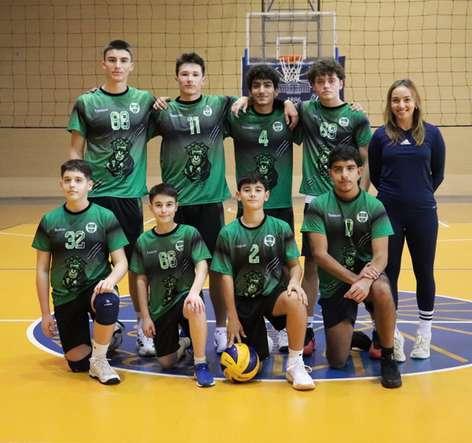
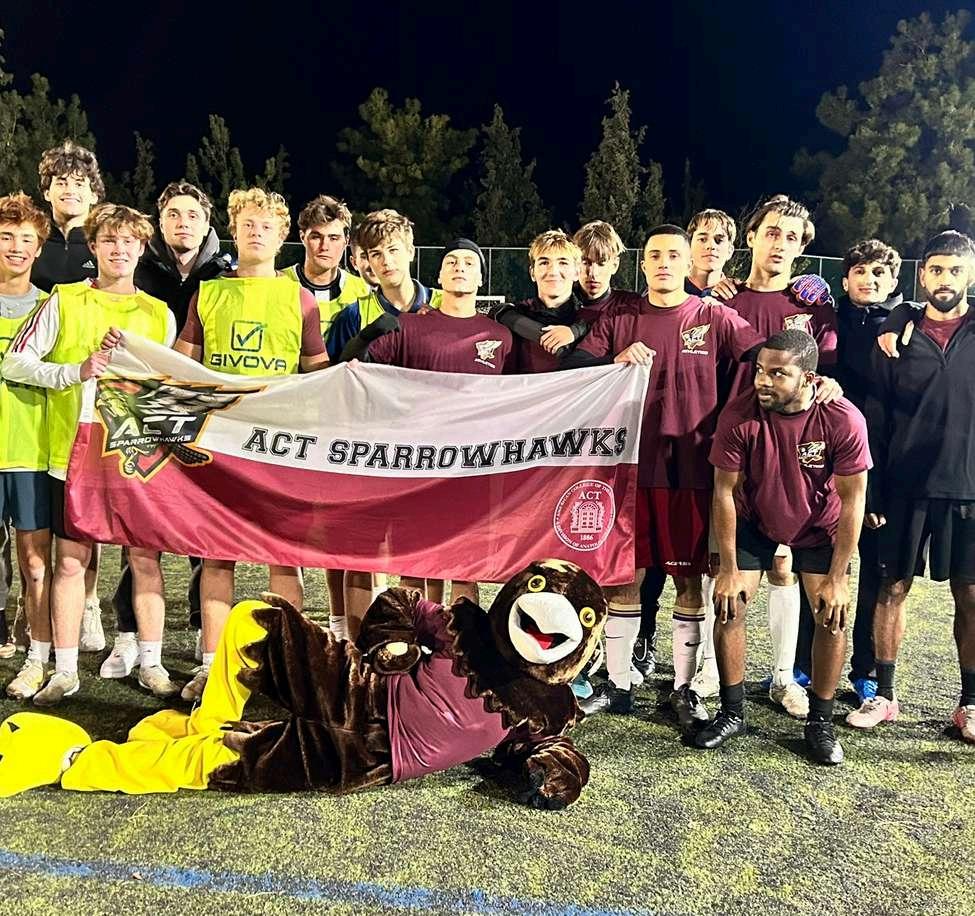

Our services are designed to meet the emotional, social, behavioral, and academic needs of students across all stages of development.
Through a continuum of prevention, intervention, and collaborative support, we promote wellbeing, strengthen resilience, and foster a safe, inclusive, and connected school environment where every student can thrive.
Personalized emotional and psychological support tailored to each student’s unique strengths, challenges, and developmental needs.
Small group interventions provide focused support around peer dynamics, social skills, and academic organization
Designing and Implementing school-wide prevention initiatives that promote mental health awareness, emotional wellbeing, healthy relationships, inclusion, and the development of protective life skills across grade levels
Screening and Αssessment procedures help identify students’ emotional, behavioral, social, and learning needs early, allowing for timely intervention and responsive support planning
Mediation and restorative conversations help students resolve conflicts, strengthen communication, and rebuild relationships.
Over the past three years, student engagement with counseling and wellbeing services has steadily increased across all educational levels
This growth reflects not only the rising emotional needs of young people, but also the trust students, families, and educators place in our support system.
More students are seeking support proactively, contributing to earlier intervention, stronger school connection, and a culture where asking for help is normalized
increase in student engagement with counseling services across the reporting period
Behind every number is a student who felt safe enough to ask for support.
17
Timely, coordinated, and compassionate support when our students need it most.
Our crisis response system ensures that every student in distress receives immediate, appropriate, and caring support We work as a team counselors, educators, leaders, and external partners to respond effectively to a wide range of situations.
Our Crisis Response Includes
Immediate Support Collaborative Response Individualized Care Follow-Up & Monitoring Prevention & Preparedness
Rapid assessment and safety prioritization for students in distress.
Coordination among school staff, families, and external professionals.
Tailored support plans to address each student’s unique needs. Ongoing check-ins to ensure stability and continued support. Protocols, training, and drills that strengthen our community’s readiness.
Crisis Response Areas Include: on crisis management and mental health
Child Protection & Safeguarding
Child Abuse & Neglect Response
Grief & Loss Support
Mental Health Support
Self-Harm & Suicide Intervention
Family Change & Divorce Support
55 students 18 Staff Trainings During 2023-2026
supported through crisis intervention
Understanding each learner to support their strengths and needs.
Our psychoeducational assessment process helps us better understand students’ learning profiles, cognitive abilities, academic skills, and emotional functioning. These insights guide the development of personalized support plans that promote academic success, wellbeing, and inclusion
We utilize internationally recognized and evidence-based assessment tools, such as WISC-V, WAIS-IV, Raven’s Progressive Matrices, WIAT-4, BASC-3, Brown EF/A Scales, and DIBELS, ensuring reliable, comprehensive, and evidence-informed evaluation practices
Our Assessment Process
Referral & Information
Collection of information and understanding of concerns
Assessment & Evaluation Analysis & Interpretation
Use of standardized tools, observations, and interviews.
Assessment Areas
Careful analysis to identify strengths and areas of need.
Feedback & Recommendations
Sharing results with families and educators with clear, actionable recommendations.
Support & Follow-Up
Implementation of support strategies and ongoing review
During 2023-2026
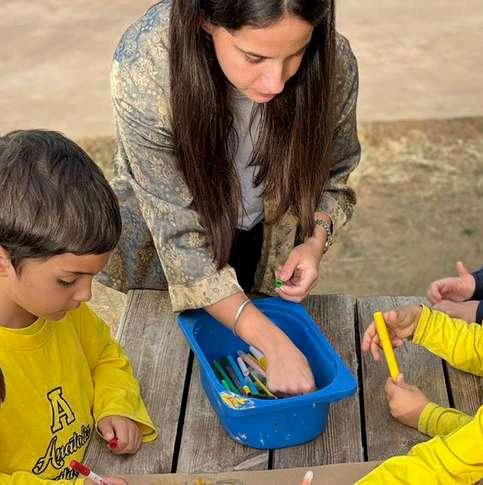
Prevention & Early Identification
In the early years, the focus is on prevention and the early identification of developmental and learning needs.
Developmental screening and classroom observations
Interdisciplinary collaboration
Universal support practices
Strong family involvement
ELL Workshops: Building Language, Confidence & Inclusion
These workshops offered in Pinewood provide English Language Learners (ELL) with a safe and supportive environment to strengthen language development and communication skills. At the same time, they foster social connection, cultural awareness, participation, and a stronger sense of belonging within the school community
At Anatolia College, our Multi-Tiered System of Supports (MTSS) provides responsive academic and learning support from the early years through higher education.
Grounded in prevention, early intervention, and evidence-informed practices, our framework evolves alongside students’ developmental and learning needs.
A Developmental Framework for Literacy & Learning Support
Support during the elementary years strengthens foundational literacy skills while promoting comprehension, vocabulary development, and academic independence. Through continuous monitoring and collaboration, this support remains responsive, targeted, and aligned with each student’s evolving strengths and needs
GRADES 1–2
Foundational Literacy
Universal screening and early intervention
Phonological awareness, decoding, and reading fluency
Spelling accuracy and early numeracy skills
GRADES 3–4
Reading Comprehension & Vocabulary
Transition from decoding to comprehension
Vocabulary development
Reading accuracy & written expression
Targeted classroom support & strategy instruction
GRADES 5–6
Metacognitive Strategies & Academic Independence
Self-regulated learning
Organization and study skills
Metacognitive strategies
PAGE 05
Building Academic Independence
As students grow, support increasingly focuses on selfregulation, academic autonomy, and long-term success
Universal Support:
Study skills across subjects
Teacher training
Whole-class differentiation
Targeted Support:
Monitoring of identified students
Differentiation in teaching and assessment
Intensive Support:
Individualized accommodations
Personalized learning plans
In the demanding IBDP environment, support becomes highly collaborative and targeted
Through a variety of distinct services, we focus on:
Refining advanced executive functioning through 1:1 coaching
Fostering self-advocacy and academic ownership
Applying strategic learning techniques during targeted group workshops
Implementing formalized and inclusive access arrangements for SEN students
Students are empowered to transition into higher education as confident, independent learners.
Academic wellbeing is supported through a robust network of personalized and scalable resources
Faculty-led and specialist tutoring services
Expert librarians offering personalized support
Academic advising and mentorship
Access to extensive physical and digital learning resources
Study zones designed to meet diverse student needs
Study skills & time management workshops
Continuous access to learning materials via digital platforms
This integrated approach fosters confidence, independence, and academic excellence.
Across all divisions, our practices promote accessible, differentiated, and responsive learning experiences that foster participation, belonging, and the meaningful support of every learner.
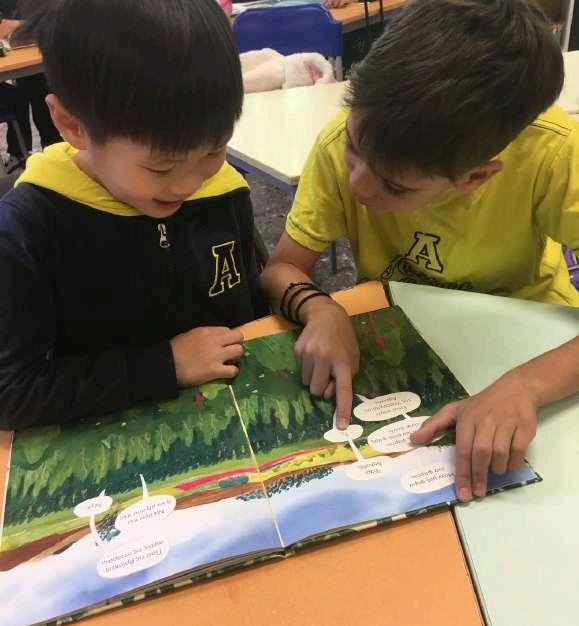
Oral language & phonological awareness
Early literacy & reading fluency
Spelling & written expression
Early numeracy skills
Targeted Classroom-based intervention
Continuous progress monitoring
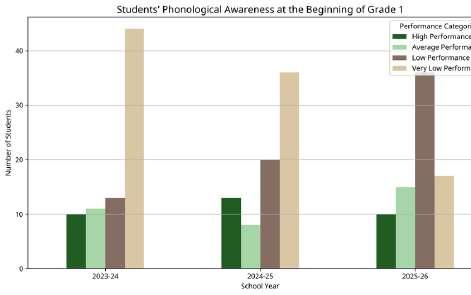
Significant reduction in low phonological awareness performance
Stronger classroom readiness and literacy foundations
Increased student confidence and engagement
At AES, early identification and intervention are implemented through an innovative school-based model that combines research-informed practices, systematic monitoring, and targeted support from Pre-K through Grade 2 to strengthen early learning and school readiness
Universal Screening in language and motor development for our Kindergarteners and in language and literacy skills, and mathematical thinking for our 1st graders guide our actions
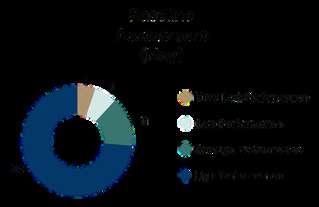
As part of our commitment to continuous improvement, Pinewood’s Student Services conducted an action research project for the Sustaining Excellence Colloquium of the Middle States Association (MSA) to examine the impact of targeted interventions on SEN students’ academic functioning and emotional wellbeing over the course of one academic year
How do targeted Student Services interventions impact the academic performance and emotional wellbeing of secondary school students over the course of one academic year?
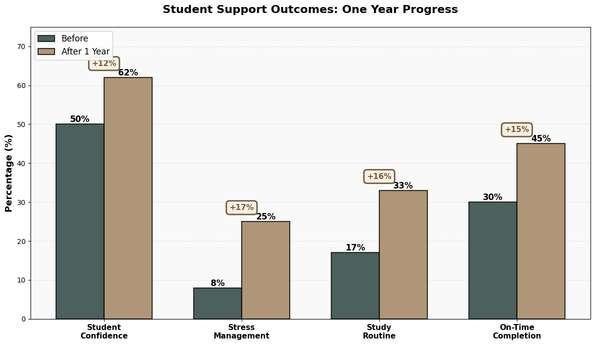
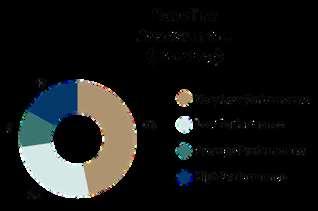
The graph illustrates year-over-year growth across key areas of academic functioning among students receiving targeted support from Pinewood’s Student Services.
Findings demonstrate improvements in: Student confidence Stress management Study routine planning Assignment completion
These outcomes highlight the positive impact of consistent, relationshipcentered interventions and structured academic support
Through a developmental approach, we support students not only in choosing academic and career pathways, but also in developing the confidence, self-awareness, and meaningful future goals that will guide them from high school to university and beyond.
Career Day, workplace visits, and university guidance activities connect learning with real-world opportunities
Students explore their strengths, interests, values, and aspirations through standardized tests, discussions and guidance sessions
Decision-making and transition planning help students navigate future pathways with clarity and confidence
Individual counseling and career planning support students in identifying meaningful professional pathways
Guidance on CVs, résumés, professional profiles, interview preparation, and job search strategies
Internship opportunities, networking events, and employer engagement initiatives connect students with the evolving global workforce
Helping students discover not only what they want to do, but who they want to become.
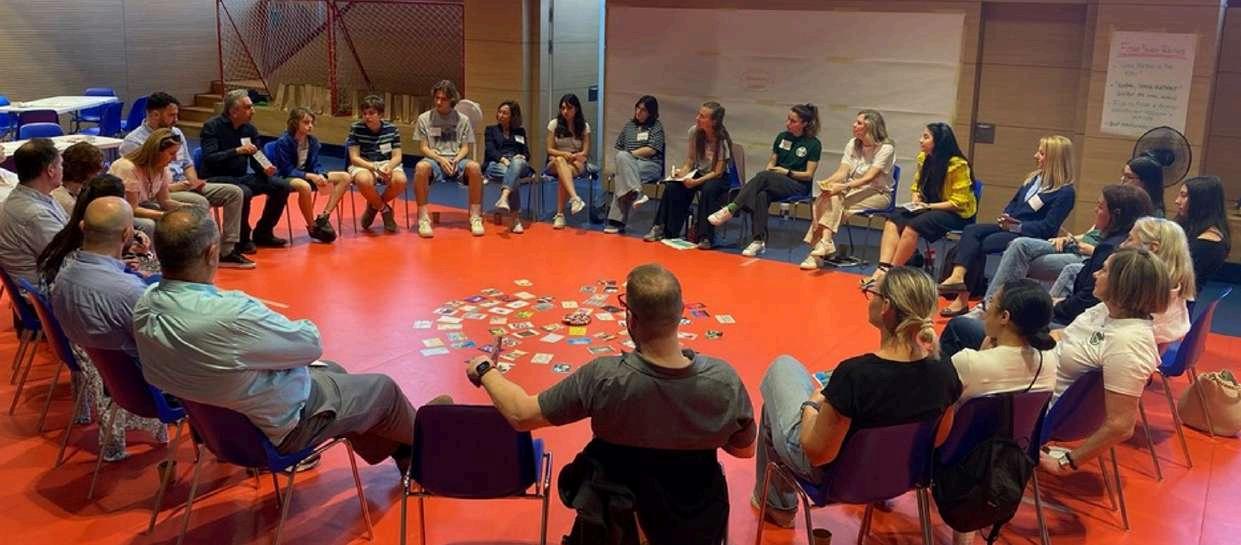
We value parents as essential partners in our community. Through open communication, meaningful involvement, and shared responsibility, we create a strong network of care around every student.
We invite parents to be part of school life through events, initiatives and volunteer opportunities.
Parents contribute knowledge and experiences that enrich student learning and wellbeing initiatives.
Professionals from our parent community introduce students to their careers and professional pathways.
Collaborations with Associations
We collaborate with Parents & Guardians Associations to strengthen our school community.
We offer individual and family consultations tailored to each family’s needs, providing guidance on parenting, emotional wellbeing, behavior, academic concerns, and family relationships.
Throughout the year, we also deliver seminars and workshops for parents in collaboration with mental health professionals, doctors, and external specialists.
437hours
of parental consultation sessions provided across all divisions during 2025-2026.
delivered for parents across all departments in 2025–2026
Topics Include:
Mental Health & Wellbeing
Developmental transitions
Digital balance & Online safety
Exam stress & Motivation
Healthy Communication
Positive parenting approaches
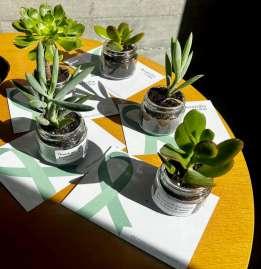
Responsive
Training begins with intensive seminars and continues throughout the year through workshops, reflective sessions, and targeted learning opportunities shaped by educators’ evolving needs
Evidence-Informed and Expert-Led Training
Professional learning is grounded in current research and delivered by internal specialists and external experts across key areas such as inclusion, classroom management, and student wellbeing.
Practical and Experiential Application
Workshops incorporate case studies, roleplaying, and real-life scenarios to support meaningful classroom implementation
Professional Growth. Meaningful Impact.
We believe that when educators grow, our students thrive.
Our professional development program is an ongoing, collaborative, and evidence-informed process that provides training in innovative and student-centered teaching practices while addressing the evolving needs of both educators and the students they support
Collaborative Learning and Reflection
Educators engage in small-group discussions and collaborative reflection that promote shared learning, peer support, and professional growth.
Individual and Group Consultation
Teachers and administrators are offered ongoing one-to-one and group consultation from our School Psychologists to address classroom challenges, support student needs, and strengthen themselves.
We view teachers as the core of school life and support them through a dynamic professional development program that evolves throughout the year based on their needs.
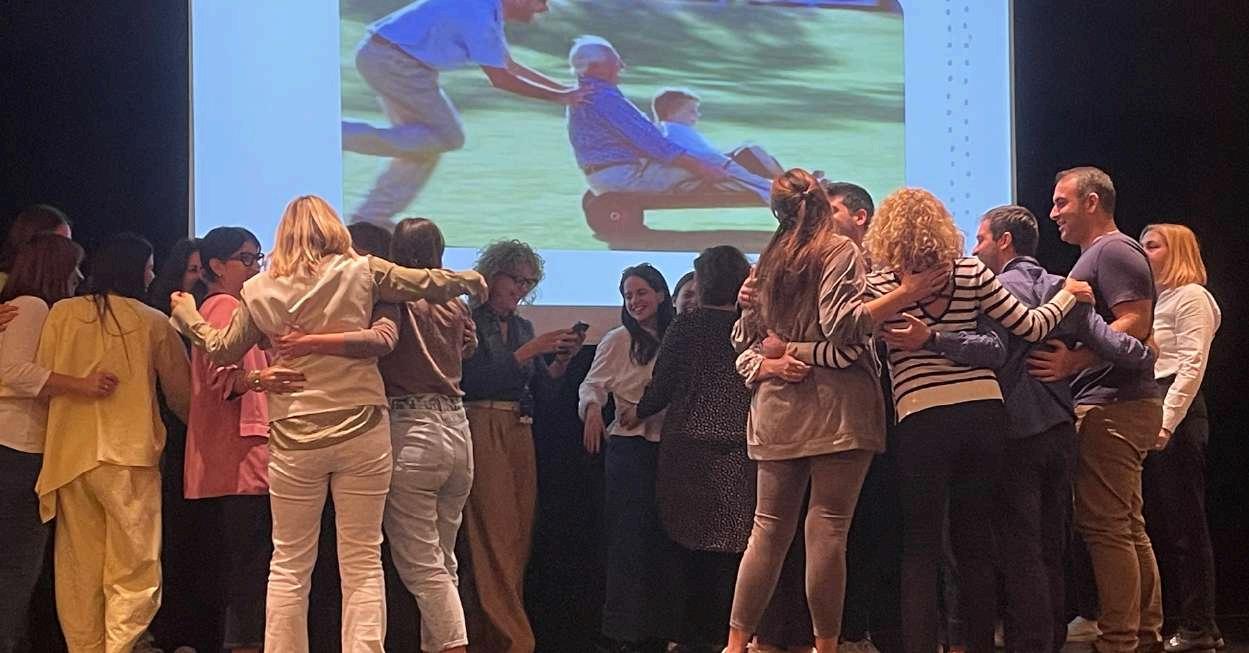
Caring for those who care for others
We believe that supporting educators and staff is essential to a healthy school community Through reflective, preventive, and community-building initiatives, we promote emotional balance, professional growth, and staff connection across the school year.
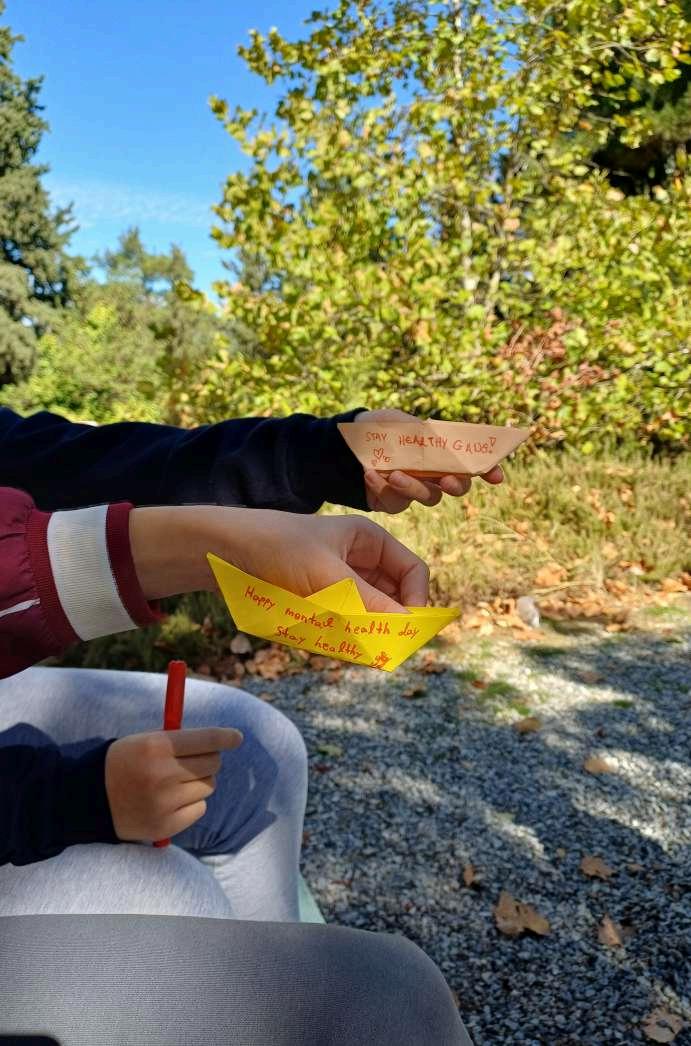
On occasions such as World Mental Health Day, we organize wellbeing-centered initiatives that promote gratitude, self-care, and emotional connection among staff members
Each year, educators and staff participate in a nature retreat to foster reflection, connection, and emotional renewal
HR promotes a supportive, inclusive, and balanced working environment through policies and initiatives that enhance faculty and staff wellbeing. These measures include flexible work-from-home arrangements, reduced working hours options, behavior and performance management policies, and the implementation of a Gender Equality Plan to foster fairness, accountability, and equal opportunities across the institution.
External experts lead support and reflection groups for faculty and administrators, promoting dialogue, guidance, and professional growth.
Faculty and Staff members receive complimentary access to the school’s fitness facilities, including afternoon yoga and gym classes, reinforcing the connection between physical and mental wellbeing
Continuous reflection and student feedback help us strengthen responsive, evidence-informed support practices across the school community
Each year, students across all educational levels complete wellbeing surveys incorporating standardized measures of life satisfaction, school connection, and perceived difficulties, helping us monitor trends and identify emerging needs over time
Anatolia Elementary School
Pinewood Elementary School
Key Finding
Life satisfaction scores have remained stable over the past three years, indicating consistently positive overall wellbeing among students at Anatolia Elementary School.
Key Findings
+25%
Increase in life satisfaction since 2023.
School connection continues to show a positive upward trend.
Perceived difficulties have steadily declined across recent years.
Student wellbeing has shown gradual improvement since the pandemic and continues to remain relatively stable across recent years.
At the same time, the findings highlight the importance of providing continued targeted support to students experiencing emotional and behavioral difficulties
students experience moderate and high levels of wellbeing
Key Finding
Students’ wellbeing scores have remained stable across the last three years and above the risk threshold, indicating overall positive levels.
In addition to quantitative data, we collect qualitative feedback from students and conduct focus group discussions to better understand their perspectives.
Students consistently highlight the importance of trusted adults, peer support, meaningful conversations, and visible wellbeing initiatives Their feedback also reminds us that support must be accessible, ongoing, and shaped by students’ real experiences
The wellbeing talks made me feel seen.
Wellbeing ambassadors really do help and support you when you need them.
You can always go to the psychologist and talk about your problems.
At Anatolia College, our work in student wellbeing is strengthened through active professional engagement, systematic research, and external recognition. These three interconnected dimensions ensure that practice remains reflective, evidence-informed, and connected to the wider educational and psychological community.
Collaboration with leading Greek Universities and supervision of Interns in School Psychology
Participation in national and international conferences in education and school psychology
Collaboration with external professionals and expert networks
Exchange of practice-informed perspectives with the wider professional community
External quality assurance and accreditation across Anatolia College reflect a shared commitment to continuous improvement and internationally informed educational practice. The school’s Wellbeing Plan has been identified as a key strength through external evaluation by the International Baccalaureate, highlighting the coherence and impact of its holistic approach to student wellbeing
“The school demonstrates their commitment to a holistic approach to education, which is most clearly demonstrated in the school's comprehensive Wellbeing Strategy, with eight clearly defined goals, which offers, "a holistic approach to education that goes beyond academic development and encourages awareness beyond the individual and the immediate community." (IBDP evaluation, May 2025)
This recognition forms part of a wider landscape of accreditation and institutional review across different divisions of the school community, including organizations such as the Middle States Association (MSA), the New England Commission of Higher Education (NECHE), the Open University, and the Forum of Education Abroad.
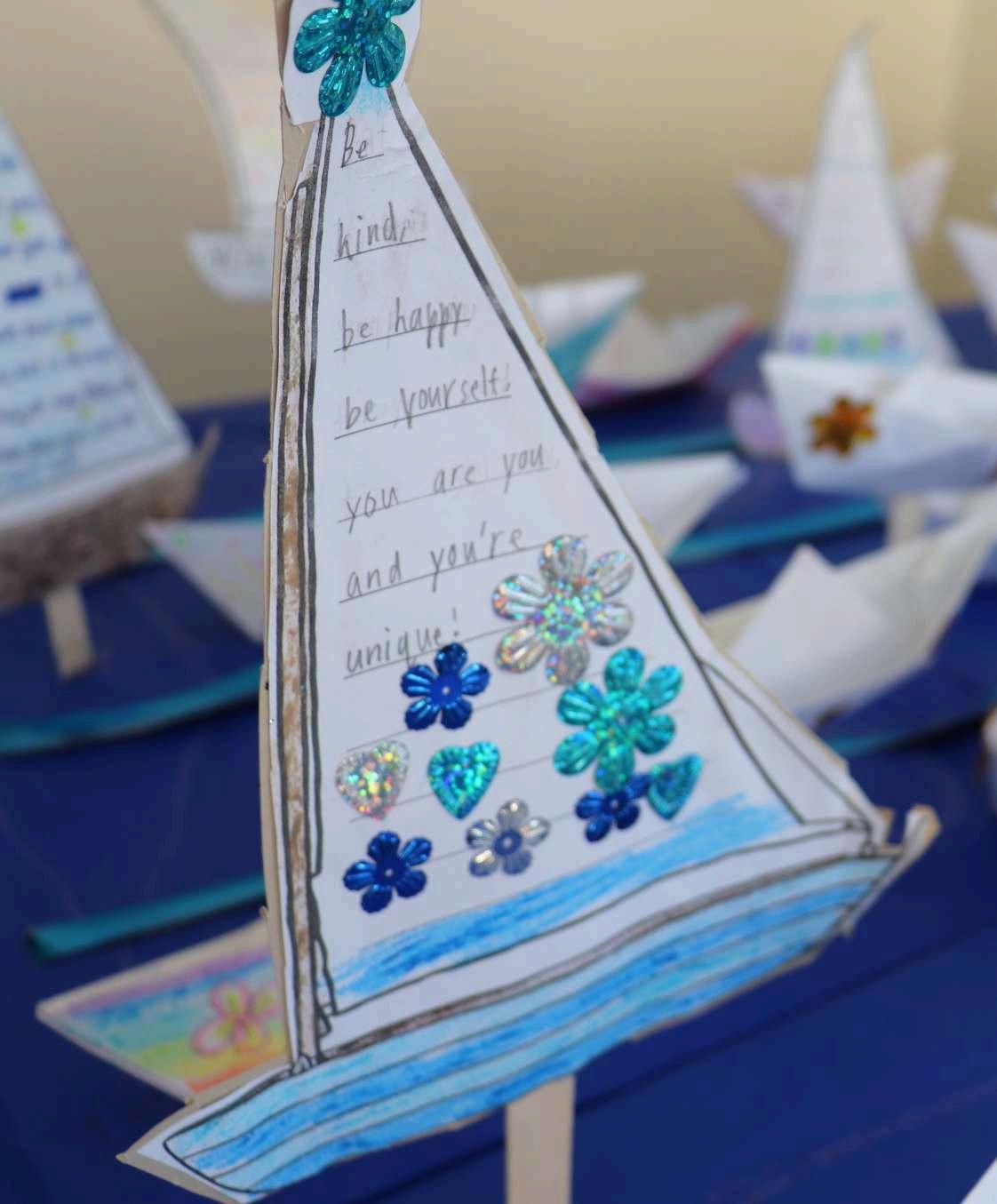
Wellbeing is not a destination — it is an ongoing commitment to growth,reflection,and community.

Looking ahead, our vision is for the Anatolia Wellbeing Initiative to evolve beyond an institutional framework of support and emerge as a model of excellence in wholeschool wellbeing practice—one that not only strengthens our own educational community, but also contributes meaningfully to broader educational transformation.
We aspire to position Anatolia College as a paradigm for evidence-informed, data-driven, relationship-centered, and sustainable wellbeing practice, showcasing how a comprehensive whole-school approach can foster learning, resilience, inclusion, and flourishing across the educational ecosystem
Expanding outreach through seminars, professional learning opportunities, and capacity-building initiatives for educators, school leaders, and school communities, contributing to the wider dissemination of wellbeing knowledge and practice.
Initiating a collaborative network of schools committed to promoting wellbeing, prevention, inclusion, and positive school climate, creating a platform for shared learning, dialogue, innovation, and mutual support.
Developing collaborations with schools and educational organizations internationally to encourage cross-cultural dialogue, exchange of good practices, joint initiatives, and the co-development of innovative wellbeing approaches.
From the earliest years to graduation and beyond, we are committed to supporting every student’s wellbeing at each stage of their development.
Our continuum of care ensures that no student is left behind because their wellbeing is our shared purpose.
EARLY YEARS
Planting the Seeds of Wellbeing
We nurture curiosity, emotional security, and positive relationships from the very beginning.
PRIMARY YEARS
Growing Skills and Confidence
We strengthen social, emotional, and academic skills while helping students build confidence and meaningful peer relationships.
SECONDARY YEARS
Empowering Independence
We support adolescents to develop selfawareness, make responsible choices, and navigate challenges with confidence.
Together. Every Student. Every Step.
UNIVERSITY YEARS
Lifelong Wellbeing, Lifelong Impact
We equip our students with the tools and support networks to thrive in higher education, careers, and life.
Together with families, educators, and the wider community, we create a network of support that accompanies students throughout their journey
Wellbeing Team
AES
Anthi Eleftheriadou, Learning Specialist
Sapfo Ichtiaroglou, School Psychologist
Eleni Tsouroupaki, Learning Specialist Primary Division
Secondary Division
AHS
Maria Akritidou, Head of Wellbeing & Psychological Services
Christos Atlasis, Guidance Counselor
Marialena Kostouli, School Psychologist, Deputy Director of the Boarding Dpt
Zoi Theodoridou, Learning Support Coordinator
Evdoxia Tsirogiannidou, School Psychologist
ACT/AAU
Pinewood Elementary
Iliana Karaoglani, School Psychologist & Child Protection Officer
Ersi Passia, Learning Specialist
Eleni Pechlivani, Learning Specialist
IBDP
Alexandra Valtzidou, Learning Support Senior Officer
Kyriakos Velemis, School Psychologist
Pinewood Middle and High School
Maria-Aggeliki Apalodima, Student Services Coordinator & Learning Specialist
Chara Tampakaki, Learning Specialist
Ellie Tsachtani, School Psychologist, Psychology Teacher & Child Protection Officer
Asimenia Veneti, Wellbeing Coordination Officer
Katerina Fista, Counseling Psychologist
Heather Funk-Theodoridi, Director, International Programs & Student Services
Wellbeing Steering Committee Tertiary Division
Cross-Departmental Collaboration
The implementation of the wellbeing framework is strengthened through ongoing collaboration with multiple departments and services across the institution, including Physical Education, Human Resources, Health Services, Administrative Leadership, University Advising, Student Life Center, and the Kassandra Center for Educational Excellence. Together, these partnerships strengthen the alignment, continuity, and impact of our work across the institution.
35