Ananda Madir Youth Group Presents Sarodia Magazine
Kisholoy is produced by members of Ananda Mandir and is for distribution to its members only. The articles or photographs of this magazine are copyrighted and should not be reproduced in any other forms without the consents of the owners.
We would like to acknowledge the contributions of the followings:
For information about the Kisholoy – contact Dipak K. Sarkar via email (Dipakksarkar@hotmail.com).
Kisholoy Participates in Various Activities
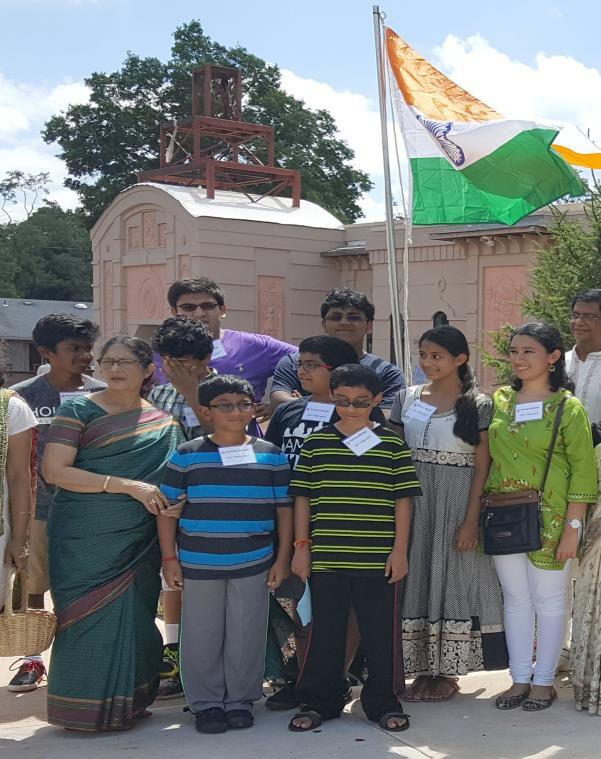
Arts Heritage Day
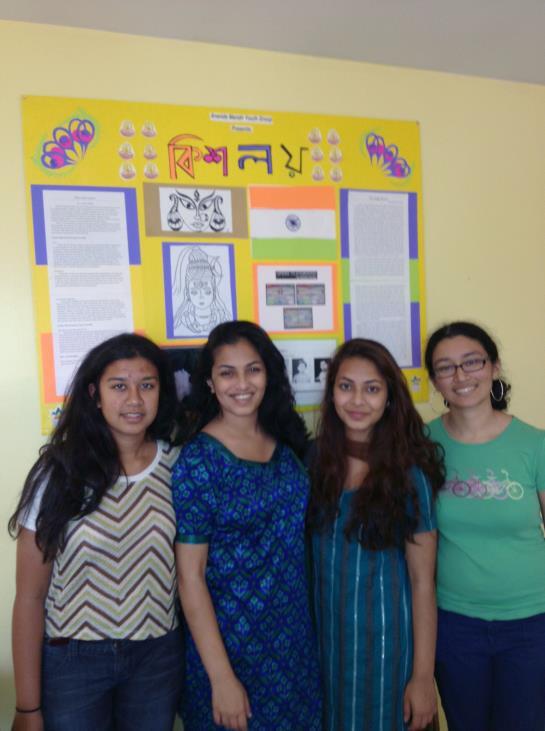
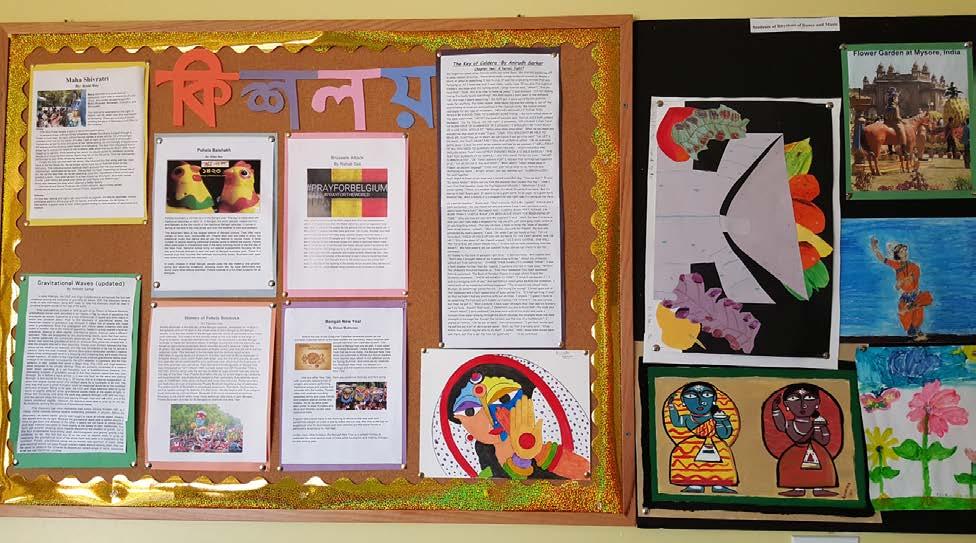
First Wall Magazine in 2014
Durga puja
Kisholoy members Parama Das, Priya Muherjee, Shreya Mukherjee, and Shreya Choudhury
Controversy On Later School Start Times
By Anirudh Sarkar (Age - 11)
The constant fact that most teens do not get enough sleep at night forces the unfortunate consequences for teens. Since teens don't get enough sleep in the nighttime, teens’ sleep deprivation makes them fatigued, which in turn results in a decline in an academic performance for them as well. To prevent this, state legislators are currently deciding whether to implement later school start times (no later than 8:30). This is said to allow teens more sleep, so the decline in academic performance will decrease, and hopefully, vanish in all schools. Advocates of the later school start times say that it will make students more focused, and get better grades in school. As for adolescents, these later start times will not solve a single thing about adolescents sleep deprivation. Although it is praised by some, it will not improve academic performance nor mental and physical health, and it will cost way too much to implement it for several reasons.
Firstly, this will do no such thing when the issue comes down to supporting academic performance. Sure, it's true that getting more sleep will improve their focus in class. But the only thing this will bring is more time for teens to stay up later! If teens just spend more time on their laptops, games, cell phone etc., then no improvement will be made to the majority. Furthermore, exposure to technology for such a long time, will be detrimental to teens health. In fact, according to a survey taken on the matter of academic performance increase with later school start times, 78% of parents think that the later starts are an inefficient idea. Also, they will NOT solve the problem posed. Furthermore, 60% of parents think that later school start times will not help in the amount of sleep teens will obtain.
Additionally, later school start time is clearly the wrong approach towards sleep deprivation because it will not solve anything related to mental or physical health for teens. This indicates that later school start times (if implemented in all schools) would have more problems than they already have in current times. Which in turn means they will still be sleep deprived, so no overall problems will be solved and it will simply loop back.
It would be ludicrous for anyone to think that teens will not get enough, if not any, sleep! Furthermore, opponents might believe that their biological clocks need them to get more rest and they have not been obtaining it. This is true because of electronics! Teens would have somewhat trouble with a new permanent schedule, messing up with other things that teens must do. Teens might have jobs or other things that would interfere with a new schedule. This is another way in which high
schoolers will not get enough sleep. Whatever teens are accustomed to, state legislators changing it will without a doubt affect them negatively!
Lastly, the costs to implement such a massive change would be so detrimental to districts and they won't even see it coming. If one district is to implement these changes then there would be more taxes. This is so because, if times were suddenly unorganized more school buses and drivers would need to be hired. Furthermore, the dramatic interruption with parents, and teens schedules means they’d have to drive longer which forces them to work shorter so they will end up with less money. And to the root of the cause, it would put on even MORE tax dollars to even put the system into action! This surely is one huge drawback for any community to implement such a rash decision.
All in all, later school start times will serve no good purpose relating to the issue of decline in teens’ academic performance. 100% blinded advocates won't see that it will cost so much to perform, not do any good deed towards the decline in academic performance, and will be completely a wrong approach towards teens’ sleep deprivation. Think outside the box and truly see the reasoning behind later school start time, which is a mess waiting to happen, and vote NO.
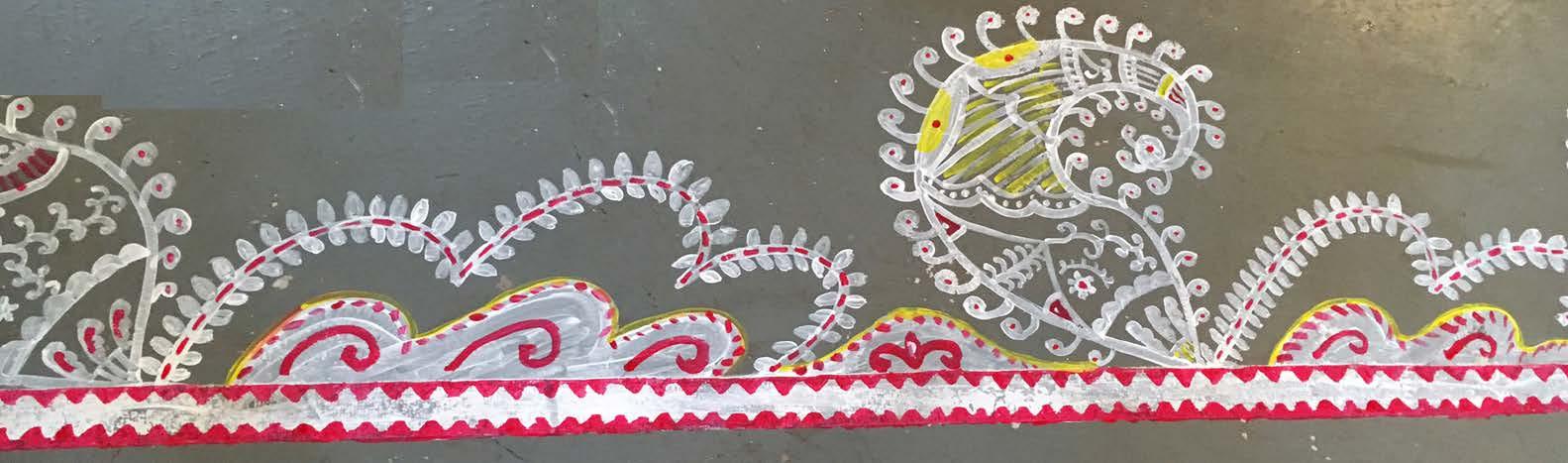
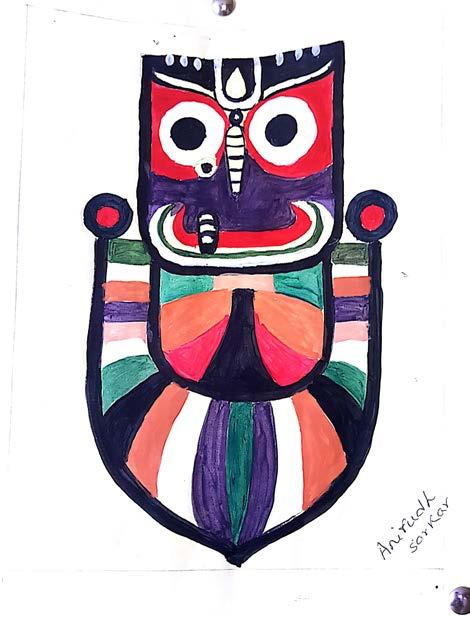
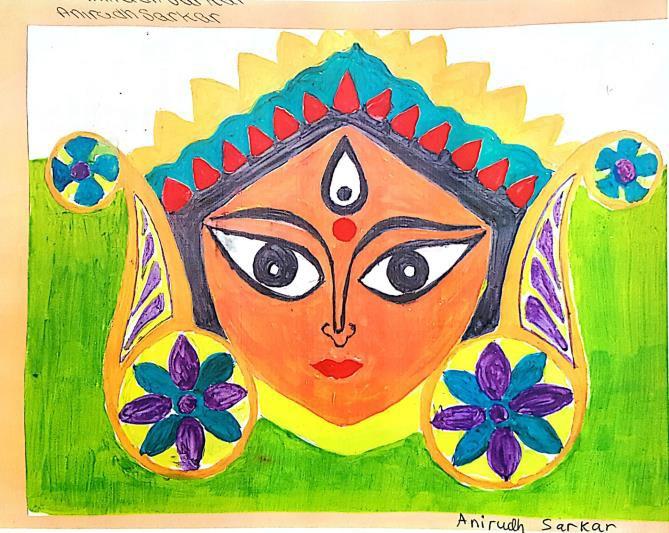
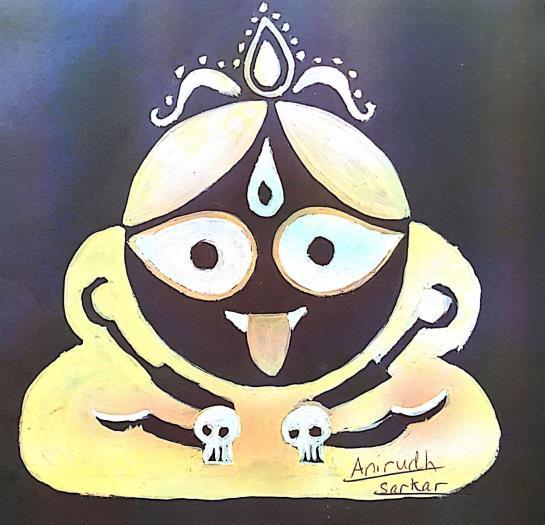
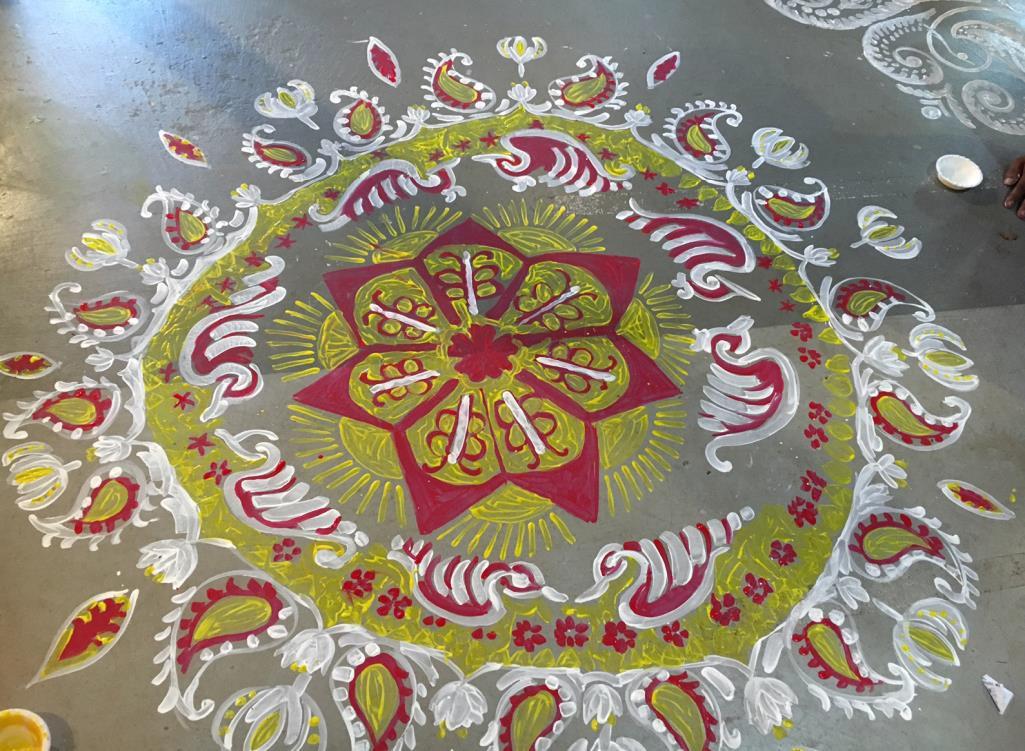
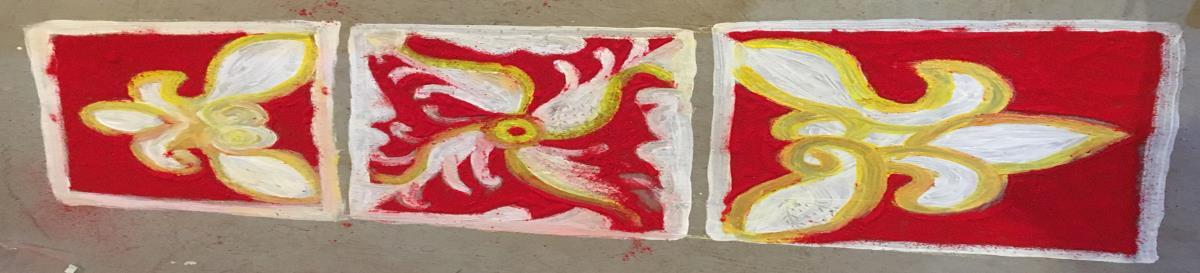
Taken from 2016 Alpana Competition at Ananda Mandir
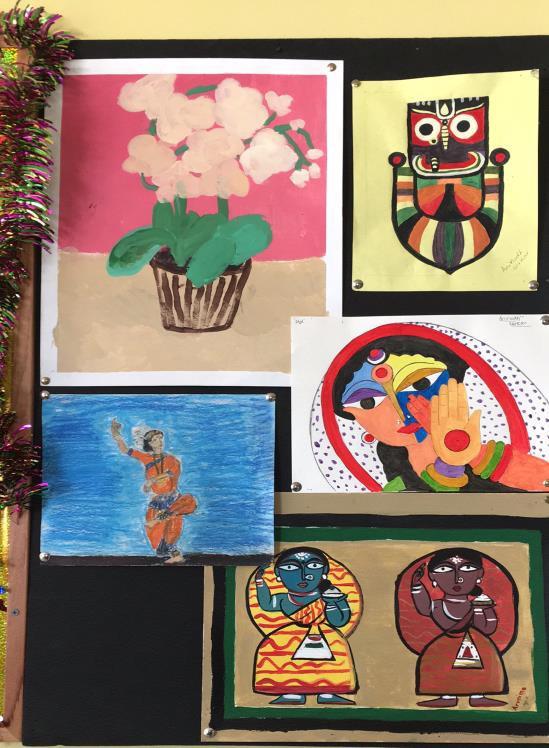
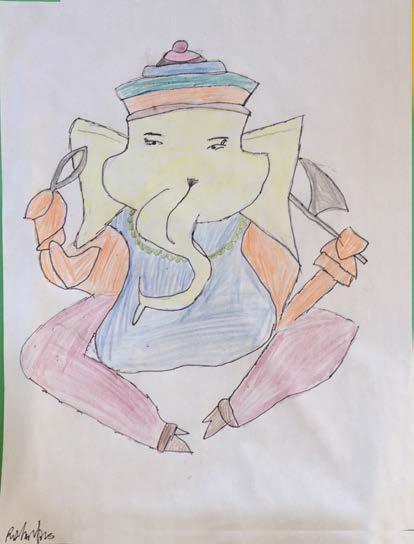
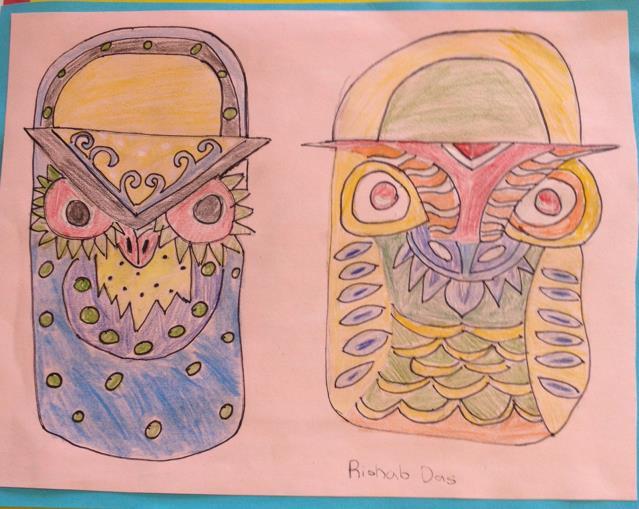
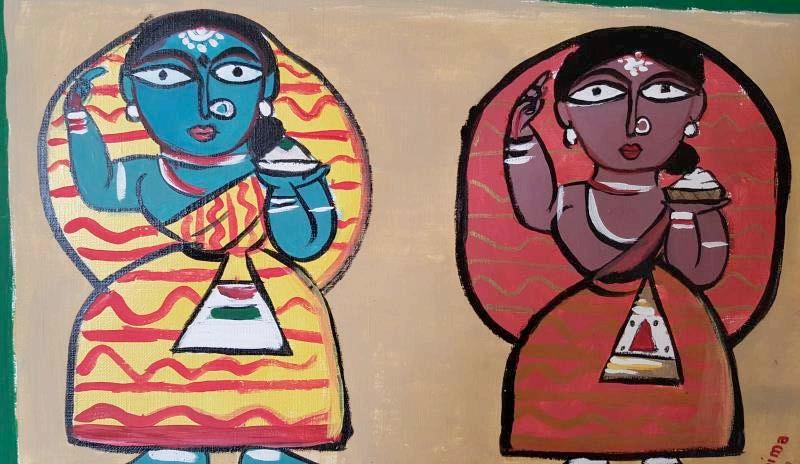
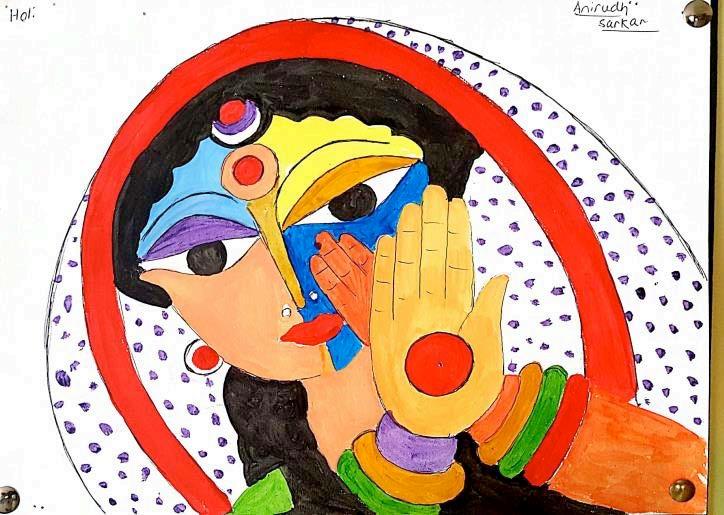
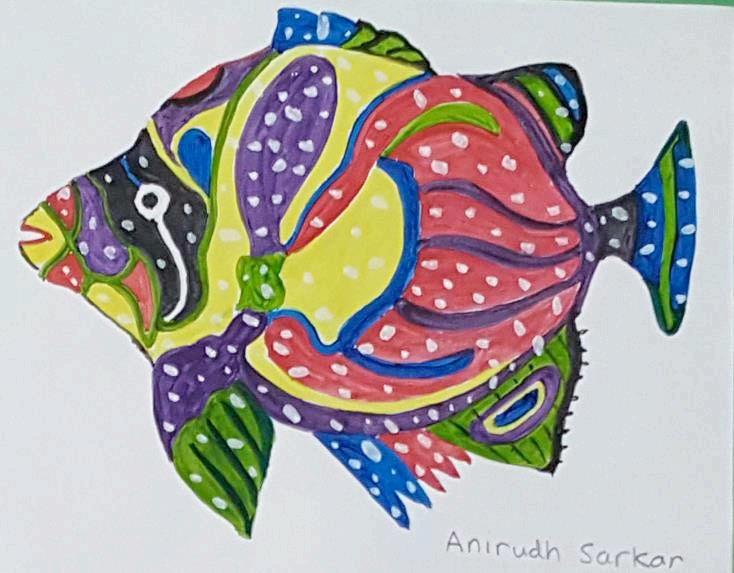
Drawing by Members of Kisholoy
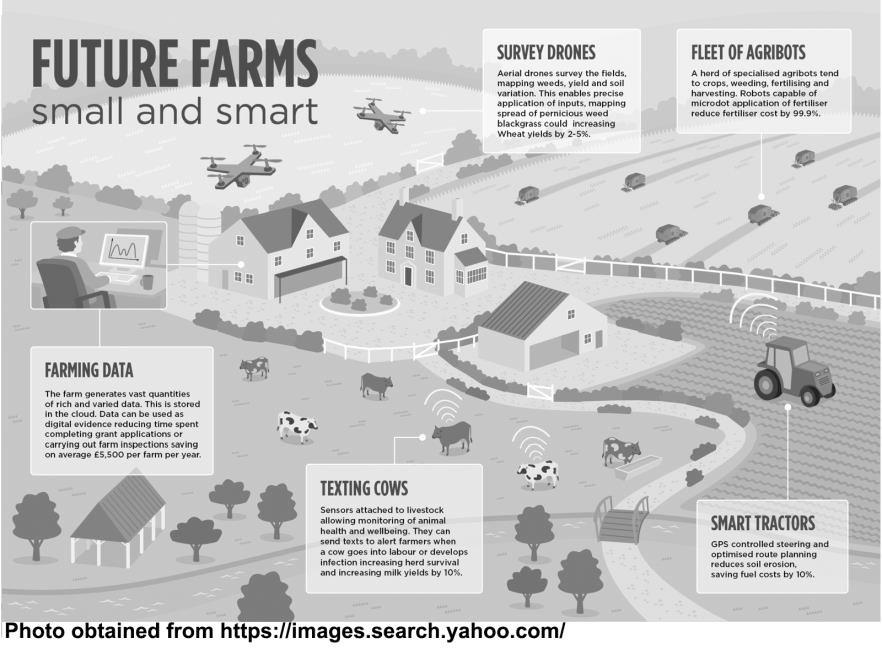
Smart Farming
By Shivan Mukherjee (Age - 13)
The population of the human race has been and will be growing rapidly. As of right now, the human is made up of over 7.125 billion people. That number is expected to increase to 9.6 Billion people by 2050. As a result of this substantial increase in population the agricultural sector would face enormous challenges considering the limited availability of arable lands and the increasing need for fresh water as well as other more unpredictable factors like climate change and natural disasters.
A way to address this issue, and increase not only the quantity but also the quality of agricultural production, is to use technology integrated into farming. To be more specific, sensor technology can make farms much more intelligent through what is known as precision agriculture, better known as smart farming. It is a management concept based on observing, measuring and responding to the variability in crop production. The goal of this is to define a support system which will optimize outputs and returns while preserving resources. It is also available for livestock. Sensors are used for monitoring and early detection of reproduction events and health disorders in animals. It is a reinterpretation of farming practice through the use of data-based technology. Although the cost may be high for all but the largest farms, it does not mean it cannot occur in small places as well. Despite the obvious advantages, this technology still has much work to do and has numerous issues. But hopefully, we will see it in every farm across the world very soon.
Drawing by Members of Kisholoy
For GMO Labeling
By Swayam Chakraborty
I think that we should label what foods have GMOs in them because of a study done on a crop of GMO corn which was fed to rats, and every single rat died of excessive tumors. GMOs have been linked with allergies and organ toxicity, and the only thing that worries consumers is that even though 90% of people voted for it they still haven’t started using it.
The certain company that had created this product also created a product called Roundup which caused many deaths and premature births because of the chemical content and the radioactivity of the herbicide. Would you trust this company to make corn that is “resistant to pesticides”? The corn is in fact resistant to pesticides, but the reason that the rats died of excessive tumors was that the pesticides did not just slide off the corn but stayed there, and dried onto the corn. It caused anyone who came in contact with it or swallowed it, inhale or ingest dangerous levels of the pesticide; causing it to become a deadly poison, releasing carcinogens into the bloodstream.
We should label what foods have GMOs in them because GMOs have been linked with allergies and organ toxicity as well as ending in death, and the companies that are advertizing and putting these products into stores are well aware of these ‘defects’ and know that consumers could very well die after ingesting the products, but still allow them on the shelves. Organ toxicity means toxicity is the degree to which a substance can damage an organism. Toxicity can affect a whole organism, such as an animal, bacterium, or plant, as well as the substructure of the organism, such as a cell (cytotoxicity) or an organ such as the liver (hepatotoxicity). Would you expect this whenever you bite into a tasty piece of corn or a juicy apple, well in this time with no GMO labeling, you should.
We should label what foods have GMOs in them because the only thing that worries consumers is that even though 90% of people voted for it they still haven’t started using it. Over 90% of people say that GMO’s should be labeled, as CNN previously stated “This kind of consumer unanimity has almost never been seen before.” but still no GMO foods are labeled even today. Why? This raises a suspicion, what is there to hide? If bigshot companies create GMOs that help the crop grow then why not just label it? It definitely means that they have something to hide. What is the problem with labeling it? They are afraid that if it’s labeled then nobody will buy their foods. But we do not want to be fed poison, so just label it!
We should label what foods have GMOs in them because of certain companies poisoning our crops, organ toxicity, and it was almost unanimously voted by consumers that we should know what’s on our plate. Just label the GMOs and keep up the fight against unlabeled GMOs. Thank you for listening.
Drawing by Member of Kisholoy
Disadvantages and Advantages of the Long-Term Effects of Technology
By Shivan Mukherjee (Age - 13)
If you compare the lifestyle of people in today’s time to those of generations before ours, you will see that there are numerous advances in technology compared to those in previous years. Technology provides great changes to one’s life, giving us the world at our fingertips and with its use come many long term advantages and disadvantages.
Long Term Advantage Effects:
– Living in technological worlds allows people to achieve great things in just a short period of time. Due to advance in technology, communication was made easier. They are able to establish units which allow people to talk and see people living across the boundaries. Keeping in touch with the one you love is very easy. A wide range of people can now access and see products and services even if it’s thousand miles away from their location.
– For medical related advances, conducting and undergoing medical checkups is very advanced. You will no longer need to wait for a longer period of time for the result. Due to technology, people now are able to monitor their health without the need of going to their health care provider. They develop things that will aid for easier illness identification and treatment.
Long Term Disadvantage Effects:
– Due to the wrong use of advanced technology, people are able to develop social isolation meaning lack of communication with people on a daily basis like social activities and friends. They are able to isolate themselves with numerous types of technology that we have today.
– Since greater numbers of people are being engrossed in playing video games, online chatting and a lot more, they end up spending a much lesser amount exercising and being socially active.
– It is said that Technology is also one of the leading causes of depression due to human’s lack of social contact, inactive lifestyle and overeating.
Drawing by Members of Kisholoy
Diwali Around The World
By Rishab Das (Age – 15)
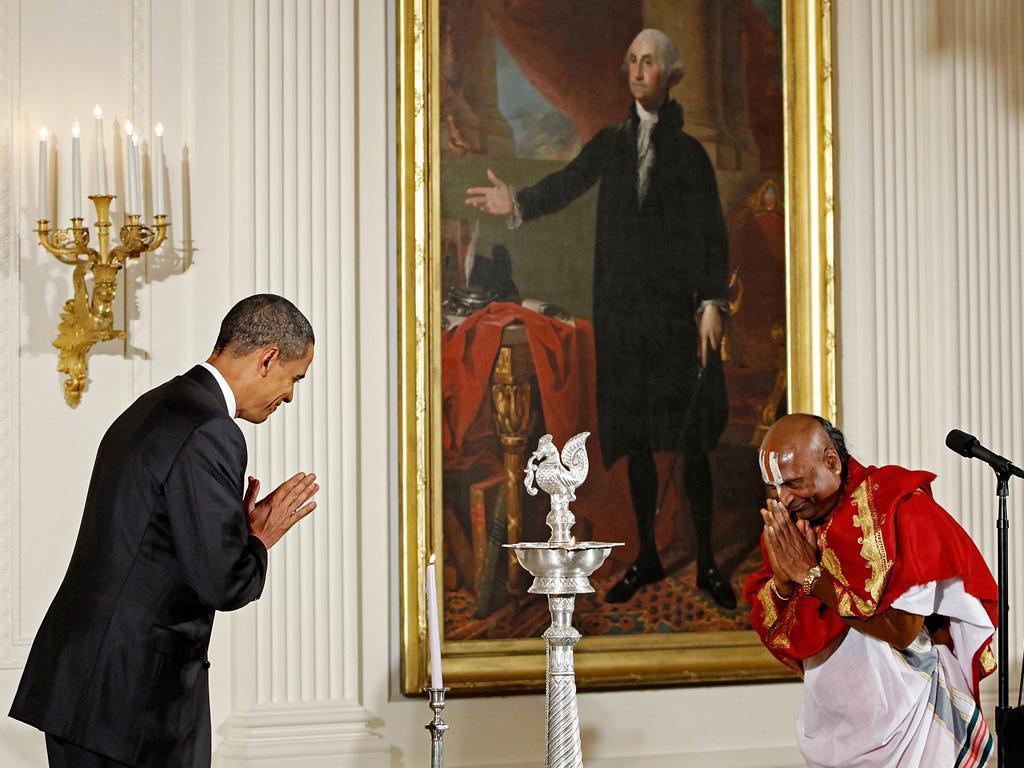
Picture taken from https://images.search.yahoo.com
We all know Diwali as the festival of light and the beginning of the fiscal year in India and is celebrated mostly in India but Diwali is also celebrated outside of India mainly in Guyana, Fiji, Malaysia, Nepal, Mauritius, Myanmar, Singapore, Sri Lanka, Trinidad & Tobago, Britain, Indonesia, Japan, Thailand, Africa, Australia and the US among the Hindus across the world. Many people who are not Hindu appreciate this holiday such as Barack Obama in the picture above. In Britain, Indians are the second largest ethnic minority so celebrating Diwali reminds them of India. Surprisingly a country called British Guyana which is off the coast of South America that contains 770,000 people has thirty percent of its population as Indians. So this holiday is marked as a national holiday there since the population of Indians is so great. There is 2,843,391 Indians in the U.S. so you would expect the celebration of Diwali is more popular there. Hence, India is one of many countries that celebrates Diwali.
Drones
By Aniketh Sarkar (Age – 16)
In today’s day and age, with more and more countries acquiring drones while the moral counterargument against them rises, the issue of how drones should be used is in hot contention, but where did it all begin? In 1849 Austria sent unmanned, bomb-filled balloons to attack Venice. Drone innovations started in the early 1900s and originally focused on providing practice targets for training military personnel. UAV development continued during World War I, when the Dayton-Wright Airplane Company invented a pilotless aerial torpedo that would drop and explode at a preset time. The earliest attempt at a powered unmanned aerial vehicle was A. M. Low's "Aerial Target" of 1916. Nikola Tesla described a fleet of unmanned aerial combat vehicles in 1915. A number of remote-controlled-airplane advances followed during and after World War I, including the Hewitt-Sperry Automatic Airplane. The first scale remote piloted vehicle was developed by the film star and model airplane enthusiast Reginald Denny in 1935. More emerged in the technology rush during World War II -used both to train antiaircraft gunners and to fly attack missions. Nazi Germany produced and used various UAV aircraft during the course of WWIIengines entered service after World War II in such types as the Australian GAF Jindivik, and Teledyne Ryan Firebee I of 1951, while companies like Beechcraft also got in the game with their Model 1001 for the U.S. Navy in 1955. Nevertheless, they were little more than remotecontrolled airplanes until the Vietnam War.
In 1959, the U.S. Air Force, concerned about losing pilots over hostile territory, began planning for the use of unmanned aircraft. Planning intensified after the Soviet Union shot down a U-2 spy plane in 1960. Within days, the highly classified UAV program started under the code name of "Red Wagon". The August 1964 clash in the Tonkin Gulf between naval units of the U.S. and North Vietnamese Navy initiated America's highly classified UAVs (Ryan Model 147, Ryan AQM-91 Firefly, Lockheed D-21) into their first combat missions of the Vietnam War When the "Red Chinese" showed photographs of downed U.S. UAVs via Wide World Photos, the official U.S. response was "no comment".
The War of Attrition (1967-1970) saw the introduction of UAVs with reconnaissance cameras into combat in the Middle East. In the 1973 Yom Kippur War Israel used drones as decoys to spur opposing forces into wasting expensive anti-aircraft missiles. During the 1973 Yom Kippur War, Soviet-supplied surface-to-air missile batteries in Egypt and Syria caused heavy damage to Israeli fighter jets As a result, Israel developed the first UAV with real-time surveillance. The images and radar decoying provided by these UAVs helped Israel to completely neutralize the Syrian air defenses at the start of the 1982 Lebanon War, resulting in no pilots downed. The first time UAVs were used as proof-of-concept of super-agility post-stall controlled flight in combat-flight simulations involved tailless, stealth technology-based, three-dimensional thrust vectoring flight control, jet-steering UAVs in Israel in 1987.
Finally, drones fall into 6 classifications:
• Target and decoy – providing ground and aerial gunnery a target that simulates an enemy aircraft or missile
• Combat – providing attack capability for high-risk missions
• Logistics – UAVs specifically designed for cargo and logistics operation
• Research and development – used to further develop UAV technologies to be integrated into field-deployed UAV aircraft
• Civil and commercial UAVs – specifically designed for civil and commercial applications.
Safety M easures Against Terrorism That Everyone Should Know
By Rishi Roy (Age - 17)
Terrorism is defined as violent acts intended to create fear with aim of meeting religious, political or ideological goals. Civilians are often targeted in such acts, which take place at any public place like hotels, airports, hospitals, restaurants, etc. Terrorists explode bombs, fire rifles, throw handgrenades, indulge in arson and do not spare even children. So the world is becoming a totally unsafe, insecure, dangerous and fearful place. Terrorism is not only a threat to humanity but also to the growth and economy of any country. Every country has an anti-terrorism policy in place, but what can you as an ordinary citizen do to prevent or protect yourself in a terror strike? We find that preparation and awareness can go some way in improving your chances of preventing or surviving a terror attack. With World Anti-Terrorism Day having been observed in May 2017, it is a good time to prepare a list of some must-know safety tips.
1. Encourage security awareness in your family and discuss what to do if there is a security threat.
2. Maintain situational awareness of your surroundings at all times. Pay attention to activity happening around you in order to identify anything unusual.
3. Protect your personal information. Do not reveal details of your personal life to strangers.
4. Be vigilant at public places, which are more vulnerable to bomb attacks. Keep an eye out for unattended packages or bags.
5. Make sure to memorize important emergency phone numbers that can help you reach the police and other security agencies in times of emergency.
6. Always report suspicious persons or movements within your neighborhood to the police through available means of communication.
7. Keep your property secure and make sure that your premises don't contain objects that could allow criminals easier access -- say, a ladder against the wall.
8. Hotels and other hospitality establishments should always screen their guests properly and ensure that they obtain accurate details about them.
9. Draw the attention of the police or other security agencies to vehicles parked or abandoned by suspicious persons.
10. Rumors spread easily so always keep in touch with current news.
Try to know the facts from reliable sources. The above tips are just the start of knowing how to prepare for and respond to a terrorist incident. Always stay alert and secure.
Drawing by Member of Kisholoy
Time
By Aniketh Sarkar (Age - 16)
What is time? Not many people can give a concrete answer, which is surprising, given that we experience it, track it, and incorporate it into our daily lives. Even some nonhuman organisms have a rudimentary concept of time, using the rising and setting of the sun as reference. Until relatively recently, so did humans. Only in recent years, by historical standards, have we begun to rely more and more on our interpretation of time. We, in modern civilization, attempt to keep a global standard for time, and all variations are a set deviation from the norm. Theoretically, however, each person can have their own measure of time. Time is by no means absolute. For example, it has been proven that the faster you move, the slower time passes for your personal frame of reference. After all, for any individual, time is wholly dependent on the processing speed of their brain. Many people who have been in near-death experiences will often recall that time seemed to slow down. This was most likely due to their brain attempting to capture every detail of their environment, searching for a way to survive. To do this, it had to slow down the personal time of the subject.
To tackle the question of what exactly time is, its purpose must be analyzed. Time is used to measure the interval between any two events. This seems simple enough, such as one rotation of the Earth being one day, and one revolution of the Earth around the Sun being a year. However, many other measurements of time have less obvious definitions. For example, the definition of a second is “the duration of 9,192,631,770 periods of the radiation corresponding to the transition between the two hyperfine levels of the ground state of the cesium 133 atom” (International System of Units). It was deemed necessary to equate this long and complicated definition to a second because this definition is fixed and can never change, while the old definition of 1/86,400 of a day was prone to frequent irregularities, due to the length of one of Earth’s rotations or revolutions slightly differing over time.
Even with this global standard, time can vary for each individual person. Something as mundane as velocity can affect a person’s relative time. The faster that someone moves, the slower their relative time. For example, astronauts sent up to the ISS would actually age slower than their counterparts, albeit at the pace of a few microseconds. This is one of the reasons why theoretical speed-of-light travel is impossible. If you managed to surmount all other hurdles of such an endeavor, your relative time would slow to a halt, preventing any further travel. Furthermore, time, as an absolute constant of the universe, may not exist. In addition to all the factors listed above that alter a person’s relative time, the brain can alter a person’s perception of their own relative time. People who have had near-death experiences often report of time slowing down before some catastrophic event. The most likely explanation of this is that in those last few moments of extreme stress and danger, the brain slowed down that person’s perception of time so they could have longer to find a way out of that life-threatening situation. From an objective point of view, even if there is an absolute time, it is so warped by both external and internal factors before we experience it, that it is likely that no human has ever experienced it.
Another convoluted theory of time involved multiple dimensions of it. Just as there are multiple directions is space, some people have theorized the same for time (Reference?). Forward and backward are self-explanatory, i.e. forward/backwards in time, but what about left, right, up or down? It has been posited that such time travel would transfer someone from one alternate timeline to another. Of course, this is pure speculation, with absolutely no empirical evidence to corroborate it, but it does raise some interesting possibilities.
Leadership
By Rishi Roy (Age -17)
In my opinion there are two kinds of people in this world, followers and leaders. Followers are the people that never take a leadership role in any activity. However leaders are the ones that use their leadership skills to make a difference in this world, such as presidents, teachers, or even college graduates. Leadership is not something you can learn from a book, but you have to gain this skill through experiences such as holding an office, organizing an event, speaking in front of people, or participating in a leadership program. This is one of the reasons I want to be part of my School's Leadership program. I want to gain the knowledge and skills necessary to make a different in my school, my community, my county, and even my world. This program will give me the information so I can become a leader, not a follower. The skills I learn will be taken back to my community and applied to my life directly.
Leadership is not something that can be taken lightly. Many students at my high school get elected to a leadership position and not perform the jobs and duties associated with the position. It was more of a popularity contest than a serious commitment. Over the years, I have held different positions and I have realized that if you are elected to a leadership position you should perform the duties diligently because many people are counting on you. I have tried to the best of my ability to live up to my commitments whether in school or in my Boy’s Scout Troop.
I also realize that not all leadership positions are elected or appointed. Many times people decide that something needs to be done in their town or community and have to bring change themselves. I have taken this kind of leadership role in many activities including being an Assistant Patrol Leader in my Boy’s Scout Troop and also being a Den Chief for Cub scouts. By being a Den Chief, I have had the opportunity to use my leadership guiding the younger scouts with my experience and teaching them new techniques.
In conclusion, leadership needs determination and focus to lead the way and bring across any positive change.
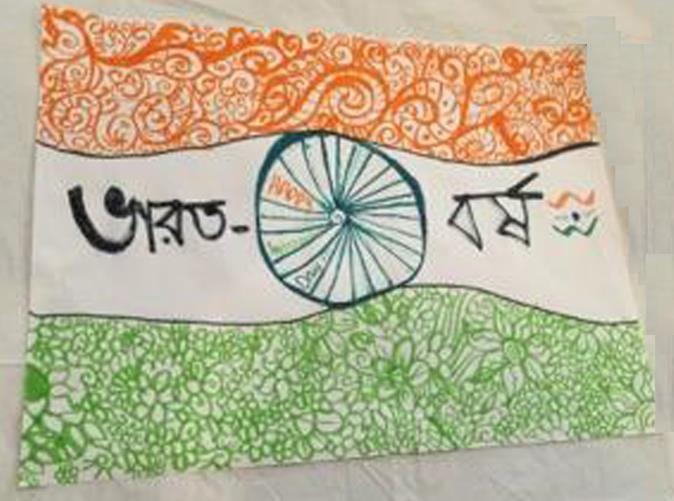
Taken from 2016 Alpana Competition at Ananda Mandir
Things I Learned Throughout High School
By Parama Das (Age – 18)
As my senior year comes to an end and graduation is right around the corner I have had time to reflect on my overall high school experience. The years went by fast and it feels as if it was just yesterday that I was a freshman walking the halls of my high school. Through high school I have learned a lot and I feel that it is important to share my experiences that will or are already going through, the same experience.
1. Don’t be afraid to get involved
During high school starting from freshman year, I decided to join many clubs and I brought my friends along, too. Not only are clubs good to put on your resume but it also gives you a sense of responsibility as you reach an officer position. Sports are also another excellent way to show school spirit and form lasting relationships. If you are involved in a sport it isn’t just about going to practices and games it’s about team bonding and making friends as well as playing.
2. Try something new
High school gives you abundant opportunities to get out of your comfort zone by trying something new and different. Depending on who you are it can be anything from doing theater to joining the yearbook committee. Before I joined high school I never really sang in a group setting but I was excited to try something new. I have been in high school chorus all 4 years of high school and it has been one of the best experiences in my life.
3. Take classes that mean something to you
High schools offer a wide variety of classes and it can be overwhelming when choosing a class. But talking to upperclassman or speaking with your guidance counselor can help you choose a class that you are genuinely interested in. I also suggest planning your schedule early not only for the upcoming school year but for all 4 years just so you can plan ahead and fit all of the classes you want to take. Although 4 years is a long time it does really fly by and at the end there is always something you know you had missed out.
4. Put school first
In high school you will meet all different kinds of people and some are focused on school while others may not be. Even though in high school you are busy with other activities it is important to make sure to realize that you are a student before anything else so give your school work all of your energy.
5. Don’t stress out too much
High school can be very stressful especially if you are juggling a lot of things at once. With homework, clubs, and standardized tests things can get pretty out of hand. Remember that even though it is a difficult time now, in the future it will get better and when you look back you will be like ‘thank god it is over’.
6. Be friends with people that care for you
You want to make friends in high school that you know will be your friends forever but that may not be the case. People change and grow apart and you may not be as close as you thought you were. You should have friends that make you feel good about yourself and want to spend time with. It is not the number of friends but the relationship you have with them, is what matters.
7. Don’t grow up too fast
When I was in high school, I wanted to leave to get onto better things but it is important to cherish what you have now. If you are always thinking about the future then you aren’t living in the present and you will miss the present. High school may not be the best years of your life or it may be, but you have to make it worthwhile.
8. Know when to go out and when to stay in
If you go out constantly with your friends it can be exhausting and expensive, especially if you are getting food. But if you just stay at home all the time it can get boring real fast. Balance your time and it is okay to stay in sometimes even though your friends go out; there will always be another time.
9. Have friends that are upperclassmen
I have friends that are older than me and I always seek out advice from them. They are experts because they have already been through a situation before and they can tell you from firsthand experience what they did. My friends really helped me decide what classes to take, what clubs to join and advice in general. So if you are in high school try to get in touch with some upperclassman.
10. Be yourself
This seems obvious but make sure that you are happy with yourself. Don’t try and change yourself unless that is what you want. In high school you have more freedom so it is important to stick to your beliefs. If someone doesn’t appreciate the way you are then you will find someone who does.
Remember, although high school is only for 4 years you can make the most out of it because soon you will be graduating and moving on.
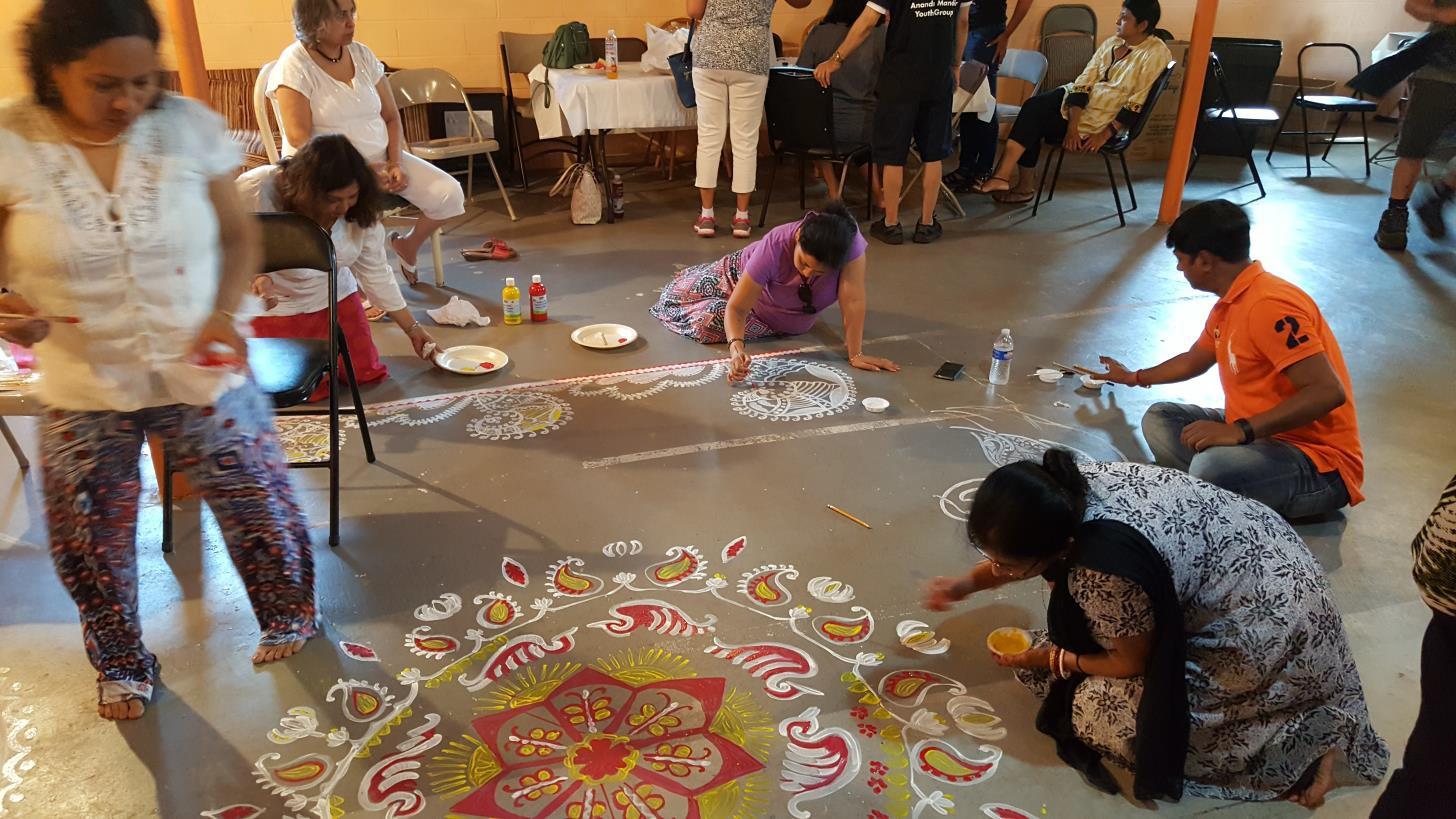
Kisholoy Participates in Alpana Competition
A Durga Inspired Moment
By Priya Mukherjee (Age - 18)
Defining moments come as explosions; they’re sudden pockets of enlightenment that come without warning or prelude. And yet, you’ll find that in movies and novels, there’s always a build up. Every story has those common attributes that we know and find routine in. Rising action, climax, falling action, etc. But real life is a far cry from well thought out literary/cinematic masterpieces. In these, we perpetually seek out arbitrary things. Balance and chaos. Good and evil. Black and white. But in the real world, when making decisions for yourself and for others, most of the world operates in shades of grey. While it's difficult to use this analogy without snickers of jokes regarding lewd novels, there’s an undeniable ambiguity in the decisions you have to make when you have something or someone on the line. So much so that it’s only in these shades of grey that you’ll find your defining moments, exploding between gunmetal and slate, or silver and chrome, lighting up your discoveries and finding yourself born anew.
It began with a simple plan. Hang out with friends. Get food. Watch a movie. Looking back, if that day hadn’t turned out the way it did, I doubt I would have even remembered it at all. But then again, no one ever writes stories about the days they sat at home binge watching episodes of Friends. I remember that day so well that I can still hear the sirens.
Cars get obscenely hot in the summer: that’s what I was thinking when a woman ran out of the house next to my friend Sam’s, barefoot and yelling, a cordless landline phone gripped tightly in her hand. She ran right up to Sam, who was just leaving her home. I didn’t know what was going on and got out of my car, walking up to her and trying to contain my bewilderment. She asked for Sam’s mom, implored her to hurry and after no explanation, turned back toward her own house. We sat down on Sam’s steps, watching as her mother went to join the distressed woman. It was when Sam’s mom resurfaced, shouting, “Does someone know CPR,” that I found myself running toward her.
Back when I got my lifeguard certification, my mom was annoyed. “What a waste of two hundred bucks,” she told me. And while a lifeguard certification did require a fee of two hundred dollars, it was at the time my proudest achievement. As a teenager, very few jobs were available in my area and lifeguarding was one of the most efficient ways for me to make money. Little did I know that I’d go from scooting around children in kiddie pools to pounding on a man’s chest, trying to get him to breathe. That was the moment when I exploded.
Somehow, my training kicked in. The man’s two children were sitting on the bed next to me as I rhythmically did compressions, counting off in my head. And between the quiet sobs of “Daddy,” beside me and the lack of a rising chest below me, I looked around in anguish before I decided to break the no direct-contact rule of CPR and I pressed my bare lips to the man’s and blew into his lungs. His chest started to rise. But before I could have a moment of victory, he started to seize. He gripped my arms tightly as he rode out the fit. When he stopped, I got myself free and continued compressions until the paramedics arrived.
I left the room, walked down and out the front door. Something in me wavered while I considered the then unknown fate of the stranger. I didn’t realize I was crying until Sam asked me what happened.
You’ll grow up your whole life thinking you’re a specific kind of person and it’ll take something immeasurably unexpected to shake your foundations. In my explosion, I didn’t realize at the time, but after I finished wiping away those tears, I ricocheted through the spectrum of grey until I landed somewhere between lead and iron, with a newfound skin hardened by both.
Hinduism Misconception
By Parama Das (Age - 18)
Hinduism is said to be the oldest religion. With about one billion followers worldwide, it is the third largest religion. Many people believe in these misconceptions which are not true about the religion. For example many people believe that there are about a million Hindu gods. But in reality there is one supreme god but as followers of the religion we are supposed to connect to god in our own way. The three main deities are Brahma the creator, Vishnu the preserver, and Shiva the destroyer. There is also much confusion why we worship idols. This is to serve the purpose to help us concentrate on prayer. Many gods have a specific attribute whom we worship when we are in need.
Another misconception is that people that worship the religion Hinduism, worship cows. Actually cows are considered sacred because Krishna tended cows. A lot of people think that Hindus are vegetarians but this is not true. Thirty percent of Hindus are vegetarian. In addition, many people associate the caste system with Hinduism but the caste system was brought by Indian culture. Another misconception is that women are not important in the religion. When there are many Hindu goddesses like Ma Kali, Durga, Saraswati, and Lakshmi. A common misconception is that women wear the red dot on their head only if they are married. But today the bindi is often used as a fashion statement. Hopefully this clears up some of the confusion that many people have about this religion.
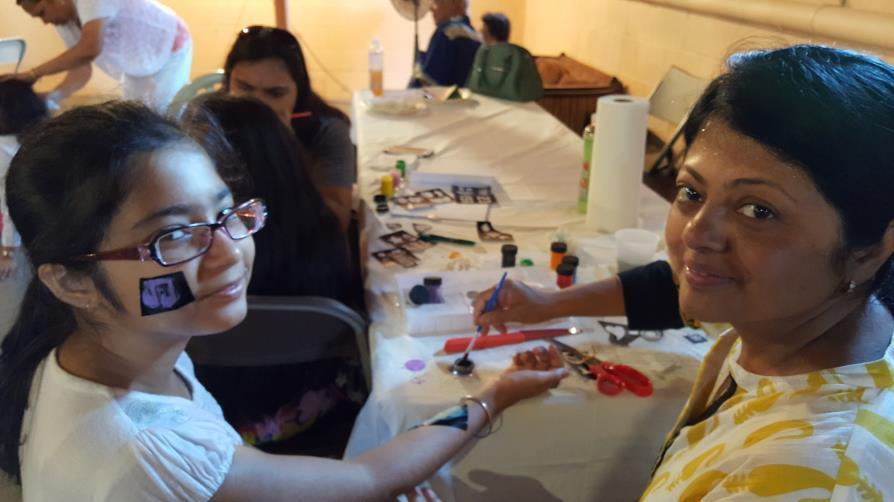
Kisholoy Participates in Face Painting
Valentine Day Celebration Globally
By Priya Mukherjee (Age - 18)
Valentine's Day customs had developed in early modern England and spread throughout the Anglosphere in the 19th century. In the later 20th and early 21st centuries, these customs have also spread to other countries along with other aspects of American pop culture, but its impact so far has been rather more limited than that of Halloween, or that of US pop-culture inspired aspects of Christmas. This is a summary of a few countries and how they spend Valentines Day.
China; Due to a concentrated marketing effort, Valentine's Day is celebrated in some East Asian countries with Chinese and South Koreans spending the most money on Valentine's gifts. In China, the common situation is the man gives chocolate, flowers or both to the woman that he loves. In Chinese, Valentine's Day is called lovers' festival. The so-called "Chinese Valentine's Day" is the Qixi Festival, celebrated on the seventh day of the seventh month of the lunar calendar. It commemorates a day on which a legendary cowherd and a weaving maid are allowed to be together. Valentine's Day on February 14 is not celebrated because it is often too close to the Chinese New Year, which usually falls on either January or February. In Chinese culture, there is an older observance related to lovers, called "The Night of Sevens". According to the legend, the Cowherd star and the Weaver Maid star are normally separated by the Milky Way (silvery river) but are allowed to meet by crossing it on the 7th day of the 7th month of the Chinese calendar.
India: Valentine's Day celebrations did not catch on in India until around 1992. It was spread due to the programs in commercial TV channels, such as MTV, dedicated radio programs and love letter competitions, in addition to an economical liberalization that allowed the explosion of the valentine card industry. Economic liberalization helped the Valentine card industry. The celebration has caused a sharp change on how people have been displaying their affection in public since the Middle Ages. In modern times, Hindu and Islamic traditionalists have considered the holiday to be cultural contamination from the West, a result of the globalization in India. Shiv Sena and the Sangh Parivar have asked their followers to shun the holiday and the "public admission of love" which to them is "alien to Indian culture". Although these protests are organized by political elites, the protesters themselves are middle-class Hindu men who fear that the globalization will destroy the traditions in their society: arranged marriages, Hindu joint families, full-time mothers, etc. Despite these obstacles, Valentine's Day is becoming increasingly popular in India.
Japan: In particular, office ladies give chocolate to their co-workers. Unlike western countries, gifts such as greeting cards, candies, flowers, or dinner dates are uncommon, and most of the activity about the gifts is about giving the right amount of chocolate to each person. Men are expected to return gifts that are at least two or three times more valuable than the gifts received by them on Valentine's Day. Not returning the gift is perceived as the man placing himself in a position of superiority, even if excuses are given. Returning a present of equal value is considered as a way to say that you are cutting the relationship. Originally only chocolate was given, but now the gifts of jewelry, accessories, clothing and lingerie are usual.
South Korea : In South Korea, women give chocolate to men on February 14, and men give nonchocolate candy to women on March 14 (White Day). On April 14 (Black Day), those who did not receive anything on 14 February or March go to a Chinese-Korean restaurant to eat black noodles and lament their 'single life'. Koreans also celebrate Pepero Day on November 11, when young couples give each other Pepero cookies. The date '11/11' is intended to resemble the long shape of the cookie. The 14th of every month marks a love-related day in Korea, although most of them are obscure.
United States: In the United States, about 190 million Valentine's Day cards are sent each year. And that figure does not include the hundreds of millions of cards school children exchange. Additionally, in recent decades Valentine's Day has become increasingly commercialized and a popular gift-giving event, with Valentine’s Day themed advertisements encouraging spending on loved ones. In fact, in the United States alone, the average valentine’s spending has increased every year, from $108 a person in 2010 to $131 in 2014.
Salutations to the Daughter of the Mountain, Who Fills the whole World with Joy, For Whom the whole World is a Divine Play and Who is Praised by Nandi, Giri-Vara-Vindhya-Shiro-[A]dhi-Nivaasini Vissnnu-Vilaasini Jissnnu-Nute
Who Dwell on the Summit of the Vindhyas, the Best of the Mountains, Who gives Joy to Lord Vishnu (being His sister) and Who is Praised by Lord Indra, Bhagavati He Shiti-Kannttha-Kuttumbini Bhuri-Kuttumbini Bhuri-Krte
O Goddess, Who is the Consort of the One with Blue Throat (Lord Shiva), Who has Many Many Relations in this World (being the Cosmic Mother) and Who Created Abundance (in Creation), Jaya Jaya He Mahissaasura-Mardini Ramya-Kapardini Shaila-Sute
Victory to You, the Destroyer of the Demon Mahishasura, Who has Beautiful Locks of Hair and Who is the Daughter of the Mountain.
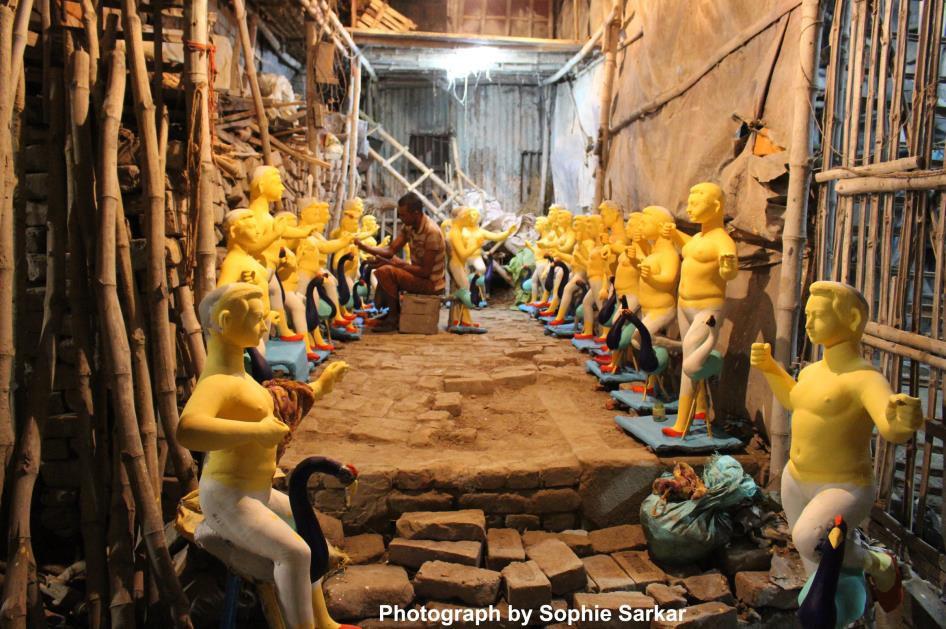
The auspicious Mahalaya day is religiously observed by performing this important ritual to remember our ancestors. We do this by doing the Tarpan in the names of those who were our near and dear ones but who are no longer alive today, though we cherish them in our hearts and minds. On this auspicious day, early morning, at 4 a.m. a 2 hour long program (Mahalaya) is broadcast in Bengali from Aklashvani Kolkata in India. A translated version in Hindi is subsequently transmitted from all other important radio stations of the country. Titled “Mahisasur-Mardini” (which means 'the slayer of the demon-in-the-guise-of-a-buffalo'), this program narrates why and how Goddess Durga was conceived, how she was armed with a plethora of weapons by the Gods to destroy the Buffalo Demon - Mahisasur who was causing havoc in the cosmos and how she achieved her goal by annihilating him and ushering in peace and happiness to the World. One man who'll always be remembered for making the Mahalaya Radio Program memorable to one and all is Late Birendra Krishna Bhadra, the magical voice behind the narration of Mahisasur-Mardini. This legendary narrator recites the holy verses and tells the story of the descent of Durga to earth, in his inimitable style. The program was first aired live on the radio way back in 1932. Birendra Krishna Bhadra was only 28 years old then.
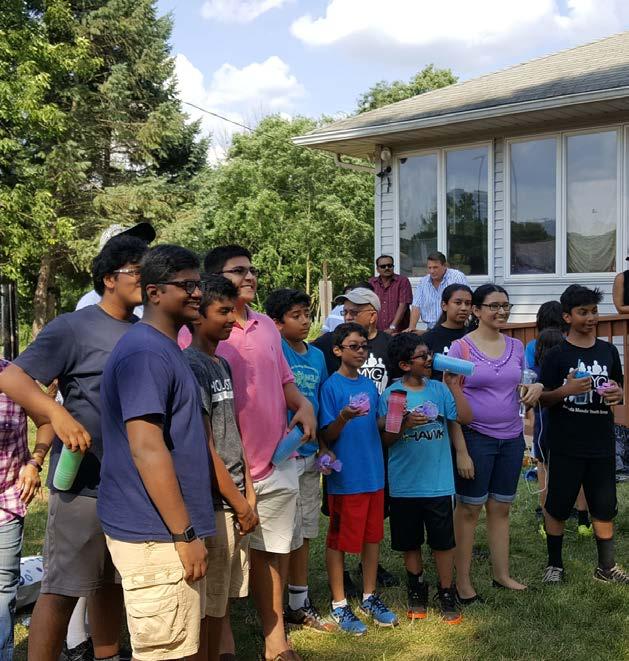
Ananda Mandir Picnic
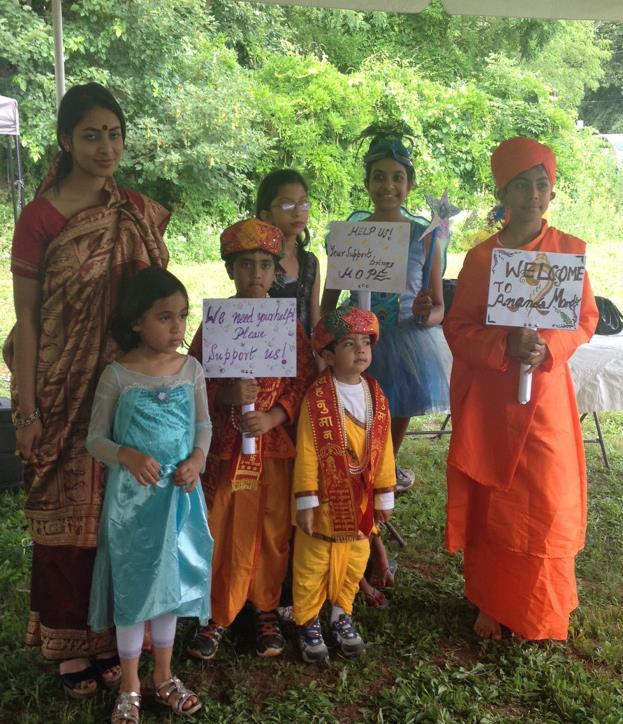
Ananda Mandir Fundraising
Drawing by Members of Kisholoy
Kisholoy group is the youth group of Ananda Mandir. Any youth member of Ananda Mandir can join this group. We meet every month on the first Sunday between 1 and 3 pm at Ananda Mandir to prepare Kisholoy wall magazine. If you are interested please attend this meeting or send your articles, drawing or photographs for the magazine via email (Dipakksarkar@hotmail.com).