Kisholoy is produced by youth members of Ananda Mandir The articles, drawing or photographs of this magazine are copyrighted and should not be reproduced in any other forms without the consents of the owners.
We would like to acknowledge the contributions of the followings:
Articles: Anooshka Sen (age 8), Auroni Sen (age 11), Ruhani Sarkar (age 12), Shivan Mukherjee (age 16), Shama Dinesh (age 21)
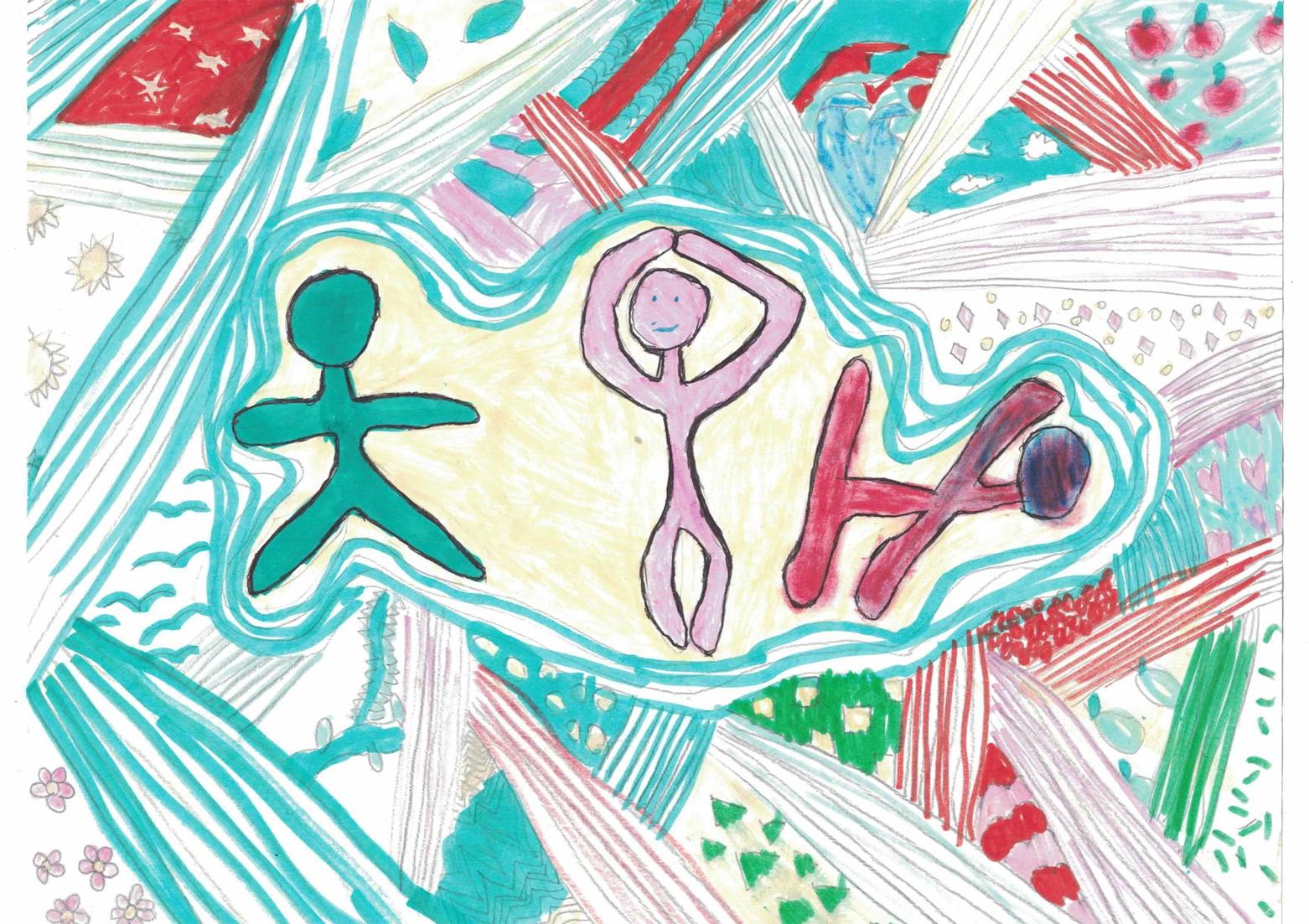
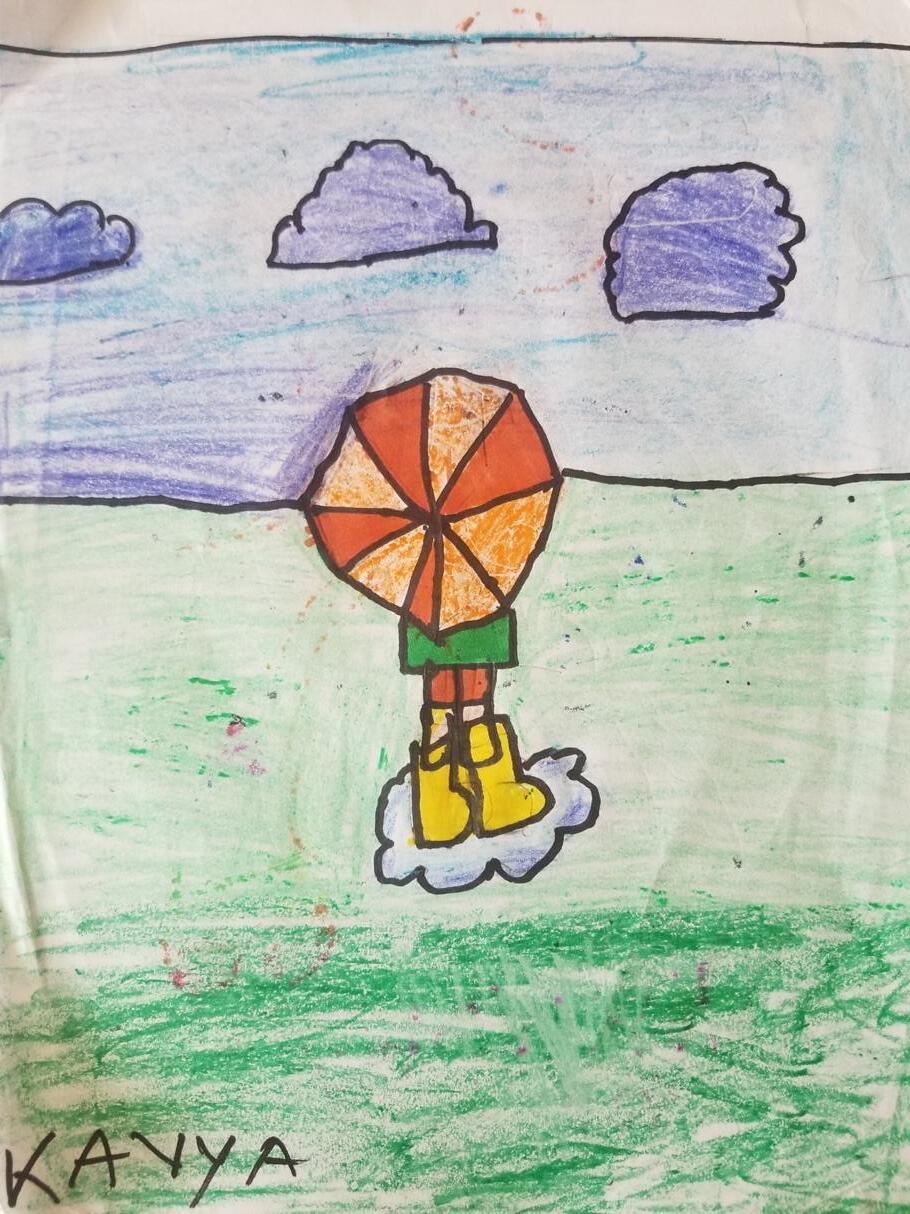
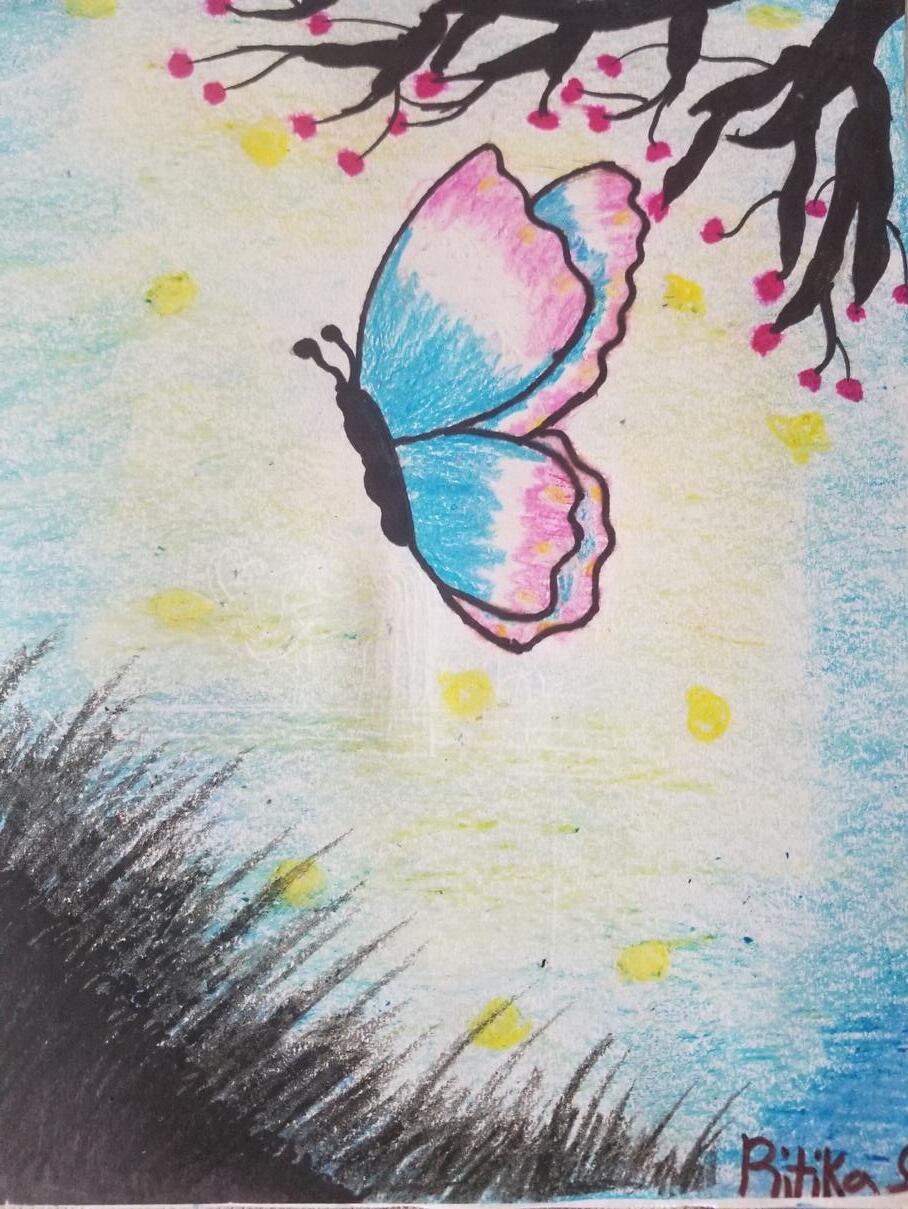
Drawing: cover - Anooshka Sen (age 8), Inside- Kavya Sarkar (age 5) and Ritika Sarkar (age 7).
Editorial: Dipak K. Sarkar, Utpal Sengupta, Sudipta Bhanja Choudhury
Magazine Composer: Dipak K. Sarkar
For information about the Kisholoy – contact Dipak K. Sarkar via email (Dipakksarkar@hotmail.com).
Picture gallery
- The End –
Drawing of Kavya Sarkar
Drawing of Ritika Sarkar (age 5) (age 7)
Fireworks in July
By- Anooshka Sen (age 8 )
- The End –
Should Kids Receive Vaccines?
By- Auroni Sen (age 11)
Have you ever got a flu shot? People get their flu shots yearly, to prevent them from catching the flu. Flu shots are a form of vaccine. Vaccines help protect people from getting diseases, such as polio, smallpox, measles, and the flu. These vaccines help people and make sure they don’t get sick. So why do some people still not think that getting vaccines is a good idea? Especially when they are scientifically proven to prevent diseases from entering people’s bodies. Some people are scared of giving kids their vaccines and think that it will harm them. I think that everyone should be given vaccines. I think this because vaccines can eliminate diseases, save children and their parents time and money, and people who don’t get vaccines develop serious diseases.
One reason why I think vaccines should be taken by everyone is that vaccines can eliminate diseases. Some diseases that have been treated with vaccines aren’t common anymore. These diseases include polio, smallpox, and measles. This shows that because of vaccines, a lot of diseases have been eliminated and are very uncommon amongst most people nowadays. According to procon.org, the “Center for Disease Control” (CDC) estimates that almost 750,000 American children were saved from the years 1994 to 2014.” That number increases every year because of new vaccines. Vaccines have saved millions of lives and protected people from getting sick with serious diseases. This is important because if we didn’t have vaccines, we would all be unprotected from all the diseases that can harm us. Another reason why I think that vaccines should be taken by everybody is that vaccines save kid’s lives, and save their parents money and worries. For many kids (12-14 years old), illnesses like chickenpox and smallpox can be extremely harmful. Vaccines can help protect children from getting sick with these illnesses. Getting a vaccine costs less than if a child gets diagnosed with a sickness and their parents have to pay for their medical bills. It would save a lot of money to get a vaccine instead. According to procon.org, ” Each case of measles in Arkansas costs the health department $47,962.”This amount of money for one case of measles is unnecessary because it could have been avoided with a simple solution, getting vaccinated. Instead of putting your child at risk by not getting a vaccine, let your child get a vaccine.
The last reason why I think that vaccines should be taken by everyone is that people who don’t get vaccinated can go on to develop serious diseases. According to the American Academy of Pediatrics, “Most childhood vaccines are 90%-99% effective in preventing diseases.” This evidence shows that people who don’t get vaccines are more likely to develop serious illnesses. Vaccines have saved 2.5 million lives each year, which is about 285 children saved every hour. Vaccines help you fight off illnesses. People who don’t take vaccines could become really sick. The CDC recommends getting 9 doses of vaccines (e.g., DTap, Hepatitis A, Hepatitis B , Hib or Haemophilus influenzae Type B, Influenza , MMR , Pneumococcal , Pollio, Varicella ) plus a yearly flu shot. These vaccines are what prevent you from getting sick. This shows that in order to be healthy, you need to get a vaccine. People who don’t get vaccinated are risking their health.
There are so many benefits when it comes to getting vaccinated. They have eliminated diseases and saved children's lives while saving their parents time and money. Not getting vaccinated can lead to you developing serious illnesses. And if you aren’t vaccinated, you could be in danger of getting sick with serious illnesses. In order to help prevent people from getting sick, get vaccinated and encourage others to get vaccinated as well. It could save your life as well as many others - The End -
Teenage Depression
By Ruhani Sarkar (12 years)
“Depression is the most unpleasant thing I have ever experienced...That very deadened feeling, which is so very different from feeling sad. Sad hurts but its’ a healthy feeling. It is a necessary thing to feel. Depression is very different.” J.K. Rowling
Depression in the Young
Imagine you are 14 years old. Your brain is flooding with thoughts of dying, ending your mental suffering, finding no other alternative. It feels like you are on an endless journey through a tunnel of darkness, no light, no hope. Depression is taking a toll on your body and mind. The saddest part is that, unlike physical pain, mental pain is harder to express, because,” it is easier to say, ‘My tooth is aching’ than to say, ‘My heart is broken.’ ”
What is Teenage Depression and what are its Symptoms
● Depression is a serious mental health problem that is common in most teens. It affects teen’s mental stability and causes emotional and physical issues. An estimated 10-20% of adolescents globally experience mental health conditions, yet these remain underdiagnosed and under-treated.
● Teenage years are the time of incredible growth of a child who moves through the
process of gaining independence from parents and turns into a balanced, mature adult. But the process is not a cake walk as a once sunny child turns into a sullen and moody one or the child who always did good in school, sports, just doesn't show interest anymore.
● Parents often complain about rapid mood swings in their children on the onset of puberty and wonder what is normal moody teenage behavior and when it is a matter of concern.
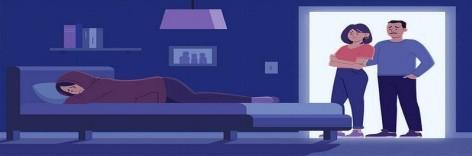
● Depressed teenagers feel extreme sadness, anger, hopelessness, guilt, and worthlessness. They may also feel that there is nothing in the world that can make them happy. Sometimes, they feel physical pain like body aches, muscle pain, and even nausea.
● Depression also causes behavioral changes among teenagers like insomnia, use of drugs, frequent absence from school, unable to focus on any task, etc. In extreme cases, driven by the urge "to end it all", they may even start harming themselves like cutting, and burning.
● If a significant change is observed in a teenager's previous attitude and behavior, including social isolation, loss of interest in usual activities, irritability, etc, parents should get alarmed and seek advice from specialists.
Causes of Teenage Depression
Some causes of teen depression are- family fights, learning disabilities, and life events, an unsafe environment, extreme bullying, and hormonal changes.
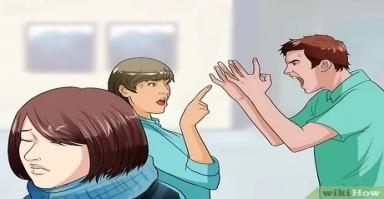
● Disturbance in family structure or family fights often lead to some adverse events which affect the mental health of children. More emotional and behavioral problems among teenagers occur in families which have faced divorce of parents rather than the death of one parent.
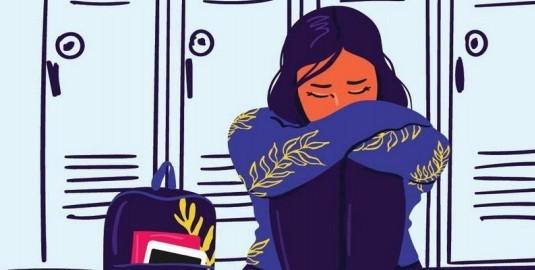
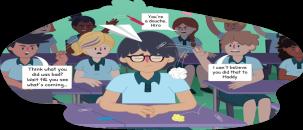
● Bullying is one of the major causes of teenage depression. Bullying can happen anywhere- school, playground, neighborhood and even at home. Children that experience verbal and physical bullying are at a greater risk of developing depression than children who do not experience bullying. Bullying can be of any type - body shaming, racial discrimination, transphobia, religion/culture, etc.
● Hormonal changes which happen during adolescence affect mood. Hormonal changes trigger the teenage brain cells and depress them.
● Drug, and alcohol abuse can also be the causes of teen depression. According to Science Daily, teenagers who try to self -medicate depression by consuming drugs at least once a month, are three times more likely to develop suicidal thoughts.
What can parents do to help?
● A healthy and loving family can protect teenagers from depression. Even if the parents are divorced or separated, they should still maintain a healthy relationship with their kid.
● Parents should not force children to achieve their own unfulfilled aspirations. Every child is individual and has his own dream. Children might not want to achieve those dreams, and they feel immense pressure in fulfilling their parents’ expectations.
● Reduce stress as much as possible because most of the teens can't handle it. Try to make a balance between schoolwork, extra-curricular activities and household chores.
● Parents should focus on raising their children to be confident one by allowing them to make mistakes. Overprotecting and making decisions for them may be considered as lack of trust and can lead to low self-esteem individuals who are vulnerable to any adverse situation or bullying.
● Parents can help by talking to their child about his/her feelings and if there is anything that is bothering them.
● When disciplining teenagers, parents should avoid shaming and abusive languages because they may feel worthless and get depressed.
● Keep any guns, knives, long ropes, alcohol that can be harmful, locked up. Teens can hurt themselves dangerously if they get in touch with such objects.
● Teens can get therapy if he/she gets too suicidal. Lastly, always keep in touch with SAMHSA- Substance Abuse and Mental Health Services Administration.
Can Teen Depression Go Away?
Teen depression is a phase that, if treated on time, goes away. If a teen is struck by depression once, there are high chances that he will get that again. The earlier it is treated, the better. Depending on the severity, the therapist can recommend counselling or antidepressant drugs. Prolonged and untreated depression can be very serious and scar the teen forever.
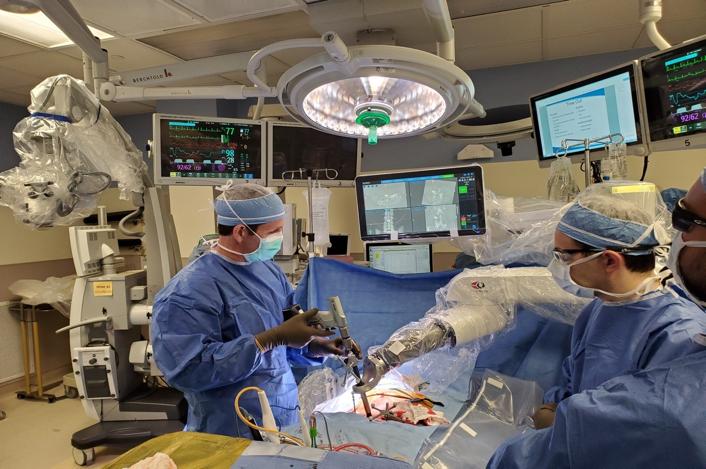
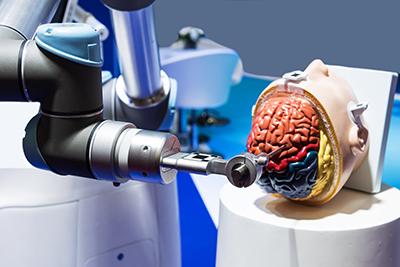
The brain is often considered among the most sensitive organs in the human body. As such any surgery taking place in this area inherently carries a level of risk. In this constantly developing field of medicine, the advent of robotic surgery has shown major application in neurosurgery. Contrasting more traditional invasive skull base approaches, requiring major bone removal, the utilization of robots in these same situations enables surgeons to venture deep into the brain through substantially smaller incisions. This, coupled with greater precision and controlled movements, demonstrates the great potential of robotics.
Currently, one of the major pitfalls of robotic techniques is the lack of mobility and ability to maneuver around the brain in the midst of surgery. In the event of complication, it is of utmost necessity to be able to locate nerves and arteries. However, current robotic surgical systems are still not up to par in their mechanisms. Further, these systems operate on the premise of a perfect procedure. While small incisions and minimally-invasive procedures are nice in urgent situations, switching to a manual surgical procedure would be a great delay in providing emergency procedures. Other drawbacks of robotic surgery include the great cost of implementation in hospitals as well as the training for surgeons to use this equipment.
Some examples of types of neurosurgery include angiograms and angiographies, guided operative microscopes, coil insertion systems, and endoscopic clipping devices. And, in each type of operation, robotics has served to improve the efficiency and precision of doctors in their procedures. For example, in robot assisted angiographies, while first generation assistive devices could only guide and retract, new equipment features guide controls which enables surgeons to have greater control over the device without exposing operators to occupational hazards. While robotics has come a long way, the anatomical challenges presented by the human body pose fundamental risks and make it hard for skeptics to place full faith in the hands of a machine. But, through continued investment into existing technology, innovation will enable the surmounting of existing challenges and can work to create a sizable impact in the field of neurology and all medicine.
Racism and its Destructive Prevalence in the Modern Society
By - Shama Dinesh (age 21)
One of the most avid trends that persist in the world is the tendency to glamourize and glorify the cinematic world; Hollywood in particular. Within the media produced over the last few decades we have witnessed numerous occasions where a person of color existed for no purpose other than to provide comedic value to the film by way of exaggerated stereotypes, making a mockery out of the cultures of many. In due time, we were conditioned to participate in such media in its intended manner, unable to question the absurdity we witnessed. Media, as always, remained dominated by those conforming to the standards of beauty imposed by society, and continued to influence the audience, breeding insecurities and indifferences amongst them.
In the earlier times, being the ideal human was a concept completely different from the present perspective. The idea of a perfect human being without any physical flaws was shaped with the influence of the Greek and the Romans. Over time, the physical attributes converged with the preconceived notions of discrimination within human beings, leading to the emergence of supremacy of ‘white’ skin, subsequently constituting the concept of racism. We as humans try to find a place for ourselves amidst the multitude of diversity in all aspects of our life in pursuit of stability. In this chase, we tend to forget that at our core, we are all the same flesh and bones, beneath all the riches and luxury we spend our lives desperately hunting after. Yet, we choose to hold ourselves at a higher level than the rest based on the color of our skin, our economic status, the shape of our body, the community and religion we belong in and other such superficial standards.
For centuries, colonization of different countries across the globe laid the foundation for racism and white supremacy. The same poison has continued to persist in the minds of few through generations. We have either witnessed or personally experienced such persecution and abuse by those who believe to be superior to us, merely because they possess a lighter shade of skin. Even now with all the progress we have made in technology and science, we failed to progress as a society and have been preyed upon by multinational corporations that portrayed the epitome of beauty to be fair skinned and dark haired People were hunted down, murdered, tormented under the tyranny of racism, a classic example of which is the Nazism movement that sought to maintain and enrich the ‘purity’ of Aryan race. Yet, as the society progressed in an era of scientific advancement, this frivolous witch-hunt of the persons of color never ceased.
Racism and colorism are the raging concerns worldwide. With an increase in xenophobia contributing to the problem, we have now crossed a line of hatred not meant to be crossed by humanity. In the end, we may all be guilty of displaying racist behavior, whether intentional or not, as we have been conditioned to do so by the society that we live in. Yet, it is never too late to educate ourselves and change our attitude and perspective towards each other, irrespective of the color of our skin. Beauty has always been subjective, evolving throughout millennia. Allowing ourselves to be dictated by the self-imposed standards of beauty just displays foolishness on our part. Every person deserves to be respected as an individual and not defined by such superficial ideologies. We cannot lose sight of humanity by preying upon those different from us, making ourselves devoid of the very spirit of what makes us different from the countless mindless beings surrounding us. After all, we should only fear what we will become in the end if we cease to be human, and not fear something that is different from us.