Kisholoy is produced by youth members of Ananda Mandir. The articles, drawing or photographs of this magazine are copyrighted and should not be reproduced in any other forms without the consents of the owners.
We would like to acknowledge the contributions of the followings:
Articles: Anooshka Sen, Anirudh Sarkar, Auroni Sen, Shama Dinesh, Shivan Mukherjee, Guess who - Girija Belavadi
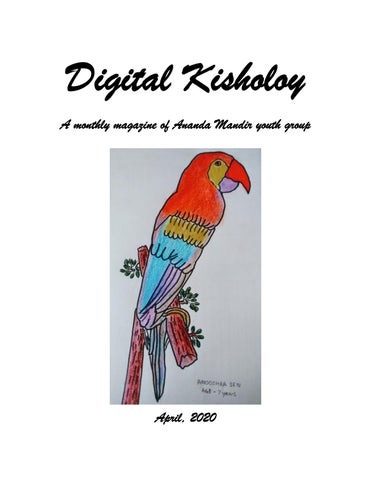
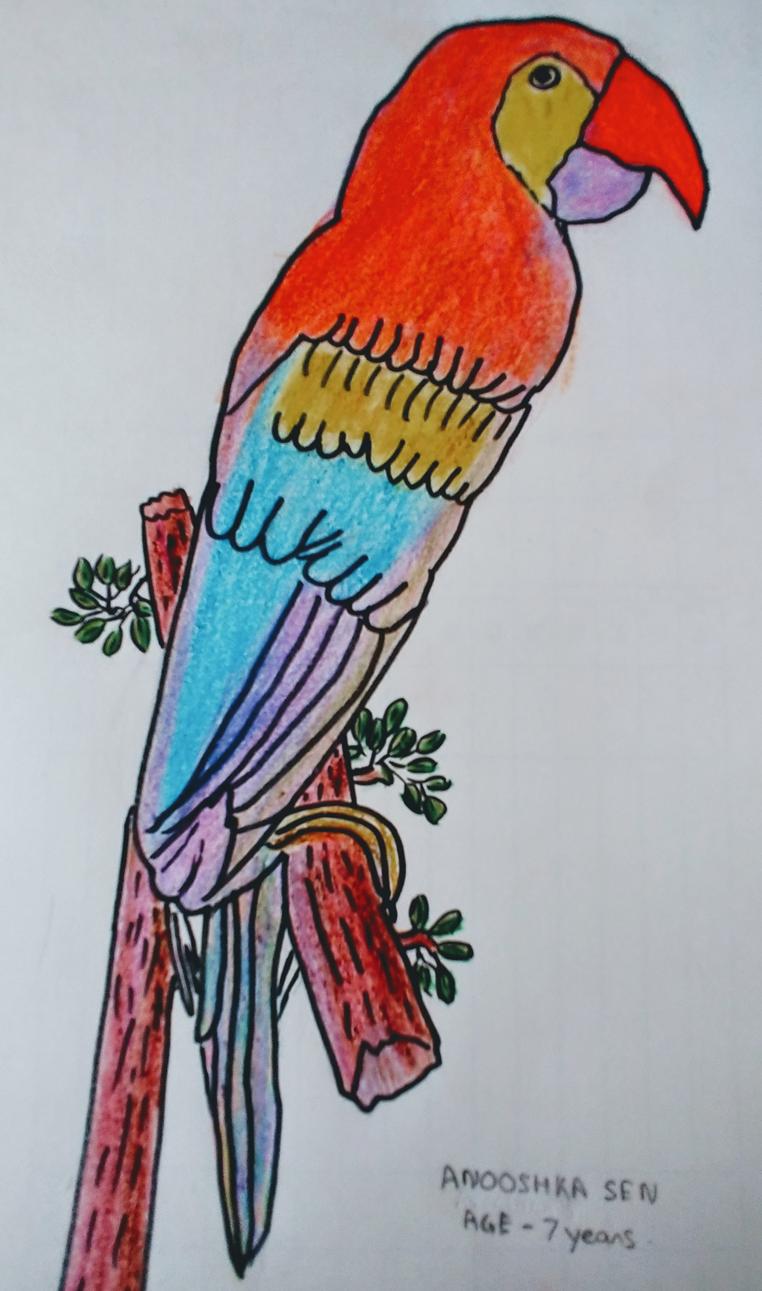
Drawing: Anooshka Sen
Editorial: Utpal Sengupta, Dipak K. Sarkar
Magazine Composer: Dipak K. Sarkar
For information about the Kisholoy – contact Dipak K. Sarkar via email (Dipakksarkar@hotmail.com).
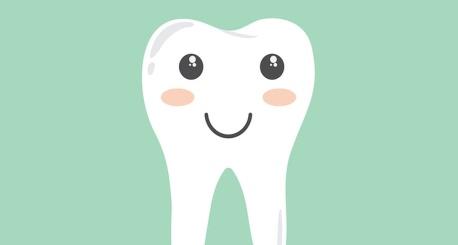
Tooth Fairy
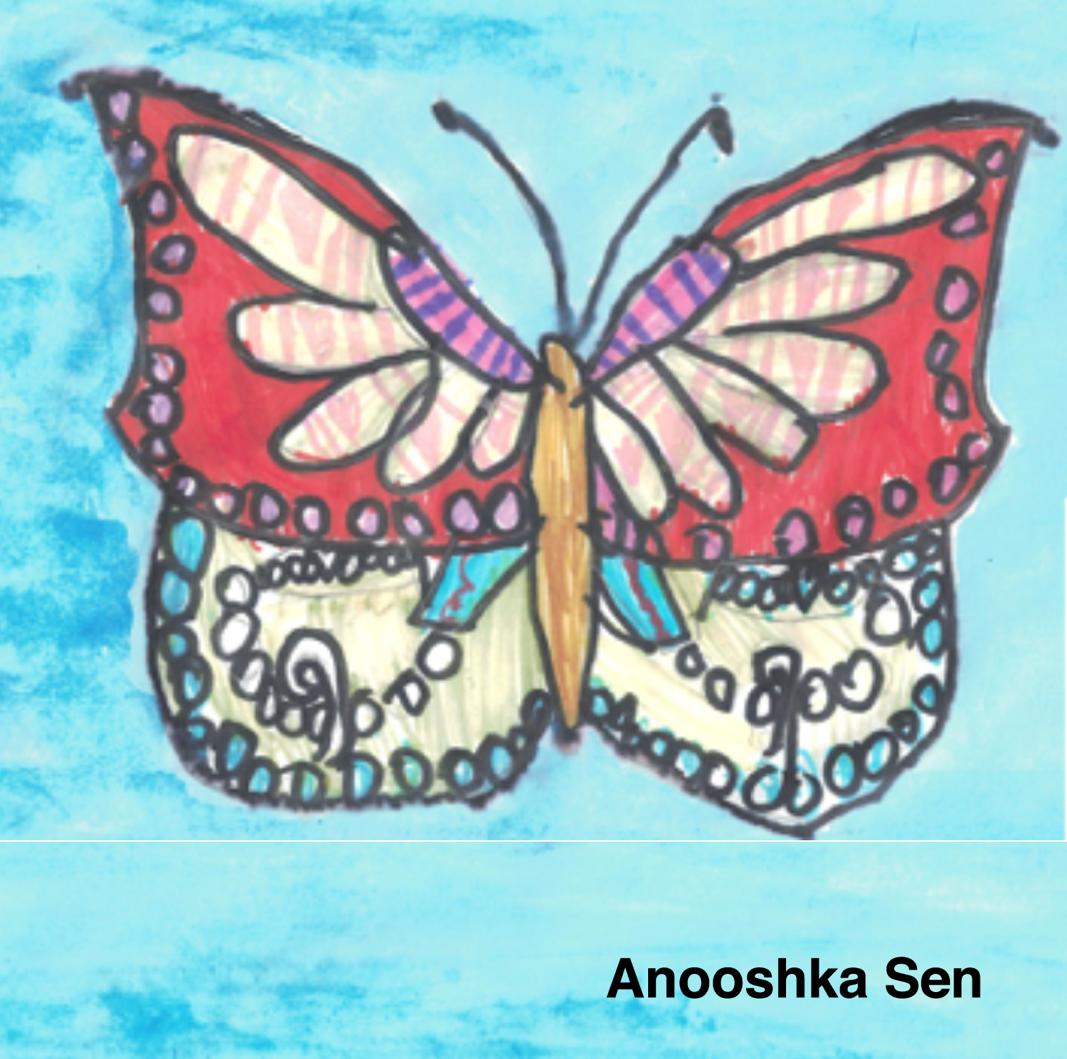
By Anooshka Sen (Age 7)
One day my friend Annaya came to the class and she was missing a tooth. I was very surprised to know that kids can lose their tooth. I asked Annaya and my teacher Ms. Amanda why she lost her tooth.
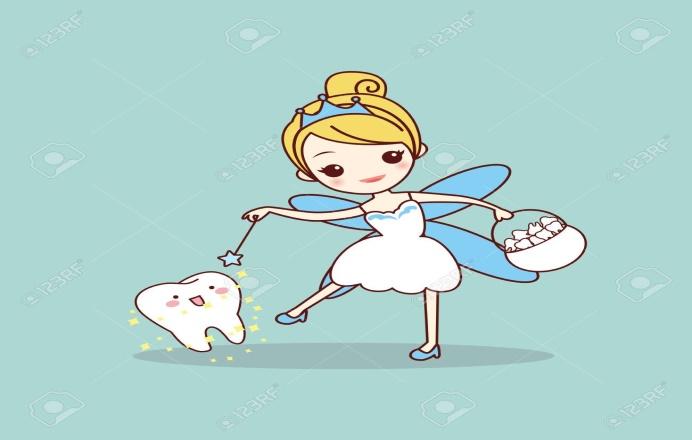
They told me when we grow up; we get wiggly tooth and the tooth falls off. She also mentioned about a TOOTH FAIRY. I was excited to learn that when a kid loses a tooth a tooth fairy gives the kid gifts.
When I was 6 ½ years old I saw that my bottom front tooth was wiggly. One morning when I was brushing my teeth my wiggly tooth fell off. I was very happy and excited that now tooth fairy will give me a gift. That night tooth fairy left me a 500 piece ocean life puzzle and a coloring book. I was so so happy that I lost my baby tooth and that the tooth fairy left me a puzzle.
JANE GOODALL
By Auroni Sen (Age 9)
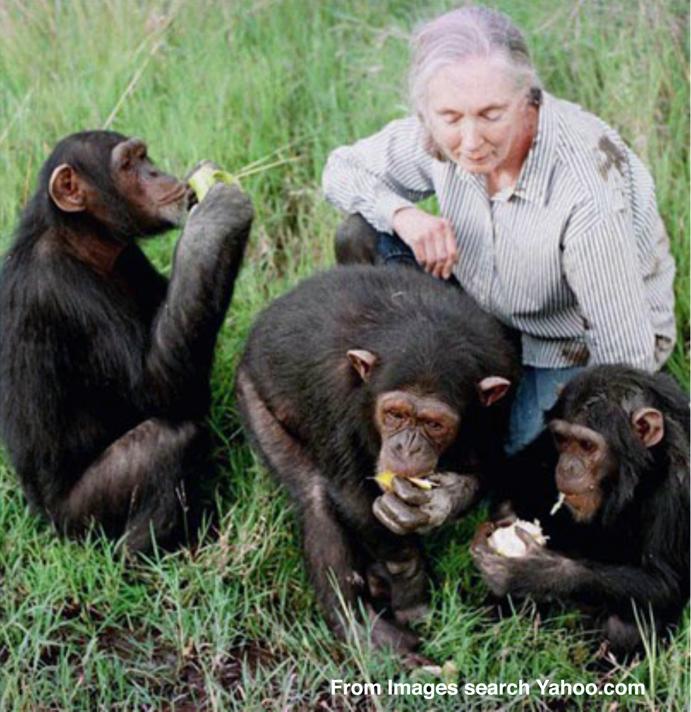
Jane Goodall was born in England in 1934. She is a primatologist, ethologist and anthropologist. Jane was always interested in learning more about animals, even at an early age. When she was a kid, she used to bring earthworms inside her house and observe them. It was always her dream to go to Africa. She wanted to study the wildlife there. Everyone told her it would be hard and dangerous for a woman to go to Africa, especially since she had no money for college. But Jane worked as a waitress and a production assistant for documentaries until she was able to fund her trip to Kenya. Her hard work soon paid off ! She finally had gathered enough money to go to Kenya! A man named Louis Leekey, who, being impressed with her knowledge of Africa, gave her a job as his secretary. Louis was a scientist studying prehistoric humans.
One day, Jane decided to look at chimpanzees and see if they resembled humans. At first, the chimps did not trust her because they had never seen someone like her before. But, as they got used to her, they started opening up to her. She observed them and took notes about them. She discovered that they use tools just like humans.
This was a very surprising discovery. Because of her discovery, the National Geographic Society sponsored her to stay in Gombe and continue observing chimps. Through her research, she showed the world that chimps are more like us than we thought. They have distinct personalities and capacity for compassion and cruelty. She saw compassion in the chimps when a male chimp adopted an orphan chimp as his own.
Jane also saw that the chimps were in danger. People weren't caring for the chimps and their habitat. The chimps’ habitat was getting ruined and no one did anything about it. So, Jane started environmental conservation organizations like the Jane Goodall Institute to help protect their habitat. Jane changed the way we all understand animals and ourselves.
Jane Goodall was only one of the many, many women scientists. They all have done great things to help the world. But the one woman who inspired me the most is my mother. She works very hard all day long. She helps our family the way most people help the world. I am very thankful to her and all the other women scientists who help change the world.
“ Only when our clever brain and our human heart work together can we reach our full potential.”- Jane Goodall
Puritan Beliefs in Literature
By Anirudh Sarkar (Age 14)
Think about your standard principles as a human being. It could be obscure, or something so common that it goes without being mentioned. One would suspect where all these morals and self-rules are derived from. Traditions, whether passed down orally or by religion, is bound to leave an everlasting mark on where people practiced it. In the United States, different aspects of varied cultures are present and are always able to be found. Whether it be a temple, mosque, church, or even a restaurant, remnants of cultures are found and expressed. Even holidays, that certain people celebrate for various reasons, that we just consider to be the norm, are still remnants of those cultures implemented into our lifestyle.
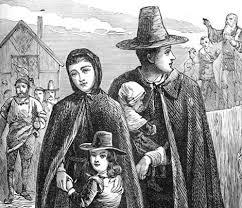
Therefore, the traditions embedded within those cultures reside in the same umbrella. However, arguably one of the most impactful traditions on our everyday lives are Puritan beliefs. Puritan beliefs, are hidden in aspects of core principles and morals that people abide by. Ample evidence and arguments, from numerous editorials, suggest that. Also, the Puritan culture is intriguingly portrayed in Puritan literature. If one was requested to state what they believe to be morally correct, they would most likely say what every other person would say, putting religion aside. As a matter of fact, many people believe in Evangelicalism, and for it to be,” a carrier of Puritan values and America's resistance” (Hutson).
Furthermore, things in Puritan culture that is considered to be the norm such as things like how important religion is to the common individual and like a right to get an education for everyone is what many people truly believe in; they don’t even think about where these beliefs came from. They just see it as good, and be done with it. However, things that are considered to be sinful like premarital sex and revealing clothing, is also something many share to be wrong and sinful. Some individuals might argue that
although people share the same beliefs, principles, morals etc., it does not necessarily mean that that belief was derived from Puritan cultures. This is false given that this ties back to how this is subconsciously treated as the norm, because of how much of an impact Puritans left. Further evidence proves that this thought is a “remnant of the Protestant rejection of church hierarchy and emphasis on a personal relationship with God” (Hutson).
So essentially, it is proven that the individualistic traits that Americans have are also a remnant in Puritan impact on humans and Americans as a whole. All in all, Puritan beliefs have had a hidden but major impact on how life is lived today. This is so, because their principles are what is considered today to be right or wrong, or to be just, or sinful. Many share the same beliefs, because it's true root comes from the Puritans, as well as the American work ethic of never giving up, and being self-reliant. All of this, and more ties back to the massive influence that the Puritans had on Americans.
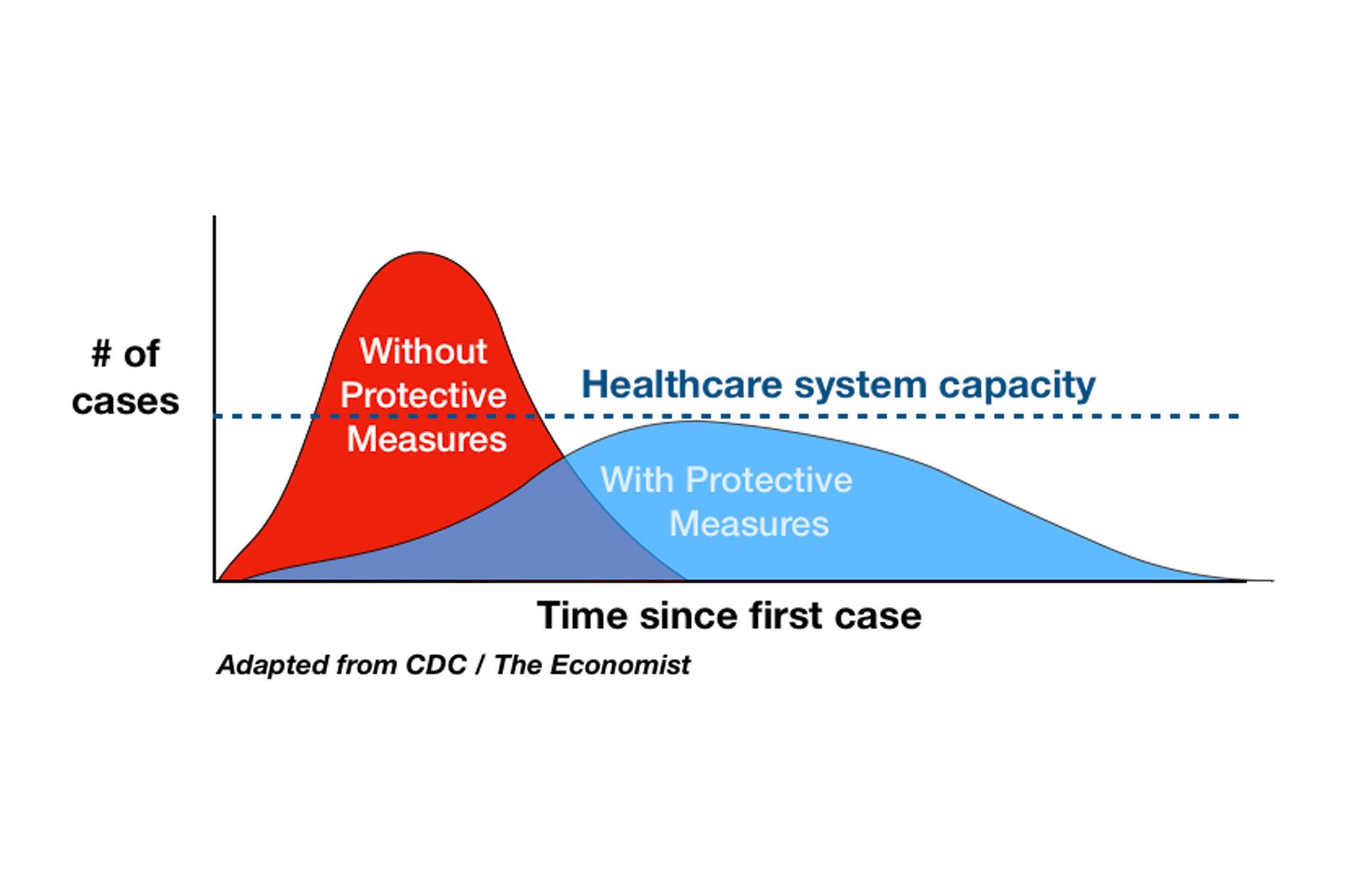
It is no surprise that the spread of COVID-19 (Corona Virus Disease - 2019) has caused widespread changes worldwide. It has brought about an even greater dependence on technology than ever before. In order to support online learning and working from home, the amount of traffic on video calling sites and the internet in general is at an all time high. In response to the virus, researchers have also had to make changes. Specifically, researchers at the USC Viterbi School of Engineering have been applying Artificial Intelligence machine learning in the fight against coronavirus. This is effective because the complex mathematical models can be used to not only find new drugs but examine already FDA approved drugs to see if they can be applied to treatment for COVID-19. Repurposing a drug is not only easier, but since it is already created, it will be able to increase the speed of distribution.
Another use of technology can be found in the creation of the smartphone app used by USC to monitor the locations and paths that an individual with symptoms may have taken. The location data is kept private and it enables researchers to be able to cross-reference these locations with other people and individuals who they may have come into contact with. This source of data helps keep track of changes in the virus while also working to prevent its spread. A current problem is that staying at home for prolonged periods of time is simply not feasible. By monitoring both symptoms and the types of people who get infected, more targeted treatment can be delivered and the scarce resources can be allocated more efficiently.
Many of these technologies that we currently have at our disposal have given us advantages over the tackling of previous epidemics. The fact that we now have supercomputers, allows simulations of proteins and experiments can be processed and completed at rates 100 times faster than ever before. And, in doing so, it could help expedite the process of finding vaccines. Even virtual reality is being used to create agents that can respond to situations and provide comfort to people helping to reduce the stress on medical personnel. Beyond healthcare, smartphone apps have been created to help individuals test themselves and fast track the spread of information about the virus. Delivery services for groceries and food to people that are most vulnerable to COVID-19, provides access to necessities.
Accompanied with all these technologies are the people that make their application possible. Healthcare workers, grocery shop cashiers, and
researchers are just a few of many people all over the world who cannot just stay home. It is through their work that we have been able to withstand the effects of COVID-19 thus far, and we will continue to need their help until this pandemic is over.
Collections of Poems
by Shama Dinesh (Age 18)
1. WHISPERS OF THE DEAD
Won’t you, won’t you, ever remember me
The last pitiful glance before you chose to flee Abandoning me, you turned deaf to my plea
A stranger at Death’s door, you turned to be
Will you, will you, ever save me I am trapped, buried underneath, please set me free Helpless I stand, yet you show no mercy As I die before you in agony
Won’t you, won’t you, ever see My voice turns hollow, my eyes empty Devoid of hope, embracing insanity As I lose faith in humanity
Will you, will you, ever agree That my callous death is a tragedy As I lie on the ground, broken and bloody My memories fade away as I die silently, as a nobody
2. HYMN FOR THE DEAD
The night time terror reigned the streets At the brink of death, humanity retreats Distress weaving its way inside
In the awakening of the Grim Reaper’s bride
Desperate, shall you look into the mirror Stare into the eyes of the demons of hunger Humanity is fading, suffering, and dying You can hear their feeble, incoherent crying
Rumors of dreadful deaths surround us Lamenting wails fill the air thus Anguish and misery trailing behind The corpses of the fallen mankind
The unvanquishable human race
Once has been brave in the face Of their certain, imminent death Waiting for Fate to snuff out their last breath
As panic and terror seize their hearts
Prejudice and hatred spread across Food and water runs scarce
Starvation and drought haunting your nightmares
Society lays trapped, broken and trampled It’s hierarchy utterly dismantled Every mother’s son and daughter remembers That they are very mortal, as they stare into the embers
With humanity at its prime, has the Nature peaked Face the song of its wrath and seek Forgiveness, beseech for mercy
For against Creation have we committed a heresy
People are dying, nations conspiring Pandemics are escalating, moments passing The end draws near, in the silence of the night Be valiant, for the Apocalypse prevails tonight
3. ALIVE
Days spent behind closed doors Eyes unfocused, in a daze
Darkness slowly extends its arms As I lay tucked in its embrace
The pain inside I try to suppress As I try to take the fall I wonder if it would hurt less If I try to end it all
No one cares I'm about to break I'm struggling to survive Am I such a big mistake? I am sorry I'm alive
Stagnant hearts and stranger thoughts Make up my nightmares