Ananda Mandir
269 Cedar Grove Lane Somerset, NJ 08873
Return Service Requested

Ananda Mandir
269 Cedar Grove Lane Somerset, NJ 08873
Return Service Requested
Reported By Ashok Rakhit, Chair, Construction Committee
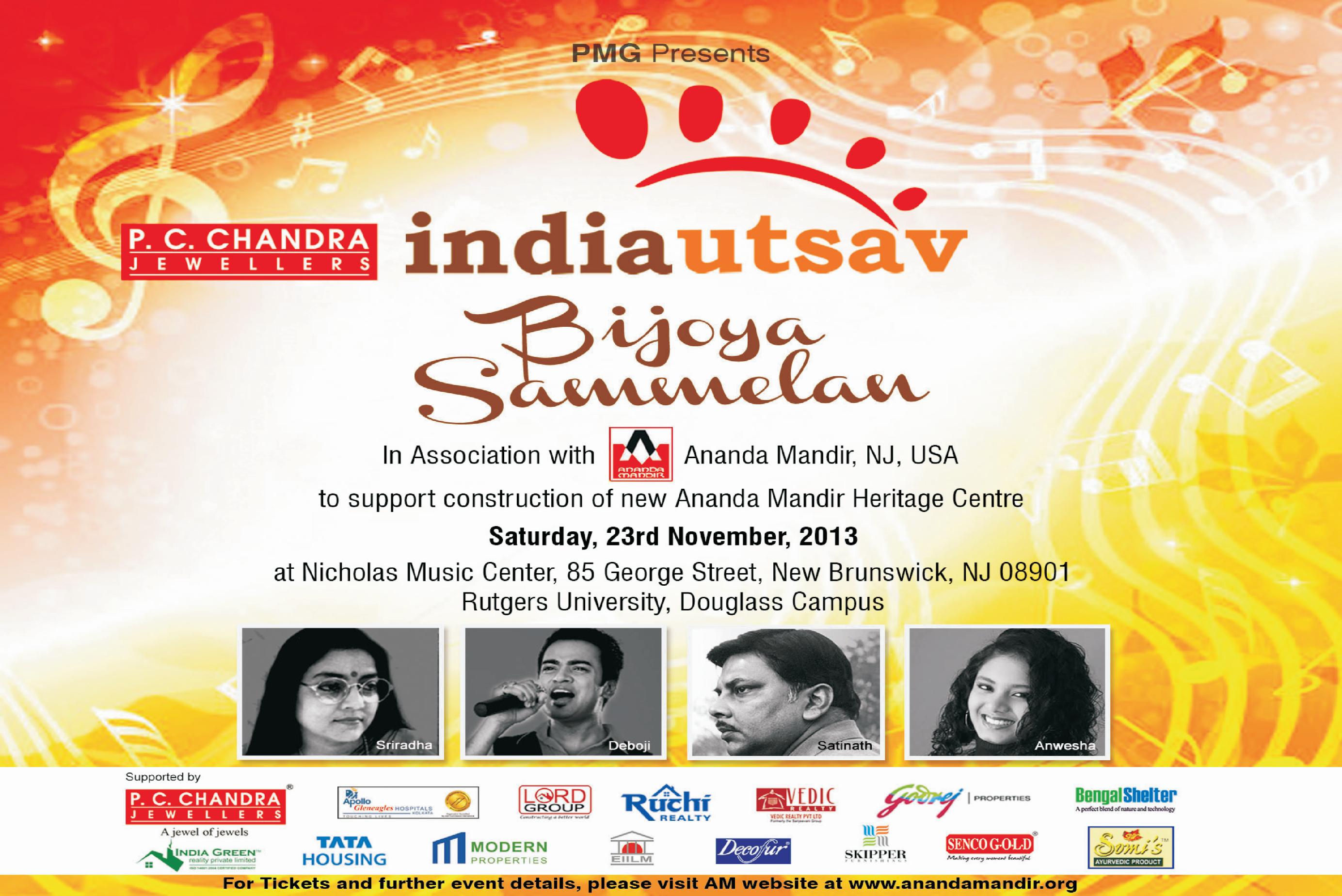
As Ananda Mandir is getting ready to welcome you to upcoming festivities of Fall 2013, I would like to thank you for your generous thsupportduringourAnnualFundRaisingLuncheonheldonSunday,June30 Weraisedcloseto$200,000thatwillbeofgreathelpto meetourtargetforthisyear ThisiscriticalbecausewehaveacommitmenttoUnityBanktoraise$1.0millionbytheendoftheyearto meetourobligationfortheconstructionloan.Weareconfidentthatbytheendofthisyear,wewillbeabletoreachourgoalwithyour helpduringtheupcomingeventsofDurgaPuja,KaliPujaandourBijoyaCelebrationof“IndiaUtsav”.Likelastyear,weplantoinvitea groupofwell-knownartistsfromKolkatatocelebratethisFallfestiveseasonwithallourmembers,patronsandvolunteers.Pleasemark

yourcalendarforIndiaUtsav to be held on Saturday, November 23rd at Nicholas Music Hall at Rutgers University, New Brunswick, NJ. We will announce more detailsinourwebsiteshortly
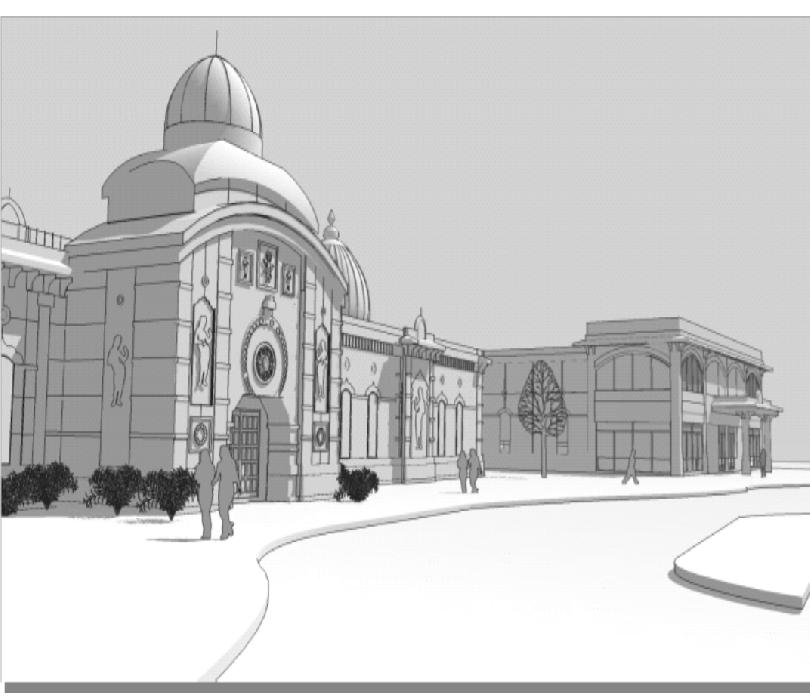
On construction status, we just completedfoundation of theexpandedtemple.
Site work is going simultaneously to build underground sewer and connect to retention basin (seeattachedpicture).
Turn to page 3
Meeting with Chanakya at his kitchennexttoaKalitempleinthe afternoon hours when he is free from his morning chores is quite relaxing, enjoyable, and rewarding. He talks about the history of our religious culturehow the original Jagannath's murtiwascarvedoutofacentury old log floating on a river by a sculptor who couldn't finish carving its hands and so we have armless Lord Jagannath in the Puri temple; the origin of “Ratanti” Kalipuja and the man who started it; or about Shiva's wakening from a deep sleep followed by an earth shattering dance with his third eye wide opencreatingtheuniversebyjust seeing “shunya (nothing)”. Chanakya is also humorous, and can mimic individuals' style of talking by modulating his voice, whichmakesuslaugh.
Our meetings though are never one sided talks; he would from timetotimeaskcertainquestions that would allow us to dwell on whatever we know of them and he would listen attentively We typically have these lively conversations while enjoying his hospitality with tea or coffee and snacksthatheusuallymakeswith hisownrecipe.
During one of those leisurely conversations, he said that sometimes in the morning while sitting alone at the temple he would sense that two identical persons were roaming around somewhere in this universe, but
By Pronoy Chatterjee
at different places and at the same time.” Then he said, “Do you think there is any explanation about this or am I gettinginsane?”
I could not immediately capture what he exactly meant, but a moment later it struck me that when he said, “two identical persons in two different locations at the same time,” he was apparently sensing in his subconscious mind that a single personappearedintwoormore places at a split second, giving an illusion of simultaneous appearanceofthesameperson.
I wondered if it were really possible that a single object, or a human being in this particular case, could exist in two or more locations at a split second. We heard that these outstanding featswerepossibleforGodsand ancient sages, but not for ordinary human beings like us.
So, at the outset, I thought it was absurd and Chanakya's imagination had no basis, it's simplyhishallucination.
ThenIthought,well,it'snotso; wecannotcompletelyignorehis imagination that a person could exist at two different locations at any instant. Though we may notbeabletoexplainitwiththe scientific knowledge of today, we may be able to do so some dayinthefuture.
Introducing quantum mechanics, a discipline of physics, where a famous
scientist told Einstein that a subatomic particle has the probability of existing in multiple locations but our observation makes it set in one position, Einstein remarked, “ You mean the moon [made up of those particles] is smeared throughout the sky and my lookingatit causedit tofixin one position? It's a spooky concept.”
Had Einstein been alive in twentyfirst century he would have regretted his own remark.Modernscientistsare shooting towards coming up with a model to explain that objects of all sizes follow quantum laws, thus it could possibly have a probability of existing in multiple locations at a split (nano) second, giving an illusion that it is existing in multiple locations simultaneously But, it's too complex a task to prove e x p e r i m e n t a l l y o r mathematically at the present time. However, they are making quite a good progress in the field, and once they achieve it, the history of creationwill have a newchapterwritten.
Niels Bohr, a friend of Einstein, and a few other eminent scientists, such as Schrödinger, De Broglie, Feynman, etc., pioneered a scientific theory known as
“quantum mechanics,” which states that subatomic particles, which constitute an atomforexample,areinreality not objects confined in tiny spaces with well-defined boundaries, but spread out as waves in space which however collapse to confined boundariesassoonastheyare observed.Thisconceptimplies that a fundamental subatomic particle exists in multiple locations, but takes a fixed position as soon as it is observed by any object. This concept has been scientifically derived and mathematically illustrated and it is now a widely accepted theory This is the basic concept of “quantum mechanics” Einstein never believed it and thought it was an incomplete theory, but it is anacceptableconcepttoday
In discussing quantum mechanics in a book, the authors Bruce Rosenblum and Fred Kuttner remarked, “In tryingtounderstandtheatom, physicists built quantum mechanics, the most successful theory of science and the basis of one-third of our economy They found, to theirembarrassment,thatwith their theory, physics encountersconsciousness.” Physicists do not like to deal with consciousness, only philosophers and spiritual
Ananda Mandir Calendar of Events
(Dates are subject to Change)
Please check our website frequently www.anandamandir.org) Tel: 732-873-9821
NOTE: If a particular Puja time is not listed, please contact temple or visit our website:anandamandir.org
Til Tarpan
Friday, 04, 10am-12:30pm
Shyama Puja
Friday, 04, 6:00pm
Mahishasura Mardini
Sunday, 06, 5:00 am
DurgaPuja
Thursday – Mon, 10-14 (see detail announcement)
Kojagari Lakshmi Puja/ Satyanarayan Puja
Friday, 18, 6:00pm
Sahitya O Alochana
Friday, 25, 8 pm
Ananda Sandhya
Sunday, 27, 8 pm
Maha Kali Puja
Saturday, 02, 7:30 pm
Jagaddhatri Puja
Sat- Mon, 9-11, Call for time
Foundation Day
Thursday, 14, Call for time
Raas Yatra/ Satyanarayan Puja
Sunday, 17, Call for time
Sahitya O Alochana
Friday, 15, 8:00 pm
Ananda Sandhya
Friday, 8, 8:00 pm (call to confirm)
Shyama Puja
Monday, 2, 5:30 pm
Satyanarayan Puja
Sunday, 15, 5:30pm
Shyama Puja
Tuesday, 31, 7:30pm
Sahitya O Alochana
Friday, 20, 8:00 pm
Ananda Sandhya
Friday, 13, 8:00 pm (call to confirm)
New Year's Day
Wednesday, 01, Mandir will remain open 9:00am – 8:00pm
Satyanarayan Puja
Sunday, 12, 5:30pm
Makar & Pous Sankranti
Tuesday, 14, Call for time
Ratanti Kali Puja
Wednesday, 29, Call for time
Shyama Puja
Thursday, 30, 5:30pm
Sahitya O Alochana
To be announced
Ananda Sandhya
To be announced
October 2013
ANANDA SANGBAD
A Periodical Newsletter
Published By
ANANDA MANDIR
(A Tax-Exempt, Non-Profit Organization)
269 Cedar Grove Lane Somerset, NJ 08873
Ph: 732-873-9821
Website: www.anandamandir.org
Publications of Ananda Mandir
Editorial Board :
Chairperson:
Pronoy Chatterjee, pkc_usa@yahoo.com
Assistant Chairperson: Debajyoti Chatterji, debsmee572@gmail.com
Editor-in-Chief:
Pronoy Chatterjee, pkc_usa@yahoo.com
Editor, Ananda Sangbad: Guru Chakravarty, guruchakravarty@yahoo.com
Editor, Anandalipi: Amitabha Bagchi, amitabhanj@gmail.com
Co-Editors:
Subrata Bhaumik, bhaumik.subrata@gmail.com
Jayashree Chatterjee, chatterjay@gmail.com
Debajyoti Chatterji, debsmee572@gmail.com
Sushmita Dutta, sushmitadutt@novel-ebiz.co
Editorial Associate
Kamal Raychaudhuri, kamal.raychaudhuri@gmail.com
Members-at-large:
Bhaswati Bhadra
Santosh Mukherjee
Ashok Rakhit
All queries, articles, news reports and letters should be directed to the Editorial Board: Phone/Fax : 732-651-8802, E-mail: pkc_usa@yahoo.com.
For general information, please contact the following executives of Ananda Mandir:
Dipak Sarkar, President
Jaiprakash Biswas, Vice President
Suprasad Baidyaroy, Vice President
Chanu Das, Treasurer
Suranjan Bhanja Choudhury, Secretary
Chitra Mondal, Assistant Secretary
The devastation which led to five thousand people dead and nearly a hundred thousand missing during the recent disastrous monsoon and the resulting mudslide in the Himalayas should be a wake up call for India. Certainly the heavy monsoon which struck early and fiercely caused the disaster but the catalyst is the continuing blasting of the mountains for building dams, tunnels and roadways in the area. The rains trigger the landslides that fill the riverbeds with rubble. “There is no space for the water to flow”, writes Dr. Vandana Shiva, a scientist, philosopher, author, environmentalist and activist for forty years. “We are literally stealing the ecological space from our rivers. And when they have no space to flow, they will overflow, cut banks and cause flooding”.
Of course, the development work in the area has provided a great economic uplift for the local people. It has increased the
visiting pilgrims in record numbers in recent times, helping both the pilgrims and the local businesses. The dams create hydro-electric power to provide electricity in the villages. The construction work has provided jobs for thousands of people. But, there must be a balance between the development and its ecological impact.
This is the moment to take a time out from many other projects that are in the pipeline in the area. Whereas the environmentalists and the activists keep laboring to control the growth through legislation at the central government level, the state has pushed for more and more development work in the region for political gains. This is the time to ponder the future of this precious creation of nature that we call the Home of Gods and balance the economic growth against ecology.
I am pleased to update you with the current activities of Ananda Mandir.
Our project on “Temple Expansion and Community Hall Building” is being headed by Ashok Rakhit, who has worked tirelessly to initiate the next phase of the construction work. We anticipate to complete building our new community center and expansion of the temple in two years. Mr. Rakhit will tell you more about the construction project separately in his column. Our Puja Committee Chairperson Krishna Dutta Roy and her team are working with our priest Biswabhai to provide the best religious services for the increasing number of attendees to our temple. The number of attendees has been progressively growing. With the help of our donation collection co-chairpersons, Bandana Rakhit and Santosh Mukherjee and their team, we are raising money from our devotees, which is helping us to maintain the current temple activities. This year we also had a good annual fund raising event. Our members generously contributed about two hundred thousand dollars to support our current ongoing constructions. Our treasurer Chanu Das with the help of Surya Dutta and Dilip Chatterjee are balancing our budget well. Our website team, headed by Pradip Majumdar and Suranjan Choudhury, is maintaining a very rapid and regular dissemination of information for our members. Our communication committee headed by Saurav Ghosh is also working towards formulating faster distribution of information to our members via Internet media. Our Award & Recognition Committee, under the leadership of Pronoy Chatterjee, has
been working hard to establish grants and award for Community from Ananda Mandir. We have provided our first Ananda Mandir's community service grant of a sum of $2000 to Manavi to refurbish Manavi's safe home for battered women called Ashiana. I request that, if you have not done so, please come to Ananda Mandir and enjoy all the local musical talents at our monthly Ananda Sandhya events, organized by our cultural team headed by Arun Bhowmik. You may know that we start the puja month of October with Ananda Prabhaat when we perform our most coveted and revered annual program – live MAHALAYA (Mahishasura Mardini). This year it will be celebrated on October 6th at 5 AM.
Our editorial team, headed by Pronoy Chatterjee along with Amitabha Bagchi and Guru Chakravarty, is working diligently to continue to provide our members free of cost with Anandalipi and Ananda Sangbad. Our literary discussion committee under the leadership of Amitabha Bagchi along with Subrata Bhaumik are organizing monthly Sahitya O Alochana. We also have started under the leadership of Debajyoti Chatterji, Seniors Forum to address in a systematic and coordinated way the many issues faced by Ananda Mandir's members who are nearing retirement or are already retired. We are also forming a women's forum to deal with many issues. Additionally, we have initiated a summer internship program. We have given opportunity to three youths to work in research laboratories and at Ananda Mandir facilities this year. Also seven other youth members joined to do many other voluntary activities at
Pronoy Chatterjee's article, in the July issue of Ananda Sangbad, on his battle with cancer drew a wide scale attention from our readers, as expected. Many responded through emails or Facebook and others called him to share their own stories of hope and despair. Some were simply overwhelmed at the inner thoughts and feelings expressed so delicately by a man who is regarded as the leader of literary magazines of our community. He has pioneered the format and style of magazines like the Kallol Patrika, NABC magazines and our own Anandalipi and Ananda Sangbad. It was a courageous writing by the author, with doubts in his own mind and debated by the editorial team, to publish on the front page. On one point though we are all unified – we are all proud of our Editor-in-Chief. And we wish him a very speedy recovery.
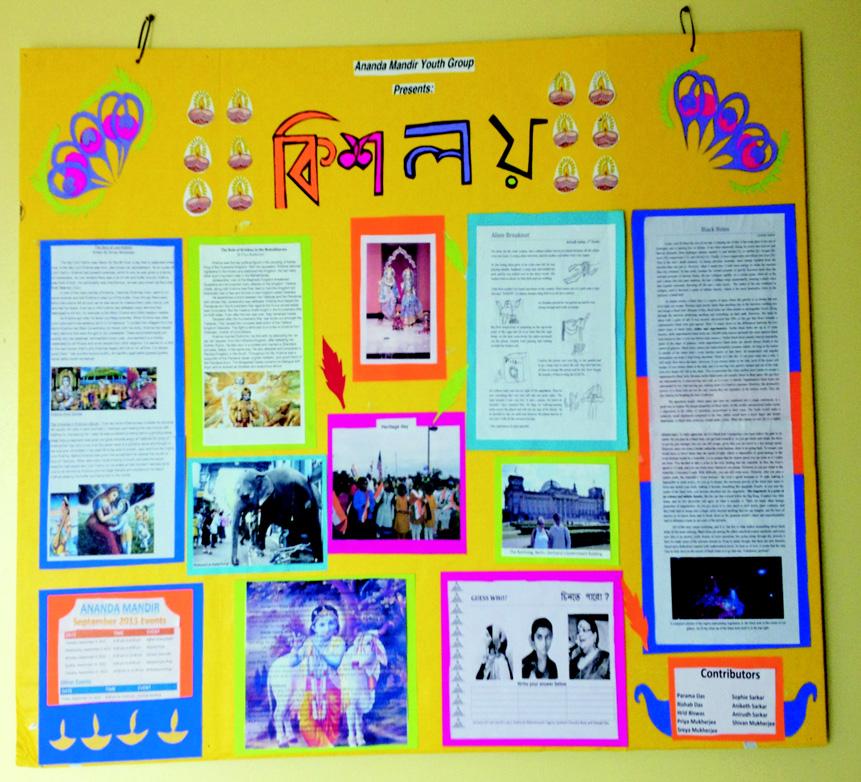
Ananda Mandir. The youth group recently started a monthly wall magazine, Kishaloy, which posts pictures and literary works on the wall of Ananda Mandir's current community building. Any youth member of Ananda Mandir can submit poetry, small stories, scientific articles, art and photographs for posting at the wall magazine. Ananda Mandir's Youth Group generally meets on Sunday afternoons. Members of Youth group are recognized by providing official certificates from Ananda Mandir for their volunteer services. Our food committee, headed by Suprasad Baidyaroy and Uma Roy Chowdhury, and their team have cooked delicious meals and distributed prasad during most of our activities.
As you know, Ananda Mandir runs on financial and volunteering support from our community. We are in need of more volunteers. I request that if you have some time to spare, please come to Ananda Mandir and give us an extra hand to keep our organization running smoothly and effectively. We are also in dire need of more revenue for our continuing growth. Please consider becoming a Life Member by paying $1000 or a Patron Member by paying $5,000. Please join us to make Ananda Mandir strong and healthy so that it can continue to provide religious and cultural services to hundreds of Bengalis and their friends in the tri-states area.
Dipak K. Sarkar President
The Board of Trustees of Ananda Mandir expresses its appreciation to Ashok and Bandana Rakhit for financially sponsoring the publication of the October issue of Ananda Sangbad.
The Board of Trustees also expresses its deep appreciation to Suprasad and Rita Baidyaroy for their continued financial support to the publication of Ananadalipi.
If you are a Life Member or an Associate Member, but didn't receive your copy of Ananda Sangbad, it may be because we do not have the correct address on file for you.
Please send an email to : Guru Chakravarty (guruchakravarty@yahoo.com) with your correct address, and we will send you another copy.
Ananda Sangbad
Swami Vivekananda (18631902) is arguably the most prominent star in the galaxy of towering figures of the Hindu Reformation movement that swept India from the mid-nineteenth to the early twentieth century. This sesquicentennial year of his birth is a worthy occasion to reflect on the man, his message and its impact - both in India and abroad.
Over the years, as noted by many historians, Hinduism has continually reformed and revitalized itself when buffeted by critiques and contrary ideas from both internal and external sources. Buddhism and Jainism early on challenged the ancient Brahminical Hindu religious practice built around Vedic nature worship and assorted sacrificial rites. It was left to Adi Shankaracharya in the 8th century A.D. to absorb Buddhist concepts into Upanishadic teachings and propound Advaita Vedanta as the supreme embodiment of Hindu philosophical thought. Eight centuries later, in response to the Muslim conquest of eastern India and the spread of Islam with its egalitarian spirit, Chaitanya Mahaprabhu
(1486-1534) appeared on the scene as a social reformer-cumreligious preacher to break down barriers of caste and revive Hinduism by propounding the Vaishnava school of Bhakti Yoga.
A very similar phenomenon occurred in the nineteenth century India under the impact of British colonization, Western civilization and the exposure to Christianity. Raja Ram Moha Roy (1772-1833) was the earliest reformer who challenged the traditional, superstitious and idolatrous Hindu culture of his time by stressing Advaita Brahman as the supreme truth and starting a monotheistic (or monist) brand of Hinduism called the Brahmo Samaj. He was deeply influenced in his ideas by Islam and Unitarian Christianity. His spiritual heirs included not only his disciple, Maharshi Debendranath Tagore (18171905), but also Maharishi Dayananda Saraswati (18241883), the founder of the Arya Samaj, whose group differed from the Brahmos in accepting the supremacy of the Vedas for Hinduism but was otherwise similar in thought.
Into this ferment of Hindu re-
By Amitabha Bagchi
vival was born Narendranath Dutta, later to become Swami Vivekananda, exactly 150 years ago in Calcutta. His quest for a spiritual guru for a personal communion with the Godhead led him first to Brahmo Samaj and eventually to Ramakrishna Paramahamsa (1836-1886) of Dakshineshwar. In his spiritual quest, Ramakrishna had experimented with a variety of methods and practices that led him finally to a unique religious synthesis whereby all strands of Hinduism - from the customary practice of polytheism and idolatry to the rarefied philosophy of Advaita and an all-pervasive and immanent Brahman - were reconciled, and all paths followed by the diverse seekers of truth and Godhead in all religions were accepted as being equally valid. This is the spiritual message that his disciple Vivekananda carried to the world. *** *** ***
At the simplest level, Vivekananda had a two-fold impact on India, and his legacy still survives and shines brightly. The first impact was instilling pride in his countrymen (and
Indian political leaders in the United States are few and far between.
For decades, Indians have carved out successful careers as doctors, engineers and scientists in the United States. You can barely go to any teaching institution without meeting Indian PhDs teaching various subjects from business to science. Today, there are thousands of computer professionals from India who are in such high demand in so many industries that they are considered a dominant force in the U.S. economy. More and more, the giant computer companies are clamoring for a larger number of such professionals for approval through immigration service.
But Politics - that is an altogether different matter. If you look at what the 2012 election suggests, the Indians shouldn't switch to politics.
Of six Indian-Americans, all doctors and engineers except one, who ran for the U.S. Congress, five fared poorly in the 2012 elections . Only one, Dr. Amerish (Ami) Bera was able win a seat. Four Indian-Americans Democrats - Manan Trivedi, Jack Uppal, Syed Taj and Upendra Chivukula - lost their bid to join Congress. A fifth candidate,
By Guru Chakravarty
Ricky Gill, a small business owner and a Republican, also lost2. In addition to Dr. Bera, Dr. Trivedi and Dr. Taj are also physicians whose campaign promises included reforming health care. Mr. Uppal and Mr. Chivukula are engineers.
Tulsi Gabbard not of Indian origin but having a mother who is Hindu, won from Hawaii. She is the first Hindu member, and, one of the first female combat veterans in the United Sates Congress. Ms. Gabbard is an Iraq warveteran3.
There are success stories of Indian Politicians from the past. Dalip Singh Saund(September 20, 1899 - April 22, 1973) was a member of the United States Congress, serving California from1957 - 1963. He was the first Asian American/Indian American elected as a voting member of the Congress3.
Governor Piyush "Bobby" Jindal is an Indian American politician and current Governor of Louisiana. In 2012, he was named Chairman of the Republican Governors Association. Born in Baton Rouge, Louisiana, to immigrants from India, Jindal won a second term as governor in 2011. Prior to that he was elected to U.S. Congress in
20043.
Nimrata Nikki Randhawa Haley is an Indian American politician and current Governor of South Carolina. A member of the Republican Party, Haley won the election in 2010 to become the first woman to serve as Governor of South Carolina
Kamala Harris is the Attorney General of California following the 2010 California state elections. Harris was born of an Indian mother, Dr. Shyamala Gopalan-a breast cancer specialist and a Jamaican American father, Stanford University economics professor Donald Harris.
The Indians are largely democratic minded, at home with the democratic principles about immigration, education, liberal religious beliefs and compassion towards the less fortunate. According to a Pew Research Center survey, of all the Asian American groups surveyed, IndianAmericans were the most Democratic-leaning, at 65%. Only 18% favored Republicans. Why doesn't the Indian community follow them into the large but mainly white tent of the Republican Party - they ask inquisitively. Turn to page 7
women) about Hinduism. This was occasioned, of course, by his success in the West in raising the awareness of and respect for Hinduism and placing it on par with the other great religions of the world. Before Swamiji's success in the West, most educated Hindus were unhappy about their centuries of servitude to foreign conquerors and thus diffident about their own religion and culture. Swami Vivekananda's triumphant tour of America and Europe (1893-97) showed how well his concept of religious universalism coupled with Hindu religious thoughts was being received in the most advanced nations of the world. A fellow Indian of background similar to his could truly say, "I am proud to be a Hindu!"
The second impact came from his message to foster a sense of Indian nationalism based on strength - physical as well as mental and spiritual. The idea behind it slowly developed within Swamiji as he travelled across the length and breadth of India on foot, coming face to face with the grinding poverty of the land. When he reached Kanyakumari - the southernmost tip of the country - he swam to a rock, sat and looked north at India in front, and dedicated his life to the physical and intellectual uplift of India's poor and toiling masses. His devotion to the cause of improving and strengthening the lot of the average Indian has resonated with many national leaders ever since, from Subhas Chandra Bose to Atal Bihari Vajpayee and now Narendra Modi.
*** *** ***
Vivekananda's influence and impact on India is hardly surprising. What is more curious, however, is his adulatory reception in the West. How does one understand and explain its origin?
The common wisdom in India, which I learnt when I was a student at a high school run by the
Ramakrishna Mission, is that Swami Vivekananda tugged at the Americans' heart-strings and won them over simply by addressing the audience at the World's Parliament of Religions in Chicago as "Sisters and Brothers of America." It is true that the somewhat less stilted and more personal greeting must have pleased the crowd, which apparently gave him a thunderous ovation lasting over two minutes. But after living in the US for nearly fifty years, I cannot believe that the single phrase (often misquoted by Indians) was the sole or primary reason for Vivekananda's success in preaching Hindu religious thought in the West. The reason, I believe, is deeper and can be traced to several inter-related factors.
First is the timing. The Western World was waking up to what Basham has called "The Wonder that was India" in the second half of the nineteenth century. In the US, Ralph Waldo Emerson (1803-1882) and Henry David Thoreau (1817-1862) proclaimed their respect and admiration for the Bhagavat-Gitaoften considered the pinnacle of Hindu spiritual thought. In Europe, Max Muller (1823-1900) was a dominant voice in Oriental and Indian studies and translated the Vedas into English. Clearly there was a pent-up interest to learn about Hinduism and other eastern religions. The second is the context. Science and rational thought were highly prized in the late nineteenth century, and intellectuals like Emerson questioned the divinity of Christ and thus courted considerable opprobrium. There was a significant body of people interested to learn about alternate theological concepts and doctrines outside of Christianity, and they banded together for the Chicago World's Parliament of Religions in 1893. Invitations were sent out to religious leaders of diverse faiths, both eastern and Turn to page 5
Continued from page 1
We are planning to erect the steel-frame for the community center this month. Fabrication is almost complete. Steel-framework for the temple will begin after Kali Puja is over. This will require breaking the wall next to the altar to connect to the new extension. We will have to live with a smaller temple space for 6-9 months when the extended area will be built starting around early December. We ask for your patience for the untidy look and for any incon-
venience during this critical temple expansion work. We are working on the logistics of the construction so that daily temple activities can be maintained without interruption. It will be a challenge that we should be able to meet with your earnest cooperation and understanding.
Thank you again for your continued support to Ananda Mandir. Best wishes for a Happy and Healthy Fall Season. May Ma bless you and your family.
June
Reported By Krishna Dutta Roy, Chair, Puja Committee
Ananda Mandir has been bustling with puja activities. In last publication, I reported that the Phalaharini Kali Puja was celebrated on 7th June. Other pujas that we had in June are: Dashohara on the 18th, and Kamakshya Aradhana on the 22nd. Also, on 23rd June, we celebrated "Sri Jagannath Maha Prabhu's Snan Yatra" during the day, and then the monthly Satyanarayan Puja in the evening.
July
We started July with the monthly Shyama Puja on 7th. This being a Sunday, we had an overflowing crowd in the temple. The biggest event of this month was "Jagannath Maha Prabhu's Rath Yatra" on 10th July. On this auspicious day, Lord Jagannath, accompanied by his brother Balaram and sister Subhadra, visits His aunt's house. Even though this was a week day, a pretty large number of enthusiastic people showed up, ready for Rath Parikrama . The chariot was nicely decorated with flowers, garlands and colored papers. As the chariot was pulled by the devotees, some of them chanted hymns mixed with devotional songs while others played instruments like Khol, Kartal and Dhol. It was a very loud and spontaneous event, thoroughly enjoyed by the people. Later on, inside the temple, Dr. Manisha Chakraborty presented devotional songs and
hymns in her usual melodious voice.
The Ultorath Yatra or the return journey of Sri Jagannath Maha Prabhu happened on July 18. This day is marked for the return journey when the Lord returns to His home. This event was celebrated with enthusiasm and joy much the same way as the forward journey.
In between the two Rath Yatras, Bipad Tarini Puja was celebrated on July 16. The monthly Satyanarayan Puja was celebrated on 27 July, which happened to fall on the same day as Guru Purnima. Guru Puja was performed by Biswabhai, supplemented with Guru Bandana and Bhagabat Paath by Dr. Manisha Chakraborty.
August
The monthly Shyama Puja was celebrated on 6th August in presence of our usual devotees. Jhulan Yatra was celebrated on the 18th when Sri Radha and Lord Krishna were set on a Jhula (swing), that was nicely decorated with flowers and garlands. In the evening Satyanarayan Puja was celebrated. Rakhi Purnima was celebrated on the 20th with puja and arati.
The long awaited day of Janmashtomi arrived on the 28th. This is the day when Lord Krishna was born in a prison of his uncle Kansa in Mathura, in approximately 3500 B.C. The janmashtomi celebration started in the morning with Krishna Naam Jop by the devotees that
continued through the whole day in an unbroken sequence for more than 10,000 times, with people taking turns. At the end, Dr. Manisha Chakraborty recited the adventure filled story of the birth of Lord Krishna, which never gets old with the devoted Hindus who have heard the story many times. In the evening, devotional songs were presented by our own Anandadhwani ladies - Soma Dutta, Lopamudra Das, Soma Rakhit, Susmita Biswas, Rik Sen, Ambalika Mukherjee and Ranjana Sanyal, under the guidance of Arun Bhowmik . Accompaniments were provided by Arindam Chakraborty, Suranjan Bhanja Choudhury and Achintya Ganguly. One of our young members, Sreya Bhanja Choudhury also performed
A few weeks before Janmashtomi, a remarkable program called "Krishnanjali" was presented by the youth group. The theme of the show was a celebration of the life of Lord Krishna. This included recitation from Bhagavat Geeta, devotional chorus and solo slokas and songs in Hindi, Sanskrit, Bengali and one in English. Performers were:Paromita Hore Harrington, Nabonita(Bonnie) Hore Thomas, Tanya Roy Chowdhury, Malika Bhowmik Sadowsky, Manoshi Bhowmik Stoker, Adam Sadowsky, Andrew Shantz, Soham Sen, Sudipto (Shontu) Mallik and Jhoompa Mallik.
By Mandira Chattopadhyay
A number of years ago while at Bucknell University taking classes in African American Literature, the instructor asked the students to creatively write anything that followed the same theme that she was using in the class. This activity marked the birth of my play, Vermilion. I wrote one chapter and acted it out in front of the students in the class. Its theme was on the hidden color consciousness in India. My dramatic presentation was extremely well received and the instructor encouraged me to develop the work further.
I moved to Statesboro, the home of Georgia Southern University about two years ago. I watched all the plays that were staged in the campus. The theatrical performances at the university campus inspired me, and particularly the work of Mical Whitaker moved me. Whitaker has been a professor of theatre at Georgia Southern, and his eclectic body of stage work includes more than one hundred productions in which he has acted or directed. He is fairly well known in theater circles around New York City. I felt that the state of Georgia would be the right place to try my new venture, where people can understand the hidden pain of color consciousness that is prevalent here and also very much in India. During the fall of 2012, my daughter visited me at Statesboro. She is a high school math and science teacher
By Prasenjit Baisya
My pen has been silent for two years, dear readers !!!
Far too long, you say ? And you would sadly be right. Events of the past year had benumbed me, especially and paralyzingly so, the passing away of two very close friends. Watching them stilled by life, bedecked in flowers and their children in somber attendance, shook me to a core that I did not think possible in my cynical middle age. My daughter stood aghast as I was racked by anguish, comforted by my dear then-editor and other friends. A precocious teen, she had never seen me cry. One of their children is her exact age, and no matter how much I resisted, the cold fingers of fate kept caressing me that it could have been me instead of my friends. I hope they watch fondly over me now, as I pen
these lines.
No generation, in its middle age, is meant to grieve for friends in its own. God forbid, you have experienced the same. In the passing of time, yes , we will have to grieve for the old and weary, but no, not for our own middle age clan, where we have battles to be fought, the daily grind to withstand, the growing up of children to be happy for. Medically, statistics reveal frightening figures, that our age is indeed a dangerous one, given the pressing urgency and stress of modern day-to-day 21st century living.
What are we to do then? It finally struck me that the clichés of old are right. We cannot stay down and bemoan losses. Life has to be lived - the gift which cannot be given must be treasured and enjoyed. The great Tagore penned joyous odes to
life in personal moments of deep tragedy. Mere mortals such as us cannot conceive of such clarity. Such revelations goaded me to finally sit down and force myself to write this article. Do what you love - write, sing, walk, swim, run, cycle, skate, cook, paint, photograph and LIVE !! We need to remind ourselves: do not hold past grudges, dim slights of yore, fights long forgotten, differences of opinion hard put to recall. Seek out friends we have drifted away from - call them up, talk to them, share your joys and sorrows. In the age of social networks, the art of conversation is dying a slow and tragic death. Let it not become so. Friends are souls inter-twined in the strange and divine order of the Creator - immerse yourself in this cosmic churn and do not isolate yourself. Connected voices are the
best medium, hands down, which revive emotions, our souls, and keep us throbbing. Too often, in life and tragically so, we wait for the other person to initiate the apology, the conversation, the overture. In the passage of time, will such things matter? Nay, they are trivial and in our old age, when the blessed are healthy and minds are unaffected by dementia, we will laugh at them. Thus I say to you, let us laugh at them now, shrug them off as childlike episodes of callow youth and be connected once again in this marvelous life we lead. Offer the first hand, the first phone call, the first gesture. The word "sorry" is a much-abused metaphor; cast it aside and make merry.
I have shaken off such cobwebs and am striving to forge ahead.
in Boston, and has also given theatrical performances there. After numerous attempts to have Mr. Whitaker direct my play, he eventually agreed to do so if my daughter would be a guest artist in the play. Mr. Whitaker liked her rich dramatic voice and her passion for theater. With my training in the music of Tagore, I decided to use that genre to create the appropriate atmosphere in the play in describing the passions of pain and joy.
I became totally immersed in this work for the last six months or so. I wanted to bring this work to the level of plays staged at various universities. The head of the department of Theatre at Georgia Southern agreed to provide the lighting for the play. I spent hours after hours at the Campus Starbucks sketching my characters, watching the flow of students, grabbing some of them and convincing them to work on my play.
Vermilion offers an evocative narration of a young girl, Khuki, the protagonist's traumatic memories of her mother's painful decision to leave her husband, an esteemed physician. From the outside Khuki and her mother live a life of privilege and comfort. However inside the mansion unhappiness and turbulence abound with the constant tension of the unhappy match between Khuki's mother and Turn to page 5
I urge all of you, my readers, my near and dear friends, my family, young and old, to do thus too. Let not the petty daily irritants of life get you down. Bosses will always be unreasonable; spouses will seldom be in harmonious agreement; and, children will have mismatched expectations of academic scores and athletic achievements. All these are waves of life, let us swim, not drown in them. Hug your children a little tighter, spend some more family time together and embrace your friends. As I recall from my younger days, the old Indian cigarette poster said it best like no other. Let us adhere to this norm, follow this rule and rejoice in togetherness.
LIVE LIFE KINGSIZE … Here is to Life!
Ananda Sangbad
Continued from page 3
western, and there were representatives from South Asia for Brahmo Samaj, Theravada Buddhism, Jainism and the Theosophical Society. But there was no specific invitee for Hinduism, and Vivekananda the "Wandering Monk" strode into the void to magnificent effect.
The third is the agent himself. Swami Vivekananda turned out to be an extraordinary orator who could lecture extemporaneously and brilliantly. He also proved to be an outstanding preacher who could explicate and champion Hindu thoughts to Westerners by speaking in their idiom and using the language of their own philosophy and theology. He was well versed in the western philosophical tradition while also being erudite about eastern philosophy. These innate gifts, coupled with timing and context that lined up perfectly, led to Swami Vivekananda being the first Hindu monk to truly impress the West.
*** *** ***
Vivekananda's impact on the Western World is indirect yet profound. A recent essay in the Wall Street Journal claimed, for example, that he was the person who introduced yoga to the West. It is an interesting and astute observation. Although Vivekananda did not have much to say about hatha yoga, he
expatiated a lot in his lectures in America on Raja-yoga and the other forms of yoga described and explained in the Gita. The Vedanta Society that he founded in New York has grown into many branches spread all over the US and Canada. These Centers have often been led by charismatic monks of the Ramakrishna Order, and their followers have included such famous names as J.D. Salinger (disciple of Swami Nikhilananda in New York City) and Christopher Isherwood (disciple of Swami Prabhavananda in Hollywood).
Another legacy of Vivekananda is that he paved the way for other Hindu monks of various orders to come to preach in America. Some of them, with the right combination of timing, circumstance and talent, have left their mark on the society here. We can think, for example of Swami Yogananda of Kriya Yoga and the Self Realization Center, Maharishi Mahesh Yogi of Transcendental Meditation (TM) and levitation fame, and Bhaktivedanta Swami Prabhupada of ISKCON and the Hare Krishna movement. None of them, however, exhibited the intellectual caliber of Vivekananda, who was once offered the chair professorship of Eastern Philosophy by Harvard University.
Let me conclude with a few
By Samar S Saha
I first met Shakuntala Devi 'Banerji' in 1988 at her Manhattan apartment. She remained an enigma to me all these years. In normal conversations, appearance, and discussions, she was full of life -- an extrovert, witty, very social, simple, down-toearth, comfortable in any setting, and a loving person. She treated me like her younger brother in distress during later meets. I could feel that whiff of affection each time I saw her. She passionately talked about her love for Fred Astaire-Ginger Rogers movies, cooking, and reading. Nothing showed any trace of a supernatural mind. She simply described her ability as a 'God's Gift' when asked -just like what another great Indian mathematician Ramanujan
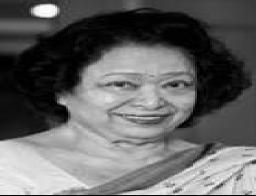
had once remarked about himself.
The Beginning and the Fame: Shakuntala Devi was born in Bangalore, India, to an orthodox Kannada Brahmin family on November 4, 1929. Her father chose to be a circus acrobat. Devi's mathematical gift first demonstrated itself while she was doing card tricks with her father at the age of three. Those present noticed that she "beat" them by memorizing the cards rather than by sleight of hand. Devi was quoted as saying. "At the age of 6, I gave my first major show at the University of Mysore (India)." The words spread around Turn to page 13
By Amitabha Bagchi
words about the astuteness of Vivekananda and the limitation of his message. Swami Vivekananda's travels through the West, spreading his Master's message of religious tolerance and acceptance, in some ways mirrors the peregrination of Saint Paul through the Greek enclaves of eastern Mediterranean in the early days of Christianity. Vivekananda, however, was astute enough (in my judgment) not to paint his guru as a Christlike Avatar of God, nor did he push for conversion to Hinduism or talk about his ecstasy in front of the deity of Ma Kali in the Dakshineshwar temple. He appealed instead more to the Western intellect by presenting advaita and the yogas as the Hindu path to salvation. His mes-
Continued from page 4
father, and her father's constant nitpicking of her mother's dark complexion. The play opens with Khuki's retrospective pondering over her mother's wearing of vermilion in her hair, a sign of a married woman even though she had left Khuki's father. The play was written in English and lasted for two hours. The play consisted of twelve actors and ten singers. The role of the young girl was played by a young Georgia Southern student and the mother by an older African-American lady from the community. The roles of the father and the grandfather (mother's father) as well as the young bride and groom (mother's wedding) and the priest were all played by Georgia Southern students. In addition, a few other students had the roles of the young girl's playmates and a mynah bird that they played with. A young Indian graduate student and I performed the first dance; the remaining dance scenes all involved my solo performances. My husband, an engineering professor at Georgia Southern, was the lead singer, while my daughter sang as well as orchestrated the music with her violin. She was the narrator of the play and also had a lead role. An eminent history professor provided a glowing introduction to the play. A distinguished professor of music directed the Indian choir. The choir was comprised of American professors, and a few students of music. I taught the choir a number of Tagore songs, which they sang flawlessly in Bengali. I tried to enrich the play in myriad ways. I made all the props and provided cos-
sage would thus resonate with people with the Unitarian Universalist bent of mind, but does run counter to the conventional Judeo-Christian creed of a single external God and the corresponding denunciation of "religious relativism" and "false gods." I am not so much faulting Vivekananda for this limitation as pointing it out as a fact, simply to underscore that while his central message is appealing to many of us, it would in fact be rejected by countless others.
The ultimate goal of Vivekananda was to act as a bridge between East and West, to exchange the material knowledge of the West for the spiritual wisdom of the East. He
tumes of all characters in the play. The mynah bird portrayal was particularly breath-taking. The pivotal point of the play was the Indian wedding scene with the Tagore song "Premero Joare," in the background. My two sons who came from the state of New York played impromptu short roles in the wedding scene. The mother-daughter relationship was the primary theme of the play. Alongside were shown the patriarchal power, and the eventual transformation and empowerment of the passive character of the mother, as well as the hidden color consciousness.
It was difficult to gather all the actors. I purposely decided to choose all American actors to stretch their minds, especially from the university and a few from the community. I watched their mannerisms to see how they might fit in my play. I had watched the performance of each on campus, but as I approached them for my play, since it was a new work for them-and foreign, set in Calcutta, they had declined initially. I approached them again and finally convinced them. For seven intense weeks the director met once a week with the cast, while I worked with each actor individually.
To reinforce the theme of the play, I decided to include a number of appropriate Tagore songs. I choreographed all the dances and lead them on stage in the dance accompaniment. The play Vermilion was staged in the Black Box Theatre of the Georgia Southern University campus on Sunday April 21, 2013. Even with the other glittering build-
raised funds in the West for his Mission and charity work in India. And he "conceived the idea of bringing some of his brother disciples from India to teach religion in America and taking some of his Western disciples with him to work and teach science and organization in India." His idea has been partially realized in practice, but the two-way exchange never grew into a robust flow. Vedanta Society, for all its appealing intellectual trappings, remains a niche religious movement. The noble goal of melding Hindu, Buddhist Judeo-Christian and Islamic traditions into a frictionless, tolerant and all-respectful coexistence, under the guiding principles of Ramakrishna and Vivekananda, remains elusive as ever.
ings that dot the campus, the gleaming performing arts and the Blackbox Theatre clearly stands out.
All the actors in the play were at their best and I could tell that the audience absorbed the story very well. However, without the support and inspiration of my various universities (and my family), none of this could have come about. Each actor put his or her effort toward its success. The professors and departments offered their help and resources to make the staging of the play possible.
The play was "an unqualified success," to quote a Georgia Southern chemistry professor who watched the play. An eminent English professor congratulated me on what he considered was undoubtedly a major and stellar achievement. He felt that the excellence of the script and the play, the richness of the accompanying performances and quality of the production were all factors that made it an outstanding show and a "creative enterprise of distinction" and -"a first for the entire Bengali / Indian community and in the Southeast Georgia." The fact that it was well attended, according to him, spoke volumes for the interest that my project generated among the students and faculty at Georgia Southern. There were people in the audience that came all the way from Augusta, ninety miles away. A number of people wanted the play to be staged again. Mical Whitaker, the director, felt this play qualified for an off-Broadway performance.
Almost every adult in the US has at least one, if not many, credit cards, and they use the cards regularly for everyday purchases. For larger purchases such as automobiles and homes, use of credit cards is not practical or possible, and consumers and homeowners usually seek loans from banks or other financial institutions. However, before granting such loans, lending institutions invariably check "credit history" of loan applicants. An individual's credit history determines the interest rate that will be offered to him/ her for the loan by the financial institution. Similarly whether or not a landlord will accept a prospective tenant may also depend on the tenant's credit history. Developing and maintaining a good credit history is, therefore, very important for virtually everyone living in today's world.
In the US, three companies, Equifax, Experian and TransUnion, track credit histories of all individuals who use credit in any form. Merchants that accept credit cards and financial institutions that issue installment loans report all credit activities to these three credit bureaus on a regular (usually monthly) basis. So, if you have credit cards and/or installment loans, each of these three companies has a credit report on you. And your credit report changes from month to month at each of these companies as new data on your loan amounts and payments are reported to these organizations by merchants and financial institutions you deal with. In the past, if you wanted to get a copy of your latest credit report from any of the three credit-tracking companies, you had to pay a fee - in the $20 to $30 range. However, a few years ago a Federal law was enacted that gave all consumers the right to obtain one credit report free each year from each of the three credit-tracking companies. You can now get your free
By Debajyoti Chatterji
credit report from Equifax in, say January, from Experian in Mayand from TransUnion in September, and you can repeat this process each year. You can thus monitor your credit history yearround - without ever paying a fee! The best and easiest way to get your free credit reports is to visit AnnualCreditReport.com - the only website that acts as a truly free gateway to getting free reports from Experian, Equifax and TransUnion. Be wary of other websites that have names like FreeCreditReports.com. Many of these websites do give you free credit reports but make you sign up for "cancel if not satisfied" type of deals on "credit monitoring services" that can cost $15 to $20 per month. If you are interested in credit monitoring services, fine - but if you are not, you may wish to avoid such sites.
What to do after you get your credit report? Review it thoroughly - item by item. Do you see a credit account (or a charge) with a merchant or a bank that you don't recognize? If so, unbeknownst to you, you might have become a victim of identity theft - and someone might have opened an account in your name and charged some purchase against that account. If you see any suspicious activity in your credit report, call or email the credit-tracking company right away to investigate that activity. You should also put a "fraud alert" so that any request for new credit card or account in your name could only be approved by the lending institution after you gave approval for such account by phone. Identity theft is a serious problem, and if you become a victim, it may take a lot of time and effort for you to clear your name and remove all the charges made by the thief to your account. So, please review your credit report on a regular basis and spot any problems before they become really big.
Ananda Mandir Seniors Forum ("Seniors Helping Seniors")
Invites retirees and near-retirees to participate actively in Forum meetings and activities.
Seniors Forum usually meets on the third Sunday of every month at 1:00 PM. However, the date may change because of conflict with other Ananda Mandir events. Please contact Debajyoti Chatterji (Cell: 908-507-9640) for latest updates on the meeting dates.
How is your credit history taken into consideration when you apply for a new credit card or when you wish to buy a car or get a mortgage for a house? The lending institutions do not like to pore over your credit history item by item; instead they rely on "credit scores" assigned to you by the credit-tracking companies to reflect your past payment history and current credit exposure. A credit score is basically a numerical way of representing your credit-worthiness. A high credit score implies that you are likely to be a good credit risk (i.e., you are likely to make your payments in a timely manner) while a low credit score implies that you pose risks to the lender (i.e., you may be late in making payments or may even default). Each credit-tracking company has developed its own proprietary algorithm for assigning credit scores to individuals based on their past payment history and current credit exposure. And if you wish to know your own "credit score" from any of these companies, you will have to pay a fee (usually around $30) for that privilege. Note that the free credit reports you can get from the credit bureaus once a year do not give your credit score - you have to pay a fee to get your credit score.
Of the various credit scores currently offered by credit bureaus (and used by the lenders), the one most widely used is the FICO score. FICO scores, so named because they were developed by Fair Isaac Corporation, range from a low of 350 to a high of 850, higher score being better (more credit-worthy) in the eyes of the lender. If you wish to get your credit score, get your FICO score. You can get your FICO score from myficoscore.com. Note that your credit score is an everchanging number, so if you get your FICO score in January and apply for a mortgage in October, the lender will base its decision on the credit score as of October, not on the score given in January.
As mentioned before, individuals with high credit scores enjoy distinct advantages when it comes to borrowing. For high loan amounts as in the case of auto loans or home mortgages, lenders may charge 1 to 3% higher interest rates to individuals with low credit scores. That can amount to significant additional monthly payments for the borrower. And individuals with
very low scores (typically 500 or lower) may be denied loans altogether.
What factors are considered in arriving at the FICO score? Credit scores take into account an individual's credit history over 7 years. The score is determined by several factors, each with its own "weighting". For FICO score, they are
1.Payment history (35% weighting): Late payments on bills, such as a mortgage, credit card or automobile loan, will cause a big drop in FICO score. Bills paid on time will improve a FICO score.
2.Credit utilization (30% weighting): This refers to how much of the total credit available to you is being currently used by you. Also, applications for new credit cards or increase in credit line will lower your FICO score. Interestingly, closing of existing revolving accounts will have a negative impact on a FICO score. It is generally advisable to keep your old accounts running and make an occasional charge or two to keep the account active (and promptly pay the balance when due!)
3.Length of credit history (15% weighting): Longer credit histories can have a positive impact on the FICO score.
4.Types of credit used (10% weighting): Consumers can benefit by having a history of managing different types of credit such as credit cards, mortgages, auto loans, etc.
5.Recent searches for credit (10% weighting): "Hard credit inquiries", which occur when consumers apply for a credit card or loan, can hurt scores, especially if done in great number. "Soft inquiries" do not appear on a credit report used by lenders, only on personal reports.
There are other special factors which can weigh on the FICO score. For example, any money owed because of a court judgment, tax lien, etc. carry an additional negative penalty, especially if such events are recent. Similarly any action by a collection agency for unpaid bills from utility companies, health care providers and the like will have a serious adverse effect on the credit score.
In summary, check your credit reports fairly regularly, take prompt action to rectify any mistakes or any identity theft, and try to maintain a high credit score or improve it further.
Reported by Pronoy Chatterjee
The first Community Service Grant Award from a special charitable fund created at Ananda Mandir with the donations from a few members was given to Manavi, Inc, a New Brunswick based non-profit organization dedicated to South Asian Women's cause. The grant amount was $2000.
Manavi's objective is “to provide culture and language specific services to battered and sexually assaulted women in the South Asian Community.” By providing such services they believe that “the victimized women would be empowered to move toward living a violence free and productive life.”
Among many activities, Manavi has established a “Safe home” for battered woman, under a project name “Ashiana” . Since October 1997, Ashiana has been providing long term residency to battered and displaced South Asian women and their children. Ananda Mandir's grant check, received by Dr. Shamita Dasgupta, the founder of Manavi, has been used to buy some much needed furniture for Ashiana.
The community service grant fund established by Ananda Mandir is an open ended fund, anyone can make a tax deductible contribution to this fund with a minimum amount of $1000. The grant is awarded to any individual or organization of our community on projects related to the benefit of the South Asian population in our region in the United States. For further information and application form for the grant are available on request to Ananda Mandir's Awards and Recognition Committee.
Ananda Sangbad
Continued from page 3
The short answer: "They are not serving chai at this "Tea Party convention", laughs Toby Chaudhuri, a long-time IndianAmerican political strategist associated with several campaigns, including Al Gore's presidential bid1.
So what can the Indians do to get a stronger foothold in the political arena? Here are a few points to contemplate: Lack of Motivation
Most Indian immigrants are content with their lives, earning enough money for a good life. Generally settled in a nice neighborhood with good school for children, they just like to stay away from troubles that plague the American society- divorce, drugs, alcohol and such other things. They don't have the urge to come out of their cocoon to take on the political system.
Urge to Excel in Jobs
Most Indians are experts in the field of Science and Technology, The surge of economic development in India is largely due to advances made in those fields.
The best students in India compete for admission into the prestigious engineering colleges because they are guaranteed to get good jobs. And a big number of that population constitutes the recent immigrants into this country. It is easy for them to concentrate on their field of expertise rather than go out of the way into a new endeavor.
As a result, we see a great deal of success by Indians in the science and technology area.
Follow the Footsteps of First Generation
The first generation Indians owe their success to academics, and they don't let their children forget it. The second generation feels that pressure, directly or indirectly, and as a result becomes too wrapped up in academics, barely trying to develop an all round personality that is required in politics and publicspeaking. Yes, we do see many students serve as interns in the government, but that is more geared towards securing the right credentials required to get admission into prestigious universities in America. Making a career in politics is rarely an option.
The Immigrant Hang-up Arguably, this land provides more opportunities for immigrants than any other place in the world. Still, the immigration complex is alive and well, and an Indian or an Asian-American has to work harder to gain the trust of the American community. The trust must be built up by participating in the grass-roots activities. Indians acknowledge that it is a slow uphill process.
Not too many Indians have the patience to invest the time, energy and money required to earn that trust. Still, some people are getting involved in school board membership, township elections and other local governments.
To the first generation, India remains the true motherland.
Any contrarian will feel the contempt of those who are buying homes in India at a record pace, primarily because the standard of living is soaring there. However, as the second generation and their children settle down here as their true motherland, which is inevitable, there will be a greater acceptance of them in the American community, and with that will come a greater participation in politics. So, we wait in anticipation of a new decade and the next generation!
References:
1. BBC India News 2. Internet 3.Wikipedia
is pleased to announce the launch of a program to
aimed at helping the South Asian community in the Greater New Jersey area
Please visit www.anandamandir.org for program details and application requirements or Contact:
Pronoy Chatterjee (pkc_usa@yahoo.com) or Debajyoti Chatterji (debsmee572@gmail.com)
Continued from page 1
leaders do and therefore they were embarrassed; however their successful theory indicates that it's real. Many of our products, such as computer chips, satellite communication, etc., are based on this quantum mechanical theory.
To be more explicit on how consciousness came into the picture, quantum mechanics reveals that a small particle of the size of a simple atom or even smaller, like electron or proton exists in wave form, smeared in a wider space, but as soon as it is observed by an instrument the wave collapses to single point and we see it at a fixed position. Obviously the consciousness of the observer or the observing equipment is interacting with the particle, which was unthinkable to any scientists until this new theory was developed. In essence, a particle does have the probability of existing in multiple locations at any instant but gets fixed in one location when observed and interacts with observer's consciousness. It is true for those tiny particles, but we may ask, is it true for a large particle that is composed of those tiny particles? We all know that every object is made up of those small particles, like atom, positron, electron etc. If the theory follows for the small particles, why does it not hold for a large particle that is made up of those small particles? The answer to this question is not
known as yet.
Does a large object, including a human being or a cosmic planet, also have the probability of existing in multiple locations at any instant, but gets fixed in one location as the theory of quantum laws of small particle dictates? Some scientists speculate that it does, but the mathematics is too complicated to derive such a conclusion and adequate equipment are not developed to do such experiments. Others hypothesize that gravity wave's interference causes break down of the quantum phenomena for large objects. For small objects, gravity effect is too small to interfere with its quantum phenomena. Still others categorically deny that quantum phenomenon is at all applicable to large masses as it is for sub atomic particles.
This is a quantum enigma. It's enigma to me because of two reasons, first “cosmic consciousness” was brought into the science to develop quantum mechanics theory and second, even though it predicts the behavior of small particles, but when those small particles form a large particle then the quantum physicists get lost in their explanation.
I have a gut feeling that with further advancement of mathematics and scientific measurement tools quantum mechanics will be proven true for large ob-
jects too. Projecting some ancient philosophical thoughts, we can then say that we, in reality, exist everywhere all the time, but our lack of sensitivity inhibits us to fathom it. We can say that we created this universe, the stars, the sun, the planets, the moon, all were smeared in the sky like floating waves, but our observation got them set in their fixed positions and now we see beautiful night sky with bright stars and moon appearing as the garlands of lighted bulbs in the darkness. We can then say “Einstein! You were not quite justified in making a remark that quantum mechanics was a spooky concept. Niels Bohr, the pioneer of quantum mechanics tried to convince you of the essence of the theory, but you never listened to him carefully. You were perhaps too preoccupied with your own relativity theory and classical physics and missed the chance to appreciate one of the great discoveries of the century.”
Chanakya ! Maybe one of these days everyone will accept your unrealized vision that two identical images of a single person existed in two or multiple locations but we did not know.” We heard that many of our sages did exist that way and when their devotees prayed, they appeared in front of them, fixed at a single spot. Is it a quantum phenomenon, or just an insane thought?

Newly crowned Miss America, 24-year-old Nina Davuluri, the first woman of Indian descent to win the title, said, “I'm just really so honored,” during a live video appearance on ABC's “Good Morning America,” Davuluri was born in Syracuse, New York. Her mother Sheila Ranjani, software engineer, and father Davuluri Koteshwara Choudhary, a gynecologist, both hailed originally from Vijayawada, Andhra Pradesh. Following the family trend, she wishes to become a cardiologist. To honor her Indian roots, she became a trained Kuchipudi and Bharatanatyam danseuse during her yearly visits to India.
Reported By Krishna Dutta Roy, Chair, Puja Committee
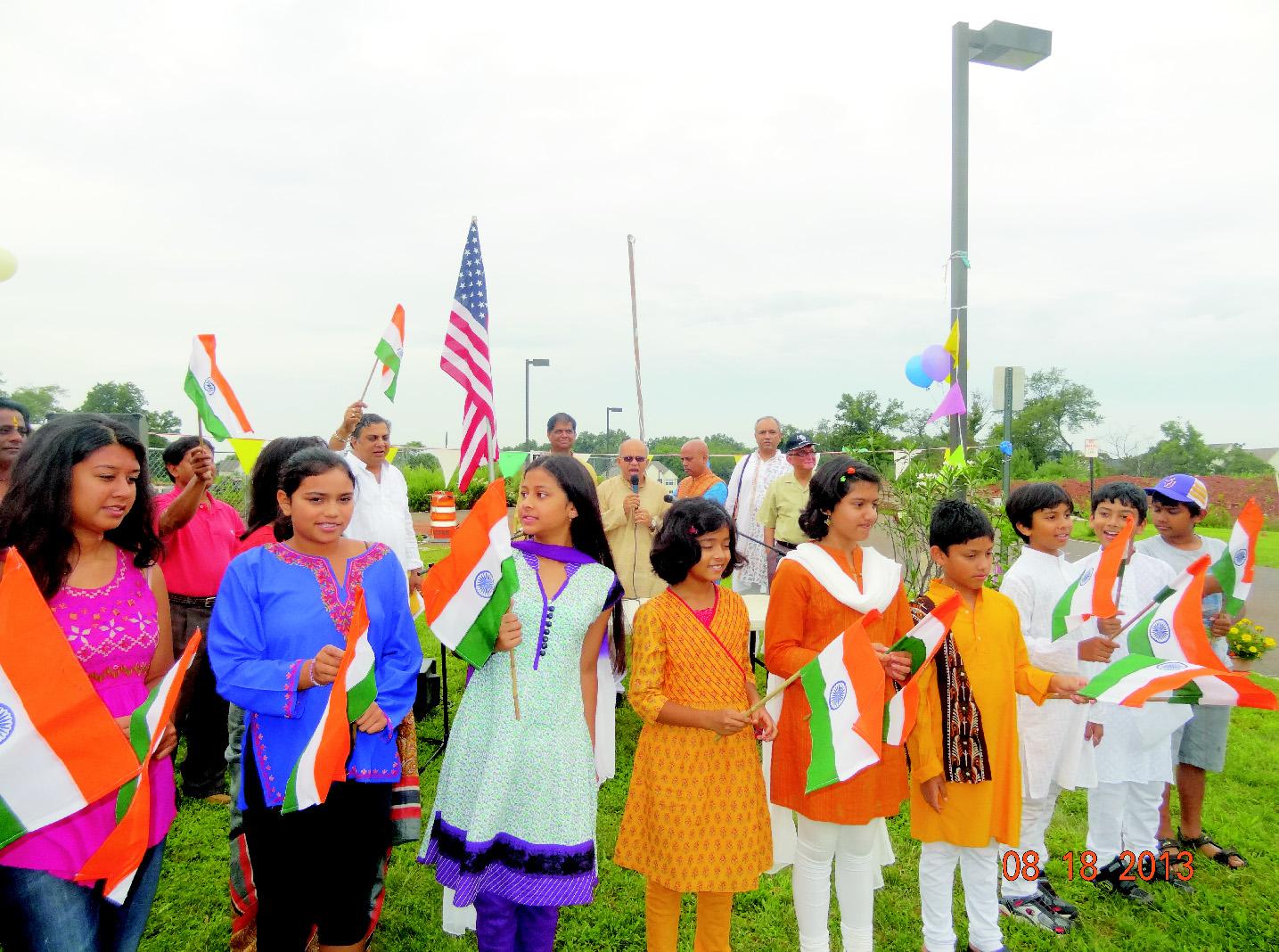
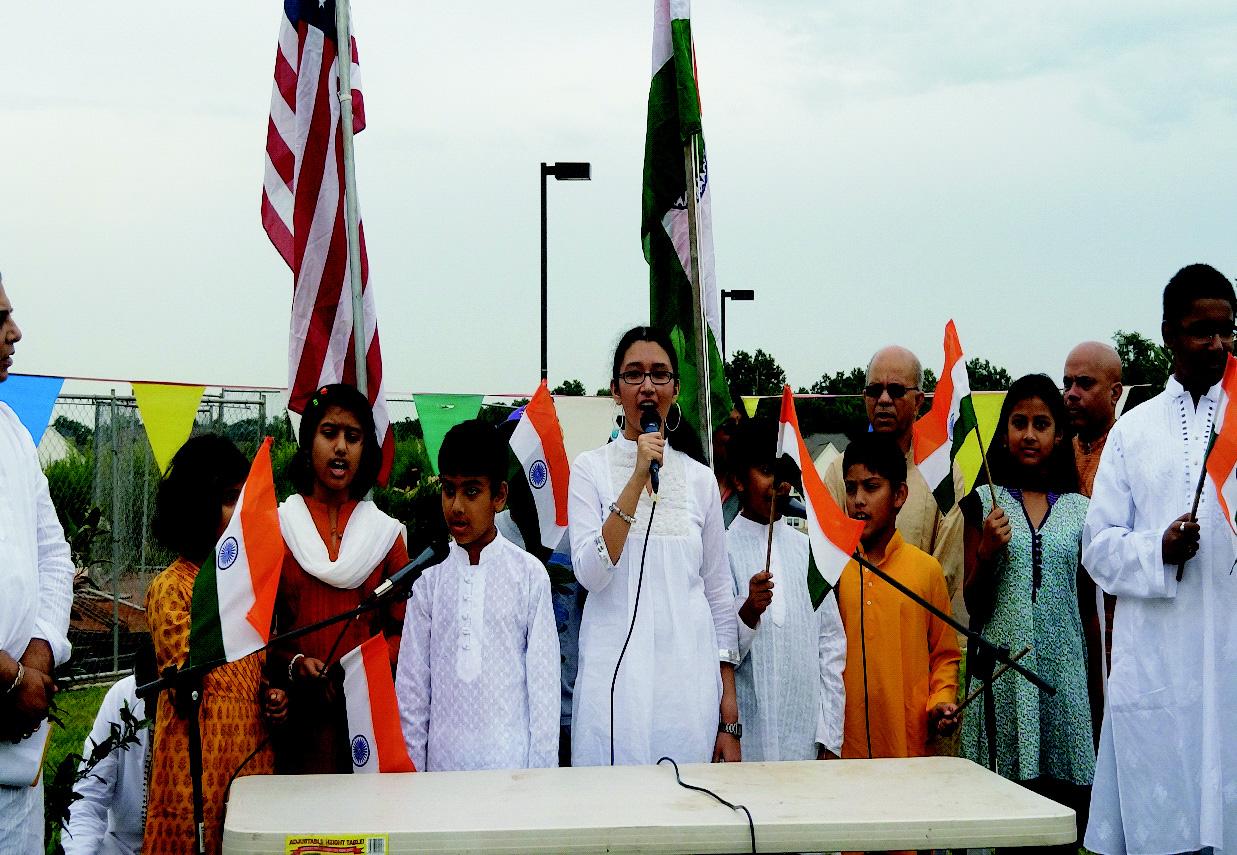
Ananda Mandir celebrated Heritage Day on 18th August with much fanfare. This is to observe the Indian independence day of 15th August, which was celebrated in many other cities across the USA during the weekend. Ananda Mandir's President, Dr. Dipak Sarkar raised the Indian national flag with resounding "Bande Mataram" from the gathered audience. Then Sreya Bhanja Choudhury sang the American national anthem, which was followed by the Indian national anthem "Jano Gano
Mano " by Sreya , Shiban Mukherjee and Srijon Bhanja Choudhury, as all the adults and children present joined in with the lead singers. Then as per the custom of the day, neatly attired young children carrying small Indian national flags, walked in a parade, generally known as "Prabhat Phery" from the olden days. Dr. Dipak Sarkar gave a brief speech to apprise the children of British occupation of India and of the enormous sacrifice and struggle by the Indians to achieve the independence in
1947. This celebration is to remember our rich cultural heritage.
The remaining part of the Heritage program continued inside the temple. Amitabha Bagchi talked to the children about the significance of tricolored Indian flag and the "Ashoka Chakra" in the middle of it. Akash, one of our young members, recited Annada Sankar Roy's poem "Teler Shishi Bhanglo Bole", that was enjoyable. Amitabha Sen Gupta recited some memorable patriotic poems. Sreya, Rahul and Punyaha , a group of young performers, presented "Tarana", a vocal rendition of various "ragas". This was a superb presentation that required considerable talent.
"Ananda Dhwani", a singing group of young ladies from Ananda Mandir, sang a couple of patriotic songs: "Utho go Bharat Lakshmi", "Ekla chalore ". The group participants are: Rik Sen, Soma Dutta, Lopamudra Das, Ambalika Mukherjee, Soma Rakhit, Susmita Biswas and Ranjana Sanyal.
The last program of the day was a presentation of Odissi dance
By Sushmita Dutta
Author's Note:A special series of reports on seven holy places prescribed in Hindu scriptures.
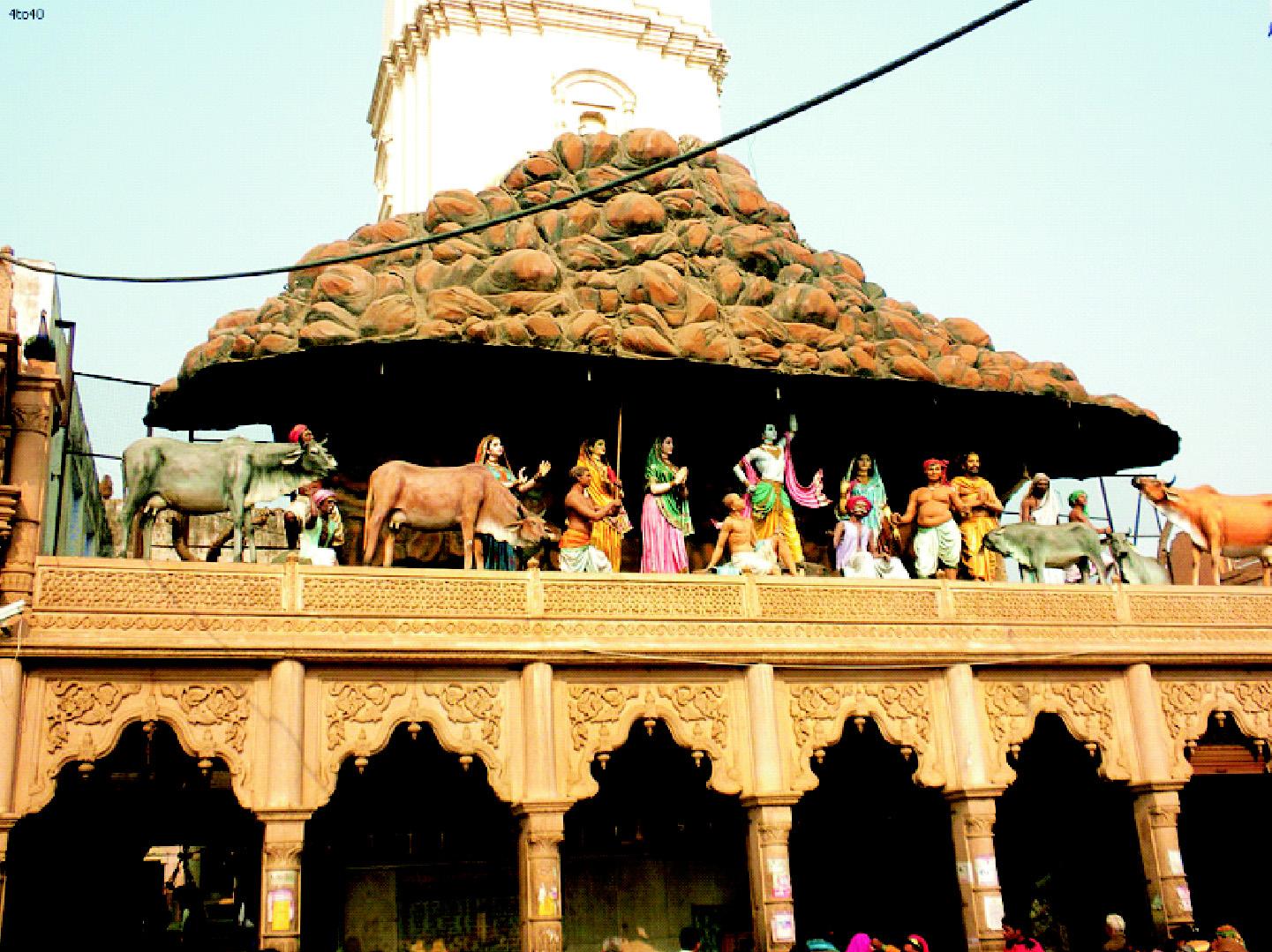
Tying the linguistic and cultural diversities of India, the nation has Sapta Tirthas - seven holy pilgrimage centers mentioned in Hindu scripture Garura Purana I XVI.14 as Ayodhya, Mathura, Kasi (Varanasi), Kanchipuram, Avantika (Ujjain),Puri and Dvaravati (Dwarka). Over a special series for Ananda Sangbad readers, in the past two issues, we covered Mathura and Puri with location details, highlights
of their religious aspects and travel guides. In this issue, we are reporting Ayodhya, the birth place of Sri Ram and the backdrop of famous Hindu epic Ramayan.
Located near Faizabad, an ancient city in the state of Uttar Pradesh in North India, Ayodhya adorns the banks of river Sarayu (also called Saraju) where bathing spots -"Ghats" and "Kunds" are named after famous Hindu
mythological figures like Brahma, Ram, Sita, Bharat and Lakshman. The Ram Ghat is popularly known as "Swarga-dwar", which literally means the gateway to heaven. It is believed that by bathing in Ram Ghat, one attains heavenly abode. All the Sapta Tirthas describe descendent of a specific God endowed with spiritual powers, demonstrating Godly activities commonly perceived as miracles. Birth of Sri Ram in Ayodhya is considered the 7th incarnation of Hindu God Vishnu. Some historical sources put the timing of Sri Ram's birth as more than 5000 years BC. Like the lords of other Sapta Tirthas, Sri Ram also displayed miraculous activities and became popularly known as a Godly figure, and hence, was adored and worshipped by the dwellers of Ayodhya. Ayodhya is considered blessed and is mentioned in Hindu scriptures as a prosperous land with a long list of ruling kings who demonstrated human virtues and adhered to moralistic values prescribed in Hindu scriptures. Sri Ram's pedigree goes back to
by Narayan Pandey and Rozalin Mohanty, who came from Puri Dham in India. They presented "Dasho Avatar and Maha Vidya" in beautiful Odissi style dance, that was a special treat for the audience. Mr. Pandey showed his versatility by singing a few bhajans.
Heritage Day celebration was combined with our annual picnic on the same day. Picnic is always associated with "adda" with unlimited supply of delicious food. There was no exception to that. There were plenty of recreational activities too. Kids enjoyed face paintings, playing with wa-
a series of kings who ruled Ayodhya under a dynasty named Surya Vansh (the Sun's family).
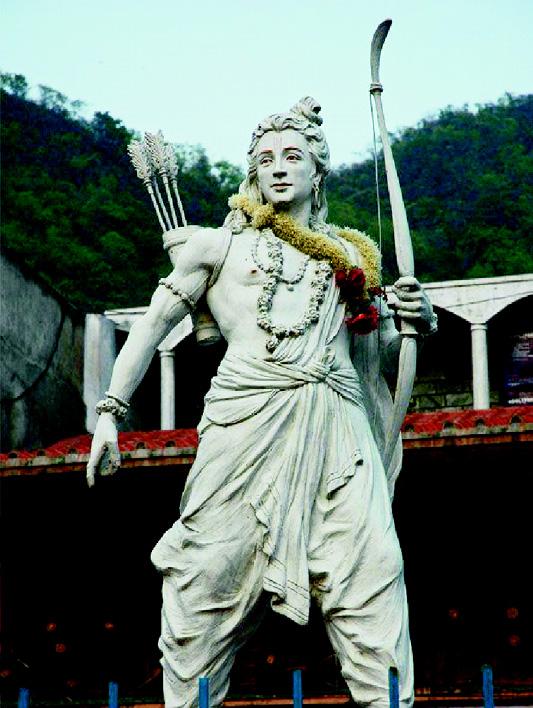
Hindu mythology holds that the rulers of this clan established patterns of righteousness promoting quality living in Ayodhya. King Ikshvaku, the eldest son of a Hindu sage Vaivasvata Manu, was the first king of Surya Vansh who ruled Ayodhya establishing the norms and values that the later kings followed thereby making Ayodhya the most cherished place to live in. Prithu, Mandhatri, Harishchandra and Sagar were some of the highly acclaimed "Suryavanshi" kings who demonstrated honesty, truthfulness and virtuous ruling. These kings performed prescribed ritualistic acts like "Asvamedha Yajna" (sacrificing a horse) for universal good. Bhagirath, the great grand son of King Sagar, performed penance and meditated upon river Ganges to bring back life into his dead brothers. After the king named Raghu, the clan Surya Vansh was later called Raghu Vansh that ruled Ayodhya demonstrating similar principled human virtues. King Raghu's grandson, King Dasharath was the father of Ram, Bharat, Lakshman and Shatrughna - the four heroes of Hindu epic Ramayan. Ram's demonstrated miraculous activities that began with his breaking a gigantic "Dhanush" (bow) to marry Sita. Ramayan
ter baloons and other games while adults ventured into Volley ball, Badminton and Basket ball. No event goes smoothly without a lot of hard work behind the scene. These diligent workers were: Saurav Ghosh, Chanu Das, Jaiprakash Biswas, Suprasad Baidyaroy, Ujjwal Sanyal,Uma Roy Chowdhury, Rita Bhowmik, Arun Bhowmik, Lopa Das, Soma Rakhit, Soma Dutta, Rina Ganguly, Rik Sen and Mita Sinha
The cultural program for the Heritage Day was organized by Rita Bhowmik and Krishna Dutta Roy, and condu cted by Arun Bhowmik.
describes many such activities that glorify Ram as a Godly figure whose miraculous activities climaxed into his winning over Ravan to rescue his wife Sita and to deliver peace to the world. After the war, Ram became the most successful and popular king of Ayodhya glorified to the level of an "ideal king" who delivered "Ram Rajya" (a godly kingdom). In "Ram Rajya" prosperity reigned. In a painting, Sri Ram is seen flying in "Pushpak Rath" (a special, expensive chariot) and people of Ayodhya are seen welcoming his victorious return from the war with Ravan. In "Ram Rajya" there were nothing called grief, poverty and unhappiness as the land's king Sri Ram was revered and worshipped by the people as an incarnation of God Vishnu. With time, however, the face of Ayodhya changed. Historically famous, the magnificent land of Surya Vansh/ Raghu Vansh culminating into "Ram Rajya" ended creating a vacuum where human greed, jealousy and violence crept in. In the recent years, Ayodhya has become the disputed land of Hindus and Muslims, leading to bloodshed, terrorism and violence.
To many Muslims, Ayodhya is a sacred land where a mosque named Babri Masjid was built by the Mughal rulers of India. A Turn to page 9
Ananda Sangbad
description in the Encyclopedia Britannica 1986 edition reads: "Rama's birthplace, is marked by a mosque, erected by the Moghul emperor Babar in 1528 on the site of an earlier temple". Claiming their rights over the land of Ayodhya the Hindus and Muslims fought over the issue resulting in ruthless encounters and loss of lives. A special Ayodhya bench has been created at India's Lucknow High Court to address this dispute. What brought about this change in human minds and attitudes of Ayodhya dwellers? Quoting Sri Ram, I would like to mention an episode from Ramayan which probably logically justifies the cause behind the changing face of Ayodhya.
An extract from Ramayan: One of Sri Ram's younger brothers, Bharat was furious to find that his mother Kaikayee and her maid Manthara jointly plotted a plan to send Ram away to wilderness for 14 years so that Bharat could become the king of Ayodhya. Raged and disgusted, Bharat immediately left the palace in search of his elder brother. Far into the woods in the outskirts of Ayodhya, Sri Ram had made a temporary shelter and was residing there with his other brother Lakshman and wife Sita. Bharat visited Sri Ram and begged for his forgiveness. Accusing his mother Kaikayee and her maid Manthara for their plotted conspiracy, Bharat said, "My beloved brother, Sri Ram, I have abandoned the palace of Ayodhya, I have severed my relation with my mother and I will now return to Ayodhya only when you are ready to become the king."
Sri Ram consoled Bharat. Wiping his tears, he said, "Bharat, look at this universe, it exists on dualistic qualities - good/bad, light/darkness, falsehood/righteousness. This balancing factor of nature delivers good qualities to some humans and selects some to bear the bad qualities
of nature. Mother Kaikayee and maid Manthara have been chosen by nature to shoulder 'avagunas' or negative qualities and here you, me, brother Lakshman have been chosen to nurture the "gunas" or positive qualities. Consider yourself fortunate and pray that mother Kaikayee and maid Manthara may soon be released from this burden of bearing the negative qualities. Because there are people shouldering the negative qualities of nature, I am here as Ram balancing the scale with positive qualities. So, please forgive mother Kaikayee and Manthara and return to Ayodhya."
Bharat understood and came back to Ayodhya with Sri Ram's sandals ("paduka") which were placed on the throne and Bharat ruled Ayodhya on behalf of Sri Ram which took care of two acts that were perceived righteous - (1) Ram had to be the king of Ayodhya for being the eldest son of King Dasharath, (2) Bharat had to honor the wish of his mother by the dharmic principles that prevailed between a mother and her son. Such were the moralistic values or fine-tuned "dharmas" that were practiced in Ayodhya during "Ram Rajya". By the law of nature as Sri Ram explained, probably to balance that golden era of virtuous living, we had to have an era of hatred and human conflicts that we have seen
in the recent years in the holy land of Ayodhya. Historically, in different periods of time Ayodhya has been the center of several religious practices like Hinduism, Buddhism, Jainism and Islam. Five Jain Tirthankars (spiritual leaders) including Adinath, the first Tirthankar were born in Ayodhya. Ayodhya is described in the Jain scripture (Jain Agams) as an elernal city that will never disappear from the surface of this earth. In the Buddhist era, the city was called Ayojjha in Pali, and Ayodhya in Sanskrit. It is believed that Gautam Buddha visited Ayodhya several times. Chinese monk Fexian wrote about Buddhist monasteries sitting in Ayodhya. There are several Buddhist temples and learning centers in Ayodhya, which were established by kings of Gupta Dynasty when Ayodhya was equally prominent for trading and business activities. This could be the reason why the governor of Awadh centered his activities in Ayodhya while the Mughals ruled India.
Travel tips:
From any international airport, flights are available to Delhi. There are road transportations to Ayodhya from Delhi, Lucknow, Faizabad and Varanasi. The distance from Delhi to Ayodhya is about 799 kilometers and from Lucknow it is about 134 kilometers. From all major cities in India, there are regular flights and train services to Delhi, Lucknow and Varanasi. Comfortable hotels and tourist lodge accommodations are available in the city of Ayodhya. Try and avail one on the banks of river Sarayu.
So far, in our Sapta Tirtha series, we have covered Mathura, Puri and Ayodhya where the ruling deities are personified as incarnations of Lord Vishnu. In our next issue we will cover Varanasi, the land of Lord Shiva. Stay tuned and stay blessed.

Edison, New Jersey, June, 2013 - SAMRAGNEE MAJUMDAR has been named a member of the 2013 Executive Council of New York Life Insurance Company. Members of the Executive Council are among the most successful of New York Life's elite sales force of 12,250 licensed agents.
Ms. Samragnee Majumdar has been a New York Life agent since 2010, and is associated with New York Life's New Jersey, General Office in Edison.
Samragnee Majumdar's background:
• MBA from Maharishi Arvind Institution Of Science And Management , India with Marketing Major and HR minor
• Worked for Xerox Modi Corp , India as Sales Executive ( B2B Sales)
• Internship from Pepsi Co , India as Market Research Executive for Aquafina ( bottled water launch)
• Worked for Idearc Media ( Verizon Yellow Pages) NY,NY as an Advertisement Consultant and have been one of the top performers, winning award trips .
• Presently working for New York Life as an agent for 3 yrs
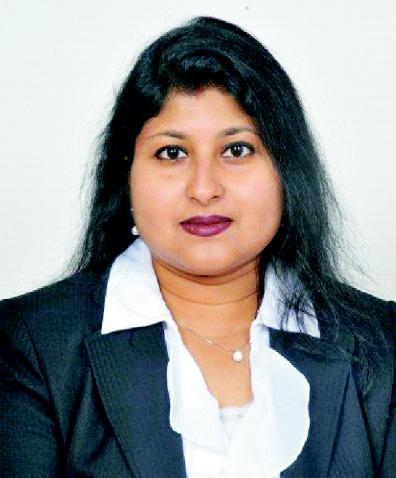
Personal
Mother of a 4 year old daughter Reside in Hillsborough, NJ
Actively involved with a community club - Kallol of NJ and a committee member of Kallol Women's Forum (supporting deprived kids of India for funding their education and food)
SAMRAGNEE MAJUMDAR
Mahishasura Mardini / Ananda Prabhat: 4:30 am ,Sunday, October 06
Maha Soshthi Puja, 5:30pm – 8:30 pm,Thursday, October 10
Maha Saptami Puja, 8 am – 11 am,Friday, October 11 Pushpanjali, 11:45 am Stuti & Sandhya Arati, 6:30 pm – 8:30 pm
Maha Astami, Puja, 8:30 am – 11:30 am Saturday, October 12, Pushpanjali, 11:45 am Stuti & Sandhya Arati, 7:30 pm – 9 pm Maha Sondhi Puja, 3:48 pm – 4:36 pm
Kishaloy is a monthly wall magazine for the youth. When you come to Ananda Mandir, you will see it hanging on the wall in the community building. Any youth member of Ananda Mandir can submit poetry, short stories, scientific article, artwork, and photographs for the magazine. The youth group of Ananda Mandir meets generally on Sunday afternoons. An email list of the youth group volunteers will be published shortly. All youth group volunteers will receive official certificates from Ananda Mandir for their volunteer services. For more information, contact Dipak Sarkar at email: sarkar@AESOP.Rutgers.edu; Phone: 609.651.1023
Maha Nabami Puja, 9:30 am – 11:30 am Sunday, October 13 Pushpanjali, 11:45 am Stuti & sandhya Arati, 6:30 pm – 8 pm
Bijoya Dashami Puja, 10 am – 11:30 am Monday, October 14 Sindoor Khela & Sandhya Arati, 7 pm
Lakshmi Puja & Satyanarayan Puja, 5:30 pm – 9 pm,Friday, October 18
Reported by Subrata Bhaumik
Sahitya O Alochana is a monthly literary and topical discussion forum under the aegis of Ananda Mandir that endeavors to achieve its motto "Alochana Brings Good Things to Mind." It held several exciting sessions in the June - August 2013 period. Discussion topics included a memorial session on Rituparno Ghosh, the famous Indian movie director; screening and discussion on a new age Indian American movie "Let's Be out, The Sun is Shining"; and "Mathematics of India - from Aryabhatta to Ramanujan."
It is interesting to note that the scope and the reach of the discussions at the forum are ever widening and deepening. Over the last several years, these sessions covered some very exciting and illuminating discussions on a wide variety of topics including literature, theater and movie, history, philosophy and religion, science and mathematics, and finally, economics and social issues. And the JuneAugust period was no exception with two movie related discussions (and screening) and one session on the evolution of mathematical knowledge in the Indian plains.
In the June session, all local Rituparno Ghosh's fans gathered for a much informative and lively discussion on the recently departed movie director's work and life. It was a robustly attended session, highlights of which included varied and sometimes differing interpretations of his movies' themes, images and symbolism, and the overall impact of his work in the Indian/ Bengali cinema. It was noted that he has been often compared to some of the top living directors of the Indian cinema including Shyam Benegal and Mira Nair.
As it progressed, the session turned quite engaging and animated with many participants passionately commending the director's unconventional (and often controversial) approach to storytelling and the art of filmmaking, while others expressing less than enthusiastic admiration for his penchant for breaking down the commonly accepted silos and barriers in the contemporary society. Special mention is deserved by Sudipta Bhawmik, Dhriti & Amitabha Bagchi, Amitava Sengupta, Debabrata Bhaumik, Sushmita Dutt, and Utpal Sengupta for their contributions to the discussion.
The July session featured screening of and discussion about an acclaimed new age movie by Bornila Chatterjee, a
young New York based up and coming film director. The tile of the movie is "Let's Be Out, The Sun is Shining." This is her first feature film, and it won the Audience Choice Award at the New York Indian Film Festival in 2012.
The movie was an interesting and bold attempt to depict a subculture and its inhabitants (aspiring artists and actors of New York), the dynamics of their lives, their struggles, their passion and love for their craft, and finally the gradual acceptance of the realities of life and the quest of one's true self through that process. Bornila also led a lively discussion that followed the screening. It was a good session that was robustly attended. The August session featured an enthralling and erudite presentation by Amitabha Bagchi on the evolution of mathematical knowledge in the Indian plains over centuries and millenniums - Vedic times to the present. The presentation focused on the contributions by Indian mathematicians and astronomers over the last two and half millennia focusing mainly on four stalwarts of Indian mathematics, namely Aryabhata, Barahamihir, Bhaskara, and finally Ramanujan. Major mathematical and astronomical concepts credited to these luminaries were explained and discussed in detail by Amitabha and the attendees of the session. Some of the landmark works discussed included the Place Value System, Decimal Points, and Zero; Definition of Pi; Pythagoran Theorem and Irrational Number; Prime Numbers and Infinite Series; Partition of Numbers, etc. This was a high level discourse enshrining the richness and the intellectual achievements and contributions that the Indus Valley civilization made to the world. And it did pique special interest amongst the members of our alochana community as evidenced by the robust attendance and the engrossing participation by the attendees.
Future sessions - Quite a few interesting sessions are in the pipeline for the next few months including a very fascinating account of "Early History of Bengali Immigrants in The U.S.", a discussion session on the current state of Indian Rupee, and an interesting discussion on "Life After Death."
The friends of Sahitya O Alochana would like to thank Ananda Mandir for its continued support for the forum's contribution to the cultural enrichment of the local Bengali and Indian community.
Editor's Note: An earlier version of this article was published in the website, www.Immigrant Bengalis.com. This updated version incorporates author's responses to some comments from a reader of that article.
When Debashish (Deb) was offered the opportunity to come for assignment to the US he was excited. This was a great way to feel the waters of life outside India. The assignment was for 18 months and it felt good to know that the organization had confidence in his abilities. He had always considered the idea of migrating but had not taken the plunge. He had been busy 'settling down.' Now was the perfect time. Pamela and he had been married for over 4 years, their only son was almost a year old, they had already invested in an apartment in Kolkata, his job was paying him well and his employers were now giving him the opportunity to travel to USA and hopefully establish himself in the West.
Deb is an intelligent, pragmatic, independent thinker. He spoke to Pamela and to his parents and hers so they knew about this opportunity and could express their views. He was aware that this would give him perspectives that he may otherwise miss. There were suggestions to leave his wife and child behind, since it was a relatively short trip, and to a country where they had no family or friends as a support system, like they did at home. There was also talk of leaving the 11 month old Indrashish (Tojo) behind with his grandparents and taking Pamela with him. Deb weighed it all and decided that he wanted this to be as real as possible so he could use the next 18 months to determine if he wanted to migrate, or to build a future in India. Deb, Pamela and Tojo landed at Newark Airport end of July 2012. In his meticulous ways, Deb had connected with people from his workplace who could guide him, and within a week of their arrival the young family had settled into an apartment in the town of Parsippany in New Jersey. They were ready to experience life at its best during the summer of 2012 and beyond. The first lessons we all need to learn when we have the opportunity to migrate out of India is that the ways of the rest of the world, though similar in many aspects, are very different in others. Parents of little children must understand that raising a child in the US has many similarities but it has some very stark differences that we must be
By Basabi Basu
aware of and heed. These differences are not about merit and de-merit, right and wrong, fair and unfair -- these are differences arising from disparities that are inherent between cultures. These dissimilarities are equally difficult for people from either culture to reconcile with. When we are in the US though, we must abide by the rules and laws that govern how children are raised here. As I write this I am unaware of any organization through which, or method by which, this information is disseminated to young families arriving here for extended stays. As a community we must initiate a means by which this is done.
If Deb had been made aware of the basic needs of preparing a home for a baby, or about the laws regarding child protection and even about the universal 911 emergency phone number, he would have taken all the necessary steps to abide by all that he needed to. When Tojo fell off the bed onto the hardwood floor both Pamela and Deb were completely unprepared for handling the emergency.
What ensued was a nightmare that lasted for over 6 months, culminating in the young couple having to give up custody of their now 17 month old baby to his maternal grandmother in India. The preceding 6 months were spent fighting to get Tojo out of the foster care system and trying to prove that he was not deliberately abused but had sustained grave injuries due to the fall.
When the people who have accused you of abuse and have custody of your baby, and have moreover convinced themselves that you are unfit parents, fighting for the return of your child is a losing battle. The system is set up to believe that, since the child does not have a voice, the government agency must presume the worst and proceed to protect the child from the caregivers under whom the child sustained the injuries. The fact that the people from child protection services are 'doing a job' and not simply 'serving the best interest of the child' makes the dealings between the family and the Department of Child Welfare extremely adversarial. To be fair to the Department there are cases where their intervention is necessary. They serve a purpose in the society here in the West. The challenge lies in the fact that the people working in the Department don't seem motivated to work harmoniously with families to re-unify them. Foster parents are paid per child
under their care and jobs in the Department must be based on how many children are under each case worker. The incentive to re-unify families can only be motivated by care and concern about the welfare of a family that is made up of strangers. We must recognize that inherently the system is not set up to side with the family. This is where community comes in. Unless we stand beside one another during tough times, we cannot protect the interests of our community. The way the Indian community in general and the Bengali community in particular responded to this case is the perfect example of how not to react. There were some caring community members who did help out with money, others provided legal contact information, still others tried to help them to integrate within the community during the Durga Pujas, but by and large the level of support that was needed was hard to come by.
Standing beside this family was not about whether or not Deb and Pamela were good parents; it was about being supportive of a family going through a difficult time in a foreign land within weeks of arriving here. Supporting the family was not about condoning the parents if they were found guilty of wrong-doing; it was about giving them information about how they could go about rightfully defending themselves. Befriending the family was not about embracing the parents but about embracing an innocent child.
What the community did was:
Passed judgment on the mother and gossiped about her negligence.
Discussed the subject amongst themselves without getting actively involved.
Ignored the incident and the family.
Some befriended the family but refused to do anything to help with the situation they were in because they were concerned it may affect their own immigration status here.
What the community could have done:
Given the family information about organizations or people they could solicit help from.
Provided moral support to the family.
Found a foster home for the baby within the community. Tried to get a clear understanding of the case if they were in a Turn to page 12
Ananda Sangbad
Everybody ought to have a body,
A body is the only way to go. Oh, everybody ought to have a body, Having a body really helps you to grow.
It can yell, it can cry, But it can't stay dry.
It can holler and crawl around the floor. It can stumble and fall, It can bump into a wall.
Having a body is really a chore. It can dance, it can sing, It can race around a ring.
It can jump and thump until it's sick. It can quiver and quake, It can tumble and break.
Keeping a body is really a trick. It can frown, it can stare, It can pull somebody's hair. It can pound around and weep and sob. It can hit, it can bite, It can even fight.
Teaching a body is really a job.
By Carol Lynn Pearson
Many years ago when I was studying to enter the medical field, anatomy 101 was a necessary prerequisite. While I was required to know all of the locations and functions of the various parts of the human body, I never got into some of the more bizarre aspects of the anatomy. Below are some of the more interesting facts.
1. It's possible for your body to survive without a surprisingly large fraction of its internal organs. Even if you lose your stomach, your spleen, 75% of your liver, 80% of your intestines, one kidney, one lung, and virtually every organ from your pelvic and groin area, you wouldn't be very healthy, but you would live.
2. During your lifetime, you will produce enough saliva to fill two swimming pools. Actually, Saliva is more important than you realize. If your saliva cannot dissolve something, you cannot taste it.
3. The largest cell in the human body is the female egg and the smallest is the male sperm. The egg is actually the only cell in the body that is visible by the naked eye.
4. The strongest muscle in the human body is the tongue and the hardest bone is the jawbone.
5. Human feet have 52 bones, accounting for one quarter of all the human body's bones.
6. Feet have 500,000 sweat glands and can produce more than a pint of sweat a day.
7. The acid in your stomach is strong enough to dissolve razor blades. The reason it doesn't eat away at your stomach is that the cells of your stomach wall renew themselves so frequently that you get a new stomach lining every three to four days.
8. The human lungs contain approximately 2,400 kilometers (1,500 mi) of airways and 300 to 500 million hollow cavities,
having a total surface area of about 70 square meters, roughly the same area as one side of a tennis court. Furthermore, if all of the capillaries that surround the lung cavities were unwound and laid end to end, they would extend for about 992 kilometers. Also, your left lung is smaller than your right lung to make room for your heart.
9. Sneezes regularly exceed 100 mph, while coughs clock in at about 60 mph.
10. Your body gives off enough heat in 30 minutes to bring half a gallon of water to a boil.
11. Your body has enough iron in it to make a nail 3 inches long.
12. Earwax production is necessary for good ear health. It protects the delicate inner ear from bacteria, fungus, dirt and even insects. It also cleans and lubricates the ear canal.
13. Everyone has a unique smell, except for identical twins, who smell the same.
14. Your teeth start growing 6 months before you are born. This is why one out of every 2,000 newborn infants has a tooth when they are born.
15. A baby's head is one-quarter of its total length, but by the age of 25 will only be oneeighth of its total length. This is because people's heads grow at a much slower rate than the rest of their bodies.
16. Babies are born with 300 bones, but by adulthood the number is reduced to 206. Some of the bones, like skull bones, get fused into each other, bringing down the total number.
17. It is not possible to tickle yourself. This is because when you attempt to tickle yourself you are totally aware of the exact time and manner in which the tickling will occur, unlike when someone else tickles you.
18. Less than one third of the human race has 20-20 vision. This means that two out of
By Jerry GaMarsh
three people cannot see perfectly.
19. Your nose can remember 50,000 different scents. But if you are a woman, you are a better smeller than men, and will remain a better smeller throughout your life.
20. The human body is estimated to have 60,000 miles of blood vessels.
21. The three things pregnant women dream most of during their first trimester are frogs, worms and potted plants. Scientists have no idea why this is so, but attribute it to the growing imbalance of hormones in the body during pregnancy.
22. The life span of a human hair is 3 to 7 years on average. Every day the average person loses 60-100 strands of hair. But don't worry; you must lose over 50% of your scalp hairs before it is apparent to anyone.
23. The human brain cell can hold 5 times as much information as an encyclopedia. Your brain uses 20% of the oxygen that enters your bloodstream, and is itself made up of 80% water. Though it interprets pain signals from the rest of the body, the brain itself cannot feel pain.
24. The tooth is the only part of the human body that can't repair itself.
25. Your eyes are always the same size from birth but your nose and ears never stop growing.
26. By 60 years of age, 60% of men and 40% of women will snore.
27. We are about 1 cm taller in the morning than in the evening, because during normal activities during the day, the cartilage in our knees and other areas slowly compress.
28. The brain operates on the same amount of power as 10watt light bulb, even while you are sleeping. In fact, the brain is much more active at night than during the day.
29. Nerve impulses to and from the brain travel as fast as 170 miles per hour. Neurons continue to grow throughout human life. Information travels at different speeds within different types of neurons.
30. It is a fact that people who dream more often and more vividly, on an average have a higher Intelligence Quotient.
31. The fastest growing nail is on the middle finger.
32. Facial hair grows faster than any other hair on the body. This is true for men as well as women.
33. There are as many hairs per square inch on your body as a chimpanzee.
34. A human fetus acquires fingerprints at the age of three months.
35. By the age of 60, most people will have lost about half their taste buds.
36. About 32 million bacteria call every inch of your skin home. But don't worry, a majority of these are harmless or even helpful bacteria.
37. The colder the room you sleep in, the higher the chances are that you'll have a bad dream.
38. Human lips have a reddish color because of the great concentration of tiny capillaries just below the skin.
39. Three hundred million cells die in the human body every minute.
40. Like fingerprints, every individual has a unique tongue print that can be used for identification.
41. A human head remains conscious for about 15 to 20 seconds after it has been decapitated.
42. It takes 17 muscles to smile and 43 to frown.
43. Humans can make do longer without food than sleep. Provided there is water, the average human could survive a month to two months without food depending on their body fat and other factors. Sleep deprived people, however, start experiencing radical personality and psychological changes after only a few sleepless days. The longest recorded time anyone has ever gone without sleep is 11 days, at the end of which the experimenter was awake, but stumbled over words, hallu-
cinated and frequently forgot what he was doing.
44. The most common blood type in the world is Type O. The rarest blood type, A-H or Bombay blood, due to the location of its discovery, has been found in less than hundred people since it was discovered
45. Every human spent about half an hour after being conceived, as a single cell. Shortly afterward, the cells begin rapidly dividing and begin forming the components of a tiny embryo.
46. Right-handed people live, on average, nine years longer than left-handed people do. This is largely due to the fact that a majority of the machines and tools we use on a daily basis are designed for those who are right handed, making them somewhat dangerous for lefties to use and resulting in thousands of accidents and deaths each year.
47. Your ears secrete more earwax when you are afraid than when you are not.
48. Koalas and primates are the only animals with unique fingerprints.
49. Humans are the only animals to produce emotional tears.
50. The human heart creates enough pressure to squirt blood 30 feet in the air.
If nothing else, these little gems of ideas should make for some interesting conversations with friends. Until the next timeremember that life is better with peace, harmony, laughter and love.
By: Ankush Rakhit (Age 17)
Editor's Note: The author was recruited under summer internships program of Ananda Mandir and placed at a laboratory of Rutgers University under the general supervision of Dr. Dipak Sarkar, President of Ananda Mandir.
Author's Note: I am currently a rising senior at Livingston High School in Livingston, New Jersey. I began my research on stress and cancer during my sophomore year in high school as part of a three-year science research program offered at my school. As I began my search for a potential topic of study, I came upon the work of scientists at the endocrinology lab at Rutgers University regarding stress, cancer, and beta-endorphins that particularly interested me. I was intrigued to pursue an internship in the lab. After contacting the director of the lab,Dr.DipakSarkar,alsoAnanda Mandir's President, I was able to begin my research in summer of 2012. I continued my research this past summer as well, and, under the guidance of Dr. Sengottuvelan Murugan, was able to complete my paper entitled "Investigating the Role of Hypothalamic Beta-endorphin Neurons on Colonic Pro-Inflammatory Cytokines TNF- ? and NF?B in 1,2-dimethylhydrazine Induced Colon Cancer Model". During the next few months and during the school year I plan on submitting my paper to various science competitions and presenting my research at numerous meetings/symposiums.
Cancer, or the uncontrolled growth of abnormal cells in the body, can be caused by a number of factors including alcoholism, obesity, stress, environmental toxins, genetic problems, and more. With over a100 different types of cancer and so many different factors involved, finding a general, non-invasive treatment for cancer would seem to be one of the greatest challenges for modern scientists. Current treatments for cancer, including surgical removal of tumors or long-term radiation or chemical therapies, pose many risks to patients and can have deleterious side effects including disfiguration, vomiting, diarrhea, fatigue and even permanent damage to the skin or other organs. Recent developments in the field of endocrinology, however, have revealed a potential treatment for cancer in the form of a ?-endorphin (BEP) transplantation that utilizes the body's own innate immune system to effectively reduce the size and malignancy of tumors.
When scientists first began studying cancer, there were a
number of anomalies in their research that curtailed their full understanding of tumor cells and cancer progression. For instance, they could not discern why some individuals showed a much greater proliferation of tumor cells than others, and, more specifically, why rates of progression could differ so greatly. As they began examining patterns between individuals, they noticed a high correlation between high stress levels and cancer growth. In fact, numerous studies have confirmed that neurobehavioral stress dampens the immune system and promotes tumor growth. Emerging evidence has also shown that chronic neurobehavioral stress, or high stress levels have been associated with decreases in natural killer cell lysis activity, macrophage migration activity, T-cell populations, lymphocyte proliferation, and interferon levels (Zhang 2012). These factors are important for building an innate natural immunity against cancer. That's why subjects with high stress levels and weakened immune systems are more susceptible to developing tumors. With these findings in mind, scientists began searching for ways to reduce the harmful effects created by stress. Their research led to the discovery of ?-endorphins. ?-endorphins, or BEP neurons, are endogenous peptide molecules that have morphinelike activities. BEP producing cell bodies are primarily located in the arcuate nucleus of the hypothalamus, where neuronal projections can be sent to many areas of the brain. ?-endorphins specifically inhibit the stress response created by the hypothalamic-pituitary-adrenal axis by interacting with corticotrophin releasing hormone (CRH) neurons in the paraventricular nucleus (PVN), and by inhibiting the sympathetic nervous system (SNS) through innervations of the PVN (Boyadjieva 2001).
Because higher levels of stress have shown to decrease immune function and promote tumor growth, and BEP has shown to suppress of the stress response and its negative effects, a direct link between BEP neurons and cancer growth was indicated. In fact, abnormalities in BEP neuronal function are correlated with a higher incidence of cancer and infection in patients with schizophrenia, depression, fetal alcohol syndrome, and obesity (Boyadjieva 2001). Research has now confirmed that the production of epinephrine, norepinephrine, and cortisol, which are released during the stress response, downregulate DNA damage sen-
sors and upregulate the protoonocogene CDC25A, which is involved in delaying the cell cycle and promoting cancer growth. The combined effects of these stimuli increase cell transformation and tumorigenicity, thereby increasing the likeliness of cancer development in subjects with high stress levels (Sarkar 2012). Chronic stress also activates the production of catecholamines and several inflammatory cytokines that promote tumor growth and progression (Sarkar 2011).
Through extensive research, it has been shown that BEP neurons, by modulating the neurotransmission of the autonomic nervous system, can activate the immune system and produce and immune response against cancer growth (Zhang 2012). Most important to the response created by the ?-endorphin is the activation of the parasympathetic nervous system, which causes the release acetylcholine (Ach) and norepinephrine (NE). Based on emerging evidence, it is believed that these chemicals activate immune function specifically by controlling clock gene regulation (Logan 2011). The control of these clock-regulating genes allows for the control of circadian cycles, and, more importantly, the gene expression of important immune cells, such as natural killer cells. Thus, through activation and release of these chemicals, BEP neurons can activate innate immune cells including macrophages and natural killer cells, and increase levels of cytotoxic immune cells and anti-inflammatory cytokines in circulation (Dokur 2005). In a tumor microenvironment, these immune cell and cytokine changes increase apoptotic death of tumor cells and reduce inflammation-mediated epithelialmesenchymal transition (EMT) (Sarkar 2011). Collectively, these effects create an unfavorable environment for tumor initiation, growth, and metastasis.
The ability of the beta-endorphin neuron to combat cancer growth in animal models has been heavily documented in recent years. In fact, scientists at the endocrinology lab at Rutgers University have developed a beta-endorphin neuronal transplantation that has shown to inhibit tumor progression in several cancer models, including prostate cancer, breast cancer, and lung cancer (Sarkar 2012).
In one such study testing the effectiveness of the BEP transplantation in rats induced with breast cancer, scientists found that BEP neurons increased peripheral natural killer (NK) cell and macrophage activities, elevated the levels of anti-inflammatory
cytokines, and reduced levels of inflammatory cytokines. This in turn allowed rats treated with the transplantation to exhibit lower tumor incidence, lower tumor number, and lower tumor volume (Sarkar et al. 2011).
Overall, the collective findings revealing the anti-tumorigenic effects of beta-endorphins have opened up new pathways for cancer research that involve both endocrinology and oncology, as well as an immune-specific approach to cancer treatment.
Continued from page 10
profession or position that could benefit the family - lawyers, doctors, people in public office, mothers, grandmothers, language experts, etc.
Accompanied the couple to court so that the Department of Child Welfare would know that the family had support if they chose to return the child to the parents.
Provided help with transportation (so it did not fall on one community member who drove over 75 miles to the family when they needed the help!)
Provided temporary relief to the young couple by actively including them in social events. Shared information with the couple about parenting, child safety, assimilating with the people here, etc
A lot of what the family endured was because of two major reasons. The first was lack of information and the second was lack of effective support. Once the support became available through a couple of people from the community (in Pennsylvania) and a human rights activist in India, the couple were able to build a team of caring American strangers that kept the Department of Child Welfare on their toes, forcing them to do more than just a job, and eventually led to the child being released from foster care and the case of alleged abuse or neglect against the mother being dropped.
The details of the case are horrific and often hard to believe, but being directly involved as part of the team that helped the family, I know that the truth in this case is stranger
than fiction. It was as if the entire system was conspiring against the family. Doctors, judges, lawyers, case workers, foster care providers - everyone seemed to believe that they deserved a piece of flesh either out of the child or the parents. The parents were never charged with neglect or abuse; it was evident that most doctors, who weighed in on the case, believed the injury could have resulted from an accident as described by the mother. Although the parents were more than willing to cooperate with investigators, the Department of Child Welfare kept delaying the return of the child (a citizen of India) to India.
It is Deb's firm belief that it was primarily because of the support of complete strangers that his child is back with family again. My appeal to the community at large -- please do not ignore a plea for help! Such cases are not as rare as we believe. Come forward just to say, "You are not alone." Make yourself visible, give relevant information, get people connected. Don't make one call and presume all is well. Stay in touch, encourage and inspire people. It all adds up and makes a difference.
We need to hold workshops for people migrating to other countries before they set foot on foreign land and we need to do the same once they get here. We need to be more supportive towards new immigrants. We must develop a system that identifies new arrivals so we can make our presence known to them, thus giving them the opportunity to approach us if and when they need help. I am more than willing to help facilitate some measures and brainstorm with interested people so that what this young family went through serves as a learning tool to others. Tojo paid a heavy price and let it not be in vain.
Social Responsibility is what maintains the balance between the economy and the ecosystem. It is the balance that ensures that we social beings survive as the human race. This is as much a responsibility as it is a privilege of every individual. Those who contribute to the social fabric are assured a place in the hearts of people and in history books; while those of us who live self serving lives are forgotten or at the most, thought of as insignificant. Tojo and Pamela are back in India. Tojo is attending Nursery School and is doing well. Deb is still here doing his part to repay the debt he incurred due to this event.
Ananda Sangbad
By Kumar Som
Editor's Note: The journey of NASA started with the launching of Mercury-Redstone-3 with Alan Shepard on board on a twenty-two-minute suborbital flight. Journey to the Moon was on in incremental advancements in Mercury, Gemini and finally Apollo flights. The developmental history of Mercury and Gemini projects were covered in Part I of the article in the July issue of Ananda Sangbad. Part II starts with the Apollo project.
To make the Apollo Project go smoothly, NASA went into a very tall and ambitious program of discovery of the Moon. Moon still held many of its properties secret. The main concern was this: would the Moon's surface filled with volcanic craters support the weight of a spacecraft? Rangers, Surveyors, and Lunar Orbiters were launched in Moon Orbits in succession. Ranger 7 sent 4,300 pictures of the Moon. Lunar Orbiters were placed in different orbits concentrating on imaging for possible landing sites of future Apollo missions. With respect to the mode of ascent from the Earth for the Moon, one out of three approaches had to be chosen. The first was Direct Ascent (enormous multistage rocket to lift off the spacecraft and to have enough fuel to transport the crew back). The second was Earth Orbit (a lunar spacecraft docks with a huge propellant tank already launched into earth orbit). The tank has enough fuel for the journey to the Moon; the spacecraft touches down on the Moon with enough fuel for return. But the third approach looked more viable and was approved for implementation. The plan was this: a threestage Rocket pushes the Spacecraft on course to the Moon, a Lunar Module (LM) lands with and picks up astronauts back, and the Command Service Module (CSM) remains in orbit till LM docks with it and heads back to Mother Earth.
Meeting the 1969 deadline for achieving Apollo Missions for a Moon Landing, NASA required a
top-speed development and testing program, but on October 1966 the crew perished while sitting inside the AS -204 known as Apollo 1 on the ground. Almost six hours after the test, an electrical spark started a terrible fire; the crew of Ed White, Roger Chaffee and "Gus" Grissom were burnt alive after failing to open the hatch to escape. After the incident, NASA's Review Board decided that 1400 wiring improvements had to be executed by the contractors. Despite the terrible tragedy, NASA did not abandon the Apollo program but went on renaming another Apollo 1 and sent out a number of unmanned flights named Apollo 1 to Apollo 6 to be convinced about safety of the Apollo technology being developed. Apollo 7 finally shot up on a Saturn IB launcher on October 1968.It was a stressful mission, tempers shot up among the crew. Despite the tensions mounting among Schirra, Chris Kraft and Dick Slayton, the crew completed all the tasks and splashed down on time at the estimated point. It was a success. Despite the success of Apollo 7, the next task was to have the Lunar Module on Earth Orbit. But the Lunar Module was not to be ready before early 1969. The later LM Lunar Orbit rehearsal was blasted off on December 11, 1968 with Frank Borman, Jim Lovell and Bill Anders. On December 21, 1968 the first manned Saturn V rocket launched the historic Apollo Mission. An engine burn put Apollo 8 on a Lunar orbit and on December 27 the astronauts splashed down on ocean safely.
The execution of Space Flight is a far more complex subject than the scientists and engineers' predicted. There were two vital missions left before the final Moon landing.
In early 1969, the Apollo Lunar Module was ready for action. But there were two crucial missions to finally qualify the Mission for the final Moon landing. The history of spaceflight is full of uncertainties. Astronauts were trained to fly the Lunar Module for two years. James McDivitt, David Scott and Russell Schweickart were postponed by one more Mission lifting off with the first complete Apollo mission on March 1969, but they had planned to go beyond the low Earth orbit to catch up with the Moon Orbit. With Apollo 8's Lunar Mission in high Earth Orbit redundant, it meant that there was only one dress rehearsal left for Apollo's final Moon landing. Now McdDivitt's back up crewled by Neil Armstrong - was ready for the next landing attempt by Apollo 11.
After the first staggering landing on the Moon by Apollo 11 when millions watched the dar-
quickly of her supernatural capability.
Shakuntala Devi went on tours around the world starting in the '50s and performed in a number of institutions, theaters and on television up to the early 80's. During one such trip in the early 50's, she met Albert Einstein. A reporter recounted the meet from Einstein's note to Devi. Albert Einstein says in the note, "I asked this woman a question which I take three hours to solve because I have to follow a whole method …. I know that nobody can do it in less time than I can… And the whole procedure has to be followed. The figures were so big that it took the whole board for her to write the answer. And before I had even finished the question, she started writing the answer." Einstein was absolutely puzzled. He asked, "How do you do it?" Devi said, "I don't know … -- it simply happens. You ask me and figures start appearing before my eyes, somewhere inside. I can see 1, 2, 3, and I just go on writing….."
Live Demonstrations - Some Exceptional Examples: Guinness Book of Records contains many other recorded feats of Devi. Here are some:
In January 1977, Devi received a standing ovation from an audience of erudite mathematicians at the Southern Methodist University in Dallas, Texas, when she extracted the 23rd root of a 201-digit number, at
ing landing on TV, NASA chalked out a program of a couple more Apollo flights to consolidate the journey to the Moon further. Apollo 12 was launched on November 14, 1969 when astronaut Pete Conrad was forced to take control and had to bring the LM down on to safe area, conducting "Apollo Lunar Surface Experimenting Package " before heading home. Apollo 13 was the next mission, when astronauts noticed the main oxygen tanks dropping their contents and also the electrical power to CSM (the main mother craft) falling. It was an emergency. With little access to CSM engines, the crew had to make corrections of course calculating their precise position and trajectory by stars and using descent engine on the LM with its retrorocket power for the entire spacecraft. On a passage behind the Moon with spacecraft on a return course to the Earth the crew could reenter the Command Module on April 17 1970. As planned, the Command Module disassociated or separated and the crew splashed on the Pacific successfully. But after a "near emer-
the fifty-second mark, with the correct answer being '546372891?. She was faster than the fastest computer, UNIVAC's time of 62 seconds.
In June, 1980, Devi demonstrated the multiplication of two 13-digit numbers: (7,686,369,774,870) X (2,465,099,745,779), picked randomly by the Computer Department of Imperial College, London. This event is mentioned in the 1995 Guinness Book of Records. Her correct answer of 18,947,668,177,995,426,462,773,730 came in just 28 seconds.
In 1988 Devi visited Stanford University at Professor Arthur Jensen invitation. Jensen, an educational psychologist, tried to understand source of Devi's abilities. According to Jensen, ''Devi solved most of the problems faster than I was able to copy them in my notebook.'' Jensen could only suggest that Devi perceived large numbers differently from others. ''For a calculating prodigy like Devi, the manipulation of numbers is apparently like a native language, whereas for most of us, arithmetic calculation is at best like the foreign language we learnt at school,'' he wrote.
Family Life: Shakuntala Devi married Paritosh Banerji, a senior IAS officer from Kolkata in the mid-1960s. They had a daughter, Anupama Banerji, from this marriage. The marriage ended Continued from page 5
gency" of Apollo 13 America launched Apollo 14 in which Shepard and Mitchell faced docking problems but were able to dock on the sixth attempt on their way to the Moon, but somehow LM descended on the Moon "It's been a long way, but we are here" Shepard said then. Back on firm track after the success of Apollo 14, the next Apollo mission Apollo 15 was a success and the advancement with an improvised CSM, a longer stay on the Moon, and with the addition of Lunar Rover, it was a great success indeed. Apollo 16 was the second of the "Advanced Moon Flights". Apollo 16 was rescued from a final descent to the Moon, but Houston decided to go ahead with the landing, Apollo 16 after facing some EVA problems reunited in the early hours of April 24, 1972 .Apollo 16 splashed down on the Pacific Ocean one day in advance, on April 27, due to safety reasons. Then came the final Apollo Mission Apollo 17. John F. Kennedy's ambition was fulfilled. Following the pattern of the three previous missions,. Astronaut Cernal was the last on board the LM saluting the Stars
in divorce in 1979. In the 1980's Shakuntala Devi returned to Bangalore with her daughter, where she continued with book writing. During this period she entered the mystic world of astrology, offering astrological advices to people, including celebrities and politicians. She also set up an 'Educational Foundation Public Trust' to promote mathematical, astrological and philosophical studies. With severe respiratory problems, she was admitted to a hospital in Bangalore on April 3, 2013. Her health began to deteriorate rapidly after her kidneys failed and she breathed her last on April 21, 2013.
I often wonder who was she? Major Writings: Critically appraised 'Puzzles to Puzzle You' is one of Shakuntala Devi's best works for aspiring and budding mathematicians.
'Perfect Murder', is the tale of a successful lawyer-turned-killer and is regarded as a fine work of fiction.
'The World of Homosexuals', published in 1977, considered a courageous stand on a controversial issue and was included in the 'Top 100 Books by Indian Authors' in 2005.
'The Wonderland of Numbers' published by Orient paperbacks in 2006 is a fictional story of a girl, Neha and her fascination for numbers.
and Stripes before declaring and stating in words "…….as we leave the Moon at tarus -Littrow, we leave as we came and, God willing, as we shall return, with peace and hope for mankind," In conclusion America's journey to the Moon was splendidly successful in a decade's time. This was a result of the facts that rockets were found to be the only instrument that could shoot a spacecraft into the space. The rocket designed by Werner Von Braun took the first Apollo (Apollo 11) a million miles away from the Earth to the Moon, and then put it into Moon Orbit. After docking and undocking of the CSM and Lunar Module, the Lunar Module descended on the Moon. In almost all flights of the spacecrafts there were emergencies faced, which were handled with the help of Ground Control. It was the bold pilots like Neil Armstrong, Buzz Aldrin and others that turned the Moon Flight into a Grand Success despite heavy odds against achieving the final dream, that NASA should be proud of !!
In my early childhood years during the winters, our grandma would sit three of us, brother and sisters, in a sunny spot in the verandah of our small second floor apartment in south Kolkata. We would sit there for hours only in our lower underwear to soak up the sunlight till it moved away. We were told that it is good for our health. In addition, every week she forced us to drink teaspoon full of cod liver oil, a thick liquid that stunk of putrid fish. She told us, the reluctant patients, that the stinky liquid would help us grow healthy bones. Obviously my grandma followed the traditional wisdom and knew little, if anything at all, about the scientific knowledge behind the medicinal benefits of the sun and how that may be related to that stinky liquid. Now, after much scholarship and research it is recognized that the sunlight and cod liver oil are related by a single molecule of nature, called vitamin D with great medicinal properties and medical benefits. In recent days, the term 'vitamin D' has entered the public lexicon, so much so that popular media is full of tales about the benefits of vitamin D. Seemingly a new 'good property' of this entity is discovered almost on a monthly basis. When I go to see my primary care physician, he dutifully asks whether I am taking my vitamin D supplement on a routine basis. And, he nods his head in satisfaction when the answer is in the affirmative. These days the internet-savvy patients are asking the doctor about a blood analysis for vitamin D, expecting potential benefits from a healthy level of vitamin D in circulation. Therefore, a lot is riding on vitamin D. But before delving into the truth and scientific basis behind such expectations, it may be appropriate to dig into the historical perspective on vitamin D. The story of the discovery of vitamin D is as fascinating as a mystery novel.
The industrial revolution that began in the eighteenth century, fueled by the invention of steam engine, changed the face of population in England and elsewhere in Europe. Farmbased economy dwindled and common people flocked into cities to join the labor force to work in factories. They worked under squalid and unsafe conditions, and lived in tiny, dingy and dark tenements. Children grew up in sun-less rooms, and soon an old enemy of the people, common in the 17th century reared its ugly head - rickets.
By Rahul Ray
Children grew up with growth retardation, impaired bone structure, often with bowed legs, malformed chest cage, and many became crippled for life. Deformities of the bone structure were first noted by GrecoRomans as early as in the firstsecond century. But, it was not until the middle of the 17th century this debilitating condition of the skeleton was formally recognized as a disease, and was called 'rickets' by two physicians -Whistler and later on Glisson. But it took almost two hundred additional years before addressing the root cause and probable remedy for this disease. In the early 19th century, Sniadecki, a Polish physician made the startling observation that while children growing up in the sunless ghettos of Warsaw had episodic cases of rickets, children in the countryside were largely free of this disease. He boldly claimed that 'something' in the sunlight has the beneficial effect of preventing rickets. Sniadecki's initial observation was successfully implemented almost a hundred years later when Huldschinsky, in the early part of 20th century, showed that incidence of rickets in children was reversed by exposing them periodically to light from a high-powered mercury vapor lamp. As result, it became a standard medical practice in Europe and North America to expose children to light to prevent the incidence of rickets. Soon it was discovered that irradiation (exposure to light) of food and dairy substances enhanced their anti-rachitic (rickets preventing) value, and it became a common and routine practice to irradiate food items as a preventive measure for rickets.
There was another twist to the rickets-story. The beneficial effect of the oil from the liver of cod and other large fish was established for many centuries in the folklore of the Northern Europe where majority of the population were seafarers and their life and livelihood were strongly intertwined with the gifts from the sea. Men lived in ships for weeks and months in cold and damp weather and in darkness, and they often spoke of getting relief from bone pain and stiffness of joints by ingesting cod liver oil. In the beginning of the 19th century such benefits of the cod liver oil was duly recognized by the medical community and European physicians routinely prescribed cod liver oil for a healthy skeleton. Yet, it took another hundred years to seriously investigate the scientific basis for the proclaimed
health benefits of cod liver oil. In the early 20th century American scientists McCollum and Davis identified a substance from butterfat from milk that had beneficial effect on general growth and Xerothalamia - an eye disease. They called this dietary substance 'vitamin A'. Soon this idea of an essential dietary 'fat' substance led Mellanby, a British clinician and a scientist, to carry out an experiment in which Beagle puppies were fed with low-fat milk and bread. Sure enough, the dogs developed rickets, which was reversed when their diet was supplemented with butterfat and even better with cod liver oil. A clinical study by Chick in Vienna demonstrated that condition of rickets in children could be improved by cod liver oil. Therefore, the question arose - are 'vitamin A' in milk butterfat and cod liver oil the same?
To answer this question, McCollum heated butterfat and cod liver oil to destroy 'vitamin A' in them. Yet they retained their anti-rachitic effect, demonstrating that the anti-rachitic substance is not 'vitamin A', and they termed this new substance 'vitamin D', because other vitamins A through C were already discovered. However, natural things like cod liver oil contain hundreds to thousands of different ingredients. Therefore the true identity of vitamin D remained shrouded in mystery. Something else was also very confounding about the vitamin D story - both cod liver oil and sunlight had positive effects in rickets, but where is the connection between these two disparate sources!
As noted earlier, by the second decade of the 20th century it became a standard practice among food producers to routinely irradiate grains, edible oil, whole milk etc. to harness the benefit of light. Alfred Fabian Hess, an American physician and his co-workers isolated a compound called Phytosterol from cotton seed oil. While this compound had no effect on rickets in animals, its irradiation product became anti-rachitic. In an interesting twist of events, irradiation product of 'cholesterol', isolated from rat brain showed anti-rachitic properties also. At this point 'cholesterol' deserves some attention. Cholesterol is one of the most common molecules present in our body. It is the progenitor of many hormones and other molecules that are essential for our good health and bodily functions. By the time the discov-
ery of vitamin D was in full swing, the story of cholesterol was also unfolding in a big way. Adolf Windaus, the German Chemist, was awarded the Nobel Prize to determine the structure of cholesterol and other similar molecules.
Cholesterol is also a most common ingredient in our skin. Therefore, in a remarkable feat of foresight, Hess proposed, based on the observation that 'rat brain cholesterol' can be converted to an anti-rachitic compound, that our skin is the site where sunlight converts 'cholesterol' into vitamin D. He turned out to be wrong, but only by a small measure. The identity of vitamin D was still uncertain. Therefore, Hess contacted Windaus in Germany and Otto Rosenheim in Britain to solve the mystery about the structure, and hence the true identity of the anti-rachitic factor in cod liver oil or whatever was produced by the irradiation of a factor from cotton seed oil. Windaus and his team irradiated Ergosterol, a common ingredient in plants and oils and isolated and chemically characterized a molecule with anti-rachitic properties which they called Ergocalciferol or vitamin D2.
But, there was yet another confusion- humans, fishes and other animals do not naturally contain ergosterol. Therefore, vitamin D2 cannot be the anti-rachitic factor in human skin or cod liver oil. By the painstaking work by German, American and the British team it was discovered that the original 'rat brain cholesterol' contained a very small impurity, which is the precursor to the 'animal variety' of vitamin D. This molecule was ultimately isolated from hog skin and was duly converted to the 'animal vitamin D' by irradiation. It was called Cholecalciferol or vitamin D3 [structures of vitamin D2 (left) and vitamin D3 (right) are shown in the accompanying picture. Finally, everything fell in placevitamins D2 and D3 are produced upon artificially irradiating seeds and other food products that contain their precursors. Livers of fishes and other animals are a rich source of 'fat-soluble' vitamin D. When we go out in the sun, the sunlight produces vitamin D in our skin. Thus, the bridge between the sunlight and cod liver oil was successfully cemented.
The discovery of vitamin D is one of the best examples of scientific feat where scientists and physicians joined hands, armed with scientific knowledge and folk-medicine, to triumph over all odds.
By Debajyoti Chatterji
Anindo Dutta Recognized as an Outstanding Businessman
Anindo Dutta, a Vice President at Hewlett Packard Corporation, was recognized on June 19 in New York City as one of 50 Outstanding Asian American Business Leaders in America by the Asian American Business Development Center of New York. Before joining HP, Anindo had worked for IBM, L&T and Merck in various capacities.
Anindo is a member of the Advisory Board at the India Center for Sustainable Growth and Talent Development at Rutgers University, NJ (an initiative sponsored by President Obama and Prime Minister Singh). He is also a member of the US-India Business Council in Washington, DC and a member of their Financial Services Executive Committee. Anindo and his wife Kasturi, are Life Members of Ananda Mandir and are active in several community outreach efforts. Anindo earned a B.S in in Computer Engineering, from Rutgers University, a Master's degree from the University of Pennsylvania, and an Executive MBA from Cornell University in New York.
New Website Launched to Capture Life Experiences of Immigrant Bengalis
Two of the members of Ananda Sangbad Editorial Board, Amitabha Bagchi and Debajyoti Chatterji, have launched a new website, www.Immigrant Bengalis.com, to capture life experiences of Bengalis who have immigrated to North America. The website is based on the belief that every immigrant has many interesting stories to tell his/her children and grandchildren - and to others who are interested in the experiences of Bengalis who have adopted a new country, society and culture as their own. The website contains first-person narratives on a wide range of experiences and critical essays on subjects of interest to the Bengali immigrant community. The website is updated regularly with posting of new articles. Alolika Mukherjee Felicitated for her Contributions as a Bengali Author
Bengalis residing in the NY-NJ area - and even elsewhere in the US - are probably familiar with
Turn to page 15
Ananda Sangbad
Reported By Debahuti Roy
Ma Durga is coming!. This is the time of the year every Bengali looks forward to. Nostalgia fills the air.....Mahalaya, Saptami, Astami, Navami, Dasami.....
We at Kallol are the busiest at this time of the year. Our biggest event is round the corner - Oct 11, 12, 13, 2013. As in the past several years, the venue is Ukranian Center. In the following week, on Saturday, October 19, we will have the grand finale of this year's puja celebrations, with Lakshmi Puja. This year Rupankar, Sandipan Samajpati, Jasraj (Saregama winner), Suchismita and others have been confirmed as the artists in the Performing Arts Category.
Bengalis love to eat. Keeping that in mind, we have made some interesting changes in our food menu. We say to all our members and puja guests - come and figure it out.
The executive committee is busy, shuttling between conference calls, meetings and making necessary arrangements to make the celebrations go smoothly. The discussions are intense with lots of excitement. Puja registrations will begin soon; so check out the kallol website @ kallol.us. We have a basket of choices - 3 day registrations, daily registration or you can be a donor / patron.
Come and enjoy the puja with us and be a part of our Kallol family.
Reported By Kankana Sengupta
Done well, modern picnics are deeply civilized, stylish affairs. So throw in a little music, plenty of food, friends and family, and forget your work worries for one whole perfect (God willing) summer day. That was exactly the case on August 10th of this year when NJPA held its annual picnic at Woodlot Park in Kendall Park which was geared to provide an experience for the whole family. You can't beat a sunny, balmy afternoon laid out on the grass with the aroma of sizzling sausages and chicken on the grill, a good old game of volleyball and cricket, kids running around, blasting music, mosquito bites, scratched knees, what else do you need to make it perfect?
NJPA will be celebrating Kali Puja on Saturday, 26th October and the puja will be followed by delicious food and entertainment. There is a plan for an exciting cultural program with some top class artists either on Kalipuja evening or at a separate date. The final program will be announced shortly. We will also be ushering in the New Year with a gala celebration on December 31st. So please mark your calendars. Venue for both will be decided soon. We hope that you will join us in the celebration.
Please check out our website at http://njpa.net for past and upcoming events or connect with us on Facebook (NJPA Parivar
Continued from page 14
Alolika Mukherjee's colorful depiction of Bengali immigrant life in several books and in many literary publications from Kolkata such as Desh, Bartaman and Krittibas. To recognize her contributions as an author and as a "literary ambassador" of the immigrant Bengalis, Bengal Foundation of America of Princeton, NJ, organized a civic felicitation for her on July 27 and presented her with a certificate of appreciation.
Reported By Soumyendra Seal
ICC represented INDIA at the Garden State International Heritage Festival, organized by the North Jersey Arts and Science Charter Schools and New Jersey Charter School Association. This event was held on Saturday June 8, 2013, at the Meadowlands Exposition Center, in the presence of many dignitaries from the state and school boards. This was a very good opportunity for our kids to participate in a multicultural event and represent the country.
A number of ICC members and their kids manned the country booth and presented India's rich cultural heritage. The booth displayed an array of handicrafts from all over India, while an audio visual presentation, provided important information about the country. Many children and their parents stopped at the booth to take notes (and stamp their 'passports'). At the end of the program, ICC Kids presented two short programs. Ten year old, Monisha Nath performed a selfchoreographed Odissi dance based on a Rabindra Sangeet. This was followed by a concert with Sourin Seal singing a traditional Hindi song, accompanied by Sourav Seal on the Harmonium, Unmukt Gupta on the Sitar and Nitant Gupta on the Tabla. Portia and Prithibir Sarkar presented the two programs.
The ICC Annual picnic was held on Saturday, July 20th between 11am and 5 pm at our regular venue at the Loantaka Park South Street Recreation Area situated at 480 South St, Morristown, NJ. The weather turned out to be ideal for an outdoor picnic, and the seventy odd participants thoroughly enjoyed the day. A slight breeze continuously blew which not only helped cool the atmosphere, but also helped in raking the fire pits for the barbeque.
All attendees were greeted with snacks which consisted of 'Jhaal Muri', barbequed vegetables and corn, chicken hot dogs and Tandoori chicken, with a choice of hot and cold refreshments. The park has a very beautiful trail meandering through the woods, lake and other manicured open spaces. Many of the attendees strolled around to enjoy the scenery. The adjoining field provided an opportunity for others to try their skills in a game of soccer, while a few people tried their hands in flying kites. Children participated in the "Musical Chairs" and "Lemon Race" games, with prizes being awarded for the winners and the runner-ups. Token gifts were also presented to some of the senior members, in recognition for their past and continued support to the organization. Delicious Goat curry, prepared by former President - Prabir Sarkar, was the highlight of the dinner which everyone thoroughly relished! Dessert consisting of fruits, cake and ice cream was served at the end of the event.
With the end of summer, the ICC executive committee, with the help of many of its members, is very busy preparing for the 2013 Durga Puja which will be held on October 5th and 6th. Robi O Nobin, a renowned band from Kolkata, featuring Soumitra Ray and Robin Lai from 'Bhoomi', will be the main attraction for the event. They will be performing exclusively for ICC in the NY-NJ-CT tristate area during this Puja.
More details of all the above events may also be found at the ICC website www.icc-gs.org.
I wish all readers a wonderful Fall Season and all the very best during the upcoming Festivities.
CME Group Awards Salman Khan, Founder of Khan Academy, the 2013 Melamed-Arditti Innovation Award
CHICAGO, Sept. 10, 2013 - CME Group's Center for Innovation today announced that Salman Khan is the 2013 CME Group Melamed-Arditti Innovation Award recipient. Khan is the founder of the Khan Academy, a free online education platform and not-for-profit organization. CME Group will present the award at the sixth annual Global Financial Leadership Conference in Naples, Florida on Tuesday, November 19.
Khan, a Bangladeshi-American, educated in MIT and Harvard Business School, began distributing his tutorials on YouTube in 2006. In 2009, the Khan Academy received the Microsoft Tech Award for education, and in 2010, Google provided $2 million to support the creation of more courses and enable the Khan Academy to translate its core library into the world's most widely spoken languages. Khan Academy has now produced more than 4,300 videos on a wide variety of subjects, mainly focusing on math and science, which have garnered more than 300 million views.
Ananda Mandir Humanitarian Committee is appealing to you for Food Donation for the Somerset Food Bank. We plan to donate about 100 pounds of food to the Food Bank during Thanksgiving time. Please donate canned nonperishable foods like vegetables, rice, pasta, canned pasta sauce, and soup cans. There will be collection boxes both in Temple and in the Community center. Please donate generously. When you are coming to the Temple you can bring one or two cans any time and drop it off. Please help those who really needs help. NO GLASS JARS PLEASE! Please contact Krishna Dutta Roy, Chair, Humanitarian Committee (732-390-8069)
Reported by Arun Bhowmik
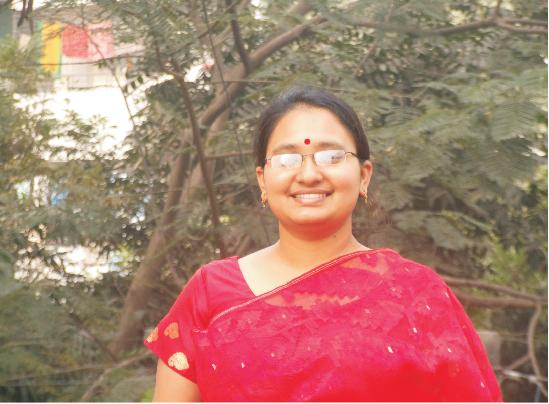
Tanni Chakraborty
Tanni Chakraborty was the featured artist of the month at Ananda Sandhya on July 12. She was assisted on tabla by Gokul Panda.
Born in 1985, Tanni was initiated to music at an early age at the localmusicacademy.Attheageof 10, she started her formal educationinmusicinChhayanaut Sangeet Vidyayatan in Dhaka. She graduated from Chhayanaut in2008fromtheRabindrasangeet department with first class. Notable among the many gurus she has had the privilege to learn from are Sanjida Khatun, Meeta Haq, Laysa Ahmed Lisa and Aninda Rahman. She moved to
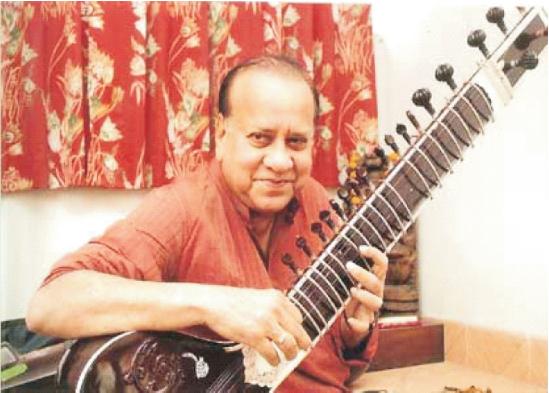
Subroto Roy Chowdhury
the US in 2010 and continues to practice Rabindra sangeet. Tanni publishedasoloRabindrasangeet albumtitled'Nirokhi'in2013.
th August 9 was a memorable evening for enjoying the sweet sound of “Bansuri”. Hindustani Bansuri specialist Jay Gandhi was the main performer at Ananda Sandhya on that evening. Jay Gandhi is a disciple of Pandit Hariprasad Chaurasia and learns from him at the Brindavan Gurukul in Mumbai. He has learned initially from Smt. Kum Kum Sanyal (vocal), Pt Ronu Majumdar, Pt Vijay Raghav Rao andPtRaghunathSeth(bansuri).
Tabla accompaniment was provided by our own Anirban Roy Choudhury
Pandit Subroto RoyChowdhury th was the featured artist on 13 September at the Ananda Sandhya program. Anirban Roy Chowdhury provided a very able supporttothesitarmaestro.
Subroto was trained under the legendary musician Birendra KishoreRoyChowdhury. The alap and jod (slow meditative raag elaboration) was Subroto's first love like that of his guru Birendra Kishore. This drove him to the famous Senior Dagar brothers, Mohinuddin and Aminuddin. Eventually he became a “ganda bandhan“ Shagird (disciple) of Ustad Nasir Aminuddin Khan Dagar,afamousDhrupadSinger.
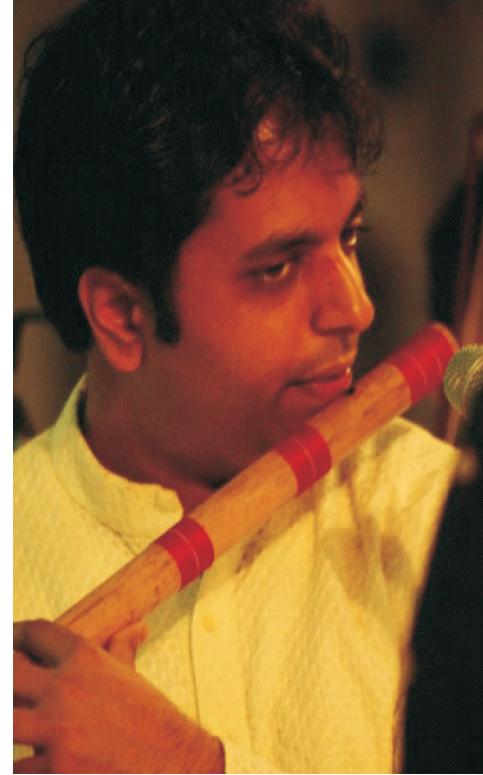
By now, to his credit, he has performed over 300 concerts outside of India, covering Spain, Portugal, France, Germany, Denmark, Sweden, The Netherlands, Belgium, Luxembourg, Yugoslavia, U.K.andtheUSA.InIndia,he has participated in most of the important festivals throughout the country and also in the National program of All India Radio several times. He is an active advocateofhumanrightsand has donated the royalties of his first album “Calcutta Meditation” to Amnesty International.
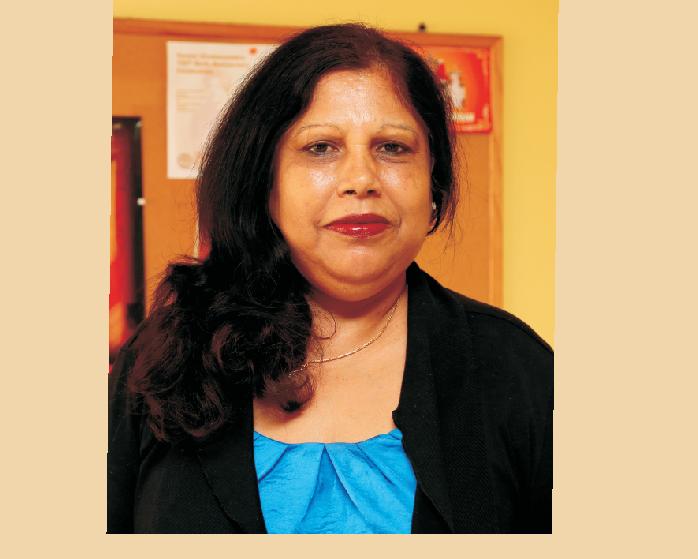
Based on the deliberations of the Awards & Recognition Committee, Ananda Mandir Board of Trustees has announced Uma Roychoudhury as an “Outstanding Volunteer”oftheorganization.
Uma Roychoudhury has been a very dedicated member of Ananda Mandir for many years, spending an enormous amount of her personal time in various activities of the organization.She is a keymember of the PujaCommitteeaswellasoftheFoodCommittee,andin both committees she works quietly and diligently for hours without seeking any compliments. In Food Committee, she has been serving as a chairperson for a number of years and in this role she helps to organize and coordinate the food preparation for large and small gatherings with utmost efficiency. Besides the major festivals, on other regular routine functions of the temple, she would quickly volunteer in cooking food to entertain the devotees. Her untiring work towards cooking food and distribution to the attendees has enhanced the quality of our overall temple performance. Sheisalsoasignificantcontributortoourorganizationin terms of increasing its membership strength. She brought many new members to Ananda Mandir. Her simple and sincere social interactions with people bring them together to work on the cause that she leads for AnandaMandir.