Nucleic Acid Sample Prepar ation Market
Valued at USD 3,234.78 million in 2024, projected to grow at 6.2%
CAGR through 2032. Driven by rising clinical diagnostics, automation adoption, and precision medicine initiatives.


Valued at USD 3,234.78 million in 2024, projected to grow at 6.2%
CAGR through 2032. Driven by rising clinical diagnostics, automation adoption, and precision medicine initiatives.

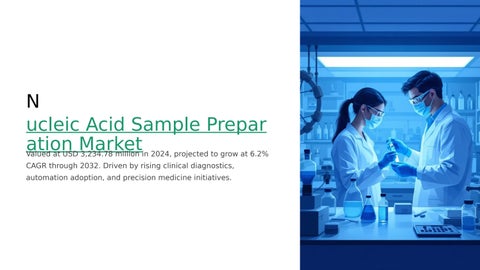
The process of isolating, purifying, and preparing DNA and RNA from biological samples. This foundational step ensures high purity and contaminant-free nucleic acids critical for accurate PCR, sequencing, and gene expression studies. Effective preparation enhances analytical performance, supports regulatory compliance, and reduces turnaround times in research and clinical settings.


Clinical Diagnostics
Growth
Rising use of nucleic acid-based testing for cancer, infectious diseases, and genetic disorders.
Automation Shift
Increasing adoption of automated workflows to improve throughput and reduce manual error.
Precision Medicine
Growth in genomics initiatives and government research funding for molecular biology capabilities.
Kits
Dominant: easy use and standardization

Consumables
Support scalability and throughput

Instruments
Enable automation and consistency
Kits hold the dominant position due to ease of use, consistency, and ability to standardize workflows across laboratories. Traditional manual extraction methods are declining as automated and kitbased approaches minimize variability.
Solid-Phase Extraction (SPE) is the leading technique, offering efficiency, scalability, and compatibility with automation in high-throughput applications.
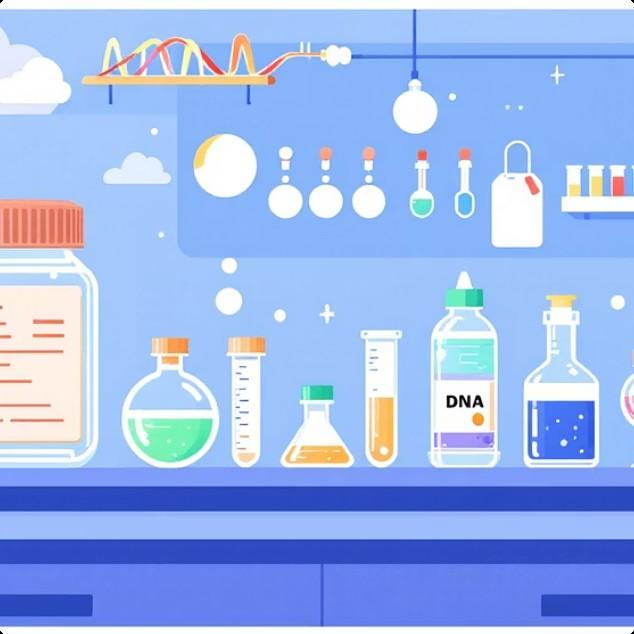
Kits
Dominant component for reliable extraction from blood, tissue, and saliva. Innovations include magnetic bead-based purification and columnfree methods.
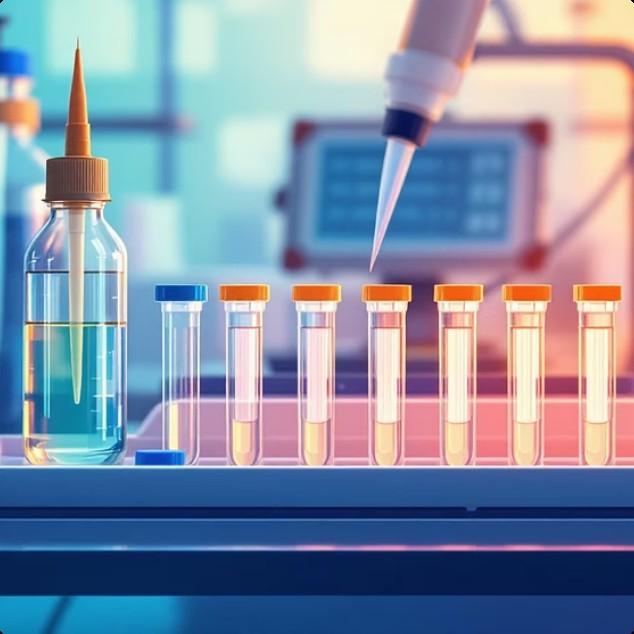
Support scalability and workflow integration with downstream analytical platforms for enhanced reproducibility.
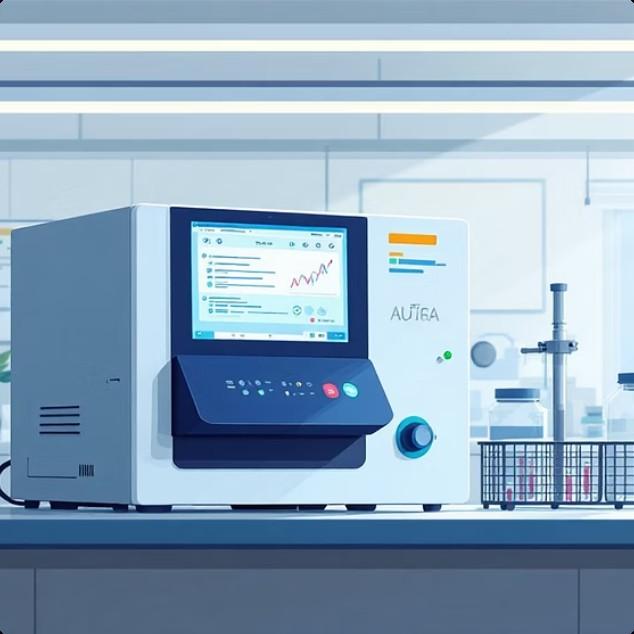
Instruments Enable automation and highthroughput processing, improving laboratory efficiency and reducing manual handling.


Direct Manufacturer
Sales Major laboratories, research institutes, and clinical facilities. Integrated support and service agreements.
Authorized Distributors
Regional and smaller research markets. Localized access to consumables and kits with technical support.

Clinical Diagnostics
Largest segment. Extensive use for infectious diseases, oncology, and genetic disorder testing.
Research Laboratories
High-throughput genomics and proteomics projects in academic and institutional settings.
Pharma & Biotech
Drug development and molecular research requiring high-quality nucleic acid preparations.
Emerging Applications
Liquid biopsy for circulating tumor DNA analysis and microbiome research workflows.
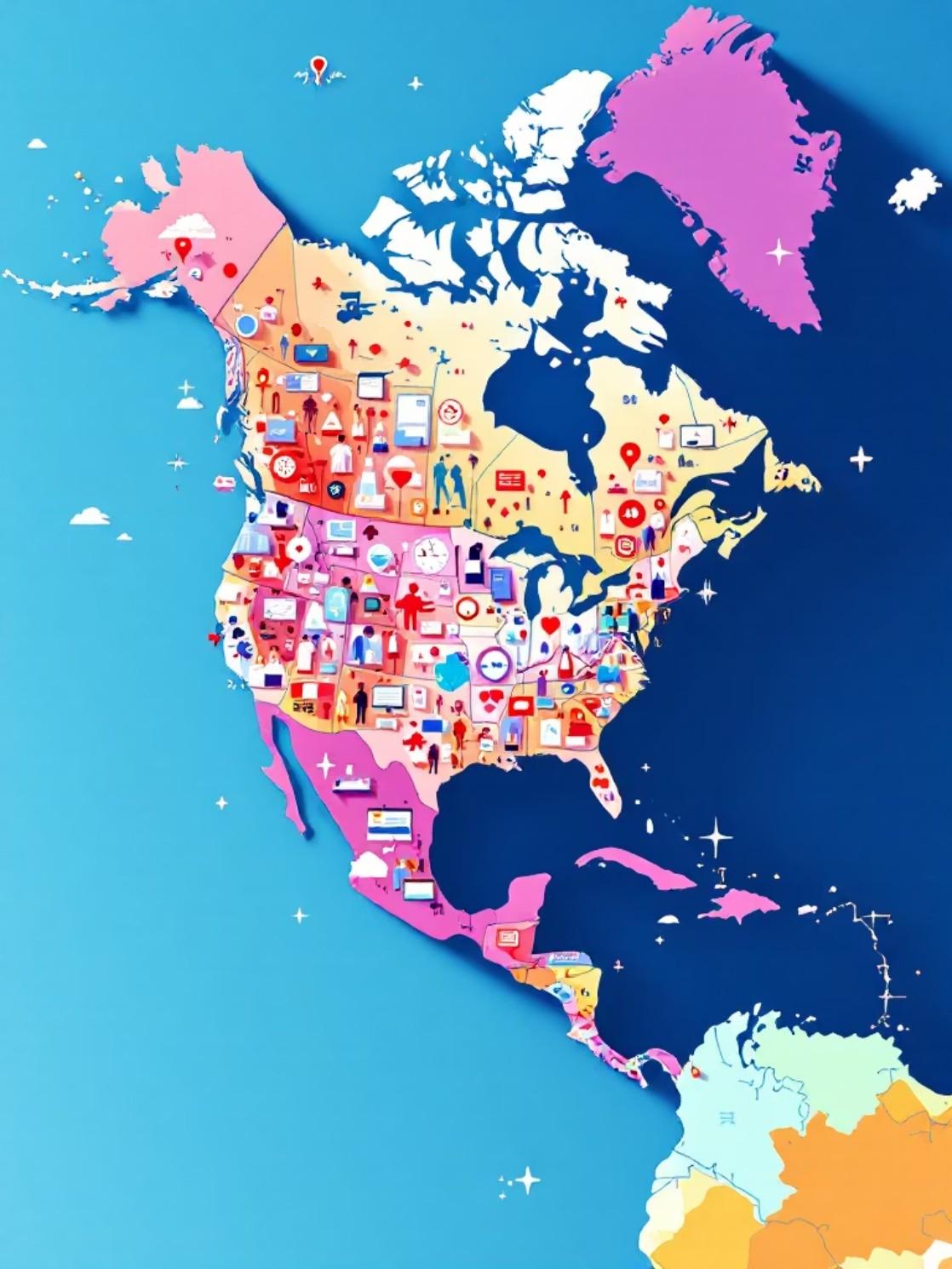
The United States leads with advanced healthcare infrastructure, significant R&D investment, and prioritization of precision medicine and genomic research. Robust biotechnology and clinical diagnostics sectors adopt advanced automated extraction systems. Regulatory frameworks accelerate commercialization of new technologies.
Europe and Asia-Pacific show steady growth driven by expanding laboratory networks, increased healthcare spending, and molecular diagnostic investments.
Established global leaders and innovative specialized companies compete on R&D investment, automated platforms, and high-efficiency kits.


Fisher Scientific QIAGEN
Bio-Rad Laboratories


KGaA

Roche Agilent Technologies
Competition intensifies around magnetic bead-based technologies and high-throughput systems as players seek differentiation.

Ongoing advances in genomics and expansion of personalized medicine applications.
Increasing need for automated, high-efficiency systems in clinical and research workflows.
Regulatory emphasis on reproducibility and innovation in extraction chemistry will shape market dynamics.