
Aprotic Solvents Market
Global market valued at USD 17,678.32 million in 2024, projected to grow at 3.4% CAGR through 2032. Driven by pharmaceuticals, electronics, and lithium-ion battery manufacturing.

Critical Industrial Chemicals
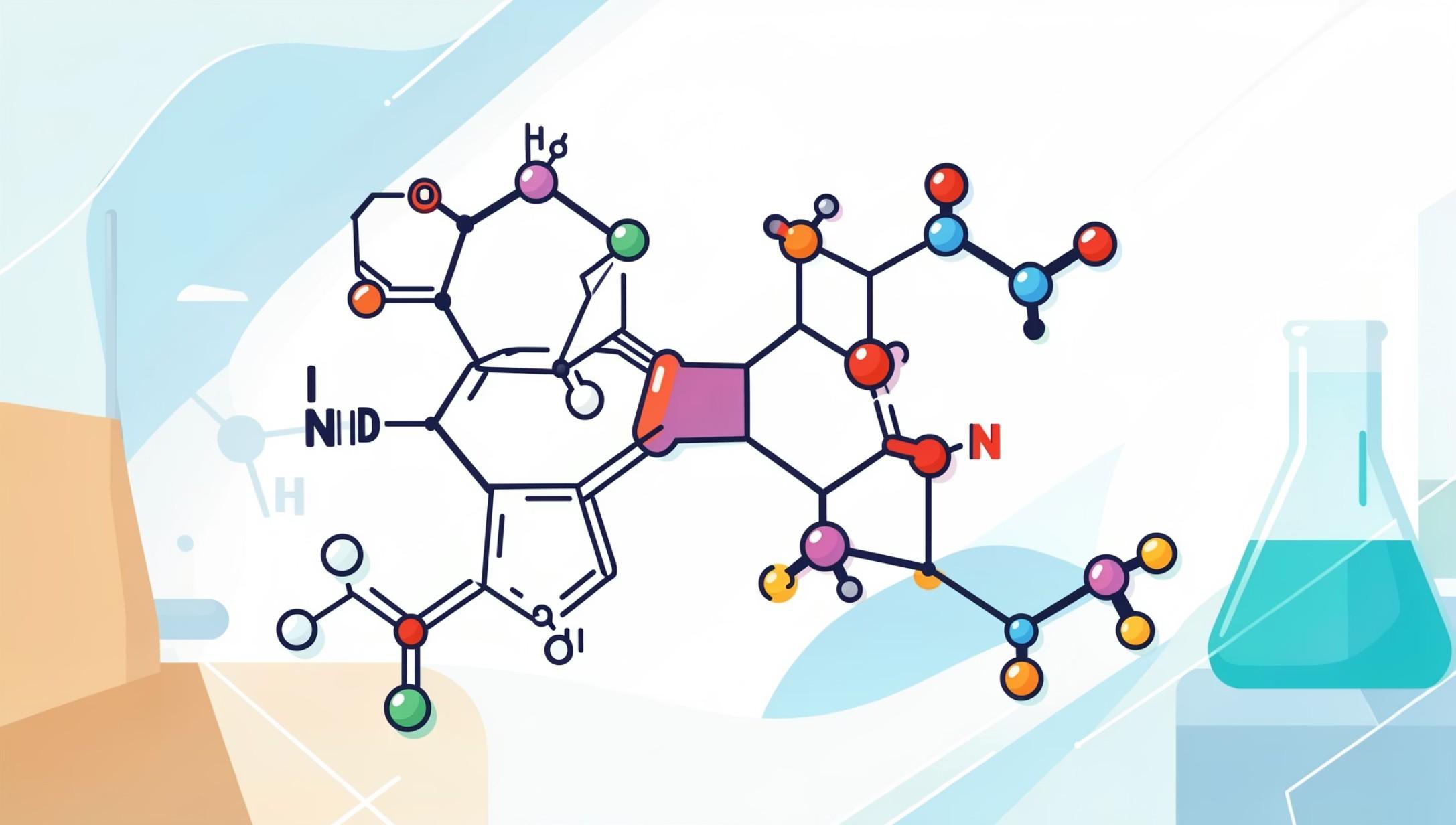
Aprotic solvents are non-protic chemicals that don't donate hydrogen ions in solution. They serve as essential reaction media and dissolving agents across industrial operations. These solvents enhance process efficiency, ensure consistent reaction outcomes, and facilitate production of pharmaceuticals, polymers, coatings, and advanced electronic materials.
Key Product Types
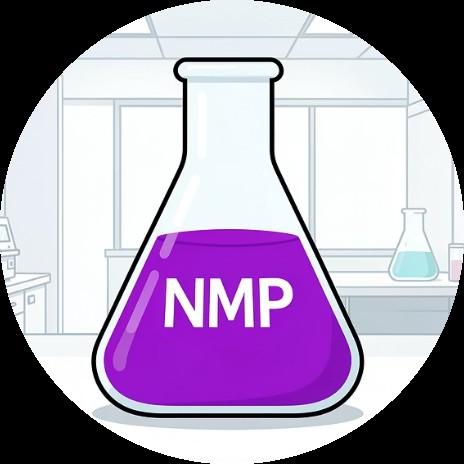
N-Methyl-2Pyrrolidone (NMP)
Critical for lithium-ion battery electrode manufacturing and polymer processing.
Retains significant market share.
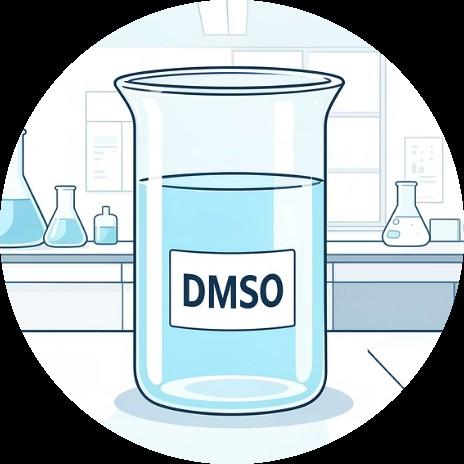
Dimethyl Sulfoxide (DMSO) Superior solvency characteristics for pharmaceutical synthesis and specialized industrial applications.

& Acetonitrile
Widely used for their excellent dissolving properties and regulatory compliance in precision industries.

Bio-Based
Alternatives
Emerging solvents with reduced toxicity profiles and improved environmental sustainability credentials.
Acetone
Market Drivers
Energy Storage Boom
Lithium-ion battery production demands ultra-pure solvents for electrode manufacturing and electrolyte formulation.
Electronics
Manufacturing
Semiconductor fabrication and photoresist stripping require high-purity aprotic solvents for precision processes.
Pharmaceutical
Growth
Active pharmaceutical ingredient synthesis drives steady demand for compliant, highperformance solvents.
Regulatory Shifts
Environmental compliance encourages safer, more sustainable solvent solutions across all industries.
End-Use Sectors

Emerging Growth Leader
Electronics and battery manufacturing segment is the key growth driver, fueled by semiconductor fab construction and lithiumion battery demand.
Traditional Stronghold
Oil and gas sector remains major end-use category, requiring solvents with exceptional thermal stability for processing operations.
Regional Market Dynamics
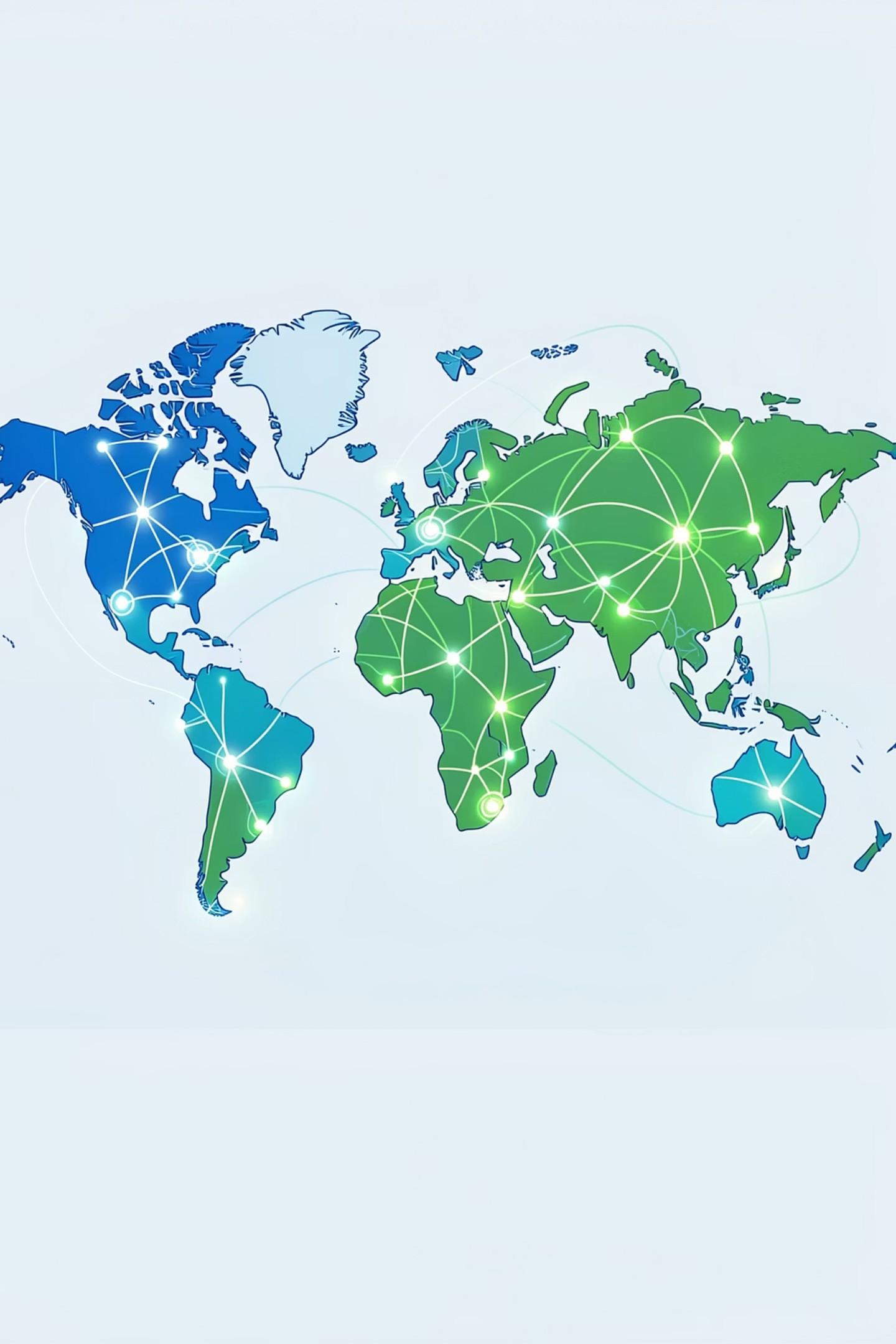
Asia-Pacific Leadership
Largest market share driven by extensive chemical manufacturing in China and Japan. Battery and electronics sectors fuel robust growth.
North America
Strength Advanced pharmaceutical infrastructure and semiconductor fab incentives support strong demand and established production capacity.
Europe's Transition Regulatory frameworks drive shift toward safer alternatives. Compliance and sustainability shape market evolution.
Distribution Channels
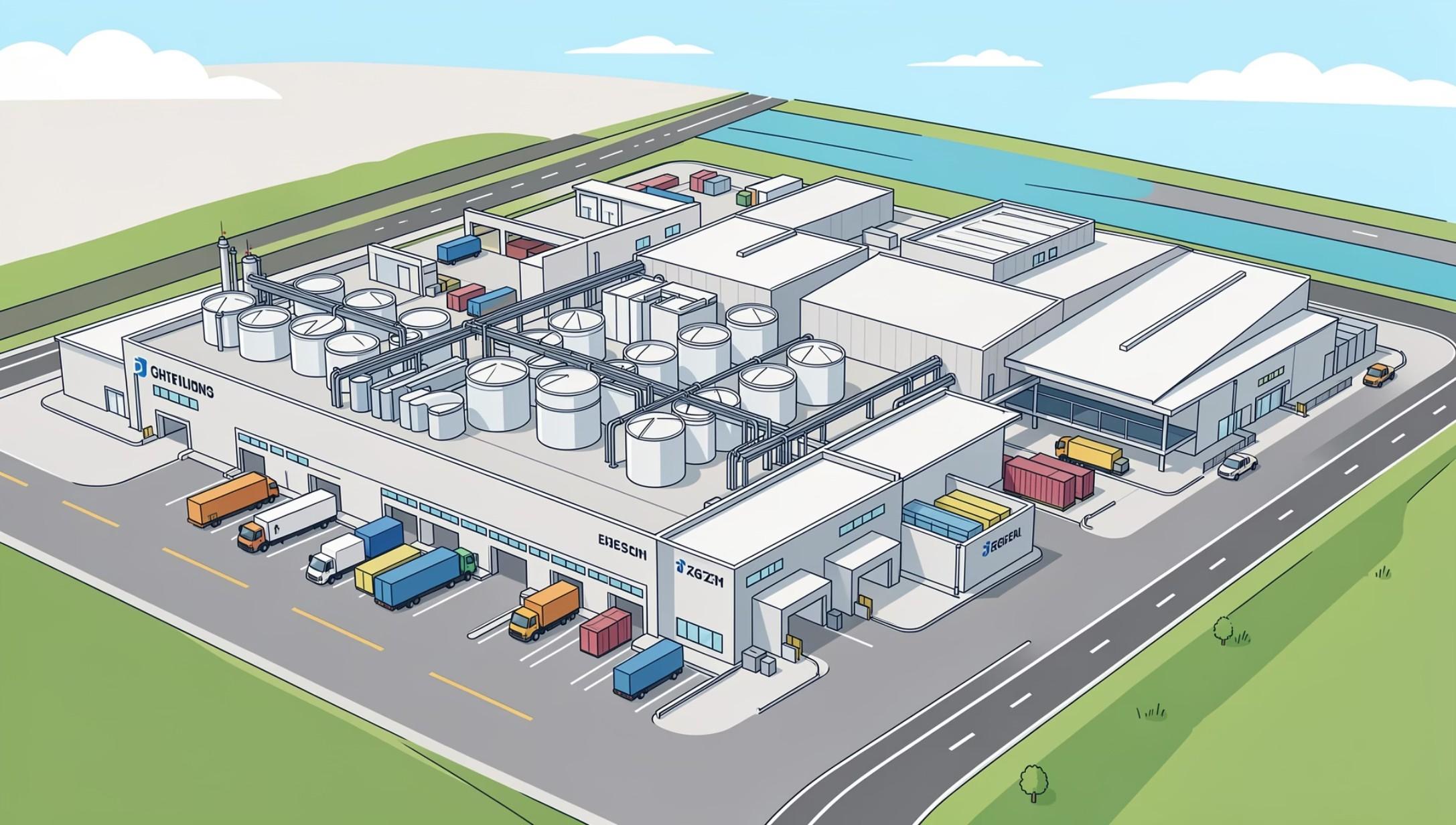
Direct Industrial Supply
Primary channel for major end-users in pharmaceuticals, electronics, and energy. Ensures specification compliance and supply security.
Chemical Distributors
Extend reach to specialty laboratories and formulation houses. Provide regional access, technical support, and regulatory guidance.

Key Market Players

Global Chemical Giants
BASF SE, Dow Inc., Shell
Chemicals, and INEOS Group lead with extensive portfolios and global reach.

Asian Powerhouses
Mitsubishi Chemical, LG Chem, Asahi Kasei, and CNPC drive regional production and innovation.

Specialty Innovators
Eastman Chemical, Huntsman, Solvay, and Arkema focus on advanced eco-friendly formulations.
Competitive strategies emphasize R&D investment, geographic expansion through partnerships, and continuous innovation for regulatory compliance.
Innovation & Technology Trends
Performance Meets Sustainability
Innovation balances stringent performance requirements with environmental responsibility, creating competitive advantage.
Enhanced techniques deliver ultra-pure solvents for semiconductor and pharmaceutical applications.
Future Outlook



Steady Growth
Electronics, battery production, and pharmaceutical synthesis drive sustained expansion through 2032.
Regulatory Evolution
Safety and environmental standards shape formulation trends and application practices.
Continued Relevance
Unique solvency characteristics ensure aprotic solvents remain critical for industrial processes.
Technological advancements in performance, purification, and recyclability will foster greater adoption across high-precision industries.