GRADUATING MAY 2026 FROM THE UNIVERSITY OF IDAHO
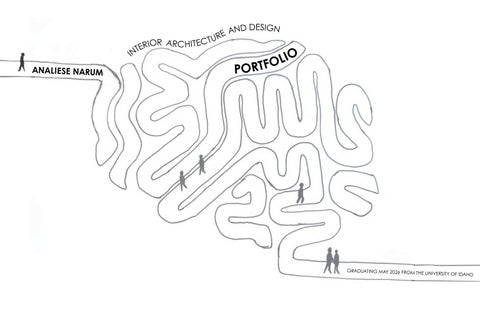
GRADUATING MAY 2026 FROM THE UNIVERSITY OF IDAHO

MY UPBRINGING IN THE MOUNTAIN WEST SHAPED MY BELIEF IN THE RESTORATIVE POWER OF NATURE, GROUNDING ME IN AN UNDERSTANDING OF HOW DEEPLY ENVIRONMENTS INFLUENCE WELLBEING, AS WELL AS A DEEP APPRECIATION OF CONNECTION TO PLACE. THIS FOUNDATION NATURALLY LED ME TO EXPLORE ENVIRONMENTAL PSYCHOLOGY, EVIDENCE-BASED DESIGN, AND BIOPHILIC PRINCIPLES AS THE CORE OF MY DESIGN APPROACH.
I’VE ALWAYS BEEN DRAWN TO THE FUNDAMENTAL PSYCHOLOGICAL QUESTION: WHY DO PEOPLE DO WHAT THEY DO? DISCOVERING THAT INTERIOR DESIGN PROVIDES TANGIBLE, RESEARCH-DRIVEN ANSWERS TO THIS QUESTION, AND SEAMLESSLY INTEGRATES MY DIVERSE INTERESTS, CONFIRMED THAT THIS FIELD IS THE RIGHT PLACE FOR ME.
WITH EVERY PROJECT, I CHALLENGE MYSELF TO INVESTIGATE HOW DIFFERENT EVIDENCE-BASED DESIGN STRATEGIES INFLUENCE NEUROLOGICAL RESPONSES AND TO APPLY EVIDENCE-BASED METHODS TAILORED TO SPECIFIC CONDITIONS. MY GOAL IS TO CREATE SPACES THAT ARE NOT ONLY FUNCTIONAL, BUT HEALING, RESTORATIVE, AND DEEPLY ALIGNED WITH THE PSYCHOLOGICAL NEEDS OF THE PEOPLE WHO USE THEM.
UNIVERSITY OF IDAHO, MOSCOW, ID|B.S. IN INTERIOR ARCHITECTURE AND DESIGN (CIDA ACCREDITED)| MINOR IN ARCHITECTURE|CERTIFICATE IN SUSTAINABILITY| GRADUATING MAY 2026
ACCADEMIA ITALIANA, FLORENCE, ITALY| INTERIOR ARCHITECTURE & DESIGN STUDY ABROAD
STUDENT|1/25-5/25
WELL AP ACCREDITATION|IN PROGRESS, EXPECTED 3/26
SUEDE STUDIO, DESIGN INTERN| 6/25-11/25, ON SITE, SUN VALLEY, ID
ORGANIZED AND MANAGED MATERIAL LIBRARY
ASSISTED WITH CAD AND REVIT CONSTRUCTION DRAWINGS
ASSISTED WITH SITE VISITS AND INSTALLATIONS
SCHEDULED AND SCRIBED CLIENT AND VENDOR MEETINGS
CREATED SPECIFICATIONS IN EXCEL
OBTAINED PRODUCT AND FINISH QUOTES, CREATE FURNITURE PRESENTATIONS/BUDGETS IN STUDIO DESIGNER
ASSISTED DESIGNERS WITH VARIETY OF PROJECT SPECIFIC TASKS
ASSISTED IN MATERIAL/FINISH SELECTIONS
DAYHOUSE STUDIO, DESIGN INTERN/RESEARCH ASSISTANT|5/25 - 8/25, REMOTE, SLC, UT
ASSIST WITH RESEARCHING HEALTH FOCUSED BIOPHILIC INTERIOR DESIGN SOLUTIONS FOR INDIVIDUALS LIVING WITH CHRONIC MEDICAL CONDITIONS
COMMUNICATE EVIDENCE-BASED DESIGN STRATEGIES WITH DESIGNERS FOR IMPLEMENTATION
THE PICKET FENCE INTERIOR DESIGN, DESIGN INTERN| 5/24-8/24, ON SITE, SUN VALLEY, ID
ORGANIZED AND MANAGED MATERIAL LIBRARY
SCRIBED MEETING NOTES DURING CLIENT MEETINGS
ASSISTED WITH CAD CONSTRUCTION DRAWINGS
ASSISTED IN SOURCING FURNITURE, LIGHTING, AND FABRICS
INTERIOR ARCHITECTURE AND DESIGN STUDIO I TEACHING ASSISTANT|1/26-PRESENT
SUPPORTED STUDIO INSTRUCTION THROUGH DESK CRITIQUES AND INDIVIDUALIZED STUDENT FEEDBACK FOR 35 STUDENTS, FACILITATED IN-PERSON AND REMOTE COLLABORATION
COORDINATED STUDIO OPERATIONS, INCLUDING ATTENDANCE TRACKING, DOCUMENTATION MANAGEMENT, AND COURSE ORGANIZATION
ARCHITECTURAL GRAPHICS TEACHING ASSISTANT|1/23-5/23
REVIEWED & GAVE FEEDBACK TO 112 STUDENTS’ HAND DRAFTED AND SKETCHBOOK
ASSIGNMENTS BIWEEKLY
2026 STEELCASE NEXT DESIGN COMPETITION: SEMI-FINALIST
ASID NATIONAL DAVID BARRETT MEMORIAL SCHOLARSHIP RECIPIENT
METROPOLIS FUTURE 100: INTERIOR DESIGN CLASS OF 2026 NOMINEE
7X DEAN’S LIST RECIPIENT
IFDA STUDENT MEMBER NATIONAL SCHOLARSHIP RECIPIENT
2X U OF I INTERIOR ARCHITECTURE AND DESIGN PROGRAM SCHOLARSHIP RECIPIENT
IIDA NPC STUDENT PROJECT EXHIBITION AWARDS 2025: HONORABLE MENTION
UNIVERSITY OF IDAHO IAD PROGRAM FINALIST- 2025 IDEC COMPETITION
STUDENT MEMBER OF ASID & STUDENT REPRESENTATIVE TO THE BOARD FOR THE INTERMOUNTAIN CHAPTER (ID, MT, UT, WY)
LED INITIATIVE SECURING ASID HIGHER EDUCATION PARTNERSHIP FOR THE UNIVERSITY OF IDAHO
INTERIOR ARCHITECTURE & DESIGN PROGRAM, RESULTING IN 50+ NEW ASID STUDENT AND FACULTY MEMBERS
STUDENT MEMBER OF IIDA ACTIVELY INVOLVED WITH THE IDAHO CONSORTIUM FOR INTERIOR DESIGN ADVOCACY
STUDENT MEMBER OF NEWH NORTHWEST CHAPTER
MEMBER OF INTERIORS UI & ASID LIASON
UNIVERSITY OF IDAHO UNDERGRADUATE RESEARCH SYMPOSIUM SELECTED PARTICIPANT FOR DESIGN FOR WELL-BEING RESEARCH PROJECT
ALUMNI OF DELTA GAMMA SORORITY, LEADERSHIP ROLES:
VICE PRESIDENT OF MEMBER EDUCATION
DIRECTOR OF PUBLIC RELATIONS
DIRECTOR OF E -COMMUNICATIONS
ALUMNI OF UNIVERSITY OF IDAHO SKI TEAM
SKILLS
STRONG WRITTEN AND VERBAL COMMUNICATION
EFFECTIVE DELEGATION IN LEADERSHIP ROLES
SELF-DIRECTED
INITIATIVE
ADAPTABILITY


AUTOCAD



ADOBE SUITE
MICROSOFT SUITE
CORE COMPETENCIES
DESIGN THINKING
EVIDENCE-BASED DESIGN PRACTICES
CONCEPTUAL DEVELOPMENT & EXECUTION
INTERIOR MATERIALS AND PRODUCT SELECTIONS


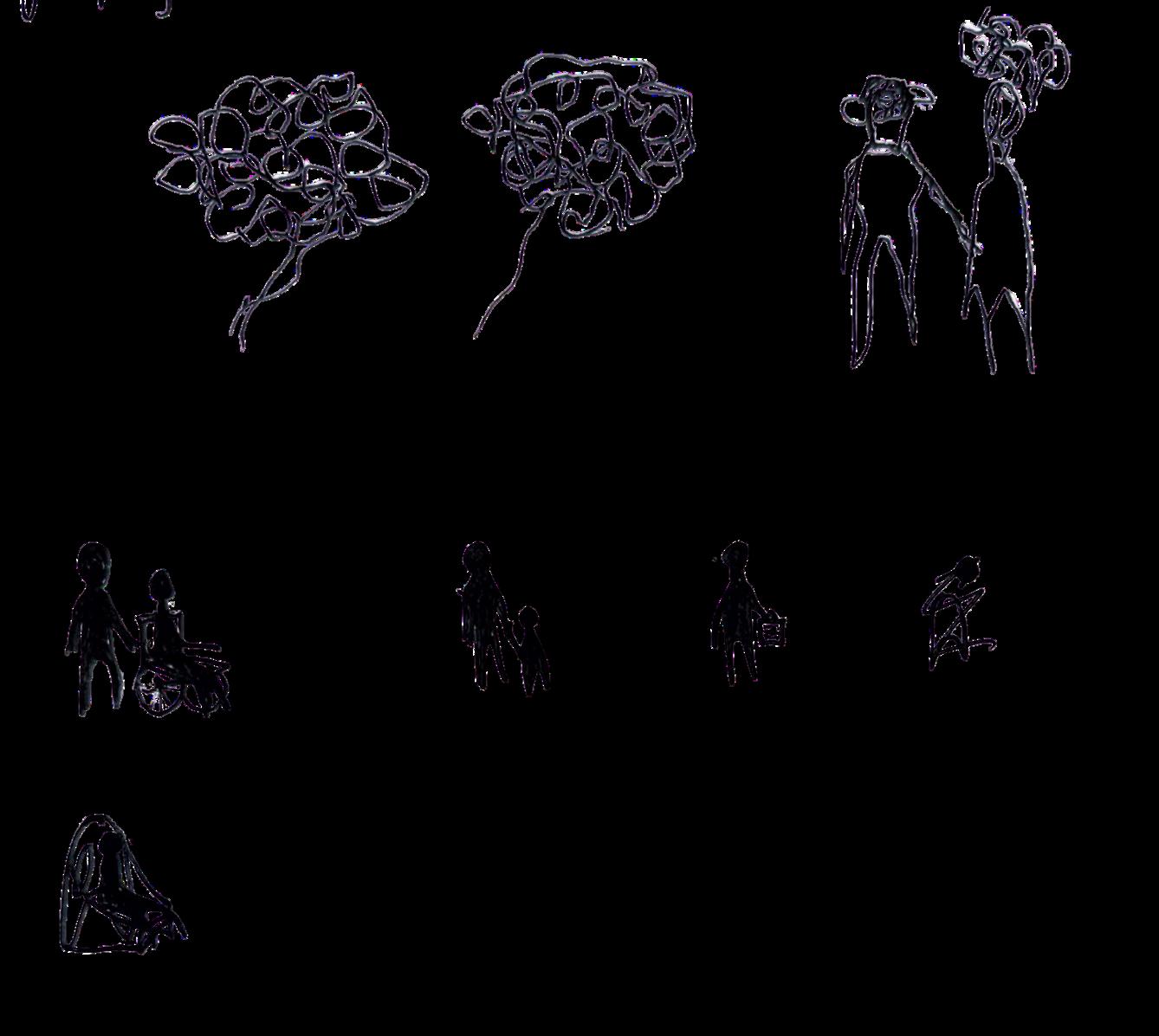
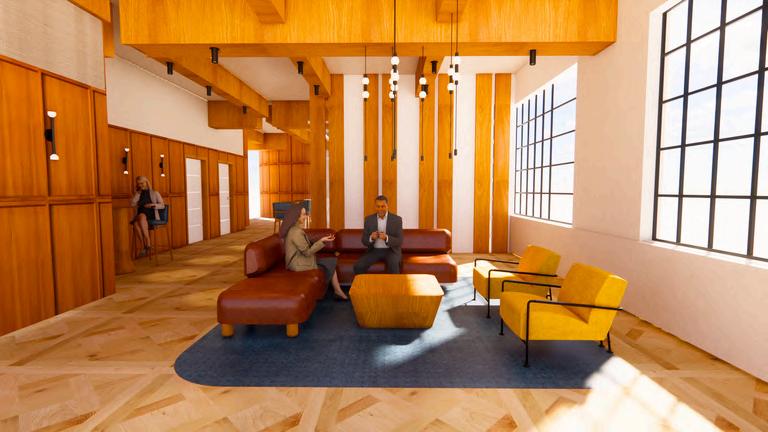
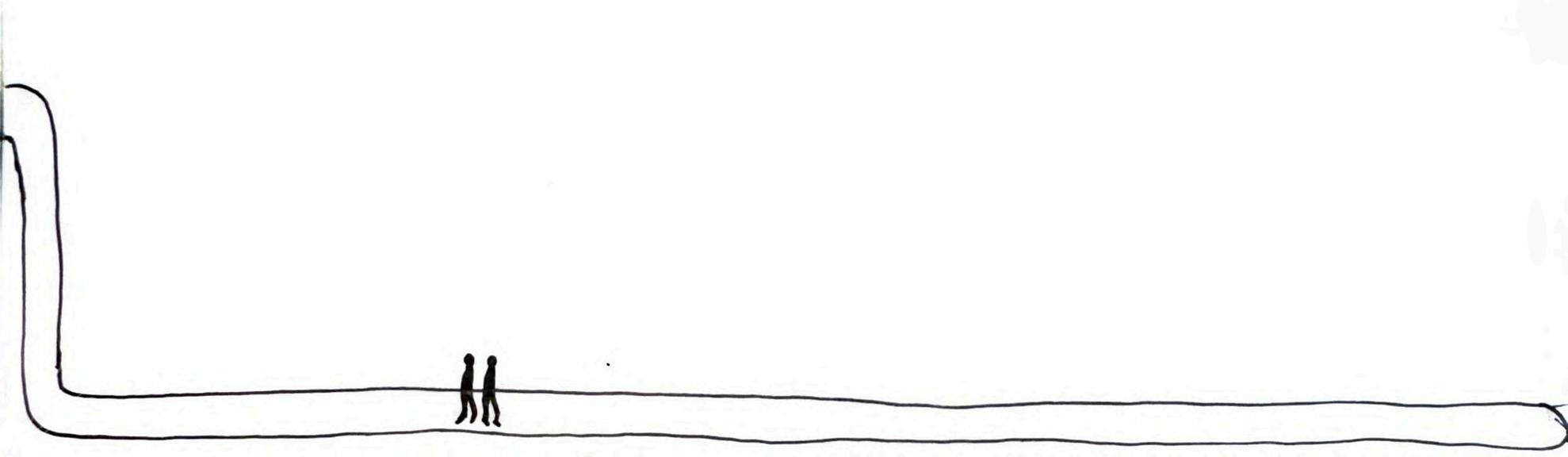
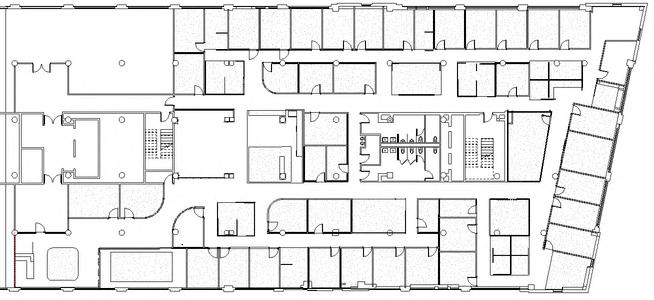
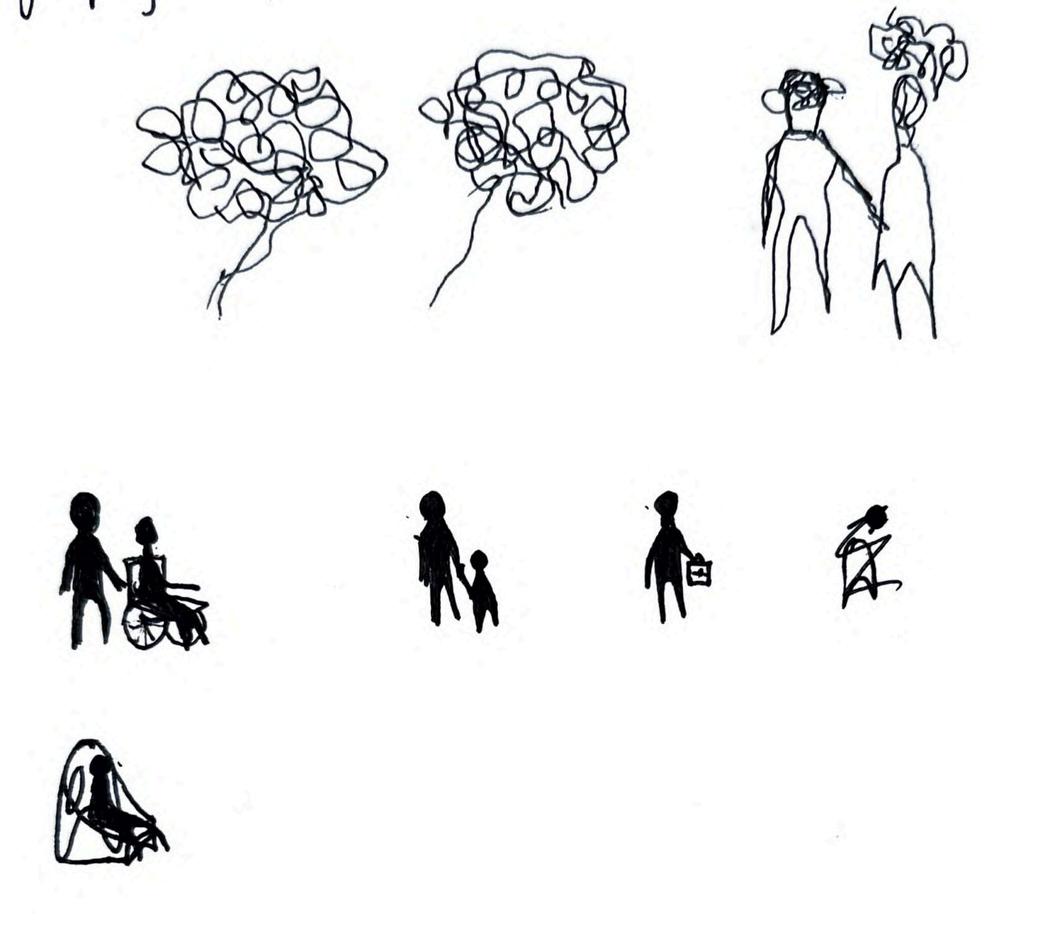
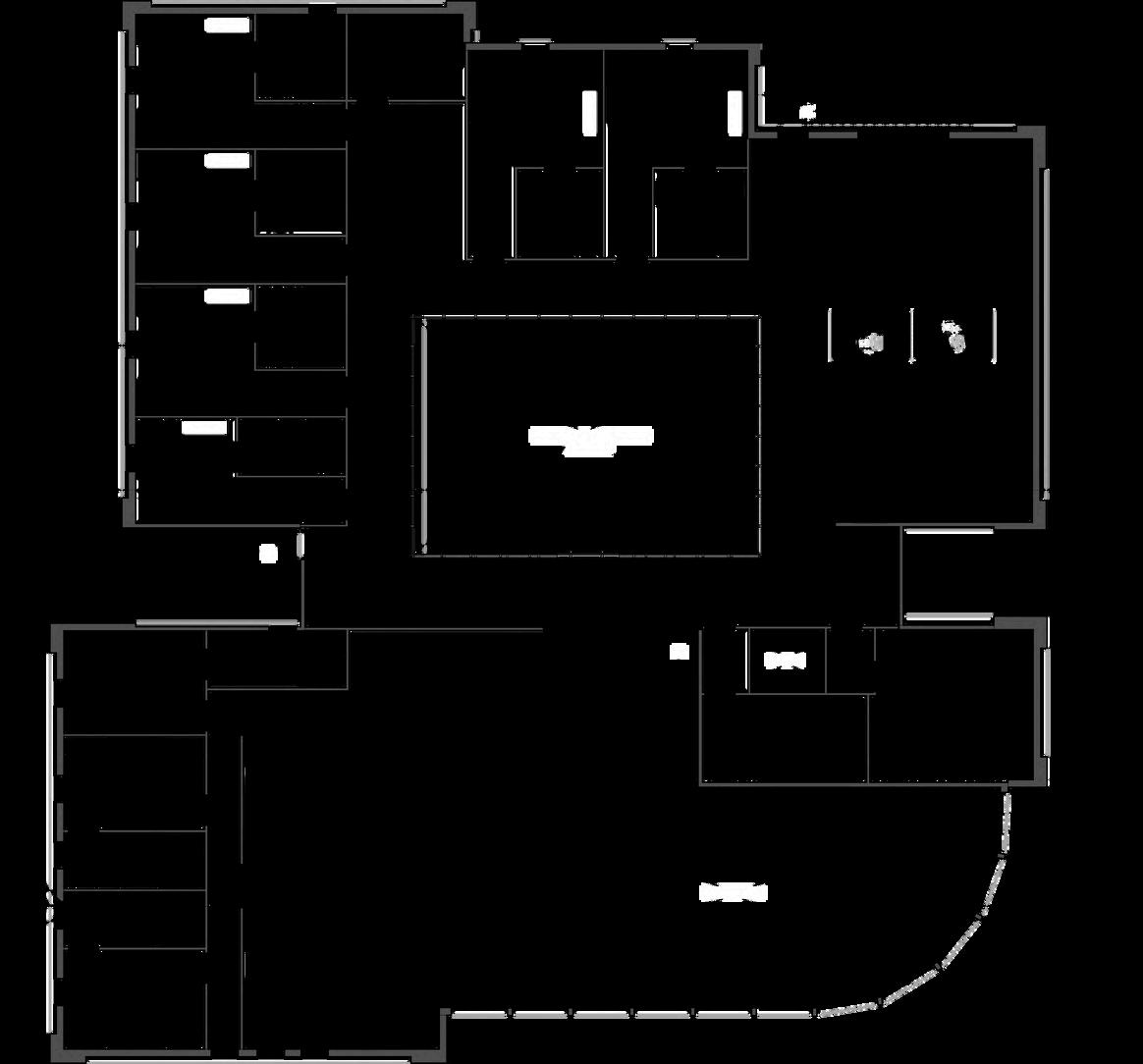
56% of lawyers facing chronic stress
How can the environment be a silent stress reliever?
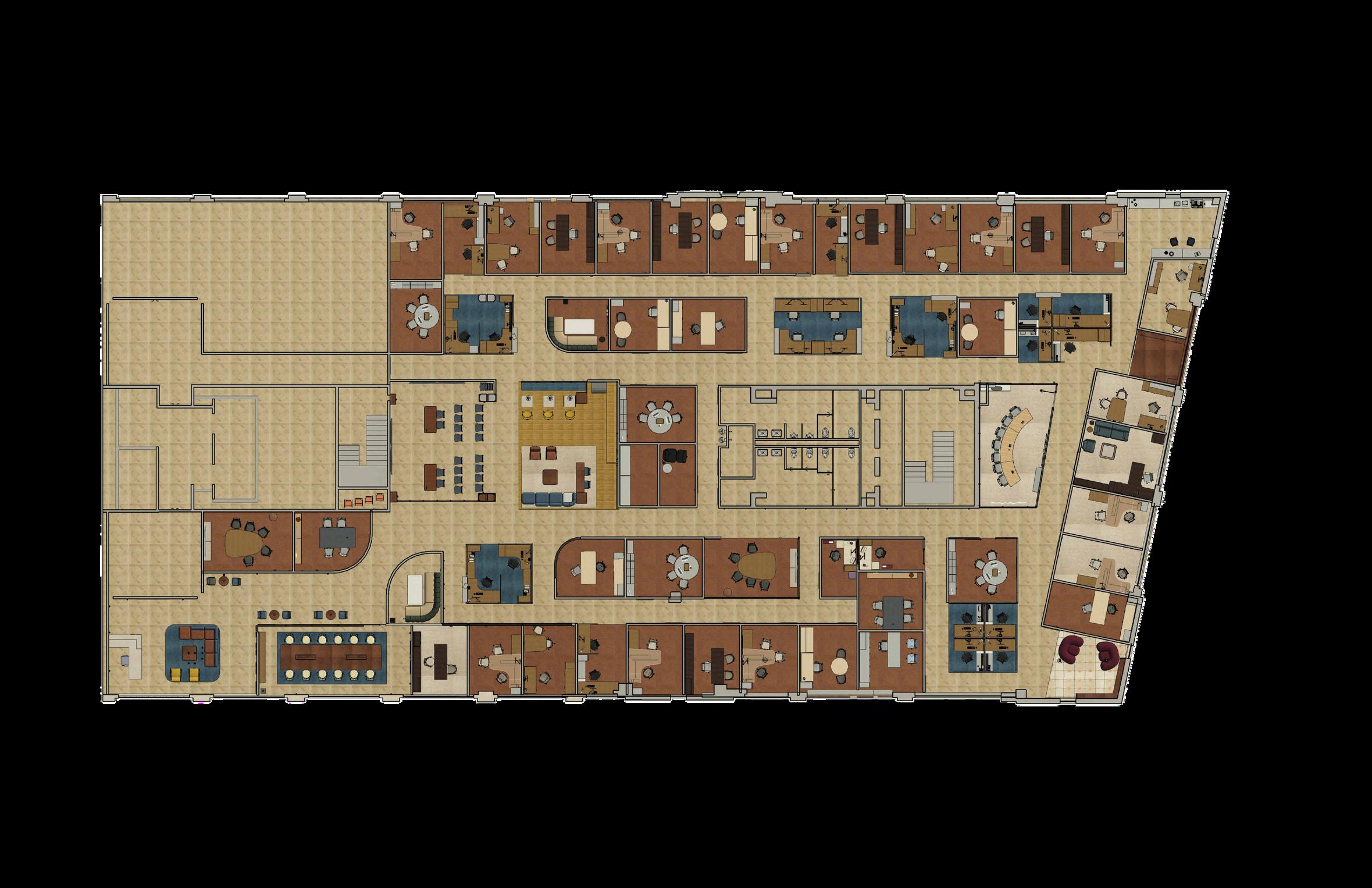
Support offices, some interaction, less publc

Man core of the office, pubic spaces and collaborative work, least private
Private, individual work space
Biophilic design as human’s relationship with nature and the built environment
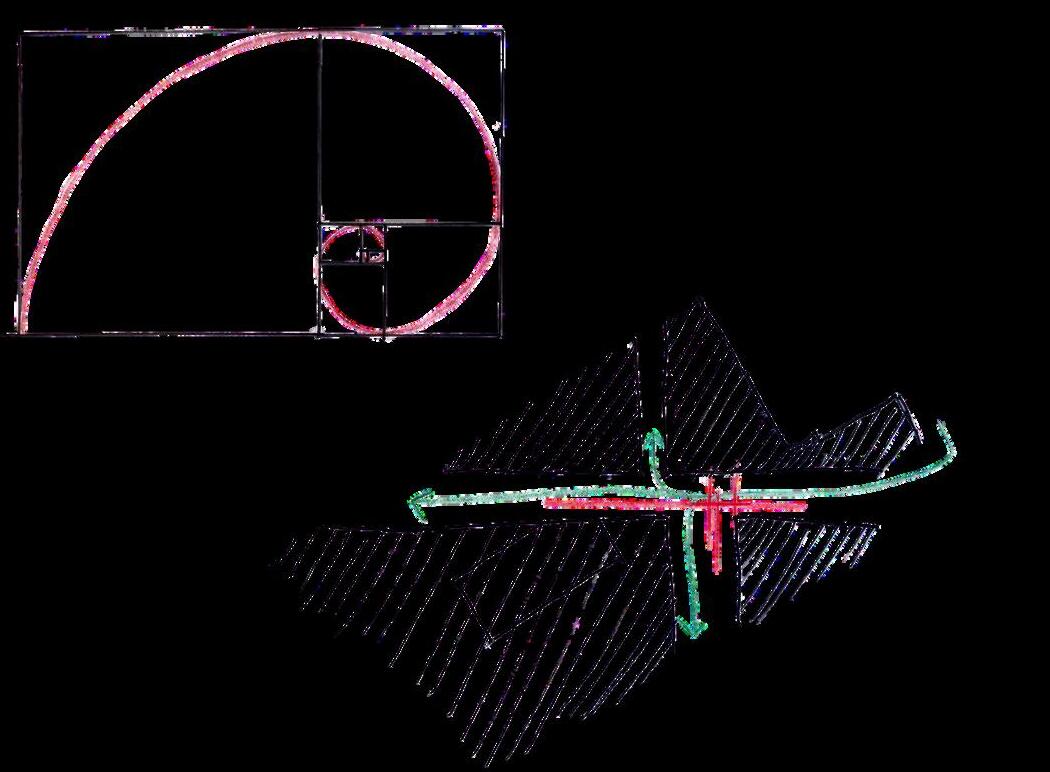
Biomorphic forms and patterns: viewing proportions that naturally exist in nature improve cognitive performance, reduce stress
Applying the Golden Ratio as a spatial and psychological framework to counteract chronic stress among lawyers
Use golden ratio as a larger comprehensive ordering principle
Support offices, rare interaction, semi-private
Private collaborative work space, private restoration space
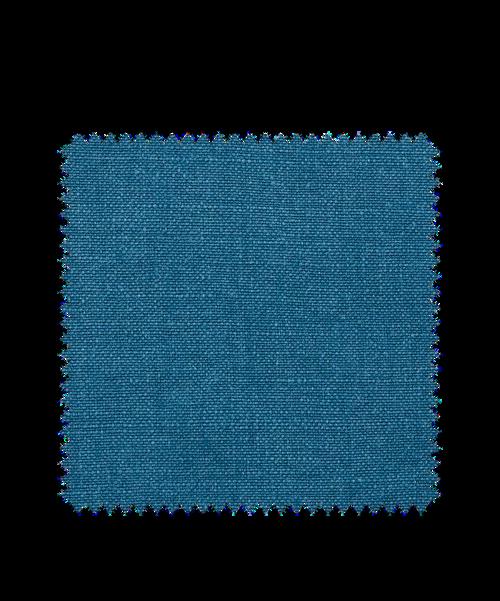
Materiality as interpretation of branding
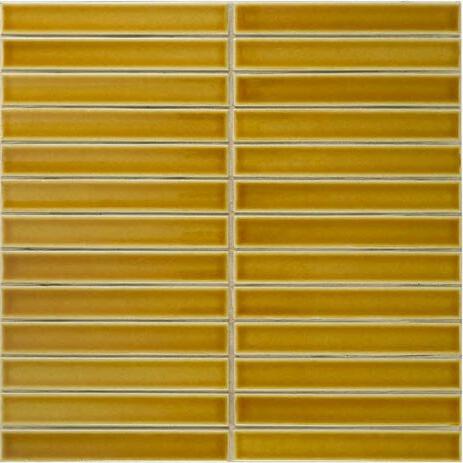

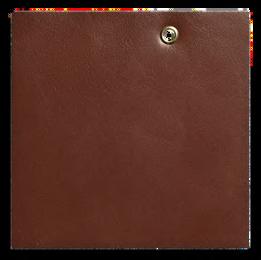
but inclusive.
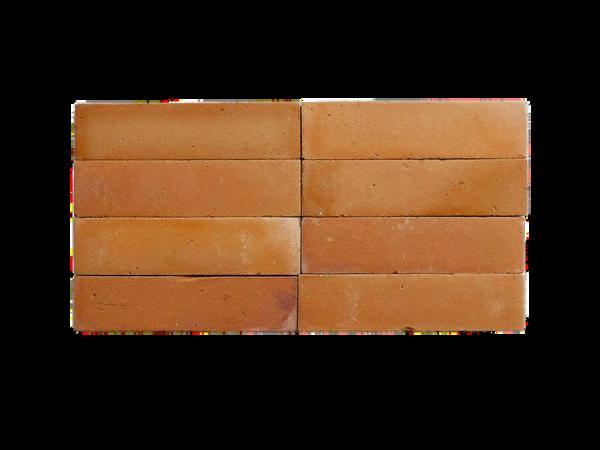
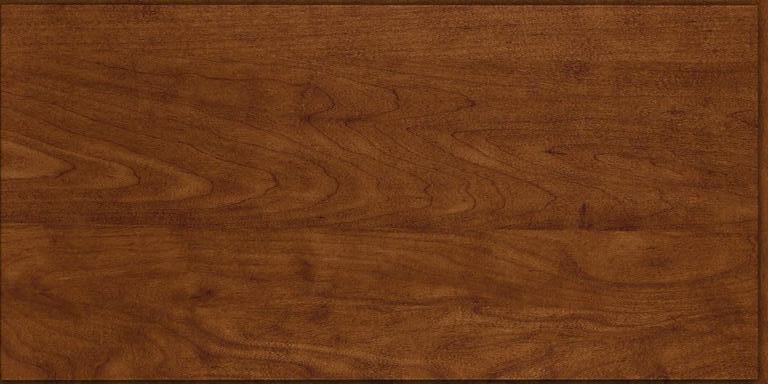
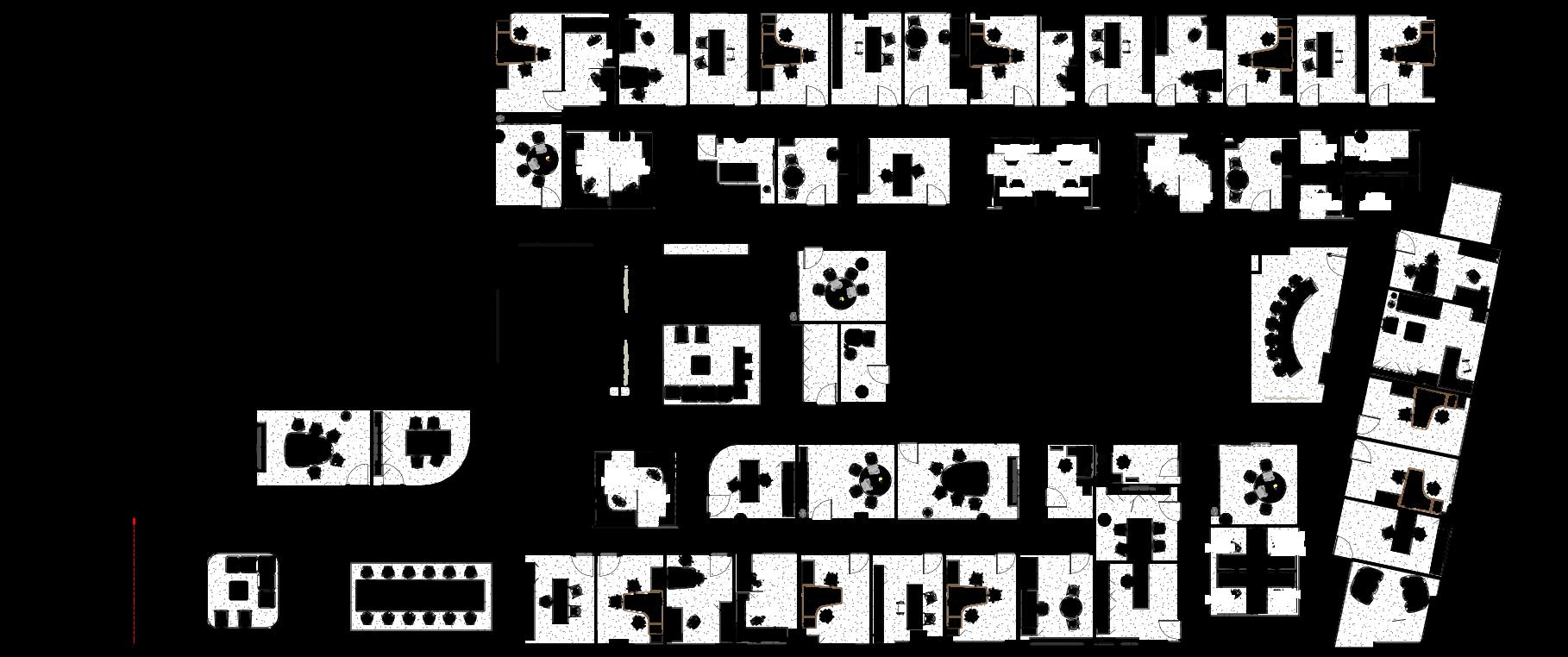

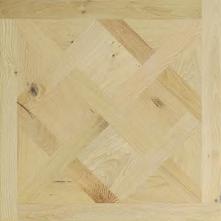



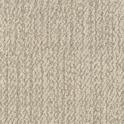

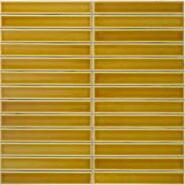
How this project is responding to NEXT’s specific design drivers:
Leverages biophilic cues- natural materials, daylight, soft acoustics- to counteract cognitive fatigue caused by prolonged screen exposure
A sustainability mindset to material selections such as low-VOC, Cradle to Cradle–certified, Red-List free, and responsibly sourced materials to reduce environmental impact and support long-term human health
Provides spaces for both high-tech productivity and low-tech restoration, acknow edging that healthy cognitive function requires both
Emphasizes human-centric design and embodied experience that AI cannot replicate.
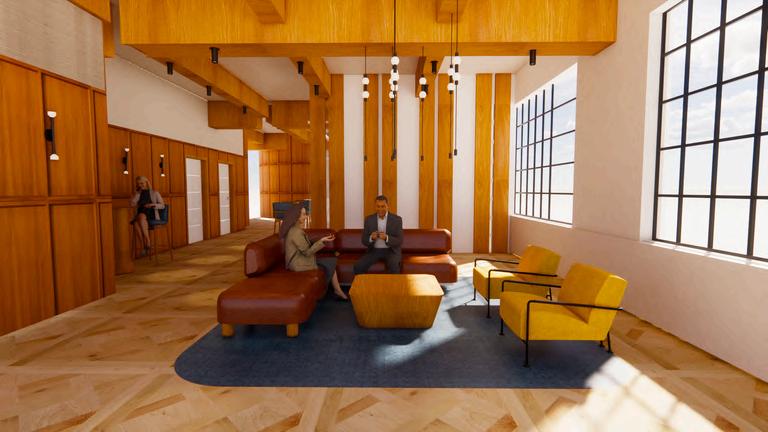
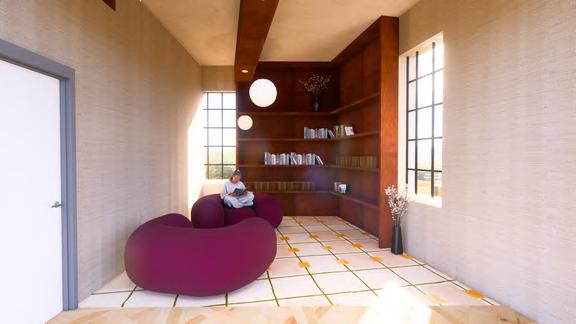
Applies evidence-based biophilic principles (prospect, refuge, natural materials, multisensory cues) to reduce stress and support cognitive recovery. Designs for psychological comfort with warm, tacti e materials, and human-scaled proportions
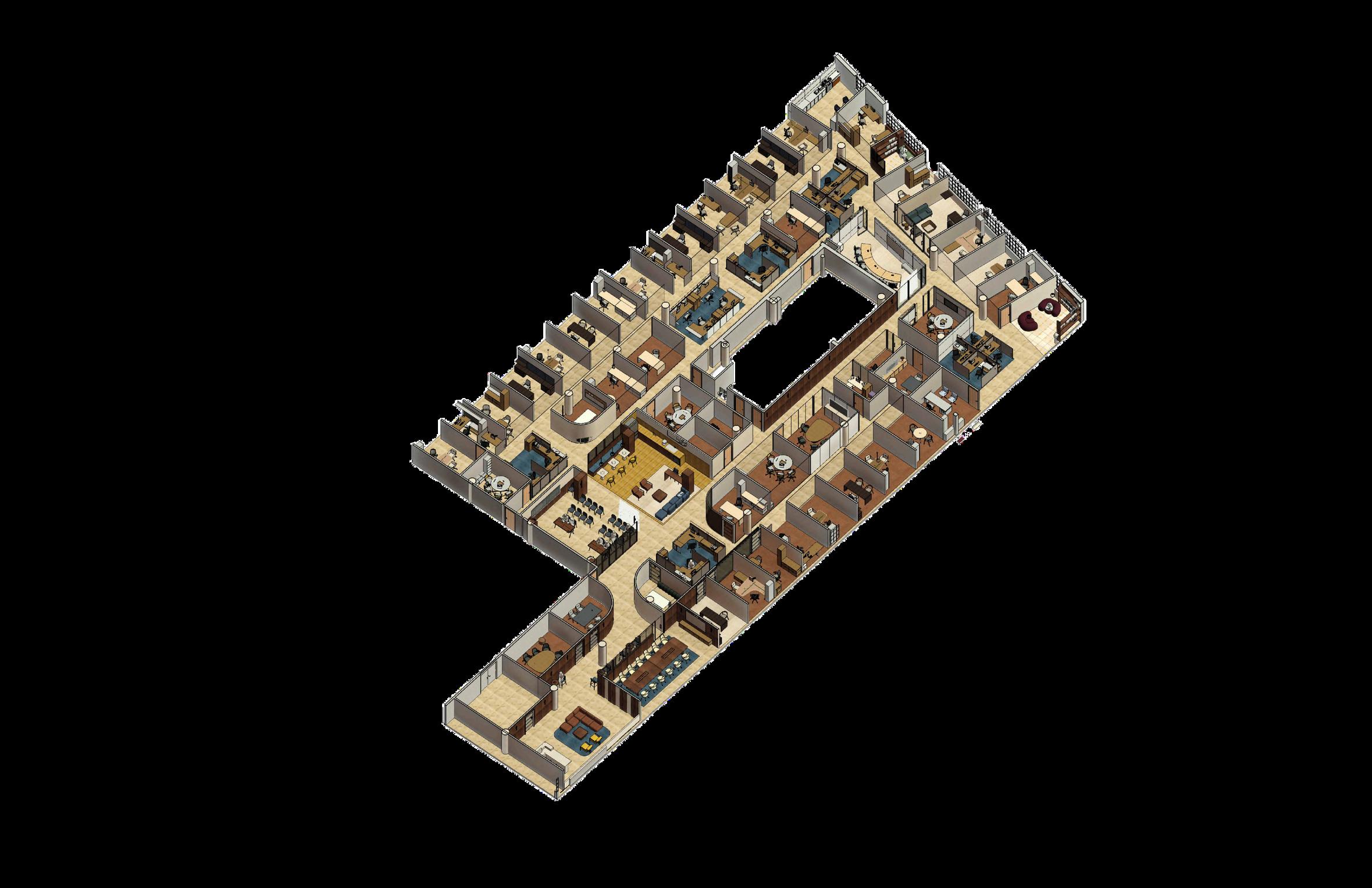
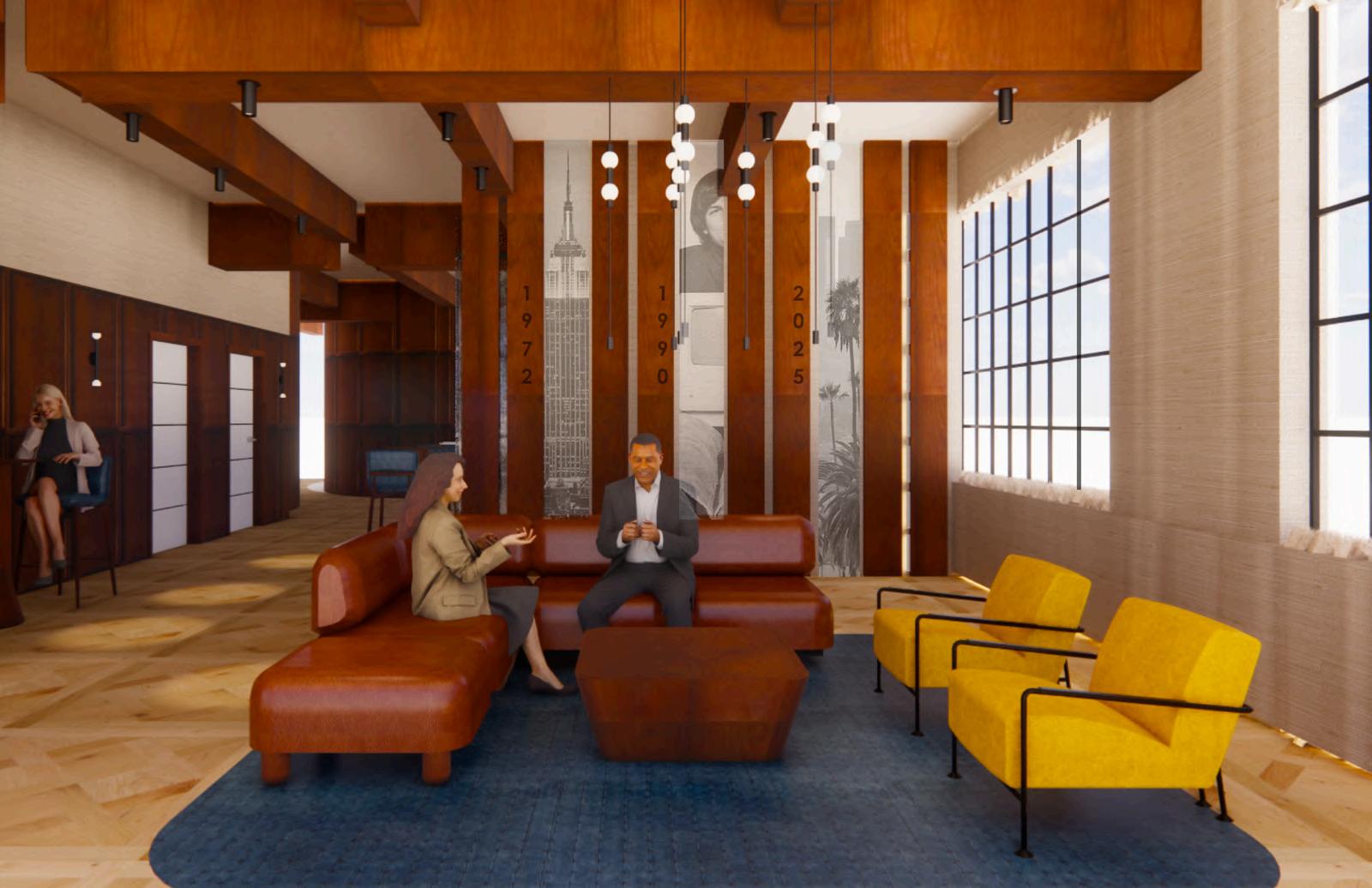
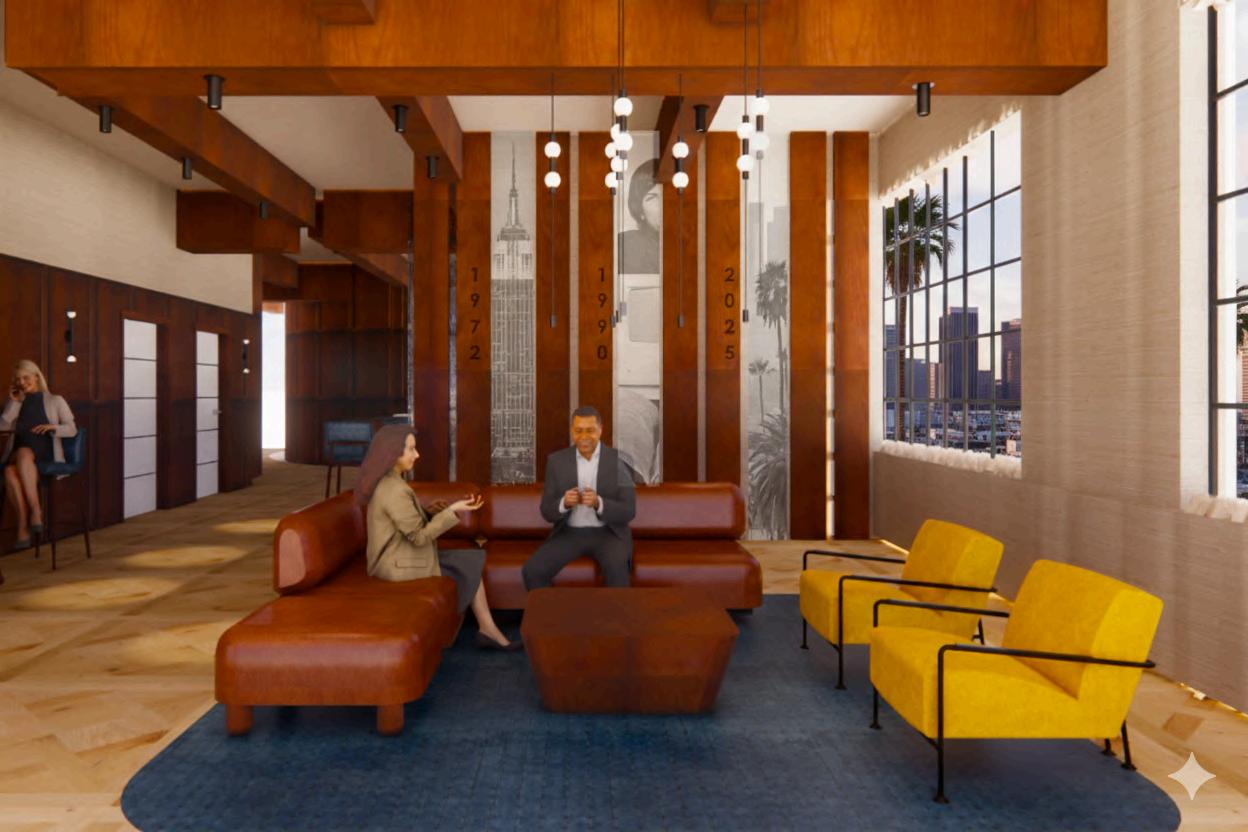
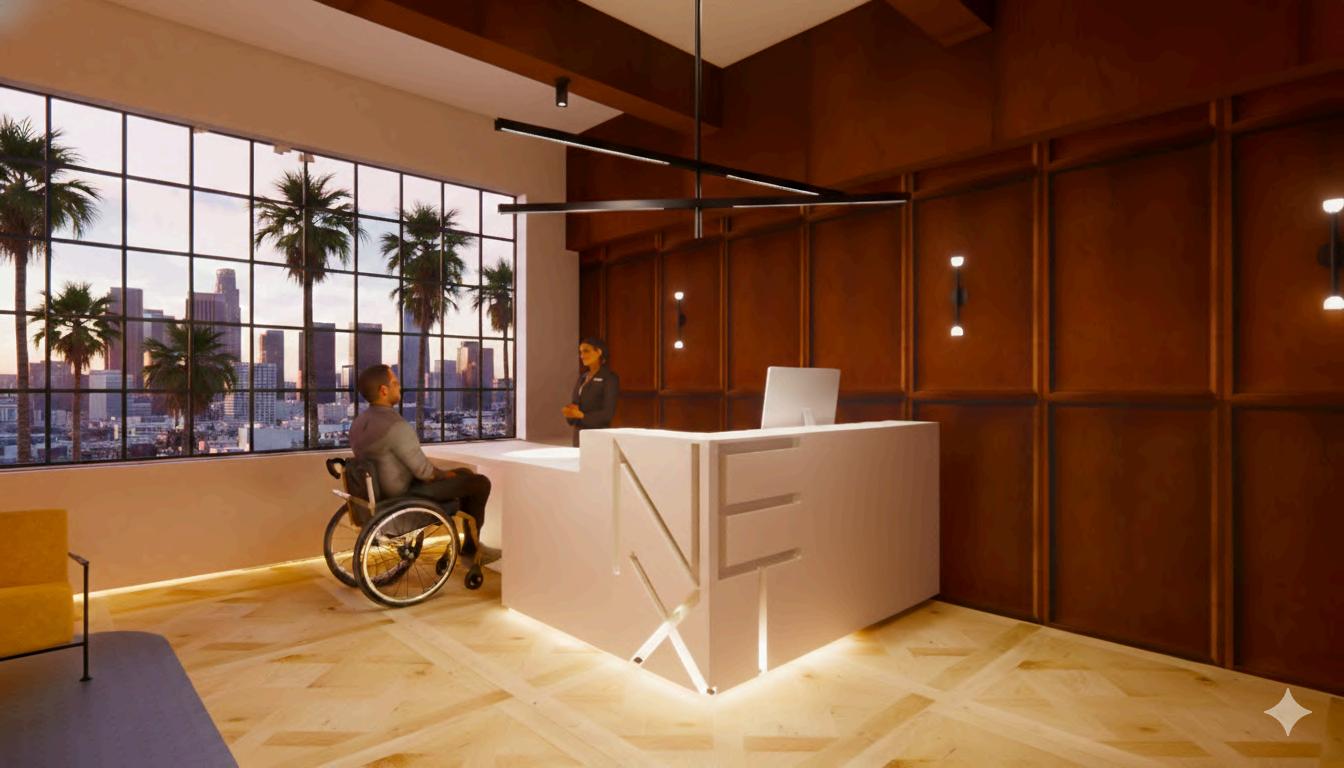
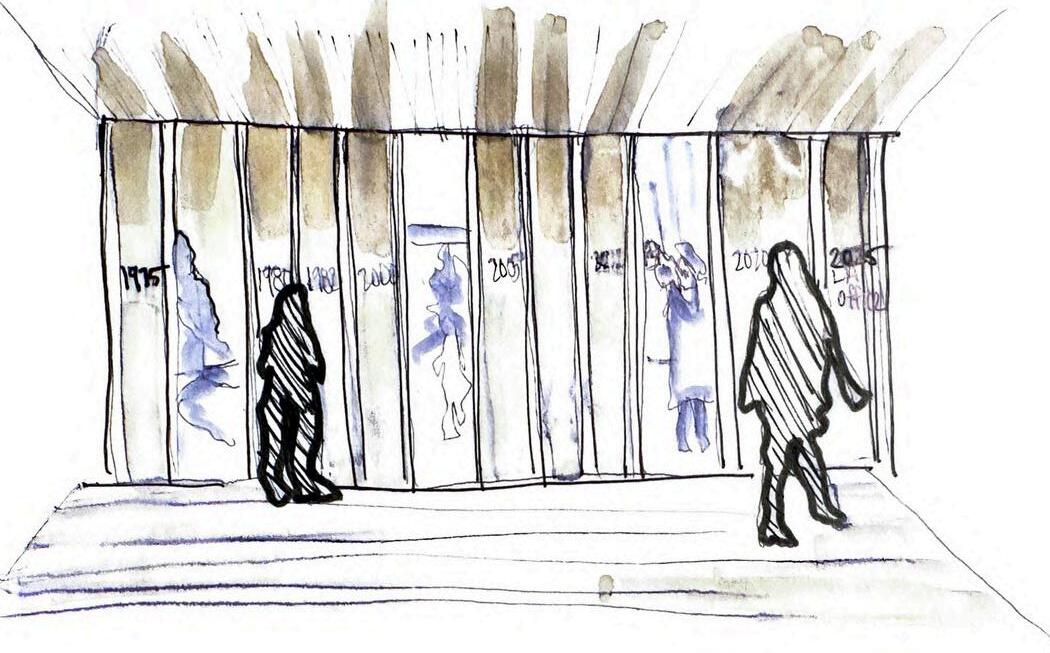
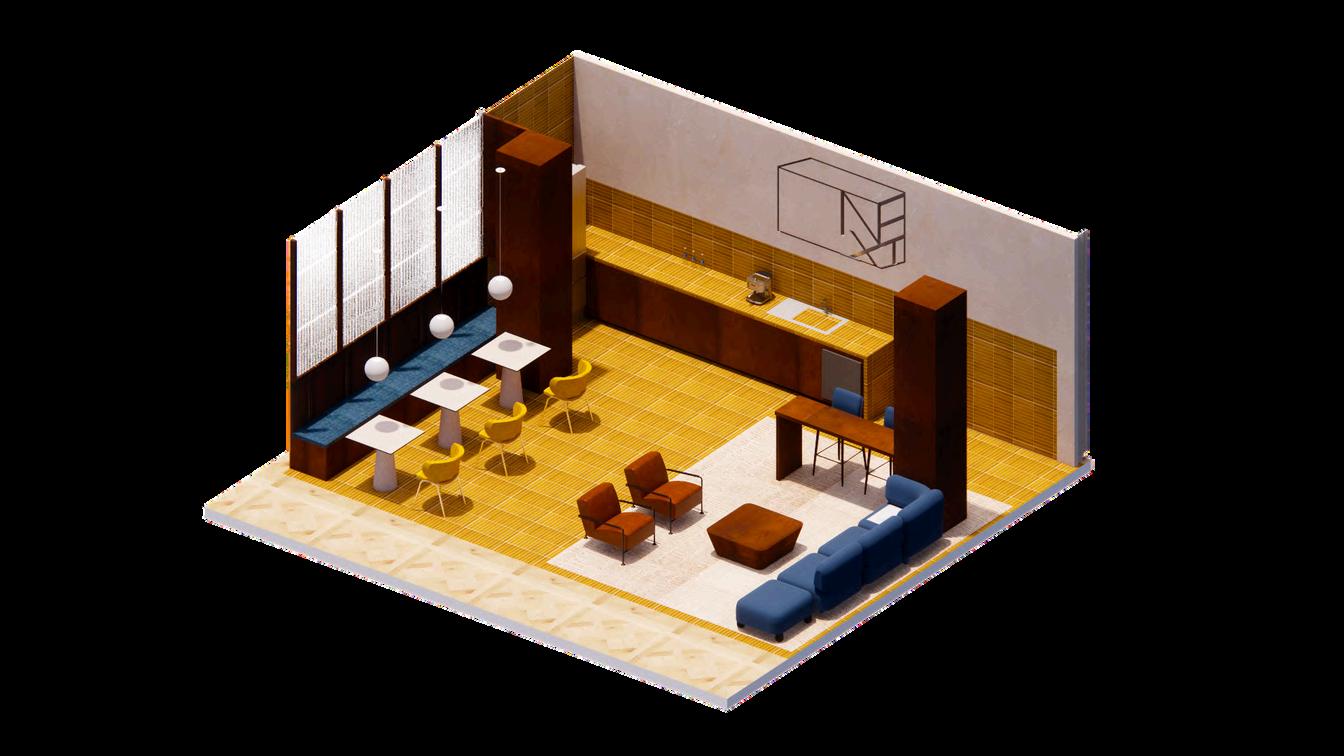
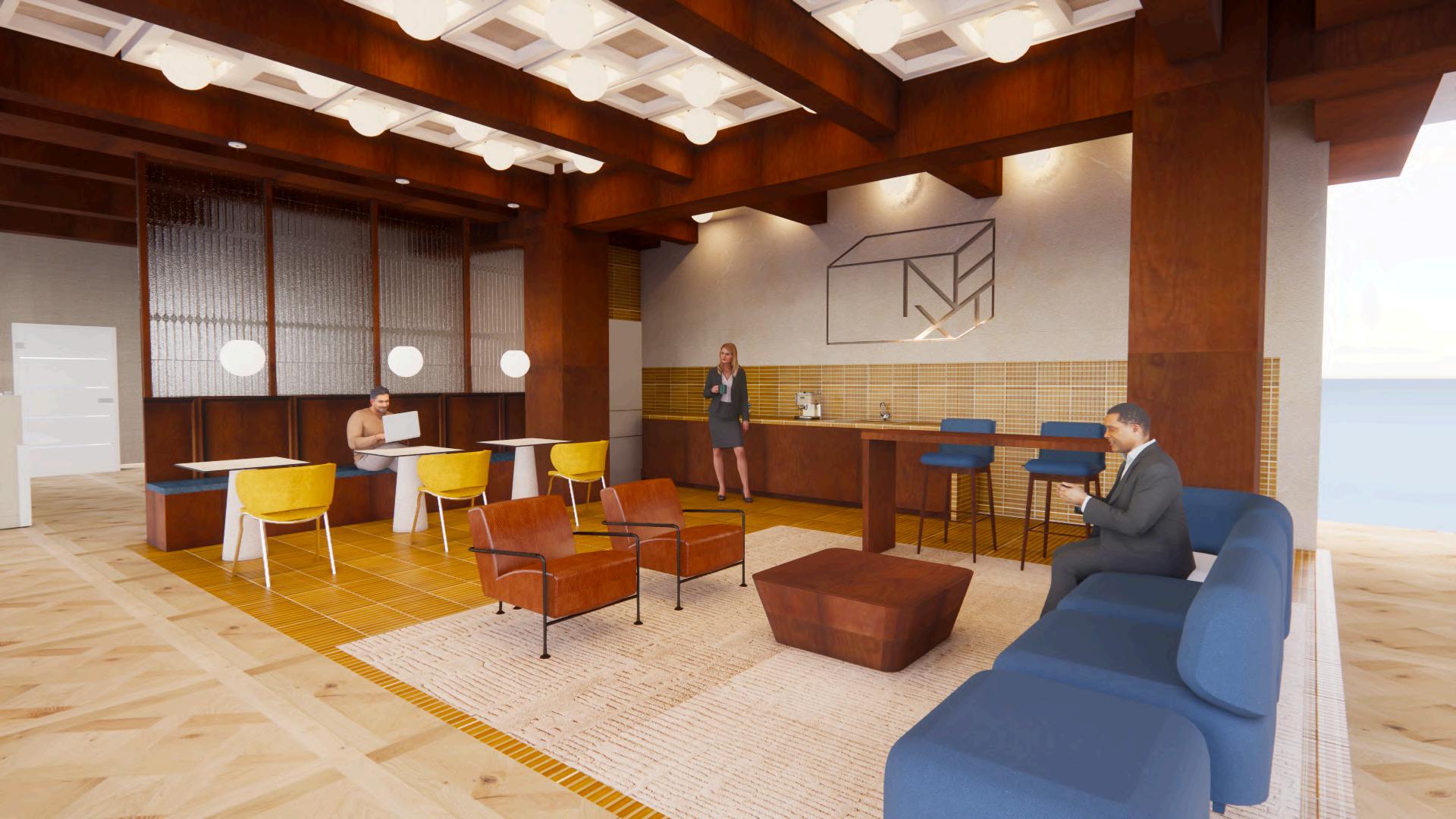
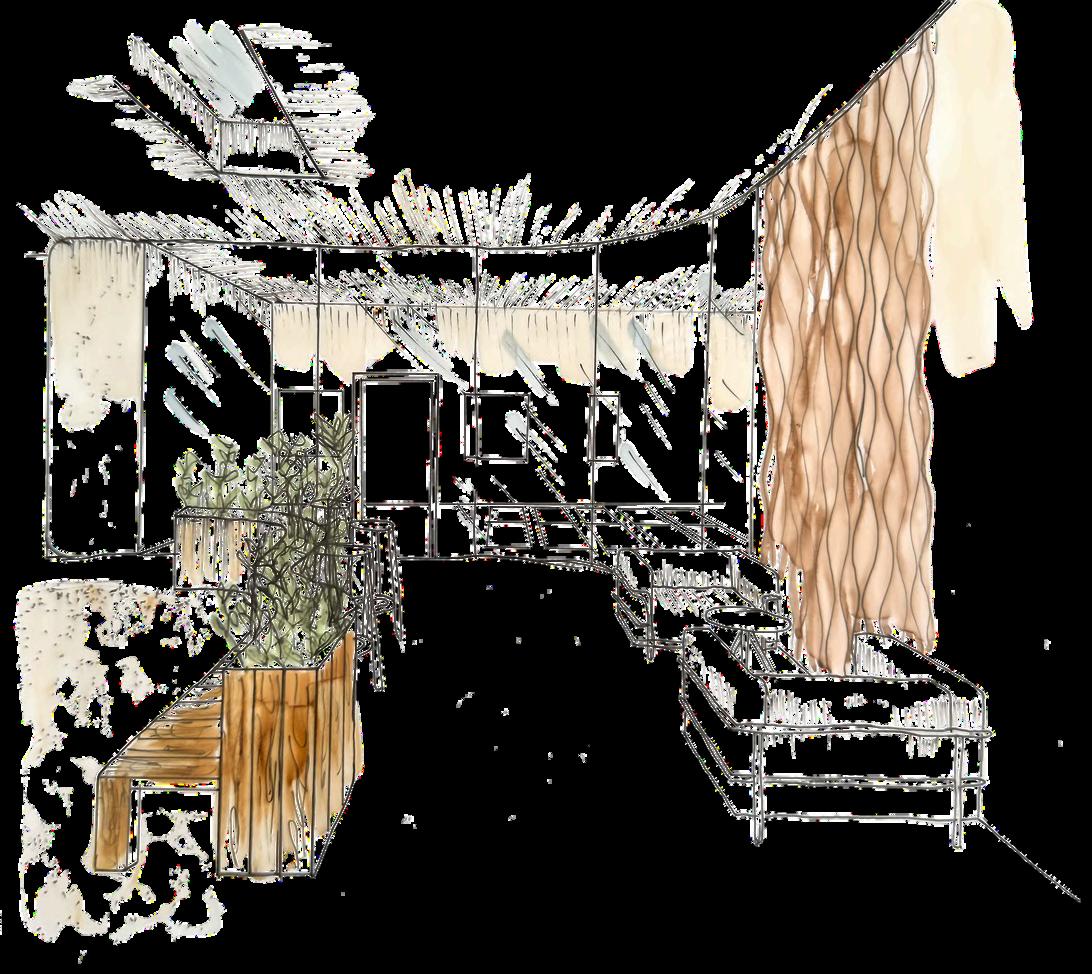
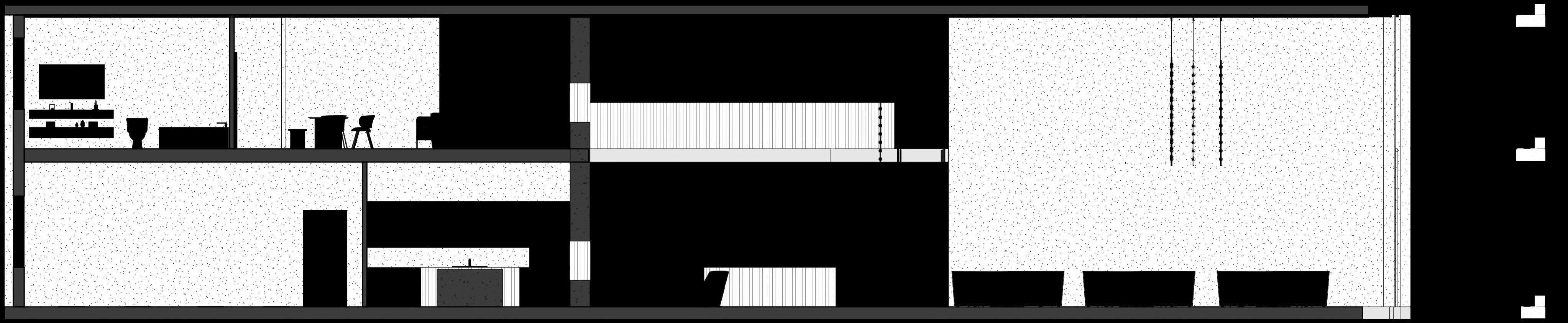
The Community Hub is a branded experience featuring open sightlines and a digital timeline of NEXT as a custom built in element The materiality is refined, timeless, yet energetic- reflecting NEXT’s work culture and brand identity. The use of wood and grasscloth wa lpaper is a subtle use of biophilic materiality- subconciously relieving stress.

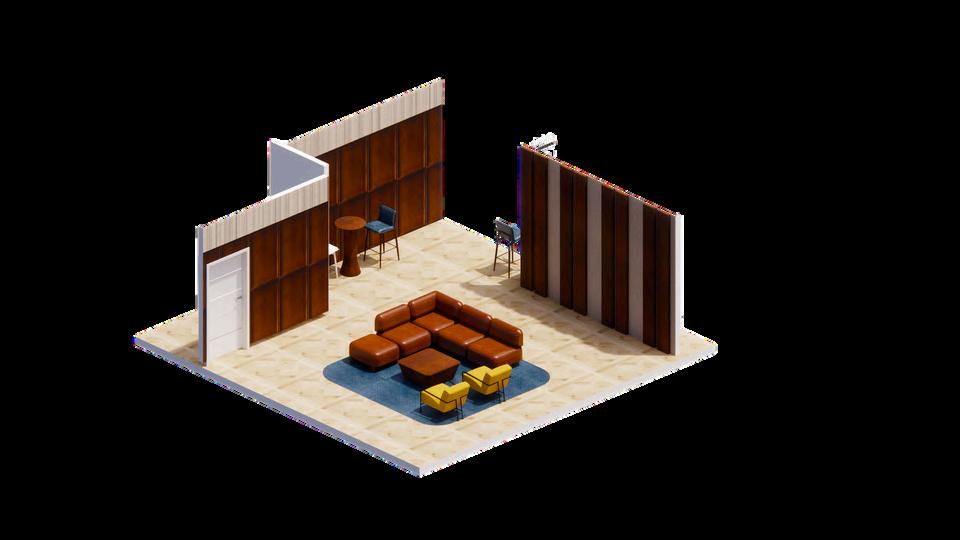




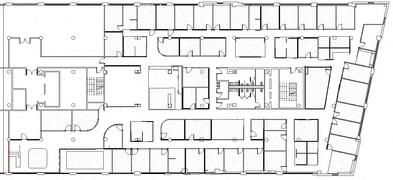
Plan: Communty Hub
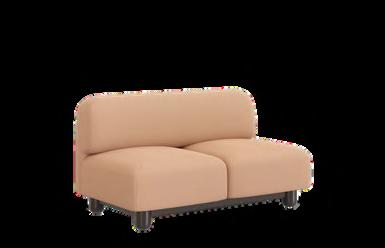
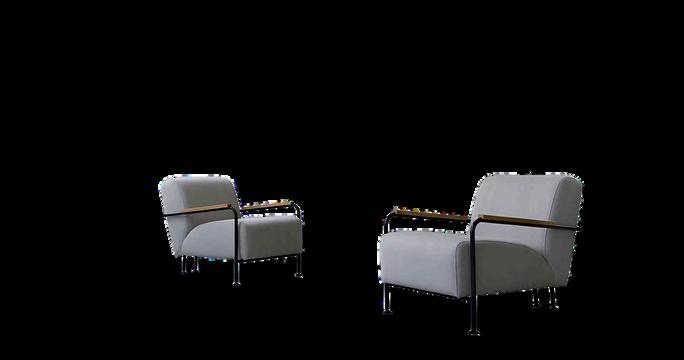
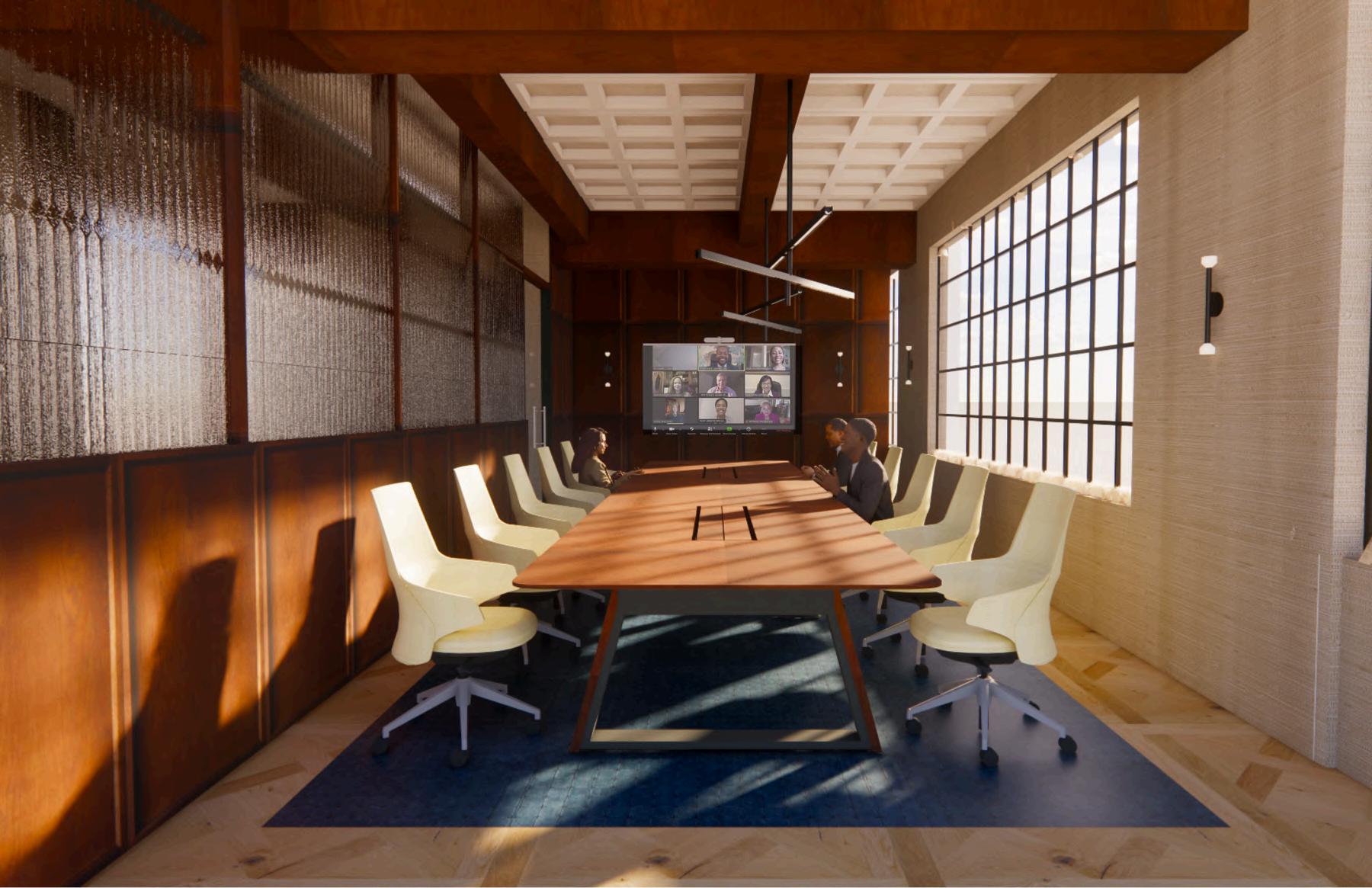
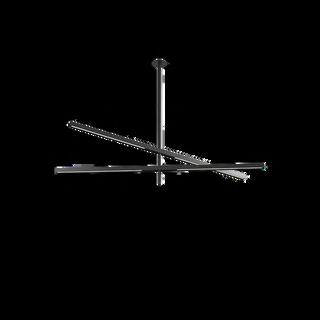
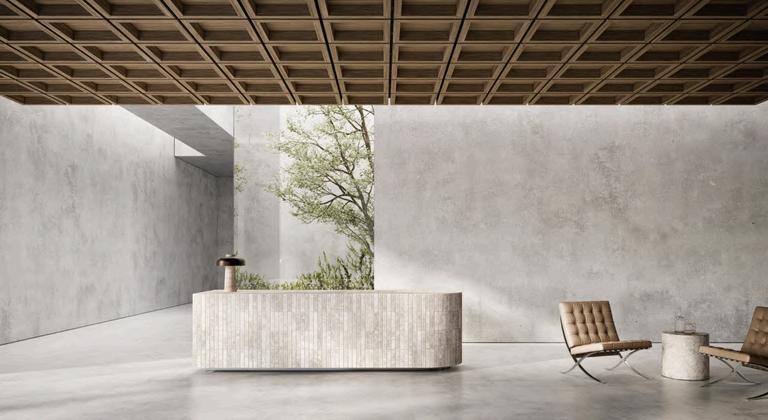
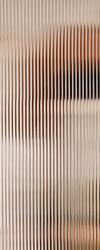
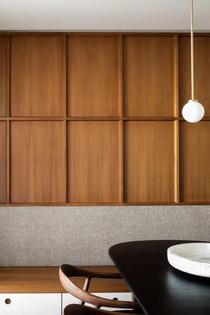
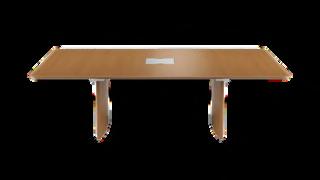
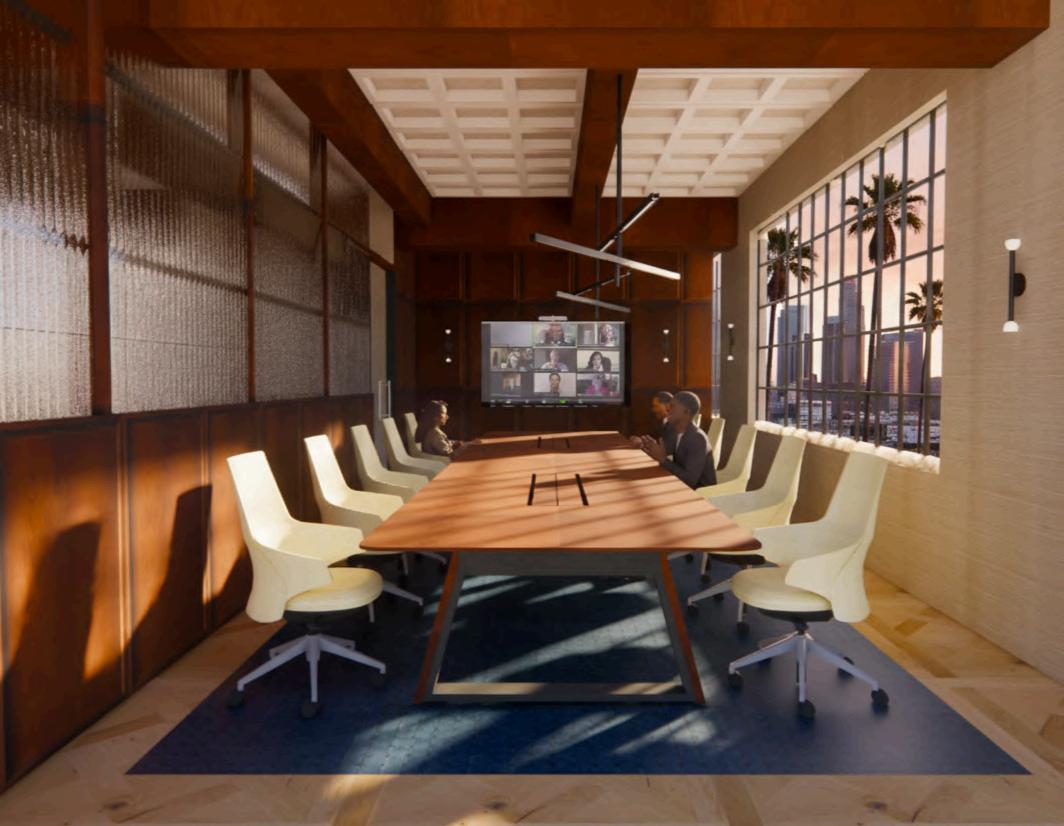
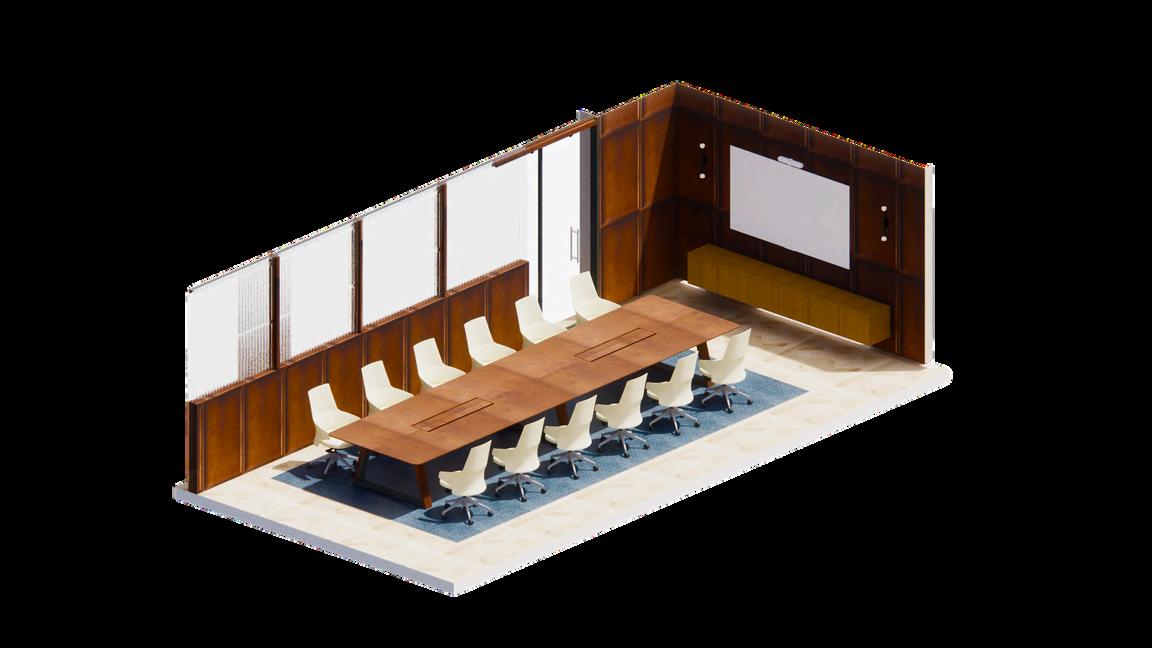
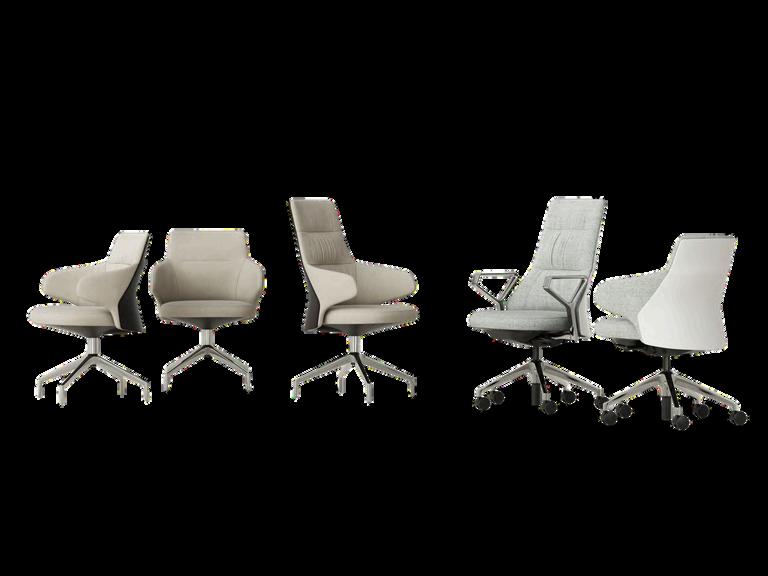
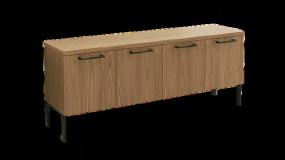

The Large Conference Room serves as a prestige-driven, multifunctional environment for client meetings, team collaboration, and formal presentations. It supports both inperson and hybrid experiences, reinforcing firm culture and professionalism. The materiality is refined and elevated, providing a “WOW” factor. Fritted glass provides a sense of privacy but still allows ight to pass through. Coffered acoustic ceiling panels provide acoustic privacy and add an elevated architectural e ement.

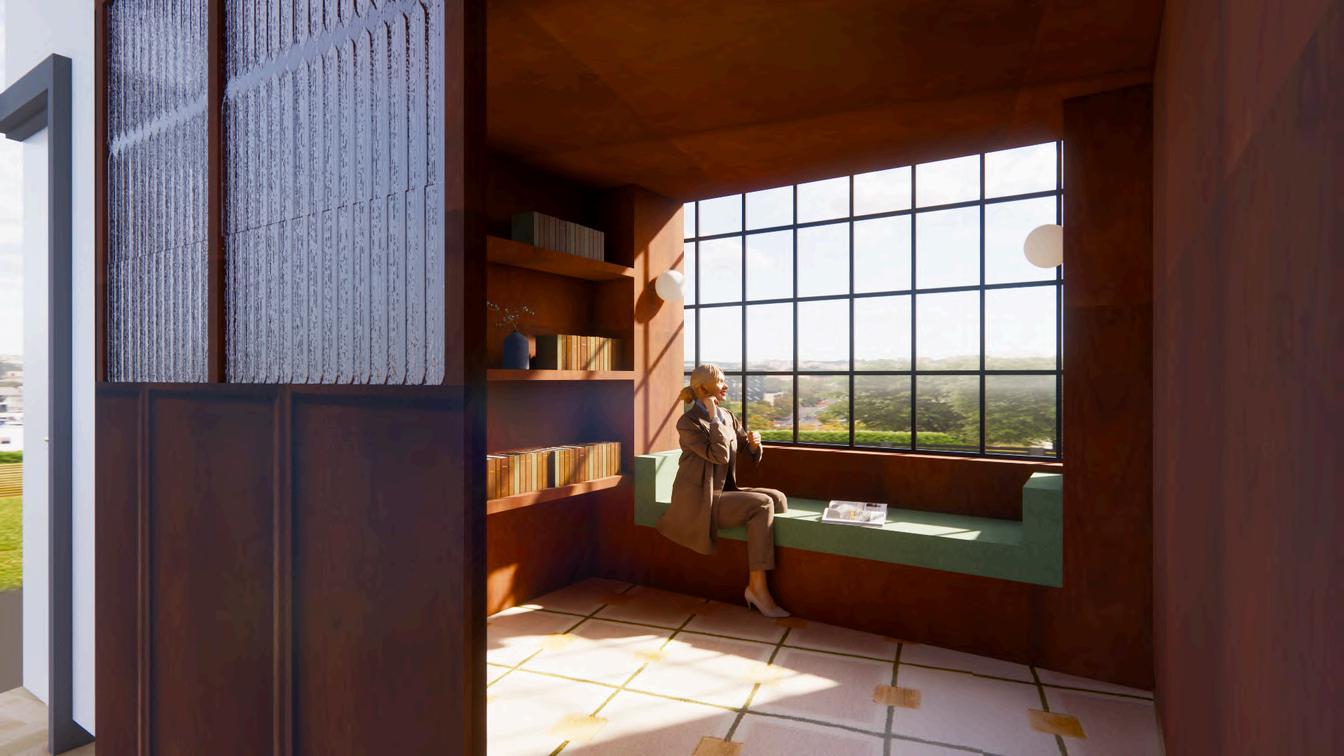
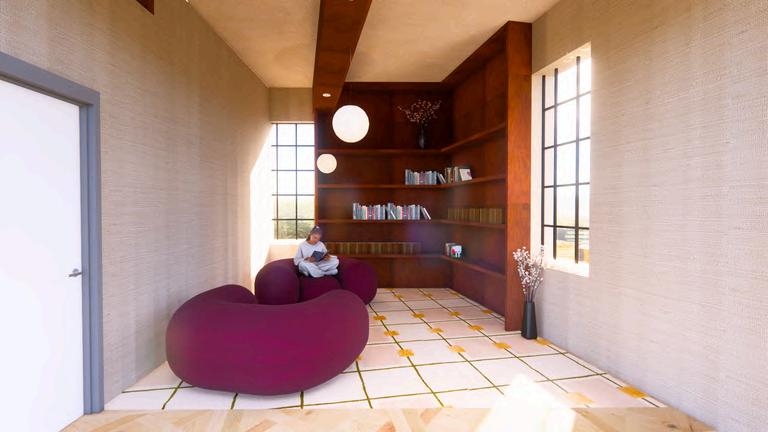
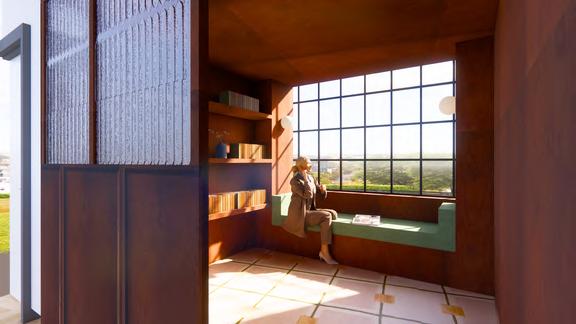
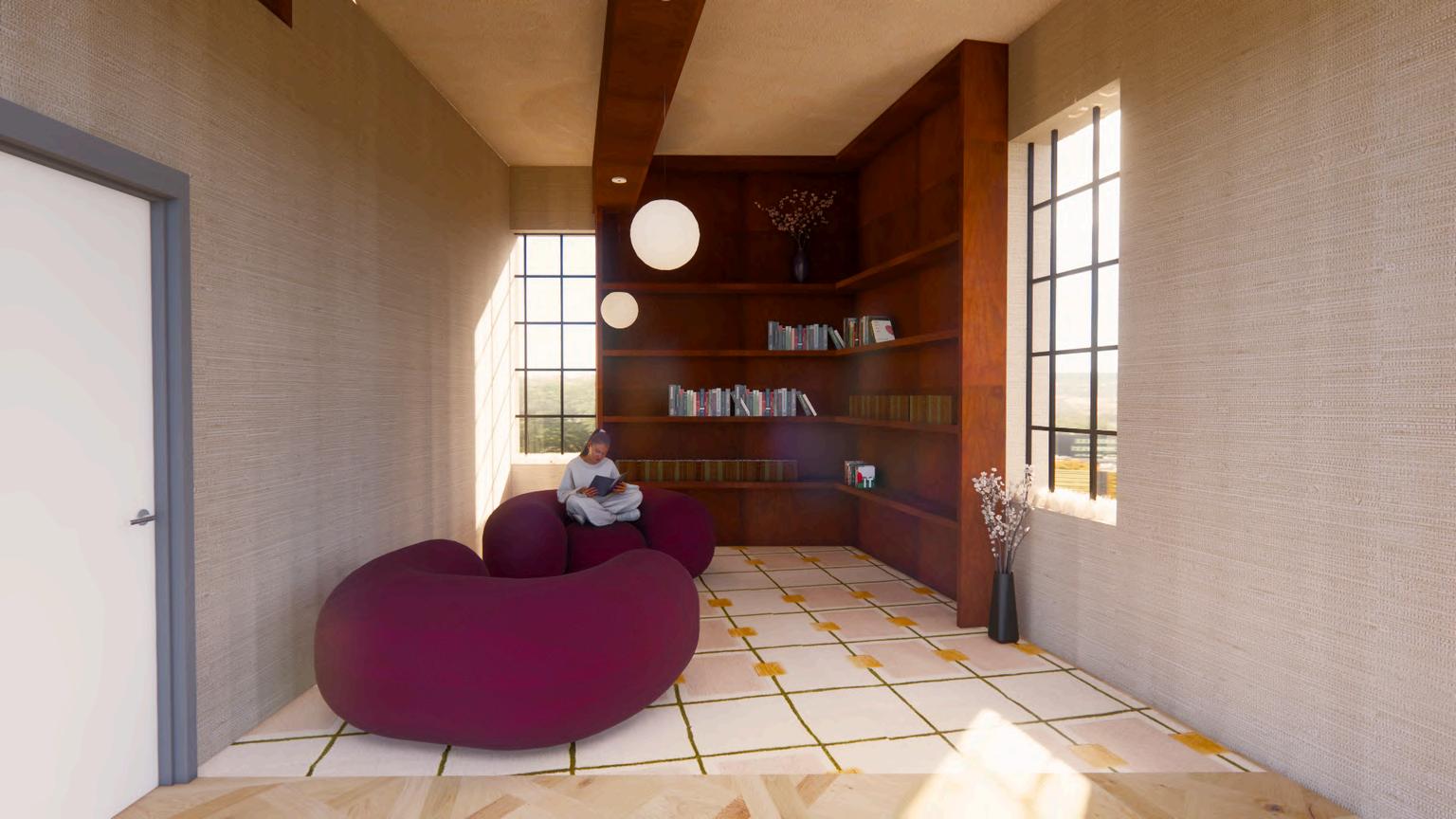
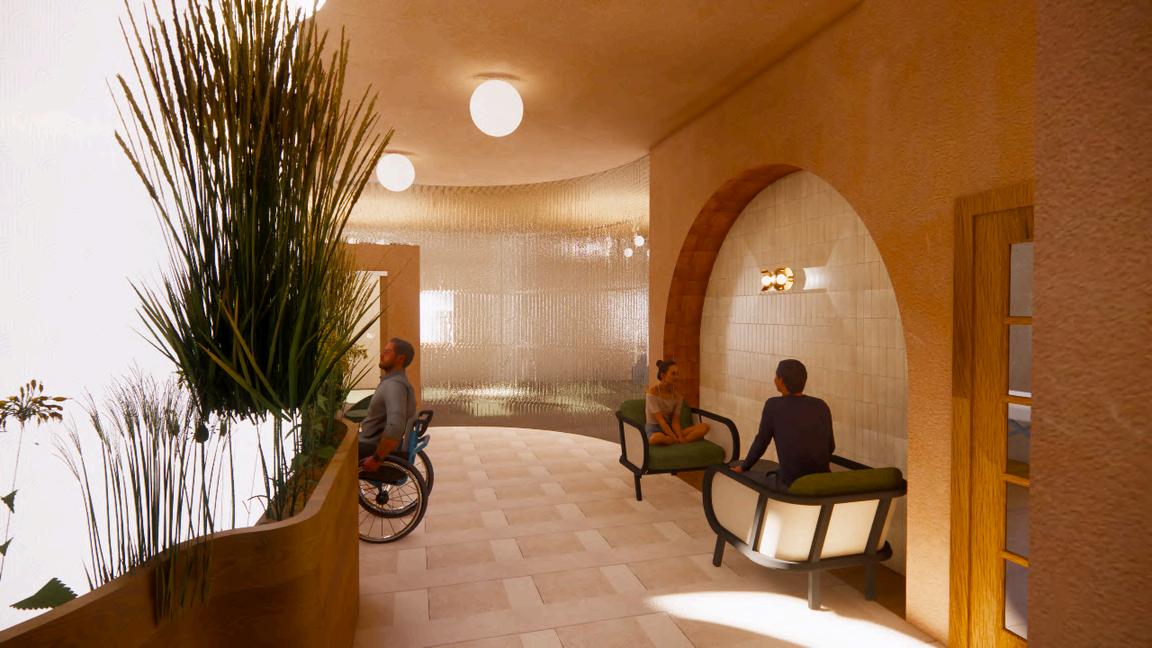
The Prospect Nook offers a stress-reducing protected enclosure (refuge) with controlled outward views (prospect), where a lower ceiling creates a cradling spatia quality, and a fritted glass entry provides an indirect awareness of the workspace through shadow and blurred movement.
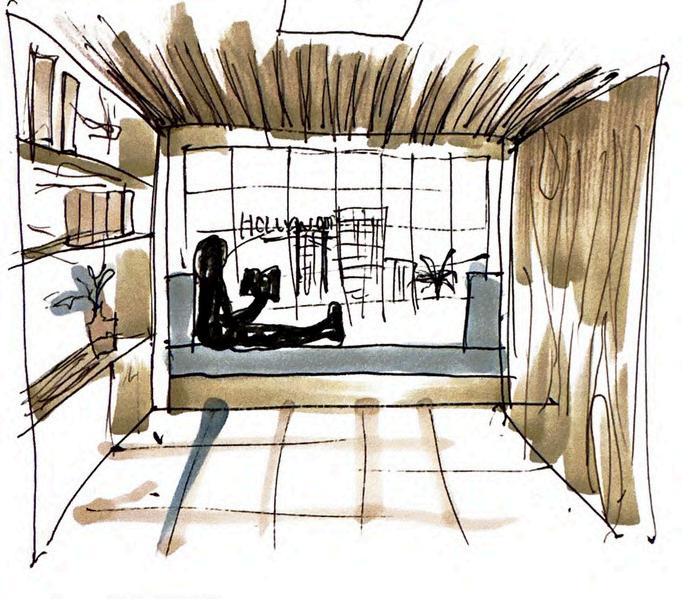

Ev dence-based design strategies
R E F U G E N O O K
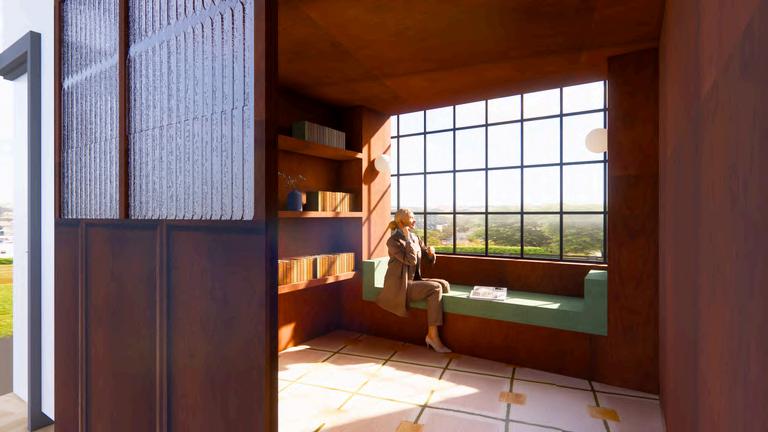
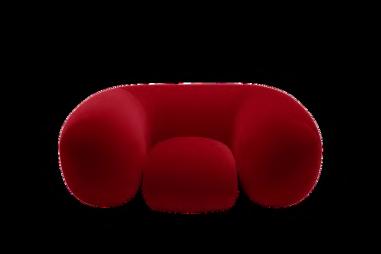
The Refuge Nook provides a stress-reducing reading retreat alcove that offers solitude, biophilic materiality, and plush lounging

Steelcase Answer
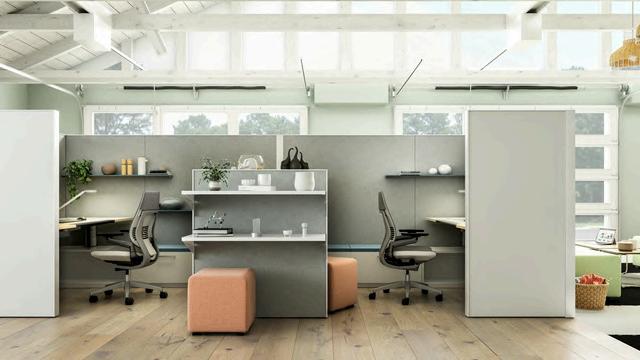
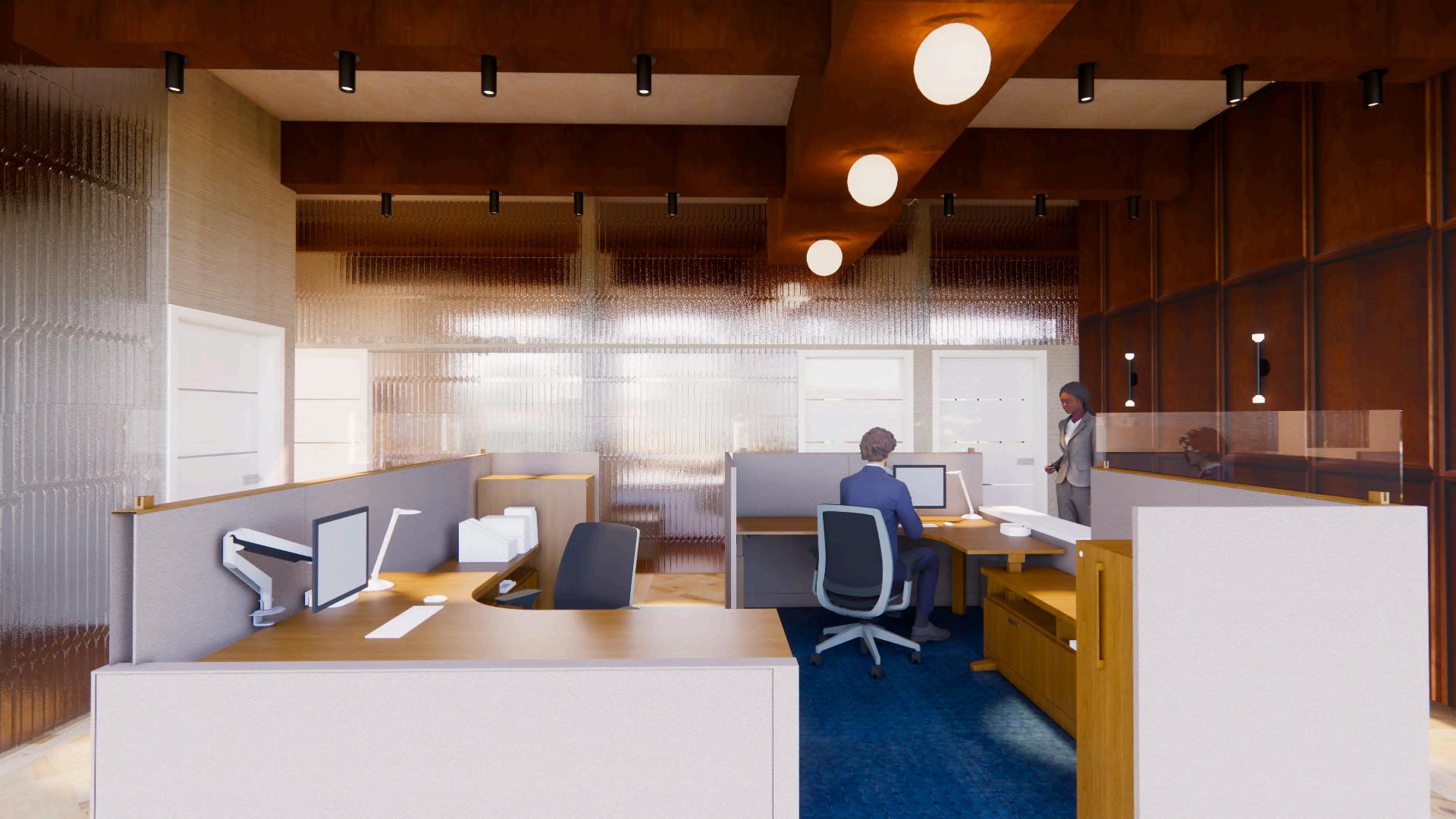
Pane s provide privacy but offer flexibil ty
Indiv dua task ighting
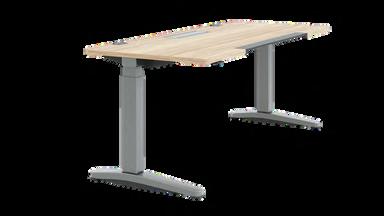
Answer Dropped Surface
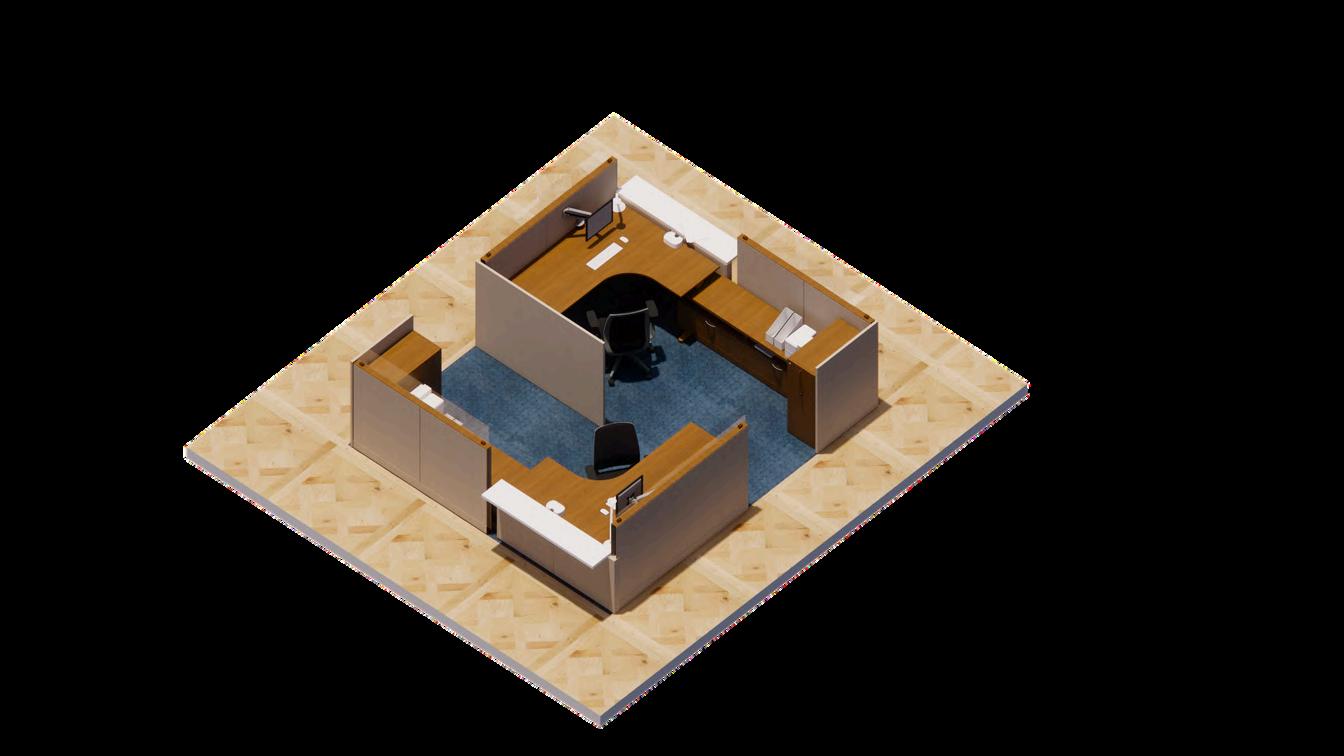
Pane al ows for quick interactions with legal team
Ology 3 Corner
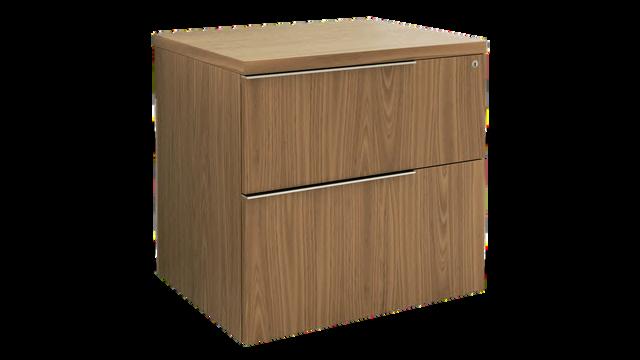
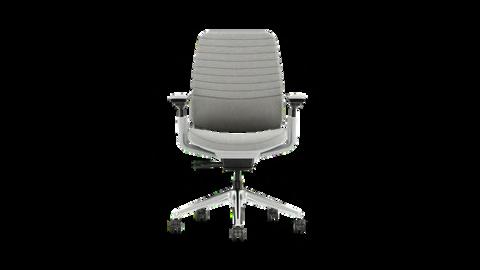
Steelcase Series 2
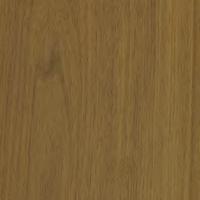
Evidence-based design strategies used here: Material Connection with Nature
Steelcase E ect ve Elements offers personal storage
The paralgeal and legal assistant workstations are professional and organized, and support task-intensive, detail oriented work. They facilitate quick interactions at their workstations
Built-in banquette to support informa meetings and spontaneous connection
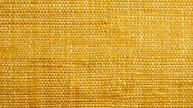

Wyzenbeek
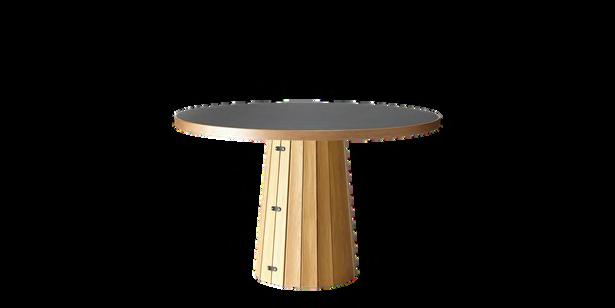

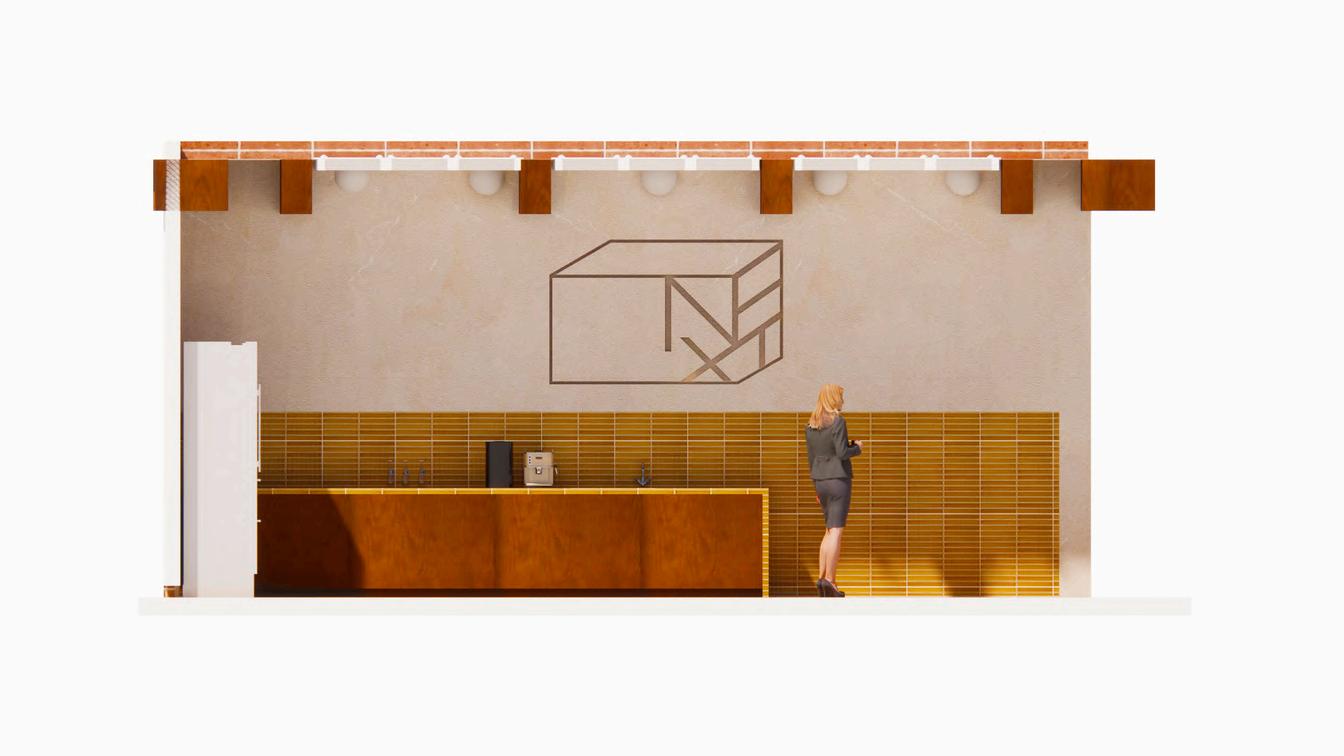
Custom built-in logo branding element

SUBZERO 36" Fr dge/Freezer
WOLF 20" Microwave Drawer
Dish storage drawers
COVE 24" ADA Height Dishwasher
Coffee Station
The Work Café provides essentia amenities for the NEXT team. Though compact, the space is highly functional and efficiently organized. The wall’s custom concreteembedded NEXT branding echoes the branding integrated into the reception desk, reinforcing the firm’s brand identity. The space offers a sense of belonging in the firm, with a variety of seating postures offering varying levels of social interaction. The custom built-in banquette with integrated power is designed to support casual interaction, informal meetings and spontaneous connection.

MultipleSclerosis associated with the Nervous System
cial ounge area
Project Period Fall 2024 Individual Work rograms evit, Enscape, Photoshop Awards IIDA NPC Honorable Mention
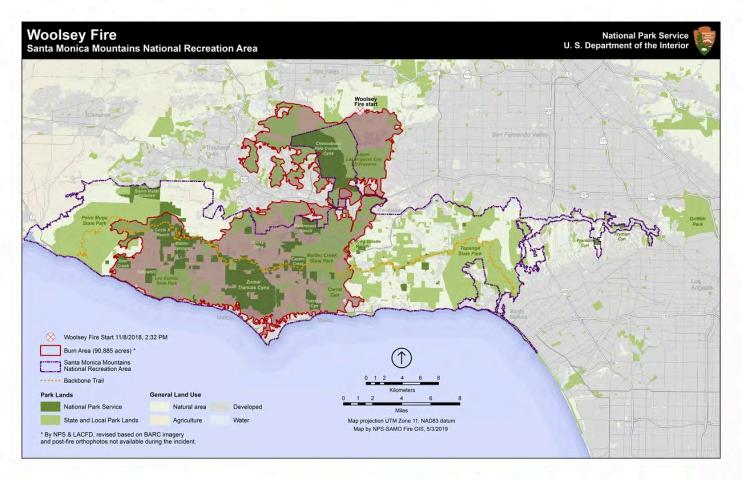
Park, Los Angeles, CA
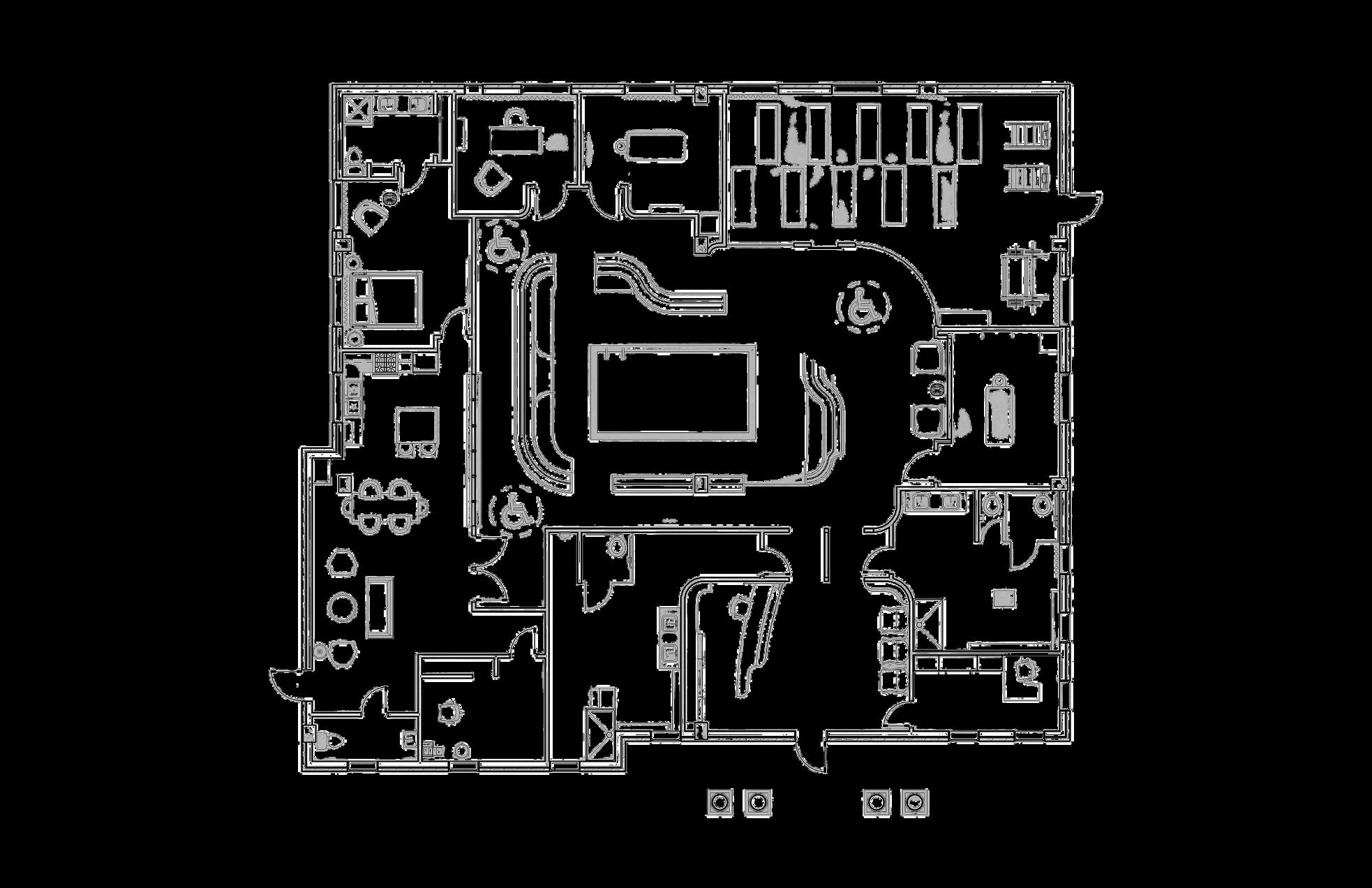
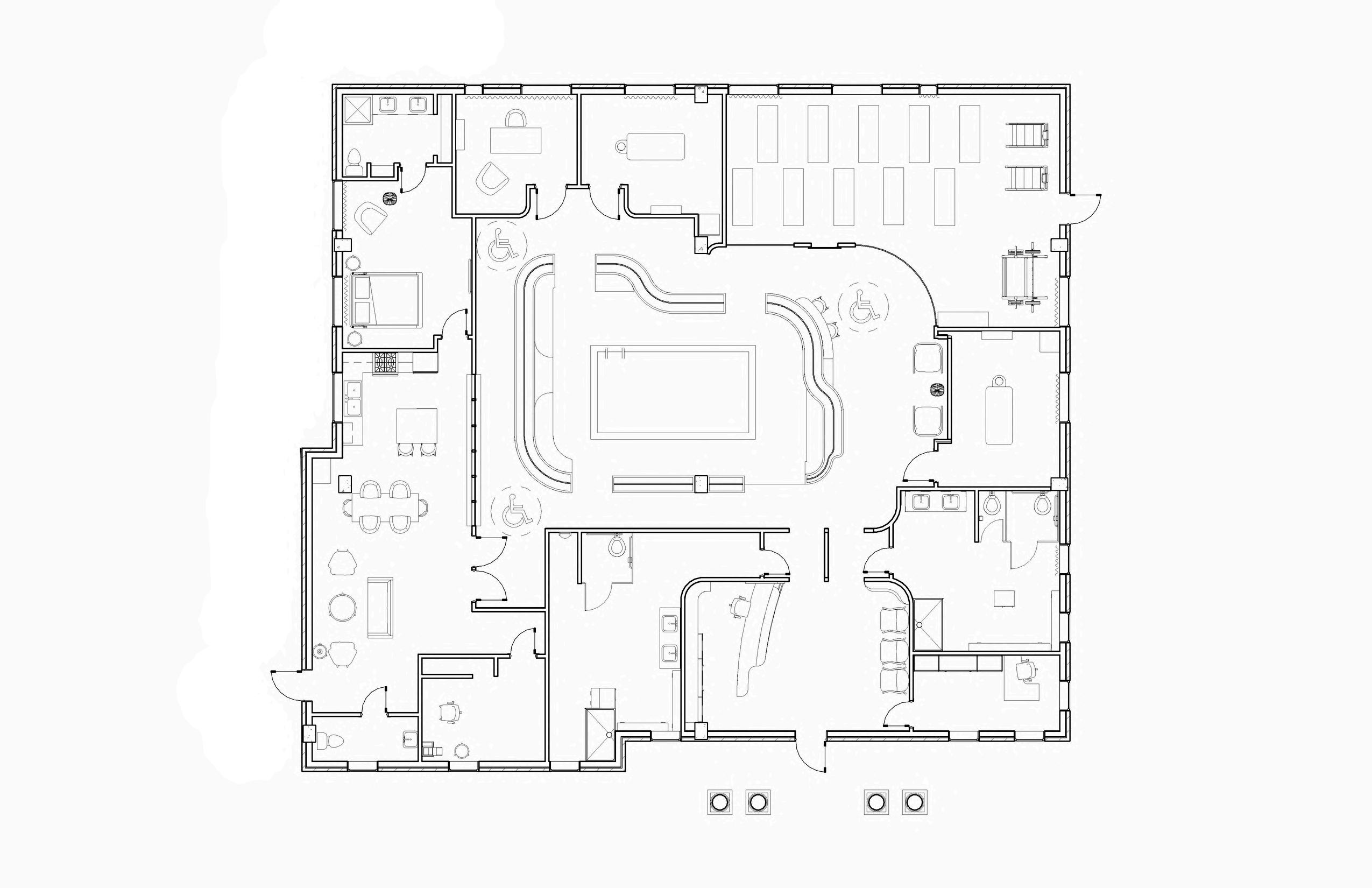
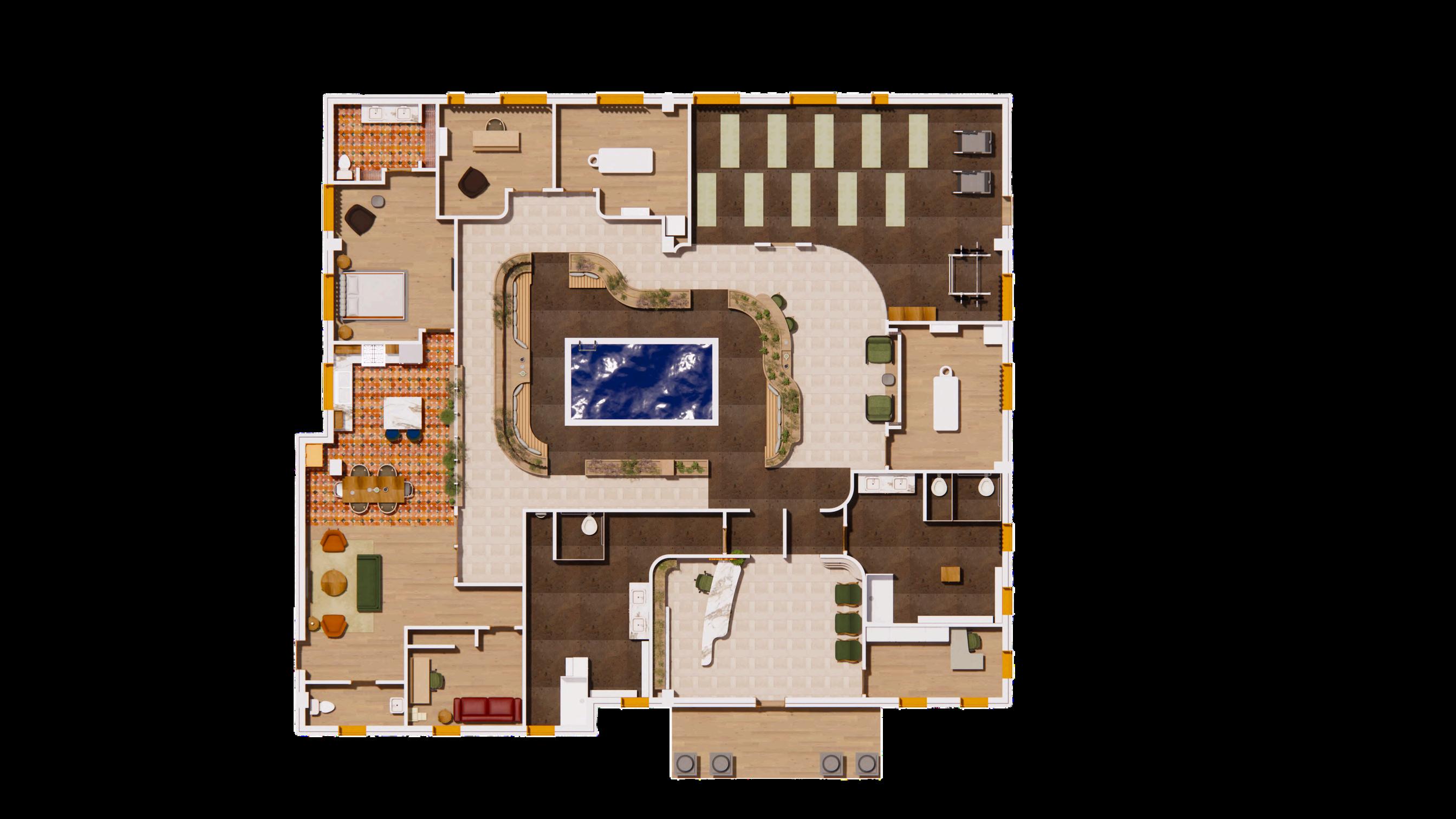
Competition Brief: The 2025 B enenstock Design Competition tasked students to design a ho istic day spa space. The spa s ntended to specialize in therapeut c treatment for patients with multiple sc erosis, operated by a doctor and physical therapist team
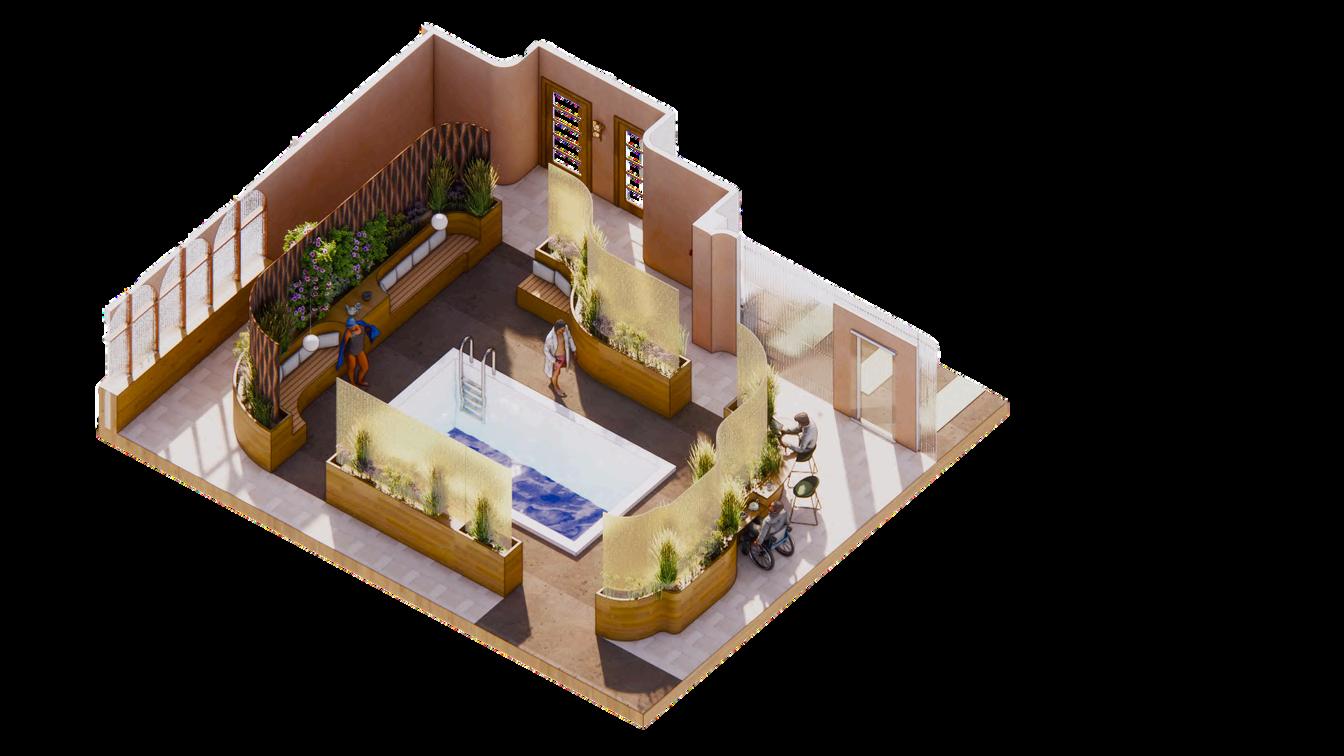
Des gn Approach and Intent: Root Recovery Center is a restorative spa and residence for a doctor and physical therapist couple serving individuals with Mu tiple Sclerosis (MS) Insp red by a strong connection to the oca Santa Mon ca Mountains and Spanish Mission architecture, the des gn b ends cu tural fami iar ty w th nature-based hea ing strategies to create a strong sense of place
Located n Malibu Creek State Park, the project leverages the Mediterranean c imate to support on-s te medicinal herb cultivation as the centra tenant of the therapeutic experience A centra herb garden embedded within planter-partition wa ls enab es patients to tend, harvest, and create personalized herbal tea blends, fostering autonomy and connection to the landscape.
The design prioritizes intuitive wayfind ng, accessibi ity, and sensory regu ation through evidence-based strategies, creating a ho ist c, nature-driven environment that supports both phys cal and emot onal wel be ng for MS patients
Part representing interact v ty and integration
Embrace a ho stic, biophi c design approach that incorporates the integrationofnatural systems
MS

Emphasize barrerfree design for MS patents to provide a sense of agency andautonomy
Source materials ocally from SoCal to create a sense ofplace as well as promote sustainabiity
Provide a dynamic space for doctor & PT to ive and work that s highly connected to biophilicelements

Medicinal Herb Treatment Research + Corresponding Programming Diagram

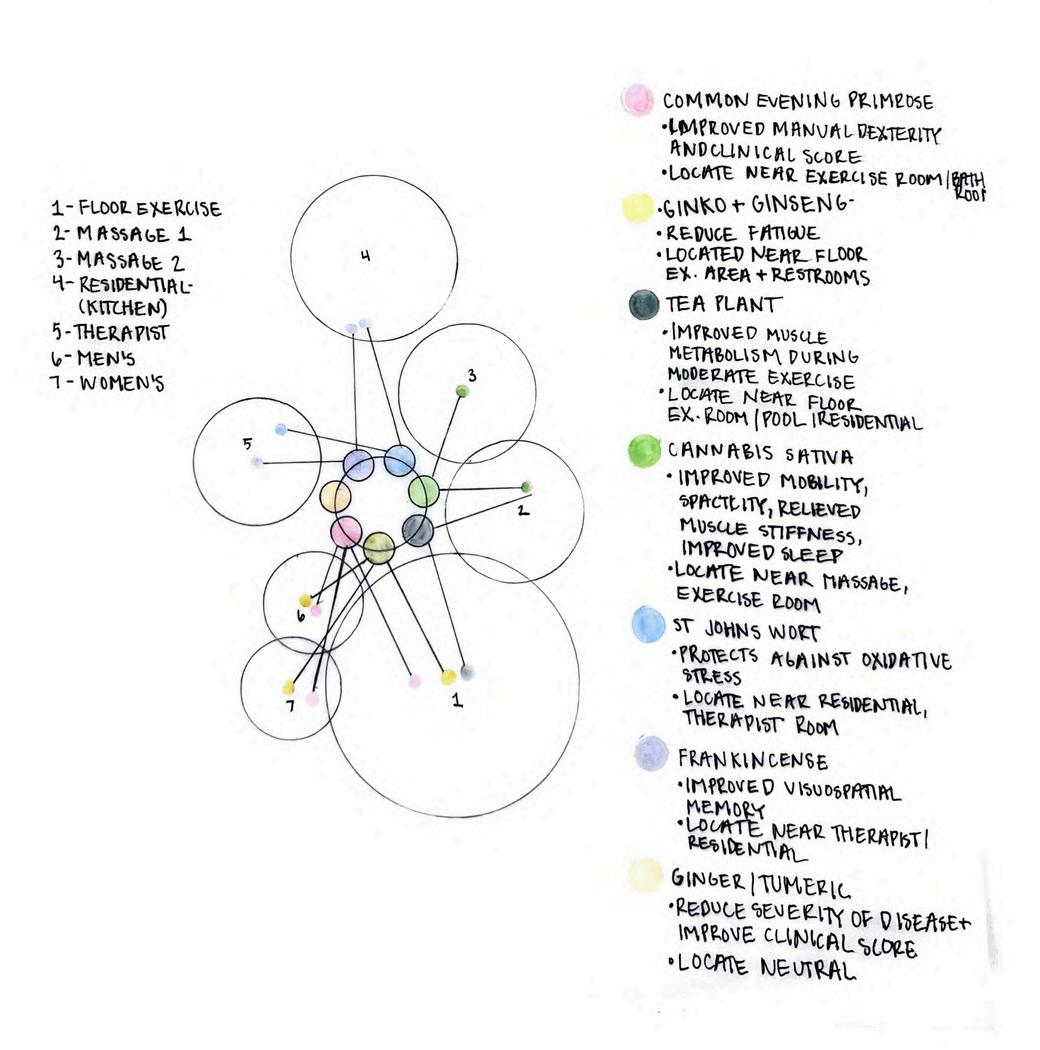

The root of a human health system is fueled by products of the earthso a holistic approach to a healing interior environment must originate with products of the
EurekaMillhasacousticproperties and providesdiffusedlightforMSlight sensitivity
Corkaccentwallprovides acousticalregulation
Medicinalherbal teastation
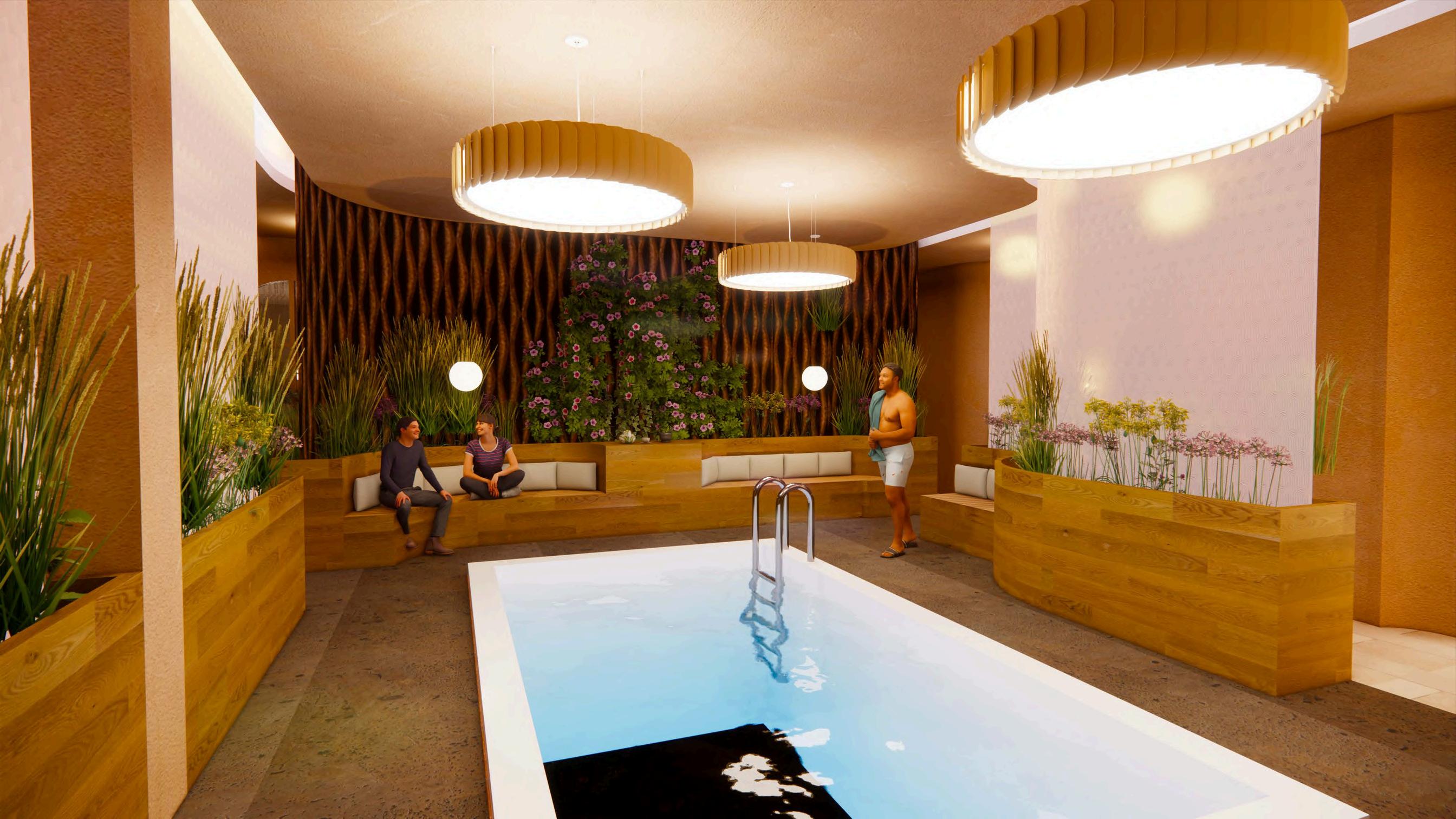
Custombuilt-inseating intoherbpanters
Corkflooringhas acousticproperties, slipresistant,anti-microbial,waterproof, slightcushionforcomfortforMSusers
Viewshowingcustombuiltseatingareasand medicinalherbgardeninsideinteriorcourtyard
Limewashceilingpaintis naturallyantimicobialand humidityreguating
Herbsinthis space:
Herbplantersactaspartitions
Customskylightcurvedalongthe wallilluminatestheplantsdirectly butthespaceindirectly
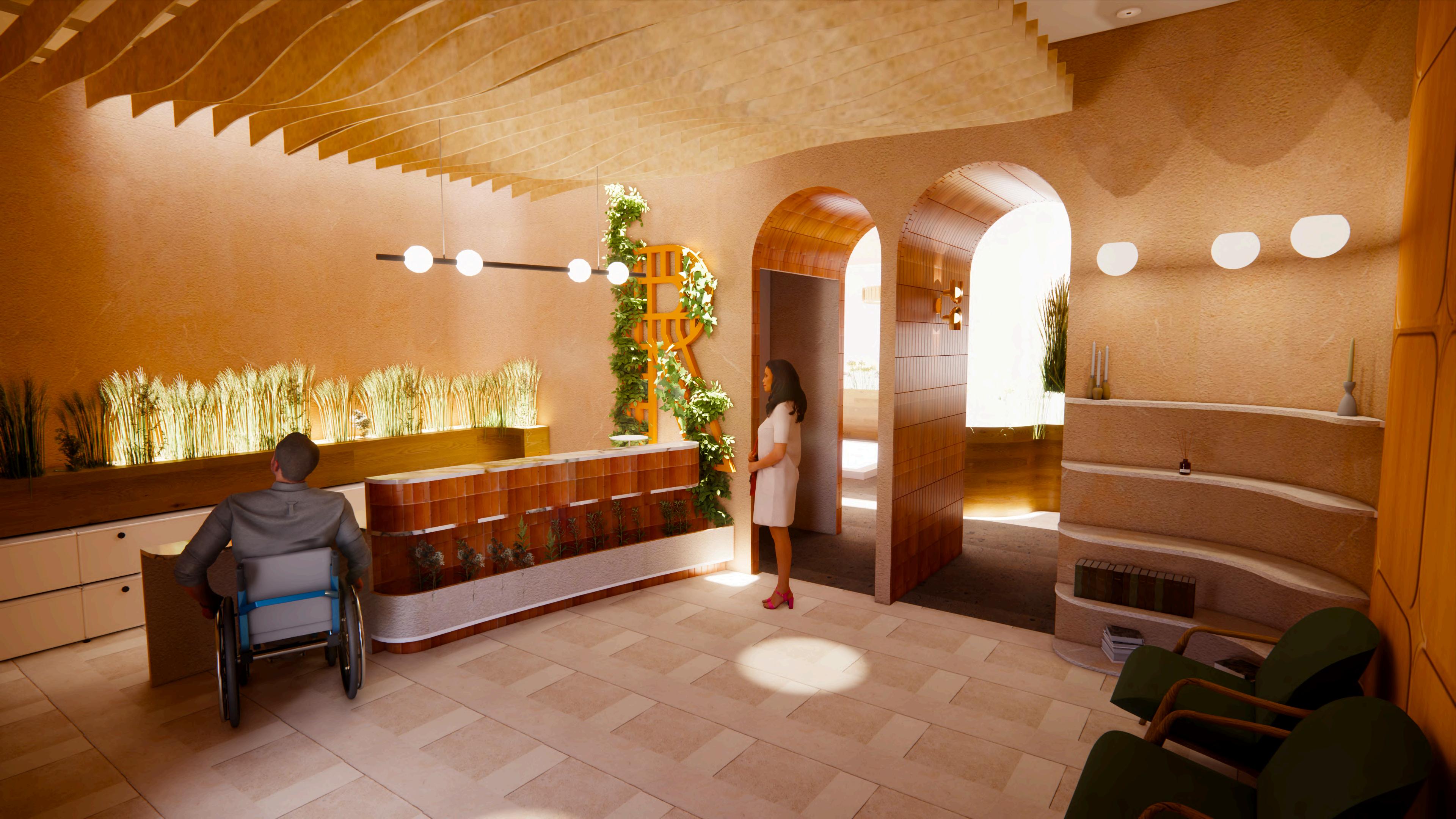
Custombuiltreceptiondeskthat functionsasamedicinalherbplanter, accommodatesADAaccessibility
ArkturaAcousticCeiling panelsmaintainbalanced acousticlevels
Spanishstyle archprovides senseofplace
Custombranding elementoftrellisin “R”logo
Thereceptionimmersesvisitorsinatactie, restorativespaenvironment,withintegrated herbalmedicineandsubtlebrandingdetails thatreinforcetheprojectconcept.Southern CaliforniaMissionarchitecturalformsand materialscreateastrongsenseofplace
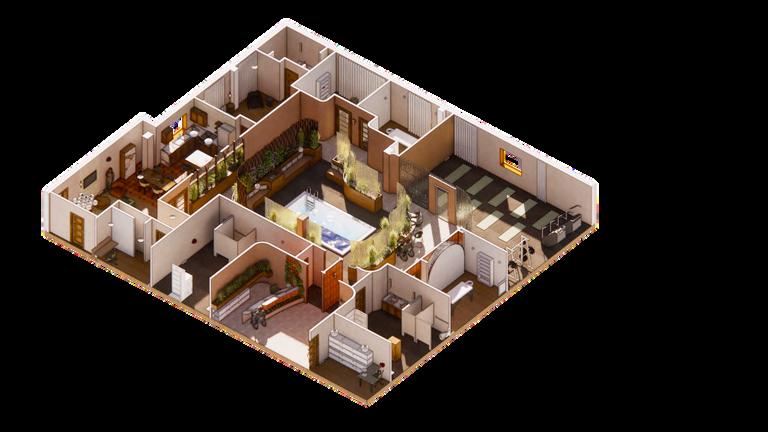
Materialchoices reflectthelo texturesofthe Monicamoun creatingase place




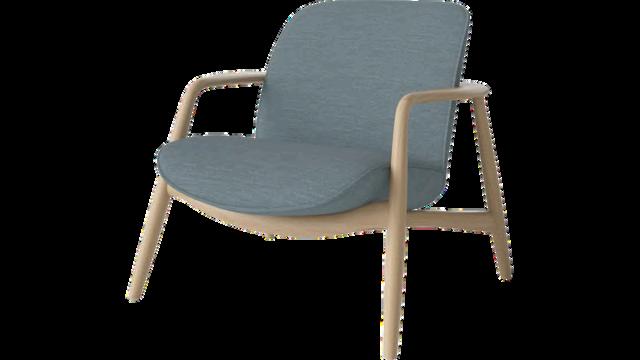

F1 Bolia Bowie Armchair
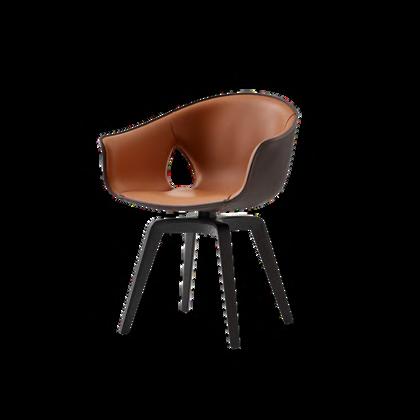
Armrests support mobility, high abrasion resistance
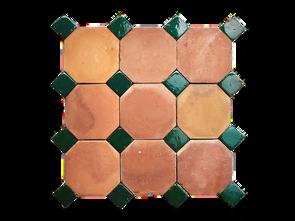
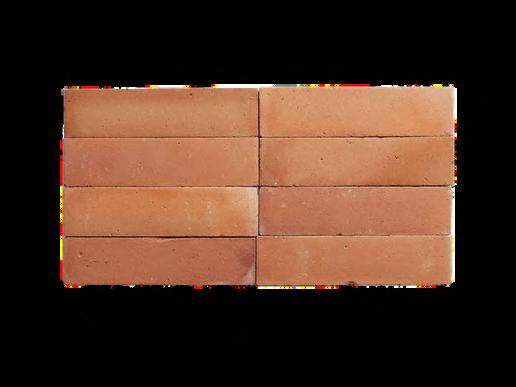
Cle Terracotta Tile Desk finish, arch finish UV resistant, resistant wear
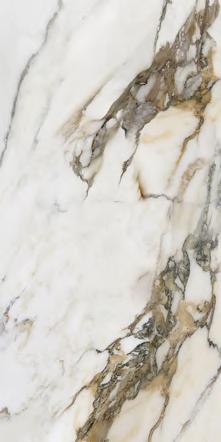
MF2 Caesarstone Engineered Quartz Desk finish Easily cleaned, scratch resistant
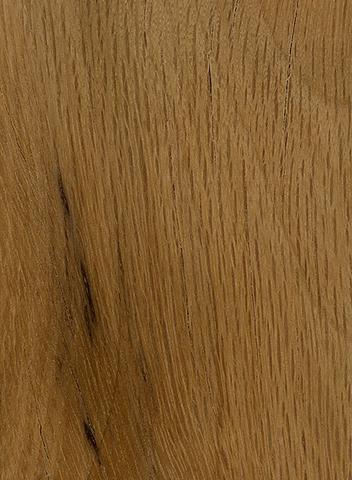
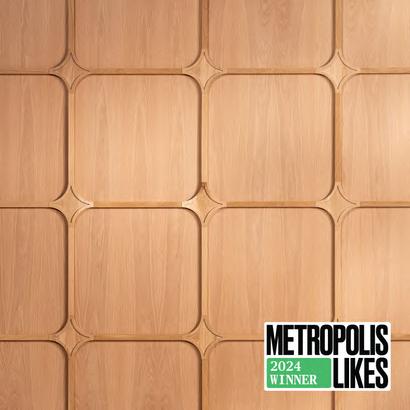
MF3 Urban Evolutions Wood Paneling East wall finish UV resistant
MF4 Bauwerk Limewash Paint



Ceiling finish, wall finish Humidity regulating, naturally antibacterial
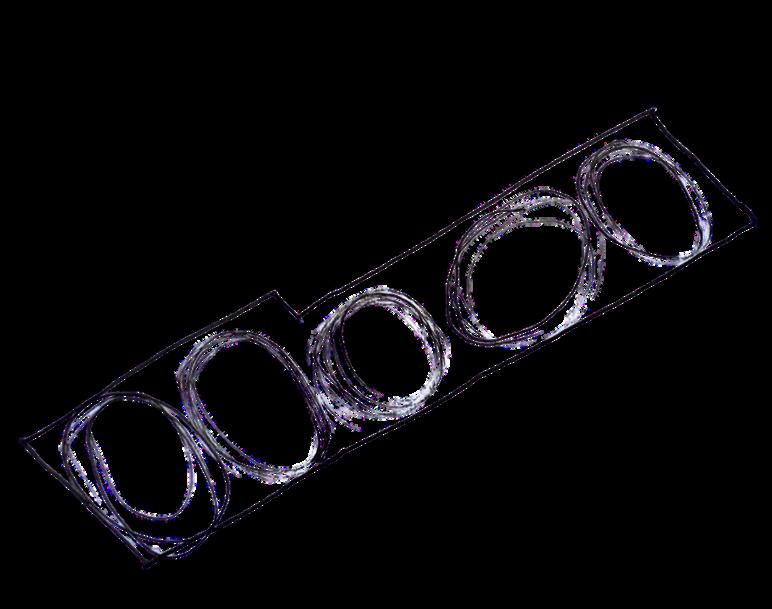
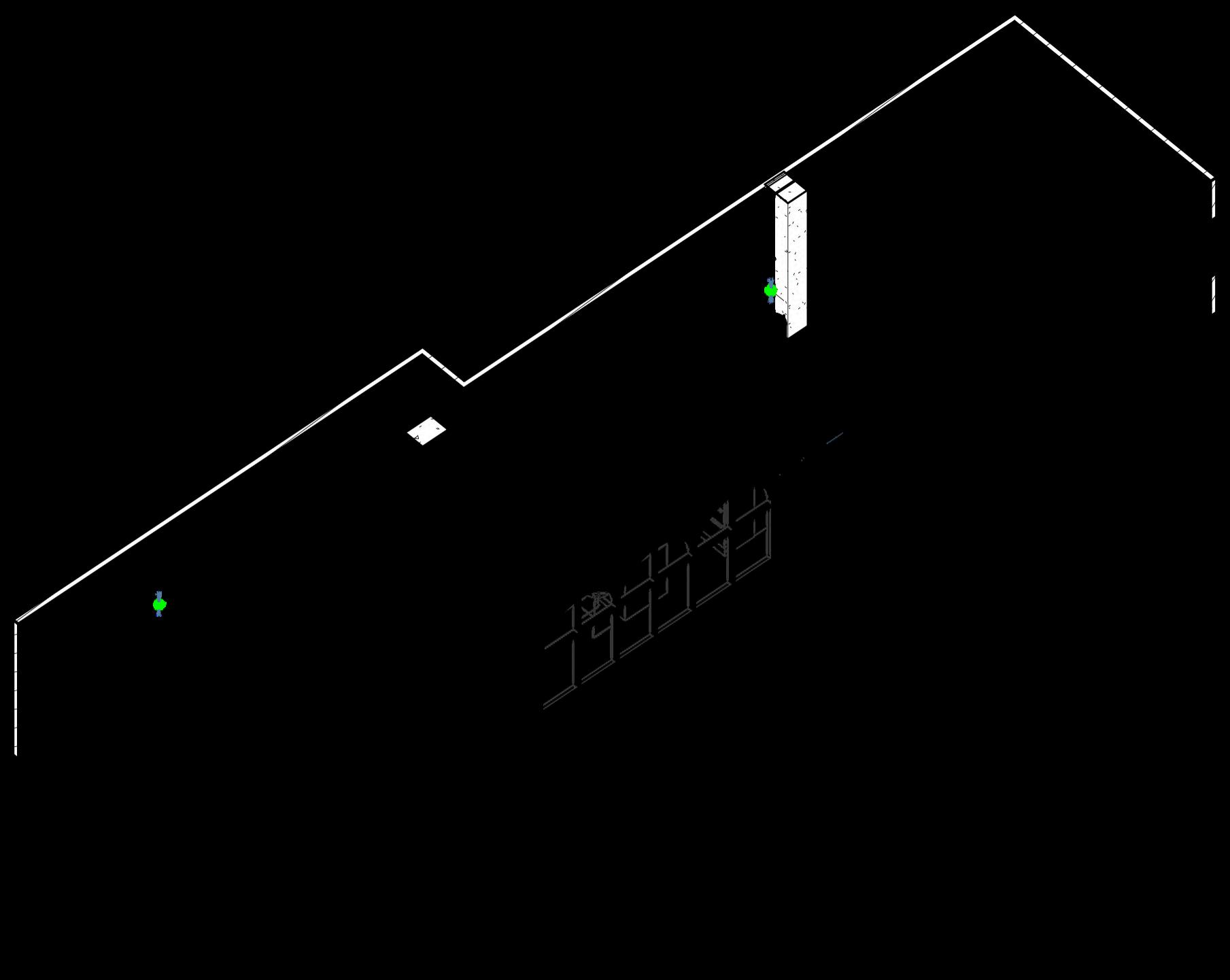
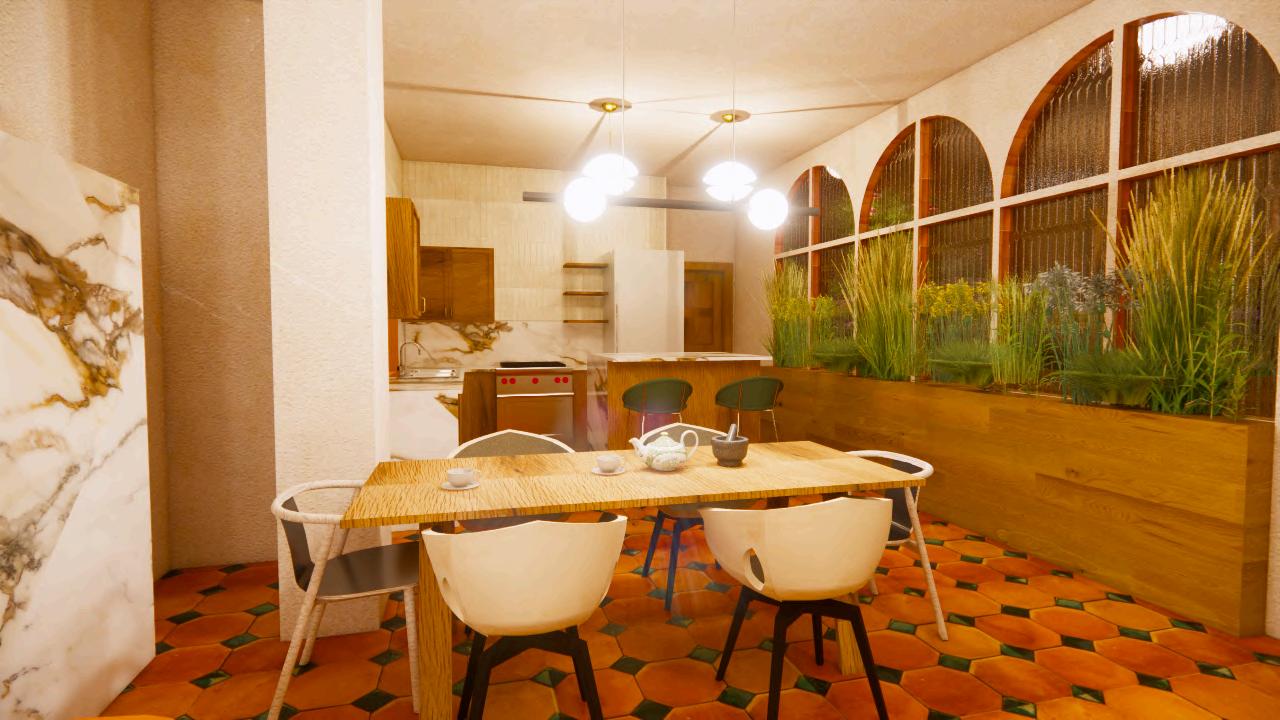
The residential space integrates the medicinal herb garden throughout, allowing the doctor and physical therapist residents to benefit from its restorative qualities alongside their MS patients. The residential space maintains a cohesive material palette and reinforces a strong sense of place.
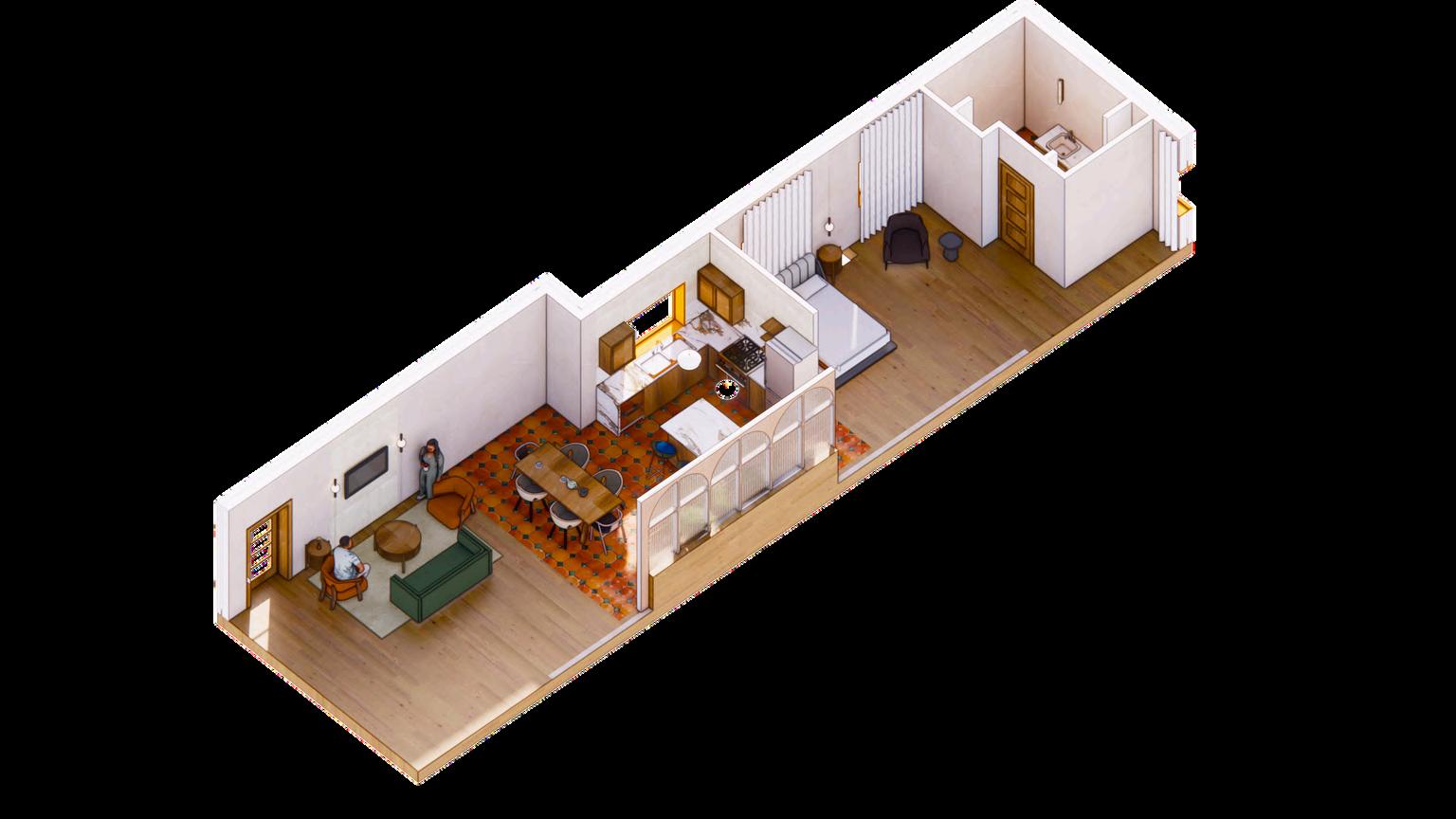
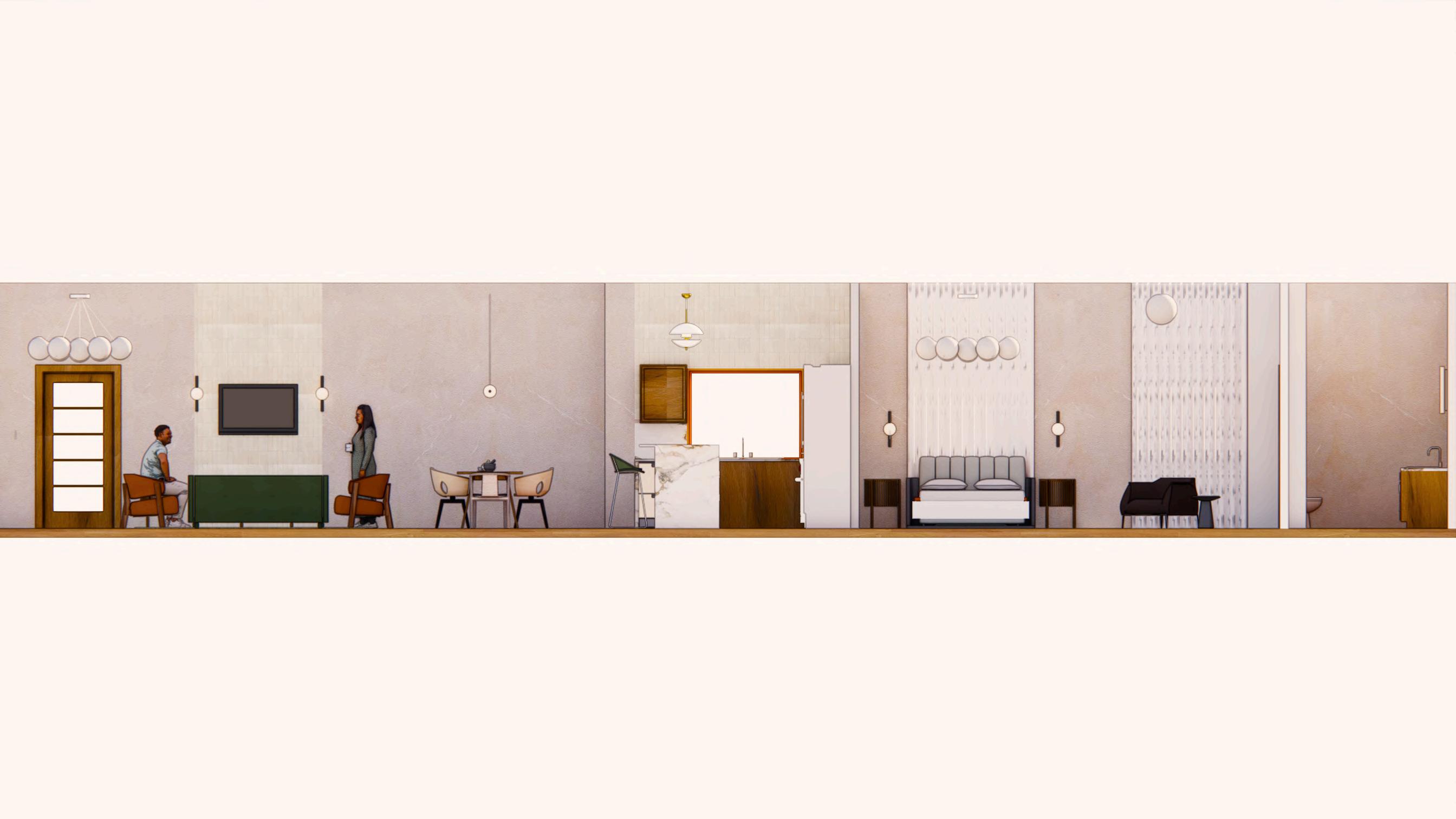
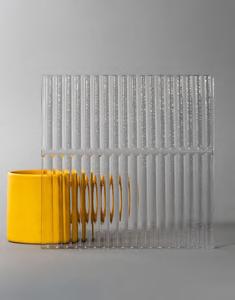
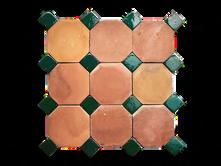


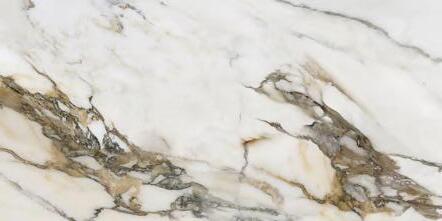
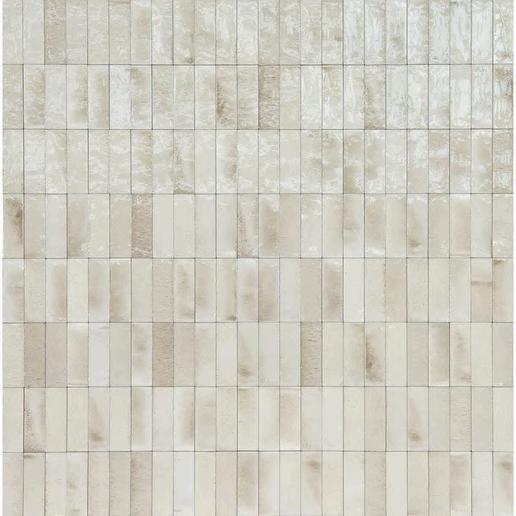
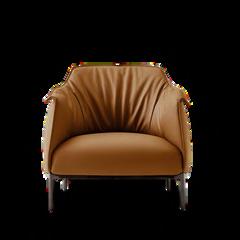

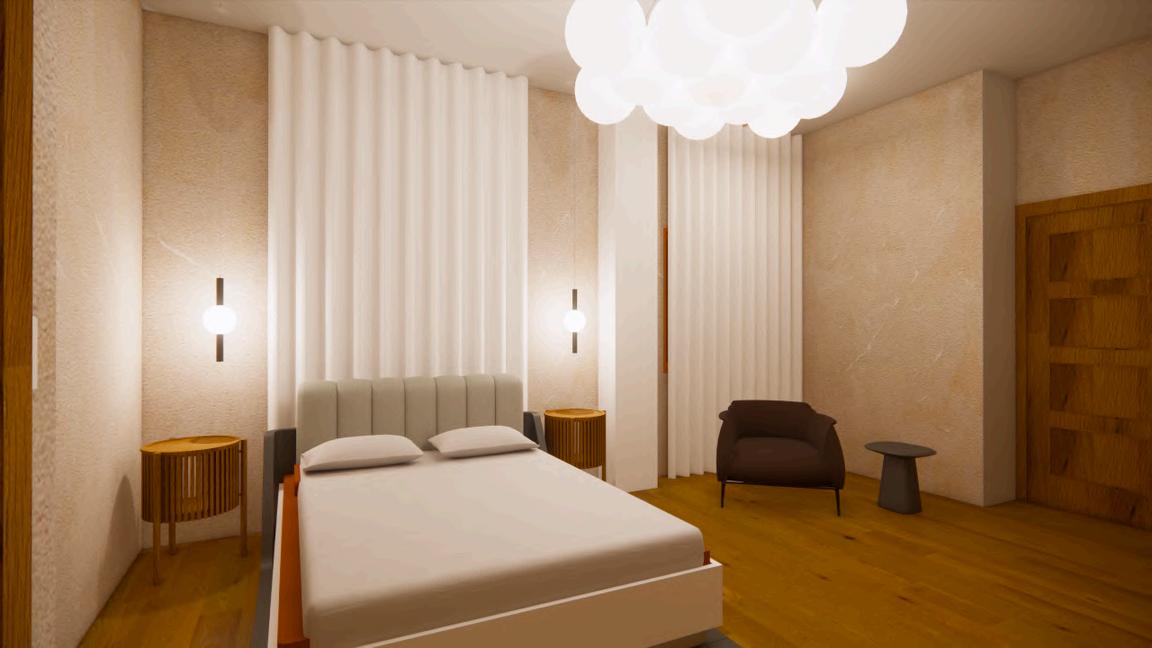
Thebedroommaterialpalettetactileandorganic, creatingcohesionwiththeoverallprojectwhile maintainingtheidentityofabedroom.

children with ADHD.
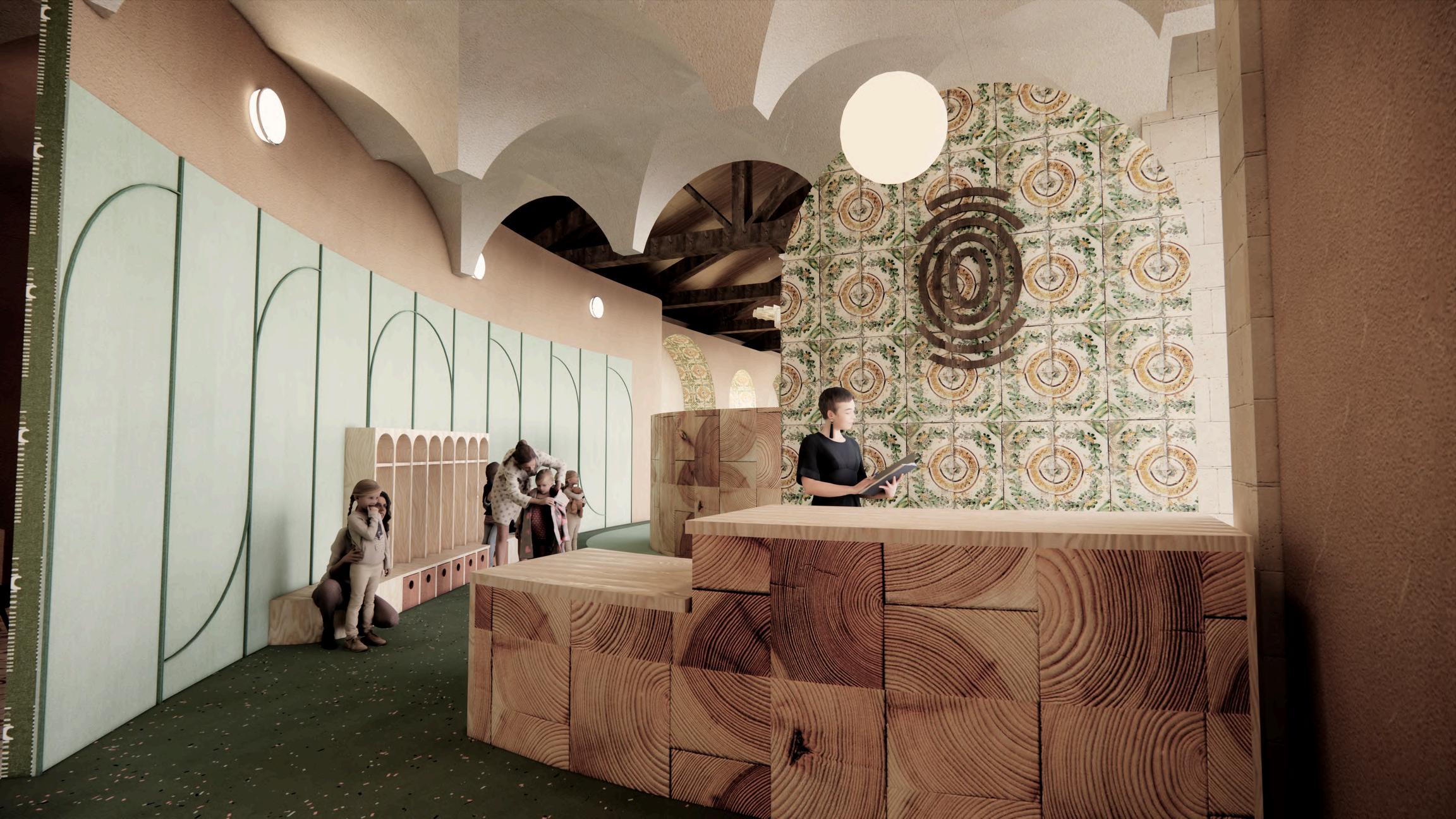
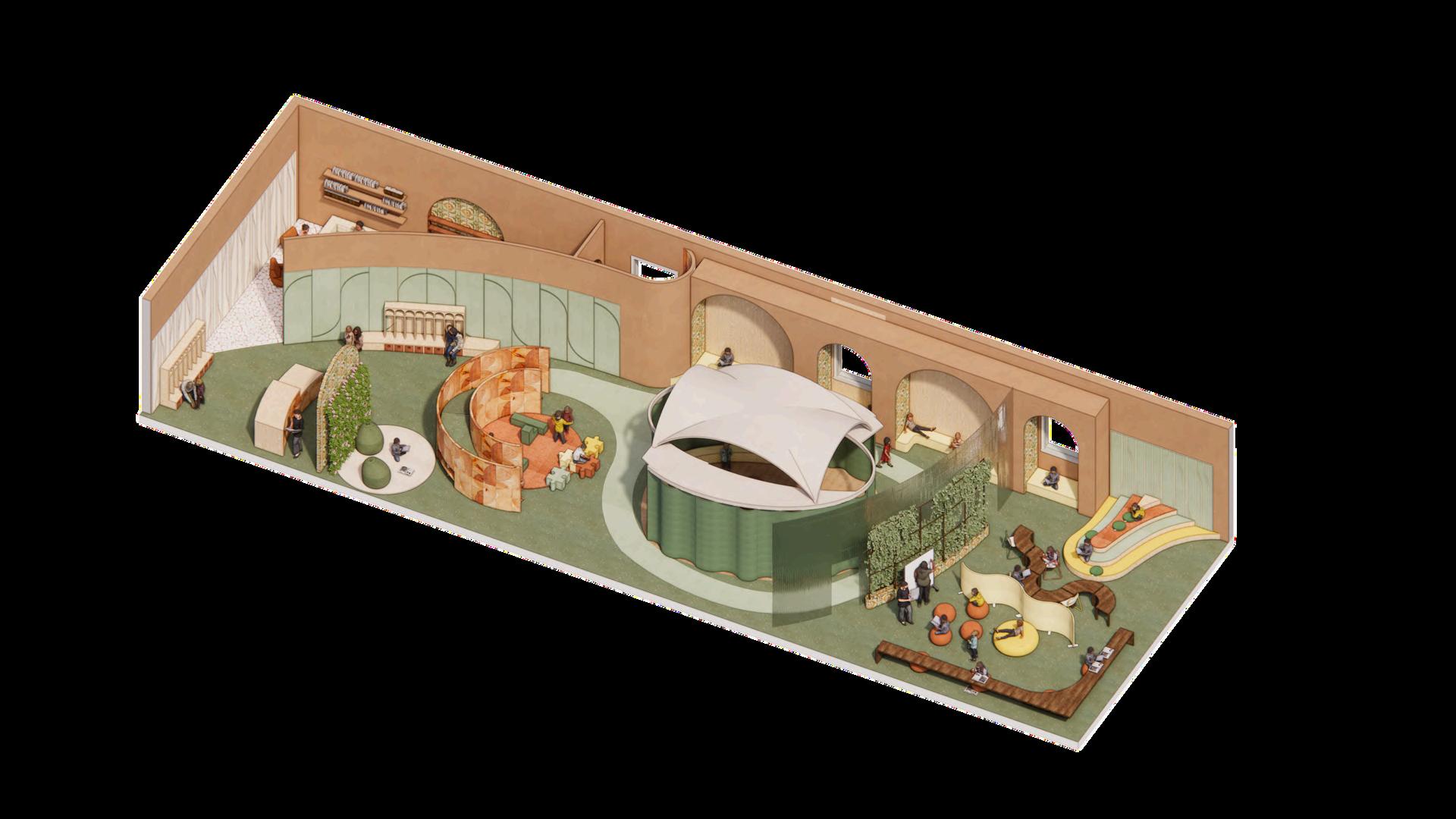
Working from an existing floor plan, the design integrates four requ thematic program areas- The Game, The Theater, The Lab, and The Planetarium- each interpreted through flexible programmatic appl


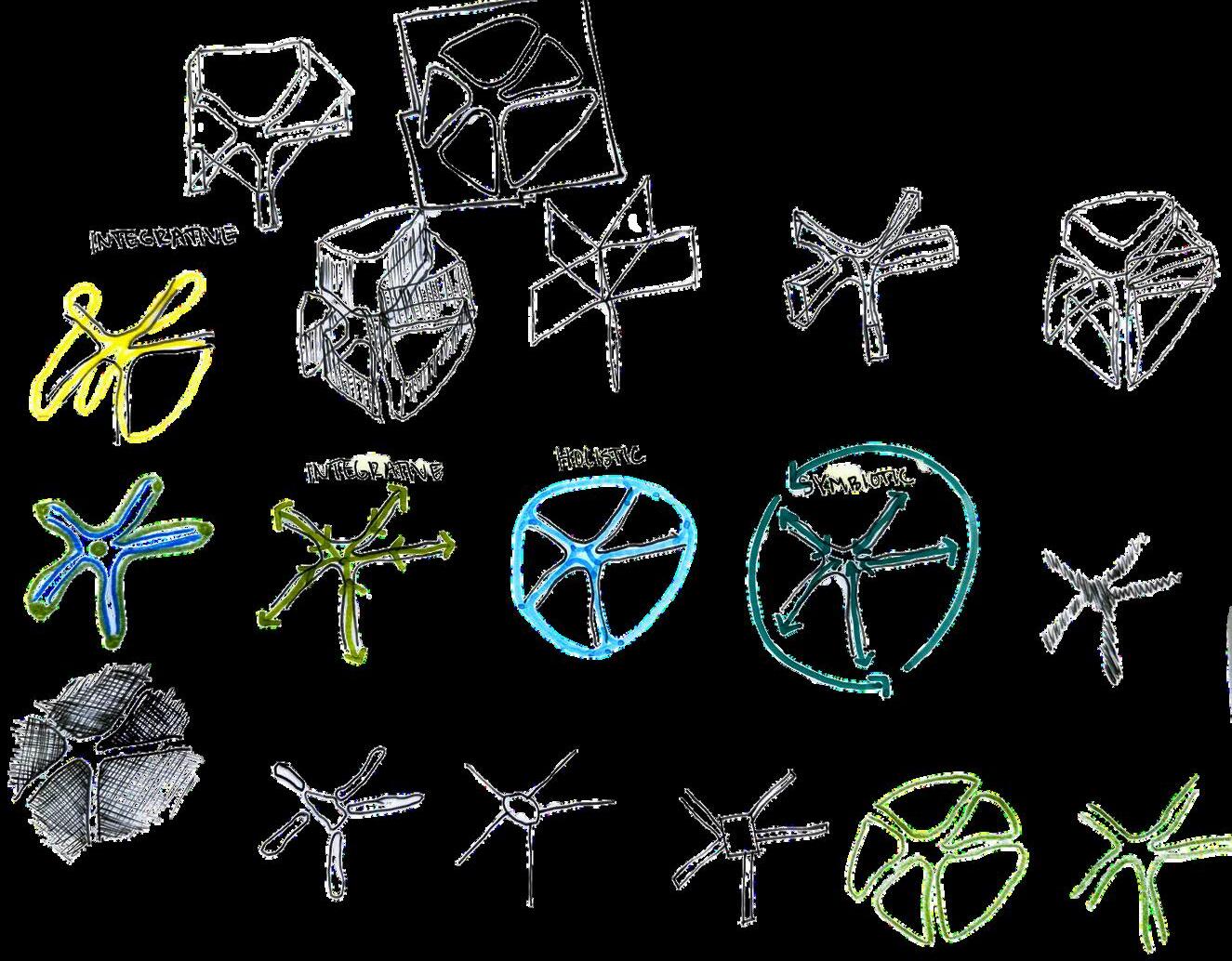
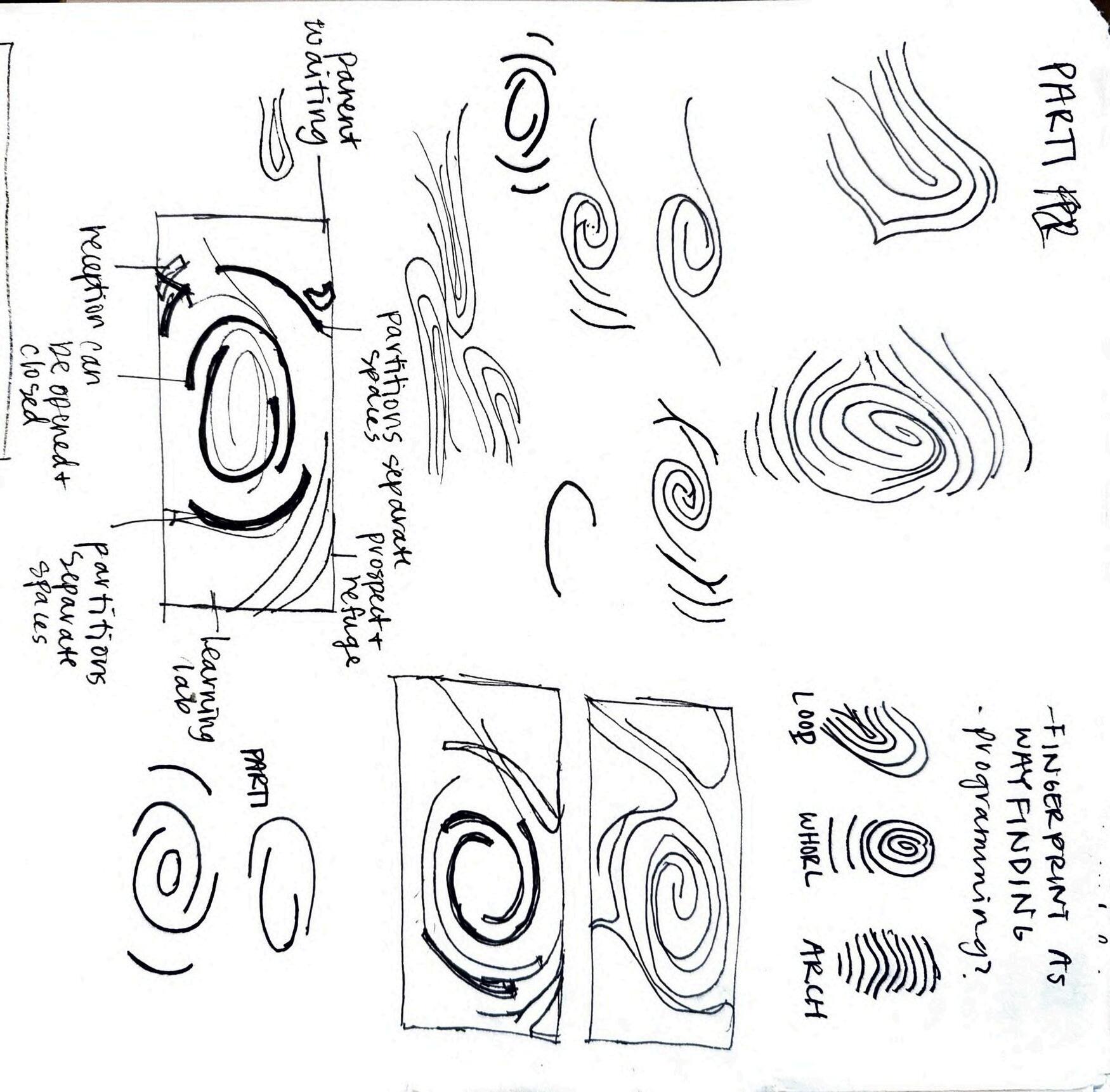
Parti Development
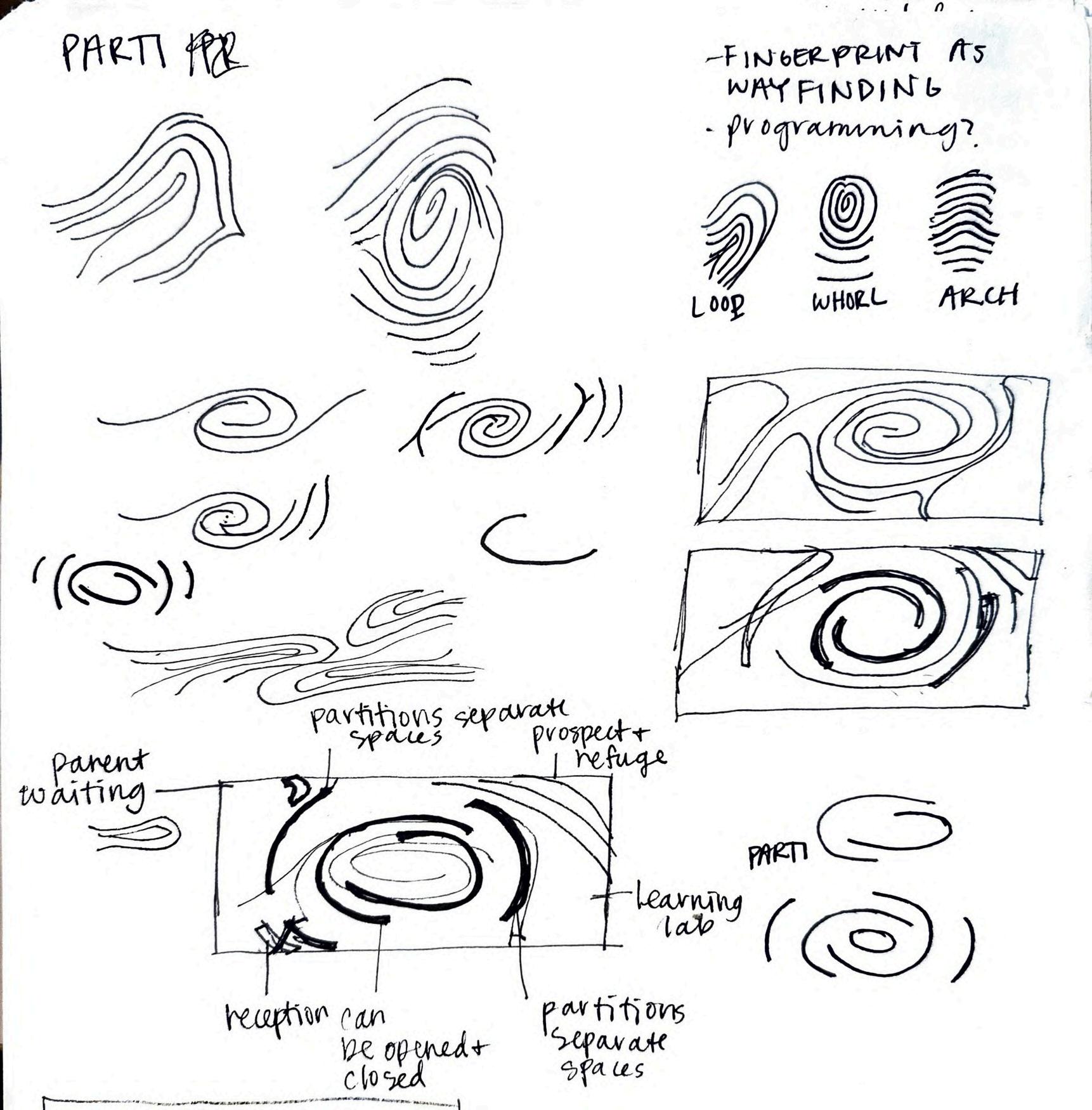
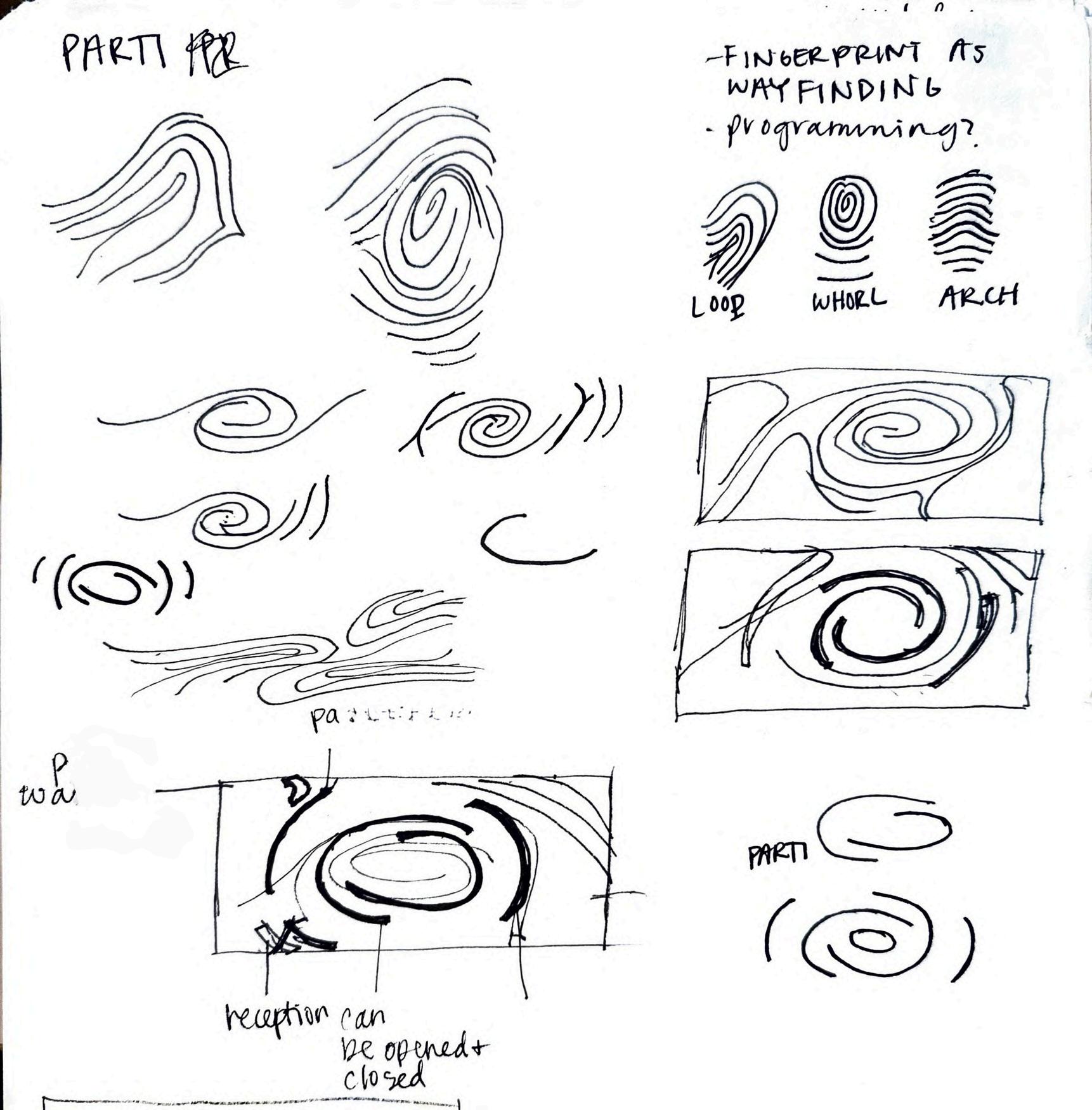
Fingerprint form as conceptual inspiration
Logo as abstracted form of fingerprint

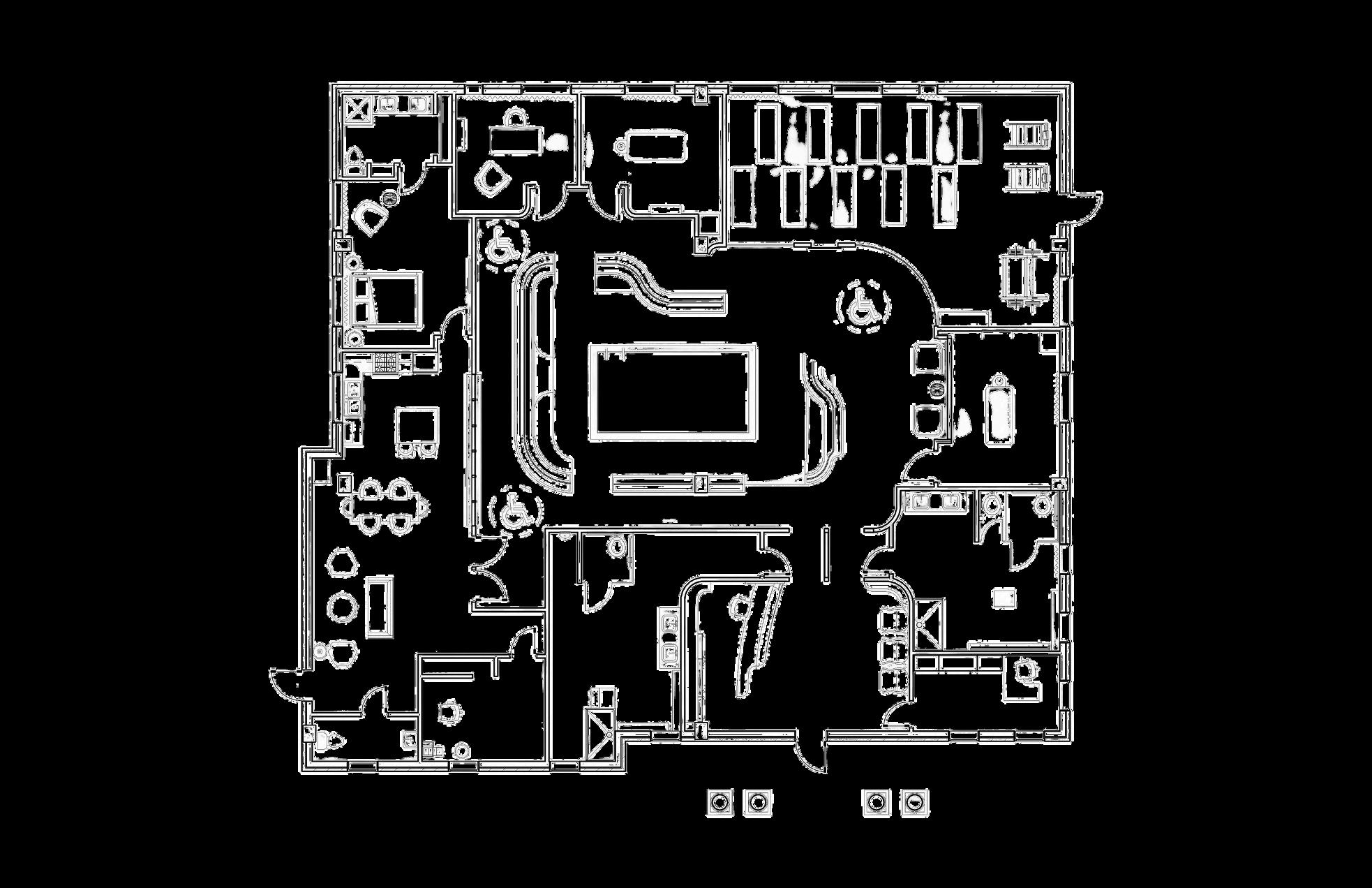
Floor Plan + Programmatic Development
Theater/Planetarium
Reception Game
Movement gradient diagram
Learning Lab
Parti diagram as abstracted logo to represent separations of space
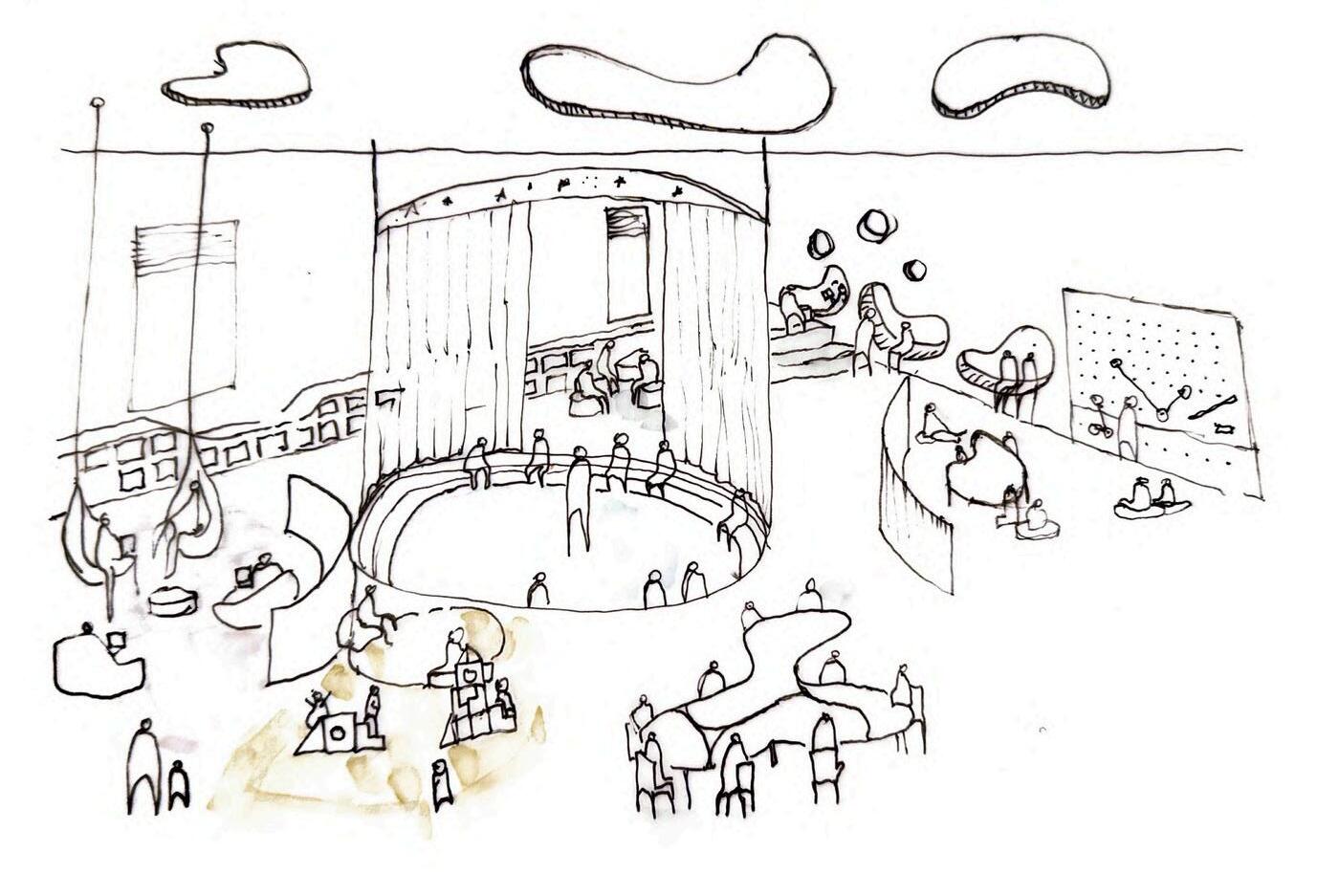
Experiential Sketch
Parent Waiting Area
Separate space for parents to decompress whi le st ll maintaining level of connect on
Game Theater/Planetarium
Provides ample physica movement opportunities
Learning Lab
Interactive, hands on earning methods &visua connection to nature
Transit ons between Theater + Planetarium through retractab e acoustic wa l curtains
Parent Waiting Area
Reception
Parent Waiting Area
Separate space for parents to decompress whi le st ll maintaining level of connect on
Game
Provides ample physica movement opportun ties
Game/Play
Theater/Planetarium
Theater/Planetarium
Trans tions between Theater + P anetarium through retractab e acoustic wall curtains
Learning Lab
Interactive, hands on earning methods &visua connection to nature
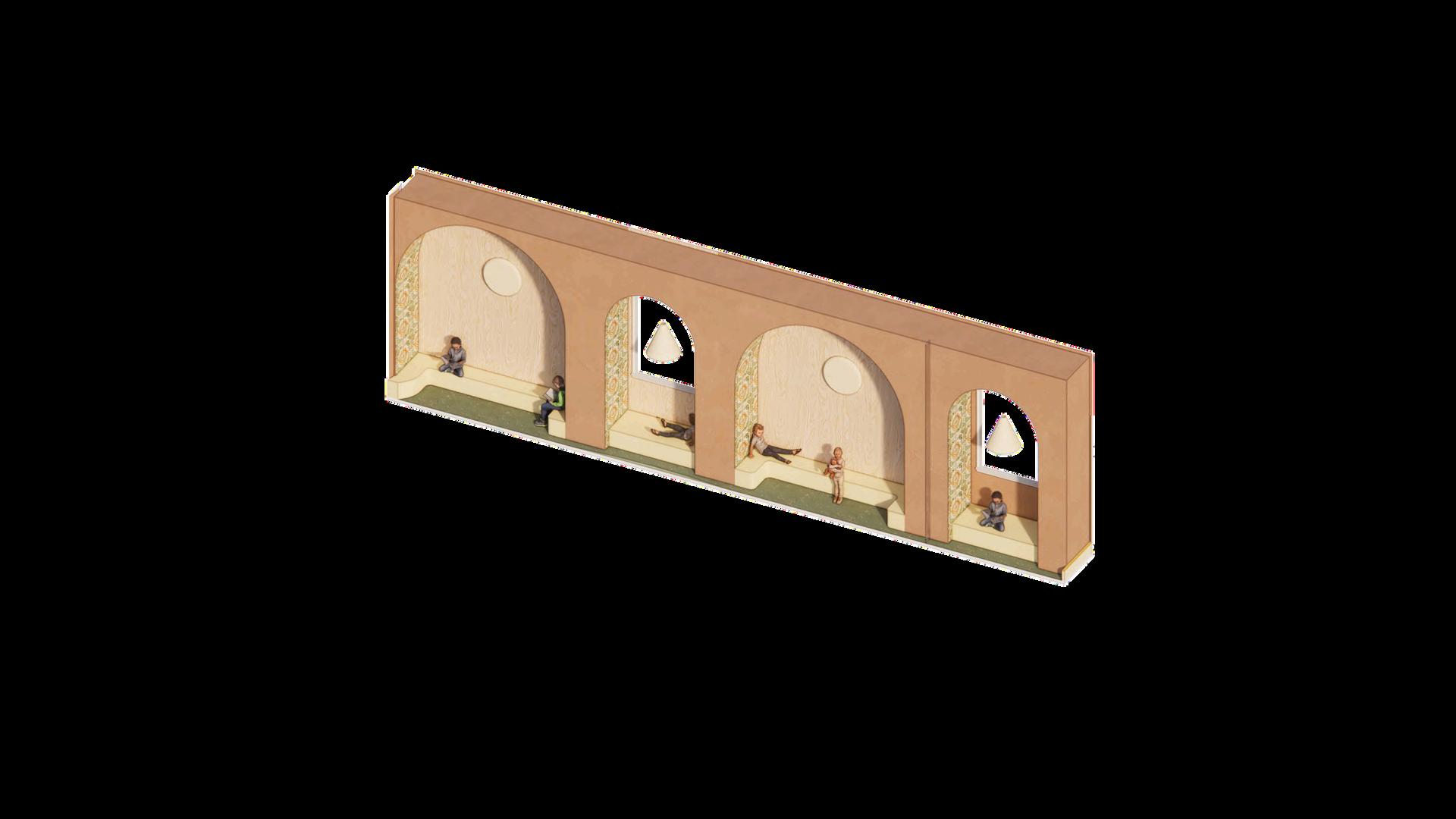
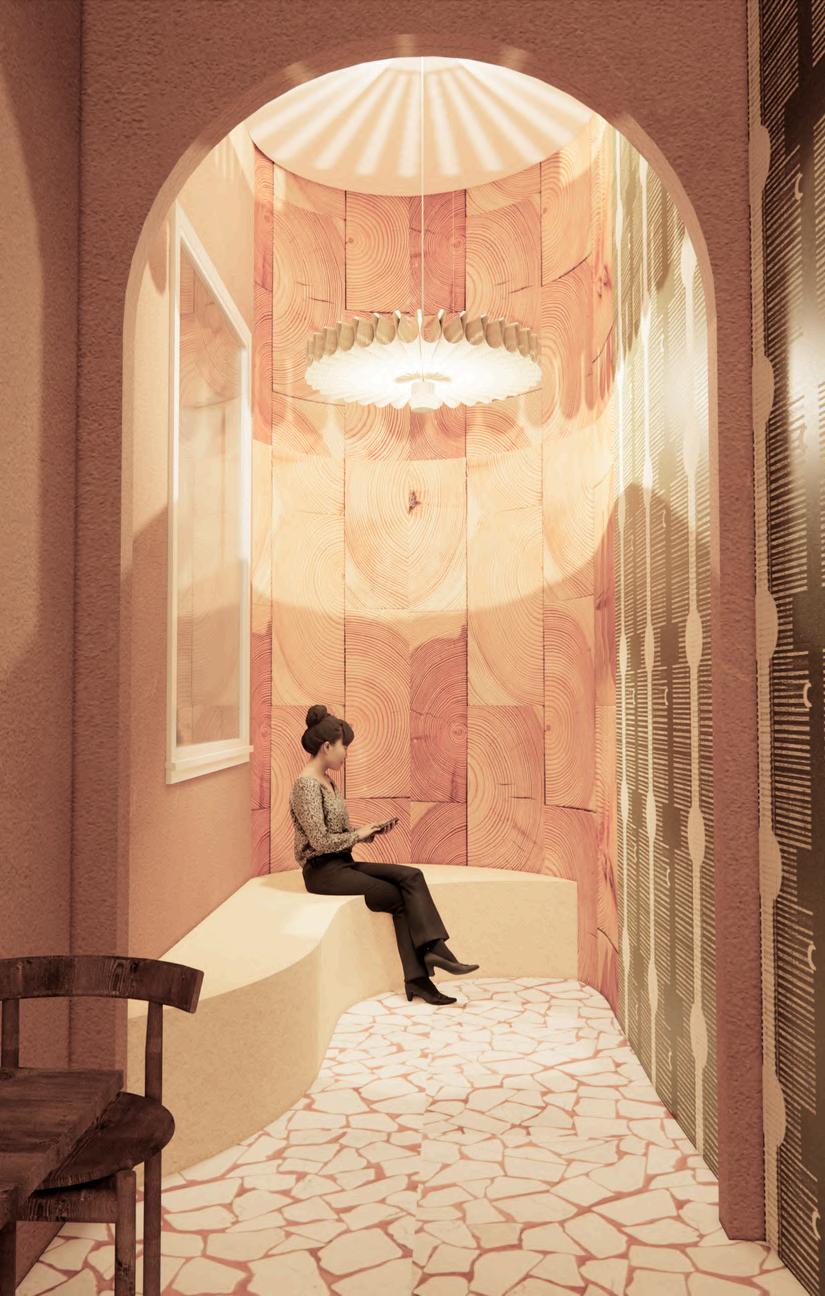
Informed by the Biophi ic Design princ ple of Prospect and Refuge and Material Connect on With Nature, these bui t in seating arches provide children with ADHD a sense of enc osure and visual contro , w th tact le natura materiality supporting self-regu at on and attent on.
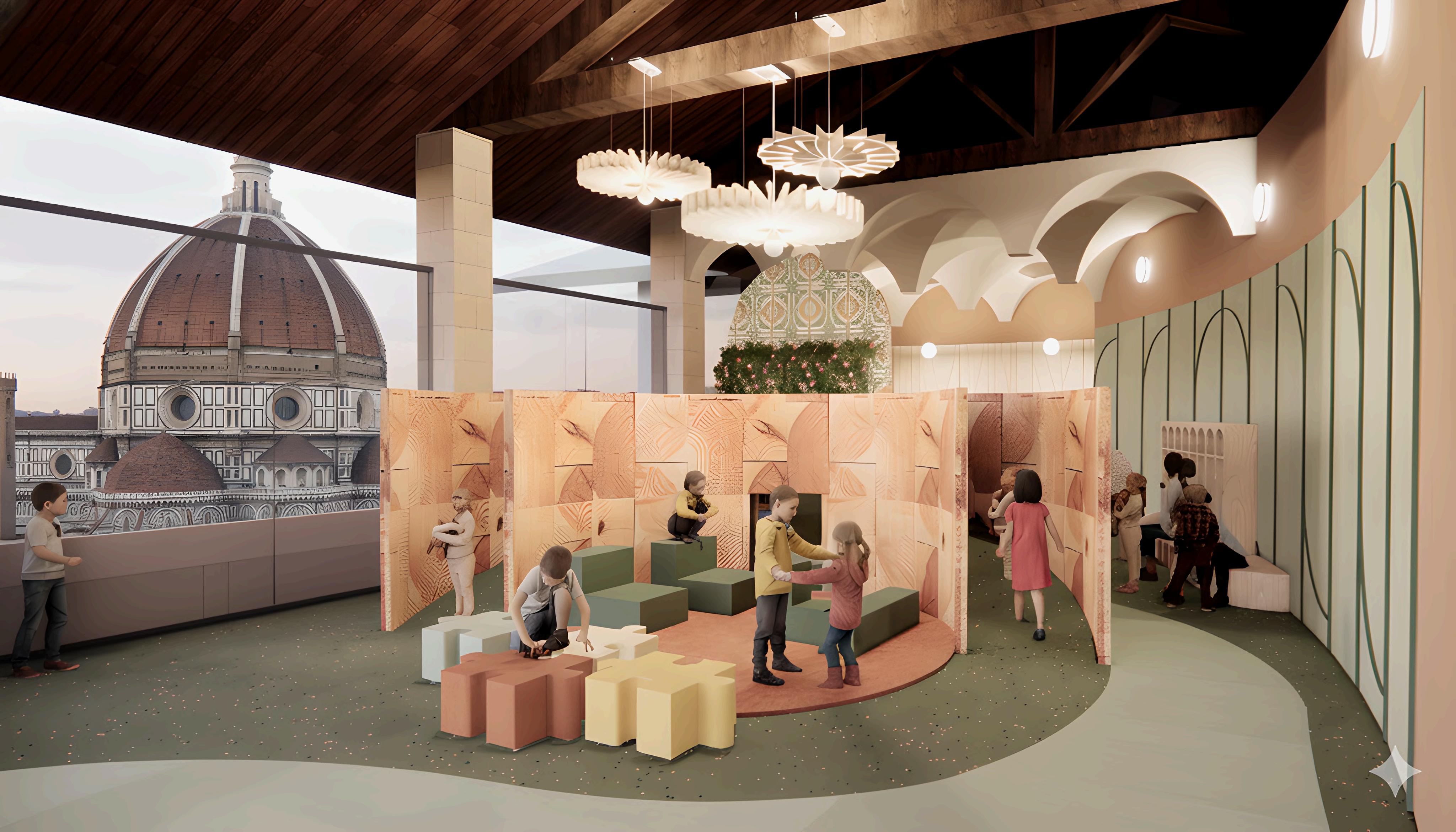
The Game introduces learning through Located at the entry, it offers varied act attention and executive function- especi preparing them for quieter learning spa
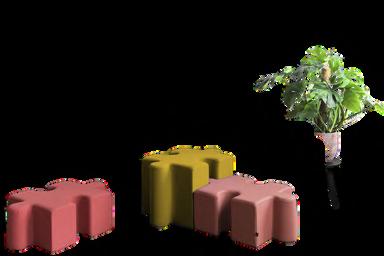
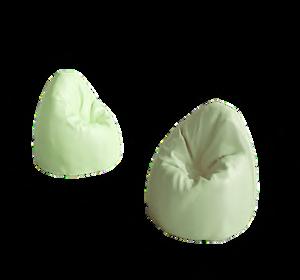
BuzziSpace BuzziPuzzle for acoustic regulation and interactive play element Pinnea Beanb adapti
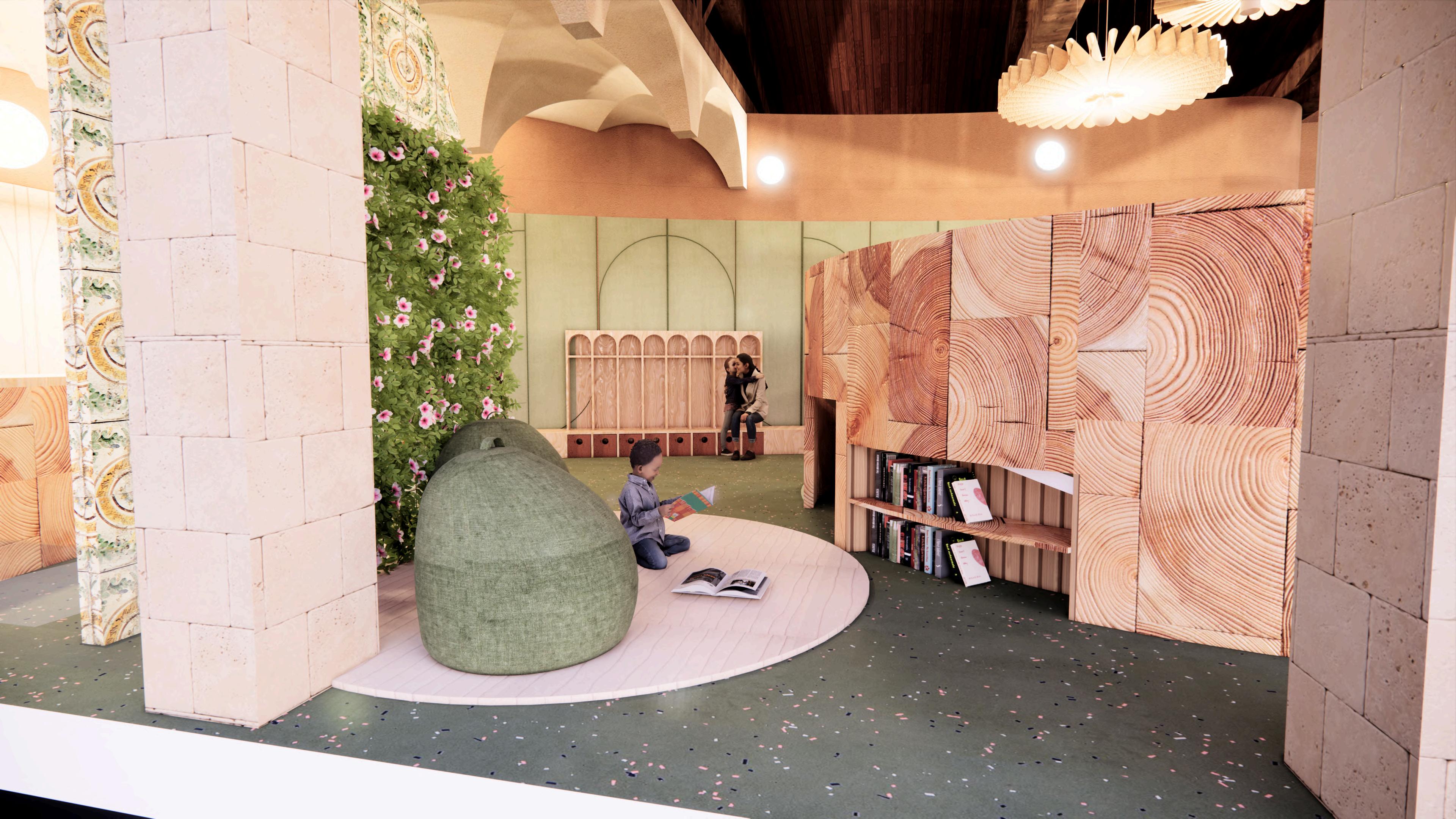

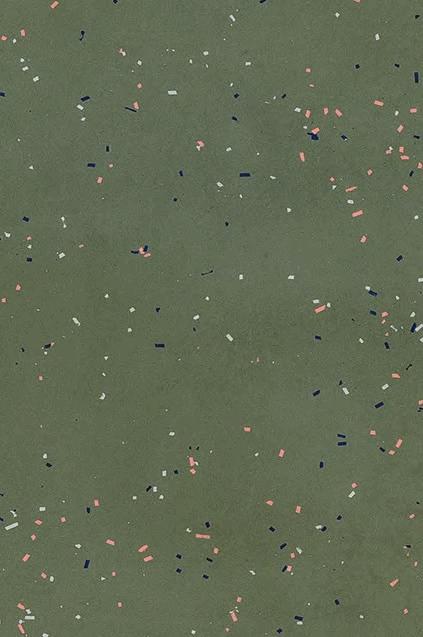
Duracryl Recycled Speckled Terazzo Flooring for wayf nding, ease of maintenance, high traffic
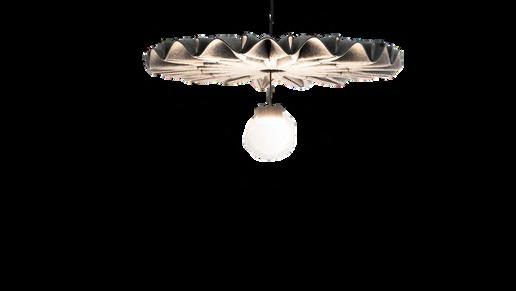
BuzziSpace BuzziPleat Light for sound absorption and playful lighting element
d p ay structure creates dynamic play zones that cal activity, which has been shown to improve attention nction in children w th ADHD (Li, Zhang et al , 2023)
em
View of Reading Refuge in Game space
Informed by the Biophilic Des gn princip e of Prospect and Refuge, this reading nook adjacent to the play area provides children with ADHD a sense of enclosure and visual control, support ng self-regulation and attention after active p ay.
Problem + Solution Research Diagram
Guid ng Research Question: How are traditional daycares designed for neurotypica chi dren and how is this a problem for children with ADHD?
L mited physical movement opportunities
Lack of qu et retreat spaces, need low stimulation spaces
Co or selection: bo d/jarring hues nduce stress, anxiety, depression, anger
Movement friend y furniture, game space movement break
Prospect and refuge spaces with dim l ghting and natural materials
Warm, neutral hues and natural materia s work best in ADHD earning environments
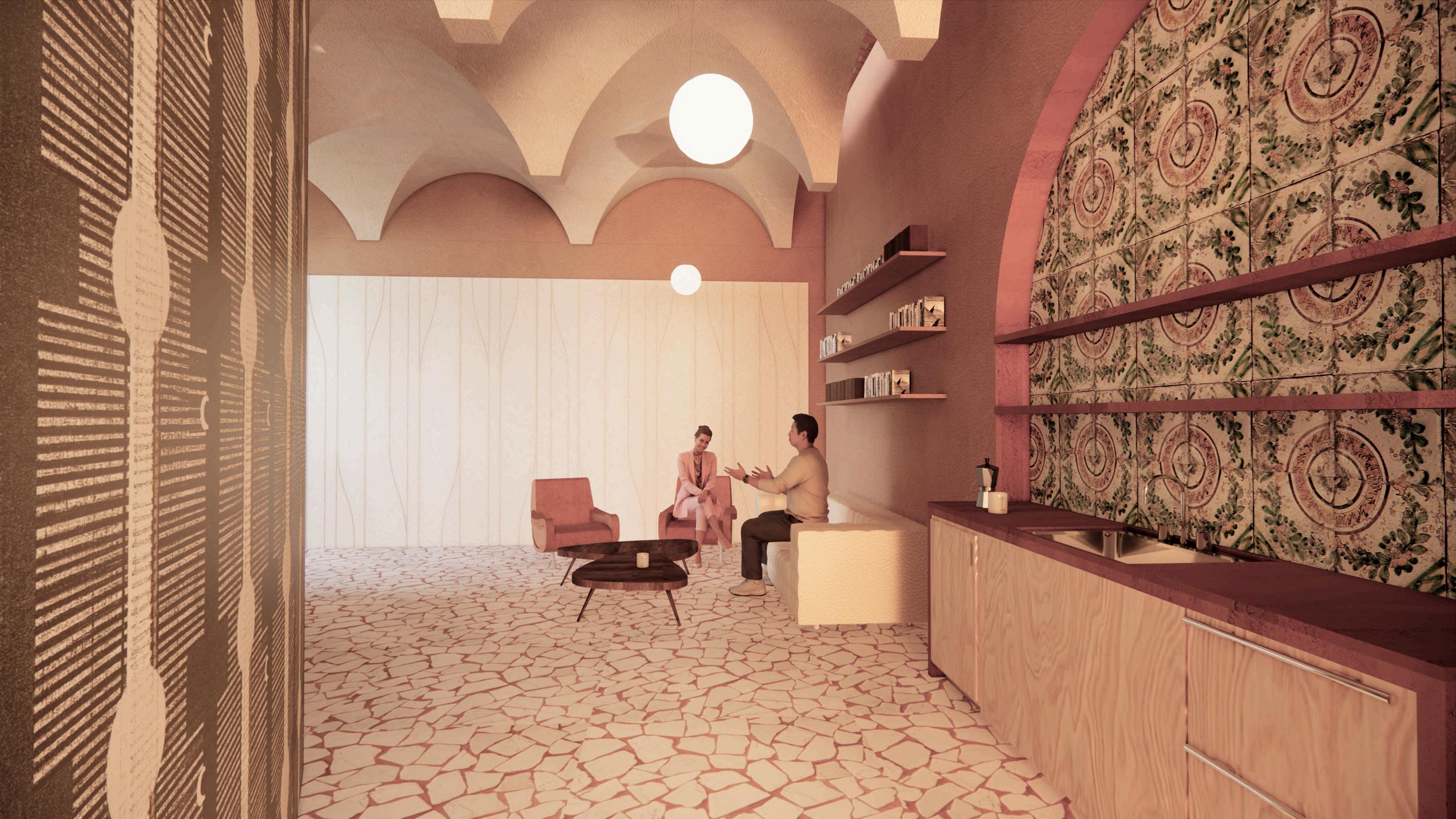
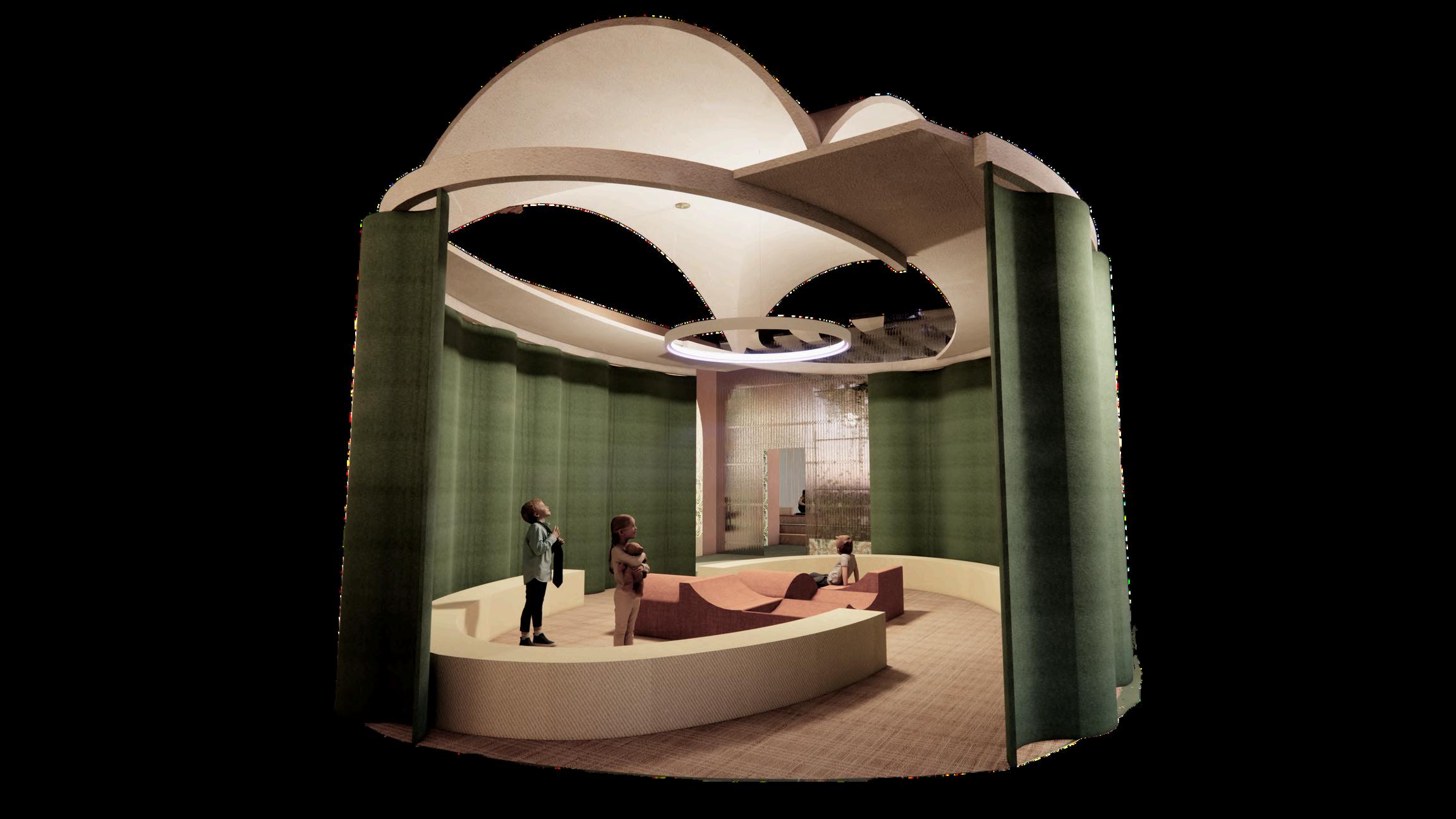
The Theater and Planetarium programmatic requirements were combined into one flexible space with modular, ergonomic furniture and acoustic curtains that allow intimate planetarium viewings or open theater performances
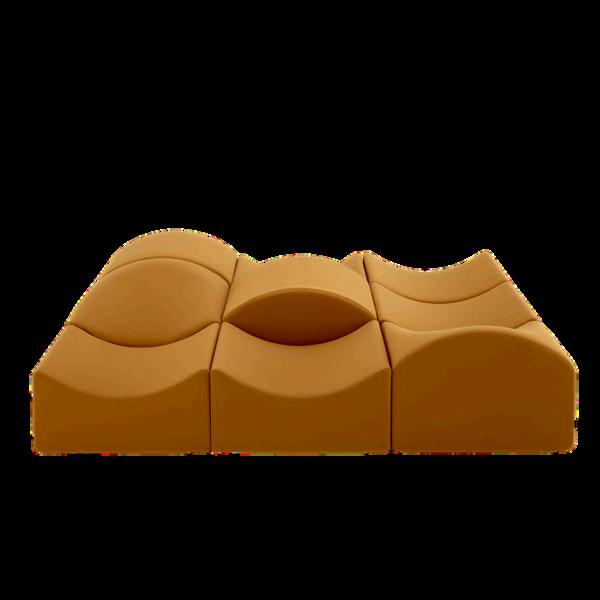
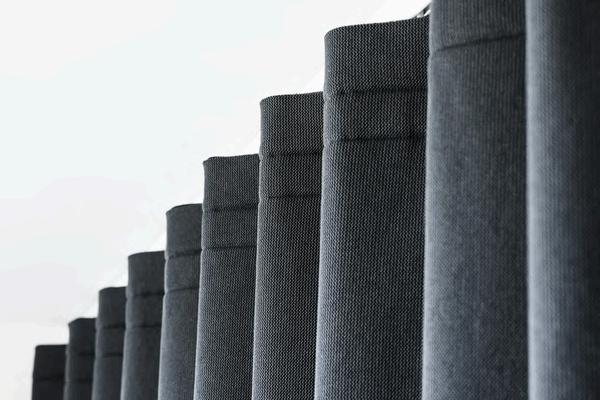
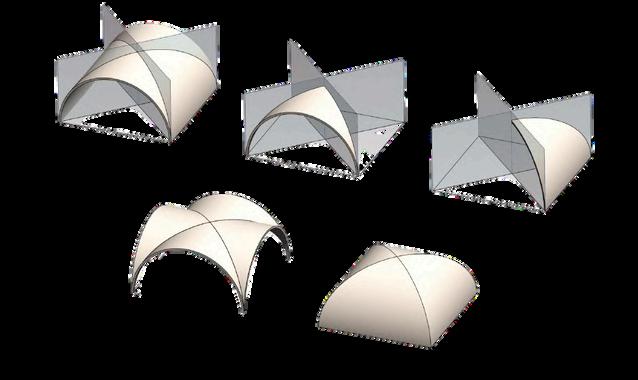
Custom mode ed groin vault planetarium im tates architectural style of Museo degl nnocenti
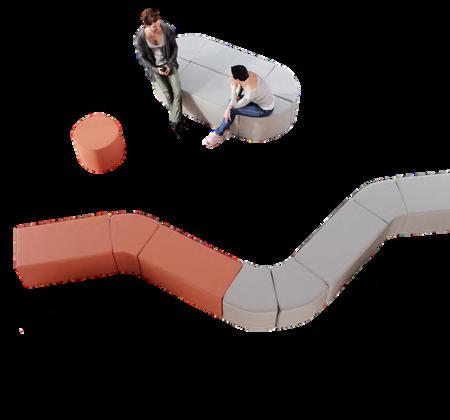
Informed by Z ere s and Jansen (2015), this modu ar seat ng encourages the postural shifts necessary to support executive functioning and focus for chi
with ADHD. Problem + Design Solution Research Diagram
“One size fits al ” pass ve learn ng methods Mu ti-sensory
Lack of f exibi ity in seating, rig d seating causes loss of focus and d sor entation Problem Design Solution
Distraction, overstimulation caused by acoustics: reverberation, background noise
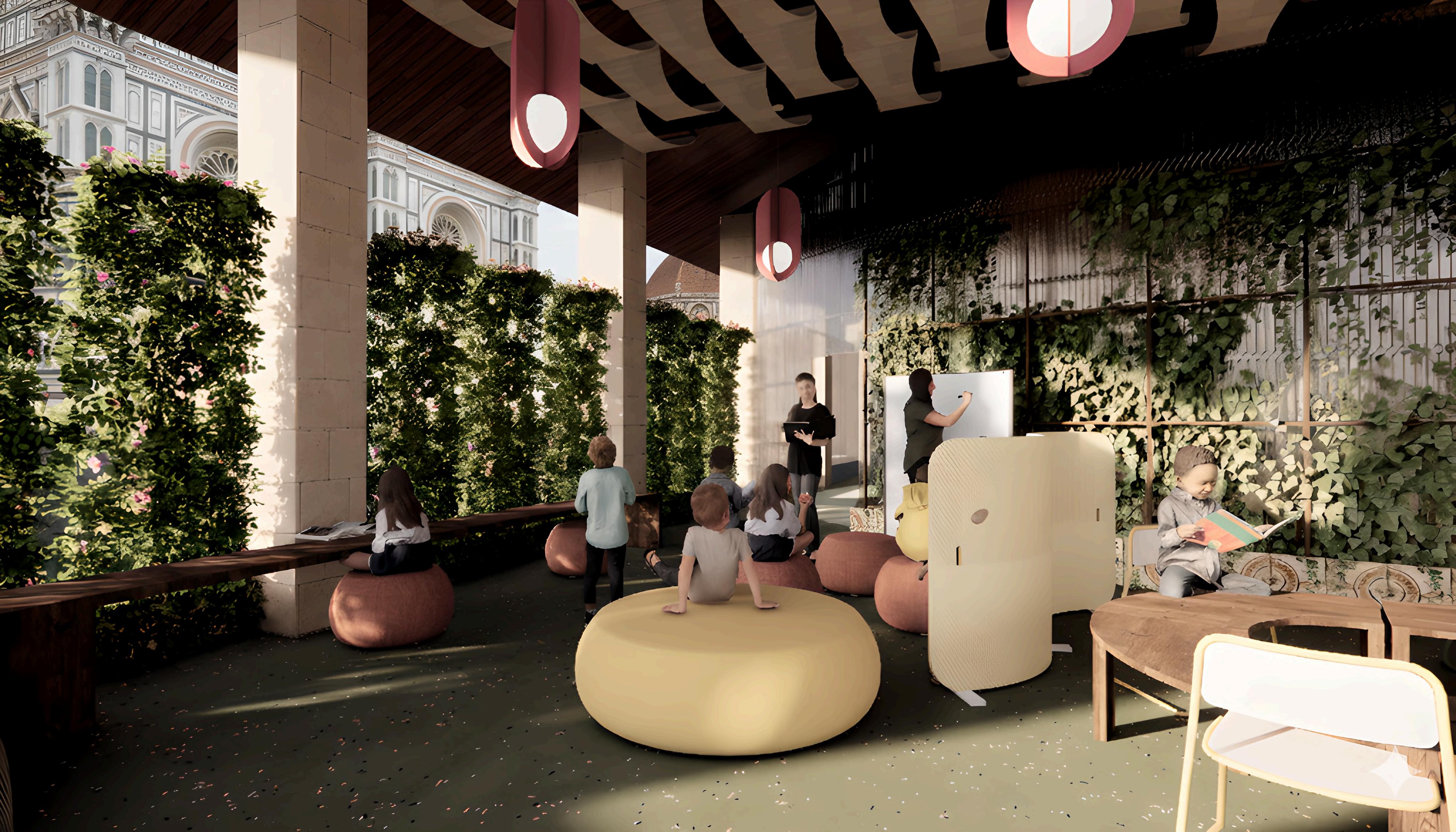
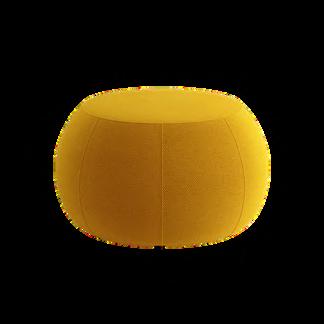
Provide f ex ble, dynamic seating options
H gh NRC absorbent materials on wa ls, ceiling, and f oors
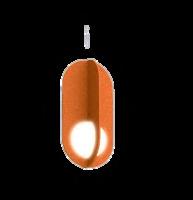
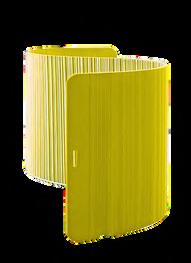
Dementia:
Associated with the Hippocampus and Frontal Lobes
Project Period Fall 2025-Spring 2026
Site Location
Sun Valley, Idaho
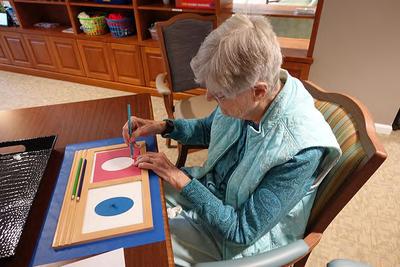
Montessori Framework, and Biophilic Design: emphasizes autonomy, slows cognitive decline
Project Type Memory Care Community
Respond to the Sun Val ey housing crisis by providing housing for memory care patients and caregivers



Create a dignified, uninstitutional communitybased living environment that keeps memory care residents connected to the outdoors
Provide a healthy working environment and restorative respite for caregivers
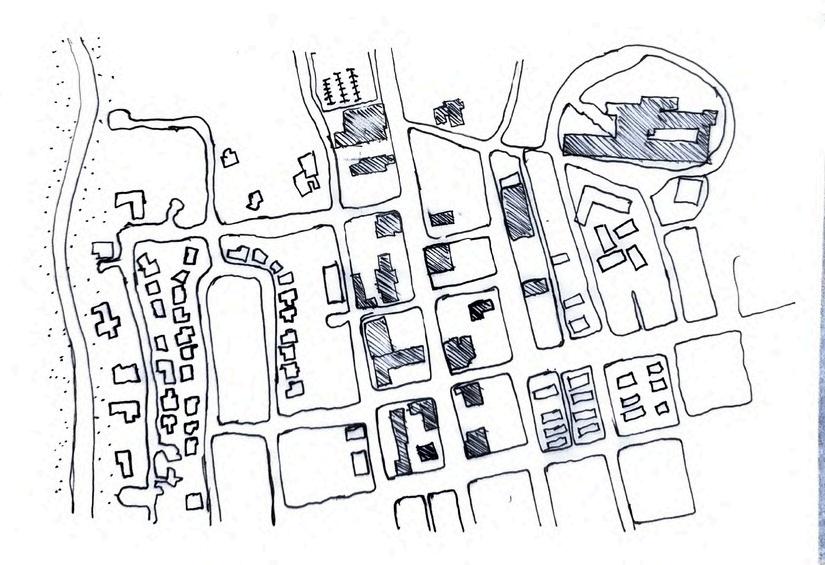

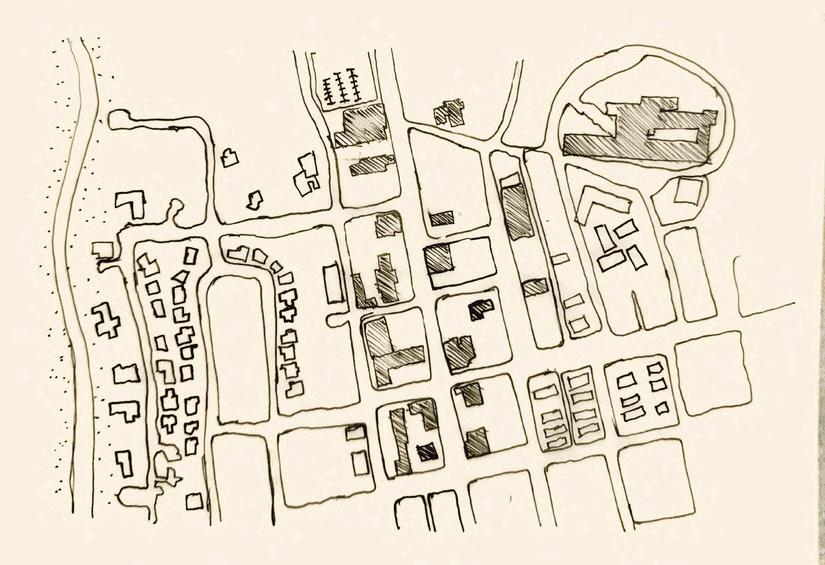
Natural feature landmarks to prov de res dents with a sense of p ace for dement aneed fami iarity and consistency
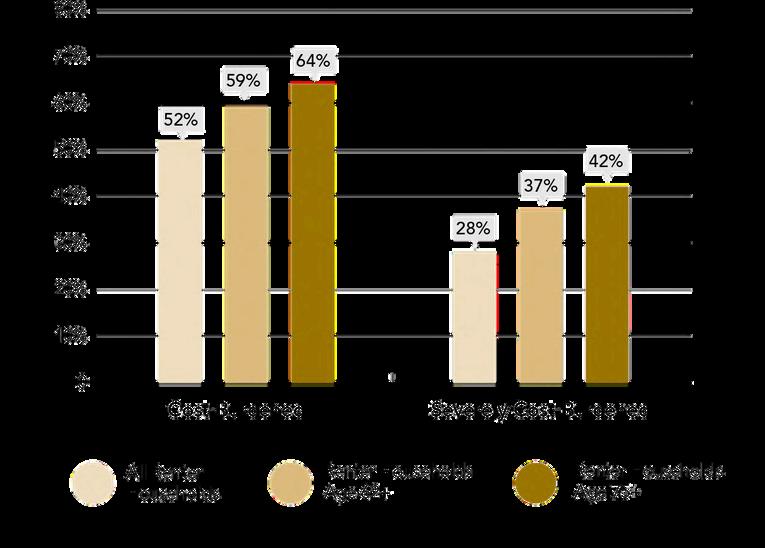
Average Affordability Gap in Blaine County
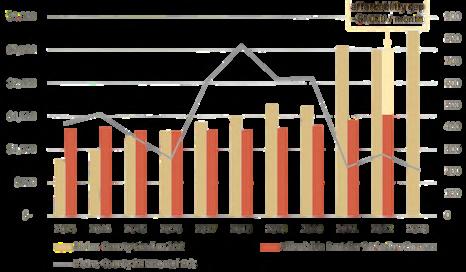
Income Needed to Afford Median Rent

Graph showing the disproportionate a housing crisis on aging adults
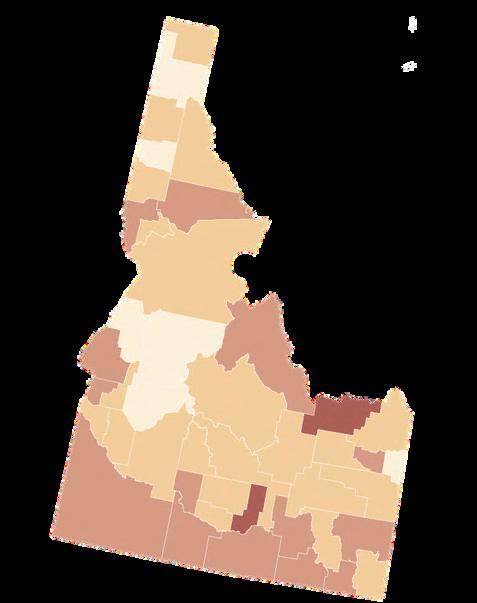
Consequences of Dementia Displacement
76% increased agitation & anxiety & sleep disruptions
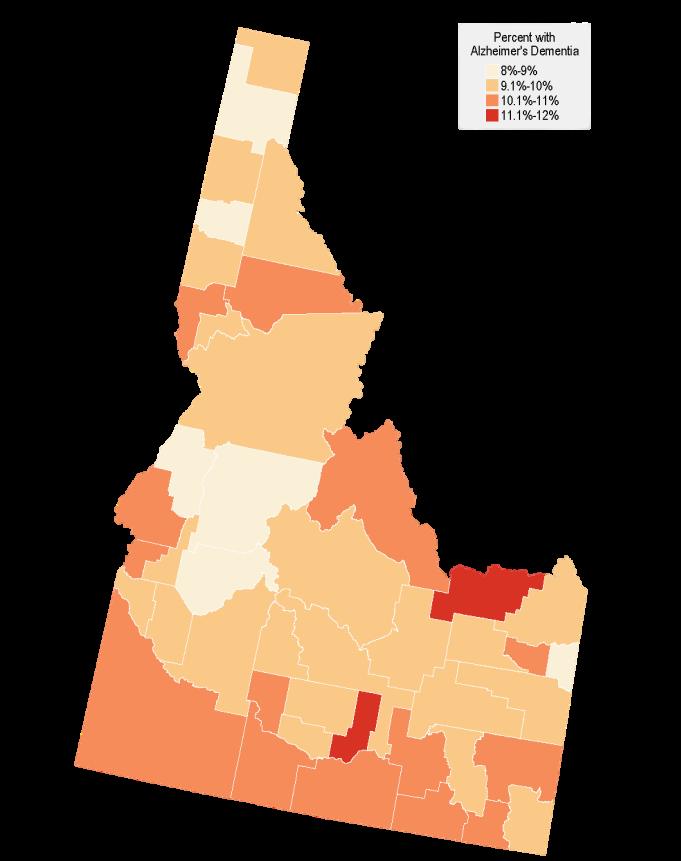
30% greater risk of falls
Percentage of Dementia Caregivers Who Report High to Very High Stress Due to Caregiving
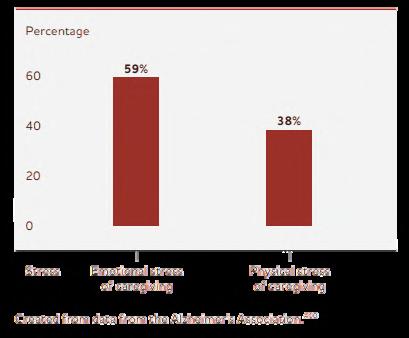
59%
38%
Stress Emotional stress of caregiving
Physical stress of caregiving

As a programmaticapp
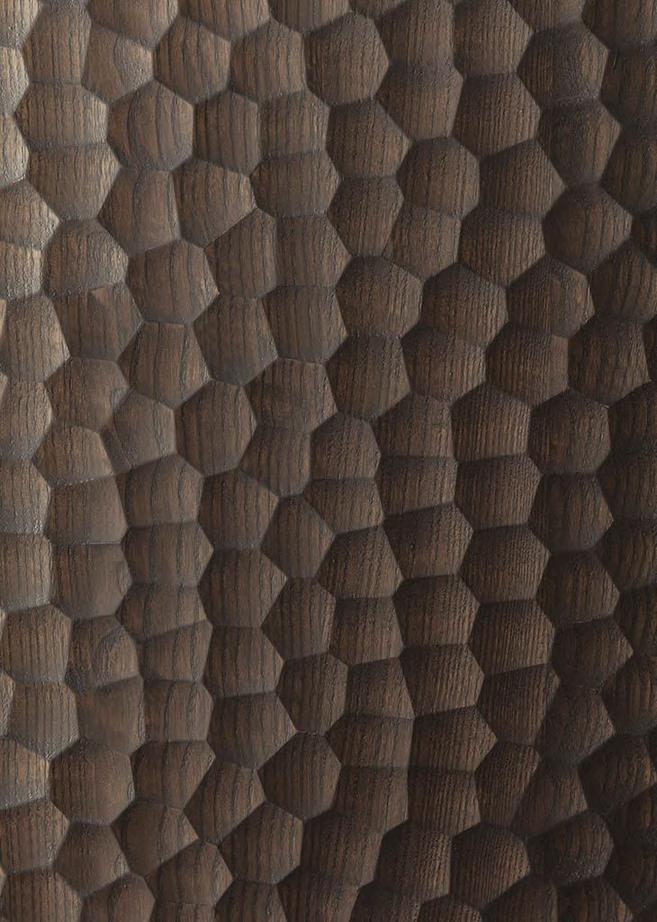
Biophilic Design Principles
As a guideline for the built interior environment
Universal Design, Neuroplasticity, and Aging in Place
As an ideological approach



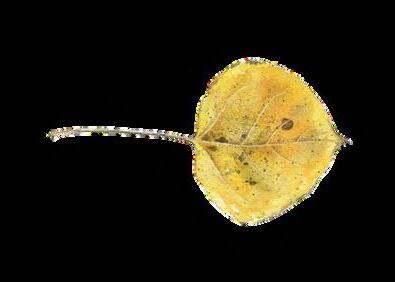
Aspen leaves grow, flourish, turn golden, and eventually fall, mirroring the human life cycle. Golden Grove Memory Care Community intends to honor and empower this golden era of life, and foster a symbiotic relationship between residents and caregivers.
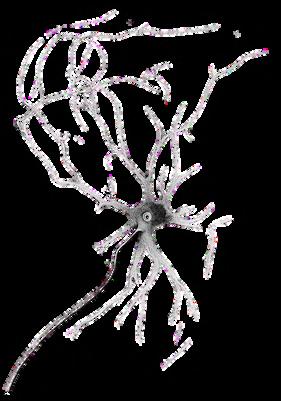
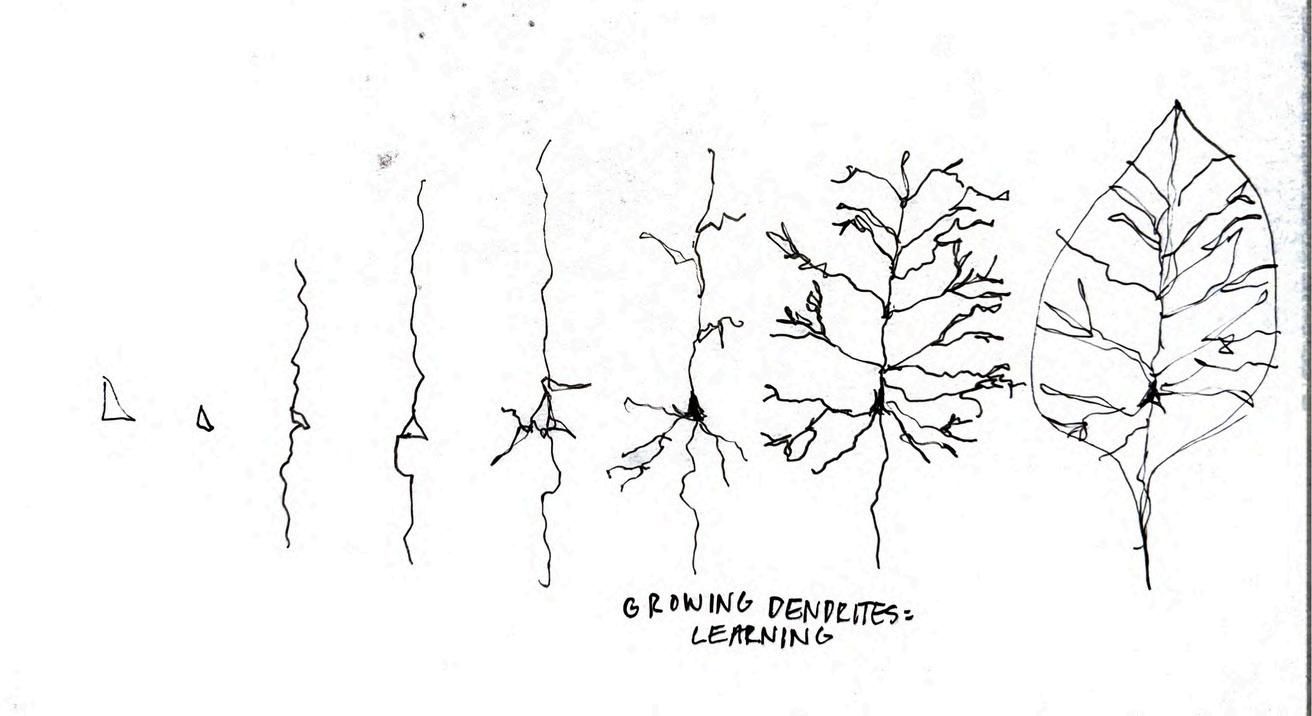


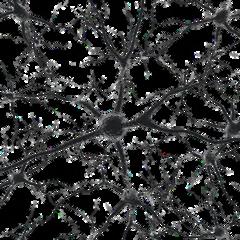
The part s inspired by the form of a grow ng dendrite, symbol zing earning, adaptation, and cognitive development It reflects how patterns that exist in nature mirror our neural geometry.
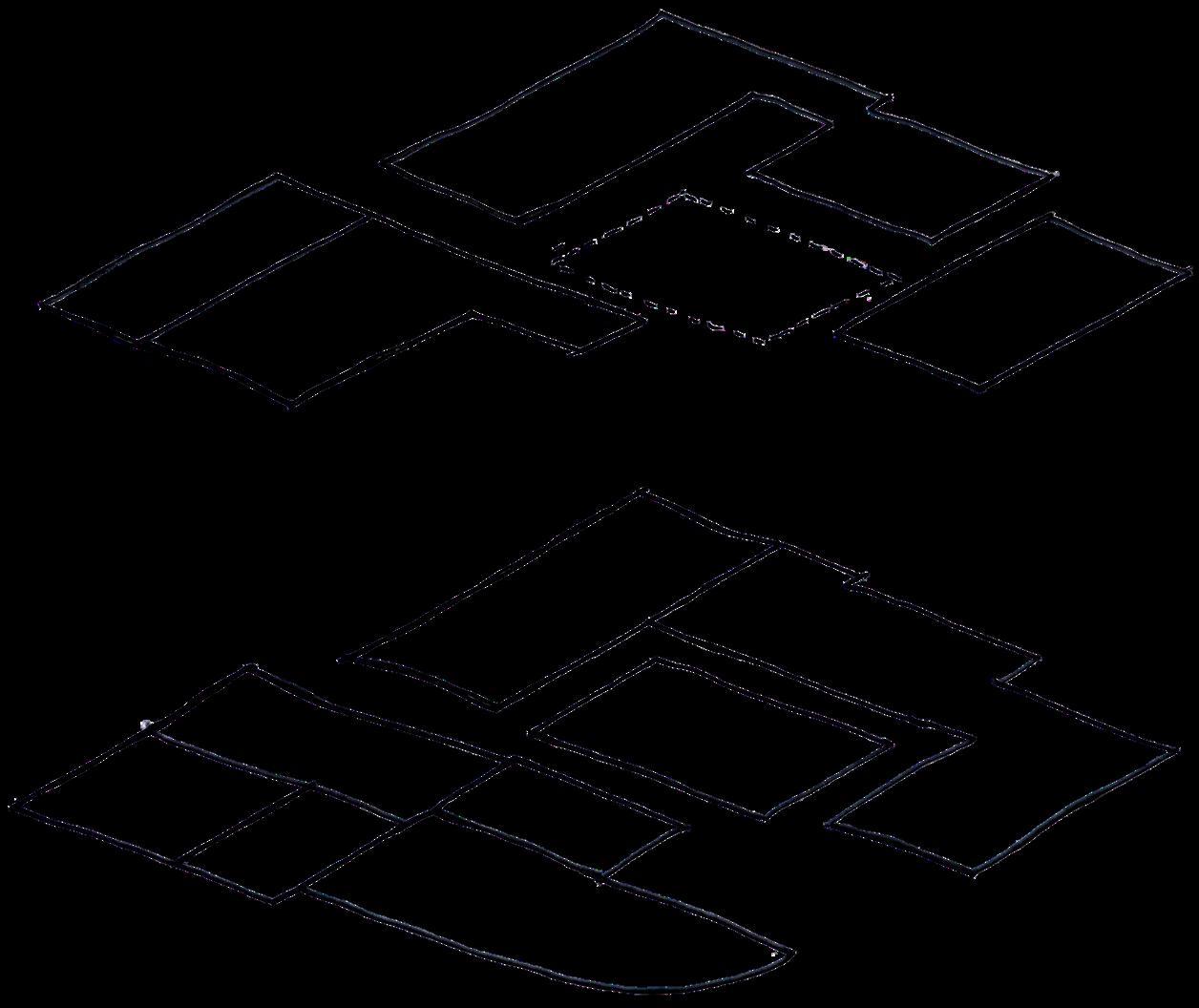
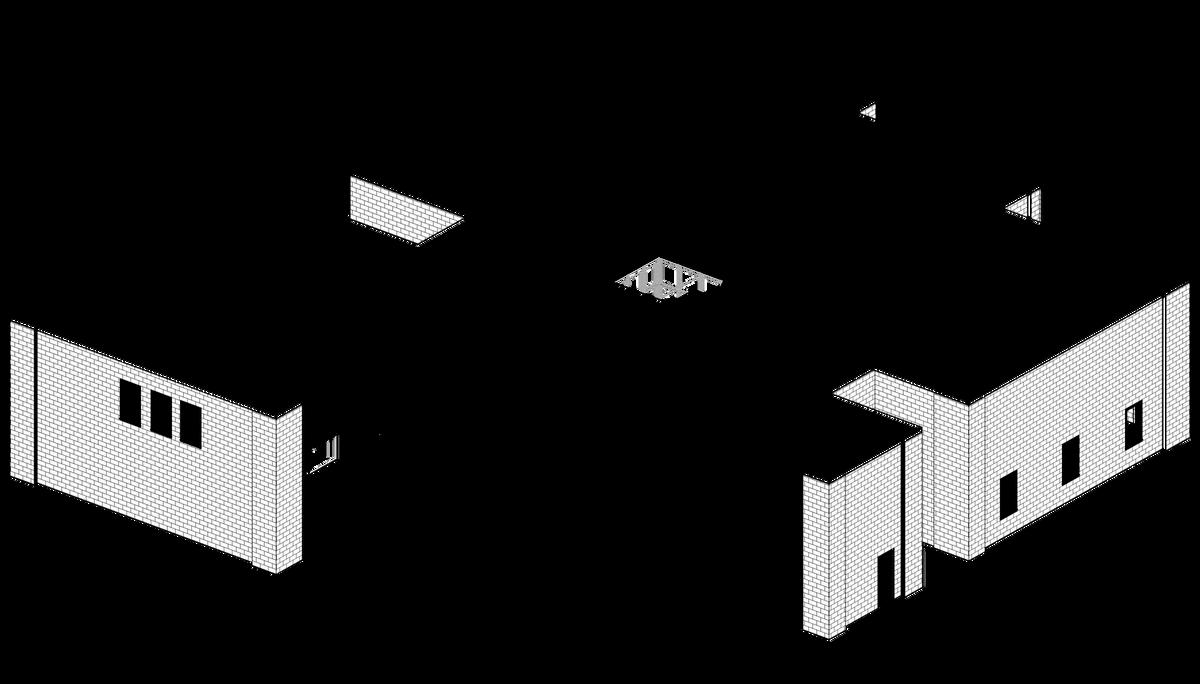
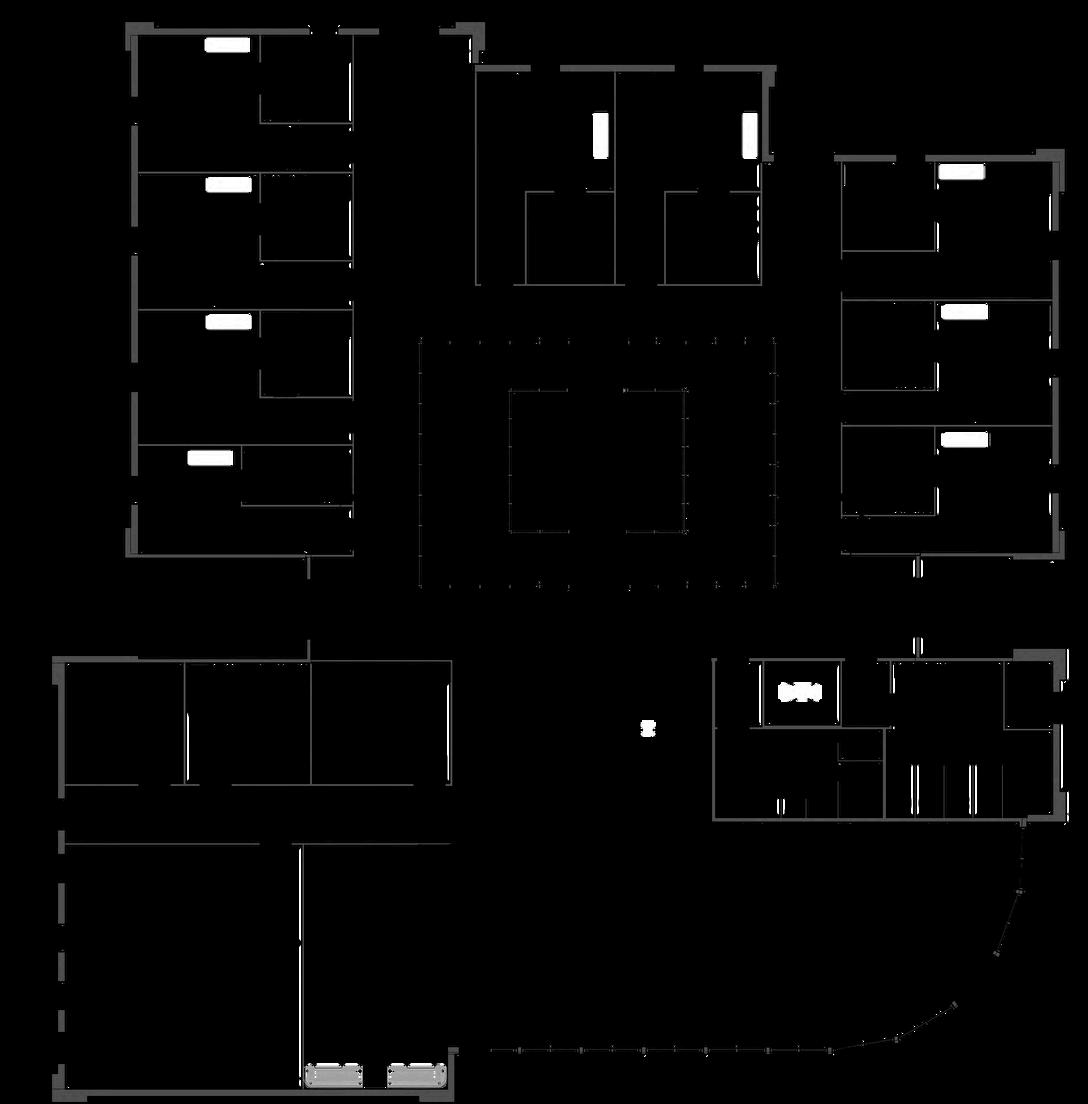




Project Period
Fall 2025
Site Location
Moscow Mountain, Moscow, ID
Project Type
Educational/Interdisciplinary Spaces
Individual Work
Scope
3,000 SF, fixed programming requirem Programs
Revit, Enscape


Competition Brief: The 2026 Inte to design a lcommunity-based earning ners must integrate one academic subje t envision learners and technology op , shared intelligence, and holistic learnin
Design Approach and Intent: topics of permaculture and sustainabili eciprocity and regeneration, it transform processes like myceium cultivation, hemp and fax produ wered soi
sensors, creating a closed-loop, skill-building enviro
Project Dynamic: Kinstead was completed a concept development, needs and materials research, FF& nitial Revit layout and flow analysis, Enscape material appli er layout, and the written concept statement.
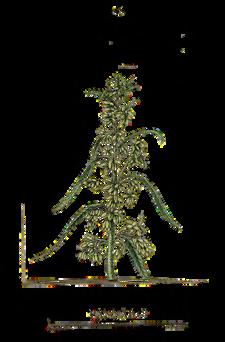

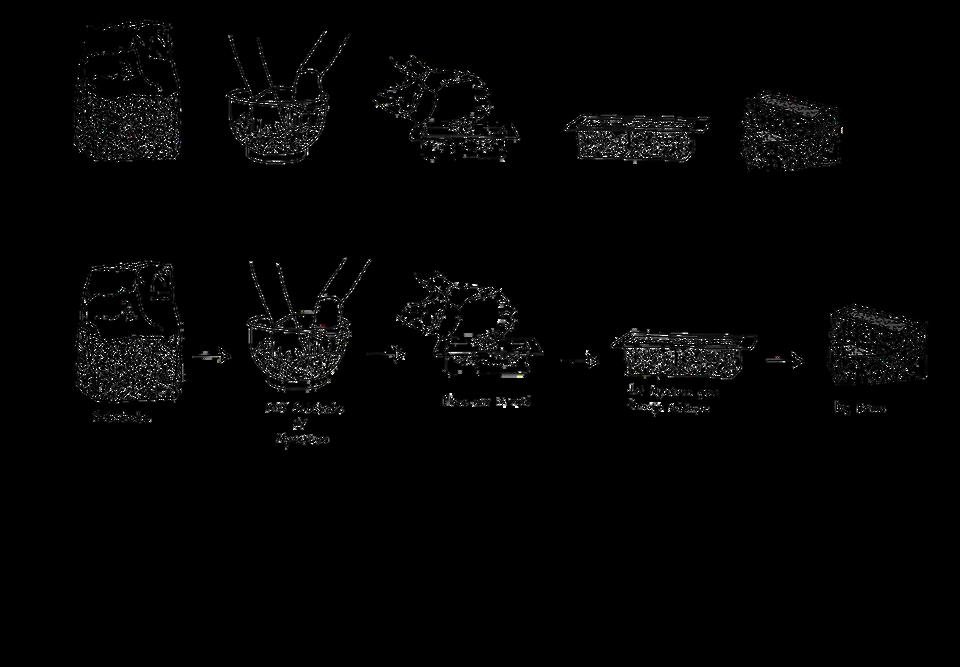


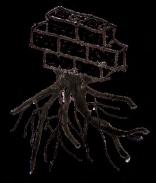
“Supermind” Integration

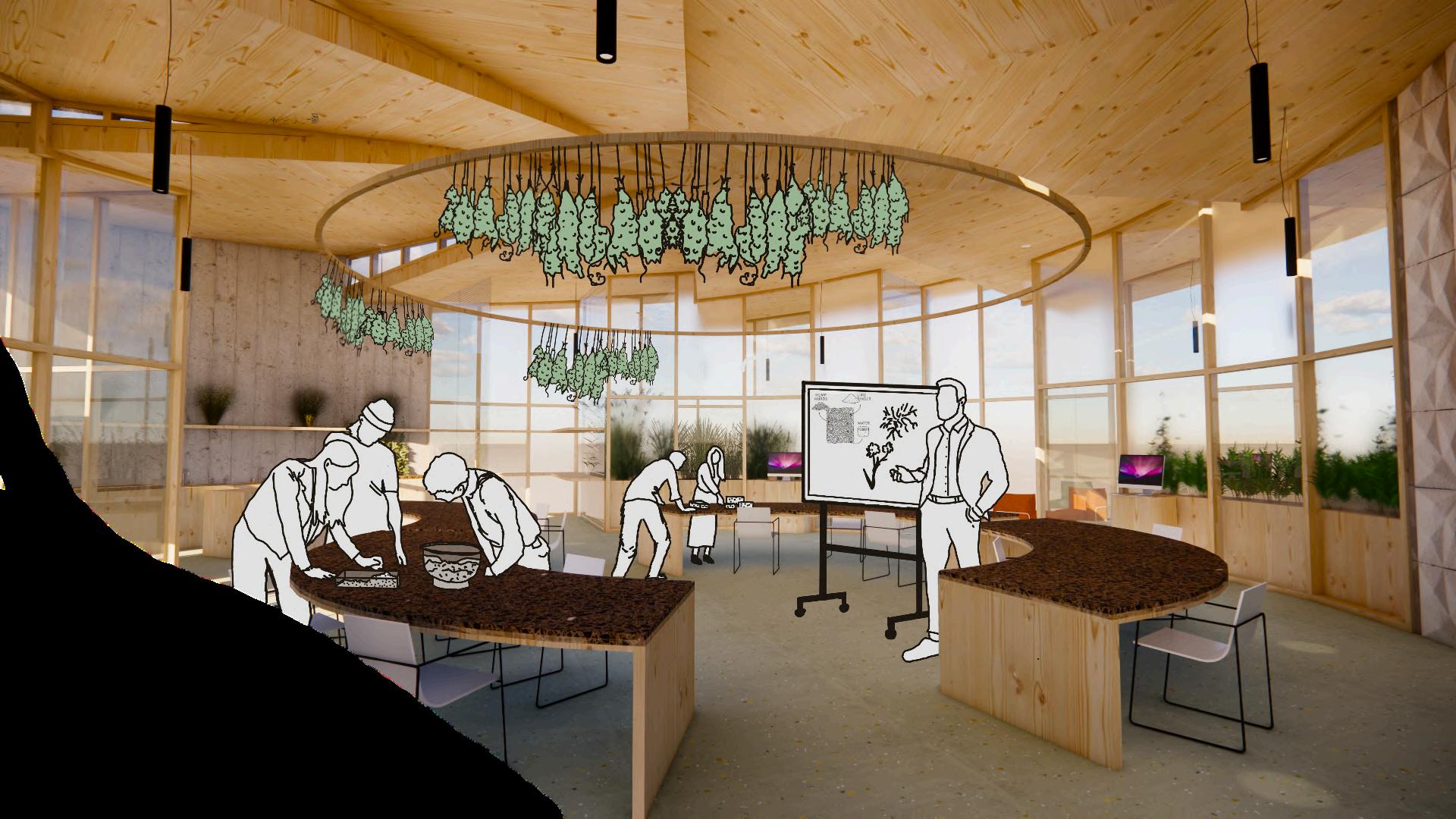
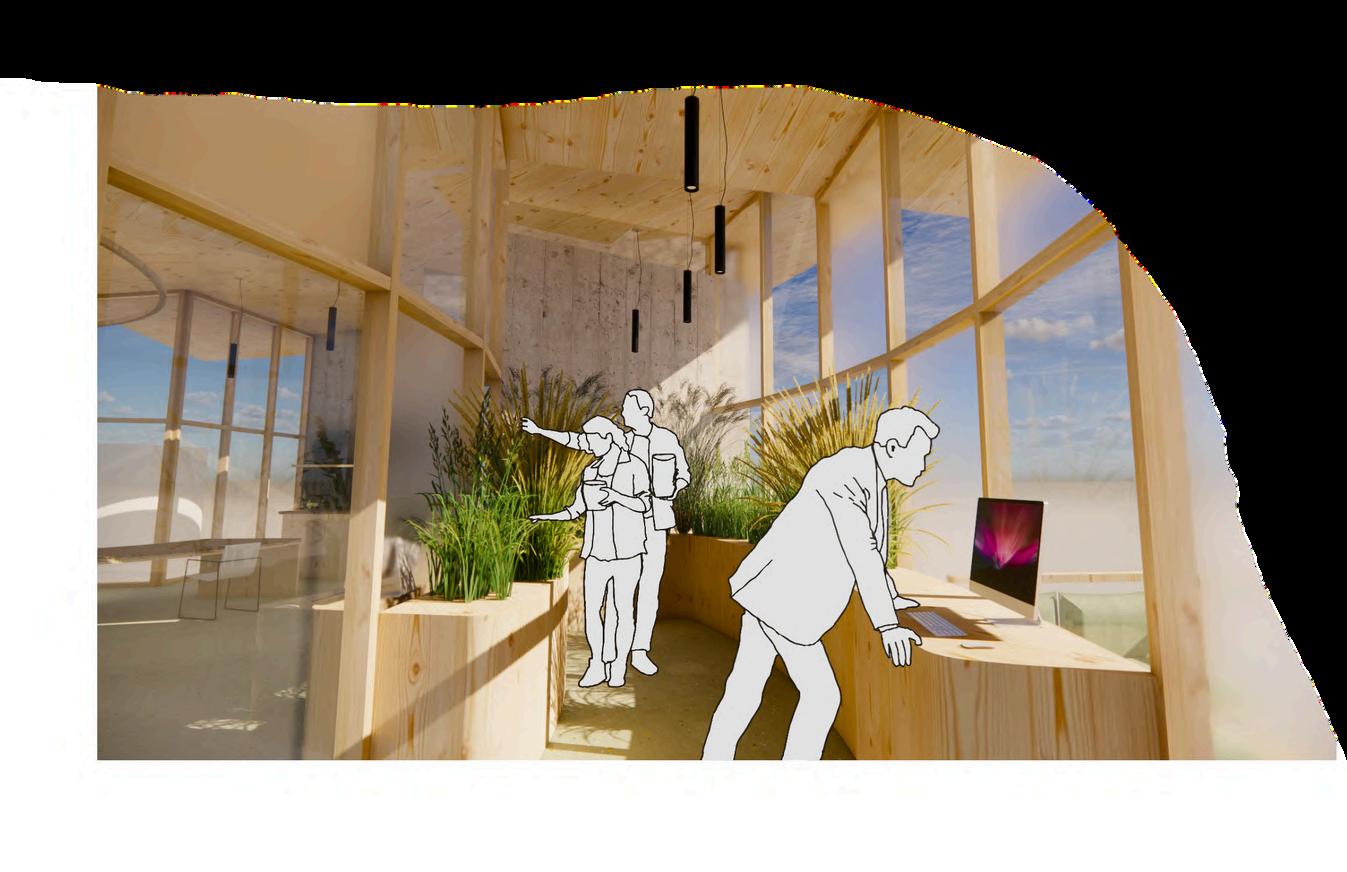
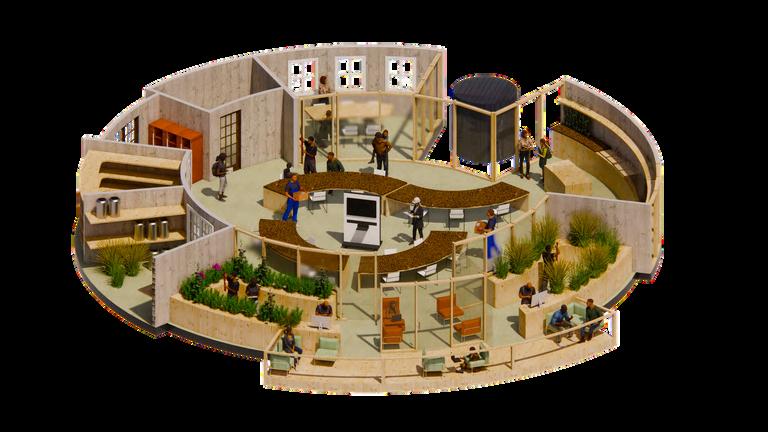
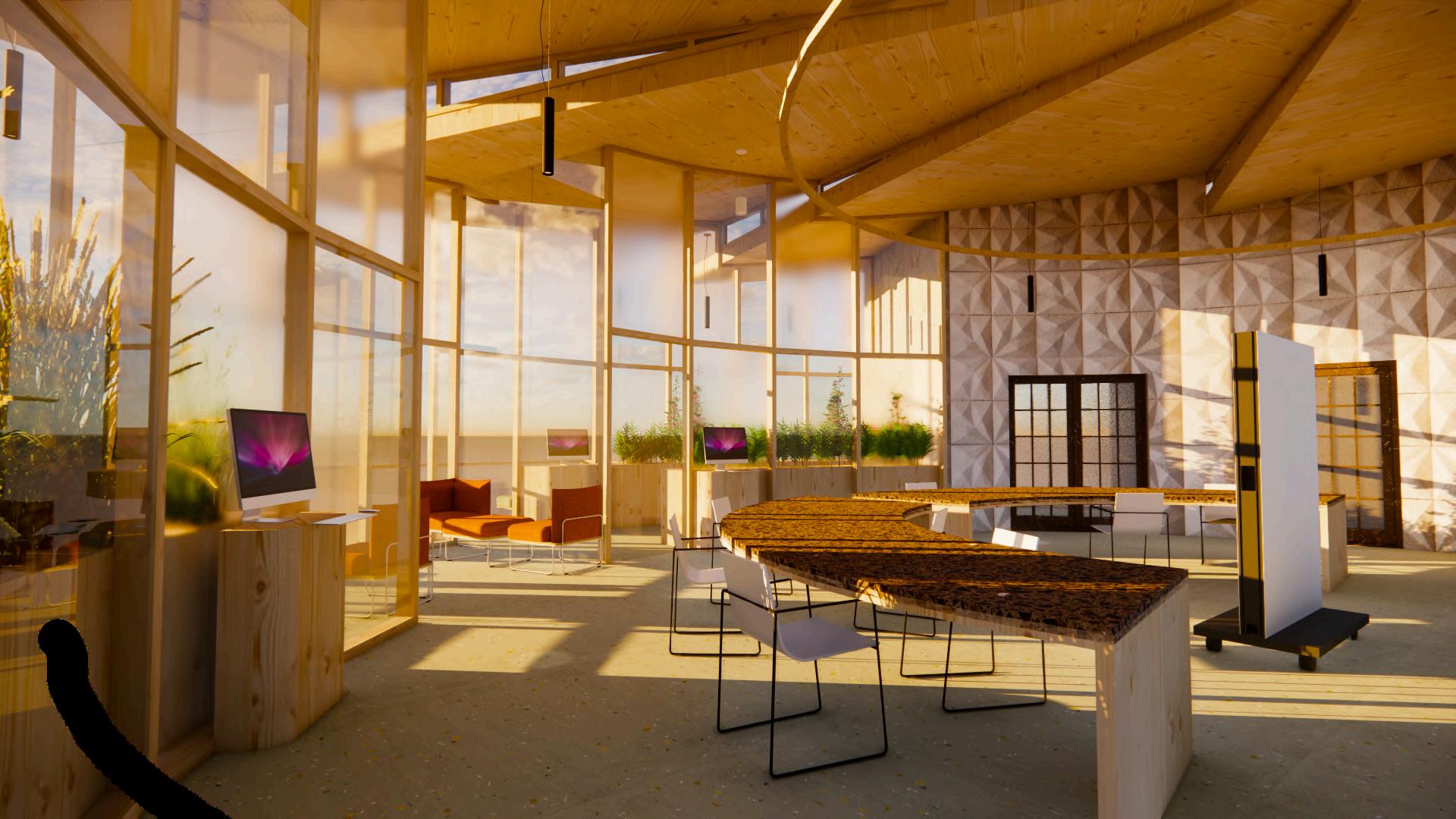
Vew showing earning ab where sustainable constructon techniques are taught and biodegradable materias are made

The parti diagram represents a regenerative cycle where mycelium, hemp, and flax come together to create new products while continuously supporting each other in the process.
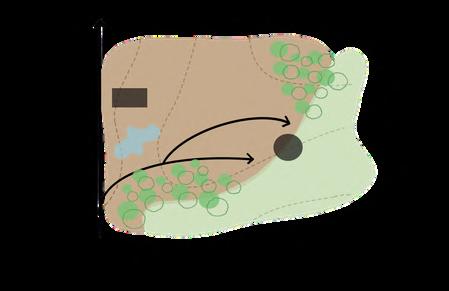

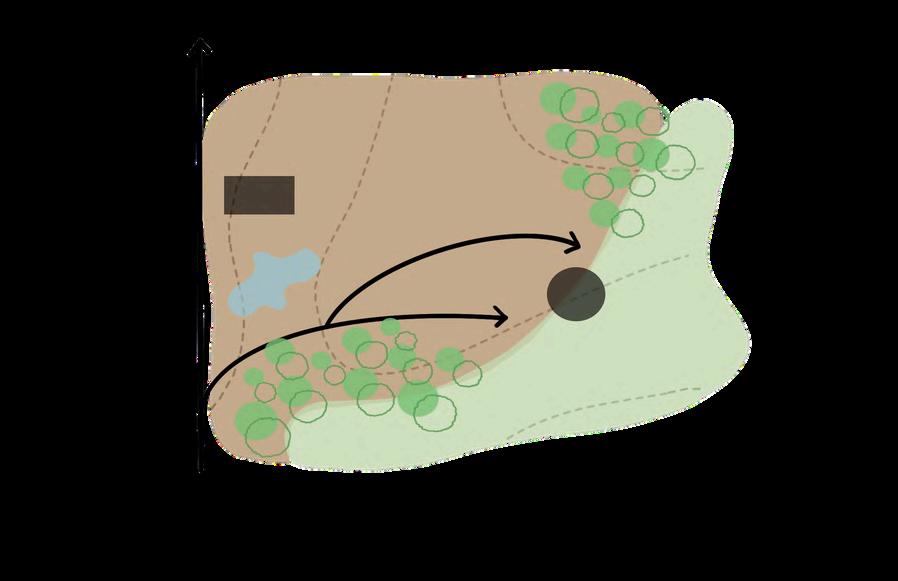
The site sits on land dedicated to restoring native plants and ani a was chosen because the project goals align with the m nd itself, focusing on regeneration, renewal, and elopment. By growing materials on-site and returning waste to the soil, Kinstead becomes part of the restoration effort rather than a disturbance.
Square Footage: 3,001 ft
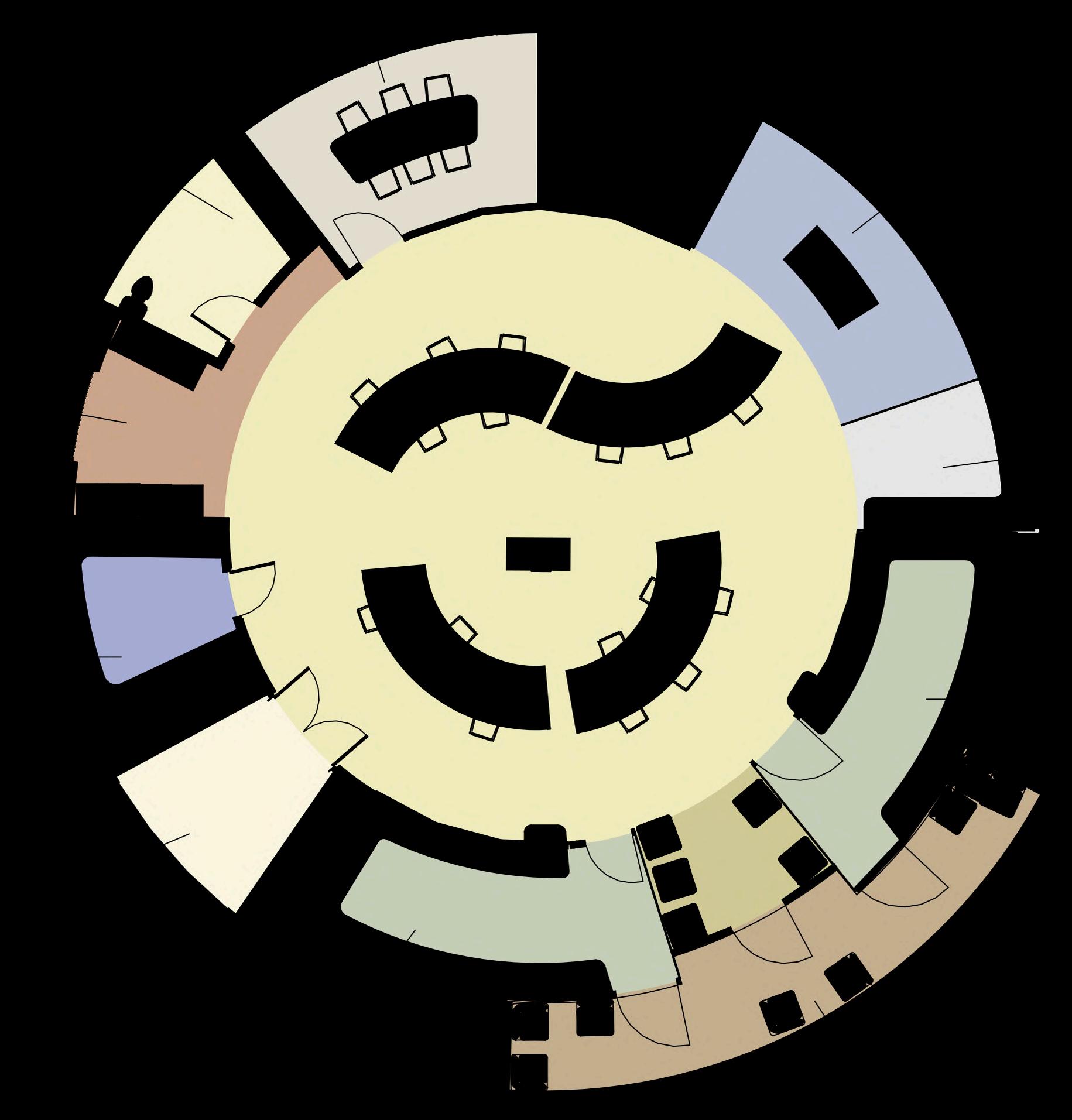
The circular floor plan embodies the project’s parti, serving as a spatial expression of its closed-loop, regenerative cycle.
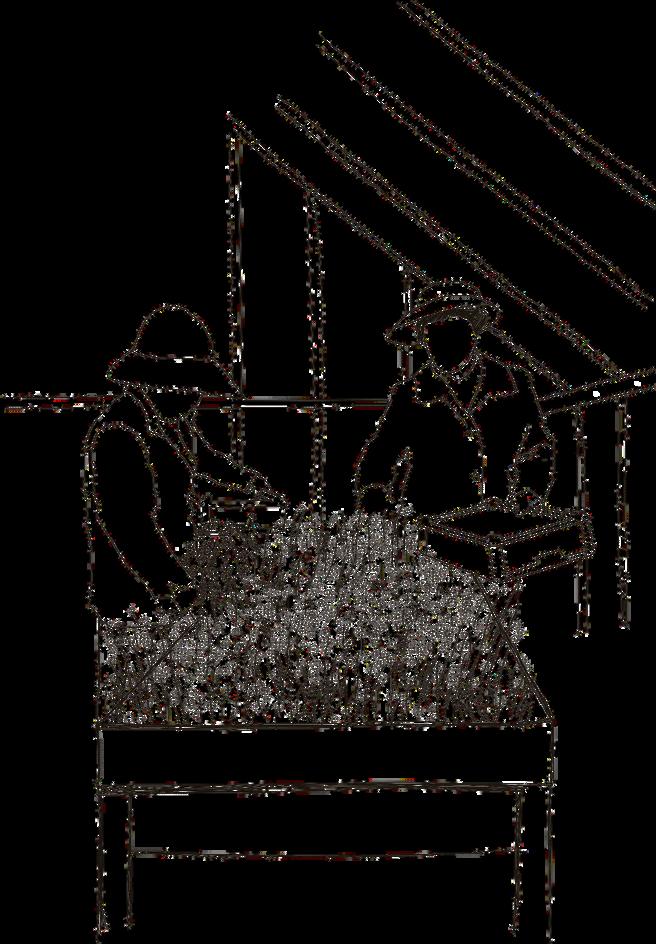
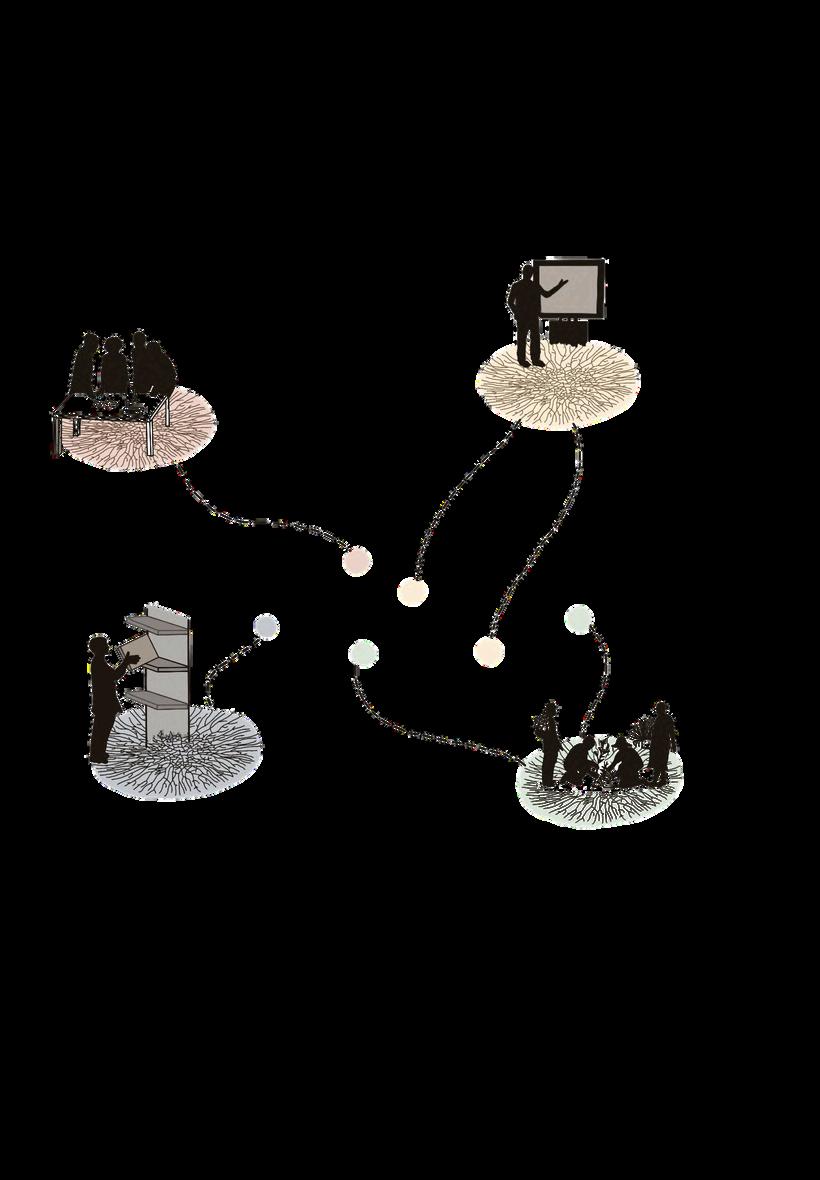
Teaching/Learning
Building/Constructing
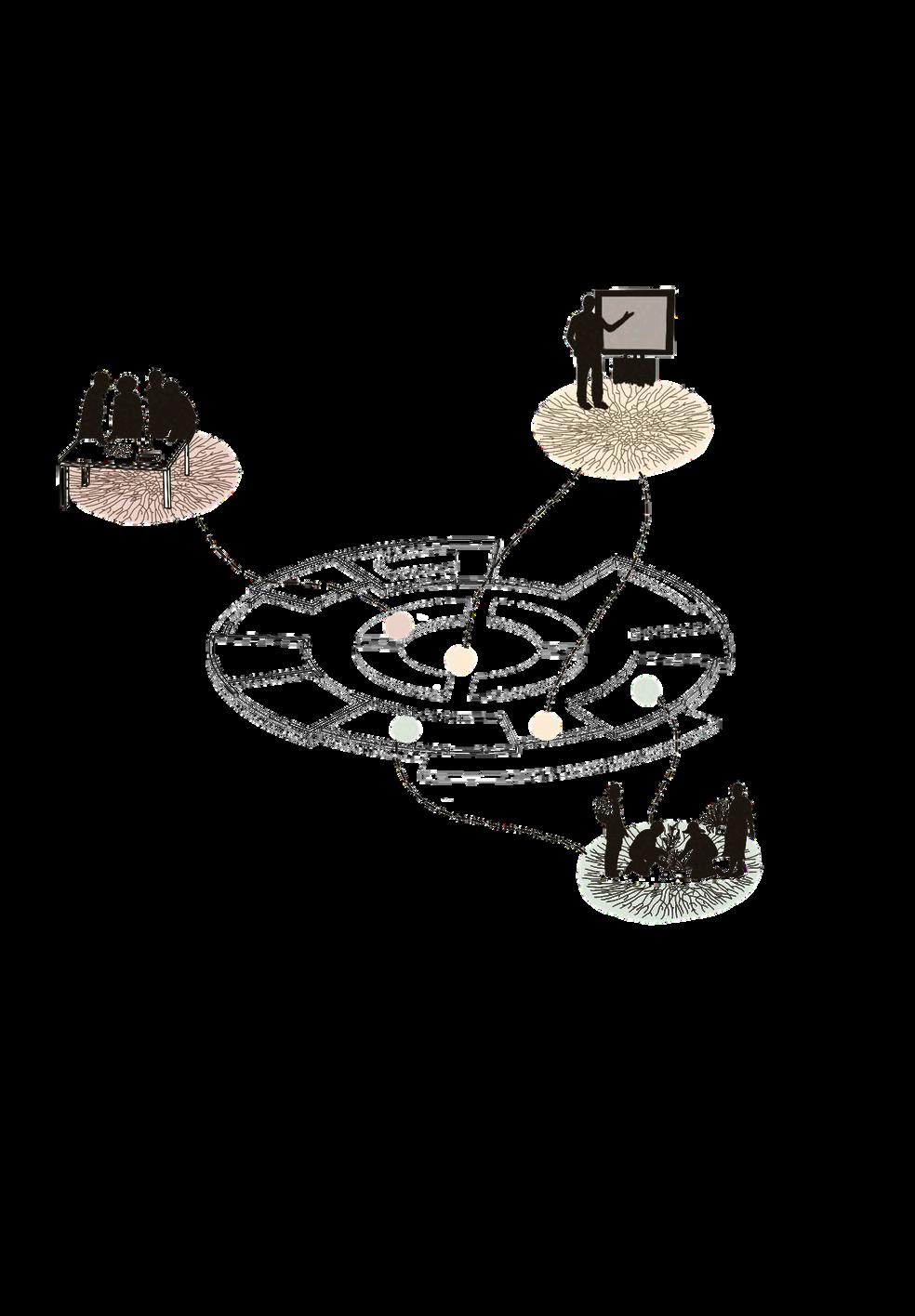

MaterialDevelopment
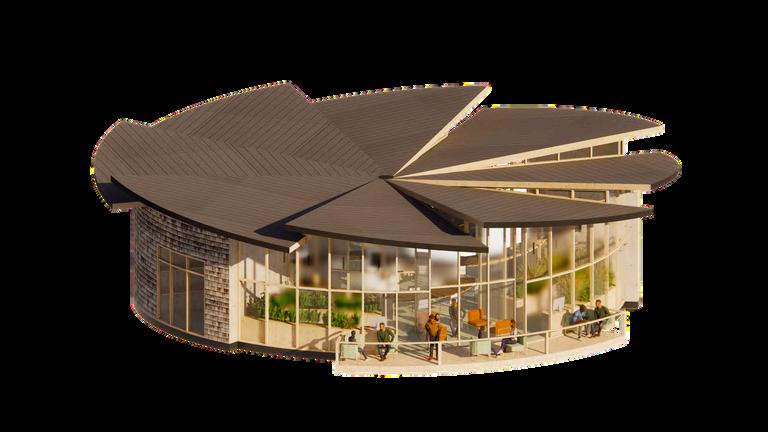
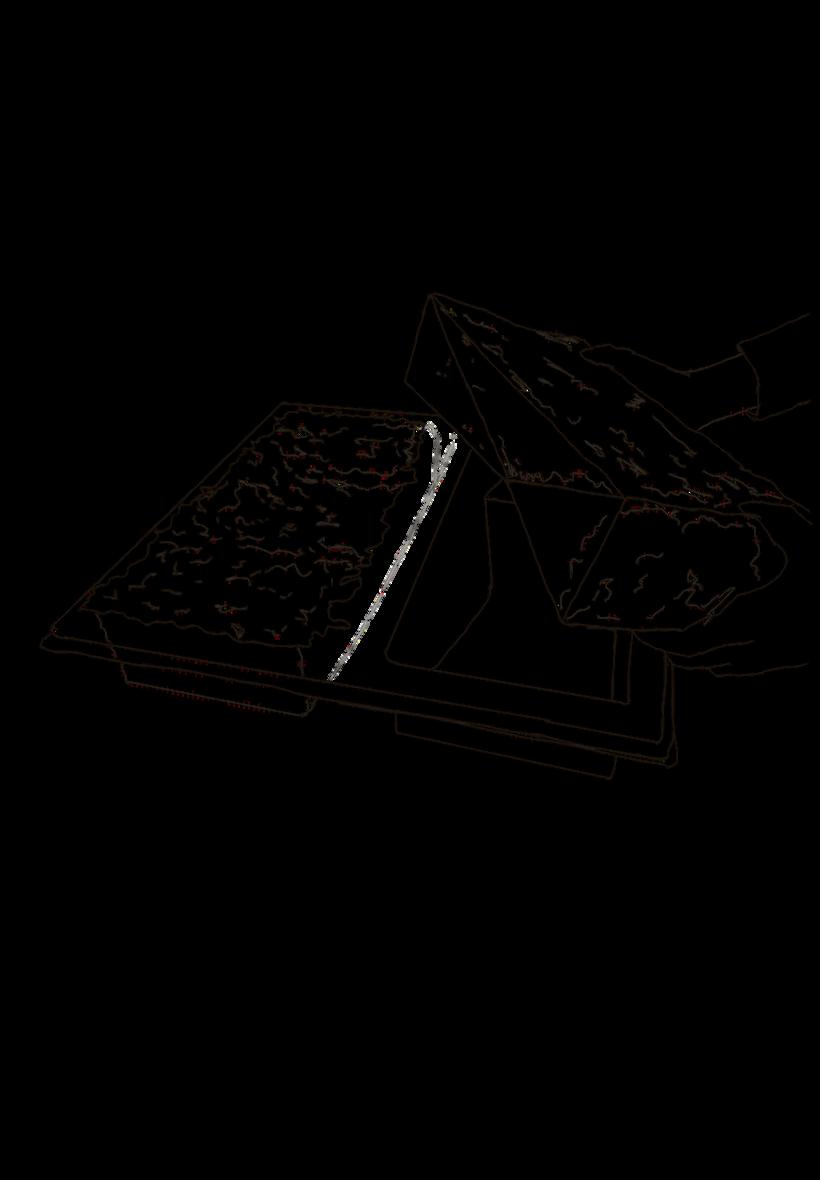
beneath the metal captures solar heat, keeping stored water usable year-round and melting snow in the winter to maintain collection. All harvested water is filtered and reused, irrigating the greenhouses and supporting daiy functions throughout the space.
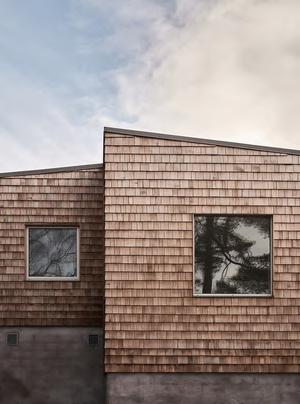
Exter or C adding: Loca y Sourced Western Red Cedar Sh ngles to match local site context

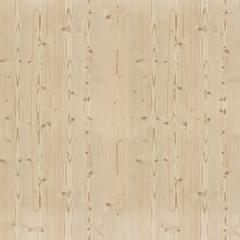

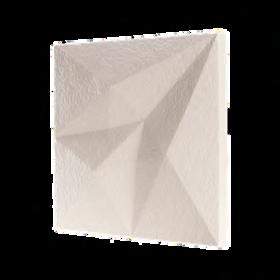


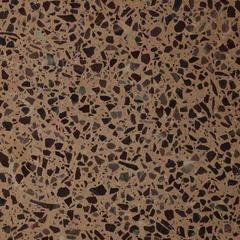
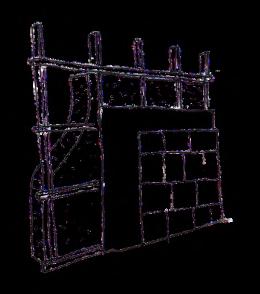
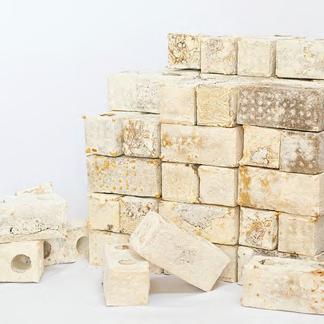
Biodegradable Insulating propert es Recyclable/made from recycled mater als Sourced local y Cradle to Cradle certified
ADHD: Associated with the Prefrontal Cortex
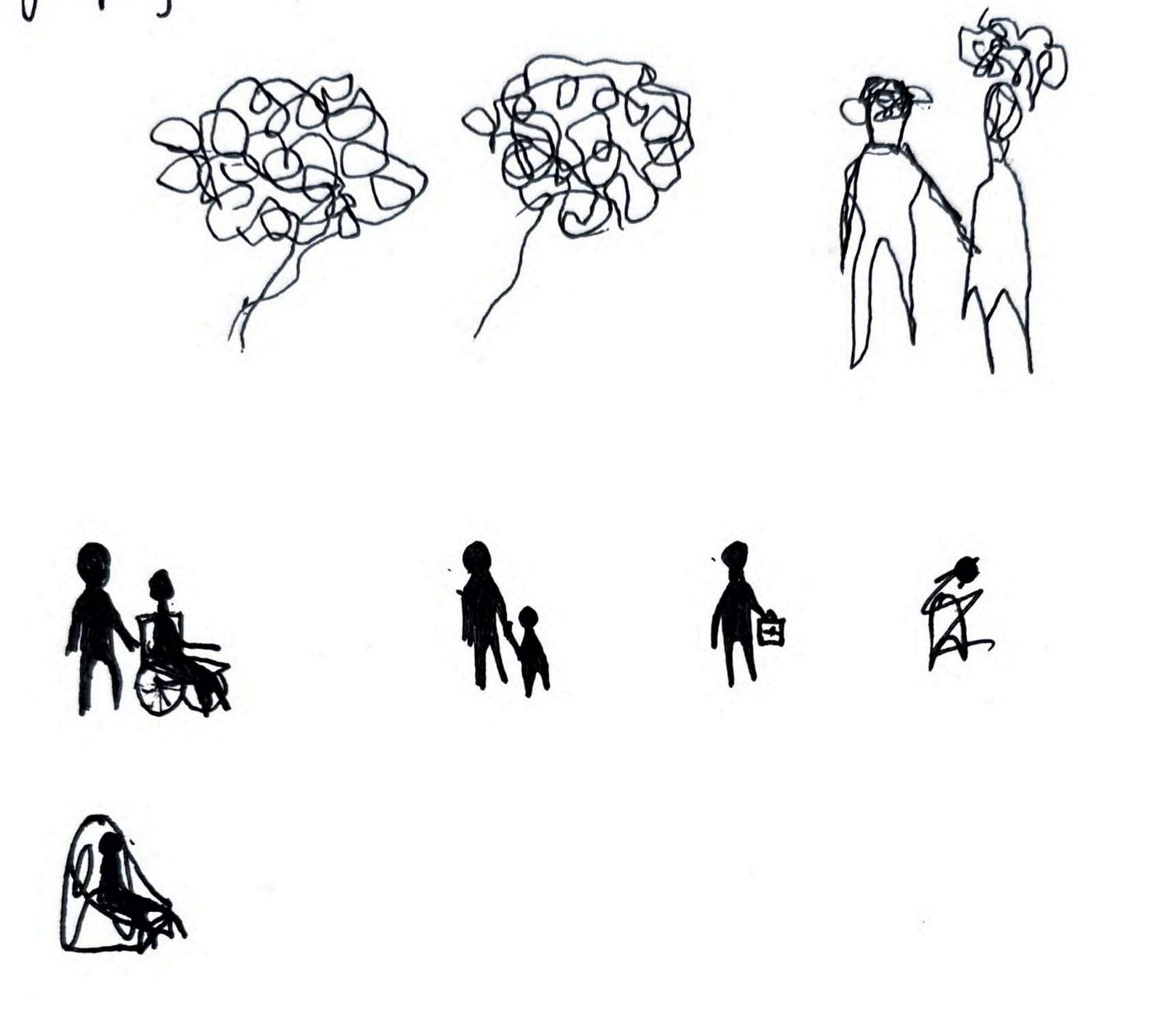
Basal Ganglia: Region associated with movement regulation: fidgeting, shifting
Project Period
Spring 2024
Project Type
Furniture Design and Construction
Individual Work Scope
Individual work, full design & fabrication Programs/Skills
AutoCAD, Technical Woodwork
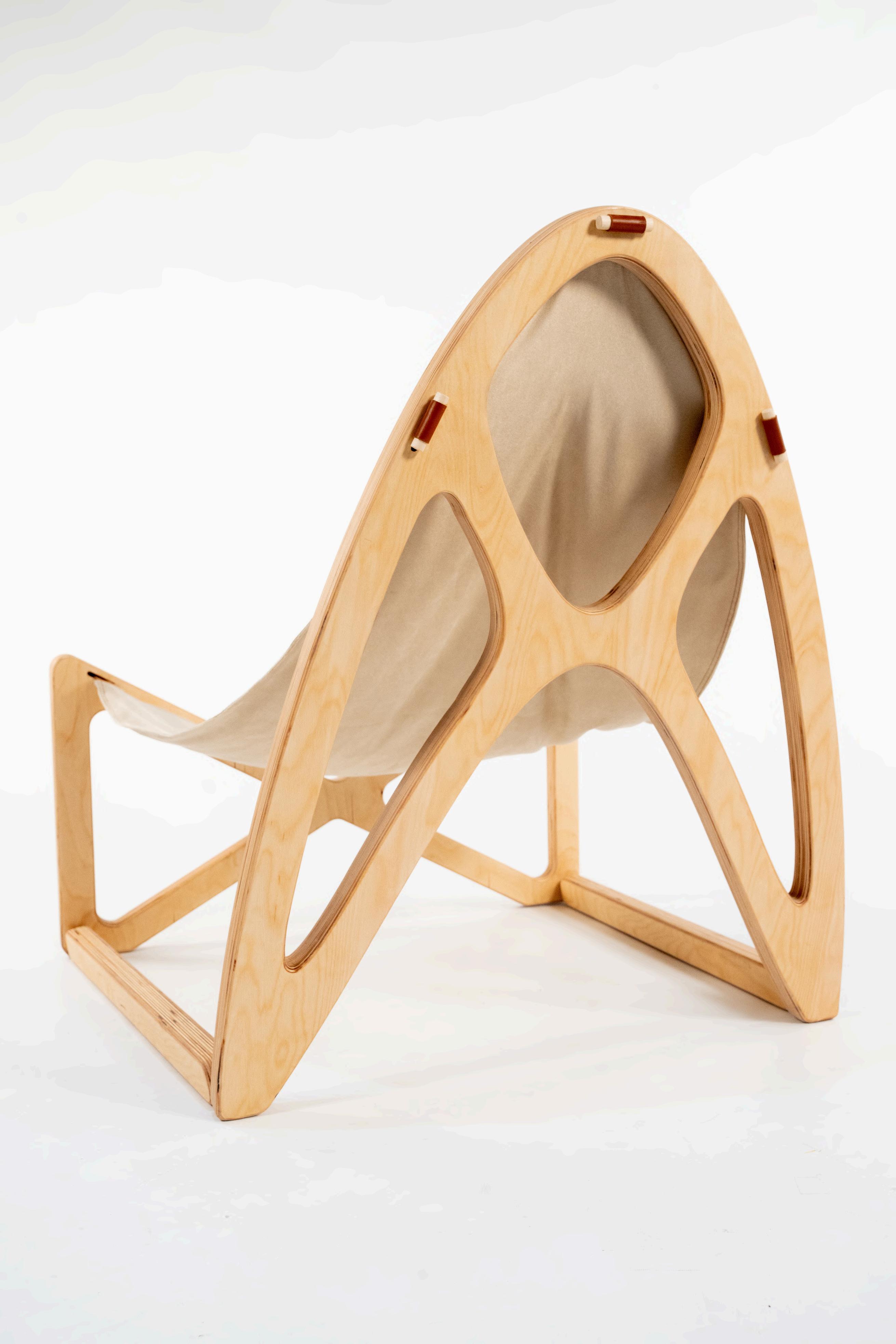
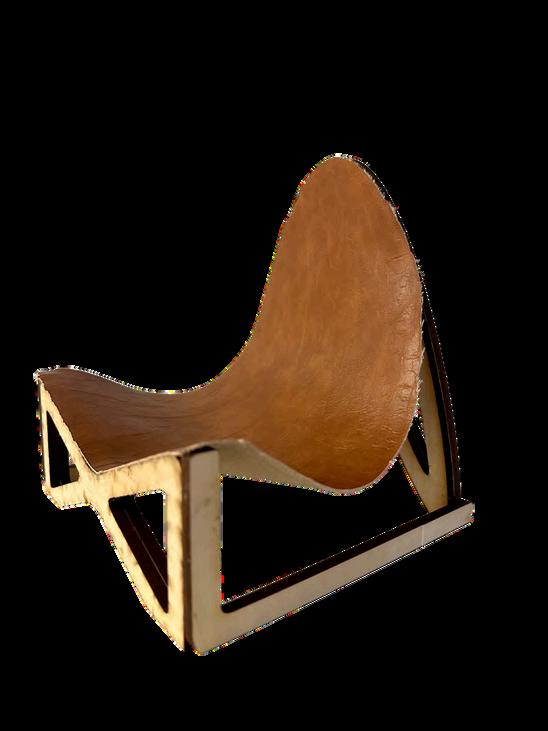
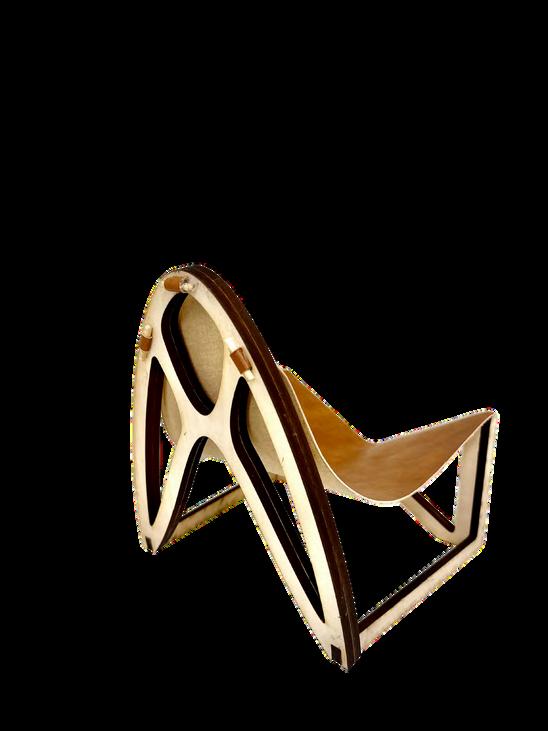
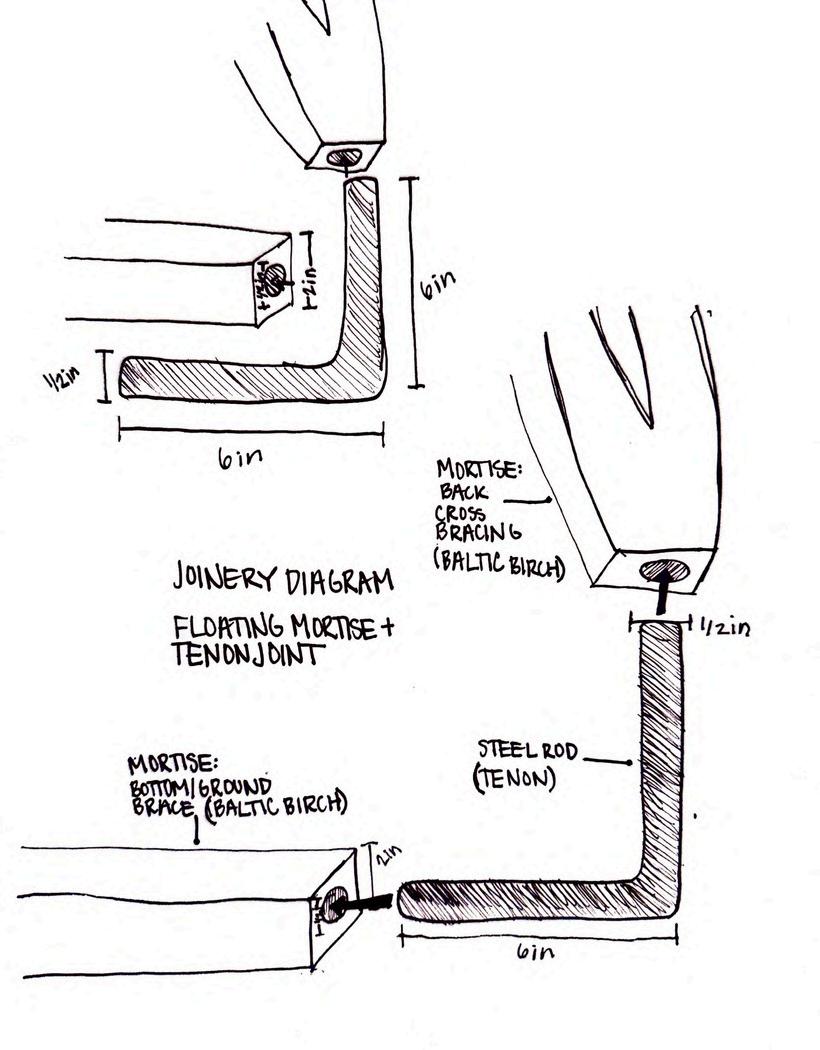
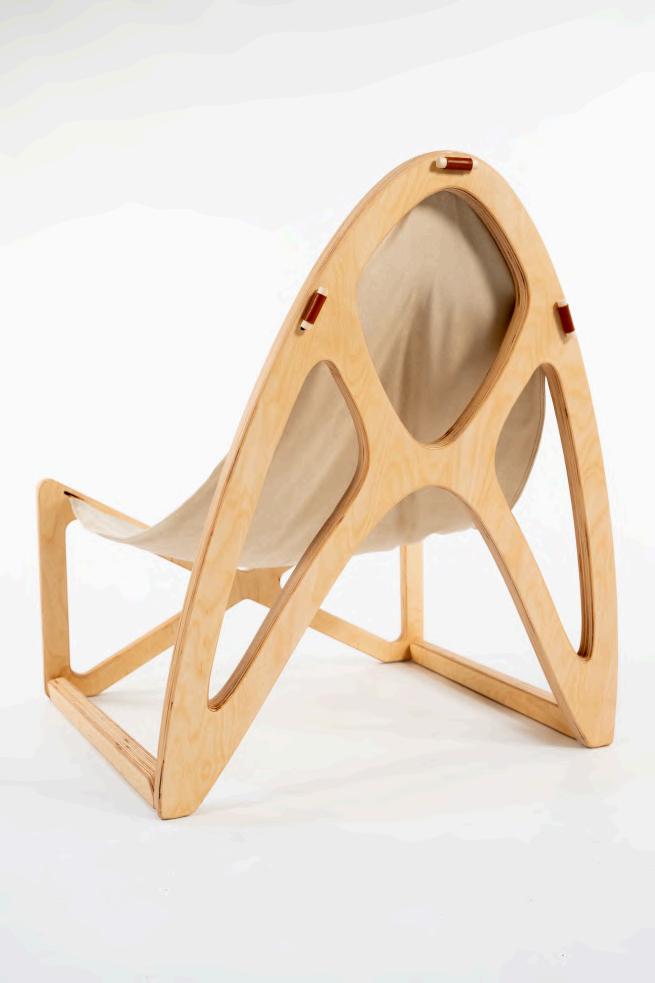
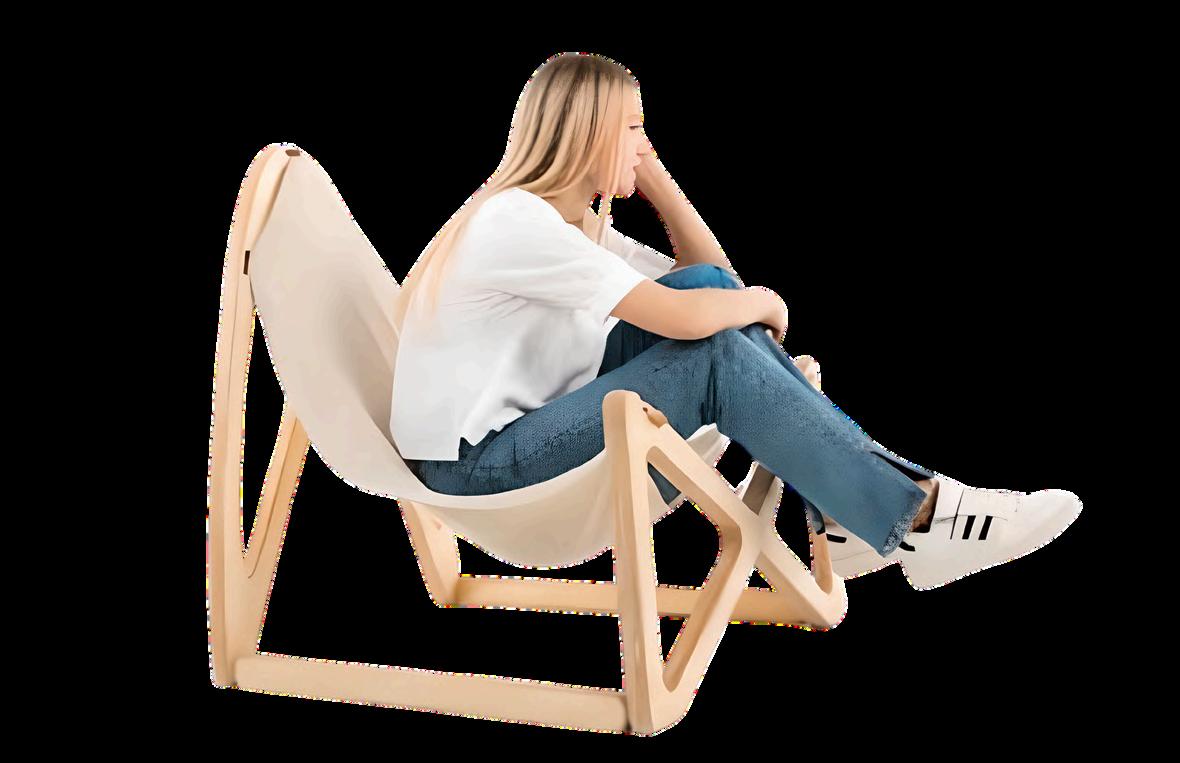
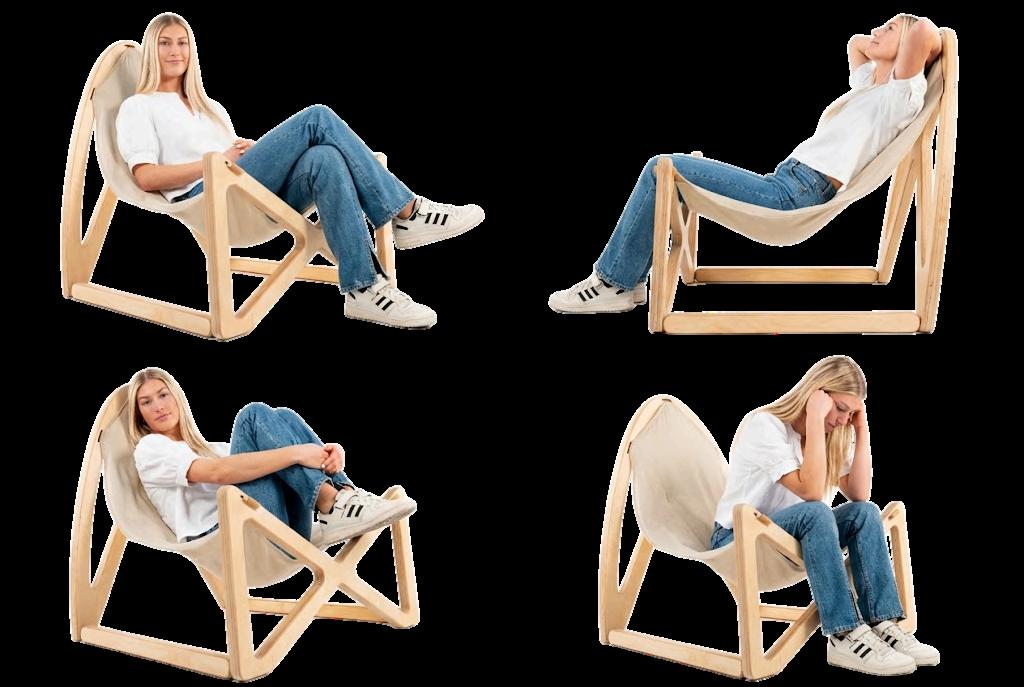
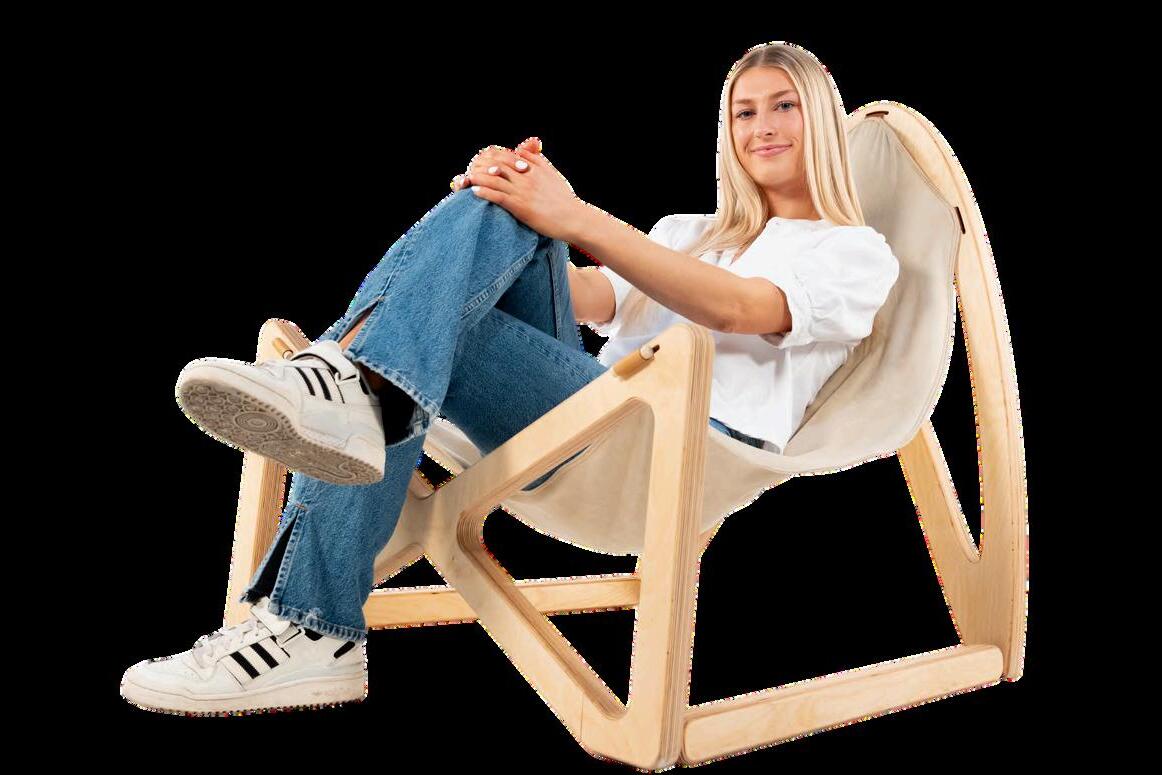
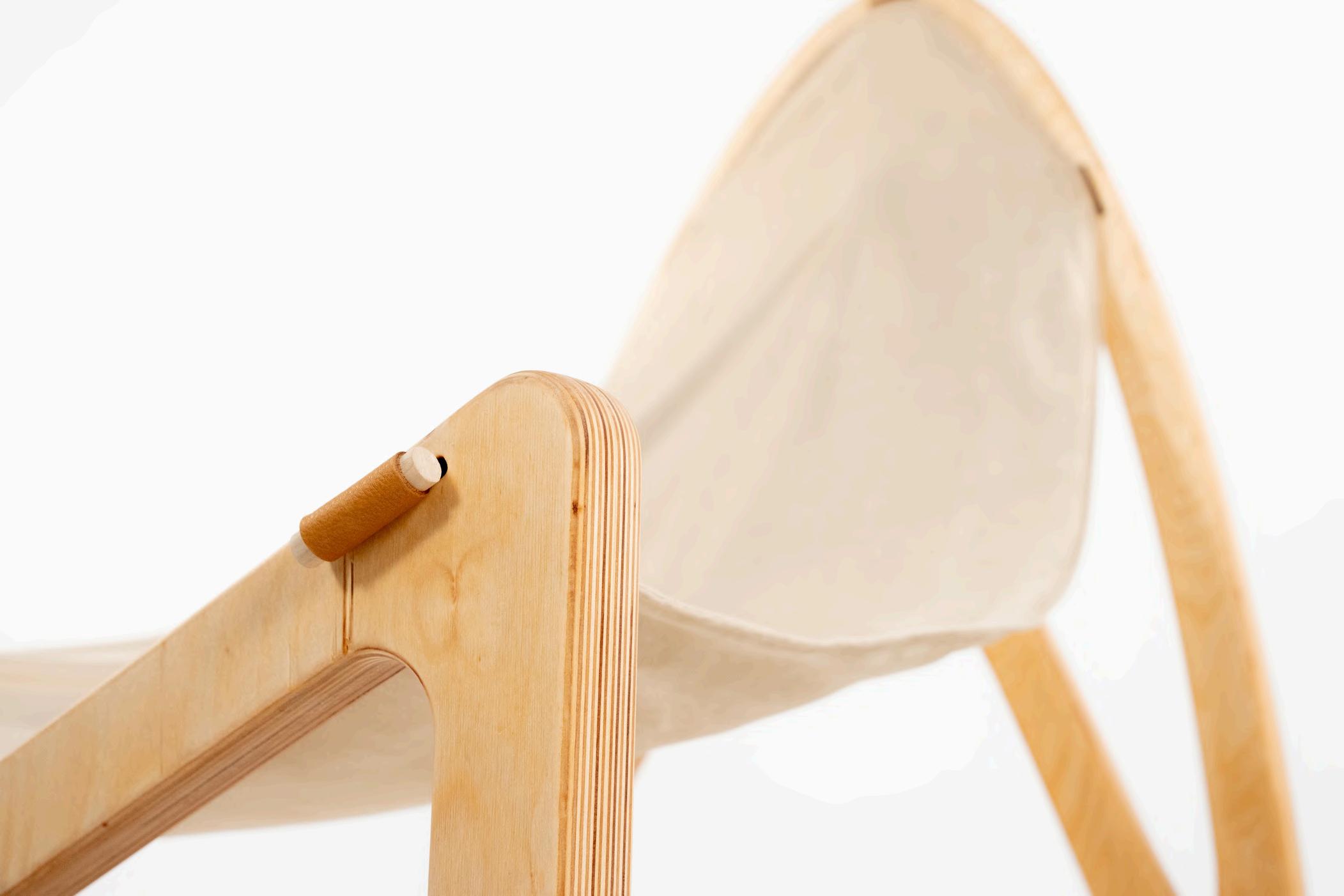
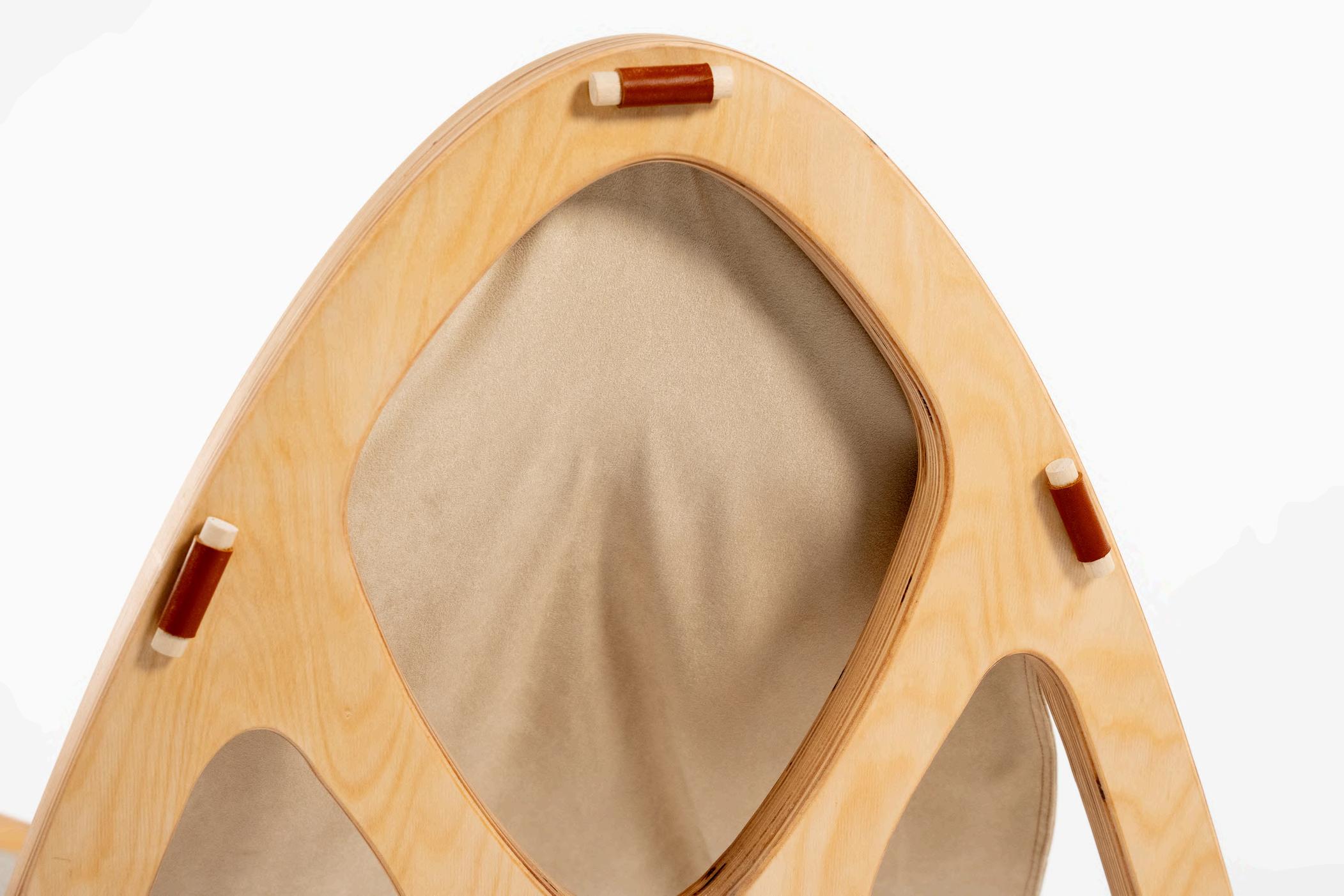
The Cradle Sing Chair embodies the philosophy of comfort as a dynamic position, and is designed with the ADHD user in mind. Recognizing the discomfort inherent in prolonged sitting postures, the design champions fluidity and flexibility in movement, encouraging users to easily transition between positions. The sling chair’s generously proportioned scale and spacious sling seat is achieved through the curvilinear cross brace structural elements, with floating mortise and tenon joints from steel rods and Baltic birch. The seat is connected to the frame by leather loops that fit snugly through slots and secured by wooden dowels, making the seat rem
Guiding principles & connections from Butterfly Chair case study (Bonet, Kurchan, Hardoy, 1938).
Dynamic position
Tactile materiality
Nestling element
Interchangeability

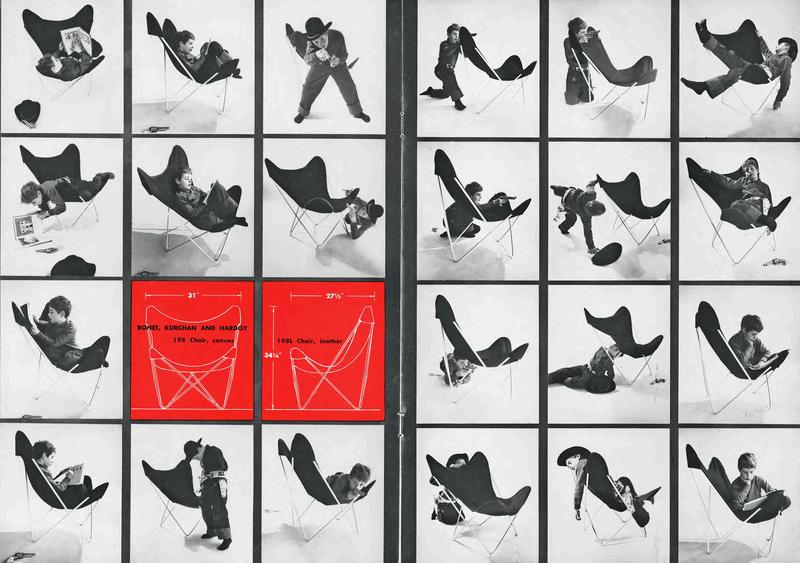
Exploring the importance and impact of dynamic seating for users with ADHD
Ziereis, S., & Jansen, P. (2015) showed that physca movement, such as shifting posture, can help maintain working memory and executive functioning in children with ADHD
Jeong, B Y, & Yoon, A (2014) found that ergonomic seating that allows movement improves posture and reduces physca discomfort, ndirectly benefiting cognitive performance
Dunn & Bennett (2002) suggests that seating designed to accommodate movement helps individuals with ADHD manage sensory processing challenges, eading to better emotional regulation
Hartanto et al (2016) found that children with ADHD who engaged in "fdgetng" movements performed better on cognitive tasks compared to those who were required to remain stll
Fedewa & Erwn (2011) showed that seating optons ike stabiity balls, which a ow micro-movements, contrbuted to increased engagement and reduced disruptive behaviors in students with ADHD
Pfeiffer et al. (2008) indcated that sensoryfriendly seating improves cassroom behavior and engagement among children wth ADHD
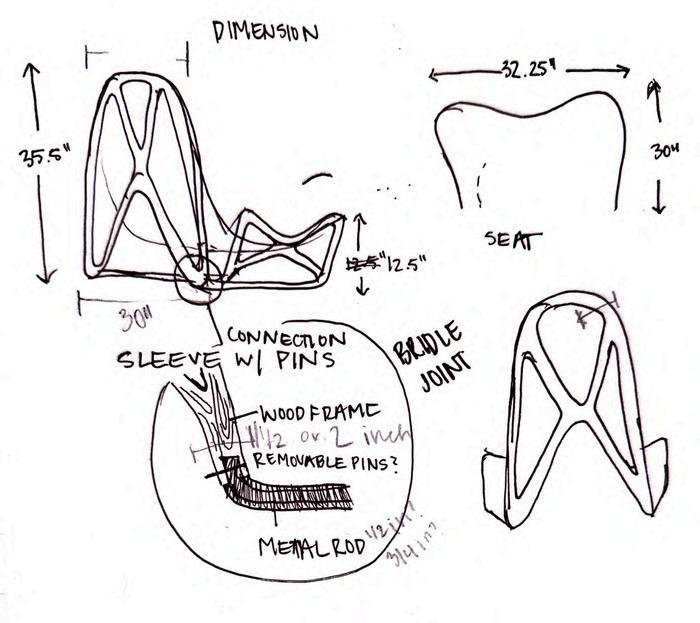
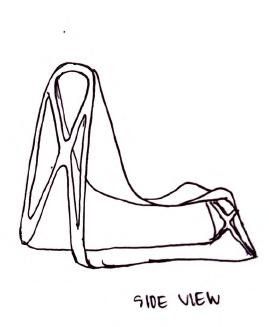
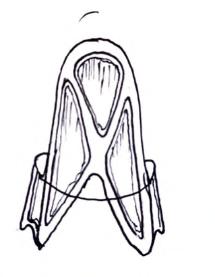
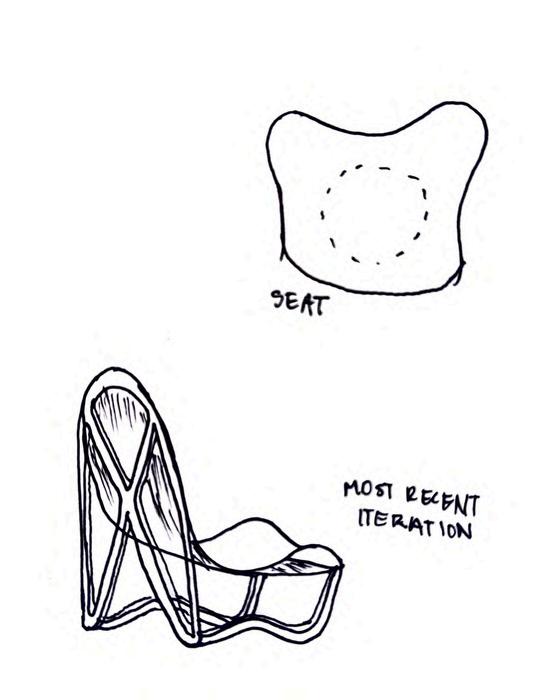
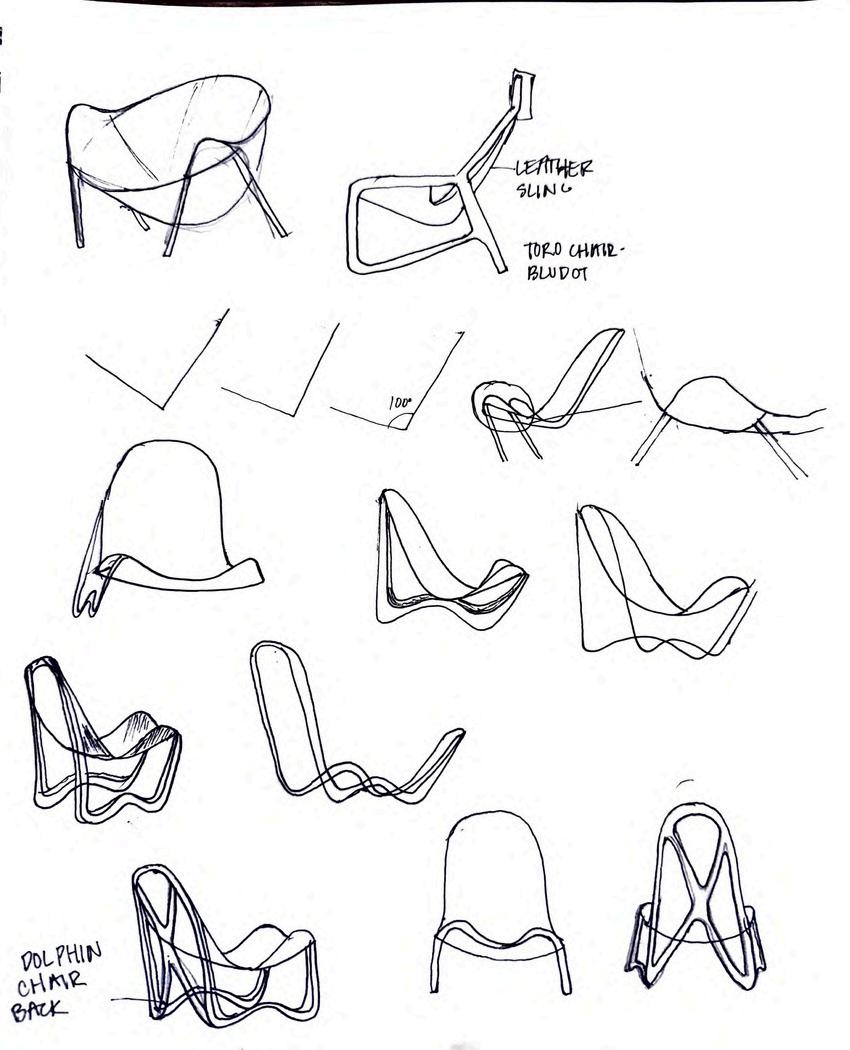
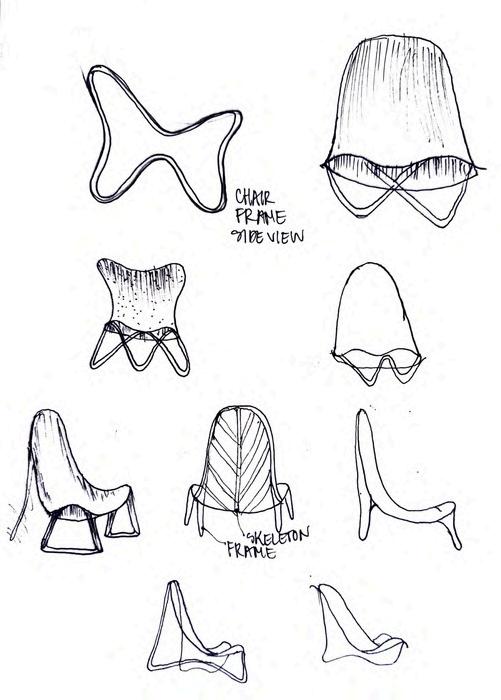
Exploring the iterative nature and ergonomic demands of furniture design
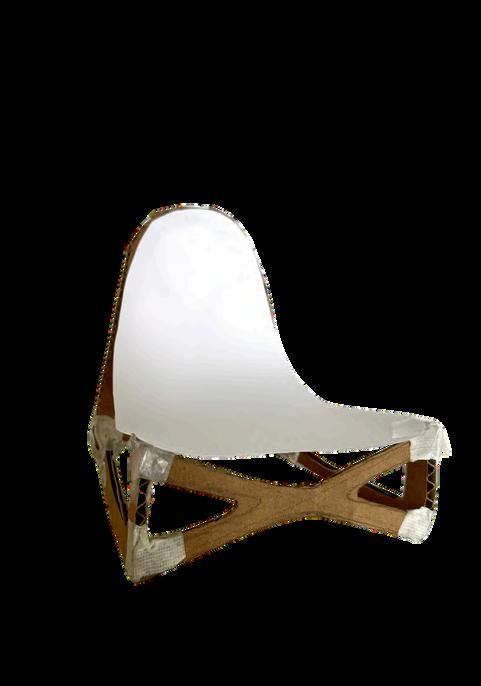
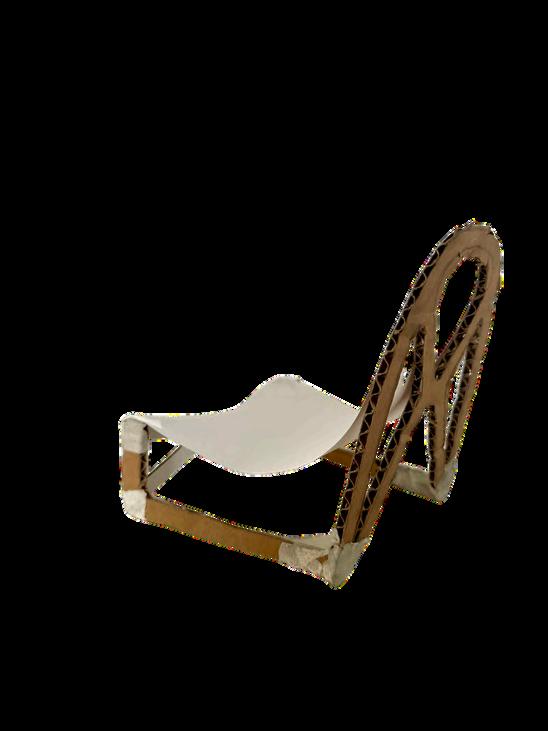
Initial draft model- exploring connections, forms, and dimensions
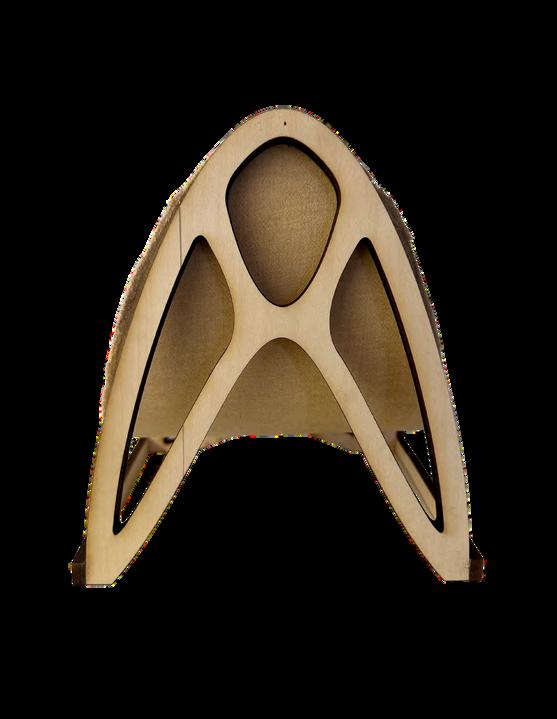
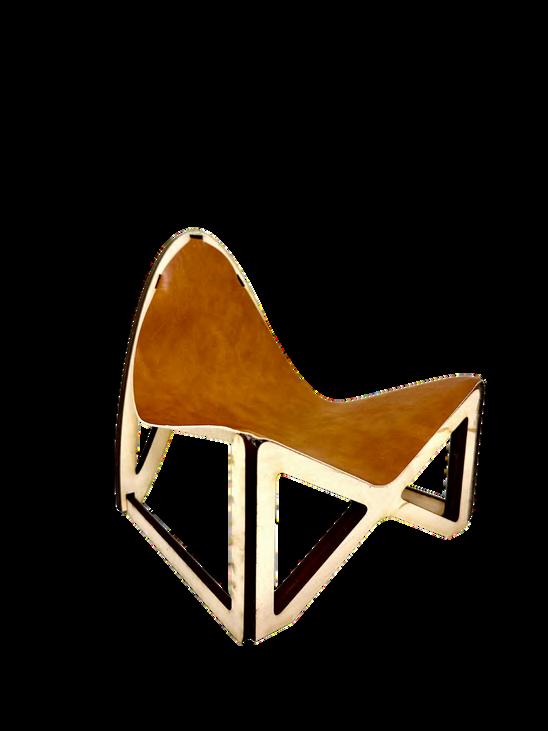
Secondary draft model- exploring connections, forms, and dimensions
Parts

Final draft model- revisions for a wider seat angle (100 degrees), raising seat height (18"), intentional material connection
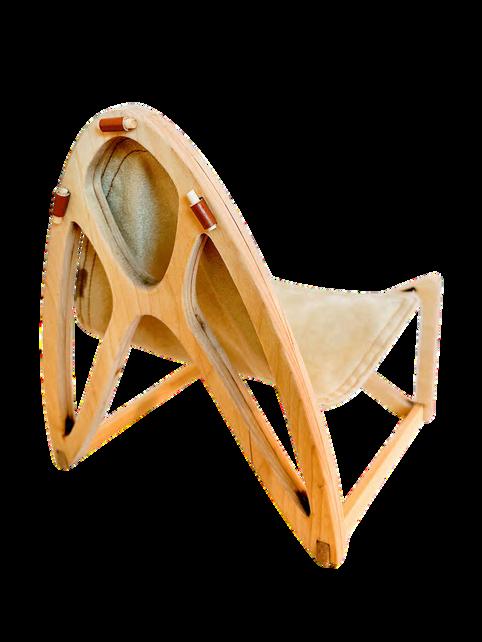
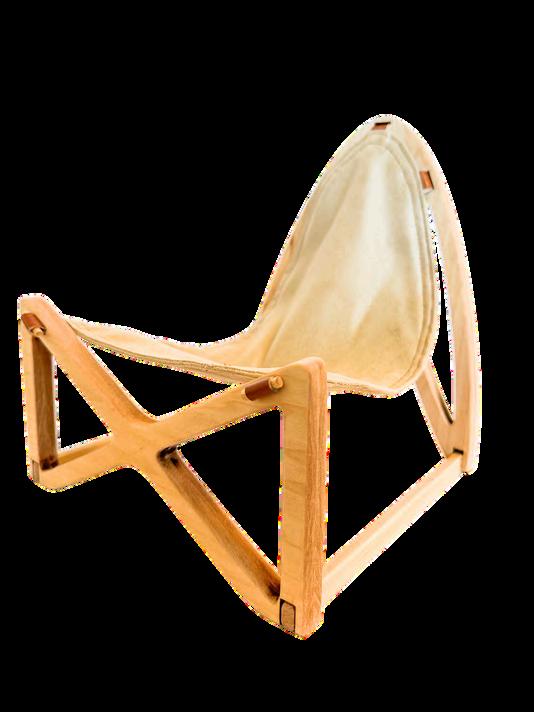
Final, 25% scale as-built model showing connections, leather and suede materiality, double stitching, and finish oil

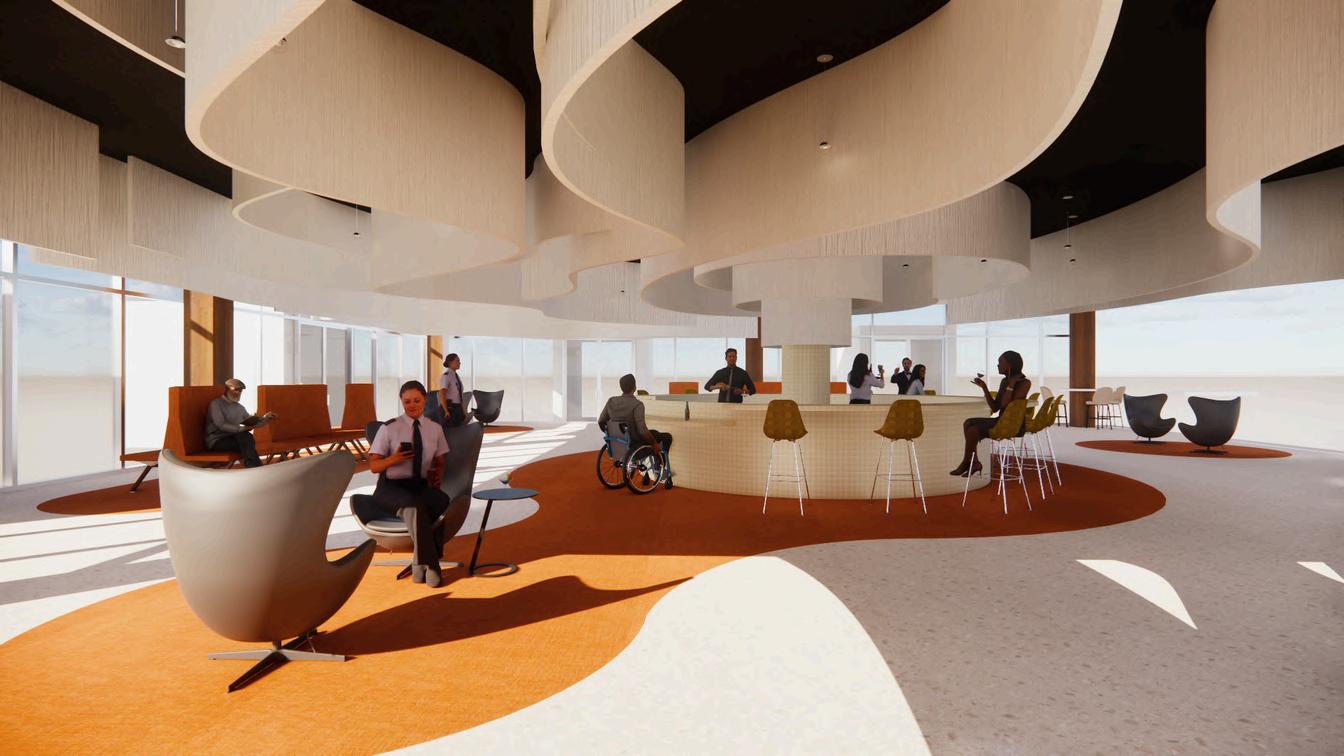
The brief of the 2026 Robert Bruce Thompson Lighting Design Competition competition was to design a luminaire for the boarding gate lounge located along a terminal concourse in a US airport. Anchorage International Airport was selected as the project site due to its relevance to the proposed design solution. The central design challenge: How can lighting attract passengers to the gate, enhance the overall travel experience, and create a comfortable, restorative waiting environment?
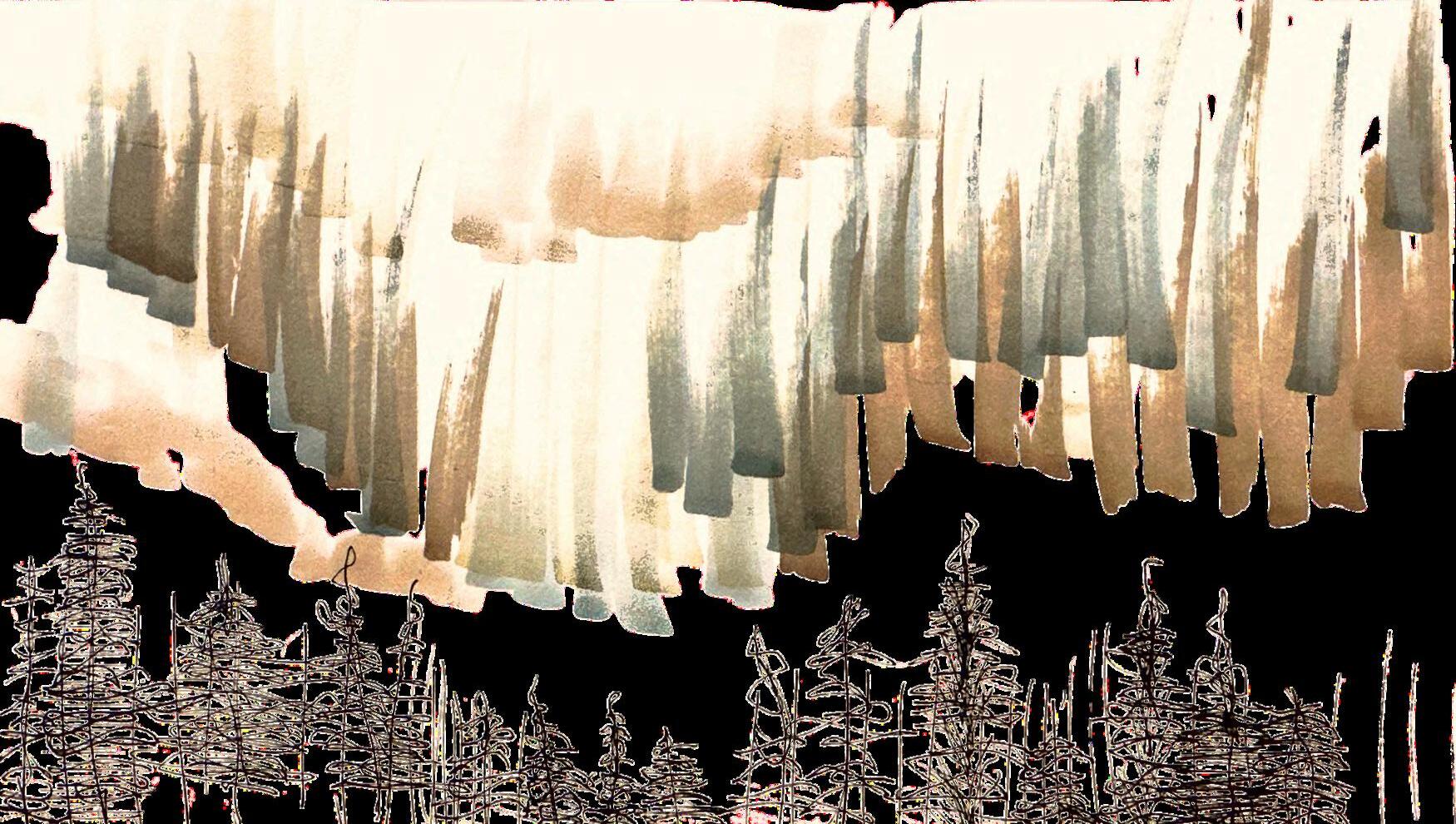


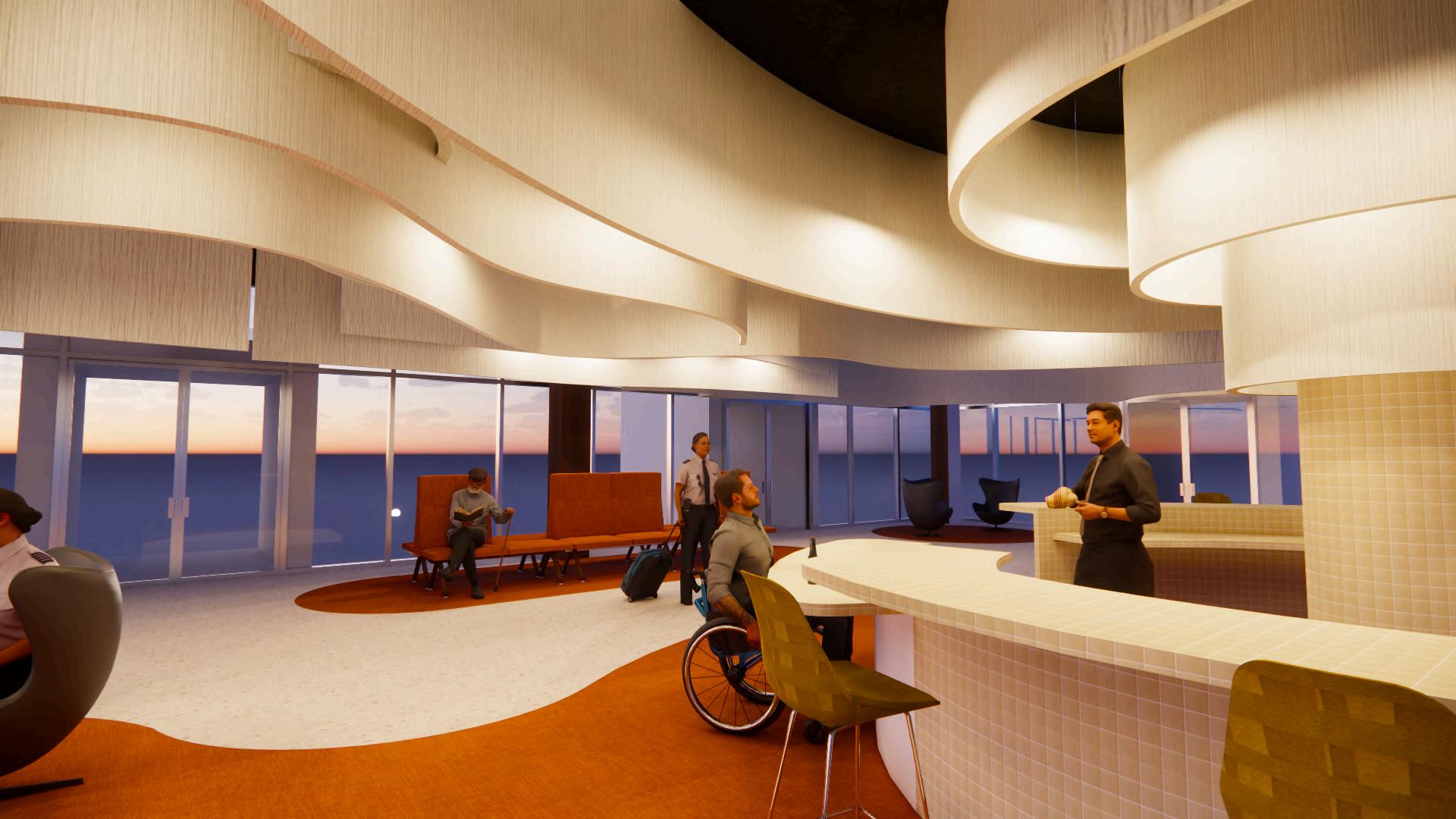
Borealis is a large-scale, ceiling-based lighting installation designed to evoke the Northern Lights, or Aurora Borealis. The fixture addresses common airport discomforts, including jet lag and disrupted circadian rhythms, which are particularly relevant in Anchorage, Alaska, where extreme daylight cycles, long summer days and dark winters affect natural sleep patterns. The system is LED-based, tunable, and fullspectrum, dynamically adjusting to the levels of daylight in the local environment of Anchorage that supports the regulation of circadian rhythms.
Beyond its physio ogical benefits, Borealis is inspired by cultural significance: for the Yupik tribe of Western A aska, the Aurora Borealis represents the circ sky, and a reminder of the connection bet rs.

AK

Circadian Lighting Temperature Diagram

Furniture Plan

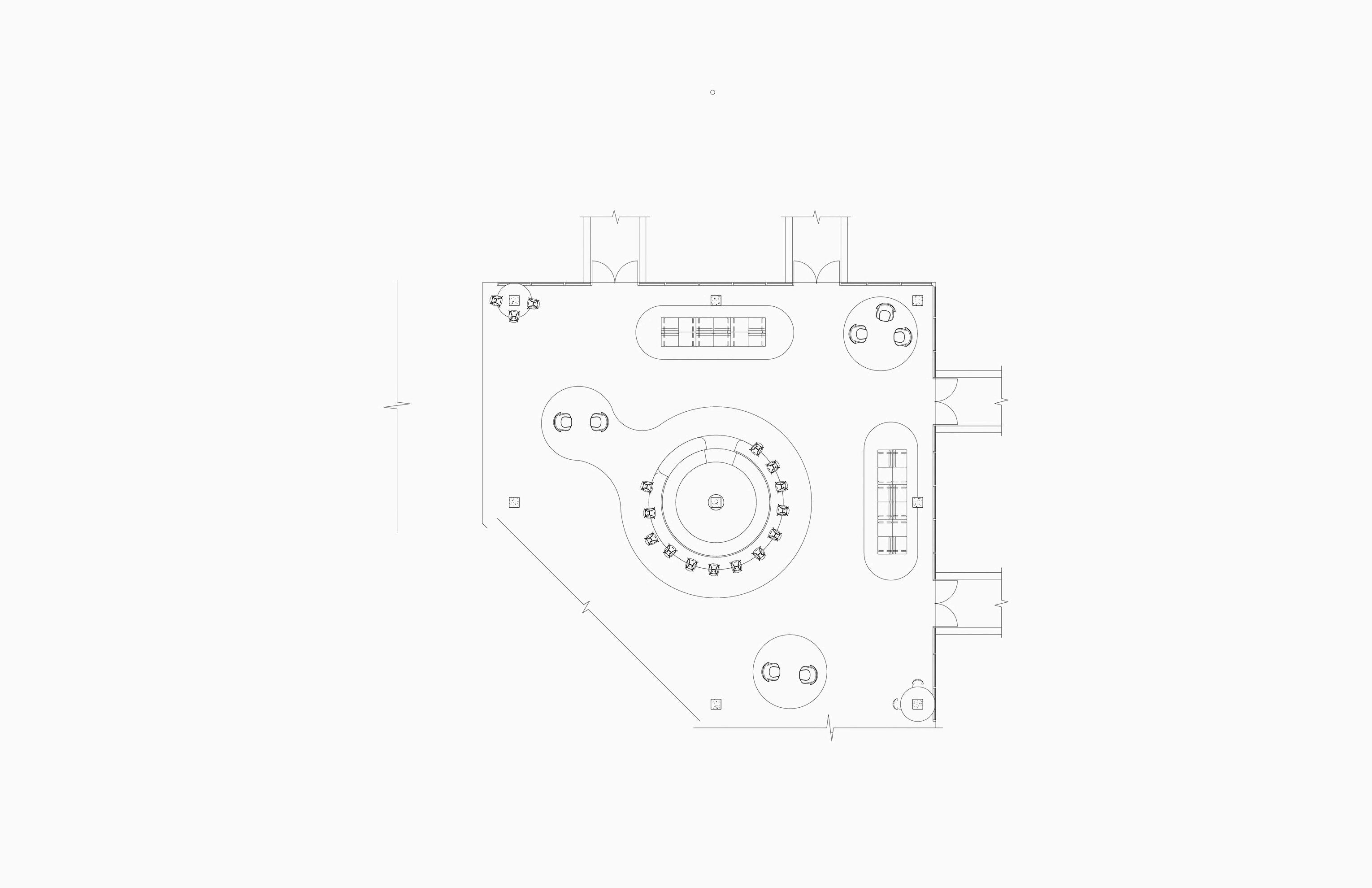
Light Level + Social Zoning Diagram
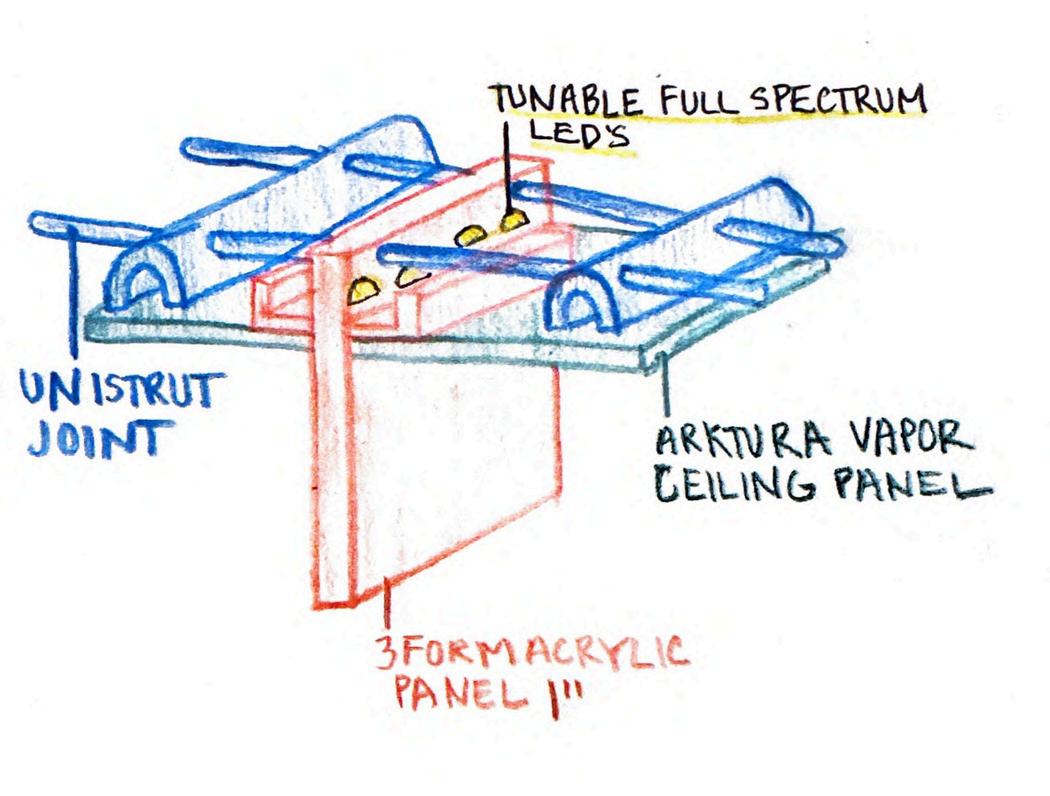
Tunable Full-Spectrum LEDs
Based on Light Level + Social Zoning Diagram Axonometric Construction
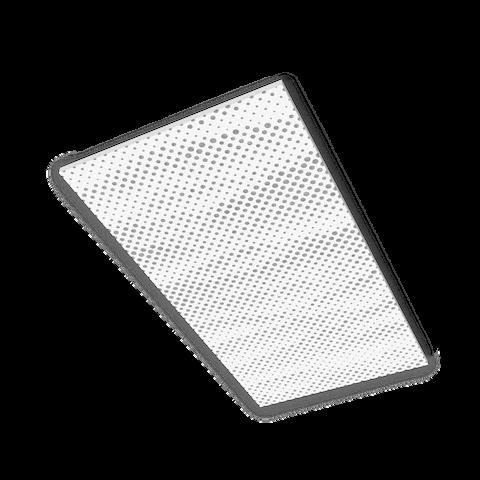
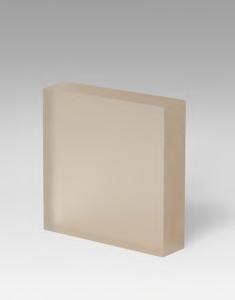
The Borealis ceiling installation is suspended from the structural grid using blue unistrut joints. Below this, 1" thick 3Form acrylic panes house embedded tunable, full-spectrum LEDs, which diffuse light across the surface to create a dynamic aurora-like glow. The entire system is backed by Arktura Vapor ceiling panes, whose perforated pattern evokes a starry night sky, concealing mechanical systems while completing the layered effect. The fins themseves are not the light source; instead, they diffuse the light, creating a linear, ethereal glow that mimics the dynamic patterns of the Northern Lights.
3Form Chroma Lightbox Panel 1"

Vew upon enterng ounge area, recognizing Borealis’ amber ight temperature at 8 pm
Borealis aims not only to regulate circadian rhythms and relieve travel-related discomfort, but also to symbolize comfort, continuity, and spirit of place. Borealis is not just a natural wonder, but a benevolent presence that ties people to the land and each other.
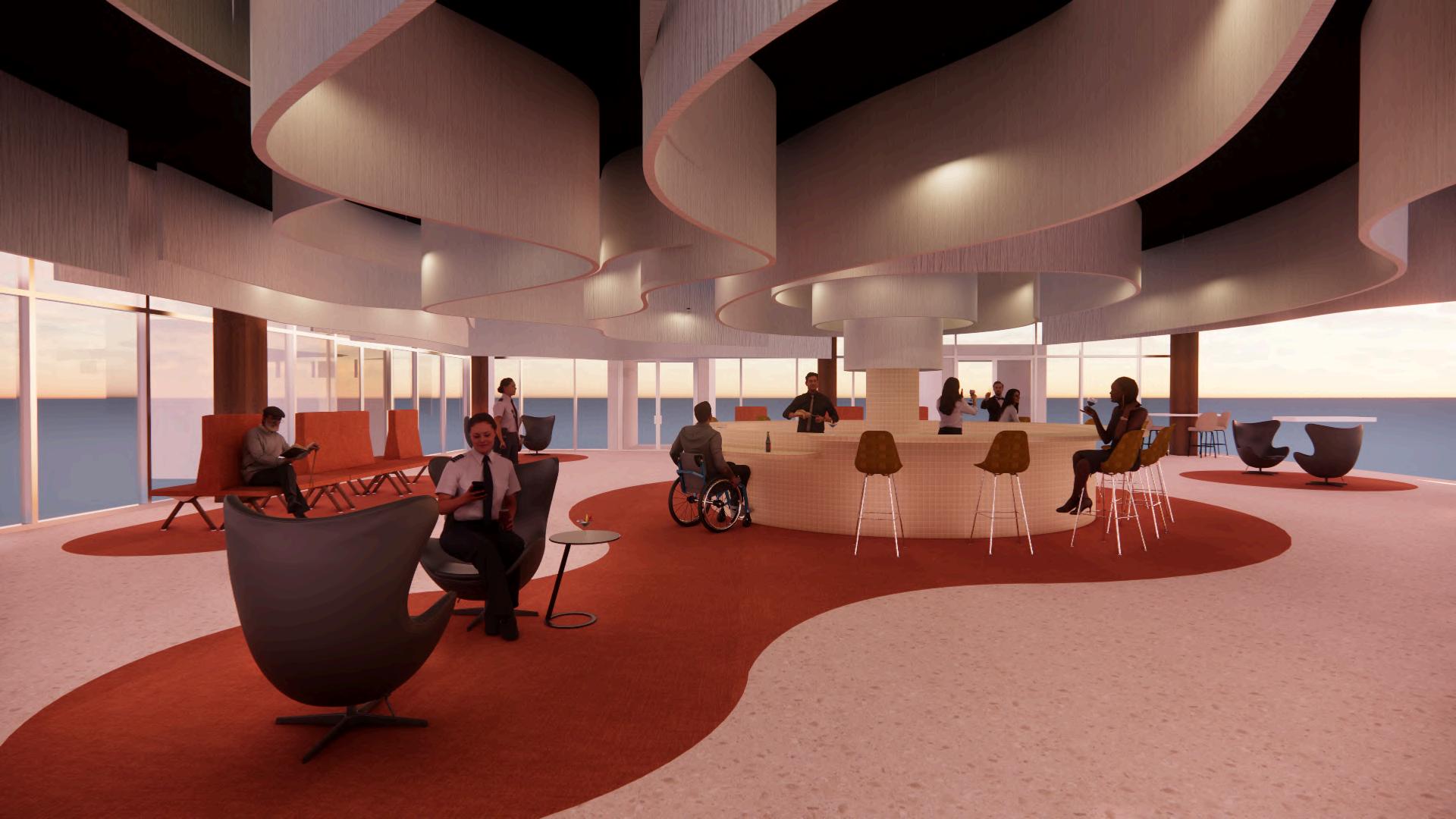
Prefrontal Cortex:
Assocated with executive functon, decsion-making, attention control
Biophilic Designs natural envronment reduces cognitive load and support directed attention

mygdala: Associated th stress and emotional ocessing ature-based cues: duce amygdala ctivaton, owers stress, ecreases anxety
Hippocampus: Associated with memory formation, spatia navigation
Natural patterns, textures, and place-based cues stimulate hippocampa actvity, supporting spatial orientation and enhanced memory
This research was completed as part of the Design for Wellbeing Seminar at the University of Idaho. The project was selected for presentation at the University of Idaho’s Undergraduate Research Symposium. This experience sparked my interest in evidencebased and biophilic design, which is why it is included in this collection of work.
This research explores how biophilic design can support cognitive performance in assisted living environments With cognitive impairment affecting roughly two-thirds of aging Americans, environmental interventions that promote autonomy and wellbeing are increasingly vital. Through a literature review and a comparative case study of exemplary and standard facilities, the study examines how Biophilic Design principles, such as integration of natural elements, sensory engagement, and place-based design strategies influence cognitive function. Findings indicate that integrating biophilic and evidence-based design principles can meaningfully enhance seniors’ cognitive health and overall quality of life, underscoring the importance of inclusive and supportive environments for the aging population.
Stephen Kellert was a professor of social ecology at the Yale School of Forestry and Design. His six principles offer a practical framework for implementing biophilic design. Kellert’s principles are defined and applied to both case studies in the context of suppo ction

Environmental Features
Features of the natural wor d and natural materia s create a more pleasing visual and tacti e
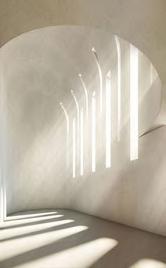
Recommends varied l ght ng to m mic how we experience ight outdoors.
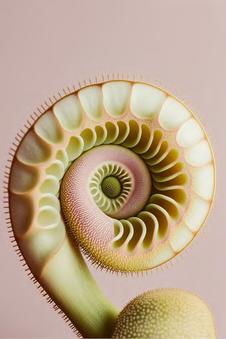
Natural Shapes and Forms

Uses natural y occurring shapes, patterns, and forms These e ements can include botanica motifs, spirals, Natura Patterns and Processes
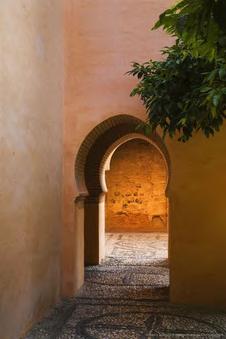
Place- Based Relationships
Involves using ocal materia s, and indigenous bui ding techn ques to create a sense of place
Refers to the structures and laws of the natura wor d. May also reflect natura processes ike growth or aging.
Evolved HumanNature Relationships
Describes our evolutionary relationaship with nature and how it can be m rrored w thin the built environment.
Rockwood Retirement Community Spokane, WA
Biophilic Design Principles
Implementation Key: How the principles are being used and their effect on cognitive function
atures:
nce mult sensory ough pathways scading waterfal and -p anted green roof. ntal features support n by offer ng sensory ng bioph lic encouraging
Evolved Human- Nature
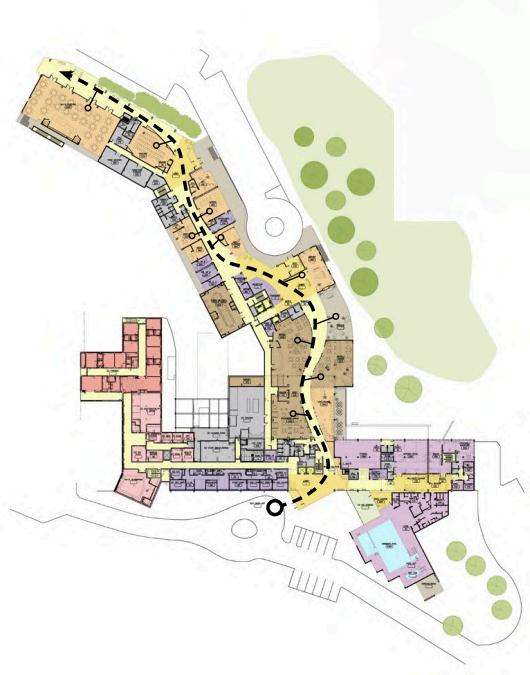
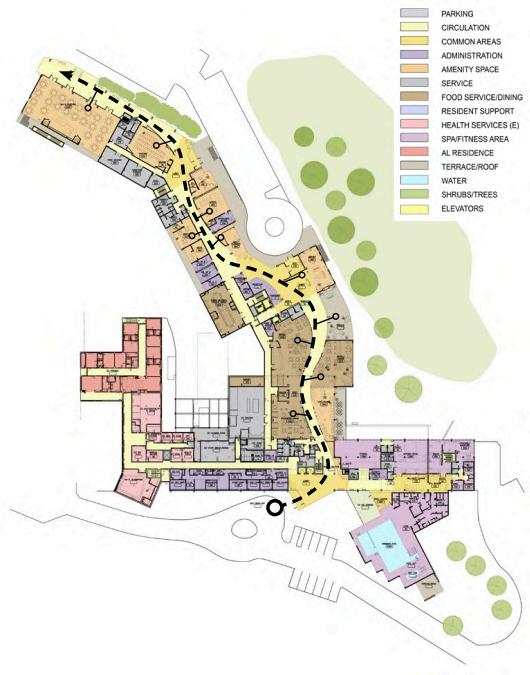
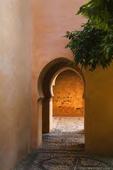
Relationship: A gently winding main corridor introduces spatia novelty, with unexpected rooms or open ngs e iciting neurophysio ogica responses l nked to dopamine and norepinephrine. The wandering garden’s non-prescribed pathways further encourage exp oratory behav or, which has been shown to st mulate cogn tive engagement and enhance creative thinking in older adults (Ber yne, 1963)

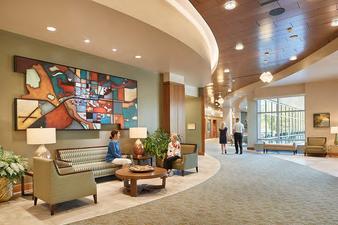
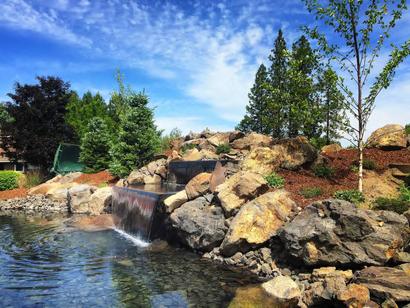
Place Based Relationship:
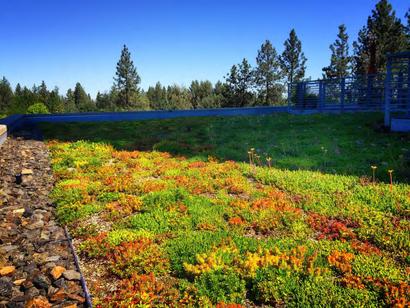
Landscaping palette is a robust infusion of native and nativeadapted p ant material, creating a sense of p ace This supports cognitive function due to creating a sense of fam liarity and comfort, and engaging mu tiple senses
Paradise Creek Retirement Living Moscow, ID
Areas of Opportunity
The facility exhibits several areas of opportunity, including limited contextual connection to the surrounding outdoor environment, an underdeveloped sense of place, insufficient natural light, visually uncomfortable artificial lighting, a weak connection to the outdoors, and predictable, linear circulation.
Biophilic Design Implementation Recommendations

Create a wandering garden wou d support cognitive function as t promotes exploratory behav ors in users and increased creative th nk ng
Site is surrounded by p entifu fir trees, should maximize sightlines to improve connect on to the outdoors and support a sense of place

Remove wa l to foster socia connection and mprove ight ng depth Cognitive function wi l be supported through soc al connect on and creating a sense of community and comfort.
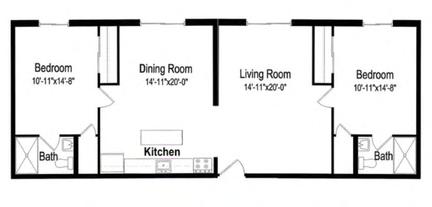
Consider window in the kitchen where local herbs can grow and improve natural ight while crating a sense of place.
Incorporate loca , natura mater als like cedar, f r, and wheatgrass. Creating a sense of place supports cognitive function through stimu at on of memory, spatial orientation, and creating a fee ing of fami iar ty and comfort.
Consider skylights to support cognit ve function through circadian rhythm regulation and improving productivity
Consider curvilinear interior partitions for sense of nove ty, function ng to augment arousa , a ertness, and cognit ve function ng
Implementing nterior p ants/living wall p anters would support cognitive function by creating a mu tisensory experience for users.
Consider adding architectural interest of arches, curves, botanical mot fs, to provide natural shapes and forms, creating a subconscious connection to nature, mproving mood, reducing stress, and enhanc ng cognit ve performance
Integrating natural elements and evidence-based design can enhance cognitive function in elderly residents. This research supports reframing the Western aging narrative, empowering older adults to optimize late-life quality, and highlights the significant value of including the aging population in design considerations