
georgia institute of technology school of architecture ‘26
civic storage on the beltline
living history - twin civic hubs
charleston housing
society of rooms
tres tombs
culture factory
cyclical arrival
refugee
civic storage on the beltline
the senior design studio investigates selfstorage as a civic architectural typology, repositioning a typically opaque and utilitarian building type as a public cultural instrument. Work across the semester develops typological systems, image-driven facade strategies, and building-scale proposals. the studio operates between cultural analysis and material experimentation.
critic(s) location class year
atlanta, georgia arch 4016 fall 2025
“shrink wrap” concept plan
this phase developed three distinct storage types that operate as spatial and organizational prototypes: shrink wrap, snake, and cardstack.
“shrink wrap” focuses on the amount of stored object. creating a flux between solid/void, used/ unused space.
“snake” creates fully displayed exhibitions, promoting a temporal space that guides viewers through extensive passage ways.
“card stack” concept section
“cardstack” highlights one object per collection by floor. it addresses the “lost items” happening in contemporary storage.
combined concept plans the three typologies function as autonomous components that test circulation paths, ritual uses, and object logics.
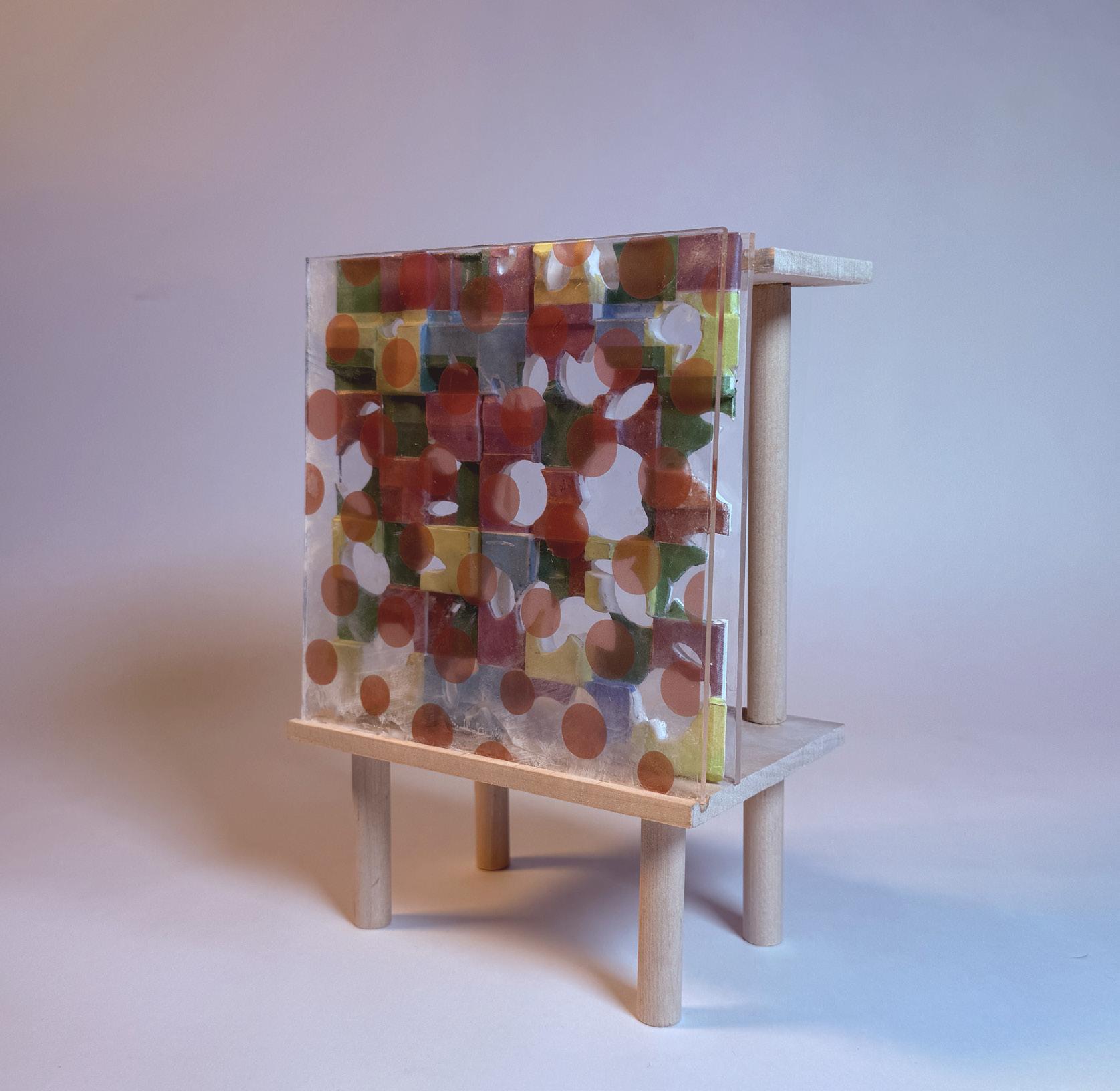
alongside the conceptual storage typologies, this phase also explores the facade as a performative membrane. by looking at digital image processing operations, an active interface is generated with image manipulations.
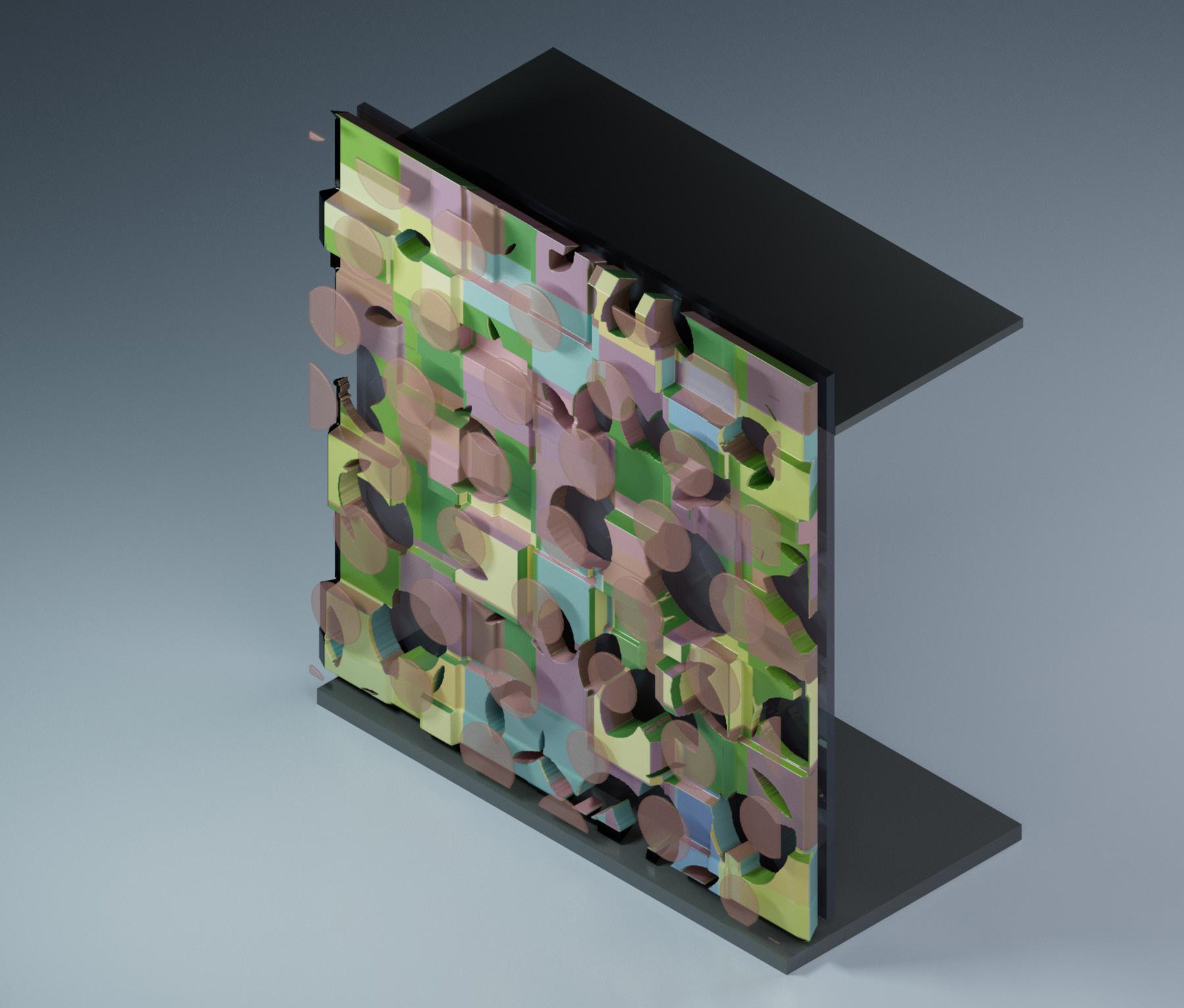
conceptual facade render
using original base images, a three dimensional facade is established. focusing on the relationships of transparent/solid and alight/ misalign, operations including splicing, halftone, and thresholding provide the physical actions of the facade.

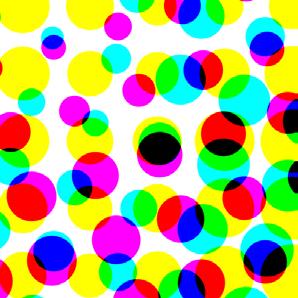
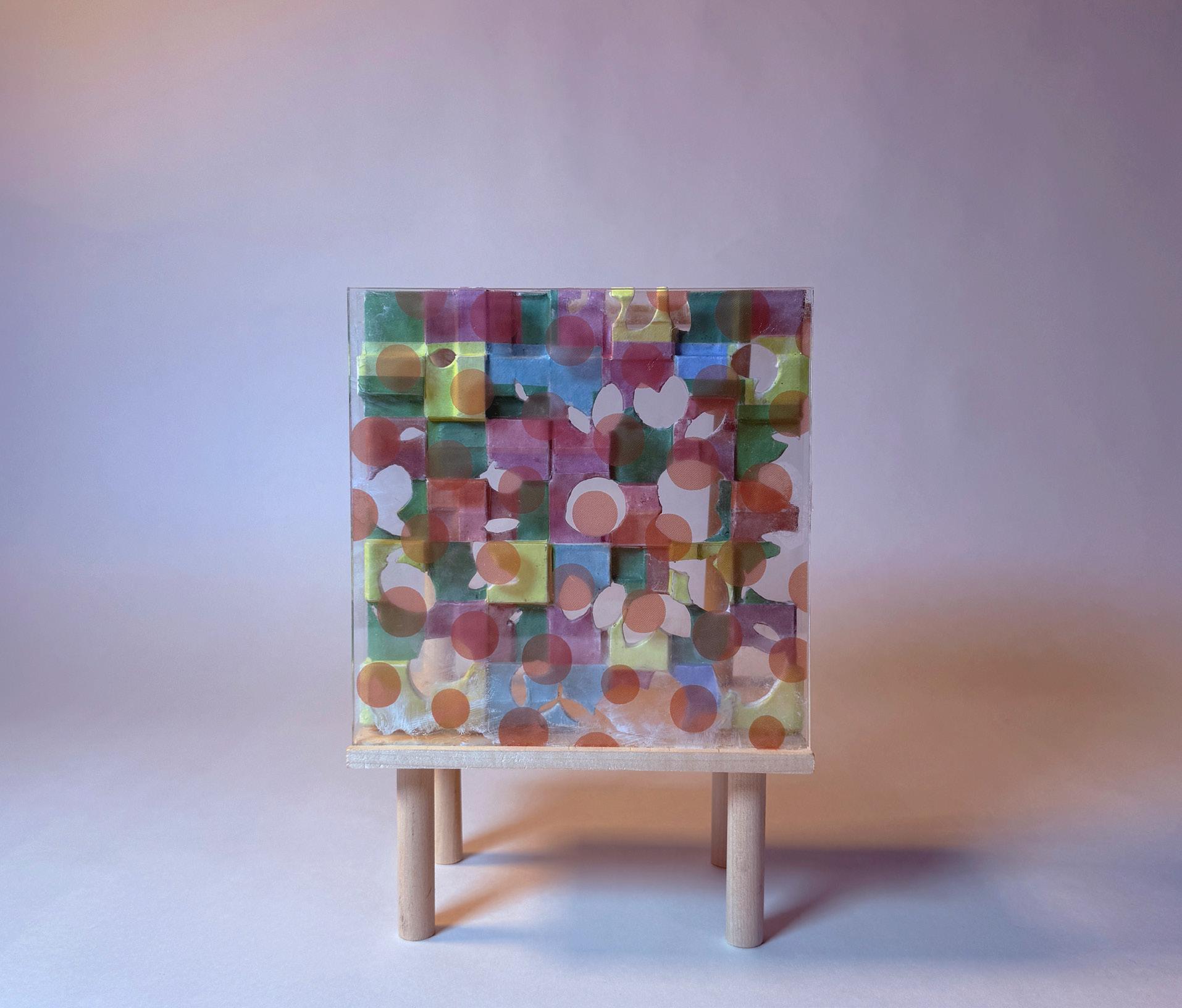



each image processing operation is used in either an additive or subtractive manner, providing a conceptual interface.
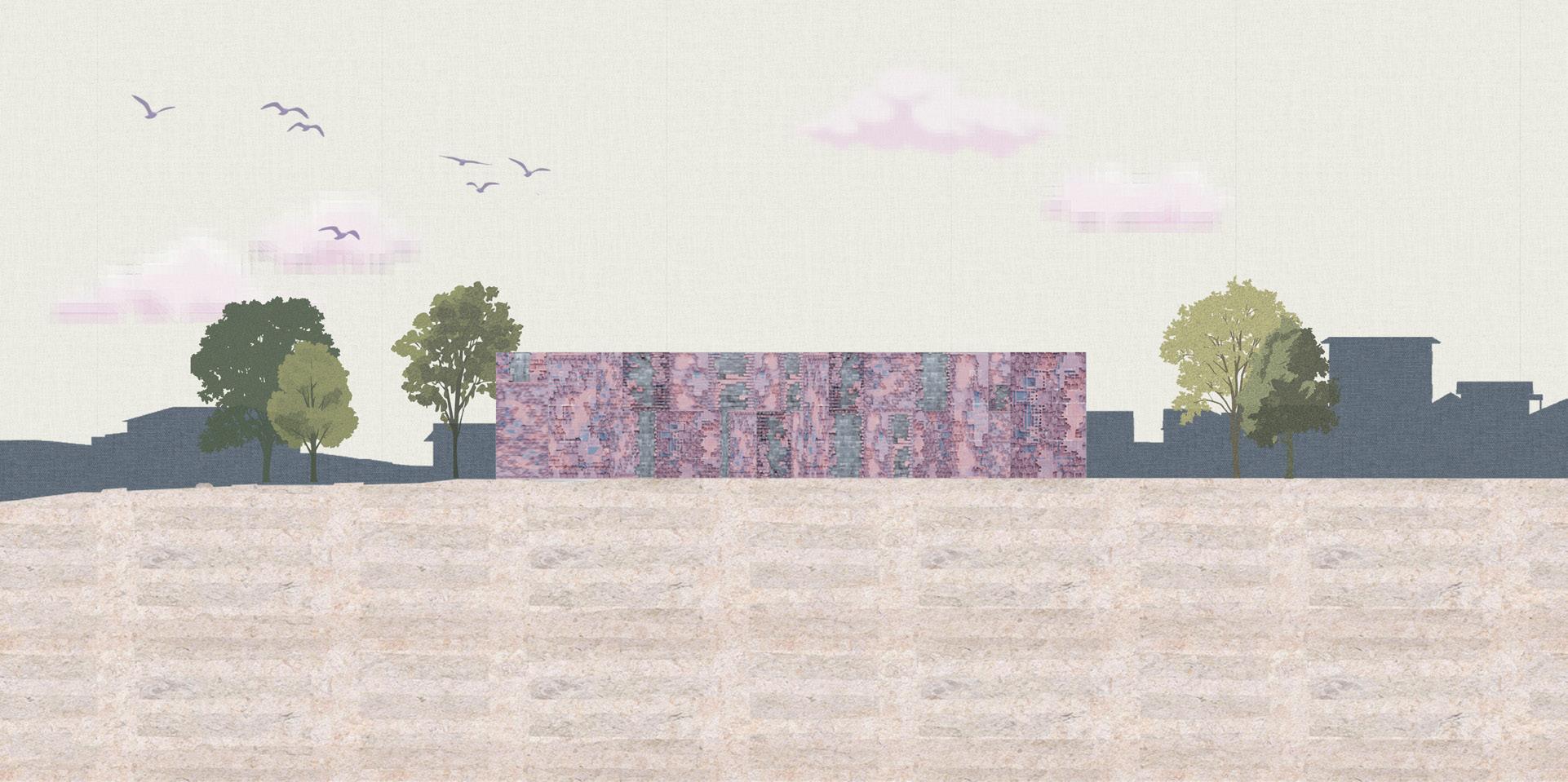
the final design proposal takes into account the three developed storage typologies along with a facade that was generated through a similar process as the conceptual facade.
placed along the beltline in atlanta, georgia, this storage faciltiy also acts as performing arts site. allowing space for exhibition, storage, and performance, the proposal utilizes storage to instigate movement and highlight nodes of activity.
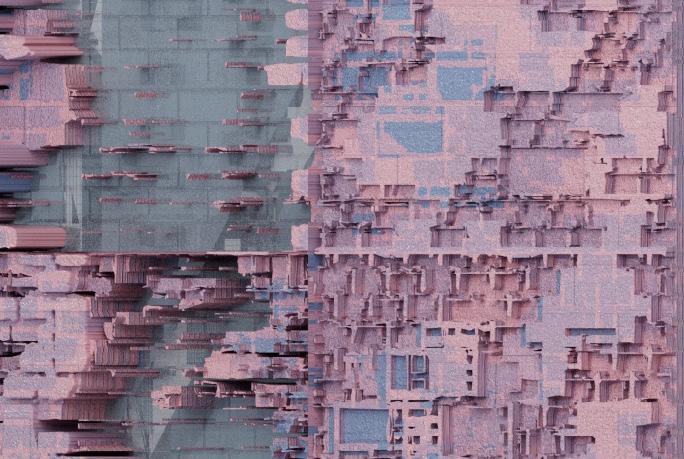
detail face render
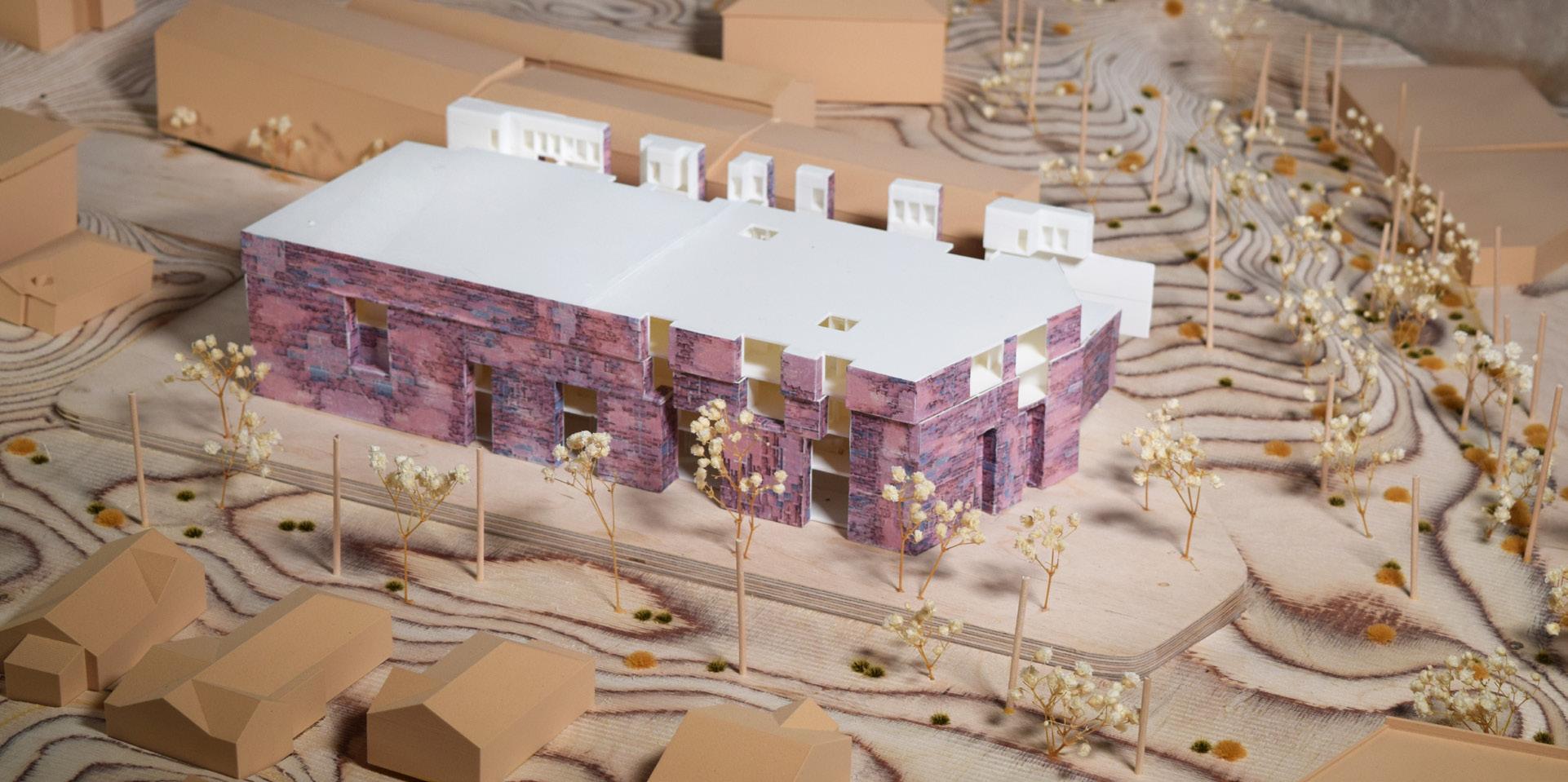
massing model 01 the project footprint responds to the surrounding buildings’ setback, dividing the overall mass into sections of solid and void.




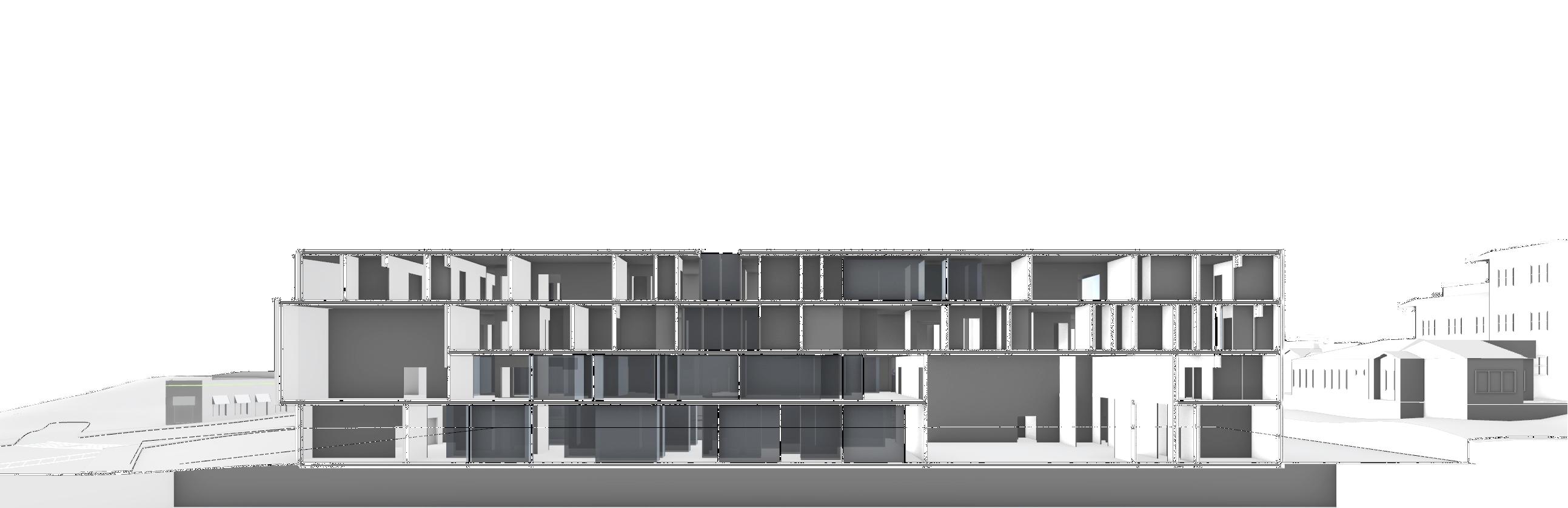
the three typologies are deployed to push viewers through the project, guiding those to gather, circulate, and experience the exhibition or contemporary storage.
the boundaries of the design are further solidified with enclosed storage units, allowing for the interior to create temporality, flux, and transparency.
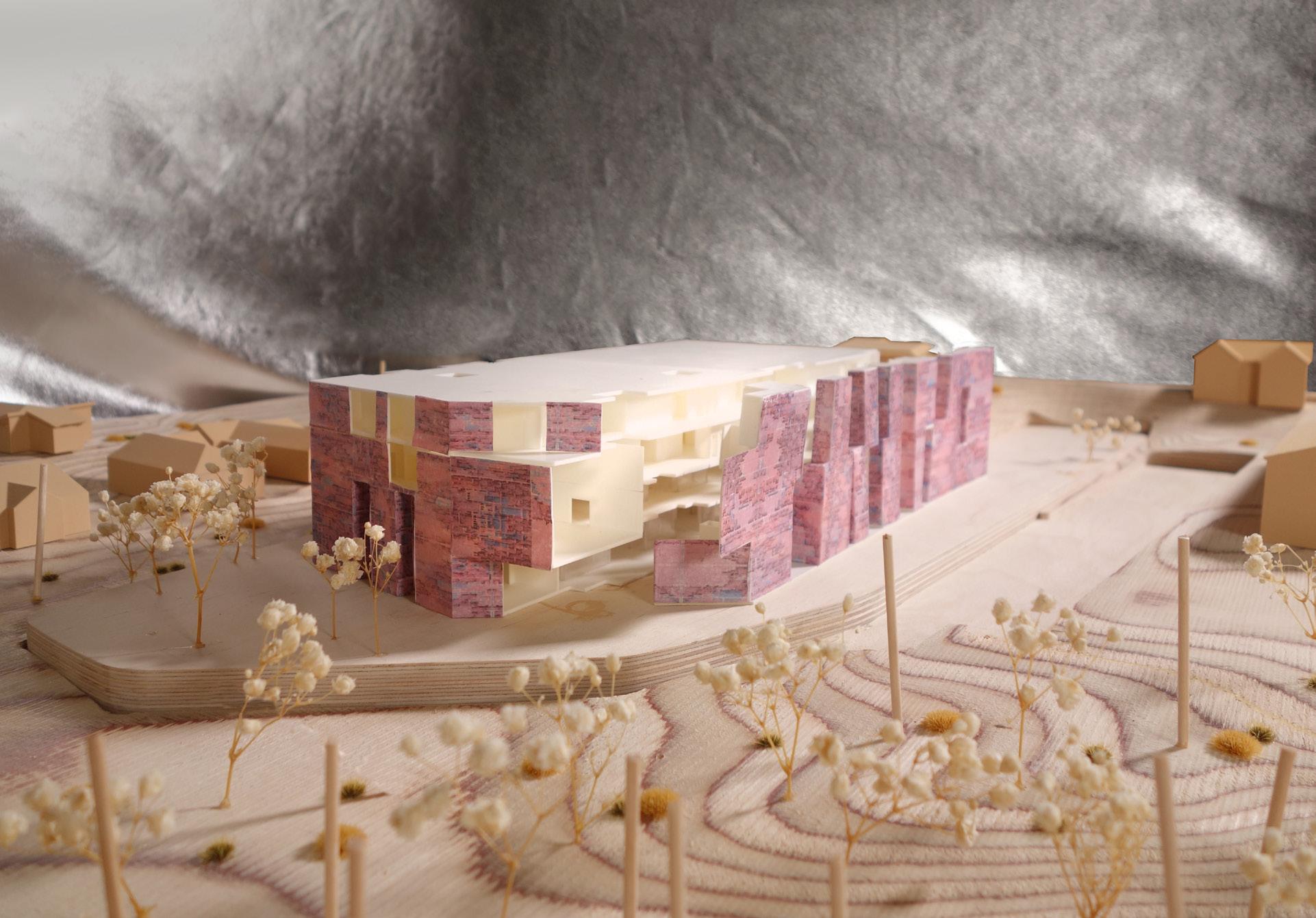
massing model 02
the final facade allows the sections of transparency to be integrate with the section of solid.
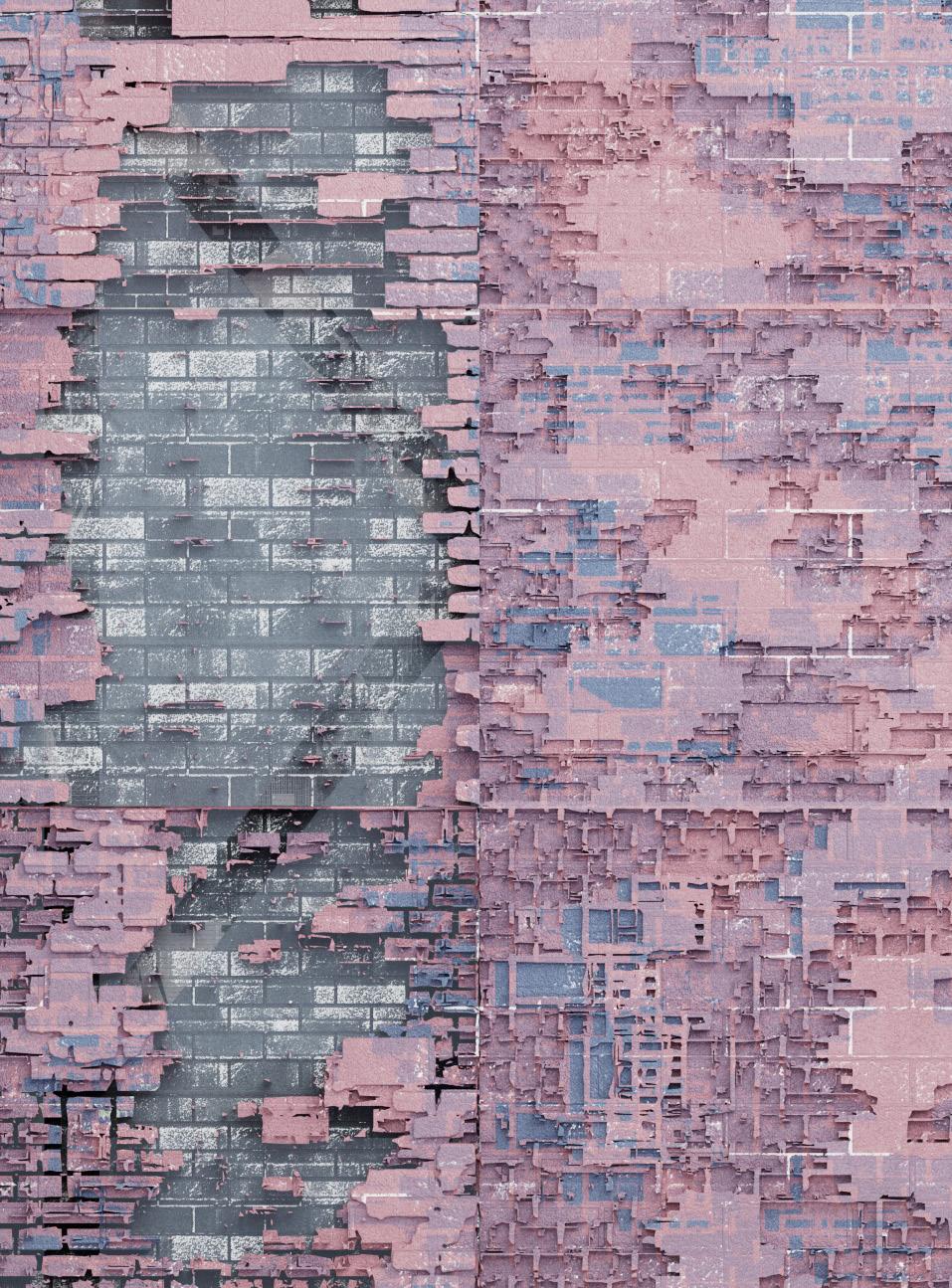
the design of the facade aims to provide recognition of a brick structure while still allowing for abstraction of the texture to the surface.
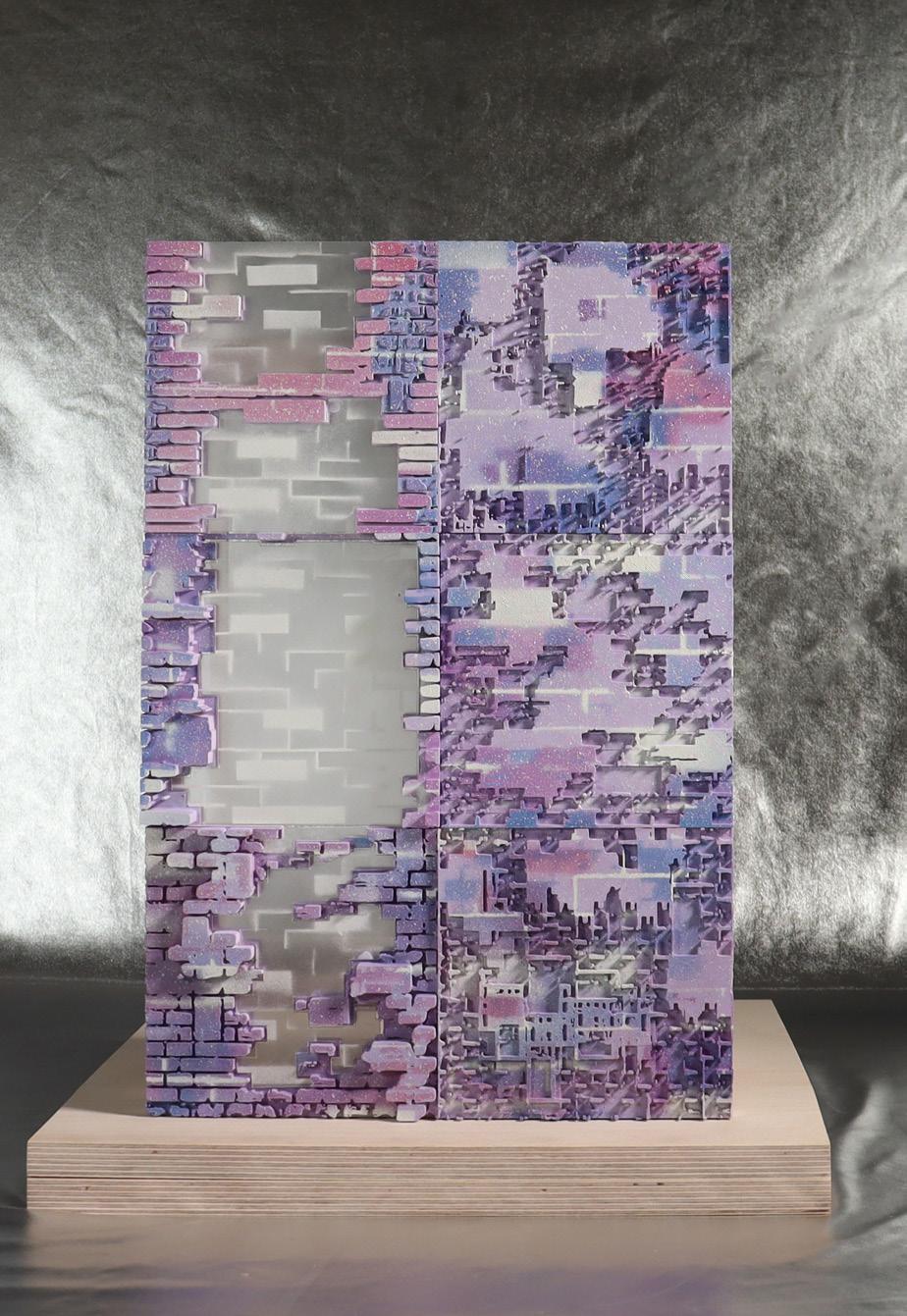
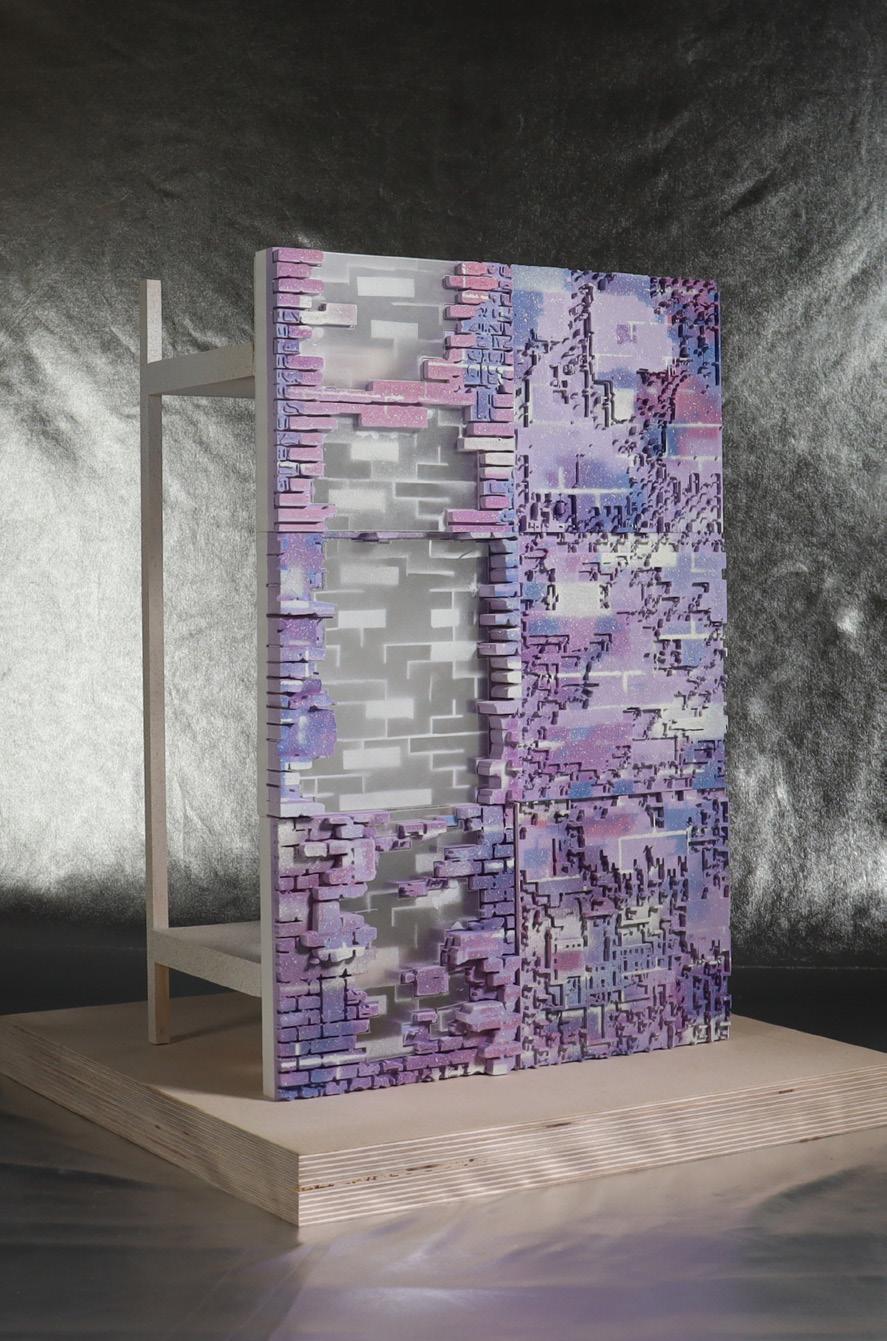
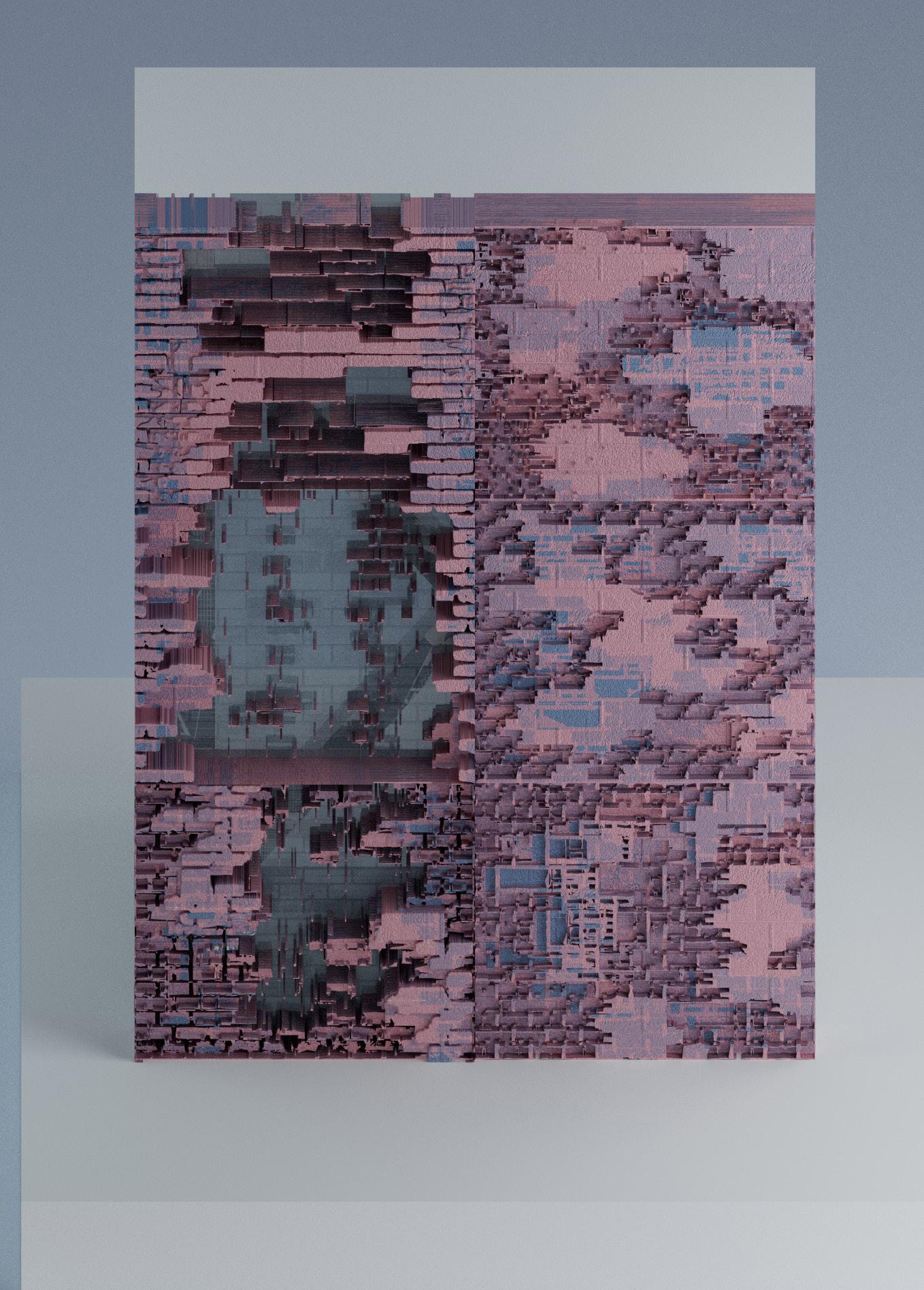
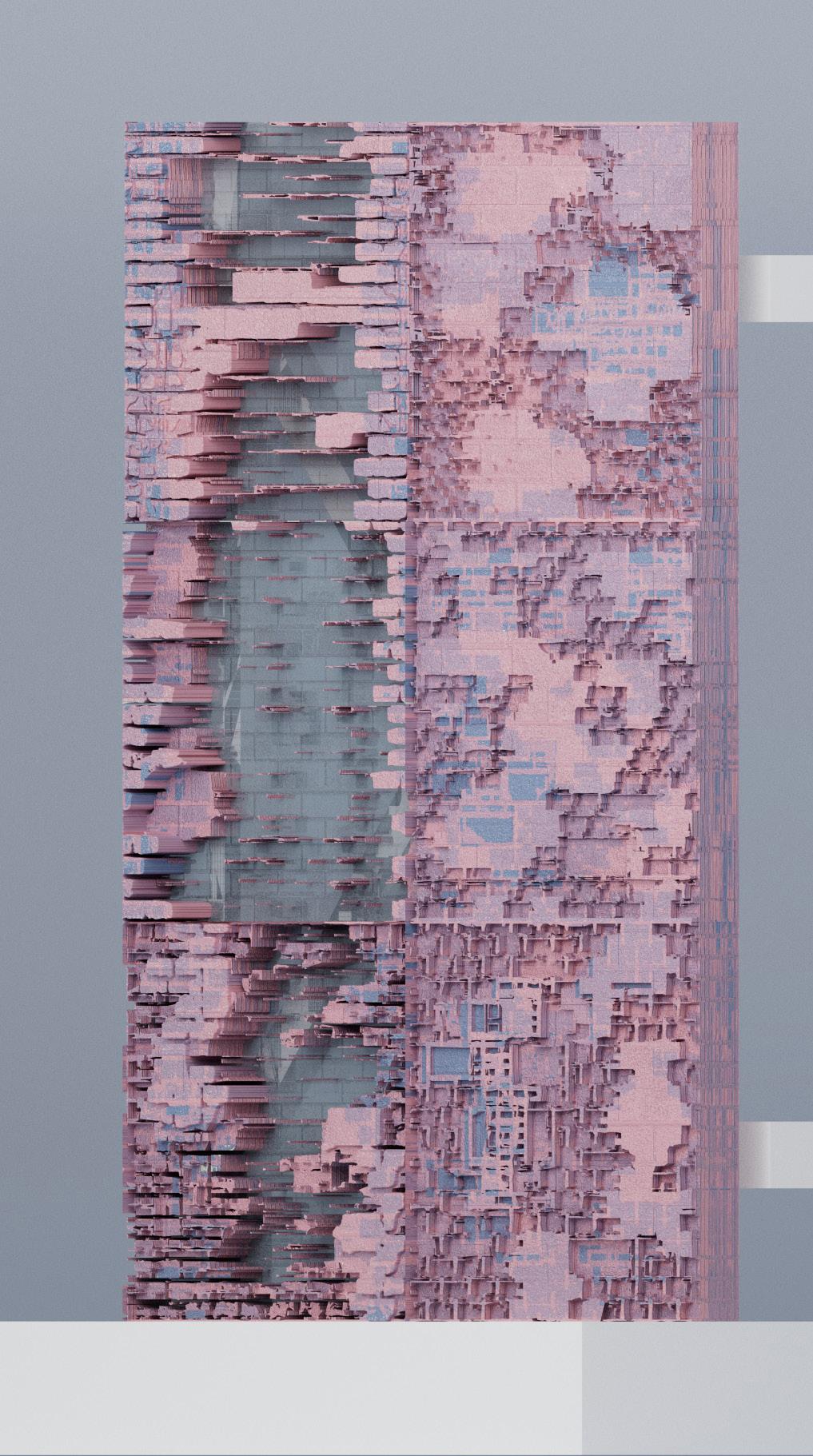
the final facade continues the image processing operations, abstracting the brick pattern with tools like jitter, rbg shift, and posterize.
using the color channels of the abstracted base image, areas of transparency and solid are designated.
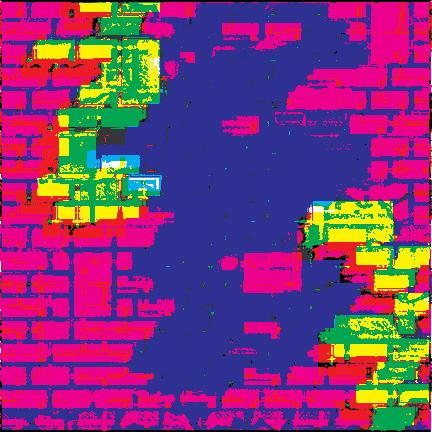

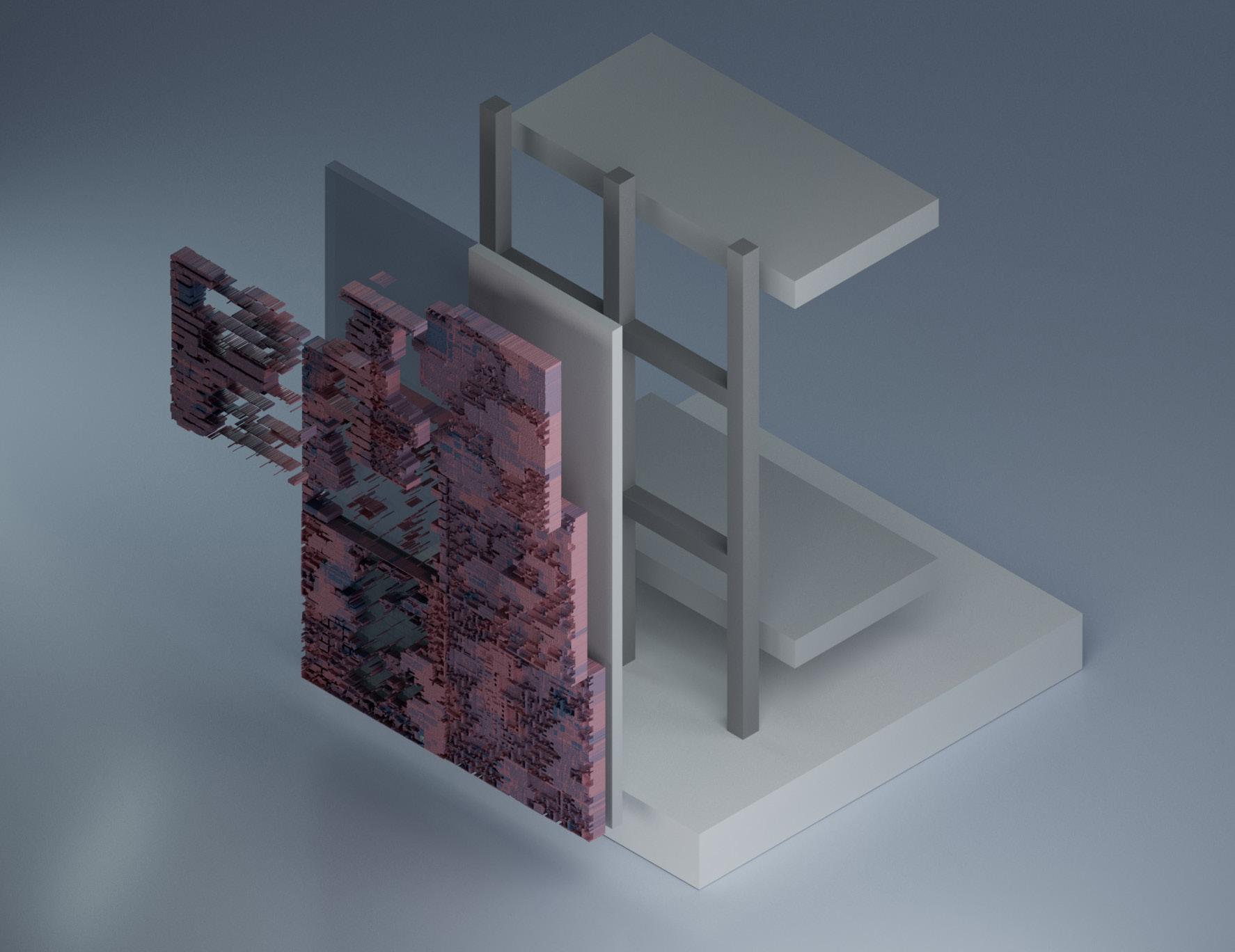
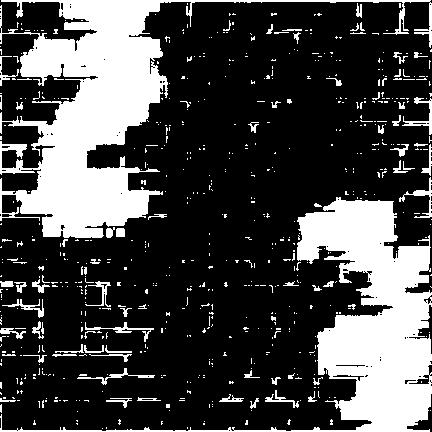
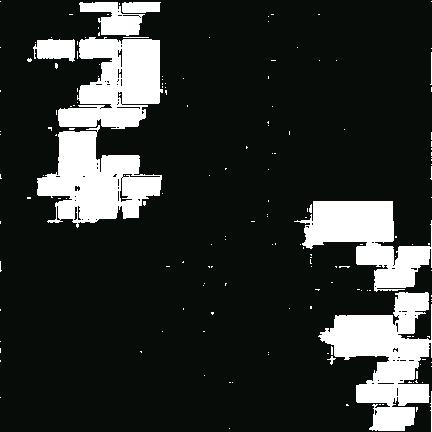
the facade can be visualized as a paneling system, providing opportunity for variability while maintaining a seamless transition between solid and void.
living history - twin civic hubs
this project proposes a pair of interconnected civic hubs. one on georgia tech’s campus and one in english avenue, these two are linked through a shared cultural, educational, and spatial network. the two sites operate as a distributed system that circulates resources, collections, and supports collaborative authorship between the two communities.
critic(s) team members location class year
ingeborg rocker miriam lowery + trinity to atlanta, georgia arch 4017 spring 2025
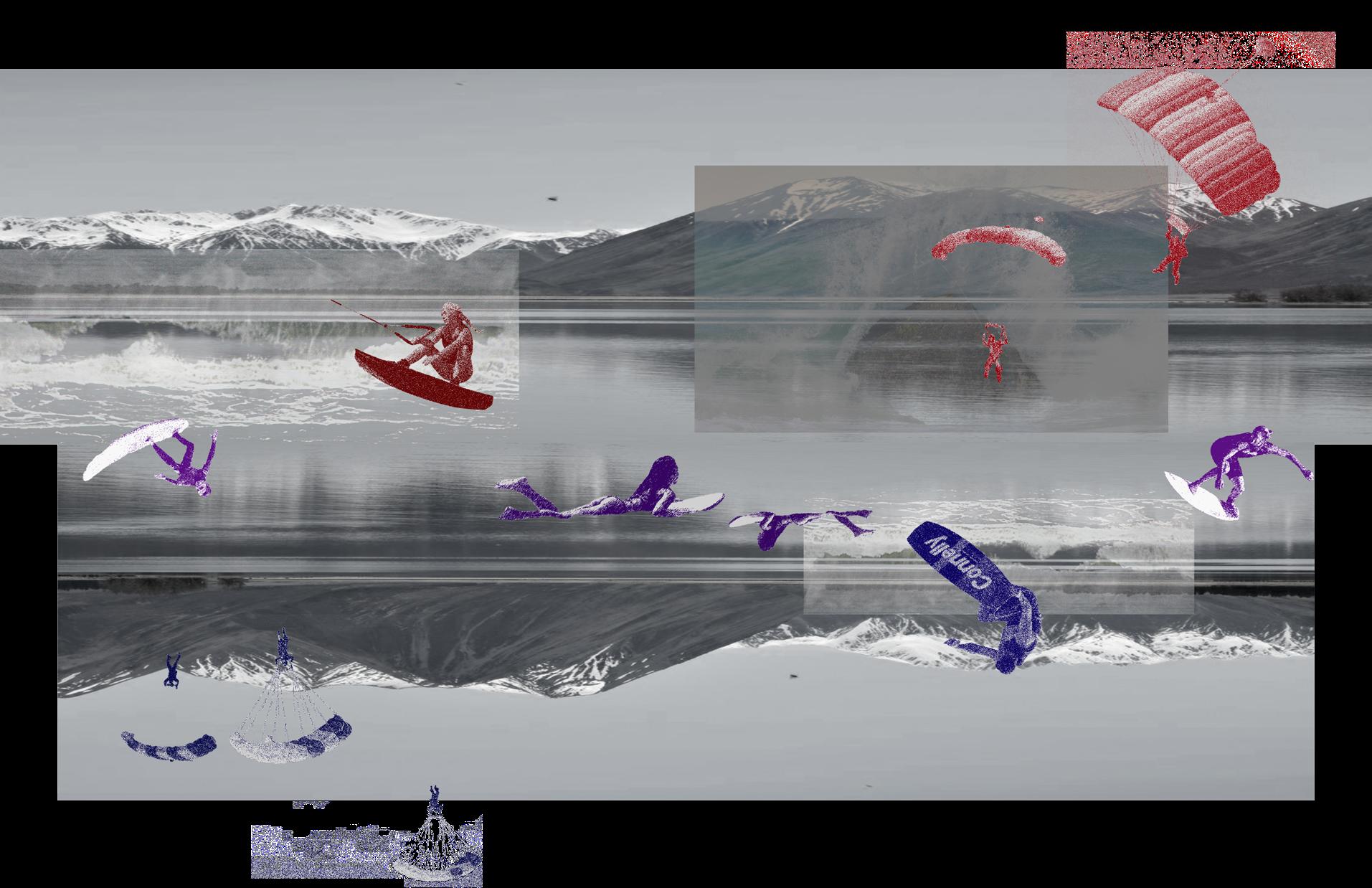
initially individual, the definition of “twin” was explored. creating an opposite yet similarly reflective relationship between two beings was developed.
the two twins create and deploy similar things but are separated along a buffered horizon. each “twin” also operates with individual frames.
the hubs are different yet work at simultaneously. they have sole authority while also continuously communicating with the other.
the relationship of the “twins” can be visualized as a web. the intensive passage between the two is also a third operating body.
each body is aware of the other’s actions, responding accordingly and also deciding individually.
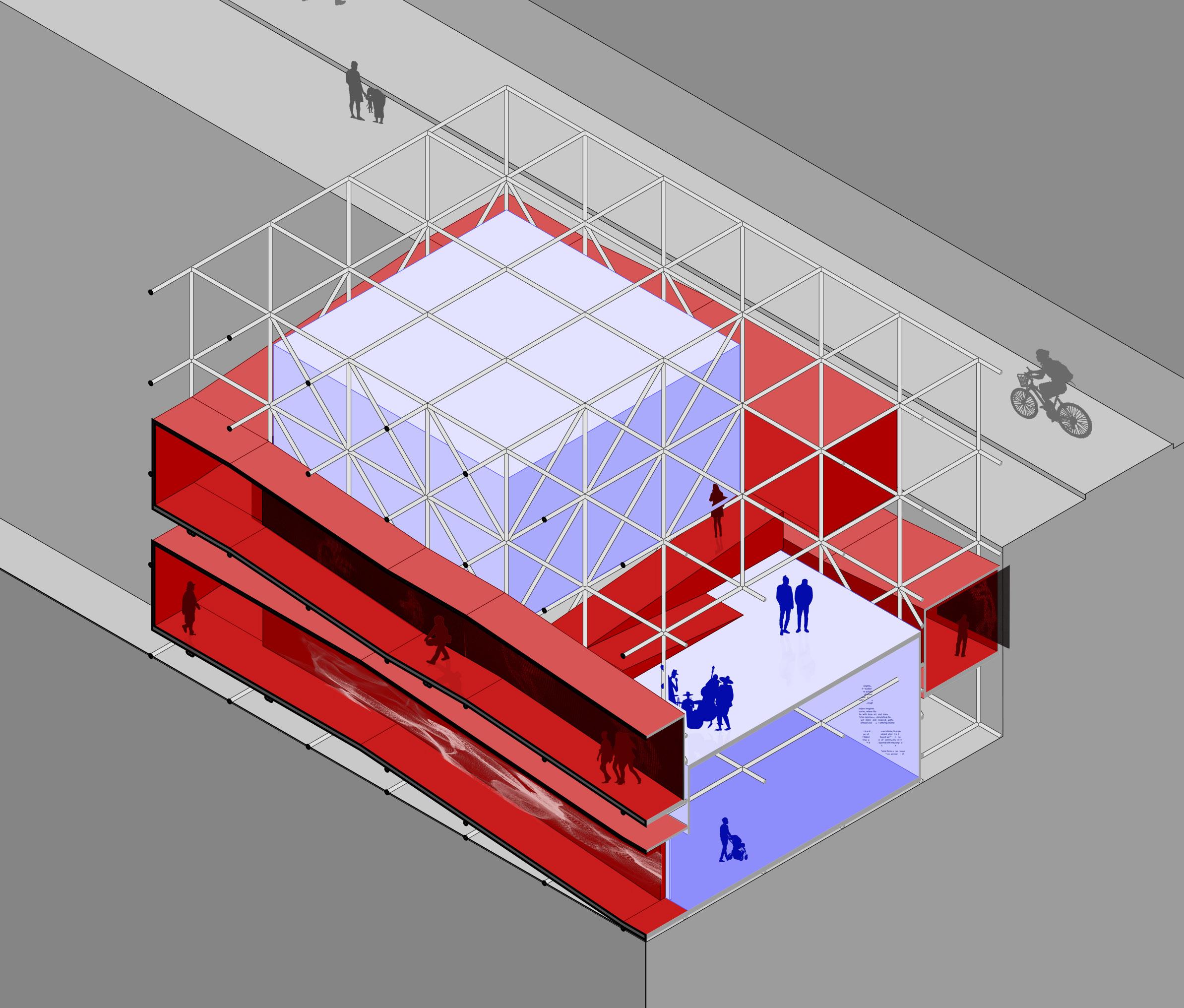




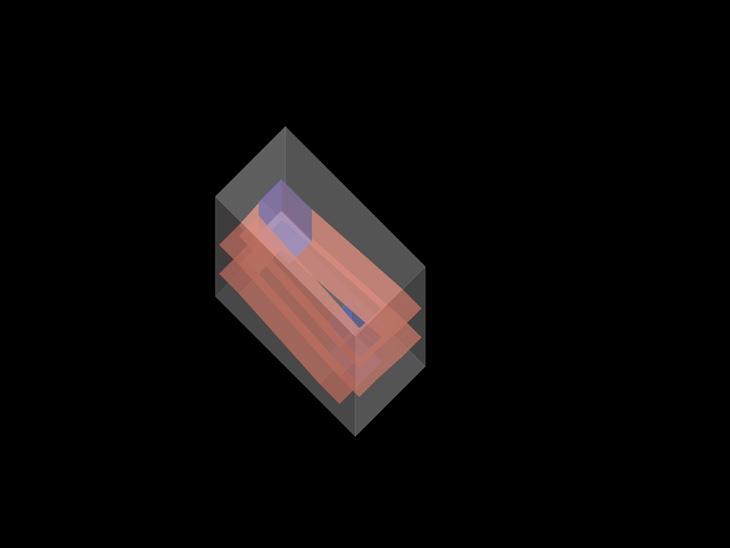
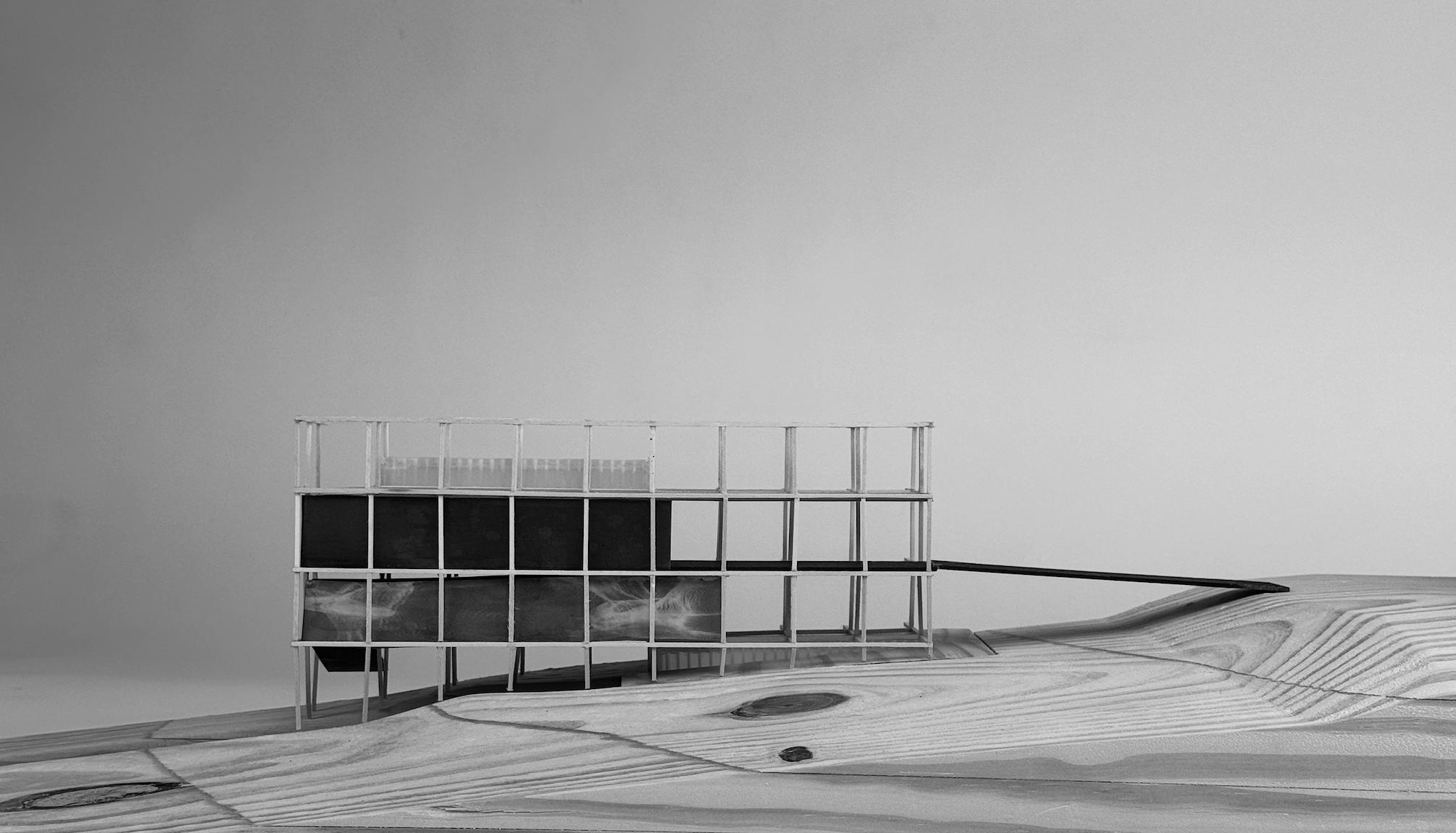
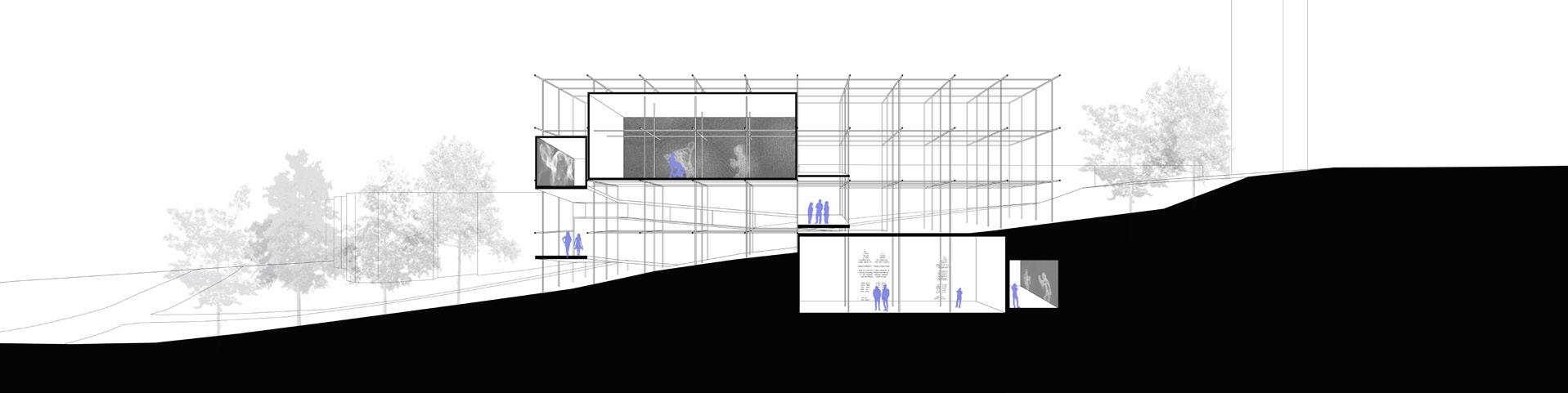
as a team, living history provides the opportunity for communities to contribute their own stories, ensuring that history remains an evolving and inclusive dialogue - reflecting the infinity of perspectives and the infinity of possible futures.
a space is create where history and memory are not only preserved but continuously reshaped through active exploration and participation.
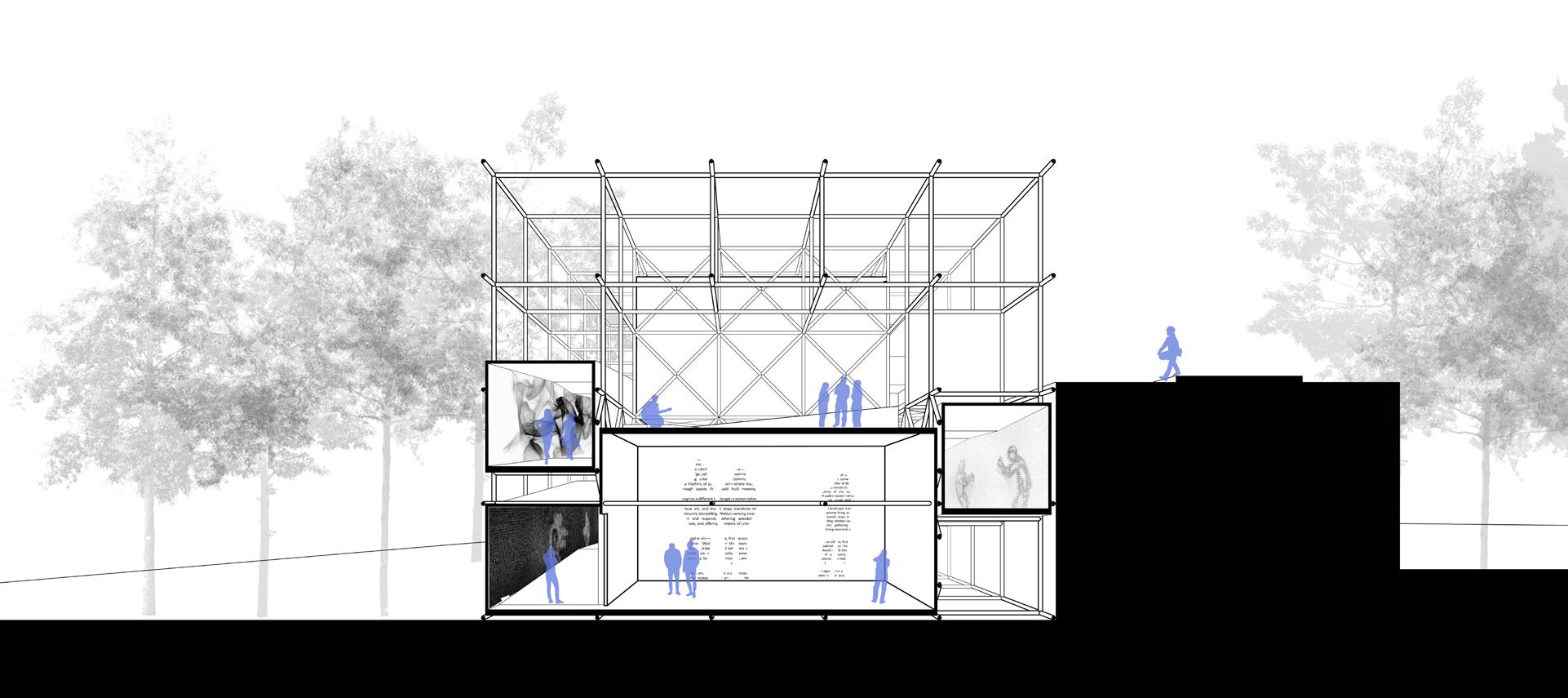
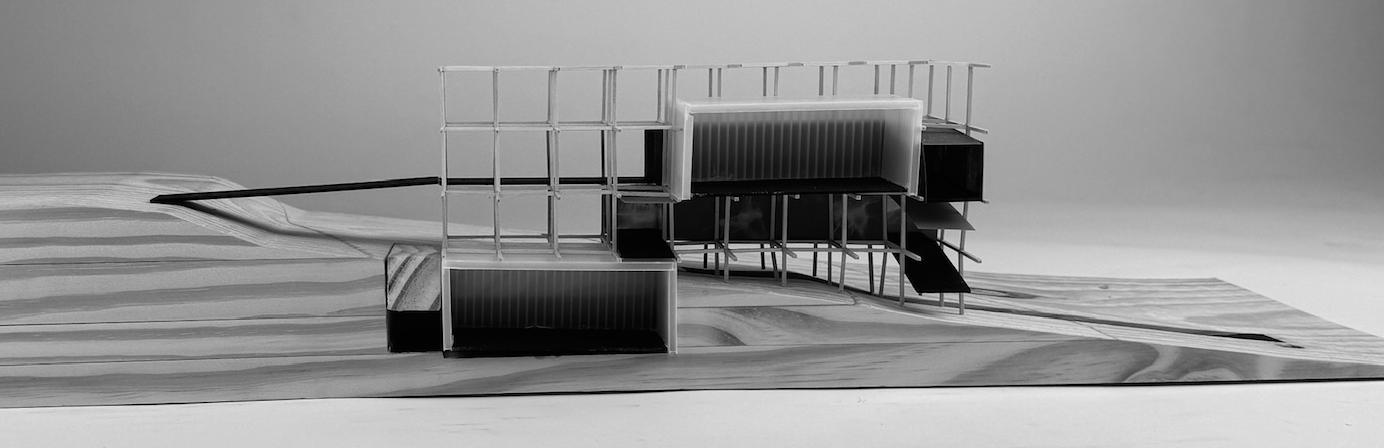
the two hubs are sited through an analysis of cultural resource concentrations and are then place within opportunity zones: areas identified as having low resource density and high potential for cultural amplification.
the hubs are designed to be replicable and scalable for other communities seeking to document and uplift local knowledge
living history provides several tools to establish a platform where human agency is a catalyst for cultural engagement and enrichment.
interactive exhibition invites community members to become active participants in the recording, shaping, and sharing of their own histories.
modularity places the power of construction, adaptation and expansion into the hands of the community.
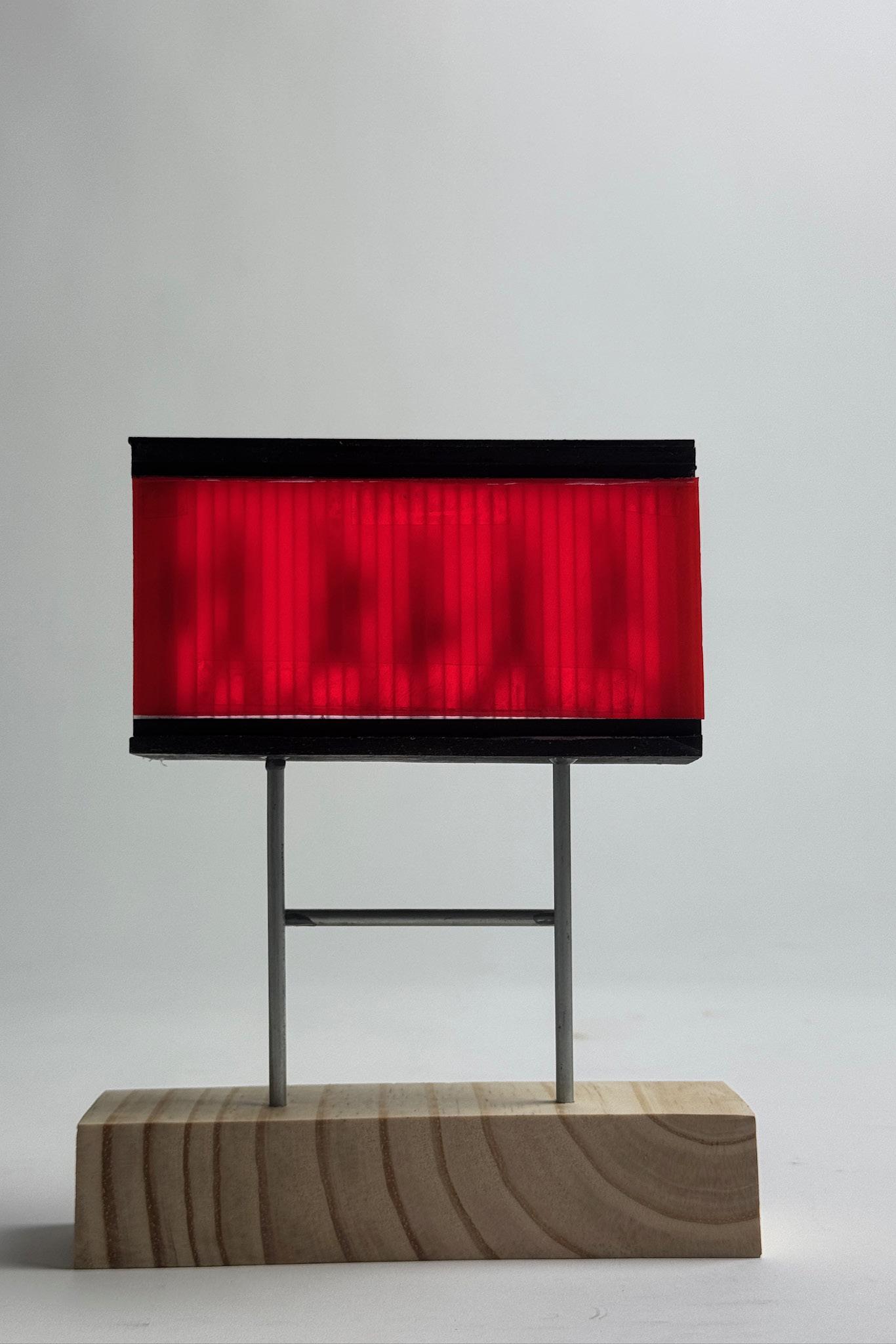
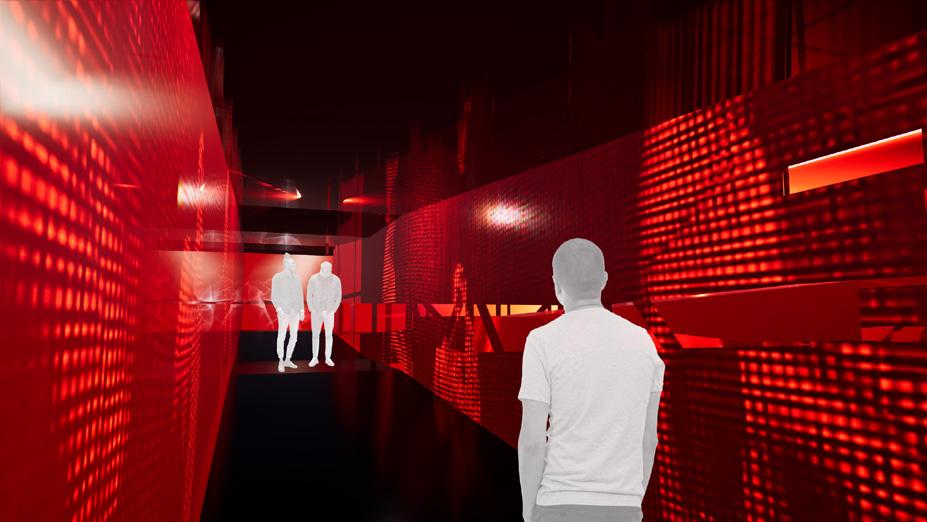
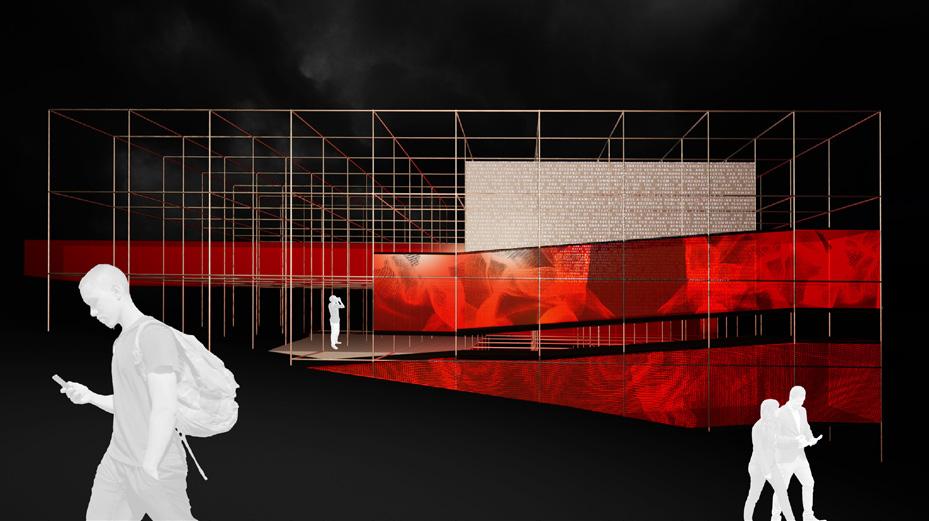
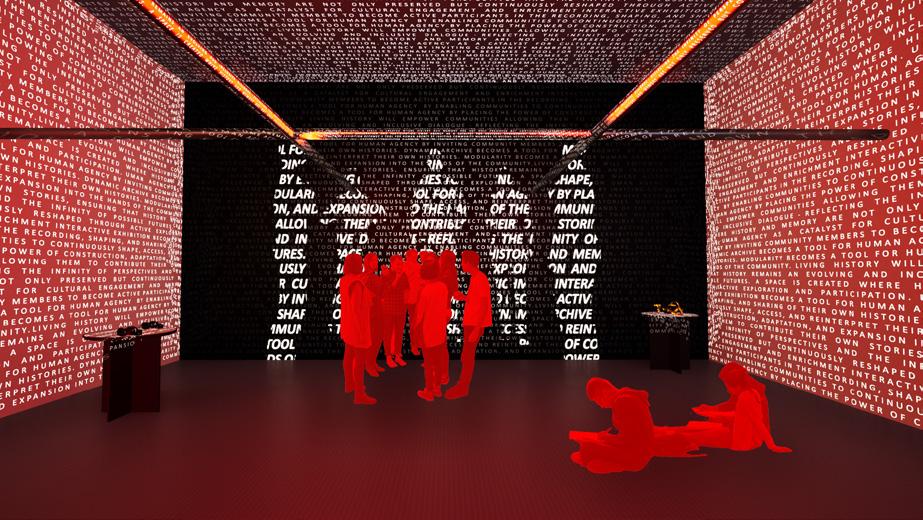
transparent screens allows for the perforation of the interactive exhibits to be seen from the outside.
real-time movement is recorded, displayed, and communicated between the hubs to strengthen their relationship and presence within the two communities.
charleston housing
based in charleston, south carolina, this is a mid-density multifamily housing project that sits on the cusp of two historic neighborhoods in charleston. this project addresses the personality seen in charleston’s residential and business district and the two urban grids that are on the peninsula
critic(s) location class year
christian coles
charleston, south carolina arch 3016 fall 2024
context plan
massing diagrams


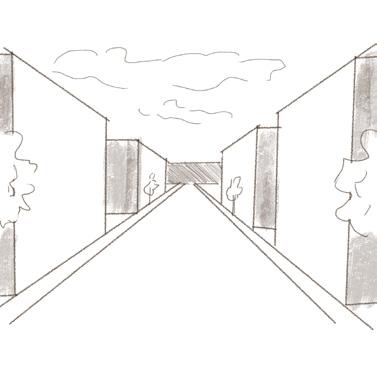
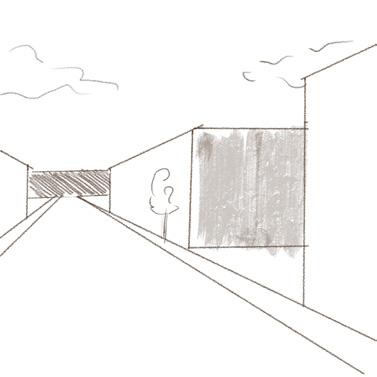
the final form of this design stems from the interaction of the two grids that the site is surrounded by. the diagonal cuts of the design addresses the grid north of the site.
these cuts allows for degrees of public/private to be established. the business district facing spaces to respond to the activity and the residential facing spaces to allow privacy.

elevations + perspectives
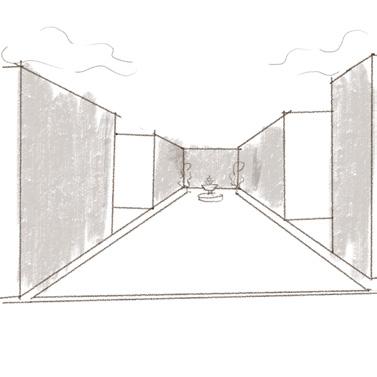
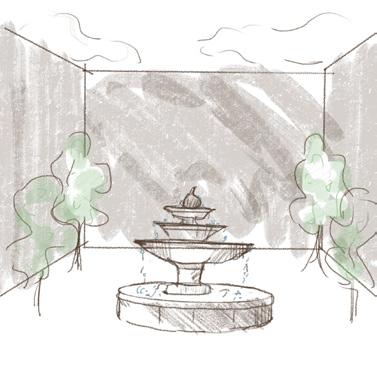
this project’s concept stems from an experiential idea of happening upon and discovering a moment of peace, much like the residential gardens and exterior spaces established in the charleston historic neighborhood.
society of rooms
during an immersive summer studio, this project takes place between a commercial urban street and a quiet neighborhood. the project creates a health and wellness center that caters to both contexts and creates space for community engagement through natural light and air.
critic(s) location class year mark cottle, arnau pascual, nuria arredondo barcelona, spain
arch 3017 summer 2024
perspective 01 gouache on paper
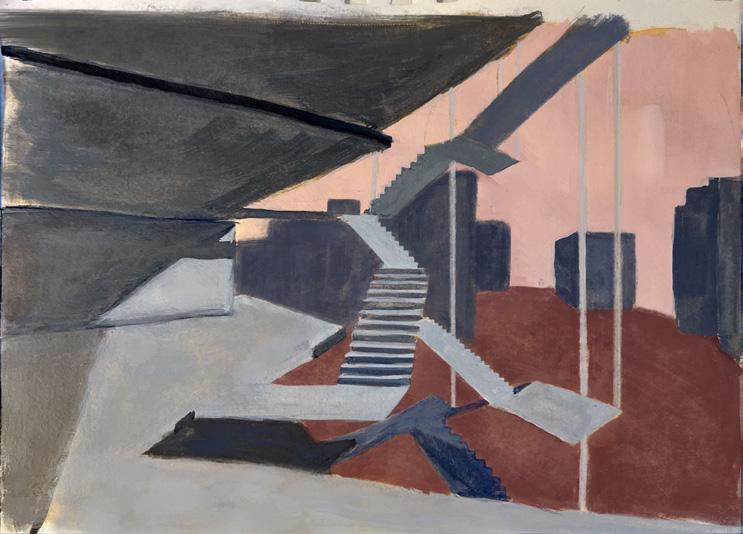

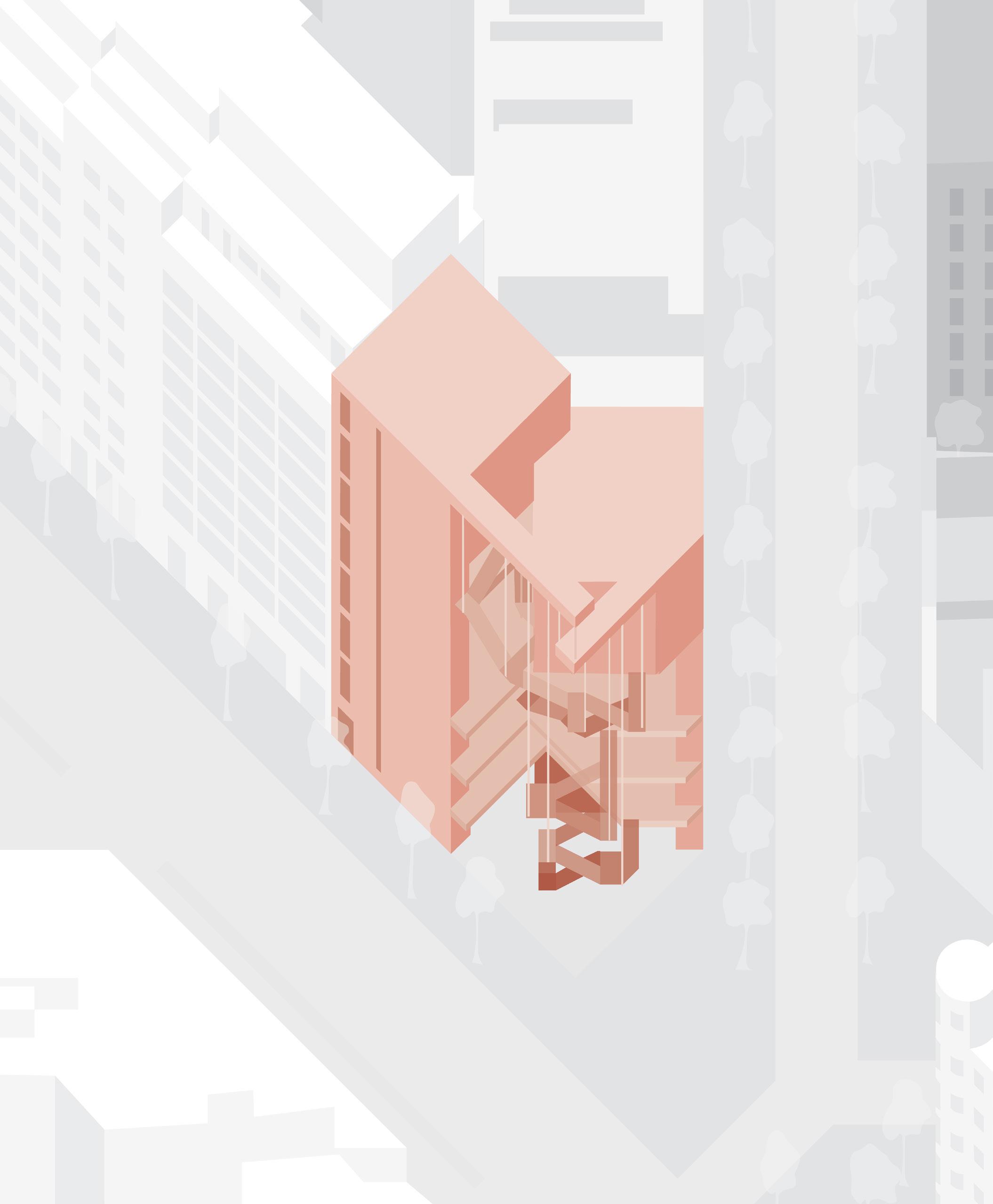
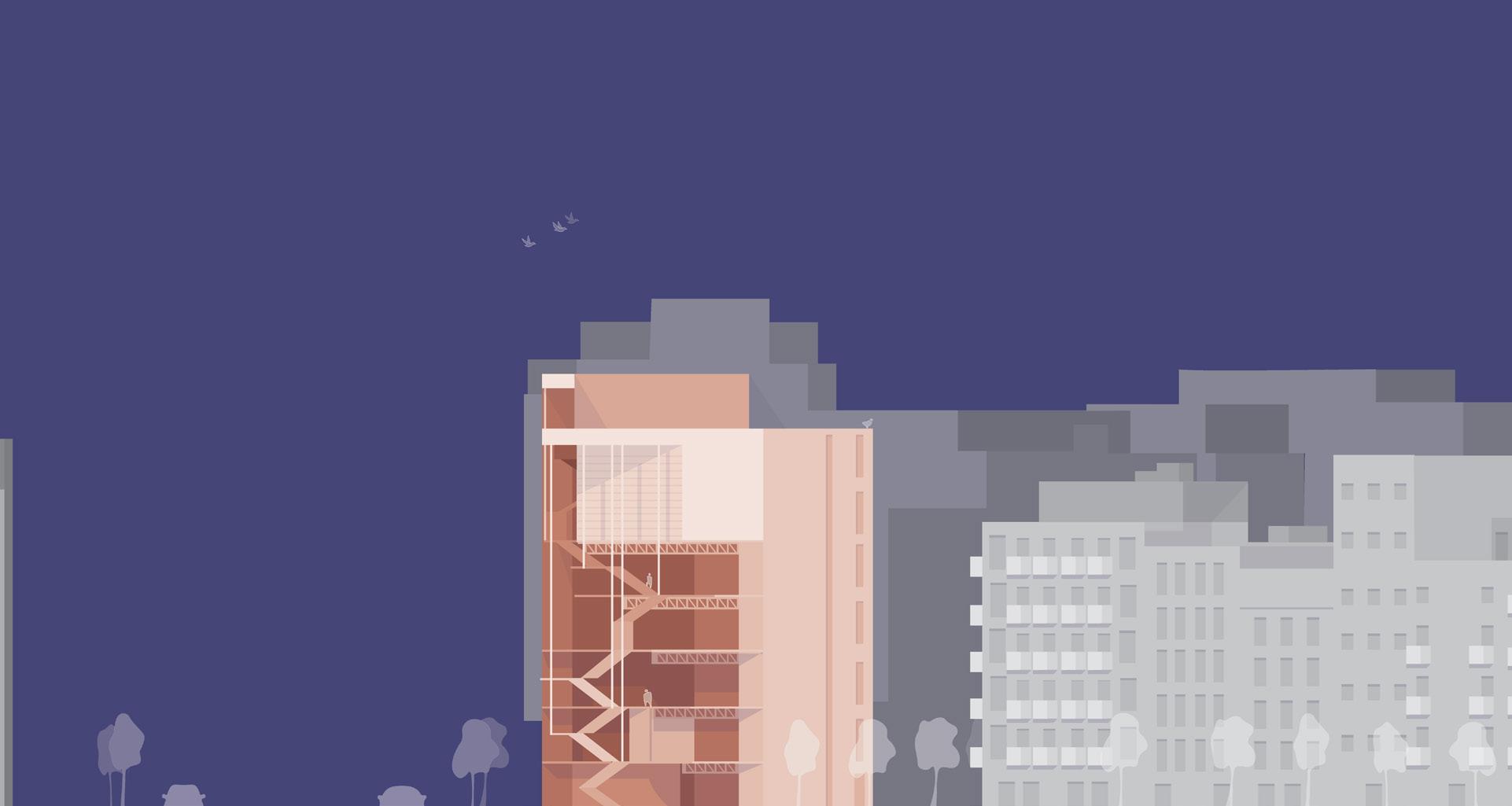
the design is based on the idea of a “floating rock” with the two basketball courts placed on the top. the circulation continues with the idea with a staircase that hanging from the structural beams.
each space also has its own corresponding exterior space that provides area of meditation and grounding.

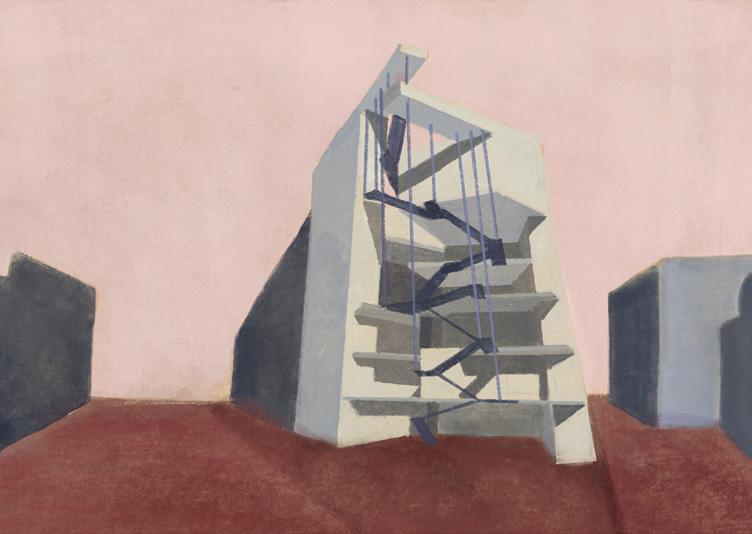

axonometric the design addresses the intersection of the two neighborhoods and the grids that they create. east facing spaces are flush with calabria street and south facing spaces are along parallel avenue.
tres tombs
this project focuses on one of the residential blocks in barcelona, spain. reporting its daily life, patterns, and inhabitants, the project highlighted the use of its interior courtyard. the drawings are recreations of the existing block.
critic(s) group members location class year
mark cottle, arnau pascual , nuria arredondo
ella newell, joseph holevinski
barcelona, spain arch 3017
summer 2024
the elevations prioritize the activities occurring in the inside of the block. drying laundry, flocks of pigeons, and several families visiting the existing daycare.
culture factory
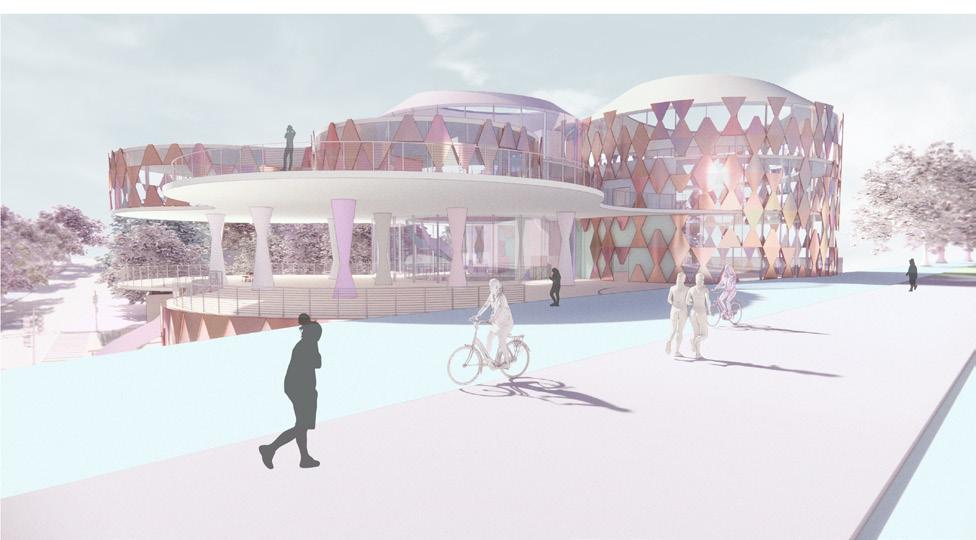
this project, hugging the beltline in midtown atlanta, includes an event space, climbing wall, light room, and other outdoor spaces to create an overall design that instigates collaboration and creativity. this project was developed through abstract assemblages, ai generation, and physical model making.
critic(s) location class year
midtown atlanta, georgia
arch 2017
spring 2024
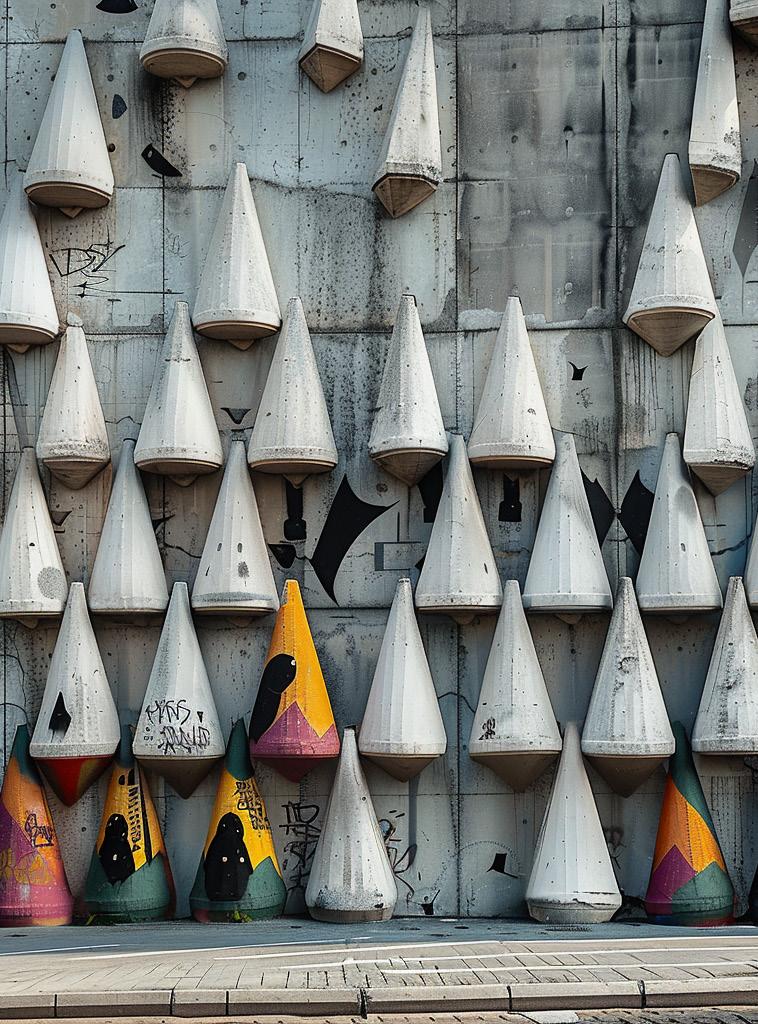
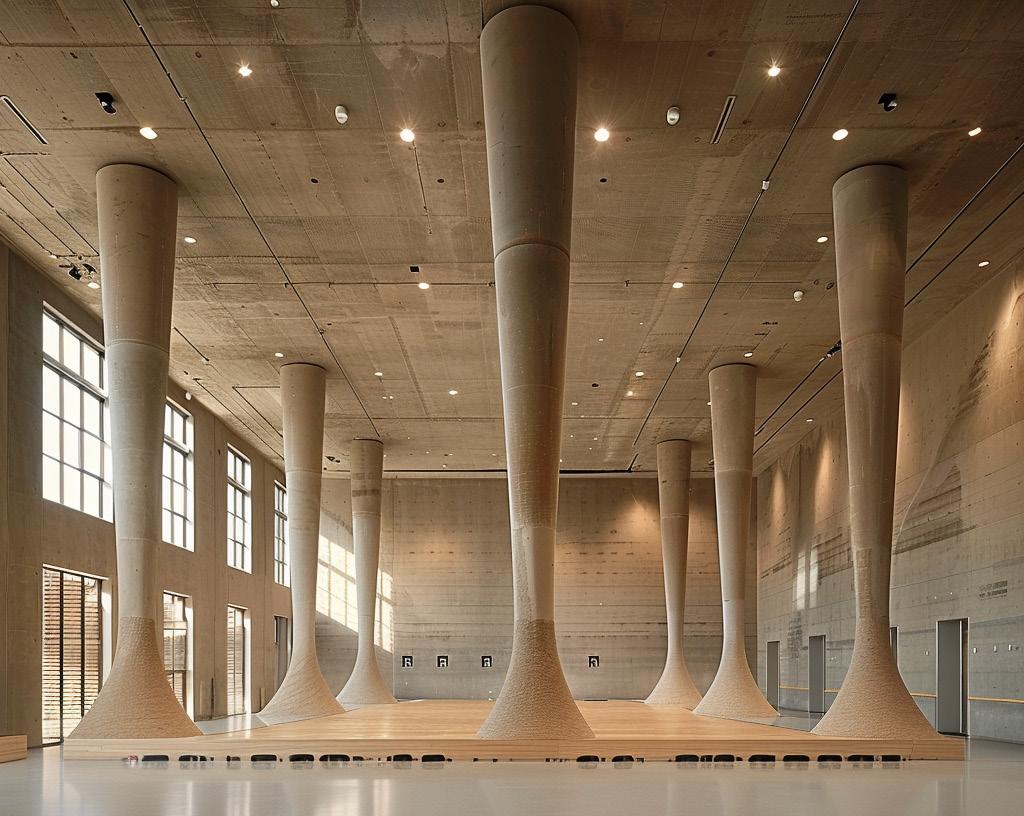
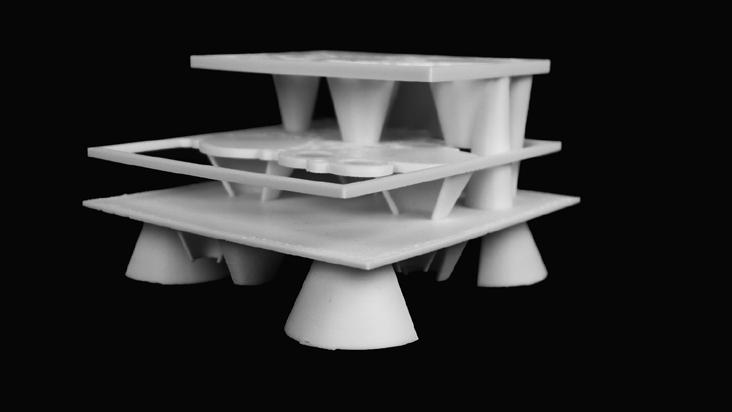
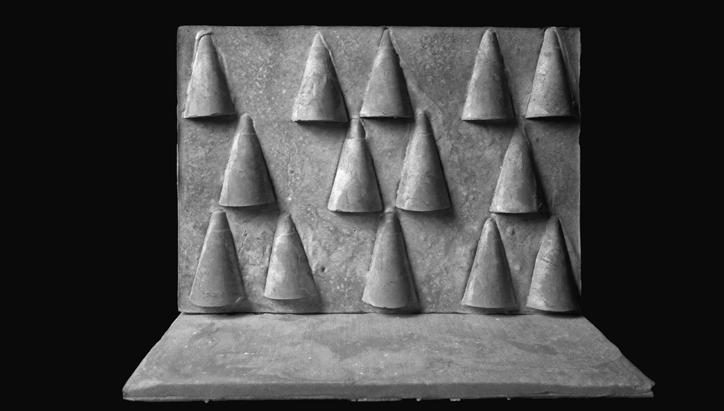
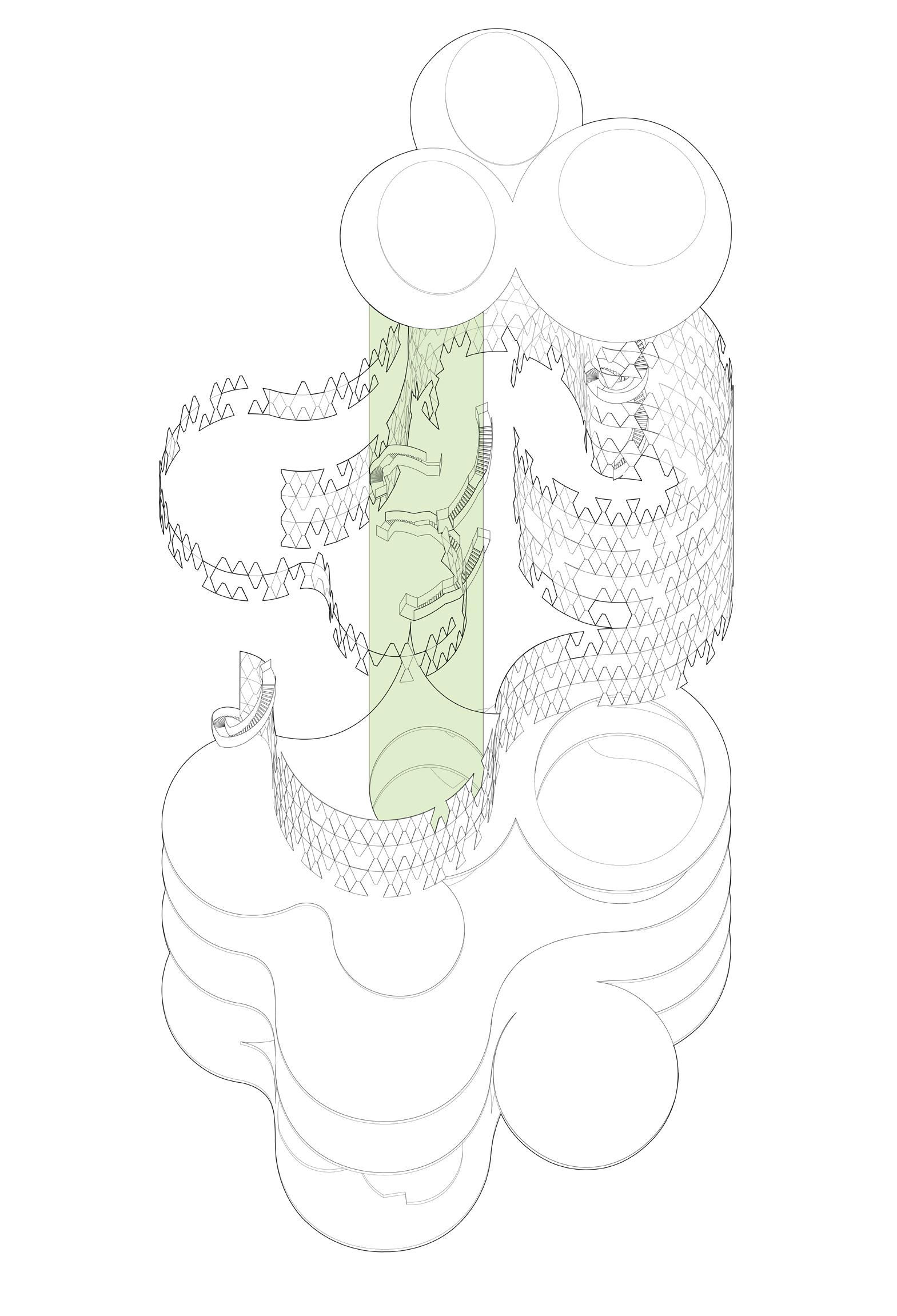
the final iteration of this project is a synthesis of the explorations above. through an assemblage of architectural precedents, a focus on “circle-packing” led to a physical assemblage of a 3d print.
midjourney, an ai software, was used to create possible physical spaces with key words like “circlepacking”, “voronoi”, and “structural cones”.
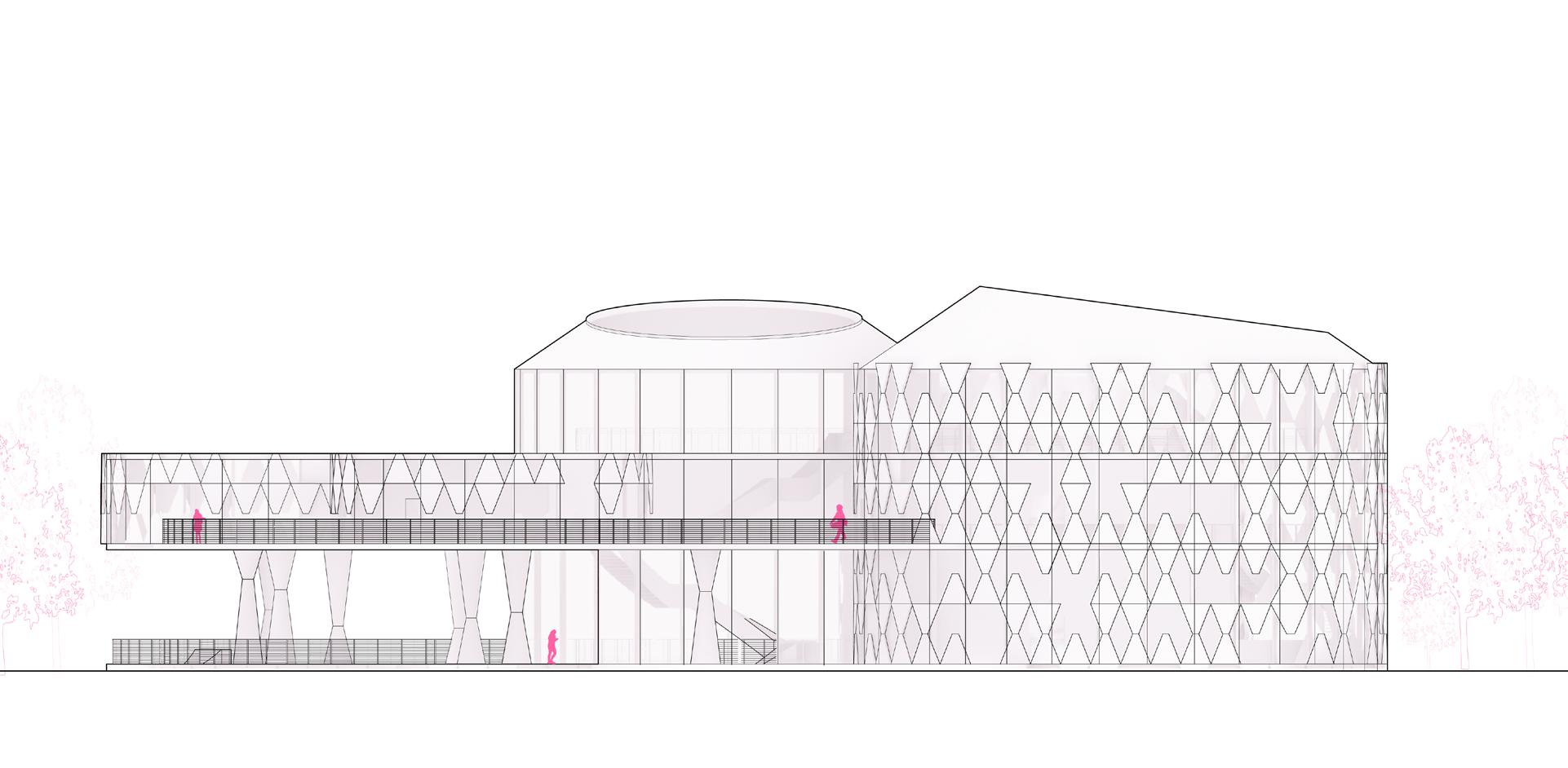
east elevation
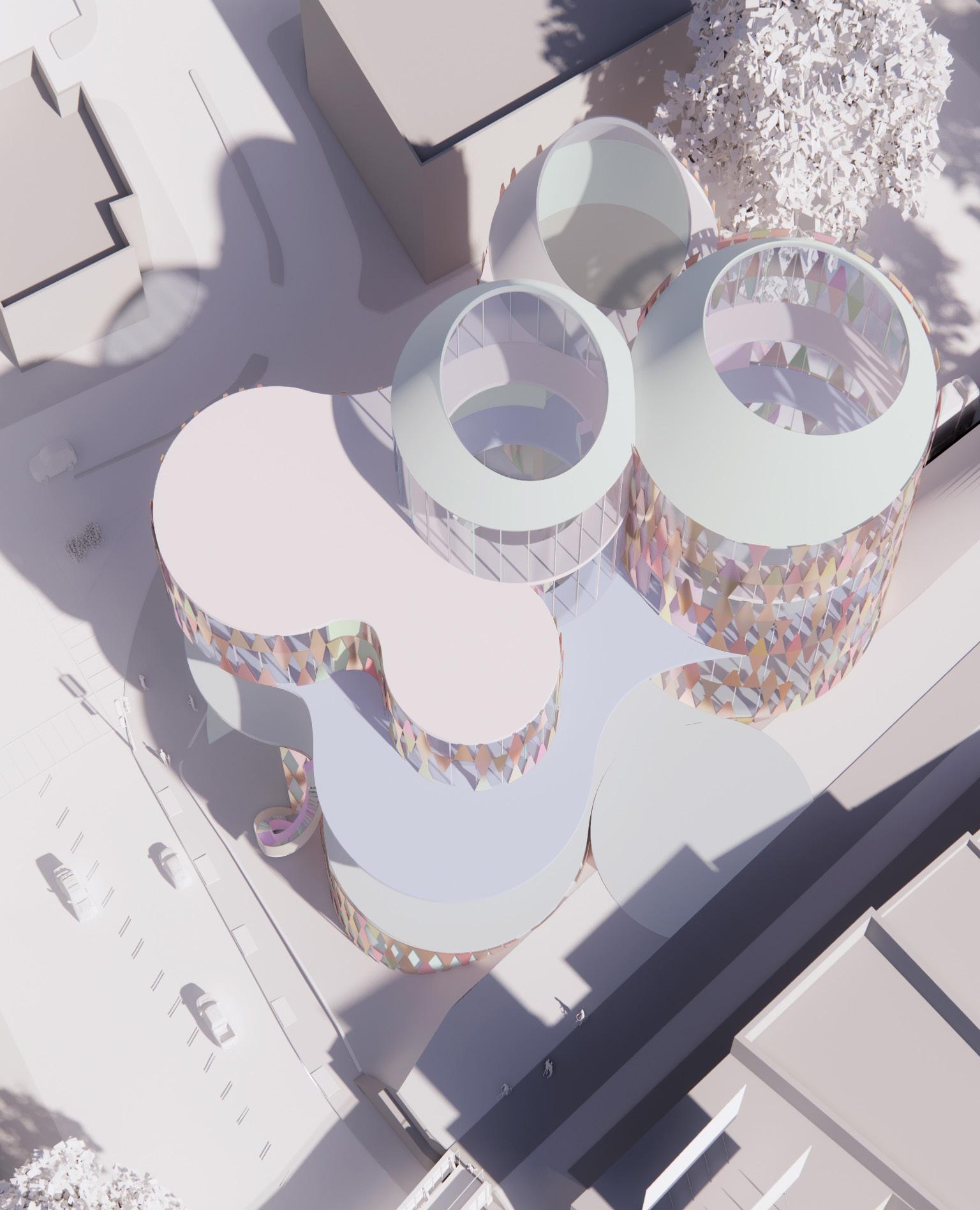
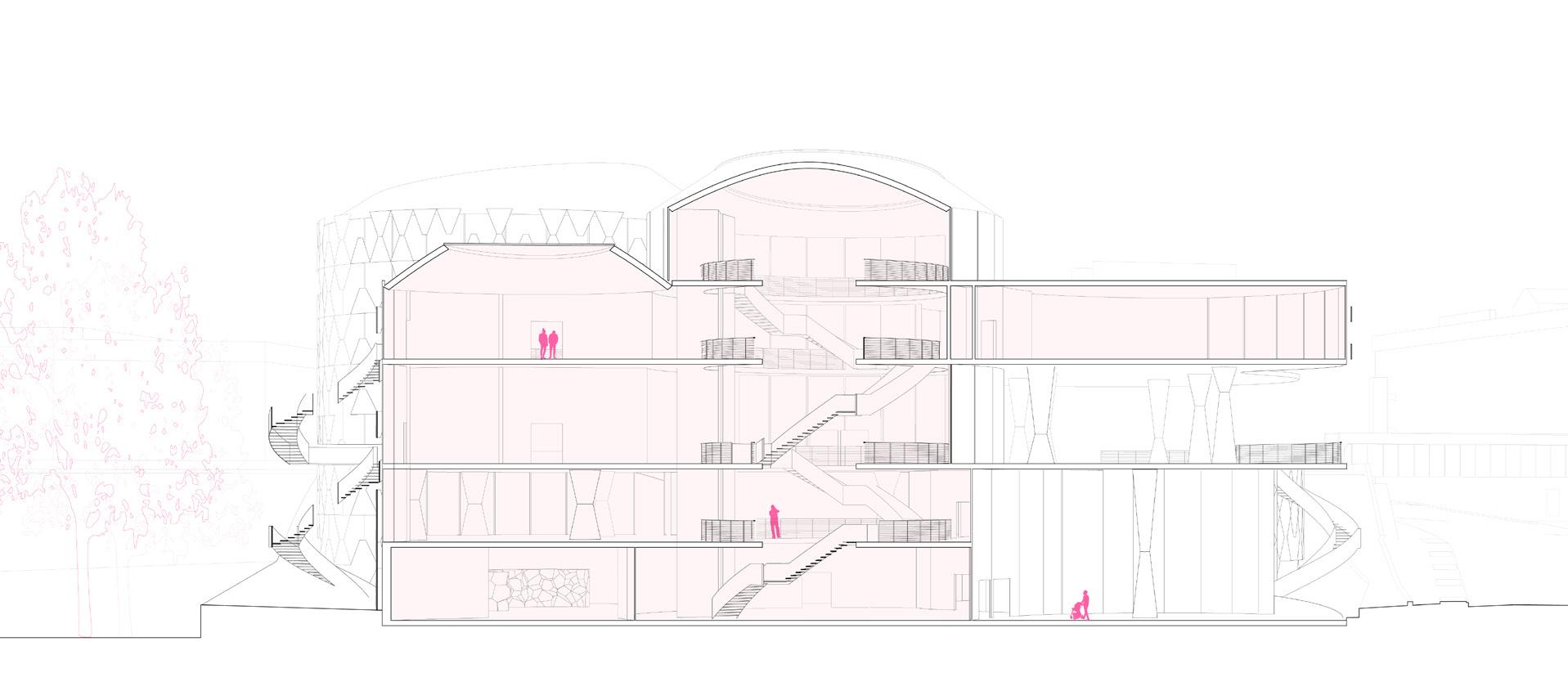
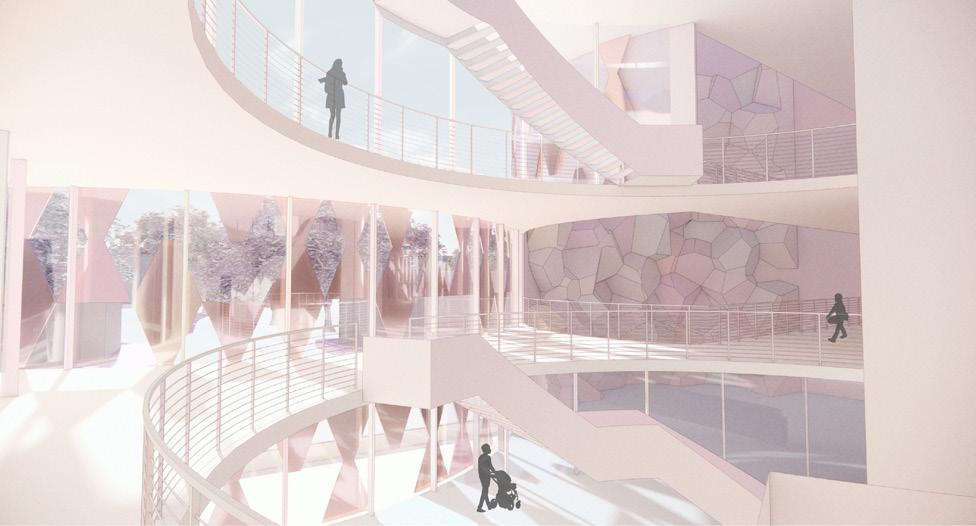
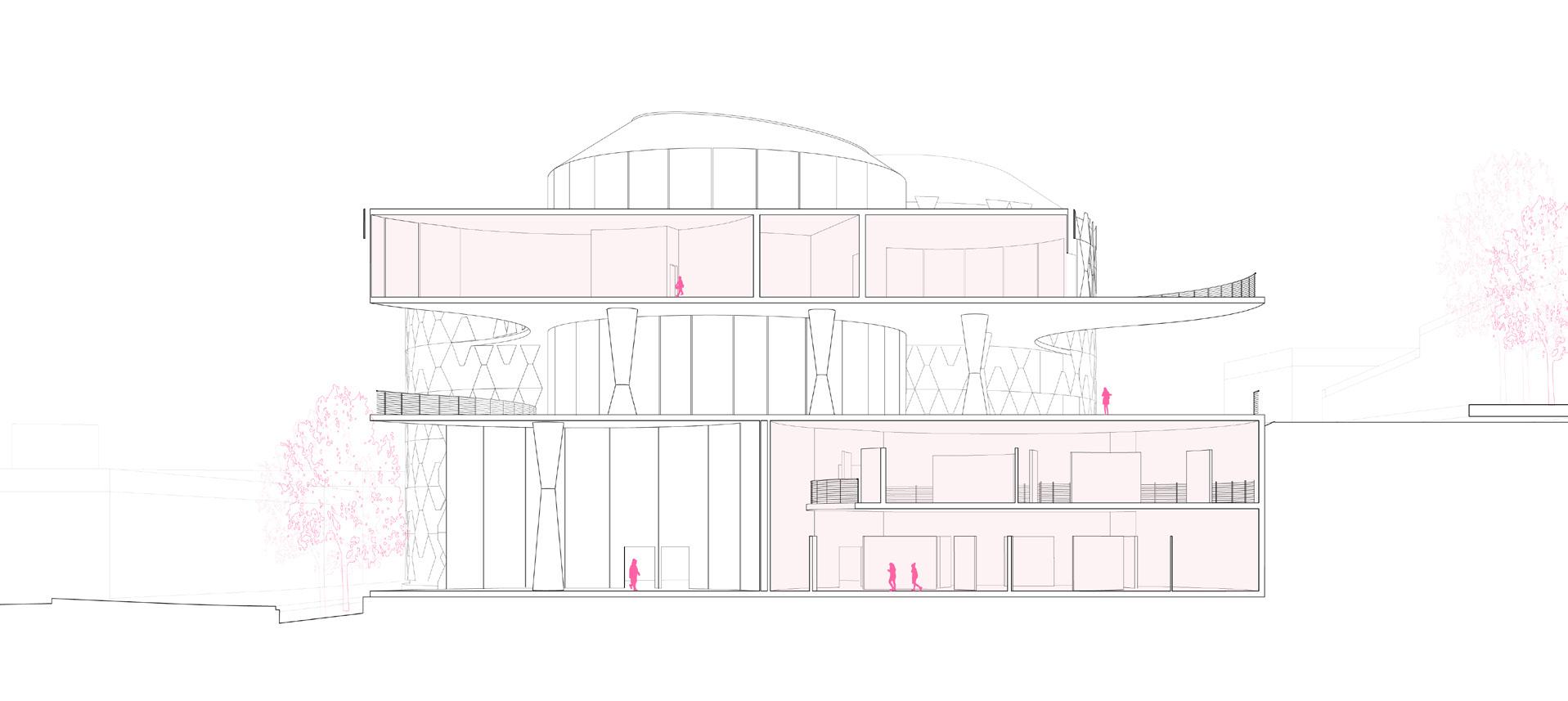
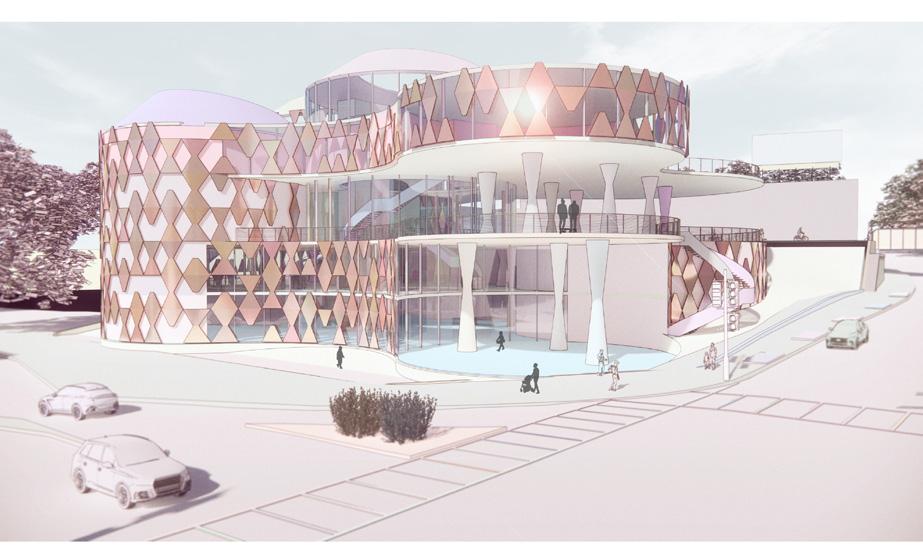
culture factory is a physical manifestation of the ai generations and models created before. each spaces is formally its own circle, with interior circulation placed in the center.
sun shades are placed on the facade, their placement tailored to the privacy and shaded needed for each space.
perspective section 01
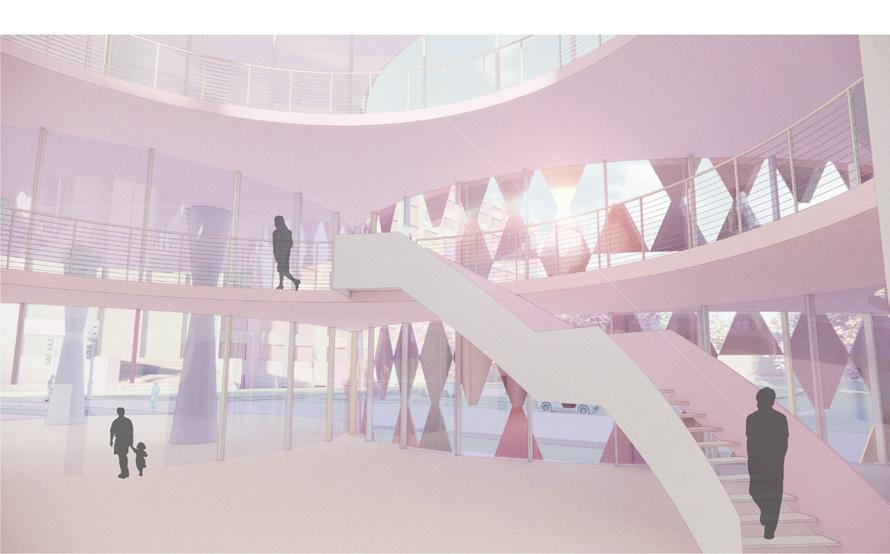
the perforate facade allows for the activity occurring in the core circulation to become an extension to the beltline.
both the ponce street level and beltline pedestrian level is introduced from the building with its cinched columns, taken from the previous developed assemblage.
cyclical arrival
this project is based in midtown atlanta at a plot neighbored by an active park, an assisted living facility, and multiple residential complexes. this performing arts high school was aimed to promote the strong relationship between academics and the arts and also embody the process between practice and performance.
critic(s) location class year
breck small midtown atlanta, georgia arch 2016 fall 2023
































































































1. entrance
2. administration
3. restrooms
4. classrooms
5. librar y
6. cafeteria
7. storage
8. auditorium
9. blackbox
10. dance studios
11. recital rooms
12. shop 13. exterior courtyard
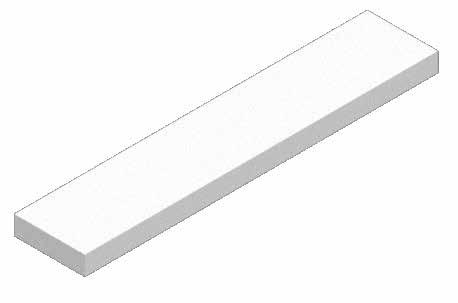

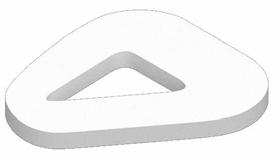




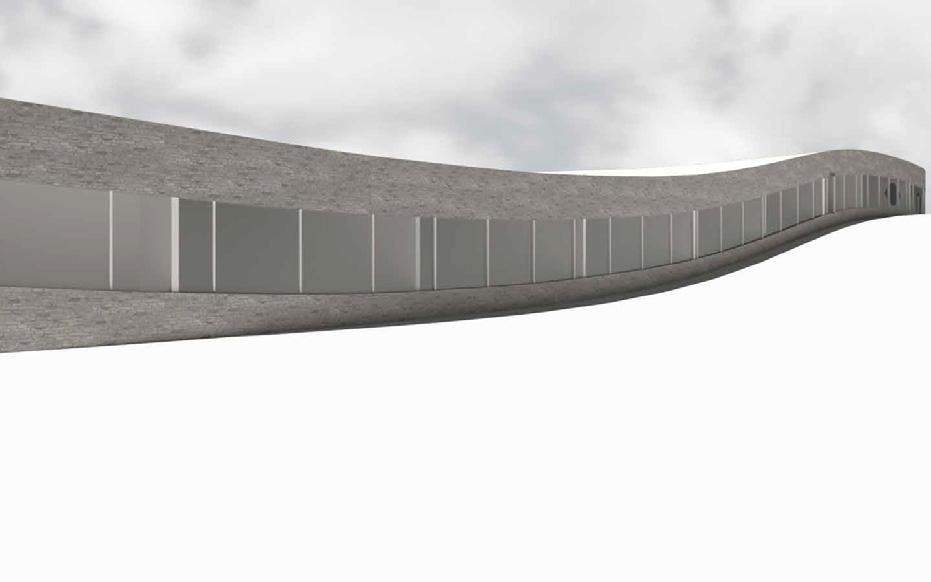


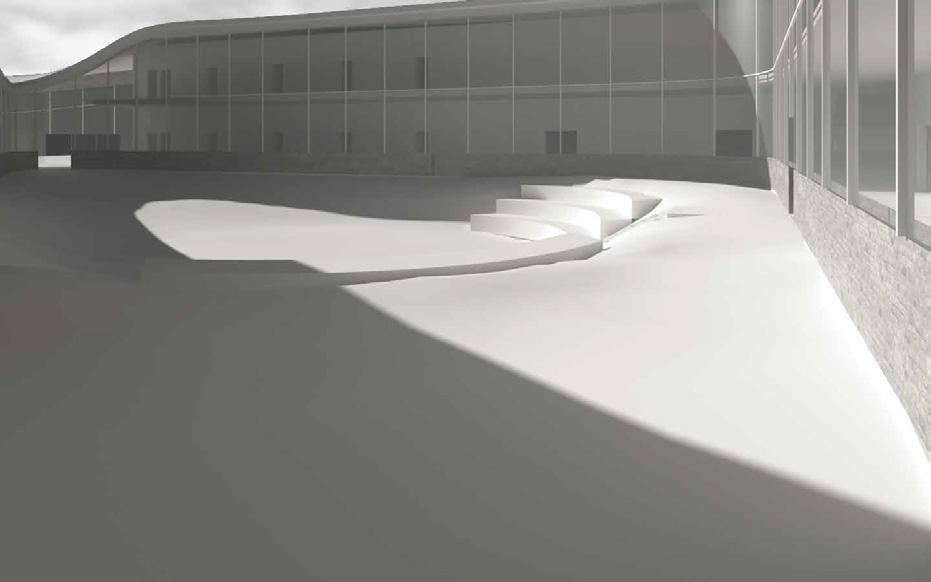


the form of this project representation the ritualistic pattern of the performing arts: educate, practice, perform.
the elevation follows the existing topography of the site, creating a fluctuating roof line and experience in height.
refugee housing
reusing shipping containers, this project focused on housing possible refugees from the southern border. first creating at a urban scale with “shape grammar”, then personalizing the containers on a human scale to promote the most comfort and privacy.
critic(s) location class year
arch 1017 spring 2022
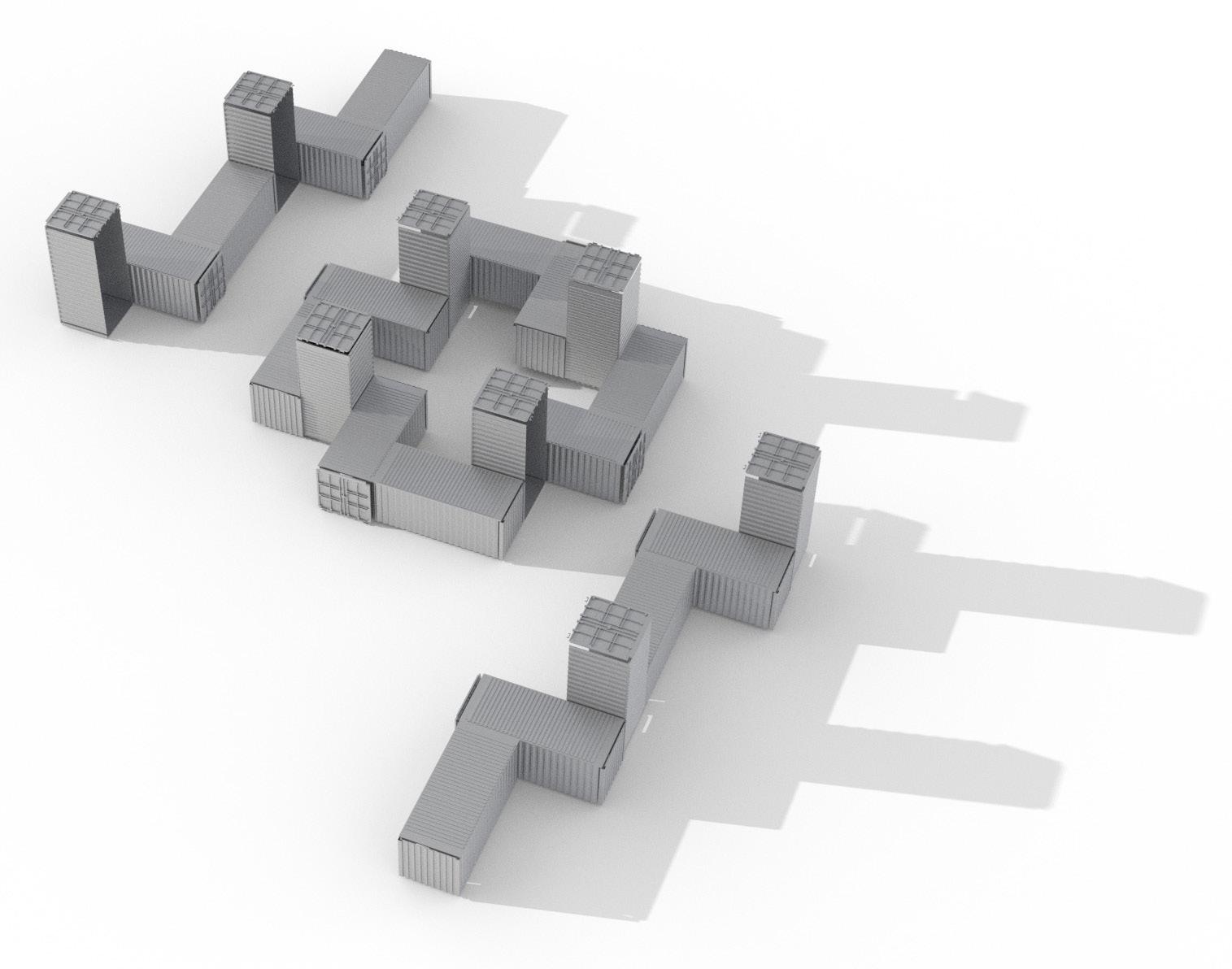
unit isos + diagrams
living lighthouse
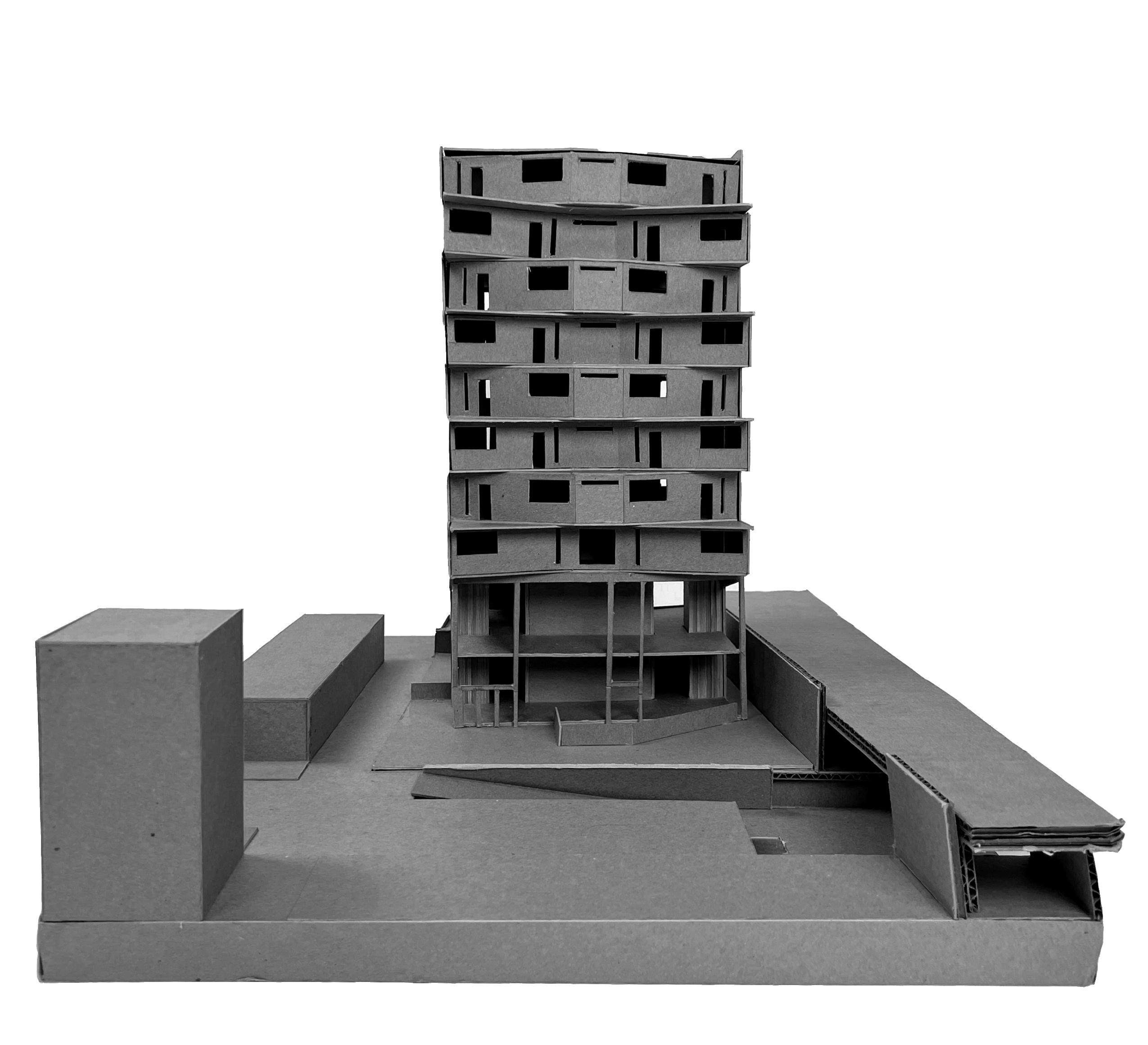
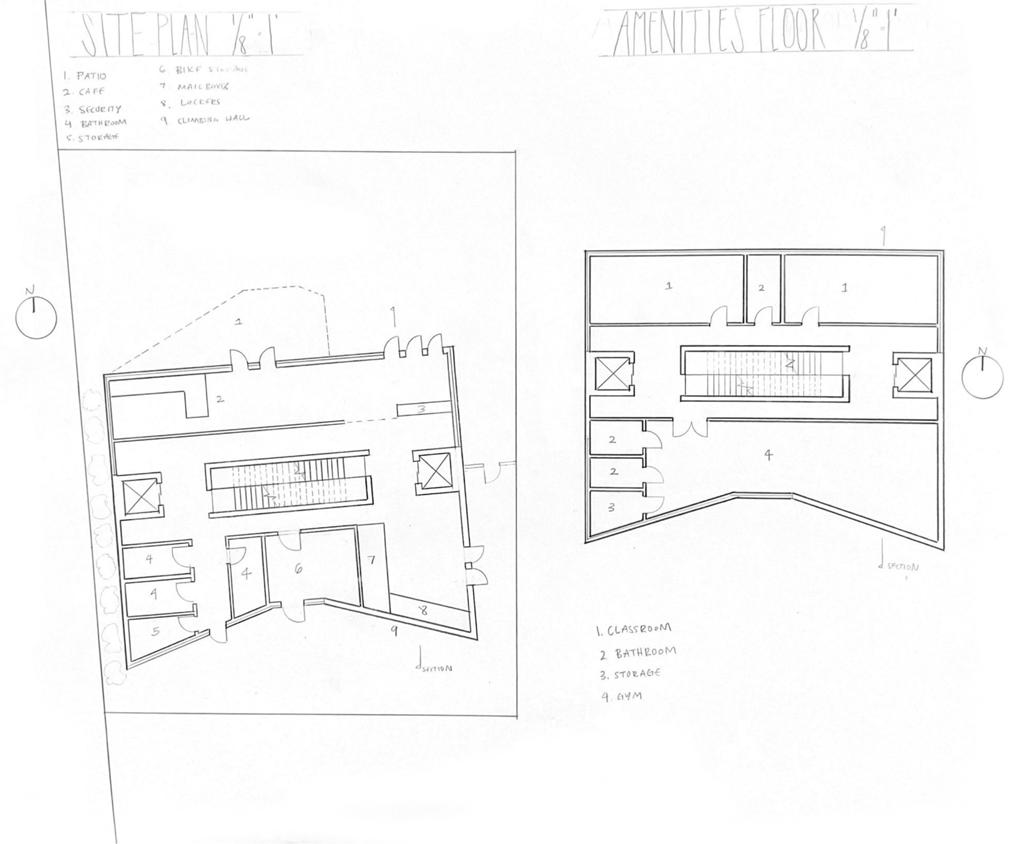
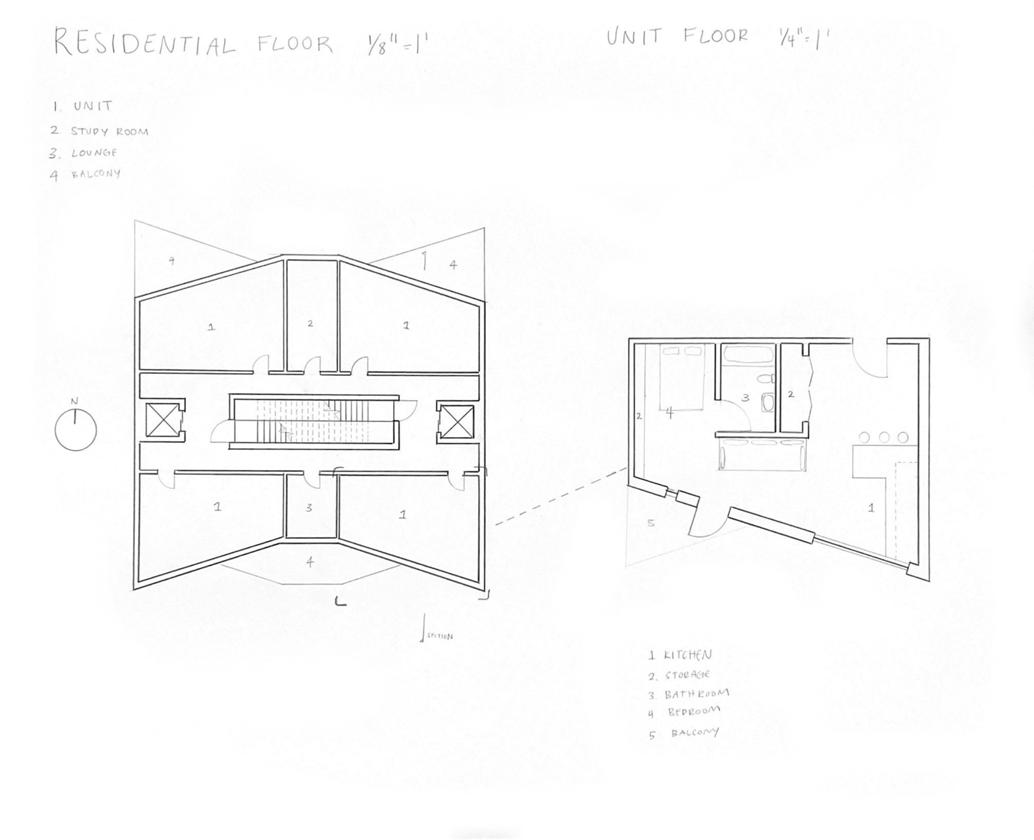
replacing the olympic torch, this student housing project provided an open ground floor allowing the building to be connected to the street activity while also creating privacy and comfort on the unit level in contrast with the atlanta highway.
critic(s) location class year
anna kiningham
olympic torch atlanta, georgia arch 1016 fall 2022
media + modeling
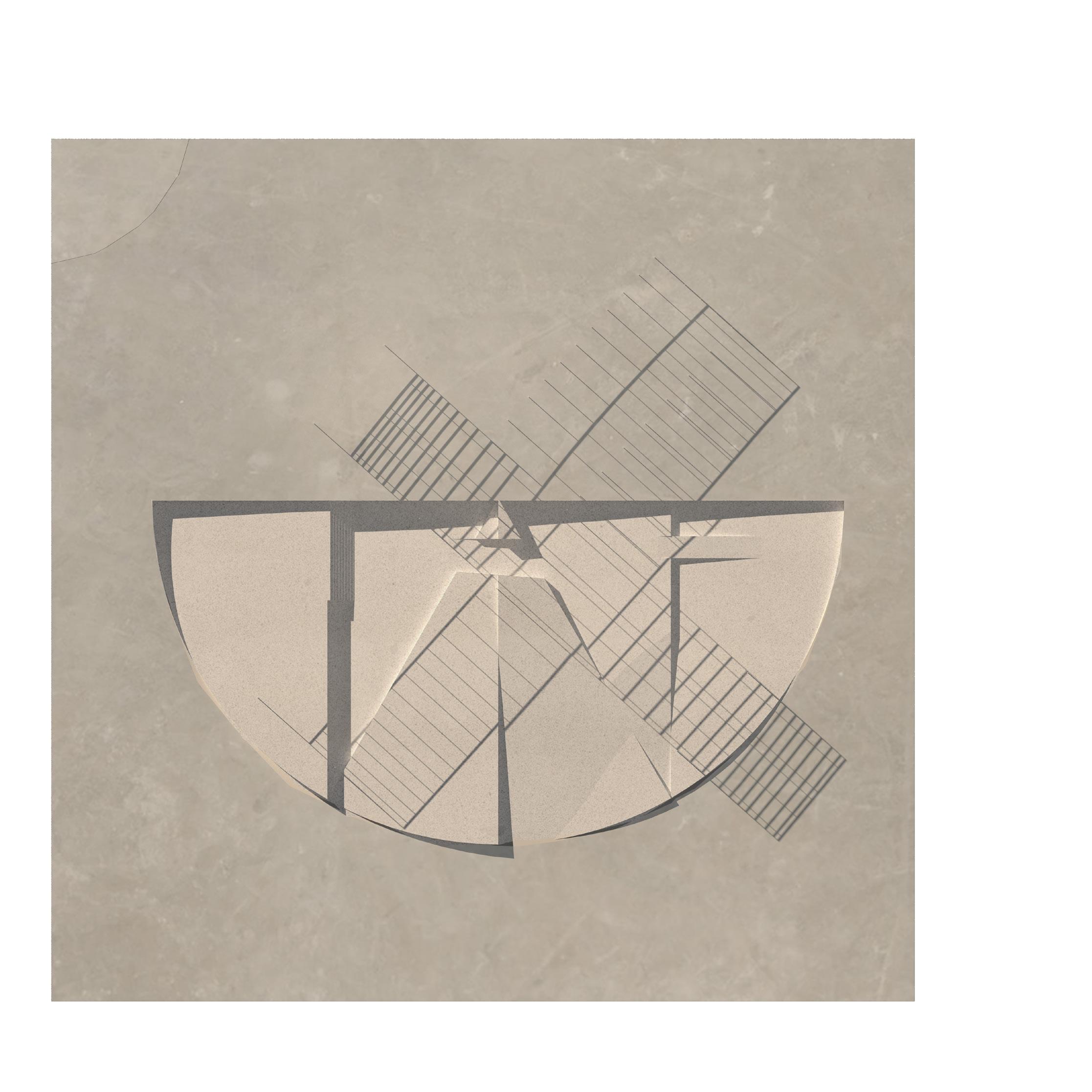
the focus of the course was to learn basic rhino skills through exploration while also using adobe software for post-production editing. extracting forms from art and creating original 3d models and drawings.
critic(s) class year
arch 1020 spring 2023

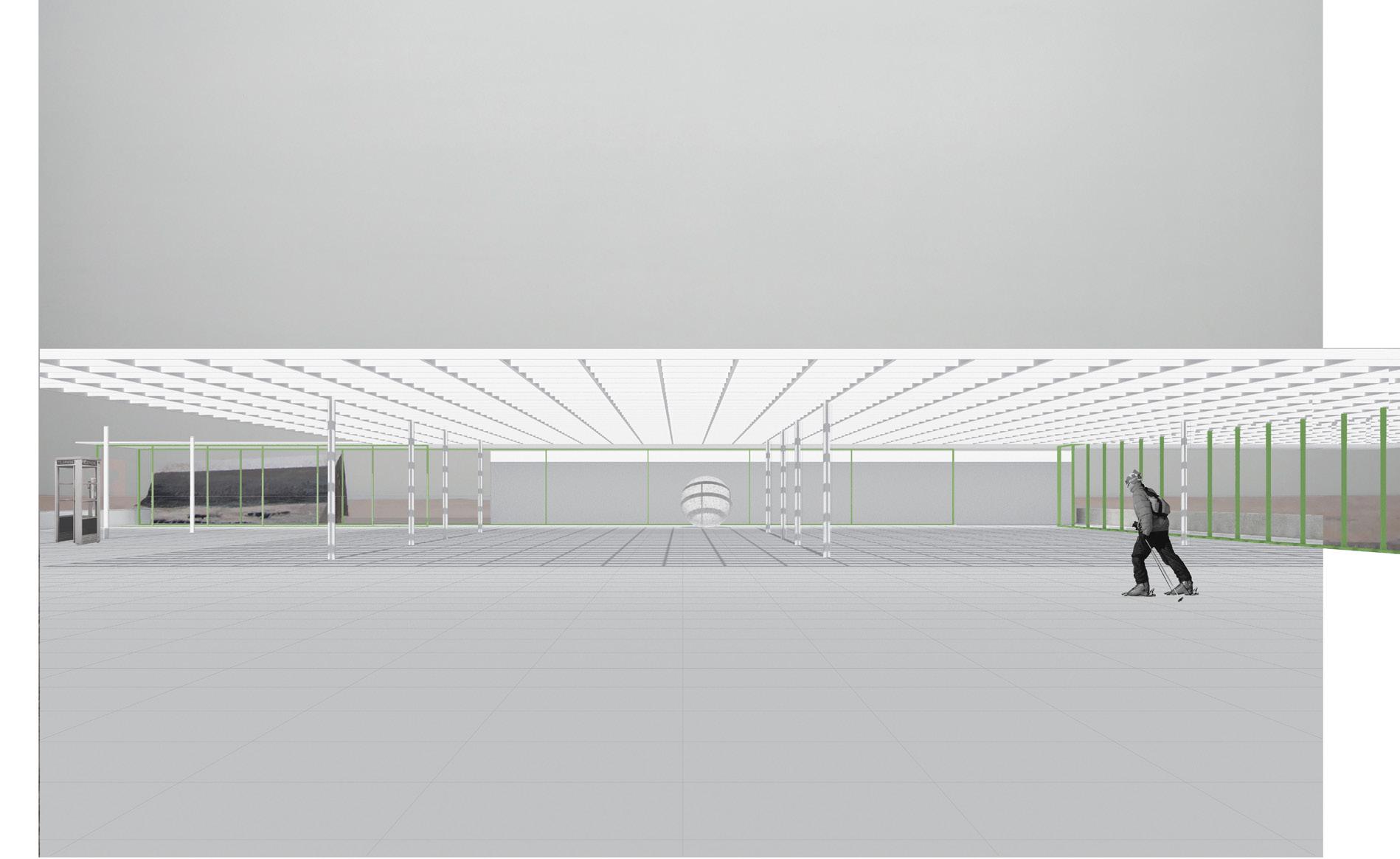
collage + perspective
assemblage oblique
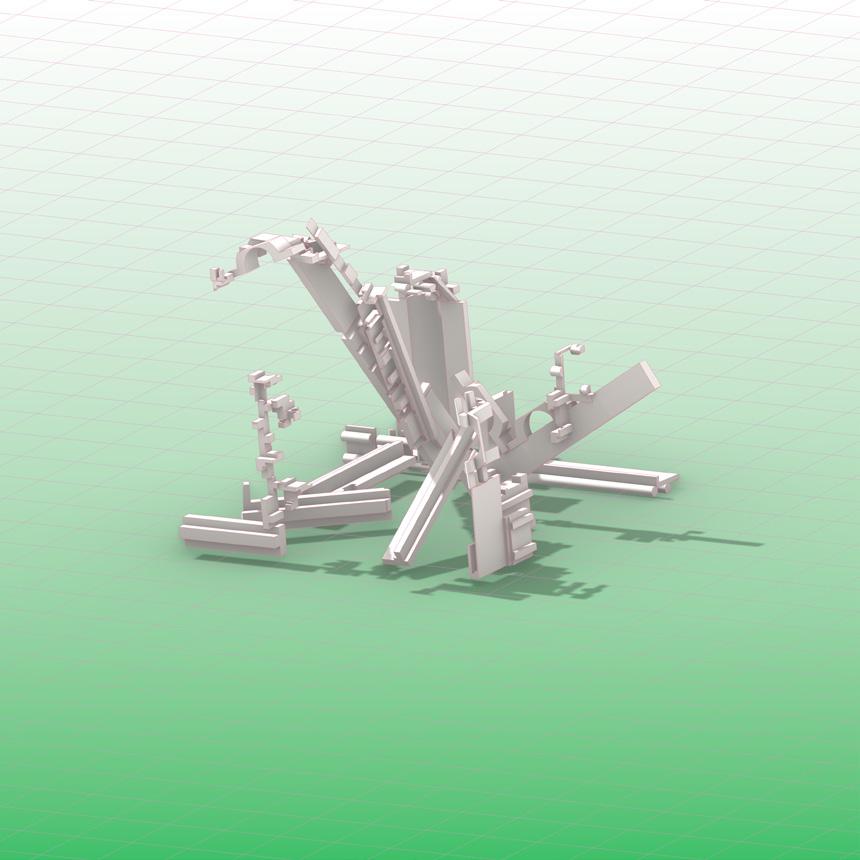
point, line, plane
from the first semester, moments of point, line, and plane were taken from around campus. this digital snapshots were translated into a hand drawn assemblage, creating areas of interaction. a bristol model was configured, pushing an understanding of materiality and spatial relationships.
critic(s) class year
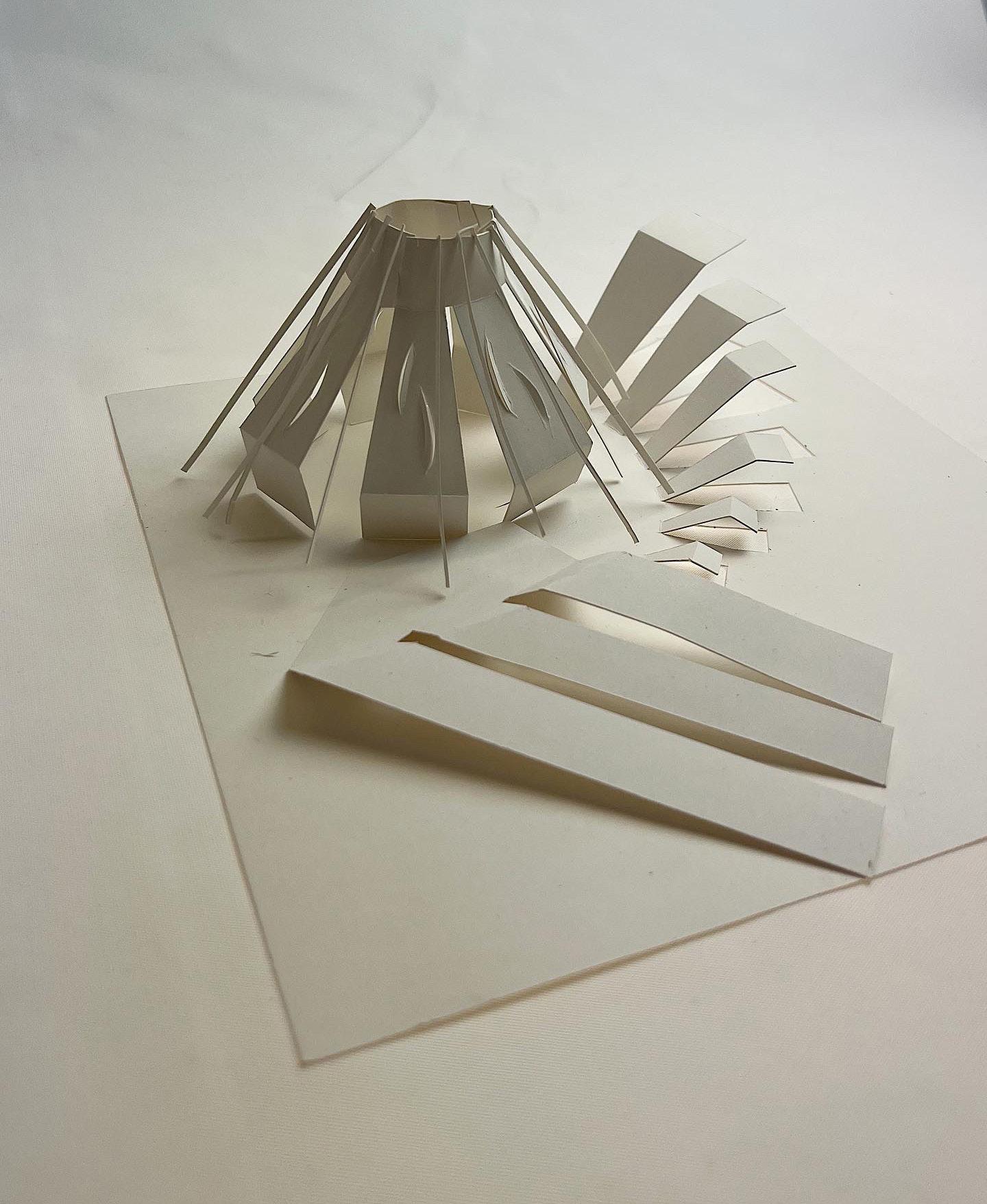
left hand of darkness
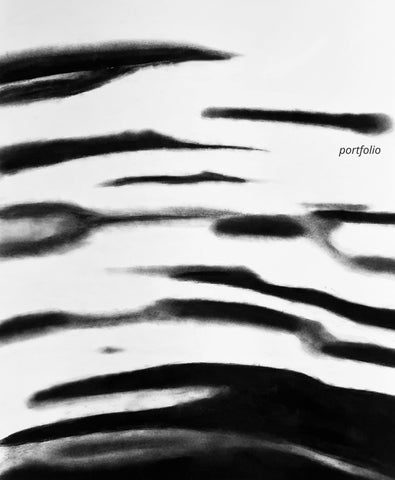
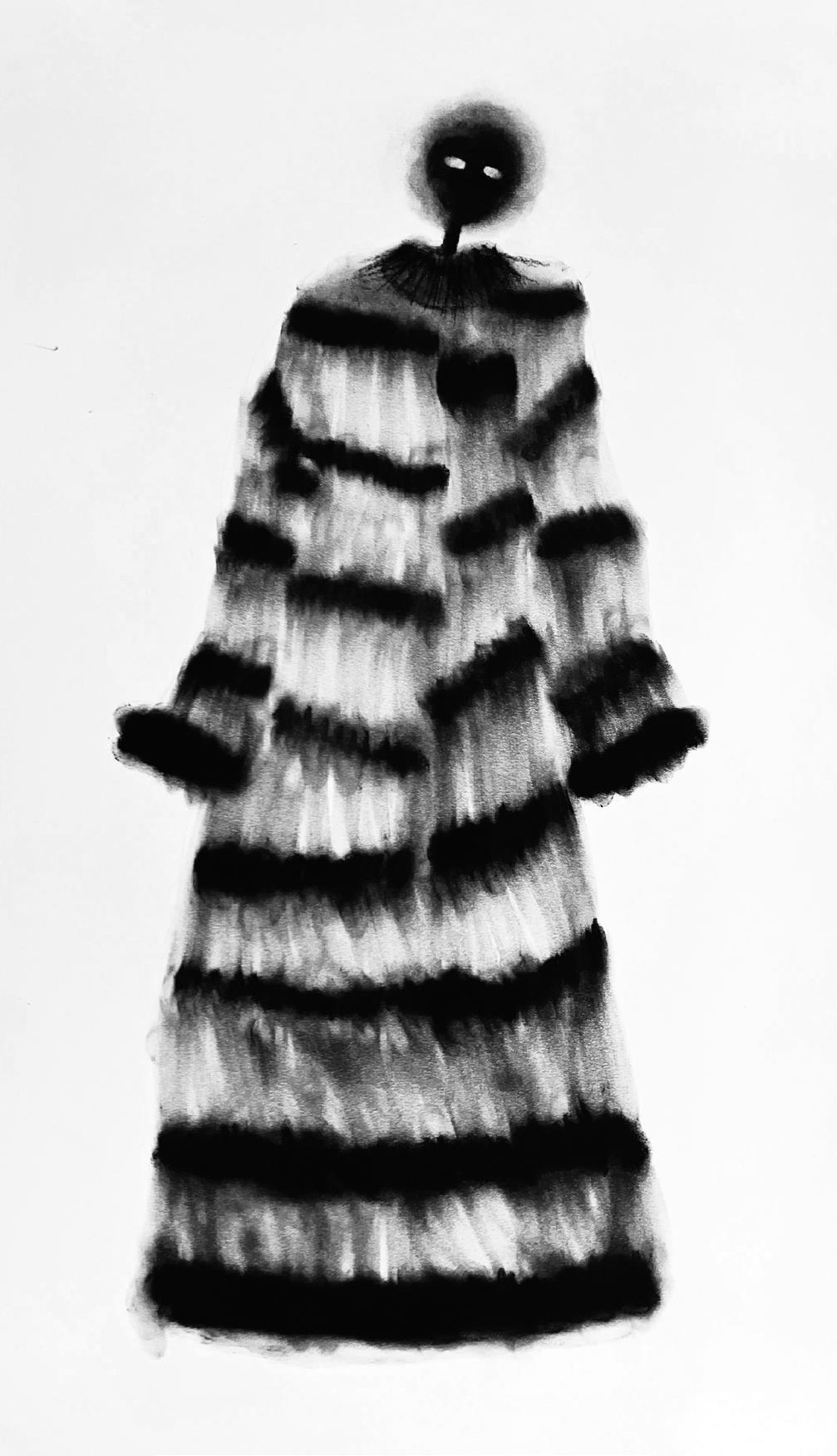
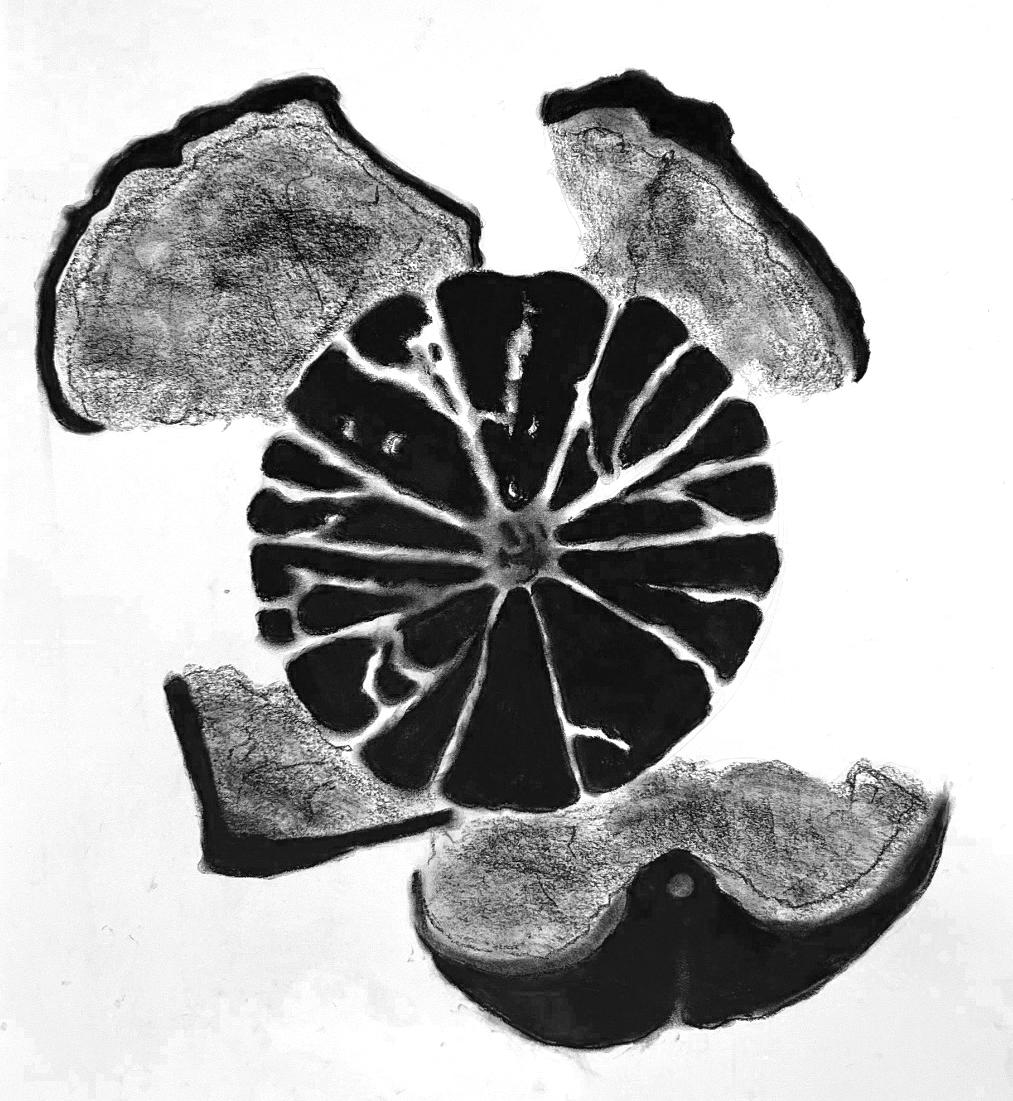
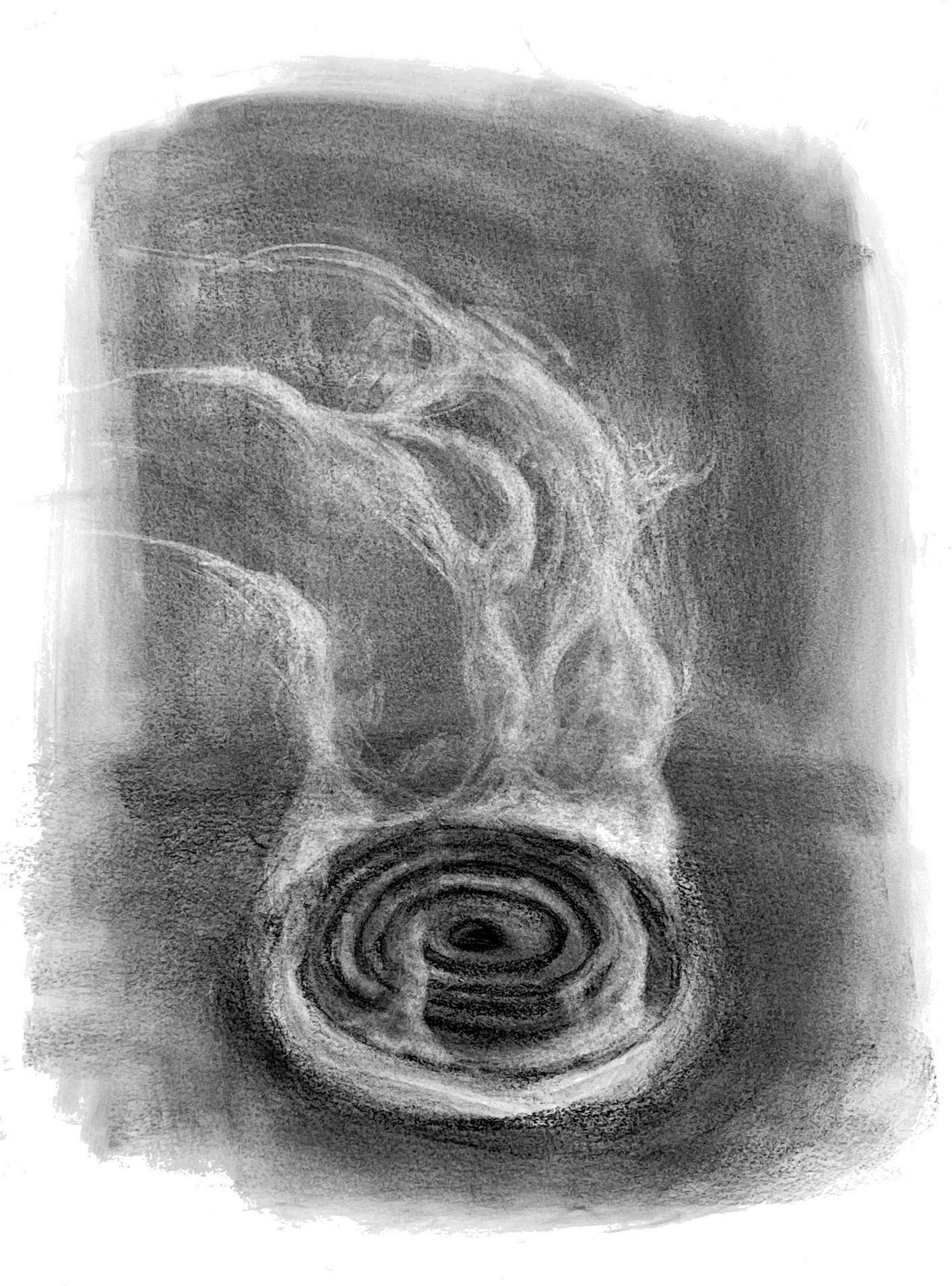
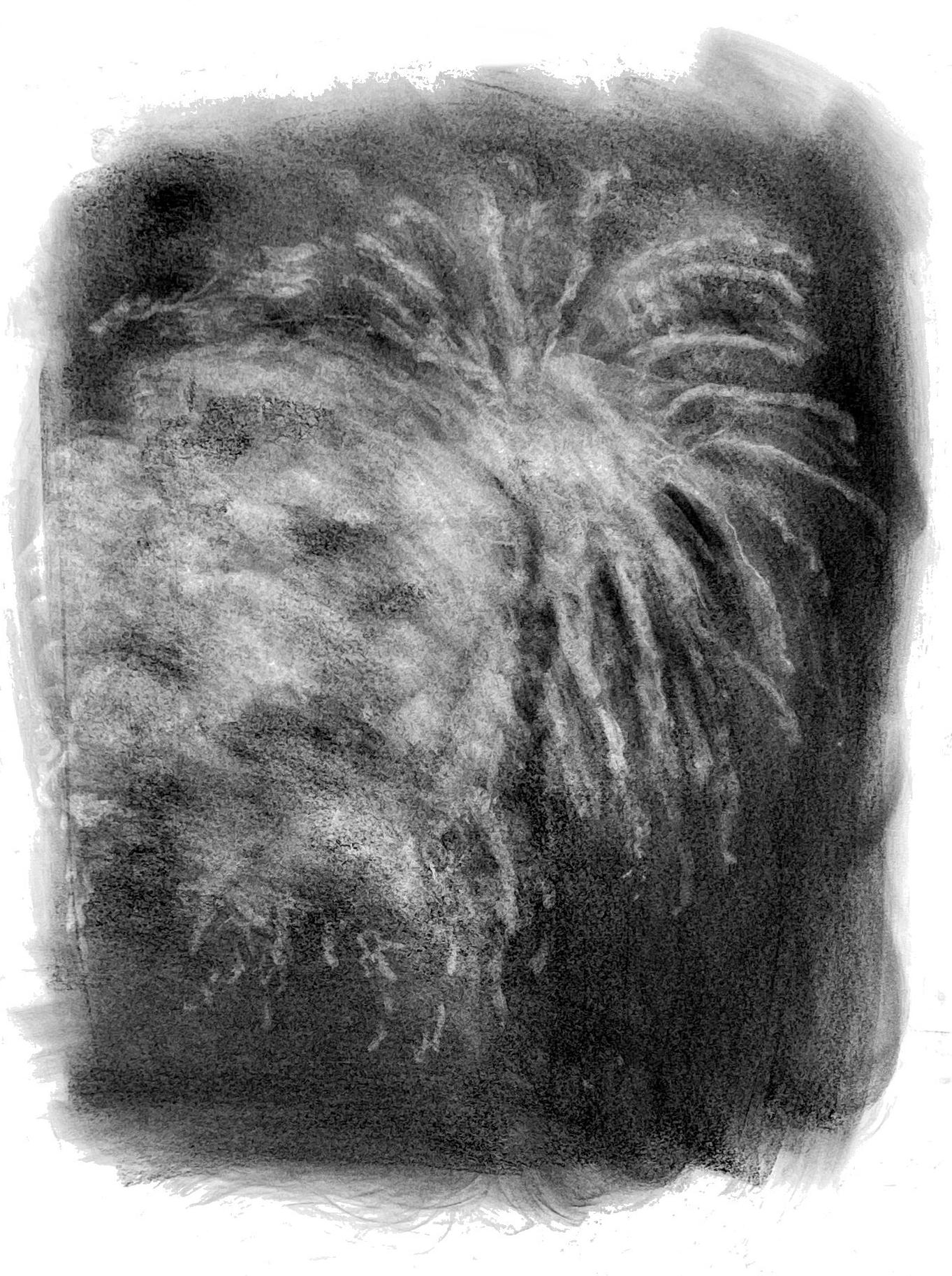
the focus of the course to consider the shadows that are placed in society and the importance of recognizing the “shadow” that occurs in every relationship. charcoal drawings were made under a theme: fur (fig. 01), skin (fig. 02), water (cover), smoke (fig. 03 + 04), and reflections.
critic(s) class year
fall
barcelona sketches
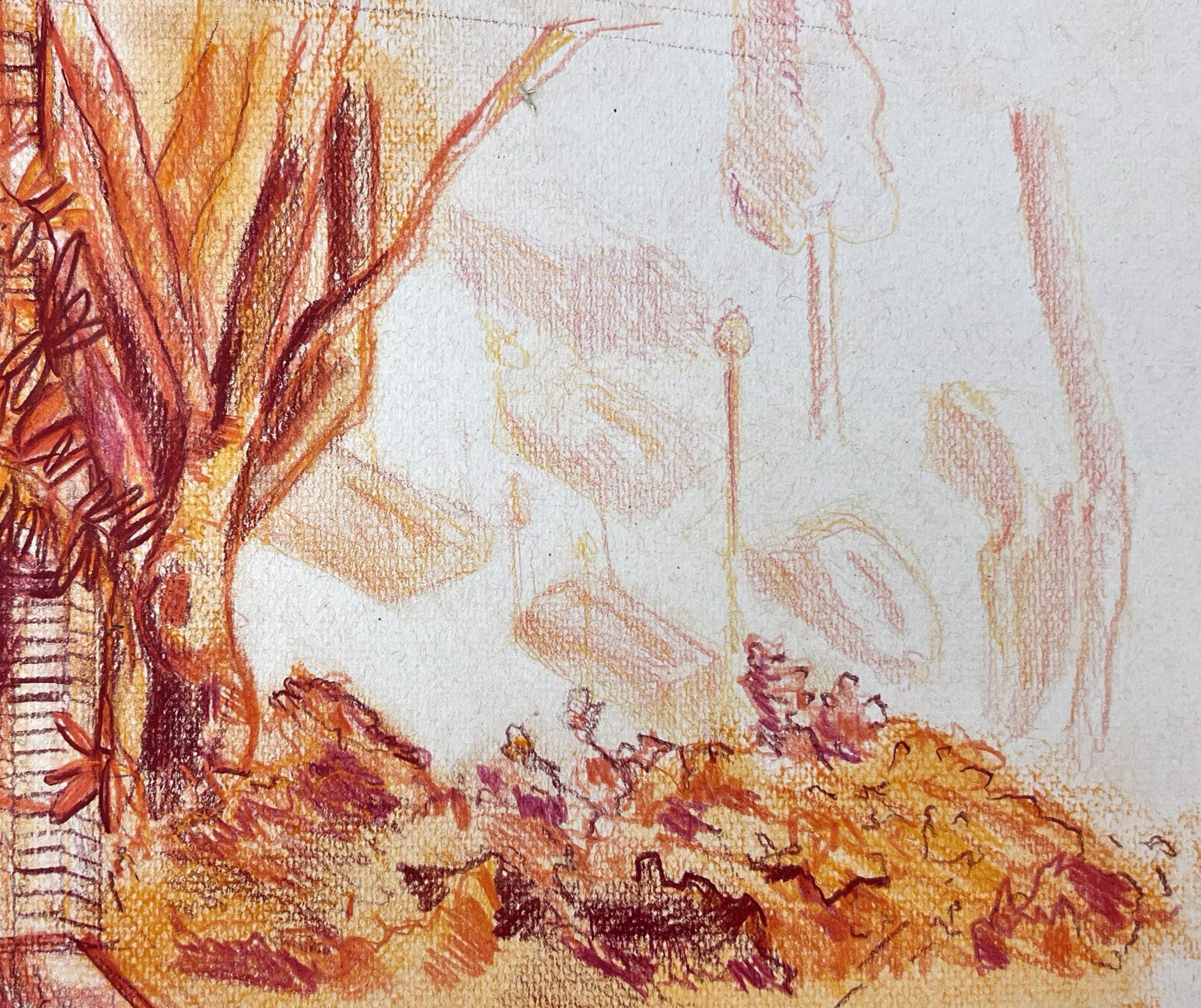
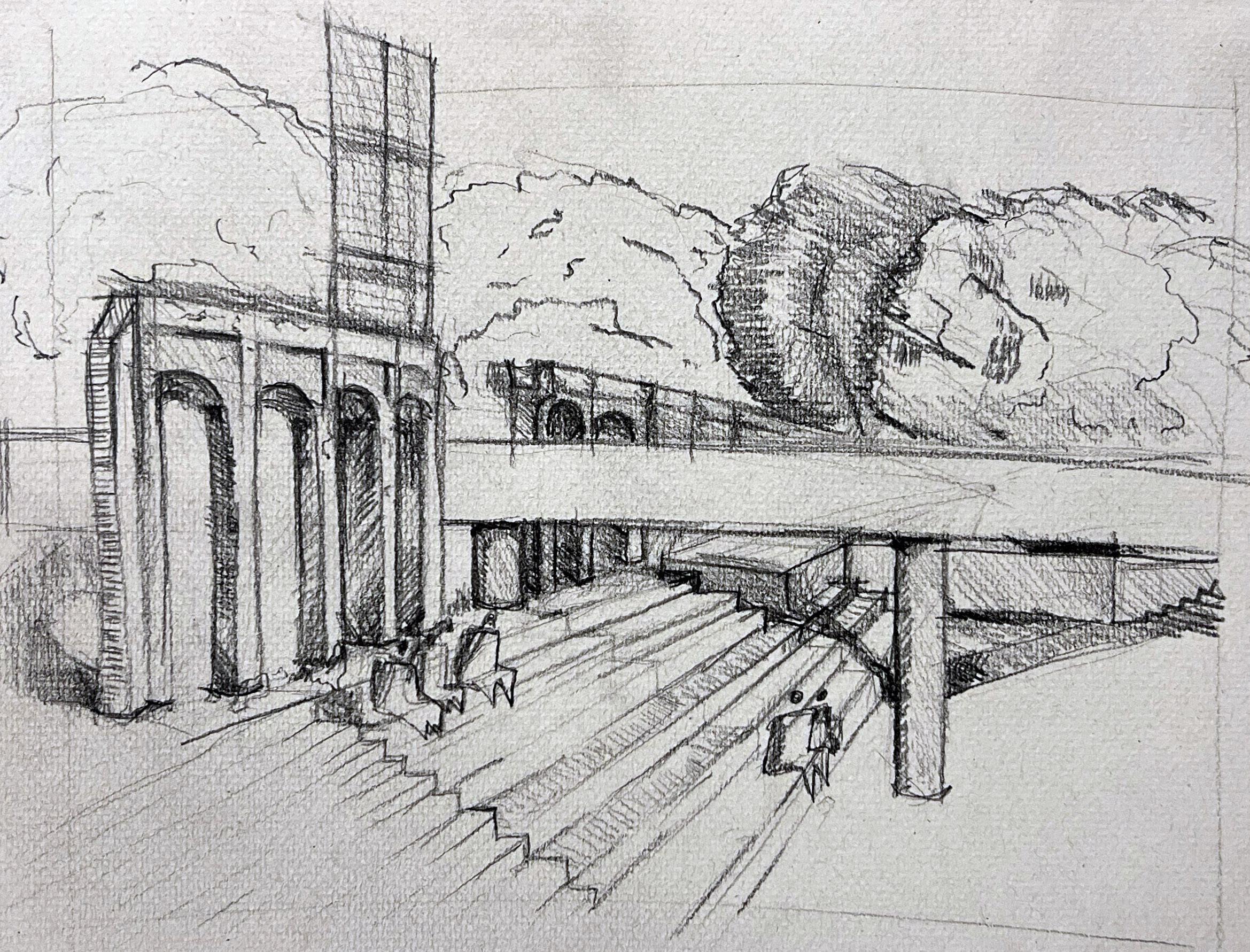
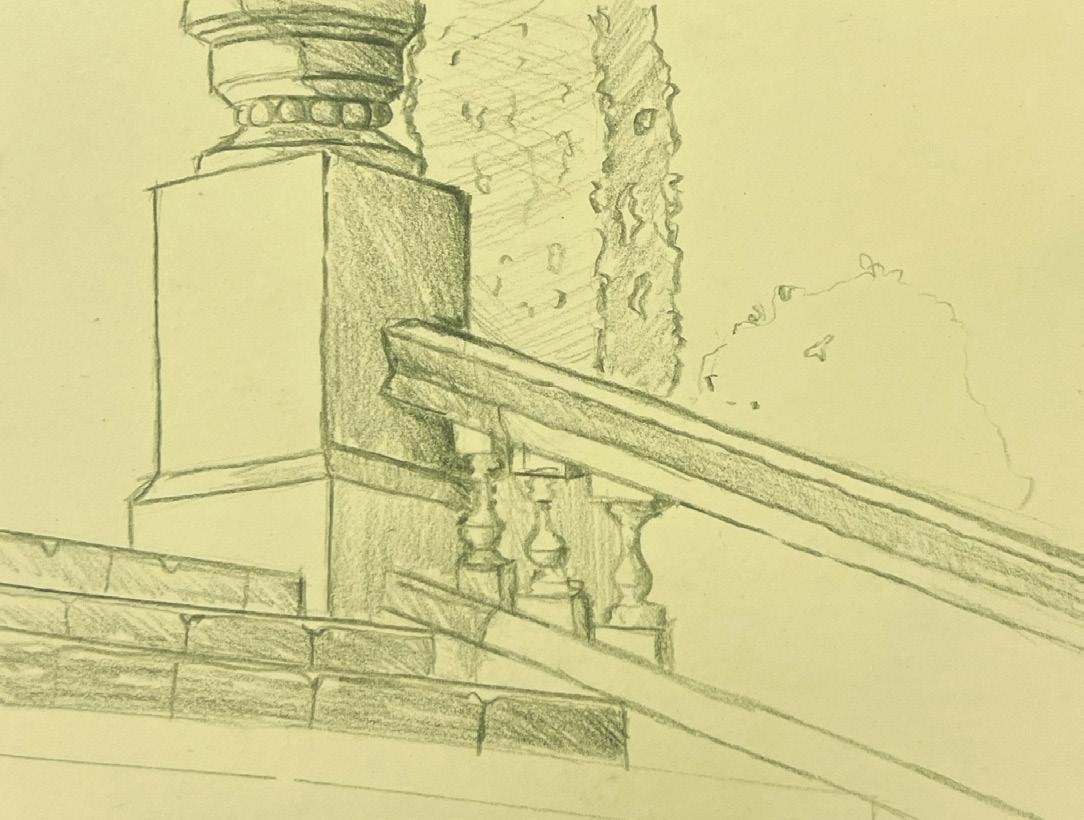
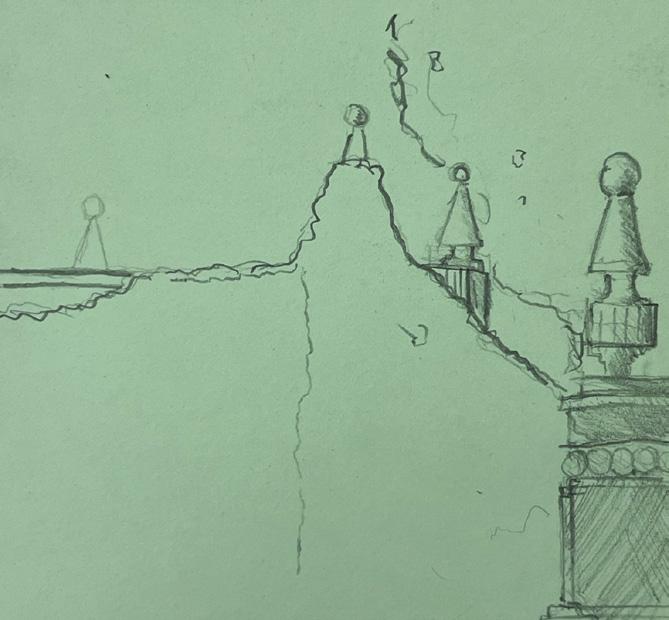
hand drawn sketches from my time in barcelona over the summer. capturing the dynamic relationships of barcelona’s streetscapes, the class focused on the ability to translate movement and textures onto paper.
critic(s) class year
summer 2024
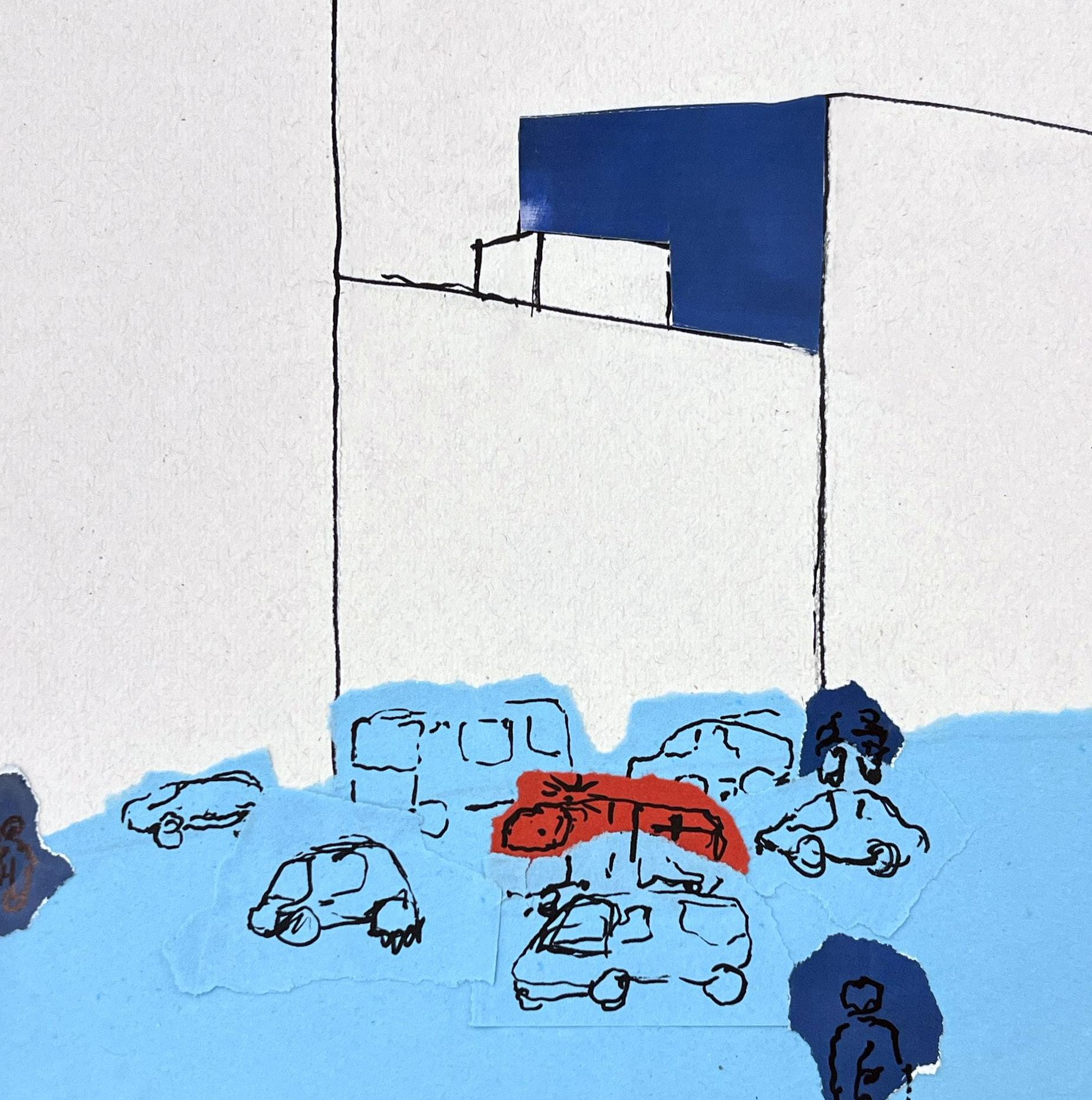
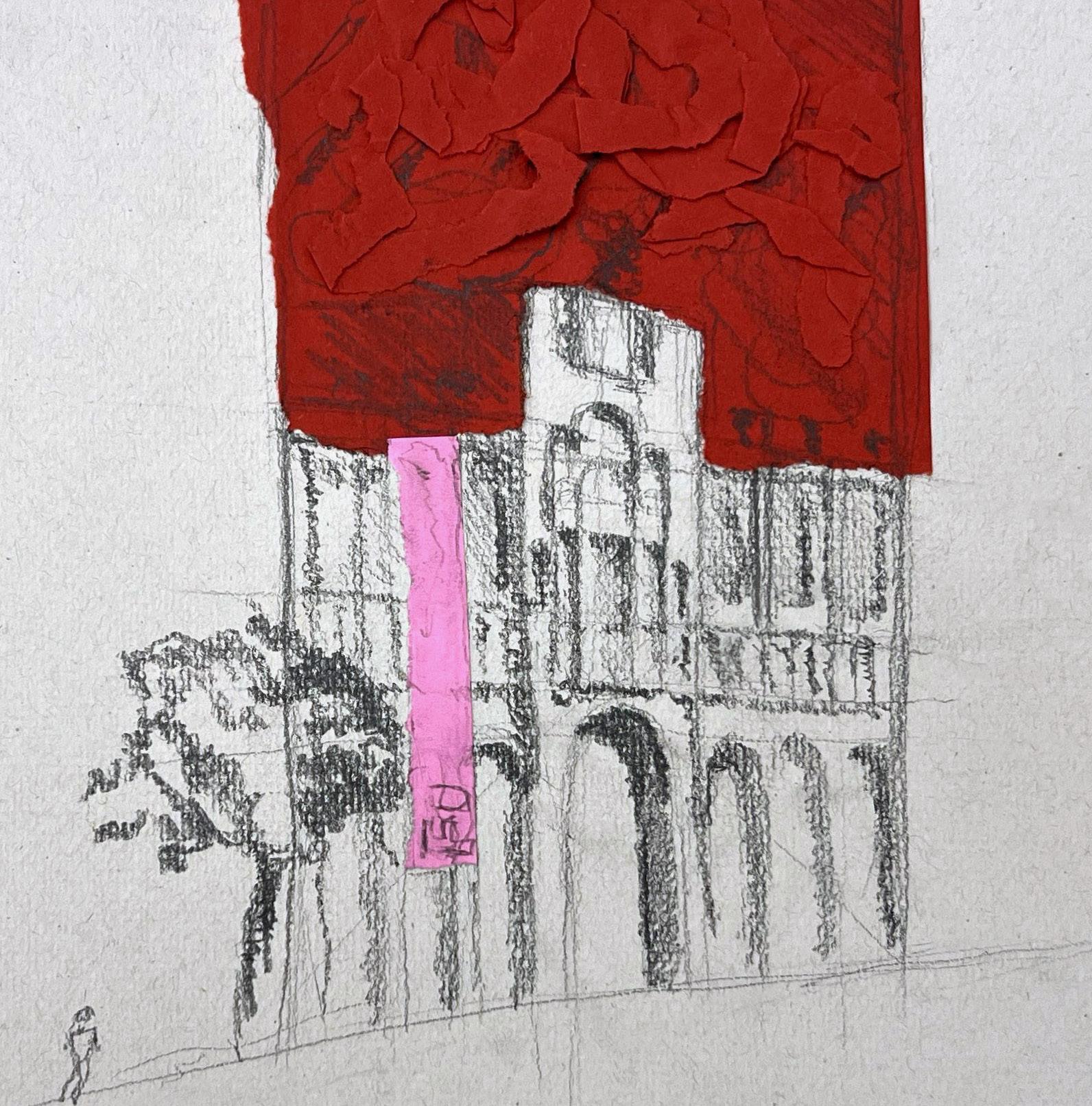
fundació antoni tàpies collages
chronology
point, line, plane
living lighthouse media + modeling i
refugee housing
cyclical arrival
culture factory
tres tombs
society of rooms
barcelona sketches
charleston housing left hand of darkness
living history - twin civic hub
civic storage on the beltline
fall 2022
spring 2023
fall 2023
spring 2024
summer 2024
fall 2024
spring 2025
fall 2025