The Power of Education Through An International Lens
By: Zoe Dvorin, Chris Ghersi, Amy Pichardo
and Marisa Rose

De Leon,
By: Zoe Dvorin, Chris Ghersi, Amy Pichardo
and Marisa Rose

Educationstandsasacrucialpillarinthefightforgender equality,offeringwomenthetoolsneededtochallenge existingnormsandenactchangewithintheircommunities andbeyond.Aroundtheworld,countlesswomenleverage educationtonavigateandovercomebarriers,making significantstridesinsocial,political,andeconomicarenas. Yet,theimpactofeducationisnotuniform;itisshapedby cultural,economic,andsocialcontextsthatinfluenceboth opportunitiesandoutcomes.Inthisproject,wedelveinto thetransformativepowerofeducationbyexploringthe livesandachievementsoffoureducatedwomenfrom diverseinternationalbackgrounds.Throughtheirstories, wegainadeeperunderstandingofhoweducation catalyzesfemaleempowermentandrepresentation.


Wearguethateducationisavitalroleforamplifyingthe rightsandwellbeingofwomen,irregardlessofinternational borders,anditisimportanttoamplifythesevoicesinorder tomeettheneedsofmanyintersectionalidentities (Crenshaw,1989)andachieveeducationaljustice.
Weaimtosupportourclaimbylookingatfour anecdotalexperiencesbywomenfromthecountriesof Peru,Nigeria,TheUnitedStates,andItaly.

Toconductourresearchproject,weutilizedtheworkof theUniversityofMichigan’sGlobalFeminismsProject
Wechoseaninitialthemeofeducationandapproached selectingeachwomanbasedonpersonalconnectionsto theirworkorbackgroundtomaketheresearchprocess morepersonalandengaging
Weeachlistenedtotheinterviewofthewomanwechose, andthenutilizedthisinterviewandtranscripttoanalyze howthiswoman’slifeexperiencecontributedtotheidea ofeducationalimportance

Thenexteightslidescovermoreindepthbackground information,ourdata,andananalysisofourinterviews.

Inthissection,wewillprovidethebackground informationontheinterviewsweanalyzed.We willhighlighttheirmanyidentitiesandthe wayseducationplaysaroleintheirstory.

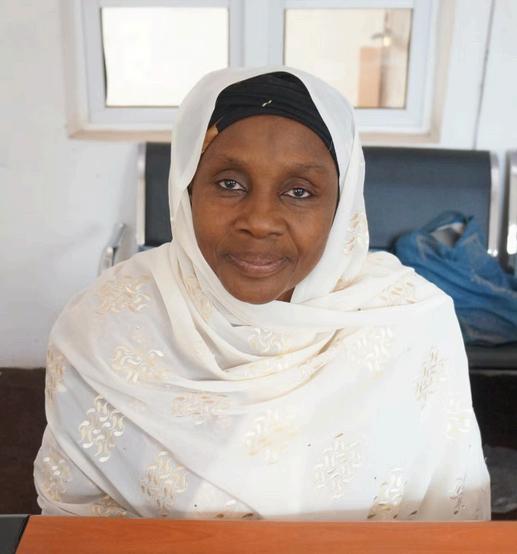

Haijiyah Abdulhamid is the first female principal to serve in her state of Kano in Nigeria. She is a “woman-activist” and long-time advocate for girls in her state topursuepostgraduatedegrees.
In her interview with Elisha Renne, she recounts how her goal was to be a journalist but changed pathways to be an educator when it was brought to her attentionallprincipalsforsecondaryfemale-onlyschoolswereheadedbypeople from outside her community. Realizing the potential she had to uplift young girls within her community, she changed courses and began studying on the tertiary leveltobeaprincipal.
She recalls several experiences during her time as principal where societal structures within her community posed obstacles for women in education, but she always remained committed to supporting girls continuing their education beyondgradeschool.
“I had several challenges. Had it been I had not acquired the education that I had--the exposure that I had through being enlightened, my challenges would have worsened [...] So, I took it upon myself to see that whenever I’m given that chance of going through them, even as a classroom teacher, then subsequently as an administrator, I always used to instill upon the students to be independent. And they could only acquire independence by learning” (Abdulhamid, 2020).
Abdulhamid reflects on her own struggles where she found herself in a polygamous marriage as one of multiple wives. She thanks her education that provided her with a cushion to be independent as an attribute to her ability to leave her situation. She cites this story as the moment that sparked her interest in helping other women in her community that may face similar situations.
Abdulhamid’s story reflects the intersectional experience some women in the world who are in societal structures similar to Abdulhamid’s face. While women are granted the opportunity to study, women in similar societal structures may face more obstacles to pursue higher education. That being said, overcoming these challenges can rewarding for those who are fortunate:
I will see my former students, they’ll come in and hug [...] And the first thing after greeting would be, ‘Mummy, I have become [a doctor, lawyer, etc]’”
(Abdulhamid, 2020).

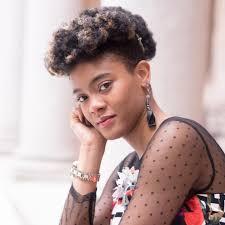



Netia McCray is a scholar, nonprofit executive director, daughter, and longhaulCovidsurvivor.
In 2014, she received a Bachelor's degree in Political Science from Massachusetts Institute of Technology and established her own nonprofit, Mbadika, an organization dedicated to spreading knowledge, opportunity, and perseverance.
Inherinterviewwithour(awesome)professorDr.AbbyDumes, shediscusses the importance of her upbringing in Florida as a kid fascinated with everything, even dirt (McCray, 2022). After receiving a life-changing letter from a MIT summer program, her educational journey was forever changed, andhercuriositysurmountedherpreviouslackofeducationalopportunities.
McCray also discussed the impact burnout and long COVID had on her educational journey and life experience. She noted how many doctors did not give her credit for experiencing debilitating pain and fatigue, especially as it related to memory loss. Her empowering discussion focussed on how she overcame these challenges and others to complete meaningful work devoted towardsadvancementsineducationalopportunities.

IgotintoMIT— andthenstartingthatnonprofitIwoulds ScienceofTallahasseeanddoingourfirstsciencefair,bec countydidn'tofferasciencefair,sowealsohostedascie togivekidsthatopportunitytoknow: “Whatwasthatprocess?” Buttoalsohavesomethingontheirresume—becauseoneofthe otherthingsthatupsetmewhenIwasintheMITprogramcalled MITES,30washowmanykidshadasciencefair.Andsciencefair wassomethingIonlysawonthemagicschoolbusthattheydid.
Here,Netiadiscussesthelackofeducationalopportunities.Whileshe was lucky to have the opportunity to participate in the summer program at MIT, many students did not and do not have these important experiences, such as science fairs. Her desire to provide this to other students stood out to me because I also came from a ruraltownthatdidnothavesciencefairs.IoftenfeltbehindinSTEM because of my background, and her mission to bring STEM concepts tounderprivilegedstudentsworldwideiscrucialtorepresentationin STEMandallowingstudentstofindtheirpassions.
This also highlights the amplification of women ’ s rights and well being through education because the opportunity to learn provides many more possibilities in the future. The summer program Netia attended allowed her to eventually obtain a degree from one of the mostprestigiouscollegesintheUnitedStates.Thisallowedheralot offreedominherlife andinhercareerbecause thatdegree holdsa lotofweightinoursociety.
While the US has a lot of educational opportunities, we must look towards experiences like Netia’ s to realize the importance of workingtowardsjusticeineducationratherthanjustequality.


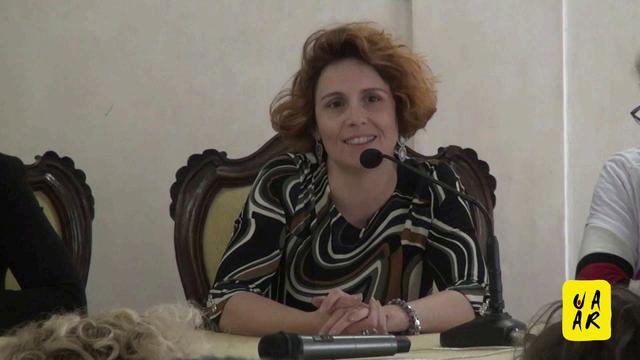
Samanta Picciaiola is an educator and feminist activist who currently teachersprimaryschoolinItaly.
InherinterviewwitheducatorsBrunoGrazioliandLaurenDuncan,she describes her upbringing and her earliest knowledge of gender roles. Picciaola recalls being aware of some obvious differences between therolesofherparents:herfatherwasnotaverypresentcaregiver andworkedasignificantamountoftime.Hermotherattimesworked withinherfatherscompany,butalwaysinasecondaryrole.
Picciaola explains, “Then my mom absolutely wasn ’t and isn’t a feminist, so I received a traditional education, not restrictive, but anywaywithadifferentapproachformeandmybrother,becausemy brother, being a boy, in some way was already more protected at birth, according to my mom, while with me she needed to take extra care ” (Picciaiola,2019).
Samanta Picciaiola credits her time at university as a significant changeinherperspectiveofissuesrelatedtofeminism.
“...mytime
atuniversitywasamoment

where
I
radically
questionedallofthose idealsthatmyfamilyhadpasseddownto me,butneverthepoliticalpositioning,thatis Ineversteppedfootontheoppositeshore.
Buttheideaofthetraditionalfamily,roles, andalsoespeciallythisideaofbusiness,an initiativethatIsawasverylimited,Ilostall ofthesocialparts”(Picciaiola,2019).

Picciaolagaveherthoughtsonintersectionalityinheractivism: “[...] asaheterosexualpersonIhaveneverbeentheobjectof heterophobia,thenitisclearthatmypositionwasbornoutof intersectionality,fromfeminism,butIdon’tstruggletounderstand thesimpleconceptthatinthedefenseoftherightsofagroupthere isthedefenseoftherightsofeverymanandwoman”(Picciaiola, 2019).
Picciaiola’sfirstpoliticalactionwasorganizingawalkforwomen’ s rightsinthetownofCento,Italy.Thewalkwasinresponsetoanact ofaggressionagainstawoman,inbroaddaylight,withalackof responsefromthelocalauthorities.Hergroupcontinuedtogrow, withothermembersbeingprimarilyteacherslikePicciaola.Thegroup collaborateswithotherfeministgroupstoworktowardeducating thecommunityaboutdifferences,specificallysurroundinggenderand sexuality.
VirginiaVargasisaprominentLatinAmericanfeministcommittedtochampioning women'srightsandadvocatingforsocialjustice.Hereffortsspanactivism, scholarship,andthecreationofinfluentialnetworks,highlightingtheinterplay betweeneducation,personalexperience,andsocietalchange.
VirginiaVargas'sjourney intothewomen's movementbegan somewhatunexpectedly whenshewasworkingat theNationalInstituteof CultureinPeru.Shewas putinchargeofa seminarwheresheand otherPeruvianwomen, alongwithsomemen, wereintroducedto feministperspectivesby earlyfeministsfrom LatinAmericaand Europe.Thisexperience waspivotalas,"gender asaconceptdidnotexist yet"inPeruatthetime (around1979).Thisinitial educationalopportunity sparkedhercommitment tounderstandingand addressingthesituation ofwomeninPeru(Vargas 2020,p.4).
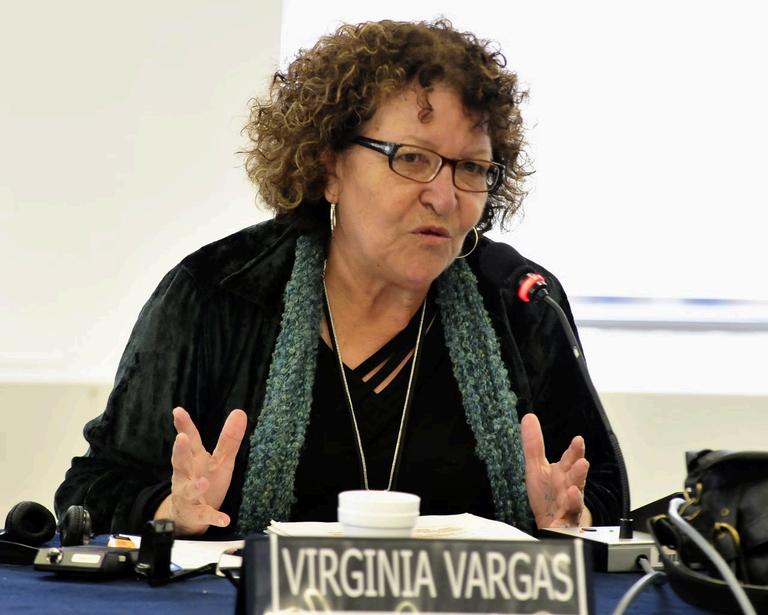
"There was a group of Peruvian women that went to a seminar for five or six months in The Netherlands, I believe. They brought the task back to do it here... And it was extraordinary, we had more or less three and a half months of that seminar here in Peru... And there, for three months we began to really discover what the view was. Gender as a concept did not exist yet, you know? I’ m talking about ‘79... withanEnglishfeminist...alsoaDutchfeminist...andtherest werethefirstfeministsinLatinAmerica.MagdalenaLeónde Leal, Marcia Ruedes, they were the ones who came and startedteachingusthebasics"(Vargas2020,p.5).
Thisinitialseminarperfectlyexemplifieshoweducation,irrespectiveof internationalborders,canbeavitalforceinamplifyingtherightsand wellbeingofwomenbyintroducingnewideas,fosteringcollaboration, andinspiringlocalaction.Theknowledgesharedandtheconnections forgedduringthisearlyeducationalexperiencelaidthegroundwork forVirginiaVargas'sownimpactfulcareerasafeministleaderandfor thebroaderdevelopmentofthewomen'smovementinPeru.
Theseminarwasnotmerelyanacademicexercise;itservedasacatalystfor action.Vargasnotesthatafterthethreemonths,"someofusthoughtthatit wasnotpossibletolosethis."Thisrealization,bornfromtheeducational experience,leddirectlytotheformationoftheinitialfeministgroupsinPeru, includingtheeventualestablishmentoftheFloraTristánCenter.This illustrateshoweducationcanempowerindividualstorecognizetheneedfor changeandtoorganizecollectivelytoadvancewomen'srightswithintheir ownnationalborders.
“IrememberthisblackBrazilianwomanfeministSueli Carneirohadsomethingveryinteresting.Shewouldsay, “Gina,whenyoualltalkaboutwantingtobreakthedomestic imprisonmentofwomen,whichwomenareyoutalking about?Ifit’susblackwomen,never.Imeanwewereslaves. Wewereamasdeleche[wetnurses].Wewerestreet vendors.Wewereprostitutes.Wewereeverythingexcept imprisonedathome,youknow?” (Vargas2020,p.9).
ThisquoteemphasizesthatBlackwomen'shistoricalexperiencesofforcedlaborand exploitationoutsidethehomedirectlycontradictthenotionofauniversalfemale experienceof"domesticimprisonment"oftencenteredintheexperiencesofmiddleclasswhitewomen.Carneiro'sintervention,ashighlightedbyVargas,underscoresthe crucialneedforfeministanalysistoconsidertheintersectingoppressionsofraceand gender.Itcallsforaradicalshiftinperspective,urgingthefeministmovementto activelyincorporatethediverseexperiencesandviewpointsofwomenfrom marginalizedcommunities,includingBlackandIndigenouswomen,andtorecognize that"knowledgeisnotjustone-of-a-kind.” Thisrecognitionofdiverserealitiesis centraltodevelopingatrulyinclusiveandeffectivefeministagenda,whichwasoneof thekeythemes ofintersectionalitycoinedby KimberleCrenshaw(Dumes,2025).
Abdulhamidattributingherdegreetoprovideherthesupporttoleavehersituationand forotherwomentoupliftthemintohigherjobs(ie.doctor,lawyer)highlightseducation canserveasasupportsystemandacatalystforpromotingthewellbeingofwomenin Kano,Nigeria.

NetiaMcCrayreceivedaletterinthemailthatchangedherlife.Today,sheholdsadegree fromMITandhashelpedcountlessstudentsfromaroundtheworldlearnskillsinSTEM andentrepreneurship.Sheworkstowardeducationaljusticebyamplifyingtheopportunity shewasgiventostudentsofmanyintersectionalityidentitiesthroughouttheworld.

SamantaPicciaolawasabletoquestionherownbeliefsandnotionssurrounding traditionalfamilyandgenderroleswhenshewenttouniversity.Herexposuretoradical ideaspushedhertoworkwithotherfeministstofightforwomen’srightsandstriveto educatehercommunity.

VirginiaVargas'sworkandphilosophyprovideacompellingreal-worldexampleofwhyitis crucialtomovebeyonduniversalizingnarrativesandtoembraceanintersectional understandingofwomen'sexperiences.Thisunderstandingisfundamentaltodeveloping educationalpracticesthattrulyamplifytherightsandwell-beingofallwomenandstrive towardseducationaljusticebyaddressingtheneedsofindividualswithdiverse intersectionalidentitiesacrossinternationalborders.

Eachofthesewomen’slivesreflectstheimportanceofamplifyingthe voicesofwomenwithintersectionalidentitiestoachieveeducational justice.Bylisteningtotheirstories,wehavedevelopedan understandingandappreciationoftheirfightstowardeducational justice,notmereequality.Women,inallpartsoftheworld,need specificresourcestoachieveahigh-qualityeducationwithaccessto opportunitiesbeyondtheclassroom.Whethertheycontinuetopursue acareerineducationorhavesolelyexperiencededucationintheir background,thesewomenexemplifywhyreceivinganeducationisan upliftingexperience.

Bernedo,K.(2020).GlobalFeminismsComparativeCaseStudiesofWomen’sand GenderActivismandScholarshipSite:PeruTranscriptofVirginiaVargas Interviewer:KarenBernedoMorales.
https://sites.lsa.umich.edu/globalfeminisms/wpcontent/uploads/sites/787/2022/06/Virginia-Vargas_English.pdf
Crenshaw,K.(1989).DemarginalizingtheIntersectionofRaceandSex:aBlack FeministCritiqueofAntidiscriminationDoctrine,FeministTheoryandAntiracist Politics.UniversityofChicagoLegalForum,1989(1).
Dumes,A.(2022).GlobalFeminismsComparativeCaseStudiesofWomen’sand GenderActivismandScholarship:NetiaMcCrayInterviewer:AbigailDumes.
https://sites.lsa.umich.edu/globalfeminisms/wpcontent/uploads/sites/787/2023/02/Netia McCray English Annotated.pdf
Dumes,A.(2025a,January22).LectureFour:PrivilegeandInequalityII [PowerpointSlides].Canvas.
https://umich.instructure.com/courses/723863/discussion_topics/2526672
Dumes,A.(2025b,March10).Lecture14:HealthandReproductiveJusticeI [PowerpointSlides].Canvas.
https://umich.instructure.com/courses/723863/discussion_topics/2563724
Grazioli,B.,&Duncan,L.(2019).GlobalFeminismsComparativeCaseStudiesof Women’sandGenderActivismandScholarshipSite:ItalyTranscriptofSamanta PicciaiolaInterviewers.https://sites.lsa.umich.edu/globalfeminisms/wpcontent/uploads/sites/787/2024/05/Samanta_Picciaiola_English_Final.pdf
Renne,E.(2020,January31).GlobalFeminismsProject.Sites.lsa.umich.edu. https://sites.lsa.umich.edu/globalfeminisms/