At Regional One Health Cancer Care, the same physicians who help establish national standards for treatment and innovation also provide personalized treatment directly to patients. Our expert medical and surgical oncologists can deliver the comprehensive care Mid-South patients need to live full, healthy lives.
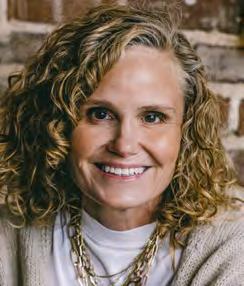
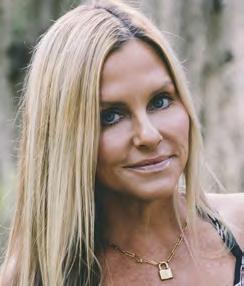
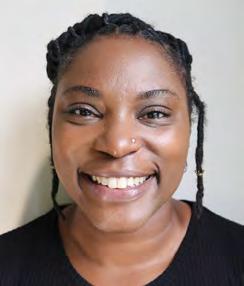
Dr. Muhammad Hamid, Dr. Swapna Thota and Dr. Noura Elsedawy are part of an exceptional team of hematologists. Ask your primary care provider for a referral to access elite cancer expertise right here in Memphis.
ACCELERATE YOUR RECOVERY
THE INDUSTRY’S BEST RECOVERY TECHNOLOGY POWERED BY MIDSOUTH’S BEST ORTHOPAEDIC EXPERTS.
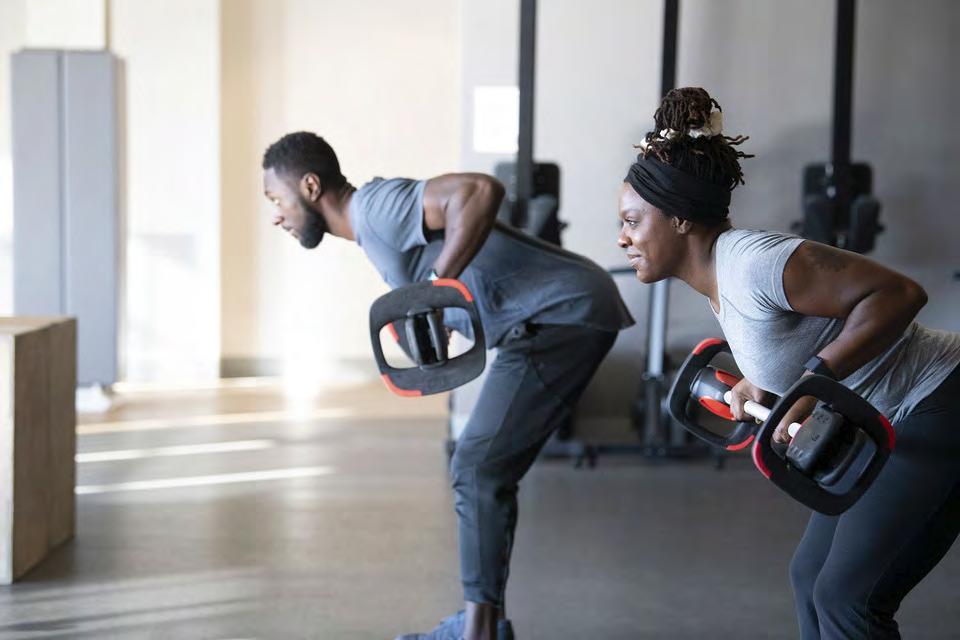
Don’t let an injury sideline you. Work with the specialists from Accel + Campbell Clinic to design a recovery plan based on your goals.
• State-of-the-art facility with fitness and recovery technology
• Personalized plans backed by Campbell Clinic medical team
• Detailed movement assessments to check your progress
• One-on-one support from licensed physical therapists and performance coaches
• Return to Play program to help prevent re-injury
• Proven results to help you move better, recover smarter, and live stronger
YOU WON’T FIND AN EXPERIENCE LIKE THIS ANYWHERE IN
to Request a Tour and
HAPPY PLACE : my
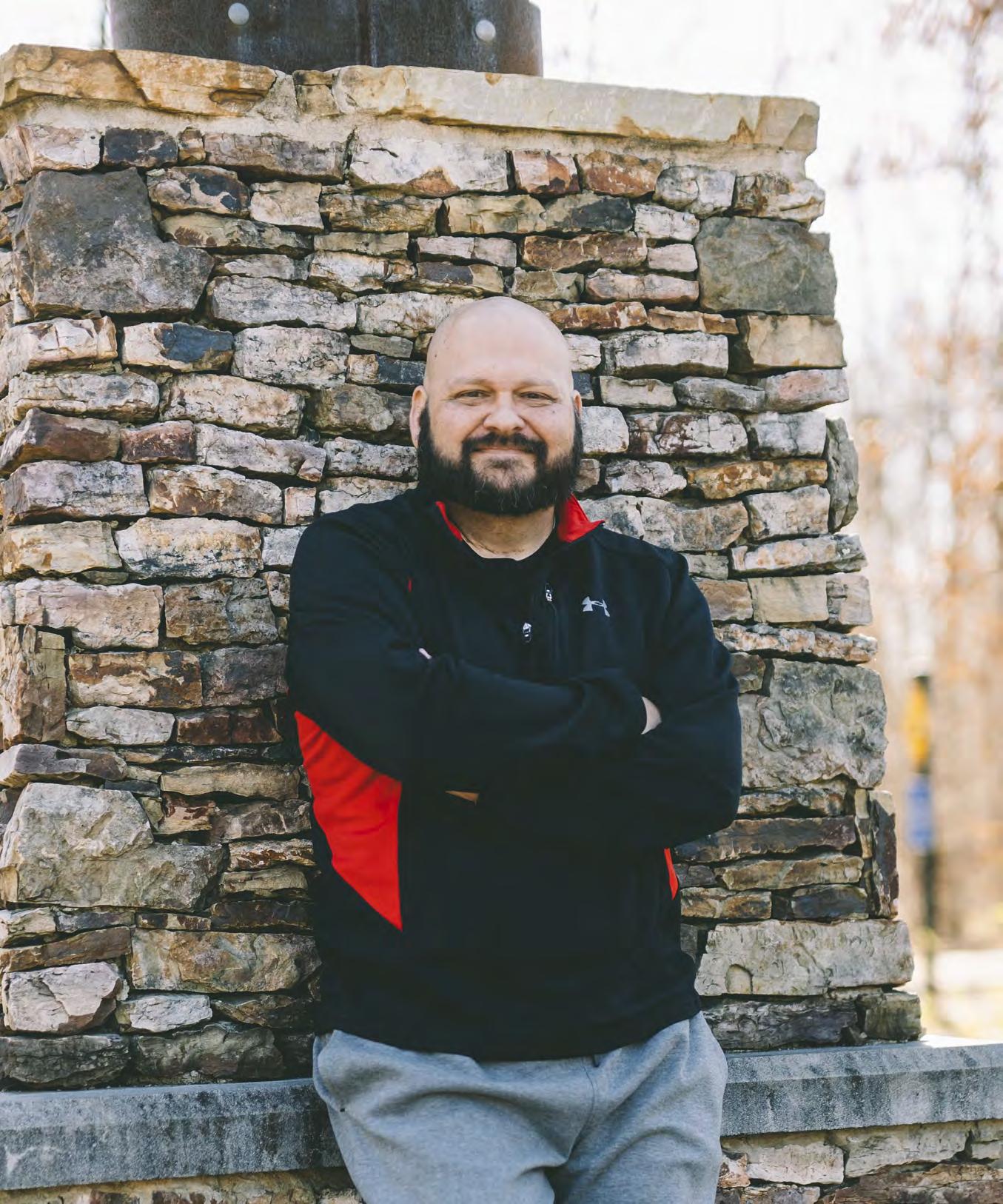
Chris | 37 - elbow injury | Confidently being active everyday. Enjoy more moments in your happy place.
Amy Goode | Publisher
For three decades, Amy has grown and connected the Memphis wellness community. A lifelong amateur athlete and marathoner, her work bridges media and marketing to spotlight the experts and brands inspiring healthier living. When not publishing, Amy is usually in a hot Pilates class or scouting the latest fitness trends shaping the future of wellness.
Angelique Nihen | Editor
Angelique is an editor, writer, graphic designer, and advertising/marketing professional. A long-time SAG-AFTRA member, she also works and performs professionally as an actress, singer, and dancer. A Temple University graduate, she enjoys swimming, biking, painting, sewing, reading, and traveling.
Tindall Stephens | Photographer
Tindall has been shooting for over 20 years, specializing in weddings and portraiture. She is a super busy mom of three teenagers,wife of a Memphis firefighter/Paramedic, and entertainer of two boston terriers …among running a full time photography business. Tindallfarmerphotography.com
Zoe Harrison | Contributing Writer
Zoe is a biomedical engineer with a focus in medical writing, and has authored a number of publications in scientific journals. She is a native Memphian and is a passionate runner, yogi, and weightlifter. In her free time, she enjoys cooking and playing with her golden doodle, Sully.
Lucy Modzelewski | Social Media Editor
Lucy is a branding and marketing professional and native Memphian. An avid runner, she enjoys running on the Green Line with her husband and participating in races throughout the year.
Josh Clark | Photographer
Josh is a moment photographer. Drawn less to perfection and more to what’s real. As the owner of HyperFocus Run Club, his photography is shaped by community and motion, focused on memory over performance and images that feel lived-in and honest. At the core of it all is a love for people, for building meaningful community, for his wife, and for life alongside his German Shepherd, Ranger.
Shlomit Ovadia | Contributing Writer
Shlomit Ovadia is a Content Strategist for a Colorado-based nonprofit, where she currently lives and enjoys all the outdoors lifestyle has to offer. In addition to her freelance work in writing and editing, Shlomit’s poetry and creative pieces have been published in various literary journals including Grande Dame Literary and Sad Girls Club Literary Blog.
Maya Smith | Contributing Writer
Maya is a native Memphian who is passionate about living well and helping others do the same. She is a fitness instructor and personal trainer at a local gym. In her free time, Maya enjoys kayaking, photography, swimming, and enjoying the outdoors.
9
Amanda Tompkins | Contributing Writer
Amanda Tompkins is a freelance writer living life part time above the arctic circle. She works as a remote village optometrist in the Northwest Arctic Borough of Alaska. When not in AK, she lives in Midtown Memphis with her family and three pups. She enjoys kickboxing, circuit training, camping, hiking, kayaking and mountain biking.
Beth Wilson | Contributing Writer
Beth Wilson is a native Memphian and the Founder and CEO of Wilson Public Relations. She is an avid runner and hot Pilates enthusiast, and is extremely passionate about her work and the Memphis Tigers. She also enjoys traveling, speaking about and mentoring others on their entrepreneurial journey, and advocating for women and mental health.
SANA Yoga Studios Announces Return Retreat Experience in Riviera Nayarit
SANA Yoga Studios, a locally owned Memphis-based yoga and Pilates brand, is proud to announce its upcoming international retreat in Riviera Nayarit, taking place May 4–8. This immersive experience is designed to help participants reset physically, mentally, and emotionally while deepening their connection to practice and community.
This retreat marks SANA Yoga’s fifth return to this location, reflecting both the impact of the experience and the strong connection the studio’s community has built with the destination over the years.
“As our studio community has grown, so has the desire to create spaces where people can go deeper,” says founder Amy Lenkszus. “Retreat allows us to step outside the rhythm of daily life and recalibrate — to move, reflect, and reconnect intentionally.”
A DEEPER LAYER OF THE SANA EXPERIENCE
Over the past decade, SANA Yoga Studios has built a thriving wellness community in Memphis through its signature yoga and Pilates programming, rooted in movement, strength, and personal growth.
The retreat experience extends that foundation, offering students and guests the opportunity to immerse themselves more fully in their practice while strengthening relationships within the community.
Programming is intentionally designed to balance movement, mindfulness, and integration.
RETREAT HIGHLIGHTS
Participants will experience a thoughtfully curated blend of movement, rest, nourishment, and exploration, including:
• 4 Nights / 5 Days relaxing accommodations
• Private beach access with unforgettable sunsets and jungle walks
• Personal time to explore, unwind, and release stress
• Daily yoga and Pilates classes designed to re-energize and restore
• Three locally sourced meals per day — from traditional chilaquiles and handmade tortillas to fresh seafood and sashimi
• Eco tours and guided exploration of the surrounding area
• Round-trip group transportation to and from the airport
Each element is designed to support nervous system reset, physical vitality, and mental clarity.
GROWING DEMAND FOR TRANSFORMATIONAL TRAVEL
Interest in SANA Yoga’s retreat programming continues to grow. The studio’s most recent international experience — a February 2026 retreat in Costa Rica — reached capacity quickly, reinforcing strong demand within its community for immersive wellness travel opportunities.
This momentum has fueled excitement for the upcoming Riviera Nayarit retreat and the opportunity for more students to participate in an expanded global experience.
A SPACE TO RESET & REPROGRAM
The retreat is designed for individuals seeking more than a vacation — it offers a structured opportunity to pause, recalibrate habits, and return home with renewed perspective.
Participants often describe the experience as a mental and emotional reset point — a chance to step away from routine patterns and reconnect with intention.
“We see people come back different,” Lenkszus adds. “More grounded. More energized. Replenished. More clear about how they want to live and move when they return home.”
For full retreat details and registration info, visit: Sanayogastudios.com/recovery-and-wellness#retreats Space is limited to maintain an intimate and personalized retreat environment.
BUILDING A HEALTHIER 901
What if there was a place Memphians could go to receive a full spectrum of wellness services — from traditional to innovative? That’s the question I asked myself a decade ago when I founded Pro Health Clinic, and this March, my team and I are celebrating our 10th anniversary. What started as one location at Poplar and Highland in 2016 has grown to two clinics in Memphis, and one in Germantown, Arlington, and Collierville. Each offers a full menu of IV hydration options, hormone replacement therapy, weight loss solutions, sinus cocktail shots, sports physicals, B12 injections, sick visits, and more.
A patient-centric approach is what’s led to Pro Health’s continued success and growth. Services are quick, convenient, and affordable, and the best part? Little to no wait times. Patients are encouraged to join the membership program, which offers free weekly vitamin injections, discounts on all services, and other perks. Nurse practitioners work with patients to create customized plans that cater to their overall wellness goals — not just one symptom.
Since we opened in 2016, Pro Health has continually sought new ways to improve services by listening to patients and keeping an eye on wellness innovations. When demand for weight-loss treatments increased, Pro Health more than embraced the call, adding compounded GLP-1 medications to its service menu. Most recently, all five clinics added peptide therapy and hormone replacement therapy for women.
PEPTIDES: GLOW, GROW, RECOVERY, AND REPAIR
Peptides are designed to improve your health, enhance your body’s performance, and boost your energy levels. They’re specifically designed to work with your body — not against it. Pro Health introduced four peptides at all locations in January: Glow and Grow Peptide, Muscle Building Peptide, Fat Burning Peptide, and Body Repair Peptide. This treatment doesn’t override or replace anything. Instead, it sends gentle signals to enhance what your body is already doing. Peptide therapy can be enhanced with other treatment options, too, like IV hydration therapy and weight-loss solutions.
HORMONE REPLACEMENT THERAPY FOR WOMEN: THE NEW FRONTIER
Hormone replacement therapy is designed to restore balance to your natural hormone levels when your body no longer produces its maximum amount. Pro Health offers three hormones: progesterone, estradiol (estrogen), and testosterone. Every woman’s body is different, making hormone replacement therapy a very tailored process. Pro Health’s team of nurse practitioners establishes custom treatment plans that include regular checkups to ensure patients’ needs are met.
By Estes Folk, owner of Pro Health Clinic
Memphis, we thank you for your support over the last 10 years and look forward to providing you with efficient, high-quality care for decades to come. We look forward to seeing you soon at one of Pro Health’s five area locations.
If you’re interested in learning more about the offerings listed above or our membership options to save on services, visit Prohealthmemphis.com.
By Dr. Alberto Llaneza Santacruz
Struggling with Allergy Symptoms?
Get Relief with Proactive Primary Care!
Allergies can cause congestion, itchy eyes, sneezing, and more — but they don’t have to control your life! As primary care providers, we can help you get a clear diagnosis and find relief through effective treatment and prevention strategies.
As spring arrives, we see more patients struggling with allergy symptoms. It’s a good opportunity to address common questions, because understanding allergies can help you feel better and prevent small problems from turning into bigger ones.
Do I have allergies, or am I sick?
Allergies can look like a cold or an infection, causing sneezing, a runny nose, a sore throat, and itchy or watery eyes.
There are key differences to watch for. Colds and other viruses typically also cause fever, aches, and fatigue. Sinus or ear infections also cause fever, along with thick green mucus, and pain in the affected area.
Timing matters, too. Viral infections can occur at any time and usually get better in about a week. Allergy symptoms often occur at the same time every year and last for weeks or months without improvement.
How
do I keep allergies from turning into an infection?
We’ve all been there. Spring arrives, you start sniffling, and soon you have a sinus or ear infection. If allergies aren’t treated, they can cause blocked sinuses, which creates a breeding ground for infection.
Keep your nasal passages clear by rinsing with a saline spray or neti pot to wash out allergens and mucus. Over-the-counter medications can help reduce inflammation.
Staying hydrated and avoiding irritants also helps stop allergies from triggering an infection.
How do I know what’s causing my allergies?
The first step in controlling allergies is knowing their cause. If you’re having trouble identifying your triggers, ask your primary care provider about allergy testing.
The most common test is a skin prick test, where tiny amounts of allergens are placed on the skin to see if a reaction occurs. We can also run blood tests to measure allergy-related antibodies.
These tests are quick, safe, and accurate, and they help us provide more targeted treatment and avoidance strategies.
What are my treatment options?
Treatment depends on how severe your symptoms are and how much they affect your daily life.
For most patients, over-the-counter antihistamines and nasal steroid sprays provide relief. As a primary care provider, I help patients find the best option for them.
If your symptoms are more severe or don’t go away with OTC products, you can try prescription medications and allergy shots. Allergy shots are a form of immunotherapy that helps your body’s immune system become less sensitive to allergy triggers.
Is there anything else I can do?
Knowing your triggers is key so you can avoid them as much as possible.
If you’re sensitive to pollen, keep windows closed and shower after going outside. For dust mite allergies, wash bedding weekly in hot water and use hypoallergenic covers for your mattress and pillows. Fix leaks and use dehumidifiers to help with mold allergies.
If you have pet allergies, you don’t have to do without your four-legged friends! You can buy air filters or keep pets out of certain rooms, like bedrooms, to reduce exposure.
By Desirae Brinkley, O.D.
The Eyes Have It:
How Eye Health Reflects Heart Health
The eyes are often referred to as “the windows to the soul.” However, many people don’t realize that the eyes are also the windows to your health. Beyond providing vision, the eyes can reveal important clues about what’s happening throughout the body — particularly when it comes to heart and cardiovascular health.
Regular eye exams are a vital but often overlooked part of preventive health care. A comprehensive, dilated eye exam is one of the least invasive ways to gain insight into a person’s overall health. During these exams, eye doctors can identify early signs of undiagnosed diabetes, high blood pressure, high cholesterol, autoimmune disorders, and even certain cancers — often before symptoms appear elsewhere in the body.
The Eye–Heart Connection
Heart health and eye health are closely linked through circulation. The retina, located at the back of the eye, contains a delicate network of blood vessels that can be viewed directly during a dilated exam. Because cardiovascular disease affects blood vessels throughout the body, early damage often appears in the eyes.
High blood pressure, for example, can damage retinal blood vessels, a condition known as hypertensive retinopathy. This damage may develop long before a person notices symptoms such as headaches or chest discomfort. High cholesterol can lead to plaque buildup and restricted blood flow, which may show up in the eyes as narrowed or blocked vessels
— signaling an increased risk for heart attack or stroke. Changes in retinal circulation have also been linked to a higher likelihood of cardiovascular events, sometimes prompting referrals that lead to life-saving cardiac care.
Diabetes and Vascular Health
Diabetes further highlights the strong connection between eye and heart health. Poor blood sugar control damages blood vessels throughout the body, including those in the retina and the heart. Diabetic retinopathy is a leading cause of vision loss and often indicates widespread vascular damage. Individuals with diabetic eye disease face a significantly higher risk of heart disease, heart attack, and stroke.
A Personal Reminder That Heart Disease Can Affect Anyone
Dr. Desirae Brinkley and her fiancé, William “Will” Haley, have first-hand experience with the importance of cardiovascular health. In January of 2025, while vacationing on a cruise ship in the Gulf of Mexico, Will suffered a heart attack. He was safely life-flighted to the nearest hospital in the United States, where he received immediate, life-saving care.
The experience was a turning point. Since then, Desirae and Will have taken their health more seriously, prioritizing lifestyle changes and physical fitness. Together, they participated in the Great American River Run as a symbol of their renewed
commitment to heart health. They share their story to remind others that cardiovascular disease does not discriminate based on age, race, or sex — and that it is something everyone should take seriously. Today, they are happy to report that Will’s heart is incredibly healthy and that he now only needs to see his cardiologist twice a year.
Seeing the Bigger Picture
Eye exams should be viewed as more than vision checks — they are a form of preventive medicine. The same habits that protect the heart also protect the eyes: regular exercise, a nutrient-rich diet, avoiding smoking, managing stress, and staying consistent with routine screenings.
Our eyes do more than help us see — they help us understand what’s happening inside our bodies. By recognizing the connection between eye health and heart health, we can take proactive steps toward long-term wellness. Sometimes, protecting your heart starts with simply opening your eyes.
Dr. Brinkley is a Consultative Optometrist with an emphasis on premium cataract surgery and refractive surgery, and is Director of the Dry Eye clinic at Eye Specialty Group. For more information or to schedule an appointment, visit Eyespecialtygroup.com or call 901.685.2200.
By Shlomit Ovadia
Precision, Pain Relief, and New Innovations
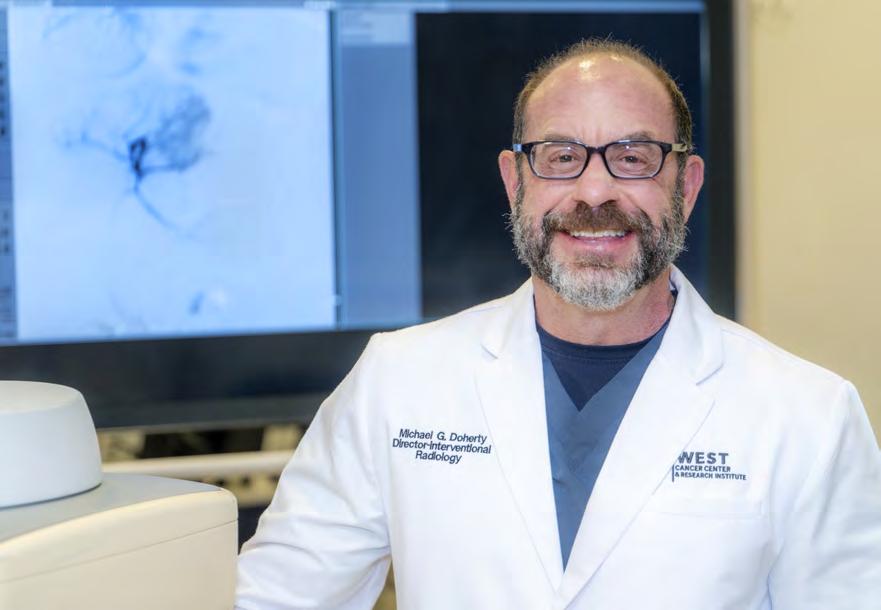
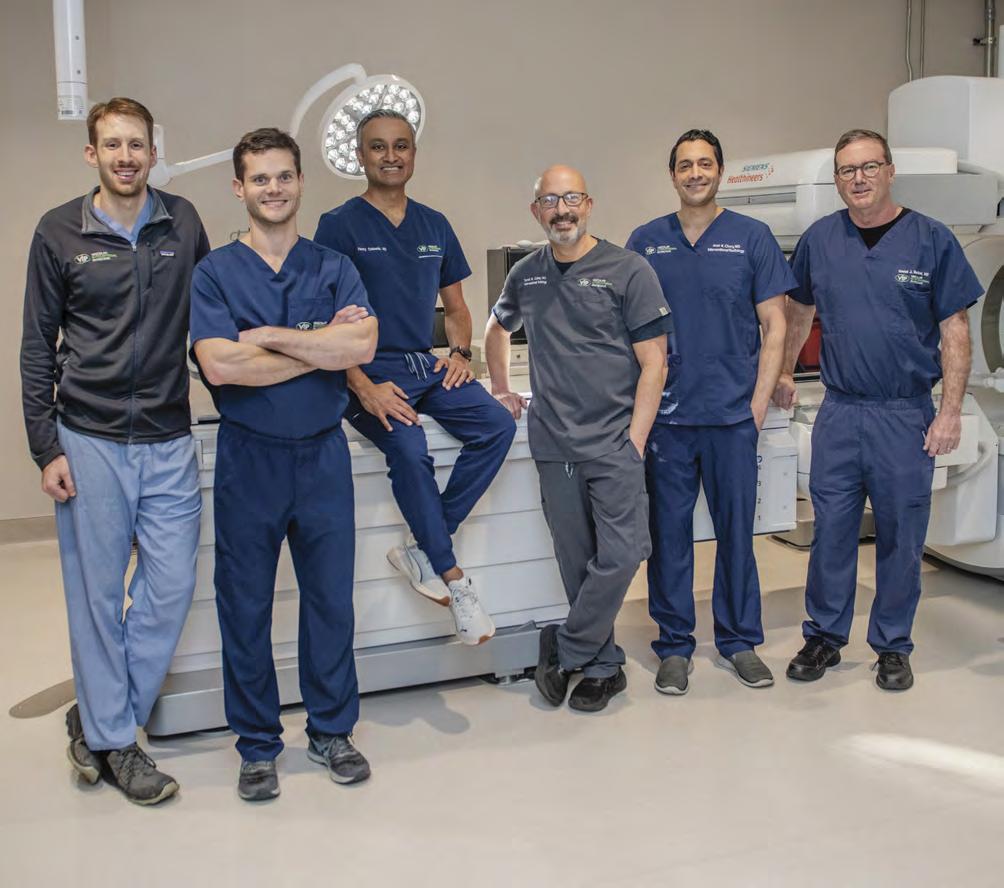
Interventional radiology is a largely unseen specialty that supports nearly every cancer patient at West Cancer Center. Using minimally invasive, image-guided procedures, this specialty plays a critical role in cancer diagnosis and treatment, while also transforming how chronic pain conditions, such as knee arthritis and plantar fasciitis, are managed.
This past November, Dr. Michael Doherty, M.D., joined West Cancer Center & Research Institute as its new Director of Interventional Radiology. With over twenty years of experience, he brings both expertise and a passion for expanding patient access to non-surgical care. “West has wonderful physicians, and the environment, staff, and culture are amazing,” he says. “I’m grateful to be here and plan on taking radiology here to the next level.”
Using real-time X-rays, CAT scans, and ultrasound imaging, interventional radiologists guide needles, catheters, and other instruments through the body without large incisions or open surgery. These techniques allow physicians to diagnose cancer, perform biopsies, and provide targeted treatments by inserting medication directly into blood vessels, draining fluid, and providing pain relief for conditions affecting knees, feet, and shoulders, without the need for general anesthesia.
“New innovations are coming out every year,” Dr. Doherty says, noting that constant advancement “is one of the most exciting parts of being in this specialty.”
Interventional radiology relies on precision imaging to deliver therapy exactly where it’s needed. In cancer care, this involves guiding needle probes into tumors to
deliver chemical ablatives that destroy cancerous tissue. For liver cancer patients specifically, catheters can be inserted through the wrist or groin directly into the liver blood supply, where tiny radioactive beads are deposited to block blood flow to the tumor and deliver radiation from within.
That same technology is now being applied beyond oncology. One of the latest procedures offered treats knee arthritis by deposition of microscopic beads into targeted blood vessels around the joint, reducing inflammatory blood flow and alleviating pain. Similar techniques are used for chronic plantar fasciitis and frozen shoulder, offering relief to patients who may not be ready, or eligible, for surgery.
“These treatments have no downtime and minimal side effects,” Dr. Doherty explains. “But patient selection is important,” Dr. Doherty explains. The procedures are particularly beneficial for those hoping to delay surgery, manage milder disease, or address persistent inflammatory pain, as well as for patients who cannot safely undergo anesthesia.
“I think that’s going to follow me throughout my career, people being surprised that I can help,” Dr. Doherty says. “It’s rewarding to complete a procedure, and the patient didn’t even realize you had done it,” he adds of its quick and straightforward nature.
From imaging and biopsies to fluid drainage and targeted therapies, interventional radiology quickly impacts nearly every patient who walks through West Cancer Center’s doors. Though often unseen, its role is essential in offering precision, relief, and new possibilities for patients at every stage of care.
By Lucy Modzelewski
A Legacy of Innovation at The Urology Group
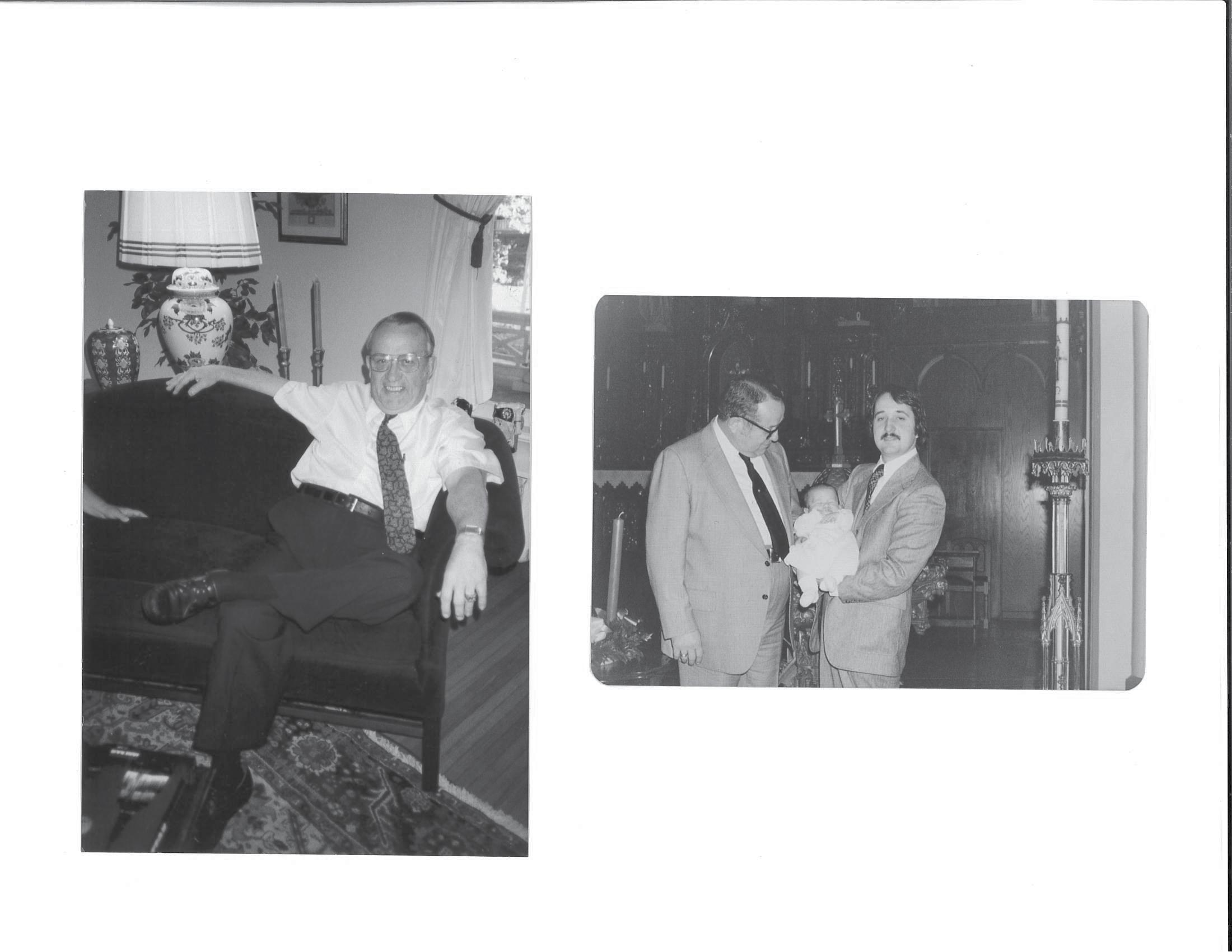
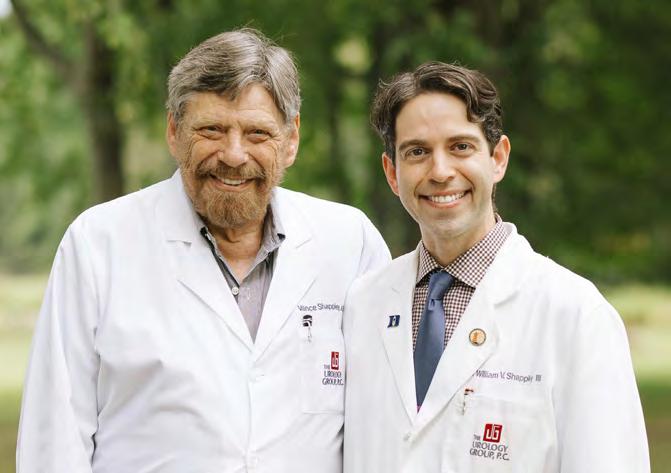
The Urology Group here in Memphis is home to a powerful combination of medical legacy and modern innovation through the work of father and son partners, Drs. Vance and Rusty Shappley.
More than three decades ago, Dr. Vance Shappley, a native Memphian who studied at the University of Memphis and the University of Tennessee College of Medicine before serving as a urologist in the U.S. Air Force, became the first physician in the region to implant an early form of neurostimulation therapy for patients suffering from urge urinary incontinence, a symptom of overactive bladder. At the time, the technology, called the InterStim™ device, was new, and skepticism ran high.
“Back then, many patients had only medications or invasive procedures as options,” Vance recalls. “There was uncertainty, but I had built a reputation in the community and felt strongly that patients deserved alternatives when nothing else worked.”
Fast forward to today, and his son, Dr. Rusty Shappley, is carrying that same pioneering spirit forward. After studying at Duke University for his undergraduate degree and Columbia University for medical school, and completing urology training at Harvard, Rusty returned home to Memphis, where he now practices alongside his father at The Urology Group. Recently, he became the first physician in Tennessee to implant the Altaviva™ device,
a next-generation neurostimulation therapy used to treat urinary incontinence.
For Rusty, neuromodulation felt like a calling. “I grew up in the doctors’ lounge,” he laughs. “I knew I wanted to be a surgeon, and this field lets you help patients who have already tried medications and behavioral therapy without success. It’s especially rewarding when nothing else has worked,” Rusty says.
Earlier neurostimulation devices required multi-step procedures and implanted batteries roughly the size of several stacked silver dollars. The Altaviva system represents a dramatic leap forward, requiring only a small, gum-sized device placed near the tibial nerve in the lower leg under local anesthesia, often in less than ten minutes.
“The simplicity is what excites me,” Rusty explains. “It’s less intimidating, easier to implant, and patients can return to their active lives quickly.”
One of the most compelling advantages of the Altaviva device is how well it fits the lifestyle of younger, fit, and highly active patients. While other forms of neurostimulation therapies are still an effective option for many, they require surgical implantation and recovery time, whereas Altaviva is placed in a quick procedure using only local anesthesia. There is no need for general anesthesia, no hospital stay, and minimal downtime, allowing patients to walk out of the clinic the same day and return to normal activity quickly. For runners, outdoor workers, and busy professionals, this advanced bladder therapy offers symptom relief without major disruptions to daily life.
Father and son now work side by side in the clinic several mornings a week, often collaborating on complex cases. Their generational perspectives blend seamlessly: Vance brings decades of clinical wisdom, while Rusty introduces the newest technology and techniques. Looking ahead, both physicians believe neurostimulation will continue to expand, especially as the region’s population ages. In a state where more than one-third of residents are over 50, improving quality of life is no small mission.
“This is about dignity and freedom,” Vance and Rusty agree. “Helping someone sleep through the night, go to work, or live without fear of accidents can make a huge difference in their daily life.”
Dr. Vance Shappley Dr. Rusty Shappley
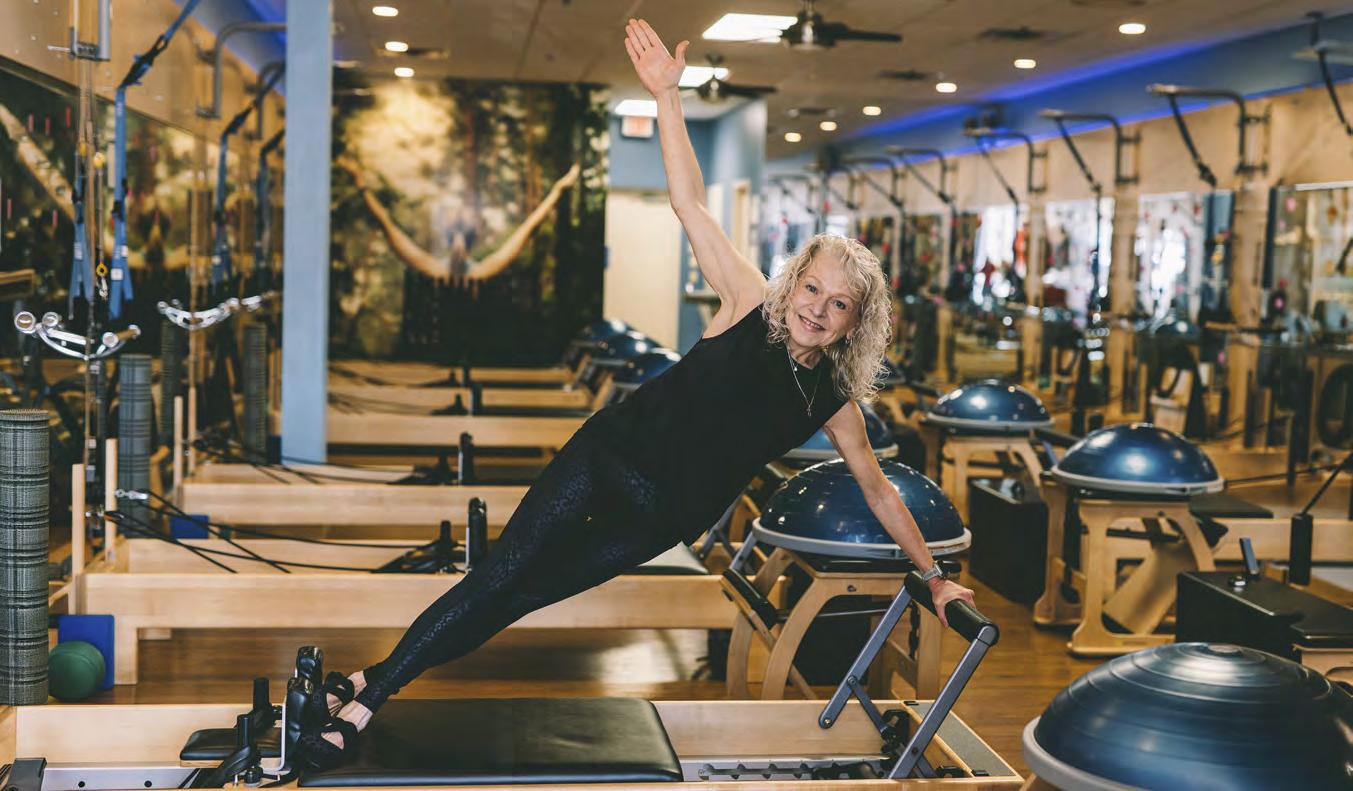
CLUB PILATES
SNOWDEN GROVE, MEMPHIS-LAKELAND, COLLIERVILLE, EAST MEMPHIS, MIDTOWN MEMPHIS
Experience Reformer-based workouts in community, with state-of-theart equipment and high-quality instruction at an affordable price. Gain better control of your body while being supported by a team that cares and welcomes all. Club Pilates Memphis Area Studios have classes ranging from beginner to expert. It’s not too late to start your journey!
CLIENT STORY:
Kimberly Bennett struggled with weight and exercise for as long as she can remember. Though one day three years ago, this malaise resulted in high blood pressure and diabetes. She was prescribed medications, which helped her lose some fat, and a whole lot of muscle loss. “I woke up one day and realized I could not even open a jar,” she recalls.
“I knew that I needed to build strength especially as I grew older, but I didn’t want to go to a regular gym.” Having heard of Pilates before, Kimberly decided to give her local Club Pilates at Snowden Grove a shot. Since joining in November of 2024, Kimberly has taken 325 classes and shed 30 pounds, all while stacking on plenty of muscle. “I’m stronger and fitter than I’ve ever been,” she says, now in her 50s.
These days, she is off her blood pressure medications and her A1C has returned to a normal range. “I finally feel comfortable in my body and appreciate what it does for me.”
NEW CLIENT SPECIAL
INTRODUCE YOUR BODY TO PILATES FOR FREE WITH THEIR 30-MINUTE INTRO CLASS!
By Shlomit Ovadia
by Tindall Stephens
She adds that “the staff – Kayla, Tamara, Carl, Juli, Chesley, Anna, Trina, and Hannah – have helped me do just about everything,” supporting her and providing advice for various injuries and modifications. Through their guidance, Kimberly now has strength, equilibrium, and a “body awareness I’ve never had before.”
“It really does feel like a family where they welcome anybody looking to build strength and get better at daily life,” she adds. When I asked how her experience has impacted other areas of her life, Kimberly adds emphatically, “Now in my 50s, I started running instead of walking!”
CLASSES:
Reformer Flow: this signature strength and length class creatively flows from the Reformer to Springboard, Chair, Mat, and more!
Cardio Sculpt: a high-energy, low-impact class perfect for any cardio jumpy, filled with quick transitions using the Jumpboard and customizable spring tension for a gentle-on-the-joints aerobic workout.
Control: stand up, sculpt up, and get toned with this functional, standing movement class to increase strength, balance, stability, and control all in a fun environment that has your legs and glutes burning. One of Kimberly’s favorites!
Suspend: defy gravity with the effective TRX suspension training system that puts your body to the test in this athletic fusion class focused on precise movements.
Restore: soothe sore muscles with foam rolling and selfmyofascial release, blended together with Reformer movements.
Center and Balance: light movement and deep stretching will leave you feeling long, loose, and ready to take the day on in this apparatus-assisted stretching class.
Circuit: a heart-pumping Pilates adventure delivered in three progressive rounds that combine strength, mobility, and cardio.
GET IN TOUCH:
Clubpilates.com/location/snowdengrove
IG: @clubpilatessnowdengrove
Email: snowdengrove@clubpilates.com
OTHER CLUB PILATES LOCATIONS:
Clubpilates.com/location/memphislakeland
Clubpilates.com/location/collierville
Clubpilates.com/location/eastmemphis
Clubpilates.com/location/midtownmemphis
If you’re dealing with fatigue, weight changes, or chronic health issues, we can help you find real
Our physician-led team uses advanced lab testing, metabolic analysis, and personalized treatment plans to uncover the root causes of your symptomsnot just cover them up.
Photo
By Shlomit Ovadia
Photo by Tindall Stephens
SPRING SKIN RESET
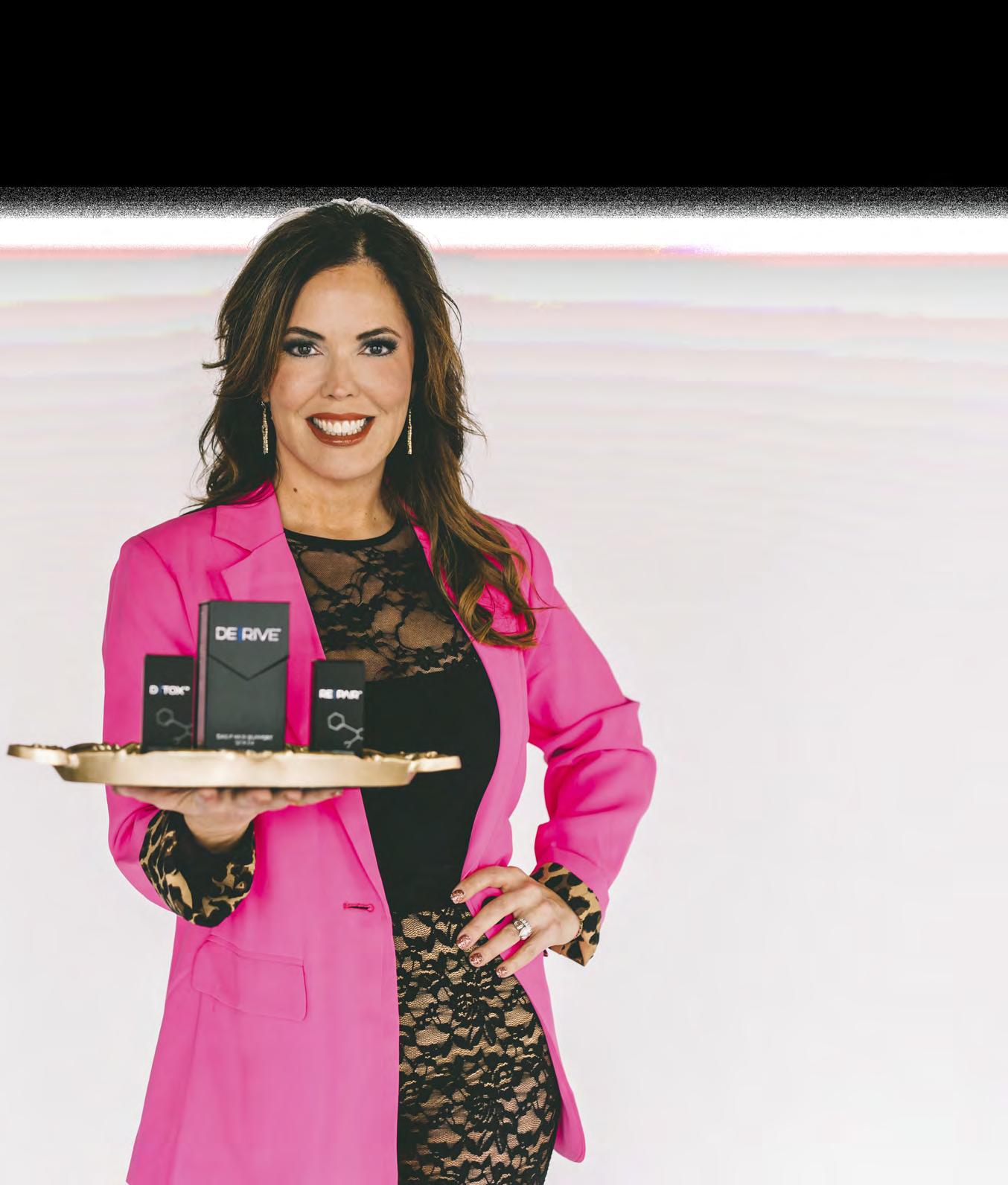
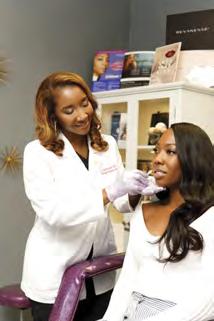
As winter gradually sheds its skin, making way for warmer spring days, people may find their skin is dry, inflamed, and pigmented, leading them to consider facial resurfacing options. We asked Renee Pinlac, M.S.N./F.N.P., owner of De La Belle Wellness & Spa, Nurse Practitioner, and Weight Loss Mentor, for her advice for a spring skin reset.
As we transition from winter into spring, what changes occur in the skin?
Patients are experiencing an increase in dry, flaky skin, followed by a transition to oilier skin as temperatures rise and seasonal changes occur. Patients may not realize their barrier is compromised and over-exfoliate due to increased oil production, which can worsen irritation, sensitivity, and, in some cases, more acne.
What are the most common concerns that you see this time of year?
• Breakouts & Congested Pores
• Hyperpigmentation & Melasma
• Increased Redness & Rosacea Flares
• Dehydrated (But Oily) Skin
• Barrier Stress from Over-Exfoliation
How can someone tell if their skin barrier is compromised?
• T ightness or stinging, even with gentle products
• Increased redness or blotchiness
• Flaking or rough texture despite using moisturizer
• Breakouts that feel irritated rather than congested
• Products suddenly “burn” when applied
How do advanced hydration products support barrier repair and postprocedure healing?
We love Hydrinity. Their advanced hydration products play a critical role in barrier repair and post-procedure healing by delivering intelligent, medical-grade hydration at the cellular level. After treatments like microneedling, laser resurfacing, RF, or chemical peels, the skin barrier is temporarily compromised. This increases transepidermal water loss (TEWL), inflammation, and sensitivity. Advanced hyaluronic acid formulations, like Hydrinity’s, penetrate more effectively to attract and bind water within the skin — supporting rapid rehydration without heaviness or pore congestion.
Peptide complexes and regenerative ingredients boost collagen production, enhance elasticity, and speed up recovery. Proper hydration improves enzymatic function and cellular communication, resulting in faster recovery, reduced redness, improved comfort, and better overall outcomes. In post-procedure care, advanced hydration restores the skin barrier’s integrity and resilience, creating an optimal environment for regeneration.
Do you have any tips for keeping your skin happy this season?
• Daily Sunscreen
• Vitamin C Therapy
• IV therapy
• Hyaluronic Acid & Mandelic Peels
• Microneedling with PRP
Why does pigmentation often worsen in the spring and summer, and when should patients begin prevention strategies?
UV sun exposure and the heat of spring and summer can cause pigmentation; diet and hormones are also factors. Patients can work more effectively with in-office treatments in cooler temperatures, and it’s important to be on a medical-grade treatment and prevention skincare regimen throughout the year, but especially during the spring and summer!
How do antioxidant and tone-correcting systems help protect skin during increased sun exposure?
One of my top products for treating and preventing hyperpigmentation is Skinbetter. Skinbetter science uses a powerful delivery technology in their medical-grade skincare to deliver the antioxidants and tone-correcting power right into the skin’s cellular area to combat hyperpigmentation.
For patients wanting anti-aging results without irritation or downtime, what options do you recommend?
Some of our favorite anti-aging in-office treatments are lunchtime peels, or microneedling with radiofrequency (such as our Scarlet SRF) and routine Botox injections. These treatments offer the least amount of downtime.
If a patient came in asking for a “spring skin refresh,” what would your ideal treatment and at-home care plan include?
My favorite refresh treatment, ideal for all ages, is microneedling with the patient’s own platelet-rich plasma (PRP). We have amazing antioxidants and peptides in our own bodies that brighten the skin. Microneedling is also good for springtime exfoliation, treating hyperpigmentation, increasing collagen production, and cell turnover for pores, overall skin tone, and texture.
How can De La Belle Wellness & Spa help
you?
Located in the heart of Memphis, De La Belle Wellness & Spa is a full-service medical spa offering advanced treatments including microneedling, chemical peels, IV therapy, hormone replacement therapy, body contouring, laser resurfacing, and medically guided weight-loss support. Each service is thoughtfully designed to enhance natural beauty while supporting long-term wellness.
What is your patient philosophy?
I approach every patient with the same level of precision, compassion, and respect. Whether we’re working on weight-loss peptides or facial rejuvenation, my goal is to help people feel confident, energized, and cared for — inside and out. It’s always about the whole person.
Healthy skin is the starting point for everything. When we improve the skin’s integrity and barrier, every treatment performs better. With a personalized plan, patients can achieve the best skin of their lives in as little as 12 to 16 weeks.
De La Belle Wellness & Spa recently added a new provider to the team and is currently accepting new patients!
Mention this article to receive a complimentary skincare consultation.
Follow them on Instagram: @Delabellewellness
Delabelle.net or call 901.459.3338 for more information.
By Shlomit Ovadia
Photo by Peloton
FROM SPORTS ENTHUSIAST TO PELOTON MOTIVATOR
Marcel Dinkins, a native Memphian, was raised in Boxtown as the eldest of four kids, painfully shy and uncomfortable in public spaces. She never imagined that today she would be motivating runners across the country and bringing big energy to the Peloton screen.
Her journey with sports began in seventh grade, when a school coach scouted her for her height and encouraged her to try basketball. Despite never having played, Marcel quickly took to the sport, winning her first award, the Miss Hustle trophy, and later being named Memphis Scholastic Athlete of the Year her senior year. “Sports became my thing,” she recalls, also picking up track and field, volleyball, and anything else she could try.
“It became an outlet for me.” That outlet soon did more than fill time; it reshaped how she saw herself. “When you’re given the space to be good at something and see your own potential, it builds confidence in yourself as a person.”
As a first-generation college student, Marcel faced early challenges navigating young adulthood away from home. “I was put on academic probation my freshman year,” she says of her 0.125 GPA. “I didn’t have something anchoring me like knowing I had to perform in sports.”
Joining the National Guard changed everything. “It provided me with a new level of discipline and was a physically demanding space that gave my life structure, allowing me to excel.” In basic training, she rose from trainee to leading her fellow trainees as platoon leader and then her full company as a student First Sergeant in AIT.
After returning to school a year later, Marcel joined the Army ROTC, graduated as an Army Engineer officer in the reserves, ran cross country, worked, stayed active in multiple organizations, and graduated with honors, earning a partial sports scholarship in her final semester.
Hungry to see the world, Marcel moved to New York City and entered the fashion industry. “I was working 11-hour days and then going to the gym — exercising a lot from stress,” she says. “I wondered, this aspect of fitness in my life, can I make it a career?”
True to form, Marcel quickly earned certifications and switched career paths, landing work as a personal trainer and group fitness instructor. Though she rose into management, she longed to return to teaching. Six years later, just as she decided to go solo, the COVID shutdown hit.
“I invested a lot of money in a business coach and started putting free workout classes on Instagram every day,” she says. “Even if no one showed up, I still did the workouts and posted them.”
One day, a Peloton talent scout sent her a DM asking her to audition. “I thought, oh my gosh, this was on my vision board,” she exclaims, landing the job six months later.
Now a Peloton Tread Instructor, Marcel’s days run from sunrise to sunset, beginning with a two-hour personal workout, followed by meetings, projects, teaching and recording classes, connecting with visiting members, networking events, and an early night.
“I have people all the time tell me that they had so much fun during one of my classes and that they forgot they were working out. Running is an extremely intimidating activity, but it has brought me so much joy. My goal is always to share that joy and outlet with the rest of the world,” Marcel comments.
Marcel hopes to continue inspiring people to adopt fitness as an amazing outlet for both body and mind.
Follow her on IG: @officialmarcelfit
By Zoe Harrison
MILES THAT MATTER
Photo by Tindall Stephens
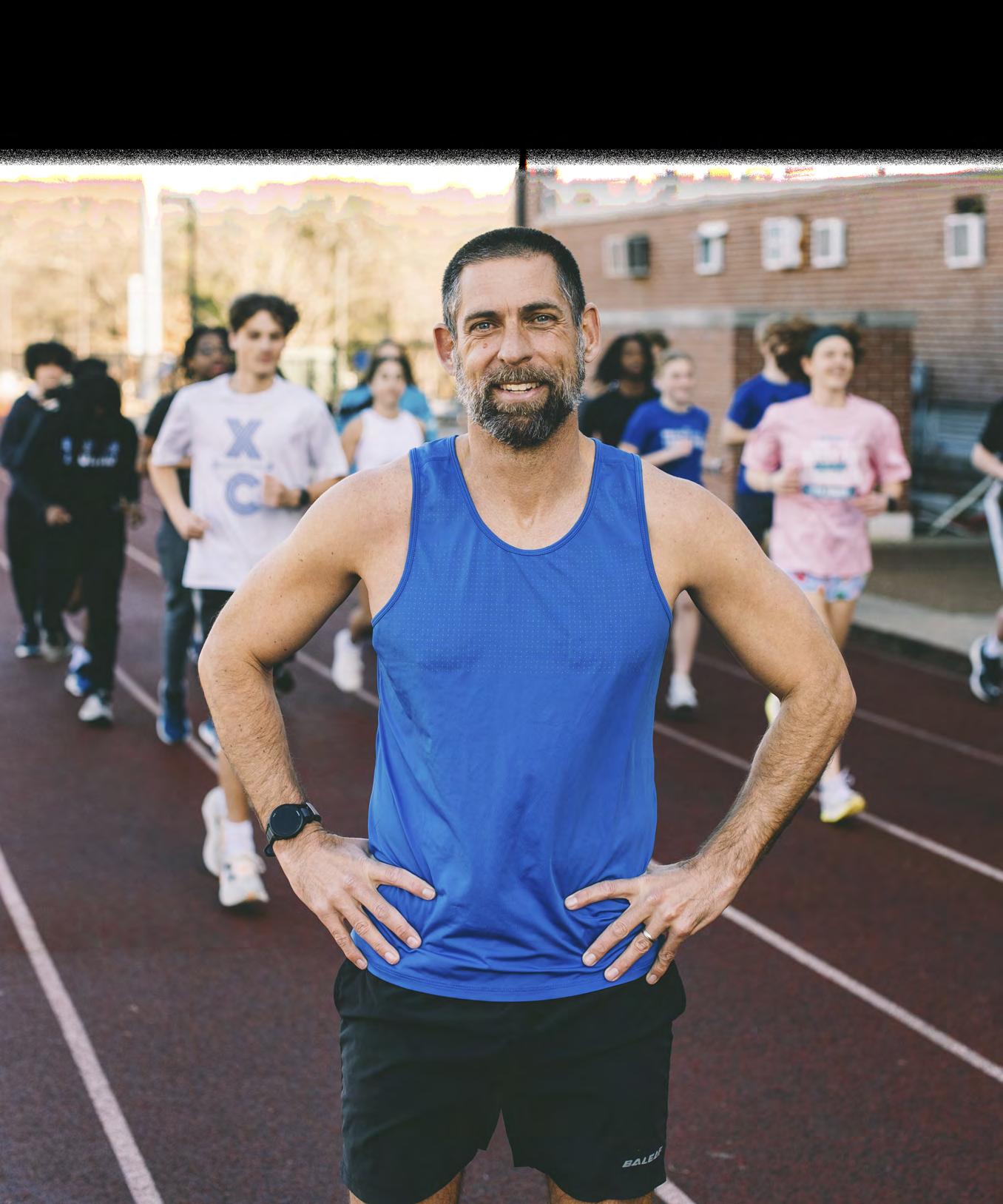
Colton Cockrum didn’t grow up dreaming of finish lines. In his rural Oklahoma hometown of 800 people, running wasn’t a sport, but a punishment when he and his teammates got in trouble during baseball or basketball practice. Today, Colton runs about 30 miles a week year-round and is entering his 10th season as a high school crosscountry coach. The sport he once resisted has become central to his health, his leadership style, and his mentoring of young athletes.
Colton moved to Tennessee 23 years ago to work in higher education and now serves in a senior leadership role at the University of Memphis, focused on institutional effectiveness and student success. In his early career, Colton was working full-time, finishing his doctorate, raising two young children, and finding his own health slipping quietly into the background. When his daughter was born in January 2011, something shifted. He was 30 at the time, exhausted, and aware that many men at that stage simply let go of the rope.
He decided he didn’t want to look up at 40 and feel like he had given up on himself, so he tried running. He started with a simple yet intimidating goal: running 500 miles in a year. At this point, Colton didn’t even like running, but was drawn to the discipline the sport represented. The miles began to quickly
improve both his physical and mental fitness. “I never came back from a run in a bad mood,” he says. Between work stress and sleepless nights with the kids, running became therapy. He found community through Fleet Feet’s Thursday night track workouts, which were welcoming, ability-inclusive sessions that pushed him out of his comfort zone. “If you’re doing it right, everything in you is telling you to quit,” he says. “But that’s the point. We’re built to endure hard things; we just don’t always want to.”
What began as 5Ks and group runs evolved into something deeper when his son joined a school running club. Colton volunteered and eventually became the head coach of cross country and track, guiding athletes from elementary school through high school. This fall marks his 10th year coaching. Now 47, Cockrum still logs about 30 miles a week and runs alongside his athletes, including 6 a.m. neighborhood runs and evening trail runs at Shelby Farms. “They see an old guy doing the workout, and I think it encourages them,” he laughs.
Consistency, not intensity, is Colton’s foundation for both himself and the students he coaches. His athletes run six days a week, with strength training layered in. But Colton goes the extra (theoretical) mile as a coach, tailoring workouts to individuals based on their
experience and fitness level to keep his athletes pushing without feeling defeated. His approach paid off: after finishing 27th and 25th in the state, his boys’ and girls’ teams recently earned state runner-up honors.
But for Colton as a coach, medals are secondary, and he strives to recognize what his runners need at different age levels. In elementary school, he wants running to be fun, focusing more on engaging games rather than obsessing over personal records. In middle school, patience and flexibility are critical as bodies change rapidly and unpredictably. High school track and cross-country bring more pressure, but he resists tying identity to times on a stopwatch. “Running draws a lot of really smart, introverted kids,” he says. “It gives them both a team and space to be alone. That balance is powerful.”
The real victory, he believes, is physical and emotional durability. If his athletes leave the sport with anything, he hopes it’s this: you can do more than you think. A grueling cross-country season proves they can survive the challenges that come with growing up and adulthood. “Life will demand endurance; running just teaches it physically,” Colton says. “I hope my runners realize that by learning to endure hard things through running, they will see benefits in the way they handle life’s challenges as they grow up.”
By Beth Wilson
Photo by Tindall Stephens
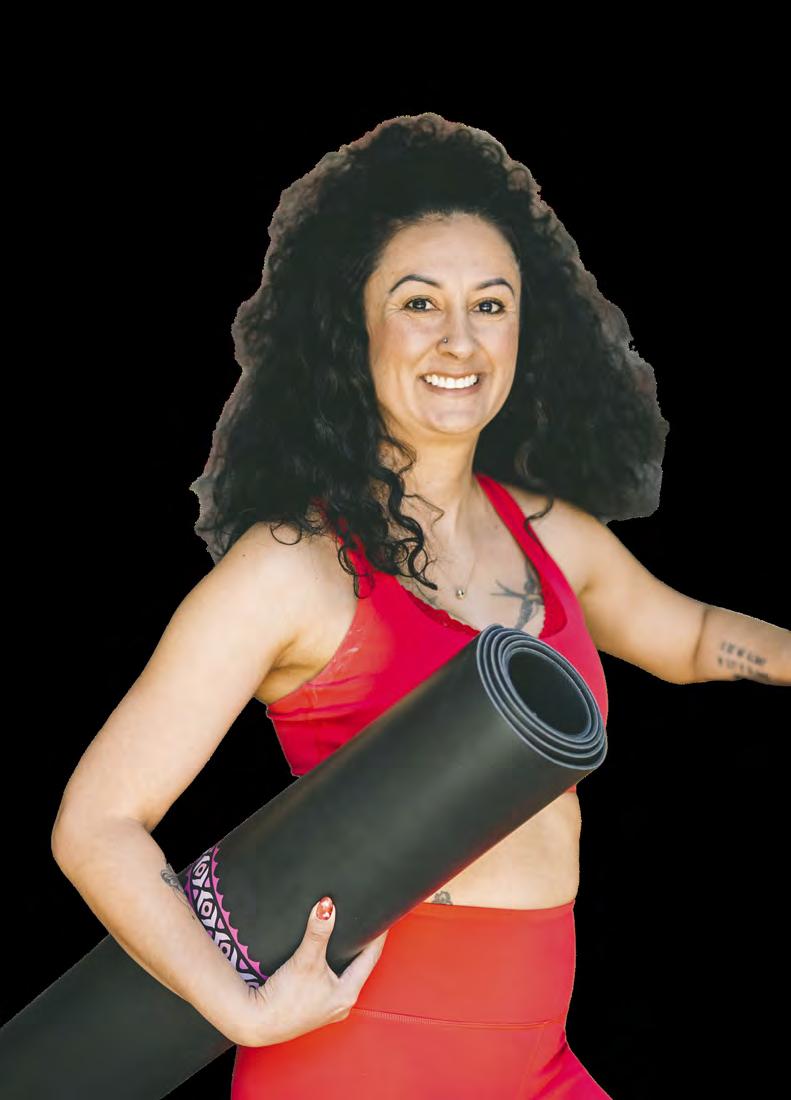
AN ULTRARUNNER’S PATH TO YOGA AND ENTREPRENEURSHIP
For years, the rhythm of Jessica Klukas’s life was measured in miles.
Growing up in a small town in West Texas without paved roads, she discovered freedom early. Her father was a football coach, and she loved tagging along to practice — running when the players ran, sprinting through the dirt under a wide-open sky.
“There was something about running in the middle of the desert that felt completely liberating,” Jessica said.
That early love of movement evolved into something bigger when Jessica’s husband, an accomplished runner himself, introduced her to ultrarunning. While stationed in San Diego during her Navy career, weekends meant packing up and heading for the trails. What began as shared time together turned into a test of endurance and identity.
But for Jessica, ultrarunning was never just about distance.
“It was about mental strength,” she explained. “Learning to push to my breaking point and then push beyond it changed the way I face life’s challenges.”
For 20 years in the Navy, long runs became Jessica’s outlet. They were where she decompressed, planned, and worked through the weight of responsibility. The solitude of the trail suited her. Running was personal. She could be both focused and feel quietly powerful.
Yoga entered her life in San Diego at a small Bikram studio near her home. Jessica fell in love with the heat immediately. “I found it refreshing and grounding,” she says. Still, at the time, yoga was cross-training — something to support the miles.
When Jessica later moved to Lakeland, Tennessee, yoga slipped away. There were no studios nearby, and life grew busy. Then one Mother’s Day, her husband surprised her with a 10-class pass to a studio more than 20 minutes away. Yoga found its way back.
This time, it felt different.
What began as cross-training evolved into something deeper when she discovered community on the mat. Running had always been solitary — something she believed she preferred. But moving and breathing alongside others who shared the same drive opened her eyes. Fitness, she realized, could be both personal and shared.
In 2022, after retiring from the Navy, Jessica’s relationship with running shifted. Stepping away from ultrarunning didn’t feel like a loss. It felt like a natural evolution.
“I wasn’t carrying the same stress anymore,” Jessica shared. “I didn’t need long runs to settle my thoughts.”
What surprised her most was that yoga challenged her just as much as ultrarunning ever had, just in a completely different way. Her endurance background translated seamlessly to the mat. When a pose feels impossible, she taps into the same mental reserve that once carried her through grueling miles.
But yoga also exposed something running never required: listening.
“In running, I was used to ignoring aches, discomfort, and warning signs,” Jessica said. “Yoga taught me that some days it’s okay to slow down, and to sit with whatever I’m carrying.”
That lesson — humility, patience, awareness — changed her.
After retirement, Jessica enrolled in yoga teacher training, initially to stay occupied. Instead, she discovered a passion for
teaching. The discipline that defined her running career found a new home in guiding others.
And soon, a bigger vision formed. Lakeland still lacked a nearby studio. She had seen the strong, supportive communities built in Midtown and Downtown studios and wanted that same energy closer to home. So, she opened her own space: Sol 2 Soul Yoga.
At Sol 2 Soul, the atmosphere is welcoming but intentional. Classes begin promptly — punctuality matters. “Our philosophy encourages you to get comfortable being uncomfortable,” Jessica said. “For some, that starts with arriving on time.”
The studio leans into Power Yoga, often with the music turned up. While yin and restorative classes are offered, the heart of the space is about pushing limits. One of Jessica’s biggest challenges as a new owner has been shifting perceptions.
“Many folks picture yoga as slow and overly serious,” she shared. “But yoga is tough. It’s not just lounging around and stretching. If sitting still is hard for you, yoga will test you. If you dislike the heat, get ready for a challenge. If your ego is along for the ride, yoga will humble you.”
And that, she believes, is the gift.
The most rewarding part of opening the studio has been witnessing friendships form and seeing students cheer one another on as they achieve poses they once thought impossible. Community, once something she didn’t know she needed, is now central to her mission. Looking back, the thread connecting ultrarunning and yoga is clear: discipline.
“Success in either doesn’t come from simply showing up,” she said. “It comes from patience, persistence, and the humility to keep learning.”
Jessica’s definition of strength has changed, too. In her 20s, strength was measured in miles, lifts, and swims. In her 40s, it looks different.
“It’s courage, independence, and selfrespect,” she expressed. “It’s speaking my mind, doing things even when no one else shows up, and working out for myself — without concern for competition or appearance.”
Movement itself has softened. Where it once meant hitting a mileage goal, or judging herself if she didn’t, it now means joy and presence. Some days it’s yoga. Other days it’s a ruck, a swim, Pilates, or strength training. The metric is no longer miles. It’s alignment.
For women navigating identity shifts — whether in sport, career, or life — Jessica’s advice is simple: Focus on small, consistent wins. Reframe your “why.” Embrace a growth mindset. Build something sustainable instead of chasing an overnight transformation.
And when challenges arise? Jessica leans on a mantra forged somewhere between the desert roads of West Texas and the heated studio floors of Lakeland: “Embrace the suck.”
“Whenever life throws a challenge my way, I lean into it and ask what lesson it holds,” she added. “I know that once I make it through, I’ll come out even stronger.”
Today, when someone walks into Sol 2 Soul, she hopes they feel a sense of belonging first — a space where they can challenge themselves, grow, and thrive in both body and mind.
The miles may look different now. But the strength behind them remains.
By Zoe Harrison
Photo by Tindall Stephens
ADVOCATING FOR A CITY IN MOTION
For Kelsey Huse, movement is a way of life, shaped by the cities she’s lived in and the streets she walks and bikes every day. Now a graduate student in City and Regional Planning at the University of Memphis, Kelsey is helping reimagine how urban design can support physical fitness and community well-being.
Kelsey moved between Oklahoma, Kansas City, Philadelphia, and Austin before landing in Memphis in August 2024 to be closer to family and join the master’s program. It was her time living in Philadelphia that shaped her philosophy around movement and accessible public transit. “My life felt so expanded,” she explains. “I could walk to friends’ houses, bike everywhere, and hop on a $10 bus to New York or DC.” That freedom made daily activity effortless, not something she had to schedule or force into her routine.
When she moved to Austin, that ease disappeared. “I had to drive everywhere. I missed being on my bike and feeling connected to my community,” she says. That frustration turned into advocacy when bike lanes began disappearing. Kelsey organized petitions, spoke out publicly, and recognized that when no one in a community speaks up, nothing changes. “No one is going to build what I want unless I advocate for it myself,” she says.
Today, she sees active transportation as the intersection of mental fitness, physical health, and community connection. “Because I bike for transportation, I don’t have to think about working out,” she says. “That’s the beauty of environments designed for movement. If activity is built into daily life, it doesn’t feel like a chore.” Aside from biking for transportation, Kelsey is also on the leadership team of the Memphis Social Bicycle Club.
Kelsey believes urban infrastructure plays a critical role in public health. Roads, sidewalks, bike lanes, and crossings influence whether people feel safe enough to walk, bike, or push a stroller. She’s witnessed how small changes can have big impacts, like when a pedestrian signal in Midtown was adjusted after community complaints, giving walkers a few extra seconds before traffic turned.
Her approach to change is practical and grassroots. “Log a 311 request. Email your city council member. Talk to your neighbors. Document what’s happening,” she says. Social media has become one of her most powerful tools for organizing and raising awareness. While backlash exists, she estimates it’s only
a tiny fraction. “Most Memphians know the streets aren’t safe. They want change, and they don’t always know how.”
If she could redesign one space in Memphis, Kelsey points to Union Avenue. “It needs to be rethought completely. There are so many crashes, and it doesn’t serve people who want to walk or bike.” Ultimately, her mission is to help Memphians imagine something better and to encourage them to join her in advocating for the community’s basic needs. “My goal is to change minds and show that another version of our city is possible,” Kelsey says.
Connect with Kelsey on March 16 at Novel at 6 p.m. for a community discussion titled “Life After Cars” Lifeaftercars.com and follow along with her on Instagram @memphisurbanism.
By Zoe Harrison
Photo by Josh Clark
YOUR MIND & BODY WITH BRAINTAP
John Redmond, PMHNP-BC, is a Psychiatric Nurse Practitioner and the CEO of Pathways to Wellness, a trusted mental health clinic serving the Memphis community. At 62, Redmond brings more than clinical expertise to his work. As an Army veteran, he understands how deeply anxiety, depression, and trauma can shape both the mind and the body long after service ends.
For most of his life, running was John’s refuge. It was how he managed stress, cleared his thoughts, and processed the emotional weight of his military experiences. Each mile gave him structure and a sense of control. But years of physical injuries eventually forced him to step away from the level of training he once loved. Losing that outlet became a turning point. Healing, he realized, had to come from more than physical effort alone.
That realization reshaped both his personal journey and his professional mission. Today, John leads a practice centered on non-invasive, non-medicinal approaches to mental health care. His clinic supports individuals struggling with depression, anxiety, burnout, trauma, and the emotional challenges that accompany aging and physical decline. His philosophy reflects a growing understanding that true wellness requires caring for the mind as intentionally as the body.
In fitness, recovery is where growth begins. Muscles rebuild after exercise, and the brain also needs time and space to reset. As stress, burnout, and unresolved trauma increasingly interfere with physical performance, mental recovery has become an essential part of total fitness. One tool John has embraced is BrainTap, a guided neuro-relaxation system that uses sound and light stimulation to calm the nervous system and guide it out of constant fight-or-flight mode. For athletes and active individuals, it serves as active recovery for the mind.
Chronic stress is another aspect that can be influenced by BrainTap therapy. Chronic stress can disrupt sleep, slow muscle repair, increase inflammation, and weaken motivation. By encouraging the body’s natural rest-and-digest response, BrainTap may help quiet mental overload and restore emotional balance. Many users report better sleep, sharper focus, and greater resilience under pressure.
Mental health challenges such as anxiety and depression often appear as exhaustion, low motivation, and inconsistent routines. While BrainTap is not a medical treatment, regular use may support mental clarity and emotional steadiness, making it easier for people to stay engaged in healthy habits. Trauma also leaves its imprint on the body, keeping the nervous system
locked in survival mode long after danger has passed. Gentle relaxation tools like BrainTap can help create a sense of safety and allow the body to experience true rest, which is often a necessary step toward healing.
For John, peak performance is no longer about pushing harder, but learning when to slow down. Though he still supports his physical and mental health through bicycling, he believes that training the brain to recover may be one of the most powerful and overlooked tools for both mental health and physical fitness.
For those seeking restoration of both mind and body, Pathways to Wellness offers a path forward. For more information, call 901.878.3332 or email info@pathwaystoday.com.
By
REGAINING CONTROL & CHOOSING HEALTH
Alicia Johnson
Photo by Tindall Stephens
Over the last eight months, Jason Webster, 44, has overhauled virtually every aspect of his life in a quest to regain control of his health.
General manager for DHL Logistics and a divorced father of three sons, Jason says he knew he had to get healthier when he looked in the mirror and no longer recognized himself. His weight had increased from a consistent 225 pounds to over 300, his waist size had grown from a 38 to a 44, and his shirt size progressed to a 3XL. Jason realized he needed to overhaul his approach and sought support from Gameday Men’s Health, a local medical facility offering a range of therapies and treatments specifically designed for men.
As a Gameday client, Jason initiated his weight loss journey with a three-month GLP-1 cycle and testosterone replacement therapy (TRT), along with significant changes to his diet and hydration status. He quickly benefited from the effectiveness of jump-starting his weight loss with a GLP-1. Having his thyroid previously removed and a consequential natural decline in testosterone levels, Jason has experienced substantial improvements in energy levels, mental focus, and general well-being since beginning TRT injections.
Combined with these two therapies, Jason also resumed a consistent routine of strength training and running. Due to an ever-changing work schedule and competing external demands, he found Planet Fitness provides the most practical and sustainable workout options for his lifestyle. A typical workout consists of a 30-minute treadmill session followed by a 30-minute strength-training circuit, a unique feature of Planet Fitness that uses a stop-and-go light system to keep clients on pace and help them transition between machines.
“Maintaining a highly structured plan and schedule is essential to preserving balance,” Jason explains. However, he realizes the importance of flexibility, as life happens, and believes it is critical to ensure time is still made for the moments that matter most.
Jason describes his dietary plan as “intentionally straightforward.” A typical breakfast is a protein shake with black coffee. For lunch, it’s either a protein with vegetables or another protein shake. Dinner consists of a lean protein, like chicken, fish, or red meat, with a vegetable. Throughout the day, Jason’s goal is to eat approximately every two hours, choosing simple snack options like Quest protein chips or protein bars in between meals. He also makes hydration a key focus, aiming to consume at least 160 ounces of water a day, which keeps him well-hydrated and helps him manage hunger.
“I have experienced significant improvements in energy, focus, and overall mood, which have enhanced my personal and professional life. Achieving better physical health has also increased my confidence and resilience, allowing me to manage daily demands better and maintain a balanced lifestyle.
Beyond the physical benefits, committing to my health has provided a sense of accomplishment and motivation, reinforcing my ability to set and achieve meaningful goals.” To date, Jason has lost 75 pounds. He plans to continue his journey, making positive lifestyle changes to be the best version of himself for his children.
“I feel a responsibility to demonstrate the importance of a healthy lifestyle, both by example and by being fully present for them, showing that prioritizing wellness is essential for long-term quality of life.”
He emphatically commends Gameday’s support through his journey. “Gameday Men’s Health has provided unwavering support throughout my journey, and the staff has been exceptional. Each team member creates an environment that is both welcoming and informative, ensuring I feel comfortable and well-educated when making decisions about my healthcare. This team has been truly life-changing for me and has played a critical role in helping me move closer to achieving my goals.”
For more information, visit Gamedaymenshealth.com/memphis-tn or call 901.589.2969.
Rice and Beans Burrito Bowl
Ingredients:
q 1 Minute Cilantro & Lime Jasmine Rice Cup
q 1/4 cup canned pinto beans, drained and rinsed
q 1/4 cup fresh or canned corn
q 1/4 cup prepared salsa
q 1/2 teaspoon ancho chili powder (optional)
q 1 cup shredded lettuce
q 1 tablespoon sour cream
q 1/2 avocado, sliced (optional)
q 1/2 tablespoon cilantro, chopped (optional)
q tortilla chips
Directions:
Heat rice according to package directions.
In medium, microwave-safe bowl, combine beans, corn, salsa and chili powder, if desired.
Microwave on high 1 minute.
Mix in rice. Place lettuce in bowl and top with rice and beans mixture. Garnish with sour cream, avocado and chopped cilantro, if desired.
Serve with tortilla chips.
If dry eyes are interfering with your work, workouts, sleep, or screen time, you’re not alone—and you don’t have to just “live with it.”
Tixel-i ® at Collierville Vision Center offers lasting relief by gently restoring balance to your tear film and oil glands— without lasers, injections, or downtime. Most patients notice improvement after just one or two treatments.
This isn’t a temporary fix. It’s a chance to feel comfortable again.
Quick Bibimbap
Ingredients:
q 2 cups Minute Instant Jasmine Rice
q 1/4 cup canola oil, divided
q 8 cups baby spinach
q 2 cloves garlic, minced
q 1 tablespoon grated fresh ginger
q 1/4 teaspoon salt
q 1/4 teaspoon black pepper
q 4 teaspoons soy sauce
q 4 teaspoons rice wine vinegar
q 1 cup bean sprouts
q 1 cup matchstick carrots
q 1 cup prepared kimchi, chopped
q 4 eggs, fried
q 4 teaspoons Sriracha
q 4 teaspoons sesame seeds, toasted
Directions:
Prepare rice according to package directions.
In large skillet over medium heat, heat 2 tablespoons oil. Saute spinach, garlic, ginger, salt and pepper 3-5 minutes, or until spinach is wilted. Transfer to bowl and keep warm.
Wipe out skillet. Heat remaining oil over medium-high heat. Stir-fry rice 3-5 minutes, or until slightly crisp. Stir in soy sauce and vinegar.
Divide rice among four bowls. Top each serving with bean sprouts, carrots, kimchi and one fried egg. Drizzle with Sriracha and sprinkle with sesame seeds.
Contact Lens Success
By Dale Sanford, Performance Coach
RUN YOUR FASTEST 5K WITHOUT BURNING OUT
The 5K is a beautifully uncomfortable event. Short enough to require top-end speed, but long enough to feel like a punishing eternity. If you want to run a fast one this spring, the goal is simple. Arrive at the start line aerobically fit, mechanically efficient, and strong enough to hold good form for your goal time. Not fried. Not undertrained. Just right. Let’s figure this out.
One important note: Ideally, you spent the winter working on your limiters and keeping a strong base. For most runners, that means improving form, refining speed skills (leg turnover and leg extension), and building strength. If you didn’t, these next six to eight weeks will still help — but they won’t magically fix inefficient mechanics or a lack of general strength. It’s hard to fly like Maverick if you skip flight school.
First, mileage progression. Newer runners doing three to four runs per week should gradually build volume over the first three to four weeks, then level off. A good rule of thumb is to increase total weekly mileage by 5% to 10% each week, assuming you’ve been running consistently. If you’re at 10 miles per week, don’t jump to 15 because you saw a 20-year-old influencer on TikTok do it. Boring consistency beats heroic spikes every time. If you carry a decent base over the winter, build some posterior strength by running hillier routes or doing some aerobic hill repeats. The aerobic system is still the engine of the 5K. Even though it can feel like a sprint, roughly 85–90% of the energy demand is aerobic. This means your easy miles matter more than your goal pace would have you believe.
For the average runner, fast running (I prefer the term fast over hard because hard doesn’t mean you’re getting faster) should happen once per week. One speed session. That’s it. This workout should include two to three miles of total work, broken into short intervals running faster than 5K pace. Start with 200m–800m repeats with full recoveries equal to the amount of work. For example: 8-12 x 400m at slightly faster than goal 5K pace with equal jog recovery. Or 16-24 x 200m really fast but controlled. Finish the last 200m of the lap easy, or on a walk/jog. Make sure you leave a little in the tank. The purpose is to sharpen your mechanics and raise your ceiling, not to simulate race-day suffering once a week.
More advanced runners may tolerate slightly more intensity early in a build. Mainly in the form of shorter recoveries or longer intervals above race pace, but if you’re running three to four days per week, once is enough. Any more, and you’re just collecting extra fatigue that will likely reduce the quality of your training across the board.
The rest of the week is about building fatigue resistance. Easy runs done consistently improve capillary density, mitochondrial function, and overall durability. That’s the stuff that lets you hold pace in the final mile when your brain starts calling for a mutiny. For you speedsters, you can occasionally finish an easy run with a fast final five to 10 minutes (fast finish runs) or sprinkle in short 10–20 second strides. Think of these as gentle reminders to your legs that you’ll be running fast again soon.
By weeks five through six, your volume should be fairly steady, allowing intensity to be increased. Your speed session should progress in density (fewer but longer intervals) or pace, but not both at once. Keep total fast volume within that two- to three-mile range. Experienced runners might run up to four miles of fast running within a workout.
At least once during the training build (the fourth week is ideal for most people) and on the final week before your race, reduce overall mileage by 15–25% while keeping one lighter sharpening session. Not speedwork. The goal is to feel spring-loaded, not stale, and not add fatigue to the body. You don’t need a two-week taper for a 5K, so if you come into race week feeling a little fatigued, just rest more early in the week, and pop in your sharpening session two to three days out.
On race day, make sure you get in a solid warm-up. We always give our athletes a standard 10-15-minute active dynamic warm-up (avoid static stretching). This includes bodyweight exercises, coordinated movements, and some stride outs to let the body know what is about to be expected of it. You want the first mile to come easy, close to or at goal pace. Preferably not too much faster. Mile two is always the biggest mental battle, so try to pace it evenly, at a minimum, terrain-dependent, of course. The final mile should be broken into quarter-mile intervals. Each one is getting faster than the last. After each quarter, you do a mental assessment, and either aim to hold or increase pace. This is where PR’s are made! The final quarter should be everything you have left in the tank. If it’s me, I will not be standing at the finish. You can find me on the ground. But to each his own.
Let me know when you hit that next PR!
“Best coaches around! Great folks that will help you get faster & stronger while helping you keep your life balanced.” -Phillip
Lose Up to 10% of Your Body Weight with our FDA Approved Weight Loss Injections
Do you Suffer From Lack of Energy, Weight Gain, Poor Sleep and Low Libido?
Would you like to lose fat, gain muscle, recover faster and possess the sex drive you had in your twenties? We offer a Personalized Patient-Centered Approach Solution for low testosterone, weight loss and aesthetics.
Photo by Tindall Stephens
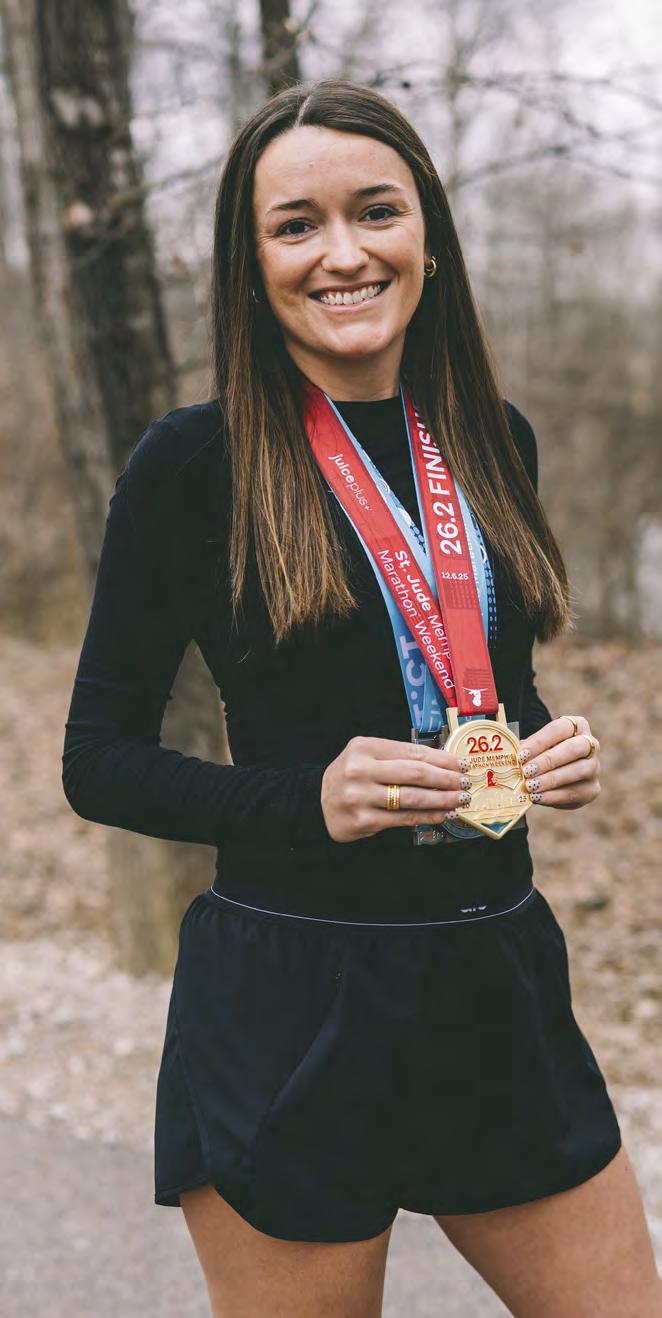
Sarah Schobel, Runner
27; Pharmacist at CVS Pharmacy
I f RUNNING: Running is my release! Every time I go for a run, it allows me to disconnect from the world and just run.
BUCKET LIST: Running all the world marathons would be a dream, so I’m starting with Chicago this year!
UP NEXT: I’m training for the Chicago marathon.
FAV FITNESS ACCOMPLISHMENT: Running my first full marathon this past year, the St. Jude Memphis Marathon® Weekend! It was one of the hardest things I have ever done, but it was the biggest achievement getting my first marathon under my belt!
HOMETOWN: Memphis, TN
SPEED BUMPS: The biggest hardship I overcame on my fitness journey was finding the right type of exercise that made me feel accomplished as I have gotten older. Growing up playing sports was an easy way to stay fit, but challenging myself to new types of workouts as I grew up was new to me. I had never done anything other than conditioning for sports, but now I have fallen in love with running and Pilates, and even tried some yoga.
FAV JAMS: I enjoy any remixes of songs. They always help keep me pumped up throughout a run.
BEST EATS: I enjoy any pasta on the menu at Catherine & Mary’s, along with a glass of Chardonnay.
DREAM DINNER COMPANY: Ariana Grande. I love her so much and think she is so genuine and funny!
GO-TO GEAR: My Garmin watch, Brooks running shoes, and Shokz OpenFit headphones — all are a MUST!
INSPIRATION TO BE FIT: Working in healthcare has allowed me to learn about my body and health, and prioritizing my fitness has never been more important to me. I want to be able to stay active when I’m older, so I think realizing that how I’m treating my body now affects that has made me more motivated than ever!
ON MY NIGHTSTAND: “The Summer I Turned Pretty” series by Jenny Han
PET PEEVE: It’s annoying when my Runna app doesn’t connect to my Garmin watch. I also can’t stand running outside when it is super windy; it’s unbearable.
QUOTE: Everything happens for a reason! In your fitness journey or life in general, you never know what’s going to happen, but it all has a greater purpose.
UNLOCK YOUR ACTIVE LIFESTYLE
At Next Day Access, we believe that mobility challenges shouldn’t hold you back from living life to the fullest. Our range of innovative, high-quality accessories is designed to help you stay active, independent, and adventurous. From custom ramps, stairlifts, elevators or other modifications, we create personalized solutions that empower you to live freely and confidently in your own space.
by Josh
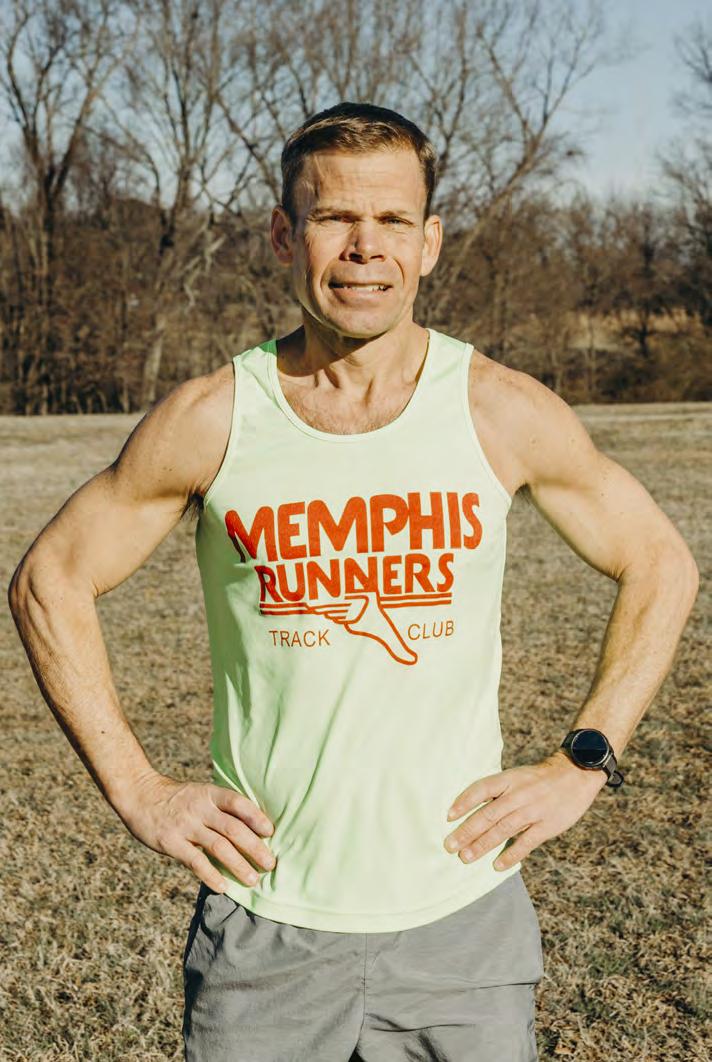
Mike Sullivan, Runner
50; Superintendent at Walker General Contractors
I f RUNNING: Running helps me reduce stress and anxiety and improve focus.
BUCKET LIST: I want to do a sprint triathlon because it will motivate me to cross-train! At 50, I’m beginning to realize the importance of cross-training.
UP NEXT: St. Jude Memphis Marathon® Weekend!
FAV FITNESS ACCOMPLISHMENT: Completing the 2025 Lane Purser Road Race Series because I came back from injury to place first in my age group.
HOMETOWN: Bristol, PA
SPEED BUMPS: In 2020, I herniated my L4-L5 disc, resulting in severe sciatica in my right leg and limited mobility for six weeks. Unable to lift anything heavy, my career as a carpenter was over. Using the experience gained as a carpenter, I began a new career as a construction superintendent. Overwhelmed by a new career and my sciatica, I gave up exercise. A few years later, work stress led me back to exercise. Starting with pull-ups, push-ups, and planks, I discovered planks were taming my sciatica. After 18 months of strength training my core, the sciatica was manageable, and I began walking with short, slow intervals of running. A year later, I was inspired to sign up for the 2025 Lane Purser Memorial Road Race Series. I intended to only run a few short races at the beginning of the series to connect with old friends. After placing second in my AG in the first race of the series, I was determined to complete the whole series. I conquered all distances in the series and placed first in my AG for the series!
FAV GYM: I like working out at my home gym and at Ric Nuber YMCA.
FAV JAMS: “Jump” by Van Halen
MOST MEMORABLE FITNESS EVENT: My first marathon was St. Jude in 2011. It was a life-changing event that helped build resilience and self-confidence. It was also a huge milestone in a transformation that began in 2010, after I quit drinking and began focusing on my health and fitness.
MY PRE-RACE RITUALS: I cut back on caffeine the day before to improve sleep!
BEST EATS: Jason’s Deli. I like the turkey wrap with steamed veggies and tea.
GO-TO PRE-RACE MEAL: I like to have oatmeal made with vanilla whey protein and bananas for breakfast before a race.
GO-TO GEAR: Garmin 165 running watch
INSPIRATION TO BE FIT: Running boosts my mood, increases energy, and helps with weight management.
Photo
Clark
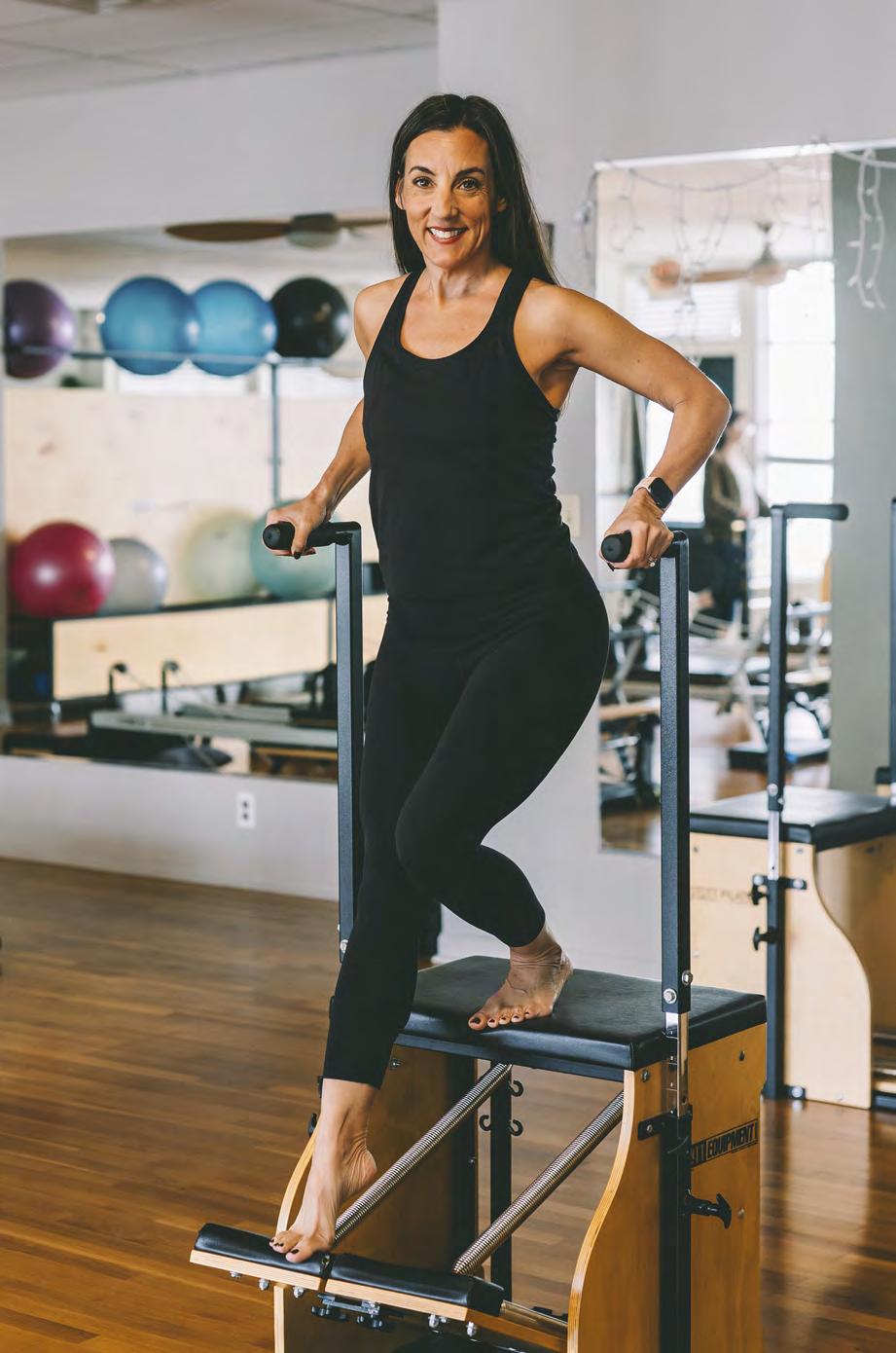
AMANDA ASBELL
48, Trainer at The Pilates Centre of Ballet Memphis
FAV WAY TO WORKOUT:
Pilates is my go-to because it trains mobility, stability, strength, and endurance all at once. It builds power from the inside out, which supports all the other types of training I do. I always leave feeling aligned, centered, and energized, not depleted.
BIGGEST FITNESS MYTH:
Pilates is only for flexibility — false! It’s a full-body strength system that trains control, stability, and strength in a really intentional way.
BIGGEST NUTRITION MYTH:
That you need extreme rules or ‘perfect’ eating to see results. Consistency with balanced, sustainable habits outperforms any restrictive trend.
MY TYPICAL WORKOUT DAY:
It starts with a long hike with my husband and two boys. Then I jump into a Pilates equipment class with friends for a mix of strength, mobility, and fun. I finish the day with a simple stretch session at home to reset and wind down.
MY ADVICE:
Slow and steady truly wins this race.
Photo by Tindall Stephens
MY FITNESS TIP:
You can’t out-train a poor diet. What you eat truly matters. Nutrition is the foundation of every fitness goal. It’s all about balance, moderation, and making choices that support the way you want to feel.
IF I COULD ONLY HAVE ONE PIECE OF EQUIPMENT:
A Pilates reformer! You can work every single muscle in your body with a reformer.
ALWAYS IN MY GYM BAG:
My class planner! It keeps my classes organized and is a place I can jot down notes about client needs and new exercises I want to try.
MY FITNESS INSPIRATION:
My husband. Once he sets a fitness goal, nothing stands in his way. He’s very diligent and intentional about everything he does for his body.
DREAM WORKOUT PARTNER:
All the instructors who teach at Ballet Memphis! They are the most knowledgeable, hard-working, inspirational fitness instructors I have ever met.
GO-TO SNACK:
Crunchy Roasted Edamame Beans — high in protein and fiber!
WHAT KEEPS YOU MOTIVATED:
My clients in their 70s and 80s are my biggest motivation. They remind me of what’s possible with consistency. I always tell people my age that we’re building our future ‘grandma bodies’ now. In the years ahead, I want to be the one running, playing, and keeping up with my grandchildren, and that vision keeps me going on tough days.
NEWBIE ADVICE:
Never compare your day one to someone else’s day five hundred. Fitness isn’t a competition, and comparison will drain your confidence faster than any workout ever could. Focus on your own progress, stay consistent, and celebrate every small win along the way.
Are you a fitness trainer, workout instructor, or influencer in the industry and would love to share your knowledge with our readers? Send a brief bio and picture to: Amy@memphishealthandfitness.com.