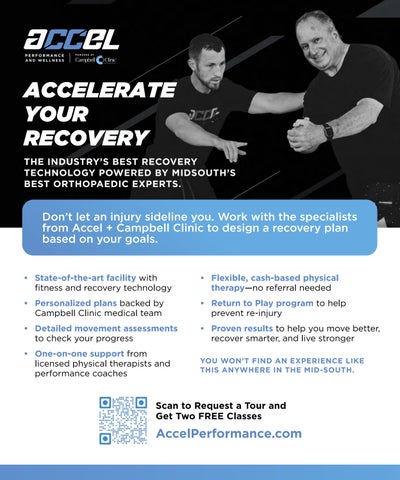
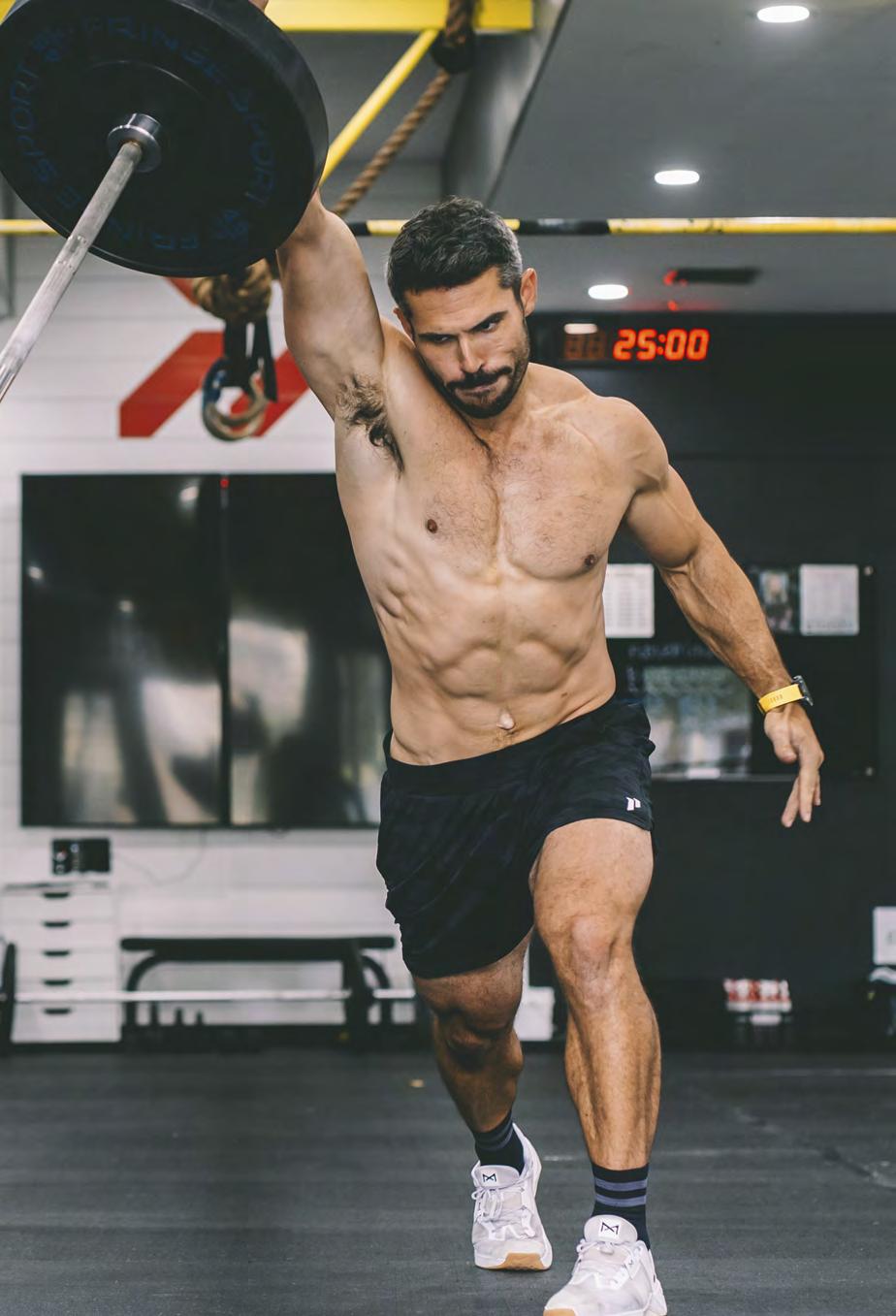
• Return to Play program to help prevent re-injury
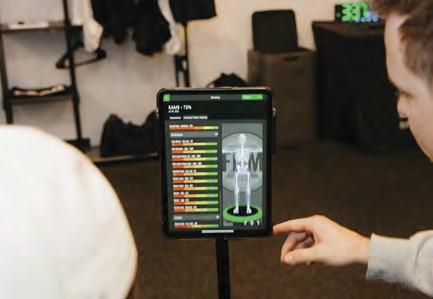
• Proven results to help you move better, recover smarter, and live stronger
YOU WON’T FIND AN EXPERIENCE LIKE THIS ANYWHERE IN
to Request a Tour and
THE YARD, FITNESS GOES BEYOND THE
Where performance meets purpose – designed for those who want more from their training. BUT TRAINING IS ONLY PART OF THE EQUATION.
FIND:
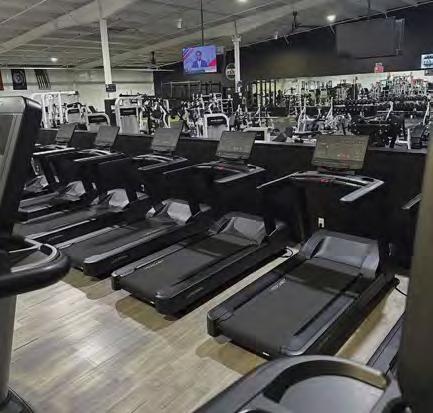
• State-of-the-art conditioning equipment
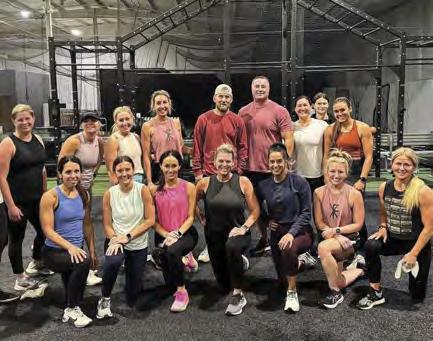
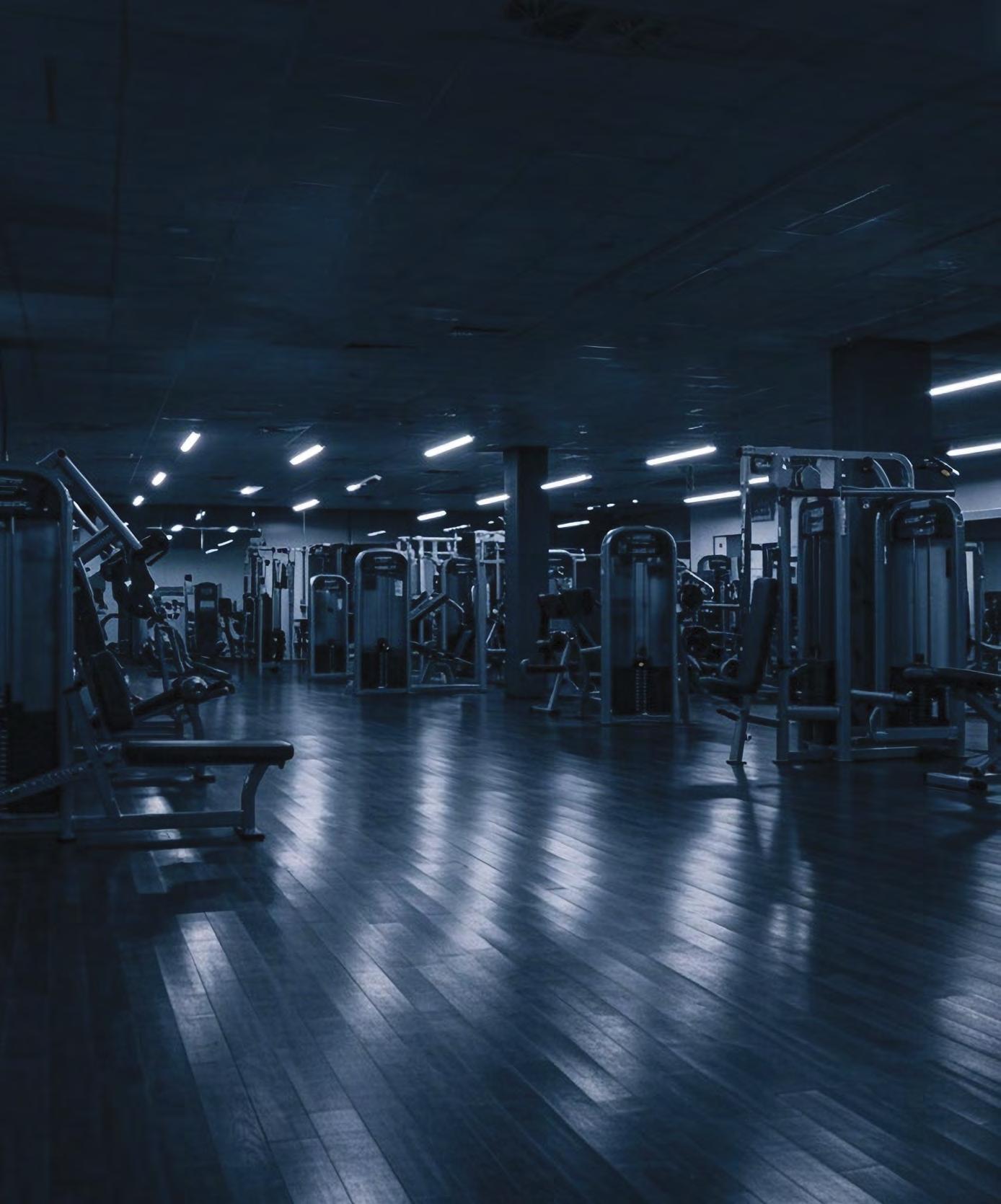
• Expansive indoor turf training areas
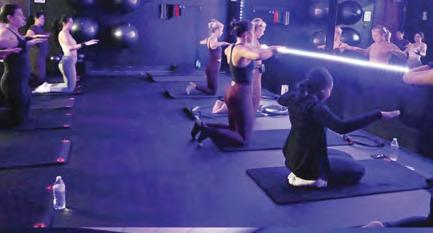
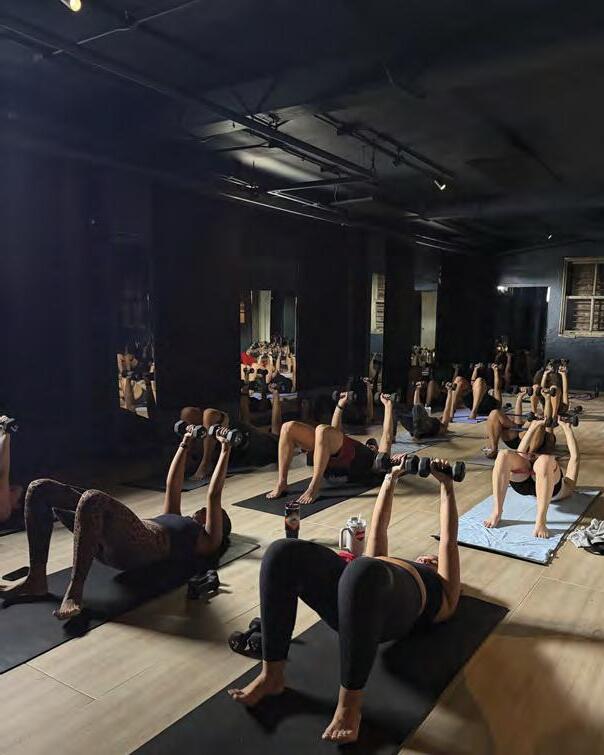
• High-energy group fitness classes, including bootcamps and Power Pilates
• Batting cages and a cutting-edge golf simulator
The Yard is also home to Peak Sports Performance and Chiropractic, offering on-site chiropractic care, performance therapy, and advanced recovery services—so you can move better, feel better, and perform at your best. WHAT YOU’LL
HA PPY PLACE :
my kayak
Chris | 37 - elbow injury | Confidently being active everyday. Enjoy more moments in your happy place.
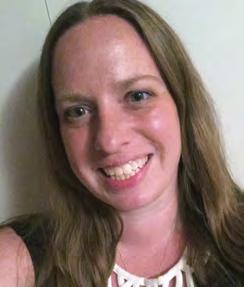
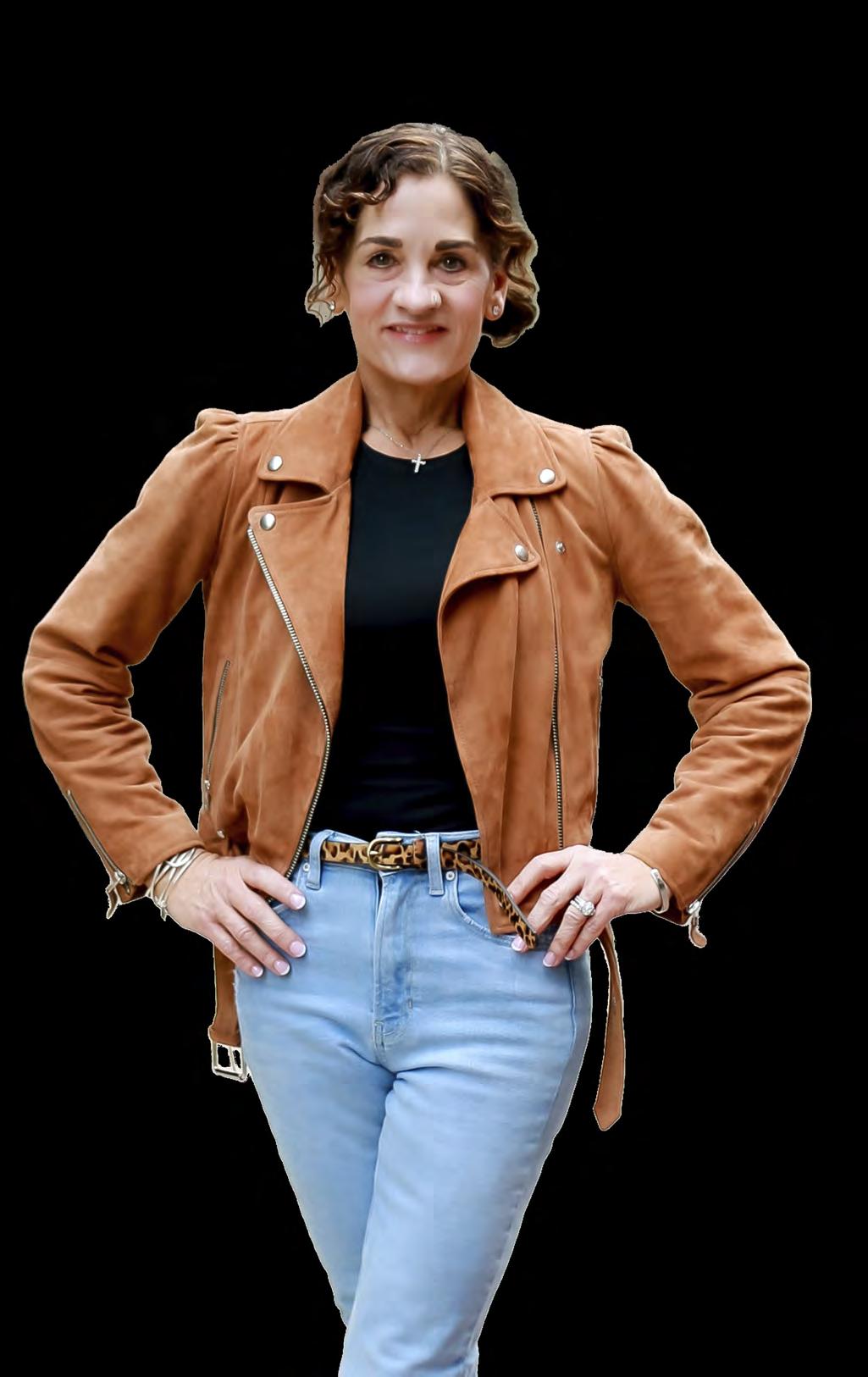
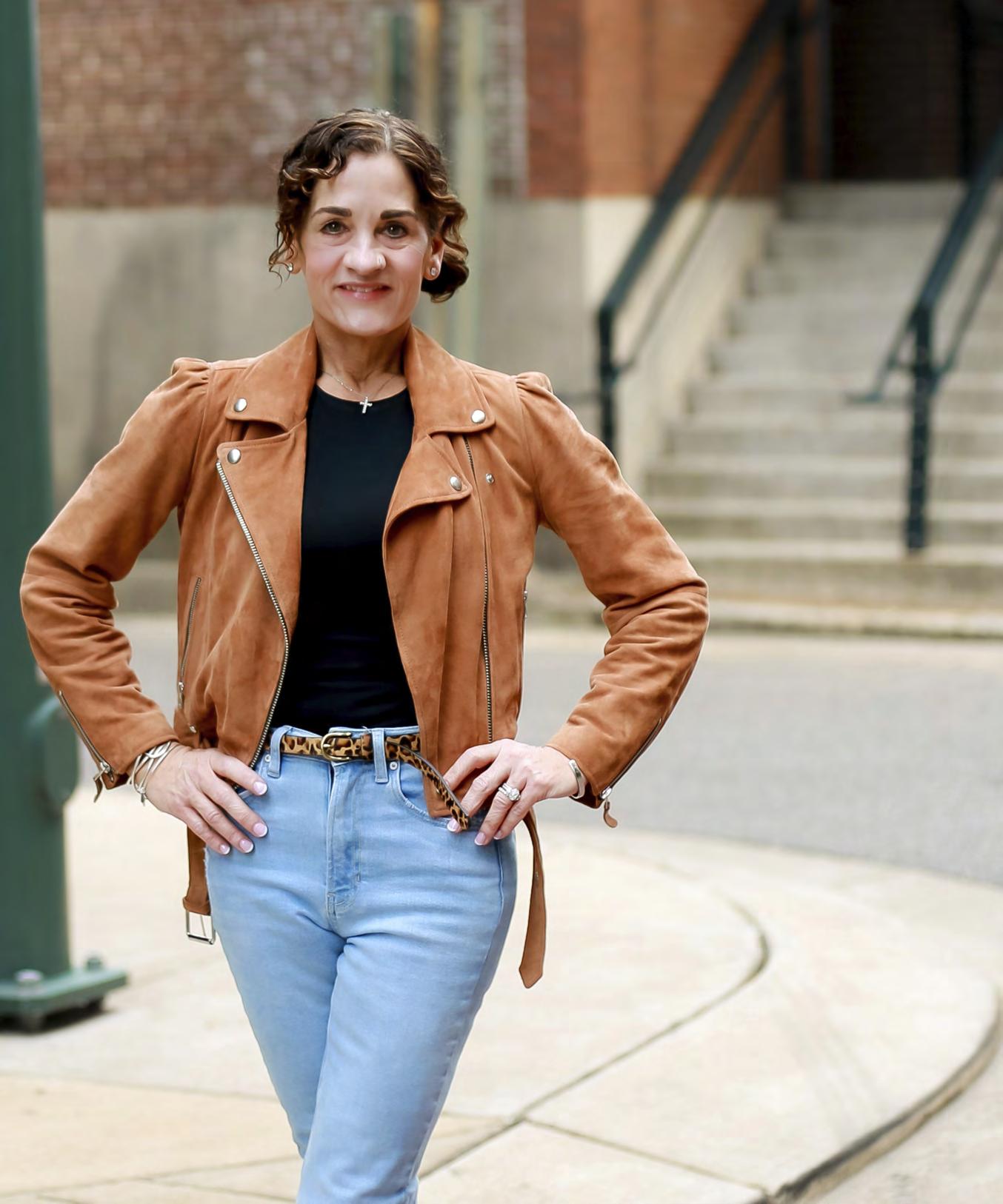
Amy Goode | Publisher
For three decades, Amy has grown and connected the Memphis wellness community. A lifelong amateur athlete and marathoner, her work bridges media and marketing to spotlight the experts and brands inspiring healthier living. When not publishing, Amy is usually in a hot Pilates class or scouting the latest fitness trends shaping the future of wellness.
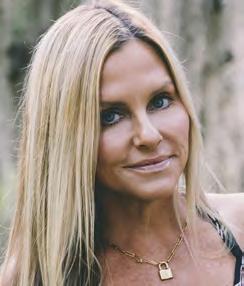
Angelique Nihen | Editor
Angelique is an editor, writer, graphic designer, and advertising/marketing professional. A long-time SAG-AFTRA member, she also works and performs professionally as an actress, singer, and dancer. A Temple University graduate, she enjoys swimming, biking, painting, sewing, reading, and traveling.
Tindall Stephens | Photographer
Tindall has been shooting for over 20 years, specializing in weddings and portraiture. She is a super busy mom of three teenagers,wife of a Memphis firefighter/Paramedic, and entertainer of two boston terriers …among running a full time photography business. Tindallfarmerphotography.com
Zoe Harrison | Contributing Writer
Zoe is a biomedical engineer with a focus in medical writing, and has authored a number of publications in scientific journals. She is a native Memphian and is a passionate runner, yogi, and weightlifter. In her free time, she enjoys cooking and playing with her golden doodle, Sully.
Lucy Modzelewski | Social Media Editor
Lucy is a branding and marketing professional and native Memphian. An avid runner, she enjoys running on the Green Line with her husband and participating in races throughout the year.
Josh Clark | Photographer
Josh is a moment photographer. Drawn less to perfection and more to what’s real. As the owner of HyperFocus Run Club, his photography is shaped by community and motion, focused on memory over performance and images that feel lived-in and honest. At the core of it all is a love for people, for building meaningful community, for his wife, and for life alongside his German Shepherd, Ranger.
Shlomit Ovadia | Contributing Writer
Shlomit Ovadia is a Content Strategist for a Colorado-based nonprofit, where she currently lives and enjoys all the outdoors lifestyle has to offer. In addition to her freelance work in writing and editing, Shlomit’s poetry and creative pieces have been published in various literary journals including Grande Dame Literary and Sad Girls Club Literary Blog.
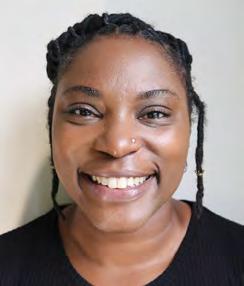
Maya Smith | Contributing Writer
Maya is a native Memphian who is passionate about living well and helping others do the same. She is a fitness instructor and personal trainer at a local gym. In her free time, Maya enjoys kayaking, photography, swimming, and enjoying the outdoors.
9
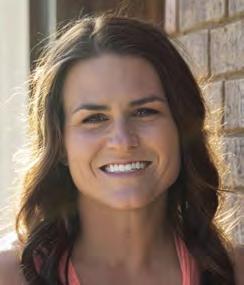
Alicia Johnson | Contributing Writer
Alicia is a BSN-prepared registered nurse, homeschool mother of two, and fitness instructor. Her fitness routine includes strength training and running, and she is passionate about group fitness classes and the sense of community they develop. In her spare time, she enjoys running 5Ks with her daughter and spending time with the family’s horses and red lab, Camo.
Beth Wilson | Contributing Writer
Beth Wilson is a native Memphian and the Founder and CEO of Wilson Public Relations. She is an avid runner and hot Pilates enthusiast, and is extremely passionate about her work and the Memphis Tigers. She also enjoys traveling, speaking about and mentoring others on their entrepreneurial journey, and advocating for women and mental health.
YOUR HEALTH JOURNEY IS MORE THAN A NUMBER ON THE SCALE OR A WRINKLE IN THE MIRROR. OUR APPROACH SUPPORTS THE WHOLE YOU.
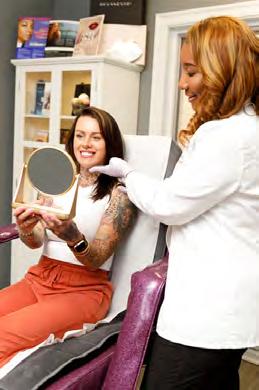
ADVANCED SKIN
HEALTH TREATMENTS:
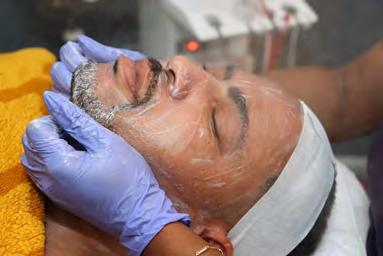
• Medical-Grade Facials & Hydrafacial®
• Microneedling + PRP (“Liquid Gold”)
• Scarlet RF Microneedling
• Advanced Chemical Peels
• Medical-Grade Skincare
YOUR NEXT CHAPTER STARTS WITH ONE CONVERSATION.
Led by Renee Pinlac, MSN, FNP, De La Belle blends advanced aesthetic technology with regenerative treatments to support long-term skin health, collagen renewal, and total wellness. Every treatment is customized — because your skin deserves more than a one-size-fits-all approach.
HEALTH & FITNESS READER EXCLUSIVE
COMPLIMENTARY SKIN HEALTH CONSULTATION
PROFESSIONAL TENNIS RETURNS TO MEMPHIS THIS SUMMER
New WTA 250 Event to Debut at Tennis Memphis’ Leftwich Tennis Center
Professional women’s tennis is officially set to return to Memphis with the launch of the Memphis Classic, a new WTA 250 tournament, bringing world‑class athletes and global attention back to Memphis under a multi year deal.
The WTA 250 tournament will be staged at Leftwich Tennis Center July 25–August 2, 2026, aligning the Memphis Classic with the kickoff of the U.S. summer hard‑court swing and offering fans eight days of top‑tier competition and experiences.
“This is a major win for Memphis and a powerful affirmation of the investment we have made in Leftwich Tennis Center,” said City of Memphis Mayor Paul Young. “Hosting the Memphis Classic at Leftwich puts one of our premier city owned facilities on the global stage and brings world class tennis to Memphis.”
The Leftwich Tennis Center completed a multimillion dollar renovation and expansion in 2023. The joint venture by the City of Memphis, the University of Memphis, and Tennis Memphis, a non profit affiliated with the USTA’s Foundation, boasts 24 outdoor and 12 indoor tennis courts.
“This tournament reflects our mission to expand access and opportunity through tennis,” said John Borden, CEO of Tennis Memphis, the primary beneficiary of the tournament. “Hosting a WTA 250 event at Leftwich energizes our city’s vibrant tennis culture and supports year‑round programming that serves Memphis families.”
The WTA event is operated by Topnotch Management, a leading global sports agency based in Cleveland. Topnotch represents a roster of some of the world’s leading athletes and manages a portfolio of professional sports events around the U.S.
“Memphis knows pro tennis, and we are so excited to bring it back,” said Top Notch Managing, operator of the Memphis Classic. “Our WTA 250 event will deliver elite competition at one of the top municipal tennis facilities in the country, creating new opportunities for fans, partners, and the community to connect with the global game right here in Memphis.”
The tournament has already confirmed national inaugural sponsors of the event and expects to welcome additional partners across the Memphis community and beyond. In addition to the sport, the event will feature entertainment, food, and beverage offerings for a distinctly Memphis experience.
The Memphis tournament will feature a 32‑player singles draw and WTA 250‑level ranking points and prize money, welcoming many of the game’s rising stars and established champions. The custom stadium at Leftwich will pair an intimate viewing experience for all fans, with modern fan amenities including VIP hospitality areas, creating an atmosphere that showcases the athletes up close and celebrates Memphis culture on and off the court.
Information about ticketing, sponsorships, the player field, and more may be found on Memphisclassic.com. To learn more about Tennis Memphis, visit Tennismemphis.org, or about the Women’s Tennis Association, go to Wtatennis.com.
By Lisa Street, MSN, APRN, NP-C, and Brandi Rish, RN, BSN
BEAUTY FROM THE INSIDE OUT: A Modern Approach to Longevity
For years, conversations about beauty focused primarily on what we could see in the mirror. Today, however, the worlds of Medical Aesthetics and Lifestyle Medicine have evolved to embrace a more comprehensive philosophy: true beauty and longevity begin from within.
Many people seek aesthetic treatments after noticing changes in their skin, facial volume, energy levels, body composition, or overall confidence. While treatments such as injectables, regenerative therapies, energy based devices, and medical grade skincare can deliver remarkable results, they represent only one piece of the wellness puzzle. Regenerative therapies are designed to stimulate the body’s natural healing and rejuvenation processes and may include treatments such as platelet rich plasma (PRP), platelet rich fibrin (PRF), biostimulatory injectables, and collagen inducing treatments that help improve skin quality, elasticity, and overall tissue health.
In many ways, our skin reflects what is happening internally. Factors such as nutrition, sleep quality, stress levels, hormone balance, hydration, physical activity, and inflammation all influence how we look, feel, and function. For example, chronic sleep deprivation can contribute to increased inflammation and accelerated signs of aging, while diets high in processed foods and sugar may damage collagen and elastin, the proteins responsible for skin firmness and elasticity. Hormonal changes can affect energy levels, muscle mass, skin hydration, and collagen production, leading to both visible and physical changes over time. When these foundational elements are optimized, the body is better equipped to support healthy aging, vibrant skin, and overall wellness.
This is where the concept of an inside out approach becomes especially important.
decades of experience in aesthetics, regenerative medicine, and longevity-focused care and serve as national clinical educators in the field.
Lisa Street, MSN, APRN, NP-C, and Brandi Rish, RN, BSN, are aesthetic medical providers at Glo Medical Aesthetics & Lifestyle Medicine in Memphis. Together, they bring
Lifestyle Medicine focuses on evidence based strategies that support long term health through nutrition, movement, sleep optimization, stress management, bioidentical hormone optimization, and targeted supplementation. Research consistently shows that healthy aging is influenced by daily habits. Regular strength training helps preserve muscle mass, maintain bone density, support metabolism, and improve functional independence as we age. Cardiovascular exercise supports heart health, circulation, cognitive function, and energy levels. Prioritizing adequate protein intake helps maintain lean muscle and supports recovery, while proper hydration supports skin health and cellular function. Quality sleep allows the body to repair and regenerate, and effective stress management techniques can help reduce inflammation and support long term wellness.
At the same time, advances in Aesthetic and Regenerative Medicine have created safe and effective solutions for many of the visible changes that occur with aging. Wrinkle relaxing injections can soften dynamic lines, fillers and collagen building injections can restore lost volume, and energy based technologies can improve skin tone, texture, collagen production, and overall skin quality. Medical grade skincare further supports these treatments by helping protect and maintain healthy skin every day.
When these approaches are combined, the results can be powerful. Healthy lifestyle habits support the body’s natural regenerative processes, while aesthetic treatments enhance and maintain a refreshed, natural appearance. Rather than viewing aesthetics and longevity as separate goals, many practitioners now recognize them as complementary components of a comprehensive wellness strategy.
For those looking to support both beauty and longevity, the most impactful changes often begin with simple daily habits. Prioritize protein intake, incorporate both strength training and cardiovascular exercise into your weekly routine, stay well hydrated, and make quality sleep a non negotiable part of your wellness plan. Daily sun protection remains one of the most effective tools for preventing premature aging and preserving skin health. Managing stress through exercise, mindfulness, or relaxation techniques can also support healthy aging. For some individuals, personalized approaches such as hormone optimization, NAD+ therapies, targeted supplementation, and regenerative treatments may provide additional support when guided by qualified medical professionals.
Ultimately, beauty and longevity are not about chasing perfection. They are about feeling strong, confident, vibrant, and comfortable in your own skin. The most successful outcomes often occur when internal vitality and external care work together to help individuals look and feel their very best.
By Betsy Hutchins, CFP®
A Financial Advisor’s Thoughts on Financial Stress & Physical Health
When most people think about improving their health, they think about exercising more, eating better, sleeping longer, or managing their stress.
What often gets overlooked is actually one of the most common sources of stress in our lives: our finances.
As a financial planner, I regularly work with successful women who are doing a lot of things right. Their income is steadily increasing as they advance in their careers, care for their families, and check the boxes society tells them to. In theory, this should lead to confidence and security. Yet many of them consider money a main stressor in their lives. Not because they’re struggling, but because they’re carrying significant uncertainty about the overall impact of their finances.
Financial stress doesn’t stay neatly tucked into your bank account. It can affect your sleep, focus, energy levels, and ability to fully disconnect and recharge. It can even make successful people feel like they’re constantly carrying one more thing on their shoulders.
The good news is that improving your financial well being doesn’t require a complete overhaul of your life. In fact, some of the most impactful changes are often the simplest.
Start By Paying Attention
I know this isn’t exciting advice, but the first thing I encourage people to do is understand where their money is actually going. Reviewing bank statements and credit card bills may not sound like fun, but awareness creates clarity, and clarity reduces stress. Take a few minutes each month to review your spending. Look for subscriptions you forgot about. Notice where your money naturally flows. Ask yourself whether your spending reflects what you truly value.
This isn’t to judge your financial choices, but to simply be aware of them.
Understand the Benefits You’re Already Receiving
Your paycheck is only one part of your compensation. Retirement plans, insurance coverage, health savings accounts, and other workplace benefits can significantly impact your financial well being.
One of the most common missed opportunities with benefits is the retirement match offered by your employer. If your employer offers matching contributions and you’re not contributing enough to receive the full match, you may be leaving part of your compensation package on the table. You work hard for those benefits, so make sure they’re working hard for you.
Start Investing, Even If It’s Small
You don’t need thousands of dollars to start investing. Open a taxable brokerage account, Roth IRA, or traditional IRA and start contributing through automatic withdrawal. No amount is too small!
What matters most is creating a habit and allowing consistency to work in your favor over time.
Reevaluate Often
As your career, family, and priorities evolve, your financial strategy should evolve too. Periodically reviewing your insurance coverage and financial decisions can help ensure you’re not relying on plans that were designed for a different season of life.
Ensure your coverage is adequate, and request quotes from outside providers to determine whether you can pay less for the coverage you need.
In my experience, financial well being doesn’t suddenly begin once you reach a certain income level or account balance. Financial well being comes from understanding your finances, having a plan, and feeling confident in the decisions you’re making. Just like physical health, financial health is built through small, consistent actions over time.
You don’t have to tackle everything all at once. Start with one step. Review your statements. Increase your retirement contribution. Open an investment account. Schedule time to understand your benefits.
The goal is progress, and when you begin making intentional decisions about your finances, you may be surprised by how much healthier you feel.
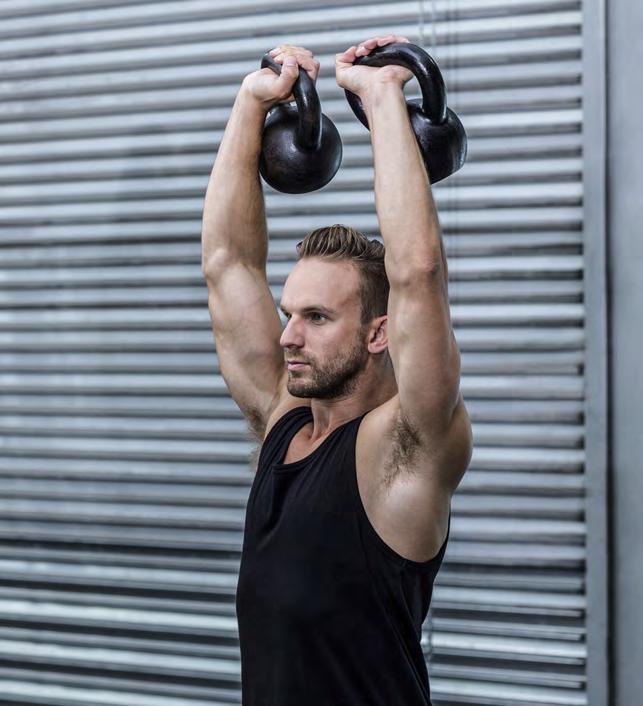
Why Overhead Lifting Can Hurt A Sports Medicine Perspective
Overhead lifting is a fundamental movement in strength training, many athletic activities, and everyday tasks. However, it can lead to shoulder pain and is also one of the most common complaints we see in the orthopedic clinic. Understanding why overhead lifting can hurt requires a closer look at shoulder anatomy, how it moves, and common injury patterns seen in sports medicine.
The shoulder has the greatest range of motion of all our joints. It consists primarily of the glenohumeral joint, where the head of the humerus (arm bone) sits in the shallow glenoid socket. This allows for flexibility, but places heavy reliance on surrounding soft tissues — such as the rotator cuff muscles, labrum, and scapular stabilizers — to maintain alignment during movement. When lifting overhead, these structures must work together to keep the joint in its proper place.
Pain during overhead lifting or activity often is caused by subacromial impingement. As the arm is raised, the space between the acromion (part of the shoulder blade) and the humeral head naturally narrows. If the shoulder moves abnormally, due to poor posture, muscle imbalance, or fatigue, the rotator cuff tendons and bursa can become pinched. This repetitive compression can lead to inflammation and pain, particularly during the mid range of lifting (often referred to as a “painful arc”). Shoulder impingement/bursitis is probably the most common shoulder “injury” I see and treat in my clinic.
Another culprit is scapular dyskinesis, or abnormal movement of the shoulder blade. The scapula is essential in overhead movement, maintaining space for the rotator cuff. Weakness in the muscles around the shoulder blade and chest can disrupt this motion. When the scapula fails to move properly, the shoulder joint has to compensate, increasing stress on soft tissues and increasing the risk of pain.
Rotator cuff tendinopathy is also another cause of discomfort. These muscles stabilize the shoulder joint, keeping the humeral head in the socket during overhead activity. High stress on the tendons during training sessions and poor recovery can lead to microtrauma and degeneration within these tendons. Oftentimes, people describe a deep, aching pain or weakness, especially with repeated lifting.
From a sports medicine standpoint, addressing overhead lifting pain involves identifying and correcting the root cause. This may include strengthening the rotator cuff and scapular stabilizers, optimizing lifting technique, and modifying training load. Early recognition and intervention are key, as persistent pain can progress to more significant injuries such as rotator cuff tears, chronic tendon disease, or labral issues. With proper assessment and targeted rehabilitation, most people can return to pain f ree lifting and even improve their performance. When conservative treatment alone doesn’t lead to improvement, however, your local sports medicine physician has many options to get you back to your activities!
By Anna Yang, MD
Recognizing Dehydration Symptoms
& Preventing Long-term Damage
As temperatures rise and humidity increases, it’s essential to pay attention to your body’s cues that you need to drink more water.
Thirst, a dry mouth, headaches, and muscle cramps are common signs of dehydration, but other signs might surprise you!
As an emergency medicine and primary care provider, I want patients to recognize and address dehydration before it becomes an emergency. Here’s what to look for and what to do about it!
Dehydration may cause pain. Along with muscle cramps, dehydration can contribute to joint pain.
Cartilage is 70 8 0% water, so it becomes brittle when you’re dehydrated. That leads to friction and inflammation, which cause pain. Long term dehydration can increase wear and tear on your cartilage.
Furthermore, the fluid that lubricates your joints relies on hydration, too. Without it, you feel stiff, and your joints have reduced shock absorption.
It can mirror neurologic symptoms.
Your brain is about 75% water, so it needs proper hydration to function! That’s why you get a headache when you’re dehydrated.
Your brain also needs adequate blood flow to function, and blood is about 80% water. That’s why you might also feel dizzy when you’re dehydrated.
Mild dehydration can impair your short term memory and your ability to think and pay attention. It can make you anxious, tense, and fatigued.
More severe dehydration can cause more alarming cognitive symptoms like confusion, hallucination, and even stroke like symptoms. Older adults are especially vulnerable.
Your kidney function can suffer.
When you don’t drink enough water, your kidneys have to work harder. That means waste can build up in your body and make you sick.
Chronic dehydration can cause kidney stones, urinary tract infections, and even irreversible kidney damage.
Your urine should be pale yellow, like the color of lemonade. If it is dark yellow or amber, you need to drink more water.
It can make you look older.
Water plumps the skin, makes it more elastic, and adds vibrancy.
When you’re dehydrated, your skin may feel tight and look dull. You may also see more fine lines and wrinkles.
Over time, dehydration can weaken your skin barrier, leading to itchy, dry patches, redness and irritation, acne, and potentially more serious infections, too.
You might have bad breath.
Dehydration is a direct cause of halitosis, or bad breath.
It reduces the flow of saliva, giving odor causing bacteria a chance to thrive. Saliva acts as a natural cleanser, washing away bacteria and food particles.
In the long term, a chronically dry mouth is at increased risk of gum disease. This can lead to severe, persistent halitosis.
What can I do?
Fortunately, there are simple ways to stay hydrated.
Start the day with a glass of water, and drink one with each meal. Drink water throughout the day as well — don’t wait until you’re thirsty! Water rich foods like cucumbers, celery, and watermelon boost hydration, too.
For the average healthy adult, aim for approximately one third to half of your body weight in ounces of water each day. For example, a 150 pound person should have 50 to 75 ounces of water a day. Drink more if you exercise or spend a lot of time outside in the heat and humidity.
If you have a medical condition that limits your ability to drink water, it is important to talk to your doctor for personalized advice.
Why Everyday Sun Exposure and Online Myths Keep Skin Cancer Risks High
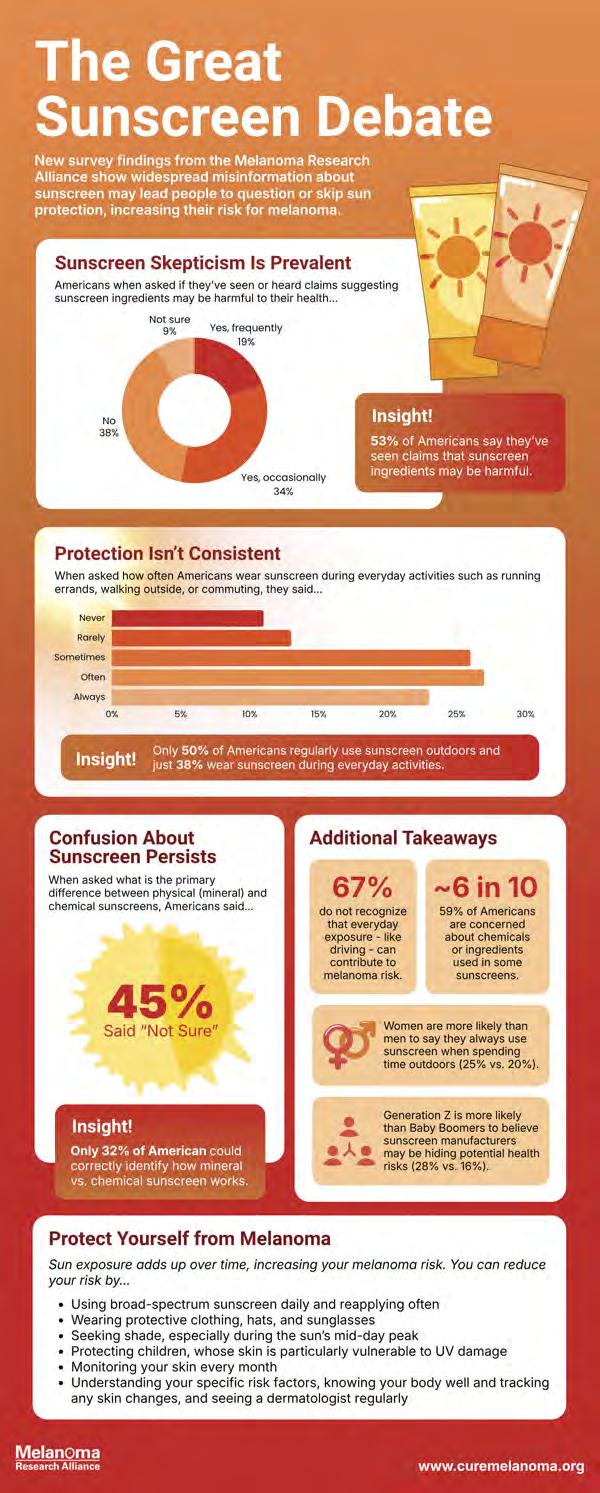
Many Americans think of sunscreen for the beach, but fewer consider it for the drive there — and some are questioning if they should wear it at all. These trends, from a new national survey by the nonprofit Melanoma Research Alliance (MRA), highlight a central challenge in skin cancer prevention.
Skin cancer is the most common cancer in the U.S. Nine in 10 skin cancers, including melanoma, are linked to ultraviolet (UV) radiation. While reducing UV exposure lowers this risk, behavior doesn’t always match awareness. The survey of 2,000 adults found that over 8 in 10 recognize that long hours in the sun contribute to melanoma, yet roughly one quarter rarely or never use sunscreen outdoors.
People also overlook everyday exposure: light through a window, a short walk from a parking lot, or an hour in the bleachers. While a single sunburn is dangerous, cumulative exposure over time drives risk.
Misinformation and Regulation
Sunscreen is a proven prevention tool, but confusion persists. The survey revealed:
• 53% have seen claims that sunscreen ingredients are harmful.
• 59% are concerned about ingredients.
• 38% doubt sunscreen is safe and effective.
• O nly about one third understand the difference between sunscreen types.
Sunscreen works by absorbing or blocking UV radiation to prevent DNA damage. In the U.S., active ingredients undergo rigorous FDA review as over the counter drugs. This strict standard requires extensive testing, resulting in fewer approved UV filters than in Europe, where sunscreens are regulated as cosmetics. The FDA is currently evaluating new assessment methodologies, which could expand approved filters for U.S. consumers.
The Importance of Prevention
This confusion comes during a period of real progress in melanoma research. While melanoma remains the deadliest skin cancer — expected to claim over 8,500 American lives in 2026 — recent advances are improving outcomes for advanced disease. However, because approximately 50% of patients do not respond to current treatments, prevention and early detection remain critical.
From conservative care to advanced surgical techniques, we ensure each patient receives the care that’s right for them. We offer appointments as early as the next business day for the following symptoms:
By
THE BEAUTY OF WELLNESS
Shlomit Ovadia
Photo by Tindall Stephens
Looking good and feeling good go hand in hand. For Dr. Tiffany Bayes, DNP, that connection became clear while treating patients whose health challenges were often tied to obesity.
Dr. Bayes spent the first decade of her career working as a nurse in emergency rooms, intensive care units, and treatment centers, seeing patients suffering with kidney and infectious diseases. Yet, it wasn’t until she began to work with patients with obesity that she began to realize the disparities between minimizing symptoms and increasing people’s overall health.
“Helping people lose weight prevents many serious health conditions and improves quality of life. So many conditions are linked to obesity,” she explains.
However, working with this population revealed a new issue. Significant weight loss often leaves behind loose skin and other cosmetic concerns. “That’s when I decided to combine the specialties of obesity and aesthetic medicine, to help people feel and look their best.”
Driven by this vision, Dr. Bayes exceeds expectations at Memphis Aesthetics and Wellness, a premier medical wellness emporium offering FDA approved weight loss programs and cutting edge aesthetic treatments designed to deliver long term, transformative results. Other services include hormone replacement therapy, cosmetic injections, NOUVADerm skin resurfacing lasers, and Emsculpt Neo body sculpting. “I see it as an investment in your future self,” she says.
As someone who embarked on her own weight loss journey not long ago, Dr. Bayes brings empathy and understanding to every patient visit.
“When we first opened Memphis Aesthetics and Wellness, I weighed 216 pounds,” she explains. Motivated to regain her energy, Dr. Bayes embarked on a weight loss journey that has yielded significant results.
Every Sunday, Dr. Bayes maps out her week. “I plan my meals and aim for early morning workouts.” She is consistent with her diet and starts her days with a longevity combination of Peptides, NAD+, and Glutathione.
Today, she is thriving, playing tennis, pickleball, and golf, and enjoys swimming with her son at Lifetime Fitness. “I wanted to practice what I was preaching to my patients,” she says. “I think it means a lot when your provider has gone through a weight loss journey and understands the challenges associated with it.
For Dr. Bayes, beauty and wellness are deeply connected. “I approach my health the same way I approach my beauty regimen,” she explains. “When you feel confident in yourself, you’re more motivated to engage in activities that support your overall health, happiness, and well being.”
DR. BAYES’ SUMMER SKINCARE ESSENTIALS
SPF 50 SUNSCREEN
Daily sun protection is non-negotiable. Reapply every two to three hours to maintain protection against harmful UVA and UVB rays. Dr. Bayes recommends medical-grade sunscreens and is a strong advocate for Obagi skincare products.
NOUVADERM SKIN RESURFACING
Turn back the clock with this advanced laser treatment that improves skin tone, texture, and radiance. Pairing your treatment with stem cells can enhance healing and provide little to no downtime.
HYDRAFACIAL
Keep your complexion fresh, hydrated, and glowing yearround. Dr. Bayes recommends a Hydrafacial at least once each season to maintain healthy, luminous skin.
RF MICRONEEDLING
Target sun damage, uneven texture, and pigmentation with the power of microneedling combined with radiofrequency energy. This collagen-stimulating treatment helps reveal smoother, firmer, more youthful-looking skin.
Memphis Aesthetics and Wellness is currently accepting new patients. Contact them to learn about their Glass Skin and Weight-Loss Specials at Memphisaesthetics.com or 901.244.6285.
IG: memphisaestheticsandwellness
By Shlomit Ovadia
Photo by Tindall Stephens
THE ULTRA MINDSET
For much of his life, Robert Berry, 47, has remained on the move, taking on challenging activities ranging from jiujitsu and CrossFit to rigorous hiking and mountain biking. Now, he runs ultramarathons.
Six years ago, Rob lucked out when he and a friend won the lottery draw to backpack the 93 mile Wonderland Trail around Mt. Rainier. With only five months to prepare, Rob figured trail running might support his training.
“I had a blast during my first two mile run,” Rob recalls, much to his surprise at the time, ramping up his weekly mileage.
During the trek, Rob couldn’t help but notice the number of trail runners he encountered. They shared inspiring stories and introduced him to the joys of running longer distances.
After returning home, Rob was in low spirits, thinking he didn’t have another big adventure waiting ahead of him. Then, a friend invited him to run a 32 mile ultramarathon together in five weeks.
“I found a generic 12 week training plan online and skipped to week seven,” he says.
“Ultra allows you to extend the adventure, as a lot of things can happen when you’re running for 12 hours,” he explains, referring to the problem solving aspects he enjoys most, such as natural terrain, elevation changes, meandering trails, weather, and the psychological component. He especially enjoys running 100 milers, because the distance guarantees you’ll end up running well into the night. “Your whole world compresses into what you can see through your headlamp.”
Recently, Rob completed the Cocodona 250 miler in Arizona, a race featuring staggering elevation gains through the Bradshaw Mountains and Mount Elden at over 9200 feet. “I wanted to take the experience further by running over multiple days,” he says.
Since Rob works full time as an Electronic Technician for the National Weather Service while also coaching ultrarunners through his business, Flatlander Running LLC, and CrossFit athletes at CrossFit Reveille in Arlington, his training routine typically happens at night. He starts with an after work walk with his wife Karen and their three dogs, followed by a workout, dinner, and a long distance training run with his headlamp.
“Trail running is more than just exercise,” he explains. “It’s been a therapeutic, transformative process for me where I’ve learned what I’m capable of mentally, physically, and emotionally.”
Memphis’ ultrarunning community has also been steadily growing every year, thanks in part to the efforts of local race director James Boler of the Mamba Trail Runners community.
“The races get bigger every year, and the ultrarunning community is very unique and supportive,” Rob adds.
As someone who coaches complete first timers to athletes trying to land on the podium, Rob’s main advice is to slow down with training. “People tend to run too fast, too quickly,” he explains. “While your cardiovascular system adapts faster to running, your musculoskeletal system takes longer to adapt.”
Rob laughs, thinking back to when he left the United States Army 26 years ago and felt relief at the idea of never having to run again. These days, he views the sport through an entirely different lens.
“I believe that running is for everyone, and I really enjoy helping people discover it in a way that they can take into a lifetime.”
IG: rob.b.berry / Flatlander Running LLC
REJUVENATE PERFORM THRIVE
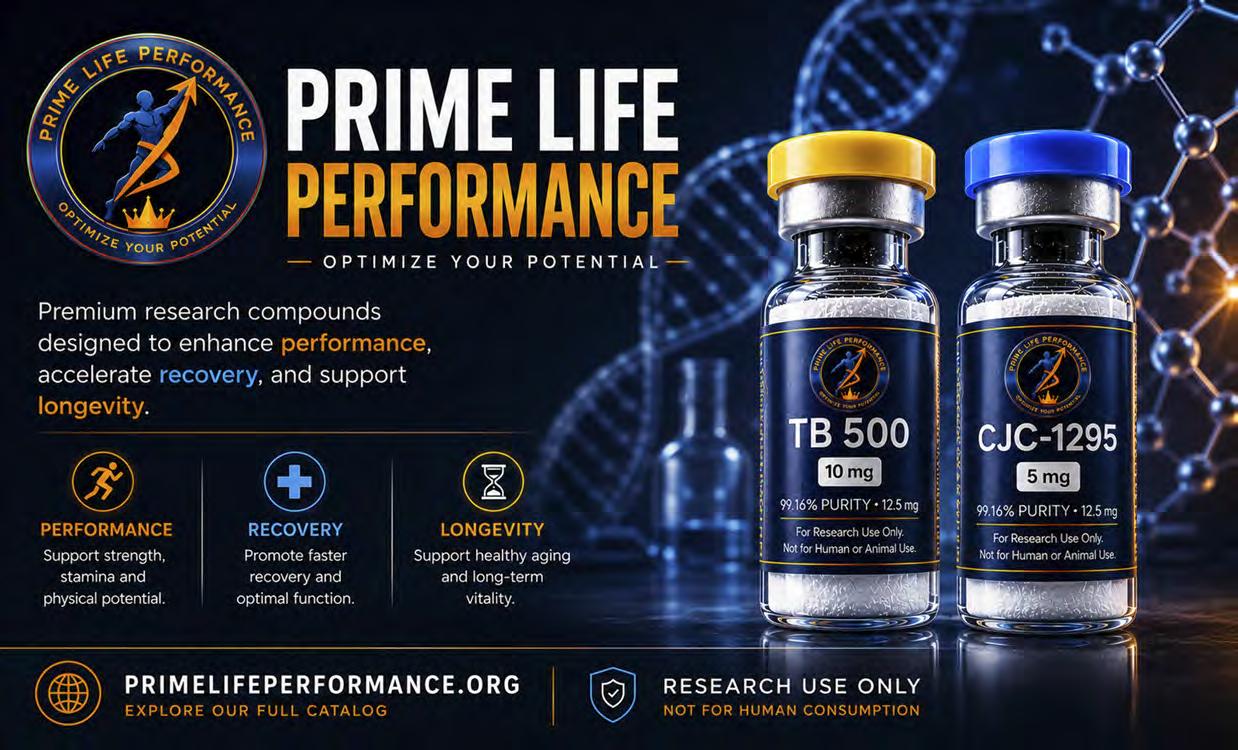
Advanced wellness solutions including medical weight loss, hormone therapy, wellness injections, red light therapy, IV hydration, T Shape2 body contouring, and advanced peptides—including CJC 1295, Tesamorelin, GHK Cu, and more.
Most peptides only $200/month
Largest peptide selection in stock
Personalized solutions for aesthetic & physical performance
SPECIAL OFFERS
New clients: 10% off + free hat or shirt
Military, first responders, nurses & teachers: 10% off all orders
Peptides: Buy one, get $50 off the second
Weight loss injections: Buy 1 month, get 1 month of Lipo B12 free
Testosterone bloodwork: $25
By
Zoe Harrison
Photo by Tindall Stephens
Strength Beyond Survival
Jennifer Moss, 43, knows what it means to fight for her life, and she’s had to do it more than once.
The Birmingham native, who moved to Memphis at 12, has spent nearly her entire life battling medical challenges that could have easily defined her. Instead, she chose to define herself by movement, discipline, and an unwavering commitment to health.
“I’ve always been active,” Jennifer says. “Ballet, tap, jazz, gymnastics, cheer — I was constantly moving.” But even as a child, her body was fighting invisible battles. By age 5, she suffered from severe migraines that required strict dietary changes. She missed a significant amount of school due to ovarian cysts and was told she likely had Polycystic Ovary Syndrome (PCOS). Her health struggles intensified in her twenties, with returning migraines, debilitating gallbladder spasms, and continuing cysts that led doctors to tell her she would likely never have more children.
Then came the diagnosis that finally explained years of pain: severe endometriosis. During surgery around age 27, doctors discovered the disease had spread far beyond what anyone expected. “My entire right rib cage was covered in endometriosis,” Jennifer says.
Though surgery brought temporary relief, conventional treatment options, including hormone suppression drugs, didn’t feel right to her. She chose a different path, focusing on lifestyle changes: fitness, nutrition, reducing inflammation, and learning how to support her body naturally. Against medical expectations, she went on to have three full term pregnancies, and throughout it all, fitness remained constant.
Jennifer eventually became a certified trainer and gym owner, regularly practiced yoga and Pilates, and even powerlifted competitively. At one point, she owned JenFitNess and trained more than 40 clients, specializing in helping special populations. “Fitness was never about aesthetics for me, but about healing and training the body to function,” she says.
Another health scare shook Jennifer in November 2023, but it finally led to a more comprehensive diagnosis for her symptoms beyond endometriosis. While traveling to St. Louis, Jennifer suddenly experienced catastrophic symptoms and collapsed, unable to function; she later learned she had suffered a massive hemorrhage. Emergency responders rushed her to the hospital back in Memphis while she was hemorrhaging, and doctors later discovered the hemorrhage was caused by Moyamoya disease, a rare cerebrovascular condition that causes the progressive blockage of arteries supplying blood to the brain.
By all medical expectations, she should not have survived longer than 20 minutes. She spent six weeks in the neuro ICU, underwent
emergency procedures to drain blood from her brain, and later endured a grueling 10 hour brain surgery. Physicians warned she might never walk, talk, or retain memories again. But Jennifer had already spent decades training her resilience and fighter attitude, and was ready to continue fighting. She believes her years of fitness played a critical role in her survival and recovery. “Had I not built that foundation, I don’t know if I’d be here,” she says.
Recovery has required an entirely new relationship with movement, and Jennifer found herself celebrating walking one mile at 2.7 mph. She practiced chair yoga, somatic therapy, fascia work, meditation, and nervous system regulation.
Today, Jennifer continues her healing journey with specialists, brain scans, neuroplasticity therapies, and lifestyle interventions focused on reducing inflammation and supporting brain health. “There’s a place for every type of movement,” she says. “You never know when the strength you build today will be the thing that carries you through tomorrow.”
By Alicia Johnson
Photo by Tindall Stephens
MODERN GOLFER
Golf is experiencing a massive, record breaking surge in popularity. Given the sport’s unprecedented growth, it is not surprising that golfers continually seek ways to gain a competitive advantage. John Irvine, 37, specializes in helping golfers find exactly that.
John turned a fitness background that began with strength and conditioning for high school and collegiate sports into functional fitness, competitive training, and professional gym ownership. He opened his first Iron Tribe Fitness location in Memphis in 2014. Not just the owner, John’s roles in the business include coach, leader, and visionary; all of which laid the foundation for his understanding of how to coach adults and how to do it well.
A golfer himself, John quickly realized that so much of what golfers are chasing in their swing is limited by what their body can or cannot do. Even though golf fitness content was on the market, it seemed too basic or too gimmicky to John. Golfers were being told to do random “golf looking” exercises but were not following a true progressive training program. “The more I trained myself and other golfers, the more obvious the need became. Golfers did not just need stretching. They did not just need swing lessons. They needed to train like athletes,” John says.
This realization of a need to train golfers, himself included, combined with his immersion in the fitness world, led to the creation of Golf Gains, a functional golf training system developed by John. This system takes the same fitness principles of strength, coaching, accountability, and personalization and applies them specifically to golfers. Tailored programs within Golf Gains are designed to help golfers build swing power, gain distance, and improve mobility on the course.
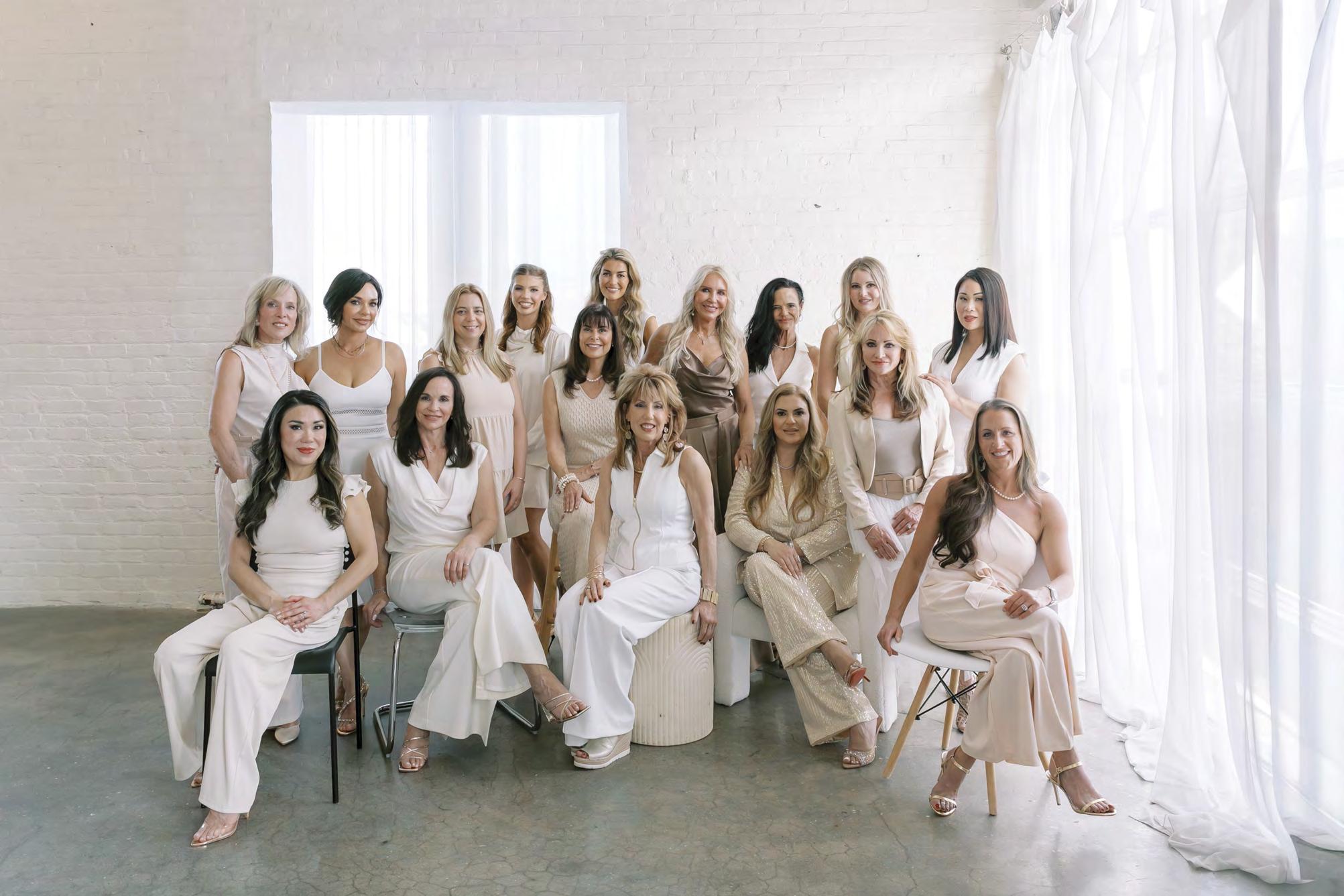
THE STRENGTH BEHIND THE SWING WOMEN LEADING WOMEN
work, med ball throws, jumps, speed work, and conditioning are all layered to create dynamic, golf s pecific fitness programs.
John says the feedback from golfers who have trained with him has been incredible. His golfing clients regularly report they are hitting the ball farther, swinging faster, moving better, and playing with less pain. John has had golfers lower their handicaps, break scoring barriers, increase clubhead speed, and feel more confident over the ball. However, he says one of the most rewarding statements he hears from clients is, “I feel athletic again.”
Learn more about training with John Irvine at Irontribefitness.com or Golfgains.fitness.
Follow on IG: @golfgains.fitness
Most golfers seek John’s coaching because they want more distance, better movement, weight loss, pain relief, or simply to feel athletic again. John’s training encompasses a full body, athletic approach, combining mobility, strength, power, speed, conditioning, injury prevention, and nutrition to enhance their game. According to John, his Golf Gains programs are designed to help golfers build a body that supports a better swing, including improving mobility in key areas such as the hips, thoracic spine, shoulders, and ankles. Building upper body, core, and posterior chain strength also helps enhance mobility.
“Golf is not just a rotational sport. It is a power sport that requires mobility, strength, stability, sequencing, and the ability to produce force quickly,” John states. Therefore, power training, rotational
Helping high- earning women plan a better, more secure future through financial planning and investment management.
SCHEDULE A FREE CONSULTATION
www.fwdfp.com
CHOOSING TO HEAL THROUGH MOVEMENT & COMMUNITY
By Zoe Harrison
Photo by Tindall Stephens
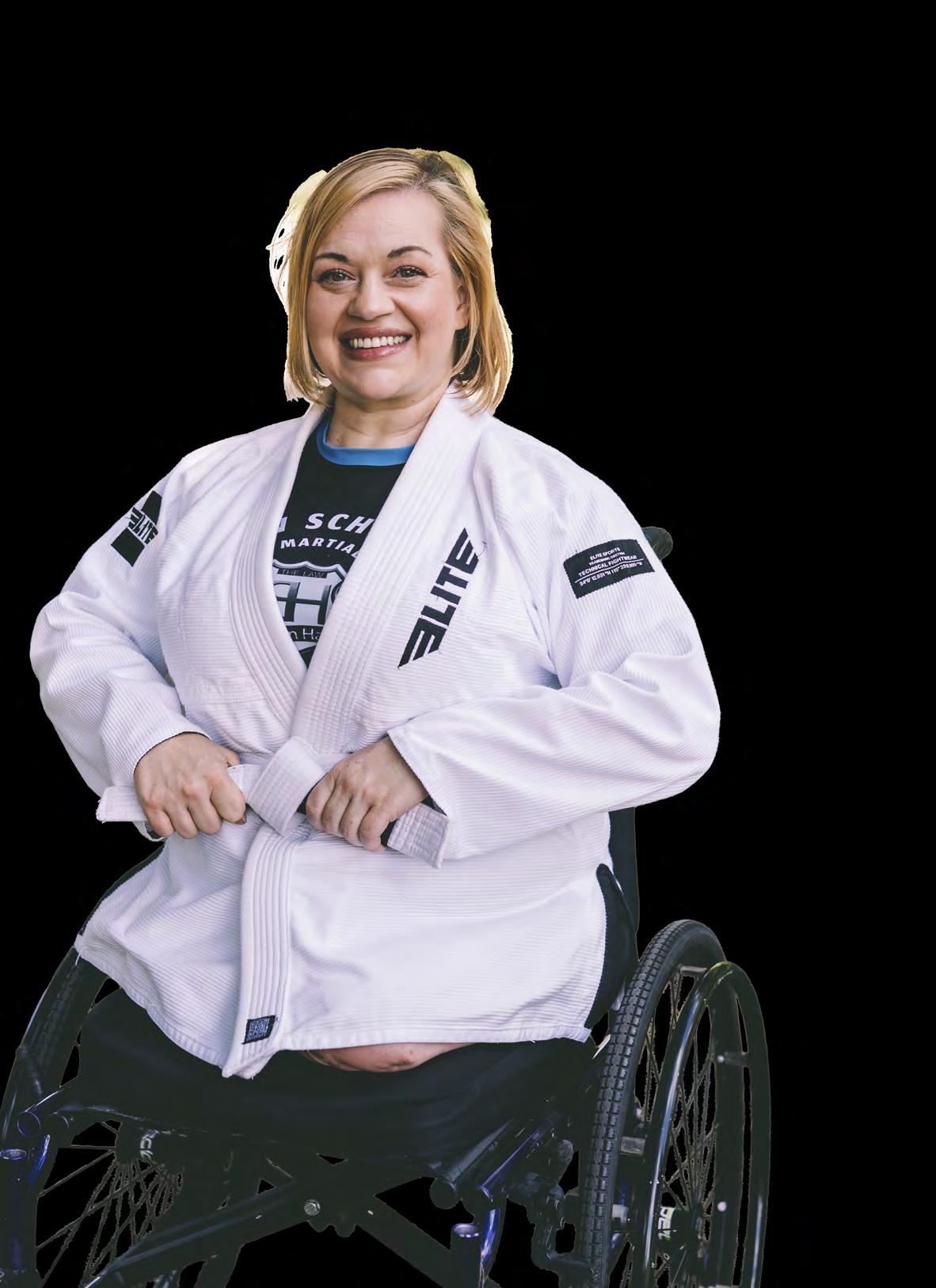
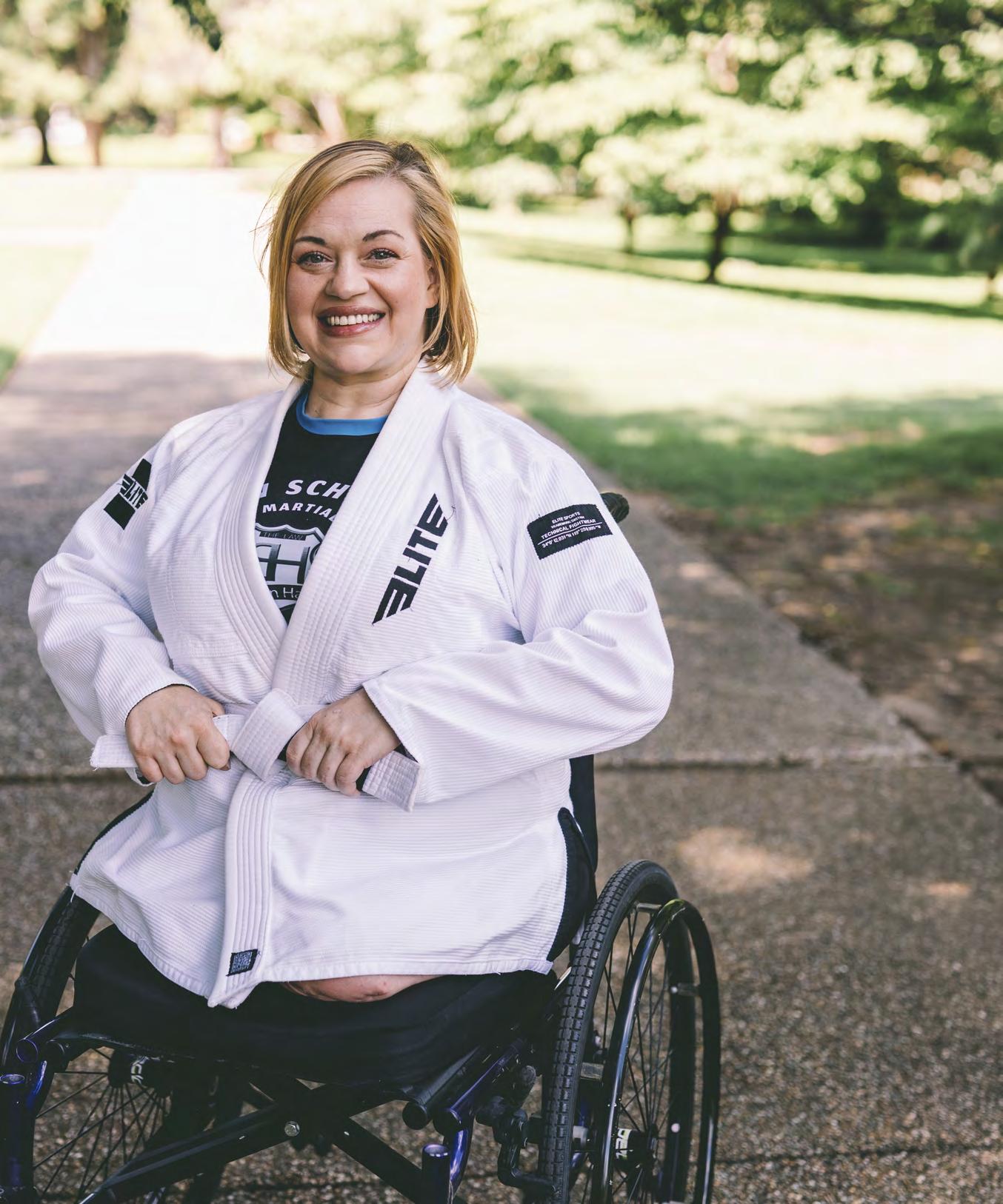
Initially, it was simply a fall down the stairs. In 2017, Whitney Lavender, now 44 and the reigning Ms. Wheelchair Tennessee 2026, suffered what appeared to be a relatively minor injury after damaging a nerve below her right knee. The years of medical and personal trauma that followed nearly broke Whitney, but her story has become one of strength and the perseverance of her spirit, thanks to her community of loved ones and her willingness to keep going.
After her fall in 2017, Whitney had no broken bones on X rays or MRIs, but the pain radiating from her right knee was unlike anything she had ever experienced. Swelling overtook her leg, and any contact with her skin resulted in immobilizing nerve pain, making simple tasks like showering and even sleeping nearly intolerable. It took until February 2018, nearly a year later, to get a diagnosis for what was happening to her: Complex Regional Pain Syndrome, or CRPS. This rare and debilitating nerve disease is often described as one of the most painful diseases known to medicine.
Following her diagnosis was a relentless cycle of treatments, including spinal cord stimulation, infusions, and physical therapy, but nothing stopped the disease’s progression. Meanwhile, Whitney was raising her two children while also silently suffering in an emotionally abusive marriage.
By 2020, her right leg had become frozen and nonfunctional, and gangrene had developed in her toes, leaving amputation as the only option. On April 20, 2020, during the height of the COVID 19 pandemic, Whitney underwent an above k nee amputation of her right leg. “When I woke up, the pain was gone,” she says. “For the first time in years, I had relief.”
Unfortunately, the road ahead was far from smooth. Additional complications required multiple surgeries, and in 2021, the disease spread to her left leg. Efforts to save it failed, leading to a second above k nee amputation in September 2022. During this time, Whitney endured months in hospitals and nursing facilities, battled pneumonia, blood clots, and infection, and
found herself more isolated than ever in her marriage. “It was the darkest point of my life,” she says.
Whitney’s lifeline became her relationship with childhood friends from her hometown of Amarillo, Texas. Soon, Whitney was flown home for treatment in Amarillo, and into the loving arms of friends determined to heal both her body and her spirit. Support from friends inspired Whitney to keep going, and she developed a mantra to help her focus on her healing each day. “I started saying, ‘I choose,’” she explains. “Then I’d choose a few things I could do each day that were in my control.”
At nearly 300 pounds and adjusting to life without both legs, Whitney began choosing health and movement with three pound dumbbells. One workout at a time, she rebuilt her confidence, and within a year, she had lost more than 100 pounds. Today, Whitney’s fitness looks very different from what it once did. It includes adaptive training, strength work, and perhaps most surprisingly, Brazilian jiu jitsu.
After moving to the Memphis area, Whitney was introduced to the sport through her partner, Jamie. She now trains regularly at All Heart Jiu Jitsu alongside athletes of all abilities. ”Nobody looks at me differently,” she says. “They just see me as part of the team.” That sense of belonging fuels her latest mission to promote adaptive martial arts and create opportunities for people with disabilities to discover movement, confidence, and connection.
Through both her healing journey and her newfound passion for martial arts, Whitney has learned that health is impossible without community. After years of unimaginable challenges, Whitney has found something stronger than survival. She has found purpose and is determined to help others find theirs, too.
Follow along with Whitney on Instagram @whitscomplex2.0 or at her website, Whitneylavender.com.
To learn more about All Heart Jiu Jitsu, visit Facebook.com/allheartjiujitsumma.
By Alicia Johnson
Photo by Tindall Stephens
STAYING ACTIVE & INDEPENDENT WITH SILVER FIT
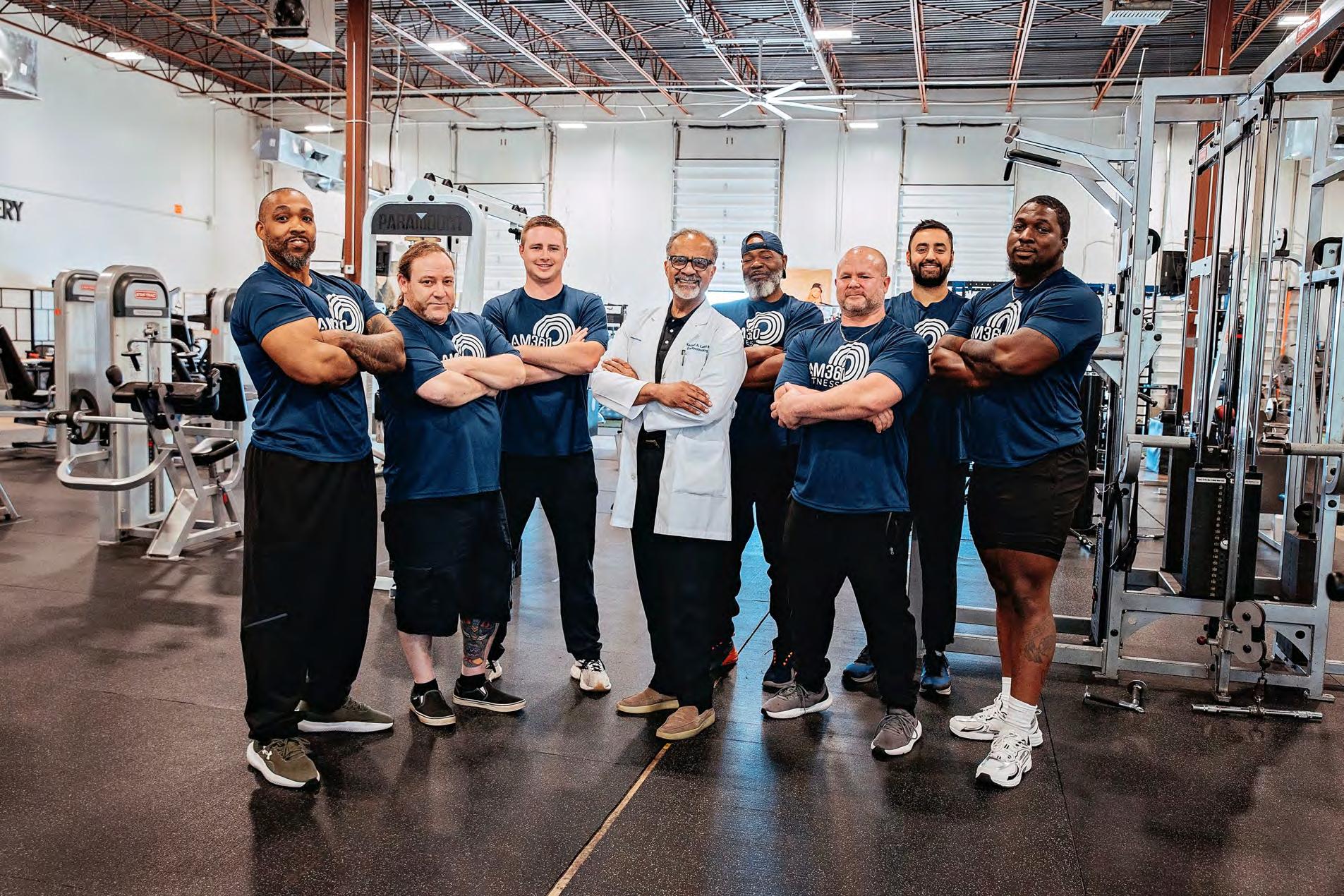
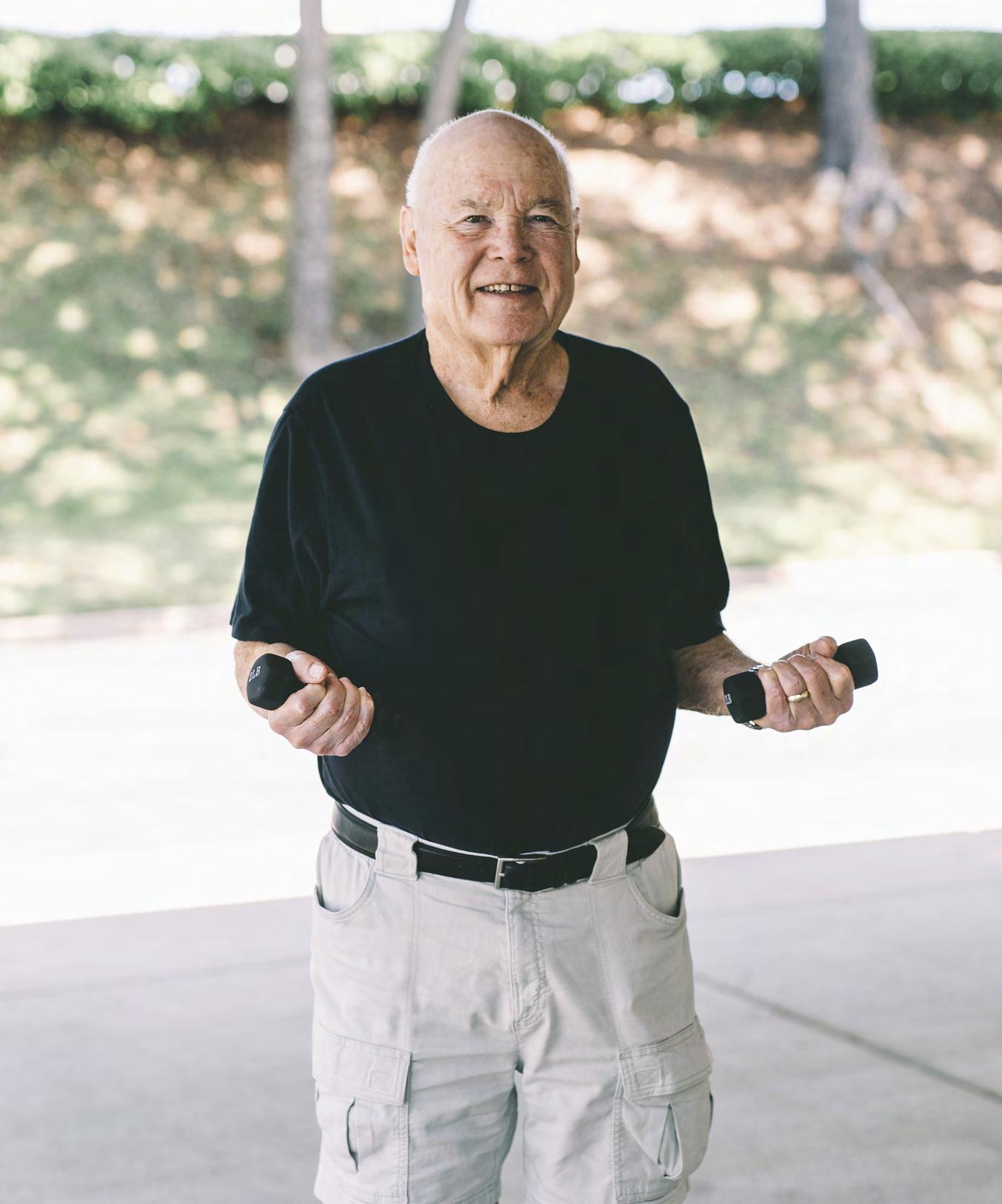
Harry Kalkbrenner, 83, is proof that it’s never too late to prioritize health and fitness. Four years ago, at age 79, he joined the AM360 Fitness Silver Fit Program operated by the AM Diabetes and Endocrinology Center in Bartlett. Harry first became involved with the program after staff members at the center encouraged him to participate. Since then, exercise has become a regular and enjoyable part of his routine. “I look forward to it,” he says. “We have a good time, and it keeps you in better shape than you would be sitting at home.”
A Medicare s ponsored fitness and healthy aging program that promotes cardiovascular health and diabetes management, Silver Fit classes are designed specifically for adults age 65 and older. Participants begin with a short warm up before moving into a variety of exercises that focus on strength, balance, flexibility, and mobility. Fitness equipment, such as dumbbells, resistance bands, and exercise balls are frequently used to build strength and improve stability. A chair is often incorporated for seated movement or standing support. This allows exercises to be performed safely and consistently, and provides modifications for seniors when needed. The classes also incorporate balance and coordination exercises, as well as occasional 10 to 15 minute cardio sessions. Each class concludes with a cool down period to help participants stretch and recover.
Currently, Harry attends classes three times a week and credits the program with helping him stay active, maintain his independence, and improve his overall well being. A typical workout for him includes standing behind a chair for support while performing calf raises, leg lifts, sit to s tand exercises, and light resistance training with dumbbells. He appreciates the supportive atmosphere created by his instructor, who ensures participants receive guidance and encouragement.
Harry also expressed gratitude for Dr. Kashif Latif and the AM Diabetes and Endocrine Center, which offers a wide range of services, including diabetes education, nutrition support, and insulin pump assistance. He encourages others — whether or not they have diabetes — to explore programs like Silver Fit and discover the benefits of staying active. “One thing seniors need to do is get up off the couch and get out and work out,” Harry says. “There’s nothing hard about it.”
As a diabetic, Harry believes Silver Fit has played an important role in helping him manage his health. While he does take an antihyperglycemic medication to keep his blood sugar under
control, he says the regular activity at Silver Fit helps support his overall diabetes care. “The physical activity helps keep my diabetes in line,” he explains.
The benefits of Silver Fit extend beyond physical health. For Harry, staying active means maintaining the ability to enjoy time with his grandchildren and great grandchildren. It also means preserving his independence for as long as possible.
“As long as I’m staying away from being a burden to my family, having to take care of me, the happier I am,” he says.
For Harry, the rewards are simple but meaningful: better health, stronger connections, and the ability to keep moving forward.
To learn more, visit: Am360fitness.com/silver-fit or call
Brooke Shannon
Leigh Black
By Zoe Harrison
Photo by Will Moss
MORE THAN A GAME
How Memphis Women Are Finding Community Through Bike Polo
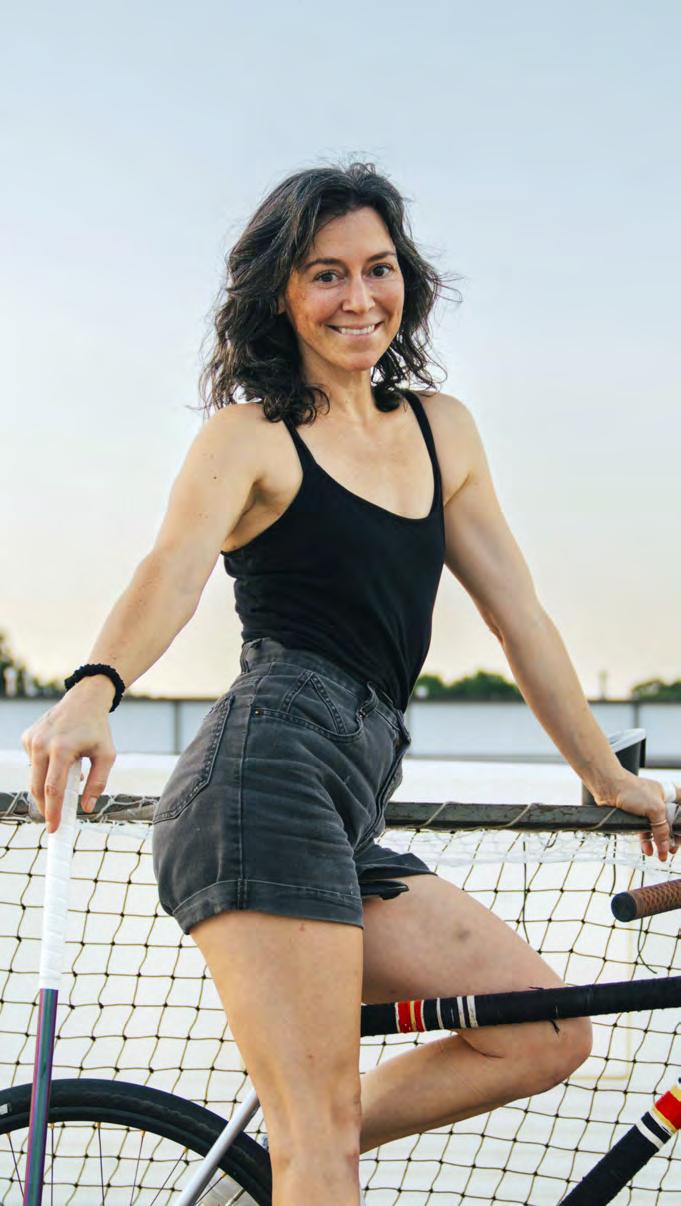
On a Tuesday evening in Memphis, a small group gathers on a court at Greenfield Arena. Specialized polo bikes and mallets fill the space as players compete in a fast paced game of finesse and balance. To an outsider, bike polo may look intense, with fast turns, quick hits, and players balancing on two wheels while chasing a ball, but the women helping grow the sport in Memphis say the heart of bike polo is really the community.
For Leigh Black, bike polo quickly became more than just a hobby. “I don’t even have a regular bike, just a polo bike,” she laughs. Leigh discovered the sport through friends in the cycling community about six years ago. She gave it a try and was immediately hooked. After taking a break during her pregnancy and the COVID years, she returned to find a revitalized community with a new court and players eager to build a competitive and lively polo group in Memphis.
Bike polo is played three on three on a hard court, with players using mallets to hit the ball into goals at either end. The sport demands coordination, balance, and strategy, but unlike many competitive sports, it allows beginners to jump in quickly. “It’s fast, gritty, and challenging,” Leigh says. “But it’s also slow enough that it’s beginner f riendly.” In the Memphis Bike Polo group, mistakes are expected, and learning is part of the culture.
At 42, with a 5 year old at home, Leigh says one of the most valuable parts of polo is finding something that feels playful as an adult. “As adults, it’s hard to find something with a relaxed atmosphere,” she says. “Even if you’re not playing, it’s really entertaining to watch. People get rowdy, and it’s really fun and social.”
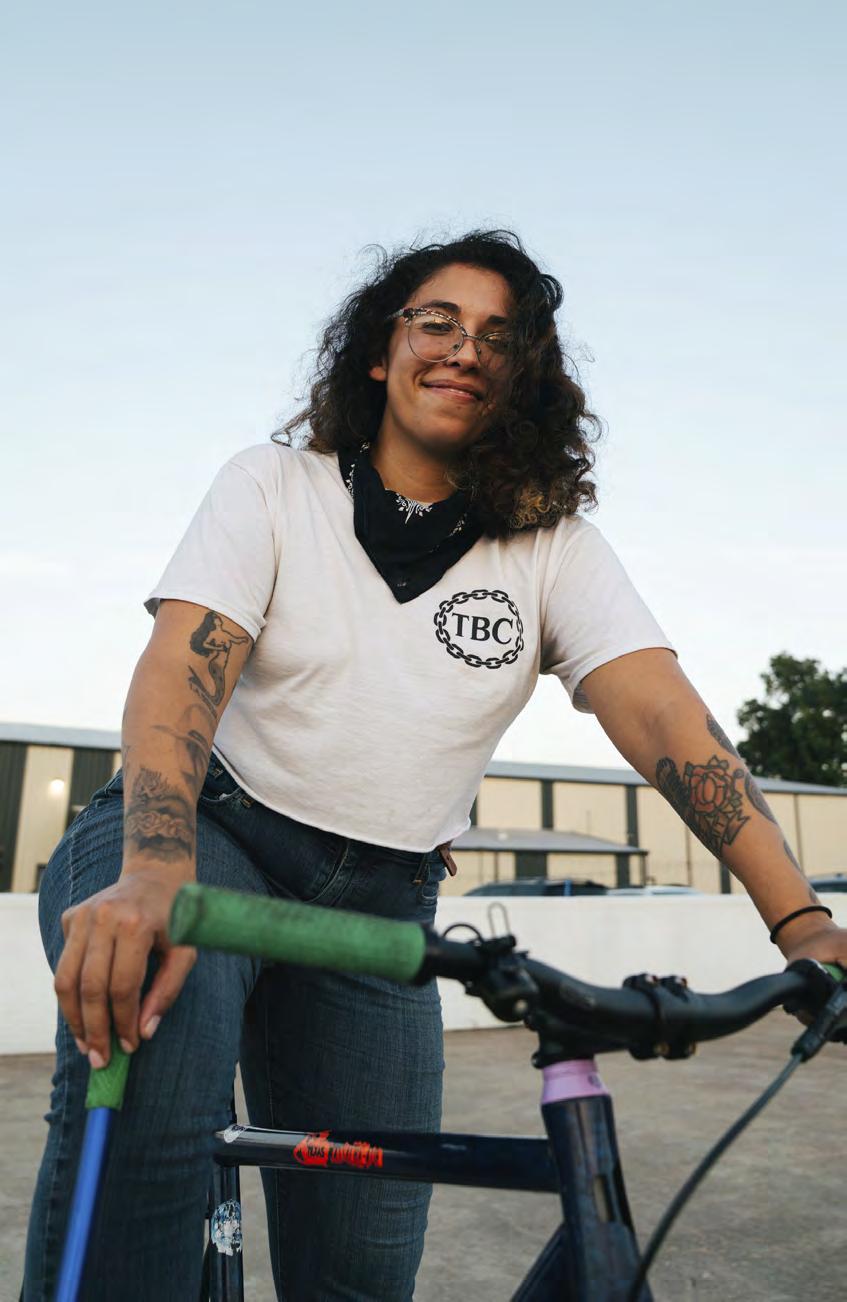
This welcoming atmosphere is exactly what drew Maddie Nunnery in after moving to Memphis last September. She first showed up at the Memphis Social Bicycle Club, as recommended by friends, and decided to give it a shot. “I’ve never been big into sports,” Maddie says. “But everyone was very welcoming. They genuinely love having new players because teaching someone helps their game, too.”
Though learning bike polo as a cyclist means developing entirely new skills like tight bike control, fast maneuvering, and learning how to fall safely, Maddie says the challenge never feels like work. “It’s playing and having fun,” she says. “You can be hard on yourself when you’re new, but you’re learning skills you’ve never done before.” More than anything, playing polo helped Maddie build friendships she never expected. “I don’t know that I would’ve made friends with these people in any other situation,” she says.
Brooke Shannon, another newer player, shares the same sentiment. Brooke also joined after hearing about polo through the Memphis Social Bicycle Club, and remembers that the low barrier to entry made all the difference. “There’s no pressure and no investment required,” she says. “The club has loaner bikes and mallets so that anyone can try.” At 39, Brooke appreciates the diversity of the group, not just in age, but in experience and background. “Some of the best players are women,” she says. “Everyone shares tips organically and learns from each other.”
Memphis Bike Polo meets Sunday and Tuesday evenings at 6:30 p.m. Follow along with @memphisbikepolo on Instagram for the most up-to-date schedule, and additional opportunities to join the fun. No equipment is required, and no experience is necessary!
By Beth Wilson
RUNNING WITH PURPOSE: WHY WEST FIGHT ON MEANS MORE THAN THE FINISH LINE
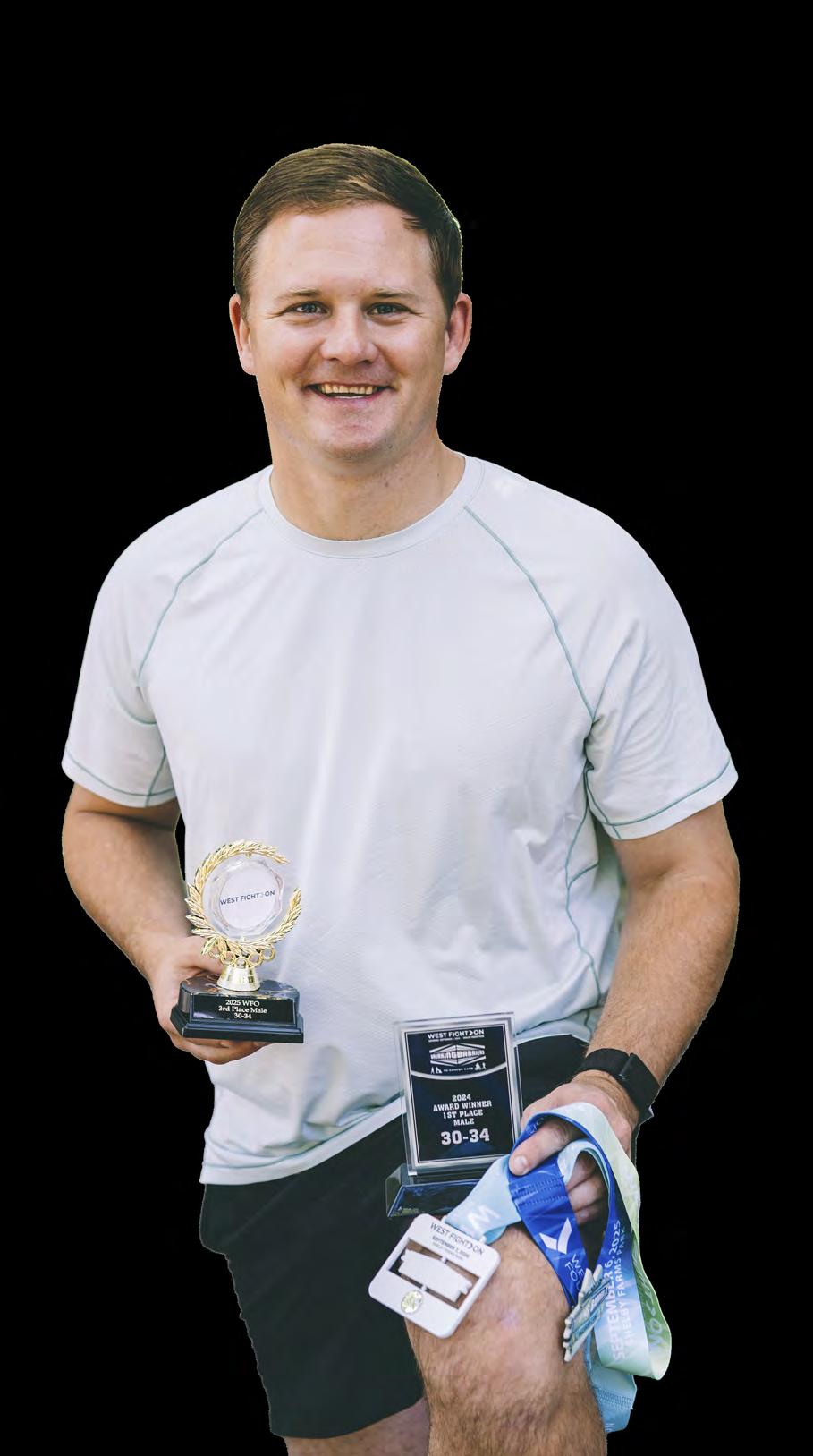
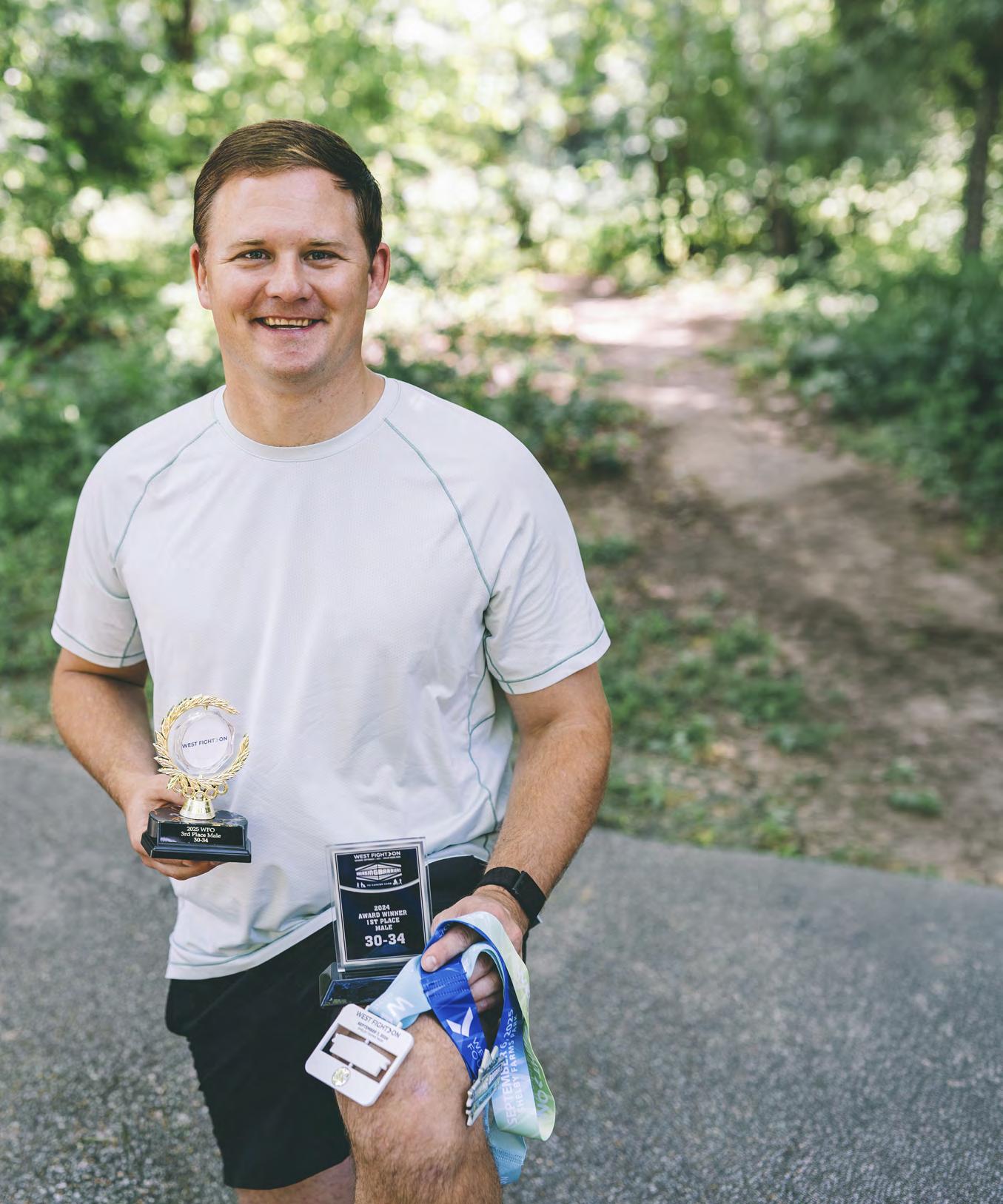
For many runners, race day is about setting a personal record, crossing the finish line, or completing the miles. However, for Memphis runner Nate Rupiper, West Fight On has always been about something bigger.
Since first participating in the annual event in 2019 alongside his wife, Sarah, the race has become a meaningful tradition rooted in family, community, and a shared commitment to supporting those impacted by cancer.
“A family friend works with the foundation and asked us to come support it,” Nate recalled. “Since then, we have been a part of each West Fight On.”
What started as participation in a local race quickly evolved into a deeper connection to the mission of West Cancer Foundation. Sarah eventually joined the organization’s Young Professionals Advisory Board, helping further the foundation’s efforts to support Mid-South cancer patients and families.
“Understanding the impact West has on our community and knowing our contributions make a difference has kept us coming back,” Nate said. “Almost everyone from any walk of life has been impacted by cancer in some way.”
For him, the cause is deeply personal.
Photo by Tindall Stephens
He watched his mother courageously battle and overcome breast cancer. Today, she is cancer f ree, but witnessing her journey forever changed his perspective on resilience, access to care, and the importance of community support.
“My mother faced cancer head on and bravely beat it,” he said. “Even with as good an attitude as you can have through it, there are emotional drains, moments of doubt, and so much more that happens when you fight cancer.”
His family’s experience also opened his eyes to challenges many patients face beyond treatment itself.
“I think knowing how hard her journey was and understanding that not everyone has access to the same resources was really eye opening,” Nate shared. “West bridges that gap to make sure everyone gets to their appointments. The perspective that there are people who can’t make it to appointments, even in our own community, is heavy and heartbreaking.”
That understanding is one reason West Fight On feels different from any other race Nate runs throughout the year.
While participants lace up their shoes and gather at the starting line, like any traditional 5K, the atmosphere is uniquely reflective and inspiring.
“The race is full of taking moments to reflect on those impacted by cancer in your life while still having a good time,” he said. “Many people create signs to honor those they are running for or remembering. Those signs line the path to the finish line and often create emotional moments.”
The event’s impact extends beyond the race itself. Food vendors, live music, and opportunities to connect with others create an environment where participants can celebrate while learning more about the foundation’s mission and services.
For Nate, Sarah’s involvement has also strengthened his connection to the organization.
“Her passion has made me want to be more involved and allowed me to learn fully about what the foundation does to support our community and ways we can help,” he expressed. “It’s really taken it past just participation and a step toward being a part of the West Fight On team doing good things in our community.”
Though Nate has enjoyed competitive success at the race, including winning his age group, he views those accomplishments as secondary to the event’s purpose.
“The event is focused on the larger mission,” Nate said. “The sooner I finish, the less it’s about the race and the more time I can spend hearing people tell their stories, talking about the amazing work they are doing, and determining how people in our community can be supported.”
As an avid runner, Nate also sees parallels between endurance sports and the perseverance required during a cancer journey.
“It’s one foot after the other and day by day,” he said. “You aren’t always going to feel your best when you hit the pavement, but it’s important to still push through if you want to be better. Cancer is a much tougher battle than a long run, but you have to keep showing up, take breaks when your body needs it, and do whatever it takes to recover.”
Many of those lessons have come from the women who have shaped his life: his wife, his mother, and his sister.
“Their steady spirit and always being there no matter the situation is so valuable,” Nate said. “Everyone deserves to have those people in their life they know they can count on.”
That same spirit of support and compassion is what he believes makes organizations like West Cancer Foundation so vital to Memphis.
“These events matter so much because they support people helping our community and people in our community getting help,” Nate shared. “Memphis is only as strong as the people and relationships within it. Organizations like West drive the right kind of change and show that we are focused on building a better, healthier city.”
For those who have never participated in West Fight On, his message is simple: show up.
“Take the chance,” he said. “Come for a 5K or a one mile walk. You’ll learn about an amazing organization, meet some amazing people, and probably feel better and have a sense of accomplishment when you are done. It’s not about being the best. It’s about us all being better together.”
And if he could address every participant before the starting horn sounds each year, his words would be rooted in gratitude.
“The odds are each and every one of you has been affected by cancer in some way,” Nate said. “Supporting those you love and those in your community makes a difference — not only today, but for the next generation.”
For Nate, that is the true meaning of West Fight On. It’s not about the miles. It’s about the people, the purpose, and the collective power of a community determined to move forward together.
To learn more about West Cancer Foundation, visit Westcancerfoundation.org, or to get involved with West Fight On, go to Westcancerfoundation.org/wfo.
By Melissa Adams
FIERCE AT 55
How a Women’s Health Leader Lost 138 Pounds and Reclaimed Her Life
By all accounts, health and movement were in Breia Loft ’s DNA.
Raised in a family where fitness wasn’t a trend but a lifestyle, Breia grew up surrounded by runners, athletes, and movement enthusiasts. Her mom was all about Jazzercise and Jane Fonda workout tapes (yes, the iconic leg warmers era), while her dad was still running until age 82. Her brother competed in crosscountry at Lipscomb University, and Breia was a cheerleader at Harding University.
Fitness was simply how life was done.
But somewhere between building a career, raising kids, and pouring into everyone else, Breia lost herself.
Now 55, Breia is an advanced practice nurse midwife and Director of Nurse Midwifery Services and Advanced Practice Providers in OB/GYN at Regional One Health in Memphis. For years, she spent her days guiding thousands of women through one of life’s most sacred moments: childbirth.
At home, she and her husband, Stephen, were raising their daughters, Korey and Savannah, while juggling the nonstop chaos of competitive cheerleading, school events, travel, and family life. Like so many women, Breia became everyone else’s support system while quietly neglecting her own health.
The result? Significant weight gain, declining health, and feeling disconnected from herself.
Photo by Hitomi Kurzinsky
Then came 2022 — a year that changed everything.
While pursuing her Doctor of Nursing Practice degree at the University of Alabama, Breia found herself at one of the lowest points of her life, both physically and emotionally. At the same time, her youngest child, Liam —then 13, a talented sprinter and travel soccer athlete — developed severe disordered eating and was ultimately diagnosed with anorexia.
What followed was every parent’s nightmare.
Liam required hospitalization at Le Bonheur Children’s Hospital, followed by 13 weeks of intensive inpatient treatment in Atlanta. Their family entered full survival mode.
“It was the hardest season we’ve ever walked through,” Breia shares.
That season became a turning point.
While Liam was in treatment, Breia made a decision: if she was going to show up for her son through recovery, she had to start showing up for herself, too.
And so, her transformation began.
Not with gimmicks. Not with extremes.
With consistency.
Armed with her background in nutrition, Breia committed to meal prep, movement, nutraceutical support focused on gut health and cortisol balance, natural energy supplementation, and daily spiritual discipline.
This was when the Peloton, outdoor walking, and Pilates became her non negotiables.
Rain or shine. Early mornings or late nights. Every single day.
What started as personal accountability soon evolved into social media content. Her practical, lazy meal prep videos — “What’s in My Lunchbox?” — began attracting increasing attention from women looking for realistic wellness inspiration.
Since beginning her journey in 2022, Breia has lost 138 pounds and maintained her weight loss.
Her son Liam is now thriving in recovery, and Breia has discovered a new passion along the way: Pilates.
A self proclaimed Pilates enthusiast, she is approaching her 500th class at Club Pilates and plans to begin teacher training in 2027.
At home, Breia and Stephen, married 35 years, live on what she affectionately calls a “faux farm” on 10 acres in Tipton County, complete with a garden, four dogs, a decked out playset for their five grandchildren, and plans for future bees and chickens.
Because apparently building a wellness empire and raising a family wasn’t enough.
Today, Breia channels her passion for wellness into helping others find their healthiest selves at any age. Through her platform, Fierce Healthy Life, she shares fitness routines, nutrition strategies, meal prep, menopause support, and sustainable wellness tools.
She also partners with health and wellness company XMD Wellness, helping connect patients to medically supervised wellness support, including peptide therapies through licensed providers and FDA approved pharmacies.
Breia is especially passionate about what she calls “walking fiercely through menopause.”
Her message is clear: age is not a limitation — it’s leverage.
“I feel better at 55 than I did in my late 30s and 40s,” she says. “It’s never too late to prioritize yourself.”
Her favorite term for women over 50?
Queenagers.
And honestly, it fits.
Because for Breia Loft, 55 isn’t the finish line. It’s the glow up.
UNLOCK YOUR ACTIVE LIFESTYLE
At Next Day Access, we believe that mobility challenges shouldn’t hold you back from living life to the fullest. Our range of innovative, high-quality accessories is designed to help you stay active, independent, and adventurous. From custom ramps, stairlifts, elevators or other modifications, we create personalized solutions that empower you to live freely and confidently in your own space.
OUR PRODUCTS EMPOWER YOU TO:
• STAY ACTIVE WITH EASE AND CONFIDENCE
• ENJOY OUTDOOR ADVENTURES WITH SPECIALIZED EQUIPMENT
• ENHANCE DAILY MOBILITY WITH ERGONOMIC, STYLISH SOLUTIONS
• DON’T LET LIMITS DEFINE YOU. WITH NEXT DAY ACCESS, YOUR POSSIBILITIES ARE ENDLESS.
Contact Lens Success Begins with the Right Fit
Easy Crab Rangoon
Ingredients:
q nonstick cooking spray
q 12 wonton wrappers
q 4 ounces cream cheese, softened
q 4 ounces lump crabmeat
q 1 scallion, sliced thin, green and white parts separated
q 1 teaspoon fresh ginger, grated
q 1 teaspoon soy sauce
Directions:
Heat oven to 350 F.
Spray muffin pan with nonstick cooking spray. Press wonton wrappers into muffin cups. Lightly spray wrappers with nonstick cooking spray and bake until lightly browned, 6 9 minutes. Let cool slightly.
In medium bowl, beat cream cheese until smooth. Combine with crabmeat, scallion whites, ginger and soy sauce. Fill each wonton wrapper with filling. Bake until filling is heated through, 6 8 minutes. Sprinkle with scallion greens. Serve warm.
By Dale Sanford, Performance Coach
MAKE YOUR LIMITED TRAINING TIME COUNT
Every adult athlete eventually runs into the same problem. Work gets busy. Kids have a million events. Life decides to become an interval workout in and of itself. If it has not happened to you yet, it is coming.
But truthfully, most athletes do not need more time. They need to use the time they have more effectively. You can get a lot of benefits out of five to seven hours of training per week. If that sounds like a lot right now, start with 30 minutes a day. If you are used to doing 10 or more hours each week, there is also a fair chance you can do more with less.
The good news is that when high volume training is not possible, your health and fitness respond remarkably well to frequency, consistency, and some weekly intensity.
That said, here are a few simple ways to get more from limited training time.
COME TO TERMS WITH YOUR LIMITED TRAINING TIME
Many athletes, especially former high volume folks, still try to cram a 15 hour training week into six available hours. The result is usually mediocre workouts, mediocre results, and dwindling motivation because you constantly feel like you cannot execute your plan.
Accept your available training time and build around it. Six focused hours done consistently and with quality will outperform 10 poorly executed hours that only happen occasionally. Once you are fully consistent with six hours, start adding more. Do not plan for the ideal scenario and hope life does not get in the way.
The body responds to stress and recovery. It does not care what your old training log looked like.
PRIORITIZE KEY SESSIONS
Not every workout deserves equal importance. Generally speaking, your biggest needle movers are your long endurance workouts and your intense interval sessions.
If a long 60+ minute workout is not doable from a time standpoint, 30 to 45 minutes with 20 to 25 minutes of quality intensity can provide many of the same benefits. Warm up, battle for a bit, and call it a day.
Do what you can to make these sessions happen every week. If life interrupts a workout, skip the least important session rather than sacrificing the sessions that actually drive improvement.
The easy 30 minute recovery workout that’s occasionally skipped is rarely the reason people stop improving. Missing your key sessions over and over usually is.
AVOID THE GRAY ZONE
Many athletes spend most of their training somewhere between easy and hard. It feels productive because it is uncomfortable, but gray zone training is usually too easy to create meaningful adaptation. It is also too hard to allow real quality in interval sessions because it creates a lot of fatigue.
Easy days should feel easy. But you should still get your heart rate and breathing rate elevated. If those two things are not happening, you are probably going too easy.
Hard days should feel hard. But you do not need to go deep into the well very often. Once per week works well for most people. Twice per week works for more experienced athletes.
We also like to use “fast finishes” or “Hulk smashes” for the people who simply cannot resist going hard. You know who you are.
This approach allows athletes to recover better and produce higher quality efforts when they matter.
HAVE A REAL SPECIFIC PLAN
Most people waste half of their valuable training time deciding what to do.
The workout starts at 6 a.m., but somehow 10 minutes disappear deciding between the treadmill, the bike trainer, or a random workout they saw online at midnight.
Dale Sanford is the co-founder of BPC Performance, Inc. and has been coaching individuals and athletes all over the world since 2009. You can catch up with Dale @bpcperformance on IG, or listen to the Coaches on Couches Podcast. If you’d like to start your health or sports performance journey with BPC, visit Buildpeakcompete.com
Know exactly what you are doing before the session starts. Have your workout written down. Have your equipment ready. Have your route picked out. If this is a big sticking point for you, shameless plug: get a good coach! They will lay it all out, blend it with your available training time, and help make adjustments when life wins the day.
A 30 minute workout with a purpose is infinitely better than 60 minutes of wandering around the gym while pretending to stretch.
If you only have 30 or 45 minutes available, every minute matters. The less thinking you do during the workout, the more energy you can spend actually training.
STRENGTH TRAINING PAYS DIVIDENDS
When training time is limited, strength work becomes even more valuable.
Two sessions per week can improve durability, build and maintain muscle mass, and reduce the risk of injury. Strong athletes often handle other training more effectively and recover more quickly.
Strength training is also one of the best ways to improve metabolism. Muscle requires energy to maintain, which means it burns calories even when you are not training.
If time is extremely limited, strength training is often where I would start. You build strength, maintain muscle, improve durability, and often elevate your heart rate enough to gain some aerobic benefits as well.
That is a pretty good return on investment for 45 minutes.
FREQUENCY AND CONSISTENCY, NOT PERFECTION
The athletes who improve the most are rarely the ones with perfect schedules. They are the ones who continue showing up daily despite imperfect weeks.
A missed workout is rarely a problem.
Missing several days or weeks is a problem.
Consistency wins every time. Frequency amplifies the gains. At the end of the day, health and fitness are built by accumulating good decisions over time. If your schedule only allows five or six hours each week, that is enough to make meaningful progress. Start there and build only when you have established consistency.
When time is tight, train with purpose.
Recover. Repeat often.
Lose Up to 10% of Your Body Weight with our FDA Approved Weight Loss Injections
Do you Suffer From Lack of Energy, Weight Gain, Poor Sleep and Low Libido?
Would you like to lose fat, gain muscle, recover faster and possess the sex drive you had in your twenties?
We offer a Personalized Patient-Centered Approach Solution for low testosterone, weight loss and aesthetics.
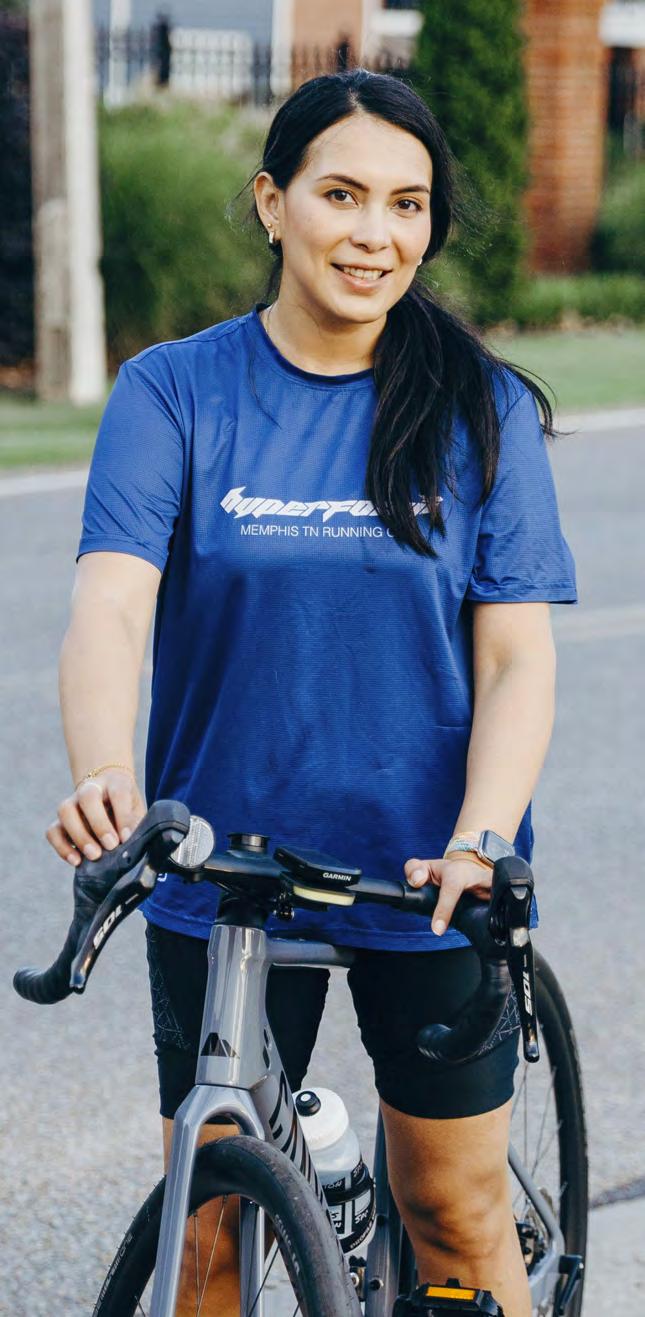
Evee Lopez, Runner & Cyclist
35; Pediatric Oncologist at St. Jude Children’s Research Hospital
I f MY SPORTS: I love running because it challenges me and helps me release stress. Cycling has also become my new favorite sport because I can explore new places.
BUCKET LIST: I’d like to do a multi day bikepacking adventure through a scenic region — maybe Europe!
UP NEXT: St. Jude Memphis Marathon® Weekend and maybe a cycling race.
FAV FITNESS ACCOMPLISHMENT: My favorite was completing the NYC marathon, which was my first ever marathon!
HOMETOWN: Ecuador
SPEED BUMPS: The biggest hardship I’ve faced has been managing the stress of work and fellowship training. The demands can be overwhelming, and at times, it is hard to find the energy or motivation to stay active. But through that struggle, I discovered that sport was more than just exercise; it’s an outlet, a reset, and a source of meaning. Running and cycling give me something to look forward to and help me stay grounded during the most challenging seasons of my training.
MY GROUP: HyperFocus!
RECENT RACES: NYC marathon 2025
MOST MEMORABLE FITNESS EVENT: The first time I achieved a sub t wo hour time was at the Brooklyn Half in 2025 — and then I got proposed to afterward!
BEST EATS: Byway Coffee has the best banana bread latte!
DREAM DINNER COMPANY: Marie Curie. She was a pioneer of radioactivity and the first person to win two Nobel Prizes. Her work laid the foundation for radiation therapy used in cancer treatment today. She has a powerful story of perseverance as a woman in science, and it would be great to learn even more.
INSPIRATION TO BE FIT: Working with pediatric cancer patients is my biggest inspiration. Witnessing their resilience and how they overcome incredible challenges every day motivates me to push myself and work toward my own goals. It also fills me with gratitude, being reminded that I can move freely is something I never want to take for granted.
PET PEEVE: No pain, no gain extremism and pushing through injuries instead of resting and recovering.
QUOTE: “The body achieves what the mind believes.”
– Florence Griffith Joyner
Photo by Josh Clark
Leo Stefanski, Runner
27; Data Scientist at St. Jude/ALSAC
I f RUNNING: I love that you get to meet different people from all walks of life. The running community is so supportive and inclusive.
BUCKET LIST: I’d love to travel to and watch every Diamond League Track & Field meet. Only the world’s best athletes get to compete at these meets, and there are 15 annual meets spread across all continents. It’s a great way to travel and see some of the best athletes compete. So far, I’ve been to Diamond League meets in Zurich and Eugene.
UP NEXT: I primarily enjoy the social aspects of running right now, but I look forward to participating in upcoming events organized by HyperFocus.
FAV FITNESS ACCOMPLISHMENT: Running the 800m in under two minutes for 10 years straight!
HOMETOWN: Schleusingen, Germany
SPEED BUMPS: During my junior year of college, I injured my knee and couldn’t run or bike for almost a year. My then girlfriend, who is now my fiancée, suggested I see a PT, but I was too stubborn to do that for a while. Eventually, she convinced me, and I was running again after a month and a handful of PT sessions. Five weeks later, I ran a personal record in the 8K. I can honestly say that I wouldn’t have come back stronger from this and many other challenges if it weren’t for the support of family, friends, and coaches.
MY GROUP: HyperFocus
FAV JAMS: “In the Air Tonight” by Phil Collins is my ultimate hype song.
RECENT RACES: 800m at Mississippi State Relays eighth place; 800m at Samford University Indoor Meet first place
MOST MEMORABLE FITNESS EVENT: For me, it was getting fourth place in the team scoring at the Gulf South Conference Championships with the Christian Brothers University Cross Country team.
BEST EATS: My favorite fancy food is Chilean sea bass at Coastal Fish Company, and my favorite comfort food is BBQ Pizza at the ARRIVE Memphis Hotel on South Main.
DREAM DINNER COMPANY: I‘d love to have dinner with Danny Thomas. I love how he led an extremely successful life while also significantly improving the world by founding St. Jude Children‘s Research Hospital. He’s such a great example of how worldly success can go hand in hand with a mission to care for others, which sometimes seems like a forgotten art these days.
PET PEEVE: Blaming others (coaches, teammates, etc.) for someone’s own lack of discipline and ability.
QUOTE: “The safest way to get what you want is to try to deserve what you want.” – Charlie Munger
Photo by Josh Clark
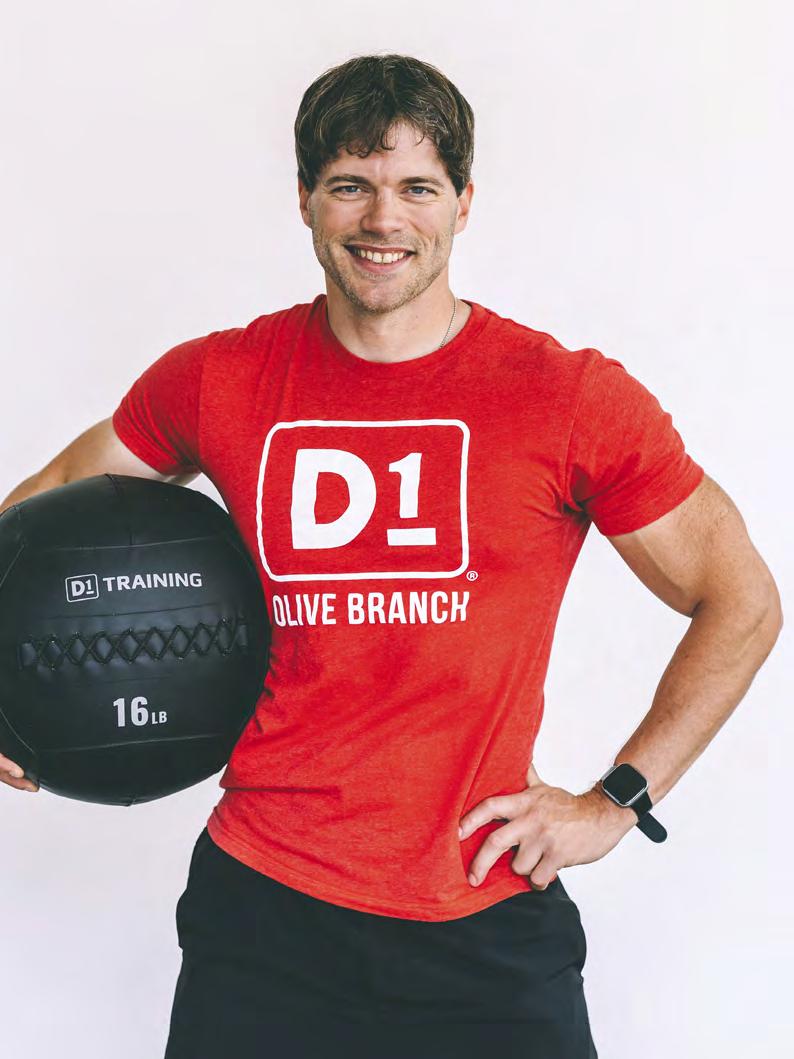
G.J. HUDGENS
39, Trainer at D1 Training Olive Branch
FAV WAY TO WORKOUT:
I typically write my own eight to 10 week cycles with specific muscle group days. Some days are more exciting than others, based on what I enjoy, but the less interesting days are necessary for building up my body and increasing anticipation for the days I enjoy.
BIGGEST FITNESS MYTH:
Lifting makes you slower. As a former collegiate track athlete, I know the phobia that touching a weight will make you fifty pounds heavier. But strength and conditioning tailored to the athlete can only make you faster and protect you from injury.
Photo by Tindall Stephens
BIGGEST NUTRITION MYTH:
The belief that only eating salads and greens is the key to a healthy lifestyle and weight loss. If you don’t find ways to enjoy what you’re eating, then the nutrition journey is going to be short.
MY TYPICAL WORKOUT DAY:
Chest and bicep days are usually my favorite. I usually regulate it to a bunch of push moves built around hypertrophy, burnout routines, and three second eccentrics.
MY ADVICE:
Always have a goal, and remind yourself of it when you walk through the door ready to work out.
IF I COULD ONLY HAVE ONE PIECE OF EQUIPMENT:
Dumbbells! No matter what muscle group I’m targeting, there are always creative ways to hit them with dumbbells.
MY FITNESS INSPIRATION:
My best friend, Dave. He showed me it’s possible to keep hard training and fitness goals in my life, and that I don’t have to sit around feeling bad about not being in the same shape I was during my collegiate years.
DREAM WORKOUT PARTNER:
A leg day with Jeff Cavaliere, so he could nitpick my form to perfection and provide a ton of science behind the movements.
WHAT KEEPS YOU MOTIVATED:
Dedication over motivation. Motivation is a feeling; dedication is an act. Whereas feelings are fleeting, action literally moves you. I have very lofty goals in my life, and I need to be dedicated to the process of getting there — no matter how difficult some days are.
NEWBIE ADVICE:
Patience. Learn to enjoy the journey, because if you do, it’s going to be a much more rewarding experience.
GOALS FOR THE YEAR AHEAD:
Long term, I’d like to continue building muscle and perhaps put myself to the test with obstacle races like HYROX or Tough Mudder.
Are you a fitness trainer, workout instructor, or influencer in the industry and would love to share your knowledge with our readers? Send a brief bio and picture to: Amy@memphishealthandfitness.com.