Sound Manipulation in Experimental Music Production: A Simple Guide
In the world of music, sound is not just something you hear—it's something you can shape, bend, and transform into new and exciting forms. This is especially true in experimental music production, where artists push the limits of sound to create unique pieces. In this article, we will explore how sound manipulation works in experimental music production, making it easy for anyone to understand, whether you're just starting or have some experience in music.
What is Sound Manipulation?
Sound manipulation is the process of taking an ordinary sound and changing it to create something new. It's like taking a simple noise, such as a drum beat, and making it sound completely different, maybe by adding effects or altering the pitch. In experimental music, sound manipulation is used to break free from traditional sounds and explore new ways of expressing music.
For example, you might take a sound like a guitar strum and change its pitch or speed, or even add strange effects to make it sound like something completely unusual, like an alien noise. This allows the artist to explore sound in a creative and fun way.
How Does Sound Manipulation Work?
Sound manipulation involves using different techniques and tools to change the way sounds are heard. Here are some common ways sound is manipulated:
1 Pitch Shifting
This involves changing the pitch of a sound. If you have a low note, you can make it higher, or if you have a high note, you can make it lower. Pitch shifting allows you to create sounds that don't exist in nature!
4 Distortion
2 Time Stretching
Time stretching changes the speed of a sound without changing its pitch. For instance, you can make a sound slower without making it sound out of tune, which is great for creating effects or altering rhythms.
Distortion changes the sound by adding a rough, gritty texture. It's often used in rock music to make guitars sound more powerful, but in experimental music, it can turn any sound into something edgy and intense.
3 Reverb
Reverb adds a sense of space to a sound. It makes it seem as though the sound is echoing in a large hall or a small room. This effect can make music feel bigger or more intimate, depending on how it's used.
5 Granular Synthesis
This technique involves breaking a sound into tiny grains and rearranging them. This can create complex textures and rhythms that wouldn't be possible with traditional sounds.
Tools Used for Sound Manipulation
To manipulate sound, producers use various tools, most of which are digital. These tools can be software or hardware, and they help the artist change sounds in all kinds of ways. Some of the most popular tools for sound manipulation include:
DigitalAudioWorkstations(DAWs): These are the main tools used to create and manipulate music. DAWs allow producers to record sounds, edit them, and apply effects like reverb, pitch shifting, and more. Some famous DAWs include Ableton Live, FL Studio, and Logic Pro.
Synthesizers: These are electronic instruments that create sounds. They can be used to generate new sounds that are later manipulated. Synthesizers are great for creating experimental sounds because they allow for endless customization.
EffectsProcessors: These are used to add effects like reverb, delay, and distortion to sounds. They can be used in real-time during a performance or in the studio when editing a track.
Sampling: Sampling involves taking a portion of an existing sound or piece of music and manipulating it. It could be anything from a voice recording to a drum beat or even environmental sounds. When these samples are manipulated, they take on new meanings, allowing for endless creativity.
The Role of Sound Engineering in Experimental Music
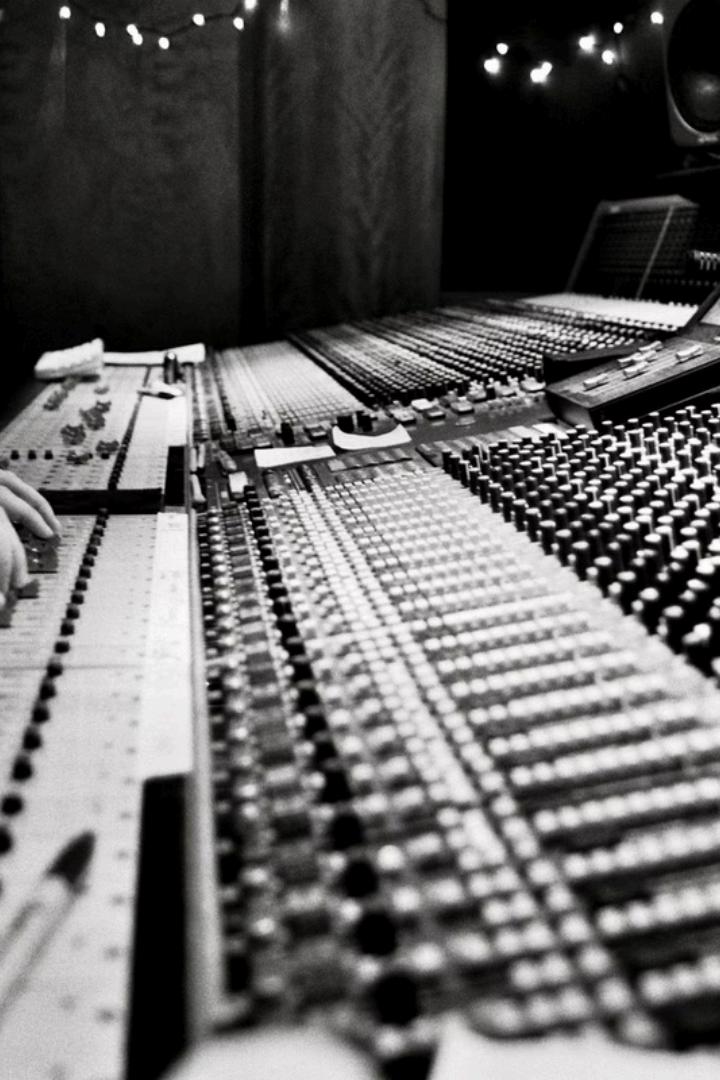
Sound manipulation isn't just for music producers; sound engineers play a huge role too. Sound engineers are the ones who ensure that manipulated sounds come out clear and balanced. They use specialized equipment to manage the quality of the sound, ensuring that it doesn't get distorted in a way that makes it unpleasant to listen to.
If you're interested in pursuing a career in sound manipulation or sound engineering, there are educational courses available that can help you get started. SoundEngineeringCoursesinKerala are a great way to learn the technical aspects of manipulating sound. These courses teach students how to use the tools of the trade, understand sound physics, and create high-quality recordings.
Why Experiment with Sound?
In experimental music, the focus is on creativity and originality. Traditional music follows certain rules, but experimental music allows for freedom of expression. By manipulating sounds, you can create something that is entirely new, challenging the way we listen to music.
For those more focused on creating and producing music, MusicProductionCoursesinChennai offer valuable insights into the music-making process. These courses will help you understand how to combine sound manipulation techniques with music theory, so you can produce unique, original tracks.
The Future of Sound Manipulation
As technology advances, so does the ability to manipulate sound. With the rise of artificial intelligence, producers are now able to use AI tools to help create new sounds and even compose music. In the future, sound manipulation could become even more sophisticated, allowing for even more creative expression.
The world of experimental music is always evolving, and as new tools and techniques become available, artists will continue to push the boundaries of sound. Who knows what kind of music we'll be listening to in the future? One thing is for sure: sound manipulation will play a big role in shaping the future of music.
Conclusion
Sound manipulation in experimental music production is all about creativity and innovation. It's about taking regular sounds and turning them into something extraordinary. Whether through pitch shifting, time stretching, or granular synthesis, sound manipulation opens up new possibilities for musicians and producers.
If you're interested in learning more, you can explore Sound Engineering Courses in Kerala or Music Production
Courses in Chennai, where you can master these techniques and turn your creative ideas into reality. The world of sound manipulation is full of endless opportunities, so why not dive in and see where it can take you?