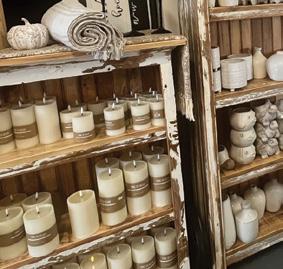
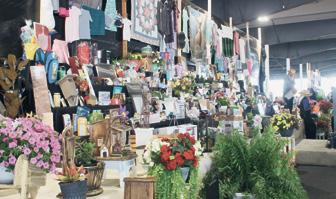
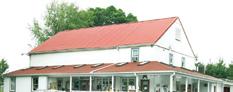
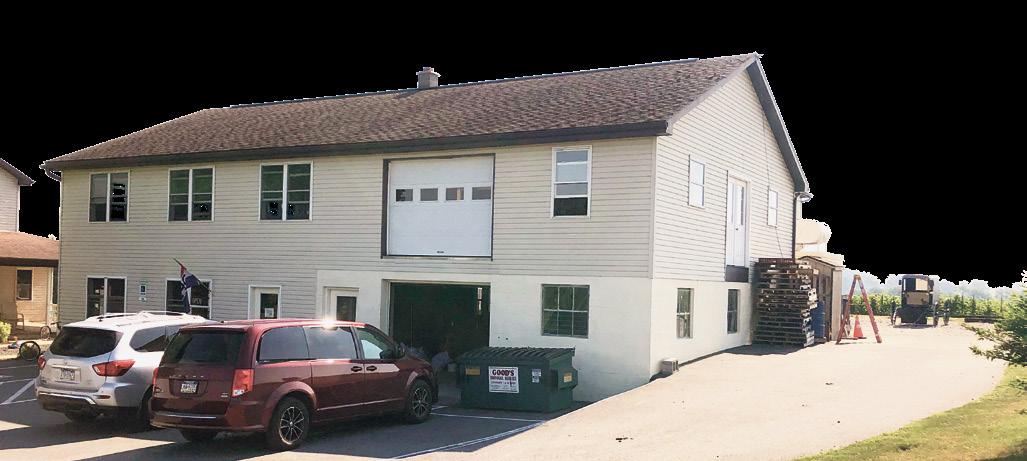
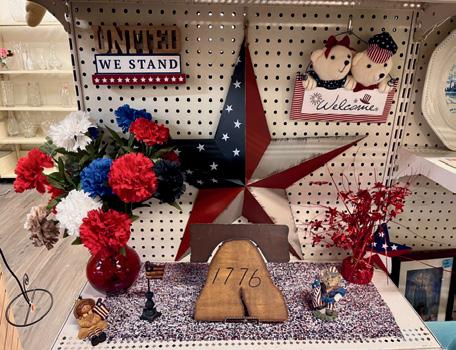
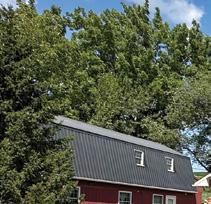
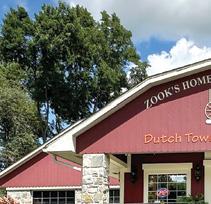
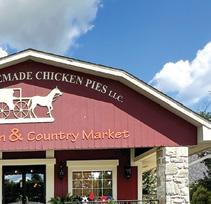
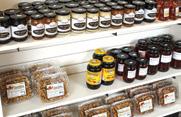
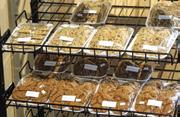
Experience the charm of Riehl’s Quilts & Crafts, here local families share their talents through beautiful handmade creations.
Experience the charm of Riehl’s Quilts & Crafts, here local families share their talents through beautiful handmade creations.
Experience the charm of Riehl’s Quilts & Crafts, here local families share their talents through beautiful handmade creations.
Handmade Is Our Heritage — and that’s the “Riehl” difference!
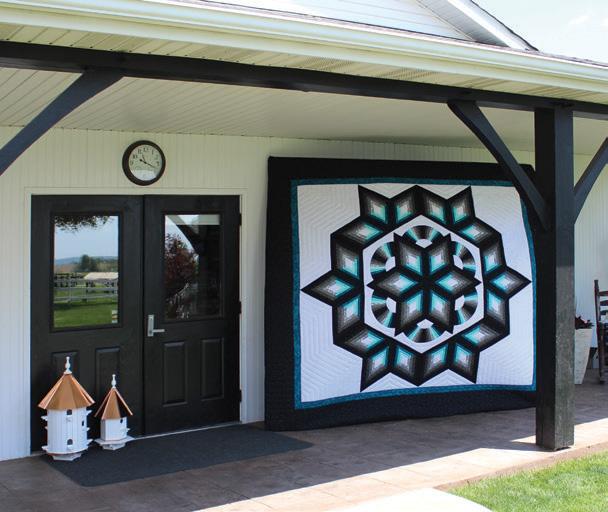
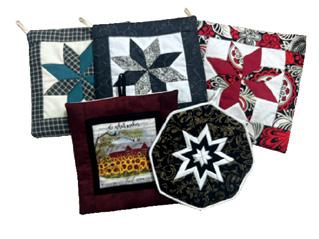
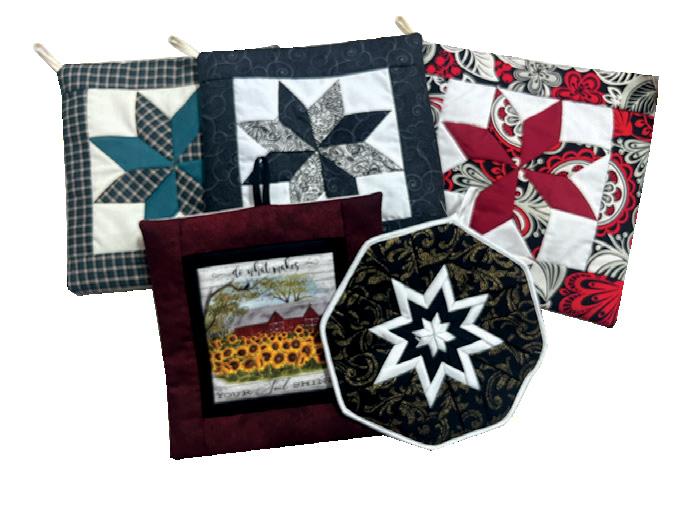
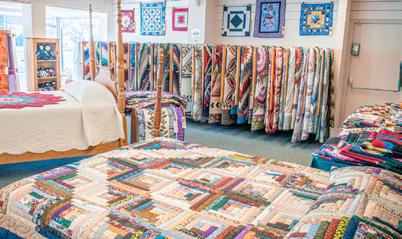
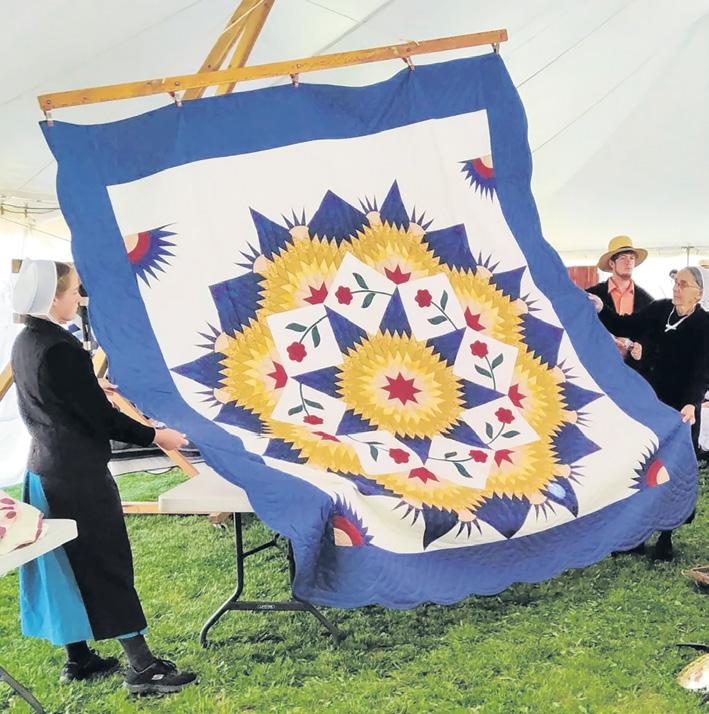
Quilts – Discover the timeless beauty of traditional Amish quilts in every size — king, queen, and single. Each one is stitched with care to brighten your home.
— and that’s the “Riehl” difference!
Quilts – Discover the timeless beauty of traditional Amish quilts in every size — king, queen, and single. Each one is stitched with care to brighten your home.
Quilts – Discover the timeless beauty of traditional Amish quilts in every size — king, queen, and single. Each one is stitched with care to brighten your home.
Country Gifts & Crafts – Find something for everyone!
Experience the charm of Riehl’s Quilts & Crafts, here local families share their talents through beautiful handmade creations.
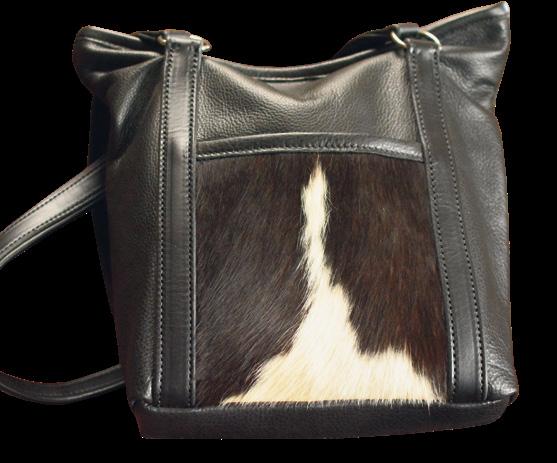
Country Gifts & Crafts – Find something for everyone! From quillows, handbags, and purses to leather goods, souvenirs, toys, and baby gifts — the perfect keepsake is waiting for you.
From quillows, handbags, and purses to leather goods, souvenirs, toys, and baby gifts — the perfect keepsake is waiting for you.
H O UR S
Country Gifts & Crafts – Find something for everyone! From quillows, handbags, and purses to leather goods, souvenirs, toys, and baby gifts — the perfect keepsake is waiting for you.
Monday - S r da - 5pm Closed Sundays
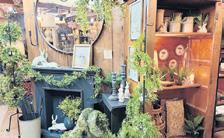
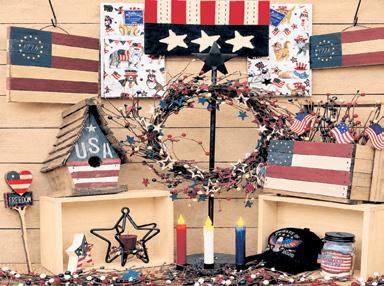
or the Home – Add warmth and character to your space ith handcrafted home décor, kitchen items, pillows, lap ows, wall hangings, birdhouses, feeders, brooms, and more.
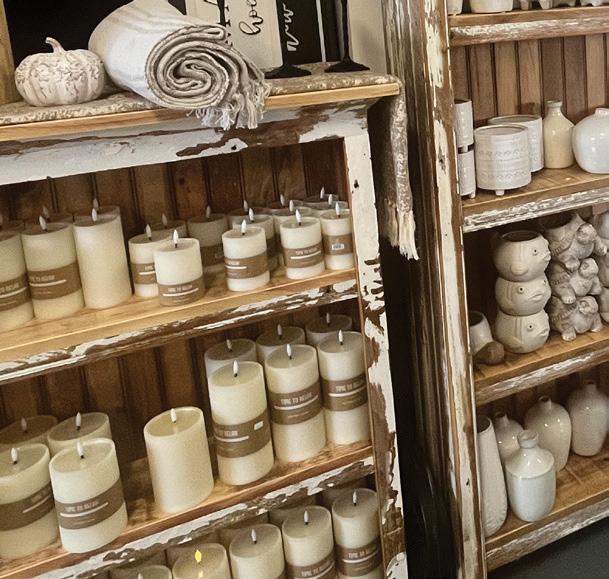
For the Home – Add warmth and character to your space with handcrafted home décor, kitchen items, pillows, lap throws, wall hangings, birdhouses, feeders, brooms, and more.
For the Home – Add warmth and character to your space with handcrafted home décor, kitchen items, pillows, lap throws, wall hangings, birdhouses, feeders, brooms, and more.
Experience the charm of Riehl’s Quilts & Crafts, here local families share their talents through beautiful handmade creations.
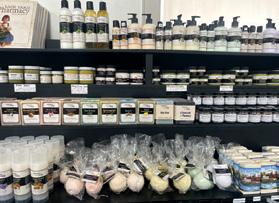
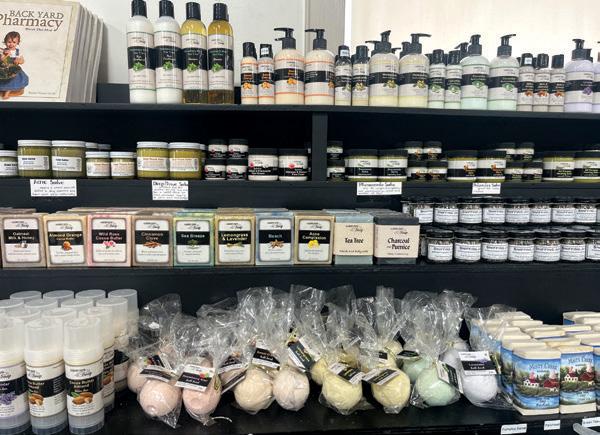
Body Care – Pamper yourself with all-natural lotions, soaps, lip balms, and more — all made right here in Lancaster County, PA.
Body Care – Pamper yourself with all-natural lotions, soaps, lip balms, and more — all made right here in Lancaster County, PA.
Body Care – Pamper yourself with all-natural lotions, soaps, lip balms, and more — all made right here in Lancaster County, PA.
Snack Shack – Take a break and treat yourself! Enjoy Fizzy efreshers, cold foam coffees, and a variety of snacks — dried fruits, nuts, candies, cookies, whoopie pies, and more.
Eveningsby appointment orby chance. For a catalog or i nf call
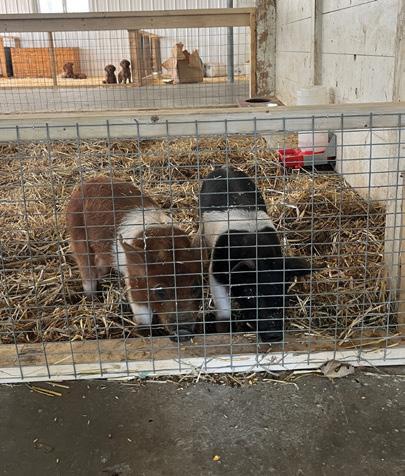
Say hello to our
Snack Shack – Take a break and treat yourself! Enjoy Fizzy Refreshers, cold foam coffees, and a variety of snacks —
Snack Shack – Take a break and treat yourself! Enjoy Fizzy Refreshers, cold foam coffees, and a variety of snacks — dried fruits, nuts, candies, cookies, whoopie pies, and more.
Quilts – Discover the timeless beauty of traditional is waiting for you.
Quilts – Discover the timeless beauty of traditional is waiting for you.
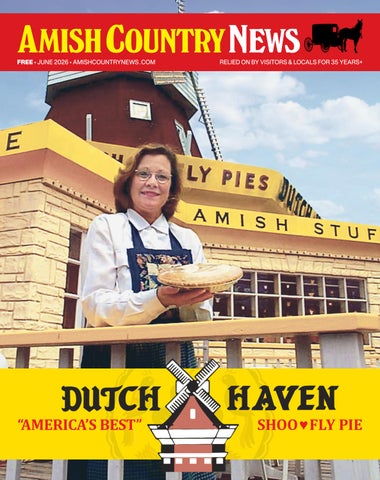
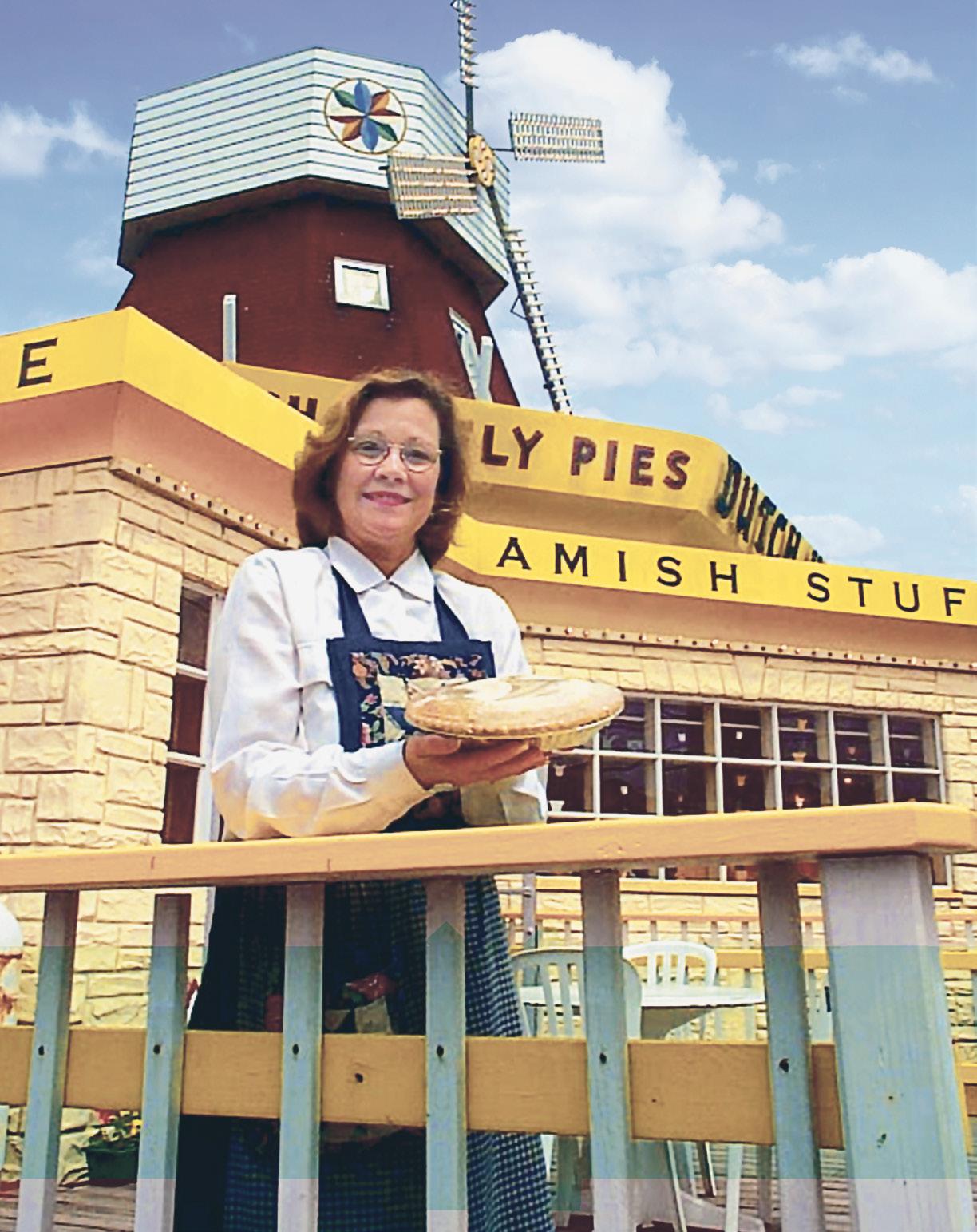
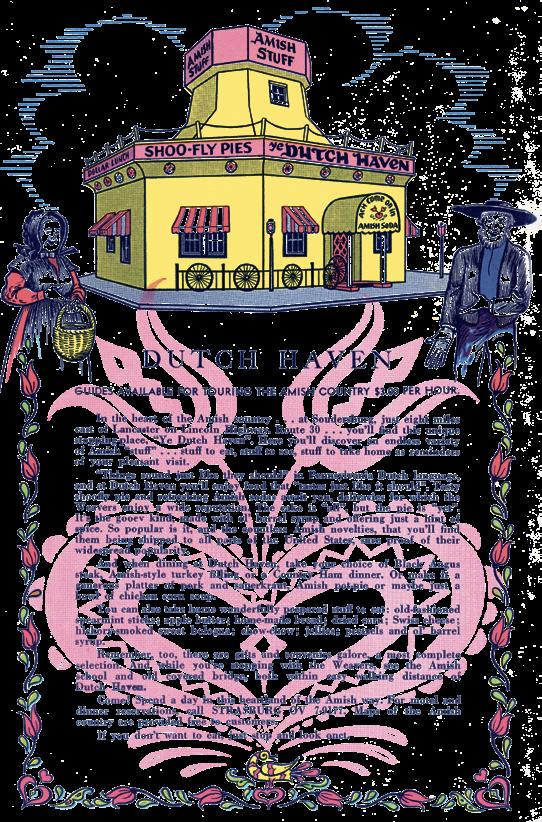
Travelers have been traversing Lancaster County along Route 30 for well over two centuries. And for over 70 years, a very special building has signaled their arrival in Amish Country. It has a legitimate claim on being the area’s oldest visitor landmark. Most importantly, it’s the “place that made shoo–fly pie famous.” That iconic structure is the Dutch Haven windmill.
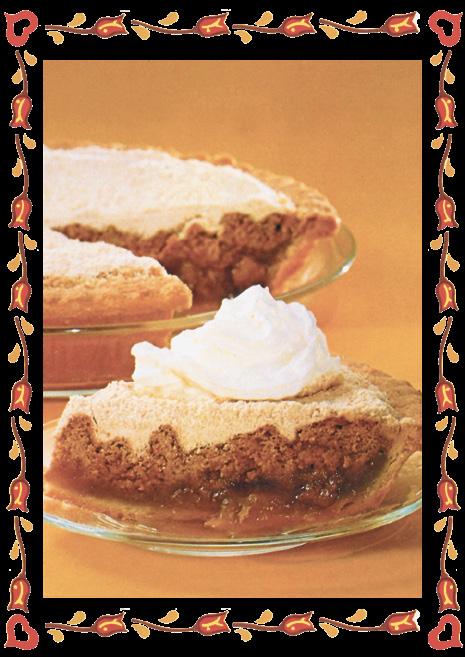
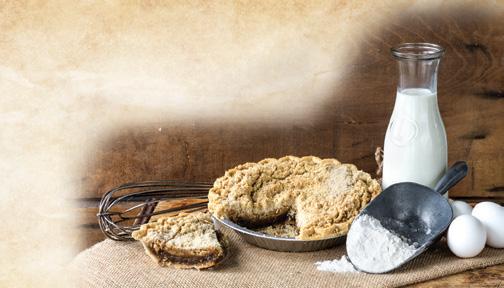
With a history dating back to the beginnings of tourism here, the building is rich in memories. From the time it started as a luncheonette in 1920 right up to the present, it has remained most famous for shoo–fly pie, served warm with whipped cream. The Dutch Haven shoo–fly pie has even been mentioned in a TIME magazine article.
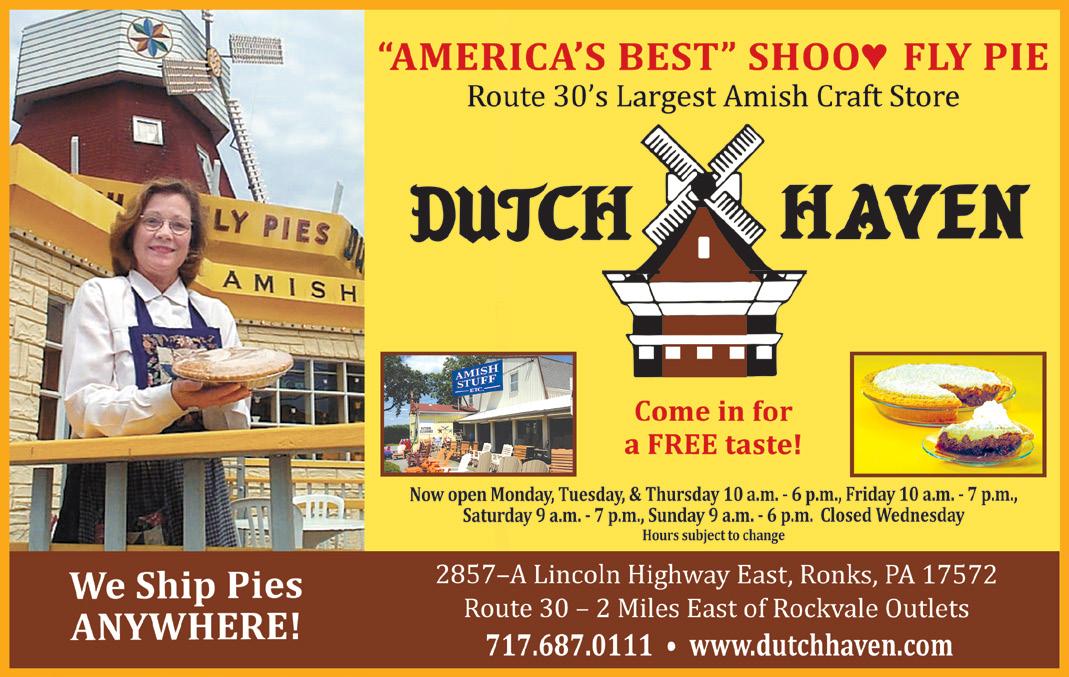
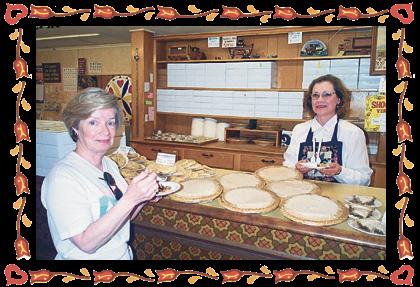
Today, as soon as you walk in, you’ll be offered a free sample of that same delicious, gooey pie. Some 40,000 pies are baked annually, using the original (secret) recipe. Visitors are still encouraged to “Take one for yourself or send one to someone nice.” You can buy and ship pies home at the store or at their “online shop,” where you’ll find other local crafts as well.
Yes, Dutch Haven is much more than pies, with over 10,000 unique gift items, foods, and collectibles. Some of the most popular are jams, jellies, and canned goods, noodles, hex signs, quilted spice mats, Amish straw hats, jewelry and gemstones, Amish dolls, onyx and soapstone animals, trivets, Tiffany lamps, framed prints, plenty of T–shirts and postcards, and a tremendous selection of
Amish–made outdoor furniture. It’s an eclectic mix, to say the least. As you explore, you’ll discover lots of other “surprises” around every corner. Expect the unexpected! And don’t forget the Amish–style root beer in the barrel.
Dutch Haven is now open Monday, Tuesday, and Thursday 10 a.m. - 6 p.m., Friday 10 a.m. - 7 p.m., Saturday 9 a.m. - 7 p.m., Sunday 9 a.m. - 6 p.m., and closed Wednesday. Hours are subject to change. Visit our website for information. For more info about this Lancaster County landmark, call 717.687.0111. Look forward to your free sample when you walk in under the welcoming arms of the windmill for this truly is the place that made shoo–fly pie famous.
By Clinton Martin
Sugar, Spice & 80 Years of Nice
When you’ve stepped foot in as many bake shops, gift shops, and attractions in Lancaster County as I have over the last fifteen years, you’d be forgiven for being a bit jaded with the usual primitives, country décor, and rustic chic that seems to overflow every retail shelf in the area.
Luckily for me, I found there is still a refreshing breath of fresh air to shop in Lancaster County, and it is none other than the original Amish Country destination, Dutch Haven . Celebrating 80 years in 2026, Dutch Haven occupies rarified air in that the swinging arms of the big Dutch Haven windmill building along Route 30 (the historic Lincoln Highway) have been beckoning travelers come inside for “Amish Stuff” since 1946.
From day one, and only more so now, Dutch Haven was responsible for making Shoo Fly Pie famous. In the early days, Dutch Haven had a fully-fledged restaurant, serving PA Dutch specialties. Today, there’s no restaurant on site, but the bakery has only grown, to provide not only that aforementioned “breath of fresh air” –I was totally charmed, and more than a little entranced, by the delectable smell of baking pies in the kitchen
when I was given a behind the scenes tour during my most recent visit – but also a wide variety of baked goodies. Wearing a mask, which I respectfully donned to honor Dutch Haven’s insistence that the customers and staff of this venerated place prioritize a safe shopping experience for everyone, did not hinder the fabulous
essence of what they were baking from tickling my nose.
I spied in the original Dutch Haven menu that a slice of Shoo Fly Pie topped with real whipped cream cost only 35 cents! But, you don’t even have to part with three dimes and a nickel today, as a taste of Shoo Fly Pie is offered free to everyone that visits Dutch Haven . And yes, the free taste is topped with real whipped cream! So if you don’t know what Shoo Fly Pie is, and want to try a bite before you take the plunge into the whole confection, Dutch Haven is a must-do. Of course, if you like what you taste, you can buy Shoo Fly Pie by the slice, or whole pie, straight from the bakery. You can also ship a pie to friends and family, essentially anywhere in the US, right from Dutch Haven’s famous on-site bakery. Ship a Pie from the store itself, by phone (717687-0111) or through their website www.DutchHaven.com.
While the baked goods will surely tempt you as they did me, there are also other Amish Country pantrystuffers available from multiple local artisans at Dutch Haven . Think honey
Dutch Haven is the Original Taste of Amish Country
from local apiaries (beekeepers), PA Dutch Chow Chow, spiced dilly beans, and other jarred goods like jams and jellies, as well as dips, mustards, and seven bean salads all carefully preserved and canned for your enjoyment long after your trip to Lancaster County is over.
Dutch Haven estimates, because who could possibly really count, that the gift shop surrounding the bakery has 10,000 items to browse. This is also where I found Dutch Haven to be unique, as simply put they had all that I expected them to have, but for every one of those “of course” items, they had at least three that I never could have fathomed. Not only Amish Country and Lancaster County can be found here, but a totally indescribable variety of themes and selections from the whole universe of novelty, gift, fun, whimsy, cool, and colorful. If you have a hard-to-buyfor friend or family member, you will find something they’ll love at Dutch Haven , and something that they’ll wonder “Where did you find this? It is perfect for me!”
So after you’ve picked up the famous Shoo Fly Pie, a jug of Dutch Haven’s own Amish recipe root beer (it is totally different from the commercially produced stuff – you’ve got to try it to understand what I mean) and a maybe a half dozen jars
of Amish Country’s best grocery items, you’ll need to take a few spins through the clothing, home décor, fantasy creatures, American made rocking chairs and wind chimes, and the other surprisingly oneof-a-kind souvenir choices that Dutch Haven stocks after 80 years of thriving and surviving in Lancaster County’s Amish Country visitor destination.
Finding your way to Dutch Haven cannot be any easier. It is truly impossible to pass by without knowing it. Just look for the big, swinging windmill along Route 30. GPS2857A Lincoln Highway East, Ronks PA 17572. There is plenty of free parking behind the store, and particularly of note, Dutch Haven is open Monday, Tuesday, Thursday through Sunday, and closed Wednesday so visit any time and grab your taste of Amish Country – steeped in history, fresh today.
We always welcome visitors with a free sample of shoo-fly pie
Eating Grass & Making Cream:
Amish Dairy Milking Only Once Daily
By Clinton Martin
I’ve been to many dairy farms. Among local Amish farmers, you tend to see certain common denominators. You almost always find Holstein cows (those iconic black and white spots) chowing down on a diet of grain and other forage (often a mixture using molasses as a binder!) The milk gets deposited into a bulk tank, which stores the liquid, raw, unhomogenized milk until the tanker truck comes to pick it up and haul it off to a processing plant somewhere. The Amish farmer gets paid “by the hundred weight.” That means for every 100 pounds of milk delivered the farmer gets paid a set amount. Holsteins produce more milk per day, per cow, than just about any other breed of cow. Feeding them a grain-based diet increases their milk production. The economics speak for themselves. That is why I was so surprised when I visited an Amish dairy farm recently that does
everything differently. I met a man who had somewhat recently started a new dairy farm. That in itself is quite a feat. Starting a farm from scratch is very labor intensive and often requires large capital investments. It seems
like that even among the Amish, new entrants into farming is becoming rarer every year.
He chose to raise and milk 100% grass-fed cows for his dairy operation. This was partially driven by upfront costs. It took far less money to get
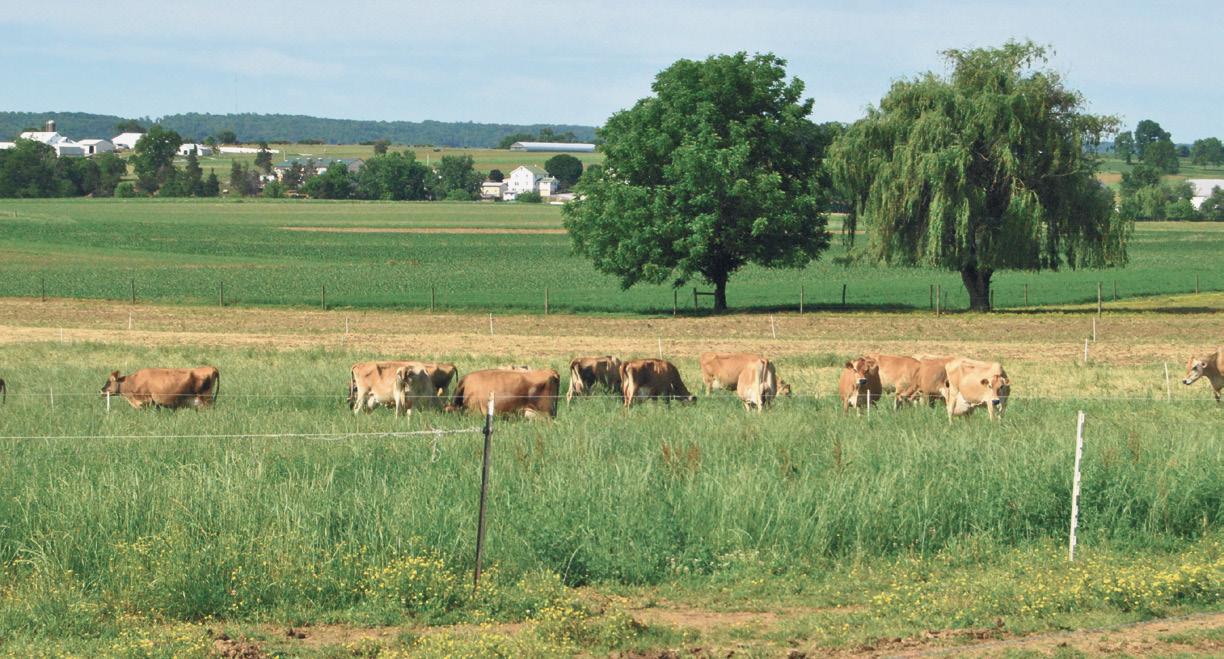
started with grass fed, as opposed to a traditional feed operation. For most of the year, the cows can simply live out on pasture, eating grass that grows naturally, with little intervention needed. During the winter months when the grass isn’t growing or is hidden under a blanket of snow for over two weeks (like this winter!) he feeds the cows’ grass in the form of hay he stored up for them.
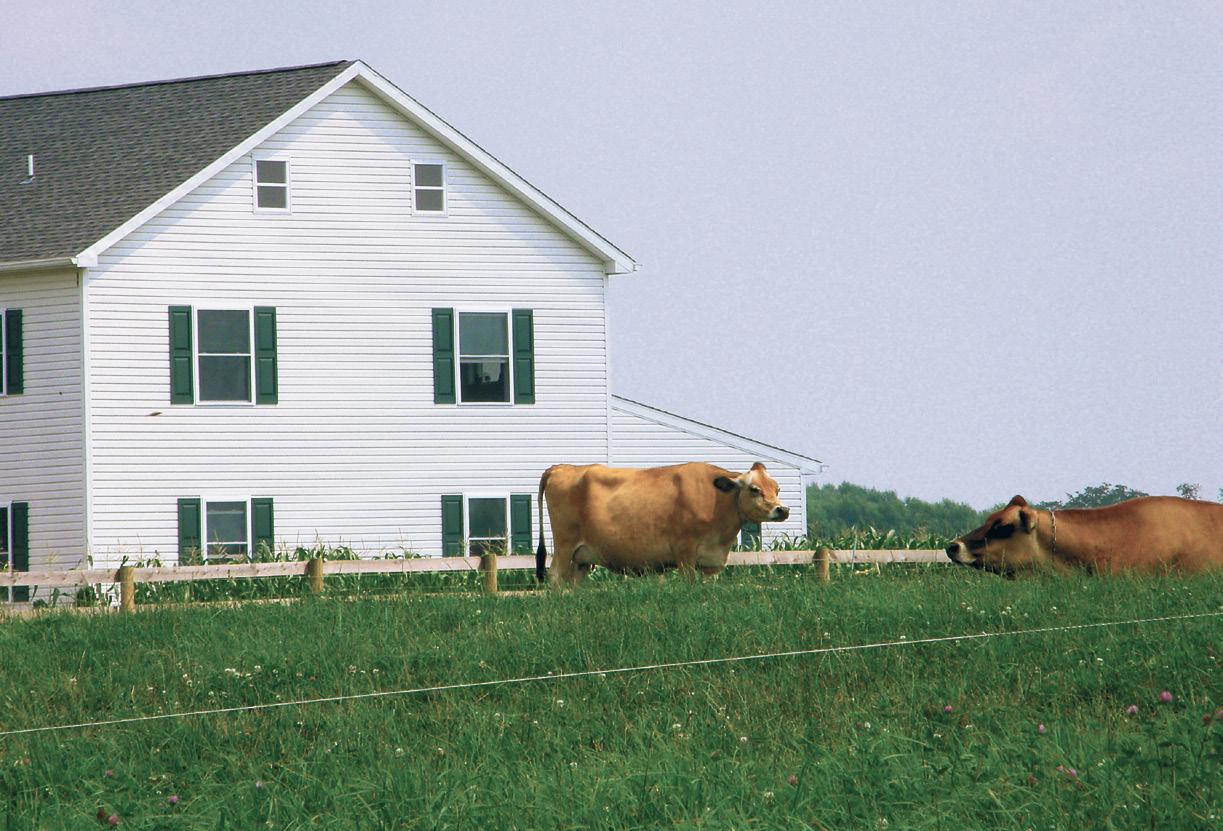
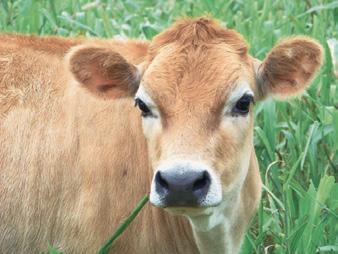
His farm has 50 acres of tillable land, which is used almost exclusively to grow grass. Most winters he does have to buy in a little bit of hay, but he can produce almost all of what he needs right on the farm. His cows are Jersey breed, which are smaller than Holsteins, and are brown in color. They produce far less milk than Holsteins, but it is renowned for being much richer (superior butterfat and protein.) His farm is different in that he does not sell the liquid milk, in bulk, to a co-op or processor. Instead, he has
a cream separator on site. He milks the cows once a day. (Most traditional Holstein farms milk twice a day. Some even milk three times daily.) After milking the cows, he runs the milk through the separator. The cream is removed, and what is left (skim milk) is discarded. The cream is what he sells. He has a contract with a company that sells the 100% grass-fed Jersey cow cream to various end users, so the cream is picked up twice a week from the farm. He doesn’t sell it directly to consumers on the farm. What he does sell direct to consumers on the farm is free-range eggs. He has mobile chicken coops (“chick tractors”) that he moves around from place to place out in the fields. The chickens’ free range during the day and then go into the coop at night to keep safe from predators. That’s the most common problem for freerange chicken operations. Coyotes, foxes, raccoons, hawks, owls, even a neighbor’s dog can all wreak havoc on chickens. He said the chickens and the cows have no problem sharing pasture space. In fact, the chickens naturally seek out bugs to eat, especially loving flies when they are in their larval form. So, it is likely that chickens, in among the cows, help keep fly populations
at bay, which then lessens stress on the cows, which then increases milk production.
I had said earlier that the skim milk is discarded. This isn’t completely accurate. Some of it is put to use as slop for hogs. The farm has pigs as a side business, nothing major at this time, but that could grow. Pigs love chugging the skim milk. They are the ultimate omnivores.
Lastly, the family grows some “fancy vegetables” on the farm. A buyer comes and picks up the vegetables they grow and distributes them into the export market (he’s been told that some of his vegetables end up as far away as Mexico!) Among farmers, the term “Fancy Vegetables” often refers to unique, colorful, or gourmet produce such as Romanesco broccoli, rainbow carrots, or white asparagus.
Antiquing in Amish Country
By Ed Blanchette
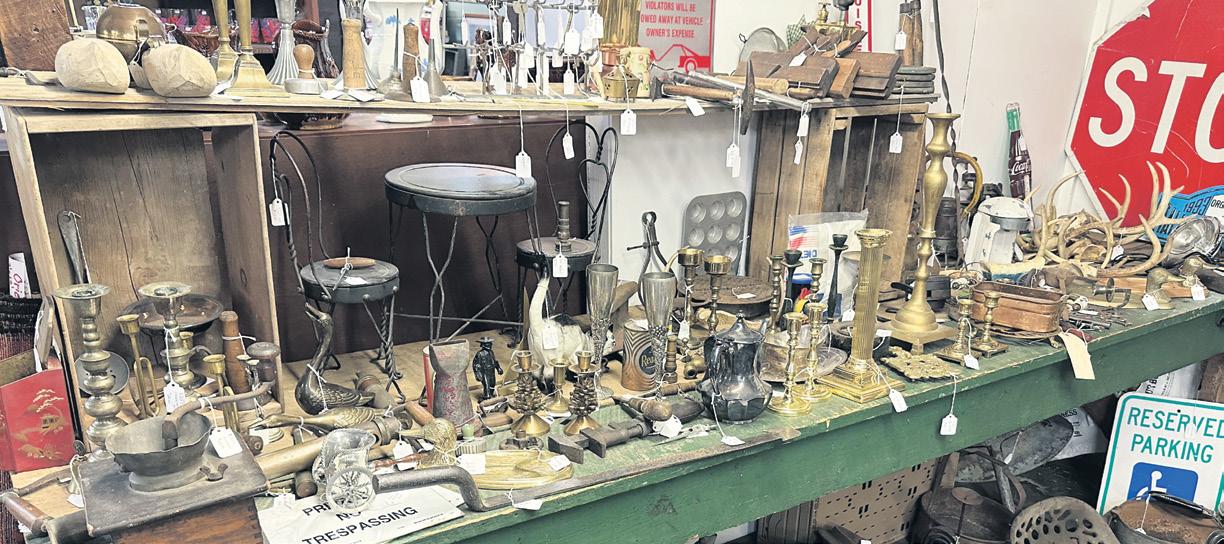
Do you enjoy searching for antiques? Perhaps you are looking for that special something, or you just enjoy searching for a surprise to add to your home decor. Maybe you hope to find an item worthy of an “Antique Roadshow.” Whatever you discover, once you find it, it becomes your personal treasure. What makes Lancaster County such a great place to go antiquing? One obvious answer would be that this area has a rich history going back hundreds of years to the first settlers in the early 1700s. Many of us have stuff in our attics that we have forgotten about, or inherited. Who knows what may be out there either at a yard sale
or an antique shop? Here in Lancaster County we boast thousands of antique shops and dealers. The Adamstown area alone has over 3,000 antiques dealers, and is known as Antiques Capital, U.S.A. The many locations stretch out along Route 272, just off Pennsylvania Turnpike, Exit 286.
Whether you are after a rarity, or just something old that intrigues you, you’ll find everything from sheet music to music boxes, pocket watches to kitchen sinks, nostalgic clothes to beautiful wardrobes to hang them in. Glassware, crafts, toys, clothes, artwork, china, quilts and fabrics, memorabilia...the list is endless!
Small Business Spotlight
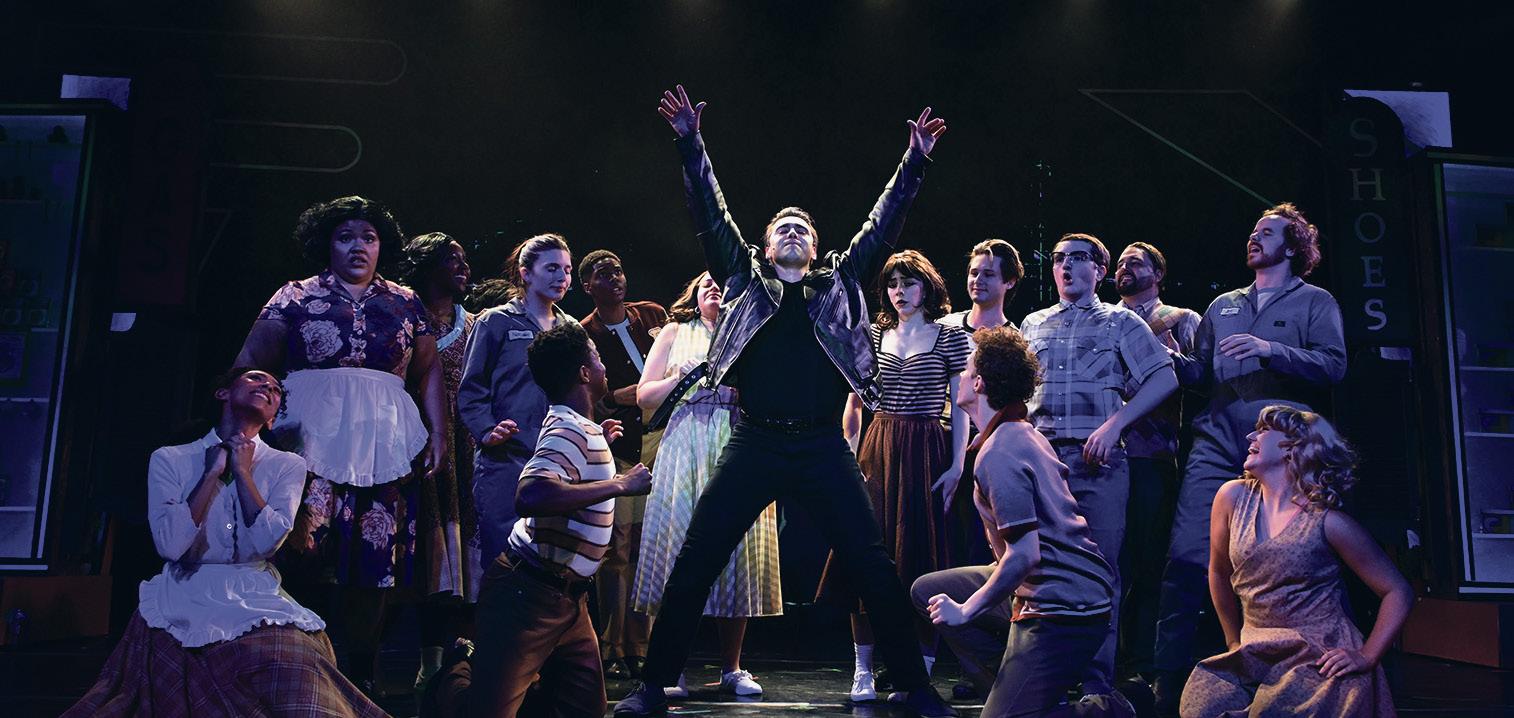
Dutch Apple Dinner Theatre is turning up the volume with All Shook Up, a high-energy musical comedy featuring the unforgettable hits of Elvis Presley on stage May 22 through June 20. Inspired by the spirit of rock ‘n’ roll and a classic tale of love, laughter, and mistaken identity, this crowd-pleasing production will have audiences dancing in their seats.
Set in a small town where nothing ever seems to change, everything is turned upside down when a guitarplaying stranger rides in and sparks a musical revolution. As hearts open and rules are broken, friendships are tested, romances bloom, and the power of music brings an entire community together.
Packed with iconic songs like “Jailhouse Rock,” “Heartbreak Hotel,” and “Can’t Help Falling in Love,” All Shook Up delivers a toe-tapping soundtrack paired with colorful characters and laugh-out-loud moments perfect for audiences of all ages.
Whether you’re a lifelong Elvis fan or discovering these hits for the first time, All Shook Up is a feel-good celebration of love, freedom, and the joy of music.
Don’t miss your chance to experience this electrifying musical that will leave you all shook up!
Performance Dates: May 22 – June 20
To arrange interviews, press engagements, or for photos, please contact: Nanci Jo Anderson, Marketing Manager 717-898-1900 NAnderson@dutchapple.com.
The Amish Experience
250 Years of Teachable Moments in History
The Under Ground Rail Road—Introduction—Part 1
By Ed Blanchette
In December of 2016 to March of 2020 the Amish Experience at Plain & Fancy Farm looked to create a bit of tangible and visual history for teachers and students through the wonders of the Magic Lantern Shows at Plain & Fancy Theater. Due to Covid in 2020, the Magic Lantern Shows were discontinued, but
those teachable elements from history that were put together by Lancaster County historians Randolph J. Harris and Leroy T. Hopkins, Jr., Ph.D., as a study guide for the Magic Lantern Show at the Amish Experience still remains mostly intact. As we celebrate the 250th year of the constitution “1776-2026”,
we here at Amish Country News feel the contributions of this valuable information would be right in line to share with you, our readership. In doing so, we will be sharing multiple parts over multiple issues. In this issue we visit Part 1 — The Under Ground Rail Road, hope you enjoy.
How “our peculiar institution” took hold, resistance formed & slavery
By Leroy T Hopkins, Jr. Ph.D.
Slavery — one person claiming superiority over another, and the actual ownership of that other human — was a method to control and dominate one group of people over another based almost exclusively on skin color. Acceptance of this flawed assumption of human relations had deep meaning and profound effects for both the people who were enslaved in this system, as well as for the enslavers.
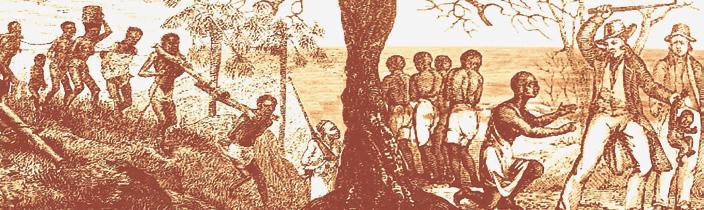
Torn against their will from their homeland, residents of Africa’s western coast were brought to British North America initially via Caribbean islands called the West Indies, where every effort was made through intimidation and physical abuse to break the captives’ will, and make them more docile and willing
to do work that destroyed both mind and body. Once brought to the English colonies on the east coast of America,
the enslaved were frequently allowed to establish new family bonds that could be severed without warning.
If the master needed money or wanted to punish “his” enslaved Africans, he would sell children and babies away from their parents, and husbands away from wives. The masters had to make enslaved people seem like they were not even human beings. They (the white masters) wanted to show everyone else
was overcome
how wealthy, powerful, and important they were. In order to do this, enslaved Africans had to be seen almost as animals, so hurting them in all these different ways would not seem as bad.
The contradiction of a society built on enslaved labor but dedicated to the ideals of “life, liberty, and the pursuit of happiness” was a tragic flaw. Thomas Jefferson, the man who wrote those words, and George Washington both owned slaves. So did many other “Founding Fathers” and American Presidents before the Civil War. When some of these same men wrote the United States Constitution, which became the law of the new nation during the period 1787-1788, they understood that what they were saying was very different from
how they were living their lives. But this paradox was one they could not resolve.
In 1789 the first 10 amendments to the Constitution — the Bill of Rights — were first introduced and enacted by Congress, and then in 1791 ratified by the states. However, in 1793, Congress enacted the Fugitive Slave Act, which in so many ways contradicted the limitations on the power of the federal government enshrined in the Bill of Rights. This Act created the legal mechanism to implement the Fugitive Slave Clause of the Constitution, which guaranteed the right of a slaveholder to recover a person who escaped bondage. The Act made it clear that enslaved people were not really people, but property, like cows and horses, and the people who owned them had the right to hold them prisoner, punish them, make them work, or sell them if they wanted to.
Almost 20 years before William Penn founded his colony, Massachusetts and Virginia had already legalized lifelong slavery for Africans. In the 1630s Dutch and Swedish settlers moving into the Delaware Valley, part of what would become Pennsylvania, also used African laborers.
838 persons enslaved in Lancaster County, 1780
Total county population about 3,600 8-fold increase over previous 20 years 4th largest slave population in state, 1790
Mark C. Ebersole, Journal of Lancaster County Historical Society, 2003
In 1688, a group of Quakers and Mennonites led by Francis Daniel Pastorius issued the “Germantown Protest” against the African slave trade. Although this was also an act of self-interest, the people from
this area near Philadelphia were afraid that the introduction of slavery would hinder the growth of the colony and be a source of unfair competition for their free labor, the Germantown Protest was also a document of humanitarian concern for the African and a criticism of an inhuman practice.
The four decades between the Germantown Protest and the creation of Lancaster County in 1729 brought no resolution to the issue of slavery in Pennsylvania. Samuel Blunston, a representative of the Penn Family, had moved to the shores of the Susquehanna in 1726 with a following that included enslaved and free Africans. It is perhaps fitting that the area where Blunston and his fellow Quaker colonists, the Bethels and Wrights, settled would become a center for resistance to the institution of slavery by about 1800.
What’s in a name? Enslavement, resistance & understanding the Underground Railroad
Historians and others who focus their research and writing on the nation’s antislavery experience have begun to question assumptions about the power of words in understanding this tragic history. The words we use matter! Using specific words can help us increase our understanding, but it also can block awareness and change the way people think about this subject. Here are some new ways that contemporary scholars, researchers and historic site conservators are looking at this extremely sensitive topic:
• The millions of people of African descent brought into the British colonies of North America and, later, the United States were “enslaved” as opposed to being “slaves.” Use of this term calls attention to the person’s forced condition rather than a permanent brand with a negative connotation that he or she did not choose.
• “Freedom seeker” vs. fugitive, runaway or contraband. People who took the initiative to leave enslavement on their own or with help from others were indeed violating the laws of the period. But the nation has come to realize that these people were acting in selfpreservation against a system that
was completely contrary to the spirit of the Declaration of Independence, and a clear violation of many provisions of the U.S. Constitution.
• Conflicts with national implications occurred in Lancaster County involving both freed and enslaved African Americans and the White majority, who were almost always backed by law enforcement. Confrontations in Columbia in 1834-35 and Christiana in 1851 were branded by newspapers as “The Negro Riots” and “The Christiana Riot,” respectively.
We now know that in the case of Columbia, white people formed mobs and acted violently toward their Black neighbors mainly because of jealousy over the economic and social advancements that were made in that community, where employment and other opportunities were available to Black people.
In Christiana on that fateful day of Sept. 11, 1851, a Black militia was formed to defend against frequent abductions by slave catchers and bounty hunters. African Americans in that area often were seized and sold off whether or not they: (a.) were born free in the North, (b.) were living there after being manumitted (or liberated) by their former masters, or (c.) were passing through on a pathway to freedom.
Contemporary scholars and historians tend to define the events as “The Resistance at Christiana.” Describing this historic uprising as a “riot” against the evil institution of slavery is an old-fashioned and incorrect term, some say. “Riot” sounds like lots of violent, out-of-control people, but the Black citizens of Christiana had planned ahead of time to do what they believed was necessary if their freedom was threatened.
THE SERIES
An Amish Community Finds MYSTERY & INTRIGUE
in Sugarcreek, Ohio
By Ed Blanchette
There are lots of ways to experience the Amish and Mennonite communities and the ways they may experience certain aspects of their lives, both factual and some not so much. Being that the Amish and Mennonite communities find their strongest ties through religious strengths, as their initial primary foundation. There are many outlets, over time, that have informed or captivated the public about these wonderful communities. From books, theatre, tours, to movies & television. Some have made a long impression on the general public, such as the 1985 film Witness, filmed right here in Lancaster County, Pennsylvania. On a parallel line, the 1974 premier of
“Little House on the Prairie” also gave similar insights to the culture and still runs in syndication today as a family
favorite. Even here in Amish Country News, we have had the privilege of featuring multiple authors in our publications, Leslie Gould, Sarah Price,
and Wanda Brunstetter just to name a few. Of course we cannot forget the art of Cheryl Ann McNulty, as she has created some unforgettable artwork for our covers and pages within our publication for many years.
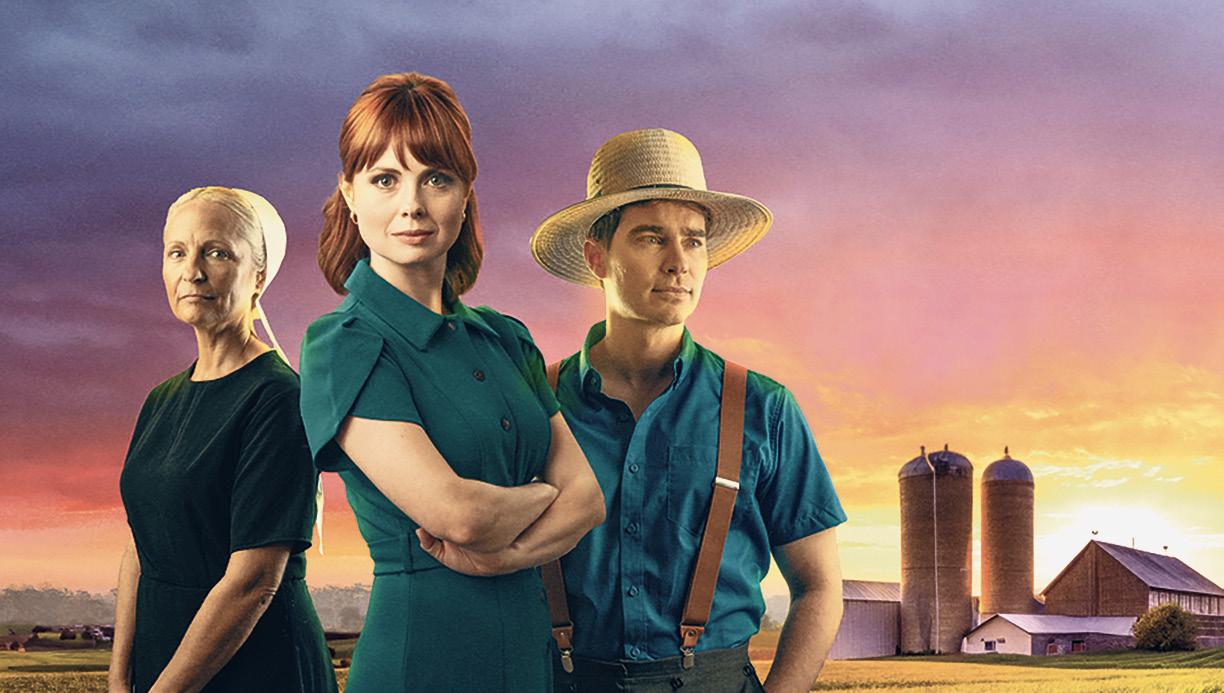
“Recently, I was informed of a new television series, ” Sugarcreek Amish Mysteries,” that premiered on April 16th of 2026 on UP Faith & Family and on UPtv cable network starting April 23rd of 2026. You can also catch up now by streaming the pilot movie, Blessings in Disguise, and all episodes of the season on UP Faith & Family.”
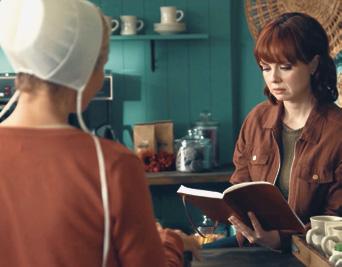
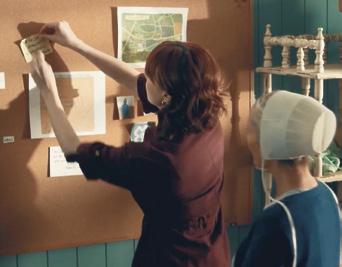
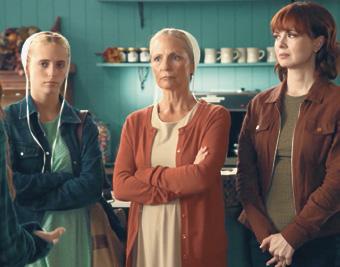
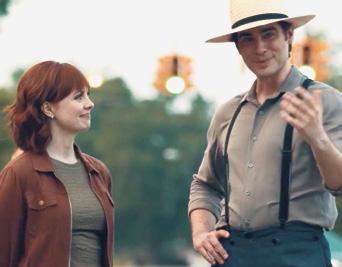
The show blends cozy mystery with meaningful cultural discovery, set in the real-life Amish hub of Sugarcreek, Ohio. The story follows Cheryl Cooper
(Galadriel Stineman), who, after a life setback, finds herself immersed in Amish country managing a local gift shop, only to become an unexpected
bridge between worlds as she helps solve mysteries alongside her Amish neighbors. Through these experiences, the series thoughtfully explores themes of community, faith, simplicity, and belonging; values deeply resonant with audiences connected to Amish life.
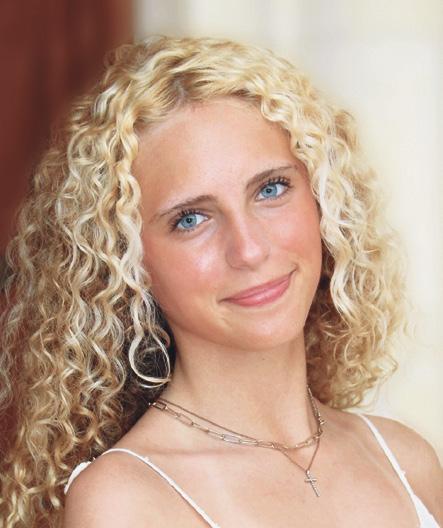
Mother/Daughter duo Denise Gossett and Riley Beeson have stepped into the Amish world with their latest project “Sugarcreek Amish Mysteries”, the series! Gossett is best known for her hilarious takes in “Get the Gringo” with Mel Gibson, “The Office”, “The New Adventures of Old Christine”, and “Zoey 101”. Beeson is best known for her roles in “Hope” and “Migrants”. Gossett and Beeson enter Amish country in UvPtv’s upcoming cozy mystery series, Sugarcreek Amish Mysteries
The series expands on the story that began with Sugarcreek Amish Mysteries: Blessings in Disguise, now one of UP Faith & Family’s Top 10 movies. This time, the mysteries unfold over eight brand-new episodes set in the charming town of Sugarcreek, Ohio.
Elizabeth Adams, Amy Lillard, Annalisa Daughety, Olivia Newport, Emily Thomas and Cara C. Putman.
From what I personally got to experience with my first introduction to the tv-series Sugarcreek Amish
Mysteries, I found myself grounded in the story, which had good values and enjoyable entertainment for all. It was
a well-done production. So, if you’re looking for something new, fresh and
value driven for television, this is a great start, should you find yourself inclined. For myself, I’d give it 4.5 stars out of 5! Be well, be safe, and stay positive!
Galadriel Stineman stars as Cheryl Cooper, a woman who arrives in town after a breakup and quickly finds herself fast friends with Gossett’s character Naomi Miller. The duo finds themselves getting pulled into a mystery that leads them into the heart of the Amish community. Blending cozy mystery elements with heartfelt storytelling, the series is based on the popular Sugarcreek Amish Mysteries book series, written by authors Nancy Mehl, Elizabeth Ludwig, Tricia Goyer,
Galadriel Stineman
Denise Gossett
Riley Beeson
Kevin Joy
Is this the End of Hemp in Lancaster County?
By Clinton Martin
The 2018 Farm Bill changed the classification of hemp in such a way that, after 81 years of being banned, farming the crop was once again allowed. This jumpstarted a new industry, with many farmers — especially locally in Lancaster County — rushing to cultivate the crop. Historically, the crop was very important to Lancaster County. Townships, school districts, and more are named after Hemp here.
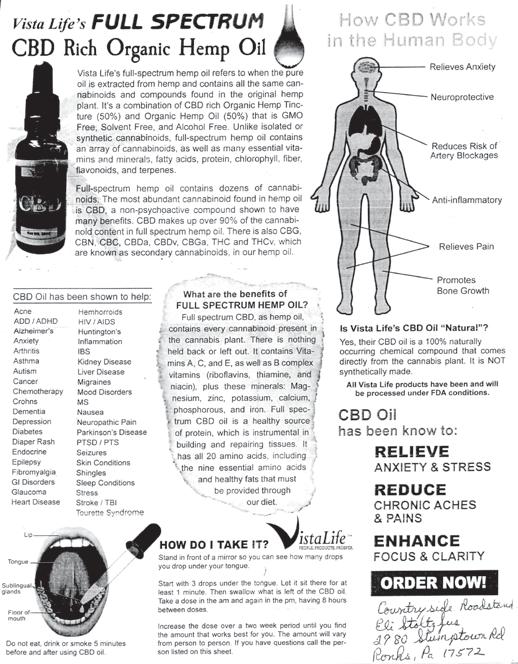
Hemp can be processed for use in food, fuel, fiber, grain, and even building materials, but what most people think of is the medicinal and supplemental CBD uses, such as oils, salves, beverages, and edibles. Technically, the concentration of THC (the compound in the plant that gets people high) is very low (with the legal threshold being 0.3%)
By 2021, some of the excitement around hemp had begun to wane. The initial excitement that this crop might “save” Lancaster County farms had cooled. Farmers found it difficult to process the hemp they grew. There were few companies locally that could turn the crop into the various products. The market was saturated with raw material, but the manufacturing end was lacking.
Additionally, as time went on, local authorities began to suspect that many retailers selling CBD and other hemp products were selling black-market marijuana, fraudulently labeled as hemp. During a 10-month undercover investigation, they made purchases of hemp products at various area retailers and labtested them for THC concentration. 90% of the products tested much, much higher than labeled, and were indeed essentially illegal weed labeled as legal hemp.
Some of these retailers were clearly selling the products to children, further complicating the issue. Many people decried the “loophole” in the 2018 Farm Bill, asking for it to be closed. Senator Mitch McConnell authored language banning most hemp products, folded into the federal spending package that ended the government shutdown of 2025. Some representatives from both sides of the aisle attempted to have the language removed, but they were not successful. The package was signed into law by President Donald Trump on November 12, 2025.
The ban on hemp products takes effect November of 2026. All products containing more than 0.4 milligrams of THC will be henceforth illegal, which essentially spells the end of Hemp. While there were some Amish farmers who began growing hemp after the 2018 Farm Bill, most had stopped well before the controversy developed, simply due to the lackluster economic performance of the crop.
Image source: Designed by Magnific
Celebrate 250 Years of American Heritage at Homestead Days in Lancaster County
As America gears up to celebrate America250, there’s no better place to connect with our country’s living history than at Homestead Days at Plain & Fancy Farm*
Held on the third Saturday of every month from June through September from 11 a.m. – 3 p.m., Homestead Days brings together the timeless traditions of Lancaster County with hands-on fun for today’s families.
Step Into Simpler Times
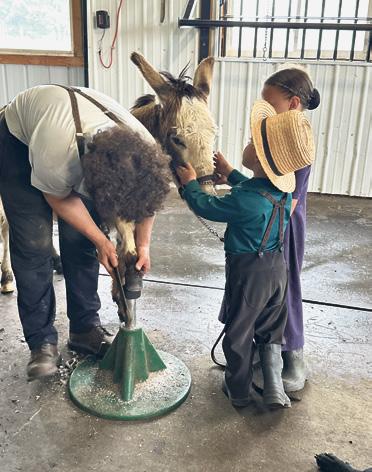
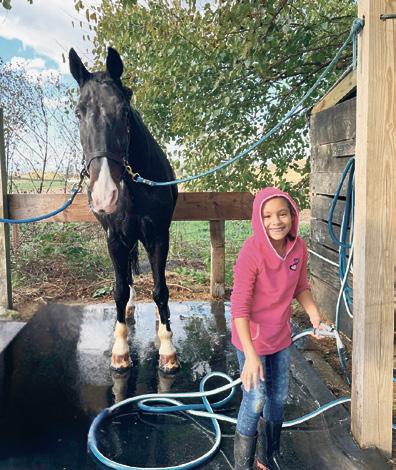
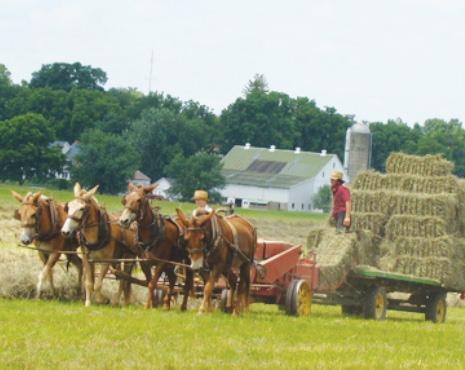
From the clip-clop of horses’ hooves to the ring of the blacksmith’s hammer, Homestead Days offers a glimpse into the past, Plain living and Lancaster County crafts. Watch skilled horsemen demonstrate horse care and washing, and see a blacksmith expertly shape and fit a horseshoe.
Children can embark on a farmwide scavenger hunt, try their hand at historic yard games, and snap a memory-making photo at our Plain & Fancy face-in-a-hole board.
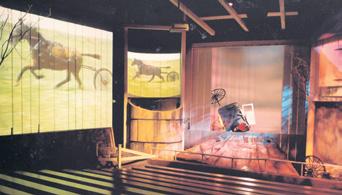
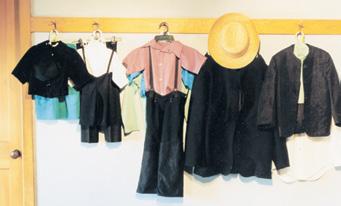
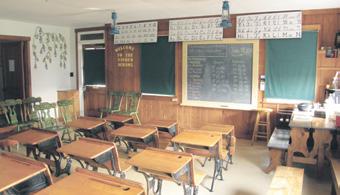
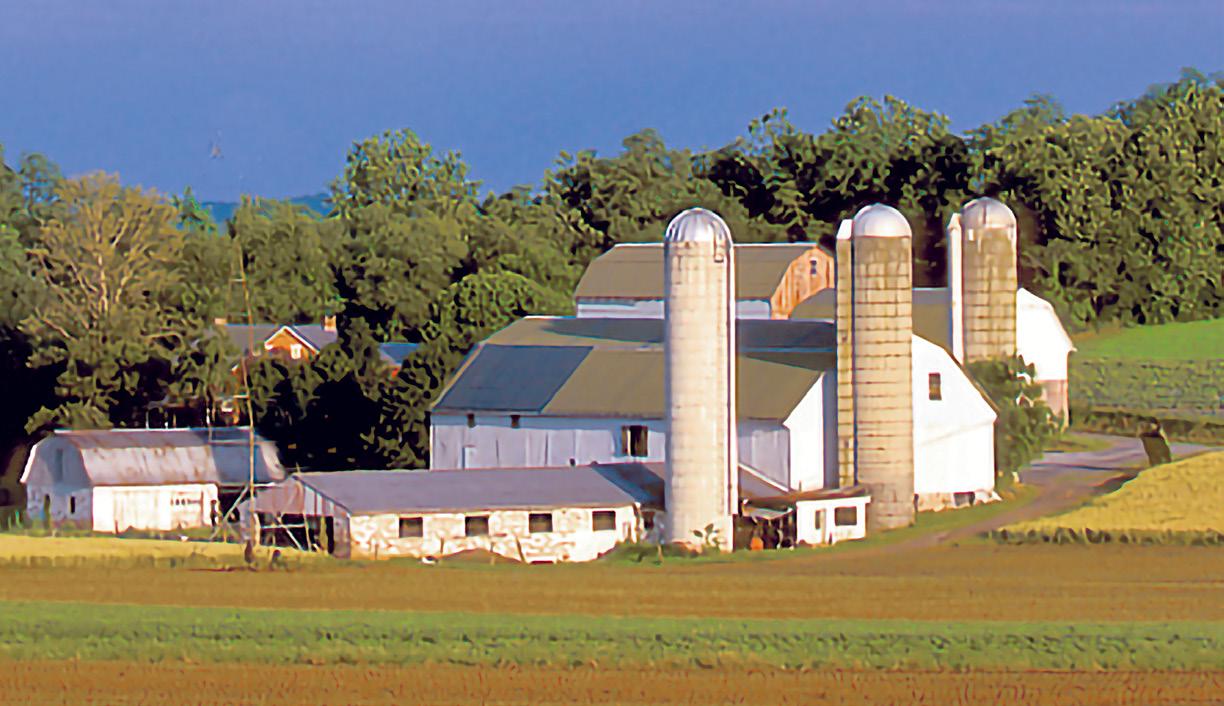
Craftsmen showcase different traditional crafts each month from basket weaving and canning to leatherwork and farming. Some offering hands-on opportunities so guests can try the skills themselves. Visitors can also learn about Amish schooling and daily life, gaining a deeper understanding of a community that continues to honor traditions rooted in the same era America250 commemorates.
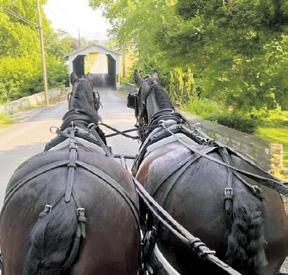
Take a ride with Aaron & Jessica’s buggy tours through the countryside and even visit a working Amish farm.
Living History, Told and Drawn Before Your Eyes
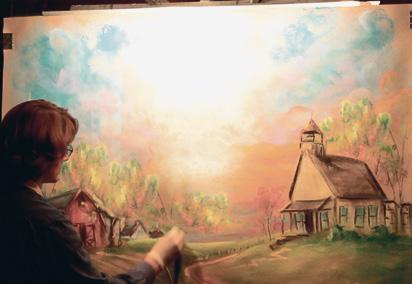
Most months, guests can engage their senses through music, storytelling, and the luminous chalk artistry of Elva Hurst, a former Old Order Mennonite
woman whose remarkable presentations blend history, faith, and artistry. Through story and chalk, Elva brings early American life and Plain culture vividly to life — her drawings literally glowing as her story unfolds. Advance ticket purchase is recommended.
Taste, Touch, and Experience Lancaster County
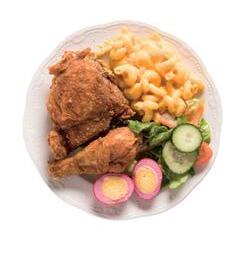
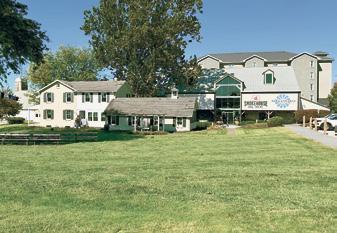
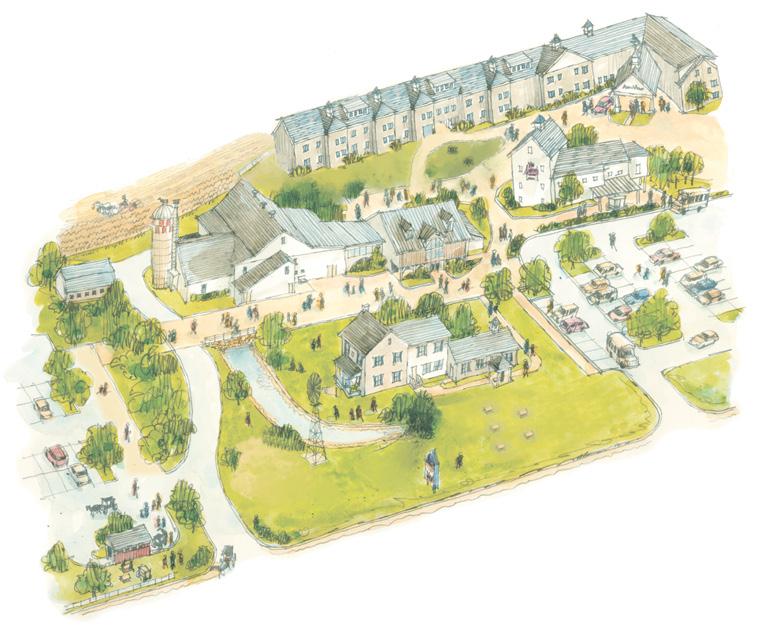
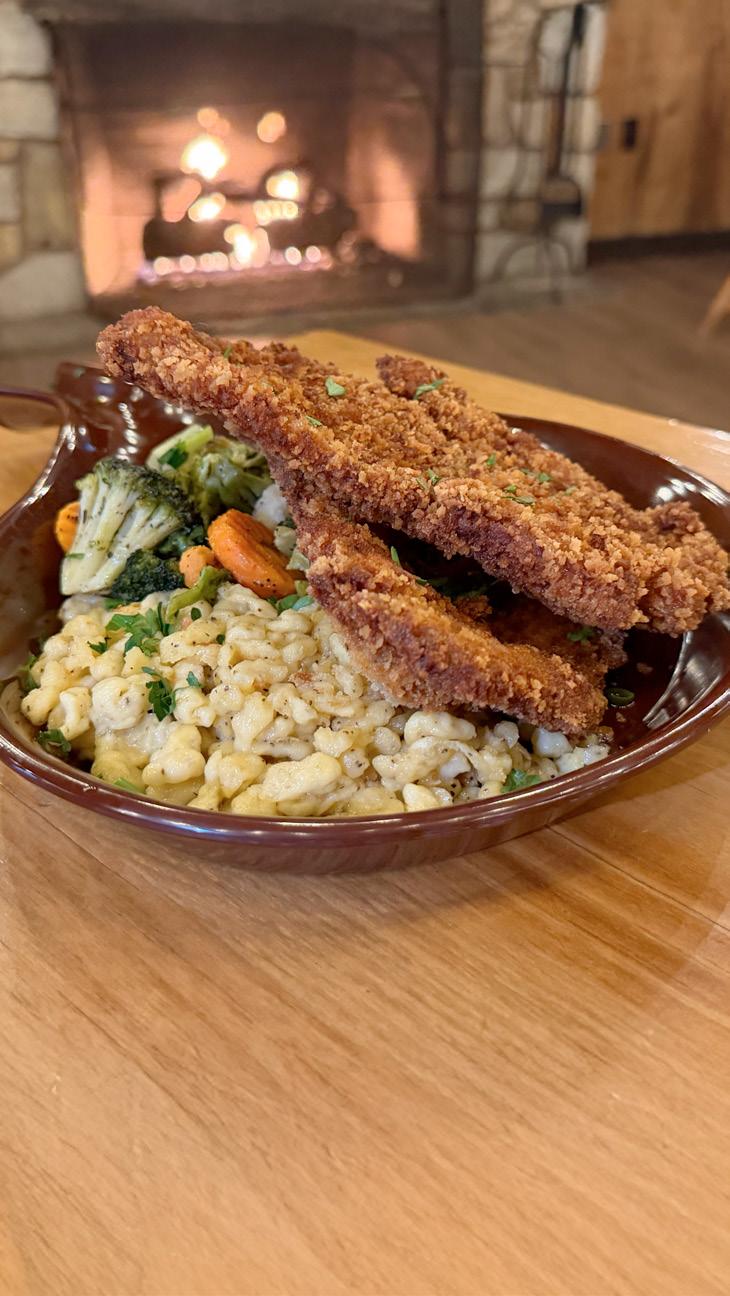
Local food sampling at The Barn & Hearth Shop highlights Lancaster County pickling and canning traditions, from chow chow to dandelion jelly, offering guests a true taste of the region. Plus, you can sit down to enjoy Pennsylvania Dutch favorites at Smokehouse BBQ & Brews at Plain & Fancy Farm, or grab a locally made whoopie pie or shoofly pie at The Barn & Hearth Shop.
Most activities are free, with only select specialty items requiring a small fee - making it an accessible and meaningful outing for families, couples, and curious travelers alike. Activities are subject to change and some are weather permitting so see the Plain and Fancy Farm website** for up-to-date details.
Looking for a great place to stay? Consider booking one of the wellappointed rooms at AmishView Inn & Suites, located right at Plain & Fancy Farm.
This summer, as our nation reflects on 250 years of independence, Homestead Days at Plain & Fancy Farm invites you to experience a way of life that has endured for centuries.
Address: 3125 Old Philadelphia Pk, Bird-in-Hand*
Dates: 6/20, 7/18, 8/15, 9/19
Time: 11 am–3 pm
Website: PlainandFancyFarm.com**
Facebook: @plainandfancyfarm
TikTok: @GetawayLancaster
YouTube: @GetawayLancaster
New Holland & Blue Ball
New Holland, settled in 1728 by John Diffenderfer of Heidelberg, Germany, is located in the fertile farmlands of Lancaster County. It is a charming small town similar to many towns in rural America, but its story goes back to well before the founding of our nation.
The unstable situation in Europe in the late 1600s spawned and nurtured the pioneer interest in the deep forest
New Holland
Blue Ball Leola
New Holland Summer Craft Show
June 27 9 a.m. – 2 p.m.
New Holland Community Park
Get ready for our annual kickoff event! Where 75 vendors or even more participate in this anticipated event! For more information, please visit https:// newhollandsummerarts.com/craft-show. Tell them, “Amish Country News sent you”!
lands of Pennsylvania—60 miles inland from Philadelphia. In 1681 William Penn received his 40,000 square-mile land grant to settle King Charles’ debt to his father. The area now called New Holland was practically covered by virgin forests—sturdy timber of oak, ash, chestnut, and walnut.
By 1728, William Penn, had been dead for 10 years and his American colony, called Pennsylvania and was being
administered by a proprietary governor while the sale of land was formalized by patent deeds. In the case of one of the town’s early settlers, John Diffenderfer, the record shows that he applied for land to live on in 1728. It was surveyed and placed on the county map in 1735. The deed was finally issued to him on March 22, 1758 after 30 years!
The village founders were German, not Dutch. They were surrounded by English and Welsh Quakers, Episcopalians, a few Swiss-German Mennonites and some Scotch-Irish Presbyterians. The Amish arrived later.
The town was once known as New Design, a name given by Michael Diffendefer for his real estate development in 1750. But in 1802, when a post office was established and an official name was necessary, there was no dissension to naming the town New Holland. These grateful people remembered how extremely kind the inhabitants of Holland were to them when they fled persecution and sought religious freedom in the New World.
New Holland was laid out as a “street town” in the typical European style of having the villagers live in a central location along both sides of the street, but each having an outlying plot of land to cultivate as an adjunct to his trade as a craftsman. Even today, the main street of New Holland has major “kinks” or bends in it. Unsympathetic visitors claim it looks as if the town were built along a “cow path.” But if one looks with a discerning eye, the street also follows the high ground. The land on the ridge was the
New Holland cont’d on page 22
“SHOP HOMES” A Popular Choice Among Amish Families
By Clinton Martin
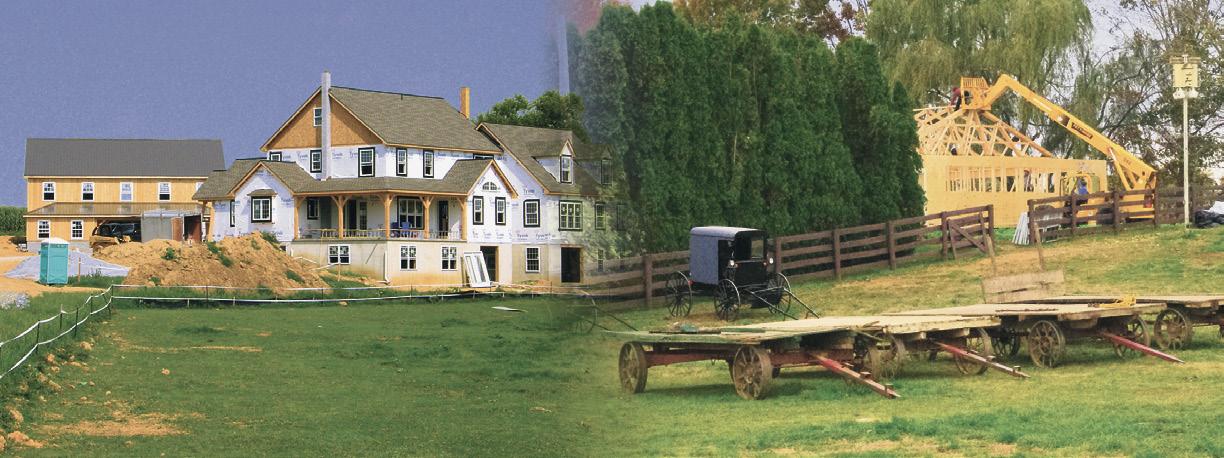
Looking for a starter home? Why not consider a “Shop Home?” It seems to work well for the Amish! When an Amish couple gets married, they probably don’t have their dream/forever home already lined up. They likely have to start small, and build their legacy. Many of these couples start out in a “shop home.” Basically, this is a very simple, very quick to build, relatively inexpensive
structure. Often appears boxy and “barn-like.” Therein lies the key. It starts out as the family’s home, but once they get their feet under them a little and get some savings put away, they build a proper home on their land, and the “shop” drops the “home” descriptor and takes on the role of workshop, barn, business, while the family lives in the new home they built.
Often the second floor of the shop retains some semblance of living space after this conversion. With a bathroom and some gathering space, maybe even a small kitchen, this area can be used as a rec room for the youth, hosting space for events (like when it is their turn to have church) or even a small apartment to rent out for some extra income.
When another health system tried to force her into a treatment plan, Tricia got a second opinion from UPMC Hillman Cancer Center—one of the region’s only NCI-Designated Comprehensive Cancer Centers. Here, she found access to cutting-edge clinical trials, groundbreaking treatments, and world-renowned cancer experts. Discover the power of hope at UPMCHillman.com/SecondOpinion.
TRICIA S. | BREAST CANCER PATIENT
To Hershey
To Harrisburg
To York and Gettysburg
TOWN KEY
Bird–in–Hand Pg 26
Intercourse Pg 20
Paradise Pg 38
Strasburg Pg 23
New Holland | Blue Ball Pg 16
Lititz Pg 40
Ephrata Pg 41
SusquehannaRiver
Intercourse
Intercourse Heritage Days
June 19 & June 20
Our community celebrates its heritage at the Intercourse Community Park, with a Band Concert, Local Food Fair, Special Kids’ Activities, Heritage Craftsmen’s Demonstrations, and more!
For details visit www.intercourseheritage days.com/. Tell them, “Amish Country News sent you”!
Probably no other town in Amish Country can claim its fame is owed largely to one simple thing—its name. For years people have sent letters home with the name stamped boldly on the envelope… Intercourse, PA. There are several explanations for the name, and they are woven into the brief history that follows.
In the beginning, of course, there was very little here, just settlers arriving in the New World from Europe. Back around 1730, the Old Provincial Highway (or Old Philadelphia Pike, Route 340) was laid out to connect Philadelphia with the inland town of Lancaster. Conestoga wagons, pulled by six to eight horses, hauled supplies and freight back and forth between the two cities. Providing rest for
travelers and horses, taverns sprouted along the way, becoming centers for news, gossip, and business transactions.
And that is how the town got started when the first building, a log tavern, was constructed in 1754. The Newport Road, a former Indian trail, came from Newport, Delaware to the south, and it is believed that because of these intersecting roads the tavern took “Cross Keys” as its name. That was true at least until 1814, when it was named Intercourse in a real estate scheme to establish a more sizable town. George Brungard had acquired 48 acres of land north of the roads in 1813. He attempted to lay out a town site and divide it into sections for sale by a lottery, advertising “151 handsome building lots of $250 each to be drawn for by number.”
The newspaper advertisement stressed “the great importance of so many turnpikes and great leading roads intersecting at and near this place.” As one writer has noted, in those days “intercourse had a common usage referring to the pleasant mutual fellowship and frequent intermingling which was so much more common in the informal atmosphere of the quiet country village of that day.” There was no hesitancy on the part of the United States Post office Department to accept the name ‘Intercourse’ since it meant a commercial or trading site.
But back to our story and Brungard’s scheme. Although lotteries had been used for many years to sell various things,
Intercourse cont’d on page 22
Photographers!
ACN 2026 Photo Contest
>> Now Accepting Entries! << Got great photos? Send them to us and see your photo in the pages of Amish Country News and win prizes! Visit AmishCountryNews.com for Photo Contest prizes and more info. Email your HIGH RESOLUTION ONLY photos in JPG format to clinton@amishexperience.com (minimum size 8”x10” at 300 DPI). Put 2026 Photo Contest in the subject line. File names should contain your name. Include your name, address and phone number with brief details of location and subject matter in the email. No more than five photos can be submitted. LOW RESOLUTION PIXELATED IMAGES WILL NOT BE ACCEPTED.
Photos become property of Amish Country News / Amish Experience and may be used in upcoming issues, publications, and promotional materials.
To Country Knives
Smokehouse at Plain & Fancy
Aaron & Jessica’s Buggy Rides
REMINDERS for Visitors to Amish Country
Although thousands of visitors come to Lancaster County to experience a bit of the Amish lifestyle, the Amish are a private people and find the attention somewhat disconcerting. It is important to respect their feelings while you’re visiting. With that in mind, here are a few tips for fostering good relations between the Amish and non–Amish.
NO PICTURES Please! Don’t ask an Amish person to pose for a picture. Most will politely refuse. It is against our Amish neighbors convictions to have their pictures taken, except in very special situations. Please respect this belief and do not take photos without permission, just as you would like to have your beliefs respected.
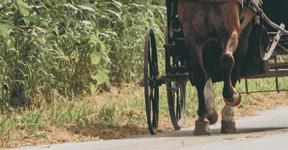
HOLD YOUR HORSES Driving along area roads, you will no doubt encounter numerous Amish carriages, or “buggies,” as visitors like to call them. Do not honk your horn, because the sound may frighten the horse and cause an accident. Instead, wait until it is safe to pass and then give the buggy plenty of room. Be sure not to cut back in the lane too sharply in front of the horse. The county’s roads are generally wide enough that you should be able to pass most buggies without much of a problem.
NO TRESPASSING Do not trespass onto private Amish property for a closer look. Amish homes are not museums, and Amish people are not exhibits. Respect their property and privacy as you would like others to respect your own. You can get a good sense of Amish life at many area visitor attractions and on guided tours.
WAVING Do not be offended if the Amish do not wave back to your friendly gesture. With all the people who wave to them throughout a day, they would be waving back all day if they did!
A FINAL WORD Remember the Amish are not on vacation and are not costumed actors. They are real people going about their daily lives. They are not here to serve as tour guides or attractions for visitors. This, after all, is their home, so please respect their beliefs and lifestyle.
New Holland cont’d from page 16
driest, and in winter it would be blown clear of much of the snow. These settlers made the obvious facts of nature work for them rather than against them, offering a lesson for us all even today.
Intercourse cont’d from page 20
his real estate lottery failed, and most of the land was combined into one tract. More recently, in 1971, another person tried to take advantage of the town’s name and sell one-inch square plots of property to visitors. This plan proved to be a flop as well.
In the old days, there were only five houses, counting the inn, and the town grew slowly. But by 1880, Intercourse had 54 homes and a population of 280. Communications improved with the arrival of the post office, and later the telephone.
Getting the first post office up and running was a difficult matter. The main problem was finding a building and someone willing to perform the duties of a postmaster. The first, Benjamin Fraim, performed his duties from the Cross Keys Tavern, and may have had a job working there, since “his income, based on a percentage of the postal transactions for the year ending 1829 was only $8.21.” Over the years the post office moved among stores or restaurants whose owners hoped visits by residents would increase their business.
The local stagecoach service apparently started around 1898. It was “a single horse conveyance similar to a market wagon, with a roll-up curtain and
double set of seats.” The stagecoach brought items from Lancaster City for local Intercourse businesses, and even picked up milk, butter, and eggs for delivery to Lancaster restaurants and industries, including an ice cream plant. One history of Intercourse notes that when it snowed, a bobsled was used instead. “When the driver knew of passengers beforehand, their comfort was added to by many a hot brick heated the night before in the oven, and wrapped in newspaper to preserve its warmth.”
As the days of the dirt road drew to a close, so too did the stagecoach days with the Rowe Motor Truck service started by Coleman Diller in 1910. In 1923 the Penn Highway Transit Company was organized and initiated bus service to Lancaster. It is noted that “many of the Amish residents of the area were anxious to see the line started, but did not care to subscribe to stock. Instead they liberally bought books of tickets which were really prepaid bus fares.” By 1924 enough money was raised to buy a Mack Auto Bus for $6,800. It held 25 passengers and even had solid rubber tires!
Since the town never really got to be “too large,” it has retained much of its sense of community, from the little public library in a former one-room school to the volunteer fire company. Surrounded by farms, the town has grown little and retains much of its former charm, even when thousands of visitors descend upon it during the tourist season.
Many residents and visitors enjoy the atmosphere of this small town, a place where family, community, religion,
and hard work are still important values. The village of Intercourse has certainly changed over the years, but it has changed slowly, and “sometimes the things that grow the slowest are the ones that endure the longest.”
Amish Country News is printed seven times per year. Fantastic articles! Money saving coupons! A guide to Amish Country! For an Amish Country News annual subscription, complete this form and send a check or money order for $35 to: Amish Country News, PO Box 414, Bird-In-Hand, PA 17505.
Check an issue to start your subscription.
SUBSCRIBE
Strasburg
The area we know today as Strasburg was first settled by Germanspeaking Swiss Mennonites. After bargaining with William Penn in London, they came directly to Philadelphia from the Rhineland, arriving in September of 1710, on board the ship Maria Hope with a combined passenger and crew list of 94 persons. Thirty-six of the leaders were granted patent deeds from Penn’s property commissioners for 14,000 acres of land surrounding Strasburg. Some of the family names are familiar to locals today, including John (Hans) Herr, whose house in Lancaster County is open to visitors and remains as the county’s oldest surviving dwelling (1719).
French fur traders opened up the first path through this area from Philadelphia to the Susquehanna River—known as “Minqua’s Path.” As early as 1716, when the first Conestoga wagon was used for hauling goods between Philadelphia and Lancaster County, it became known as the Conestoga Road.
During the next half century, traffic on this road increased considerably—and Main Street Strasburg was developed. The first buildings appeared in the village about 1733. Strasburg flourished in the 18th century primarily because of its location along the major wagon routes between Philadelphia, Lancaster and the Susquehanna River. Strasburg was one of the principal stopping stations and, with the heavy wagon traffic, there were as many as ten taverns here.
No doubt the religious nature of the first settlers was responsible for the village becoming a center for worship
and education. In 1816, when the village was incorporated into a Borough, the name Strasburg was selected, undoubtedly named for the Cathedral City from which the Swiss Mennonites came, the Alsatian city of Strasbourg.
Wealthy doctors and clergy, and an interest in worship and education, made Strasburg a cultural and educational center for the region. The first formal school opened in 1790, a classical academy where Greek and Latin were taught.
These academic enterprises were followed during the 19th century by
Season Opening— Strasburg Ghost Tours
June 6, 2026
Looking for a ghost from a past era or looking to see some of the historical spooky locations in Strasburg? Then the moment has come with the season opening of the Strasburg Ghost Tours. Experience the most haunted locations and the stories that bring them back to life in Historic Strasburg Square. All tickets are sold in advance. For more info visit www.ghosttour.com/ strasburg.html or call 717-687-6687. Tell them, “Amish Country News sent you”!
a flood of schools. In 1823, by an act of the Legislature of Pennsylvania, an Academy was established in which “the languages, arts, and sciences will be taught.”
The year 1839 marked the founding of the Strasburg Academy at 37 East Main (the present day Limestone Inn Bed & Breakfast was the headmaster’s home and housed boarding students). The Academy gained the reputation of being one of the best academies in the country for both boarding and day students, and its students came from all over the
A is for Amish Buggy Rides
Choo Choo Barn National Toy Train Museum
East Coast and as far away as Cuba and Puerto Rico.
In 1841, a classical school for girls, the “Strasburg Female Seminary,” opened at 17 East Main. Such a school for girls was quite unusual at that time.
As Strasburg flourished, so did its neighbor to the east, Philadelphia. The commercial interests of Philadelphia pressured the State Legislature to improve the transportation network into their city. As a result, an internal improvements bill passed in 1826 to construct a series of canals. The Philadelphia and Columbia Rail Road was also incorporated with financing provided by the state.
With these undertakings, Strasburg residents became alarmed at the
possibility of losing their commercial position and from this concern emerged the Strasburg Rail Road. In 1832 a charter was secured from the Pennsylvania Legislature to construct a rail line connecting Strasburg with the Philadelphia and Columbia Rail Road main line near Paradise. Due to financial difficulties, the project was delayed until finally put in running order in 1852. But this shortline between Strasburg and Paradise was not financially successful for many reasons, until it was revived to provide rides to visitors on authentic steam locomotives, thus becoming the focal point for all of the town’s train attractions.
Gigantic Model Train Layout at
• New Layout with Animations, trains, scenery & surprises!
• New inventory in our gift shop
Traveling layout for events • Wooden tokens to get $1 off admissions
Traintown,
A Scenic Culinary Journey and a Taste of Amish Country
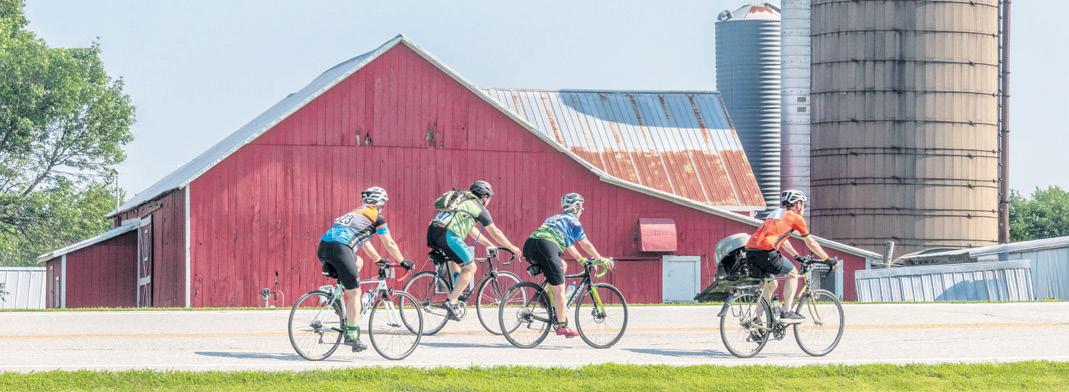
Ride through the rolling hills of Lancaster County Pennsylvania, tucked within the panoramic Susquehanna Valley. Immerse yourself in a landscape of picturesque farmlands, covered bridges, and fresh local flavors. From the physical challenge of the Fondo, to the best of farm-to-table culture, this event is a must for cyclists and foodies alike.
From beginners to avid enthusiasts, there’s a distance for you. The Amish Country terrain features a marvelous blend of gentle rolling hills and short, invigorating climbs. All while passing by corn stalks eight feet tall through the beautiful, tranquil farmland.
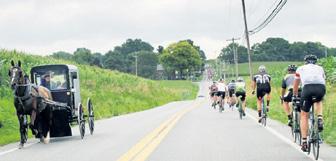
On August 29, 2026, experience the Amish Country Fondo in the heart of Lancaster County like never before with Farm to Fork Fitness Adventures. Starting and ending at the historic Barn at Paradise Station in Ronks Pennsylvania. This bicycling tour is designed for the “foodie cyclist” who appreciates both
a picturesque ride and fresh organic local agriculture. Participants will cycle through breathtaking scenic farmland, stopping at local family farms along the way to enjoy food/snack tastings prepared with ingredients straight from the fields. The four main farm stops along the bike routes include Down on the Farm Creamery, White Oak Nursery, Red Barn Market, and Wayvine Winery. It’s a beautiful celebration of fitness, community, and the rich bounty of our local area farmers.
Hosted by The Barn at Paradise Station. A stunning restored 19thCentury space located in the heart of Lancaster County’s Amish Country, providing a perfect backdrop for a classic Farm to Fork event. Every route starts and finishes at The Barn at Paradise Station. Every route showcases a di erent side of what makes this region so unique. As you ride through the heart of Pennsylvania Dutch Country, you’ll cross several of Lancaster County’s 28 historic covered bridges and share the road with traditional horse-and-buggies.
Join us in supporting local agriculture and building community, one pedal stroke at a time. For more information you can visit: https://www.farmtoforkfitness.com/ pa-dutch-fondo-
Amish Country Fondo Lancaster County, PA
August 29, 2026
Farm to Fork Adventures include Fully supported rides • Carefully curated farm stops • Fresh, locally sourced snack bites • Support vehicles & staff • Community-focused atmosphere
Hosted by For more information or to sign up
www.farmtoforkfitness.com/ pa-dutch-fondo-
The Barn at Paradise Station
A stunning 19th-century space in Lancaster’s Amish Country.
A blend of biking, exploration & farm fun
Bird–in–Hand
Benefit
Auction for the Clinic for Special Children
June 20 6:30 a.m. – 4 p.m.
IrishtownRoad
Of the many unique village names that dot the Amish Country map, one of the more interesting is Bird-in-Hand.
The story of the town of Bird-inHand is as colorful as the name itself. To be correct, the town is really a village since it has no governing body. When Bird-in-Hand celebrated its 250th Anniversary (1734 – 1984), a commemorative booklet was put
together. It outlined a brief history of the town…
William Penn, an English Quaker, had founded the colony of Penn’s Woods (Pennsylvania), and settlers began arriving from Europe in the early 1700s, moving westward from the port city of Philadelphia. English Quakers and Swiss Mennonites were the early settlers. The Quakers built a meetinghouse and twostory academy, which stands today, next to the fire company. But over the years, the Germans “made the greatest lasting impact.”
A friendly relationship existed between the early settlers and the Shawnee and Conestoga Indians, who were the area’s first inhabitants. They taught settlers how to deaden trees,
The annual Lancaster County Benefit Auction is a community-organized day featuring fun bidding, fellowship, and delicious food! Enjoy a large selection of carriages & carts, quilts, household furniture and items, farm supplies, hardware, tools, outdoor furniture, collectibles, toys, and much more! A variety of delicious food will be available, including chicken BBQ, pork sandwiches, large salad bar, subs, potato dinners, soft pretzels, donuts made on-site, soft ice cream, fruit pies, cakes, baked goods, and more. For more information visit https:// clinicauctions.com/lancaster/ or call 717-687-9407. Tell them, “Amish Country News sent you”!
use deerskin, prepare corn as food, and use medicinal herbs.
“When the Old Philadelphia Pike became a well-established route of transportation for those traveling west to the Alleghenies, Lancaster became known as the gateway to the west.” The trip by stagecoach for passengers, or Conestoga wagon with freight and merchandise, lasted several days. Inns were built every few miles, identified with
Bird–in–Hand cont’d on page 32
To Forest Hill Leather Craft
To Mr. Sticky's
Riehl's Quilts & Crafts
To Flory's Cottages & Camping
Water’s Edge Mini Golf
Our Advertisers
From A History of the Pennsylvania Railroad 1846-1896, J. Elfreth Watkins, 1896
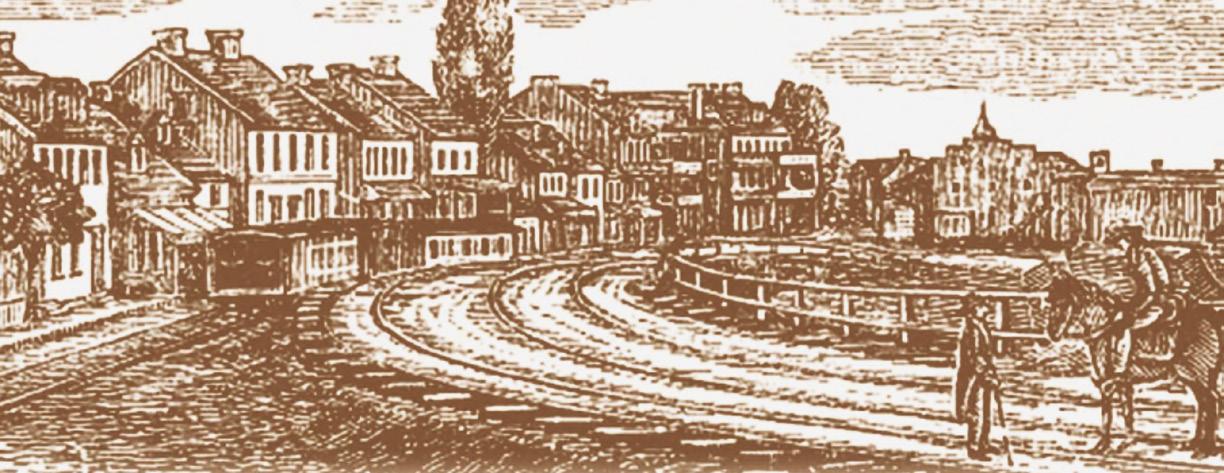
Columbia, Lancaster County, PA, Front Street, circa 1840
One of three communities in the U.S. where the notion of an ‘underground railroad’ is recorded to have originated. Smedley, 1883
Others: Ripley, Ohio and Washington, D.C.
The Amish Experience
250 Years of Teachable Moments in History
The Under Ground Rail Road—Introduction—Part
By Ed Blanchette
In December of 2016 to March of 2020 the Amish Experience at Plain & Fancy Farm looked to create a bit of tangible and visual history for teachers and students through the wonders of the Magic Lantern Shows at Plain & Fancy Theater. Due to Covid in 2020, the Magic Lantern Shows were discontinued, but those
teachable elements from history that were put together by Lancaster County historians Randolph J. Harris and Leroy T. Hopkins, Jr., Ph.D., as a study guide for the Magic Lantern Show at the Amish Experience still remains mostly intact. As we celebrate the 250th year of the constitution “1776-2026”, we
here at Amish Country News feel the contributions of this valuable information would be right in line to share with you, our readership. In doing so, we will be sharing multiple parts over multiple issues. On page 10 we visited an Introduction in Part 1 – Now the Under Ground Rail Road Introduction Part 2, enjoy.
How geography, religion, politics & technology gave rise to the Underground Railroad in PA
By Randolph Harris – Consulting Historian
The Underground Railroad was the first mass action of civil disobedience since the American Revolution, with ideas and beliefs that came out of that war for independence from Great Britain. It was a religiously inspired and racially integrated civil rights movement that eventually helped to spark the Civil War (1861-1865).
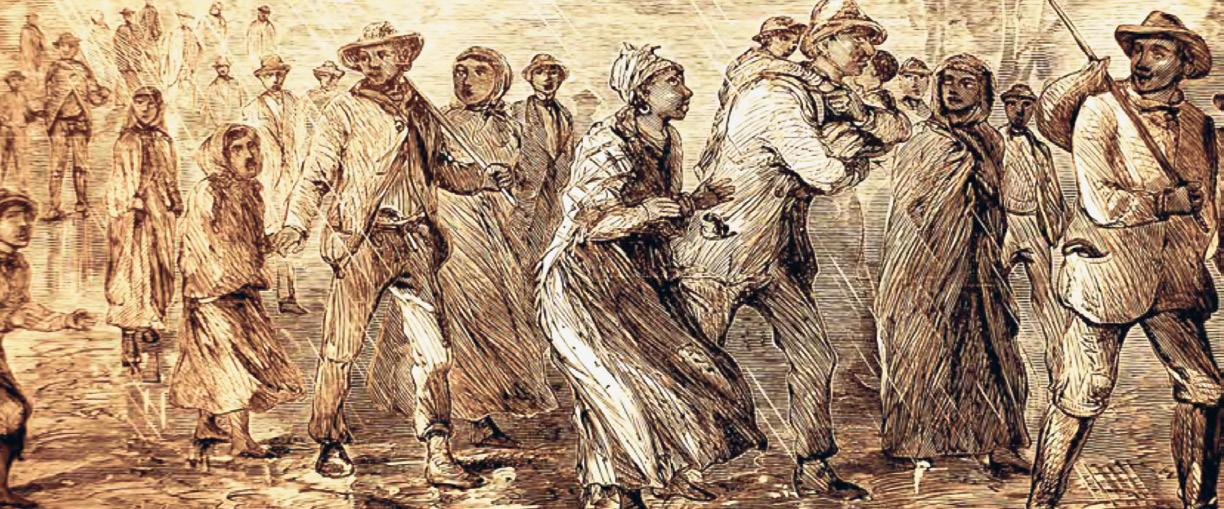
When people talk about the history of the Underground Railroad today, they often describe it as, “not about underground places and not about real railroads...” Rather, this movement— shrouded in myths — is most often described as a loose network of antislavery activists-free people of African descent and sympathetic
white people — operating among a mix of haphazard uprisings and in some organized efforts, all in support of freedom-seeking Africans fleeing
In Lancaster County, PA—1780-1883
bondage on pathways north. Antislavery activists assisted in transporting people from one safe house or “station” to the next, often hiding them in barns, attics, basements or cornfields, as far away from the Southern states as possible. They traveled overnight on foot, sometimes hidden in wagons, other times on horseback, and near
the East Coast they often were able to find passage or be secreted onto ships heading North.
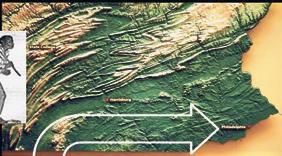
But in Lancaster County and its sister counties along the MasonDixon Line things were different. What happened here — from Franklin County at the base of the high ridge of the Appalachian Mountains, to Philadelphia on the Atlantic Coast, brought together a unique mixture of people and beliefs, providing the foundation for some of the earliest events in opposition to slavery in all of America. These brave people took action along the most well-known geographic boundary between the slave-holding states of the South and the free state of
Pennsylvania and others in the North. Here, there is ample evidence of a different kind of resistance movement, where “underground places and real railroads” were used.
The
There is now emerging a more complete knowledge and understanding of several historical events and key situations in this region that did indeed involve the use of the actual railroad as a vehicle for freedom seekers. There are also several sites in this region where underground spaces were used…not to allow for long distance subterranean escape, as is often falsely explained or believed as to how this system worked...but ingeniously devised hiding places that allowed for temporary concealment until the ever-present bounty hunters and slave kidnappers moved on, unable to find their targets.
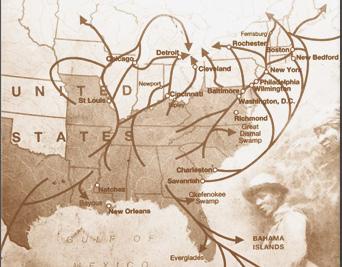
GEOGRAPHY OF THE UNDERGROUND RAILROAD
Southeastern Pennsylvania Corridor 1800-1860
The social and economic aspects of South-Central Pennsylvania that included religious tolerance, progressive politics and creation of some of the most advanced technology of the period, combined with challenging geography, are now seen as providing the unique
conditions that helped to give rise early on to this civil rights movement. Central to this alternative view was Philadelphia, home to open as well as secret anti-slavery attitudes and actions that dated to the time when George Washington served as our first President and resided in the city. Philadelphia also acted as a magnet, drawing travelers’ overland from the west and south, passing down to us stories of arduous travel, escape, capture and resistance that played out for more than half a century.
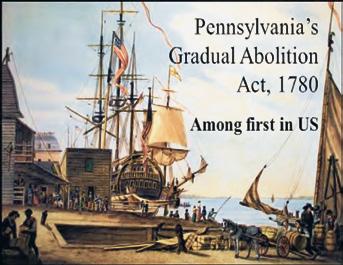
These conditions occurred for several reasons. Philadelphia was a burgeoning coastal city where, in the Declaration of Independence, our Founding Fathers penned the immortal words, “All men are created equal…” It was the capital of the country for a time when the state was the second of the original 13 Colonies to ratify the new U.S. Constitution. The City was home to the largest population of free people of African descent in the nation, which was a welcoming sign for the incoming freedom seekers. In 1780 its legislature enacted the Gradual Abolition Act, a law that began the long and controversial process to bring an end to the enslavement of humans.
In Philadelphia — the seat of William Penn’s noble experiment of religious tolerance—the first stirrings of resistance among Anabaptists, Quakers, Methodists and other religious sects began to occur. This growing attitude among different religious groups helped to establish a community consciousness that led to the formation of the nation’s first antislavery society, while the surrounding area became a metropolis, a magnet
where freedom seekers could have a better chance of eluding bounty hunters and secure more chances of long-term liberty.
In the farming communities to the west, anti-slavery sentiment was strong among the many groups of early religiously motivated settlers. They knew firsthand the horrors of persecution in their native lands of Western Europe, where fellow countrymen were often executed because of their religious beliefs and practices. Across a key area of this same region, there are welldocumented actions involving one of the first railroads in the nation — the Philadelphia & Columbia Railroad (1834) — as having been used to secretly transport formerly enslaved people over long distances, at what must have seemed to them like “lightning speed.”
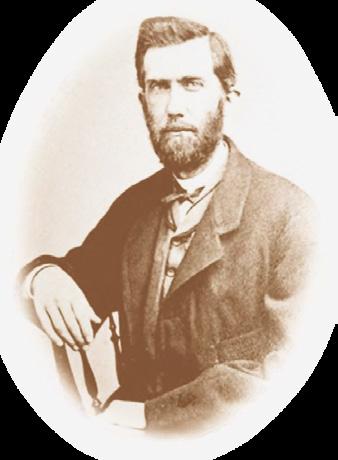
Smedley, MD (1832-1883)
Born, Chester County, PA. Practiced medicine there until his death. Authored Underground Railroad book, 1882.
At the far western reaches of this landscape, we have the critically important community of Columbia, Lancaster County. Founded in about 1730 on the Mid-Atlantic region’s frontier of the American Colonies, Columbia on the Susquehanna River emerged within a few decades as this region’s transportation hub and a burgeoning industrial center.
POLITICS–Philadelphia, Colonial Era
major pathways of The Underground Railroad, circa 1850, as interpreted by the National Park Service, National Underground Railroad Network to Freedom, 2011.
Robert Clemens
BREATHE. You’re in “Amish Country” RELAX. SLOW DOWN.
By Natalie Osorio
Slow down. Relax. Breathe. You’re in “Amish Country” in Central Pennsylvania, Lancaster County. It’s a different world here. In “Amish Country”, the daily hustle and bustle is traded in for the slower, more tranquil pace of life in the rejuvenating countryside. Here, the splendid choir of birds fills the air as the sounds of car traffic disappear and the natural, welcoming sounds of hooves and buggies appear. This is where you are enveloped by the endless and vibrant green pastures, where the sights of cattle peacefully grazing on endless real turf puts you at ease.
Perhaps it’s this peaceful atmosphere of Lancaster county that attracts more than 10.2 million visitors annually, aside from the major attractions and great shopping. Perhaps it’s because this rich countryside is primarily made up of the unique Pennsylvania Dutch Amish community, “the plain folk”. The Amish paint a
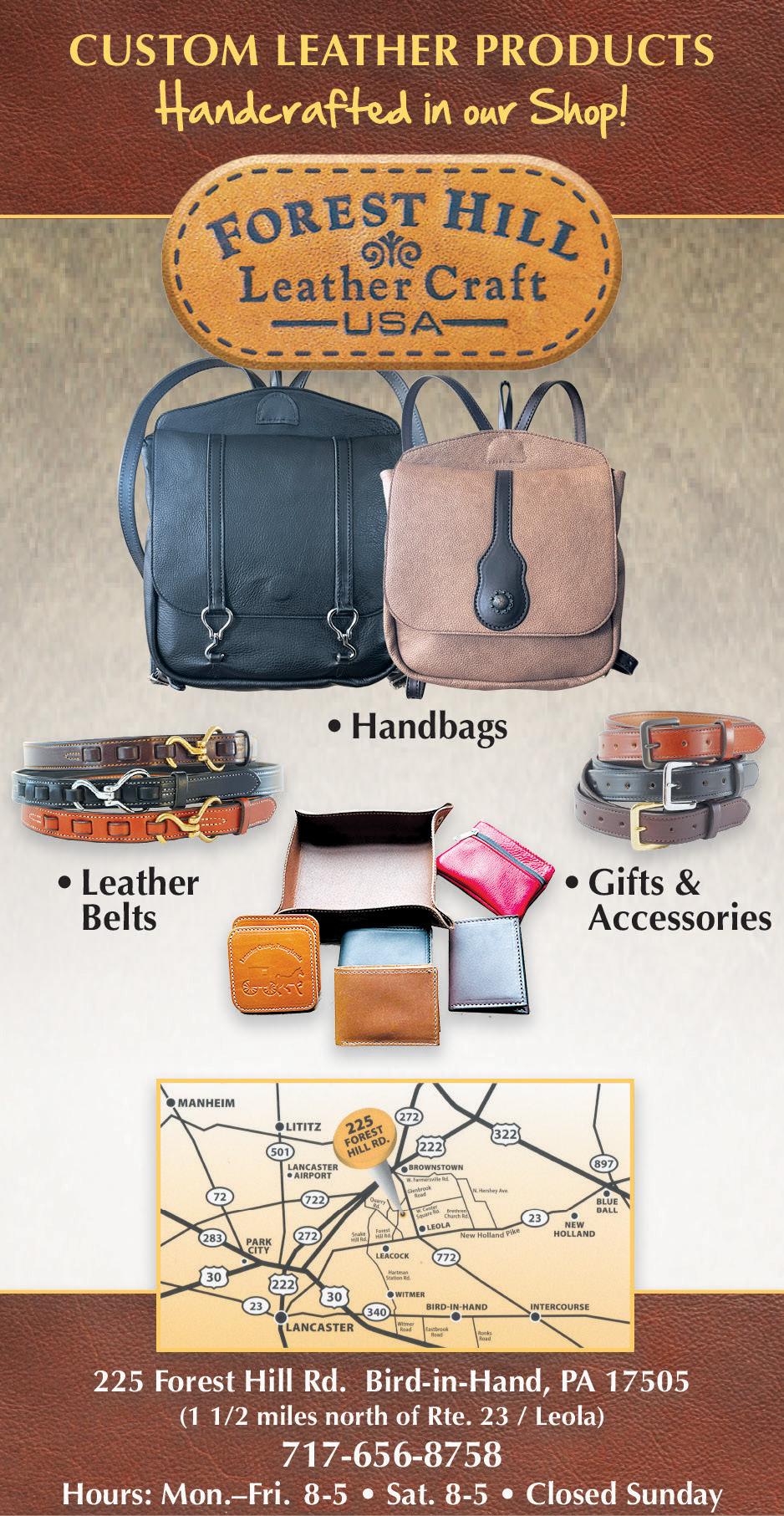
uniquely self-sufficient and simple way of life, whose values and lifestyle shape the countryside of Lancaster County into what it is now, and who contribute to the $3.5 billion economic growth of the county. Tourists flock from all parts of the country and the world to visit and learn about the Pennsylvania Dutch, to savor their mouthwatering Whoopi and shoofly pies, jams, jellies, and cheeses, and to shop at local Amish businesses–such as Isaac “Ike” Stoltzfus’ a genuine leather goods shop, Forest Hill Leather Craft.
For the past 49 years, Ike has relished life in Lancaster County with his family and community, and 22 years ago, he decided to open up Forest Hill Leather Craft to produce leather goods using only 100% genuine leather. Ike and his two younger sons now run the business together. Some time ago, I had the pleasure of meeting Ike and his sons and learning
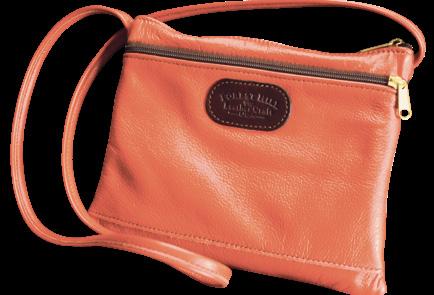
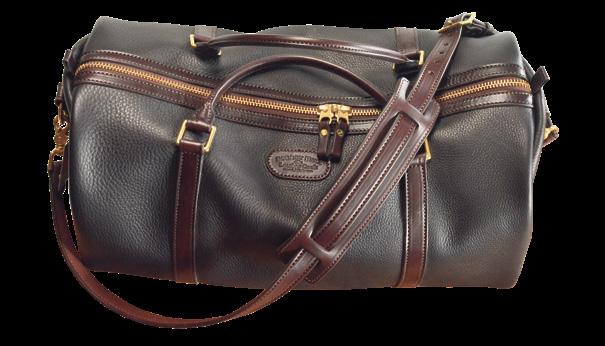
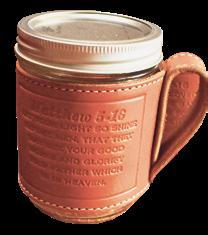
more about his business and seeing for myself just how the Amish values and beliefs pervade every part of their life, including business. Ike’s workshop and store are located in the quaint ‘Bird-inHand’ area. Drive on Forest Hill Road too quickly and you will miss the only lawn sign identifying his business; there are no big billboards, signage, or attention-drawing lights. A charming abode, humble farm, and a rustic, A-framed shop makeup Ike’s two-acre property which is surrounded by miles of serene countryside. Stepping through the entrance into the shop, battery operated lights and propane fueled lamps dot the ceiling. Simple wooden shelves full of neat leather goods boast of something for everyone. Bright, richly toned crossbody bags, handbags, wristlets, and elegant belts for the ladies; wallets, customized leather-wrapped mugs, and Ike’s infamous belts for the men; watch bands, leather-covered padfolios, laptop bags and briefcases for the career-bound individual; various leather accessories for children and much more! Be sure to ask Ike about customizations and monogrammed accessories! Ike’s quality items are intricately designed as well as durable, boasting off his hours of fine craftsmanship. He provided me with a behind-thescenes tour of his
workshop located on the second floor. His workshop is simple; just a few pieces of equipment powered by batteries or propane adorn the space; the same type of lanterns and lamps on the first floor, dot the workshop ceiling, and the perfect amount of sunlight fills the shop during the day. Ike welcomes children and customers to tour the workshop, so remember to ask him for a tour if you plan on stopping by!
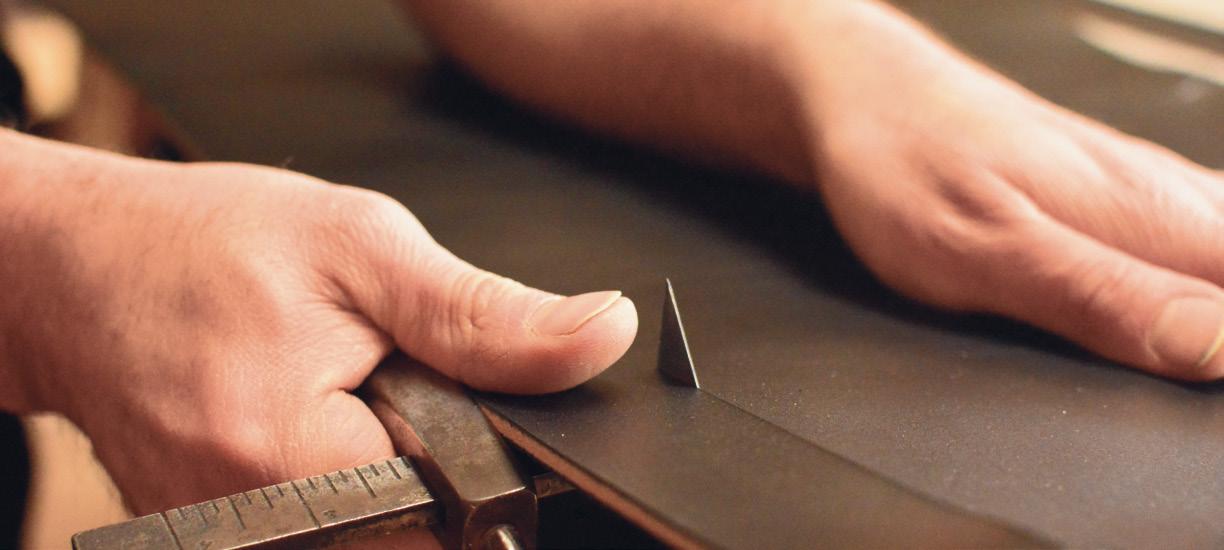
At Forest Hill Leather Craft, each product is a labor of love individually crafted with integrity, creativity, and care. Ike’s leather goods begin with a pure, simple ingredient–100% superior, genuine processed hide–that he gets from Wickett & Craig, a company which has been in business since the late 1800’s and is located only 3 hours away from Ike’s shop. Turning raw hide into prime grade genuine leather is a lengthy process, but the result is desirable highquality material that lasts a lifetime! Ike uses only solid pieces of hide so you will not find a single item in his store made of partial leather or mixed synthetic materials. Leather goods purchased from Forest Hill Leather Craft are sturdy, will last you a lifespan and will save you a lot of money on repairs and replacements. (Ike offers repairs for any leather goods, whether purchased at Forest Hill Leather Craft or elsewhere.) That day, I took home a real leather crossbody bag that made me feel like a million bucks… which will save me a million bucks!
I wanted to learn more, so I asked away…
Q: What prompted you to start this type of business in Lancaster County?
A: “I worked at a harness shop in the area for 14 years, but most of the products were made
of synthetic material. I thought it would be nice to work from home selling real leather and having my own schedule. I am not in the farming industry, and I don’t need a big farm to run a business. I like Lancaster, I have lived here for 49 years, and I have 2 acres of property. The tourists are here in Lancaster, so I can make a living. This is home.”
Q: Do you harness any type of modern technology for your business?
A: “We don’t rely much on technology, but we have several vendors who sell and ship belts. The less you use the better you are, but we do need to use a few things.”
Q: Part of your increase in visitation is due to word-of-mouth and print advertising. Walk us through your relationship with the Amish Country News (ACN) publication.
A: “We have been in business for 22 years and started advertising several years ago with a different magazine but felt ACN would be a better fit for us, and it was. The first small ad paid for itself, and it has increased our visitation. Advertising is good for tourists. This is the tenth year we have advertised with the magazine.”
Q: What advantage(s) does a consumer have when buying from Forest Hill Leather Craft?
A: “There’s value in buying local. If you get something from overseas you may not have a warranty or be able to
return it. We offer repairs on any leather products, whether purchased here at our store or elsewhere. We offer customizations on any product. You get to buy directly from the owner.”
Ike and his business are symbolic to the Amish countryside, whose values and humble ways of life have shaped the area that keeps bringing back millions of tourists each year for a relaxing, rejuvenating experience. Getting to meet Ike and tour his shop was a neat experience, and learning about the plain ways in business provided great insight and is a good message. He kindly hosted me for several hours as we chatted away, and he permitted me to take photos of his products and the shop. Summertime is here and it’s both a beautiful and busy time for the Amish and Lancaster County. Be sure to add Forest Hill Leather Craft to your trip itinerary and stock up on Christmas gifts for your family. Ike offers delivery so that you can purchase your leather products from the shop’s e-commerce page, https://craftedclass. com/, which includes the latest catalog. His property is actually six miles north of the center of Bird-in-Hand, just a short jog north of Route 23 near the town of Leola. Easiest way to get there? Plug 225 Forest Hill Road, Bird-in-Hand, PA 17505 into your GPS, 717-656-8758. So, next time you are on Forest Hill Road, don’t drive too quickly or you will have missed the leather shop, and remember to slow down, relax, and breathe… you’re in an Amish Country.
signs held by an iron pole or attached to the side of the building.
The reason for these signs was twofold. First, they could be understood by all nationalities. Secondly, many teamsters or waggoneers were poorly educated and could not read. If they were given orders to stop at a certain inn, they could do so by recognizing the artwork on the signboard.
The old legend of the naming of Birdin-Hand concerns the time when this pike was being laid out. Legend says that two road surveyors were discussing whether they should stay at their present location or go to the town of Lancaster to spend the night. One of them said, “A bird in the hand is worth two in the bush,” and so they remained. The sign in front of the inn is known to have once “portrayed a man with a bird in his hand and a bush nearby, in which two birds were perched,” and soon was known as the Bird-in-Hand Inn.
The original hotel was destroyed by fire about 1851. By the following year, a three-story hotel was built to replace it. More recently, it was known as Bitzer’s Hotel before becoming the present Village Inn of Bird-in-Hand, now on the National Register of Historic Places. The Historic Preservation Trust of Lancaster County noted that it “may be one of the few 19th century inns in the context of a small town in Lancaster County,
which survives with a high degree of architectural integrity.”
The town post office was established in 1836 as the Enterprise Post Office. “Enterprise” was then the official name of the town, until the final change back to Bird-in-Hand in 1873.
After a large fire in 1896, people discussed the need for a fire company. In the early days, hitting a circular saw alerted the men of a fire. The year 1916 saw the change from horse-drawn to motorized fire equipment. Today the Hand-in-Hand Fire Company remains a volunteer organization, famous for its delicious fund-raiser dinners.
The town of Bird-in-Hand remained relatively unknown until a musical called PLAIN & FANCY opened in New York. The show Playbill noted that “The action takes place in and around Birdin-Hand, a town in the Amish country of Pennsylvania.” The cast was brought to Bird-in-Hand on January 17, 1955, prior to the official opening.
Today, the town of Bird-in-Hand is still small, said to have a population of only about 300 people. On any given day, there may be more visitors than inhabitants. Many are city folks who have come to enjoy the country atmosphere, history, and shopping. It is said that visitors “can still expect friendly shopkeepers, homegrown Lancaster County foods, and restful lodging for weary travelers.”
Amish Country
Amish VIP (Visit–in–Person) Tour
717–768–8400 | AmishExperience.com
Anna’s Gifts & Sundries
800-669-3568 | MillersSmorgasbord.com
Country Lane Furniture (Tues & Thurs till 8pm) 717–867-5701 | CountryLaneFurniture.com
Dutch Apple Dinner Theatre 717–898–1900 | DutchApple.com
Hershey’s Chocolate World 717–534–4900 | Hersheys.com
Jake’s Country Trading Post 717–687–8980 | JakesHomeAccents.com
Locally Made Food Shop 717–687–6621 | LocallyMadeFoodShop.com
Miller’s Smorgasbord
800–669–3568 | MillersSmorgasbord.com
Shady Maple Farm Market 717–354-4981 | Shady-Maple.com/farm-market/ Smokehouse at Plain & Fancy Farm 717–768–4400 | SmokehouseBBQandBrews.com
Water’s Edge Mini Golf 717-768-4653 | WatersEdgeGolf.net
OPEN SUNDAY in
Amish Country
For Plain People, Sunday is a day of rest, but there are many things to do in Amish Country on Sundays. Save some of these for your Sunday sight–seeing.
Aaron & Jessica’s Buggy Rides
717–768–8828 | www.AmishBuggyRides.com
A is for Amish Buggy Rides 717–875–8304 | AmishBuggyRidesLancaster.com
Amish Experience
717–768–8400 | AmishExperience.com
Anna’s Gifts & Sundries
800–669–3568 | MillersSmorgasbord.com
Choo Choo Barn 7717–687–7911 | ChooChooBarn.com
Dutch Apple Dinner Theatre 717–898–1900 | DutchApple.com
Dutch Haven 717–687–0111 | DutchHaven.com
Hershey’s Chocolate World 717–534–4900 | Hersheys.com
Jake’s Country Trading Post 717–687–8980 | JakesHomeAccents.com
Julius Sturgis Pretzel Bakery 717–626–4354 | JuliusSturgis.com
Locally Made Food Shop 717-687-6621 | LocallyMadeFoodShop.com
Shady Maple Farm Market 717–354 – 4981 | Shady-Maple.com/Farm-Market/ Smokehouse at Plain & Fancy Farm 717–768–4400 | SmokehouseBBQandBrews.com
Turkey Hill Experience 844–847–4884 | TurkeyHillExperience.com
Water’s Edge Mini Golf 717-768-4653 | WatersEdgeGolf.net
Original Buffet
Since 1929, Miller’s has been cooking from scratch, serving Lancaster County PA Dutch heritage dishes like chicken pot pie, ham balls, chicken & waffles and fresh baked desserts. Buffet Dining OptiOns: Lancaster’s Traditional Smorgasbord OR Soup, Salad & Bread Smorgasbord. Plus, wine, beer and cocktails available.
Open 7 Days a Week Reservations Strongly Encouraged|Walk-ins Welcome Reserve Online at Millers1929.com or call 717-687-6621.
Dinner. Not valid Saturdays, Easter, Mother’s Day, or Thanksgiving. Not valid with any other offer, special, discount, birthday offer, or group rate. Applies to Traditional Adult Smorgasbord Dinner only. Not valid on any other dining option. Must show coupon to server prior to dining. Not valid on prior purchases or vouchers.
Expires 7/31/26. PLU ACNS26
ns: Lancaster’s Traditional Smorgasbord. Plus, wine, beer
pen 7 Days a Week Strongly Encouraged|Walk-ins Millers1929.com or call
Shop local here you can find locally made items including hand-stitched quilts from Amish and Mennonite artisans, tasty Lancaster County baked goods, handcrafted jewelry, and specialty gift items.
two miles east of Rt. 896 • MILLERS1929. can find locally made items Lancaster County baked goods, been cooking from scratch, serving dishes like chicken pot pie, waffles and fresh baked desserts.
WITNESS the emotional story of an Amish teenager's struggle in Jacob's Choice, where he must choose between his faith and the modern world. 3–D sets, special effects, unique "ghost–like" characters, all on five screens.
EXPLORE the Amish Country Homestead, the region’s only Officially Designated Heritage Site Amish home then sit at a desk in the Fisher Amish Schoolroom furnished authentically with desks and more from an actual Amish classroom.
TOUR the magnificent back roads through Amish Farmlands with a certified tour guide in complete comfort onboard one of our 14 passenger busses.
SATISFY yourself that you’re making the most from your Amish Experience. Since 1959, the area’s first, and still foremost, interpretative source of Amish Culture.
Journey along back country roads, deep into the Amish Farmlands to discover sights rarely seen. Under the watchful eye of your certified guide, you’ll gain insights into the “how” and “why”of an ever–changing culture, and see at–the–moment activities of the Amish. If you’ve seen the Amish portrayed on the various “Reality” TV shows, and you wonder what really is true and not true about the Amish, this is the tour you won’t want to miss! We’ll debunk myths about the Amish and provide accurate, respectful, and authentic information, just like we have done for over 60 years.
Rare is the opportunity to meet with Amish families willing to share their traditions and beliefs with you. In a group whose size is never more than 14, this is the only Amish Tour to be designated an official “Heritage Tour” by the County of Lancaster. Visit an Amish farm at milking time, stop at a Cottage Industry, and finally enjoy a visit and chat with one of our Amish friends in their home.
Monday through Sunday at 5 p.m.
The SuperSaver Package includes the Amish Farmlands Tour, the acclaimed “Jacob’s Choice” at the Amish Experience F/X Theater, and a tour of the Amish House & One–Room School.
PLAIN & FANCY
The Only Place Where You Can Do
It All...
Drive along the area’s only AAA Scenic Cultural Byway, and when you’re mid–way between Bird–in–Hand and Intercourse, you’ll discover the ten pristine acres known as Plain & Fancy Farm, and home of the Amish Experience Theater, Country Homestead, farmlands & VIP tours, buggy rides, shopping, restaurant and hotel.
Jacob’s Choice at the Amish Experience Theater
Discover what it means to be Amish through an immersive film as you become part of the emotional struggle of the Fisher family to preserve more than 400 years of Amish traditions. Five viewing screens, a unique barnyard setting and special effects create a one–of–a–kind experience.
Amish Farmlands Tour
Journey down rarely traveled back country roads, deep into the farmlands, to discover the sights sought after by visitors. Gain insights into the hows and whys of an ever–changing culture from certified guides in mini–shuttles. Stops may include a roadside stand, quilt shop, country store or craft shop on an Amish farm.
Amish Country
Homestead & Schoolroom
Visit the only officially designated “Heritage Site” Amish house. As you walk through the nine rooms with your guide, unravel the riddle of Amish clothing, life without electricity, and eight–grades–in–a–room education as you sit at authentic Amish school desks.
Visit–in–Person Tour
This officially designated “Heritage Tour” is a rare opportunity to meet and talk to the Amish personally. On this exclusive tour you will go right into the barn on an Amish farm at milking time, visit with an Amish artisan at his workplace, and then enjoy a personal visit and conversation right in an Amish home.
AMISHVIEW INN & SUITES
SMOKEHOUSE AT PLAIN & FANCY FARM THE BARN & HEARTH SHOP RESTROOMS & ATM
AMISH EXPERIENCE THEATER BOX OFFICE VIP & FARMLAND TOUR
AMISH COUNTRY HOMESTEAD
AARON & JESSICA’S BUGGY RIDES
Aaron & Jessica’s Buggy Rides
Aaron & Jessica’s drivers are happy to share life stories and answer questions.
Smokehouse at Plain & Fancy Farm
Please see right hand page.
The Barn & Hearth Shop
Find home décor, home goods, and kitchenware. Plus, locally made foods and baked goods. You’ll also find Amish mementos from straw hats to Amish dolls.
10 Acres of Fun & Food |
AmishView Inn & Suites
A Top Hotel in Lancaster County
The place for the perfect adult-only getaway or family vacation with indoor pool and hot tub, fitness center, and hot hearty breakfast. Our rooms and suites all feature kitchenettes, and many rooms feature clawfoot soaking tubs, and farmland views.
Adult-Only AND Kid-Friendly Buildings
The family-friendly East Building includes a wide array of beautiful, award-winning rooms, suites that are newly renovated as well as a pool and arcade that will satisfy the requirements of any family. The adultsonly West Building features elegant Grand King rooms with clawfoot soaking tubs and guaranteed farmland views - fulfilling the needs of adults seeking a tranquil escape.
Complimentary Hot Hearty Breakfast Buffet Lancaster’s best complimentary hot breakfast buffet includes made-to-order omelets, eggs, and waffles along with endless helpings of bacon, sausage, country potatoes and much more. Plus, don’t forget tasty bakery items from our own Miller’s Bakery. Menu items subject to change.
Other Amenities
Every room or suite includes a kitchenette with refrigerator, microwave, sink, and coffee maker. Bathrooms feature lighted make-up mirrors, hair dryers, and the Tarocco line of shampoos and soaps. Plus, complimentary Wi-Fi. Book today as there are so many things to do on Plain & Fancy Farm.
Get the Whole Story at: AmishViewInn.com • 1-866-735-1600
Paradise
For over 250 years, visitors coming into Lancaster County from the east on Route 30 have traveled through a small town known as Paradise, just one of the many intriguing town names in the area. Officially, Paradise Township adopted the name during its organization in 1843.
Different sources credit different people with naming the area. Some say that the name Paradise was given by Joshua Scott, who later became
known for his map of Lancaster County. Standing in the middle of a road admiring his surroundings one day in 1804, he remarked that the town should be called Paradise, because its beauty made it seem like one.
Kinzers Summer Mud Sale
If you’re looking for something to do, might we suggest a trip to Kinzers, just east of Paradise, PA. Sale items range from collectibles, crafts, potted plants & shrubs, and a whole lot more. A variety of food & drinks will be available throughout the day. For more information visit www.pvfd40.com/ content/kinzer/ or call 717-875-5241 or 717-725-2424. Tell them, “Amish Country News sent you”!
The story of Paradise and its first settlers goes all the way back to Europe, to the area of the Palatinate in Germany. Here many Protestants had settled following the declaration of King Louis XIV that all Protestants in France would be persecuted. With fears of invasion by the army of France looming, many of these people decided to accept the invitation to settle in William Penn’s colony of Penn’s Woods in the New World. In 1708, Daniel Fierre (Ferree), along with his family and mother Mary, went to England to obtain citizenship
papers before proceeding to New York.
By 1712, these French Huguenot settlers had secured land in Pennsylvania, in Lancaster’s Pequea Valley. They were the first white people in the area and lived peaceably with chief Tanawa and the local Indians. Mary Fierre died four years later at the age of 63. Hers became the first grave in the family’s cemetery. If you ride the Strasburg Rail Road, you will pass her gravesite
at Carpenter’s Cemetery, one of Lancaster’s oldest.
The origins of Route 30, also known as the “Lincoln Highway,” go back to Lancaster’s colonial days when this frontier county needed a communication route between it and the provincial capital of Philadelphia. At that time, the first “planned” road
between Philadelphia and Lancaster was what is now Route 340. It was called the “King’s Highway,” and today we still call it the “Old Philadelphia Pike.”
As time went on, it became evident that the road could not accommodate the increasing traffic
Paradise cont’d on page 45
Freedom Thrift New Holland 114 Ranck Church Rd. New Holland, PA 17557
Freedom Thrift on 30 2853 Lincoln Hwy E. Ronks, PA 17572
Monday - Saturday 9:00am - 5:00pm
All proceeds support addiction recovery
Enjoy Chicken, Beef & Sausage Pies!
There really is no place quite like Lititz, and everyone should plan to spend some time there while in Amish Country.
Lititz Springs Park is a popular spot for locals, and the site for many community activities. Indeed, the town’s 4th of July Celebration, begun in 1818, is reputedly the “oldest continuing community-wide observance in the United States.” The Lititz story is tied to that of the Moravian faith in Bohemia. It was in the presentday Czech Republic that John Hus and followers founded the Moravian Church in 1457. Historians note that since this was 60 years before Luther’s Reformation, the Moravians may lay claim to being the oldest organized
Protestant Church. But over the course of the Thirty Years War, its 200,000 members nearly disappeared. In the 18th century, a renewal of the Moravian Church came through the patronage of Count Zinzendorf of Saxony. He invited all those persecuted for their faith to come to his lands in Saxony.
As was the case with other persecuted religious groups in Europe, many Moravians sought freedom by taking the perilous journey to the New World, arriving in the early 1700s, with the main settlements becoming established in Pennsylvania and North Carolina.
Missionary work was integral to the faith, and preachers were sent from the Moravian community in
Lititz 63rd Annual Antiques Show
June 26 10 a.m. – 5 p.m.
June 27 9 a.m. – 2 p.m.
Warwick Middle School, 401 Maple St, Lititz This year is extra special as we celebrate America’s 250th, Lititz’s 270th, and the Lititz Historical Foundation turns 65!
Lancaster County’s oldest show of its kind and always a perennial favorite.
For more info and details visit www.zeffy.com/ en-US/ticketing/63rd-annual-antiques-show or call 717-627-4636. Tell them, “Amish Country News sent you”!
Bethlehem, Pennsylvania. Zinzendorf himself arrived in America in 1742. A local resident, John Klein (Kline), was so moved by hearing Zinzendorf’s preaching that he made arrangements to transfer his lands over to the Moravian community in 1755. It was in the following year that the town actually got the name of Lititz, the German spelling for Lidice, where European Moravian reformers had taken refuge in 15th century. For about a hundred years, Moravian church members were the only people permitted to live in the town. A Brothers’ House and Sisters’ House were erected for the unmarried men and women, although they did not live communally. It was not until 1855 that non-Moravians were allowed to own their own houses.
The Brothers’ House played a role in the American Revolution. George Washington ordered it used as a military hospital between 1777-78. Some 1,000 soldiers were nursed here, about half of whom died and were buried nearby. One name is linked forever with the history of Lititz—Julius Sturgis. It was Sturgis who opened the first commercial pretzel bakery in the New World in Lititz. The year was 1861, and the site at 219 East Main Street is on the National Register of Historic Places.
A tour of the bakery is unlike any other. Inside, you get to try your hand at pretzel twisting. It’s not as easy as it looks. Guests also may see the old brick bake ovens, as well as the more modern facilities. Schedule a tour by calling the bakery at 717-626-4354.
Ephrata
Ephrata, a small yet influential town, derives its name from Genesis, meaning “fruitfulness.” With a population of 13,800, it’s strategically positioned between Lancaster and Reading, serving as the gateway to Northern Lancaster County’s lucrative manufacturing sector.
Its history dates back to the 18th century Ephrata Cloister, founded by Conrad Beissel, which evolved into a thriving village. By 1871, Ephrata was described as “a well-built country town of about one hundred and twenty families, and very beautifully and healthily located.”
In 1848, Senator Joseph Konigmacher established the Ephrata Mountain Springs Hotel, a luxurious resort frequented by notable figures like Presidents Lincoln, Buchanan, and Grant.
A trolley system was built to connect the hotel with the town of Ephrata down the hill. At its peak, the hotel could accommodate up to 500 visitors who would stay throughout the summer.
The Reading & Columbia Railroad was completed in 1883, and the town experienced economic booms through industries like cigar manufacturing, horse trade, silk, textiles, and shoes. Downtown Ephrata once catered to all needs, from groceries to hardware.
Today, Ephrata retains its historical charm with landmarks standing as important reminders of the borough’s history. The community’s first bank, Ephrata National Bank, still serves
customers today behind its Georgian style structure designed by renowned architect, C. Emlen Urban.
Located near the town’s square sits the circa 1880’s railroad station, owned by the Ephrata Borough and serving as home to Mainspring of Ephrata, economic development corporation for the borough. The area surrounding the station has been beautifully landscaped and is known as the Whistle Stop Plaza. Many events, services and even weddings are held at this popular gathering place. The community’s Welcome Center is also located in this building. From here, visitors and residents alike can download a historic walking tour through the Uniquely Ephrata app. Recreation thrives with facilities like the Ephrata Rec Center, community pool, and the newly opened Ephrata Unleashed Dog Park. The Warwick-Ephrata Rail Trail and
35th Annual World War II Weekend
June 5, 6, & 7
Mid Atlantic Air Museum, 110 Air Museum Drive, Reading
Attend the original WWII living history event and airshow, featuring special guests, live entertainment, over 1,200 re-enactors, 200 period vehicles, and 80 vintage aircraft. Battle re-enactments, vehicle parade, military encampments, WWII aircraft rides, large military flea market, Friday and Saturday night hangar dance, and much more. Tickets are available on their website, at the Mid-Atlantic Air Museum, Redner’s, or Boscov’s stores.
For more information visit https://maam.org/ wwii/ or call 610-372-7333. Tell them, “Amish Country News sent you”!
Heatherwood Bike Park offer outdoor activities, while quality education and healthcare are ensured through the Ephrata Area School District and award-winning Wellspan Ephrata Community Hospital.
Municipal services include police, code enforcement, and utility management, with the borough’s own electric company providing power.
Ephrata is experiencing some significant revitalization that will secure a vibrant, healthy town for future generations. The borough, under the auspices of Mainspring of Ephrata, completed a walkability project in the downtown area that enhanced pedestrian safety, and launched a
Ephrata cont’d on page 45
The Lancaster County Amish Came From . . .
Berks County?
By Clinton Martin
Lancaster County is worldrenowned as the homeplace of the Amish. Thus, it would stand to reason that the Amish must have settled here upon their arrival in America. However, the Lancaster area was essentially the second stop on their journey. Instead, Berks County (to the north of present-day Lancaster County) was home to the first permanent Amish settlement in America (when Pennsylvania was still an English Colony.) The Berks County Amish “settlement” was founded around 1736 to 1740.
In 1771 Nicholas and Anna Elisabeth Stoltzfus, an Old Order Amish couple who had emigrated from Zweibrucken, Germany, purchased a farm in the community. They had four children, and through their Son Christian Stoltzfus, the family is the progenitors for all the Stoltzfus
surnames in America. Nicholas Stoltzfus died at the farm in 1774. After his father’s death, Christian, the only Stoltzfus son to survive to adulthood, moved to Lancaster. In fact, by 1800, most of the Amish had moved from Berks County to Lancaster County.
The Nicholas Stoltzfus Homestead passed through many hands, and by the late 1990s had fallen into disrepair and was nearly demolished completely when a highway project went by the property. Descendents of Christian Stoltzfus (some Amish, some English) gathered to preserve the site, creating a
museum, genealogical archive, heritage site, and monument to the family history and Anabaptist story at large.
The site preservation took a great effort, involving many, many people, fundraising drives, benefit auctions, site tours, and even a hardcover book, “German Lutherans to Pennsylvania Amish: The Stoltzfus Family Story” which not only tells the story of the Stoltzfus family but also includes a history of the Nicholas Stoltzfus Homestead and how modern-day descendants saved the house from destruction and restored it. The author, Nic Stoltzfus, is a 10th-generation descendant of Nicholas Stoltzfus. The photographer for the book, Elam Stoltzfus, is an Emmy award-winning filmmaker who grew up Amish in Lancaster County.
Today, the Nicholas Stoltzfus Homestead is a beautifully restored,
one acre site, bordering Berks County Parks along the Tulpehocken Creek. The parks include trails, The Gruber Wagon Works, a Union Canal museum and Wertz’s Red Bridge. The Homestead’s main focal point is the original 1700’s stone-built
Currently Scheduled and Open to the Public:
Berks County Amish Historical Tour
October 24, 2026
If interested in a spot on the historical tour, please contact Elam Stoltzfus.
Email: NicholasStoltzfusHomestead@gmail.com
Phone: 484-878-2916
English colonial-style house, which is available for tours, special educational programs, weddings, family reunions, corporate picnics, etc.
There is a 1500 square foot barn on site, which is a modern replica accurately depicting the historical “Swiss Bank Barn” style common among Amish farms. The property also has a one-bedroom apartment available for rent by the night for tourists wanting to experience early
Amish heritage, which can be booked online at Airbnb.
For inquiries about booking the Nicholas Stoltzfus Homestead
site for any event, Call Elam Stoltzfus at 484-878-2916 or email nicholasstoltzfushomestead@gmail.com for more information.
to
Hiwwe wie Driwwe (Here Like as There) Explores PA Dutch Language
By Clinton Martin
Masthof Press, a well-known publisher in Lancaster County with a large selection of locally significant titles, recently began retailing a DVD that explores “the Pennsylvania-Dutch culture and language from their origins in the
USA.” The 90-minute film is by Benjamin Wagener and Christian Schega, but Douglas Madenford, who we’ve written about in Amish Country News in prior issues, is the main narrator. Madenford is Pennsylvanian, born and raised, and spoke PA Dutch at home growing up. Thus, he is a native speaker of the dialect, while also of course being fluent in English. Most viewers of the DVD will need to have the subtitles on. Both German and English subtitles are offered. At most, there are half a million speakers of PA Dutch in America, so beyond those folks everyone else might be a little lost without the helpful subs. This documentary has to be one of the most PA Dutch rich films ever released, with large portions of the film being narrated in the dialect.
The opening scenes will also strike some viewers as bittersweet. The Kutztown Folk Festival, for many decades (said to be America’s oldest folk festival) is covered prominently. The festival, which ceased to exist in 2025, was probably the primary way to rub elbows with the PA Dutch culture and language for most visitors to the area.
Discussing PA Dutch language without talking about the Amish and Mennonites is simply not possible, as the “Plain People” are today the largest groups still speaking the dialect. Madenford is not Amish, nor Mennonite, so he represents what some say is a shrinking slice of PA Dutch language, being the “English” practitioners. The documentary introduces the Amish and Mennonite side of things with interviews of German scholars, who speak about the journey these families took to come to America, and why they did.
Today’s Pennsylvania Dutch trace their roots back to not only Amish and Mennonite origins, but also Lutheran and Catholic families as well. Many of the Lutheran and Catholic lines essentially assimilated into mainstream American culture (leaving the German language behind.)
Summing up the film, Madenford essentially travels throughout Pennsylvania, visiting significant sites of PA Dutch culture, and then travels to Germany, visiting the Palatine region, also exploring places that tie directly to the PA Dutch story. To follow his journey for yourself, purchase the DVD and enjoy a little immersion in the PA Dutch language and culture.
The DVD can be purchased online through Masthof Press at https:// www.masthof.com/ or in person at Masthof’s retail store, 219 Mill Road, Morgantown, PA 19543 (note – the retail store is open Monday through Friday only, no weekend hours.)
Ben & Rose—A Revisit of Faith & Music
By Ed Blanchette
In July 2025’s issue of Amish Country News, we published a story titled, “With the Amish, Never Say Never”. We went over things that the Amish traditionally don’t do but did because of mitigating circumstances. Such as getting their picture taken, flying on an airplane, and so on.
We also introduced you to Ben and
social Media audience. They are a married couple who play instruments, such as guitar, and sing. Being of the Old Amish Order, here in Lancaster County, you can see what a stir this could be in local circles, as they were members of the church in good standing.
Well, it seems we have an update. Especially, if you are fans of Ben and
Paradise cont’d from page 39
between Lancaster and Philadelphia. Since the cost of such a road was too much for the state to undertake, the company charged with building it was given the power to demand “reasonable” tolls from users. Investors received dividends earned from the tolls collected along the gates of the turnpike.
The 1792 Act went on to describe the construction of the highway, which was to be a bed of small crushed stones on top with larger stones underneath, rather than dirt, so as to prevent carriage wheels from cutting into the soil. Such a revolutionary system of road construction combined the ideas recently developed by a Frenchman and two Englishmen, one of whom was named John McAdam. We now take the term for paved roads or “macadam” from his last name. The turnpike officially opened in 1795 and was the first long-distance, hardsurfaced road in the country.
The backroads around Paradise remain beautiful to this day, as the lush greens of the summer give way to the fall colors of the harvest season. So, during your visit to Lancaster, be sure to spend a little time in Paradise.
Ephrata cont’d from page 41
Façade Improvement Grant Program and Revolving Loan Fund Program to improve aesthetics and help businesses to expand. The borough continues to strengthen the economy by promoting available leased space within commercial properties, attracting specialty retailers, and preserving historic buildings.
The borough’s commitment extends to preserving natural assets like the Ephrata Mountain, exploring plans for hiking trails and conservation easements to enhance community living. It is from this 200 acres of public wooded land that the healing waters flowed all those years ago to the Mountain Springs Hotel.
Ephrata continues to thrive as a fruitful community, blending its rich history with modern amenities for residents and visitors alike.
Publisher's Message
Don’t Sweat the Small Stuff and Remember to Be Kind to Each Other!
By Edward Blanchette
The world is big, but we can handle it… maybe. With all things in the world going in a direction that seems totally crazy and insane at times, we can tend to get overwhelmed when one other thing in life gets added into, what is an already long list of daily things
PO Box 414 • Bird–in–Hand • PA 17505 717.768.8400, ext. 217 amishcountrynews.com
Published by Dutchland Tours Inc.
Clinton Martin, Editor–in–Chief clinton@amishnews.com
For advertising information contact Edward Blanchette
Director of ACN & Business Development ed@amishnews.com • 717.344.0871
that we seem to have to do or deal with. From everyday responsibilities, social media, newspapers, TV, and radio, we all see and hear about the woes of the world, relationships, and keeping our heads above water. It can all be overwhelming, that’s for sure. Whether you’re older or younger, we all are dealing with some sort of change in our lives, big or small.
When I was younger, I was taught to see things in their simplest form and in a positive light. But always keeping close the sense of responsibility. That early foundation coupled with a presence to always be kind to one another held fast throughout most of my life. But eventually things at one point or another would catch up with me every now and then creating some stress and strain of one sort or another that took over my senses for a bit. One day, I came across an author that seemed to have a brief insight into what I and others may have been going through.
In 1997 Richard Carlson published a book called “Don’t Sweat the Small Stuff – And It’s All Small Stuff”, this was
a bestselling publication of its time, that offered simple strategies to stop minor annoyances in life from taking over the more important bigger aspects of our lives. After reading this publication, I found it gave me some insight and assisted me to stay grounded and avoid the “static” that tends to pop up hear and there, distracting us from our ultimate goals of success and happiness, be it in my personal or professional life.
Now, I’m not trying to sell you anything or put one more thing on your plate to deal with. But over the last year or so, through those venues mentioned above, along with multiple discussions with other people I find it more important now more than ever. So, I felt compelled to share with you this knowledge that tends to work for me. So, if you have the time, take a few minutes to check it out. Maybe, like me, you might find a little Solis in the phrase, ”Don’t Sweat the Small Stuff”. And remember always to be a bit kinder to each other every day.
Be well, be safe, and stay positive.
Summer Hours
May–September Mon–Sat 9am–5pm Open Sundays 10am–4pm
A 30-35 minute tour passing a cluster of Amish homes and businesses in an all Amish area. Travel our country roads, the way we travel! Cookies, snacks and drinks are USUALLY available for purchase, depending on our Amish neighbors availability.
A 50-60 min tour that stops at a local farm! Experience our way of life on a real local, working Amish farm. With our exclusive access, step inside the barn and meet a variety of farm animals, including beef cattle, goats, and horses. Discover how our neighbors continue to adapt to daily life without electrical wires.