
Orchid Care & Culture
GUIDE FOR BEGINNERS AND GROWERS
Orchids are among the largest and most diverse families of flowering plants worldwide.
Known for exotic beauty and long-lasting blooms.

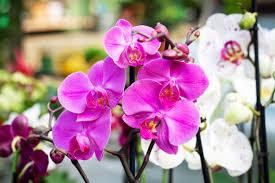
Can thrive indoors with proper care, light, watering, humidity, and regular maintenance provided consistently. Understanding orchid culture ensures healthy growth and reblooming.
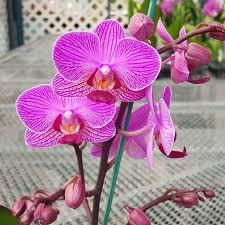
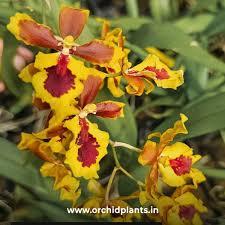
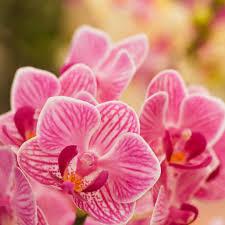
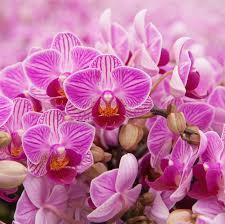
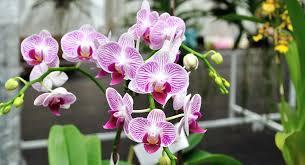
1. Phalaenopsis: Best for beginners, producing beautiful and exceptionally long-lasting blooms.
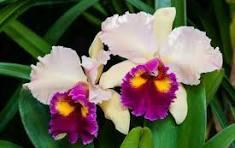
2. Cattleya : Large, fragrant flowers with vibrant colors and elegant beauty.
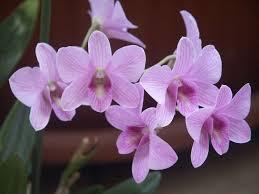
3. Dendrobium: Tall canes, seasonal blooms, adding beauty and elegance yearly.
4. Oncidium: “Dancing Lady” flowers sway gracefully in bright tropical gardens.

Bright, indirect light is ideal.
East or west-facing windows work
best.
Light green leaves = proper lighting.
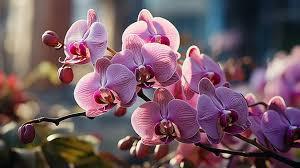

Dark leaves = too little light. Dark leaves mean the orchid is receiving too little light.
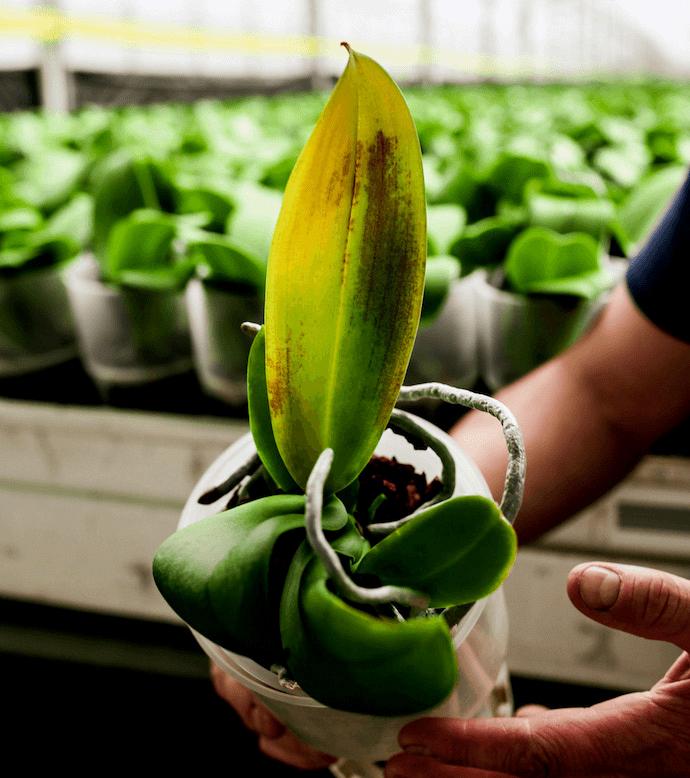
Yellow/burned leaves = too much direct sun.


Water once a week, adjusting frequency based on your local climate, temperature, humidity levels, and seasonal growing conditions for best results.
Water thoroughly until the potting medium is fully saturated, then allow excess water to drain completely from the container.
Orchid roots turn green when fully hydrated, indicating proper watering levels and healthy moisture absorption within the plant’s root system.
Avoid soggy media to prevent root rot by ensuring proper drainage, allowing the potting mix to dry slightly between waterings.
Ideal humidity: 50–70% is recommended to support healthy growth, strong roots, and consistent blooming in most orchid varieties indoors.
Use humidity trays or room humidifiers to maintain proper moisture levels around orchids and support healthy growth and blooming indoors.
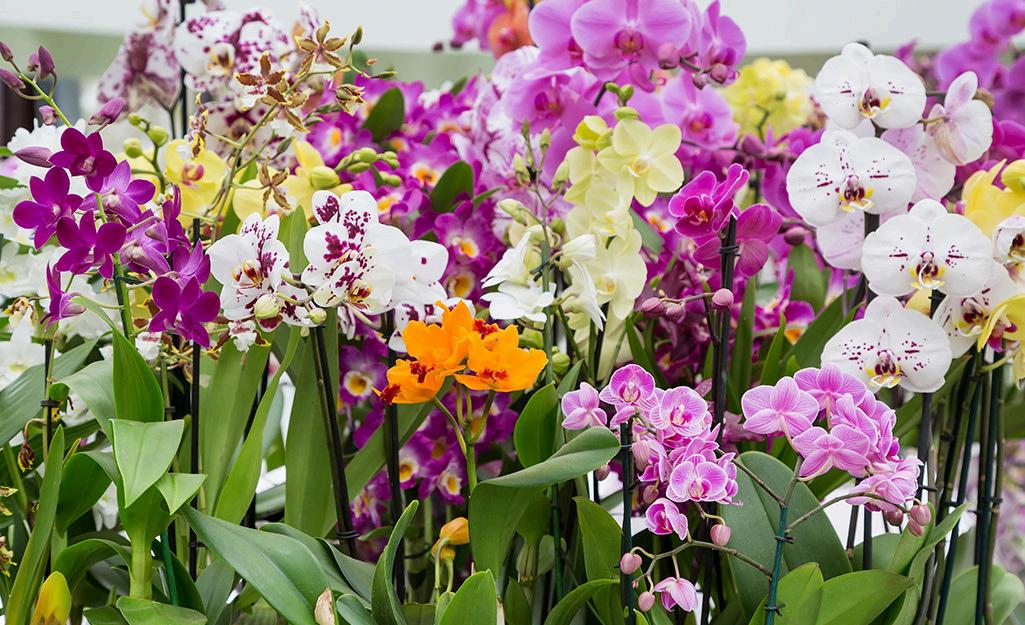
Ensure good air movement around plants to prevent disease and support healthy orchid growth.
Prevent fungal and bacterial diseases by ensuring proper airflow, careful watering, sanitized tools, and clean growing conditions year round.
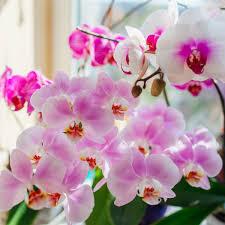

Most orchids prefer:
Day: 18–29°C (65–85°F)
Night: 13–18°C (55–65°F)
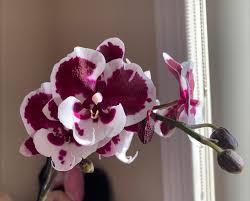
Night temperature drop encourages blooming.
Avoid sudden temperature changes.
Use a well-draining bark mix to promote healthy orchid root growth.
Repot orchids every one to two years to maintain healthy growth.
Trim dead roots during repotting to promote healthy growth.
Choose pots with good drainage to prevent root rot and overwatering.
Use a balanced 20-20-20 orchid fertilizer for healthy, consistent plant growth.
Feed weekly at weak strength using diluted fertilizer for healthy orchid growth.
Reduce feeding during dormancy to prevent stress and support healthy plant rest.
Provide adequate light to ensure healthy growth and vibrant orchid blooms.
Ensure a consistent night temperature drop to promote healthy orchid blooming.
Continue a proper watering routine to maintain healthy orchid growth consistently.
Yellow leaves → Check watering and light requirements for healthy growth.
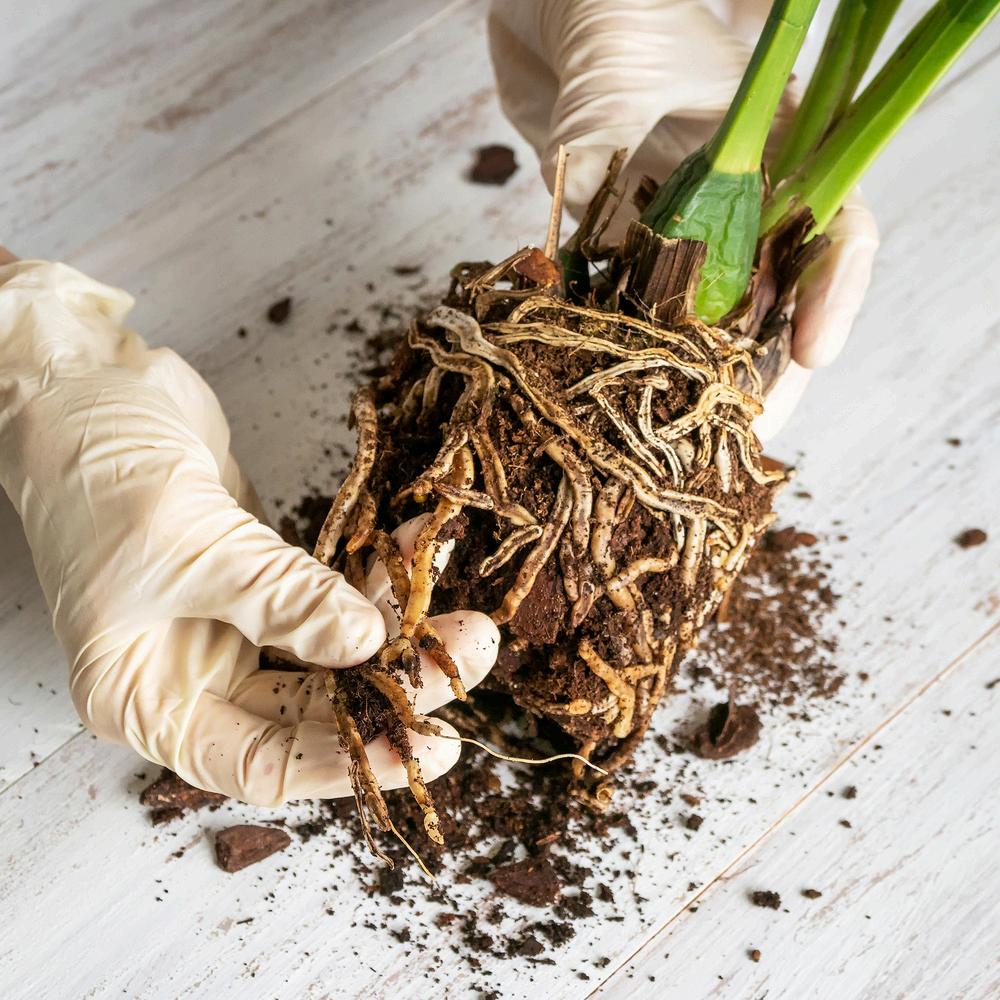
Root rot → Improve drainage for healthier roots and better plant growth.
Pests → Inspect regularly to ensure healthy growth and prevent problems.
Healthy roots + proper care = long-lasting blooms.