Faith, Family, and the Power of Cancer: Teresa’s Story of Hope and Healing
AON Nurses Featured in Oncology Nursing News for Nurse Practitioner Week
AON + CanCare: Partnering to Provide Holistic Community Cancer Support
Advancing the Future of Cancer Care
How AON is leading the integration of bispecific therapies in community oncology
Community oncology sits at the center of cancer care delivery, and AON is committed to supporting practices with integrated clinical services, reduced administrative burden and access to the resources needed to deliver high-quality, patient-centered care.
LETTER FROM LEADERSHIP
As we begin 2026, I am proud to reflect on the momentum we continue to build together at American Oncology Network (AON). Everything we do is guided by a shared mission: to ensure every patient has access to exceptional, innovative and affordable cancer care delivered close to home, in the communities where they live and work. That mission is brought to life every day by the physicians, advanced practice providers, teammates and partners who make AON the incredible organization that it is.
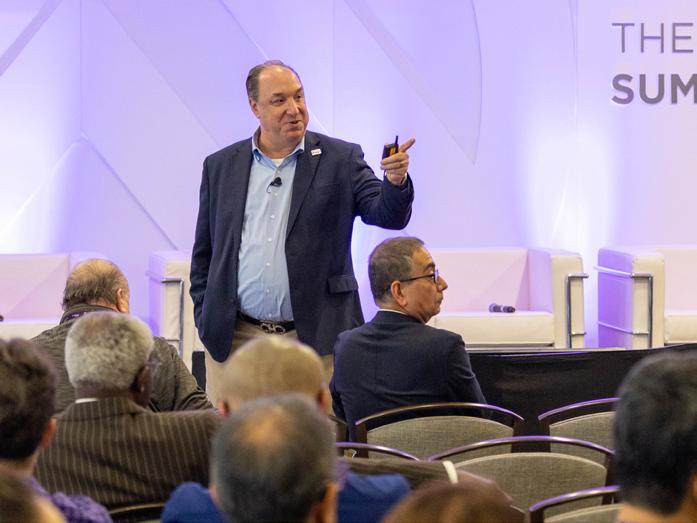
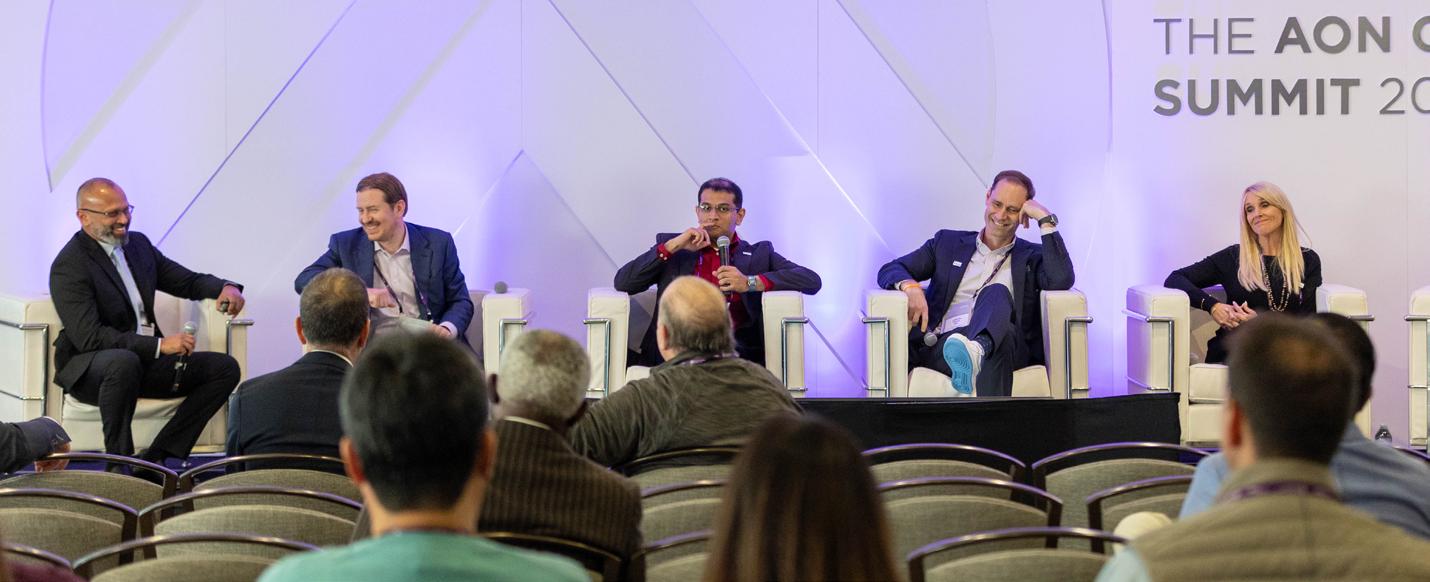
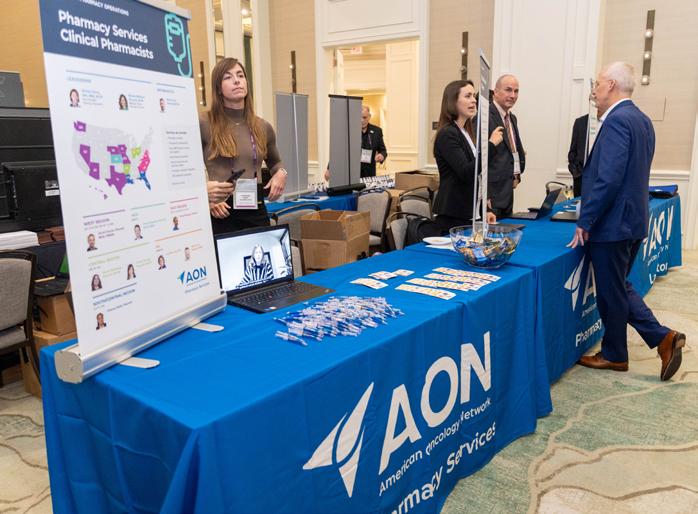
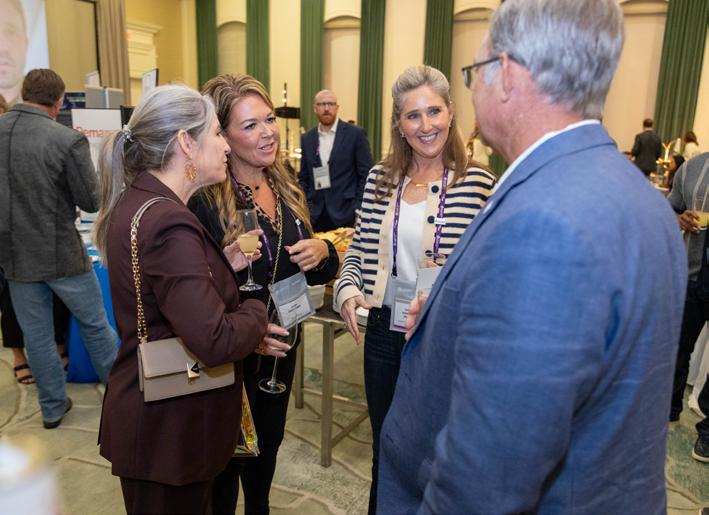
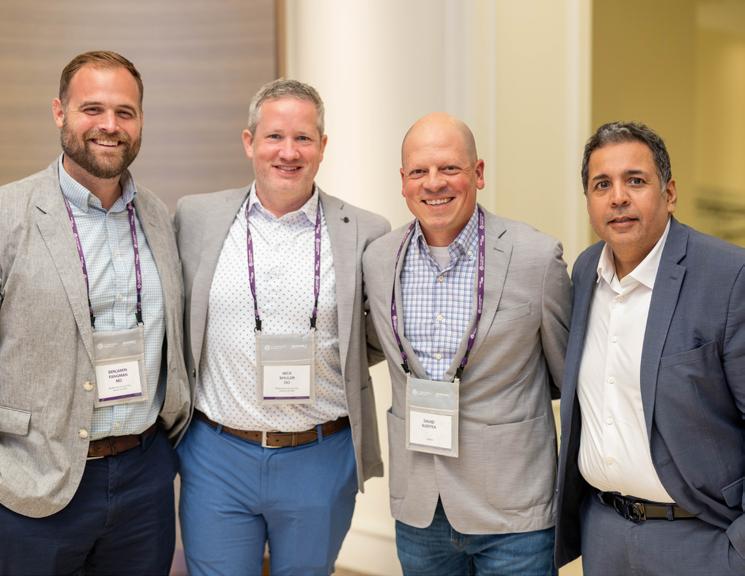
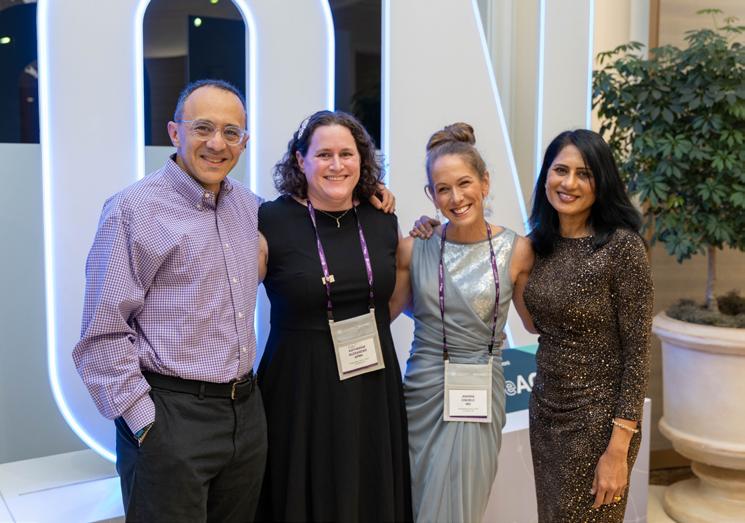
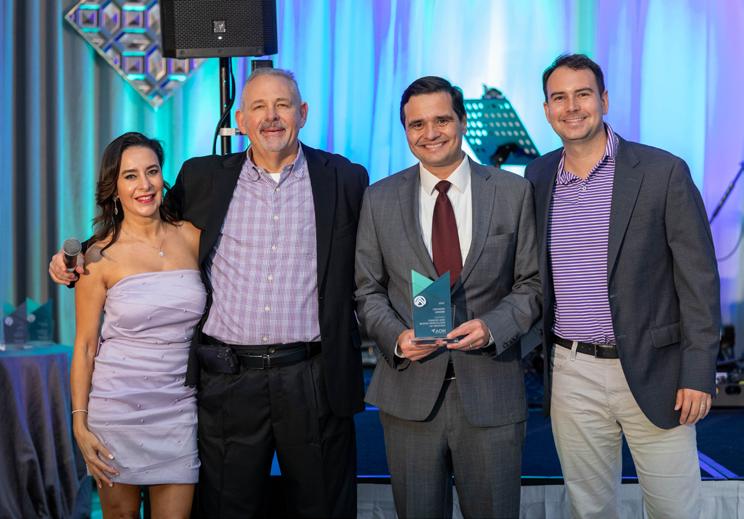
One of the recent highlights of the past year was our Annual AON Clinical Summit, Tomorrow’s Oncology Today, held in Dallas. Over two energizing days, our physicians, APPs, leaders and partners came together to explore the future of oncology, earn CME credit, exchange ideas and strengthen the relationships that drive better care. From compelling keynote speakers and collaborative Pharma Ad Board sessions to meaningful networking and celebration, the Summit was a powerful reminder of what we can accomplish when we come together with purpose.
I was also pleased to welcome several new partner practices to AON this year, including MidAmerica Cancer Care, Fort Wayne Medical Oncology and Hematology, The Center for Cancer and Blood Disorders – Baltimore, and Conway Hematology Oncology. Their decision to join AON reflects the strength of our physician-led model and our shared belief in the future of community oncology. The oncology landscape continues to grow more complex, with rising patient demand, rapid innovation and increasing pressure on providers. Community oncology sits at the center of cancer care delivery, and AON is committed to supporting practices with integrated clinical services, reduced administrative burden and access to the resources needed to deliver high-quality, patient-centered care. Guided by our C.A.R.E. values—continuously supporting patients, always doing the right thing, respectfully engaging and exceeding expectations—we remain focused on improving the patient experience while enhancing the provider experience. We could not be more excited to continue this important work in 2026. I look forward to gathering again at the AON Clinical Summit, Aug. 20-22, in Nashville, Tennessee. Registration details will be shared soon.
Thank you for being part of AON’s journey and for your continued dedication to the patients and communities we serve.
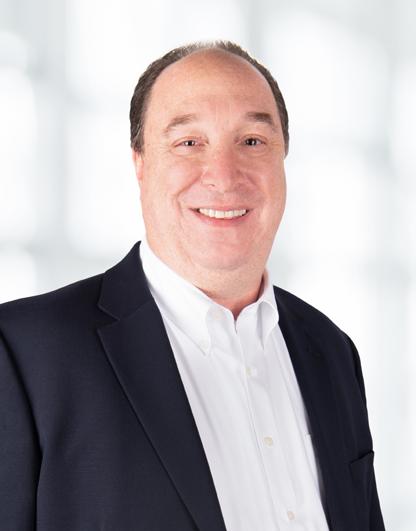
Todd Schonherz AON Chief Executive Officer
AON IN THE NEWS
Maybe It’s Not Just Aging. Maybe It’s Anemia.
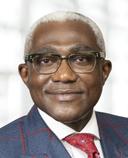
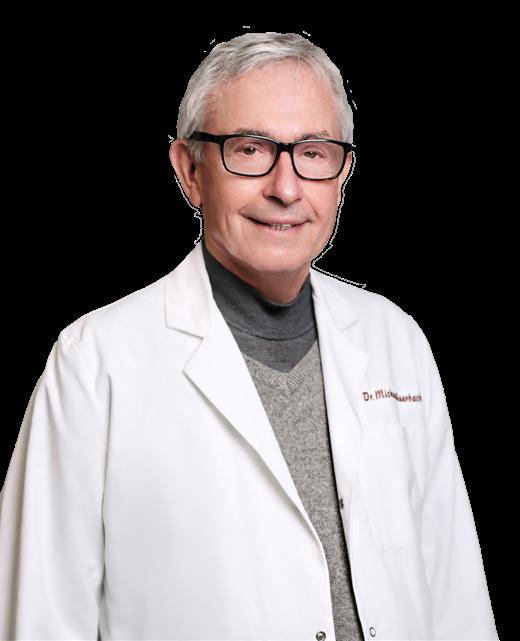
Feature: Michael Auerbach, MD, FACP
Significant numbers of older people have anemia. Many find relief with an effective treatment that is being more widely prescribed. Dr. Michael Auerbach, a hematologist and oncologist for the AON partner practice, Center of Cancer and Blood Disorders, spoke about anemia and treating it intravenously instead of orally.
Learn more
Community Oncology Alliance Elects New Board Members and Officers for 2026
Feature: Stephen “Fred” Divers, MD, Alti Rahman, MHA/MBA, CSSBB, Martin Palmeri, MD, MBA, FASCO
The Community Oncology Alliance (COA) announced the election of new and returning members to its Board of Directors and Executive Committee for 2026. Martin Palmeri, MD, MBA, FASCO, medical oncologist at AON partner practice, Messino Cancer Centers, was welcomed as a new member while Alti Rahman, MHA/MBA, CSSBB, Chief Strategy & Innovation Officer at AON, was re-elected to serve a new, three-year term. Stephen “Fred” Divers, MD, Chief Medical Officer of AON, was elected by the COA Board to serve as Officer-at-Large on the Executive Committee.
Learn more
Clinical Trial Updates From ESMO 2025 Covering Antibody-drug Conjugates in Triple-negative Breast Cancer
Feature: Cassandra Perkey, PharmD, BCOP
Expert clinicians discuss key data updates from ESMO 2025 and their main takeaways for clinical practice.
Learn more
Dr. Birhiray on Advancing Clinical Trials in Oncology Using AI Tools and Tactics
Feature: Ruemu E. Birhiray, MD
Dr. Birhiray, a medical oncologist and hematologist at AON partner practice, Hematology Oncology of Indiana, discussed the advantages of using AI-based tools to enhance communitybased clinical trials in oncology.
Learn more
Building Better Collaboration: Reducing Care Delays in Managing mCRC
Feature: Melody Chang, RPh, MBA, BCOP
Experts discuss proactive steps health care teams, including pharmacists, can take to minimize delays and overcome payerrelated barriers when prescribing third-line therapies for metastatic colorectal cancer (mCRC) and how collaboration between health care teams, payers, and manufacturers can be improved to reduce care delays.
Learn more
AON and CanCare with Dr. Drew
Feature: Susan Sabo-Wagner, MSN, RN, OCN
Susan Sabo-Wagner, AON VP of Clinical Innovation and CanCare CEO Darcie Wells, join Dr. Drew to share why emotional support is essential in the cancer journey. Dr. Sandeep Kodityal, medical oncologist with AON partner practice, Woodlands Cancer Institute, speaks to the importance of emotional support.
Learn more
Striking the Balance Between Cutting-Edge Oncology Care, Affordability
Feature: Brian Mulherin, MD
Oncology care requires teamwork, support services, and careful planning to ensure effective, affordable, and patient-focused treatment, according to Brian Mulherin, MD, a hematologist and oncologist at AON partner practice, Hematology Oncology of Indiana.
Learn more
Scaling Early Palliative Care in Value-Based Community Oncology: A Technology-Enabled Approach
Feature: Stephen “Fred” Divers, MD
Palliative care integration in oncology improves quality of life, reduces aggressive end-of-life care, and may prolong survival, while lowering healthcare costs.
Learn more
Information and Integration Can Take Oncology Patients From Surviving to Thriving
Feature: Susan Sabo-Wagner, MSN, RN, OCN
Cancer is increasingly managed as a chronic illness, requiring comprehensive support for patients beyond treatment. As therapeutic advances enable patients with cancer to live longer, greater attention is needed to support the goal of survivorship, starting at diagnosis.
Learn more
AON LEADERSHIP
EXECUTIVE TEAM
Todd Schonherz Chief Executive Officer
Karen Pilley Chief Revenue Cycle Officer
David Afshar Chief Financial & Operating Officer
Alti Rahman Chief Strategy & Innovation Officer
Anthony Belott Chief Development Officer
Joe Verschleiser Chief Growth & Performance Officer
PHYSICIAN LEADERSHIP
Stephen “Fred” Divers, MD Chief Medical Officer
Taral Patel, MD Chair P&T Commitee
SENIOR LEADERSHIP
Melody Chang Vice President Pharmacy Operations
Dave McBreen Vice President AON Pharmacy
Michael Essik Vice President Finance
Guy Messer Vice President Radiation & Radiology Services
Brian Mulherin, MD Medical Director P&T Committee
Terri Casey Chief Human Resources Officer
Steve Swart Executive Vice President Practice Operations
James Gilmore Chief Pharmacy & Clinical Services Officer
Tena Messer Executive Vice President Practice Operations
Kristin Matisziw Chief Compliance & Risk Officer
Puneeth Indurlal, MD Senior Vice President Strategic Operations
Mark Moch Chief Information Officer
Charles “Charlie” Goddard, II General Counsel
Ralph V. Boccia, MD Medical Director Research
Ruemu E. Birhiray, MD Medical Diversity Director Research
Katie Goodman Vice President Clinical Research
Karen Quick Vice President Human Resources
Kyle Hendrickson Vice President Mergers & Acquisitions
Susan Sabo-Wagner Vice President Clinical Innovation
Caroline Hewitt Sr. Vice President Marketing
Ryan Olson, MD Medical Director Pathology
Robert J. McDonald, MD Medical Director Radiology
William “Billy” Keeney Vice President IT Operations
Ashley Knox Vice President, Controller
future
Advancing the of cancer care
How AON is leading the integration of bispecific therapies in community oncology
A new era in cancer treatment
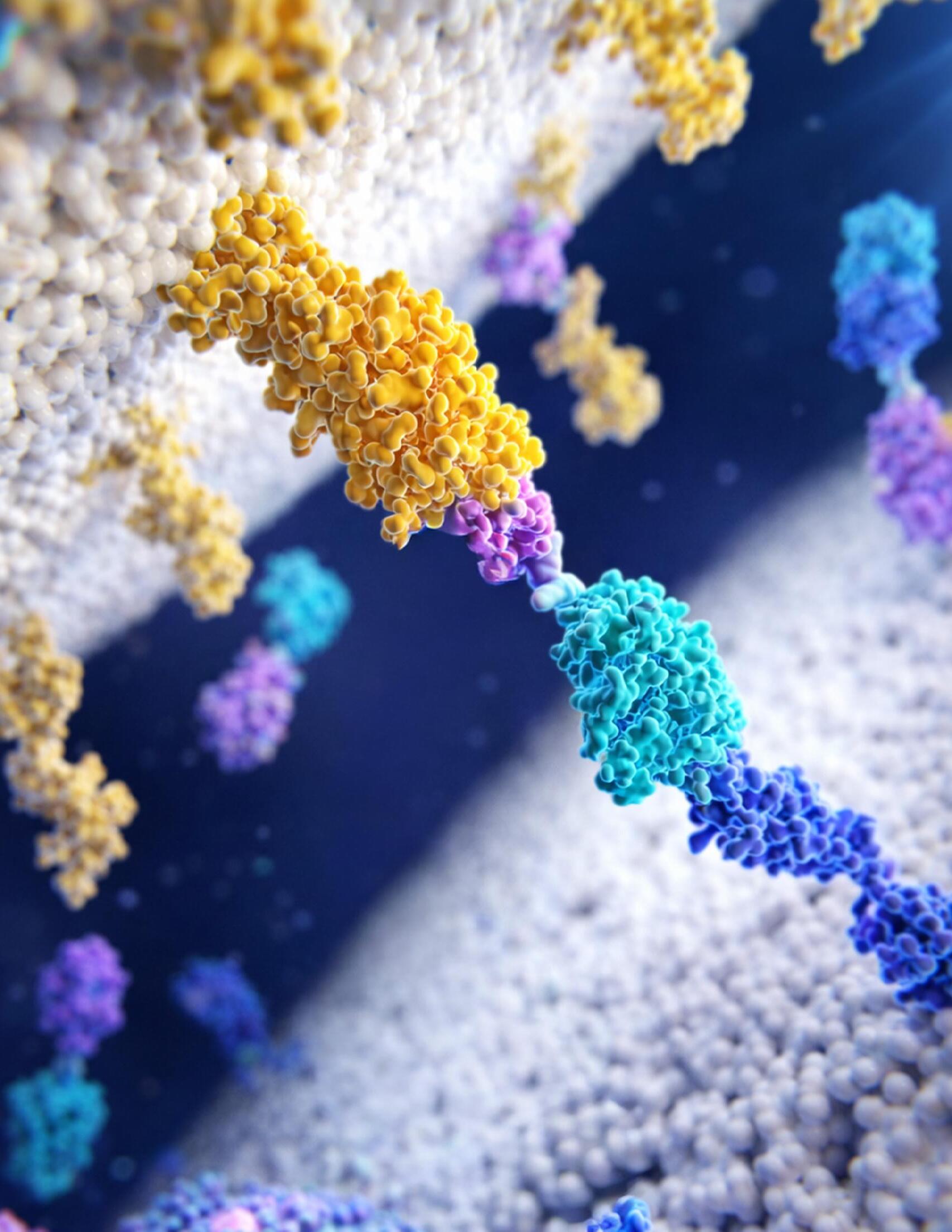
Innovation is reshaping cancer care, and American Oncology Network (AON) is leading that evolution. More than 40 AON partner practices across 18 states and Washington, D.C., are offering bispecific antibody therapies—also known as bispecific T-cell engager, or BiTE therapies—to patients in their own communities. This expansion marks a milestone for community oncology, bringing cutting-edge immunotherapy to patients who might otherwise need to travel long distances to academic or research centers.
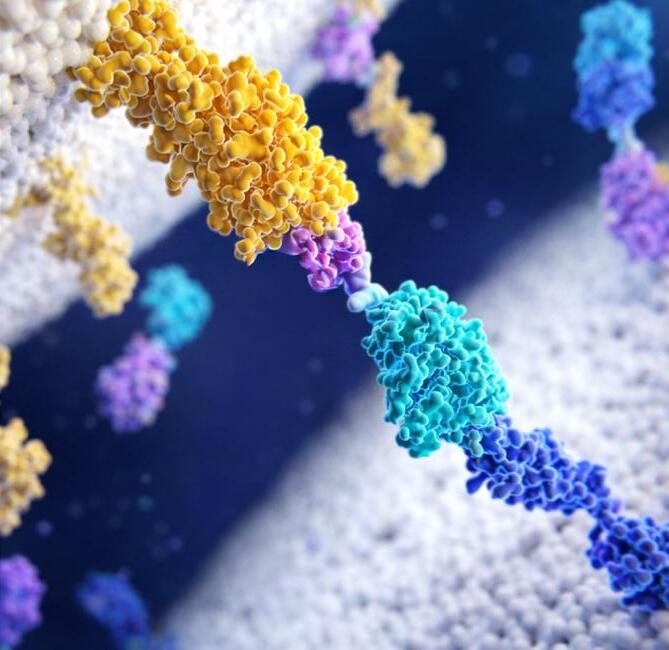
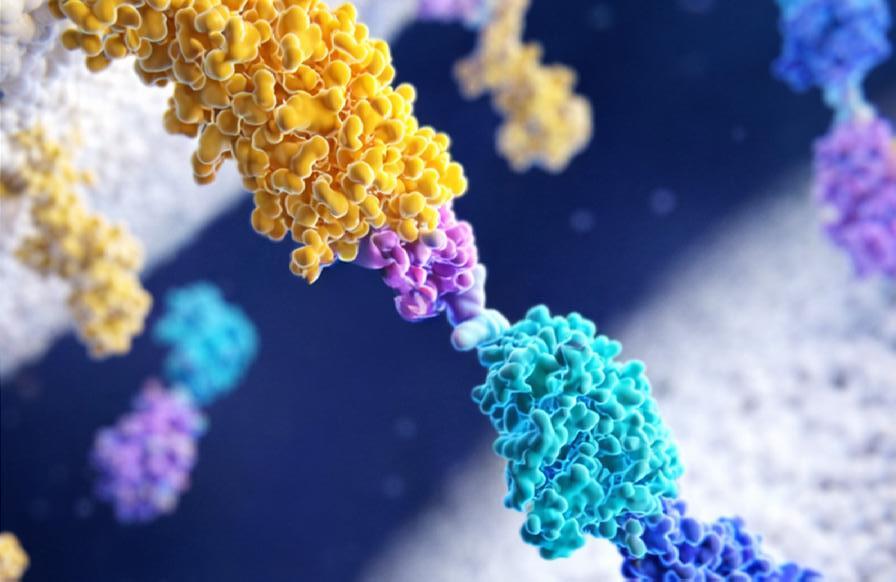
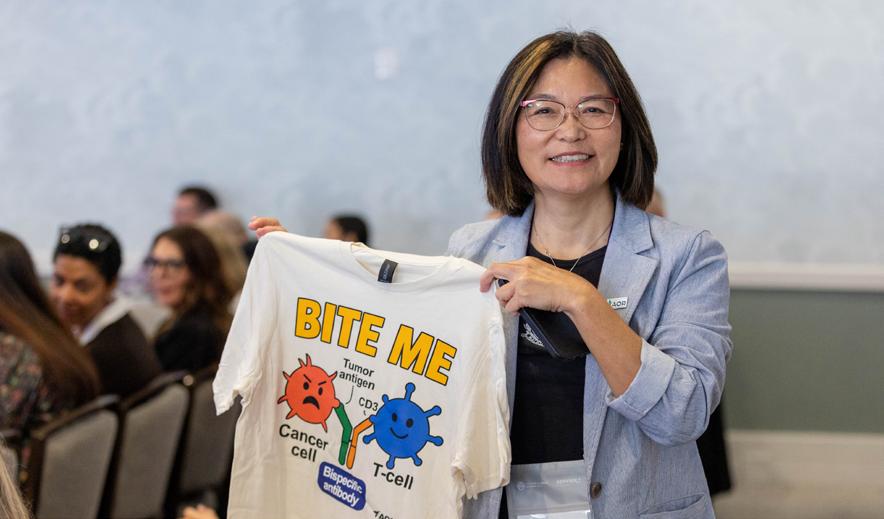
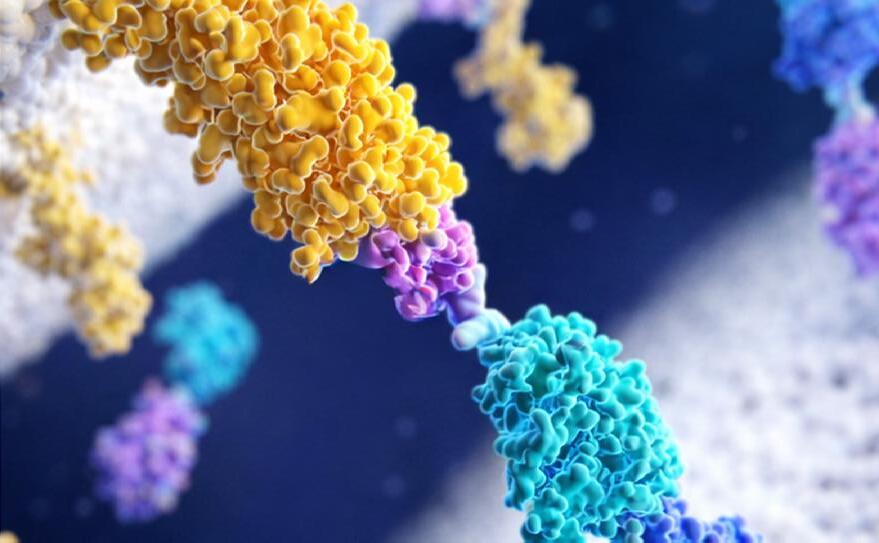
Bispecific therapies represent a major leap forward in oncology. These engineered antibodies bind to two targets simultaneously: one on a cancer cell and one on a T cell, the immune system’s attack cell. By connecting the two, the therapy activates the body’s natural defenses to identify, target and destroy cancer cells more precisely than traditional approaches. These treatments are already making a tangible difference across the AON network. Since March 2025, AON practices have provided bispecific therapy to patients with acute lymphoblastic leukemia, uveal melanoma, diffuse large B-cell lymphoma, follicular lymphoma, multiple myeloma and extensive-stage small cell lung cancer. For patients whose cancers have stopped responding to conventional therapy, these advances are expanding options and offering new hope.
“At AON, we’re committed to staying at the forefront of cancer care by integrating innovative therapies like bispecific antibodies into our clinical offerings,” said Melody Chang, vice president of pharmacy operations at AON. “They’re an important part of our personalized treatment approach and have already shown promise in improving outcomes for patients with some of the most challenging cancers.”
Building the infrastructure for innovation
The adoption of bispecific therapies across AON’s network required more than clinical readiness—it demanded structural change. Every element of the practice model, from pharmacy operations to nursing workflows, had to evolve to accommodate new preparation, monitoring and patient safety requirements.
“Bispecifics are redefining what’s possible in community oncology,” Chang said. “They bring incredible promise for patients, but success depends on reimagining how we deliver care—from scheduling and staffing to patient monitoring and education. At AON, we’ve built the systems to make that happen.”
AON’s integration framework focuses on consistency and collaboration. The network developed:
CARET-RIGHT Comprehensive training for pharmacists, nurses and providers on preparation, dosing and monitoring
CARET-RIGHT Standardized safety protocols for managing cytokine release syndrome (CRS) and neurotoxicity (ICANS)
CARET-RIGHT Centralized data collection to track patient outcomes, treatment timelines and adverse events
These measures allow each AON partner practice— whether in a metropolitan center or a rural community—to safely deliver advanced therapies using a unified, evidence-based approach.
“Bispecifics are redefining what’s possible in community oncology,” Chang said. “They bring incredible promise for patients, but success depends on reimagining how we deliver care— from scheduling and staffing to patient monitoring and education. At AON, we’ve built the systems to make that happen.”
Melody Chang Vice President of Pharmacy Operations
Adapting the practice model
Introducing bispecific therapy meant rethinking everyday operations. Infusion schedules were modified to include extended observation times during the initial step-up dosing period. Staffing was expanded to include pharmacists and infusion nurses trained specifically in bispecific therapy preparation and monitoring. Electronic health record templates were updated to support new treatment documentation and communication standards.
AON also developed tools to measure success and improvement, including tracking patient safety indicators, therapy initiation turnaround times and satisfaction metrics. This data-driven approach helps ensure that as bispecific therapy use grows, care remains efficient, coordinated and patient-centered.
Access and healthy outcomes for all is a defining feature of AON’s expansion. Many of the more than 40 participating clinics are located in smaller or underserved regions, ensuring that patients who live far from large hospitals still have access to the same advanced therapies. Hybrid models—combining inpatient initiation with outpatient maintenance— have enabled community clinics to safely deliver these complex treatments closer to home.
“Our mission has always been to make world-class cancer care available in local communities,” said Todd Schonherz, AON’s chief executive officer.
“Expanding access to bispecific antibody therapies is a natural extension of that mission. It allows patients to receive the most advanced treatments without leaving their support systems behind.”
Pharmacy precision: The backbone of safe delivery
Pharmacy operations serve as the cornerstone of bispecific therapy integration. These therapies require specialized handling—from temperaturecontrolled storage to timed preparation and administration—and pharmacists play a central role in ensuring every dose meets strict safety standards.
Within AON, pharmacy teams have standardized their processes for verification, compounding and dispensing. They also collaborate closely with providers and nurses to implement premedication strategies, monitor for early signs of CRS or ICANS, and adjust care plans in real time when needed.
Upgraded infrastructure supports these operations. Many AON sites now feature enhanced cleanroom facilities, expanded biologics storage and integrated digital systems linking pharmacy activity to clinical monitoring tools. These investments allow pharmacists to manage the growing portfolio of complex therapies without compromising quality or speed.
Nursing leadership: Education, safety and confidence
Nurses remain at the front line of bispecific therapy delivery, guiding patients through education, monitoring and emotional support. Before treatment begins, AON nurses conduct detailed teaching sessions that explain how the therapy works, what side effects may occur and when to contact the care team.
The first few doses are administered under intensive supervision, as immune-related side effects are most likely to appear early. Nurses monitor vital signs, document patient responses and communicate continuously with pharmacists and oncologists to ensure timely intervention.
To ensure consistency, AON developed networkwide educational modules, patient-teaching guides and clinical checklists that help nurses identify and respond to potential issues quickly. This shared infrastructure promotes safety while empowering nurses to deliver care confidently and compassionately.
Financial navigation and access
With high-cost therapies like bispecifics, strong financial systems are essential to patient access. AON’s financial management teams have built streamlined processes for benefit verification, prior authorization and claims submission under both Medicare and commercial insurance.
Because bispecific billing can be complex, AON provides guidance and coding resources for each practice. The network also prioritizes patient support, helping individuals access foundation grants, manufacturer assistance programs and other forms of aid to reduce out-of-pocket costs.
For independent practices joining AON, these systems provide immediate value—enabling efficient reimbursement and sustainable integration of new therapies without disrupting clinical operations.
Provider confidence and clinical collaboration
Providers across AON’s national network are embracing bispecific therapies as a vital addition to modern oncology care. Through shared data, education and multidisciplinary collaboration, oncologists are demonstrating that complex immunotherapies can be delivered safely and effectively in the community.
“Bispecifics are one of the most promising frontiers in immuno-oncology,” said Dr. Brian Mulherin, medical oncologist at AON partner practice, Hematology Oncology of Indiana. “As indications expand, community oncology will play a critical role in making these therapies accessible to more patients. AON’s integrated model—linking pharmacy, nursing and clinical teams—makes that possible.”
AON’s flexible care delivery options ensure each patient receives treatment in the most appropriate setting. Some practices operate fully outpatient models, while others use hybrid approaches that begin in hospital settings for step-up dosing before transitioning to local maintenance therapy. This adaptability allows AON to maintain high safety standards while maximizing convenience and continuity of care.
“As indications expand, community oncology will play a critical role in making these therapies accessible to more patients. AON’s integrated model—linking pharmacy, nursing and clinical teams—makes that possible.”
Brian Mulherin, MD Hematology Oncology of Indiana
A nationwide model for access and innovative, high-quality cancer care
The expansion of bispecific therapies across more than 40 AON clinics is not only a milestone in reach—it’s a model for how complex innovation can be responsibly introduced into community oncology. It demonstrates what’s possible when collaboration, infrastructure and education come together in service of patients.
“By expanding access to these therapies in the community setting, AON and its partner practices are helping patients stay close to home while receiving some of the most advanced treatment options available,” said Mulherin.
Combining operational excellence with compassion and accessibility positions AON as a national leader in bringing the future of cancer care to where patients live, work and heal. The promise of bispecific therapy is immense, and through AON’s commitment to access and healthy outcomes for all, that promise is already being realized across the country.
Learn more about BiTE therapy at AON in this video.
How Zip Codes Predict Cancer Outcomes
The Area Deprivation Index (ADI) and Its Impact on Community-Based Oncology
Imagine two patients begin chemotherapy on the same day. One lives near a grocery store and pharmacy, has safe sidewalks and reliable transportation. The other lives in a neighborhood where food is scarce, pharmacies are distant, and getting to the clinic means multiple bus transfers. Even with identical diagnoses and the same oncologist, these patients are on very different journeys.
This is the reality the Area Deprivation Index (ADI) helps us understand and why it needs to become a critical tool in community oncology sustainability. Access to cancer care close to home is one of the key reasons community oncology is so crucial to improving outcomes. AON practices are uniquely positioned to respond, not only by delivering high-quality care where patients live, but also by partnering with local nonprofits to remove barriers such as transportation and financial hardship. Through programs like the
American Oncology Cares foundation, which helps cover essential living expenses such as housing, utilities, transportation, and food, patients and their families gain peace of mind and can focus fully on their health journey.
What Is the Area Deprivation Index (ADI)?
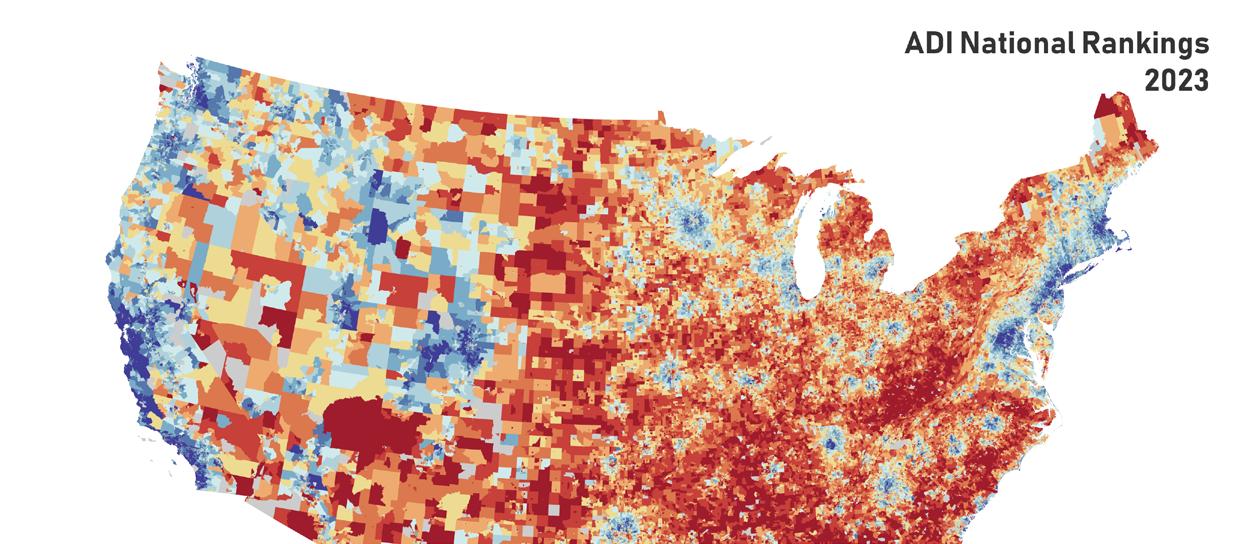
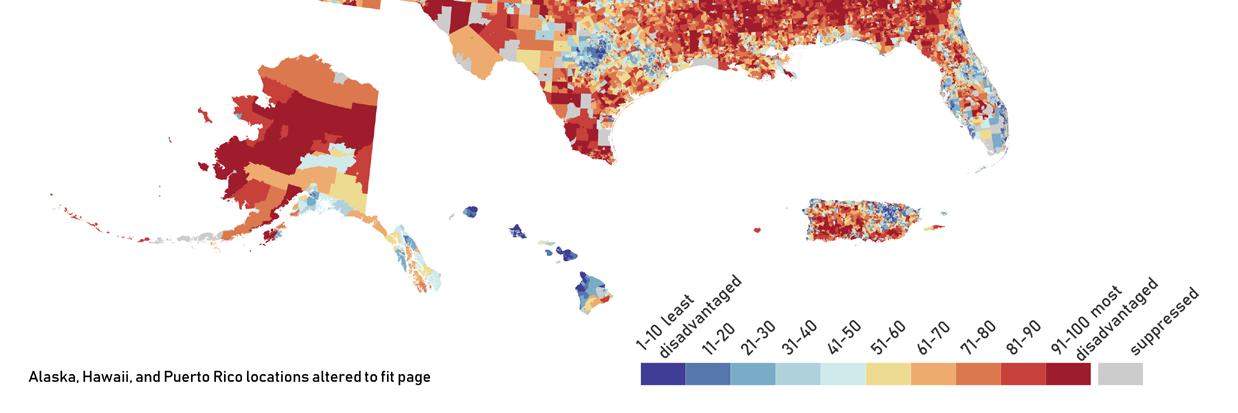
The ADI is a nationally recognized measurement of socioeconomic disadvantage at the neighborhood level. Developed by researchers at the University of Wisconsin, the ADI assigns scores from 1 (least disadvantaged) to 100 (most disadvantaged) using 17 variables from the U.S. Census. These include factors such as:
• Income level
• Level of education
• Quality of housing
• Employment status
Why ADI Matters to Cancer Outcomes
The ADI has been shown to predict treatment adherence, survival, and care delays across multiple cancer types.
In a national study published in 2021 in the Journal of the American Medical Association Open Network, researchers found that women residing in the most socioeconomically deprived neighborhoods had a 47% higher mortality rate from breast cancer compared to those in the least deprived areas.
This is not limited to breast cancer. High ADI has also been associated with worse outcomes in head and neck cancers, gastrointestinal malignancies and other common cancer types treated in community settings. In all cases, it’s clear that social context shapes clinical outcomes.
Clinical Barriers with Real-World Consequences
For community oncology practices, ADI isn’t an abstract policy term. It’s a window into the barriers patients face every day:
• Transportation challenges that prevent timely treatment.
• Food insecurity that affects nutrition and healing.
• Housing instability that creates stress and disrupts care.
• Limited health literacy that impairs decision-making and adherence.
Socioeconomic factors such as income, level of education, and where a patient lives can predict whether they get timely cancer screenings, how often they miss appointments, and whether they can adhere to treatment plans. These factors can drastically impact patient outcomes.
These social determinants translate into direct clinical and operational challenges: more no-shows, delayed diagnoses, avoidable hospitalizations, and higher acuity upon presentation. Through programs like American Oncology Cares, AON’s non-profit, practices can help address these challenges by offering transportation support, access to food resources, and community health navigation.
ADI National Rankings 2023 (Alaska, Hawaii, and Puerto Rico locations altered to fit the page)
Why Practices Need to Pay Attention
Recognizing high-ADI patients isn’t just compassionate. It’s critical for optimizing care and ensuring long-term sustainability clinically, financially and strategically.
1. Care Management Becomes Essential
Practices that serve high-ADI populations benefit from robust patient support programs that help patients stay on track and reduce costly complications, such as:
• Principal Care Management (PCM)
• Chronic Care Management (CCM)
• Principal Illness Navigation (PIN)
• Behavioral health and symptom management
2. Supports Quality Metrics and Value-Based Care
Under commercial value-based care arrangements and other value-based care models, demonstrating improvements among underserved patients can strengthen quality performance and open access to performance incentives. As the definition of whole person care (WPC) continues to integrate social and medical risk management, the strategic relevance of practices that provide WPC will evolve from a performance differentiation factor to a must have along the innovation curve.
3. Improved ADI Payer Negotiations
Payers increasingly expect data-driven justifications for care complexity and resource use. When used effectively, ADI becomes a negotiating tool for better reimbursement without sacrificing care quality because ADI data supports:
• Higher care-management fees
• Risk-adjusted payment rates
• Flexibility in value-based targets Framing care through an ADI lens reinforces the value of community-based models that go beyond treatment to address the root causes of disparities.
4. Strategic Growth and Resource Allocation
AON uses ADI to guide targeted investments, especially in high-need areas where partnerships with employers or health systems could drive expansion. Practices can also use ADI data to inform internal planning, whether adding navigators, expanding behavioral health, or adjusting provider schedules.
Addressing area deprivation isn’t just a compliance exercise, it’s core to delivering patient-centered, high-quality, sustainable oncology care.
Win–Win for Patients and Practices
As we work toward better cancer care in every zip code, the ADI offers a powerful framework for aligning patient needs with practice growth. It helps identify who needs more support, justifies that support to payers, and ultimately delivers care that’s both more equitable and more effective.
A patient’s address is more than a point on a map it’s a predictor of their cancer journey. The ADI allows us to act on that knowledge with empathy, precision and strategy. That’s why AON continues to invest in highneed communities and expand partnerships that bring cancer care to where patients live and work. More than anything, we succeed by ensuring that where a person lives does not determine whether they live.
What AON Is Doing
AON has integrated ADI into its national strategy. By incorporating ADI across departments from clinical care to finance, AON supports its network in creating equitable, data-informed oncology care. Efforts include:
• Creating American Oncology Cares (AOC) to provide non-medical financial grants for essentials like housing, utilities, food, and travel for eligible, actively treated adult patients.
• Embedding ADI into payer contract modeling
• Using ADI in rate negotiations and access advocacy
• Layering ADI insights into Turquoise Health (radical price transparency and data-driven contracting), and other value-based care strategies
• Benchmarking practice performance based on ADI distribution
STRATEGIC PARTNERSHIP
AON + CanCare: Partnering to Provide Holistic Community Cancer Support
AON and CanCare, Inc. recently announced their partnership on Health Uncensored with Dr. Drew, highlighting a shared commitment to expanding holistic support for patients in communities nationwide.
While AON is dedicated to delivering highquality, patient-centered cancer care through its community oncology practices, the partnership with CanCare reflects the importance of providing patients with holistic care support. Together, AON and CanCare address not only the physical demands of cancer treatment, but also the emotional and relational challenges patients and families face throughout the cancer journey.
To learn more about CanCare, visit their website at CanCare.org or follow them on YouTube, Facebook or Instagram.
CanCare complements AON’s clinical care by providing peer-to-peer support, connecting patients with trained volunteers who have experienced a similar diagnosis. The result is a more comprehensive, community-based approach to cancer care—one that supports patients physically and emotionally.
Susan Sabo-Wagner, Dr. Drew, and Darcie Wells at the Oct. 2025 filming of Health Uncensored with Dr. Drew
ASH 2025: Key Advances for Community Oncology
More than 30,000 hematology professionals from around the world gathered in Orlando in December for the 67th American Society of Hematology (ASH) Annual Meeting and Exposition, where the latest research, emerging therapies and practice innovations were on display.
The meeting featured more than 8,200 abstracts and hundreds of educational sessions, offering community oncology providers timely insights to bring back to their practices to improve patient care close to home.
Physicians from AON partner practices played a significant role at ASH 2025, presenting research and contributing to abstracts across a wide range of disease areas, including lymphoid and myeloid malignancies and chronic lymphocyctic leukemia. Several AON physicians also chaired sessions focused on implementing emerging therapies, such as T-cell redirection treatments, in community oncology settings.
Emerging therapies were a central focus of the meeting, with sessions highlighting advances in bispecific antibodies, CAR T-cell therapies and the growing
importance of real-world data in treatment decisionmaking. Presentations explored strategies to expand access to innovative therapies while addressing patient selection, toxicity management and coordination with tertiary care centers.
Practice-focused sessions emphasized integrating new data into clinical pathways, strengthening collaboration between community and academic providers and improving access to clinical trials. Health equity was also a recurring theme, with discussions centered on genetic diversity in research and strategies to reduce barriers to care.
The breadth of research presented at ASH 2025 underscores the rapid pace of progress in hematology. Through continued leadership and engagement, AON partner practice physicians help ensure patients have access to the latest advances in cancer care within their own communities.
The Power of We
AON Nurses Featured in Oncology Nursing News for Nurse Practitioner Week
Oncology Nursing News featured several AON partner practice nurse pairs and teams during Nurse Practitioner week as examples of what it truly means to be an oncology nurse practitioner – from building trust with patients to finding balance and resilience beyond the clinic.
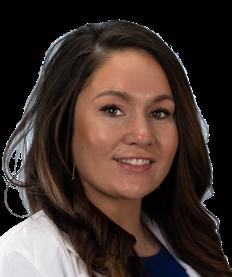
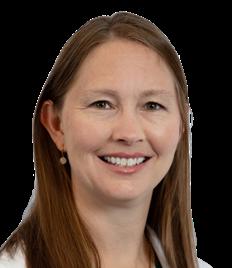
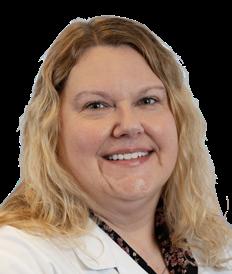
AON partner practice, Oncology Hematology Associates’ Megan Brattin, APRN; Candi Jordan, FNP-BC, AOCNP (Lead NP); Christine Czachowski, NP-C; and Madison Pendergraft, APRN were featured.
MEGAN BRATTIN, APRN
Nurse Practitioner
How do you build trust with patients?
As an oncology nurse practitioner, I build trust with my patients through honest communication and genuine listening. I take time to educate and ensure my patients feel heard and understood. I want to create a safe space where they can share fears and hopes openly. The nurse practitioner role is unique, and I want my patients to know they can rely on me, not only for clinical guidance but for compassionate support through every stage of their career.
JORDAN, FNP-BC, AOCNP
Lead Nurse Practitioner
What do you do when you feel overwhelmed?
Personally, when I begin to feel that weight, I take a moment to step into my office, close the door, and simply breathe. In that stillness, I have a conversation with God— asking for guidance and for grace, not only for myself but also so that I can extend that same grace to others.
CANDI
CHRISTINE CZACHOWSKI, NP-C
Nurse Practitioner
How would your team describe you?
They have described me as an advocate who is compassionate, generous, and dedicated.
MADISON PENDERGRAFT, APRN
Nurse Practitioner
How do you recharge after a long week in oncology care?
I recharge by spending time with my family and friends. I also enjoy spending time outdoors on my family’s cattle farm, riding horses, and traveling.
AON partner practice, Genesis Cancer and Blood Institute’s Tameisha Baxter, APRN and Virginia Laliberte, MNSc, FNP-C, AOCNP from the Hot Springs, AR clinic, were also featured.
TAMEISHA BAXTER, APRN
Nurse Practitioner
What is one lesson you’ve learned from your colleagues?
How to build relationships and grow professionally with others who have various personalities and different work experiences.
What is the area of expertise that you are most passionate about?
Being present with patients as they transition into palliative/hospice care. To provide support, comfort, peace and when possible, a smile, a laugh and a warm embrace.
How do you recharge after a long week in oncology care?
I give thanks.
VIRGINIA LALIBERTE, MNSC, FNP-C, AOCNP
Nurse Practitioner
What makes your team work well together?
We each have our own role but enjoy collaborating and sharing knowledge.
What is a particularly proud moment in your career?
Earning my oncology certification. I am currently working on forming the Cancer PALS Foundation to raise funds for services to promote quality of life for cancer patients. I am also currently working on City of Hope's Genetic Cancer Risk Assessment course with the goal of developing a hereditary risk management clinic here at our practice.
What does support look like among your team members?
Being able to ask questions of each other without worrying about whether the others will think less of you.
Thank you to all of our incredibly skilled nurse practitioners for your compassion, leadership, and heart.
Faith, Family, and the Power of Cancer: Teresa’s Story of Hope and Healing
After a breast cancer diagnosis turned her life upside down, Teresa found strength in her faith, her family—and a story she felt called to share with the world.
A Diagnosis in the Midst of Chaos
"When we face challenging times, we have an opportunity to strengthen our faith and allow God to use our circumstances to help others and grow us. We need to leverage our pain for the greater good. I am sharing what I have gone through to provide hope and encouragement to those experiencing difficulties. There is purpose in your pain."
When Teresa was diagnosed with breast cancer, her world was already full. She was serving as the director of a Christian preschool ministry at her church and overseeing daily operations and the children’s education. All of this was during the COVID-19 pandemic, a time that forced schools—including hers—to pivot to remote learning. Balancing this with her own care became a challenge of strength and endurance.
She had always been proactive about her health, undergoing mammograms every six months due to a previous identified risk. But one appointment revealed something unexpected—a tumor in an
area that hadn’t raised concern before. Further testing uncovered a second, even larger tumor. Her diagnosis: triplenegative breast cancer, an aggressive form that doesn’t respond to hormone therapy and is typically treated with chemotherapy and radiation. What followed was a whirlwind. Biopsies. Diagnostic mammograms. Steroid and antibiotic treatments. A lung complication led to two bronchoscopies and ultimately surgery. “It was a lot. I lost count after 111 tests and procedures,” Teresa says, “but I never doubted my own survival – I knew God would bring me through it.”
From the beginning, her response wasn’t fear—it was faith. “So, this is how You’ve chosen to use me,” she remembers thinking after hearing the diagnosis. “Okay, show me the way.”
Surrounded by Love and Sustained by Faith
Through it all, Teresa was never alone. Her immediate family, friends, church community, and school rallied to support her in ways that were both practical and profoundly emotional. A meal train ran for nearly a month. Her daughter coordinated uplifting texts from loved ones the night before her surgery. Her son played worship songs on the guitar to lift her spirits. Her sister brought her favorite Godiva chocolate, and her church friend Laurie—herself a breast cancer survivor—offered wisdom and understanding.
Her support system extended into her medical care. Though she began her treatment journey elsewhere, Teresa now receives care at Hematology Oncology of Indiana. She describes her experience there as nothing short of a blessing.
“The minute I walked through the doors, I felt seen,” she says. “The women at the front desk were kind and empathetic. I wasn’t just a number — I was a person.”
In addition to her cancer diagnosis, Teresa was also diagnosed with pulmonary sarcoidosis, a rare inflammatory disease that led to lung surgery and intense post-op pain. The chemo brought its own challenges, including a severe allergic reaction that required a social worker to sit with her during treatment. Through each trial, she leaned heavily on her spiritual foundation—quoting scripture, praying with her family, and trusting in a plan bigger than her own.
Her husband, a longtime children’s ministry leader, was her rock. But even
he carried unseen burdens. “He hadn’t read my book at first,” Teresa shares. “He told me it was because he didn’t want to take control of my story—and because he wasn’t ready to relive that year. Later, her son said, ‘I didn’t realize how much you went through until I read it.’”
A Calling to Help Others
Teresa’s story didn’t end with recovery—it grew into a mission. She felt compelled to share what she had endured and learned, not just for herself but for others navigating similar paths. That calling became her memoir, The Power of Cancer: A Journey of Hope and Faith.
Her book doesn’t dwell on cancer’s capacity to destroy, but rather on its unexpected power to transform. Through all her medical appointments, biopsies, surgeries, treatments, and the grief of losing a beloved family member—her stepfather—Teresa saw the hand of God guiding her. “God was showing up and showing off,” she writes. “I loved it when He did that.”
Teresa now uses her story to speak to others facing cancer, especially those who feel overwhelmed or alone. Her message is simple and profound: You don’t have to do this on your own. We gain our strength from God and from those around us. She offers these final words to anyone facing their own diagnosis, “I just want to hold their hand and tell them it’s going to be OK—and I know that can mean different things. I knew, deep in my soul, that I’d be fine. That I’d be a survivor. I also knew it wouldn’t be a cakewalk. But even if I wasn’t OK, I knew I’d be in the arms of my Savior.”
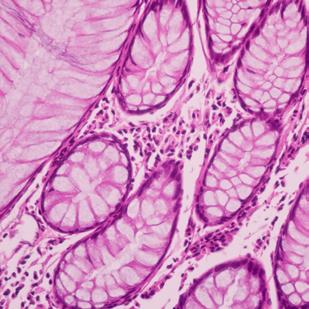
Ductal cell carcinoma
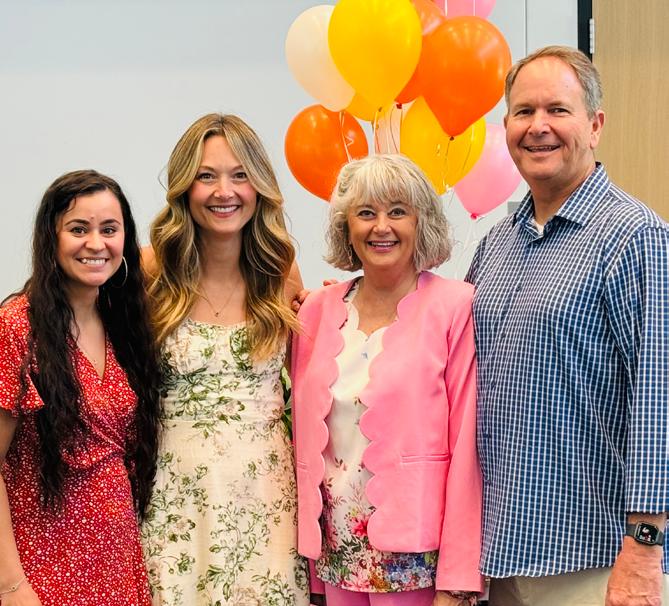
Throughout her journey, Teresa’s family and friends found meaningful ways to show their love and support—like when her husband added pink lights to their traditional Christmas decorations.
IN CASE YOU MISSED IT
American Oncology Network Welcomes Robert J. McDonald, MD, FACNM, as Radiology Medical Director and In-House Reading Radiologist
Dr. McDonald’s role supports AON’s growth in radiotheranostics and network-wide RLT capabilities.
Learn more
Hawai’i Cancer Care and American Oncology Network Open New Kahului Clinic
Hawai’i-based community oncology practice opens third location, expanding cancer care access for Maui patients.
Learn more
Evolent and American Oncology Network
Unveil Innovative Model Seeking to Improve Cancer Care While Eliminating Prior Authorization Burden
American Oncology Network and Evolent Health, Inc. partner and announce a new model enabling highquality, more affordable, and connected cancer care without relying on prior authorization.
Learn more
American Oncology Network Presents 15 Research Abstracts at ASCO Quality 2025
15 research abstracts by AON physicians and leaders were accepted for presentation at the American Society of Clinical Oncology Quality Care Symposium 2025.
Learn more
American Oncology Network Appears on Health Uncensored with Dr. Drew to Discuss New Partnership with CanCare, Inc.
AON and CanCare join forces to provide patients holistic cancer care, combining advanced treatment and emotional support.
Learn more
American Oncology Network and The Center for Cancer and Blood Disorders Welcome Dr. Chitra Rajagopal
Board-certified medical oncologist Chitra Rajagopal, MD, joins the physician team.
Learn more
Zangmeister Cancer Center Oncologist Dr. Taral Patel Presents Research at IASLC’s World Conference on Lung Cancer in Barcelona
Dr. Taral Patel of ZCC presented research on molecular testing in stage IV lung cancer at IASLC’s #WCLC25 in Barcelona.
Learn more
American Oncology Network and Low Country Cancer Care Welcome Dr. Anton Juncaj
Medical oncologist Anton Juncaj, DO, joins the physician care team.
Learn more
Genesis Cancer and Blood Institute and American Oncology Network Welcome Dr. Beau Hilton
Medical oncologist Beau Hilton, MD, joins the physician team.
Learn more
American Oncology Network Reports Strong Growth and Record Milestones
AON posts $2B annual revenue with 40% growth, 300+ providers in 20 states, and expanded access to advanced cancer care.
Learn more
American Oncology Network and The Center for Cancer and Blood Disorders Welcome Dr. Garrett Diltz and Dr. Shreya Desai
Board-certified medical oncologists Garrett Diltz, MD, and Shreya Desai, MD, join the physician team.
Learn more
Genesis Cancer and Blood Institute and American Oncology Network Welcome Dr. Tyler Fugere
Board-certified medical oncologist and hematologist Tyler Fugere, MD, joins the physician team.
Learn more
American Oncology Network Expands
Arkansas Presence, Adds Conway Hematology Oncology to National Network
Conway Hematology Oncology offers comprehensive community-based oncology services to patients in Conway and surrounding areas.
Learn more
American Oncology Network Central Lab Receives Reaccreditation from College of American Pathologists
AON received reaccreditation from the Accreditation Committee of the College of American Pathologists for its Central Laboratory in Fort Myers, Florida.
Learn more
More Than 40 American Oncology Network Clinics Across 18 States and Washington, D.C., Now Offering Bispecific T-cell Engager Therapies to Patients
AON community oncology practices across the nation offering groundbreaking immunotherapy to expand treatment options for hard-to-treat cancers.
Learn more
Florida Oncology and Hematology Expands Fort Myers Clinic, Adds PET Services
Local oncology practice enhances state-of-the-art location to include radiology services that improve cancer care for the Lee County community.
Learn more
Auerbach Hematology and Oncology Joins
American Oncology Network, Becomes The Center for Cancer and Blood Disorders – Baltimore
Auerbach Hematology, now CCBD-Baltimore, provides community-based oncology services to patients in the Baltimore area.
Learn more
Hope Cancer Care of Nevada and American Oncology Network Open New Henderson Clinic
Nevada-based community oncology practice opens its third Nevada location, expanding oncology care access for Clark County area patients.
Learn more
Florida Oncology and Hematology Relocates Naples Health Parkway Clinic to Larger Location in Lintree Medical Plaza; Adds PET Services
Local oncology practice moves to expanded location to enhance cancer care for Collier County community.
Learn more
Florida Oncology and Hematology Moves Naples-Goodlette Clinic to Larger Location
Local oncology practice moves to a new, expanded location to continue providing enhanced cancer care to the Naples-Goodlette community.
Learn more
American Oncology Network Announces Research Studies Presented at ASCO 2025 Annual Meeting
Several AON physicians and leaders shared new cancer research at one of oncology’s most influential gatherings.
Learn more
American Oncology Network Expands Access to Advanced Radioligand Therapies Across U.S. Network
Six AON community oncology practice partners are offering radioligand therapeutics for prostate and neuroendocrine cancers.
Learn more
Michael Auerbach, MD The Center for Cancer and Blood Disorders –Baltimore
1. Todd Schonherz presenting at the 2025 AON Clinical Summit. 2. Mark Moch, Brian Mulherin, MD, and Sam Mikhail, MD, presenting. 3. AON leadership panel answers questions. 4. AON Pharmacy and Pharmacy Operations at the vendor fair. 5. Attendees enjoying the vendor fair.
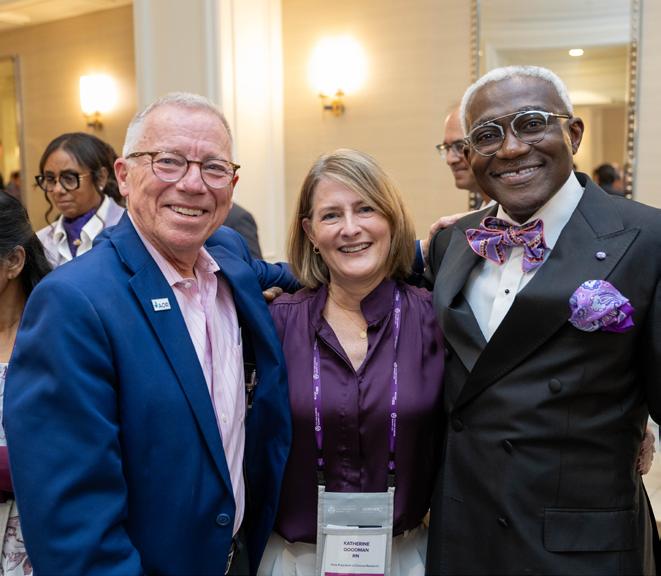
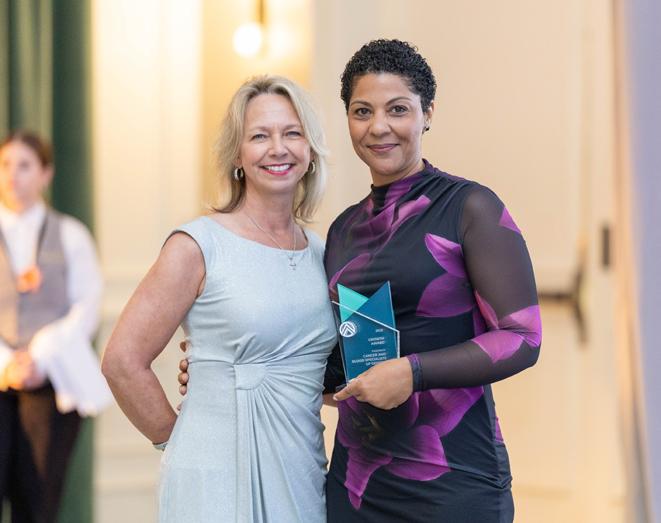
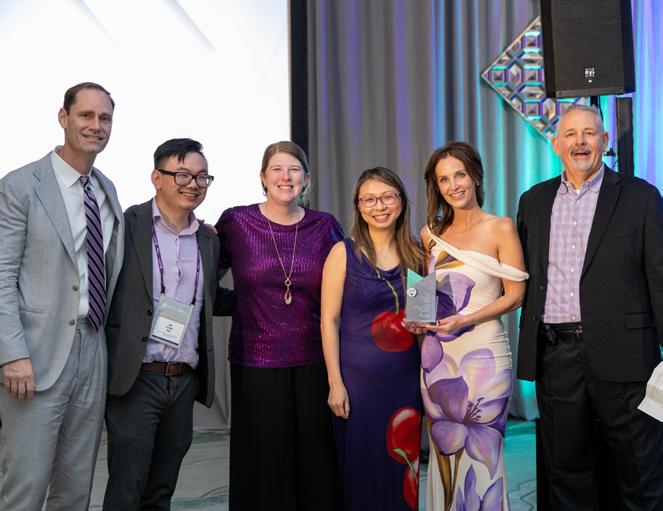
6. Providers from MidAmerica Cancer Care attend the Saturday night awards dinner. 7. Dr. Ralph Boccia, Katie Goodman, and Dr. Birhiray. 8. Providers from Zangmeister Cancer Center. 9. Tena Messer and Kelli Mendoza accepting an award for Cancer and Blood Specialists of Georgia. 10. Cancer and Blood Specialists of Arizona accepting an award. 11. Genesis Cancer and Blood Institute accepting an award.