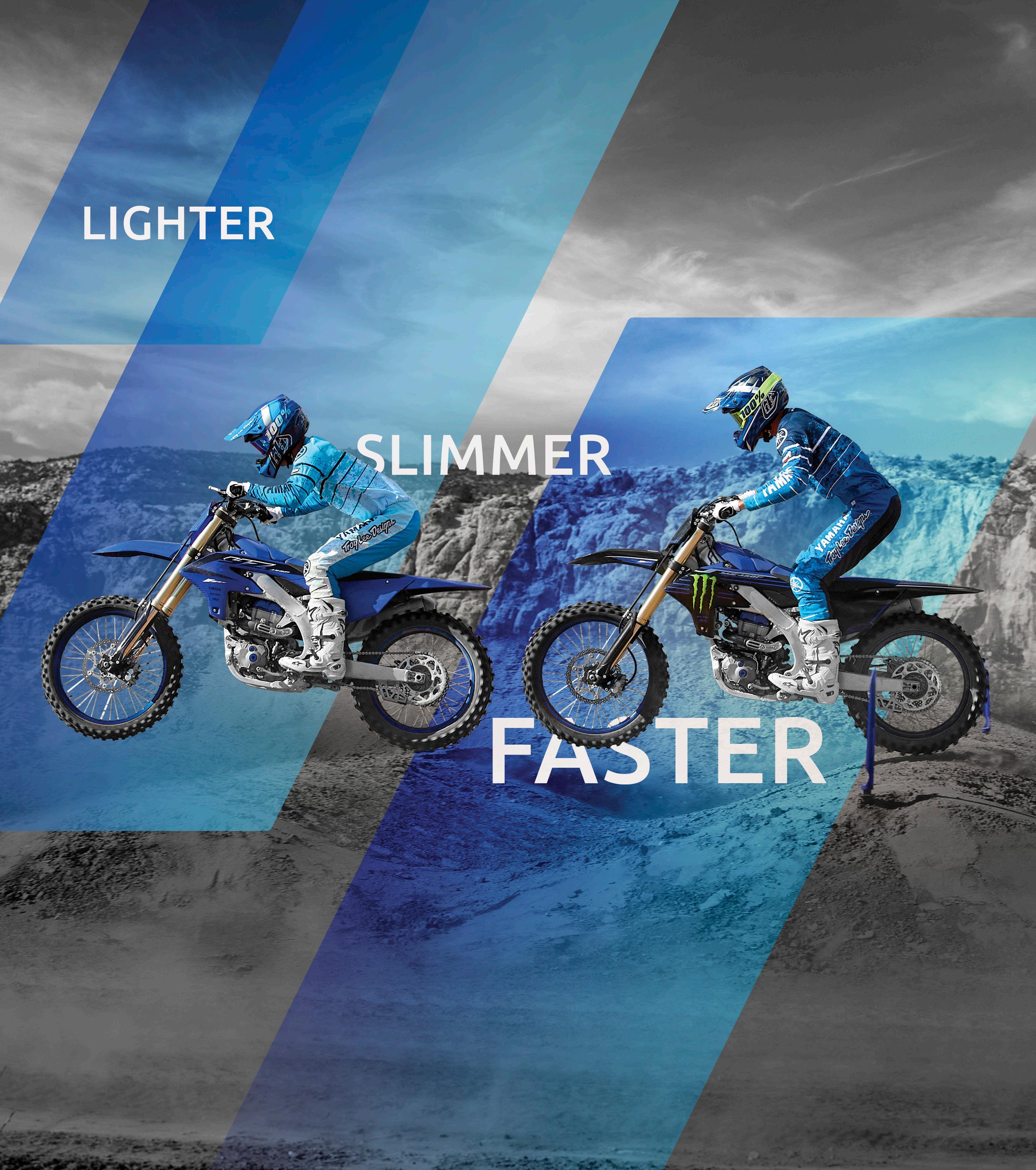
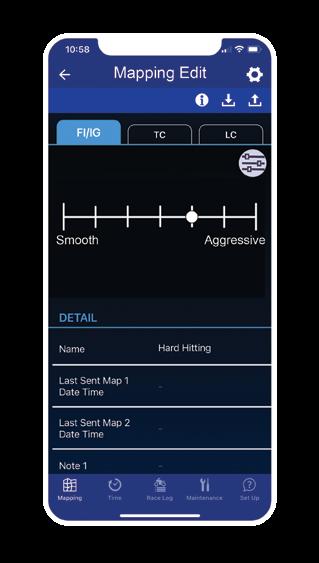
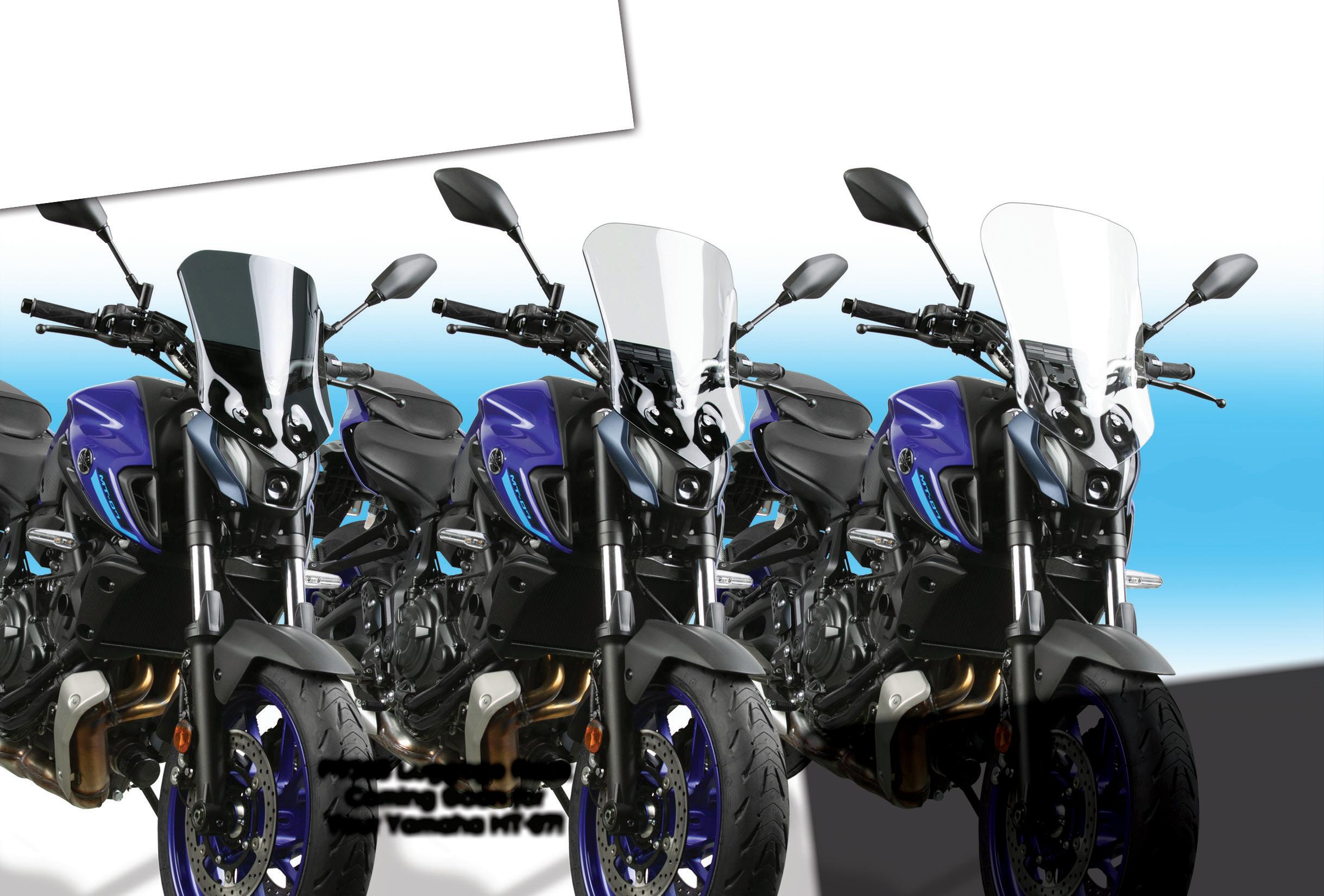
Fresh off consecutive pro Motocross & Supercross titles, Yamaha took the class leading YZ450F and made it even better—more powerful, lighter, slimmer, and more agile than ever! And with Yamaha’s updated and revolutionary Power Tuner App, the ability to dial in the perfect power delivery is right at your fingertips. Introducing the all-new 2023 Yamaha YZ450F, because the best don’t rest.
Editorial Director Mitch Boehm on this year’s AIMExpo trade show
American Motorcyclist newcomer John Burns on getting fired
Where the photos are blurry but the memories are clear!
Gotta-attend AMA-centric stuff to do this riding season
Selling Huskys was almost as easy as racing them
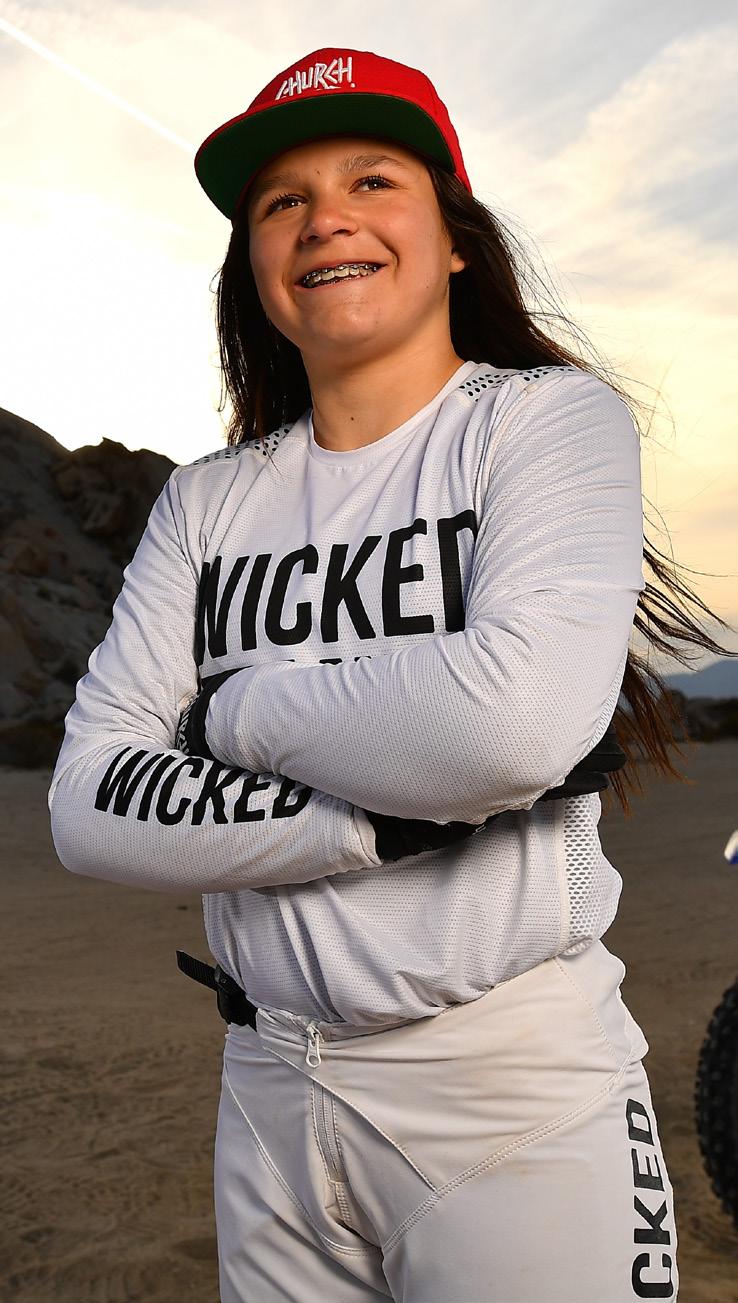
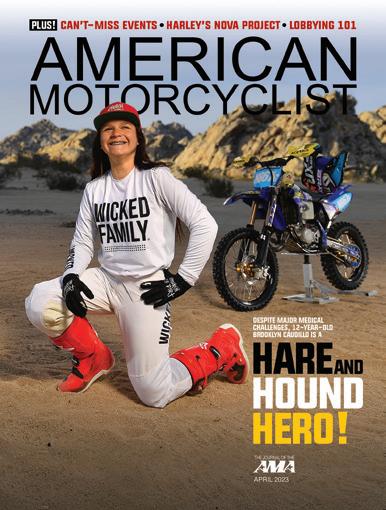
At just 12 years old, Brooklyn Caudillo is already a desert-racing rock star
56 MOTORCYCLE LOBBYING 101
Learn how to use your power as an AMA member to effect legislative change
64 EVENT CALENDAR
AMA-sanctioned rides, races and events
72 AMA GARAGE
Tips, tweaks, fixes and facts: The motorcycle ownership experience, explained
74 LAST PAGE
The first XR: Honda’s 1973 XR75
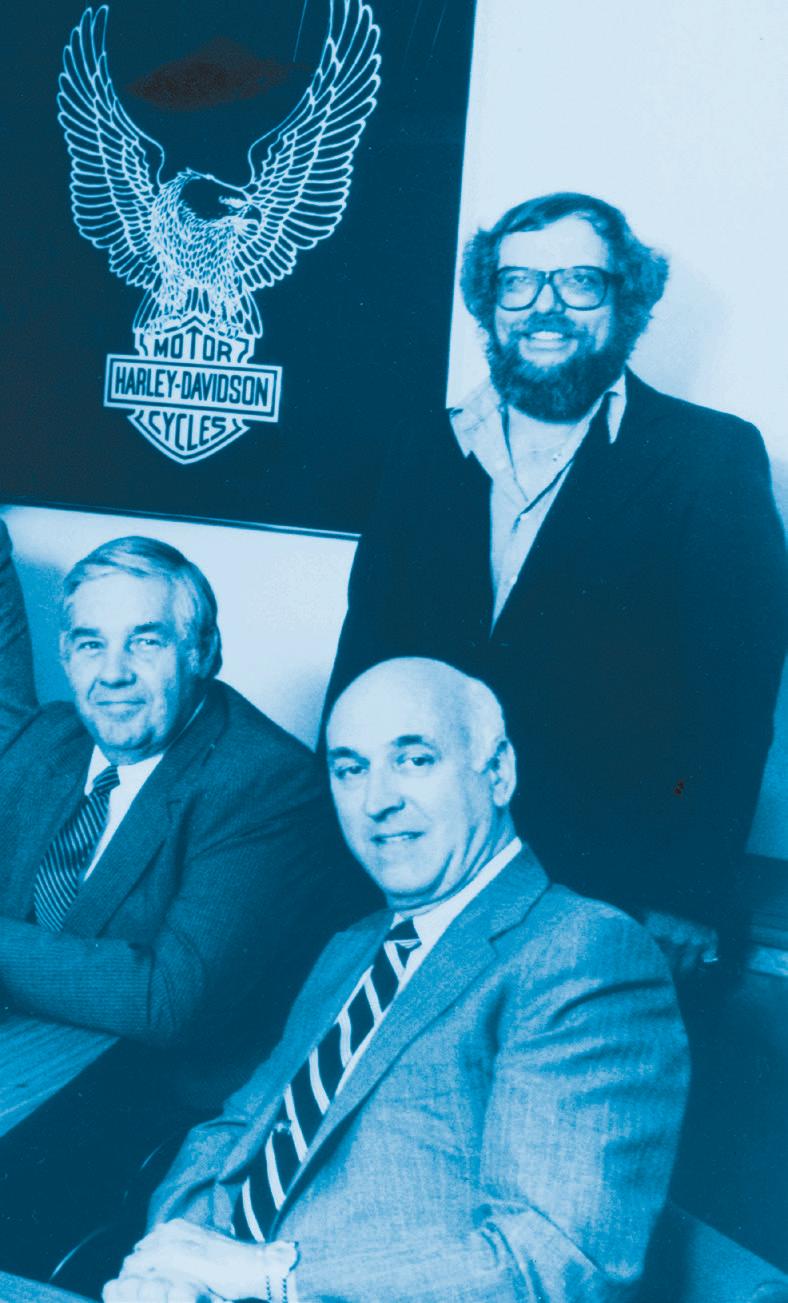
The early 1980s decision that very likely saved the Motor Co. from oblivion
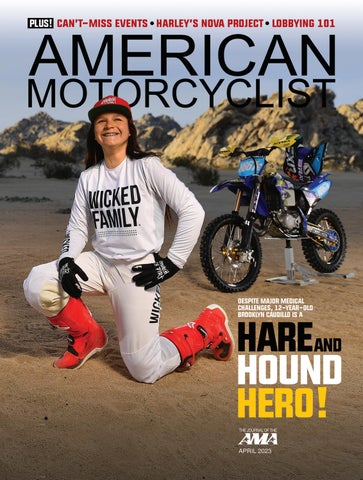
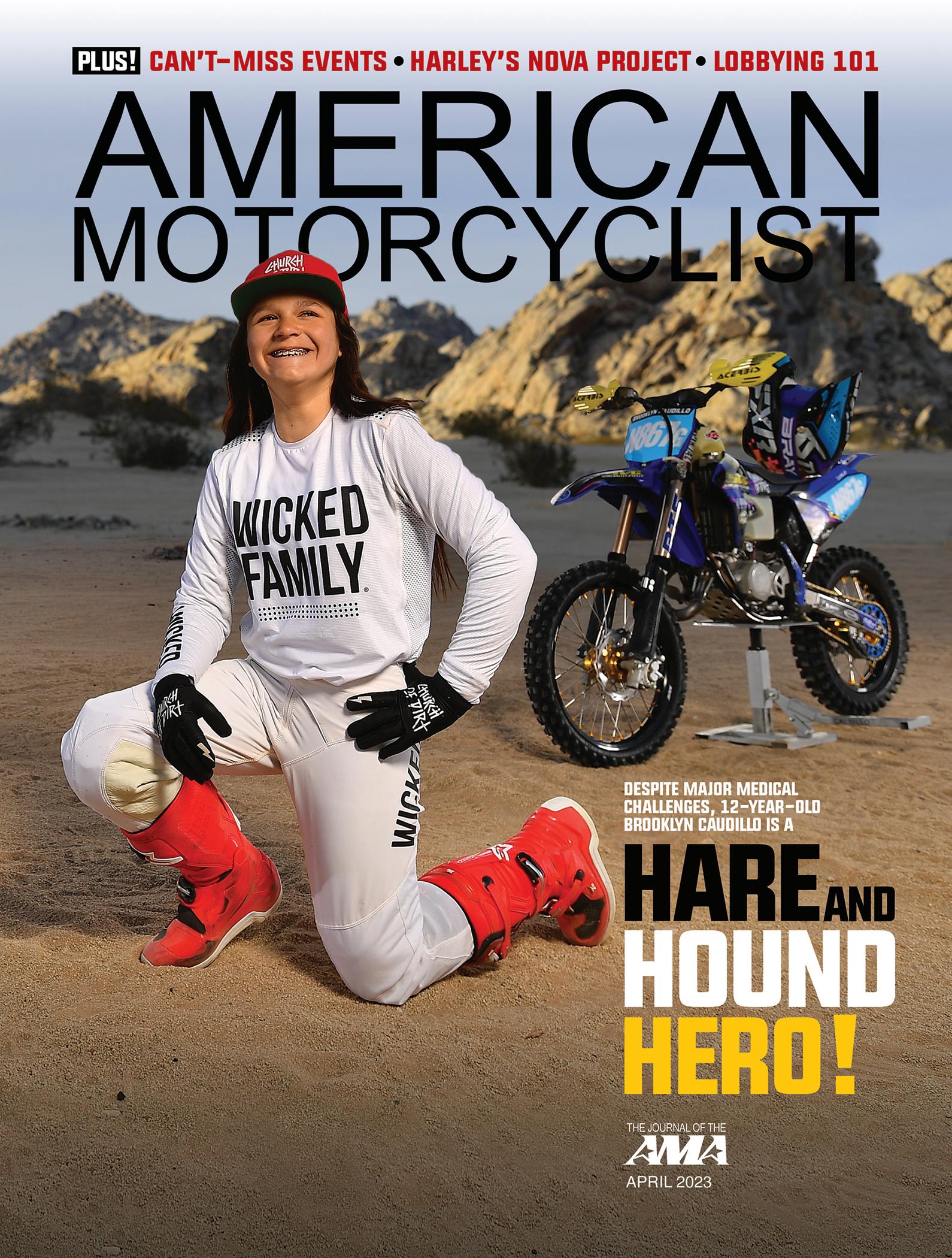
THE COVER:
At just two-and-a-half, Brooklyn Caudillo was diagnosed with a rare disorder that required two serious surgeries — a nightmare for Brooklyn and her Dad. But that didn’t stop the now-12-year-old from learning how to ride and, more recently, winning 11 desert-racing championships. Check out her story beginning on page 30. Stunning photo by Mark Kariya.
EDITORIAL AND COMMUNICATIONS
Mitch Boehm Editorial Director
Todd Westover Chief Creative Consultant
Joy Burgess Managing Editor
Kerry Hardin Senior Graphic Designer
Keaton Maisano Associate Editor
Eliza Mertz Digital Content Manager submissions@ama-cycle.org
Michael Kula Business Development Manager (949) 466-7833, mkula@ama-cycle.org
Tiffany Cipoletti Government Relations Manager, On-Highway
Peter Stockus Government Relations Manager, Off-Highway
Erin Reda Grassroots Coordinator
MARKETING AND MEMBER SERVICES
Amanda Donchess Director of Membership Marketing and Services
Lauren Kropf Marketing and Advertising Coordinator
Tiffany Pound Member Services Manager
Joe Bromley Program Development Manager
Pam Albright Member Fulfillment Coordinator
Bob Davis Program Volunteer Specialist
Stephanie McCormick Member Services Representative
Vickie Park Member Services Representative
Charles Moore Member Services Representative
Kelly Anders Member Services Representative
Sarah Lockhart Member Services Representative
Taylor Fluck Member Services Representative
Margret Baldwin Member Fulfillment Representative
John Bricker Mailroom Manager
INFORMATION TECHNOLOGY DEPARTMENT
Shaun Holloway Director of Information Technology
Joey Brown Application Developer
Ed Madden Systems and Database Analyst
Rob Baughman Support Technician
American Motorcyclist magazine (ISSN 0277-9358) is published monthly (12 issues) by the American Motorcyclist Association, 13515 Yarmouth Drive, Pickerington, OH 43147. Copyright by the American Motorcyclist Association/American Motorcyclist 2021. Printed in USA. Subscription rate: Magazine subscription fee of $39.95 covered in membership dues.
Postmaster: Mail form 3579 to 13515 Yarmouth Drive, Pickerington, OH 43147. Periodical postage paid at Pickerington, Ohio, and at additional mailing offices.
• Mimi & Moto Children’s Books
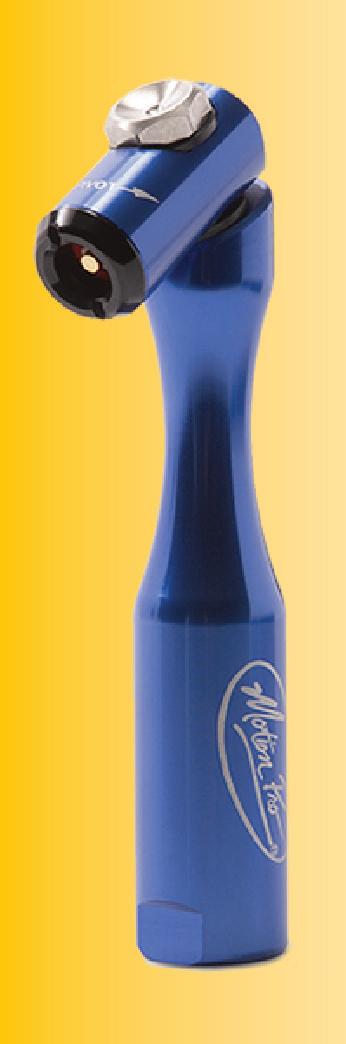
• Motion Pro: Pro Fill Airchuck
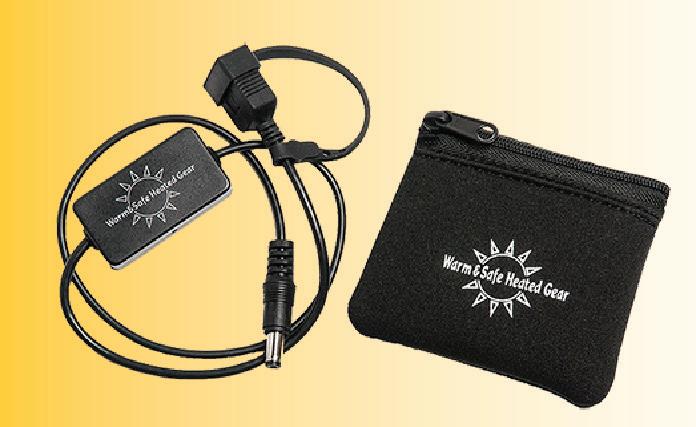
• Warm & Safe 12V USB Adapter
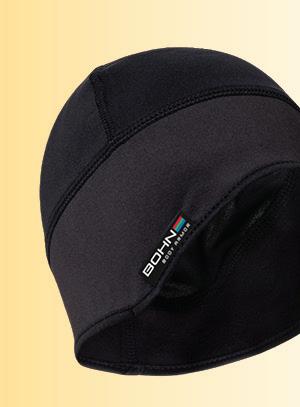
• Bohn Armor Skull Cap
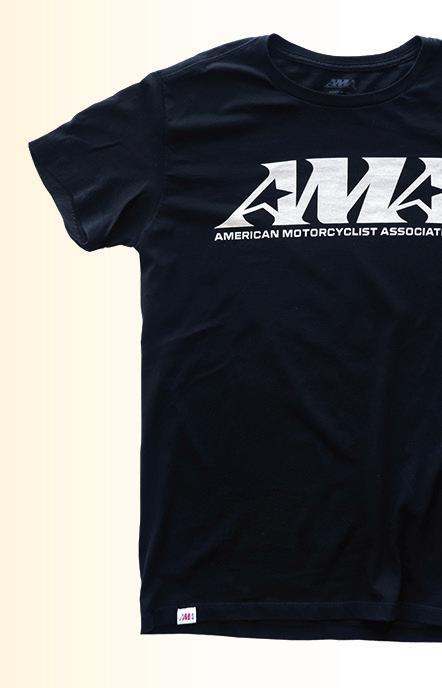
• AMA T-Shirt
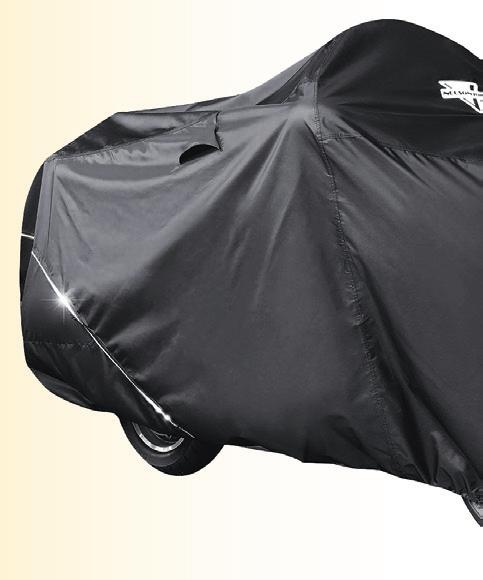
• nelson-rigG cover
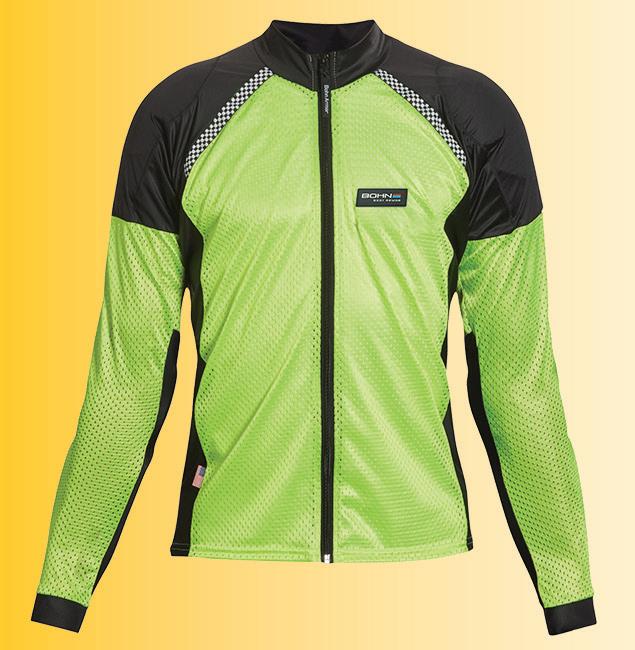
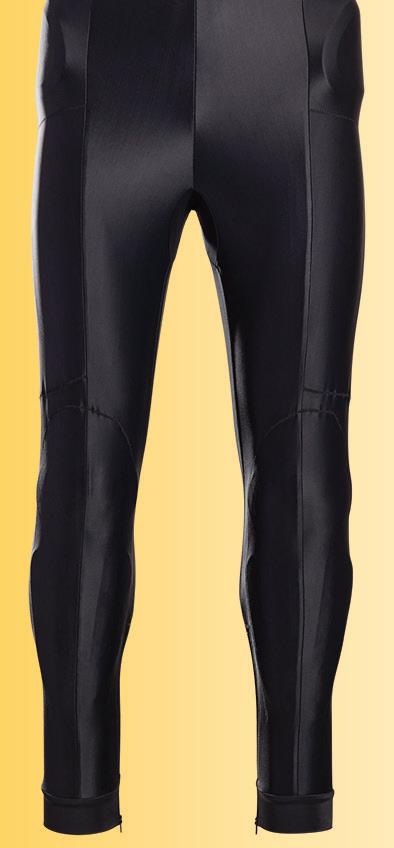
• Bohn Armor Pant & Shirt Set
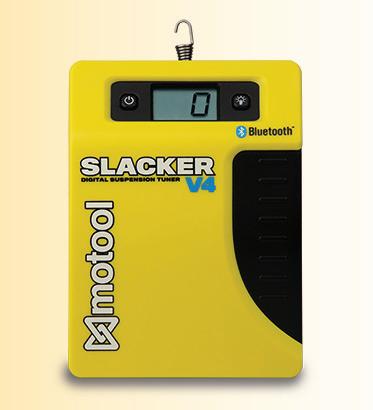
• Motool Slacker & Street Kit
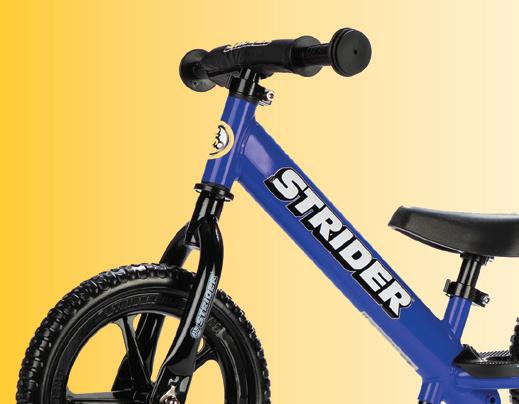
• Strider Bikes strider sport
Members who join or renew their AMA membership from Jan. 1, 2023, through Dec. 31, 2023 are automatically entered to win one of these awesome motorcycling prizes!
ON THE GAS! GET
Versatility to the max to ensure every ride is an enjoyable one! Explore remote trails, enjoy mixed-surface adventures, or simply add a little more fun to your daily commute, the GASGAS ES 700 is a playful, do-it-all dual-sport performer. Mixing high-quality, street-legal performance with proven offroad capabilities, the ES 700 proudly brings the playful and vibrant GASGAS attitude to the street. And with its 13.5 liter fuel tank, comfortable riding position, high-spec equipment, and proven single-cylinder motor, there’s nowhere the ES 700 won’t go. How far you take it is up to you!
#GetOnTheGas
Photos:
Dunno if you’ve ever been fired, or laid off from a job, downsized, let go, or any combination thereof — but they say it’s one of life’s biggest traumas. I suppose that’s true. But after it happens to you enough times, you’re like meh
One hates to toot one’s own horn, but it’s way less gauche to quote other people tooting it. One Tuesday in 2014 I lunched with Peter Egan, who said I should be the guy to take over his beloved monthly column in what called itself the World’s Biggest Motorcycle magazine. No higher praise in my ears, I was truly humbled. That Friday, the then-World’s Biggest Motorcycle magazine fired me. (Not that anybody ever uses the word “fired” except Donald Trump; it’s always one of the above euphemisms.)
A week or two later I was happily re-employed with a big motorcycle website with an actual raise in pay but without a cubicle. We all worked remotely, which is how some of American Motorcyclist’s staff operates, too. So freeing…And that was good for nearly nine years, longer than I’ve held any job, so no complaints. Also, 22 percent of that workforce was let go along with me, which makes it feel slightly less personal.
I was sad for a few days until I reconnected with my old friend Mitch Boehm, who’d fired me in about 2001 from what was then the second-biggest motorcycle magazine in the U.S. There’s no need to rehash the particulars (but we probably will as we rekindle things), but I can admit I may have not been the most responsible person in the world when set free, all-expenses-paid, in Las Vegas for a bike introduction by a major motorcycle manufacturer.
Greatly EXAGGERATED You’re fired!
BY JOHN BURNS
Bear with me…I’m working on a silver lining kind of a theme here: It hurts every time they kick you out of the club, but that just makes it feel all the better when that next door swings open. I mean, if it does. NO! Think positive! It always does.
I know this riding-borrowed-motorcycles and attending-great-press-junkets thing doesn’t sound like work to most people (including me), but there is a big component of gathering information and slaving away over a hot laptop with a cold rice ball that comes with the job — and way more so in the internet era, since the publishing schedule is non-stop. I was fully prepared to keep doing it at least another few years to max out my Social Security check and let my 401(k) recover (cross fingers), even though it was steadily becoming less fun-withmotos and more listicle drudgery at my last job.
After haggling a bit with Mitch and my own brain, we figured out a plan that worked for both of us…and so I’m basically semi-retiring young and beautiful, but still getting to do what I love. And Mitch is getting a bargain, since Social Security only allows him to pay me a fraction of what I was going for on the open market. It feels like a win/win. The obstacle is the way, my children.
I hope nobody reading this will remember I already announced to the world 20 years ago I was retiring from motojournalism when I went to work writing copy for Yamaha’s ad agency. That lasted five years before I got laid off in the Housing Bubble collapse, but those five years in a dark (yet stylish!) cubicle reminded me how much I missed riding motorcycles. Thank God my boy was just getting started on KTM 50s and
California’s known as much for its grapes as its great roads, so celebrate me home at Hatch the Illustrator’s Solvang digs after another great ride on another great motorcycle. Cheers!
Suzuki RM65s and things of that era. I bought a Yamaha TT-R125L, and we had epic battles on various SoCal vet tracks on the weekends.
What’s that? Who’s Peter Egan? (How old are you!?) Think of PE as the Frank Sinatra (or maybe the Tony Bennett, depending on your taste) of motorcycle writers — though he was knocking out plenty of car stuff for Road & Track concurrently. And if you don’t know who Frank Sinatra is, just let me leave you with the gist from his big hit That’s Life: “Each time I find myself layin’ flat on my face, I pick myself up and get back in the raaaaaaace. That’s life.”
That’s Life could’ve been written about motorcycles, too. Let’s all keep riding as long as we can, eh? Thanks for letting me into your excellent club, Mitch — the Biggest Print Motorcycle Magazine in North America!
John Burns is an AMA member and irreverent commentator on all things motorcycling
JIM HATCH
EXCEEDS ALL OEM SPECIFICATIONS
RACE PROVEN FOR USE IN ALL MOTORCYCLE BRANDS
Maxima 4-stroke engine oils meet or exceed the requirements set forth in your motorcycle owners manual For use in all motorcycle brands: Triumph, KTM, BMW, Kawasaki, Yamaha, Honda, Suzuki, Husqvarna, GasGas & more.
BACKFIRES
MORE Z1 MEMORIES
It was so long ago that I was personally involved in the development of the Z1 that I did not realize its 50th anniversary had been reached! (I also just realized I have been an AMA member for 60 years as of this year.) Kudos to the staff for a great and well written article documenting the Z1’s once-secret history…and to my old friend Byron Farnsworth for his part in the bike’s development and this story. I went to Japan in October 1971 for ten days with KMC employee Jim Corpe to test and evaluate the Z. We tested three pre-production bikes that looked just like the one pictured on page 31 of your article; the reason for the black paint and old look was to
attract as little attention as possible, as we’d be riding on public roads in Japan. One day was spent at the Yatabe test facility running around the 3.6-mile oval and the road racing track; I saw an indicated 139 mph on the oval. As Kawasaki’s U.S. race team manager, I was also able to see the new 750cc H2R road racer we would be racing in 1972 in action. Next, we spent a long day riding up and down a two-lane on Morioka mountain, and then riding on city streets back to the factory. There, Jim and I spent two days servicing and working on the Z1 to evaluate the serviceability. We then met with the managers, engineers and technicians involved in the Z1 project to share our thoughts after all this testing, and there were a lot of
LETTER OF THE MONTH
REMEMBERING THE Z1
Wow…How time flies! Seems like just a few years ago I was in Japan sleeping on a Tatami mat and eating fish with rice. Your article was candid and thorough about the birth of the Z1. The first U.S.
cross-country road trip with three bikes, with a chase van and a rental car with the Kawasaki engineering staff, is a chapter worth telling. It was quite an adventure, hosting the engineers and test rider on their first trip to America. We put Honda decals
Letters to the editor are the opinions of the AMA members who write them. Inclusion here does not imply they reflect the positions of the AMA, its staff or board. Agree? Disagree? Let us know. Send letters to submissions@ama-cycle.org or mail to American Motorcyclist Association, 13515 Yarmouth Drive, Pickerington, OH 43147. Letters may be edited for clarity and brevity.
smiles when they heard the translation of our very positive evaluation of what they had created.
Randy Hall
It’s always a treat to hear behindthe-scenes stories by folks directly involved in a project, Randy, so thanks for sharing. —Ed.
Just received the Z1 issue and have to take issue with one statement you made about the bike being the “first superbike.” The Z1 was not the first superbike; the Honda CB750 was. As touted by everyone and their brother, and all the magazines, to boot. True, the Z1 outperformed the CB750 and was more daring and
on the prototypes fuel tanks to try to hide the bike’s identity, along with ugly slime green/blue Honda copy paint job. It fooled some gas-stop lookers, but quite a few said, “That’s not a Honda!” Got stopped a few times by the local and state highway cops. Mostly curious about what brand it was. The good times did roll for Kawasaki because of the Z1! I’m glad I had the opportunity to be a part of it along with many other talented engineers, test riders, marketing staff and forward-thinking management. George Hamawaki, Alan Masek and my boss Sid Saito at KMC, along with advice from Don Graves and Paul Collins, made the concept a reality. But they could not have brought the Z1 to market without the guidance of Sam Tanegashima and “HP” Otsuki at KHI in Japan. Thanks for doing such a great job in bringing back all the memories. Bryon Farnsworth
Thanks for the help on the story, Bryon! —Ed.
My parents were supportive of my brother’s and my obsession with motorcycles in the early ’70s, and my father brought home a couple of very used bikes — a Honda step-thru and CL90 — that we rode on fire roads on Long Island, N.Y., until they were stolen out of our backyard shed. They then got us a brand-new 1972 Honda SL100 we shared until they could afford a second one. First thing we did was strip off the lights and fenders and replace with Preston Petty plastic ones. We rode those bikes all around the back yard, on fire roads, and on what I recall was a giant dirt track, which may have been the start of a shopping center. We rode there every Sunday for years while my father sat in the van and read the Sunday Times. We would get roosted by the other big-bore bikes and dreamed we were flying over the crest of a hill, even if we were only six inches in the air on those little bikes with no suspension. We graduated to dozens of street bikes over the years, but still have those two little Hondas and boxes of the original lights and fenders wrapped in 1972/73 newspapers.
4Inspired by Fonzie and powered by girl determination, this is me on my second bike, a Honda 200, in Tucson, Ariz., around 1976. I’d moved up from a Honda 125. I was about 20 years old here, and yes, that’s my “riding gear.” I was a college student at the time at the University of Arizona, and motorcycles were my only means of transportation. That meant things like grocery shopping and going to the laundromat were all two-wheeled challenges. Bring it on! Forty-six years, six broken bones and umpteen bikes later, I’m still in the game and wouldn’t change a thing!
Lori Weiniger
You go, girl! —Ed.
Joe and Mike Savino
This was taken in 1970 or ’71 on my first motorcycle, a ’67 Honda 305 scrambler. Got my MC endorsement on it. No written test back then. I was told to just ride over and apply. When I questioned about riding it to the DMV without an endorsement, I was told to not worry about it. Easiest test I ever took. I was out of sight of the examiner for more than half the route. I swear that if you didn’t return in a certain amount of time, you would fail. The rest is history. I called it good on riding some years ago, 40-plus was enough. Made my wife happy. But I’m still a member of AMA…gotta keep my hand in a little.
Paul Landau
This is a photo of me in 1969 with my first “big” bike, a 1947 Norton 500cc single. I added lights so I could ride it legally. It shook like crazy but seemed to me — at the time — to be lightning fast.
Wayne Kuipers
After having had three Cushman scooters to deliver papers, I bought this new 1964 Harley-Davidson 175 BTH Scat when I was 14. I rode it 7 days a week 365 days a year delivering papers. It got around well in snow, and I stopped several times to help push cars that were stuck.
Steve Kruger
Snow? You are a brave man, Steve. —Ed.
BACK IN THE DAY
6This is a photo of my dad in 1972. His favorite hobby has always been riding his motorcycles, and over the years he’s owned many different types, from scooters to big touring bikes. One of his favorites was this Husqvarna 400, which he rode in the woods behind our house in Rhode Island. At 92 he still loves to talk about his riding adventures. I hope you will be able to publish this in Back In The Day. He still reads American Motorcyclist regularly, and it would be a great surprise for him to see it.
Cheryl
White Pearson
I really enjoy your Back in the Day section, especially being an old rider. It definitely brings back memories. This is my first ride in the Spring of 1974. My dad said if I paid half, he would pay the other half for my first bike. It came down to the Yamaha YZ80 or the Suzuki TM75. I chose the Suzuki because that’s what Roger DeCoster rode at that time. I’m still riding 48 years later and back on a Suzuki, a DRZ400S. That TM was one tough little bike. We never had a problem with it.
Jeff Phillips
We think Roger would be proud, Jeff! —Ed.
I recently achieved the 25-year AMA Charter Life status and love the Back in the Day throwback section! It inspired me, and I had to dig through boxes of old pics to come up with a few that I hope will make the cut. I grew up in a little river town outside of St. Louis called Washington, Mo., and had go-karts, four wheelers, and my first dirt bike — a Suzuki 100 (couldn’t find a pic, dang it).
Here’s my 1981 Kawasaki LTD 440. It was the first street bike I bought when I was 16 in 1986. I actually had it on layaway at the local bike shop (J&W Cycles) because it was $800 and they didn’t want to finance it. I would drive over every week and pay as much cash as I could. When I finally paid it off and went to get it, they couldn’t sell it to me because I wasn’t 18, so I had to “work” on my mom for a few weeks to get her to go sign the title for me. Thanks for all you do for motorcyclists...much appreciated!
Mark Shanks
Me on my 1983 Honda 650 Nighthawk. It was a ritual for us to smoke the rear tire before getting a new one mounted. Ahhh, the good ol’ days…
Chris Baumhauer
That’s me with my brand-new 125 Yamaha Enduro. It was a 1970 model and we’d just unloaded it from my dad’s pickup. I flipped burgers at McDonalds all summer to buy it, just in time for the start of my senior year in high school. I only had a permit, so I could not ride at night, but in California you could ride alone all day on a motorcycle without having a licensed adult along. This made a motorcycle a much better freedom machine than a car as far as I was concerned. I rode this bike everywhere — school, work, dirt trails, you name it!
Jeff Bertrand
Yep, “freedom machine” pretty much nails it, Jeff! —Ed.
For those who crave the freedom of the open road, who long for the roar of a powerful machine beneath them, and love the feel of the wild wind whipping past them, The Bradford Exchange presents a bold new jewelry creation— the “Ride Hard, Live Free” Flip Cover Watch. This exclusively designed watch is a distinctive and passionate expression of your love of freedom, country, and the wide open roads that makes you feel alive.
Exclusive Design… Extraordinary Craftsmanship
With its stylish design and clever construction, this rugged watch is superbly hand-crafted with a gleaming silver-toned face and wristband, and features a stylish diamond pattern texture and a protective cover that ips open and closed. The watch face cover is nely etched with an American eagle, patriotic stars and a detailed, gleaming motorcycle. The case back is etched with another
Please reserve the “Ride
motorcycle, the words “RIDE HARD LIVE FREE” and a graphic depiction of a toothed gear. This handsome watch is extremely strong and dependable with its innovative design, durable quartz mineral lens, precision quartz movement and is waterproof up to 3 ATM’s. The adjustable bracelet-style band closes with a C-clasp and is comfortably sized to t most wrists.
Exceptional Value; Satisfaction Guaranteed
Each watch arrives in a custom presentation case with a gift box and a Certi cate of Authenticity. Available at just $119.99*, you can pay for it in 4 convenient installments of $30. To reserve yours, backed by our 120-day guarantee; send no money now. Just return the Priority Reservation as possible, as this is a limited-time offer!
AMA HALL OF FAME DAYS
Something new the AMA will roll out this fall — Sept. 14-17, to be specific — will be a multi-day celebration of motorcycling heritage at the AMA campus in Pickerington, Ohio. This event will combine the AMA Motorcycle Hall of Fame Class of 2023 Induction with AMA Commission meetings, the AMA member meeting, an AMA-sanctioned adventure ride, bike night, exhibition pit bike race, vintage trial competition and a guest reception for the State Motorcycle Safety Association.
Take a Kid Dirt Biking Month
The American Motorcyclist Association is proud to announce that May will be Take a Kid Dirt Biking Month. The nationwide campaign aims to cultivate the next generation of passionate riders by giving them a chance to learn skills, boost confidence and grow appreciation for the sport. It’s important to help our young riders become lifelong riders.
Additional details will be available soon on AmericanMotorcyclist.
com, AMA social media channels and in American Motorcyclist. Along with AMA Vintage Motorcycle Days and AMA Hall of Fame Days, here are a few more AMA-centric events you won’t want to miss.
The monthlong campaign will include special contests and prizes, stories and videos from some of the AMA’s successful youth riders and racers, and the chance for parents and kids to send in their riding photos to be featured on the AMA’s social media channels, website and in American Motorcyclist.
Special packets will be available to organizers to give out to kids and parents who participate in Take a Kid Dirt Biking Month. For more information and to stay updated, please contact AMA Deputy Director of Communications, Joy Burgess, at jburgess@amacycle.org, and stay tuned to AmericanMotorcyclist. com for additional details.
Mission Foods AMA Flat Track Grand Championship
T
he Mission Foods AMA Flat Track Grand Championship has served as the premier amateur flat track event since the mid-1970s, and this year it will return June 14-20 at the Du Quoin State Fairgrounds in Du Quoin, Ill. The only race in the country where racers can earn an AMA National No. 1 plate in amateur flat track racing, the AMA is excited to have Mission Foods back for the second year running as the title sponsor.
Providing seven days of the best amateur flat track action in the country, the event includes all four disciplines of flat track racing: Mile, Half-Mile, Short Track and TT. And this year “The Voice of Flat Track” Scottie Deubler will not only be announcing the races, but also serving as Grand Marshal.
Pre-registration is now open, and racers have a chance to enjoy discounted rates when they sign up for the action early. Visit AmericanMotorcyclist.com/amaflat-track-grand-championship for more information and to pre-register.
up to speed
AMA Amateur National Motocross Championship at Loretta Lynn’s
For the 42nd time since its inception in 1982, the weeklong AMA Amateur National Motocross Championship at the late AMA Motorcycle Hall of Famer Loretta Lynn’s Ranch in Hurricane Mill, Tenn., will host the vast amateur
motocross community.
Including legends such as AMA Motorcycle Hall of Famers Ricky Carmichael and James Stewart, the 6,000 acres has hosted approximately 60,000 AMA riders over the years. Hosting motocross’ most impactful
AMA Land Speed Grand Championship at Bonneville
I
n a setting straight out of a sci-fi movie, the AMA Land Speed Grand Championship — also known as the Bonneville Motorcycle Speed Trials — sees the world’s fastest motorcycles hit breathtaking speeds on the otherworldly Bonneville Salt Flats near Wendover, Utah.
Ranging from 50cc minibikes to 3,000cc streamliners, participants of varying investments and experiences share the stage as they showcase their enthusiasm for insanely speedy travel. Seeking speeds upward of 400 mph, competitors strive to set AMA national and FIM world records.
After adverse conditions prevented the event from running in 2022, the championship will be back and better than ever Aug. 26-31
Spectators can learn more about the heart-pounding action by going to bonnevillemst.com.
figures over the last four decades, the event is an opportunity to see tomorrow’s stars realize their dreams.
Widely known as the largest amateur motocross event in the world, riders will compete in different classes in hopes of capturing an AMA National No. 1 plate.
AMA Hillclimb Grand Championship
Near the end of the summer, the best amateur hillclimbers in the country will converge on the Monson Monster — a hill in Monson, Mass., run by the Quaboag Riders Inc. — to compete in the AMA Hillclimb Grand Championship
A discipline often described as family-friendly, close-knit and competitive, hillclimb is a unique competition that pits riders not only against each other but against unique hills and the clock.
In the Grand Championship event, amateur riders are organized into
SCOOTER
GRUBB
The must-see event runs July 31-Aug. 5, so make sure to clear your calendar so you don’t miss out on this bucket-list event full of racing, camping and more!
For more information, visit mxsports.com
classes defined by age, displacement and bike configuration. Many of AMA Pro Hillclimb’s brightest stars realized their potential at the amateur level.
The 2023 AMA Hillclimb Grand Championship runs Aug. 5-6, so make sure you don’t miss out as the discipline that has existed for more than a century gets its new batch of class champions.
up to speed
RIGHTS Roundup
What’s trending in government relations and legislative affairs
BY AMA GOVERNMENT RELATIONS TEAM
GOOD NEWS AND BAD NEWS IN THE BIG APPLE
York State Senator Leroy Comrie has introduced S. 4102, which would require the forthcoming congestion pricing plan for the city’s central business district to charge motorcyclists half of what the plan would charge other vehicles.
While the AMA firmly believes that any congestion pricing plan should fully exempt motorcyclists (as our vehicles inherently reduce congestion), this bill is a step in the right direction. The AMA thanks motorcyclists in New York City, particularly Riders Against Congestion, who have been fighting for motorcyclists to be fully exempted from the congestion pricing plan for years.
subsequent offense. It also allows for any dirt bike or ATV sold in the city to be impounded.
The AMA strongly opposes this bill and will fight vigorously this blatant attempt to stop New York City residents from legally purchasing off-highway vehicles. While the bill’s goal is to address illegal use of OHVs on public roads, this bill needlessly punishes law abiding residents, and will do nothing to address illegal use of off-highway vehicles on city streets.
wo bills have been introduced in the New York State Senate that would seriously impact NYC motorcyclists. First, the good news. New
The second bill is bad news for dirt bike and ATV riders who live in the city. New York State Senator Liz Krueger has introduced S. 2773, a bill that seeks to ban the sale of off-highway motorcycles and ATVs by dealers or individuals within New York City, and enact a fine of $1,000 for the first offense and $2,000 for each
For New York state residents who want to take action on these bills, check out the AMA’s Action Center for alerts at AmericanMotorcyclist.com/action-center
SAN FRANCISCO ASKS STATE REGULATOR TO STOP AUTONOMOUS VEHICLE EXPANSION
T The San Francisco County Transportation Authority has asked the California Public Utilities Commission to stop issuing new permits to Cruise and Waymo, automated vehicle companies currently testing in the city. The call comes after 92 incidents in seven months, where self-driving test vehicles belonging to both companies came to a stop in traffic causing chaos for other drivers as the automated vehicles sat idle.
In one incident, 60 Cruise “robotaxis” came to a stop in the street one night in July of 2022 over a 90-minute period when the vehicles lost contact with Cruise’s servers, according to a report by Wired. The information cited by Wired comes from a letter sent to the California Public Utilities Commission by an anonymous Cruise employee seemingly blowing the whistle on their employer’s actions.
The letter from San Francisco CTA to the state regulator also cites incidents where Cruise staff have called 911 when passengers in their automated vehicle became unresponsive, only to have police or firefighters respond and find a sleeping passenger each time. The letter complains that these incidents and others (such as when a Cruise robotaxi ran over a fire hose at an active fire scene) are a drain on taxpayer-funded emergency services, and reduce the availability of those services to members of the public in true need.
Cities in California have little ability to regulate automated
vehicles on their own. Permission to test or deploy these vehicles is granted by the Department of Motor Vehicles, and authorization to use those test vehicles as fare-collecting automated taxis is granted by the Public Utilities Commission.
Cruise, a subsidiary of General Motors, started testing completely driverless cars in San Francisco in 2021, and began its robotic taxi service in 2022 in a portion of the city, though only at night. Waymo, whose parent company is Alphabet, received authorization to pick up passengers in November of 2022. Both companies have asked California regulators to allow them to expand the number of vehicles they are testing, the times of day they can pick up passengers, and expand the area in which they operate within the city.
A quick search of social media will reveal dozens of videos of both Waymo and Cruise automated vehicles struggling with construction zones, becoming confused in intersections, coming to a stop in traffic, and in one case driving away from law enforcement.
The AMA continues to demand state and federal regulators take a more aggressive approach to regulating partially automated vehicle features currently available for purchase. These include Tesla’s autopilot and fully-automated vehicles not yet available for the public to purchase, but which are still being tested on public roads, making all of us unwitting guinea pigs.
Karlotski
up to speed
Racing Roundup
What’s
what
in the world of AMA amateur competition
They say good things come in threes, and for the Marshall family, the notion certainly rings true.
The Marshall boys, Joel, Micah and Caleb, have followed in both their father and grandfather’s footsteps — or, better yet, tire tracks — and taken to riding and racing motorcycles. In 2022 the brothers proudly represented their family name by collecting four class titles in AMA District 37 desert racing.
“At the beginning of the year it seems like it’s not possible,” Zach Marshall, father of the boys, said, “and at the end of the year, you’re not
sure how it all came together. But it’s impressive to see.”
Zach Marshall picked up his love of riding from his father, Ray Martin. A professional flat tracker in the ’70s, Martin grew up in a Southern California home that was next door to AMA Motorcycle Hall of Famer Bob Hannah, whose father helped Martin learn to ride.
Martin’s passion has since been passed down to his son and grandsons.
“[Zach and I] rode the desert a lot and had a lot of fun sharing that,” Martin said. “He has three kids, and
Marshall Mania
Three brothers — with the help of their grandfather and father — dash through the sand to four class titles
BY KEATON MAISANO
even at an early age, they’re learning how to use the tools, learning how to deal with reality, climb mountains and do all kinds of things.”
Joel, the oldest boy at 11-years old, is described as the analytical one of the bunch. His approach to riding helped him claim the 65 Senior Advanced class title, but it is his approach every day that helps him be a good role model to his younger siblings.
“It’s not really me being a teacher, because my dad’s always teaching us,” Joel said, “but to be like an example for what’s going on and show how it’s done.”
While 10-year-old Micah has followed his brother’s lead, he has done so to the beat of his own drum. A natural talent with an abundance of confidence in his riding, Micah avenged a
runner-up finish a few years back by winning the 65 Junior Beginner and 50 Senior classes in 2022.
“It was cool [to win],” Micah said. “Last year I got No. 2 and that wasn’t cool.”
The youngest brother at 7-years old is Caleb, and while he might be the smallest, he does not lack a competitive spirit, winning the 50 Junior class in 2022.
“He’s quiet but extremely competitive, and he’s constantly chasing his big brothers,” Zach Marshall said. “He definitely likes to tease them along, like, ‘Hey, I think I’m faster than you were when you were seven. Pretty sure I could beat your 7-year-old self.’”
While the boys love the thrill of race days, it is their willingness to work and ability in the garage that shows their maturity and commitment.
“As far as tuning and working on dirt bikes, that’s on the boys,” Zach Marshall said. “If they test on the weekend and they say, ‘My carburetor feels a little sticky,’ or ‘My spark plug needs to be swapped out,’ that’s important for them to take care of.”
With another year comes more growth for the three boys, who will participate in desert, grand prix and flat track racing along with the trail riding they do.
And with further development and opportunity, there are likely a lot more No. 1 plates in their future.
From left to right: Micah (10), Caleb (7) and Joel Marshall (11). The three brothers won a combined four District 37 desert titles in 2022.
up to speed
New AMA Board of Directors Members
The AMA Board of Directors has three new members: Steve Drewlo from KTM, Shae Petersen from Hagerty Insurance, and Clif Koontz, an individual member representing the Southwest Region.
A BSA Here to stay
The AMA Motorcycle Hall of Fame and Museum is chock-full of tales about motorcycling’s legendary figures and machines.
Thanks to one of hillclimbing’s most important and successful legends, one of these stories will live on in a relic that now has a permanent home.
AMA Motorcycle Hall of Famer Earl Bowlby, who finished his career with a then-record 10 AMA national hillclimb titles (many won on this bike), and his daughter (Christy) visited the museum Feb. 3 to donate his 1967 BSA 650..
“I can’t think of a better place for this bike,” Bowlby said.
We can’t, either. Thanks, Earl, for helping preserve motorcycle history!
—Keaton Maisano
Drewlo, currently KTM’s Strategic Business Manager, has been riding since age 12 and quickly became obsessed with motorcycle racing, competing in motocross, enduros, hillclimb, hare scrambles and endu-
rocross throughout his 31 years of racing. He has 18 years of working for the OEM in various roles and is an AMA Charter Life Member.
For Petersen, who currently is a Customer Support Specialist for Hagerty, riding motorcycles has always been a family affair, and she started riding at the age of 4. In her current position with Hagerty she offers the support that is needed to help a wide range of motorcycle organizations run smooth and efficient motorcycle events.
Koontz got hooked on riding dirt bikes in the ’90s and moved to Utah for the excellent riding opportunities. Currently the Executive Director of Ride with Respect, Koontz also serves as a board member for the National Off-Highway Vehicle Conservation Council (NOHVCC) and chairs Grand County’s Motorized Trails Committee.
—Joy Burgess
Pictured left to right: Clif Koontz, Shae Petersen and Steve Drewlo.
Ryan Varnes 68 Memorial Scholarship
n inside track to a finish line of a different kind…” says the Ryan Varnes Foundation website, which just went live in February. Created in memory of American Flat Track rider Ryan Varnes, who passed away at the age of 24 last year from injuries sustained while competing at the New York Short Track, the goal of the foundation is to help racers continuing to pursue their higher education goals.
While racing professionally with American Flat Track, Varnes made his education a priority, and in his honor the foundation will aid other racers in their pursuit to become better students and people. Applications are now available to American Flat Track licensed riders.
For more information on eligibility, criteria and application deadlines, or to find out how to donate, visit Rv68foundation.org. —Joy Burgess
KRISTEN
was reliable, too…not something you could say about the other 2-strokes of the day. All in all, a great desert bike. That first race in the Lucerne Valley went well. I got third overall, the bike’s weight and handling allowing me to ride wide open just about everywhere. I was a pretty aggressive rider normally, but the Husky allowed me to ride even faster through the rough stuff —though on occasion I’d
got close at the end, but I held on for the win. It was a big deal for me, beating my hero. And while I knew Ekins would have won had he been on a Husky, it still felt great.
Edison Dye was obviously happy with the wins and exposure, and with 50 or so crates of Huskys headed to Los Angeles, the timing of all this pro-Husky attention was excellent. Knowing how good the bike was,
“I distinctly remember thinking halfway though the event that I’d stumbled onto something very special with this motorcycle.”
MALCOLM SMITH
get bucked off the seat, my feet up in the air, and sometimes the bike would swap terribly from side to side. But I’d hang on anyway.
There were no other Huskys in the race, not one, and I distinctly remember thinking halfway though the event that I’d stumbled onto something very special with this motorcycle, and that many riders would eventually want one.
That feeling continued the following weekend at another event in Lucerne. I won the overall, and it felt like cheating the whole race. I was amazed how easy the bike was to ride, and as I watched the other bikes dig and spin and throw sand as I rode by them, I knew this was clearly a very special motorcycle.
I won again in my third race at a place called Texas Canyon. I remember coming up on Bud Ekins, who was leading. I’d never raced against my boyhood hero before. The Husky’s light weight and amazing tractability allowed me to run along the narrow canyon walls and out of the sand, where Ekins’s four-stroke was chugging and struggling. I went by him, but 15 miles from the finish I got a rear flat. There was no way I was going to lose the race, so I kept the throttle pinned, swapping and sliding all over the place. Ekins
and how much sales potential it had, I sensed a business opportunity. Dye had tried to get Kenny and Norm to carry Huskys at their K&N shop, but with Yamaha and Greeves 2-strokes already being sold there, and considering Norm’s relationship with Yamaha (the company would soon sponsor part of K&N’s race team), the guys passed on the Husky opportunity.
When Dye told me this, I saw my opening, and went to Norm with the idea to allow me to sell Huskys on the K&N sales floor — on consignment. After every Husky sale I’d pay the K&N salesman a commission, split the remaining profit with the store, and send Dye a check for the wholesale amount. Norm agreed, and
just like that I became a Husky dealer — of sorts.
And it worked! Huskys began to sell right away, weekenders and racers learning quickly that Huskys weren’t only fast and light, but also extremely reliable. And as more and more of them got purchased and ridden and raced, the demand for spare parts began to increase despite the fact that the bikes were so well-engineered. Over time I began to sell parts — pistons, rings, plugs, gaskets, bearings, levers, pegs, etc. — at the races, direct from a straight-six Dodge van I bought for just that purpose. I built cabinets inside the thing and stocked all the parts I could get from Dye, selling them before and after each event. I’d go early and stay late, and things got busier by the month.
Guys would buy parts and then want another bike. And then they’d tell their buddies how good Huskys were, and I’d eventually see them down at the shop. If their bike needed work, I’d take it with me and they’d come get it at the shop once it was fixed. For really good customers, I’d deliver their bikes to the races the following Sunday.
I soon had a waiting list for bikes, most of which were pre-sold. A few crates would arrive, and the bikes would be out the door as soon as I’d assemble them. There were only a handful of dealers in the western U.S. at the time, so business was good. But soon another chapter of the Malcolm Smith and Husqvarna story would be written: International ISDT competition.
Left: A collection of riding and racing photos from my early days on the Husky 250. The bike was so much better than anything else at the time, it almost felt like cheating.
For the complete story of my wonderful and sometimes-crazy life, grab a copy of my 400page autobiography at themalcolmbook.com.
Desert Dynamo
BY JOY BURGESS
PHOTOS BY MARK KARIYA AND CAUDILLO ARCHIVES
Despite some major medical challenges, 12-year-old
Brooklyn Caudillo is a desert racing rock star — and she’s just getting started
Desert racing phenom Brooklyn Caudillo might only be 12 years old, but she’s already wellknown around California off-road racing circles. She’s been racing the AMA National Hare and Hound and AMA National Grand Prix Series full time for the last two years — and winning.
How many victories are we talking about?
“That’s a hard question to answer,” the young Lancaster, Calif., native told me hesitantly, “because it’s a lot.”
Michael Caudillo, her dad, chuckled and added, “Not sure on the number of wins, but she’s won 11 championships!”
Eleven championships?! At 12? That’s badass
But what’s really amazing is what this very young lady has overcome while winning all those championships. Her story is any parent’s worst nightmare…
Brooklyn was just two-and-a-half years old,” Michael told us, “and we noticed she was going cross-eyed. Doctors initially thought she had a brain tumor, but after several days in the hospital going through tests, she was diagnosed with Arnold Chiari malformation. I’d never heard of it and had no idea what that even was.”
Chiari malformations are conditions that involve brain tissue extending into the spinal canal. In Brooklyn’s case, her skull wasn’t developing as fast as her brain. That caused the cerebellum to push down the back of the spine, disrupting the normal flow of cerebrospinal fluid that circulates up and down the spine.
Knowing the condition could be life threatening, doctors operated quickly, shaving down the first and second cervical vertebrae to try to open the flow of cerebrospinal fluid.
“That surgery was so scary,” Michael remembered, emotion coloring his voice.
“Here’s our little baby girl, and we had to hand her off to the doctors. I was so scared for her. But surgery went well, and after a few days in
the hospital recovering, we brought her home.”
But just nine days later, Brooklyn started displaying serious symptoms.
“We rushed her back to the hospital,” Michael said, “and after doing a quick CT scan, they found her head was completely full of fluid. They had to shave her head and do emergency surgery. We got her there just in time, and they made the decision to put a medical shunt in the back of her head to drain the fluid.”
“That second surgery was even scarier,” he continued, “and we spent two weeks in the hospital that time. I never left her side.”
sort of medical trauma, but Michael allowed Brooklyn to start riding at just 3 years old.
“I started riding my PW50 with training wheels around my grandpa’s property,” Brooklyn said.
“Actually,” Michael chimed in, “she learned to ride that PW with training wheels and throttle control before she ever learned to ride a bicycle.”
“she learned to ride that PW with training wheels and throttle control before she ever learned to ride a bicycle.”
MICHAEL CAUDILLO
Brooklyn remembers being in the hospital and not knowing why she was there. And life after surgery means annual MRIs to check for any fluid building up in the brain and visits to the neurosurgeon.
It’d be understandable for a parent in a situation like this to try to keep their child from doing anything risky after this
Racing has always been a family affair for the Caudillo family, so it’s no surprise that Brooklyn got the bug at an early age.
“It was my dad and grandpa who inspired me to race,” Brooklyn told us, and it turns out she’s a third-generation racer. Grandpa Mike, who happens to be Brooklyn’s mechanic, got started riding and racing back in the 1960s.
“My Dad, Richard Caudillo, bought me a Tote Goat,” Grandpa told us. “It was like a giant minibike back in the ’60s. It wasn’t fast, but it sure could climb anything. Then he bought a 1966 Bultaco Matador 250, and I just
While both of Brooklyn’s surgeries were nearly a decade ago, regular medical visits and annual MRIs are part of normal life now.
loved that bike. After that he bought me a 250 Husqvarna and would take me out in the desert to ride. One day a friend from high school and I went out to the desert to watch a European Scrambles, and after watching I told my friend I wanted to try that. I entered my first race in 1968, and I was hooked!”
For Brooklyn’s dad Michael, it took a bit longer to get into racing.
“I played baseball from the time I was young,” Michael said, “and I played in college, too. One summer I came home and my brother Eric was racing with AMA District 37. I thought it was the coolest thing, watching those
guys race, so I went back to college in Santa Barbara, got a second job, stopped partying, saved my money and bought a motorcycle.”
“By that fall, I was racing District 37 myself,” he added. “I took a few years off after some broken bones, but got back into it in my early 40s, and I now race District 37 in the Vintage Class, though my main focus is on Brooklyn.”
Like the rest of the family, Brooklyn also started in District 37 off-road desert racing.
“My first race was on a KTM 50 mini,” Brooklyn remembered, “but I didn’t get to finish that race because something mechanical happened to my bike.”
When they started racing D37 events in the 50cc Junior class, Michael was understandably nervous about letting her go out and disappear into the desert on her bike.
“She has a medical shunt in her head, so it was nervewracking for me at first,” Michael told us. “When Brooklyn decided to get more serious about racing, we had a visit with her neurosurgeon. We wanted to ask what she thought of Brooklyn racing motorcycles. She thought it
“When Brooklyn decided to get more serious about racing, we had a visit with her neurosurgeon. We wanted to ask what she thought of Brooklyn racing motorcycles. She thought it was cool and gave it her blessing.”
MICHAEL CAUDILLO
“I followed in case she fell and hit her head out there. I also made sure to find the medical personnel before each race and share her medical conditions with them.”
MICHAEL CAUDILLO
was cool and gave it her blessing.”
In those early racing days, Michael shadowed Brooklyn at the races on his own dirt bike. Desert loops for younger racers are generally 2-3 miles long, and since racers disappear from view, Michael followed. “D37 allows [parental following],” Michael said, “so I followed in case she fell and hit her head out there. I also made sure to find the medical personnel before each race and share her
medical conditions with them.”
These days, Brooklyn is going too fast to have people shadow her, which brings a new worry for Dad.
“She’s
“My only concern is if she had a bad crash, could she shatter the shunt? What we do have is the very best helmet possible for her shunt, one that fits her head well — she has a small lump on the back of her head — so she, hopefully, doesn’t crush it if she hits her head. Yes, I’m concerned every time she lines up on the starting line, but there are always consequences with dirt bikes and we’ve gotta be able to live with them. But Brooklyn’s really into racing, so we’re going for it and living life one day at a time.”
Race days are pretty typical according to Brooklyn. “We go sign up in the morning,” she said, “I start getting ready, dad is prepping the goggles, and I’m getting warmed up.”
“Really,” Michael added with a laugh, “she’s probably getting yelled at. Where is she? Usually out farting around with her friends.”
“We also go out together and walk the course,” he said, “specifically at the National Hare and Hound races.”
There’s a reason for that…a lesson learned the hard way for Brooklyn.
“At a race in Idaho,” Brooklyn remembered with chagrin, “I didn’t see the sign telling me to keep going and loop around, and I went on the wrong loop and didn’t even get scored for the first lap. I ended up getting fourth
Above: Brooklyn with fellow District 37 rider Laci Olivas, who’s been the district’s top female rider for many years.
mentored Brooklyn both on and off the bike,” Michael said, “and they have an incredible bond.”
Above left: AMA Deputy Director of Racing Mike Burkeen presenting Brooklyn with the No. 1 plate for the AMA Hare and Hound Series in the Junior Girls class. “Brooklyn is always the first person to cheer everyone else on at the podium,” Burkeen said. “Not only is she super fast, but she’s such a great mentor, helping other girls at the track even if they’re racing against her.” Above: Brooklyn with her dad, Michael (left) and her grandfather Mike (right).
“there are always consequences with dirt bikes and we’ve gotta be able to live with them. But Brooklyn’s really into racing, so we’re going for it and living life one day at a time.”
MICHAEL CAUDILLO
place because of that mistake, and that’s why Dad always makes me walk the course now, so it doesn’t ever happen again.”
“We usually walk the start, too,” Michael added, “to find a really good line.”
Despite being an 11-time champ, Brooklyn gets nervous before every race.
“When I’m on the line getting ready to go, the butterflies come,” she said. “But as soon as that banner drops and I take off, they’re gone! Once I’m racing, if I’m in first place, I just ride my race and do my best to get to the finish in the lead.”
Brooklyn’s spent plenty of time “riding her own race” in first place, dominating the Junior Girls class over the past couple years. But instead of staying in that 9-12 class where she’s been so successful, in 2023 she’s racing in the Senior Girls class with girls who are 14 and 15 years old.
“She’s racing up a class this year,” Michael proudly told me, “and I’m so stinkin’ proud of her because she’s right up there with those 14- and 15-year-old girls. She had nothing left to prove in Junior Girls, but now that she has more competition with the older girls, she’s getting a taste of humble pie and learning to accept defeat.”
“This brand-new class I’m in now,” Brooklyn continued, “I haven’t been winning as much, but I’m working to get there.”
Now that she’s getting thirds and fourths, instead of winning all the time, Brooklyn’s a lot more motivated to get to the gym, practice and get more seat time between events. Ultimately, she wants to go pro in National Hare and Hound, and she’s putting in the work to get there — and making Dad and Grandpa proud.
“I always tell Brooklyn, ‘I just want you to be the best that you can be,’” said Dad. “I just want to see her be a great overall female
rider. We’re keeping this fun, and I’m so proud of what she’s already accomplished.”
Grandpa Mike echoed that praise. “I’m so proud of her! When she first starting riding, she practiced day after day, never wanting to stop. Michael would tell her what to do, and she’d always say, ‘But I’m scared.’ But she’d listen, then do what he said, practice and then come back to the garage and say, ‘That was easy!’ When I watch Brooklyn now, it’s amazing how much she has accomplished at an early age and what she’s overcome. Many times my eyes are filled with tears of joy for her. And I don’t think she knows how good she is — to her, this is just what she does.”
Of course, while she’s kicking up dust in the desert and bringing home wins and championships, her medical past continues to be something she deals with on the side. But they recently received some great news.
“Each year we go for those annual MRIs,” Michael said, “and we’ve been tracking a small pocket of fluid in her brain for nine years now, hoping it would go away and not grow larger. It’s been sitting there idle all this time. But at this last visit the MRI showed that the spot of fluid is gone. That was just a hallelujah moment for us — it’s gone! Now we’re just waiting to see the neurosurgeon to talk about Brooklyn’s future.”
“Riding makes me feel happy. If I’m upset or grumpy, I ride my dirt bike and feel better. Riding and racing give me a chance to escape all the real-world stuff I’ve been dealing with.”
BROOKLYN CAUDILLO
Through the years of medical appointments and uncertainty, riding has been Brooklyn’s way to leave the tough stuff behind.
“Riding makes me feel happy,” she told me. “If I’m upset or grumpy, I ride my dirt bike and feel better. Riding and racing give me a chance to escape all the real-world stuff I’ve been dealing with.”
And she hopes her story will inspire other kids with medical conditions, too.
“Don’t ever let anyone tell you that you can’t do it — you can,” she exclaimed! “You’ve got this! If riding makes you happy, get out there and do it.”
Good advice…for motorcycling and for life. AMA
Special
The Wicked Family gear
Team Orbit
Simi Valley Cycles
Wiseco Pistons
Jones Racing
Coyote Trains Adventures
Bray Goggles
Church of Dirt clothing
She Rides clothing
RAD Custom Graphics
BTS Suspension
Dunlop
FMF
Acerbis
Southern Counties
Lubricants
thanks to Brooklyn’s sponsors: Yamaha BluCru
NOVA
BY MITCH BOEHM PHOTOS COURTESY OF HARLEY-DAVIDSON
THE ROAD
…I shall be telling this with a sigh Somewhere ages and ages hence: Two roads diverged in a wood, and I — I took the one less traveled by, And that has made all the difference.
—Robert Frost (1874–1963)
It wasn’t in a wood where the two roads diverged. More likely it was a boardroom at H-D headquarters in Milwaukee, one filled with cigarette smoke and middle-aged guys in suits and maybe a butt-filled Styrofoam coffee cup or three. Unlike the suits in that room, the late poet Robert Frost couldn’t have known the gravity of the decision facing that handful of stern-faced company managers — but it was very
In 1981, Harley-Davidson was on the verge of launching an entire range of liquid-cooled V-engined cruisers and tourers — called Nova — in hopes of rejuvenating itself. It never happened, which almost certainly saved the company from extinction — and paved the way for otherworldly success during the ’80s, ’90s and 2000s.
ROAD NOT TAKEN
much a decision for the ages:
Should this newly-purchased-but-legendary company — Harley-Davidson Motor Company, in many ways the Big Daddy and Grand Poobah of motorcycle manufacturers — continue to develop its line of V-Twin motorcycles despite their lackluster performance, functionality, durability and reputation…or build an entirely new line of modern, higher-tech machines that would (hopefully) compete
directly with Japan Inc.?
Money was scarce at that point, the new ownership group having just leveraged itself silly to purchase the company from AMF (American Machine and Foundry, which had purchased H-D in 1969), so it could not do what made the most sense…which was to do both, and thereby create a hedge against the possibility of failure. So they had to choose…V-Twins or higher-tech Novas?
We know what happened, of course. But at the time, in a country struggling through a recession, with bike sales down and Harley’s fortunes at probably an alltime low, the need to do something different, something bold, and something laced with the new technology available at the time — as the Japanese makers were doing to great effect — had to be strong.
There’s little doubt that Harley-Davidson’s Nova project of the late ’70s and early ’80s is one of the most epic what if stories in all of motorcycling. The Motor Co. spent millions during the Nova line’s four-year development window, yet passed when it came time to commit to actual production, and to this day folks in the know debate the decision’s ramifications.
Whether you’re up-to-speed or not on Nova particulars, most motorcyclists of a certain demographic remember pretty clearly the time period in which this mostly unseen drama took place. The mid to late 1970s were very much an anxietyand problem-plagued time for the Motor Company. While Milwaukee struggled with leaky, low-tech and low-output V-Twins, weak engineering, questionable reliability and, at times, out-of-touch AMF leadership (which pushed Harley to build more motorcycles than it could reliably build, with disastrous results), Japan Inc. was about to launch a technological wave of Saturn V rockets in the form of liquid-cooled engines, monoshock suspension, perimeter frames, 16-inch wheels, 100-plus horsepower engines, turbo-charging and 11-second quarter mile times — and all of it blessed with cruiser and sporty styling that would have millions of boomer enthusiasts swooning in a major way.
Those 14 letters on every Harley-Davidson fuel tank still packed a lot of emotional and historical punch, as did the bikes’ bare-knuckle styling. But performance and build quality just didn’t back things up.
Few at the Motor Company were happy with the status quo. Jeff Bleustein, who signed on in the early 1970s, and AMA Hall of Famer Vaughn Beals,
who came aboard in our country’s bicentennial year, understood the company’s dire situation and made plans to help it change direction, setting up a series of strategic meetings at Pinehurst golf resort in North Carolina. There, a group of engineering, marketing and design heads developed a two-pronged pathway to help rejuvenate the company, one designed to appeal to two different but very important groups in the motorcycling universe: first, traditional Harley customers who understood the history and brand strength of the Motor Company’s products, and secondly, a more performance- and techoriented customer, many of whom had grown up with Japanese machinery, and most who would never consider
Harley-Davidson built some very interesting motorcycles in the 1970s, not least of which was Willie G.’s radical XLCR café racer (left) and the legendary, post-Easy Rider Super Glide (below). But up against the wave of cheap and reliable Japanese machines they didn’t resonate as much as they could have, which made the decade a challenging one in some ways for the Motor Company.
“They were obscenely in debt, the company’s reputation was in tatters, the country was in recession, the company and its dealers were already overstocked with motorcycles they couldn’t sell, and the motorcycle market was in a death spiral.”
DARWIN HOLMSTROM
owning and riding one of Milwaukee’s old-tech V-Twins.
The first pathway involved an entirely new V-Twin engine (which would become the legendary Evolution engine of 1983) for traditional customers, and alongside it a range of liquid-cooled, 60-degree, high-tech V-Twins, V-Fours and V-Sixes from 500cc to 1000cc in a range of chassis flavors for the latter group. This was the Nova lineup, designed to expand Milwaukee’s customer base and build a bulwark against the coming wave of techheavy machinery that Beals, Bleustien and Co. knew in their bones was coming.
Despite the uncertainty and malaise of the latter 1970s, which included a crap economy (stagflation, layoffs, and higher-than-ever fuel prices) and a range of other unpleasantness, the Pinehurst group’s dual-track plan seemed pretty solid. Harley would be hedging its bets by diversifying its two-wheeled portfolio, and potentially expanding its customer base.
Development of both projects began soon after, with AMF funding things solidly. “You told AMF what you wanted, and you got it,” Beals told author Darwin
Holmstrom for his Harley-Davidson: The Complete History book. “They invested in major upgrades at Harley and let us hire lots of people.”
On the Nova side of things, Porsche was contracted to help design the new-generation engines (a partnership that would be re-established in the 2000s with the V-Rod powerplant), while chassis and drivetrain development would happen in Milwaukee. One of the more unique design elements the team came up with was the Nova’s underseat radiator system, which AMA Motorcycle Hall of Fame Legend Willie G. Davidson’s styling team encouraged so an ugly radiator didn’t muck up the bikes’ looks.
But big change was coming, much of it fostered by the retirement in 1978 of AMF Chief Rodney Gott, who was replaced by W. Thomas York, a financial guy with no real motorcycle experience and a much different take on how to run AMF’s businesses — H-D included. Suddenly, financing this dual-track development got tricky.
“It got harder to get money out of AMF,” Beals told Holmstrom. “York was a bean counter and had hired [an outside] firm to develop a strategic plan. They convinced
THOSE 14 LETTERS ON EVERY HARLEY-DAVIDSON FUEL TANK STILL PACKED A LOT OF EMOTIONAL AND HISTORICAL PUNCH, BUT PERFORMANCE AND BUILD QUALITY JUST DIDN’T BACK THINGS UP.
him AMF should be half industrial and half leisure. At the time, AMF was about two-thirds leisure. [Harley was part of the leisure group. —Ed.] He tried to get to 50/50 by acquisition, leaving no cash. At the time we were one of 40 companies in AMF, but we brought in one-fifth of the revenue.”
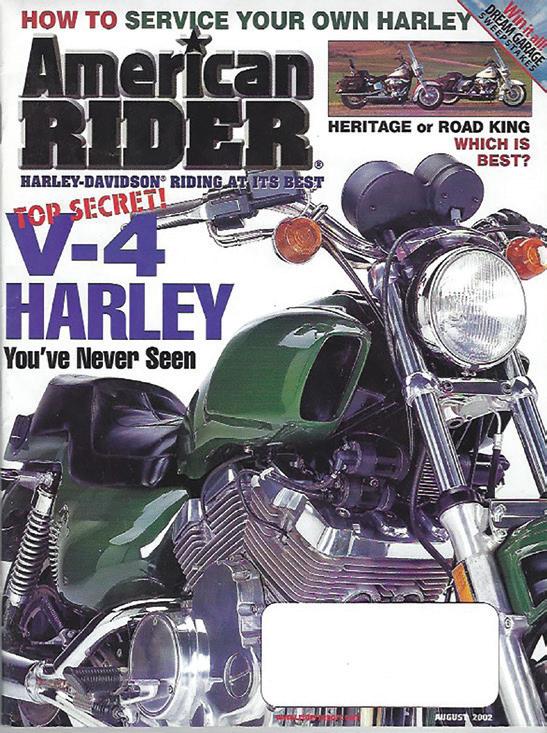
Buzz Buzzelli, an ex-Harley-Davidson associate and, later, Editor of American Rider, explained things thusly in the August 2002 issue: “York ordered the expansion of the industrial side, and financed it with profits from the leisure side. Under this plan, Harley-Davidson, AMF’s largest profit generator, would become the cash cow, milked of capital to feed other business interests. The Nova project, considered expensive and risky, fell victim to the bottom line, and was terminated.”
“When York shut off the money,” Beals said, “I knew we were gonna die and take AMF with us.”
Beals felt strongly about Harley-Davidson and the Nova project and proposed to York that AMF get to 50/50 by selling companies (including Harley-Davidson), not acquiring more. York was apparently intrigued, which offered Beals the opportunity to develop a plan in which he and a handful of company execs (thirteen total) would purchase the company from AMF. The group needed a $1 million down payment to satisfy lenders, which was a challenge. But they found the cash, and in June of ’81 AMF sold Harley-Davidson to them for just over $80 million.
The so-called “Gang of 13” staged a celebratory ride from H-D’s York, Pa., assembly plant to Milwaukee to celebrate, but as Holmstrom wrote, “the group was
this high-tech direction was relatively new to H-D engineering despite Porsche’s assistance, and getting right all the things you’d need to get right to compete with the technically-excellent Japanese would have been an uphill climb.
apprehensive because they knew the reality that awaited them in Milwaukee. They were obscenely in debt, the company’s reputation was in tatters, the country was in recession, the company and its dealers were already overstocked with motorcycles they couldn’t sell, and the motorcycle market was in a death spiral.”
Beals and crew knew they needed to develop new products, be more efficient, and fix a host of other issues if they were to avoid their own death spiral, but developing new motorcycles was insanely costly, and cash was in short supply given the company’s debt situation. So Harley’s options were these: continue developing the Evolution V-Twin, or go Nova. They could not afford to do both, as much as they wanted to. As Buzzelli wrote, “The Nova was the long-range hope, the 10-year promise. But air-cooled twins promised the most immediate cash flow. And so the Nova died yet another death.”
Of course, nearly everyone with a pulse knows what was to come…sales, brand and financial success on a staggering scale, from the middle 1980s to the great economic downturn of 2008. A lot of elements contributed, including Harley’s ability to survive foreclosure during ’81, ’82 and ’83, when sales were ugly, and the effects of the Reagan-imposed over-700cc tariff. Things improved when the reliable, more powerful and no-longer-leaky Evolution Big Twin debuted for 1984. In ’86 sales improved again via the introduction of an Evo-engined Sportster, and the soon-to-be-best-selling Softail models a bit later.
And then, as the ’80s morphed into the ’90s, baby boomers returned to motorcycling in a huge way, many inspired by the two-wheeled experiences of their younger years and a simmering desire to own a certain motorcycle with those fourteen letters on the fuel tank. A continuing wave of Reaganera nationalism didn’t hurt, either, and
Early on, a wide range of Novas was envisioned, including sport cruisers (above, left), racebikes (above) and even a longitudinal-engined cruiser (left). By the time the project was killed, only V4 running prototypes had been built, with Porsche’s help. Left: American Rider’s August 2002 cover story.
by the mid-’90s, Harley’s sales, brand image and financial strength were enormous.
So the suits got it right. But what if Milwaukee had built the Nova line and left the V-Twins to die? It’s an interesting question, but one with what many (this author included) feel is an absolutely ironclad answer.
Still, some feel the entire Nova experiment was an opportunity missed, a chance to have stuck it to the Japanese OEs and re-establish the industry dominance
and if it was a key model, as these would have been, the result would have been devastating.
Second, this high-tech direction was relatively new to H-D engineering despite Porsche’s assistance, and getting right all the things you’d need to get right to compete with the technically-excellent Japanese would have been an uphill climb — at least for a while. Japan Inc., remember, had near-unlimited development funds, and was on the verge of introducing world-class chassis
the Motor Co. once held. The end result would’ve set Milwaukee up powerfully in all sectors, they argued, not simply within the heritage/custom/traditional category Harley had traditionally dominated.
But there are chinks in that thinking. First, even without Evo development costs factored in, the company was seriously cash poor at the time, and developing highertech motorcycles, especially a handful of models with different engine displacements and three different cylinder configurations, would have been wildly expensive. Getting something wrong would’ve meant quick death for a model,
and engine technology gleaned from its exposure to Grand Prix and AMA Superbike racing. Harley had basically zero experience here, and its Nova racebike prototype, with its old-school/’70s chassis design, pretty much proves the point.
Third is, well, exactly that: massive competition from Japan Inc., which was about to roll out handfuls of superbly engineered, good looking, fine handling, affordable and wickedly fast motorcycles in sport, sport touring, touring and custom guises during the 1980s. Anyone think that woulda been do-able for Harley right out
“I RODE AND TESTED A V4 NOVA PROTOTYPE. THAT WAS THE ONLY CONFIGURATION EVER BUILT. I CAN’T SEE HOW THE NOVAS WOULD HAVE BEEN SALES SUCCESSES, AND BELIEVE VAUGHN [BEALS] DID THE RIGHT THING SHUTTING THE PROJECT DOWN.”
ERIK BUELL
Styling- and category-wise, the Nova V4 prototypes ran the gamut, from Super Glide-esque (top) to sport-standard (left) to sport-tourer (below). Some interesting tech was in evidence, too; the future-think disc setup up front being a good example.
of the gate in the challenging economy of the middle and late 1980s? Not sure any OE could have pulled it off.
Finally, despite help from Willie G’s styling group, the handful of Nova prototypes in existence are — let’s be honest here — not overwhelming aesthetic successes. Some have called them butt-ugly, and while that’s all purely subjective, the Novas were not going to rival motorcycles like the Yamaha V-Max, Suzuki GS1150, Honda Magnas or Sabres, Kawasaki Eliminators or Ninja
“Harley hit the nail on the head with the Evo,” Burke told me, “and grabbed many of the customers we and Honda had captured in the ’60s and ’70s. They also put the social value back into motorcycling with the HOG chapters. Just brilliant. But I believe strongly that doing the Nova and not the Evo would absolutely have killed the company. Heck, even we had a tough time competing in the 1980s; it was a difficult market, for sure. If I remember correctly, Honda introduced 12 or 15 all-new models in 1983 alone; it was
900, or any number of Japanese streetbikes, for looks or attitude. Sure, Harley-Davidson could have re-styled the Novas once the verdicts were in, but that would have taken more time and money, two things Milwaukee had very little of at the time.
Would the Novas have killed the Motor Company? Many think so, and this author certainly agrees. AMA Motorcycle Hall of Famer Ed Burke, who ran Yamaha’s product-planning for decades and who was responsible for some of the most successful sport, touring and custom motorcycles in history, agrees.
war back then!”
A discussion with Erik Buell, who worked in Harley’s engineering department after his racing career, and who developed and led the Buell Motorcycle effort from 1983 to its demise in 2009, confirmed a lot of this.
“The Nova project got started in 1977, I believe, and I started with Harley in 1979,” Buell said recently. “But there were no running bikes before I was there. As an engineer, I knew that product pretty well even though I wasn’t on the design team. I watched it slide from having some performance potential to being a slug, as it was committeed
into oblivion. I don’t think it would have sold anyway; it wasn’t a Harley to the Harley market, and it couldn’t compete with imports in the performance market.”
“I rode and tested a V4 Nova prototype,” Buell added. “That was the only configuration ever built. The V2 and V6 were on-paper only. Though I wasn’t on the project per se, I was doing vehicle performance testing on all products. There was some innovative stuff in the bike, but the design had been compromised by some Harley-
and history proves it. The decision may have been largely financial, but the old adage of sticking with what you know and doing it right certainly paid dividends — for the Company as well as for Harley-Davidson fans. What’s so interesting — and certainly ironic — about all this are the parallels with today. Once again, just as in the middle and late 1970s, Harley-Davidson finds itself needing to expand its reach and scope to younger, nontraditional buyers, and is doing so in ways that very much
izing of the initial concept, which was why the weight and cornering clearance problems existed, but also the cooling-system concept had some significant flaws. It was not fast. Smooth, yes, but pretty heavy, with very little cornering clearance. I came close to putting one into the Armco while testing on the Talladega road course when the pipes dragged and levered the wheels off the ground. I can’t see how the Novas would have been sales successes, and believe Vaughn [Beals] did the right thing shutting that project down.”
So in the end, Harley-Davidson chose the right path,
mirror what the Pinehurst Plan called for – high-tech, liquidcooled and less-traditional motorcycles like the Pan America adventure tourer and Nightster cruiser. This time, however, the company has the financial and engineering might to do that job.
I think those suits in the boardroom would be proud, and the late Mr. Beals, especially.
…Two roads diverged in a wood, and I — I took the one less traveled by, And that has made all the difference. All the difference. AMA
Once again Harley-Davidson finds itself needing to expand its reach and scope to younger, non-traditional buyers, and is doing so in ways that very much mirror what the Pinehurst Plan called for.
irony in the
There’s
appearance of Harley-Davidson’s very new and very good Revolution Max-engined motorcycles like the Nightster (above) and Pan America adventure tourer (top and left). They’re exactly what the company was after 45 years ago. And just in time, too.
MOTORCYCLE
BY GR D STAFF WITH JOY BUR GESS
LOBBYING 1 0 1
The AMA’s Government Relations Department works hard in Washington, D.C., and around the country to support motorcyclist-friendly legislation and sound the alarm about dangerous or ill-conceived bills. But in the end, legislators care more about your voice than ours because you’re their actual constituents. They answer to you, or are supposed to.
While other groups may let their money do the talking, the AMA has people at the grassroots level — that’s you — that really do make a difference. Dedicated members that answer our calls to action, meet with elected officials, attend planning meetings for public lands, and act as positive and passionate voices for motorcycling.
Recently, some of our Government Relations staff went to Richmond, Va., for what’s become the state’s main lobby day for every group out there, including motorcyclists. This year, AMA Government Relations On-Highway Manager Tiffany Cipoletti and Grassroots
LOBBYING
Right: West Virginia Senator Maynard with AMA Government Relations staff members Pete Stockus and Tiffany Cipoletti. Following page: Tiffany gives a presentation at the Virginia lobbying day.
“U.S. Senators will listen to your concerns, but your local officials just might be your neighbor or have kids in the same school you do. they want their neighbors to like them and more importantly, vote for them.”
TIFFANY CIPOLETTI
Coordinator Erin Reda made the trip, joining Matt Danielson, the primary lobbyist for the Virginia Coalition of Motorcyclists. Together they met with key members of the legislature to support and oppose a variety of bills introduced for the 2023 legislative session.
A couple weeks later, Tiffany traveled with AMA Government Relations Off-Highway Manager Pete Stockus to West Virginia’s lobbying day. Between the three of them, the team has generated some tips for AMA members on what this type of lobbying looks like and how you can dive into your own adventure into advocacy for motorcycling.
LOBBYING — NOT WHAT YOU THINK
What is lobbying? For most, the word has a negative connotation, one borne from the idea of some special interest group wielding undue influence over the legislative process, usually with plenty of money involved. But lobbying is essentially advocacy, referring to the action of individuals or groups meeting with their elected officials to advocate on behalf of issues that really matter to them.
YOU CAN HAVE AN IMPACT
people who have average jobs in addition to serving as elected officials.
SCHEDULE A MEETING
In some cases, as with Virginia’s unofficial lobby day, you can get access to decision-makers without making appointments. Tiffany and Erin were able to get penciled in for quick chats within a couple of hours, but it’s not always that easy.
When you plan to go meet your elected officials, it’s best to schedule a meeting. In most cases, you can find the contact information for the official you want to meet with online. While you can schedule a meeting at their office at the capital (in the case of state officials), district offices or informal events offer an excellent opportunity to connect in a less-formal setting. Informal events to connect with constituents are generally advertised on the official’s website or social media.
Don’t dismiss the idea of lobbying because you don’t think you can have an impact as an average citizen…not true! Our staff has witnessed time and time again how a few citizens or a large group of them — taking time to speak with the elected officials who represent them can be more powerful than many professional lobbyists.
“This is true for one reason,” Tiffany said. “You can vote for these officials. You live in their district, and just by showing up in their office you’ve shown how important this issue is to you. Of course, that impact is lessened a bit the further you go up the food chain. U.S. Senators will listen to your concerns, but your local officials just might be your neighbor or have kids in the same school you do. Just like most people, they want their neighbors to like them…and more importantly, vote for them.”
Remember, meeting with state and local officials probably isn’t as intimidating as you might think. Your state and local officials aren’t cloistered away in an ivory tower of government — they’re usually just average
*Insider Tip: It’s always a great idea to follow your local elected officials on social media channels.
A few basics to remember as you work to get a face-to-face meeting on the schedule include:
• Be polite. You’ll probably be talking to a staffer first, as they receive a lot of calls from people who want their boss’ time. Politeness often makes a difference on whether you’ll get any farther in the process.
• Be prepared. Let the staffer know what you want to talk about (often a bill you want to support or oppose).
• Check in. The day before your meeting, email the staffer to confirm. Schedules change all the time for elected officials, so checking in is a good habit.
PREPARATION IS KEY
Now that you have a meeting, don’t waste it by going in unprepared. Develop a presentation that does as much of the work for the legislator as possible. And make sure you’re well informed on the issue you’ll be meeting about.
“If you’re meeting about a specific bill or you want the legislator to introduce a bill or make an amendment to another, bring some suggested language,” Tiffany recommends. “Our AMA Government Relations staff is happy to help you with this, too. Email and we’ll help you prepare.”
“The two most common phrases I heard from legislators through the day were, ‘I didn’t think of it from that perspective’ and ‘let’s see what we can do.’”
ERIN REDA
“It’s a good idea to have a simple one-page sheet of bullet points to keep you on track in your meeting,” she continued, “and that opens the door for follow-up after the meeting to provide additional information. Remember, you’re likely one of a dozen meetings that day about wildly different issues, so the more work you do for the legislator, the easier it is for them to work with you.”
In addition, take time to learn a thing or two about your legislator. Check the biography section on their website. You might find out that they worked in law enforcement before being elected, or that you attended the same high school. “Having something in common helps break the ice when you sit down with a legislator,” Tiffany says, “and knowing their background can also help you frame your issue in your meeting.”
THE PRESENTATION
remember when your issue is brought up. You just might be the only meeting they had where someone wasn’t yelling at them.
FOLLOW UP
As Erin experienced a lobbying day for the first time, watching the pros at work left her with a few observations. “The two most common phrases I heard from legislators through the day were, ‘I didn’t think of it from that perspective’ and ‘let’s see what we can do.’ Tiffany and Matt explained that you don’t go into a meeting expecting immediate results. You probably won’t get a legislator to commit 100 percent to what you’re asking them to do. That really drove home how important follow up can be. After making your case, you need to remind them that you want to see them follow through.”
Start your meeting on the right foot by arriving a few minutes early. That means planning for plenty of time to park, find the office, and get settled before your meeting.
When it’s time to sit down with the legislator or staff member, introduce yourself, be polite, and feel free to break the ice with a little small talk. But it’s important to present your business quickly since you likely only have 5-10 minutes for your meeting.
Here’s a good, basic structure to follow for your presentation:
• Introductions – Who are you? Are you representing yourself or a group?
• Background – Give the basic background on the issue you’re addressing. For example, if you’re trying to get a dead-red law passed (traffic-controlled stop lights that don’t detect motorcycles and leave them stranded), explain the problem — and propose a solution.
• The Specifics – If you’re there to support or oppose a specific bill, mention that up front.
• Stick to the Issue – Avoid getting off topic.
• Ask for Questions – Even if you don’t immediately have an answer, you can always follow up via email.
• Say Thanks! – Leaving them with a good impression by saying thank you for their time can make an impact they
Even if your meeting didn’t go well, all is not lost. You shouldn’t let that get in the way of developing a friendly relationship with the official. They’re likely to agree with you on another issue or may come around to your way of thinking in the future.
“This is where it’s important to stay polite when engaging with your officials,” Tiffany said. “It’s possible to ruin relationships with powerful officials over disagreements if not handled professionally, while staying respectful and courteous leaves the door open to find common ground on another issue. Advocacy is a marathon, not a sprint.”
Erin found the ease of interaction and genuine enthusiasm legislators had to speak with their constituents impressive. “As important as it is for citizens to bring their opinions to the table, it’s just as critical for legislators to get facetime in with their constituents to feel the pulse of their issues,” she said. “It was great to see the natural give and take of the democratic process happen within the halls of the state capitol, furthering the truth that politics is by and for the people.”
Your voice matters, and the AMA works to make interactions with elected officials as accessible as possible to our members. Our Government Relations team is standing by, ready to connect you with your representatives and help you bring motorcyclist issues to the table with your local government officials.
Don’t know who represents you? The AMA’s action center at AmericanMotorcyclist.com/action-center has a “find officials” tool. Plug in your address to find your state and federal officials. For additional assistance, email us at grassroots@ama-cycle.org. AMA
GYPSY TOUR AMA NATIONAL
...got it’s start more than 100 years ago at places like Weirs Beach near Laconia, N.H., and Harley-Davidson Motor Co. in Milwaukee, Wis.
AMA Gypsy Tours have always been about riding and sharing the camaraderie of two wheels with like-minded enthusiasts at great destinations.
And that continues with the 2023 Gypsy Tour schedule, where riders can meet, share experiences and even grab their collectible AMA National Gypsy Tour pin dated with the year.
Americade
MAY 31 - June 4
Laconia Motorcycle Week
JUNE 10-18
Thunder in the Valley
June 22-25
AMA Vintage Motorcycle Days
July 21-23
Four Corners Motorcycle Rally Aug. 31 - Sept. 4
MAKE IT YOURS
The AMA offers a variety of card types and designs for members. In addition to our standard card, we offer a number of themed cards that identify you as belonging to a specific group or speak to your passion as a motorcyclist.
Call (800) AMA-JOIN (2625646) to request an affinity card at any time, at no additional cost.
DEALS AND DISCOUNTS
THE ESSENTIALS
Lodging
Save 15% at participating Choice Hotels Properties.
Up to 10% off at Motel 6. Use code: M64AMA
20% discount off available rates, call (800) REDROOF and use the code VP+ 503343. To make
AMA Roadside Assistance Roadside assistance coverage for eligible members.
Car Rentals
Up to 25% off at any Avis or Budget. Avis Code: D388100 Budget Code: Z942000
AMA Gear Find patches, pins, T-shirts, hats and more.
PRODUCT DISCOUNTS
ADVMoto
20% discount. Use code AMADV20
AMA Motorcycle Hall Of Fame Free admission to the AMA Motorcycle Hall of Fame in Pickerington, Ohio.
AMA Supercross
Tickets
10% discount on tickets at supercrosslive.com Use code AMA23
Anthony’s Leatherworks
10% discount. Use code AMADISCOUNT
Blendzall
AMA members can save 20% at blendzall.com. Use code AMA20 at checkout.
Bohn Body Armor
10% AMA Member Exclusive Discount. Visit bohnarmor. com and use code AMAD22 at checkout.
Butler Maps
AMA members receive a 20% discount at butlermaps.com. Use code AMAMEMBER
California Dual Sport Riders
AMA members save 50 percent off of sign up. Use code AMA. Visit cdsr.us to learn more.
Cardo
EagleRider
For Club EagleRider AMA members receive 2 free rental credits. Use code AMACLUBER
Edelweiss
AMA members save on standard bike tour. Use code 21AMA-EBT03 at checkout.
Evans Cooling System 25% discount on Evans Coolants and Prep Fluid. Use code AMAFUN at evanscoolant.com.
EVS Sports 10% discount and free shipping on all orders. Use code AMAEVS20
Gryphon Moto
AMA members receive a 15 percent discount on Gryphon Moto orders at gryphonmoto. com. Use code AMA at checkout.
Haynes
an additional 15% on all Haynes & Clymer print and online repair manuals. Use code AMA15
Heli Bars Use code AMAM2020 for a 10% AMA Member Exclusive Discount at helibars.com.
Helix Racing Products
AMA members save 20 percent on all products at helixracingproducts.com. Use code AMA20 at checkout.
Helite Moto
AMA members get 15% off every order at helitemoto.com. Use code HELITEAMA
HertzRide
Colorado Motorcycle Adventures
10% discount with valid AMA membership card.
The Dirt Bike Academy 10% exclusive discount on instruction. Learn more at thedirtbikeacademy.com Use code TDBAAMA10
Dowco Powersports
20% discount. Use code AMA20
Motorcycle Shippers
MAD Maps Save 15%. Use code AMA15
Matrix Concepts AMA members receive a 25% discount on most products for shop, garage & track necessities at matrixracingproducts.com Use code AMA25
Medjet
®
Air medical transport and travel security protection – visit Medjet.com/AMACycle or call 1.800.527.7478, referring to American Motorcyclist Association.Annual rates are reduced by 20% and start at $235.
MotoAmerica 20% off 2-day and 3-day passes at select MotoAmerica events. Use discount code AMA20
Motool
AMA members can save 10% at motool.co. Use code AMASAVE20 at checkout.
MX Boot Repair 10% discount. Use code AMADISCOUNT
MX Mounts 10% off on our mounts Use AMADiscount at checkout
MYLAPS
20% discount off MSRP or current sales price on weborders or orders coordinated by the AMA. Use code AMA-789HJK
AMA members save 10 percent on rentals in all locations globally at hertzride.com/us/ promo/American-motorcyclistassociation-1065 or use code AMA10
Legacy Track Dayz 15% discount on Legacy Track Dayz events. Use code AMARideLTD
Liberty Sport Eyewear 30% discount on all “motorcycle collection” frames. Discount code AMA30.
Nelson Rigg 20% AMA Member Exclusive Discount on all products! Use promo code AMA-NR20
Risk Racing 15% off products at riskracing.com. Use code AMA15
Rlink
Quail MC
Quin Design Helmets 10% off crash detection, SOS beacon, Bluetooth communication & more with your new
Rlink offers AMA Members 25% off industry leading GPS Security Systems. Use code ama2020rl
STKR Concepts 15% off products at stkrconcepts.com. Use code AMA15
Street Skills 10% discount on online courses at StreetSkills.net. Use code AMACCOC.
NEW JERSEY
Motocross: April 21 - 22. East Rutherford, Supercross Futures Premier Qualifier, Feld Motorsports, 800-844-3545, sxfinfo@feldinc.com, www.supercrossfutures.com
Motocross: April 29. Englishtown. Raceway Park Motocross, Raceway Park, 732-446-7800, racewaypark1965@gmail.com, www.racewaypark.com
Motocross: April 23. Henderson. North Carolina Motorsports Park Southeast Area Qualifier, Krusty Riders Association, Inc., 252-767-6671, ncmp@ ncmp.net, www.ncmp.net
Enduro: April 29. Lexington. FGSE - RD 3 Sliver Valley MX, Full Gas Sprint Enduro Series, 919-2381627, info@fullgasenduro.com, sprintenduro.com
OHIO
Enduro: April 16. Shade. ACES (Appalachian Championship Enduro Series), Lost In Lodi Enduro Group LLC, kmbarr821@gmail.com, www.lostinlodi. com
Motocross: April 22 - 23. Chillicothe, ChilliTown MX Mid-East Area Qualifier, Race Ohio MX, 513-266-2866, s.plessinger@yahoo.com, www.chillitownmx.com
OREGON
Hare Scrambles/Cross Country: April 15 - 16. Jacksonville. AMA West Hare Scramblers, Motorcycle Riders Association, 760-834-5006, alexrodriguez_4@msn.com, https://www.motorcycleridersassociation.org/
PENNSYLVANIA
Road Ride/Run: April 1. Oley. Dice Poker Run, Reading Motorcycle Club, Inc., 610-987-6422, ggritt@gmail.com, readingmc.com
Flat Track - Short Track: April 1. Shoemakerville. Short Track, Shippensburg MC, 717-503-8030, candybaer@comcast.net, baermotorsports.com
Motocross: April 1 - 2. Shippensburg. Doublin Gap MX Northeast Area Qualifier, Doublin Gap Motocross, Inc., 717-249-6036, doublingap@gmail. com, www.doublingap.com
Observed Trials: April 16. Elizabethtown, Candytown Modern Trials, Candytown Motorcycle
COMING EVENTS
Be sure to check the event website or call the organizer for the latest information, including postponements or cancellations. Club, 717-919-4458, mail@candytownmc.org, www. candytownmc.org
Motocross: April 22 - 23. Mount Morris, High Point Raceway Northeast Area Qualifier/PAMX Fasthouse Spring Championship Series, Racer Productions, Inc., 304-284-0084, info@racerproductions.com, www.highpointmx.com
Flat Track - Short Track: April 29. Bloomsburg. Short Track, Shippensburg MC, 717-503-8030, candybaer@comcast.net, baermotorsports.com
Motocross: April 29 - 30. Shippensburg. MAMA MX Series, Middle Atlantic Motocross Association, Inc., 443-669-3007, secretary@mamamx.com, www. mamamx.com
Motocross: April 29 - 30. Seward, Pleasure Valley Raceway Northeast Area Qualifier, Pleasure Valley Raceway, 814-317-6686, jeffcernic@gmail.com, www.pvrmx.com
Motocross: April 29 - 30. Mount Morris. AMA ATV Motocross National Championship Series, Racer Productions, Inc., 304-284-0084, info@atvmotocross.com, www.atvmotocross.com
SOUTH CAROLINA
Hare Scrambles/Cross Country: April 1 - 2. Union. Grand National Cross Country Series - Tiger Run, Racer Productions, Inc., 304-284-0084, info@gnccracing.com, www.gnccracing.com
Motocross: April 2. Hamer. Thor Mega Series, Victory Sports Inc, 423-323-5497, jane@victory-sports. com, www.victory-sports.com
Hare Scrambles/Cross Country: April 15 - 16. Society Hills. Grand National Cross Country Series - Camp Coker Bullet, Racer Productions, Inc., 304-284-0084, info@gnccracing.com, www. gnccracing.com
TEXAS
Enduro: April 1 - 2. Post. Snake Bite U.S. Hard Enduro, Lubbock Trail Riders, 806-781-1524, Motocross: April 15 - 16. Alvord. Oak Hill Raceway South Central Area Qualifier, MX Racer, LLC dba Oak Hill Raceway, 940-577-2225, admin@oakhillmx.com, www.oakhillmx.com
Road Ride/Run: April 29. Stafford. John Walton Memorial Sunshine Kids Ride, Freedom Cruisers Houston Chapter #146, 281-902-8467, djaycutler@ gmail.com
Motocross: April 29 - 30. Tyler. Swan MX Raceway Park South Central Area Qualifier, Omen Promotions, 903-882-4215, info@swanmx.com, www. swanmx.com
UTAH
Hare and Hound: April 1. Jericho. 62nd Annual Cherry Creek NHHA, Sugarloafers MC, 435-6601811, sugarloafersmc.ut@gmail.com
Hare and Hound: April 22. Jericho. Desert Devotiona, Sage Riders MC, 435-650-1250, sageriders@ hotmail.com
VIRGINIA
Motocross: April 1 - 2. Disputanta. MAMA MX Series, Middle Atlantic Motocross Association, Inc., 919-259-4890, secretary@mamamx.com, www. mamamx.com
Motocross: April 29. Sutherlin. District 13 SX
Series, Birch Creek Promotions LLC, 434-253-0505, birchcreekmx@gmail.com, www.birchcreekmotorsportspark.com
Sept. 23-24. Big Woods 200. Wabeno, Wis. Wisconsin Dual Sport Riders. (920) 350-2030 widualsportriders.org
Nov. 4-5. Howlin’ at the Moon. Prescott Valley, Ariz. Arizona Trail Riders. (602) 692-9382 arizonatrailriders. org
Nov. 4-5. Hammer Run. Port Elizabeth, N.J. TriCounty Sportsmen M.C. Inc. teamhammer.org
Nov. 24-25. LA – Barstow to Vegas. Palmdale, Calif. AMA District 37 Dual Sport. (626) 684-2336 labarstowvegas.com
A truly epic opportunity to win a bike ridden and signed by AMA Hall of Famer and 1993 World Champion Kevin Schwantz? You bet! Raffle tickets give you chances to win a new Suzuki GSX-R1000 painted in Schwantz’s late ’80s Pepsi Racing livery, and also benefit the AMA Motorcycle Hall of Fame and Museum — where legends live! A winner will be drawn next July at 2023 AMA Vintage Motorcycle Days at Mid-Ohio Sports Car Course.