THE MOST CRUCIAL ISSUES IMPACTING MOTORCYCLING
BY KEATON MAISANO AND BOB GRIFFITH
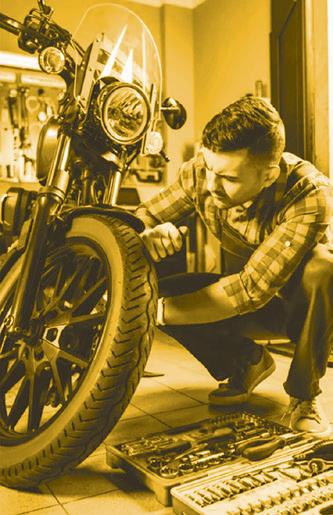
here are endless ways to enjoy the motorcycle lifestyle: bucket-list trips across the U.S. (or the Alps, or South America, or Asia…), the thrill of winning (or trophying) in a local enduro, motocross or club roadrace, the tranquility of a perfect trail ride, the satisfaction of wrenching on your bike in the garage, or just hanging with your buddies there watching the pros do their thing on TV.
TContrasting all that, of course, is the harsh reality that all or much of this life-changing scenario can be altered negatively — or taken away completely — by the many threats facing motorcycling. The AMA Government Relations Department (GRD) has tackled
many of these issues throughout the years, helping shape things for the better, but dark clouds, errant regulations, prohibitive legislation and other impediments still threaten our wonderful sport.

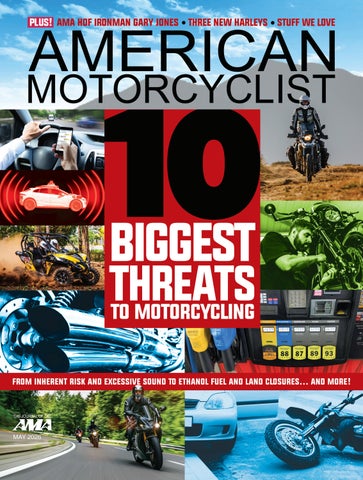
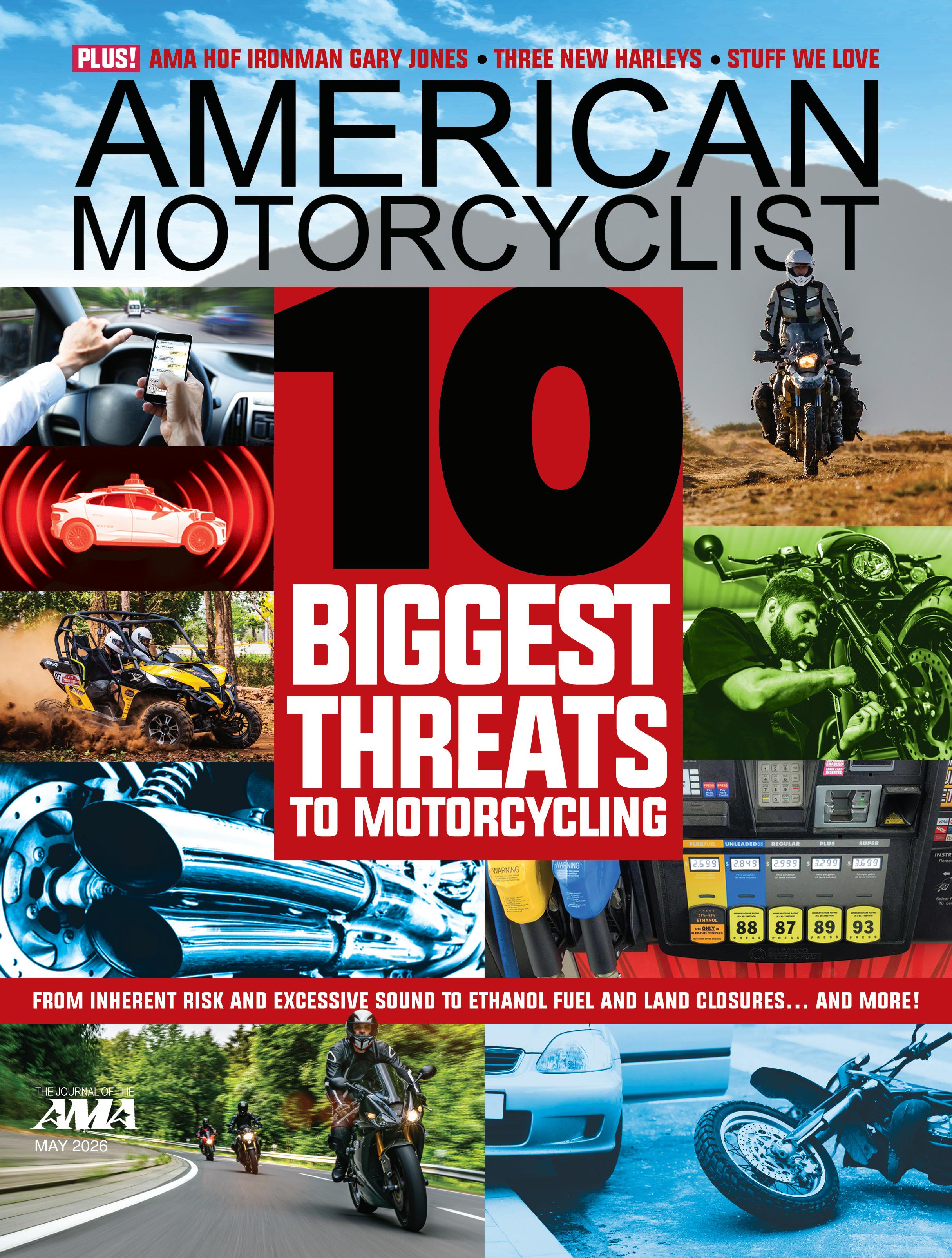
Some of these issues, such as land access and excessive sound, have persisted throughout two-wheeled history, while others, like autonomous vehicles and consumer choice, are proof that with advancement comes new problems to solve. While there are more than an even 10 threats out there, we’ve boiled down what we feel are the biggest and potentially most significant ones for this overview… looking at the issues themselves, the fallout they cause, and the way they can be addressed.
AUTONOMOUS VEHICLES
THE ISSUE
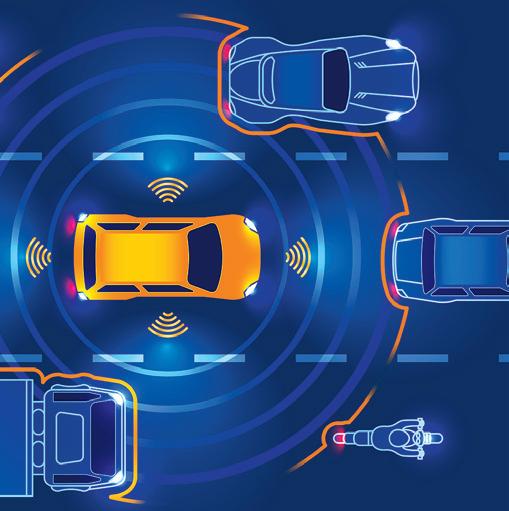
Unlike other threats facing motorcycling, properly implemented autonomous vehicle (AV) technology — which promises to combat human error and distracted driving — offers hope of a future in which motorcyclists are safer on the roadways. However, this promising future is preceded by a more reckless and dangerous present, where public roadways have been transformed into testing
about whether these vehicles have been properly tested to detect motorcycles in all situations, and if the manufacturers are providing consumers of the technologies with the proper information to understand and use them safely.
Additionally, automated emergency braking (AEB) systems still need to make strides in detecting motorcycles, with a 2025 Insurance Institute for Highway Safety (IIHS) study that found motorcycles were a “common stumbling block” for vehicles with poorly rated AEB systems. The study also found that reflective clothing — commonly worn to increase visibility — may actually hinder AEB systems.
grounds for autonomous vehicles that have shown an inability to consistently detect motorcyclists, who have unknowingly and unwillingly become beta testers for the technology.
AVs utilize sensors, cameras and radar to take driving tasks out of a driver’s hands, with the highest level (Level 5) of this technology requiring no human assistance. AVs utilizing various levels of these technologies are prevalent on roadways today. But there are real concerns
Furthermore, although the National Highway Traffic Safety Administration (NHTSA) notes there are currently no Level 5 AVs — fully automated with no need for human operation — on our nation’s roadways today, there is a perception that the current technology is fully automated, a perception that is bolstered by misleading names like Autopilot mode and Drive Pilot.
THE DOWNSIDE
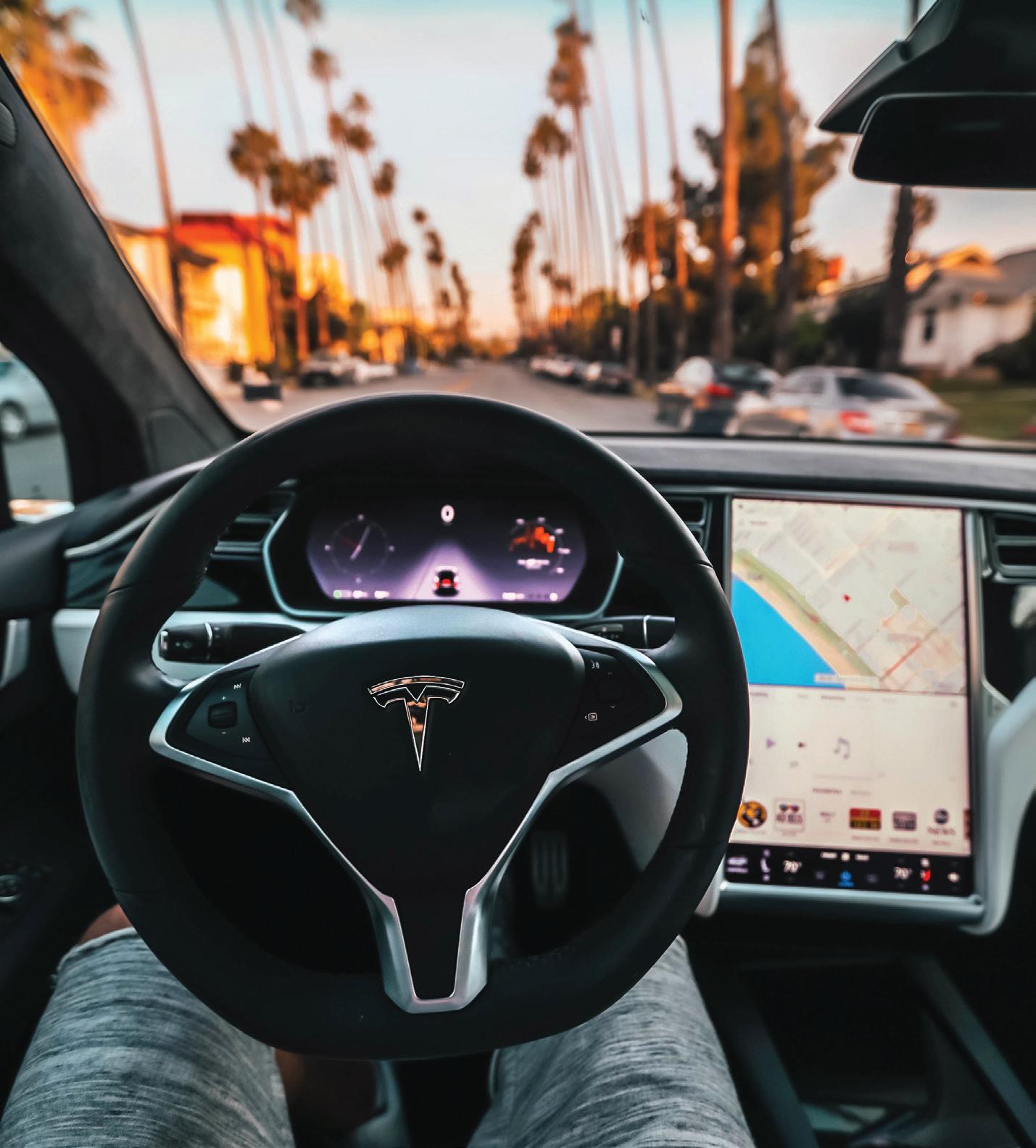
The improper testing and regulations have manifested in autonomous vehicles failing to detect motorcycles on the road, resulting in collisions. Unfortunately, several incidents have resulted in fatalities over the years, with a recent instance in April 2024 when a motorcyclist in Washington was killed by a Tesla operating in Autopilot mode.
Furthermore, although the NHTSA notes there are no Level 5 AVs, some drivers misconceive the technology as more capable than it is and fail to remain attentive in autonomous driving modes. In the instance of the Washington fatality, the Tesla driver admitted to looking at his phone at the time of the collision.
THE FIX
The AMA has been outspoken about the dangers of AVs for the last decade and has called for sufficient testing and regulation. The technology needs to be proven to detect all road users — including motorcycles — in all situations before being allowed on the road. Once the technology is proven to be reliable, AVs will be beneficial to the safety and wellbeing of motorcyclists. The AMA will continue to be in favor of regulations that hold the manufacturers of these technologies accountable and protect motorcyclists.
INSURANCE ISSUES
THE ISSUE
nherent risk signifies the risk that is naturally associated with an activity, and for almost all states in the country, off-road motorcycle facilities and events do not enjoy the protections of inherent risk in statute. As a result, tracks are being sued and insurance premiums are skyrocketing, opening these facilities to hardship and potential closure.
Inherent risk laws are not a new concept, with other activities, like skiing and equestrian activities, having enjoyed similar protections for years.
THE DOWNSIDE
For smaller operations, these hardships can be too much to overcome, and as a result, riding opportunities may be lost.
Mathew Grynwald, attorney and 2025 AMA Motorcyclist of the Year, helped enact an inherent risk law in Texas, and said track owners had reported insurance premiums spiking by more than 500 percent in just a few years.
Ultimately, track closures will limit the number of opportunities and variety available to riders, thus negatively impacting the future of the sport.
THE FIX
To protect tracks and the sport of motorcycling, there needs to be motorcycle-focused inherent risk legislation introduced and adopted in states across the country.
Fortunately, this solution was put into motion in 2025, when Arkansas and Texas became the first two states to sign motorcycle-specific inherent risk legislation into law. Helped along by the AMA, the aim of these laws is not to protect property owners and event operators from injuries or damages resulting from gross negligence or intentional
misconduct, but rather to create a more consistent and predictable liability environment for property owners and off-road riding enthusiasts.
Building off the momentum in Arkansas and Texas, other states are able to use the language as a template to create their own legislation. The movement to get motorcycle-focused inherent risk legislation throughout the country has continued in 2026, with Indiana and several other states introducing their own bills and even more states in the process of doing the same.

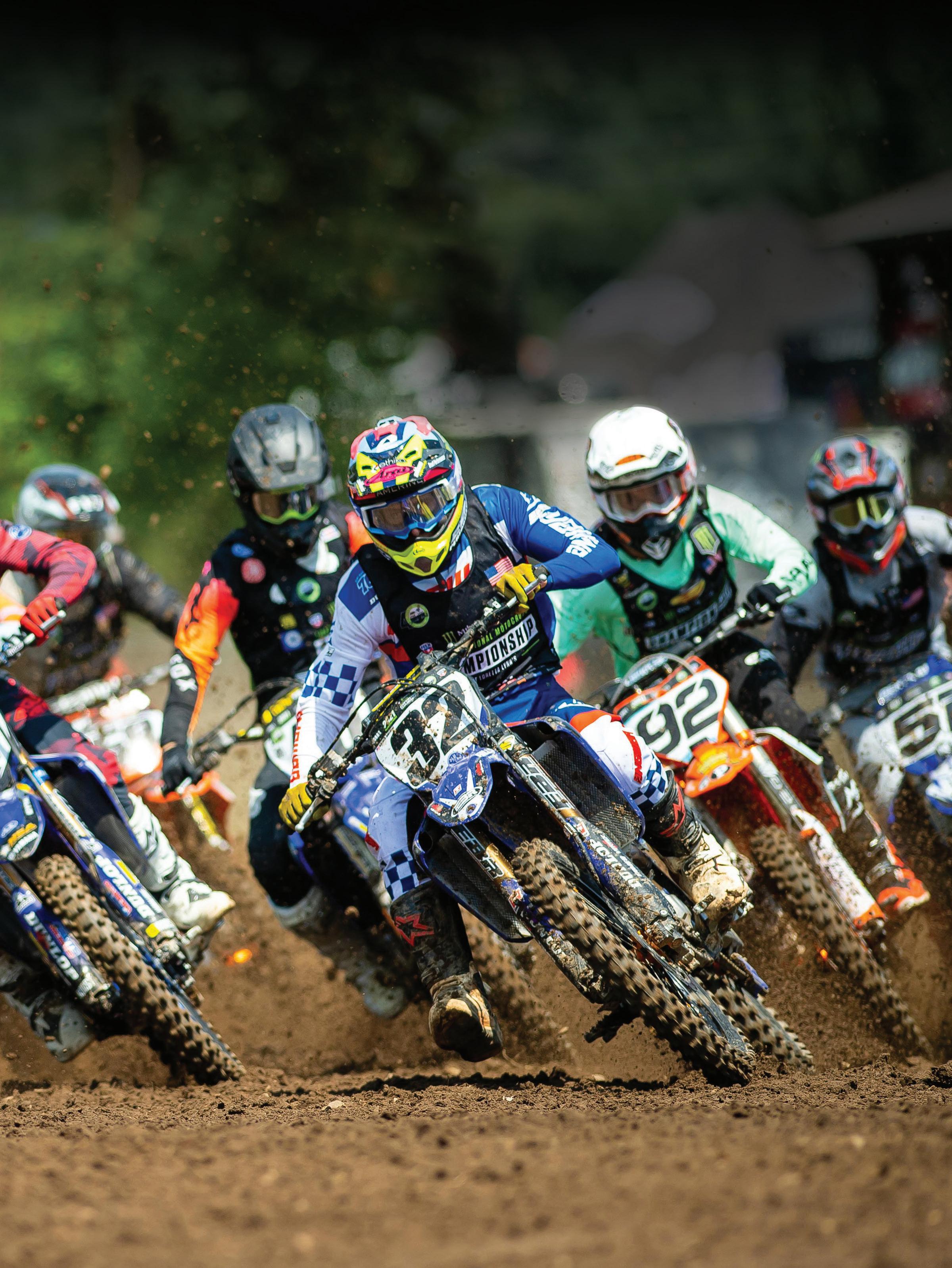
Ultimately, track closures would limit the number of opportunities and variety available to riders, thus negatively impacting the health of the sport.
RIGHT TO REPAIR
THE ISSUE
Right to Repair is the idea that a consumer has the right to choose their preferred service and repair provider (including themselves and independent shops); this also means that manufacturers are required to make the parts and needed information available to the public for a fair and reasonable price.
With no federal law protecting a consumer’s right to repair, the Federal Trade Commission’s 2021 “Nixing the Fix” report reviewed how manufacturers may limit repair options.
Simply stated, without legal protections, a motorcyclist’s right to repair their own bike or utilize the services of independent shops is at risk.
THE DOWNSIDE
An absence of the right to repair one’s own motorcycle limits the repair options to authorized dealers, which can be expensive and require longer travel and wait times than local repair shops.
Given the reduced convenience and increased expenses that come with limited repair options, an environment without Right to Repair adds extra barriers to motorcycle ownership and does not promote the motorcycle lifestyle.
Furthermore, as newer vehicles begin to reach 7–10 years of age, access to repair at dealers/OEM service centers is often unavailable. While this may have been a manageable
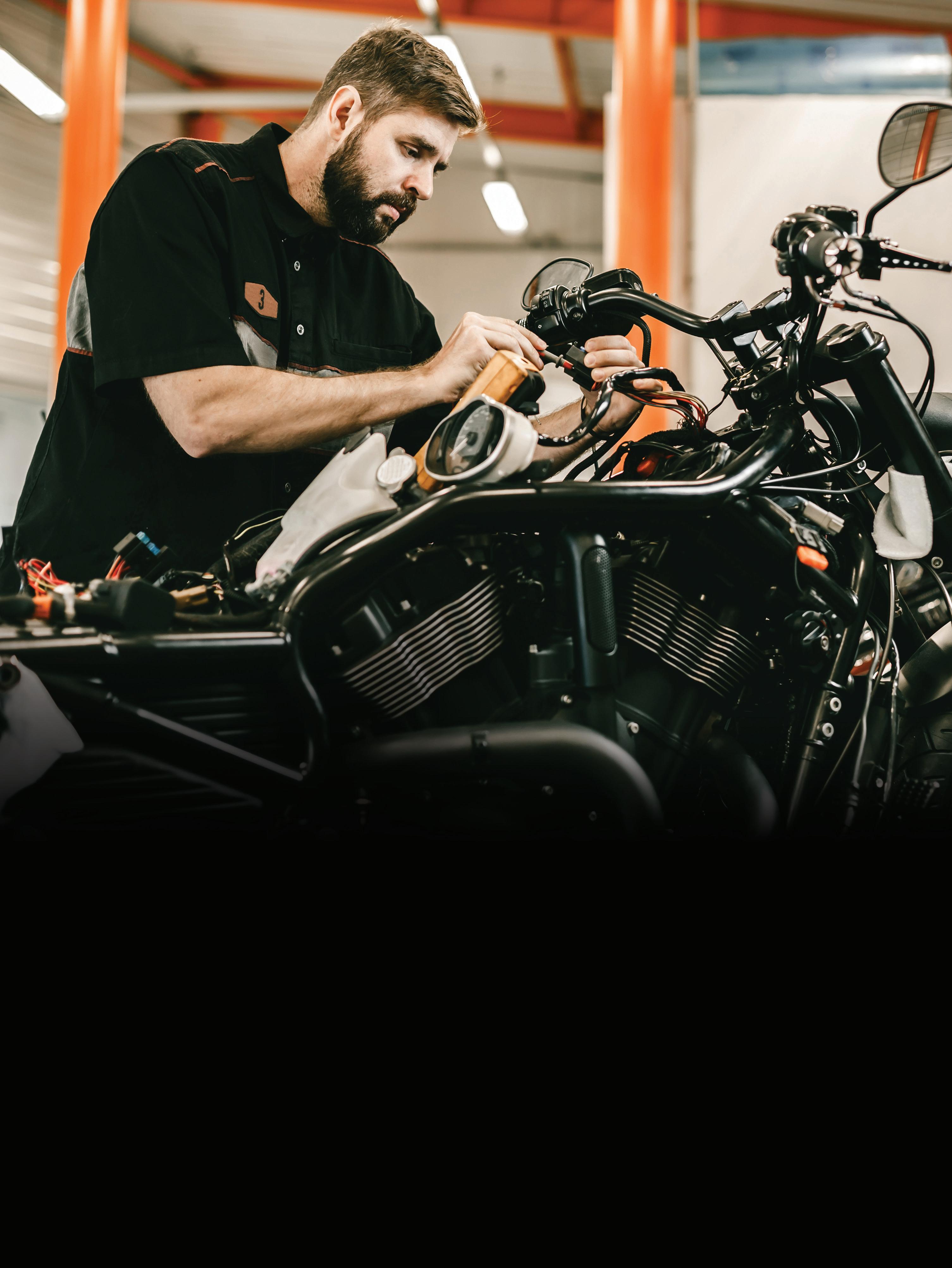
situation in the era of points and carburetors, things like cornering ABS, active cruise control, blind spot monitoring and other safety systems, many of which have been available for a decade, are already reaching the age where the consumer may have to face the hard choice of deactivating the system or scrapping the vehicle. Safety should not be subject to the whims of a manufacturer simply not wanting to provide critical information to alternative service providers.
THE FIX
The Right to Equitable and Professional Auto Industry Repair Act (REPAIR Act) offers a federal solution to the Right to Repair issue. The REPAIR Act — a bipartisan bill that protects the rights of consumers, including motorcycle owners — was initially introduced in 2023 and reintroduced as H.R.1566 in February 2025 with changes negotiated by legislators and stakeholders. Thanks to the AMA, the language allowing the right to repair motorcycles was preserved in the reintroduction.
Adding to federal momentum, the Senate introduced S.1379 in April 2025, marking the first legislation in favor of a consumer’s right to repair their own vehicle to appear in the Senate.
While the federal movement is still ongoing, more than 20 states have introduced or enacted legislation to ensure the right to repair is truly protected.
LAND ACCESS
THE ISSUE
Recreational access to public lands is a pivotal part of the off-highway motorcycle experience, and this access faces closure threats.
The present-day system strives to balance recreational access with environmental protections and ecological stewardship. Federal legislation, regulations and executive orders have often limited motorized access through the application of stringent environmental and Wilderness requirements.
There are numerous examples of places where offhighway vehicle (OHV) activities take place in conjunction with other uses, while still respecting and conserving important natural and cultural resources, but a negative perception of motorized recreation persists, contributing to hardships. In fact, none of the OHV-designated trails and areas on our nation’s BLM and Forest Service lands restrict or exclude other users.
Even beyond the hurdle of land access, proper trail maintenance can be difficult, as the grant process to complete trail projects can be tedious and difficult for small nonprofits to navigate.
THE DOWNSIDE
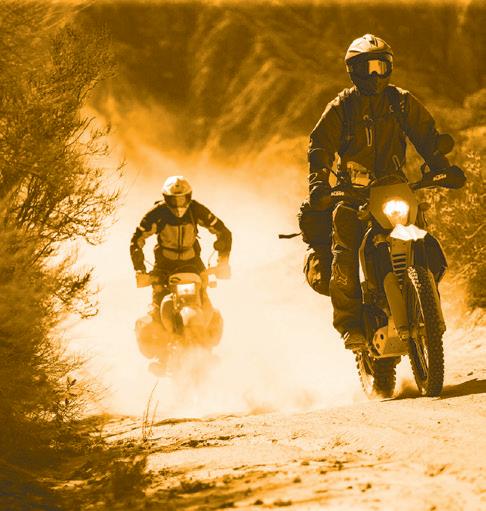
There is a constant threat of trails and public lands throughout the country being closed to OHV use, with the AMA and local motorcyclists having to step in and preserve access. A recent instance came when Bat Nest Road — an unmaintained road in Ohio, popular with the adventure riding community — was nearly closed at the
request of a private landowner. The AMA, Backcountry Discovery Routes and motorcyclists from all over the country stepped in to save access to the road.
These closures, which can be either temporary or permanent, are not limited to Monument and Wilderness designations and often result in the loss of riding opportunities. Any closure results in fewer options for motorcyclists and the inconvenience of finding alternative riding spots that may be farther away.
THE FIX
A wider recognition and understanding of the benefits that off-highway motorcycles have on the local economy, coupled with volunteer trail maintenance efforts spearheaded by these users, goes a long way in preventing potential closures from being proposed. Responsible trail use and partnerships with other users are important.
When land-access issues do arise, it is important to be organized and engaged with the land managing agency. The AMA encourages alternative sites to be identified and made available if a recreational area is closed for an extended period of time.
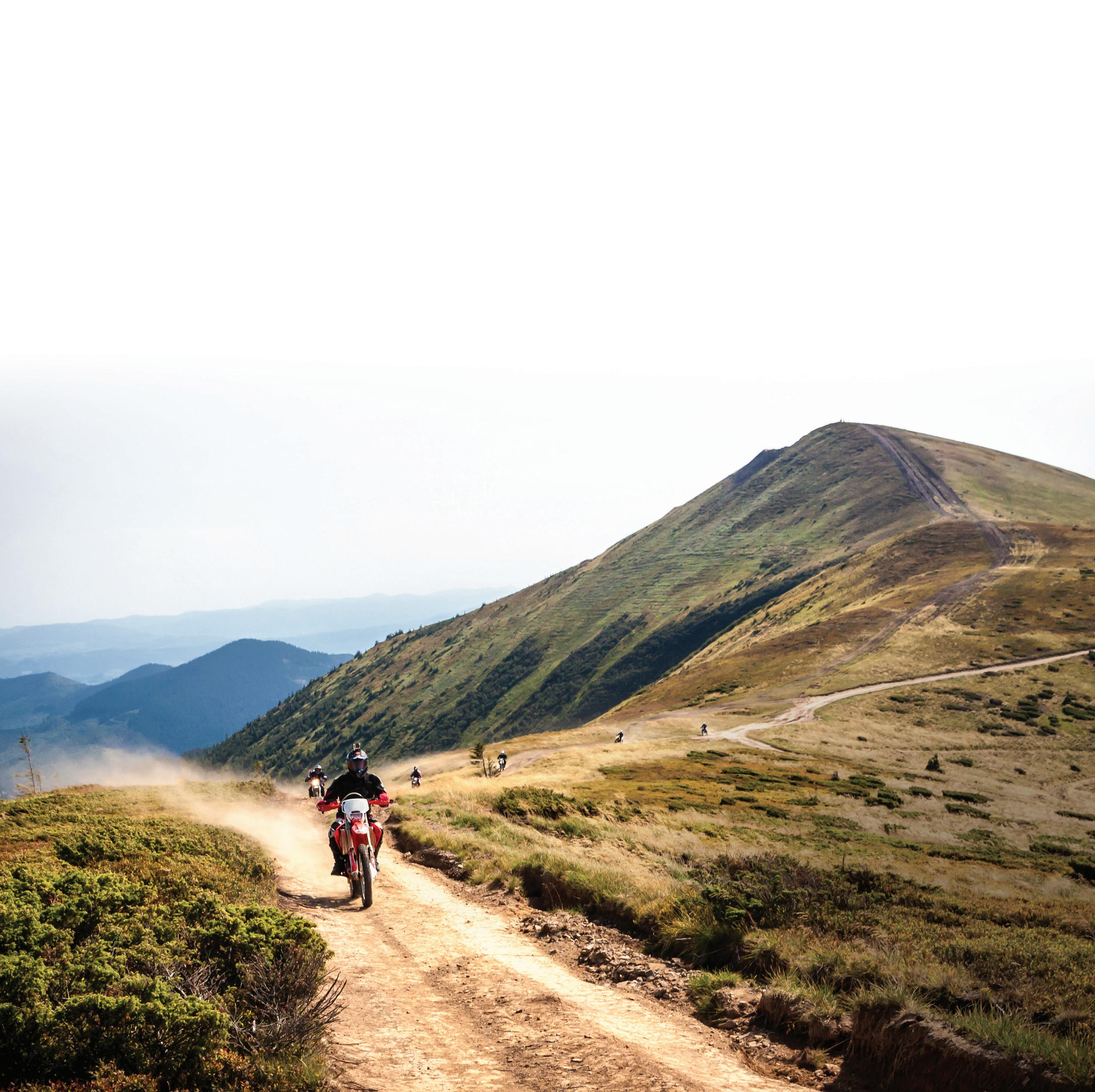
There is a constant threat of trails and public lands throughout the country being closed to OHV use, with the AMA and local motorcyclists having to step in and preserve access.
SIDE-BY-SIDE SIZE AND POWER, AND TRAIL DEGRADATION
THE ISSUE
The threats to off-highway motorcycle recreation do not stop with securing and protecting land access. Instead, they continue to the actual use of the land and trails, with motorcyclists having to share these areas with other trail users and OHV types.
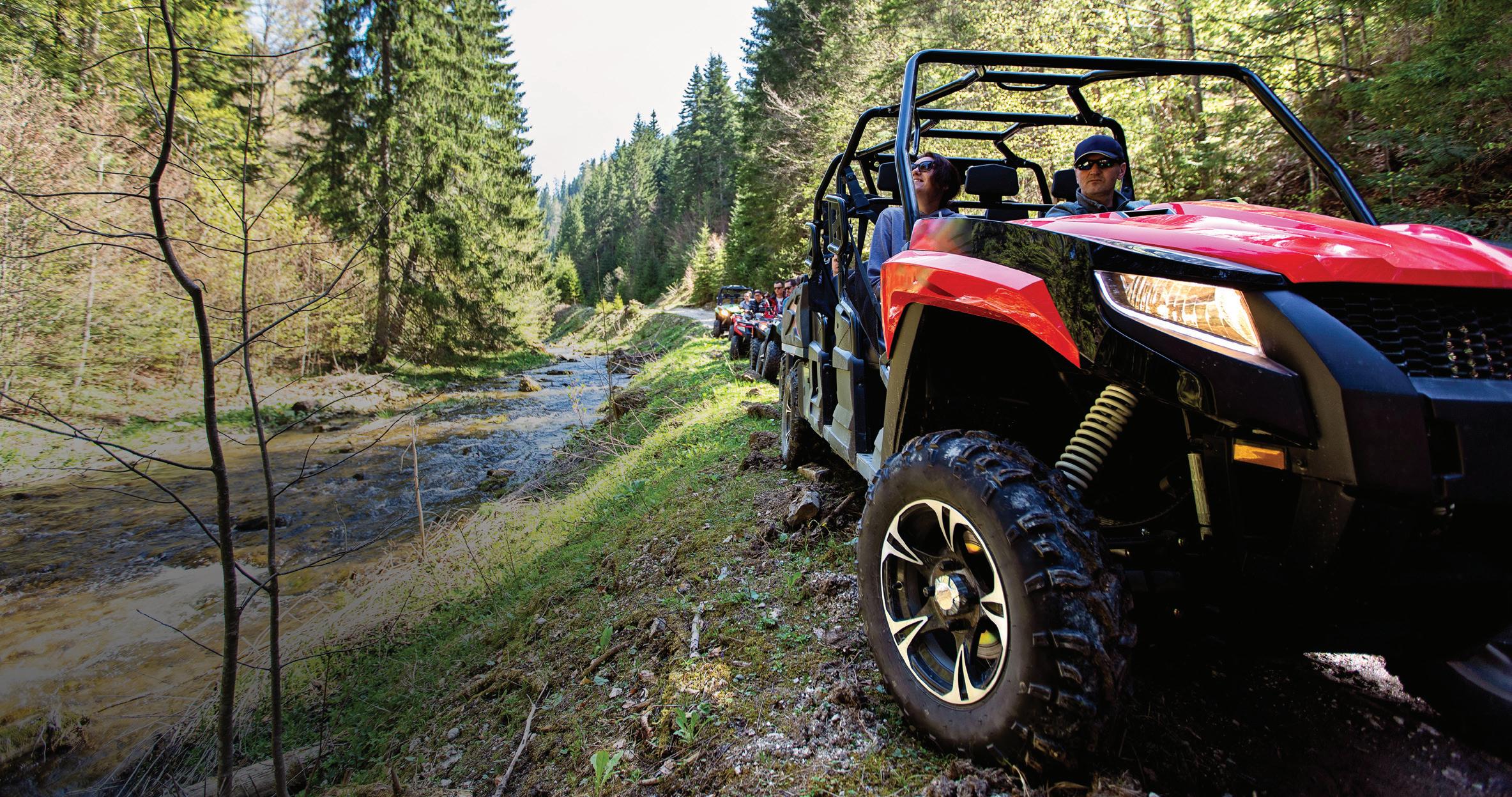
Among these other OHV users are side-by-sides (or UTVs), which seat from two to six riders, and which have grown heavier, more powerful and — most impactfully — wider over the years. Along with being larger, heavier and much more powerful, many of these new-generation UTVs feature massive suspension travel, all of which allows much faster operation, oftentimes on single-track trails that were designed and designated originally for motorcycles.
This wider track and the dramatically increased speeds their length, width and suspension travel allow lead to much more varied and significant trail degradation, along with myriad safety issues as well, especially when their relative ease of operation is considered, and the low-experience and -skills driver threshold their designs allow.
THE DOWNSIDE
While land managers may try to limit the size of vehicles (limitations measured by the width and weight) allowed in some areas (as many trails were not designed with oversized side-by-sides in mind), previously singletrack trails have been subject to substantial trail creep or widening from this heavier traffic from larger vehicles. Dual-track ruts tend to form in these wider trails, and very often a large berm gets built up between them, especially in wetter and softer conditions.
These wider and degraded trails, and the berms and deep ruts created by these heavy and powerful machines, can cause a difficult riding environment for other trail users, who often seek new lines around these obstacles, widening the
trails even further.
This also can result in land managers and trail maintenance volunteers having to perform more focused and difficult trail maintenance, requiring more funding and time, and resulting in fewer miles being maintained. There’s typically more erosion, too, which adds to the maintenance time and expense.
Furthermore, with the higher speeds these sometimes Baja truck-like UTVs can generate, safety issues are much more prominent, especially considering the fact that anyone who can drive a car can pilot one of these very large and very fast UTVs.
As a result, responsible motorized trail users are grouped in with the damage caused by oversized side-by-sides and the sometimes-poor decision-making by their drivers, leading to reductions in trails and land closures.
THE FIX
It is crucial for trail users to practice proper etiquette when riding. Whether this is using the appropriate trails for a given vehicle, acting appropriately or simply remembering there are other users on the same trails, safety while riding and respect for the trail system are paramount.
Many motorcyclists enjoy using side-by-sides, and it is important to remember that different OHV categories must work together to share trails. Trail groups must be mindful of one another and work together rather than one group dominating the trails in some way. With proper cooperation and respect, all users can enjoy our nation’s trails and work together to protect their access.
To help improve trail etiquette, there are certain states, including Oregon and Utah, that now require training to operate a vehicle on public lands. There are also trail supporters, such as Tread Lightly!, committed to trail work and teaching rider ethics.
CONSUMER CHOICE
THE ISSUE
With increasing electric vehicle technologies and a subsequent push to limit the sale of gas-powered vehicles, there is more uncertainty regarding the future of the internal-combustion vehicle landscape.
The AMA believes advancements with electric vehicles need to respect individual freedom and allow the vehicle market to develop without regulatory interference; the motorcycle market should be allowed to evolve based on demand, innovation and rider preference
In 2022, California and its California Air Resources Board (CARB) adopted an Advanced Clean Cars policy, which requires all new vehicles to be zeroemission by 2035. Seventeen states and the District of Columbia collectively follow CARB standards, so if the Environmental Protection Agency grants these states a waiver to adopt this new policy, a large segment of the country will create a de facto national standard that eliminates combustion engines without legislative action from Congress. While this policy does not directly impact motorcycles, the AMA is against actions that limit consumer choice.
THE DOWNSIDE
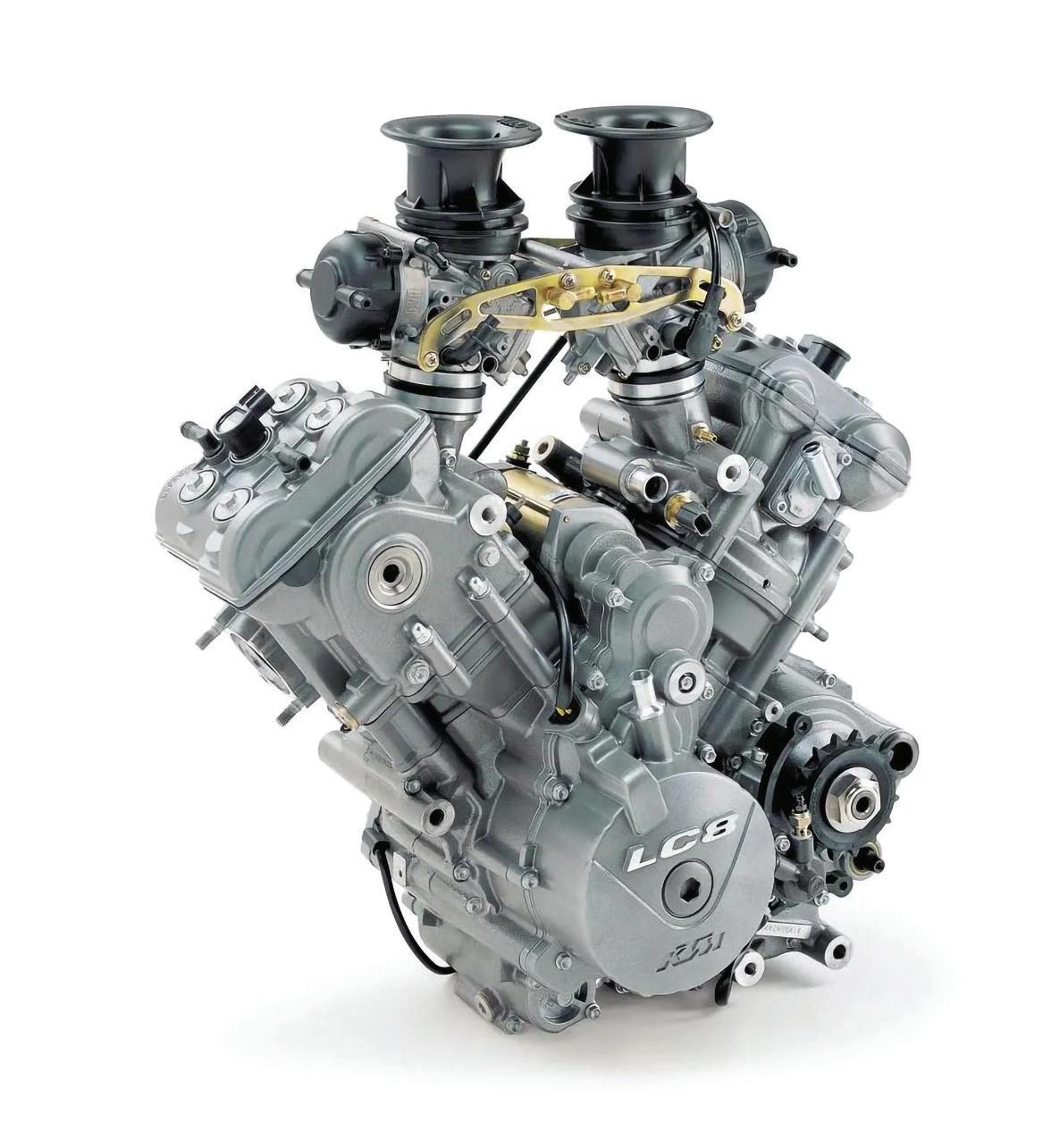
The motorcycling community is diverse, with commuters, enthusiasts, trail riders and racers who use a wide range of vehicles. While electric vehicle technology is enticing, its current state cannot solely satisfy the needs of all motorcyclists.
The right for motorcyclists to purchase vehicles that best suit their needs must be protected, and mandates that force combustion engines off the market threaten access and affordability. Add in the fact that current infrastructure is not prepared for an all-electric future, it’s clear that electric mandates would certainly harm motorcycling.
THE FIX
The AMA holds that individual freedom needs to be respected and is opposed to any regulation that removes consumer choice or impacts the natural evolution of the market. Two complementary bills — the Preserving Choice in Vehicle Purchases Act (S.996 and H.R.346) and the Automobile Retail Sales Act (S.990 and H.R.2165) — were introduced in Congress in 2025 with the aim of preventing the EPA from granting waivers that ban or restrict internal-combustion engines. The AMA supports legislation that prioritizes consumer choice and protects the natural progression of the vehicle market.
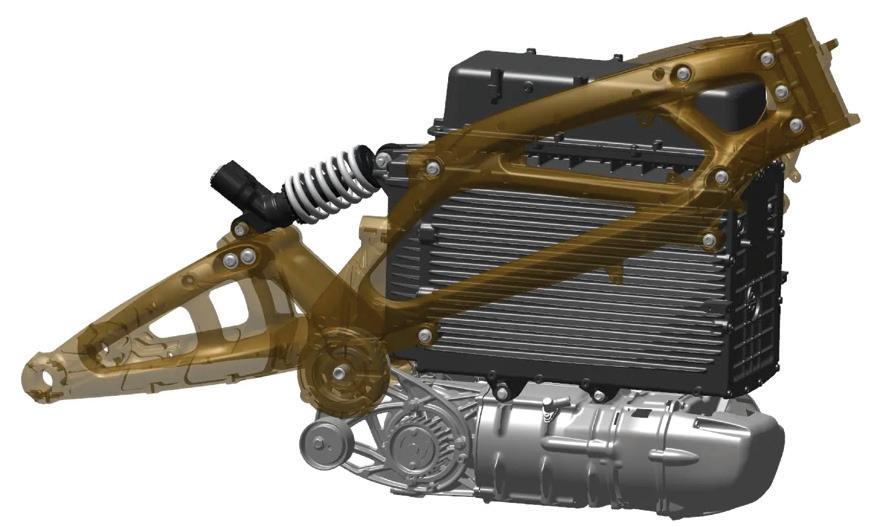
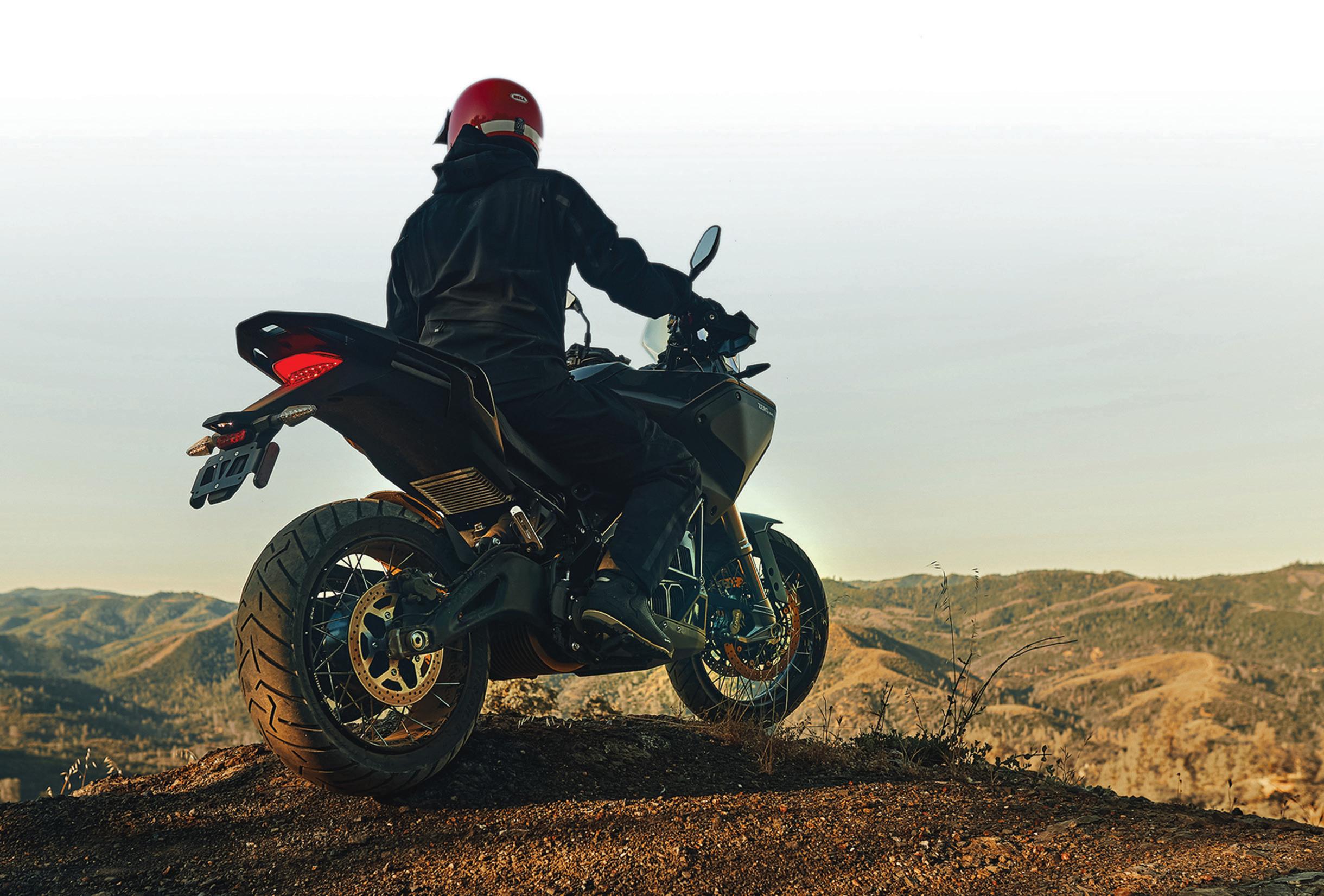
The motorcycling community is diverse, with commuters, enthusiasts and racers who use a wide range of vehicles.
EXCESSIVE SOUND
THE ISSUE
t’s no secret that the debate over loud motorcycle exhausts — often summed up by the decades-old “Loud Pipes Save Lives” battle cry — is one of the most contentious topics in the two-wheeled riding community.
While many riders view it as a safety feature (reasoning that louder motorcycles make drivers aware of a bike/ rider’s presence) or a performance badge of honor, there’s an equal if not greater number of motorcyclists who’d disagree — and research from organizations such as the National Highway Traffic Safety Administration has found little evidence that louder pipes improve rider safety.
Dispelling the myth even further, MotoADN, a Romanian motorcyclists’ association (and member of FEMA), conducted, ahem, exhaustive tests in 2020 and came to the following conclusion: “Loud pipes save lives is a
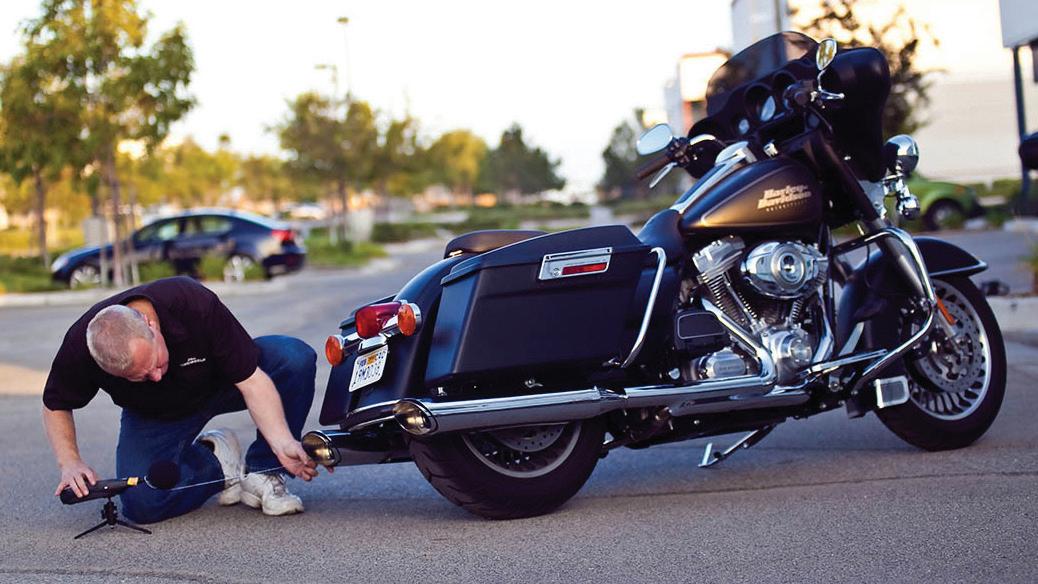
false statement. The sound produced by a motorcycle is not heard by the drivers of the cars in front of you or is heard too late to be able to influence the driver’s decision. Our best advice? Let’s be seen, not heard.”
For the complete story on these tests, check out https://www.femamotorcycling.eu/the-sound-of-yourmotorcycle/.
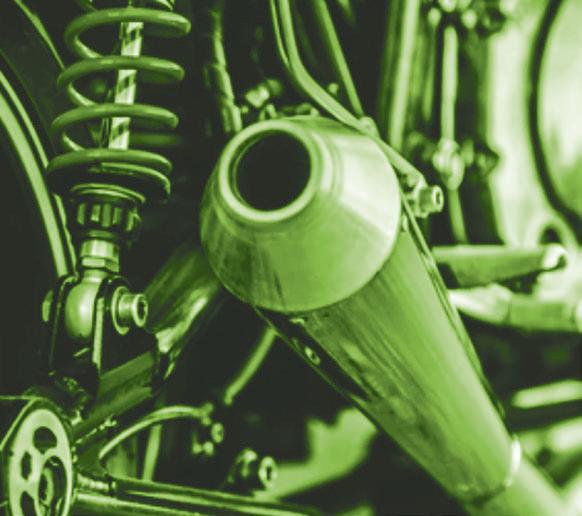
This issue isn’t simply limited to street bikes, either, and has adversely affected recreational OHV riding as well as road and off-road racing, leading to the closure of riding areas and tracks due to excessive sound.
THE DOWNSIDE
Perhaps the AMA sums up this issue best in its position statement on excessive motorcycle sound, stating, “Few other factors contribute more to misunderstanding and prejudice against the motorcycling community than excessively loud motorcycles.”
Attempts to regulate sound, unfortunately, often fail to achieve their objective, instead leading to singling out motorcyclists with ordinances and laws — including
road and trail closures, noise checkpoints and targeted enforcement campaigns — that are biased, impractical and, more often than not, unenforceable
There are environmental and health concerns as well, where chronic exposure to loud exhaust noise can contribute to stress, fatigue and long-term hearing loss (even inside a helmet), all of which are kryptonite to safe, prudent and enjoyable riding.
THE FIX
The AMA has long maintained a position of strong opposition to excessive motorcycle sound in both competitive and non-competitive environments and has always been at the forefront in recognizing the seriousness of the problem — and the responsibility to address it. In fact, the AMA was the world’s first motorsports sanctioning body to regulate and reduce sound levels of racing vehicles.
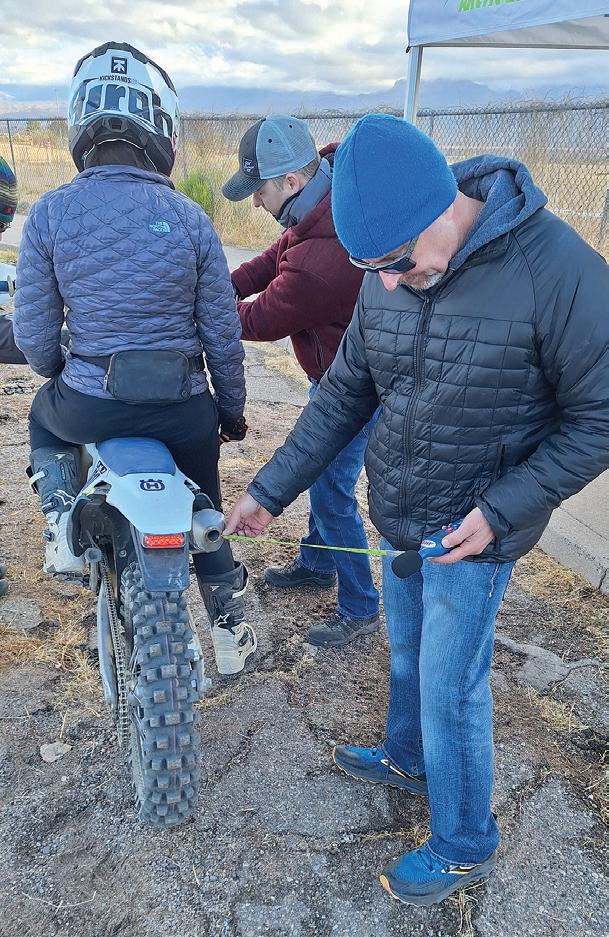
One example of the AMA’s efforts came with the introduction, in 2005, of the AMA Sound Meter Program, which awards AMA-chartered clubs each year with sound test kits to accurately check the sound emissions of their motorcycles and educate members on limiting sound pollution at their events.
Over 130 sound meters have been awarded to clubs since the program’s inception, and the AMA remains committed to supporting quieter motorcycle use and fighting against unfair sound ordinances. Motorcyclists also have a responsibility to be part of the solution by being sensitive to community standards and respectful of their fellow citizens’ right to enjoy a peaceful environment.
ETHANOL
THE ISSUE
e won’t (and honestly can’t) get too deep in the weeds about ethanol-based fuels and the harmful effect said petrochemical product can have on a motorcycle, so we’ll stick to the basics…
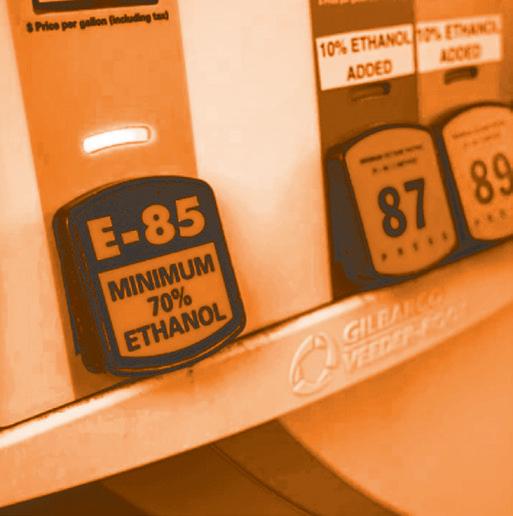
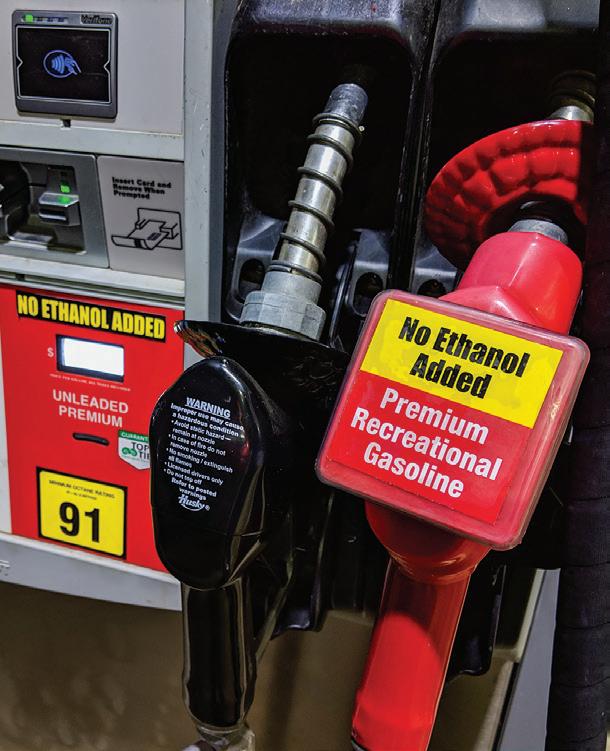
Derived primarily from U.S.-grown corn, ethanolblended gasoline first gained prominence during WWII, and again during the 1970s oil crisis. It later morphed, in 2005, into what’s known as E10, which signifies blending 10 percent ethanol into virtually every octane rating of gasoline (unless the pump is clearly marked as NO ETHANOL ADDED or ETHANOL FREE), followed by E15 (a 15 percent blend), which was approved to be sold only in winter months in a select number of states, though summer-use waivers issued by the EPA have become more frequent in recent years.
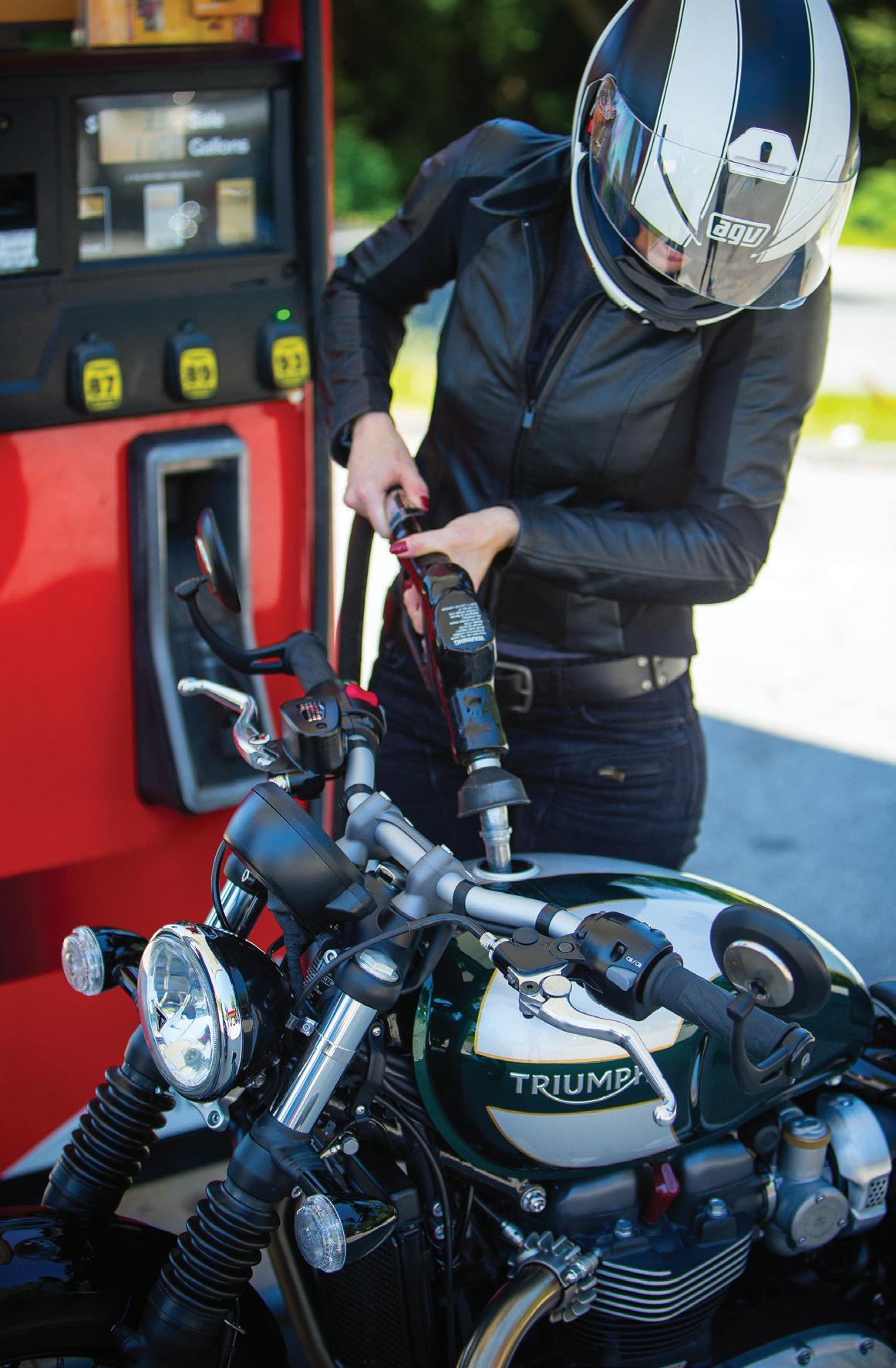
The problem facing consumers now is that ethanollaced gasoline is virtually everywhere, leaving a motorcycle owner little to no choice (unless you live near one of those ETHANOL-FREE outlets) when it comes time to fill up.
Another major issue is that gas stations have
mislabeled the pumps dispensing the ethanol mix, so it’s possible you could be filling up with E15 (bad, and illegal for use in motorcycles) or, worse, E85 flex-fuel, an 85 percent ethanol variant people often confuse with E15 (definitely not the same), which can wreak serious havoc in your machine. There’s also the issue of stations selling Unleaded 88, which is actually E15 as well, but typically not labeled as such, leading to further confusion for consumers.
THE DOWNSIDE
So, just why is this ethanol fuel blend so potentially harmful for motorcycles? It has to do with H2O. Ethanolblended fuels absorb water, which is naturally corrosive to metal and thus to engine components (and especially older carbureted bikes) and fuel systems. Fuel-injected motorcycles aren’t immune either, as deposits from ethanol gasoline can lead to clogging of the fuel-injector system’s sprayer nozzles.
Ethanol-laced fuel can also be hazardous for bikes stored for weeks or months at a time, as the blend starts to oxidize, separating the ethanol from the gasoline and forming a thick, corrosive sludge that can ravage fuel tanks, fuel systems and engines.
Lastly, ethanol blends drastically reduce fuel economy (some 15 to 20 percent), delivering significantly less energy per gallon than pure gasoline, while making bikes run hotter as well.
THE FIX
In addition to a handful of preventative, DIY measures — using fuel stabilizers, keeping the tank full to limit headspace for air and humidity to get in, or simply filling your tank with ethanol-free petrol — motorcyclists can also join the AMA’s fight to improve fuel pump labeling and the prominent display of warning signage.
The AMA has been adamant in its stance for proper pump labeling to better educate and warn consumers of what they’re putting in their tanks (a concern backed up by substantial data) and will continue to advocate for complete transparency from all parties that support the use and sale of ethanol-blended fuels.

DISTRACTED DRIVING
THE ISSUE
istracted driving has become one of the most persistent safety threats on American roads, and motorcyclists often pay the highest price. Far too many cases have been documented of motorcyclists being injured or killed as a result of other vehicle operators being distracted or inattentive.
While distracted driving can include anything that diverts attention from the road, the biggest culprit in recent years has been the smartphone and, by extension, the massive touchscreens featured in most modern-day automobiles. Texting, scrolling or even fiddling with a car’s climate controls takes a driver’s eyes, hands and mind away from the task of driving.
According to the National Highway Traffic Safety Administration, taking your eyes off the road for five seconds to glance at a screen or some other distraction while traveling at highway speeds (commonly cited as 55 mph) is equivalent to driving the entire length of a football field (100–120 yards) blindfolded. This is a particularly dangerous scenario for motorcyclists, who present a narrower visual profile, making them easier to overlook even when drivers are fully attentive.
THE DOWNSIDE
While the consequences of distracted driving are never good for anyone on the road, motorcyclists face the highest, most disproportionate risks. Riders lack
IN THE END
the protective “cocoon” (crumple zones, airbags, seat belts and the like) of a car, and when a distracted driver makes a mistake, the motorcyclist typically absorbs the full impact.
Common crash scenarios involving inattentive drivers include rear-end collisions at stoplights, unsafe lane changes or drifting, and drivers pulling out in front of or failing to yield to an approaching motorcycle they claim to have simply never seen. Even relatively low-speed incidents can result in serious injury.
THE FIX
The AMA recognizes that all road users — cars, trucks, motorcycles and even bicycles — have a shared responsibility for the safe operation of their vehicles on public roads and highways.
The AMA supports recent legislation in several states that includes enhanced penalty options against distracted driving. Examples of enacted penalties include, but are not limited to, enhanced fines, license suspension, points assessed on an operator’s record, community service and imprisonment.
In addition, the AMA supports the prominent placement of signage that notifies roadway users that the state provides specific sanctions for those convicted of moving violations while operating a motor vehicle in a distracted or inattentive manner.
hile there are many threats that impact many different aspects of motorcycling, the situation is far from hopeless. There are ways for the motorcycling community to combat issues and protect the motorcycle lifestyle.
It is important to stay informed on the issues facing motorcycling. You can do so by signing up for Action Alerts by going to AmericanMotorcyclist.com and clicking “Government Action Center” under the “Rights” tab.
Information sharing is a two-way street, so if you notice something in your
E-BIKES, BAD BEHAVIOR & UNINTENDED REGULATIONS
THE ISSUE
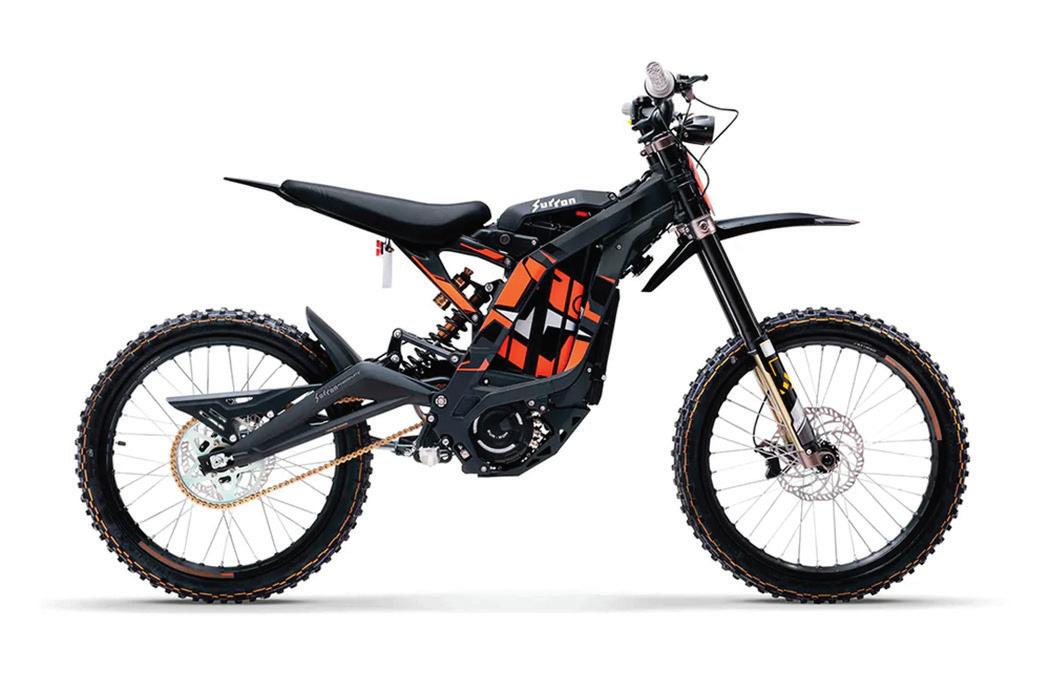
ad behavior on two wheels has always drawn attention (and not the good kind) to motorcycling, and now with the proliferation of (mostly) teenagers ripping around town on high-speed electric bicycles, there’s a very real risk of reinforcing the negative (yet undeserved and unjustified) stereotype that often leads to the profiling of motorcyclists by law enforcement agencies.
Pulling stunts on public roads, excessive speeding, reckless lane splitting and other illegal activity perpetrated by motorcyclists have become more pervasive in many communities. At the same time, the explosive growth of the e-bike industry has created what some see as another “monster,” where young, inexperienced riders are operating their machines at speeds often in excess of 40 mph with minimal training or oversight — and often little to no protective gear.
To the average citizen, the lines between motorcycles, electric motorcycles, mopeds and e-bikes often get blurred, and when people complain about reckless riders blasting through neighborhoods or weaving through traffic, the legal hammer can come down indiscriminately on all “two-wheelers.” The result?
already begun enacting speed limits, licensing requirements, and even outright bans from certain paths or roads. The potential caveat here is that if policymakers fail to distinguish between the various types and classes of two-wheelers, vague, poorly written regulations could unintentionally infringe upon responsible, upstanding riders.
There’s also the safety thing. Inexperienced kids riding fast e-bikes in traffic create real hazards for themselves and others. When crashes happen, they simply reinforce the perception that two-wheeled vehicles are inherently reckless and dangerous, further fueling demands for stricter regulation.
Motorcyclists who follow the rules can end up paying the price for the actions of a small but highly visible minority.
THE DOWNSIDE
The biggest downside is the risk of unintended and unfair regulation. When reckless riders generate complaints, legislators may respond with sweeping restrictions — like tighter noise regulations (for gaspowered bikes) or targeted enforcement campaigns — that affect responsible, law-abiding motorcyclists as well.
In the case of e-bikes, many communities have
THE FIX
It starts with responsible, law-abiding motorcyclists — whom the AMA has long championed as the vast majority of riders and enthusiasts — having a strong incentive to promote good behavior and call out conduct that harms the reputation of the riding community as a whole. Secondly, education and training are equally important for the ever-growing e-bike segment. Parents, retailers and communities alike should ensure young riders understand local rules, speed limits and basic traffic safety.
Lastly, lawmakers should focus on targeted, wellinformed regulation rather than broad, sweeping restrictions. This starts with establishing clear definitions that distinguish motorcycles, e-bikes and other electric vehicles, which would help prevent arbitrary enforcement and the unintended consequences that result.
community that needs to be addressed, email the AMA GRD team at grassroots@ ama-cycle.org so the issue can be looked at. The AMA can bring attention to a situation and mobilize its membership to make a difference, but being made aware of a situation is the first step.
The AMA — along with many in the motorcycling community — is committed to protecting the motorcycle
lifestyle that has persisted for more than a century, and if the will and spirit of the community is any indication, motorcycling will enjoy plenty more centuries to come. AMA