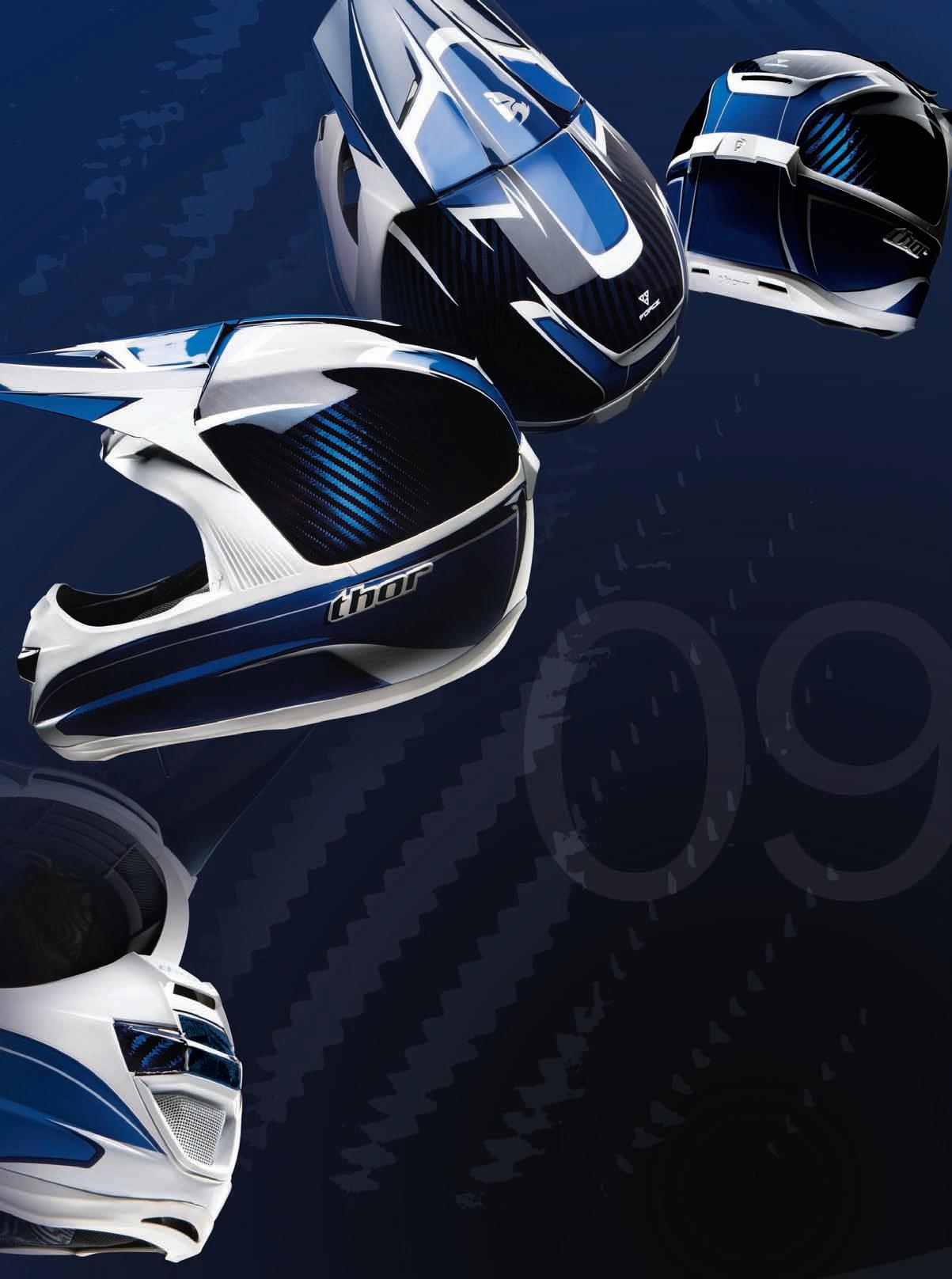
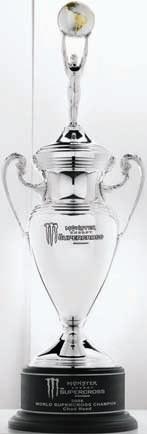
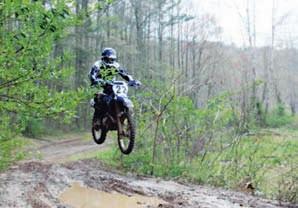
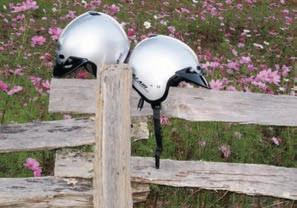
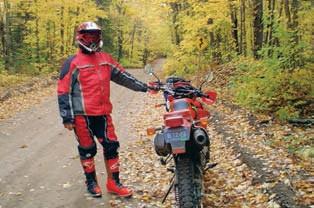
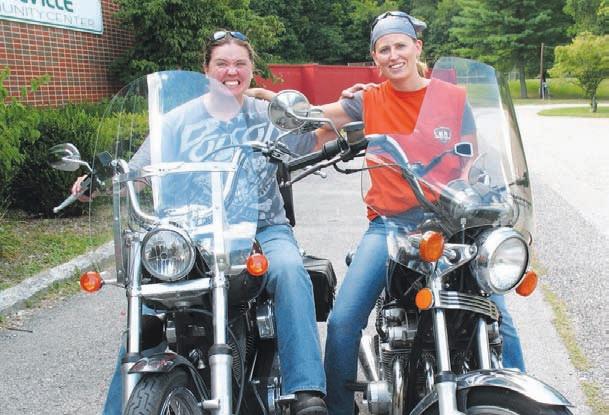
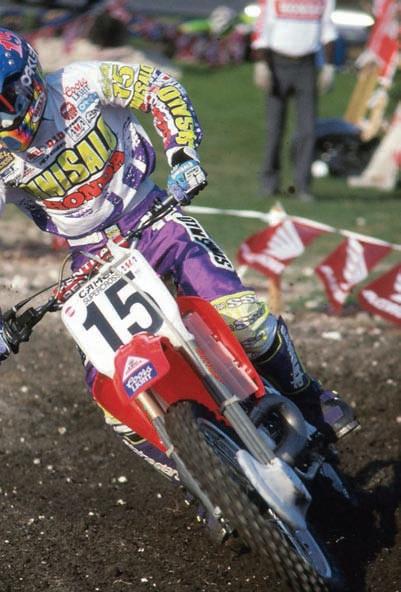
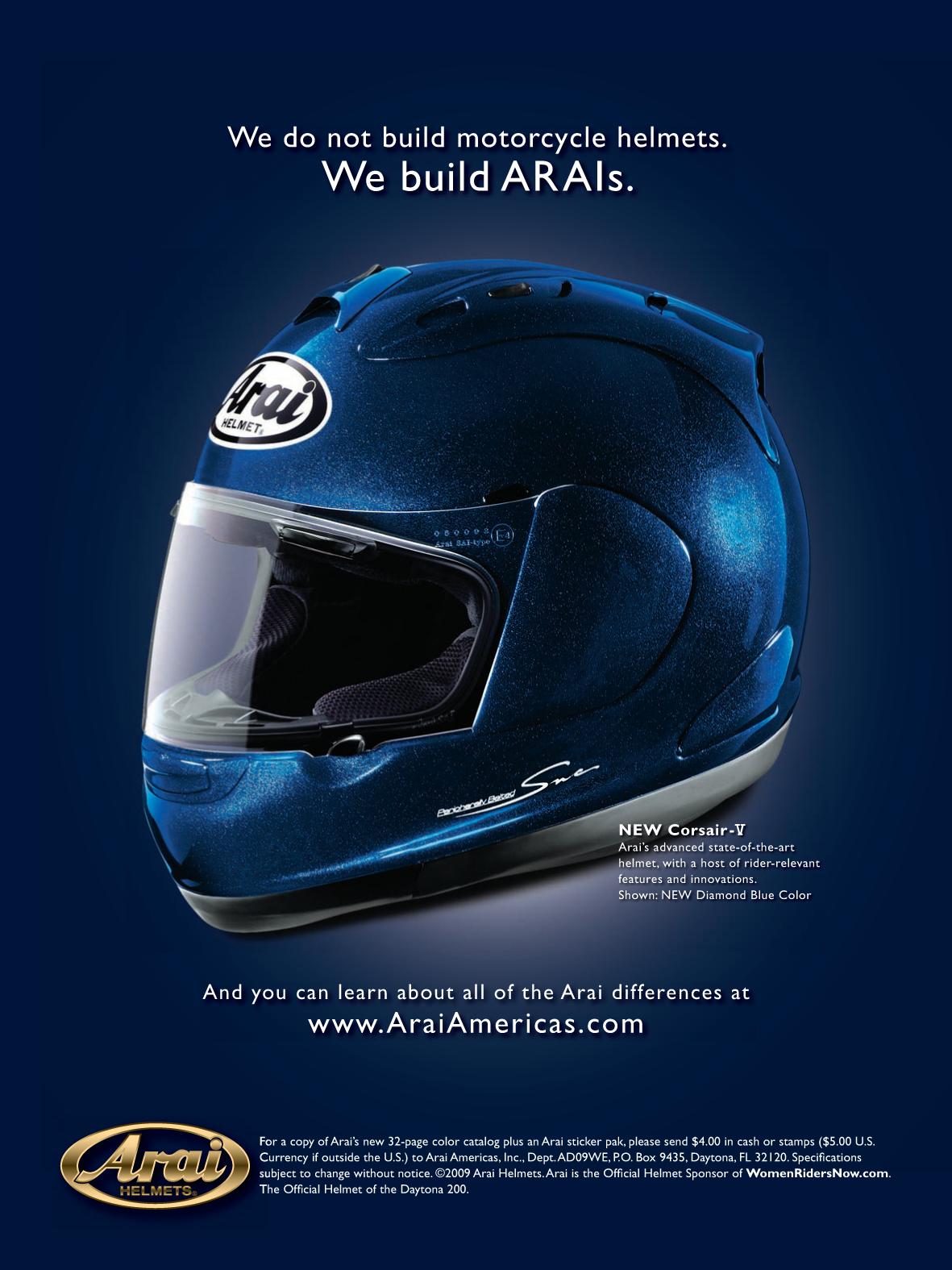
When Supercross Champion Chad Reed and National Motocross Champion Ryan Villopoto put their trust in your helmet, you know you’re doing something right. And now we’ve taken things to another level with the introduction of the second generation Force Helmet. Built upon the same foundations as the original Force Helmet, this next-gen model takes performance and innovation to an entirely new level. We analyzed every component, re-worked every surface, and sweated every detail. The result is amazing strength, reduced weight, and pure performance that's fit for a champion.
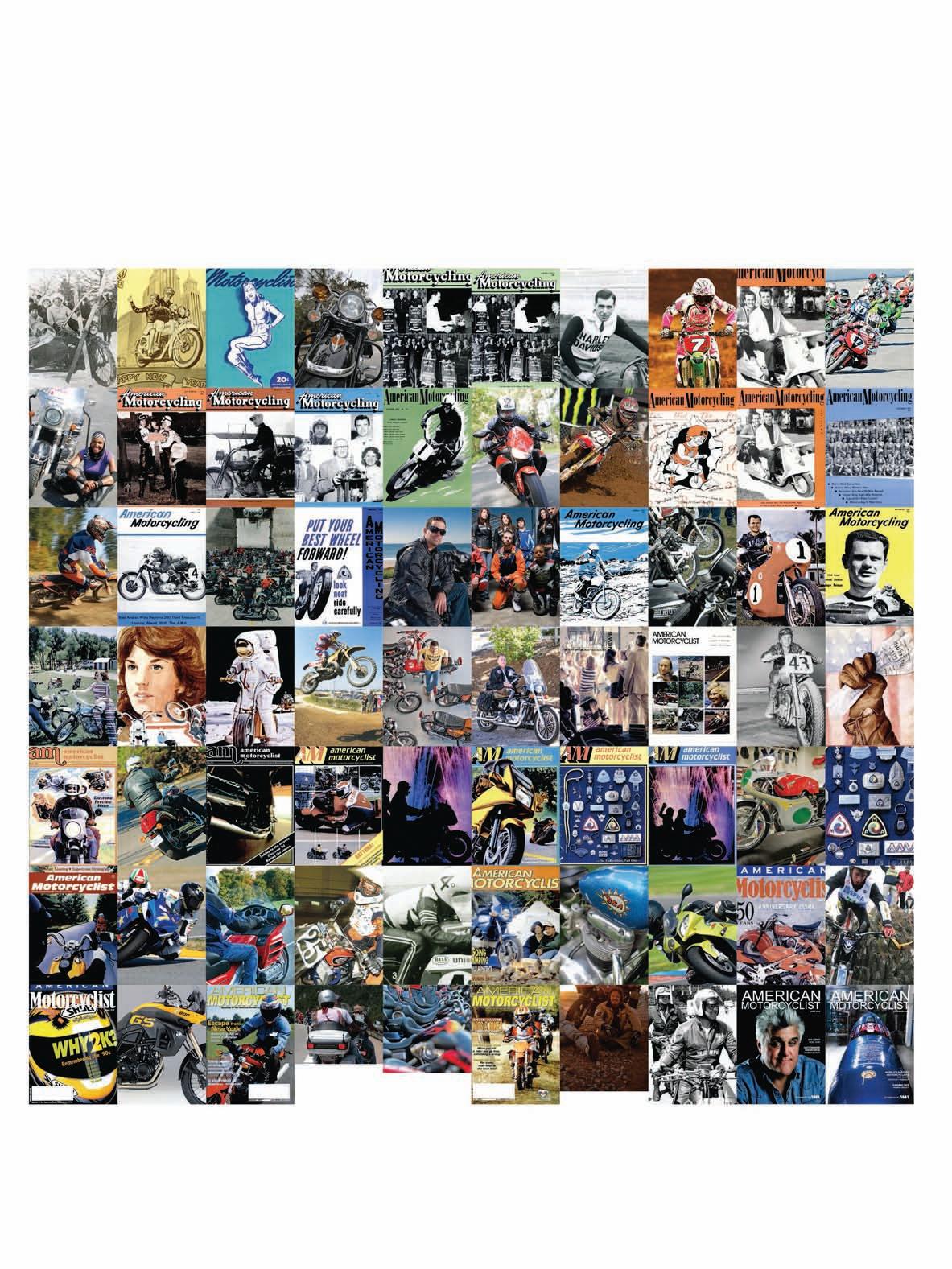
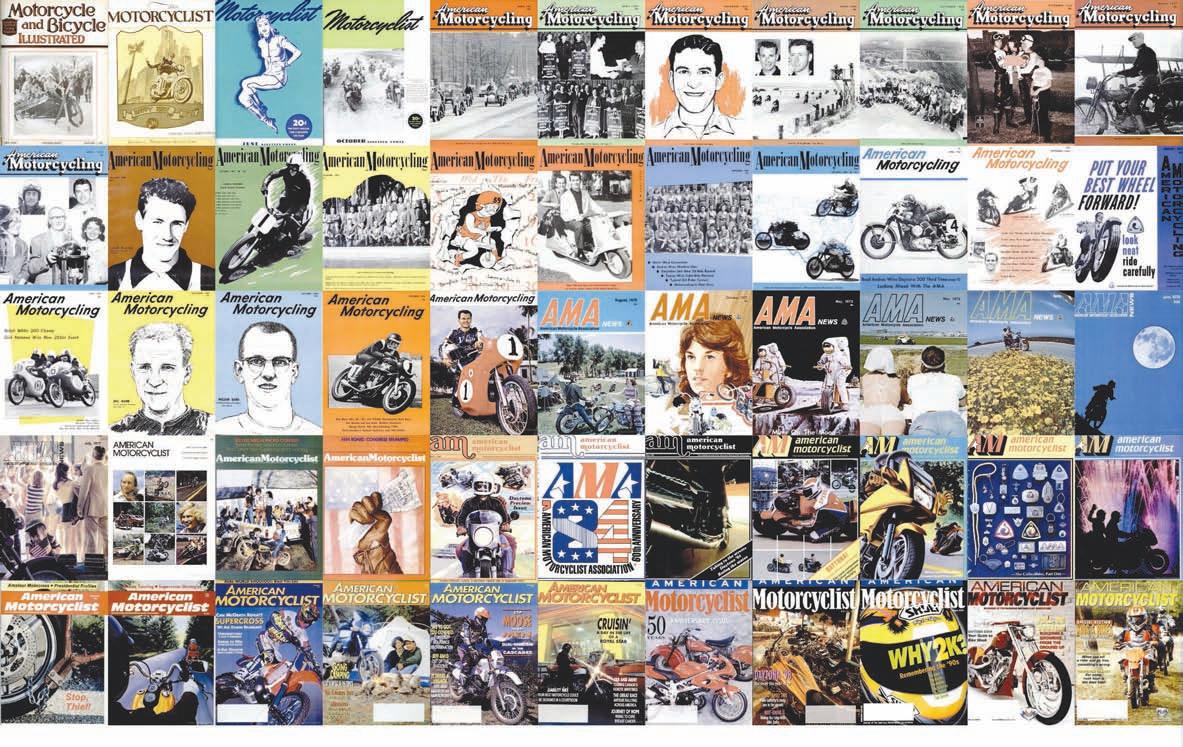
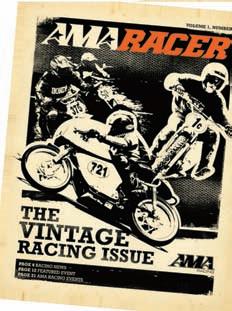
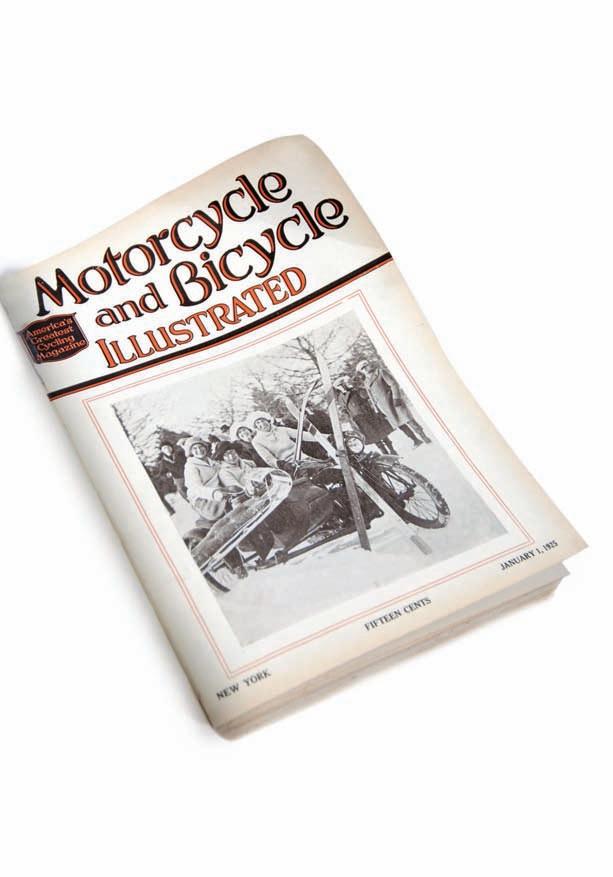
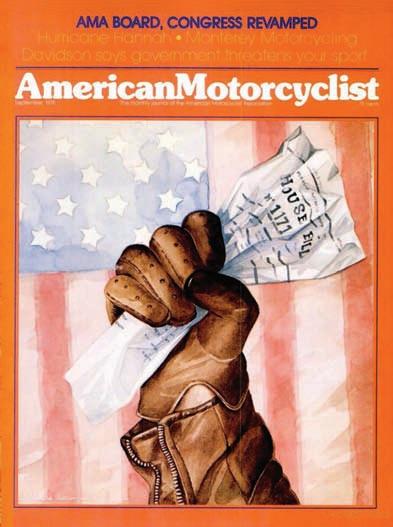
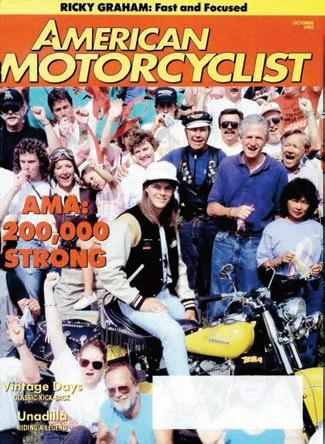
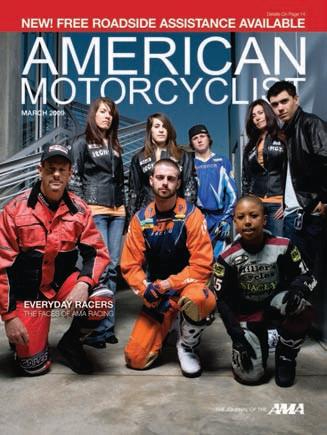
Cover Photo The AMA celebrates 85 years of protecting motorcyclists’ right to ride. Cover illustration by Mark Lapid.
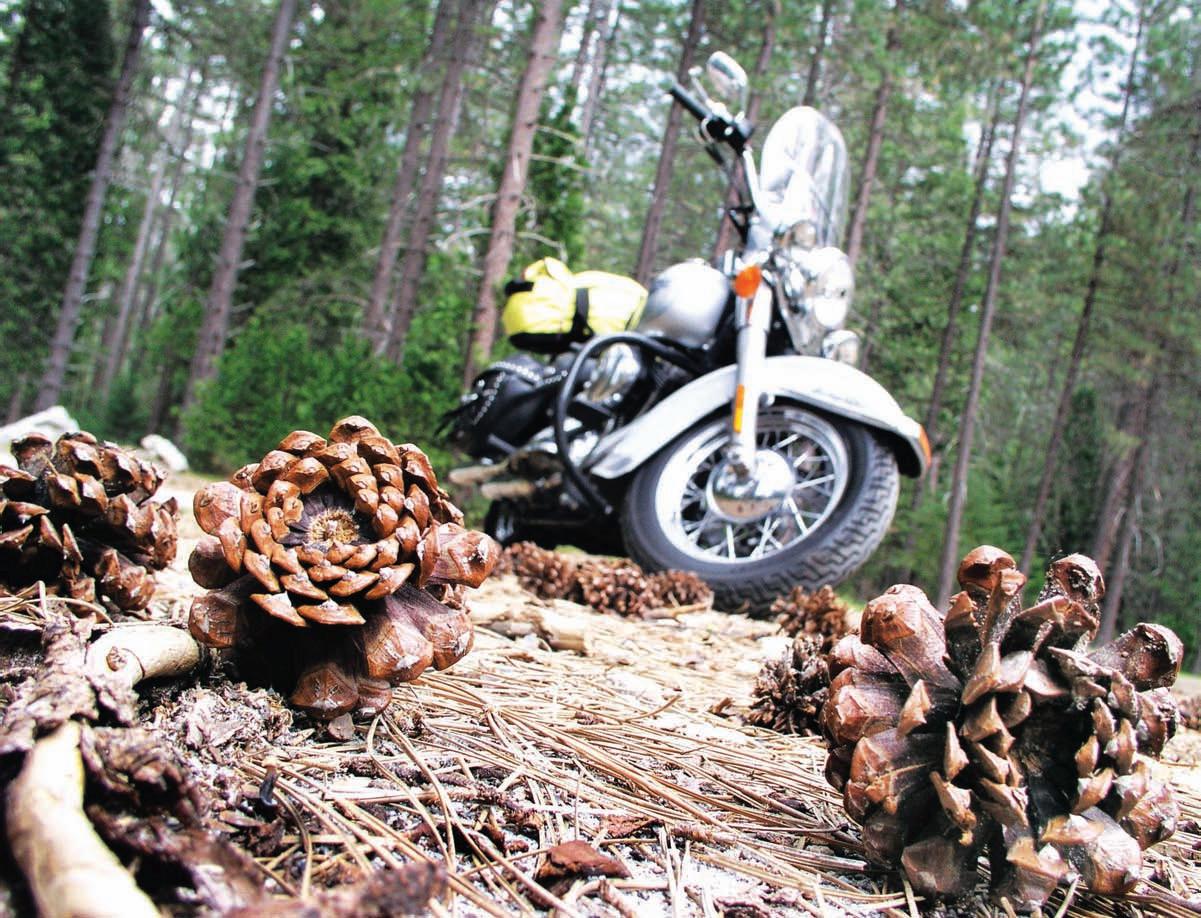
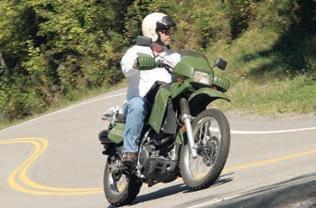
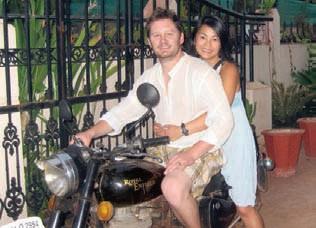
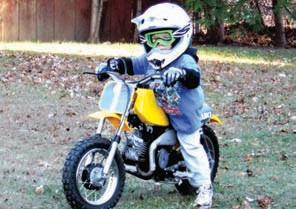
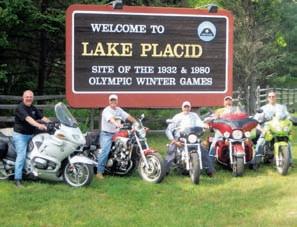
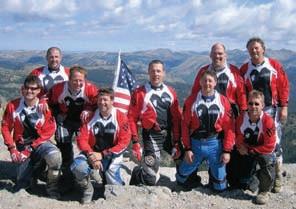
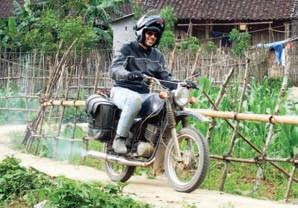
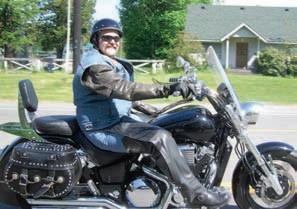
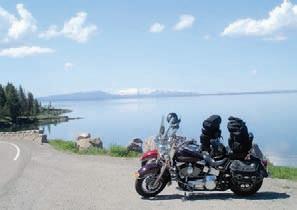
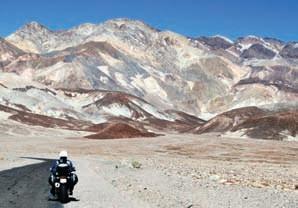
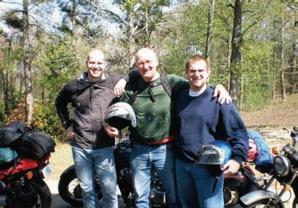
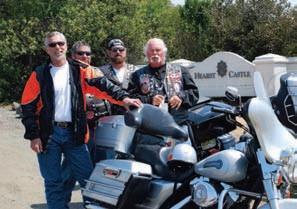
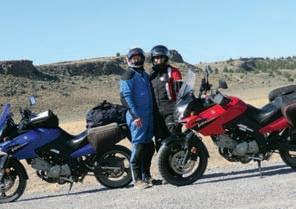
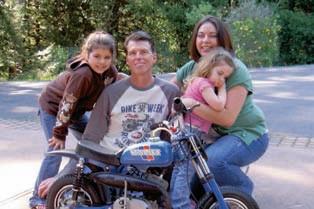
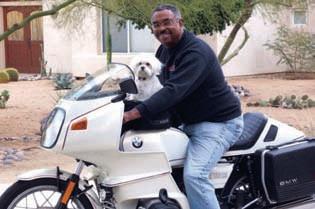
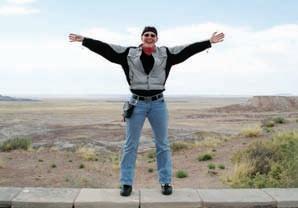
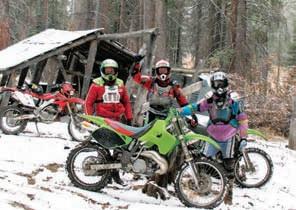
Winner: Michael Okoniewski submitted this photo of his Harley-Davidson Heritage Softail shot in Yosemite, Calif. Below: 1) Kyle Allen in central California. 2) Tyler Bailey, 3, of Smithfield, R.I., already loves motorcycles. 3) Team Toyota Trucks riding the Colorado 500: (l to r) Scotty Lalonde, Dave Bergeron, Ray Toms, Al Cravens, Tom Kent, Mike Rosenbaum, Sean Balaun, Lon Plumpton and Scott Ehrlich. 4) Jon Losey in Washington state.
Continued from opposite page: 5) Kenneth Bulla riding the Dragon. 6) Members of the Old
HOG Chapter of
Fla. 7) Curtis Lenderman exploring in Vietnam. 8) Dave Teter and Mike Taylor’s trip through Yellowstone
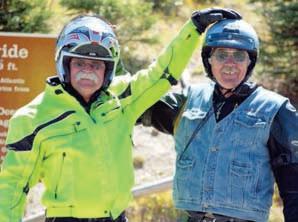
and Sarahjane Chase on their honeymoon in India. 10) Keith, Ronnie, Tom Cassat, Sam and Jimmy. 11)
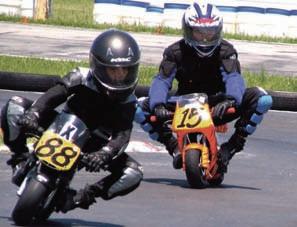
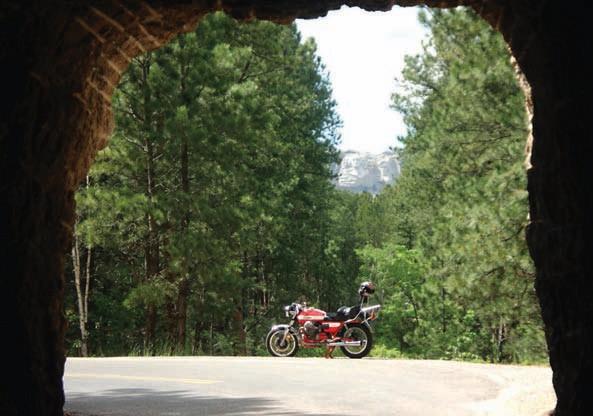
and Don Banks of Nebraska at the Continental Divide. 12) Corbyn (foreground) and Canyin (background) Gan racing pocketbikes in Denton, Texas. 13) Larry and Connie Bretl took this shot in the Black Hills of South Dakota. 14) (l-r) Friends Mike
Ohio; Fast Eddie Fichter, N.J.; Gerry Lemise, Pa.; and Bill Hartley, N.J., take a break while riding the California coast. 15)
and family. 16) Dan and Mary Poore in Oregon. 17) Leon Primus and Aley, original owner 1984 BMW
photo in Death Valley. 19) Don Powers and sons along the Natchez Trace in Mississippi. 20)
18)
Route 66. 21) Steve Mutton. 22) Donny Paul in the Upper Peninsula of Michigan. 23) Christe Carole. 24) L-R: Tim Bielski, Dave
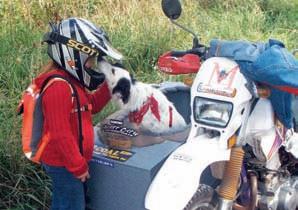
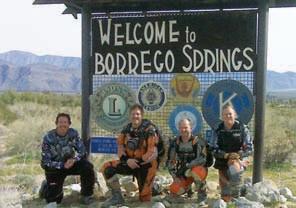
Russ Martin and Kris Hawk in Borrego Springs near Ocotillo, Calif. 25) Taneele Smith and sister, Calisa, strike a pose they did as kids. 26) Sophia Donadio, 8, makes a friend at the 2008 Shenandoah 500 AMA Dual Sport ride in Virginia. 27)
Get a GoPro Camera
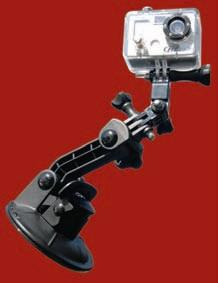
Got an image that captures what’s cool about motorcycling? Send it to American Motorcyclist. Send your high-resolution photos and mailing address to: submissions@ama-cycle.org. We’ll even pick one standout photo next month, and send the photographer a free GoPro Motorsports Hero Wide camera with mounts.
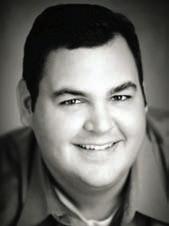
BAISDEN, Photographer Charles and his wife, Meg, make up the photographic team of Meg Baisden Photography, based in Pensacola, Fla. Charles worked with the All-American Rejects for this issue. You can see more of their cool work at megphoto.com.
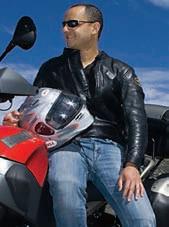
MONTY SOUNGPRADITH, Photographer Monty is our go-to guy for local shoots, and he always impresses with his laid-back demeanor, thoughtful compositions, and uncanny ability to get the shot in fewer than three shutter clicks.
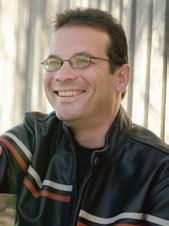
SGT. STEVE CLICK, Guest Columnist The Clicker actually searched us out, asking if we’d like a column from a motor officer. Well, duh! As down-to-earth and personable a guy as you’ll find, Click will likely appear in these pages more.
BASEM WASEF, Writer Basem Wasef has tested everything from electric dirtbikes to V8-powered cruisers for Popular Mechanics, Maxim and About.com. He produced the book Legendary Motorcycles, and can’t wait to get seat time in something other than his office chair once he’s done with his follow-up entitled Legendary Race Cars
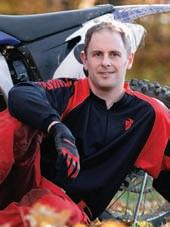
BILL KRESNAK, Government Affairs Editor Krez’s new DR350 combines two of his greatest passions: riding motorcycles, and envisioning elaborate weekends on motorcycles that almost, but not quite, work out as planned.
AMA BOARD OF DIRECTORS
Stan Simpson, Chairman P.O. Box 1028, Cibolo, TX 78108
Jon-Erik Burleson, Assistant Treasurer 38429 Innovation Ct., Murrietta, CA 92563
Jim Williams, Assistant Secretary 9950 Jeronimo Rd., Irvine, CA 92618-2084
Erik Buell 2799 Buell Dr., East Troy, WI 53120
Andy Goldfine 8 S. 18th Ave., West, Duluth, MN 55806
Charles Goman PO Box 81, Winder, GA 30680
Perry King c/o AMA, 13515 Yarmouth Dr., Pickerington, OH 43147
Michael Lock 10443 Bandley Dr., Cupertino, CA 95014
Arthur More 16153 Starlight Dr., Surprise, AZ 85374
John Ulrich 581-C Birch St., Lake Elsinore, CA 92530
Bill Werner 18405 Davidson Dr., Brookfield, WI 53045
(800) AMA-JOIN
MARK LAPID, Creative Director Ever the minimalist, Mark managed to do an entire weekend motorcycle camping with friends, gear included, on his Suzuki DRZ400 supermoto bike. The secret? Making his friends carry his stuff. Ka-ching!
GRANT PARSONS, Managing Editor Usually, Grant loves blue-sky thinking. Then he looks at the malfunctioning automatic choke on his scooter, ponders the finicky heatsensitive dohickey used to regulate fuel flow—and wonders what, exactly, is wrong with a choke lever.
JEN MUECKE, Designer In honor of Ride to Work day, Jen, who telecommutes, watched Faster for the upteenth time, then planned another track day.
NORA McDONALD, Production Coordinator After a weekend spent earning her motorcycle endorsement, Nora plans to spend several more weekends looking at every kind of bike imaginable, dreaming and planning.
JAMES HOLTER, Associate Editor Who would have thought that a 1972 Suzuki TC125 could hit 64 mph? James, actually, as he was tucked down over the handlebars, flat-track style, on the freeway.
Other contributors include: Shan Moore, Scott Hoffman, Brad Pappalardo, Brian J. Nelson, Jeff Buchanan, Motorcycle Safety Foundation.
CHARLES
The team at BikeBandit.com doesn’t want you to miss a ride. For the past ten years, we have provided the fastest and most accurate way for you to buy parts online. In fact, we’ve shipped over 6 million parts to riders around the world. We make it easy to get back on the road.
Total parts shipped
LDEMOS SEMINARS RIDES
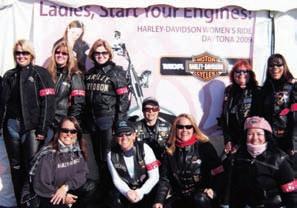
Join us at Keystone Resort in the heart of the Rocky Mountains, 90 minutes west of Denver, Colorado. Keystone’s state-of-the-art amenities, on-site accommodations in all price ranges, and proximity to world-class riding will embrace the tradition of what has become the premier international women’s motorcycling event.
LFor 85 Years, the American Motorcyclist Association has been promoting and protecting the motorcycling lifestyle...
85 years is no small amount of time. Since the American Motorcyclist Association was born in 1924, we’ve been through 14 presidents, a World War and more than a few societal changes. Motorcycle companies have risen, fallen, and in some cases risen again, while motorcycles have gone from finicky, low-compression gentleman’s tourers to high-tech, fuel-injected machines that have welcomed generations of new riders. Through it all, the AMA has been the one organization focused on uniting riders and their passions, with the mission of promoting the motorcycle lifestyle and protecting the future of motorcycling. It’s been an amazing journey, and on the occasion of our 85th anniversary, we’ve taken a step back to reflect on the events of the last eight and a half decades to salute riders like you who have made it all possible. It’s because of you that today – and tomorrow – we’re able to enjoy the fullness of our favorite pastime.
by the staff of American Motorcyclist
1920s and ’30s 1920s and ’30s
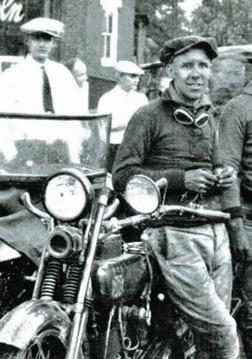
The AMA GeTs ITs sTArT, MoTorcyclInG Grows At the dawn of the 20th Century, there were hundreds of U.S. motorcycle makers, and bikes were tools of transportation, not recreation. Henry Ford’s 1908 Model T changed all that, and motorcycles became objects of sport and pleasure. Out of that new focus, the American Motorcyclist Association was born in 1924 as a way to unite riders and promote their passion.
{ off To A sTronG sTArT
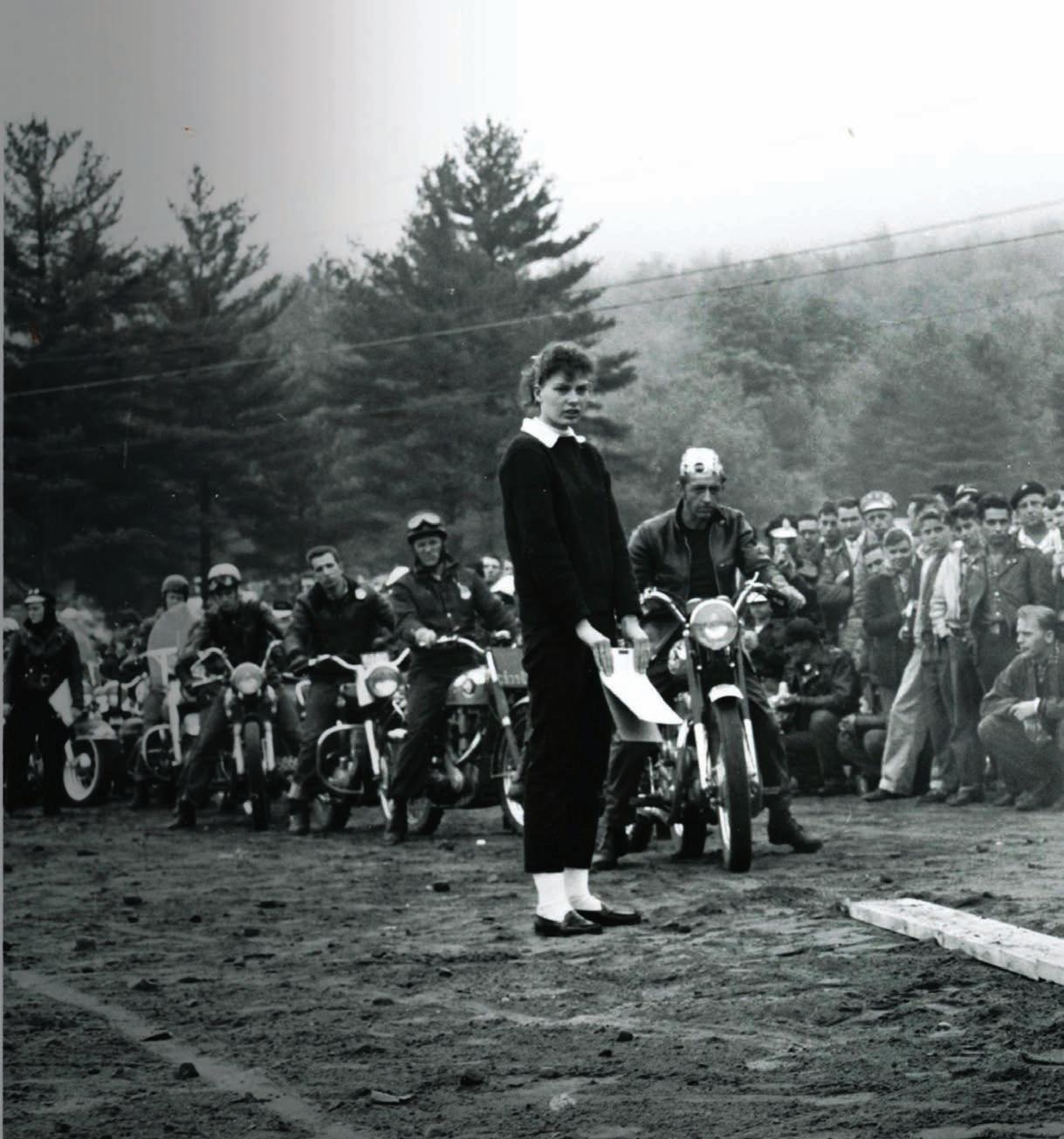
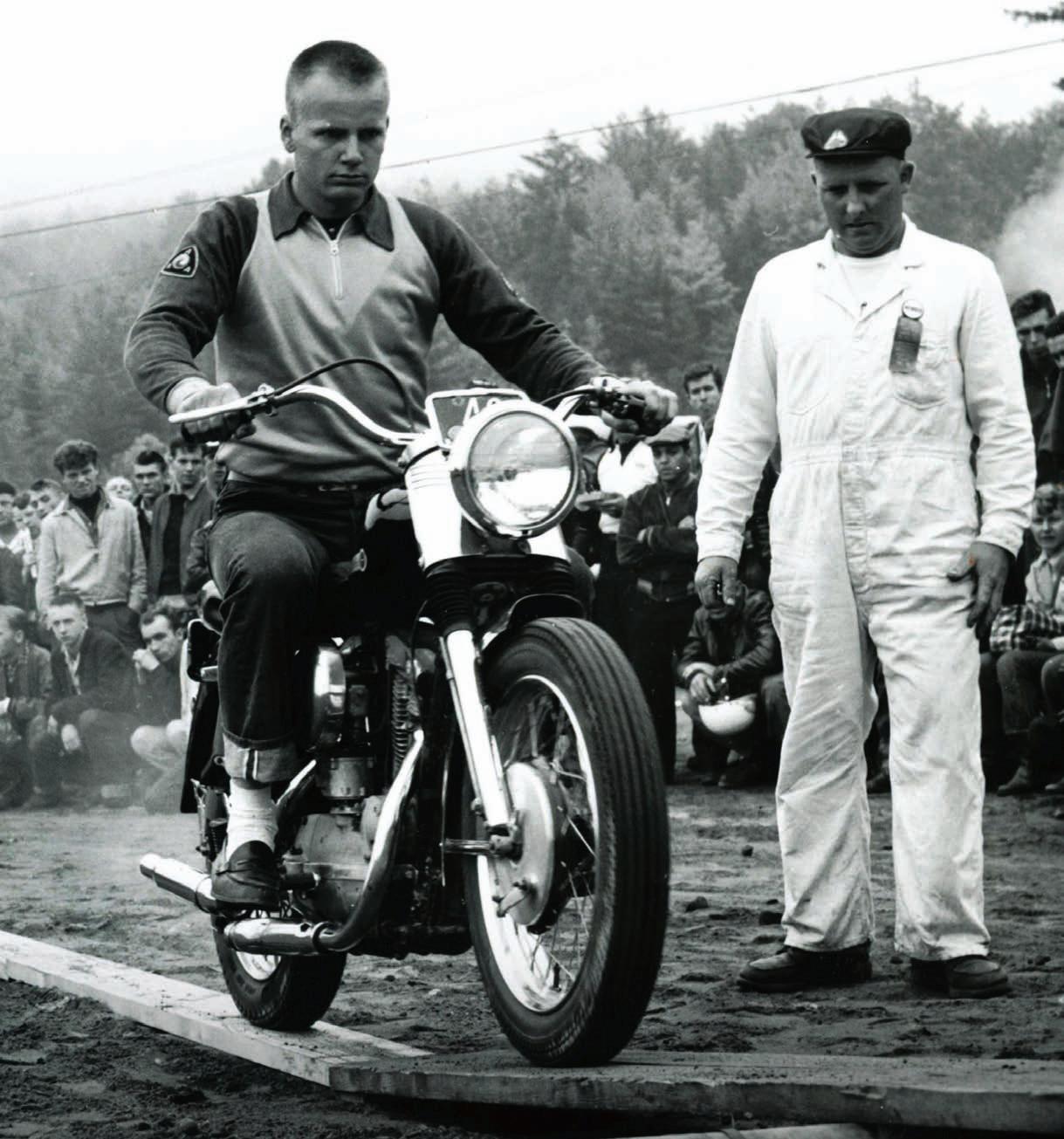
1920s and ’30s Some of the most popular events in the AMA’s early years were “Gypsy Tours.” These were held on a single weekend throughout the country, featuring rides to scenic locations for picnics, races and field meets involving such motorcycle games as slow races, stake races and plank riding. A 1935 Gypsy Tour in Keene, N.H., featured a 200-mile TT race, and attracted a massive crowd far in excess of the 15,000 who watched the race. Said AMA Secretary E.C. Smith: “To accurately state or even estimate the number of riders present at the Tour would be an impossibility.”
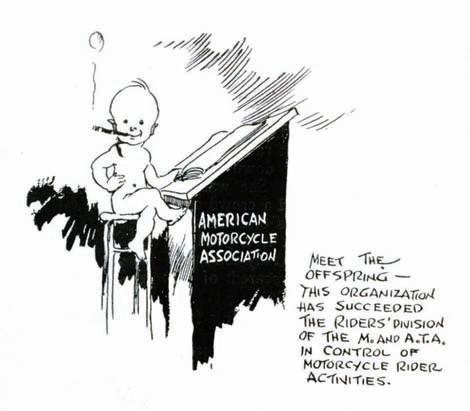
1924American Motorcycle Association is born May 15 out of the former Riders’ Division of the Motorcycle & Allied Trades Association, with the goal of uniting and providing activities for riders. “The slogan of the AMA will be: An Organized Minority Can Always Defeat an Unorganized Majority.” (Western Motorcyclist and Bicyclist, May 20, 1924)
The first-ever AMAsanctioned race is believed to be the second National Six-Days Trial in 1924, with a start/ finish in Cleveland and covering five states and 1,357.9 miles. Despite factory riders, the best score went to private rider John Yake of Pennsylvania. As reported: “To begin with, get it out of your head that the six Days Trial is six days of pleasure touring, as it is generally defined. There is pleasure in it and heaps of satisfaction for the honest-to-goodness red-blooded sportsman who takes joy in excelling in his favorite sport.”
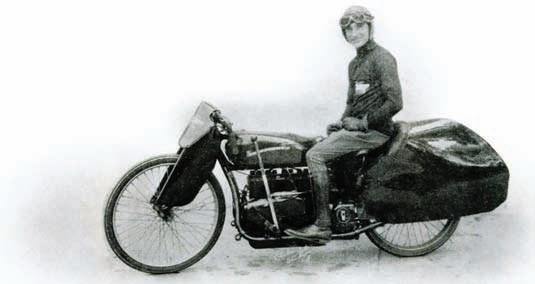
“ how fAsT wIll IT Go? As long as there have been motorcycles, the question has been asked. And with its mission split between competition and recreational riding, the AMA has long been a part of figuring out the answer. The AMA was there in 1924, when Freddie Ludlow, a former racing star, fired up this specially tuned Henderson DeLuxe and set a record of 127.1 miles per hour for the flying quarter mile. Special equipment involved included firestone tires pumped to 100 psi and the hammered metal streamlining on the rear of the bike designed to close the air smoothly behind the rider.
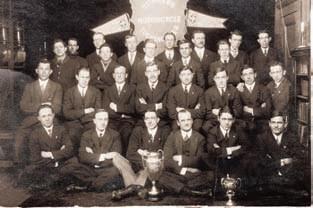
A number of clubs that were chartered by the AMA in 1924 are still with the Association: the Billings (Mont.) Motorcycle Club; the Bridgeport (Conn.) Motorcycle Association; the Dayton (Ohio) Motorcycle Club, The Galesburg (Ill.) Motorcycle Club; the Lansing (Mich.) Motorcycle Club, The Madison (Wis.) Motorcycle Club; the Midwest Motorcycle Club in Indianapolis; The New Jersey Motorcycle Club in Bergenfield; The Reading (Pa.) Motorcycle Club; the San Francisco Motorcycle Club and the Yonkers Motorcycle Club in Mt. Vernon, N.Y.
1928A full-time secretary is hired for the AMA in October: E.C. Smith, a former referee for the Federation of American Motorcyclists and the M&ATA, and offices were established in columbus, ohio. The AMA offices remain within about 10 miles of that first location. Smith is now in the AMA Hall of Fame.
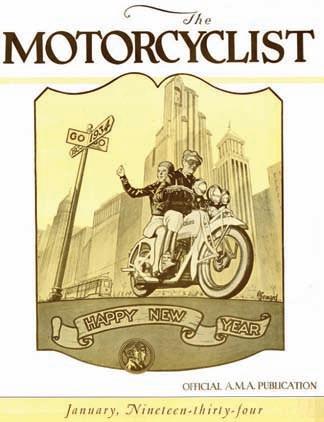
[ Thumbs up! With America in the early stages of recovery from the Great Depression, optimism was the thought for the new year in 1934. With AMA members looking for traction, AmA racing and riding gave riders plenty of reasons for hope.
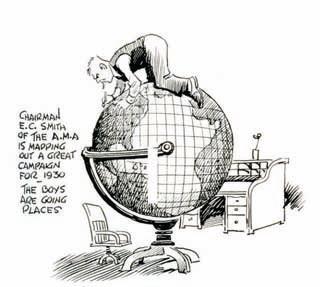
[ scouring The globe From the start, the AMA hung its helmet on events for riders, both racing and recreational riding, and uniting riders. Early successes of AMA Secretary E.C. Smith were outlined in one story from 1930: “That his work has proved successful goes almost without saying. The AMA is 300 percent stronger than last year, the sanctions granted last year number more than a hundred over the previous year, more clubs belong to the Association than before... E.C. Smith also stated that all adverse legislation was being watched very carefully in all of the states.”
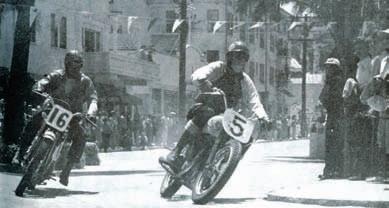
1920s On the racing side, “Class A” racing is the pinnacle of competition, with a formula that allowed manufacturers to build exotic one-off racing machines. Factory teams spent large sums on racebike development and hired top riders like Jim Davis and Joe Petrali to claim championships.
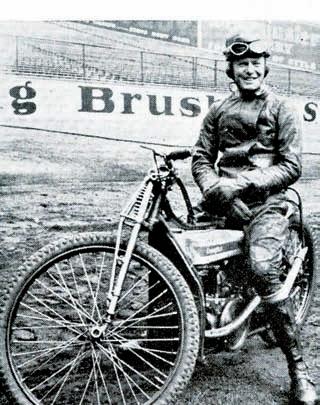
[ sTick And bAll, meeT moTorcycle Think motorcycle racing in stadiums is a new thing? Think again. In 1931, cinder-track racing made its debut in New York’s Yankee Stadium, where 5,000 people watched races under the then-novel electric lights. Stars like Ginger Bower, of South Africa (above) wowed the fans, and the spectacle had both sound and fury, judging by the description of the secondplace finisher Murad Smit: “He rode a Scott job that at speed sounds like a soul in agony, but it is a fast and hot pot.”
1935For motorcycle manufacturers, there was no better way to sell motorcycles and fire the imagination than transcontinental motorcycle runs, and the ’30s saw dozens of new records set as roads and machines improved. In 1935 alone, Earl Robinson went from New York to Los Angeles in 77 hours and 53 minutes on a Harley-Davidson; and Fred Ham made a three-flag run on another Harley from the Canadian Border at Blaine, Wash., to Tijuana, Mexico, in 28 hours and 7 minutes.
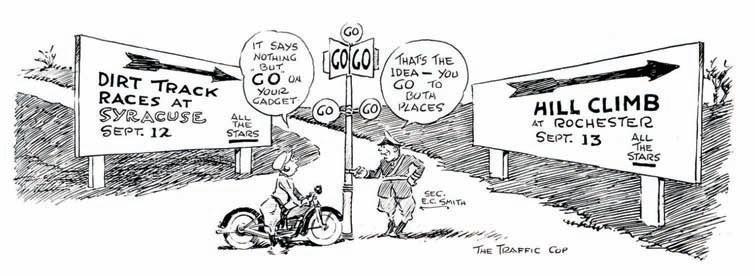
is there such a thing as too much motorcycling? In our estimation, no—and that was the prevailing thought as well in the 1930-era AMA. In 1931, back-to-back weekend events in Syracuse and Rochester, N.Y., were cause not only for comment, but celebration
1930s The financial realities of the Great Depression bring lower-cost productionbased racing to AMA competition. As E.C. Smith wrote: “Without a doubt, Class C competition is going to revolutionize motorcycle activities and you are going to see more good riders developing this year than for many a year, and with competition much hotter than ever before.’’
1937
American motorcycle racers arrive on the world stage in high style, with u.s. night speedway ace Jack milne claiming the World speedway title in front of 85,000 fans in England’s Wembley Stadium. Astonishingly, Americans Lammy Lamoreaux and Cody Milne, Jack’s brother, finished second and third. “The feat of the Americans in capturing the world championship and finishing one-two-three in the great championship races may well be imagined a hard pill for the British speedway fan to take,” said one report. “If this is the case there seems to have been no evidence of it at the big Wembley affair for the performance of the three Americans was wildly cheered.”
The first-ever Daytona 200 is held on a course made up of sandy beach, part of Florida Route A1A paralleling it, and two 180-degree turns on the ends. To win the inaugural event, “Ironman” Ed Kretz had to battle not only a large field of racers, but also an incoming tide that narrowed the beach straightaway throughout the race.
1940s and ’50s 1940s and ’50s
THE WAR YEARS AND BEYOND America was drawn into World War II as the ’40s began, and the AMA did its part, curtailing activities to conserve gas and rubber rations, and starting the publication that became the one you’re reading now as a way to hold motorcyclists together for the duration. And when the war was finally won, motorcyclists were ready to get back to what mattered: riding, racing and enjoying life.
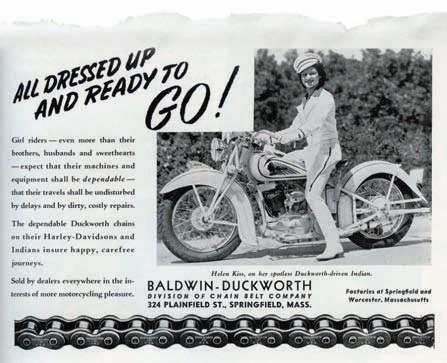
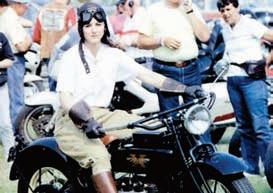
{ GIRL RIDERS From the beginning, women riders were considered an important part of the motorcyclng world, and that continued in the 1940s. Many women chose to ride their own machines, and women’s activities were regularly spotlighted in the pages of American Motorcyclist One popular yearly feature was the “Typical Girl Rider” contest, where clubs would nominate entries and members would select a winner.
AMERICAN MOTORCYCISTS GO TO
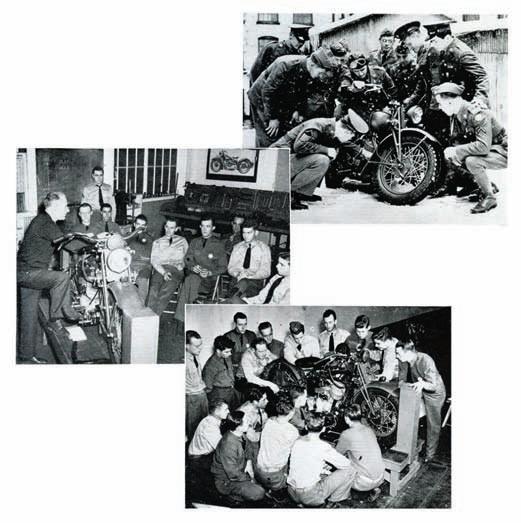
WAR Even before the U.S. joined WWII, manufacturers and riders prepared. While Harley-Davidson and Indian built military models, the U.S. Army taught soldiers to ride and maintain motorycles. “While these courses, naturally, do not make expert riders, they do furnish a foundation upon which to build with experience,” editors wrote. Many American motorcycles also were sent to allied armies, and motorcycles even replaced horses in one of Canada’s calvary units as the 2nd Canadian Motorcycle Regiment.
1941As America prepared for war, so did the motorcycle industry, and members of the AMA. By mid-1941, the pages of the AMA publication (The Motorcyclist, at the time) were increasingly focusing on motorcycles used in military training, and in civilian defense.
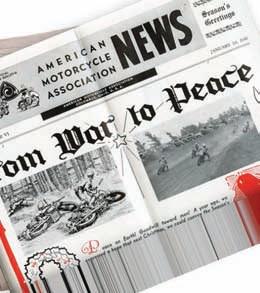
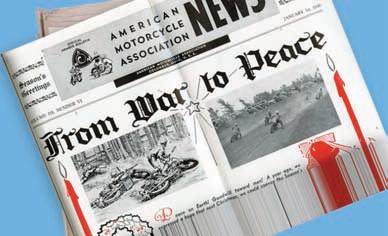
” 1944 “From War to Peace” read the headline on the November,1944 issue. “The Second World War is over, and with it, the hope that never again will the youth of our Country be called upon to bear arms against the enemy As the news flashed around the world, we could visualize some of the thoughts of our fellow members, who just four years ago were gathered at Springfield for the National Championship dirt-track races with not a care in the world.”
1943With the U.S. pulled into World War II, AMA Secretary E.C. Smith needed a way to keep the then 23,000-member AMA together for the duration, and American Motorcycle Association News was created. The inhouse publication was sent free to every member, including those in the military. To do its part in times of rationing, events and races were curtailed, and the 1942 Gypsy Tour cancellation alone was expected to save 200,000 gallons of gas. “The important objective is to win this war. Nothing else matters,” editors wrote.
1946
“The Greatest News in Motorcycle History,” proclaimed the headline of the Nov. 1 issue of American Motorcycle Association News. Though a bit overstated, the editors’ announcement of the creation of American Motorcycling, a new monthly magazine that would ultimately become the magazine you’re reading right now, clearly showed the AMA’s excitement.
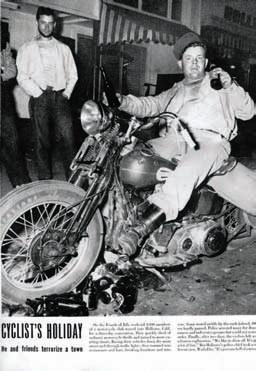
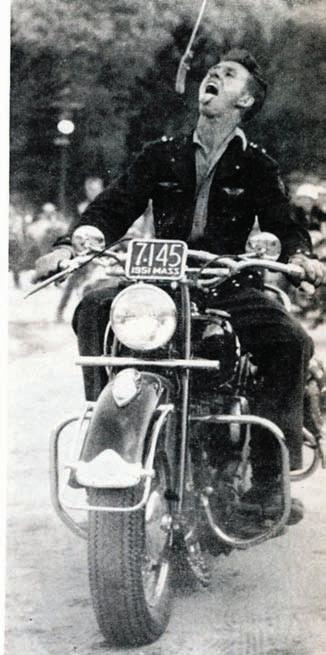
{ IMAGE AND REALITY It was the picture that today’s motorcyclists are still living down: The July 21, 1947, Life magazine photograph of a drunken motorcyclist in Hollister, Calif. It was the image and 116-word caption that became the basis for the Marlon Brando movie The Wild One, which created the bad-boy image of motorcyclists that persists even today. Meanwhile, in the real world, rallies and Gypsy Tours became popular as post-war riders took to the roads in record numbers. Typical rally activities included plank rides that tested riders’ balance, egg grabs that saw riders weave among cones while passengers grabbed eggs placed upon them, and a rousing game of “bite the weenie” that was far harder than it looked.
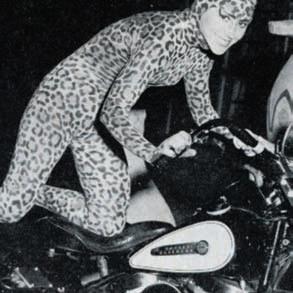
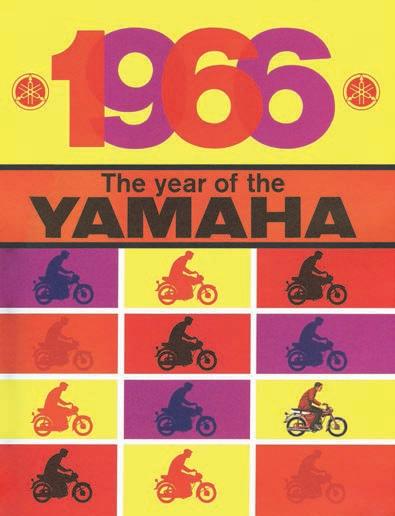
If it could be done on a motorcycle, it was probably tried in the carefree 1950s, when America’s youth culture turned to bikes in a big way. From speed attempts to races to precision riding—and even to cat-suit-sporting acrobatic riders who performed on police motorcycles for a 1951 Los Angeles benefit show, motorcycles were coming on strong. American and British machines dominated, though by the end of the decade, Japanese companies like Yamaha and Honda had arrived. Few realized at the time how the small-bore, high-revving, reliable machines would change motorcycling forever. {
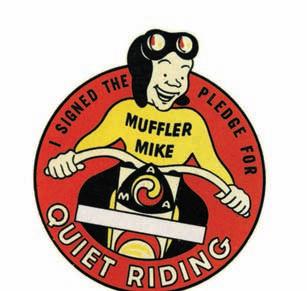
1948Since its founding in 1924, the AMA has long been concerned with the image of motorcycling and motorcycle sound. In 1948, the Association launched its popular “Muffler Mike” character who delivered the message: Shut up.
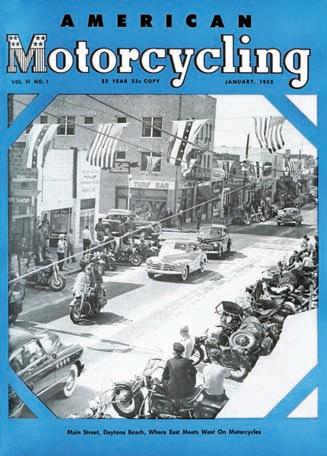
[ MAKING THE SCENE Hanging out on Daytona’s Main Street while the motorcycling world parades by has been fun since the beginning, and Bike Week really took off in the 1950s. With the race still taking place on the beach north of the pier, Daytona reasserted its position as the official kick-off to the riding season.
” 1950s With the war behind them, America’s motorcyclists got down to the business of having fun. One of the most evocative events held throughout the 1960s was the Catalina Grand Prix, which threaded the serpentine, mountainous roads of Catalina Island off the California coast. As the U.S. answer to the Manx Grand Prix, it was won by a host of riders, including Bud Ekins, Steve McQueen’s stunt double in The Great Escape.
1952
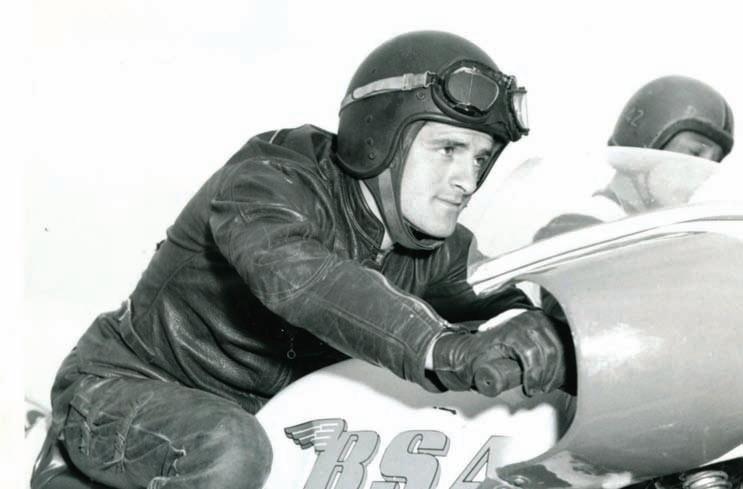
For most riders of the day, motorcycling meant road-riding. But for a hearty few, off-road enduro racing was the only way to go, and the long-running twoday Jack Pine Enduro in Michigan was the granddaddy of them all. In 1952, Frank Piasecki rode his BSA to victory in one of the most epic Jack Pines ever, thanks to torrential rains that nearly washed out the course.
1956The decade started with most motorcycle land-speed records having been set in Europe, but when motorcycles started running on the Bonneville Salt Flats near Wendover, Utah, the official home of motorcycle speed became the U.S. In fact, since John Allen went 193.730 mph in 1956 (a record he topped a few months later at 214.40 mph), every motorcycle absolute land-speed record has been set on the salt flats.
1960s and ’70s 1960s and ’70s
THE AMA FIGHTS LAWS, AND BOOMERS RIDE As the Organization Man gave way to the Summer of Love, the AMA found itself more and more at the center of fighting for motorcyclists’ rights, and it expanded its one-man government staff into a full-on Legislative Department. Meanwhile, the Japanese motorcycle invasion that started with small-bore step-throughs and Honda’s “the nicest people” advertising campaign came of age with boomer riders.
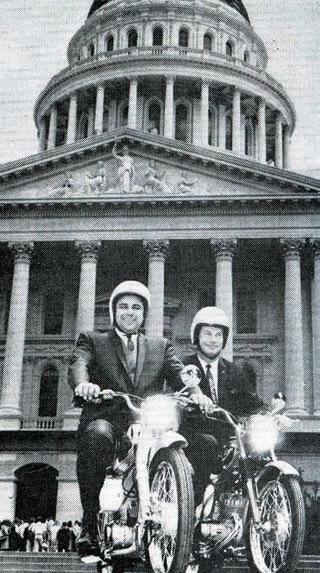
” SAFETY FIRST As motorcycles became more popular in the 1960s, the AMA and others started pushing for greater rider safety and heightened motorcyclist awareness by other road users—important goals of the AMA even today. Partnering with other motorcycling groups was key even in 1966, when the AMA worked with the Motorcycle, Scooter and Allied Trades Associaiton to urge members to “Join the Light Brigade” and turn on their headlights during the day to increase visibility. Even California legislators Philip Soto and Richard Donovan got in on the act.
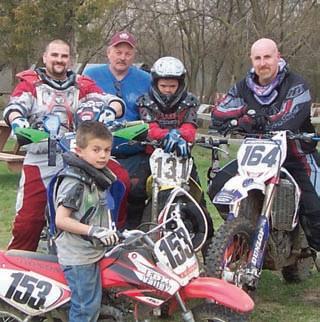
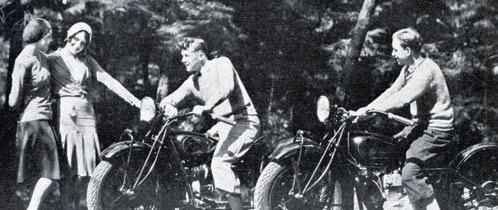
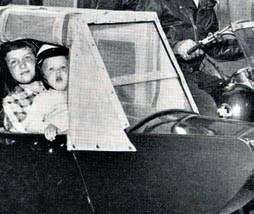
The family that plays together... Motorcyclists have long known that riding is a family sport, and that was only more apparent as the post-war Baby Boomers started having kids. From trail-riding on mini-bikes with their parents to going along for the ride on the road, the kids of AMA members got their own starts in motorcycling. In the case of the five-member Curtis Brown family of Pomona, Calif., that meant expanding sidecar accommodations so everyone could go along on the popular AMA-sanctioned Death Valley Run. The sidecar even sported a transistor radio for added entertainment. {
1960It was the end of one era, and the start of another: The Daytona 200 motorcycle race, held in various forms since 1937 on the beach course, moved to the all new Daytona Speedway as development along the once-deserted beach and Florida Route A1A had outpaced the race. Brad Andres and HarleyDavidson were the last winners on the beach course.
1961Adventure-touring has always been popular, from the earliest days when venturing to the next town was an adventure, to the long-range runs of Erwin G. “Cannonball” Baker, to the 1961 adventure of Danny Liska, who paused in his trip from Alaska to Tierra del Fuego, Equador, to offer advice in the pages of American Motorcycling for riders, including: “Do not surrender your passport without a signed receipt and a written statement explaining why...under these conditions the officer will decide he will overlook the fault in your papers.”
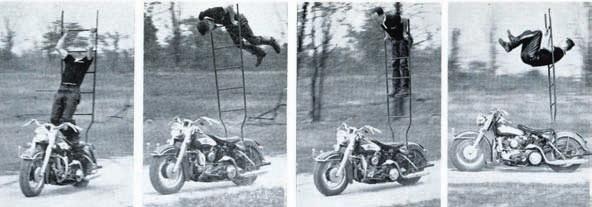
” Holy Cow! Since the early days of the Victor McLaglin Motorcycle Corps, riders have sought to master their machines—sometimes with impressive results. Harry Smith explained in 1961 how he perfected flips on a ladder mounted to a motorcycle. The short answer? Practice. “No matter how expert, how cautious and how intelligent he is,” Smith said. “The performer willl have to carry his college degrees with him to prove he’s not an idiot.”
1966A rash of legislation in the 1960s showed how important government relations activities would become to the future of motorcycling, and throughout the decade, the Motor Scooter & Allied Trades Association began to focus efforts on behalf of the motorcycle industry, while the AMA focused on laws affecting riders. The AMA’s legislative effort was created in 1966 with the mission to “coordinate national legal activity against unconstitutional and discriminatory laws against motorcyclists, to serve as a sentinel on federal and state legislation affecting motorcyclists, and to be instrumental as a lobbying force for motorcyclists and motorcycling interests.”
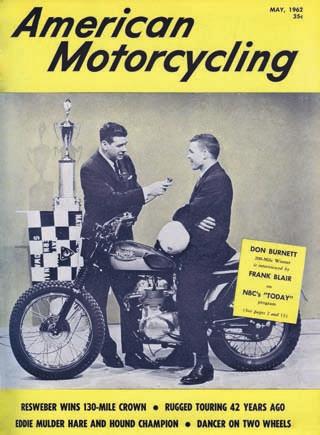
IN THE SPOTLIGHT In the early ’60s, a win in the Daytona 200 also got you a whirlwind tour of New York and an appearance on NBC’s Today Show In 1962, American Motorcycling highlighted winner Don Burnett’s trip, which, despite a four-hour plane delay on the flight up, included seven minutes on national TV, 15 minutes on a radio sports show and other appearances. “
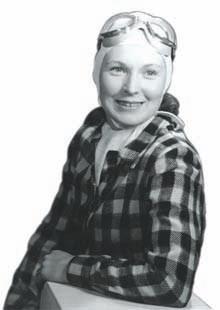
1968The AMA has long recognized the contributions of the Motor Maids to motorcycling, and it noted in 1968 that one of its most colorful members had reached the million-mile mark: then-Motor-Maid President Dot Robinson. With husband Earl, Dot competed in many events including the Jack Pine Enduro, and she became well-known for her trademark pink motorcycle.
” 1960s Thanks to the development of lightweight two-stroke off-road machines, a heightened enthusiasm for scrambles, enduro riding and desert racing took hold in the U.S. In 1961, the AMA approved rules for a new form of racing called moto-cross. Borrowed from postwar Europe, the sport was similar to scrambles and differed only in scoring methods.
Out of Committee Recognizing that predicted motorcycling growth throughout the 1970s would draw even more attention toward anti-motorcycling forces, the AMA ups its government affairs efforts by forming a new Legislative Department in 1970. Said Chet Winter, the department’s first head: “We can protect the individual motorcyclist from legislative error or outright harassment only by repealing existing laws or blocking laws adverse to motorcycling.”
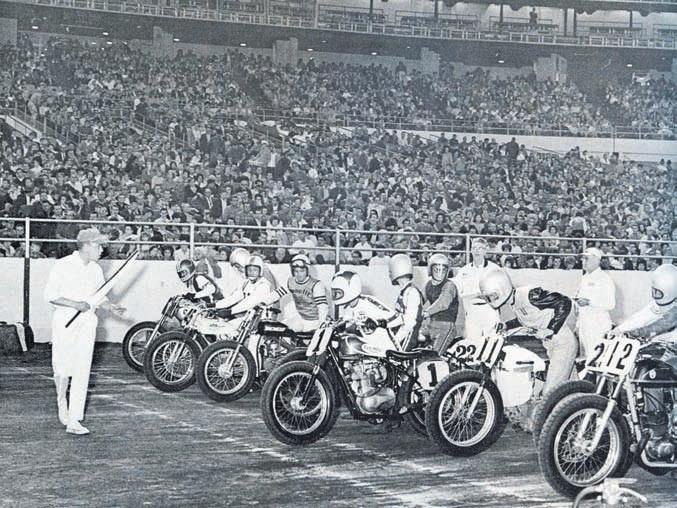
[ 1968 Grand National dirt-track racing picked up steam after the first World War, and it only gained in popularity through the 1960s, to the point where, in 1968, an indoor shorttrack was held in the Houston Astrodome. A paddock full of name riders, from Gary Nixon, Mert Lawwill, Dick Mann, Cal Rayborn, Roger Reiman and Bart Markel made the start line, with National No. 1 Nixon taking the win.
1969
Honda motorcycles may have started in the U.S. with a 50cc stepthrough, an advertising slogan of “You Meet The Nicest People On A Honda,” and a slowly growing line of bikes. But by 1969, Japanese motorcycles were a powerful part of the U.S. market, culminating in the release of what is arguably the first superbike, the Honda CB750 inline four-cylinder, in 1969.
1971Realizing the threat that loud motorcycles posed to indoor competition, the AMA instituted a 100-decibel limit on all hard-floor indoor races. The first test was at the January Madison Square Garden indoor short-track, where all machines were sound-tested, some were modified, and the average sound level for the machines was a successful 94 decibels.
1970s and ’80s 1970s and ’80s
MOTORCYCLISTS RISING
The first U.S. World Champion may have come in speedway racing in 1937, but the ’70s and ’80s saw the rise of AMA dirt-track racers who took over the top spots in World Championship Grand Prix road racing, while AMA motocross and AMA Supercross drew the world’s best. Meanwhile, the threats to motorcycling, particularly against street riders, only accelerated and the AMA fought back.
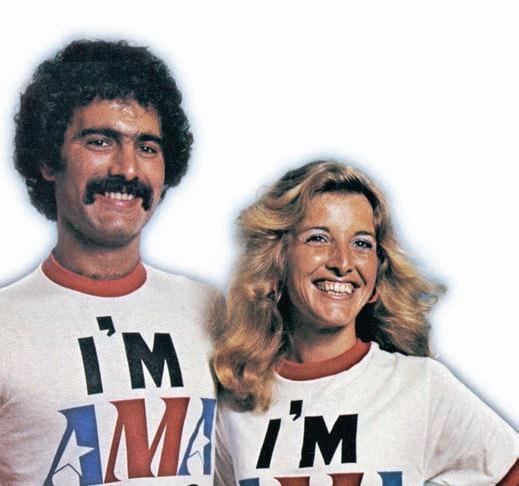
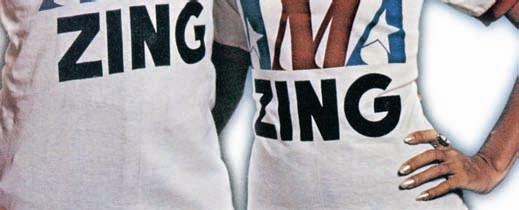
“ NOBODY DOES IT BETTER Disco was all the rage, hedonism ruled, America was celebrating its bicentennial, and the AMA came up with a T-shirt that fit the Me Generation perfectly. And how could you make it look even cooler? Add models with passing resemblances to Gabe Kaplan and Farrah Fawcett, of course.
1974There have always been women competitors, but the first-ever woman in AMA history to earn an expert license in dirt-track was Diane Cox of Salem, Ore., in 1975 at the age of 18. A year later, she became the first woman to qualify for a national championship program, with a scratch heat position at the Houston Astrodome Short Track National. In 1977, she campaigned the back-up machine of Grand National Champion Gary Scott.
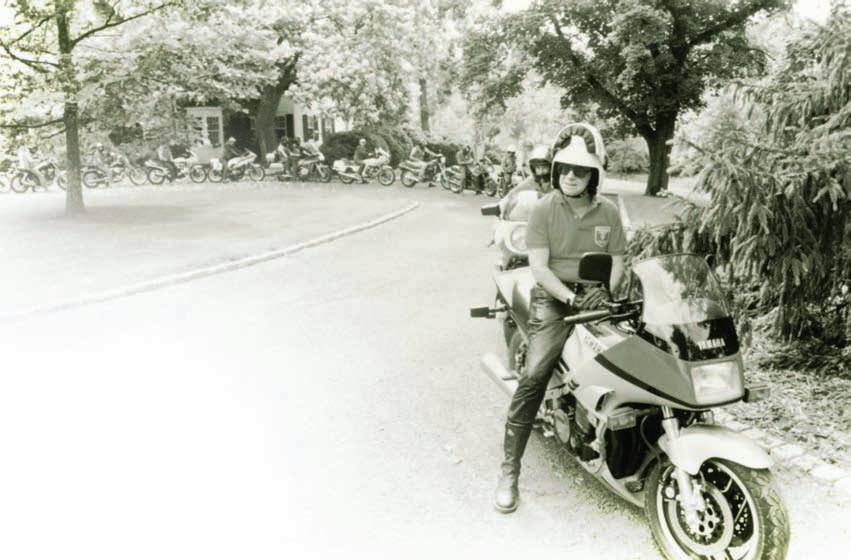
{ 1980s Government intrusion into motorcycling ramped up in the 1980s, and the AMA fought the good fight on behalf of its members and all motorcyclists.
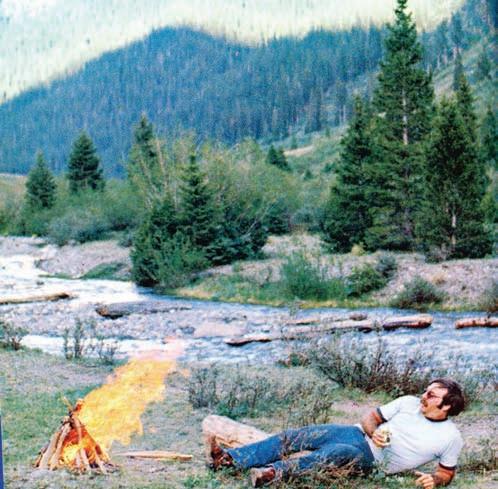
[ HIT THE ROAD With more baby boomers taking to bikes, motorcycle touring was gaining popularity through the 1970s. Innovators such as Craig Vetter created an industry catering to tourers with windshields and hard bags, and manufacturers followed suit by creating the full-dress touring category by the end of the decade. Through it all, what many touring riders really needed after a day in the saddle was a great place to camp and a fire.
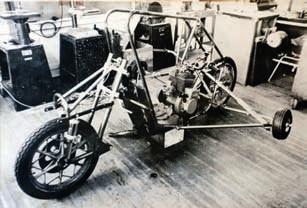
” 1979 At the height of the Ralph Nader “unsafe at any speed” era, the National Highway Traffic Safety Administration took it upon itself to redesign the motorcycle, correcting a few “safety defects.” The result, uncovered by the AMA, was the “Backwards Bike,” which, its designers claimed, was more stable and offered greater crash protection. There was just one problem: In its only test, it reportedly proved unridable.
1976During the summer of 1976, the name of the AMA was changed to the American Motorcyclist Association to better reflect its service to motorcyclists.
1978His skills honed with two AMA Grand National Championship titles, Kenny Roberts headed to Europe to compete against the world’s best road-racers. Winning the world title three years in a row, Roberts revolutionized road-racing with the steer-from-the-rear dirt-track style, and paved the way for others (such as Freddie Spencer) to follow his trail to Europe. Spencer ultimately won another three championships, making the point that Americans were contenders on the world stage.
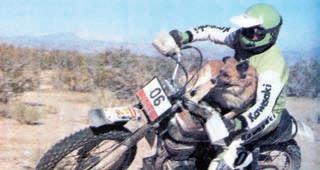
[ RACING GONE TO THE DOGS If you’ve seen On Any Sunday, you likely remember Kookie, the boxer-pitbull-basenji mix who rode on owner John McCown’s gas tank during races. By 1981, though, it was Kookie’s offspring, KJ, who was out there with McCown. “I just think it’s the love and the rapport you have that makes them want to be there with you,’’ he said.
{ 1980s The face of motorcycling was changing, as the so-called “Rich Urban Biker” was coming of age. Generally well-off, perhaps with some motorcycle history in their youths, middle-age-and-older riders were returning to the sport, and no one personified the type more than AMA member and Forbes magazine founder Malcolm Forbes, an avid convert to motorcycling. As he said in an interview in American Motorcyclist at the time: “I don’t know if ‘serious’ is the right word. ‘Enthusiastic,’ maybe. Whatever I’ve gotten into, it’s because I have found it a turn-on.”
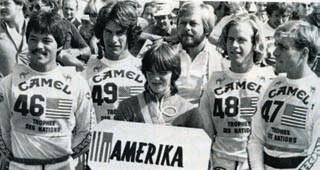
[ WE ARE THE CHAMPIONS It was a total Cinderella story when Team USA— Danny LaPorte, Donnie Hansen, Johnny O’Mara and Chuck Sun—showed up for the 1981 Motocross des Nations and became the first-ever Americans to win the event. Since then, Americans have won the event 18 more times, reinforcing the U.S. position as the premier home of motocross.
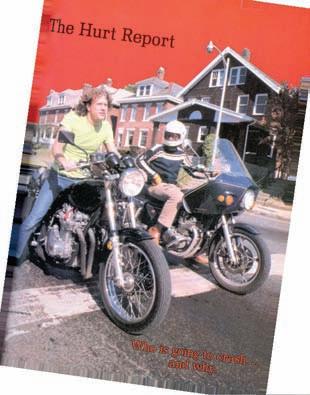
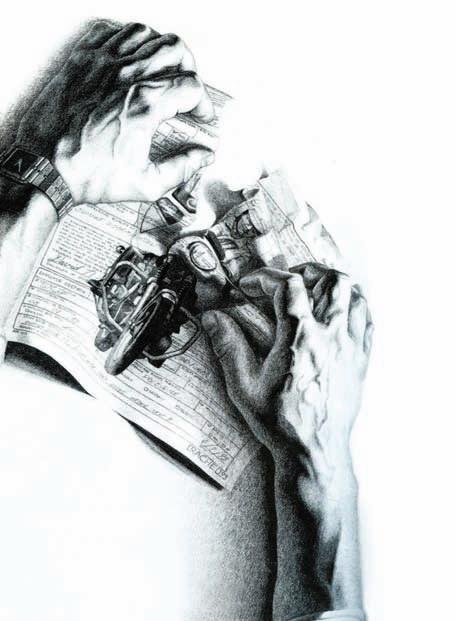
A SCIENTIFIC CRASH STUDY Until AMA Hall of Famer and Prof. Harry Hurt actually went out and studied motorcycle crashes in the late ’70s to learn exactly what caused them, the best anyone had were guesses. Turned out that left-turning cars were the single biggest precipitator of motorcycle crashes, and unlicensed riders wearing minimal protective gear and riding new-to-them motorcycles were over-represented in crashes. Until another study is completed (it’s in the works), the 28-year-old “Hurt Report” is still the best information on motorcycle crashes available. {
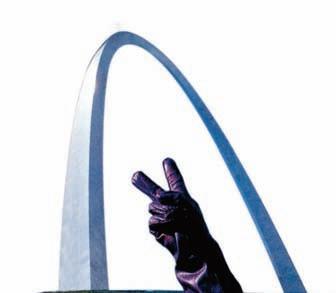
1982It took three years of effort, but the AMA was ultimately able to help reverse a St. Louis ban on motorcycles in its parks, illustrating how difficult legislative battles often require tenacity.
attles sim Veh on f Natio prope are no
1989We may take it for granted now, but back in the 1980s, motorcyclists simply weren’t allowed in High-Occupany Vehicle lanes, designed to promote gas savings, on federal highways. Thanks to work by the National Motorcycle Commuters Association, along with the AMA and its members, to get the proper language inserted into a highway bill, we
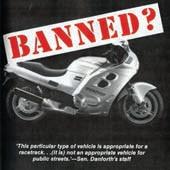
” SUPERBIKE BAN It was a potentially serious blow to motorcycling: Sen. John Danforth of Missouri in 1987 introduced a bill to stop the sale of high-performance motorcycles, based on flawed logic from an insurance-industry backed study. With help from AMA members, the AMA fought the measure, and ultimately convinced Danforth to withdraw his bill.
Blacklisted. State Farm, the largest insurer of motorcycles at the time, wouldn’t write policies for 38 sport-styled machines, meaning that even if you could buy one of those bikes, you couldn’t insure it. AMA officials met with top State Farm officials who rescinded the blacklist several weeks later.
1990s and ’00s 1990s and ’00s
STRENGTHENING NUMBERS
As the AMA enjoyed continued growth, passing the 200,000-member mark, some of the winningest racers of all-time emerged, from “Mr. Daytona” Scott Russell to Jeremy McGrath to Ricky Carmichael. The AMA’s growing influence also helped it to fend off threats of insurance discrimination, bike bans and more, while anti-motorcycling forces vowed to keep up the pressure against motorcyclists.
” NO, YOU’RE NOT COVERED As the ’90s dawned, motorcyclists faced a new threat: insurance companies that wanted to deny benefit coverage for any injuries received when one of their policyholders was riding a motorcycle. The AMA and its members went to Congress, and got a federal law made to end insurance discrimination. Unfortunately, when federal agencies wrote the rules that interpreted Congress’ intentions, they actually upheld discrimination. It’s a battle the AMA is still fighting today on behalf of all motorcyclists.
THE KING OF SUPERCROSS As it turned out, 1996 was only the middle of Jeremy McGrath’s charge to become the most dominant AMA Supercross rider of any era. He followed up his fourth title with three more, earning titles on two brands of motorycles: Honda and Yamaha. Ricky Carmichael may have ultimately won more combined MX/SX titles, but McGrath still holds the SX title record. “
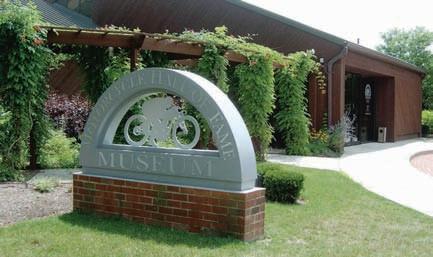
” 1990 On August 16, 1990, the longtime vision of preserving motorcycling history became a reality when the AMA’s Motorcycle Heritage Museum officially opened its doors to over 4,000 motorcycle enthusiasts and dignitaries gathered for the occasion. The inaugural exhibits focused on “Women in Motorcycling’’ and “Decades of Development,’’ which showcased over 80 antique and classic motorcycles.
1990The AMA launched its Pro-Rider campaign that used famous racers, such as former World Grand Prix Champion “Fast” Freddie Spencer, to encourage motorcyclists to ride responsibly. That involved being licensed, wearing protective gear and avoiding drinking and riding.
1992Scott Russell edged out Doug Polen at the line to earn the first of his five Daytona 200 Superbike race wins in the 1990s. His record-setting achievement ultimately earned him the nickname “Mr. Daytona.”
1993The AMA reaches the 200,000 member mark. Tom Porrier of Granville, N.Y., was the 200,000th member.
1998In 1994 through 1998, Scotty Parker became the first rider in history to win five straight AMA Grand National Championships. Before he retired in 2000, he earned nine titles and had 94 national wins.
BROWSE MORE AMA HISTORY ONLINE If this cruise down memory lane has made you all misty-eyed for motorcycling’s years gone by, the fix is as close as books.google.com. Just search there for “American Motorcyclist” and you can browse (or search) nearly every issue of this magazine from the 1950s on. Check it out!
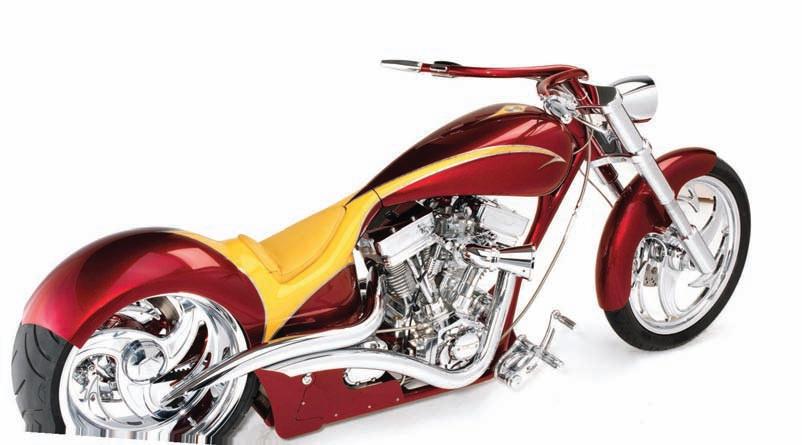
THE ERA OF THE CUSTOM If there was one big trend in motorcycling through the ’90s and ’00s, it was the rise of the custom chopper. A longtime staple of motorcycle shows, custom choppers busted out to a high-profile art exhibit at New York’s Guggenheim Museum, then to TV and popular culture, with bike-builders elevated to near-rock-star status. {
” KEEP OUT The threats keep coming at motorcyclists, especially off-road, where federal “Wilderness” designations, designed for lands that are substantially untouched by human hands, are applied more and more broadly to close down motorized recreation to vast acreages of managed public lands. The AMA and its members are continuing the fight.
[ RENEWED FOCUS As part of a new emphasis on putting AMA members at the center of everything it does, the Association redesigned the magazine you are reading now. With a spotlight shining on the stories of members, we’re launching the AMA into its next 85 years.
“ A NEW WAY FORWARD In 2008, the AMA announced the sale of AMA Pro Racing assets to the Daytona Motorsports Group, the organization best positioned to help professional racing grow. AMA President and CEO Rob Dingman rededicated the AMA to its members, with more benefits and, in 2009, free AMA Roadside Assistance. h bigges
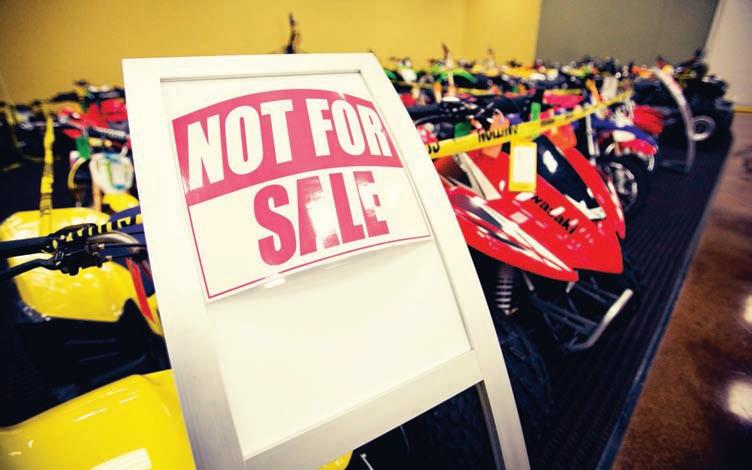
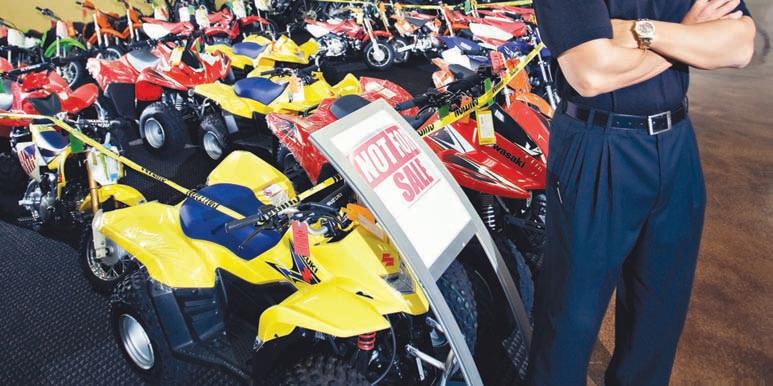
2009 In one of the biggest potential threats of the decade, kids’ dirtbikes and ATVs are under siege. A consumer product safety law aimed at banning lead in toys for kids under 12 ensnared youth OHVs. Some 80,000 AMA members, the industry and rider groups ban together to earn a delay in the ban’s enforcement, but the final chapter on the law itself is yet to be written. {
2000
After three years burning up the 125 class of AMA Motocross and eclipsing every record there—most wins, most consecutive wins, most championships—Ricky Carmichael made the jump to the 250cc class at the Daytona Supercross and preceded to do the same—even after jumping to 450s. By the time he retired from competition in 2007 he had amassed 150 National wins—far more than any other rider, ever, earning him the nickname “GOAT”: The Greatest Of All Time.
2006
The winningest rider in AMA Superbike, Mat Mladin, takes a moment to talk to AMA members in American Motorcyclist: “We’re having a good time, mate, and that’s the thing, you know. We’re racing motorcycles and having a bit of fun, and that’s the bottom line.”
Guest Column
I’m A Motor Officer
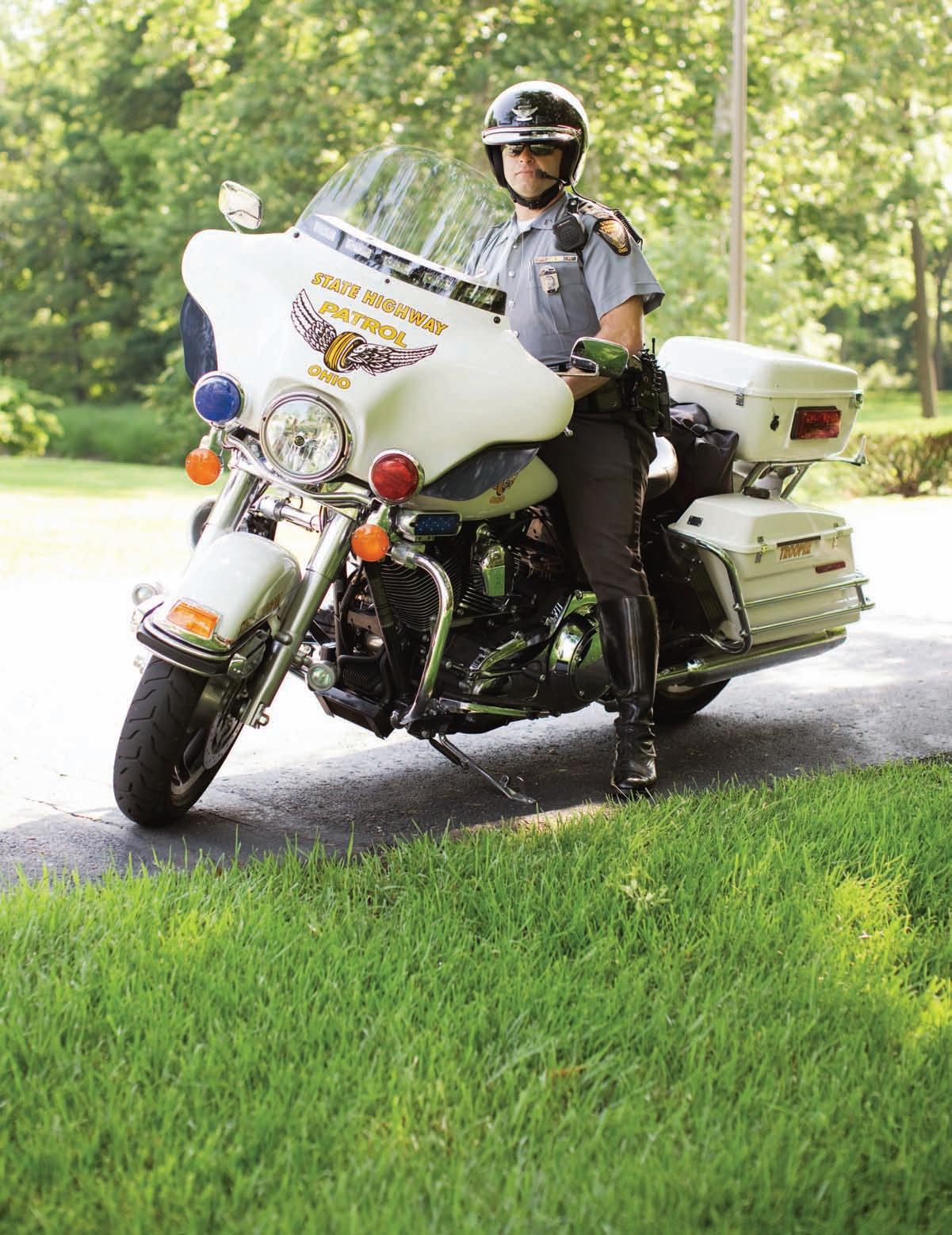
I have one of the best jobs in the world. I really do! I am a motorcycle officer for the Ohio State Highway Patrol. I get paid to help protect the motoring public while doing what we all love to do as a pastime. I am frequently asked if the law enforcement side takes away from my off-duty enjoyment but I can assure you, it doesn’t. While many of you have seen motor officers during your travels, you may not have had the chance to talk to a motor cop and see what it is we do and why.
The missions of motor units are as varied as the agencies and the motor officers themselves. Some, like the Ohio State Highway Patrol, are primarily traffic enforcement units. Some motor officers are part of street crimes units, while some are ceremonial. Some are mainly used for public relations. But they all share one trait—they are staffed by motor officers. Motor officers are male, female, young, old, tall and short. Some have many years
on the road, while others are new to law enforcement. All love to ride and know they have one of the most sought after jobs in law enforcement.
Most officers who ride for a living have survived some of the most intense training in law enforcement. The training prepares the officer for the rigors of riding a law enforcement motorcycle. Ask any officer who has completed Basic Police Motorcycle training and they will tell you that becoming a motor officer is one of the hardest things they’ve done. You crash, a lot. You pick up your bike about two million times. Just when you think you have it down, down you go again. But at the end of the training, you feel confident that you can handle the challenges of working the road on a police motorcycle.
We are often called on to ride in weather that most sane motorcyclists wouldn’t even consider riding in. Do we ride in the rain? Yes we do! Do we ride in the snow? Some of us do. We ride in
the cold, heat, sun, clouds and dark. We stop speeders, assist disabled motorists, handle crashes, and direct traffic. We escort dignitaries, staff roadblocks and handle special details.
At the end of the day, we are law enforcement officers who happen to ride motorcycles. We are avid riders, both on and off duty. I’ve always admired the brotherhood (and sisterhood) of law enforcement. That bond is even stronger for motor officers. It’s kind of like the little wave we extend to a fellow motorcyclist we see along the road, but for motor officers, even more so.
So the next time you see an officer on a motorcycle, take a minute to say hi. We love to talk bikes and riding. Like you, we have our preferences and favorite bikes, but again, like you, we share the enjoyment of the open road on two wheels. Some of us just get to have the best job in the world!