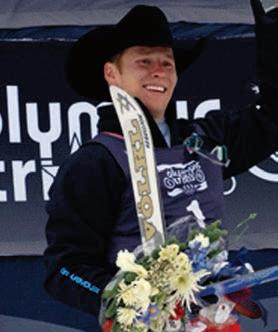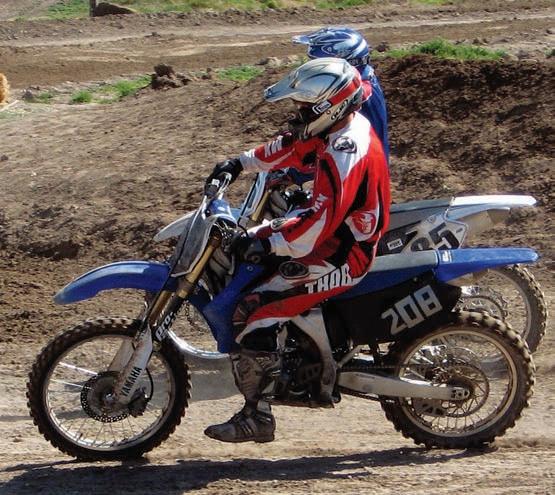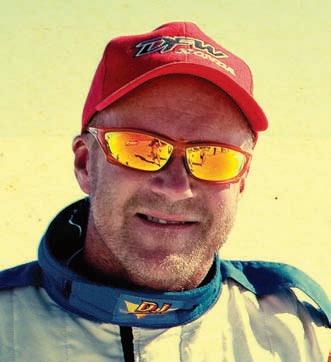

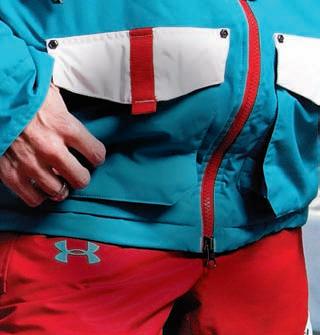



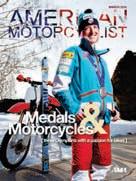
[ three Olympians with a passion for bikes ]
a
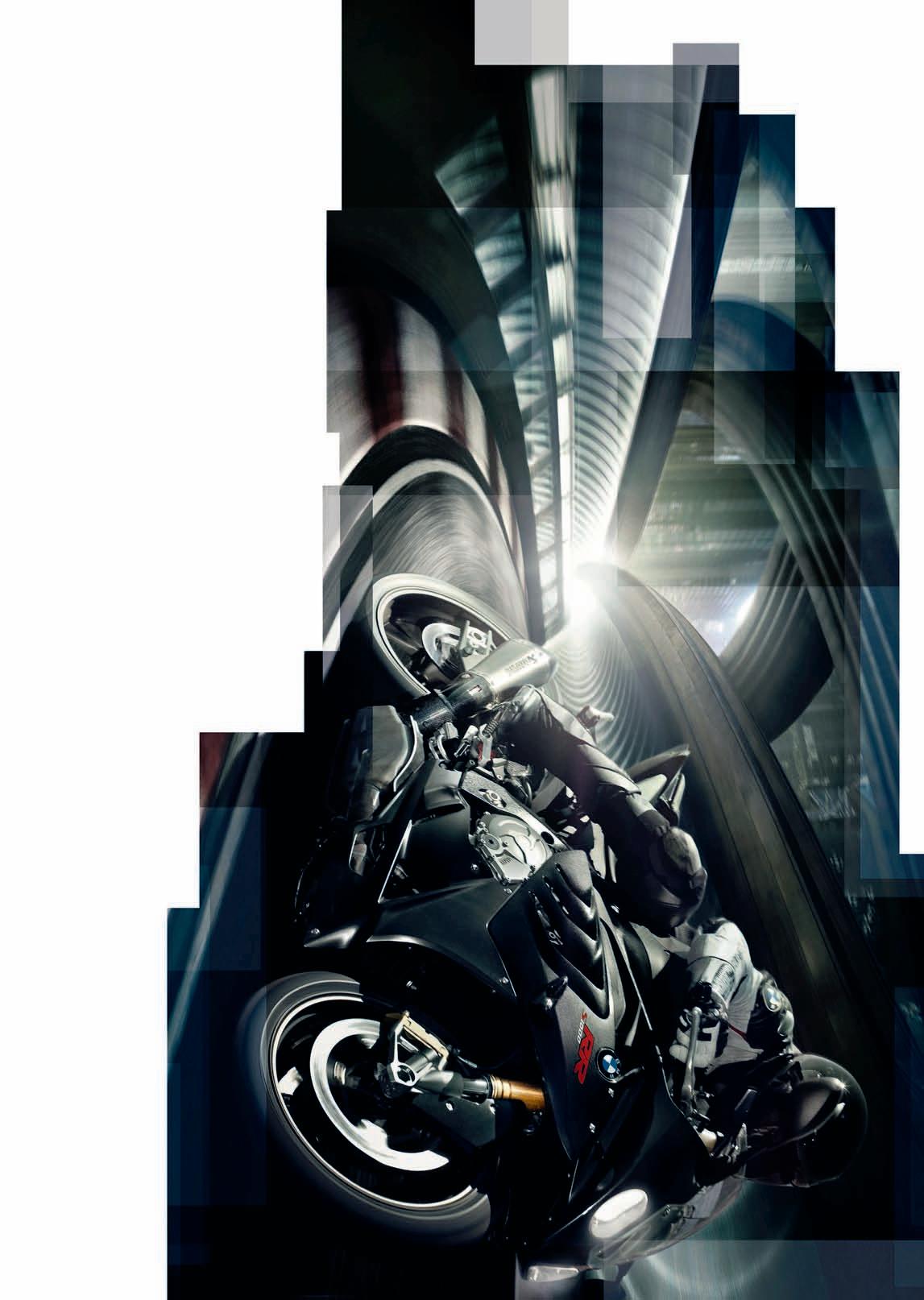
It’s true. The BMW S 1000 RR kicks out 28 more hp than the Yamaha R1*. Maybe that’s the reason the buzz has been building. Or is it 193 hp, combined with amazingly light weight of just 404 lbs? Or the fact that all this staggering power is also supremely controllable, thanks to a 4-stage variable engine management system with Race ABS and Dynamic Traction Control? The answer is all of the above. The S 1000 RR. To rule the streets tomorrow, test ride one today at your local dealer. www.BMWPlanetPower.com. s 1000 rr UnstoPPabLe sPort. *BMW S 1000 RR Dyno test by MCN UK 12/09/09. Base MSRP is $13,800. Race ABS and DTC are $1,480 additional. Gear Shift Assist is $450. MSRP does not include tax, license and registration and excludes $495 freight. Aftermarket exhaust is shown. Actual price is determined by
a
of BMW of North America, LLC. The BMW name and logo are
bmW motorrad Usa the neW s 1000 rr Motorcycles since 1923

–
Bandit,
Director of Rapid Retrieval
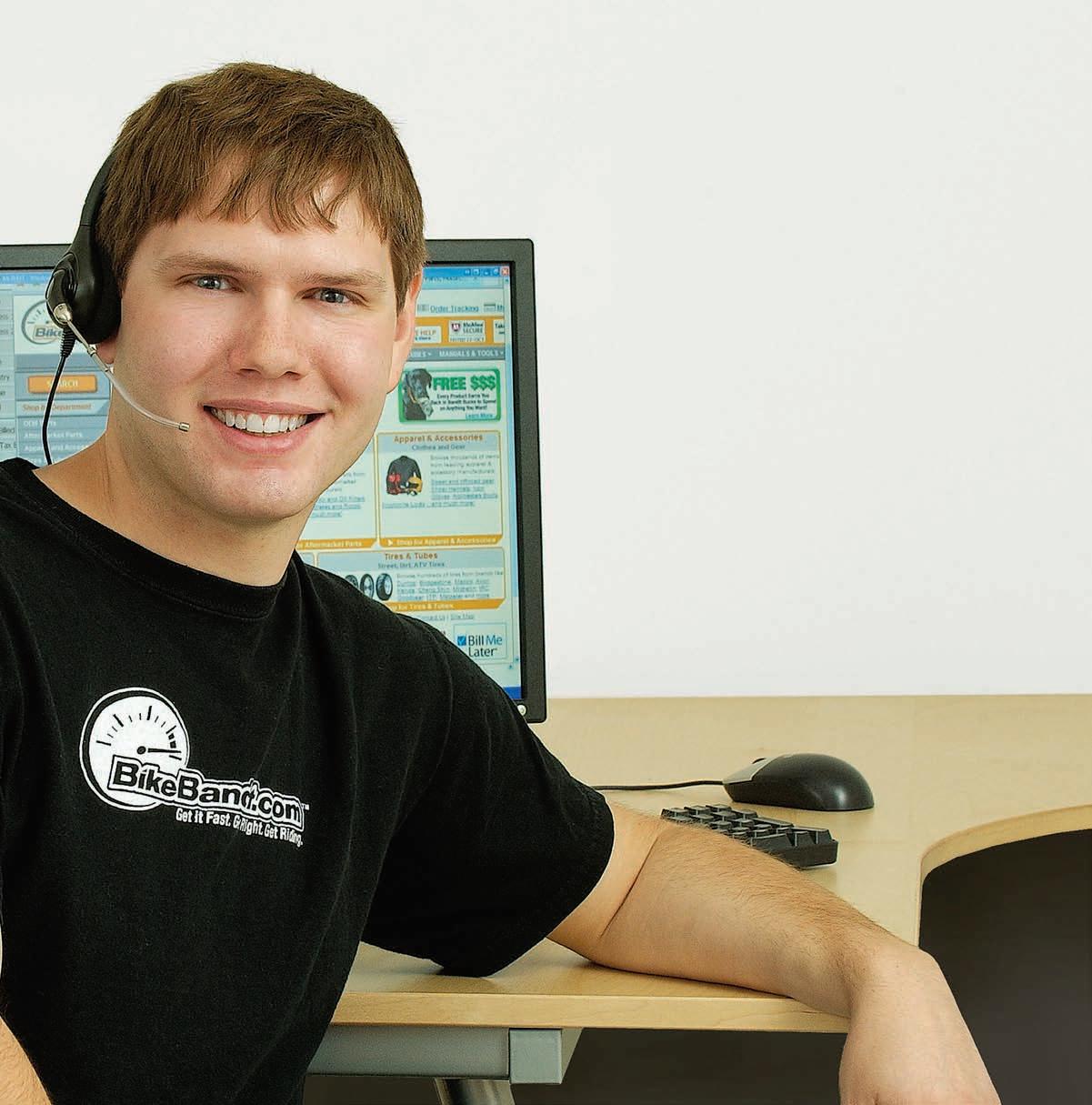
At BikeBandit.com, we think our staff should know what they’re talking about.
So we don’t just hire order takers, we hire riders. Riders like Brandon, who’s earned multiple certifications from the Motorcycle Mechanics Institute.
It’s one more way we make sure you get the right part on time ... every time. 70,000 customers a day choose BikeBandit.com for parts and accessories. Log on or call us today to find out why.

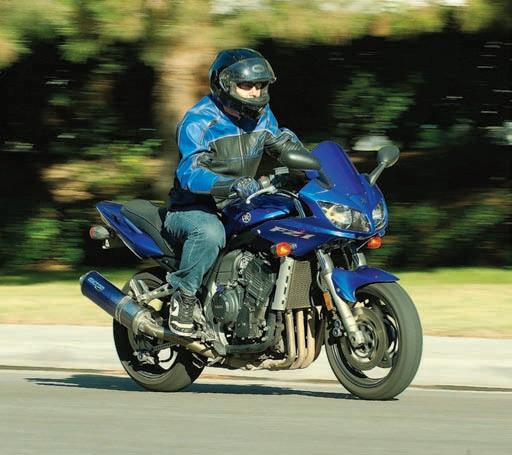






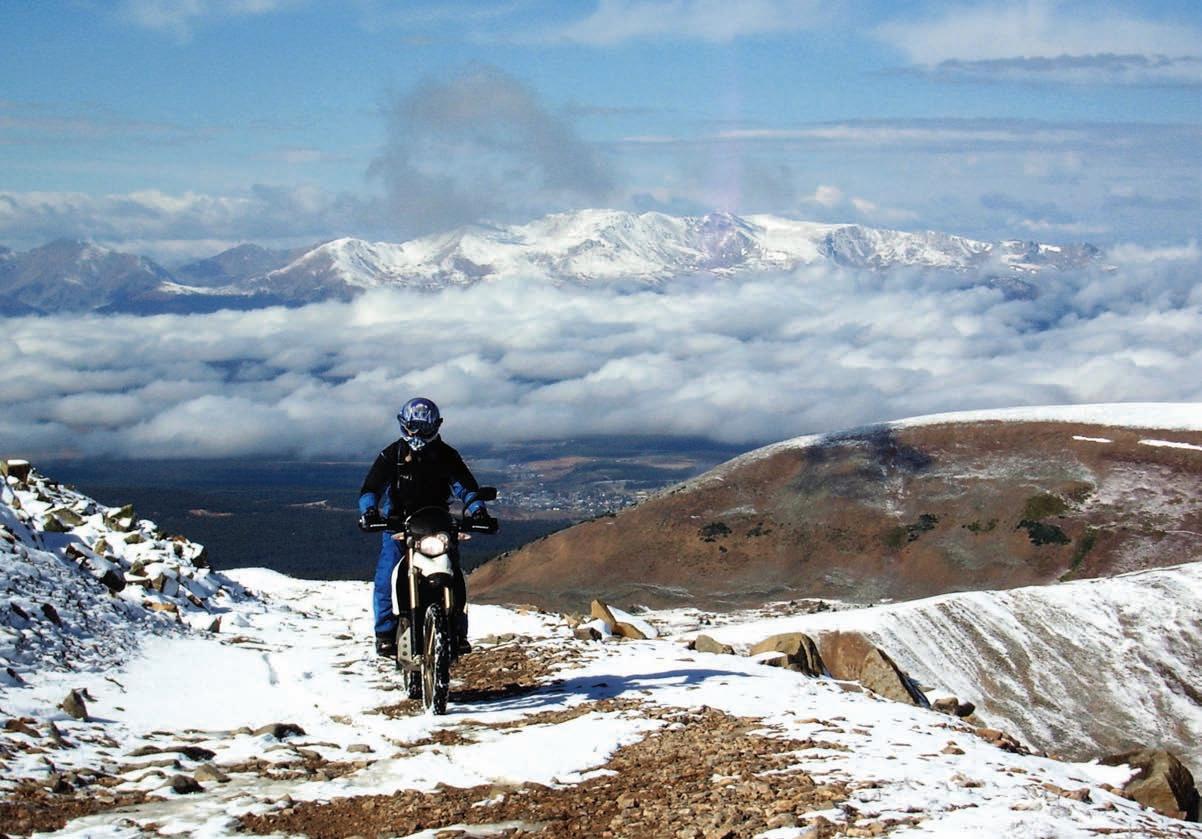
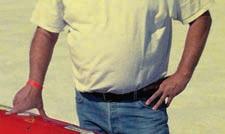
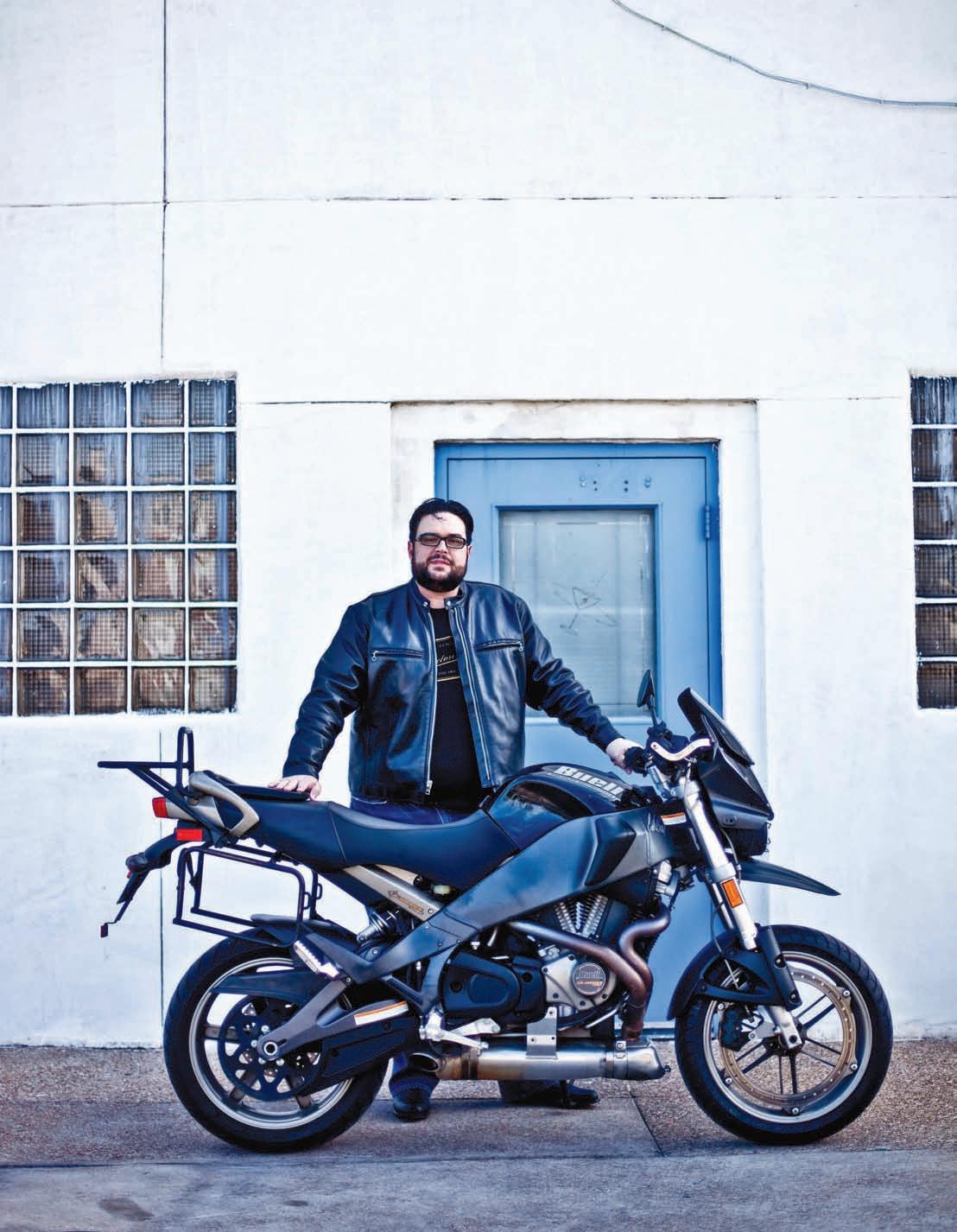
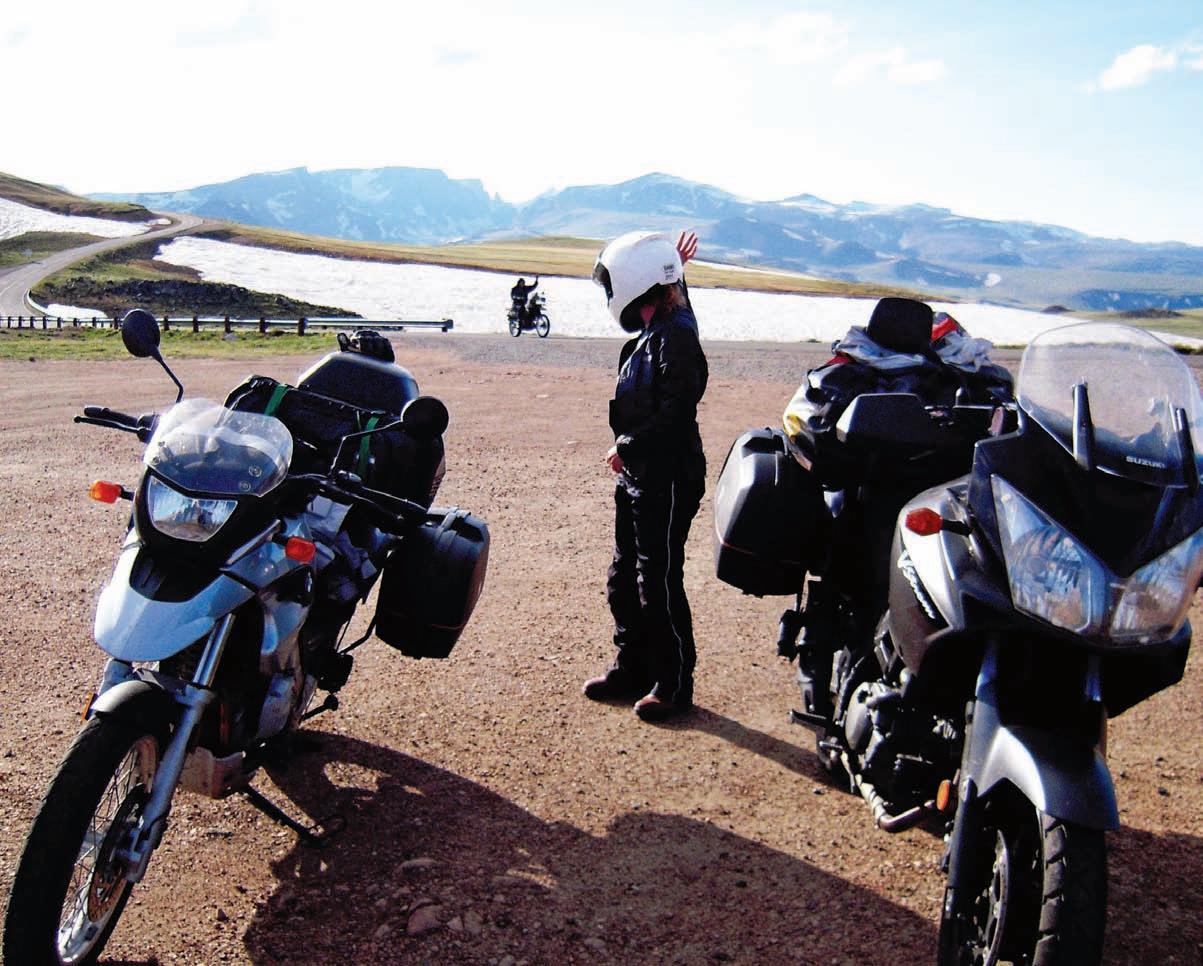
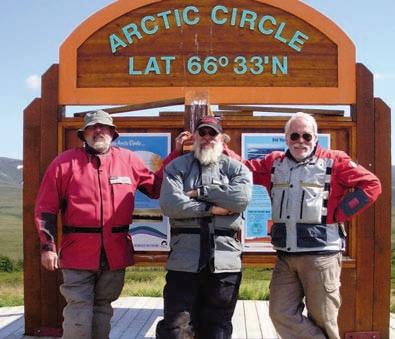
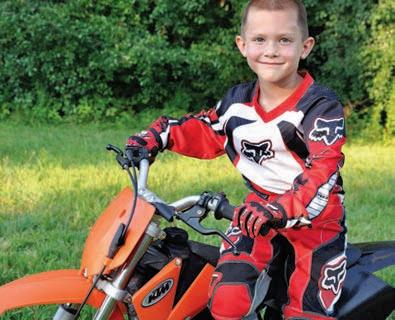
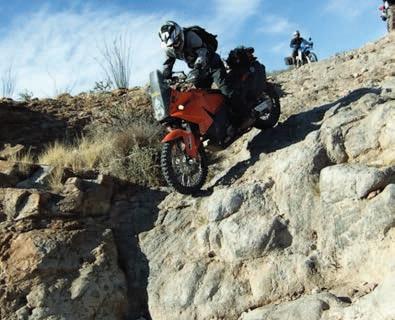
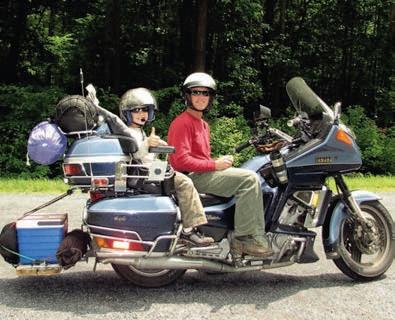
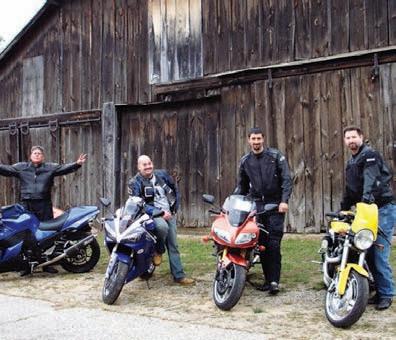
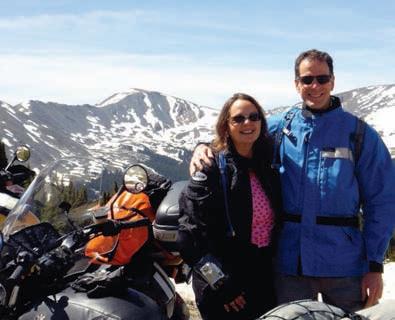
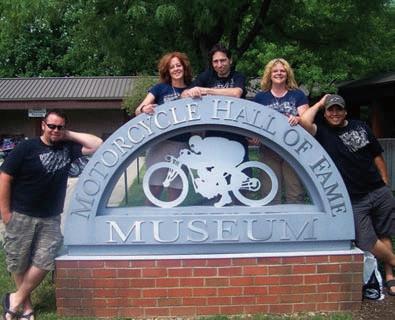
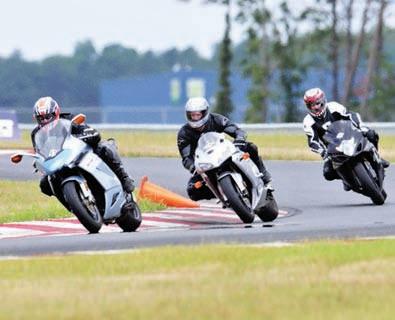
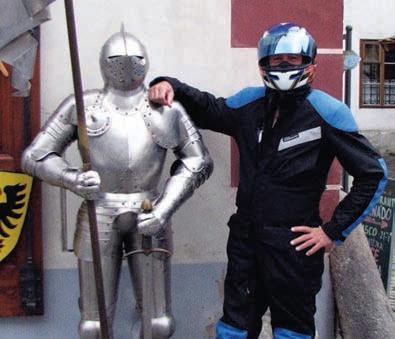
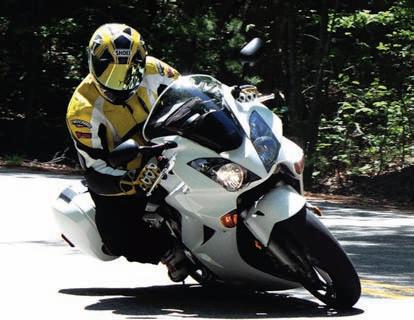
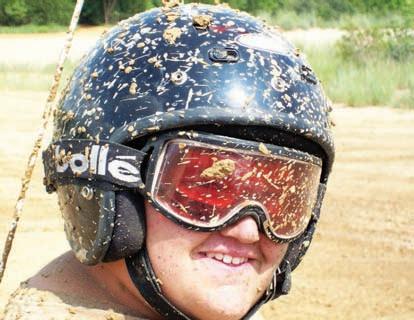
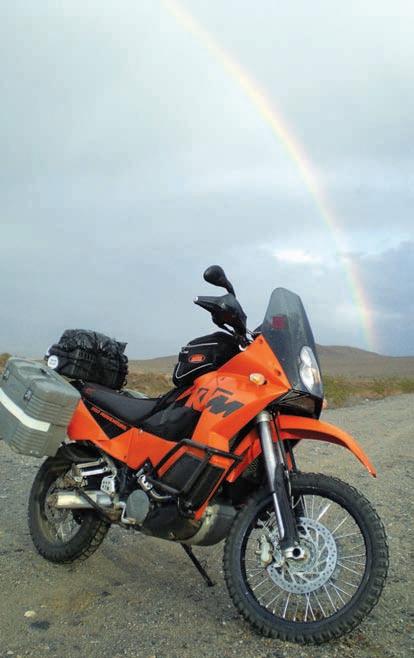
1) Lee De Leonard of Waterville, Maine. 2) Garrison, Minn., race by Sue LeClair of Braham, Minn. 3) David Krise of Lander, Wyo. 4) Kodi Hoffman of Pittsgrove, N.J., posing. 5) Steve Jovais and Gloria Meehan in Cottonwood Pass, Colo. 6) Sloan Essman of Houston. 7) Tim Hilslamer riding near Superior, Ariz.—Terry Zechman of Glendale, Ariz. 8) AMA and Durty Dabber members from Mill Hall, Pa., visiting the AMA Motorcycle Hall of Fame Museum: Lynn, Lana, Steve, Colleen, and Tommy.—Tommy Wise of Mill Hall, Pa. 9) “My nephew, Jeremy Christen, at St. Joe State ORV Park in Park Hills, Mo. I’ve been riding 40 years and the grin on this kid’s face reminded me of what off-road riding is about. No cool gear or fully prepped bike needed for fun!”—Jeff Henderson of Collinsville, Ill. 10) Robert Nichols and his son, Aiden, of Berlin, Md. 11) “A track day at New Jersey Motorsports Park’s Thunderbolt track. That’s me on the Aprilia Futura!”—Jeffrey Meyers of Niskayuna, N.Y. 12) Taken in Death Valley during a big storm.—Ken Blasor of Chandler, Ariz. 13) Submitted by Steven Hauptman of Southfield, Mich. 14) Bob Fiesser of Highlands Ranch, Colo., “with one of the locals” in Krumholz, Czech Republic.
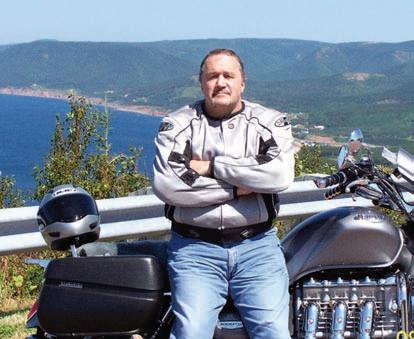
Congratulations, Gary! You’re the winner this month!
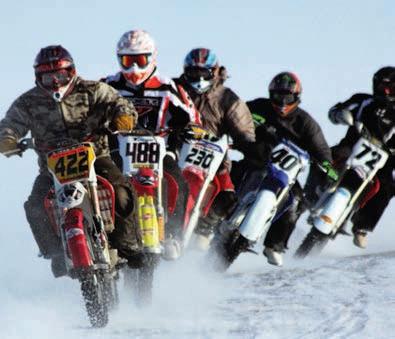
Got an image that represents what’s cool about motorcycling? Send your high-resolution photos, name and mailing address to submissions@ama-cycle.org. We’ll pick one standout photo next month and send the photographer a prize pack of AMA gear. Editors decisions are final. No purchase necessary.
There’s more where these came from! We get way more cool photos than we can publish here, and now you’ll find them all online, searchable and divided by category. Just visit AmericanMotorcyclist.com and click on the “Gallery” link on the left.









It’s prepackaged excitement, turnkey thrills, ready-made routes

Editorial officES
American Motorcyclist 13515 Yarmouth Drive Pickerington, OH 43147 (614) 856-1900 submissions@ama-cycle.org
Grant Parsons, Managing Editor
James Holter, Associate Editor
Bill Kresnak, Government Affairs Editor
Mitch Boehm, Contributing Editor
Mark Lapid, Creative Director
aMa Board of dirEctorS
Contact any member of the AMA Board of Directors at www.AmericanMotorcyclist. com/whatis/trustees.asp
Stan Simpson, Chairman Cibolo, Texas
Jim Williams, Vice-Chairman Irvine, Calif.







Nora McDonald, Production Coordinator Jen Muecke, Designer
Jon-Erik Burleson, Assistant Treasurer Murrietta, Calif.



advErtiSing
John Ulrich, Executive Committee Member Lake Elsinore, Calif.



.Yeah, we give you a map, but where you go with it is u o .
Bob Buchanan, Advertising Manager (310) 505-3241, bbuchanan@ama-cycle.org
Ray Monroe, Advertising Manager (815) 885-4445, rmonroe@ama-cycle.org
Misty Walker, Advertising Assistant (614) 856-1900, ext. 1267, mwalker@ama-cycle.org
andy goldfine, Duluth, Minn.
charles goman, Winder, Ga.
Perry King, Northern California
Michael lock, Cupertino, Calif.
Maggie Mcnally, Albany, N.Y.





For more information, see the schedule on page 55 or visit the riding section of AmericanMotorcyclist.com.
All trademarks used herein (unless otherwise noted) are owned by the AMA and may only be used with the express, written permission of the AMA.
American Motorcyclist is the monthly publication of the American Motorcyclist Association, which represents motorcyclists nationwide. For information on AMA membership benefits, call (800) AMA-JOIN or visit AmericanMotorcyclist.com. Manuscripts, photos, drawings and other editorial contributions must be accompanied by return postage. No responsibility is assumed for loss or damage to unsolicited material. Copyright© American Motorcyclist Association, 2010.
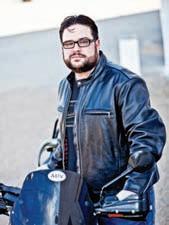
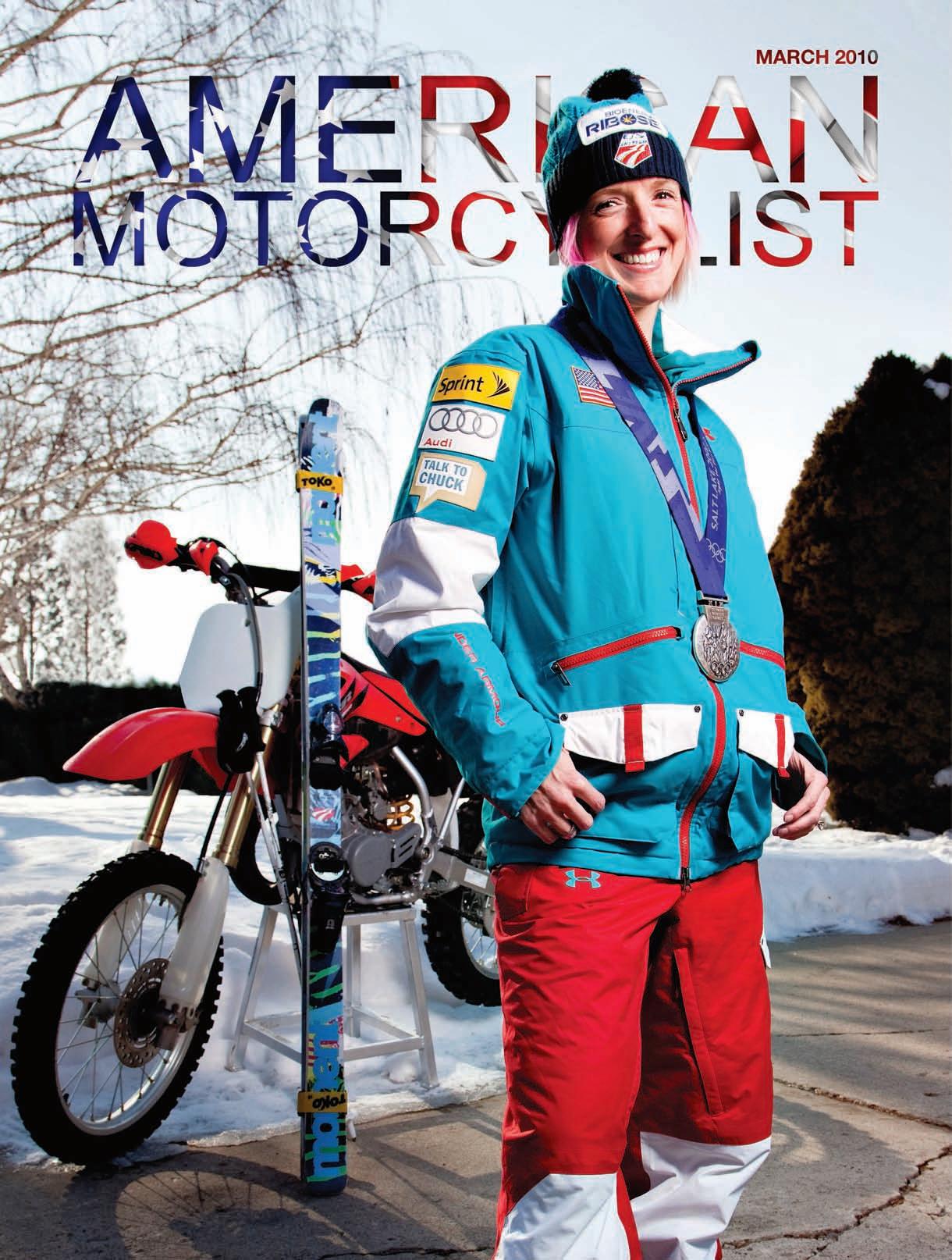
toM BEar, Photographer Since we first used Tom’s photographic services more than a year ago, we’ve been blown away by his ability to make the ordinary look spectacular, and his work appears in these pages whenever we can make it happen--which in this case is the cover shot and opening spread of Olympic athlete Shannon Bahrke.
PEtE coPE, Writer Proving that motorcycle journeys can be as much mental as physical, Pete shares some insights in this month’s touring feature.
JEn MUEcKE, designer Looking to thin the herd a bit, Jen put a few bikes up for sale in January, including a ’00 MuZ Baghira and a ’67 Benelli/Wards Riverside cafe racer, which, of course, put the rest of the staff in “motorcycle planning” mode.
MarK laPid, creative director Mark jumped into the fray headfirst, salivating over the Baghira despite others best efforts to convince him that the Benelli is exactly the vintage racer he’s been looking for. He may or may not be coming around.
nora Mcdonald, Production coordinator With the thaw on the way, Nora has rededicated herself to bolting up
arthur More, Surprise, Ariz. Jim viverito, Chicago
(800) AMA-JOIN AmericanMotorcyclist.com
the final bits on the CB360. It’s almost done, she swears. It’s just hard to maintain motivation when there’s snow on the ground.
Bill KrESnaK, government affairs Editor Shocked to discover that the GSX-R1000 was celebrating its 25th anniversary, Krez fondly remembered both his GSX-R750 and his 1100—and immediately started dreaming about getting another Gixxer.
grant ParSonS, Managing Editor Grant figures one of the great things about having a couple motorcycles—even junky ones—is the massive domino-effect trades he can create entirely inside his own head that start with what he owns, and ends with a garage full of perfect motorcycles. Delusional is what the guy is sometimes.
JaMES HoltEr, associate Editor Speaking of stalledout projects, James is chagrined to find that he’s way behind on his Yamaha IT250 project. He really needs to dig into the giant box of IT250 puzzle pieces he bought off eBay.
other contributors include: Don Cook, Chris Humphrey, Jeff Kardas, Jim Kimball, Brian Martin, Shan Moore, Stephan Sarzetakis, Charles Sasser, Basem Wasef



















TRIP INTERRUPTION COVERAGE. One thing Charlie St. Clair, Executive Director of Laconia Motorcycle Week, knows is the road can be pretty rough if your bike breaks down. That’s why Progressive offers Roadside Assistance for only $10 a year and Trip Interruption Coverage, which helps pay for places to stay and living expenses due to mishaps, for only $5 more.* This way, anywhere you are in the country, you’re covered. Call 1-800-PROGRESSIVE or call an independent agent. has been riding to rallies since 1972. covers each trip, there and back.


By
By
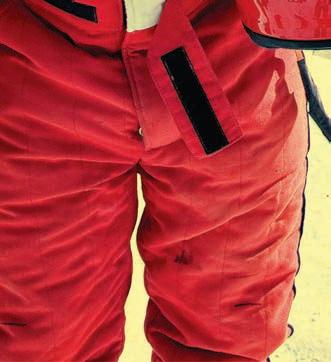
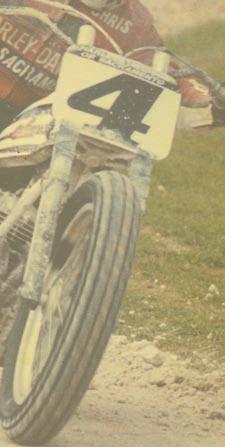
Being the best in the world in the winter Olympics in Vancouver, Canada, this month takes hard work, dedication and sacrifice. For these three Olympians, it also helps to be a motorcyclist. Words
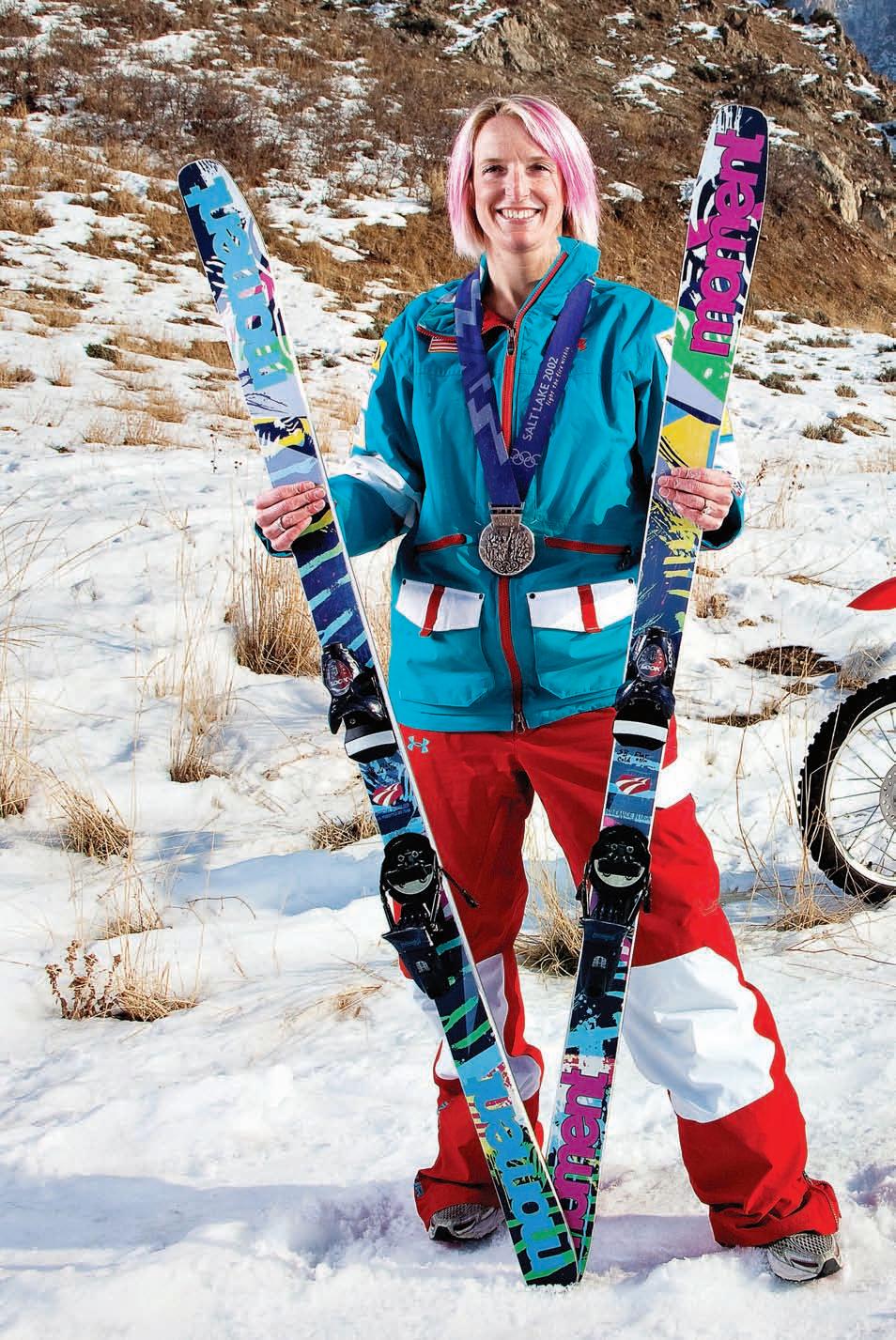
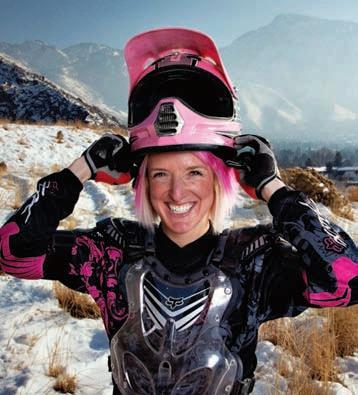
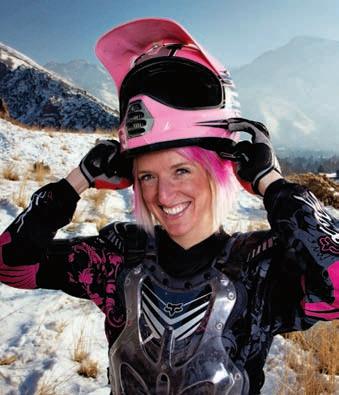
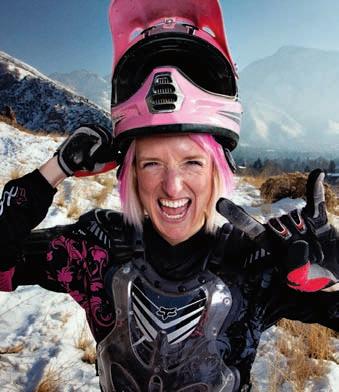
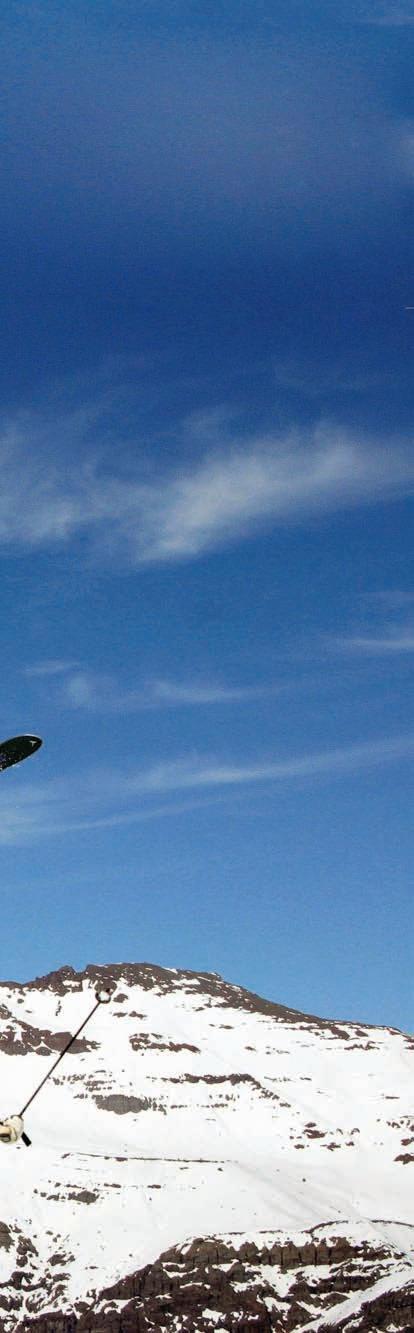
It was 2007, and Olympic silver medalist skier Shannon Bahrke was working through one of the occupational hazards of life as an elite-athlete mogul master—a blownout knee from a ski crash.
Knee rehabilitation following surgery is a painful, arduous process. Looking to let off a little steam one afternoon, she stopped by the Salt Lake City bicycle shop run by her boyfriend, Matt Happe. It was a slow day, and he and some friends were racing pitbikes in the vacant lot next door.
“They had bought a bunch of 50cc motorcycles and totally souped them up,” she laughs. “My boyfriend is 6-foot-4, and to see him on a 50cc bike was pretty funny—I thought that thing was going to explode.”
The riders suggested she take a turn on the makeshift track.
“I have a lot of crazy friends, and they talked me into it,” Bahrke says. She put on her knee brace, suited up and gave it a go. She was instantly hooked.
“I thought, ‘Oh, my God, I have to get one of these!’” she says. “They were so easy and simple to ride, and not scary at all. You look at motorcycle races on TV, and everyone’s doing these huge jumps, and that’s just crazy. But this little 50cc was not intimidating. I could just get on there and do it and get the hang of it quickly.”
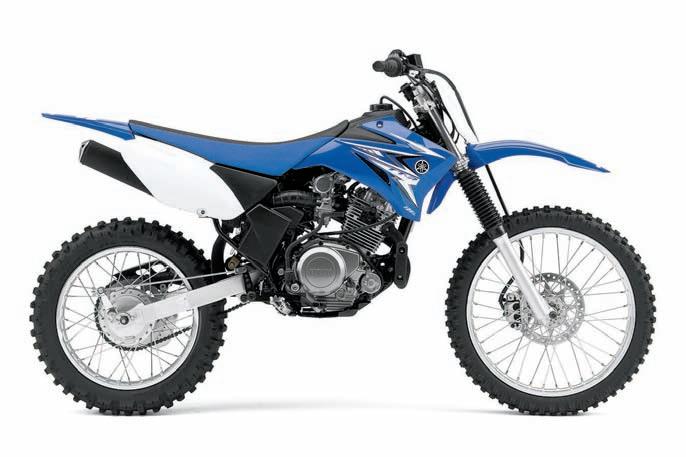
It was the start of a beautiful relationship that soon had Bahrke buying her first motorcycle, a Yamaha TT-R125 followed by a Honda. Now, her bike is an important tool in her training as an world-level athlete. She figures it’s good practice for mental focus, body positioning, cardio training and more on her regular trail rides. And as many motorcyclists know, it’s a great stress reliever.
“I really can’t imagine being without a motorcycle now,’’ she says.
In fact, Bahrke, who at presstime was aiming for a berth on the 2010 U.S. Olympic ski team, is not alone among Olympians in her love of motorcycles. Several members of the U.S. Team are motorcyclists to the core.
For luge racer Tony Benshoof, motorcycles are a great counterpoint to luge, where he’s usually found hurling down
runs on the high side of 85 mph on a sled the size of a large doormat, steering by feel alone. He favors enduro machines for the woods, and rides his Harley-Davidson on the street.
“For me, I like the complexity of motorcycles,” he says. “Road bikes are great, but with off-road bikes, there’s a lot more going on. There’s balance, they’re nimble, you can jump them higher. They’re just fun.”
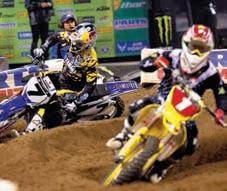
For freestyle skier Jeret Peterson, whose signature ski-jump trick involves a seemingly impossible three somersaults and five twists, motorcycles are a way to take a break, kick back and relax. Though he’s raced motocross, these days he prefers the laidback attitude of his Honda VTX1800.
“From the first time I rode, I loved the freedom a bike gave you to go wherever you wanted,” he says. “You didn’t have to stay on the road, you could run over rocks—you could do anything.”
And while these three athletes won’t be on motorcycles while they’re competing on the world stage this month at the 2010 Winter Olympic Games in Vancouver, Canada, from Feb. 12 to 28, you can bet that come spring, they’ll be firing up their bikes and heading out just like the rest of us.
Shannon Bahrke is shooting for what will likely be her last Olympics after a 12-year run that has taken her to the top level.
The current U.S. National Champion in dual moguls took silver in the 2002 Winter Olympics in Salt Lake City, and she’s a 2003 World Cup Champion. She sticks to a withering training schedule throughout the year that involves daily four-hour workouts in the gym, lots of skiing and regular appointments with trainers and chiropractors. It’s a full-time job, and Bahrke remains extremely focused—which is why she finds it somewhat amazing that she’s become a die-hard motorcyclist.
“I consider myself a really big wuss, and the fact that I do the crazy sport that I do, and ride motorcycles, and want to get into car racing, I really have no idea where that came from,” she says. “With bikes, and with mogul skiing, once I did it, it was like, ‘This is the best thing!’ I fell in love with it.”

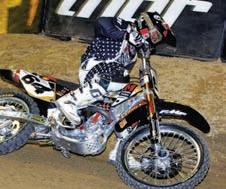
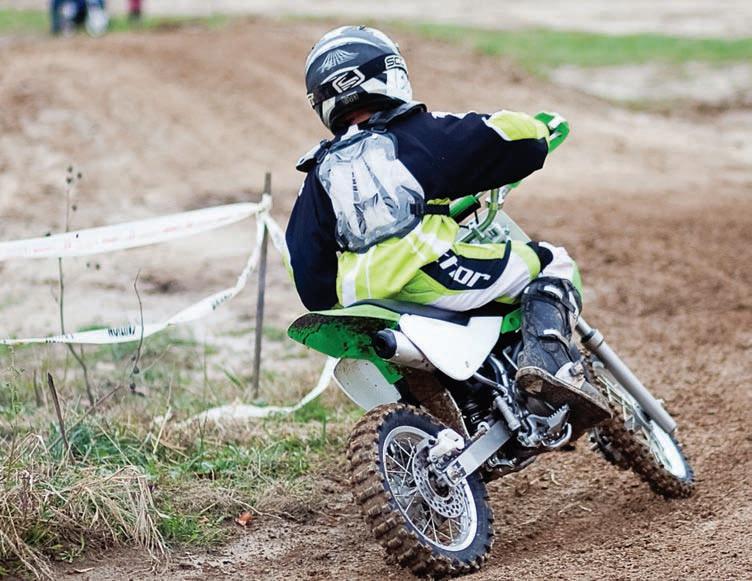
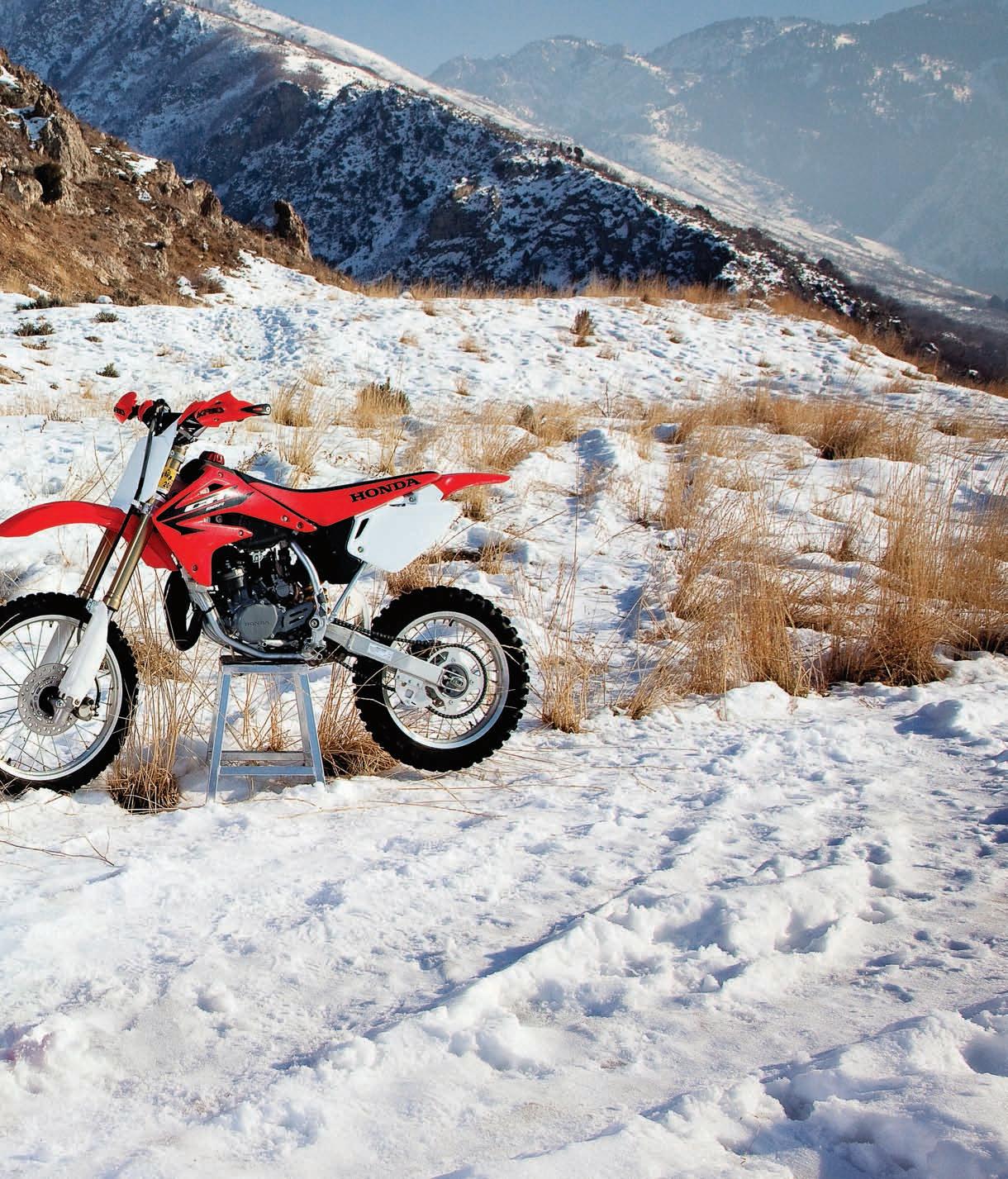
Bahrke eventually settled on her current bike, a Honda CR85. “Yeah, it’s kind of a kid’s bike,” she laughs. “But I’m short, and where we ride in the mountains, you need to be able to get your feet down.”
Trail riding is her latest passion. She rides often with friends, with her favorite trails in the area around Moab, Utah. More than anything, she notes, motorcycles have expanded her horizons.
“It’s just so much fun—I never knew you could go all these amazing places on a motorcycle,” she says. “I’ll ride the Slickrock Trail (outside Moab) on my mountain bike, and it’s just way more enjoyable on a motorcycle. My head doesn’t feel like it’s going to explode, and my muscles don’t want to die. It’s great.”
Bahrke finds plenty of crossover between skiing and riding. The main thing: You must be 100 percent focused in both.
“You have to be completely on it,” she says. “Skiing, you’re always reacting and trying to recover from your mistakes. It’s the same thing with motorcycling, so it really helps with my sport—being prepared, looking ahead, trying to go faster than you should. There’s a lot of overlap.”
Then there’s the mental training she gets out of it. Riding with all guys, she often finds herself having fun pushing hard at the beginnings to keep up.
“I ride way above my head for the first half-hour, trying to keep them in sight, and that’s crazy, because they’re way faster than me,” she says. “But throughout the day, I get more confident, and I realize I can do it. It’s good to realize that.”
It’s refreshing, Bahrke notes, to try an entirely different sport like motorcycling— and start from the bottom.
“It’s neat to work at something and see improvement quickly,” she says. “For me, the learning curve is small in skiing, and sometimes progressing is so frustrating. Something like moving my hand forward a half-inch is like a really big change. But on a motorcycle, I’m still so new that when I’m out on the trail and maybe I fall or don’t do something the way I want, by the end of the day I’m doing it seamlessly. There’s such a sense of accomplishment.”
Motorcycling, she says, has become a big part of her life. “I just encourage everybody to try it,” she says.
“You watch people like Travis Pastrana, and it seems so intimidating. But there are so many levels that you can do. You can start on a 50 like I did and get the TT-R bike. It’s not hard. It really seems like there’s room for everybody on a motorcycle, she says.”
If you’re looking for thrills on ice, you could do a lot worse than the luge. The small, two-runner sleds are steered entirely
by leaning. When you’re riding one well, you’re not even looking forward, using the feel of the track and your peripheral vision to keep yourself on target as you hit speeds upward of 85 mph.
One of the best in the world on a luge is Minnesotan Tony Benshoof. He remains the highest-ranked American singles luger in Olympic competition, with a fourth-place in the 2006 Games in Turin, Italy. He also holds records for the most international medals won by any USA Men’s Singles athlete and most U.S. National titles won.
Given his adrenaline-charged world, it’s no surprise that he once had a serious love affair with sportbikes.
“I started on dirtbikes, riding around the farm, building jumps and things, but when I was 18, I got into sportbikes with a Honda CBR600RR,” he says. “To be honest, I got so many speeding tickets when I was in my early 20s that I had to give it up!”
Ultimately, he decided to keep his need for high speed on for the mile-long, convoluted sled runs, where he is the Guinness World Record-holder for fastest speed on a luge sled (86.6 mph) at the track in Park City, Utah. These days, Benshoof spends his time on his HarleyDavidson, and until he sold his latest offroad bike, enduro machines for trail riding.
Like Bahrke, he sees some real crossovers between motorcycling and luge.
The key factor in both? Traction.
“On a modern sportike, I think you get close to the feelings you get on a luge,’’ he says. “If you take out the engine element, the principals are very similar. If you’re going fast around a corner, you’re pushing the threshold of friction and traction.
“With a luge, you’re constantly pushing how little of an edge you can be riding before you’re out of control,” he says. “That balance point between in and out of control is where the fastest runs come from. It’s the same off-road on a motorcycle.”
Benshoof is away from his home in Minnesota for six months at a time, when he’s competing around the world or training at the Olympic Training Center in Lake Placid, N.Y. For several years, he’s taken his dirtbike or his Harley-Davidson with him to training.
“Personally, I look at riding motorcycles as cross-training,” he says.
“When you’re running singletrack, there’s a lot going on,” he continues. “The faster you ride, the more forward you have to look and think. Things are coming at you quickly, and you have to prioritize them very fast—you know, ‘Which of these things can I forget about?’
“There’s a lot of that that’s the same with luge,” he says.
Also, the Harley-Davidson has been a great escape. There are several athletes
and trainers at the center who ride, he says, and they’ll often get together and head out for a cruise.
Benshoof readily admits to missing riding—especially lately since he sold his most recent enduro bike to be sure he’d avoid injury before the Olympics. But he is 100 percent psyched to be focused on the Olympic Games for now.
“I feel good about our chances,’’ he says. “The track in Vancouver is my style of track. It’s technical, and there’s small margin for error, and that fits my style. We’re definitely looking forward to it.”
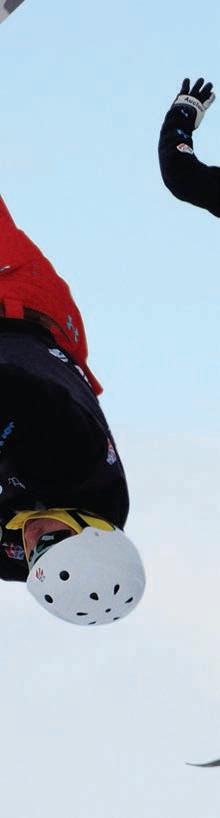
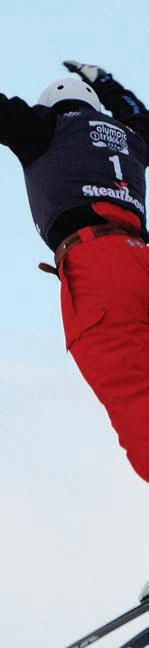
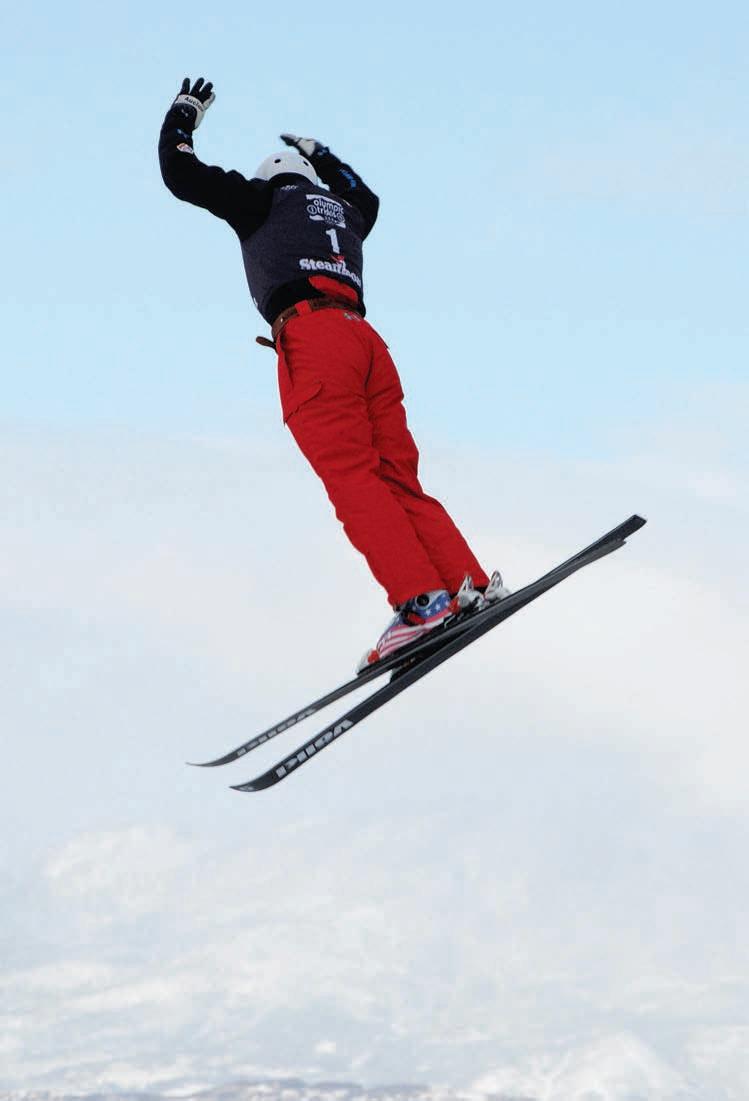
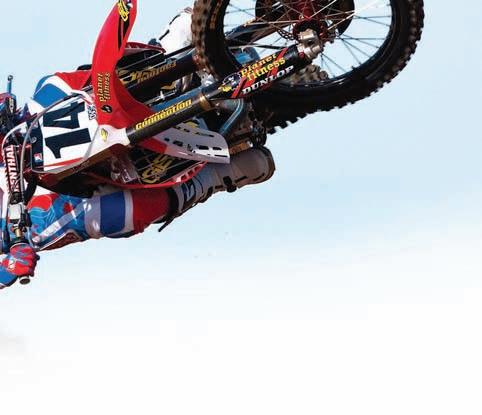
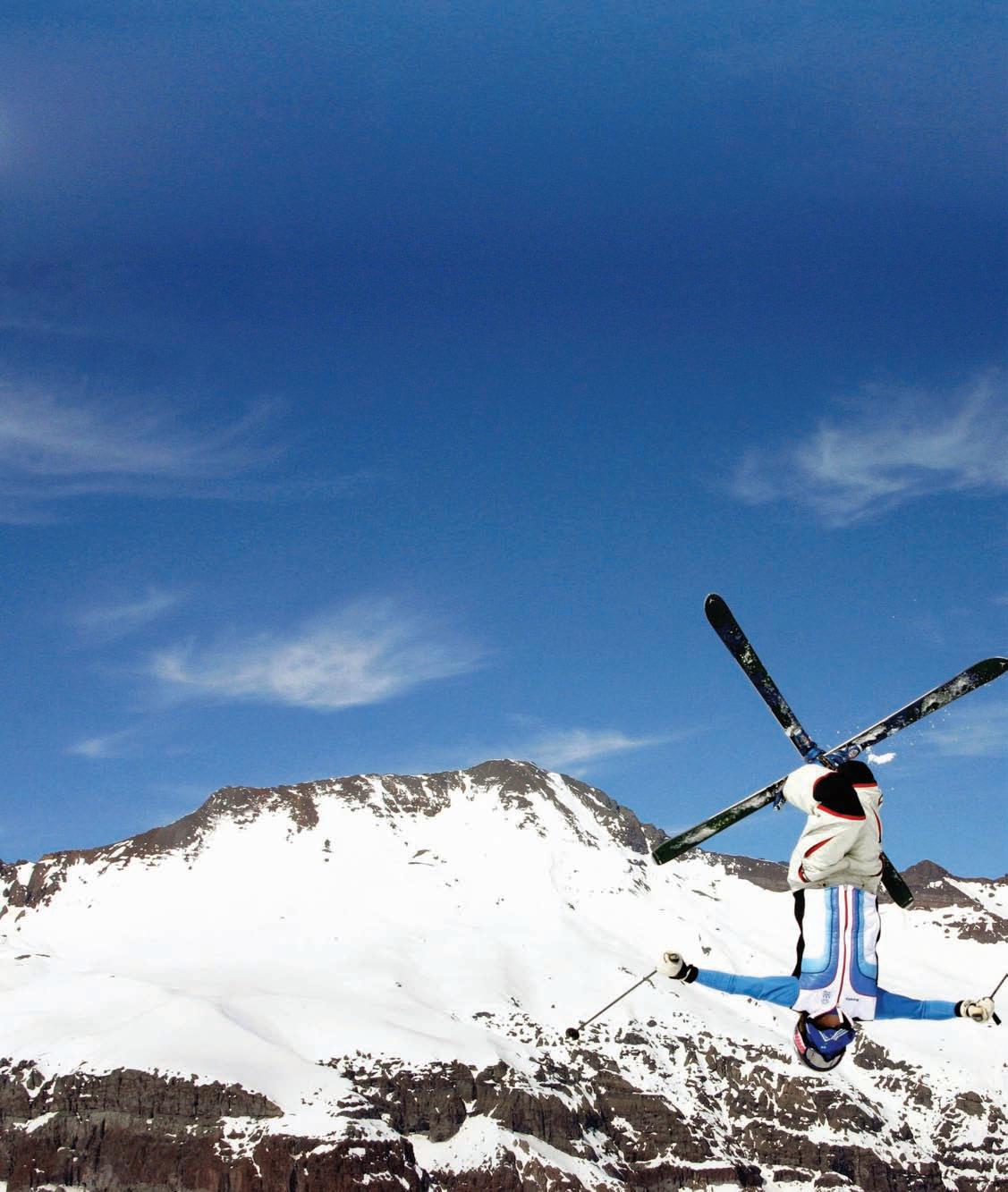
In the world of elite-level skiing, the athletes closest to freestyle motocross riders are aerial skiers, who launch from massive ramps to pull flips, spins and twists before time runs out and the snow comes screaming toward them.
Few aerial skiers go bigger than Jeret “Speedy” Peterson, whose signature trick is a three-flip-and-five-twist combo he calls the “Hurricane.”
Bikes, he says, were a natural from the first one he bought in eighth grade—a Suzuki RM80 with a blown engine.
“I wasn’t able to have motorcycles when I was really young,” he says. “By the time I was in eighth grade, I was kind of able to do what I wanted. It took about three months to fix it back up. I was stoked the first time I kicked it and it fired up.”
He would ride with a friend who had a dirtbike, and eventually moved up to motocross racing as he got older, all the while skiing in the winters.
“I just liked the adrenaline and sense of freedom of both sports,” he says. “I was definitely better on skis. I had to stop motocross racing a while ago. On the motocross track, I had the guts to go big, but I didn’t have the brains for the brakes. So I switched to trail riding.”
Like Benshoof, he also rode on the street, on a CBR600RR, but found it much easier to keep himself in check after he bought a Honda VTX1800.
“The cruiser is definitely the choice for me,” he says. “The VTX makes me smarter. I get to enjoy the relaxation a little more than the adrenaline.”
Not surprisingly for a guy who spends a lot of time in the air pulling off seemingly impossible stunts, Peterson is blown away by freestyle motocrossers. Learning the hurricane took months of practice in the Olympic Training Center’s ramp and pool. Watching someone like Pastrana pull a double-backflip on a motorcycle, he says, is amazing.
Even more amazing, he says, was the time Pastrana came out to the training center to try out the swimming pool.
“I taught him how to flip on skis and he
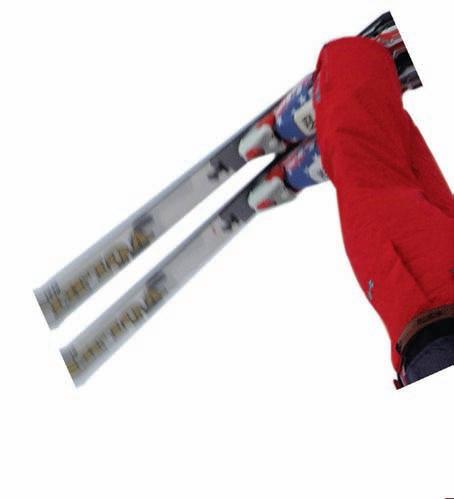

taught me how to do a backflip on a bike. He was doing things on the ramps the first day that it takes some people two or three years to do,” he says.
For Peterson’s part, learning the backflip on a bicycle/tricycle contraption came quickly as well. “The first two tries were horrendous,” he laughs. “But I really stuck it the next two tries.”


Talk to these athletes, and you really get a sense of the sacrifice it takes to contend to be the best in the world.
They’ve been focused on these Olympic Games for the past four years—and on some level for much longer than that. They’ve left behind normal lives and normal jobs to pursue their dreams. Because of that, all three have plans for after the games. And all their plans call for motorcycles.
Vancouver will likely be Bahrke’s last Olympics. She’s focused on expanding the coffee-roasting company she founded two years ago, Silver Bean Coffee. And she’s looking for some more fun on two wheels.
“Everything is going to have to fit in somehow,” she says. “I really want to try to do some Supermoto racing, where you’re doing asphalt and dirt. That looks like a lot of fun. And I’ll start doing a lot more jumping on my dirtbike on the trails. I’ve kind of kept that in check with the Games coming up.”
Benshoof says he plans to get a new enduro bike after the Olympics. He’s also got a very specific plan involving his HarleyDavidson and his coach.
“I’ve been thinking of a few motorcycle trips. My coach, who’s from Lichtenstein, recently bought a Harley-Davidson, and we’ve talked about going to Sturgis. That will just blow his mind.”
And Peterson? He’s already thinking of new motorcycles.
“I’ve always wanted a Harley, but there’s a lot of other bikes out there that I think are neat, too,” he says. “Getting a custom bike would be pretty cool. I would love a chopper that you could actually ride.”
Plans for new rides, new adventures and new bikes? On one level, at least, these elite athletes are just like the rest of us. •