
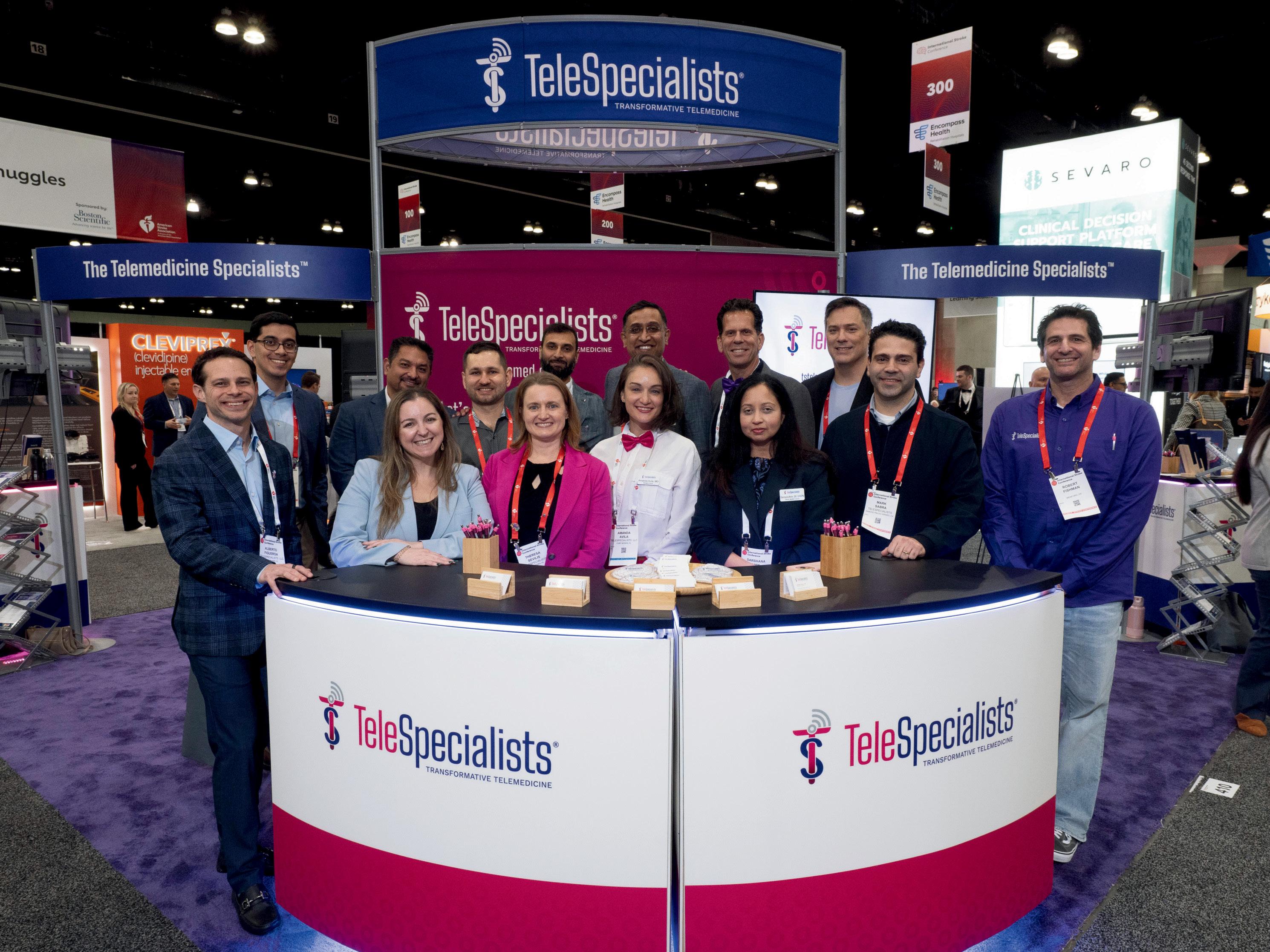
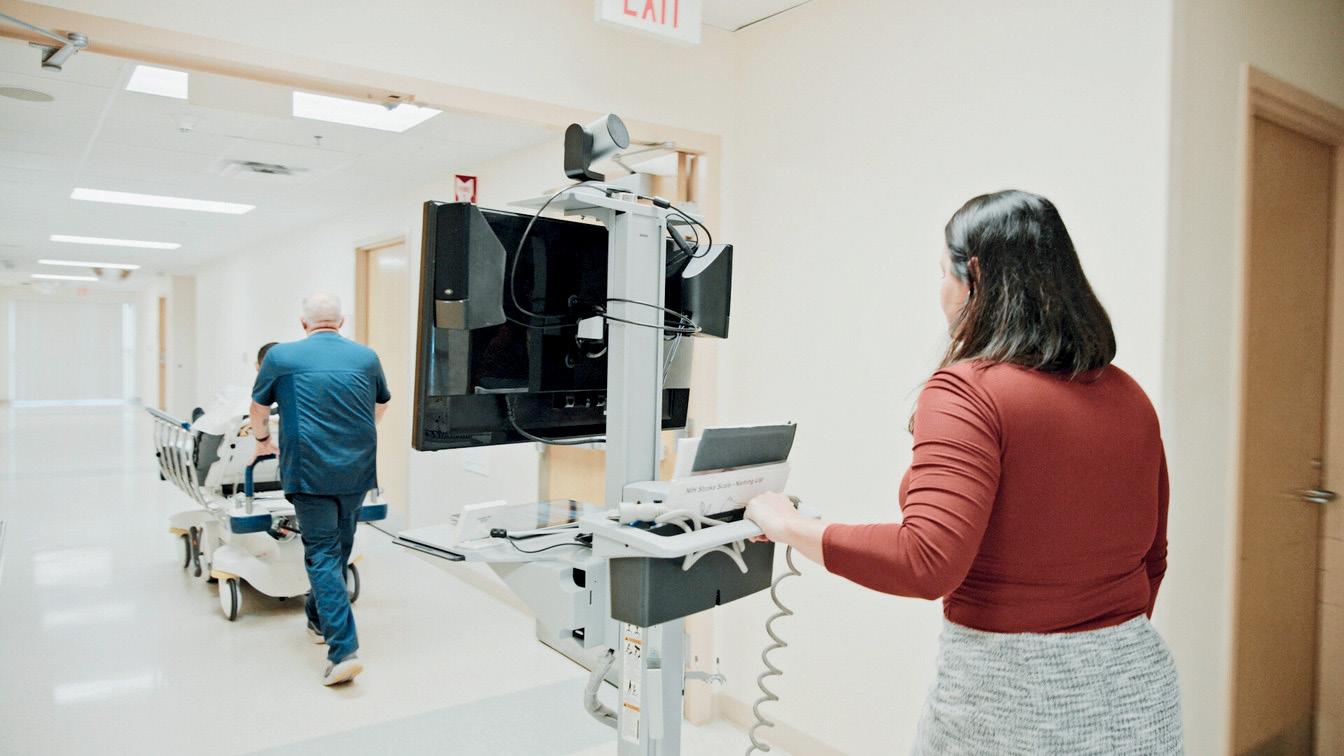
TeleSpecialists is a neurologist-owned-and-led telemedicine practice leading the nation in teleneurology care. Our commitment to physician support and quality has set the telehealth industry standard.
Work from home anywhere in the United States
Inpatient and Outpatient opportunities
Licensing, credentialing, and occurrence-based malpractice coverage included High earning potential with robust bonus structure, full benefits, 401-k, and CME stipend Professional development opportunities in research, education, and administration AI-driven scribe solutions for seamless documentation Scan QR code or email physicianrecruiting@tstelemed.com to learn more Join








If you’ve been in many interviews (and by now, you probably have), you already know how awkward it can be to be asked a challenging question
Those are the queries that stop you in your tracks while your mind darts around frantically for some kind of answer Sometimes the questions are genuinely difficult, but just as often, they’re only unexpected In either case, the result is the same: a blank look, a blank mind, and an awkwardness that can be difficult to recover from
There are several solutions to the problem, although none of them will cover you completely For example, you can check in advance with colleagues or online resources or even the interviewing organization to get a sense of what the questions might be With that information, you could then go about preparing to answer those questions
But what if your information is wrong, or what if you still get stumped by outlier questions?
Here’s a better idea: Create a process for yourself to help in real time if you encounter tough questions Then you know you’ll be covered, whatever happens Following is an example of a mental process to use, as well as
five questions known to be difficult to answer After you see the process applied to each question, practice by applying “processed” answers of your own to the questions
STEP 1—Acknowledge the question, perhaps by saying “hmmm” or giving some other indication that you’re about to answer
STEP 2—Try to identify the “real” question For example, when asked “Tell me about yourself,” the interviewer probably doesn’t anticipate hearing about your family of origin or early years in sports Rather, he or she is expecting a brief synopsis of what you’ve studied and what your primary experiences in medicine have been, along with some of your goals A more literal query might have been “Tell me about your medical career and your professional interests”—but that’s not how interviewers usually phrase things
STEP 3—When possible, match your answer with one of your strengths
For example, the answer to “Tell me about yourself” could start, “I’ve always been a very empathetic person, with a keen interest in the

sciences; those strengths led me to the field of neurology etc ”
STEP 4 —For longer answers, conclude by bringing the answer back to the interviewer’s organization Again, using “Tell me about yourself,” the answer could conclude with, “ having had the experience in my fellowship of treating patients in a hospital setting, I realized that being a neurohospitalist for a larger medical facility like this one was exactly what I wanted to be doing ” Ready to see the process applied? Check out the sample answers to these five tough questions
etc )?
It’s easy to see why this can be challenging to answer Depending on the context, the “real” question could essentially be, “Do you fit here?” Since you can’t control their perception about if you fit, concentrate instead on answering how you’ll fit Staying with the assumption of an interview for a
neuro-hospitalist in a large medical system, the answer could be:
I take a dual approach to patient care, which is something I’ve been developing through my rotations and my fellowship. As an underlying principle, I believe strongly in the dignity of the patient and in that person’s right to control their care. That means I have to give them timely and clear information. And I also believe in the power of the hospital and the care team to impact
expect to leave this place within two years so you can move forward on a different path Luckily, you can avoid this dilemma by considering the “real” question, which is likely, “Where does our job fit in your career plans?” Since you don’t know the future, keeping your answer somewhat general is a good bet Here’s what our neuro-hospitalist might say:
Patient care in a hospital setting is my strong interest, so my plan is to follow this path. In researching this medical

a patient’s well-being. This leads me to collaborate with my colleagues whenever it’s feasible, and to work with the values of the hospital to amplify the care I can provide. That’s one of the reasons I’m excited about this opportunity—I really feel as if the medical professionals here are some of the best.
If your plans align clearly with the organization interviewing you, this might not be a difficult question But if you’re like many physicians, you’re willing to compromise some parts of your plans in order to achieve other parts That creates a problem in the interview if you answer a question too literally, disclosing that you’d rather be working elsewhere, or that you
system, I’ve learned that you have a number of clinics as well; at some point I could see myself participating in developing a specialty clinic here if it was feasible. But for now, I’m focused on the neuro-hospitalist role.
This is the classic difficult question, even though most candidates expect it The problem is one of those “damned if you do, damned if you don’t” situations: If you give a real weakness, you risk telling too much But acting as if you have no weaknesses will not be credible It helps if you remember that they are not asking for a weakness so much as they are trying to understand what you’ll need help with if they bring you on board That’s why our neuro-
hospitalist candidate is going to answer from the perspective of the job, not from a personal list of New Year’s resolutions
I’ve given that some thought and, in respect to this role, I think the area I’ll need the most ramp-up for is the electronic records system. I know you’re using Epic and that’s something I’ve become familiar with during my fellowship. I haven’t needed to use all its features, so I’m not as fast as I think you’d need me to be. I should be able to close the gap somewhat before I come on board, but I’d probably still need a hand to bring me up to speed.
Tell us about a disagreement or conflict you’ve had with your colleagues and how you handled it
Yikes Another no-win situation This is framed as a behavioral question, which means the most common style of answer would include a story As in, “I said this, and she said that, and then ” You can see how this could deteriorate quickly Luckily, the interviewer isn’t really interested in a he-said, she-said story The “real” question is more likely to be “How do you handle sticky situations?” or “How do you get along with others?” In the following answer, the candidate is going to eschew giving a specific example in favor of describing a process or approach, while also bringing forward a strength (in this case, good communication):
That’s a surprisingly difficult question to answer. It’s not that I don’t disagree with colleagues from time to time, but I can’t think of a situation that escalated into something more serious. I tend to be pretty focused on good communication, so that might be one reason things don’t get too far. When I don’t agree with something, I’ll ask for clarification so I can understand the reasoning better. Then I might sit on it for a day to see
it from a different angle. For the most part, keeping things at the reasonable dialogue level provides enough space to find common ground. But if that wasn’t the case, I’d have to evaluate how important I thought the point was before pushing harder for my view.
You wouldn’t think this would be difficult at all, since you probably have quite a few questions on your mind But of course, the problem is thinking of something that doesn’t sound too self-interested (“Can you explain the benefits?”) or too detailed (“What’s the average number of EEGs the department conducts on a given day?”) Nor should you imagine replying, “I think you’ve answered them all already” lest you sound disinterested in the job Which brings us to the “real” question in this case: “Are you interested in this job? Are


you picturing yourself working with us?” With that in mind, here’s how our neuro-hospitalist might demonstrate interest while also receiving information of use:
I do have some questions. Mostly they’re centered around the work itself, and the department goals. It’s been interesting to learn more about your model of patient care and how everyone works as a team here. Can you tell me more about any plans
you have for growth? I’m curious to know how many more patients would be needed before you’d hire the next person, for example. I’m also wondering if you’re planning any specialty clinics around specific procedures or diseases.
You’ve probably discovered already that interviews are more art than science There’s never going to be one right answer for a question, nor will a “wrong” answer sink the ship if the interviewer likes you As a final (but best) strategy, focus at least some of your attention on being personable and warm, and you’ll feel less pressure to find just the right words for each question you’re asked
160,000
25,000
138
2,300
24


Kaiser Permanente - Southern California Permanente Medical Group (SCPMG) is seeking Neurologists to join our teams in Southern California
Key benefits of working for SCPMG:
• Physician led organization
• No prior authorizations or pre approvals required
• Collaborative, multispecialty environment

• Dedicated Regional Telestroke team oversees acute stroke coverage
• Competitive salary, benefits package, and PSLF eligible
• Commitment to work-life balance and physician wellness via flexible schedules with built-in half-day education time
Why Southern California?
• Vibrant cultural scene with exceptional arts and entertainment options
• Endless outdoor activities: world-class beaches, scenic mountain trails, desert landscapes
• Family-friendly communities with top-rated schools
• Perfect balance of major urban centers and laid-back coastal living charm
For consideration or to apply, please visit: southerncalifornia.permanente.org/jobs/type/neurology
We are an AAP/EEO employer.



For additional information, please contact Michelle Johnson at: 877-608-0044 or Michelle.S1.Johnson@kp.org.

Tri-State Neurology in Memphis, Tennessee is looking to hire adult neurologists. Specialty training is a plus.

We are a fast-paced, well-known, and respected neurology clinic. We offer a generous, guaranteed starting salary (first year $375-450k depending experience and request). You will also enjoy 100% membership from the first year We provide vacation, health insurance, and a 401k retirement plan.
We do EEG, EMG, cognitive testing, autonomic function tests, skin biopsy, and more. We also have a robust onsite infusion center Our office is well established and in a prime location of East Memphis.
Interested? Send your CV to James Wang, M.D., Ph.D., FAAN
Email: jjxwang@yahoo.com
Call/Text: 901 628 3898
tri stateneurology.com
J1 waiver is available.

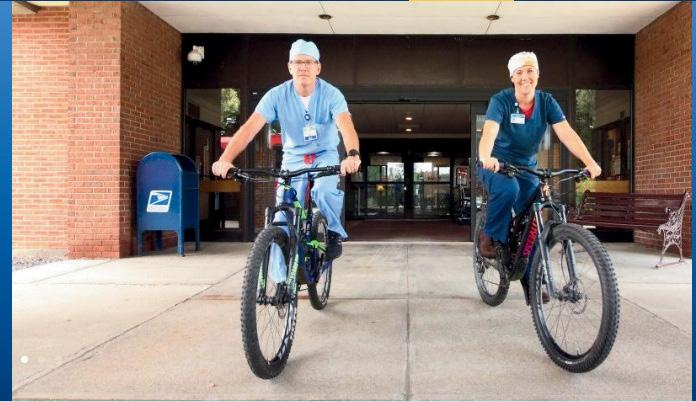
Tired of the rat race, traffic, fast-pace? Join our small, close-knit community hospital as a board-certified/board-eligible neurologist. This is an excellent opportunity for experienced neurologists or new graduates to establish a rewarding practice in the beautiful, rural setting of Vermont. Work in a supportive, team-oriented atmosphere with a dedicated staff and time for personalized patient care. And you’ll enjoy an outpatient schedule with no call, allowing you to maintain a remarkable work-life balance. Visit: nvrh.org/careers
Quality of life, peace, tranquility - no traffic! Instant access to the best in outdoor recreational activities
Excellent schoolsprivate and public, with school choice
Small farms, artisanal bakers, cheese makers & breweries.
A vibrant arts scene with farmer’s markets, craft fairs, music ans community events.

Caring Community / Loan Reimbursement / Tuition Assistance / Flexible Scheduling / Stellar Benefits

Here’s a brief overview about us:
Established in 1968, UT Health San Antonio serves San Antonio and the 50,000-square-mile area of South Texas. The University, one of the country’s leading health sciences universities, ranks in the top 3 percent of all institutions worldwide receiving National Institutes of Health (NIH) funding. The University’s schools of medicine, nursing, dentistry, health professions, and graduate biomedical sciences have produced approximately 26,000 graduates. Nestled at the edge of the Texas Hill Country, San Antonio is a city steeped in heritage and cultural diversity, as well as innovation and advancement. We are one of the fastest-growing cities in America, boasting seasonal events and festivals and spectacular green spaces and parks. Beyond the world-famous San Antonio Riverwalk, the city has a range of recognized restaurants, cultural institutions, sporting events, and fun for the whole family.
Current Opportunities:
Chief, Comprehensive Neurology, Open Rank
Inpatient Advanced Practice Provider
Assistant Professor, Epilepsy
Movement Disorders Specialist, Open Rank
Chief, Vascular Neurology, Open Rank
Vascular Neurologist, Open Rank
Chief, Epilepsy, Open Rank
Neurohospitalist, Open Rank
General Neurologist, Open Rank
Neuromuscular, Open Rank
Contact: Jasmine Barrera, MSPH barreraj3@uthscsa.edu 210-450-0500



Negotiating an offer is one of the most important— and sometimes most stressful—parts of the interview process Whether you’re reviewing offers for your first position out of training or considering a career move, understanding some best practices and knowing what to look for can make all the difference—not just in the negotiation process but also in setting yourself up for success in your new position
Practices essentially spell out what is negotiable in the offer letter Once you come to a mutual agreement and accept the offer, a contract with those terms is drafted Since contracts go through extensive vetting and legal review, their contents are usually standardized And how you negotiate is just as important as what you negotiate!
Example: A practice sent an offer to their candidate
The candidate wanted a higher salary, and the practice agreed and sent a revised offer The candidate then asked for another two weeks of paid time off—the practice again agreed and sent a revised offer letter The candidate came back again and asked for a higher signing bonus At that point, the practice was frustrated with the multiple offer revisions and revoked the offer The candidate did not once thank the contracting coordinator, and the practice decided that was not the type of person they wanted on the team
If you have multiple things to negotiate, come prepared with a list This list should be based on your nonnegotiables and the areas where you have flexibility When negotiating, it helps to come from a place of curiosity and sincerity When practices can see how genuinely interested you are or hear your reasoning why you are negotiating certain factors, they’re usually much more amenable
When negotiating, we always recommend doing your own market research While there’s still room for improvement, transparency in compensation and access to benchmarking data has become better in recent years It’s important, though, to understand the data and know whether the numbers you’re looking at are salary or salary plus bonuses
Example: A candidate was expecting a salary around the national median—not realizing they were looking at total compensation—but the salary in the offer letter came in about $60k lower than they expected They wanted to turn down the position initially but instead got curious and talked with the company It was then explained that with the very attainable annual quality and productivity bonuses, their anticipated total package would be quite competitive!
If it’s not written out in the contract, it’s also important to understand what your compensation model will look like after the initial contract term We’ve seen candidates negotiate very high guaranteed salaries, unknowingly switch to productivity models after the initial term, and end up surprised when their compensation drops drastically as their production did not keep up with their high starting salary
You’ve probably seen a lot of news about banning noncompetes, but there’s some confusion For the time being, non-competes are handled at the state level Some states have sweeping bans, some have no restrictions, and a lot fall somewhere in between Be sure to research or consult with an attorney on what the state’s current legislation on restrictive covenants says We’ve found that when states pass new laws, hospitals usually work to align contracts of new and existing providers with the current laws If it’s not in the contract, a good question to ask is how it could change pending future legislation Will you be held to what’s currently in your contract or will it change?
Example: A candidate had been with a program for nearly 10 years, but they wanted to interview for a new role nearby with a program that fell within their restrictive covenant While the state had recently changed the law for new non-competes, existing ones were still enforceable The candidate had to decline an interview because of their nearly decade-old non-compete
interviewing with is your interview and decision-making timeline Often, offers will have expiration dates
Example: A candidate was ready to accept an offer, but a personal circumstance came up and he wasn’t going to be able to decide on a move for six months He was still interested, so the practice asked him to check in once a month They said if the position was still open, they were willing to extend his offer every 30 days until the time came when he knew whether he could move or not Because he gave them a timeline and kept in contact with them, they extended his offer until he was in a place to accept it!

One of the most common concerns we hear from candidates, especially those who are interviewing for the first time, is managing multiple offers They’re usually quite worried that interviewing elsewhere might offend the program! Practices expect that you’re interviewing with multiple places We’ve worked with a group where the chair would actively encourage candidates to talk to multiple employers They wanted to be sure the candidate knew all options available to them and was well-informed when deciding to accept their offer To them, interviewing around is important for long-term retention! What should absolutely be communicated to practices you’re
Remember that negotiating is hopefully the start of a long relationship between you and the program Contract review services and employment contract attorneys are excellent resources and should be utilized—they’re experts in their field and can explain what the contract terms mean to you Negotiations can go best when kept between the candidate and the practice; an attorney or contract review service negotiating on your behalf is going to be much more transactional in nature We’ve had programs sign candidates begrudgingly after an attorney was involved and redlined the contract in excess The candidates and employers were able to work through the issue, but such circumstances can leave people feeling resentful and less excited about starting new jobs!
Example: A hospital rescinded an offer when the candidate’s contract review service tried to negotiate a higher starting bonus The candidate was caught off guard when the offer was pulled; they had been unaware of how the service was communicating with the practice They were ultimately pretty upset at the situation, since the signing bonus amount was on the candidate’s “nice to have list” but was not a deal breaker
At the end of the day, successful negotiation is about preparation, communication, and perspective Know what matters most to you and maintain a collaborative mindset With the right approach, you’ll not only advocate for yourself effectively, but you’ll also set yourself up for long-term success and lasting relationships


Dartmouth Health, New Hampshire’s only academic health system and the state’s largest private employer, serves patients across northern New England. Dartmouth Health provides access to more than 2,000 providers in almost every area of medicine, delivering care at its flagship hospital, Dartmouth Hitchcock Medical Center (DHMC) in Lebanon, NH, as well as across its wide network of community hospitals, clinics, and care facilities. Current neurology opportunities include:
Physician Specialties Hiring:
• General Neurology
• Headache
• Neurohospitalist
• Stroke
• Cognitive Neurology
• Neuroimmunology
APP Specialties Hiring:
• General Neurology
• Stroke
• Headache
• Neuromuscular
• Inpatient Neurology
Applicants can send a CV directly to:
Heidi Krape, Physician & Provider Recruiter
Heidi.N.Krape@Hitchcock.org
Call/text: 603-266-9684
• Four seasons and a spectacular outdoor lifestyle
• Easy access to major cities, airports and cultural amenities
• Congestion-free commuting
• Easy access to mountains, lakes, skiing and the seacoast
• Focus on local living with safe schools and good housing
• No sales or state income tax in New Hampshire

NORTON NEUROSCIENCE INSTITUTE AND NORTON
CHILDREN’S NEUROSCIENCE INSTITUTE , affiliated with the UofL School of Medicine, are recruiting multiple board-certified or board-eligible physicians to Louisville, Kentucky, and surrounding areas. Our program offers multidisciplinary research pathways, newly expanded facilities, and extensive support from two patient resource centers.
The ideal candidates will have an opportunity to join a collaborative team of more than 130 subspecialty neuroscience providers. Career opportunities are available in the following established programs:
y Epilepsy
y General neurology
y Headache
y Movement disorders
y Neurocritical care
y Neuromuscular disorders
y Pediatric epilepsy (leadership opportunity available)

in using innovative and CUTTING-EDGE TECHNOLOGY AND ROBOTICS
Participating in more than 130
RESEARCH STUDIES over the past decade

2025-2026
U.S. NEWS & WORLD REPORT RANKED NATIONALLY in pediatric neurology and neurosurgery, and designated high performing for adult stroke
NAMED ONE OF 100 GREAT neurosurgery and spine programs by BECKER’S HOSPITAL REVIEW

It’s funny how the little things can seem more daunting than the big ones Finish medical school? Check Excel in residency and fellowships? Check Find that first job as a doctor? Uh-oh
It’s not that the job search is so difficult It’s just hard to know where to begin Unlike formal training programs where the steps and expectations are made clear, job search is one of those life tasks with a very sketchy blueprint That’s largely a factor of uniqueness: Everyone’s career path is different and the jobs needed for that path will differ as well Luckily, some parts of the process are universal to everyone Following are five steps that will help you be strategic about finding your first (or next) job in the field of medicine
Step 1.
Get clear on your goals. You know your specialty, but do you know where or how you want to pursue it? In broad terms, choices for neurologists include practicing, teaching, or researching Knowing which is more important to you is a start, but it’s not quite enough to be helpful in developing your search pattern
For example, researchers might work at universities, but they could also work for the government, for corporations or labs, or for
small specialty clinics Likewise, practitioners could be working for hospitals, government systems, private practices…or they could go solo Knowing where and how you want to work is as important to a strategic job search as knowing the content of the work itself
For this step, stop and think about the first five years out of training and ask yourself: What setting do I want to be in, and what do I want to be doing for the bulk of my day? Once you have that picture in mind, do the same exercise for five-year increments until the date you expect to retire That means that a 30-year old who wants to retire at 65 would have seven five-year blocks of time to imagine
The reason for extending the timeline out to retirement is that long-term goals can influence short-term choices A practitioner who wants to teach at some point might choose to practice neurology at a teaching hospital where those opportunities could crop up more readily Likewise, a doctor who anticipates going solo might benefit from working at a smaller practice where business decisions are shared—this could give a good perspective for making the leap to self-employment down the road
Do the best you can on the extended picture, and then return your attention to the first segment of five years after training The work you choose to do in this timeframe is the work you’ll pursue with your next job search
Step 2.
Learn about the market. Now that you know what kind of job you’ll be seeking, you need a little more information It’s not enough to simply watch for ads in the category you’ve chosen, or tell a recruiter to alert you to opportunities In both those scenarios, you’re placing the responsibility and power for your career in someone else’s hands— that’s pretty anti-climactic after seven or more years of intensive work to get to where you are now That said, you do want to use the ads, recruiters, and any other tools or processes that can make your search easier—but only after you’ve organized these strategic steps so you can control the direction things take
Your research doesn’t have to be exhaustive, but it should be thoughtful If you’d like your next job to be focused on practice, for example, it would be good to have a basic understanding of the different practice settings for someone with your skill set, and the advantages and disadvantages of each At that
point, you can narrow things down to identify the organizations you’d most like to work for, perhaps based on a combination of the work itself, their reputation, and location This is also the time to consider goals in your personal life, including family issues and continued education Some employers and work settings are going to be conducive to those goals, while others could be less accommodating
You get extra points if your research tells you some of the challenges faced by the employers in your target market, and the solutions that are being considered by those in the field To redeem your points, mention some of those findings in conversations and interviews to indicate that you are focused on more than just your own career path when you join someone else’s team
Step 3.
Identify your top three to five employers. Your research will lead you to this stage naturally, but it’s still important to check this step off the list Without a clear sense of preferred employers, you’re left with no actionable process to follow As you build your list of employers, look for this data:
now to email a potential employer to note your interest and ask for a conversation
If your earliest start date for working is several months away, contacting the department head might make the most sense In this case, you’d be sending a brief note of introduction and general inquiry, perhaps asking for a few minutes of time to meet in person at the next conference, or to talk on the phone in the next few weeks The idea is to establish a relationship and to learn more about the department’s goals
importantly, they’ll be offers for work you’ve chosen, at organizations you’ve specified, rather than the more random opportunities that come from relying on advertisements alone At this stage, you’d probably (understandably) like to settle into your job and move forward with a somewhat less hectic pace than you’ve been keeping during your training
Not so fast! Remember that list of potential career goals in five-year increments from Step 1? Now is the time to begin laying the foundation for those ideas to become reality On the job, there will be opportunities to join or lead committees, programs, business processes, etc The sooner you jump in, the more quickly you can gain the relevant experience while also deepening your contribution to your new employer

and initiatives, but not to worry about making a formal application (since that may be premature at this stage)
y Organization name and location
y Heads of the departments you would work in—their names and contact information
y Names and contact information for internal recruiters, if relevant
y The reasons this employer made it to your short list (perceived benefit of working there)
Step 4.
Reach out to your targeted employers, regardless of the season. Whether you intend to start working in a few months or a couple of years, there’s no time like
On the other hand, if you’re ready to launch your search, you might make your first inquiry to the organization’s recruiter if they have one This person can arrange a tour for you, ask and answer preliminary questions related to your candidacy and make introductions to key people in a timely way If they don’t have a recruiter, default back to the department head with a letter that expresses your interest in meeting to discuss potential opportunities in the timeframe you’ve chosen
Step 5.
Be a joiner and a doer. If you follow the first four steps, you’ll almost certainly be headed to one or more offers of employment More
Likewise, participation in a professional group, such as the American Academy of Neurology, gives you the opportunity to explore options that may not be well-represented in the workplace you choose Being a joiner and doer provides the foundation to be strategic in your next job search, whether that happens in five years or 15
As a final word of advice, don’t hesitate to get started on one or all steps right away, even if you’re currently in training The best employers are always watching for the right candidate, so conversations at an early stage are never wasted

Locations: ID, KS, NJ, NM, OK, & TX
The Ardent network includes 30 hospitals and 280 sites of care across six states. Whether you prefer the serenity of the mountains or the energy of a metro area, Ardent affiliates have opportunities to match your personal and professional goals.

Email: Providerrecruitment@ardenthealth.com
SSM Health is seeking exceptional neurologists to join our growing integrated health system. With general neurology positions available in Missouri, Wisconsin, Illinois, and Oklahoma, you will practice medicine that is restoring health, instilling hope, and transforming care – when and where it’s most needed.
• Four-day work week positions available
• Lucrative sign-on bonus and relocation
• Annual CME/business allowance available
• Subspecialty interests can be pursued




To learn more, please scan the QR code or contact: Randy Bullington randy.bullington@ssmhealth.com Visit joinssmhealth.com to see all available jobs.
©2026 SSM Health. All rights reserved. IMD-SSM-AAN 02/25

SLUCare Physician Group, an academic arm of SSM Health, is recruiting exceptional neurologists in St. Louis. Subspecialties include neuromuscular, headache, and movement disorders. Deliver patient-centered care that restores health, inspires hope, and advances the future of medicine.
• Provide the best neurological care to patients and their families
• Research and discover new treatments for nervous system disorders
• Train the next generation of neurologists
To learn more, please scan the QR code or contact: Kathy Quinn kathy.quinn1@ssmhealth.com
SSM Health. All rights reserved. IMD-SSM-SLU-AAN 02/25

Headache/Migraine Neurologist
Join the Department of Neurology at Penn State Health, a nationally recognized integrated academic health system and regional referral hub serving 15 counties across central Pennsylvania Shape the future of Neurology at Penn State ealth. S an to learn ore.
Thriving department spanning general neurology and a broad range of subspecialties
ACGME-accredited residency program
NIH-funded research environment
Advanced neurodiagnostics and multidisciplinary programs




Headache & General Neurology Focus
The Department of Neurology at the University of Maryland Faculty Physicians, Inc. is seeking a full-time faculty neurologist with either Headache Medicine training or general neurology experience with a strong clinical focus on headache and migraine disorders. This position offers the opportunity to expand and shape a multidisciplinary headache practice within a robust academic environment.
Key Highlights
- Expand a multidisciplinary outpatient headache practice
- Procedural experience including chemodenervation, nerve blocks, trigger point injections, and infusion protocols
- Collaboration with behavioral health and integrative services
- Participation in medical student and resident education
- Opportunity to engage in clinical trials
- Involvement in the development of a future headache fellowship
- Competitive academic salary and comprehensive benefits
About the Department
Our Department of Neurology includes a Comprehensive Stroke Center, Level 4 Epilepsy Center, a Neuro-Critical Care Unit, and a strong research environment with NIH- and VA-funded faculty.
Compensation & Benefits
University of Maryland Faculty Physicians, Inc. offers a comprehensive benefits package that prioritizes wellness, work/life balance, and professional development. Benefits include participation in a retirement program, over four weeks of vacation accrued annually, paid holidays, personal leave, paid sick time, comprehensive health insurance, and professional learning and development programs.
To express interest or for additional information contact - PeterCrino@som.umaryland.edu
Peter Crino, MD, PhD
The Richard and Kathryn Taylor Professor & Chair Department of Neurology University of Maryland School of Medicine
MEM: 25 Member Dues Renewal Ad — Half Page Horizontal> B&L Placed in Brain & Life 8.125 x 5.4375 +0.125 bleed, 4C


If you’re an introvert, chances are job searching makes you uncomfortable Not that anyone really likes to look for work Most people would rather skip this process if they could, but for introverts that sentiment seems to count double If this describes you, a word of caution: You could find yourself saying yes to the first thing that comes along—whether or not it’s the best job for you— just for the relief of being done with your search That’s not a great reason to cement a decision that will impact the career you’ve worked so hard to build So, what’s the better plan? Take a few minutes now to read about each part of the job search process and tips to improve your strategy for those steps As with other life challenges, you’ll likely find that practice and small successes in the early steps will set the stage for overcoming your reluctance And even if parts of the process still make you uncomfortable, now you’ll have the confidence to know you can implement strategies to get the result you want
We’re starting with the part of job searching that makes introverts cringe: Chatting for the sake of chatting Of course, it’s really chatting for the sake of bonding and getting to know each other, but that doesn’t make it any more comfortable to do These tips for managing small talk will help not only with your job search, but with other situations where you need to be both social and professional at the same time
If you jump in first, the other person will not guess that you’re uncomfortable This will be easier if you think of a few topics in advance As you’d guess, politics and other polarizing subjects should be ruled out, but noncontroversial medical topics or points of local interest will serve you well
If you know the names of your networking partners in advance of the conversation, you can look them up online to gather clues about their interests and background Then you can introduce a topic that takes the spotlight off you: “I saw from your hospital profile that you trained in Quebec How did you decide to come here for your fellowship?”
Small-talk conversations don’t need to go on and on, but you should strive for at least two or three volleys before lapsing into silence That’s about the minimum needed if the conversation is going to take off To aid in this goal, you’ll need to respond when the other person speaks, ideally with something that encourages more

conversation, such as “I didn’t know that” or “I’d be interested in hearing more about that ”
Come around to the point.
If there’s something you need to know from your conversational partner, you’ll have to take the lead to ensure that happens After a couple of warm-up points, it’s fine to jump in with your direct request: “I’m glad we’re talking because there’s something I need to ask you I’ve been thinking about working at a hospital like the one you’re at, and I’d be interested in your perspective on what that’s been like for you ”
It may be counter-intuitive, but it’s not always smart for an introverted person to rely on electronic processes and email correspondence when conducting a job search Although these methods are efficient, they can become a crutch for anyone who feels uncomfortable in conversations with people they don’t know Worse, too many rounds of emails and online applications could harm the introvert’s confidence or actual performance in interviews The solution? Use online tools strategically, but not exclusively
Here’s an example: Suppose you want to be a hospitalist in the southwestern United States It’s logical to watch the job postings online at the AAN Career Center, and to set up a Job Alert with your criteria so that new listings come to your inbox automatically That’s a smart use of the technology But now what? If you simply complete an online application or send your CV automatically, you’re being efficient—but you’re also ceding control of the timing for the next interaction You likely will be contacted at some random point in the coming weeks and perhaps be put on the spot if someone starts a “soft interview” by
calling after you apply Instead, consider that if you’re the one making the first call, you can control the conversation and the timing
Another way to use the postings to your advantage is to watch them for several weeks while you discern the similarities and differences in what employers are requesting This is a good strategy for anyone, but for the introvert it’s especially helpful to have a heads-up on where a conversation with the recruiter might go And speaking of recruiters, here’s a great way to personalize the process of following leads: Build a relationship with one or two recruiters representing your specialty or desired employers, then connect with them for assistance or advice when you see a position you favor By feeling more connected to a few individuals, you’ll feel more confident sending a text to clarify a point or making a quick call when you need information
Does your CV read like a factual list of educational experiences, with a few publications and presentations thrown in? That’s the bare minimum and it’s fine—if you don’t mind playing 20 questions with each and every interviewer Consider that the more information you provide on your materials, the more you can “warm up” your in-person interaction later This benefits you by taking some of the conversational burden off your shoulders during interviews and phone conversations As a second advantage, it gives the interviewer or recruiter a head start on knowing you more fully A primary rule for success in a job search is that people hire people they like—and they like people they feel they know something about
Here are some of the things you can add to your CV to help the interviewer get to know you through your paperwork: An initial summary or profile providing a few sentences about your goals and interests; job descriptions for your fellowships and residency that give the scope of your work and details about your responsibilities; a section for committees or other nonclinical duties; a section for volunteer activities; and a section listing a few of your personal interests Does this seem like a lot of information that isn’t strictly necessary? That’s exactly the point These are things you’re going to be asked in the interview, so having them already represented on your CV gives you a chance to influence and anticipate the specifics of the conversation Instead of being asked, “Tell us what you do with your free time,” you might instead be asked, “How did you get interested in playing rugby?” For an introvert, answering a specific question is often less stressful than being given an openended query
You can apply the same strategy to cover letters by providing an example of your training or experience that
relates to criteria from the posting When you do this, instead of simply saying “I meet all the criteria requested,” you give the interviewer something specific to focus on Again, having a hint about what the conversation might cover (because you essentially planted the topic) lets you feel more confident
One quality many introverts share is the tendency to think things through very deeply This is obviously a good practice when it comes to patient care or other medical duties But it actually can be a hindrance to process oriented tasks such as a job search When you think too deeply or long about job search steps, the result tends to be inertia
Once your initial research and strategizing are complete, there’s little added value to rethinking things You’ll need to trust that your preparation will be enough, and that you can find a way to recover if it turns out it wasn’t As the saying goes, the only way forward is through Might as well jump in and get started; after a while, you just might discover you’re better at this than you thought you’d be
Most candidates, introverts or not, can find a way through standard interviews without too much added
strain That’s because the agenda is in someone else’s hands and the candidate can revert to simply answering questions if it becomes too difficult to generate a conversational give-and-take But that Q&A safety net dissolves when the format changes to a lunch meeting or hospital tour As an introvert, if you can prepare yourself to survive these events, you’ll be ready for anything
These tips will help:
When possible, review the restaurant’s menu online in advance of the meeting This gives you the opportunity to make a logical choice (no finger food, not the most expensive item, etc ) without the pressure of having others watch you decide
Don’t become overly absorbed in your meal For introverts, it’s tempting to be eyes-down when you have a plateful of food to focus on Resist that urge and keep your attention on the others, even if it means not finishing your food
Enjoy the tour without struggling to converse with everyone you meet You’ll be doing well if you can say something short and positive to most of the people you’re introduced to (“I’m impressed with how bright and sunny this wing is ”) Anything beyond that is definitely extra credit
Tired of the rat race, traffic, fast-pace? Join our small, close-knit community hospital as a board-certified/board-eligible neurologist. This is an excellent opportunity for experienced neurologists or new graduates to establish a rewarding practice in the beautiful, rural setting of Vermont. Work in a supportive, team-oriented atmosphere with a dedicated staff and time for personalized patient care. And you’ll enjoy an outpatient schedule with no call, allowing you to maintain a remarkable work-life balance. Visit: nvrh.org/careers.
Quality of life, peace, tranquility - no traffic!
Instant access to the best in outdoor recreational activities
Excellent schoolsprivate and public, with school choice
Small farms, artisanal bakers, cheese makers & breweries.
A vibrant arts scene with farmer’s markets, craft fairs, music ans community events.
d


Emerson Hospital located in historic Concord Massachusetts has an opportunity for a Board Certified/Board Eligible Neurologist to join our team.
This opportunity is an employed position with Emerson Practice Associates
• Competitive salary and benefit package
• Sleep Center, Concussion Center, Parkinson’s Center, Telestroke
• Excellent support from a dedicated team of neurologist, administration and staff
• Full service diagnostics are available at hospital, which was certified by the state of Massachusetts as a Primary Stroke Center in 2004
• Practice in one of the most desirable practice locations in Massachusetts
Emerson Health is a regional health system providing advanced healthcare to more than 300,000 people across 25 towns in Massachusetts. We make high-quality healthcare more accessible to those who live and work in our community at Emerson Hospital in Concord, health centers in Bedford, Groton, Sudbury, Westford, and Concord, and Urgent Care settings in Hudson, Littleton, and Maynard.
Emerson has strategic alliances with several academic centers in Boston, including Mass General Brigham and Massachusetts Eye and Ear Infirmary.
Diane Forte Willis, Director of Physician Recruitment and Relations dfortewillis@emersonhosp.org
Phone: 978-287-3002 • Fax: 978-287-3600
Concord, MA and the surrounding communities are among the best places to live in Massachusetts, with several top-ranked school systems in the state and located just 20 miles west of Boston.

A FEW REASONS TO CONSIDER A PRACTICE WITH TPMG:
• Our Telestroke program provides comprehensive coverage for all stroke alerts 24/7, and also immediate and urgent consultations during nighttime hours.
• AI-Based Charting and an outstanding electronic medical record system that allows flexibility in patient management.
• Work-life balance focused practice, including flexible schedules and unmatched practice support.
• We can focus on providing excellent patient care without managing overhead and billing. No RVUs!
• We demonstrate our commitment to a culture of equity and inclusion by hiring physicians who reflect the people we serve.
• We are Physician-led and develop our own leaders.
For more information on our career opportunities, wage ranges or to apply, please visit: northerncalifornia.permanente.org
FOR ADULT OPPORTUNITIES, you may contact Ramona Boyd at: Ramona.J.Boyd@kp.org or call: (510) 458-5197.
FOR CHILD OPPORTUNITIES, you may contact Judy Padilla at: Judy.G.Padilla@kp.org or call: (510) 318-0144.
Stop by and see us at Booth #2212 at the 2026 AAN Annual Meeting



• Competitive compensation and benefits package, including comprehensive medical, dental, and vision
• Northern California Home Loan Programup to $250,000 available for down payment, interest free for 10 years, AND NO PAYMENTS until end of 10 year period
• Moving Allowance paid directly by TPMG - up to $10,000
• Public Service Loan Forgiveness (PSLF) Eligible Employer
• Malpractice and Tail Insurance
• Paid holidays, sick leave, and education leave, including paid time o for Board Certification exam
• Annual education stipend, along with reimbursed board examination fees and new CA Medical License fees
• Shareholder track
• Life Insurance
• Three retirement plans, including a pension plan and 401(k)