Myasthenia gravis: Addressing unmet needs through timely treatment decisions
Tuesday, April 21; 11:45 am–12:45 pm CDT Room 475, McCormick Place, West Building, Chicago, Illinois
Doors open at 11:15 am Lunch will be served
Save the date to your calendar!
Join us for lunch at the 2026 AAN Annual Meeting to learn more about the recognition and burden of myasthenia gravis through an interactive patient case and discover how important early intervention can be for your patients.
Our expert faculty will share clinical insights to aid in early diagnosis, explore how timely treatment decisions have impacted their patient outcomes and discuss FcRn blockade in this clinical setting.
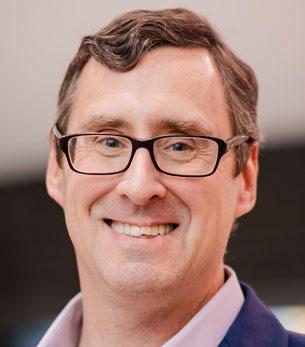
Jeffrey Rosenfeld, PhD, MD Professor of Neurology; Director of the Center for Restorative Neurology Loma Linda University; Loma Linda University Health Loma Linda, CA, USA
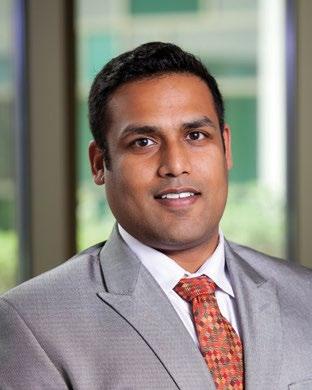
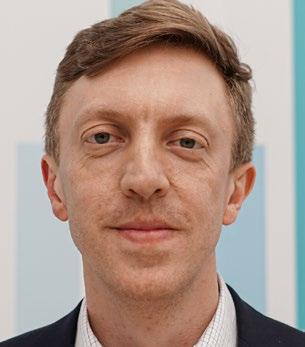
Krishna Pokala, MD Physician, Neurology, Ascension Medical Group Seton Neurology, Program Director, Clinical Neurophysiology Fellowship; Associate Professor of Neurology Dell Medical School Austin, TX, USA
Together we discover
Visit medical booth #1417 or argenxmedical.com to learn more about argenx’s ongoing commitment to patients with myasthenia gravis and the latest updates to our pipeline.
Paid speakers of argenx.
Monday, April 20, 2026
Hubs
8:00 a.m.–9:00 a.m. Education Courses
7:00 a.m.–5:30 p.m.
Poster Session 4
8:00 a.m.–9:00 a.m.
Frontiers in Neuroscience Plenary Session
9:15 a.m.–11:30 a.m.
Exhibit Hall
11:30 a.m.–6:00 p.m.
Networking Crawl
4:00 p.m.–6:00 p.m.
Poster Session 5 11:45 a.m.–12:45 p.m.
Neuroscience in the Clinic | Scientific Sessions 1:00 p.m.–3:00 p.m.
Industry Therapeutic Updates 11:45 a.m.–12:45 p.m.
Hubs
12:00 p.m.–5:30 p.m.
Society Spotlight | Scientific Sessions
3:30 p.m.–5:30 p.m.
Trainee and Faculty Networking Reception
6:00 p.m.–8:00 p.m.
Industry Therapeutic Updates
Poster Session 6
5:00 p.m.–6:00 p.m.
6:00 p.m.–8:00 p.m.
Start and end times may vary. Check with each hosting company for further information.
AAN Vision
To be indispensable to our members
AAN Mission
To enhance member career fulfillment and promote brain health for all
American Academy of Neurology 201 Chicago Avenue Minneapolis, MN 55415 USA
AAN Chief Executive Officer: Mary E. Post, MBA, CAE
Managing Editor: Angela M. Babb, MS, CAE, APR
Editor: Val Lick
Writers: Ryan Knoke, Sarah Parsons
Designer: Andrew Imholte, Wendy Larson
Photography: Will Evans
Annual Meeting Daily is published by the American Academy of Neurology.
The American Academy of Neurology’s registered trademarks and service marks are registered in the United States and various other countries around the world.
Clinical
Frontiers in Neuroscience
implications of basic and translational research highlighted in today’s Frontiers in Neuroscience
Plenary
Six outstanding researchers will take the stage to summarize their late-breaking findings and describe the clinical implications of the results in this morning’s Frontiers in Neuroscience Plenary Session. The session takes place 9:15 a.m.–11:30 a.m. in W375de and is moderated by Clinton B. Wright, MD, FAAN. Attendees can earn 2.25 CME credits.
N of 1 to Population-based Genomic Testing and Genetic Therapy
Wendy Chung, MD, PhD Boston Children’s Hospital
Spinocerebellar Ataxia
SCA27B is a Common and Treatable Dominant Lateonset Ataxia
Bernard Brais, MD McGill University
AI-driven Neural Decoding and Modulation for Neurological and Neuropsychiatric Disorders
Maryam M. Shanechi, PhD University of Southern California
Reconstructing Alzheimer’s Disease Pathogenesis in Inducible 3D Human Brain Organoids
Doo Yeon Kim, PhD Massachusetts General Hospital/ Harvard Medical School
Continue the conversation at the follow-up popcorn talk!
11:45 a.m.–12:15 p.m. Research Hub, W193b
Want to delve deeper into the topics discussed during the Frontiers in Neuroscience Plenary? All attendees are invited to join the plenary speakers for this 30-minute interactive session as they break down key points and share practical insights.
Gene Regulation as a Blueprint for Advancing Diagnostic and Therapeutic Strategies in Epilepsy
Gemma Carvill, PhD Northwestern University
Brain Oscillations
Yuri A. Dabaghian, PhD McGovern Medical School, University of Texas Health Science Center at Houston
Meet the Sacco Scholars!
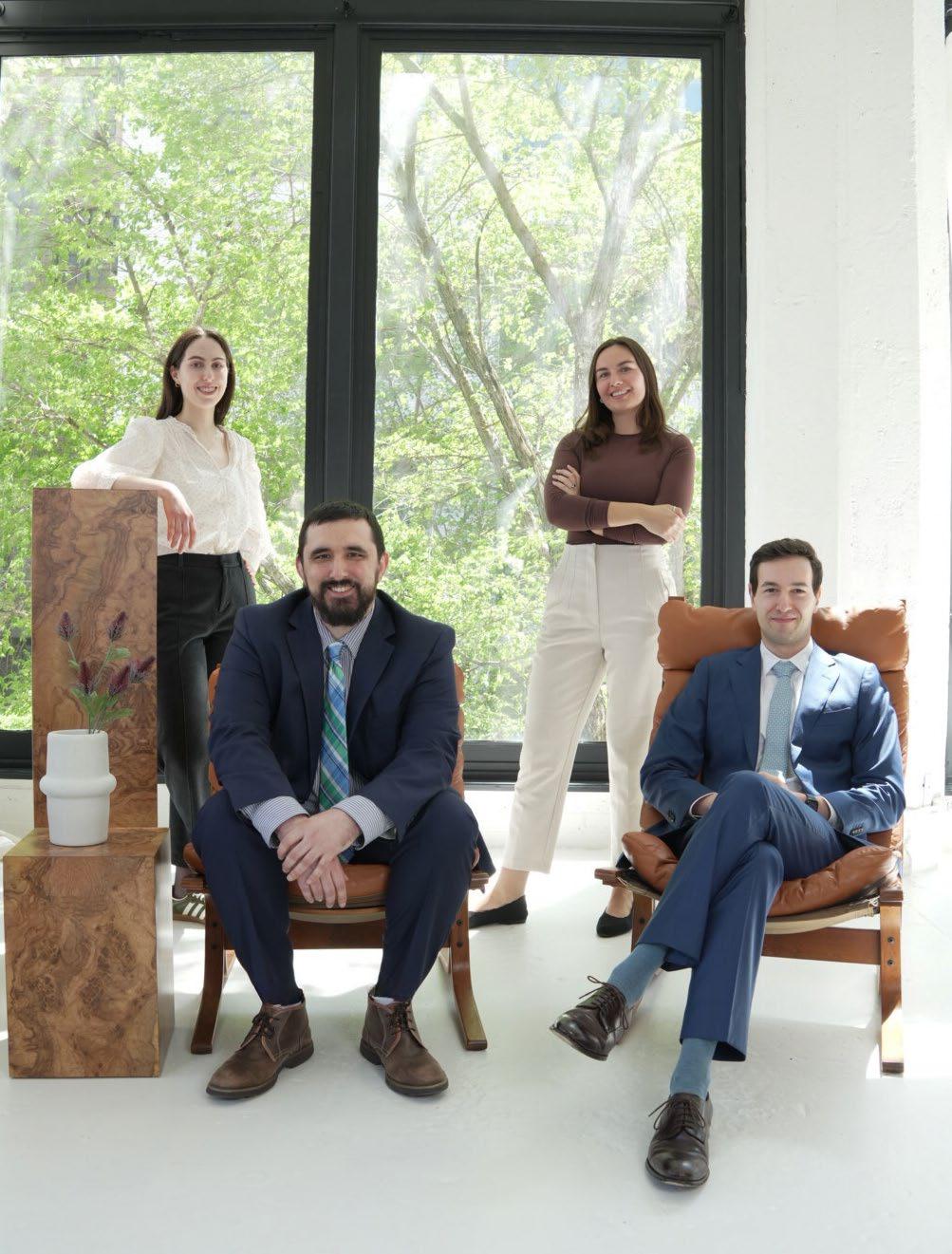
Today’s Annual Meeting Daily cover features the first four Sacco Scholars—recipients of the Ralph L. Sacco Scholarships in Brain Health. These early career professionals receive a $150,000 scholarship to pursue a two-year research or public health project focused on brain health.
Uniquely, the program comes jointly from the AAN and the American Heart Association (AHA). It was made possible by a generous bequest from the late Ralph L. Sacco, MD, MS, FAAN, FAHA, a celebrated expert on stroke epidemiology and health disparities who served as president of both organizations.
2024 recipient Patrick Devlin, PhD, said the award helped him continue his research on ischemic brain injury-induced senescence. It also brought him to conferences like the AAN Annual Meeting and the AHA International Stroke Conference, where he heard from many of Sacco’s colleagues.
“When I’m in the lab late, I think about the impact he had on people’s lives, and I want to honor his legacy in some way,” Devlin said. “Accepting this award and being able to contribute to his legacy has been very exciting for me.”
Katy Sheer, PhD, a 2025 recipient, said the program has been “transformative” to her as an early career researcher, especially as funding opportunities face challenges in the US. Receiving the scholarship allowed important research to continue in her lab.
“I think the AHA and AAN working together to create these scholarships, and in honor of such an incredible
Join APP leaders at business meeting, reception
today
Annual Meeting attendees are welcome to join leaders of the AAN’s Consortium of Neurology Advanced Practice Providers (CNAPP) today for business updates and networking.
The CNAPP Business Meeting will take place 3:30 p.m.–4:30 p.m., followed by the CNAPP Networking Reception until 5:30 p.m. The events will take place in the Marriott Marquis Chicago in Glessner AB and Glessner C, respectively. Complimentary food and drinks will be available.
All advanced practice providers who are members of the AAN are automatically part of CNAPP, which provides collaboration, learning, and professional development to advance the delivery of high-quality, patient-centered care.
scientist, is truly inspirational and a huge honor for me as a scientist,” Sheer said.
Learn about the Sacco Scholars Program and all of its past recipients, plus other programs in the Brain Health Initiative, at AAN.com/BrainHealth.
Advancing early diagnosis: Nuclear medicine biomarkers in neurodegenerative disorders
2026 AAN Annual Meeting April 18-22 | Chicago April 21
Exhibitor Presentation Stage 1 p.m. CT
From left: Sacco Scholars Patrick Devlin, PhD; Hortense Triniac, PhD; Katy Sheer, PhD; and Cyprien Rivier, MD, MSc.
Top publications talks
The AAN provides high-quality scientific education to the neurology community all over the world through our family of publications. Read on for a couple great upcoming talks from the editors of AAN publications, or visit the Publications booth to hear more about what you can learn at the Annual Meeting—and visit a special museum display for the Neurology® journal’s 75th anniversary!
Neurology Today® Panel Discussion: Best Advances in Neurology Research
1:00 p.m.–1:45 p.m. today Research Hub (W193b)
Joseph E. Safdieh, MD, FAAN; Neil A. Busis, MD, FAAN; Jacqueline A. French, MD, FAAN; Ann H. Tilton, MD, FAAN
This session will include members of the Neurology Today® Editorial Board discussing recent best advances in neurology research as covered in the publication.
José G. Merino, MD, MPhil, FAHA, FAAN; Olga Ciccarelli, MD, PhD, FRCP; Rebecca C. Burch, MD; Andrea L. Schneider, MD, PhD
Celebrate the 75th Anniversary of Neurology® with its editors, playing an interactive trivia game about the journal’s history and contents! Sharpen your skills and learn some strange, humorous, and little-known facts about the most widely read and cited neurology journal in the world. Small prizes await.
Narrating Neurology®
4:45 p.m.–5:30 p.m. Tuesday HeadTalks (F2 Lobby)
Stacey L. Clardy, MD, PhD, FAAN; Jeffrey B. Ratliff, MD, FAAN; José G. Merino, MD, MPhil, FAHA, FAAN
It’s a special live on-stage event! Neurology® Podcast editors will hold a dynamic conversation with contributors and team members. Learn how the podcast and the Neurology® family of journals have shaped the field over the past 75 years—and where they’re headed next. Audience members will have the opportunity to engage in a live Q&A session.
Today’s Section Showcases present important, timely topics in several subspecialty areas
More than 40 AAN Sections offer unique opportunities for members with similar subspecialty interests to come together online throughout the year to share insights, ideas, and perspectives. Nearly half of those sections are here at the Annual Meeting to connect in person through Section Showcases.
All attendees are invited to attend these informative, discussion-based, and engaging opportunities where sections present important and timely topics from their neurology communities.
Upcoming Section Showcases, located in W181c, include:
• Multidisciplinary Management of Post-concussive Autonomic Dysfunction: A Case-based Approach 11:30 a.m.–12:30 p.m.
• Movement Disorders Education and Training: Gaps and Advances 12:45 p.m.-1:45 p.m.
• No-no to Headaches: Neuro-ophthalmology and Neuro-otology in Headache Disorders 2:00 p.m.–3:00 p.m.
• Neurological Disease in Women: A Multi-specialty Perspective 3:15 p.m.–4:15 p.m.
• Tomorrow: Beyond the Gene: Adults with Neurodevelopmental Disorders, Genetic Diagnosis, and Identity Tuesday, 8:00 a.m.–8:45 a.m.
Interested in joining a section?
Any AAN member can join sections. It’s here in these unique member-only online spaces that you’ll find your people—those who are shaping the field of neurology and who’ll help you grow and thrive in your career. When you connect, you’ll have access to that section’s community on SynapseSM, available online and through the Synapse Member Communities app. Learn more and see a full list at AAN.com/sections.
AAN honors Koroshetz with President’s Award
Walter J. Koroshetz, MD, FAAN, a longtime former head of the National Institute of Neurological Disorders and Stroke (NINDS) and an AAN member for nearly 40 years, is being honored with the AAN’s prestigious President’s Award. The award honors outstanding service to the AAN and to the profession of neurology.
“Dr. Koroshetz exemplifies principled leadership and a true commitment to brain health for all,” said AAN President Natalia S. Rost, MD, MPH, FAAN, FAHA. “His work with NINDS enabled many key advancements in neuroscience research, and his life-long dedication to advocacy, scientific rigor, and patient care have made the world a better place. As an AAN member, he lent his expertise to numerous committees, work groups, and the Board of Directors, supporting our efforts for neurologists and their patients. I’m proud to recognize Dr. Koroshetz with this award for those who truly go above and beyond.”
About Koroshetz
Koroshetz spent much of his career at Harvard Medical School and Massachusetts General Hospital. He served as Vice Chair of Neurology and Director of Stroke and Neurointensive Care Services at the hospital, where he also led neurology resident training for nearly 20 years. At Harvard, he was a professor of neurology and co-directed the famous Neurobiology of Disease course. He conducted extensive research in areas like Huntington’s disease, brain imaging, and stroke, including the early use of clot-busting drugs for acute stroke care.
In 2007, however, he was ready for a new challenge: leadership at NINDS. He served as deputy director of the institute for seven years before rising to director in 2014.
NINDS, part of the National Institutes of Health (NIH), is a leading funder of research on the brain and nervous system. Koroshetz was at the helm of the institute for over a decade, co-leading key programs such as the BRAIN Initiative—a groundbreaking NIH public-private collaboration meant to develop new neurotechnologies and better understand the brain— the RECOVER COVID Initiative, the NIH Blueprint for Neuroscience Research, and much more.
Koroshetz’s time as NINDS director came to an abrupt end in late 2025. Despite a positive recommendation by an NIH review panel and the endorsement of NIH head Jayanta Bhattacharya, PhD, he would not be renewed for another five-year term. The AAN and numerous other stakeholders were concerned by this
sudden news and the lack of a clear succession plan; the Academy then led 40 organizations in a sign-on letter to congressional leaders in response.
Koroshetz has since begun a new role: senior advisor at the Dana Foundation, a nonprofit grantmaking institution focused on the place of neuroscience in society, especially around neuroethics. He will help guide scientific funding collaborations and support for early-career scholars and practitioners.
As Koroshetz looks to the future, he is proud of the groundbreaking work he and the rest of NINDS did during his tenure. One of the highlights of his time at the institute was the BRAIN Initiative, which began not long before he became director, and its Brain Activity Map Project.
“I guess the way to think about it in neurology is: You see the patient, the patient tells you what’s wrong with them, and you use your knowledge of how the brain is organized and make a judgment of the patient’s symptoms to what’s going on in the brain,” he said. “Imaging allowed us to look into the brain, but you couldn’t see the actual circuit—and the circuits are what enables us to do the things we do neurologically, like walk, think, and feel. Now we can see the circuit activity in animal models and, to some degree, in patients too.”
The brain is the most complex information processing agent, and it was high time to develop better tools to understand how that occurs to enable our thoughts, behaviors, feelings, and more.
“The BRAIN Initiative developed tools where you can actually map out those circuits, modulate them, and monitor the activity,” he said. “When I went into neurology, if you were studying circuits, you might put an electrode in maybe two neurons, train a monkey to do a task, and see how those two neurons reacted. Now you can record from a million neurons simultaneously with these optical techniques.”
Koroshetz
Koroshetz believes the initiative will completely revolutionize neurology and psychiatry, including conditions like Parkinson’s disease and epilepsy. He’s proud to have helped lead it from its infancy and has high hopes for its future.
Leading in the AAN
Koroshetz joined the AAN after his residency in 1988. He frequently attended the Annual Meeting and became a volunteer when he got a call from thenPresident Stephen M. Sergay, MB BCh, FAAN. A Mass General colleague of Koroshetz had recommended him for the Professional and Public Information Committee (PPIC).
He found it interesting and important to communicate the value of neurology to the public and inform neurologists of what the AAN was doing on their behalf. As chair of the PPIC in the 1990s, he led the AAN’s team for the Brain Matters campaign, and when tPA was approved for acute stroke, the AAN’s Brain Attack campaign. He went on to serve on groups including the Stroke Systems Task Force of the Practice Committee, the Science Committee, the Meeting Management Committee, and even the Board of Directors. Some of his colleagues were skeptical about whether volunteer roles would help him in his academic career, but he stuck with it—and finds the experience even more useful in hindsight.
“It turned out it was the best possible experience for the NINDS leadership role,” he said. “Handling information, listening and talking to people, and communicating with different groups is critically important at NIH.”
Koroshetz has made great strides in helping achieve the AAN’s mission to enhance member career fulfillment and promote brain health for all. In all his time with the Academy, however, it was the fellow members he worked with who made the greatest impression. He was impressed by his volunteer colleagues’ commitment to neurology and patient care, and he found himself part of a close-knit community.
Asked about his advice for younger neurologists, Koroshetz said the key is to remember why you started in this field to begin with: to help patients.
“There will always be work that takes you away from your patients,” he said. “When that work is done, go see them. Sit down, pull up a chair, and talk to them. Examine the little piece here, the little part there. Examine the hand and the eye movements. The danger in neurology—a danger I see with young neurologists—is that it won’t be fun to do anymore the further you get from the patient. So spend time with your patient just for the purpose of understanding what’s going on in their head. That’s our job as neurologists, and it’s a true privilege.”
AAN Research Program
Industry Therapeutic Update from Eisai Inc. Smoldering Alzheimer’s Disease: A Whole-Patient Approach
Monday, April 20 | 6:00–6:50pm CDT
Great Lakes A/B/C Room | Marriott Marquis Chicago, Chicago, IL
Join us for an insightful Industry Therapeutic Update, where our expert faculty, Dr. Chin, Dr. Schreiber, and Dr. Wolff, bring the emerging concept of Smoldering Alzheimer’s disease (AD) into everyday neurological practice.
The session begins with an overview of this concept, which characterizes AD as a progressive, multifaceted disease with pathologic changes beginning decades before detectable symptoms. Our expert panel will then explore scenarios that mirror real-world clinical situations.
Through this interactive discussion, attendees will come away with insights on how the Smoldering AD framework can support earlier recognition of disease, improve confidence in interpreting biomarkers across the continuum, and enhance conversations with patients and care partners about the complexity of AD.
During the event, there will be an opportunity to engage directly with the experts in the Q&A session.
Moderator: Nathaniel Chin, MD University of Wisconsin, Madison
Panelist: Curtis Schreiber, MD Missouri Memory Center, Bolivar
Panelist: Adam Wolff, MD Colorado Neurological Clinic, Denver
How should the AAN maintain the cohesion of the specialty of neurology in an era of growing subspecialization? This was the question posed to the 2025 class of the AAN Transforming Leaders Program as part of their assigned group project. The results of their research were presented to the AAN Board of Directors late last year, and those results have culminated in a new, interactive experience at the Annual Meeting.
The cohort found that nearly all neurologists report strong pride in being a neurologist, but only about half identify more with neurology overall than with their subspecialty. They proposed a three-part strategy for the AAN to preserve unity across an increasingly fragmented specialty: measurement,
shared experience, and large-scale unifying events to strengthen professional identity, collaboration, and impact.
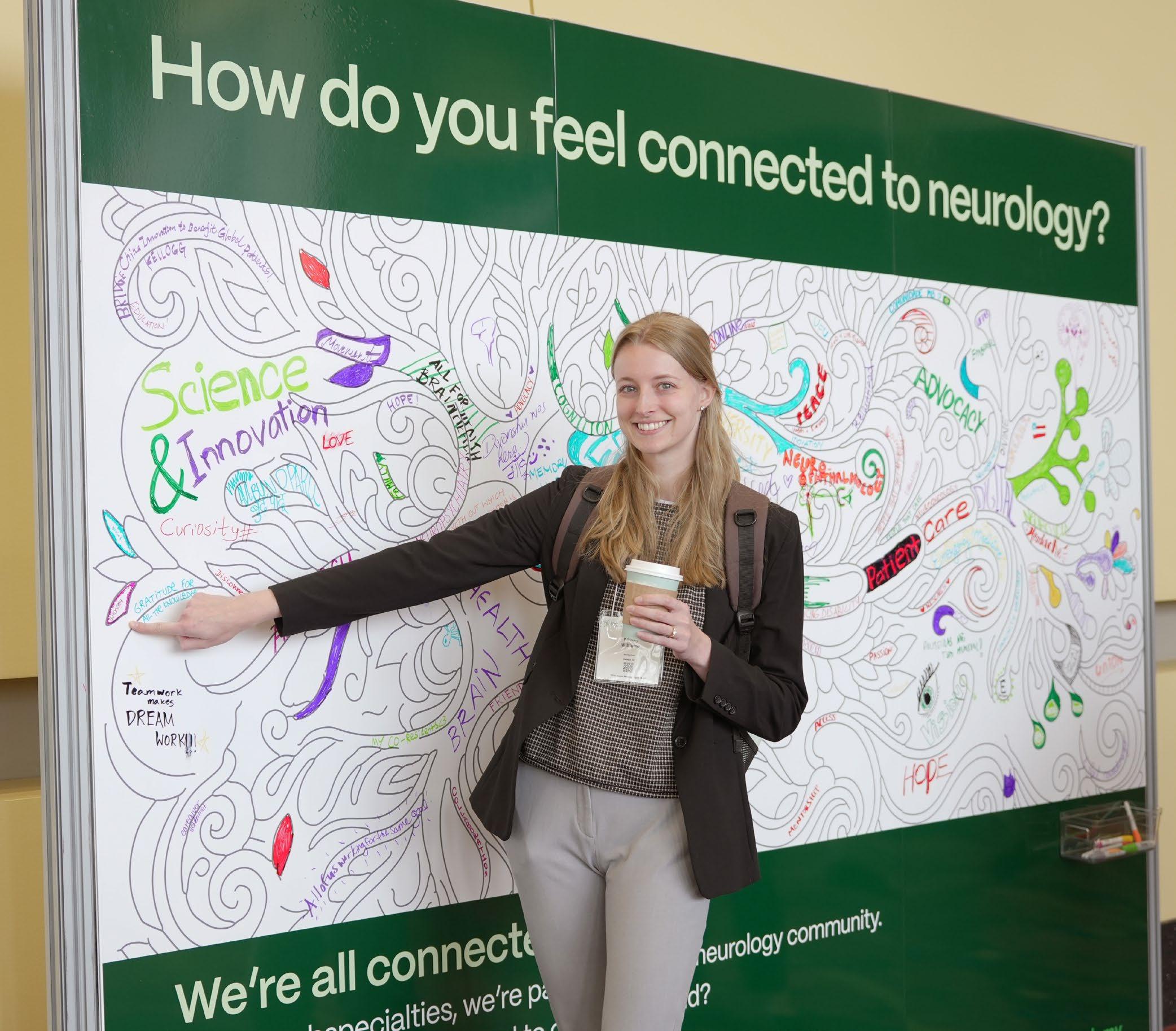
To build on this momentum and create dialogue, all Annual Meeting attendees are invited to visit the interactive wall outside of the plenary session room W375de to answer for themselves: “How do you feel connected to our shared field?” Be sure to stop by, grab a marker, and share how you feel we’re all part of the same neurology community!
About the Transforming Leaders Program
The Transforming Leaders Program was created for innovative leaders with aspirations to transform their practice community and the field of neurology. Learn more at AAN.com/TLP.
Be
on the
next Women in Neurology Speakers Directory!
Are you a woman neurologist, APP, or researcher who’s open to being contacted to speak at conferences, institutions, and more? The Women in Neurology Speakers Directory, an AAN resource that helps participants access speaking opportunities, is now open for new names.
The directory is available to all AAN members online and lists speakers’ names, institutions, areas of expertise, and contact information. Speakers can also provide links to their work or past lectures.
“Gender disparity in academia is well-known,” said Nicole Gonzales, MD, a member of the AAN Advancing Women in Academics Subcommittee. “What is less known is how to make a difference addressing this disparity. The directory is one way to do so. It helps us efficiently consider people that we would normally have not considered for academic opportunities— either because we don’t know them, our colleagues don’t know them, or we didn’t happen to find their academic scholarship online.”
Find the directory and sign up by May 18 by going to AAN.com or scanning the QR code!
Don’t miss Java, Juice, and Jobs tomorrow!
There’s no better place for neurology professionals to network than the Annual Meeting. Join hiring managers and your peers from 7:00 a.m. to 9:00 a.m. in W375a for Java, Juice, and Jobs!
This Neurology Career Center event features 50+ employer booths, breakfast, and free giveaways while supplies last. Start your day at this fun event offering something for everyone—including a visit from Sarah Bellum™
Thank you to our Entrance Table Sponsor:
How do GLP and GIP drugs connect to brain health?
Today’s Neuroscience in the Clinic session digs into the “new frontier” of GLP and GIP medications and brain health. Earn two CME credits attending this session, which takes place 1:00 p.m.–3:00 p.m. in W190a.
Directors James J. Sejvar, MD, FAAN, and Aparna Wagle-Shukla, MD, FAAN, will be joined by expert faculty Maria-Ioanna Stefanou, MD, PhD, MSc; Timothy Anderson, MD, MAS; and abstract presenters Shih-Syuan Wang, MD, and Carolina B. Moura, MD, to cover how these drugs connect with topics including receptor agonists for intracranial hypertension and stroke prevention.
Participants should be able to describe the proposed mechanisms by which GLP-1 receptor agonists and dual GIP/GLP-1 receptor agonists could affect brain health and neurological disease processes; evaluate current clinical evidence supporting the use of GLP-1–based therapies in intracranial hypertension and stroke prevention; and apply emerging data on GLP-1 and GIP/GLP-1 receptor agonists to neurological risk assessment and interdisciplinary patient management discussions.
Wagle-Shukla Sejvar
Stefanou Wang
Hub highlights
Monday, April 20, 2026
Get inspired at Annual Meeting Hubs!
Connect, collaborate, and learn—together. Annual Meeting Hubs bring you an innovative learning experience outside the traditional classroom, and there’s no better place to meet colleagues who share your passions. Prepare to be inspired!
Here are today’s highlights:
Academic Hub W192b
ABPN Continuing Certification
1:15 p.m.–2:00 p.m.
Leadership of the American Board of Psychiatry and Neurology (ABPN) will share information on the ABPN Continuing Certification requirements. ABPN President and CEO Jeffrey M. Lyness, MD, and ABPN Board Chair Amy R. BrooksKayal, MD, FAAN, will present and answer questions.
Brain Health Hub W375c Lobby
Community Connect: Let’s Talk Brain Health
3:30 p.m.–4:30 p.m.
Come together with your colleagues focused on enhancing brain health. Share your accomplishments and challenges and learn from one another while exploring the impact of the AAN’s Brain Health Initiative.
HeadTalks
F2 Lobby
From Sauna to Cold Plunge: What Neurologists Should Know About Temperature Extremes
2:15 p.m.–3:00 p.m.
Dive into the science of saunas and cold plunges with us as we learn how these trends affect alertness, mood, inflammation, and brain resilience. We’ll discuss how these temperature extremes uniquely affect patients with neurological diseases, revealing both therapeutic potential and hidden risks.
Deep Dish Decisions: What Neuroscience Tells Us About Choice
4:45 p.m.–5:30 p.m.
Take part in a fun, interactive exploration of decisionmaking through Chicago’s classic pizza debate: deep dish versus thin crust. Discover what your pizza preference—or the way you make that choice—might reveal about your prefrontal cortex!
Innovation Hub
Hall F
AI in Action: Mini-workshop on Practical Tools for the Neurology Clinic
1:30 p.m.–2:00 p.m.
Join us for a hands-on, practical session showing how neurologists can use AI tools to streamline documentation, generate patient-friendly education materials, and support research workflows.
Power-up
Your Presentation: Digital Games to Energize Virtual Learning
4:00 p.m.–5:30 p.m.
Encouraging audience engagement in lectures is challenging, especially when the speaker is on a screen. We will demonstrate the use of digital, online, and PowerPoint games to increase audience participation in virtual talks and lectures.
Leadership University W190b
NeuroLeadership: Assessing Your Strengths for Strategic Career Growth in Neurology
12:00 p.m.–1:00 p.m.
Are you considering a transition into a leadership role within academic medicine, private practice, hospital administration, or industry? Identify and evaluate your leadership style and how it aligns with new opportunities. Perform a personal SWOT (Strengths, Weaknesses, Opportunities, Threats) analysis. Develop a customized leadership development roadmap. Understand how to apply neuroscience principles to organizational leadership challenges.
Building Collaborations Across Disciplines and Staff: APP Fellowships as a Force Multiplier in Neurology
4:30 p.m.–5:30 p.m.
Advanced practice provider (APP) fellowships are accelerating neurology workforce readiness while strengthening interdisciplinary care. Learn about practical models from multiple centers and care settings, spotlighting how fellowship design becomes a “force multiplier” for collaboration across neurologists, residents, nurses, therapists, and administrators. Hear about published outcomes from a decade of neurology APP fellowship experience to show impact on access, onboarding, retention, and satisfaction.
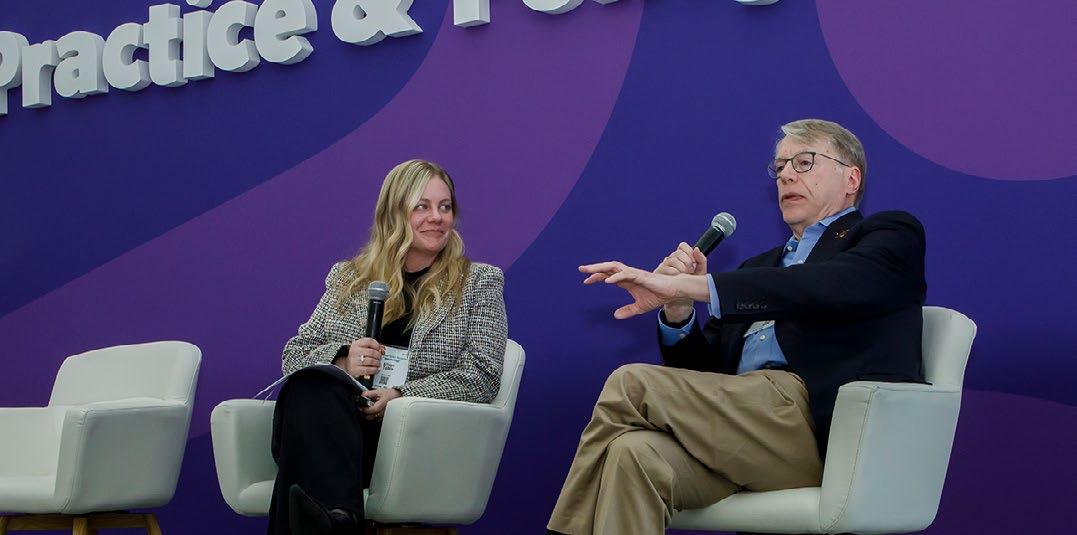
Practice and Policy Hub
F1 Lobby
APP Onboarding and Retention: Building Strong Teams
1:00 p.m.–1:45 p.m.
Access to high-quality neurological care is a growing challenge as demand rises. The AAN aims to reduce the national average wait time to see a neurologist, with the key strategy of integrating APPs into neurology care teams. Yet onboarding APPs often creates significant administrative, financial, and time burdens. This talk opens a candid dialogue on these challenges and offers practical solutions, featuring perspectives from an APP, physician, and practice manager.
Wearable Tech in Neurology: Gamechanger or Gimmick?
2:15 p.m.–2:45 p.m.
Step into the fast-moving world of wearable technology and discover how consumer-grade devices—fitness trackers, smart rings, and more—are reshaping patient engagement in neurology. From sleep and activity monitoring to cognitive tracking and seizure alerts, these tools promise empowerment and real-world insights. But are they ready for prime time? Unpack the benefits, spotlight early detection opportunities, and tackle the big questions: accuracy, ethics, and regulatory gaps.
Hub highlights
Monday, April 20, 2026
Research Hub
W193b
Conversation Corner: Navigating Non-federal Research Funding
1:30 p.m.–2:15 p.m.
Join us for conversation about non-federal support for neuroscience research, including foundations and other philanthropic organizations.
Conversation Corner: Leadership Skills Needed to Run a Lab
3:30 p.m.–4:15 p.m.
You have just accepted your new job, and it’s time to set up your lab. Congratulations! Now what? We’ll discuss identifying space/equipment needs, start-up packages, managing time, sharing resources, and more.
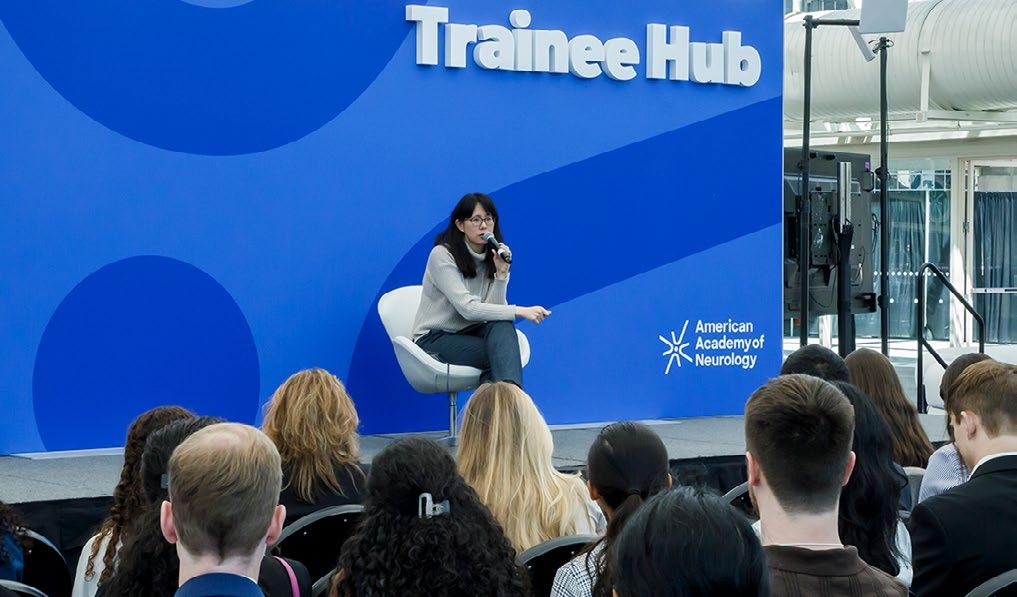
Trainee Hub
W195 and W196 Lobby
Student Interest Group in Neurology (SIGN) Meeting
2:30 p.m.–4:00 p.m.
Medical students: Are you part of SIGN or interested in SIGN? Check out this meeting with SIGN leaders, members, faculty advisors, and resident mentors. Student and faculty leadership will have the opportunity to learn from other chapters through lightning-round presentations and discuss shared issues and interests.
Student and Post-grad Networking with Faculty
4:30 p.m.–5:30 p.m.
Medical students and post-graduates will have an opportunity to connect with and ask questions of undergraduate and graduate medical education faculty in this speed networking session.
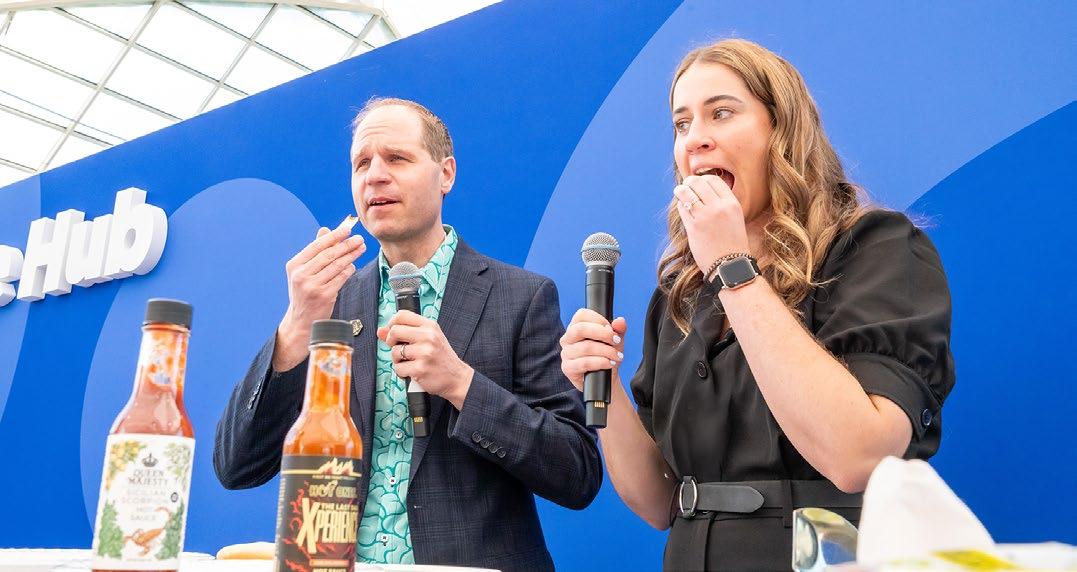
Tomorrow: Burning Questions: Choosing a Neurology Fellowship (Hot Ones Style!)
8:00 a.m.–8:45 a.m.
Join a neurology program director and a current fellow for a fiery discussion on navigating the path to fellowship or general neurology. Using a fun and interactive Hot Ones format, we’ll tackle topics like deciding whether to specialize, navigating complex fellowship timelines, and acing the interview process— all while sampling progressively spicier sauces. Those who dare can test their spice tolerance alongside us!
Wellness Hub W375e
Lobby
Am
I Good Enough to
Have Imposter Syndrome?
Recognizing, Reframing, and Rising in Neurology Training
1:00 p.m.–1:45 p.m.
Understand imposter syndrome and its role in professional fulfillment and learn to apply techniques rooted in positive psychology to overcome imposter syndrome in neurology training, including the role of advocacy. Identify actionable ways to advocate as trainees at the unit, departmental, institutional, and national levels and develop an action plan to address imposterism and expand your advocacy sphere of influence.
Tomorrow: Yoga
Tuesday, 7:30 a.m.–8:00 a.m.
Don’t miss tomorrow’s yoga session to start your morning off right! Mats will be provided.
“Having a dream since my diagnosis truly changed my vision of things. Anything is possible.”
Céline, 2x World Champion para-surfer, France
Living with secondary progressive multiple sclerosis
Every person’s experience is unique and individual experiences may vary. Remember, your healthcare provider is the best source of health-related information and be sure to ask them any questions you may have. Individuals featured were compensated.
AAN president, panels explore timely neuroscience research questions
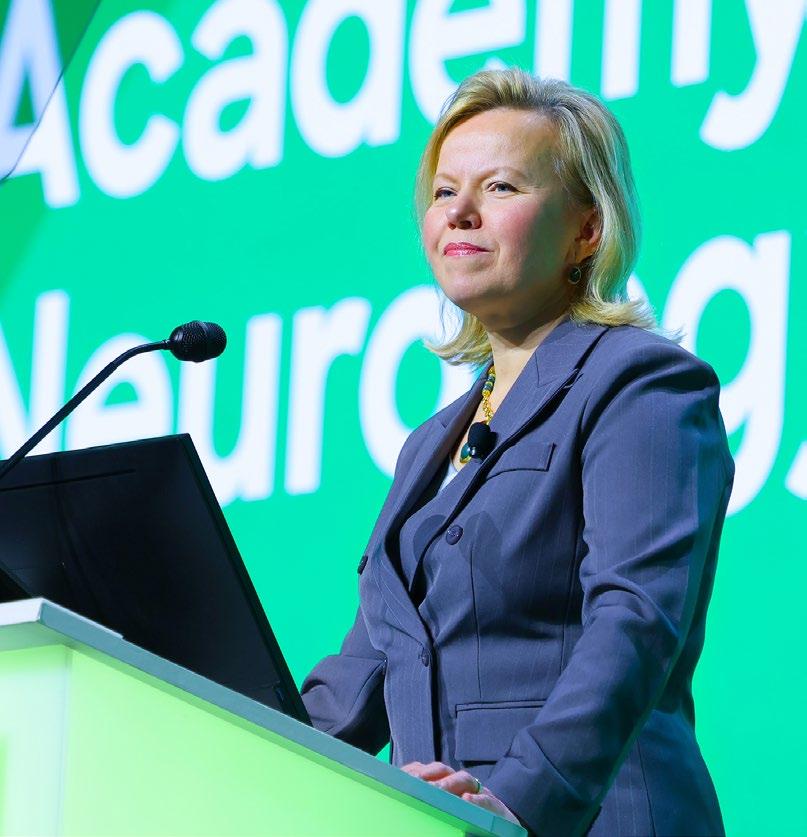
AAN President Natalia S. Rost, MD, MPH, FAAN, FAHA, and six renowned experts research dug into the question of where neuroscience research stands now—and what it needs for the future—in Sunday’s Presidential Plenary.
“Neuroscience is at a crossroads, and all of us here today can decide which path it will follow,” Rost said. “Will we give it the push it needs to break through, to unlock the world of new discoveries just around the corner? Or will we lose crucial momentum and let knowledge slip through our fingers?”
The panel examined not only what the neurology community is discovering, but also how those discoveries can translate into impact for brain health worldwide.
Rost urged attendees to donate to the AAN Research Program, a longtime program dedicated
to directly funding high-quality neuroscience research. All donations are through the AAN Institute, a 501(c)(3) charitable organization. To donate or learn more, visit the AAN Research Program booth on the Level 3 Central Concourse or go to AAN.com/donate.
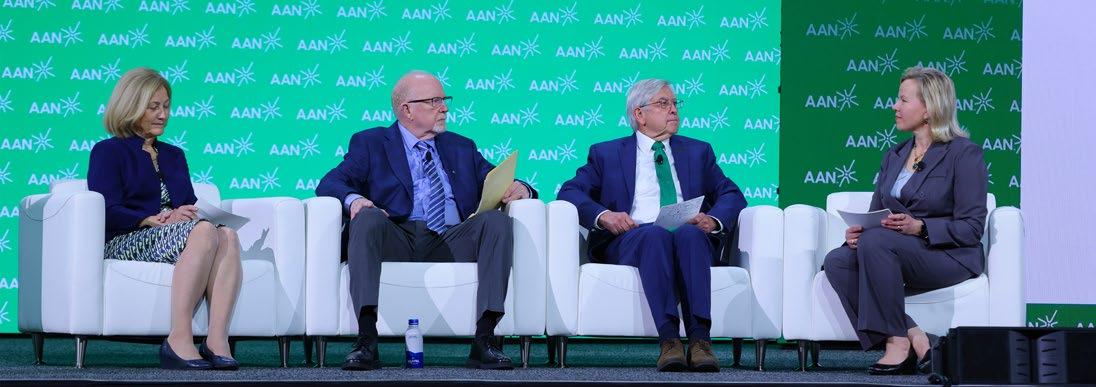
From left: Panel guests Frances E. Jensen, MD, FAAN; John H. Morrison, PhD; and Walter J. Koroshetz, MD, FAAN.
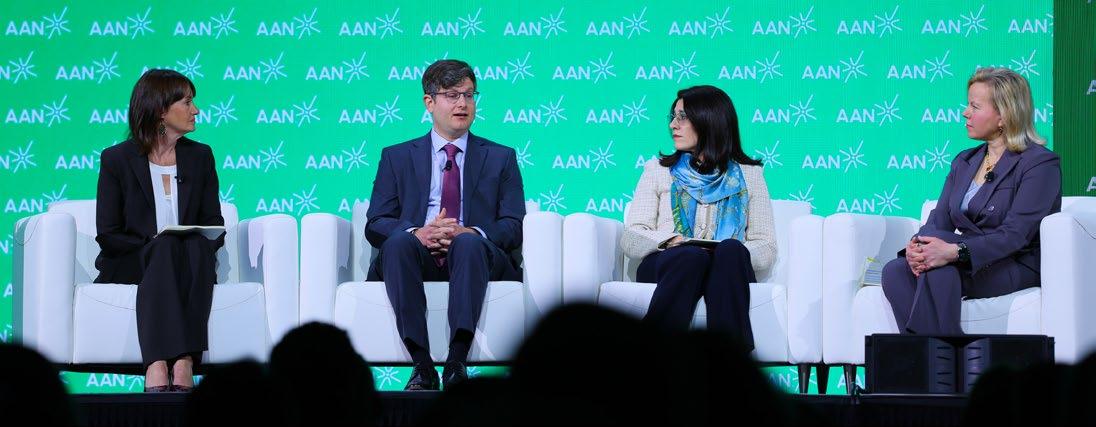
From left: Panel guests Riley Bove, MD, FAAN; Jonathan Graff-Radford, MD, FAAN; and Patricia Musolino, MD, PhD.
Today’s Society Spotlight: The American Society for Gene and Cell Therapy
The American Society for Gene and Cell Therapy is partnering with the AAN to host today’s Society Spotlight between 3:30 p.m.–5:00 p.m. in W193a. Don’t miss this opportunity to hear updates from speakers giving encore presentations of top research presented at the society’s meeting while earning two CME credits.
Presentations and speakers include:
• Computational Modeling and Preclinical Evidence Supporting LTS-201, an MSH3-Lowering Therapy for Huntington’s Disease
Bryan Simpson, PhD
3:30 p.m.–3:50 p.m.
• Molecular and Behavioral Rescue Following Dual AAV Targeted CRISPR Epigenome Editing in CDKL5 Deficiency Disorder Patient-derived Organoids and Transgenic Mice
Julian Halmai, PhD, MSc 3:50 p.m.–4:10 p.m.
• Investigator-initiated Development Paths for Oligonucleotide and Epigenetic Therapies in Prion Disease
Sonia M. Vallabh, PhD 4:10 p.m.–4:30 p.m.
• A Next-generation TfR1-binding AAV for Low Dose Systemically Administered CNS Gene Therapies
Benjamin Deverman, PhD 4:30 p.m.–4:50 p.m.
• Four Year Follow-up of AAV-mediated Gene Replacement Therapy in a Large Animal Model of Krabbe Disease
Allison M. Bradbury, PhD 4:50 p.m.–5:10 p.m.
• Widespread CNS Delivery with Best-in-class Liver Detargeting Following Intravenous Injection of a Novel AAV
Mugdha Deshpande, PhD 5:10 p.m.–5:30 p.m.
AAN Conferences mobile app tip: Get connected!
The AAN Conferences mobile app makes engaging with your fellow Annual Meeting attendees easier than ever. With a few simple steps, you’ll be making lasting connections in no time:
1. Update your privacy settings
Your app’s default setting is the most private, so you’ll need to make yourself viewable to others. To do so, simply go to “My Profile,” select “Privacy Options,” then choose and save your settings.
2. Identify interests
Identify your particular interest areas so the system can match you with attendees who share similar interests. Go to “My Profile,” select “My Interests,” pick a topic, then select “Let’s Talk” to lock in your preferred connection themes. Be sure to save your selections.
3. Get matched, get connected
Visit “Connections” on the app dashboard to find people with similar interests. Select the name of a person you want to connect with, then request an appointment or send a message.
Bonus tip: Turn on push notifications in the app for timely updates and reminders throughout the Annual Meeting!
Need app support?
Stop by Meeting Information and Tech Support near Registration or on the Level 3 Central Concourse.
Tough on Duchenne.
AGAMREE® Is a Novel Corticosteroid
• Unique chemical structure: Developed to uncouple anti-inflammatory effects and certain corticosteroid-mediated adverse effects1,2
• Proven efficacy: Improved muscle strength and motor function3,4
• Well tolerated: Established safety and tolerability profile in clinical studies3,4
AGAMREE is FDA approved for the treatment of Duchenne muscular dystrophy (DMD) in patients 2 years of age and older3
SELECT IMPORTANT SAFETY INFORMATION Warnings & Precautions
• Alterations in Endocrine Function: Monitor patients receiving AGAMREE for Cushing’s syndrome, hyperglycemia, and adrenal insufficiency after AGAMREE withdrawal. In addition, patients with hypopituitarism, primary adrenal insufficiency or congenital adrenal hyperplasia, altered thyroid function, or pheochromocytoma may be at increased risk for adverse endocrine events. Acute adrenal insufficiency can occur if AGAMREE is withdrawn abruptly, and could be fatal.
• Immunosuppression and Increased Risk of Infection: Use of corticosteroids, including AGAMREE, increases the risk of new infection, exacerbation of existing infections, dissemination, and reactivation or exacerbation of latent infection and may mask some signs of infection; these infections can be severe, and at times fatal.
• Alterations in Cardiovascular/Renal Function: Monitor for elevated blood pressure and monitor sodium and potassium levels in patients chronically treated with AGAMREE.
• Gastrointestinal Perforation: Use of corticosteroids increases the risk of gastrointestinal perforation in patients with certain gastrointestinal disorders, such as active or latent peptic ulcers,
diverticulitis, fresh intestinal anastomoses, and non-specific ulcerative colitis. Signs and symptoms may be masked.
• Behavioral and Mood Disturbances: Potentially severe psychiatric adverse reactions may occur with systemic corticosteroids, including AGAMREE, and may include hypomanic or manic symptoms (eg, euphoria, insomnia, mood swings) during treatment and depressive episodes after discontinuation of treatment.
• Effects on Bones: Prolonged use of corticosteroids, such as AGAMREE, can lead to osteoporosis, which can predispose patients to vertebral and long bone fractures. Monitor bone mineral density in patients on long-term treatment with AGAMREE.
• Ophthalmic Effects: The use of corticosteroids, such as AGAMREE, may increase the risk of cataracts, ocular infections, and glaucoma. Monitor intraocular pressure if treatment with AGAMREE is continued for more than 6 weeks.
• Vaccination: Do not administer live-attenuated or live vaccines to patients receiving AGAMREE. Administer live-attenuated or live vaccines at least 4 to 6 weeks prior to starting AGAMREE.
Please see Brief Summary of full Prescribing Information on the next page.
References: 1. Liu X, et al. Proc Natl Acad Sci USA. 2020;117(39):24285-24293. 2. Heier CR, et al. EMBO Mol Med. 2013;5(10):1569-1585. 3. AGAMREE (vamorolone) Oral Suspension [prescribing information]. Catalyst Pharmaceuticals, Inc.; 2025. 4. Guglieri M, et al. JAMA Neurol. 2022;79(10):1005-1014.
BRIEF SUMMARY – See Full Prescribing Information at AGAMREEhcp.com
Initial U.S. Approval: 2023
INDICATIONS AND USAGE
AGAMREE is indicated for the treatment of Duchenne muscular dystrophy (DMD) in patients 2 years of age and older.
DOSAGE AND ADMINISTRATION
Dosing Information
The recommended dosage of AGAMREE is 6 mg/kg taken orally once daily preferably with a meal, up to a maximum daily dosage of 300 mg for patients weighing more than 50 kg.
Some patients may respond to a dose of 2 mg/kg daily. Doses may be titrated down to 2 mg/kg/day as needed, based on individual tolerability.
Discontinuation
Dosage of AGAMREE must be decreased gradually if the drug has been administered for more than one week.
CONTRAINDICATIONS
AGAMREE is contraindicated in patients with known hypersensitivity to vamorolone or to any of the inactive ingredients of AGAMREE. Instances of hypersensitivity, including anaphylaxis, have occurred in patients receiving corticosteroid therapy.
WARNINGS AND PRECAUTIONS
Alterations in Endocrine Function
Corticosteroids, such as AGAMREE, can cause serious and life-threatening alterations in endocrine function, especially with chronic use. Monitor patients receiving AGAMREE for Cushing’s syndrome, hyperglycemia, and adrenal insufficiency after AGAMREE withdrawal. In addition, patients with hypopituitarism, primary adrenal insufficiency or congenital adrenal hyperplasia, altered thyroid function, or pheochromocytoma may be at increased risk for adverse endocrine events.
Acute adrenal insufficiency can occur if AGAMREE is withdrawn abruptly, and could be fatal. The risk of adrenal insufficiency is reduced by gradually tapering the dose when withdrawing treatment. For patients already taking corticosteroids during times of stress, the dosage may need to be increased.
Immunosuppression and Increased Risk of Infection
Corticosteroids, including AGAMREE, suppress the immune system and increase the risk of infection with any pathogen, including viral, bacterial, fungal, protozoan, or helminthic pathogens. Corticosteroids can reduce resistance to new infections, exacerbate existing infections, increase the risk of disseminated infections, increase the risk of reactivation or exacerbation of latent infections, and mask some signs of infection.
Corticosteroid-associated infections can be mild but can be severe, and at times fatal.
The rate of infectious complications increases with increasing corticosteroid dosages. Monitor for the development of infection and consider AGAMREE withdrawal or dosage reduction as needed.
Tuberculosis
If AGAMREE is used to treat a condition in patients with latent tuberculosis or tuberculin reactivity, reactivation of tuberculosis may occur. Closely monitor such patients for reactivation. During prolonged AGAMREE therapy, patients with latent tuberculosis or tuberculin reactivity should receive chemoprophylaxis.
Varicella Zoster and Measles Viral Infections
Varicella and measles can have a serious or even fatal course in non-immune patients taking corticosteroids, including AGAMREE. In corticosteroid-treated patients who have not had these diseases or are non-immune, particular care should be taken to avoid exposure to varicella and measles.
• If an AGAMREE-treated patient is exposed to varicella, prophylaxis with varicella zoster immunoglobulin may be indicated. If varicella develops, treatment with antiviral agents may be considered.
• If an AGAMREE-treated patient is exposed to measles, prophylaxis with immunoglobulin may be indicated.
Hepatitis B Virus Reactivation
Hepatitis B virus reactivation can occur in patients who are hepatitis B carriers treated with immunosuppressive dosages of corticosteroids, including AGAMREE Reactivation can also occur infrequently in corticosteroidtreated patients who appear to have resolved hepatitis B infection.
Screen patients for hepatitis B infection before initiating immunosuppressive (e.g., prolonged) treatment with
AGAMREE. For patients who show evidence of hepatitis B infection, recommend consultation with physicians with expertise in managing hepatitis B regarding monitoring and consideration for hepatitis B antiviral therapy.
Fungal Infections
Corticosteroids, including AGAMREE, may exacerbate systemic fungal infections; therefore, avoid AGAMREE use in the presence of such infections unless AGAMREE is needed to control drug reactions. For patients on chronic AGAMREE therapy who develop systemic fungal infections, AGAMREE withdrawal or dosage reduction is recommended.
Amebiasis
Corticosteroids, including AGAMREE, may activate latent amebiasis. Therefore, it is recommended that latent amebiasis or active amebiasis be ruled out before initiating AGAMREE in any patients who have spent time in the tropics or patients with unexplained diarrhea.
Strongyloides Infestation
Corticosteroids, including AGAMREE, should be used with great care in patients with known or suspected Strongyloides (threadworm) infestation. In such patients, corticosteroid-induced immunosuppression may lead to Strongyloides hyperinfection and dissemination with widespread larval migration, often accompanied by severe enterocolitis and potentially fatal gram-negative septicemia.
Cerebral Malaria
Avoid corticosteroids, including AGAMREE, in patients with cerebral malaria.
Alterations in Cardiovascular/Renal Function
Corticosteroids, including AGAMREE, can cause elevation of blood pressure, salt and water retention, and increased excretion of potassium and calcium. Monitor blood pressure and assess for signs and symptoms of volume overload. Monitor serum potassium levels.
AGAMREE should be used with caution in patients with congestive heart failure, hypertension, or renal insufficiency. Literature reports suggest an association between use of corticosteroids and left free wall rupture after a recent myocardial infarction; therefore, therapy with AGAMREE should be used with great caution in these patients.
Gastrointestinal Perforation
There is an increased risk of gastrointestinal perforation with the use of corticosteroids in patients with certain gastrointestinal disorders, such as active or latent peptic ulcers, diverticulitis, fresh intestinal anastomoses, and non-specific ulcerative colitis. Signs of gastrointestinal perforation, such as peritoneal irritation, may be masked in patients receiving corticosteroids.
Avoid AGAMREE if there is a probability of impending perforation, abscess, or other pyogenic infections; diverticulitis; fresh intestinal anastomoses; or active or latent peptic ulcer.
Behavioral and Mood Disturbances
Potentially severe psychiatric adverse reactions may occur with systemic corticosteroids, including AGAMREE. Symptoms typically emerge within a few days or weeks of starting treatment and may be dose-related. These reactions may improve after either dose reduction or withdrawal, although pharmacologic treatment may be necessary.
Inform patients or caregivers of the potential for behavioral and mood changes and encourage them to seek medical attention if psychiatric symptoms develop, especially if depressed mood or suicidal ideation is suspected.
Effects on Bones
Decreased Bone Mineral Density
Corticosteroids, such as AGAMREE, decrease bone formation and increase bone resorption both through their effect on calcium regulation (i.e., decreasing absorption and increasing excretion) and inhibition of osteoblast function. This, together with a decrease in the protein matrix of the bone secondary to an increase in protein catabolism and reduced sex hormone production, may lead to inhibition of bone growth in pediatric patients and the development of bone loss at any age. Bone loss can predispose patients to vertebral and long bone fractures.
Consider a patient’s risk of osteoporosis before initiating corticosteroid therapy. Monitor bone mineral density in patients on long-term treatment with AGAMREE.
Avascular Necrosis
Corticosteroids may cause avascular necrosis.
Ophthalmic Effects
The use of corticosteroids, such as AGAMREE, may produce posterior subcapsular cataracts. Corticosteroids may also cause glaucoma with possible damage to the optic nerves, and may increase the risk of secondary ocular infections caused by bacteria, fungi, or viruses.
Corticosteroids are not recommended for patients with active ocular herpes simplex. Intraocular pressure may
become elevated in some patients taking corticosteroids. If treatment with AGAMREE is continued for more than 6 weeks, monitor intraocular pressure.
Immunizations
Administer all immunizations according to immunization guidelines prior to starting AGAMREE. Administer liveattenuated or live vaccines at least 4 to 6 weeks prior to starting AGAMREE. Patients on AGAMREE may receive concurrent vaccinations, except for live-attenuated or live vaccines.
Effects on Growth and Development
Long-term use of corticosteroids, including AGAMREE, can have negative effects on growth and development in children.
Myopathy
Patients receiving corticosteroids and concomitant therapy with neuromuscular blocking agents (e.g., pancuronium) or patients with disorders of neuromuscular transmission (e.g., myasthenia gravis) may be at increased risk of developing acute myopathy. This acute myopathy is generalized, may involve ocular and respiratory muscles, and may result in quadriparesis. Clinical improvement or recovery after stopping corticosteroids may require weeks to years.
Kaposi’s Sarcoma
Kaposi’s sarcoma has been reported to occur in patients receiving corticosteroid therapy, most often for chronic conditions. Discontinuation of corticosteroids may result in clinical improvement of Kaposi’s sarcoma.
Thromboembolic Events
Observational studies have shown an increased risk of thromboembolism (including venous thromboembolism) particularly with higher cumulative doses of corticosteroids. It is unclear if risk differs by daily dose or duration of use. Use AGAMREE with caution in patients who have or may be predisposed to thromboembolic disorders.
Anaphylaxis
Rare instances of anaphylaxis have occurred in patients receiving corticosteroid therapy.
ADVERSE REACTIONS
The following serious adverse reactions are discussed in more detail in other sections:
• Alterations in Endocrine Function
• Immunosuppression and Increased Risk of Infection
• Alterations in Cardiovascular/Renal Function
• Gastrointestinal Perforation
• Behavioral and Mood Disturbances
• Effects on Bones
• Ophthalmic Effects Immunizations
• Effects on Growth and Development
• Myopathy
• Kaposi’s Sarcoma
• Thromboembolic Events
• Anaphylaxis
Clinical Trials Experience
Because clinical trials are conducted under widely varying conditions, adverse reaction rates observed in the clinical trials of a drug cannot be directly compared to rates in the clinical trials of another drug and may not reflect the rates observed in practice.
Common Adverse Reactions in Clinical Studies
Table 1 lists the adverse reactions that occurred in ≥5% of the patients treated with AGAMREE 6 mg/kg/day (N=28) or AGAMREE 2 mg/kg/day (N=30) and that occurred more frequently than in the patients who received placebo (N=29) in Study 1, which was 24 weeks and included patients with DMD between the ages of 4 and 7 years.
Table 1: Adverse Reactions in Patients with DMD that Occurred in ≥5% of Patients Treated with AGAMREE and More Frequently than in Patients Who Received Placebo During 24 Weeks (Study 1)
a strong CYP3A4 inhibitor, increases vamorolone exposure. Reduce the dosage of AGAMREE in patients when strong CYP3A4 inhibitors are used concomitantly. No dosage adjustments are required when AGAMREE is concomitantly administered with moderate or weak CYP3A4 inhibitors.
USE IN SPECIFIC POPULATIONS
Pregnancy
Risk Summary
AGAMREE is indicated for use for the treatment of DMD, which is a disease of young male patients. However, corticosteroids in general should be used during pregnancy only if the potential benefit justifies the potential risk to the fetus. Infants born to mothers who have received substantial doses of corticosteroids during pregnancy should be carefully observed for signs of hypoadrenalism. There are no data on the use of AGAMREE during pregnancy.
Animal reproduction studies have not been conducted with AGAMREE.
Lactation
Risk Summary
There are no data on the presence of vamorolone in human milk or the effects on milk production. AGAMREE is indicated for use for the treatment of DMD, which is a disease of young male patients. However, systemically administered corticosteroids appear in human milk and could suppress growth, interfere with endogenous corticosteroid production, or cause other untoward effects. The developmental and health benefits of breastfeeding should be considered along with the mother’s clinical need and any potential adverse effects on the breastfed infant.
Pediatric Use
The safety and effectiveness of AGAMREE for the treatment of DMD have been established in patients 2 years of age and older. Use of AGAMREE in pediatric patients is supported by a multicenter, randomized, double-blind, placebo- and active-controlled study in 121 males 4 to less than 7 years of age. Use of AGAMREE in patients 2 years to less than 4 years of age and 7 to less than 18 years of age is supported by findings of efficacy and safety in patients 4 to less than 7 years of age with DMD, and by pharmacokinetic and safety data from patients 2 to 4 years of age and 7 to less than 18 years of age.
The safety and effectiveness in pediatric patients below the age of 2 years have not been established.
Geriatric Use
DMD is largely a disease of children and young adults; therefore, there is no geriatric experience with AGAMREE.
Hepatic Impairment
Moderate hepatic impairment increases vamorolone exposure. Reduce the AGAMREE dosage in patients with mild to moderate hepatic impairment. There is no clinical experience with AGAMREE in patients with severe hepatic impairment, and a dosing recommendation cannot be provided for patients with severe hepatic impairment.
CLINICAL PHARMACOLOGY
Mechanism of Action
Vamorolone is a corticosteroid that acts through the glucocorticoid receptor to exert anti-inflammatory and immunosuppressive effects. The precise mechanism by which vamorolone exerts its effect in patients with DMD is unknown.
Pharmacodynamics
Vamorolone produced a dose-dependent decrease in morning cortisol levels in the clinical studies. Treatment with corticosteroids is associated with a suppression of endogenous cortisol concentrations and an impairment of the hypothalamus-pituitary-adrenal (HPA) axis function. A dose-dependent increase in leukocyte counts and lymphocyte counts was observed in clinical studies with vamorolone.
Cardiac Electrophysiology
Vamorolone does not cause a mean increase in the QTc interval >20 milliseconds (ms) at 1.6 times the approved recommended dose.
See full Prescribing Information available at AGAMREEhcp.com.
Includes the following adverse reactions that occurred more frequently in the AGAMREE group than in placebo: abnormal behavior, aggression,agitation, anxiety, irritability, mood altered, sleep disorder, and stereotypy.
In a separate open-label safety study of pediatric patients aged 2 to less than 4 years (n=16) and pediatric patients aged 7 to less than 18 years (n=16) with DMD, adverse reactions were similar to those seen in the Study 1 pediatric patients.
DRUG INTERACTIONS
Effect of Other Drugs on Vamorolone Co-administration of AGAMREE with itraconazole,
Attendee lunch and Networking Crawl
Attendee lunch is included in your registration fee and served from 11:30 a.m.–1:30 p.m. in the exhibit hall. Lunches are served in compostable boxes to support the AAN’s sustainability efforts, and we’ve partnered with Fight2Feed to give any uneaten box lunches to Chicagoans experiencing hunger. Join us for the Exhibit Hall Networking Crawl from 4:00 p.m. to 6:00 p.m. in the exhibit hall for a walking food tour to stations allowing you to discover new cuisines and new contacts!
AANTV Studio
Stop by the AANTV Studio in the W375e Lobby to watch live interviews being recorded for later broadcast on the TV monitors around the convention center, AAN.com/AANTV, and YouTube.
Program slides available online
Slides are available online only at AAN.com/Materials or through the AAN Conferences mobile app. You can access program materials through March 1, 2027. (Please note that availability of materials is at the discretion of the specific speaker. Not all sessions will have materials.)
Access past content
Conference attendees have access to content on the mobile app and online platform through May 20, 2026. Visit AAN.com/AMOnline and use your 6-digit ID and password to log in. It may take up to 48 hours after session completion for content to become available online.
Want more time to review programs?
Add Annual Meeting On Demand to your registration now to save up to 55% and to extend your access to session recordings through March 1, 2027. Check the back of your badge to see if you already have Annual Meeting On Demand. If not, head to Registration or AAN.com/QuickLinks by May 20, 2026, to add it at the discounted rate.
Submit evaluations for Annual Meeting CME
Complete your evaluations by May 20, 2026, (or March 1, 2027, with Annual Meeting On Demand) to get your CME credits by using the AAN Conferences mobile app or by visiting AAN.com/AMCME Transcripts will be available upon evaluation submission. AAN members can also access their transcript via NeuroTracker™ at AAN.com/NeuroTracker.
Learn about sustainability
Sustainability efforts for the 2026 Annual Meeting include reducing the use of single-use materials—like signs—on-site and using compostable materials and environmentally friendly inks wherever possible. Remember to recycle this issue of Annual Meeting Daily! To learn more, visit AAN.com/AMFAQ.
visit AAN.com/QuickLinks. View all conference guidelines at AAN.com/EventGuidelines.
Practice Success Network
Save 15% on Continuum!
Continuum: Lifelong Learning in Neurology® is the ultimate resource for updated, in-depth clinical review information and self-assessment CME for neurology professionals. Subscribe or renew now to save 15% off the regular rate—an already-reduced $399/year for AAN members—with the spring special, and lock in your savings for up to three years.
Visit the AAN Publications booth at the Level 3 Central Concourse for details! You might even walk away with some swag.
2026 issues
February: Neurology of Systemic Disease
April: Multiple Sclerosis and Related Disorders
June: Cerebrovascular Disease
August: Sleep Neurology
October: Peripheral Nerve and Motor Neuron Disorders
December: Neuroinfectious Disease
JOIN US
Hear from an expert at our upcoming live event
Exhibit
Hall Networking Crawl offers food, connections, and fun
Networking can be harder than it looks—but that’s not the case at today’s Exhibit Hall Networking Crawl. Come by from 4:00 p.m. to 6:00 p.m. for a walking food tour!
You’ll have the chance to try food from different cuisines while you network with exhibitors and other attendees. This is an excellent (and tasty) opportunity to learn about the latest patient care advancements, discover ways to add efficiencies to your practice, and make lasting connections.
Thanks to our Networking Crawl sponsors:
• ARUP Laboratories, booth 4313
• Axsome, booth 1219
• GE Healthcare, booth 2535
• Grifols Shared Services North America, booth 4329
• Supernus Pharmaceuticals, booth 2419
Fill out your exhibit hall passport for a chance to win!
Don’t forget to turn in your completed passport by 3:30 p.m. at the Alexion, AstraZeneca Rare Disease booth (#4224) for the chance to win prizes, including a grand prize drawing for 2027 Annual Meeting registration and a three-night hotel stay.
Regional Injection Training and Education Program
Participate in this interactive, hands-on cadaver workshop, presented by AbbVie Medical Institute. The program will occur in a mobile lab located directly in the Exhibit Hall F and will provide injection training and discussions about real-world challenges in adult spasticity, cervical dystonia, and chronic migraine management. Please visit the cadaver workshop area located in Exhibit Hall F today at 11:30 a.m. to register.
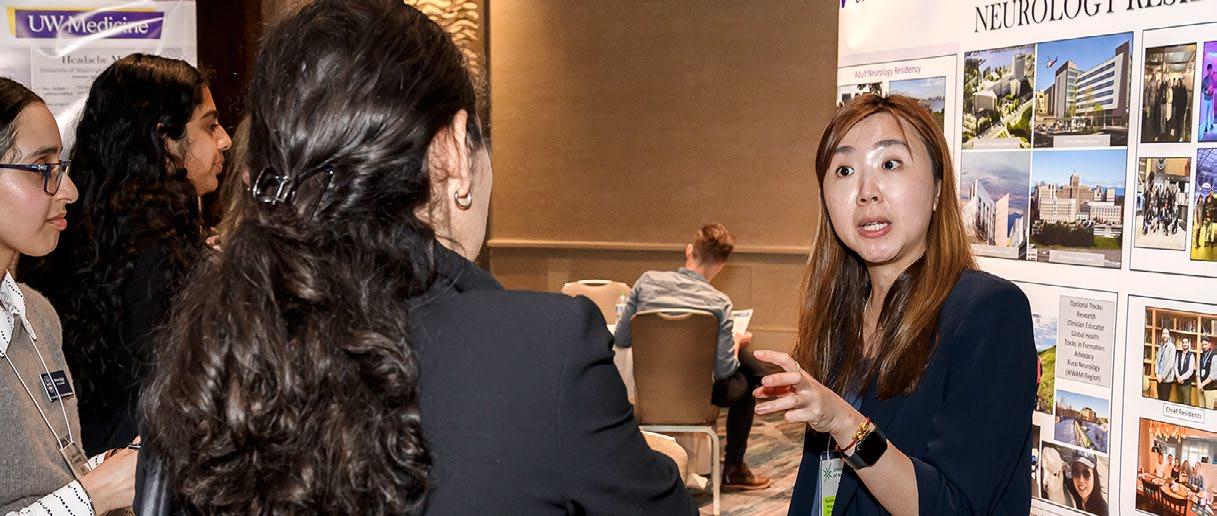
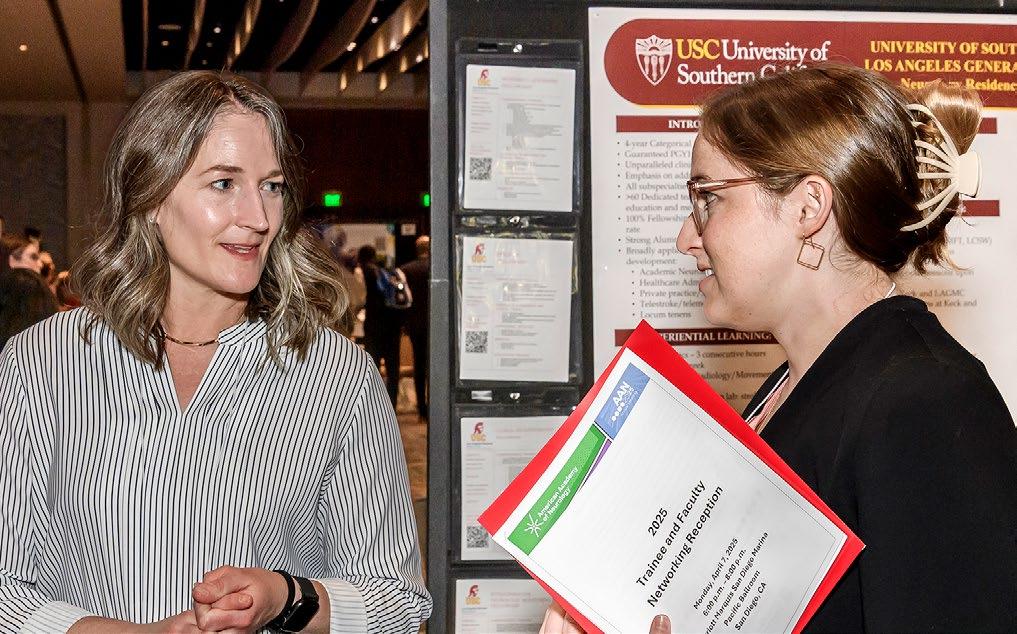
Get inspired and boost your career at tonight’s Trainee and Faculty Networking Reception!
Are you a medical student, resident, or fellow looking to build your career in neurology? Then tonight’s Trainee and Faculty Networking Reception is for you! Head to W375bc between 6:00 p.m. to 8:00 p.m. to gain new perspectives on the many exciting career paths in neurology and make lasting connections in academic neurology, research, or practice.
Faculty and representatives from over 100 institutions will be waiting to share their own professional experiences and discuss residency, clerkships, fellowships, and other career opportunities. Connect with other trainees for insights and inspiration, and prepare to get all your questions answered about this exciting field. The exchange of knowledge and experiences during this event will provide both faculty and trainees alike with refreshed perspectives and lasting insights!
Voices of the Annual Meeting
What brought you to the Annual Meeting?
“It’s in Chicago, which is a great city, and I love meeting all my colleagues from across the country.”
What makes you feel inspired or energetic in your work?
“Every day. Patients are amazing, and there’s just so much change happening so quickly. It’s exciting. I like being here every day.”
–Naoum
P. Issa, MD, PhD
Is this your first Annual Meeting?
What do you want to do in your career?
“I’m applying for a vascular neurology fellowship, which hopefully I’ll stick around in the Northeast for. I’ve been growing up and studying here for most of my life, and I think it’ll be a great way to continue giving back to the community where I learn.”
–Srinath
Ramanan, MD
“Yes, it’s my first one, and I’m very happy. It’s like a dream for me. It’s like neurologist Disney. ”
What brought you here?
“I’m a sleep medicine neurologist. I’m here to see what is new, that I can take to Brazil—that’s where I’m from—to help all of my patients.”
–Carolina
C. Carvalho, Sr., MD
2026 Service Award Recipients
ASSOCIATION OF INDIAN NEUROLOGISTS IN AMERICA LIFETIME ACHIEVEMENT AWARD
Sponsored by the Association of Indian Neurologists in America Fund of the American Brain Foundation.
Dileep R. Yavagal, MD, FSVIN, FAHA, FAAN
University of Miami ADVANCED PRACTICE PROVIDER VOLUNTEER SERVICE AWARD
Susan Kreiner, ACNP-BC Columbia University DIVERSITY, EQUITY, AND INCLUSION (DEI) CHANGEMAKER AWARD
Sponsored by the American Academy of Neurology.
Alexis N. Simpkins, MD, PhD, MSCR, FAHA, FANA, FAAN
Cedars-Sinai Medical Center CREATIVE EXPRESSION AWARD
Vishank A. Shah, MD
Johns Hopkins University
Miriam Quinlan, MD, MPH
Johns Hopkins University GENERAL NEUROLOGY AWARD
Sponsored by the American Academy of Neurology.
Anil Neelakantan, MD, FAAN Gould Medical Group, Sutter Health HEALTH CARE EQUITY PROGRAM
Aisha Abdulrazaq, MBBS Mayo Clinic, Rochester
Kapil Arya, MBBS, DA, FAAP, FACNS, FAAN
University of Arkansas for Medical Sciences
Ankita Brahmaroutu, MD Columbia University
Camilo Diaz-Cruz, MD Einstein Medical Center
Anlys Olivera, MD, PhD New York University
Chiamaka C. Onuigbo, MD
University of Texas Health Science Center at Houston
Karina A. Gonzalez Otarula, MD
University of South Dakota – Sanford Health
Divya Palanisamy, MD
Beth Israel Deaconess Medical Center
Rani Priyanka Vasireddy, MBBS University of Texas Health Science Center at Tyler
Derek Yuan, MD New York University
KENNETH M. VISTE JR., MD, PATIENT ADVOCATE OF THE YEAR AWARD
Sponsored by the American Academy of Neurology and endowed by gifts from Dr. Viste’s colleagues, friends, and patients.
Tshibambe Nathanael Tshimbombu, MD, MBA
Barrow Neurological Institute
MRIDHA SPIRIT OF NEUROLOGY HUMANITARIAN
AWARD
Sponsored by the American Brain Foundation and the philanthropy of Dr. and Mrs. Mridha, and endowed by gifts to the Dr. Debasish and Chinu Mridha Endowment Fund.
David B. Clifford, MD, FAAN
Washington University in St. Louis
Archana A. Patel, MD, MPH, MSc Seattle Children’s Hospital
Lakshmi N. Ranganathan, MD, PhD, FAAN
Sri Ramachandra Medical College
Clio A. Rubinos, MD, MSCR University of North Carolina
NEUROLOGIST-INTRAINING CLINICAL ETHICS ELECTIVE (NITCEE) PROGRAM
Sunanjay Bajaj, MD University of Texas Health Houston
Lilian Maria Godeiro Coelho, MD University of Miami, Jackson Health System
James Giarraputo, MD Yale University
Tori Greaves, MD McGaw Medical Center
Carmen R. Holmes, MD Morton Plant, Baycare
Omalara D. Kolawole, MD University of Texas Health Science Center
David Zheng, MD New York University
NEUROLOGY ADVANCED PRACTICE PROVIDER AWARD
Joan Miravite, DNP, RN, FNP-BC, FAAN, FAANP, DAAN
Mount Sinai NEUROLOGY PRACTICE AWARD
Sponsored by the American Academy of Neurology.
London Neurology Clinic
OUTSTANDING EARLY CAREER NEUROLOGY ADVANCED PRACTICE PROVIDER AWARD
Matti Matheson, DNP, APRN, FNP-BC University of Minnesota
QI INNOVATION AWARD
Sanaea Z. Bhagwagar State University of New York Upstate Medical University
Carlee I. Oakley, MD, MS Mayo Clinic, Rochester
TED M. BURNS HUMANISM IN NEUROLOGY AWARD
Sponsored by the Ted M. Burns Humanism in Neurology Award Fund of the American Brain Foundation.
Alison L. Christy, MD, PhD, FAAN Providence Health & Services VOLUNTEER SERVICE AWARD
Sponsored by the American Academy of Neurology.
Lakshya J. Basumatary, MD, DM, FAAN Apollo Excelcare Hospital
Visit UCNS booth for subspecialty certification, accreditation information
Stop by booth 2716 in the exhibit hall to learn about neurological subspecialty physician certification and accredited fellowship program opportunities through the United Council for Neurologic Subspecialties (UCNS).
As neurology’s recognized certifying and accrediting body for emerging subspecialties, the UCNS provides accreditation and certification for the neurological subspecialties of Autonomic Disorders, Behavioral Neurology & Neuropsychiatry, Clinical Neuromuscular Pathology, Geriatric Neurology, Headache Medicine, Interventional Neurology, Neonatal Neurocritical Care, Neurocritical Care, and Neuro-oncology. The UCNS has over 250 accredited fellowship programs and over 3,000 certified physicians in the US and Canada.
Staff will be at the booth to share information and answer questions about UCNS certification, continuous certification requirements, fellowship program accreditation requirements, and accredited subspecialty fellowship opportunities.
The UCNS will also have representatives available at the Trainee and Faculty Networking Reception tonight from 6:00 p.m. to 8:00 p.m.
Health Care Equity Symposium to highlight neurological health disparities
Join experts today from 1:00 p.m. to 4:30 p.m. in W196b for the annual Health Care Equity Symposium, which combines neurology with public health in pursuit of brain health for all.
Richard T. Benson, MD, PhD, FAAN, Director of Neurology at EQUUM Medical, will give the keynote Cheryl A. Jay, MD, Lecture: “Neurological Health Disparities: Research Gaps, Innovations, and Clinical Interventions.” Benson will describe the scope of neurological health disparities; define health equity; discuss research gaps, innovations, and interventions; and speak on the role of the National Institute of Neurological Disorders and Stroke (NINDS) and public-private partnerships. Also presenting are three Health Care Equity Research Award recipients: Nabila Dahodwala, MD, FAAN; Monica M. Diaz, MD, MS; and Jonathan P. Williams, MD, MSCR.
Attendees will have the chance to participate in a Q&A and can claim 3.5 CME credits. The session also includes time for networking and refreshments.
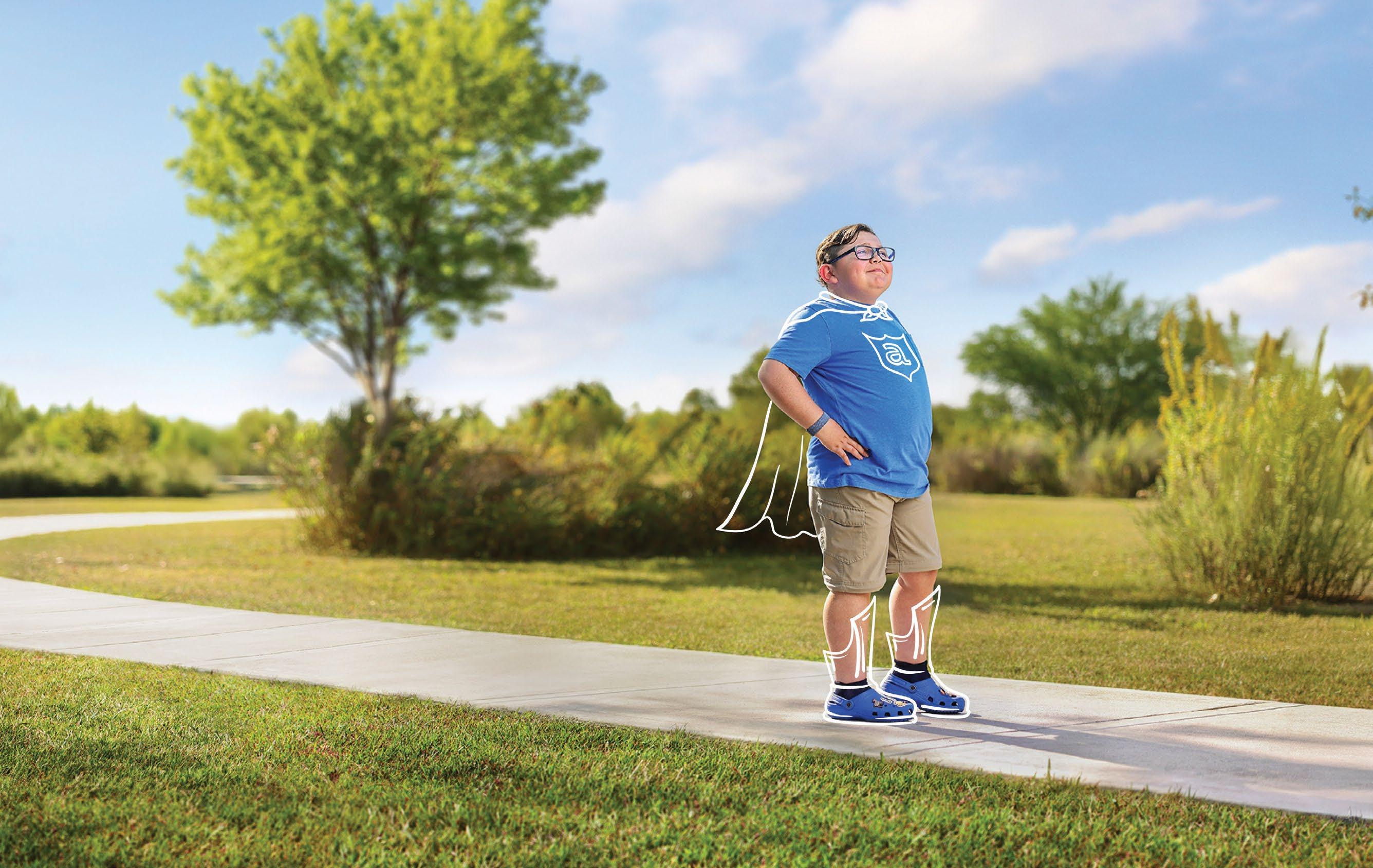
Caleb is currently taking Koselugo.
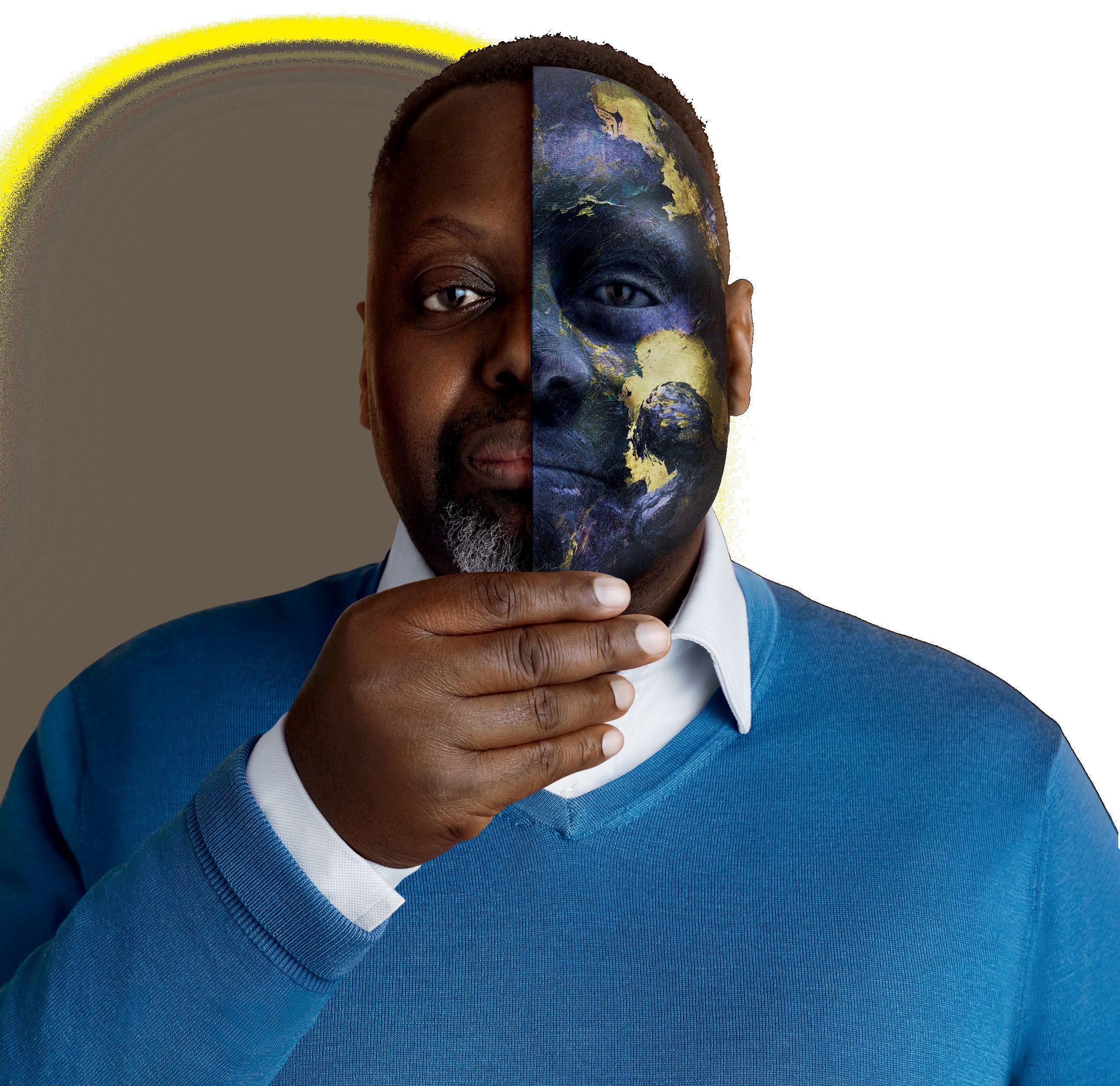
While some effects of a stroke are visible, fear of a second stroke lingers unseen in the minds of survivors. Six survivors have shared their stories to make their invisible struggle visible.