Sunday April 19, 2026

Sunday April 19, 2026
Monday, April 20; 6:00–8:00 pm CDT
Great Lakes Ballroom EF, Marriott Marquis Chicago
Chicago, Illinois
Doors open at 5:30 pm
Dinner will be served
Save the date to your calendar!
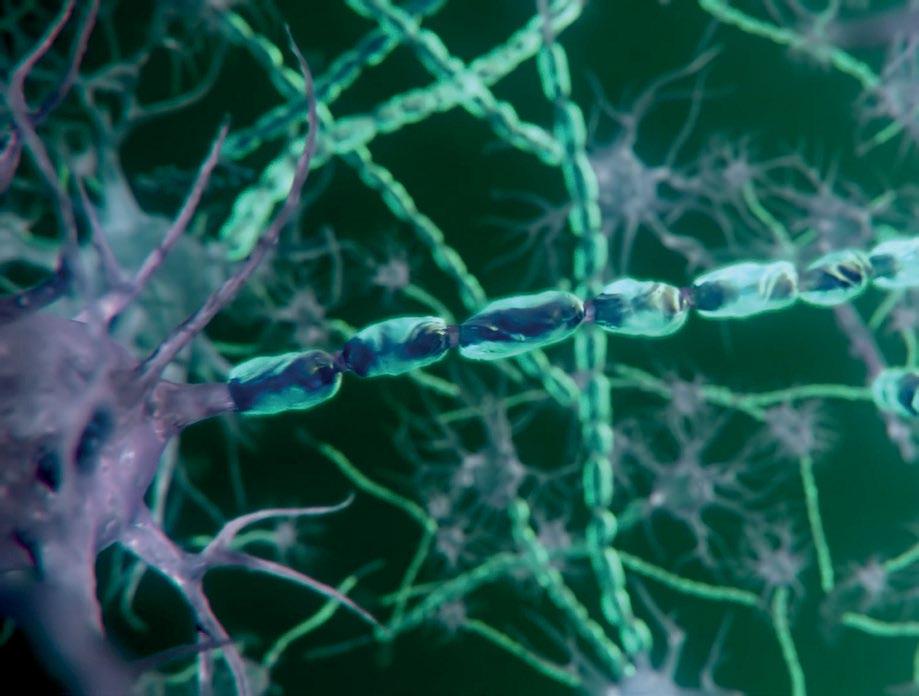
Join us at the 2026 AAN Annual Meeting, where our panel will explore the evolving understanding of chronic inflammatory demyelinating polyradiculoneuropathy (CIDP).
Through a series of focused talks, expert faculty will examine the progressive burden, heterogeneity and immunologic drivers of CIDP, including autoantibody‑ and complement‑mediated mechanisms. Look forward to reviewing the current treatment landscape, including FcRn blockade data in CIDP, as well as emerging treatment approaches and argenx’s investigation of C2 inhibition in actively recruiting clinical trials.



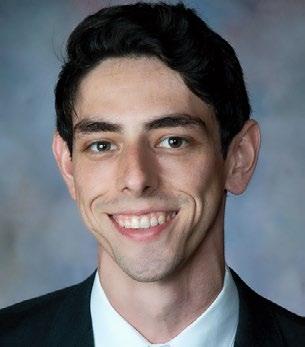
Amanda Lynn Hernandez, MD, PhD
Assistant Professor of Neurology; Chief, Neuromuscular Medicine; Program Director, Neuromuscular Medicine Fellowship
University of Connecticut School of Medicine Farmington, CT, USA
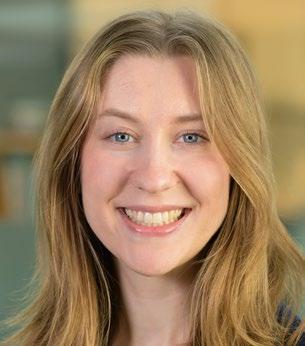
Christyn Edmundson, MD Director of Neuromuscular Medicine
Swedish Neuroscience Institute, Seattle, WA, USA
Arjun Seth, MD
Assistant Professor, Division of Neuromuscular Medicine; Co Director, Myositis Program
Northwestern University Feinberg School of Medicine
Chicago, IL, USA
Sunday, April 19,
9:15 a.m.–12:00
1:00 p.m.–3:00 p.m. Neuroscience in the Clinic | Scientific Sessions
3:30 p.m.–5:30 p.m.
AAN Vision
To be indispensable to our members
AAN Mission
To enhance member career fulfillment and promote brain health for all
American Academy of Neurology 201 Chicago Avenue Minneapolis, MN 55415 USA
Phone: (800) 879-1960 (Toll Free) (612) 928-6000 (International)
Email: memberservices@aan.com
Website: AAN.com
AAN Chief Executive Officer: Mary E. Post, MBA, CAE
Managing Editor: Angela M. Babb, MS, CAE, APR
Editor: Val Lick
Writers: Ryan Knoke, Sarah Parsons
Designer: Andrew Imholte, Wendy Larson
Photography: Will Evans
Annual Meeting Daily is published by the American Academy of Neurology.
The American Academy of Neurology’s registered trademarks and service marks are registered in the United States and various other countries around the world.
What’s next for neuroscience… and how do we shape its future together?
Neuroscience research is crucial to the AAN’s mission of brain health for all—and it’s at a crossroads. Whether this moment will be a tipping point, a plateau, or the beginning of a new era depends on what we do today.
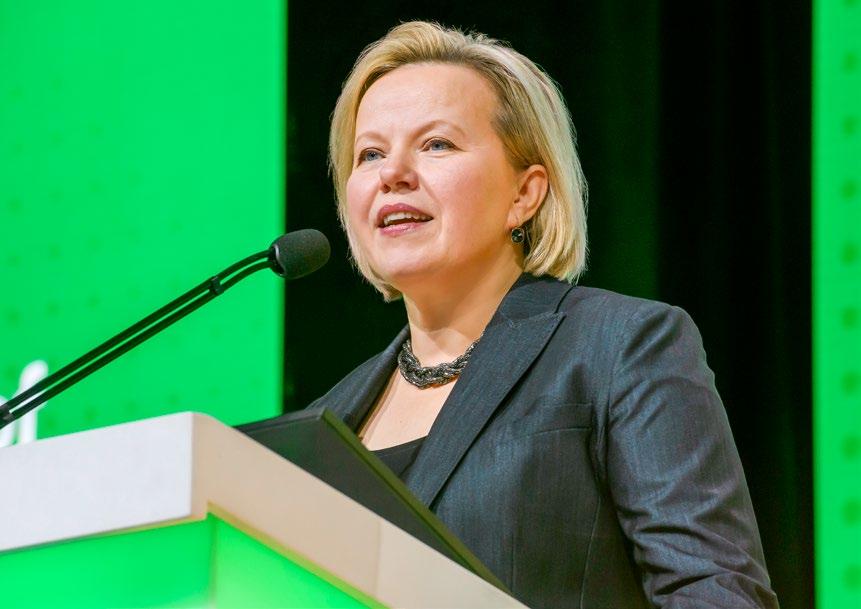
AAN President Natalia S. Rost, MD, MPH, FAAN, FAHA, a renowned clinician-scientist, looks to the future of neuroscience in today’s Presidential Plenary. Attend for insights from Rost and two panels of neuroscience greats, plus three of the AAN’s premier lecture awards for clinically relevant research.
“Our work can’t wait,” Rost said. “Every delay in finding new cures, better therapies, and game-changing advancements ripples out, postponing our desired future of brain health for all. Join me and my colleagues today for a new perspective on this current moment in neuroscience—and how together, we can save it.”
Neuroscience at the Crossroads: Charting the Future of Brain Health for All
Natalia S. Rost, MD, MPH, FAAN, FAHA
George C. Cotzias Lecture: ALS and Neurodegeneration Starts at the Nuclear Pore: Insights and Therapy for ALS and Dementia
Jeffrey D. Rothstein, MD, PhD
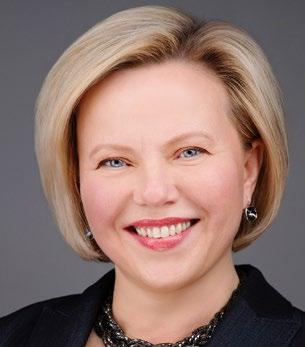

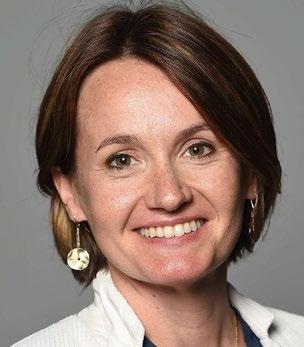
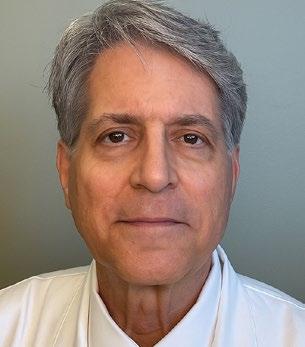
Neuroscience Impact: Now and in the Future
Natalia S. Rost, MD, MPH, FAAN, FAHA, Walter J. Koroshetz, MD, FAAN, John H. Morrison, PhD, Frances E. Jensen, MD, FAAN
Sidney Carter Award in Child Neurology: Treating Rare Neurogenetic Disorders in the New Era of Precision Genomic Medicines
James Dowling, MD, PhD

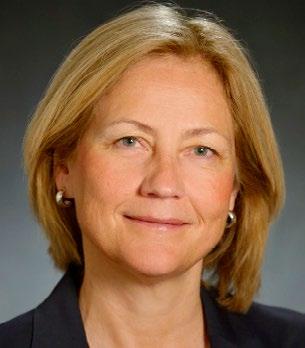
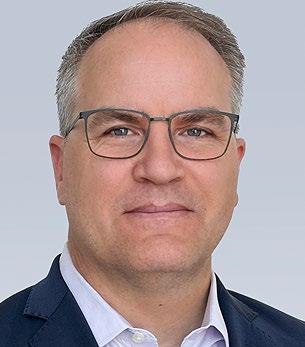
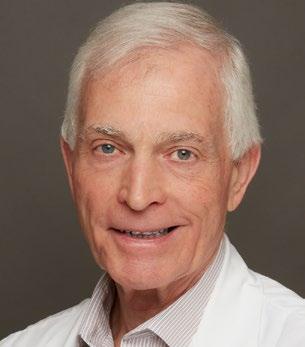
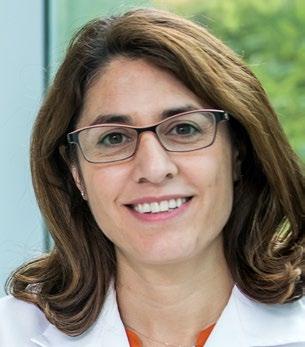
Neuroscience: The Bridge to the Future of Brain Health for All
Natalia S. Rost, MD, MPH, FAAN, FAHA, Patricia Musolino, MD, PhD, Jonathan Graff-Radford, MD, FAAN, Riley Bove, MD, FAAN
AAN Lifetime Achievement Award for Clinically Relevant Research: What’s the Deal with Parkinson’s?
Anthony E. Lang, MD, FAAN
Continue the conversation at the follow-up popcorn talk! 12:15 p.m.–12:45 p.m. Research Hub, W193b
Want to delve deeper? You’re invited to join the Presidential Plenary’s speakers for this 30-minute interactive session as they break down key points and share practical insights.
Open today through Wednesday, 11:30 a.m.–4:00 p.m. (6:00 p.m. on Monday)
The exhibit hall opens today at 11:30 a.m.! This huge, colorful space is packed with interactive exhibits, events, and other fun experiences. Learn about the latest advancements in patient care, find products that add efficiencies to your practice, and gather resources that assist patients and caregivers.
Tip: Use the AAN Conferences mobile app to find exhibitor details and locations. Dozens of neurology-focused companies are here to connect with you.
Participate in this interactive, hands-on cadaver workshop, presented by AbbVie Medical Institute. The program will occur in a mobile lab located directly in the exhibit hall and will provide injection training and discussions about real-world challenges in adult spasticity, cervical dystonia, and chronic migraine management. Please visit the cadaver workshop area located in Exhibit Hall F today at 11:30 a.m. to register.
Some highlights:
• Puppy Park: Need to “paws” and relax? Border Tails Rescue is here with puppies from local rescue partners to help relieve stress and put a smile on your face!
• Buzz Cafes: Grab a cup of coffee or a specialty hot or iced espresso drink! Regular and decaf options are available.
• Exhibit Hall Charging Lounges: Need to recharge your devices … or just take a break? Find charging spots with comfortable seating options all around the exhibit hall.
• Innovation Hub: Stop by for physician talks and frequent paint and wine sessions.
• Poster hall: With 3,500+ abstracts accepted, this is a record year for research at the Annual Meeting. Connect and learn from your colleagues here!
• Neighborhoods: Booths are organized in thematic neighborhoods. Browse through areas focused on digital health, careers, associations and other nonprofit organizations, and first-time exhibitors.
• Exhibit Hall Presentation Stage: Learn about pipeline products, new notable companies, and more.
• Networking Crawl: This event makes networking easy! Visit 4:00 p.m.–6:00 p.m. Monday for food and fun.
• From t-shirts to water bottles, sport your AAN pride! Stop by booth #4033 for a daily giveaway while supplies last.
Grab an exhibit hall passport today!
“Passports” are available to help you discover the exhibit hall. Drop off your completed passport by 3:30 p.m. at the Wolters Kluwer booth (#4412) for the chance to win prizes, including a grand prize drawing for 2027 Annual Meeting registration and a three-night hotel stay.


Step up your professional image at the exhibit hall’s new Headshot Lounge! Whether you’re updating your LinkedIn profile or just looking to capture your best self, our expert photographers provide a welcoming environment and high-quality results.
Today: 12:30 p.m.–4:00 p.m.
Monday: 12:00 p.m.–6:00 p.m.
Tuesday: 12:00 p.m.–4:00 p.m.
Wednesday: 12:00 p.m.–4:00 p.m.
Today is Research Day at the Annual Meeting—an opportunity to celebrate successes in research and invest in the future. Check out this morning’s Presidential Plenary on neuroscience, keep attending courses, and visit the poster hall to explore top research.
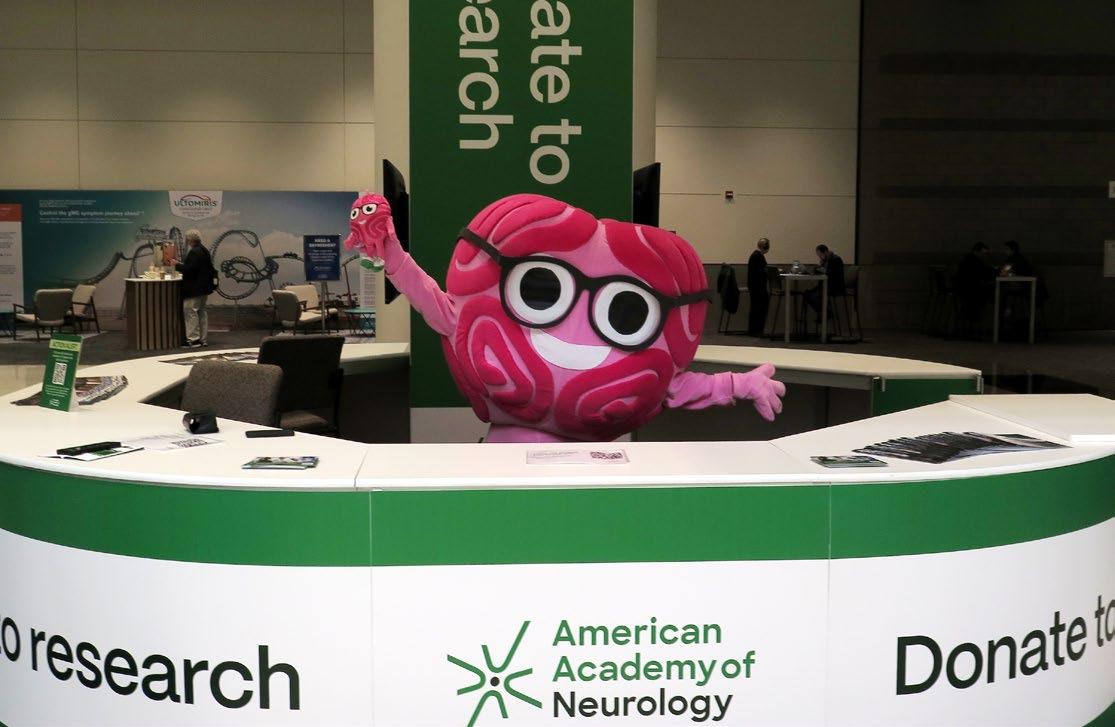
Plus, in-person Annual Meeting attendees who donate to the AAN Research Program while in Chicago can pick up great thank you gifts for various donation levels, including a Sarah Bellum™ plushie! Visit the Research Program booth in the Level 3 Central Concourse for details. The AAN Board of Directors will match Research Day donations up to $17,000—so there’s no better time to make an impact.
Want to learn more about the Research Program and its legacy? Read on for a look at some of its past recipients.
Established over 30 years ago, the AAN Research Program is now one of the world’s leading sources of neurology research grants for early career neurologists and beyond. It’s funded hundreds of high-quality research projects and provided a launchpad for countless impactful careers.
But as research faces growing headwinds, the demand for funding is higher than ever. In 2026 alone, the AAN Research Program received 144 fundable research proposals. It only had the resources to fund 24 of them—leaving a massive $28 million gap.
This year, the AAN is expanding and diversifying our fundraising to help meet this need: We’re now accepting direct donations to the AAN Research Program. You can personally support researchers by donating to the program through the AAN Institute, our 501(c)(3) charitable organization. 100% of your taxdeductible donation goes to research, allowing you to directly support the timely research patients need.
Today is Research Day at the Annual Meeting—so there’s no better time to learn more by going to AAN.com/donate, scanning the QR code, or visiting the AAN Research Program booth in the Level 3 Central Concourse. Attendees who make eligible donations during the Annual Meeting can pick up thank you gifts from the booth while supplies last, and the AAN Board of Directors will match Research Day donations up to $17,000!

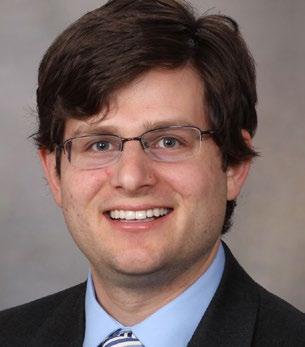
Kotagal
Vikas Kotagal, MD, FAAN, now an associate professor of neurology at the University of Michigan, was a fellow when he received the Clinical Research Training Scholarship in 2012. It was the first external grant he’d ever received—and he soon found himself at the Annual Meeting, where he met the award’s other recipients that year. He recalls feeling surrounded by smart, passionate people doing interesting work.
“It felt like a key step into my career journey,” he said.
“Until the award arrived and it all sunk in, I felt as if I was always looking for the door somewhere. And now I felt like I had found that door and was able to walk through it to the start of a research career.”
Kotagal was working to better understand the biological basis for postural instability and gait difficulty (PIGD) in Parkinson’s disease. While much of the disease centers on the death of dopamine neurons in the brain, he wanted to see whether other changes could be factors in PIGD’s prognostic signature. The grant allowed him to conduct analyses in an ongoing database around these changes, showing that some appear to contribute to worse disease progression.
Now a member of the AAN Research Program Subcommittee, Kotagal finds AAN awards a hugely valuable opportunity for clinician-scientists: “A lot of the insights that are needed to move the field forward, they need to come from a bidirectional conversation between clinicians and scientists, and clinicians who want to be scientists are a really important link in that chain,” he said. “Without them, we end up having just two silos of well-intentioned professionals, each of whom do their work excellently, but who don’t talk to each other much, and it leads to a stagnation of innovation and a continuation of the status quo in terms of care delivery.”
Another recipient, Susanna Mierau, MD, PhD, received the AAN’s Career Development Award in 2019. This three-year award helps clinician-scientists launch independent research programs early in their careers. It funded her research into Rett syndrome, translating microscale brain networks within a mouse model to a human brain organoid model.
Mierau was able to see the impact of gene mutation in Rett syndrome on the way networks function in the brain. She also found the award uniquely helpful for her career—she was working at the University of Cambridge at the time, so she wasn’t eligible for similar awards from the NIH.
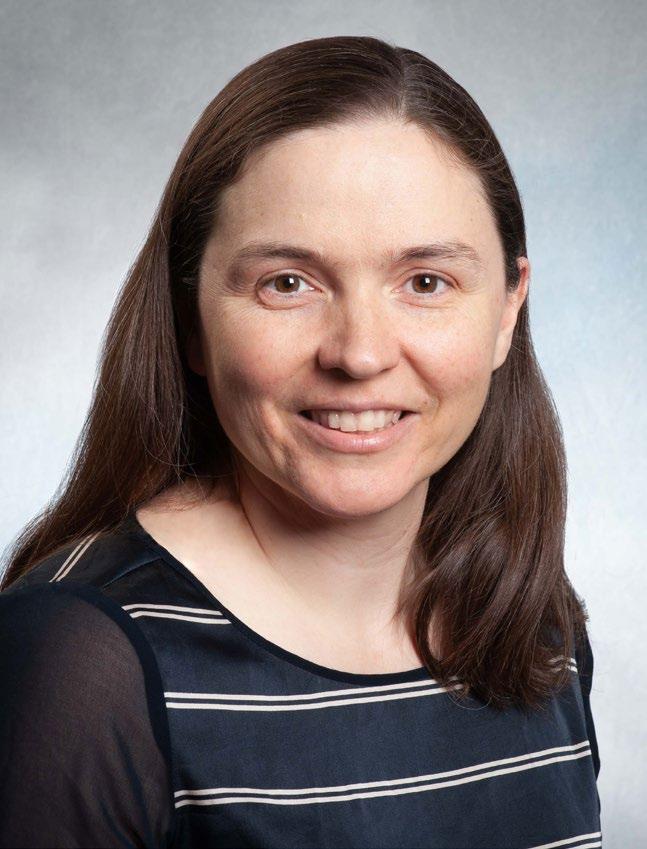
“The AAN research program funded both the transition in our research from looking at how brain cells communicate one-on-one to the network level, and then from the network level in mice to human models,” Mierau said. “And then for me, from working in the UK, where I gained lots of great skills in these areas, to transitioning to a faculty appointment in the US.”
Today, Mierau is a neurologist and neuroscientist specializing in autism at Massachusetts General Hospital and Brigham & Women’s Hospital. She’s made numerous contributions to the field and has also become involved with the AAN, such as serving as vice chair of the Adults with Intellectual and Developmental Disabilities Section. She finds the AAN Research Program crucial for supporting high-quality, disease-oriented research.
“Many trainees, as they’re finishing their residency and starting fellowship, or as they’re finishing clinical fellowships and trying to get their research program established, find it difficult to compete for funding from the NIH with people who are doing full-time research,” she said. “Support from the AAN ensures that we have people with clinical experience and research experience at the table together—making sure that the research that we do is high quality and informed by the patient and family’s experience.”
Could there be a better place to celebrate neurology than the Griffin Museum of Science and Industry, one of the largest and most iconic science museums in the world? Join your friends and colleagues at this incredible, immersive museum tonight from 7:00 p.m. to 10:00 p.m. for the Annual Meeting Party.
Your attendee badge is your ticket for complimentary entry, so make sure to wear it! To bring a guest (21+), visit Registration to purchase a guest ticket wristband for $125 by 6:00 p.m. A limited number of guest tickets will be available for purchase at the party, but the price will increase to $150. Shuttles will run from McCormick Place West, gate 41 at the end of the purple hallway, until 8:00 p.m. Regular shuttle hours will be extended for transportation to and from shuttle-designated hotels, with final departure from the party taking place no later than 10:30 p.m.
The whole museum is yours to explore, so connect, unwind, and let your curiosity and imagination run wild! Complimentary food and drinks will be available, along with live musical entertainment.
Must-see exhibitions
Explore the past, dive to the bottom of the ocean, or immerse yourself in a stunning show. These limited-room experiences are open throughout the event!
• Coal Mine Tour (20 spots every 10 minutes): See the real, working equipment once used in active coal mines—and experience some unforgettable sounds and sensations.
• The Blue Paradox (25 spots every 5 minutes): Explore an immersive, visually stunning exhibit that reveals the vast impact of ocean plastic.
• Marvel’s Spider-Man: Beyond Amazing (55 spots every 10 minutes): Swing in to see rare comic books, props, costumes, and more from your friendly neighborhood Spider-Man. Life-size character statues are available for a can’t-miss photo opportunity!
• U-505 On-Board Tours (14 spots every 7–8 minutes): See an actual German submarine from WWII, which was blown to the surface and captured in June 1944.
• Crafting Character: The Costumes of Paul Tazewell (17 spots every 6–8 minutes): Explore the life and creations of an acclaimed costume designer, including looks from “Wicked,” “West Side Story,” “Hamilton,” and the MET Gala.
• Giant Dome Theater (240 spots every 30 minutes): Watch “Arctic: Our Frozen Planet,” a breathtaking documentary on the Arctic’s wildlife and people, in a five-story dome theater.
The Neurology® journal is celebrating 75 years of documenting discovery and driving innovation. Visit the Publications booth in F Lobby to look through a museum of fascinating correspondence about the beginnings of the journal, cover designs that never were, and more. Here’s three ways to celebrate with us:
• Neurology® 75th Anniversary Reception: Join us Monday from 3:30 p.m. to 4:30 p.m. for cake and champagne at the Marriott Marquis Chicago - Shedd AB. All Annual Meeting attendees are invited!
• Neurology® Trivia Contest: Head to the Wellness Hub right after the reception from 4:45 p.m. to 5:30 p.m. for an interactive challenge hosted by current editors! Sharpen your skills and learn some strange, humorous, and little-known facts about the most widely read and cited neurology journal in the world. Small prizes await!
• Paint and Wine Neurology® Journal Cover Contest: Come to the Innovation Hub in Hall F from 12:30 p.m. to 1:30 p.m. today, Monday, or Tuesday for a special paint and wine session: creating a cover for the journal! All entries will be assessed by a panel of editors, and the winner will have their design published on the cover of a December 2026 issue.
Today’s Neuroscience in the Clinic will take a close look at neurological care across the lifespan for those with Down syndrome. The session will take place between 3:30 p.m. and 5:30 p.m. in W193a and attendees can claim two CME credits.
Directors Chad Hales, MD, PhD, FAAN, and Jonathan Santoro, MD, will be joined by expert faculty Carl E. Stafstrom, MD, PhD, and Beau M. Ances, MD, PhD, MS, FAAN. Santoro will present an abstract, as will Mackenzie Silverman, MD, and Hannah Mager. Topics will include epilepsy, Down syndrome regression disorder, and Alzheimer’s disease. The session will end with a panel discussion, and attendees will have the opportunity to ask questions.
The session is an excellent opportunity for attendees to learn about the unique aspects of epilepsy and Alzheimer’s disease care in people with Down syndrome, understand the core clinical symptoms of Down syndrome regression disorder, and formulate therapeutic management plans based on neurodiagnostic study results.
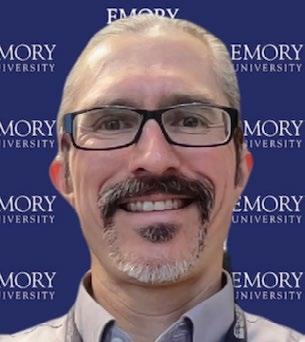
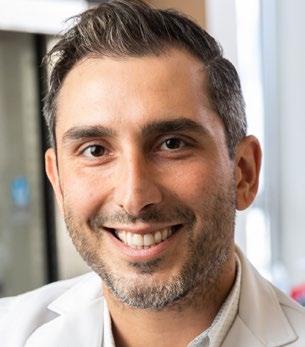
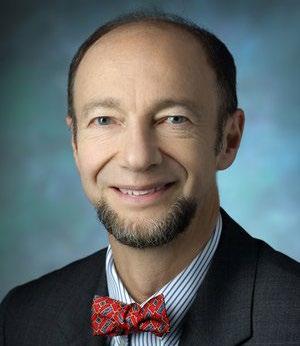
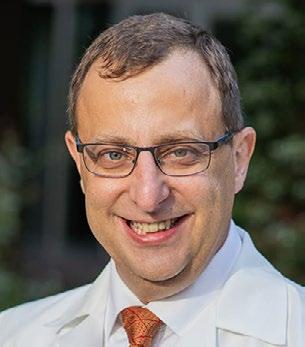


Take the Annual Meeting home with you—and continue to learn anytime, anywhere—when you bundle 2026 Annual Meeting On Demand with your meeting registration. By bundling today, you can save up to 55% on regular pricing. Annual Meeting On Demand users can access most session recordings and claim CME through March 1, 2027!
Visit AAN.com/QuickLinks by May 20, 2026, or visit Registration in W183a to take advantage of these savings.
Tomorrow is Business Administrator Day, a chance for all business administrators attending the Annual Meeting to learn and connect. Join in Monday at the Marriott Marquis Chicago in Water Tower AB, 8:00 a.m.–5:00 p.m.
This year’s theme is “skyline strategies—building strong foundations and reaching new heights.” Sessions will focus on AI, leading a multi-generational workforce, regulatory updates, and more with opportunities to crowdsource solutions and make meaningful connections. During the program, administrators will have the opportunity to relax with their peers over lunch.
easy access to meeting links, visit AAN.com/QuickLinks. View all conference guidelines at AAN.com/EventGuidelines.
Grab your attendee lunch at 11:30 a.m.–1:30 p.m. in Hall F and take time to explore the exhibit hall on its opening day! Lunches are served in compostable boxes to support the AAN’s sustainability efforts.
We’ve also partnered with Fight2Feed to give any uneaten box lunches to Chicagoans experiencing hunger.
Scan the QR code to download route-specific shuttle schedules, access a 360-degree street view of the boarding location for each shuttle stop, and download a link to real-time shuttle wait times. See page 8 for information on transportation to the Annual Meeting Party! Have questions? Call (312) 566-7996.
Stop by the AANTV Studio in the W375e Lobby to watch live interviews being recorded for later broadcast on the TV monitors around the convention center, AAN.com/AANTV, and YouTube.
Slides are available online only at AAN.com/Materials or through the AAN Conferences mobile app. You can access program materials through March 1, 2027. (Please note that availability of materials is at the discretion of the specific speaker. Not all sessions will have materials.)
Conference attendees have access to content on the mobile app and online platform through May 20, 2026. Visit AAN.com/AMOnline and use your 6-digit ID and password to log in. It may take up to 48 hours after session completion for content to become available online.
Add Annual Meeting On Demand to your registration now to save up to 55% and to extend your access to session recordings through March 1, 2027. Check the back of your badge to see if you already have Annual Meeting On Demand. If not, head to Registration or visit AAN.com/QuickLinks by May 20, 2026, to add it at the discounted rate.
Complete your evaluations by May 20, 2026, (or March 1, 2027, with Annual Meeting On Demand) to get your CME credits by using the AAN Conferences mobile app or by visiting AAN.com/AMCME Transcripts will be available upon evaluation submission. AAN members can also access their transcript via NeuroTracker™ at AAN.com/NeuroTracker
Treat patients with Lambert-Eaton myasthenic syndrome (LEMS) with FIRDAPSE® (amifampridine), the only FDA-approved therapy 1,2

FIRDAPSE may help patients like Jan stay on their feet.
Treatment with FIRDAPSE is clinically proven to maintain muscle strength and functional mobility, while improving the perception of physical well-being.1,3
AND DISCOVER THE RESULTS OF FIRDAPSE IN PATIENTS WITH LEMS.
INDICATIONS AND USAGE:
FIRDAPSE is a potassium channel blocker indicated for the treatment of Lambert-Eaton myasthenic syndrome (LEMS) in adults and pediatric patients 6 years of age and older.
SELECTED IMPORTANT SAFETY INFORMATION
FIRDAPSE can cause seizures. Consider discontinuation or dose-reduction of FIRDAPSE in patients who have a seizure while on treatment.
Please see Brief Summary of full Prescribing Information on the next page.
FIRDAPSE® (amifampridine) tablets for oral use
BRIEF SUMMARY OF FULL PRESCRIBING INFORMATION FOR FIRDAPSE
INDICATIONS AND USAGE
FIRDAPSE is a potassium channel blocker indicated for the treatment of Lambert-Eaton myasthenic syndrome (LEMS) in adults and pediatric patients 6 years of age and older.
DOSAGE AND ADMINISTRATION
• Administer orally in divided doses (3 to 5 times daily).
• The recommended starting dosage for adults (any weight) and pediatric patients weighing 45 kg or more is 15 mg to 30 mg daily, in divided doses.
- Dosage can be increased by 5 mg daily every 3 to 4 days.
- The maximum single dose is 20 mg.
- Dosage is not to exceed a maximum of 100 mg daily.
• The recommended starting dosage for pediatric patients weighing less than 45 kg is 5 mg to 15 mg daily, in divided doses.
- Dosage can be increased by 2.5 mg daily every 3 to 4 days.
- The maximum single dose is 10 mg.
- Dosage is not to exceed a maximum of 50 mg daily.
CONTRAINDICATIONS
FIRDAPSE is contraindicated in patients with:
• A history of seizures
• Hypersensitivity to amifampridine phosphate or another aminopyridine
WARNINGS AND PRECAUTIONS
Seizures
FIRDAPSE can cause seizures. Seizures have been observed in patients without a history of seizures taking FIRDAPSE at the recommended doses, at various times after initiation of treatment, at an incidence of approximately 2%. Many of the patients were taking medications or had comorbid medical conditions that may have lowered the seizure threshold. Seizures may be dose-dependent. Consider discontinuation or dose-reduction of FIRDAPSE in patients who have a seizure while on treatment.
Hypersensitivity
In clinical trials, hypersensitivity reactions and anaphylaxis associated with FIRDAPSE administration have not been reported. Anaphylaxis has been reported in patients taking another aminopyridine; therefore, it may occur with FIRDAPSE. If anaphylaxis occurs, administration of FIRDAPSE should be discontinued and appropriate therapy initiated.
ADVERSE REACTIONS
The following serious adverse reactions are described elsewhere in the labeling:
• Seizures
• Hypersensitivity
Clinical Trials Experience
Adults
Because clinical trials are conducted under widely varying conditions, adverse reaction rates observed in the clinical trials of a drug cannot be directly compared to rates in the clinical trials of another drug and may not reflect the rates observed in practice.
In controlled and uncontrolled trials (Study 1 and 2) in patients with LEMS, 63 patients were treated with FIRDAPSE, including 40 patients treated for more than 6 months, and 39 patients treated for more than 12 months. In an expanded access program, 139 patients with LEMS were treated with FIRDAPSE, including 102 patients treated for more than 6 months, 77 patients treated for more than 12 months, and 53 patients treated for more than 18 months.
Study 1 was a double-blind, placebo-controlled, randomized discontinuation study in adults with LEMS. Following an initial open-label run-in phase (up to 90 days), patients were randomized to either continue FIRDAPSE treatment or transition to placebo for a 14-day double-blind phase. Following final assessments, patients were allowed to resume FIRDAPSE treatment for up to 2 years (open-label, long-term safety phase of the study).
During the open-label run-in phase of Study 1, 53 patients received FIRDAPSE for an average of 81 days at an average daily dosage of 50.5 mg/day. The average patient age was 52.1 years and 66% were female. There were 42 patients who had no prior exposure to FIRDAPSE at the initiation of this study. Table 1 shows adverse reactions with an incidence of 5% or greater occurring in the 42 LEMS patients newly initiated on treatment with FIRDAPSE during the run-in phase of the study.
Table 1. Adverse Reactions in ≥5% of LEMS Patients Newly Treated with FIRDAPSE in Study 1
patients, or pregnant women may register themselves in the registry by calling 855-212-5856 (toll-free), using the Fax number 877-867-1874 (toll-free), by contacting the Pregnancy Coordinating Center at firdapsepregnancyregistry@ubc.com or by visiting the study website at www.firdapsepregnancystudy.com.
Risk Summary
There are no data on the developmental risk associated with the use of FIRDAPSE in pregnant women. In animal studies, administration of amifampridine phosphate to rats during pregnancy and lactation resulted in developmental toxicity (increase in stillbirths and pup deaths, reduced pup weight, and delayed sexual development) at doses associated with maternal plasma drug levels lower than therapeutic drug levels (see Animal Data). In the U.S. general population, the estimated background risk of major birth defects and miscarriage in clinically recognized pregnancies is 2-4% and 15-20%, respectively. The background risk of major birth defects and miscarriage for the indicated population is unknown.
Data
Animal Data
Oral administration of amifampridine phosphate (0, 7.5, 22.5, or 75 mg/kg/day) to female rats prior to and during mating and continuing throughout organogenesis produced no adverse effects on embryofetal development. The highest dose tested is approximately 4 times the maximum recommended human dose (MRHD) of amifampridine (100 mg/day) on a body surface area (mg/ m2) basis. Oral administration of amifampridine phosphate (0, 9, 30, or 57 mg/kg/day) to pregnant rabbits throughout organogenesis produced no adverse effects on embryofetal development. The highest dose tested is approximately 6 times the MRHD of amifampridine on a body surface area (mg/m2) basis.
Oral administration of amifampridine phosphate (0, 7.5, 22.5, or 75 mg/kg/day) to female rats throughout pregnancy and lactation resulted in an increase in stillbirths and pup deaths, reduced pup weight, and delayed sexual development in female pups at the mid and high doses tested. The no-effect dose (7.5 mg/kg/day amifampridine phosphate) for adverse developmental effects is associated with a plasma amifampridine exposure (AUC) less than that in humans at the MRHD.
closely monitored for adverse reactions. Consider dosage modification or discontinuation of FIRDAPSE for patients with renal impairment as needed based on clinical effect and tolerability. The safety, efficacy, and pharmacokinetics of amifampridine have not been studied in patients with endstage renal disease (CLcr <15 mL/min or patients requiring dialysis). No dosage recommendation for FIRDAPSE can be made for patients with end-stage renal disease.
Hepatic Impairment
In patients with any degree of hepatic impairment, FIRDAPSE should be initiated at the lowest recommended initial daily dosage, and patients should be monitored for adverse reactions. Consider dosage modification or discontinuation of FIRDAPSE for patients with hepatic impairment as needed based on clinical effect and tolerability.
NAT2 Poor Metabolizers
Exposure of FIRDAPSE is increased in patients who are N-acetyltransferase 2 (NAT2) poor metabolizers. Therefore, initiate FIRDAPSE in patients who are known NAT2 poor metabolizers at the lowest recommended initial daily dosage and monitor for adverse reactions. Consider dosage modification of FIRDAPSE for patients who are known NAT2 poor metabolizers as needed based on clinical effect and tolerability.
PATIENT COUNSELING INFORMATION
Advise the patient and/or caregiver to read the FDA-approved patient labeling (Medication Guide).
Risk of Seizures
Inform patients that FIRDAPSE can cause seizures, and to notify their healthcare provider if they experience a seizure.
Hypersensitivity
Instruct patients to inform their healthcare provider if they have signs or symptoms of hypersensitivity, and to seek emergency help if symptoms of anaphylaxis occur.
FIRDAPSE Dosing
*Includes paresthesia, oral paresthesia, oral hypoesthesia
**Includes elevated alanine aminotransferase (ALT), aspartate aminotransferase (AST), lactate dehydrogenase (LDH), and gamma-glutamyl transferase (GGT)
Other Adverse Reactions
In the overall population treated in Study 1 (n=53), including the double-blind phase and the 2-year open-label long-term safety phase, additional adverse reactions occurring in at least 5% of the patients included: dyspnea, urinary tract infection, gastroesophageal reflux, insomnia, peripheral edema, pyrexia, viral infection, blood creatine phosphokinase increase, depression, erythema, hypercholesterolemia, and influenza. These patients received an average daily dosage of 66 mg of FIRDAPSE.
Pediatrics
Safety of FIRDAPSE was evaluated in pediatric patients in an expanded access program, where 21 pediatric patients received FIRDAPSE for at least 1 year. Adverse reactions reported in pediatric patients were similar to those seen in adult patients, with the exception of clinically significant weight loss in two pediatric patients at doses of 60 mg per day and higher.
DRUG INTERACTIONS
Drugs that Lower Seizure Threshold
The concomitant use of FIRDAPSE and drugs that lower seizure threshold may lead to an increased risk of seizures. The decision to administer FIRDAPSE concomitantly with drugs that lower the seizure threshold should be carefully considered in light of the severity of the associated risks.
Drugs with Cholinergic Effects
The concomitant use of FIRDAPSE and drugs with cholinergic effects (e.g., direct or indirect cholinesterase inhibitors) may increase the cholinergic effects of FIRDAPSE and of those drugs and increase the risk of adverse reactions.
USE IN SPECIFIC POPULATIONS
Pregnancy
Pregnancy Exposure Registry
There is a pregnancy exposure registry that monitors pregnancy outcomes in women exposed to FIRDAPSE during pregnancy. Physicians are encouraged to enroll pregnant
Please see FIRDAPSE Brief Summary above and scan the QR code for full Prescribing Information.
Lactation
Risk Summary
There are no data on the presence of FIRDAPSE in human milk, the effects on the breastfed infant, or the effects on milk production. The developmental and health benefits of breastfeeding should be considered along with the mother’s clinical need for FIRDAPSE and any potential adverse effects on the breastfed infant from FIRDAPSE or from the underlying maternal condition.
In lactating rat, amifampridine was excreted in milk and reached levels similar to those in maternal plasma.
Pediatric Use
Safety and effectiveness of FIRDAPSE for the treatment of LEMS have been established in pediatric patients 6 years of age and older.
Use of FIRDAPSE for this indication is supported by evidence from adequate and well-controlled studies of FIRDAPSE in adults with LEMS, pharmacokinetic data in adult patients, pharmacokinetic modeling and simulation to identify the dosing regimen in pediatric patients, and safety data from pediatric patients aged 6 years and older.
Safety and effectiveness in pediatric patients below the age of 6 years have not been established.
Geriatric Use
Clinical studies of FIRDAPSE did not include sufficient numbers of subjects aged 65 and over (19 of 63 patients in Studies 1 and 2) to determine whether they respond differently from younger subjects. Other reported clinical experience has not identified differences in responses between the elderly and younger patients. In general, dose selection for an elderly patient should be cautious, usually starting at the low end of the dosing range, reflecting the greater frequency of decreased hepatic, renal, or cardiac function, and of concomitant disease or other drug therapy.
Renal Impairment
Renal clearance is an elimination pathway for amifampridine and the inactive metabolite, 3-N-acetyl amifampridine, and exposure of amifampridine is higher in subjects with renal impairment. Therefore, in patients with renal impairment, FIRDAPSE should be initiated at the lowest recommended initial daily dosage, and patients should be
Instruct patients to take FIRDAPSE exactly as prescribed. Patients should carefully follow the dose escalation schedule provided by their healthcare provider to safely achieve the therapeutic dosage. Inform patients that the tablets may be divided in half at the score, if needed. Instruct patients not to take a double dose to make up for a missed dose. If they require a dosage in less than 5 mg increments, have difficulty swallowing tablets, or require feeding tubes, refer patients and/or caregivers to the Instructions for Use on how to prepare a 1 mg/mL suspension. If the patient requires treatment with the 1 mg/mL FIRDAPSE suspension, advise patients and/or caregivers that supplies required to prepare the suspension may be obtained at their local pharmacy.
Drug Interactions
Instruct patients to notify their healthcare provider prior to starting any new medication, including over-the-counter drugs.
Pregnancy
Instruct patients that if they are pregnant or plan to become pregnant while taking FIRDAPSE they should inform their healthcare provider. Advise patients that there is a pregnancy registry that monitors pregnancy outcomes in women exposed to FIRDAPSE during pregnancy and encourage them to enroll if they become pregnant while taking FIRDAPSE
Storage
Advise patients to store FIRDAPSE at 68°F to 77°F (20°C to 25°C).
Instruct patients and/or caregivers who prepare the 1 mg/ mL suspension of FIRDAPSE that it should be prepared daily and refrigerated between doses. The suspension can be stored under refrigeration for up to 24 hours. Instruct the patient and/or caregiver to discard any unused portion of the suspension after 24 hours.
FIRDAPSE® is a registered trademark of SERB S.A. © 2026 Catalyst Pharmaceuticals, Inc. All Rights Reserved.
References: 1. Full Prescribing Information for FIRDAPSE (amifampridine). Catalyst Pharma; 2024. 2. US Food and Drug Administration. Orange Book: Approved drug products with therapeutic equivalence evaluations. 44th ed. 2024:47, Amifampridine; p1944, U-2956. 3. Shieh P, Sharma K, Kohrman B, Oh SJ. Amifampridine phosphate (FIRDAPSE) is effective in a confirmatory phase 3 clinical trial in LEMS. J Clin Neuromuscul Dis. 2019;20(3):111-119.
Sunday, April 19, 2026
Get inspired at Annual Meeting Hubs!
Connect, collaborate, and learn—together. Annual Meeting Hubs bring you an innovative learning experience outside the traditional classroom, and there’s no better place to meet colleagues who share your passions. Prepare to be inspired!
Here are today’s highlights:
Academic Hub
W192b
Division Chiefs: Managing Up, Down, and Across
3:45 p.m.–5:30 p.m.
Division chiefs: Join your peers for information sharing about handling difficult conversations, right sizing your division, and managing clinical operations, followed by a networking event.
Brain Health Hub
W375c Lobby
Hip Hop Public Health: A Community-engaged Approach for Improving Neurological Health Literacy
12:15 p.m.–1:00 p.m.
Join Olajide A. Williams, MD, MS, co-founder of Hip Hop Public Health, for a session exploring how hip-hop–inspired, multisensory education can be used to address neurological health literacy and related barriers to optimal health outcomes.
Trainee Education: Integrating Brain Health
3:00 p.m.–3:45 p.m.
Examine how brain health concepts can be meaningfully integrated into medical education and training programs.
HeadTalks
F2 Lobby
Creativity and Cajal: How We Can Be Artists and Physicians
3:15 p.m.–4:00 p.m.
Crafters Lealani M. Acosta, MD, MPH, FAAN, and Alison L. Christy, MD, PhD, FAAN, will share their passion for, and the joy they find in, combining the arts and neurology. We’ll review the research behind how these creative pursuits enhance personal wellness and both inspire and educate, using the history of Ramon y Cajal as an illustration of how his visual arts informed his scientific breakthroughs.

Neurology Improv
4:45 p.m.–5:30 p.m.
Come join us for some interactive fun as neurologists, with little to no comedy training, attempt to “yes, and...” their way through the meeting and your suggestions.
Innovation Hub
Hall F
12:00 p.m.–12:30 p.m.
Gain an overview of recent innovations in invasive devices for the management of chronic neurologic disorders, with insight into emerging technologies, evolving indications, and advances that are shaping the future.
12:30 p.m.–1:30 p.m.
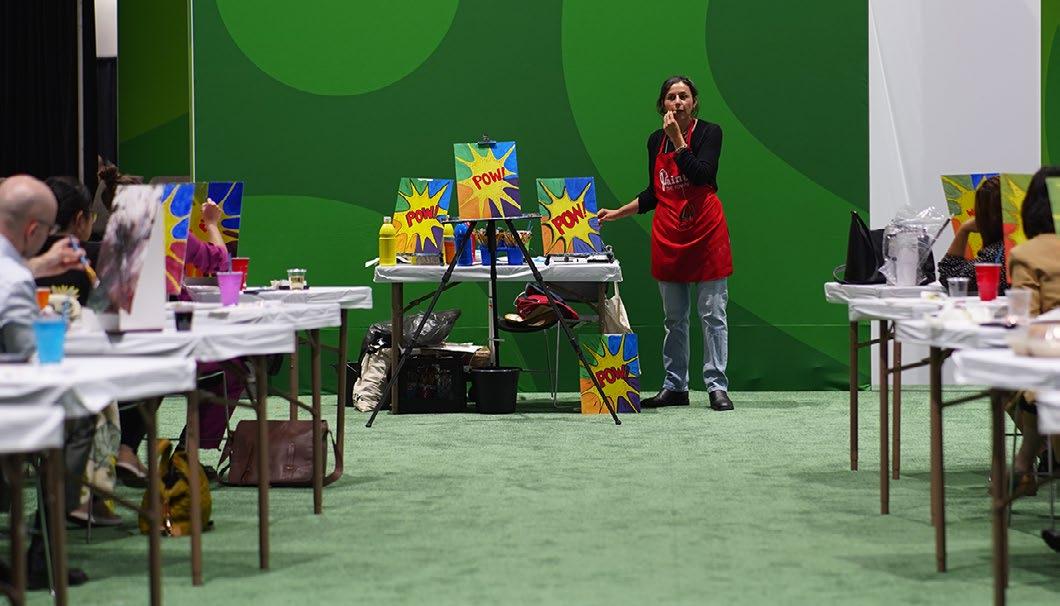
Here’s your chance to have your artwork published in Neurology®! In the 12:30 p.m. sessions today, Monday, and Tuesday, use your creativity to paint a Neurology® cover—with the chance of having it published! Limited to the first 40 participants—first come, first served.

The AI Consult: Decision Support You Can’t (Yet) Page
1:30 p.m.–2:00 p.m.
Artificial intelligence is increasingly presented as a “second opinion” in neurology, from stroke triage and seizure risk prediction to diagnostic imaging support. Hear where AI decision support tools genuinely help at the bedside, where they fail, and how to balance speed with safety.
Leadership University W190b
12:30 p.m.–1:30 p.m.
Learn to distinguish problems from polarities, name leadership tensions, and practice polarity mapping. You can explore your personal preferences and individual challenges to holding tension productively.
F1 Lobby
12:00 p.m.–12:45 p.m.
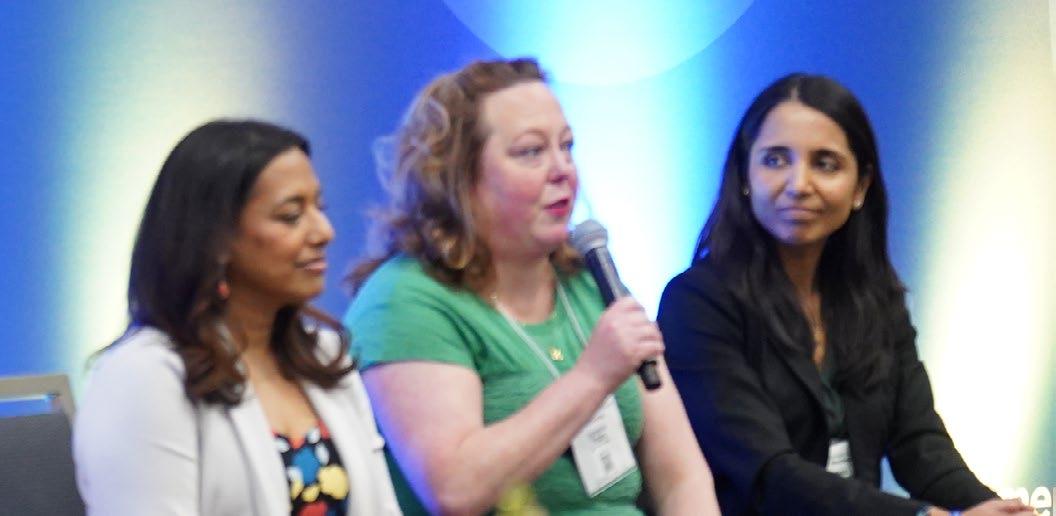
Discover practical, AI-driven strategies to tackle clinician burnout and optimize workflows. Explore solutions for portal message overload, see a comparison of leading ambient documentation models, and view quick wins for in-basket management—all aligned with AAN quality measures and advocacy priorities. Walk away with actionable tools, rollout checklists, and real-world tactics to improve efficiency, equity, and patient communication without major workflow overhauls.
1:15 p.m.–2:00 p.m.
Online platforms like Google Reviews and Healthgrades shape patient decisions and practice reputation. Learn ethical, effective strategies to encourage positive feedback, respond to criticism, and use digital insights for quality improvement. Through real-world examples, hear how neurologists transform reviews into better communication, staff training, and service design; explore equity considerations to ensure reviews reflect inclusive care; and gain practical tools to strengthen your practice and align with AAN priorities for quality, patientcentered care and advocacy.
Sunday, April 19, 2026
Research Hub
W193b
Academic and Industry Research Partnerships
In celebration of Research Day, enjoy an afternoon of presentations focusing on academic researchers working with industry partners.
Creating Opportunities and Charting Paths for Industry-sponsored Research
1:00 p.m.–2:00 p.m.
Negotiating Team Roles and Making Contributions to Industry Research
2:30 p.m.–3:30 p.m.
Global and Decentralized Research in Industry Collaboration
4:00 p.m.-5:00 p.m.
Trainee Hub
W195 and W196 Lobby
The Neurology Compass: Finding Your Direction After Residency
3:00 p.m.–4:00 p.m.
Residents can gain an understanding of the diverse pathways leading to various careers in neurology, including direct entry to general neurology practice from residency and fellowship-based routes. The goals are to help residents clarify their career goals, explore different models of neurology practice, and identify the next steps in training that align with their desired trajectory.

Resident and Fellow Networking with Faculty
4:30 p.m.–5:30 p.m.
Residents and fellows will have an opportunity to connect with and ask questions of graduate medical education faculty in this speed networking session.
Wellness Hub
W375e Lobby
Working with Your Attending Physician
3:30 p.m.–4:15 p.m.
APPs: Join in for guidance and discussion on how to build a successful APP and attending physician working relationship.
Crafting and Cajal: Be the Artist
4:45 p.m.–5:30 p.m.
Design your own Cajal-themed tote bag—or make your own neuron design—with acrylic paints and discuss ways that creativity can enhance physician wellness, improve scientific exploration, and make us better neurologists.

2026 Terrence L. Cascino Award for Physician Leadership
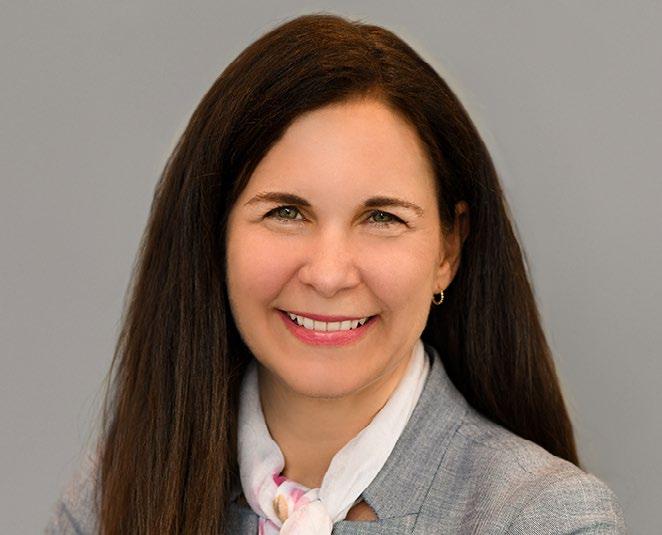
M. Kilgore, MD, FAAN, Veterans Affairs Health Care System
What got you into neurology?
“I never really considered neurology until my last rotation—up to that point, I planned on applying to a different specialty. I did the rotation and absolutely fell in love. I love the way we think, the logic, the localization.”
What are you looking forward to at the Annual Meeting?
“I’m really excited for some of the small fiber neuropathy sessions, the Presidential Plenary, and the resident leadership program.”
–Peyton Murin, MD

2026 Leading in Excellence Through Mentorship Award
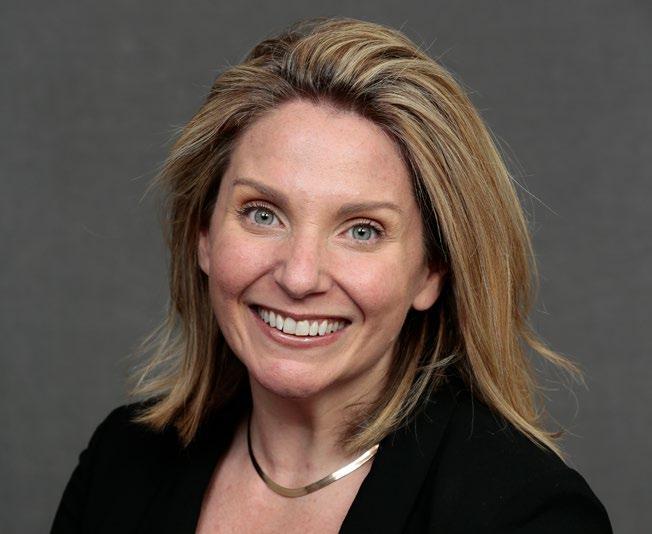
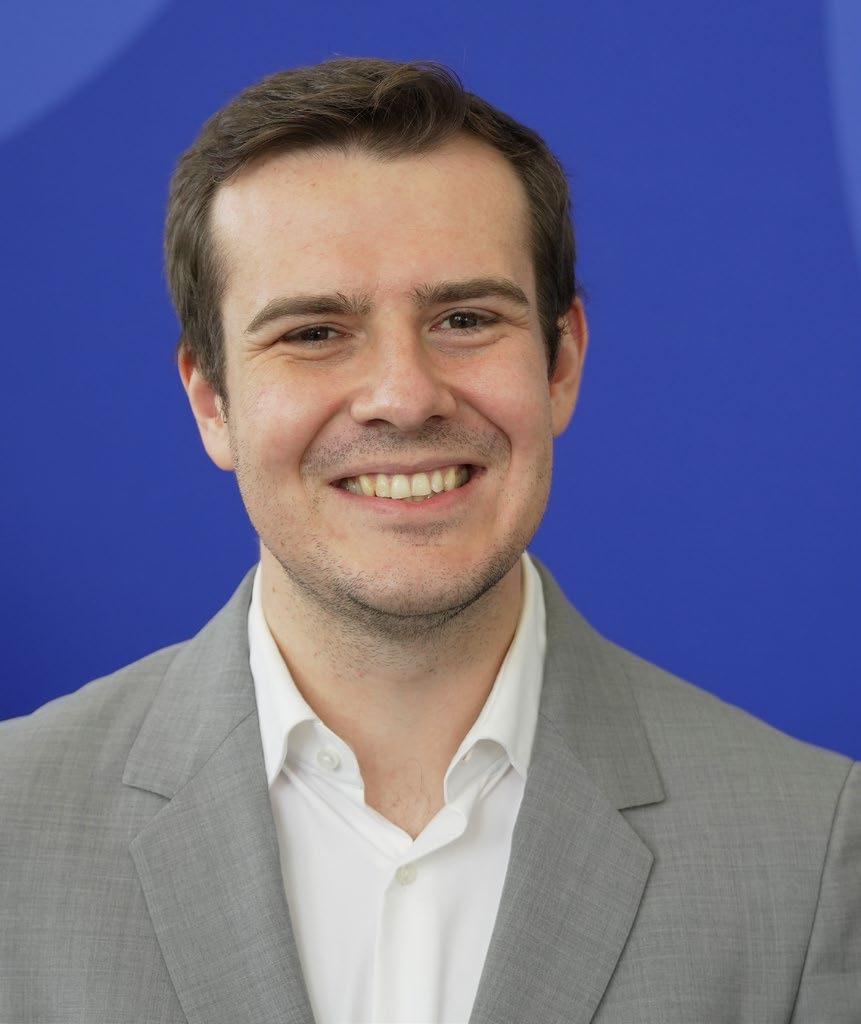
Why did you decide to become a neurologist?
“It goes way back. I was inspired to do stroke in particular because of a strong family history of stroke. I didn’t really get a chance to even meet my grandparents because they all passed away as a result of complications from stroke. I was really interested in making a difference. Then, in medical school, I became more inspired to pursue neurology, and particularly stroke, clinically and from a research perspective.”
–Vanessa Ha, MD, PhD
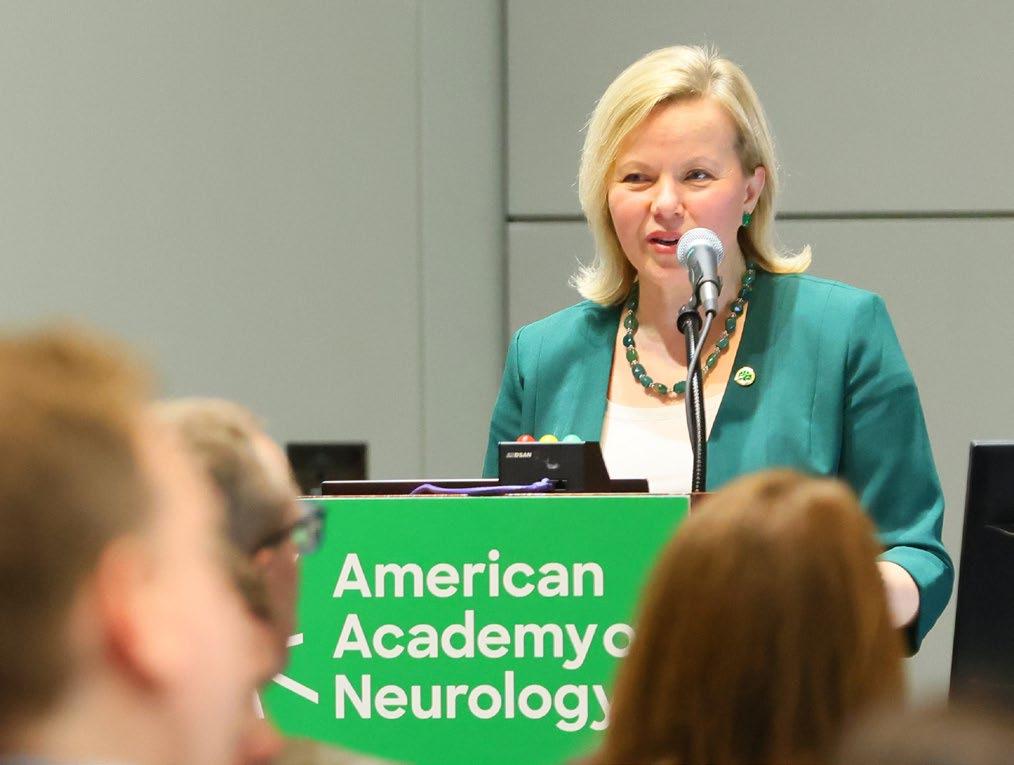
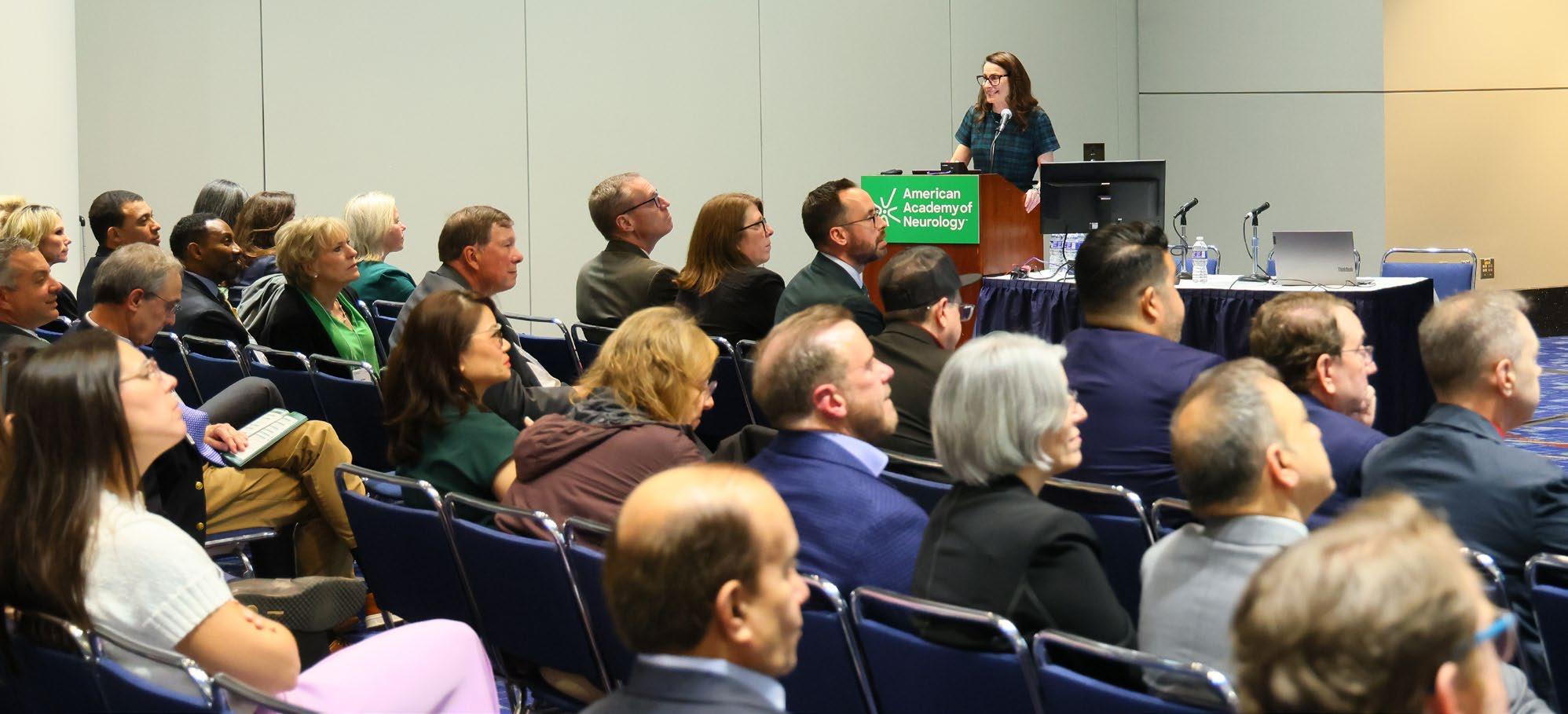
AAN leaders met Saturday to share reports on 2025 activities and finances at the annual Business Meeting, which was attended by more than 130 Annual Meeting attendees. President Natalia S. Rost, MD, MPH, FAAN, FAHA, opened the meeting with a presentation on the state of membership and the AAN’s global activities; Treasurer Lily Jung Henson, MD, MMM, FAAN, presented on the AAN’s financial position; and CEO Mary E. Post, MBA, CAE, shared the AAN’s 2025–2026 priorities.
Stop by the FAAN and DAAN digital display outside W181c to see the names of members who achieved the AAN’s esteemed Fellow (FAAN) or Distinguished Colleague of the AAN (DAAN) status in 2025.
FAAN members are recognized for their exemplary work and achievements in the neurosciences, clinical practice or academic/administrative neurology, the AAN, and their communities. Non-physician DAAN members are recognized for their work as part of a physician-led care team, contributions to neurological research, exemplary engagement in the AAN, and ongoing commitment to professionalism and leadership in neurology. Congratulations to all!

More than 40 AAN Sections offer unique opportunities for members with similar subspecialty interests to come together online throughout the year to share insights, ideas, and perspectives. Nearly half of those sections are here at the Annual Meeting to connect in person through Section Showcases.
All attendees are invited to attend these informative, discussion-based, and engaging opportunities where sections present important and timely topics from their neurology communities.
Today’s Section Showcases, located in W181c, include:
• Models of Multidisciplinary Support in Chronic Neurologic Disease
8:00 a.m.–8:45 a.m.
• Novel and Emerging Technologies to Improve the Functional Impairments Faced by Our Adult and Pediatric Patients
12:00 p.m.–1:00 p.m.
• Stroke, Seizure, or Migraine 1:15 p.m.-2:15 p.m.
• Beyond the Buzz: Navigating Alcohol’s Neurological Fallout from Clinic to ICU
2:30 p.m.–3:30 p.m.
• Government Services Section 3:45 p.m.–4:45 p.m.
• The Resilient Neurologist: Grounding, Recovery, and Renewal
4:45 p.m.–5:45 p.m.
Interested in joining a section?
Any AAN member can join sections. It’s here in these unique member-only online spaces that you’ll find your people—those who are shaping the field of neurology and who’ll help you grow and thrive in your career. When you connect, you’ll have access to that section’s community on SynapseSM, available online and through the Synapse Member Communities app. Learn more and see a full list at AAN.com/sections.
In partnership with the American Association of Neurological Surgeons, the AAN is hosting a Society Spotlight session between 1:00 p.m.–3:00 p.m. today in W192c, where attendees can hear updates from speakers giving encore presentations of top research presented at the society’s meeting.
Presentations and speakers include:
• Laser Ablation for Temporal Lobe Epilepsy: The SLATE Trial
Robert Gross, MD, PhD 1:00 p.m.–1:20 p.m.
• Evidence-based Updates on Ischemic and Hemorrhagic Cerebrovascular Disease
Stavropoula I. Tjoumakaris, MD
1:20 p.m.–1:40 p.m.
• Recent Advances in Spinal Neurosurgery
Mohamad Bydon, MD 1:40 p.m.–2:00 p.m.
• Translating Advances in Meningioma Biology to Bedside
Stephen Magill, MD, PhD 2:00 p.m.–2:20 p.m.
• Intraventricular Hemorrhage and Injury to the Developing Brain
Brandon Miller, MD, PhD, FAANS 2:20 p.m.–2:40 p.m.
• PENS: A Randomized Trial of Shunting for Idiopathic Normal-Pressure Hydrocephalus
Mark Hamilton, MD 2:40 p.m.–3:00 p.m.
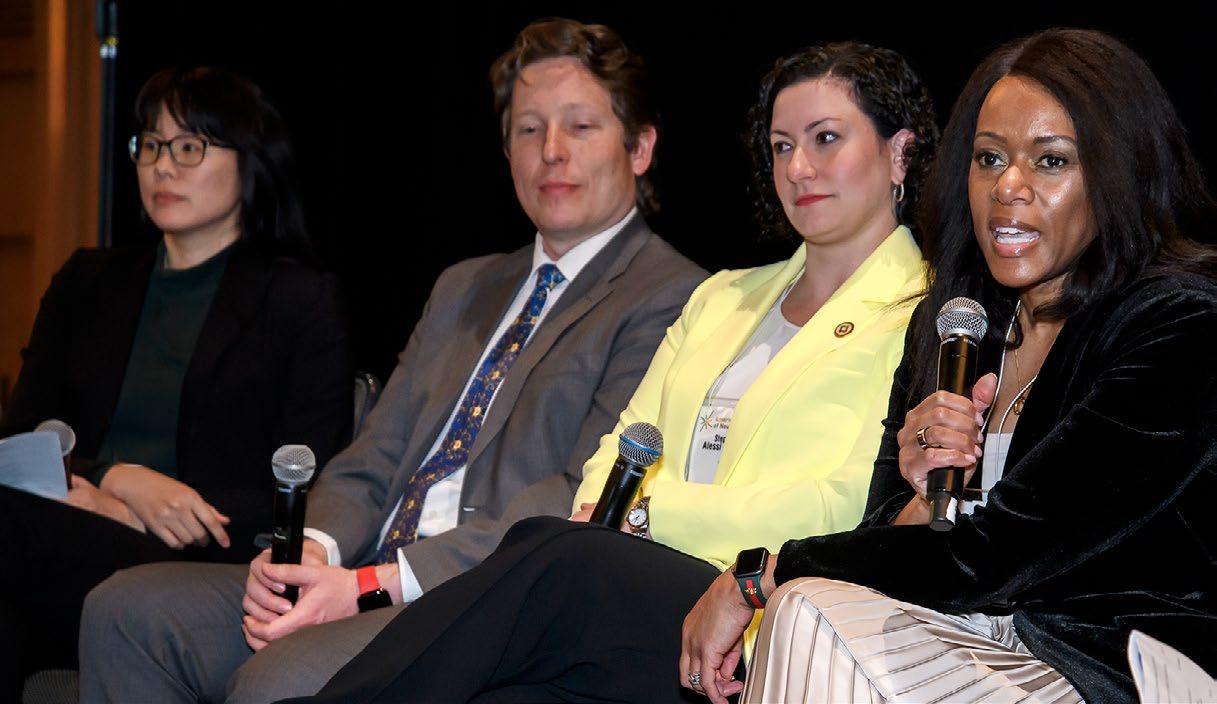
If you’re a medical student, your possibilities in neurology are endless. Explore the many career paths and subspecialty areas you could choose from—and network with residents and neurologists—at the Medical Student Symposium from 12:30 p.m. to 5:00 p.m. in W375ab.
The event begins with a luncheon, where medical students are seated at a table with a neurologist and resident/fellow. A lively discussion will follow with moderators leading a panel discussion entitled “You Can Do Anything in Neurology.”
From 2:40 p.m. to 5:00 p.m., students will have a chance to meet and speak with neurologists representing more than 23 subspecialties. This is your chance to hear firsthand about their subspecialty, their education and career paths, and how they maintain a work-life balance!
Whether you’re an experienced professional looking for your next opportunity or a medical student thinking about the future, the Neurology Career Center is your hub for job openings and career resources. Stop by the Level 3 Central Concourse to check out the job board, get a copy of the Annual Meeting Job Guide, and learn more about how the Neurology Career Center can set you up for success. While you’re there, set up a job alert on Careers.AAN.com for a free “Keep Calm and Neuron” t-shirt while supplies last!

UCB offers a unique portfolio of treatments targeting two distinct pathways for adults living with generalized myasthenia gravis (gMG), because no two patients are alike.1-3

INDICATION AND IMPORTANT SAFETY INFORMATION INCLUDING BOXED WARNING FOR ZILBRYSQ (zilucoplan) INDICATION
ZILBRYSQ (zilucoplan) is indicated for the treatment of generalized myasthenia gravis (gMG) in adult patients who are anti-acetylcholine receptor (AChR) antibody positive.
IMPORTANT SAFETY INFORMATION INCLUDING BOXED WARNING
ZILBRYSQ, a complement inhibitor, increases the risk of serious infections caused by Neisseria meningitidis. Life-threatening and fatal meningococcal infections have occurred in patients treated with complement inhibitors. These infections may become rapidly life-threatening or fatal if not recognized and treated early. Complete or update vaccination for meningococcal bacteria at least 2 weeks prior to the first dose of ZILBRYSQ, unless the risks of delaying therapy outweigh the risk of developing a serious infection. Comply with the most current Advisory Committee on Immunization Practices (ACIP) recommendations for vaccination against meningococcal bacteria in patients receiving a complement inhibitor. Patients receiving ZILBRYSQ are at increased risk for invasive disease caused by Neisseria meningitidis, even if they develop antibodies following vaccination. Monitor patients for early signs and symptoms of serious meningococcal infections and evaluate immediately if infection is suspected. ZILBRYSQ is available only through a restricted program called ZILBRYSQ REMS. ZILBRYSQ is contraindicated for initiation in patients with unresolved serious Neisseria meningitidis infection. Use caution when administering ZILBRYSQ to patients with any other systemic infection. Pancreatitis and pancreatic cysts have been reported in patients treated with ZILBRYSQ. Discontinue ZILBRYSQ in patients with suspected pancreatitis and initiate appropriate management until pancreatitis is ruled out or has resolved. The most common adverse reactions (≥10%) were injection site reactions, upper respiratory tract infection, and diarrhea.
Please see booth representative for additional Important Safety Information and full Prescribing Information, or visit ZILBRYSQHCP.com.
Targeting FcRn in Anti-AChR and Anti-MuSK Ab+ gMG with RYSTIGGO® (rozanolixizumab-noli): Patient Case Study
Sunday, April 19th, 3:15pm
Monday, April 20th, 3:15pm
Targeting C5 in Anti-AChR Ab+ gMG with ZILBRYSQ® (zilucoplan): Patient Case Study
Sunday, April 19th, 12:45pm
Monday, April 20th, 12:45pm
Bassam Malo, MD
St. Louis University/SSM Health, St. Louis, MO
Electrodiagnostic Medicine, Neurology, Neuromuscular Medicine
Bhupendra Khatri, MD
Center for Neurological Disorders, Milwaukee, WI
Board-certified in Neurology, Neuromuscular Medicine, and Electrodiagnostic Medicine
UCB is focused on helping to elevate the standard of care for gMG through a portfolio of targeted treatments to address patients’ needs.
We look forward to seeing you there! Visit booth #3014 for more information.
INDICATION AND IMPORTANT SAFETY INFORMATION FOR RYSTIGGO (rozanolixizumab-noli)
INDICATION
RYSTIGGO (rozanolixizumab-noli) is indicated for the treatment of generalized myasthenia gravis (gMG) in adult patients who are anti-acetylcholine receptor (AChR) or anti-muscle-specific tyrosine kinase (MuSK) antibody positive.
IMPORTANT SAFETY INFORMATION
WARNINGS AND PRECAUTIONS
Infections: RYSTIGGO may increase the risk of infection. Delay administration of RYSTIGGO to patients with an active infection. Monitor for signs and symptoms of infection in patients treated with RYSTIGGO. If serious infection occurs, administer appropriate treatment and consider withholding RYSTIGGO until the infection has resolved.
Aseptic Meningitis: Serious events of aseptic meningitis have been reported. Monitor for symptoms; diagnostic workup and treatment should be initiated according to the standard of care.
Hypersensitivity Reactions: Angioedema and rash have occurred. If a hypersensitivity reaction occurs, discontinue RYSTIGGO infusion and institute appropriate therapy.
ADVERSE REACTIONS
The most common adverse reactions (≥10%) in patients with gMG are headache, infections, diarrhea, pyrexia, hypersensitivity reactions, and nausea.
Please see booth representative for additional Important Safety Information and full Prescribing Information, or visit RYSTIGGOHCP.com.
References: 1. RYSTIGGO [Prescribing Information]. Smyrna, GA: UCB, Inc. 2. ZILBRYSQ [Prescribing Information]. Smyrna, GA: UCB, Inc. 3. MG treatment overview. Myasthenia Gravis Foundation of America. Accessed January 27, 2026. https://myasthenia.org/Treatments/Treatment-Overview RYSTIGGO® and ZILBRYSQ® are registered trademarks of the UCB Group of Companies. All other trademarks and registered trademarks are the property of their respective holders.
©2026 UCB, Inc., Smyrna, GA 30080. All rights reserved. US-RZ-2500708
The AAN Conferences mobile app makes it easy to plan your meeting schedule. Here’s how:
• Select “Program” from the main lobby/home screen of the app or online platform.
• Select a program, then choose “Add to my schedule.”
• To find all of your selected programs, look under “My Meeting” and then “My Schedule.”
• Any programs you save into “My Schedule” will also appear in the online platform and vice versa.
Bonus tip: You can sync your schedule with your calendar. Click on “Calendar Options” under “My Profile” to update these settings. Want to share an event or your schedule with someone else? You can email it to them using the “Email My Meeting Info” function within “My Meeting.”
Don’t have the app yet? Download it today or visit AAN.com/MobileApp for more information.
Need app support? Stop by Meeting Information and Tech Support in the Level 3 Central Concourse and near Registration.
Unlock your potential and fuel your career growth with AAN leadership development! Leadership University in W190b is your chance to gain insights from physician and advanced practice provider leaders throughout the week.
Plus, discover convenient Leadership University opportunities in the AAN’s Online Learning Center for flexible, on-demand learning that fits your schedule—free for AAN members.
To use the Annual Meeting’s live AI translation feature, simply scan the QR code at the start of your program or click the link in the session listing on the mobile app. You’ll go straight to the Wordly site, where you can choose from 60+ transcription languages, switch between languages at any time, or choose to listen to the audio translation.
Want to take your leadership skills to the next level? Applications are now open for three prestigious, all-expenses-paid AAN Leadership Programs that offer executive leadership education, collaboration and networking with peers, and exclusive one-to-one coaching and mentorship. There are no programs quite like these, so learn more and apply by May 14 at AAN.com/Lead.
• Diversity Leadership Program: Develops leadership skills of participants who reflect the various demographics of our members and the patients they serve.
• Emerging Leaders Program: Engages talented early-career members who have the disposition to lead and are interested in future roles in the AAN and the field of neurology.
• Practice Leadership Program: Develops leadership skills in solo and small practitioners while accommodating their busy schedules.

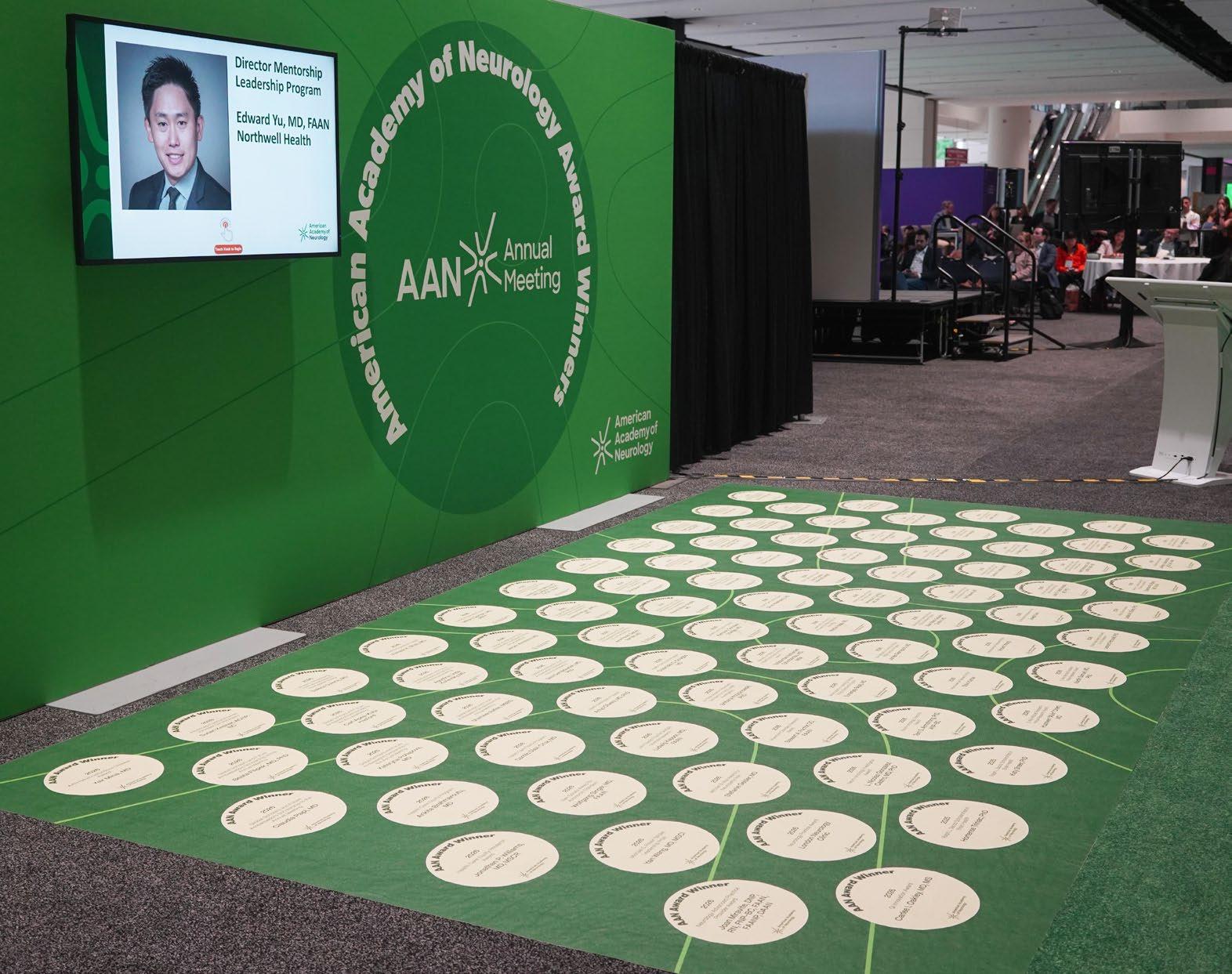
Help recognize and celebrate all the recipients of prestigious AAN awards by visiting the AAN Awards Showcase near the entrance to the poster hall throughout the week. While there, share your photos on social media using #AANAM and #AANScience. The Awards Showcase is open through the remainder of the meeting, and other awards recognitions may be found in various spots across the convention center.
The most timely, significant, and innovative research in neurology will be in the spotlight today from 5:00 p.m. to 6:15 p.m. in W375c. Abstracts selected for Latebreaking Science presentations include key aspects of research conducted after the October 2025 abstract submission deadline. This research is previously unpublished and of sufficient scientific importance to warrant expedited presentation and publication.
Abstracts and presenters include:
Results from the Global Phase 3 Trial (IB1001-303) Evaluating Levacetylleucine in Children and Adults with AtaxiaTelangiectasia
Presenter: Marc C. Patterson, MD, FRACP, FAAN
5:00 p.m.–5:06 p.m.
Long-Acting IL-7 (NT-I7) as an Immune Reconstitution Strategy in PML: Immunological and Clinical Outcomes from a Pilot Study
Presenter: Yair Mina, MD
5:06 p.m.–5:12 p.m.
Association between Pre-Disease Plasma Neurofilament Light Polypeptide Biomarker and Amyotrophic Lateral Sclerosis Risk in the Danish Diet, Cancer and Health Study Cohort
Presenter: Aline Davias, PhD 5:12 p.m.–5:18 p.m.
Long-Term Safety, Tolerability, and Efficacy of Atogepant for the Preventive Treatment of Migraine: Final Results from a Phase 3, Open-Label, 156-Week, Long-Term Safety Extension Study
Presenter: Jonathan H. Smith, MD
5:18 p.m.–5:24 p.m.
International Evaluation of the Aquaporin-4 Antibody Rapid Idot Test
Presenter: Matteo Gastaldi, MD, PhD
5:24 p.m.–5:30 p.m.
High-Throughput Profiling Of Anti-Viral And Self-Antigen Antibodies To Identify Etiology In Encephalitis
Presenter: David Acero-Garces, MD
5:30 p.m.–5:36 p.m.
Results From the Phase 3 X-TOLE2 Study
Evaluating Azetukalner, a Novel, Potent KV7 Channel Opener, in Adults With Focal Onset Seizures (FOS)
Presenter: Jacqueline French, MD, FAAN
5:36 p.m.–5:42 p.m.
Greater Clinical Benefit with Tiomolibdate Choline Versus Standard-of-care in Neurologic WD Patients in the Phase 3 FoCus Trial
Presenter: Peter Hedera, MD
5:42 p.m.–5:48 p.m.
Long-Term Risk of Cognitive Impairment with GLP-1 Analogues in Older Adults with Type 2 Diabetes Mellitus
Presenter: Isaac Thorman, ScM
5:48 p.m.–5:54 p.m.
Poster Q&A will take place from 5:54 p.m. to 6:15 p.m.
The AAN has long recognized the power and value of meaningful collaborations with industry, and the Industry Roundtable (IRT) is our corporate membership program for companies wishing to deepen our mutual relationship by sharing vision, intellect, and financial resources in our shared pursuit of brain health for all.
While the IRT is active year-round, member companies are particularly engaged at the AAN Annual Meeting, helping us improve the Annual Meeting experience for all attendees through the valuable support of continuing medical education courses, in-kind donations for workshops, contribution of high-quality research to the scientific program, sponsorship of the Run/Walk for Brain Health, and investment in the future of neurology by supporting the AAN Leadership Development Programs.
Visit the Industry Lounge in W186b to learn more about the Industry Roundtable and how your company can deepen its engagement with the AAN!
Thank you to the following 2026 Industry Roundtable members*
$75,000 members
AbbVie
Acadia Pharmaceuticals
Alexion, AstraZeneca Rare Disease
Amgen
argenx
Biogen
Bristol Myers Squibb/Johnson & Johnson Alliance
Eisai
Eli Lilly
Genentech
Lundbeck
Novartis Pharmaceuticals
Novo Nordisk
Pfizer
Sanofi
SpringWorks Therapeutics
Takeda Pharmaceuticals
TG Therapeutics
UCB, Inc.
$50,000 members
Bayer
Harmony Biosciences
Ipsen Biopharmaceuticals
Supernus Pharmaceuticals
$25,000 members
Alnylam Pharmaceuticals, Inc.
Amneal Specialty, a division of Amneal Pharmaceuticals LLC
Annexon Biosciences
AstraZeneca
Bristol Myers Squibb
C2N Diagnostics
The Global CEO Initiative on Alzheimer’s Disease
Immunovant
Ionis Pharmaceuticals
Johnson & Johnson
Lantheus
Neurocrine Biosciences
Octapharma
Praxis Precision Medicines, Inc.
Roche
Sandoz
Xenon Pharmaceuticals
$10,000 members
Alkermes
Avidity Biosciences
Cognito Therapeutics
Dianthus Therapeutics
Insightec
ITF Therapeutics
Kyverna Therapeutics
Stoke Therapeutics
Vor Biopharma
*As of April 10, 2026
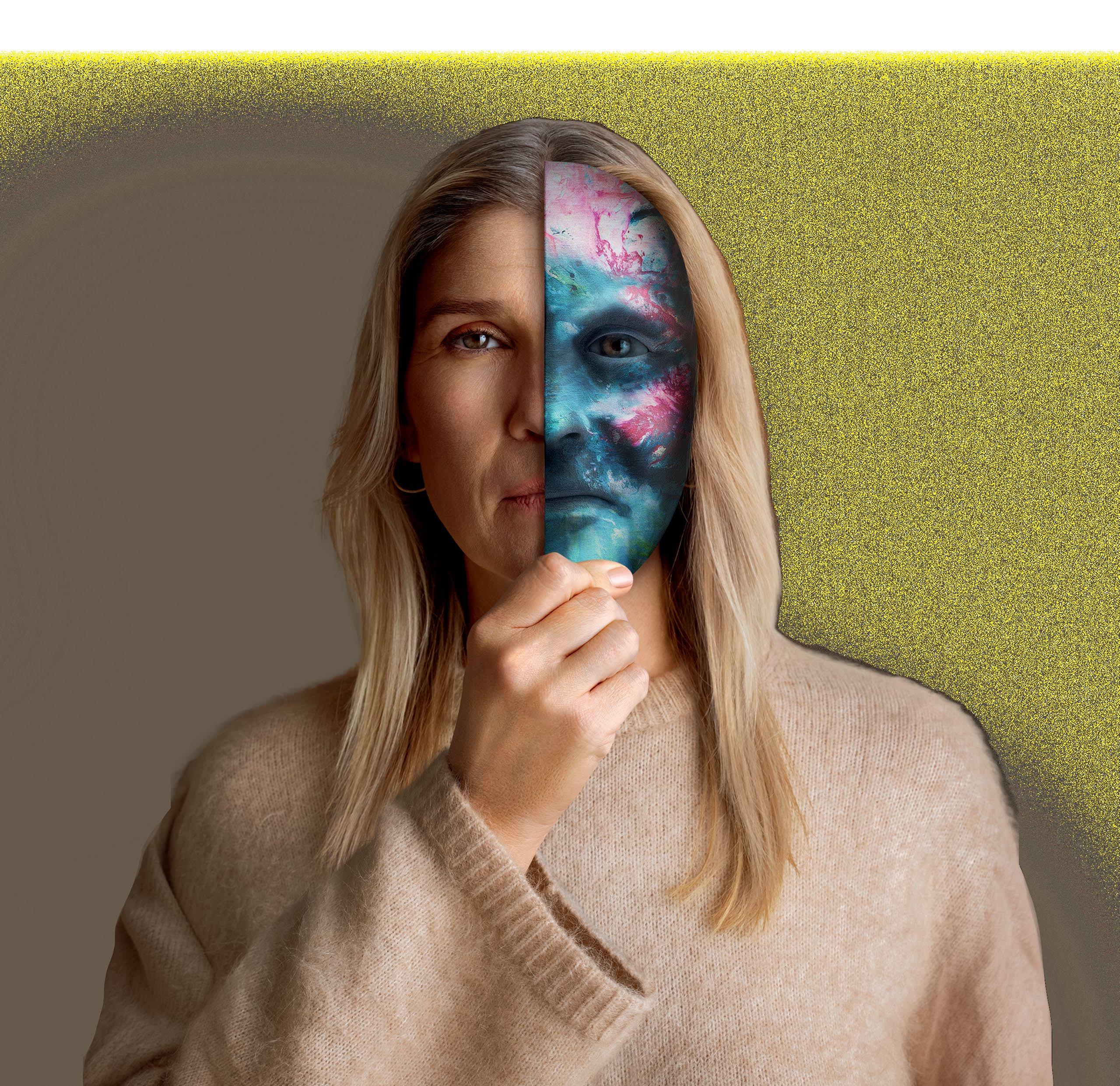
“When my stroke happened, I felt very left behind. I never want to feel
Stacie Broek Actual Stroke Survivor
While some effects of a stroke are visible, fear of a second stroke lingers unseen in the minds of survivors. Six survivors have shared their stories to make their invisible struggle visible.