August
Houston

Industry Therapeutic Update from argenx
August
Houston
Saturday, August 8; 7:00–8:00 am CDT Texas Ballroom Salon H, Marriott Marquis Houston, Houston, Texas
Doors will open at 6:30 am − Breakfast will be served
Join us at the 2026 AAN Autoimmune Neurology Conference and learn more about the central role of autoantibodies in myositis.
Expert faculty will review the complex and heterogeneous pathophysiology of this group of diseases, with a focus on the role of autoantibodies in diagnosis and prognosis. The session will also examine the contribution of IgG autoantibodies to myositis pathogenesis and how these mechanistic insights are being investigated to support the potential of FcRn blockade as a targeted therapeutic approach.


Arjun Seth, MD
Assistant Professor, Division of Neuromuscular Medicine; Co-Director, Myositis Program
Northwestern University Feinberg School of Medicine Chicago, IL, USA
Eleni Tiniakou, MD
Associate Professor, Division of Rheumatology; Co-Director, Myositis Program
UTHealth Houston McGovern Medical School Houston, TX, USA
Save the date to your calendar!

Visit medical booth #404 or argenxmedical.com to learn more about argenx’s ongoing commitment to patients and the latest updates to our pipeline.
AAN, American Academy of Neurology; FcRn, neonatal fragment crystallizable receptor; FDA, US Food and Drug Administration; Ig, immunoglobulin.
This program is NOT accredited for continuing education by any organization. Additionally, Industry Therapeutic Updates program content and the views expressed herein are those of the presenting corporate entity and not of the AAN.
These programs are not an official part of the 2026 Autoimmune Neurology Congress education or scientific programs, nor are they endorsed by the AAN. The AAN cannot affirm claims pertaining to FDA off-label medication, research use of pre - FDA drugs, or other research information that might be discussed. Industry Therapeutic Updates are industry events.
MED-US-EFG-2600111 v1 | June 2026 © 2026 argenx. All rights reserved.
For handy access to most of the links mentioned below and to download your certificate of attendance, visit AAN.com/ANCQuickLinks .
Note: You will need to use the email address associated with your conference registration to access and download your certificate of attendance
Wifi Network: Marquis_Conference Password: AAN26
Download the AAN Conferences mobile app for the most accurate, up-to-the-minute information . Enjoy a seamless experience between the mobile app and online platform, which also allows you to revisit past sessions .


Conference attendees have access to content through August 24, 2026 Visit AAN.com/ANCOnline and use your 6-digit ID and password to log in to the online platform or view content on the AAN Conferences mobile app . It may take up to 48 hours after session completion for content to become available .
Add Autoimmune Neurology Conference On Demand to your registration to extend your access to session recordings through May 1, 2027, at up to 55% savings Check the back of your badge to see if you already have Autoimmune Neurology Conference On Demand . If not, head to registration or go online to corereg.cmrus.com/aananc by August 24, 2026, to purchase at the discounted rate .
Get your question answered by a speaker in real time Join the discussion by logging into the AAN Conferences mobile app or online platform and navigating to the session you’d like to participate in Select the ‘Q&A’ button at the top of the page and join the discussion!
Materials are available through May 1, 2027, at AAN.com/Slides, or through the online platform or AAN Conferences mobile app Availability of materials is at the discretion of the specific speaker . Not all sessions will have materials .
Claim CME credits by August 24, 2026 (or May 1, 2027, with Autoimmune Neurology Conference On Demand) by using the AAN Conferences mobile app or by visiting AAN.com/CME . Transcripts will be available upon evaluation submission . AAN members can also access their transcript via NeuroTracker™ at AAN.com/NeuroTracker .

A light breakfast will be provided daily 30 minutes before the start of the first course . Lunch and coffee break times and locations are noted in the schedule .
A private room for nursing, pumping, and/or praying is available for use during the conference . Visit Registration for access .
Complete meeting policies are posted at AAN.com/EventGuidelines
The American Academy of Neurology Institute (AANI) is accredited by the Accreditation Council for Continuing Medical Education (ACCME) to provide continuing medical education for physicians .
The American Academy of Neurology Institute (AANI), a subsidiary of the AAN, designates this live activity for a maximum of 42 AMA PRA Category 1 Credit(s)™ . Physicians should claim only the credit commensurate with the extent of their participation in the activity
Learn about the latest advancements in products and services enhancing the lives of neurology patients and their care providers
Attend the Exhibit Hall Break on Friday to network with colleagues and make new connections!
Remember to complete your exhibit hall passport by visiting the participating booths and entering the drawing to win prizes












References: 1. Merino-Ramírez MÁ, Bolton CF. Review of the diagnostic challenges of Lambert-Eaton syndrome revealed through three case reports. Can J Neurol Sci. 2016;43(5):635-647. 2. Titulaer MJ, Lang B, Verschuuren JJ. Lambert-Eaton myasthenic syndrome: from clinical characteristics to therapeutic strategies. Lancet Neurol. 2011;10(12):1098-1107. 3. Kesner VG, Oh SJ, Dimachkie MM, Barohn RJ. Lambert-Eaton myasthenic syndrome. Neurol Clin. 2018;36(2):379-394. 4. Wirtz PW, Smallegange TM, Wintzen AR, Verschuuren JJ. Differences in clinical features between the Lambert-Eaton myasthenic syndrome with and without cancer: an analysis of 227 published cases. Clin Neurol Neurosurg. 2002;104(4):359-363. 5. Titulaer M, Wirtz PW, Willems LNA, et al. Screening for small-cell lung cancer: a follow-up study of patients with Lambert-Eaton myasthenic syndrome. J Clin Oncol. 2008; 26(26):4276-4281.


LEMSawareHCP.com

When your patients test negative for acetylcholine receptor (AChR) antibodies,
Seronegative results are a critical call for a second look
LEMS is a rare neuromuscular disorder with symptoms that overlap with myasthenia gravis (MG). However, LEMS can be distinguished by autonomic symptoms, including dry mouth, constipation, and orthostatic hypotension. Distinguishing LEMS is critical as up to 60% of cases are associated with an underlying malignancy—most commonly small cell lung cancer (SCLC).1-5


Take the next step toward diagnostic clarity with an anti-voltage-gated calcium channel (anti-VGCC) antibody and/or electrodiagnostic test.1


Anti-VGCC antibody* tests can reveal LEMS in up to 90% of cases1,2 90%
*PQ-type VGCC antibodies.

Scan the QR code



Learn how to distinguish LEMS in your patients and access a free VGCC antibody test.

FRIDAY, AUGUST 7
Texas E | 8:00 a m -9:45 a m
Autoimmune Neurology Updates
Texas E | 10:00 a m -11:00 a m
Myasthenia Gravis: Pathophysiology to Effective Treatments
C3
Texas E | 11:05 a m -11:45 a m
Keynote: The Glymphatic System
p.m.
C4 Neuro-rheumatology
Texas E | 1:15 p .m .-3:00 p .m .
p.m. 3:00 p.m. 4:00 p.m. 5:00 p.m. 6:00 p.m. 7:00 p.m.
C7
Texas E | 4:30 p .m .-5:10 p .m .
Keynote: Paraneoplastic Neurological Syndromes
C8 Case Studies
Texas E | 5:30 p .m .-7:00 p .m .
Hall
and Poster Hall Lunch
Hall Break Texas C | 11:45 a .m .-4:30 p .m . Texas C | 11:45 a .m .-1:15 p .m . Texas C | 3:00 p m -4:30 p m
Poster Session 1
Inflammatory Myopathies and Autoimmune Neuromuscular Junction Disorders
Genetics and Neurological Autoimmunity Industry
Poster Session 2
AUGUST 8
Aquaporin-4 Antibody Positive Neuromyelitis Optica Spectrum Disease (NMOSD) C10
Demyelinating Neuropathies C12
MOG-antibody Associated Disease C13 Other Inflammatory Neuropathies
C15
Clinical Approach to Suspected Myelopathy C16 Autoimmune Movement Disorders C18
Texas G | 7:30 a m -9:15 a m
Autoimmune and Infectious Encephalitis and Acute Seizures
Texas G | 9:30 a m -11:15 a m
Autoimmune Encephalitis: Pathophysiology to Treatment
Texas H | 7:00 a m -8:00 a m
Industry Therapeutic Update from argenx
Texas H | 12:15 p m -1:15 p m
Industry Therapeutic Update from Amgen
P3
Texas C | 11:30 a .m .-12:30 p .m .
Poster Session 3
Texas G | 12:45 p .m .-2:30 p .m .
C17
Cancer-associated Neurological Autoimmunity
Texas G | 2:45 p m -4:30 p m
C20
CAR-T Cell Therapies and Neurology


7:30 a.m.–8:30 a.m.
Breakfast
Location: Texas Foyer
8:00 a.m.–9:45 a.m.
Location: Texas E
1.75
Learning Objectives: Participants should be able to summarize recent advances in the diagnosis and management of autoimmune encephalitis, apply current evidencebased approaches to the evaluation and treatment of MOGAD and NMOSD, recognize key diagnostic and therapeutic considerations for autoimmune disorders of the peripheral nervous system, evaluate emerging developments in the diagnosis and management of neuroinfectious diseases, and incorporate recent clinical updates across autoimmune and neuroinfectious neurological disorders into patient care .
Moderators:
Sean J. Pittock, MD, FAAN, Rochester, MN
Marianna Spatola, MD, PhD, FAAN, Barcelona, Spain
Lecture/Faculty:
8:00 a.m.–8:10 a.m.
Welcome
Anastasia Zekeridou, MD, PhD, FAAN, Rochester, MN
Eoin P. Flanagan, MBBCh, FAAN, Rochester, MN
Stacey Clardy, MD, PhD, FAAN, Salt Lake City, UT
8:10 a.m.–8:30 a.m.
Autoimmune Encephalitis Update
Amy Kunchok, MBBS, Cleveland, OH
8:30 a.m.–8:50 a.m.
MOGAD-NMO Update
Jeffrey L. Bennett, MD, PhD, FAAN, Aurora, CO
8:50 a.m.–9:10 a.m.
Peripheral Nervous System Autoimmunity Update
Amanda C. Peltier, MD, MS, Nashville, TN
9:10 a.m.–9:30 a.m.
Neuroinfectious Disease Update
Prashanth S. Ramachandran, Jr., MBBS, Melbourne, VIC, Australia
9:30 a.m.–9:45 a.m.
Q&A
Anastasia Zekeridou, MD, PhD, FAAN, Rochester, MN
Eoin P. Flanagan, MBBCh, FAAN, Rochester, MN
Stacey Clardy, MD, PhD, FAAN, Salt Lake City, UT
Amy Kunchok, MBBS, Cleveland, OH
Jeffrey L. Bennett, MD, PhD, FAAN, Aurora, CO
Prashanth S. Ramachandran, Jr., MBBS, Melbourne, VIC, Australia
Amanda C. Peltier, MD, MS, Nashville, TN
9:45 a.m.–10:00 a.m.
Break
Location: Texas Foyer
10:00 a.m.–11:00 a.m.
Location: Texas E
Learning Objectives: Participants should be able to describe the pathophysiology of myasthenia gravis, discuss the relationship between disease mechanisms and the development of targeted therapies, and apply current treatment strategies for patients with myasthenia gravis
Moderators:
Pushpa Narayanaswami, MD, MBBS, FAAN, Boston, MA
Lecture/Faculty:
10:00 a.m.–10:25 a.m.
Myasthenia Gravis: Understanding the Pathophysiology
Kevin C. O’Connor, PhD, New Haven, CT
10:25 a.m.–10:50 a.m.
From Pathophysiology Insights to Approved Treatments
James F. Howard, Jr., MD, FAAN, Chapel Hill, NC
10:50 a.m.–11:00 a.m.
Q&A
Kevin C. O’Connor, PhD, New Haven, CT
James F. Howard, Jr., MD, FAAN, Chapel Hill, NC
Friday, August 7
11:05 a.m.–11:45 a.m.
C3: Keynote: The Glymphatic System 0.75
Location: Texas E
Learning Objectives: Participants should be able to describe the structure and function of the glymphatic system and its role in central nervous system homeostasis; discuss emerging evidence regarding the glymphatic system’s involvement in neurological health and disease; and recognize the potential implications of glymphatic system research for future neurological diagnosis, treatment, and prevention strategies
Moderators:
Jenny Linnoila, MD, PhD, Pittsburgh, PA
Vanda Lennon, MD, PhD, Rochester, MN
Lecture/Faculty:
11:05 a.m.–11:45 a.m.
The Glymphatic System
Jeffrey Iliff, PhD, Seattle, WA
Exhibit Presentation from UCB
11:45 a.m.–4:30 p.m.
Exhibit Hall
Location: Texas C
11:45 a.m.–1:15 p.m.
Exhibit and Poster Hall Lunch
Location: Texas C
12:00 p.m.–1:00 p.m.
P1: Poster Session 1
Location: Texas C
Explore the key signs, symptoms, and diagnostic challenges of MOG antibody–associated disease and learn how early recognition can change patient outcomes.
Friday August 7, 2026
Ballroom A-D 2:30 pm CDT
Exhibitor Presentation Stage

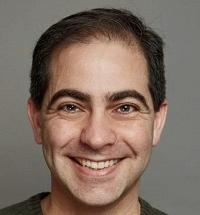
Featuring Professor Michael Levy, MD, PhD
Associate Professor, Harvard Medical School Director, Neuroimmunology Clinic and Research Laboratory
Department of Neurology, Massachusetts General Hospital


1:15 p.m.–3:00 p.m.
Location: Texas E
Learning Objectives: Participants should be able to recognize the clinical presentations, diagnostic approaches, and neurological complications associated with systemic vasculitis, IgG4-related disease, systemic lupus erythematosus (SLE), and Sjögren’s syndrome; differentiate key neurological manifestations of rheumatologic diseases and apply appropriate diagnostic strategies to facilitate timely and accurate diagnosis; and evaluate current and emerging treatment approaches for neurorheumatologic disorders and integrate evidence-based management strategies into clinical practice
Moderators:
Shamik Bhattacharyya, MD, FAAN, Boston, MA
Melissa A. Wright, MD, Salt Lake City, UT
Lecture/Faculty:
1:15 p.m.–1:42 p.m.
Neurological Manifestations of Vasculitis (Central and Peripheral Nervous System)
Jeffrey M. Gelfand, MD, MS, FAAN, San Francisco, CA
1:42 p.m.–2:09 p.m.
Neurological Manifestations of Systemic Lupus
Erythematosus (SLE) and Sjögren’s Syndrome
Mayra Montalvo Perero, MD, Gainesville, FL
2:09 p.m.–2:36 p.m.
IgG4 Disease Updates for the Neurologist
Bart Chwalisz, MD, Boston, MA
2:36 p.m.–2:46 p.m.
Clinical Utility of [F18] FDG-PET Imaging in the Diagnosis and Treatment of Neurological IgG4-related Disease
Akshara Balachandra, MD, San Jose, CA
2:46 p.m.–2:56 p.m.
Disease Activity Independently Correlates with Cognitive Impairment in SLE
Steven Bieser, MD, Chicago, IL
1:15 p.m.–3:00 p.m.
Location: Texas F
1.75
Learning Objectives: Participants should be able to identify the clinical features, electrophysiologic findings, and serologic markers that aid in the diagnosis of neuromuscular junction disorders and inflammatory myopathies; apply current diagnostic criteria and testing strategies to differentiate inflammatory myopathies from other causes of muscle weakness and neuromuscular dysfunction; and evaluate evidence-based treatment options for inflammatory myopathies, including immunomodulatory therapies, and develop individualized management plans based on disease subtype, severity, and patientspecific factors .
Moderators:
Thomas E. Lloyd, MD, PhD, Houston, TX
Ericka P. Greene, MD, FAAN, Houston, TX
Lecture/Faculty:
1:15 p.m.–1:42 p.m.
Neuromuscular Junction Disorders Diagnosis
Suur Biliciler, MD, Houston, TX
1:42 p.m.–2:09 p.m.
Inflammatory Myopathy Diagnosis
Andrew Mammen, MD, PhD, Bethesda, MD
2:09 p.m.–2:36 p.m.
Inflammatory Myopathy Treatment Considerations
Anthony A. Amato, MD, FAAN, Boston, MA 2:36 p.m.–2:46 p.m.
Sustained Minimal Symptom Expression in Generalised Myasthenia Gravis: A 120-week Post Hoc Analysis of RAISE-XT
Mariko Kobayashi, PhD, Smyrna, GA 2:46 p.m.–2:56 p.m.
Safety and Efficacy of Claseprubart, an Active C1s Inhibitor, in Patients with Generalized Myasthenia Gravis
Tuan H. Vu, MD, Tampa, FL
1:15 p.m.–3:00 p.m.
C6: Genetics and Neurological Autoimmunity 1.75
Location: Texas G
Learning Objectives: Participants should be able to recognize the clinical, radiologic, and genetic features of adult-onset genetic central nervous system disorders, including leukodystrophies, that may mimic acquired neuroinflammatory diseases; differentiate neurological manifestations of autoinflammatory syndromes, inborn errors of immunity, and autoimmune neurological disorders to improve diagnostic accuracy and guide appropriate testing; and apply current evidence regarding the evaluation and management of neurological complications associated with genetic and immune-mediated disorders, including CTLA-4–related disease and other disorders of immune tolerance .
Moderators:
Jennifer L. Orthmann Murphy, MD, PhD, Philadelphia, PA
Lecture/Faculty:
1:15 p.m.–1:42 p.m.
Adult-onset Genetic Central Nervous System Disorders Mimicking Acquired Neuroinflammatory Disorders (Focus on Leukodystrophies)
Giulia S. Porcari, MD, Philadelphia, PA 1:42 p.m.–2:09 p.m.
Neurological Presentations of Autoinflammatory Syndromes
Ariane Soldatos, MD, FAAN, Bethesda, MD 2:09 p.m.–2:36 p.m.
Inborn Errors of Immunity Related to Tolerance and Immunodeficiencies: Neurological Manifestations (Focus on CTLA-4)
Grace Gombolay, MD, FAAN, Atlanta, GA 2:36 p.m.–2:46 p.m.
Genetic and Associated Clinical Features of Anti-NMDAR Encephalitis: A Large Multi-ethnic Genome-wide Study
Bruna de Freitas Dias, MD, Mountain View, CA 2:46 p.m.–2:56 p.m.
Relapsing CNS-restricted Autoinflammatory Demyelination Due to Complement Factor I Deficiency: A Diagnostic Odyssey in Seronegative Neuroinflammation
Ning Zhong, MD, Sacramento, CA
E. Ann Yeh, MD, MA, FRCPC, Toronto, ON, Canada Industry Therapeutic Update From Kyverna Therapeutics: Miv-cel CD19 CAR T: Advancing the Treatment of Neurologic Autoimmune

Marinos Dalakas, MD, PhD Professor, Neurology Director, Neuromuscular Division and Clinical Neuroimmunology
Thomas Jefferson University
Friday, August 7, 5:30-6:30 pm CT
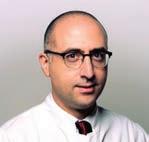
Dimitrios Mougiakakos, MD Director, Department of Hematology, Oncology, and Cell Therapy University of Magdeburg
Don’t miss this expert-led update on the growing clinical evidence supporting CD19 CAR T-cell therapy in B cell-driven neurologic autoimmune diseases.
Visit booth 601 to learn more about miv-cel (KYV-101).
2:30 p.m.–2:50 p.m.
Exhibitor Presentation Stage
Location: Texas C
Learning Objectives: Presentation by UCB: MOGAD: Uncovering the Clinical Clues . Explore the key signs, symptoms, and diagnostic challenges of MOG antibody–associated disease and learn how early recognition can change patient outcomes
Speaker: Michael Levy, MD, PhD, FAAN
3:00 p.m.–4:00 p.m.
P2: Poster Session 2
Location: Texas C
3:00 p.m.–4:30 p.m.
Exhibit and Poster Hall Break
Location: Texas C
4:30 p.m.–5:10 p.m.
C7: Keynote: Paraneoplastic Neurological Syndromes 0.75
Location: Texas E
Learning Objectives: Participants should be able to describe major advances in the understanding of paraneoplastic neurological syndromes that have emerged over the past four decades; discuss key discoveries related to the immunopathogenesis, antibody characterization, and cancer associations of paraneoplastic neurological syndromes and their impact on clinical practice; and apply lessons learned from decades of research to improve the recognition, diagnosis, and management of patients with suspected paraneoplastic neurological syndromes
Moderators:
Romana Hoeftberger, Wien, Austria
Amy M. Quek, MBBS, Singapore, Singapore
Lecture/Faculty:
4:30 p.m.–5:10 p.m.
Paraneoplastic Neurological Syndromes: Key Lessons from Four Decades of Research
Francesc R. Graus, MD, Barcelona, Spain
5:10 p.m.–5:30 p.m.
Break
Location: Texas Foyer
Friday, August 7
5:30 p.m.–6:30 p.m.
Industry Therapeutic Update from Kyverna Therapeutics: Miv-cel CD19 CAR T: Changing Paradigms in Neurologic Autoimmune Disease Care
Location: Texas H
Learning Objectives: This symposium will examine the rationale for CD19-directed CAR T-cell therapies in B cell–driven neurologic autoimmune diseases . Attendees will review emerging clinical data from miv-cel (mivocabtagene autoleucel, formerly KYV-101), an investigational CD19 CAR T-cell therapy, and discuss key considerations relevant to CAR T-cell therapy in neuroautoimmune populations, with a focus on stiff person syndrome and myasthenia gravis
5:30 p.m.–7:00 p.m.
Location: Texas E
1.5
Learning Objectives: Participants should be able to apply clinical reasoning skills to evaluate patients presenting with suspected autoimmune neurological disorders; interpret diagnostic findings, including neuroimaging, laboratory studies, and antibody testing, to distinguish autoimmune neurological diseases from alternative diagnoses; and develop evidence-based diagnostic and treatment strategies for complex autoimmune neurology cases based on current clinical knowledge and expert discussion .
Moderators:
Anastasia Zekeridou, MD, PhD, FAAN, Rochester, MN
Eoin P. Flanagan, MBBCh, FAAN, Rochester, MN
Stacey Clardy, MD, PhD, FAAN, Salt Lake City, UT
Lecture/Faculty:
5:30 p.m.–5:45 p.m.
Case #1
Denis T. Balaban, MD, Boston, MA
5:45 p.m.–6:00 p.m.
Chasing the Mismatch
Max Herman, MD, Jacksonville, FL
6:00 p.m.–6:15 p.m.
Case #3
Sydney Lee, MD, Salt Lake City, UT
6:15 p.m.–6:30 p.m.
Case #4
Kristin M. Galetta, MD, Palo Alto, CA
6:30 p.m.–6:45 p.m.
Case #5
Nisa Vorasoot, MD, Khon Kaen, Thailand
6:45 p.m.–7:00 p.m.
Case #6
Naveen K. Paramasivan, MD, Rochester, MN
Friday, August 7
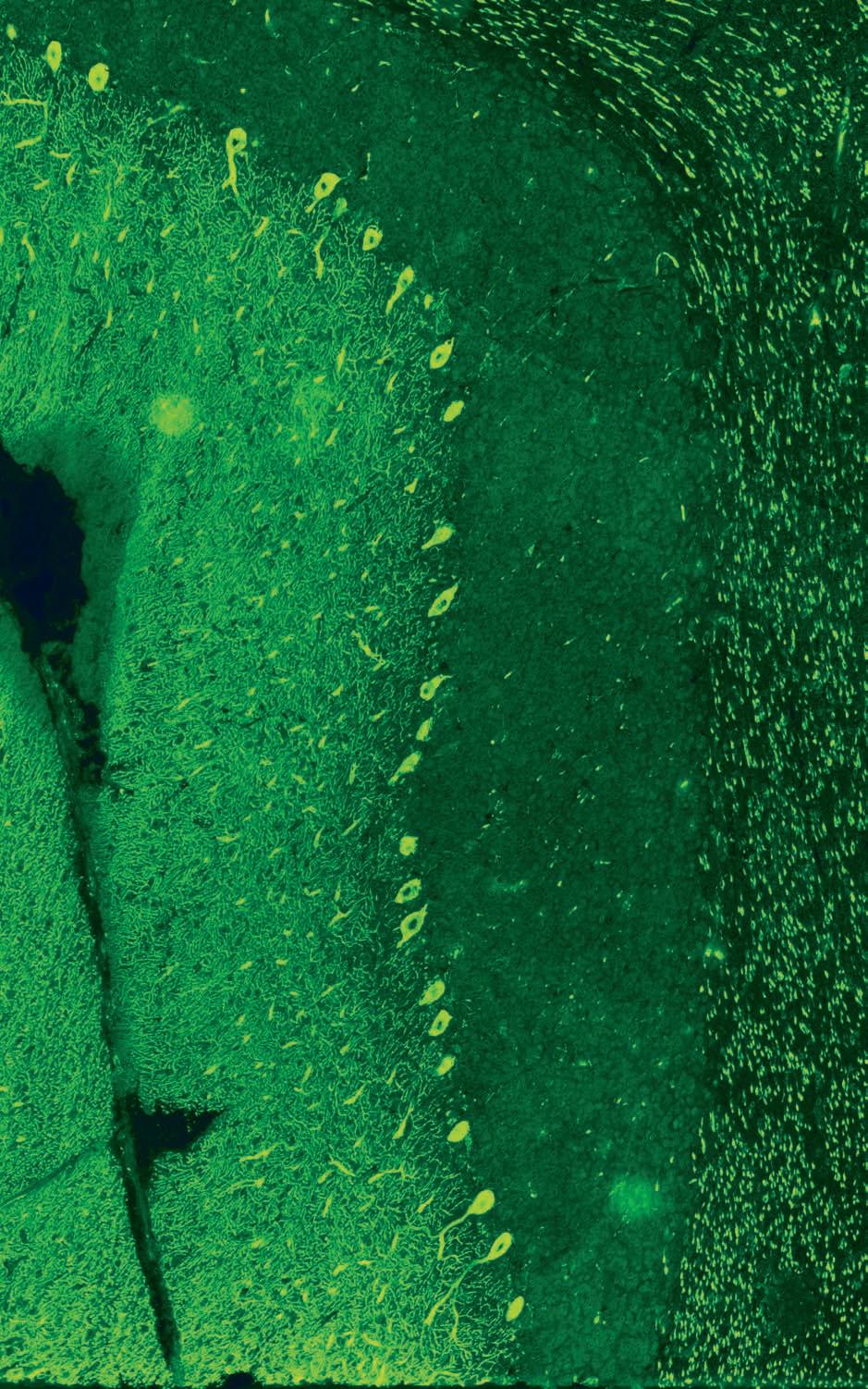

ARUP Laboratories’ phenotype-specific panels only include the antibodies associated with particular clinical phenotypes to better support your clinical decision-making.




















Provide your patients with tailored solutions by trusted experts: aruplab.com/phenotype-specific-panels



7:00 a.m.–8:00 a.m.
Breakfast
Location: Texas Foyer
7:00 a.m.–8:00 a.m.
Industry Therapeutic Update from argenx: New frontiers in myositis: From autoantibodies to FcRn blockade
Location: Texas H
Learning Objectives: Expert faculty will review the complex and heterogeneous pathophysiology of this group of diseases, with a focus on the role of autoantibodies in diagnosis and prognosis The session will also examine the contribution of IgG autoantibodies to myositis pathogenesis and how these mechanistic insights are being investigated to support the potential of FcRn blockade as a targeted therapeutic approach .
7:30 a.m.–9:15 a.m.
Location: Texas E
Learning Objectives: Participants should be able to describe the immunopathogenesis of Aquaporin-4 (AQP4-IgG) antibody–positive Neuromyelitis optica spectrum disorder, including the role of complement-mediated astrocytopathy; apply current diagnostic criteria for NMOSD, including appropriate use and interpretation of AQP4-IgG testing, MRI findings, and supportive clinical features; differentiate NMOSD from multiple sclerosis and other inflammatory, infectious, and vascular myelopathies based on clinical presentation, imaging, and serologic profiles; evaluate acute attack management strategies for NMOSD, including first-line use of high-dose corticosteroids, plasma exchange, and escalation approaches in refractory disease; and develop evidencebased long-term treatment plans for AQP4-IgG–positive NMOSD, incorporating recently approved complement inhibitors and other targeted immunotherapies, while
balancing relapse prevention and safety considerations .
Moderators:
Marcelo Matiello, MD, FAAN, Boston, MA
Mallory Lowe, MD, Denver, CO
Lecture/Faculty:
7:30 a.m.–7:57 a.m.
Diagnosis and Updated Criteria
Dean M. Wingerchuk, MD, FAAN, Scottsdale, AZ
7:57 a.m.–8:24 a.m.
Treatment Approach
Bruce A. Cree, MD, PhD, MAS, FAAN, San Francisco, CA
8:24 a.m.–8:51 a.m.
Cases
Kelsey Poisson, MD, Columbus, OH
8:51 a.m.–9:01 a.m.
Real-world Clinical Outcomes with Eculizumab and Ravulizumab in Anti–Aquaporin-4 Antibody–Positive (AQP4-Ab+) Neuromyelitis Optica Spectrum Disorder (NMOSD): Results From the Global NMO SPOTLIGHT Registry
Dan Case, Mississauga, ON, Canada
9:01 a.m.–9:11 a.m.
2025 U.S. Update of Meningococcal Infection Incidence & Outcomes in Eculizumab or Ravulizumab Patients with Generalized Myasthenia Gravis or Neuromyelitis Optica Spectrum Disorder in Clinical Practice
Ukwen Akpoji, PharmD, Boston, MA
7:30 a.m.–9:15 a.m.
C10: Demyelinating Neuropathies
Location: Texas F
Learning Objectives: Participants should be able to describe the pathophysiology of Acute Inflammatory Demyelinating Polyneuropathy (AIDP) and Chronic Inflammatory Demyelinating Polyneuropathy (CIDP); differentiate AIDP from CIDP using clinical features, electrodiagnostic studies, and supportive diagnostic testing; apply a systematic diagnostic approach to inflammatory demyelinating polyneuropathies and recognize common mimics; select appropriate acute treatments for AIDP, including IVIG and plasma exchange, and identify patients at risk for complications; and develop evidence-based long-term treatment strategies for CIDP, including immunotherapies and monitoring response to therapy

Moderators:
Carlayne E. Jackson, MD, FAAN, San Antonio, TX
Divyanshu Dubey, MD, FAAN, Rochester, MN
Lecture/Faculty:
7:30 a.m.–7:57 a.m.
Acute Inflammatory Demyelinating Polyneuropathy (AIDP)/Chronic Inflammatory Demyelinating Polyneuropathy (CIDP): Diagnostic Approach
Georgette Dib, MD, Cleveland Heights, OH
7:57 a.m.–8:24 a.m.
Acute Inflammatory Demyelinating Polyneuropathy (AIDP)/Chronic Inflammatory Demyelinating Polyneuropathy (CIDP): Treatment
Bing Liao, MD, MSc, Houston, TX
8:24 a.m.–8:51 a.m.
Autoimmune Nodopathies
Eric Lancaster, MD, PhD, Philadelphia, PA
8:51 a.m.–9:01 a.m.
A Clinical Score to Distinguish Autoimmune
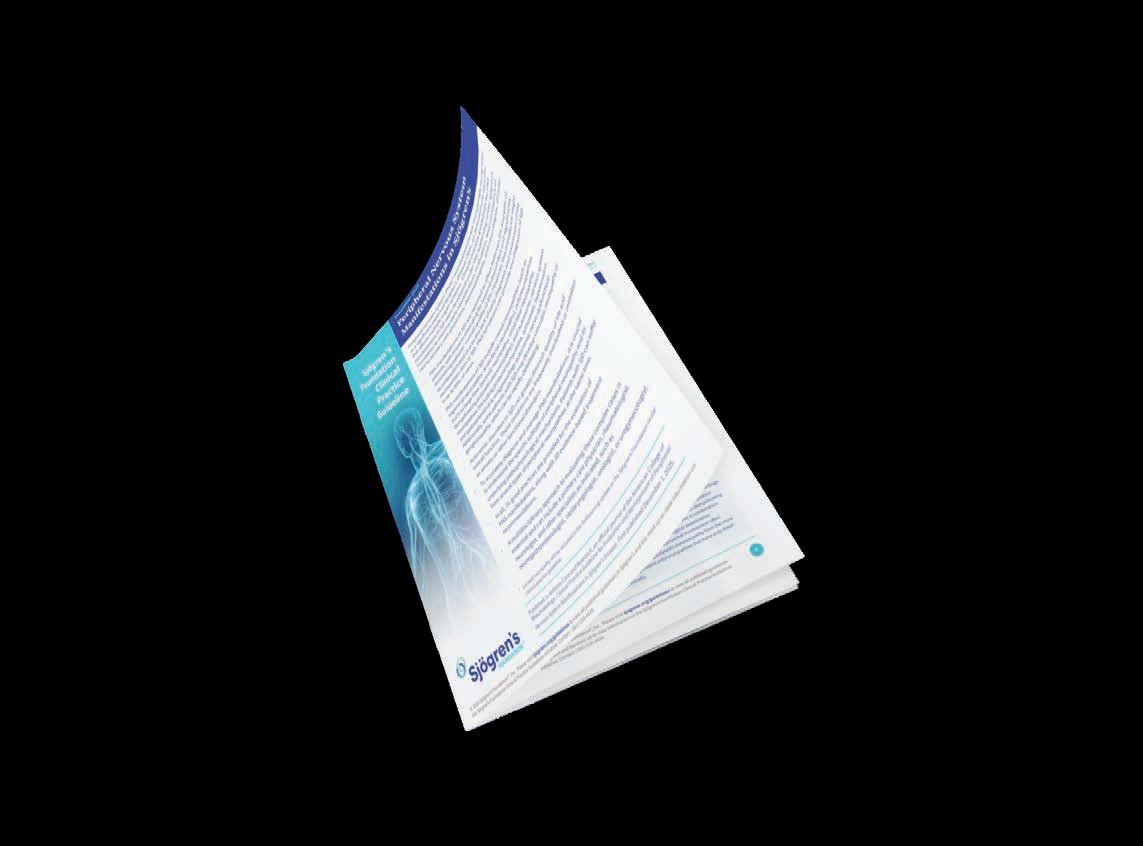
Learn more about evidence-based recommendations for the evaluation and management of PNS manifestations in Sjögren's disease.
7:30 a.m.–9:15 a.m.
Location: Texas G
9:15 a.m.–9:30 a.m.
1.75
Learning Objectives: Participants should be able to describe key clinical, CSF, imaging, and antibody features of autoimmune encephalitis and infectious encephalitides; differentiate autoimmune and infectious causes of encephalitis and identify common diagnostic pitfalls and sources of misdiagnosis; apply an evidencebased diagnostic approach to suspected encephalitis, including appropriate use of laboratory, imaging, and EEG studies; outline current management strategies for infectious encephalitis and autoimmune encephalitis, including timely antimicrobial and immunotherapy use; and summarize updates in the evaluation and treatment of new-onset refractory status epilepticus (NORSE), including consideration of underlying etiologies .
Moderators:
Michael R. Wilson, MD, FAAN, San Francisco, CA
Philippe-Antoine Bilodeau, MD, Boston, MA
Lecture/Faculty:
7:30 a.m.–7:57 a.m.
Autoimmune Encephalitis Diagnosis and Misdiagnosis
Maarten J. Titulaer, MD, PhD, FAAN, Rotterdam, Netherlands
7:57 a.m.–8:24 a.m.
Infectious Encephalitides
Kiran Thakur, MD, FAAN, New York, NY
8:24 a.m.–8:51 a.m.
New Onset Refractory Status Epilepticus Updates
James J. Riviello, Jr., MD, Houston, TX
8:51 a.m.–9:01 a.m.
Neuropsychological Profile and Biomarker Correlates in GAD65-IgG Autoimmune Epilepsy
Andrea Stabile, MD, Rochester, MN
9:01 a.m.–9:11 a.m.
Antibody-innate Immune Interactions During HSV1 Infection Predict Severity and PostHSV Autoimmune Encephalitis
Marianna Spatola, MD, PhD, FAAN, Barcelona, Spain
Break
Location: Texas Foyer
9:30 a.m.–11:15 a.m.
Associated Disease
Location: Texas E
1.75
Learning Objectives: Participants should be able to describe the pathophysiology and immunologic basis of MOG-antibody associated disease (MOGAD); recognize the clinical phenotypes and diagnostic criteria used to identify MOGAD across age groups; differentiate MOGAD from related central nervous system demyelinating disorders, including NMOSD and multiple sclerosis; and apply current evidence-based strategies for the acute and long-term management of MOGAD, including relapse prevention .
Moderators:
E. Ann Yeh, MD, MA, FRCPC, Toronto, ON, Canada
Jodie Roberts, MD, MSc, FRCPC, Calgary, AB, Canada
Lecture/Faculty:
9:30 a.m.–9:57 a.m. Diagnostic Approach
Silvia Tenembaum, MD, Buenos Aires, Argentina 9:57 a.m.–10:24 a.m.
Clinical Trials and Current Treatment Controversies
Michael Levy, MD, PhD, FAAN, Boston, MA
10:24 a.m.–10:51 a.m.
MOGAD Immunobiology: What Do We Know?
Akash Virupakshaiah, MD, San Francisco, CA 10:51 a.m.–11:01 a.m.
Safety and Efficacy of Satralizumab in Patients with Relapsing Myelin
Oligodendrocyte Glycoprotein Antibodyassociated Disease (MOGAD): Results from the Phase 3 METEOROID Trial
Eoin P. Flanagan, MBBCh, FAAN, Rochester, MN
11:01 a.m.–11:11 a.m.
Interleukin-6 Receptor Blockade for Relapse-prevention in MOGAD: A Multicenter Observational Study Across the Americas
Andreu Vilaseca-Jolonch, MD, Rochester, MN
Saturday, August 8
9:30 a.m.–11:15 a.m.
Location: Texas F
1.75
Learning Objectives: Participants should be able to identify the clinical features and diagnostic approach to peripheral neuropathies associated with monoclonal gammopathies; recognize the presentation, evaluation, and underlying mechanisms of radiculoplexus neuropathies; describe key features of autoimmune autonomic disorders, including clinical manifestations and diagnostic testing strategies; and apply evidence-based approaches to the diagnosis and management of diverse inflammatory and immune-mediated peripheral neuropathies .
Moderators:
Rocio Vazquez Do Campo, MD, Birmingham, AL
Anthony A. Amato, MD, FAAN, Boston, MA
Lecture/Faculty:
9:30 a.m.–9:57 a.m.
Peripheral Neuropathies Associated with Monoclonal Gammopathies
Rebecca Traub, MD, FAAN, Chapel Hill, NC
9:57 a.m.–10:24 a.m.
Radiculoplexus Neuropathies
Marcus Vinicius R. Pinto, MD, Rochester, MN 10:24 a.m.–10:51 a.m.
Autoimmune Autonomic Disorders
Steven Vernino, MD, PhD, FAAN, Dallas, TX 10:51 a.m.–11:01 a.m.
Population-based Incidence, Prevalence, and Temporal Trends of Immune-mediated Neuropathies
Naveen K. Paramasivan, MD, Rochester, MN 11:01 a.m.–11:11 a.m.
Late-onset Neurological Immune-related Adverse Events Associated with Immune Checkpoint Inhibitors
Naga Pradyumna Kothapalli, MD, Mankato, MN
9:30 a.m.–11:15 a.m.
C14: Autoimmune Encephalitis: Pathophysiology to Treatment 1.75
Location: Texas G
Learning Objectives: Participants should be able to describe the immunologic mechanisms and pathophysiology underlying autoimmune encephalitis; recognize the clinical syndromes, diagnostic criteria, and key laboratory and imaging findings associated with autoimmune encephalitis; and apply current evidencebased approaches to the acute and long-term management of autoimmune encephalitis .
Moderators:
Maarten J. Titulaer, MD, PhD, FAAN, Rotterdam, Netherlands
Avi Gadoth, MD, Tel-Aviv, Israel
Lecture/Faculty:
9:30 a.m.–9:57 a.m.
Lessons from Pathology
Romana Hoeftberger, Wien, Austria 9:57 a.m.–10:24 a.m.
Experimental Models of Autoimmune Encephalitis Updates
Marianna Spatola, MD, PhD, FAAN, Barcelona, Spain 10:24 a.m.–10:51 a.m.
Current and Emerging Treatment Approaches
Amanda L. Piquet, MD, FAAN, Aurora, CO 10:51 a.m.–11:01 a.m.
Rituximab Improves Recovery Trajectories in Pediatric N-Methyl-D-Aspartate Receptor Encephalitis
Alexandra B. Kornbluh, MD, Washington, DC 11:01 a.m.–11:11 a.m.
Protein Kinase Signaling as a Downstream Target of Human Anti-NMDA Receptor Antibodies
David R. Benavides, MD, PhD, FAAN, Baltimore, MD
11:15 a.m.–12:45 p.m.
Exhibit and Poster Hall Lunch
Location: Texas C
11:30 a.m.–12:30 p.m.
P3: Poster Session 3
Location: Texas C
Consider referring your patient to an interventional phase 3 study.
* The Investigational study drug is not approved by any regulatory agency

Investigational Study Drug* vs IVIg
Investigational Study Drug* vs Placebo
Saturday, August 8
12:15 p.m.–1:15 p.m.
Industry Therapeutic Update from Amgen: Management of gMG and NMOSD Patients with Clinical Evidence Informing Treatment Strategies and Patient Care
Location: Texas H
Learning Objectives: Join us for a presentation on the management of gMG and NMOSD This session will review the mechanistic rationale and clinical evidence informing treatment strategies and patient care .
12:45 p.m.–2:30 p.m.
Location: Texas E
Learning Objectives: Participants should be able to identify key diagnostic features of autoimmune and inflammatory myelopathies; distinguish inflammatory myelopathies from noninflammatory mimics; and select appropriate diagnostic and treatment approaches for infectious and inflammatory myelopathies
Moderators:
Benjamin M. Greenberg, MD, FAAN, Dallas, TX
Paula Barreras, MD, Los Angeles, CA
Lecture/Faculty:
12:45 p.m.–1:12 p.m.
Autoimmune/Inflammatory Myelopathies
Kyle M. Blackburn, MD, Dallas, TX
1:12 p.m.–1:39 p.m.
Inflammatory Myelopathy Mimics
Justin Abbatemarco, MD, Beachwood, OH
1:39 p.m.–2:06 p.m.
Infectious Myelopathies
Michel Toledano, MD, Rochester, MN
2:06 p.m.–2:16 p.m.
Long-term Follow-up of Patients with Myelopathy: A Monocentric Experience at a Specialized Center
Patricia I. Redondo, Baltimore, MD
2:16 p.m.–2:26 p.m.
Age and Initial Attack Type Shape Patterns of Attack Type Recurrence in Relapsing MOGAD
Mulan Jiang, Cambridge, MA
12:45 p.m.–2:30 p.m.
C16: Autoimmune Movement Disorders 1.75
Location: Texas F
Learning Objectives: Participants should be able to recognize the clinical features, diagnostic criteria, and pathophysiologic mechanisms of autoimmune movement disorders, including IgLON5 disease and stiff-person spectrum disorders; differentiate autoimmune movement disorders from neurodegenerative, functional, infectious, and other neurological conditions that may present with abnormal movements; and apply evidence-based diagnostic and treatment strategies for patients with suspected autoimmune movement disorders, incorporating current advances in antibody testing, neuroimaging, and immunotherapy .
Moderators:
Andrew McKeon, MD, Rochester, MN
Orna O’Toole, MB, BCh, BAO MD, Cork, Ireland
Lecture/Faculty:
12:45 p.m.–1:12 p.m.
From IgLON5 Autoimmunity to Dementia: At the Overlap of Neuroinflammation and Neurodegeneration
Harald Pruess, Berlin, Germany
1:12 p.m.–1:39 p.m.
Diagnosis, Immunobiology, and Therapeutics of Stiff Person Syndrome and GAD-antibody Autoimmune Neuronal Hyperexcitabilities
Marinos C. Dalakas, MD, FAAN, Philadelphia, PA
1:39 p.m.–2:06 p.m.
Approach to Autoimmune Movement Disorder Diagnosis: How Does It All Shake Out?
Bettina Balint, MD, Zurich, Switzerland
2:06 p.m.–2:16 p.m.
Miv-cel CD19 CAR T-Cell Therapy Shows Efficacy and Safety in Stiff Person Syndrome in a Pivotal, Multicenter, Phase 2 Study (KYSA-8)
Amanda L. Piquet, MD, FAAN, Aurora, CO
2:16 p.m.–2:26 p.m.
International Delphi Survey of Clinical Practice in Stiff Person Syndrome and Related Disorders: Terminology and Diagnosis
Yoji Hoshina, MD, Cambridge, MA
12:45 p.m.–2:30 p.m.
C17: Cancer-associated Neurological Autoimmunity 1.75
Location: Texas G
Learning Objectives: Participants should be able to identify clinical features of paraneoplastic neurological syndromes and immune checkpoint inhibitorassociated neurological complications; apply a diagnostic approach to patients with suspected cancer-associated neurological autoimmunity; and implement evidence-based treatment strategies for paraneoplastic and immune-mediated neurological disorders in patients with cancer
Moderators:
Shailee S. Shah, MD, Lisle, IL
Bianca Santomasso, MD, New York, NY
Lecture/Faculty:
12:45 p.m.–1:12 p.m.
Clinical Approach to Paraneoplastic Neurological Syndromes
Alberto Vogrig, MD, PhD, Udine, Italy
1:12 p.m.–1:39 p.m.
Neurological Complications of Immune Checkpoint Inhibitor Cancer Immunotherapy
Sarah F. Wesley, MD, MPH, New York, NY
1:39 p.m.–2:06 p.m.
Cases
Jennifer McCombe, MD, Edmonton, AB, Canada
2:06 p.m.–2:16 p.m.
Isolated Peripheral Nervous System
Presentation in Ma/Ma2-associated Autoimmunity
Andreu Vilaseca-Jolonch, MD, Rochester, MN
2:16 p.m.–2:26 p.m.
Predictors of Immune Checkpoint Inhibitorassociated Encephalitis Diagnosis and Recovery Trajectories: A Multi-center Retrospective Case-control Study
Prashanth Rajarajan, MD, PhD, Boston, MA
2:30 p.m.–2:45 p.m.
Break
Location: Texas Foyer
Saturday,
2:45 p.m.–4:30 p.m.
C18: Neurosarcoidosis 1.75
Location: Texas E
Learning Objectives: Participants should be able to recognize the pathophysiologic mechanisms and clinical features of neurosarcoidosis; apply current diagnostic criteria and evaluation strategies for patients with suspected neurosarcoidosis; and select appropriate treatment approaches for neurosarcoidosis based on disease severity and clinical presentation .
Moderators:
Allen J. Aksamit, Jr., MD, FAAN, Rochester, MN
Lecture/Faculty:
2:45 p.m.–3:12 p.m.
Diagnosis and Misdiagnosis
Giovanna Manzano, MD, Ladera Ranch, CA
3:12 p.m.–3:39 p.m.
Pathophysiology and Emerging Biomarkers
Carlos A. Pardo-Villamizar, MD, Baltimore, MD
3:39 p.m.–4:06 p.m.
Approach to Treatment
Spencer Hutto, MD, Atlanta, GA
4:06 p.m.–4:16 p.m.
Adalimumab for Neurosarcoidosis of the CNS: A Multi-institutional Series
Danielle Pitter, MD, Atlanta, GA
4:16 p.m.–4:26 p.m.
Discontinuation of Infliximab in Neurosarcoidosis
Michelle M. Maher, MD, Durham, NC
Saturday, August 8
2:45 p.m.–4:30 p.m.
Location: Texas F
Learning Objectives: Participants should be able to explain current and emerging methods for neural antibody discovery in autoimmune neurology; apply best practices for the interpretation of neural antibody testing and avoidance of diagnostic pitfalls; and assess the clinical utility of neural injury biomarkers in patients with autoimmune neurological disorders
Moderators:
Adrian Budhram, MD, London, ON, Canada
Alessandro Dinoto, MD, Trieste, Italy
Lecture/Faculty:
2:45 p.m.–3:12 p.m.
Antibody Discovery Approaches from Bench to Bedside
Divyanshu Dubey, MD, FAAN, Rochester, MN
3:12 p.m.–3:39 p.m.
Neural Antibody Testing Pitfalls
Tammy L. Smith, MD, PhD, Salt Lake City, UT
3:39 p.m.–4:06 p.m.
Neural Injury Biomarkers in Autoimmune Neurology
Sara Mariotto, MD, PhD, Verona, Italy
4:06 p.m.–4:16 p.m.
Whole Genome Sequencing in Adult Neuroimmunology Clinic: A Single Center Experience
Ayush Gupta, MD, Omaha, NE
4:16 p.m.–4:26 p.m.
Novel Septin Autoantibodies in Paraneoplastic Neurological Diseases
Friederike A. Arlt, MD, Rochester, MN
2:45 p.m.–4:30 p.m.
C20: CAR-T Cell Therapies and Neurology 1.75
Location: Texas G
Learning Objectives: Participants should be able to explain the fundamental principles and therapeutic uses of CAR-T cell therapies as they relate to neuroimmunology; identify common neurological complications associated with CAR-T cell treatment; and implement appropriate diagnostic and management strategies for patients experiencing CAR-T cell-related neurotoxicity
Moderators:
Rachna Malani, MD, Salt Lake City, UT
Monica E. Loghin, MD, Houston, TX
Lecture/Faculty:
2:45 p.m.–3:12 p.m.
CAR-T Cell Therapies: Basic Principles for the Neurologist
Dimitrios Mougiakakos, Magdeburg, Germany
3:12 p.m.–3:39 p.m.
Neurological Complications of CAR-T Cell Therapies
Bianca Santomasso, MD, New York, NY
3:39 p.m.–4:06 p.m.
Neurological Indications for CAR-T Cell Therapies: Now and Into the Future
Scott S. Zamvil, MD, PhD, FAAN, San Francisco, CA
4:06 p.m.–4:16 p.m.
Clinical and Mechanistic Insights into NonICANS Neurotoxicity Following BCMA CAR T-cell Therapy
Leonie Muller-Jensen, MD, San Francisco, CA
4:16 p.m.–4:26 p.m.
Neurotoxicity from Bispecific T-cell Engagers: A Single Center Experience
Donald Langan, Jr., MD, New York, NY
4:30 p.m.–4:45 p.m.
Break
Location: Texas Foyer
4:45 p.m.–6:30 p.m.
C21: Closing Debates
Location: Texas E
1.75
Learning Objectives: Participants should become familiar with the difference between syndromes and antibody-associated diseases and the contrast between novel targeted treatments and older generation immunosuppressants .
Moderators:
Bruce A. Cree, MD, PhD, MAS, FAAN, San Francisco, CA
Jenny Linnoila, MD, PhD, Pittsburgh, PA
Carlayne E. Jackson, MD, FAAN, San Antonio, TX
Lecture/Faculty:
4:45 p.m.–5:15 p.m.
Debate 1: Should the Label “Seronegative NMOSD” Exist?
Sean J. Pittock, MD, FAAN, Rochester, MN
Jacqueline Palace, Oxford, United Kingdom
5:15 p.m.–5:45 p.m.
Debate 2: Does Hashimoto Encephalitis Exist?
Sarosh R. Irani, MD, PhD, FRCP, FEAN, Jacksonville, FL
Hesham A. Abboud, MD, Cleveland, OH
5:45 p.m.–6:15 p.m.
Debate 3: Do Azathioprine and Mycophenolate Still Have a Role in Myasthenia Gravis?
Pushpa Narayanaswami, MD, MBBS, FAAN, Boston, MA
Tahseen Mozaffar, MD, FAAN, Orange, CA
6:15 p.m.–6:30 p.m.
Closing Remarks
Stacey Clardy, MD, PhD, FAAN, Salt Lake City, UT
Anastasia Zekeridou, MD, PhD, FAAN, Rochester, MN
Eoin P. Flanagan, MBBCh, FAAN, Rochester, MN

Coverage for commercial and Medicare-insured patients

of patients have coverage for VYVGART Hytrulo vial and prefilled syringe1*








AAN Industry Sales
Booth 401
Alexion, AstraZeneca Rare Disease
Booth 610
Alexion, AstraZeneca Rare Disease - Medical Affairs
Booth 709
Alexion, AstraZeneca Rare Disease develops transformative medicines for people living with rare diseases, including serious neurologic conditions Our Medical Affairs team is dedicated to advancing scientific exchange and education in rare neurologic disease by providing balanced, evidence-based medical and disease-state information, supporting understanding of emerging science, and engaging with the healthcare community to help address unmet needs and improve patient care .
Booth 502
Amgen harnesses the best of biology and technology to fight the world’s toughest diseases, and make people’s lives easier, fuller and longer We helped establish the biotechnology industry, and we remain on the cutting-edge of innovation, using technology and human genetic data to push beyond what’s known today . Our investment in research and development has yielded a robust pipeline that builds on our existing portfolio of medicines to treat cancer, heart disease, osteoporosis, inflammatory diseases and rare diseases Amgen is one of 30 companies comprising the Dow Jones Industrial Average®, and part of the Nasdaq-100 Index® In 2024, Amgen was named one of the “World’s Most Innovative Companies” by Fast Company and one of “America’s Best Large Employers” by Forbes .
Booth 711
aominfusionrx.com
AOM Infusion has been a leader in infusion care for 30 years, with a pharmacy license in all 50 states Our team infuses great care in everything we do so our patients can improve their health and live an enhanced life We specialize in the care of patients with chronic conditions who may require a more complex level of treatment . We have decades of experience providing therapy for over 80 chronic conditions . We are expanding our therapy solutions and investing in innovative platforms so that we can continue to deliver state-ofthe-art care to more patients across the country
Booth 404, 503
argenx.com
argenx is a global immunology company committed to improving the lives of people suffering from severe autoimmune diseases . Partnering with leading academic researchers through its Immunology Innovation Program (IIP), argenx aims to translate immunology breakthroughs into a world-class portfolio of novel antibody-based medicines argenx developed and is commercializing the first approved neonatal Fc receptor (FcRn) blocker and is evaluating its broad potential in multiple serious autoimmune diseases while advancing several earlier stage experimental medicines within its therapeutic franchises . For more information, visit www .argenx .com .

ARUP Laboratories
Booth 607
aruplab.com
Tailored solutions, trusted experts . ARUP Laboratories offers tailored autoimmune neurologic disease diagnostics with phenotype specific panels, broad panels, and standalone assays Our trusted experts provide consultative support to help guide test selection and interpretation in this complex diagnostic landscape .
Biogen
Booth 606
Biogen.com
Catalyst Pharmaceuticals, Inc.
Booth 501
catalystpharma.com
Catalyst Pharmaceuticals, Inc . (Nasdaq: CPRX), is a biopharmaceutical company committed to improving the lives of patients with rare diseases . With a proven track record of bringing lifechanging treatments to the market, we focus on in-licensing, commercializing, and developing innovative therapies Guided by our deep commitment to patient care, we prioritize accessibility, ensuring patients receive the care they need through a comprehensive suite of support services designed to provide seamless access and ongoing assistance . Catalyst maintains a wellestablished U .S . presence, which remains the cornerstone of our commercial strategy, while continuously evaluating strategic opportunities to expand our global footprint Catalyst, headquartered in Coral Gables, Fla , was recognized on the Forbes 2025 list as one of America’s Most Successful Mid-Cap Companies and on the 2024 Deloitte Technology Fast 500™ list as one of North America’s
Fastest-Growing Companies . For more information, please visit Catalyst’s website at www catalystpharma com
Delve Bio
Booth 703
delve.bio
Delve Bio was founded by experts in infectious disease, and is the exclusive provider of the UCSF mNGS test that has been available for the past 9 years . Delve Detect CSF improved upon the UCSF test with a significant improvement in turnaround time (~ 48 hrs .) and efficiencies in logistics and ease of ordering . We use metagenomic next-generation sequencing (mNGS) to analyze nucleic acids (DNA and RNA) directly from clinical samples collected via lumbar puncture or shunt at the site of infection, enabling broad pathogen detection without requiring a predefined target .
EMD Serono Inc.
Booth 602
EMD Serono has a long-standing legacy in neurology and immunology, with significant R&D and commercial experience in multiple sclerosis (MS) EMD Serono aims to improve the lives of patients by addressing areas of unmet medical needs . In addition to EMD Serono’s commitment to MS, the company also has a pipeline focusing on discovering new therapies that have potential in other neuroinflammatory and immune-mediated diseases, including lupus and myasthenia gravis . EMD Serono is the healthcare business of Merck KGaA, Darmstadt Germany, in the USA and Canada .
Booth 509
encephalitis.info
Encephalitis International is the global non-profit authority dedicated to raising awareness, driving research and providing support for people affected by encephalitis (inflammation of the brain) . We are the go-to organisation for supporting encephalitis patients globally and we support healthcare professionals through information resources expertled webinars and events, and we host the annual Encephalitis Conferencethe only conference globally dedicated exclusively to the latest encephalitis research Last year we welcomed 531 delegates from 80 countries Our vision: A world without death and disability from encephalitis . Our mission: Rebuilding futures around the world by saving lives, accelerating awareness and driving research . Our objectives: We are guided by objectives which are to: EDUCATE: We aim to educate healthcare professionals with the knowledge to recognise, prevent and manage encephalitis effectively, ultimately improving patient outcomes EMPOWER: We strive to empower individuals affected by encephalitis, providing them with the expert resources and peer connections needed to rebuild their lives . EXPAND: We seek to expand global scientific and medical understanding in the prevention, treatment, and impact of encephalitis . Through collaboration and knowledgesharing, we can break new ground in the field ELEVATE: By elevating our reach, we aspire to touch the lives of more people internationally, fostering a sense of community
GBS|CIDP Foundation
International
Booth 707
gbs-cidp.org
The GBS | CIDP Foundation International is a global nonprofit organization committed to improving the lives of those affected by Guillain-Barré© Syndrome (GBS), Chronic Inflammatory Demyelinating Polyneuropathy (CIDP), Multifocal Motor Neuropathy (MMN), and related conditions through support, education, research, and advocacy .
Booth 405
Infucare Rx is a nationwide datadriven specialty infusion provider with a focus on treating patients with chronic conditions . Our dedicated team of pharmacists, nurses, and other trained professionals offer a consistent, coordinated infusion experience for patients in the convenience of their home or alternate care setting . We strive to provide cost-effective care to help patients leads healthy and productive lifestyles, resulting in improved outcomes
IntraBio
Booth 504
IntraBio Inc is a biopharmaceutical company focused on the discovery and development of innovative novel therapies for rare and neurodegenerative diseases with significant unmet medical needs . Our late-stage drug pipeline includes treatments for neurodegenerative and neurodevelopmental conditions, including Niemann Pick disease Type C, GM2 Gangliosidoses, Ataxia Telangiectasia, and CACNA1A IntraBio received approval from the United States Food and Drug Administration in 2024 and European Commission in 2026 of AQNEURSA (levacetylleucine) for the treatment of neurological manifestations of NiemannPick disease type C . The pivotal Phase 3 trial in people living with AtaxiaTelangiectasia successfully achieved its primary endpoint and key secondary endpoints . Regulatory submissions are underway in United States, Europe, and other jurisdictions for levacetylleucine in Ataxia-Telangiectasia IntraBio has received regulatory authorization across the United States, United Kingdom, the European Union, and Switzerland to begin a pivotal Phase 3 trial of levacetylleucine in CACNA1A-related disorders . With a differentiated platform and a patientfocused mission, IntraBio is working to deliver meaningful treatments to patients, caregivers, and families confronting devastating neurodegenerative diseases for which few or no options exist
IV Solutions RX
Booth 604
ivsolutionsrx.com
IV Solutions RX is an independent specialty pharmacy and home infusion company servicing patients with rare and chronic illnesses nationwide .
Booth 705
ivxhealth.com
IVX Health delivers 80+ infusion and injection therapies for 45+ conditions–including MS, Myasthenia Gravis, Crohn’s disease, RA, and other autoimmune disorders–through 160+ ACHC-accredited centers nationwide . Providers trust IVX for exceptional clinical outcomes, including a 99 9% infusion completion rate and 0 46% adverse event rate, as well as comprehensive prior authorization and appeals support With integration across 60+ EMRs, including Epic CareLink, access to newly approved therapies, and in-network status with 100+ payors, including Medicare, IVX helps patients of all ages (including pediatrics) access the care they need, where and when they need it . Patients choose IVX for their commitment to 100% private suites for all treatments, a low 1:3 nurse-to-patient ratio, NP supervision, extended hours (7 a m -7 p m ), Saturday availability, and amenities designed for comfort like Smart TVs and Wifi, and complimentary snacks –all reflected in more than 8,000 Google reviews with an impressive 4 .9-star average .
Booth 508
jnj.com/innovativemedicine
Johnson & Johnson Innovative Medicine is leading where medicine is going . Patients inform and inspire our sciencebased innovations, which continue to change and save lives With rigorous science and compassion, we confidently address the most complex diseases of our time and unlock the medicines of tomorrow . Therapeutic areas include: Oncology, Immunology, Neuroscience, Cardiopulmonary and Specialty ophthalmology .
KabaFusion
Booth 411
KabaFusion.com
KabaFusion is a national, patient-focused home infusion company specializing in IVIG, SCIG, Chronic Specialty and Acute IV infusion therapies . As an industry-leader, with over 30 years’ experience in home-infusion, we provide comprehensive support to our patients and providers before, during and after treatment We believe in putting the “care” back in healthcare
Booth 601
Kyverna Therapeutics, Inc . is a clinicalstage biopharmaceutical company focused on liberating patients with autoimmune diseases through the curative potential of cell therapy . Our lead candidate, miv-cel (mivocabtagene autoleucel, KYV-101), is a fully human, autologous, CD19-targeting CAR T-cell therapy under investigation for B-celldriven autoimmune diseases .
Mayo Clinic Laboratories
Booth 701
mayocliniclabs.com
Mayo Clinic Laboratories is leading an evolution in neurology testing . Propelled by ongoing discoveries of clinically relevant biomarkers, our laboratory scientists integrate research findings into test development and implementation . Collaboration between our labs and the clinical practice at Mayo Clinic supports development of clinically validated testing that delivers actionable answers for patients
Memorial Hermann Health System
Booth 506
memorialhermann.org/services/ specialties/neuroscience/about-us/ mischer-neuroscience-associates Memorial Hermann Mischer Neuroscience Associates is a trusted leader in neurological care Guided by a mission to deliver comprehensive, patient-centered treatment for brain, spine and nerve health through innovative, evidence-based practices, our robust network of outpatient clinics are strategically located across the Greater Houston area . With over 50 affiliated neurologists, neurosurgeons and pain management specialists, we provide coordinated, multidisciplinary care designed to meet each patient’s unique needs
Booth 402
MGHolisticSociety.org
Myasthenia Gravis Holistic Society, Inc (MGHS) is a national 501(c)(3) nonprofit organization dedicated to improving the lives of individuals living with Myasthenia Gravis (MG) and other autoimmune diseases through education, advocacy, support, and evidence-informed wellness initiatives . Founded by MG patient advocate Dawn Warner, MGHS works to bridge gaps between patients, healthcare professionals, researchers, and community stakeholders to improve patient outcomes and quality of life . The organization provides disease education, patient support programs, health coaching resources, wellness retreats, support groups, awareness campaigns, and community-based health events that reach individuals across diverse populations . MGHS is particularly focused on addressing health disparities and improving access to information and resources for underserved communities affected by neurological and autoimmune diseases . MGHS has become a recognized patient advocacy leader through initiatives such as Myasthenia Gravis Awareness Day, Black with MG®, the National Anti-Gaslighting Pledge™, and patientcentered research collaborations . The organization actively partners with healthcare institutions, industry leaders, and academic researchers to elevate the patient voice and advance understanding of the lived experience of individuals with MG . Through education, advocacy, research participation, and community engagement, MGHS empowers patients to become informed partners in their care while fostering greater awareness of Myasthenia Gravis among healthcare professionals, caregivers, policymakers, and the public . For more information visit www .MGHolisticSociety .org
Octapharma USA
Booth 505
Octapharma is a global, family-owned biopharmaceutical company dedicated to developing and manufacturing highquality human protein therapies derived from human plasma and recombinant technologies With a strong commitment to advancing patient care, Octapharma focuses on immunotherapy, hematology, and critical care, providing innovative treatments for patients with rare and complex diseases, including immunemediated neurological disorders .
Booth 403
About Pfizer: Breakthroughs That Change Patients’ Lives At Pfizer, we apply science and our global resources to bring therapies to people that extend and significantly improve their lives . We strive to set the standard for quality, safety and value in the discovery, development and manufacture of health care products, including innovative medicines and vaccines . Every day, Pfizer colleagues work across developed and emerging markets to advance wellness, prevention, treatments and cures that challenge the most feared diseases of our time Consistent with our responsibility as one of the world’s premier innovative biopharmaceutical companies, we collaborate with health care providers, governments and local communities to support and expand access to reliable, affordable health care around the world . For more than 170 years, we have worked to make a difference for all who rely on us We routinely post information that may be important to investors on our website at www Pfizer com In addition, to learn more, please visit us on www Pfizer com and follow us on Twitter at @Pfizer and @Pfizer News, LinkedIn, YouTube and like us on Facebook at Facebook .com/Pfizer .
Sjögren’s Foundation
Booth 412
sjogrens.org
The Foundation’s vision is: “To create a community where patients, healthcare professionals and researchers come together to conquer the complexities of Sjögren’s .” The Foundation’s mission is to: Support Sjögren’s patients and their loved ones through education, resources and services; Provide credible resources and education for healthcare professionals; Serve as the voice for all Sjögren’s patients through advocacy and awareness initiatives; and lead, encourage and fund innovative research projects to better understand, diagnose and treat Sjögren’s .
Booth 507
myscrx.com
Specialty Care Rx specializes in IVIG and SCIG infusions for patients with autoimmune neuromuscular disorders . Our dedicated infusion team delivers expert, personalized care catered to your patient’s needs–ensuring convenience, safety, and continuity We closely monitor patient response, manage side effects, and provide ongoing education to support adherence and optimal outcomes . From prior authorizations and copay assistance, to nursing coordination, we handle every detail to streamline the infusion process . With Specialty Care Rx, you receive reliable service, expert clinical oversight, and compassionate support–every step of the way .
Booth 605
TG Therapeutics was founded with one goal in mind - to leverage scientific advances to develop the best possible treatment options for patients . Today, our focus is on translating that deep understanding of B-cells developing therapies for autoimmune diseases, with a current focus on multiple sclerosis (MS) These are conditions in which dysregulated B-cell activity plays a critical role in driving inflammation and tissue damage . By targeting B-cells with precision, our goal is to meaningfully alter the course of disease and improve how treatment fits into patients’ lives .
Booth 511, 608
ucbforgmg.com
UCB is a global biopharmaceutical company committed to developing innovative solutions to address significant unmet needs for people living with severe diseases . We put patients at the heart of everything we do by incorporating the individual experiences of patients and caregivers into the discovery, development, and delivery of our medicines . Our purpose is to create value for patients, their families and society by elevating lives through our medicines now and in the future For decades, we’ve focused on creating solutions for people living with neurological and immunological diseases, advancing medicines that significantly improve lives
Vital Care Infusion Services of Houston Booth 413 vchouston.com
Vital Care of Houston is a locally owned specialty and home infusion pharmacy serving patients throughout Texas . As a part of Vital Care Inc, the nation’s largest infusion pharmacy franchise, we specialize in IVIG and SCIG for autoimmune neuromuscular and neuroimmune conditions, including CIDP, MG, and MMN, with pharmacists and nurses who manage each referral from beginning to end Neurology referrals are our focus, and we simplify them: our team handles prior authorizations, verifies benefits, and appeals denials with letters of medical necessity built from the physician’s documentation, staying in close contact with the clinic and patient throughout . Patients can be treated in their home anywhere in Texas or in one of our 5 private infusion suites across the Houston area in Bellaire, Greater Heights, Cypress, The Woodlands or Richmond

Groundbreaking science starts with a single grant
$28 million in high-quality, fundable neuroscience research went unfunded this year. Donate today

100% of your tax-deductible donation goes to fund vital neuroscience research
AAN APP Conference
October 8, 2026
Las Vegas and online
AAN Fall Conference
October 9-11, 2026
Las Vegas and online
2027 AAN Annual Meeting
May 1-5, 2027
Washington, DC, and online