places for people
ana mercedes colón



table of contents
01 radical interactions
02 center for inclusive learning 03 the covered piazza 04 whiteaker community center 05 detailing afforable sustainable housing 06 about me

ana mercedes colón
table of contents
01 radical interactions
02 center for inclusive learning 03 the covered piazza 04 whiteaker community center 05 detailing afforable sustainable housing 06 about me
prof katharina koerber in collaboration with emma ball, blaine brennan, and grayson dreher
in a time where not knowing your neighbor is the norm, how can your living space shape the way you interact? this project was a conceptual rethinking of what your home should be, and a return to community oriented living.
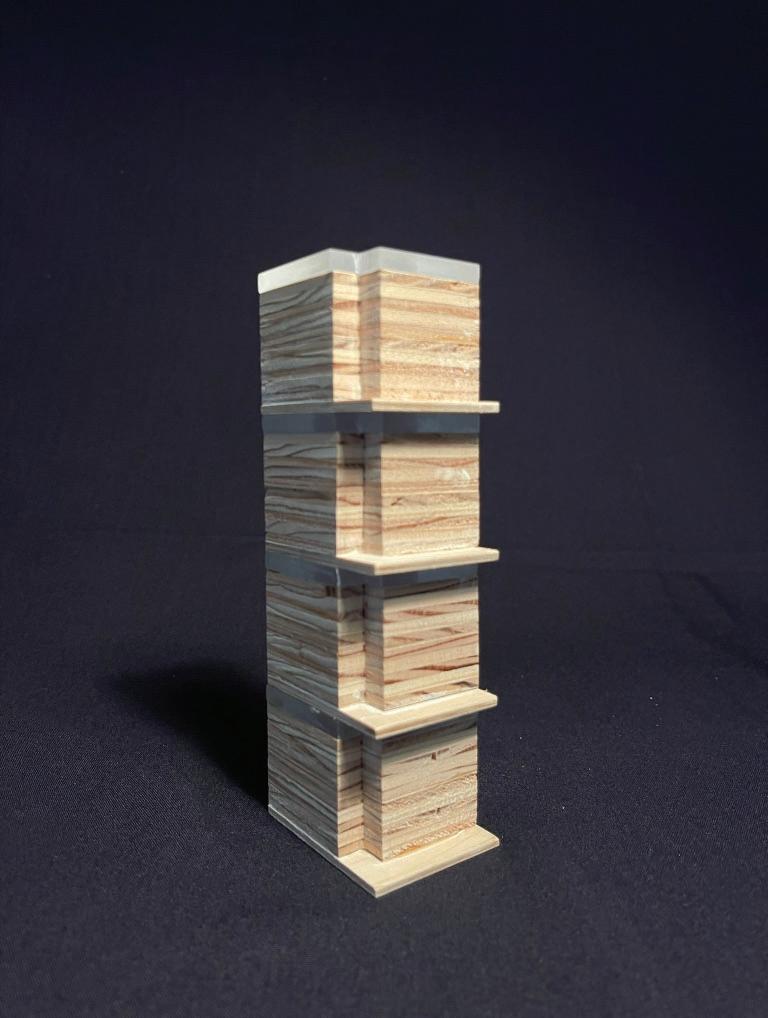
the key to this project was variation - variation in communal scale, variation in privacy, variation in flexibility. we designed a module of 8 units centered around a communal kitchen and living space, creating a small communal scale within the module. the floors each have a unique larger scale communal space, to create a sense of community within the floor. the floors were connected through a series of atriums to create visibility and a sense of transparency that fosters community on a building scale.
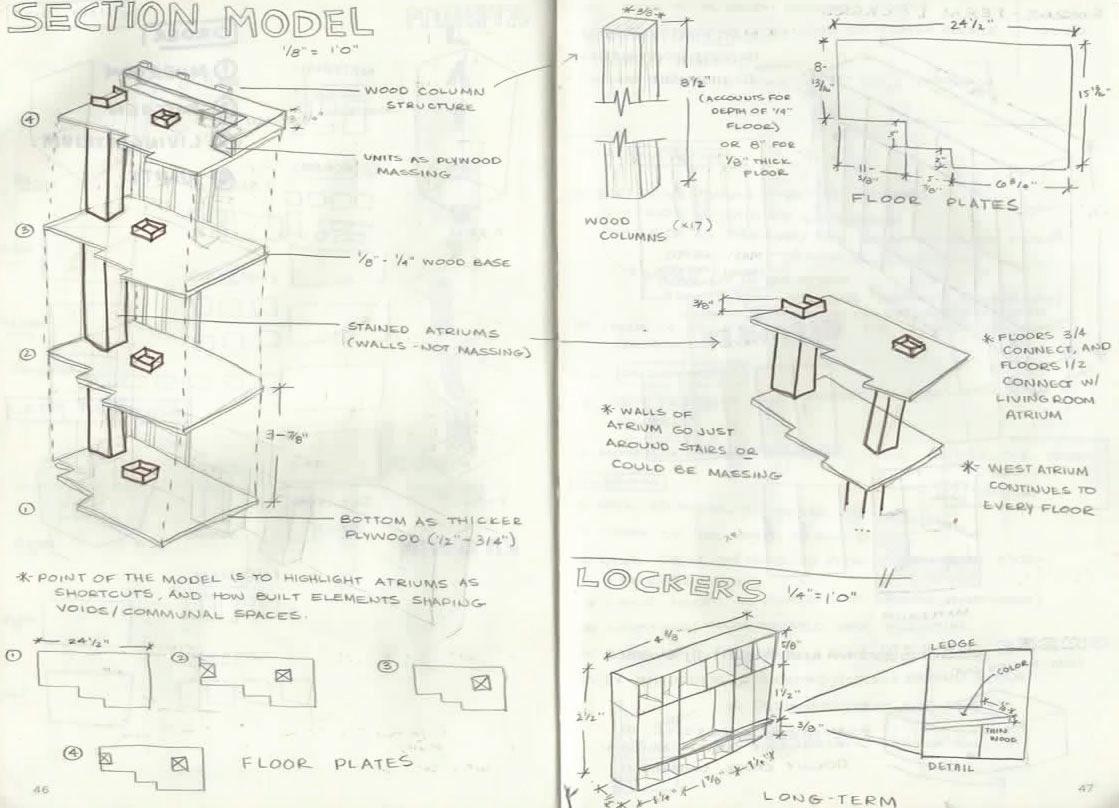
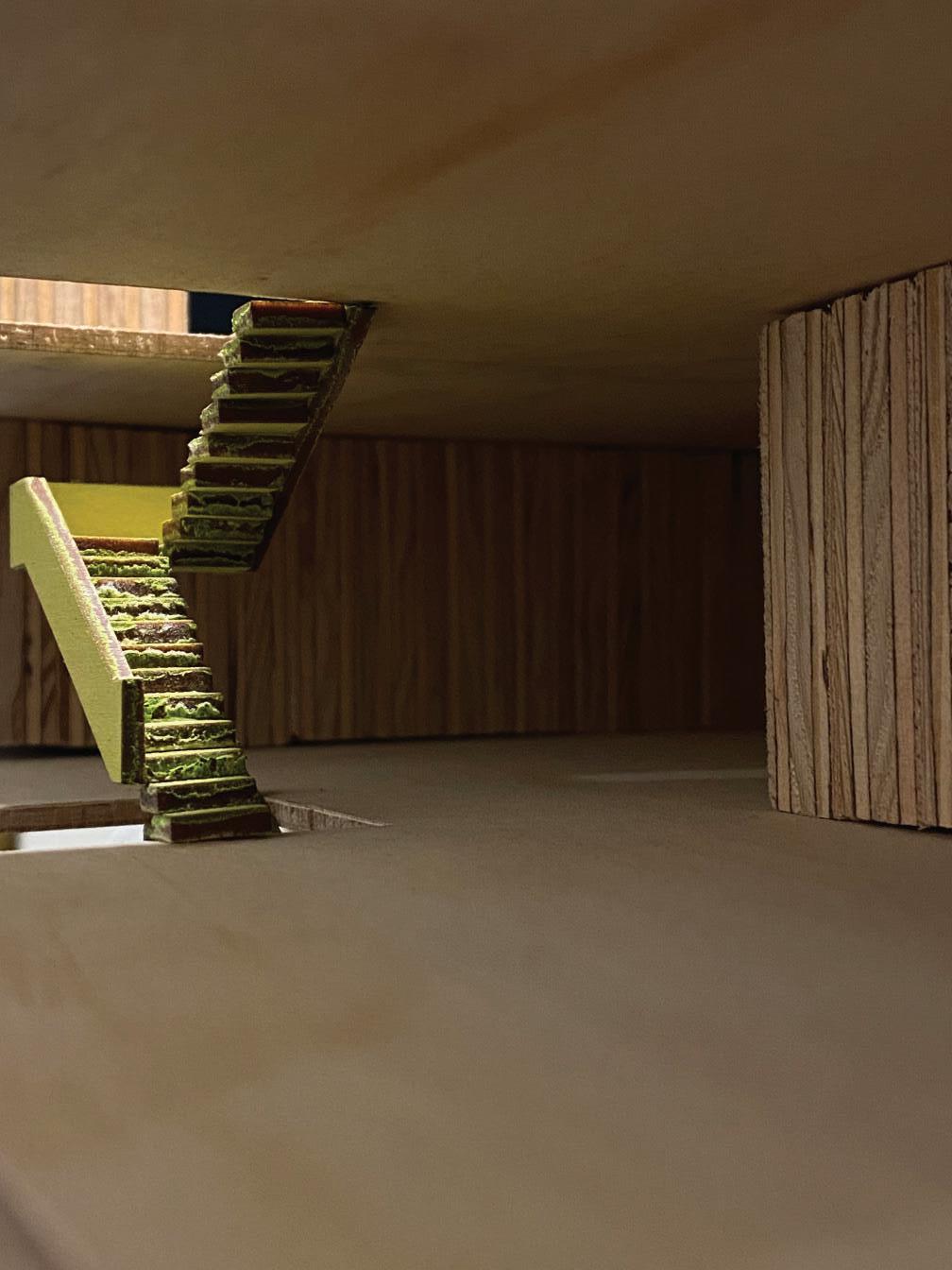
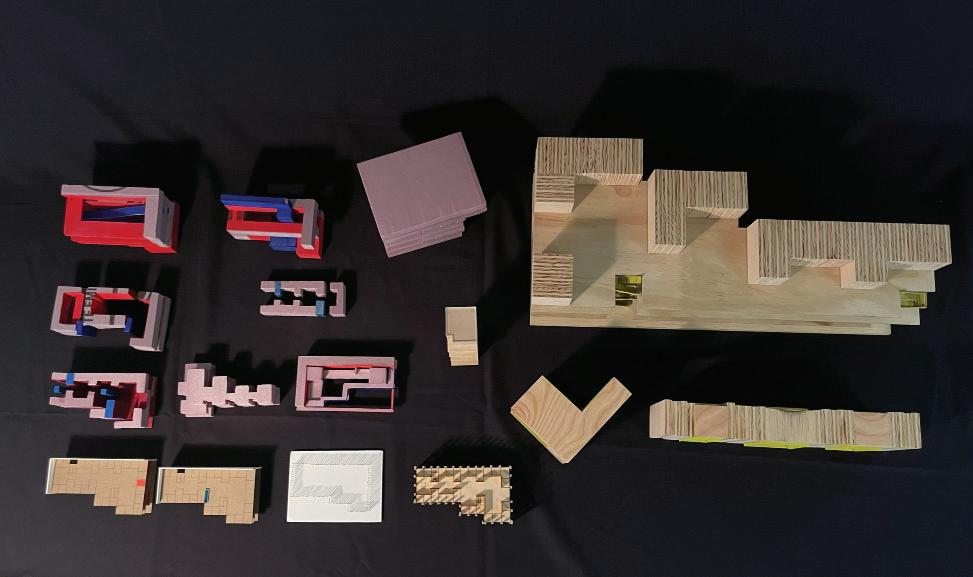
designing through model building - the bulk of our designing came from conceptual dialogue and conceptual models. these models spanned every scale - the unit, the module, the floor, and the building.
(above) sketches of our model building process for the large section model (right) we built models throughout the entire design process. the culmination of these was a large section model to show how units and atriums shaped communal space.
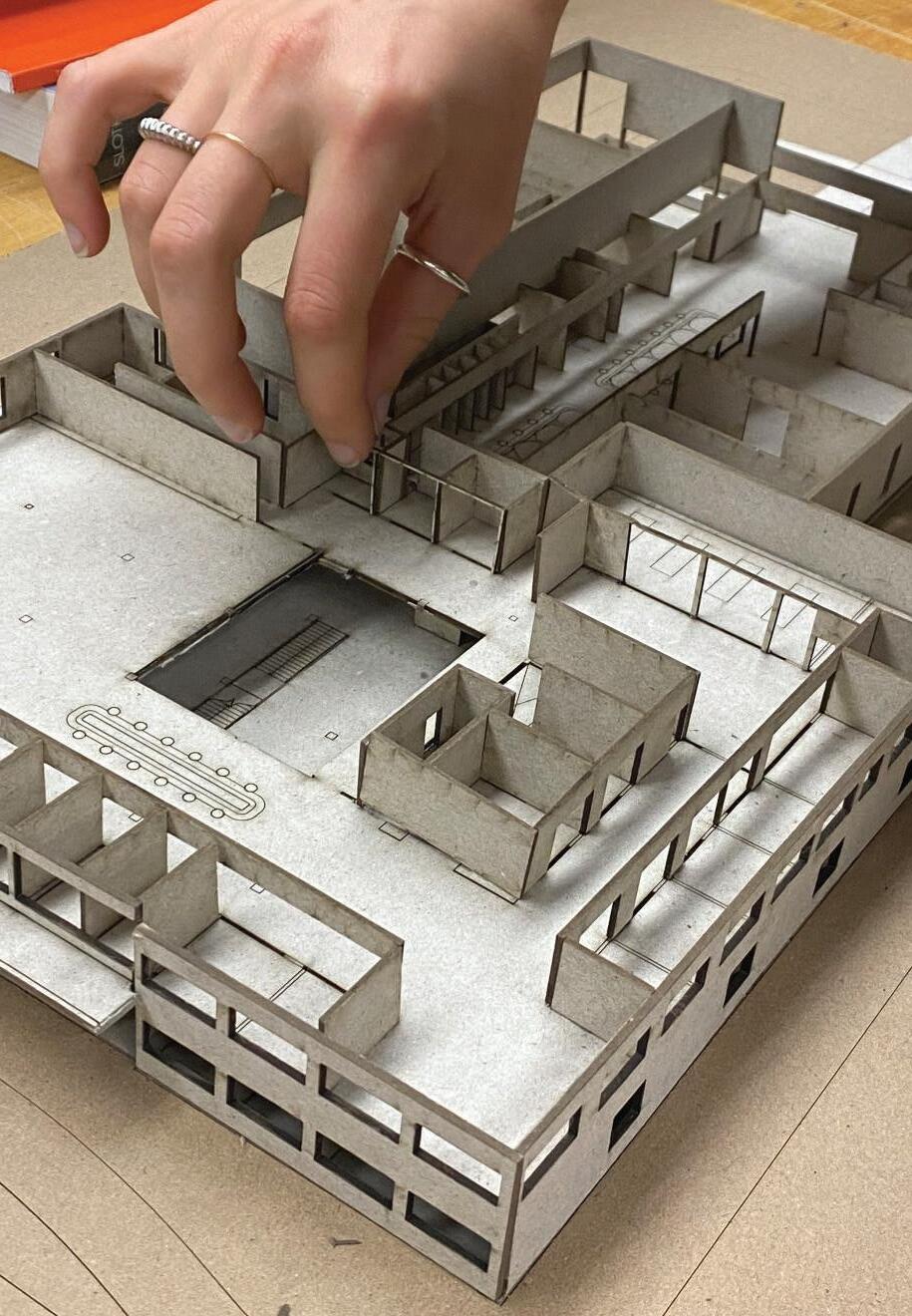
iarc 684: ed roberts collaborative
prof. kyuho ahn with ian nielsen-fox, holly needham, chi rocha, and alexia solis
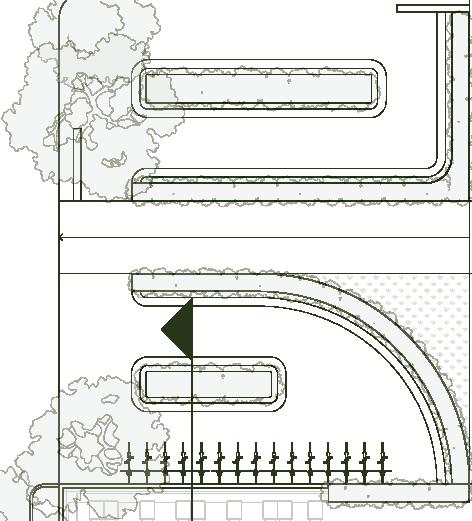
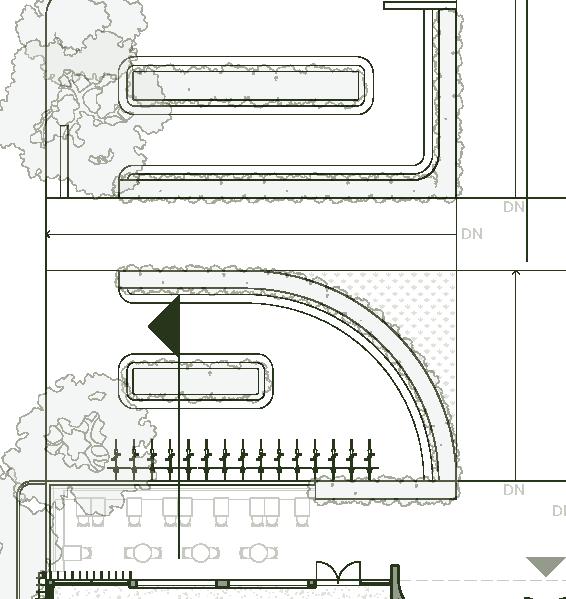
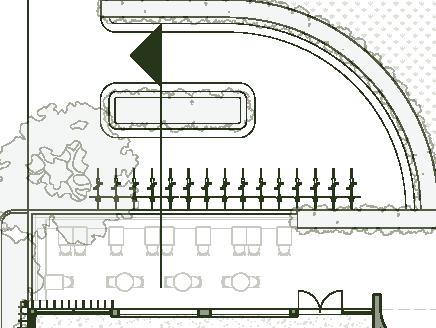
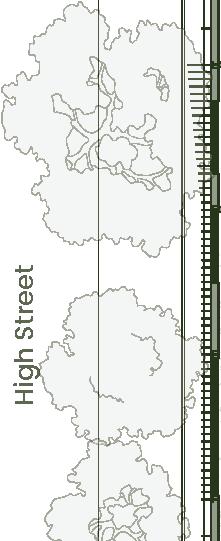
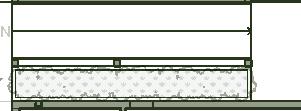
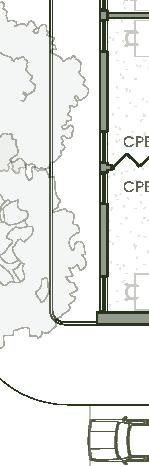
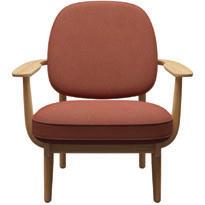
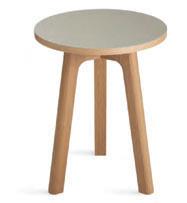
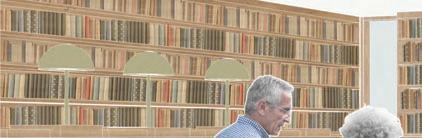
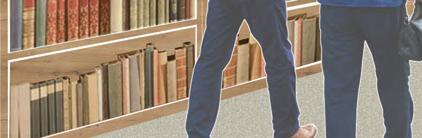
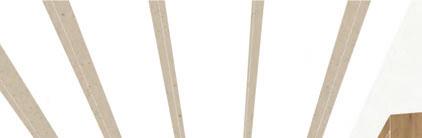
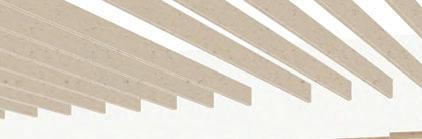
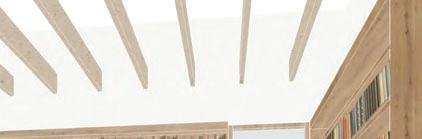
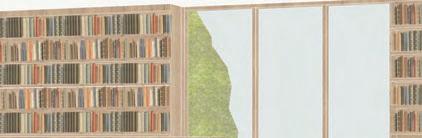
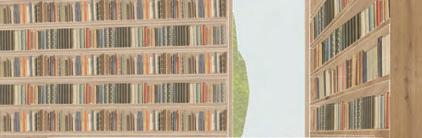
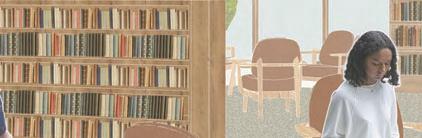
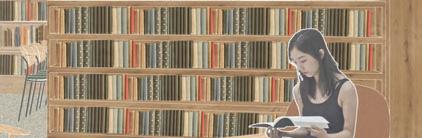
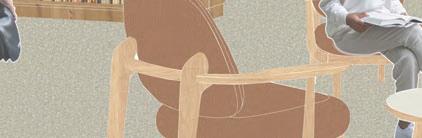
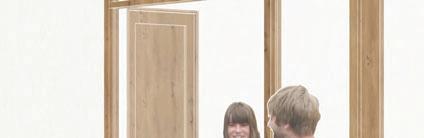
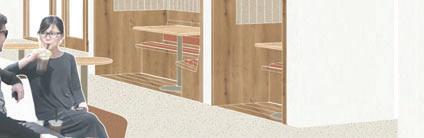
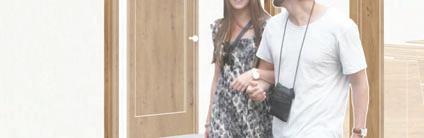
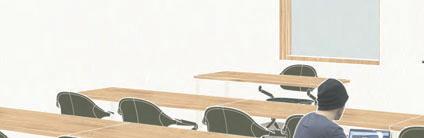
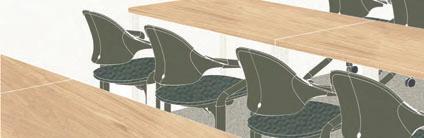
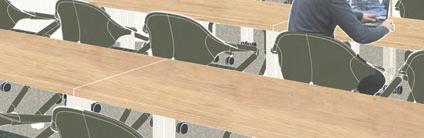
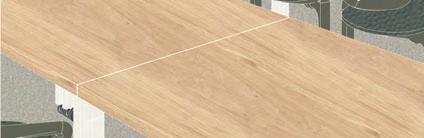
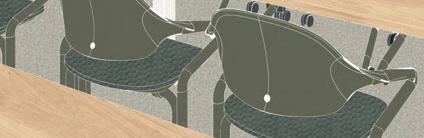
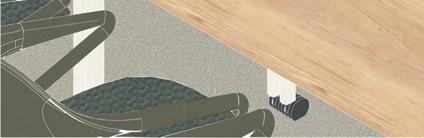
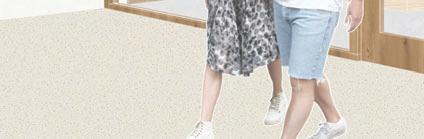
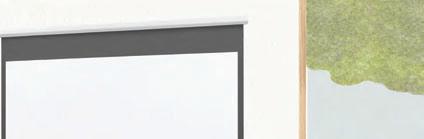
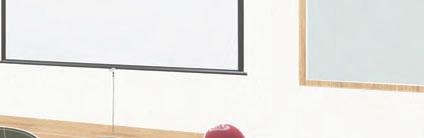
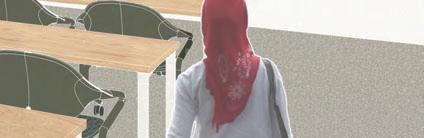
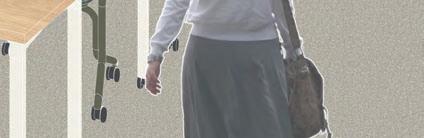
the center for inclusive learning and development is a project about accessibility, community engagement, and collaboration. the project adapts an ill-used existing building to meet the current needs of the continuing and professional education (cpe) program, and the future needs for the disability research center (drc).






















arch 588: urban food market & housing
prof. clay neal in collaboration with david baggerly
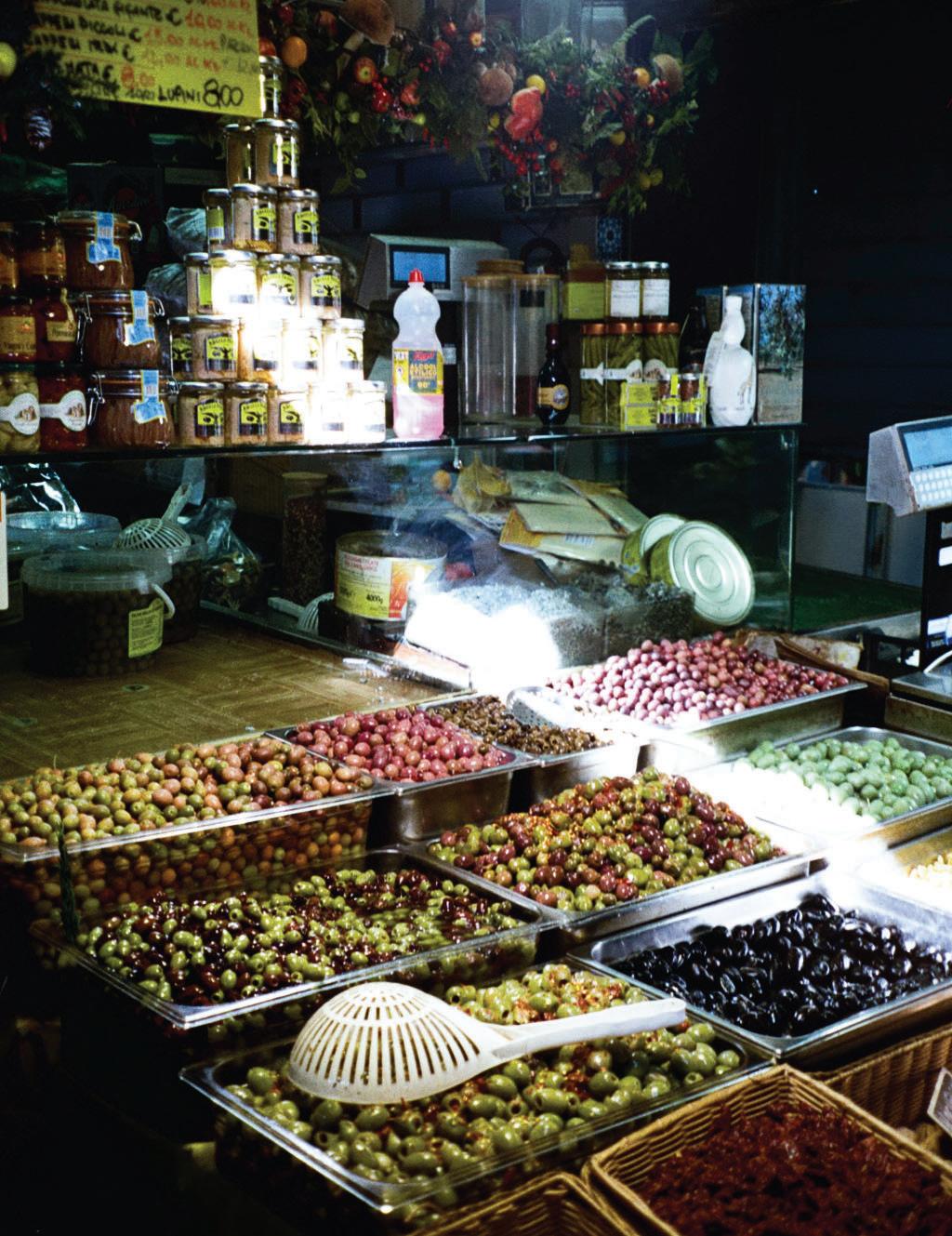
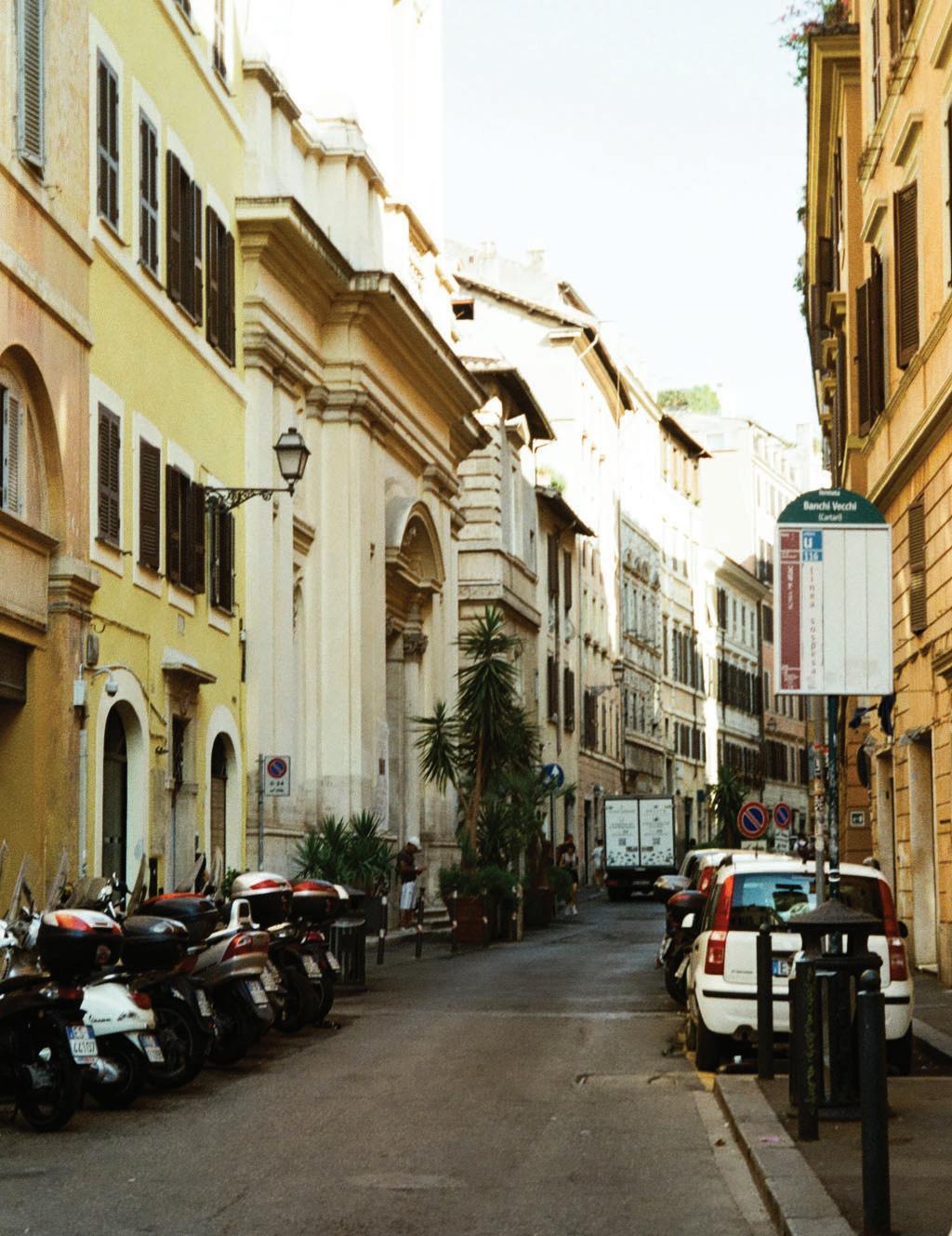
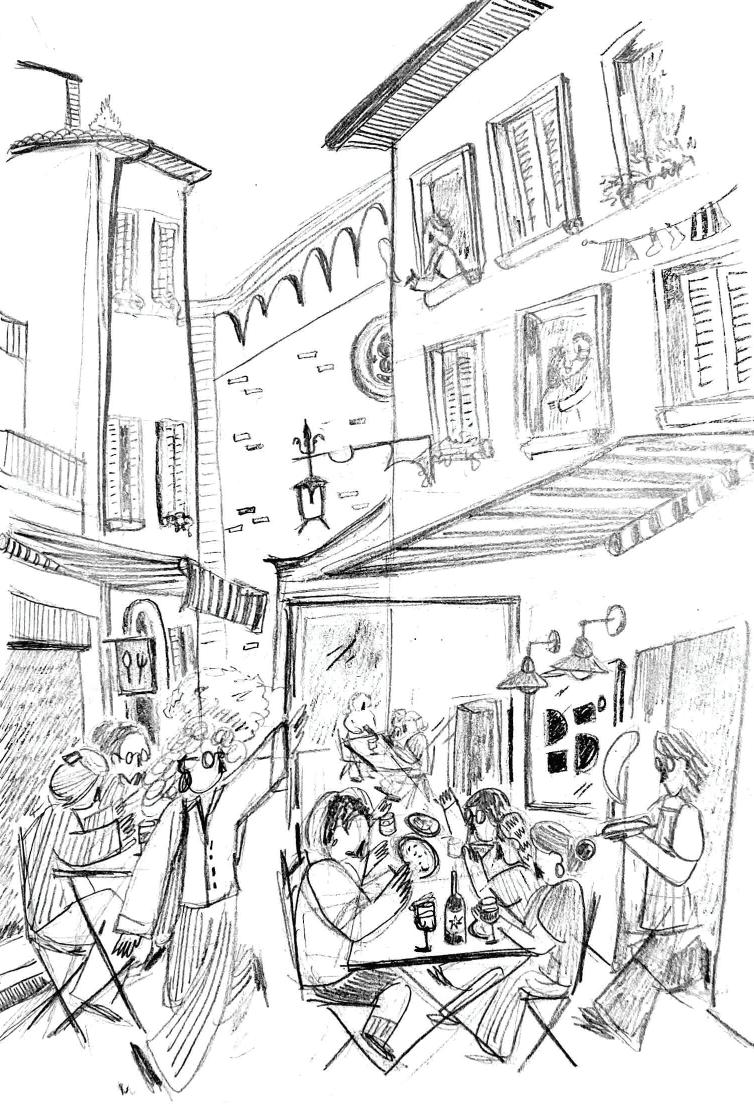
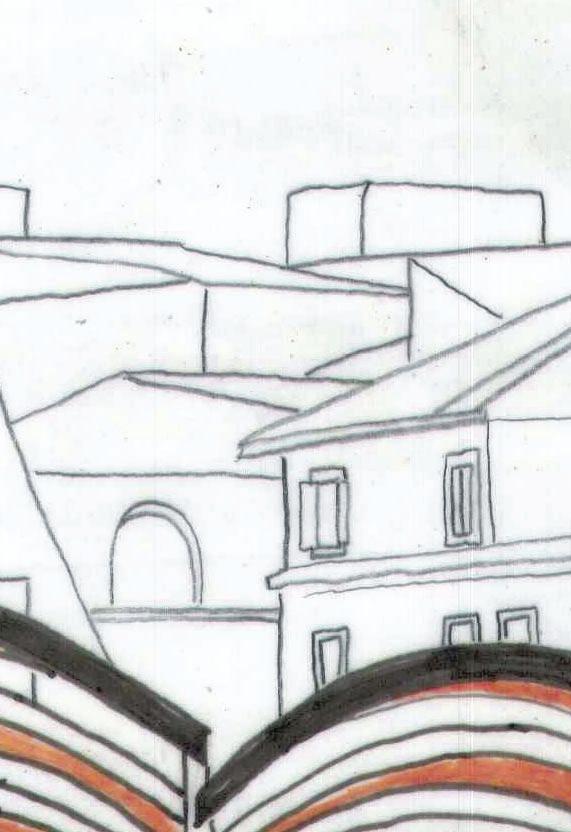
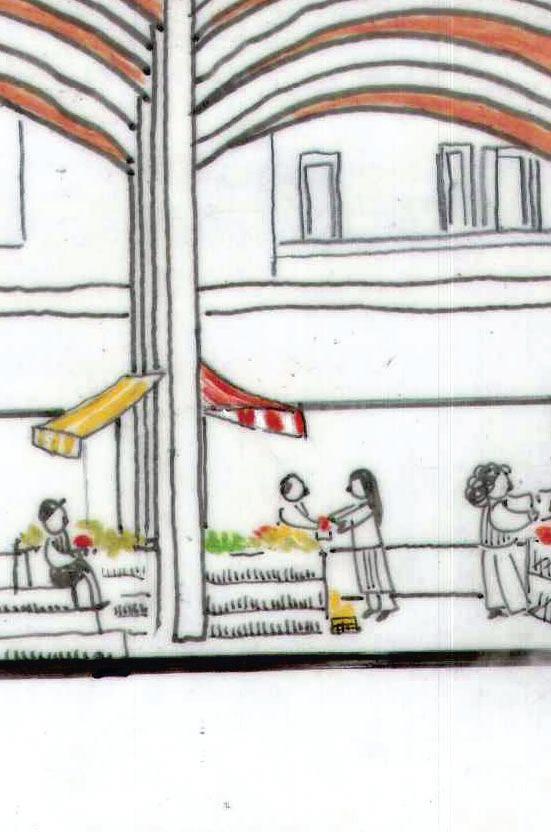
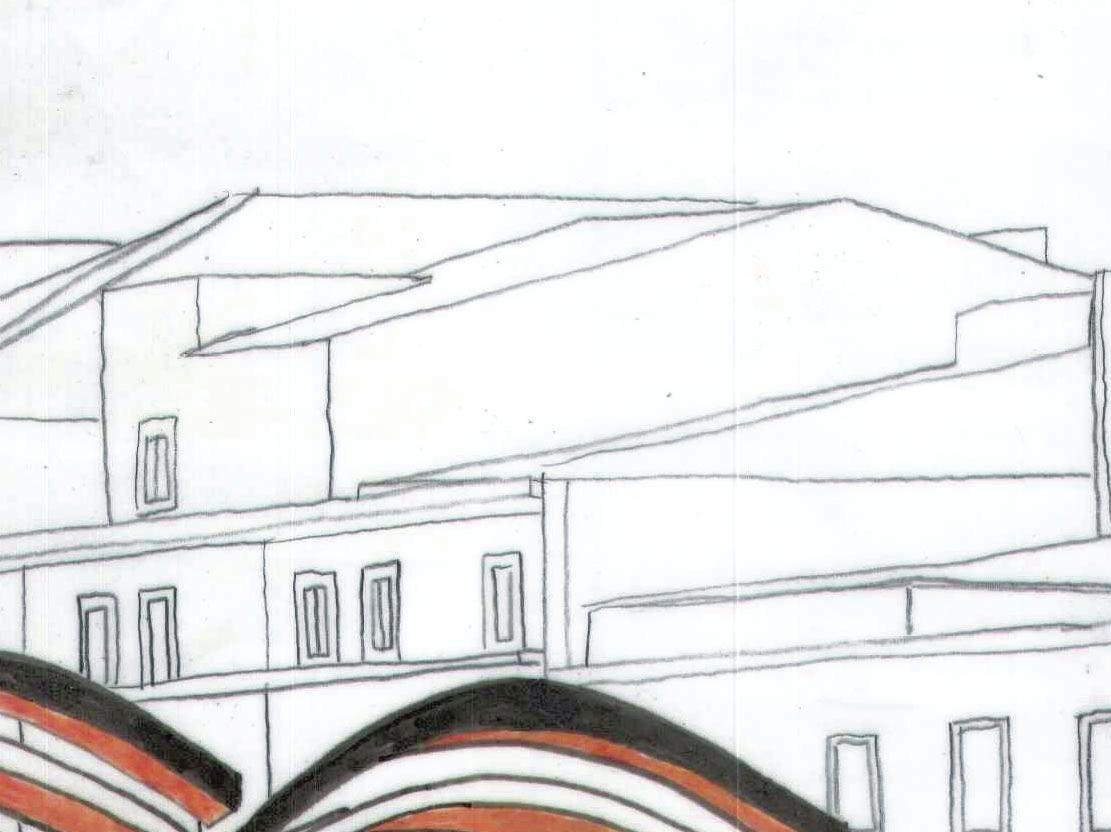
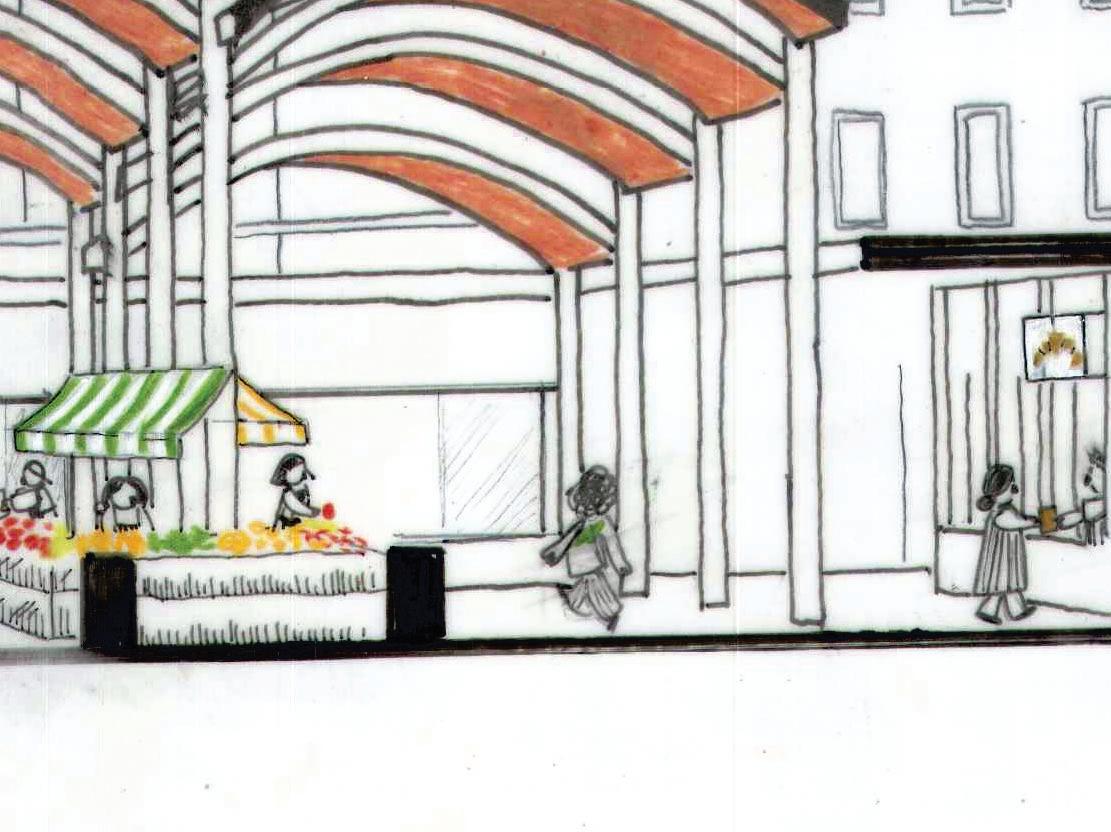
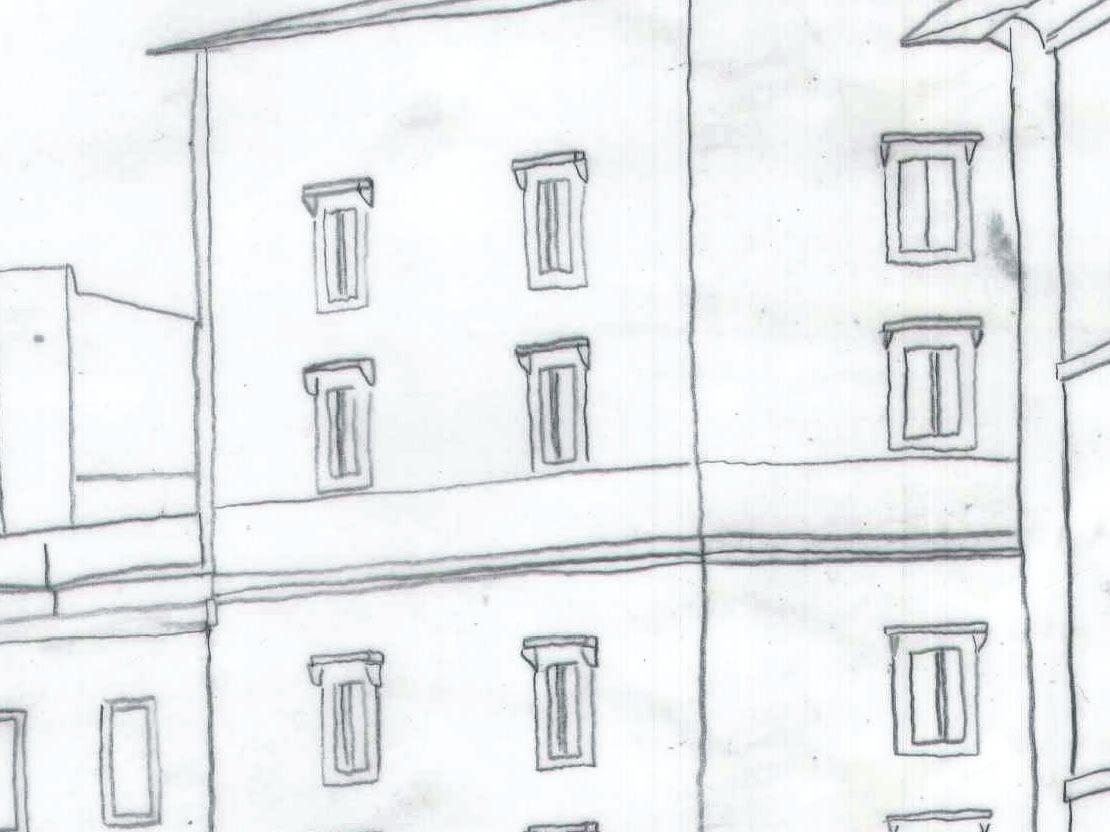
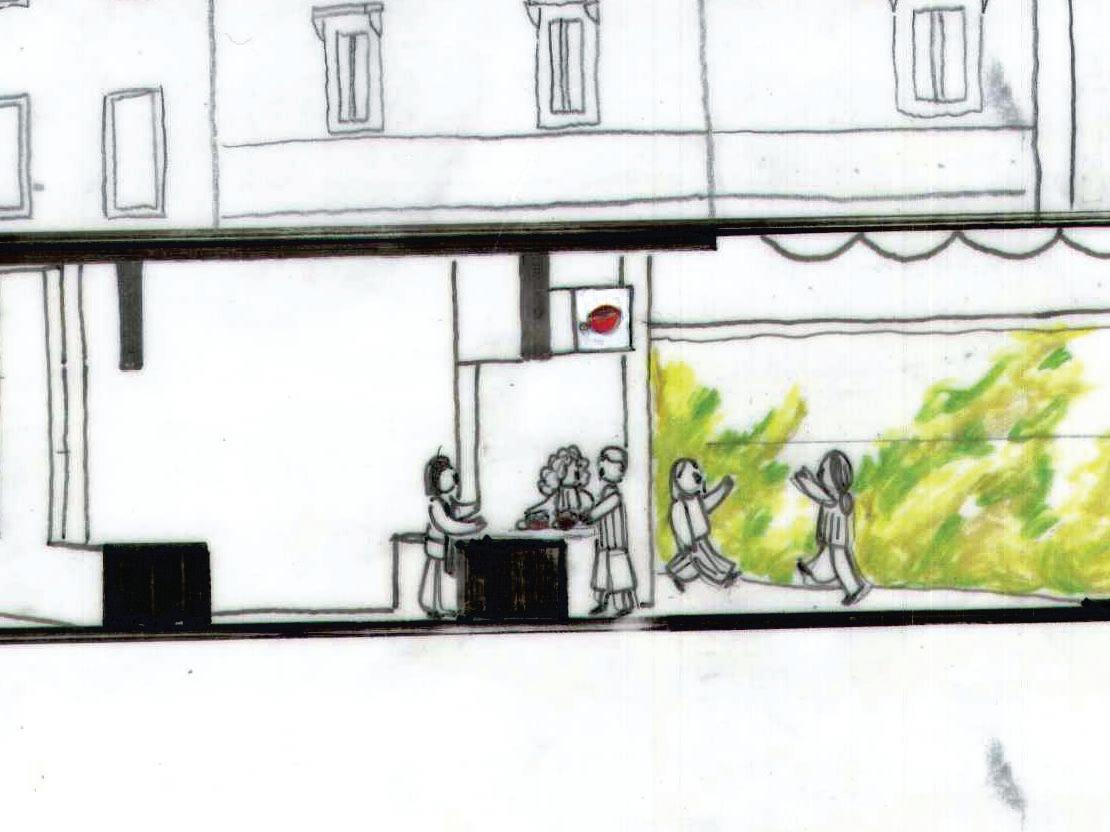
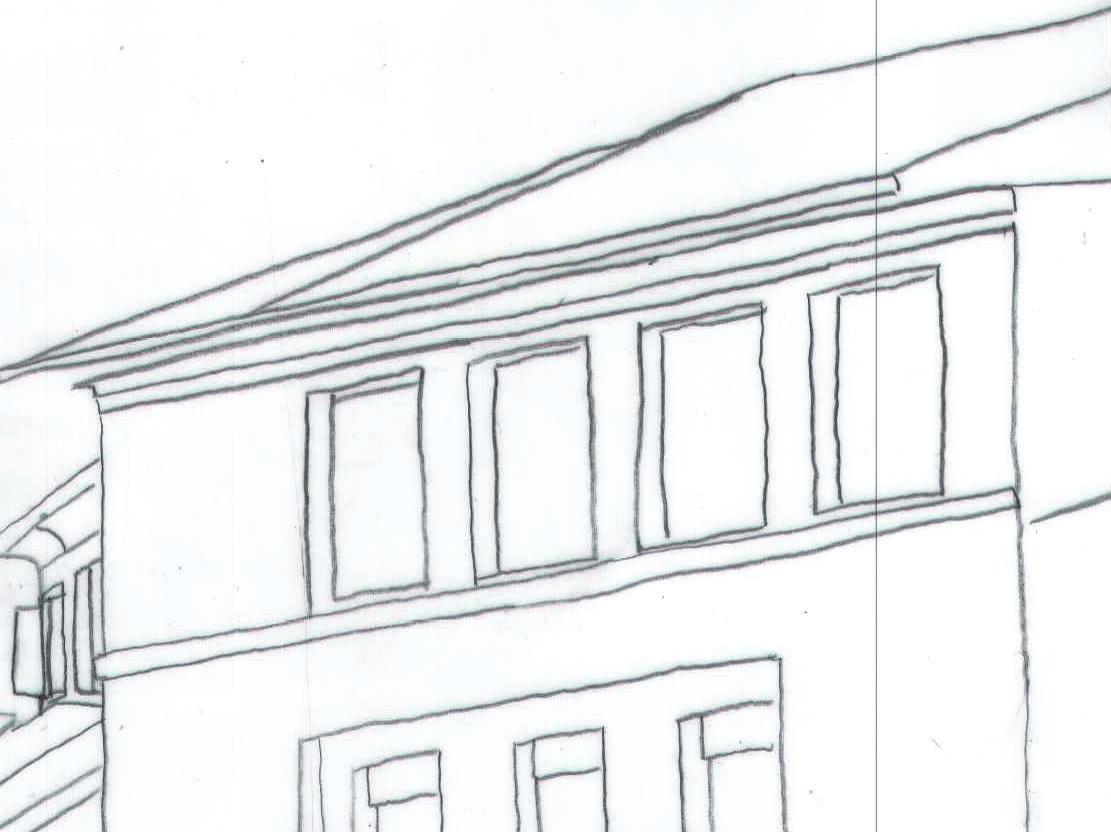
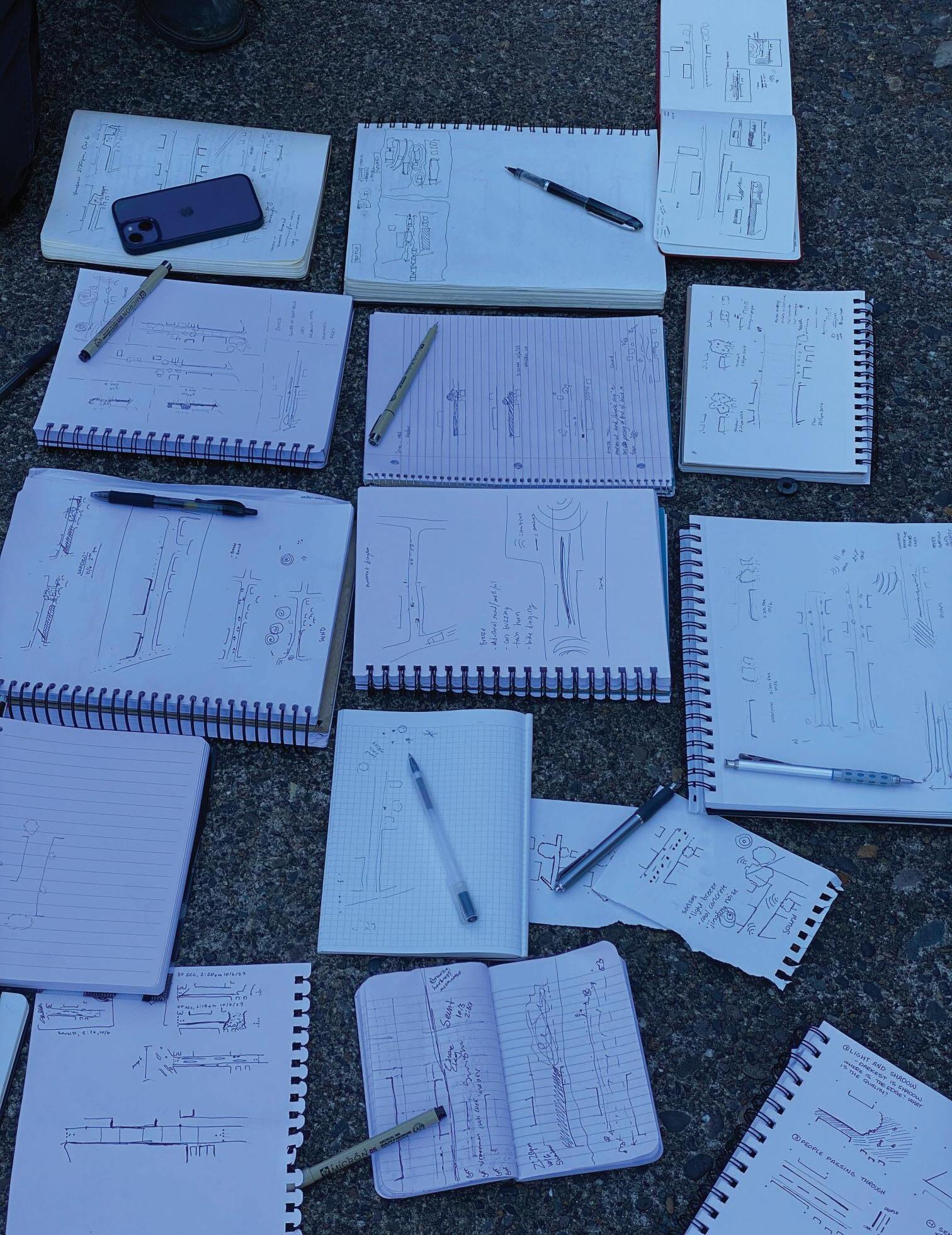
how does a new build blend into an ancient streetscape? it’s impossible to compete with the ancient architecture in rome, so instead of competing it we chose to honor it. through extensive sketching studies, we aimed to understand the elements that define the character of the roman streetscape, and incorporate these into our market and our housing design. digital model and site plan created in collaboration with david,
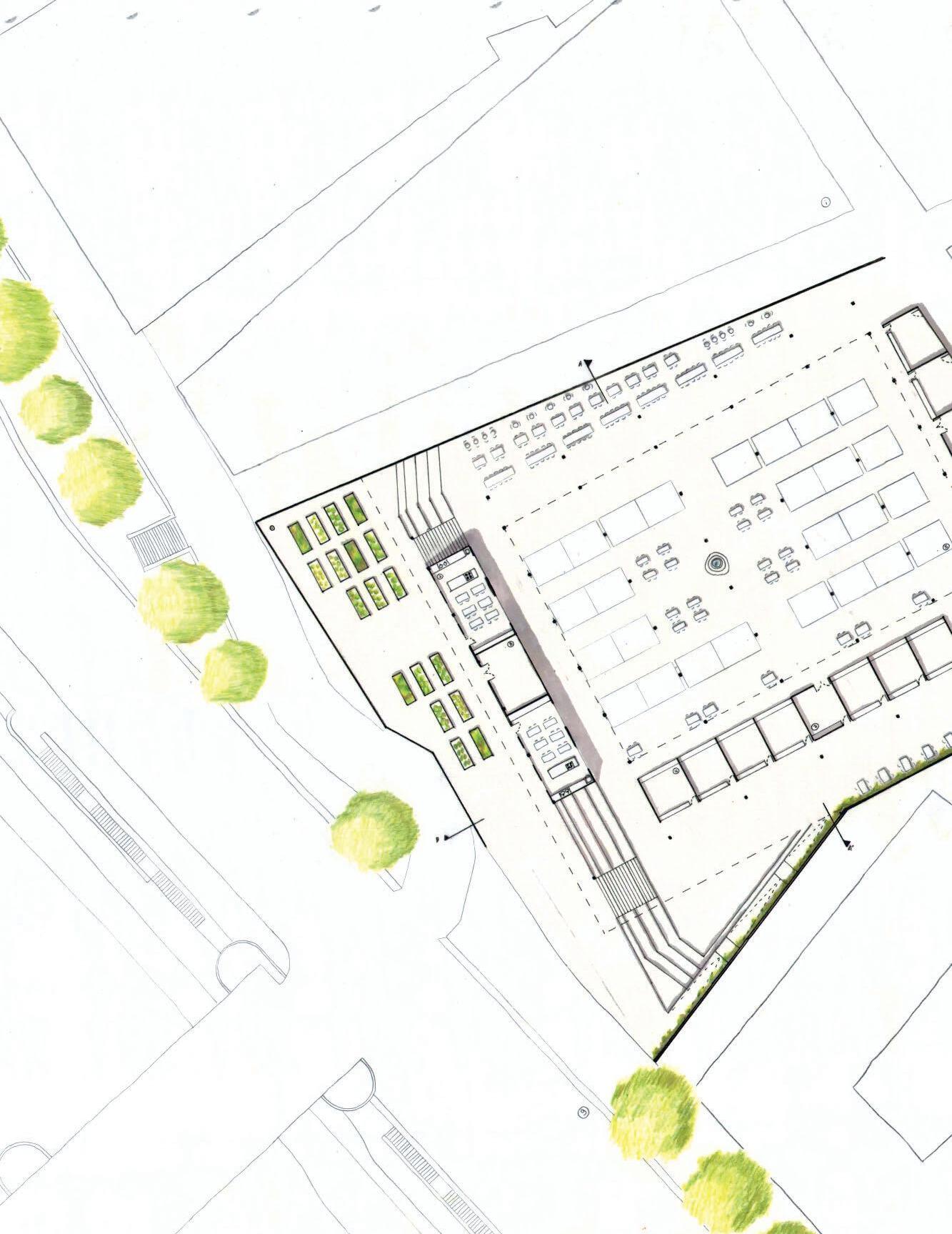
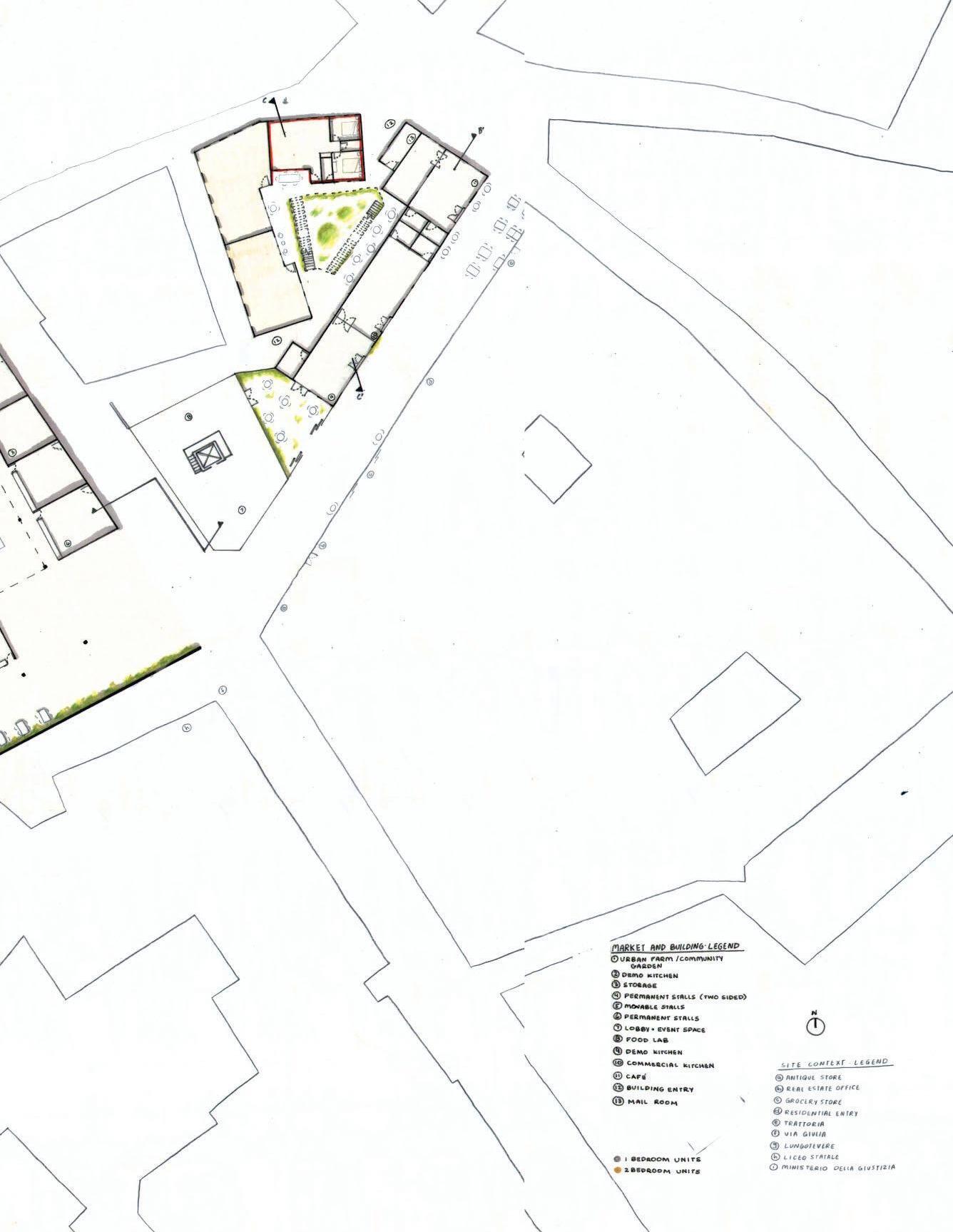
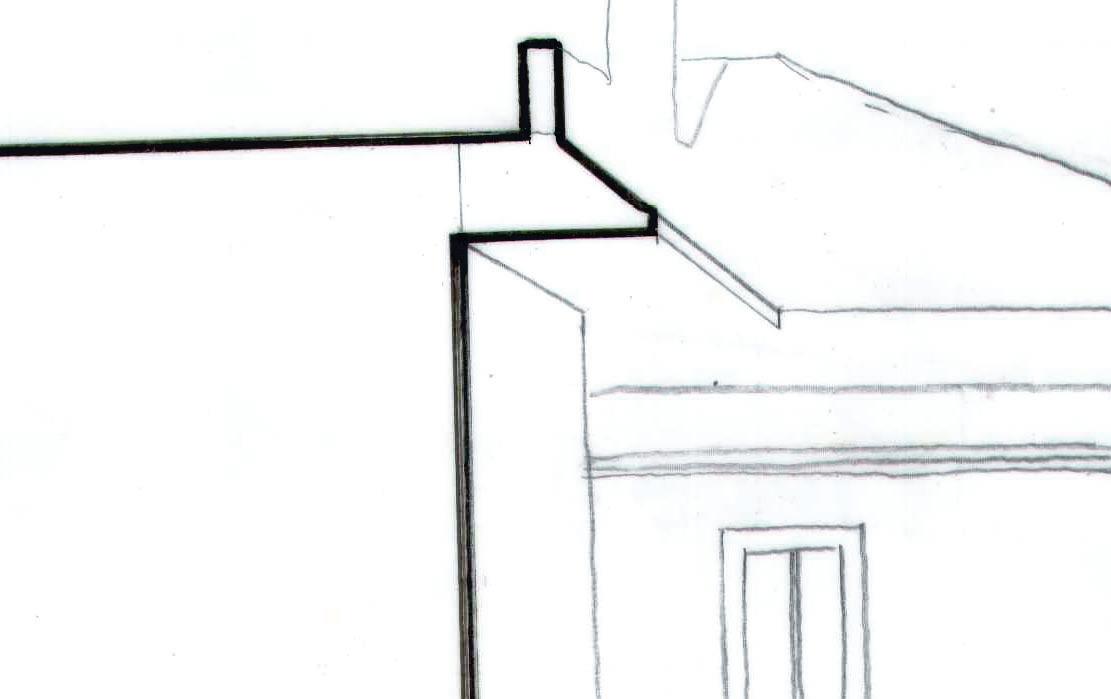
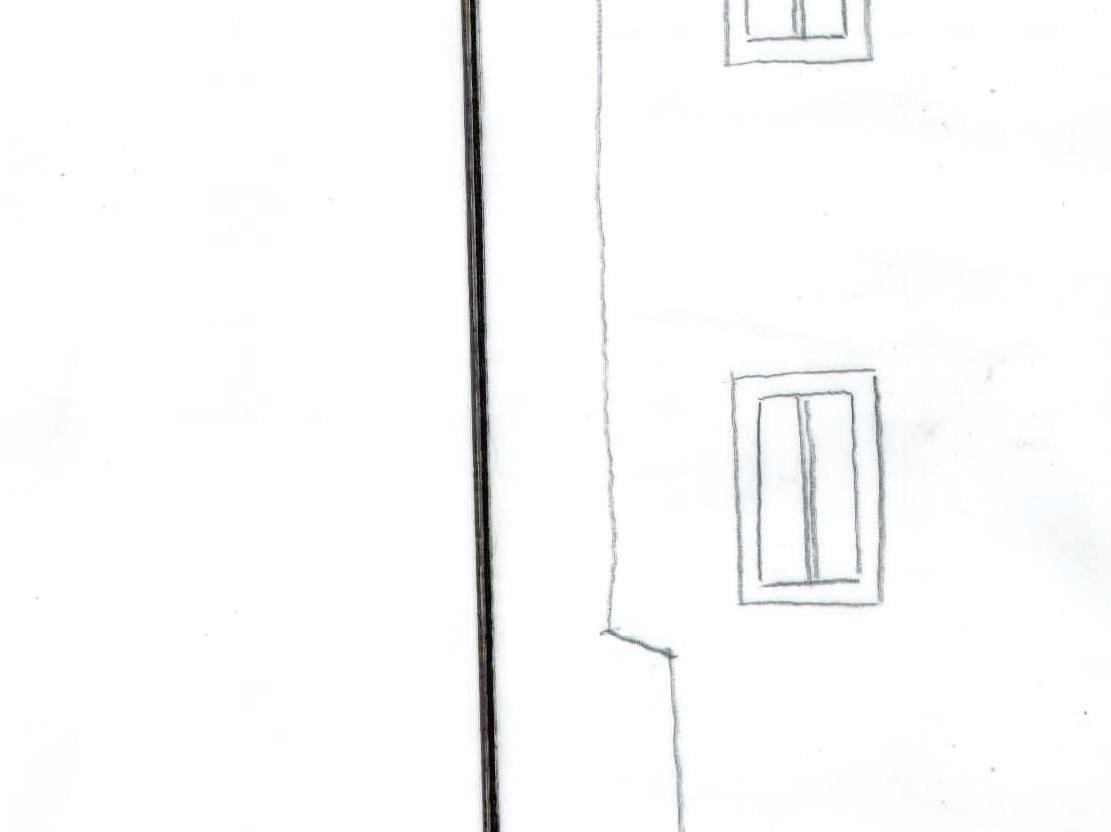
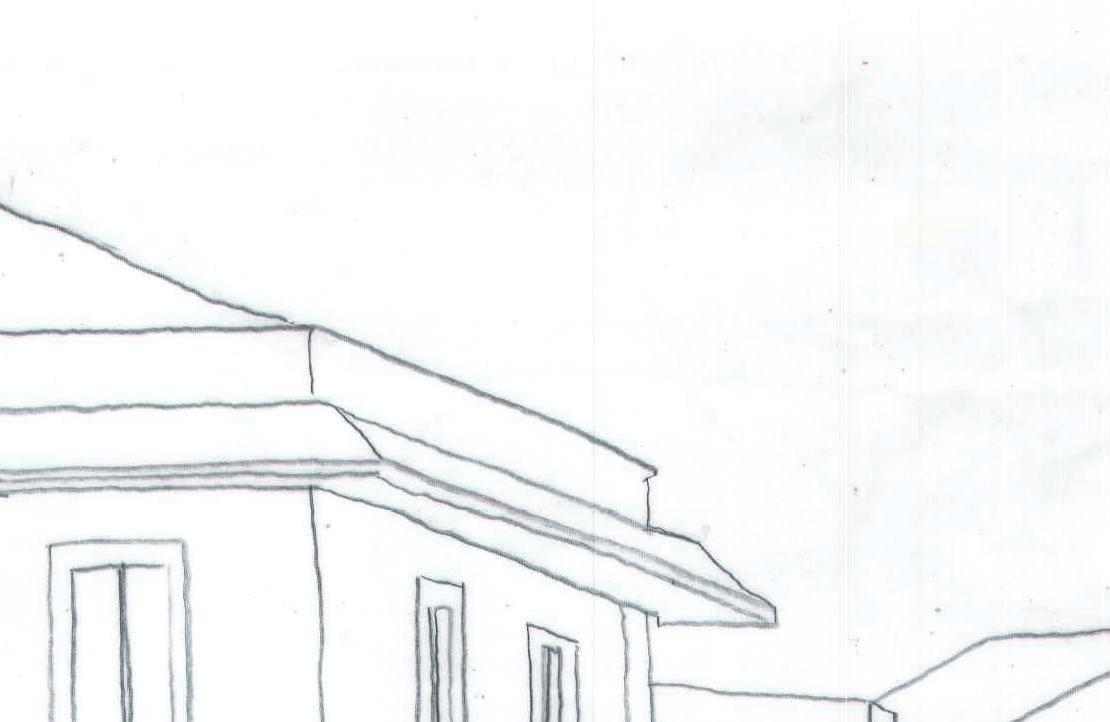
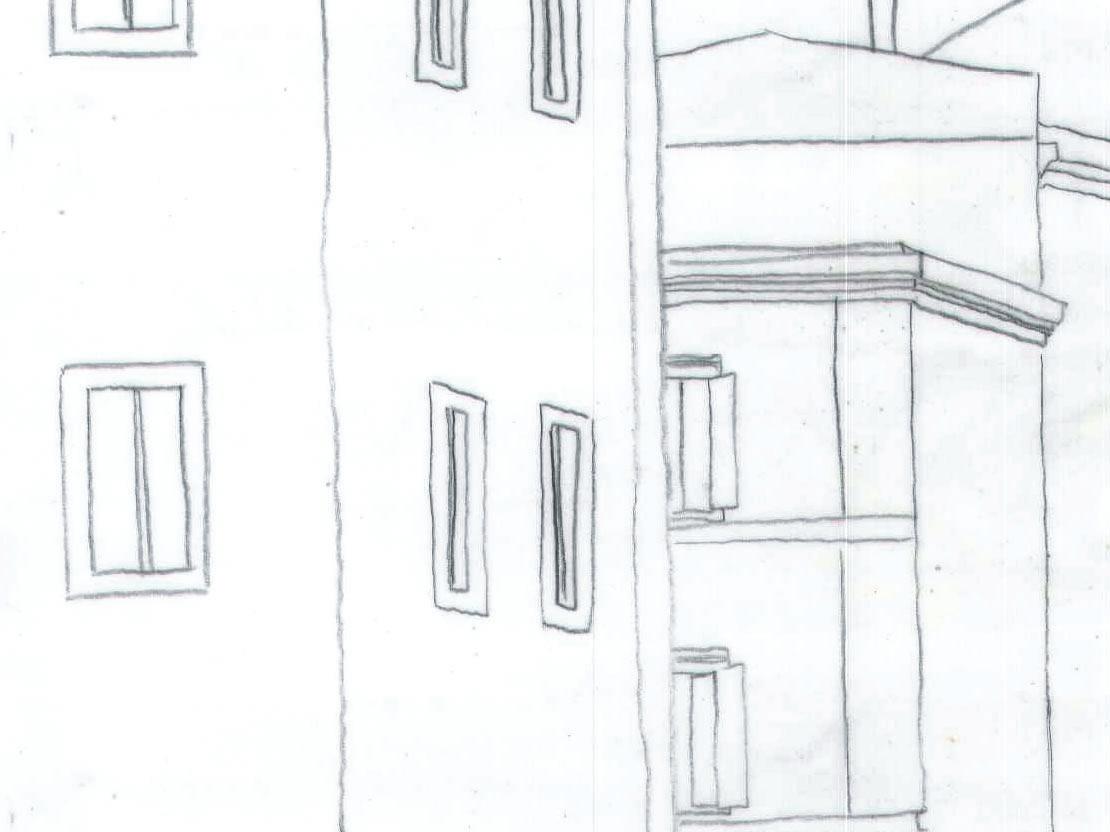
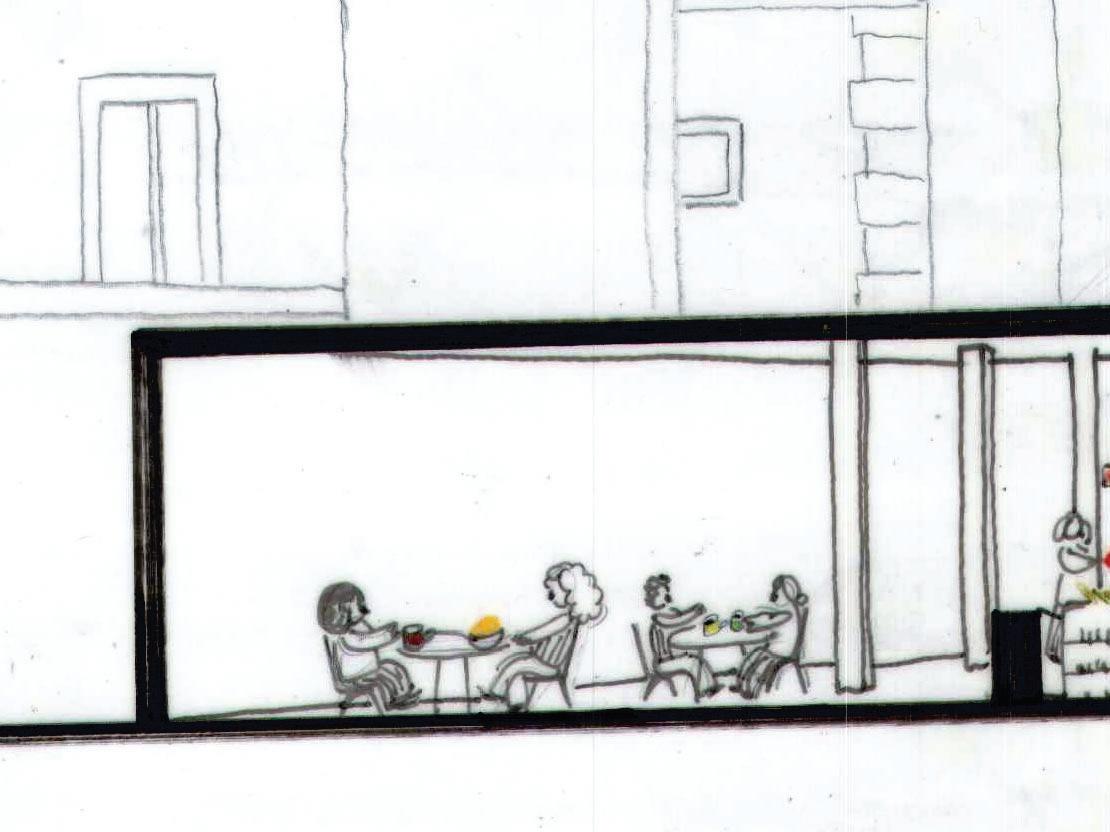

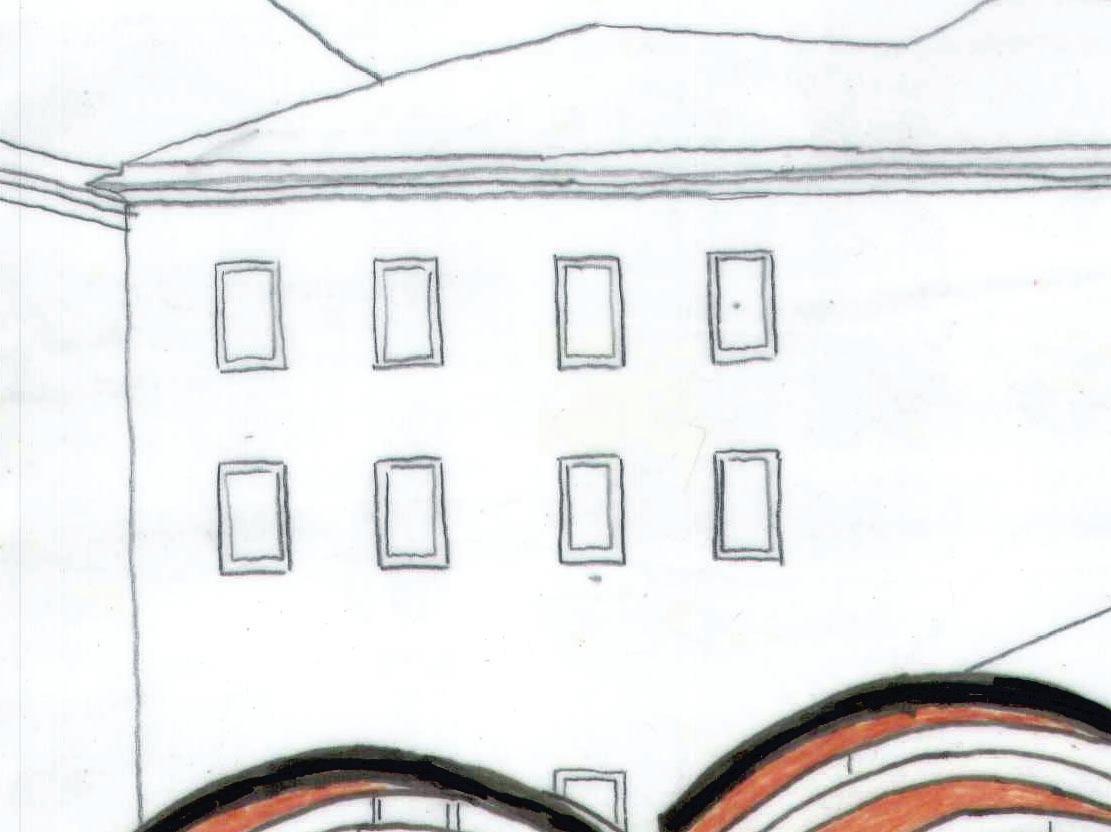
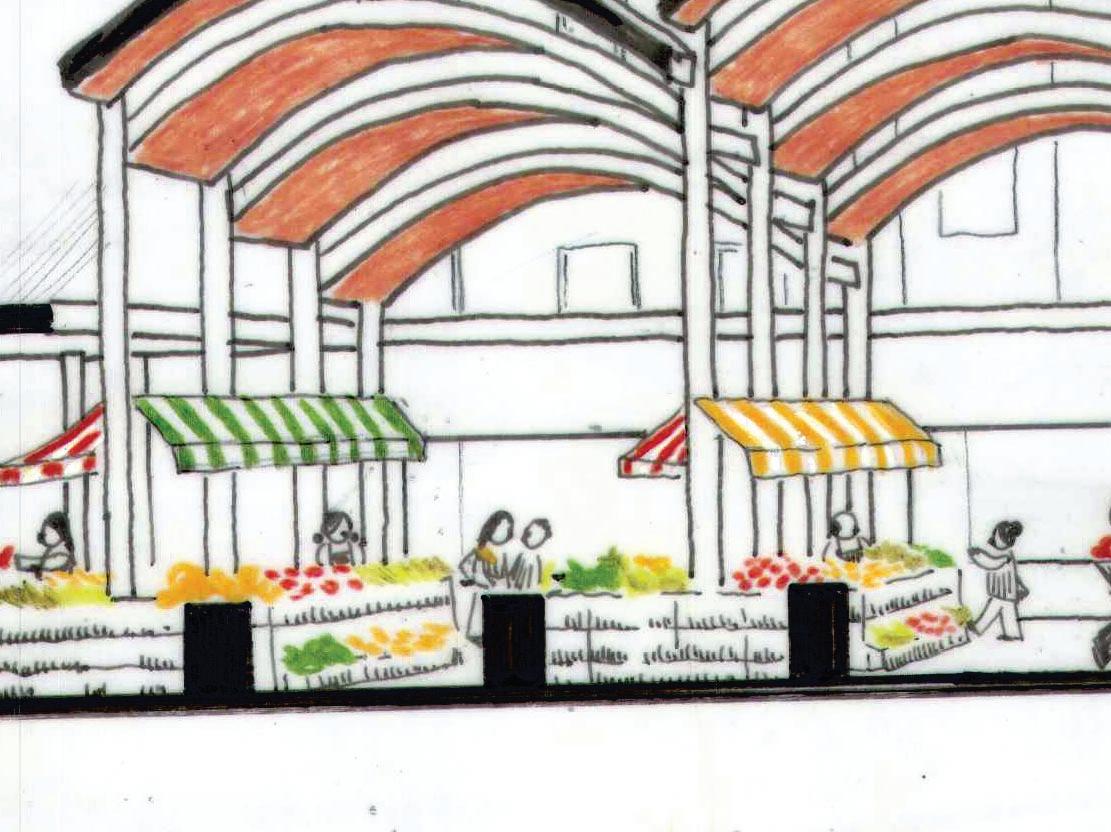

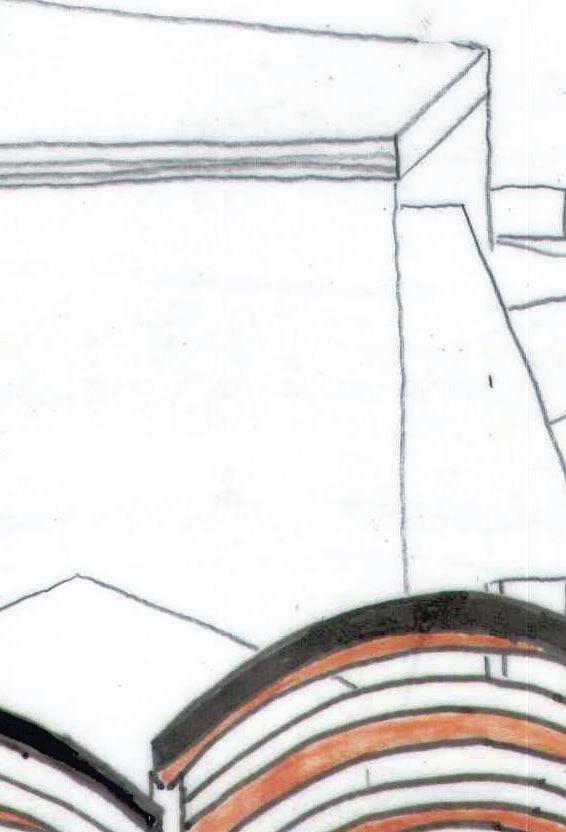
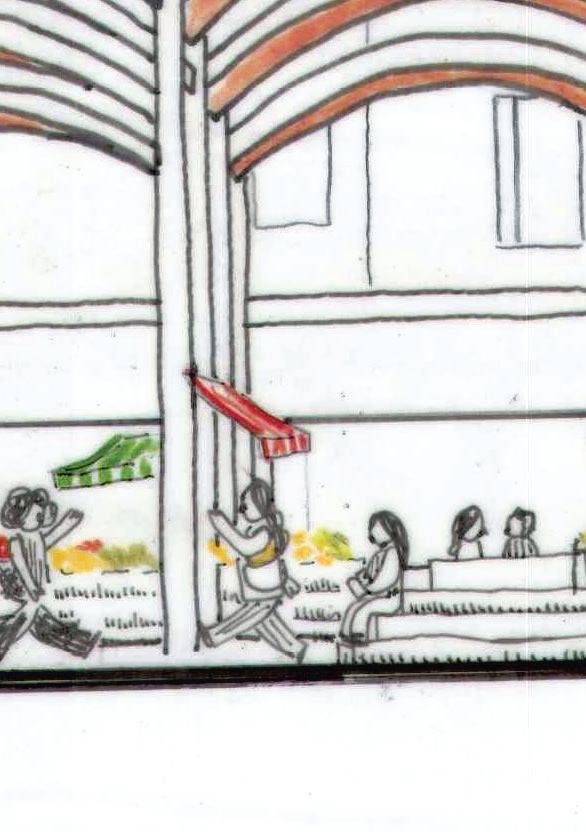
the market hall was inspired by its surroundings, an abstract take on the terracotta rooflines that surround the piazza. a mix of flexible and fixed stands, the market is a gathering place for all the seek shelter and eat good food. its a connecting point between the river and the historic city center




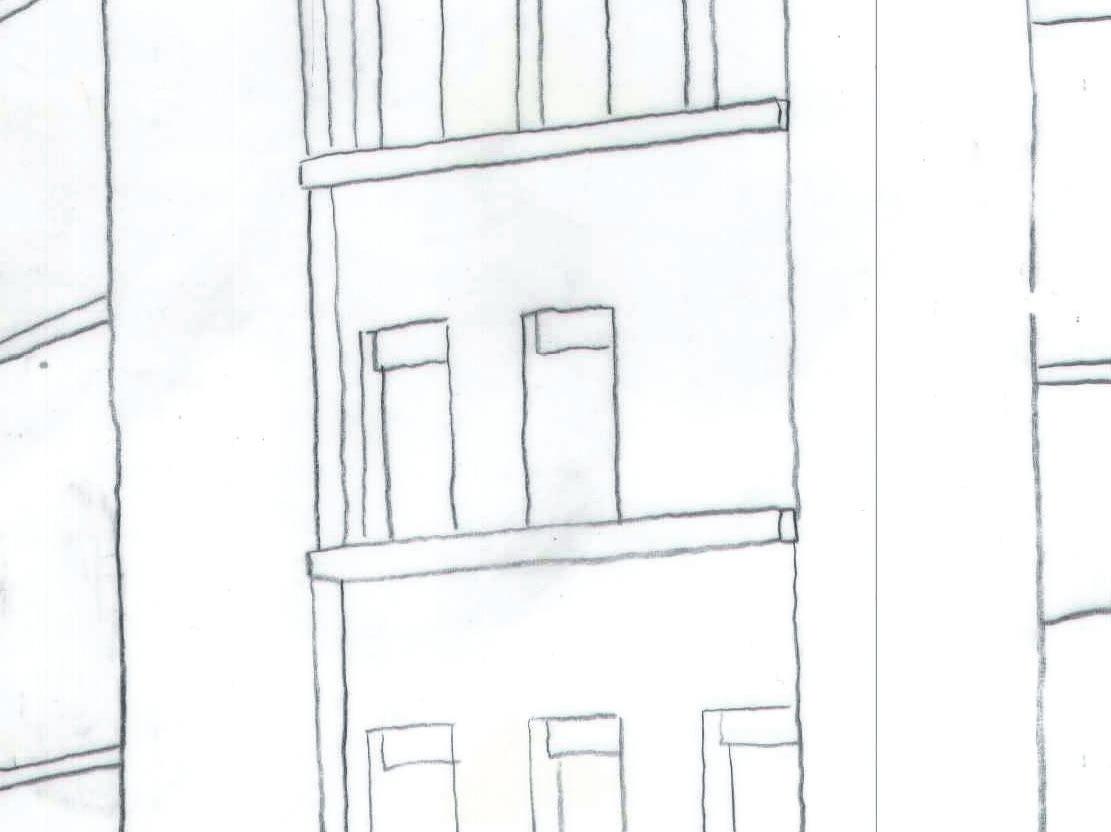
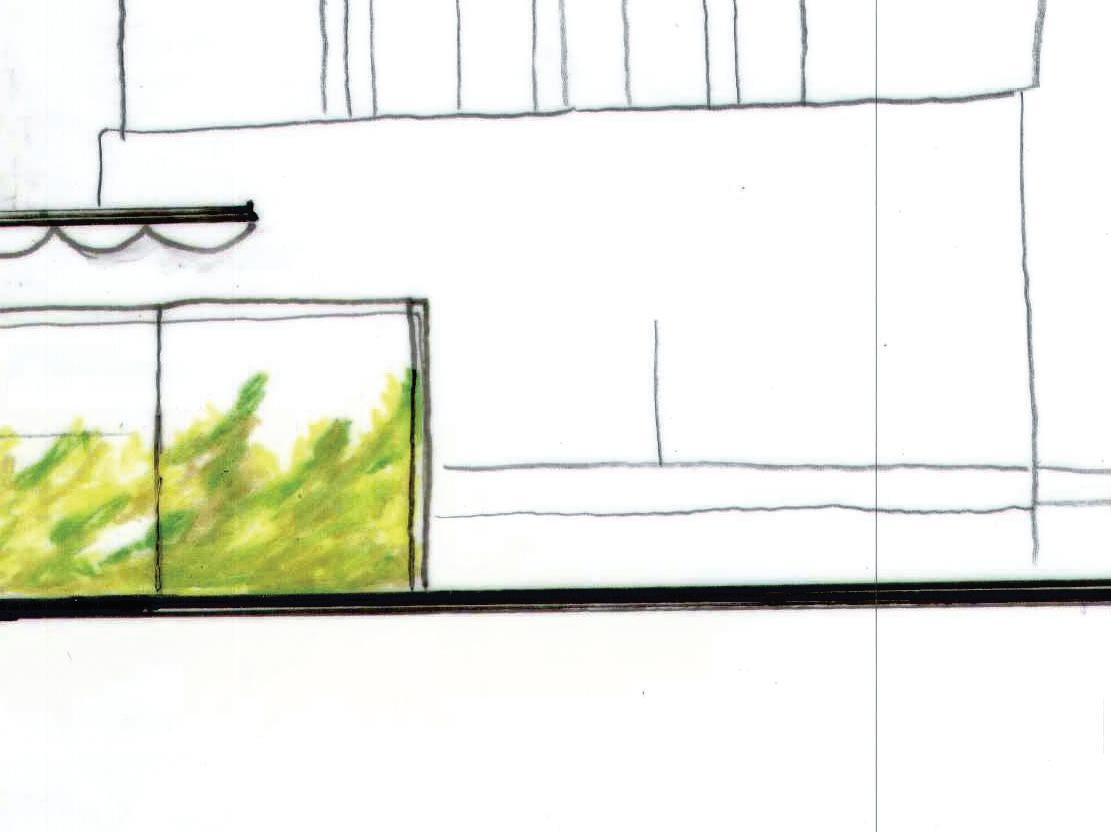
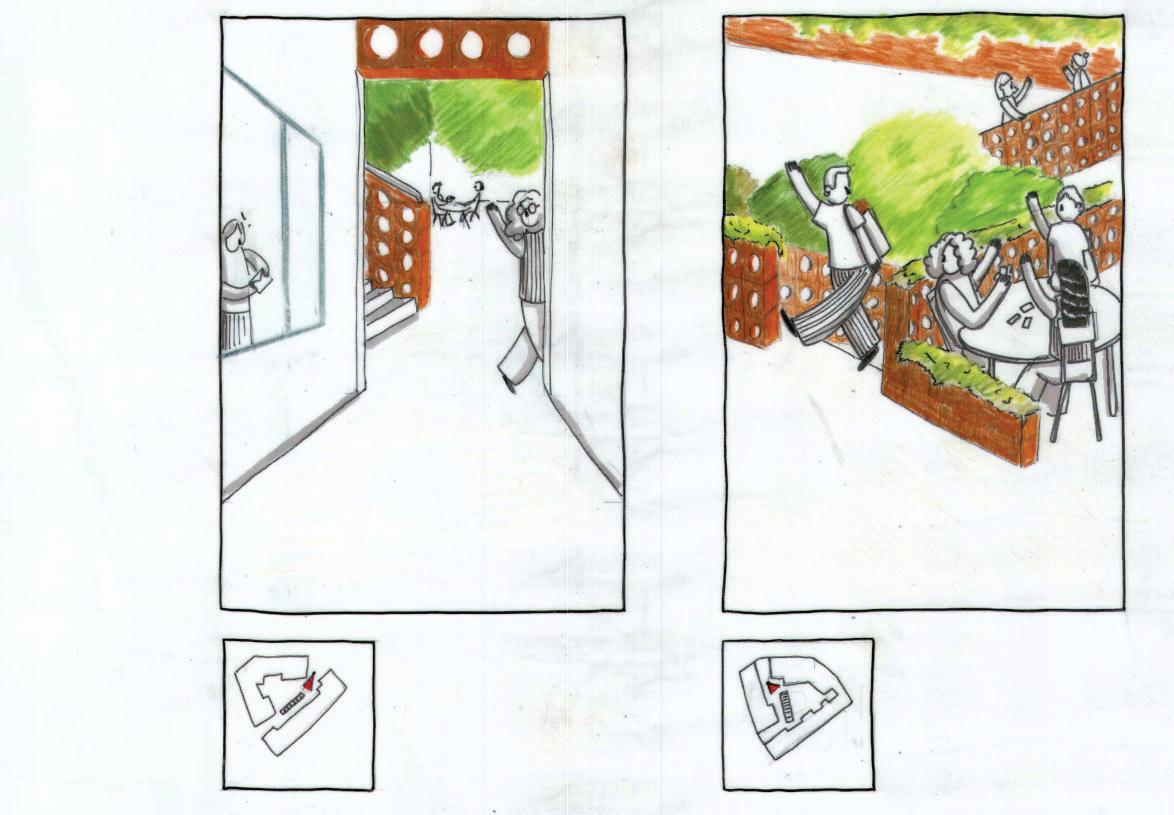
understanding the entry sequence was a crucial step in defining our design. our goal is to foster community through food, so the entry to the building should provide opportunities to connect over food as an entry point.
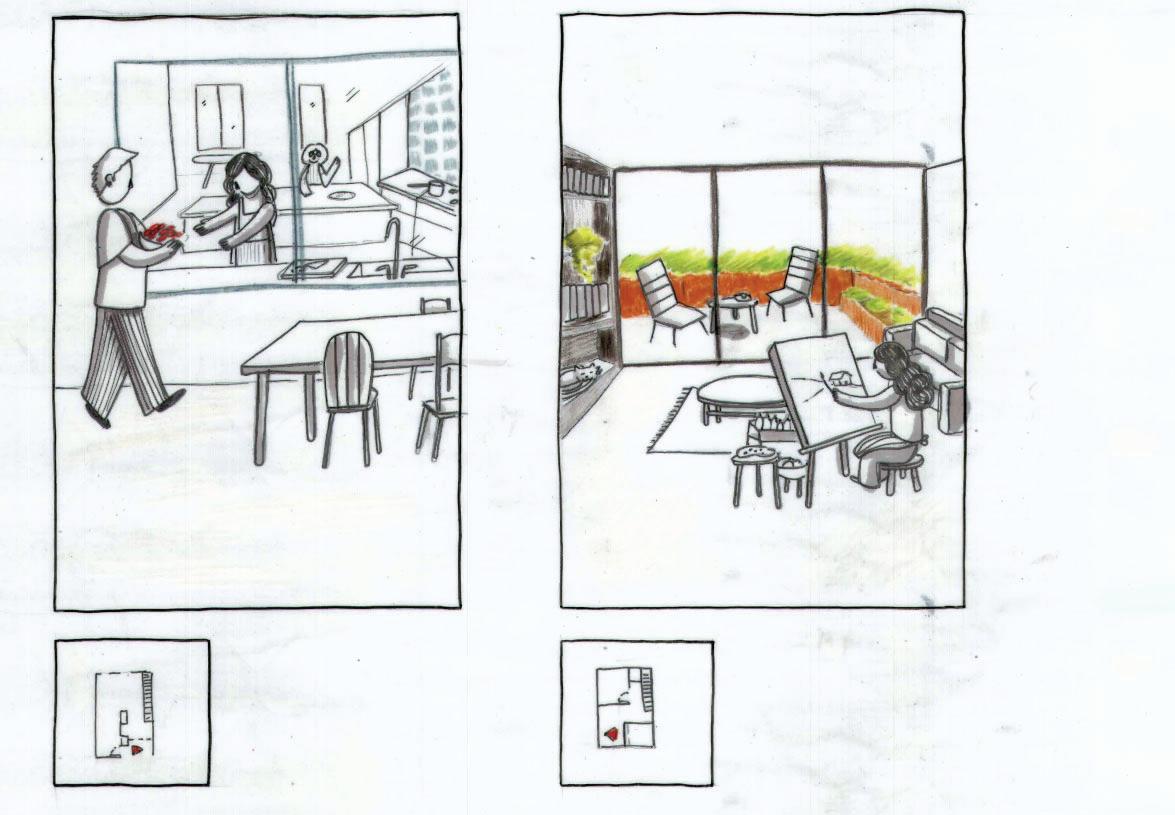
(left to right): building entrance into courtyard, exterior staircase and wide circulation with communal tables, unit entry with kitchen opening to outdoor dining area that connects to main circulation, upper floor of private unit.
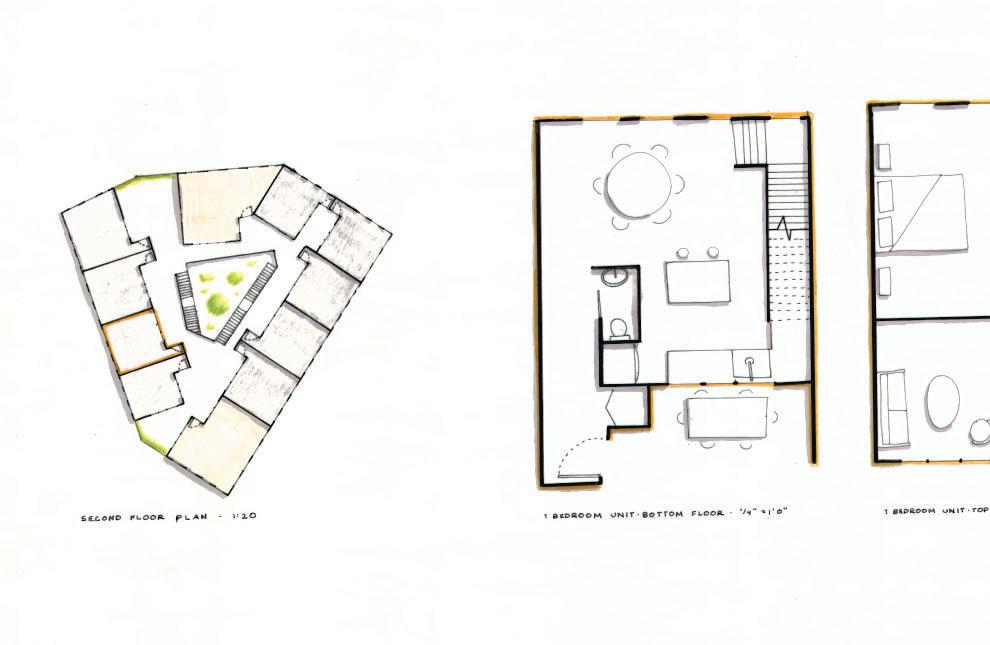
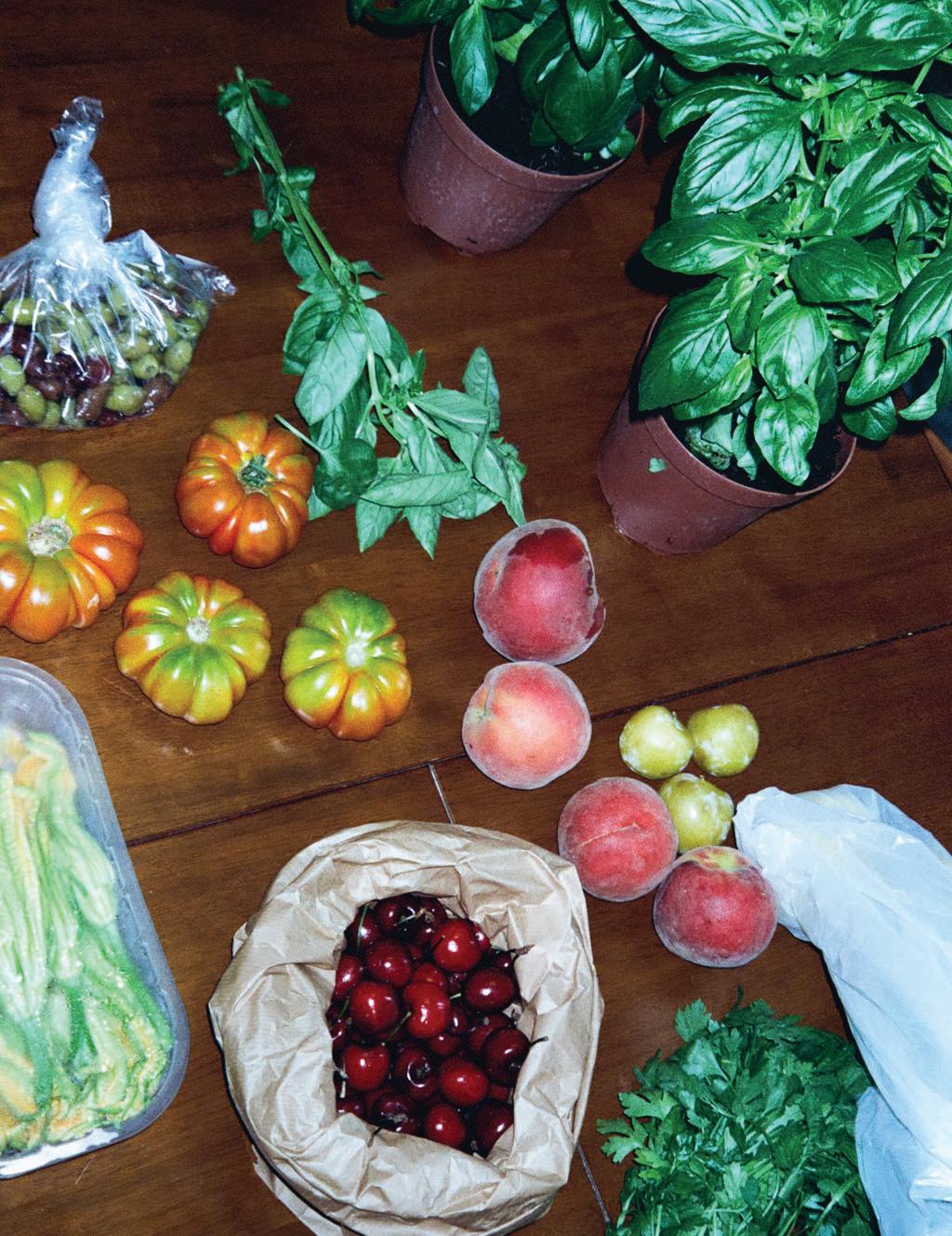
the apartment building across the street from the market was all about food, from the moment you bought produce at the market to the moment you eat it with those you love. food was at the front, conceptually and physically.
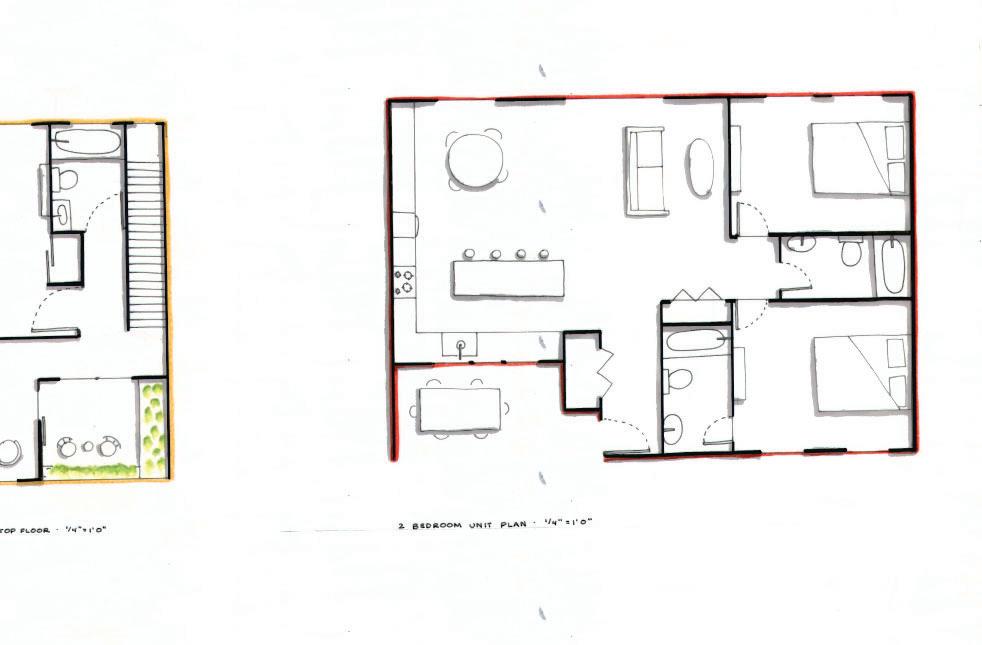
(left to right): second floor plan, each unit is two stories with the kitchen and dining facing the primary circulation for the building, one story unit on the ground floor.
community arts & crafts center
arch 681: site, phenomena, construction
prof philip speranza & prof virginia cartwright
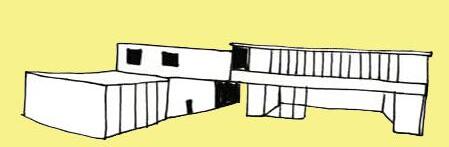
my first design studio. how can space shape community? in a tight-knight community full of eclectic and varied buildings, how can a new building fit in? the whiteaker community arts and crafts center is a community center focused on creating indoor/ outdoor spaces that can be used year-round, while adopting the DIY building palette that unifies projects throughout the neighborhood.
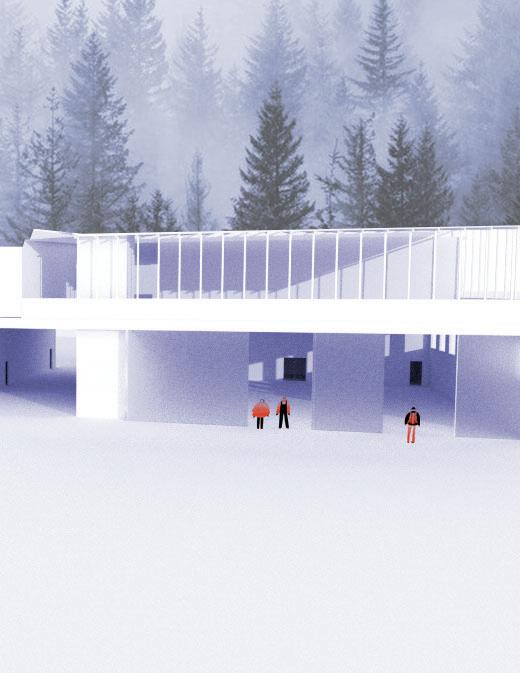

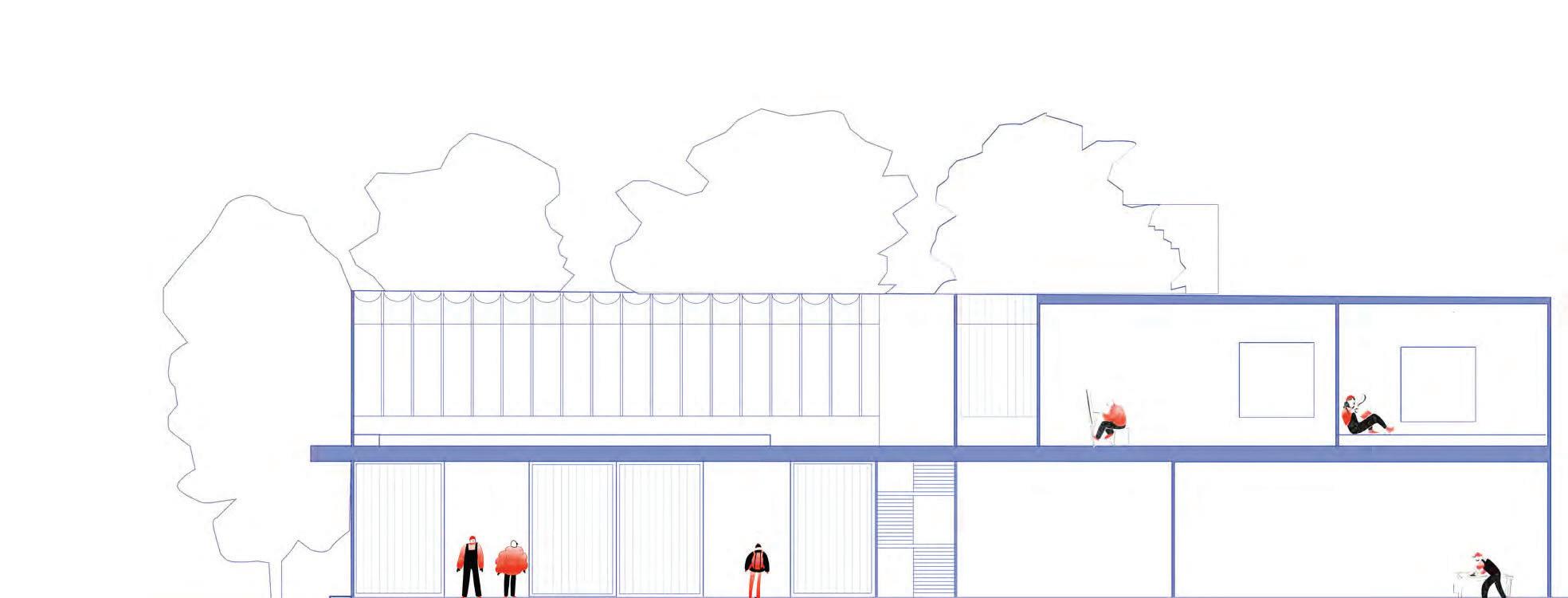

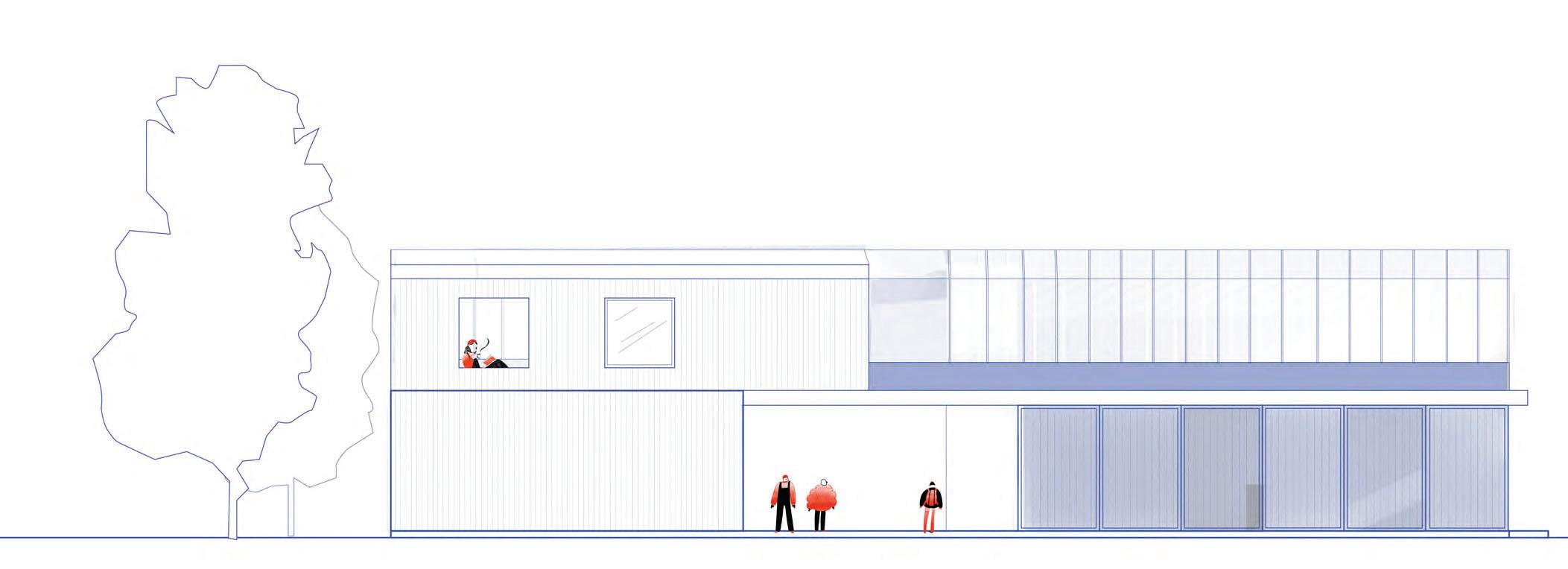
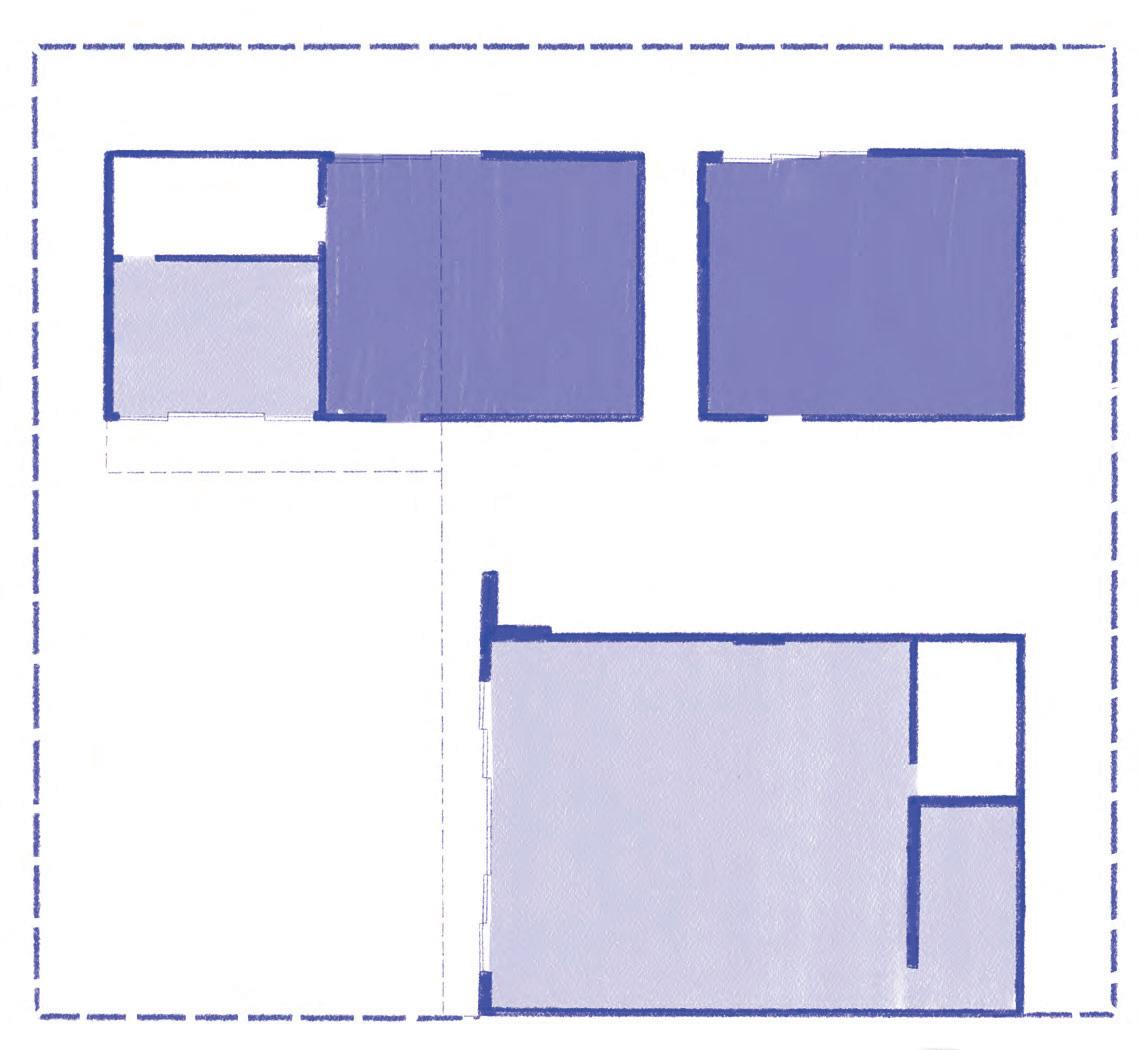
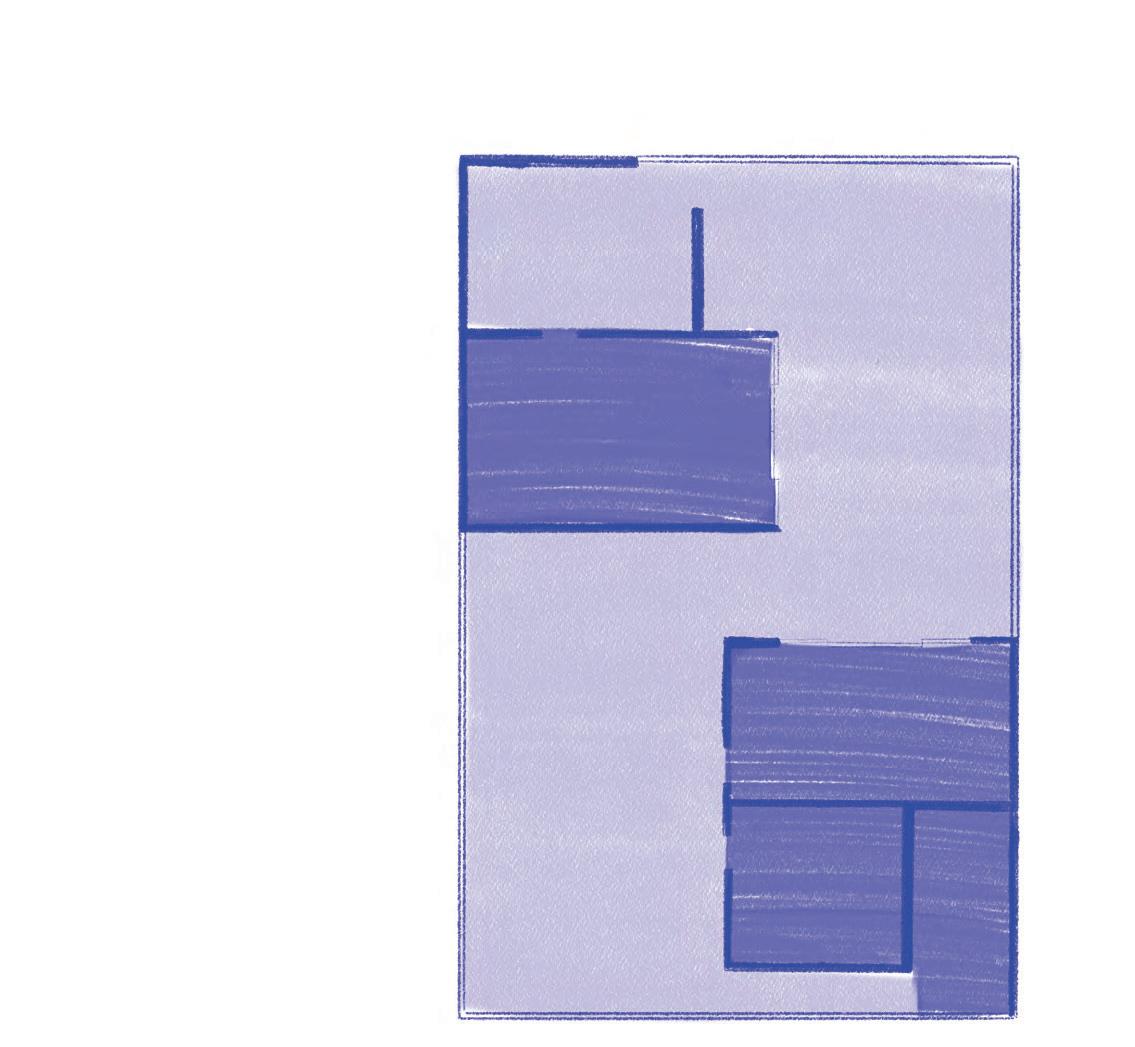
this project was titled rain or shine, and its intent was true to its name. the goal was to encourage community interaction in any conditions, providing a variety of spaces ranging in exposure, transparency, and privacy. the top floor was made up primarily of a polycarbonate sunroom that doubled as a lounge space for studio spaces upstairs.
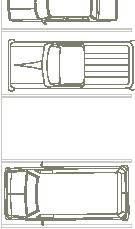
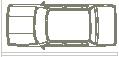
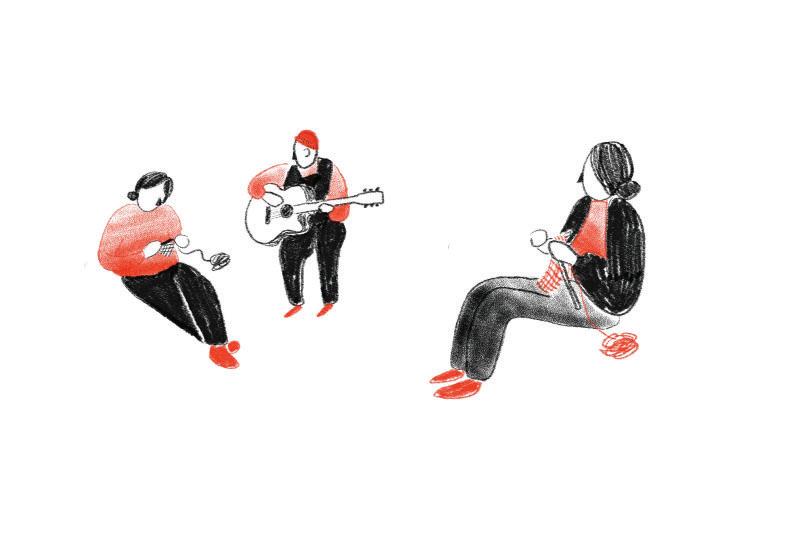
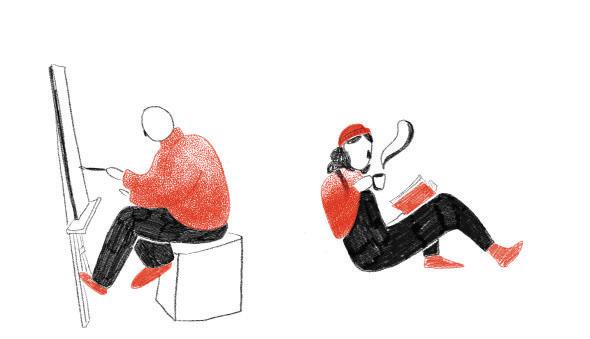
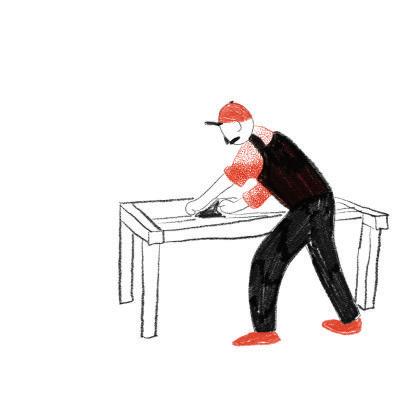
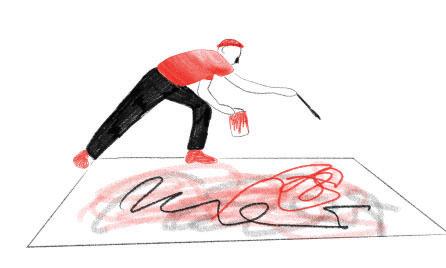
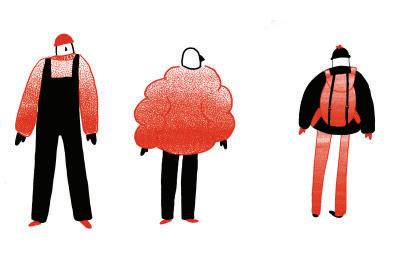
a highlight of this project was developing the scale figures
prof clay neal
how can space shape community? in a tight-knight community full of eclectic and varied buildings, how can a new building fit in? the whiteaker community arts and crafts center is a community center focused on creating indoor/outdoor spaces that can be used year-round, while adopting the DIY building palette that unifies projects throughout the neighborhood.
1/2”
2x6 Wood framing Batt insulation
Roof membrane
NOTES
001 Type-X Gypsum Wallboard painted, Sherman Williams in “White Snow”
002 Palet tiles in “CAMO”
003 Plywood casework, clear finish, circular cutouts for cabinet pulls
004 Plywood drawers, clear finish, semi-circular cutouts for drawer pulls
005 Plywood open shelving
006 Built-in nook seating, plywood with clear finish, flush with window sill
007 Built in plywood shelving, clear finish
008 Tackable cork wall panel
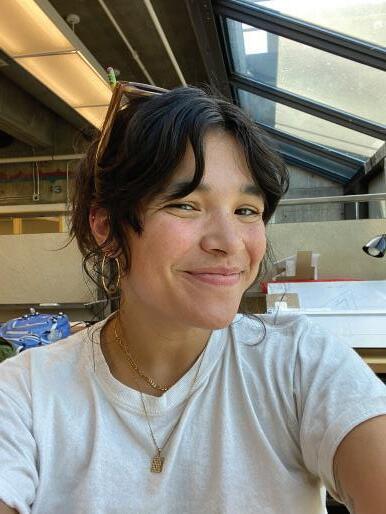
Ana is a designer originally from San Juan, Puerto Rico and is currently located in Eugene, OR. Her work is immensely humanistic, with an empathy for the human scale that is pervasive throughout every project. At its core, her work is about people - the celebration of the mundane and its importance to our daily lives.
Ana is currently pursuing a Master’s of Interior Architecture at the University of Oregon.