ana mercedes colón
university of oregon, master of interior architecture

concepts & process

university of oregon, master of interior architecture
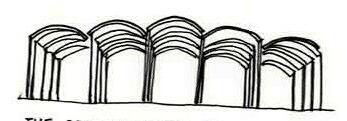
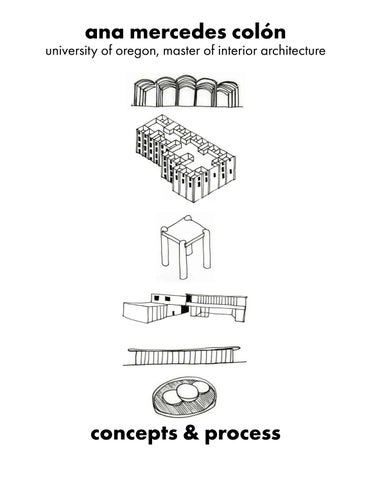
a return to hand media - summer 2025 - prof. clay neal in collaboration with david baggerly how does a new build blend into an ancient streetscape? it’s impossible to compete with the ancient architecture in rome, so instead of competing it we chose to honor it. through extensive sketching studies, we aimed to understand the elements that define the character of the roman streetscape, and incorporate these into our market and our housing design. digital model and site plan created in collaboration with david, all other drawings are mine
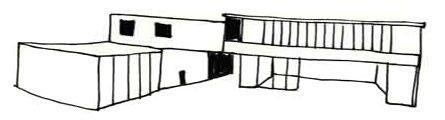
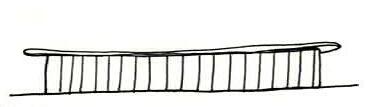

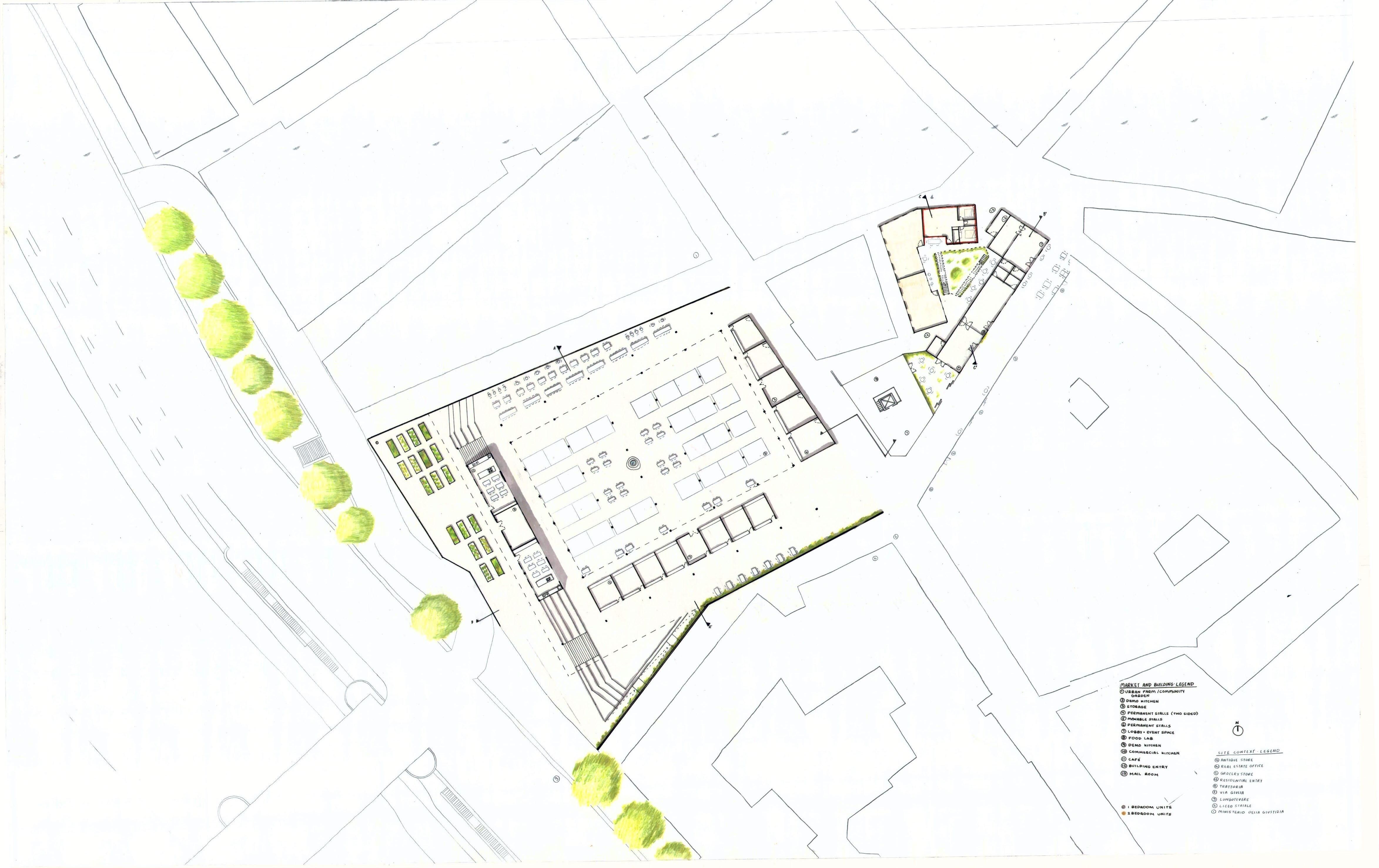
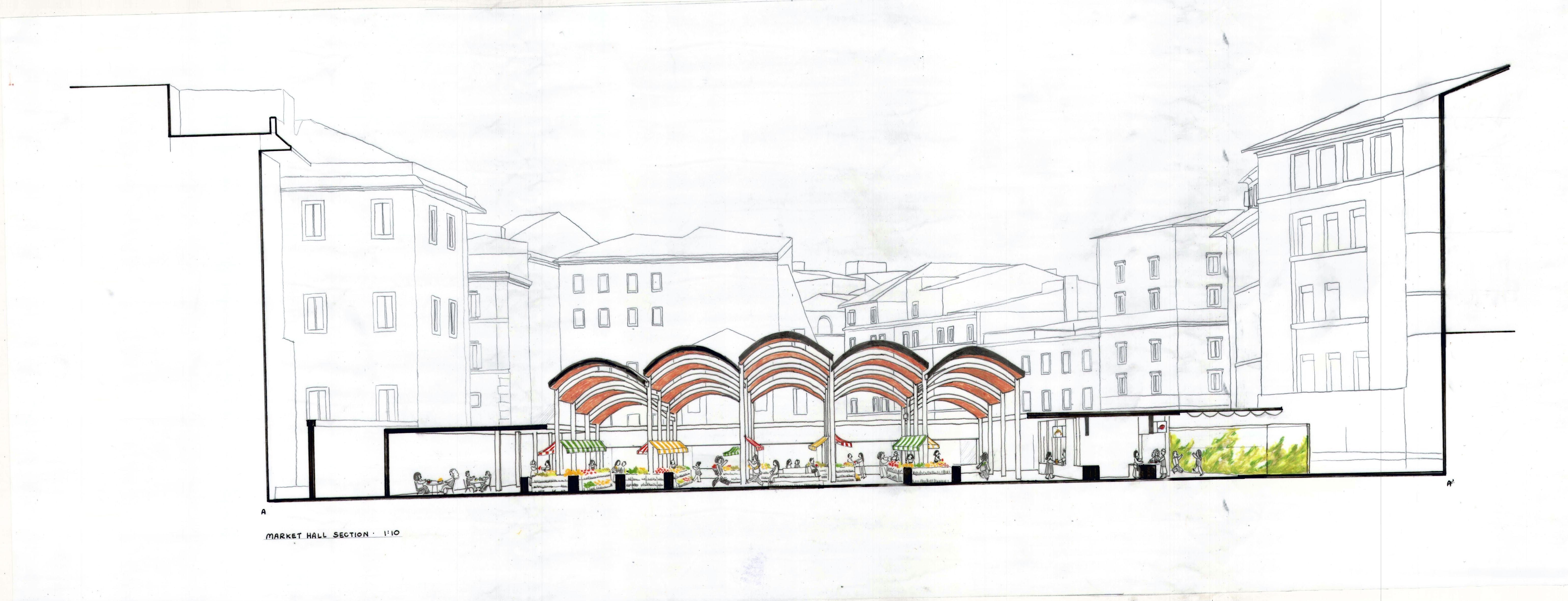
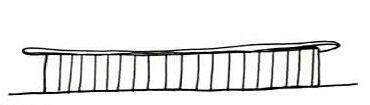
the market hall was inspired by its surroundings, an abstract take on the terracotta rooflines that surround the piazza. a mix of flexible and fixed stands, the market is a gathering place for all the seek shelter and eat good food. its a connecting point between the river and the historic city center
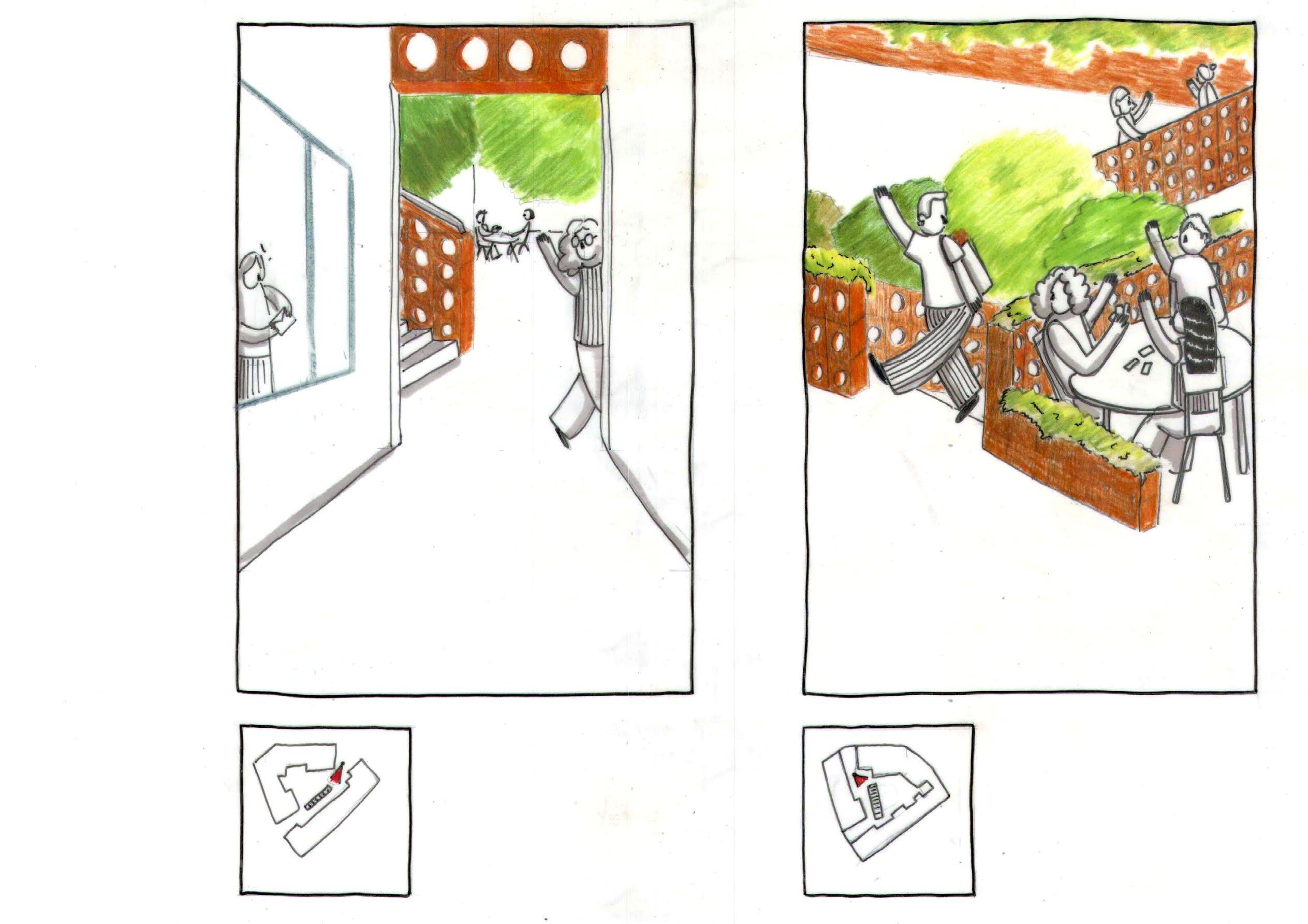
understanding the entry sequence was a crucial step in defining our design. our goal is to foster community through food, so the entry to the building should provide opportunities to connect over food as an entry point.
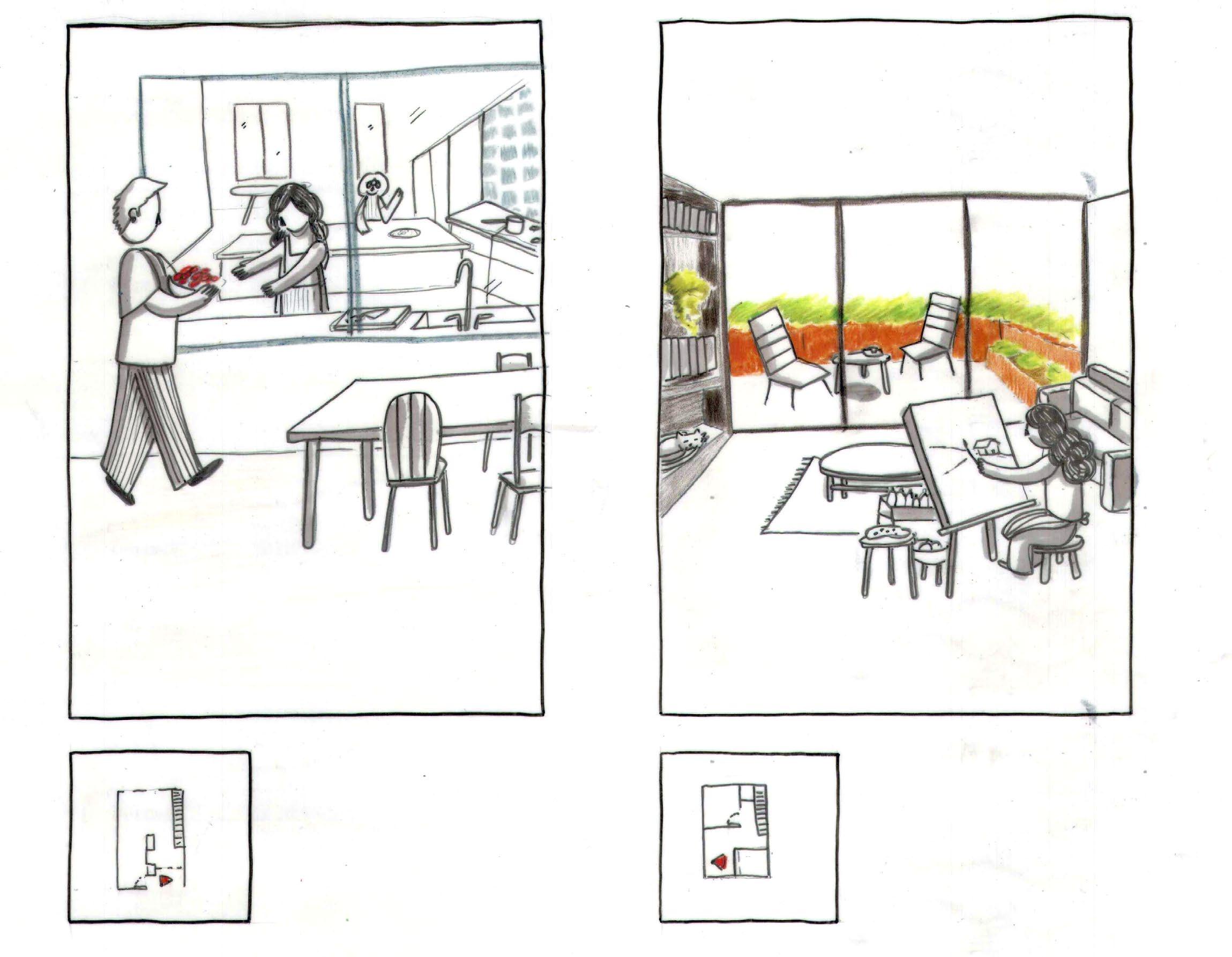
(left to right): building entrance into courtyard, exterior staircase and wide circulation with communal tables, unit entry with kitchen opening to outdoor dining area that connects to main circulation, upper floor of private unit.
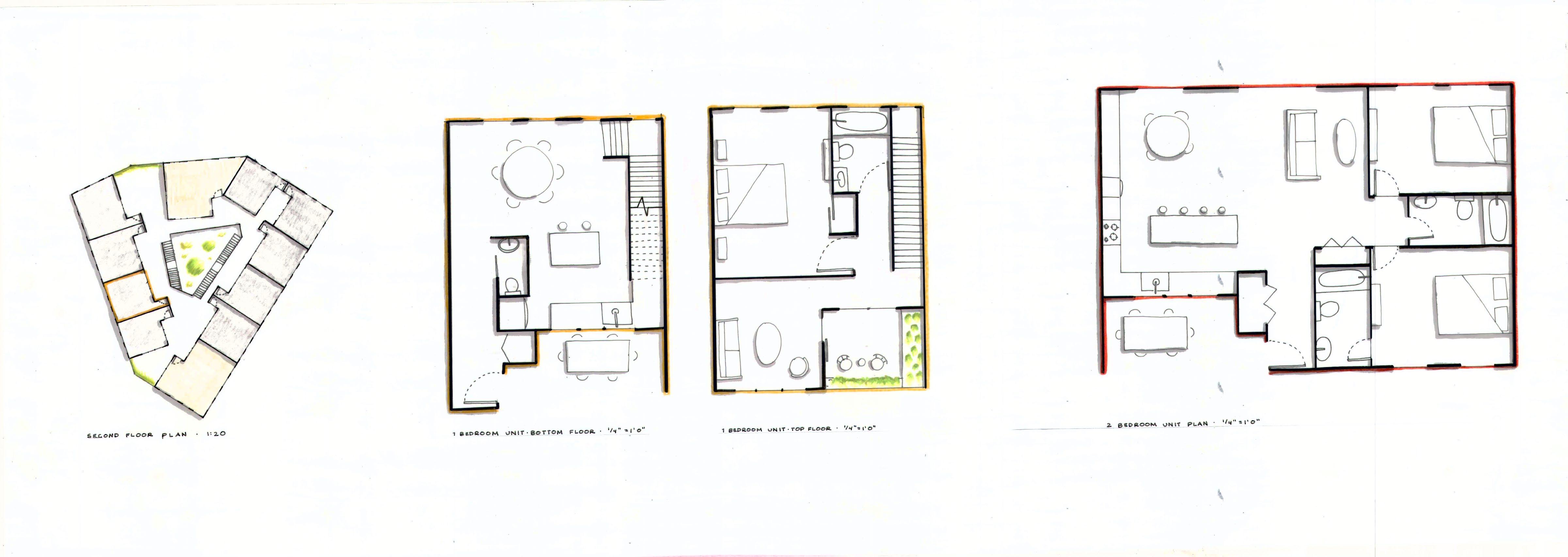
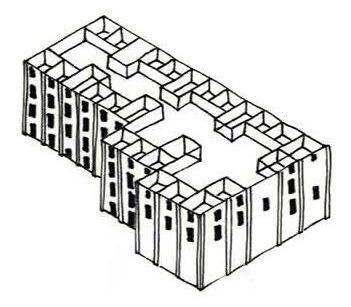
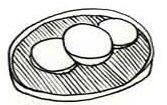
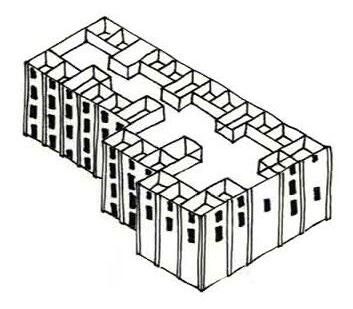
the apartment building across the street from the market was all about food, from the moment you bought produce at the market to the moment you eat it with those you love. food was at the front, conceptually and physically.
(left to right): second floor plan, each unit is two stories with the kitchen and dining facing the primary circulation for the building, one story unit on the ground floor.

communal housing - winter 2025 - prof katharina koerber in collaboration with emma ball, blaine brennan, and grayson dreher in a time where not knowing your neighbor is the norm, how can your living space shape the way you interact? this project was a conceptual rethinking of what your home should be, and a return to community oriented living. floor plans drawn by emma ball, but designed as a group. key image drawn with blaine brennan.
the key to this project was variation - variation in communal scale, variation in privacy, variation in flexibility. we designed a module of 8 units centered around a communal kitchen and living space, creating a small communal scale within the module. the floors each have a unique larger scale communal space, to create a sense of community within the floor. the floors were connected through a series of atriums to create visibility and a sense of transparency that fosters community on a building scale.
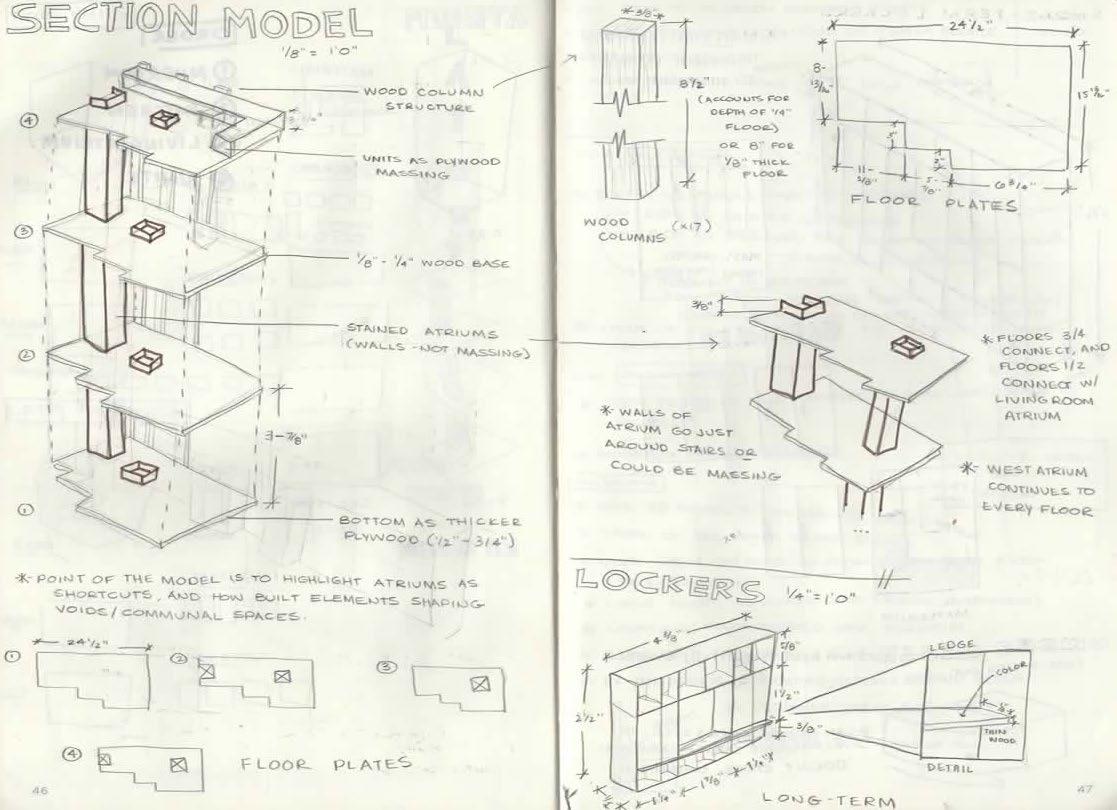
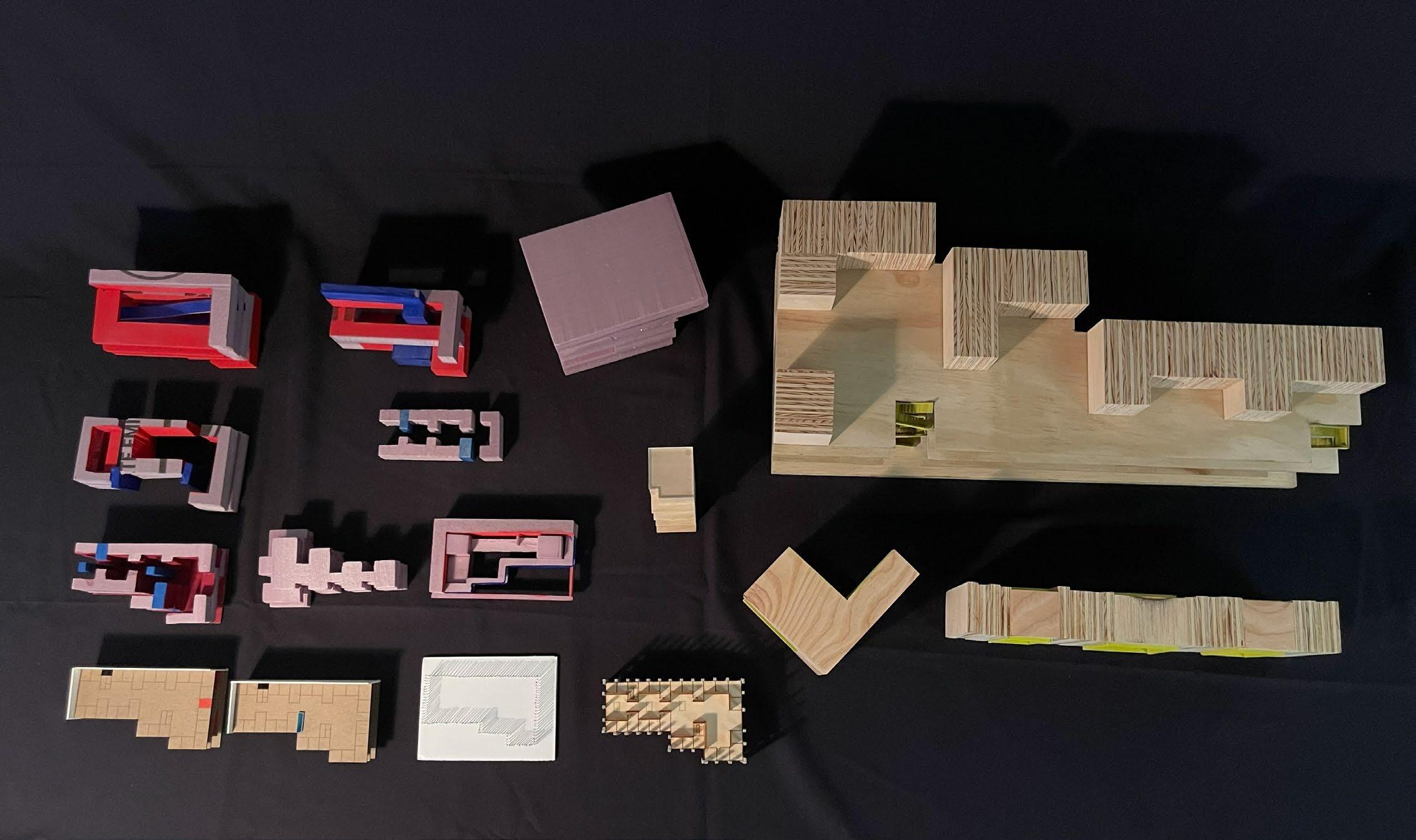
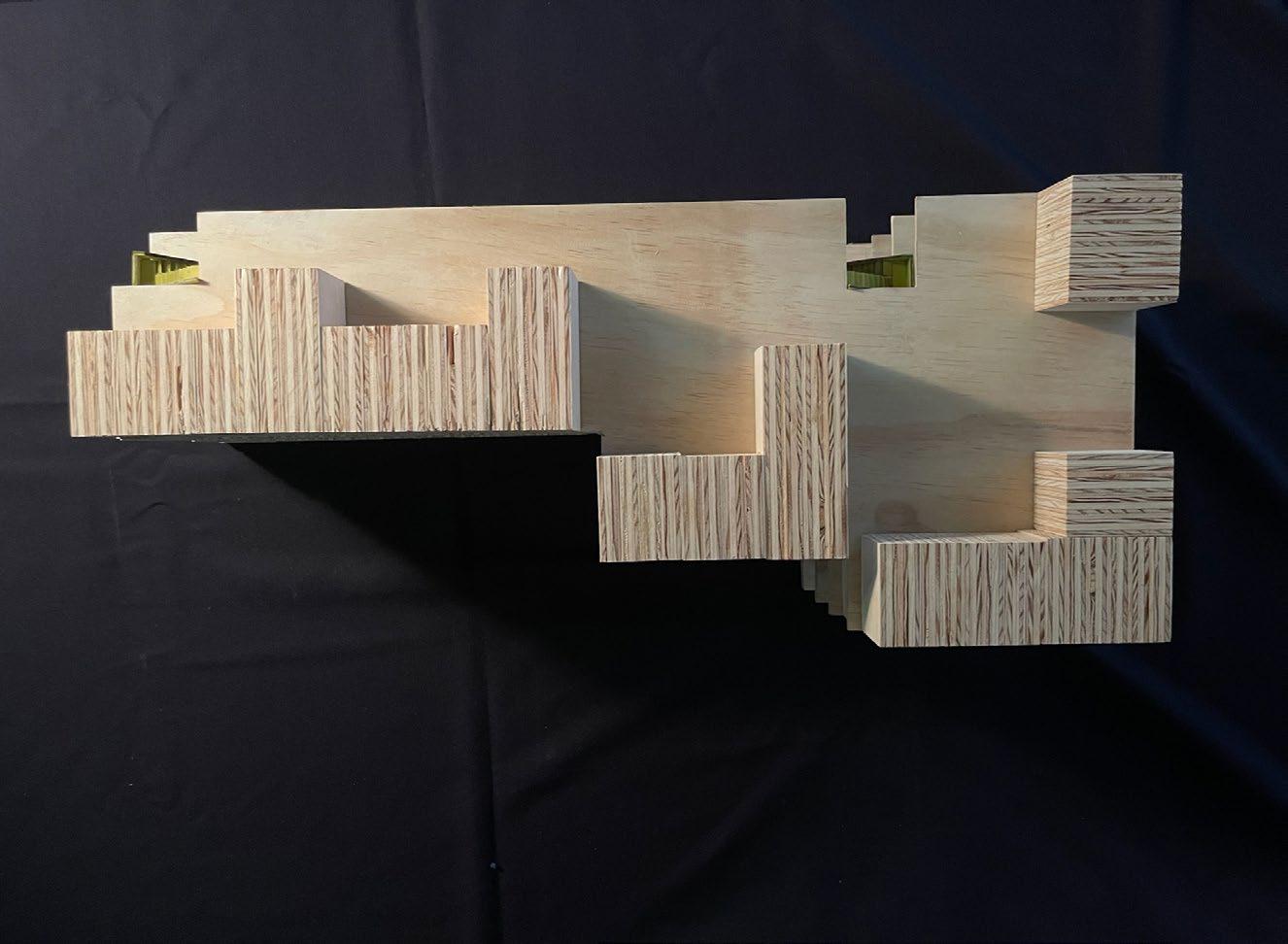
designing through model building - the bulk of our designing came from conceptual dialogue and conceptual models. these models spanned every scale - the unit, the module, the floor, and the building.
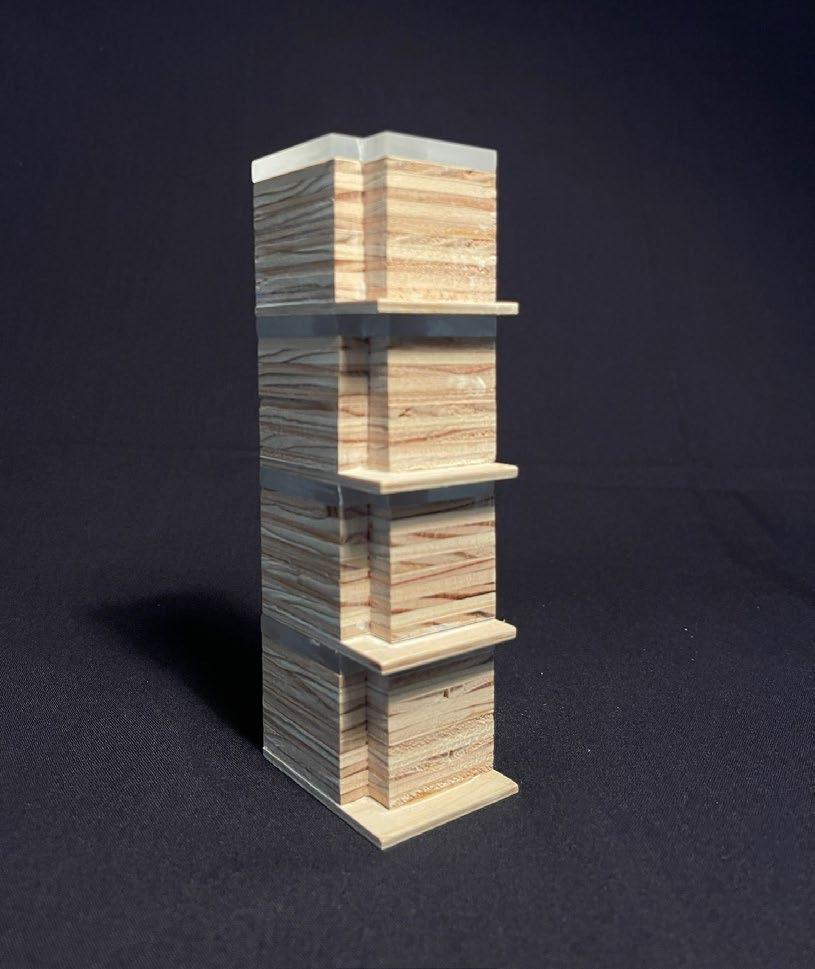
(above) sketches of our model building process for the large section model. (right) we built models throughout the entire design process. the culmination of these was a large section model (bottom left) to show how units and atriums shaped communal space. (bottom right) a conceptual model of skylights in stacked units.
furniture studio - fall 2025 - prof cory olsen
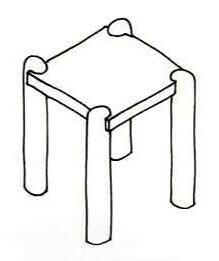
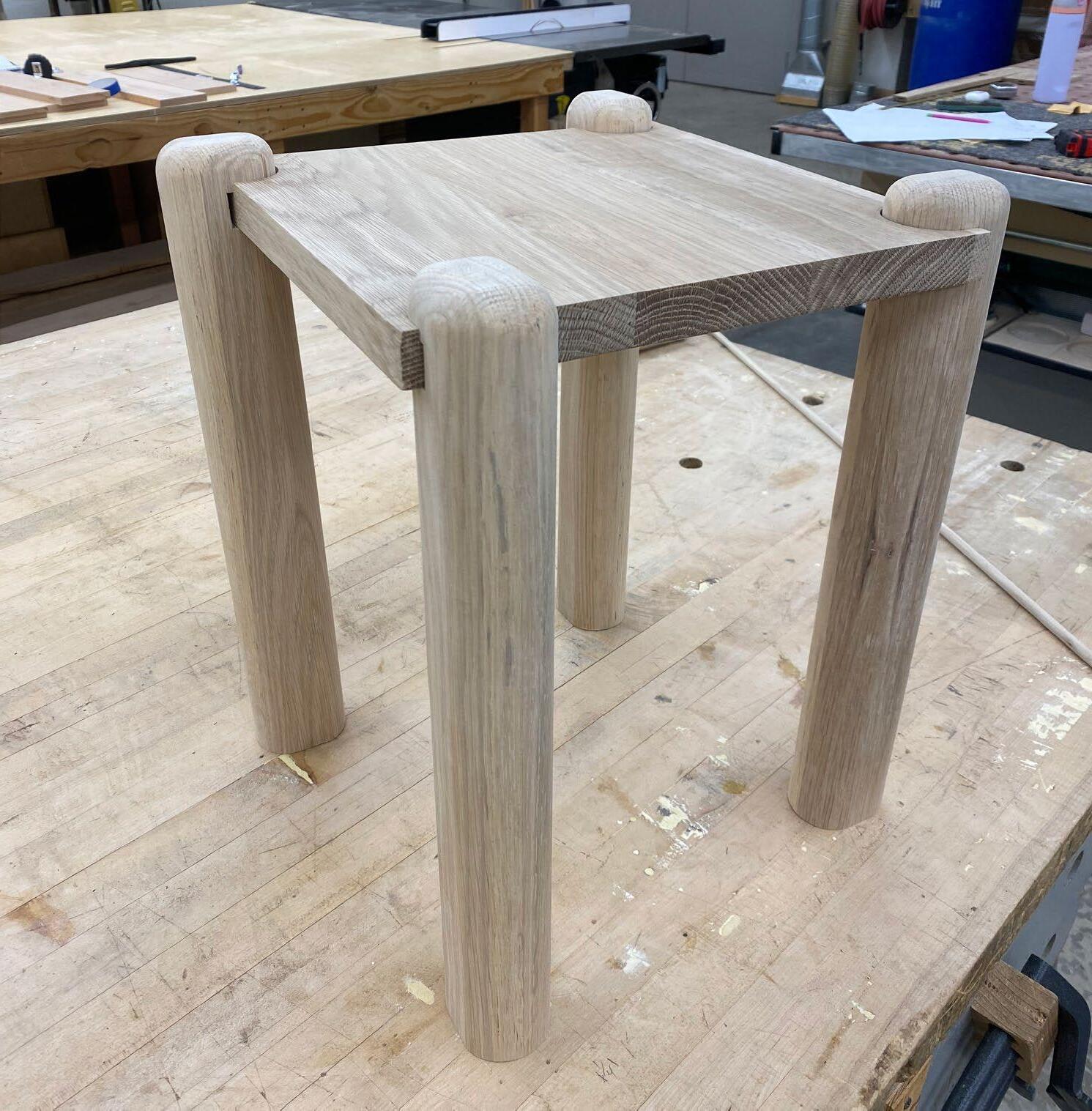
inspired by aydin’s woodworking practice, this stool is a tribute to him and his work. this piece is about process - how working backwards through a process can shape our understanding of the person who inspires you. it’s a piece about ritual - the ritual of making, the ritual of slowing down, the ritual of remembering. it’s a piece about memory - honoring someone’s memory and creating something new from it.
indoor/outdoor community center - fall 2023prof philip speranza & prof virginia cartwright
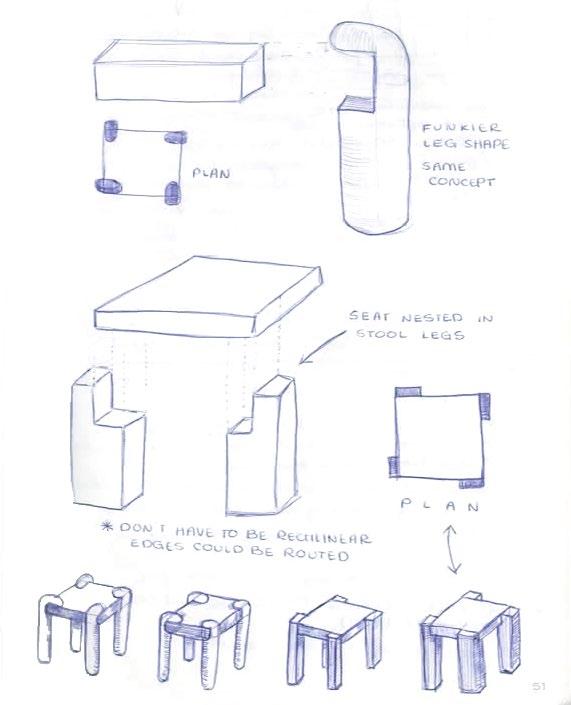
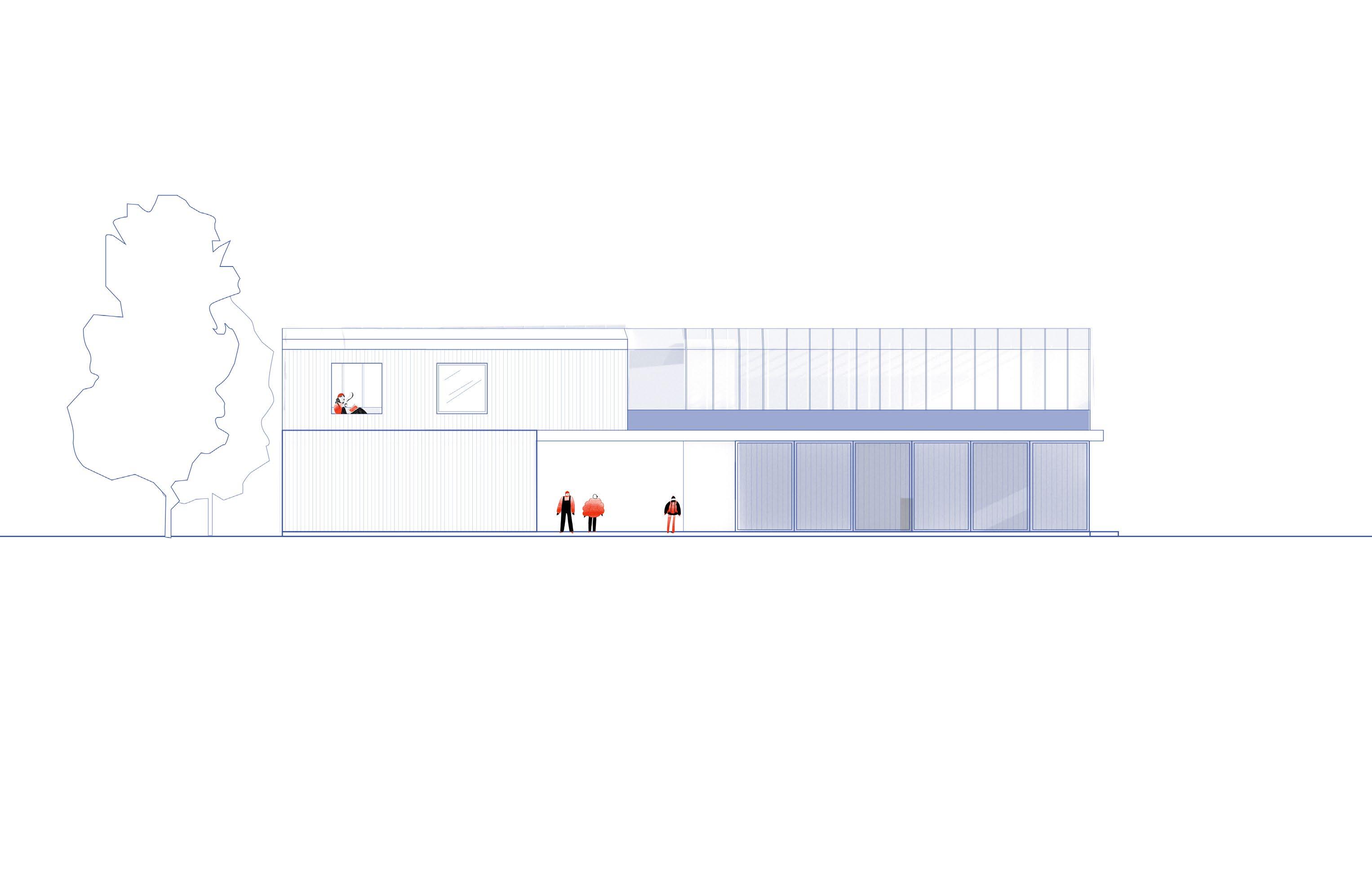
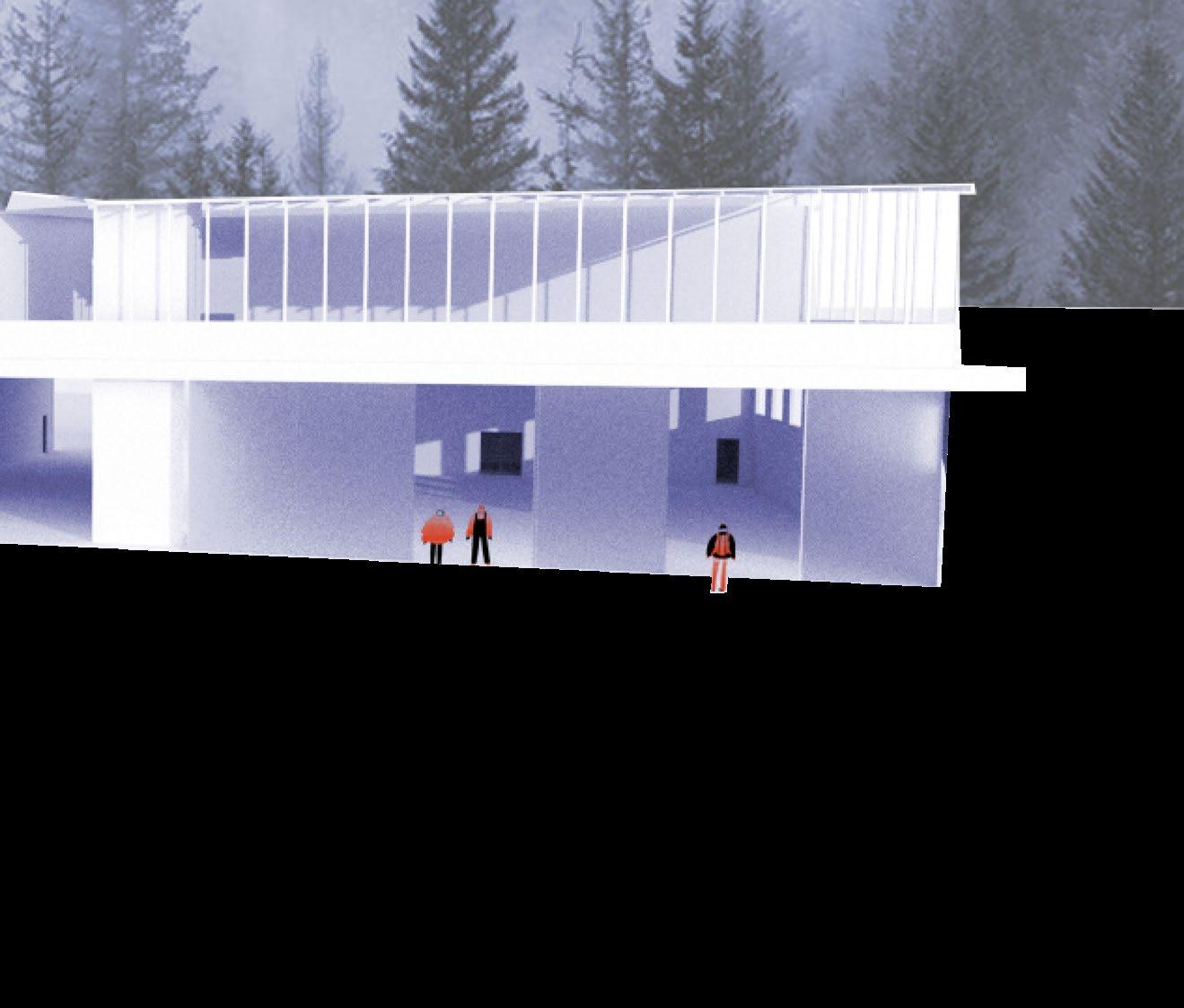
how can space shape community? in a tight-knight community full of eclectic and varied buildings, how can a new building fit in? the whiteaker community arts and crafts center is a community center focused on creating indoor/outdoor spaces that can be used year-round, while adopting the DIY building palette that unifies projects throughout the neighborhood.
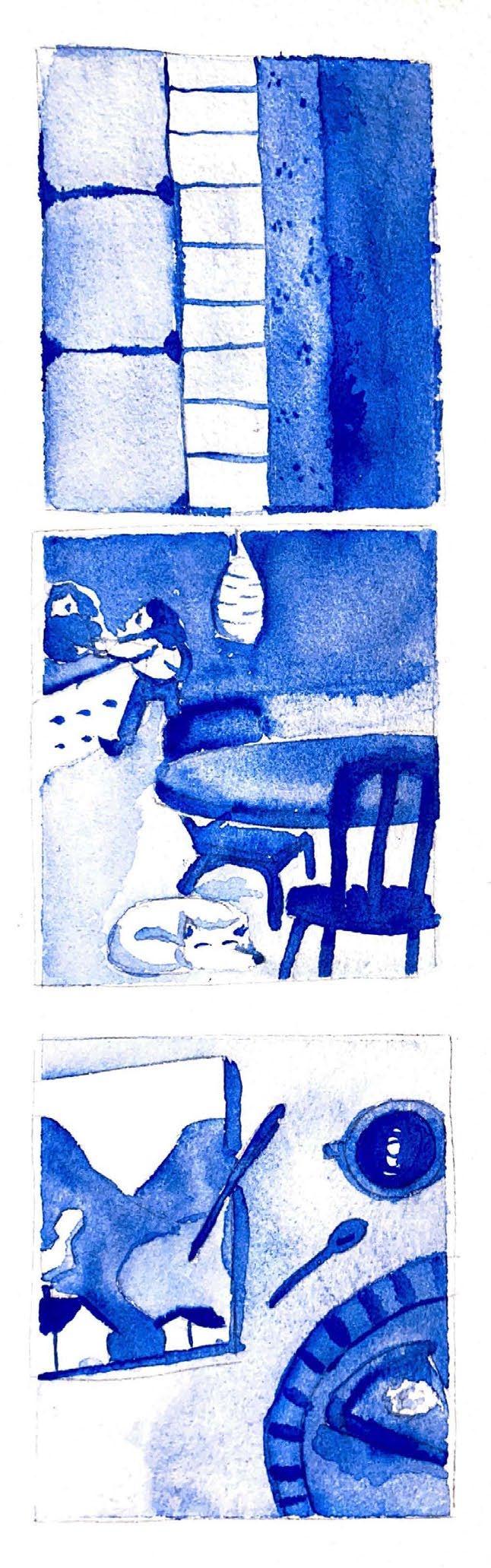
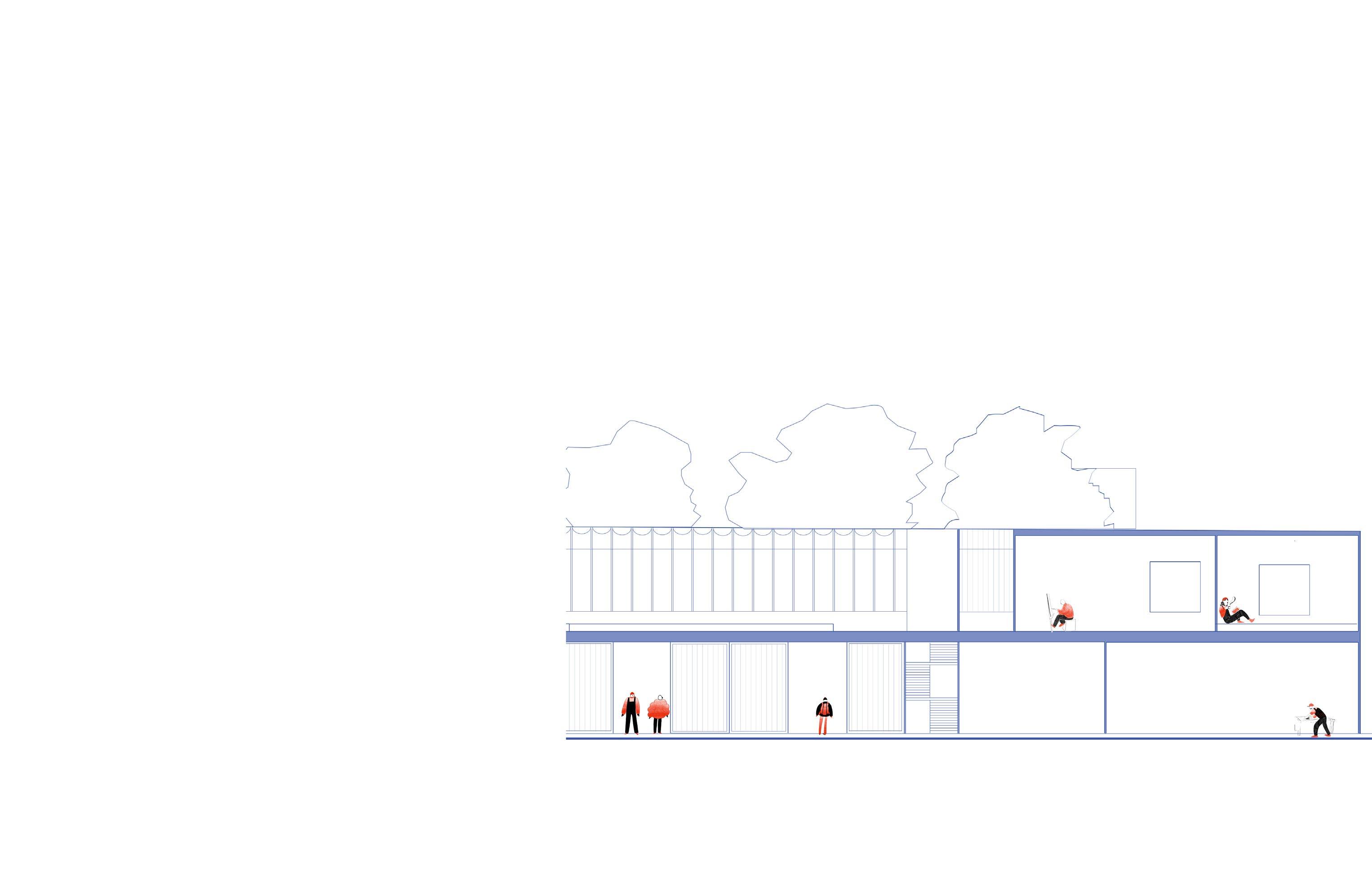
1/16” = 1’0”
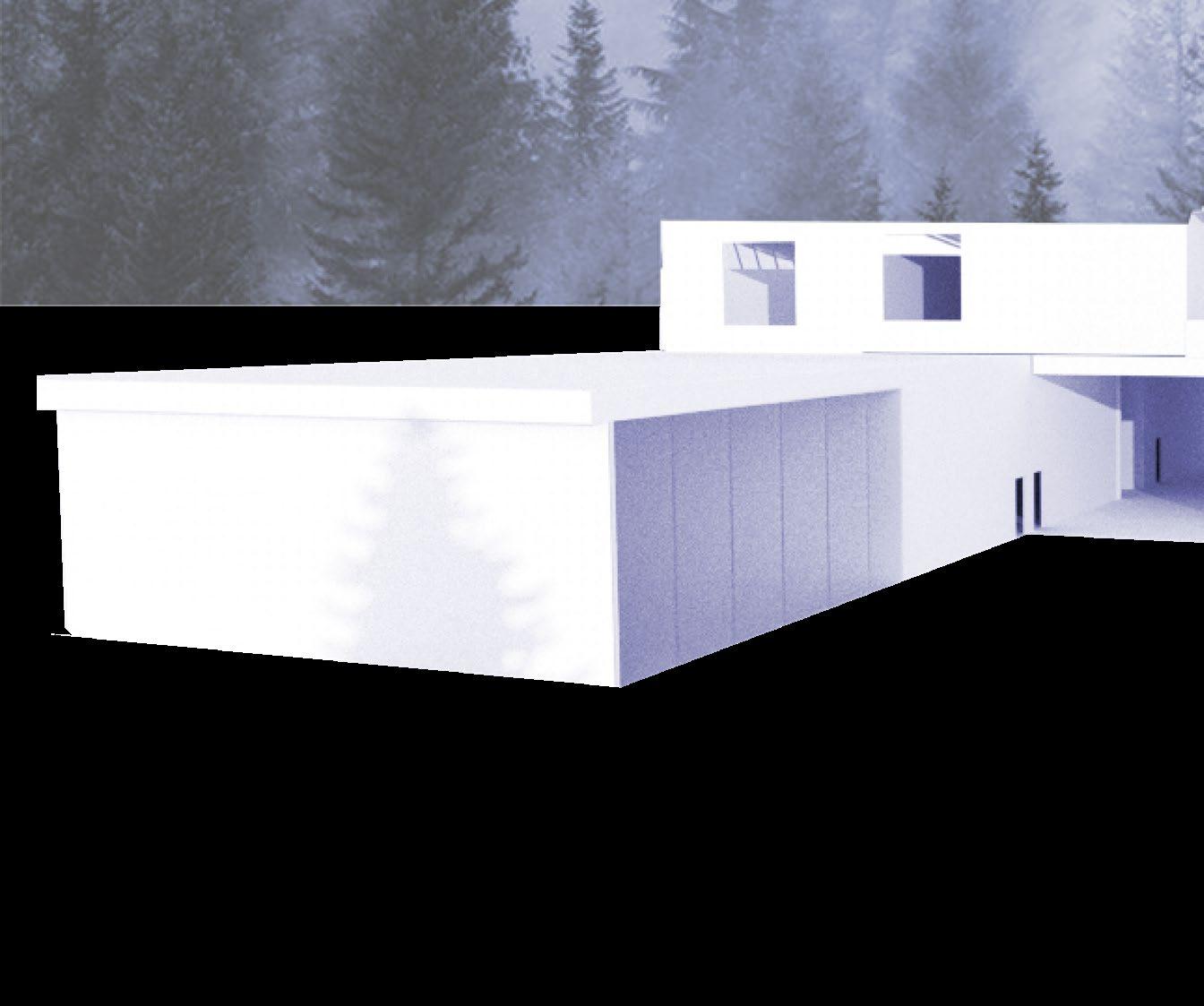
polycarbonate enclosed sunrooms on the southern side connect the art studio spaces and create communal spaces for unstructured interaction.
a diner in a midcentury car dealer- spring 2024 - prof kyuho ahn
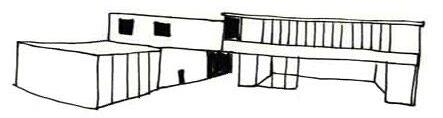
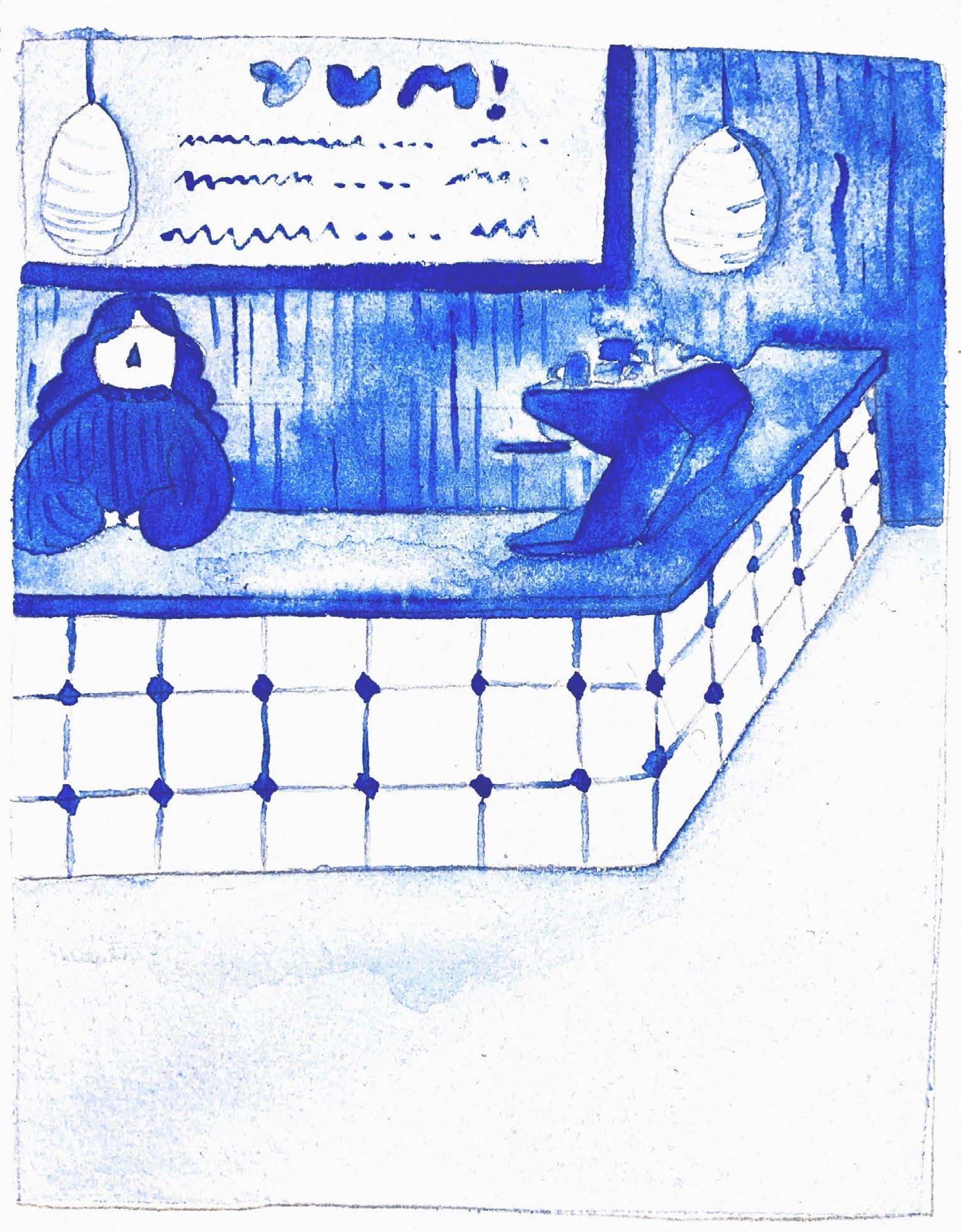
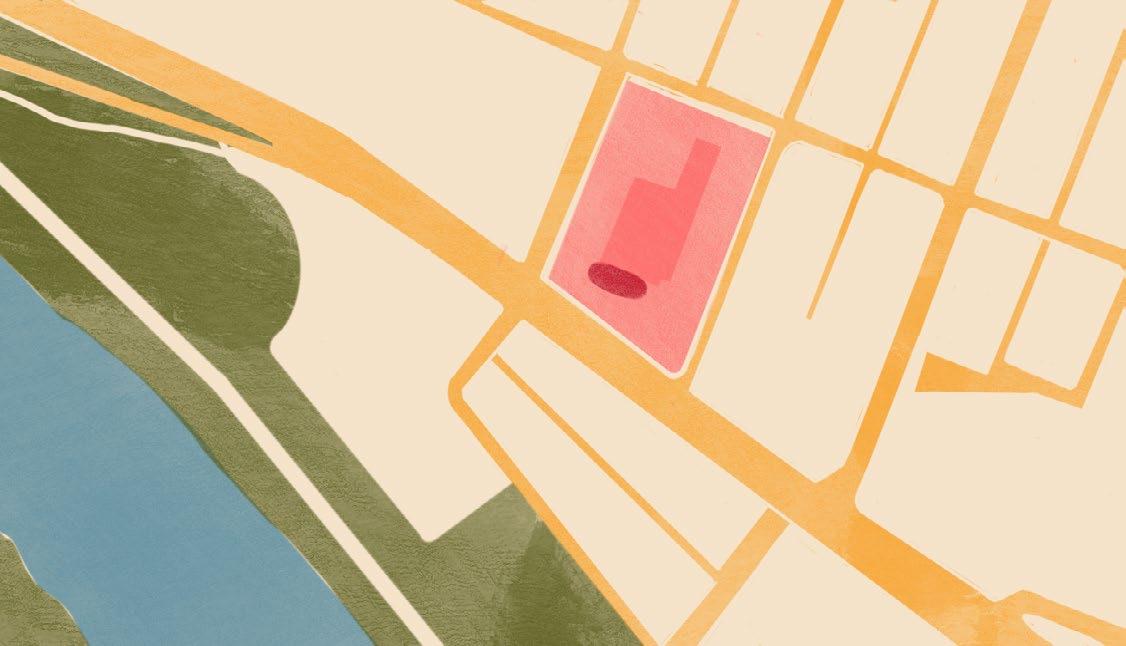
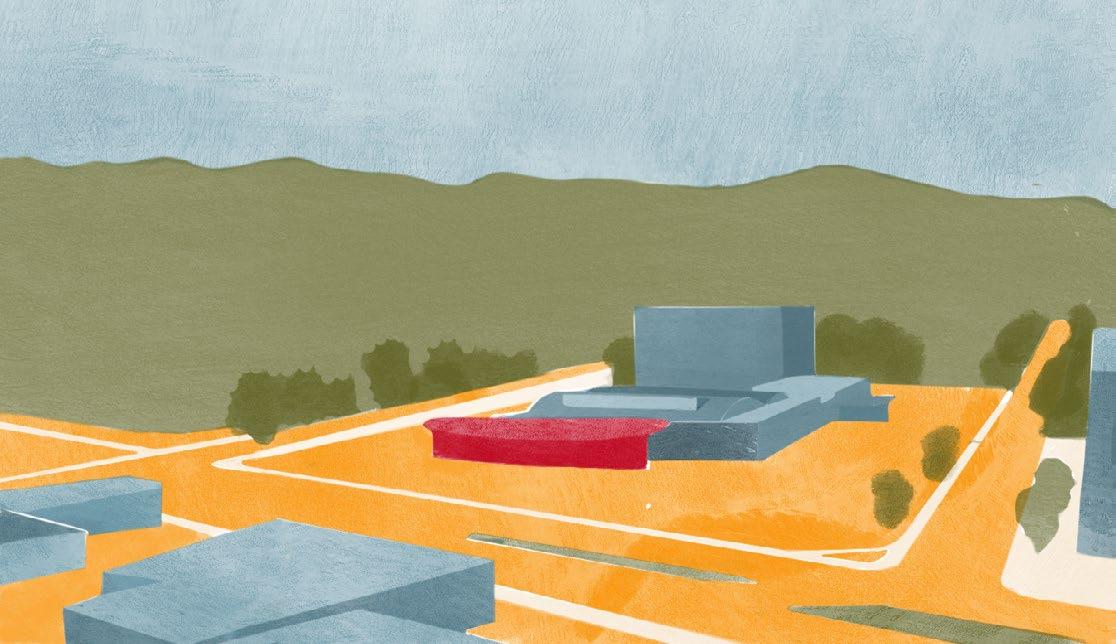
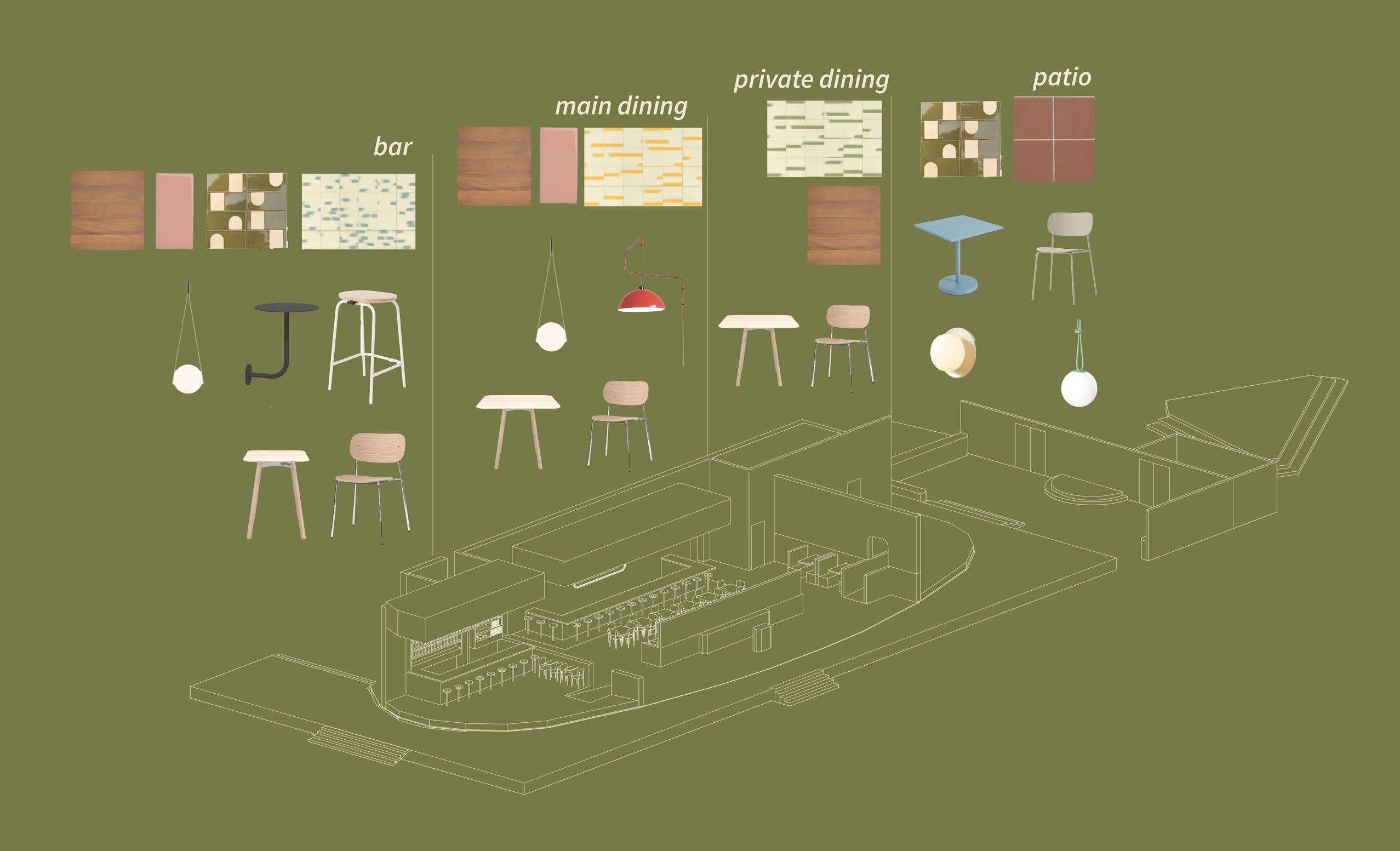
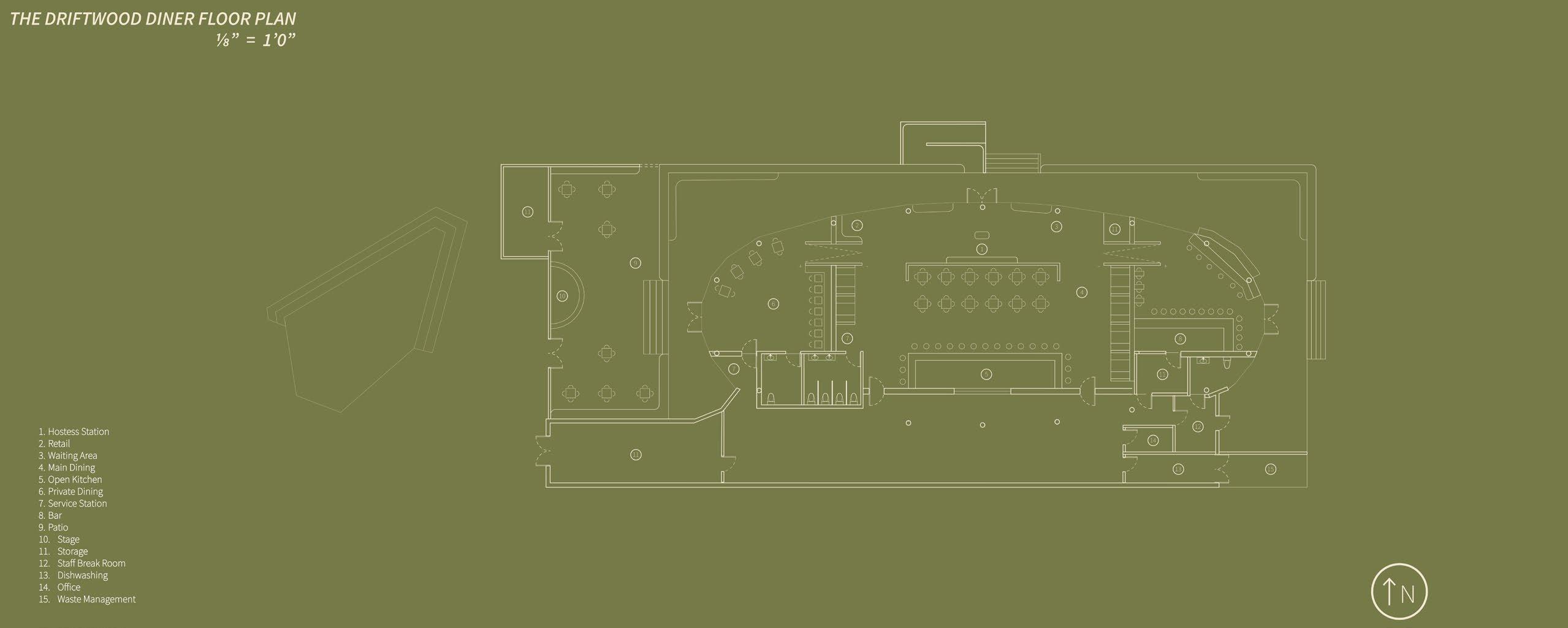
in a large space, with a program all about efficient movement, how do you create spaces that are scaled to the people in it? this project was all about circulationcreating a layout that subdivided the large open space of the romania building into supspaces with distinct feels, while still maintaining clear circulation paths that made running the restaurant easy. the material palette falls somewhere between mom-and-pop diner and elevated dining experience. it was a conceptual study of how can a diner, an inherently approachable dining experience, feel elevated to a higher end experience, while maintaining the qualities of a diner?
(right, above): FF&E axon for the space
(right, below): floor plan for the space
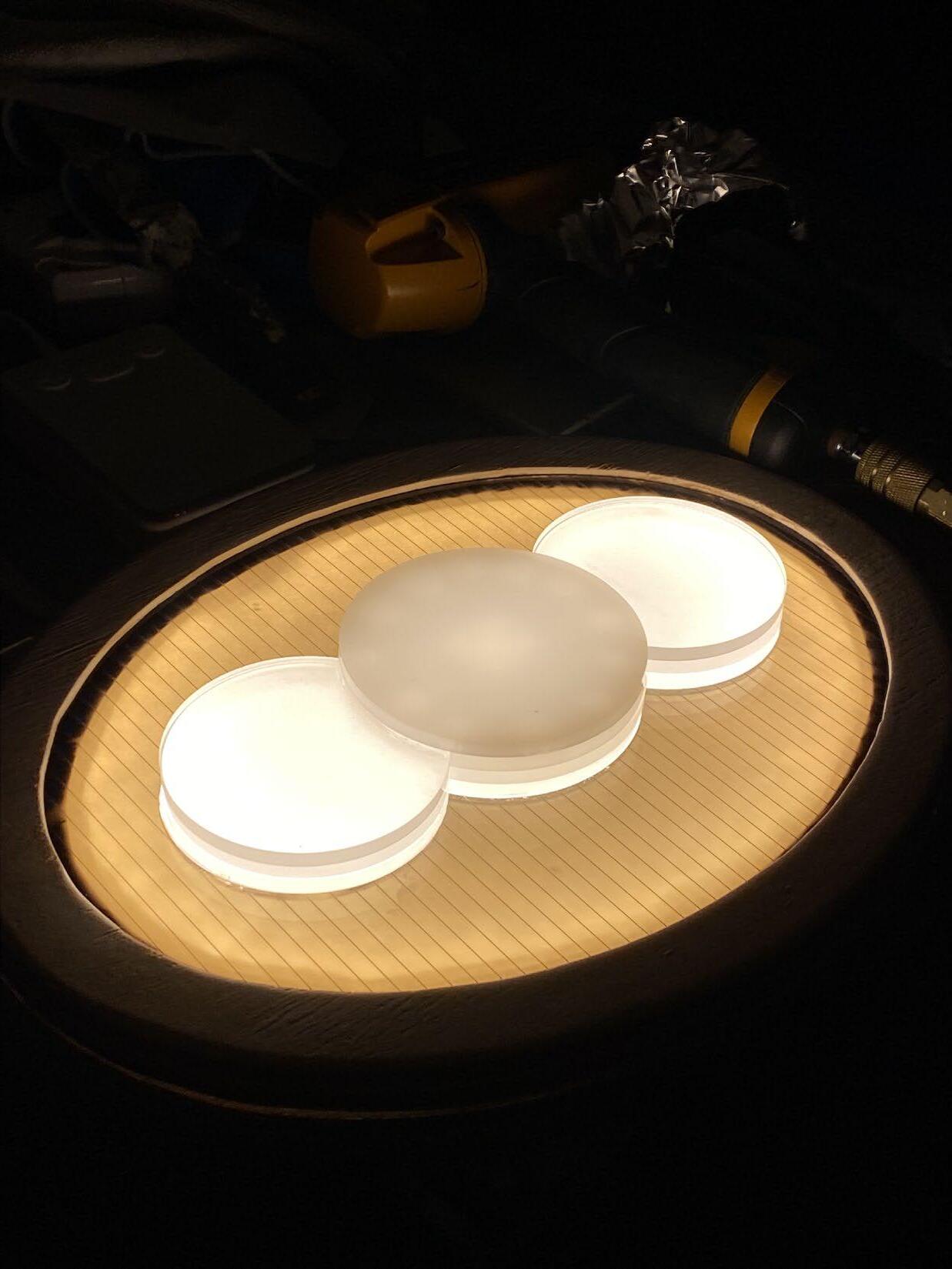
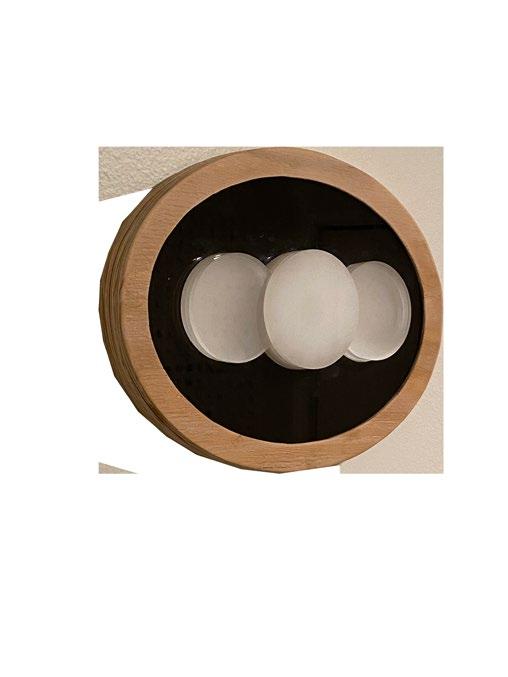
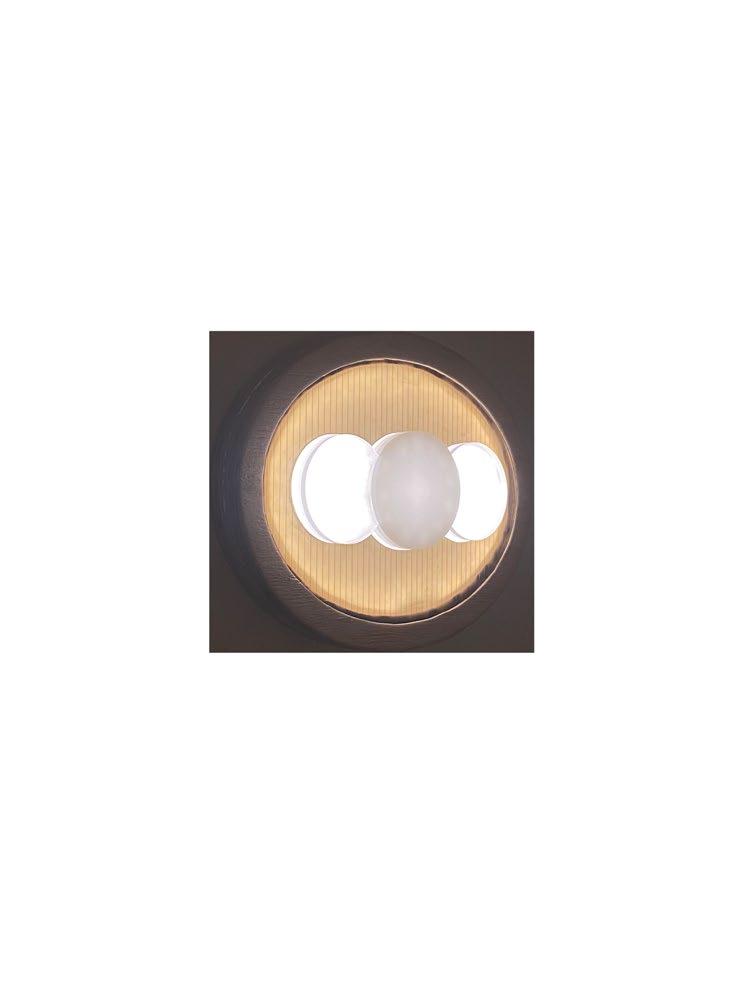
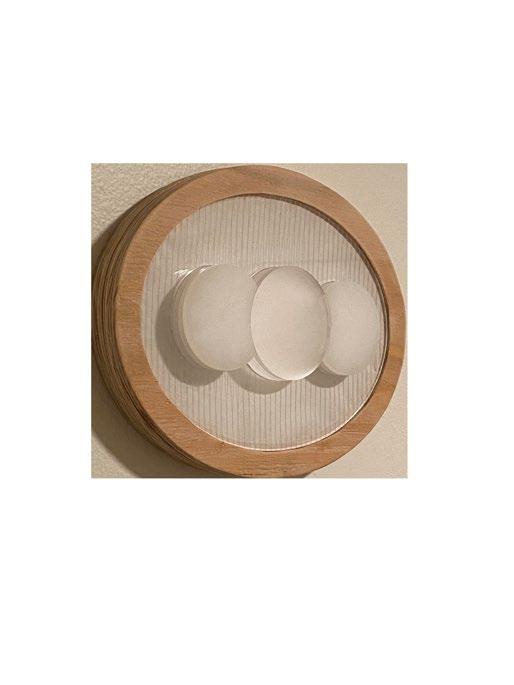
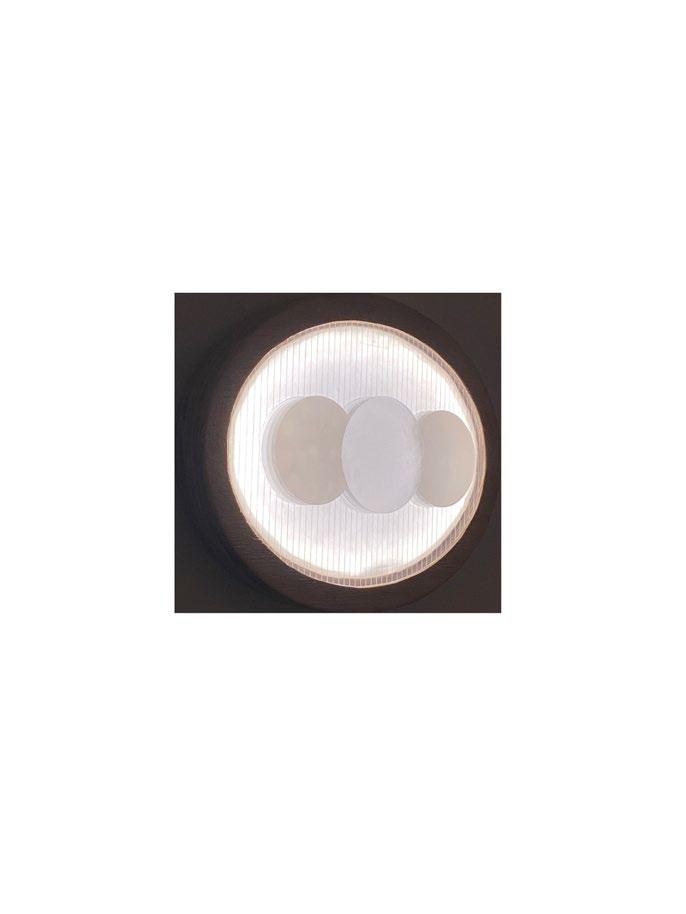
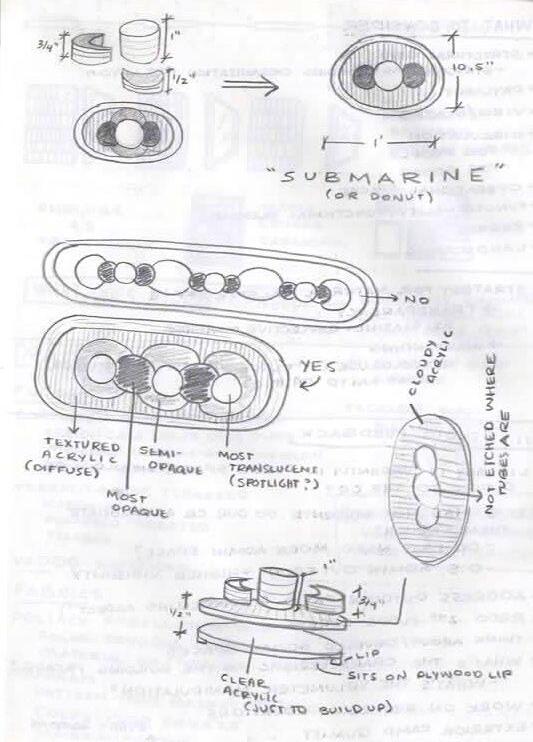
“Submarine” is a family of lights that of nostalgia and indecision. The design of familiarity that you can’t quite nonetheless.
The wall-mounted fixture is made a diffuser, and a top acrylic layer replaced with a different color way. customizable to fit the needs of the feature is built similarly, and is therefore Clear acrylic pieces can be incorporated spotlights surrounded by diffuse to create more ambient lighting.
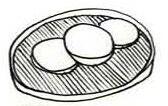
the submarine sconce is designed for versatility and customization. the goal was to create a design that can be easily swapped out to fit the space. the prototype has interchangeable plates, creating a soft glow, bright slight, warm when off, or cool when off, depending on the preferences of the person using it.
(right) process sketches of the submarine sconce series.