

Including Ford Care Program
5-Year or 150,000 km

Factory Warranty (whichever comes first)


Engine

3.0L 250PS
We’re not authors, but we help our clients shape their businesses’ financial stories.
We’re not architects, but we help our clients build stronger businesses.
We’re not an airline, but our network connects global businesses in nearly 180 local markets.

but we help our clients digitally transform their businesses.
Neuroinclusion as a Strategic Framework: How Organizations Can Rethink Corporate Impact and Talent Development
Building High-Performance Teams Through Coaching Leadership
Bank of Thailand Tightens Documentary Requirements for Large Foreign Currency Transactions
BOI: Accelerates Implementation of Thailand Fastpass to Unlock Over 480 Billion Baht in Strategic Investment
Department of Foreign Trade Seminar on Dual-Use Items e-Licensing
Preparing for the Quantum Decade Webinar: Enterprise Cybersecurity and Thailand’s National Direction
Roundtable Meeting with the Digital Government Development Agency
Roundtable Meeting with the Office of the Public Sector Development Commission (OPDC)
Roundtable Meeting with the National Economic and
Development
(NESDC)
Melea Cruz - Partner – Tax & Legal of BDO Advisory
Student Story - Meet Kanjanarat "KimCream" Grishonwong
Thailand’s Post Election Outlook – A Mandate for Continuity or for Change?
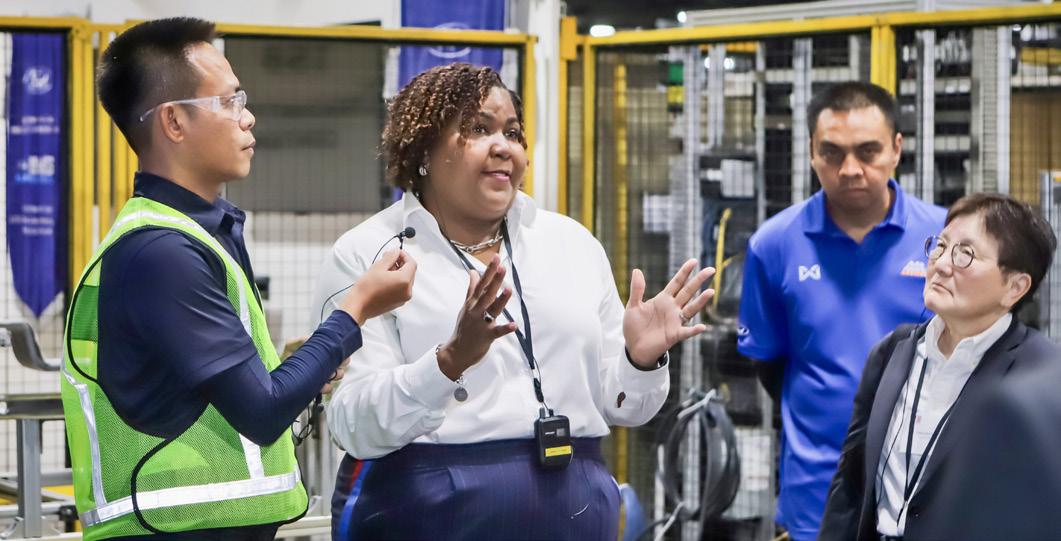
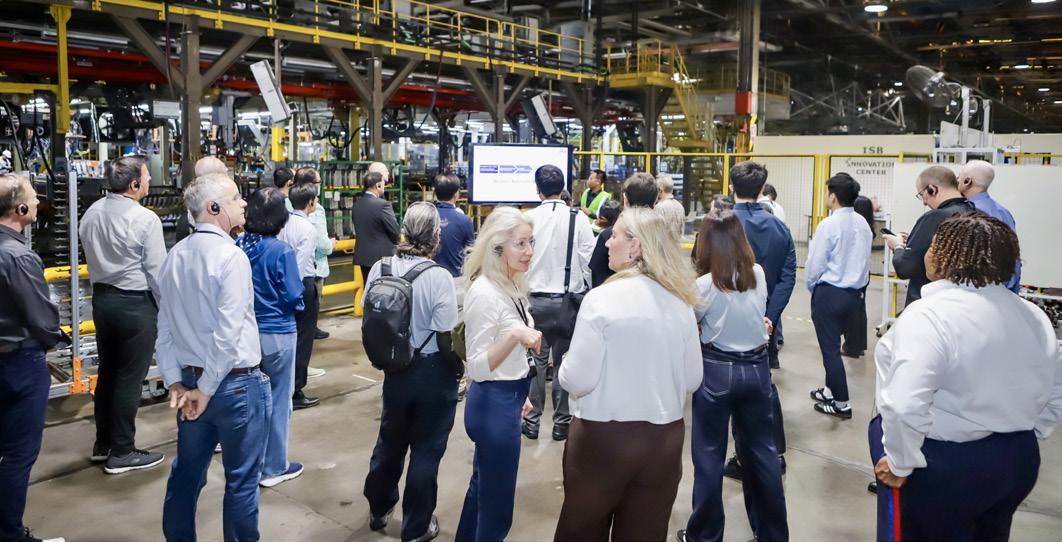
Ford Thailand Factory Tour
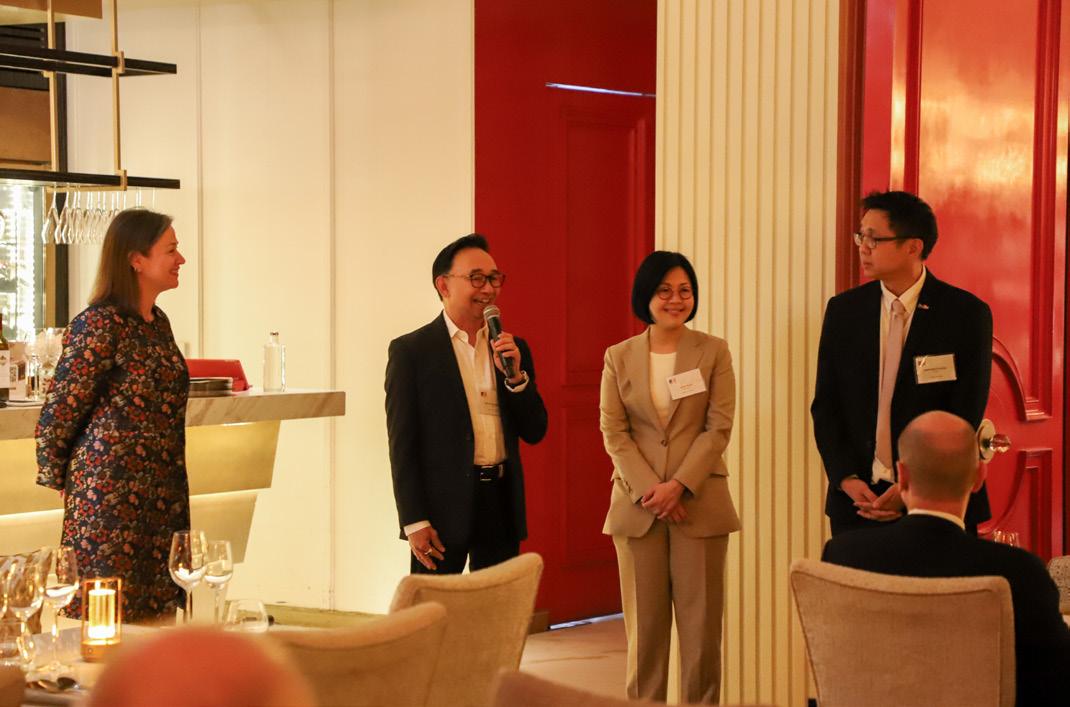
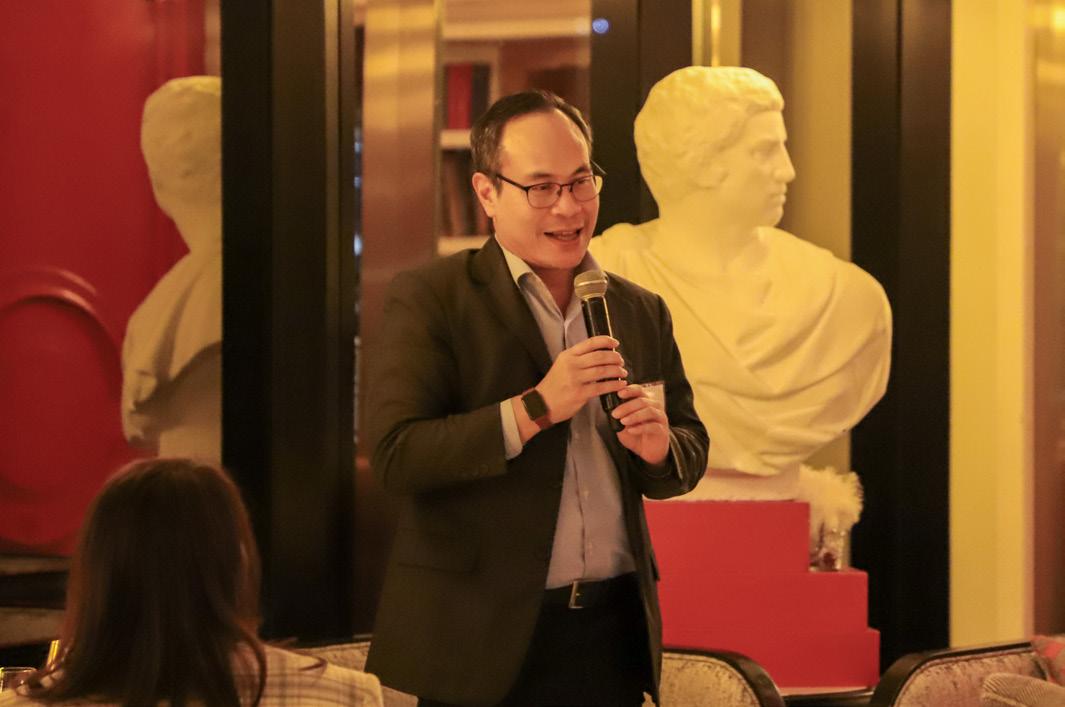
The Governors’ Table @ The Allium
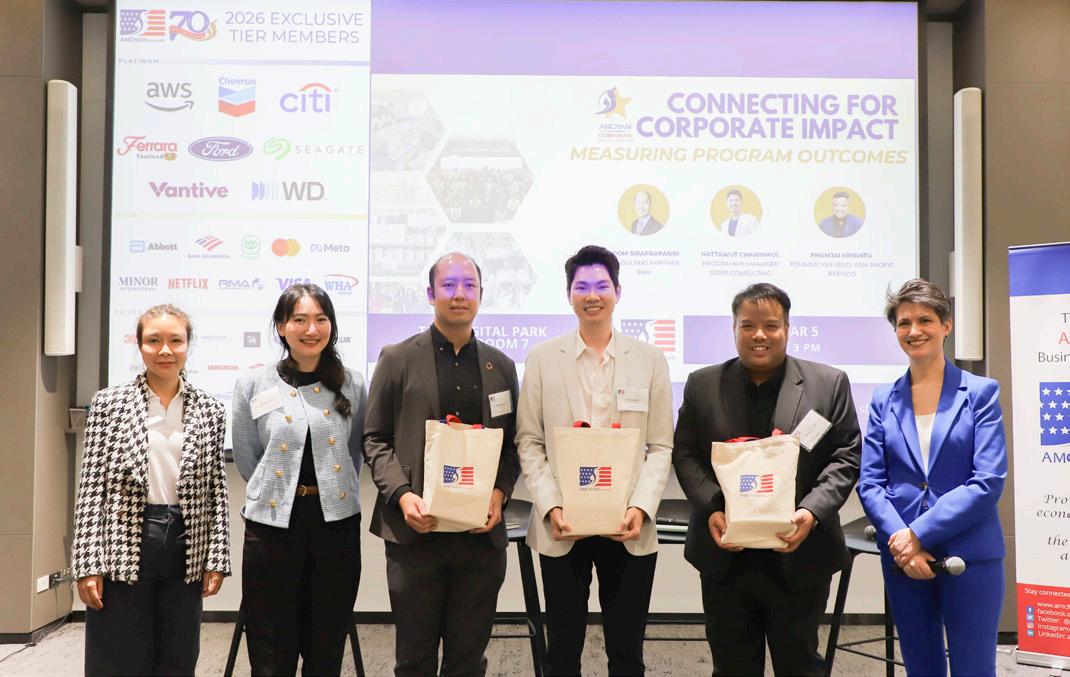
2026 Connecting for Corporate Impact: Measuring Program Outcomes
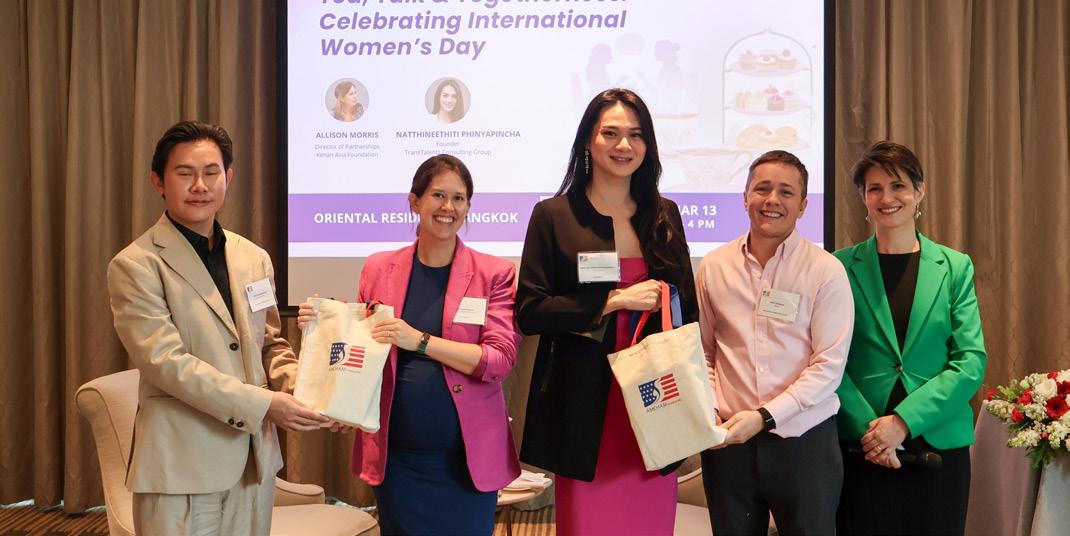
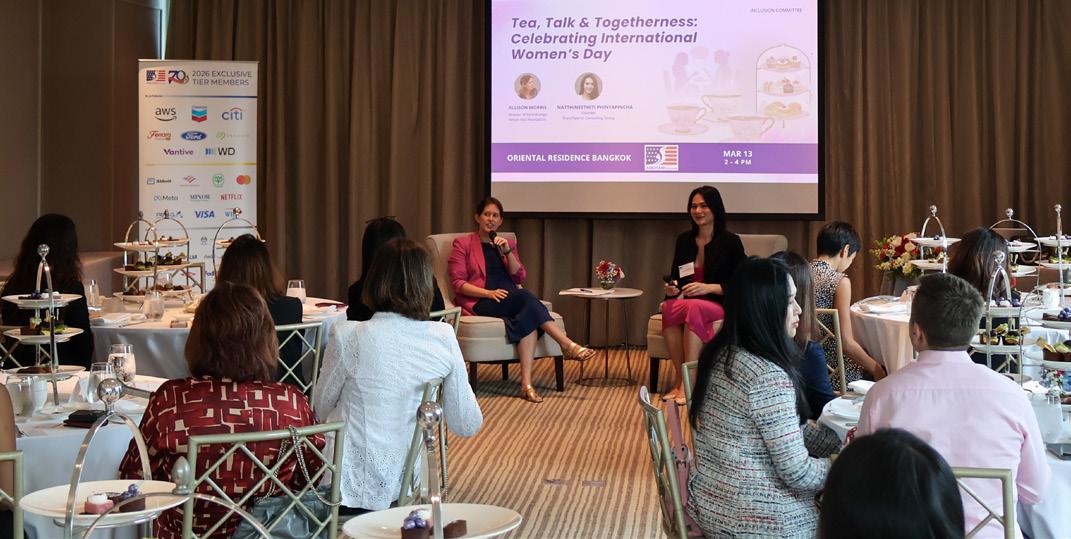
Tea, Talk & Togetherness: Celebrating International Women’s Day
Caterpillar’s Digital Data Journey
Dusit Highlights Michelin Recognition BPP Receives CAC Certification, Underscoring Its Commitment to Transparency and Corporate Governance
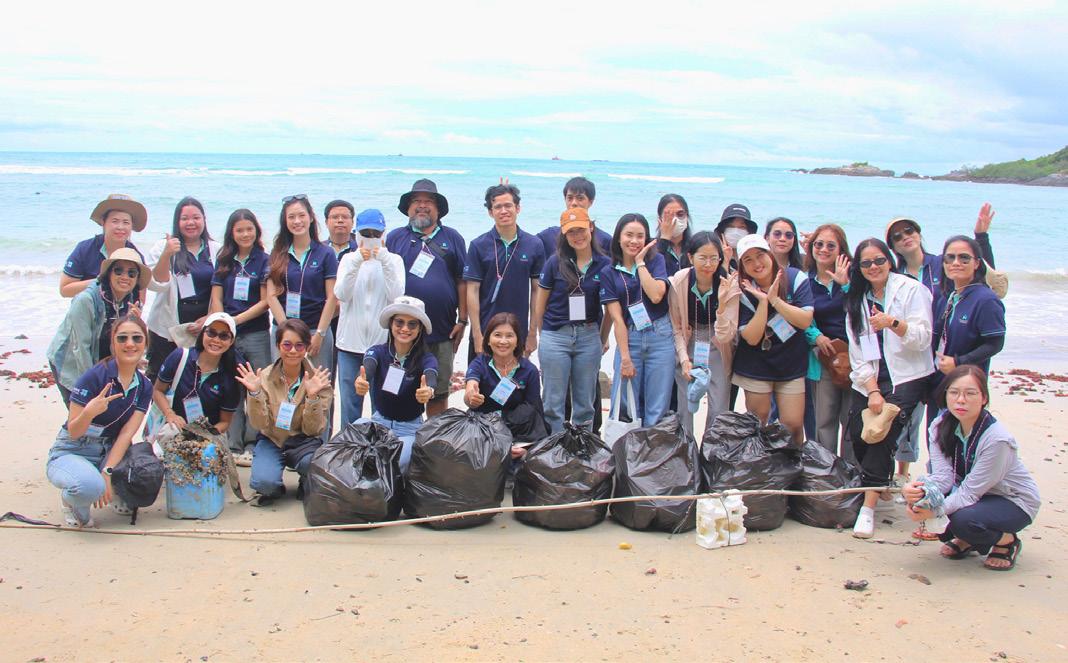
Italthai Engineering Organizes “Coastal Guardians Volunteer” Activity
EVA Air Launches New Washington, D.C. Service from June 26, 2026
SHARGE Teams Up with Grab to Launch First EV Charging Stations Exclusively for Grab Drivers
Welcome New Members


AMCHAM BOARD OF GOVERNORS 2026
PRESIDENT
Chatit Huayhongtong, Chevron
VICE PRESIDENTS
Sondra Sutton Phung, Ford Motor Company
Raymond Deidrick, Ingredion Incorporated
Norachet Saetang, Seagate Technology
Philip Bernard, Western Digital
TREASURER
Winnie Wong, Mastercard
SECRETARY
Ririnda Tangtatswas, Betagro Group
GOVERNORS
Wiyada Srinaganand, 3M Thailand
Narumon Chivangkur, Citibank
Sasathorn Phaspinyo, FedEx Thailand
Anothai Wettayakorn, IBM Thailand
Charles Blocker, IC Partners
Asama (Prae) Dumrongmongcolgul, Meta
Idara Huang, Mondelez International
Mark Kuo, Pfizer Thailand
EXECUTIVE DIRECTOR
Heidi Gallant
T-AB Magazine is a publication by The American Chamber of Commerce in Thailand.
101 True Digital Park, Griffin Building, Level 12A, Unit No.12A-06, Sukhumvit Road, Bangchak, Phra Khanong, Bangkok 10260 Tel: +66 (0)2 119 3350 www.amchamthailand.com
Editorial Advisory Board: Heidi Gallant
Editors: Varsha Wadhwani Phenphitchaya Chapanon
Any opinions expressed in articles in this magazine do not necessarily reflect the views of the Chamber.
T-AB Magazine welcomes contributions from AMCHAM members. Articles may be reproduced with acknowledgement, except those taken from other sources.
Dear Members,
As we round out March, AMCHAM Thailand is moving through 2026 with real momentum. The first quarter of the year has been a powerful start, marked by

connection, collaboration, and celebration across our community.
The quarter reminded us that strong communities are built not only through formal dialogue, but through shared experiences. Q1 highlighted the many ways AMCHAM brings people together—across industries, perspectives, and professional stages.
Looking ahead, this sense of energy continues. March and the months beyond will see us advancing advocacy priorities, deepening government engagement, and rolling out major events that anchor our 70th Anniversary year. We are focused not only on responding to today’s challenges, but on shaping opportunities for the future— supporting innovation, sustainable growth, and an open, competitive business environment.
As we celebrate 70 years of AMCHAM Thailand, we do so with confidence, gratitude, and excitement for what we will build together next.
I wish you all a very safe and happy Songkran!

Sincerely,
Heidi Gallant Executive Director









































By Nels Olson and Lucy McGee, Korn Ferry

Five ways boards can develop strong CEO pipelines to ensure the long-term success of the business.
There may be no better predictor of a company’s success than its CEO. That is why the handoff from one leader to the next is not just another item on the board’s to-do list—it is a moment that can define the company’s future.
The boards that get it right are the ones that plan for it all the time, not just when a departure is looming.
So how can boards move beyond tradition to adopt smarter, more strategic succession planning?
Here is what effective CEO succession best practices look like in 2026.
Make Succession Planning an Always-On Activity
Even the most loyal and committed CEOs will step down at some point. That is why succession planning must be embedded in board directors’ responsibilities, not treated as an occasional or crisis-driven exercise.
In a recent Korn Ferry survey of board directors, most said they review succession plans only once or twice a year. Fewer than 40% discussed it quarterly or more often.
CEO succession planning should be a standing item at every board meeting. Rather than wait for a crisis to create an emergency succession plan for CEO departure, smart boards are always grooming at least one potential successor, if not three or four.
It is the board chair’s job to make sure succession stays on the agenda. That means continually assessing internal talent, giving potential successors opportunities to take on new challenges, and ensuring board members see them in action. The goal is to build familiarity and
confidence long before a transition is necessary. That discipline can be uncomfortable, since many CEOs would rather avoid conversations about their own succession.
All of this helps avoid the situation you so often see when a CEO leaves and the business must scramble for a new one. That happens when boards or CEOs do not want to engage in this type of exercise together during a CEO’s term. A strong CEO should want to secure a company’s long-term future and should be willing to help develop the pipeline.
How often are boards talking about succession planning?
• Once per year: 25%
• Two–three times per year: 37%
• Four times per year: 26%
• Five times per year: 12%
It is common for boards to assume that the best candidates will come from outside, but it is a mistake to overlook internal successors. Internal candidates tend to create more value for organizations. They get the company’s culture, strategy, and issues in ways outsiders cannot. If they understand where the business is, they also understand its challenges and have insight into the levers of success. That means less disruption and a faster start.

Internal appointments send a powerful message throughout the organization. It signals that the company values, nurtures, and invests in its own talent. That not only boosts morale but can also improve retention below the C-suite.
Of course, internal succession is not without challenges. For example, other contenders who do not get the role may choose to leave. Compared with the disruption that can come with an external hire, the impact is usually less destabilizing.
Every CEO transition is different. Sometimes boards are looking to build on success and need a leader who can accelerate momentum. Other times, they are searching in the aftermath of a strategic misstep and need someone who can reset strategy and rebuild trust.
Either way, the core questions remain the same. Where does business need to go, and what kind of leader can take it there? This is about defining what success looks like in the future and measuring candidates against that profile.
Boards can use rigorous assessments and realistic simulations that test leaders across scenarios— whether it is handling a crisis, managing financial strategy, or navigating the boardroom. That way, they gain a clear picture of both current readiness and future potential.
The outcome of an assessment is a practical road map for succession. It highlights what experiences candidates already have, what they still need to develop, and creates a plan for building that readiness.
Succession planning for the CEO should start early and remain a standing board priority. However, when a crisis strikes, boards must also be ready to act swiftly.
Too often, when companies are forced to oust their CEO, they fall back on a former board member as a stopgap. With little preparation, that leader can quickly struggle. At some point, the credibility of the company is undermined.
In some situations, extending the current CEO’s tenure, even briefly, may buy critical time for a more thoughtful CEO transition plan.
Real readiness takes time. Most potential successors need 12 to 24 months of targeted development before they can step into the top role with less risk. That means boards need to manage expectations carefully and plan well in advance. When an unexpected transition hits, time is the one resource they will not have.
Employees do not need to know every detail of who will step in if the CEO departs. However, along with the board and other stakeholders, they do need confidence that succession planning for the CEO is part of the long-term strategy.
Few things erode trust faster than a leadership vacuum. Giving employees visibility into the broader top team, including potential successors can ease transitions and sustain confidence when the baton eventually passes.

Transparency also strengthens the leadership pipeline. Clear, long-term planning shows senior leaders that they are seen and taken seriously. That recognition is critical, especially in a market where retention is such a challenge.
The rising generation of workers makes authenticity even more essential. They are used to deciding who they follow and who they do not. They make constant judgments about whether leaders are credible. CEOs must recognize that they are being observed at all times, and that authenticity is the only sustainable approach—because pretending to be someone else is exhausting.
Failing to strike that balance can damage shortterm morale and undermine the entire talent pipeline. People need to see multiple, authentic models of leadership that help them believe the job can be done on their own terms, not in a set style or playbook. Otherwise, they may not aspire to step into those roles at all.
Boards that treat succession as a strategic, ongoing responsibility see smoother transitions and stronger CEO performance. This planning ensures continuity when a CEO leaves and avoids the chaos of a crisis.

Nels Olson is Vice Chairman and CoLeader of Korn Ferry’s Board & CEO Services, leading global government and corporate affairs searches, with 25 years’ experience advising Fortune 500 boards and CEOs worldwide.

Lucy McGee is a Senior Client Partner at Korn Ferry, leading CEO and Executive Development in EMEA, advising boards and CEOs on succession, assessment, and transformational leadership across sectors.



By Courtney Konyn, Steps

Companies can contend with a calendar full of awareness days, weeks, and months or choose to take a strategic approach to diversity. Rather than hosting a one-off event during Autism Awareness Month, think differently. For Thailand’s business community, the conversation about inclusion is not simply about a social concept. It is strategic – using inclusion as a framework unlocks innovation, workforce resilience, and long-term economic growth.
Across industries, companies are navigating digital transformation, talent shortages, and rising expectations around corporate responsibility. At the same time, neurodivergent individuals, including those on the autism spectrum and individuals with ADHD, dyslexia, and other cognitive differences, remain significantly underrepresented in formal employment. Data from the World Health Organization shows that almost 50% of neurodivergent people who are
employed do not feel comfortable to disclose to their employer.
This employment gap is caused by unequal access to opportunities and psychological safety. Through collaboration, inclusive workforce development can be both rigorous and strategic.
3M and Steps came together to strengthen digital workforce readiness for neurodivergent individuals. Thailand’s digital economy continues to expand rapidly, yet many young people — particularly those who are neurodivergent — lack access to structured, accredited training that aligns with employer needs.
Steps’ Digital Literacy Programme pilot is an initiative designed to deliver industry-relevant digital skills in an accessible, evidence-based
learning environment tailored to neurodivergent learners.
The Digital Literacy Programme was built around practical, employer-aligned competencies, including digital design, Google applications, e-safety, and core technical and workplace readiness skills.
The results of the pilot were clear and compelling: 100% of trainees demonstrated measurable improvement in digital and technical skills. Learners reported increased confidence, independence, and self-advocacy — essential attributes for workplace success and building cultures of psychological safety.

Accreditations by reputable organizations for such programs help more employers bridge the gap between social innovation and formal workforce recognition and ensure alignment with nationally recognized professional standards.
For employers, accreditation signals quality and relevance. For learners, it creates a tangible credential that enhances employability. For Thailand’s economy, it strengthens the digital talent pipeline.
This pilot highlights the power of inclusive training pathways in strengthening real-world readiness. It also challenges a persistent misconception: that accessibility lowers standards. In practice, accessible design clarifies expectations, structures learning more effectively, and drives stronger outcomes for all participants.
Corporate impact does not end with financial support. Amplification matters. Through executive and brand-level communications and by positioning inclusive digital skills development within a broader business dialogue, organizations can help shift the narrative from charity to competitiveness. When companies leverage their platforms to advocate for inclusive practices, they normalize new standards across industries. They send a market signal: inclusive workforce development is not peripheral. It is strategic.
An estimated 20% of the global population is neurodivergent and one in three people will experience short term or long-term disability in their lifetime. If you are not designing employee and customer experiences to be accessible, then you are leaving at least 20% of the market on the table (Business and Disability Forum, 2025).
The implications are significant. Neuroinclusion is not only an HR consideration. It is a growth strategy. It affects how companies design products, deliver services, engage customers, and build teams.
In a competitive regional economy, accessibility can become a key differentiator.

Thailand cannot afford to overlook the talent pool of neurodiverse and disabled individuals.
As the country advances its digital transformation agenda, inclusive workforce development offers a practical solution to talent shortages while
advancing equity. Structured, accredited programs provide a scalable model for bridging educationto-employment gaps.
For multinational companies operating in Thailand, this represents an opportunity to align global diversity, equity, and inclusion commitments with local economic priorities. For Thai enterprises, it offers a pathway to tap into an underrecognized segment of the labor market. For social innovators, it underscores the importance of measurable outcomes and cross-sector collaboration.
For organizations, it demonstrates what is possible when expertise, funding, and advocacy converge.
The project offers a replicable model for corporate impact:
1. Connect through trusted networks: leverage your network’s convening power to identify aligned partners.
2. Invest strategically: support programs with measurable, accredited outcomes.
3. Align with industry needs: ensure training reflects real-world employer expectations.
4. Amplify the message: use corporate influence to elevate inclusive workforce development as a business priority.
Neurodiversity awareness days remind us that inclusion should not be seasonal or symbolic. It
must be embedded in how we design systems, build partnerships, and define talent.
Thailand can leverage significant growth potential as employers expand their definition of talent and build the pathways that allow that talent to thrive. This strategic approach unlocks untapped potential in a rapidly evolving economy — and ensures that no part of the market, or the workforce, is left behind.
Note on awareness days: The UK observes Neurodiversity Awareness Week March 17-23. The U.S. observes Autism Awareness Month in April and ADHD Awareness Month in October, while the UN observes Autism Awareness Day on April 2.

Courtney Konyn is a corporate communications leader with twenty years of experience in strategic communications across politics, education, and advocacy. She is the Director of Communications and Advocacy at Steps.









How do you build a coaching culture in teams who are used to a command-and-control leadership?
Building a coaching culture in teams that are used to command-and-control leadership starts with conversations—lots of them. These need to happen within whole teams, but even more importantly in smaller sub-groups, where people feel safer to speak openly. The focus of those conversations should be reflective rather than directive: what are we noticing, what worked well, what might we try next? That shift alone creates space for collaboration. In some cases, deliberately removing senior leaders from the room helps that collaboration take hold more quickly.
Autonomy is central to any coaching culture. People need permission to think, to choose, and to experiment. Our professional development
““The key is giving people a level of autonomy, you cannot micromanage a team that size!”
process is designed to allow for choice, independence, and long-term growth rather than holding people accountable to a single, fixed target. Development happens over time, and coaching needs to reflect that.
Leadership structure matters too. At Bangkok Patana School, our distributed leadership model allows coaching culture to cascade through teams. Senior leaders coach other leaders; those leaders coach their teams. Culture is not dependent on one person—it is disseminated through relationships.
There is also a balance of what is universal, aligned, and bespoke. Some approaches need to be consistent across the organization; others should be tailored to specific teams, with learning shared across areas.
Ultimately, this is about developing people rather than trying to control outcomes. When organizations invest in people, outcomes follow more organically, and the culture becomes sustainable even when leaders move on. Coaches become mentors, team members step into leadership, and leadership becomes something that is shared. That is how a coaching culture becomes real.
What routines or feedback cadences best sustain high performance over time?
High performance over time is sustained through simple, consistent routines rather than heavy
processes. It begins with regular check-ins. I favor frequent, informal conversations because when feedback happens often, it becomes part of everyday work rather than something people brace themselves for. Questions like “What do you think?”, “Where could we meet in the middle?” or “What might we try differently?” prompt reflection and problem-solving, and they also encourage other leaders to think and act in the same way.

Time is a critical currency. I place a strong emphasis on face-to-face conversations over email, and coach my leaders to do the same. In large teams, an email can easily result in a flat “no”, whereas a conversation builds understanding and trust. Sometimes this means going for a coffee or a walk rather than sitting in a formal meeting room. Formal meetings have their place, but giving someone focused, uninterrupted time is often far more effective for sustaining performance.
A strong reflection of culture is another key routine. Regularly asking what worked, what could be adjusted, and why decisions were made helps people understand the bigger picture. Listening to key stakeholders and sharing the reasoning behind decisions reduces frustration and builds ownership. When people feel empowered to design and lead work themselves, they become much better at identifying improvements and refining their practice over time.
Finally, visible data plays an important role in feedback. Participation rates, engagement levels, and return data provide objective signals of performance. Together, these routines create a feedback cadence that feels human, sustainable, and focused on continuous improvement rather than short-term fixes.
How can leaders drive accountability while maintaining psychological safety?
Leaders can drive accountability while maintaining psychological safety by being very deliberate about what they give feedback on. Feedback is focused on the practice rather than the person. That means looking at what happened, where it came from, and what the desired outcome was— and then asking why we did not quite get there. When accountability is framed around the work, not the individual, it becomes constructive rather than personal.
Modelling vulnerability as a leader is also critical. I try to be open about my own mistakes and actively invite feedback. Saying things like, “I can see this was frustrating—talk to me about it,” helps to clear the air and signals that honest conversations are welcome. Over time, that creates an environment where people do not simply say yes, but feel confident enough to challenge ideas, offer different perspectives, or suggest alternative solutions. That psychological safety has to exist before accountability can really work.

Clarity of expectations underpins everything. Leaders aim to model high expectations, while regularly revisiting where the team is heading and why. Coming back to the purpose—our shared “why”—helps teams stay aligned and focused on collective goals rather than individual defensiveness.
When outcomes fall short, the conversation becomes: these are the shared goals we agreed on—can we talk about why the desired outcome did not happen? That approach keeps standards high while reinforcing trust. Accountability is still very real, but it sits within a culture where people feel safe to reflect, learn, and improve together.
What signals show a team is truly highperforming and not just hitting targets but developing people?
One of the clearest signals of a truly high-performing team is improvement over time, particularly in the professional growth of its people. When staff are getting better year on year, not just delivering outcomes, but developing confidence, capability, and leadership, that tells you the system is working.
A strong indicator of this is the presence of credible internal candidates stepping forward for promotion. When people are ready to lead from within, it shows that development has been intentional rather than accidental.
Depth of capability is another key signal. In large programs, it is impossible for any one leader to be everywhere. I have become comfortable with that, because sustained high performance at scale is only possible if there is real depth across the team.

Collaboration across teams is also a strong marker. When primary school staff coach in secondary school contexts, or teams support one another without being directed to do so, it shows that collaboration has become embedded rather than enforced. Some of the most effective collaboration is almost invisible—it happens without constant prompting. In those moments, the leader is no longer pulling all the strings.
How do you maintain consistent performance standards across multiple teams?
Consistent performance across multiple teams comes from shared principles rather than identical priorities. Every team has its own context and
pressures, and people often feel that their priorities are not fully understood. If leaders try to force alignment through uniform priorities, consistency quickly breaks down. Shared principles, however, create a common foundation while still allowing teams the autonomy to make decisions that work for their context.
Leadership alignment is another critical factor. While teams may operate differently, leaders follow the same or very similar processes. Line management, regular touchpoints, and consistent ways of supporting staff become the norm rather than the exception. That alignment provides stability without removing flexibility.

Culture ultimately sustains consistency. Our culture is explicitly student-focused, with an emphasis on balance. We work with students who may be captains of teams but also musicians, artists, or leaders in other areas, and our systems need to support that whole child. That shared cultural understanding guides decision-making across teams.
We are also clear about what needs to be universal and what can be bespoke. The principles remain the same, but the application can differ depending on the team, particularly where head coaches are not directly coaching every group. Bespoke approaches still sit firmly within the same framework, which allows consistency without rigidity.
In that way, performance standards remain high and coherent across teams—not because everyone does the same thing, but because everyone is guided by the same values, principles, and expectations.

Sometimes, learning doesn’t need a spotlight. It begins quietly, with focus. Year 3 students rode straight into the eye of the storm as they explored Ernest Shackleton’s Endurance expedition. When the students were ready to note their thoughts, they were bursting with ideas and genuine emotion. Learning comes alive through experience.
By Picharn Sukparangsee, Bangkok Global Law

Effective from December 29, 2025, the Bank of Thailand (BOT) has instructed financial institutions to apply stricter documentary verification requirements when purchasing, accepting, or depositing foreign currency received from overseas with a value of 200,000 U.S. dollars or more (or its equivalent). The measure aims to ensure that transactions are genuine, properly documented, and consistent with their stated purpose, amid recent volatility in the Thai baht driven by significant cross-border currency flows.

For spot foreign currency transactions, excluding gold and foreign banknotes, of 200,000 U.S. dollars or more, banks must obtain supporting documents for each transaction on the trade date or no later than the settlement date.
An exception applies to customers with an established transaction history and ongoing Know Your Customer/Customer Due Diligence processes, where banks may rely on Know Your Business (KYB) procedures. However, KYB cannot be relied upon where the transaction purpose involves investment in Thai real estate, digital asset transactions, other capital-related purposes (for example, loans, lending, derivatives, or nongroup investments), or any purpose outside goods, services, income, transfers, donations, investments, banknotes, or deposits.
For digital asset transactions, banks must additionally obtain documents evidencing the
source of the digital assets or the source of funds used to acquire them.

For gold-related transactions, banks must obtain documentation proving that the customer sold gold overseas for every transaction. Where transactions occur outside normal business hours, documents may be submitted on the next business day, while billing documents and customs declarations must be provided within two business days after settlement.
For foreign banknotes of 15,000 U.S. dollars or more, banks must obtain evidence that the currency was physically brought into Thailand.
Foreign exchange transactions remain subject to existing foreign exchange control rules. However, where the transaction falls within the high-risk categories noted above, banks must obtain full
supporting documentation and may not rely on KYB procedures.
When resident customers deposit foreign currency received from overseas into foreign currency deposit accounts, banks must apply the same verification and documentation standards as those applicable to spot foreign currency purchase transactions, depending on the transaction’s nature and amount.

Picharn Sukparangsee is the founding partner of Bangkok Global Law Offices Limited. He is one of the leading lawyers in Thailand for taxation, corporate & commercial law, M & A transactions, securities, banking and finance laws.
By Panisa Suwanmatajarn, The Legal

The Board of Investment of Thailand (BOI) continues to advance the Thailand FastPass mechanism as a central tool for expediting largescale private investments. The mechanism was established to address regulatory and operational delays affecting high-priority projects, initially targeting approximately 70 initiatives valued at around 300 billion baht.
Recent developments indicate that the scope has expanded significantly. The BOI is now focusing on unlocking investments exceeding 480 billion baht across roughly 80 stalled or pending projects. These initiatives span critical sectors including data centers, renewable and clean energy facilities, electric vehicle production and component manufacturing, advanced electronics, printed circuit boards, and industrial estate expansions. Delays have primarily stemmed from challenges in
electricity grid capacity allocation, land acquisition and zoning approvals, environmental impact assessment processes, visa issuance, and work permit procedures.
The FastPass framework retains its core structure while scaling to meet the increased volume:
• Projects are selected according to minimum investment thresholds, alignment with national strategic industries, and capacity to generate substantial economic benefits such as employment, domestic supply-chain integration, and technology transfer.
• Participants are required to commit to accelerated disbursement schedules-typically at least 20 percent of the total investment value within a short, defined period (for
example, six months or within the current fiscal year) to demonstrate immediate economic contribution and justify expedited processing.
• Inter-agency coordination, supported by dedicated subcommittees and formalized service-level agreements, continues to target a 20-50 percent reduction in approval and licensing timelines for electricity provisioning, land development, immigration services, labor permits, and environmental clearances.
This intensified application of FastPass aligns with the government's broader Big Win economic strategy, which prioritizes structural transformation in three key domains:

1. Smart Agriculture: Deployment of technology to lower production costs and position Thai agricultural products at premium global market levels.
2. Modern Industries: Sustained investment momentum in electric vehicle ecosystems and intelligent electronics manufacturing.
3. Premium Services: Elevation of tourism and hospitality toward high-value segments, including wellness tourism and advanced experiential offerings.
The BOI is ensuring continuity of these efforts across potential changes in administration. Preparations are also underway for complementary measures, including an enhanced version of the Half-Half Plus program that incorporates mandatory reskilling and upskilling components for participants. The aim is to significantly increase incomes for small retailers while maintaining focus on equitable distribution to micro and small enterprises in provincial areas.
By channeling substantial private capital without additional public expenditure, the Thailand FastPass mechanism supports immediate economic activation, job creation, industrial upgrading, and Thailand's long-term positioning within global high-technology value chains.
• Thailand FastPass now targets the realization of over 480 billion baht across approximately 80 strategic projects in sectors such as data centers, clean energy, and electric vehicles.
• Qualifying projects must commit to rapid investment disbursement (for example, minimum 20 percent within a short timeframe) to access expedited approvals.
• Inter-agency collaboration aims to reduce processing times by 20-50% for electricity, land, visa, permit, and environmental requirements.
• The mechanism supports the Big Win priorities of smart agriculture, modern industries, and premium services while maintaining policy continuity.
• The approach delivers prompt private-sector stimulus and contributes to sustainable, longterm economic competitiveness.

Panisa Suwanmatajarn is the Managing Partner of The Legal Co., Ltd., a firm specializing in areas including corporate law, foreign direct investment, labor, and intellectual property. She is highly experienced in drafting and negotiating complex commercial agreements, including joint venture, licensing, and franchise arrangements.
Dear Members,
As Thailand faces geopolitical and geo-economic headwinds, AMCHAM’s Government Affairs team upholds our commitment to our members. The past months have been defined by significant shifts in the global and local landscape: evolving U.S. trade and tariff policies, the formation of a new Thai administration, and an emerging policy framework that will shape the business environment for years to come. These developments have kept our Government Affairs team energized. We have been closely monitoring each of them, ensuring that we remain a proactive and relevant voice at the intersection of national economic policy, social progress, and privatesector growth.
Earlier this year, we launched the Forward Five, our core advocacy agenda representing the priorities we believe matter most to Thailand's competitiveness and the broader business community. We have distributed the Forward Five to approximately 30 relevant government agencies. We are delighted to share that we have secured roundtable meetings with four agencies, where we will present our positions in depth and exchange constructive insights that drive real policy progress. Even amid a demanding advocacy calendar, we remain firmly committed to supporting our member councils, creating spaces where members can come together, share their challenges, and align priorities.
[Tong] “I will ensure delivery Customs & Excise, Digital Governance, Healthcare, Legal, Tax, Tourism & Hospitality Councils to steer their priority agendas. To elaborate, the Healthcare and Tourism & Hospitality Councils share a common goal of strengthening Thailand’s position in medical and wellness tourism. The Customs & Excise Council continues to lead on cross border trade regulatory updates and to monitor excise tax restructuring. The Tax Council is preparing members for evolving tax practices throughout the year, beginning with Global Minimum Tax Pillar II.

Legal Council is also working on legal updates events, aiming at AI and cybersecurity rulings and cases. As AMCHAM’s newest council, the Digital Governance Council is tracking comprehensive digital economy legal and policy frameworks and developing a white paper to articulate AMCHAM’s position on Thailand’s digital economy direction. Finally, the Government Affairs Council serves as a central platform for members to stay informed on overarching government affairs and cross industry advocacy issues, including visas and work permits.”
[Mai] “On my desk, I am particularly proud of the collaboration we have been cultivating with the Department of Pollution Control under the
Corporate Impact Council. The Council are weaving the sustainable waste management and circularity themes into the fabric of our Corporate Impact Awards program. When our business community and government align around a shared vision, real and lasting change becomes possible. That is advocacy at its best."
We invite you to engage actively with AMCHAM’s initiatives, provide feedback, and leverage our platforms to make your voice heard. Together, let’s champion your interests and foster constructive engagement to advance the country’s competitiveness and strengthen the business environment in this pivotal year.
Napuck (Mai) Cherdchaiyapong









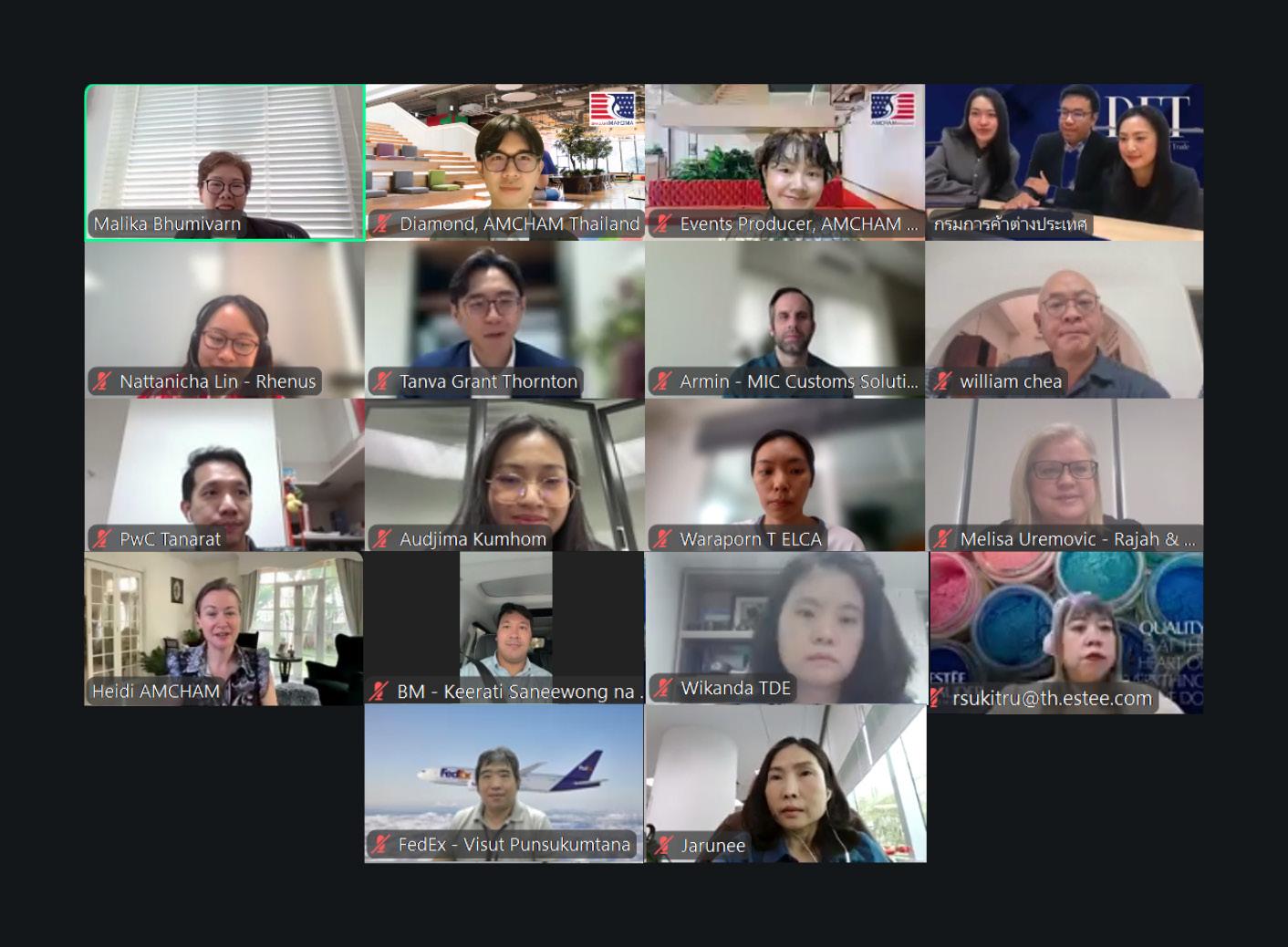
On February 16, the AMCHAM Customs & Excise Council, in collaboration with the Department of Foreign Trade (DFT), Ministry of Commerce, hosted a seminar on Thailand’s Dual-Use Items (DUI) classification and e-Licensing framework. The session provided members with practical insights into Thailand’s evolving export control regime under the Thailand Control on Weapons of Mass Destruction Related Items Act (TCWMD), as well as upcoming regulatory developments.
Speakers from the DFT, including Piraya Wannakij, Menisa Tangkietyungyuen, and Srangsook Thanruangsri, explained Thailand’s 10-category DUI structure and the government’s plan for the gradual implementation of licensing requirements. A concrete example involving unmanned aerial vehicles (UAVs) was used to illustrate the factors affecting DUI classification and corresponding compliance obligations. The seminar also included a demonstration of the electronic licensing portal, outlining application timelines, and addressing key technical aspects of the licensing process.
The seminar concluded with an interactive question-and-answer session, reinforcing Thailand’s commitment to transparent regulation and secure participation in global supply chains, while continuing to facilitate cross-border trade.
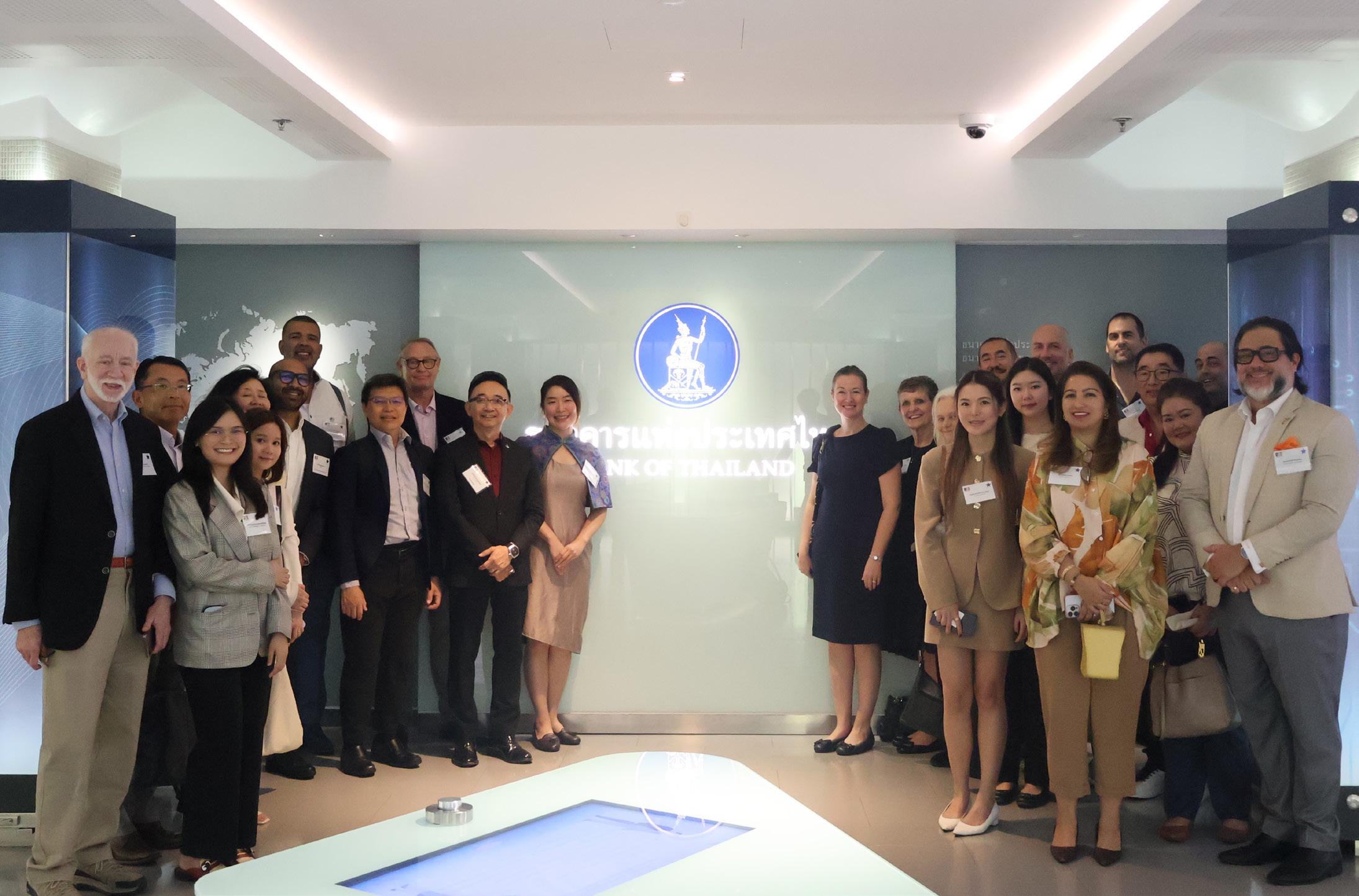
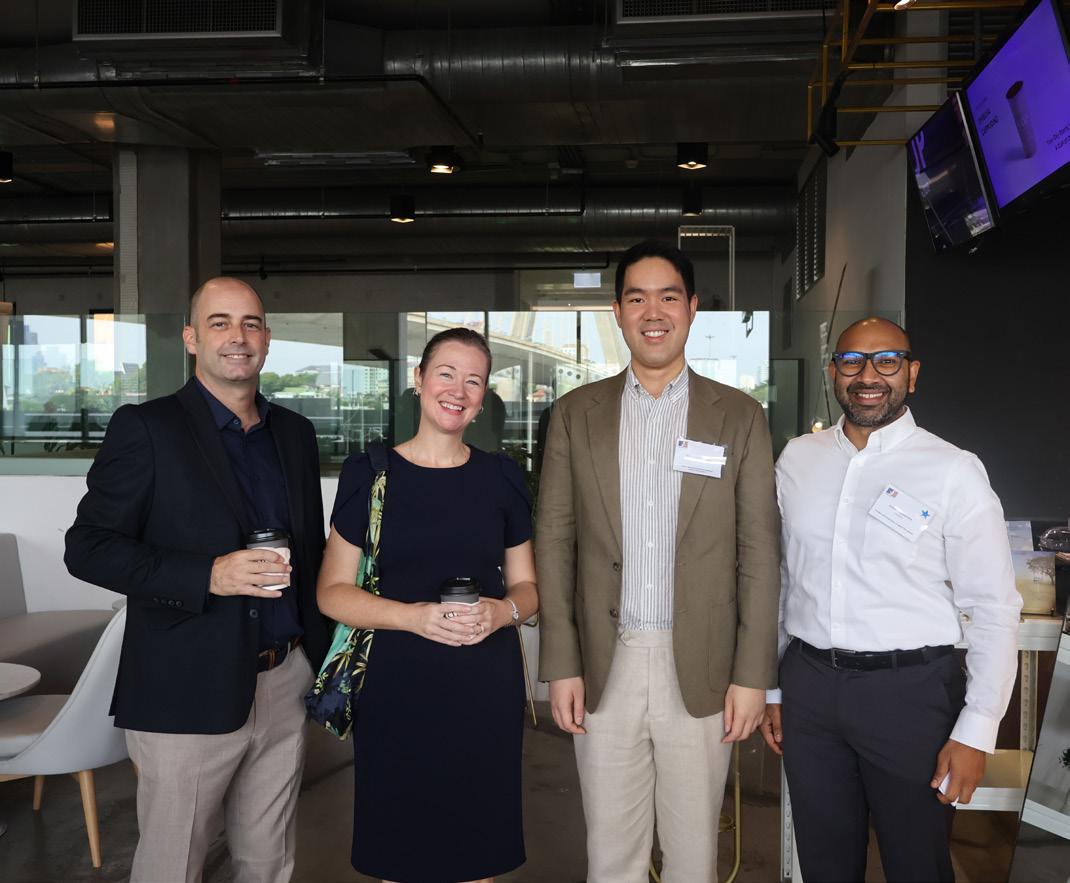

On February 17, AMCHAM business executives participated in an exclusive site visit to the Bank of Thailand, offering a unique opportunity to engage with one of the country’s most influential institutions. During the visit, the participants gained deeper insights into the Bank of Thailand’s institutional roles and responsibilities, monetary and banking history, as well as the banknote printing process.
Beyond the insights, the visit served as a meaningful platform for diverse representatives from several industries to network.
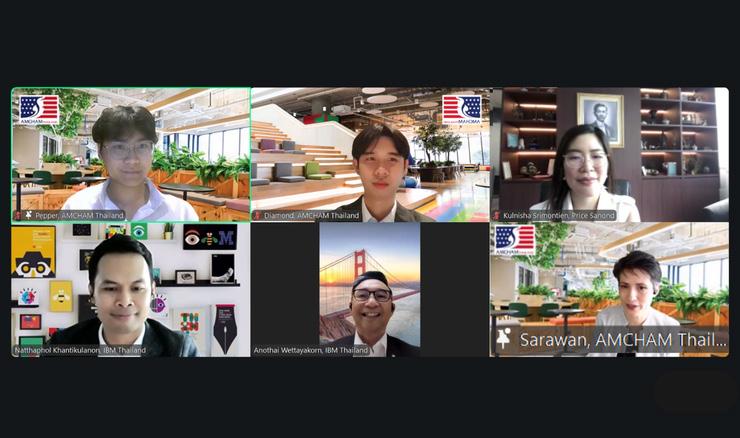
On February 27, the AMCHAM Digital Innovation & Enablement Committee, in collaboration with IBM Thailand and the National Cyber Security Agency (NCSA), hosted a webinar on Preparing for the Quantum Decade: Enterprise Cybersecurity and Thailand’s National Direction. The session provided members with practical insights into the cybersecurity risks posed by quantum computing, including the growing “harvest now, decrypt later” threat, as well as Thailand’s national policy direction and readiness for the post-quantum era.
Speakers Anothai Wettayakorn, Natthaphol Khantikulanon of IBM Thailand, and Dr. Suchittra Pongpisutsopa of NCSA outlined the global shift toward post-quantum cryptography (PQC), highlighting emerging international standards and transition timelines. The discussion also covered Thailand’s legal and policy framework underpinning cybersecurity and quantum-era preparedness, including the country’s Post-Quantum Cryptography Preparedness Roadmap, phased implementation plans, national readiness assessments, and capacity-building initiatives led by NCSA.
The webinar further explored enterprise-level implications, offering practical perspectives on crypto-agility, cryptographic asset management, and strategies for transitioning to quantum-safe technologies in line with evolving global standards. The session concluded with an interactive question-and-answer segment, reinforcing the importance of early preparation, public–private collaboration, and coordinated action to ensure a safe, secure, and trusted digital ecosystem for Thailand in the quantum age.
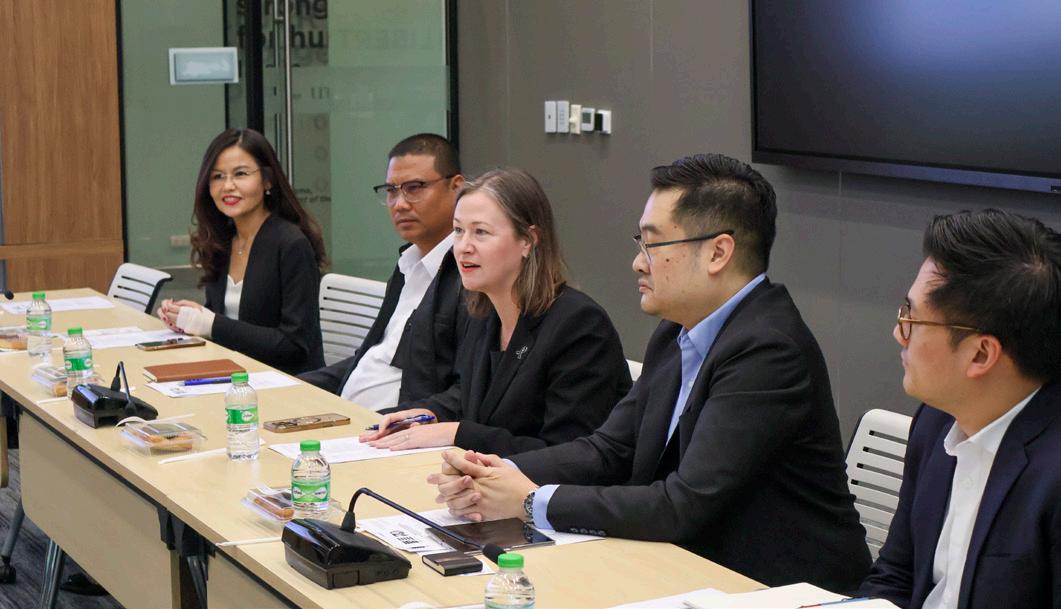
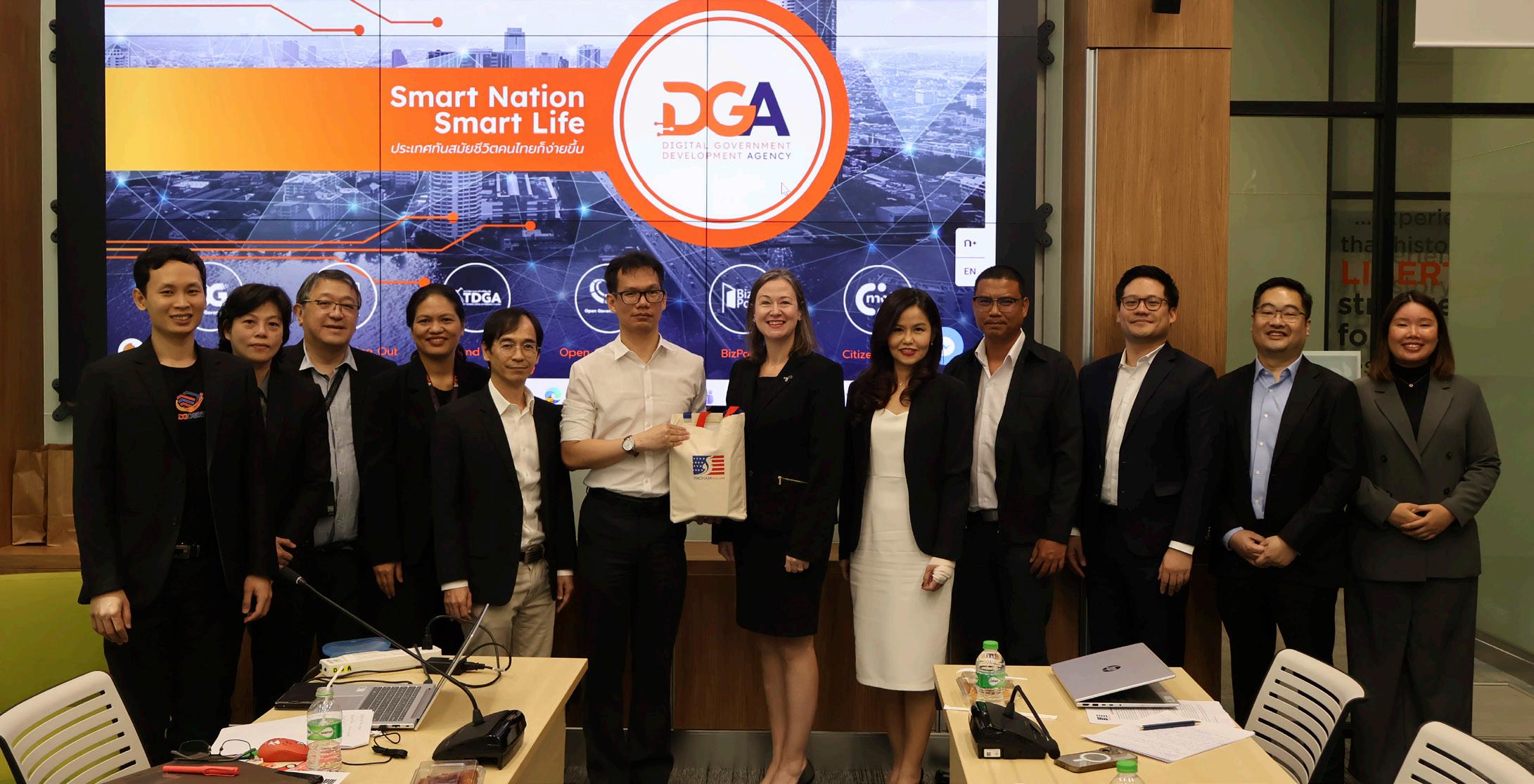
On March 6, AMCHAM Thailand Executive Director Heidi Gallant led a delegation of member companies and the Digital Governance Council Co-Chairs to meet with Dr. Asis Unyapoth, Senior Executive Vice President of the Digital Government Development Agency (DGA), along with the agency’s senior officials.
During the meeting, AMCHAM presented its “Forward Five 2026” policy, underscoring its support for the advancement of Thailand’s digital public services. Delegates also received comprehensive updates, including the National Digital Government Development Plan 2023-2027, the current digital government landscape, and priorities related to the Cloud First Policy. Participants also provided suggestions to enhance Thailand’s digital public services.
AMCHAM expressed its readiness to foster constructive dialogue and serve as a resource for the agency’s policy development to advance an efficient digital government and public services, thereby, facilitating greater ease of doing business in Thailand.
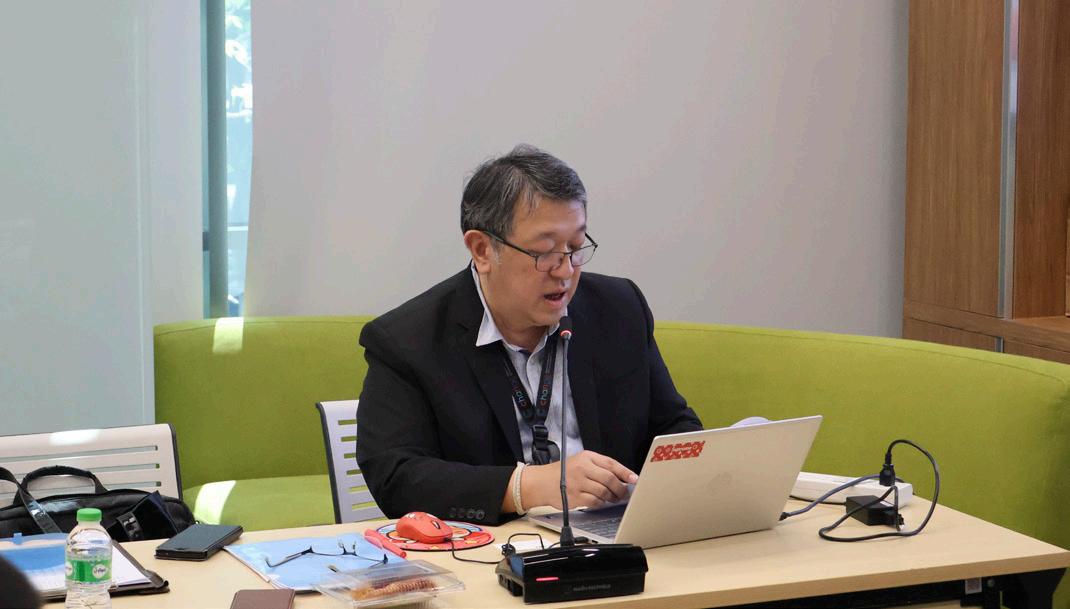
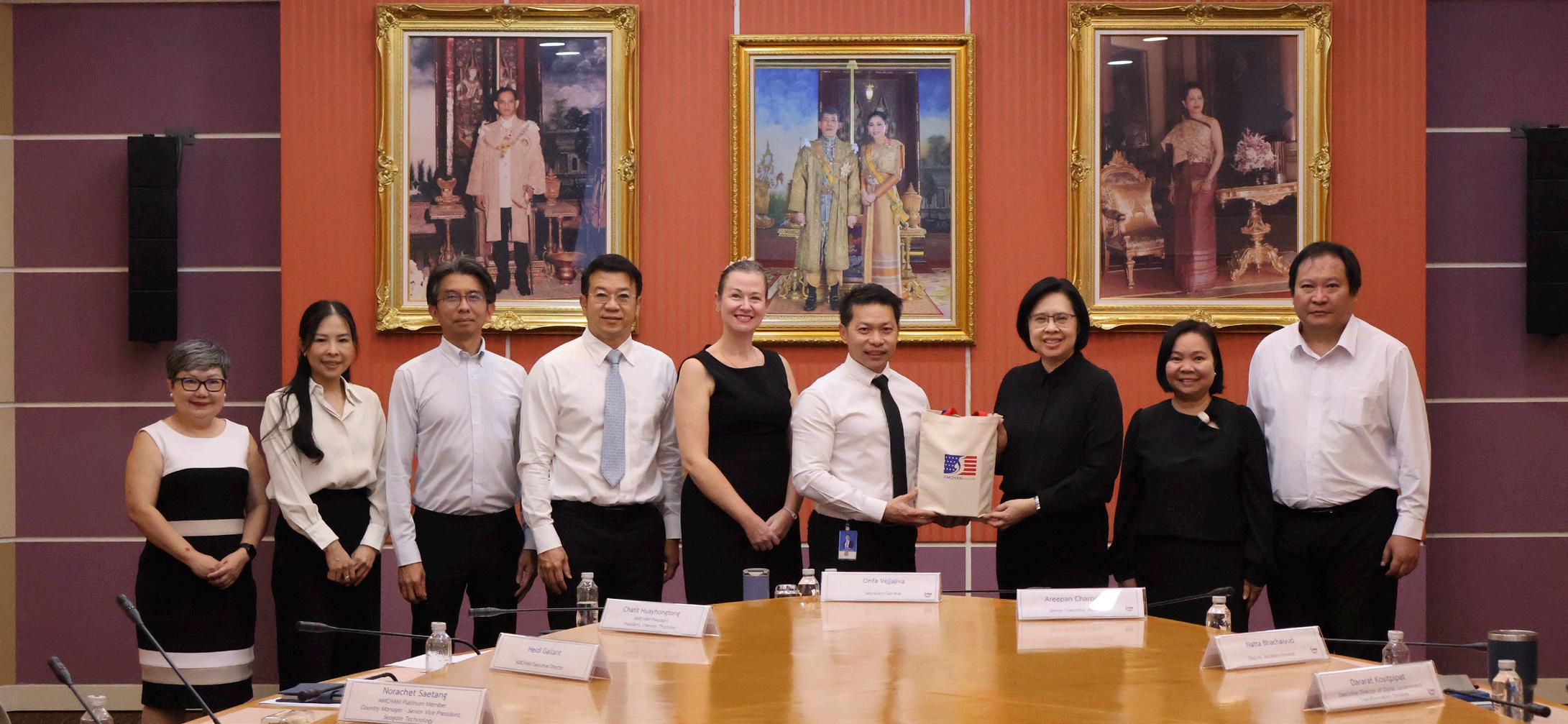
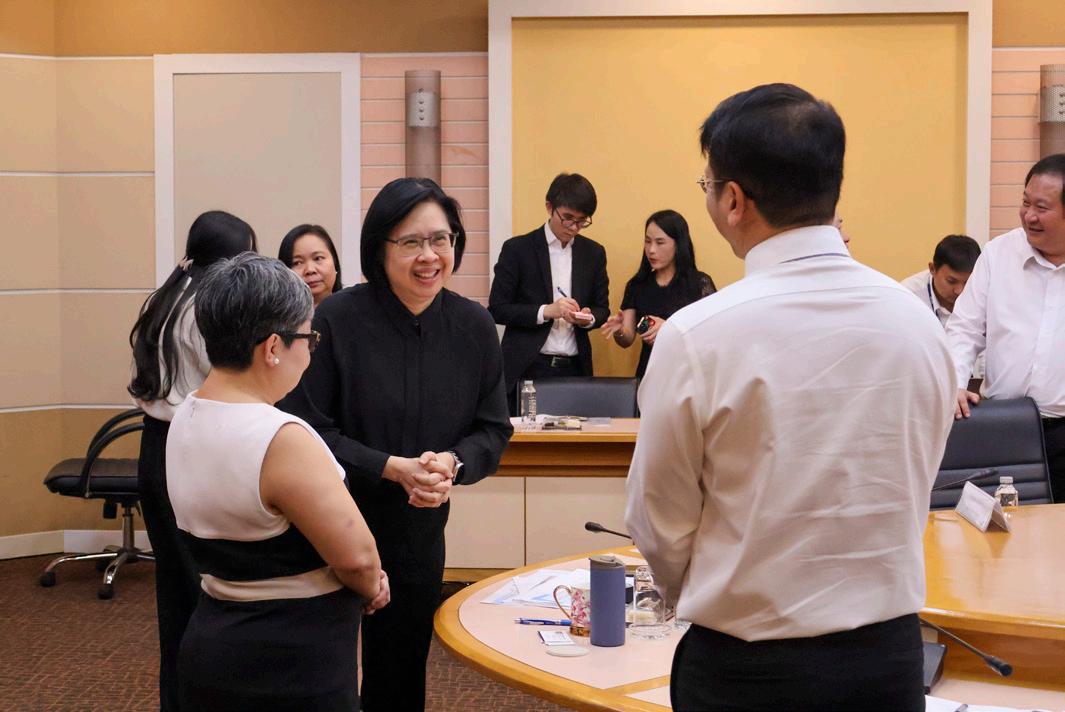
On March 17, AMCHAM Thailand President Chatit Huayhongtong of Chevron led a delegation of member companies to meet with Onfa Vejjajiva, Secretary General of the Office of Public Sector Development Commission (OPDC), along with the agency’s senior officials.
During the meeting, AMCHAM presented and exchanged views on its “Forward Five 2026” policy, which emphasizes its support for Thailand’s ease of doing business through streamlined and digitalized public services, among others. Delegates also received comprehensive updates on the draft Business License Facilitation Act, Thailand’s development under the Business Ready (B-Ready) Assessment, and OPDC’s regulations and initiatives that enhance effective and open public services.
AMCHAM reiterated its willingness to foster constructive dialogue and serve as a resource for the agency for policy development to advance efficient public services, thereby facilitating greater ease of doing business in Thailand.

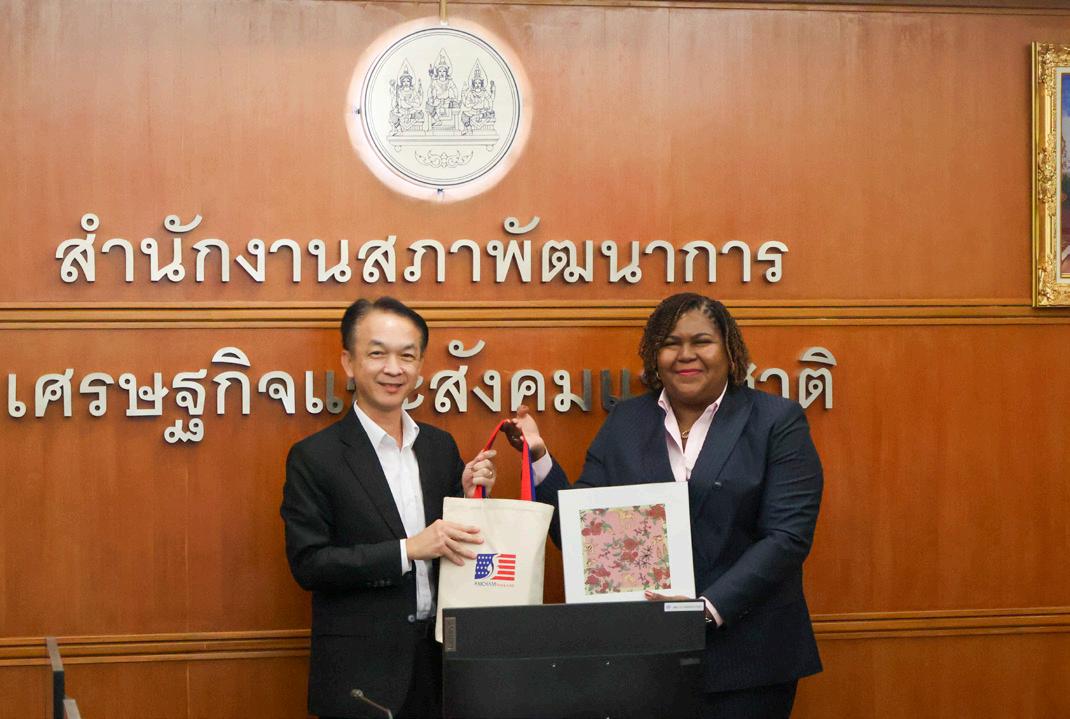
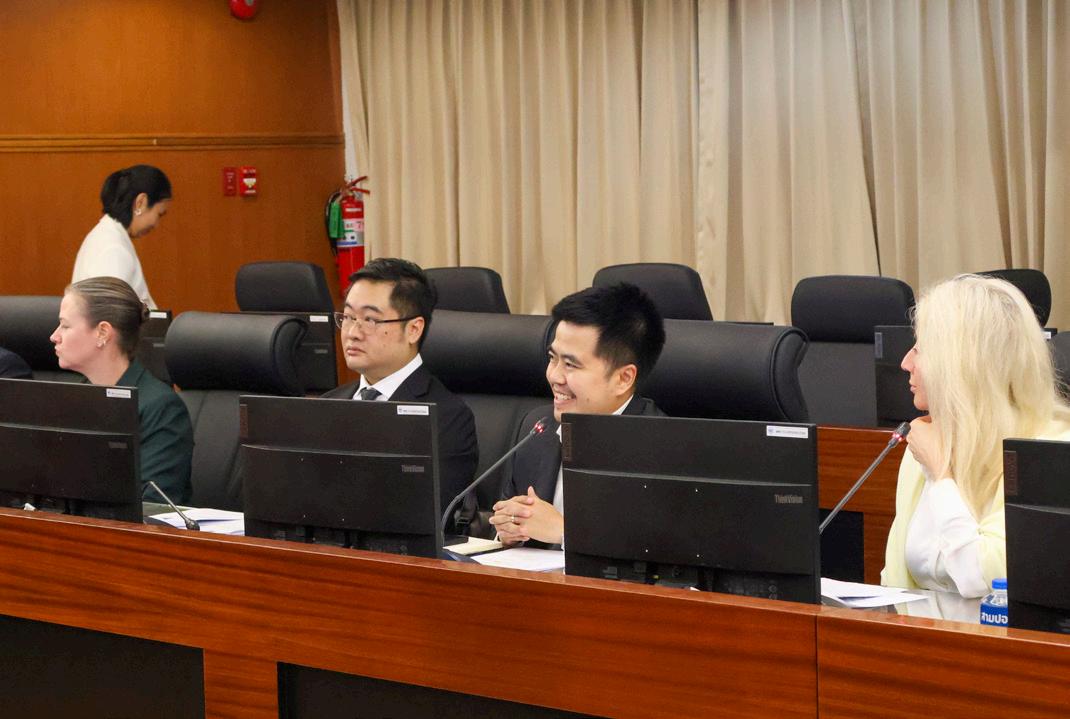
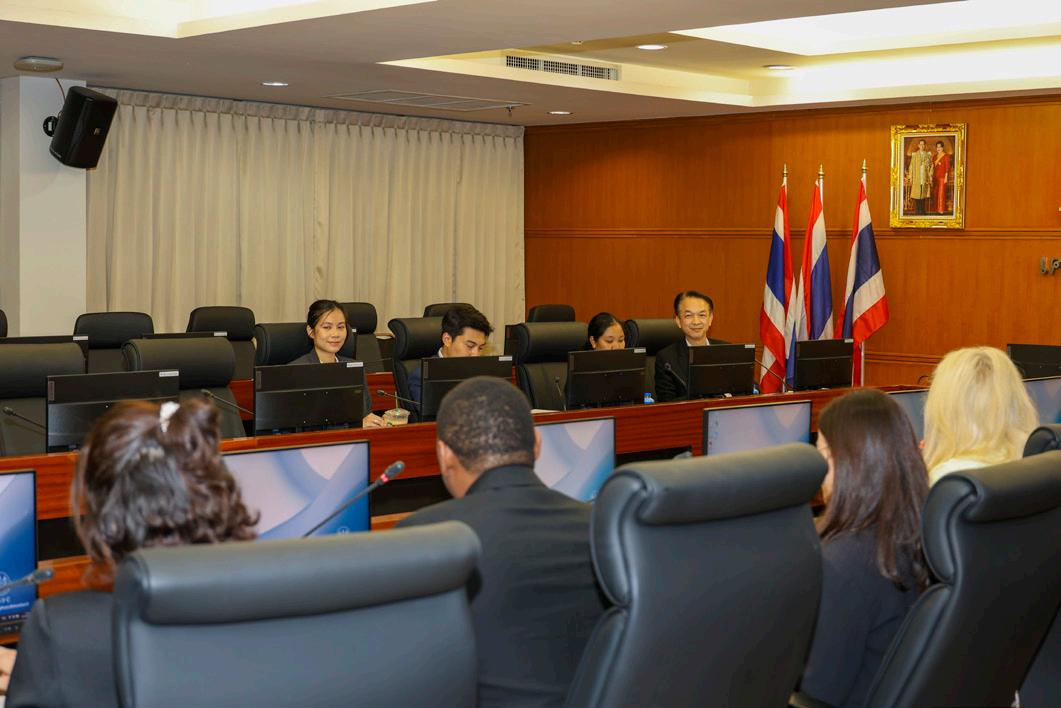
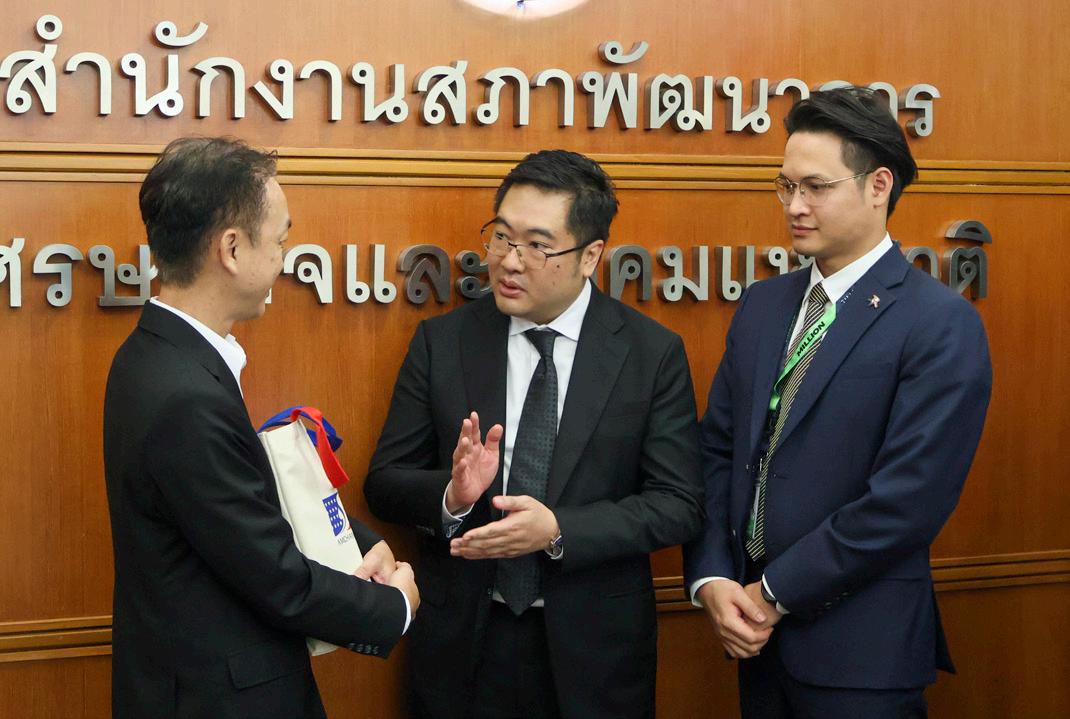
On March 19, AMCHAM Vice President Sondra Sutton Phung of Ford Motor Company led a delegation of AMCHAM members to meet with the Director of Competitiveness Development Strategy and Coordination Division Athipong Hirunraengchok, Office of the National Economic and Social Development Council (NESDC), and senior officials from the department.
During the meeting, NESDC provided updates on key policy priorities and strategy to enhance Thailand’s competitiveness, including seven targeted sectors, robust visa schemes to attract foreign workers, and ongoing free trade agreements.
AMCHAM members exchanged views on the Forward Five key issues such as digital public services, regulations for high technology, workforce upskilling, and green initiatives. The delegates also received updates on the 14th National Economic and Social Development Plan and OECD accession.
AMCHAM reaffirmed its commitment to support NESDC’s priorities by leveraging member expertise to advance digital economy and AI-related frameworks, policies, and long-term competitiveness for Thailand’s sustainable economic growth.
Melea Cruz is the Partner – Tax & Legal of BDO Advisory and serves as an AMCHAM Tax Council Co-Chair.
How has your journey with AMCHAM influenced your leadership perspective and professional growth?
It has increased my confidence significantly, especially in communicating complex tax matters to AMCHAM members and representing them in policy discussions with the Thai Revenue Department (TRD) and the Board of Investment. Through AMCHAM, I have had valuable opportunities to engage directly with key government agencies to advocate for clearer, more transparent, and consistent tax practices in Thailand that are aligned with international standards.
A meaningful part of this journey has been close collaboration with my Tax Council co-chairs. Our discussions on difficult and highly technical tax issues have been extremely informative, and the open exchange of knowledge and experience has

ensured our work truly serves the best interests of AMCHAM members. Working alongside respected peers continues to highlight the importance of a well-informed and united voice when engaging with policymakers.
Overall, my AMCHAM experience has deepened my commitment to long-term advocacy, strengthened my leadership capabilities, expanded my professional network, and empowered me to contribute to improving Thailand’s tax landscape. AMCHAM has been an invaluable platform for both personal development and collective impact.
What are your key priorities as Co-Chair of the Tax Council?
My priorities focus on driving continued progress in Thailand’s tax environment by ensuring that recommendations to the TRD are acted upon, updating members on new tax laws and policies, and turning tax concerns of AMCHAM members into tangible improvements in administration and policy. I will continue providing well-reasoned, practical input to policymakers to promote a transparent, consistent, and internationally aligned tax framework. In today’s climate of global uncertainty and complex compliance requirements, clarity and predictability are essential to sustaining business confidence and long-term investment.
As we mark International Women’s Day, what has your journey taught you as a woman in your field, and what advice would you offer the next generation?
It has taught me that confidence is earned through experience, a steadfast commitment to continuous learning, and the discipline to become better each day. Growth comes not from competing with others but from challenging myself, focusing on progress, integrity, and personal development.
My advice to the next generation of women in tax: Build strong technical foundations, remain curious, commit to lifelong learning, seek mentors who challenge and support you, and have the confidence to speak up - your perspective matters.
A confident, community-driven powerhouse from Sakhon Nakhon, with a heart as warm as the hospitality she studies.

Growing up in a province often seen as far from opportunity, I never imagined how much my life would change when I received a scholarship from the AMCHAM Thailand Foundation (ATF). The scholarship looked beyond geography and saw my potential, giving me a chance that became a true turning point. Since childhood, I have dreamed of traveling the world: to experience new cultures and ways of life with my own eyes. Through the AMCHAM scholarship, I invested in language studies and self-development, which led me to a short-term exchange program in Japan. Seeing snow for the first time was unforgettable and marked the beginning of a new chapter in my life.
My experiences at AMCHAM Orientation Camp and Career Camp further shaped who I am today. I met inspiring peers from across Thailand and gained essential skills in public speaking, resume
“My experiences at AMCHAM Orientation Camp and Career Camp further shaped who I am today.”
writing, and professional interviews. These experiences prepared me for my internship at Le Méridien Phuket Beach Resort under the Marriott brand, which became one of the most challenging yet rewarding experiences of my life. I learned endurance, teamwork, and professionalism while working alongside dedicated colleagues who left a lasting impression on me.
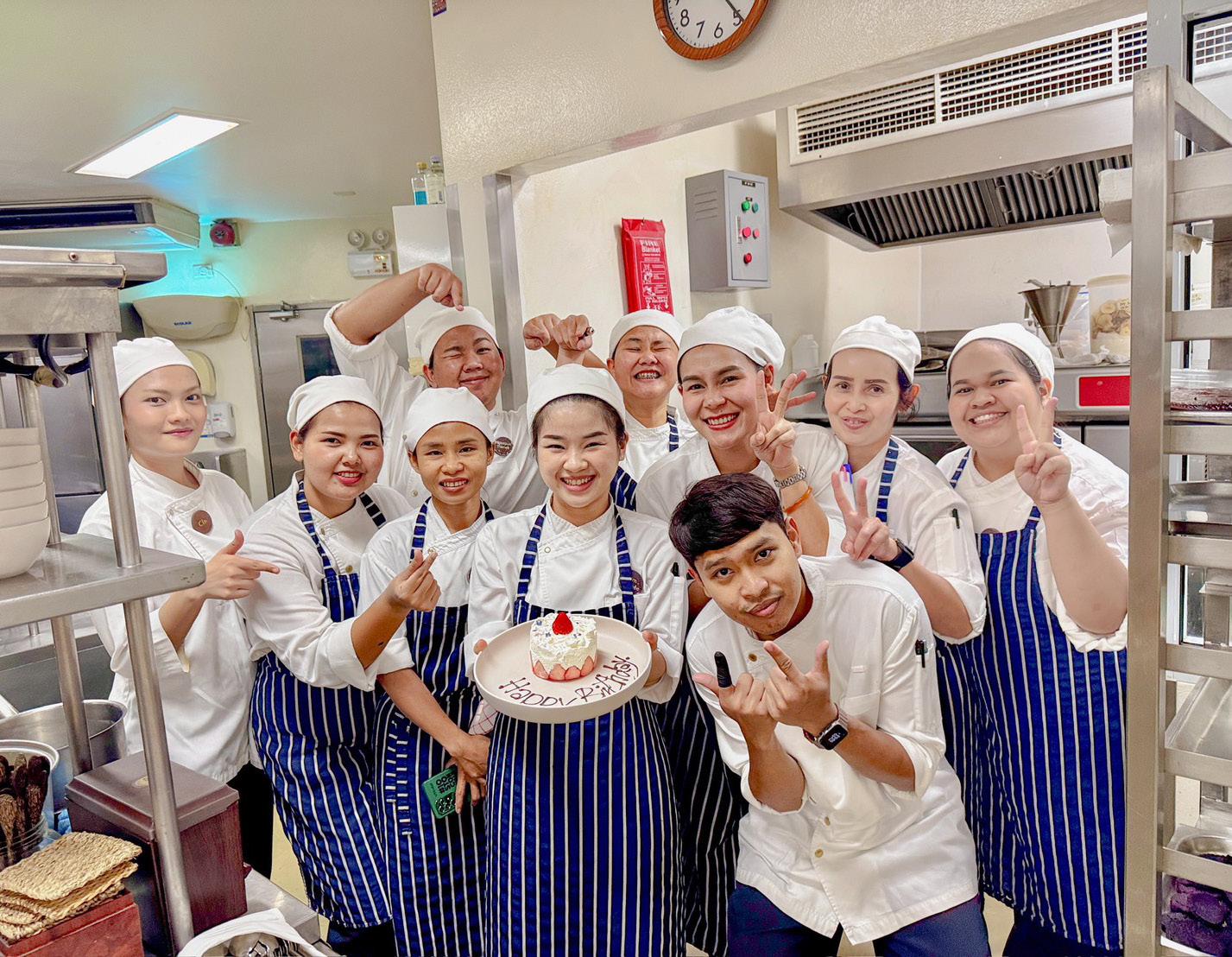
Today, I work at a company that organizes European tours for Thai travelers, where I plan and coordinate travel arrangements to ensure safe and enjoyable experiences for clients. I cannot deny that this career opportunity is largely the result of the guidance and support provided by ATF, including scholarships, training, follow-up, and the continuous encouragement from Pailin, who has supported me from the very beginning.

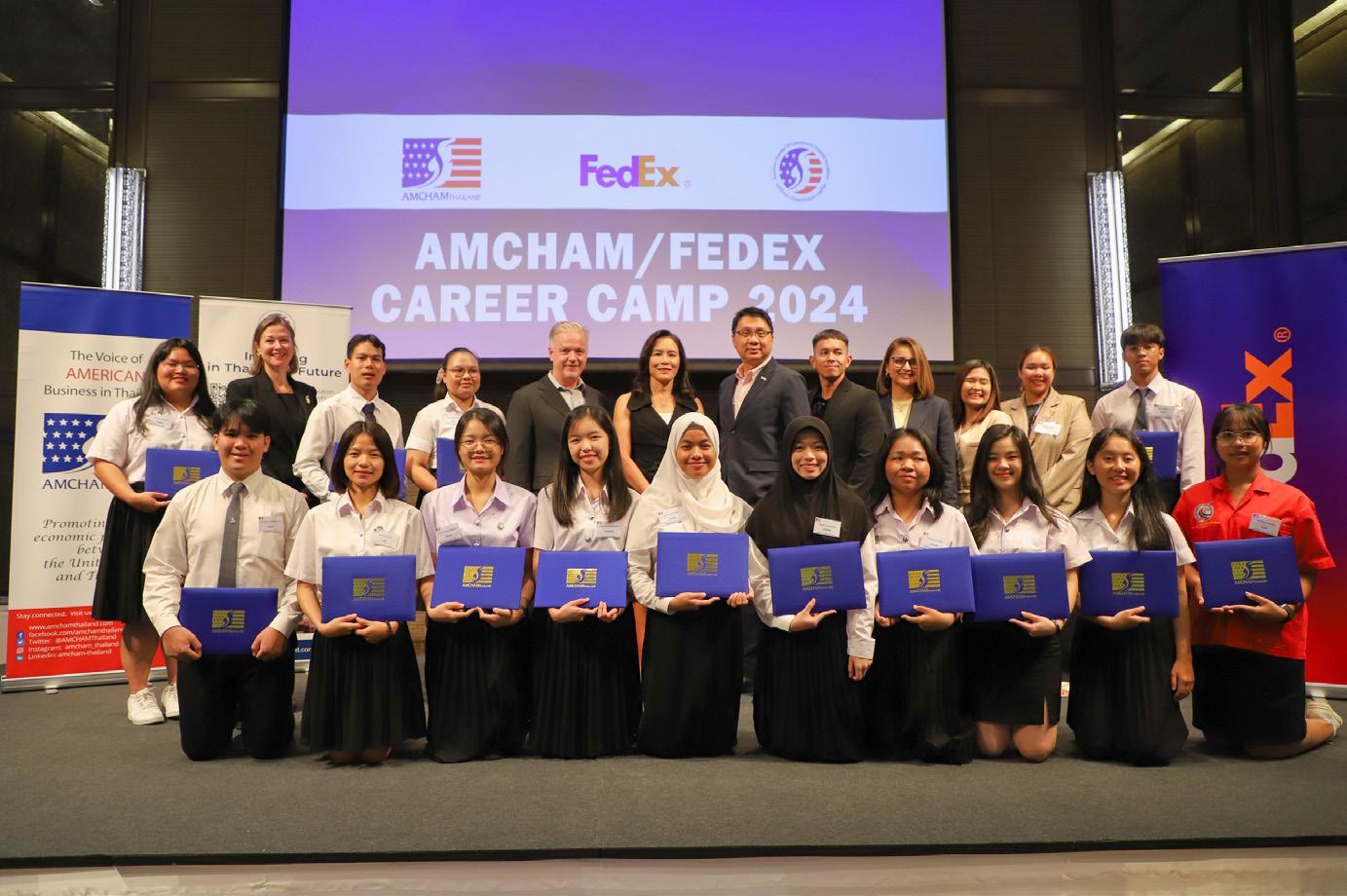
Education has been a core value for AMCHAM since the very beginning of the Chamber. Over the last three decades, AMCHAM has provided over 3,200 scholarships and supported over 890 primary schools.
In 2004, AMCHAM formally registered the American Chamber of Commerce in Thailand Foundation (ATF) to carry out its charitable activities. The ATF is recognized by the Ministry of finance as a Public Charitable Organization (number 632) and donations are deductible in Thailand.
Each year ATF enables disadvantaged Thai university and vocational students to complete their higher education studies through targeted scholarships. Our Community Engagement Council works directly with universities and vocational colleges to identify hard-working and motivated students enrolled in programs championed by AMCHAM member companies.
Sponsor university scholarship. Provide speakers and goodie bag items for Orientation/Career. Join the Community Projects Council. For further information, contact foundation@amchamthailand.com.
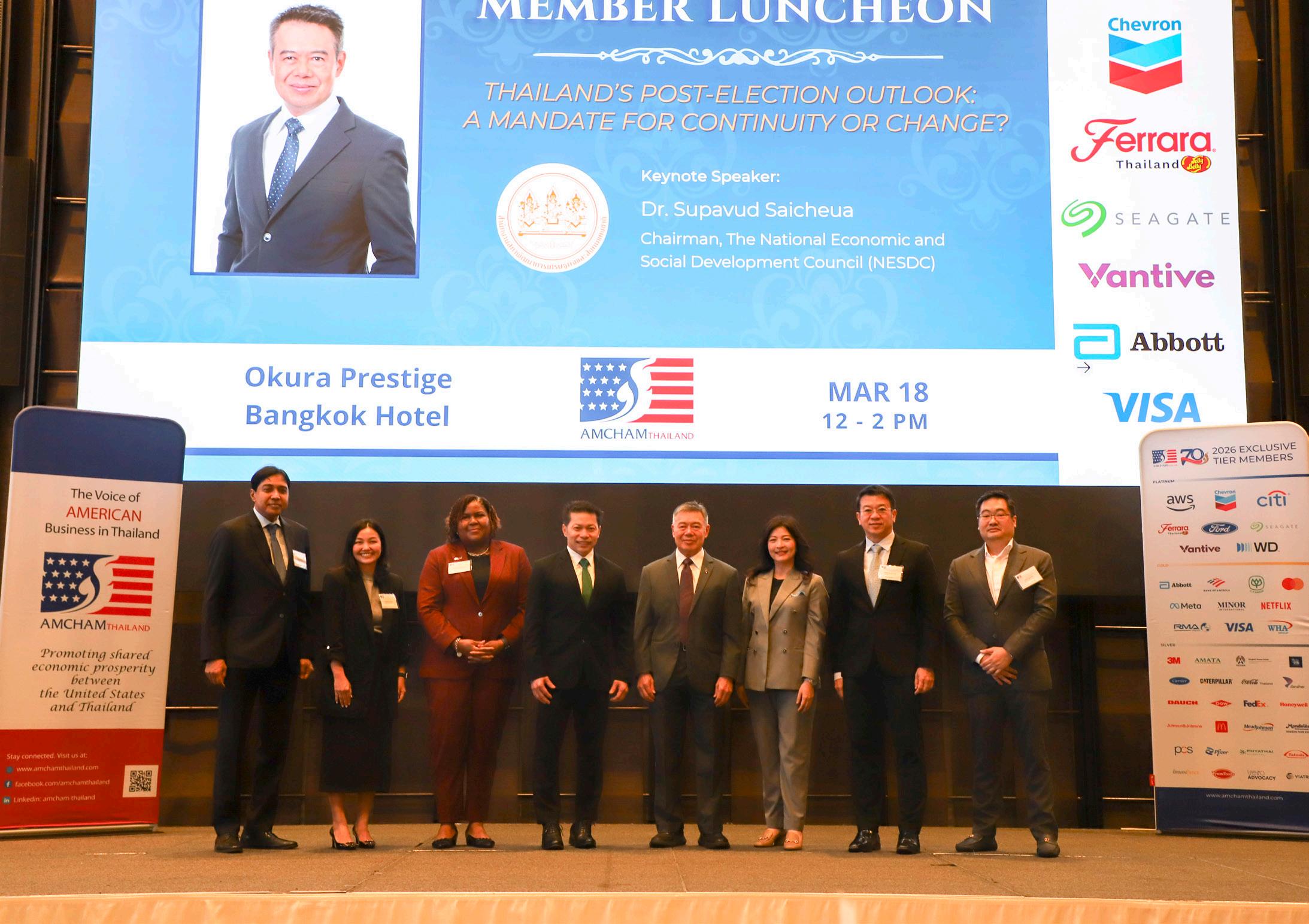
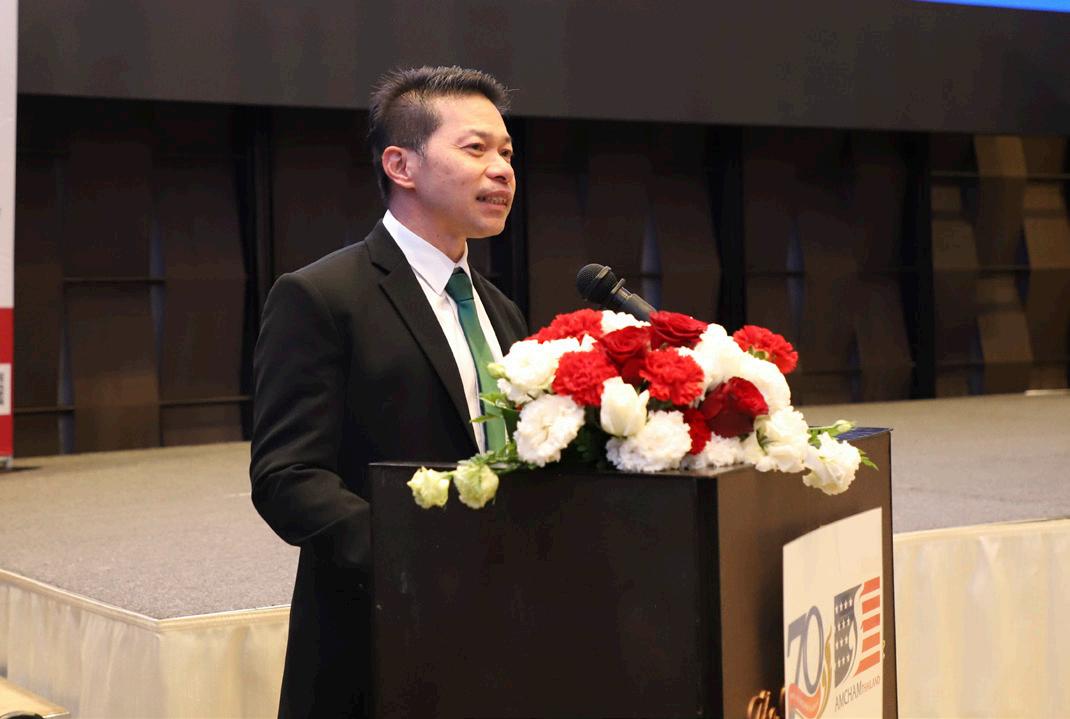
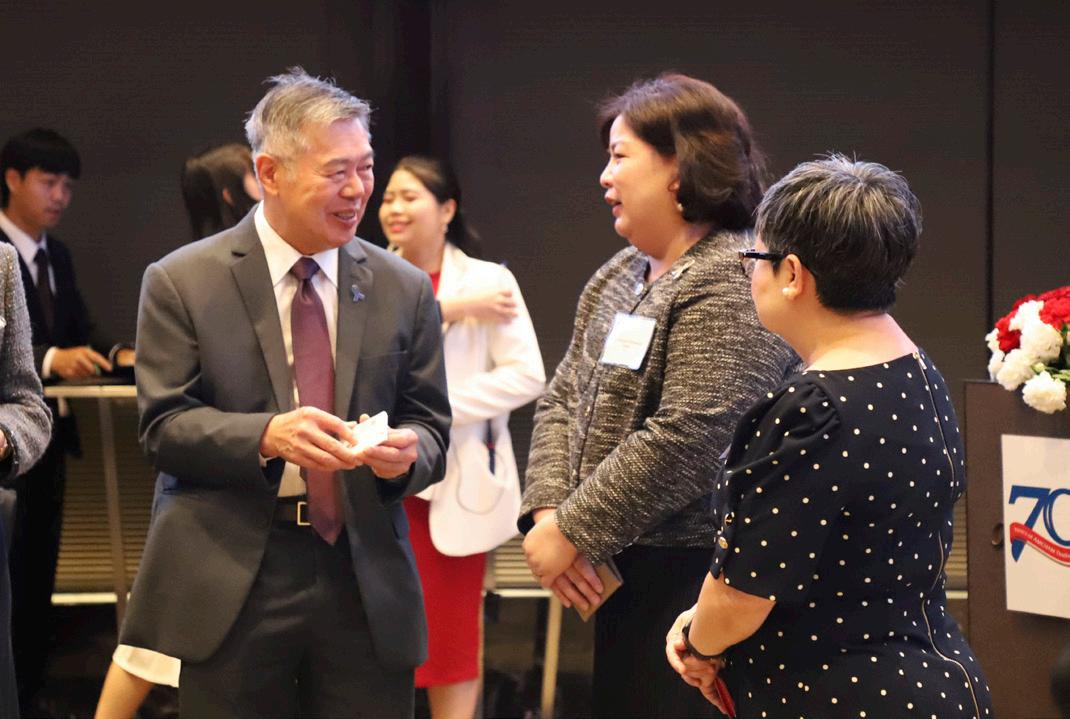
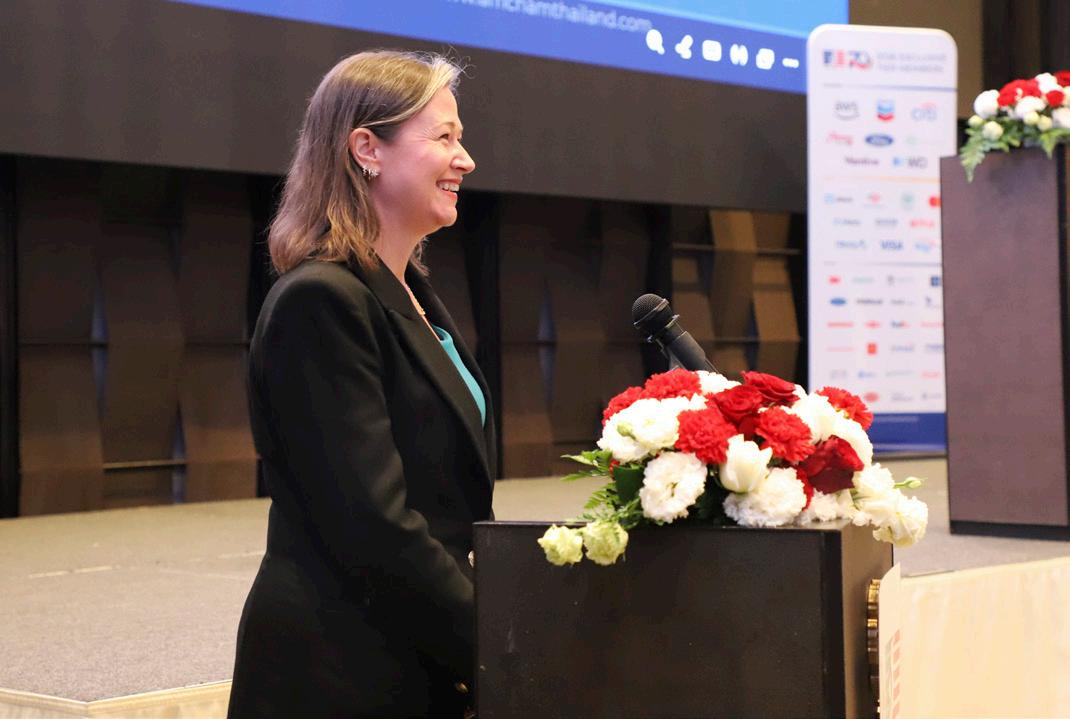
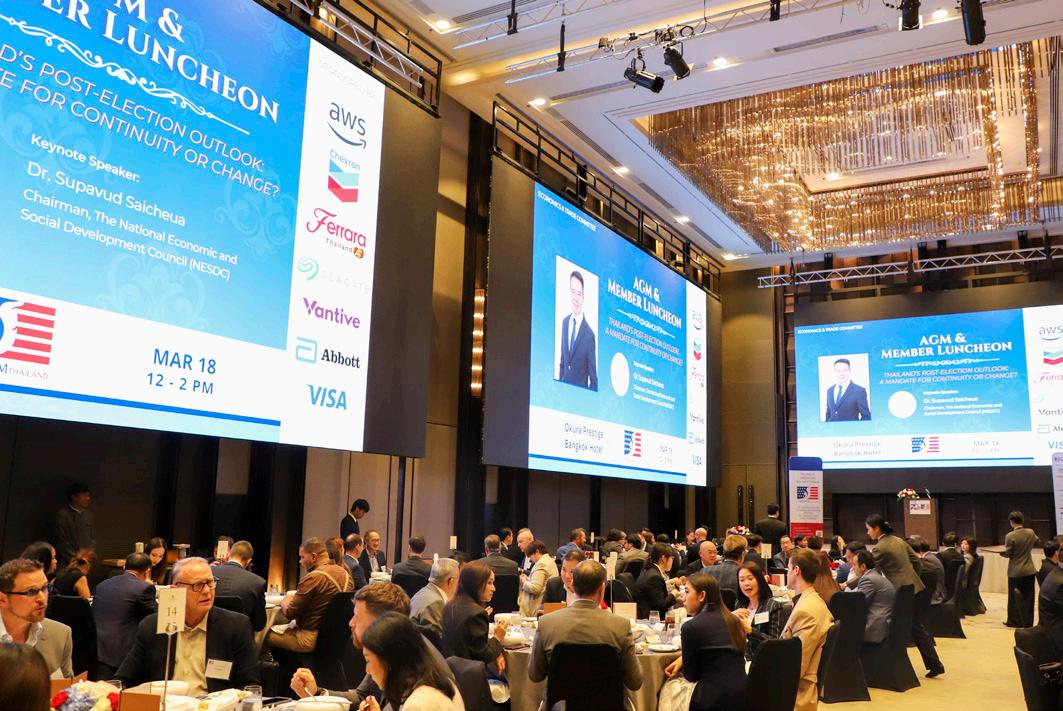
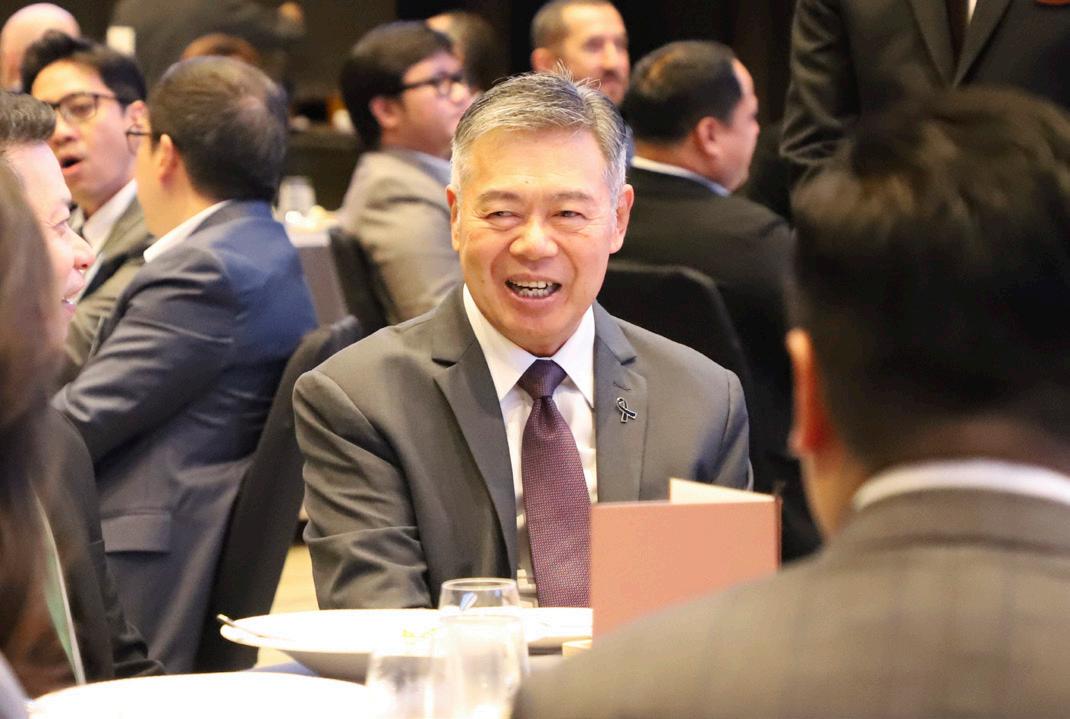
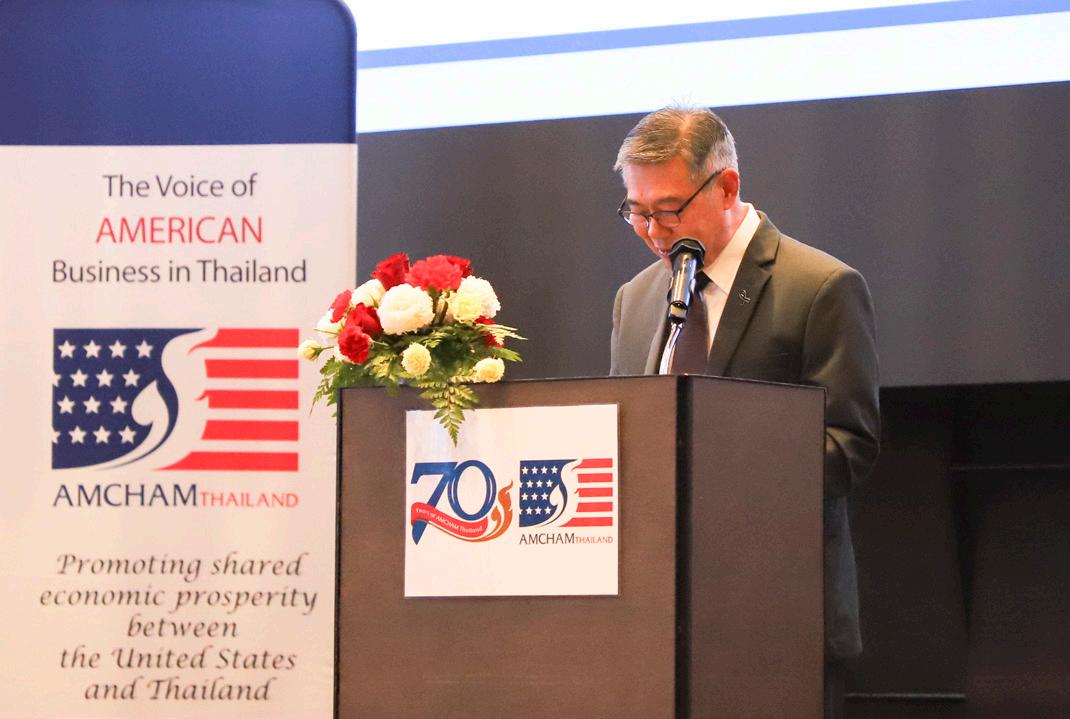
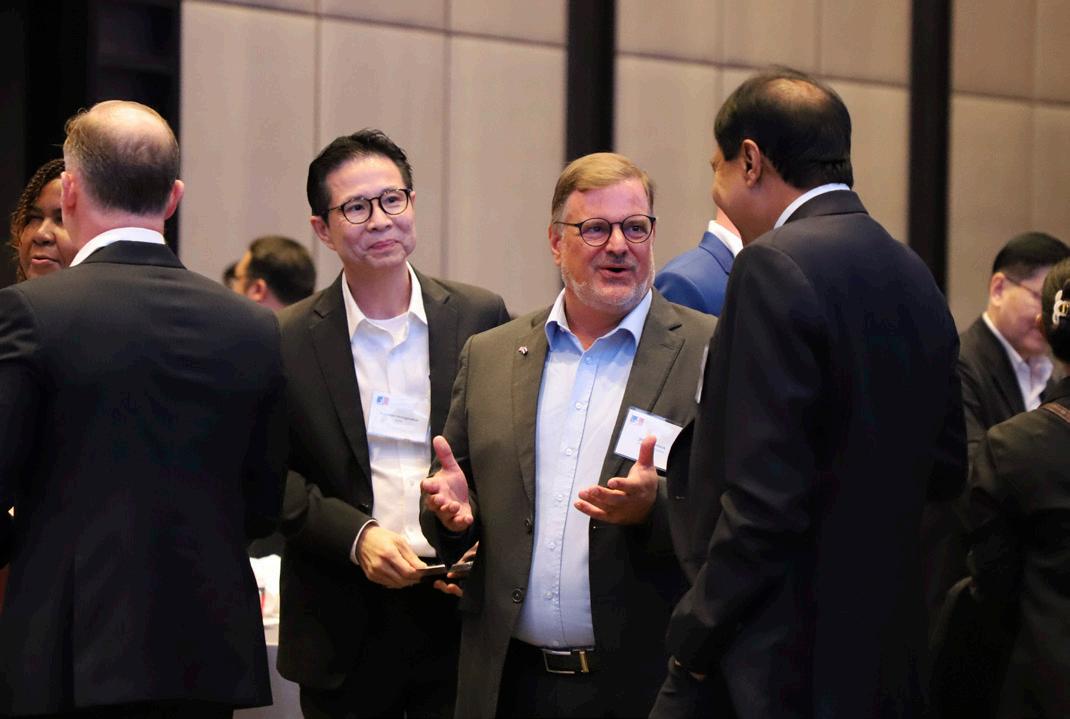
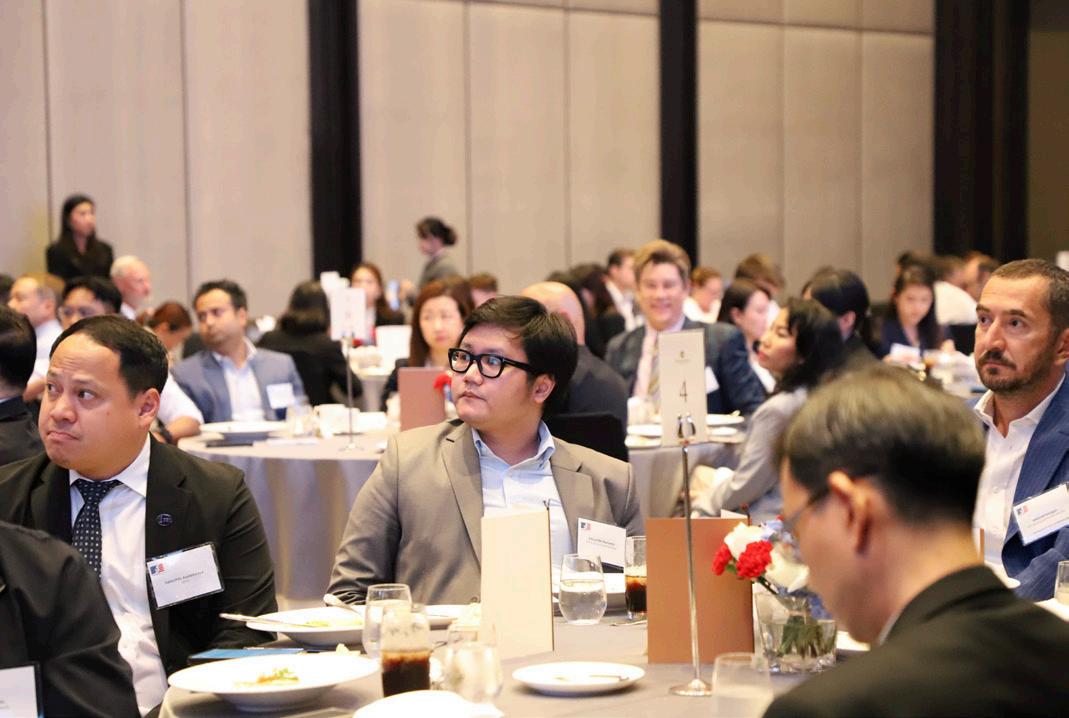
On March 18, the American Chamber of Commerce in Thailand (AMCHAM) hosted its Member Luncheon and Annual General Meeting, featuring insights on Thailand’s post-election economic landscape from Dr. Supavud Saicheua, Chairman of the National Economic and Social Development Council. Members from across diverse industries gathered to discuss the nation’s macroeconomic outlook, economic constraints, and key reform areas amid ongoing global uncertainties.
Dr. Supavud provided insights into the incoming administration, noting that it could enable progress on long-overdue reforms through greater political stability and a parliamentary majority. He emphasized the potential to strengthen competitiveness and restore business confidence through regulatory reforms.
His discussions spanned demographics, productivity gains, regulatory streamlining, and anti-corruption measures to strengthen Thailand manufacturing sector. He noted, “Scaling up renewables is the most economically viable path for Thailand’s immediate energy security and decarbonization goals.”
This event also served as the Annual General meeting for the purposes of approving the 2025 President’s Report and 2025 Audited Financial Statements, along with the appointment of the 2026 Auditor.
Organized by: Auto Council
Event Highlights:
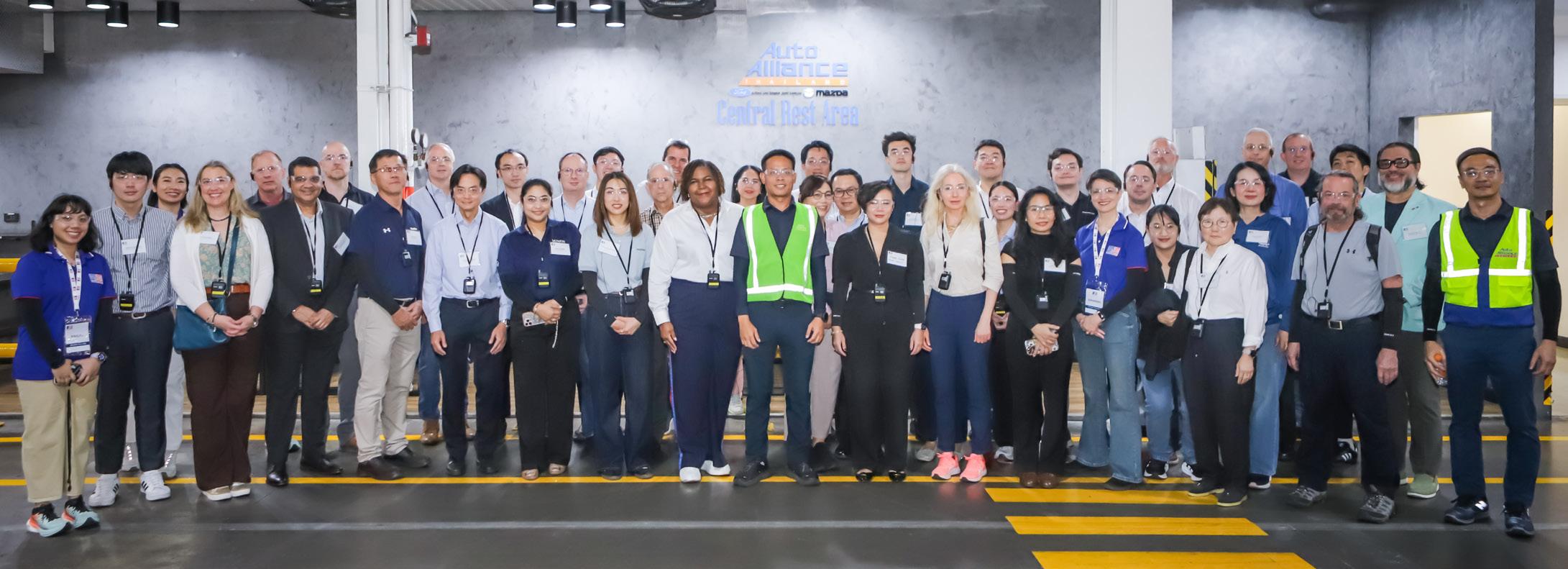
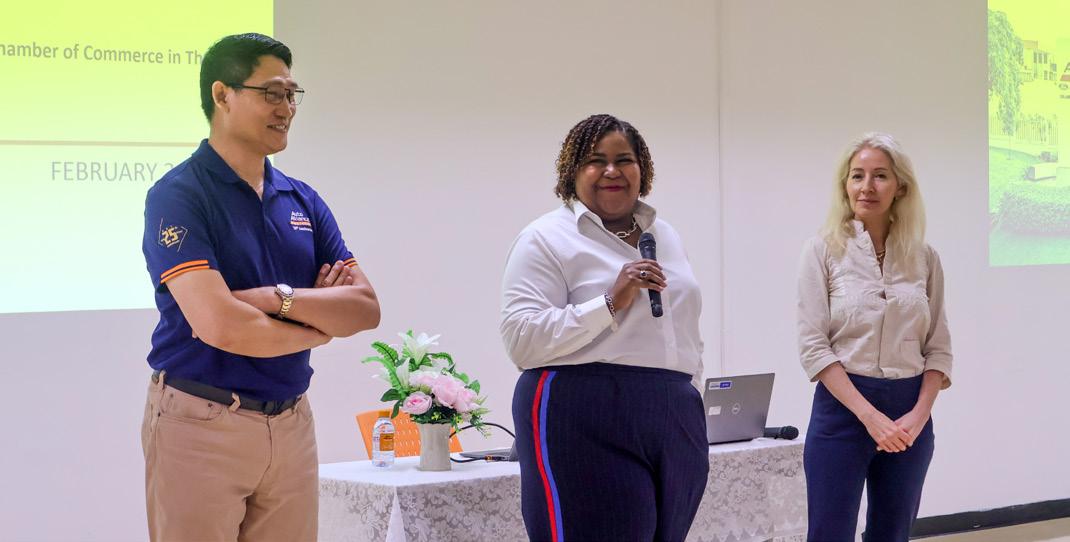
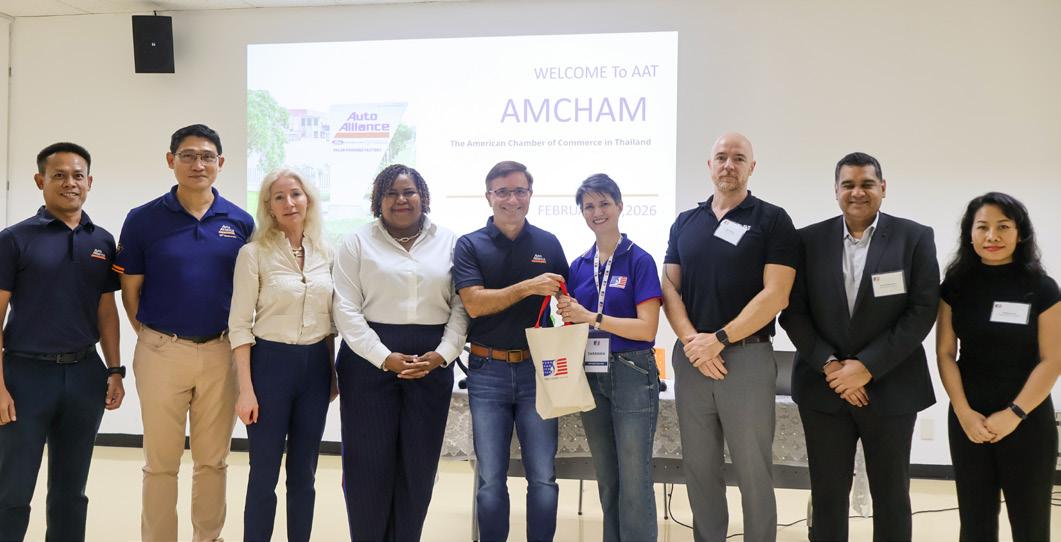
AMCHAM members stepped inside Ford Thailand's Auto Alliance Manufacturing Plant in Rayong for an exclusive behind-the-scenes look at one of the country's premier automotive facilities. The visit started with a warm welcome and an engaging overview of Ford Thailand's history, giving participants a deeper appreciation of the company's long-standing presence and contributions to the Thai automotive industry.
The highlight of the day was an exciting guided tour through the plant, where members witnessed firsthand the precision, craftsmanship, and cutting-edge technology behind the assembly of Ford vehicles from the ground up.
The Governors’ Table @ The Allium – Mar 4
Hosts: Sasathorn Phaspinyo of FedEx Thailand; Anothai Wettayakorn of IBM Thailand; and Idara Huang of Mondelēz International Thailand
Event Highlights:
AMCHAM hosted the Governors’ Table at The Allium, The Athenee Hotel, bringing together distinguished leaders from across the business community for an exclusive dinner. The evening provided an excellent platform for senior executives and Board Governors to exchange perspectives, cultivate meaningful connections, and engage in forward-looking conversations.




Corporate Impact Awards Council
Mar 5
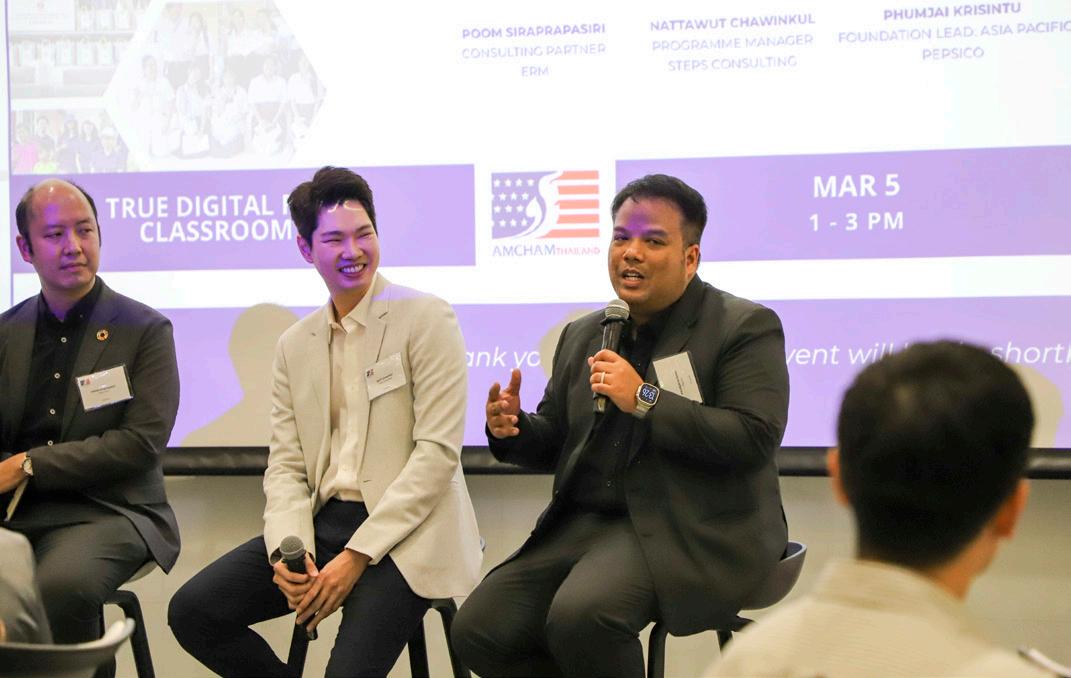
Speakers: Poom Siraprapasiri of ERM; Phumjai Krisintu of PepsiCo; and Nattawut Chawinkul of Steps Consulting
Moderator: Naruephon Boonyaban of Kenan Asia Foundation
Organized by: Corporate Impact Awards Council
Event Highlights:
At the 2026 Connecting for Corporate Impact: Measuring Program Outcomes session, the panelists shared practical insights on how organizations can measure and quantify the outcomes of CSR and social impact programs. They explored practical tools, including Social Impact Return on Investment (SROI), Social Impact Assessment, and Theory of Change, to support impact measurement in a local context.
The session further emphasized the importance of understanding the baseline and setting the benchmark to achieve and communicate the impactful results.
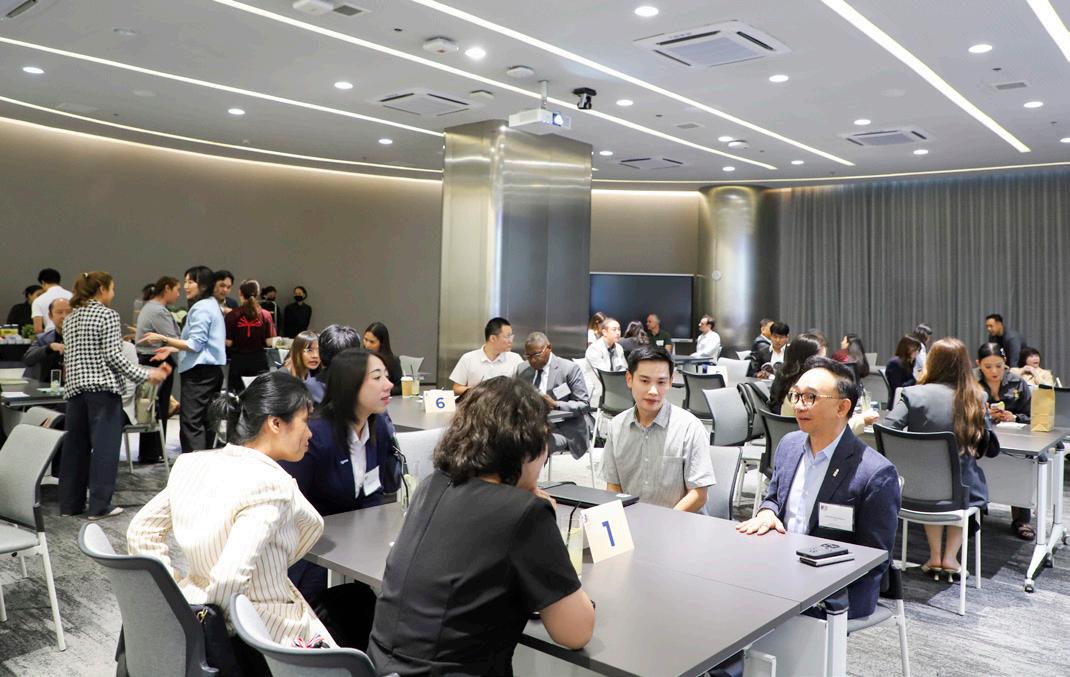
After the discussion, participants had the opportunity to exchange experiences, discuss the challenges they faced, and share success stories. The event concluded with lively networking, strengthening connections among CSR and sustainability professionals across our business community.

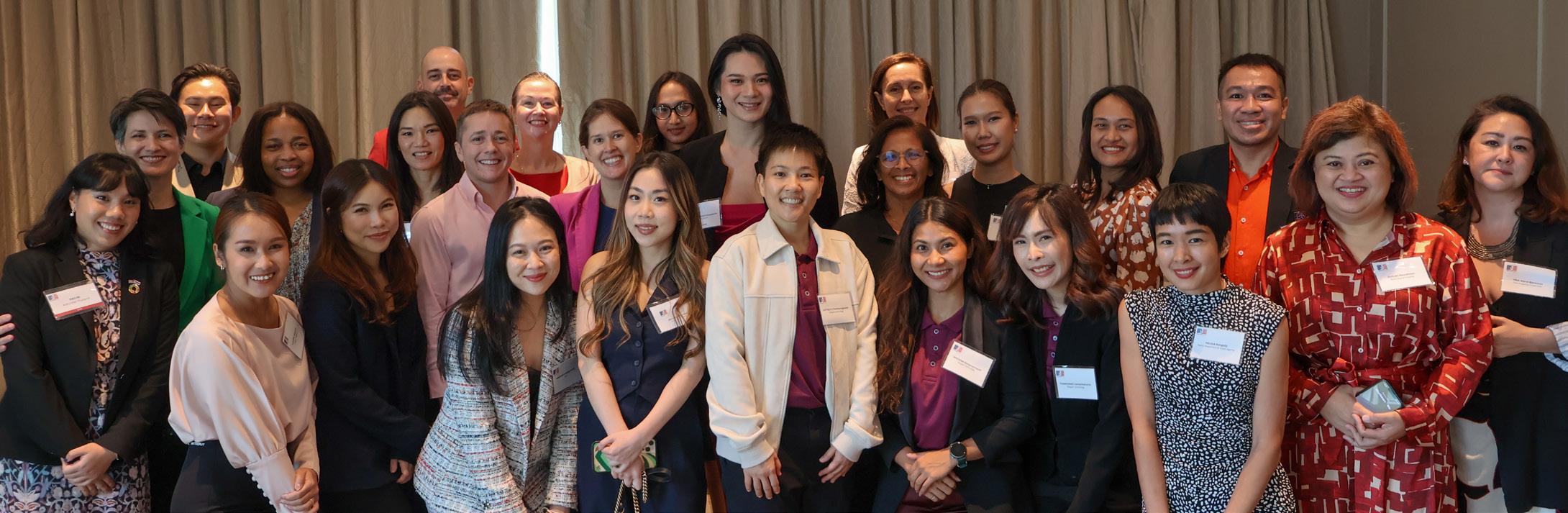
Speakers: Allison Morris of Kenan Asia Foundation and Nikki Phinyapincha of TransTalents Group
Organized by: Inclusion Committee
Event Highlights:
The AMCHAM Inclusion Committee hosted an International Women’s Day Tea event, bringing together leaders from various industries to discuss the importance of fostering more inclusive corporate environments.
Panelists shared valuable insights and experiences that encouraged meaningful dialogue among participants, highlighting practical approaches that have been effective within their organizations. The event also included small group discussions, allowing participants to exchange perspectives and reflect on the challenges and opportunities that women face in the workplace today.



Caterpillar’s digital transformation was the subject of a recent case study conducted by the Center for Information Systems Research (CISR) at the Massachusetts Institute of Technology (MIT), published in an MIT CISR working paper titled “Caterpillar’s Digital Data Journey.” The study examined how Caterpillar has approached the development and management of data assets to support scalable digital solutions across its global operations. According to the paper, the company’s emphasis on creating structured, accurate, and secure data, which forms the foundation for the company’s digital initiatives, has been central to this strategy.
A key component of Caterpillar’s transformation has been the Helios platform, a unified digital backbone that integrates data from millions of products, dealers, and customers. Helios has enabled a range of capabilities, including eCommerce, fleet management, and predictive maintenance, by bringing together disparate sources of information into a single, organized system.
The transition from a fragmented landscape of applications and data silos to a modular, cloudbased architecture marked a significant shift for Caterpillar. This move allowed for standardized and actionable data management, making it possible to leverage information more effectively across the organization.
Caterpillar’s approach to data management has been further distinguished by the application of a product-oriented mindset. The organization has prioritized data quality, reusability, and lifecycle management, employing machine learning models and validation services to enhance the accuracy of its data.
With Helios as the backbone, Caterpillar has adopted an “AI First” approach to digital capabilities for customers and dealers. In 2024, Caterpillar launched a generative AI-powered service recommendation engine to streamline predictive maintenance for dealers and customers. Building on this success, Cat Digital has begun developing a library of AI agents, each aligned to a functional domain, enriched with contextual data, and capable of acting through Helios APIs to streamline workflows for customers and dealers. Cat Digital has been executing against a comprehensive roadmap for AI, focused on delivering AI capabilities having the collective knowledge of Caterpillar, the full context of customers and their fleets, and a relentless focus on simplifying the customer experience, irrespective of where customers were in the journey.
This summary is based on the MIT CISR case study. The full case study is publicly available on the MIT CISR website (free registration required).
Dusit International, one of Thailand’s hotel and property development companies, is spotlighting Michelin recognition across its hospitality ecosystem, spanning hotels, dining, and chefs under Dusit Hospitality Education.
While individual Michelin distinctions across Dusit’s portfolio have been announced previously, together, they reflect a long-term, integrated approach to hospitality, one that links guest experience, culinary excellence, and education under a shared philosophy of Thai-inspired gracious hospitality.
In 2025, Dusit Thani Bangkok, Dusit Thani Kyoto, and Dusit Thani Mactan Cebu hotels were each awarded one Michelin Key from the Michelin Guide. In parallel, Dusit’s culinary credentials were strengthened when Cannubi by Umberto Bombana
at Dusit Thani Bangkok became the first Italian restaurant in Thailand to receive a Michelin Star.
This recognition extends beyond hotels and restaurants to the people shaping them. Through Dusit Hospitality Education – including Dusit Thani College, Le Cordon Bleu Dusit –Culinary Arts School, Bangkok, and The Food School Bangkok – Dusit has spent more than three decades providing a professional foundation for culinary talent.

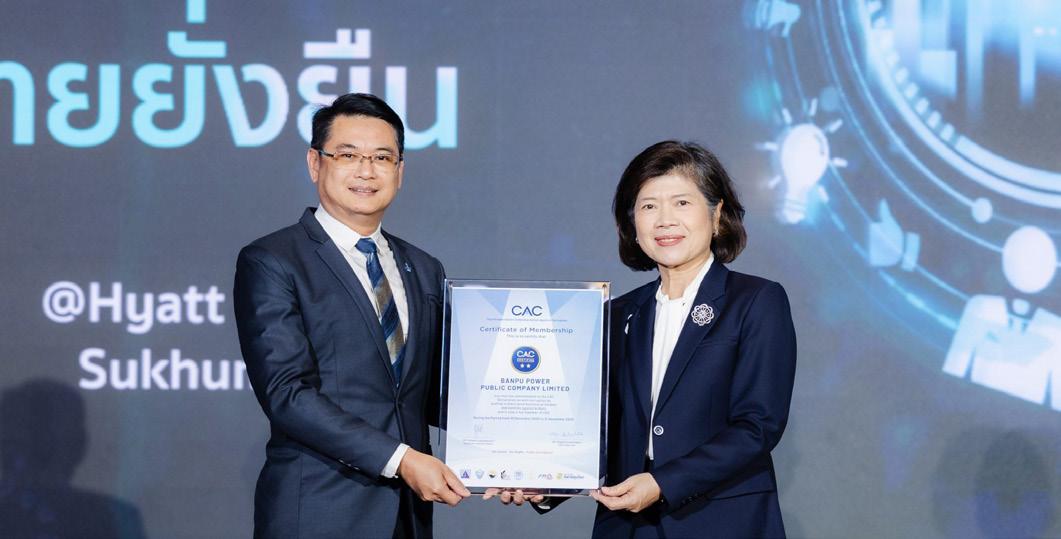
Banpu Power Public Company Limited (BPP) has received its second consecutive certificate as a member of the Thai Private Sector Collective Action Against Corruption (CAC), underscoring the company’s commitment to transparency and corporate governance excellence. Issara Niropas,
Chief Executive Officer of BPP, received the certificate from Kesara Manchusree, Member of the CAC Council. The ceremony was held under the theme CAC Incentive Pool, which aims to strengthen and expand the network of privatesector organizations that uphold transparency and advance anti-corruption standards in their operations.
BPP is committed to conducting its business with transparency and accountability, while supporting all forms of anti-corruption efforts. The company continues to enhance its operational and governance standards to ensure effective control of corruption-related risks, driving the organization’s sustainable growth.

Every day, 3M employees are advancing the future of automotive technologies, consumer electronics, personal safety, consumer goods, climate innovation, and more. By making indispensable solutions that empower modern life and advance human progress, 3M innovates and delivers solutions for global challenges.
Italthai Engineering Recently organized the Coastal Guardians Volunteer activity in Chonburi Province to promote marine resource conservation and restore the balance of coastal ecosystems. The initiative marked the company’s fourth Corporate Social Responsibility (CSR) project of 2025, reflecting its commitment to conducting business in harmony with social and environmental stewardship.
Representatives from Italthai Engineering participated in learning sessions on Thailand’s coastal conditions and marine conservation practices, followed by hands-on activities including beach cleanup at Dong Tan Bay and turtle pond maintenance at the Sea Turtle
Conservation Center. These efforts are aimed at reducing pollution, restoring coastal environments, and fostering employee engagement in environmental care.

EVA Air continues to strengthen its North American network with the launch of a new four-timesweekly service to Washington, D.C. (IAD), effective June 26, 2026. Operating via its hub in Taipei (TPE), the new route enhances connectivity between Asia and the U.S. capital, serving both business and leisure travelers.
The service offers seamless one-stop connections from Bangkok (BKK) and Chiang Mai (CNX),
providing travelers in Thailand with improved connectivity access to Washington, D.C. and beyond.
Flights will be operated by the Boeing 787-9 Dreamliner, featuring EVA Air’s fourth-generation Premium Economy Class. Under the summer schedule, flight BR004 departs Taipei at 7:30 pm and arrives in Washington, D.C. at 10:30 pm on Mondays, Wednesdays, Fridays, and Saturdays. The return service, BR003, departs Washington, D.C. at 1:50 am and arrives in Taipei at 5:45 am (+1) on Tuesdays, Thursdays, Saturdays, and Sundays. Special departure times will apply for the inaugural flight on June 26, 2026.
With this launch, EVA Air will operate 98 weekly flights between Taipei and North America, further expanding travel options across the region.

SHARGE, Thailand’s electric vehicle (EV) charging ecosystem operator, has announced a partnership with Grab to promote EV adoption among ridehailing drivers through the launch of Grab EV Charging Stations, dedicated to Grab drivers. With an investment of over 400 million baht, SHARGE aims to establish 40 charging stations nationwide by 2027.
Three pilot stations are set to launch at key locations, including Suvarnabhumi Airport, Don Mueang Airport, and Pattaya. These stations will offer fast-charging services, capable of fully charging vehicles in just 20 minutes, at a competitive rate starting from six baht per kWh. This collaboration is expected to reduce drivers’ operational costs and support broader EV adoption.
Parichat Sriwilai, Deputy Director of Driver Management at Grab Thailand, said, “Since 2020,
Grab Thailand has been at the forefront of promoting EV adoption among drivers and riders, providing ride-hailing and delivery services through the Grab EV program. Our collaboration with SHARGE addresses drivers’ challenges around charging accessibility and encourages more drivers to confidently transition to EVs.”


A leading integrated food company in Thailand, committed to enriching people’s lives with “Better Food.” Its operations span the entire food value chain, including animal feed, animal health products, livestock farming, and the production and distribution of meat, eggs, fish, processed foods, and premium pet food. Serving customers in Thailand and over 30 international markets, Betagro integrates ESG principles to support sustainable growth and long-term value for stakeholders.
A technology company founded in 1999 and is based in New Hampshire. It specializes in solutions that enhance the value of business software and IT infrastructure. Serving organizations across both public and private sectors, the company delivers tailored solutions aligned with operational needs. With strong development ties to Thailand, Ewarenow leverages international collaboration and engineering expertise to deliver efficient software solutions that support long-term organizational growth.
Founded in 1996, Living Films is a leading full-service international film production company with nearly three decades of experience in Thailand’s film industry. The company has produced hundreds of projects, including feature films, television series, documentaries, and global commercials. Providing services such as location scouting, permitting, logistics, and production management, it has supported major studios and platforms including Disney, Netflix, HBO, and Universal Pictures.
Mitsubishi HC Capital has provided financial solutions for corporate clients in Thailand since 2008, including leasing, hire-purchase, sales and leaseback, and factoring services. Following the 2021 merger of Mitsubishi UFJ Lease & Finance and Hitachi Capital Corporation, the company leverages the strengths of both organizations to deliver advanced asset financing solutions that support business investment and growth in Thailand.
The award-winning Pullman Phuket Panwa Beach Resort is an upscale beachfront retreat located along the scenic Cape Panwa coastline in Phuket. The resort offers 211 contemporary rooms and suites, including 29 private pool villas, combining modern comfort with tropical tranquility. Guests enjoy easy access to Phuket Town and nearby islands while experiencing five-star facilities, warm Thai hospitality, and the serene beauty of the Andaman Sea.
Established in 2018 as a joint venture between Suntory Beverage & Food Limited and PepsiCo. Guided by the vision “Growing for Good,” the company produces and distributes leading brands, including Pepsi, 7UP, Mirinda, Lipton, Gatorade, Aquafina, and BOSS Coffee. With production facilities in Rayong and Saraburi and a nationwide distribution network reaching over 275,000 retailers, SPBT continues to strengthen its presence in Thailand’s beverage market through innovation and strong partnerships.

The Chamber is always seeking member submissions for ThaiAmerican Business (T-AB) magazine as well as the AMCHAM website.
Articles should be shared in an editable format accompanied and with any applicable graphics that are 300dpi minimum
Check with the communications team to learn about the theme for our next issue AMCHAM also looks for legal and regulatory developments, knowledge sharing and best practices
Articles should be on topics of general interest with original research or analysis Articles should not be self-promotional or be company member news.
Authors are frequently approached regarding their expertise Be sure to include an author photo and short biography with article submissions.
Please send your article submission for consideration to the communications team before the beginning of the previous month at comm@amchamthailand com