What Is Bioenergy and How Can It Help Your Business Go Green?
ER&I at a Turning Point: Why the Industry Must Reinvent Itself Now
250: Expanding Partnerships and Opportunity Across
Thailand's Environmental Law Reform Wave: Five Emerging Laws and Their Implications for Business and ESG
Thailand Strengthens Enforcement Against Nominee Structures: Key Legal Updates for Foreign Investors
Select USA in Washington, D.C. Roundtable Meeting with the FDA
Notachard Chintakanond - Director of Asia Group Advisors
Thailand Foundation Career Camp
May 2026 Video Conference
Thailand’s Future in a Turbulent World
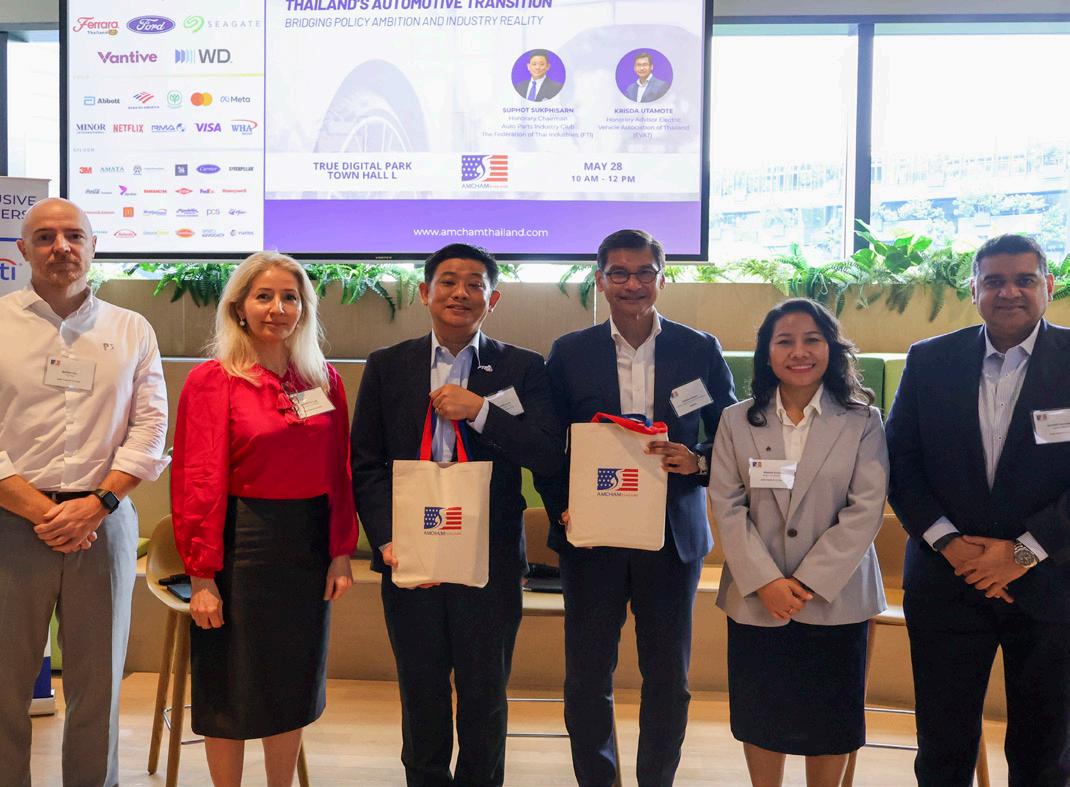
Thailand’s Automotive Transition: Bridging Policy Ambition and Industry Reality
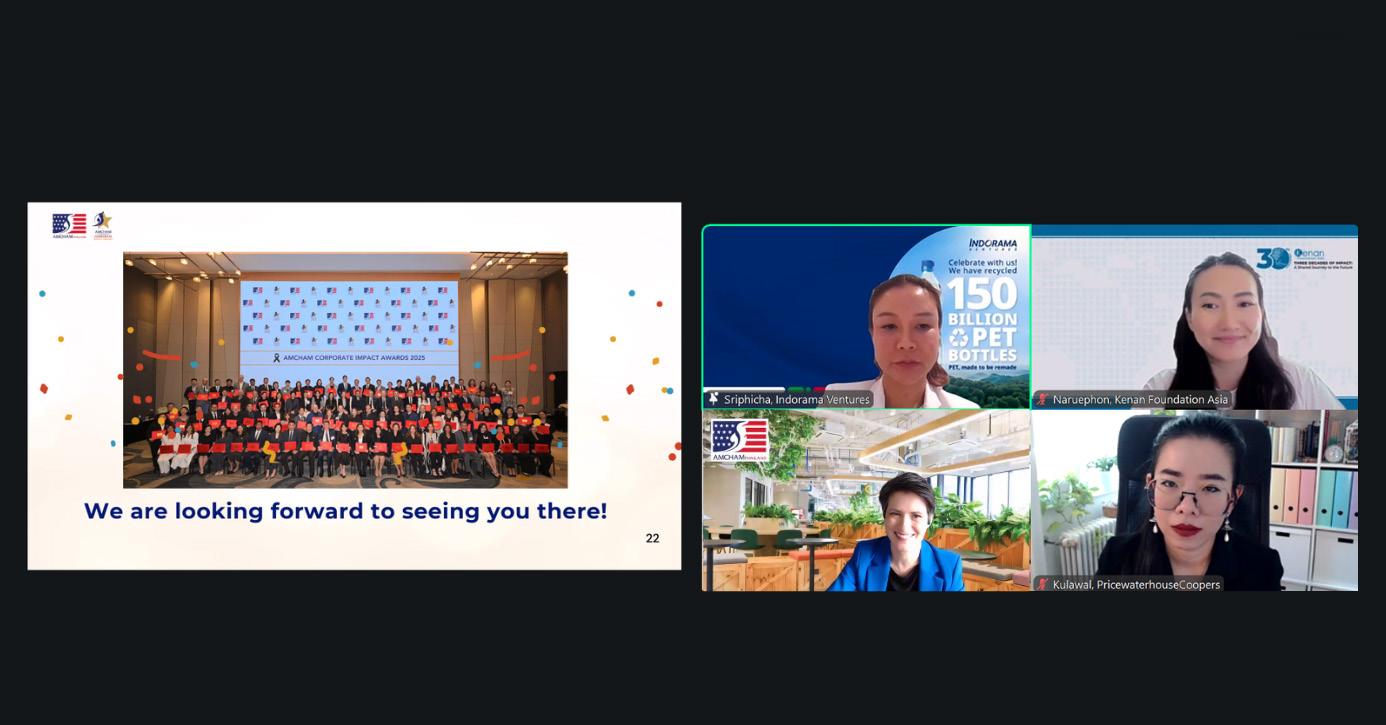
2026 Corporate Impact Awards Launch & Information Session
AI and the Law: Navigating Opportunities and Enforcement Risks
The Governors’ Table @ Blue Elephant
Independence Day Picnic 2026
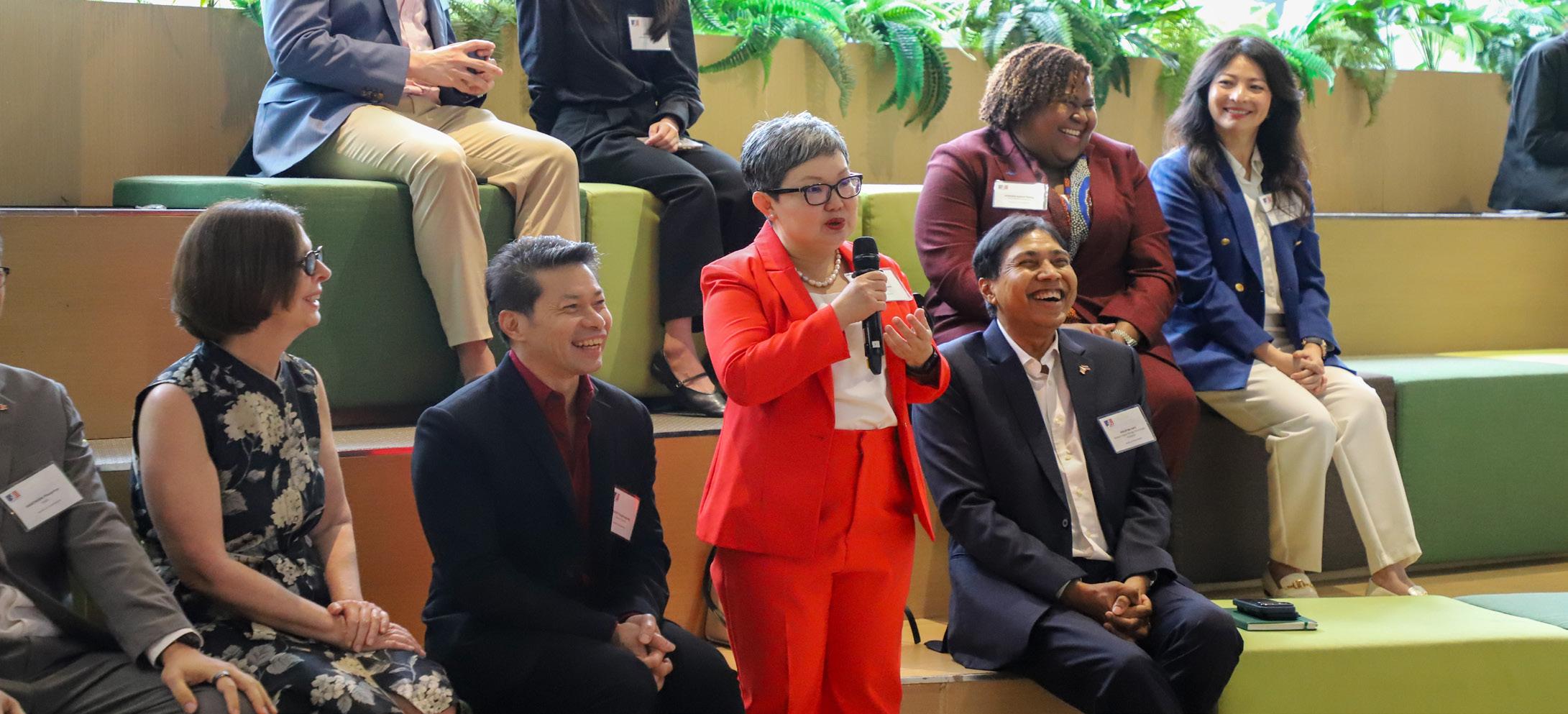
AMCHAM New Member Brew & Buzz
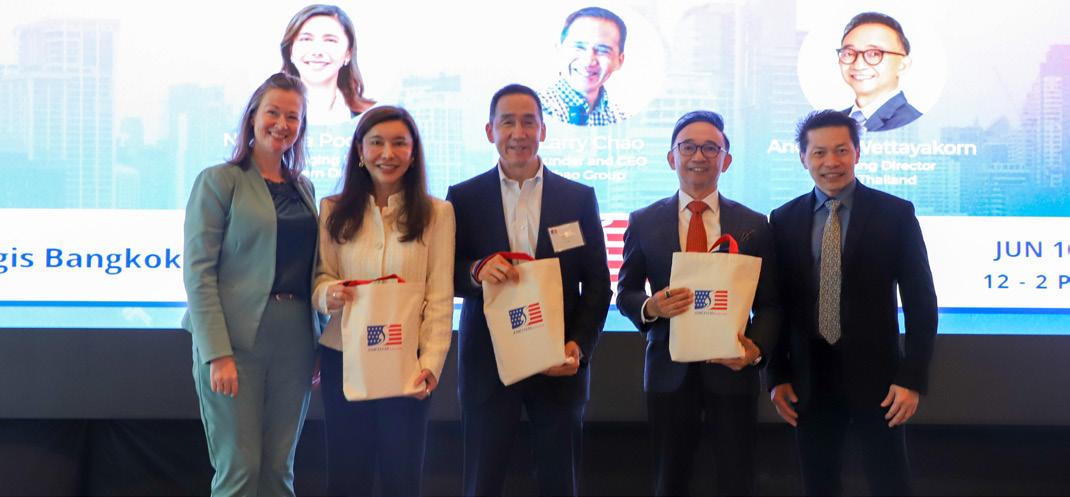
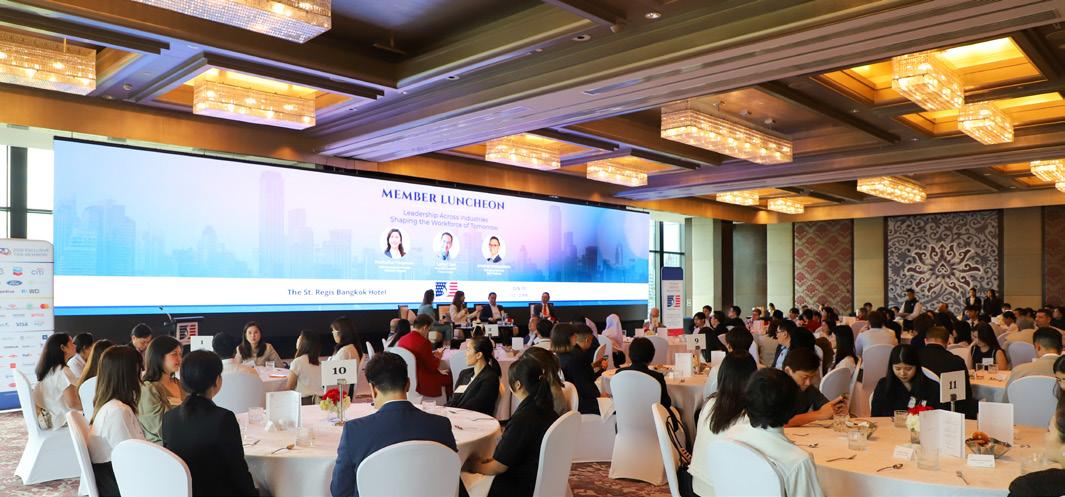
Leadership Across Industries: Shaping the Workforce of Tomorrow
Thailand & ASEAN Automotive Market Update 2026
Extend the Life of Your Returnable Glass Bottle Fleet
How Siam Piwat Is Redefining Retail with Sustainability at the Core
Healthi Life Launches Physician-Led Corporate Longevity Program in Bangkok
Mövenpick BDMS Wellness Resort
Bangkok Turns Seven
Over 70 Years of Bespoke Tailoring for Presidents, Law Enforcement, and Expats
Untapped Talent: Rethink Disability Inclusion
Royal Orchid Sheraton Riverside Hotel
Bangkok Named a Top Meeting Hotel in Asia Pacific by Cvent
Investing in Thailand’s Next Generation of Global Talent
Welcome New Members
AMCHAM Affinity Program
AI at Every Scale.
Enterprise-grade HDD solutions ready for AI workloads from hyperscale data centers to edge deployments.
AI-READY HARD DRIVES
AMCHAM BOARD OF GOVERNORS 2026
PRESIDENT
Chatit Huayhongtong, Chevron
VICE PRESIDENTS
Sondra Sutton Phung, Ford Motor Company
Raymond Deidrick, Ingredion Incorporated
Norachet Saetang, Seagate Technology
Philip Bernard, Western Digital
TREASURER
Winnie Wong, Mastercard
SECRETARY
Ririnda Tangtatswas, Betagro Group
GOVERNORS
Wiyada Srinaganand, 3M Thailand
Narumon Chivangkur, Citibank
Sasathorn Phaspinyo, FedEx Thailand
Anothai Wettayakorn, IBM Thailand
Charles Blocker, IC Partners
Asama (Prae) Dumrongmongcolgul, Meta
Idara Huang, Mondelez International
Mark Kuo, Pfizer Thailand
EXECUTIVE DIRECTOR
Heidi Gallant
T-AB Magazine is a publication by The
101 True Digital Park, Griffin Building, Level 12A, Unit No.12A-06, Sukhumvit Road, Bangchak, Phra Khanong, Bangkok 10260
Tel: +66 (0)2 119 3350 www.amchamthailand.com
Editorial Advisory Board: Heidi Gallant
Editors:
Varsha Wadhwani
Phenphitchaya Chapanon Ploydao Nakyuti
Any opinions expressed in articles in this magazine do not necessarily reflect the views of the Chamber.
T-AB Magazine welcomes contributions from AMCHAM members. Articles may be reproduced with acknowledgement, except those taken from other sources.
Letter from the Executive Director
Dear Members,
This issue of Thai-American Business focuses on ESG and sustainability—topics that are now central to business resilience, competitiveness, and long-
term growth. From clean energy and supply chains to workforce development, governance, and community engagement, ESG touches every part of how companies operate and create value.
Across our community, AMCHAM members are putting these principles into action through cleaner energy, circular economy solutions, responsible supply chains, inclusive workplaces, and strong governance practices. We are also pleased to launch the AMCHAM Corporate Impact Awards, recognizing member companies that are creating meaningful, measurable impact in Thailand through responsible business practices.
This year also gives us a special moment to reflect on the United States’ 250th birthday. As America marks 250 years of independence, it is a meaningful time to celebrate the partnerships that continue to shape the future. The U.S.Thailand relationship has long been built through people, ideas, trade, education, and shared opportunity, and AMCHAM is proud to help carry that story forward.
Looking ahead, sustainable growth, responsible innovation, workforce readiness, and public-private collaboration will be important areas for continued cooperation. These are priorities where American companies bring deep experience and where Thailand has tremendous opportunity.
I hope you enjoy this issue and the examples it shares of members advancing ESG, sustainability, and partnership in practical and inspiring ways. As always, thank you for being part of the AMCHAM community and for helping strengthen business, opportunity, and friendship between Thailand and the United States.
Sincerely,
Heidi Gallant Executive Director
American Chamber of Commerce in Thailand.
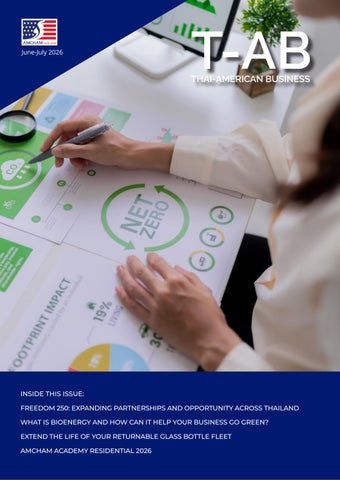
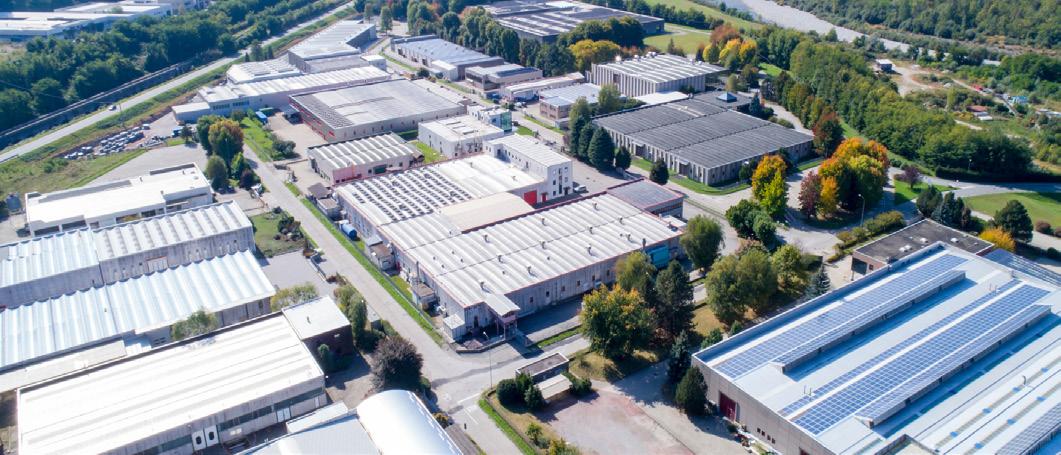
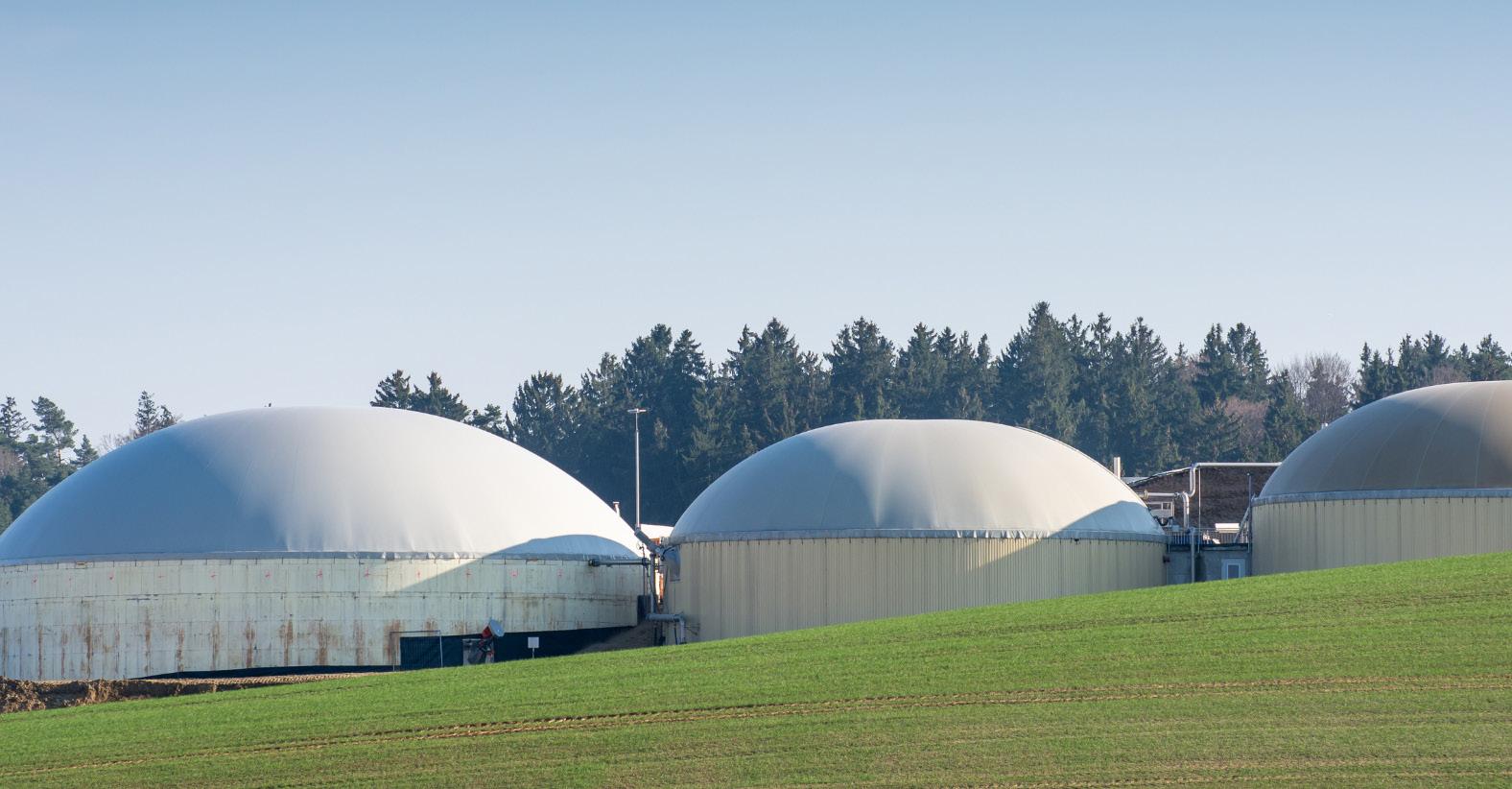
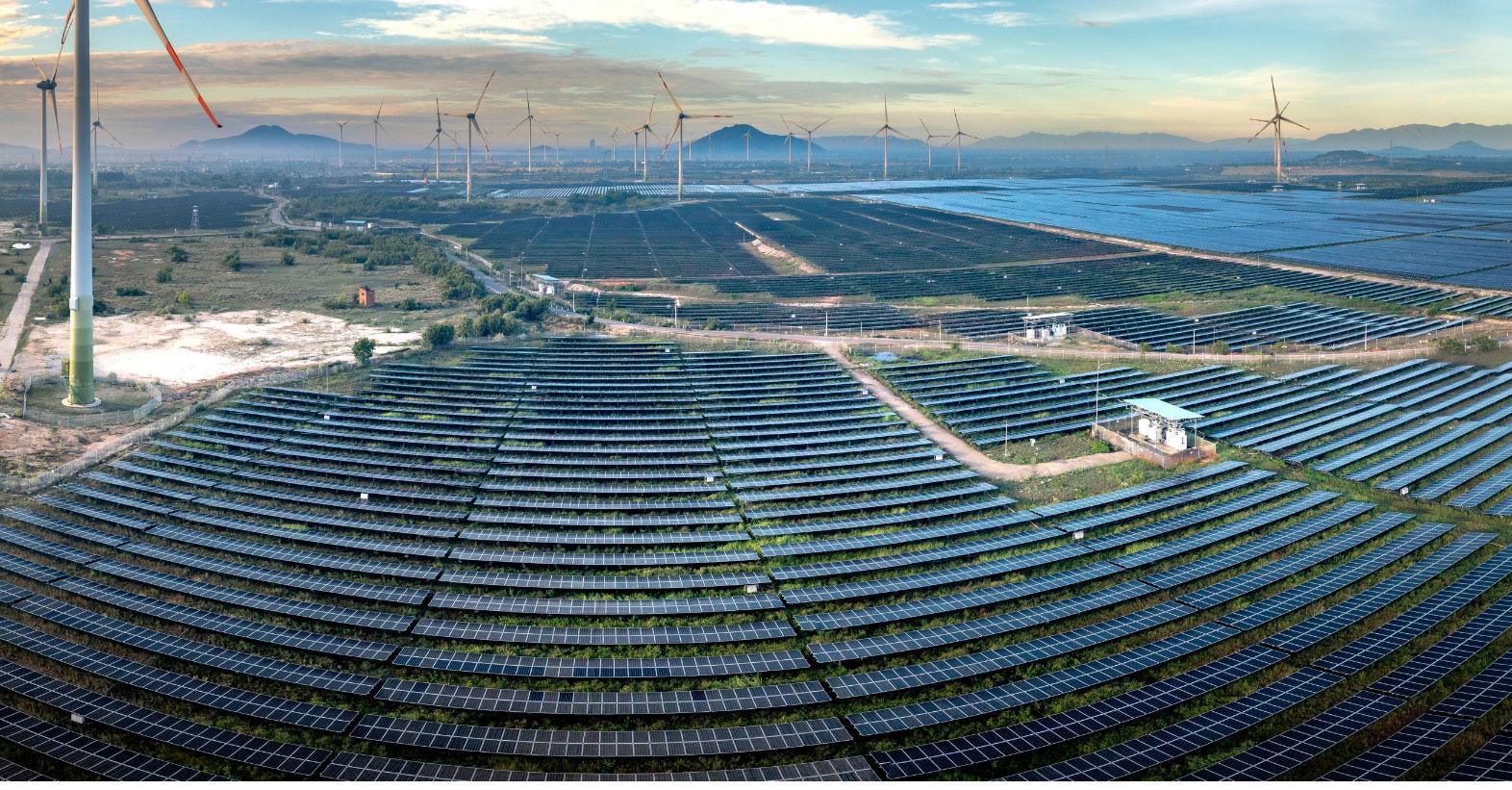
What Is Bioenergy and How Can It Help Your Business Go Green?
By Ugo Bernal, Nelut Mahakarnchanakul, Bhushan Sharma and Arnaud Dauvillier, BECIS
Bioenergy represents a transformative approach to sustainable power generation, offering businesses a practical path to reduce their carbon footprint while optimizing operational costs. This renewable energy source, derived from organic materials, is revolutionizing how industries think about waste and energy production.
Understanding Bioenergy
Bioenergy represents a revolutionary approach to sustainable power generation, transforming organic waste materials into valuable energy through sophisticated processing techniques.
This innovative technology harnesses the potential of agricultural residues, wood waste, and various organic materials that would typically be discarded, creating a powerful energy source while addressing waste management challenges.
Through careful local sourcing and sustainable practices, these materials are collected in close proximity to facilities, ensuring minimal transportation impact and maximum environmental benefit.
These processes are optimized through sophisticated combustion systems that ensure maximum energy extraction while minimizing emissions. Additionally, advanced filtration and cleaning systems ensure that the energy production process meets strict environmental standards.
What distinguishes bioenergy from conventional fossil fuels is its unique closed carbon cycle system. When organic materials are used for energy production, they release CO2 that was previously absorbed during their growth phase.
This CO2 is then recaptured by new growing plants, creating a sustainable cycle that helps maintain environmental balance. The process is monitored through advanced tracking systems that measure carbon emissions and absorption rates, supporting carbon neutrality.
Unlike fossil fuels, which release long-stored carbon into the atmosphere, bioenergy’s carbon-neutral approach makes it an environmentally responsible choice for businesses seeking to reduce their carbon footprint while maintaining reliable power generation capabilities.
Sustainable Processing Methods
The conversion of biomass into energy involves several sophisticated steps:
• Sourcing certified biomass in the vicinity of the facility.
• Initial material processing and size reduction.
• Moisture content optimization.
• Thermal conversion through controlled combustion.
• Energy capture and distribution systems.
• Emissions monitoring and control.
• Ash management and recycling.
This approach supports maximum energy efficiency while maintaining environmental standards throughout the entire process and the full duration of the energy-as-a-service contract.
Sustainable Sourcing Practices
Strategic Local Procurement
Modern bioenergy solutions exemplify environmental responsibility through meticulously planned sourcing practices. Biomass is sourced exclusively from areas close to facility locations, dramatically reducing transportation-related emissions while strengthening local agricultural communities.
This localized approach ensures that only waste biomass materials, such as crop husks, corn cobs, and coconut shells, are utilized in the energy generation process. By prioritizing agricultural and wood waste, these solutions avoid any competition with food production or natural forest resources, creating a truly sustainable energy cycle.
Certified Sustainability Standards
Industry leaders maintain high levels of environmental stewardship through certification processes and sustainability protocols:
• Third-party certification from recognized organizations such as the Roundtable on Sustainable Biomaterials (RSB).
• Strict adherence to government timber legality assurance systems.
• Forest Stewardship Council (FSC) certification for all wood waste materials.
• Detailed species analysis and sustainability assessment protocols.
• Regular audits and compliance monitoring.
• Transparent supply chain documentation
Thiไs dual approach to sustainability ensures that bioenergy solutions not only provide clean energy but also contribute positively to local economies and environmental conservation efforts.
Business Benefits
Environmental Leadership
Implementing bioenergy solutions can dramatically improve a business’s environmental impact. The adoption of sustainable biomass technology enables organizations to reduce their carbon footprint while meeting environmental regulations.
This transition to renewable energy also strengthens corporate sustainability credentials, positioning companies at the forefront of climate action.
Operational Excellence
Modern bioenergy systems deliver operational benefits that extend beyond environmental impact:
• Reliable and continuous power generation through biomass processing.
• Reduced operational costs compared to fossil fuel alternatives.
• Enhanced energy independence through locally sourced biomass materials.
• Improved waste management through circular economy principles.
• Optimized resource utilization through smart monitoring systems.
• Reduced dependency on volatile fossil fuel markets.
• Low emissions.
Sustainable Growth
The implementation of bioenergy solutions creates a foundation for sustainable business growth by:
• Supporting corporate environmental targets.
• Creating new revenue streams from waste products.
• Strengthening relationships with local communities.
• Enhancing brand reputation through environmental leadership.
• Meeting investor ESG requirements.
• Future-proofing operations against carbon regulations.
Real-World Success Stories
Industry Leadership
Leading companies have successfully transformed their operations through bioenergy solutions. Heineken’s Indonesian facility stands as a prime example, achieving 100% steam generation from agricultural waste while reducing greenhouse gas emissions by an estimated 48,000 tCO2e annually.
Ugo Bernal is the Director of Sales specializing in clean energy solutions and sustainable business development. growth and executive presence.
Nelut Mahakarnchanakul is the Project Development Manager specializing in bioenergy project implementation and sustainable energy solutions.
Circular Economy Impact
Bioenergy solutions create value beyond power generation by:
• Converting biomass ash into organic fertilizers for local agriculture.
• Supporting regional farming communities through sustainable practices.
• Creating eco-friendly building materials from byproducts.
• Generating employment opportunities in surrounding areas.
Bhushan Sharma is a Business Development professional focused on renewable energy partnerships and bioenergy market expansion.
Arnaud Dauvillier is the Senior Managing Director of Commercial Operations with extensive experience in sustainable industrial solutions and commercial strategy.
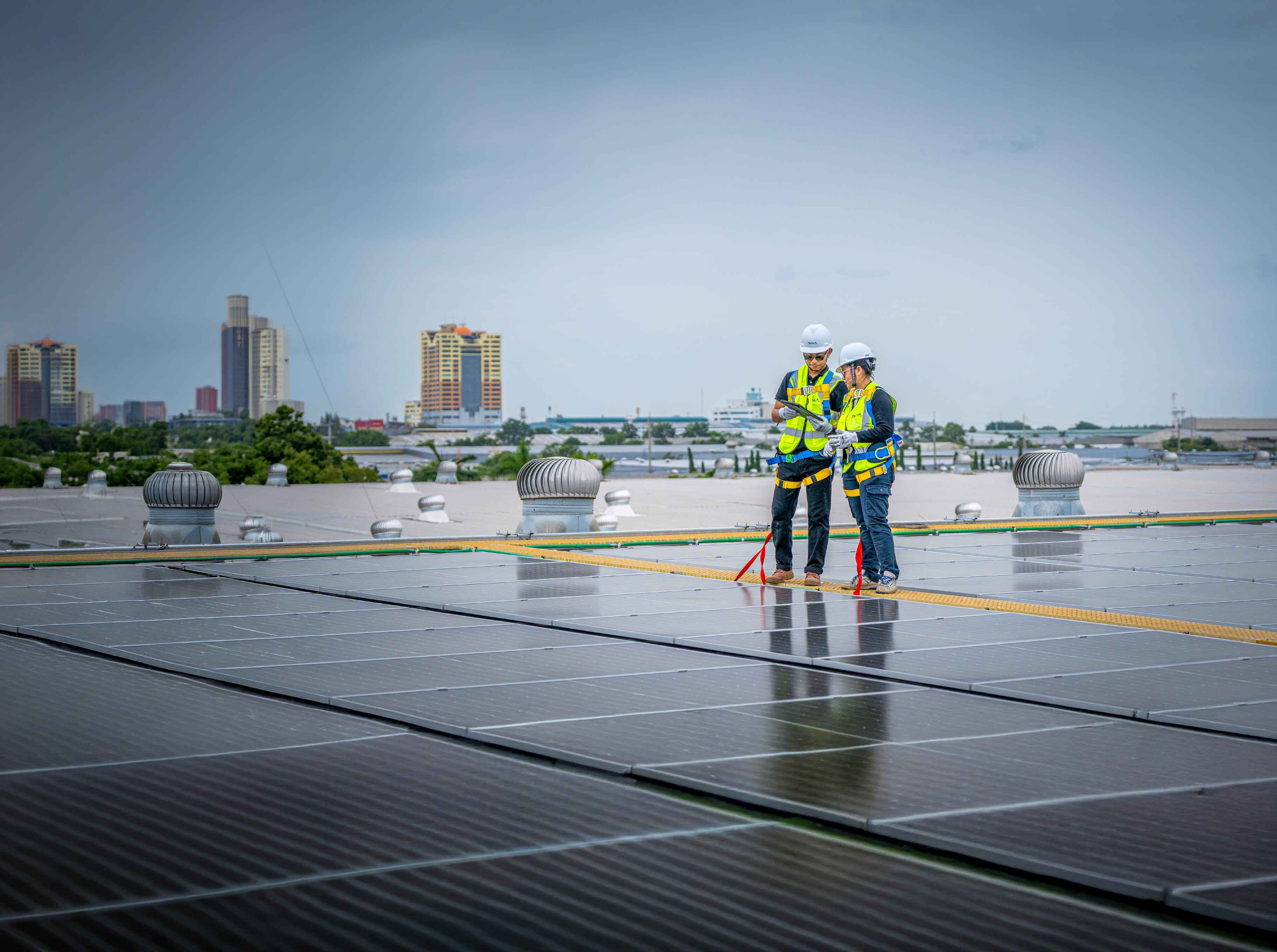
One-Stop Solar Energy Solutions
ER&I at a Turning Point: Why the Industry Must Reinvent Itself Now
By Mongkol Somphol, Deloitte Thailand
Energy, Resources, and Industrials (ER&I) sectors form the foundation of economies.
According to World Bank data, industries including manufacturing, mining, electricity, water, and construction—accounts for about 32% of Thailand’s GDP, making it one of the most important drivers of the national economy. (Statbase)
Yet today, the ER&I is facing a turning point. Structural shifts in technology, supply chains, energy transition, and geopolitics are forcing companies to revise their strategies. The sector can no longer rely on traditional operating models. Instead, it must transform rapidly to be competitive in a more volatile and complex environment.
Across global ER&I, companies face a growing set of structural pressures.
1. Infrastructure Bottlenecks and Supply Chain Constraints
According to Deloitte’s 2026 Power and Utilities Industry Outlook, one of the most urgent challenges is the growing strain on industrial infrastructure. The lead times for critical grid components, such as transformers and switchgear, have stretched to multiple years, reflecting global supply disruptions and rising demand for energy infrastructure.
As renewable generation expands and electrification accelerates, electricity grids must handle higher loads and more variable power sources. The challenge is not simply building more power plants—it is modernizing the entire energy system, from transmission networks to storage systems.
Challenges Reshaping the ER&I Landscape
For ER&I companies, this means capital investments are rising dramatically. In many markets, the cost of new energy infrastructure projects has surged compared with just a few years ago, putting pressure on balance sheets and project economics. Companies must therefore manage growth ambitions with financial discipline.
2. The Energy Transition and Decarbonization Pressure
The worldwide shift towards low-carbon energy is another major disruption for ER&I industries. Governments and investors are demanding lower emissions, while customers increasingly prefer sustainable supply chains.
For companies in fossil-fuel-heavy sectors— such as petrochemicals, cement, steel, and oil and gas—this transition is particularly complex. Decarbonization often requires expensive technological upgrades, including the electrification of processes, carbon capture technologies, and the use of alternative feedstocks.
In Thailand, where natural gas still dominates electricity generation and fossil fuels remain embedded in industrial production, the challenge is even more pronounced. Transitioning toward cleaner energy systems while upholding economic competitiveness will require massive investment and careful planning.
3. Digital Transformation and AI-Powered Operations
The industrial sector is increasingly formed by digital technologies—from AI-enabled predictive maintenance in power plants to advanced analytics in supply chain management.
We found that many ER&I executives now see AI-driven decision-making and data-driven operations as essential capabilities. However, legacy systems, fragmented data ecosystems, and workforce skill gaps often slow adoption.
This digital gap creates a strategic dilemma. Companies that move too slowly risk losing competitiveness to more agile players. Adopting new technologies calls for major organizational
Our Perspective: Reinventing the ER&I Business Model
In response to these pressures, ER&I companies must rethink their operating models in several key ways.
1. From Cost Optimization to Resilience
Traditionally, industrial companies focused heavily on cost-effectiveness and lean supply chains. Recent upheavals, from pandemic-era shortages to diplomatic strains- have exposed the weakness of highly optimized systems.
Resilience must now become a strategic priority. This means diversifying supply chains, localizing the production of critical equipment, and building redundancy into infrastructure networks. In short, reliability may now matter as much as efficiency.
2. Capital Discipline in an InvestmentHeavy Era
The energy transition, infrastructure modernization, and digital transformation all require enormous capital investment. As a result, ER&I companies must become more disciplined in their resource allocation.
We found that CFOs in the sector are increasingly focusing on scenario planning and portfolio optimization to navigate unstable market conditions. Investments must be carefully prioritized—not only based on financial returns but also on strategic alignment within a rapidly evolving industry environment.
3. Turning Energy Companies into Infrastructure Platforms
Another shift is the transformation of traditional energy companies into broader infrastructure platforms.
Electricity providers, for example, are no longer simply utilities selling power. They are becoming operators of complex energy ecosystems that integrate renewable generation, storage systems, distributed resources, and digital grid technologies.
Similarly, industrial companies are moving toward integrated platforms that combine manufacturing, logistics, and digital services. This convergence of industries blurs traditional sector boundaries and creates new opportunities—but also new competitive threats.
The Imperative to Act
The ER&I sector has long been associated with stability and long investment cycles. Power plants operate for decades; industrial facilities are designed for long-term productivity; energy supply systems are built slowly and methodically. The industry is entering a new era of accelerating change. Infrastructure bottlenecks, energy transition pressures, digital disruption, and geopolitical uncertainty are joining forces to reshape the sector. Players who continue to rely on traditional operating models may find it difficult to keep pace. Those that succeed will be those who embrace transformation—rethinking supply chains, modernizing infrastructure, adopting digital technologies, and building resilience into every part of their operations.
For Thailand and many other industrial economies, the stakes are high. ER&I sectors are not just another industry segment—they are the foundation of economic productivity. In an increasingly uncertain world, making sure that foundation remains strong may be one of the most important strategic challenges of the decade. For Thailand and many other industrial economies, the stakes are high. ER&I sectors are not just another industry segment—they are the foundation of economic productivity. In an increasingly uncertain world, making sure that foundation remains strong may be one of the most important strategic challenges of the decade.
Mongkol Somphol is the Audit & Assurance Partner at Deloitte Thailand. CPA with over 22 years, he is Thailand Energy Resources & Industrial Leader, serving major Japanese and Thai corporations across Energy, Chemical, Automotive, Manufacturing, and Consumer Businesses sectors.
HELPING MAKE SUSTAINABLE MORE ATTAINABLE NOW
We are ready now with an array of solutions ranging from sustainable aviation fuels to battery energy storage systems
LEARN MORE
Freedom 250: Expanding Partnerships and Opportunity Across Thailand
By U.S. Embassy Bangkok
As America celebrates Freedom 250, the U.S. Mission to Thailand continues to work with partners across the country to strengthen U.S.–Thai ties, showcase American innovation, and create new opportunities for collaboration.
This spring, the Mission launched a nationwide Freedom 250 campaign celebrating 250 years of American excellence. Through partnerships with organizations across Thailand, Freedom 250 is reaching audiences in Bangkok, Chiang Mai, and beyond through digital screens, transit networks, MuvMi vehicles, and the Chao Phraya Express Boat. As part of the celebration, the U.S. Mission will also host a signature Freedom 250 drone show over Bangkok. Visible above Lumpini Park, the display will celebrate 250 years of American innovation, leadership, and partnership.
These efforts are helping bring Freedom 250 to audiences across Thailand while highlighting the ideas, ingenuity, and partnerships that continue to shape the U.S.–Thai relationship.
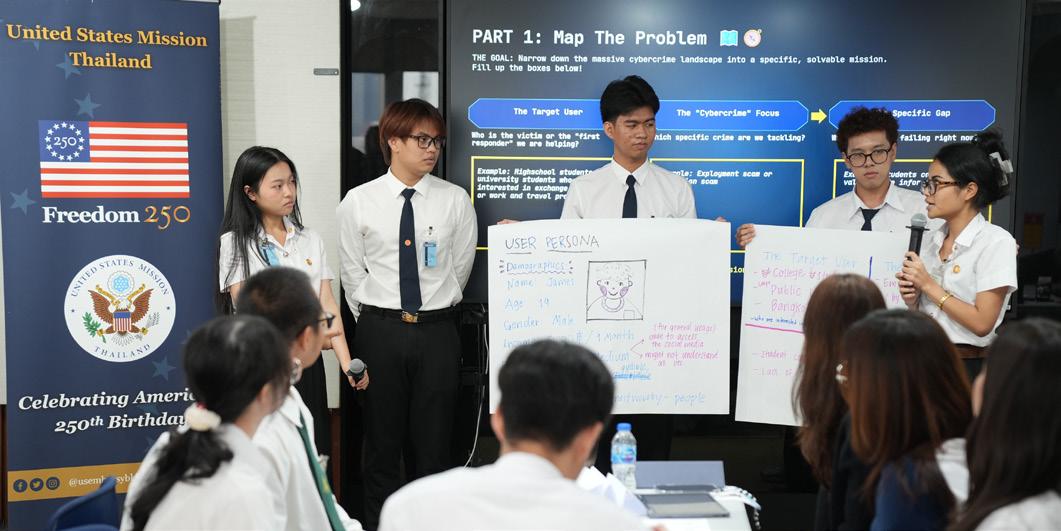
The Mission is also investing in future talent and workforce development. Through Freedom 250, Thai educators and students participated in a cybersecurity Tech Camp featuring experts from Meta, Intel, Baker McKenzie, and the U.S. Embassy. Participants gained practical knowledge in cybersecurity, digital safety, and emergingtechnologies, helping strengthen digital literacy and workforce readiness.
The Mission also partnered with Google to equip English teachers from across Thailand with AI-powered education tools and support new lesson plans highlighting American history, culture, and innovation.
Long-term partnerships remain at the center of Freedom 250. The International Academic Partnership Program recently brought together 26 U.S. and Thai higher education institutions, along with academic, government, and industry leaders to advance collaboration in STEM, emerging technologies, workforce development, and research. These new partnerships are creating opportunities for talent development and innovation that support the long-term competitiveness of both countries.
Looking ahead, Freedom 250 will continue to engage audiences across Thailand through a series of American Fairs in Hat Yai, Korat, Chiang Mai, and Bangkok. The fairs will showcase American innovation, culture, education, and business while creating new opportunities for engagement and partnership across the country. For more details and event updates, please visit https:// th.usembassy.gov/freedom-250/.
We invite companies and partners to be part of this historic year. To explore collaboration opportunities, please contact USFreedom250Thailand@state.gov.
At Citi, we pride ourselves on being a reliable partner for our clients, offering financial services that help empower growth and contribute to economic progress.
Citi’s global network stands as a fundamental asset, with a physical presence in more than 90 markets and a network serving clients in over 180 countries and jurisdictions.
For over 200 years, we’ve navigated all types of market environments, positioning us to help build and support the world’s trade corridors.
We are honored to be a strong supporter of the American Chamber of Commerce.
How Do Leaders Shift from Just Delivering Medical Treatments to Building Sustainable Healthcare Systems?
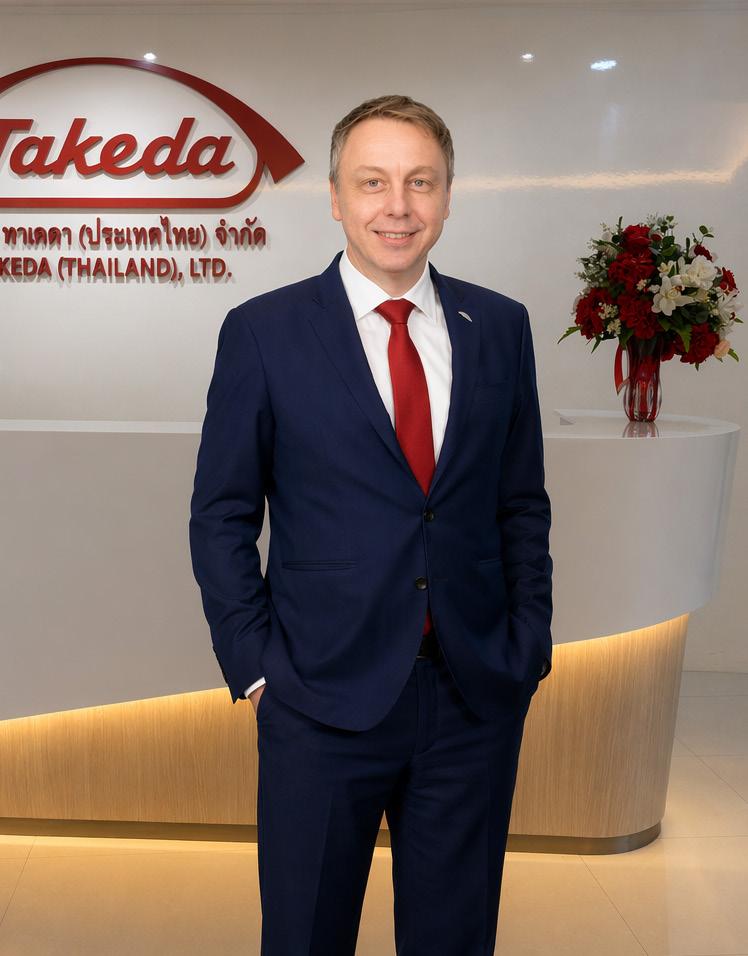
Peter Streibl is the Cluster General Manager, Southeast Asia and India, Takeda.
"The question for leaders is not only how to advance innovation, but also how to help make it accessible in ways that are locally relevant and sustainable."
How do leaders shift from just delivering medical treatments to building sustainable healthcare systems?
I think leaders need to broaden how they define impact. Previously, the industry’s focus was mostly on delivering innovative medicines and vaccines. However, in recent years, we have also worked to ensure that those innovations reach patients in ways that are sustainable for healthcare systems. That means looking seriously at access and equity, including affordability, and working in partnership with governments, healthcare professionals, and communities. That is how innovation can create lasting value, not only for patients, but for society more broadly.
How do we shift the focus of the healthcare ecosystem from reactive treatment to proactive prevention?
For me, this is about continuing a shift that, in many places, is already underway. In Thailand, we have seen real efforts by the government to strengthen care across the continuum, not only treatment, but also prevention, screening, early diagnosis, and public health. So, it is not a question of moving from zero to one. Rather, it is about
building on that progress and making the system more connected, so that earlier action becomes even more effective.
This includes vaccination where appropriate, greater disease awareness, stronger primary care, and better use of data and digital technologies. It also requires different parts of the ecosystem to work together, including governments, healthcare providers, payers, community organizations, and healthcare companies.
The shift is not only medical; it is also structural. We need incentives, policies, and ways of working that continue to support earlier intervention, better outcomes, and long-term sustainability. That is how we strengthen health system resilience and improve outcomes for patients over time.
How do you balance handling immediate health crises while planning for long-term policy reforms?
From my perspective, in a crisis, the priority is to respond quickly and responsibly to the needs of patients and communities. However, such situations also reveal where systems are under strain, whether that is preparedness, access, supply, or policy. For leaders, the real responsibility is to address immediate need while also applying those lessons to build more resilient and sustainable health care systems. That is why partnership matters so much. Long-term progress only happens when different parts of the ecosystem work together.
How do you balance handling immediate health crises while planning for long-term policy reforms?
From my perspective, in a crisis, the priority is to respond quickly and responsibly to the needs of patients and communities. However, such situations also reveal where systems are under strain, whether that is preparedness, access, supply, or policy. For leaders, the real responsibility is to address immediate need while also applying those lessons to build more resilient and sustainable health care systems. That is why partnership matters so much. Long-term progress only happens when different parts of the ecosystem work together.
"For leaders, the real responsibility is to address immediate need while also applying those lessons to build more resilient and sustainable health care systems."
What
is the biggest challenge leaders must address today to protect healthcare systems for the future?
I would say the biggest challenge is making sure that innovation translates into access. Science is moving very quickly, but many patients still face barriers, whether that is affordability, infrastructure, awareness, or system readiness. The question for leaders is not only how to advance innovation, but also how to help make it accessible in ways that are locally relevant and sustainable.
If we want to protect healthcare systems for the future, we also need to invest in the right talent and capabilities. As technology continues to reshape healthcare, leaders need people who can lead with agility, collaborate across disciplines, and apply innovation in ways that create sustainable value for patients and health systems.
This means building capabilities continuously, strengthening leadership for change, and creating organizations that are ready to evolve with the needs of the system.
"If we want to protect healthcare systems for the future, we also need to invest in the right talent and capabilities. "
How can companies attract and develop the next generation of leaders to focus on systemic healthcare sustainability?
I think the next generation of leaders wants to work on challenges that truly matter. In our industry, that means improving patient outcomes, expanding access to life-transforming treatments, and helping strengthen healthcare systems for the future.
We know they are also looking for purpose, growth, agility, and leadership that is grounded in clear values. That is why we have already started to build an environment where people can grow across functions, develop new capabilities, and lead in ways that reflect our values. For us, those values are integrity, fairness, honesty, and perseverance, with patients at the center of how decisions are made. When people see those values reflected in everyday leadership, it gives them a stronger sense of purpose and a clearer view of the kind of leader they want to become.
Better Health, Brighter Future
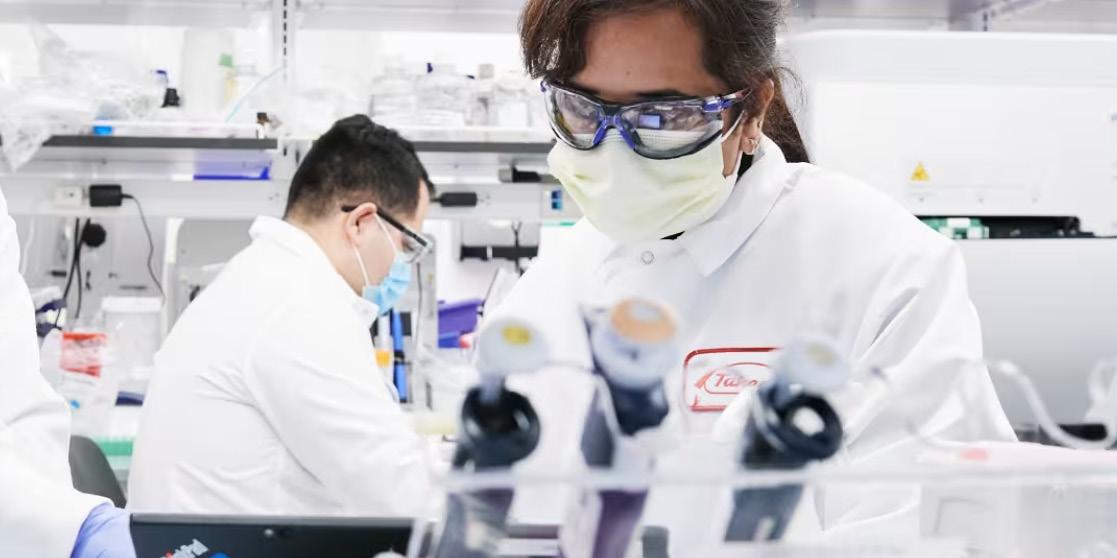
Takeda is a global, R&D-driven biopharmaceutical company committed to discovering and delivering life-transforming treatments and vaccines that have a lasting impact on society.
Since our founding in 1781 in a market stall in Osaka, Japan, our values endure by putting patient needs first, building trust with society, strengthening our reputation, and developing the business - in that order.
Established since 1969 , Takeda Thailand was the second local o ce outside of Japan. We bring innovations to Thai patients in GI & Inflammation, Rare Diseases, Oncology, Vaccines , Plasma-Derived Therapies and Neuroscience.
Thailand's Environmental Law Reform Wave: Five Emerging Laws and
Their Implications
for Business and ESG
By Dutsadee Dutsadeepanich, Dentons Pisut
Thailand is transitioning from a fragmented, regulation-based environmental regime to a suite of primary legislations covering pollution disclosure, clean air, climate change, circular economy, and wetlands protection. If the new government moves forward with these legislative proposals, it will shape Thailand’s Environmental, Social, and Governance (ESG) regulatory landscape for the next decade. Businesses operating in Thailand, and investors with exposure to Thailand, should assess how each framework may affect their compliance obligations, capital expenditure, and reporting requirements.
I. Why These Bills Matter Now
Thailand has long relied on the Enhancement and Conservation of the National Environmental Quality Act B.E. 2535 (1992) and a patchwork of ministerial regulations as its primary
environmental governance tools. This framework was designed for an earlier industrial era and does not address the disclosure standards, carbon pricing mechanisms, or circular supply-chain obligations that are now embedded in international trade agreements, green finance standards, and investor ESG frameworks.
Five bills, drafted in response to these gaps, will advance Thailand towards a modern statutory environmental framework.
II. The Five Bills At a Glance
• Pollutant Release and Transfer Register Act (PRTR): Establishes a national system requiring industrial operators to disclose pollutant releases to air, water, and soil, forming a core dataset for environmental transparency and ESG reporting.
• Clean Air Management Act (PM2.5 Framework): Introduces a comprehensive regulatory framework to address air pollution, including national policy coordination, enforce able air quality standards, and oversight mechanisms targeting PM2.5 and related pollutants.
• Climate Change Act (Net-Zero Framework): Provides the legal foundation for Thailand’s climate policy architecture, Including greenhouse gas management, carbon pricing mechanisms, and the development of a domestic emissions trading system.
• Circular Economy Act (Extended Producer Responsibility (EPR) Framework): Signals a shift toward lifecycle-based regulation by imposing EPR obligations on manufacturers and importers, particularly in relation to product take-back, recycling, and waste management.
• Wetlands Protection Act: Seeks to introduce a formal legal definition of wetlands and establish a regulatory framework for their protection, which will directly affect land use planning, environmental impact assessments, and project permitting.
III. Key Business and ESG Implications
A. Emissions Transparency and Reporting
The PRTR Bill would mandate industrial operators to publicly report releases of specified pollutants to air, water, and soil. This directly feeds into Scope 1 and 2 GHG accounting, ISSB/IFRS S2-aligned sustainability disclosures, and EU CBAM product-level data. Without a PRTR framework, Thai exporters face structural data deficit relative to competitors in jurisdictions where PRTR has been in force for decades.
B. Carbon Pricing and ETS Exposure
The Climate Change Bill introduces Thailand's first statutory basis for a domestic Emissions Trading Scheme and greenhouse gas rights allocation. Initial sectors include energy, transport, and metals, high-capital industries where compliance costs are material.
Companies should begin carbon footprint audits, assess ETS allowance exposure, and review contract terms for carbon pass-through provisions, particularly in long-term offtake and PPAs.
C. Supply Chain and Product Design
The Circular Economy Bill signals Thailand's intent to introduce EPR obligations. The timing is commercially significant: petrochemical supply disruptions linked to the Strait of Hormuz closure have already exposed the cost of linear, fossilfeedstock-dependent manufacturing. EPR, once enacted, will impose take-back and recyclability obligations on manufacturers and importers, restructuring product design economics and packaging supply chains.
D. Land, Finance, and Infrastructure Risk
The Wetlands Bill fills a fundamental legal gap, currently, "wetland" has no definition in Thai primary law, and protection rests entirely on Cabinet resolutions. Once enacted, the bill will alter EIA scope and permitting conditions for projects in or adjacent to classified wetland areas. Financial institutions applying the Equator Principles, IFC Performance Standards, or TNFD disclosure frameworks should treat wetland classification risk as a now-emergent Thai regulatory category.
E. Clean Air and Operational Liability
The Clean Air Management Bill introduces multi-tier regulatory architecture, national policy committee, provincial implementation, and appointed clean-air officers with enforcement powers, alongside statutory standards for PM2.5 and other pollutants. For industrial operators, this means potential exposure to administrative fines, mandatory monitoring systems, and, critically, publicly accessible compliance records that will directly affect ESG ratings and social license.
IV. How Businesses in Thailand Should Prepare
Businesses should begin preparing, both strategically and operationally, across multiple fronts.
First, companies should develop and strengthen their environmental data systems, particularly for the collection and verification of pollutant emissions and greenhouse gas data, to meet increasingly stringent disclosure requirements.
Second, businesses should assess carbon-related risks and costs, including readiness for a potential emissions trading system (ETS), through carbon footprint analysis and by reviewing contractual arrangements to accommodate carbon cost pass-through mechanisms.
Third, companies should review their supply chains and product design strategies, considering future EPR obligations, including recycling, material use, and waste management.
Fourth, businesses should evaluate land use and permitting risks, particularly in areas that may be classified as wetlands, as this may affect environmental impact assessments (EIA) and project development.
Finally, companies should strengthen internal governance frameworks to ensure compliance with forthcoming clean air regulations, including monitoring, measurement, and transparent public disclosure.
Early preparation across these areas will be critical to maintaining competitiveness and ensuring access to capital in an environment where ESG considerations are becoming a baseline requirement for business and investment.
Dutsadee Dutsadeepanich is a Partner at Dentons Pisut. Her expertise centers on energy transition, ESG advisory, and international arbitration, with a focus on clean energy, green investment structuring, ESG compliance, and responsible business across the region
In Thailand, circular packaging is already happening at scale.
Delivering Circular Packaging Through Partnerships
Through collaboration with MMP, Dow enables 30% PCR packaging films— now commercially implemented by global manufacturers in Thailand, including Makita, a leading global power tools brand, and Copeland, a global provider of sustainable climate solutions.
By combining advanced material science with local manufacturing expertise, this solution enables:
• High performance stretch cling film with up to 30% recycled content
• Seamless integration into large-scale industrial logistics
• Measurable reduction in emissions and plastic waste commercially
Thailand Strengthens Enforcement Against Nominee Structures: Key Legal Updates for Foreign Investors
By Thanyaluck Thongrompo and Sirapat Chaisarnseri, Kudun & Partners
Thailand continues to enhance transparency and strengthen its regulatory framework governing foreign investment. The latest regulatory development reflects thegoverment’s commitment to promoting legitimate foreign nvestment while preventing nominee structures that circumvent foreign ownership restrictions.
Under the Foreign Business Act B.E. 2542 (1999) (the FBA), the use of Thai nationals or Thai juristic persons to hold shares or operate a business on behalf of foreign investors, commonly referred to as nominee arrangements, is strictly prohibited under Section 36.
Such arrangements undermine Thailand’s regulatory framework and create unfair competition. Accordingly, the Thai government has taken further steps to strengthen enforcement and enhance transparency in foreign investment structures.
On March 16, 2026, the Department of Business Development (DBD) issued the Order of the Office of the Central Company and Partnership Registration No. 1/2569 regarding Rules and Procedures for Registration in the Case of Amendments to Include a Foreigner as a Partner or Authorized Director (the Order).
The Order came into effect on April 1, 2026, and introduces additional requirements aimed at preventing nominee arrangements and enhancing transparency in foreign participation.
Key Requirement: Written Confirmation of Investment
Under the Order, partnerships and limited companies that meet certain conditions must submit a Written Confirmation of Investment in the prescribed form when making amendments involving foreign participation.
The managing partner or authorized director must certify that:
• All partners or shareholders have made genuine capital contributions;
• The shareholding or partnership structure does not involve nominee arrangements; and
• The signatory acknowledges and understands the legal consequences under applicable laws.
Key Legal Significance: Strengthened Protection and Enforcement
Importantly, the Written Confirmation of Investment introduced under the Order emphasizes enhanced legal accountability and enforcement protections, including:
• Confirmation that all shareholders or partners have actually invested and fully paid their capital contributions;
• A declaration that no Thai nationals are acting as nominees or assisting foreigners to circumvent legal restrictions;
• Acknowledgement that nominee arrangements constitute an offense under Section 36 of the Foreign Business Act, which may result in imprisonment of up to three years, a fine ranging from 100,000 baht to 1,000,000, baht or both;
• Recognition that providing false information to the registrar may constitute a criminal offense under the Thai Criminal Code, including potential imprisonment and fines; and
• Consent for authorities to share information with relevant enforcement agencies for further legal action where necessary.
These provisions significantly strengthen enforcement mechanisms and increase accountability for both Thai shareholders and foreign investors.
When Does the Requirement Apply?
1. Conditions Triggering the Requirement for Partnerships
Where a partnership originally:
• Consisted entirely of Thai partners; or
• Previously had foreign partners holding 50% or more of capital, and is amended such that:
• Foreign ownership falls below 50%; and
• No foreigner is appointed as managing partner.
Requirements:
The managing partner submitting the registration must provide the Written Confirmation of Investment to the Registrar.
Conditions Triggering the Requirement for Limited Companies
Where a limited company previously had only Thai authorized directors, and an amendment results in:
• A foreigner becoming an authorized director; or
• A foreigner becoming a co-signatory director
LEGAL UPDATE
Requirement:
The authorized director must submit the Written Confirmation of Investment together with the application to the registrar.
Conclusion
The new Order represents a significant step in strengthening Thailand’s enforcement against
Thanyaluck Thongrompo is a Partner and Head of Permits, Licensing and Regulatory. Her practice encompasses legal issues, including establishing and registering legal entities, incorporation, advising on mergers and acquisitions, and conducting thorough legal due diligence. She is well-versed in navigating licenses, permits, and contracts related to incentives from the IEAT and the BOI, as well as tax exemptions.
nominee arrangements while promoting legitimate foreign investment. Investors are encouraged to review their corporate structures and ensure compliance with the new requirements.
Proper structuring and compliance will allow foreign investors to continue benefiting from Thailand’s strong economic fundamentals and attractive investment opportunities.
Sirapat Chaisarnseri is a Senior Associate with legal experience providing corporate and commercial services to Thai and foreign investors across multiple areas, such as corporate registration, applying and obtaining investment promotion and letters of permission for utilization and business operation in industrial estates, and Foreign Business License (FBL).
Click here to see more
Invest in your workforce with cloud trainingempower teams to drive innovation
Accelerate business transformation
Help your teams build practical skills and cloud expertise critical to your organization. Over 600 digital courses and curated learning plans, along with interactive, hands-on training, provide engaging learning experiences that span more than 30 technical domains and all skill levels.
Build cloud skills at scale with AWS Skill Builder, the online learning center built by AWS experts
• Self-paced labs with AWS Builder Labs
• Expert AWS instructor-led training - on demand with AWS Digital Classroom
• Game-based learning with AWS Cloud Quest and AWS Industry Quest
• Use case challenges with AWS Jam
• Exam preparation for AWS Certification
Top 5 benefits of AWS Skill Builder for Teams
1. Accelerate business transformation
2. Encourage hands-on experience
3. Develop expertise in key roles and industries
4. Motivate teams with collaborative learning and friendly competition
5. Fast-track career development for team members
eBook: Build Cloud Expertise and Transform Your Business
Discover how empowering your teams with cloud skills can drive innovation.
Learn how to maximize your cloud investment by upskilling your workforce with diverse training and learning experiences.
Download the eBook › Watch the demo ›
A Letter from the Government Affairs Desk
Dear Members,
The AMCHAM business community has long embraced sustainability not only as an environmental imperative, but also as a strategic foundation for long-term resilience, and adaptability in a rapidly changing world. This commitment is reflected in the annual AMCHAM Corporate Impact Awards, recognizing companies that demonstrate the linkages between business operations and lasting economic, social, and environmental values. Since its launch in 2009, the program has become one of AMCHAM’s most meaningful platforms for celebrating impactful initiatives and strengthening the network of CSR and sustainability professionals.
Earlier this year, the Corporate Impact Co-Chairs met with representatives from the Pollution Control Department, Ministry of Natural Resources and Environment, to learn about the government’s priorities. Building on those discussions, they aligned on a theme for the 2026 Thai Development Award: Fostering Circular Economy Infrastructure and Systems for Public Health. This theme highlights the important role businesses can play in addressing public health challenges associated with environmental degradation, including waste management, pollution control, plastic recycling, and sustainable resource use. We encourage member companies leading initiatives in this area to apply for the award by August 10.
In parallel with the awards program, our Environmental, Social, and Governance (ESG) Council continues to track and engage on Thailand’s evolving regulatory landscape. The ESG Council offers a valuable forum for staying ahead of developments and exchanging insights. Current areas of focus include:
• Pending draft regulations such as the Sustainable Packaging Management Act, Climate Change Act, and Clean Air Act.
• Energy transition developments such as direct power purchase agreements (PPAs), utility green tariffs (UGTs), and related mechanisms.
As the conversation continues, the Council also plans to deepen its engagement with relevant government agencies, conveying member perspectives and support the effective implementation of ESG and sustainability policies.
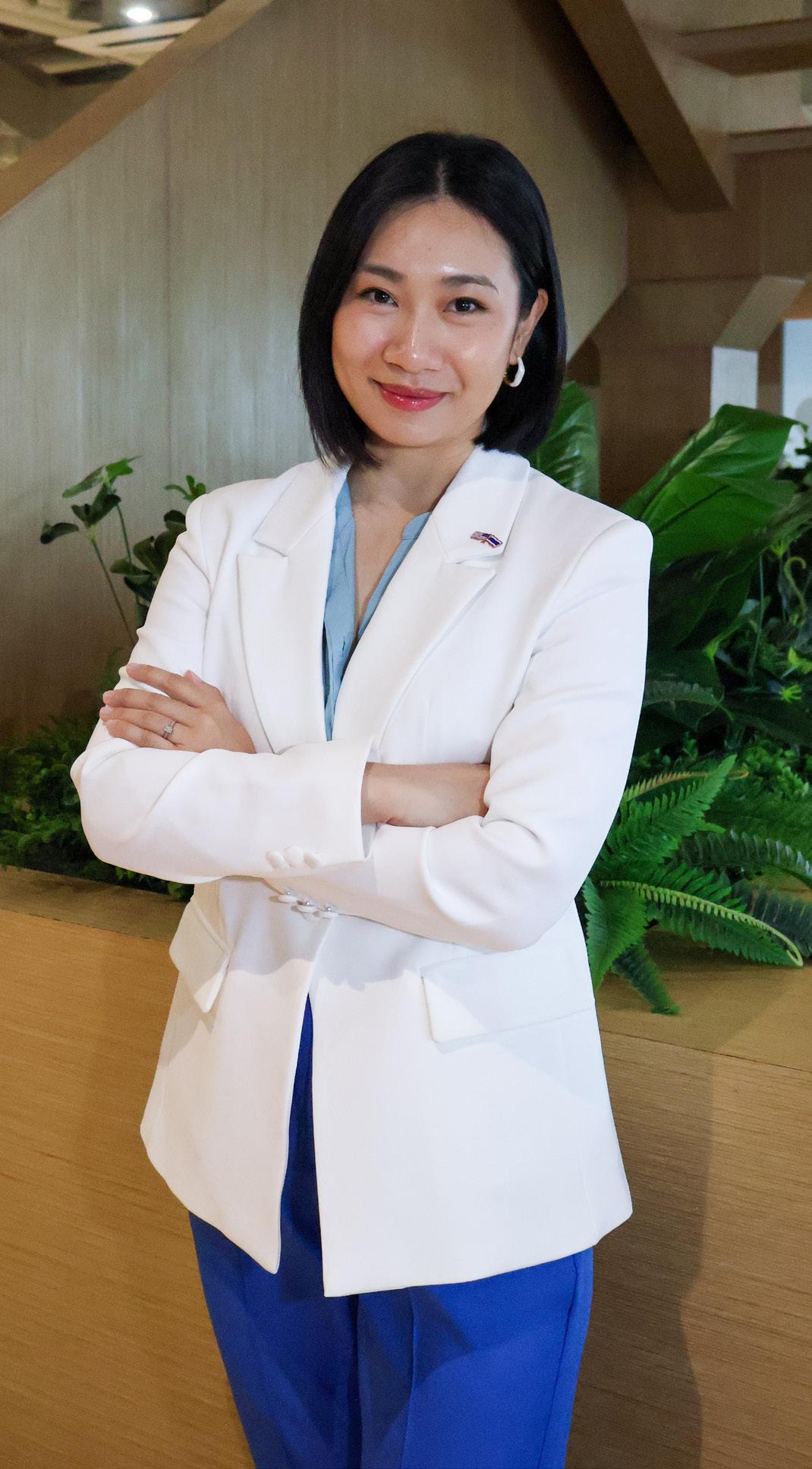
Napuck (Mai) Cherdchaiyapong Government Affairs Manager
AMCHAM Joins Select USA in Washington, D.C
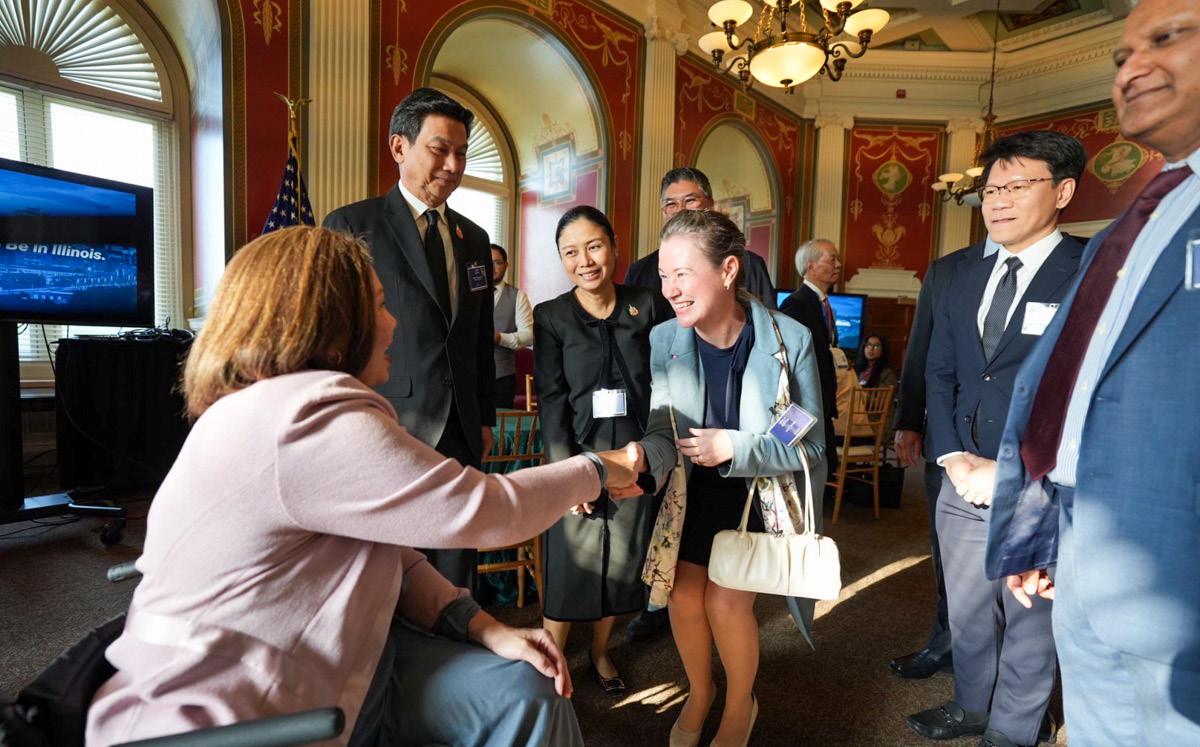
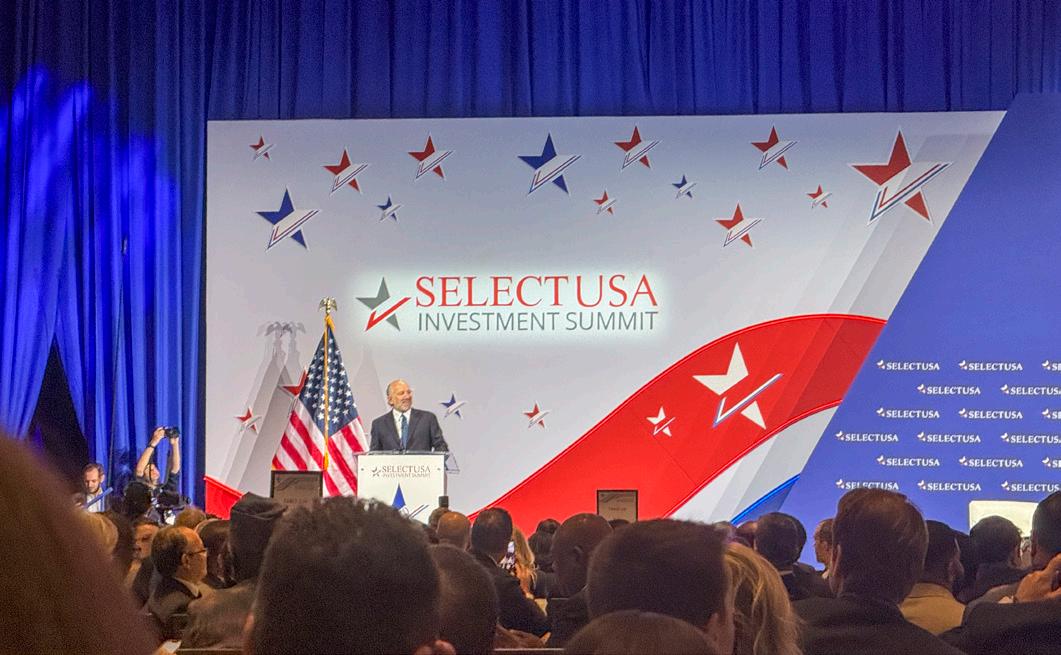
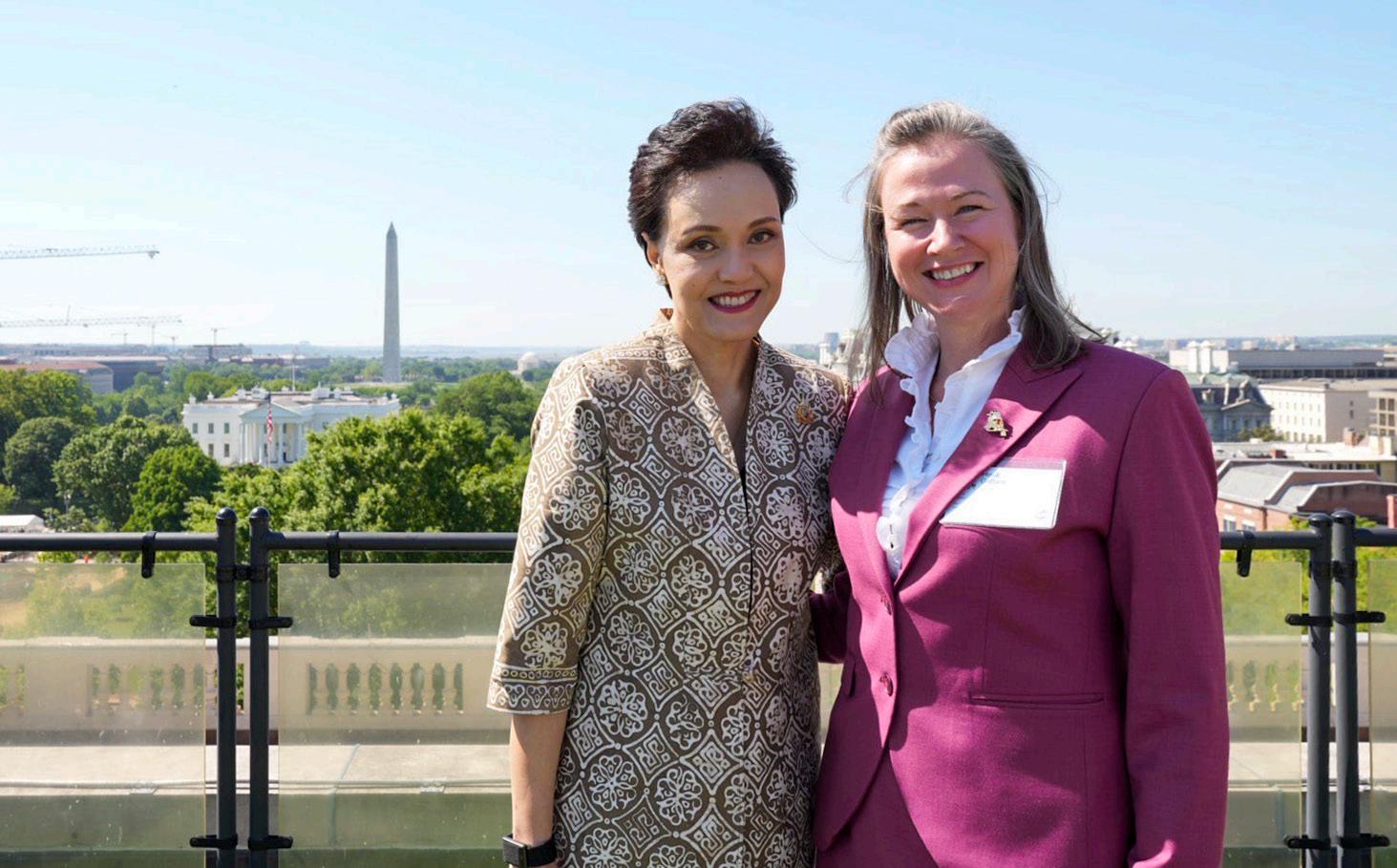
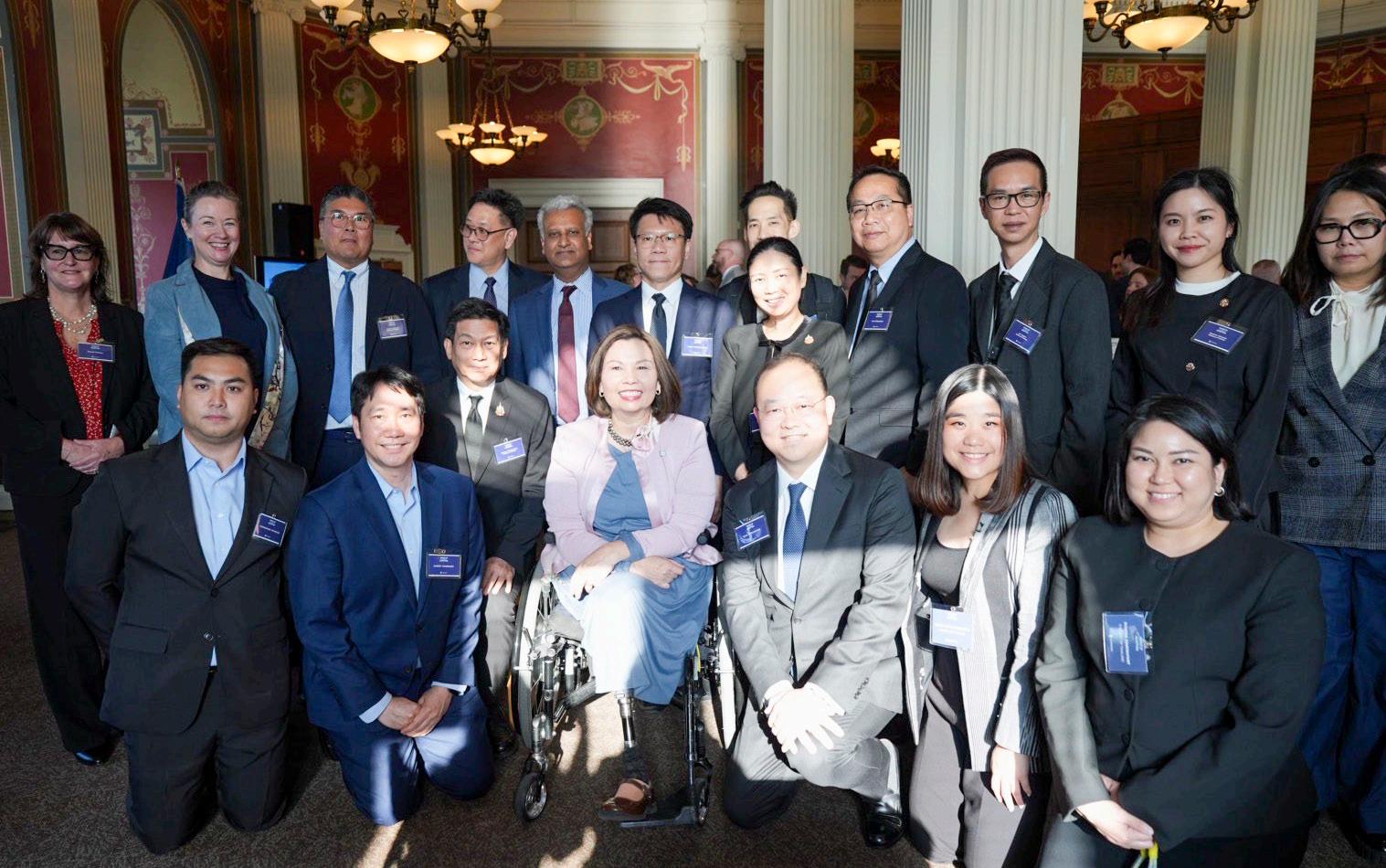
From May 3–6, 2026, at National Harbor, Maryland near Washington, D.C., AMCHAM Thailand Executive Director Heidi Gallant attended the 2026 Select USA Investment Summit, representing the voice of American business in Thailand at one of the world’s premier investment forums.
The summit included meetings and conferences with U.S. government representatives, industry leaders, and international partners to reinforce the longstanding Thailand–U.S. economic relationship. It aims at highlighting opportunities in advanced manufacturing, the digital economy, clean energy, supply chains, and regional investment cooperation. AMCHAM’s participation reflected a continued commitment to strengthening bilateral business ties and ensuring Thailand’s private sector perspectives remain part of global economic and investment discussions.
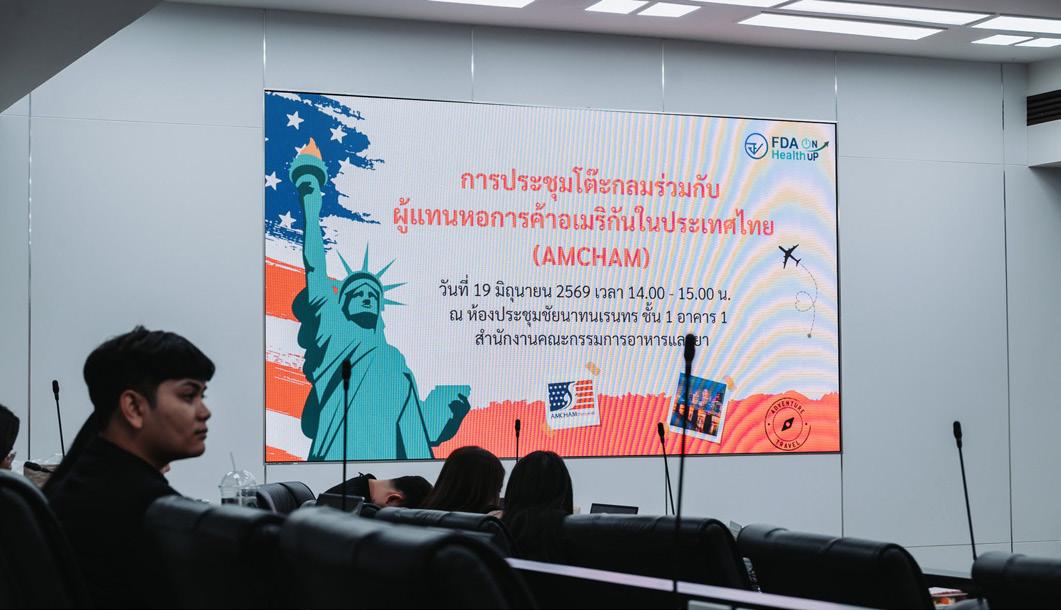
Roundtable Meeting with the Food and Drug Administration
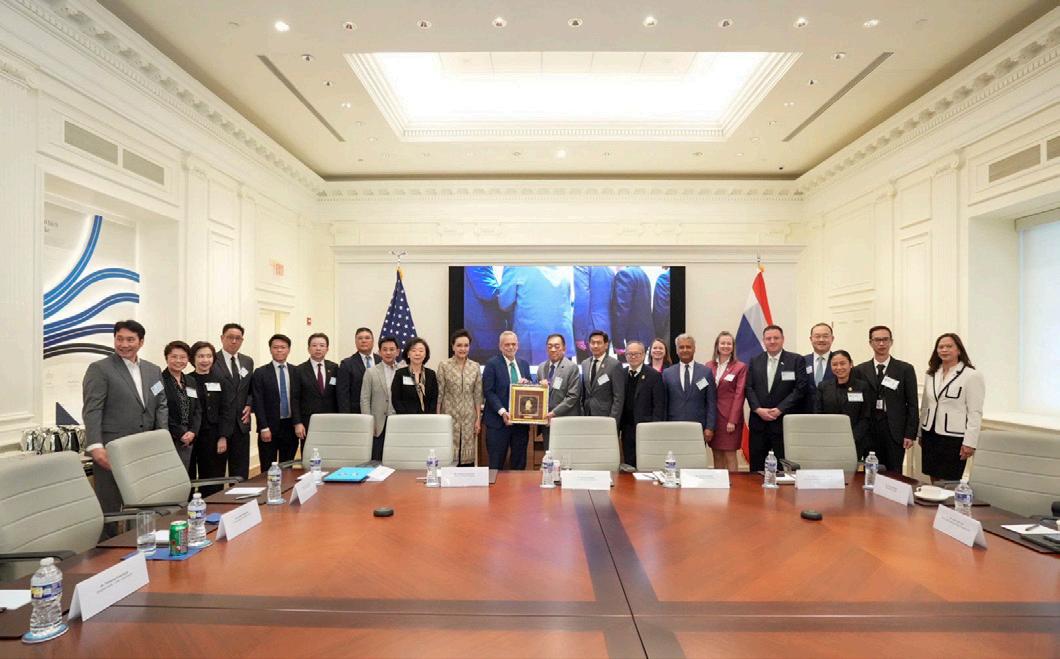
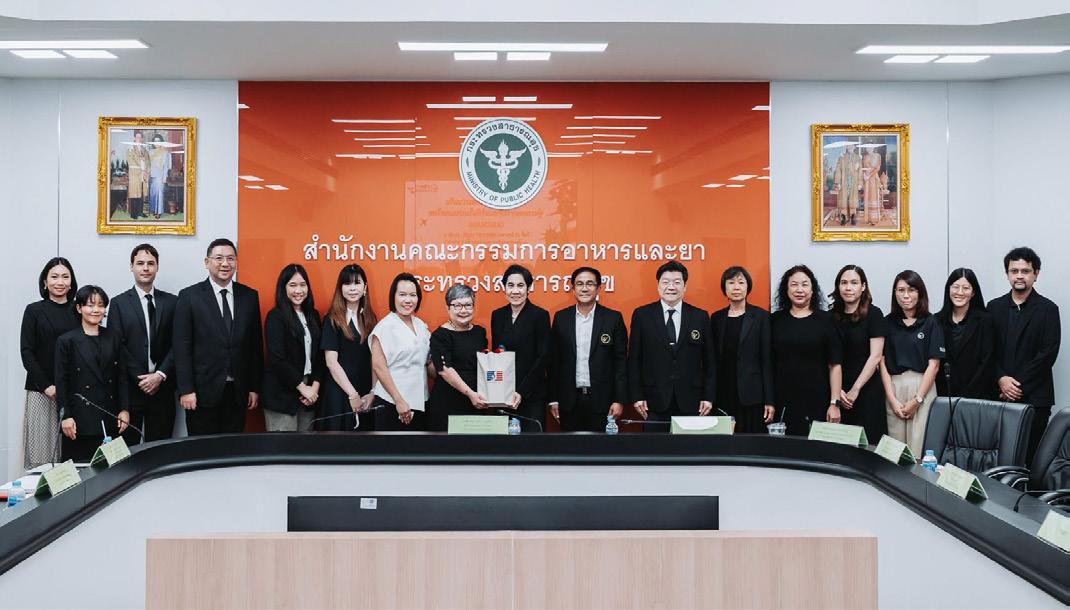
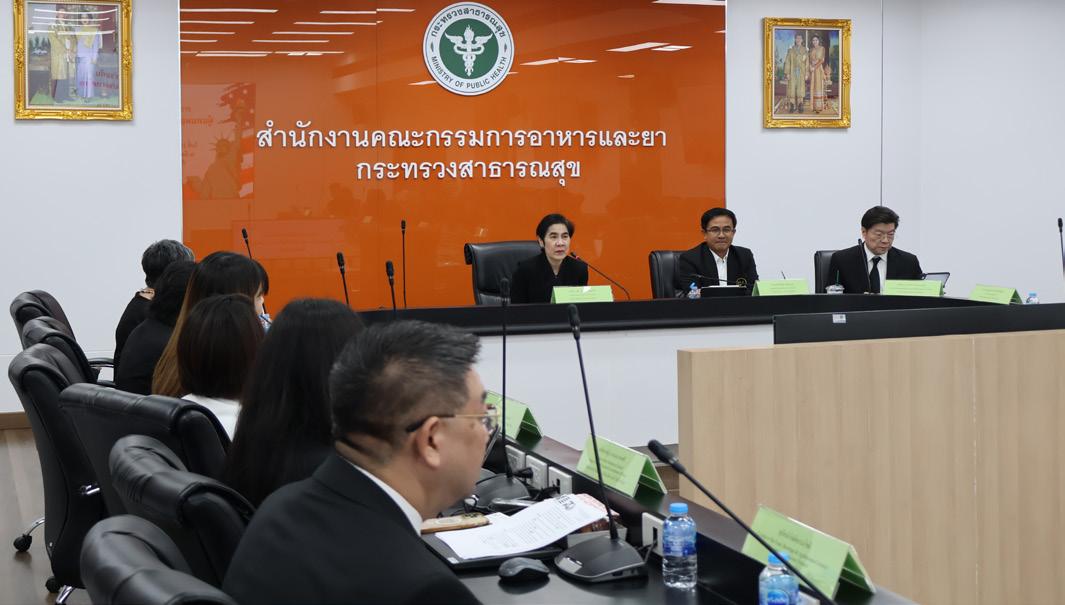
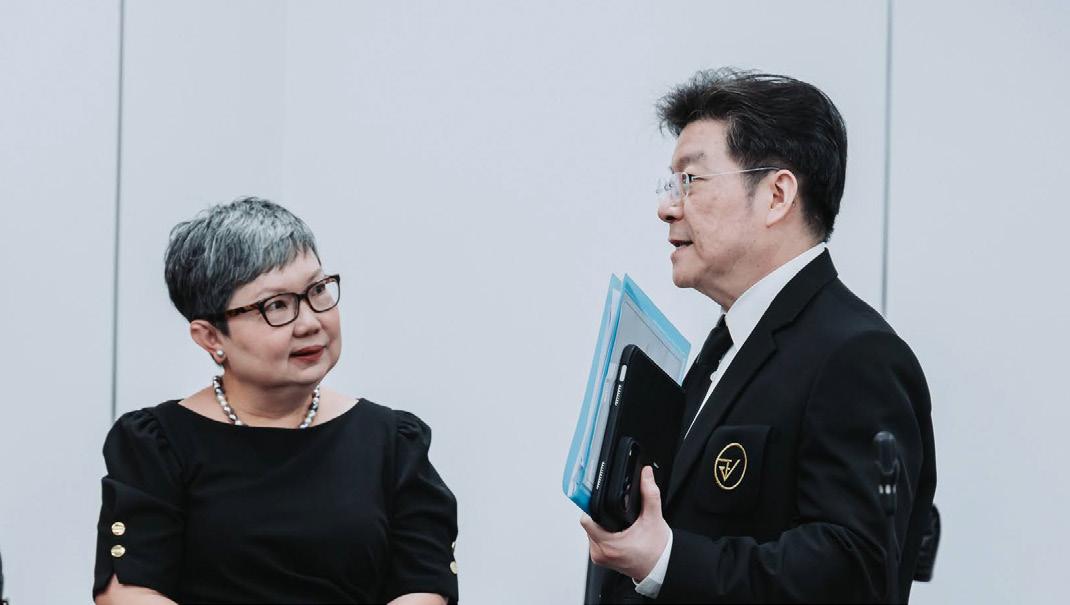
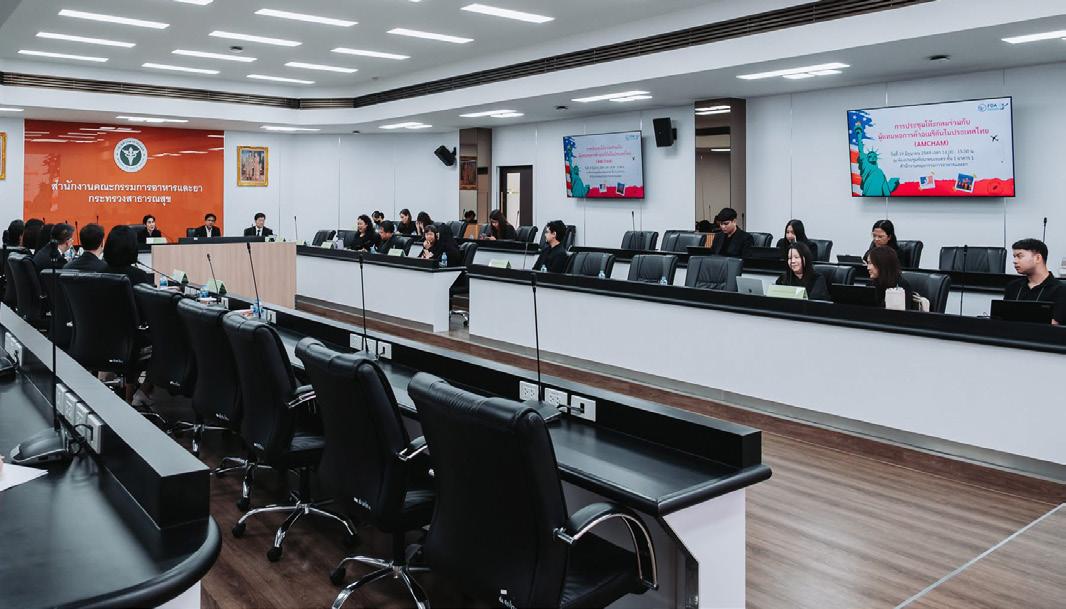
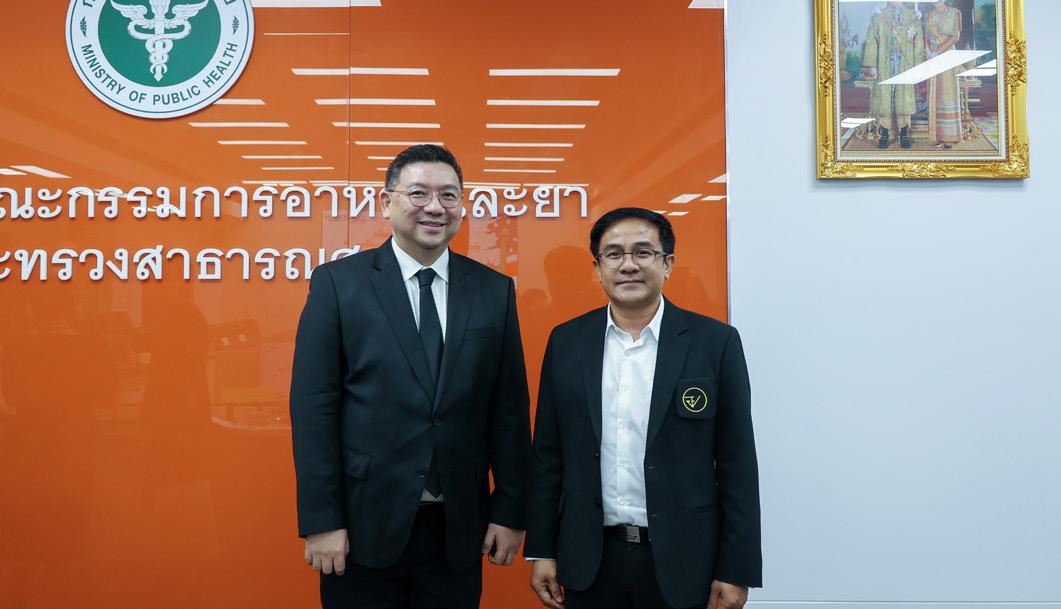
On June 19, AMCHAM Board Governor Wiyada Srinaganand of 3M Thailand led the Co-Chairs of Healthcare and Food, Beverage, and Agribusiness Councils to meet with FDA Secretary General Supattra Boonserm, the Deputy Secretary General, and senior officials.
At the meeting, the Secretary General presented the FDA’s policy priorities to enhance services and strengthen consumer protection. The AMCHAM delegates expressed their appreciation for the FDA’s fast-track approval services, before discussing food and beverage regulations and the implementation of medical device policies.
The meeting concluded with a discussion on concrete collaboration opportunities, including knowledge sharing by AMCHAM member companies on advanced medical devices for FDA officials. This initiative aims to strengthen Thailand’s health product regulatory system, ensuring it remains adaptive, enhances national competitiveness, and safeguards public health and safety.
Notachard Chintakanond is the Country Director of Asia Group Advisors and serves as an AMCHAM Government Affairs Council Co-Chair.
What are your goals and priorities for the Government Affairs Council this year?
My priority is to continue delivering timely policy intelligence and practical analysis through our monthly Government Affairs Council webinars. As Country Director of Asia Group Advisors, a global public policy advisory firm, I focus on analyzing policy developments and their implications for business to help businesses understand what policy changes mean in practice. Bringing those insights to AMCHAM is both a privilege and a responsibility.
From an advocacy perspective, the goal is simple, keep Thailand competitive, predictable, and investable in an increasingly uncertain global economy. Our focus is on regulatory clarity, policy transparency, enabling environment, and efficient feedback loops. Investors are no longer asking whether Thailand is attractive, they are asking how frictionless it is to operate. AMCHAM plays
a critical role as a real-time coordinator between policymakers and private sector. In policymaking, predictability and clarity form the new incentive.
What are the key ESG and sustainability issues that businesses should be paying attention to this year?
ESG has evolved from reporting to managing risk, resilience, and long-term value creation.
First, labor standards and human rights across supply chains. The U.S. Section 301 investigation involving Thailand underscores how workforce practices are increasingly becoming trade and market-access issues. The growing focus on gig workers and supplychain due diligence only reinforces this trend.
Second, AI governance and responsible AI. This is not merely a technology issue, it is an ESG issue. Companies should pay close attention to AI ethics, bias, privacy, cybersecurity, transparency, and resource demands of AI infrastructure.
Third, climate resilience, energy transition, and carbon management. Thailand is highly exposed to climate risks, while access to clean and reliable energy is becoming a key factor in investment decisions. ESG is increasingly shaping competitiveness and capital flows.
How can public-private collaboration help advance sustainability goals in Thailand?
By moving beyond consultation and toward co-creation. The most effective policies are designed with industry, tested through pilots, and scaled based on evidence. Thailand has strong foundations, from BOI incentives to a growing renewable energy market. The challenge is execution. Collaboration on clean energy, carbon markets, and workforce reskilling can deliver faster and more durable results than regulation alone. Government sets direction, but business brings investment, innovation, and speed. When both align, sustainability becomes not a cost, but a growth strategy.
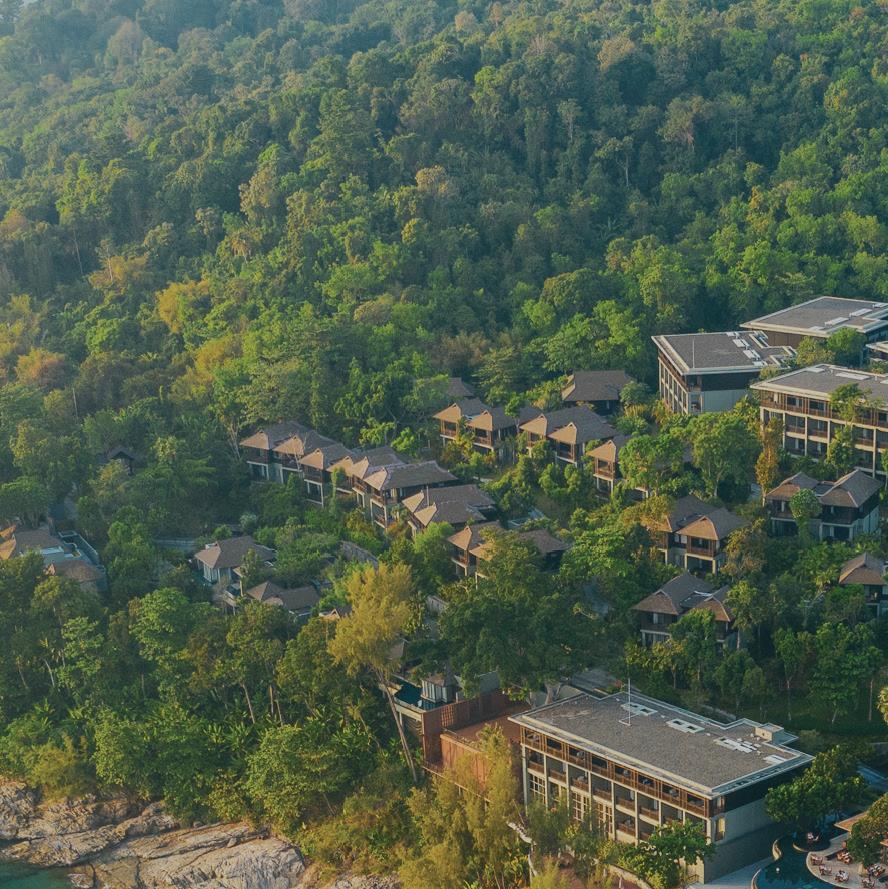
ESCAPE DIFFERENTLY WITH PULLMAN.
Discover the hidden side of Phuket’s northwest coast, secluded shores meet a high-energy lifestyle designed to keep you inspired.
AMCHAM Thailand Foundation
Equips Scholarship Students for the Future Workforce at AMCHAM Career Camp 2026
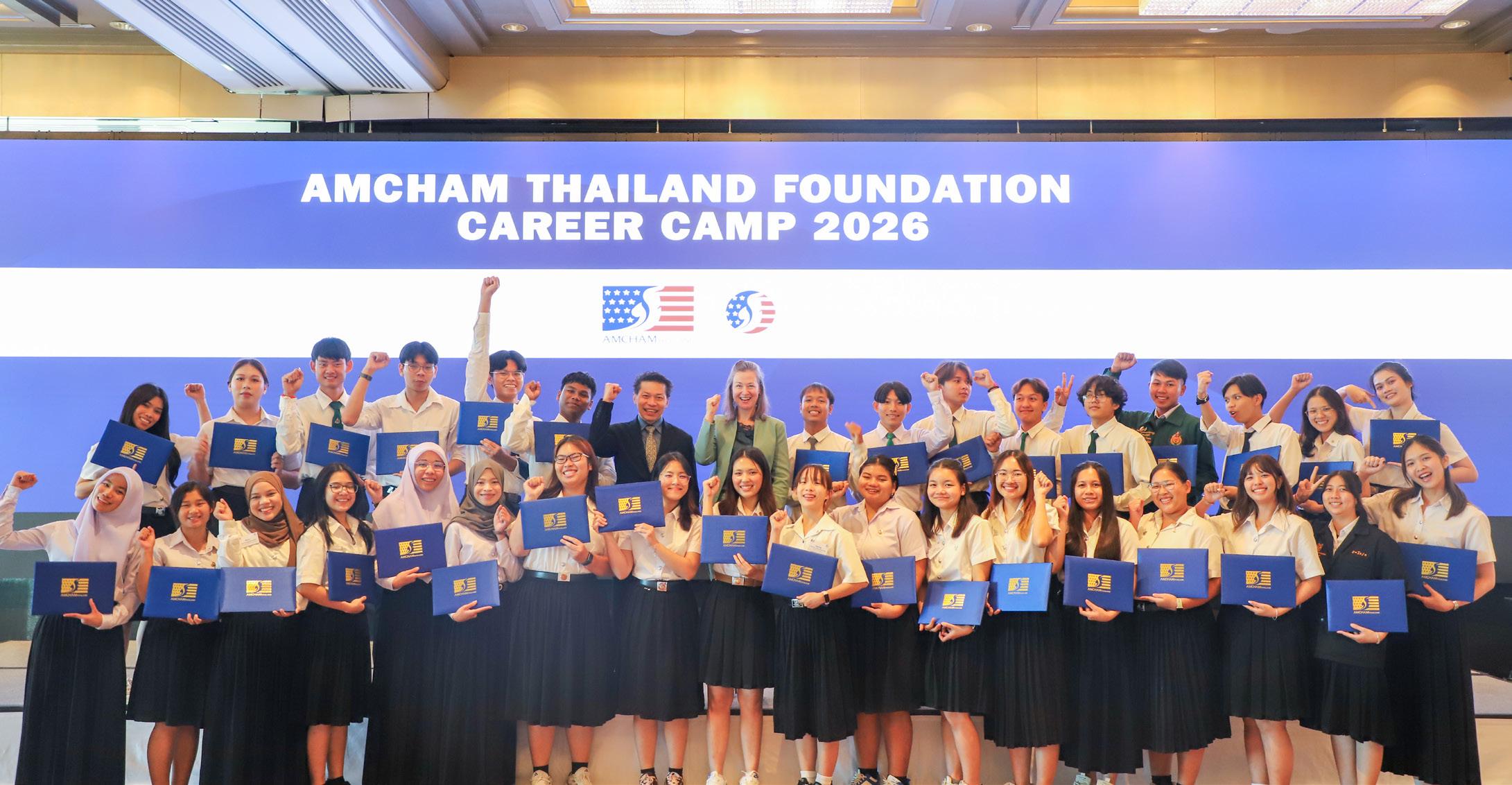
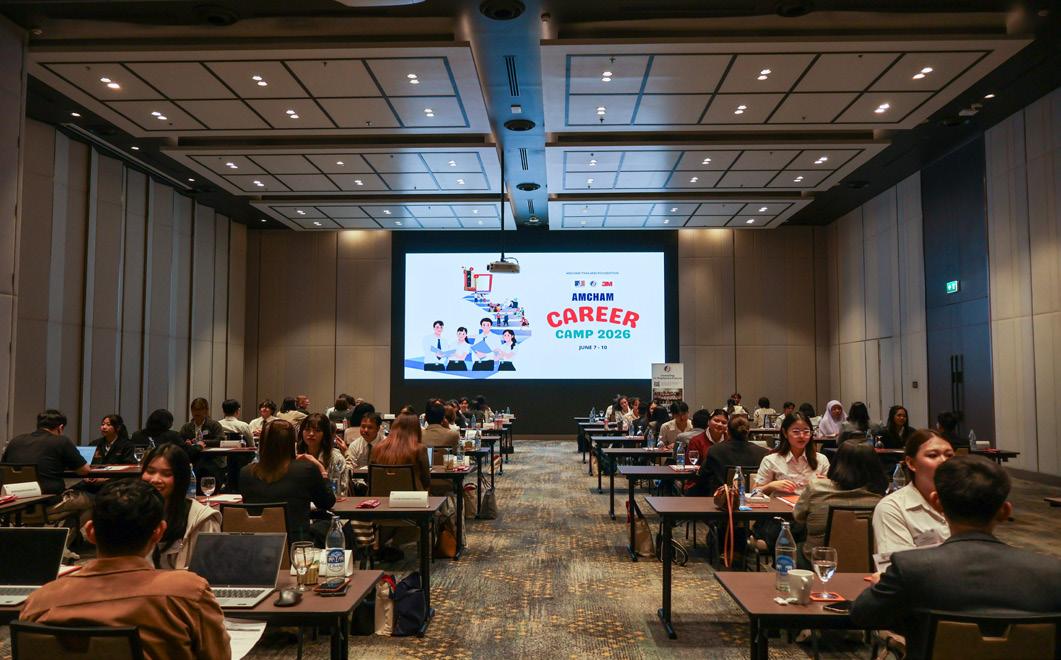
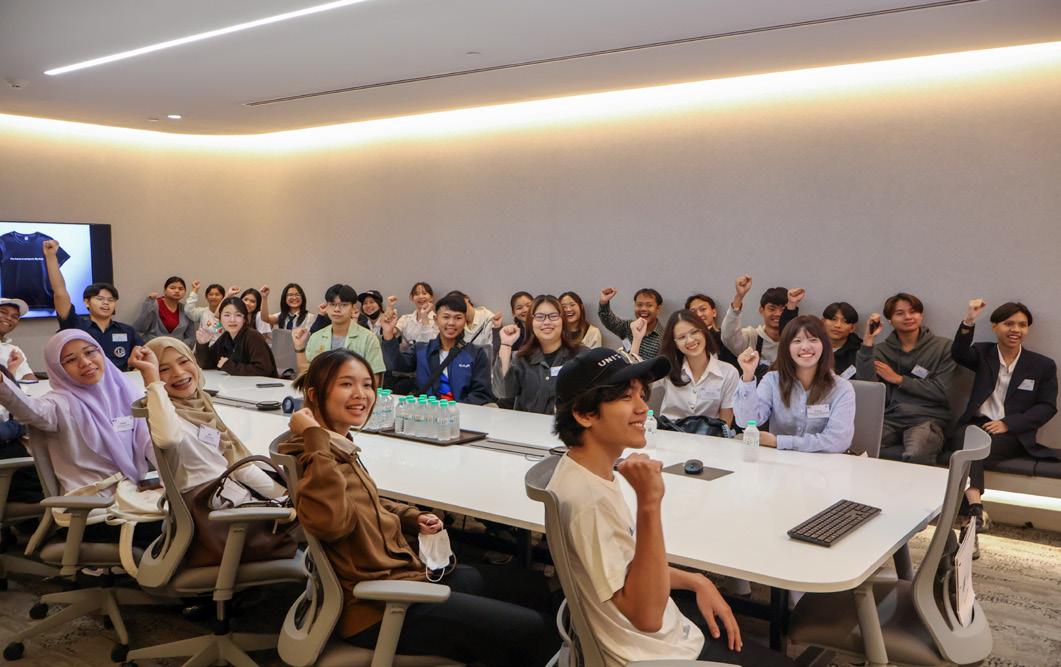
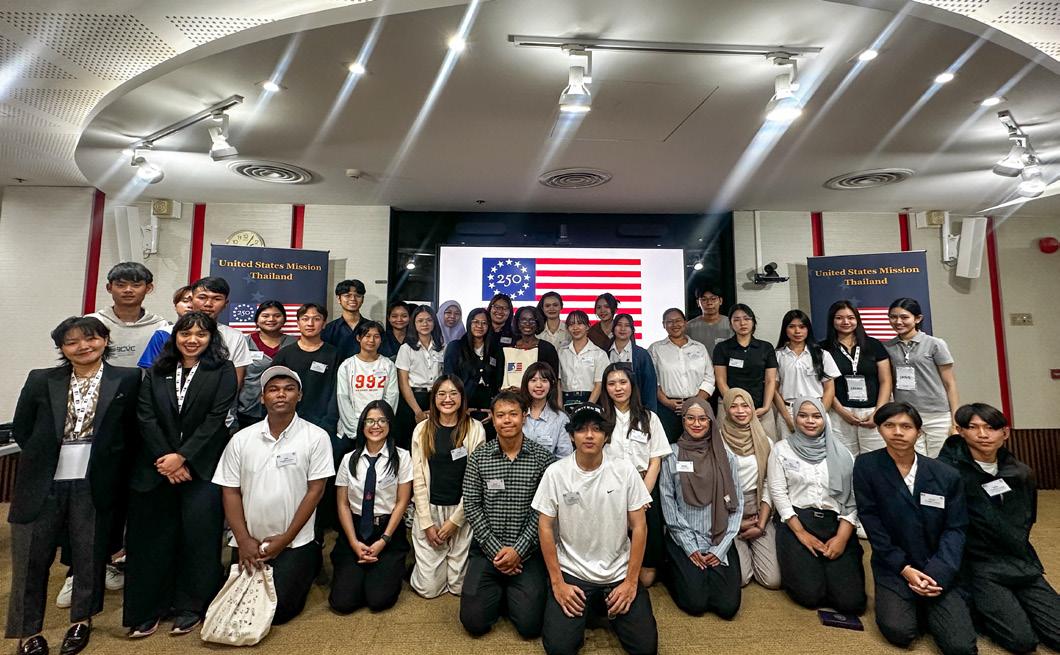
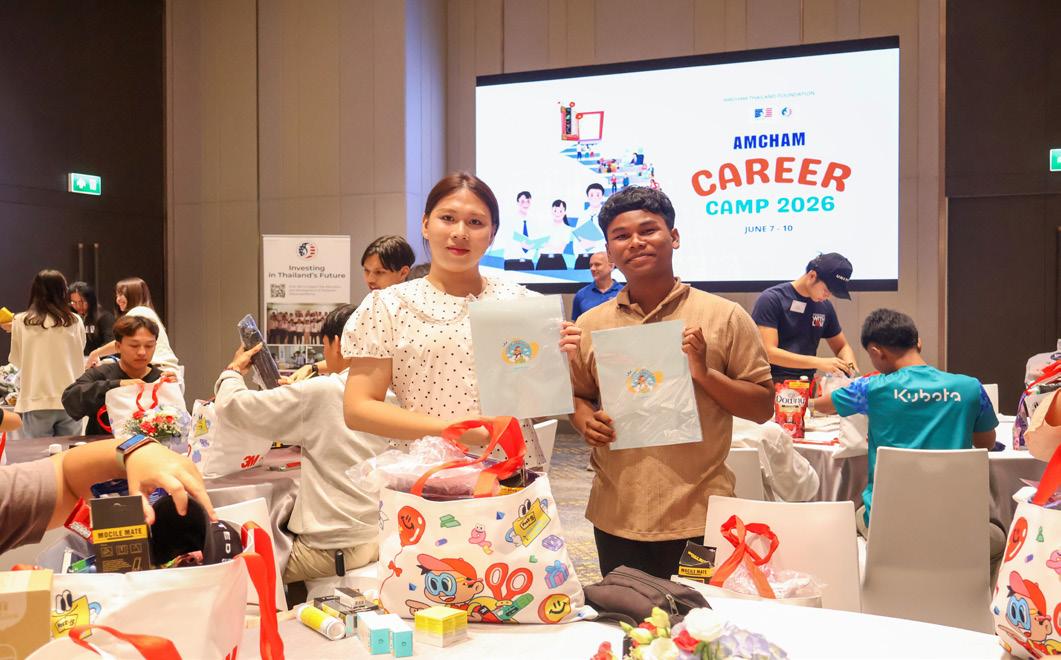
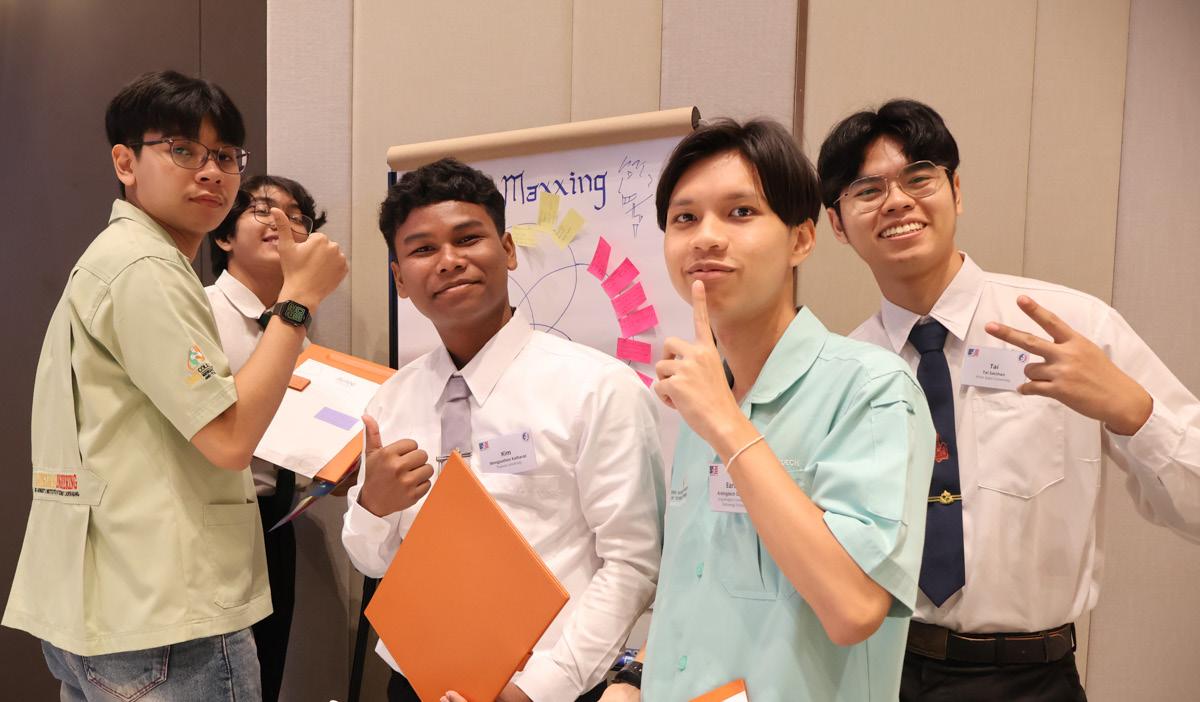
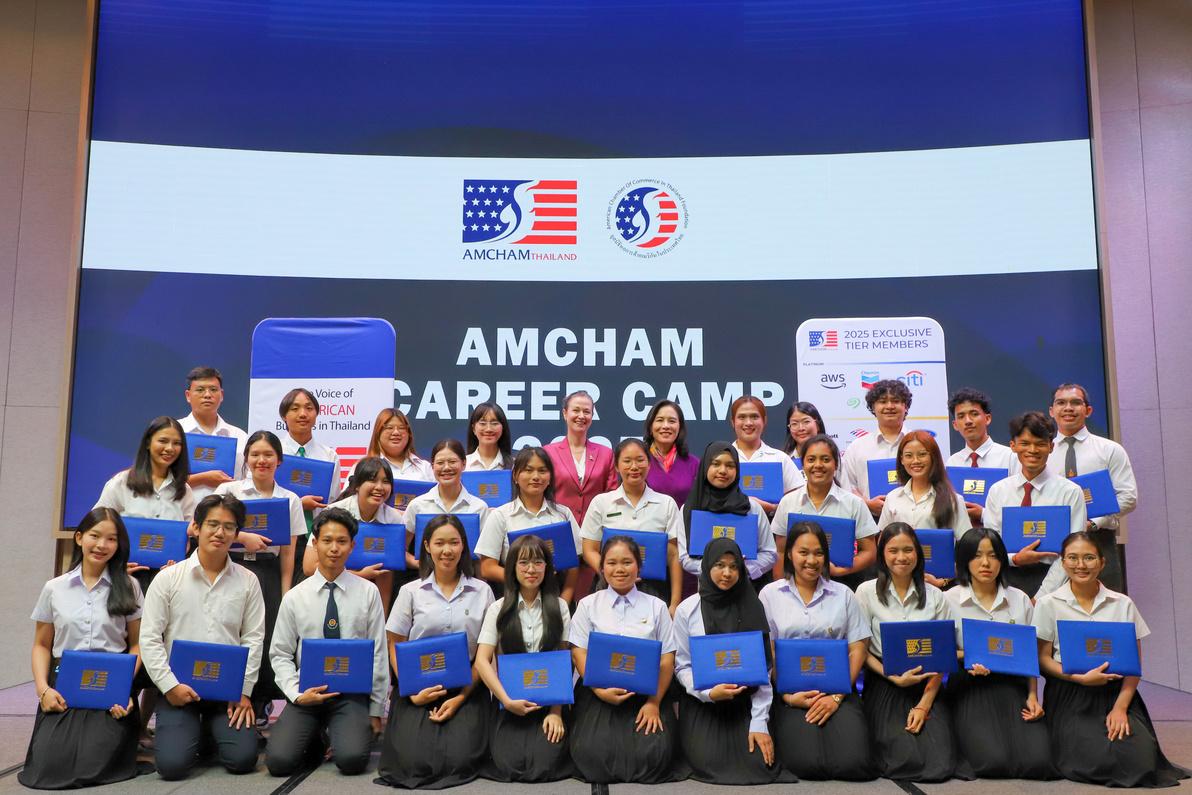
The American Chamber of Commerce in Thailand Foundation (ATF) successfully hosted its annual Career Camp from June 7–10, bringing together 33 final-year vocational and university scholarship students from financially disadvantaged backgrounds for four days of career readiness training and professional development.
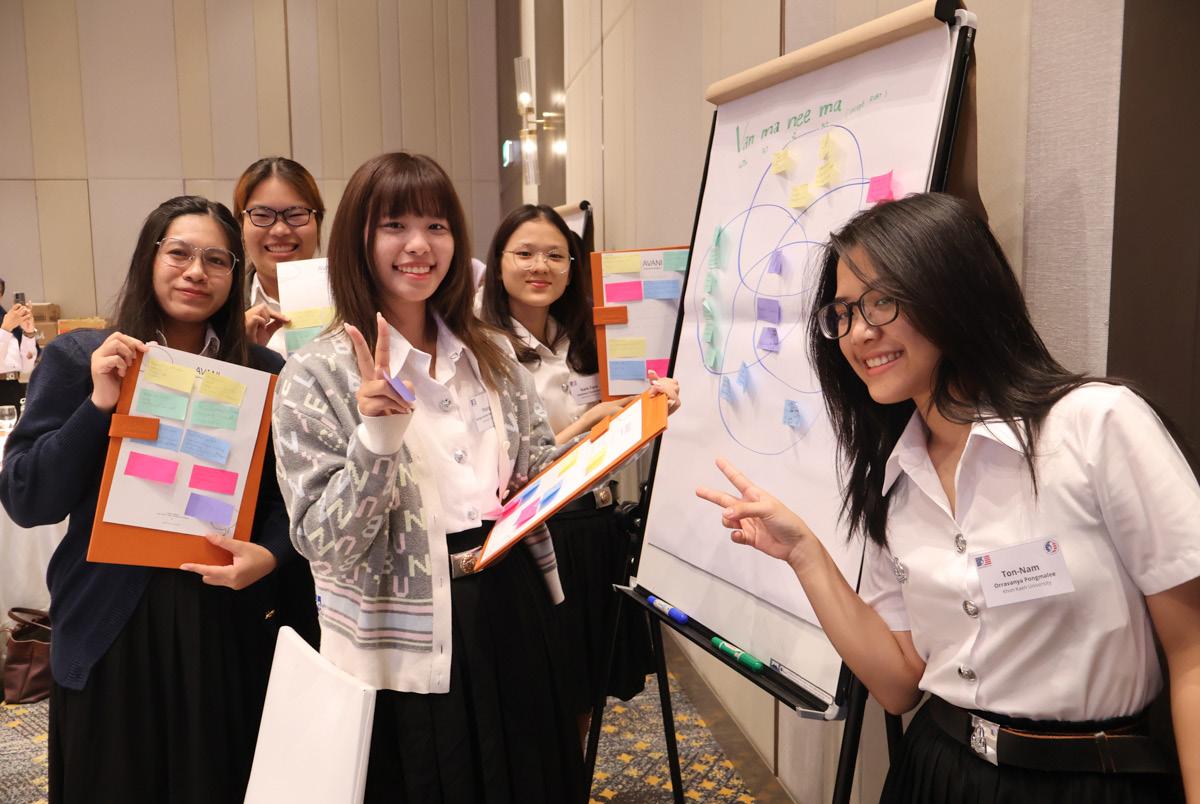
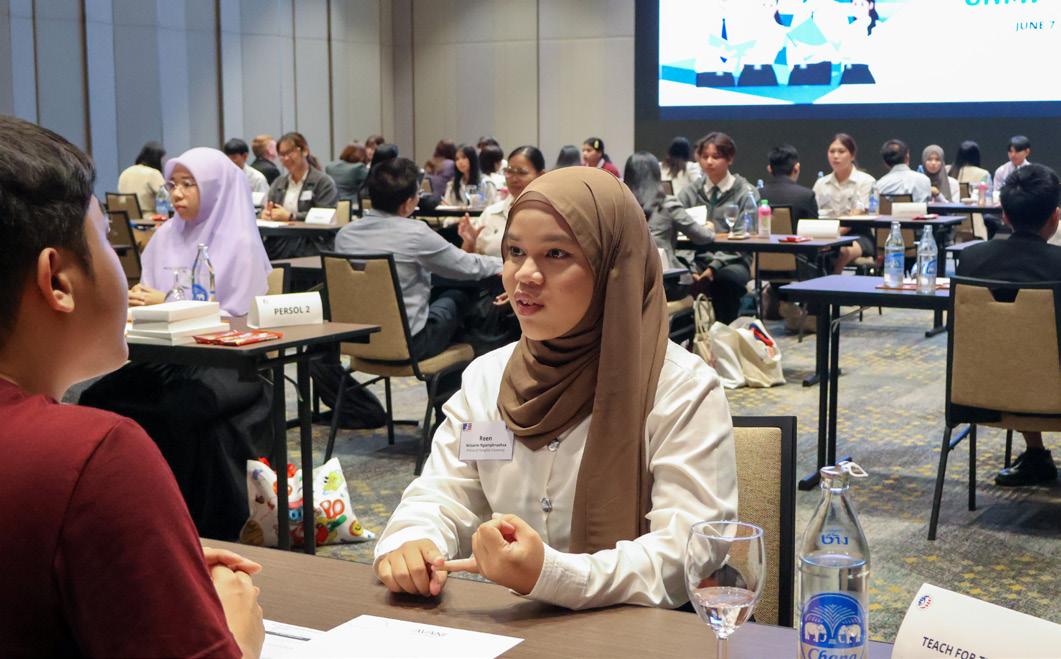
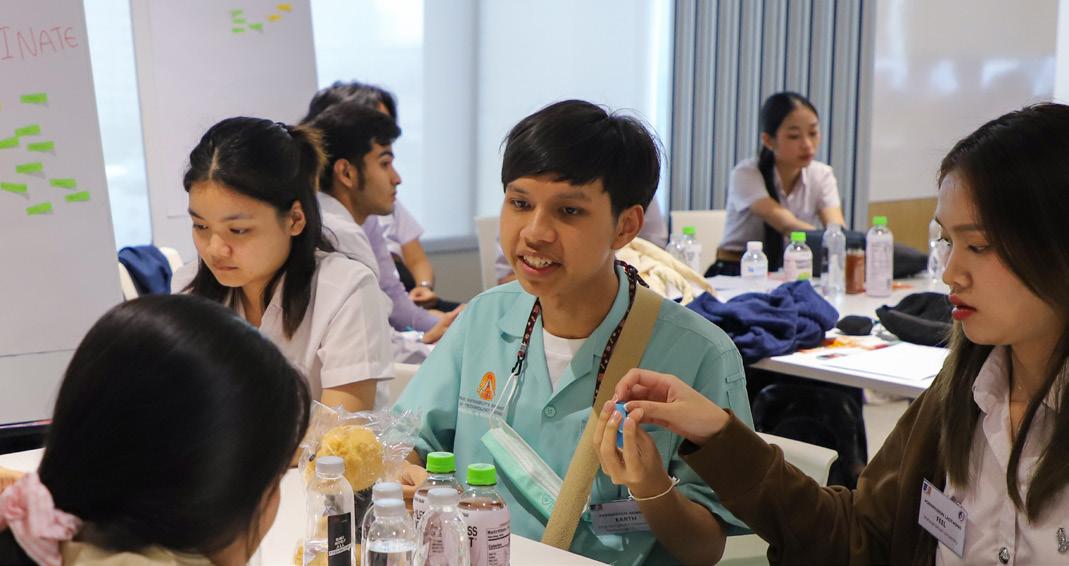
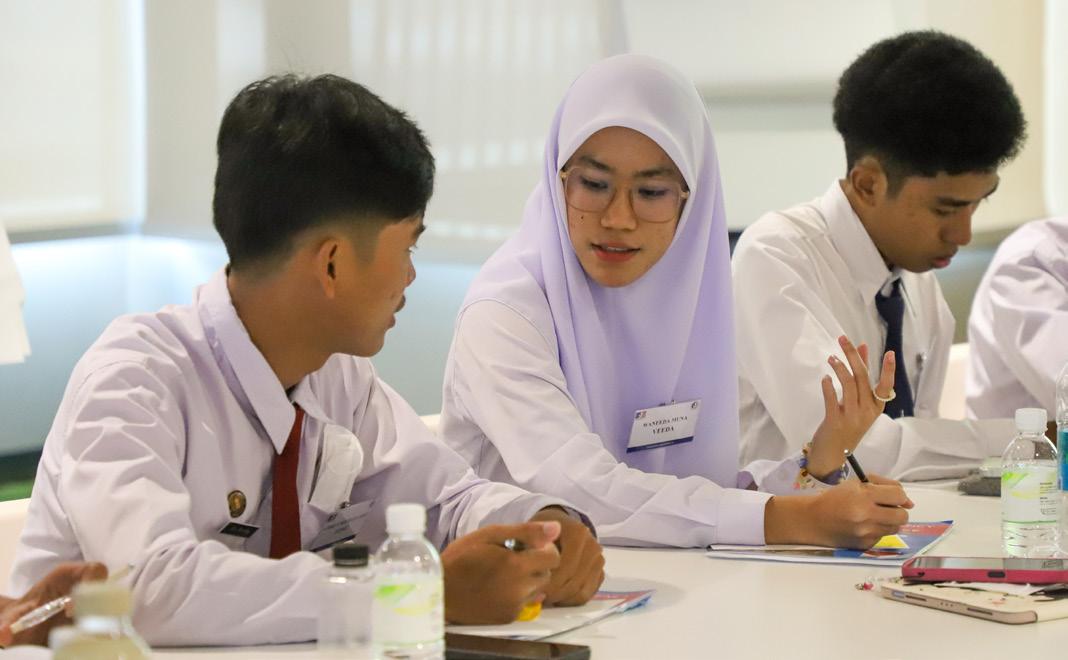
The AMCHAM Career Camp is designed to bridge the gap between academic learning and the professional world. Through hands-on workshops, industry-led sessions, mock interviews, and networking opportunities, students gained practical tools to prepare for their transition into the workforce. This year’s program included workshops on career preparation, workplace readiness, LinkedIn profile building, resume development, and professional communication, as well as interactive sessions with ATF alumni.
Throughout the camp, professionals and guest speakers from AMCHAM member companies, including 3M, Bangkok Patana School, Citibank, Dale Carnegie, FedEx, AIHM, Minor International, Magna Automotive, Teach For Thailand, and The Mobius Agency, shared their expertise through interactive presentations, training sessions, and volunteer-led activities. Their participation provided students with valuable exposure to different industries, career pathways, and workplace expectations.
In addition to skills training, the camp fostered connections among AMCHAM scholarship recipients, ATF alumni, and members of the AMCHAM business community. These opportunities allowed students to build networks, gain confidence, and better understand the role of AMCHAM and its member companies in supporting Thailand’s future workforce.
ATF Vice President Heidi Gallant emphasized the Foundation’s continued commitment to supporting students beyond financial assistance, “AMCHAM Career Camp is one of the most meaningful parts of the AMCHAM Thailand Foundation’s scholarship journey. Beyond financial support, our AMCHAM member companies generously share their time, expertise, and encouragement to help students see what is possible for their future careers, and they leave feeling more confident, prepared, and inspired.”
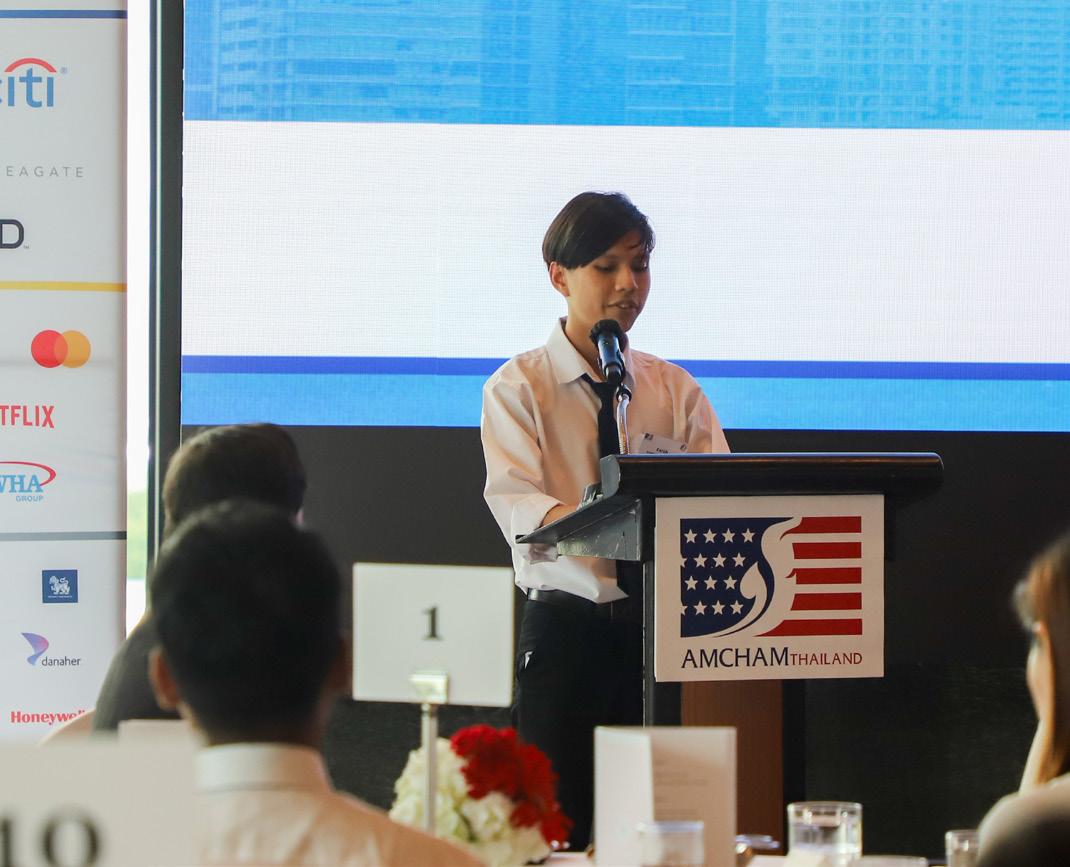
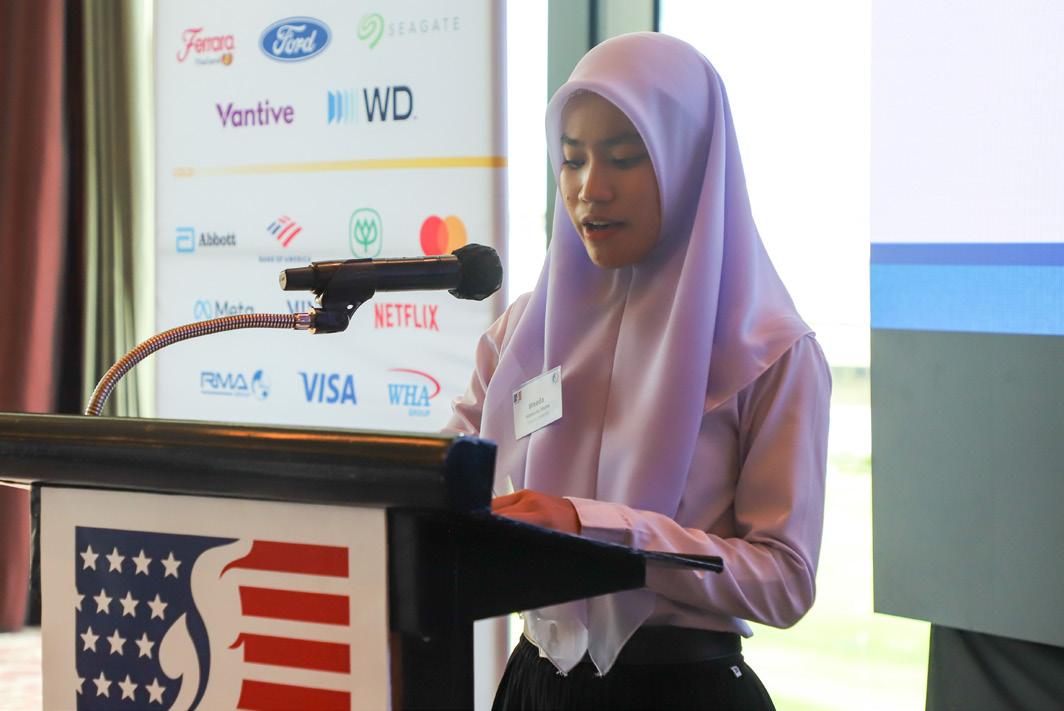
The Career Camp concluded with a certificate ceremony recognizing the students’ achievements and growth throughout the program. Kreingdech Sungklin, a student from the School of Architecture and Design majoring in Medical and Science Media at King Mongkut’s University of Technology Thonburi, and Waneeda Muna, a student from the Faculty of Education majoring in English at Thaksin University, delivered heartfelt speeches on behalf of their peers.
Building on the success of previous years, the 2026 Career Camp continues to support both university and vocational scholarship recipients, underscoring ATF's recognition of the vital role vocational education plays in addressing Thailand's workforce demands. In 2026, the Foundation will award 50 new university scholarships and 15 new vocational scholarships, demonstrating its expanding commitment to educational support throughout Thailand.
Meet Kreingdech (Earth) Sungklin
Kreingdech (Earth) Sungklin, a fourth-year student at King Mongkut’s University of Technology Thonburi, is passionate about digital art and creative exploration. As a student representative at the AMCHAM Member Luncheon in June, Earth reflects on how the scholarship helped him build valuable connections, develop self-awareness, and grow in confidence.
My name is Kreingdech Sungklin, from the School of Architecture and Design, majoring in the Medical and Science Media program at King Mongkut's University of Technology Thonburi.
The first thing I have received from this scholarship is financial support from the AMCHAM Thailand Foundation. I learned about this opportunity through a recommendation from my advisor. At that time, my family was experiencing severe financial difficulties, and my mother, who is battling leukemia, was unable to work to her full capacity. This scholarship has truly been a guiding light, helping to significantly lighten the financial burden on my family. Beyond financial assistance, I have also been
"I have come to understand myself much better. I have learned to recognize both my strengths and my weaknesses.”
given the opportunity to meet friends from other universities and vocational schools and build strong relationships with one another over the three days at the AMCHAM Career Camp. This scholarship has allowed me to connect with all of my peers and gain valuable new connections from various member companies through workshops, which is a crucial step for our future careers.
Furthermore, through my experiences participating in the past two AMCHAM camps, I have come to understand myself much better. I have learned to recognize both my strengths and my weaknesses. I have learned how to further develop my strengths, and I have gained the courage to confront my weaknesses, improving myself to become a better person than I was before.
Lastly, I would like to express my heartfelt congratulations on AMCHAM's 70th anniversary. Throughout these 70 years, AMCHAM has proven its unwavering dedication to being a remarkable giver, especially by providing educational opportunities and inspiring the new generation of youth.
Meet Waneeda (Wida) Muna
Waneeda (Wida) Muna, a fourth-year English major at Thaksin University, enjoys listening to people’s stories and believes every conversation is an opportunity to learn, grow, and gain new perspectives. As a student representative at the AMCHAM Member Luncheon in June, Wida shares how the scholarship has shaped her journey and inspired her future.
My name is Waneeda Muna, but you can call me Wida. I am currently an English major at Thaksin University, Songkhla Campus.
I grew up in a family that has always supported and cared for one another.
One of my strongest memories is seeing my parents work hard every single day so that their children could have educational opportunities that were better than those they had themselves. Their dedication and sacrifices became a constant reminder of how hard they worked to create opportunities for their children.
When I was in high school, an event occurred that completely changed my perspective on life. My application for a student loan was rejected.
At the time, I was extremely worried because pursuing a university education required significant financial resources, and I was afraid that the burden would fall entirely on my family.
During a challenging period in my life, my older brother, Wildan Muna, who was already an AMCHAM scholarship recipient, encouraged me to apply for the program and believe in myself. Thanks to his support, both of us have received educational assistance from AMCHAM throughout our university studies.
Beyond financial support, AMCHAM has provided valuable opportunities for personal and professional growth. One of the most memorable was the Career Camp, which helped me step outside my comfort zone, overcome self-doubt, and gain new perspectives on life and career development.
Through inspiring speakers, I learned that career paths are rarely linear and that growth comes from embracing new opportunities and challenges. I also developed practical skills such as resume writing and interview preparation, which will be invaluable for my future career.
In addition, I had the opportunity to visit dwp. Cityspace and the U.S. Embassy, and participate in mock interviews with professionals from AMCHAM member companies.
With the support and opportunities AMCHAM has provided, I am determined to pursue my dream of becoming an English teacher who not only teaches language skills but also helps students discover their potential.
Although we all begin from different places and follow different paths, every step brings us closer to our goals. I hope we can make the most of the opportunities we receive and create value for ourselves, our families, and our communities.
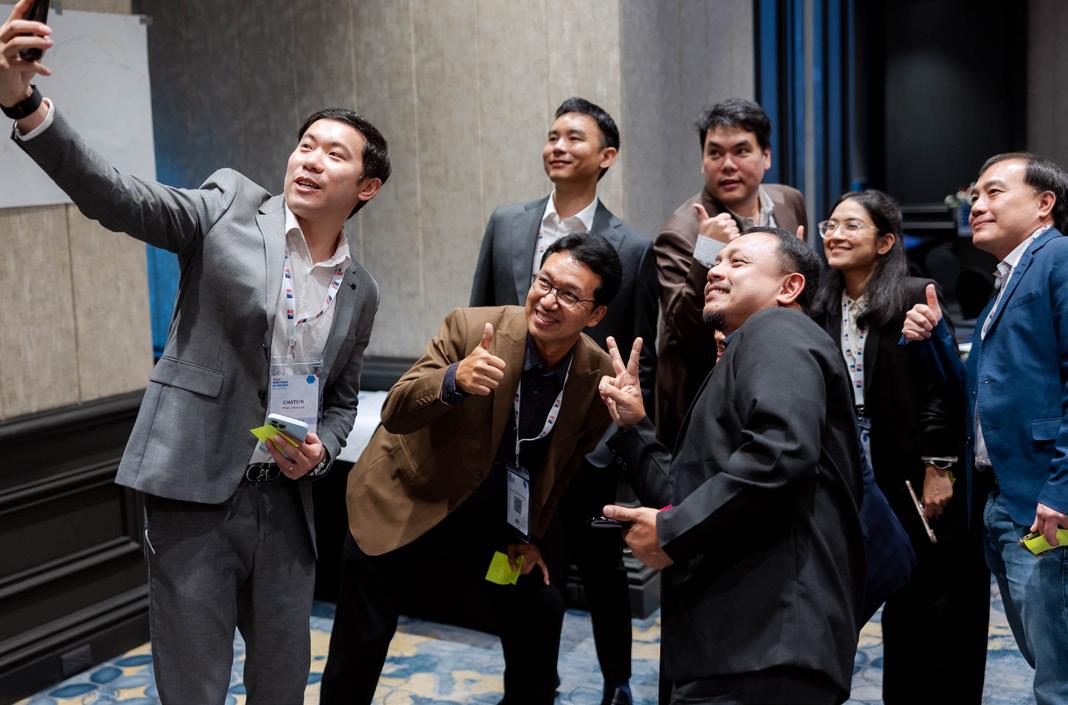
AMCHAM Academy Residential
Speakers: Joshua Morris of the Progression Group; Samantha Marion of AIHM; Larry Persons of CQ Leadership Consulting; Taveesak Saengthong of Oracle; Andrew Shaw of The Asia Group; AMCHAM President Chatit Huayhongtong of Chevron; and Paul Uthaichalanond of Vantive Healthcare
Event Highlights:
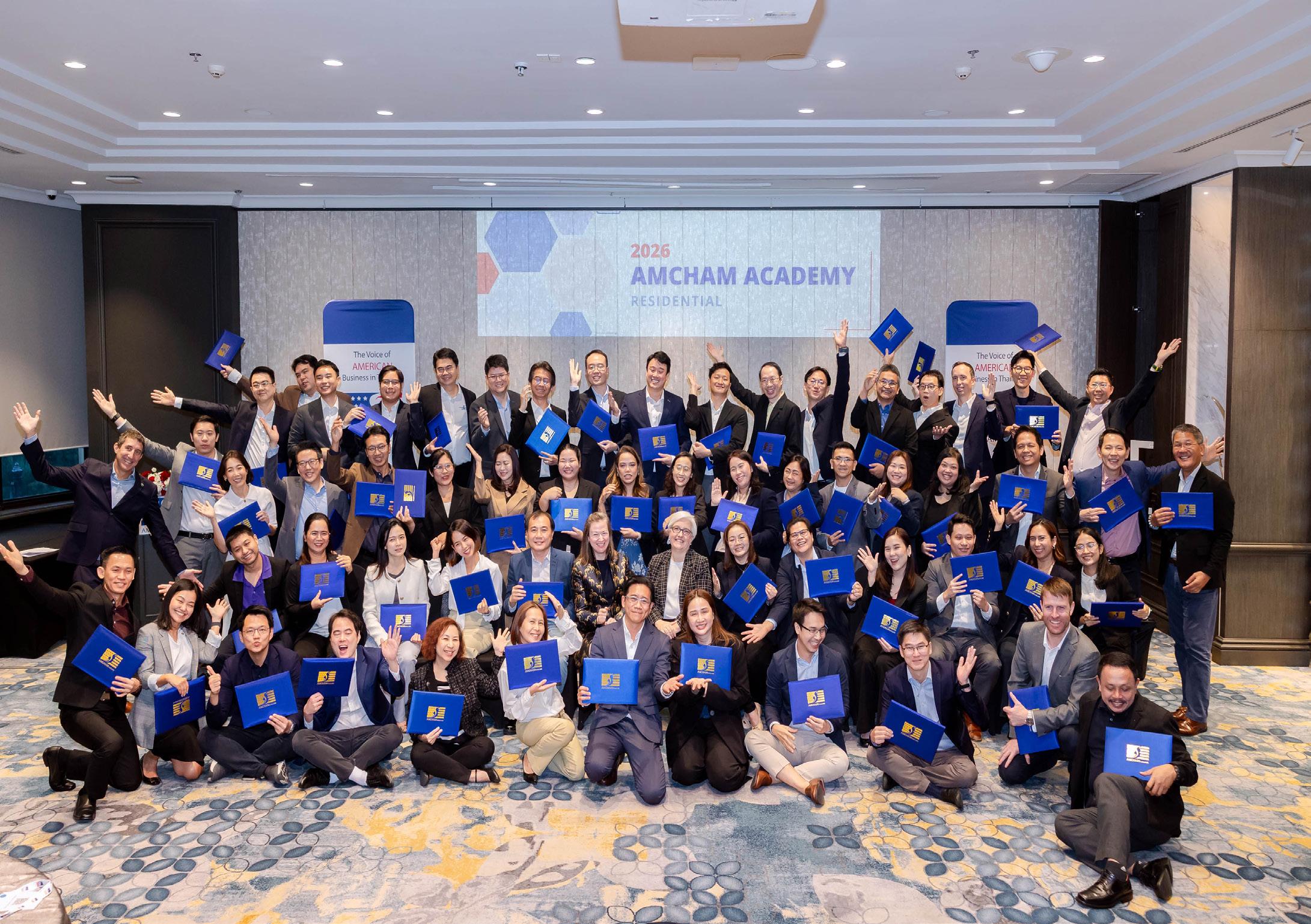
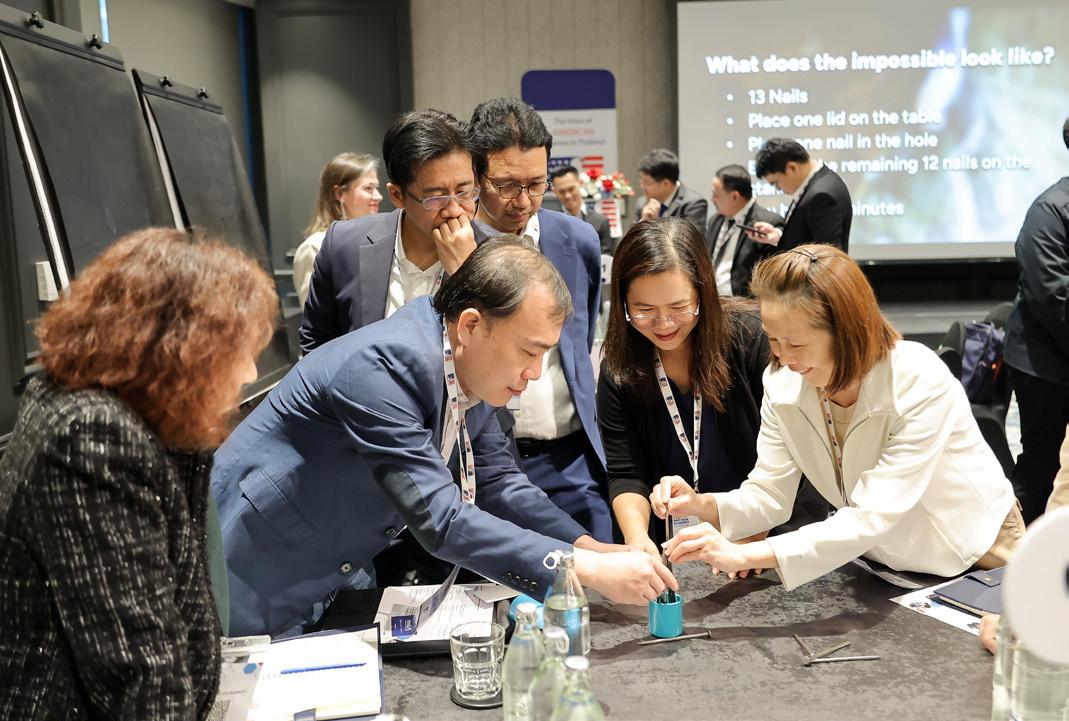
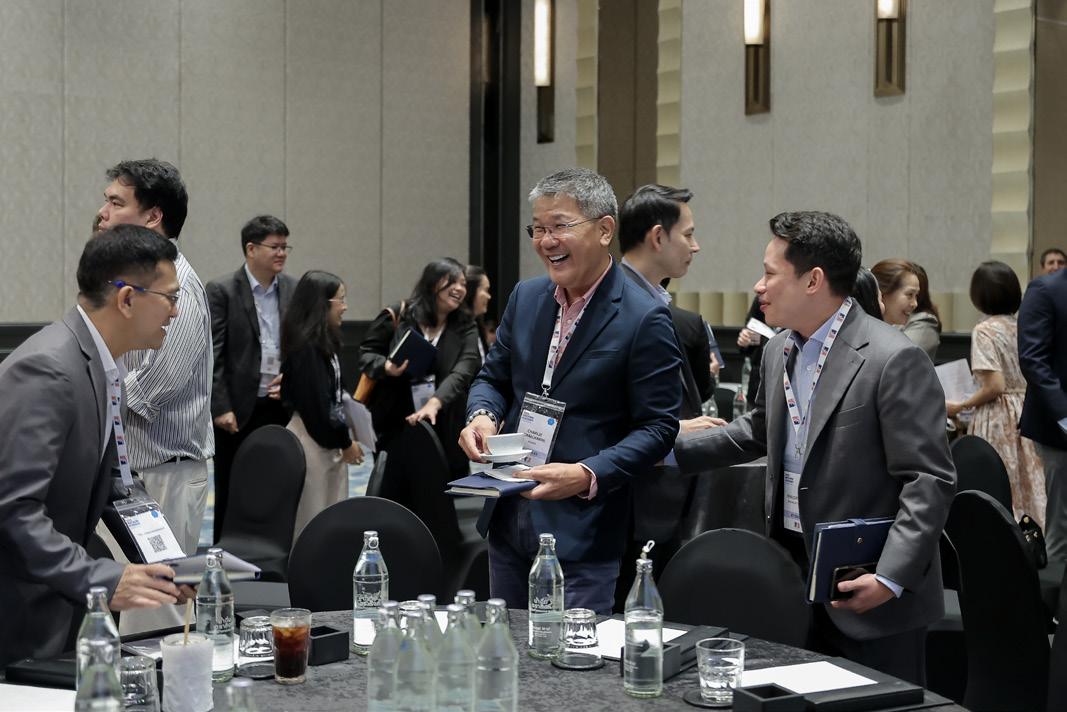
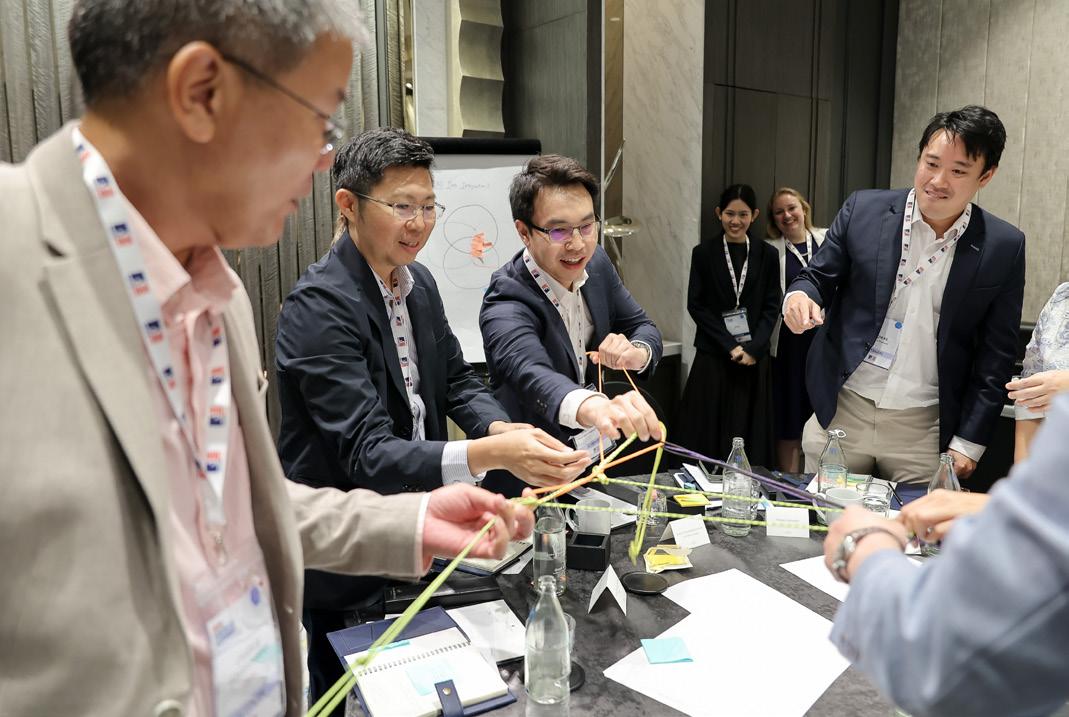
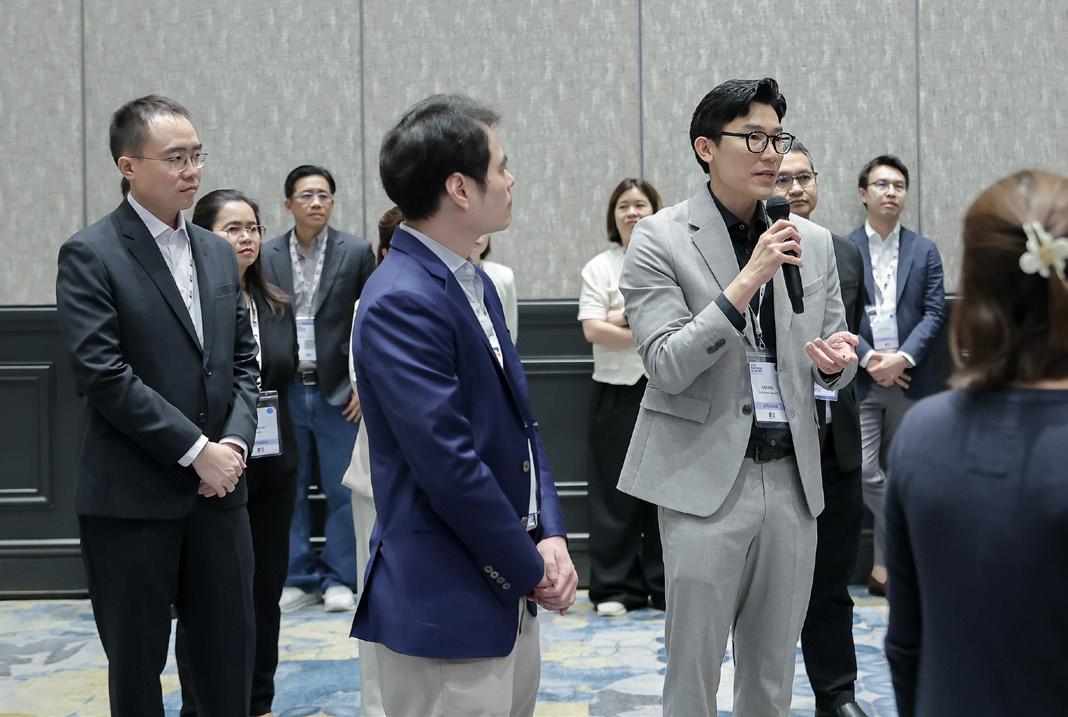
59 emerging business leaders gathered for an intensive two-and-a-half-day leadership and professional development program at the AMCHAM Academy Residential 2026. Participants explored new perspectives on leading their organizations and strengthening their teams. Guest speakers covered topics including AI, balancing risk and reward, economic trends and global uncertainty, and a CEO fireside chat on leading through disruption and change. Through presentations and interactive small-group discussions, participants learnt to apply key insights to their own career paths while building valuable connections across diverse industries.
Kathryn L. Flachsbart, the Counsellor of Consular Affairs and Consul General of the U.S. Embassy, presented certificates to the participants at the end of the program.
Participants Included: 3M Thailand, Abbot Laboratories, Bank of America, Board of Investment Thailand, Carrier, Chevron Thailand, Citibank, Danaher, Fedex, Ferrara Jelly Belly, Ford Motor, Ingredion, Mastercard Asia/Pacific, Ministry of Commerce, Ministry of Finance, Ministry of Tourism and Sports, Minor International, Office of the Council of State, PCS Security and Facility Services, Pfizer, Phyathai Hospital Group, RMA Group, Seagate Technology, Vantive Healthcare, Vero Advocacy, and Western Digital.
Tourism and Hospitality Council
May 2026 Video Conference – May 18
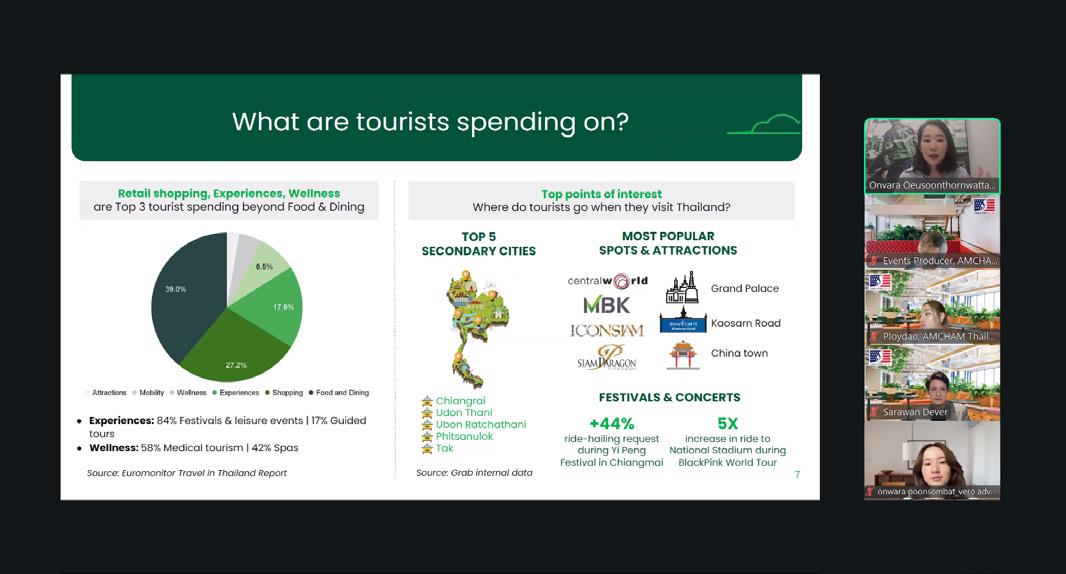
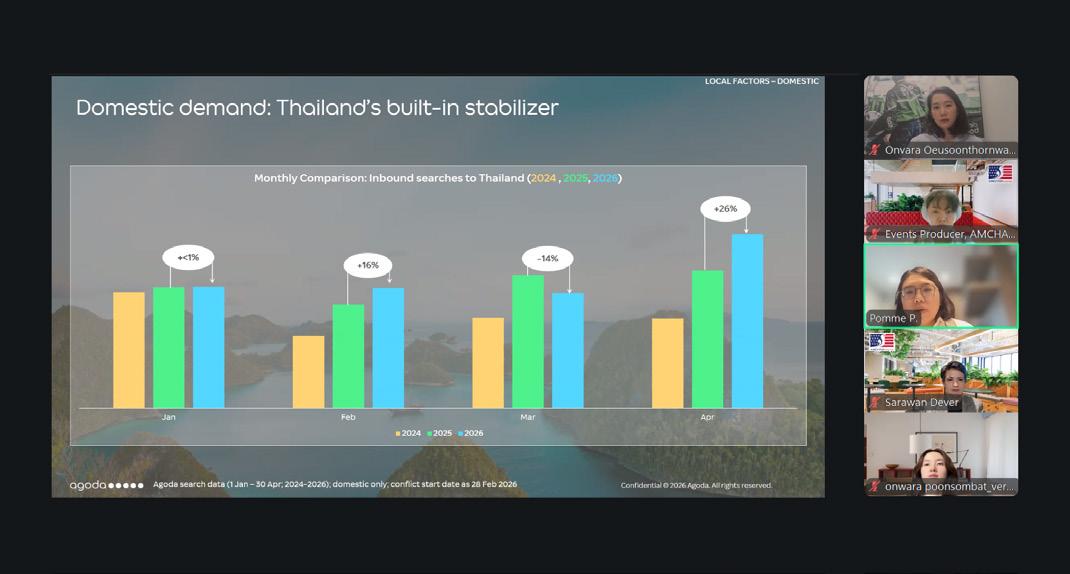
Speakers: Pichamonch Pintola of Agoda and Onvara Oeusoonthornwattana of Grab
Organized by: Tourism & Hospitality Council
Event Highlights:
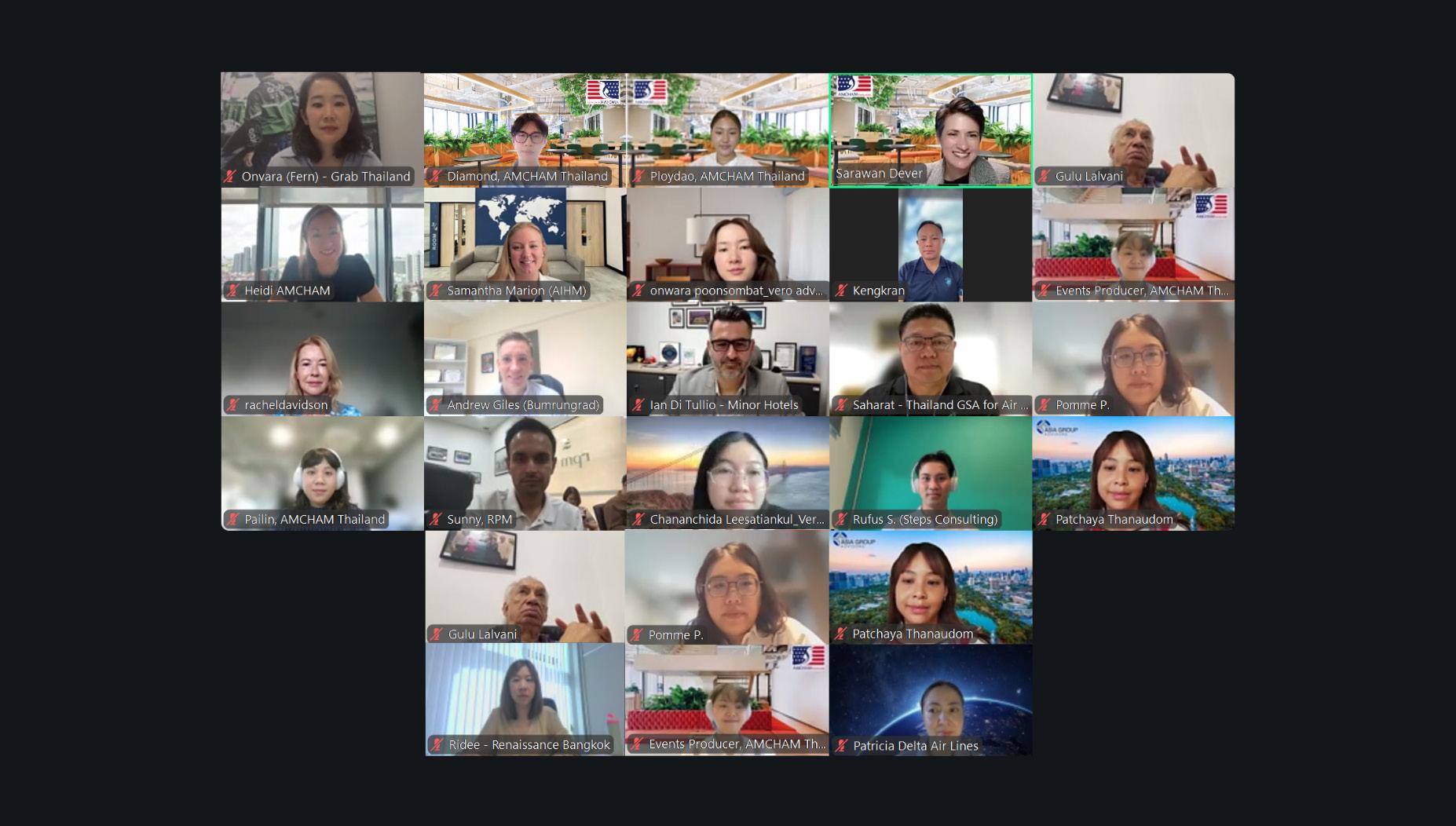
The AMCHAM Tourism & Hospitality Council hosted an online session highlighting arrival trends and their implications for Thailand’s tourism sector. The discussion featured an interactive exchange on Thailand’s transition from volume-driven tourism to a more resilient, high-value model focused on wellness, and long-stay visitors.
Participants also mentioned the importance of strengthening infrastructure, enhancing workforce capabilities, and diversifying source markets to sustain long-term competitiveness. As travel demand becomes increasingly experience-driven, Thailand is well positioned to emerge as a leading sustainable and premium destination in the region.
Economics & Trade Committee
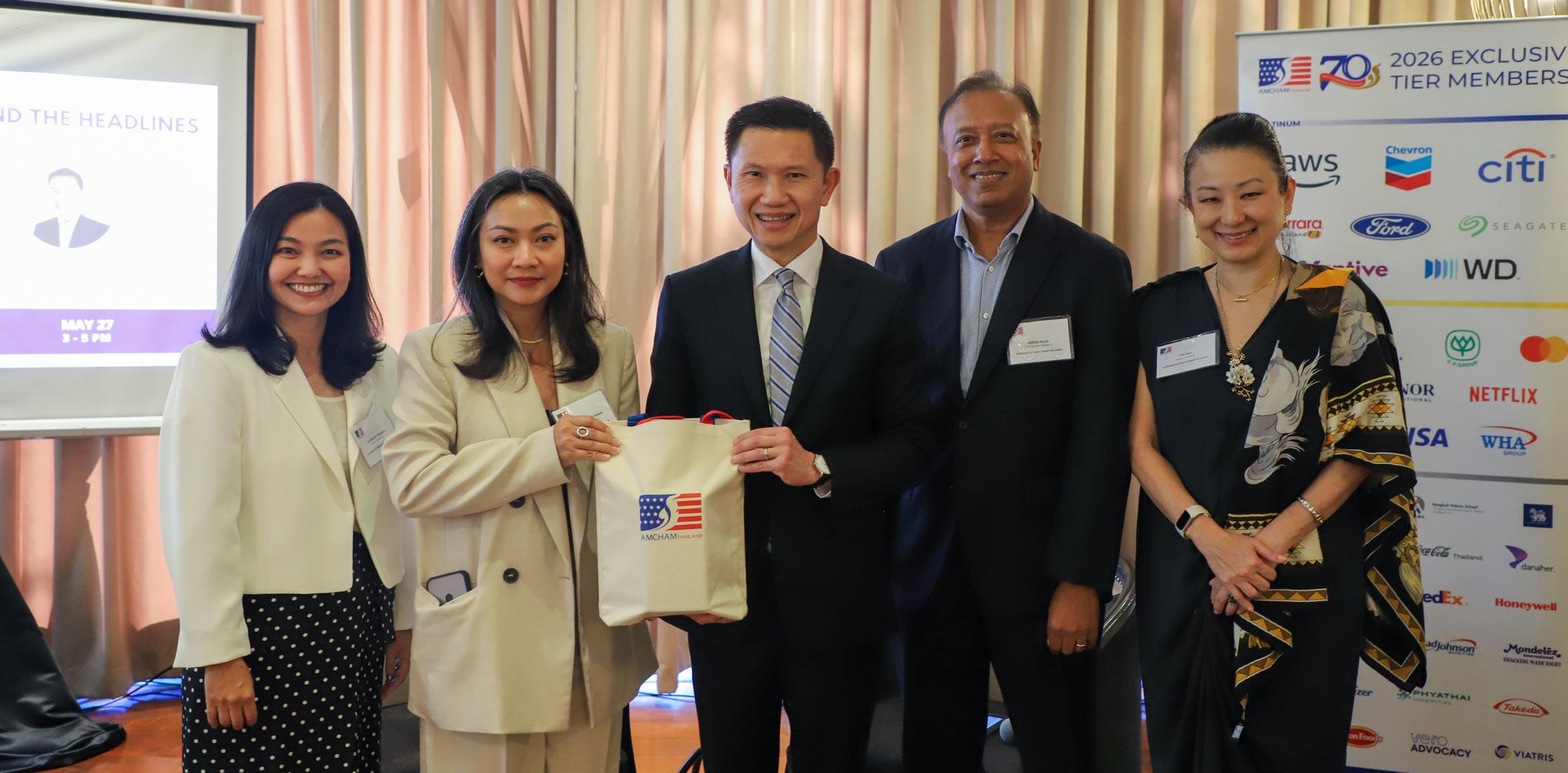
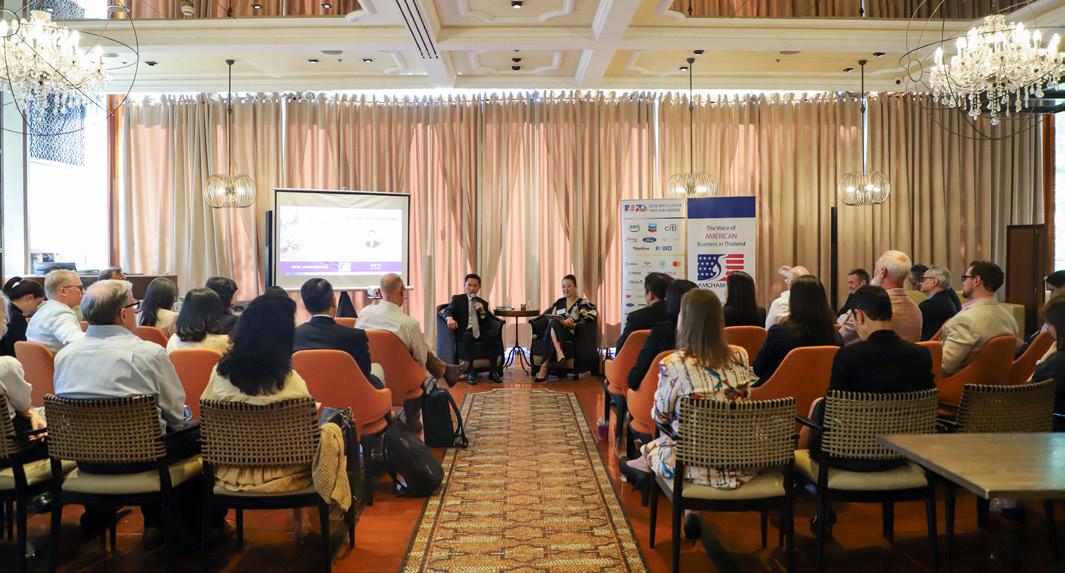
Beyond the Headlines: Thailand’s Future in a Turbulent World –
May 27
Speaker: Dr. Thitinan Pongsudhirak of the Faculty of Political Science, Chulalongkorn University
Moderator: Lyn Kok of Mula-X
Organized by: Economics & Trade Committee
Event Highlights:
The AMCHAM Economics & Trade Committee held an intimate fireside chat with Dr. Thitinan Pongsudhirak on Thailand’s future amid the turbulent world. The conversation covered a wide range of topics from Thailand’s recent elections to broader global conflict and trade pressures shaping today’s investment climate. Throughout the conversation, Dr. Thitinan provided insightful analysis, drawing on historical context and real-world references to offer the audience a deeper understanding of the topics.
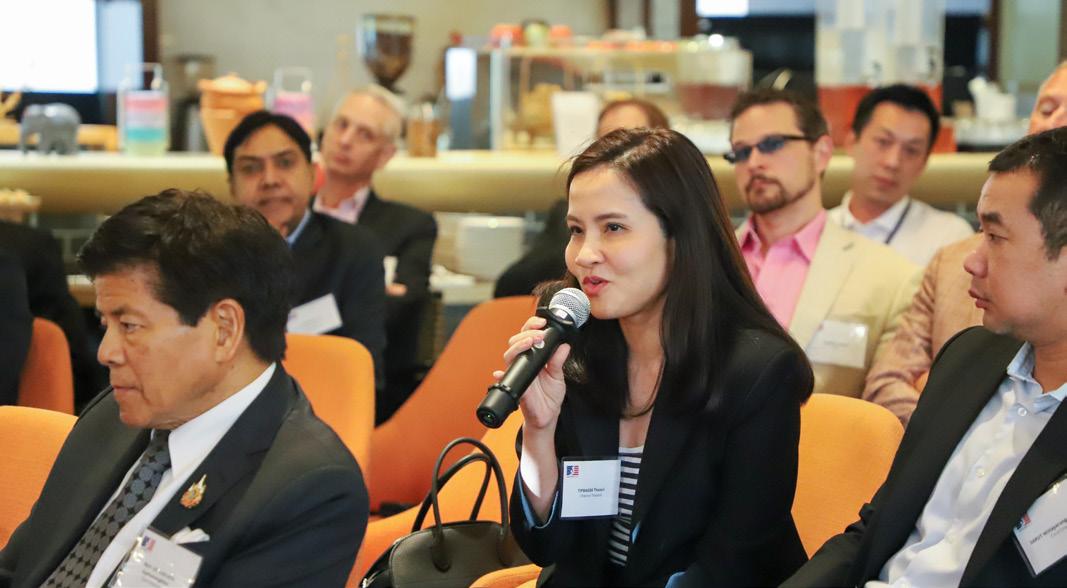
The event concluded with an engaging question-and-answer session, allowing participants to gain additional perspectives from the speaker.
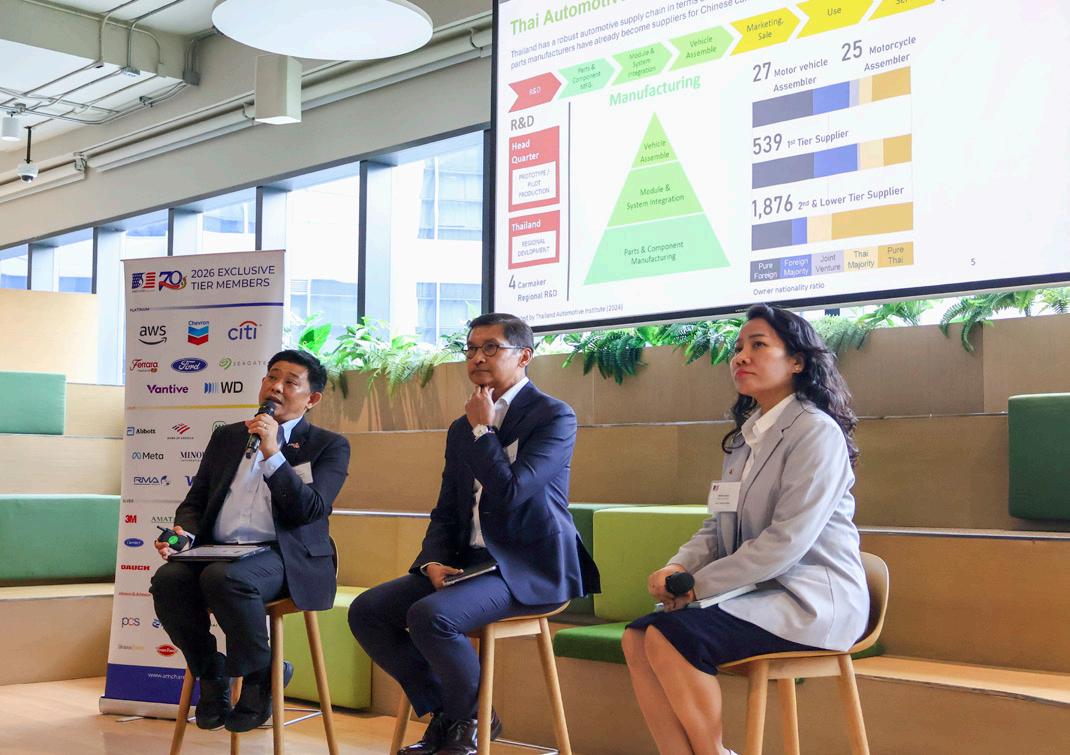
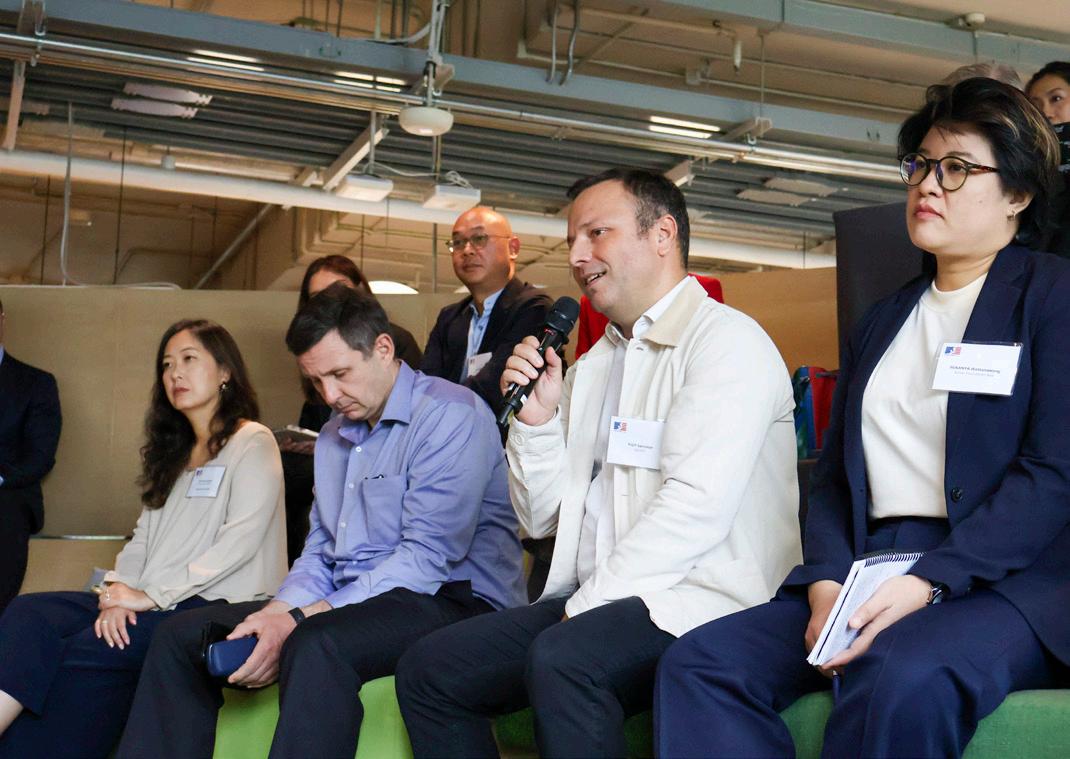
Auto Council
Thailand’s
Automotive Transition:
Bridging Policy Ambition and Industry Reality – May 28
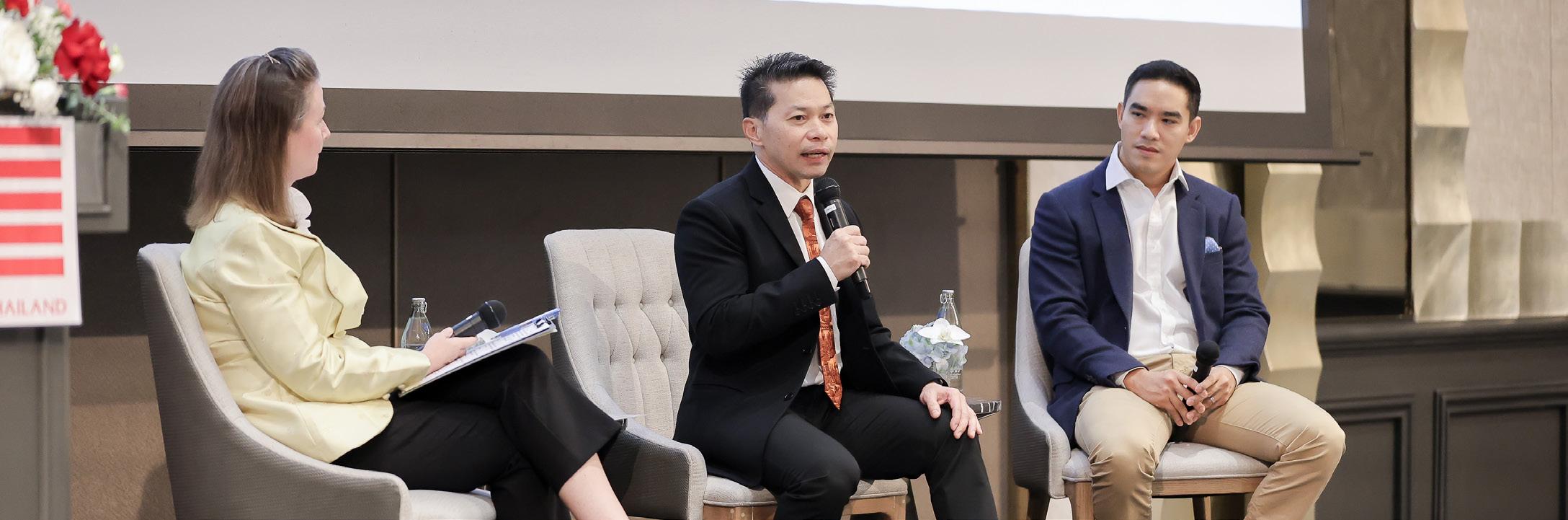
Speakers: Suphot Sukphisarn of the Auto-Parts Industry Club, the Federation of Thai Industries and Krisda Utamote of the Electric Vehicle Association of Thailand (EVAT)
Moderator: Prapha Silalai of Magna International
Organized by: Auto Council
Event Highlights:
The AMCHAM Auto Council hosted a session on Thailand’s automotive landscape and industry transition. The discussion centered on public policy developments supporting Thailand’s automotive industry. Amid evolving electric vehicle trends, speakers shared perspectives on the challenges facing local automakers and suppliers as they adapt to the transition.
The session concluded with a discussion highlighting Thailand’s potential to leverage its skilled electronics workforce from existing industries. Participants also emphasized the importance of a coordinated approach to help the local supply chain and international automotive businesses thrive together.
Corporate
Impact Council
2026 Corporate Impact Awards Launch & Information Session –
May 29
Speakers: Sriphicha Chaisirivichien of Indorama Ventures; Naruephon Boonyaban of Kenan Foundation Asia; Kulawal Supesuntorn of PricewaterhouseCoopers ABAS; and Phumjai Krisintu of PepsiCo
Organized by: Corporate Impact Council
Event Highlights:
The AMCHAM Corporate Impact Council hosted a webinar on the 2026 Corporate Impact Program, providing member companies with information about the awards and the application process. The Co-chairs provided insights into the special award themes, submission process, and judging criteria.
The webinar concluded with an engaging questionand-answer session, during which members expressed strong interest in the awards, reflecting their commitment to advancing corporate impact and sustainability efforts across Thailand.
Applications for AMCHAM Corporate Impact Awards are open until Aug 10. Please click here to apply.
Click here to apply
Legal Council
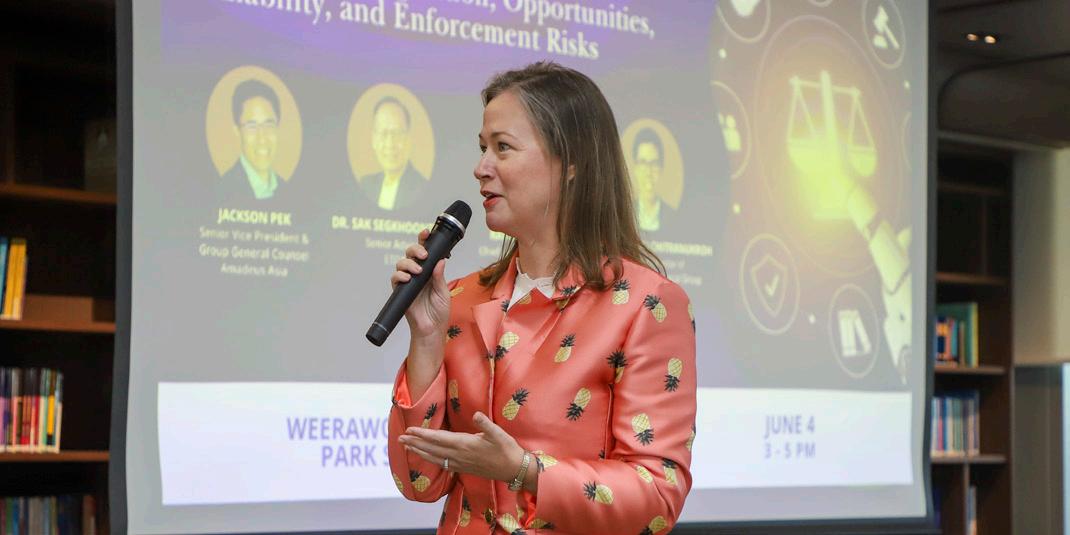
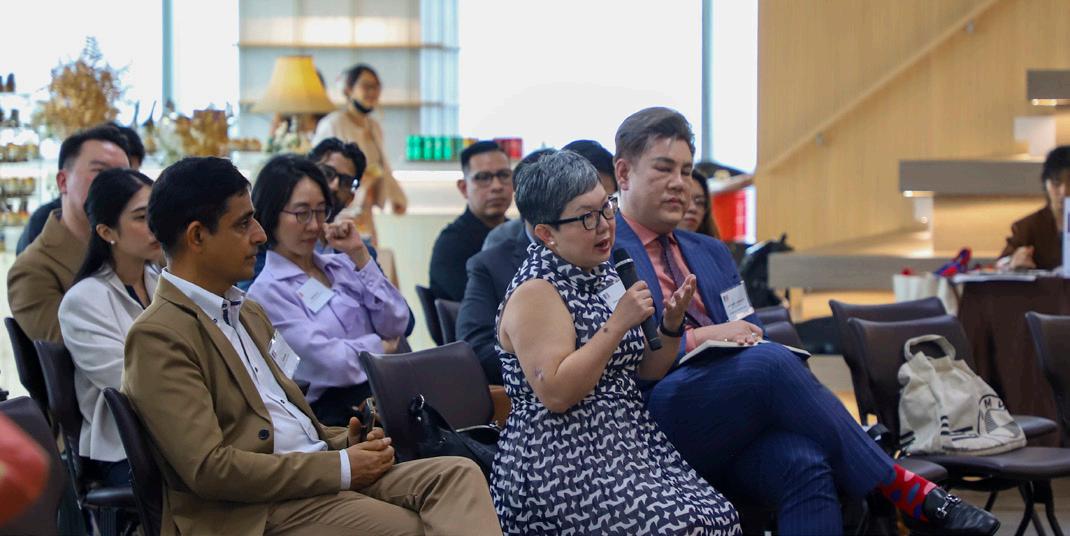
AI and the Law: Navigating Regulation, Opportunities, Liability, and Enforcement Risks – Jun 4
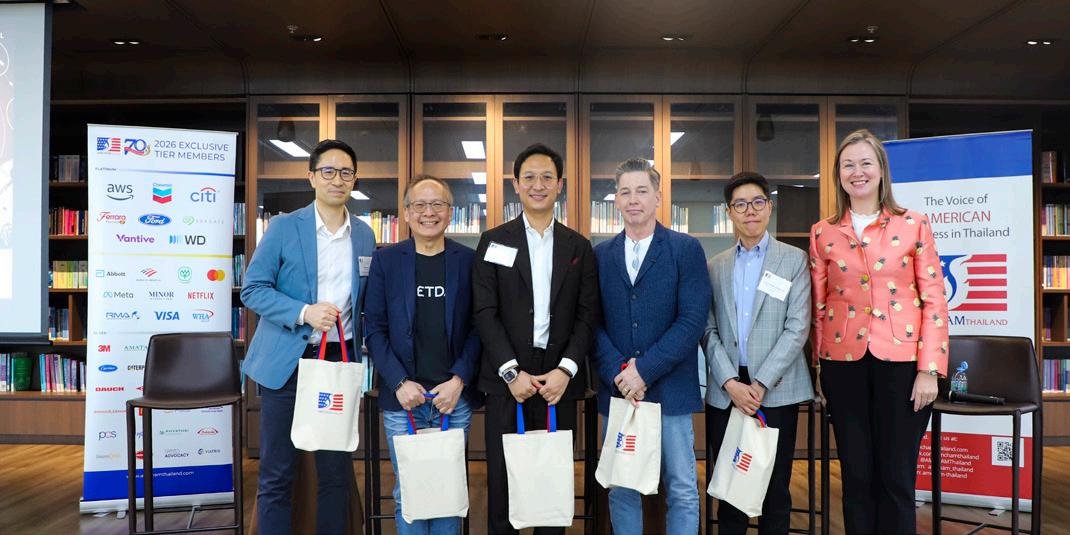
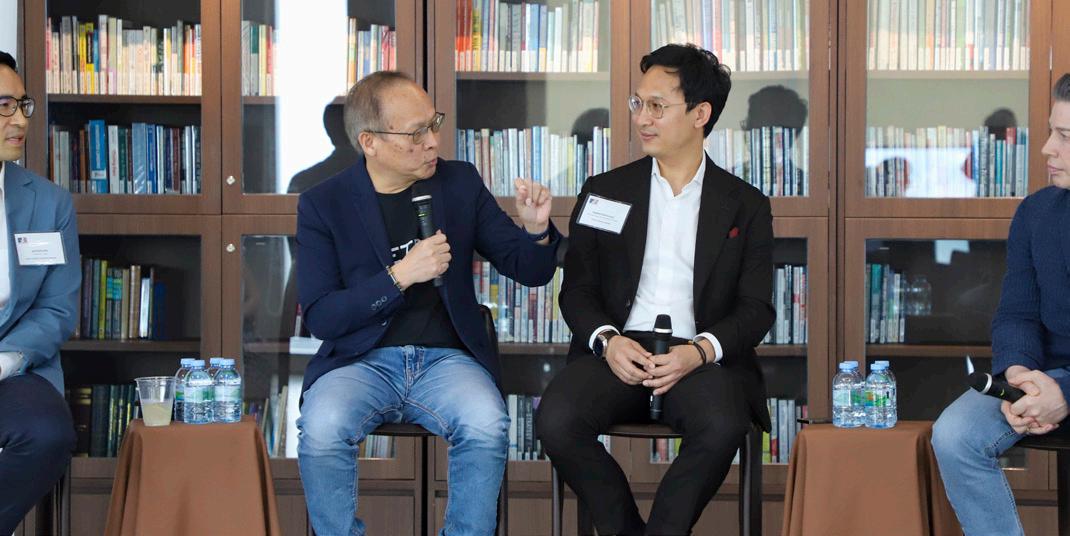
Speakers: Athistha (Nop) Chitranukroh of Tilleke & Gibbins; Jackson Pek of Amadeus; Randy McGraw of Sertis; and Dr. Sak Segkhoonthod of Thailand’s Electronic Transactions Development Agency (ETDA)
Organized by: Legal Council
Moderator: Akaraporn Kulvijit of Weerawong, Chinnavat & Partners
Event Highlights:
The AMCHAM Legal Council hosted an event on AI and the Law, examining the increasing use of generative, predictive, and autonomous AI technologies and their implications for governance and regulatory compliance.
The panel also discussed regulatory developments, including the EU AI Act and Thailand’s emerging AI guidelines and examined evolving approaches to risk management, transparency, accountability, and human oversight in AI deployment.
AMCHAM Signature Event
The Governors’ Table @ Blue Elephant Bangkok Sathorn Cooking School and Restaurant – Jun 4
Hosts: Chatit Huayhongtong of Chevron; Philip Bernard of Western Digital; Winnie Wong of Mastercard; Wiyada Srinaganand of 3M Thailand; Anothai Wettayakorn of IBM Thailand; and Prae Dumrongmongcolgul of Meta
Organized by: Corporate Impact Council
Event Highlights:
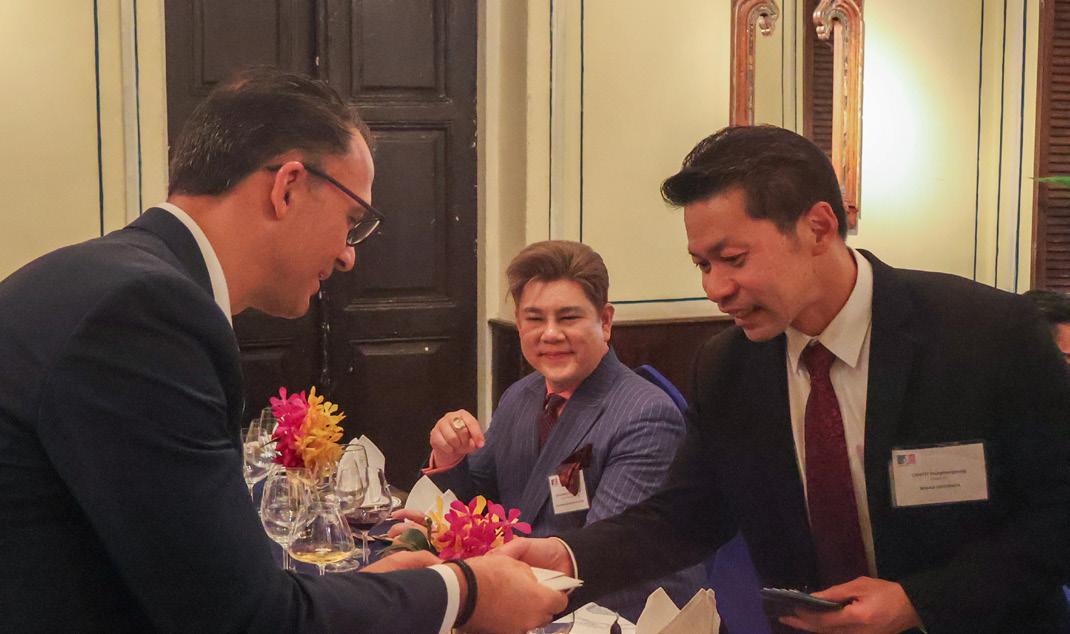
AMCHAM hosted the Governors’ Table at Blue Elephant Bangkok Sathorn Cooking School and Restaurant, bringing together distinguished leaders from across the business community for an exclusive dinner. The evening provided an excellent platform for senior executives and Board Governors to exchange perspectives, cultivate meaningful connections, and engage in forward-looking conversations.
AMCHAM Signature Event
Independence Day Picnic 2026 – Jun 6
Event Highlights:
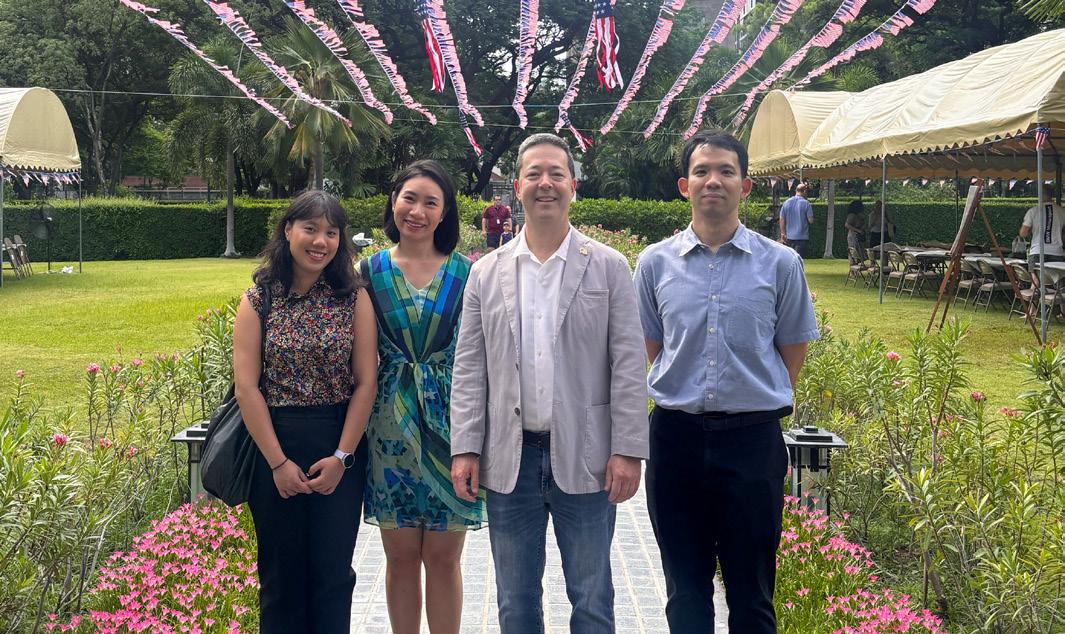
The Community Liaison office of the U.S. Embassy invited AMCHAM members to join their 250th Independence Day Celebration. AMCHAM members enjoyed the picnic-style celebration with family-friendly activities and American traditional festivities.
AMCHAM Signature Event
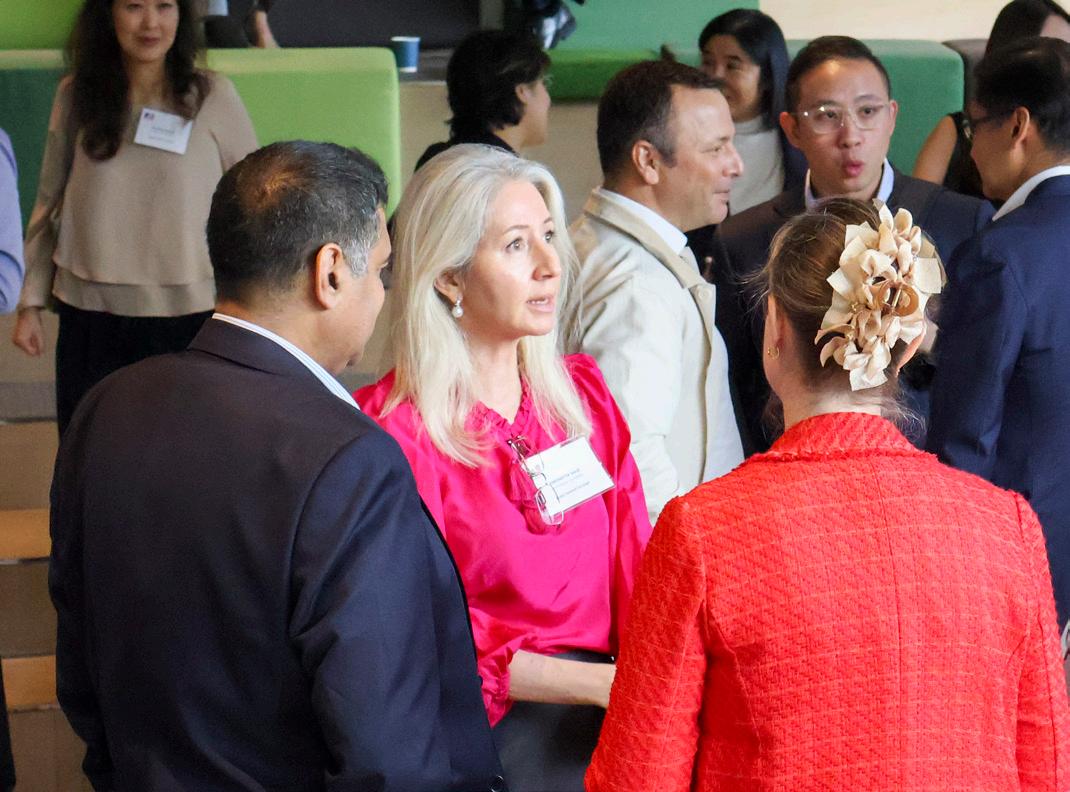
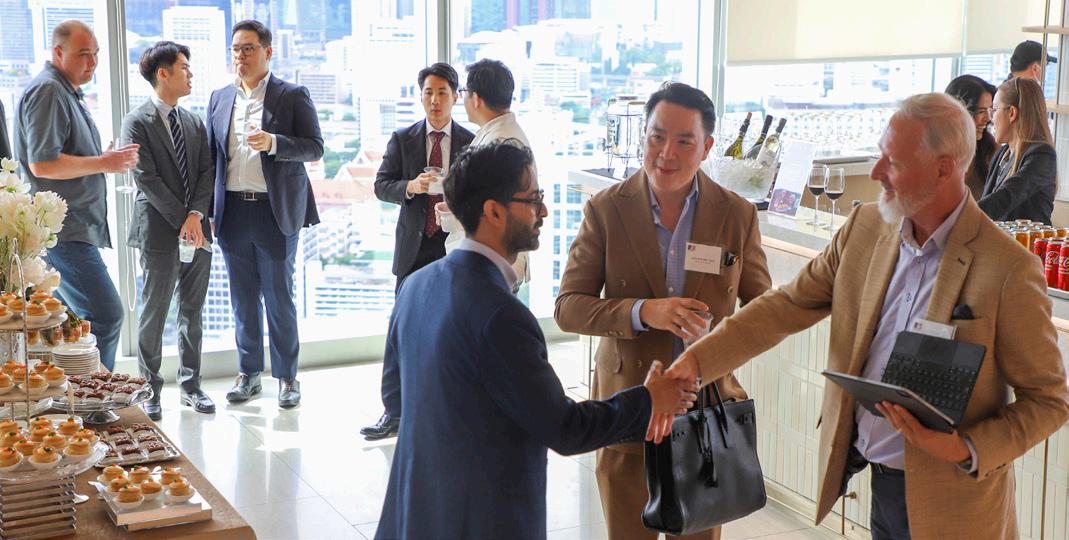
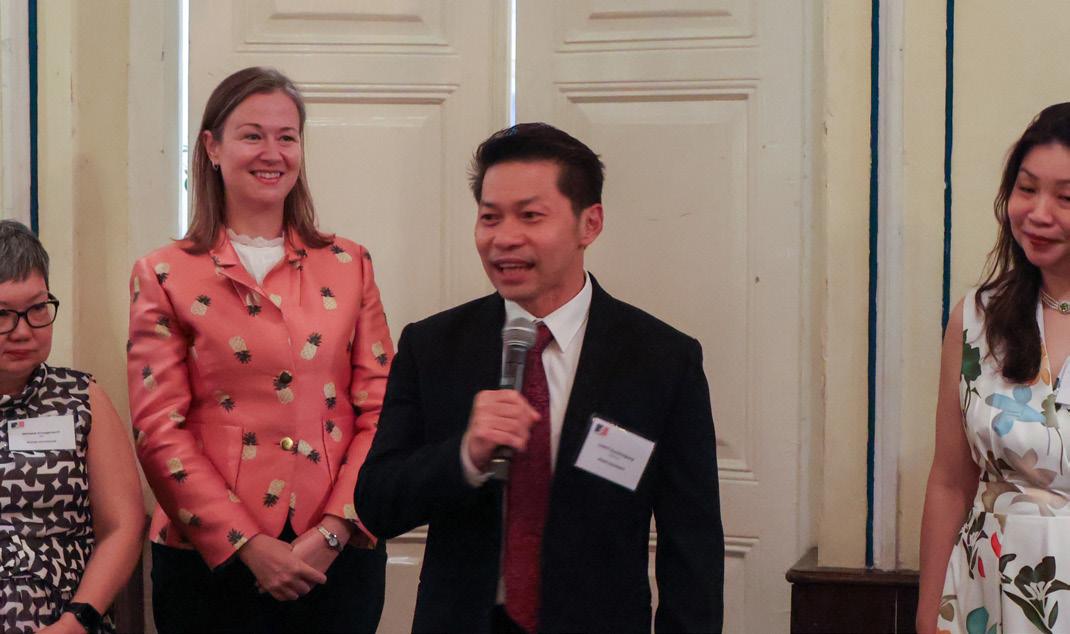
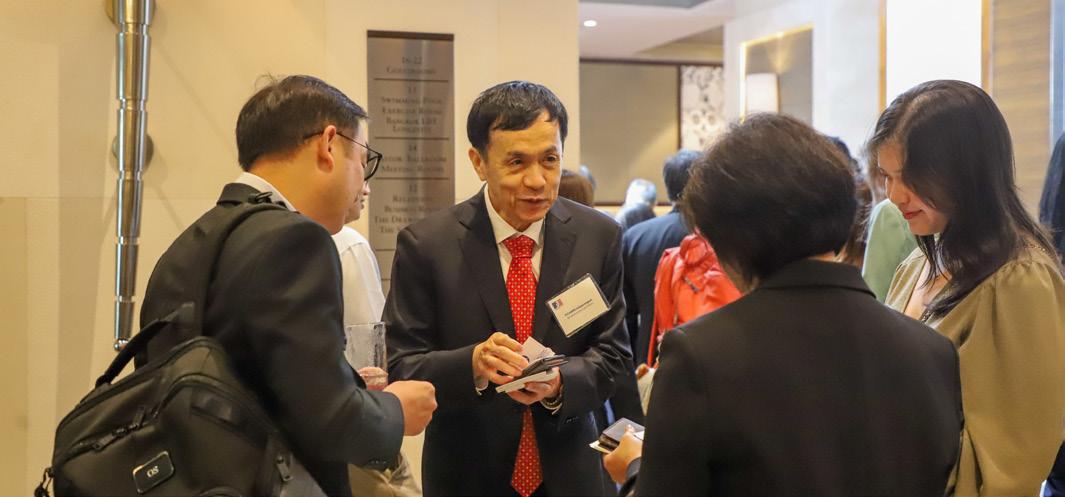
AMCHAM New Member Brew & Buzz – Jun 9
Event Highlights:
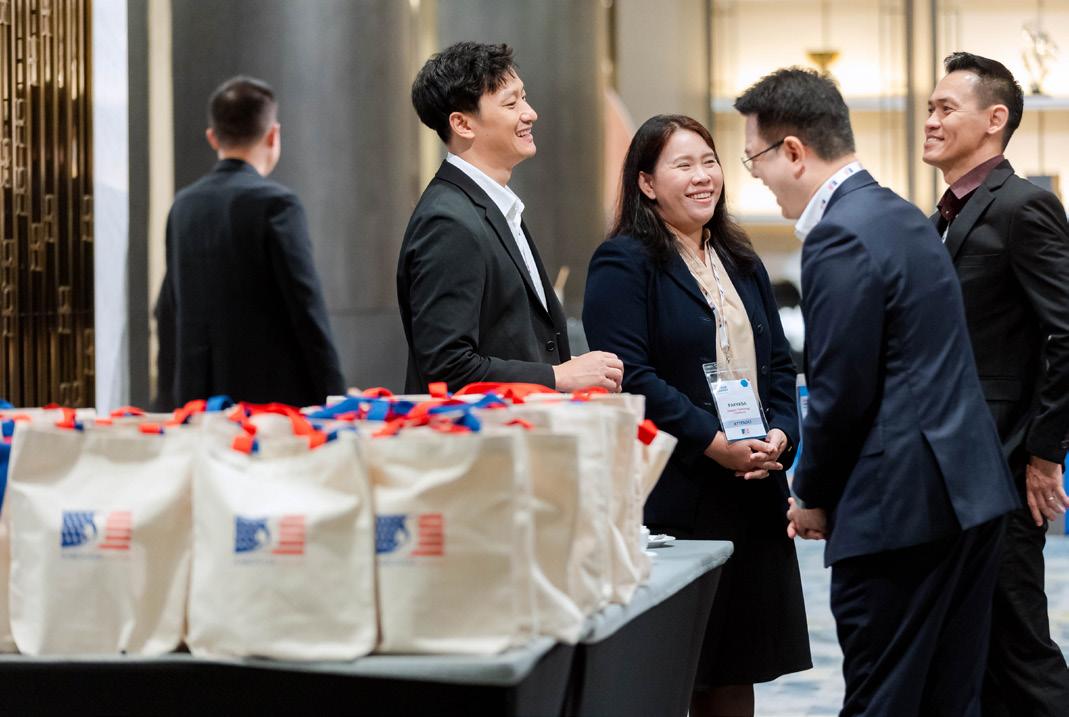
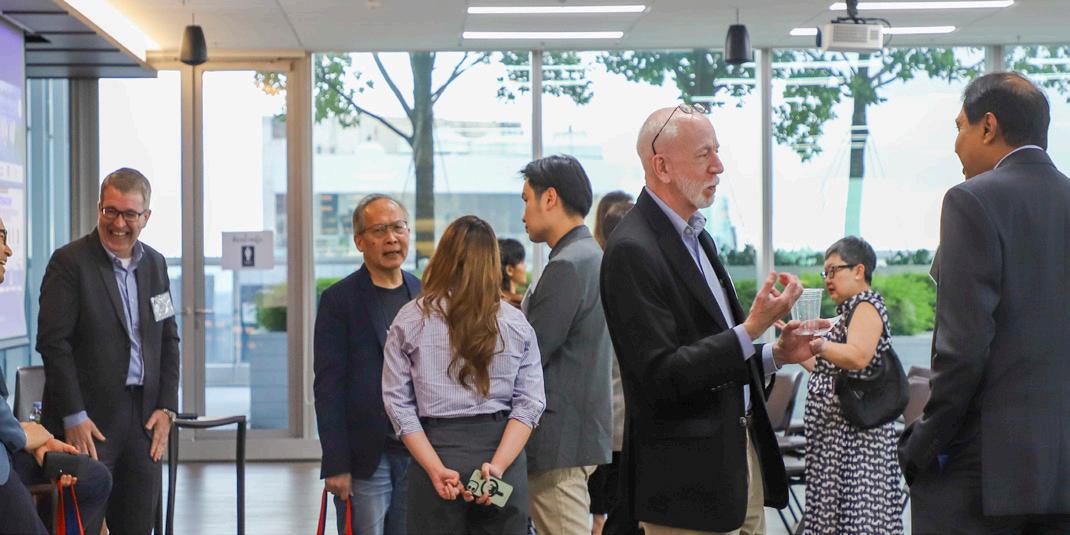
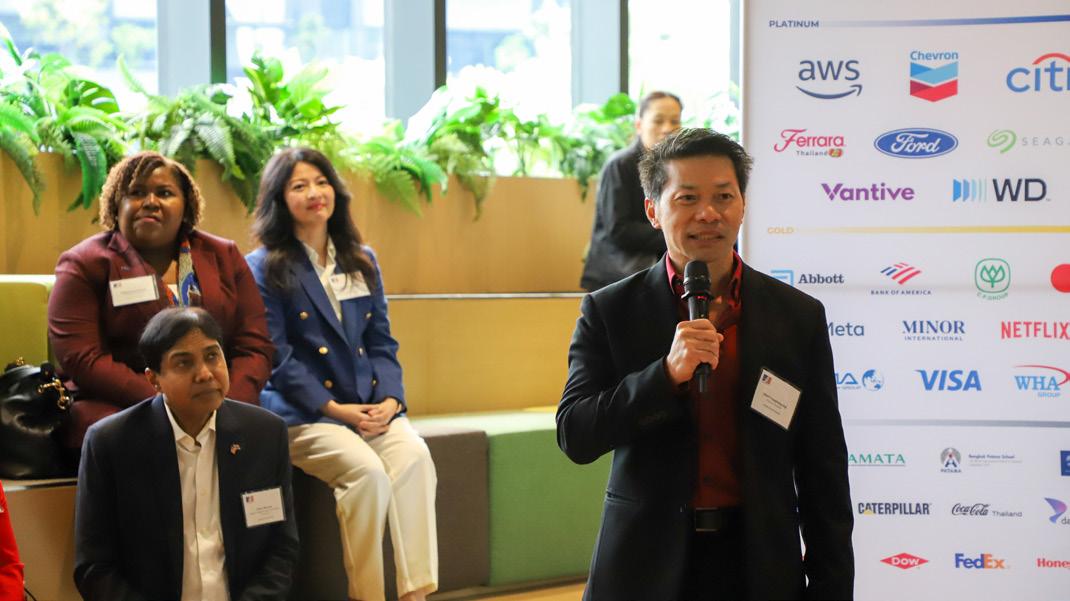
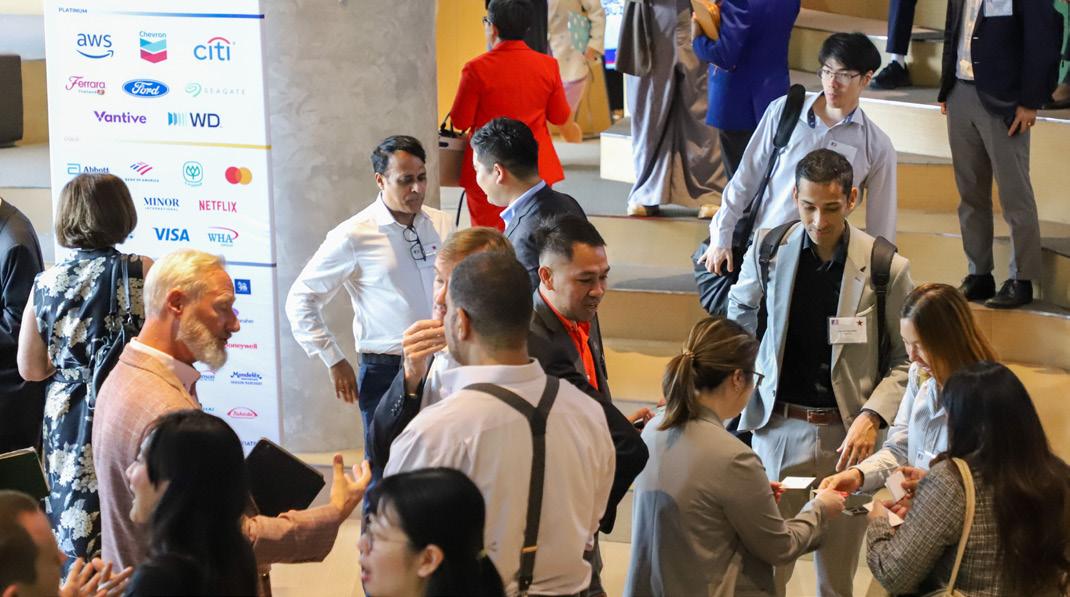
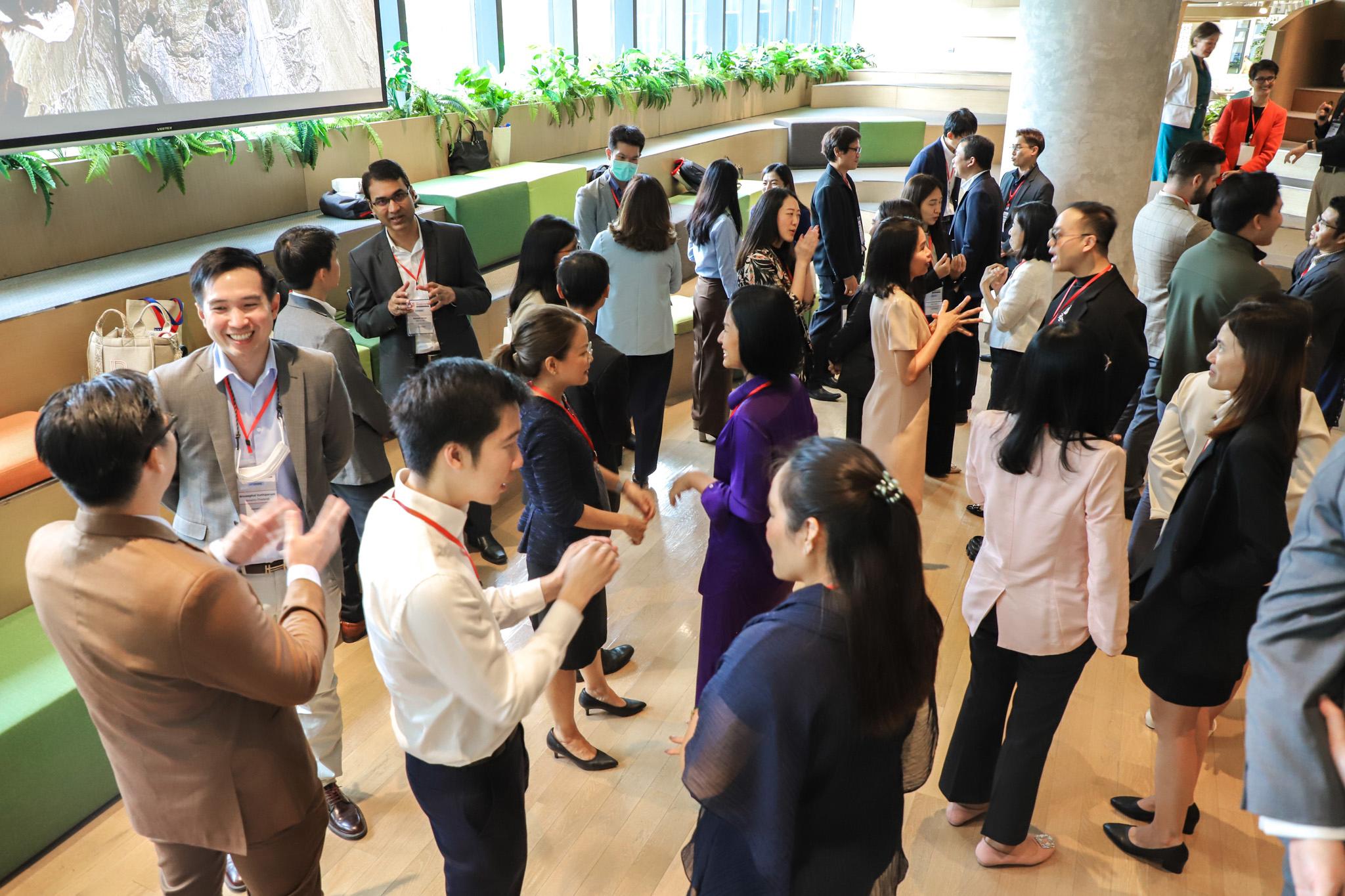
AMCHAM recently hosted a Brew & Buzz coffee morning to welcome new members in a warm and engaging setting. The event provided an excellent opportunity for attendees to connect with fellow professionals, expand their networks, and engage with business leaders from a diverse range of industries across Thailand. AMCHAM Council and Committee Co-Chairs were also present to welcome new members, introduce opportunities for involvement, and encourage participation in activities and committees aligned with their professional interests.
AMCHAM Signature Event
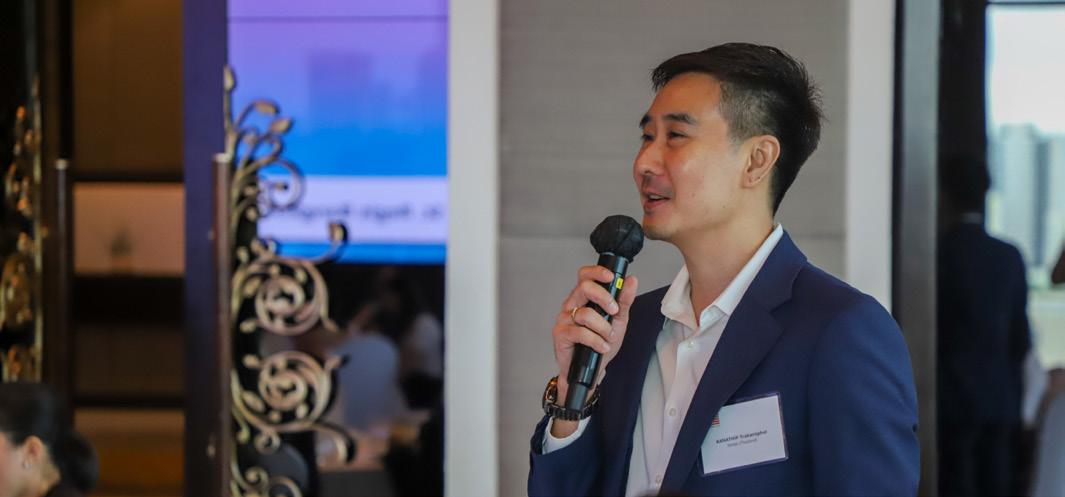
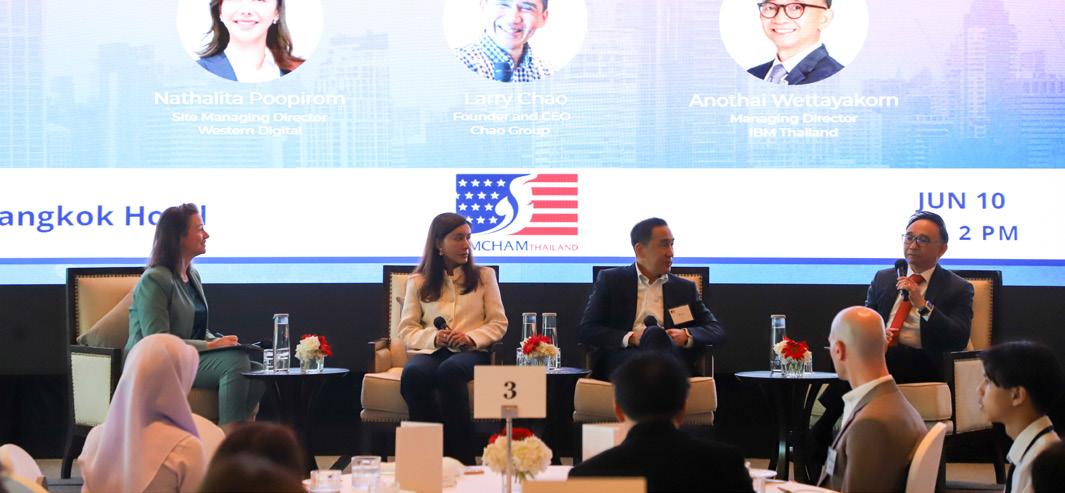
Member Luncheon - Leadership Across Industries: Shaping the Workforce of Tomorrow – Jun 10
Speakers: Larry Chao of Chao Group; Anothai Wettayakorn of IBM Thailand; and Nathalita Poopirom of Western Digital
Event Highlights:
At the AMCHAM Member Luncheon, speakers delivered an informative and practical discussion on leadership development, with a particular focus on AI adoption and transformation strategies. The session explored how organizations are leveraging AI to drive innovation, enhance productivity, and prepare their workforces for the future.
As part of the fourth day of the AMCHAM Thailand Foundation Career Camp, participating students also attended the luncheon and had the opportunity to share about their Career Camp experience with AMCHAM members.
During the session, speakers emphasized the importance of effective AI transformation strategies and the role of leaders in educating and mentoring younger generations on the responsible use of AI. Members also engaged in a question-and-answer session on becoming effective digital leaders. The event provided Career Camp students with a valuable opportunity to network with AMCHAM members.
EVENTS
Auto Council
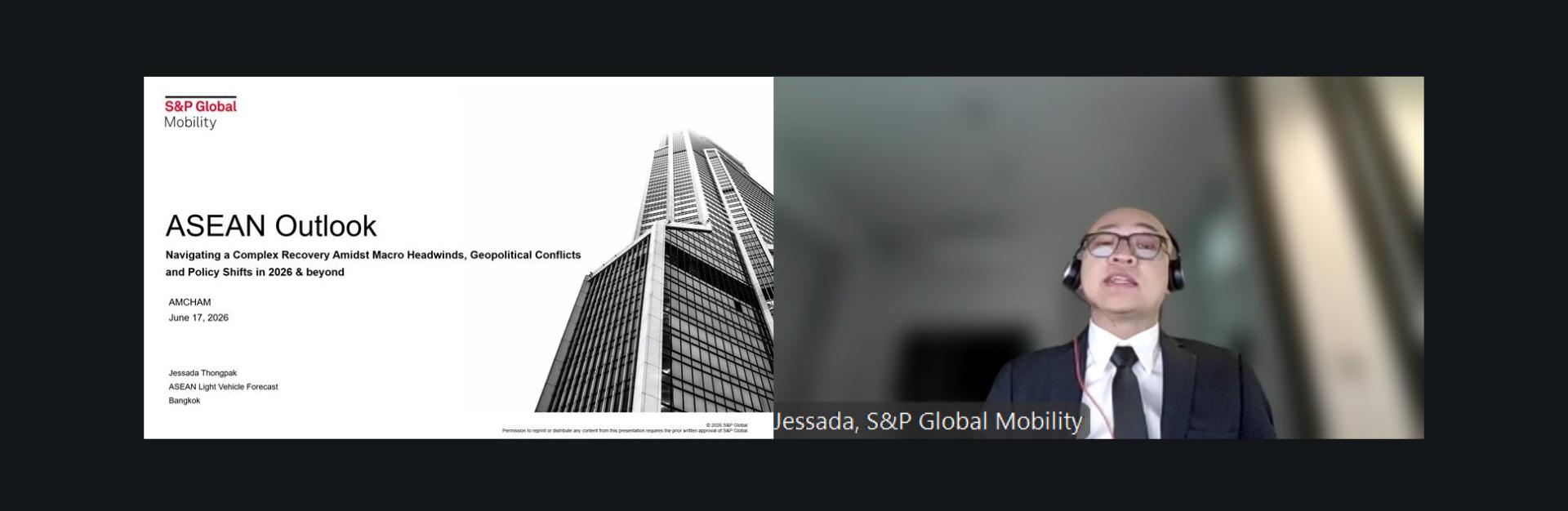
Thailand & ASEAN Automotive Market Update 2026 – Jun 17
Speakers: Jessada Thongpak of S&P Global Mobility
Organized by: Auto Council
Event Highlights:
The AMCHAM Auto Council hosted a webinar on the Thailand & ASEAN Automotive Market Update 2026. The session highlighted a key trend across ASEAN’s automotive markets amid geopolitical and supply chain disruptions. The speaker also discussed challenges and new opportunities in auto parts manufacturing, batteries, and raw material supply chains.
The event concluded with an engaging question-and-answer session, where participants learned about Thailand’s potential to remain the automotive hub of ASEAN.
FORD EVEREST PLATINUM
Including Ford Care Program
5-Year or 150,000 km
Factory Warranty (whichever comes first)
Engine
3.0L 250PS
Extend the Life of Your Returnable Glass Bottle Fleet
By Solenis
High Energy Prices? Extend Returnable Glass Bottle Life to Control Costs
Rising energy prices and ongoing glass supply constraints continue to put pressure on the beverage industry. In early 2026, brewers warned of potential bottle shortages and price increases as natural gas supply disruptions forced glass manufacturers to scale back or halt production, driving up the cost of glass bottles and other packaging materials.1
In this environment, improving the efficiency of returnable glass bottle systems has become essential. Rather than relying solely on new glass production, producers are increasingly focused on glass bottle lifecycle optimization by extending bottle reuse cycles, reducing premature bottle loss, and protecting existing assets to control costs and safeguard supply.
1 Brewers in India warn of shortages as Iran war hits glass bottle, can makers | Reuters
Extending the Returnable Glass Bottle Lifecycle to Reduce Costs and Risk
Every returnable glass bottle that is removed early from circulation increases replacement costs, energy consumption, and operational risk. When bottles fail to achieve their full lifecycle, producers face higher glass purchasing costs, greater exposure to supply volatility, and unnecessary environmental impact.
Extending glass bottle lifespan is therefore no longer just a sustainability goal, it is a critical cost control strategy. Protecting bottle appearance, durability, and structural integrity helps reduce bottle breakage, limit discard rates, and ensure bottles can complete the maximum number of reuse cycles while maintaining brand quality.
Protecting Glass Bottles for More Efficient Reuse Cycles
Returnable bottle systems deliver their full economic and environmental value only when bottles are effectively cleaned, protected, and reused over time. Damage such as corrosion, scuffing, and label wear can significantly reduce glass bottle durability, forcing bottles out of circulation long before their true lifespan.
This is where glass bottle cleaning and protection solutions play a central role. By combining effective cleaning with surface protection, beverage producers can improve returnable
bottle efficiency, extend reuse cycles, and reduce dependency on energy intensive new glass production.
BottleCare: A Returnable Glass Bottle Protection Solution
Diversey’s BottleCare program is a returnable glass bottle lifecycle optimization solution designed to help beverage producers extend bottle lifespan and reduce total cost of ownership — without major capital investment.
BottleCare combines advanced cleaning performance with targeted glass protection to keep bottles in circulation longer and improve return on investment across the entire bottle fleet.
• Divobrite® Defend provides powerful glass bottle cleaning while protecting surfaces from corrosion, scuffing, and label damage. It integrates seamlessly into existing bottlewashing operations, requiring no new equipment.
• DivoMask® applies a protective coating that restores bottle appearance and significantly extends reuse cycles. The cost of protection is typically less than 1% of the cost of replacing a bottle, making it a highly cost effective glass bottle protection solution.
Proven Results in High Cost Operating Environments
In a real world bottling case study, BottleCare delivered measurable improvements across key performance indicators:
• Up to 50% extension in glass bottle lifespan.
• Reduced bottle breakage and lower glass purchasing volumes.
• Decreased chemical usage and improved washing efficiency.
• Significant CO2 reductions by avoiding new glass production.
At today’s elevated energy and glass prices, extending bottle reuse cycles translates directly into lower operating costs, improved supply resilience, and stronger sustainability performance.
Staying Competitive with Smarter Bottle Lifecycle Strategies
As energy price volatility continues to shape the economics of glass production, beverage producers must focus on protecting and optimizing existing assets. Improving returnable glass bottle lifecycle performance is one of the most effective ways to reduce energy driven costs while maintaining brand quality and operational stability.
Diversey’s BottleCare program supports beverage producers with a proven approach to glass bottle cleaning and protection, helping extend bottle life, improve system efficiency, and strengthen circular economy performance.
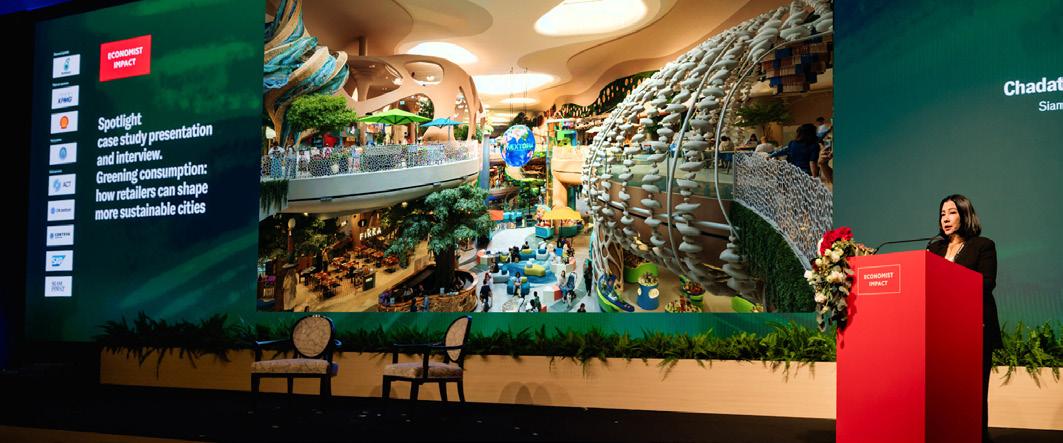
How Siam Piwat Is Redefining Retail with Sustainability at the Core
Reshaping the future of retail, Siam Piwat Group unveiled NEXTOPIA at Siam Paragon, a retail space designed to make eco-conscious living part of an immersive, everyday experience.
Speaking at The Economist Impact’s 5th Annual Sustainability Week Asia in Bangkok, chief executive officer Chadatip Chutrakul introduced the project, positioning it as more than a response to necessity but also a driver of business leadership and vision.
"Sustainability is no longer optional,” Chadatip said. “We must accelerate and make a bold move. Real, lasting impact is never created alone. It requires co-creation across industries, united by purpose, in a place that captures the world’s attention and inspires change for the greater good.”
Siam Piwat believes the future of retail is built on three interconnected pillars: co-creation with founders and partners; collaboration with tenants and communities; and engagement with customers, which involves strengthening relationships through trust, encouraging them to visit often and spend more time within the ecosystem. Together, these three pillars redefine retail as a platform shaped by shared purpose, creativity, and participation.
Healthi Life Launches Physician-Led Corporate Longevity Program in Bangkok
Healthi Life, the Ekkamai-based urban longevity house, has launched a Corporate Executive Longevity Program that brings physiciansupervised health management into the workplace.
The 12-month program is built for leadership teams across six medical pillars — metabolic energy, inflammation, hormonal balance, guthealth, environmental load, and cellular aging.
Each executive is assigned a physician, nurse, and concierge for the full year, with continuous biomarker monitoring, quarterly physician reports, and anonymized aggregate reporting for HR.
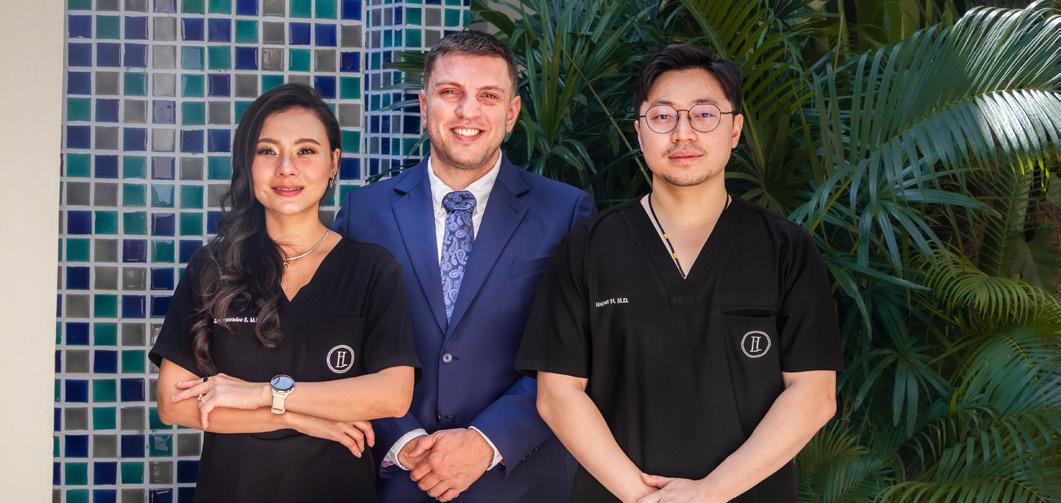
The program is led by Dr. Sarassawadee (Petch) Suwanjinda, Co-Founder and Chief Medical Strategy Officer, alongside Dr. Napat (First) Hunsajarupan, Co-Founder and Chief Medical Officer. Healthi Life opened in February 2025 and has since served more than 2,500 guests from over 50 nationalities.
An Individual Longevity Program is also available for executives and entrepreneurs seeking a personal three- to twelve-month protocol.
Both programs are designed for professionals who want long-term health management rather than a one-time check-up.
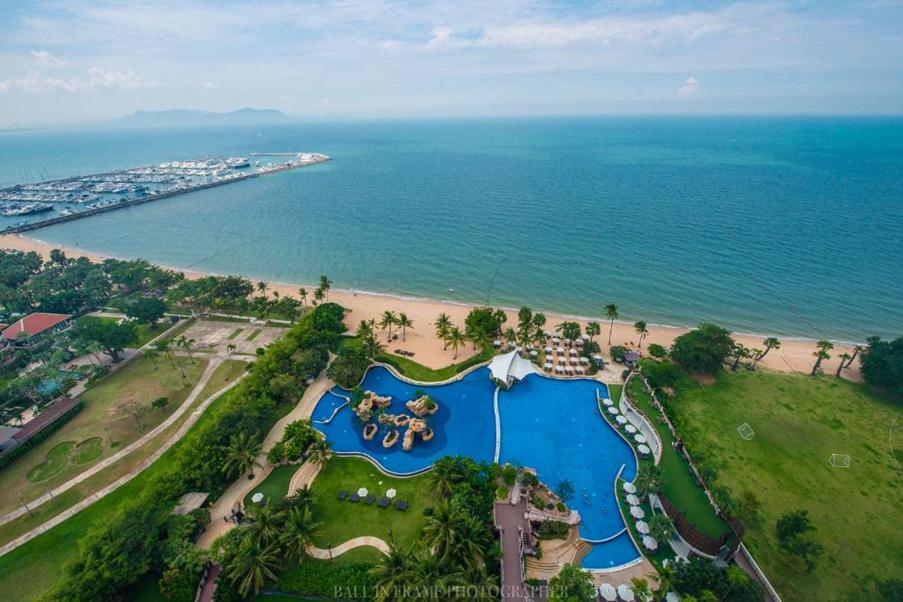
This June, Mövenpick BDMS Wellness Resort Bangkok marks its seventh anniversary. To honor the occasion, the resort has shaped its commemoration around seven pillars of celebration, including Keep Well, Sleep Well, Eat Well, Live Well, Feel Well, Celebrate Well, and Meet Well, one for every year, and every kind of moment worth savoring.
"Seven years ago, Mövenpick BDMS Bangkok opened with a humble vision: to elevate the wellness and wellbeing and invite guests to savor the good life," says Rubel Miah, General Manager. "I am very proud of what our team has built and deeply grateful to all our guests, neighbors, our owners, and our partners who have been part of our journey. This June, we celebrate not just seven years, but the thousands of moments, connections, and memories that have made them meaningful. Loyal patrons and new travelers alike are warmly invited to savor this milestone with us."
Over 70 Years of Bespoke Tailoring for Presidents,
Law Enforcement, and Expats
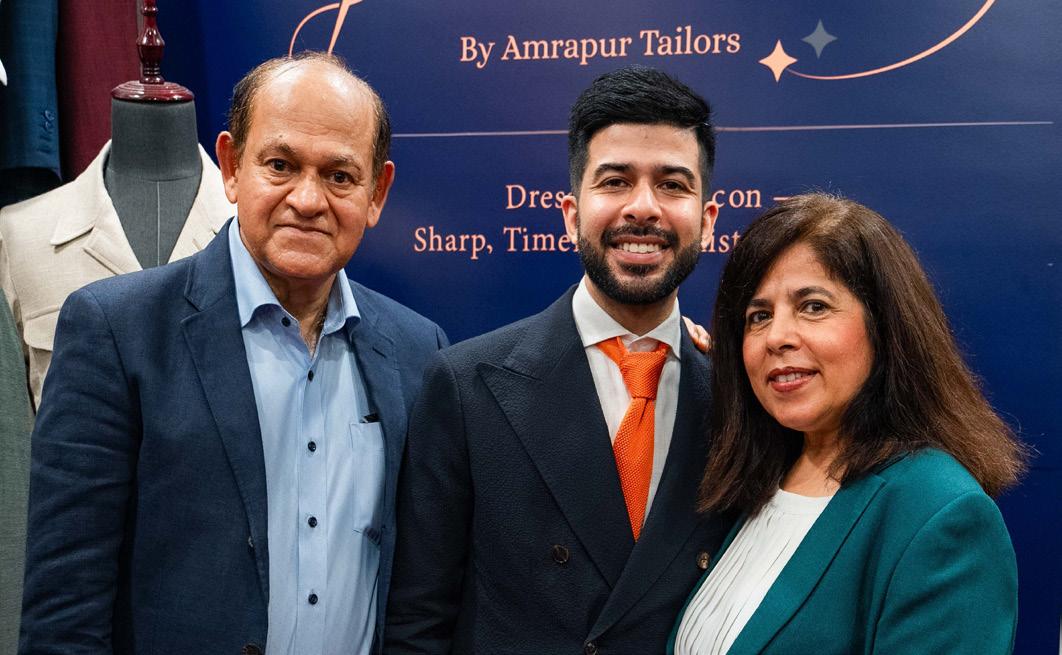
Amrapur Tailors has expanded its bespoke tailoring legacy with the opening of the second branch of The Sartor Studio, reinforcing the brand’s reputation for timeless craftsmanship and personalized luxury. Building on more than six decades of tailoring expertise, the new studio reflects the company’s continued evolution from
a trusted military tailor during the Vietnam War era into one of Bangkok’s respected bespoke houses. Amrapur Tailors has also maintained connections with the U.S. Embassy and AMCHAM over the decades.
The Sartor Studio offers a modern tailoring experience while preserving the meticulous hand-finished techniques that have defined Amrapur Tailors since the 1960s. The expansion also highlights the growing demand for bespoke menswear and womenswear in Bangkok’s contemporary fashion landscape. Located on Ratchadaphisek Road in Khlong Toei, the new branch combines heritage with accessibility. Through this second branch, The Sartor Studio continues Amrapur Tailors’ commitment to exceptional fit, craftsmanship, and elegance.
Untapped Talent: Rethink Disability Inclusion
Despite increasing awareness of diversity and inclusion, significant barriers still prevent people with disabilities from fully participating in the workforce. In Thailand, only around 8% are employed in the competitive labor market, despite laws requiring workplace inclusion, underscoring a gap between policy and practice.
As a visually impaired fourth-year political science and business development student, Kerati often relies on volunteer support to keep up in a system not designed for people like him. The employment gap is shaped not only by qualifications, but also stigma, limited inclusive workplace practices, and low employer confidence in workplace accommodations.
Kerati joined the Training of Trainers program on Employability Skills for Youth with Visual Impairment, organized by Save the Children Thailand and Dots Coffee, with
support from CapitaLand Hope Foundation and The Ascott Limited. The program builds employability skills while helping employers create more inclusive workplaces and connect youth with practical work opportunities.
Skills alone are not enough. Real change also requires businesses and society to become more inclusive. While programs like this equip young people with the tools to succeed, businesses play a critical role in creating environments where these skills can thrive.
Royal Orchid Sheraton Riverside Hotel Bangkok Named a Top Meeting Hotel in Asia Pacific
Royal Orchid Sheraton Riverside Hotel Bangkok has been named the #17 Top Meeting Hotel in Asia Pacific by Cvent. The Cvent Top Meeting Hotels list recognizes properties for their group event experiences, event planning collaboration, service, and tailored offerings. Rankings are based on sourcing and requestfor-proposal (RFP) activity through the Cvent Supplier Network, a venue-sourcing platform. This marks the second consecutive year that Royal Orchid Sheraton Riverside Hotel Bangkok has received this recognition.
"Being recognized as a Top Meeting Hotel in Asia Pacific by Cvent for the second consecutive year is a tremendous honor and a meaningful reflection
of our team's commitment to delivering exceptional meetings and events experiences," said Kristian Petersen, General Manager, Royal Orchid Sheraton Riverside Hotel Bangkok. "This recognition reinforces our position as one of Bangkok’s leading destinations for meetings and events, where panoramic river views, intuitive event spaces, and warm hospitality come together to create memorable experiences."
Commitment to Tomorrow: Investing in Thailand’s Next Generation of Global Talent
Every generation inherits the responsibility of preparing the next. For Thailand, that responsibility has never been more important. As industries evolve, technology reshapes the workforce, and global competition intensifies; educators, employers, and communities face a common challenge: helping young people navigate an increasingly interconnected world with confidence, purpose, and perspective.
The Association of Thai Students in the United States of America (ATSA) connects and empowers Thai students through educational, professional, and communitybuilding initiatives by providing students with resources, networks, and opportunities needed to succeed academically, professionally, and personally, while strengthening connections between Thailand and the global community.
AMCHAM THAILAND FOUNDATION (ATF)
ABOUT US
The ATSA Expo 2026 is a student-led university and career fair in Thailand that will bring together more than 60 universities and over 20 organizations from the United States, the United Kingdom, Canada, Thailand, Singapore, Japan, Hong Kong, and other countries.
The event will feature university showcases, career forums, networking sessions, exhibitions, roadshows, and workshops designed to help attendees make informed decisions about their educational and professional futures.
Education has always been a core value for AMCHAM Over the last two decades, The American Chamber of Commerce in Thailand Foundation has fundamentally transformed educational access and workforce development in Thailand
In 2004, AMCHAM formally registered the American Chamber of Commerce in Thailand Foundation (ATF) to carry out its charitable activities. The ATF is recognized by the Ministry of Finance as a Public Charitable Organization (number 632) and donations are deductible in Thailand.
AMCHAM FOUNDATION SCHOLARSHIP PROGRAM
Each year, ATF enables disadvantaged Thai university and vocational students to complete their higher education studies through targeted scholarships Our Community Projects Council k di l vocational colleges to identify hard-working and motivated students e AMCHAM member companies.
HOW YOU CAN SUPPORT THESE PROGRAMS
Sponsor a university scholarship
Provide speakers or goodie bag items for Orientation/Career Camps
Join a Community Projects Council meeting
For further information, contact foundation@amchamthailand com
Welcome New Members
CORPORATE MEMBERS
As part of a global beverage leader with a heritage spanning more than 600 years, they operate across over 50 countries and serve consumers in more than 100 markets worldwide. Guided by a purpose of creating a future with more cheers, they focus on innovation, sustainability, responsible consumption, and community engagement. Through collaboration and responsible growth, they strive to create lasting value for consumers, partners, employees, and the communities they serve.
A leading private healthcare provider in Thailand, they have delivered comprehensive, internationally accredited medical services since 1993. Their patient-centered approach emphasizes holistic care, preventive health, and overall well-being. Supported by advanced medical technology and a multidisciplinary team of specialists, they provide high-quality treatment for complex conditions.
Established in 2005, they have become a popular destination for authentic New York-style pizza in Bangkok. Combining traditional techniques with creative flavors, they serve wood-fired, handcrafted pizzas made from premium ingredients, including imported Italian meats and cheeses. Committed to quality and value, they offer a memorable dining experience through dine-in, takeout, and delivery services.
June-July 2026
Founded in 2006, they are a precision manufacturing solutions provider specializing in custom-built, multi-layered components for diverse industries. Leveraging advanced technology, in-house tooling capabilities, and a vertically integrated production process, they deliver efficient and responsive solutions from concept to full-scale manufacturing. They maintain rigorous quality controls and cleanroom environments to produce high-performance components that meet demanding technical and regulatory requirements.
Founded in 1984, they are a nonprofit organization dedicated to sharing ideas that inspire learning, dialogue, and positive change. Through conferences, TEDx events, TED Talks, educational content, podcasts, and global partnerships, they reach billions of people worldwide. Committed to curiosity, knowledge, and open exchange, they bring together diverse voices and perspectives to spark action, empower communities, and demonstrate the transformative power of ideas.
Located at One Bangkok, they offer an authentic New York-style steakhouse experience renowned for exceptional quality and service. Founded by a restaurateur with decades of industry expertise, they specialize in USDA Prime Black Angus beef, dry-aged on-site and expertly prepared to enhance flavor and tenderness. Complemented by premium seafood, signature side dishes, and a refined dining atmosphere, they deliver a memorable culinary experience that combines classic New York tradition with Bangkok’s vibrant dining scene.
B u y 4 S h i r t s
E x c l u s i v e 1 5 % d i s c o u n t
f r o m S T A R L U X A i r l i n e s
S H o t e l s & R e s o r t s T h a i l a n d R e s i d e n t s R a t e S p e c i a l
G e t 1 C o m p l i m e n t a r y S h i r t J o i n u s !
f o r M e m b e r - T o - M e m b e r
O f f e r s , a g r e a t o p p o r t u n i t y
t o a m p l i f y y o u r b r a n d v i s i b i l i t y .
M e m b e r s m u s t p r e s e n t A M C H A M m e m b e r c a r d t o r e c e i v e
p r o m o t i o n s o r d i s c o u n t s . I f y o u h a v e n o t r e c e i v e d y o u r
m e m b e r c a r d , p l e a s e c o n t a c t t h e A M C H A M o f f i c e .
F o r m o r e i n f o r m a t i o n p l e a s e v i s i t w w w . a m c h a m t h a i l a n d . c o m .