












AMCHAM’S 70TH ANNIVERSARY GALA RAISES OVER 1.1 MILLION BAHT FOR ATF
THAILAND’S ADVERTISING GUIDELINES TARGETING AI-GENERATED CONTENT HOW AGENTIC AI IS RESHAPING THE BUILT ENVIRONMENT A PRIMER ON AGENTIC AI IN THE ENTERPRISE










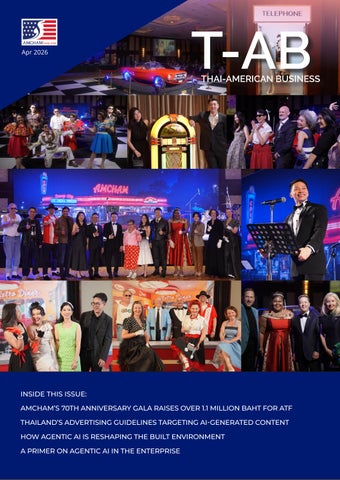
AMCHAM’S 70TH ANNIVERSARY GALA RAISES OVER 1.1 MILLION BAHT FOR ATF
THAILAND’S ADVERTISING GUIDELINES TARGETING AI-GENERATED CONTENT HOW AGENTIC AI IS RESHAPING THE BUILT ENVIRONMENT A PRIMER ON AGENTIC AI IN THE ENTERPRISE
Enterprise-grade HDD solutions ready for AI workloads from hyperscale data centers to edge deployments.

with
The Rise of Expense Management Systems: Driving Efficiency and Growth in Asia Pacific Freedom 250: Showcasing American Leadership and Partnerships
Pongsiri (Win) Poorintanachote - Managing Partner at Vero Advocacy Student Story - Praninut (Guy) Champaprida AMCHAM’s 70th Anniversary Gala Raises Over 1.1 Million Baht for AMCHAM Scholarship Program
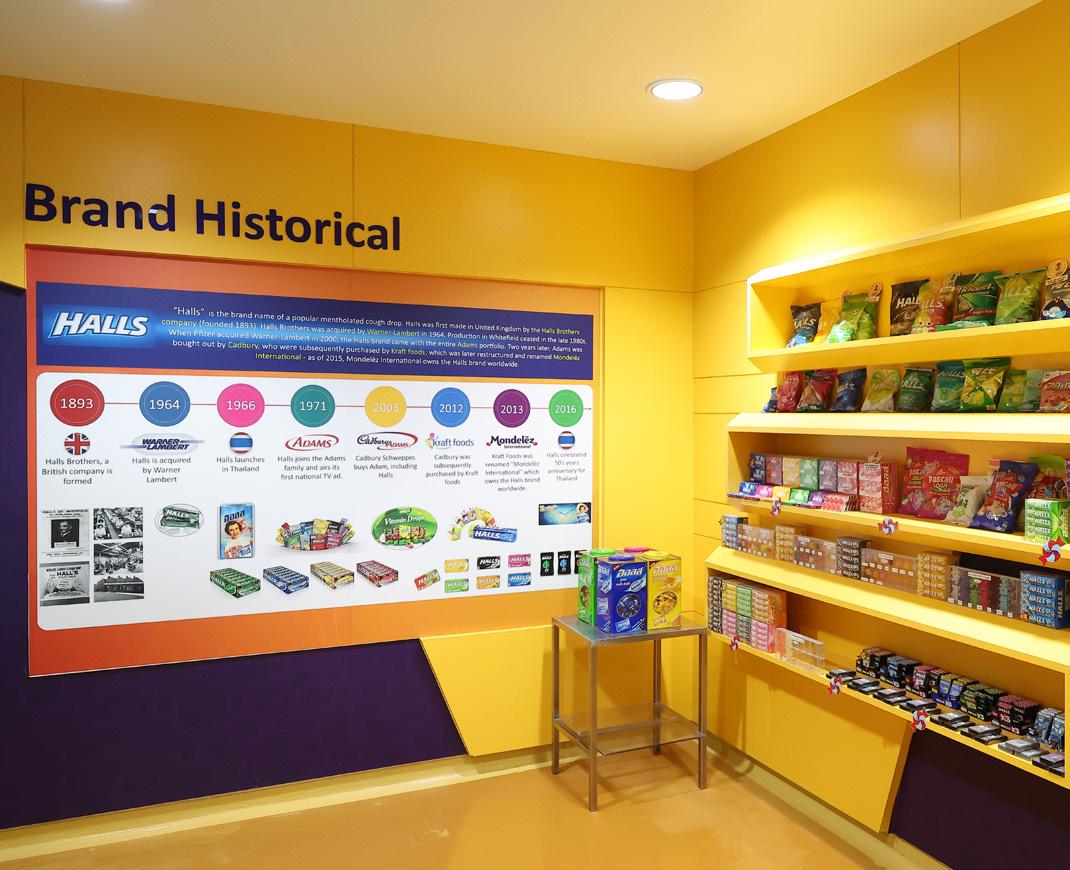
The Future of Snacking: Innovation, Culture, and Industry Transformation
Leading in a Skills-Based EconomyMastering Personal Leadership and Service Excellence
Healthy Longevity Thailand in Action and Way Forward
TurbineAero Factory Tour
Thailand’s Ministry of Commerce Steps Up AI-Driven Audit of U.S.-Bound Exports
Thailand’s Advertising Guidelines Targeting AI-Generated Content
Flood Rehabilitation at Hat Yai
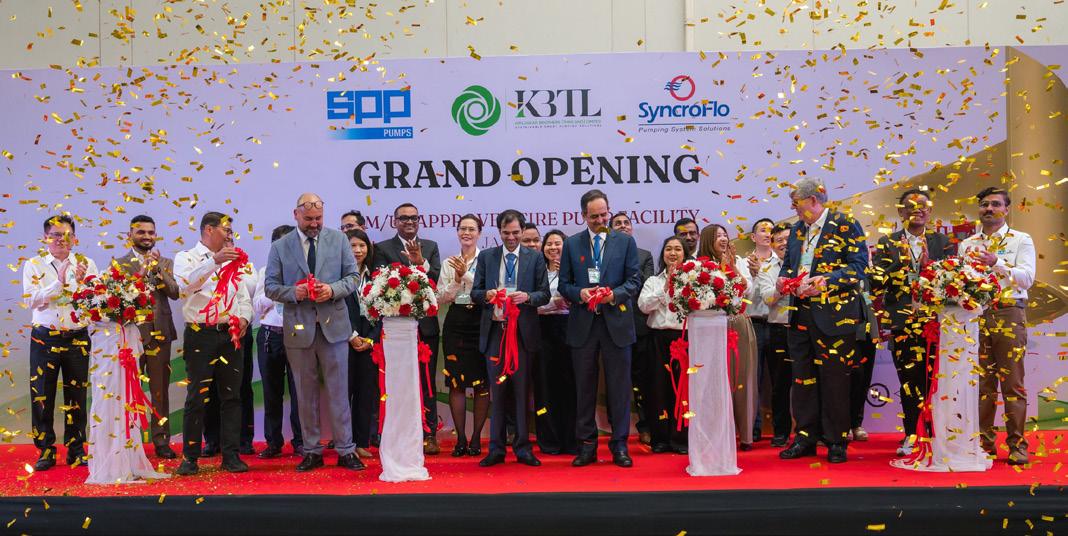
Kirloskar Brothers Opens Southeast Asia’s First and Only Fm/UL Approved Fire Pump Manufacturing Facility
INSEE Ecocycle Showcases “Zero Waste Starts at Home” at SITE 2026
Welcome New Members AMCHAM Affinity Program



AMCHAM BOARD OF GOVERNORS 2026
PRESIDENT
Chatit Huayhongtong, Chevron
VICE PRESIDENTS
Sondra Sutton Phung, Ford Motor Company
Raymond Deidrick, Ingredion Incorporated
Norachet Saetang, Seagate Technology
Philip Bernard, Western Digital
TREASURER
Winnie Wong, Mastercard
SECRETARY
Ririnda Tangtatswas, Betagro Group
GOVERNORS
Wiyada Srinaganand, 3M Thailand
Narumon Chivangkur, Citibank
Sasathorn Phaspinyo, FedEx Thailand
Anothai Wettayakorn, IBM Thailand
Charles Blocker, IC Partners
Asama (Prae) Dumrongmongcolgul, Meta
Idara Huang, Mondelez International Mark Kuo, Pfizer Thailand
EXECUTIVE DIRECTOR
Heidi Gallant
T-AB Magazine is a publication by The
101 True Digital Park, Griffin Building, Level 12A, Unit No.12A-06, Sukhumvit Road, Bangchak, Phra Khanong, Bangkok 10260 Tel: +66 (0)2 119 3350 www.amchamthailand.com
Editorial Advisory Board: Heidi Gallant
Editors: Varsha Wadhwani Phenphitchaya Chapanon
Any opinions expressed in articles in this magazine do not necessarily reflect the views of the Chamber.
T-AB Magazine welcomes contributions from AMCHAM members. Articles may be reproduced with acknowledgement, except those taken from other sources.
Dear Members,
I hope you had a restful Songkran holiday and are returning recharged for the months ahead. April is always a meaningful reset— an opportunity to reconnect after

time with family and friends, and to refocus on the work we do together to strengthen the U.S.–Thailand business community.
I also want to extend my sincere thanks to everyone who supported our March Governor’s Gala. Thanks to your generosity—our sponsors, donors, and attendees—the evening was a wonderful success and an important step forward for our fundraising goals. Your support directly enables AMCHAM to increase the number of students receiving scholarships in 2026.
As we look into May, I encourage you to mark your calendars and join us for some important events including a full day of activities on the Eastern Economic Corridor (EEC) on May 15, a fireside chat with Dr. Thitinan on political and economic developments for Thailand on May 27, and an Auto Council discussion on the future of the industry on May 28—these events are where relationships deepen, ideas move from discussion to action, and members find practical ways to collaborate.
Thank you for your continued support, and I hope you enjoy the April edition of T-AB magazine.

Sincerely,
Heidi Gallant Executive Director











































By Randy McGraw, Sertis

Agentic AI represents the next major inflection point in enterprise automation: systems that do not merely respond to prompts, but autonomously pursue goals, orchestrate tools, and adapt to changing conditions. Unlike traditional workflow automation systems, Enterprise Resource Planning (ERP) systems or even advanced predictive models, Agentic AI introduces decision making loops, memory, and multistep planning that allow enterprises to reimagine entire processes rather than incrementally optimize them. Its promise is substantial material productivity gains, new service models, and accelerated innovation but only when implemented with rigor, architectural discipline, and a clear understanding of its operational realities.
The first challenge is conceptual clarity. Many organizations underestimate the complexity of deploying autonomous agents into production environments. Agents can hallucinate steps, over-optimize for the wrong objective, or trigger
cascading errors when interacting with Application Programming Interface (APIs), Robotic Process Automation (RPA) bots, or legacy systems. They require guardrails, observability, and deterministic fallback paths. Enterprises must treat Agentic AI not as a “smart assistant” but as a distributed software system with probabilistic behavior. That shift in mindset is essential to avoiding the common pitfalls: brittle prototypes that fail in real-world conditions, runaway cloud costs, and governance gaps that stall executive approval.


Successful implementations begin with a cross functional team anchored by a strong AI champion - someone who understands both the business process and the technical constraints. Agentic AI is not a technology-first exercise; it is a process reengineering effort. Business leaders must articulate the target outcomes, decision boundaries, and acceptable risk envelope. Technology teams must map system dependencies, data availability, and integration points. Operations must define escalation paths and humanintheloop checkpoints. Without this alignment, enterprises end up with proofs of concept that impress in demos but cannot be operationalized.
Hyperscalers, consultants, and vendors each play distinct roles in this ecosystem. Hyperscalers provide the foundational models, orchestration frameworks, vector databases, and monitoring tools that make Agentic AI feasible at scale. Consultants help translate business ambition into executable architectures, ensuring that governance, security, and Return of Investment (ROI) modeling are embedded from the start. Vendors particularly those offering agent platforms or verticalized solutions can accelerate time to value but must be evaluated carefully for maturity, extensibility, and lock in risk. Enterprises should assess partners on four dimensions: model flexibility, integration depth, transparency of cost drivers, and their ability to support production grade reliability.
ROI calculation for Agentic AI requires a more nuanced approach than traditional automation. Benefits accrue not only from labor substitution but from cycle time compression, error rate reduction, and the creation of entirely new
capabilities. Costs extend beyond model inference to include orchestration layers, monitoring, retraining, and human oversight. The most successful organizations build ROI models that incorporate scenario ranges, sensitivity analysis, and clear Key Performance Indicators (KPIs) tied to business outcomes rather than model performance metrics. This is essential for securing executive greenlights and sustaining investment through the pilot-to-production transition.

A disciplined implementation roadmap is the difference between a promising Proof of Concept (POC) and a scalable production deployment. Enterprises should begin with a tightly scoped use case where the agent’s goals, tools, and constraints can be clearly defined. They should instrument the agent from day one capturing decisions, tool calls, failure modes, and human interventions. They should establish a dual track governance model: one for experimentation and one for production hardening. They should treat the POC not as a demo but as a data gathering exercise to validate assumptions about reliability, cost, and user adoption.
Consider a two-stage case: a global insurer seeking to automate claims triage and a regional logistics provider aiming to optimize last mile routing. For the insurer, the agent’s remit was to ingest claim documents, call external fraud scoring APIs, and recommend a disposition while flagging high-risk cases for human review. The team defined strict decision boundaries, instrumented every API call, and implemented a “confidence threshold” that routed uncertain cases to underwriters. The POC measured not only accuracy but time-to-decision, false positive rates, and the human review burden. Early lessons included the need for synthetic data augmentation to cover rare fraud patterns and a throttling policy to avoid API cost spikes during peak claim volumes.
The logistics example highlights integration and operationalization challenges. The agent needed live telemetry from vehicles, dynamic pricing feeds, and warehouse slotting systems. The cross functional team built a lightweight orchestration layer that allowed the agent to propose route changes while human dispatchers retained final approval for high impact deviations. ROI modeling captured fuel savings, on time delivery improvements, and reduced driver idle time; sensitivity analysis showed the project’s viability only when the agent achieved a modest improvement in route consolidation. Both cases underscore a recurring truth: success depends on precise problem framing, measurable KPIs, robust integration, and a governance model that balances autonomy with human oversight.
A simple checklist to help maintain clarity across the AI deployment lifecycle:
• define the business objective in detail;
• map the process and decision boundaries in extraordinary detail and look at it cross functionally;
• identify required tools and integrations;
• select partners based on transparency and extensibility;
• build observability and guardrails early;
• model ROI with sensitivity ranges;
• run a proper and non-brittle POC that measures real-world performance; and
• establish a production governance framework before scaling.
Agentic AI is transformative, but only for enterprises that approach it with the same discipline they apply to any mission critical system. The organizations that succeed will be those that combine ambition with operational rigor and that recognize that autonomy, like any powerful capability, demands thoughtful design from the very beginning.

Randy McGraw is Chief Commercial Officer at Sertis. With over 20 years in strategy and partnerships, he helps enterprises turn AI into commercial advantage and driving measurable growth globally.




















From platforms that screen over half of the world’s blood supply, to wearable sensors that track glucose levels without blood, life-changing technology from Abbott helps people live healthier, fuller lives.





















By Sarinrath Kamolratanapiboon, dwp. Thailand

The buildings we design today will shape how people live, work, and interact for decades to come. Yet the way those buildings are conceived is evolving faster than at any point in the history of the profession. Artificial intelligence is beginning to transform how architects and designers imagine, test, and deliver spaces, introducing a new era where creativity is supported by data and design decisions can be informed by powerful predictive technologies.
In 2026, much of the technology conversation has shifted toward what many experts are calling “Agentic AI”, artificial intelligence systems that can act autonomously, make decisions, and adapt in real time. Unlike earlier AI tools that primarily analyzed information, agentic systems can continuously monitor conditions, learn from data, and initiate actions without constant human input.
For the built environment, this represents a significant shift. Buildings are no longer static structures; they are becoming intelligent systems capable of responding to their users and surroundings.
Globally, AI adoption continues to accelerate. According to McKinsey, more than 88% of organizations now report using AI in at least one business function, more than double the number from just a few years ago. Meanwhile, PwC estimates that AI could contribute up to 15.7 trillion U.S. dollars to the global economy by 2030, with a significant impact expected across sectors including construction, real estate, and urban development.
Within the design industry, artificial intelligence is beginning to influence the entire project lifecycle,
from early concept development through to building operations and long-term performance.

One of the most visible shifts is taking place during the early creative phase of design. Generative design tools now allow architects and designers to explore thousands of potential spatial configurations in minutes, analyzing factors such as daylight access, airflow, energy performance, and structural constraints.
Instead of producing a single design proposal, designers can evaluate multiple possibilities simultaneously. AI systems process large data sets, including climate conditions, site constraints, and human behavior patterns, to generate optimized design options.
In this environment, the designer’s role evolves from producing individual solutions to guiding and refining a broader spectrum of possibilities. Human creativity remains essential, but it is supported by computational intelligence capable of rapidly testing and validating ideas.
By reducing time spent on repetitive analytical tasks, AI enables designers to focus more deeply on the experiential qualities of space, how environments support collaboration, wellbeing, and human interaction.
Artificial intelligence is also reshaping how buildings operate once they are completed. The growth of smart building systems and connected sensors allows vast amounts of information to be collected about how spaces are used.
With the emergence of agentic AI, buildings are beginning to move beyond passive automation toward active intelligence. Rather than simply responding to pre-programmed settings, systems can now continuously analyze data and make decisions in real time.
Lighting can adjust according to circadian rhythms, daylight conditions, and occupancy patterns. Climate systems can dynamically adapt to weather changes and indoor activity levels. Predictive maintenance technologies can detect early signs of equipment failure and trigger preventative action.
Research from the International Energy Agency (IEA) suggests that smart building technologies supported by AI could reduce energy consumption in commercial buildings by 10–20 percent. In rapidly growing cities across Asia, these efficiencies will play an important role in meeting sustainability goals while managing increasing energy demand.
The result is a shift from “smart buildings” to intelligent environments, spaces that learn from human behavior and continuously adapt to improve comfort, efficiency, and wellbeing.

Despite the rapid pace of technological advancement, the future of design remains fundamentally human-centered. Buildings and spaces exist to support people; their work, health, learning, and daily lives.
One emerging focus within the industry is neuro-inclusive design, which considers the diverse cognitive and sensory needs of building users. Artificial intelligence can assist designers in modeling acoustic environments, lighting conditions, and spatial navigation patterns to create more inclusive spaces.
Similarly, AI can help evaluate accessibility and usability earlier in the design process, allowing designers to identify potential barriers and create environments that accommodate a wider range of physical and sensory needs.

As artificial intelligence becomes more integrated into the design process, the skillset of architects and designers is evolving. In addition to traditional design capabilities, professionals increasingly benefit from understanding data analysis, digital tools, and interdisciplinary collaboration.
However, the fundamental strengths of the profession remain unchanged. Empathy, critical thinking, cultural awareness, and the ability to translate human needs into meaningful spaces cannot be automated.
AI should therefore be viewed not as a replacement for designers, but as an extension of their capabilities. Much like the introduction of computer-aided design or 3D modeling in previous decades, AI represents the next step in the evolution of the profession.
Artificial intelligence is still in the early stages of shaping the built environment, yet its potential is already becoming clear. From accelerating concept development to improving sustainability performance and enabling adaptive buildings, AI offers powerful tools for addressing the complex challenges facing modern cities.
As urban populations continue to grow and environmental pressures intensify, the ability to combine human creativity with intelligent systems will become increasingly valuable.
The most successful environments of the future will not simply be designed—they will continuously learn, respond, and evolve alongside the people who inhabit them.
Images used are AI-generated.

Sarinrath Kamolratanapiboon is CEO of the Thailand studio of dwp., an international architecture and design practice. She focuses on design leadership, innovation, and integrating emerging technologies into the built environment.


We’re Danaher - a leading global life sciences and diagnostics innovator, committed to accelerating the power of science and technology to improve human health.







By Visa Asia Pacific

Demand for corporate Expense Management Systems (EMS) is surging among dynamic midmarket and large corporations, especially in highgrowth markets across the Asia Pacific region. As business expenditure and travel rebound to prepandemic levels, CFOs are prioritizing efficiency and modernization to unlock future growth. Recent research highlights that ASEAN economies are set to expand faster than North America, with an average growth rate of 4.6% CAGR projected for the region through 2030.1
EMS platforms are gaining traction globally, with Fortune Business Insights2 forecasting the global EMS market to more than double from 7.64 billion U.S. dollars in 2024 to 16.48 billion U.S. dollars by 2032—a robust 10.1% CAGR. Notably, Asia is expected to outpace the global average, with a forecasted CAGR of 14.1%. While North America will remain the largest EMS market, Asia’s rapid adoption signals a shift in how companies are leveraging technology to drive business growth.3
1 HSBC, August 2024: “The Next Level: How SouthEast Asia Is Moving Up the Value Chain.” https://www. business.hsbc.com/en-gb/insights/growing-my-business/thenext-level-how-southeast-asia-is-moving-up-the-value-chain
2 Fortune Business Insights, February 2025: “The Global Expense Management Market”: The Global Expense Management Market
3 ProStrategic Market Insights, February 2025: “EMS Market Regional Size and Share Analysis”: EMS Market Regional Size and Share Analysis
A recent Visa research4 revealed strong EMS adoption among large corporates (77-96%), compared to 24-50% among mid-market firms, indicating significant growth potential in the latter segment. The most valued EMS features include expense tracking and reporting, integration with existing finance systems, and streamlined employee reimbursement processes. Large companies are more likely to pursue integration with accounting systems (91%) than mid-market firms (65%).
4 The research is based on a quantitative survey of 503 large corporates and mid-market firms, and qualitative in-depth interviews among 71 large corporates and midmarket firms in Indonesia, Malaysia, Singapore, Thailand, and the Philippines. For the purposes of this research, midmarket firms are defined as those with 100-200 employees, while large corporates have more than 200 employees.
Other notable findings include:
• 52% of companies value access to mobile EMS apps, while 76% appreciate administrative online portals.
• Fraud detection and compliance features are highly prized, supporting system security and protecting against misuse and external threats.
• On average, EMS implementation delivers a 12-day improvement in reimbursement speed and saves 4 U.S. dollars per processed expense report.
• Annualized efficiency gains average 28,000 U.S. dollars per finance employee, with total gains of 75,000 U.S. dollars and an ROI of 16 times the average subscription cost.
• Enhanced reporting and risk capabilities improve compliance, fraud controls, and user experience, especially in Asia Pacific’s fastgrowing markets.
The popularity of app-based EMS comes as no surprise given the high penetration of enterprise apps in the Asia Pacific region: a study by IDC projects that half of Asia’s medium-sized businesses will use enterprise apps to streamline marketing and sales by Q4 2026.5
5 IDC, 29 January 2024: “Half of Asia/Pacific MediumSized Businesses to Adopt GenAI Apps For Enhanced Marketing and Sales Automation” https://my.idc.com/ getdoc.jsp?containerId=prAP51823124
The adoption of EMS platforms is driven by several core features:
• Expense Tracking and Accounts Integration: Automated tracking and integration with accounting systems are essential for financial efficiency. Large corporates (91%) and midmarket firms (65%) prioritize these capabilities to optimize expense management.
• Fraud Detection and Compliance: Advanced fraud detection and compliance tools are critical for safeguarding company assets and ensuring regulatory adherence. These features help prevent misuse of corporate cards and mitigate external threats.
• Employee Reimbursement: Streamlining employee reimbursement through EMS platforms removes manual bottlenecks, especially for frequent travelers. Implementing corporate card programs further enhances efficiency.
• Mobile Apps and Online Portals: Mobile EMS apps and online portals are highly valued for their convenience and accessibility, supporting employees on the go and enabling real-time expense management.
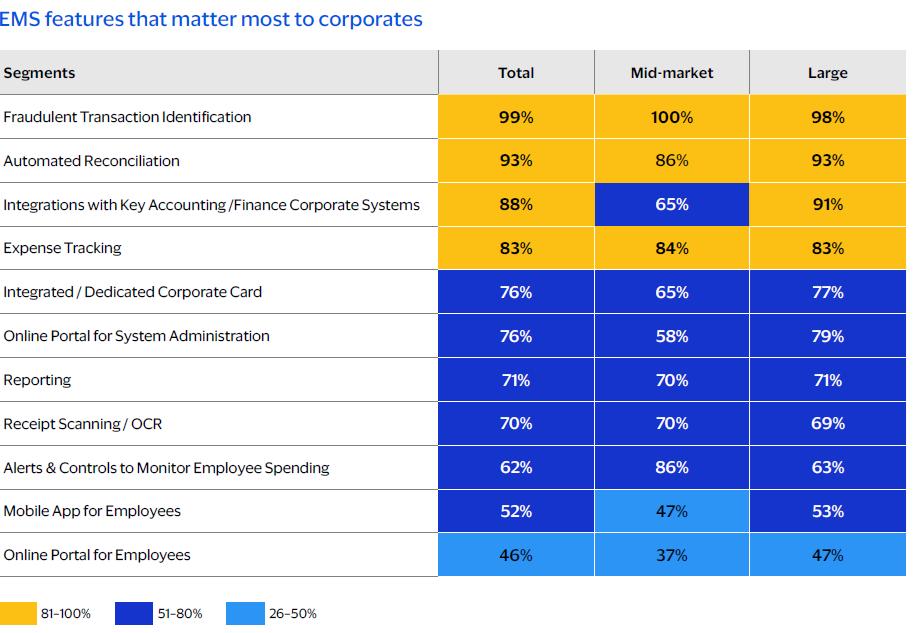
Implementing an EMS solution delivers farreaching benefits beyond process streamlining. Organizations report significant improvements in operational, human resources, and financial efficiency. On average, 92% of surveyed companies experienced notable gains post-EMS adoption, including faster reimbursements, reduced administrative workload, and greater focus on strategic tasks.
EMS platforms deliver an average ROI of 16 times the subscription cost, with annual savings reaching hundreds of thousands of dollars for some firms. For example, a Malaysian consumer goods company achieved annual savings of over 180,000 U.S. dollars, while a Singaporean industrial products company saved nearly 190,000 U.S. dollars by automating expense processing.
Ultimately, EMS adoption empowers companies to drive growth, improve compliance, and support long-term business success in an increasingly competitive global market.
As the global business landscape evolves, EMS are becoming indispensable tools for organizations seeking efficiency, transparency, and strategic advantage. With Asia Pacific leading the way in adoption and innovation, EMS platforms are set to play a pivotal role in shaping the future of corporate finance and operations worldwide.
Source: Visa Asia Pacific Expense Management White Paper (2025).
By U.S. Embassy Bangkok
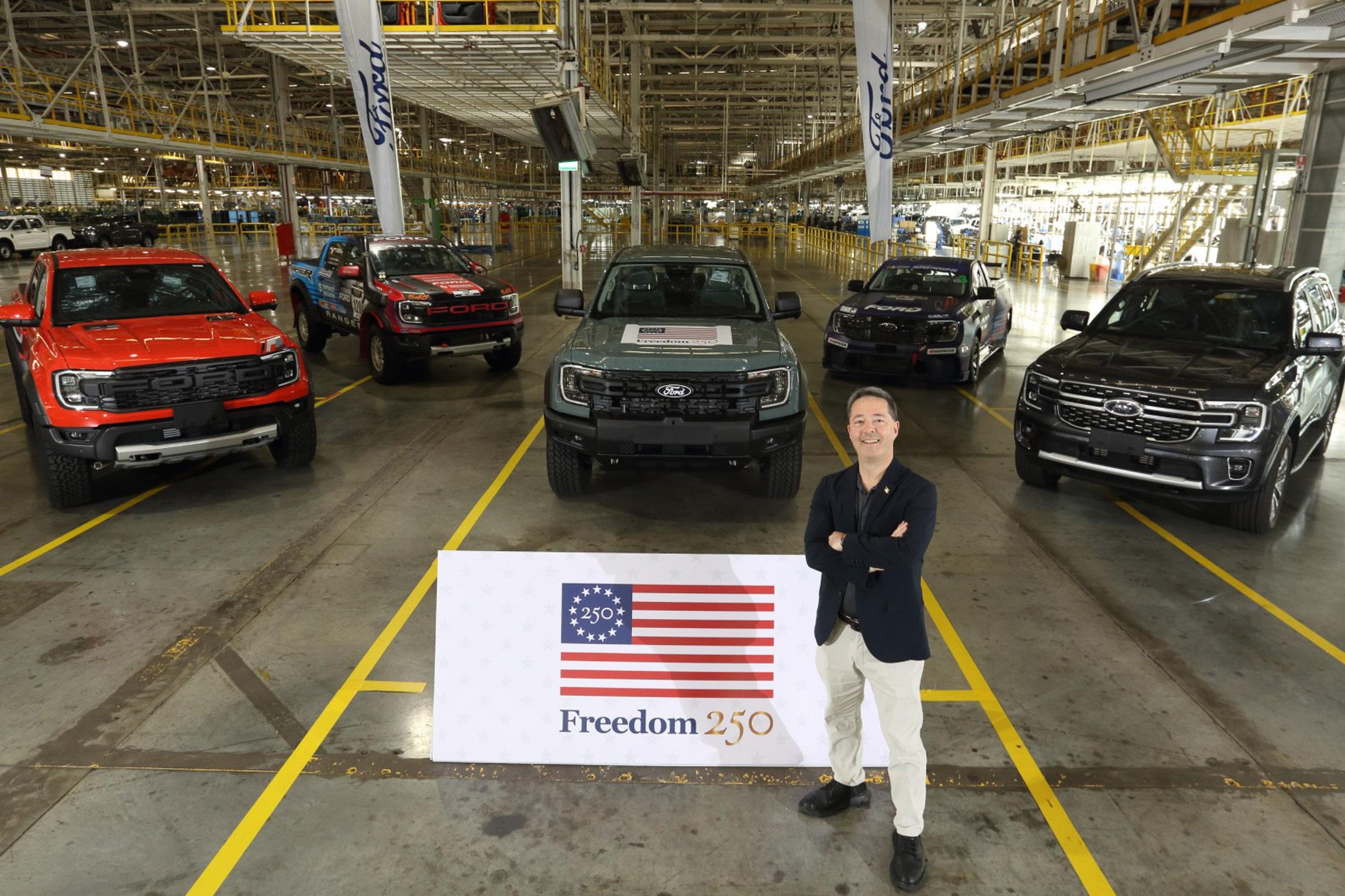
Throughout America’s year-long Freedom 250 celebration, the U.S. Mission to Thailand will spotlight partnerships that drive innovation and create prosperity for our two nations. As part of this, Ford Motor Company Thailand has partnered with the U.S. Mission to rebrand its annual truck racing series as the Freedom 250 Ford Racing Series. This nationwide initiative showcases American ingenuity and industrial leadership across four regions in Thailand, featuring a signature street race over the July Fourth weekend to reinforce Ford's status as a premier American brand in Southeast Asia.
To mark the partnership, Ambassador Sean O’Neill visited Ford Thailand’s production facilities in Rayong, highlighting Ford’s continued investment
in advanced manufacturing, local supply chains, and a highly skilled workforce that strengthens the U.S.–Thailand economic partnership.

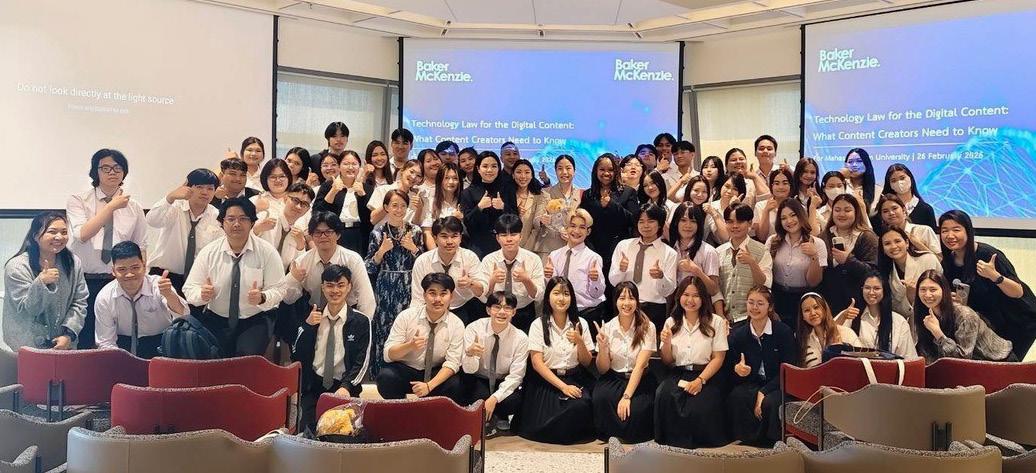
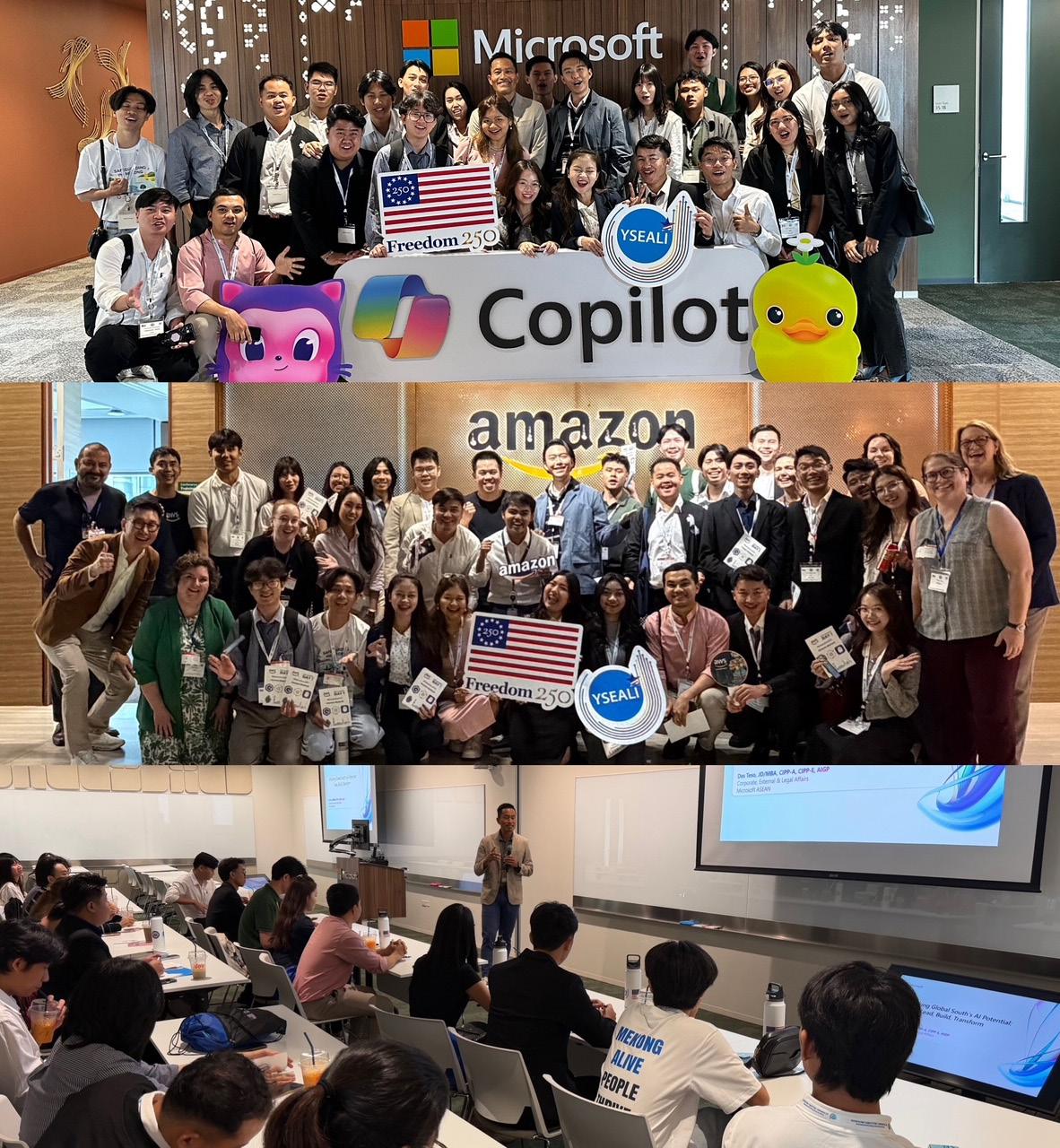
Additionally, the Mission recently connected exchange alumni with Microsoft and Amazon Web
Services to discuss the future of AI governance and digital inclusion. At the same time, students from Mahasarakham University visited Baker McKenzie to explore the legal principles that underpin global commerce.
These exchanges cultivate the next generation of leaders while deepening U.S.–Thai ties. We invite partners to be part of this historic year. To explore collaboration opportunities, please contact USFreedom250Thailand@state.gov

“The future of snacking is no longer just about food — it is about how brands fit into people’s lives, lifestyles, and values.”
What are the biggest shifts shaping the future of the snacking industry today?
I believe the future of snacking is no longer just about food — it is about how brands fit into people’s lives, lifestyles, and values. We are seeing three major shifts.
First, well-being is being redefined. Consumers are not just looking for 'healthy' snacks, but for balance— snacks that fit their lifestyle, whether it is portion control, sugar reduction, refreshment, or simply a moment of enjoyment on a busy day. Snacking today is about emotional as much as physical well-being.
Second, digital has completely changed how consumers discover, choose, and experience brands. The consumer journey is no longer linear — it is social, digital, immediate, and highly influenced by communities and content. Brands must now live in culture, not just on shelves.
Third, sustainability and responsibility are no longer optional. Consumers expect companies to take responsibility across the entire value
chain — from sourcing to packaging to waste management. It is not a separate agenda anymore, but a part of how we operate, and how we build trust.
Finally, in Thailand specifically, local relevance matters more than ever. Global brands win when they feel local — when they connect with local culture, local flavors, and local moments. The future of snacking will be global scale, but deeply local in execution.
How can large organizations stay agile and innovative?
Large organizations do not become agile by moving faster only — they become agile by changing how they think, decide, and collaborate.
For us, agility comes from three things.
First, partnerships. We no longer believe innovation must happen only inside the company. Many of the most exciting ideas today come from collaborations — across industries, across brands, and across ecosystems.

Second, empowered teams. Innovation does not happen in boardrooms. It happens when teams feel safe to try, test, learn, and try again. Creating a culture where people can experiment and move fast is more important than having a perfect plan.
Third, data and consumer insight. Agility is not about guessing faster — it is about learning faster. The companies that win will be the ones
that can listen to consumers in real time and adapt quickly.
In today’s world, the competitive advantage is not size. The competitive advantage is speed of learning.
“In today’s world, the competitive advantage is not size. The competitive advantage is speed of learning.”
What role does culture play in driving innovation?
Culture is probably the most underestimated driver of business performance.
Strategy can be copied. Products can be copied. Technology can be copied. Culture is very difficult to copy.
Innovation happens when people are curious, when teams collaborate across functions, and when organizations are not afraid of failure but afraid of not trying.
At Mondelēz, we talk a lot about being consumerobsessed and growth-minded. That means we do not start with what we want to sell. We start with how people live, how they snack, and what role our brands can play in their daily moments.
Many innovations come from very simple insights — how people commute, how they socialize, how they work, how they relax. When you understand people deeply, innovation becomes much more natural and meaningful.
In the end, innovation is not a department.
Innovation is a mindset.
“Innovation is a mindset.”
How is technology changing the way companies understand consumers?

Technology has moved us from historical data to predictive understanding.
In the past, companies looked at sales data and consumer research to understand what happened. Today, with digital platforms, AI, and analytics, we can understand behavior almost in real time and sometimes even anticipate trends before they become mainstream.
I always say — technology gives us data, but insight still comes from people.
The companies that win are not the ones with the most data, but the ones who can turn data into human understanding.
Technology also allows us to engage consumers in two-way conversations instead of one-way communication. Today’s consumers do not just buy products; they interact with brands, co-create ideas, and drive innovation.
So, technology is not just changing how we sell.
It is changing how we listen.
What will define the next decade of the global snacking industry?
I think the next decade will be defined by one idea: Snacking will become more integrated into lifestyle, not just eating occasions.
Snacks will play different roles — energy, refreshment, focus, relaxation, enjoyment, social connection. The definition of snacking will become much broader than biscuits, chocolate, or candy.
We will also see three major themes:
1. Mindful snacking — balance, portion, and lifestyle fit.
2. Personalization — products and experiences tailored to different consumers and occasions.
3. Responsible growth — sustainability, sourcing, and packaging becoming standard expectations.
The companies that succeed will be the ones that can deliver joy to consumers while also doing the right thing for society and the planet.
At the end of the day, snacking is a small moment in people’s day, but it can be a meaningful one — a moment of refreshment, a moment of joy, or a moment to recharge.
Sometimes innovation comes from combining everyday moments in new ways — whether it is new formats, new collaborations, or new flavor experiences that fit local lifestyles and climates.
The future of snacking is not just about what we eat.
It is about the role we play in people’s everyday lives.



By Luca Bernardinetti and Werinorn Manphan, Mahanakorn Partners Group

Thailand’s Ministry of Commerce has launched an escalation of export oversight as part of its effort to strengthen compliance with increasingly strict U.S. rules of origin and prevent tariff exposure of up to 40%.
Under the initiative dubbed “RVC-Up: Boost Thai Local Content, Expand U.S. Market”, the government has committed to deploying an artificial-intelligence system to review up to 8,000 regional-value-content (RVC) certificates per month issued for goods exported to the United States. With the U.S. warning that a steep 40% duty may be imposed on shipments flagged for false origin or trans-shipment—most exporters find themselves under heightened scrutiny.
The RVC criterion, which measures the proportion of domestic or region-sourced material in goods, may replace the older “substantial transformation” test in many U.S. enforcement protocols. Thailand’s second-largest export destination—U.S. shipments accounted for approximately 55 billion U.S. dollars and 18% of Thai exports last year— makes compliance critical for the Thai industry.
The Ministry’s new action plan contains three key strands:
• Utilization Permission (UP) System: The Department of Foreign Trade will leverage AIpowered verification of origin certificates to process a dramatic increase in volume—from around 90 cases per month historically to 8,000 per month by late 2025. A budget of 12.9 million baht has been earmarked for system development.
• UP Knowledge: Exporters will receive training, advisory services, and workshops—conducted in collaboration with the Federation of Thai Industries (FTI), the Thai Chamber of Commerce (TCC), and the Thai National Shippers’ Council (TNSC)—to boost understanding of the new RVC rules and compliance burdens.
• UP Fund: A low-interest loan program—initially 7.6 million baht in funding—will help exporters upgrade domestic content, reduce reliance on imported inputs, and enhance supply-chain resilience.
Beyond the immediate compliance thrust, the ministry is also stepping up enforcement on nominee business structures and suspected foreign entities operating via local fronts— channels which the U.S. has flagged as risks for origin under-valuation or trans-shipment. The “nominee business” crackdown is being carried out in tandem with a cabinet-level committee on illegal foreign business operations.
From the business community perspective, the move sends a clear message: while the U.S.Thailand trade relationship remains vital, exporters must now invest more heavily in supply-chain transparency, domestic value-added, and origin documentation. Companies reliant on low-value assembly or extremely high imported content may face heightened tariff risk and market exclusion.

For foreign investors, exporters, and multinational supply chains operating in Thailand, the implications are three-fold:
1. Origin risk is now an operational risk –Exporters must evaluate the proportion of their Thai operations which genuinely satisfy RVC thresholds. The days of minimal local content and assembly-only logic are swiftly fading.
2. Data-driven compliance is here – The Thai government’s adoption of AI audit systems means manual checks and paper trails may no longer suffice. Exporters should be prepared for algorithmic screening and digital workflows via the Department of Foreign Trade.
3. Opportunity to upgrade local content and supply-chains – The low-interest UP Fund and domestic value-addition emphasis create opportunities to re-position Thai operations from
low-value to mid-value and high-value segments, aligning with Thailand’s Bio-Circular-Green (BCG) economy agenda.
Exporters and investors are advised to conduct origin-risk assessments, collaborate with local sourcing, upgrade Thai operations beyond assembly, and engage professional advisory to navigate the revised framework. The cost of noncompliance is significant—not just in tariffs, but in reputational, insurance, and market-access terms. Thailand’s proactive measures to safeguard its U.S. export platform reflect a new era of trade compliance. Rather than viewing this solely as a cost burden, companies already embedded in Thai production should see it as a catalyst to reposition for higher value-chains, greater resilience, and sustainable competitiveness in the U.S. market and beyond.

Luca Bernardinetti is Chairman & Managing Partner of MPG, leading Banking & Finance. He advises on M&A, PPPs, and infrastructure across ASEAN and serves on key government and chamber boards.

Werinorn Manphan is Counsel at MPG, specializing in corporate, M&A, and FDI. She advises on structuring, joint ventures, and transactions, and holds Thai lawyer, barrister, and notarial certifications.
By Athistha (Nop) Chitranukroh, Thammapas Chanpanich, Rada Lamsam, and Karnravee Jitvilai, Tilleke & Gibbins

Thailand’s AI legislative framework took another step forward when the Office of the Consumer Protection Board (OCPB) issued a notification establishing guidelines for AIgenerated advertising that may cause material misunderstanding about products or services. The notification, which is already in effect, was issued under the Consumer Protection Act B.E. 2522 (1979) and its amendments, which prohibit advertising that is unfair to consumers or may cause harm to society, including false or exaggerated statements and statements that may cause material misunderstanding about products or services.
The notification addresses emerging advertising practices, including the use of images edited using software or AI to attract consumer interest or build credibility. The OCPB noted that such advertising may result in consumers misunderstanding the essential characteristics, condition, or usage of products, which violate consumer rights.
Key Requirements on AI-Generated or Digitally Manipulated Advertising Content

For advertisements using still images or videos created or edited with software programs or AI tools that may cause the depicted product or service to differ from the actual product sold or service provided, advertisers and business operators must comply with the following requirements:
Prior authorization - obtain approval from relevant regulatory authorities where required by law.
Accurate representation - ensure that the advertised size, quantity, volume, number, or composition matches the actual product or service being sold, whether in still images or videos.
Mandatory AI disclosure labels - display clear disclosures when AI or software is used to create or edit images, such as:
• Real image or simulation edited using AI.
• Photo from actual location or simulation edited using AI.
• Photo from actual product or edited simulation.
• Image created by AI.
• Video created by AI.

Nop Chitranukroh is a partner and director of Tilleke & Gibbins’ corporate and commercial group in Bangkok. She is widely recognized for her expertise in technology law in Southeast Asia.

Rada Lamsam is an associate at Tilleke & Gibbins, where she advises companies on various technology and digital asset matters in Thailand.
Clarity of disclosure. Ensure disclosures are clearly visible, audible, or readable according to the type of advertising medium.
Business operators should assess their current advertising practices and update internal policies to ensure compliance with these new disclosures and warning requirements. Companies should ensure that marketing contracts and creative workflows incorporate the mandatory disclosures specified in the announcement. Operators that develop, use, or rely on AI systems in their marketing activities should assess their current data governance practices and oversight mechanisms. Businesses should also monitor the ongoing development of Thailand’s broader AI regulatory framework to ensure timely compliance with future requirements.

Thammapas Chanpanich is a senior associate at Tilleke & Gibbins and is a key member of the firm’s technology industry group.

Karnravee Jitvilai is an associate at Tilleke & Gibbins. She assists companies with a range of data protection, technology, and corporate matters.

Dear Members,
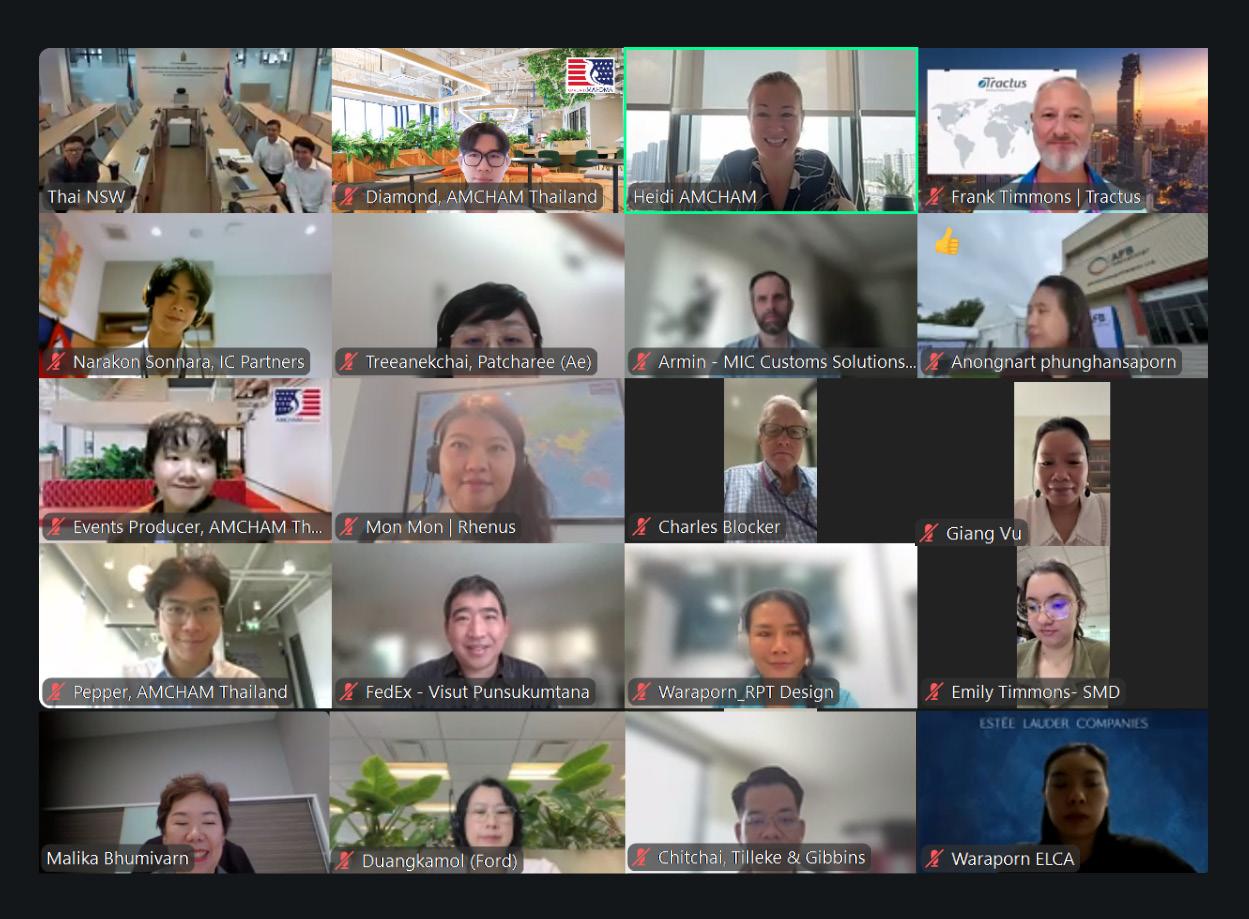
During March, AMCHAM engaged in a series of roundtable discussions with senior government executives across digital government, economic policy, and cross-border trade agencies. During these discussions, AMCHAM highlighted priorities under the AMCHAM Forward Five 2026, emphasizing that digitalized government services are essential to Thailand’s competitiveness, particularly in the current economic climate. AMCHAM also reaffirmed its role as a longterm partner to government agencies, ready to exchange insights and support the development of effective and forward-looking regulations.
Digital policy frameworks continue to evolve, with competition regulation for digital platforms
emerging as a key focus area. Most notably, the Trade Competition Commission of Thailand (TCCT) published the guidelines in the Government Gazette on March 24, 2026, and they took effect on March 25, 2026.
The Guideline covers practices with significant implications for digital platforms and sellers, such as limitations on last-mile logistics options, the imposition of unjustified fees or conditions, and the use of algorithms in ways that may unfairly favor platform-benefiting products. It also introduces parity pricing requirements. Potential noncompliance may trigger enforcement under the Trade Competition Act B.E. 2560, with penalties depending on the nature of the conduct and potentially including significant administrative fines (in serious cases, up to 10% of annual revenue). Separately, app store regulation remains under consideration by regulators.
In the artificial intelligence policy space, the Personal Data Protection Committee’s guidance on AI use underwent public consultation in recent weeks, while discussion of a Draft AI Act remains at an early and cautious stage. Cybersecurity and digital infrastructure developments were relatively limited this month, with continued inter-agency coordination on cloud standards for government procurement.
Looking ahead, the AMCHAM Digital Governance Council is developing a FutureReady Digital Economy White Paper to encourage government stakeholders to consider key elements for shaping forward-looking digital economy policies. The paper will focus on themes such as AI adoption and the development of a futureready workforce. Members interested in contributing insights are encouraged to contact tong@amchamthailand. com or mai@amchamthailand.com.
Sasitorn (Tong) Mongkolsuebsakul Government Affairs Manager









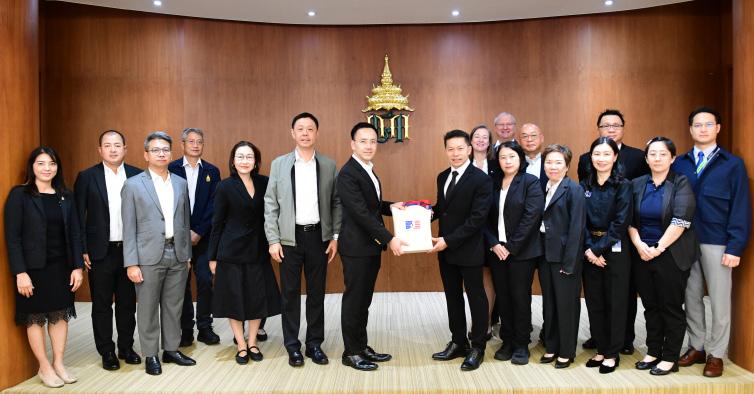

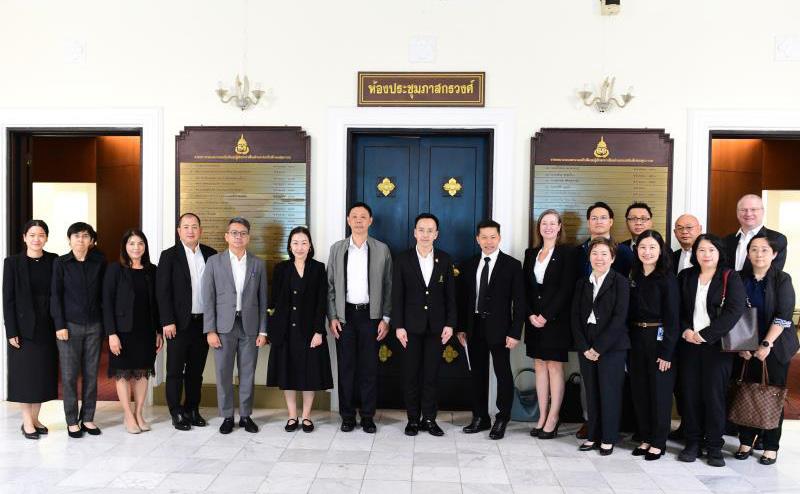
On March 31, AMCHAM President Chatit Huayhongtong of Chevron led a delegation of AMCHAM members to meet with Director General Phantong Loykulnanta, Customs Department, Ministry of Finance, and senior officials from the department.
The meeting highlighted a constructive dialogue on key trade and customs issues affecting the business community. Discussions focused on alternative approaches to duty suspension during appeals, policy developments related to low value imported goods, and updates to Customs Free Zone regulations. AMCHAM also discussed past collaboration and future engagement on transfer pricing adjustments and welcomed the Customs Department’s positive feedback on resuming customs data retrieval.
AMCHAM reaffirmed its commitment to continued engagement and practical collaboration with the Customs Department, offering member expertise to support transparent, efficient, and predictable customs procedures. Such cooperation is vital to enhancing trade facilitation and strengthening Thailand’s competitiveness as a regional trade and investment hub.
On March 25, the AMCHAM Customs & Excise Council, in collaboration with the Customs Department, Ministry of Finance, hosted an information session on the Electronic Exchange of Certificates of Origin (Form D) under the ASEAN Trade in Goods Agreement (ATIGA), delivered by Saksit Supongviboonphan, Computer Technical Officer at the Customs Department and team. The session provided members with practical insights into Thailand’s implementation of the Thailand National Single Window (NSW) and its role in facilitating cross-border trade.
The speaker outlined the policy framework and explained the application of e-Form D in customs procedures. The session also featured a demonstration of the NSW portal and e-Tracking system.
The session concluded with an interactive question-and-answer session, reaffirming Thailand’s continued efforts to enhance trade facilitation, transparency, and efficiency through digital systems.
Pongsiri (Win) Poorintanachote is the Managing Partner of Vero Advocacy and serves as an AMCHAM Digital Governance Co-Chair.
What inspired you to take on a leadership role in the AMCHAM Digital Governance Council?
What I have always admired about AMCHAM is how members collaborate not just to advance business interests, but to shape a regulatory environment that works for society. That balance of commercial pragmatism and social responsibility is something I deeply believe in – it is also at the core of what we do at Vero Advocacy. When the opportunity came to contribute through the Digital Governance Council, it felt less like taking on a role and more like joining a conversation I was already part of.
What key trends in AI policy should organizations be preparing for in the coming years?
Three things are moving fast. AI-generated harmful content, such as scams, misinformation, and illegal ads, is

becoming a political priority. Public pressure has been mounting, and regulators are called to respond with stricter rules. Organizations need to know where they stand before that happens.
Intellectual property (IP) and copyright are also becoming central issues in the AI debate. Who owns AI-generated art, music, or written content? On the other hand, what restrictions are in place for AI companies to use copyrighted data to train their models, often without consent or compensation? These questions do not have answers yet.
AI literacy is gaining serious policy momentum–pushed by both the Ministry of Digital Economy and Society and the Ministry of Higher Education, Research and Innovation–an area where the private sector can make a meaningful contribution.
Moreover, digital sovereignty and environmental impact are worth paying close attention to. Thailand's dependence on offshore AI and data center infrastructure is a growing regulatory concern, and the energy and water demand of AI operations are moving from a CSR talking point to a real policy consideration.
What role does advocacy play in helping organizations navigate the rapidly evolving AI policy and regulatory landscape?
Policymakers and regulators always start with good intentions when it comes to drafting new laws and regulations. What shapes the outcome is the quality and diversity of information they are working with. On emerging issues like AI, that gap can be significant. What advocacy does is widening the lens, bringing in business, economic, and operational dimensions that may not be fully visible from the policy side.
That is not always about pushing back on regulation. It is about making it more comprehensive. Consumer protection, safety, and responsible innovation can and should coexist with a competitive, investment-friendly environment. These two reinforce each other when the regulation is well-designed. Thailand's ambition to be a regional digital hub depends on getting that balance right, and advocacy is a significant part of how that happens.
Praninut (Guy) Champaprida has evolved from a resilient student into a confident researcher. Now pursuing a prestigious Master’s and Ph.D. program at VISTEC, she is dedicated to advancing energy science through global collaboration. Her journey is a testament to how courage and support can open doors to a future of limitless possibilities.
Hello, T-AB Magazine readers! My name is Praninut Champaprida, and I recently graduated from Suranaree University of Technology with a bachelor’s degree in Petrochemical and Polymer Engineering (International Program). I am currently working as a research assistant on collaborative projects between the University of Science and Technology of China (USTC) and Suranaree University of Technology, while preparing applications for my master’s studies.
Growing up in a small family with just my mother and me, financial challenges were a constant part of my university life. Applying for the AMCHAM Scholarship was both a practical and deeply personal decision. I hoped to ease my mother’s financial burden while continuing to pursue my academic goals. Balancing rigorous coursework with financial pressure taught me resilience, responsibility, and a profound appreciation for opportunity.


I was honored to receive the AMCHAM Scholarship from 2022 to 2024, a period that became a defining chapter of my journey. Beyond financial support, AMCHAM opened doors to new perspectives through interactions with scholarship alumni, senior executives, and AMCHAM corporate partners. These experiences expanded my worldview and helped me envision my future with greater clarity and confidence.
Participating in the AMCHAM Orientation Camp and Career Camp further shaped my growth, strengthening my communication, collaboration, and adaptability. I am deeply grateful to AMCHAM for believing in me and for inspiring me to move forward with purpose—and one day pass that hope on to others.
"I am deeply grateful to AMCHAM for believing in me and for inspiring me to move forward with purpose.”

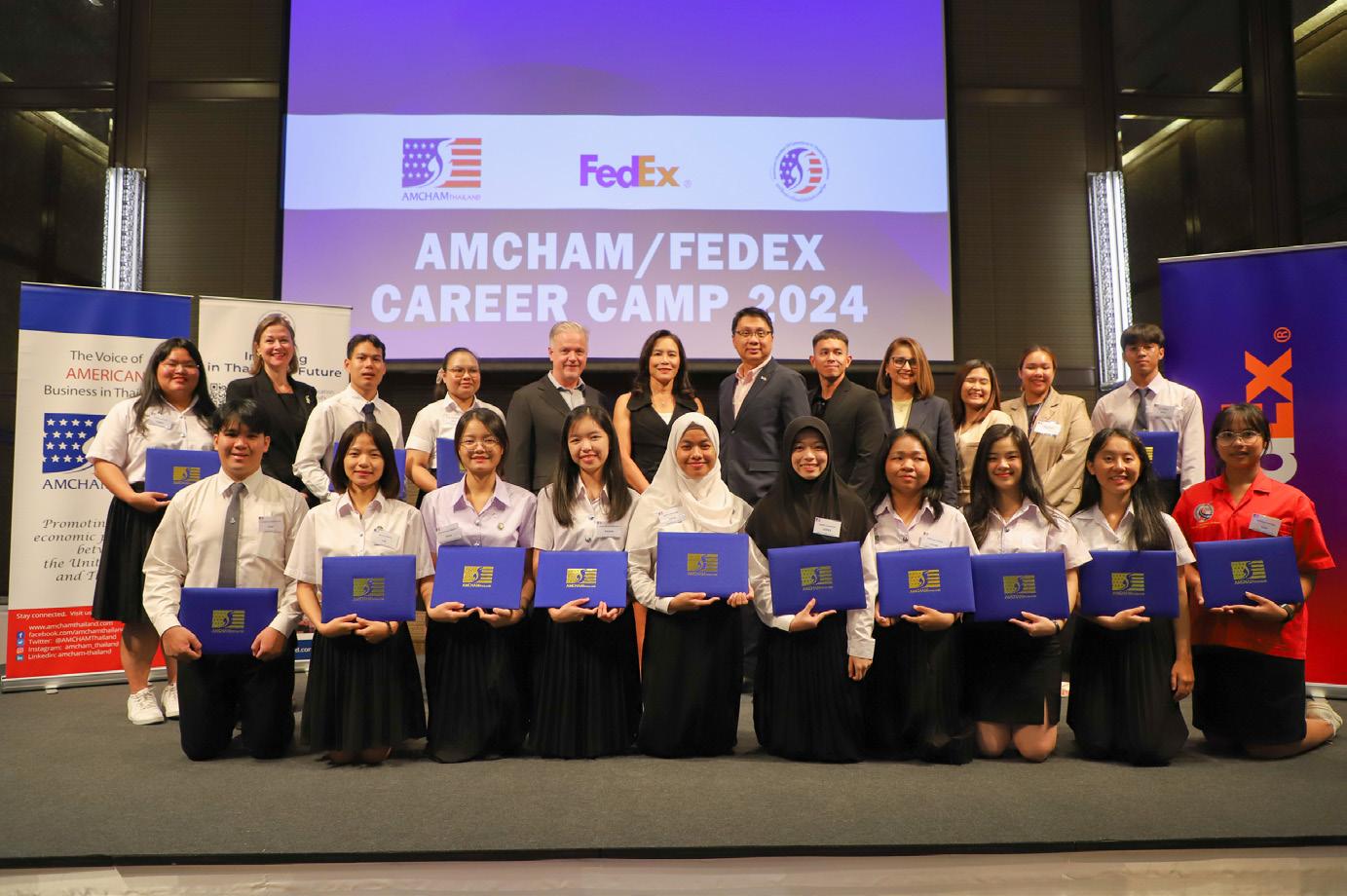
Education has been a core value for AMCHAM since the very beginning of the Chamber. Over the last three decades, AMCHAM has provided over 3,200 scholarships and supported over 890 primary schools.
In 2004, AMCHAM formally registered the American Chamber of Commerce in Thailand Foundation (ATF) to carry out its charitable activities. The ATF is recognized by the Ministry of finance as a Public Charitable Organization (number 632) and donations are deductible in Thailand.
Each year ATF enables disadvantaged Thai university and vocational students to complete their higher education studies through targeted scholarships. Our Community Engagement Council works directly with universities and vocational colleges to identify hard-working and motivated students enrolled in programs championed by AMCHAM member companies.
Sponsor university scholarship. Provide speakers and goodie bag items for Orientation/Career. Join the Community Projects Council. For further information, contact foundation@amchamthailand.com.

On March 28, The American Chamber of Commerce in Thailand (AMCHAM) hosted its smashing gala celebration —AMCHAM’s 70th Anniversary Gala: Shake Rattle & Roll Back to 1956 at the Shangri-La Hotel Bangkok. This spectacular evening celebrated AMCHAM’s leadership while raising funds to support the AMCHAM Thailand Foundation (ATF) Scholarship Program, dedicated to empowering 140 Thai students in 2026 with access to vocational and higher education.
Members stepped into a nostalgic 1950s American diner where the spirit of rock ’n’ roll came alive in full swing. The gala transported guests to a lively world of jukebox hits, checkered floors, and retro charm, complete with classic car and neon lights, and an exclusive silent auction featuring luxury getaways, furniture, and unique experiences—donated by Thailand’s business community.
”While tonight is about fun, the Gala is also our largest annual fundraiser for the AMCHAM Thailand Foundation Scholarship Program. We will be supporting 140 students this year with both university and vocational school studies,” said AMCHAM President Chatit Huayhongtong of Chevron. He added, “Tonight, we also celebrate 70 incredible years of AMCHAM… seven decades of impact and community. From its founding to today, AMCHAM has grown into a dynamic force driving innovation, opportunity, and shared economic prosperity between the United States and Thailand.”
The event honored the 2026 Board of Governors for their contribution to growth and U.S.-Thailand relations. Distinguished guests, including U.S. Ambassador Sean O’Neill, attended to celebrate AMCHAM’s mission and achievements.
Thank you to our Exclusive Tier Members for sponsoring this event. AMCHAM Platinum Members –Amazon, Chevron, Citibank, Ferrara Jelly Belly, Ford, Seagate, Vantive, and Western Digital. AMCHAM Gold Members – Abbott, Bank of America, CP Group, Mastercard, Meta, Minor, Netflix, RMA, Visa, and WHA Group. AMCHAM Silver Members – 3M, Amata, American Axle, Bangkok Patana School, Boonrawd Brewery, Carrier, Caterpillar, Coca Cola, Danaher, Dow, FedEx, Honeywell, Johnson & Johnson Medtech, McThai, Mead Johnson, Mondelez, PCS, Pfizer, Phyathai Hospital, Takeda, Urban Office, Tyson Foods, Vero Advocacy, and Viatris.








Speakers: Chris Meylan and Samantha Marion of AIHM
Organized by: Human Capital Committee and Young Professionals Committee
Event Highlights:
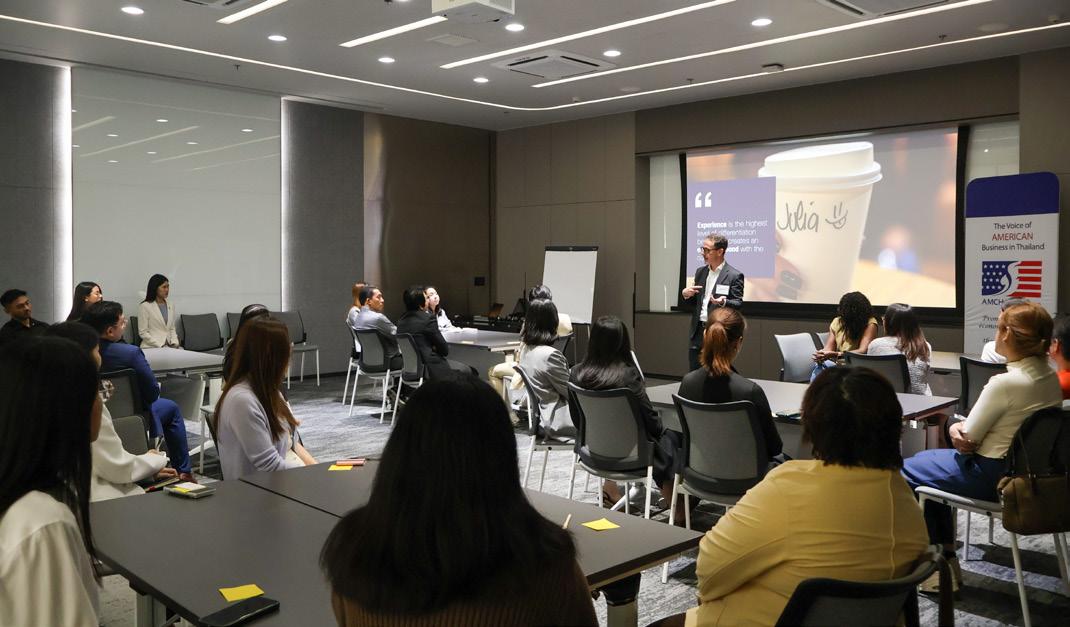
The AMCHAM Human Capital and Young Professionals Committees jointly hosted two transformative workshops by senior lecturers from the Asian Institute of Hospitality Management (AIHM). Chris Meyland’s insightful workshop explored aspects of service and intentional behaviors to excel in customer service, while Samantha Marion’s interactive workshop helped build self-awareness, trust, and clarity to support effective leadership. After the breakout workshops, participants gathered for a group reflection where they exchanged their thoughts and ideas.





Healthcare Council
Speakers: Teerasak Siripant of BowerGroupAsia and Sorawong Siribunpan of Phyathai Hospital
Organized by: Healthcare Council
Event Highlights:
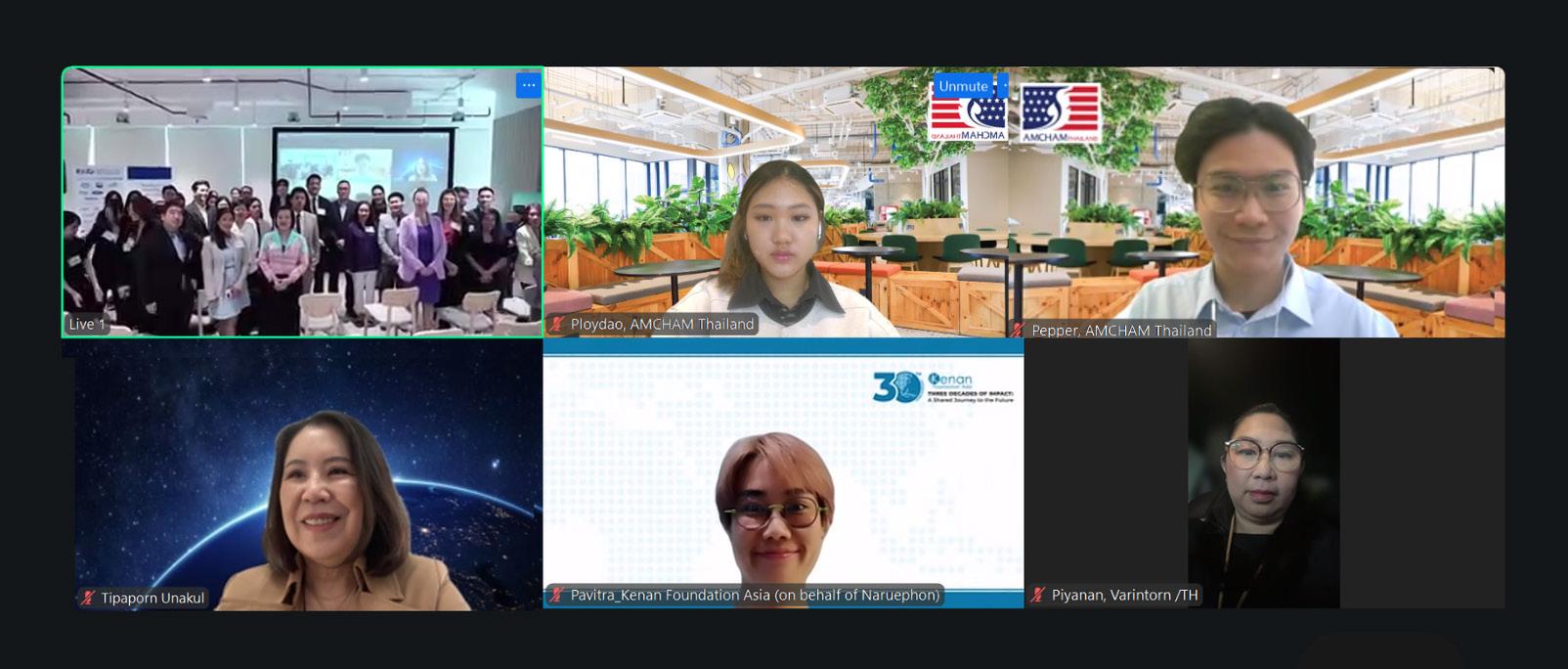
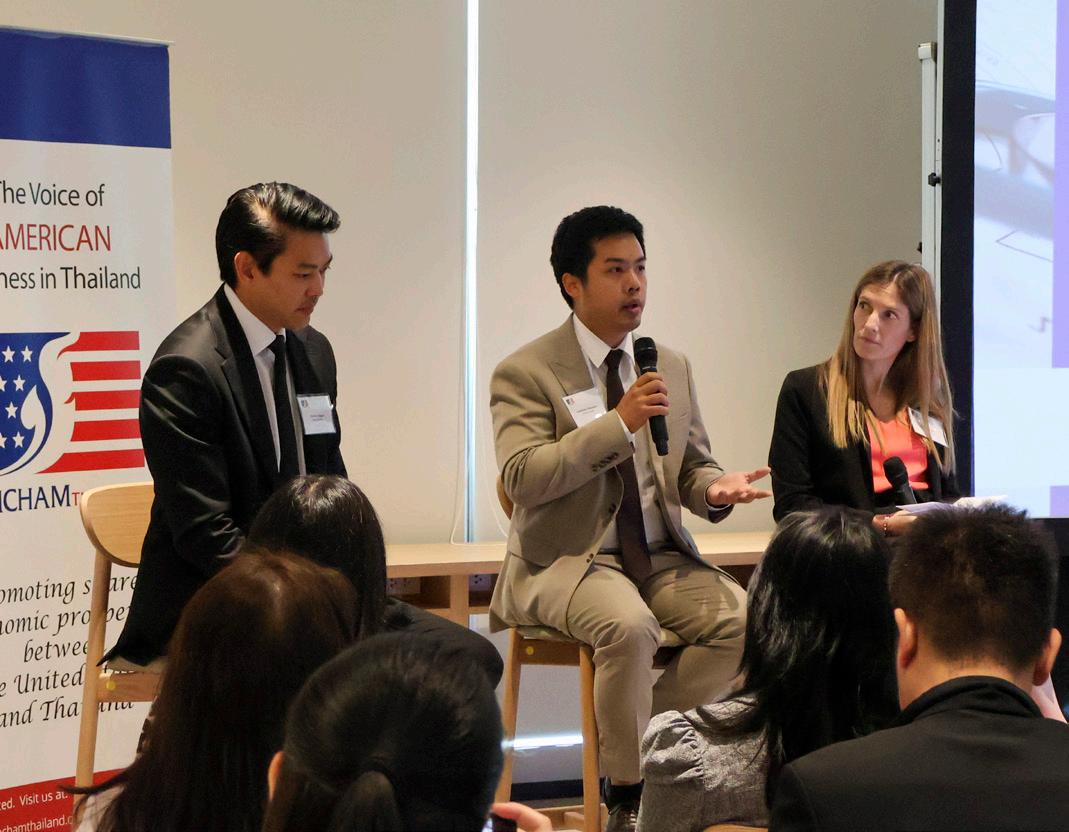
The AMCHAM Healthcare Council hosted a hybrid meeting, titled Healthy Longevity Thailand in Action and Way Forward at the Pfizer office, bringing together cross-sector leaders to discuss priorities shaping Thailand’s healthcare landscape in 2026.
Discussions highlighted the role of political stability in enabling long-term policy continuity, as well as transformations and opportunities in medical tourism, healthcare investment, and research and development. Thailand is strengthening its role as a regional healthcare hub. Accessibility was also identified as a critical factor for the continued growth of the medical tourism ecosystem. While challenges remain, the Healthcare Council reaffirmed its commitment to addressing a sustainable approach to Thailand’s healthcare sector and stronger collaboration with key stakeholders.

Organized by: Manufacturing Committee
Event Highlights:
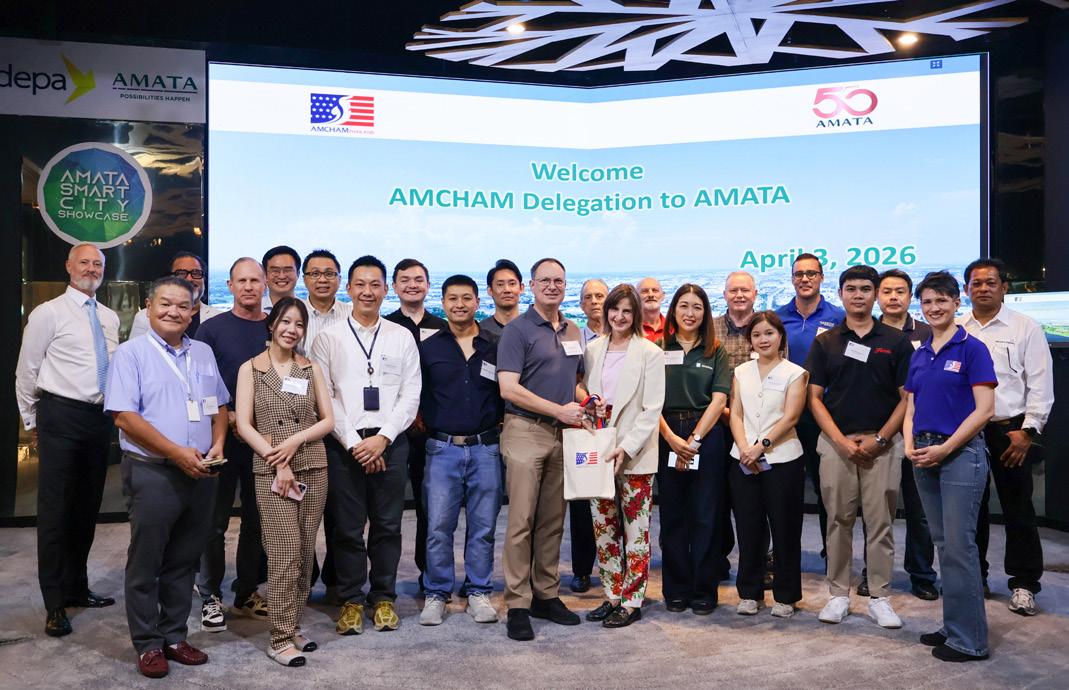
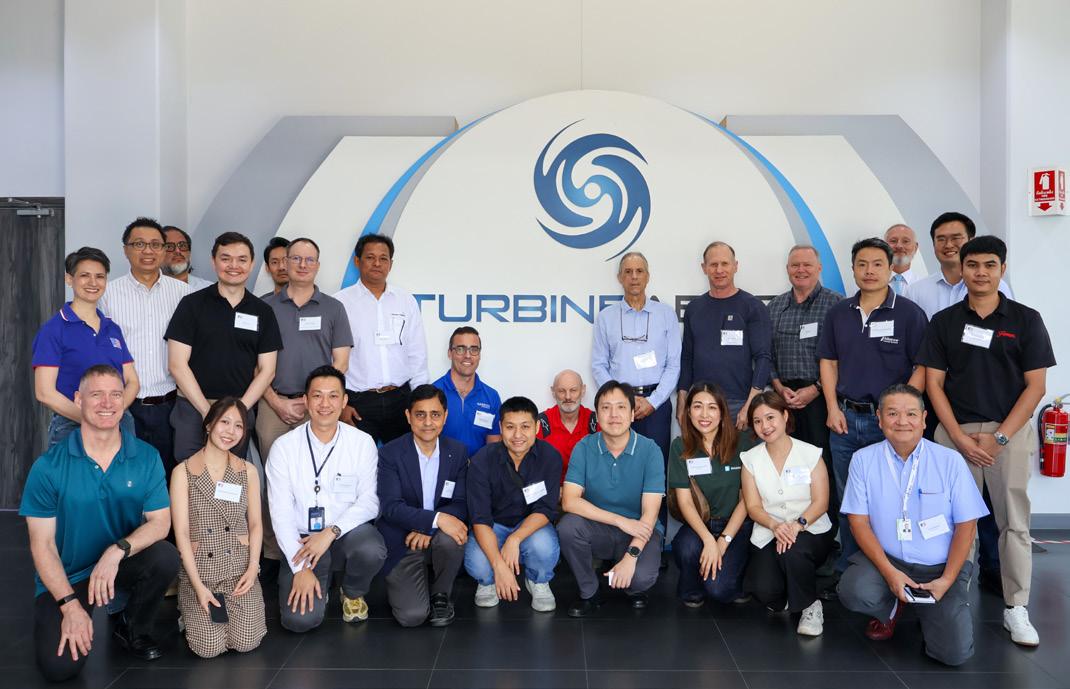
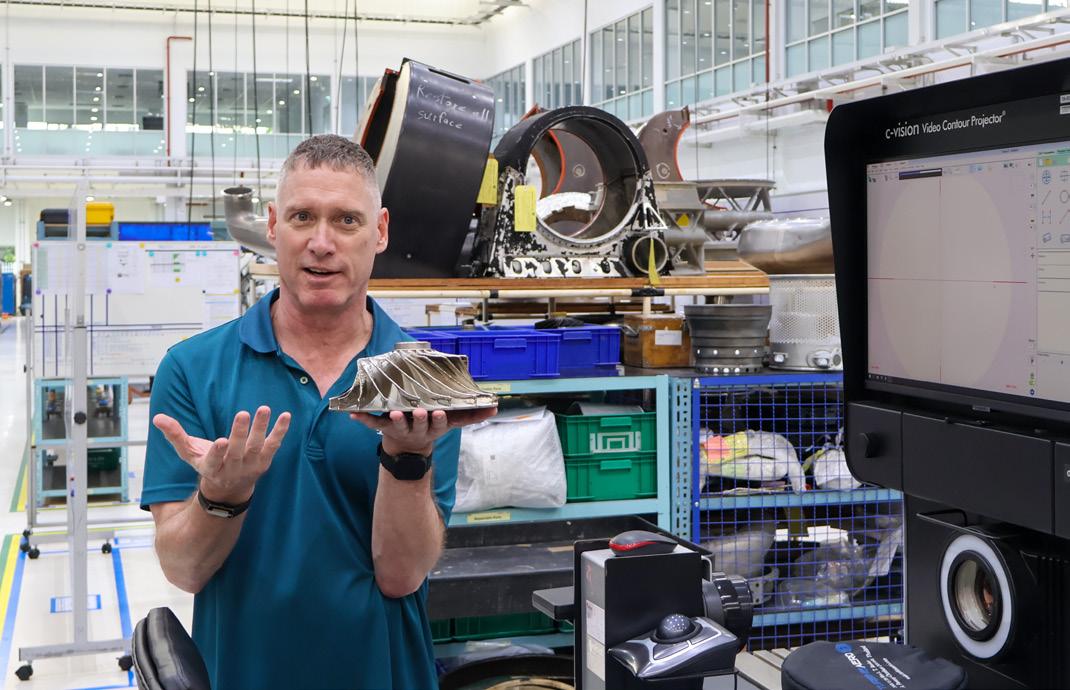
The AMCHAM Advanced Manufacturing Committee led a tour of TurbineAero, a leading aerospace component maintenance, repair, and overhaul service (MRO) provider. Attendees started the day with a networking reception at the AMATA Services Center before heading to the TurbineAero factory.
At the plant, the TurbineAero team delivered an insightful presentation, followed by an engaging, hands-on experience with a closer look at the company’s operations and products.



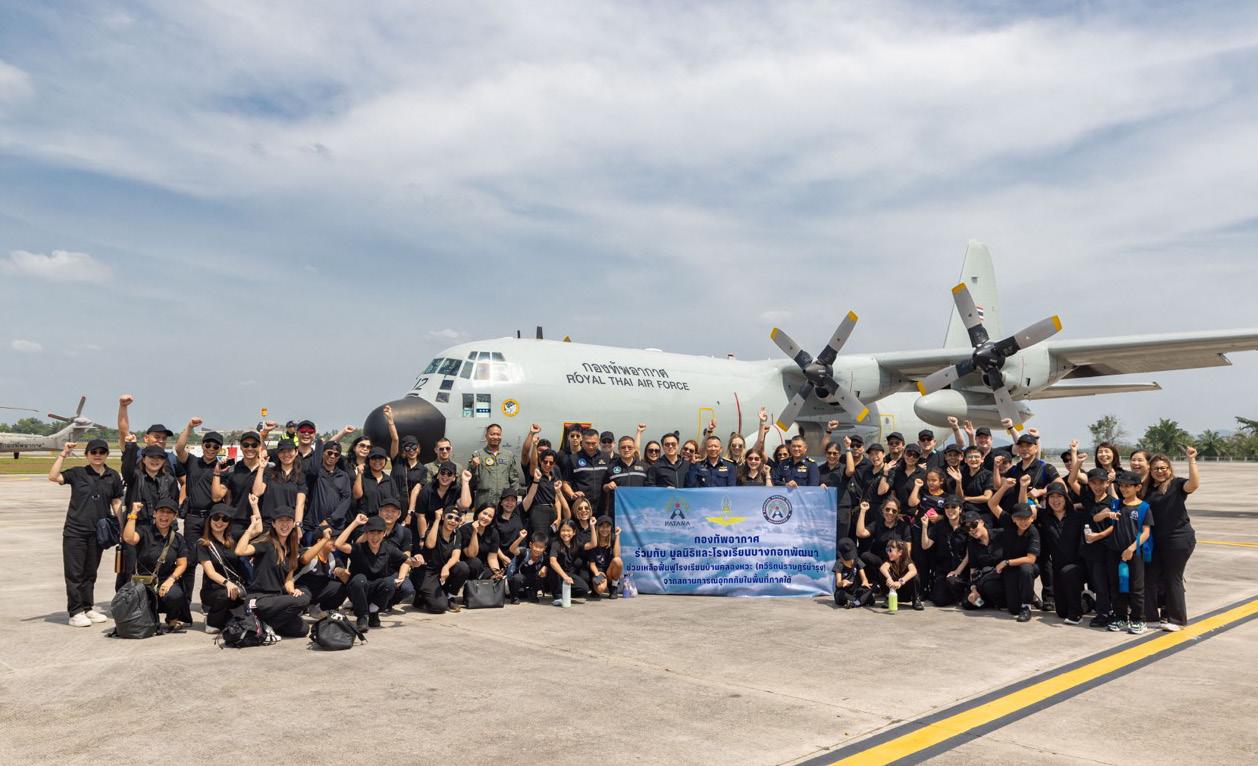
On January 20, representatives from the Bangkok Patana School Foundation, together with Bangkok Patana staff, parents, and students, travelled to Ban Khlong Wa School in Hat Yai with support from the Royal Thai Air Force. The visit marked the conclusion of several months of fundraising and in-kind contributions from the Bangkok Patana community.
During the day, the Foundation presented equipment and essential supplies to the local education authorities and the school, strengthening resources for teaching and dayto-day operations. Volunteers also repainted classrooms, pavilions, playground areas, and boundary fences, helping restore learning spaces. Beyond the school, electrical appliances were distributed to 13 households in nearby flood affected communities, providing practical support for families rebuilding their routines.

Kirloskar Brothers (KBTL), a subsidiary of Kirloskar Brothers International BV, announced the opening of Southeast Asia’s first and only Fire Pump Manufacturing Facility certified by Factory Mutual (FM) and Underwriters Laboratories (UL). Located within the Amata City Chonburi Industrial Estate, this landmark facility represents a significant advancement in the region’s fire protection capabilities.
The successful completion of audits conducted by FM and UL confirms that the facility meets the highest international standards for safety, quality, and performance in fire protection systems. Oguz Kurt, Director and COO of KBTL, commented, “The inauguration of this FM/UL-approved Fire Pump Facility in Thailand is a game-changer. It
will significantly reduce the region’s dependency on imports from the USA and Europe, allowing us to enhance local production capabilities while delivering high-quality firefighting solutions in much shorter lead-times and cost-effectively, which brings substantial value to Thailand and the region in the highest global standards.”
INSEE Ecocycle, together with Siam City Cement Group, participated in the Southern Innovation Technology Expo 2026 (SITE 2026), the largest innovation and technology exhibition in Southern Thailand.
At the event, INSEE Ecocycle presented its sustainable waste management concept under the theme "Zero Waste Starts at Home", aligned with Siam City Cement Group's exhibition concept, "A Better Life Begins with Happiness at Home." The initiative highlights how improving the quality of life can start with proper environmental management at the household level.
INSEE Ecocycle focused on educating visitors about household waste segregation, emphasizing the importance of properly segregating wet
waste and dry waste, as well as sorting waste suitable for producing Refuse-Derived Fuel (RDF). This process adds value to waste by converting it into alternative fuel, reducing the amount of waste sent to landfills, and lowering greenhouse gas emissions.



A global leader in the design, manufacture, and support of high-quality Unit Load Devices (ULDs) for the aviation industry, headquartered in Alkmaar, the Netherlands. With more than 50 years of heritage, the company combines deep industry expertise with continuous innovation to deliver reliable, durable, and cost-efficient cargo equipment trusted by major airlines and cargo operators worldwide.
Founded on June 23, 1990, Bangkok Hospital Pattaya is a leading tertiary care hospital located on Thailand’s Eastern Seaboard in Chonburi Province. Part of the Bangkok Dusit Medical Services (BDMS) network, the hospital serves as the main referral center for the Eastern Region and is one of over 30 hospitals within the Bangkok Hospital Group.

A global leader in medical and safety technology, headquartered in Lübeck, Germany, delivering solutions designed to protect, support, and save lives in hospitals, emergency services, government agencies, and industrial sectors worldwide. Founded in Lübeck in 1889, the family-run company has evolved over five generations into a publicly traded global group. Dräger employs more than 16,000 people and operates in over 190 countries.

A Thailand-based provider of medical products and technical services supporting healthcare institutions and clinical environments nationwide. The company specializes in supplying medical devices, consumables, and related solutions that meet international quality and safety standards, helping healthcare providers deliver effective and reliable patient care. Kendall-Gammatron operates as part of the broader Cardinal Health group, benefiting from global healthcare expertise while maintaining a strong local presence in Thailand.

An independent member firm of Kreston Global, an international network headquartered in London, United Kingdom, comprising more than 27,500 professionals across over 150 independent firms in 100+ countries. Through this global affiliation, Kreston combines international standards and insights with strong local expertise to support businesses operating across borders.

Part of global security leader Securitas AB, it delivers comprehensive security solutions backed by international expertise and strong global standards. Operating through a decentralized model, the company combines advanced technology with professionally trained personnel to address complex security challenges. In Thailand, it provides tailored, cost-effective services including security officers, monitoring, and risk consultancy supported by a nationwide presence to ensure reliable, scalable protection for businesses across industries.
Founded in 2012, Teach For Thailand is a nonprofit organization committed to advancing educational equity by developing leaders who create lasting impact in classrooms and communities. The organization expands learning opportunities for children, especially in underserved areas. Through a nationwide network of teachers, alumni, and partners, it drives sustainable change and works toward a future where all children have the skills and opportunities to succeed.
A modern healthcare facility delivering comprehensive medical services through advanced technology and internationally standardized care. Supported by a specialized medical team, it provides precise and personalized treatment for each patient. Operated by Thonburi Healthcare Group, a leading provider with over 45 years of experience, the hospital offers specialty services including rehabilitation, wellness, and advanced diagnostics, ensuring high-quality care for Thai and international patients.























J o i n u s !
f o r M e m b e r - T o - M e m b e
O f f e r s , a g r e a t o p p o r t u n i t y
t o a m p l i f y y o u r b r a n d v i s i b i l i t y .
M e m b e r s m u s t p r e s e n t A M C H A M m e m b e r c a r d
t o r e c e i v e p r o m o t i o n s o r d i s c o u n t s . I f y o u h a v e
n o t r e c e i v e d y o u r m e m b e r c a r d , p l e a s e c o n t a c t
t h e A M C H A M o f f i c e . F o r m o r e i n f o r m a t i o n
p l e a s e v i s i t w w w . a m c h a m t h a i l a n d . c o m .