The NSW Doctor is the quarterly publication of the Australian Medical Association (NSW) Limited.
Views expressed by contributors to The NSW Doctor and advertisements appearing in The NSW Doctor are not necessarily endorsed by the Australian Medical Association (NSW) Limited. No responsibility is accepted by the Australian Medical Association (NSW) Limited, the editors or the printers for the accuracy of the information contained in the text and advertisements in The NSW Doctor. The acceptance of advertising in AMA (NSW) publications, digital, or social channels or sponsorship of AMA (NSW) events does not in any way indicate or imply endorsement by the AMA.
AMA (NSW) BOARD
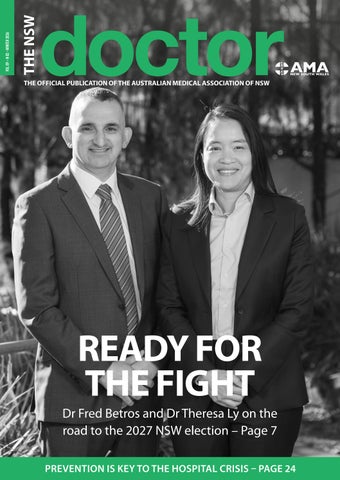
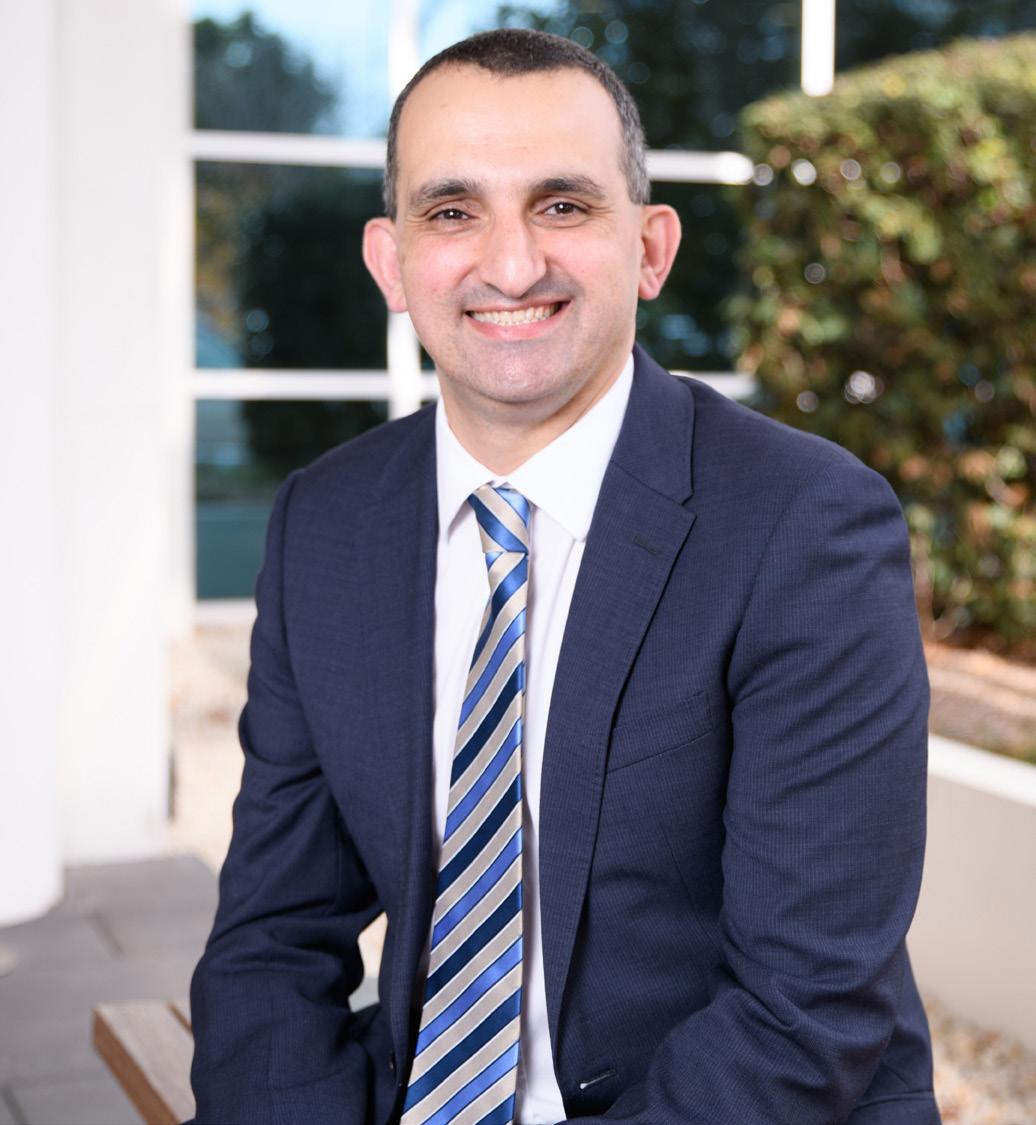
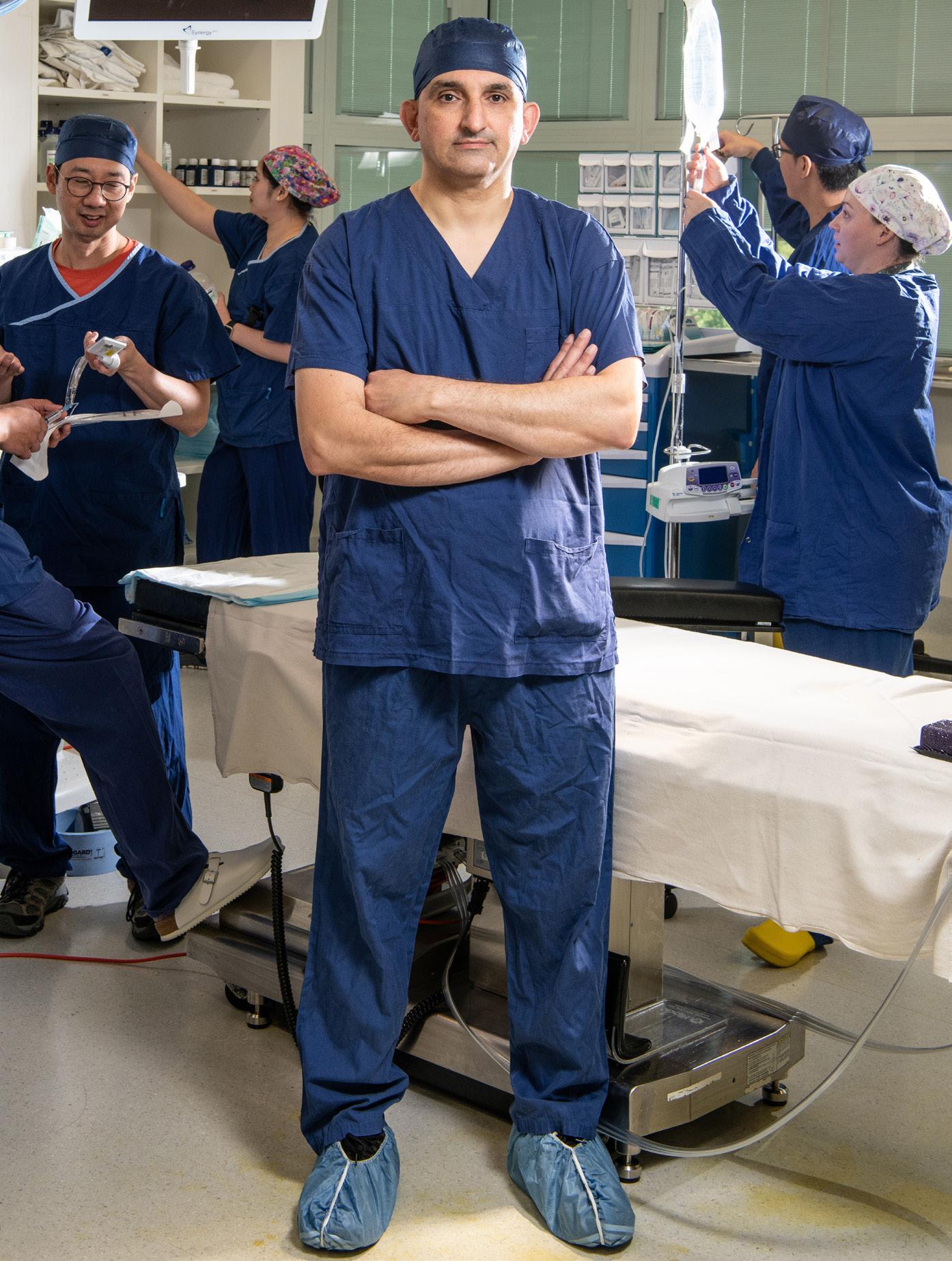
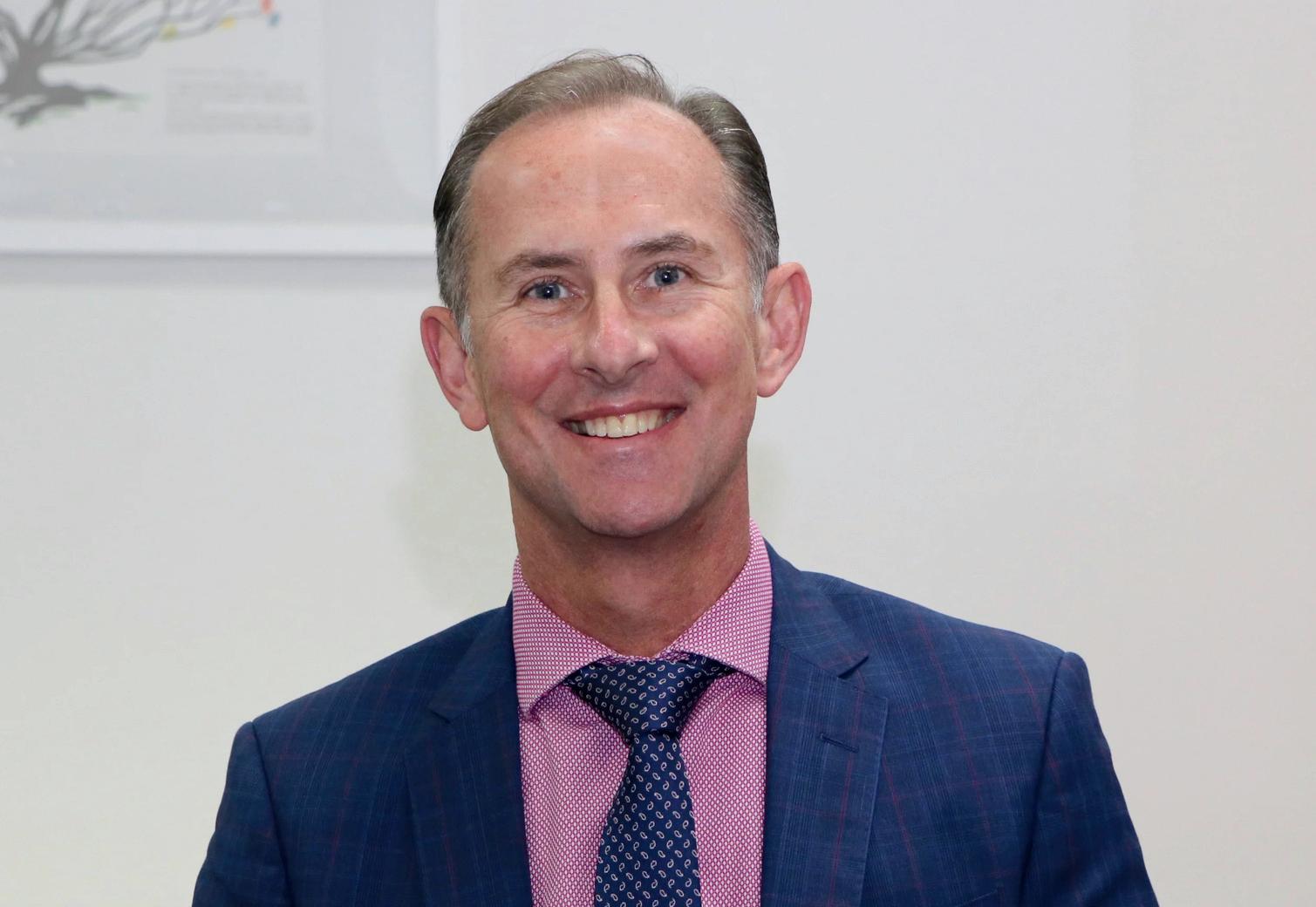
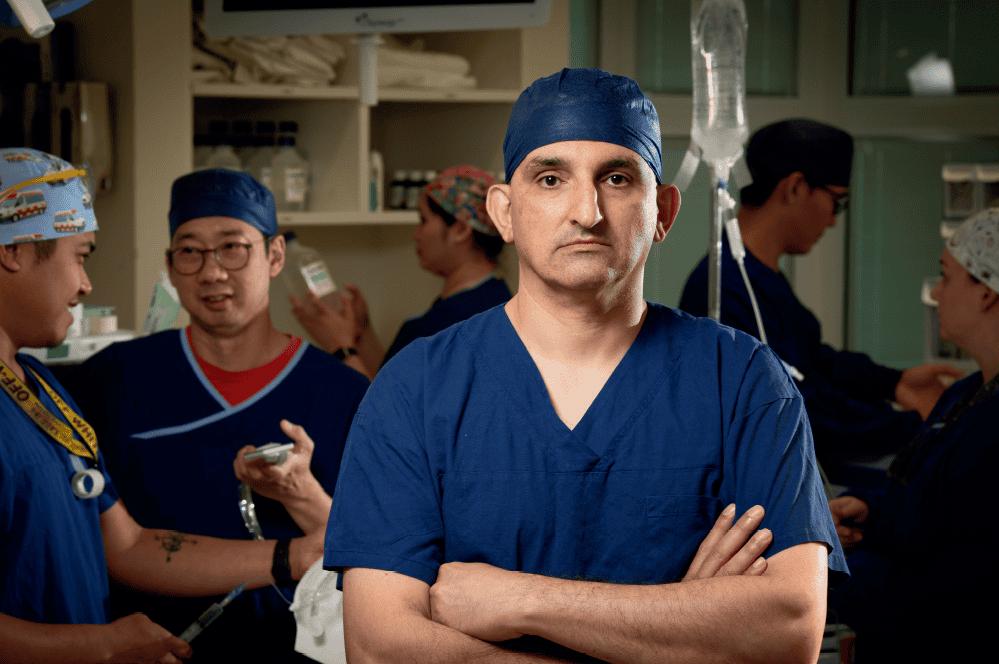
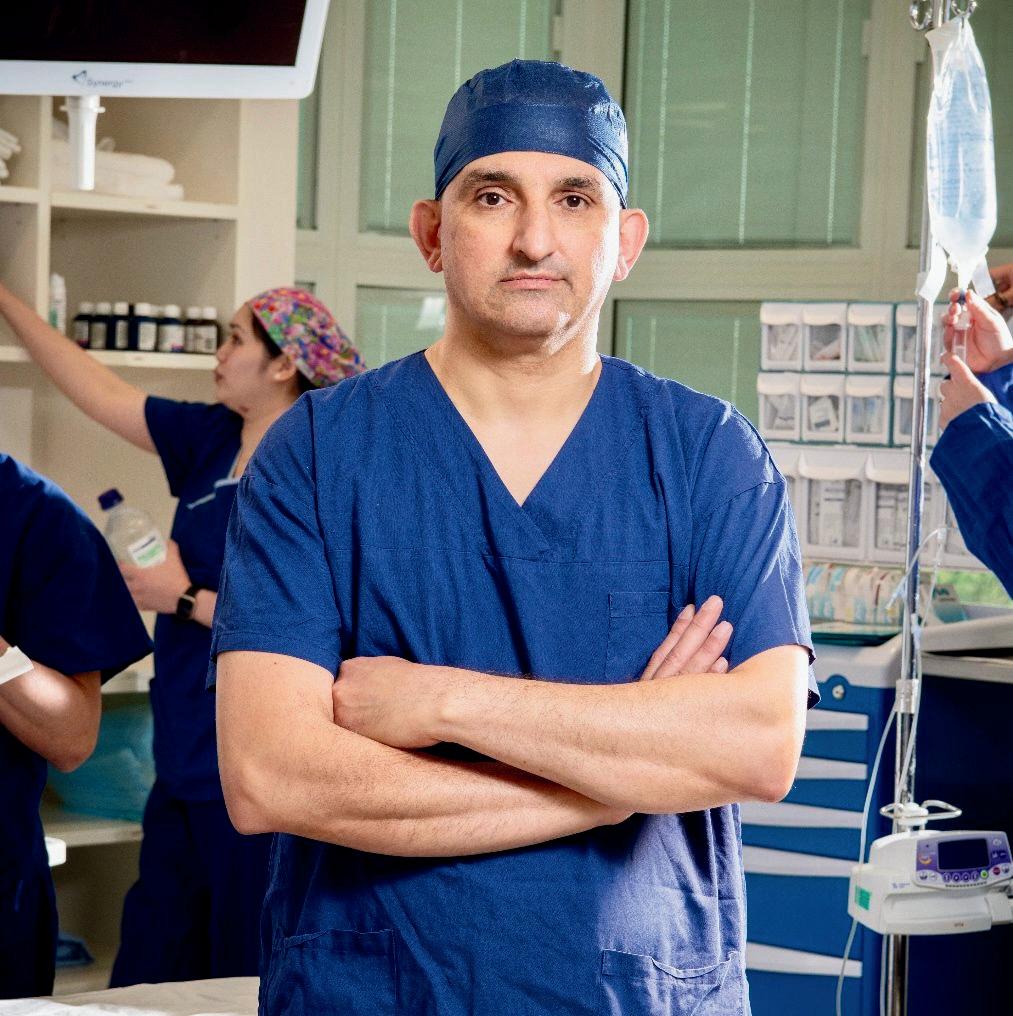
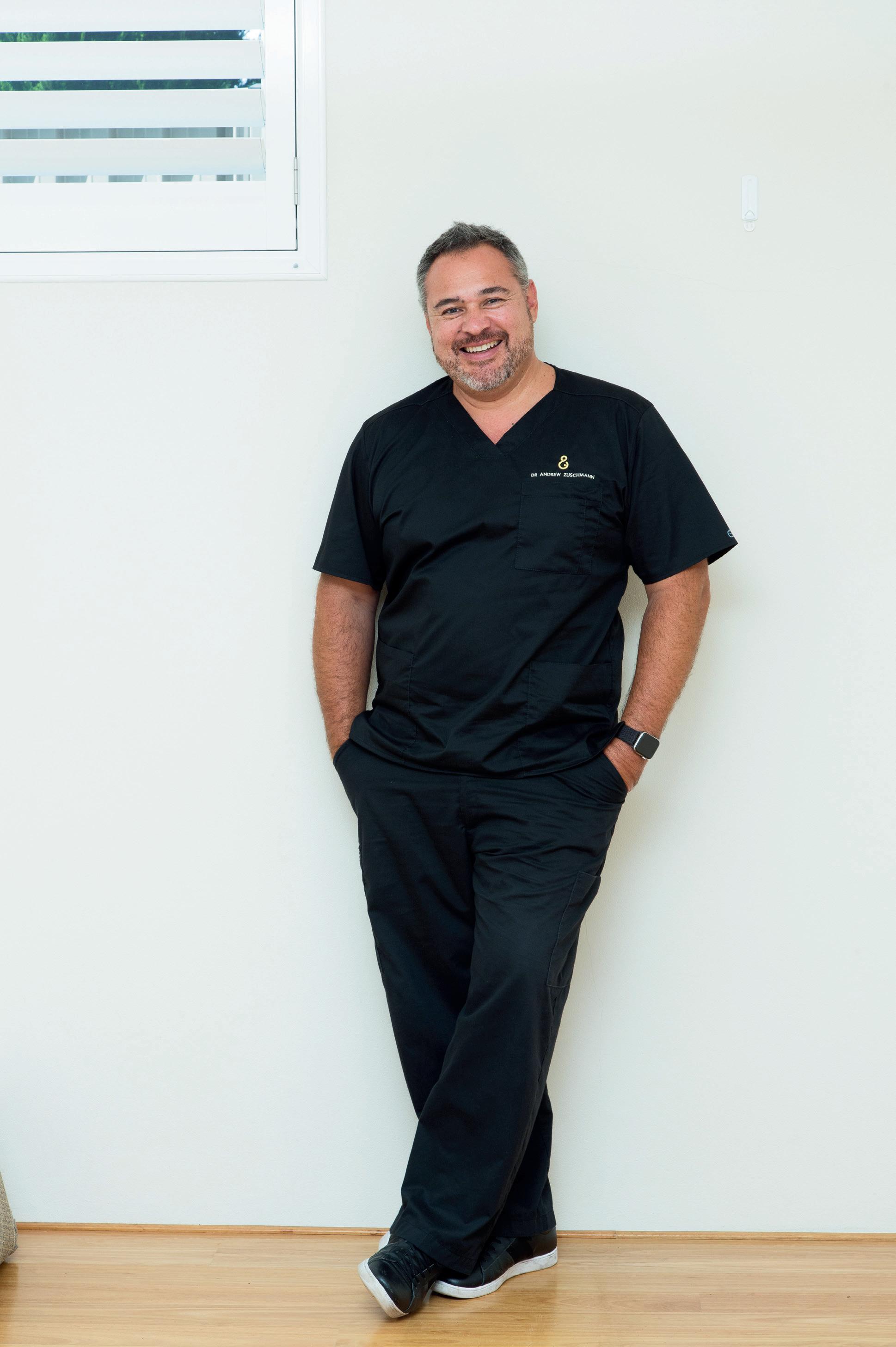
Dr Fred Betros, president
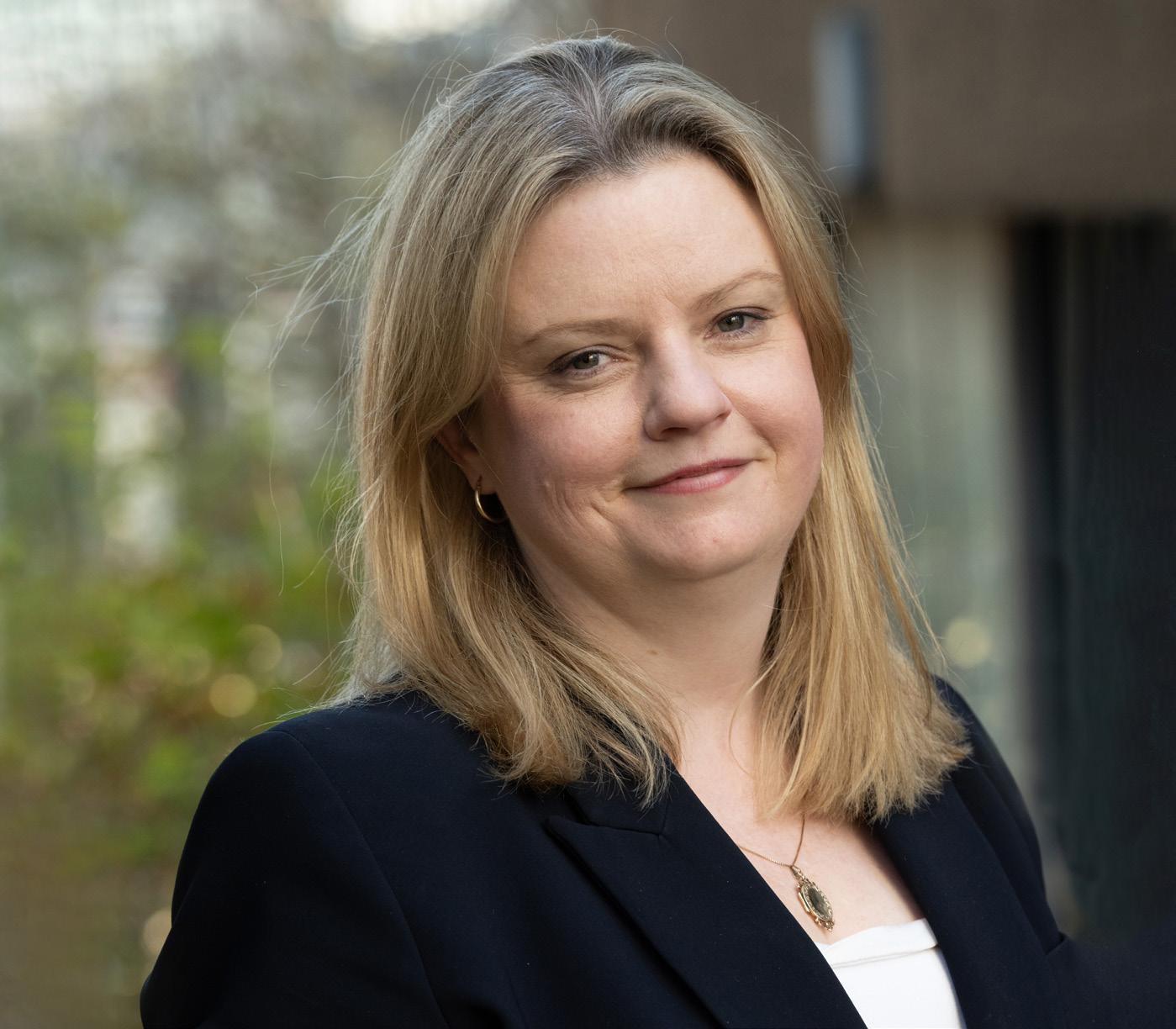
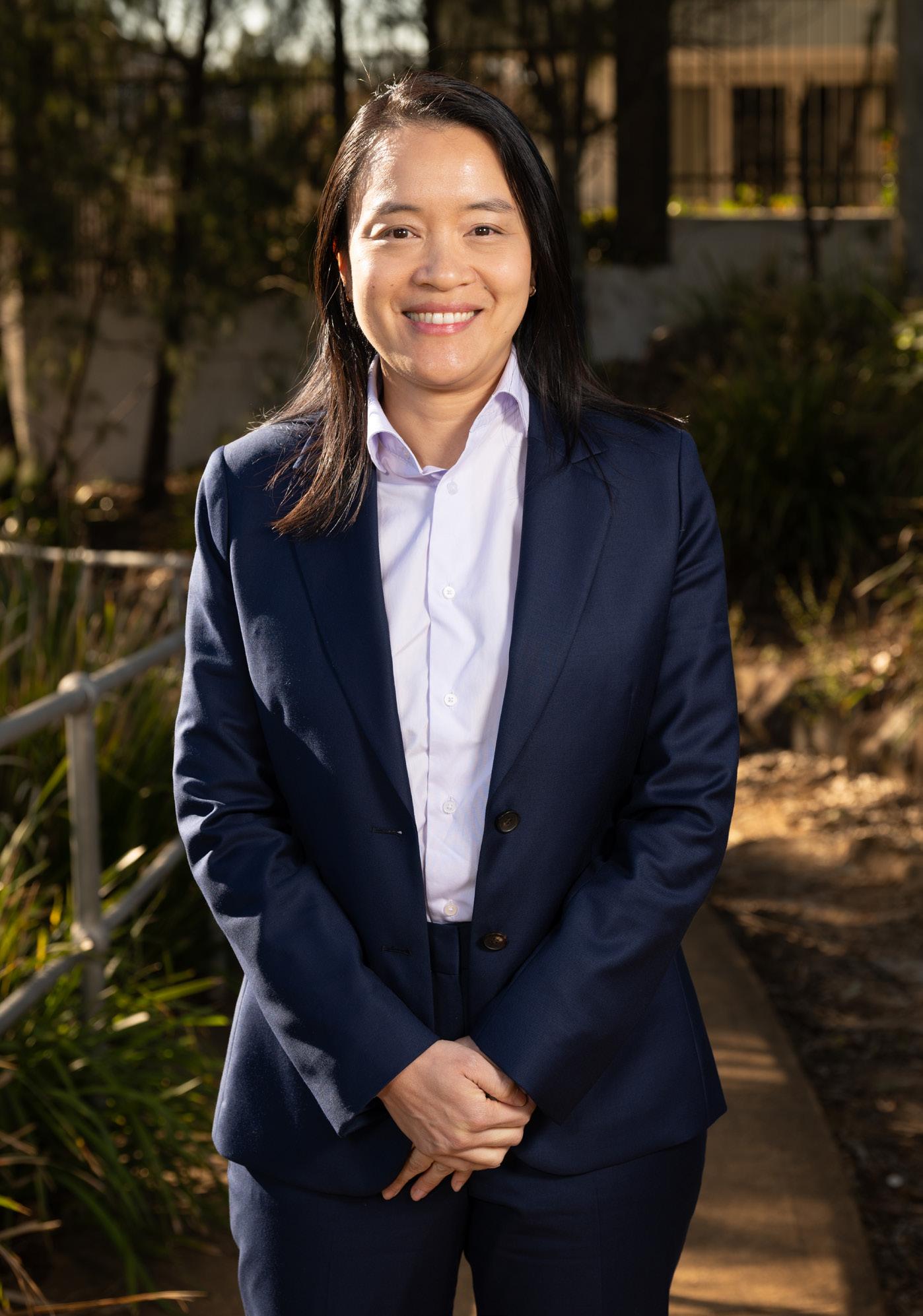
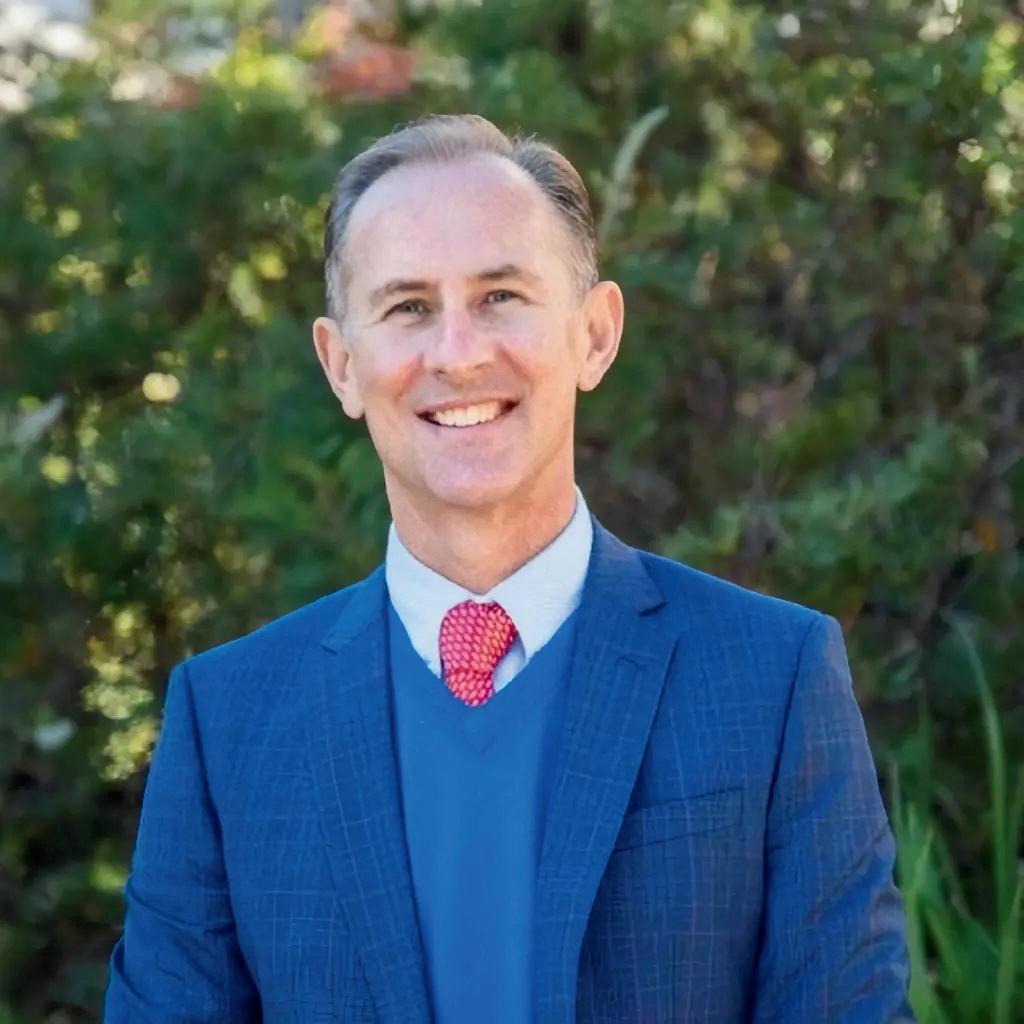
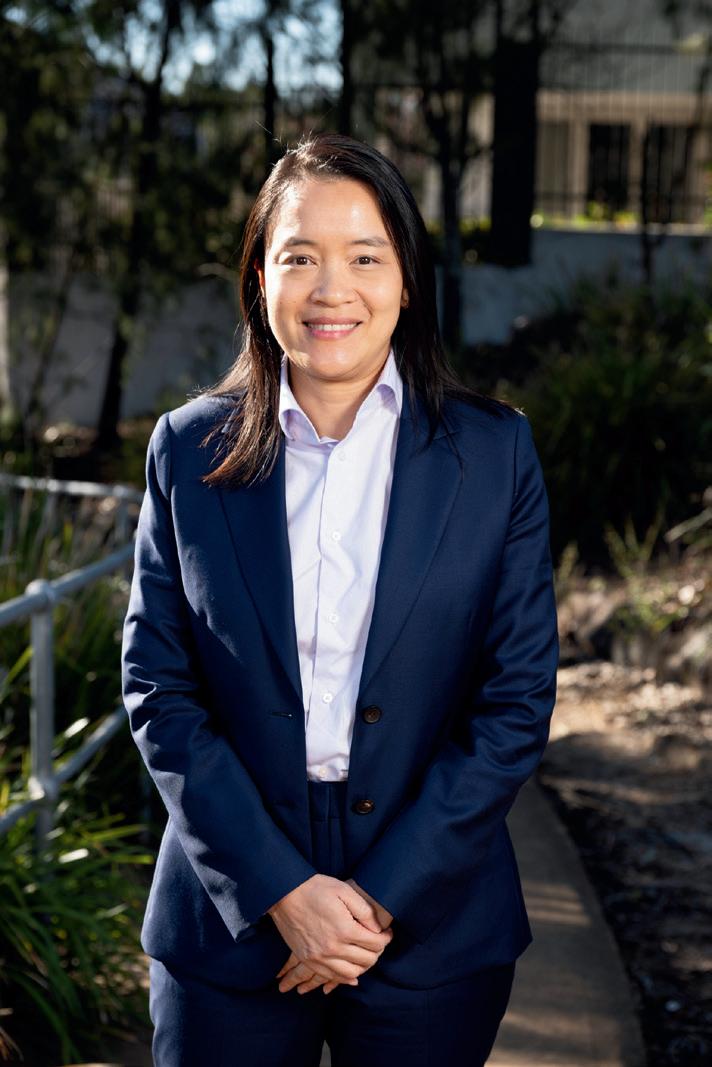
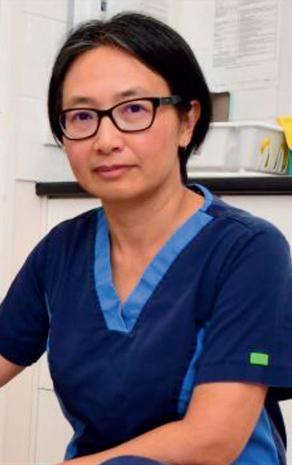
Dr Theresa Ly, vice president
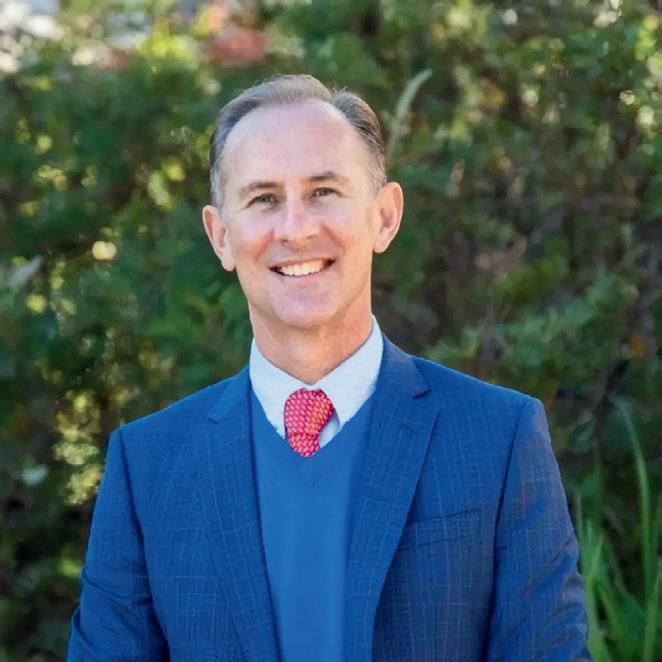
Dr Michael Bonning
Dr Kathryn Austin
Dr Brian Fernandes
Dr Costa Boyages
Dr Ashish Agar
Dr Alan Pham
Dr Ben Maudlin
Editor
Kate Benson kate.benson@amansw.com.au
Cover Photography Hayden Brotchie
Design
Cally Browning cally@barecreative.com.au
Advertising enquiries
Jacob Gormley
Jacob.gormley@amansw.com.au
news@amansw.com.au
www.linkedin.com/company/ama-nsw
www.facebook.com/amansw
PRESIDENT’S WORD
THE ROAD TO 2027 STARTS NOW
As I write my first magazine message as president of AMA (NSW), I do so at a critical time for healthcare in NSW.
The next state election is about eight months away. While politicians begin preparing their campaigns, doctors continue to deal with the daily realities of a health system under immense strain.
Across the state, emergency departments remain overcrowded, elective surgery waiting lists remain stubbornly high and doctors are caring for increasingly complex patients with fewer resources. In regional and rural communities, workforce shortages continue to threaten access to essential services. In metropolitan areas, population growth is outpacing the health system’s capacity to keep up.
The recent NSW Budget was presented as a record investment in health. Yet much of that increase reflects the $2.9 billion allocated to fund nurses and midwives’ pay rises over four years. Nurses and midwives deserve to be properly recognised and valued, but patients should not be led to believe that record spending automatically means record improvements in access to care.
Doctors understand the difference between spending announcements and meaningful reform.
New hospitals and upgraded facilities are important, but what really matters is whether those facilities can be staffed safely and sustainably. The budget contained welcome commitments to infrastructure, but many questions remain about how the NSW Government intends to recruit, retain and support the medical workforce needed to deliver care in those facilities.
We called the politicians out on that after the budget and I don’t think they were prepared for anyone to see beyond their rhetoric. But we did. At the same time, preventative health and communitybased care continue to receive insufficient attention. Every patient who can avoid a hospital admission through timely preventative care represents a better outcome for both the individual and the health system. Yet, prevention too often remains an afterthought rather than a priority.
The pressures facing doctors are not limited to workforce shortages. Increasing administrative burdens, growing patient complexity, rising costs and persistent gaps in community services all contribute to a system that is asking more of clinicians every year. Doctors continue to step up because of their commitment to patients, but goodwill alone cannot sustain a health system.
As we move towards the March state election, AMA (NSW) will remain focused on ensuring healthcare remains front and centre in public debate. We will be calling on all political parties to provide credible plans to address workforce shortages, strengthen general practice, invest in prevention and improve access to care across NSW.
The months ahead present an opportunity to have an honest conversation about the future of healthcare in NSW.
The road to the 2027 election has begun. Now is the time for action.
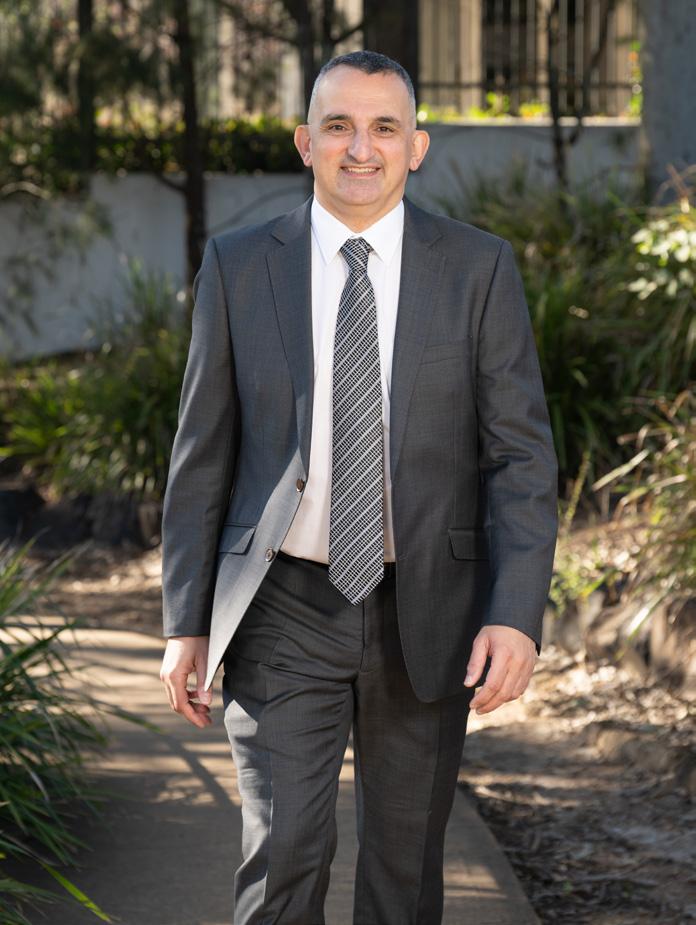
AMA (NSW) president Dr Fred Betros
CEO’S WORD READY FOR THE WORK AHEAD
It is a privilege to begin my role as Chief Executive Officer of AMA (NSW), alongside our new leadership team of Dr Fred Betros and Dr Theresa Ly.
Having spent the past six years as Director of Workplace Relations and in-house legal counsel, I have seen firsthand the challenges doctors face across public hospitals, private practice and every stage of their careers.
My focus as CEO will be on ensuring AMA (NSW) remains visible, accessible and responsive to our members. Over the coming months, I want to spend more time speaking directly with doctors about the pressures affecting their workplaces, their profession and their ability to provide the best possible care to patients.
One of our immediate priorities is the landmark arbitration for visiting medical officers. This is the first case of its kind in almost 20 years and is critical to securing fair and sustainable arrangements for VMOs working across the NSW public hospital system.
We expect a decision in October. Once it is handed down, I plan to travel across the state with our president, Dr Fred Betros, visiting hospitals and speaking with members on what the outcome means for them and their workplaces.
These visits will also give us an important opportunity to hear directly from doctors about the
issues affecting them, the support they need from AMA (NSW) and the priorities they want us to take forward.
At the same time, we will be gearing up for the March 2027 NSW election. It is essential that health is firmly on the agenda and the experiences of doctors and patients are reflected in the commitments made by all sides of politics.
Workforce shortages, unsafe workloads, inadequate planning and growing pressure across public and private practice cannot be solved through short-term announcements
alone. They require sustained investment, practical reform and a government willing to listen to those working on the frontline.
AMA (NSW) will be working to ensure the election debate focuses on the issues that matter most to our members, including workforce capacity, hospital pressures, general practice, prevention and the sustainability of medical practice.
AMA (NSW) must continue to be a strong and credible voice for doctors across public hospitals, private practice, general practice and every stage of training.
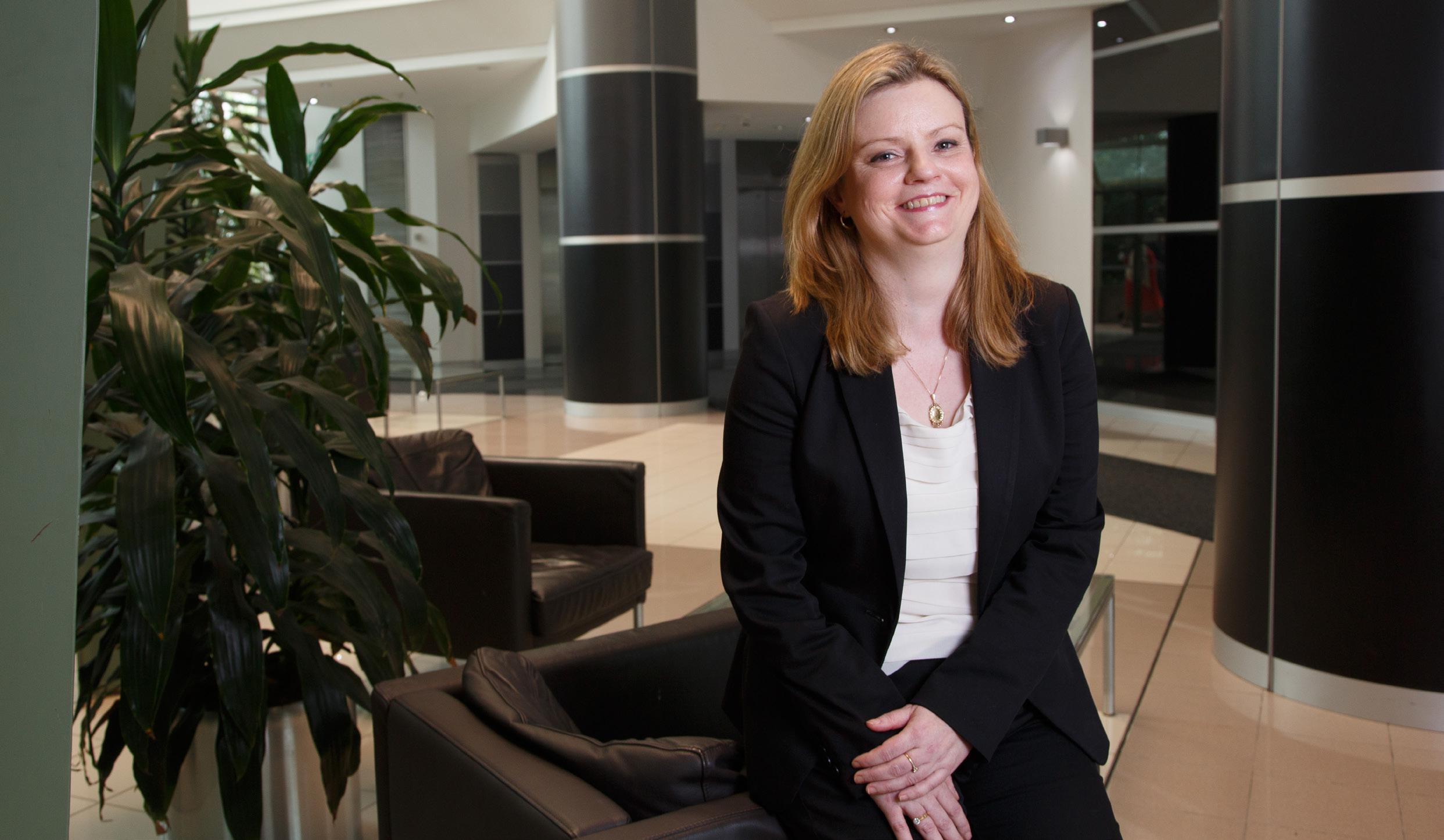
CEO Dominique Egan
THE DOCTOR BEHIND THE PRESIDENCY
As he begins his term as AMA (NSW) president, Dr Fred Betros brings a deep belief in the value of a united profession, writes Jacob Gormley.
Growing up in Toowoomba, Dr Fred Betros’ family lived across the road from the base hospital. The nurses’ quarters sat nearby, with a long, winding driveway that ran through bushland and down to the main road. To a young boy on a bike, it was irresistible.
“My first encounter with health was being berated by angry nurses in the morning coming down through there on the way to school on my BMX bike,” he says. “I got used to being resilient very early on in the health system.”
Dr Betros speaks about medicine with humour, warmth and a lack of pretence. Beneath it always is a clear respect for the people who make the health system work and an understanding that resilience is often learned long before it is named.
“I grew up in a Lebanese background family,” he says. “Our families have been in Queensland since the late 1800s, but I grew up in Toowoomba and have a feel for regional Australia.”
There was no medical dynasty behind him. He was the first in his family to enter medicine. His father worked for a time as a butcher and his mother as a dressmaker, which helped prepare him for surgery.
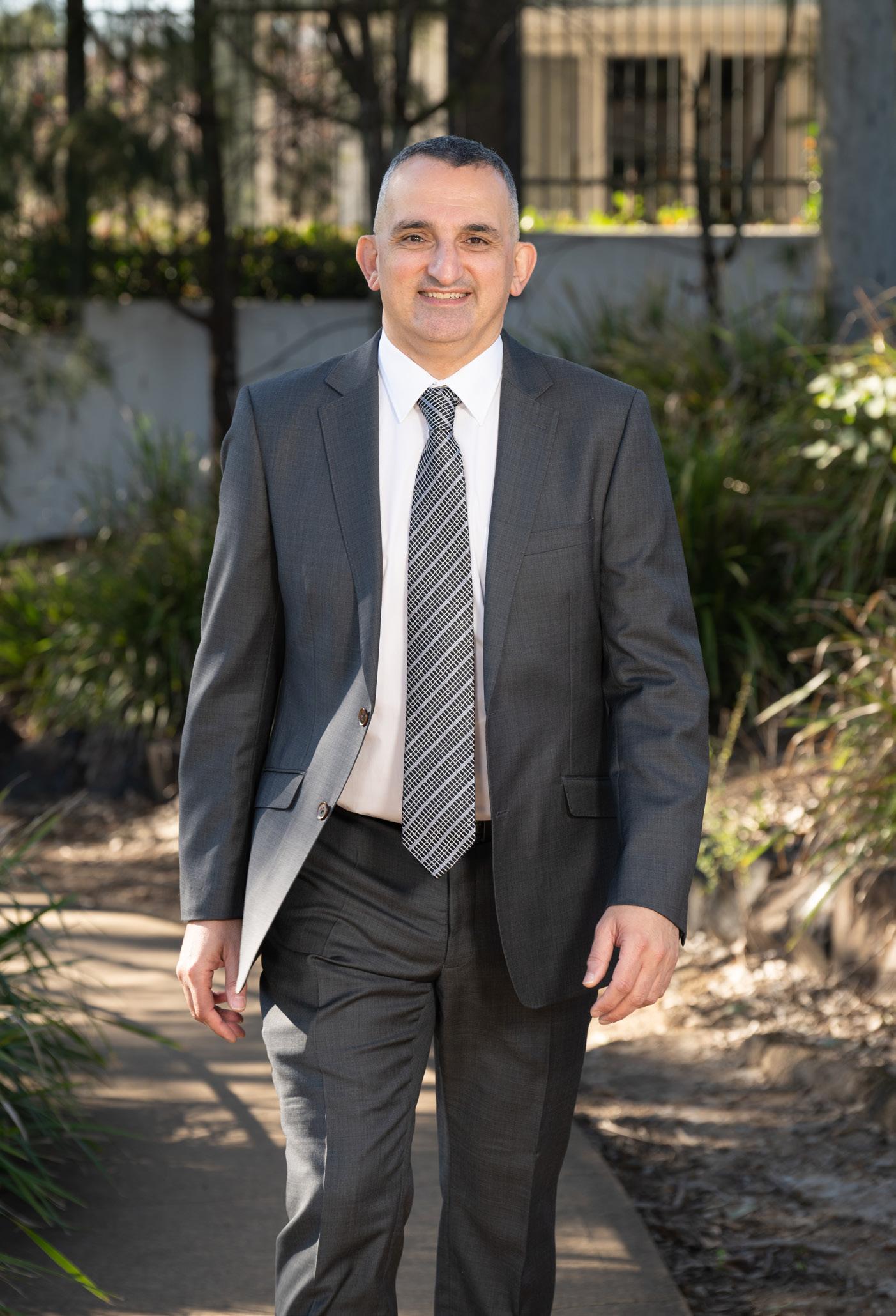
AMA (NSW) president Dr Fred Betros
“One taught me how to cut, and the other taught me how to sew,” he says.
His late mother was immensely proud of his career. His father is in Sydney, and family remains central to Dr Betros. He married while still a medical student and has three adult children.
“My wife consistently reminds me, at any opportunity, how she probably worked as hard as me, if not harder, with three kids,” he says.
But it is an experience that has shaped the way he thinks about medical training, sacrifice and the pressure now facing younger doctors.
He is acutely aware that today’s doctors-in-training face pressures that are different from those he experienced. The cost of living, the length of training, the delay in establishing family life and the uncertainty of career progression all weigh heavily.
“You lose contact with friends, you lose contact with certain family members because you train so hard,” he says. “People just see the end product, but they don’t realise what it takes to get there.”
Dr Betros knew from early high school that he wanted to be a surgeon. In Year 8, he watched a BBC documentary series on the ABC that followed patients through their surgical journey. Its title, Your Life in Their Hands, was dramatic, but for him it was also defining.
“I looked at this and thought, that’s awesome. That’s what I want to do,” he says. “I didn’t just want
LEADERSHIP
to be a doctor, I wanted to be a surgeon from Year 8.”
He did not get into medicine straight away. Instead, he completed a Bachelor of Pharmacy at the University of Sydney before beginning medicine in 1992. It was not the direct path he had planned, but he now sees the detour as important.
“You’ve actually got to have a bit of life experience,” he says. “You’ve got to have some insight into sitting in your patient’s chair or standing in their shoes.”
While studying medicine, he worked in a methadone pharmacy in Redfern, an experience that exposed him to a wide spectrum of society and sharpened his understanding of disadvantage, addiction and human complexity.
“You might not agree with it, but you need to understand it,” he says. “I think that’s the key to being a good doctor.”
Dr Betros became an intern in 1998 and a consultant general surgeon in 2006. This year marks his 20th year as a consultant.
LEADERSHIP
Across those two decades, teaching has been a constant. One of his strongest influences was David Johnson, a general surgeon at Westmead Hospital, whom Dr Betros remembers as modest, thoughtful and an outstanding teacher.
“He had a way of bringing out the best in people,” Dr Betros says.
It is an approach he has carried into his own work with medical students and junior doctors.
“You don’t realise you influence people until 20 years later when someone comes back to you,” he says. “Those interactions we have with our juniors and our training doctors, they actually have a really big impact.”
That belief in mentorship is closely connected to his view of the profession itself. Medicine can be isolating.
Dr Betros says one of the most positive changes he has seen is that doctors are now more willing to support one another.
That sense of collegiality is one of the reasons he is passionate about AMA (NSW). At a time when the profession faces pressure from policy changes, regulatory demands, workforce strain and public debate about costs, he believes doctors cannot afford to be divided.
“I still see it as the only vehicle in the medical profession where you can have a united voice,” he says.
That united voice matters because the challenges facing healthcare are not simple. They are structural, interconnected and increasingly urgent.
We’ve got to have a bit of foresight which looks at the next decade, not at the next election cycle.”
As president, his priorities are clear: hospital funding, preventive health, specialist viability, training pathways, VMO arbitration and ensuring doctors are properly supported to deliver care.
But, he is equally clear that advocating for doctors and advocating for patients are not competing responsibilities.
“I’ve never seen that the AMA puts the doctors above their patients,” he says. “Our patients come first.”
Working in western Sydney has sharpened his concern about equity of access. He sees patients who are doing their best but struggling to afford care. He also sees doctors quietly holding parts of the system together by bulk billing or charging no gaps when patients cannot pay.
“There’s a lot of goodwill out there which isn’t highlighted,” he says.
He is concerned that the public debate around fees too often misses the real issue: the rising cost of delivering high-quality healthcare, the growing burden of disease, and a system that has not kept pace with demand.
“Your emergency department performance really is the barometer of where everything in the health system is working or failing,” he says.
When preventive health fails, when primary care is underfunded, and when patients cannot access care early, the consequences eventually arrive at the hospital door. The pressure is felt in emergency departments, on surgical waitlists and in outpatient clinics.
Prevention is a practical way to reduce illness, improve lives and make better use of health funding.
“We’ve got at the moment a selfperpetuating spiral,” he says. “If we had better public health policy and better public health measures, we’d have a self-perpetuating climb out of the gutter that we’re in at the moment.”
The health system did not reach this point overnight. It has been decades in the making, and meaningful change will require political courage and a willingness to do things differently.
“It’s taken us 40 years to get here and we can’t flick it off like a light switch,” he says.
“We’ve got to have a bit of foresight which looks at the next decade, not at the next election cycle.”
His message is direct: business as usual is not enough.
“We don’t believe that what governments and political parties are doing now is enough,” he says. “Let’s start some dialogue.”
Doctors, he argues, cannot sit on the sidelines while others decide what the system should become. And leadership is not about volume for its own sake. It is about clarity, unity and the courage to say plainly what needs to change.
LEADERSHIP
SHOWING UP, SPEAKING UP
Dr Theresa Ly has been in her new role as vice president of AMA (NSW) for only a few months, but her back story has shaped her drive to support her community, writes Jacob Gormley
As the child of Vietnamese boat people and a firstgeneration Australian, Dr Ly grew up with a clear understanding of her parents’ sacrifice.
“It was impressed on me how lucky we are to be Australian, living in a peaceful country with wonderful people,” she says.
Her parents worked hard to give her as much opportunity as possible. Their example shaped her sense of service, her belief in hard work, and a responsibility to contribute to the country that gave her family safety and possibility.
Like many migrant parents, hers hoped she would become a doctor. But for Dr Ly, it was never just an expectation. It became a purpose.
“It was always about being in a position to help people,” she says.
That instinct has carried her through a career in public medicine, from her internship at Concord Hospital to her current role as a staff specialist anatomical pathologist.
It is a hospital she speaks about with warmth.
“I love working with my colleagues at Concord, who are a great bunch and really understand the role of anatomical pathology,” she says.
Much of Dr Ly’s work happens away from the bedside.
There are slides, microscopes, reports, phone calls and multidisciplinary meetings where a diagnosis can alter the course of a person’s life. Every slide belongs to someone. Every diagnosis carries weight. Every report helps another doctor decide what comes next.
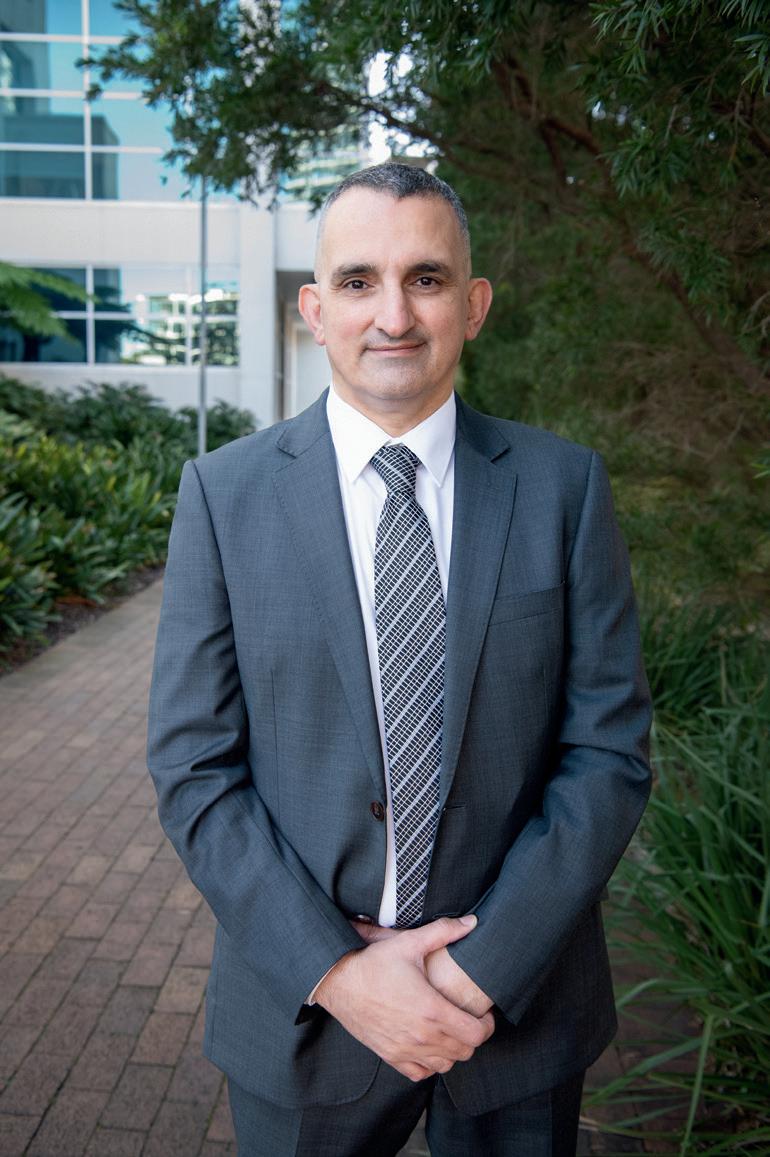
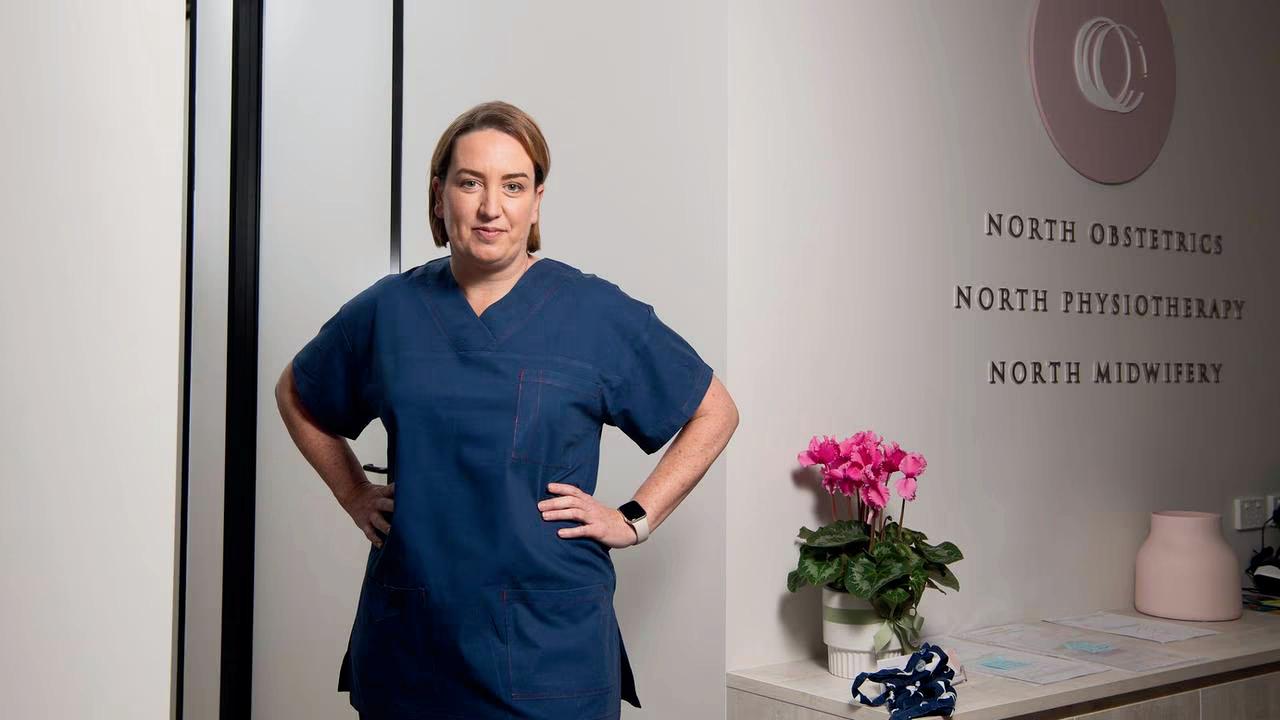
AMA (NSW) vice president Dr Theresa Ly
“I love the challenge of my work: looking down the microscope to make a diagnosis, and working with colleagues in the multidisciplinary setting to determine the best management plan for our patients,” she says.
Anatomical pathology appeals to her because it is detailed, complex and precise. It is medicine as problem-solving, with clues on the slide and clinical information provided by colleagues across the hospital.
A mentor once told her: “tissue is the issue.”
The line stayed with her. It captures the central role of a specialty that is often unseen, but fundamental to modern medicine.
“We are the backbone of medicine,” she says.
That perspective has shaped the way Dr Ly thinks about advocacy.
If pathology can be overlooked, so too can the doctors working under pressure across the health system. If the work behind the scenes is not properly understood, it can too easily be undervalued, underfunded or left out of policy decisions.
“I have been involved in medical advocacy since medical school,” she says.
That included involvement in the Doctors-in-Training Committee of AMA (NSW). She was also present when the NSW Medical Students’ Council was created and served on its first executive.
“For me, it has always been about having a seat at the table so
LEADERSHIP
that opinions and views can be expressed,” she says. “If you want change, you have to be involved and engaged.”
Dr Ly sees the pressures facing doctors every day. She sees workforce shortages, rising workloads, under-resourcing and the strain of trying to meet growing demand in a system that often expects doctors to absorb more.
Doctors remain deeply committed to their patients. But commitment alone cannot carry an underresourced system.
For me, it has always been about having a seat at the table so that opinions and views can be expressed. If you want change, you have to be involved and engaged.”
Without proper support, doctors are pushed beyond capacity. Burnout, disillusionment and stress follow. More than anything, she believes doctors want to feel heard, supported and genuinely valued for the work they do and the responsibility they carry.
That is part of what drew her to the role of AMA (NSW) vice president.
But when she first joined AMA (NSW) as a medical student, she did not imagine herself stepping into senior leadership. She joined because she wanted to make a difference. Over time, she came to understand that change requires more than concern. It requires persistence, presence and a willingness to keep turning up.
At home, Dr Ly is supported by her husband and family, including her two children, aged seven and 12, and the family’s greyhound, Sylvie.
Her husband and sister are both medical doctors, giving her a close support network of people who understand the demands of the profession.
Alongside AMA (NSW) president Dr Fred Betros, Dr Ly believes the organisation’s leadership team can represent a broad crosssection of doctors across NSW.
Dr Betros brings the perspective of a VMO surgeon with experience across the private sector and the public system, while Dr Ly understands the full-time staff specialist role.
Together, she believes they can speak credibly for doctors across different settings, specialties and stages of practice.
Welcome to the latest edition of Financial Paracetamol.
As always, if you have any questions relating to anything in this edition, please don’t hesitate to get in touch with our award-winning team.
Federal Budget Breakdown
This year’s Federal Budget brought a slew of changes that directly affect medical professionals. In this special Budget Breakdown edition, we’ll look at what they mean for you depending on your career stage.
Doctors in Training
Stuart Chan, Partner 1800 988 522
medical@cutcher.com.au
cutcher.com.au
For those just starting out, the big headline is that negative gearing is still available, but with an important shift. It will be limited to new builds or new property purchases, with changes already in effect.
The key opportunity here is that new builds could deliver stronger tax outcomes over time, particularly as policy continues to evolve. So, getting your strategy right early matters.
Mid-career professionals
A major change on the horizon is the introduction of a 30% minimum tax on discretionary trusts, set to take effect from 1 July 2028, pending legislation. This will impact how income is distributed and may reduce the effectiveness of traditional trust structures.
At the same time, changes to Capital Gains Tax (CGT) are emerging as a key consideration. The current 50% CGT discount is expected to be replaced with an inflation-adjusted model, alongside a minimum 30% tax on real gains from 1 July 2027. For those actively investing in shares, property or other long-term assets (including your medical practice), this could change after-tax returns.
Despite this, it’s important not to rush into restructuring decisions. Draft legislation and additional detail are still to come, and potential rollover relief may provide flexibility from 2027. Strategic, well-timed advice will be critical.
CGT changes in action >
Pre-retirees
For those approaching retirement, CGT reform is likely to have the biggest impact. Decisions that were once relatively straightforward, such as when to realise gains, will require a more nuanced approach.
This shift reinforces the importance of proactive planning. With implementation dates set for 2027 and beyond, there is still time to review your position, understand your exposure, and align your strategy with the new rules.
bottom line
Across all career stages, the common theme is clear: don’t rush, but don’t stand still. These changes reward those who plan ahead and seek advice early. Contact the experts at Cutcher & Neale today at cutcher.com.au/contact
NEW CEO, SAME STRONG AGENDA
There’s a new CEO at the helm of AMA (NSW) but this one already knows how to steer the ship.
Dominique Egan’s road to the highest level of AMA (NSW) began more than 25 years ago as a junior lawyer in Sydney.
She joined TressCox Lawyers straight out of university, learning the ropes in the firm’s health and aged care branch – an experience that led her to develop “a real respect” for doctors and their commitment to the health system.
During that tenure, Dominique gained extensive experience in private legal practice, working predominantly with medical practitioners, medical associations and their members.
Her legal career included representation before the Medical Council of NSW and the NSW Civil and Administrative Tribunal, handling matters involving Health Care Complaints Commission
investigations, appearances in the NSW Industrial Relations Commission and Fair Work Commission, as well as providing medico-legal and commercial advice to doctors in private practice.
By 2020, she had set her sights on effecting systemic change for doctors and patients, rather than addressing individual doctor concerns.
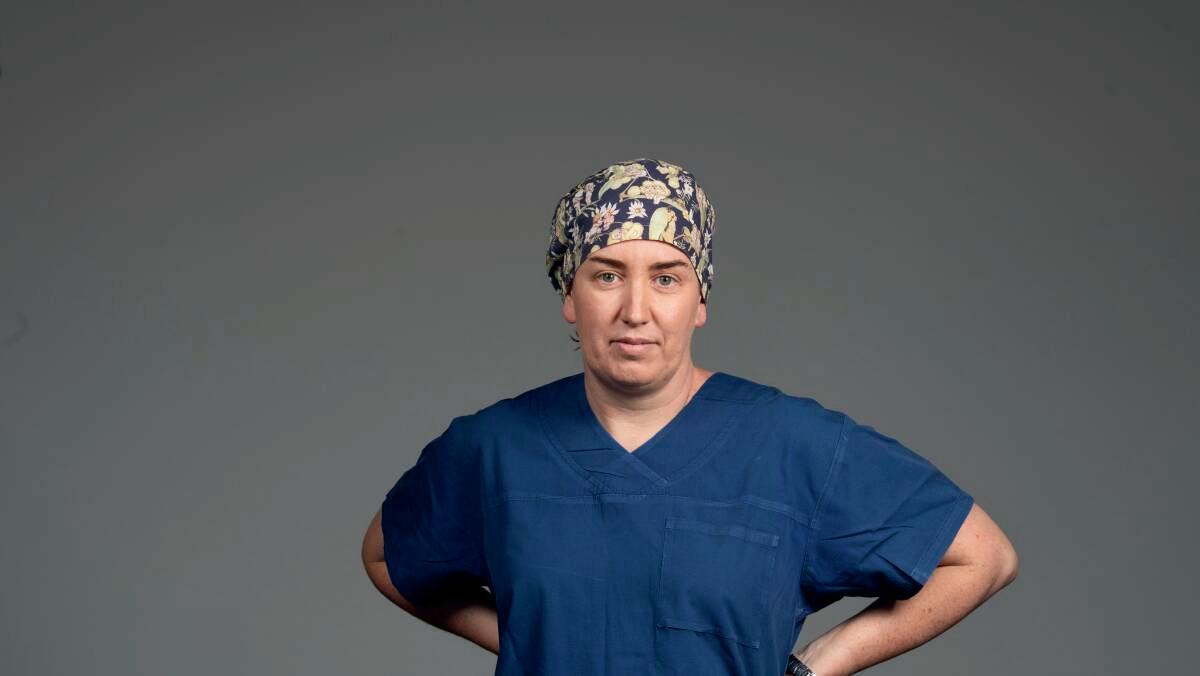
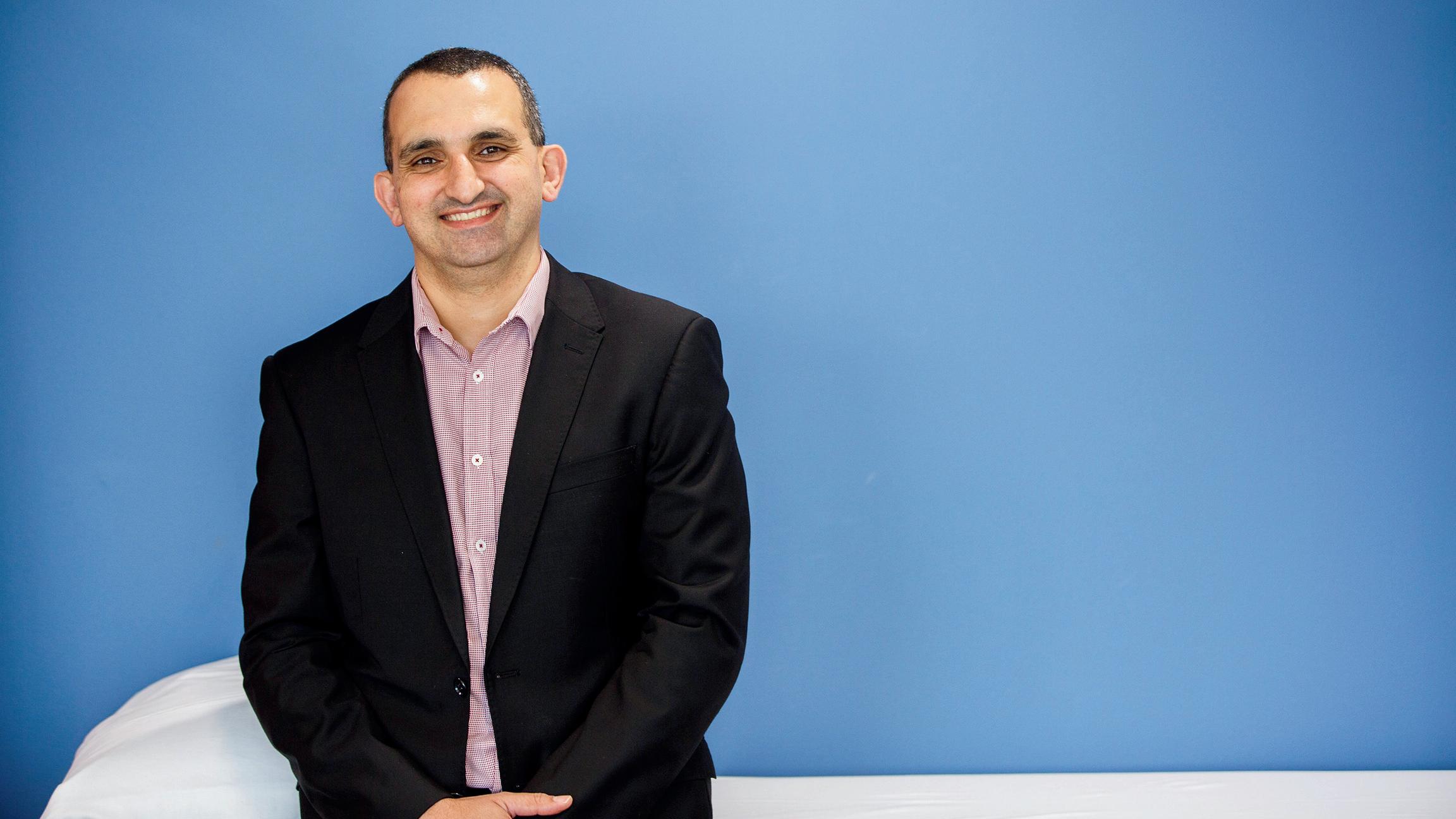
AMA (NSW) CEO Dominique Egan
That led her to AMA (NSW) as the Director of Workplace Relations and in-house legal counsel, a role where she would become a highly influential leader across major policy and advocacy platforms, shaping strategy, supporting members and advocating for outcomes that reflect the realities of modern medical practice.
She led a broad range of matters including hospital workplace concerns, investigations, employment disputes, regulatory proceedings and medico-legal issues.
She also represented AMA (NSW) in the Special Commission of Inquiry into Healthcare Funding, ensuring members’ voices were heard. Every issue raised by AMA (NSW) in our submissions was supported in the final recommendations – an incredible achievement.
But the centrepiece of her workthe landmark arbitration to improve terms and conditions for visiting medical officers – has been a once-in-a generation opportunity and will help NSW Health recruit and retain VMOs in the public system for decades to come, supporting staff specialists and improving care for patients across the state.
Now, in 2026, she is the Chief Executive Officer – the first new appointment to that role in 18 years, marking an important milestone for AMA (NSW) at a time when the medical profession is facing increasing challenges across the healthcare system.
At every turn, we are seeing growing pressures on hospitals, workforce shortages, attacks on the viability of private practices and Medicare rebates going backwards.
LEADERSHIP
I joined AMA (NSW) so I could make the system better and stand up for doctors to ensure their voices are heard.”
The next NSW election is only a few months away and the recent NSW Budget painted a grim picture of our politicians’ priorities.
There was no growth in hospital funding; no investment in preventative care; no mention of doctors in the promised 9000 additional health workers; and almost 30 per cent of the total health “investment” was a mandated payment to nurses and midwives.
That means the next few months are crucial for AMA (NSW) and doctors across the state. We must have a cohesive voice and a strong agenda, and it’s a project Dominique does not shy away from.
Through her career with AMA (NSW), she has remained focused on ensuring doctors receive expert advice, strong representation and
practical support when facing professional challenges. Her commitment to member services has earned the trust and respect of colleagues and members alike.
That won’t change as CEO.
“I joined AMA (NSW) seven years ago so I could make the system better and I’m looking forward to further developing that work and standing up for doctors to ensure their voices are heard,” she says.
Her clear communication, sound judgement and resultsfocused mindset, joined by her longstanding commitment to the profession and understanding of the challenges facing doctors, give her a unique perspective on the healthcare landscape, and one that will serve members well.
WORKPLACE RELATIONS
NAVIGATING ENTITLEMENTS
Working as a doctor-in-training can be overwhelming, especially when it comes to understanding your entitlements, but help is at hand, writes senior legal officer Anastasia Wall.
Hours of work
For full time employees, remuneration is based on a 38 hour working week. However, you will be rostered for 40 hours per week. The additional two hours accrue each week towards an Allocated Day Off (ADO) once a month.
ADOs should be rostered and taken within that same month. When you leave NSW Health or transfer to another local health district within NSW Health, any ADOs that remain unused will be paid out.
Under the rostering framework, you may be scheduled to work up to 40 hours in a seven day period or up to 80 hours across a 14 day period.
Rostering
The hours you work each day are commonly referred to as a shift. Each shift may vary in length and time of day, however there are guidelines for the length of your shift:
• A shift must be rostered for a minimum of four hours in length;
• A shift must not be rostered for more than 14 consecutive hours; and
• There must be a 10 hour break between rostered shifts.
In addition to ordinary hours of work, you may also be rostered to work overtime and/or be required to complete unrostered overtime.
Your roster should be released with at least two weeks’ notice. However, in an emergency, your employer can change the roster with less notice.
Do I get a meal break?
Yes, during day shifts from Monday to Friday, you are entitled to a 30-minute unpaid meal break. This meal break is paid for if you work during evening shifts, night shifts and weekend shifts.
For your own health and wellbeing, we recommend taking your meal break during your shift, whenever this is possible. If you work during your unpaid meal break, be sure to claim this time via the unrostered overtime claim process.
Payment of wages
You will be paid fortnightly into your nominated bank account and will receive a pay slip each fortnight. We recommend checking your pay slip against your timesheet to ensure that you have been paid correctly. If you think an error has been made, speak with your JMO manager in the first instance. If this does not resolve it, contact the Workplace Relations team at AMA (NSW) for assistance.
Penalties
Penalty rates are paid as a percentage on top of your ordinary time earnings when your ordinary hours are rostered at ‘unsociable times’.
WORKPLACE RELATIONS
Penalty rates for unsociable times include:
Monday to Friday evenings (1800 to midnight) 12.5 per cent
Monday to Friday nights/ early mornings (midnight to 0700) 25 per cent
Saturdays (midnight Friday to midnight Saturday) 50 per cent
Sundays (midnight Saturday to midnight Sunday) 75 per cent
Overtime
Overtime refers to hours worked in excess of your ordinary hours. From time to time, you will be required to work reasonable additional hours.
Any time worked in excess of 10 hours during one shift will be paid at overtime rates. Time worked in excess of 80 hours in a fortnight will also be paid at overtime rates. Overtime entitlements are calculated on a per shift basis.
Overtime consists of rostered and unrostered overtime. You might be required to work unrostered overtime in the following circumstances:
• Medical emergency
• Transfer of a patient
• Extended shift in theatre
• Patient admission/discharge
• Completion of outstanding patient transfer/discharge summaries
• Late ward rounds
• Mandatory training
• Clinical handover
• Hospital-based outpatient clinics.
Any unrostered overtime will be paid at overtime rates. From Monday to Saturday, the first
two hours are paid at time and a half (1.5x) and all hours thereafter are paid at double time (2x). All overtime hours are paid at double time (2x) on a Sunday.
Leave
As a full time employee, you accrue four weeks of annual leave each calendar year. But depending on your roster, you may accrue additional leave. If you work part-time, annual leave will accrue on a pro rata basis.
For every public holiday worked, you will have an extra day of annual leave added to your leave balance. This applies if your rostered day off falls on a public holiday. In some cases, you may also accrue extra leave for working Sundays, recognising the added demands of weekend shifts.
Accrued but untaken annual leave will be paid out on termination of employment.
How much sick leave am I entitled to?
Full-time employees are entitled to 76 hours of paid sick leave per year, which accumulates annually. If you work part-time sick leave will accrue on a pro rata basis.
You become eligible for a full year’s entitlement of paid sick leave on
the first day of the fourth month of employment. You are not entitled to paid sick leave before this time, but you can access unpaid sick leave.
Periods of sick leave that are more than two days will generally require a medical certificate. You must notify appropriate staff of your absence as soon as possible.
If you change locations at the end of a term/rotation, your leave entitlements will transfer with you if you continue to be employed within NSW Health.
Sick leave is not paid out on termination of employment.
Am I entitled to study leave?
Under the Award, after completion of their intern year, doctors-intraining become eligible for up to seven days of study leave annually.
Study leave may be used for face to face courses, exam preparation, or other approved training activities. However, it is not guaranteed. Applications must be lodged in advance, and approval is granted at the discretion of your employer.
At present, study leave approval processes vary between local health districts. As a first step, doctors in training are advised to check the specific hospital requirements with their JMO manager.
If you need further assistance understanding your entitlements, contact the AMA (NSW) Workplace Relations team for tailored advice. You can contact our team at workplace@amansw. com.au or on (02) 9439 8822.
HEALTHCARE UNDER PRESSURE: RESOURCE
CONSTRAINTS AND PROFESSIONAL RESPONSIBILITY
The healthcare system is built on the principle of delivering safe, high-quality patient care. Yet for many doctors, the reality of clinical practice is increasingly shaped by workforce shortages, growing patient demand, funding pressures and limited access to services and infrastructure, writes Anastasia Livanova.
These pressures can affect clinical decision-making, delay treatment and increase the risk of adverse outcomes. When patient harm occurs in these circumstances, an important medico-legal question arises: to what extent should a doctor be held legally responsible where that harm has been influenced by limitations within the healthcare system?
While the law recognises system constraints, they do not remove a doctor’s professional obligations. Understanding how courts assess negligence in these circumstances is increasingly important for doctors working in a stretched healthcare system.
Medical negligence and duty of care
To establish a claim in medical negligence, a patient must generally prove that the doctor owed them a duty of care, that the duty was breached, that the breach caused their injury and that they suffered loss or damage as a result.
In most cases, the existence of a duty of care is not controversial. Doctors owe a well-established duty to exercise reasonable care and skill in the treatment of their patients. The duty is not always
limited to individual doctors. Hospitals and health services may also owe duties to patients and can be liable for harm arising from employee conduct or broader systemic failures.
Has a breach of duty occurred?
To establish a breach of duty, it must be shown that the doctor’s conduct fell below the standard expected of a reasonably competent practitioner in the same circumstances. This assessment is undertaken objectively based on the information available at the time, rather than with hindsight.
In determining whether a breach has occurred, courts will consider a range of factors, including whether the risk of harm was reasonably foreseeable, the likelihood of that harm occurring, the seriousness of the potential consequences and the burden of taking precautions to avoid the risk.
Importantly, a poor outcome does not necessarily mean that a doctor has been negligent. The question is not whether a different decision may have produced a better outcome but whether the doctor acted reasonably in the circumstances they faced.
Under the Civil Liability Act 2002 (NSW), a doctor will generally not be found negligent if they acted in a manner widely accepted in Australia by peer professional opinion as competent professional practice. This reflects the reality that medicine often involves complex clinical judgments and that there may be more than one appropriate course of action.
Do the “circumstances” include resource constraints?
In short, yes. Courts recognise that healthcare is delivered in environments affected by staffing shortages, limited infrastructure and competing clinical demands. These factors may form part of the circumstances in which a doctor’s conduct is assessed.
In Richards & Ors v Rahilly & Anor [2005] NSWSC 352, proceedings were commenced against a paediatrician and a rural health service alleging that a delay in arranging an electroencephalogram resulted in a delayed diagnosis of a seizure disorder and consequent harm to the patient.
The Court recognised that the standard of care expected of a medical practitioner must be
WORKPLACE RELATIONS
assessed in the context of the environment in which they practise. In doing so, it acknowledged that clinicians working in rural settings may face practical limitations, including reduced access to specialised diagnostic services and equipment compared with those practising in metropolitan areas.
Notwithstanding this, system and resource limitations do not provide a blanket defence to negligence claims. The central question remains whether the doctor acted reasonably and took appropriate steps to manage foreseeable risks.
Causation
Even where a breach of duty is established, a patient must still prove that the breach caused the harm for which compensation is sought. It must also be shown that the alleged breach materially contributed to the patient’s injury.
In cases involving resource constraints, causation can be complex, as adverse outcomes may arise from a combination of factors rather than a single clinical error. Courts will consider whether the harm would have occurred regardless of the alleged breach and whether reasonable steps were taken to mitigate risk. Relevant considerations include whether concerns were escalated, alternatives explored and delays recognised and communicated.
The presence of broader system constraints does not necessarily absolve a doctor of responsibility. A doctor who fails to act in the face of a known risk may still be exposed to liability, even where resource limitations contributed to the circumstances. Equally, where
harm was primarily caused by factors beyond the doctor’s control, establishing causation may be more difficult.
Individual responsibility versus
system failure
In cases involving resource constraints, liability does not necessarily rest solely with the individual doctor. Hospitals and health service providers may also be held responsible where patient harm results from broader systemic failures.
Hospitals and health services owe their own duties to patients, including obligations to provide safe systems of work, appropriate staffing, adequate supervision and reasonable access to necessary resources. Where deficiencies in these areas contribute to patient harm, liability may extend beyond the treating doctor.
This principle was illustrated in Sherry v Australian Conference Association (t/as Sydney Adventist Hospital) [2006] NSWSC 75, which involved allegations that deficiencies in ICU staffing, monitoring and clinical management contributed to a patient’s death following cardiac surgery. The Judge in this case observed that, in undertaking to provide hospital and medical care, a hospital is under an obligation to staff its facilities at appropriate levels.
Importantly, the existence of organisational liability does not necessarily exclude liability on the part of an individual doctor. In some cases, both the doctor and the hospital or health service provider may be found to have contributed to the patient’s injury,
with responsibility apportioned according to the circumstances.
Practical risk management strategies
While doctors cannot control many of the systemic pressures affecting healthcare delivery, several practical steps can help reduce medico-legal risk:
• Document clinical reasoning, particularly where decisions are influenced by delays or resource limitations.
• Escalate concerns where patient safety may be compromised and document those discussions.
• Communicate openly with patients about delays, limitations and associated risks.
• Provide appropriate follow-up advice.
• Advocate for patients where possible, including seeking urgent referrals or specialist input.
Balancing care and constraint
The law recognises that medicine is not practised in a vacuum. Doctors are increasingly required to make clinical decisions within healthcare systems facing growing demand, workforce shortages and limited resources. These realities provide important context when courts assess clinical conduct but do not remove a doctor’s professional obligations.
For doctors, the challenge is balancing competing demands while continuing to deliver safe, patient-centred care. In this environment, sound clinical judgment, effective communication, appropriate escalation and clear documentation remain among the most important safeguards for both patients and doctors.
POLICY AND ADVOCACY FROM ACCESS TO EXCESS
Recent UTI trial highlights the risk of prioritising convenience at the expense of antimicrobial resistance, writes policy assistant Jasmine Digges.
Asimple premise seems to govern many moves in Australia’s health policy, including a recent trial exploring the management of UTIs by pharmacists: improve access to care, and outcomes will follow. But, when it comes to antimicrobials, more access and more prescriptions do not necessarily mean better health.
Antimicrobial resistance (AMR) exists when an antimicrobial therapy fails to effectively treat an infection it was previously able to. It is a pertinent issue in general practice and a leading health concern across the globe. Much of the success of modern medicine, from routine surgery to chronic disease management, depends on using
antimicrobials at the right time and in the right quantities. When these treatments fail, so do the foundations of contemporary healthcare.
The power of prescribing
While the risk of AMR looms, pressures continue mounting on Australia’s health system. Rising demand for primary services within the community, negative perceptions of delays and a changing disease landscape intensify strains on alreadystretched general practice and hospital systems. The NSW government is seeking new models of care which can improve access, provide convenient treatment and secure faster resolution.
Central to their reform agenda has been the expansion of prescribing powers beyond doctors. In NSW, recent shifts have considered enabling pharmacists to manage and treat minor ailments perceived to be straightforward, self-limiting and suitable for care outside traditional clinical settings.
However, opening the door to prescribing in non-clinical or retail settings risks blurring the line between timely care and unnecessary treatment. It can inadvertently position pharmaceutical intervention without proper consultation, diagnostic certainty and patientcentred care as the key to improving outcomes. When those interventions involve antibiotics or antimicrobial therapies, short-term
POLICY AND ADVOCACY
solutions can snowball into longterm consequences which extend far beyond the individual patient.
Each unnecessary or inappropriate prescription contributes incrementally to the growing burden of AMR. It is already a pertinent issue in general practice. Expanding prescribing powers must involve striking a crucial balance between access and excess, one which is impossible to achieve without expert consideration and evidence-based planning.
An important benchmark
Against this backdrop, the government funded PATH-UTI trial is pivotal. Conducted by the University of Newcastle, the trial assessed the management of uncomplicated urinary tract infections (uUTIs) by community pharmacists. It involved a cohort of 17,313 women and 18,143 total episodes of care.
The mere existence of the trial acknowledges the magnitude of the change it is assessing. Expanding prescribing authority and the role of pharmacists represents a significant structural shift in how healthcare is delivered. Robust evaluation is essential. NSW should be credited as the only jurisdiction to formally trial pharmacist prescribing at this scale. As the largest study of its kind to date, its findings have potential to shape policy across jurisdictions.
However, the trial falls short in several crucial areas. The participant cohort was not representative of a real-world population, skewing toward advantaged groups. 38 per cent of
Expanding prescribing powers must involve striking a crucial balance between access and excess.”
participants came from the most socioeconomically advantaged postcodes, compared with just 8.8 per cent from the least advantaged. Additionally, 72 per cent of participants were from metropolitan areas, with no very remote pharmacies included. The absence of a control group further limits interpretability.
Despite reporting high patient satisfaction and symptom resolution, the trial did not establish whether the services actually delivered better outcomes than GP-led care. One in four participants saw a GP within seven days of their pharmacy consultation, despite only 7.3 per cent being directed to. By day 28, 48 per cent had visited a GP. This figure is particularly concerning given pharmacists prescribed antibiotics in 92.6 per cent of encounters.
The trial is commendable for attempting to examine impacts on AMR. Importantly, it identified statistically significant increases in resistance to three commonly prescribed antibiotics (trimethoprim, nitrofurantoin and cefalexin). However, it remains unclear whether the changes were attributable to the intervention or expected AMR trends. Understanding the relationship between isolated prescribing and AMR remains complex, and basing
decisions on the preliminary analysis offered by the PATH-UTI trial is fraught with risk.
A resistance against resistance
Overprescribing is not confined to new prescribing models. The 2026 AURA report indicating that GPs already account for 87.4 per cent of antimicrobial prescriptions. The threat of AMR is systemic and must be addressed across all prescribing contexts.
What the PATH-UTI trial ultimately illustrates is that expanding prescribing has potential to intensify the very thing it is designed to reduce – pressure on our health system. While intended to improve access and efficiency, overprescribing, fragmenting care and weakening general practice can accelerate AMR and reinforce demand downstream. A problem in the future requires a solution in the present.
Measuring success should not focus on how readily medicines are dispensed, but whether patients are receiving the level of care they require. Whilst selflimiting conditions like uUTIs can be treated early, they can quickly escalate to further complications which cannot be addressed without proper consultation, multidisciplinary collaboration and strong antimicrobial stewardship.
POLICY AND ADVOCACY
WHAT HAPPENS WHEN CARE BECOMES A CRIME?
Patients bear the cost when doctors are called to account, writes policy assistant Jasmine Digges.
In 2015, a paediatric trainee in the United Kingdom crossed paths with the law and the trajectory of her life changed forever.
The death of a six-year-old under Dr Hadiza Bawa-Garba’s care led to her conviction for gross negligence manslaughter, a two-year prison sentence, and her erasure from the medical register. All three penalties were ultimately overturned, not because her clinical decisions did not contribute to the tragic outcome, but because they took place in a deeply flawed system. The hospital she worked in was beset by severe staff shortages, critical IT failures and minimal consultant oversight. Under such conditions, it could have just as easily been any one of her colleagues facing criminal punishment.
Dr Bawa-Garba’s case became a watershed moment, prompting widespread debate about if, when and how doctors should be held criminally liable for their actions. These questions remain acutely relevant. In today’s political climate, clinical decision-making is constantly entangled with social and ideological pressures, blurring the boundaries between medical judgement and legal risk.
A familiar pattern
To penalise malpractice, the law must first state what constitutes
malpractice. In doing so, moral and cultural values inevitably creep into definitions of best practice and engender a disconnect between legal standards and clinical realities. Historically, laws that criminalise healthcare have emerged in various forms and contexts, but in each instance, a common thread remains. External judgements are imposed upon clinical care and the practitioner involved becomes the scapegoat.
Until 2019, abortion was a criminal offence in NSW under the Crimes Act 1900. Doctors who “unlawfully” procured an abortion faced up to 10 years’ imprisonment. While abortion could be permitted to protect a woman’s life from danger, the scope of those protections remained ambiguous and ultimately dependent on legal interpretation rather than clinical judgement.
In 2024, the Birth Trauma Inquiry saw debate centre on recognising ‘obstetric violence’ as a criminal offence (AMA (NSW) strongly advocated against this). While the term supposedly encompasses “inappropriate, disrespectful or abusive treatment before, during and after birth”, the dictionary defines violent actions as those intended to cause harm. Criminalising ‘obstetric violence’ risks conflating poor outcomes with malicious intent. As our submission to the Inquiry states, “doctors are
[often] forced to make split second decisions to save mother, baby, or both”. Framing these decisions through a criminal lens shifts focus away from systemic drivers of birth trauma, creates fear among clinicians and hinders productive discussion.
Challenges also arise when diagnostic frameworks are legislated with criminal sanctions. The new Health Safeguards for People Born with Variations in Sex Characteristics Bill 2025 in Victoria states that treatments modifying a person’s sex characteristics must be deterred until they can consent. For at-risk individuals who cannot consent, a treatment plan must be approved by a panel. Doctors who provide restricted medical treatment without approval could be liable for two years imprisonment or fined $50,000+. Such extreme penalties will discourage doctors from providing the developmentally timesensitive healthcare their patients require.
Attempts to criminalise sex-selective abortions
Despite the decriminalisation of abortion in 2019, abortion law has once again been dragged into political debate. A private member’s bill prohibiting abortions sought on the basis of sex selection is currently under consideration in the NSW Parliament. Supporters
POLICY AND ADVOCACY
point to research suggesting skewed sex ratios at birth following the introduction of Non-Invasive Prenatal Testing as evidence that sex-selective abortion is being performed by doctors in Australia.
Regardless of the merits of that claim, translating it into criminal law presents significant practical challenges. If passed, the bill would expect doctors to assess their patients’ personal motives to ensure they are not party to crime, rather than delivering evidencebased healthcare. Fundamentally, it would risk delaying or preventing life-saving care and undoing decades of progress in women’s health. AMA (NSW) continues to advocate for the reproductive rights of all Australians.
Wielding the law the right way
None of this is to suggest there should be no intersection between
medicine and the law. Legal frameworks play a vital role in regulating healthcare, from establishing informed consent requirements to necessitating professional licensing.
AMA (NSW) does not suggest that doctors should be morally exempt from accountability. Doctors are still human and humans don’t always make the right choices. However, in healthcare, the consequences can be irreparable. For Dr Hadiza Bawa-Garba, it was the difference between life and death. Patients deserve systems that promote safety and offer appropriate avenues for redress when harm occurs.
The lesson is not that clinicians should be beyond scrutiny. It is that healthcare failures are often systemic, that criminal sanctions rarely address root causes, and that resolving moral or cultural
Criminal law is a blunt instrument for regulating complex healthcare. Wielding it turns care into a crime, and it is patients who ultimately bear the cost.”
debates through prosecution can undermine a doctor’s duty. Criminal law is a blunt instrument for regulating complex healthcare.
Wielding it turns care into a crime, and it is patients who ultimately bear the cost.
PREVENTION IS KEY TO THE HOSPITAL CRISIS
The NSW election is only a few months away and preventative health must be high on the agenda to stem the rising tide of patients in our hospitals, writes Jacob Gormley
Prevention is easiest to ignore when it is working, but doctors see what happens when it fails.
They see it in patients whose chronic disease has built up over years, in families trying to manage conditions that could have been delayed or avoided, and in hospitals under pressure from illnesses that began long before a patient reached the emergency department or ward.
In south-west Sydney, general practitioner Dr Kenneth McCroary sees many patients living
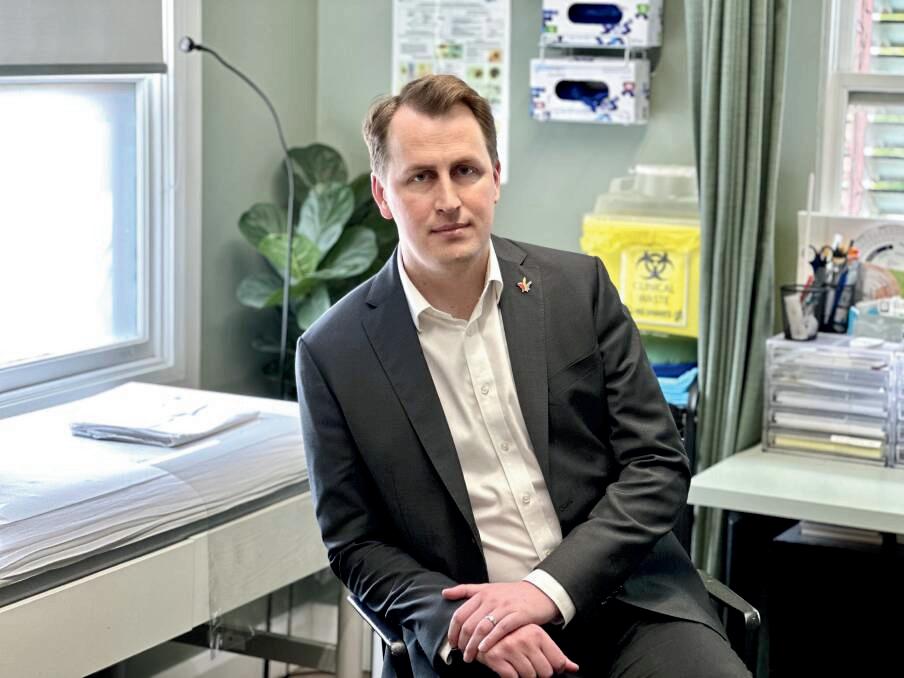
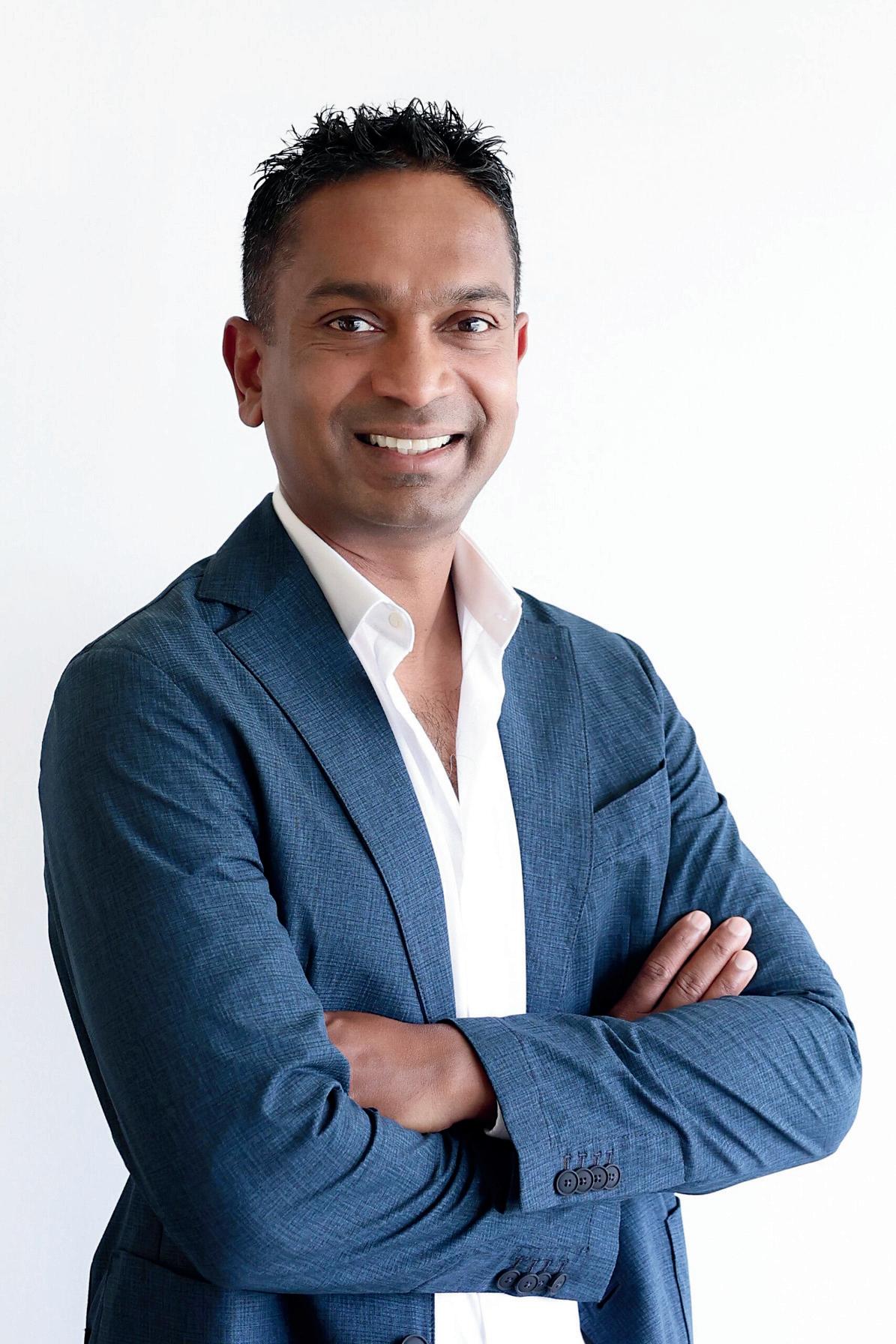
Dr Devin Deo
with obesity, type 2 diabetes, chronic kidney disease, vascular disease, osteoporosis, nutritional deficiencies, dementia and other complications that could have been delayed, reduced or prevented with earlier care. One patient presented with bruising and was found to have very low vitamin C levels, alongside previous vitamin D, vitamin B and iron deficiencies. She was also living with fatty liver disease, vascular disease, ischaemic heart disease, chronic kidney disease, type 2 diabetes, hypertension and osteoporosis.
“Being overweight and having scurvy is incredibly common in low socio-economic areas,” Dr McCroary says.
“A quality relationship with a longterm GP can mean less disease burden, less hospitalisation and longer life expectancy.”
Overweight and obesity have now overtaken tobacco as the leading risk factor contributing to disease burden in Australia, accounting for 8.3 per cent of the total burden in 2024. According to the Australian Institute of Health and Welfare, almost two thirds of Australian adults, 65.8 per cent, were overweight or obese in 2022.
Diabetes is another example of what happens when prevention does not reach people early enough. In 2022–24, an estimated 6.5 per cent of Australian adults, about 1.3 million people, had diabetes.
Smoking, alcohol-related harm, poor diet, inactivity and poor access to early care do not stay neatly in public health reports.
NSW ELECTION
A quality relationship with a long-term GP can mean less disease burden, less hospitalisation and longer life expectancy.”
~ Dr Kenneth McCroary
They become complications, hospital admissions, waiting lists and patients living with disease that may have been delayed or avoided.
Dr McCroary’s practice opened 30 years ago in south-west Sydney with an on-site multidisciplinary team aimed at preventing chronic disease.
“We have many patients who had HbA1c levels just under 6.5 two or three decades ago who still remain non-diabetic,” he says.
Vaccination is one of the clearest examples of what prevention can achieve.
For generations, immunisation has protected Australian children from diseases that once caused serious illness, disability and death. Many parents today have never seen measles, diphtheria, polio or the worst effects of whooping cough.
That does not mean those diseases are harmless. It means prevention has worked.
Dr Kenneth McCroary with State member for Campbelltown Greg Warren MP
NSW ELECTION
But child immunisation coverage is moving in the wrong direction. In 2025, full vaccination coverage fell to 90.5 per cent at 12 months, 88.4 per cent at 24 months and 92.5 per cent at 60 months of age. About 80,000 Australian children were not fully vaccinated at those three milestones.
Delays are also becoming more common. In 2025, two in five children received their first measles, mumps and rubella vaccine dose late, while one in five received their second diphtheria, tetanus and pertussis-containing vaccine late.
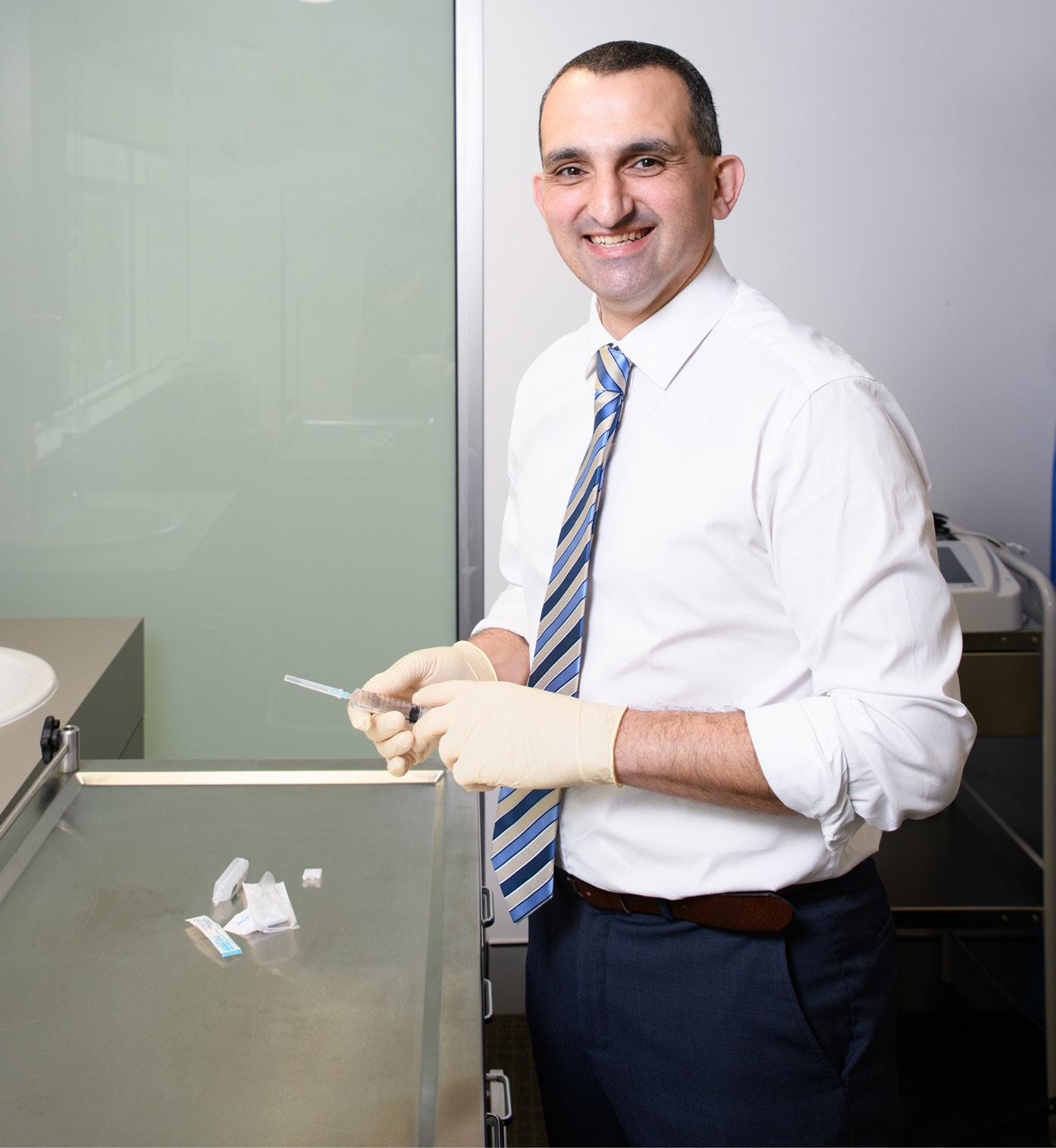
Dr Devin Deo, a paediatric registrar at The Children’s Hospital at Westmead, says clinicians are now seeing the issue in conversations with families.
“Childhood vaccination coverage in Australia has now fallen for the fifth consecutive year,” he says. “Against a backdrop of declining global immunisation rates, we’re seeing the resurgence of diseases such as whooping cough, measles and diphtheria, alongside recent polio outbreaks in nearby regions.”
Measles is one of the most infectious diseases known and
can cause pneumonia and brain inflammation. Diphtheria can form a thick membrane in the throat and upper airway, making it difficult to breathe. Its toxin can also damage the heart and nerves.
Polio can lead to paralysis, and whooping cough is particularly dangerous for babies, with complications including pneumonia, seizures and brain damage.
These are the outcomes vaccination is designed to prevent.
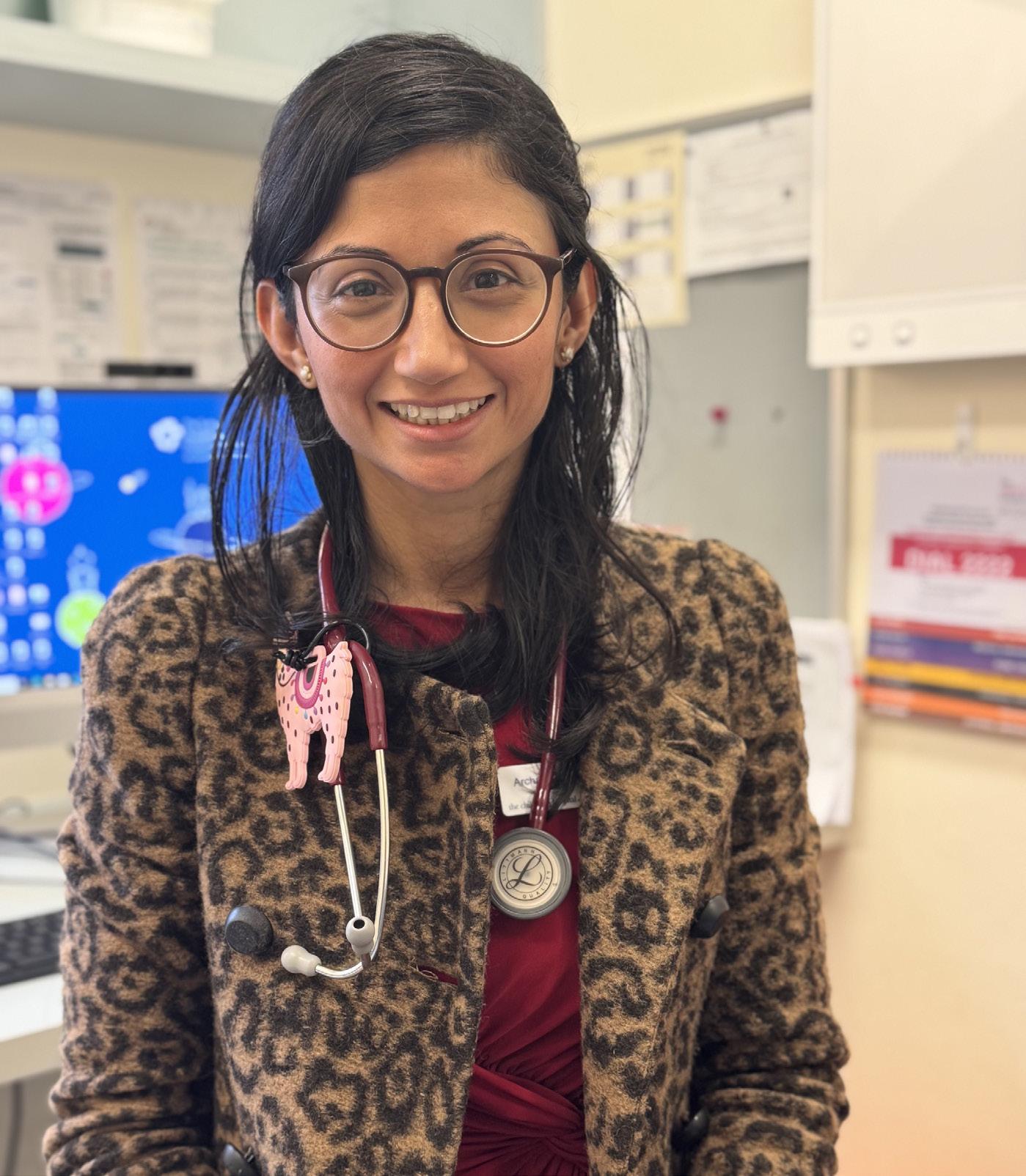
Paediatrician Dr Archana Koirala says many hesitant parents are not firmly opposed to vaccination. They are often trying to make sense of conflicting information and want reassurance.
That makes the doctor-patient relationship critical. A rushed or dismissive answer can close the door. A respectful conversation can keep it open.
Dr Deo says hesitant parents are often acting from love, not indifference.
“They want what’s best for their children, but they’re worried, anxious and often influenced by misinformation,” he says.
Falling immunisation coverage weakens protection for newborns, children undergoing chemotherapy and patients with weakened immune systems who cannot be fully protected through vaccination themselves.
But immunisation is only one part of the prevention story.
AMA (NSW) president Dr Fred Betros says prevention must be central to any serious health reform agenda,
Dr Archana Koirala
NSW ELECTION
because failures in early care eventually show up across the whole system.
“Your emergency department performance really is the barometer of where everything in the health system is working or failing,” he says.
When preventive health fails, when primary care is underfunded, and when patients cannot access care early, the consequences arrive at the hospital door.
“If we had better public health policy and better public health measures, we’d have a selfperpetuating climb out of the gutter that we’re in at the moment,” Dr Betros says.
If governments want to reduce pressure on hospitals, they need to invest before patients become acutely unwell. That means better access to outpatient clinics, stronger chronic disease management and practical action on obesity, alcohol harm and smoking.
More hospital beds matter. More funding matters. But without stronger prevention, the same pressure keeps returning.
“It’s taken us 40 years to get here, and we can’t flick it off like a light switch,” Dr Betros says. “We’ve got to have a bit of foresight which looks at the next decade, not at the next election cycle.”
Preventive health also requires governments to use policy levers that reduce the drivers of chronic disease.
AMA has called for a tax on sugarsweetened beverages, set at 50
cents per 100 grams of sugar, to push manufacturers to reduce sugar content and help curb one driver of obesity and type 2 diabetes.
AMA (NSW) has also called for better access to outpatient clinics and stronger chronic disease management, so patients are supported earlier rather than left to deteriorate until they need hospital care.
Dr McCroary says the lesson is simple.
“The lifestyle and prevention counselling starting at preconception is undoubtedly the most effective and cost-efficient use of health resources,” he says.
When prevention works, it is easy to take for granted.
When it fails, doctors see the consequences first.
We’ve got to have the foresight to look at the next decade, not the next election cycle.”
~ Dr Fred Betros
AMA (NSW) president Dr Fred Betros
The cover doctors trust
“Doctors Health Fund has been hassle free from the start.”
Dr Katie Roberts Member since 2018
Maria Greene Member since 2018
“When we claim for extras at the physiotherapist or dentist, the staff are often amazed at the generous rebate!”
Dr Arany Nerminathan
Member since 2018
“A great service for doctors providing convenient health cover that we need to keep ourselves at our best and healthiest.”
Dr Devin Deo
Member since 2021
“Comprehensive extras coverage with a health fund that really understands a doctor’s needs and lifestyle.”
“Great customer service, benefits and extras. Truly a service made for doctors.”
Dr Edward Trang
Member since 2021
“Quick and easy service, everytime. Fast claims and excellent rebates.”
Prof Paul Walker
Member since 2021
Dr Hillary Hu
Member since 2022
“I find dealing with Doctors Health Fund really easy and quick. I’ve recommended Doctors Health Fund to many of my colleagues, friends and family.”
doctorshealthfund.com.au/quickjoin or
A LIFETIME OF PRACTICE AND PURPOSE
After 50 years in medicine, AMA (NSW) member and urologist
Stephen Ruthven reflects with Jacob Gormley on the patients, teachers and professional networks that shaped his career.
Acareer in medicine can begin in many ways. For Dr Stephen Ruthven, it was a deeply human instinct.
There was no grand revelation or single defining moment, just what he describes as “an uncomplicated desire to treat people in medical need”.
While completing a science degree, one of his tutors saw something in his personality and character and encouraged him to apply for medicine.
In his intern and resident years, he found himself drawn to the surgical side of care. Surgery offered the possibility of a clearer intervention, where diagnosis, action and outcome could meet more directly.
As an accredited surgical registrar, he rotated through the specialties at a time when general surgery was changing and subspecialties were becoming increasingly sophisticated.
Urology stood out.
“Urology appealed because it was the closest to general surgery and the urologists and their patients seemed the most satisfied with their surgical outcomes,” he says.
His first year in urology was at Concord Hospital, where he gained broad exposure across the specialty. The experience was
formative not only because of the surgical caseload, but the doctors around him. The late Dr Peter Maher, then head of department, was a significant influence, supported by visiting urologists who were generous with their time, feedback and encouragement.
After gaining fellowship, Dr Ruthven spent time in California, where he gained valuable experience in emerging treatments for renal calculi, prostate cancer and erectile
dysfunction. It was a period of change and possibility in urology, with new approaches reshaping what could be offered to patients.
“I remain committed to the profession because of the unlimited satisfaction of surgical outcomes, equalled by the pleasure of teaching registrars, JMOs, nursing staff and anyone that cared to listen,” he says.
“Knowledge is bliss. Ignorance torture.”
That same sense of responsibility
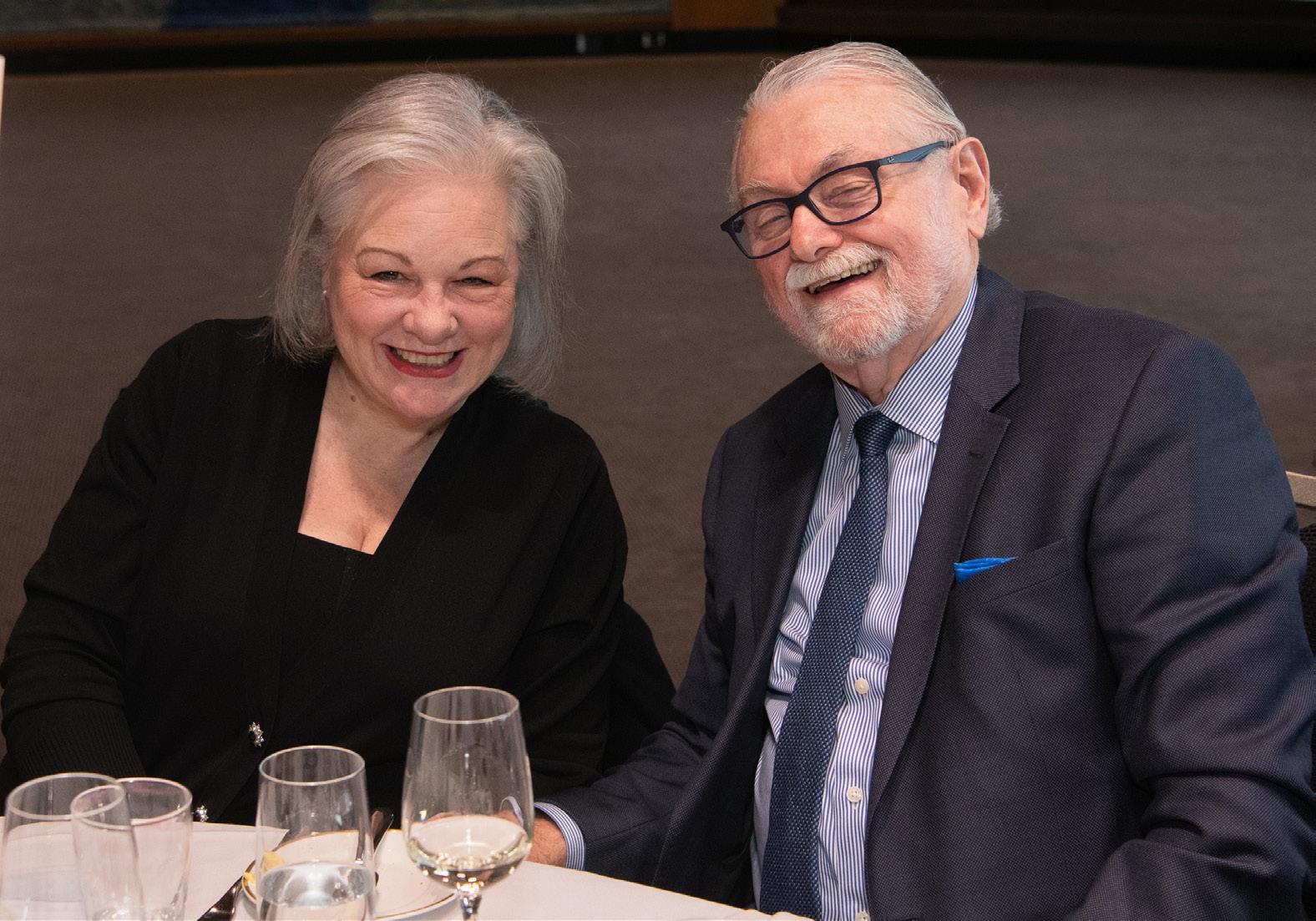
Dr Ruthven and his wife at the 50 year member event
moulded how he approached patients, particularly in sensitive or life-changing situations. He took time to empathise, allay fears, explain options clearly, and encourage patients to bring a spouse, relative, carer or trusted friend to consultations.
A good doctor, he says, must be able to keep up with continuing education, reflect on outcomes, attend regular patient outcomes analysis meetings and schedule consultations according to the urgency of a patient’s symptoms. But just as importantly, they must remain polite and professionally empathetic.
That belief in the connectedness of medicine helps explain why AMA (NSW) membership has mattered to him across his career. His involvement began as a medical student through AMSA. Later, as a doctor navigating the realities of surgical practice, AMA (NSW) became a source of advice, representation and support. “The AMA has always vigorously represented all doctors’ interests to successive governments,” he says.
Dr Ruthven used AMA (NSW) services on many occasions and remains grateful for the guidance he received. For him, membership was practical as well as professional. It offered support when needed, helped him stay informed about broader issues, and kept him connected to the pressures facing colleagues across the health system.
That connection also guided his leadership. Dr Ruthven chaired regular meetings of the Central Coast Medical Association, bringing
MEMBER FOCUS
together doctors from different specialties and helping build mutual respect and personal interaction. As president of the Urological Society of Australia and New Zealand, he also engaged regularly with AMA (NSW) to reach consensus on issues including screening for urological diagnoses and regulation of new treatments.
For all the satisfaction his career gave him, Dr Ruthven is honest about what it demands. Medicine is all encompassing, with long hours placing pressure on family life. He is deeply indebted to the unwavering support of his wife, who carried much of the burden of family responsibilities.
For junior doctors starting out today, his advice is to remain open-minded and choose a specialty that matches their ability,
personality, character and broader interests.
“Some areas can pleasantly surprise,” he says.
When asked what he hopes his legacy will be, he does not overstate it.
“I would hope my legacy would be a capable surgeon, good communicator and enthusiastic educator,” he says.
It is a modest answer, but one that carries the weight of a full professional life. After 50 years in medicine, Dr Ruthven’s story is one of service to patients, trainees, colleagues and the wider profession, and a reminder that good medicine is sustained not only by skill, but by connection.
Dr Ruthven with former AMA (NSW) president Dr Kathryn Austin
BEYOND RESTORATION
Reconstructive surgery is more than restoring appearance. Jacob Gormley speaks with AMA (NSW) member Joe Dusseldorp about innovation, patient care and the support needed to run a modern specialist practice.
At the meeting point of surgery, technology and deeply personal patient care, reconstructive plastic surgery is helping patients restore what they may have thought was lost.
For Sydney-based reconstructive plastic surgeon and AMA (NSW) member Joe Dusseldorp, that work is focused largely on breast reconstruction.
Based at Chris O’Brien Lifehouse in Camperdown, he works closely with breast surgeons to help women access reconstructive options at one of the most difficult points in their lives.
His work also extends to body contouring after major weight loss, breast reduction, otoplasty
and custom 3D implants for children with microtia. While the scope is broad, he says the purpose behind it is consistent.
“The common thread is my passion to restore what a person has lost so they can live fully again,” he says.
As a clinical associate professor at the University of Sydney, he runs an active research program alongside his clinical practice.
Dr Dusseldorp completed a fellowship at Massachusetts Eye and Ear at Harvard and spent time in Paris learning auricular reconstruction.
Those experiences exposed him to emerging technologies, including 3D printing and nerve
reanimation, and strengthened his resolve to bring advanced reconstructive techniques home.
“I came back to Australia in 2018 determined to make it possible for Australians to access the most advanced reconstructive surgical techniques here,” he says.
There is also a personal dimension to his decision to pursue medicine.
“I come from a family with five generations of doctors, something I didn’t discover until I had already finished school and was considering my future. Suddenly medicine made sense, and it has every day since,” he says.
“Reconstructive surgery is not simply about correcting physical form, it’s about returning to someone everything that makes a life worth living. It’s extremely fulfilling work,” he says.
The patients who come to see him are often at a major crossroad.
“A woman facing mastectomy who didn’t know breast reconstruction was possible. A child who has grown up with an ear that’s different from everyone else’s. A person living with facial palsy who’s been told nothing can be done,” he says.
“Patients come to me feeling a mix of fear and hope, and I have the honour of witnessing their emotional transformation.”
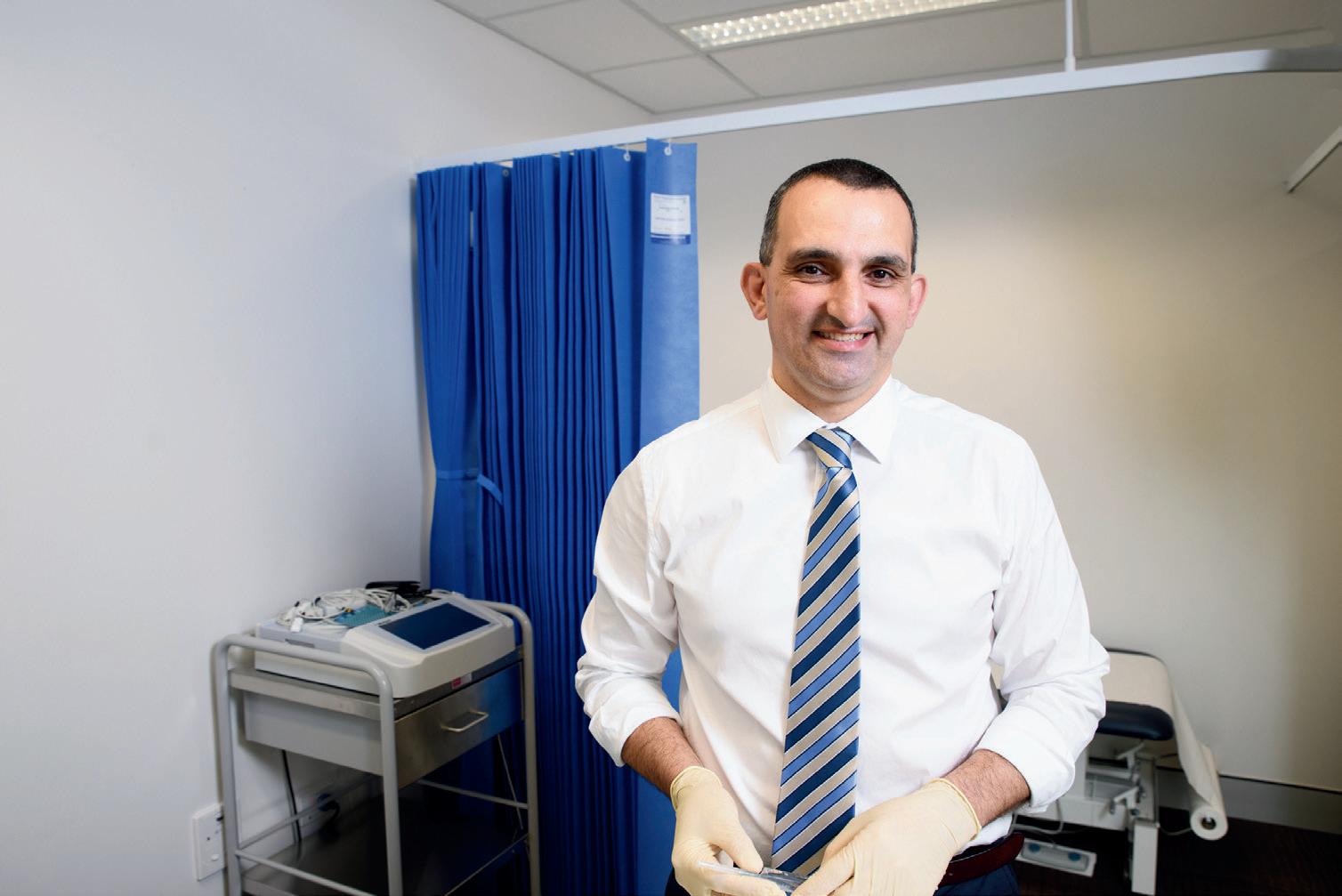
AMA (NSW) member Dr Joe Dusseldorp
More recently, he says the focus has been on strengthening the practice’s infrastructure so it can continue to grow while maintaining high standards of care.
“That’s been a significant undertaking. Running a specialist practice is genuinely complex, and it’s taken real investment to get the foundations right.”
Behind the clinical work sits the reality of running a modern private medical practice.
“The clinical side of this work is demanding, but the operational side is underestimated by most people outside medicine,” he says, quoting compliance obligations, AHPRA requirements, Medicare rules and clinical standards.
“These are all constantly moving targets, and the consequences of getting them wrong are serious,” he says.
Support with workplace relations, staffing and compliance from the AMA (NSW) team has become essential.
“Employment law in particular has become sufficiently complex that if you’re making it up as you go, you will get things wrong,” he says.
AMA (NSW)’s Workplace Relations team assisted with a thorough review and update of the practice’s employment contracts and HR policies.
“That sounds administrative, but it’s actually foundational,” he says.
“Our documentation and our practices had evolved organically since 2018, but we weren’t
MY PRACTICE
When you have access to reliable, expert advice, you ask the question before you make the decision rather than after. That changes everything.”
confident that everything was clear enough.
“With the help of the AMA (NSW) team we now have contracts that are legally sound, that clearly articulate roles and expectations, and that protect both the practice and the employees.”
He says having access to advice from people who understand medical practices makes a significant difference.
“The practical familiarity with a medical practice is something you can’t replicate by calling a general employment lawyer who doesn’t know the healthcare sector,” he says.
“It’s the difference between advice you can actually use and advice that’s technically correct but impossible to implement in your context.”
That support also creates more space for patient care.
Beyond workplace relations, he says his AMA (NSW) membership also provides broader value through advocacy, professional connection and practical information.
“The AMA does important work in representing the medical profession in policy debates that directly affect how we practice and how patients access care. That matters to me,” he says.
AMA (NSW) member Dr Joe Dusseldorp with practice staff
EVENTS
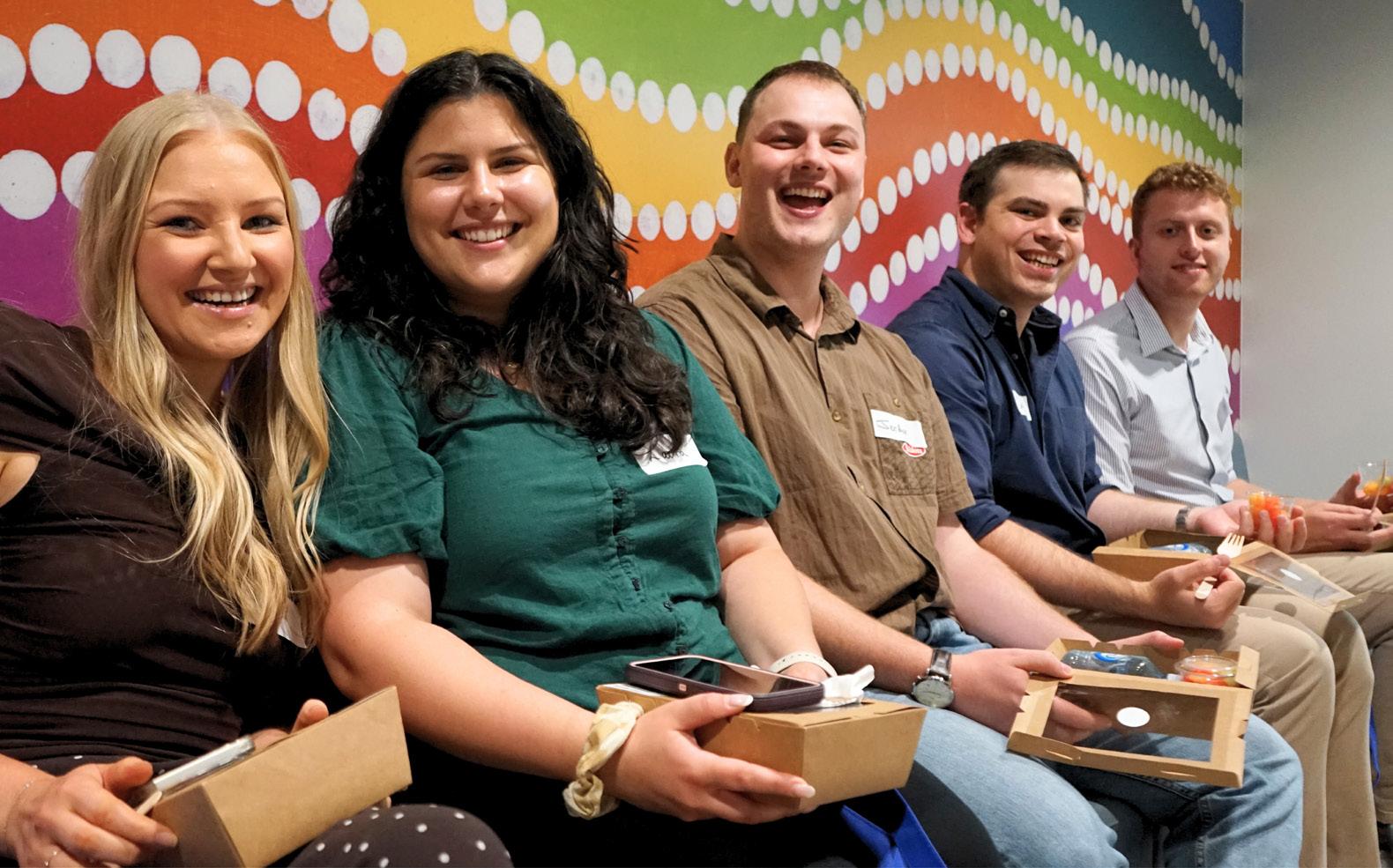
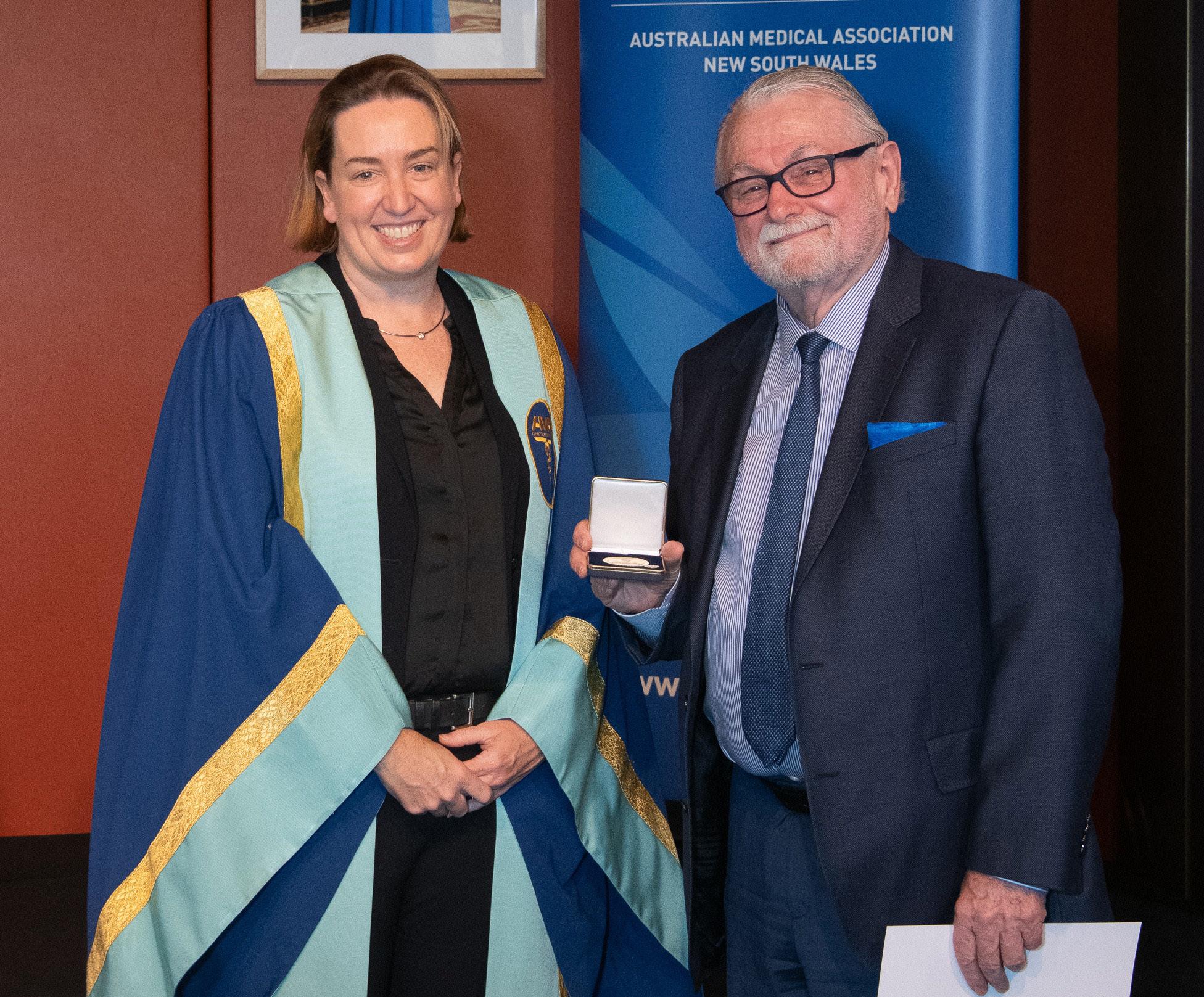
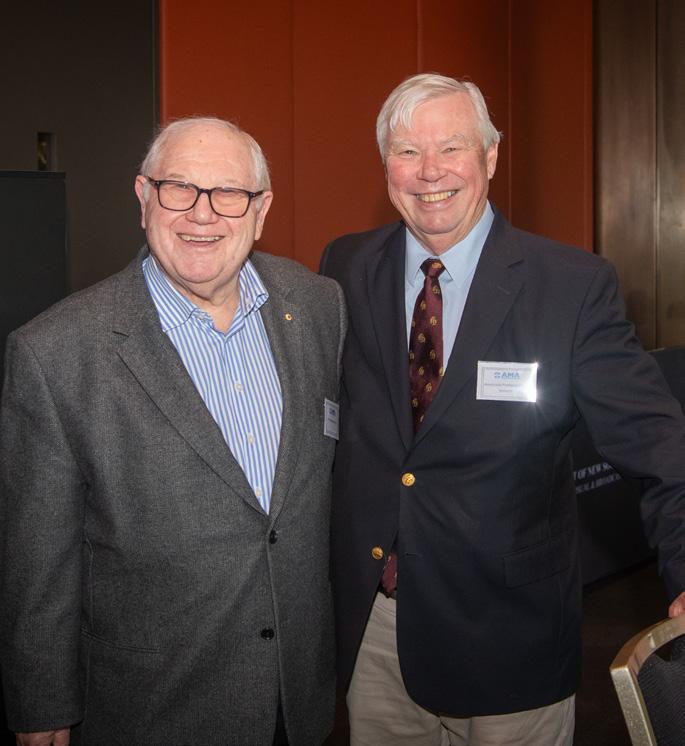
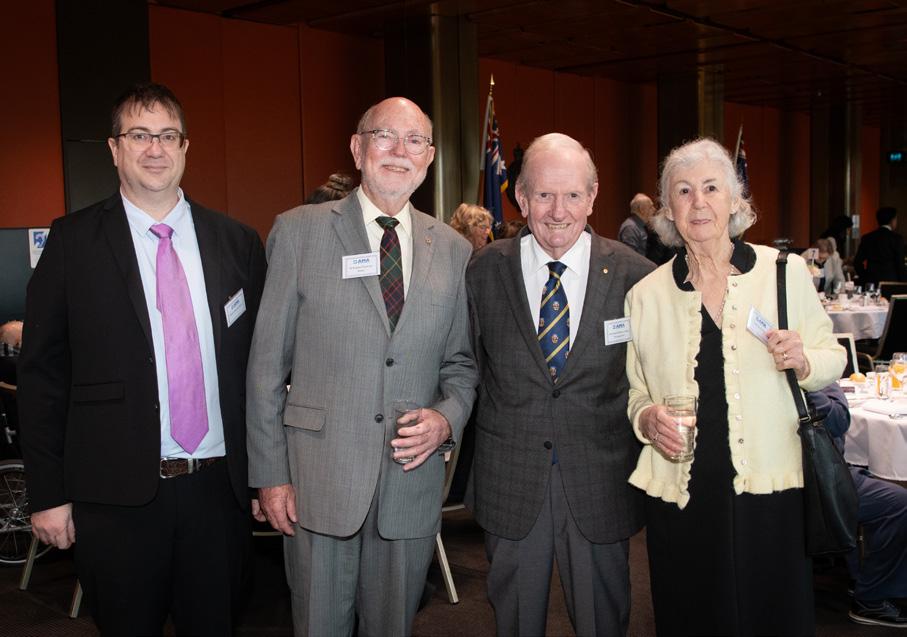
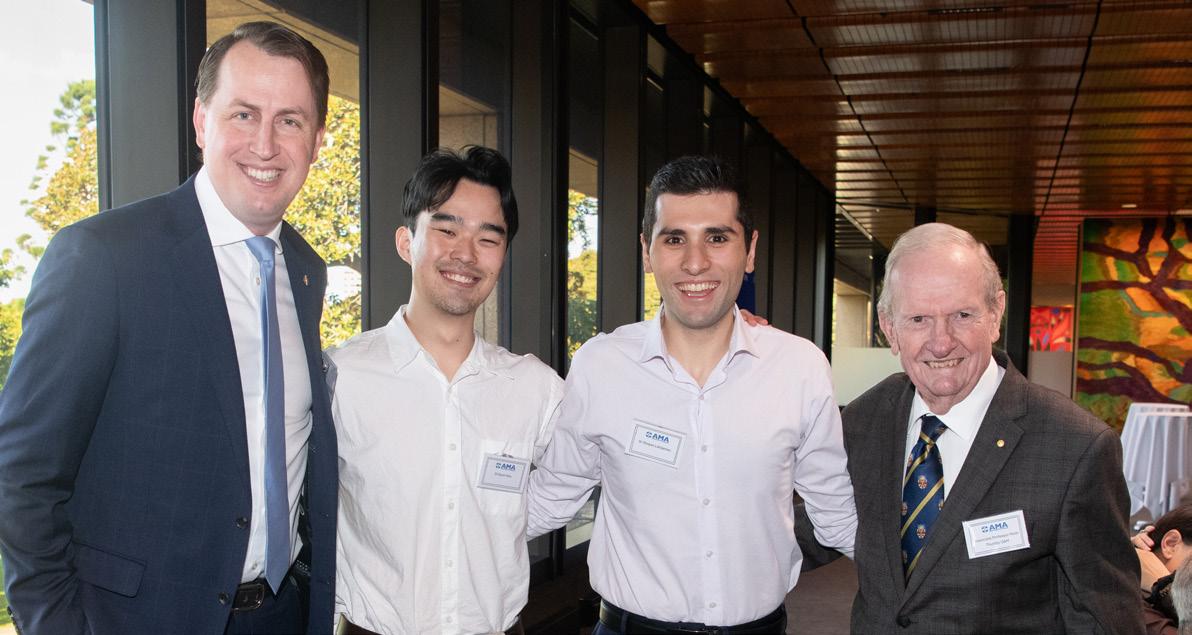
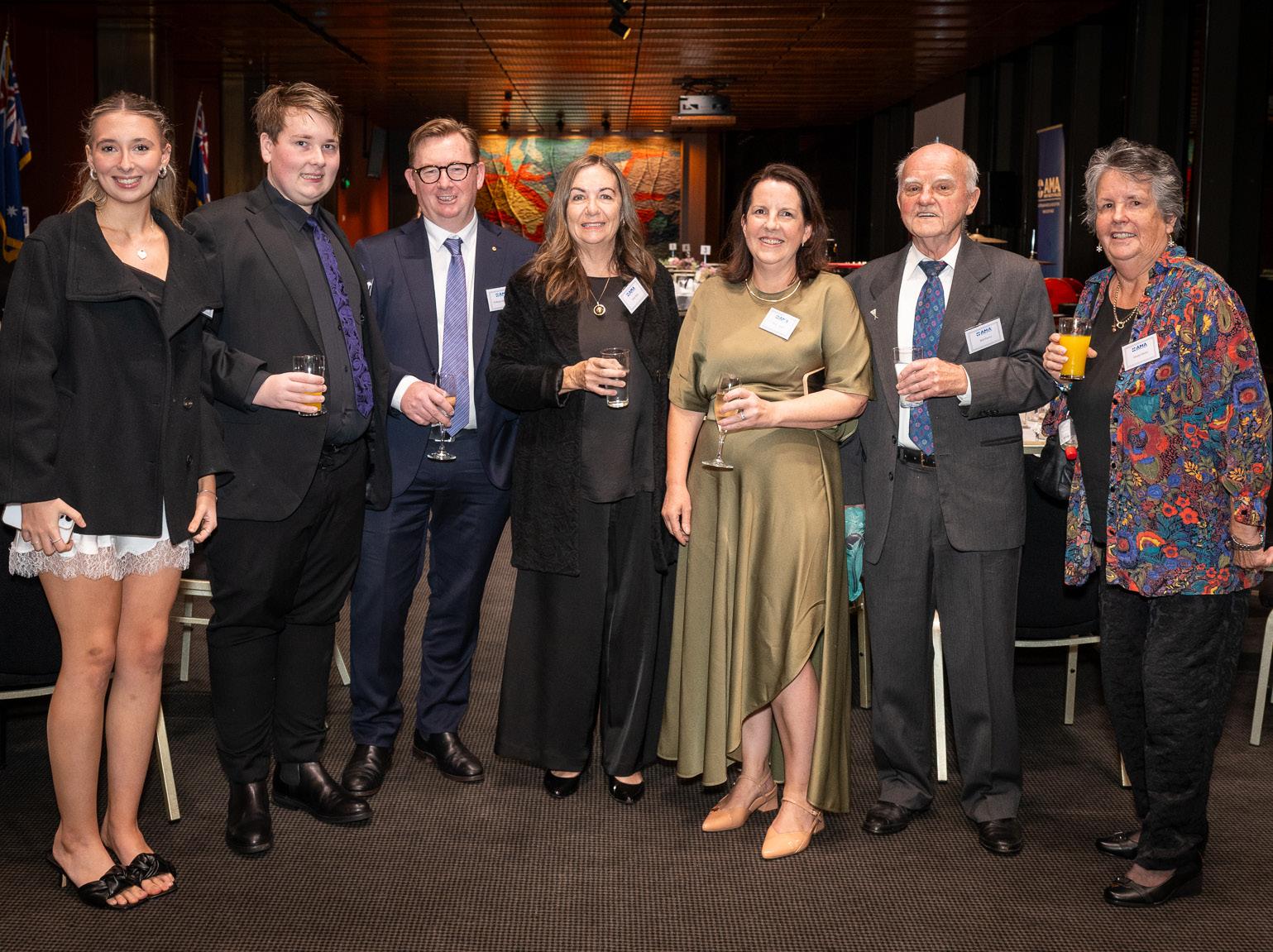
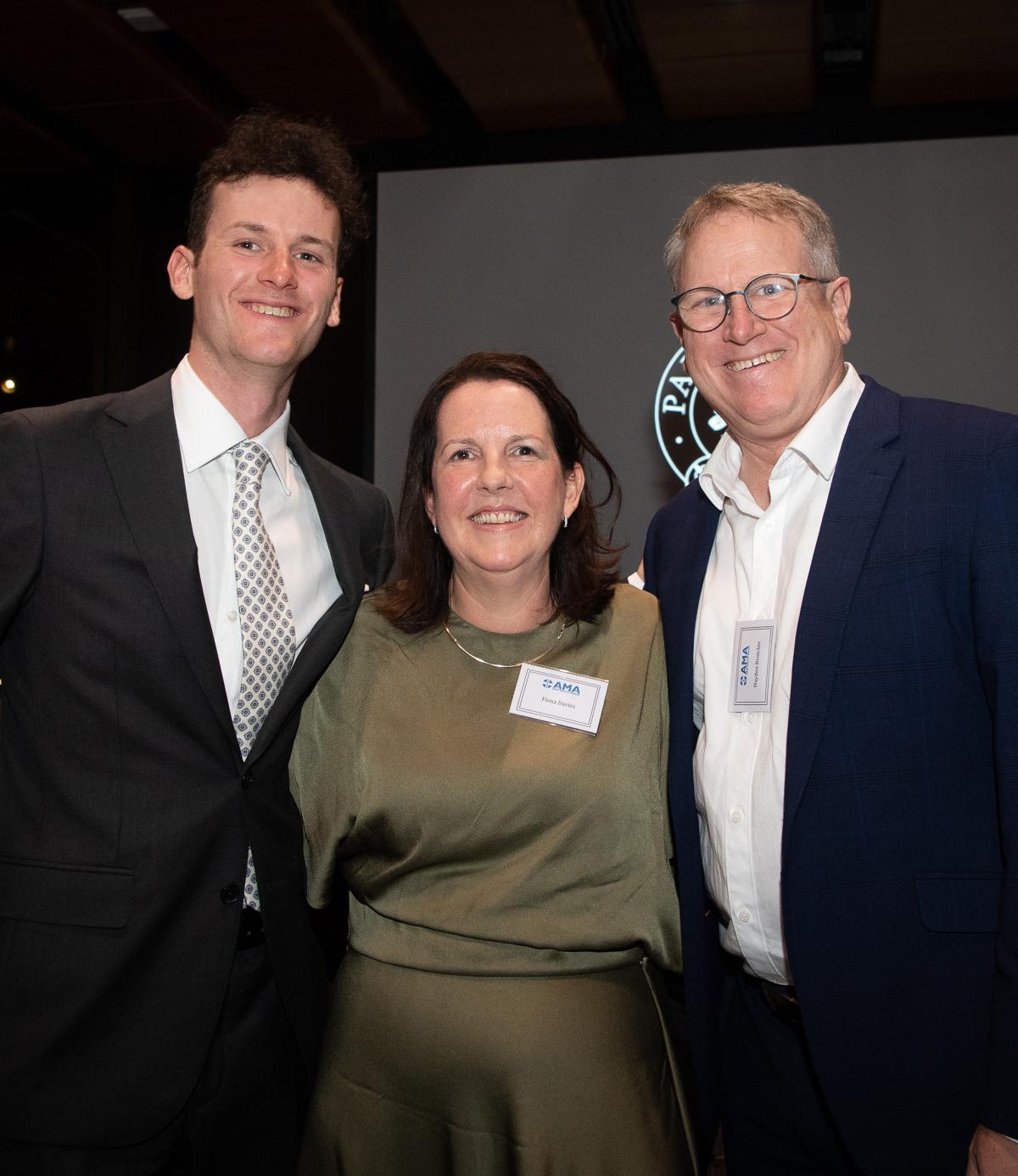
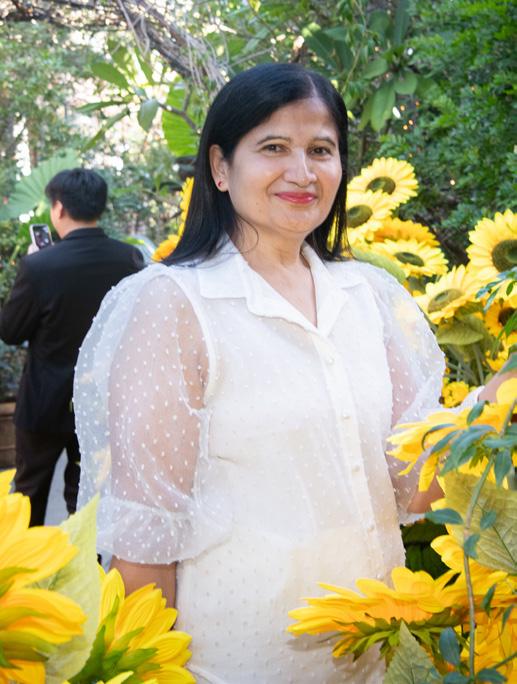
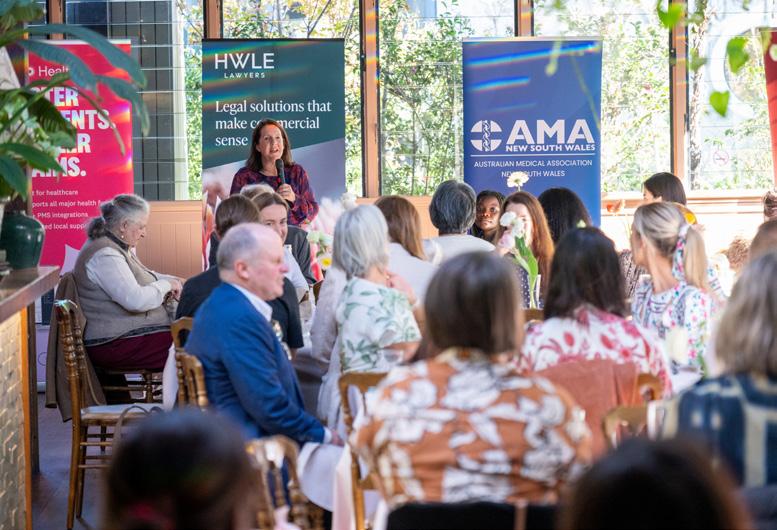
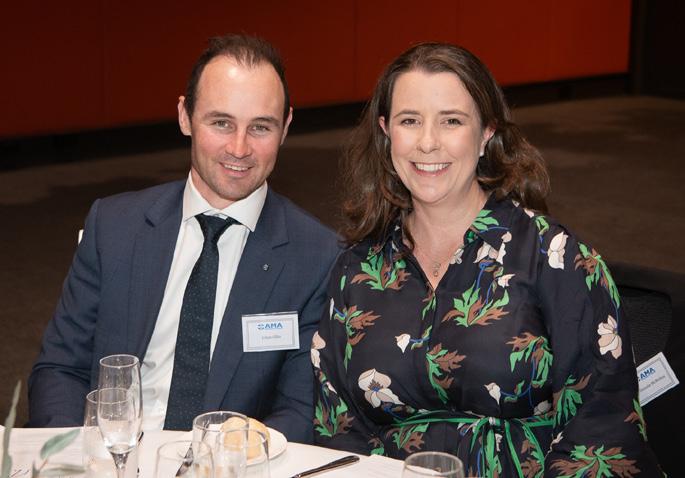
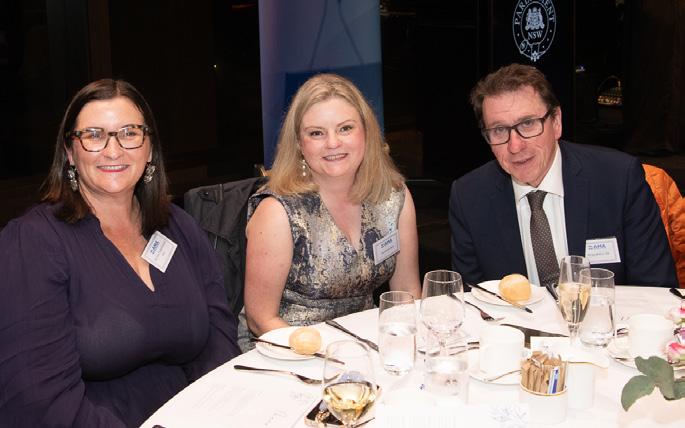
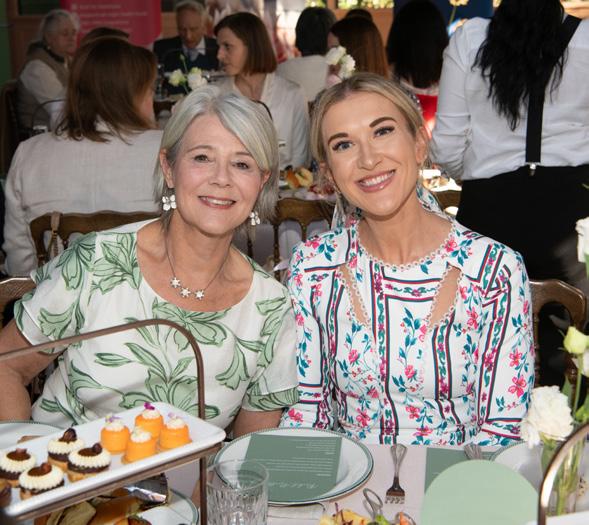
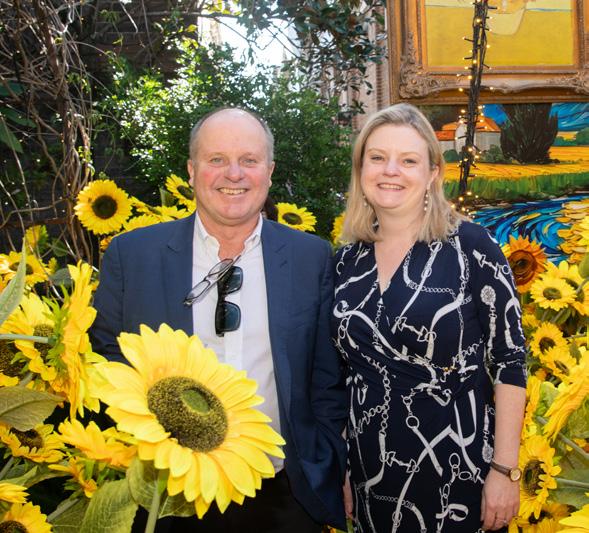
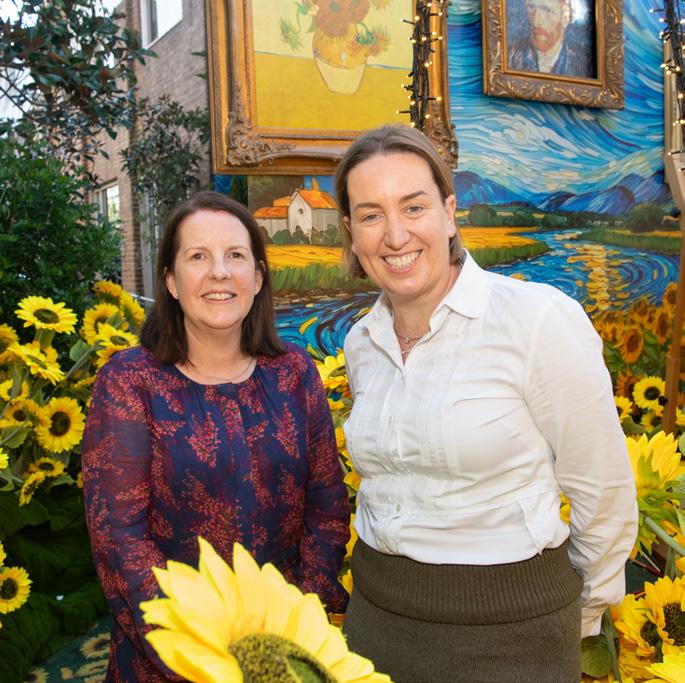
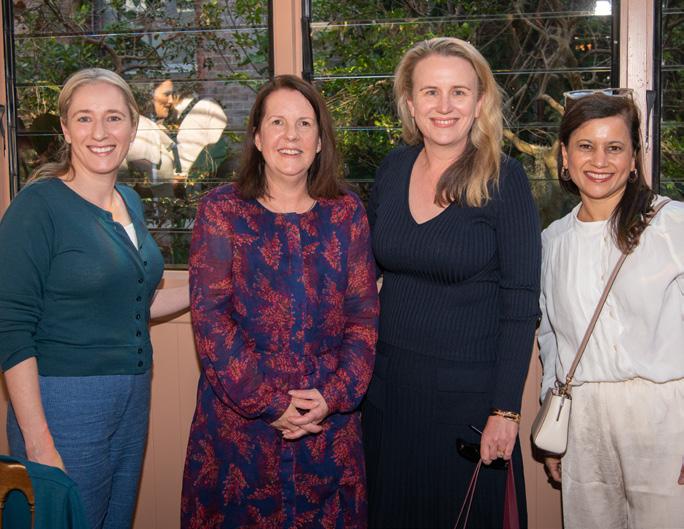
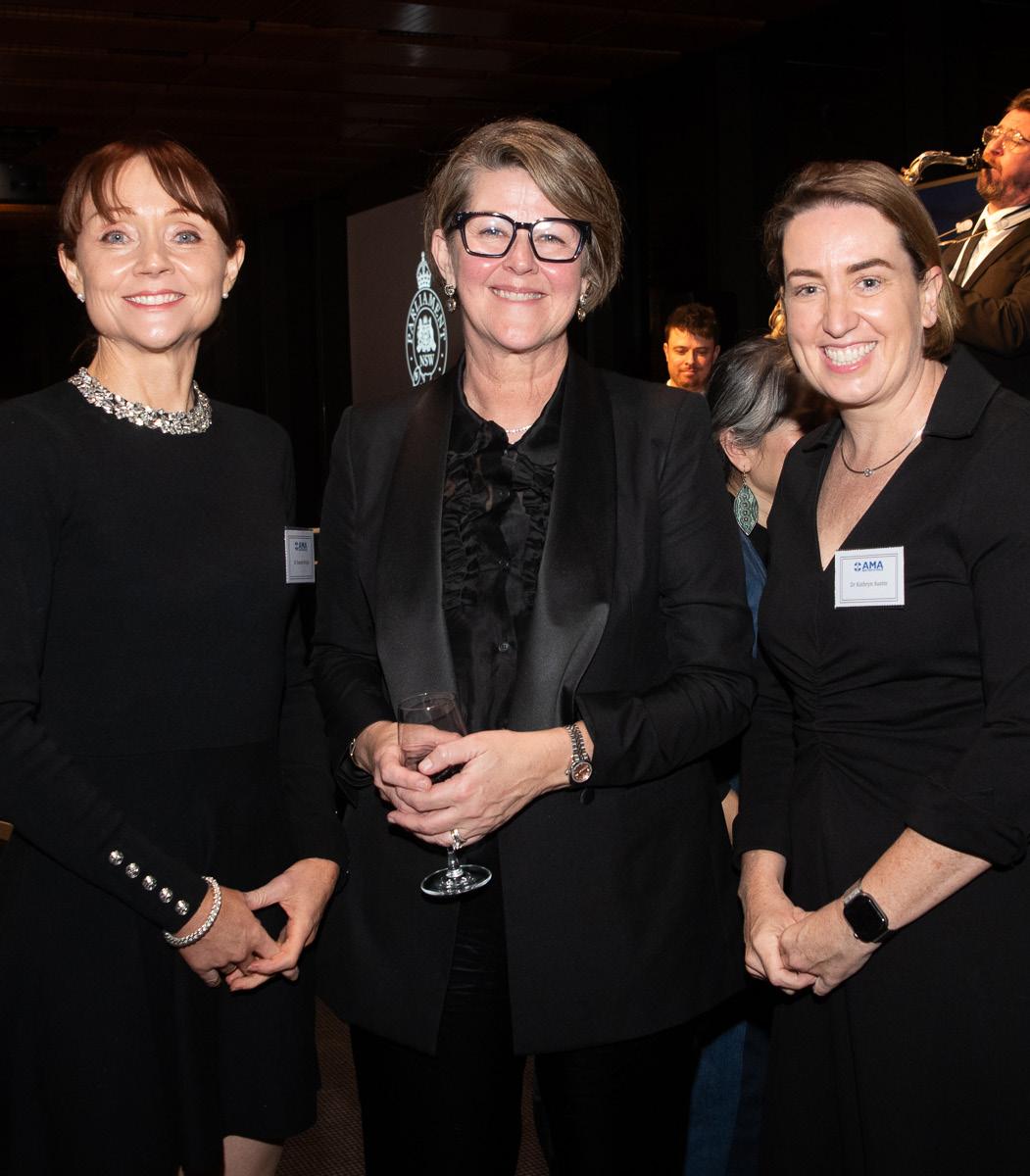
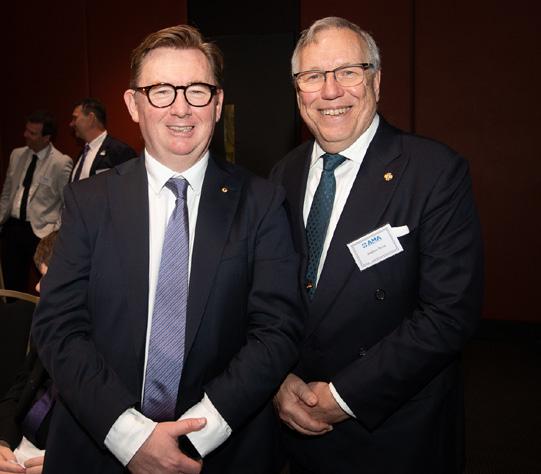
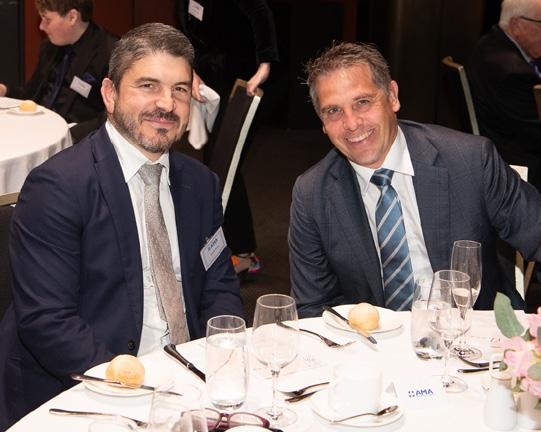
AMA (NSW) members came together throughout the season to celebrate the people and milestones that strengthen our Association. From recognising the outstanding contribution of our 50-year members, to celebrating the leadership and achievements of women in medicine at our annual High Tea, and farewelling former AMA (NSW) CEO Fiona Davies.
EVENTS
UPCOMING EVENTS
AMA (NSW) hosts a variety of events throughout the year to support, inform and connect the medical profession. From professional development to networking opportunities, our events are designed to help you grow your knowledge and engage with the wider medical community. Explore our upcoming events below.
AMA (NSW) hosts a variety of events throughout the year to support, inform and connect the medical profession. From professional development to networking opportunities, our events are designed to help you grow your knowledge and engage with the wider medica Explore our upcoming events below.
AMA (NSW) hosts a variety of events throughout the year to support, inform and connect the medical profession. From professional development to networking opportunities, our events are designed to help you grow your knowledge and engage with the wider medical community. Explore our upcoming events below.
Scan the QR code to learn more about our upcoming events and book your place today. Spaces are limited and fill quickly.
Scan the QR code to learn more about our upcoming events and book your place today. Spaces are limited and fill quickly. Scan now
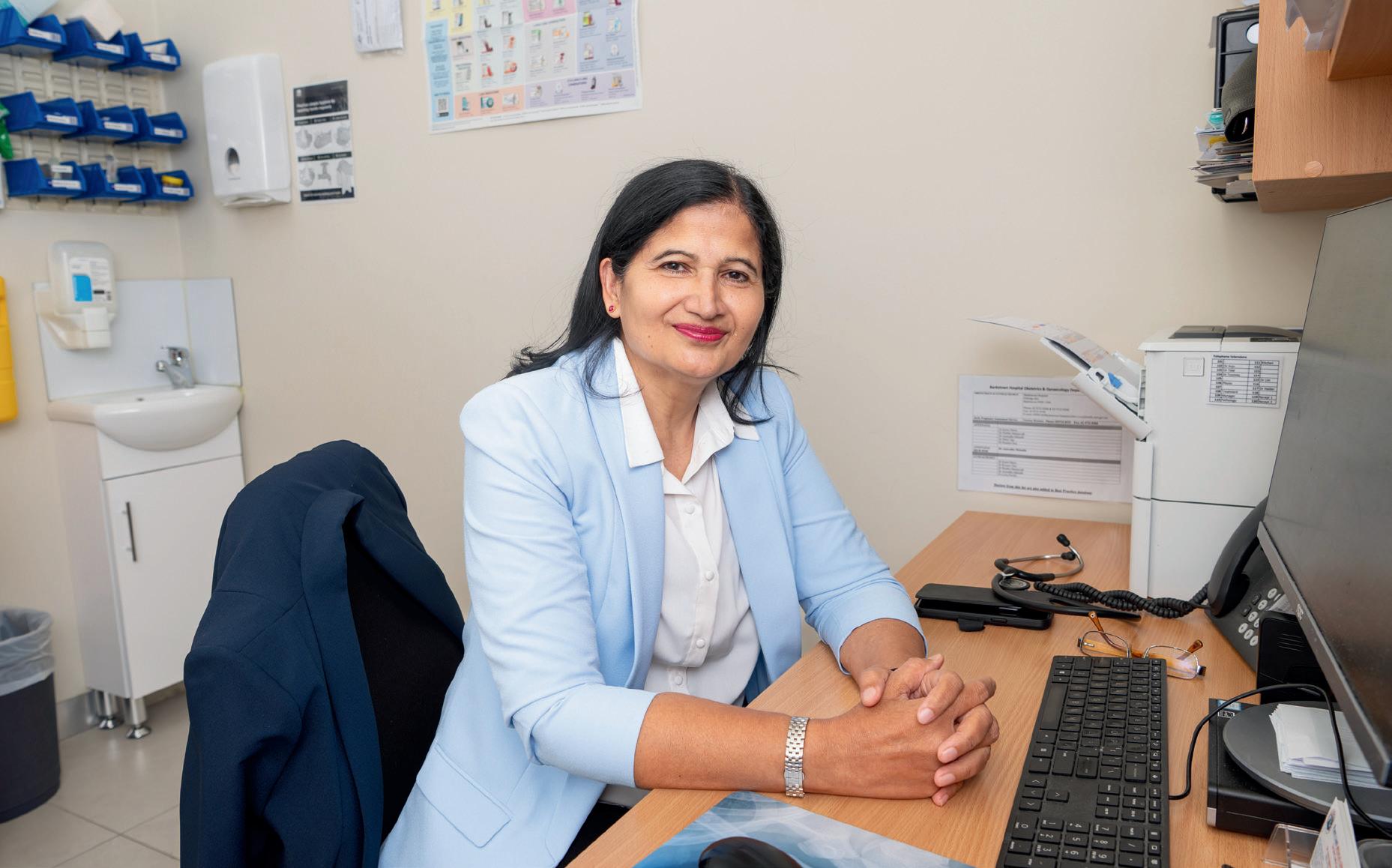
Dr Ushma Narsai General Practitioner
SUSTAINING ACCESS THROUGH OUTREACH
Theo Clark explores how outreach programs are helping under-resourced communities access specialist, allied health and multidisciplinary care closer to home.
If it takes a village to raise a child, it takes a multidisciplinary family of doctors and allied health professionals to sustain a village. But for villages in rural areas, providing access to a local general practitioner is challenging enough, let alone access to the full spectrum of multidisciplinary care.
The World Health Organization speaks of this challenge in terms of working towards universal health coverage, meaning that “all people have access to the full range of quality health services they need, when and where they need them,
without financial hardship”.
A successful Australian approach has been outreach programs, or “Health Access Outreach”, as it is dubbed by Rural Doctors’ Network, which has administered the programs in NSW and ACT on behalf of the Federal Government, and through other funding pathways, since 2003.
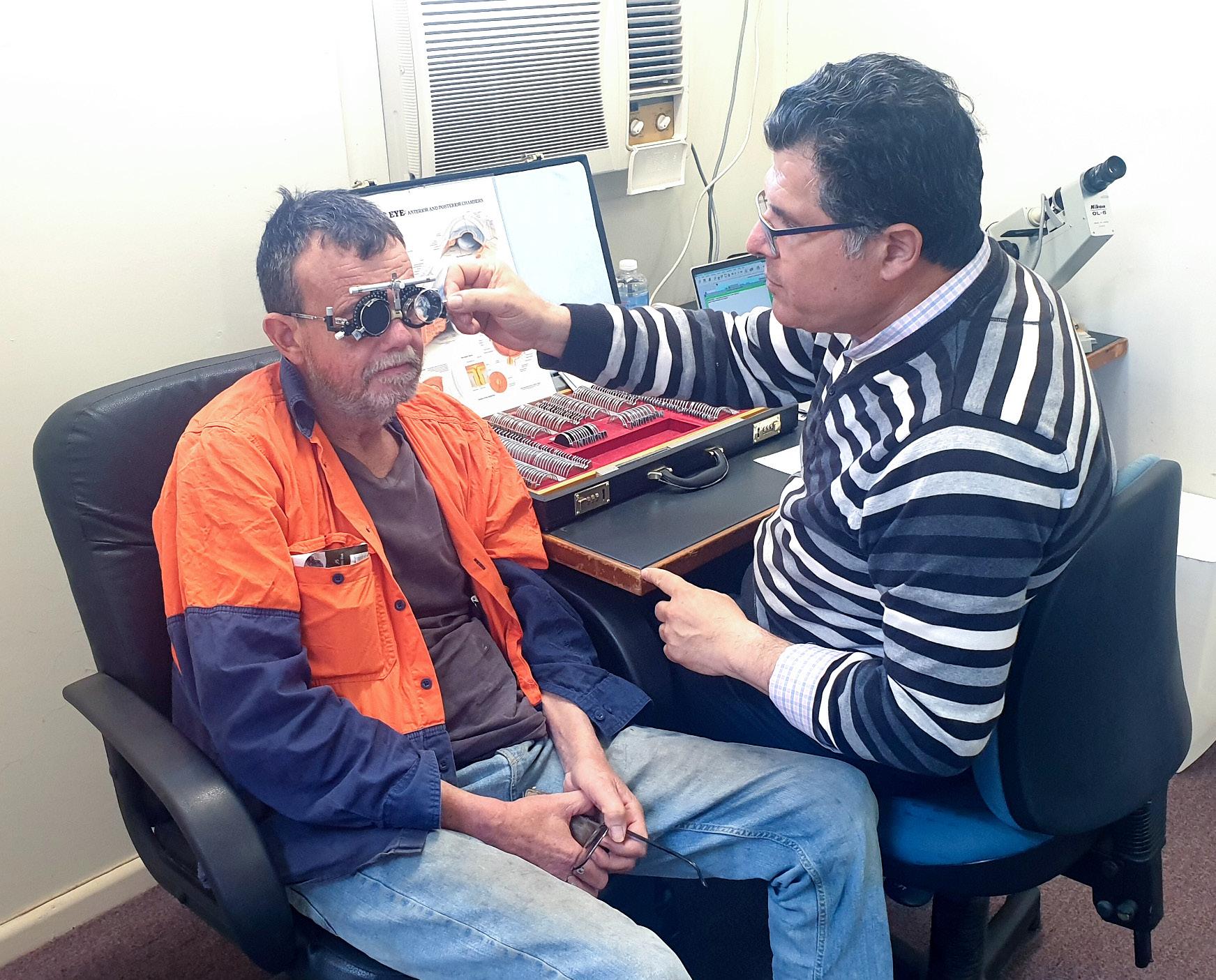
Kyriacos Mavrolefteros has been an outreach optometrist for more than 20 years and is enthusiastic about the continuity of care it allows. “I [spend] over a quarter of the year in the NSW outback,
seeing the same communities so regularly that they now consider me family,” he said.
“For many of the most vulnerable people in these more remote areas, even travelling 100km to Bourke to attend a clinic is too far. Improving peoples’ vision can help with schooling, self-esteem and whole quality of life, so it’s a very rewarding thing to do.”
In 2026-27, Rural Doctors’ Network transitioned administration to its sister social enterprise, RDN Health.
“Ensuring that under-resourced communities receive timely, high-quality health services is what the outreach programs are all about,” says Amanda Masset, who continues as Health Access Services Manager at RDN Health.
“Since 2003, the programs have delivered almost three million patient consultations, linking medical practitioners, including specialists, nurses, midwives, allied health and Aboriginal health practitioners with the communities that need them most.”
Interested registered health professionals are invited to view vacancies via RDN Health’s website: www.rdnhealth.org
RDN Health and Rural Doctors’ Network are social enterprises of RDN – The Charity for Health Access.
Paul Whitbread having an eye checkup by Kyri Mavrolefteros in Bourke
MEDICAL BENEVOLENT ASSOCIATION
IT’S A GOOD TIME TO CHECK YOUR BACK-UP PLANS
The CEO of the Medical Benevolent Association of NSW-ACT, Mark Fraser, says times of uncertainty are an important reminder for doctors to review support plans.
We are living through a period of geopolitical and economic
uncertainty overseas and at home which impacts the entire community, including doctors. As we witnessed during the COVID pandemic, it was difficult for doctors to carry the dual burden of helping others while personally experiencing some of the same stresses and traumas.
A useful antidote is to focus on matters that you can control to help maintain equilibrium. It can be prudent to have a “rainy day” financial buffer, to see you through several months of essential expenses. Do you need to start one or recalculate your expenses to ensure your buffer size is adequate? If you have income protection insurance, think about reviewing the parameters, waiting period, adequacy of payment and duration. Would your nominated person know how to access this on your behalf if necessary?
As doctors, you know the challenges when a patient is unable to speak for themselves. Have you considered appointing an Enduring Guardian and Enduring Power of Attorney? If you were incapacitated, even temporarily, does your significant other know how to access your contacts, bank accounts, logins, processes for financial commitments to be paid, how to access additional
funds, internet and/or social media accounts. Everyone over 18 should have a will, and it needs to be reviewed with every significant life change such as a new partner or poor health of chosen executor.
The Medical Benevolent Association of NSW-ACT continues to support
doctors as it has for over 130 years. You are invited to call to discuss any matters that are of concern to you. Help is offered as required by each individual. Our specialised social workers provide services that meet you where you are. Calls are confidential and free.
In times like these, the strength of our profession lies not only in what we give to the public, but in how we support one another. If you would like to help colleagues, pay it forward, pay it back, or invest in the profession, we would welcome your donation to support our vital work at www.mbansw.org.au/donate.
IN THE NEWS
NASAL FLU VACCINE ROLLOUT
Dr Michael Bonning
ABC Radio Sydney April 7
AUSTRALIA LOOKS INTO SPECIALIST FEES
Dr Fred Betros Medscape
June 8
Dr Fred Betros 7 News Tamworth June 30 PHARMACIST PRESCRIBING SHAKE-UP
LOW VACCINATION RATES FOR CHILDREN AND ELDERLY
Dr Fred Betros
The Daily Telegraph
April 26
PRIVATE HEALTH INSURANCE REBATE CUT
Dr Kathryn Austin
The Sydney Morning Herald
April 23
IN THE NEWS
AUDITOR-GENERAL’S REPORT INTO VISITING MEDICAL OFFICERS
Dr Fred Betros
The Sydney Morning Herald
May 8
NORTHERN BEACHES HOSPITAL PUBLIC TAKEOVER
Dr Kathryn Austin
Australian Associated Press
April 29
PHARMACISTS PRESCRIBING CONTRACEPTIVES
Dr Ken McCroary
The Medical Republic
April 15
WE ARE PART OF THE ANSWER, NOT THE PROBLEM - SPECIALIST FEES
Dr Viraj Kariyawasam
Health Services Daily
June 26
IN THE NEWS
IN THE NEWS
NSW BUDGET ISNT A HEALTH VICTORY LAP
Dr Fred Betros
The Sydney Morning Herald
June 23
BHI REPORT IS NO REASON FOR A VICTORY LAP
Dr Fred Betros Health Services Daily June 10
NSW BUDGET HEALTH REACTION
Dr Fred Betros
ABC Radio Sydney June 24
PHARMACISTS SUPPLIED ANTIBIOTICS FOR 93% OF POTENTIAL UTIS