S p e c i a l
P u r p o s e
A d v a n c e d
C o m p u t e r f o r
E u r o p e
S p e c i a l
P u r p o s e
A d v a n c e d
C o m p u t e r f o r
E u r o p e
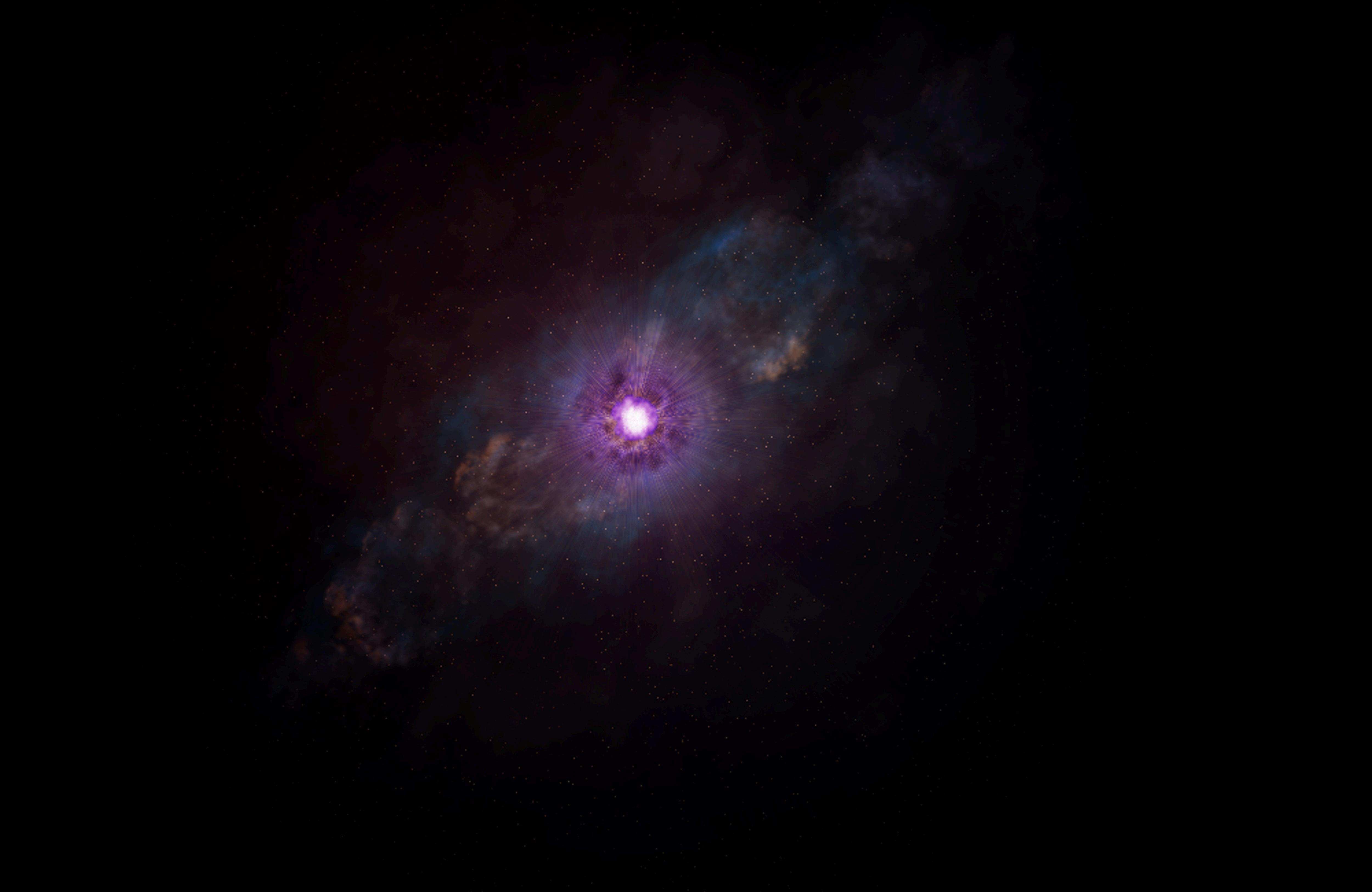
Space is the vast, seemingly infinite expanse that exists beyond the Earth and between celestial bodies. It’s a place where traditional concepts of distance, time, and matter are stretched to their limits. Here’s a brief introduction to some key concepts
The Cosmos and the Universe Cosmos refers to the entire physical universe, encompassing all matter, energy, planets, stars, galaxies, and the fundamental forces of nature.
The universe is everything that exists, including all of space, time, and the physical laws governing them. It’s believed to have begun around 13.8 billion years ago with the Big Bang, a massive expansion from a singular point.
Stars: Massive, luminous spheres of plasma held together by gravity. Our Sun is a star.
Planets: Large objects that orbit stars. They do not emit light themselves but reflect the light of their star.
Moons: Natural satellites that orbit planets.
Asteroids and Comets: Smaller rocky or icy bodies that also orbit stars, often in more eccentric orbits.
Galaxies: Vast collections of stars, planetary systems, gas, dust, and dark matter bound together by gravity. The Milky Way is our galaxy.
Human curiosity about space has led to significant exploration. This began with the launch of satellites, followed by manned missions like those by NASA's Apollo program, which landed the first humans on the Moon in 1969.
Modern exploration includes the use of robotic probes to explore distant planets and the International Space Station (ISS), where astronauts from around the world conduct research.
H A N K Y O U
Prestation By - Aman