GHANA IN FOCUS: PHOTO SERIES
INNOVATION THROUGH DESIGN
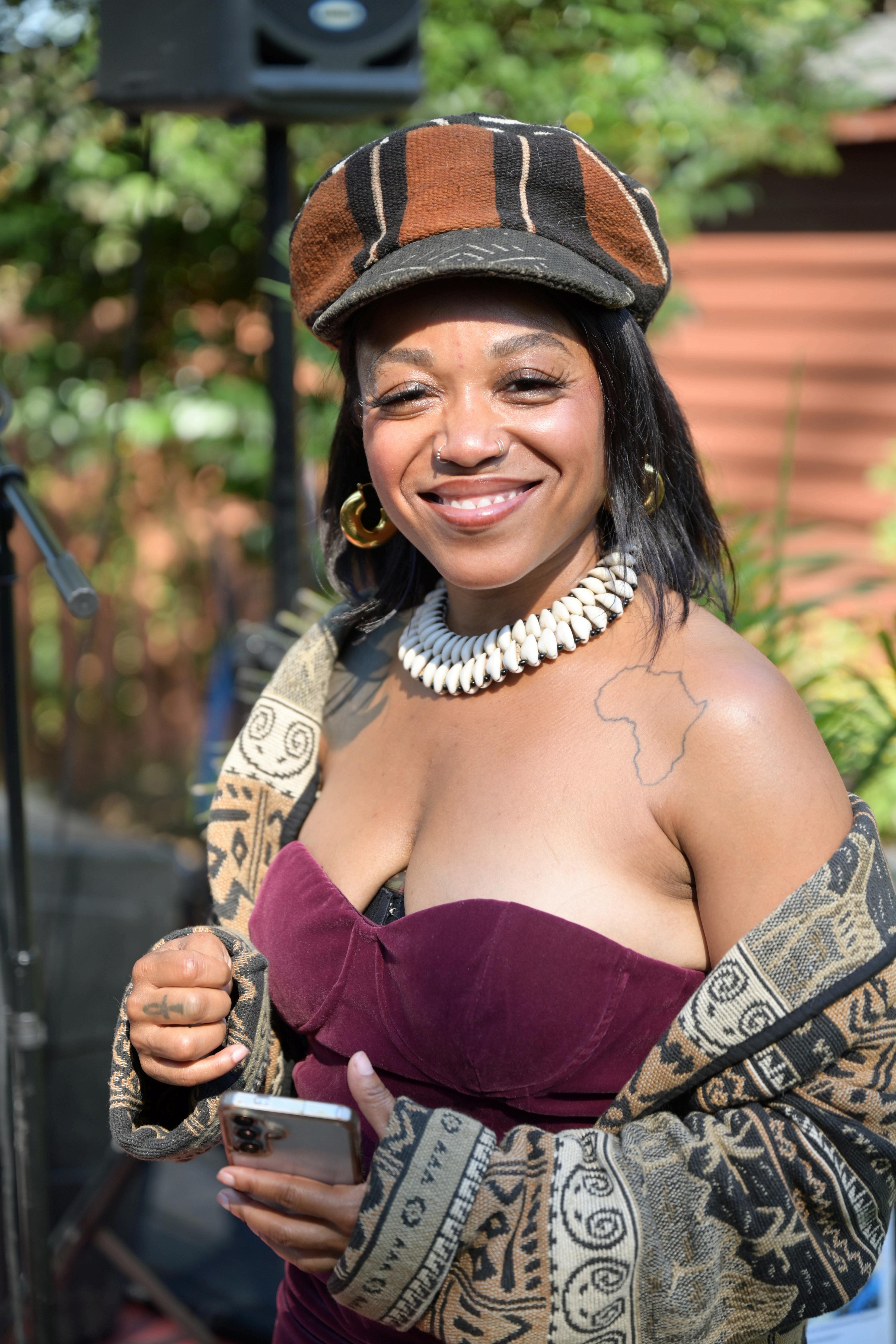
ARTIST WHITNEY F. SHARES WELLNESS TIPS
DREAMING OF DIASPORA: LONGING & MEMORY
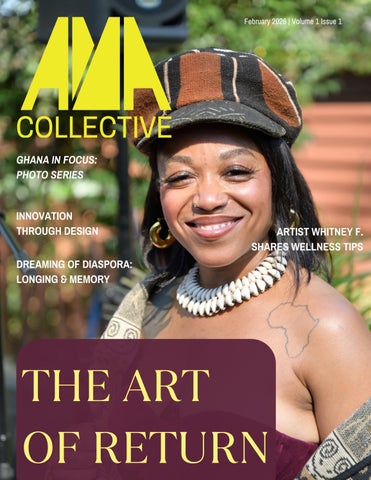
GHANA IN FOCUS: PHOTO SERIES
INNOVATION THROUGH DESIGN
ARTIST WHITNEY F. SHARES WELLNESS TIPS
DREAMING OF DIASPORA: LONGING & MEMORY
Naa Koshie A. Mills, Writer/Editor, @naapilar
Kaya Gordon, Designer, @kayaincolor
Joshua Barry, Photographer, @jrcb captures
Contributors
Kwasi Agyenkwah, Designer, @kwasistitchd
Abasi Bomani, Musician, @abasi irikefe music
Camille McCallister, Writer, poizeby.ink/write
Ayanah George, Photographer, @ayanahgeorge
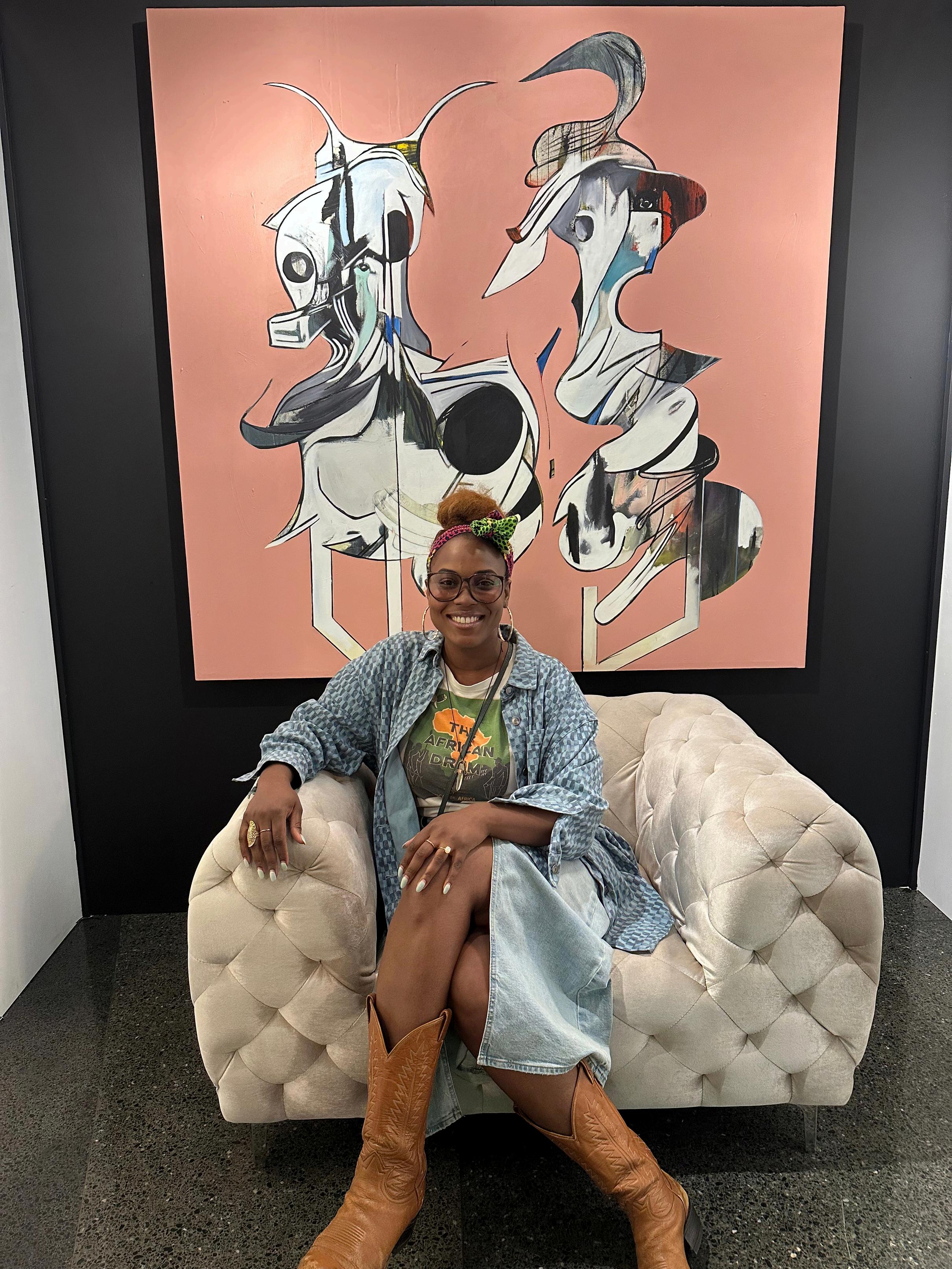
Whitney Franklin, Multimedia Artist, @wellnessbywhitney
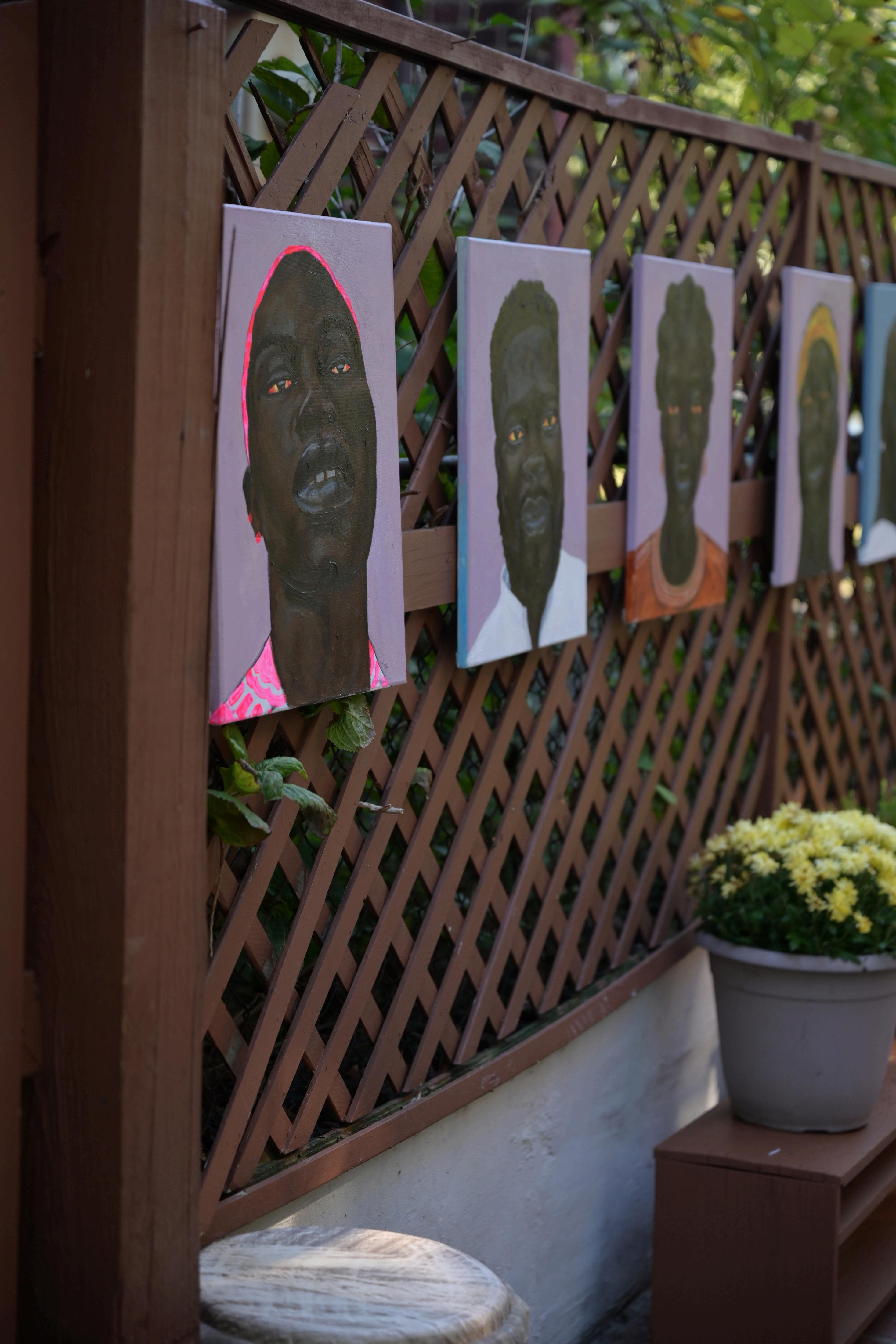
Atsu Numadzi, Multimedia Artist, @numadziart
The Ama Collective is a 501 (c)(3) nonprofit organization that amplifies artists of the African diaspora through connection, collaboration, and shared resources. We believe artists do their best work when they are supported by strong communities and given the freedom to explore their ideas across disciplines, cultures, and geographies.
Our areas of work include:

The Diaspora Artist Network - We offer travel grants for Africa-based residencies and support physical and digital spaces for Africana artists to connect, create, and share resources.
Living Arts - We develop resources and toolkits for nonprofits seeking to integrate art into their programming.
Collector’s Circle - We are building a community of patrons who sustain and celebrate art and artists of the African Diaspora.
Welcome to the first issue of The Ama Collective Magazine! We promote larger conversations on the intersections of art, lifestyle, and the Black Diasporan experience.
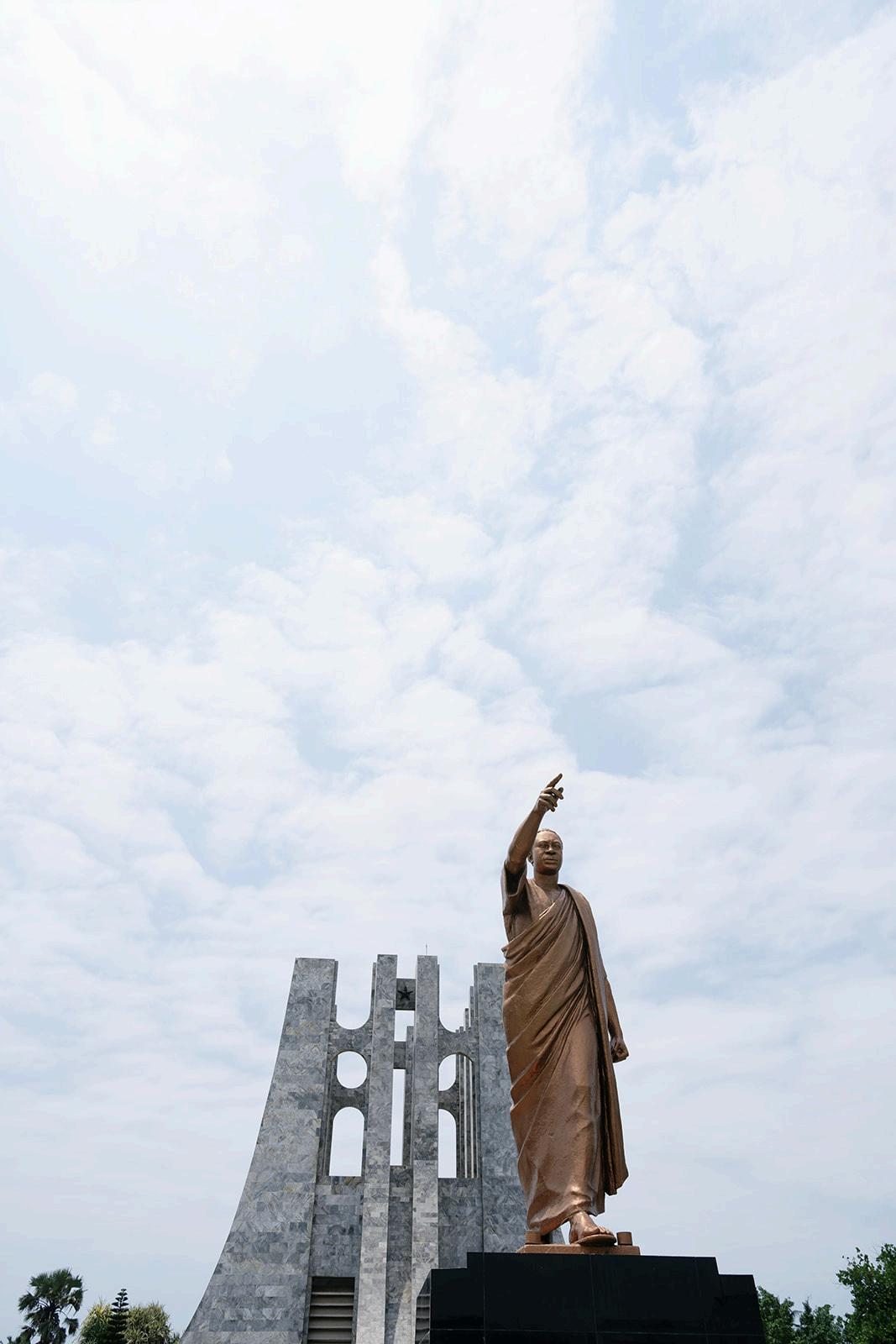
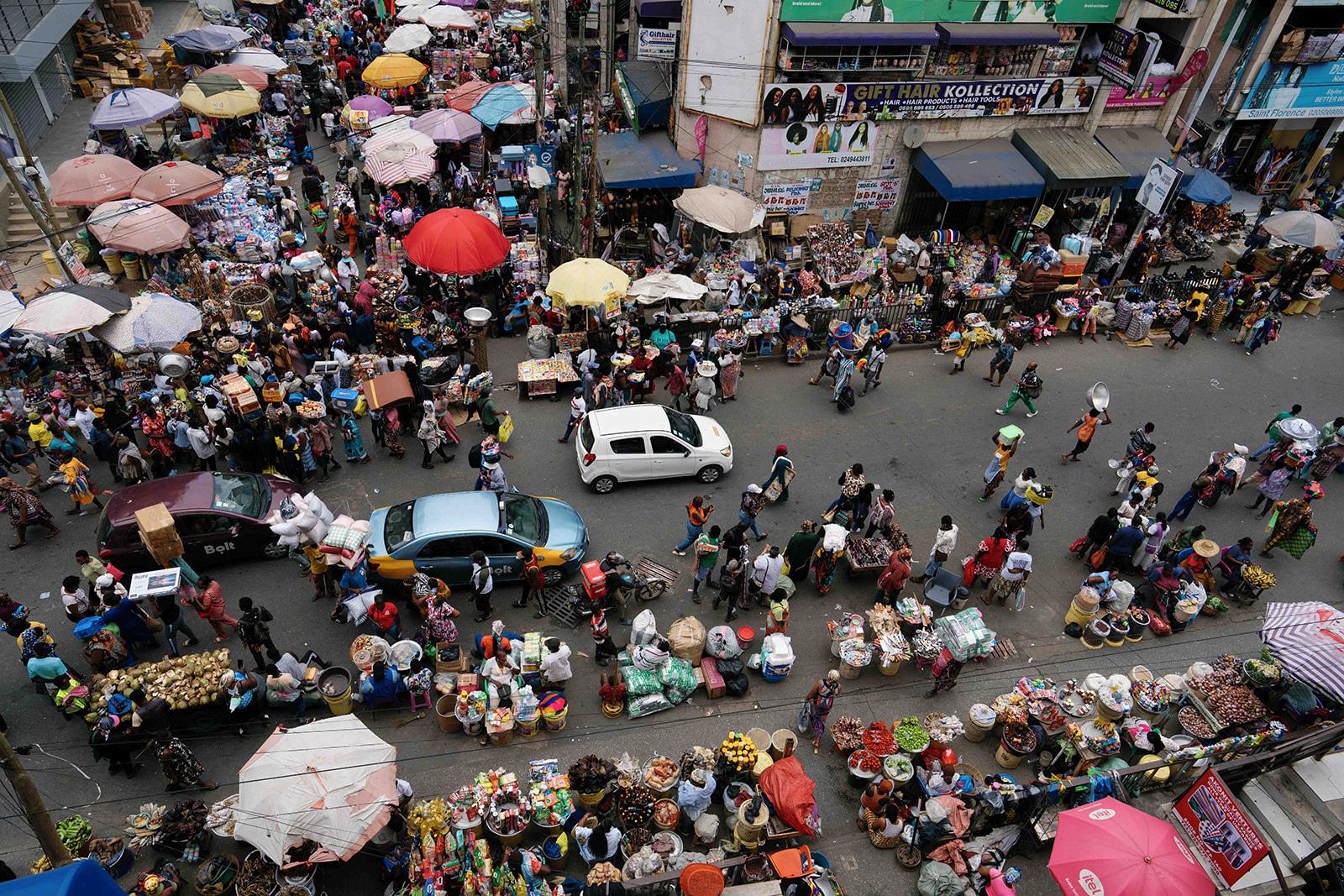
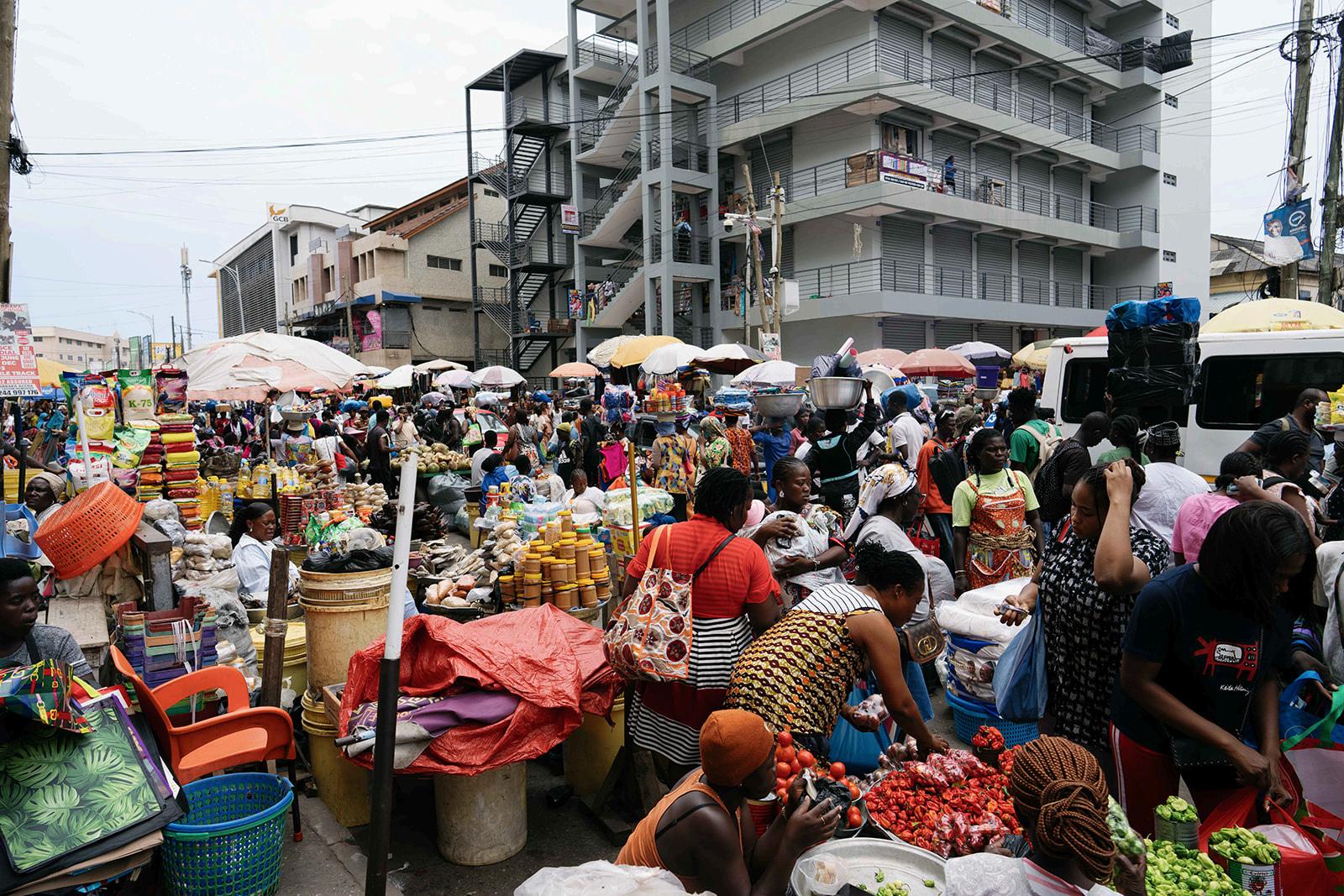
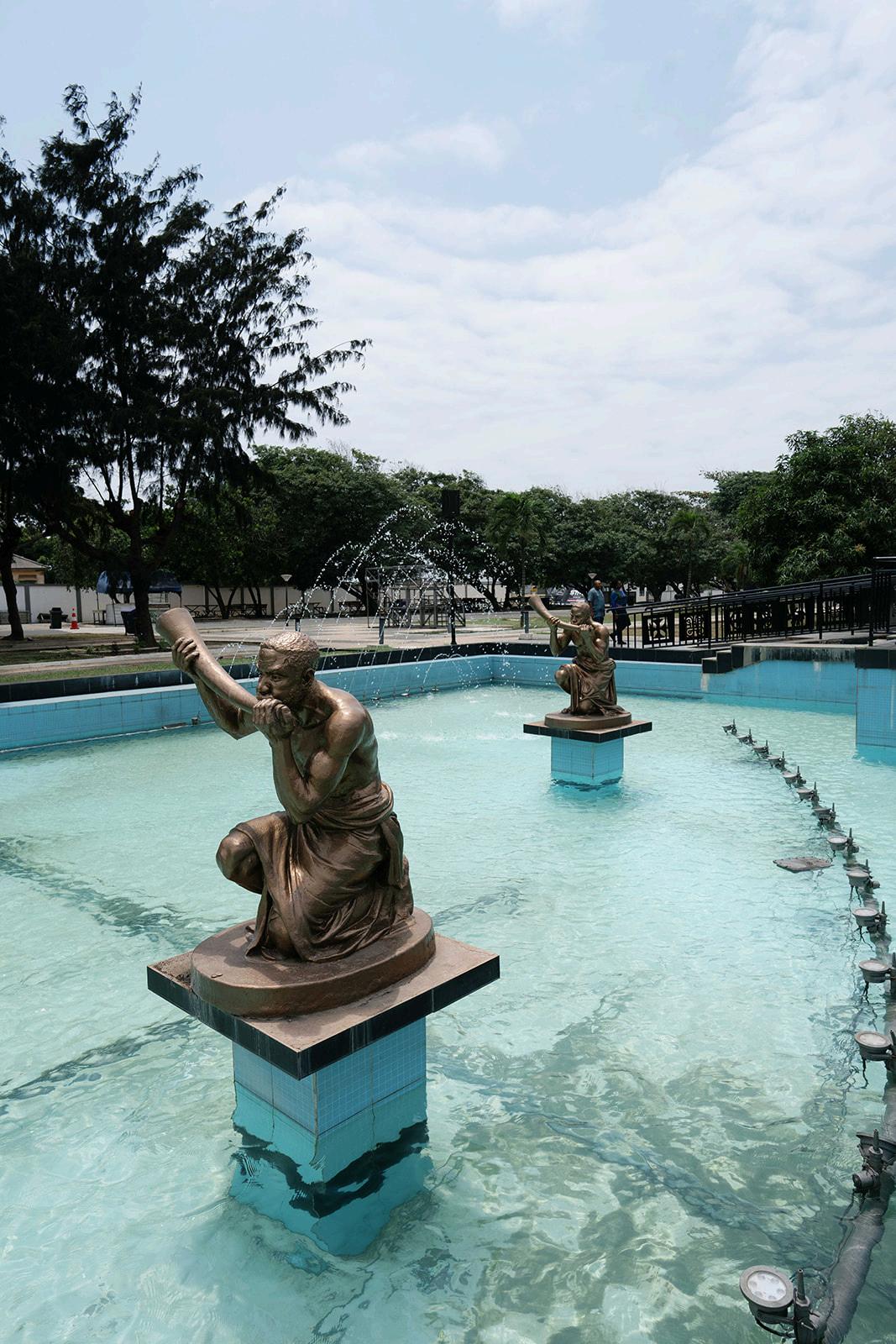
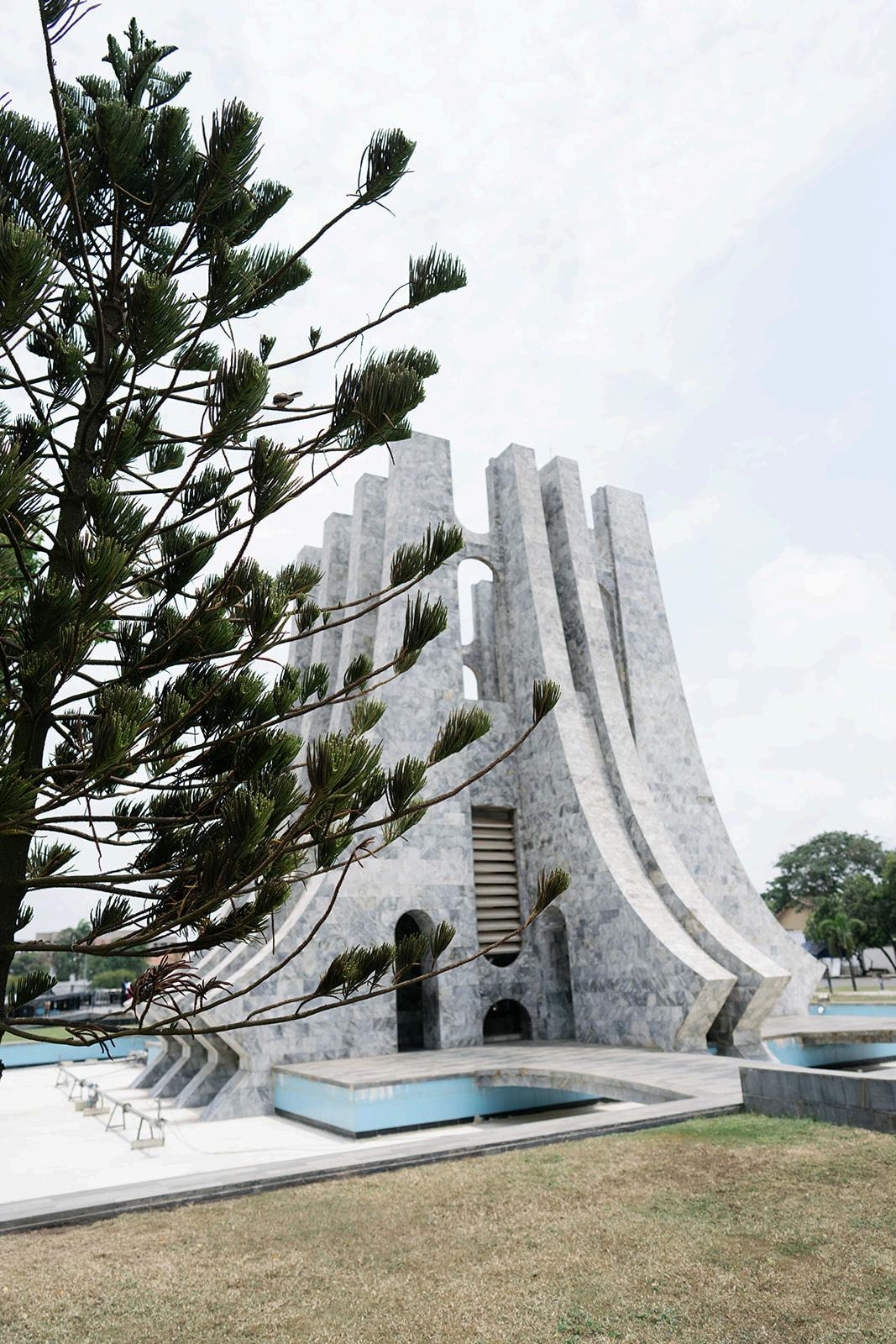
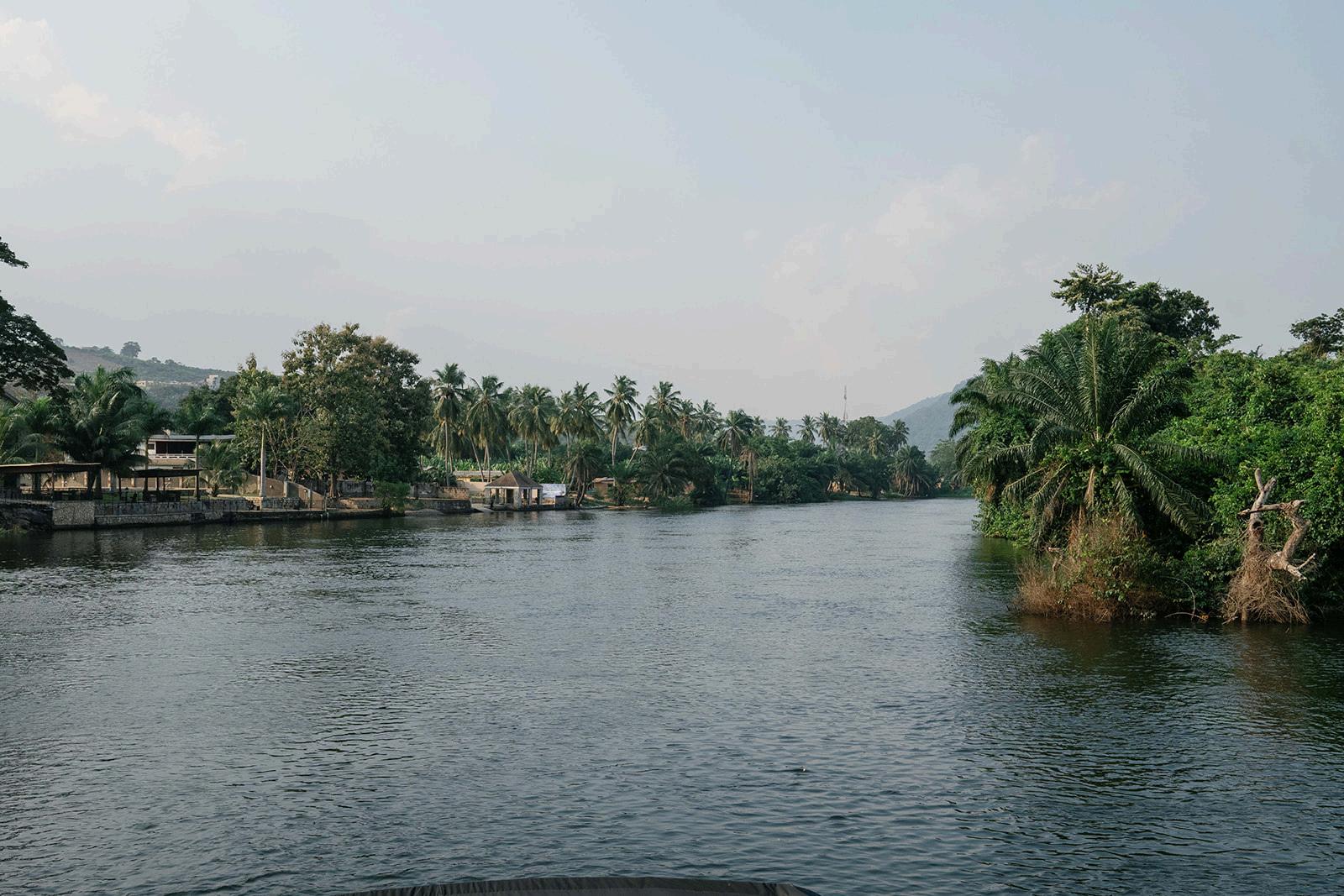
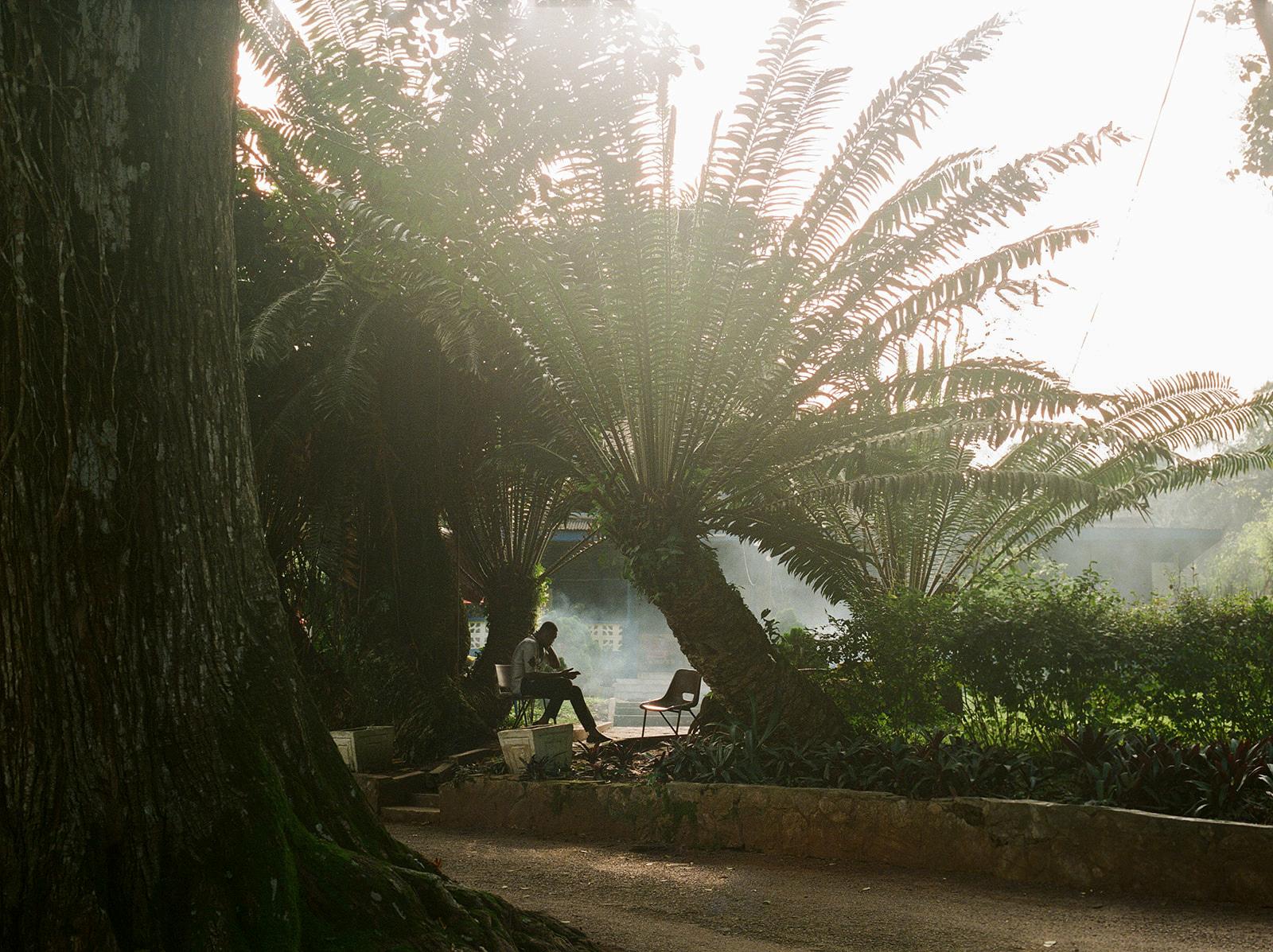
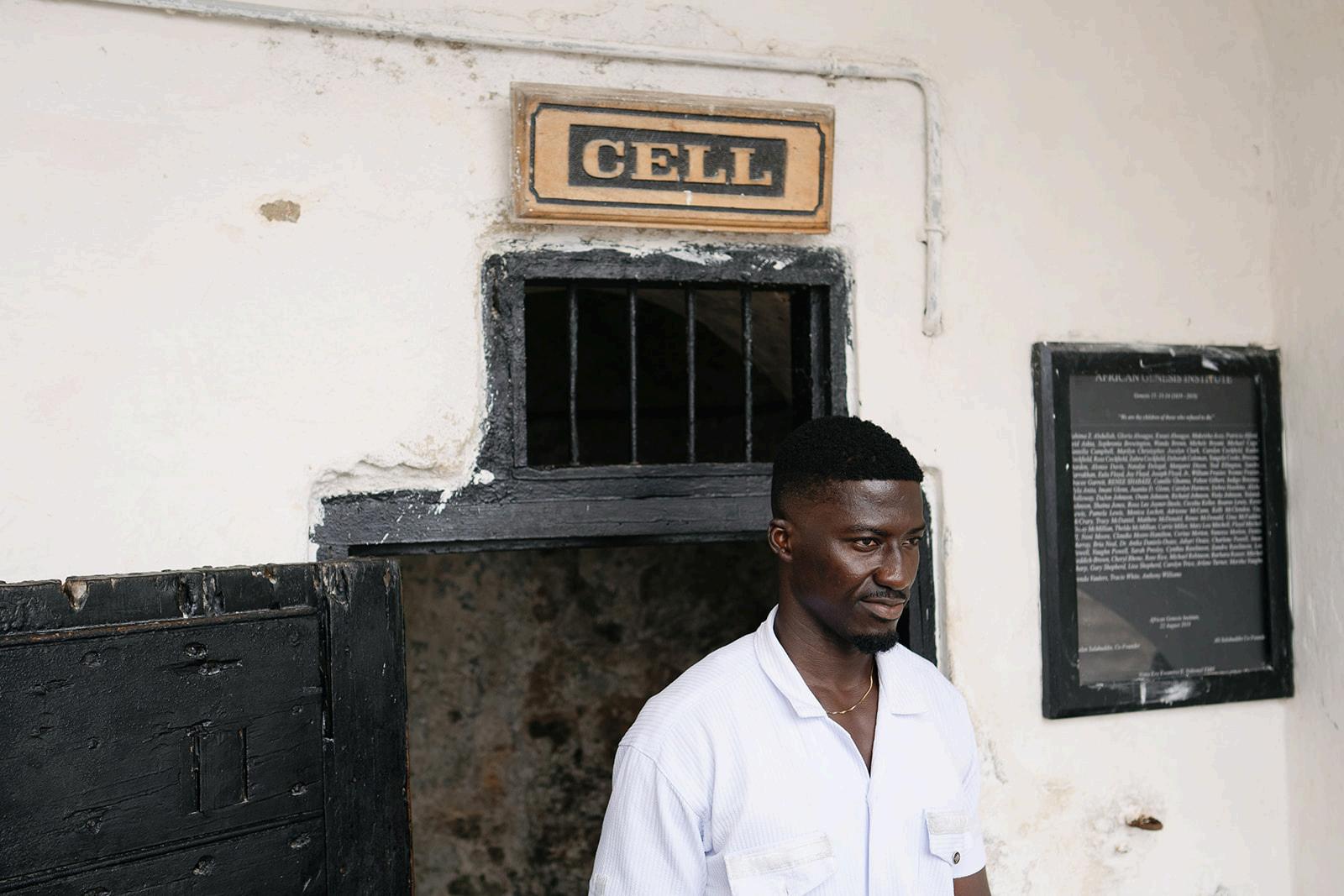
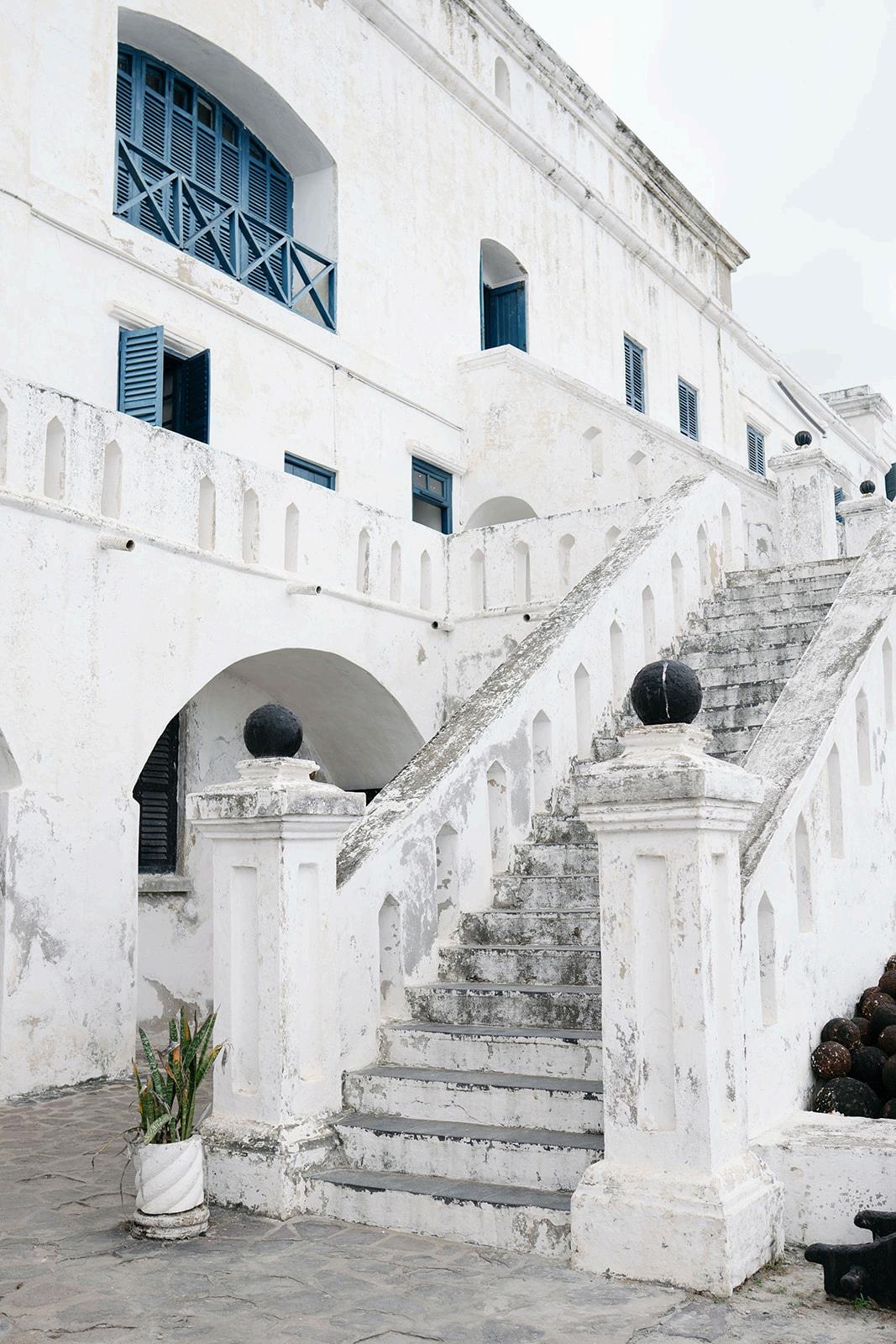
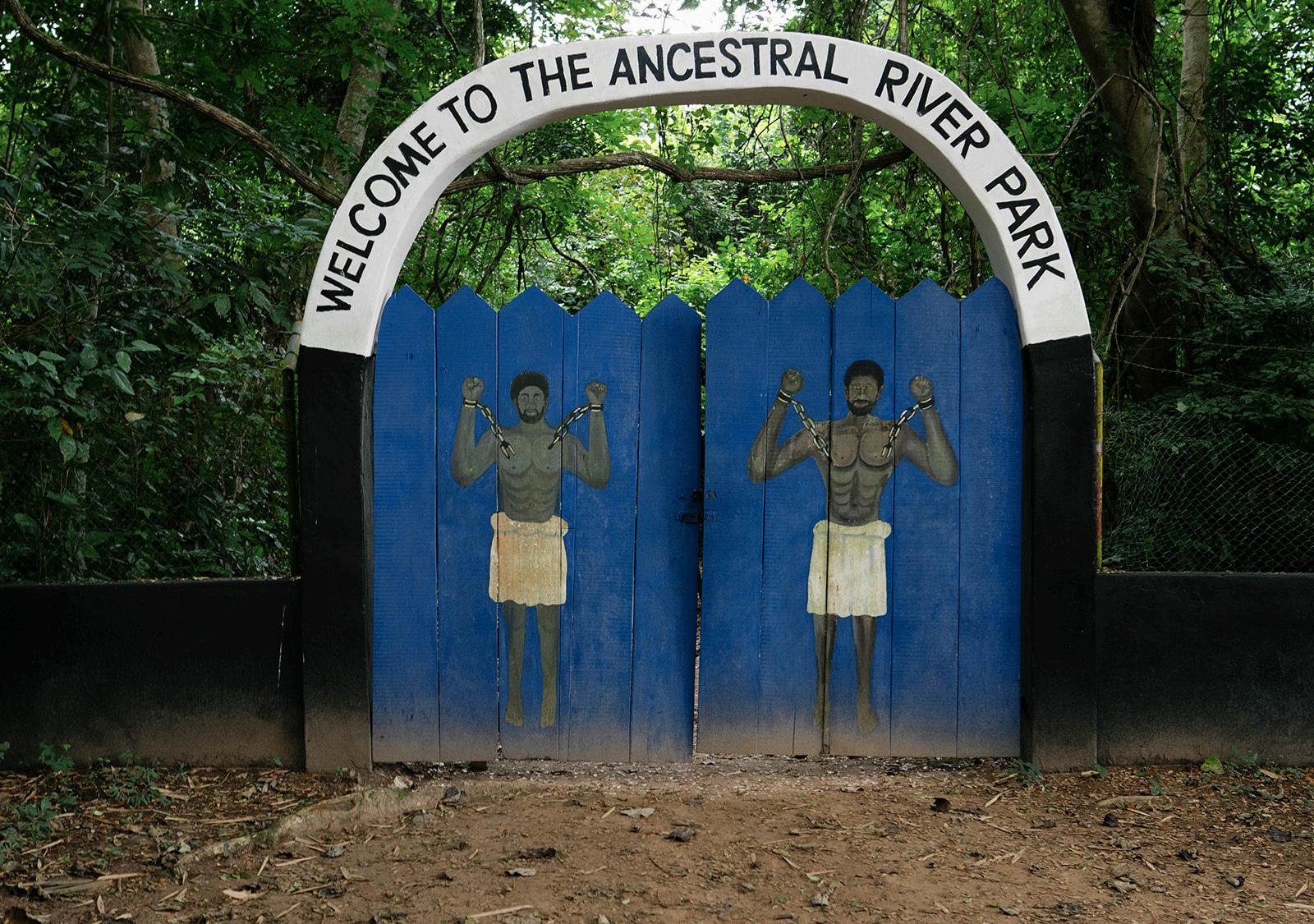
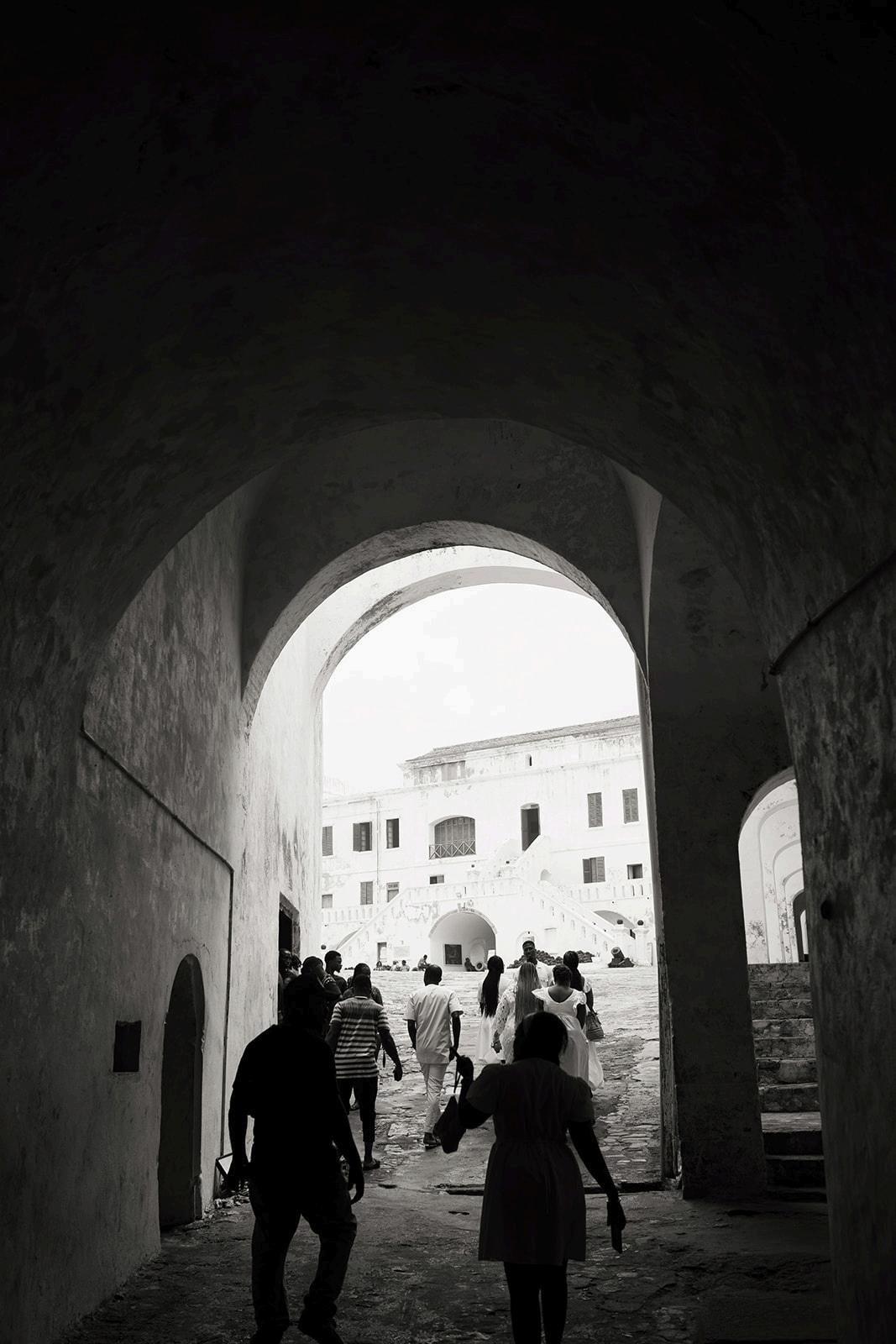
In this issue, we focus on the “Art of Return” --exploring the sacred practices, materials, and experiences that engender belonging and the affective sensation of home. In “Drums, Design, & Diaspora,” we visit a local makerspace that brings West African cultural materials to the DMV. Meanwhile, Ayanah George’s photography series from Ghana captures the emotional and spiritual significance of a physical return for descendants of the transatlantic slave trade.
Sometimes we cannot return and explore the beauty of longing and remembrance, as Camille McCallister’s poem, “I Miss Louisiana,” elucidates. At the same time, artist Whitney urges us all to return to ourselves--as that is the ultimate space for artistic renewal and soul alignment.
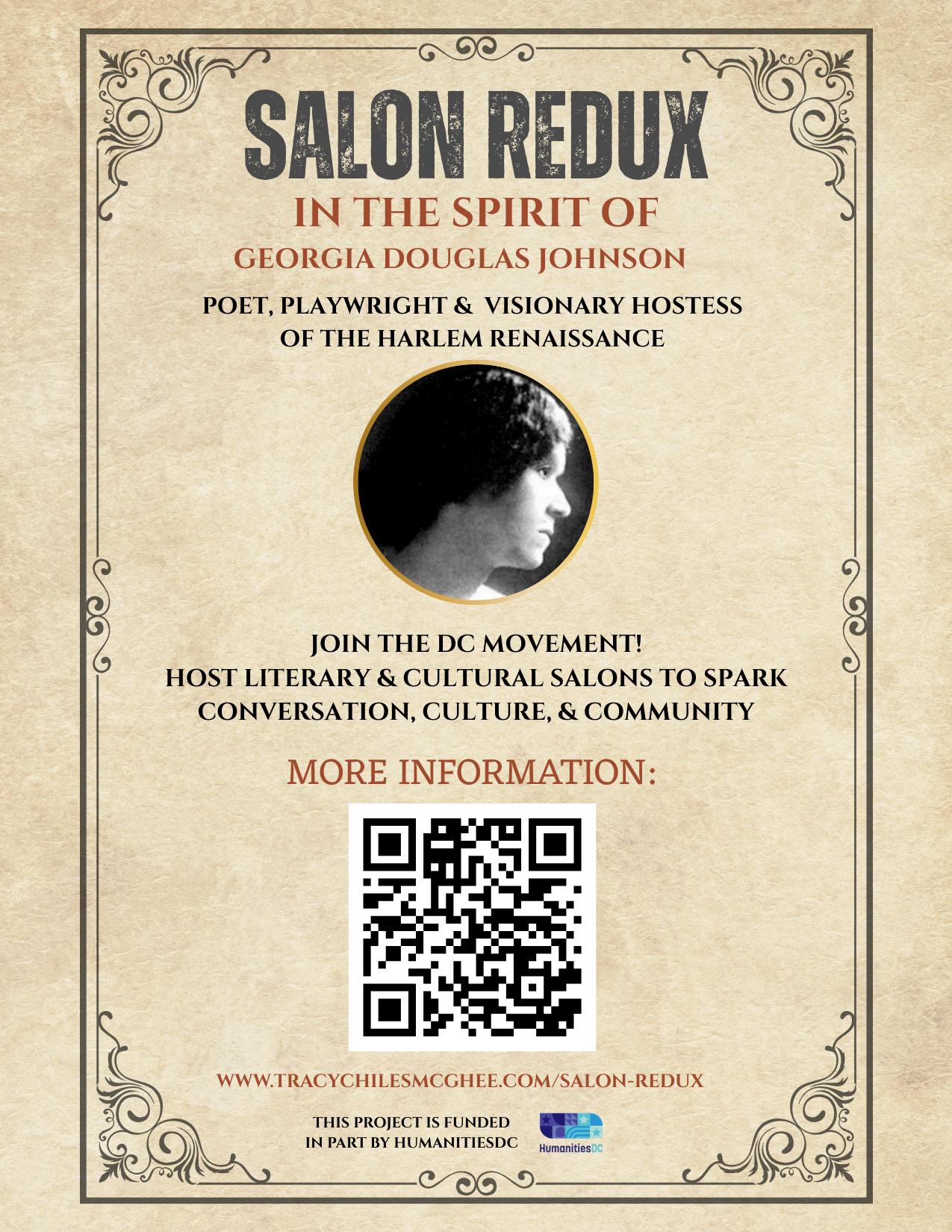
This Black History Month, we are inviting community members to participate in “Salon Redux,” an initiative sponsored by HumanitiesDC (page 13). In the spirit of poet/playwright Georgia Douglas Johnson (1880-1966), individuals are encouraged to host home-based artist salons.
Thank you for taking the time to engage with this work and with the artists featured here. We’re glad you’re part of the Collective.
Naa Koshie Awurama Mills
Founder and Executive Director
On a brisk autumn day, Kwasi moves with conviction across his space, juggling multiple ongoing projects.The sign outside his shop, “CreativeWorks Studio,” lists only a fraction of the projects carried out each day by Kwasi and his collaborators.The doorway is open, with just a colorful mesh screen to separate the shop from the cold air.As customers approach, they can hearWest African music playing inside.The melodies and rhythmic beats invite both artistic and communal convening The vintage highlife is a soft reminder of home, while offering a lively soundtrack to the creative process In this studio, artisans and designers share a living space for creativity and invention, guided byWestAfrican notions of sustainability and tradition
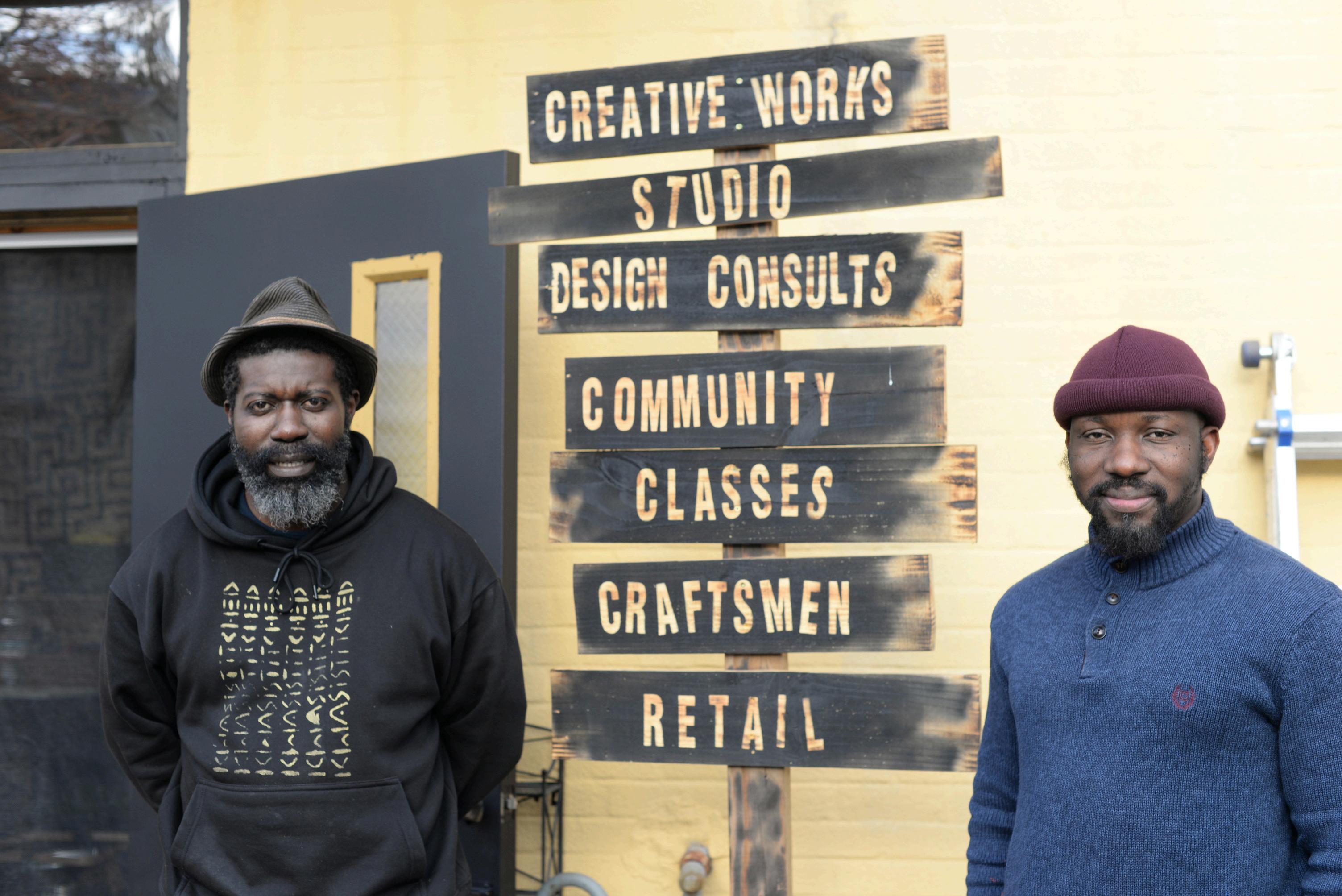
“Everything just flows together,” Kwasi says as he moves effortlessly between his projects. Inside the Creative Works Studio, he and his business partner, Atsu Numadzi, have a station for designing and tailoring custom-made clothing using primarily African fabrics. Alongside this service, they also sell ready-to-wear clothing and accessories, visual art, as well as djembe drums imported from Ghana. While Kwasi has been in this shop since 2020, both he and Atsu have been sewing since childhood. Not only do they have extensive experience with tailoring, their travels, throughout West and East Africa, Europe, and the United States, shape their unique perspectives around design sustainability and global fashion trends
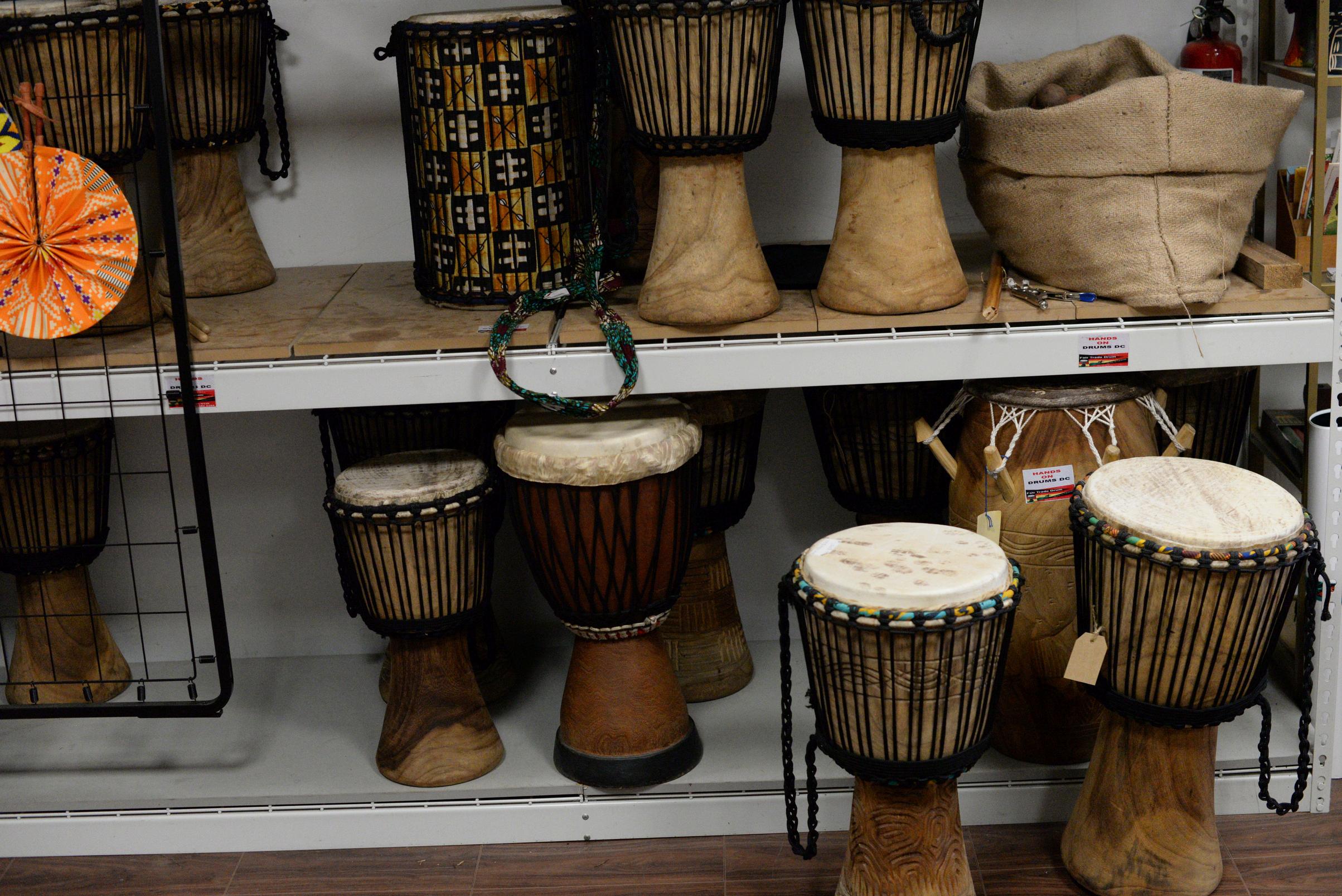
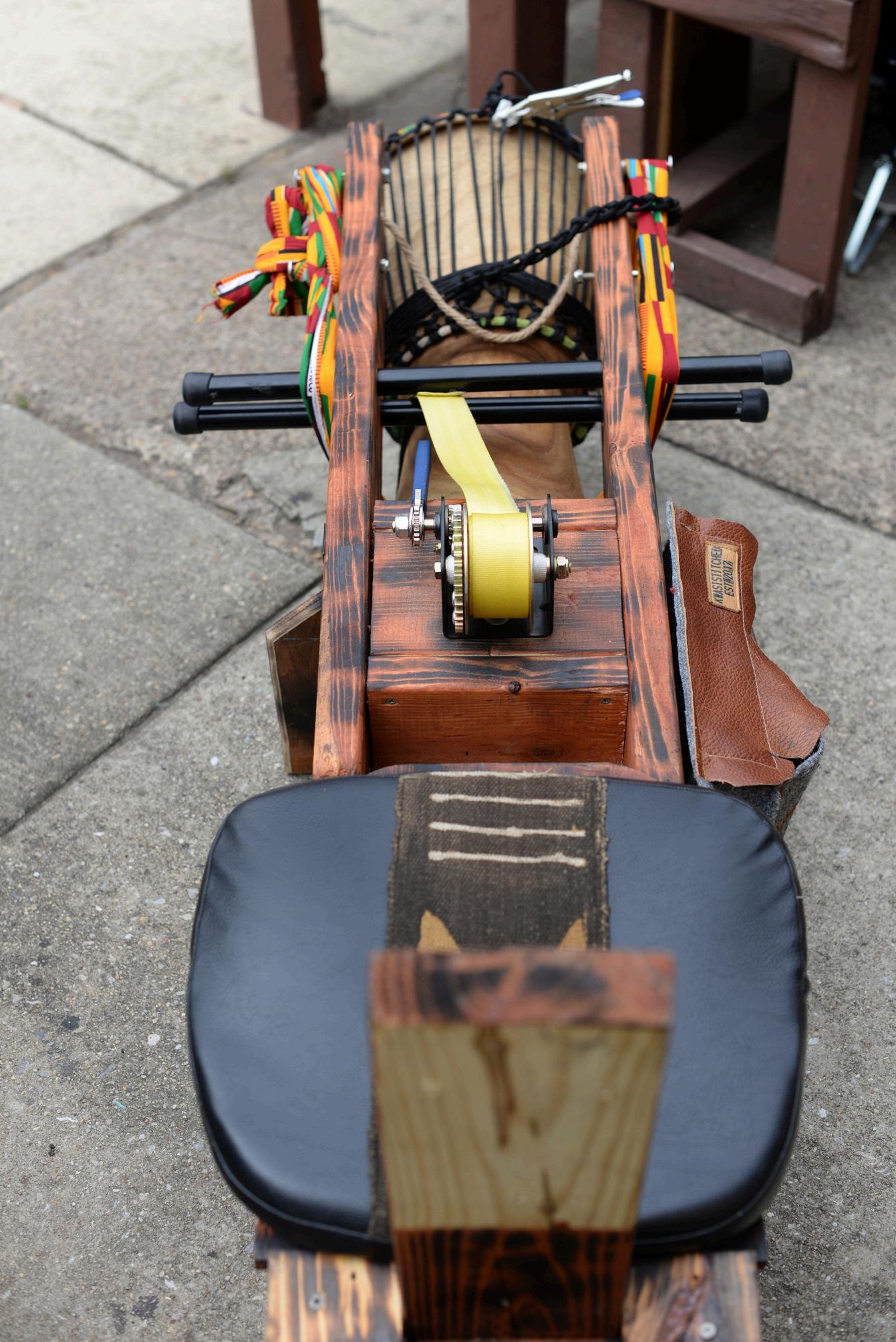
Once you walk past the sewing stations, there’s another surprise: drums The last room of the shop is lined with djembe drums, ranging small to large, shipped regularly from the Central Region of Ghana Constructed by hand, the drums are carved from wood, covered with goatskin and tied with rope and metal rings Once they arrive in DC, Kwasi tunes them, ensuring that each one sings with the appropriate resonance Traditionally, drum tuning is done manually by threading a stick through rope loops and twisting with great force, a process requiring strength, time, and patience However, Kwasi has invented a new tuning machine which cuts the time and effort in half Created using SolidWorks, 3D product design software, he designed a machine that tightens the drums efficiently, while alleviating the weight and pressure from the practitioner
The drum tuning machine is one of his many creations; he also designs, constructs, and refurbishes furniture He has designed and upholstered chairs with West African fabrics, restored wooden pieces, and created small tables using scrap materials from the shop This approach mirrors the resourcefulness and adaptability he was taught as a child learning to sew with his mother in Kumasi, Ghana When he immigrated to the United States as a young adult, he carried with him not only skills in sewing, drumming, carpentry, and design, but also the principles of sustainable living
As we chat in the front patio of the shop, Kwasi pulls out a foldable table and begins to cut fabric for a client Today, he’s making a shirt for a returning customer, who’s body type and measurements he can draw from memory Throughout our conversation, I am amazed at his ability to multitask and make a detail-specific task look effortless He can eyeball pocket placements or calculate a garment’s symmetry with such ease
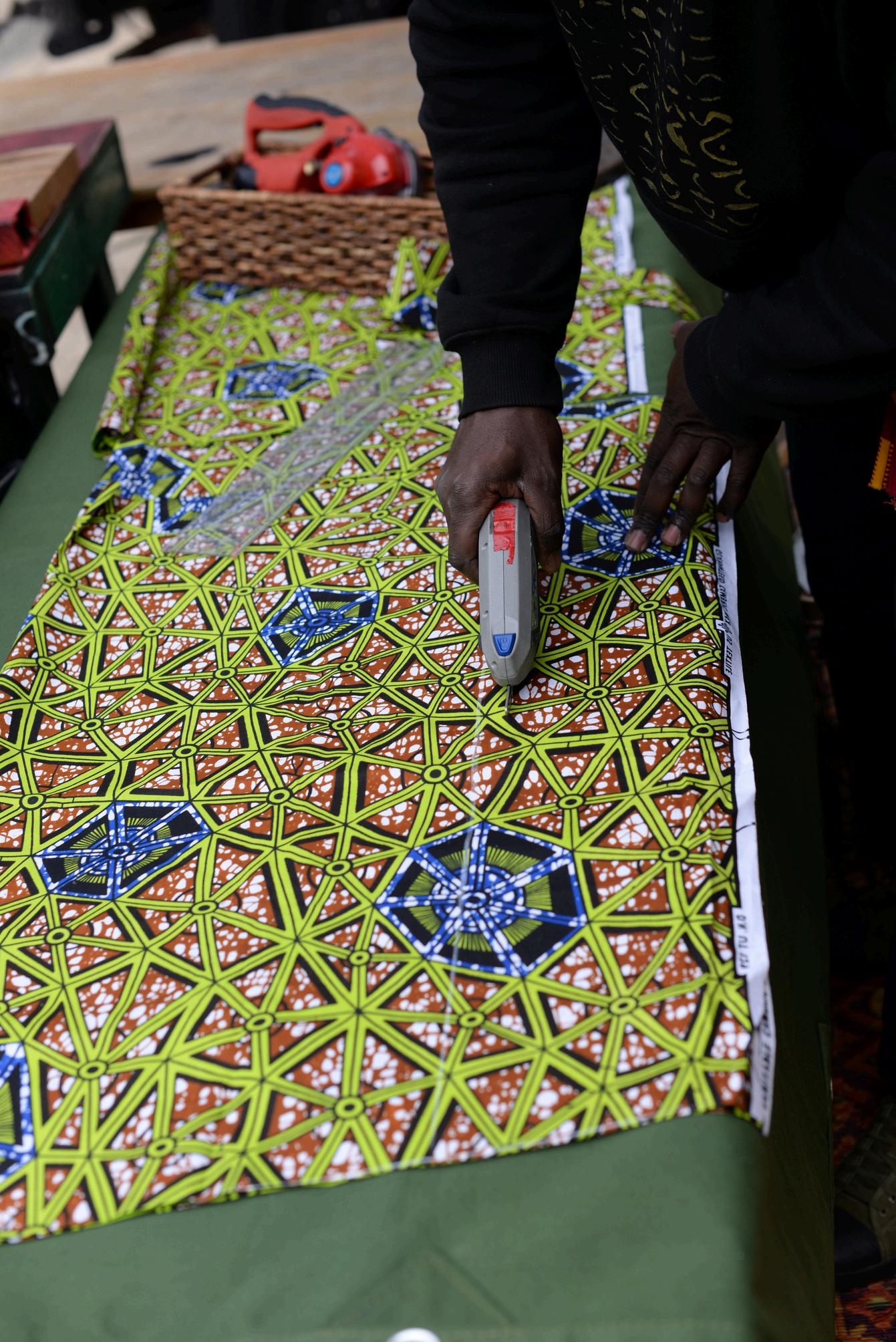
“When you go to the market in Ghana, the colors are busy and loud because we asAfricans are not shy of colors”. -Atsu
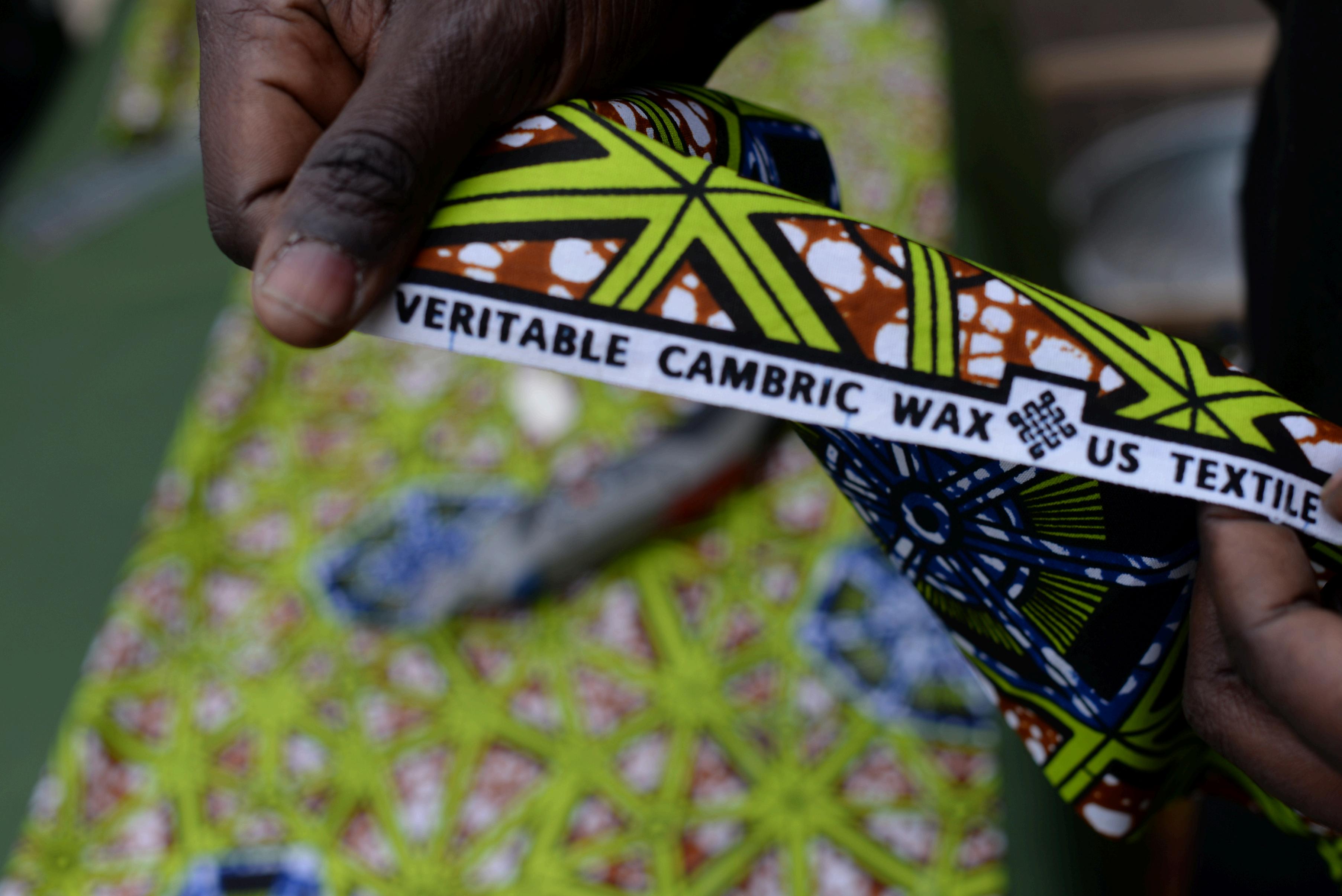
Once Atsu returns from lunch, they gather at the sewing tables to stitch together the pieces They source fabrics locally, from Ghana, and suppliers in Europe While many assume African prints are locally produced, a significant amount, particularly high-end wax prints like Vlisco, are manufactured in the Netherlands For Atsu, locally manufactured brands, such as Akosombo Textiles, feel truer to African color expressions and describes the Holland wax prints as “shy,” incorporating more muted tones that appeal to Western or European tastes
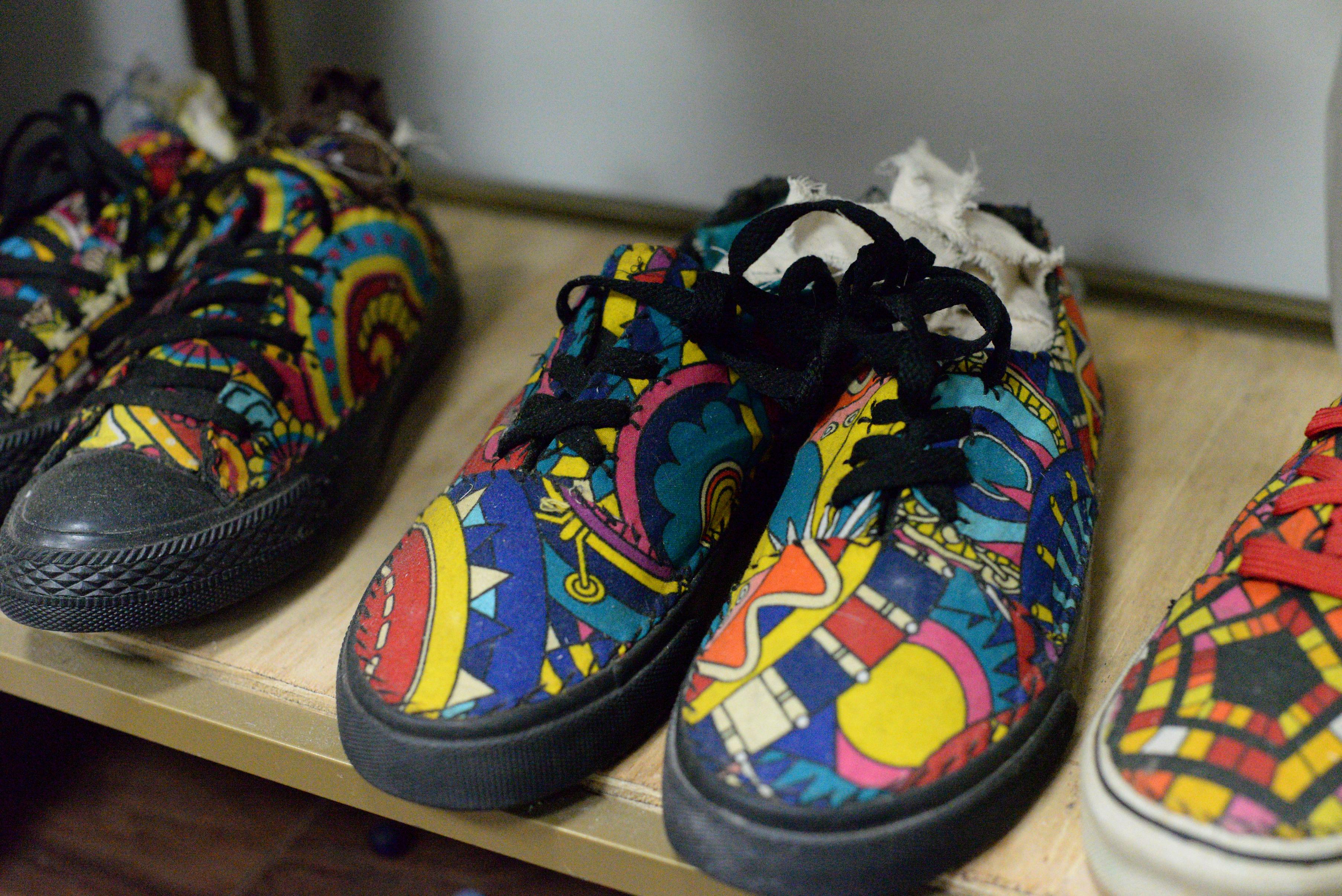
Over the years, however, both designers have explored ways to mix styles, motifs, and colors, blending some American tastes, such as sneakers or jeans, with authentic West African prints like kente This approach has extended to accessories as well: a single color fanny pack is redesigned with collaged patterns, scrap fabric is refashioned into stylish earrings, and old converse shoes are repainted to replicate high end prints. Their work represents an ongoing dialogue of retention and admixing, emblematic of African American cultural expressions in the United States. The space is uniquely diasporic not only because its participants, but the integration of t ti


It’s not the people–
It’s running through the corn field. The cool, tall bends of grass. Walking on damp asphalt, Beneath the dark, deep sky. I,
I miss Peach Festival ice cream.
The,
Heavy breeze of still, muggy air
And Sun-kissed honey hair.
Speckled stars, The pine needles on dashboards, Apples, oranges and peppermints at Christmas,
And prickly, Ruffles of Easter socks.
Sitting high on broad shoulders
To the EZ-Mart Or long strolls to the park.
The,
Antenna needing constant adjusting, The TV, them Saints,
Martha Ruth on the phone talmbout: Mm-hmm,
A connection to Me,
Watching with wide-eyed, viewing otherworldly dreams, Warm pancakes, Crisco biscuits, or Margarine-broiled toasts with Soft, peppered eggs
Preserves of figs, muscadine
Held in a damp pantry
Tide rumbling atop the washer
A hanging, single lamp
The hum of mosquitos, dancing in the halo.
That feeling, Held on the porch, In the rhythm, In the parades’ sounds
Self, Sitting on the step
Or the wooden swing outside, Where the sweet sugar is near.
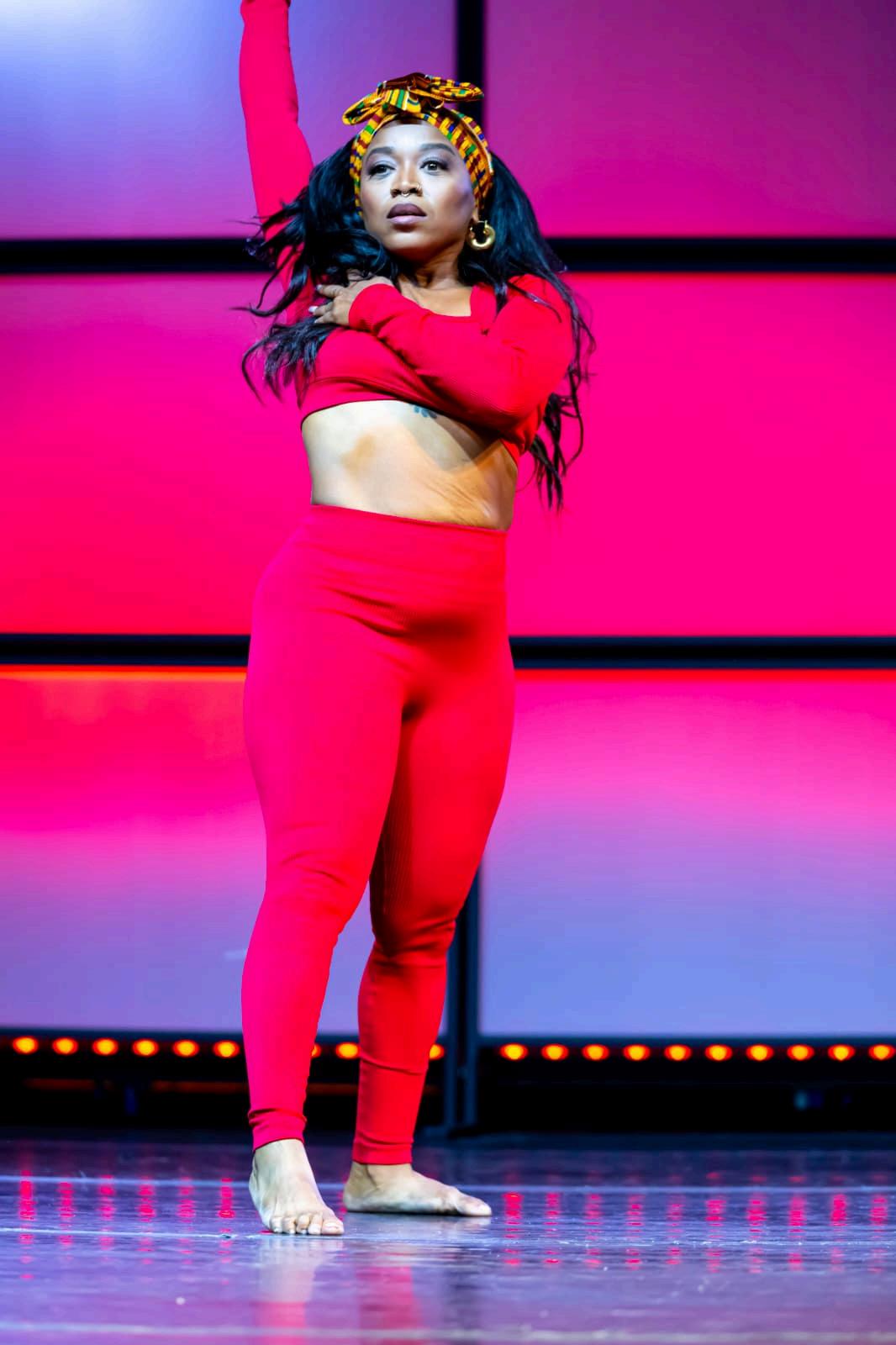
“Art gave me permission to be authentic. Growing up, movement was how I processed life, emotion, and identity. Pursuing the arts wasn’t just a career choice, it was a calling to live more freely, to explore who I am, and to help others do the same for themselves. ”
The intersection of movement, spirit, and imagination is the heart of Whitney Franklin’s journey as an artist, community activist, and wellness practitioner. Her diverse background, across cosmetology, dance, and nonprofit leadership, instills a commitment to individuals’ personal and spiritual expansion, as well as that of the collective. Today, her efforts have crystallized into a larger philosophy, Wellness by Whitney, an umbrella practice that brings together dance, nutrition, meditation, self-study, and community empowerment. It is not a brand, but an architecture for living; one that incorporates creativity as inherently interdisciplinary, embodied, and globally informed.
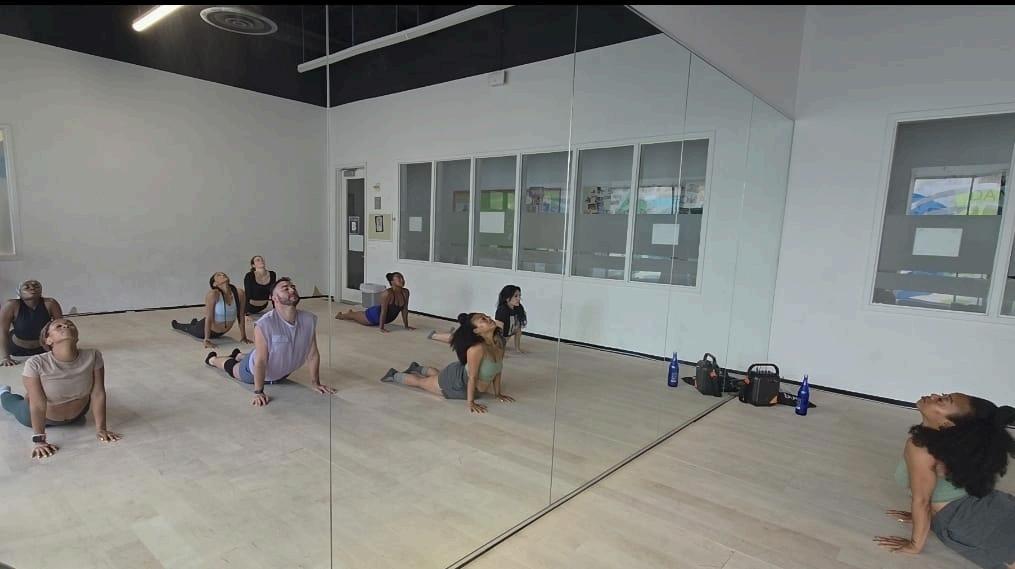
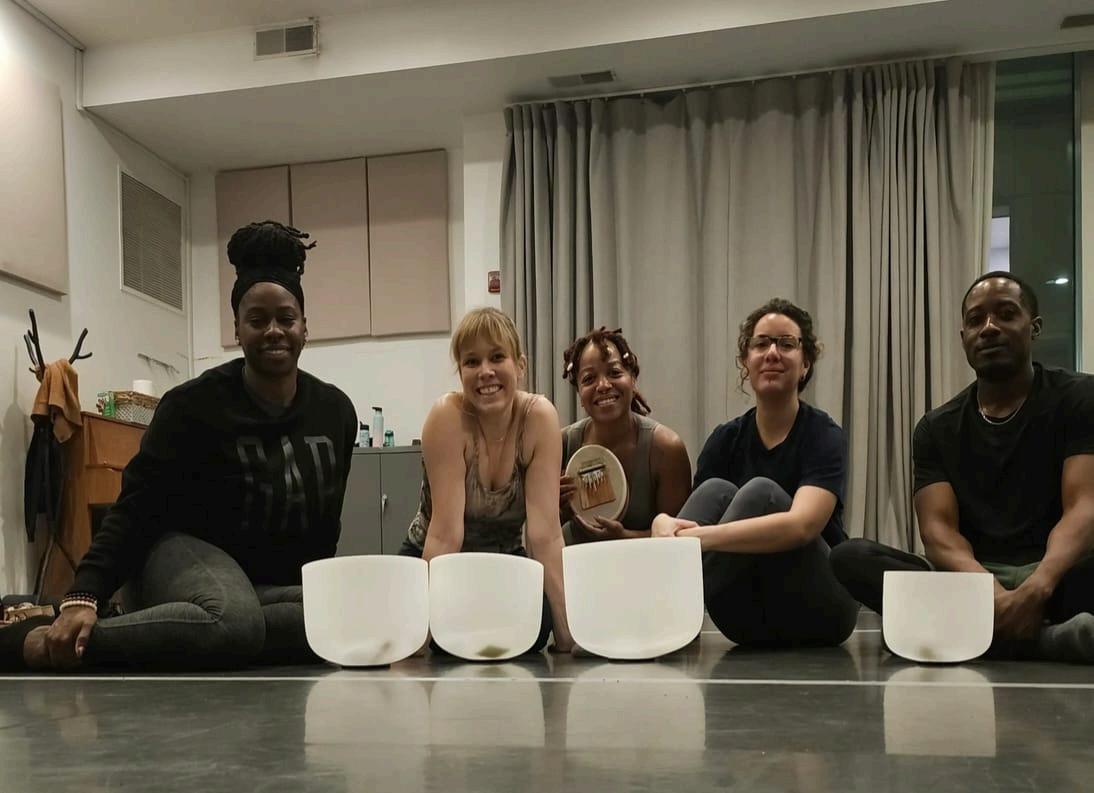
For Whitney, wellness is not just adjacent to art; it is the art. In 2020, she launched SoulFlexology®, her trademarked methodology that bridges movement, mental clarity, and spiritual fulfillment A SoulFlexology® session might begin with sound bowl meditation, move into stretching, open into reflective conversation, and then expand into dance or any other type of fluid movement. In this practice, she focuses not on the “performance” of wellness, but a holistic mind/body self study. That means listening to what bodies need in the moment, rather than forcing high impact exercises, and recognizing the difference between strain and pain and the intricate ways in which unprocessed emotions stagnate body parts and inhibit fluid movement. In this way, SoulFlexology® becomes both personal and collective—a space where healing and discovery unfold together.
This methodology, Whitney proclaims, grew out of a rigorous study of herself, behaviors, desires, and thought patterns, and an exploration of her spirituality. She recognized how powerful movement becomes when paired with intentional reflection. While meditation and stillness can usher in clarity, movement and dance allow the body to transmute latent traumas, fears, and insecurities
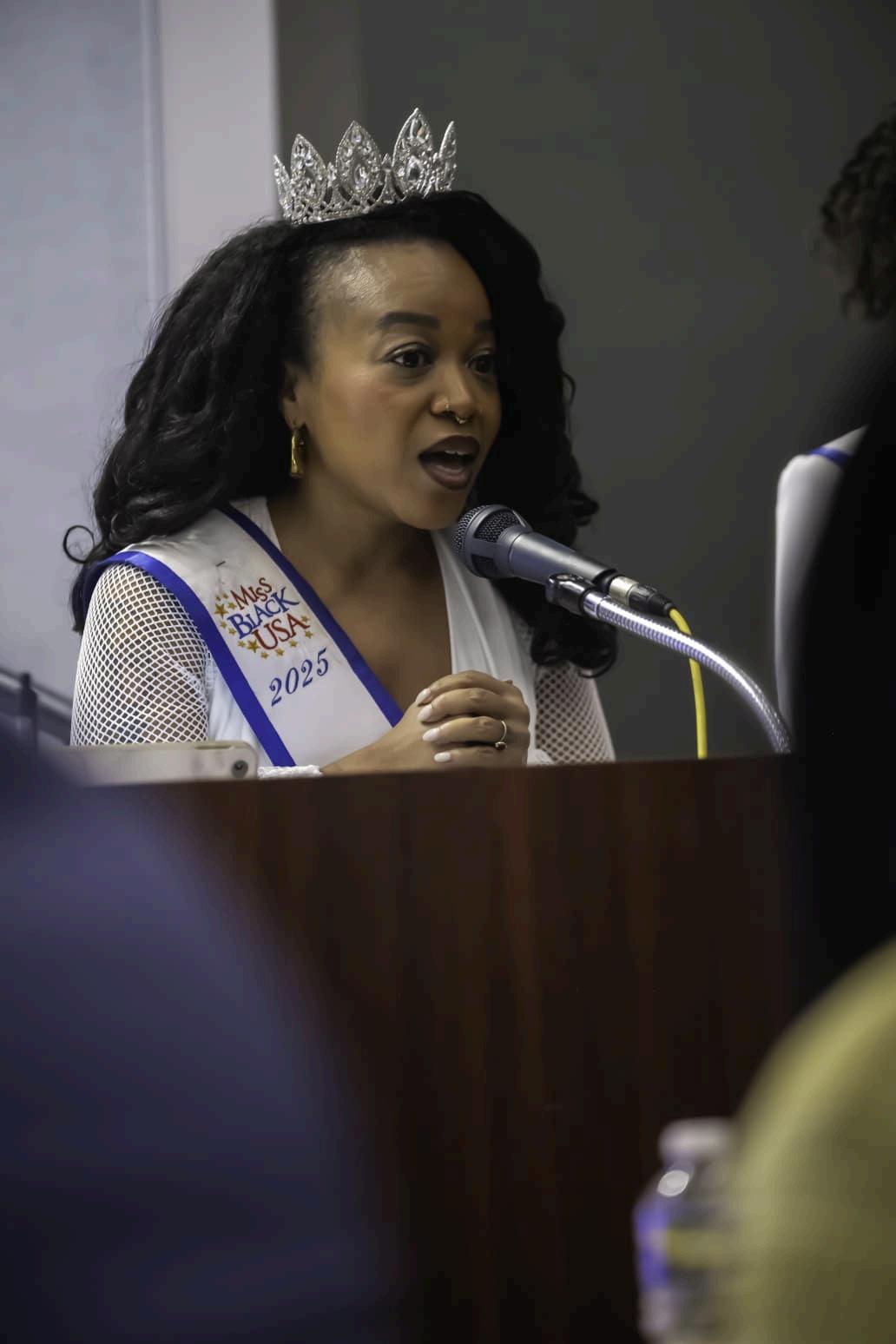
Whitney’s interdisciplinary practice also extends into leadership and public representation. In 2024, she won the Ms. Black Eastern States USA pageant. With her title, she hosted several free workshops for meditation, sound bowls, vegan meals, and dance. She also collaborated with local legal and policy nonprofits to educate participants on their civil rights, electoral politics, and other social justice topics Rather than compartmentalizing her identities, pageantry allowed her to bring all of herself onto one stage: artist, wellness practitioner, leader, and visionary
Through Wellness by Whitney, she invites others to return to themselves, to listen more closely, and to understand freedom not as an abstract ideal, but as a daily, embodied practice In a world that fragments attention and commodifies healing, Whitney offers something quieter and more radical: the permission to move, to feel, and to become on your own terms. Like her namesake, Whitney Houston, she proudly declares, “learning to love yourself—it is the greatest love of all”.
Learn more about at wellnessbywhitney.com or on Instagram: @wellnessbywhitney.

“Wellness is my artistic practice. My work blends movement, consciousness, intentionality, and reflection. When I’m well, I create from a place of abundance.When I’m creating, I’m practicing wellness and gratitude.”


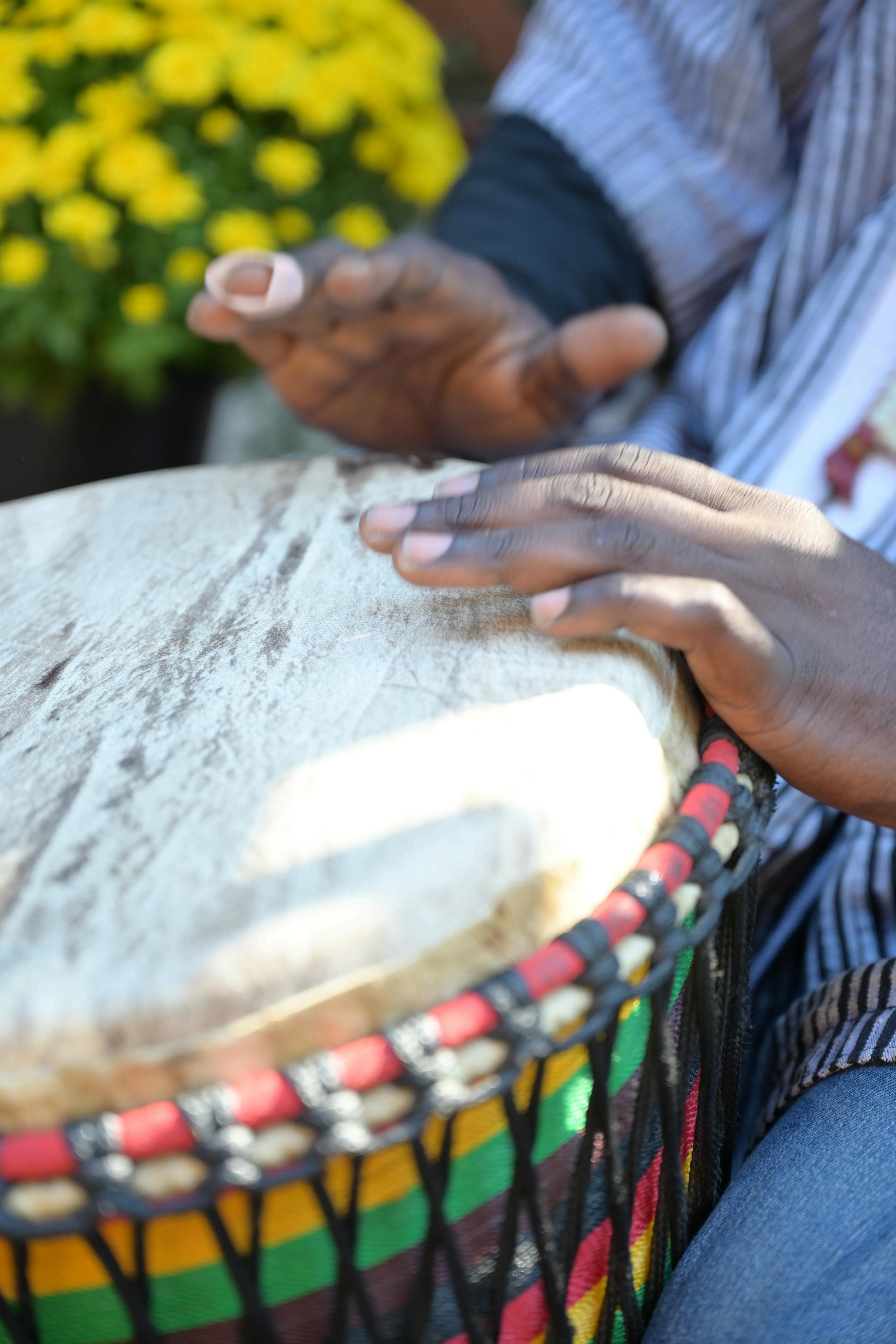
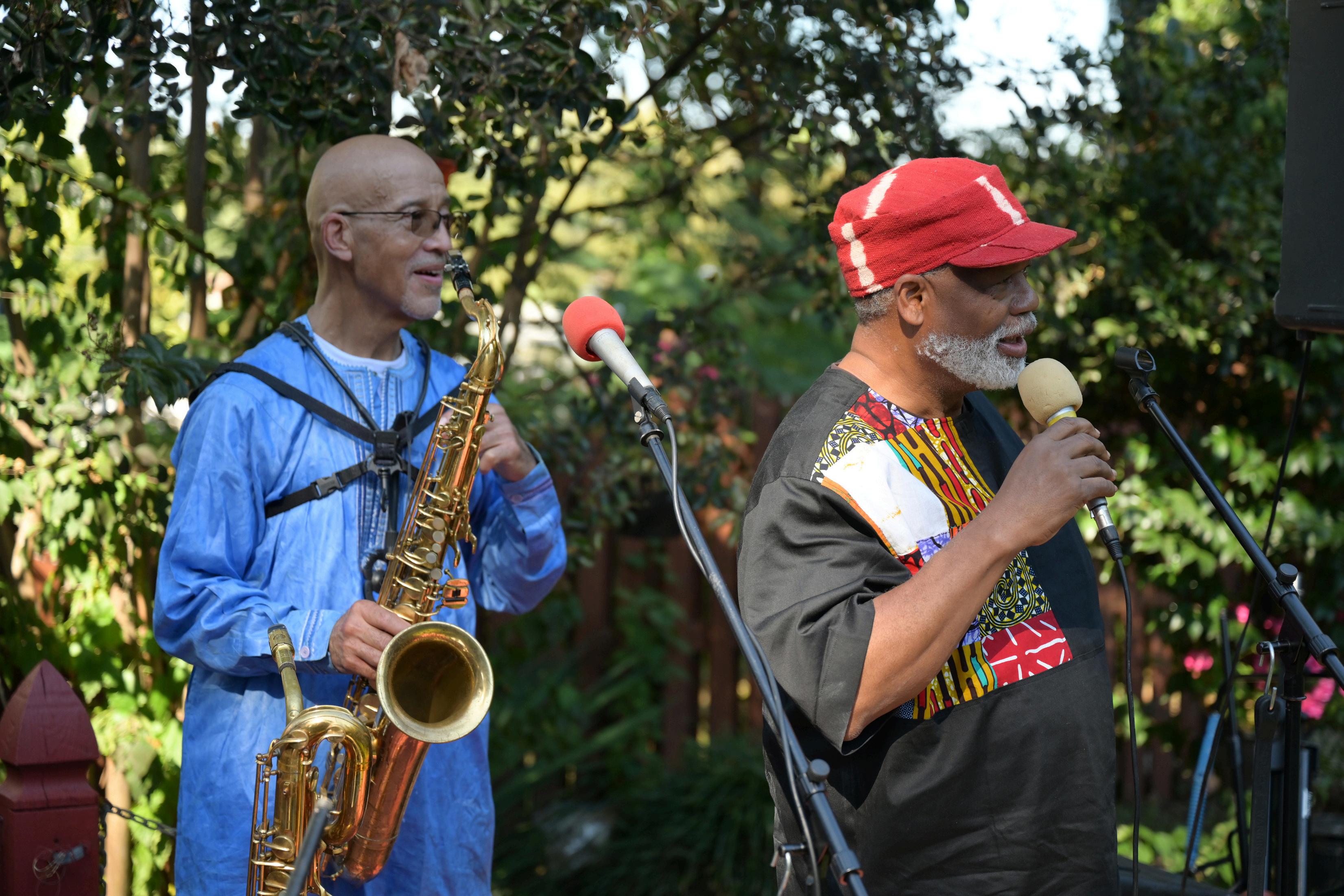
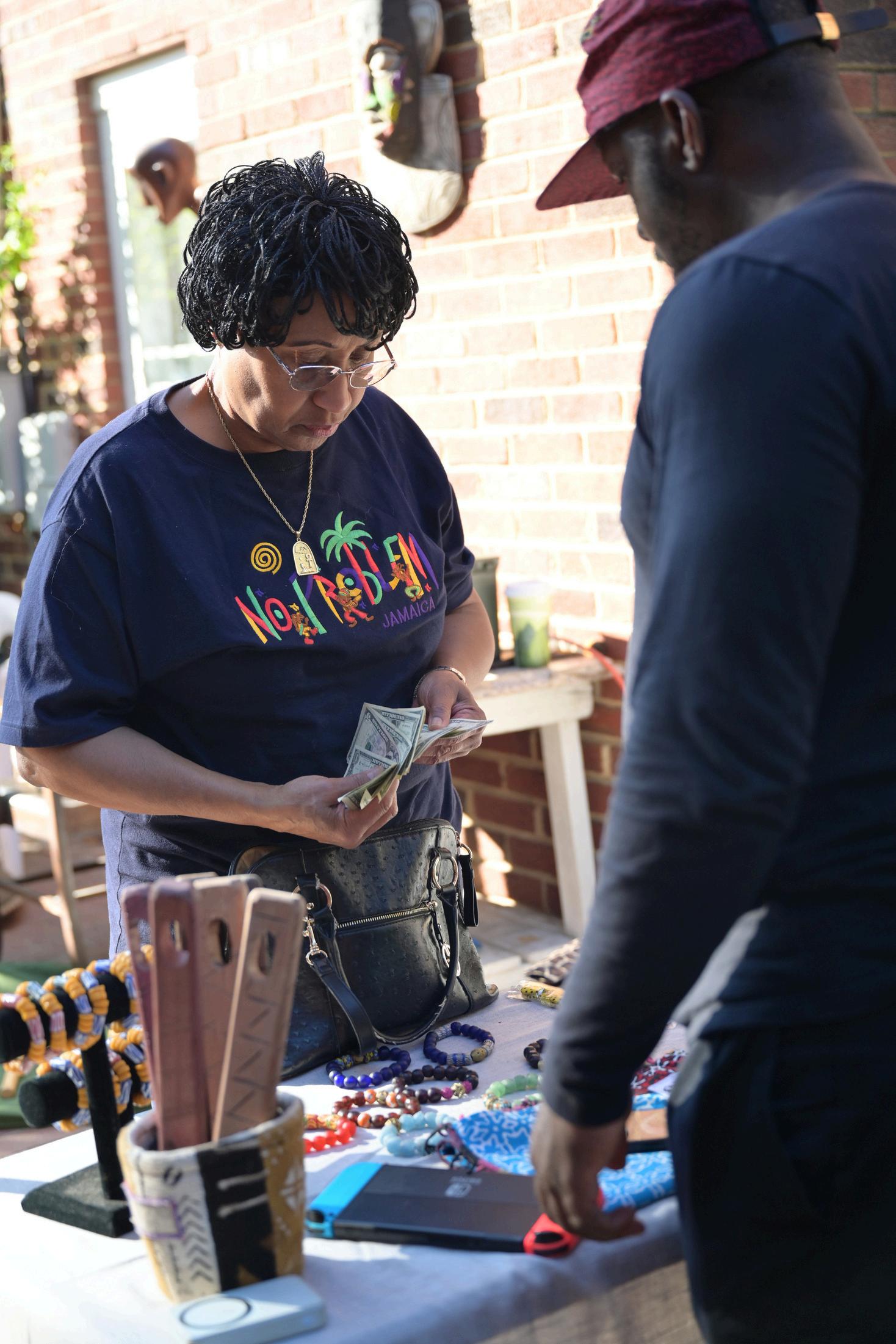
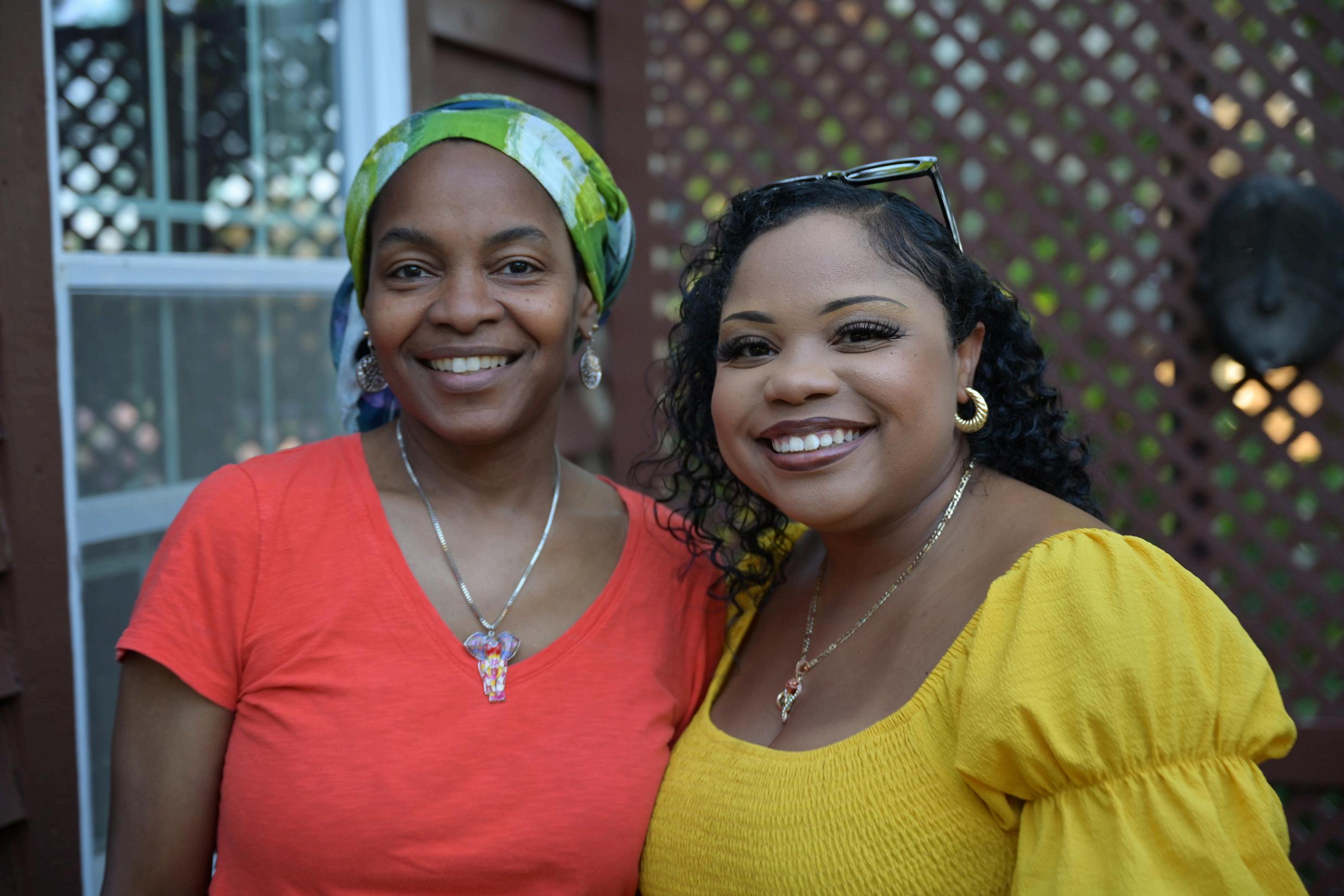
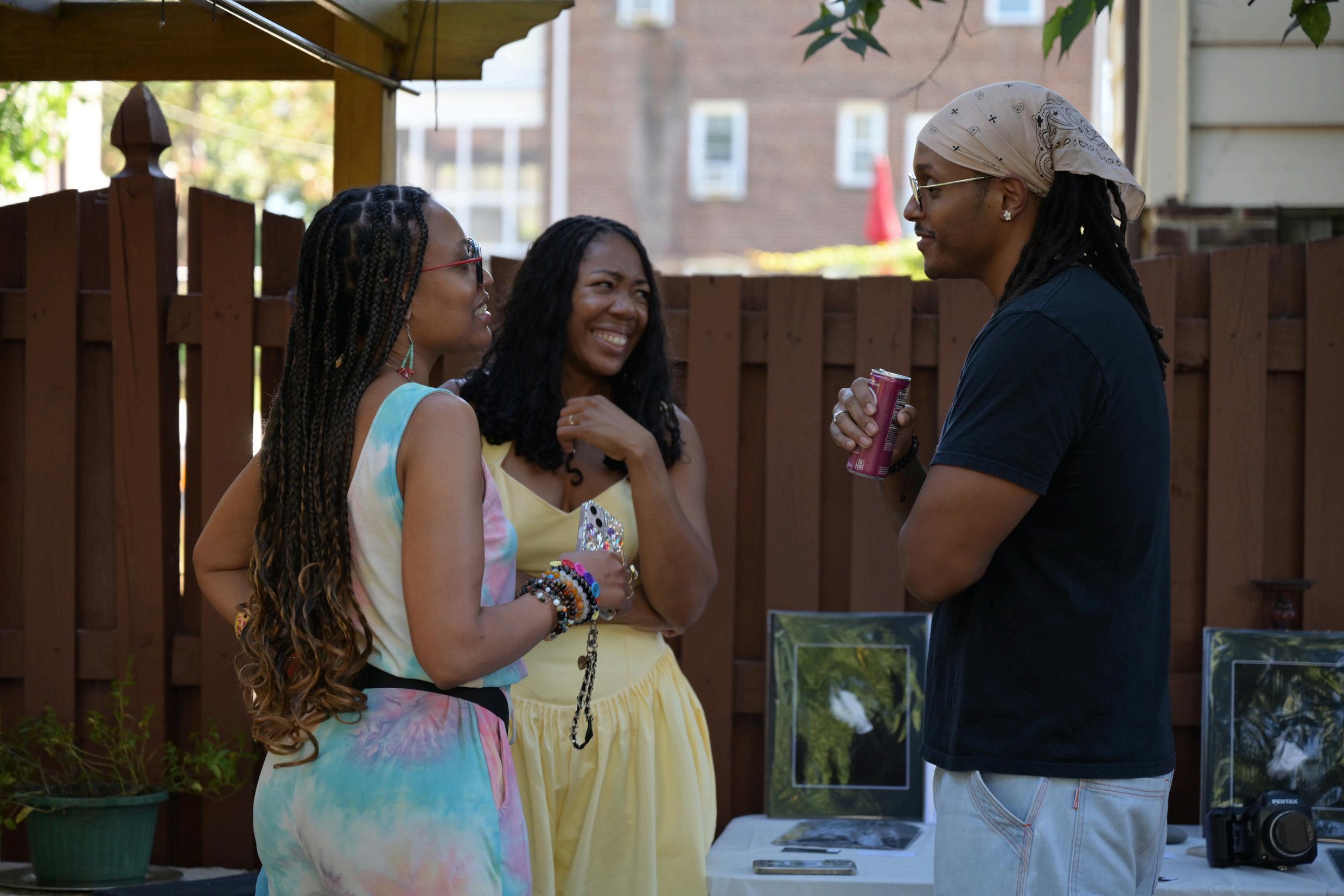
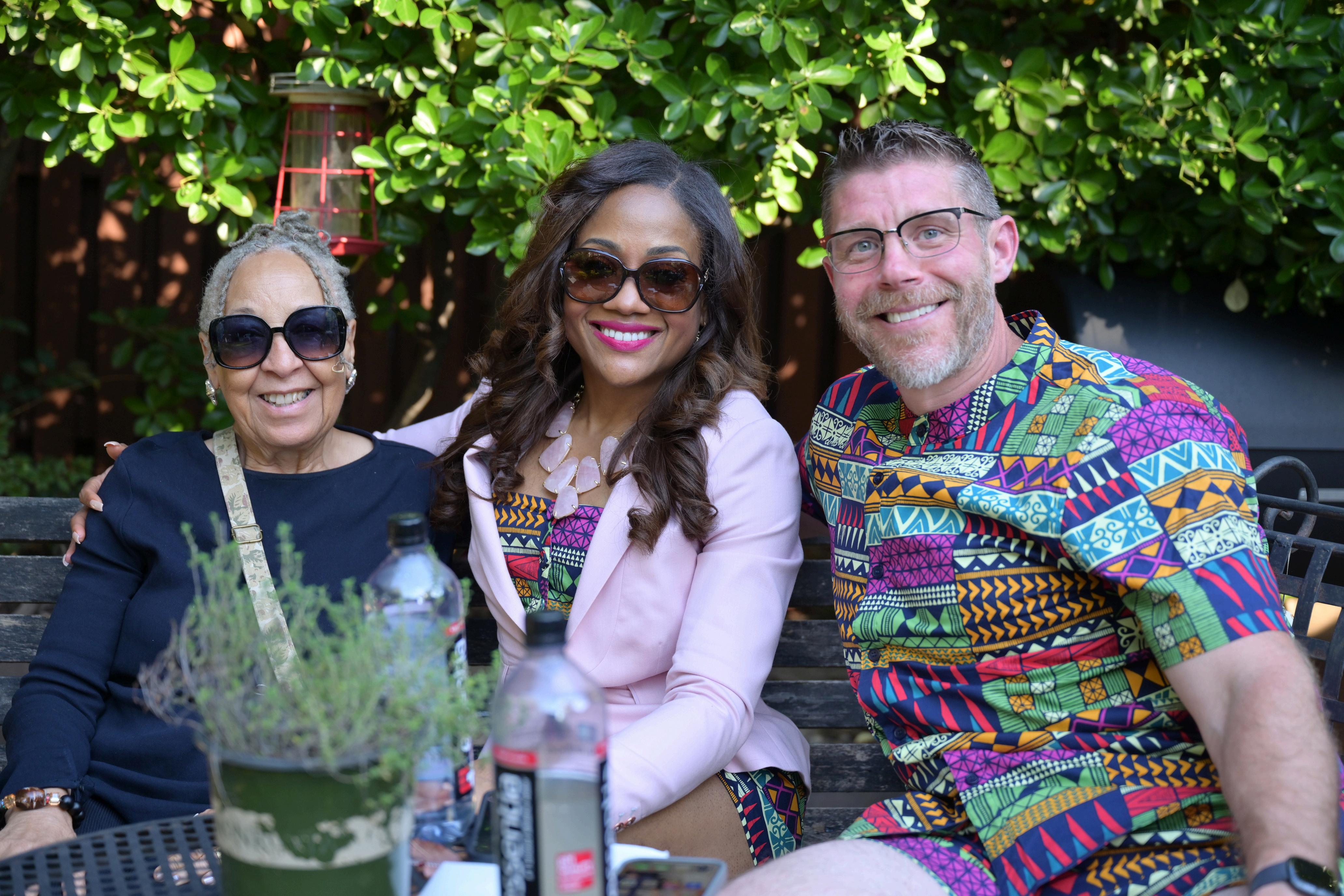
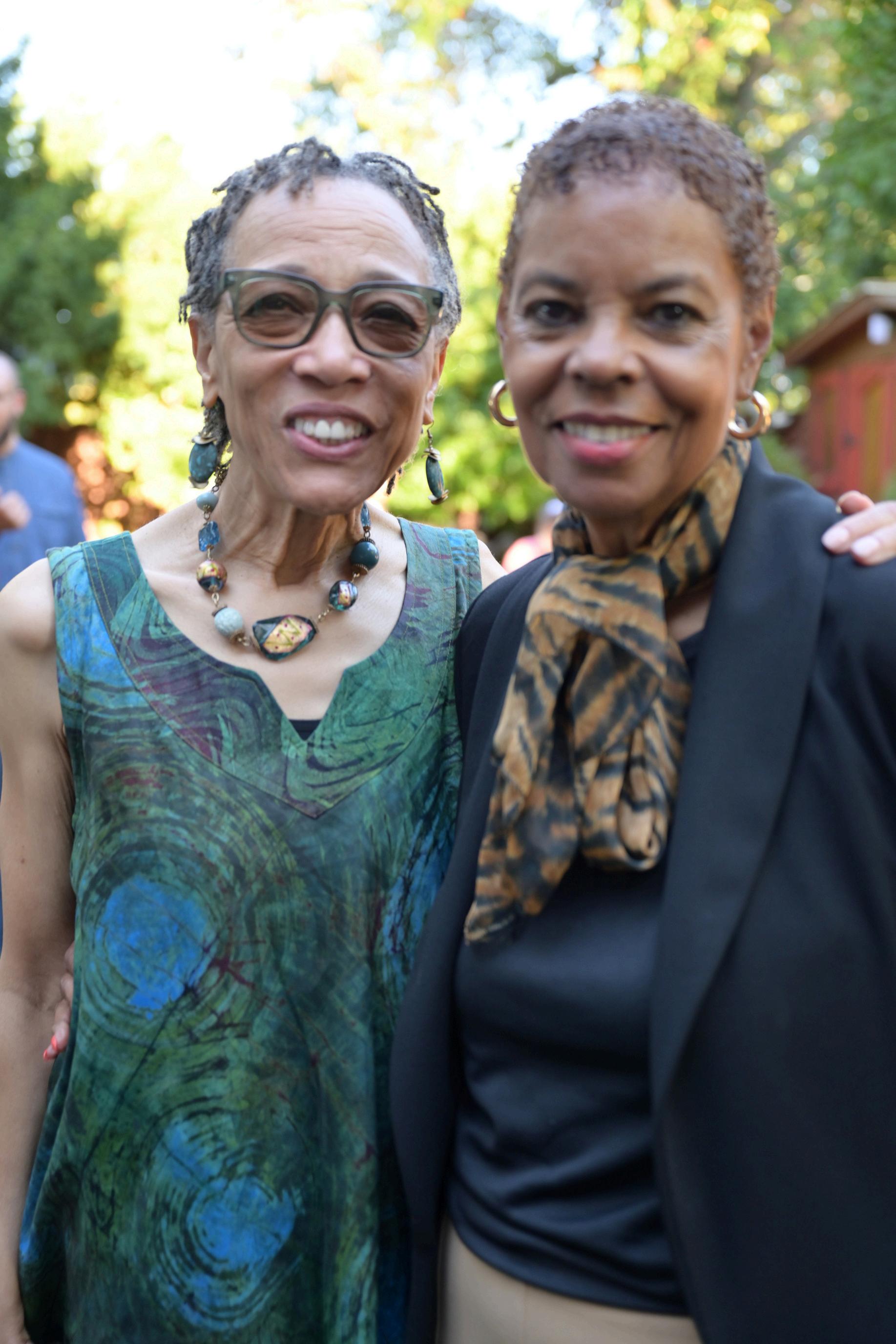
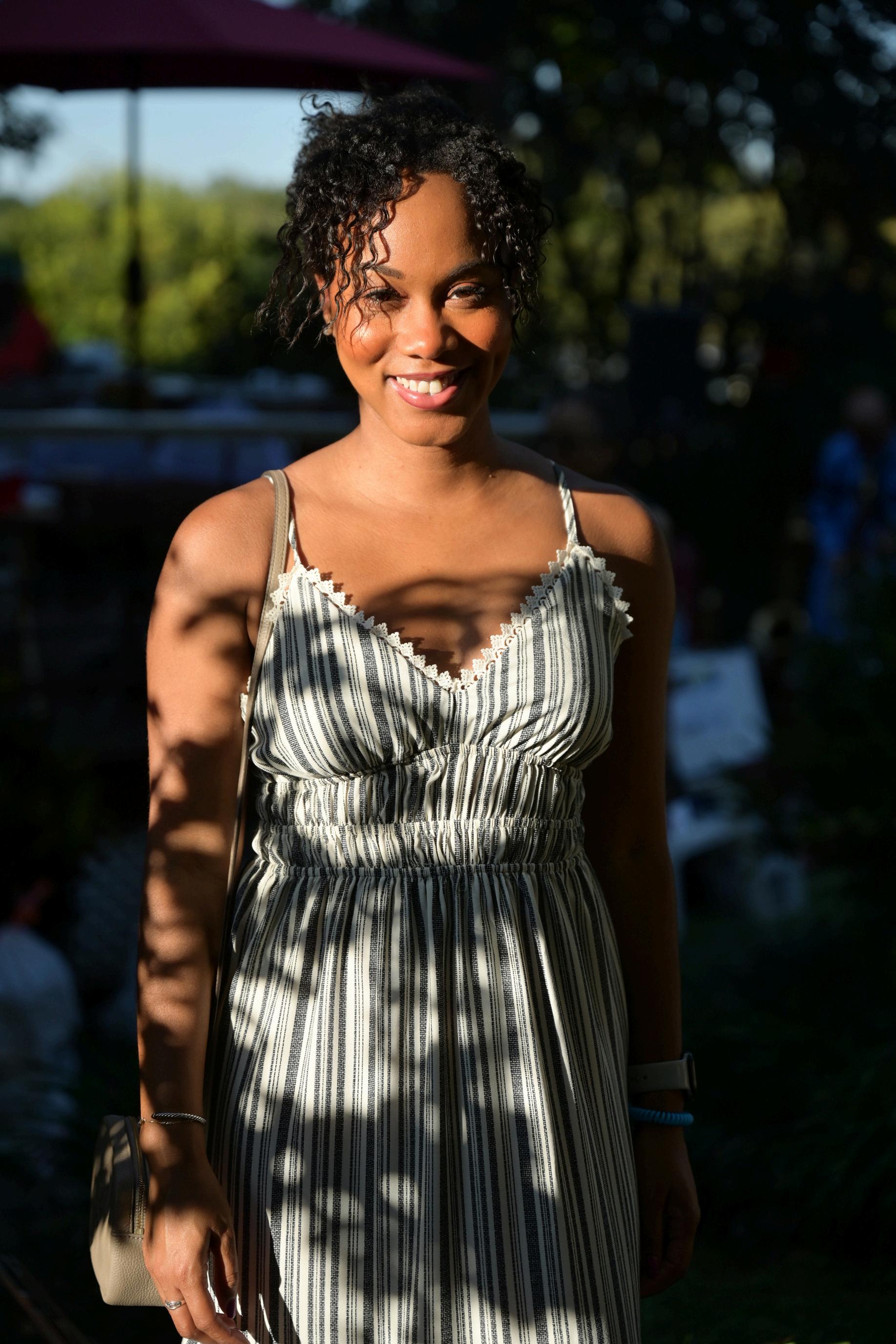
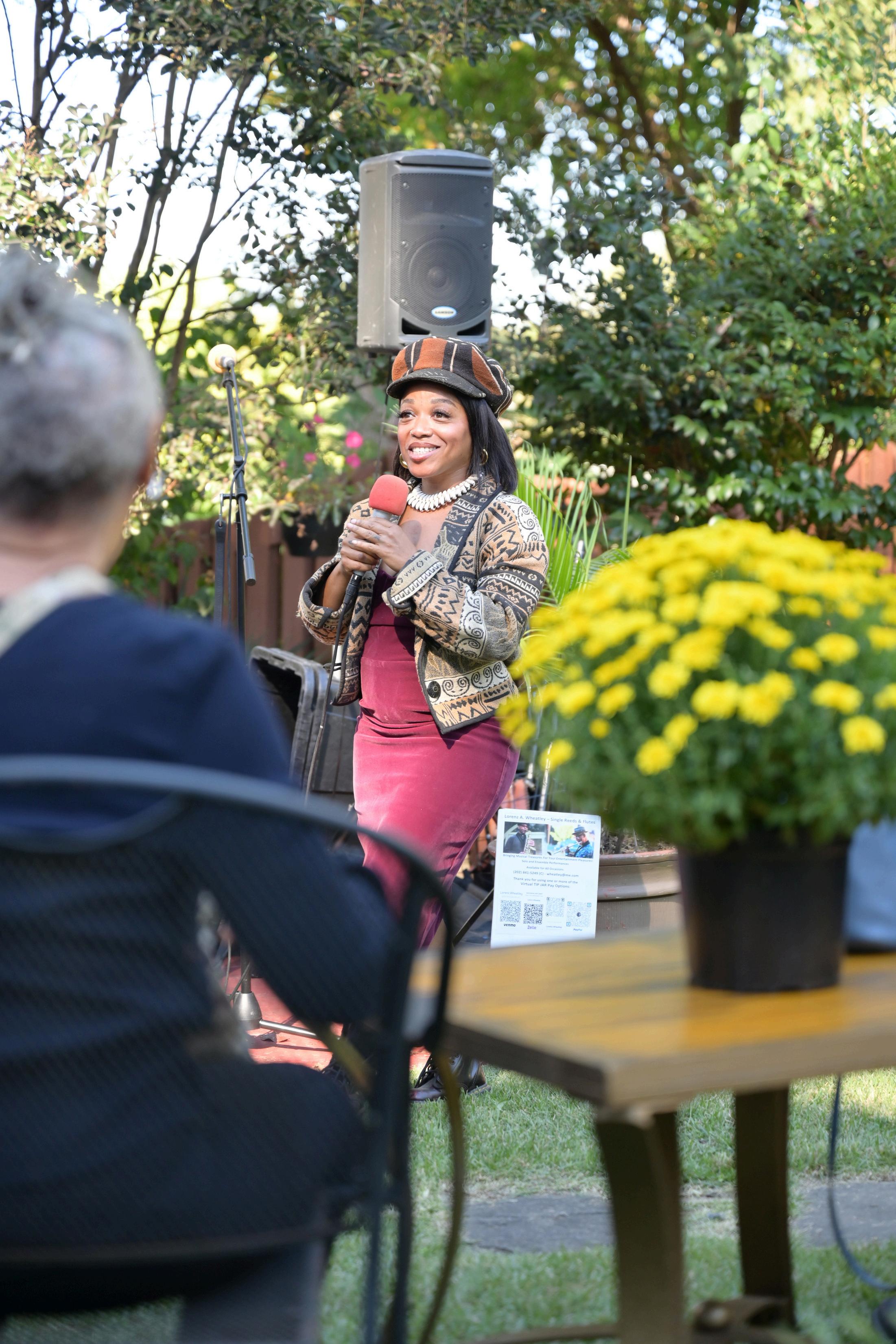
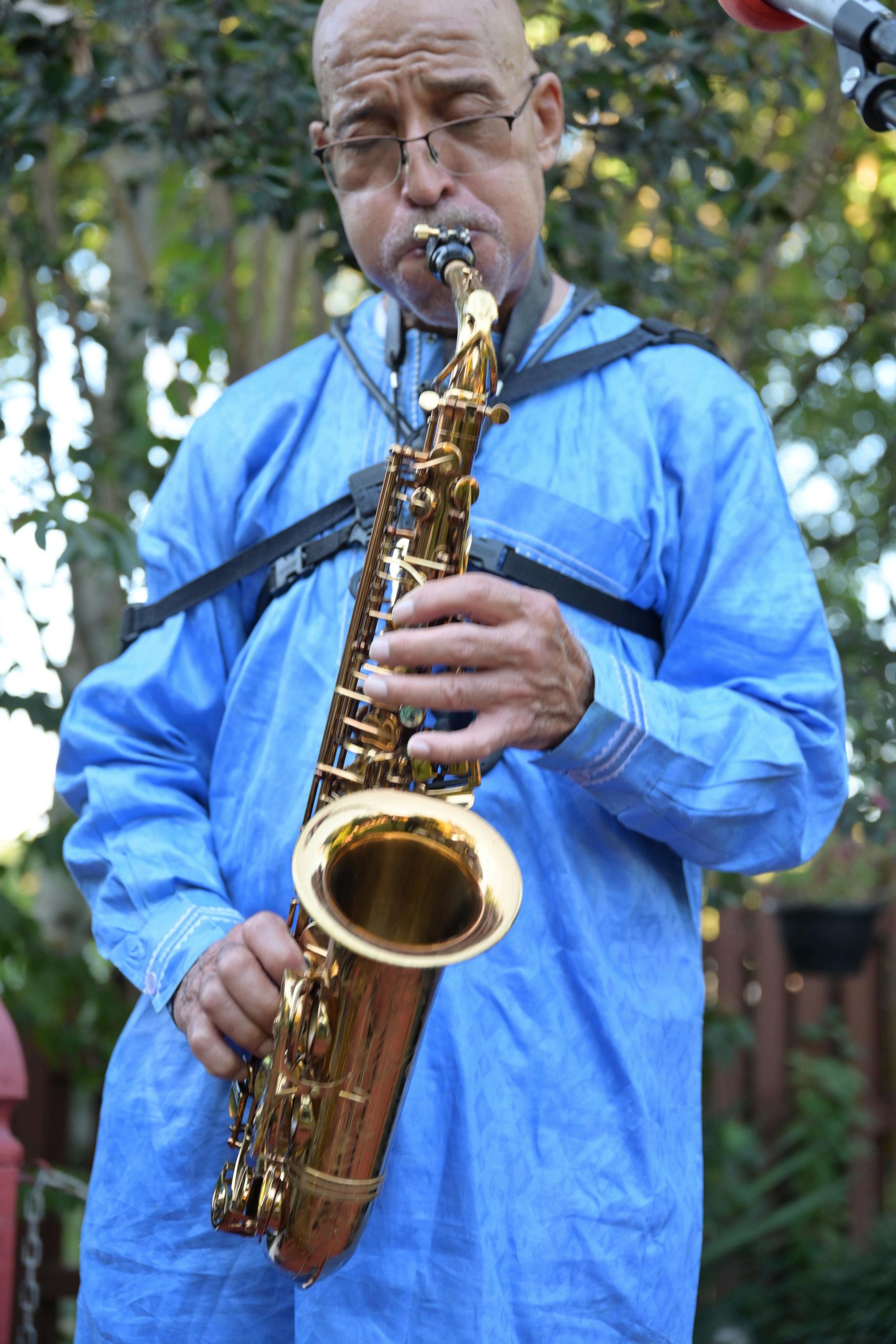
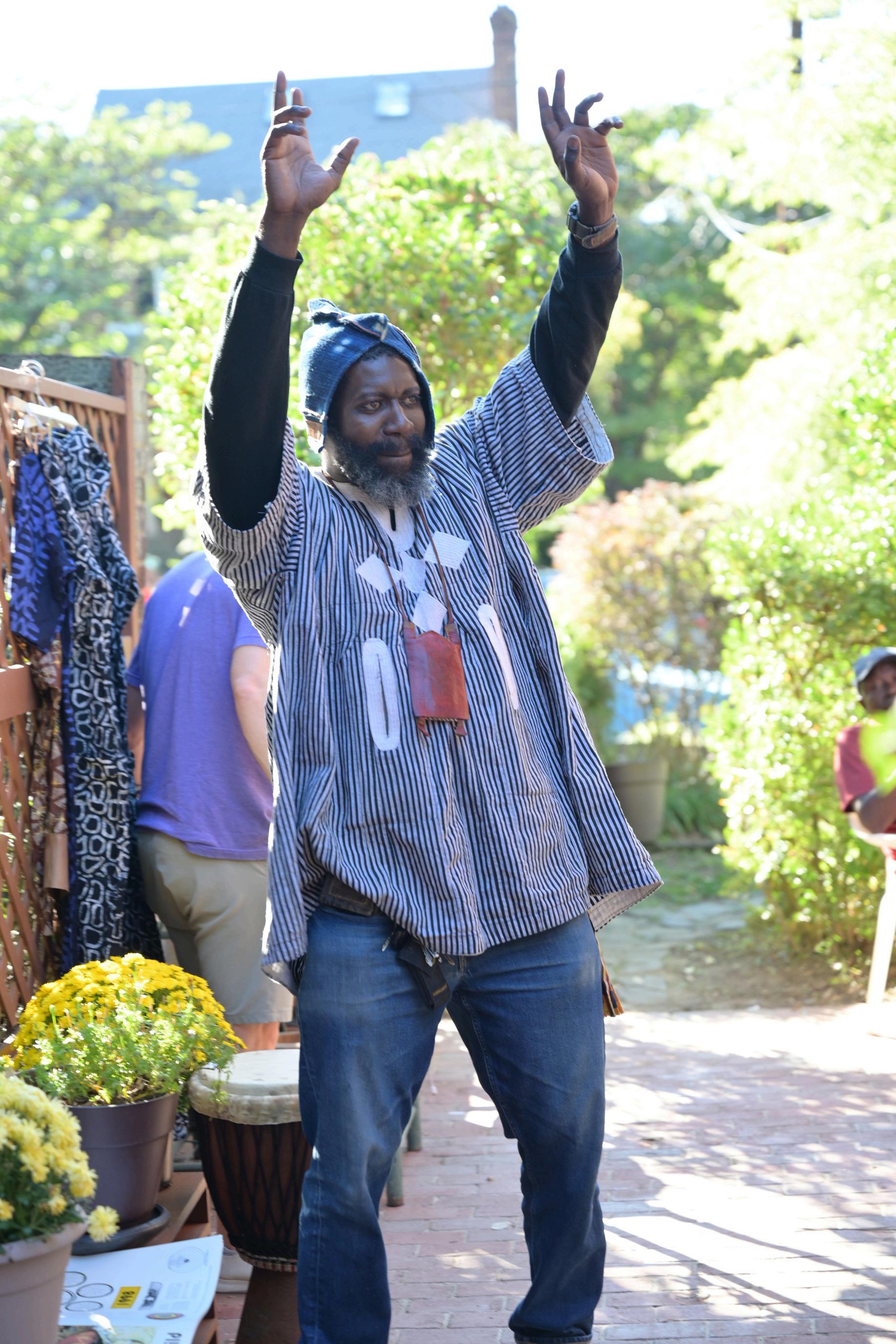
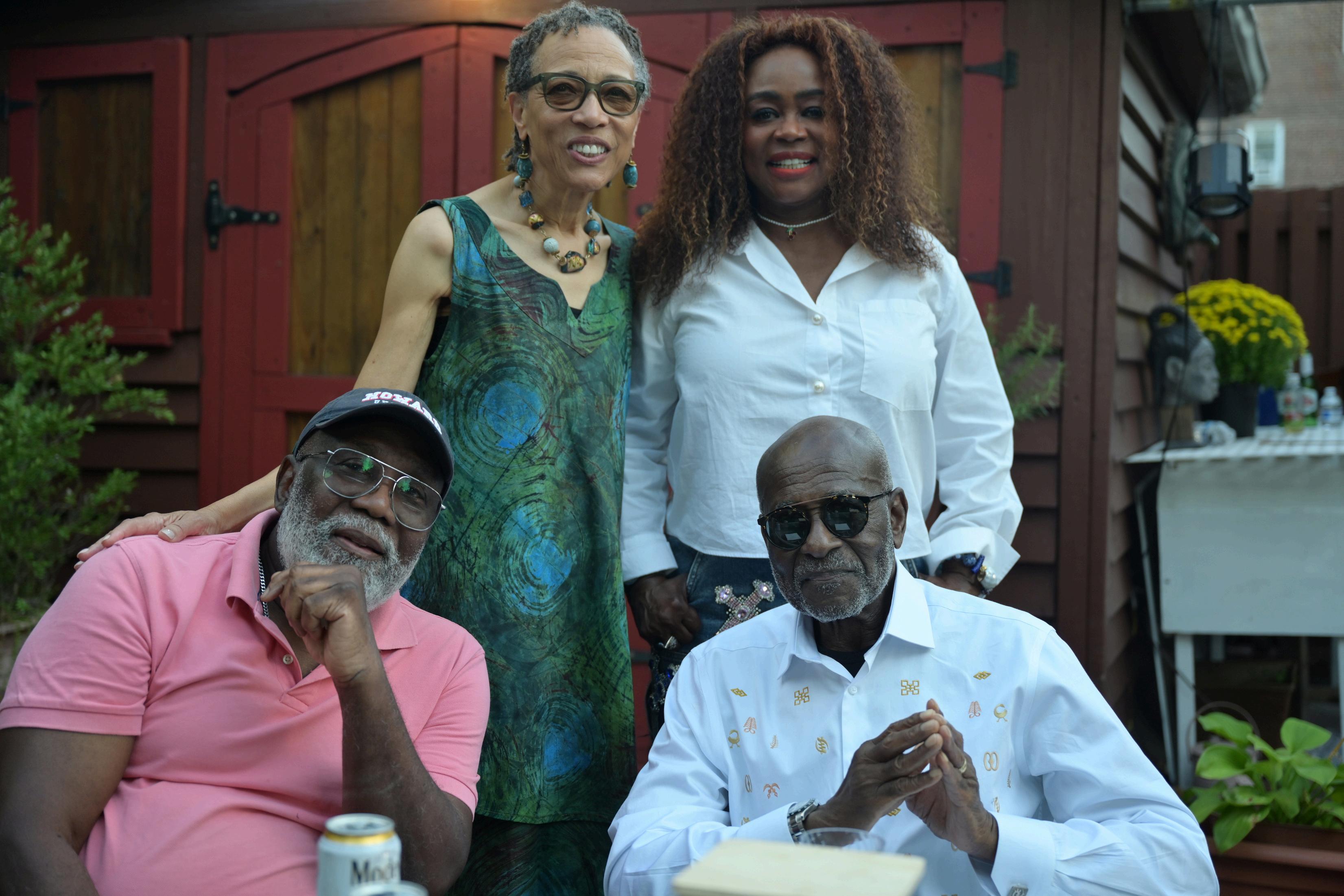
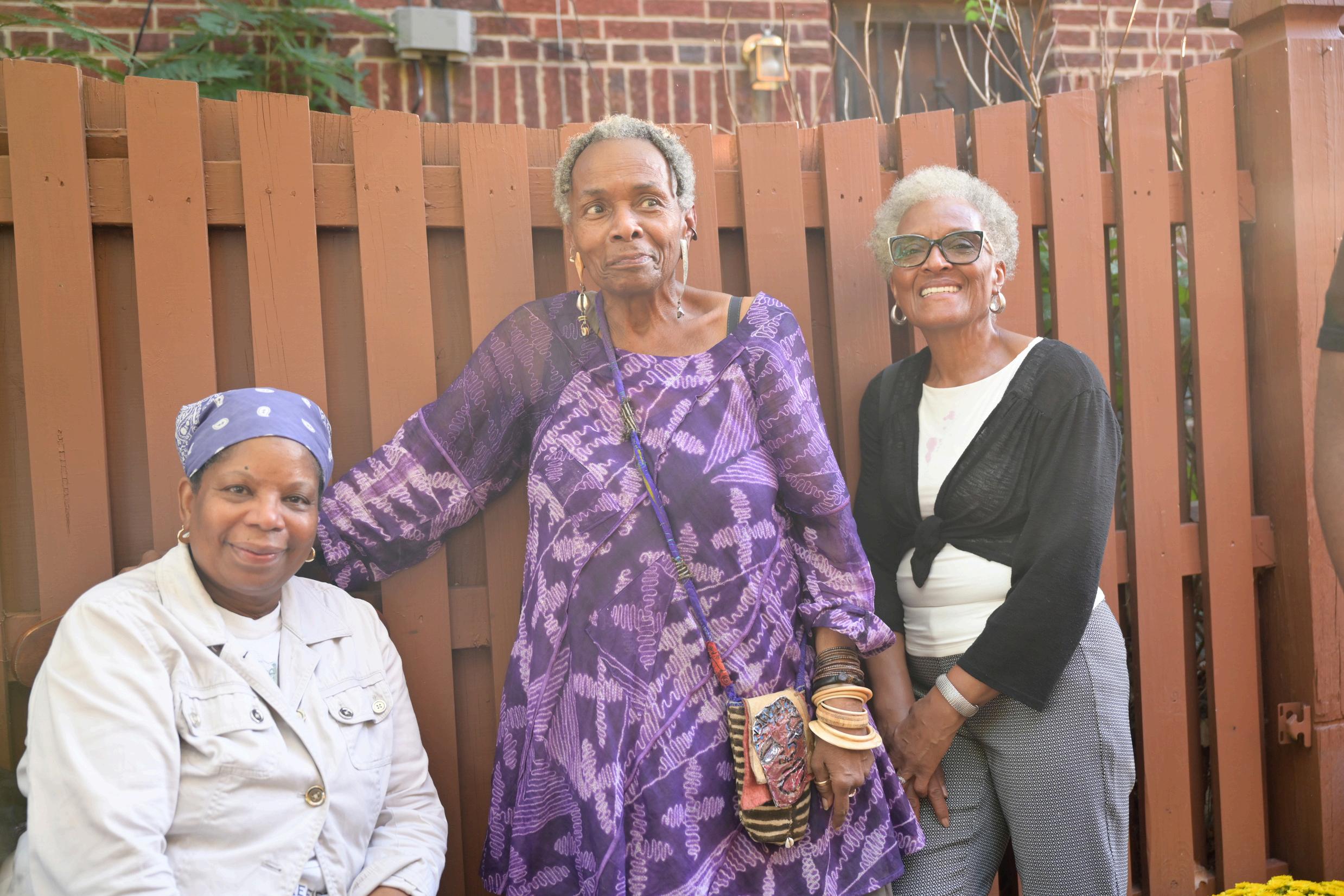
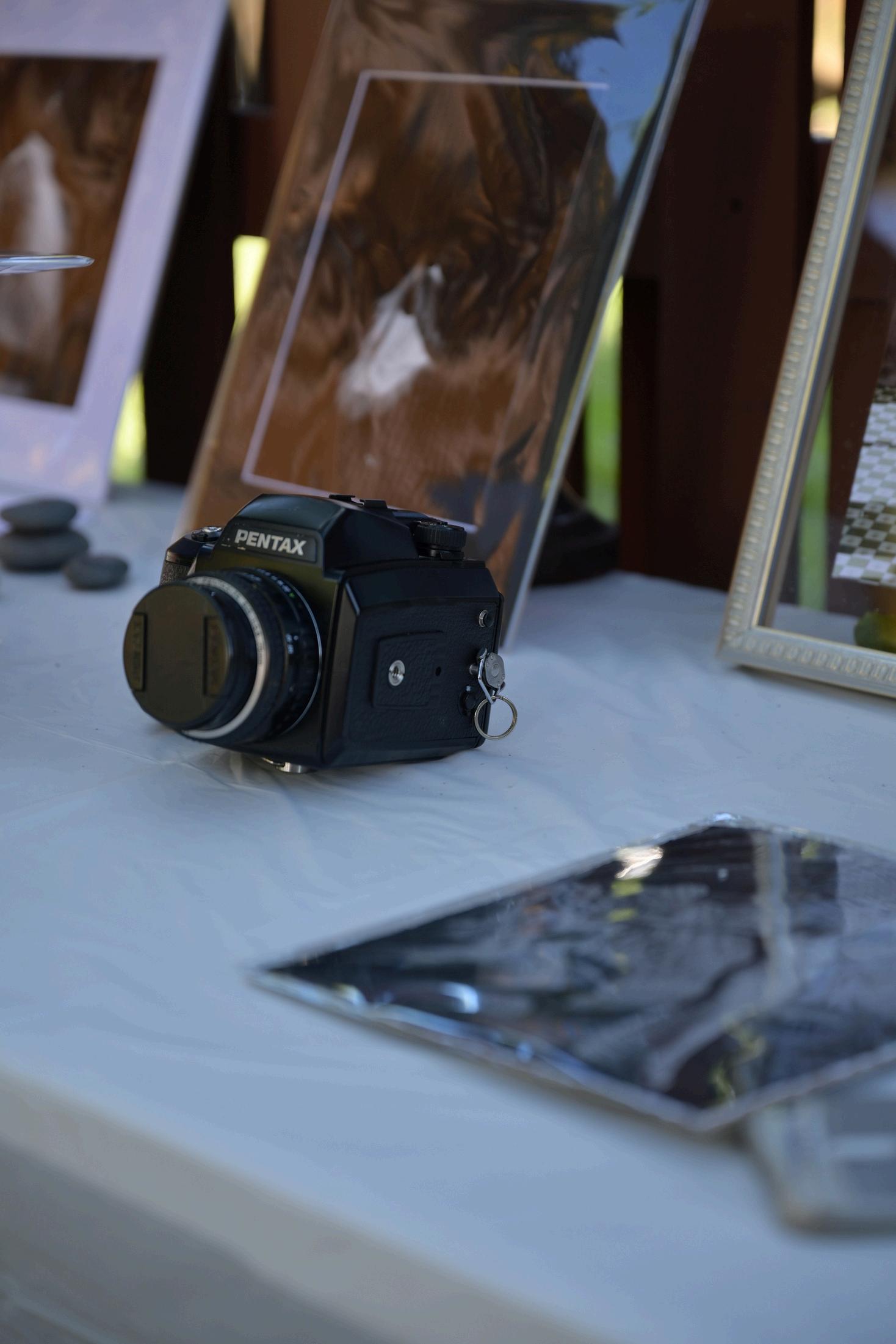
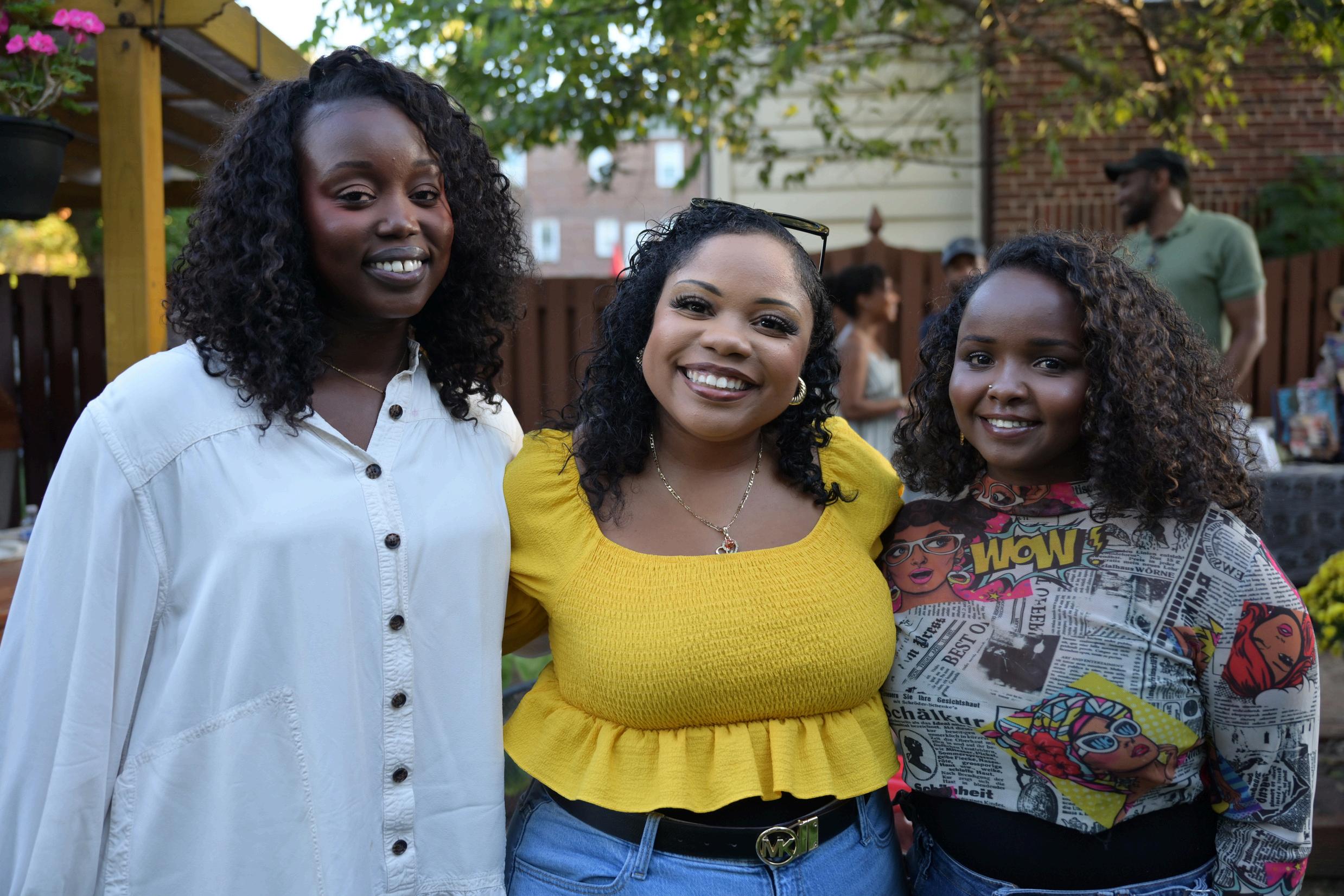
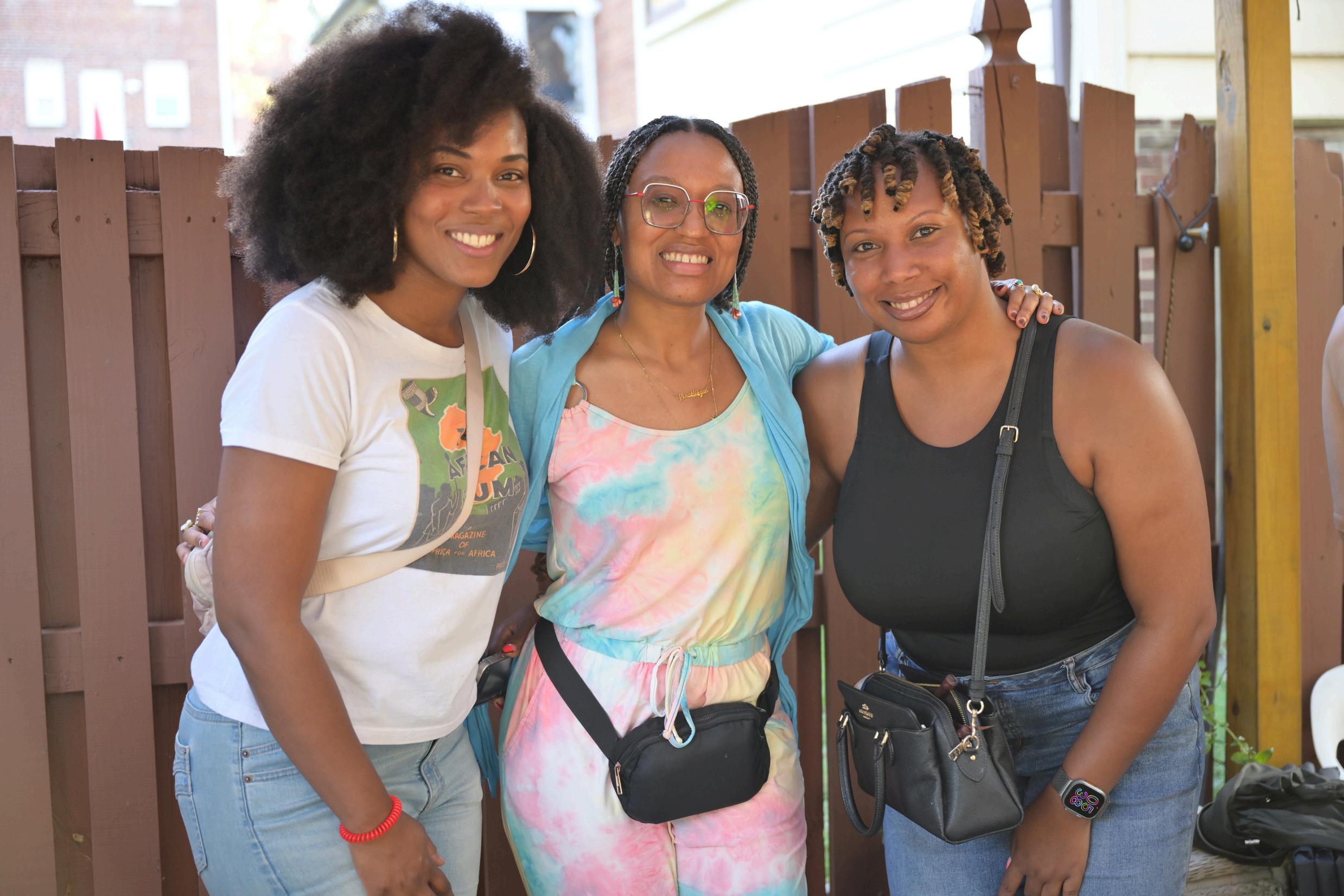
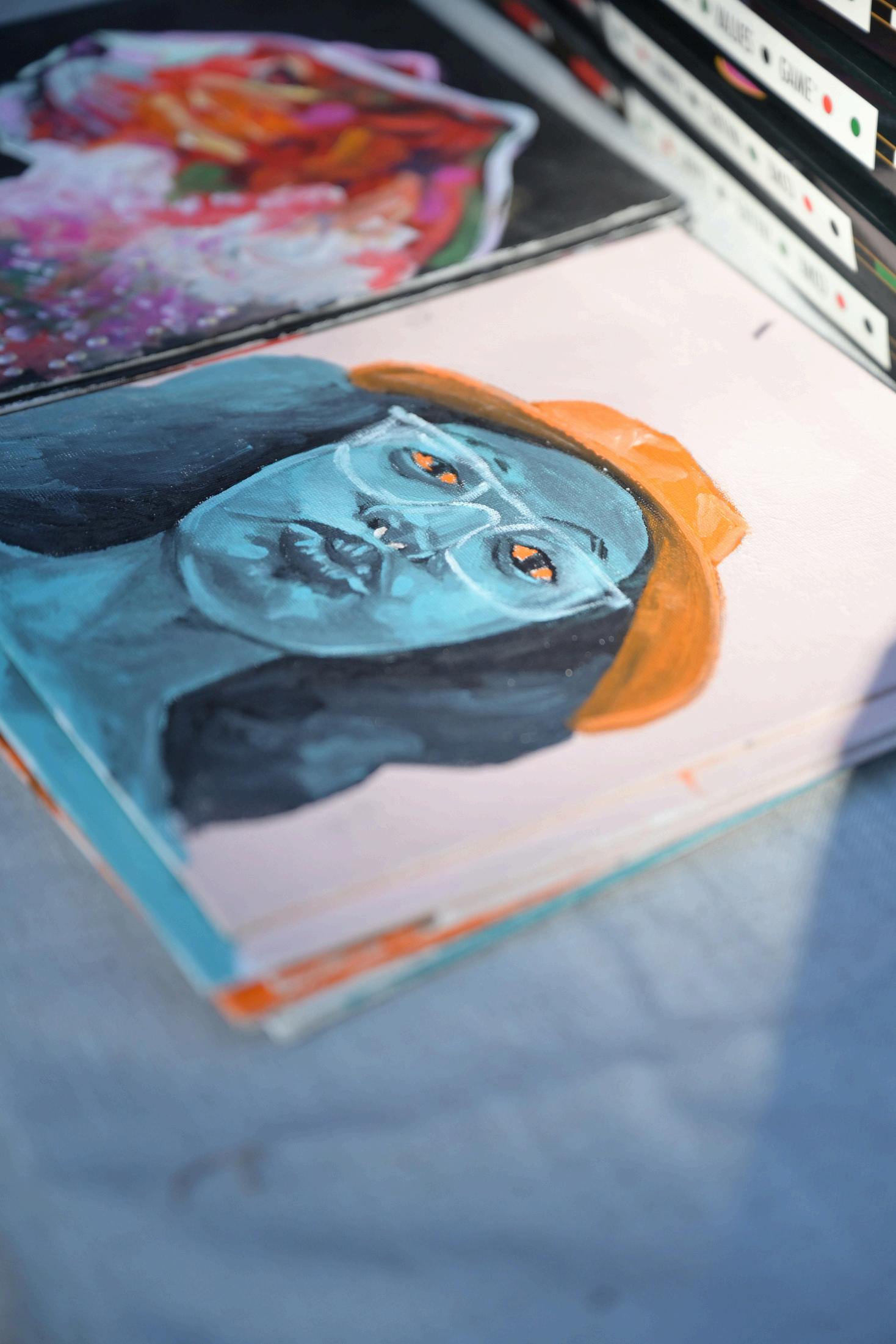
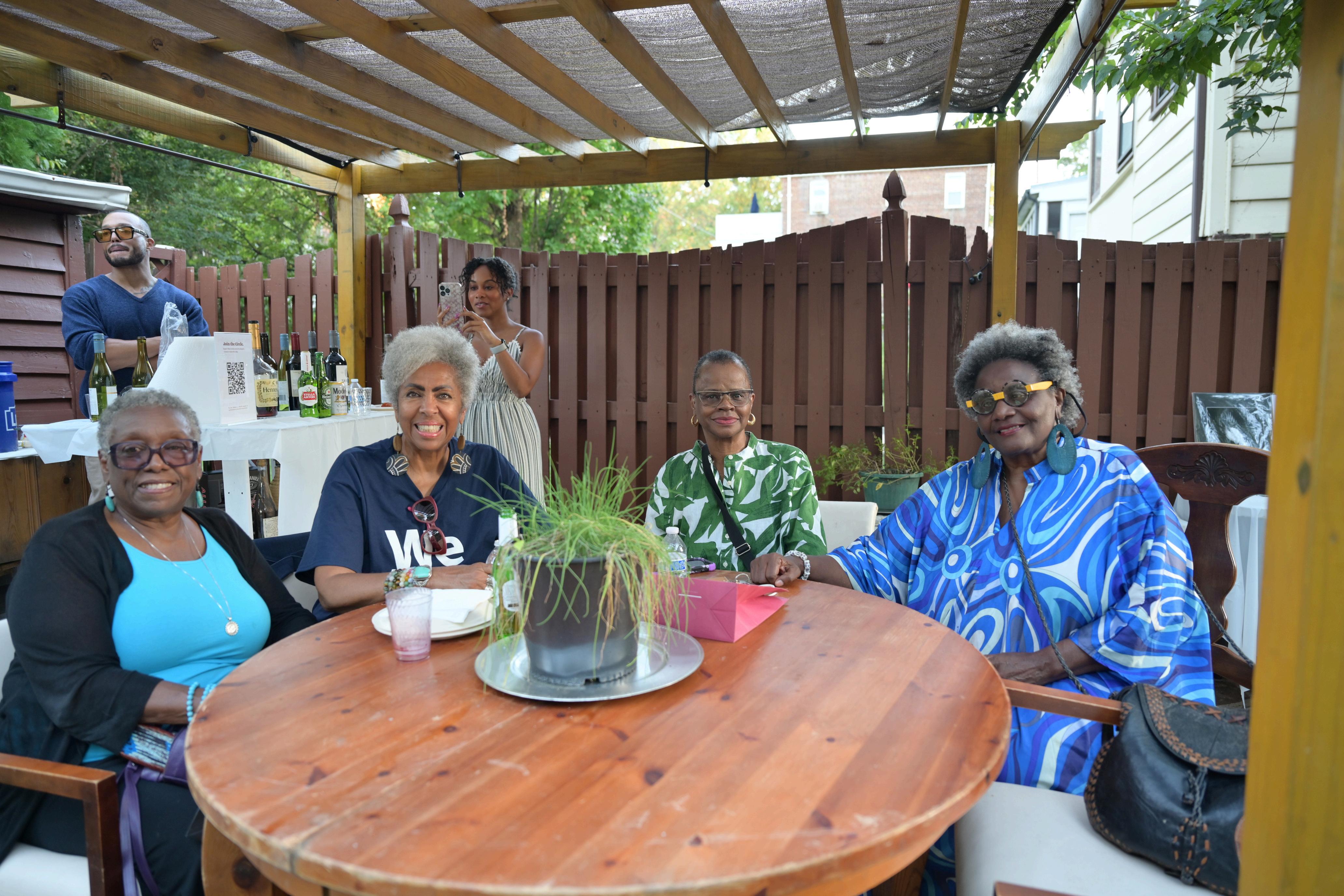
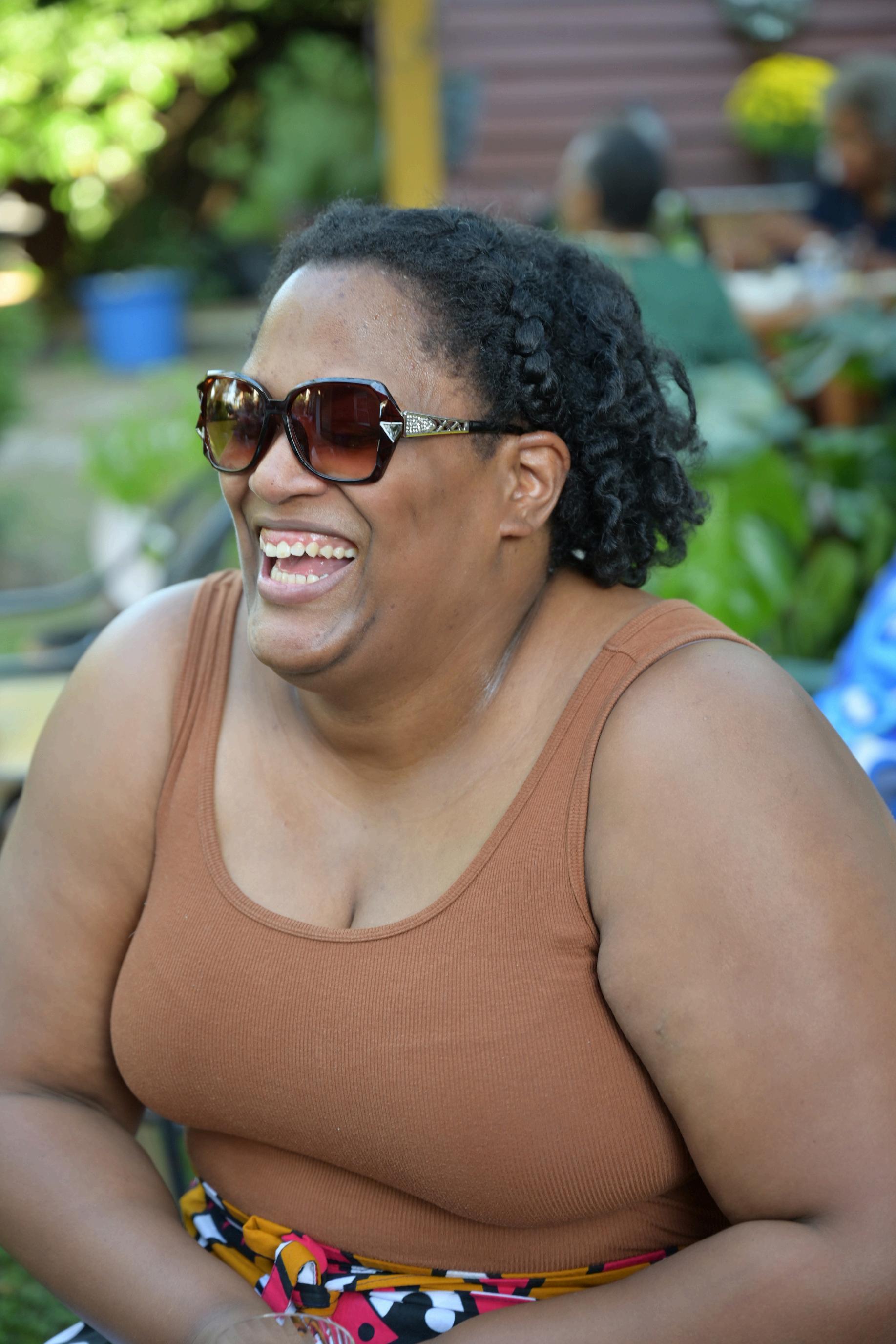
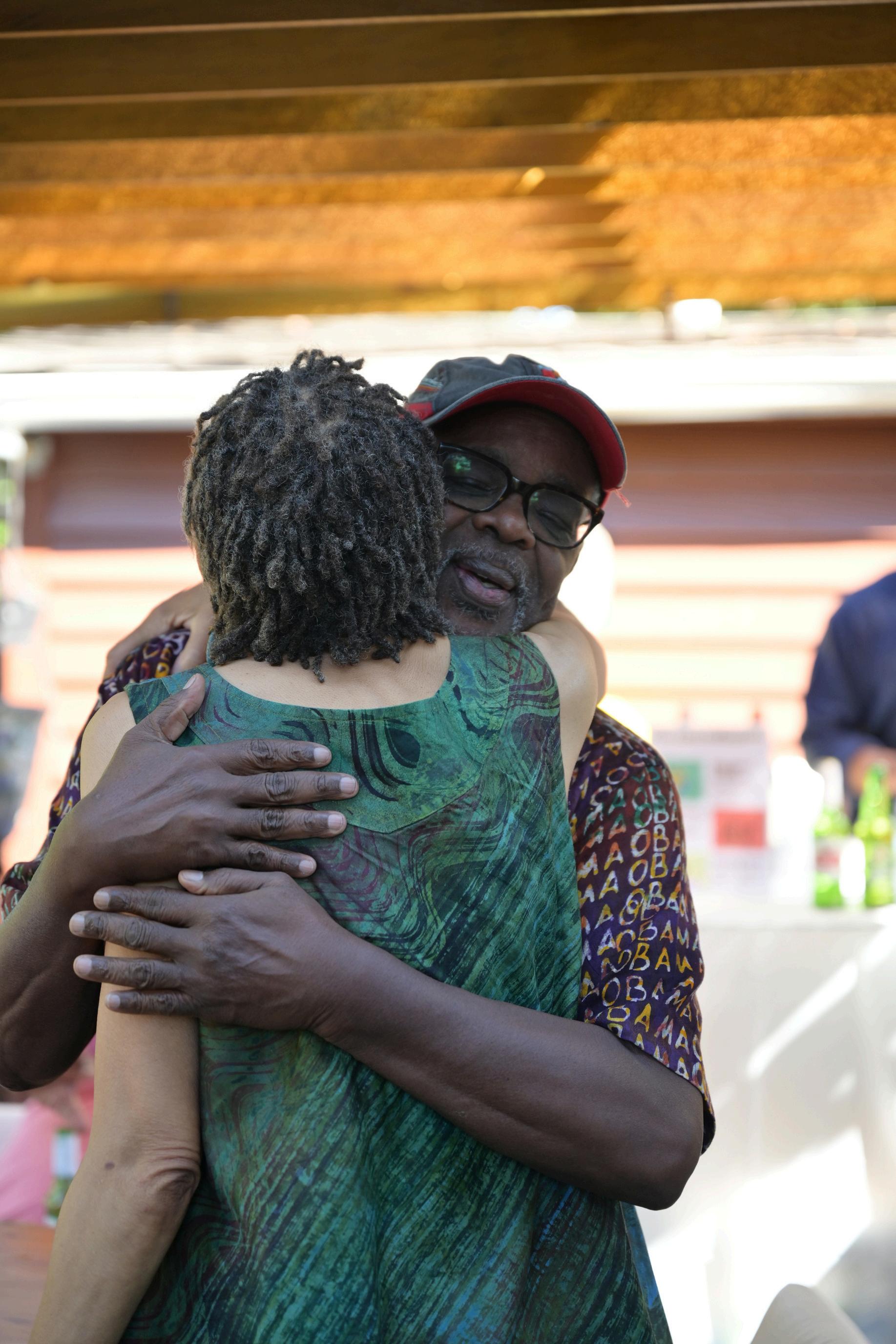
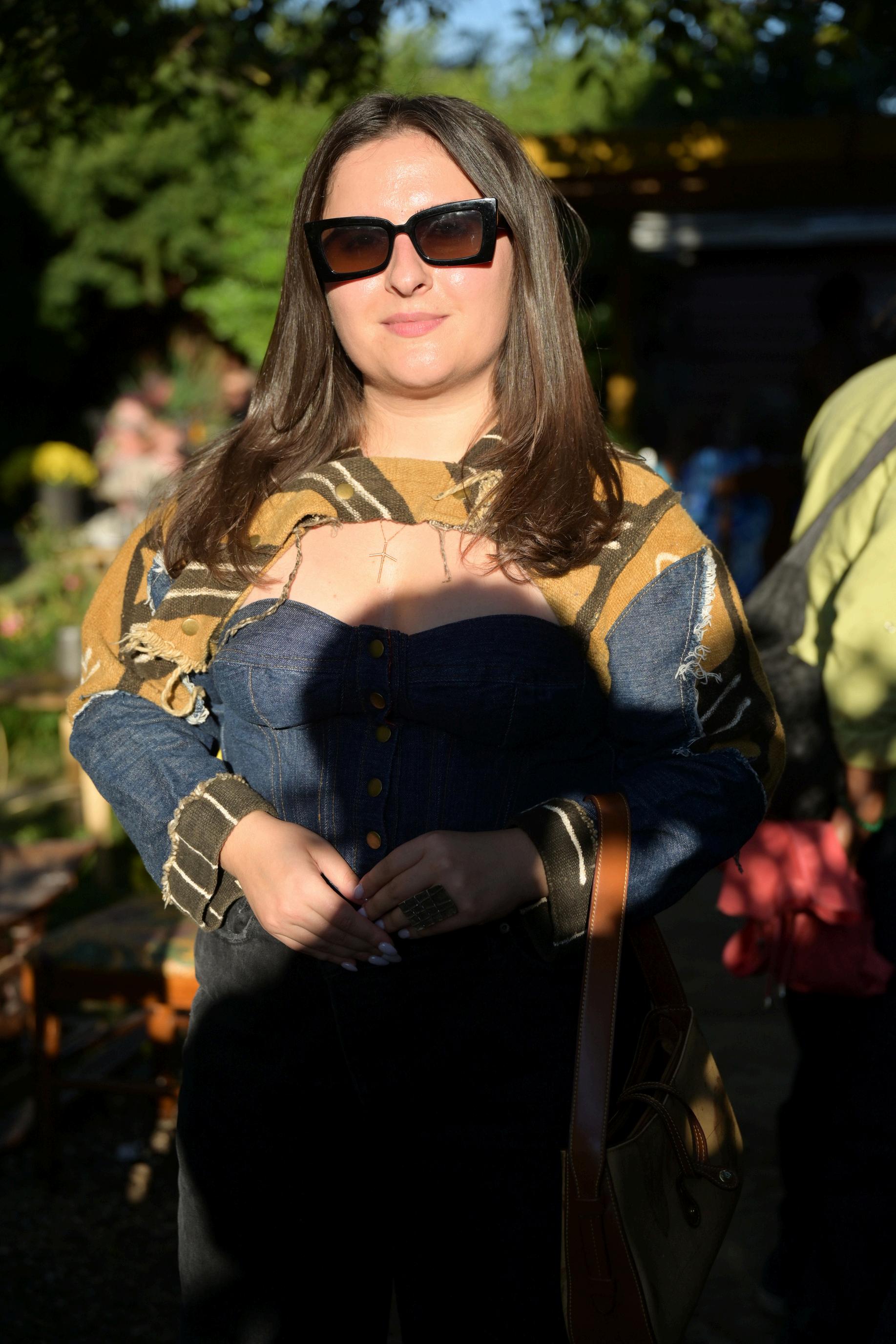
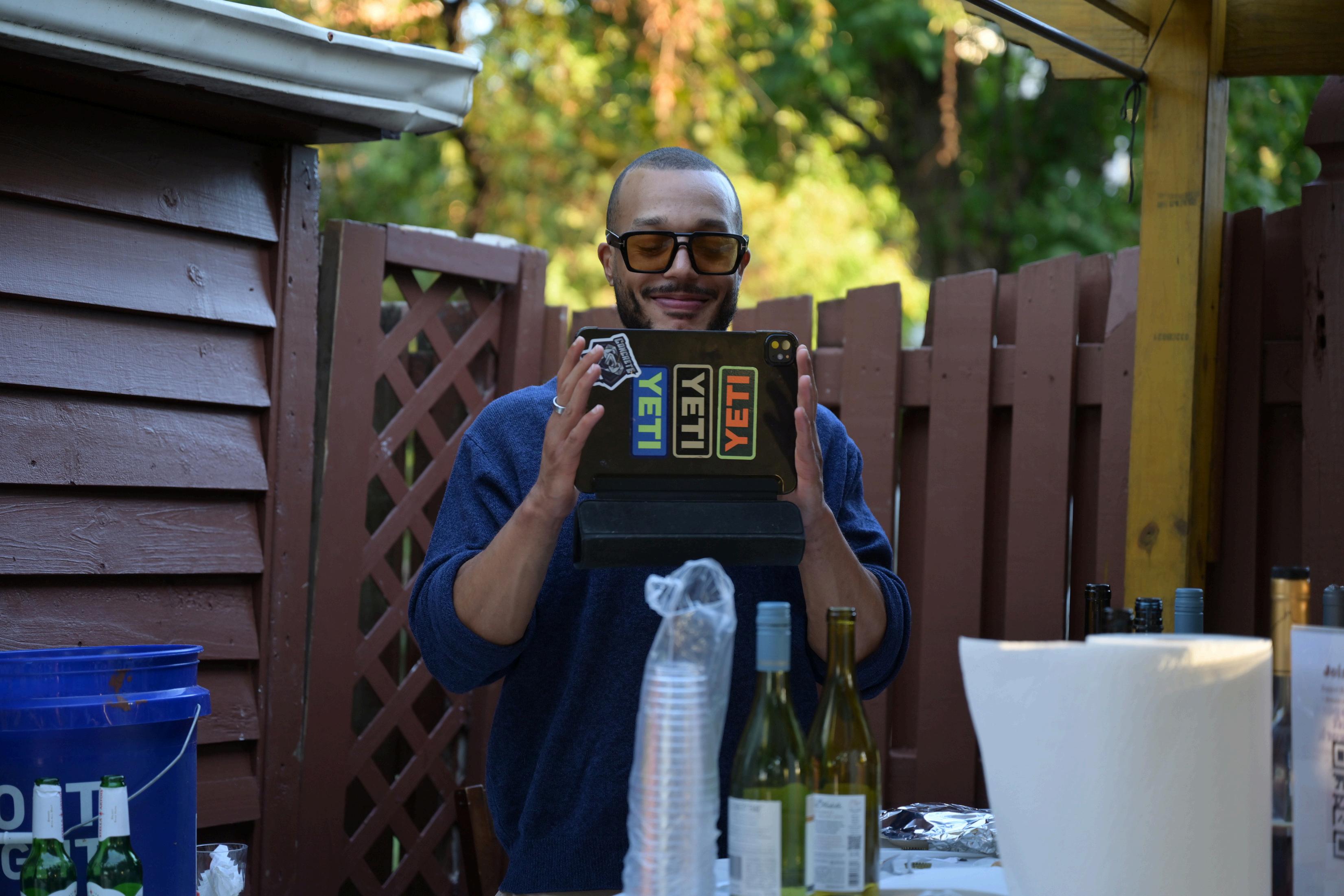
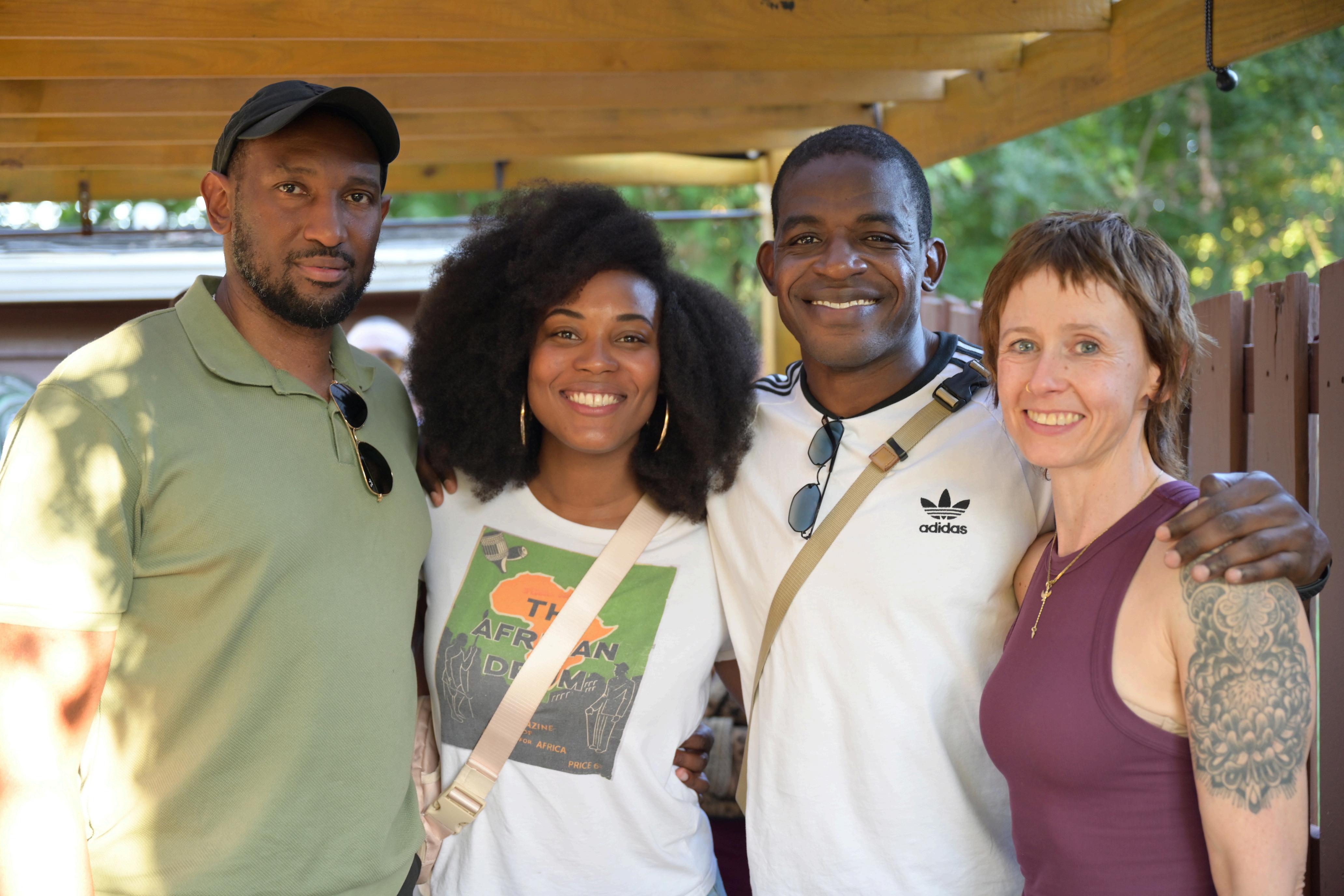
Community Members gathered to celebrate local Black artists in the Washington, DC area.
Want to learn more about upcoming events? Be sure to subscribe to ournewsletterat www.amacollective.org. Our work would not be possible without the generous support of members like you! Visit our website or scan the QR code below to make a tax-deductible donation. Thank You!